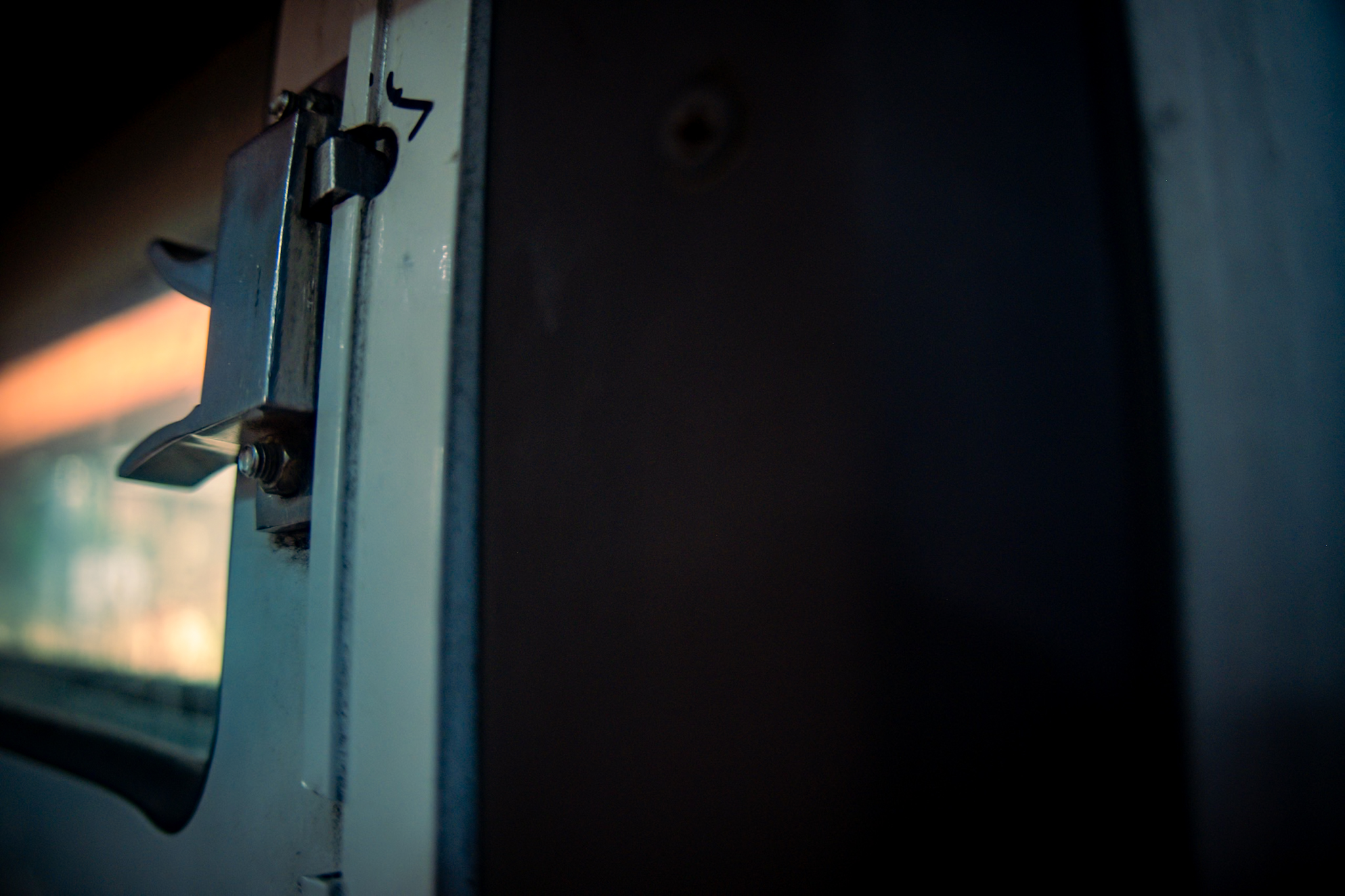
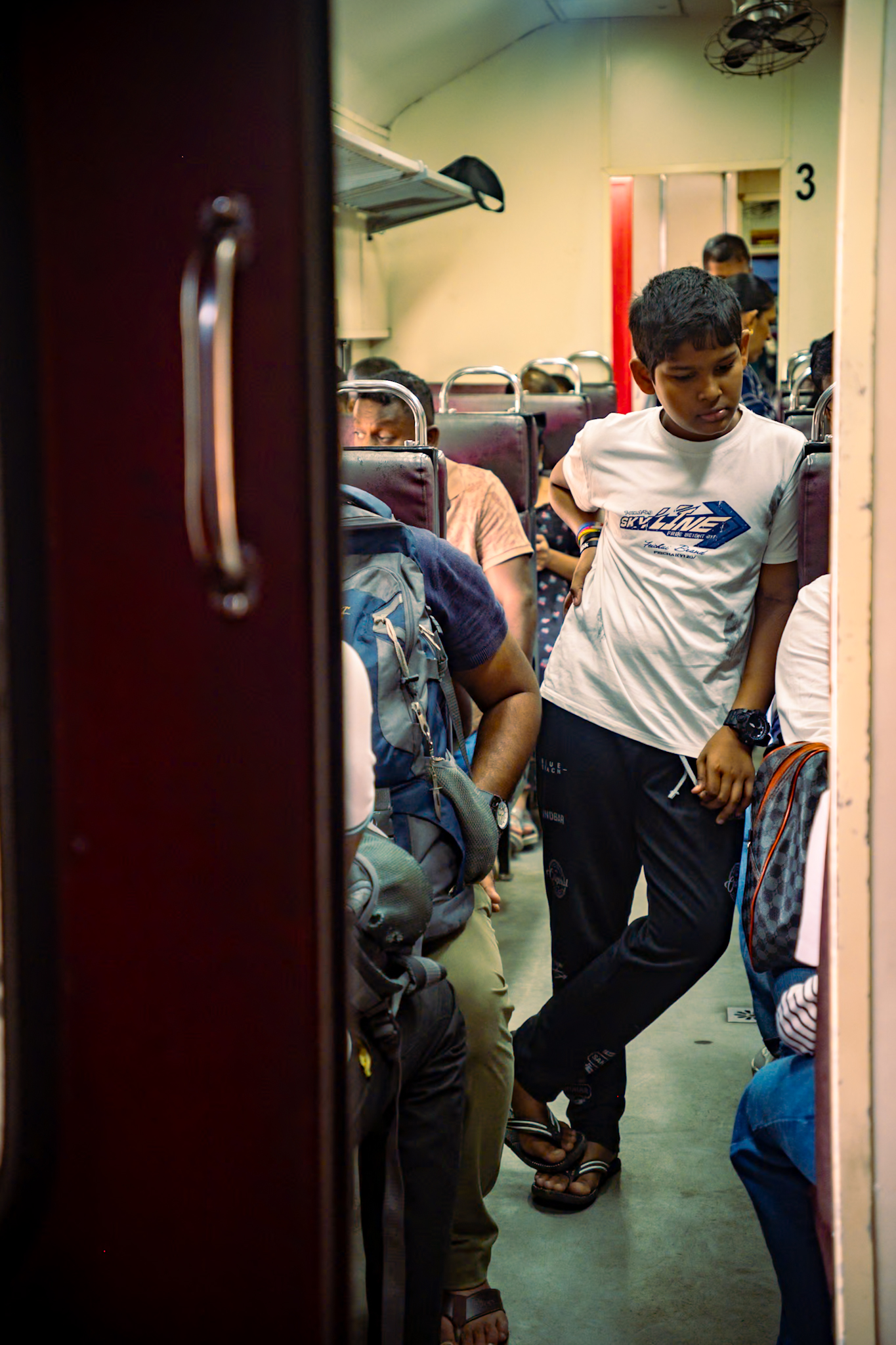
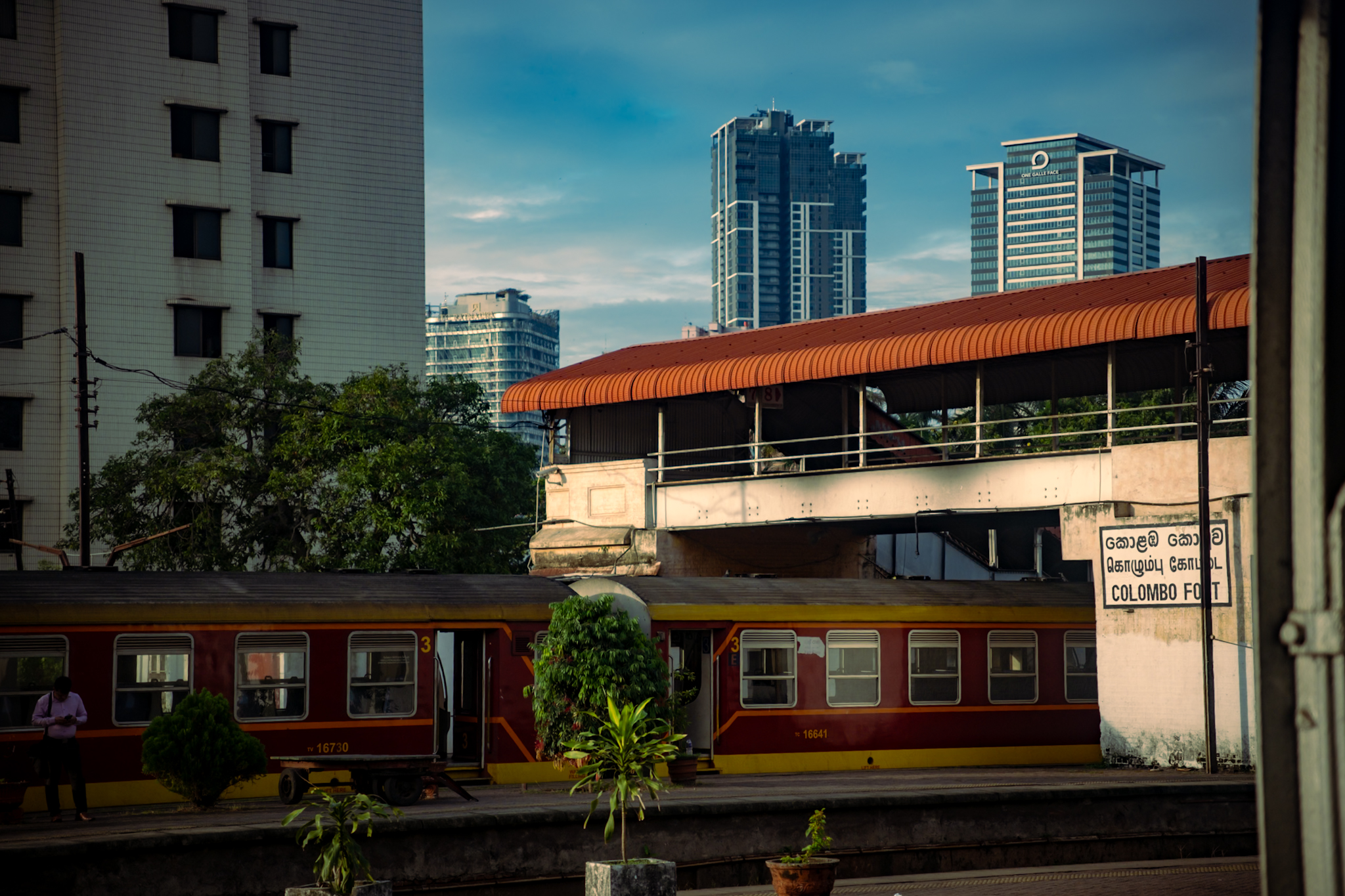
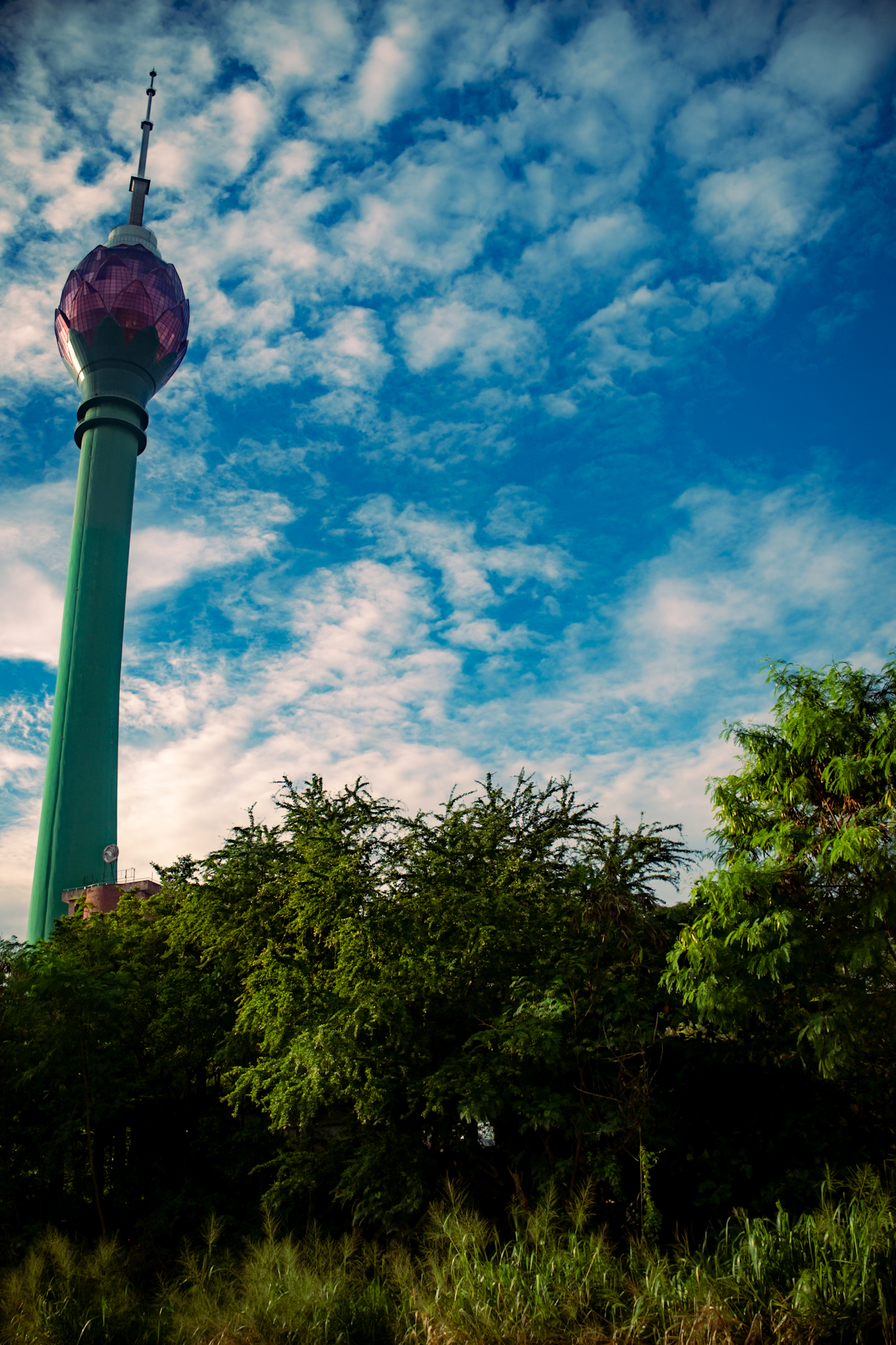
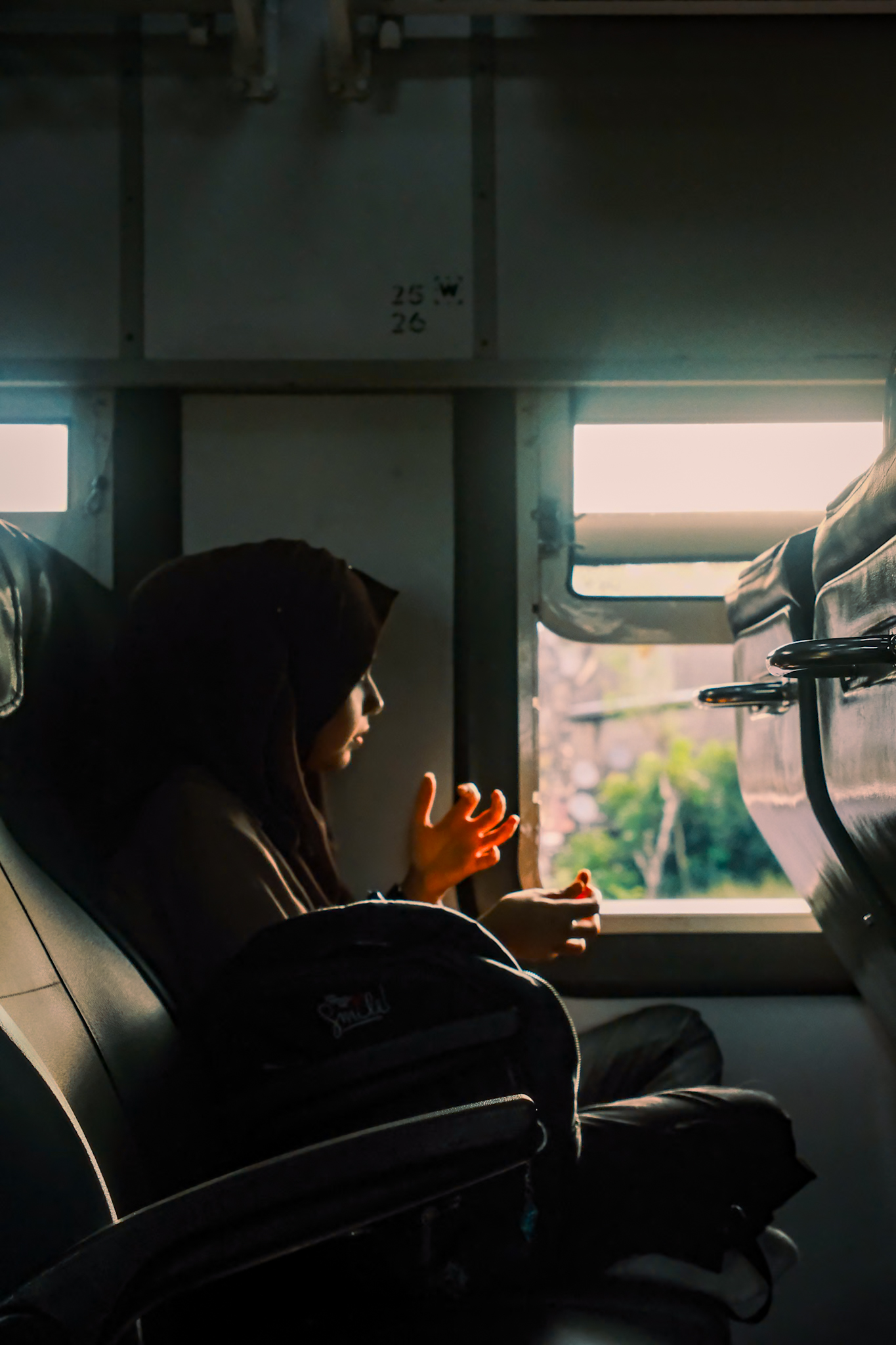
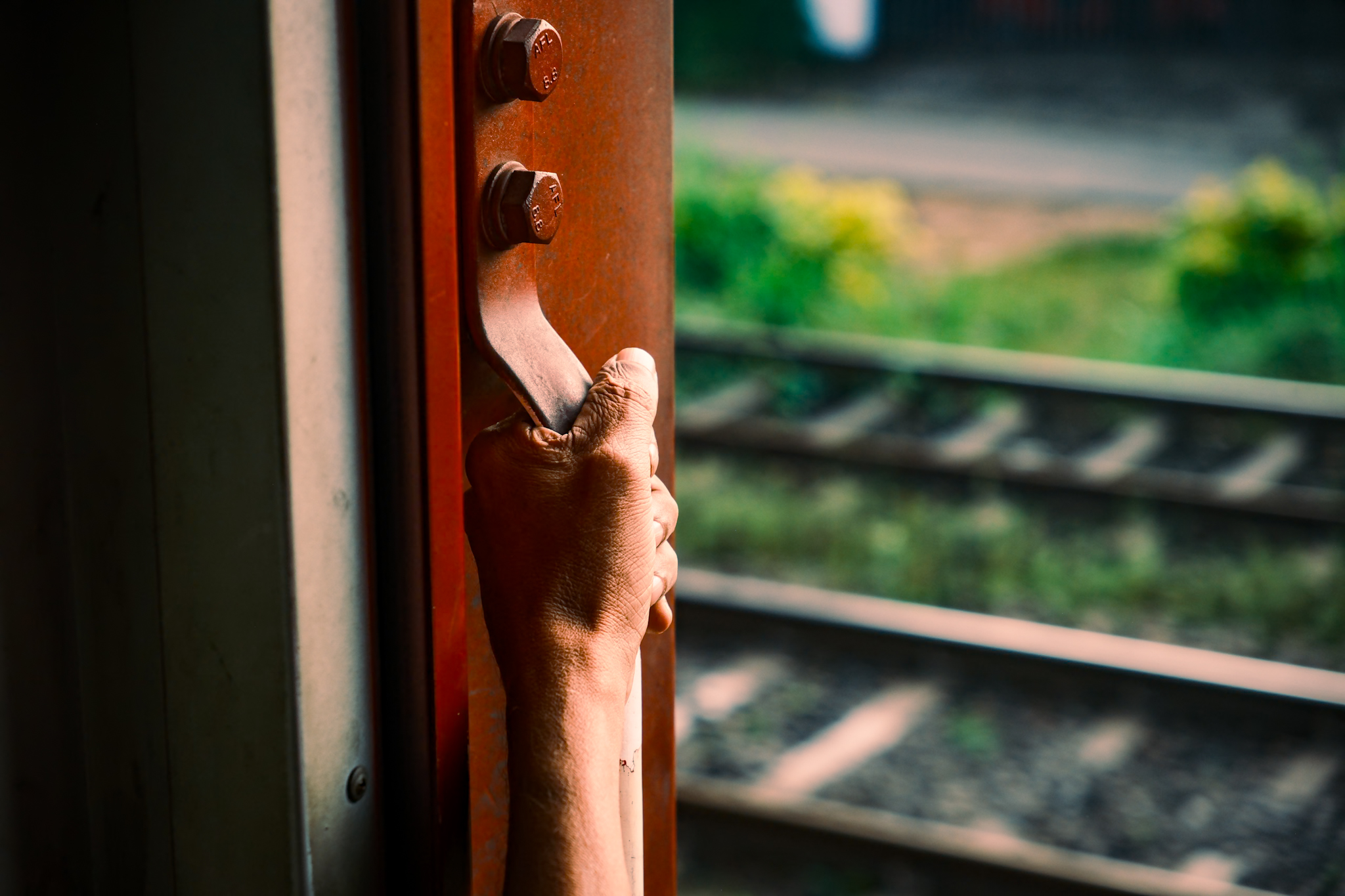
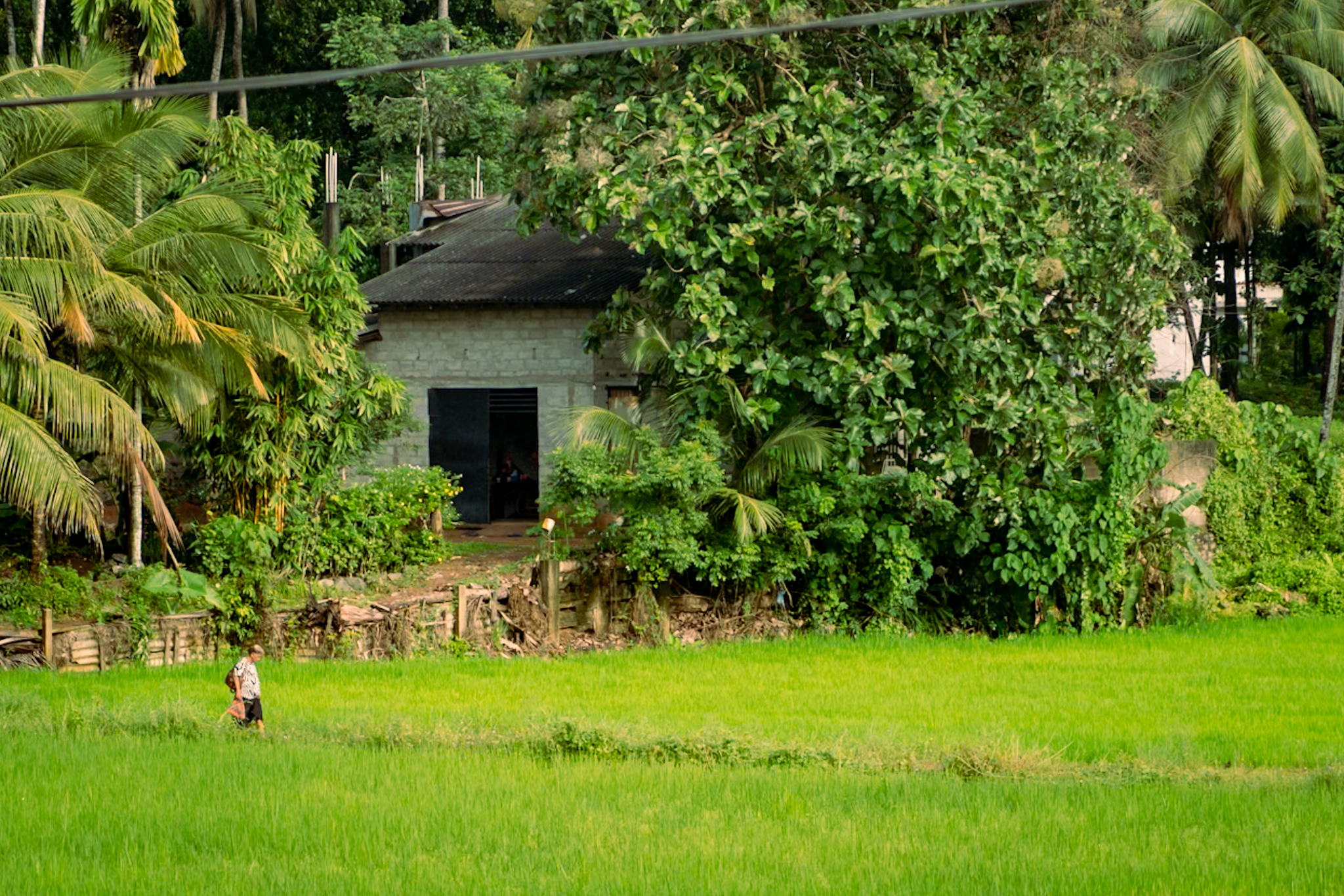
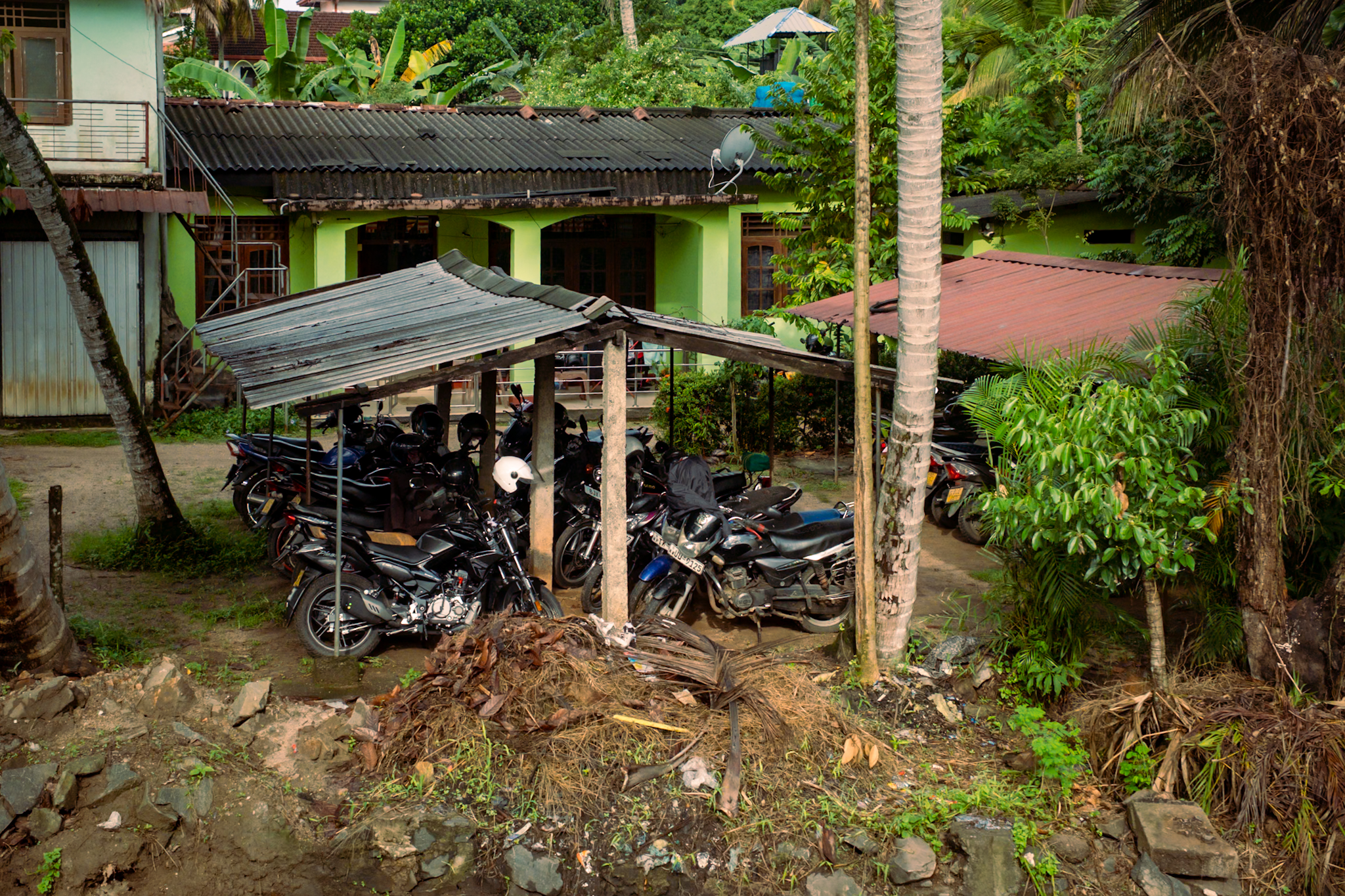
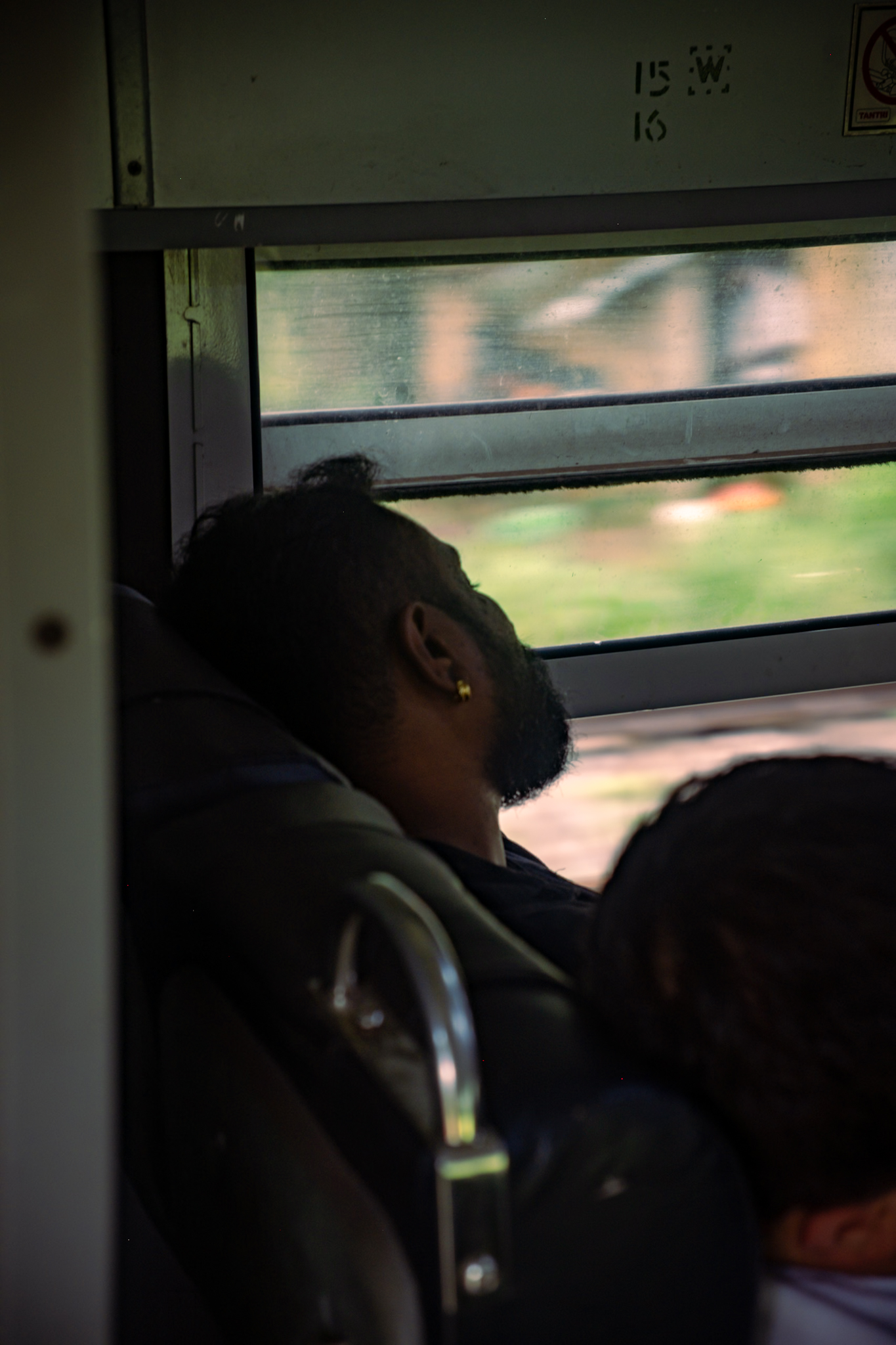
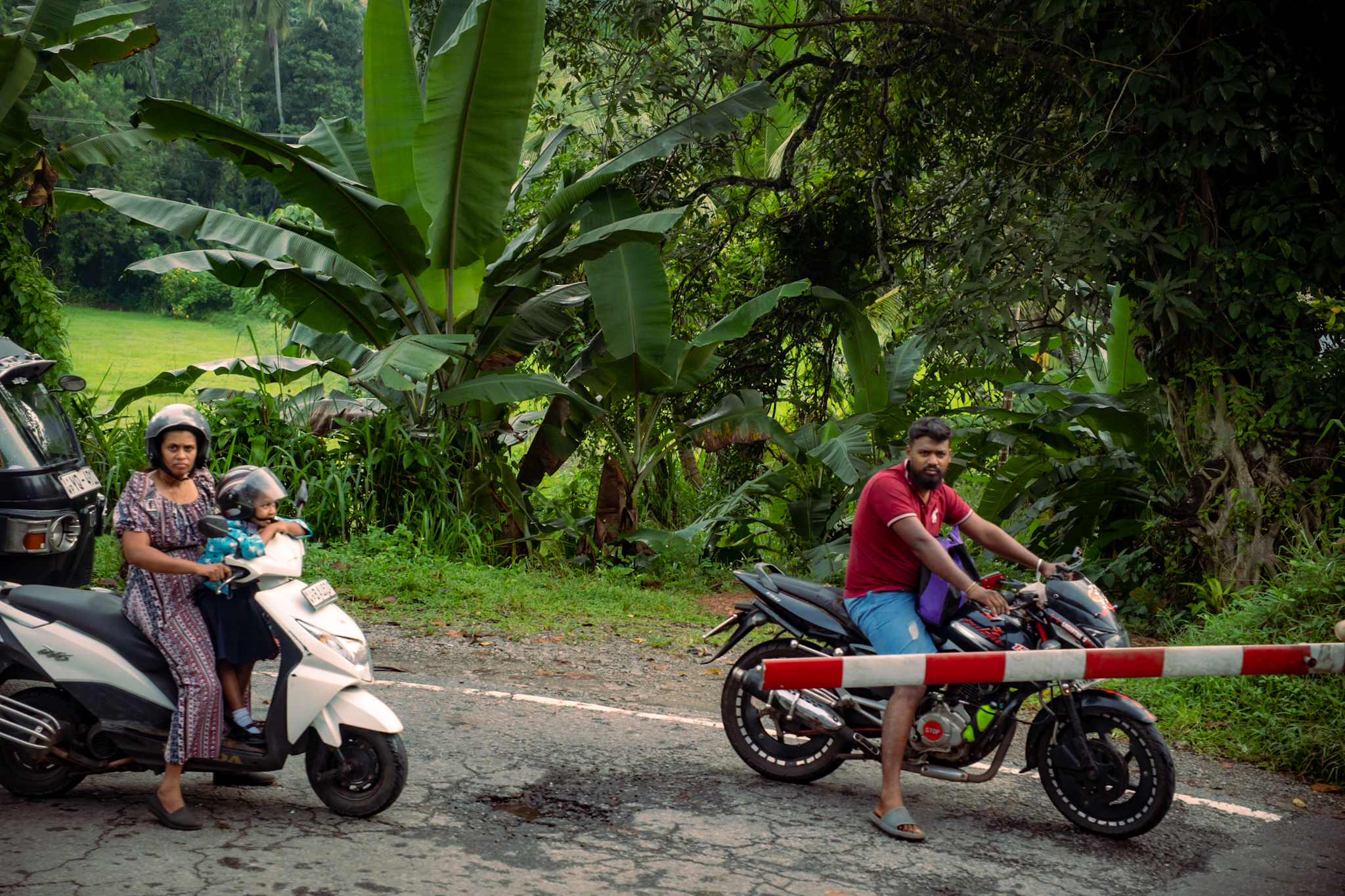
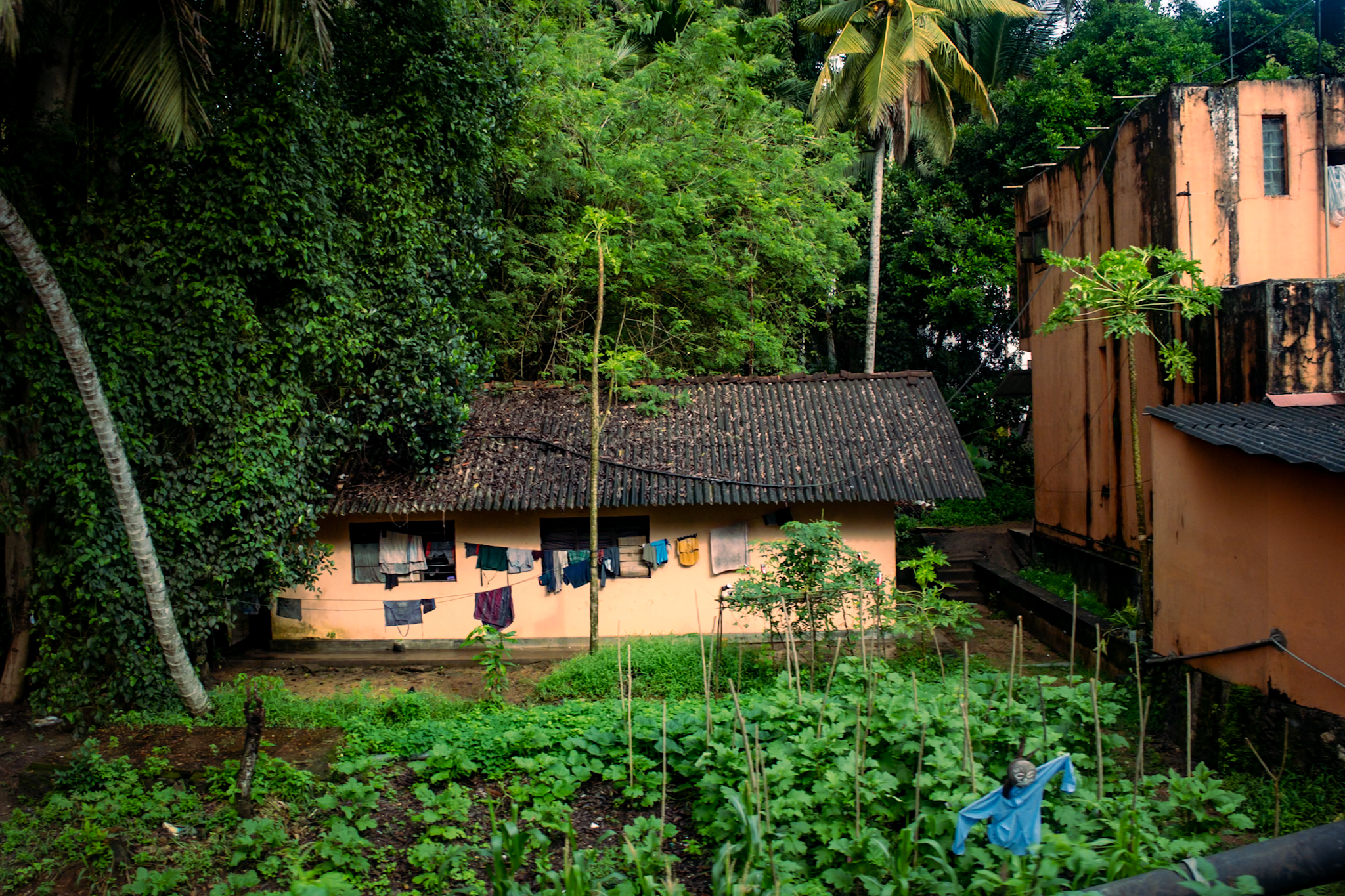
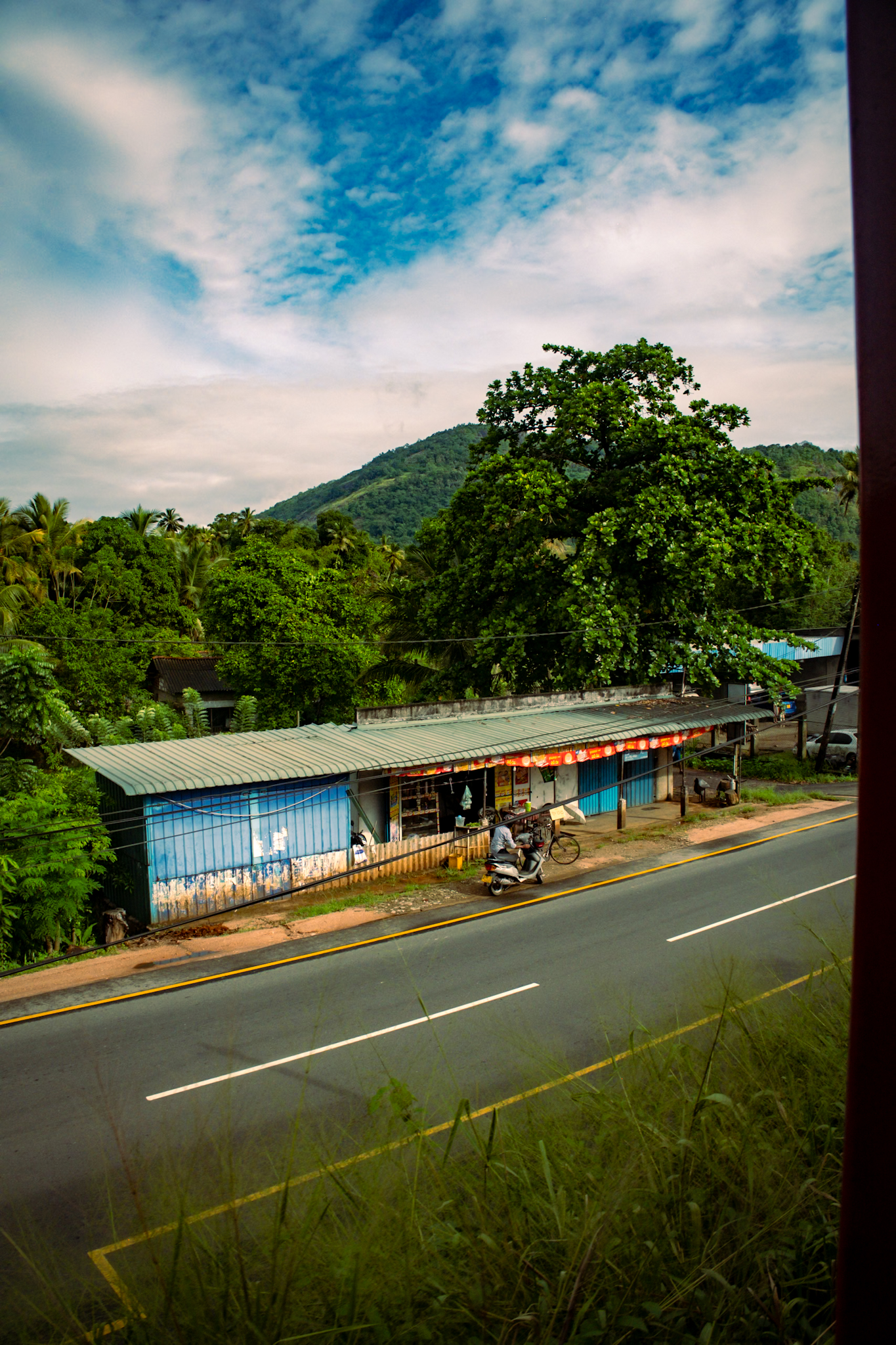
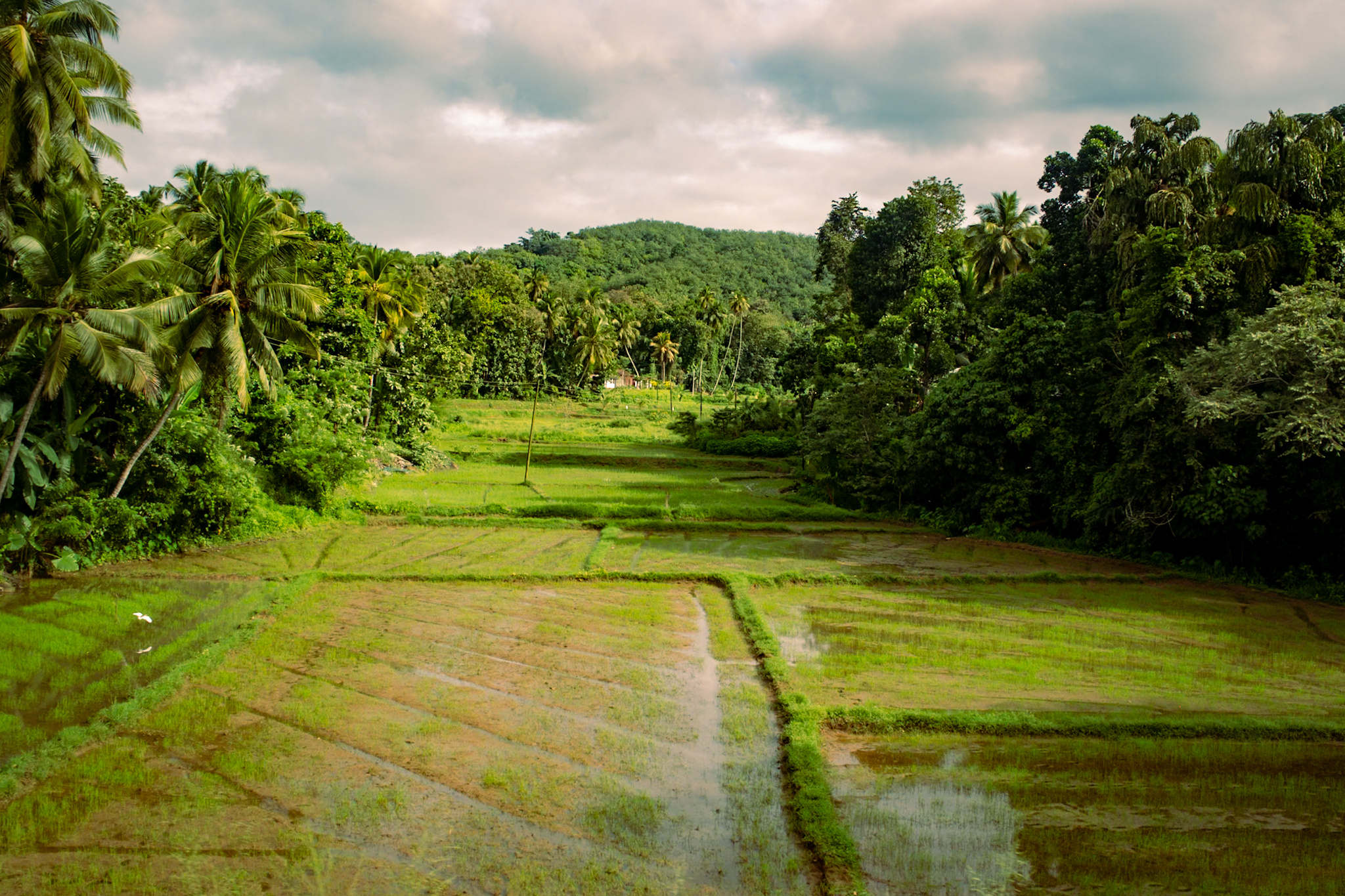
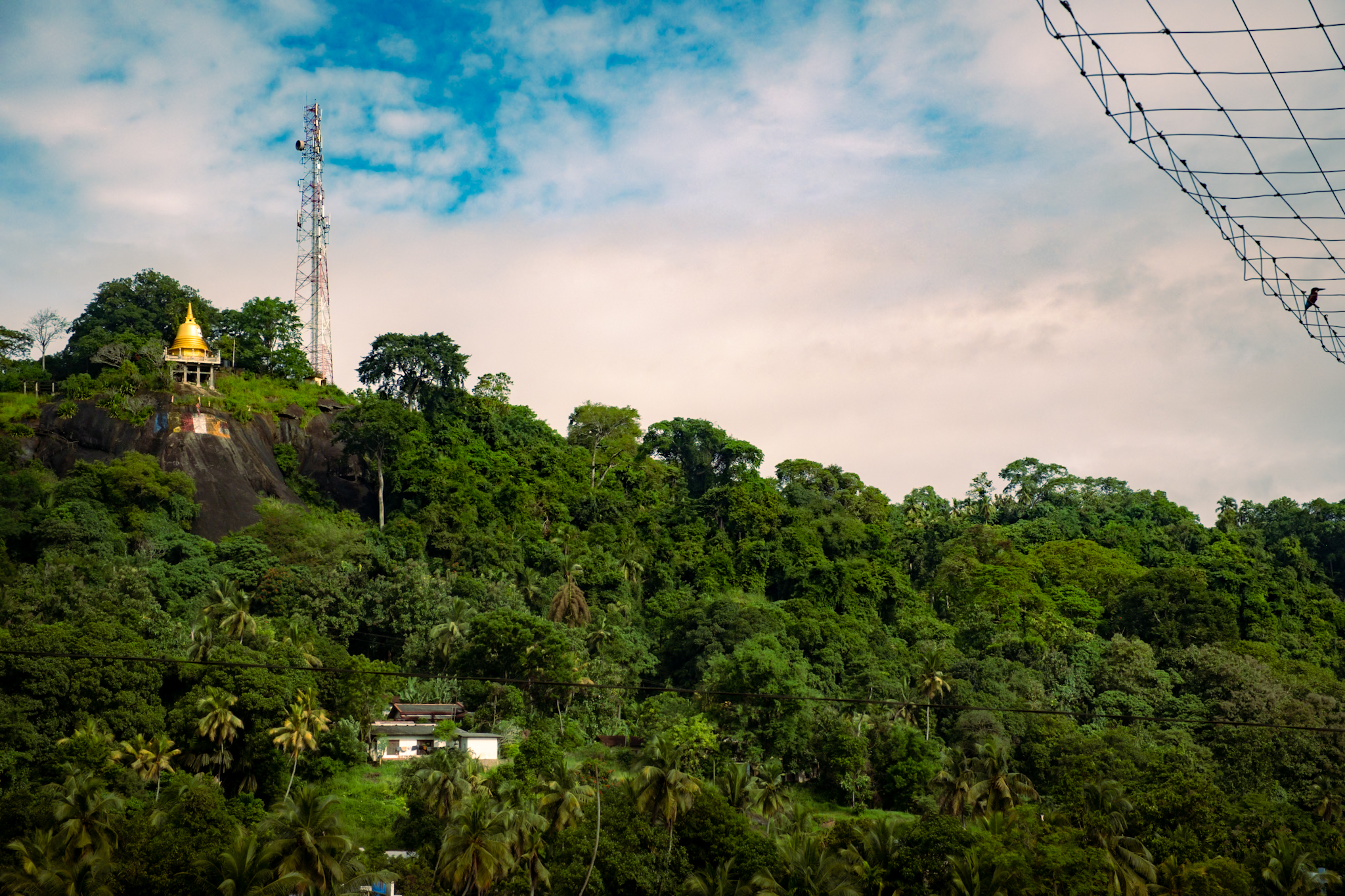
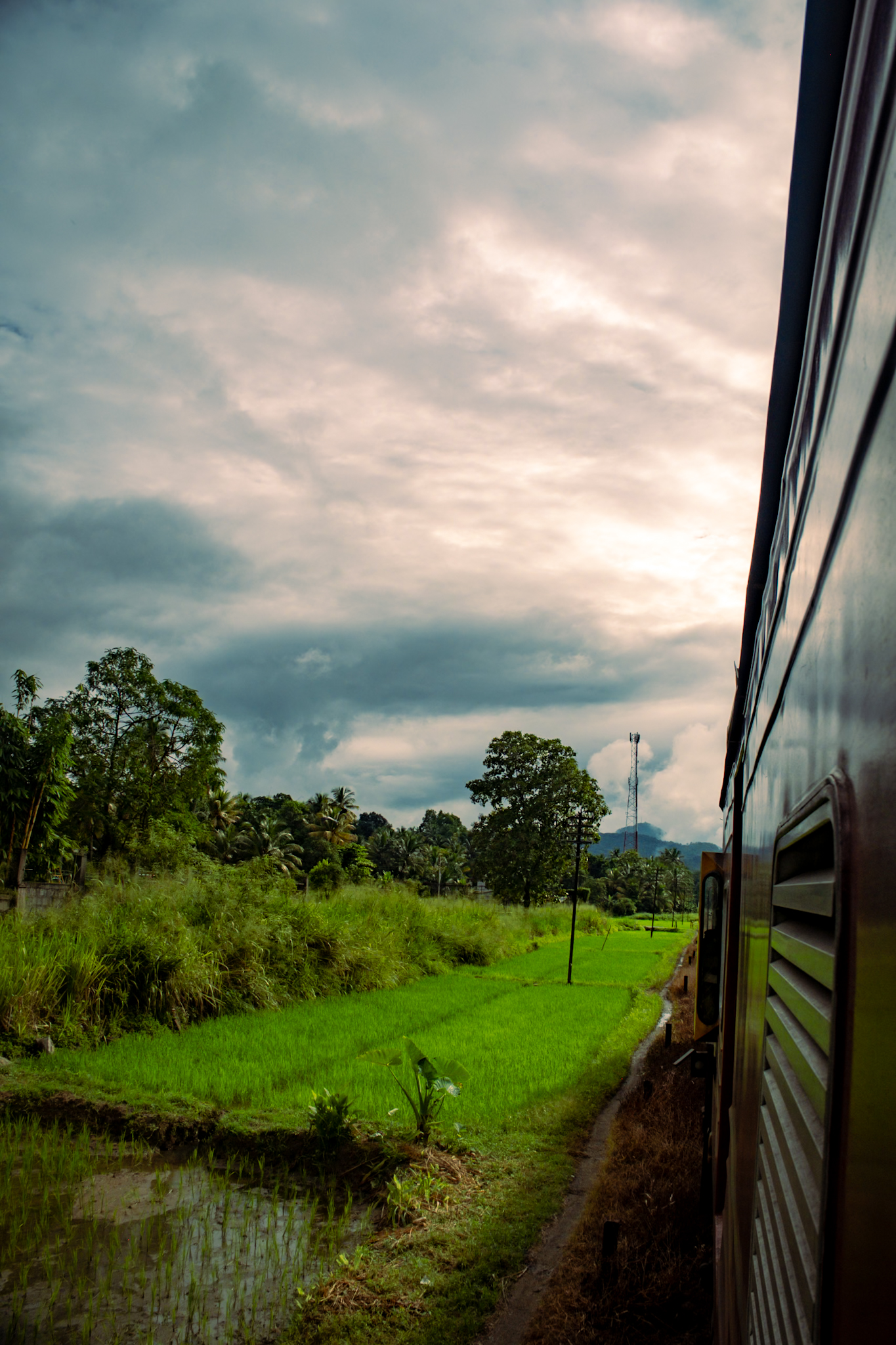
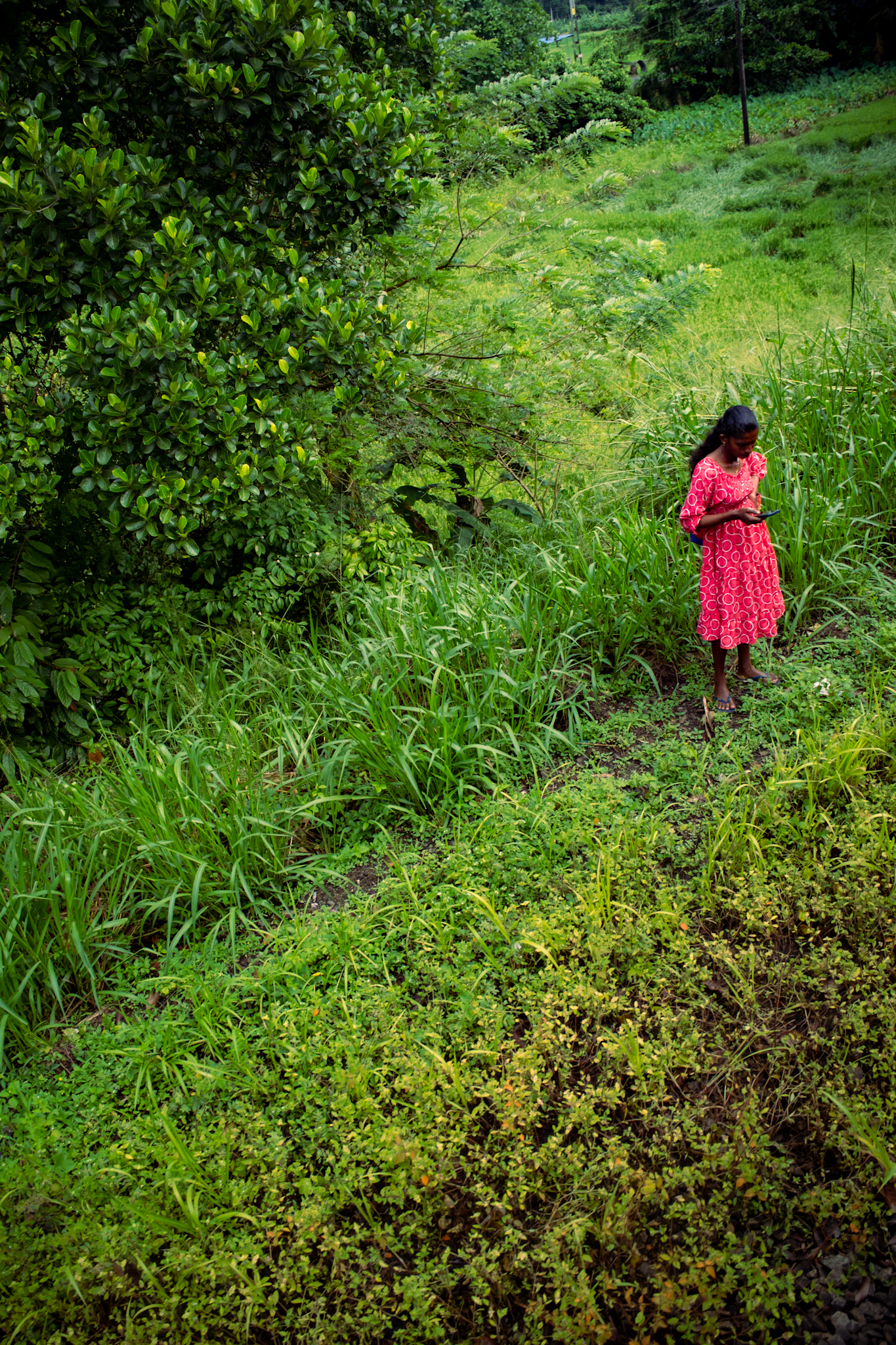
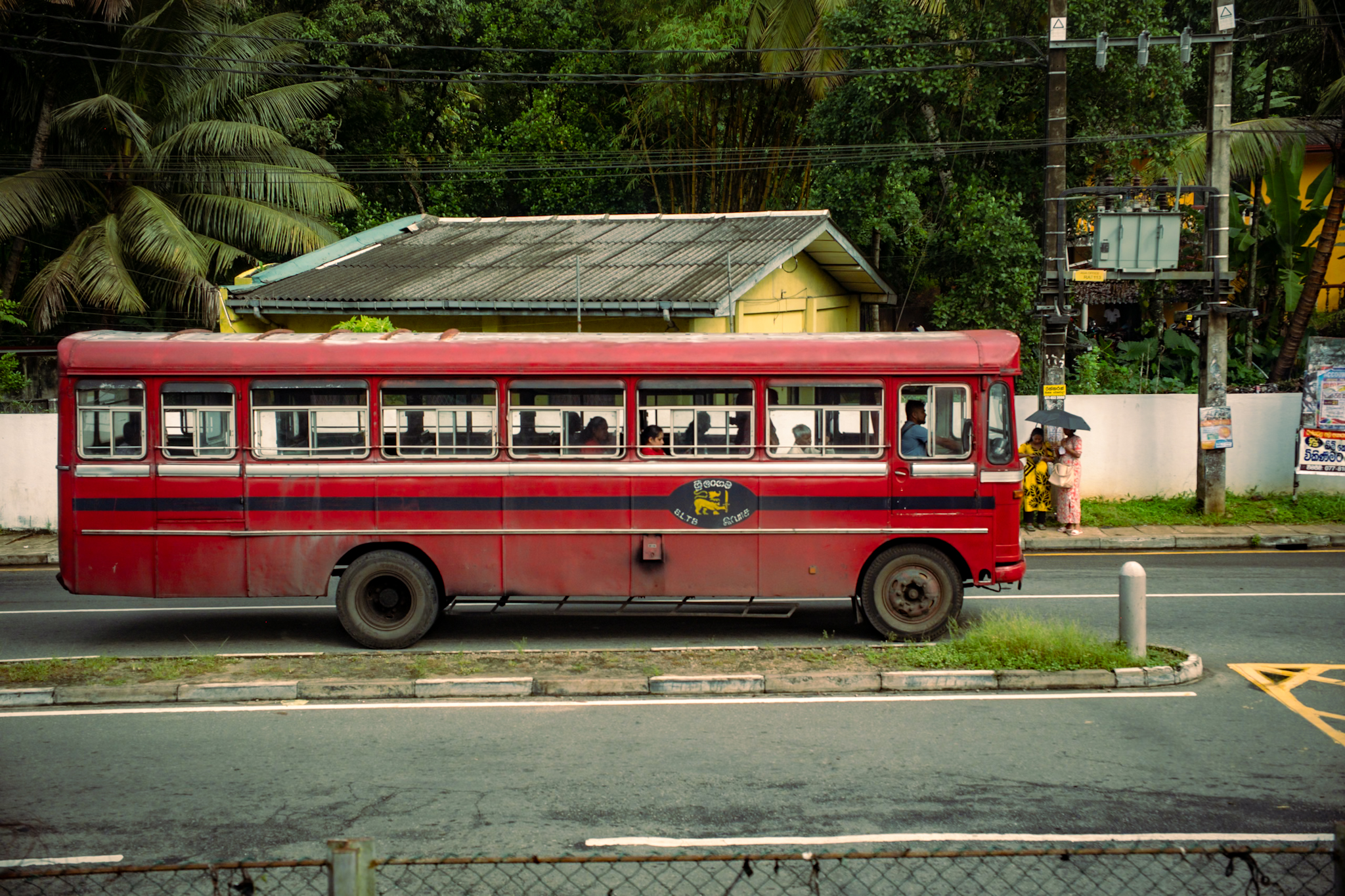
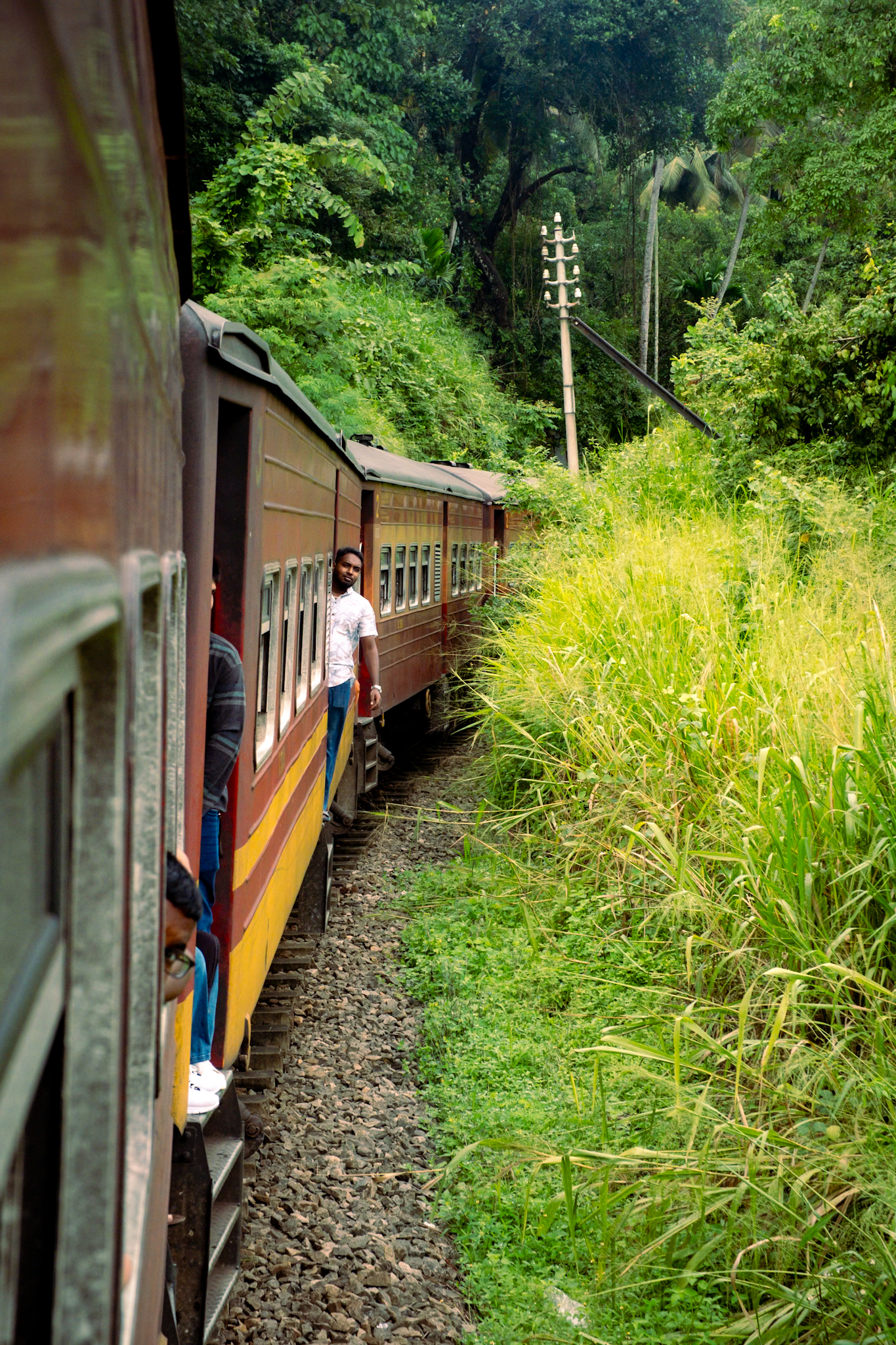
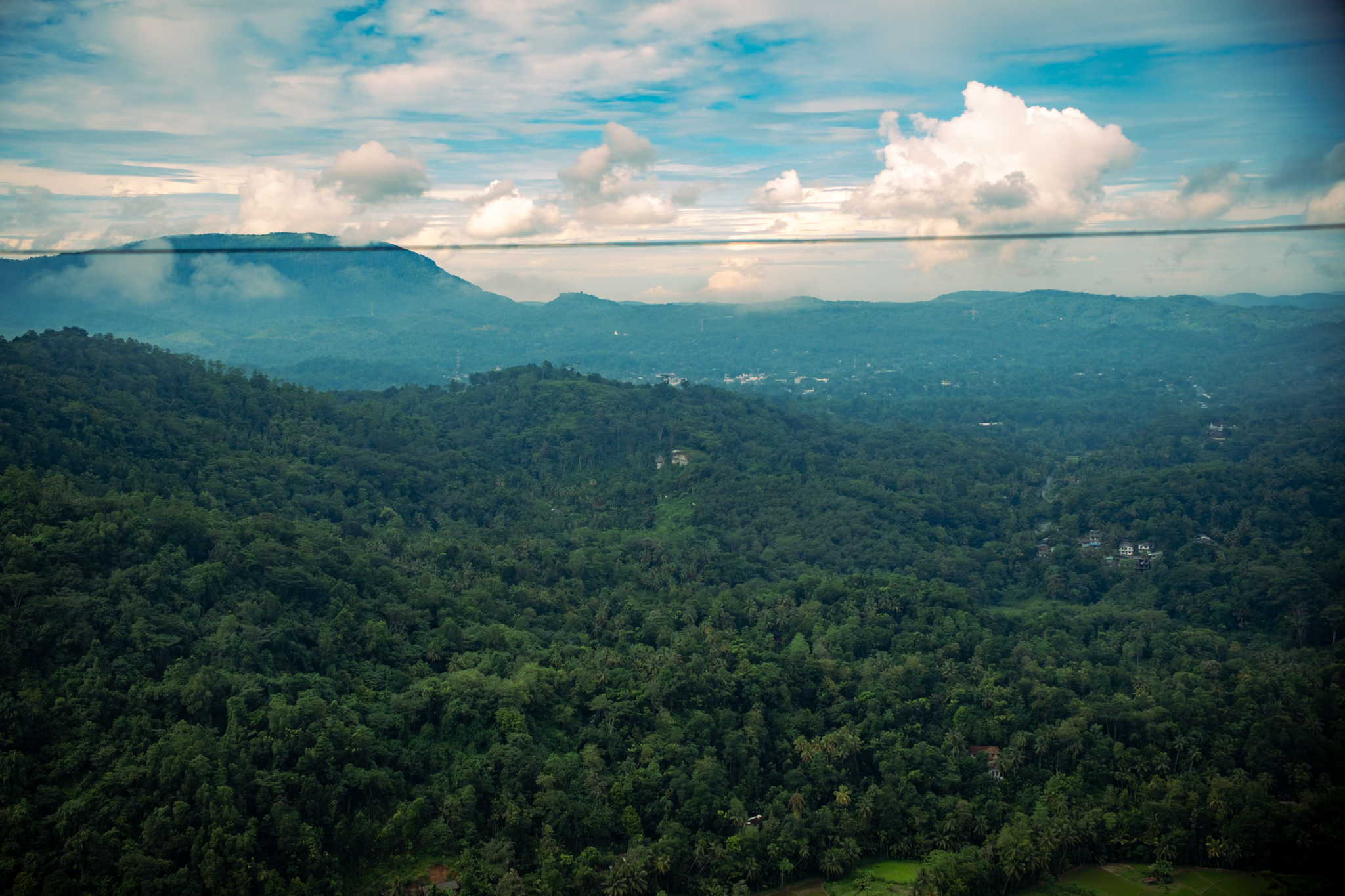
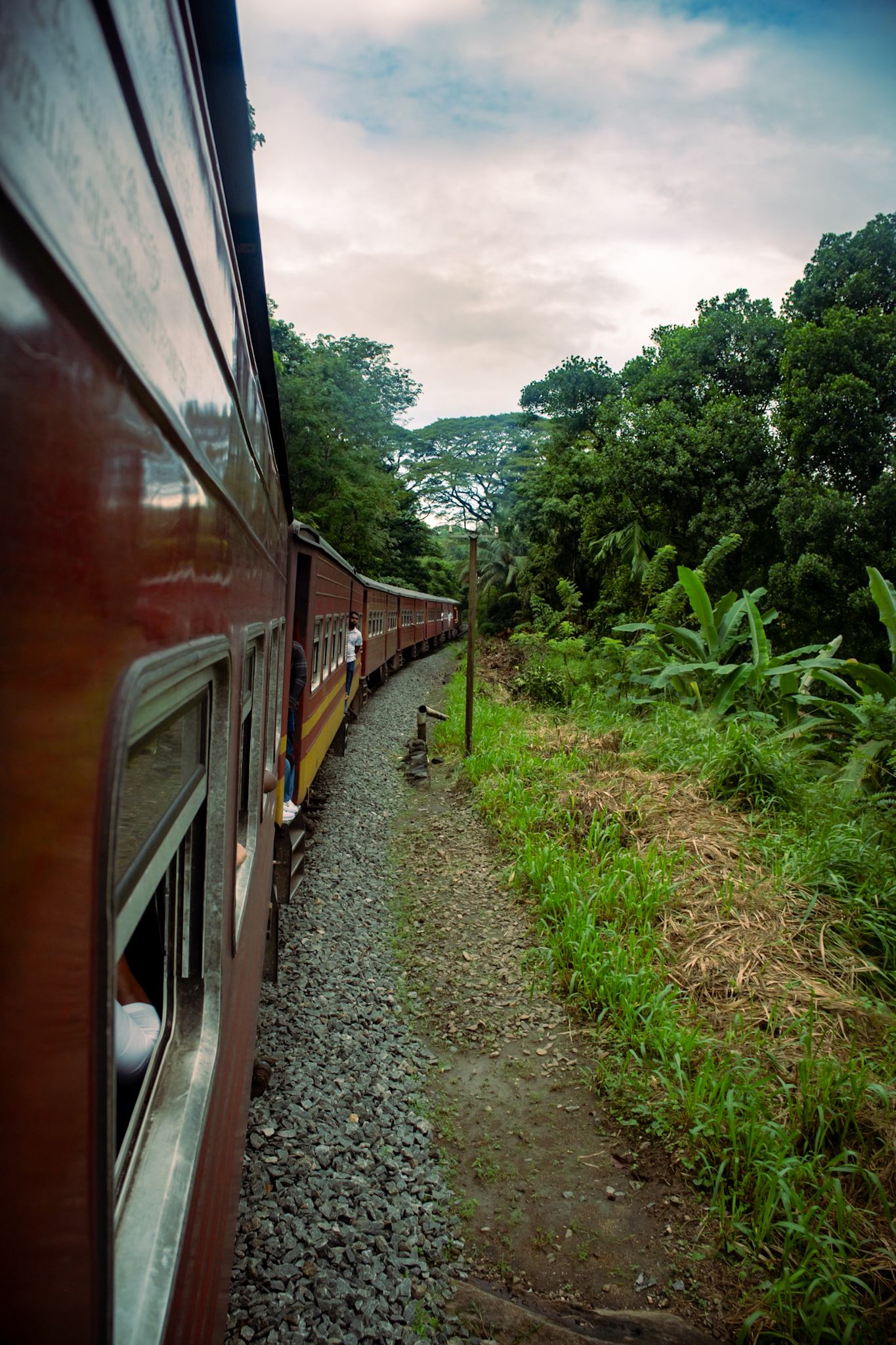
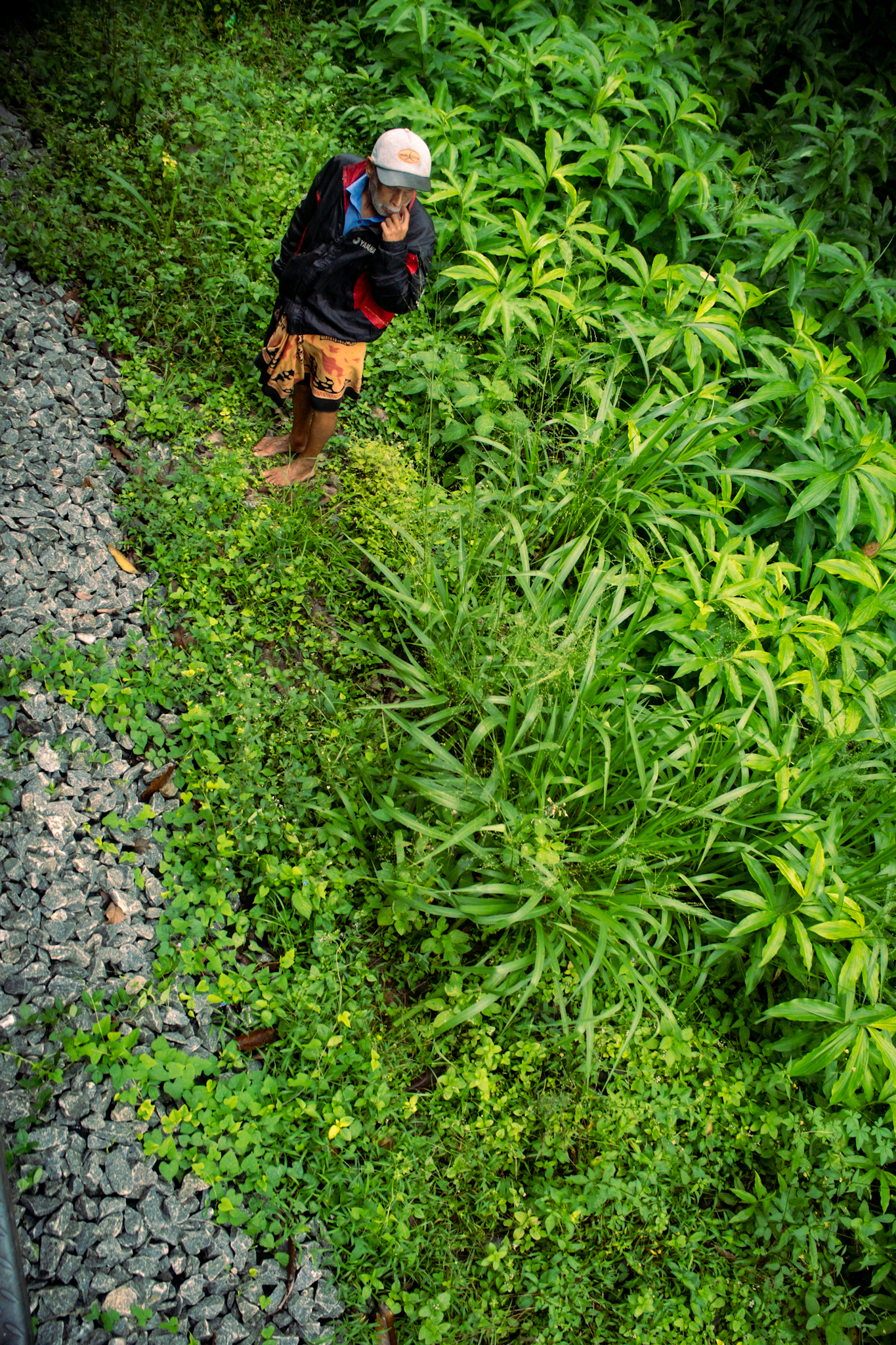
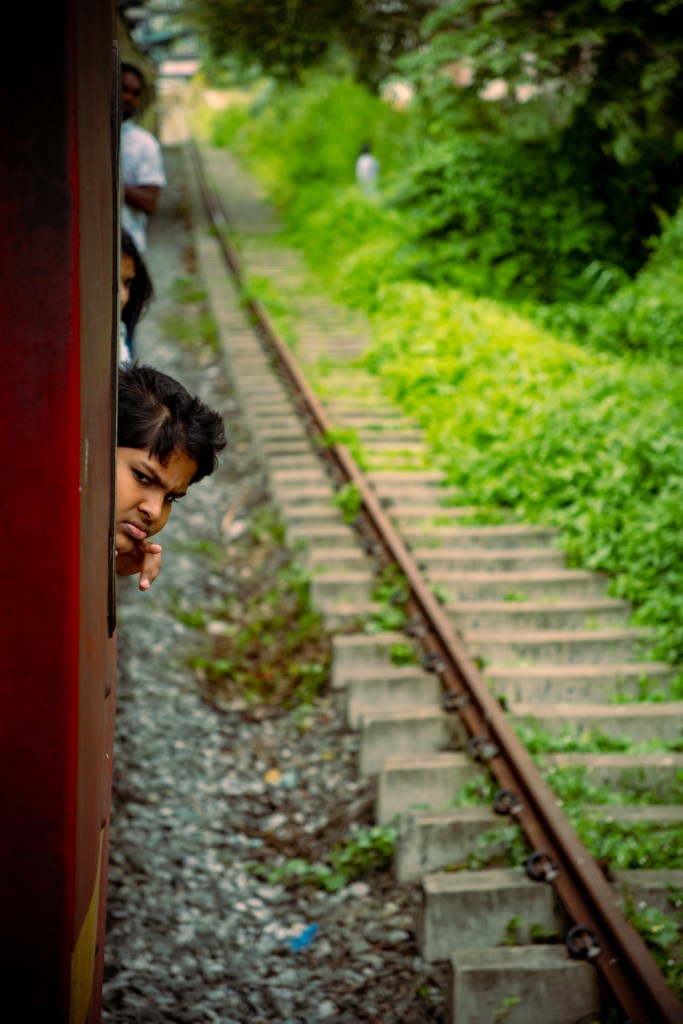
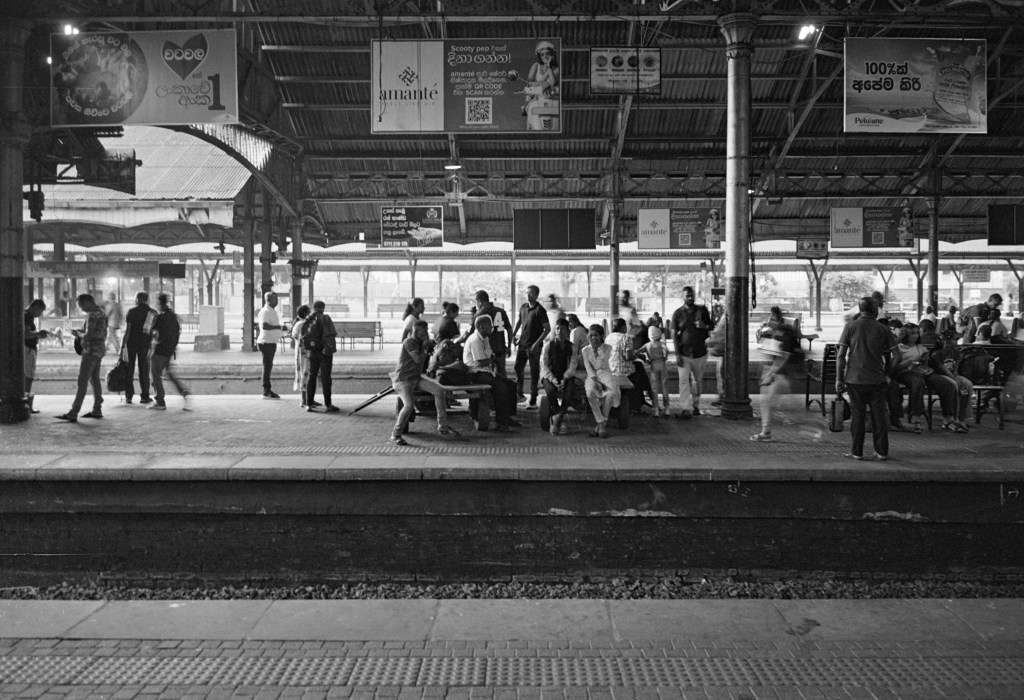
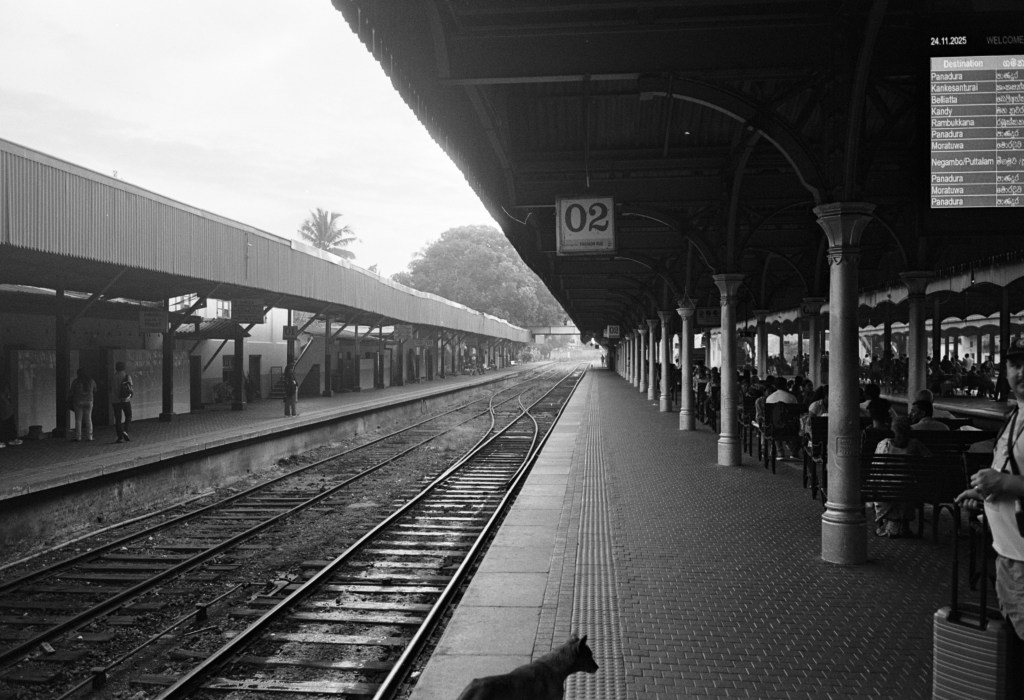
Getting to travel is a great perk of my job, but never quite as glamorous as people think it will be. There’s lots of travel between sites (so this typical journey is between 4 and 6 hours minibus ride each way 🤢). As we were in Sri Lanka for longer than usual we had a full day off – a colleague and I used the time to make the journey by train instead.
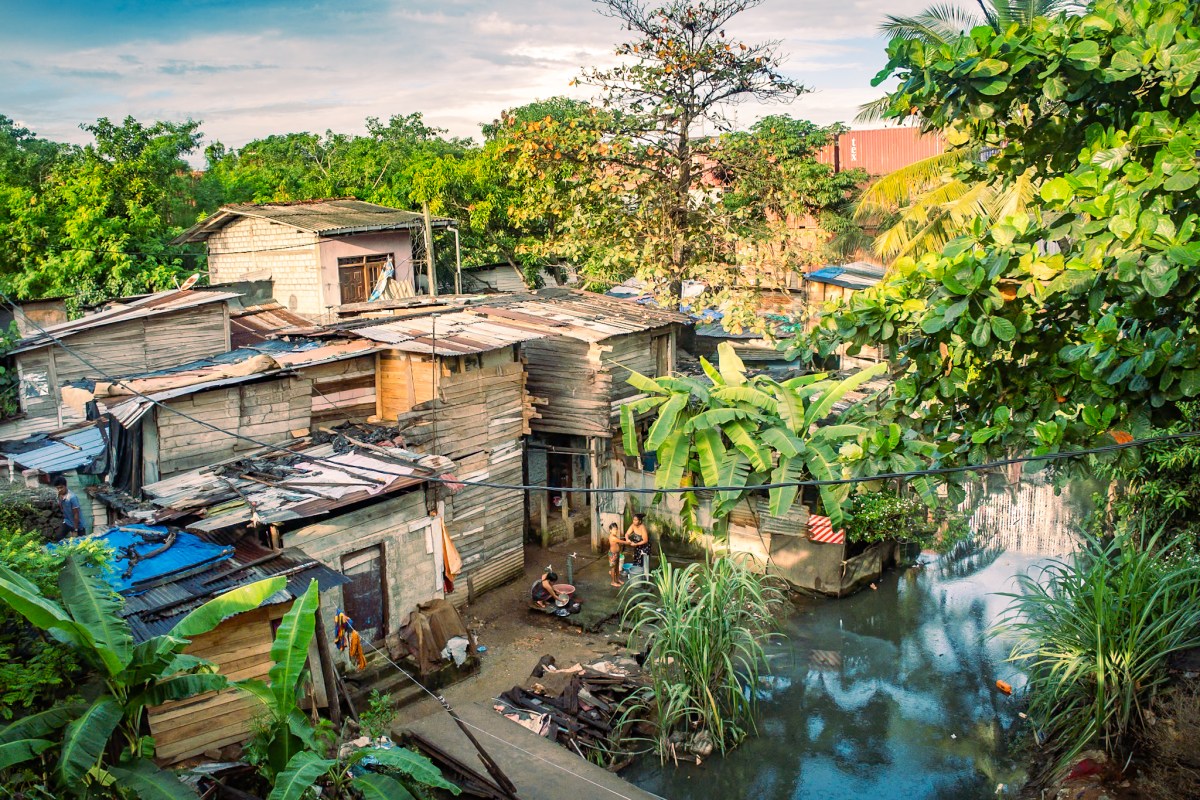
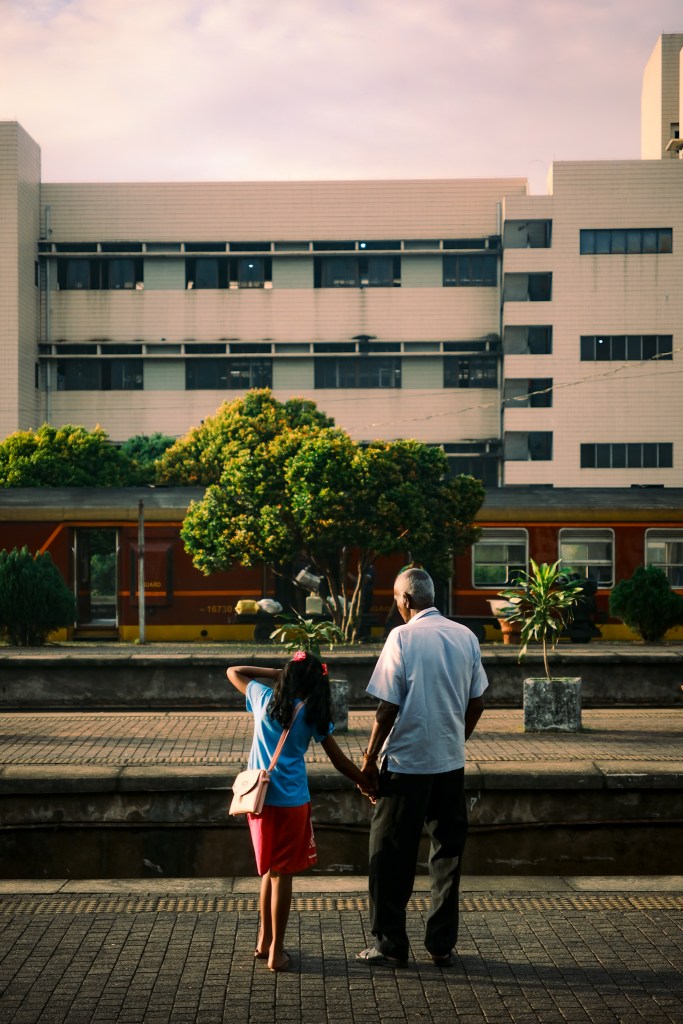
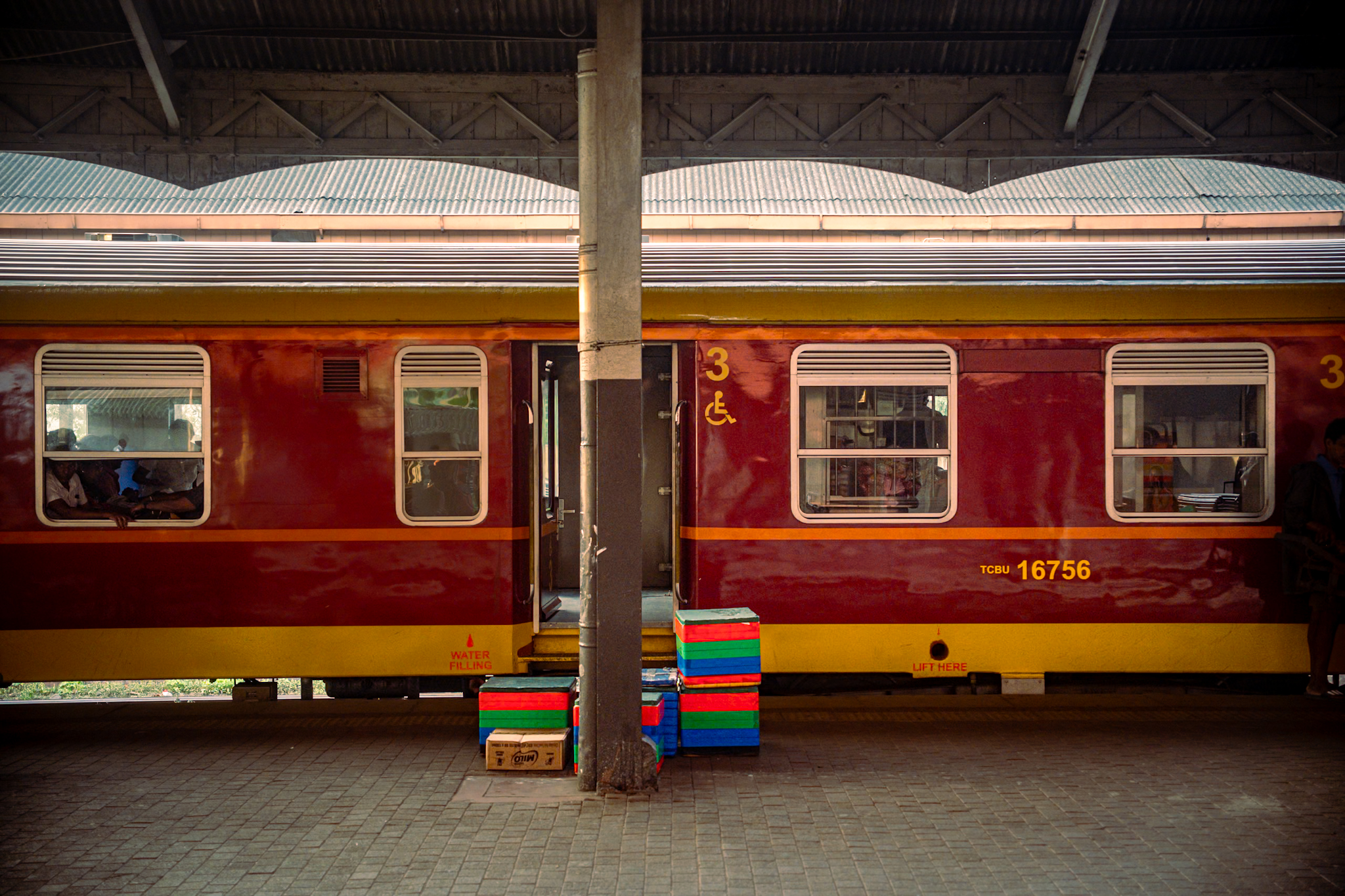
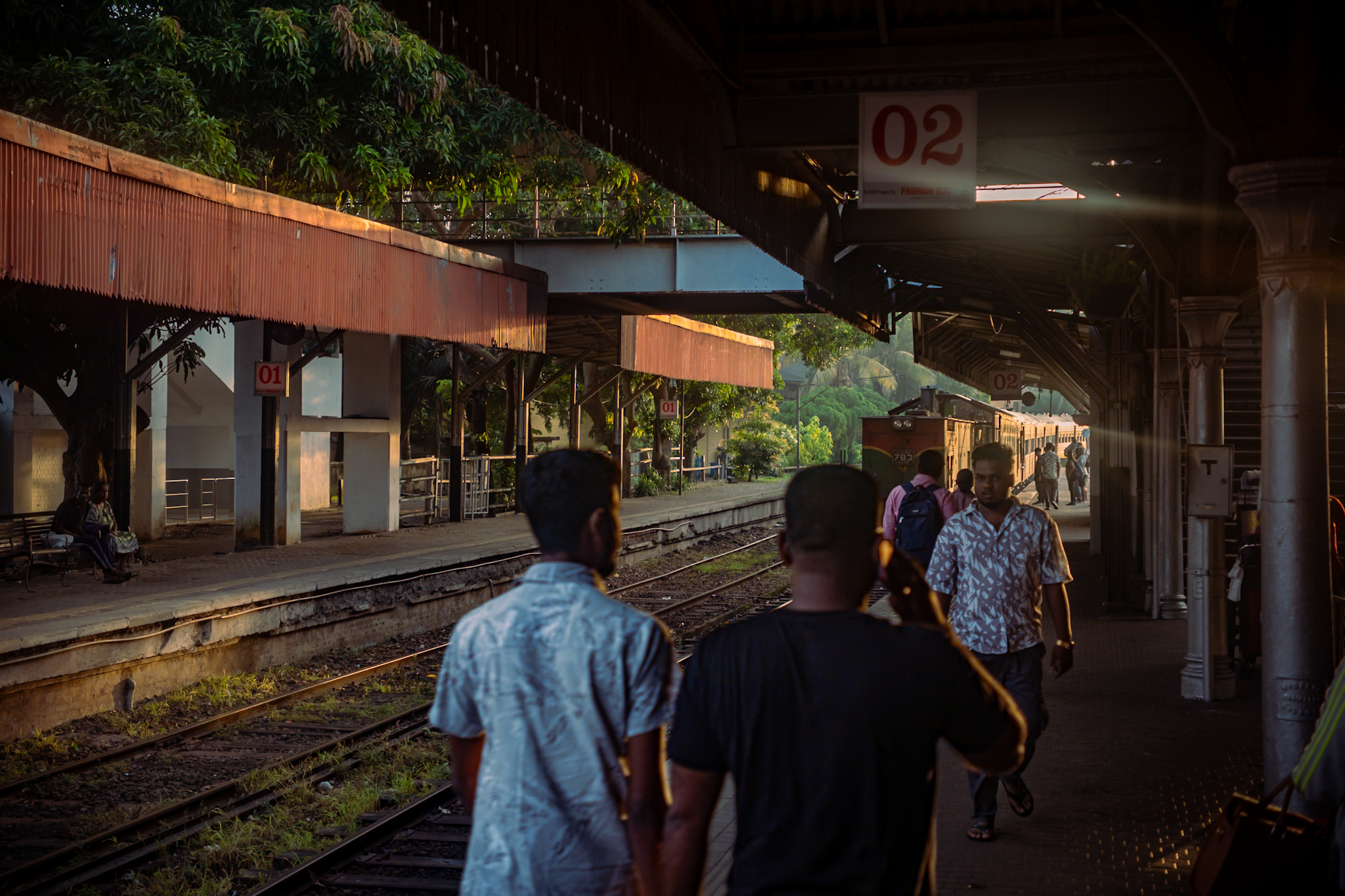
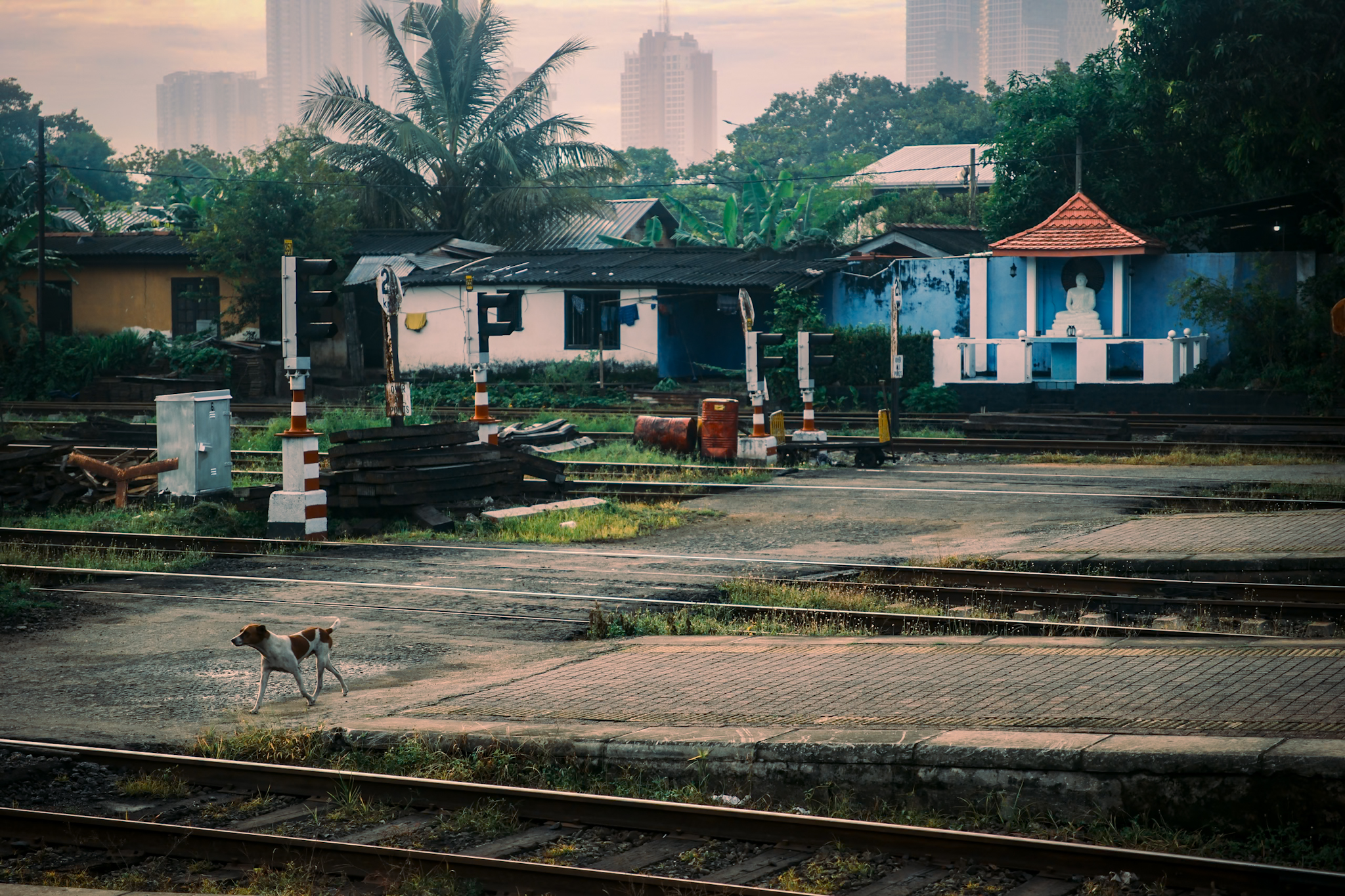
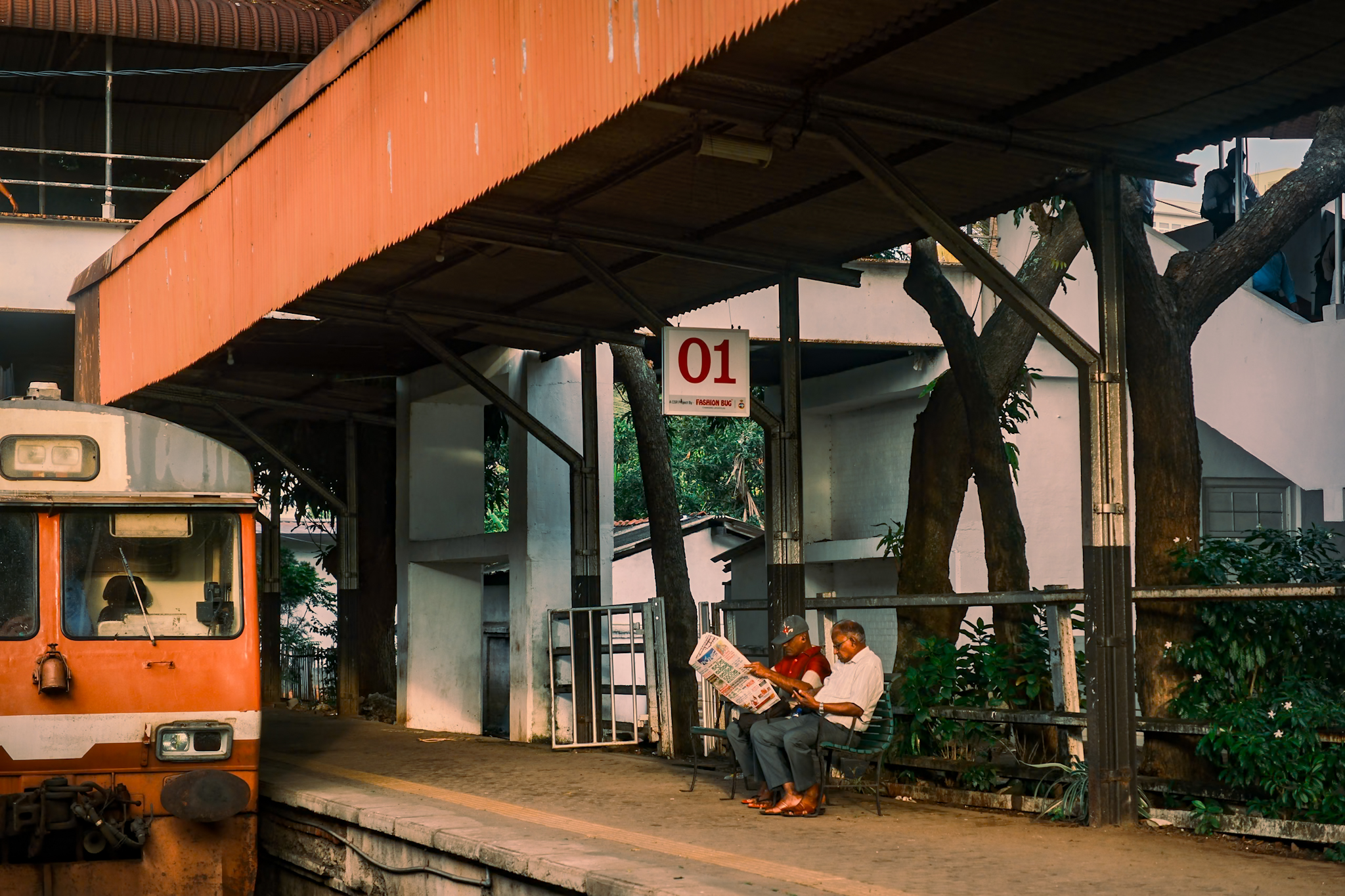
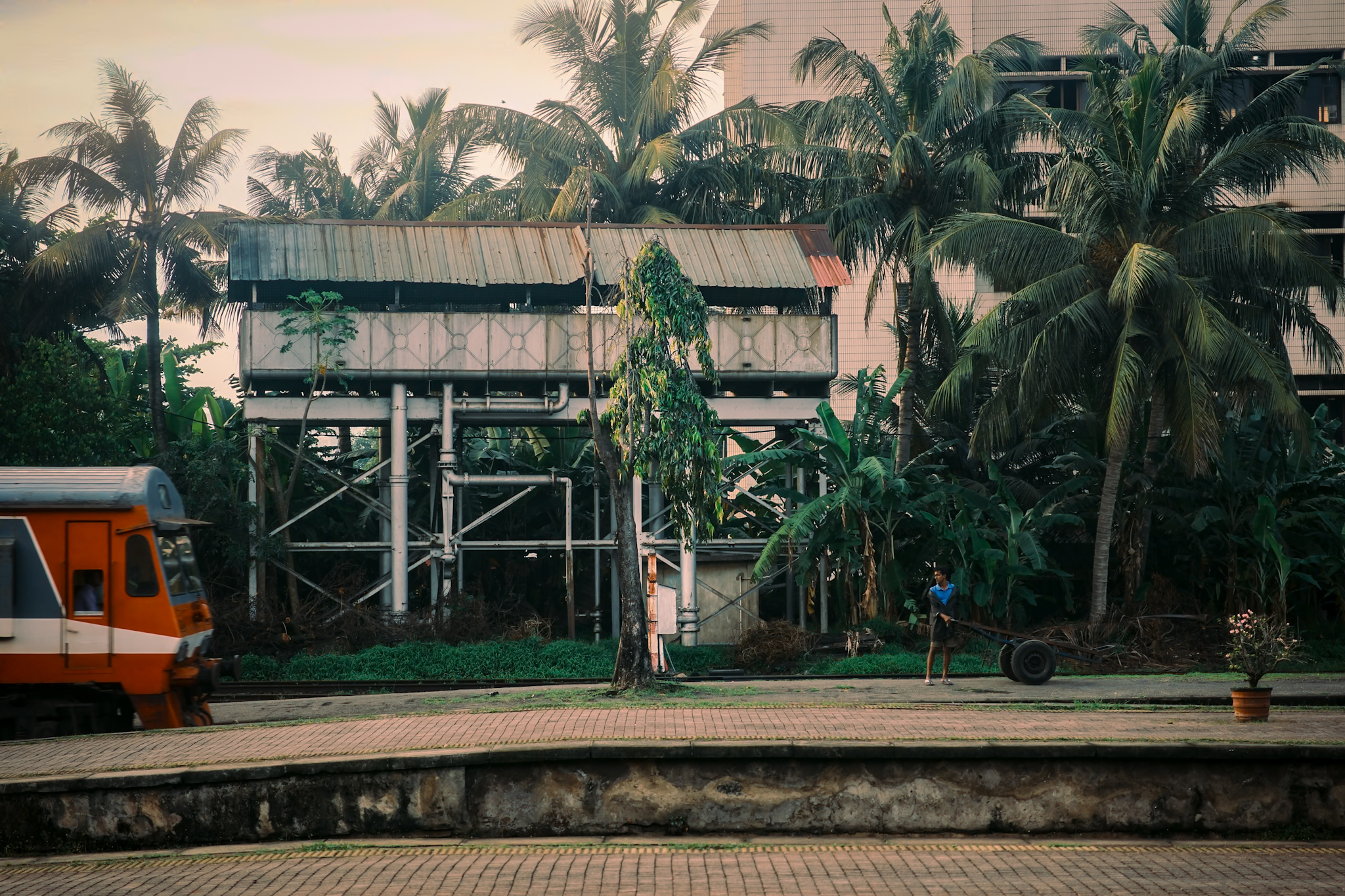
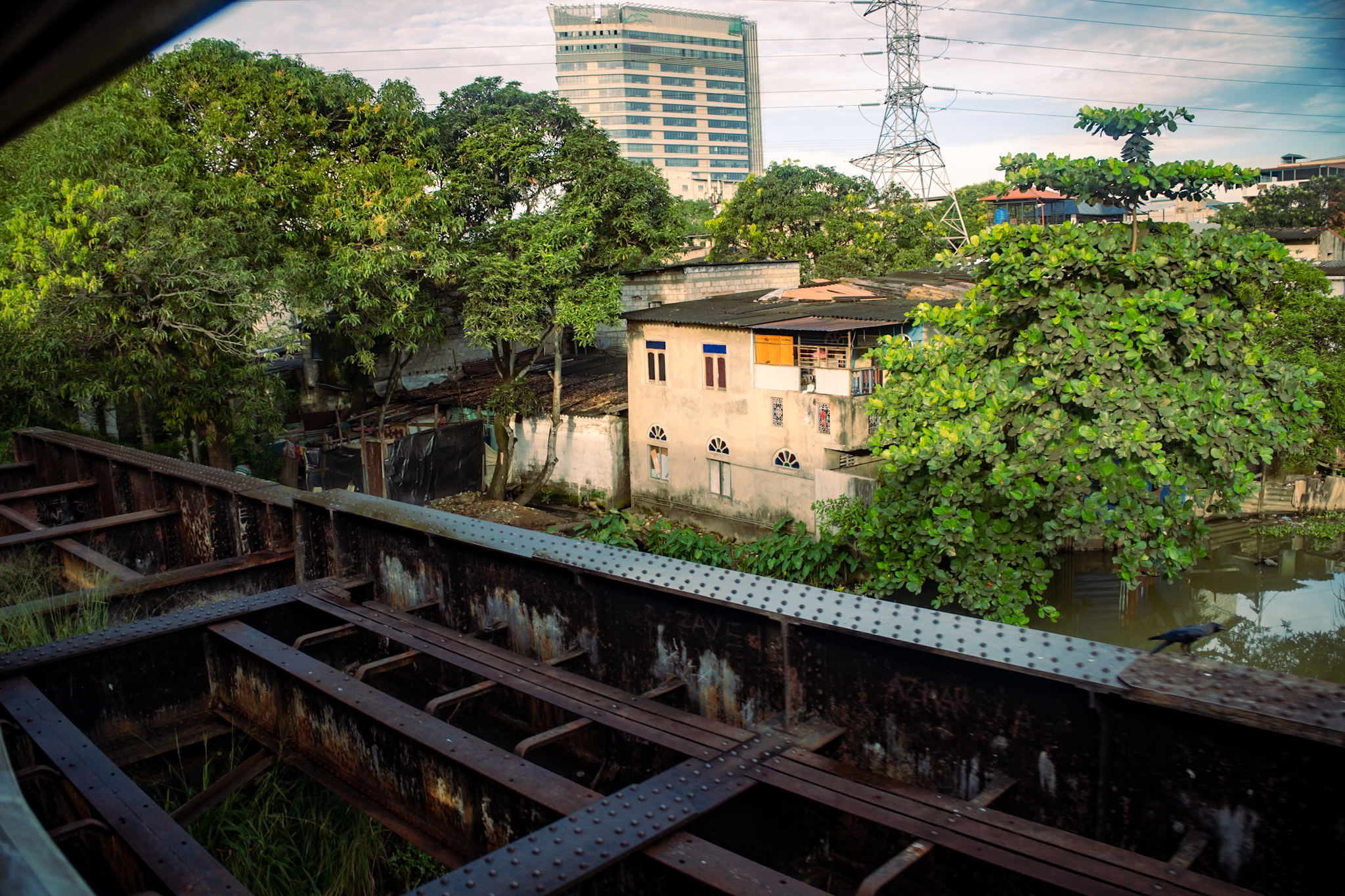
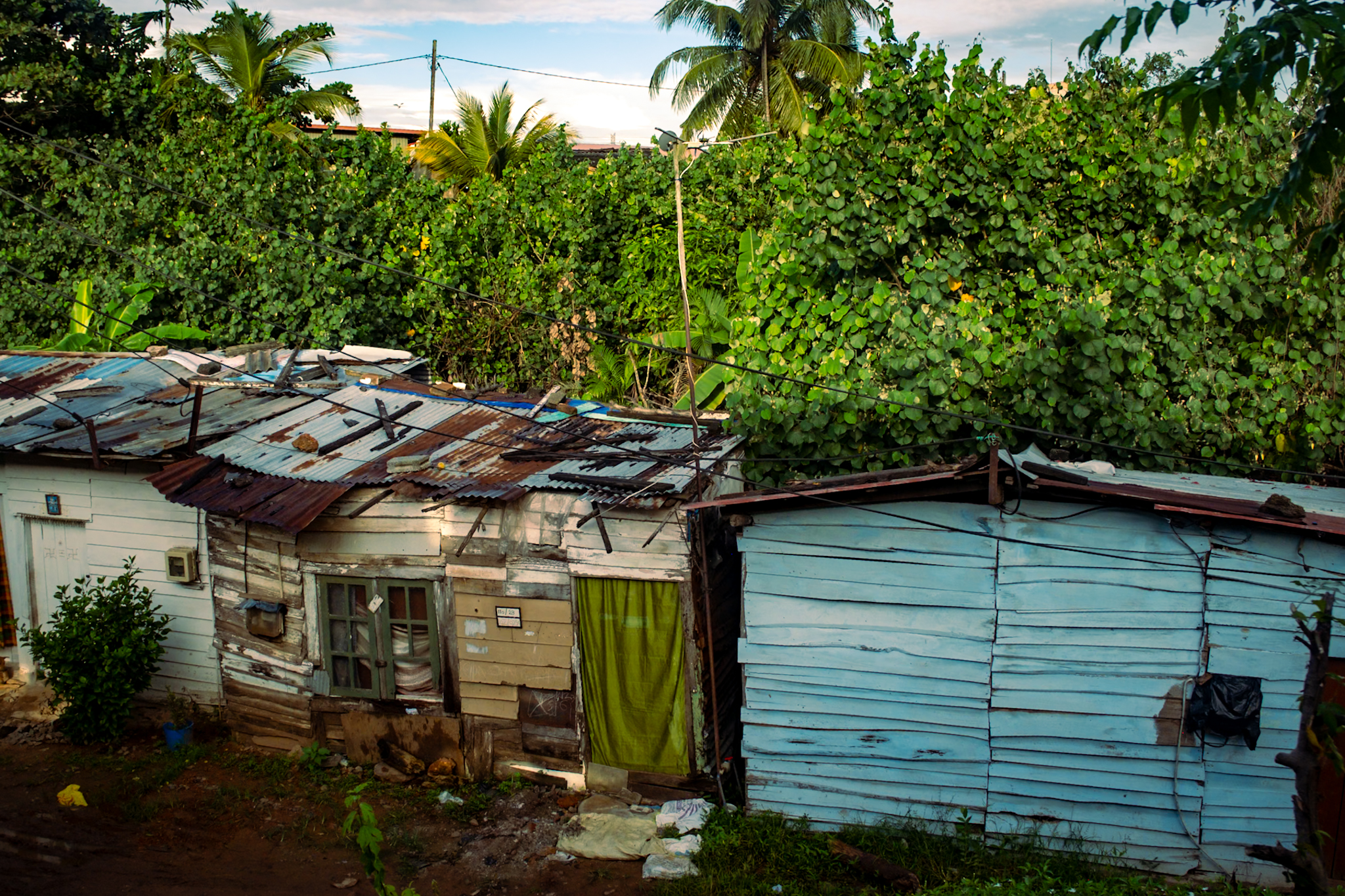
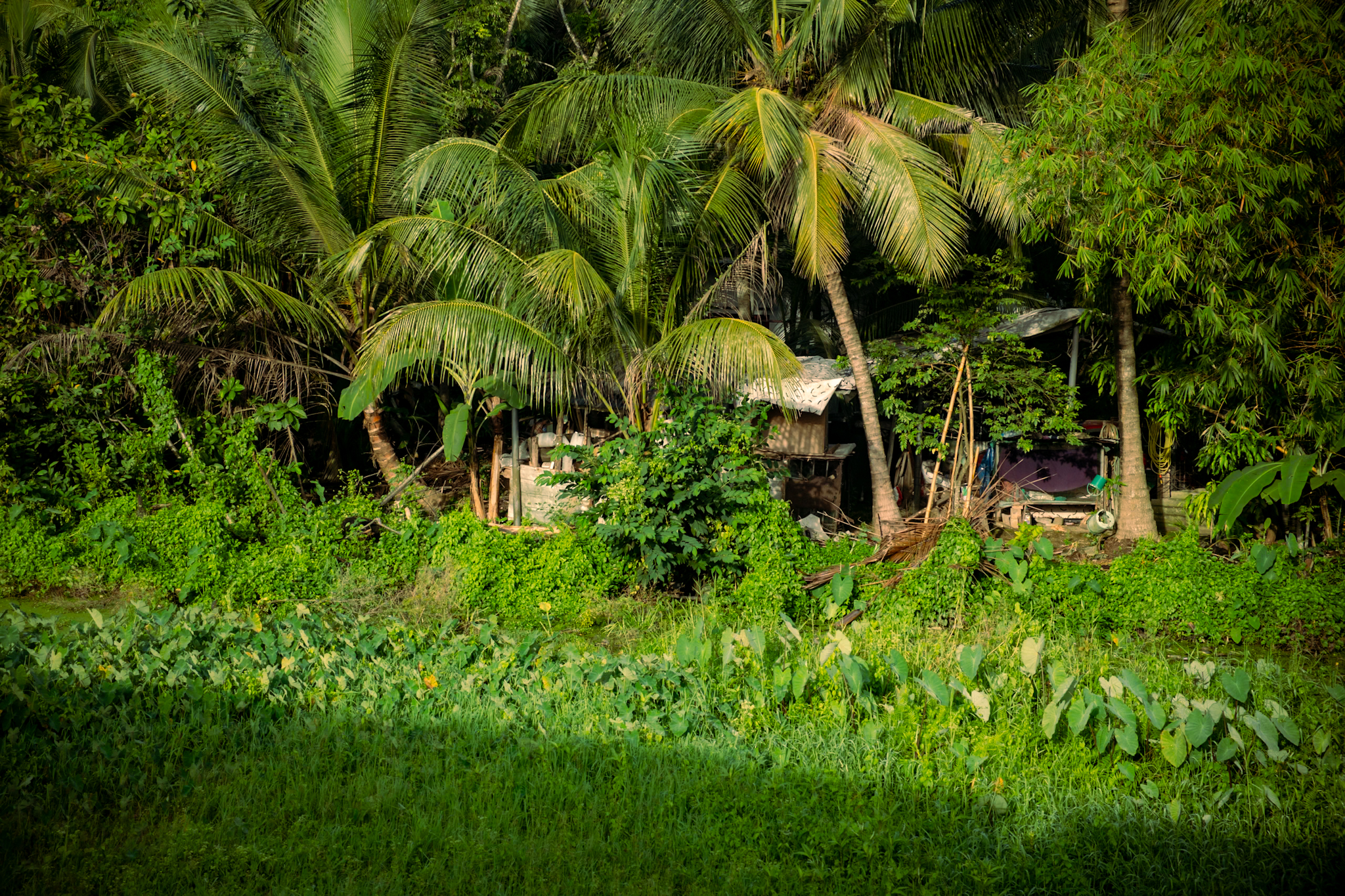
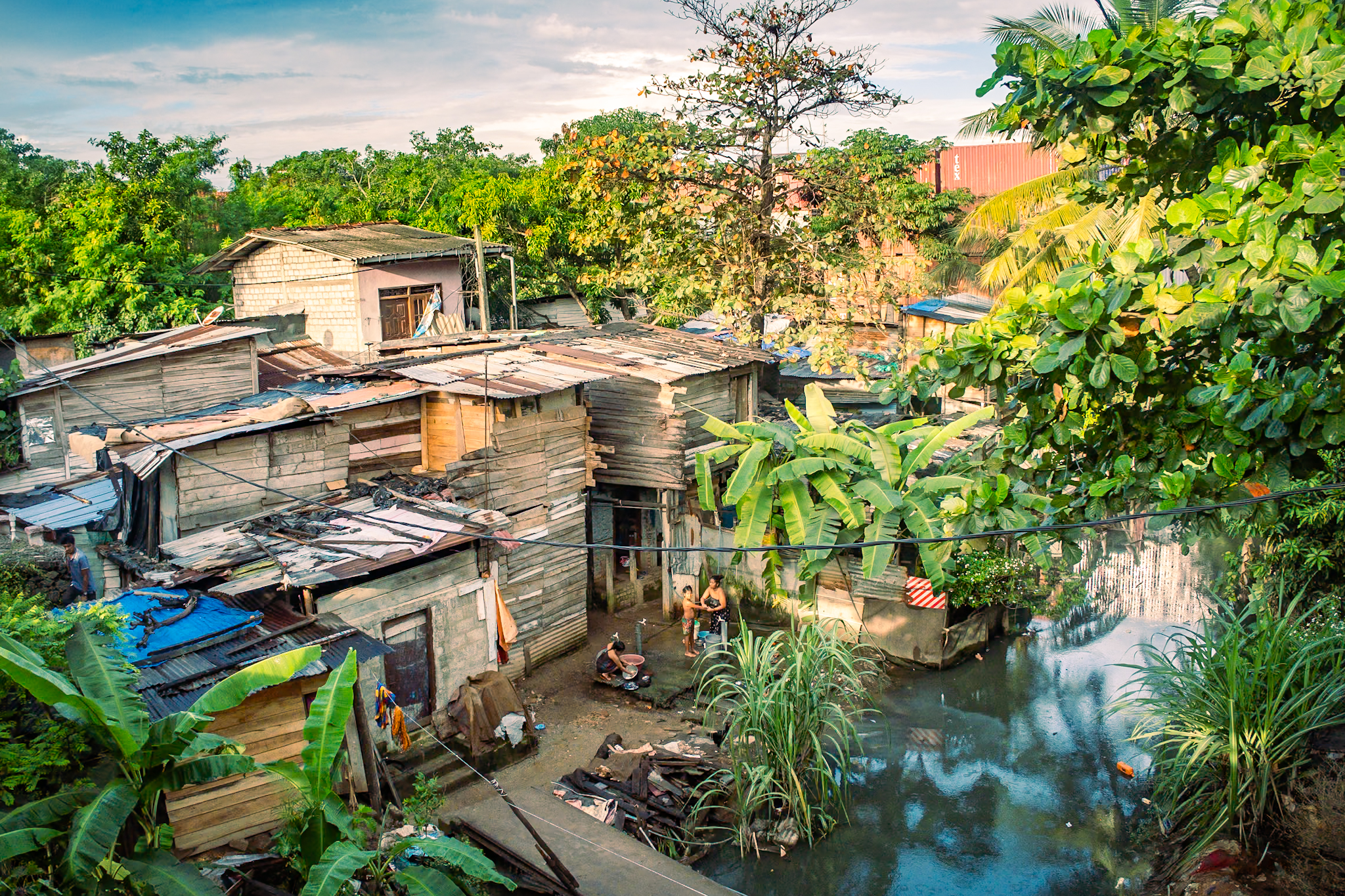
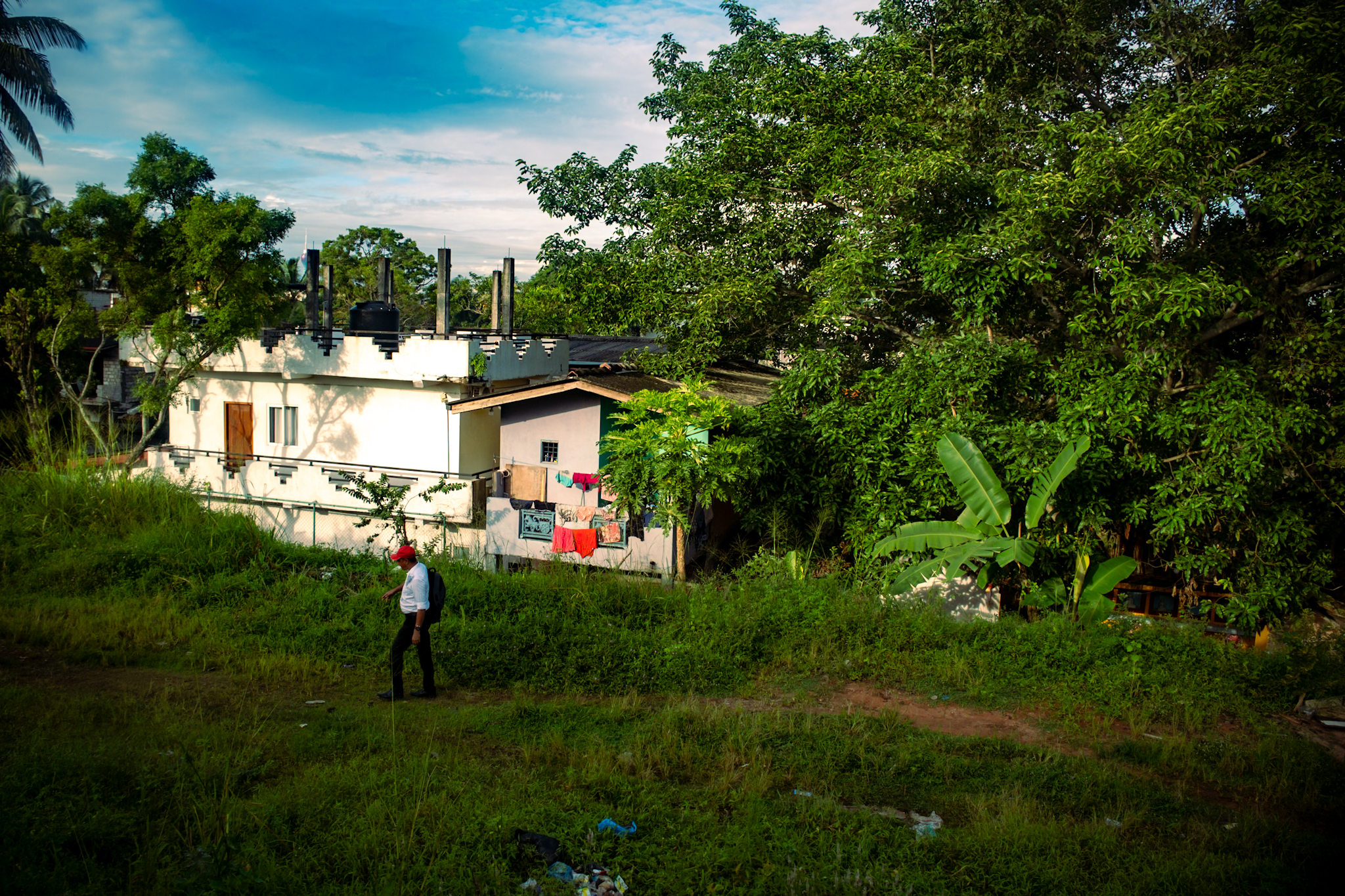
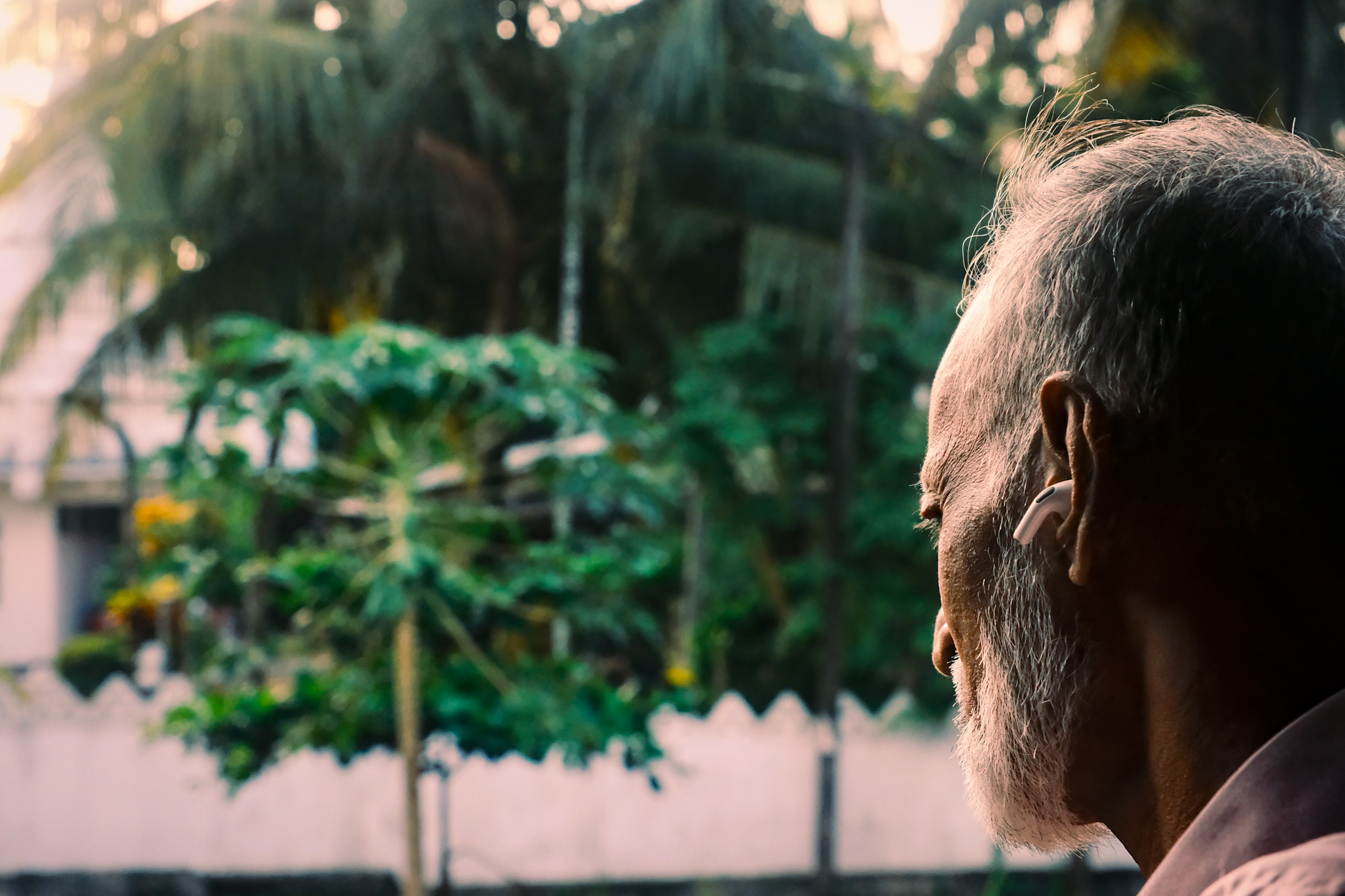
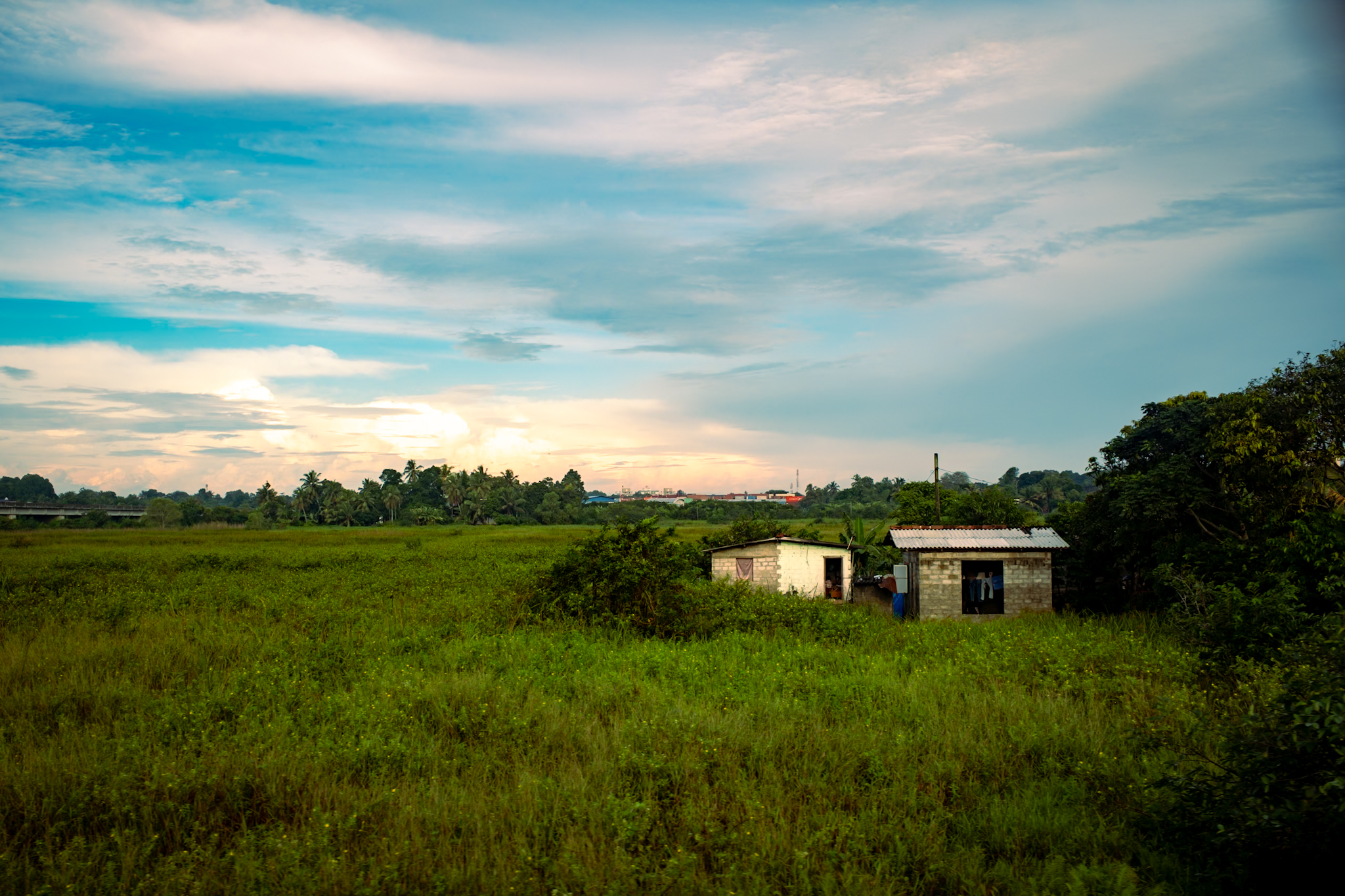
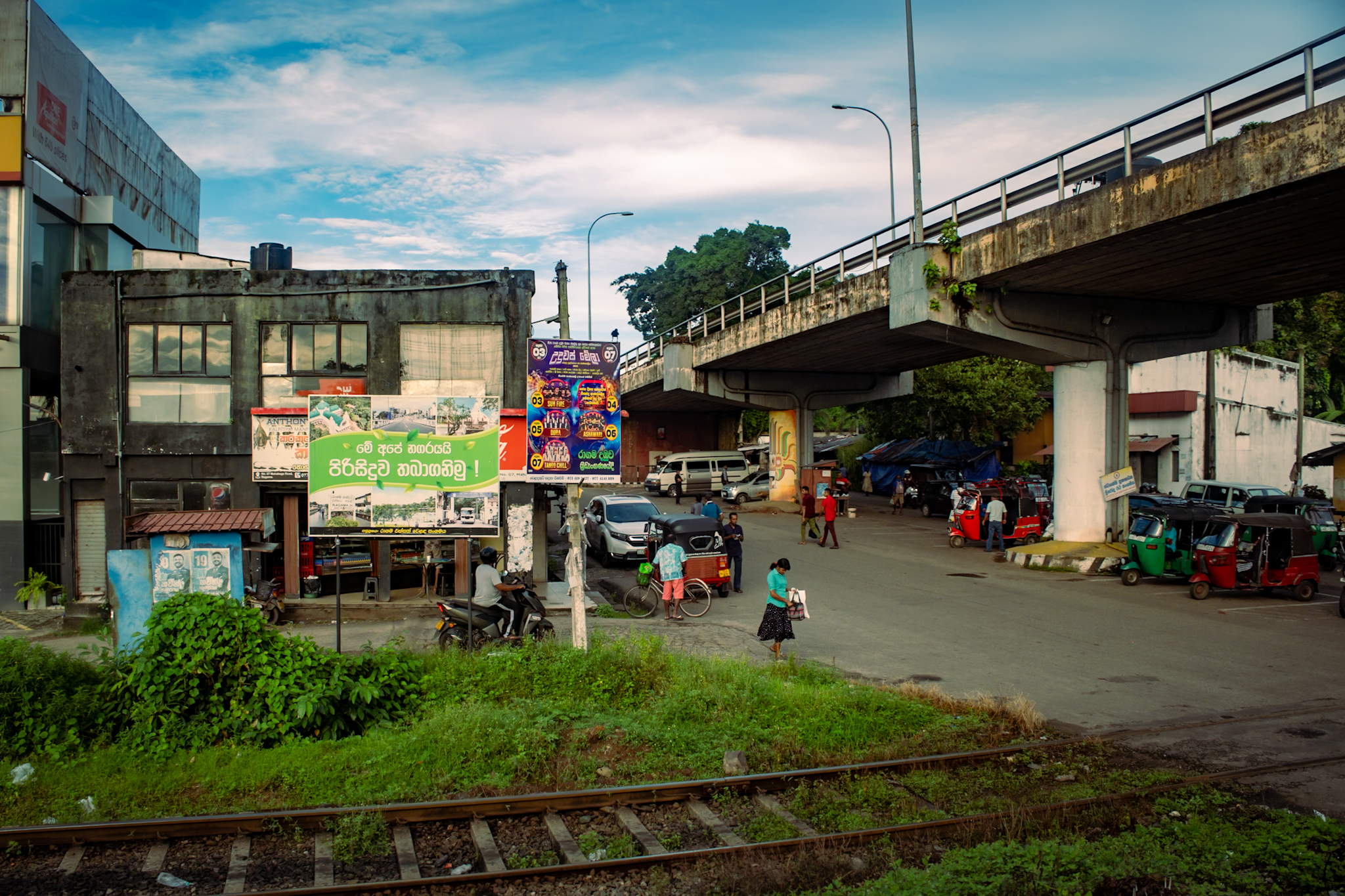
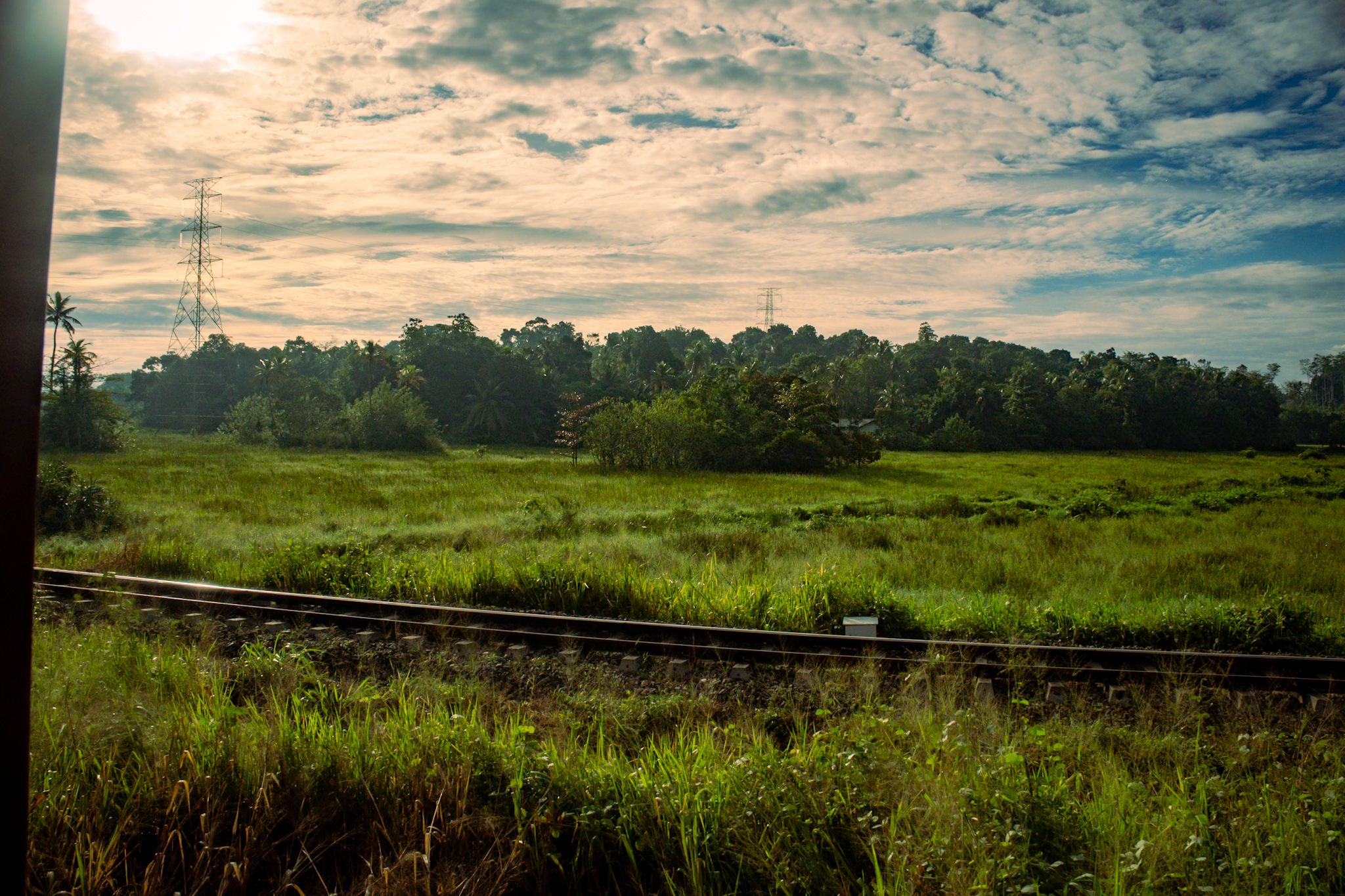
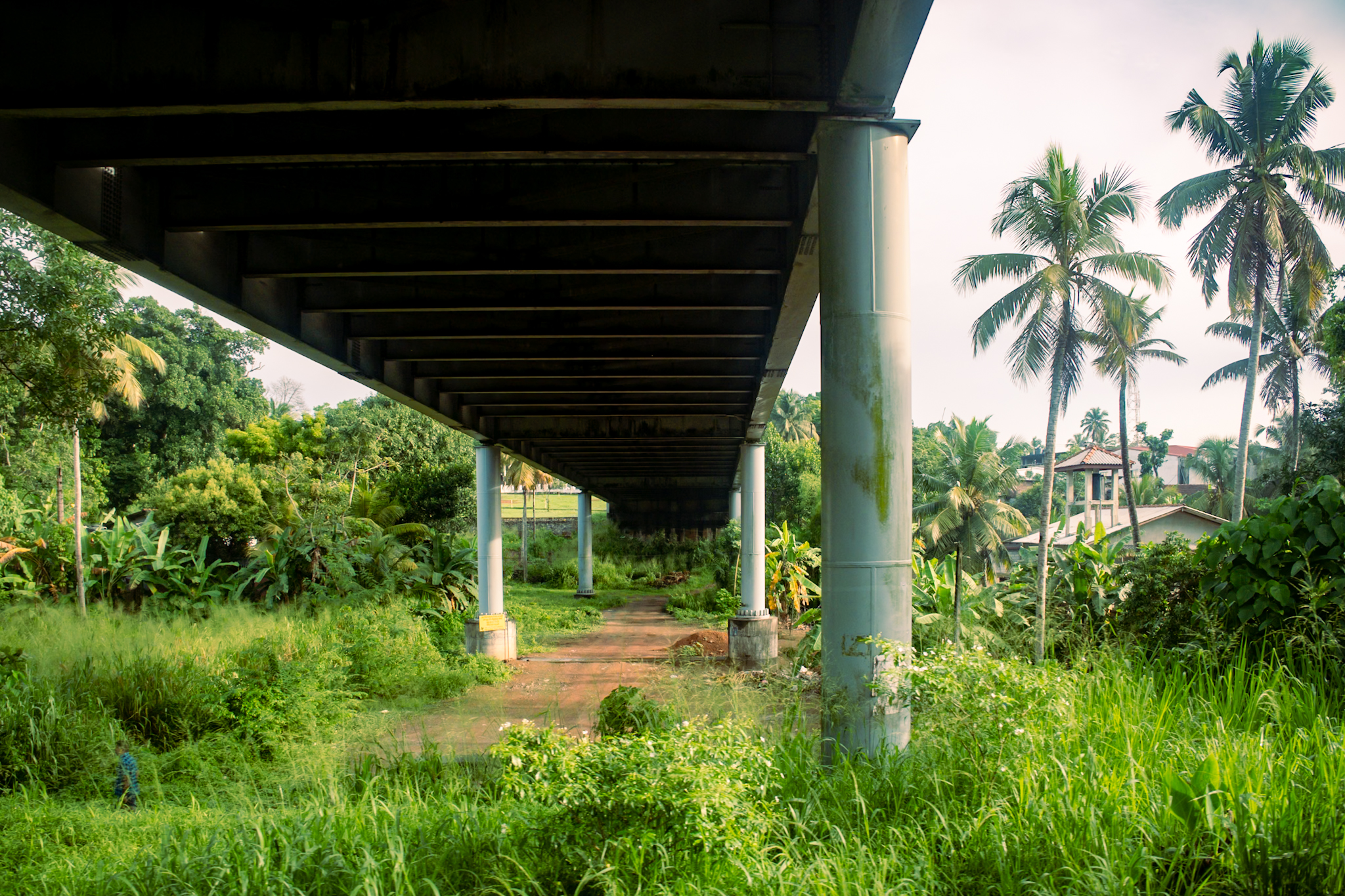
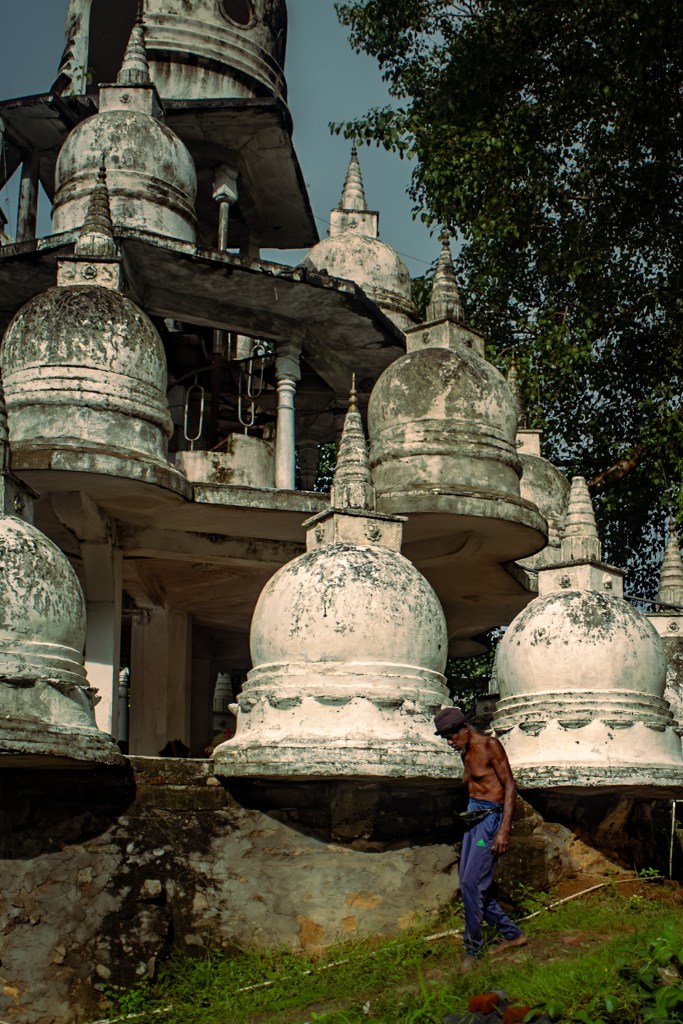
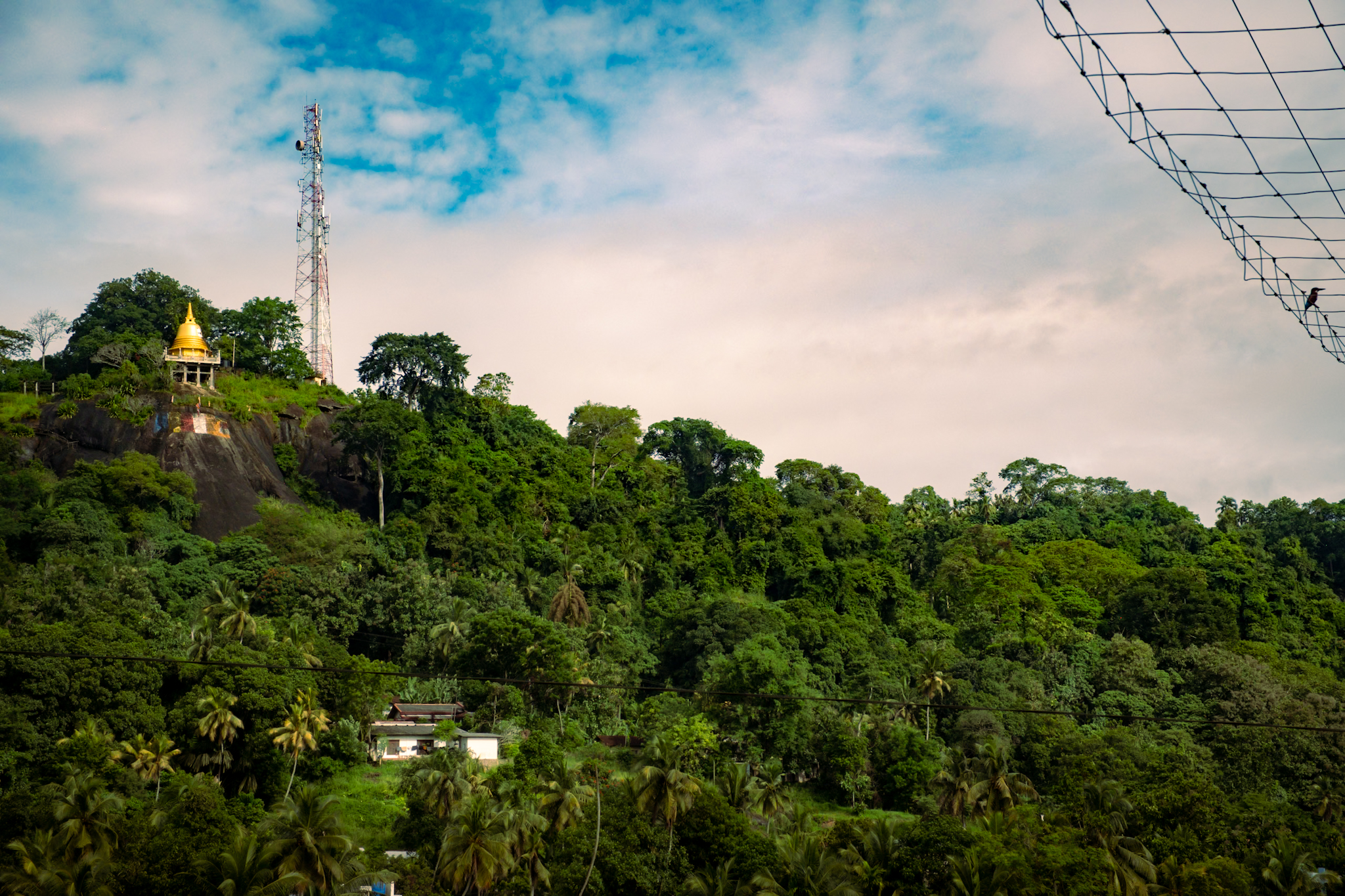
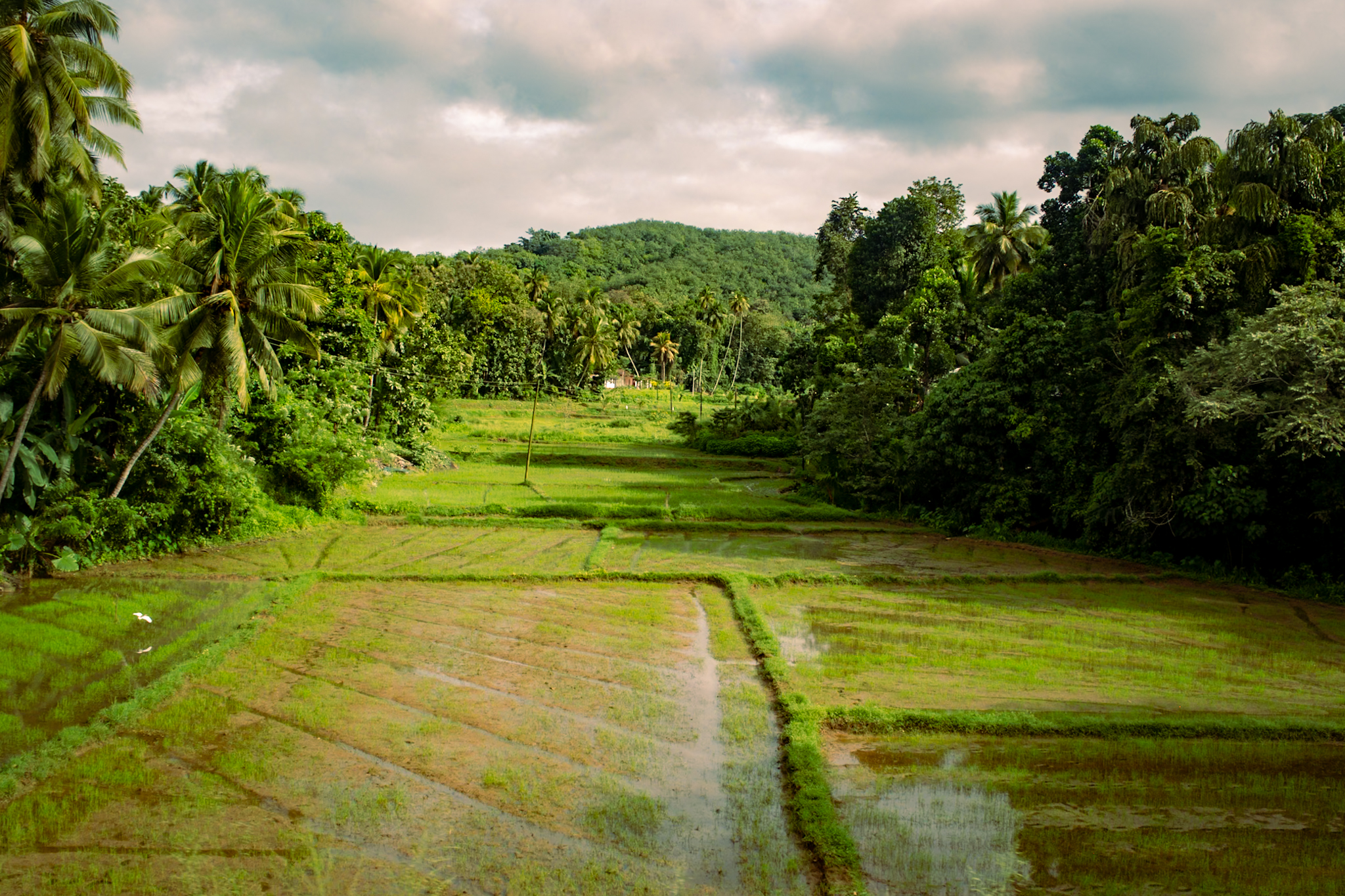
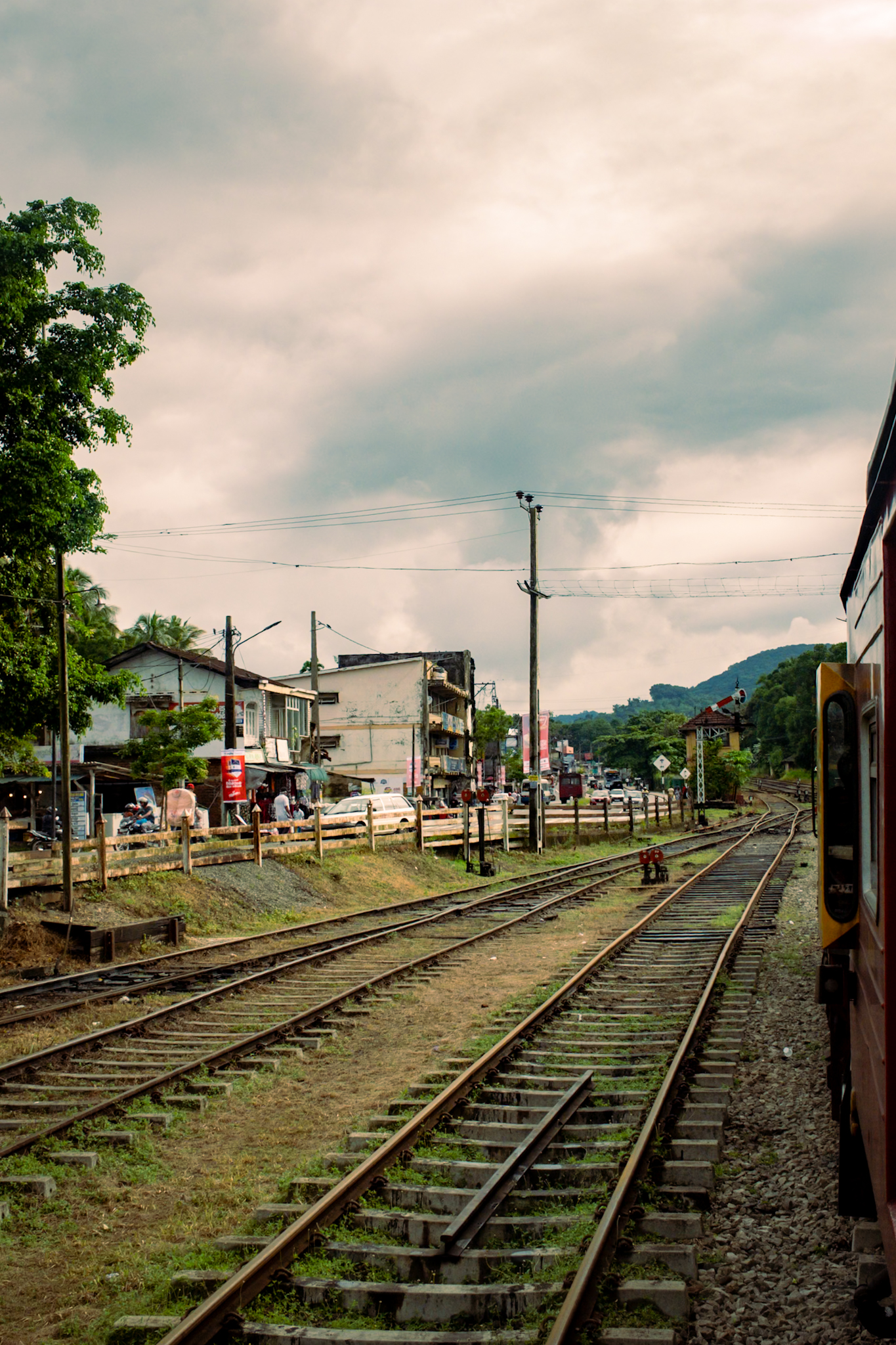
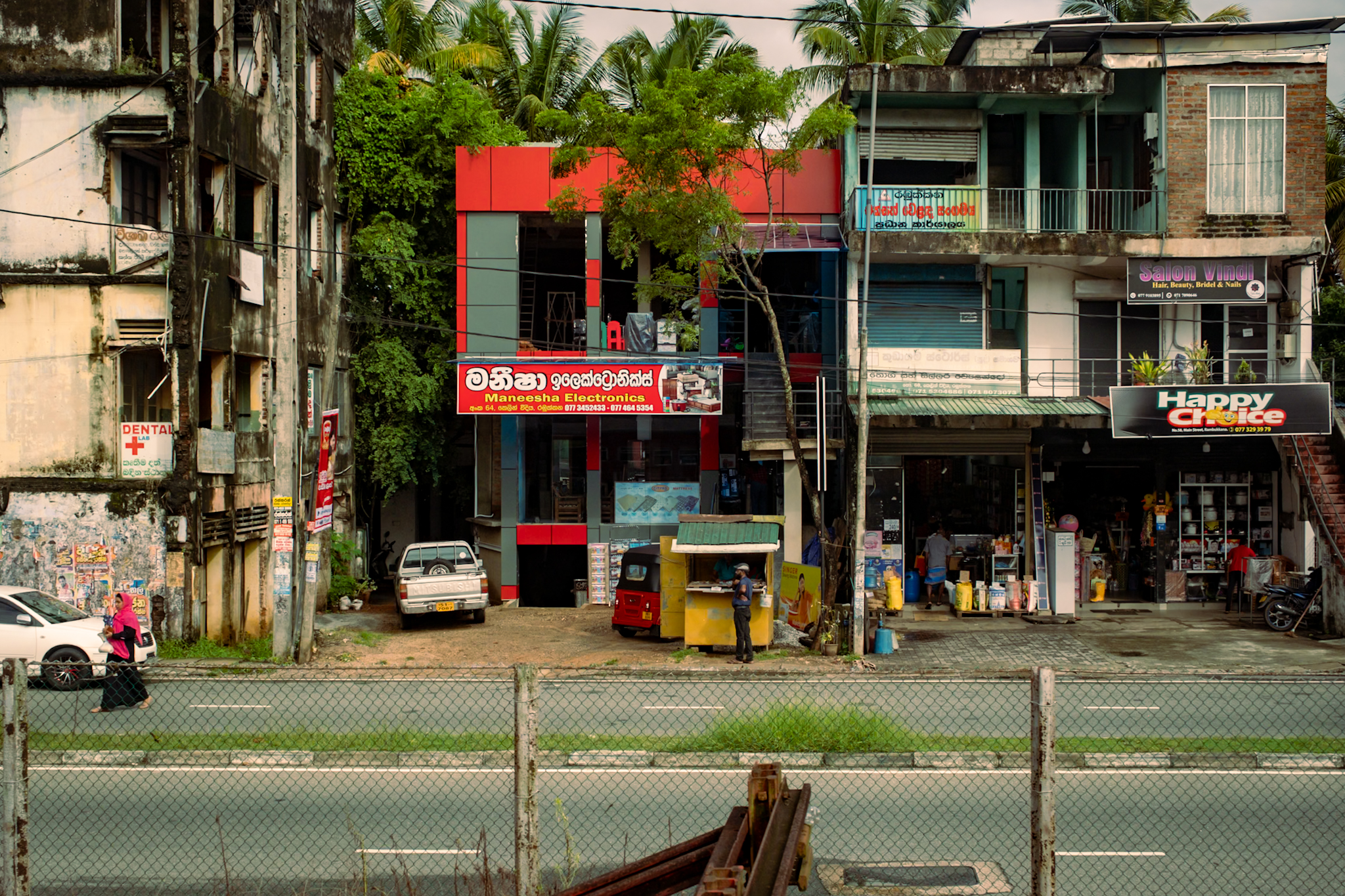
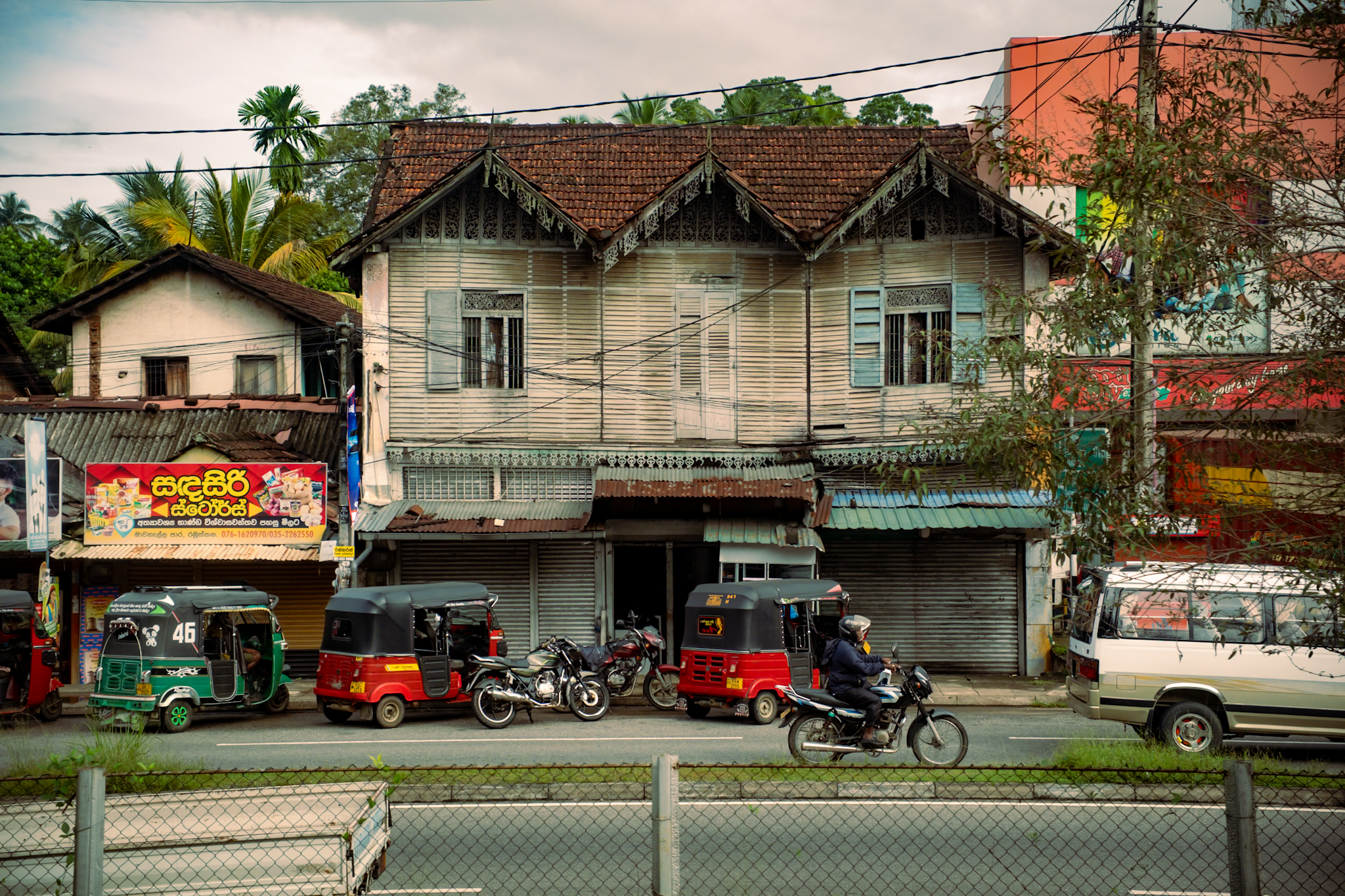
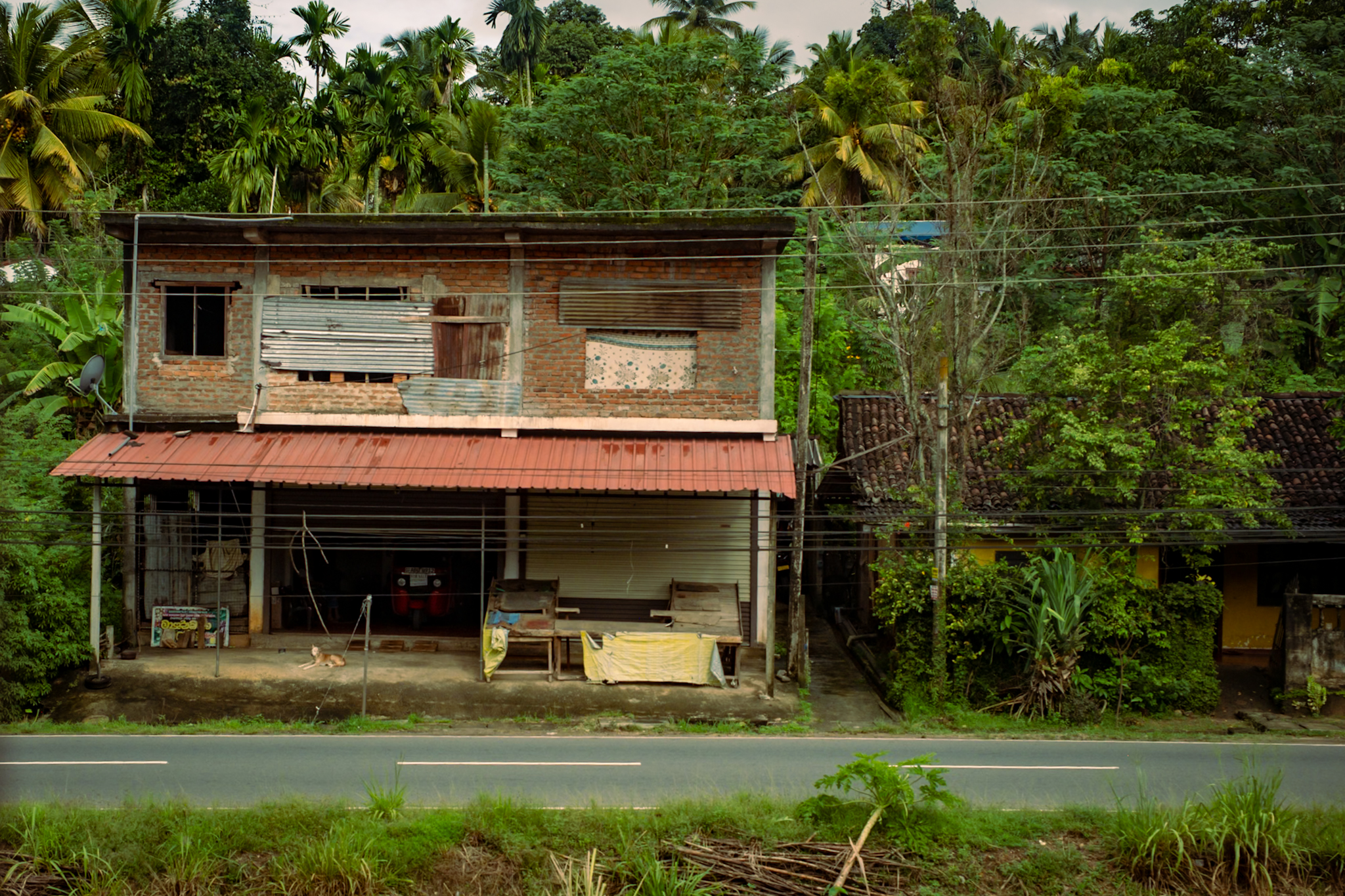
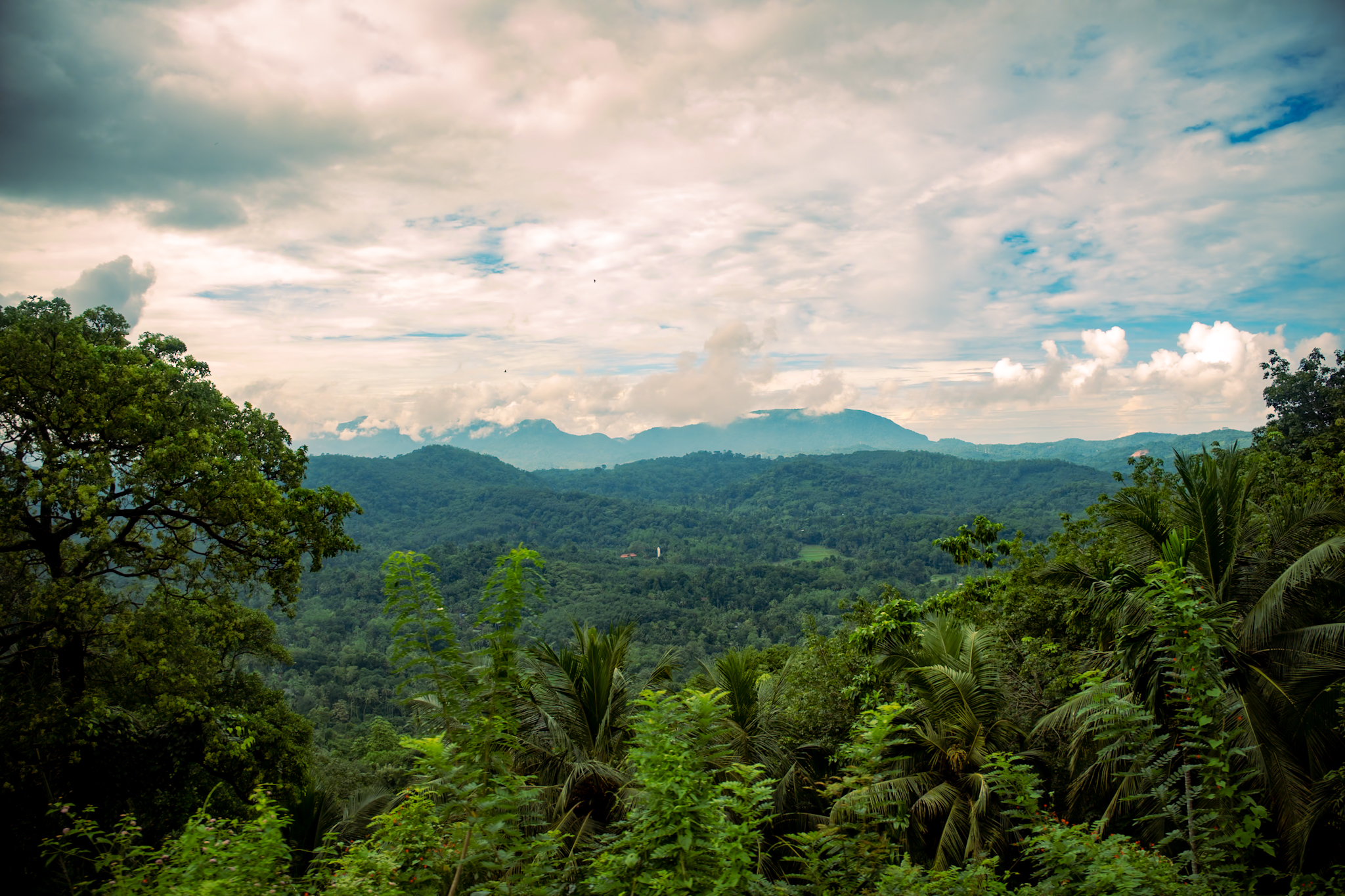
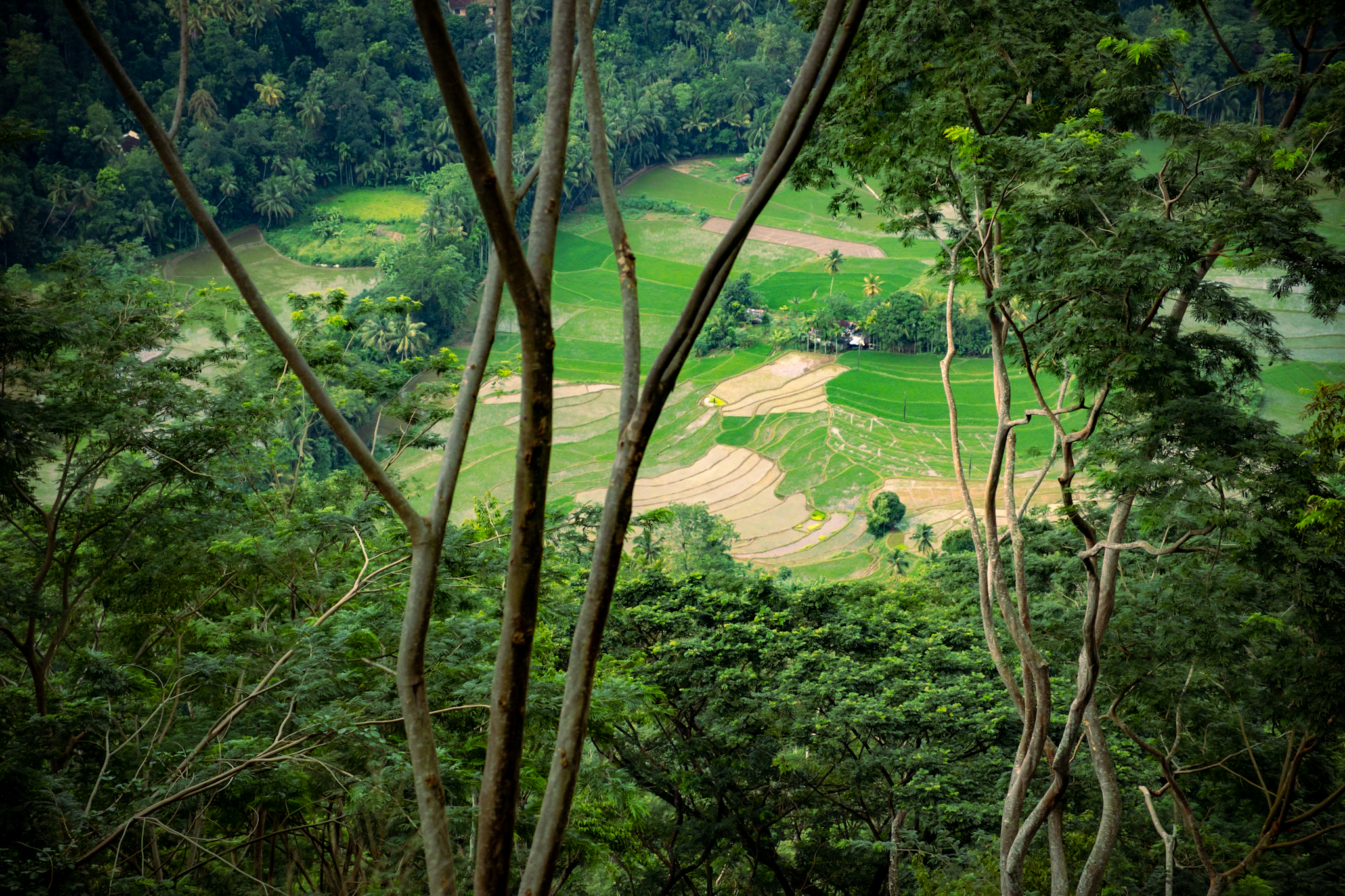
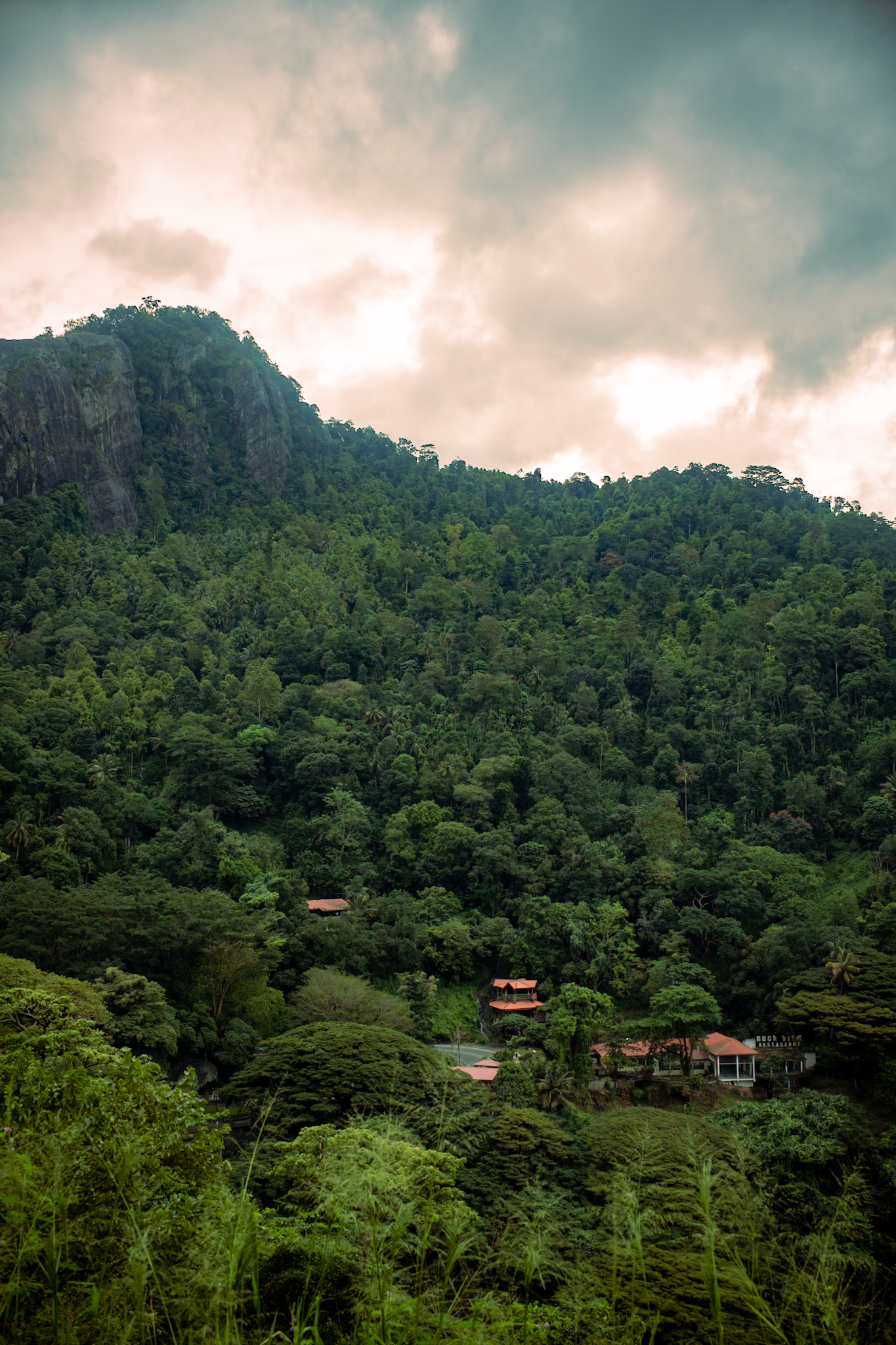
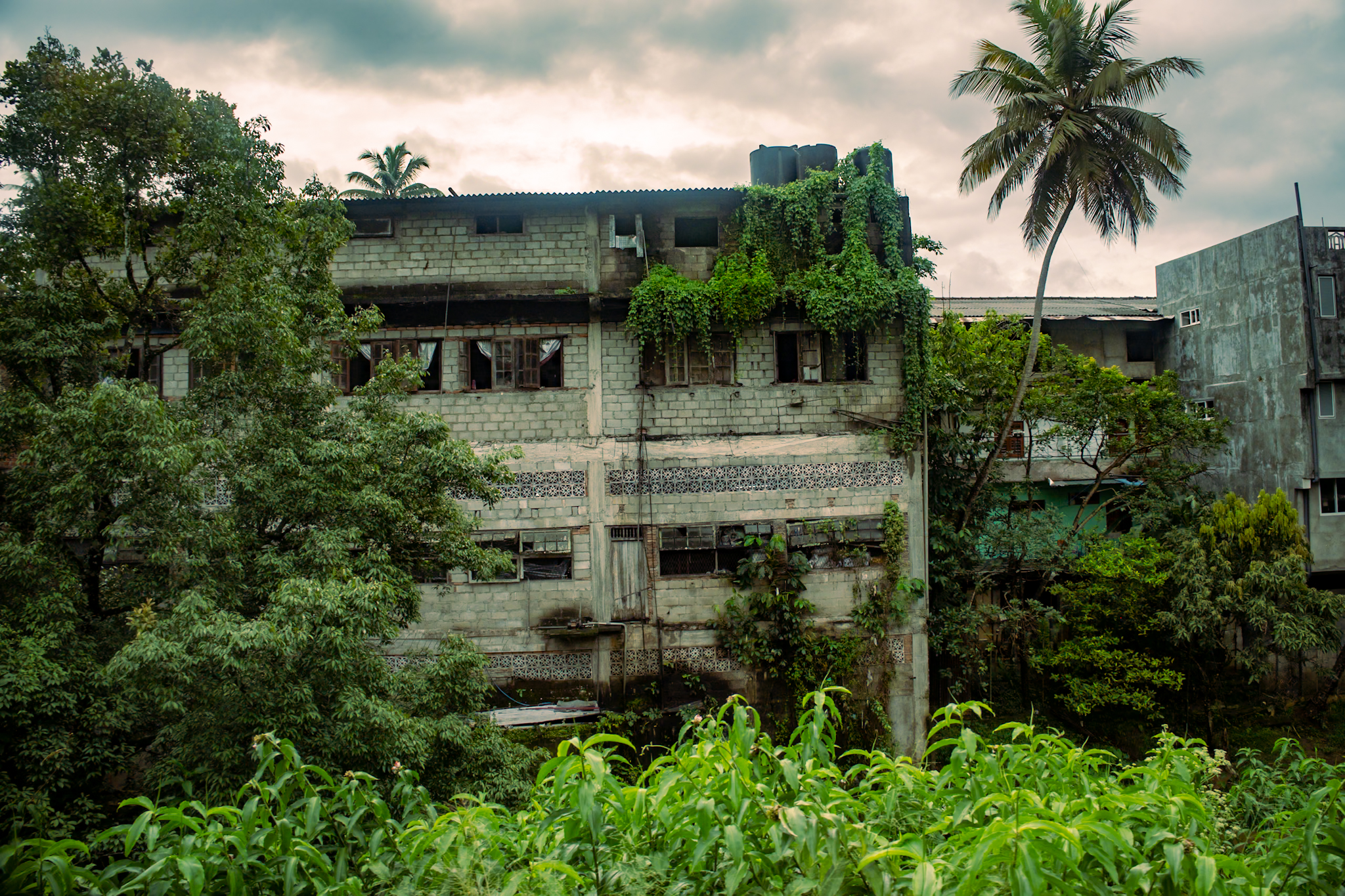
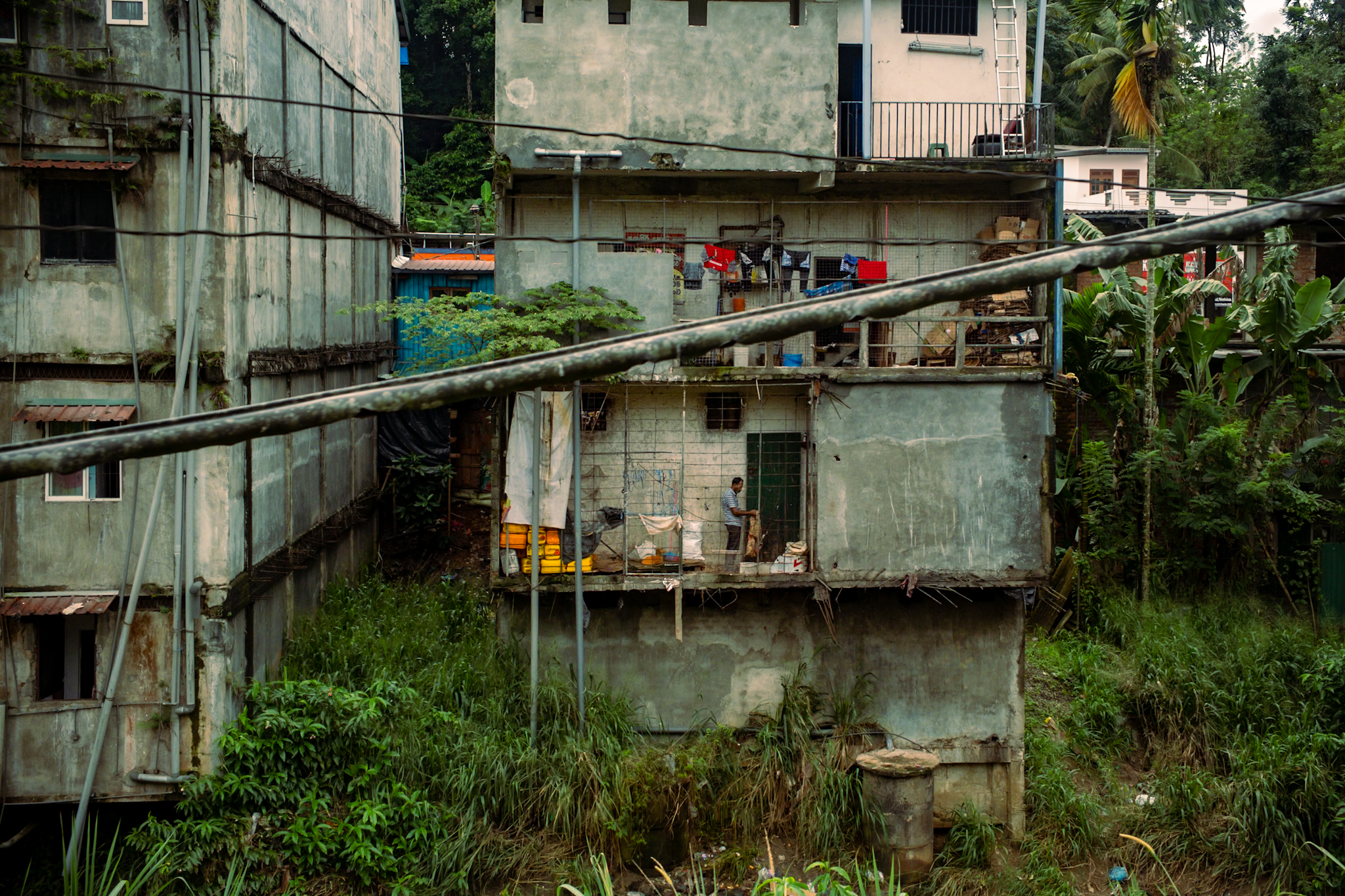
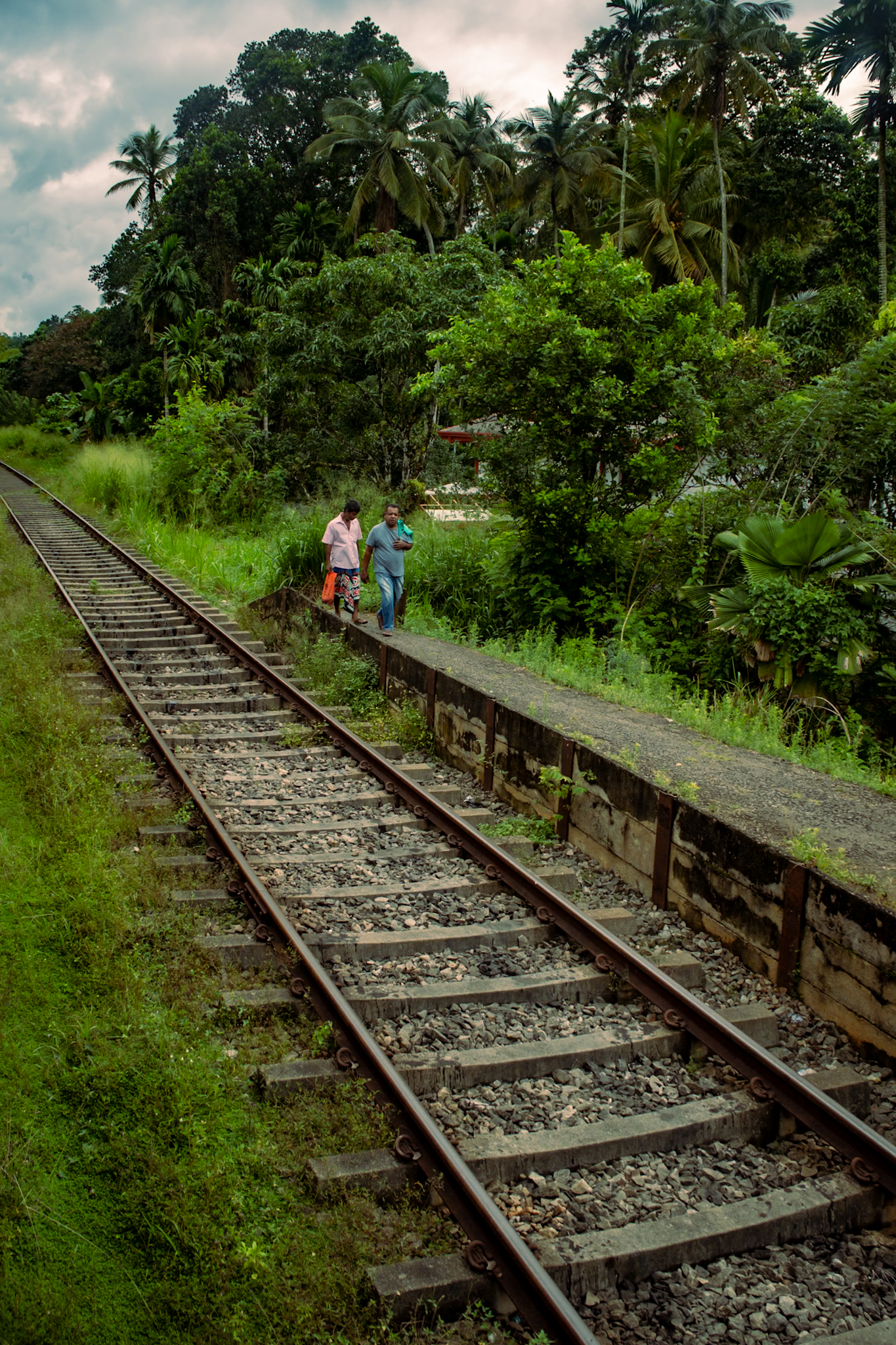
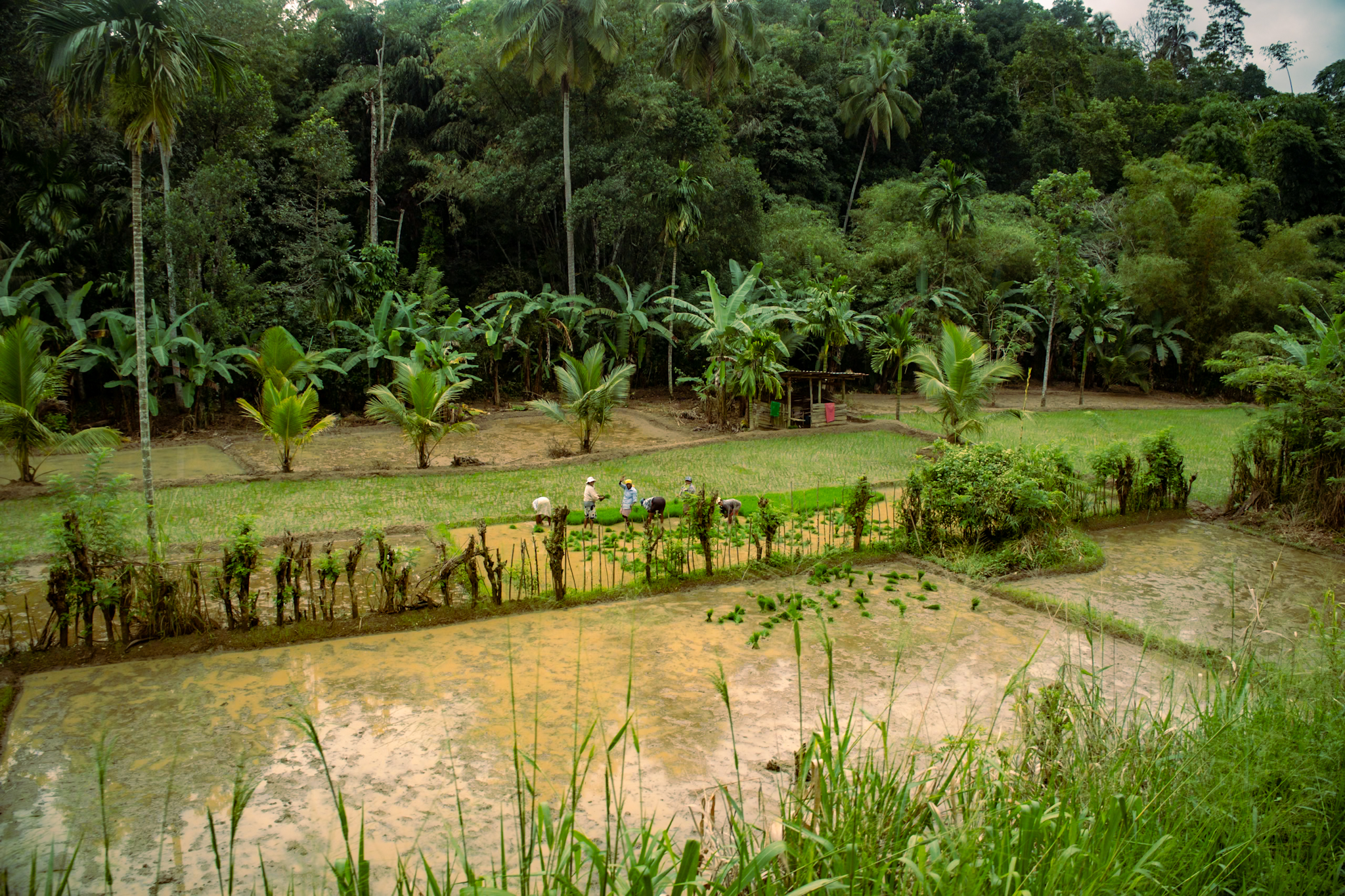
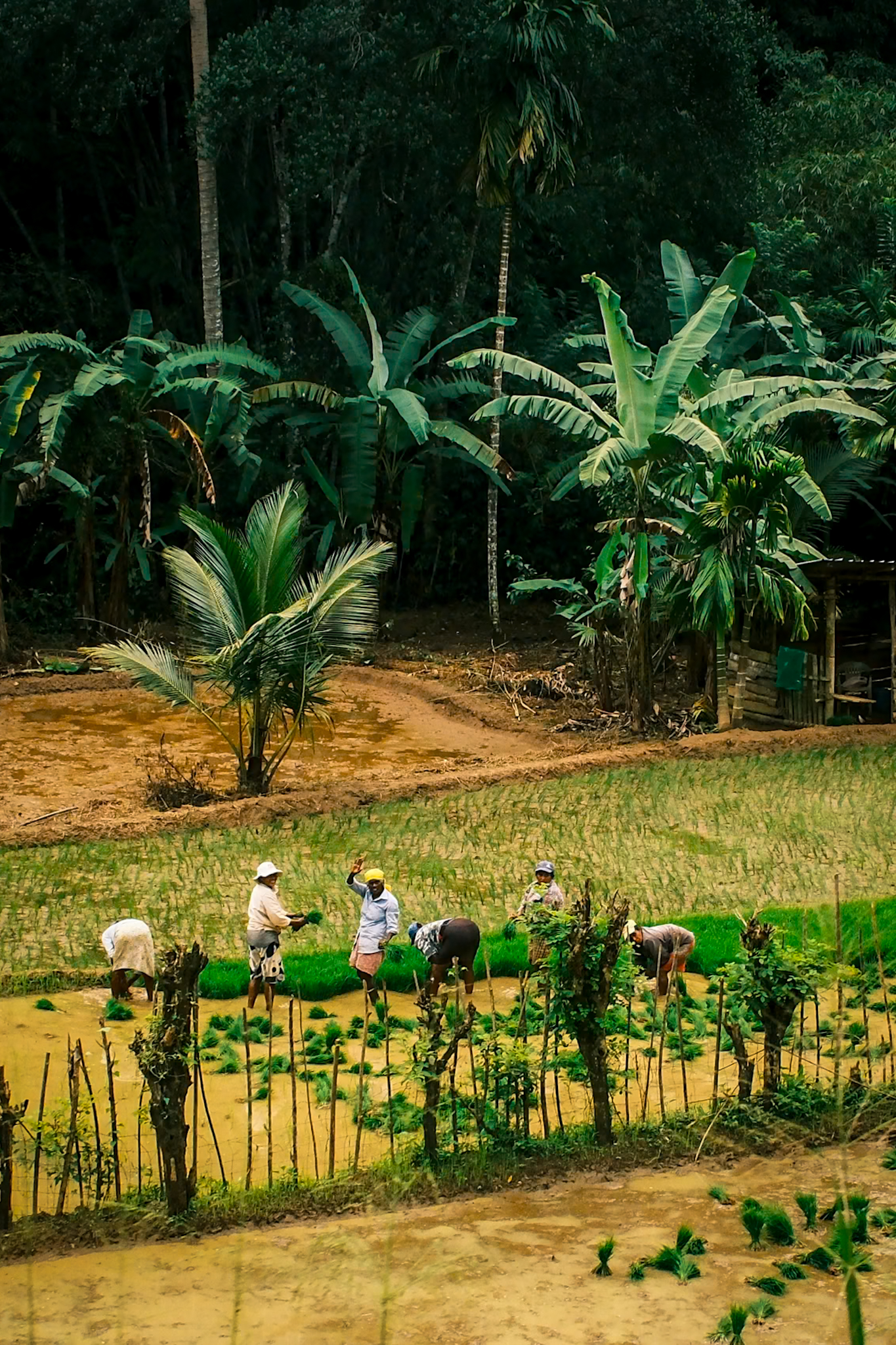
This isn’t “that” journey – the Kandy to Ella route that is hugely popular with tourists – so I was doubly surprised at how breathtaking this journey was. Starting the in cacophony of Colombo, before heading out into the flat countryside, and then making the slow climb into the mountains into Kandy, I think we were very fortunate as the train arrived roughly on time.
What makes these images particularly poignant now is that the next day, Cyclone Ditwah hit Sri Lanka. As well as taken the lives of hundreds of Sri Lankans, the cyclone also swept away a huge part of the mountainside that supported part of this route – it is not expected to be repaired for at least a year.
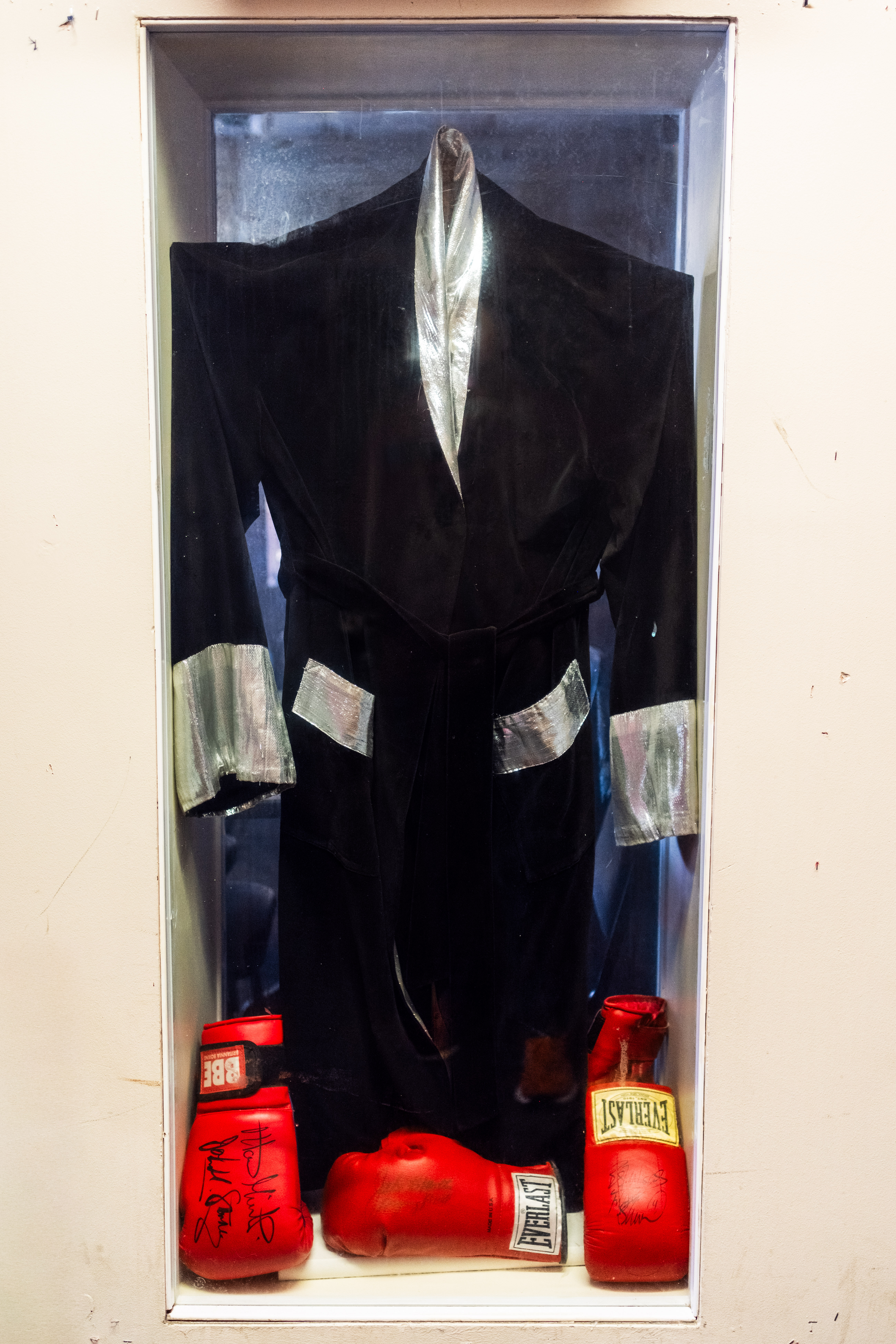
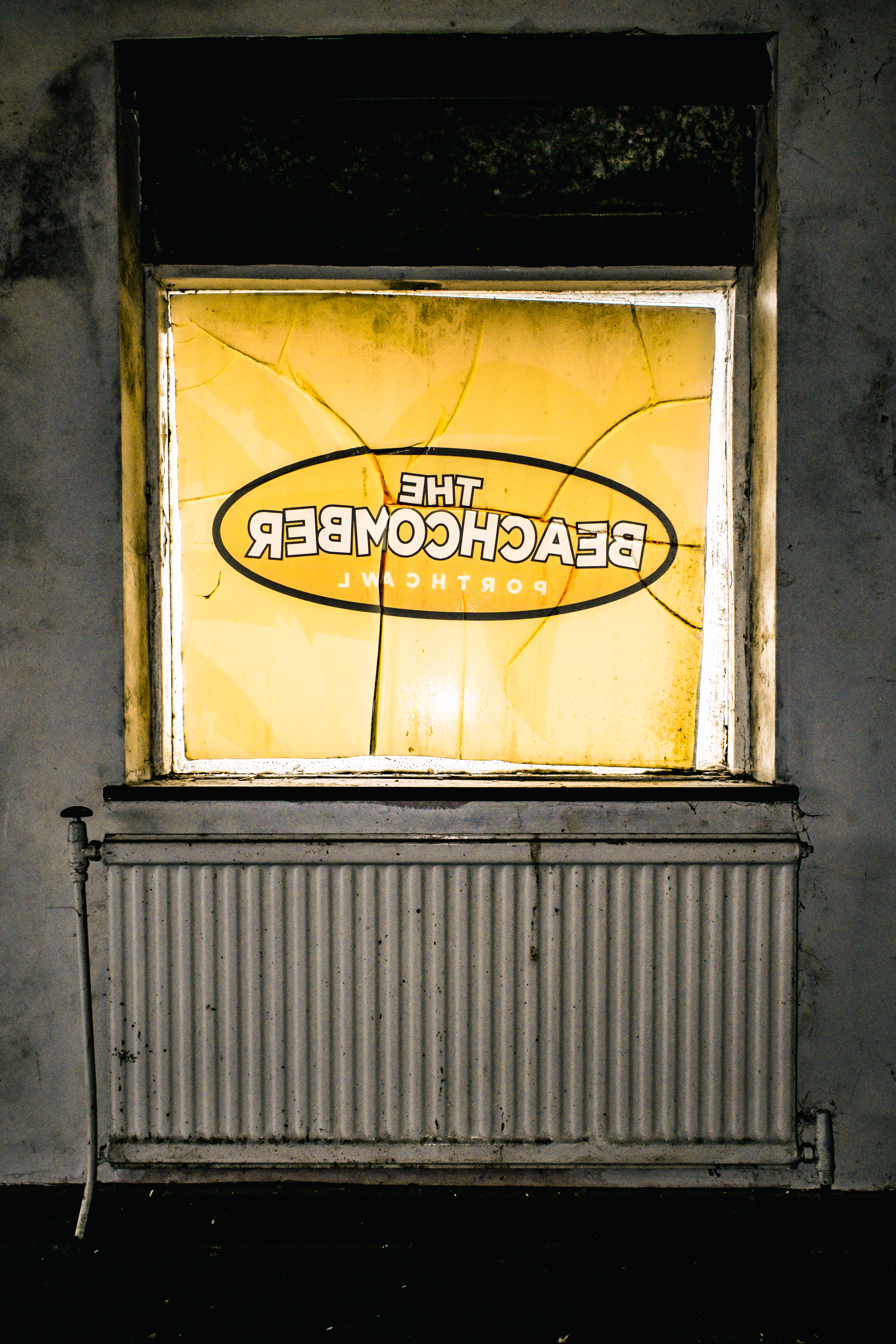
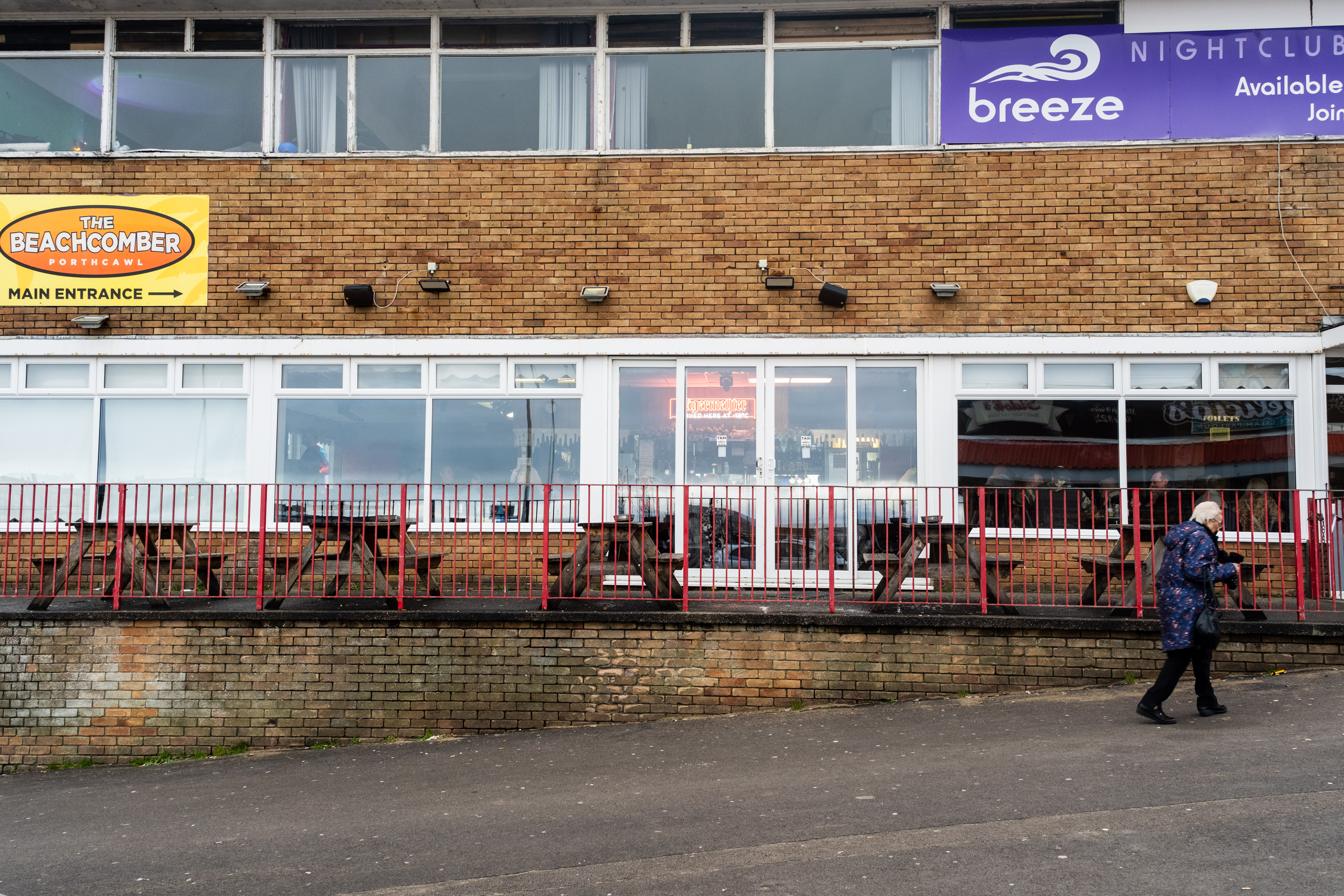
As part of the upcoming development in Porthcawl, a number of buildings will be removed to make way for regeneration. One friend has coined the name “The Grim Peeper”, joking that as businesses close, I arrive with my camera. It’s a funny notion, but not completely untrue. Much of what I do is centred around transition, and it can be difficult not to feel compelled to document endings.
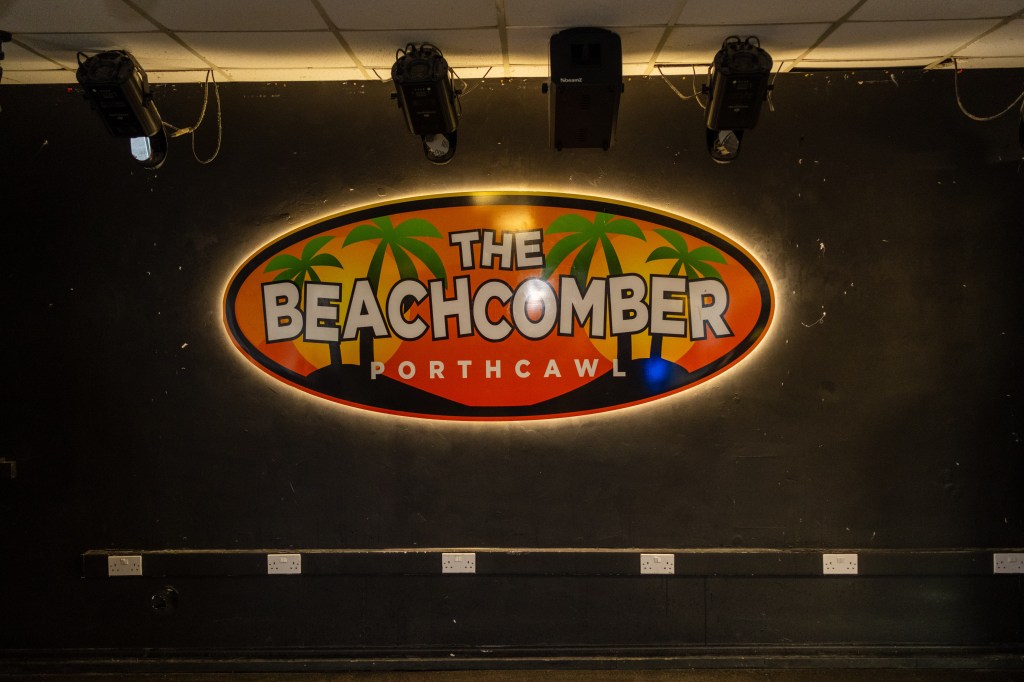
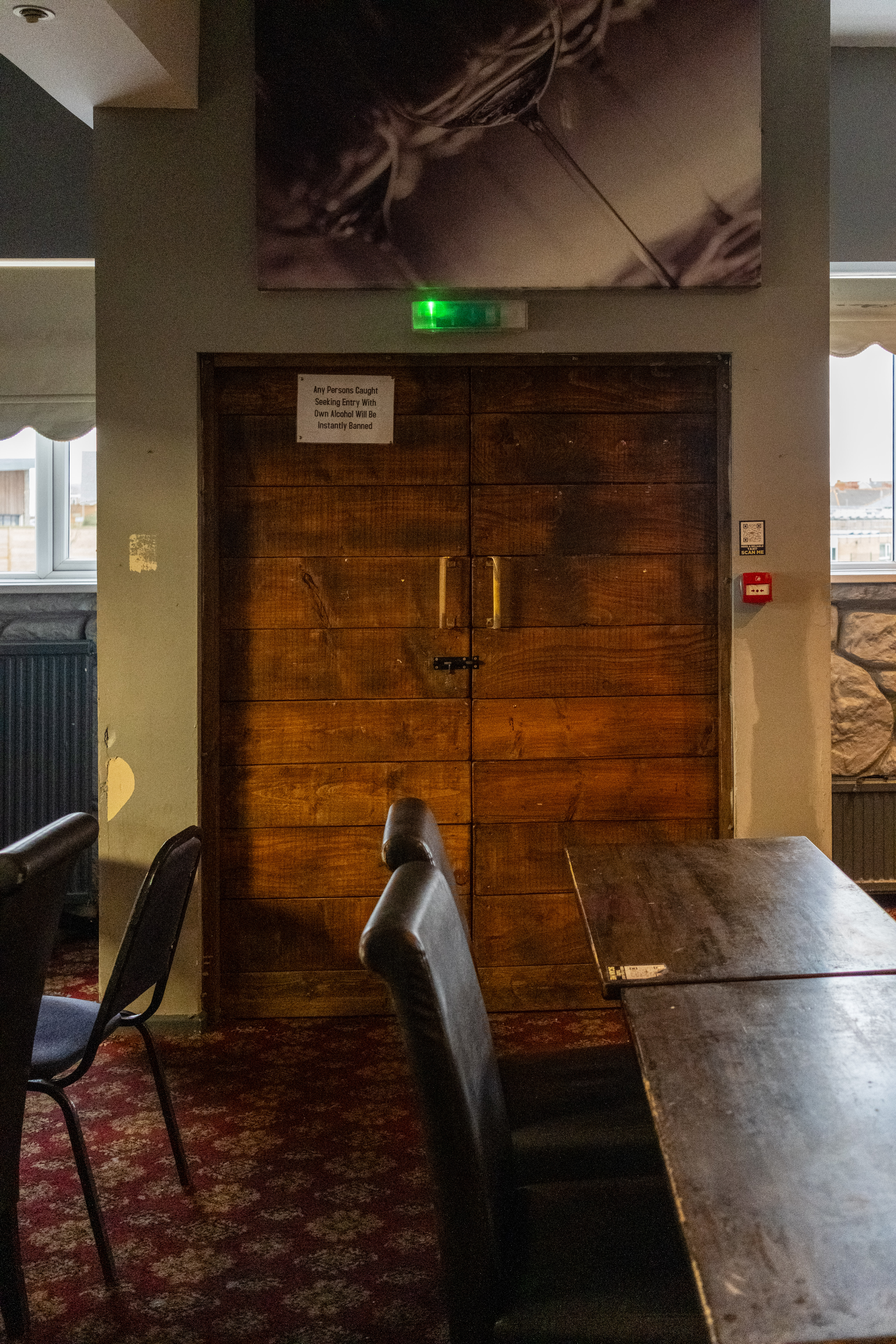
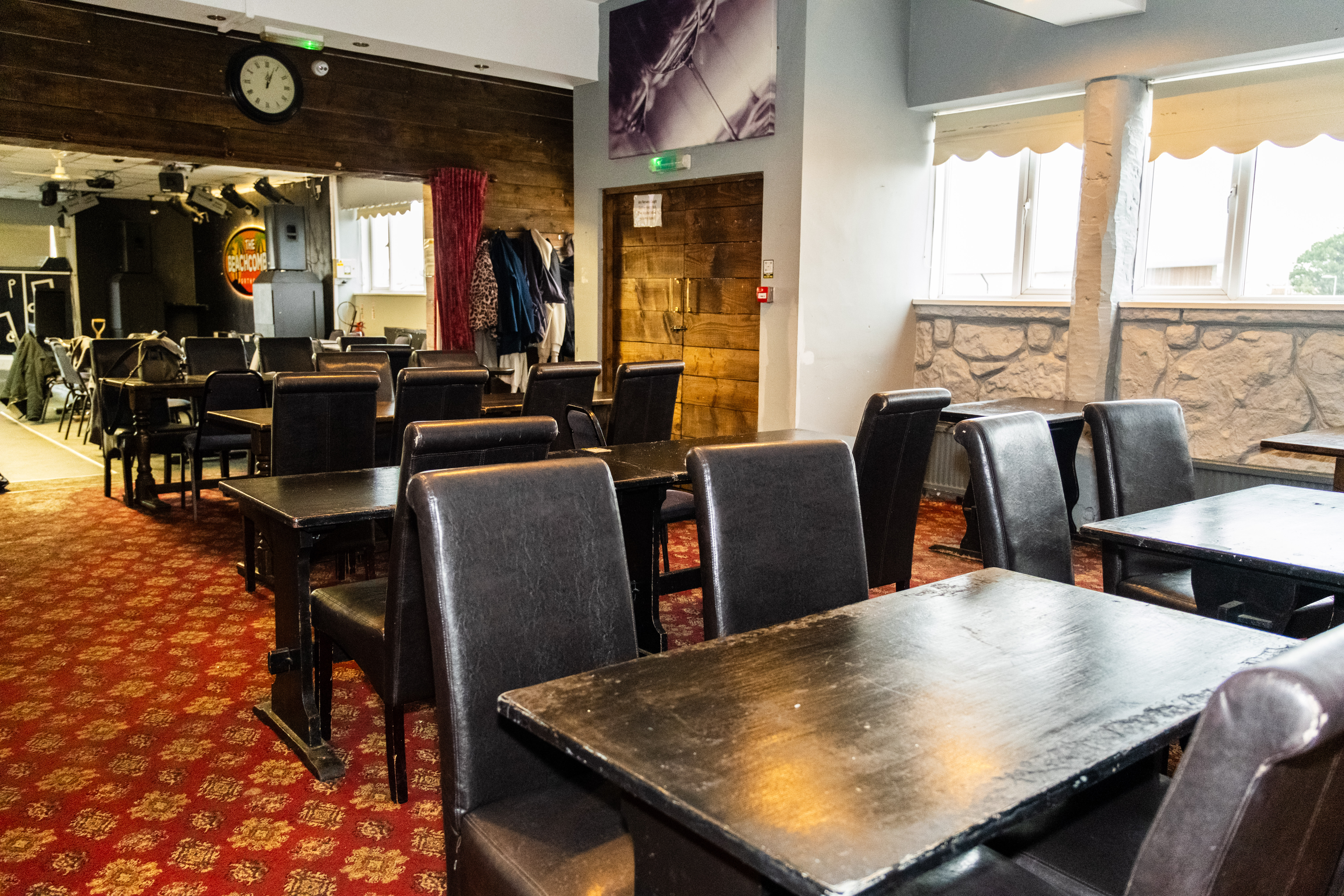
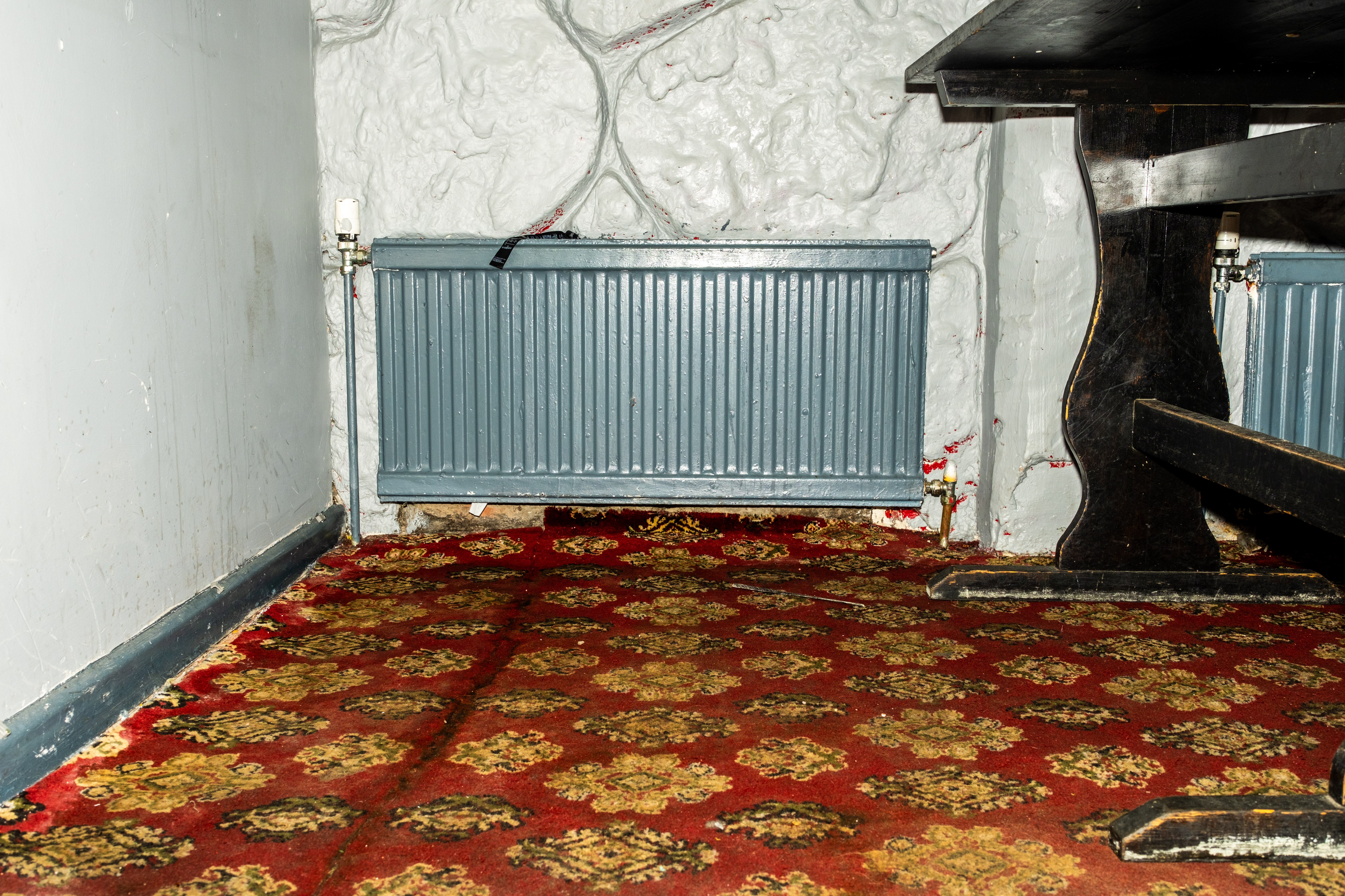
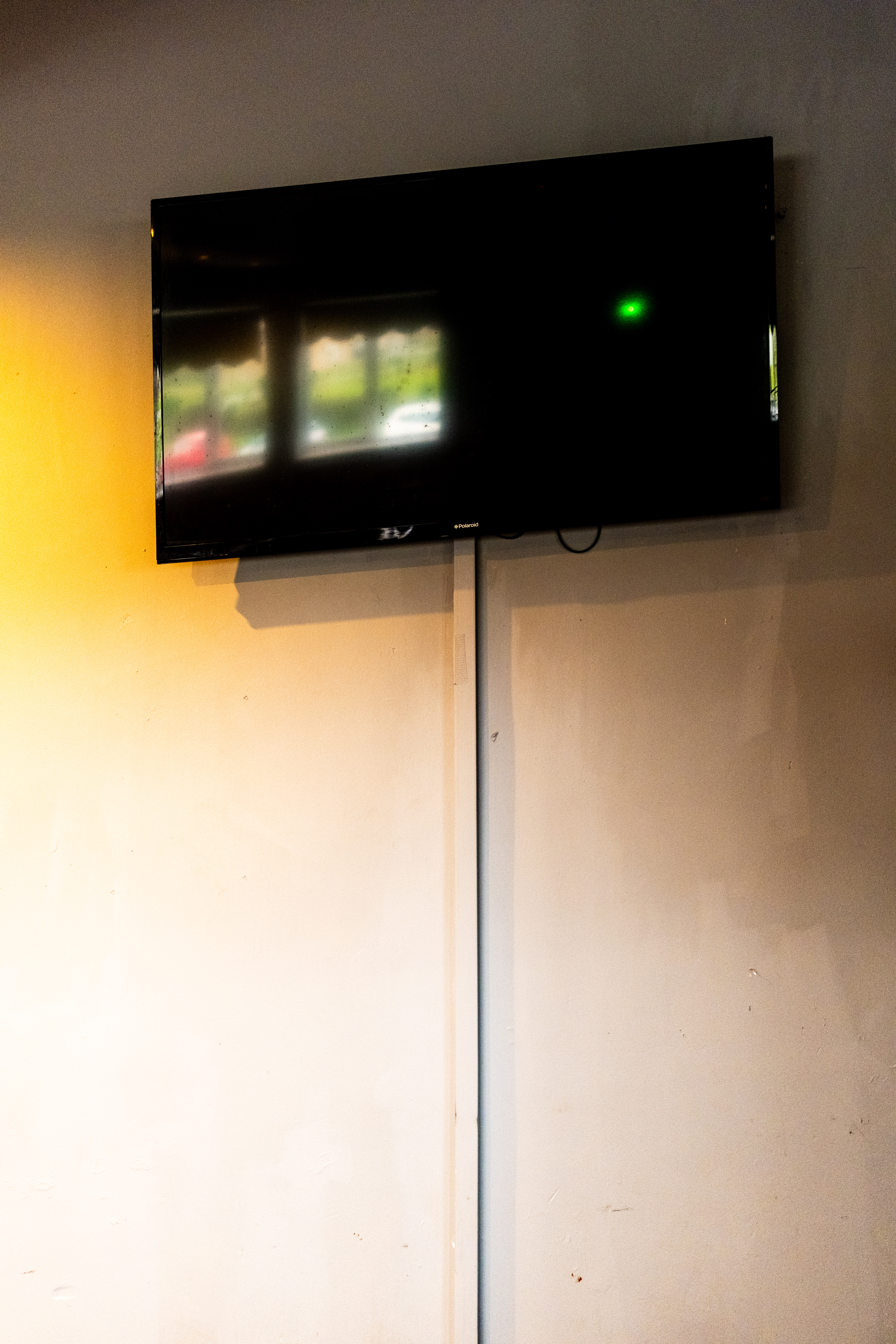
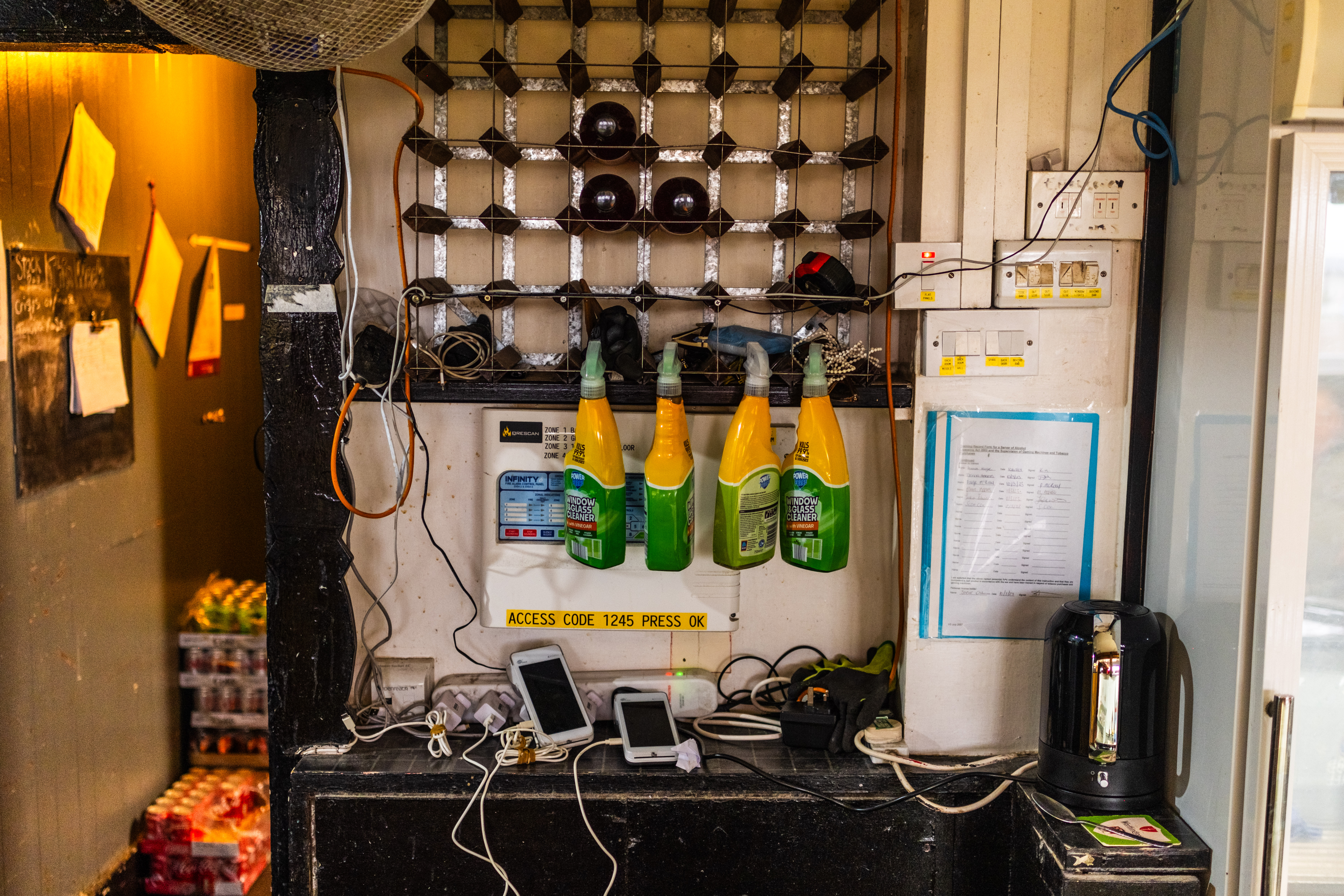
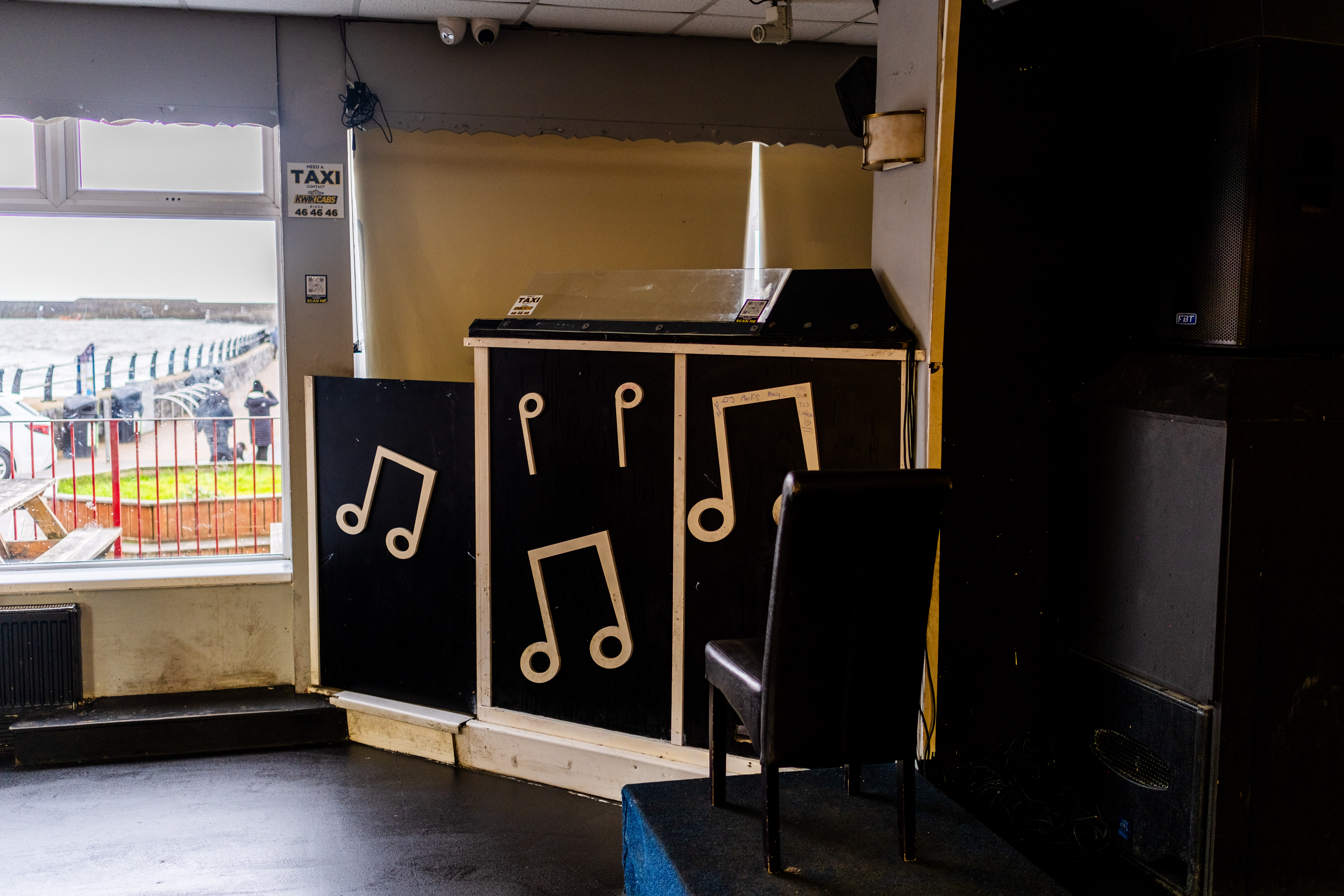
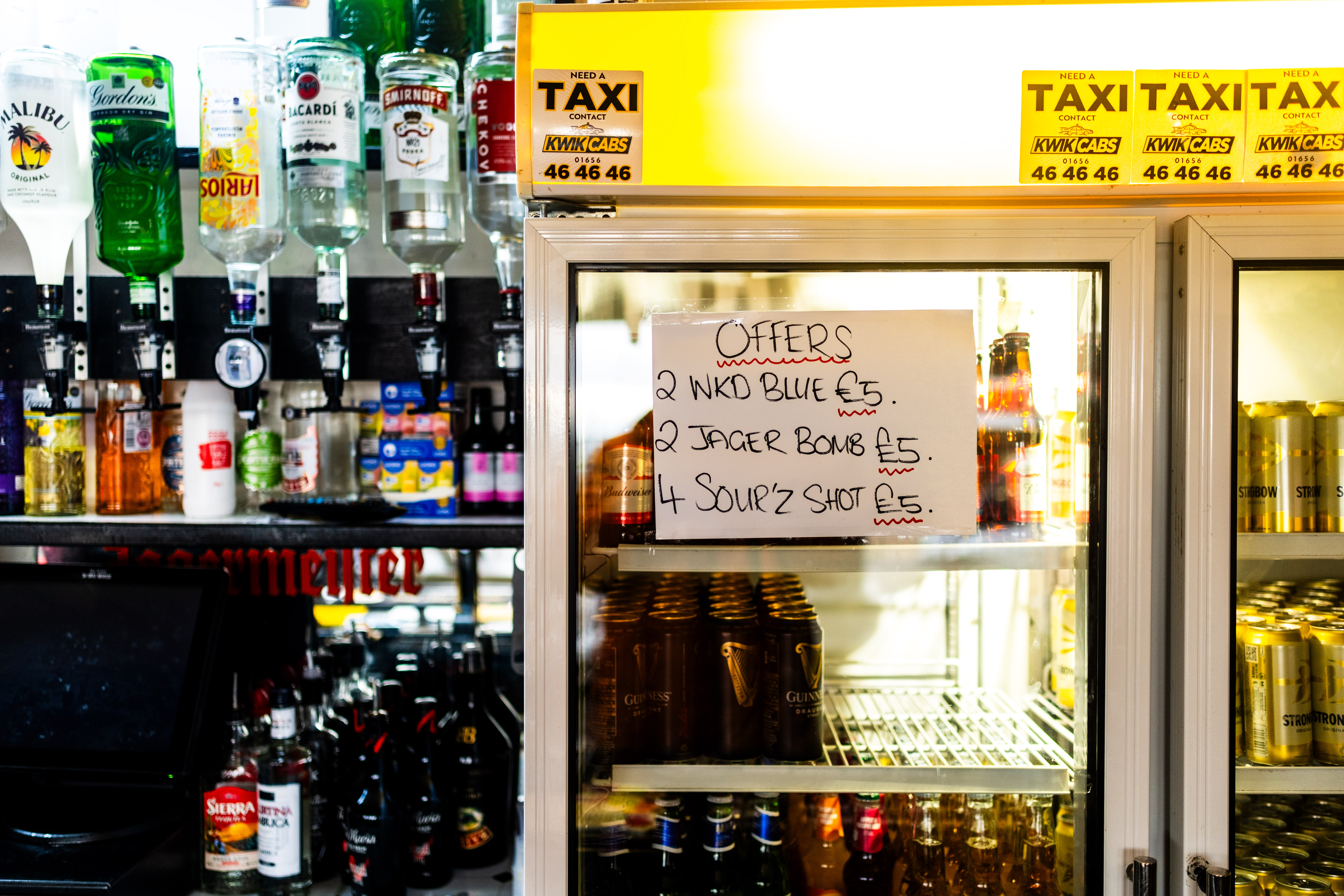
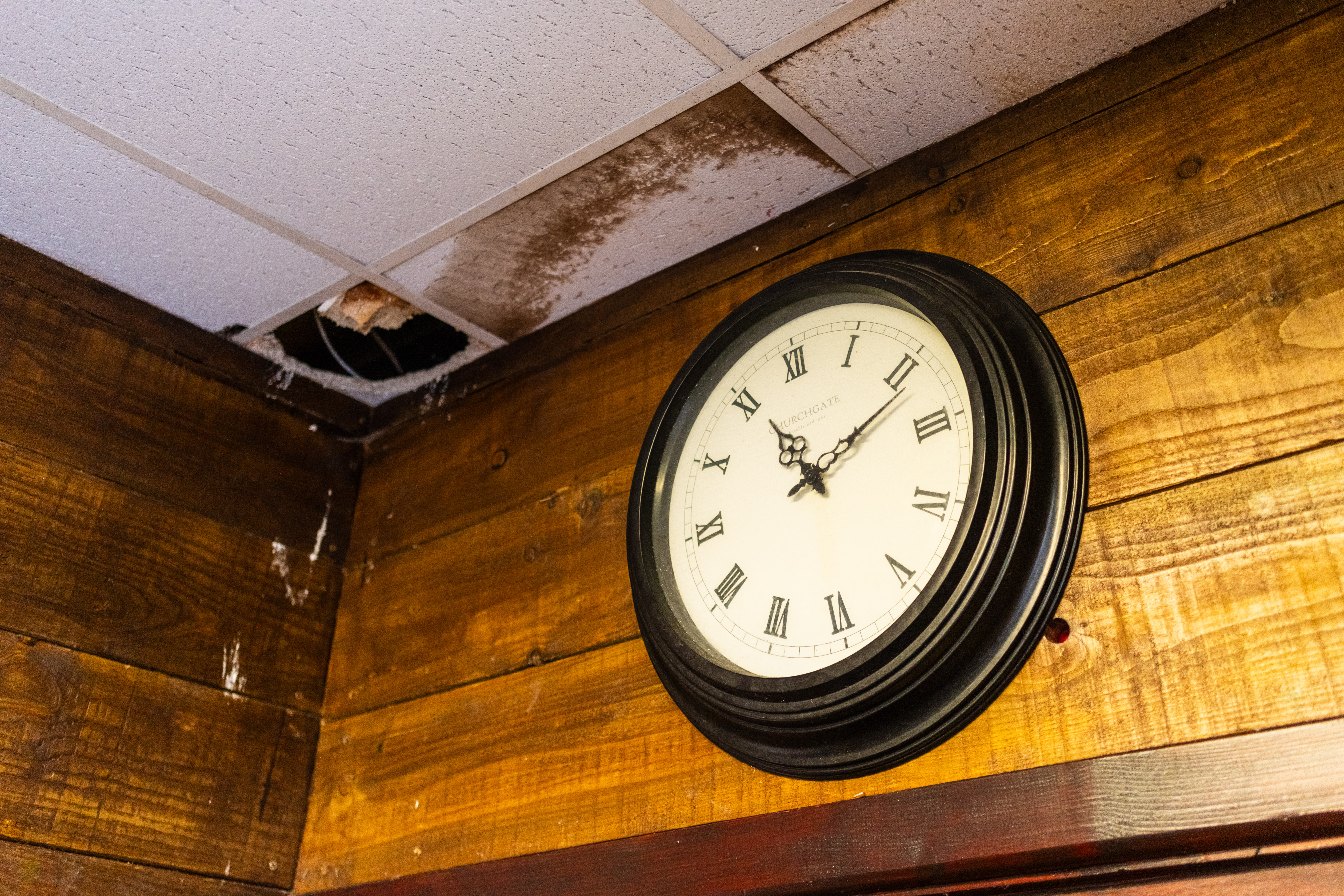
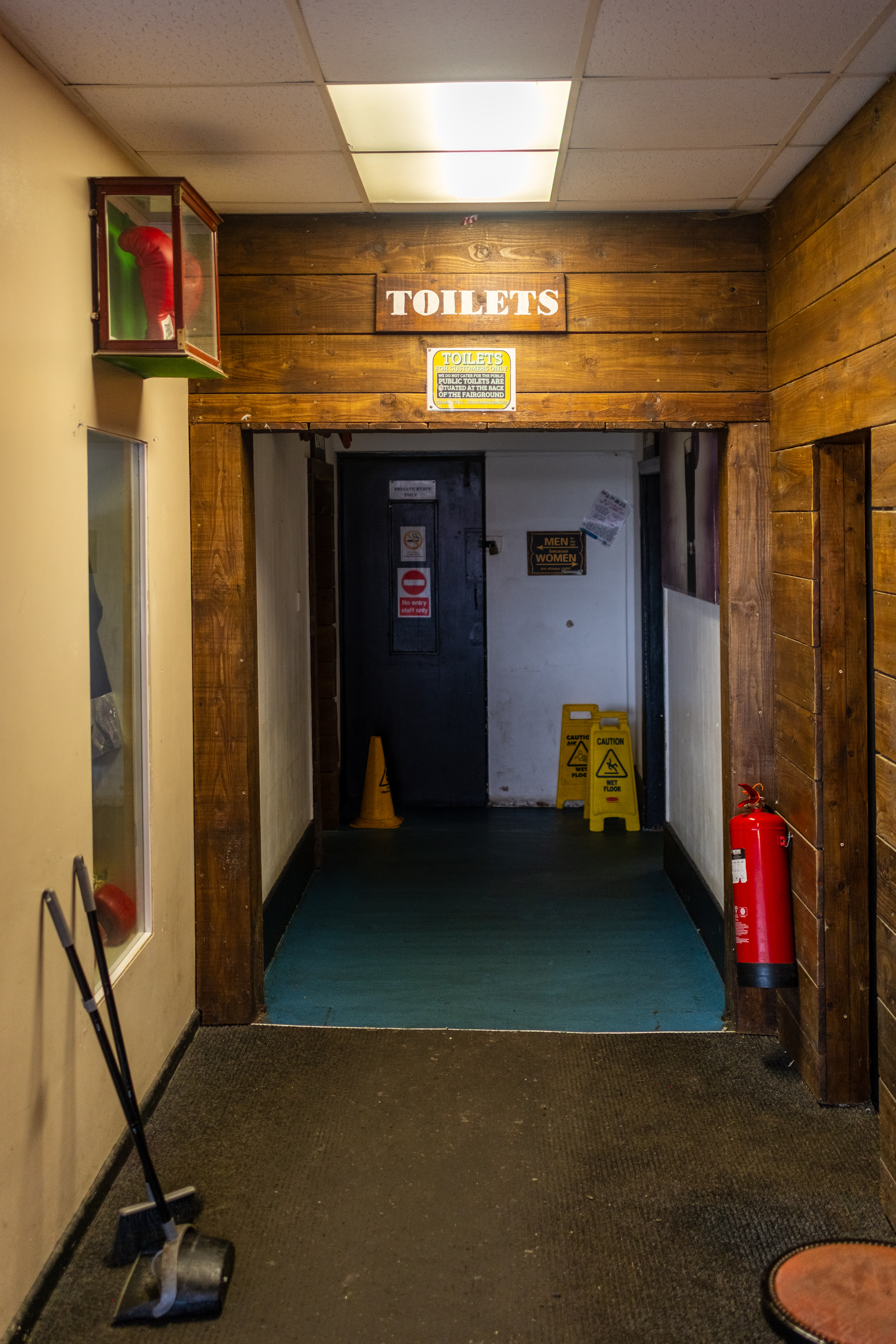
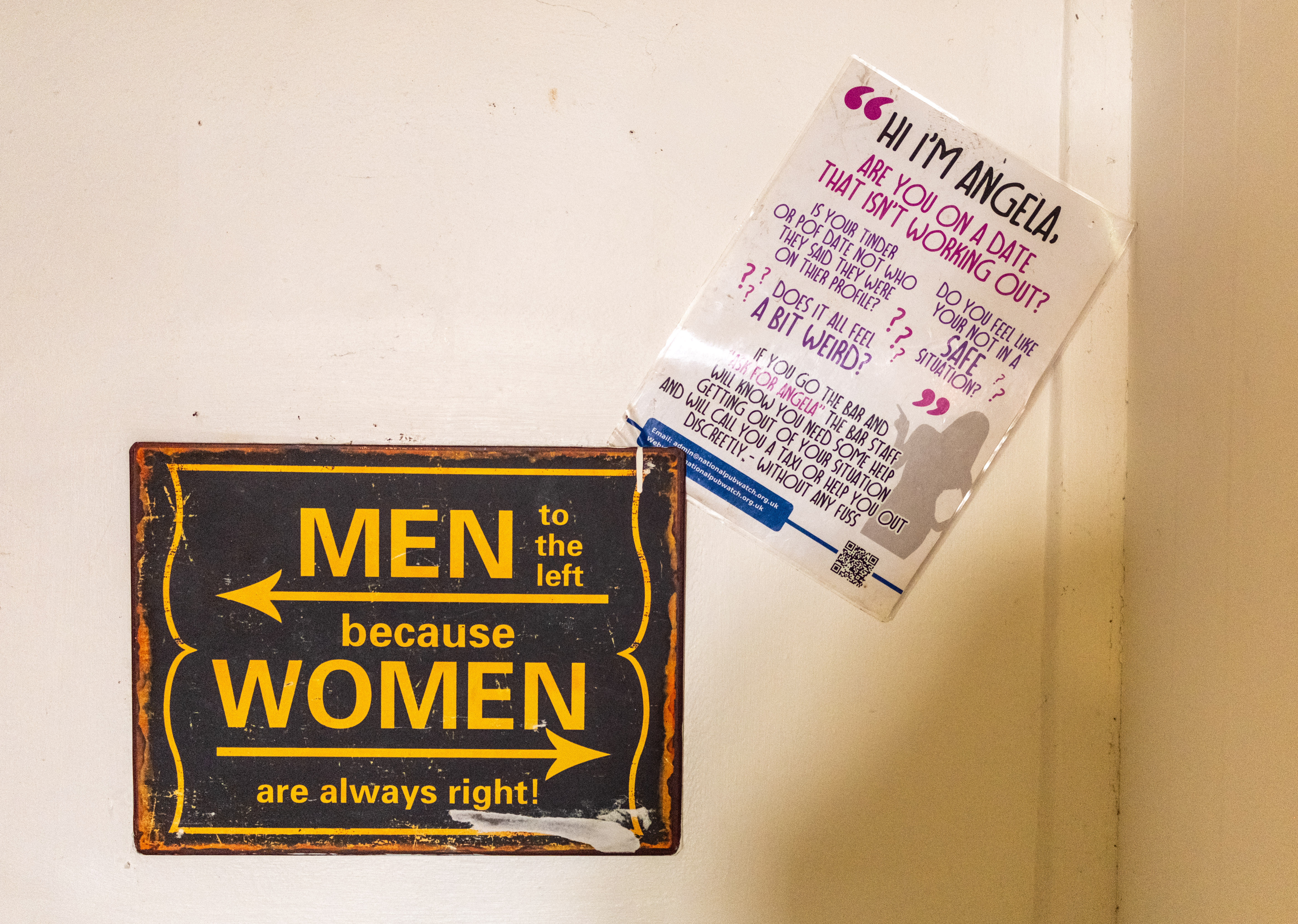
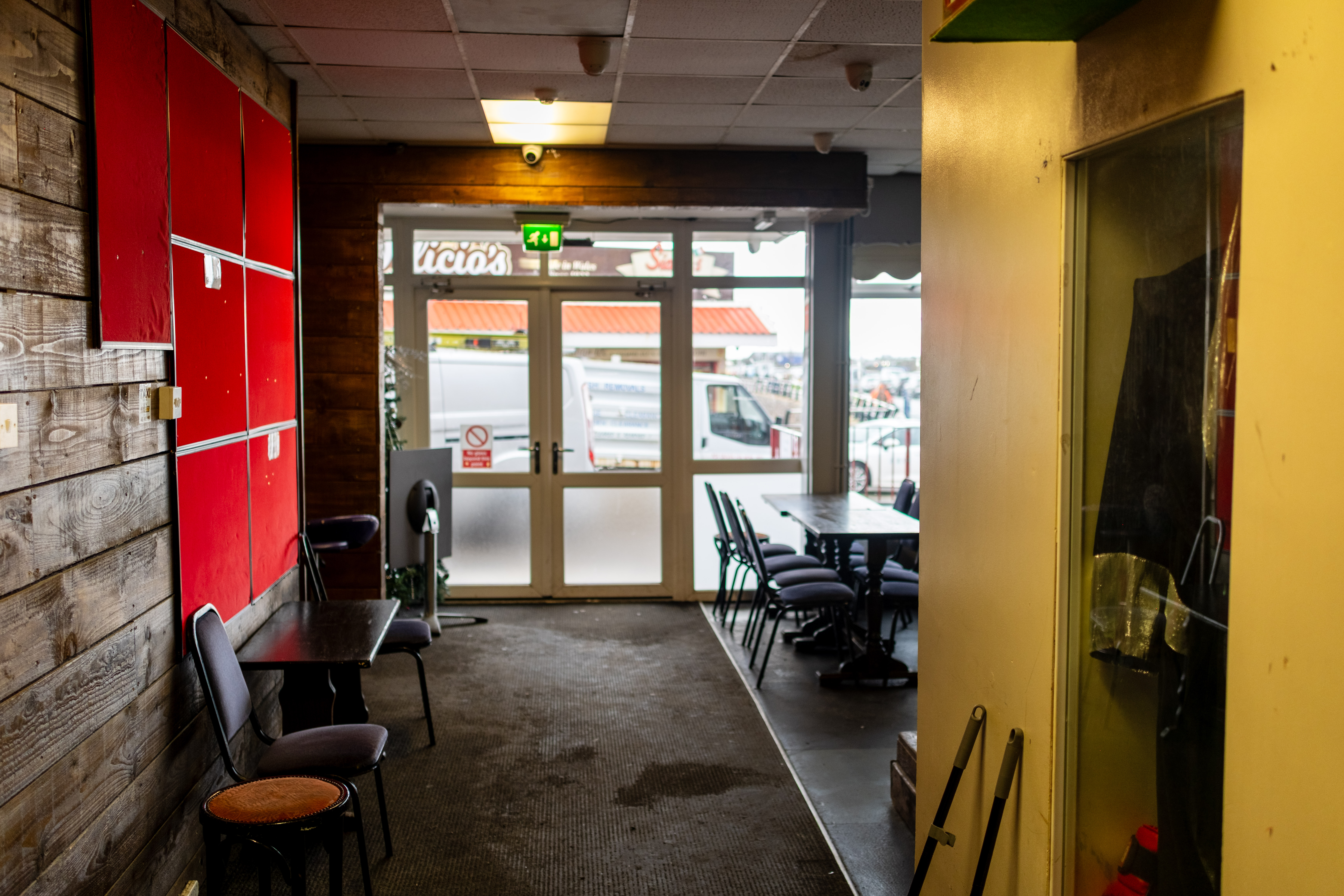
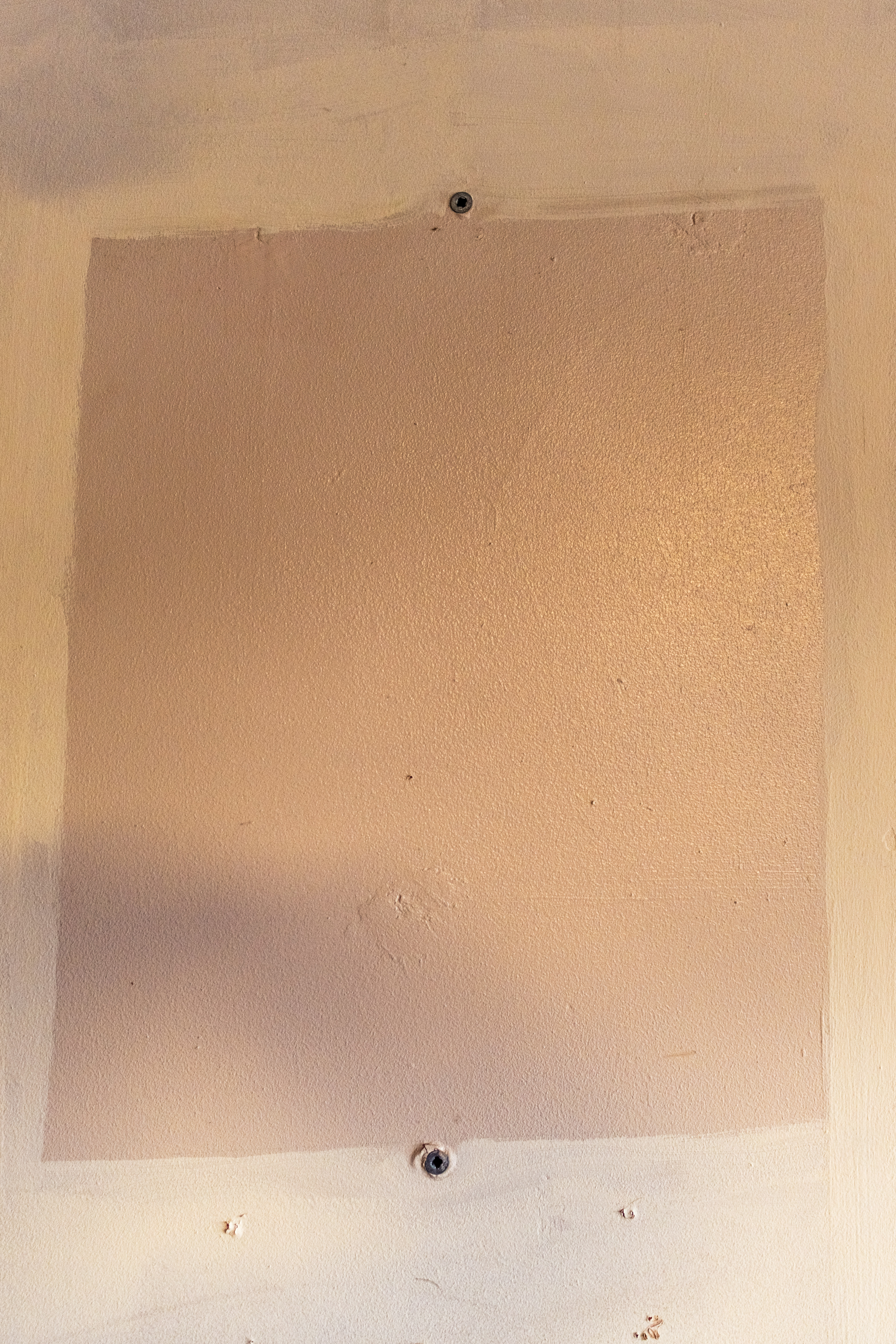
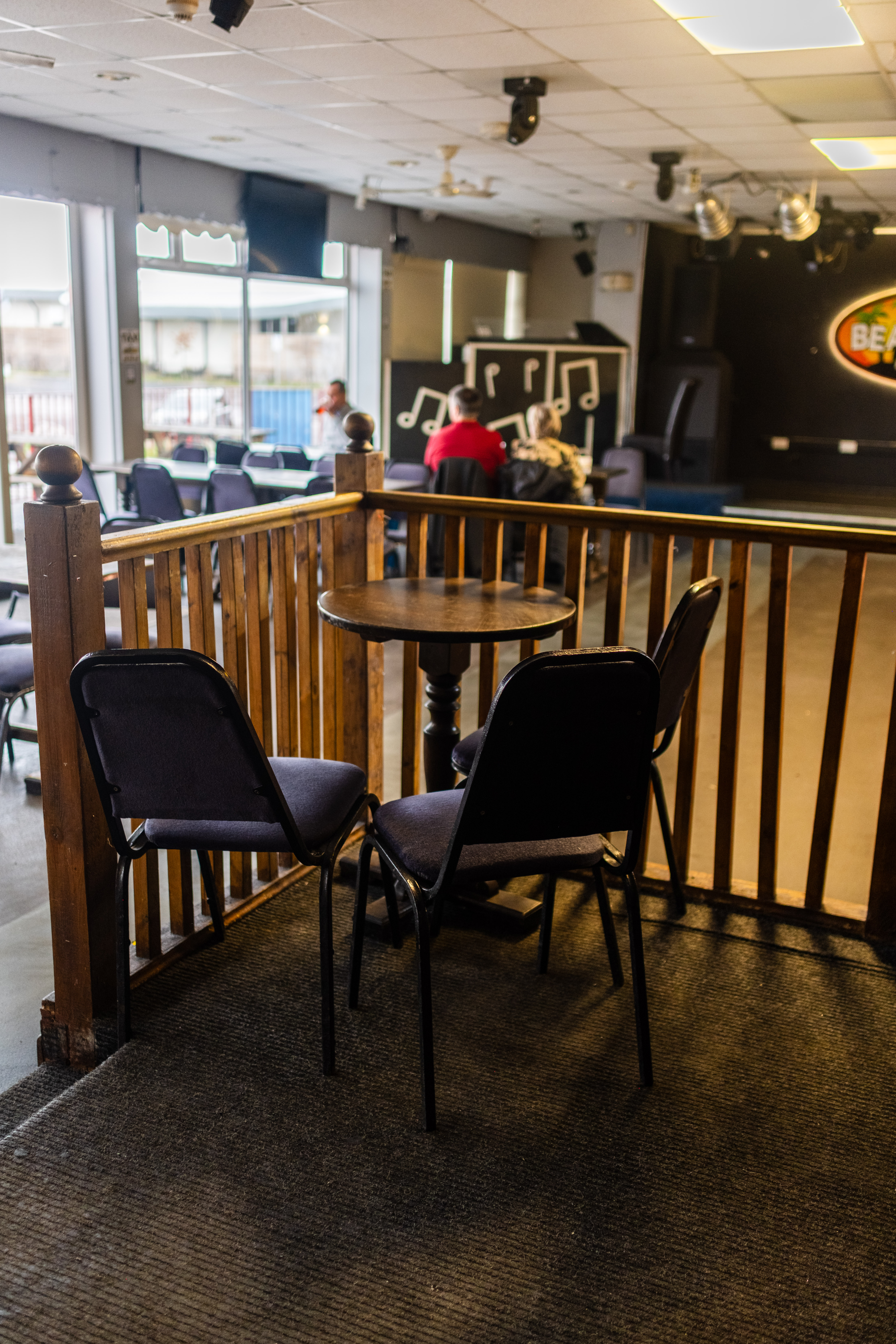
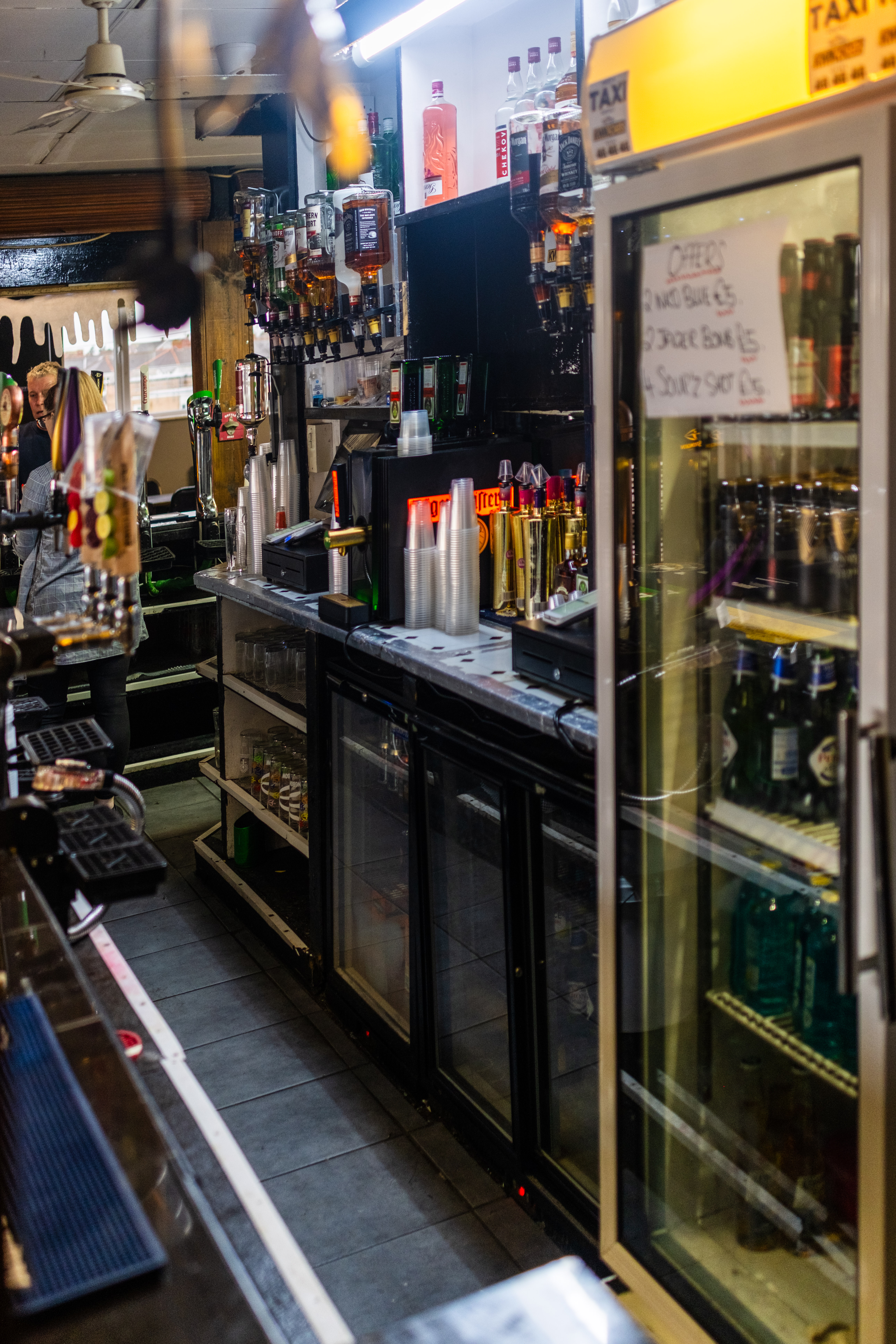
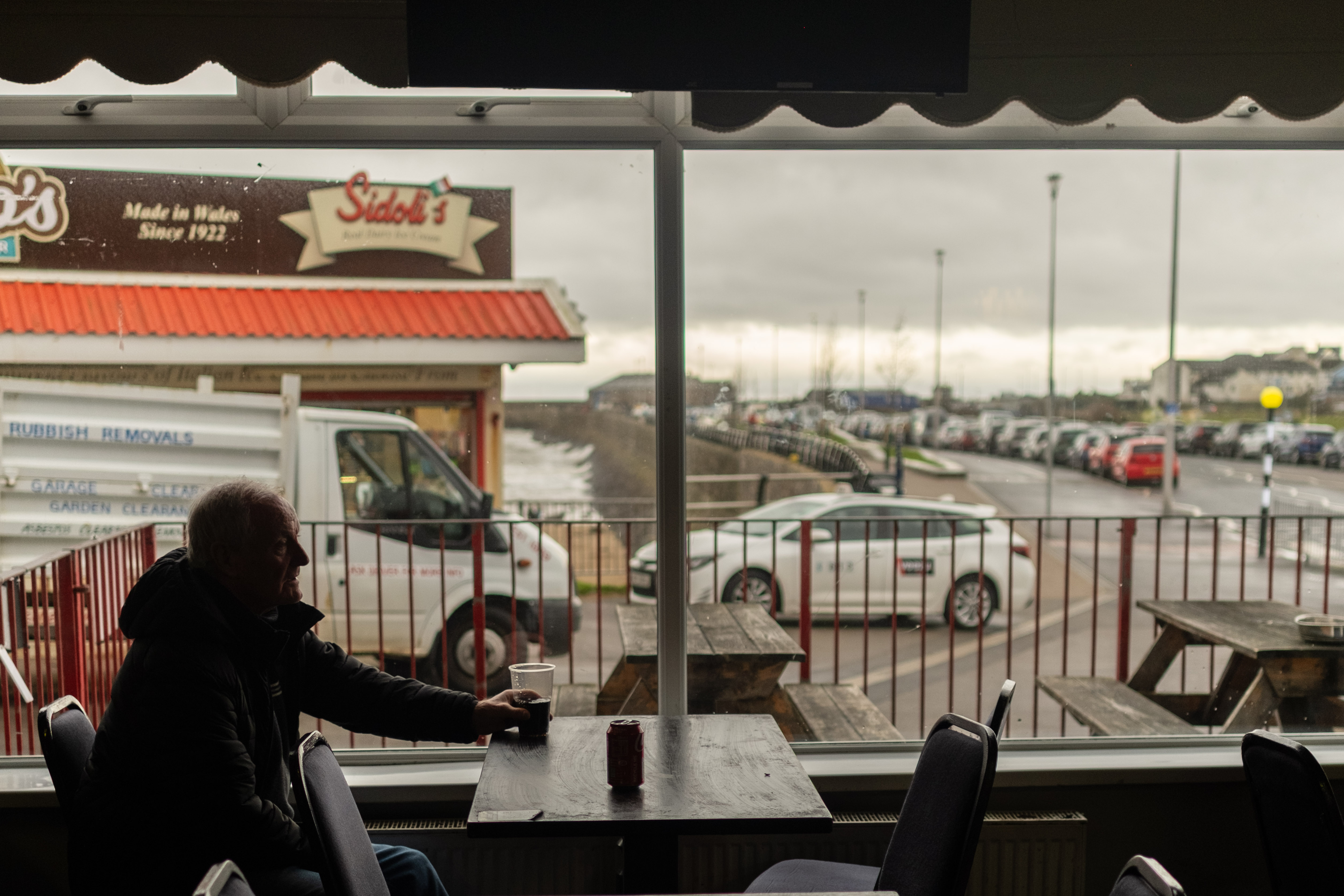
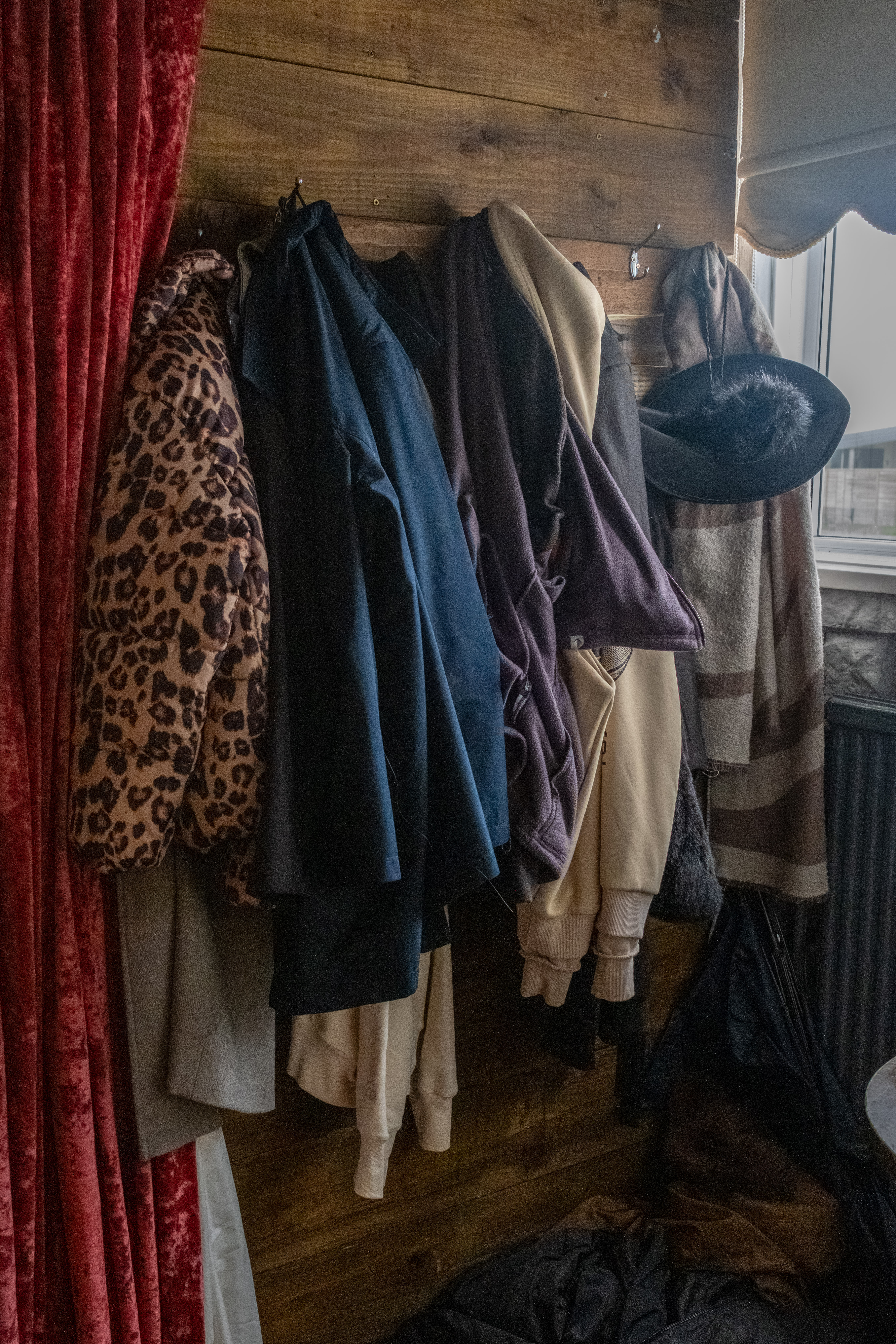
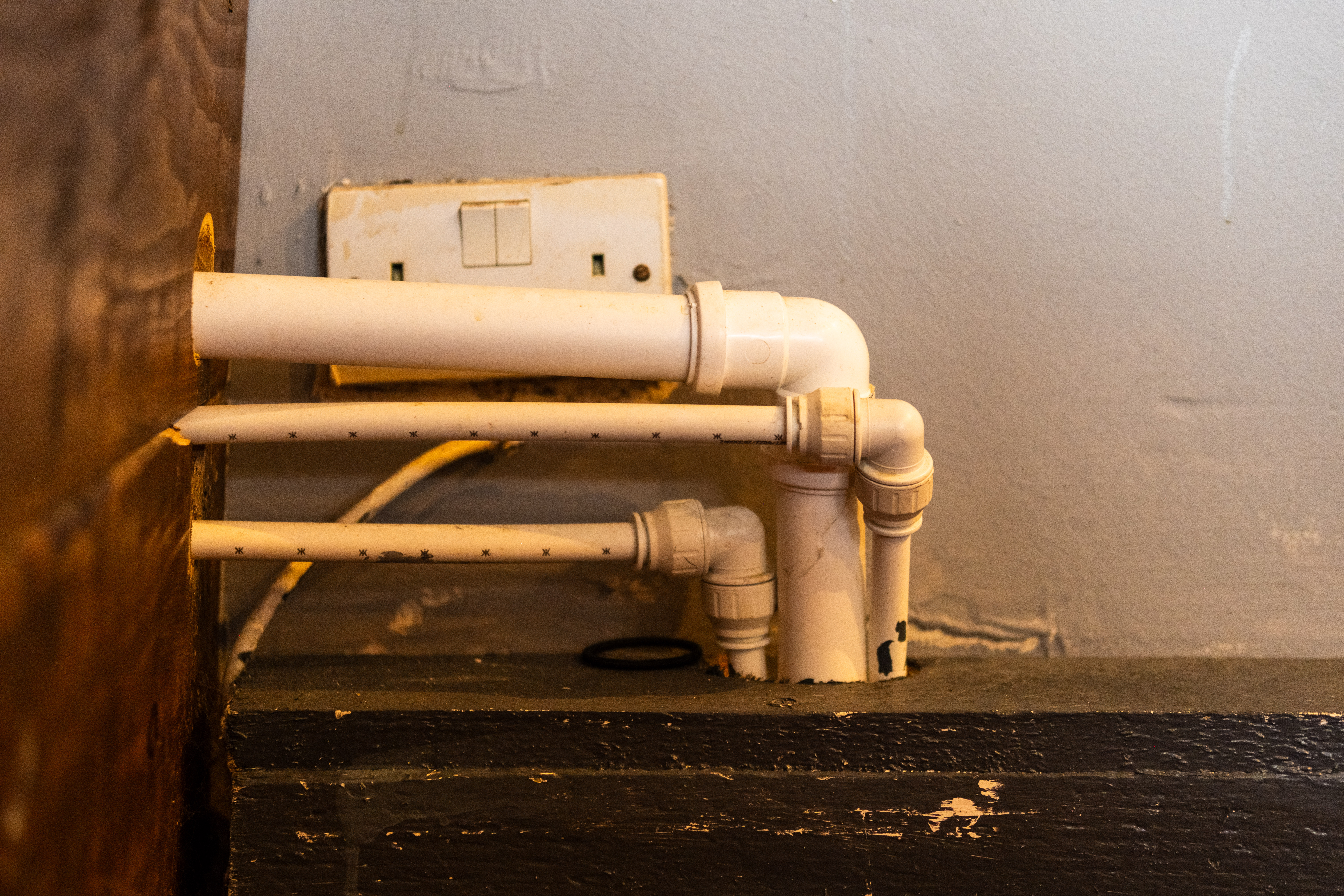
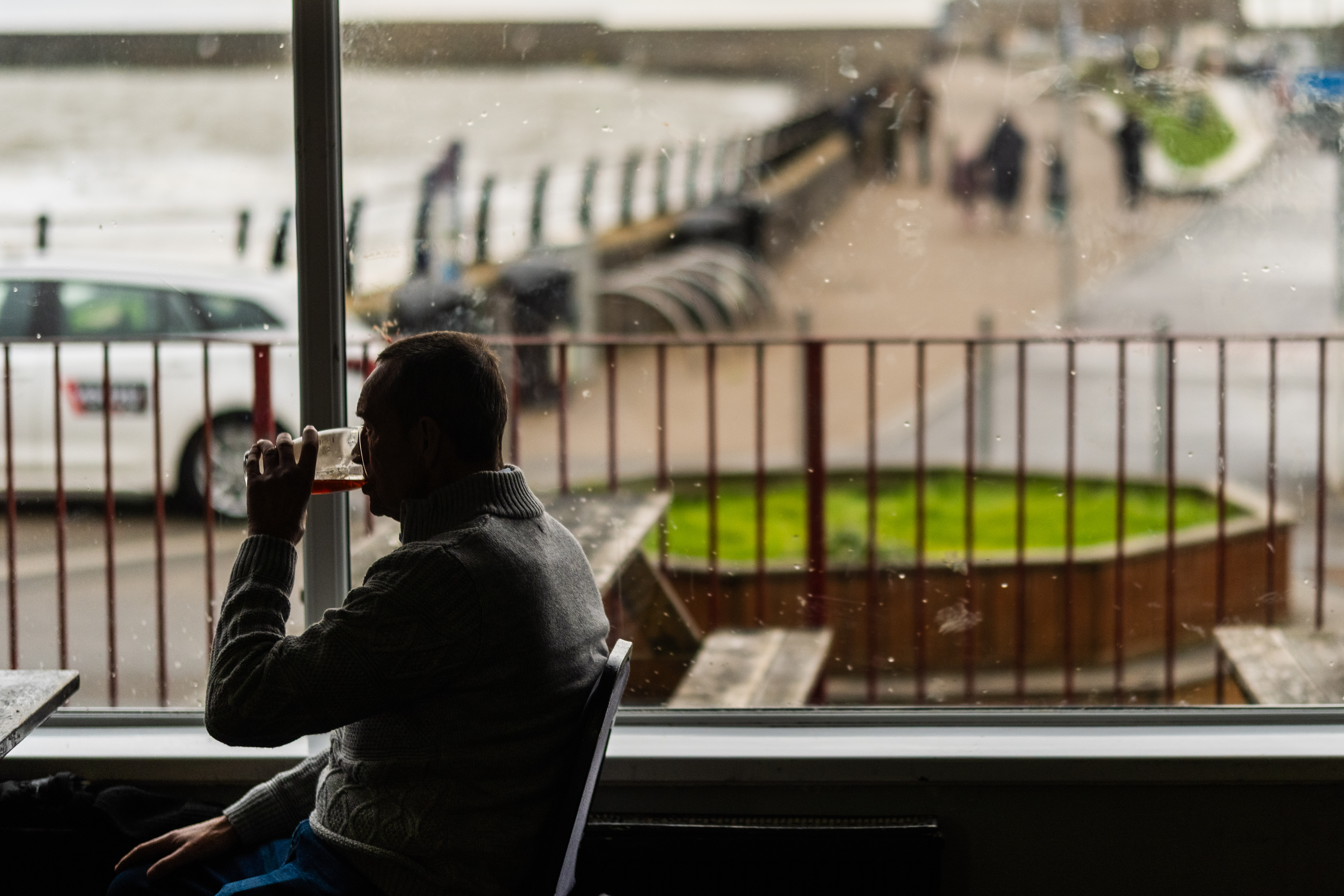
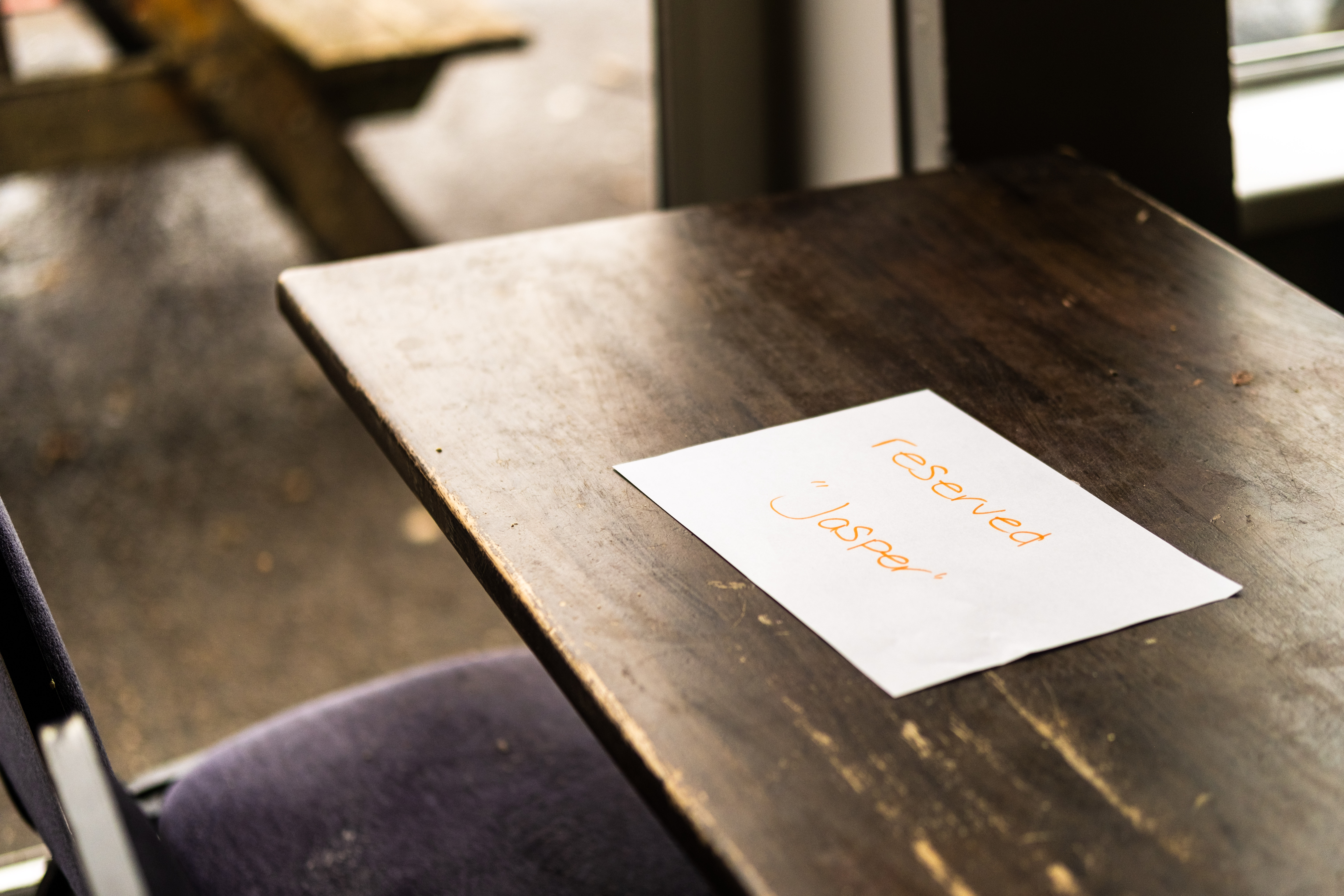
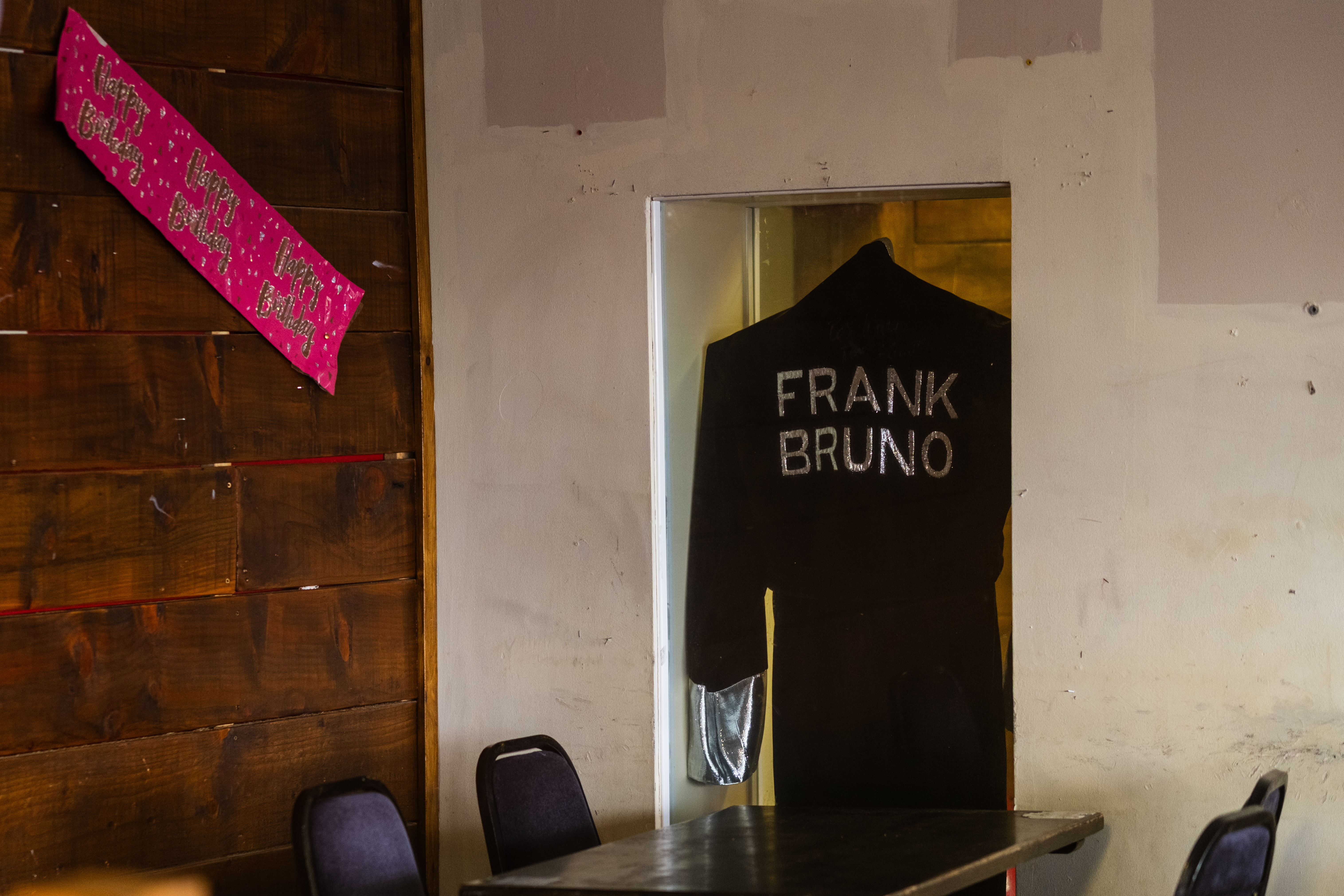
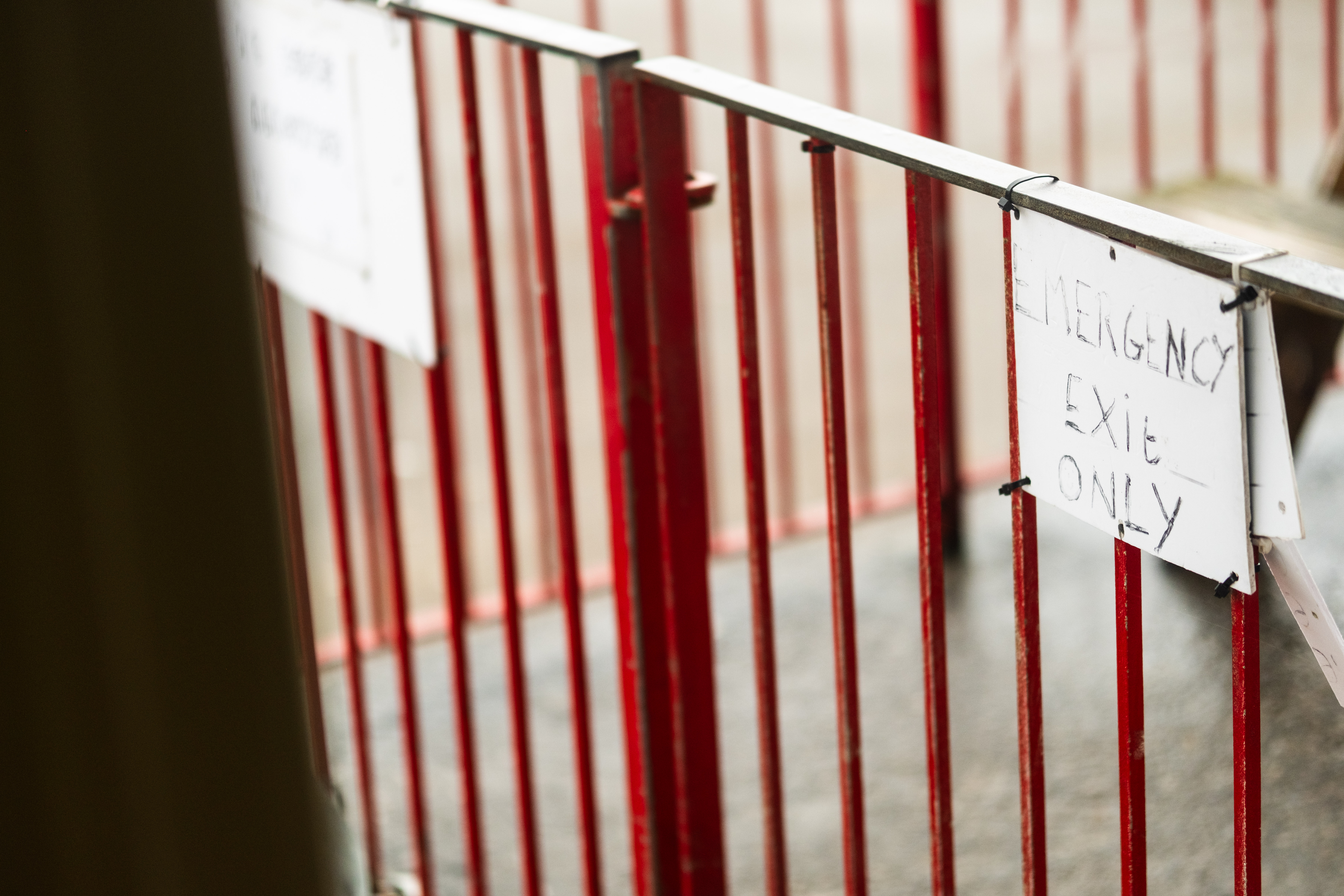
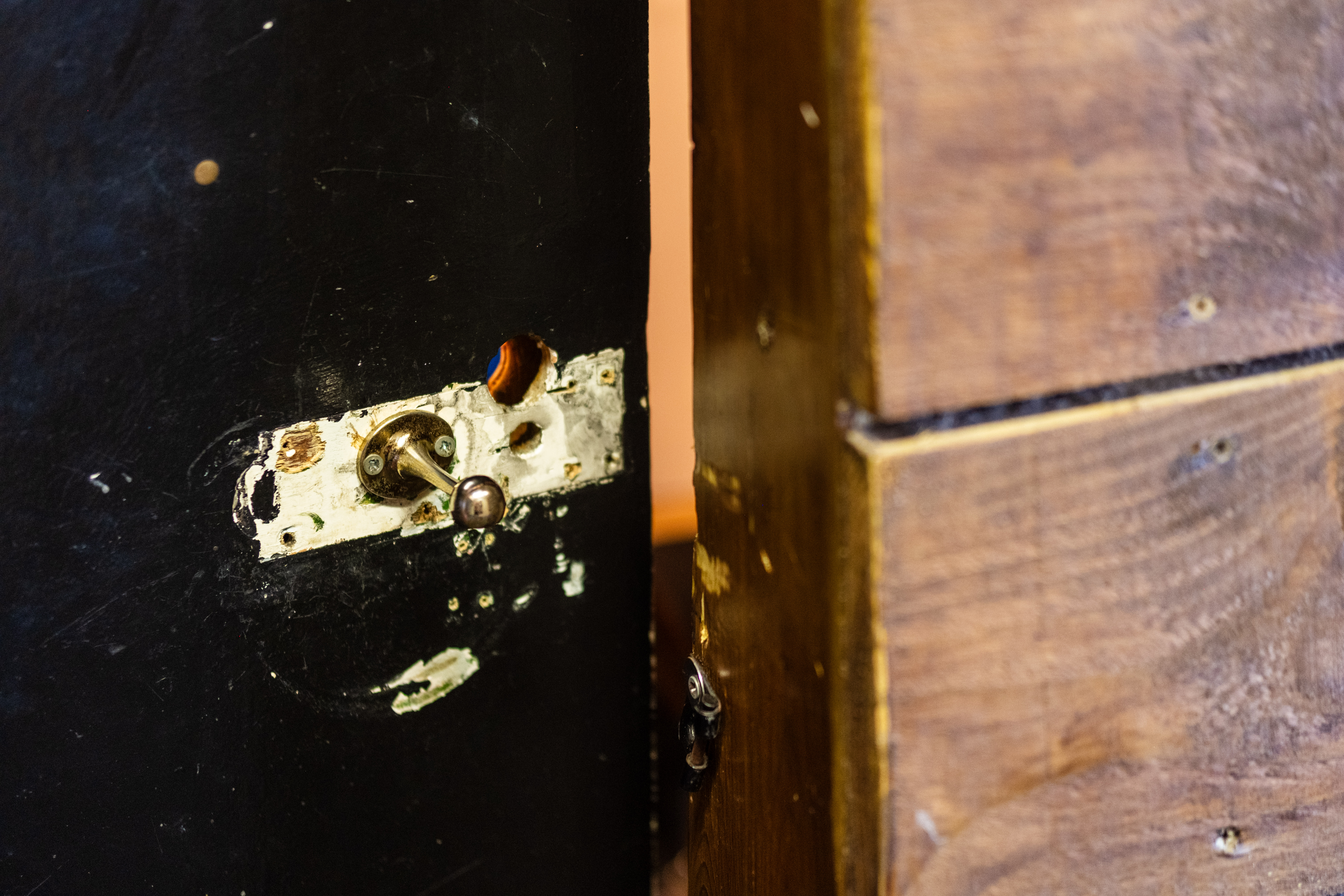
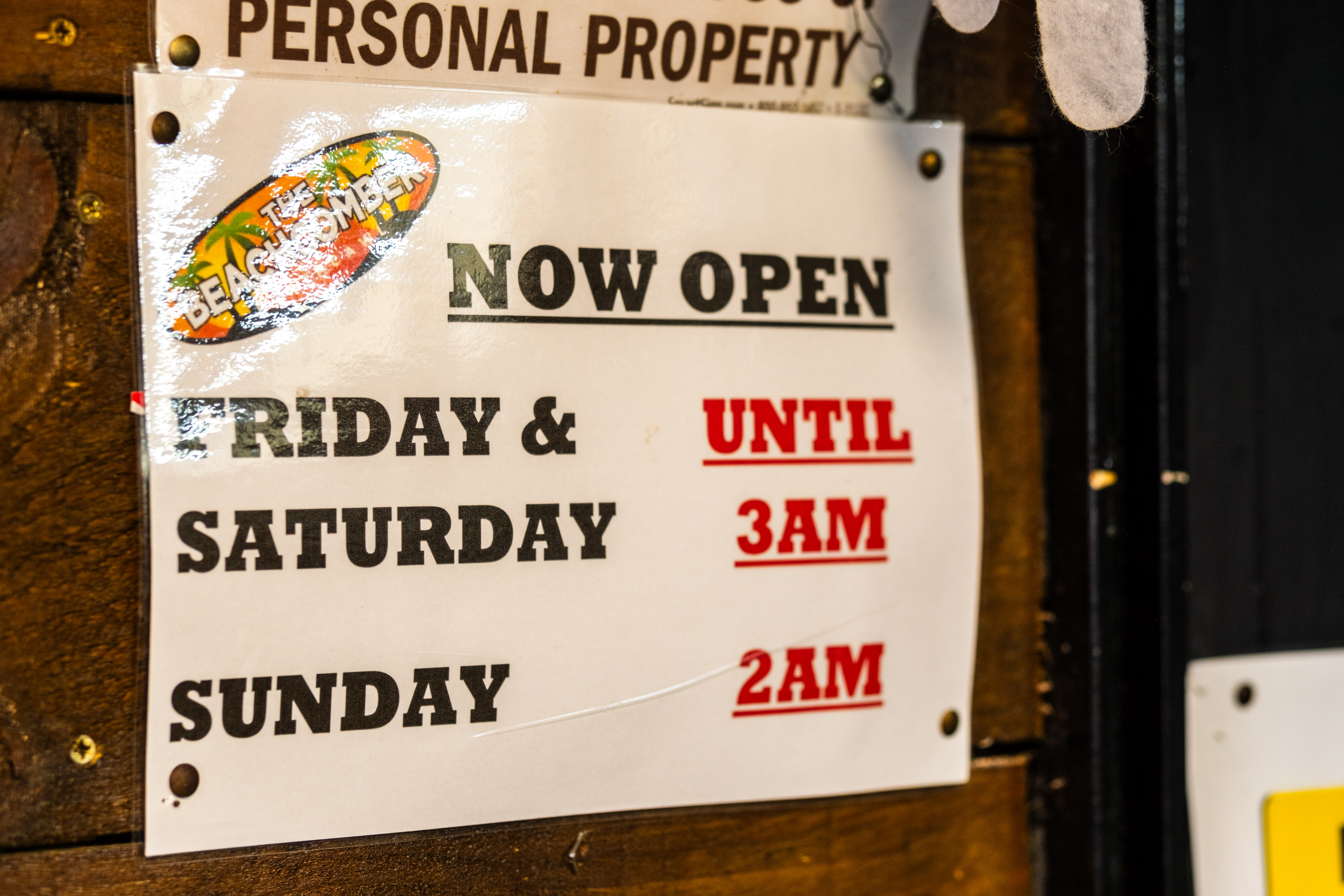
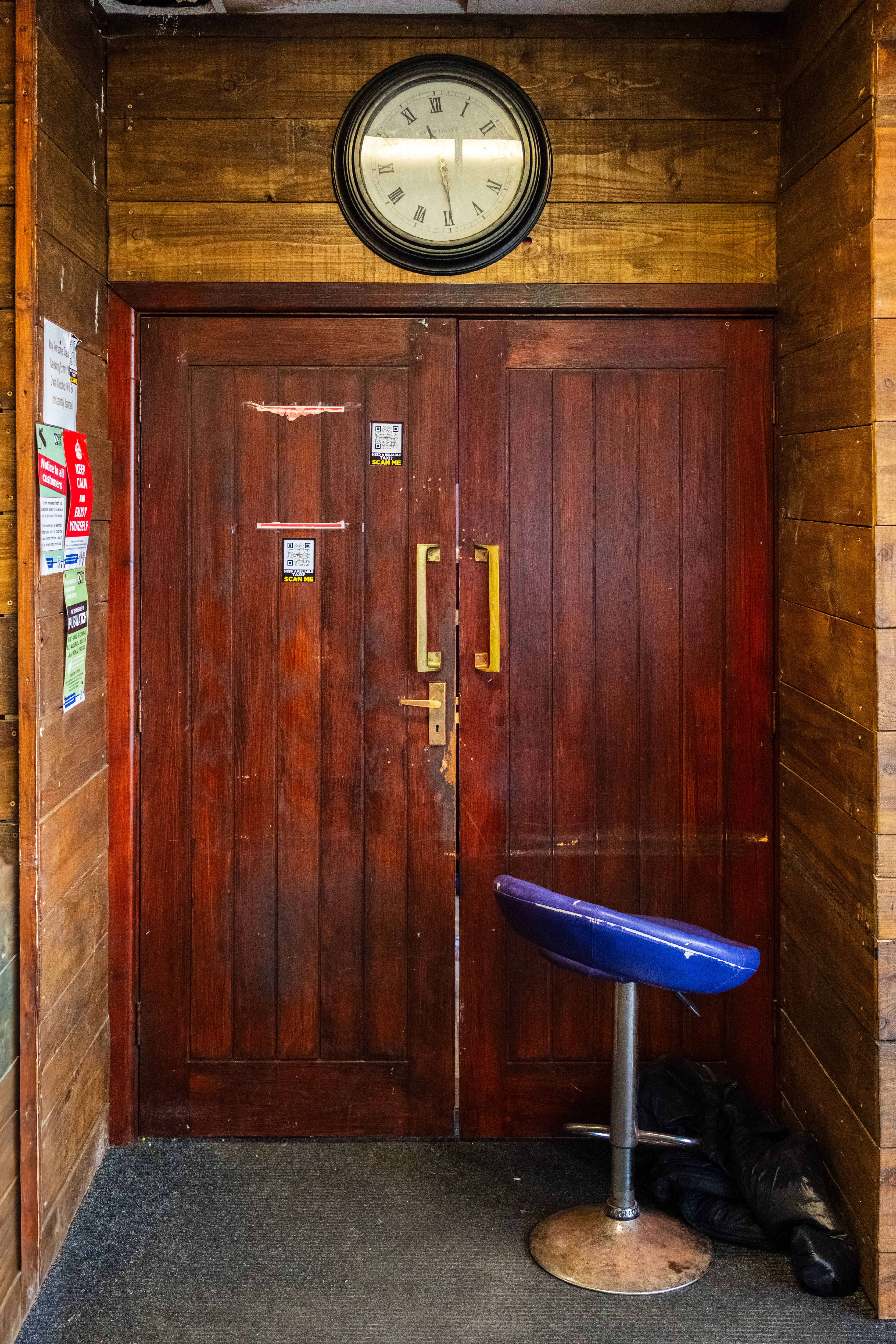
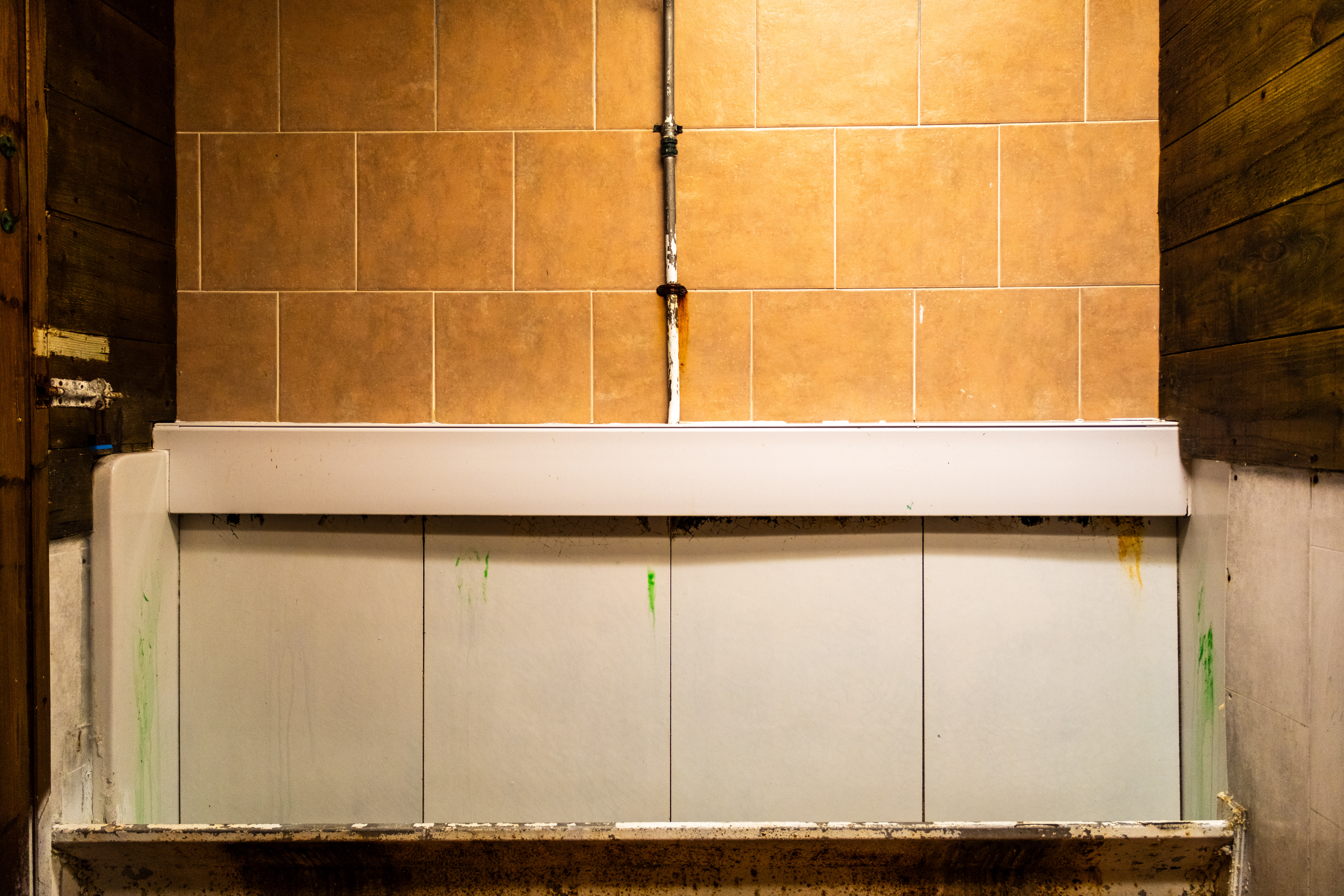
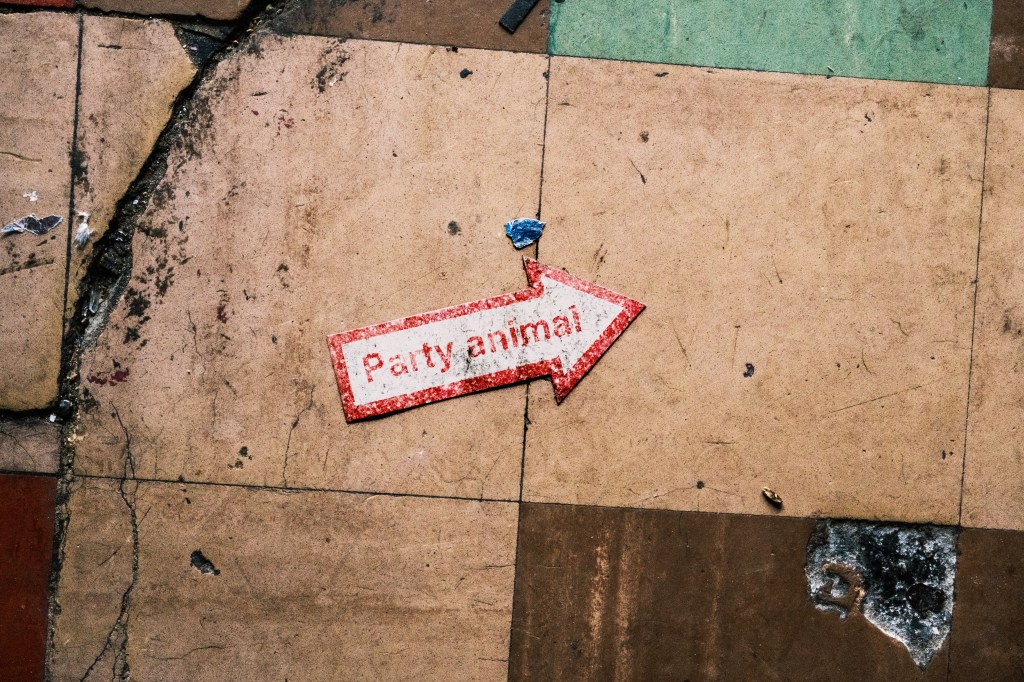
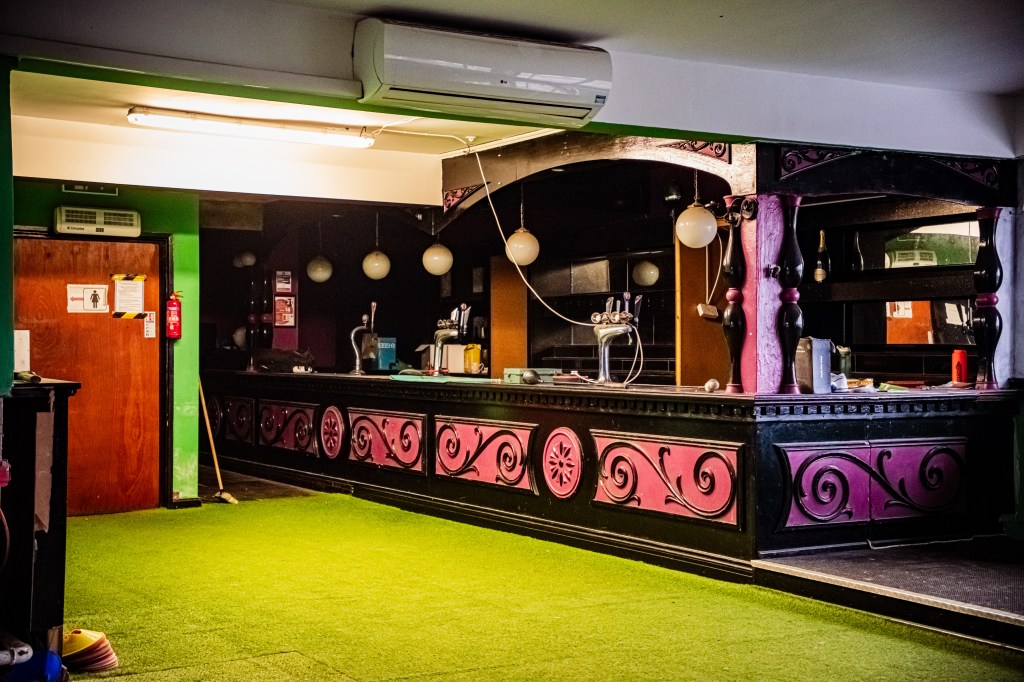
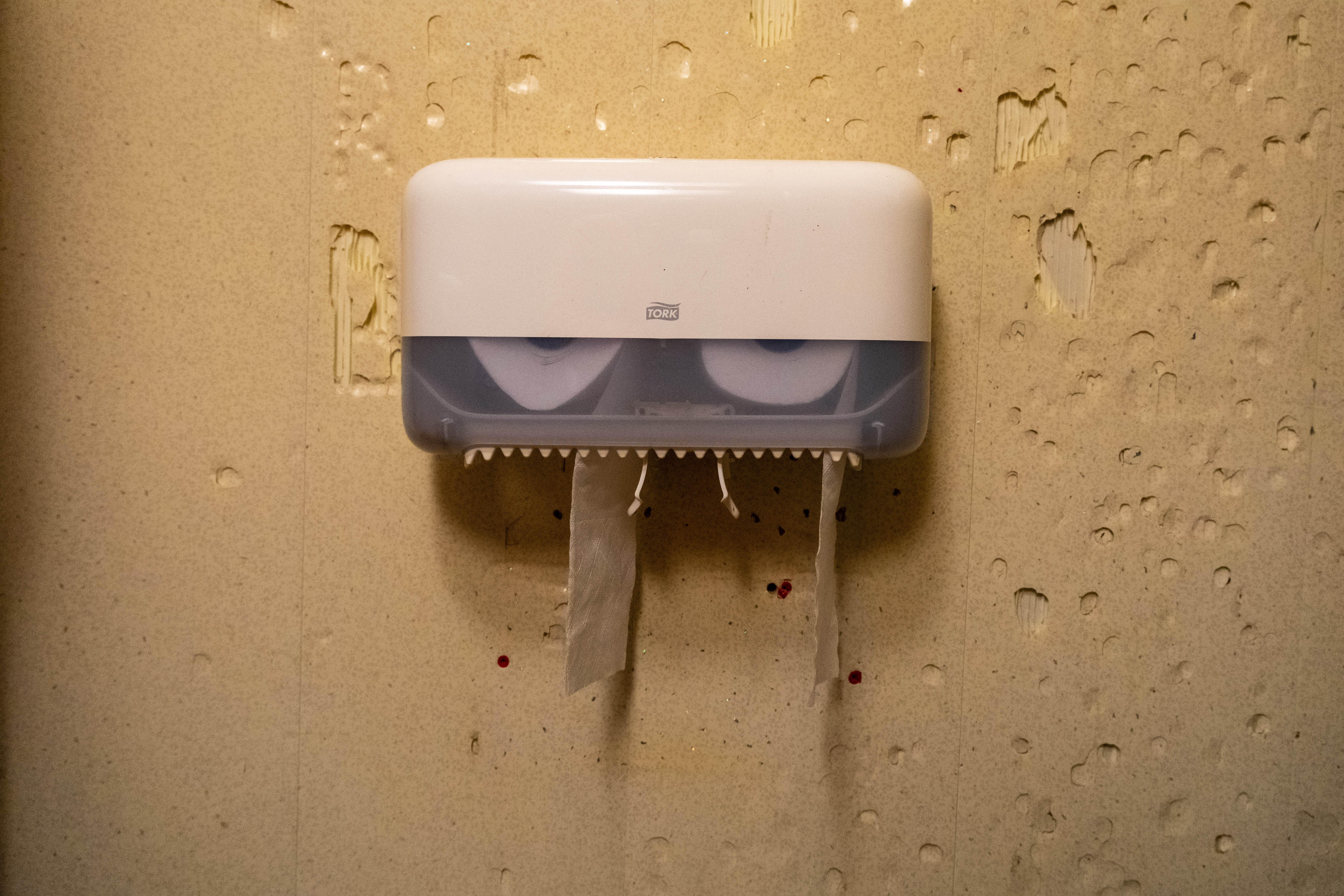
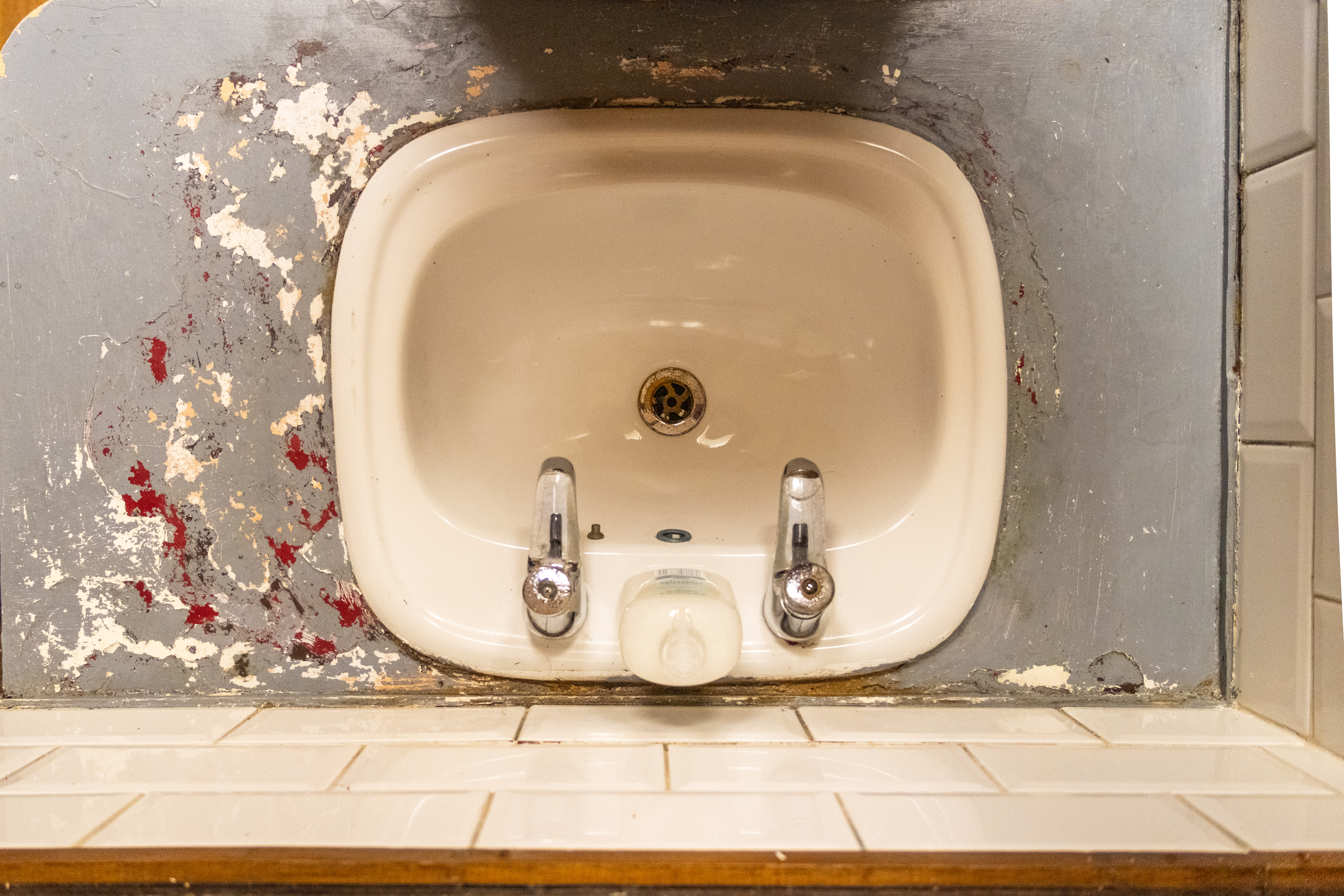
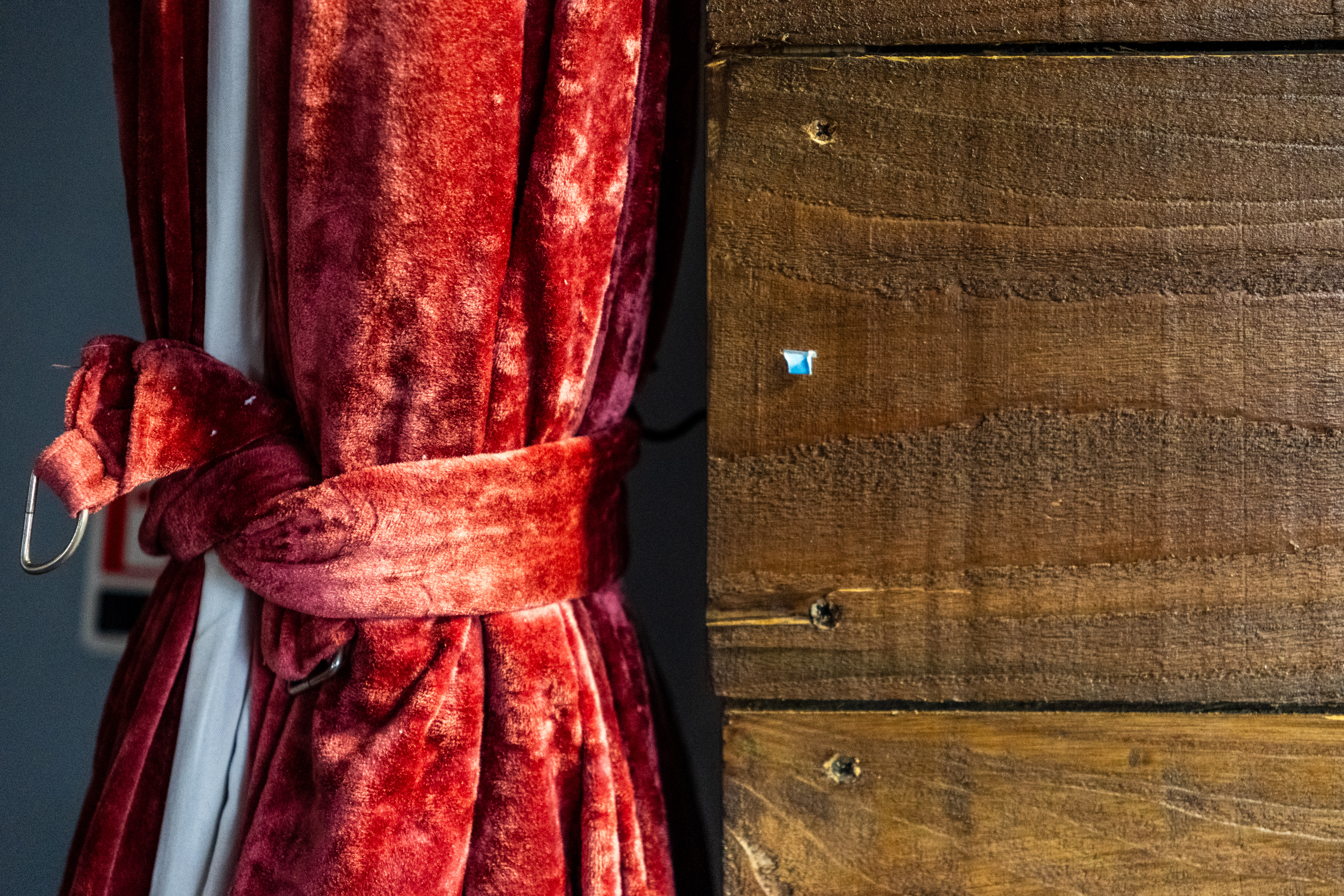
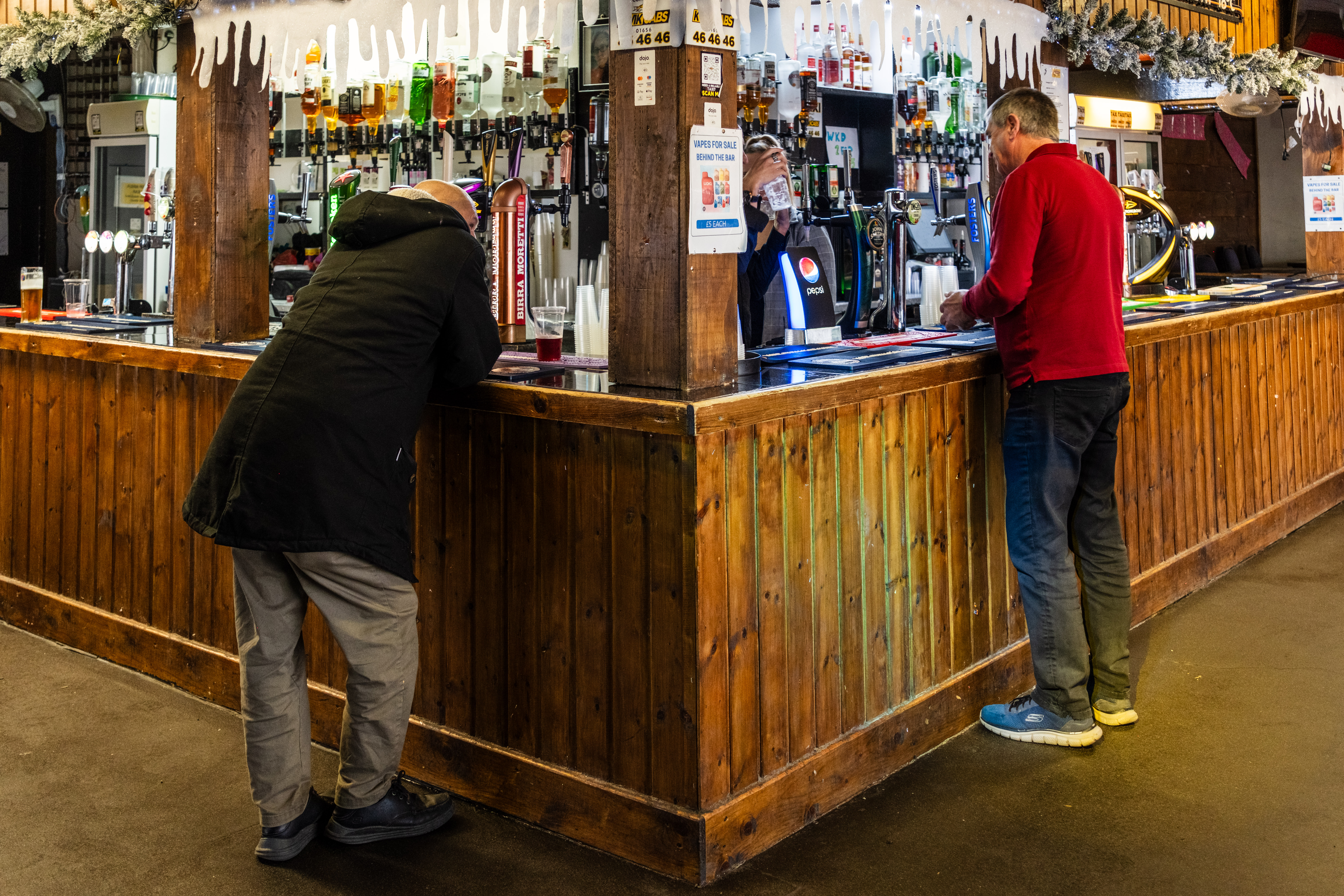
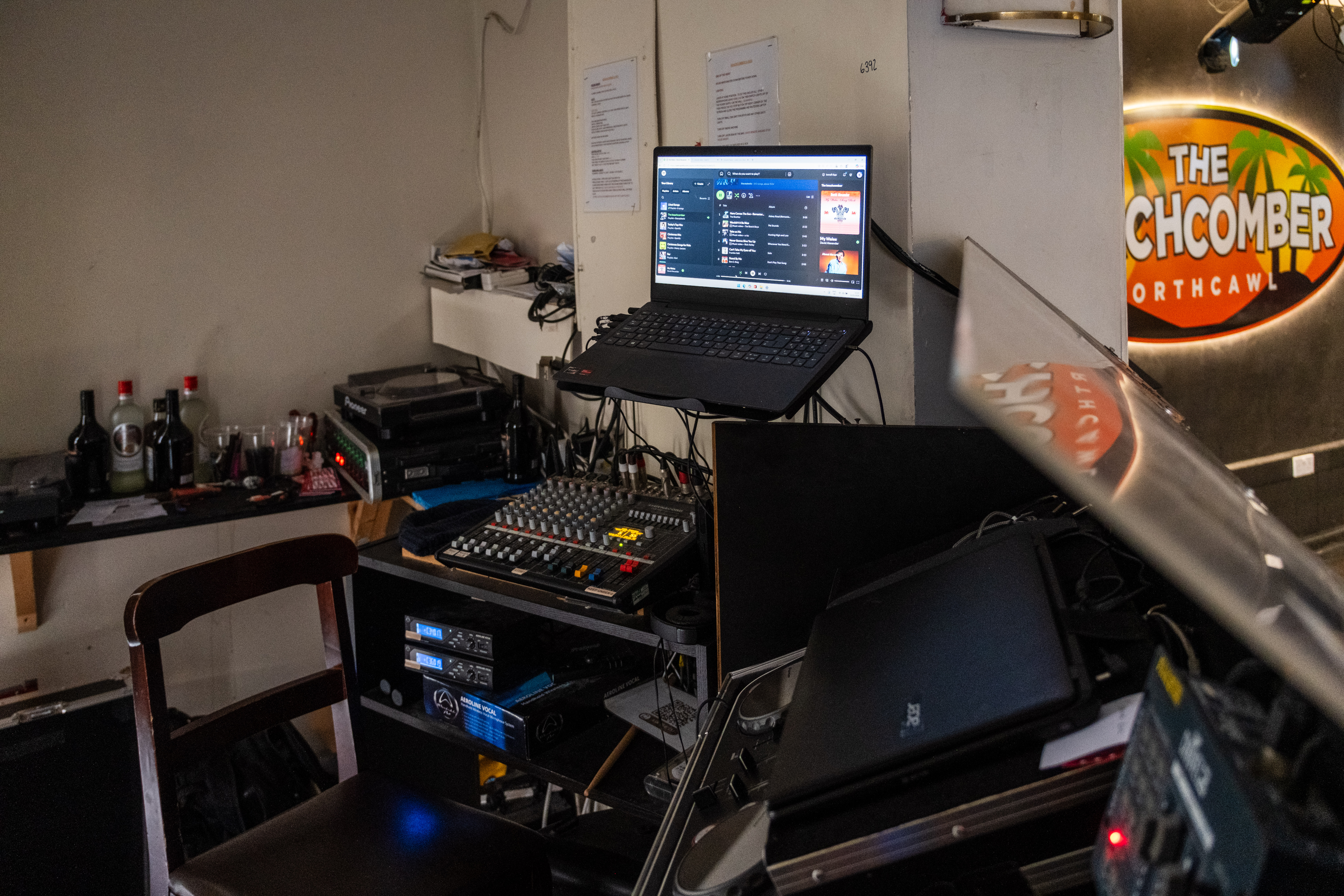
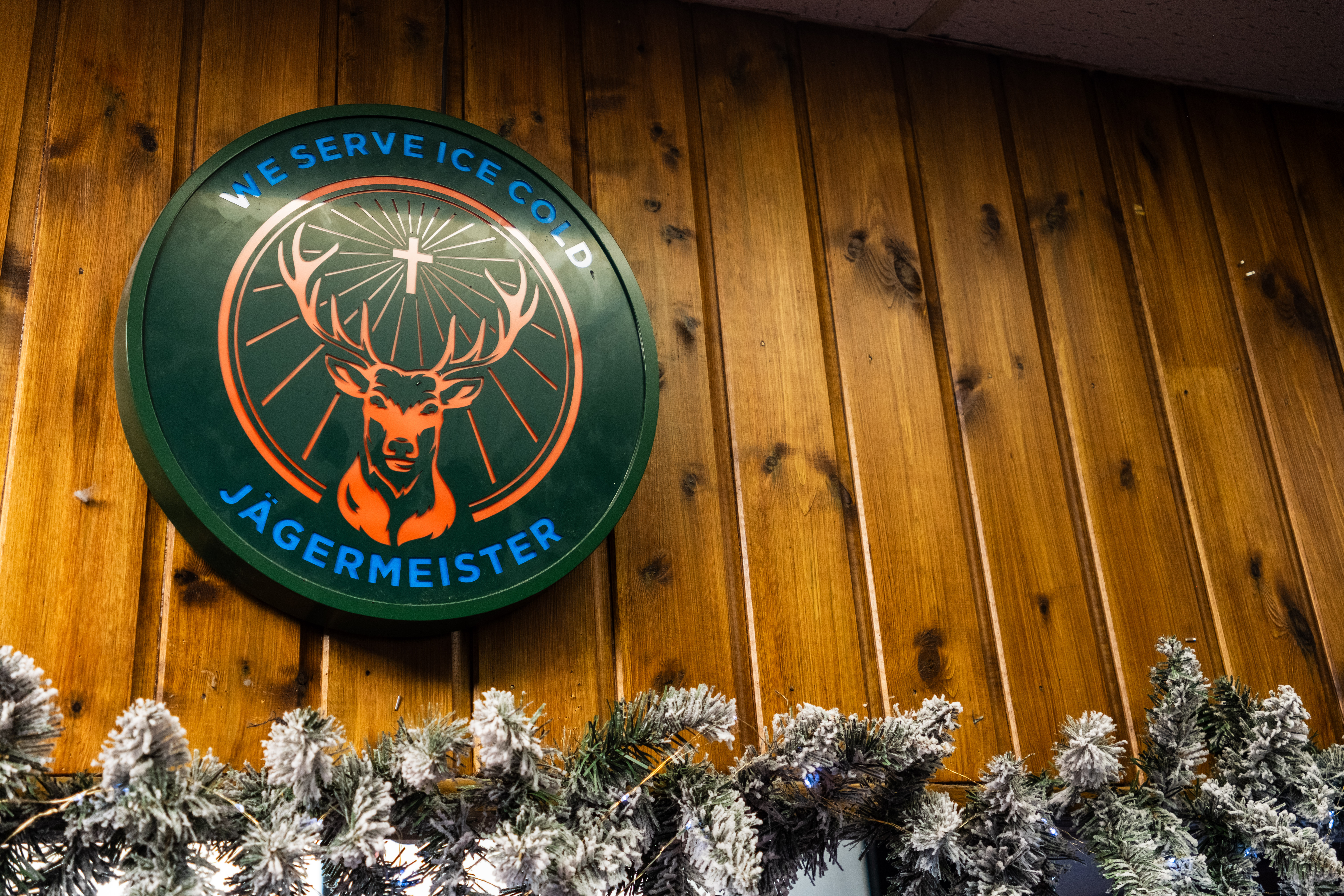
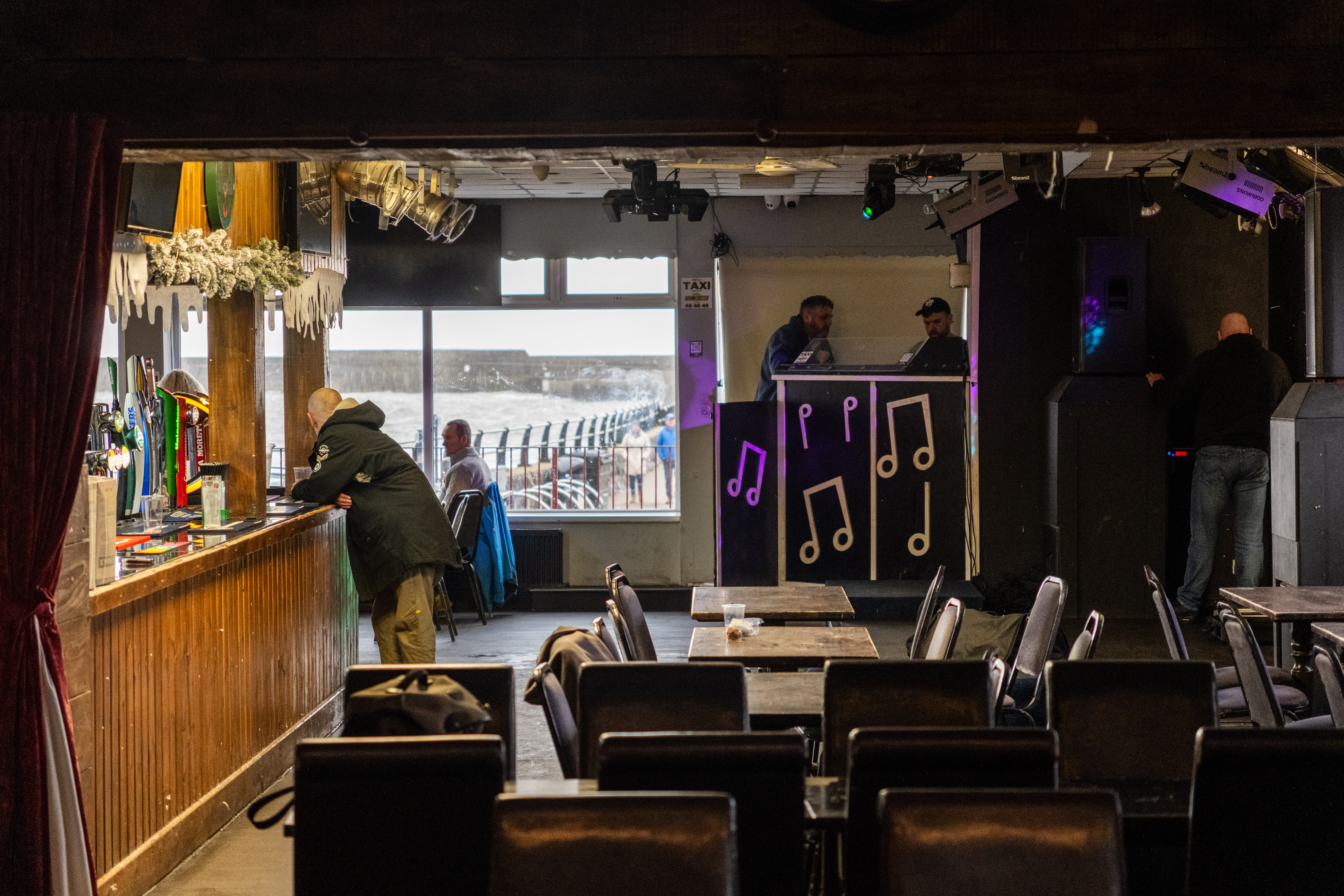
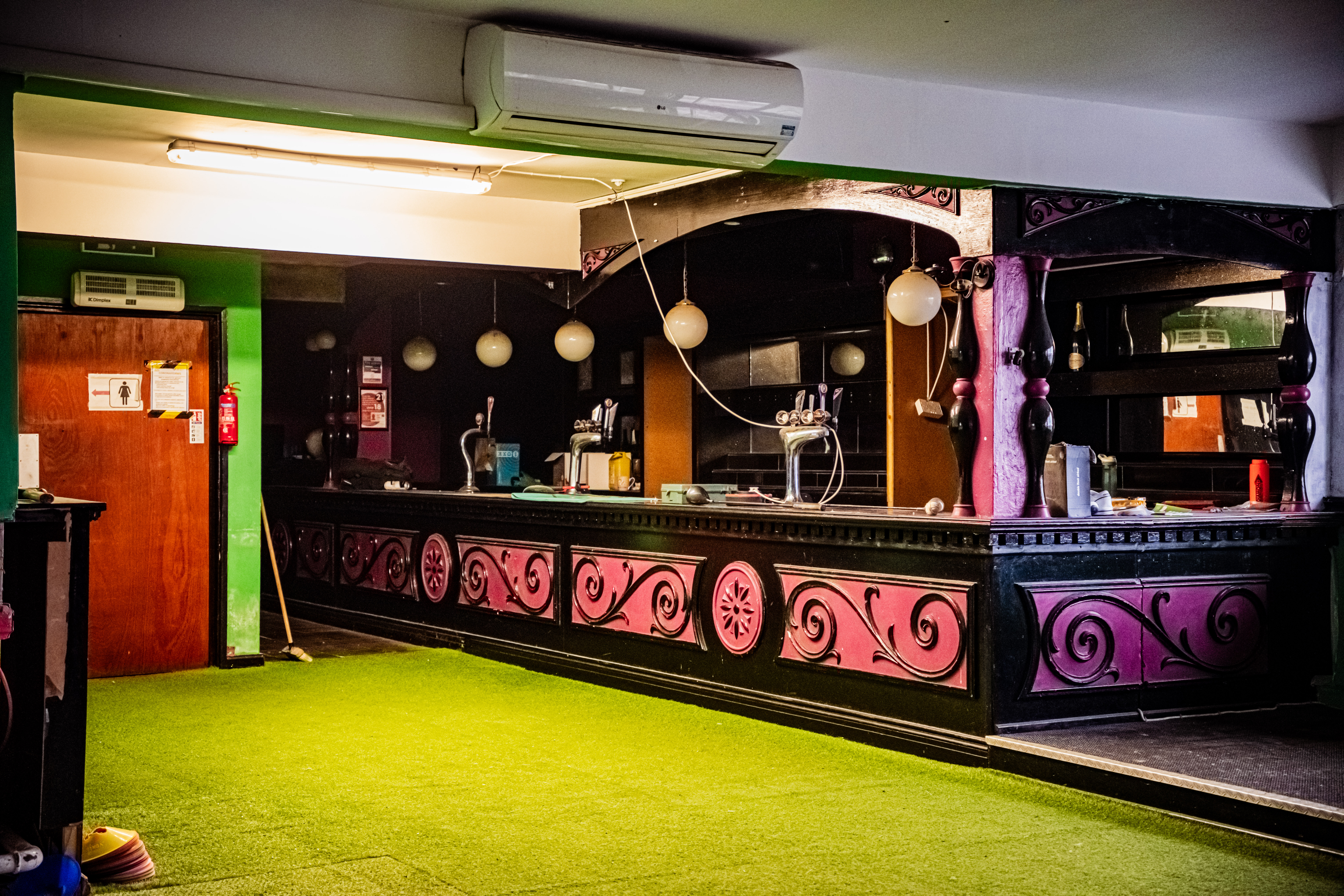
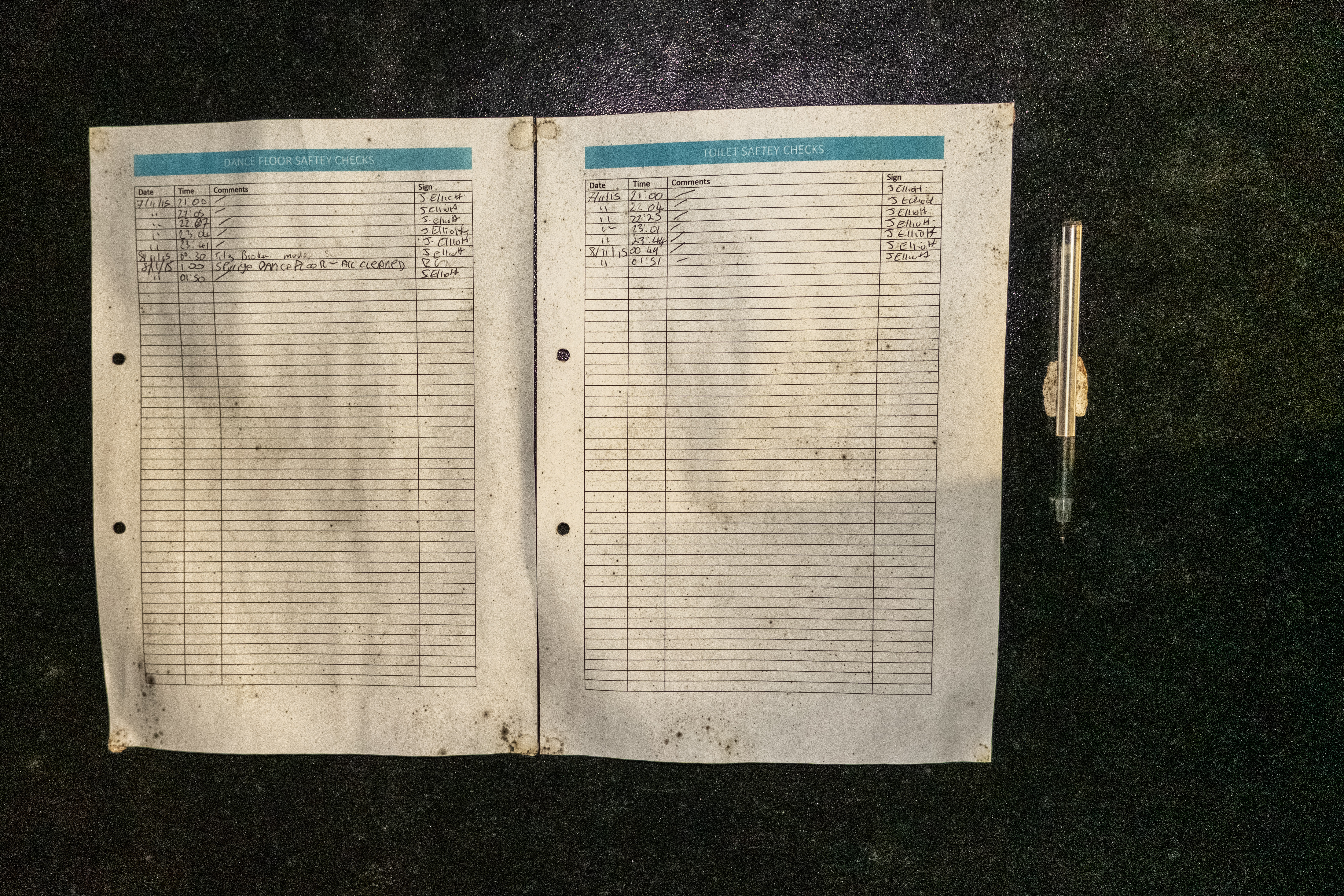
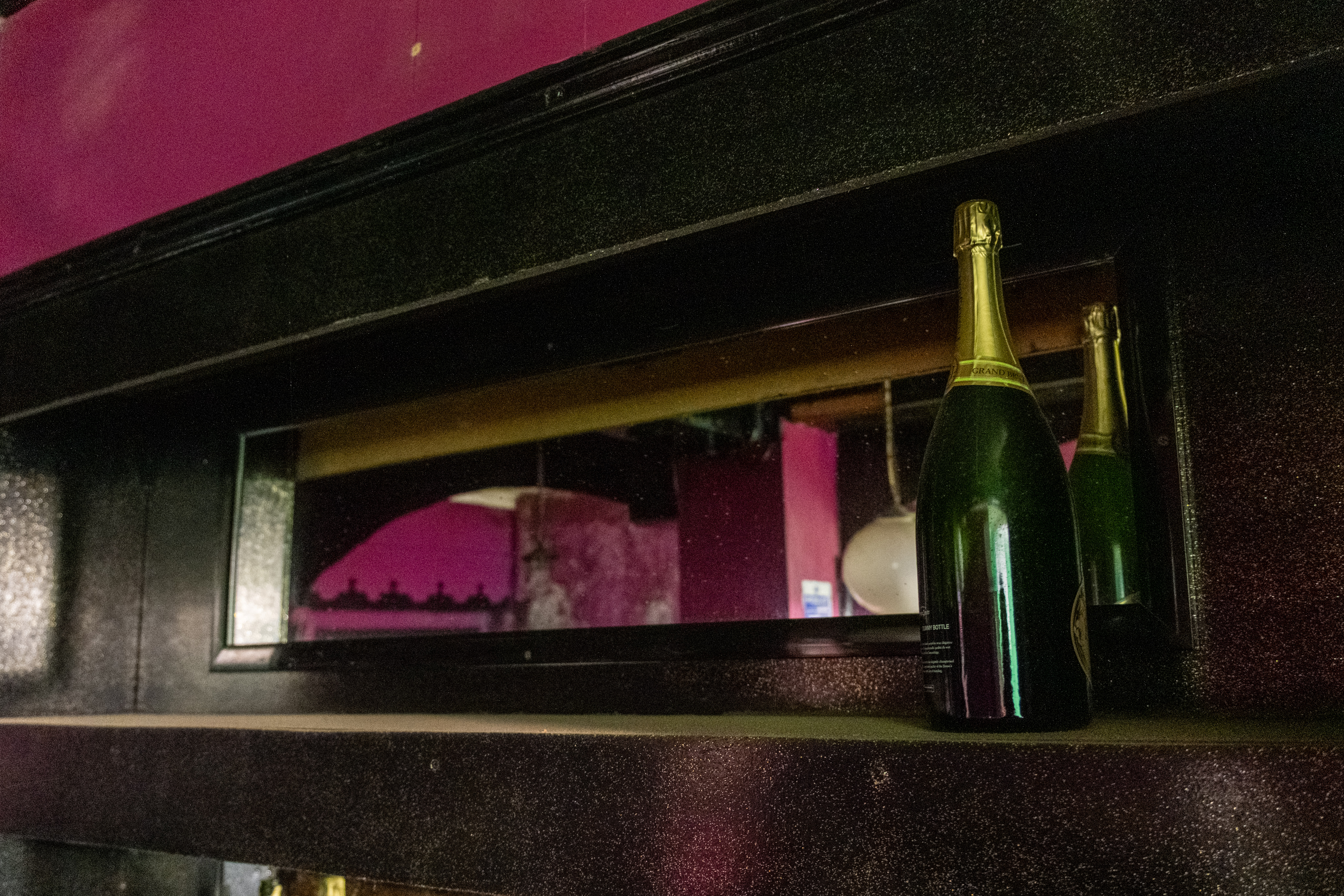
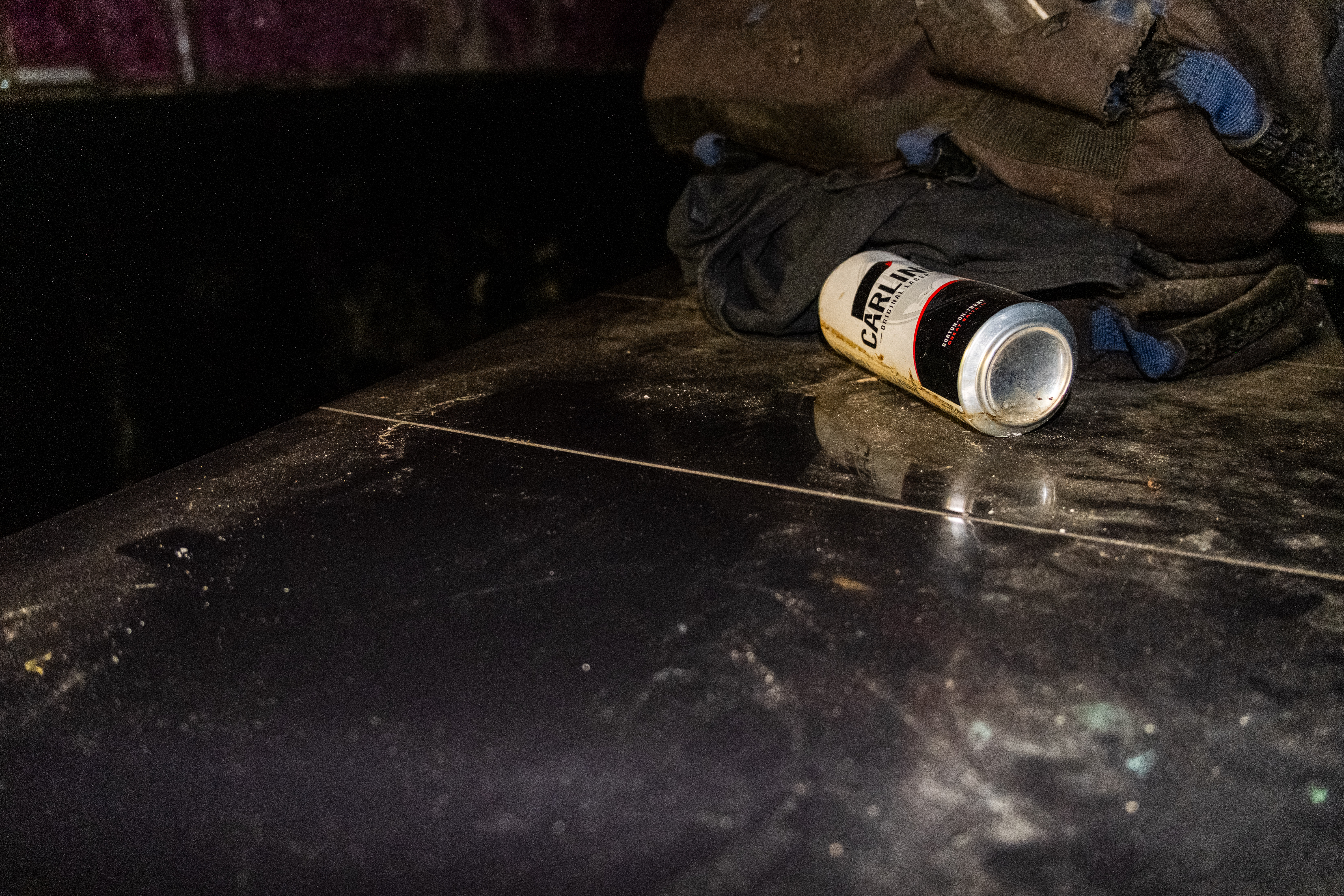
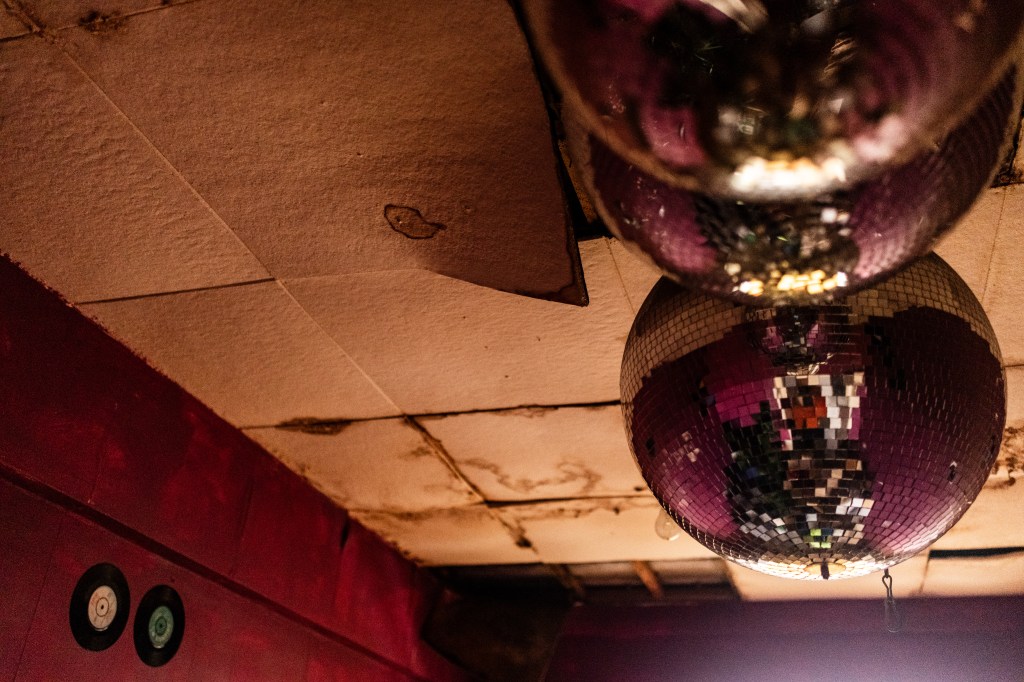
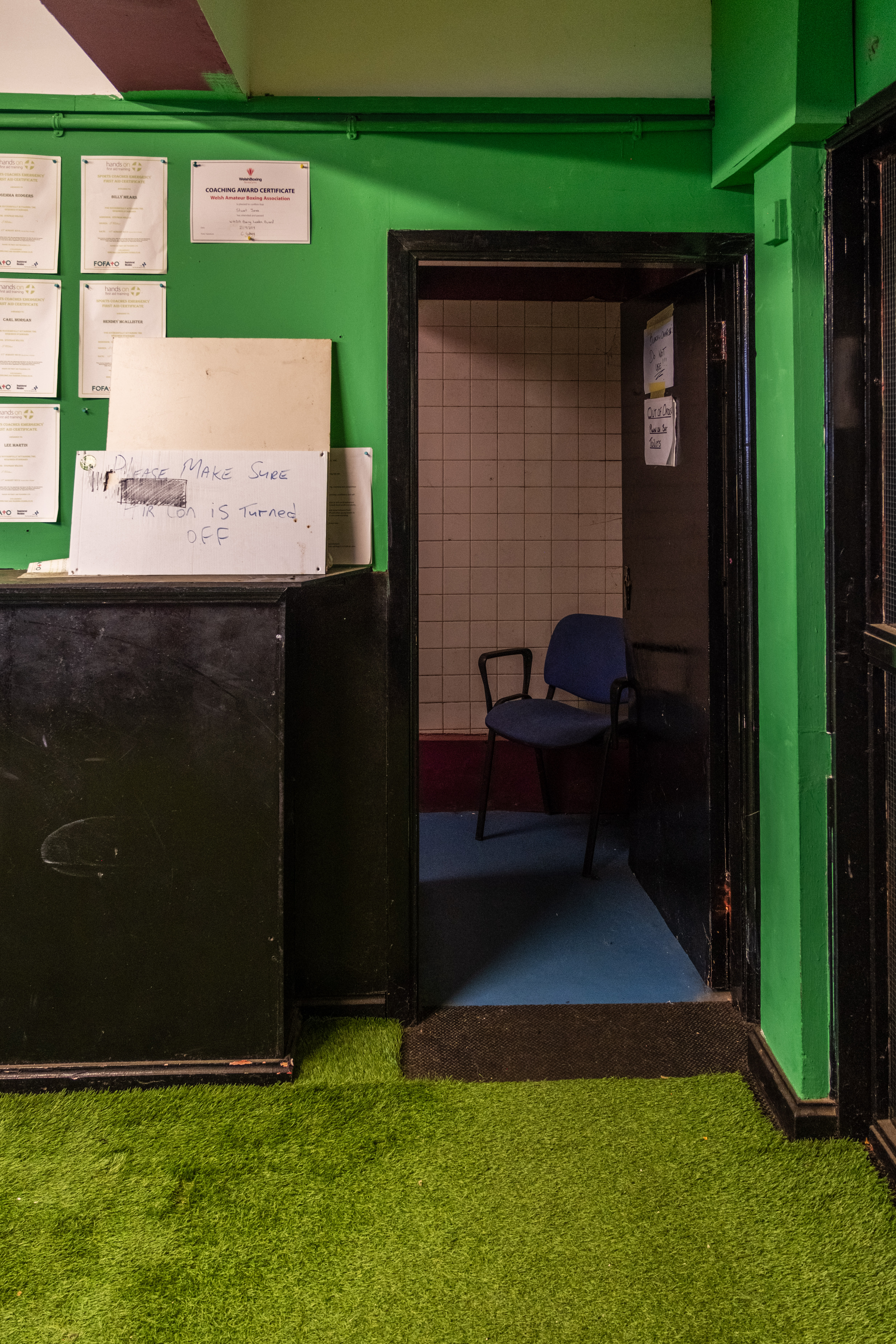
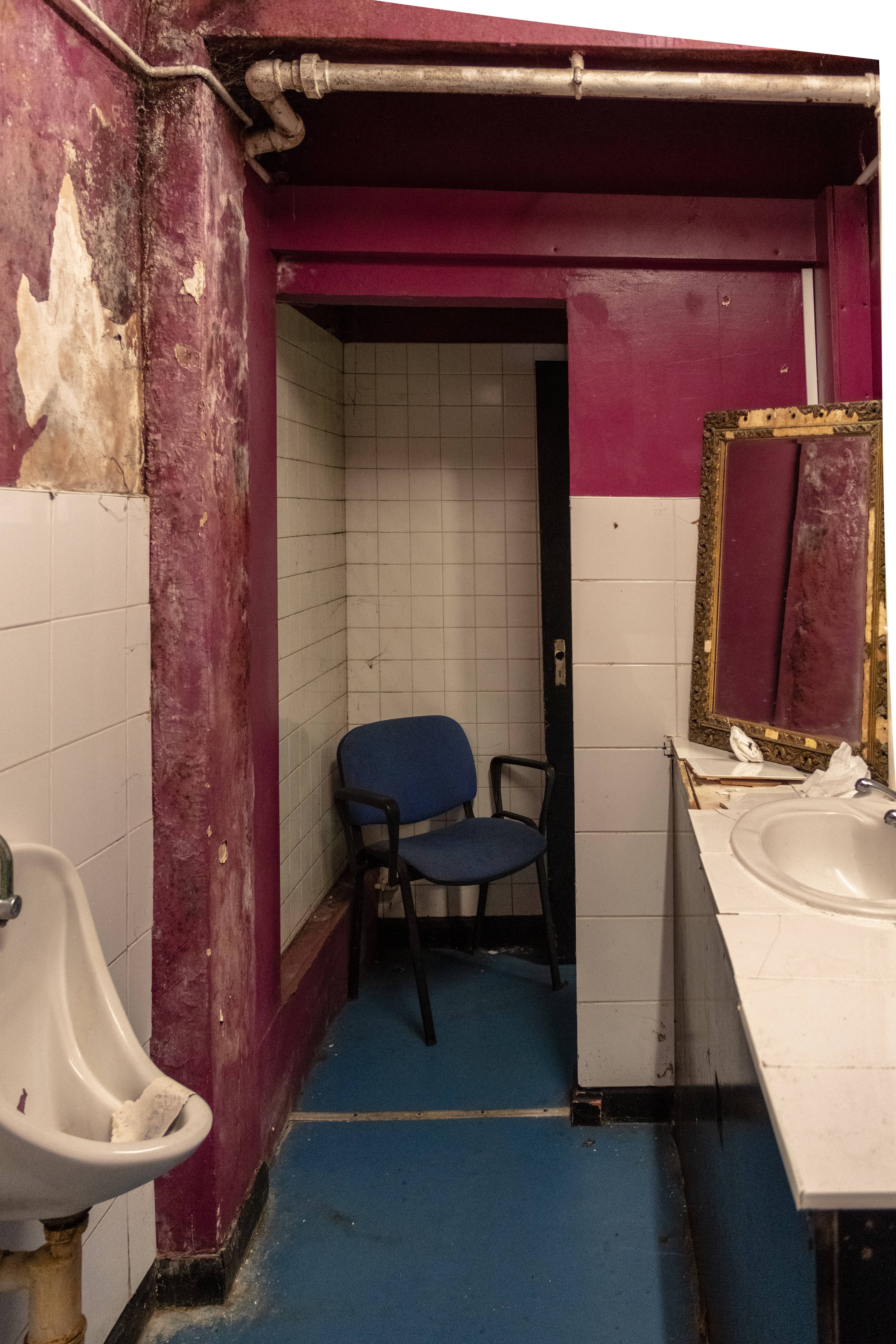
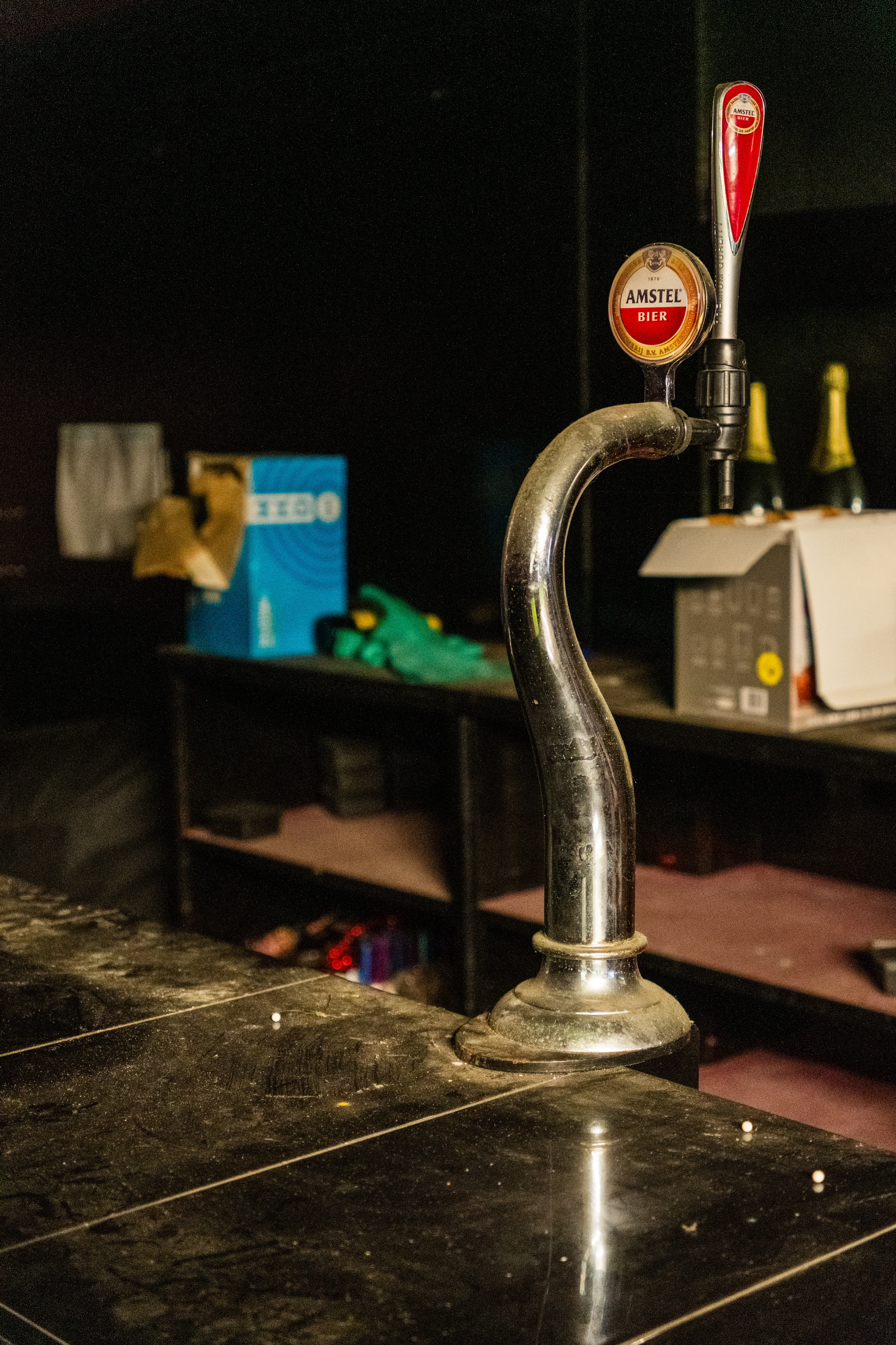
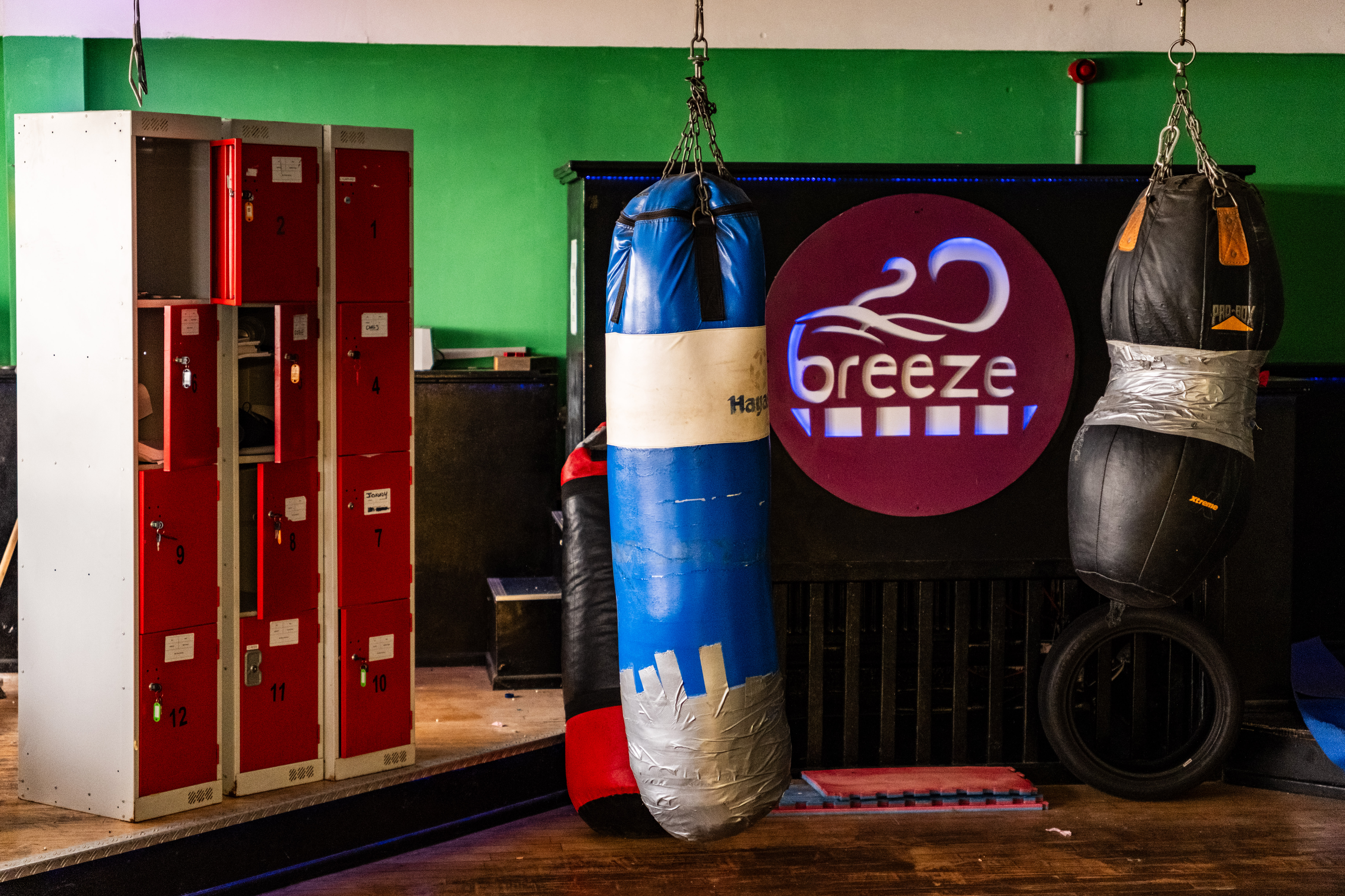
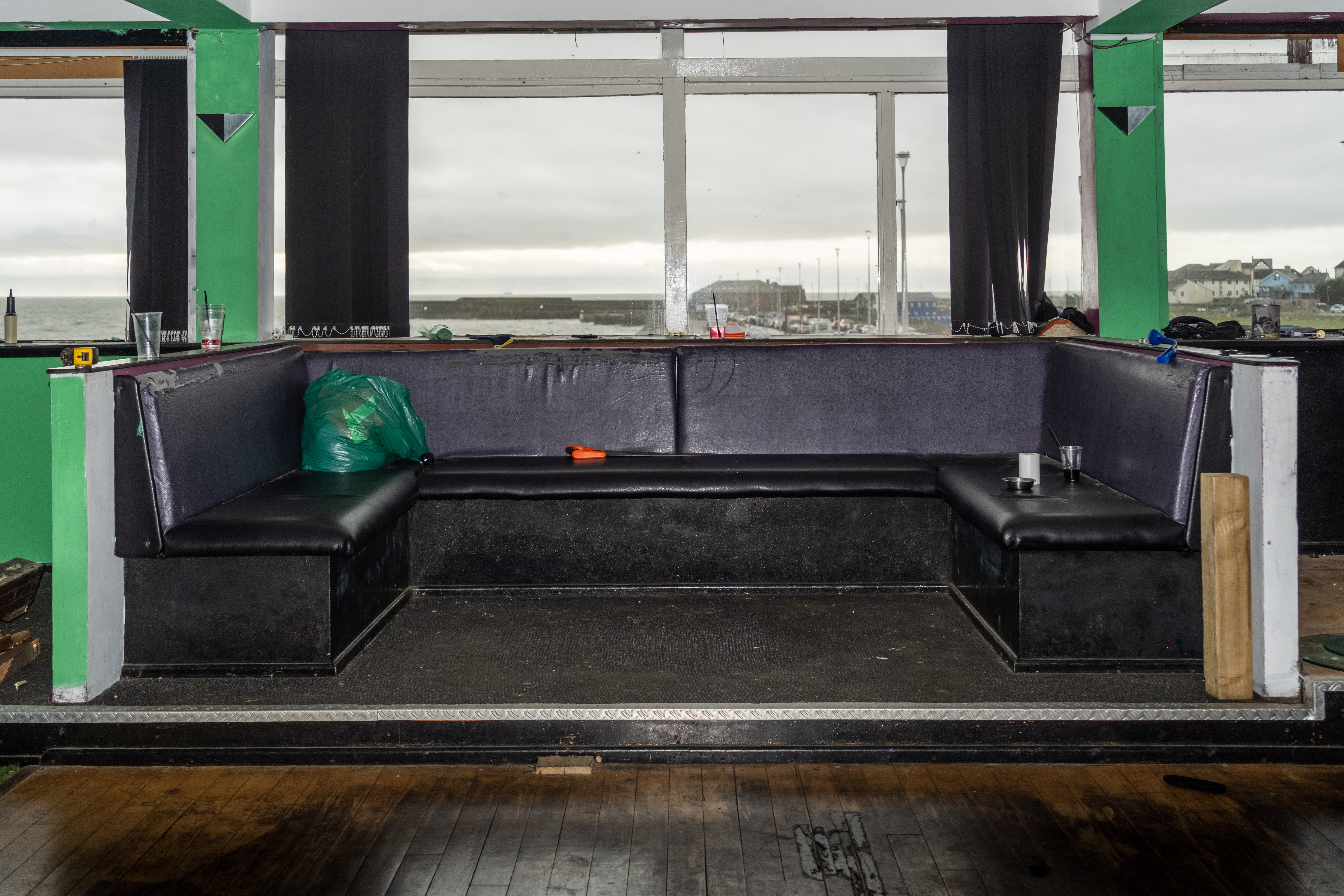
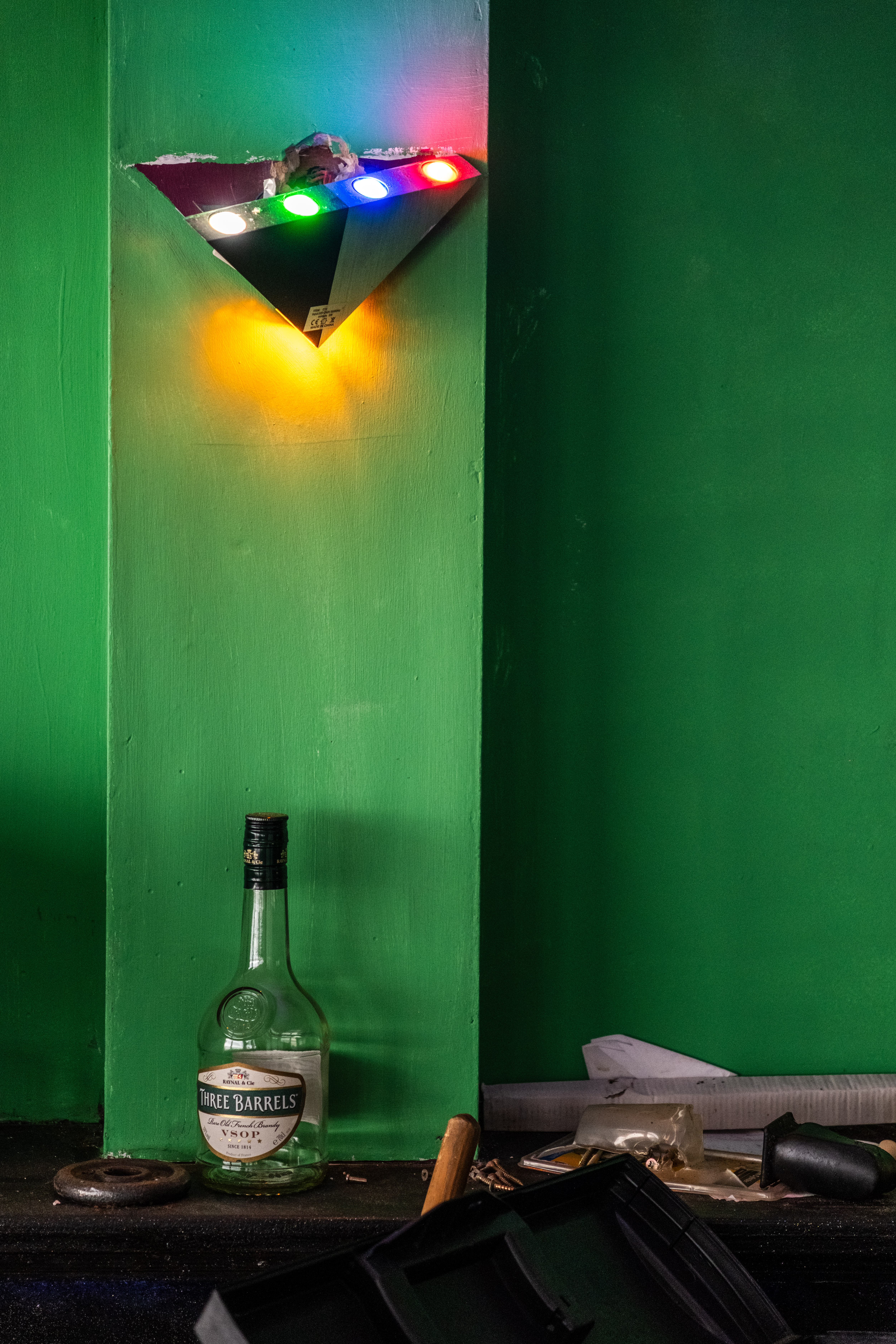
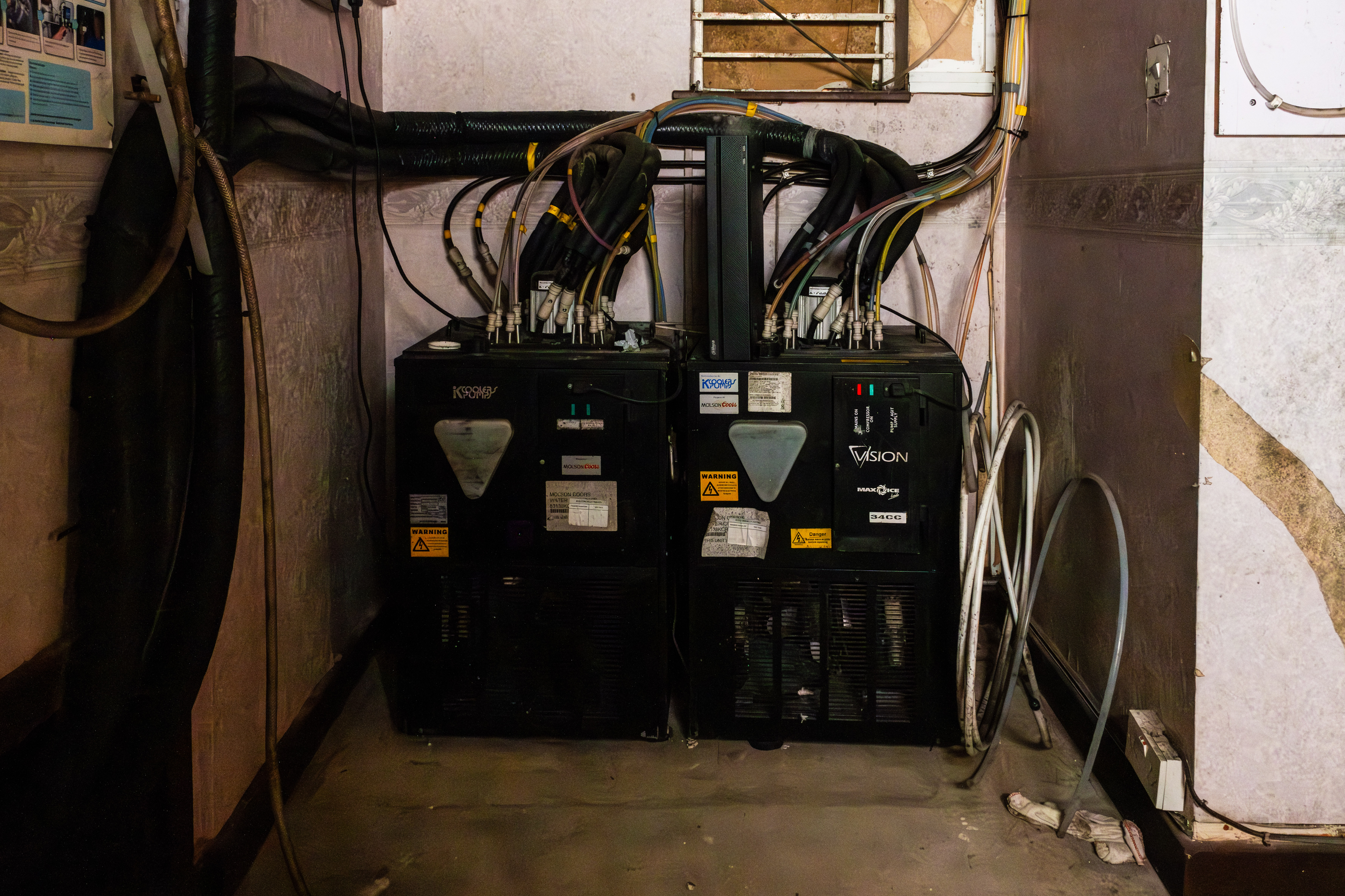
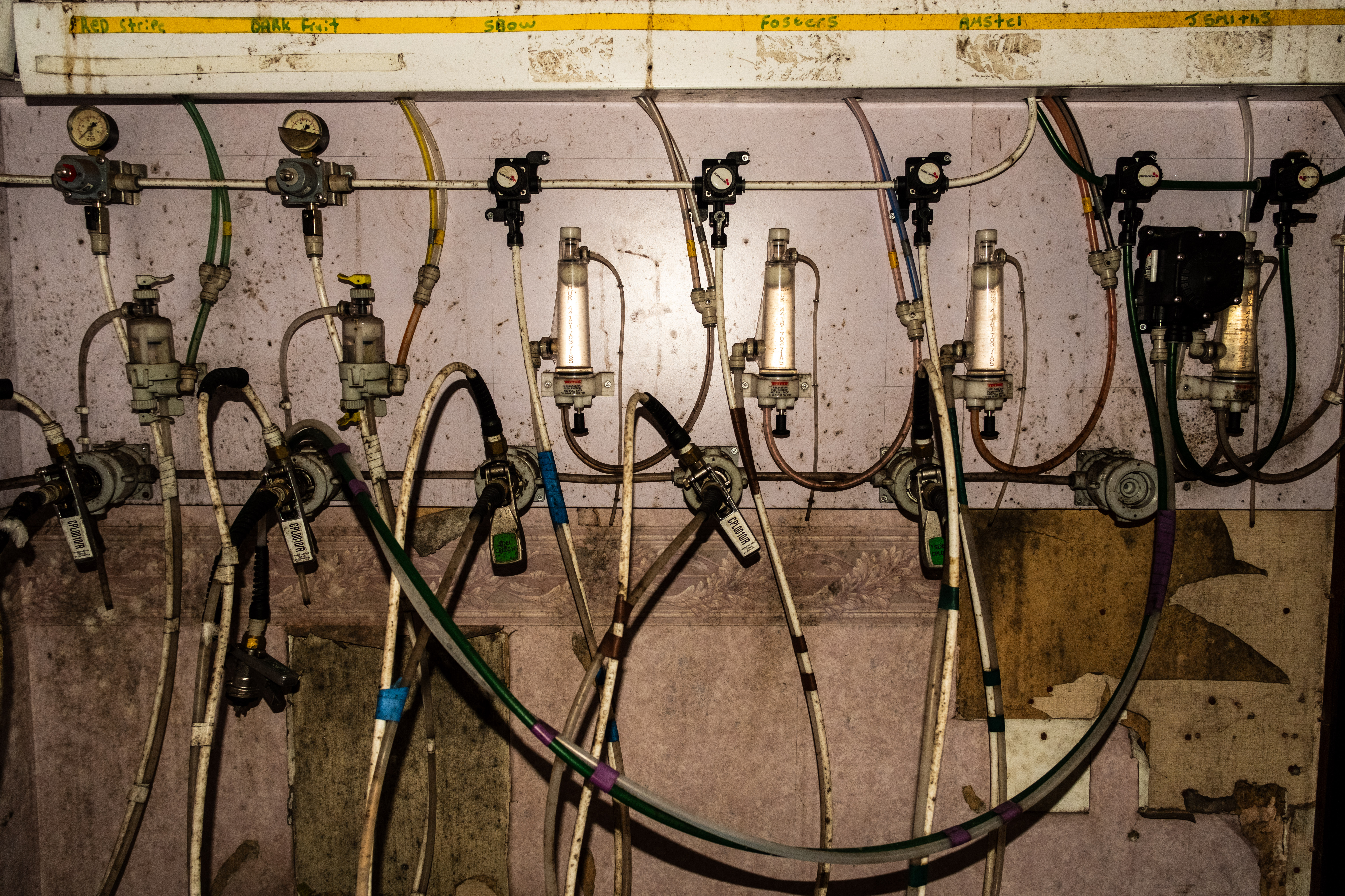
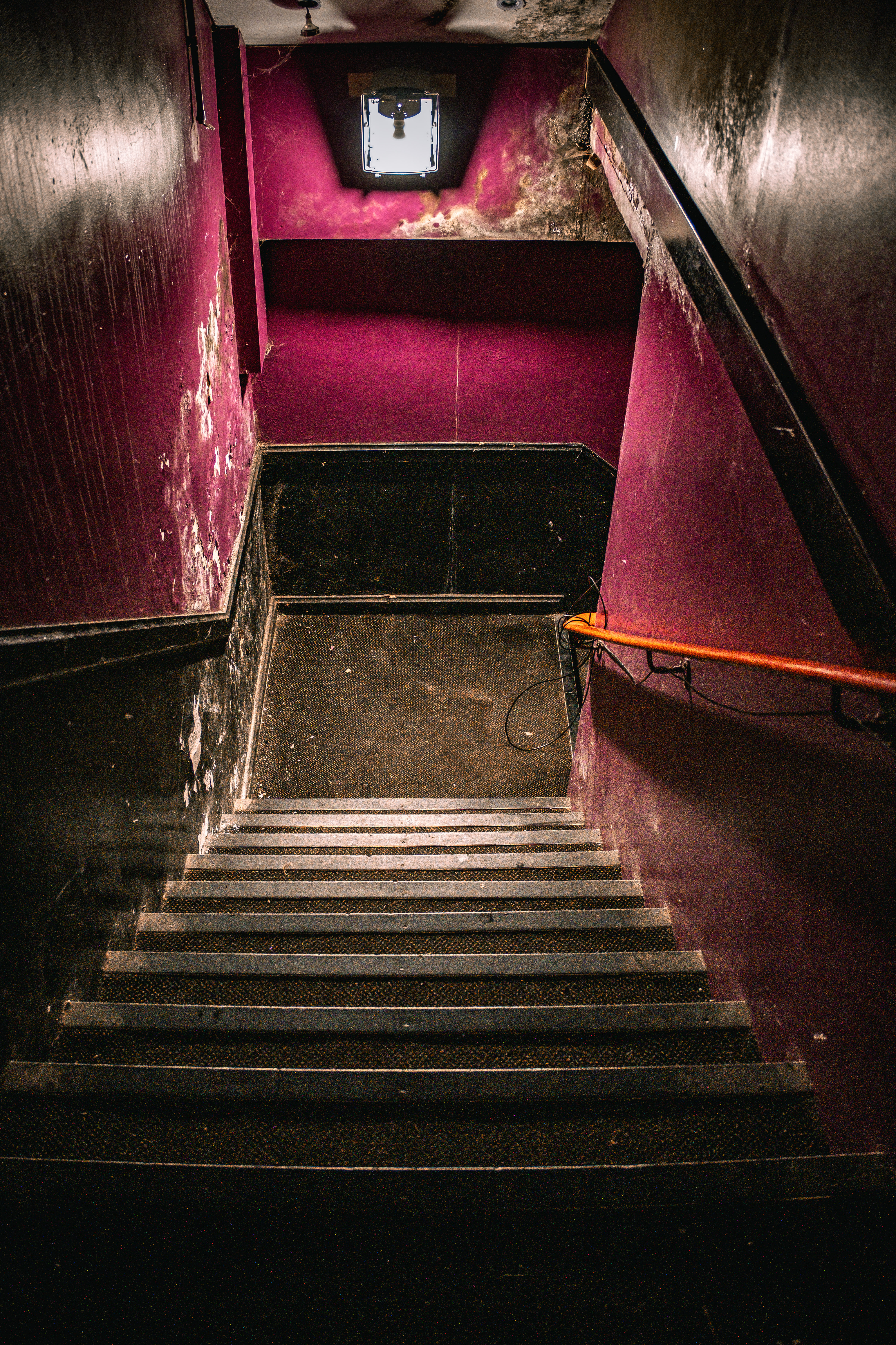
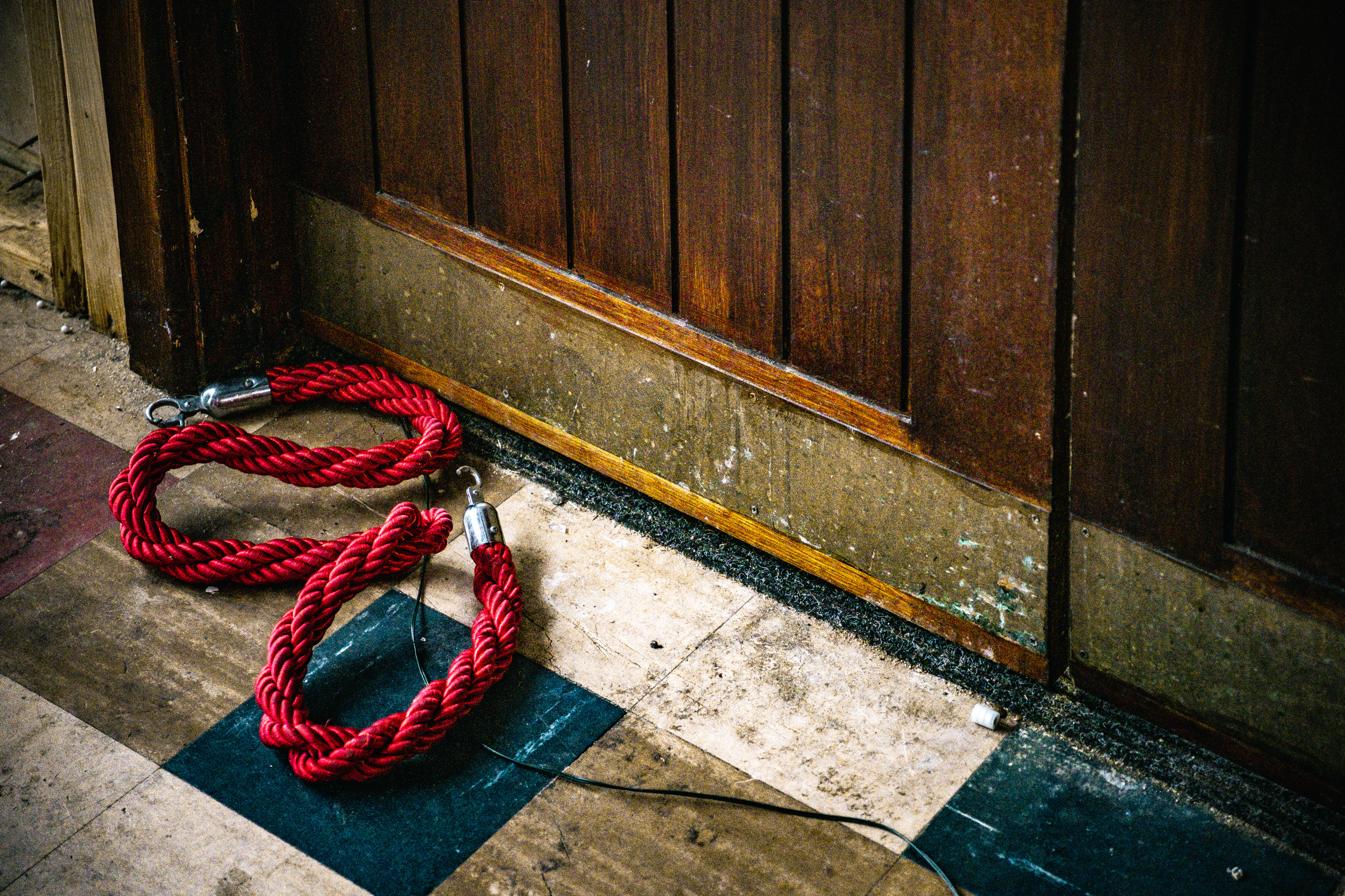
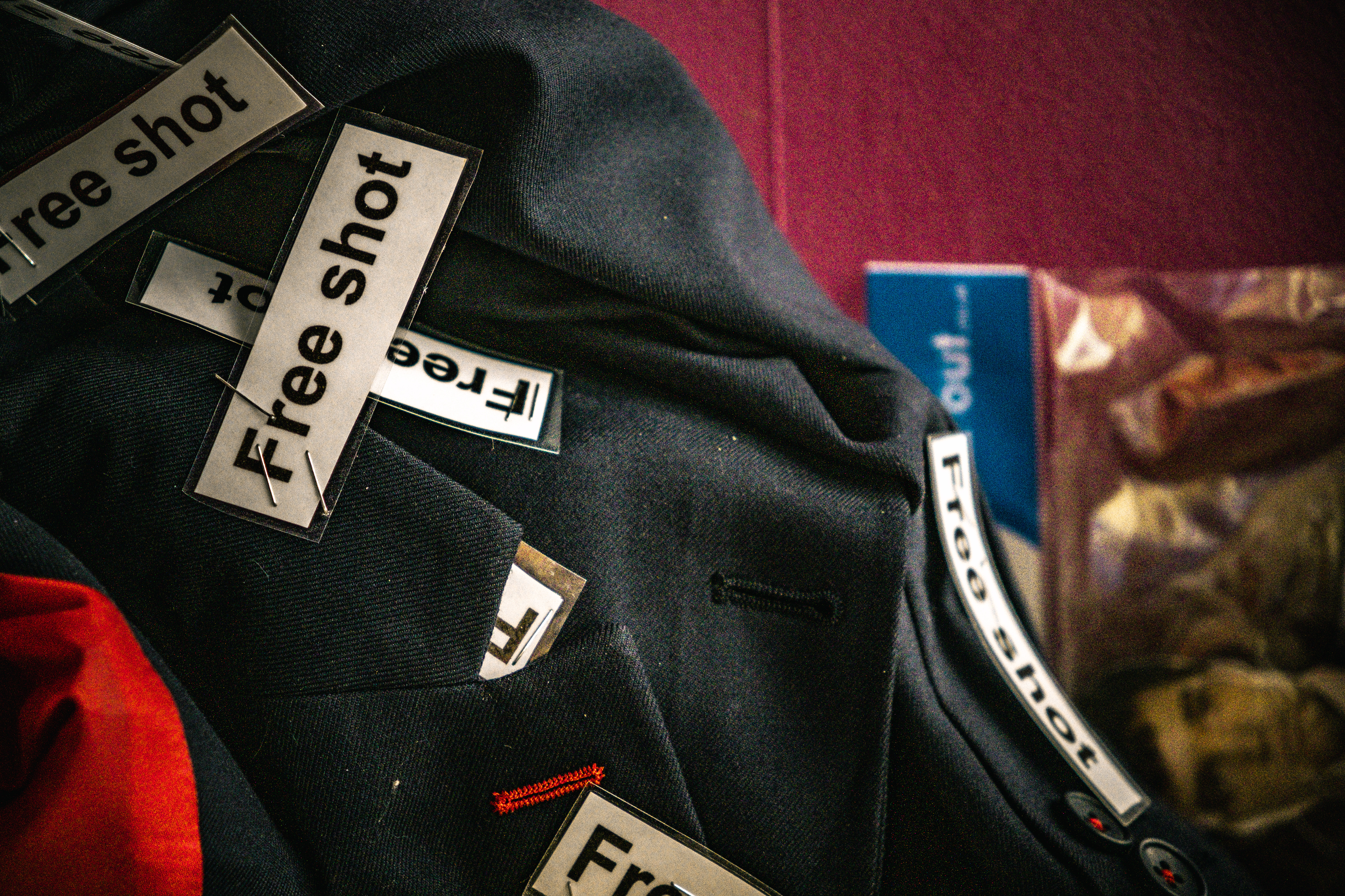
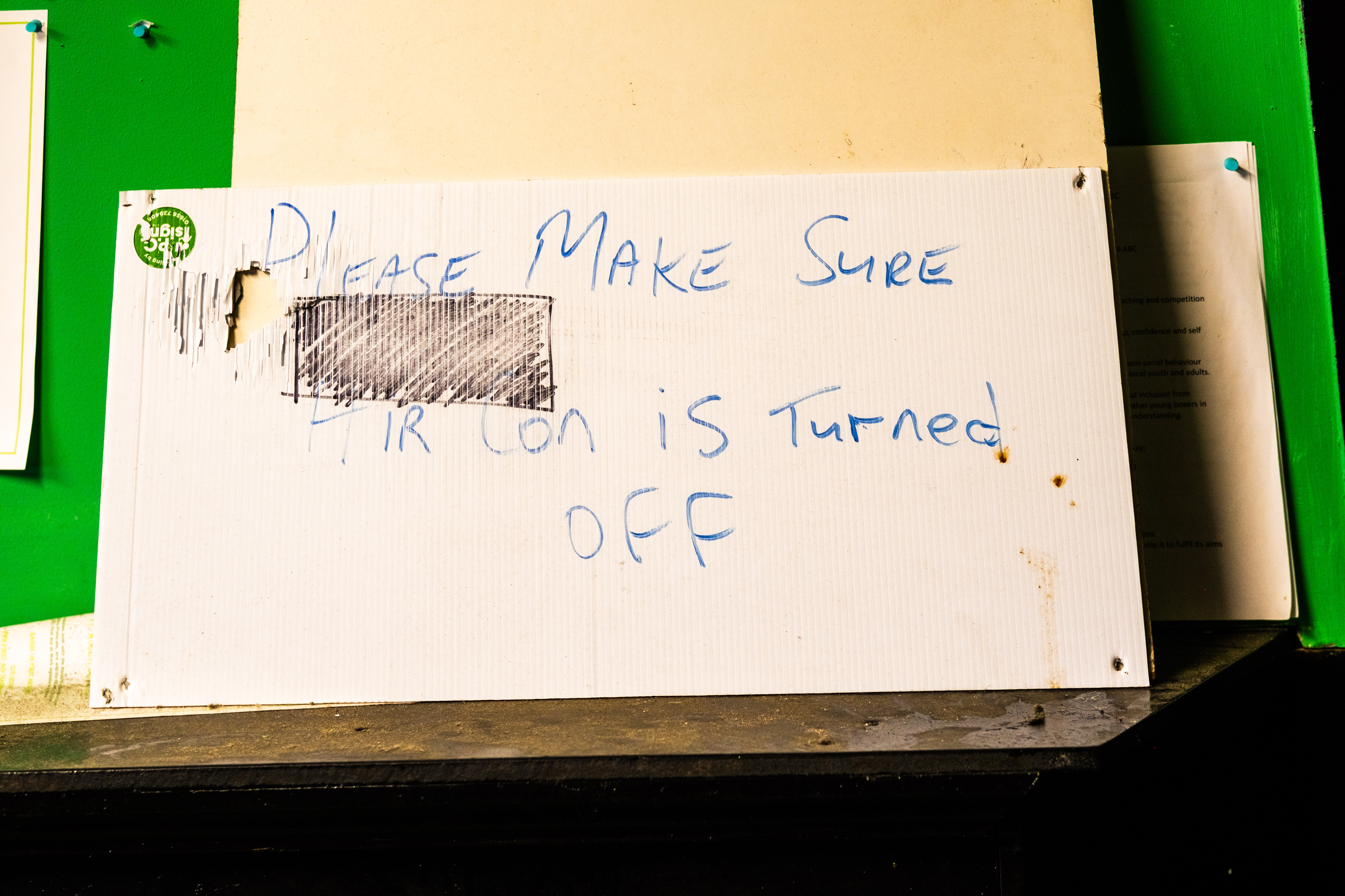
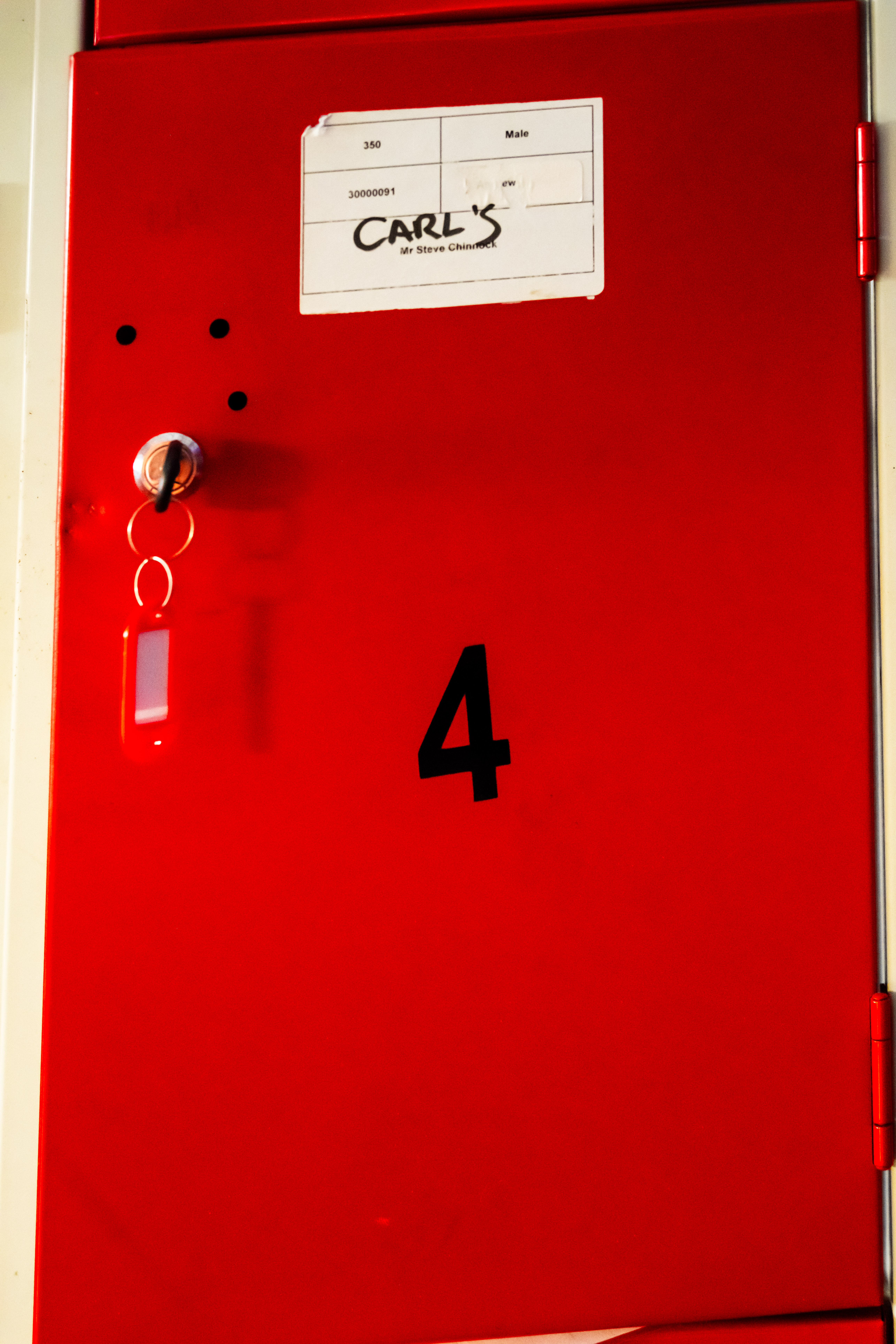
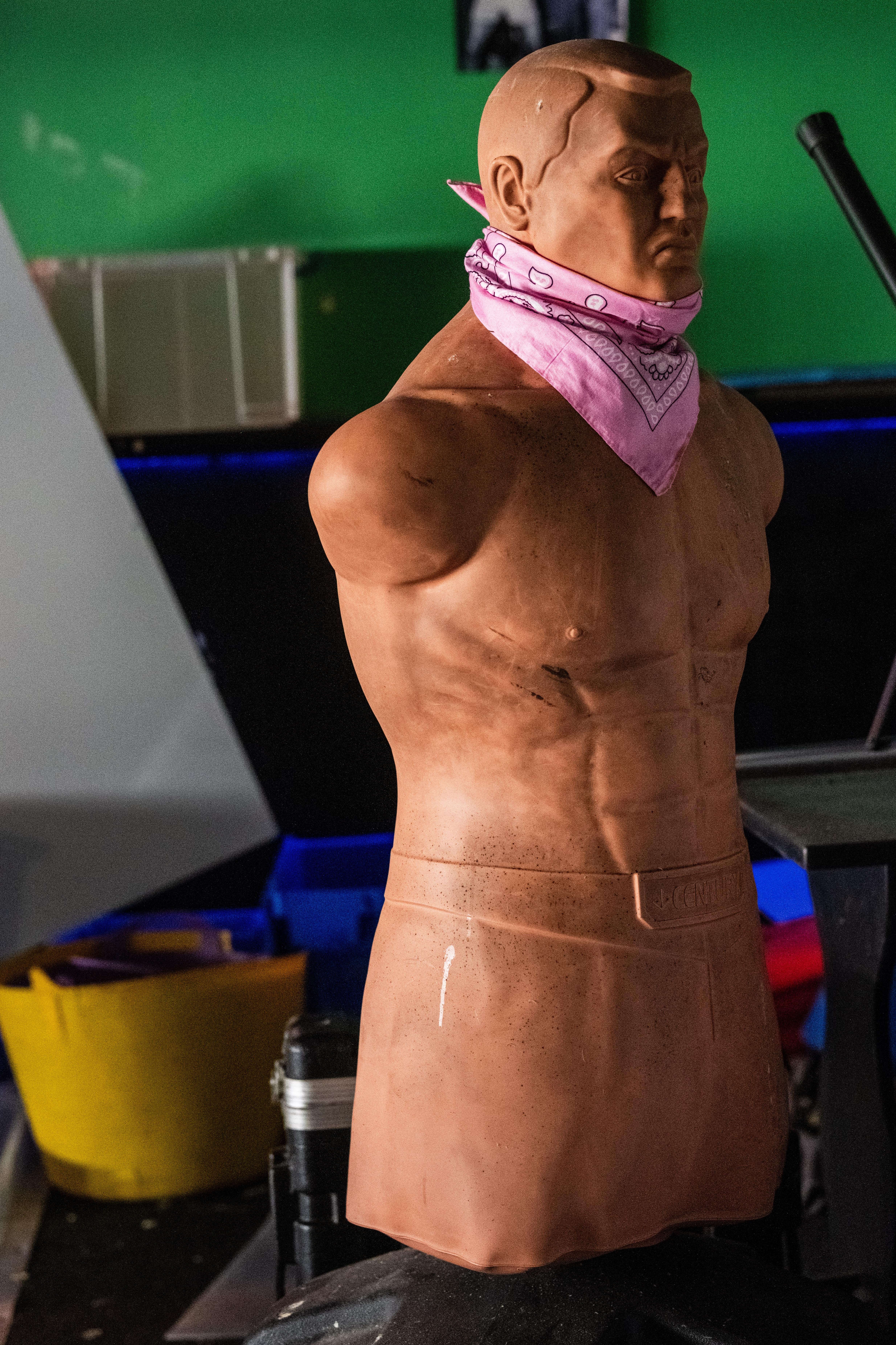
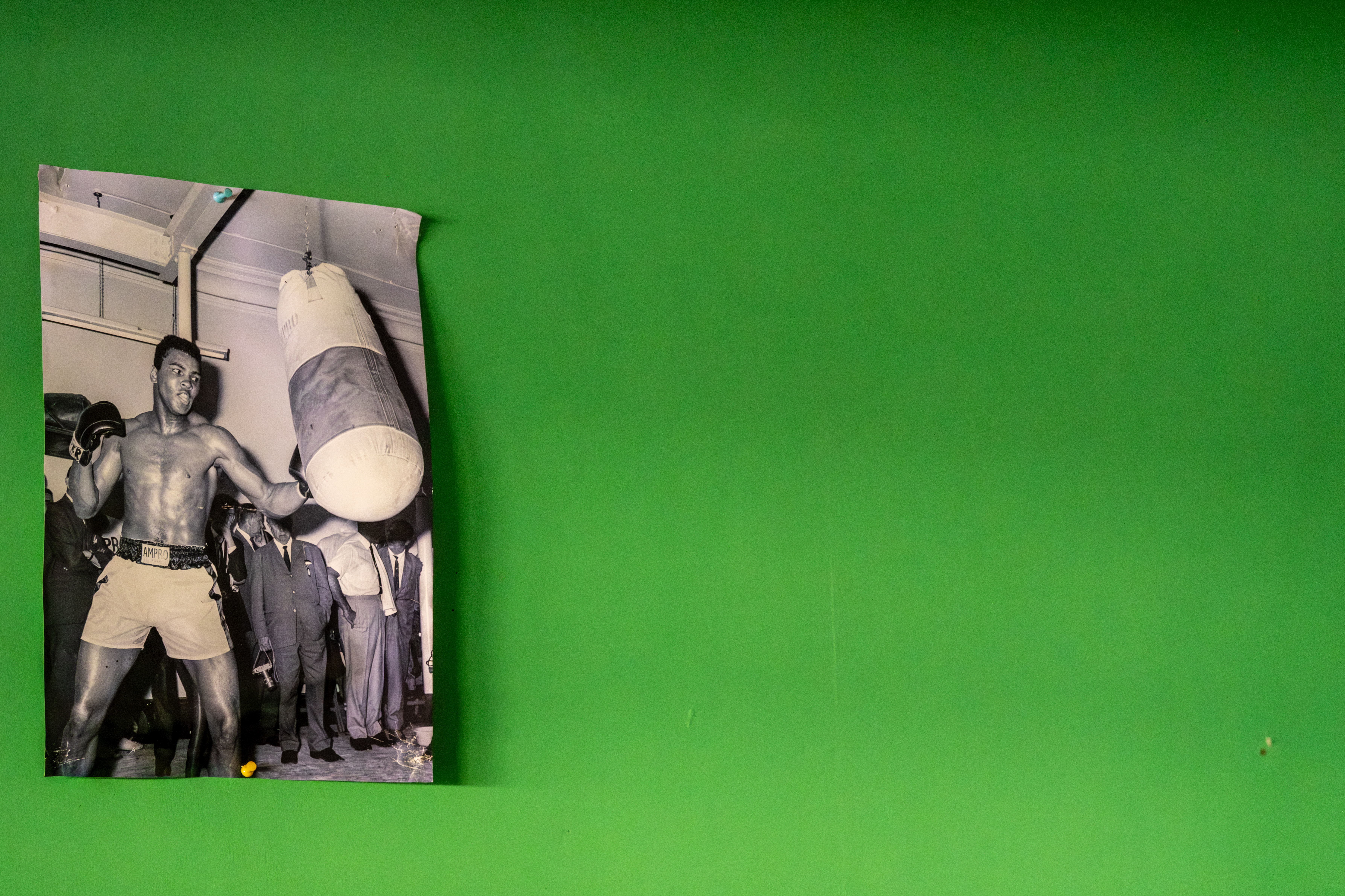
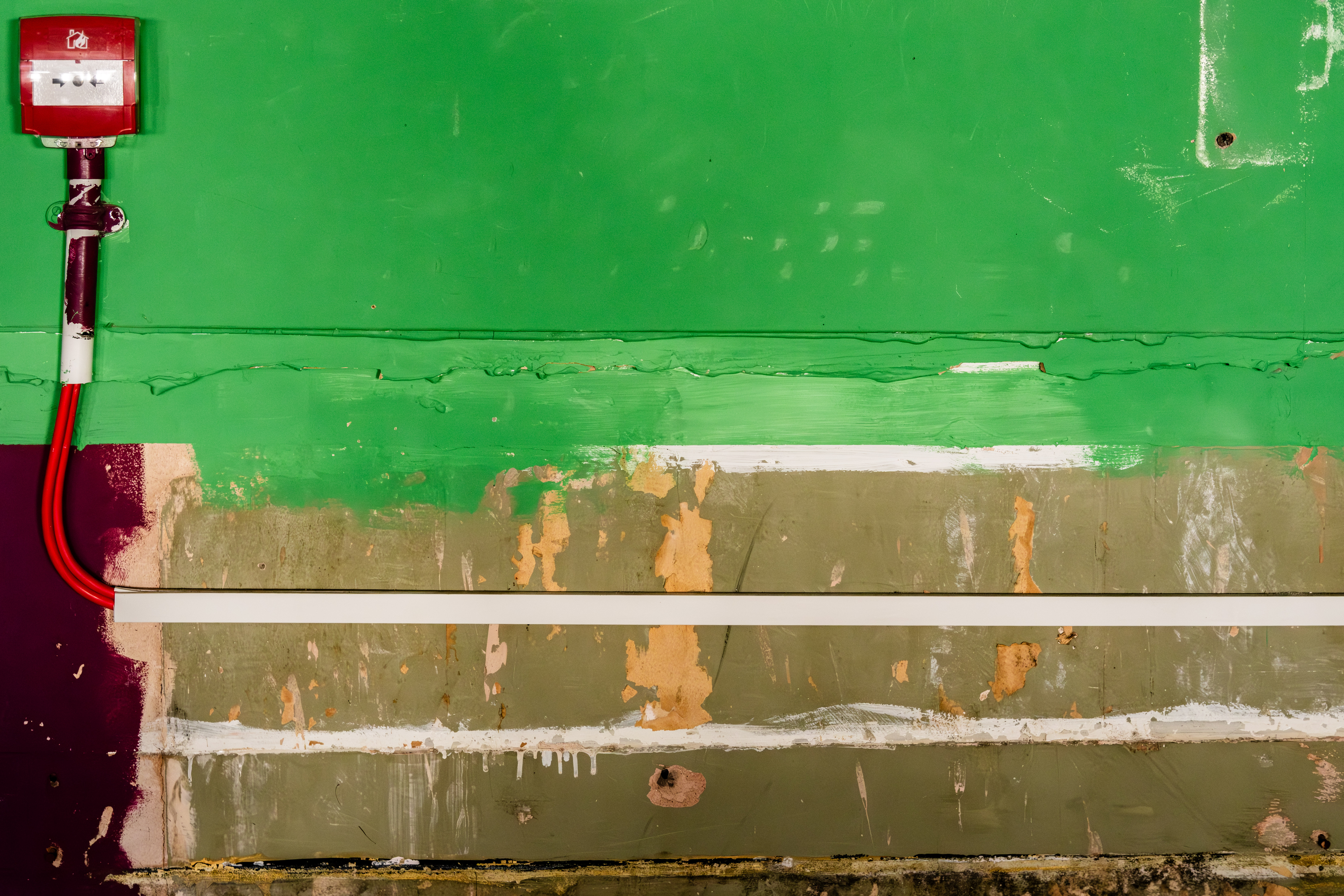
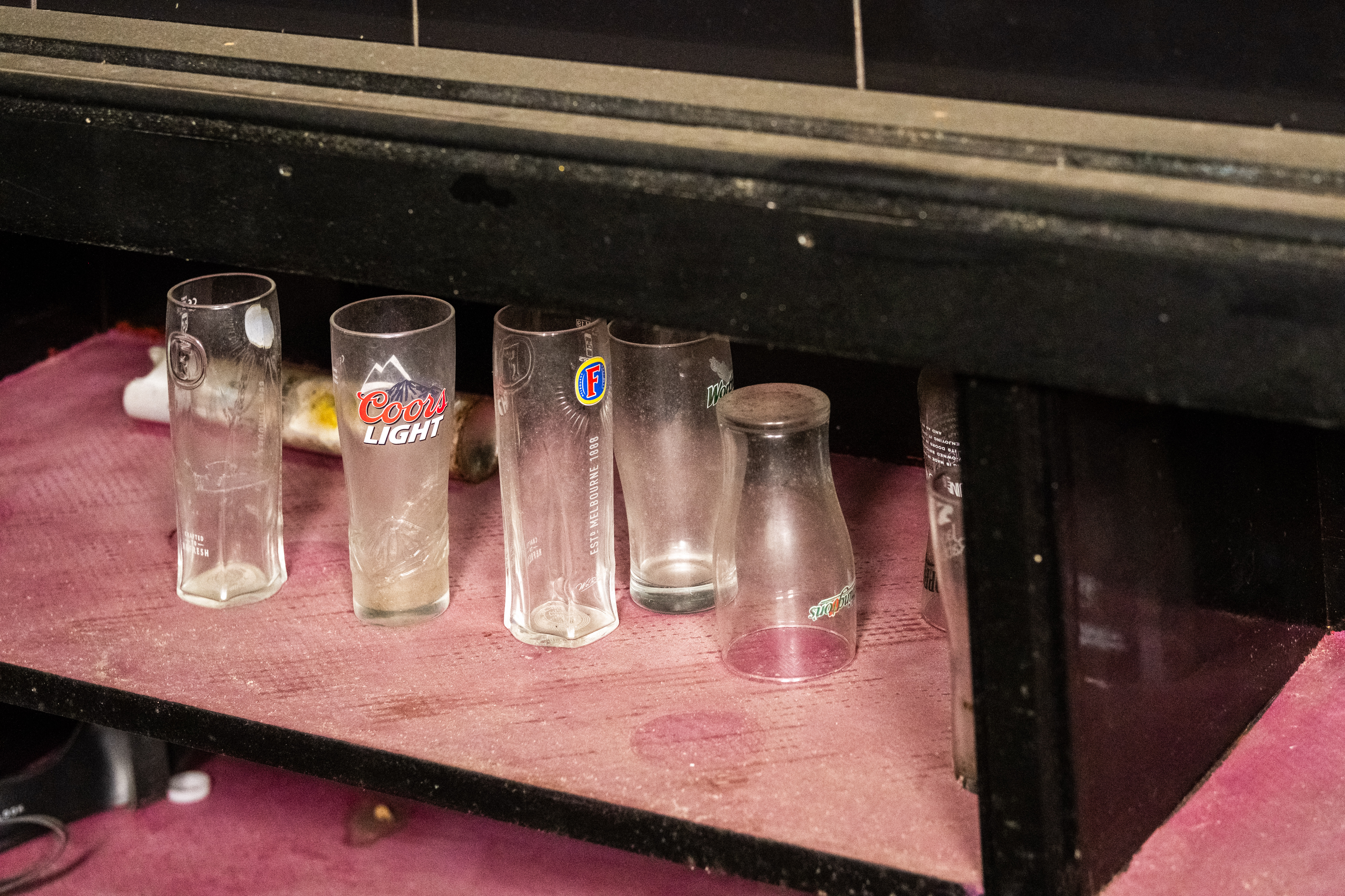
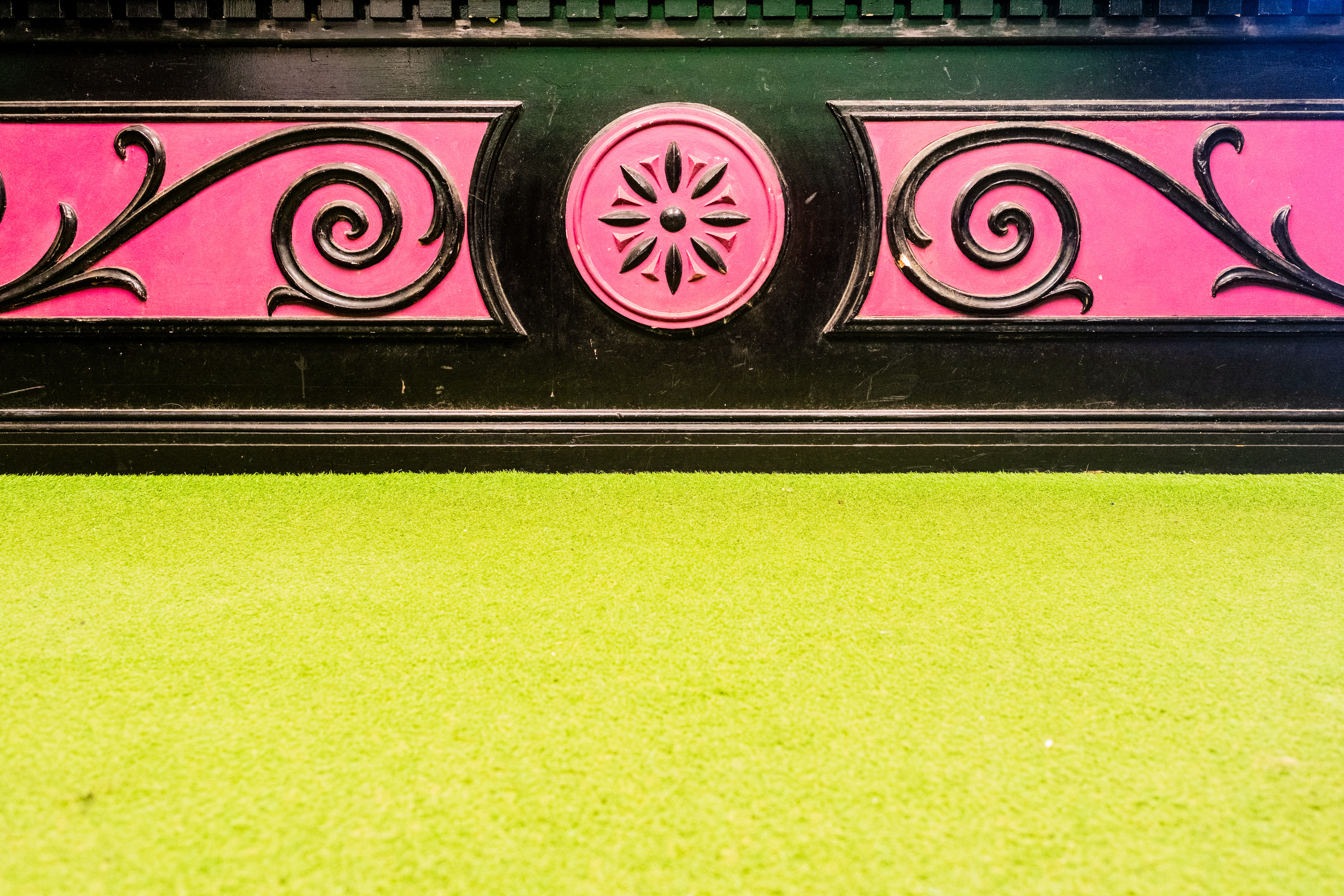
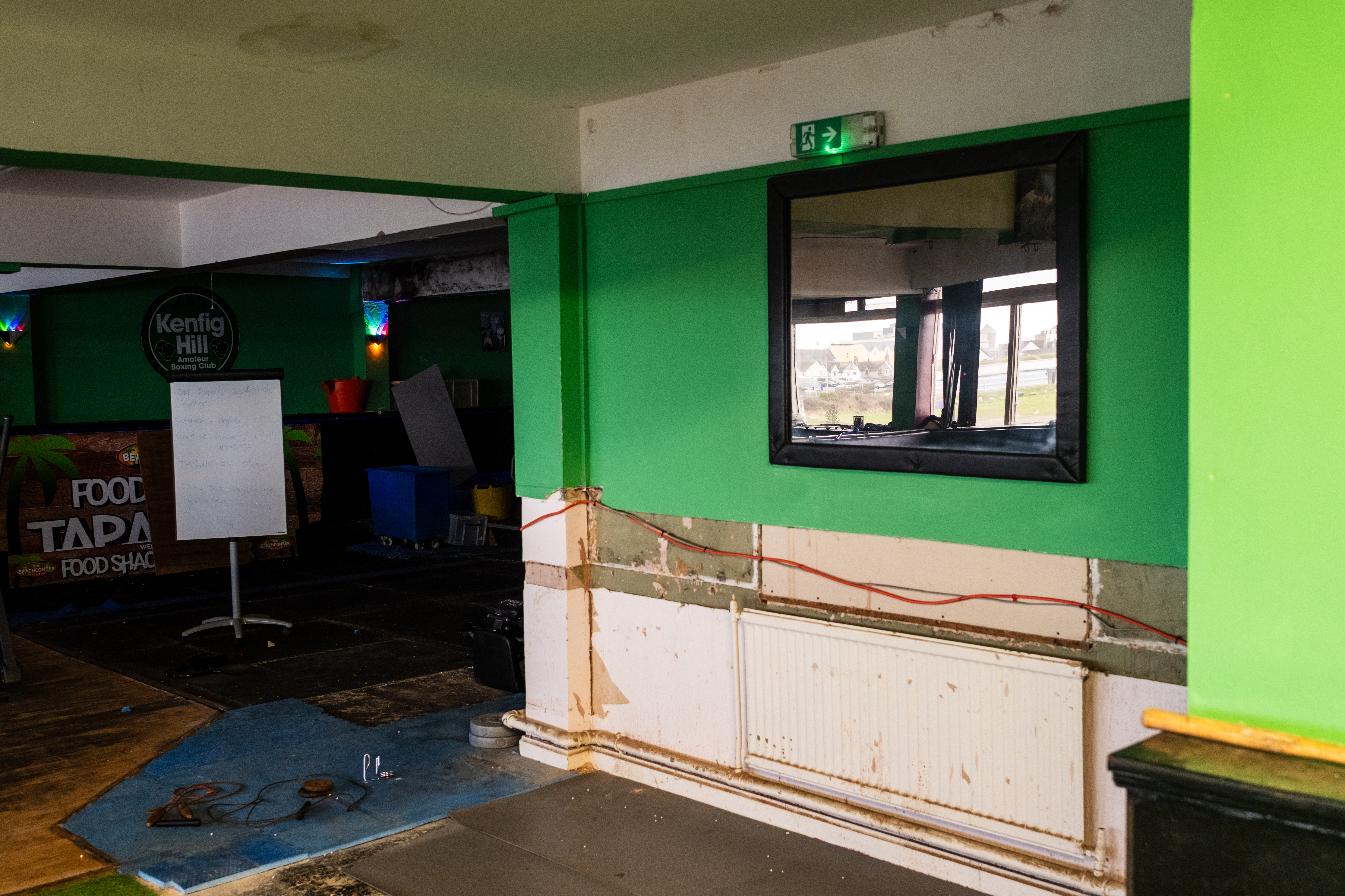
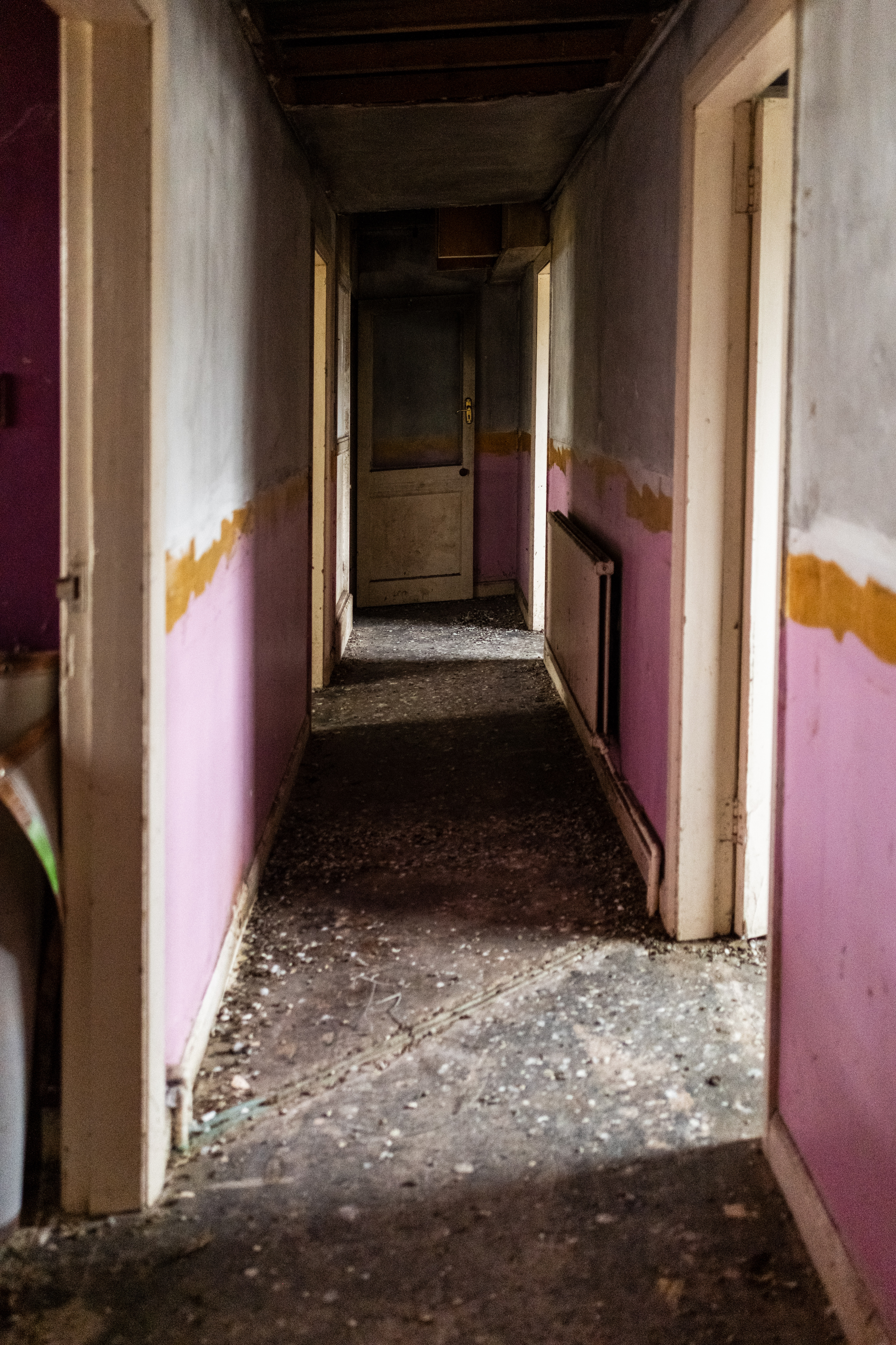
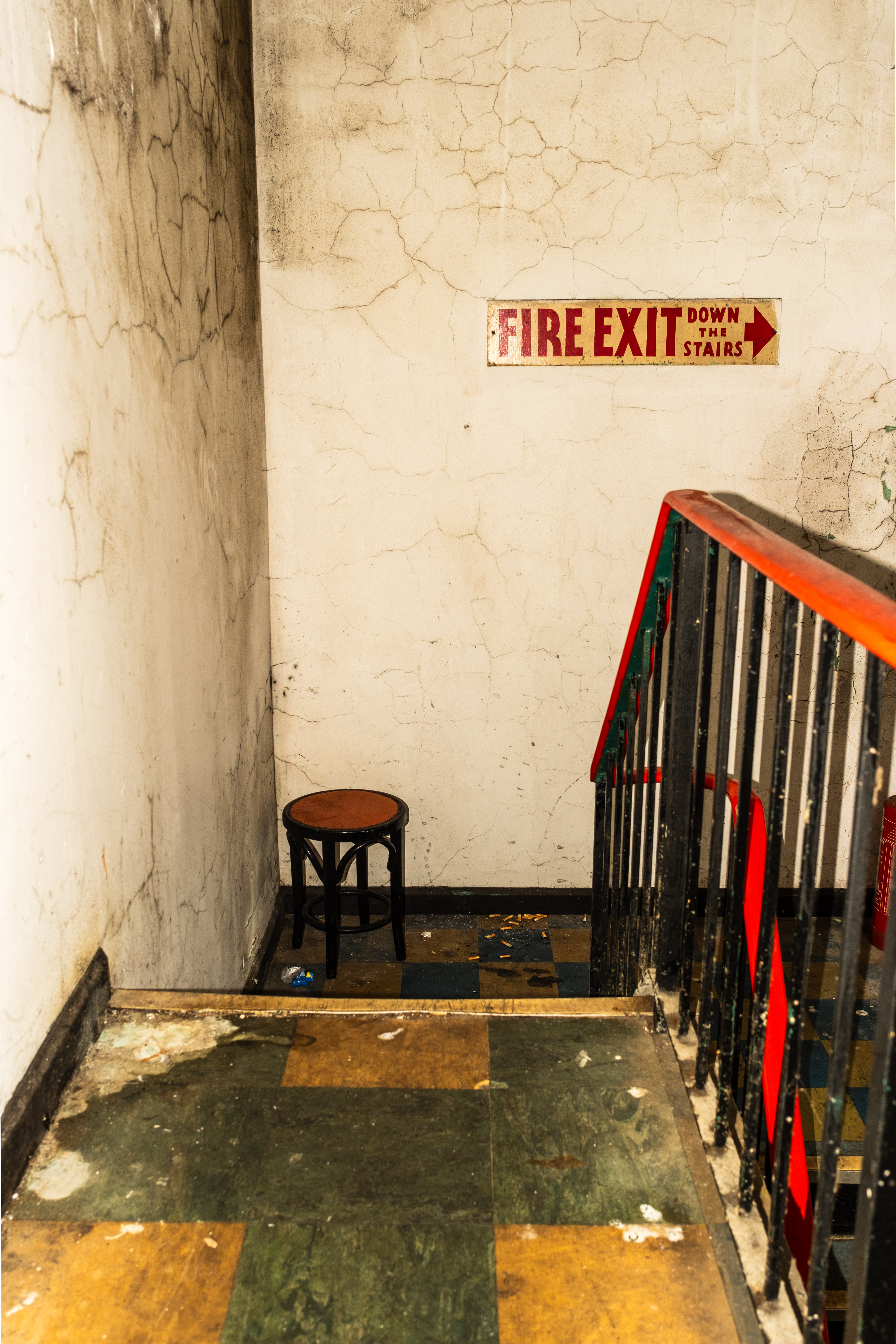
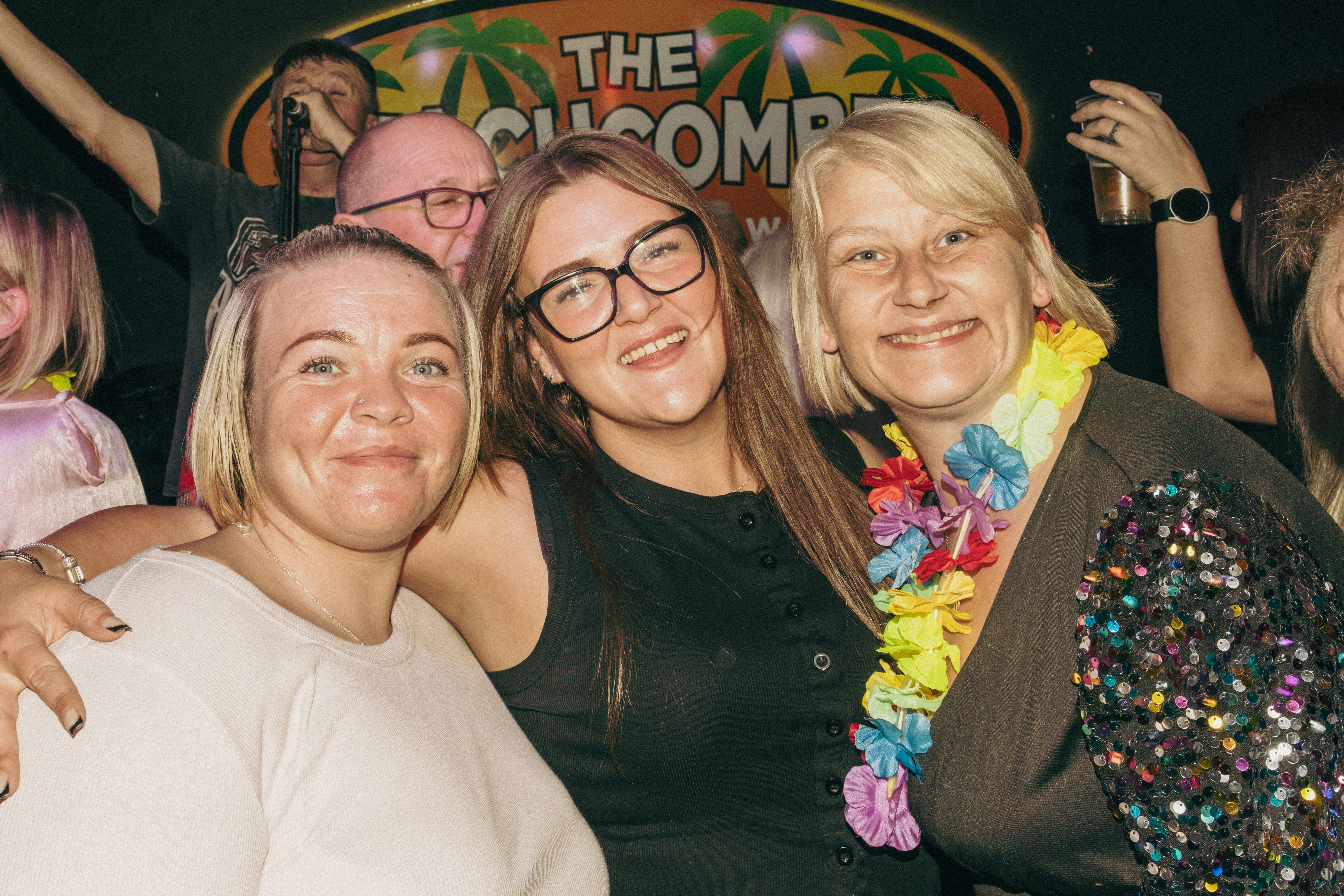
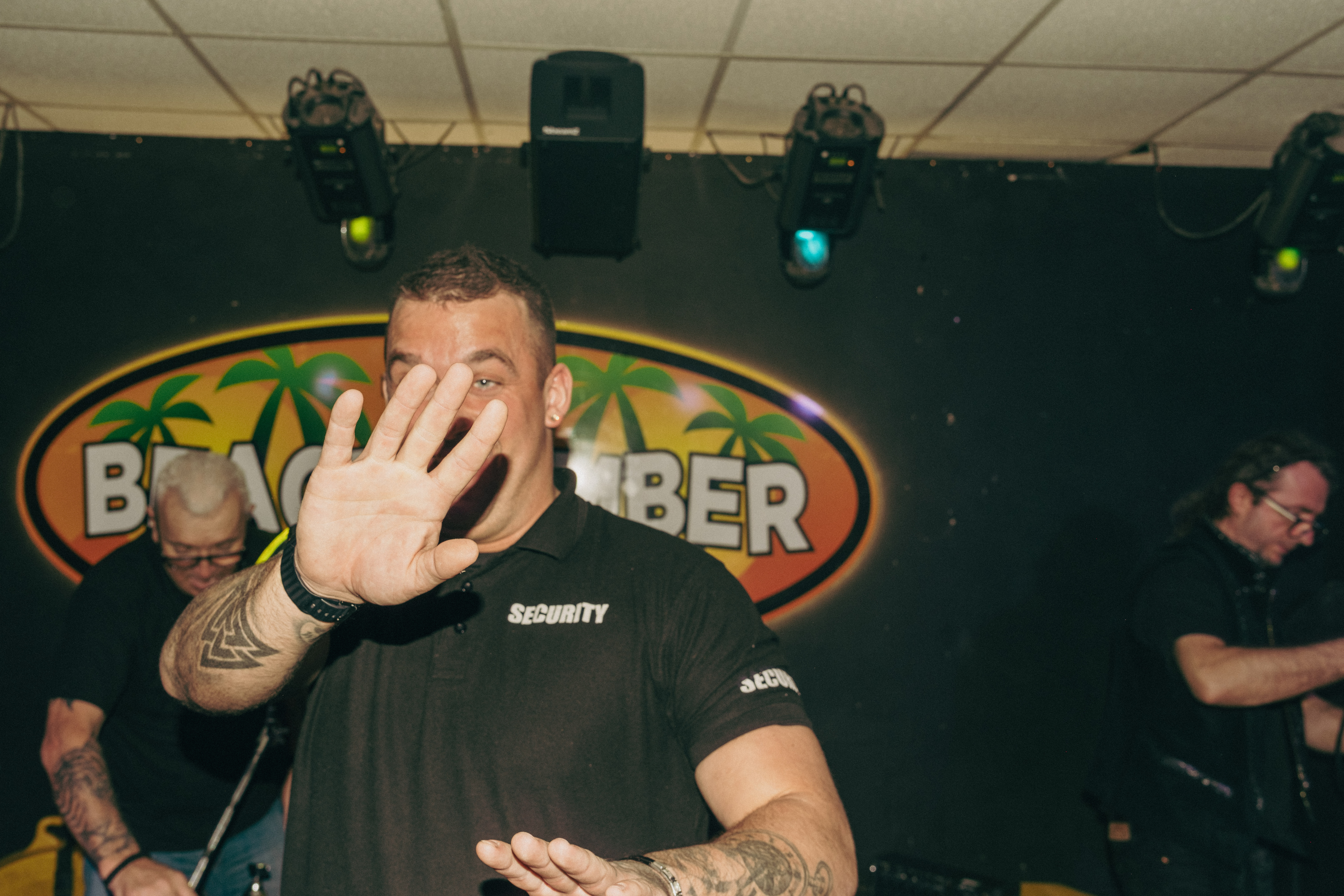
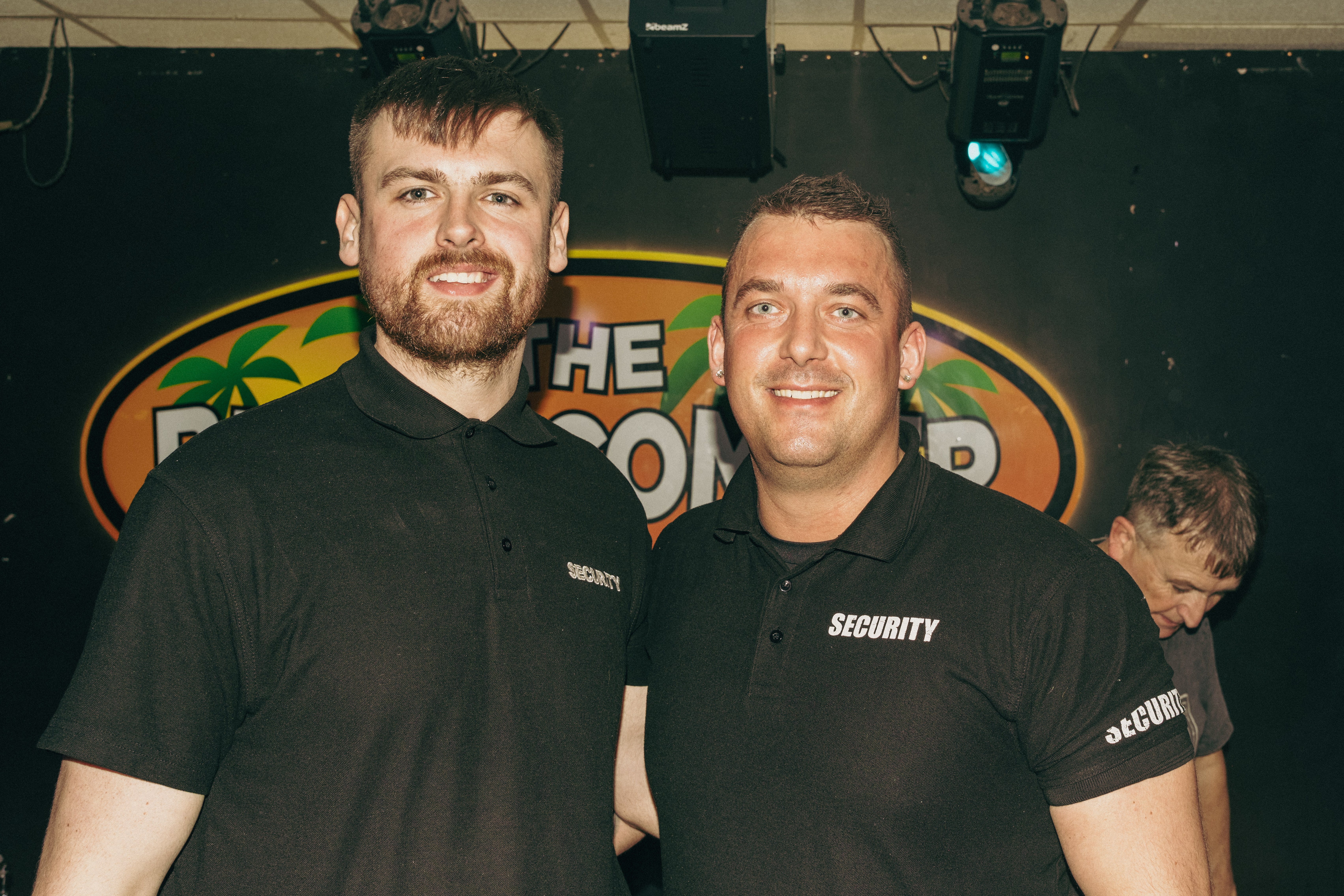
The Beachcomber has its own reputation and lore locally. It certainly wasn’t for everyone, but for many it has been, at least once, for them. It was great to be allowed inside, but even greater to explore the upstairs area — previously a nightclub space a decade ago, with evidence of other uses since. There is something powerful about seeing a place like this out of its context. The garish pink of the bar, the green of the carpet, the grubbiness of the doors. All would have been hidden by darkness and dancefloor lighting. There is nowhere to hide in the light of day.
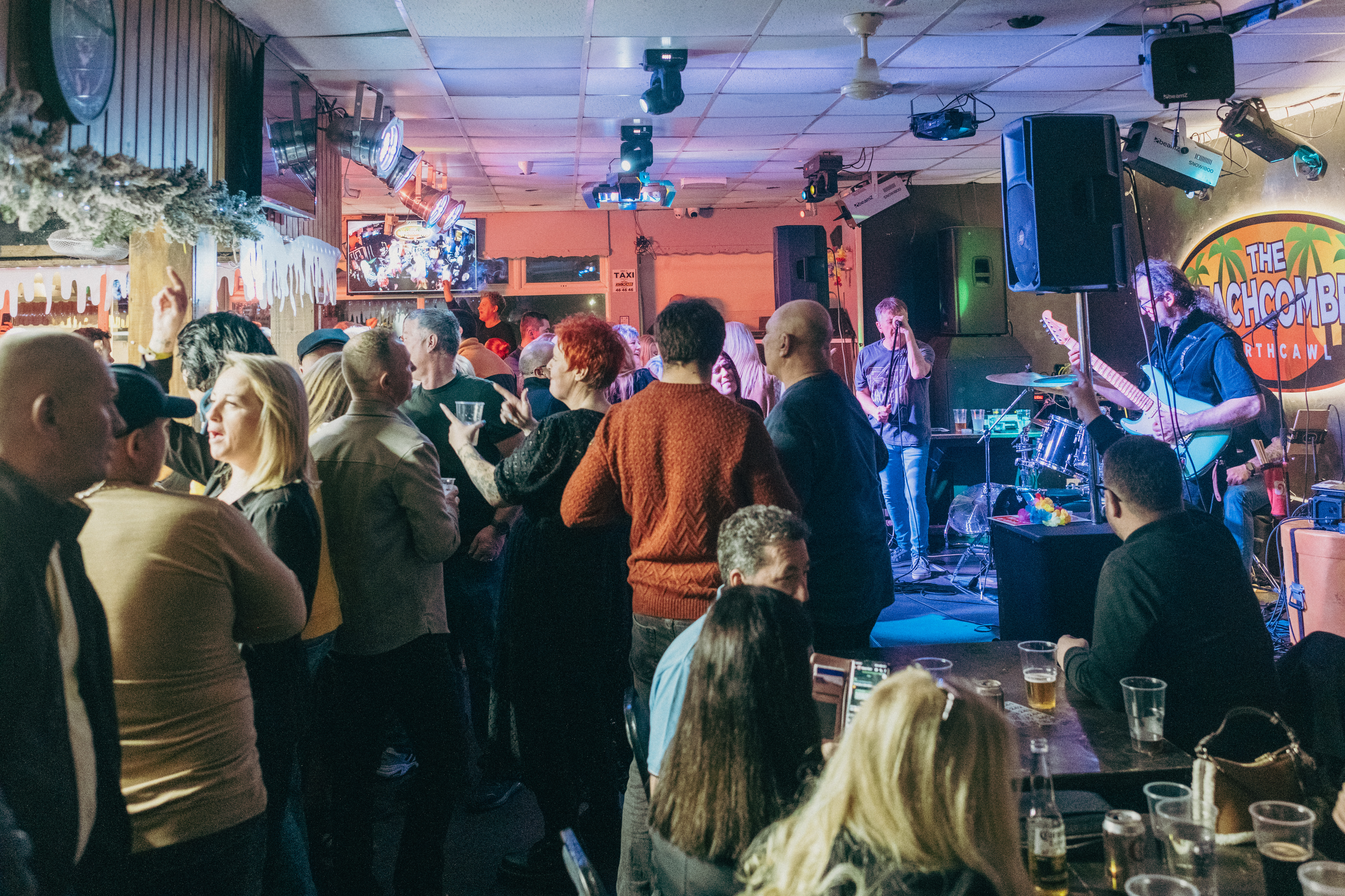
The iconic Beachcomber stage
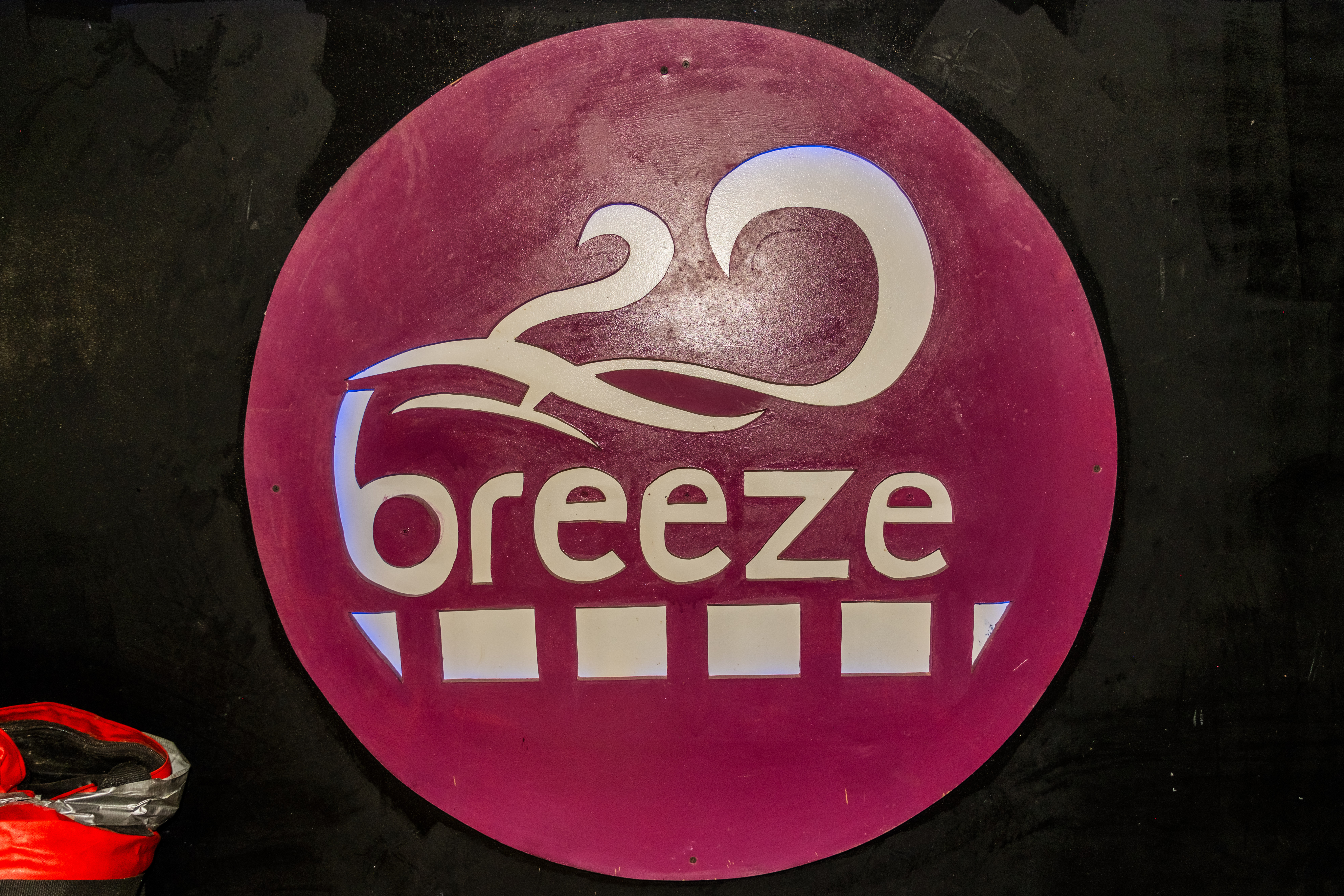
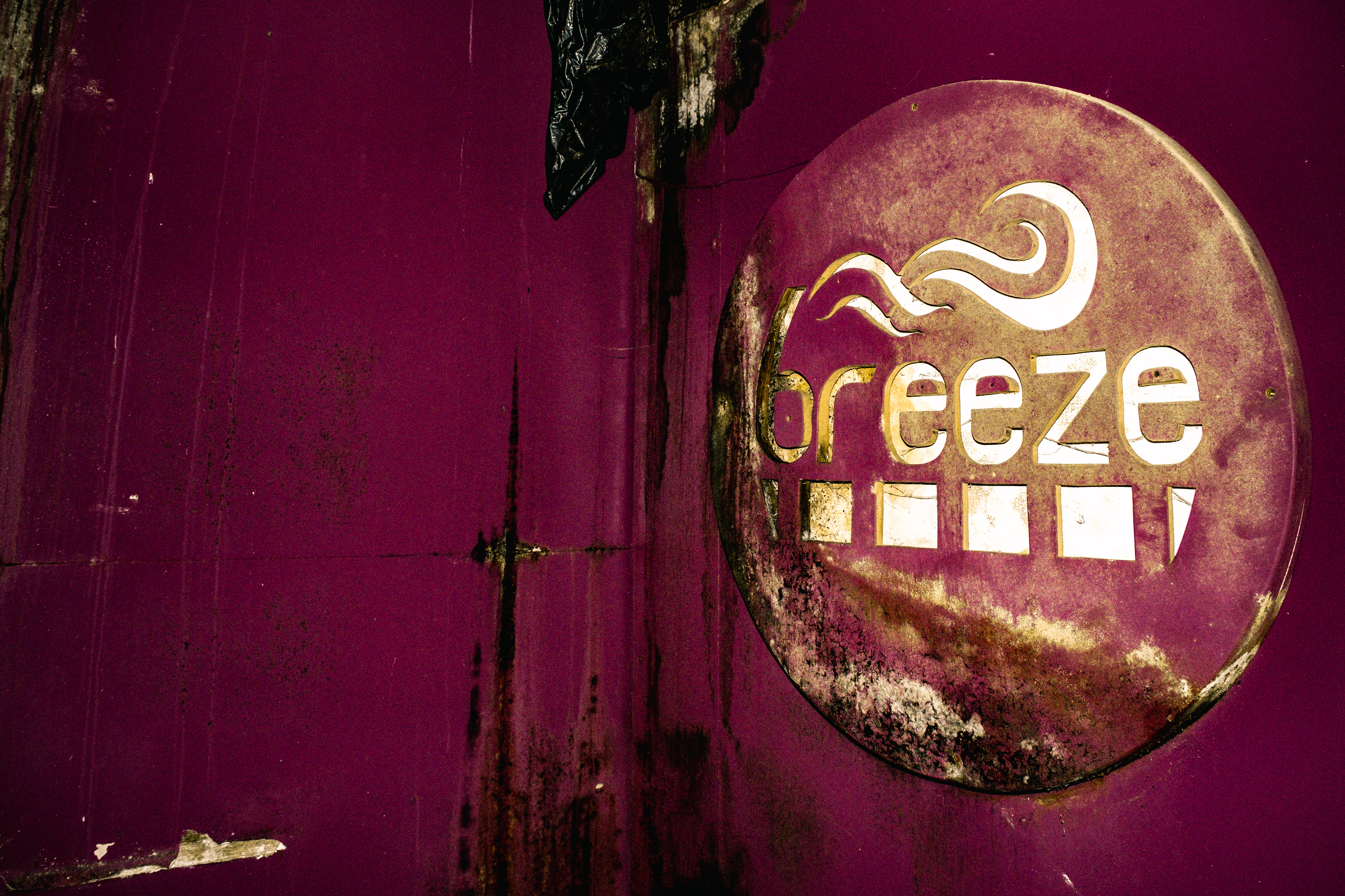
the remains of the former breeze nightlclub bar
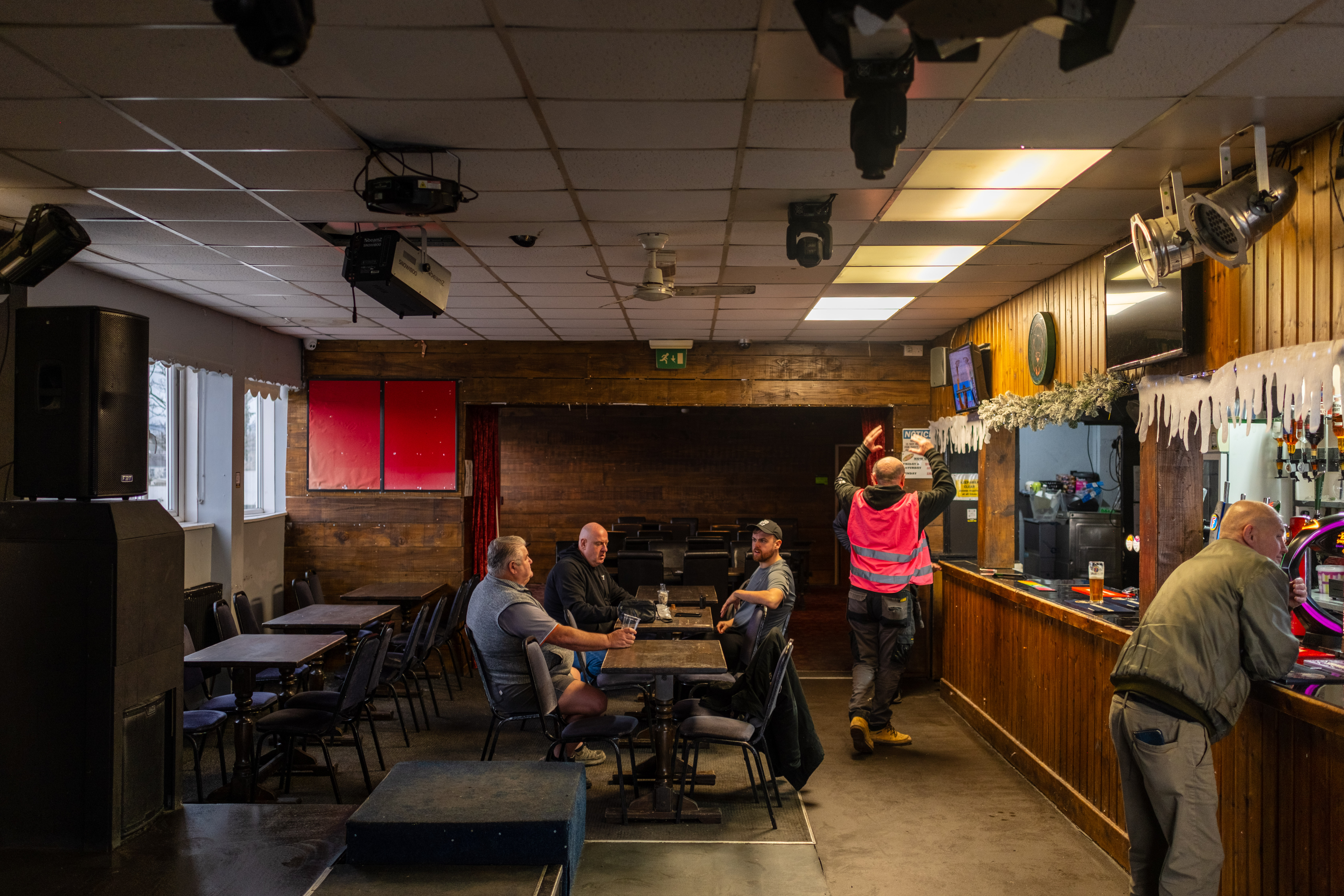
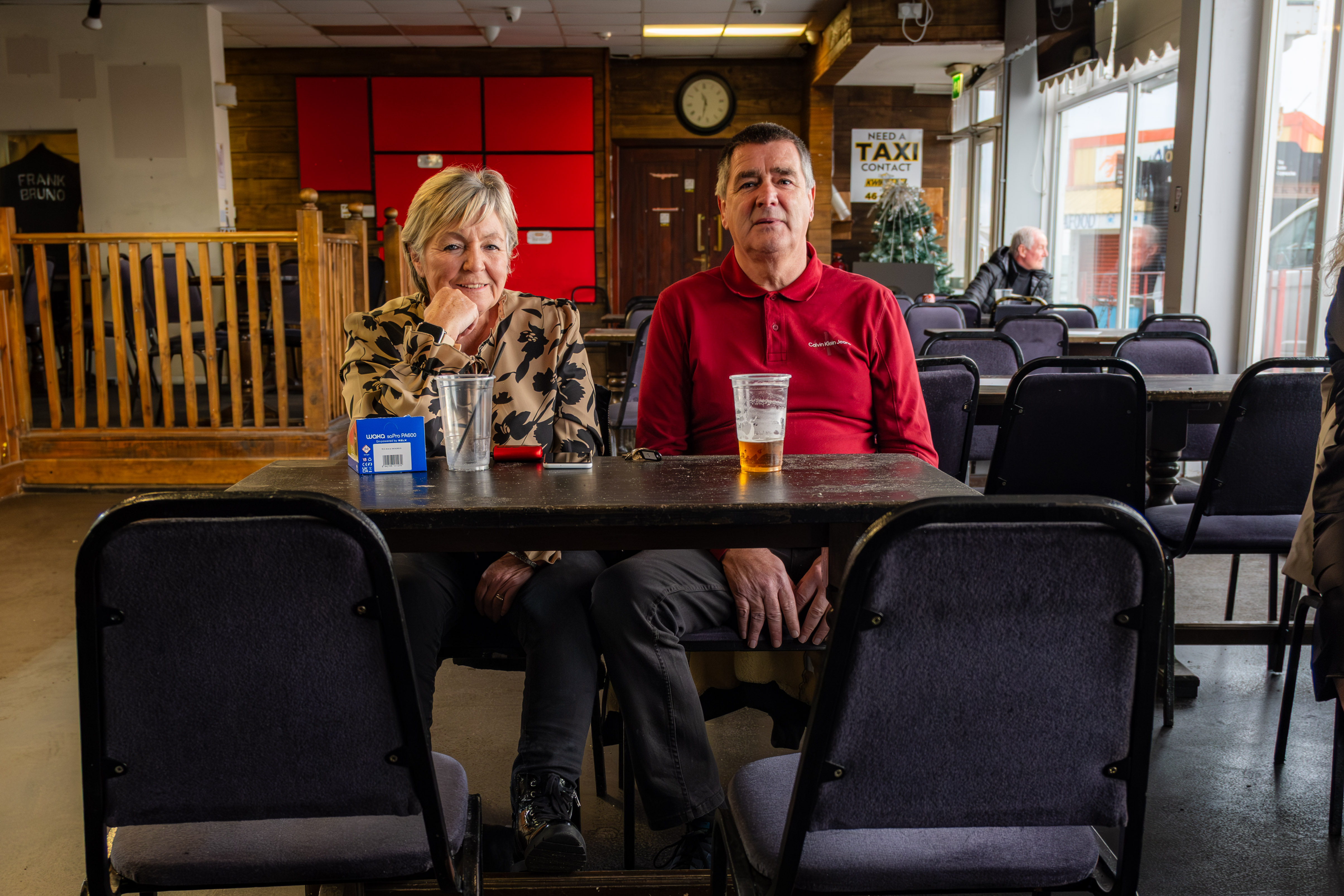
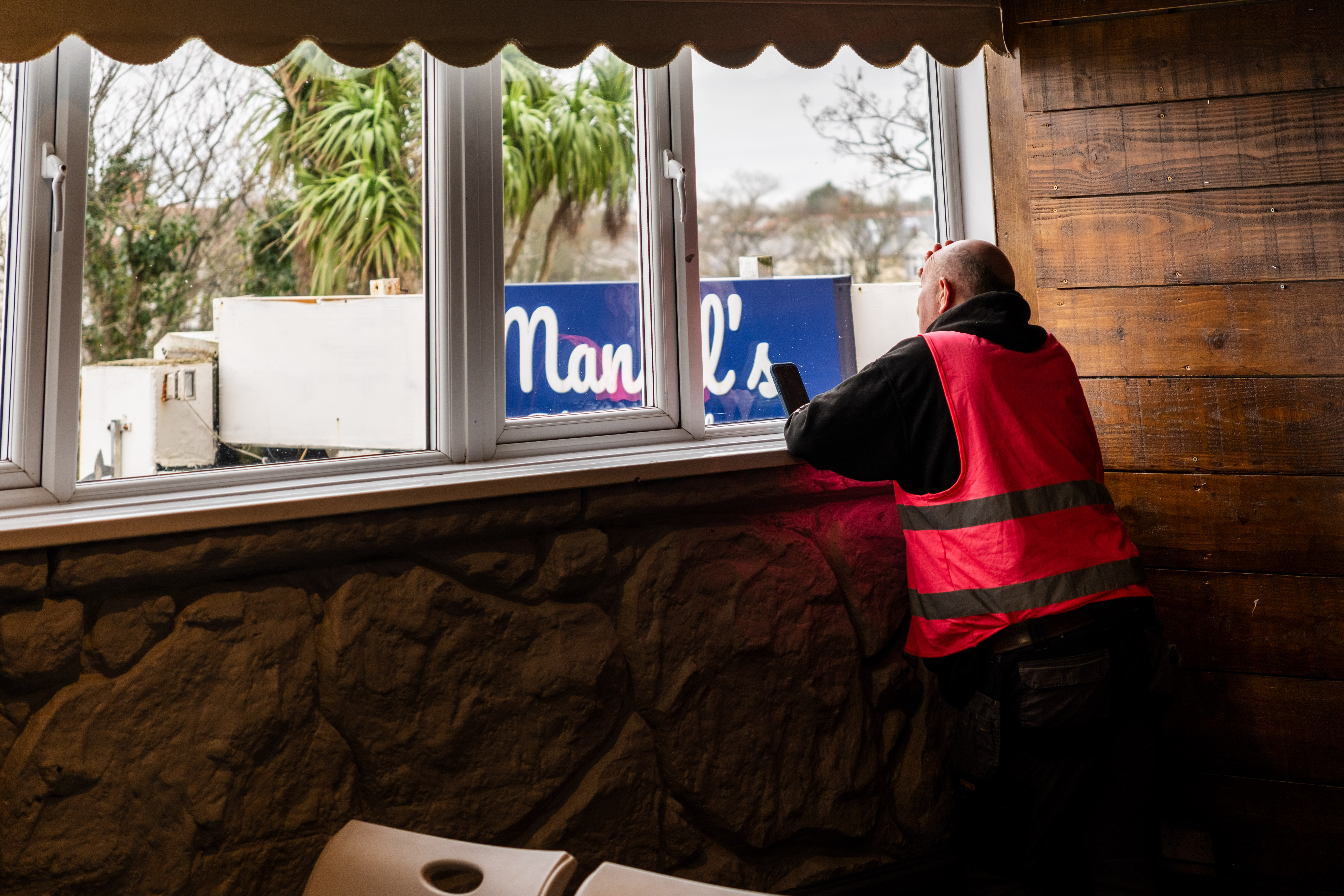
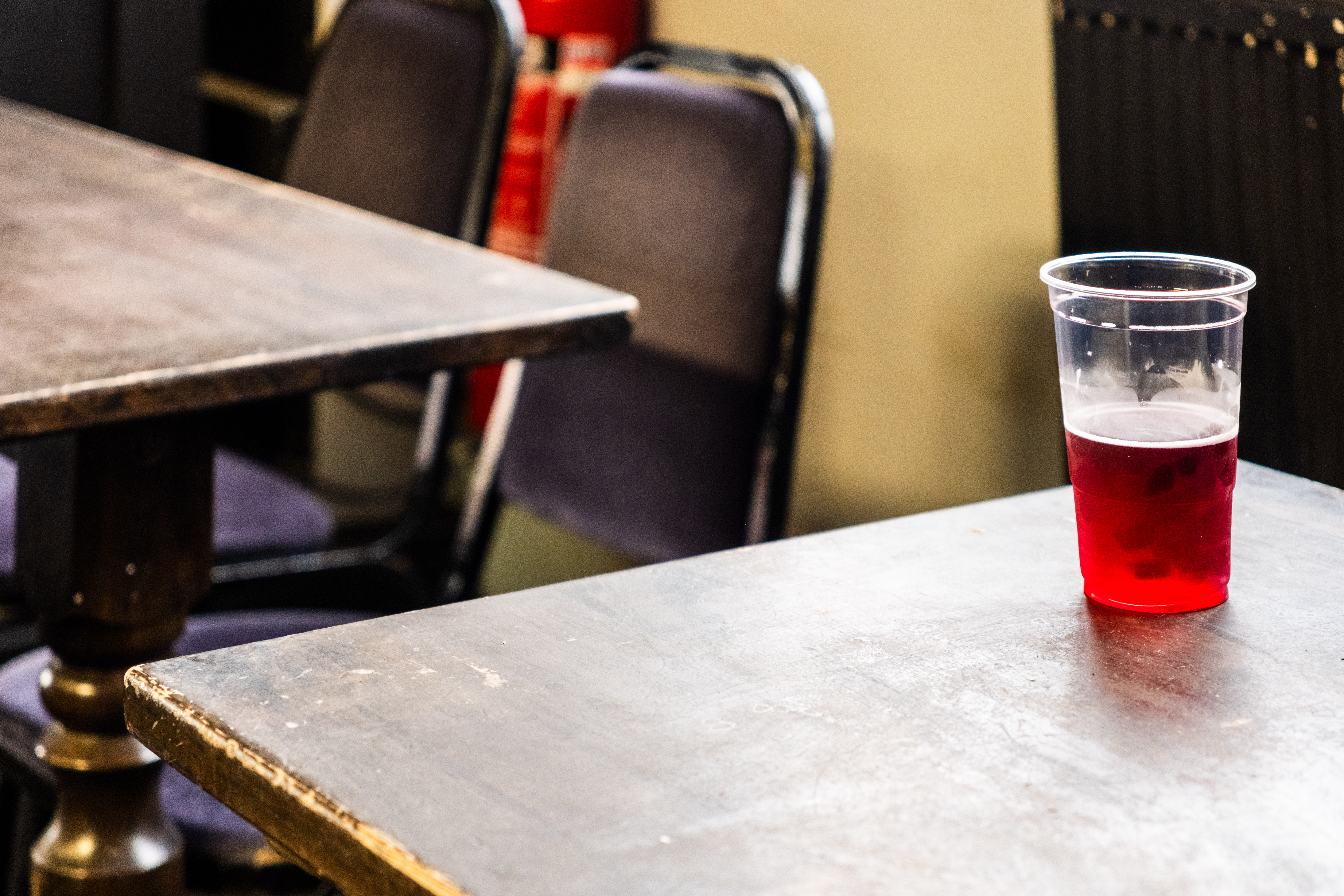
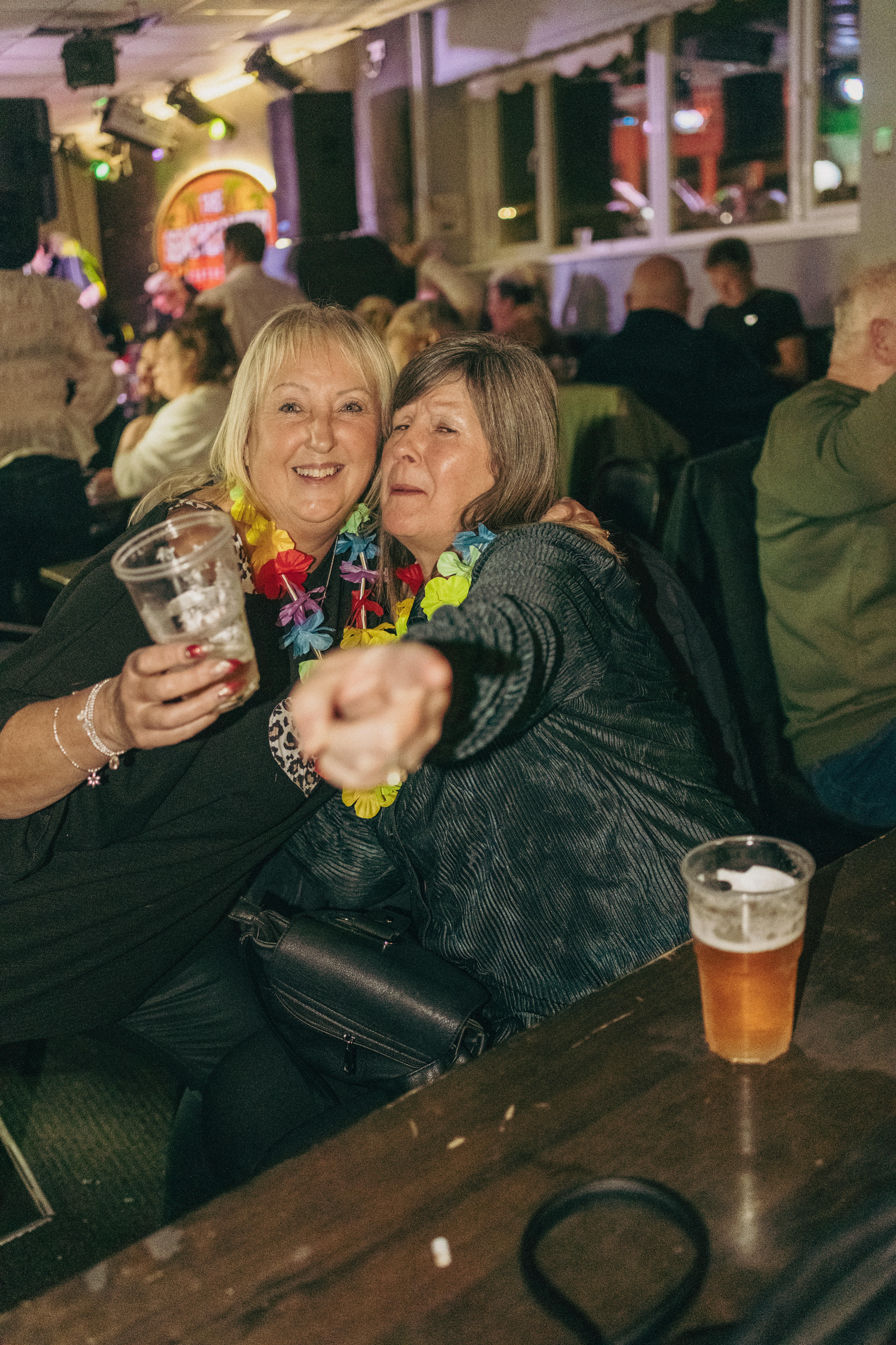
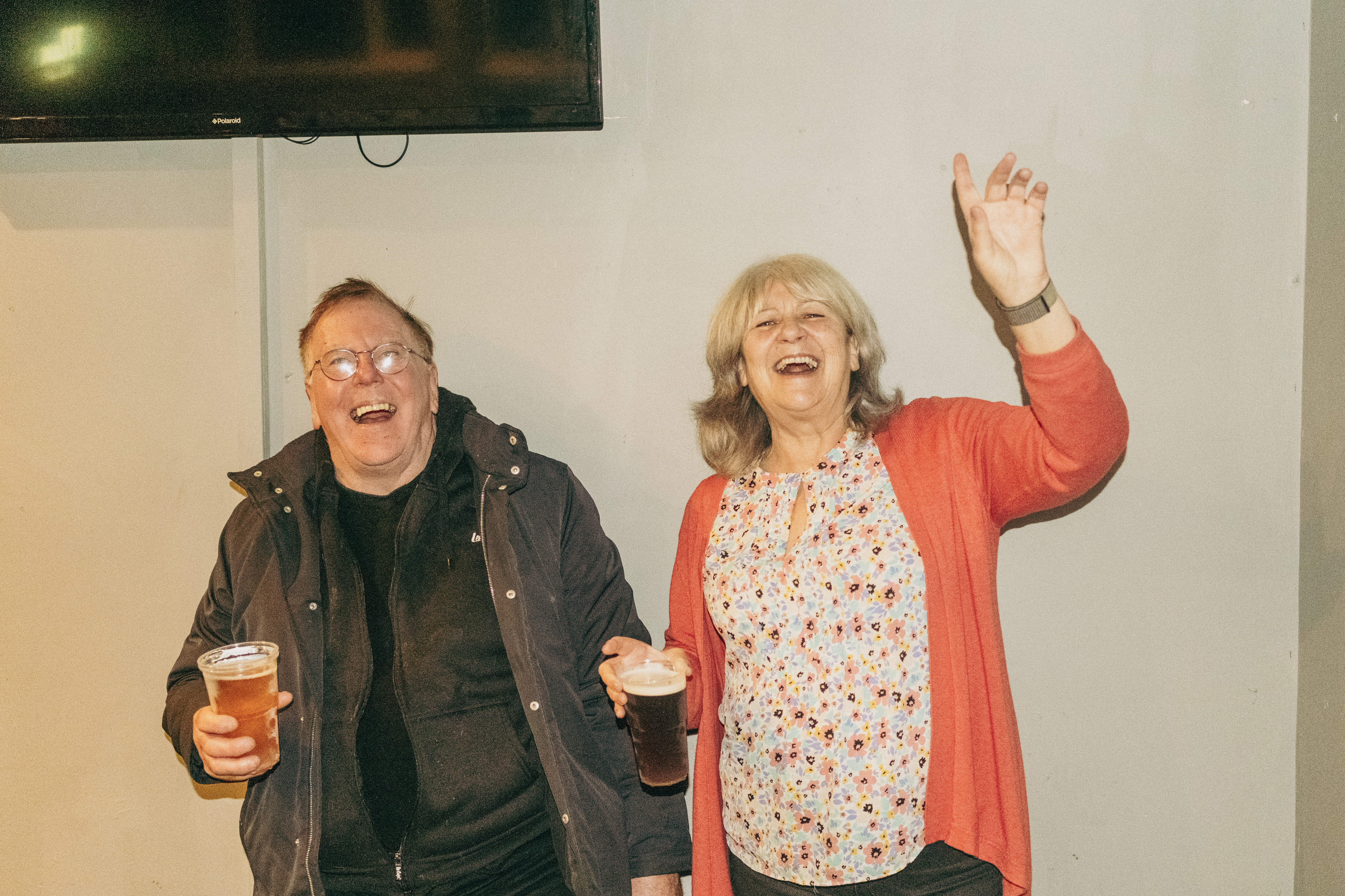
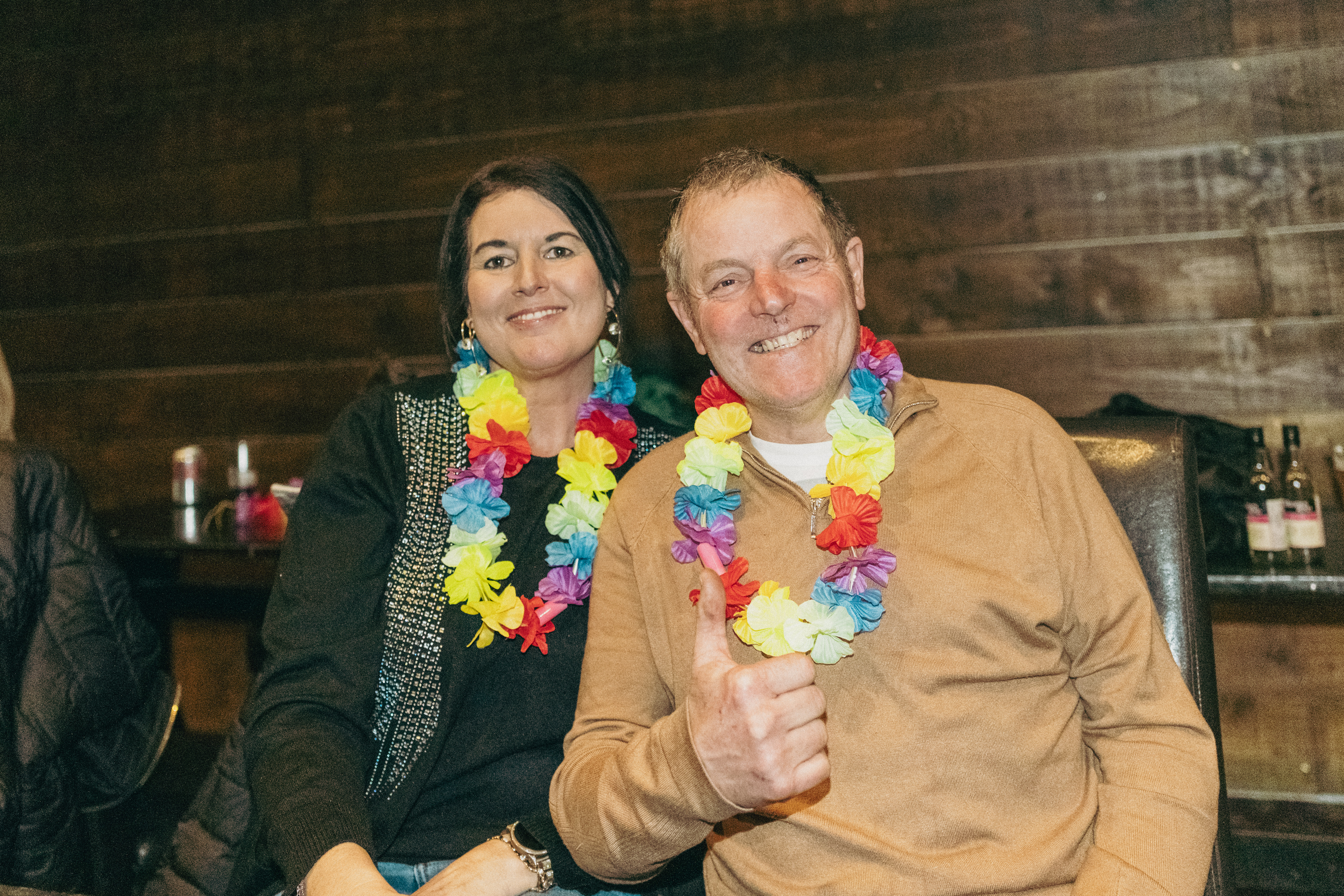
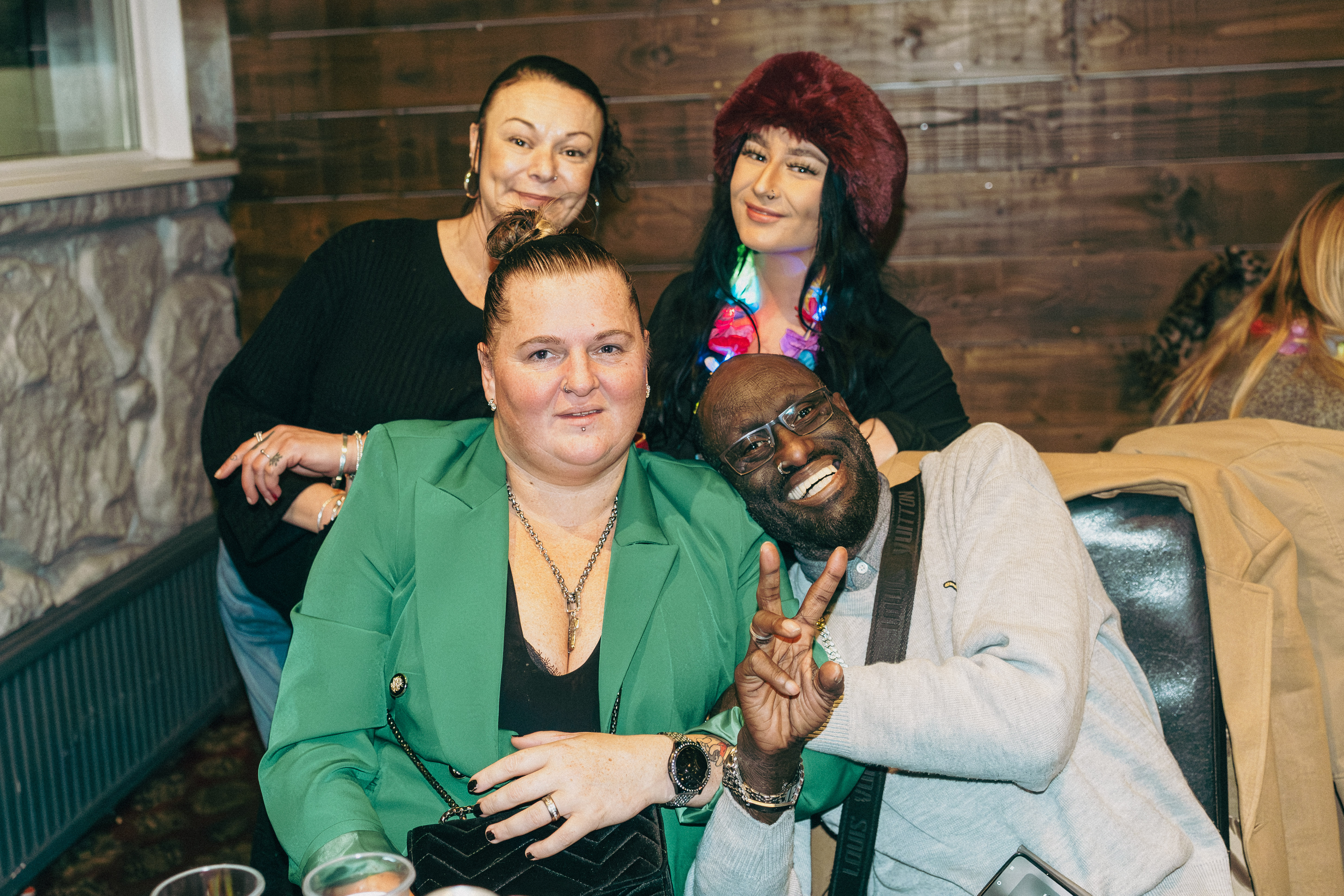
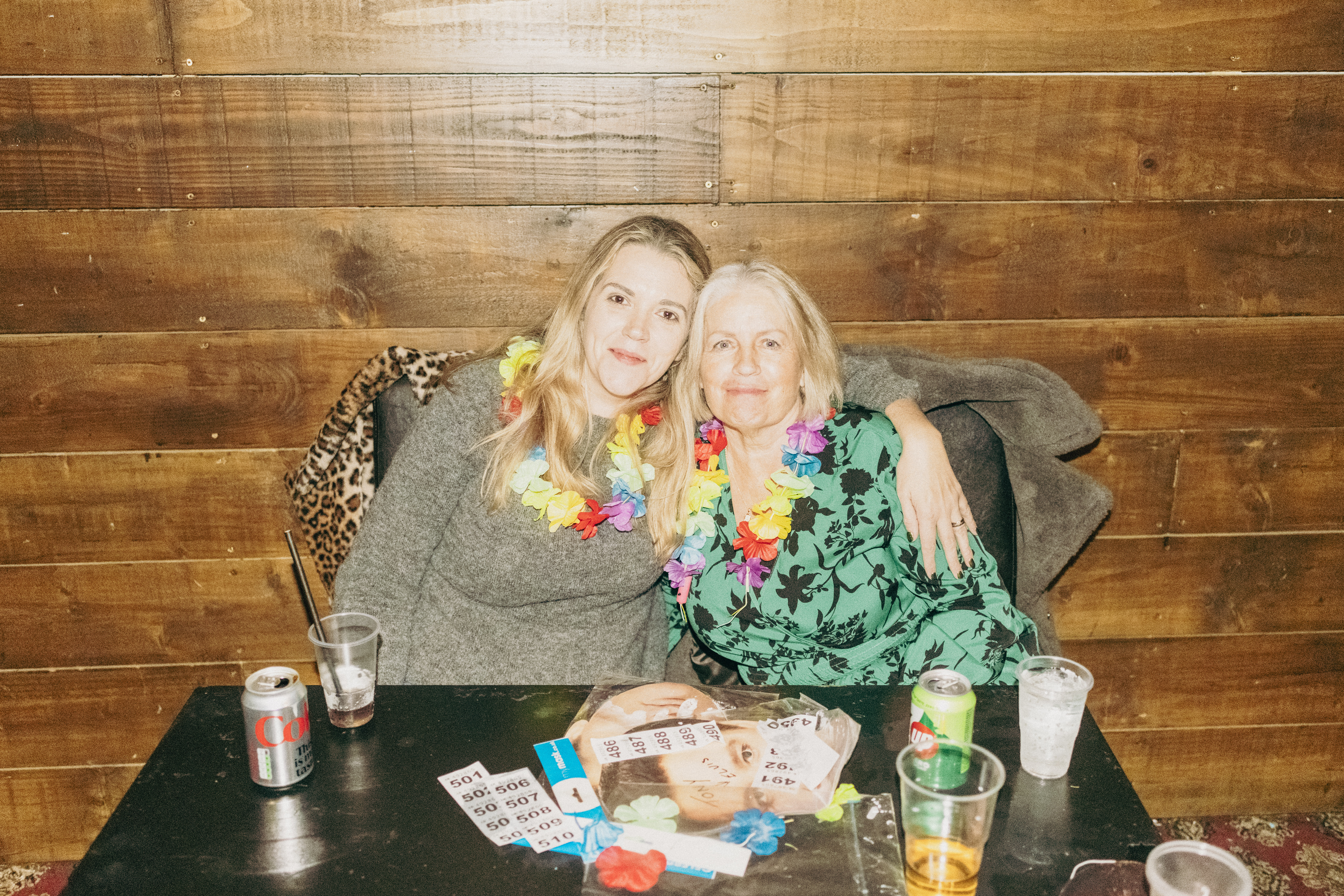
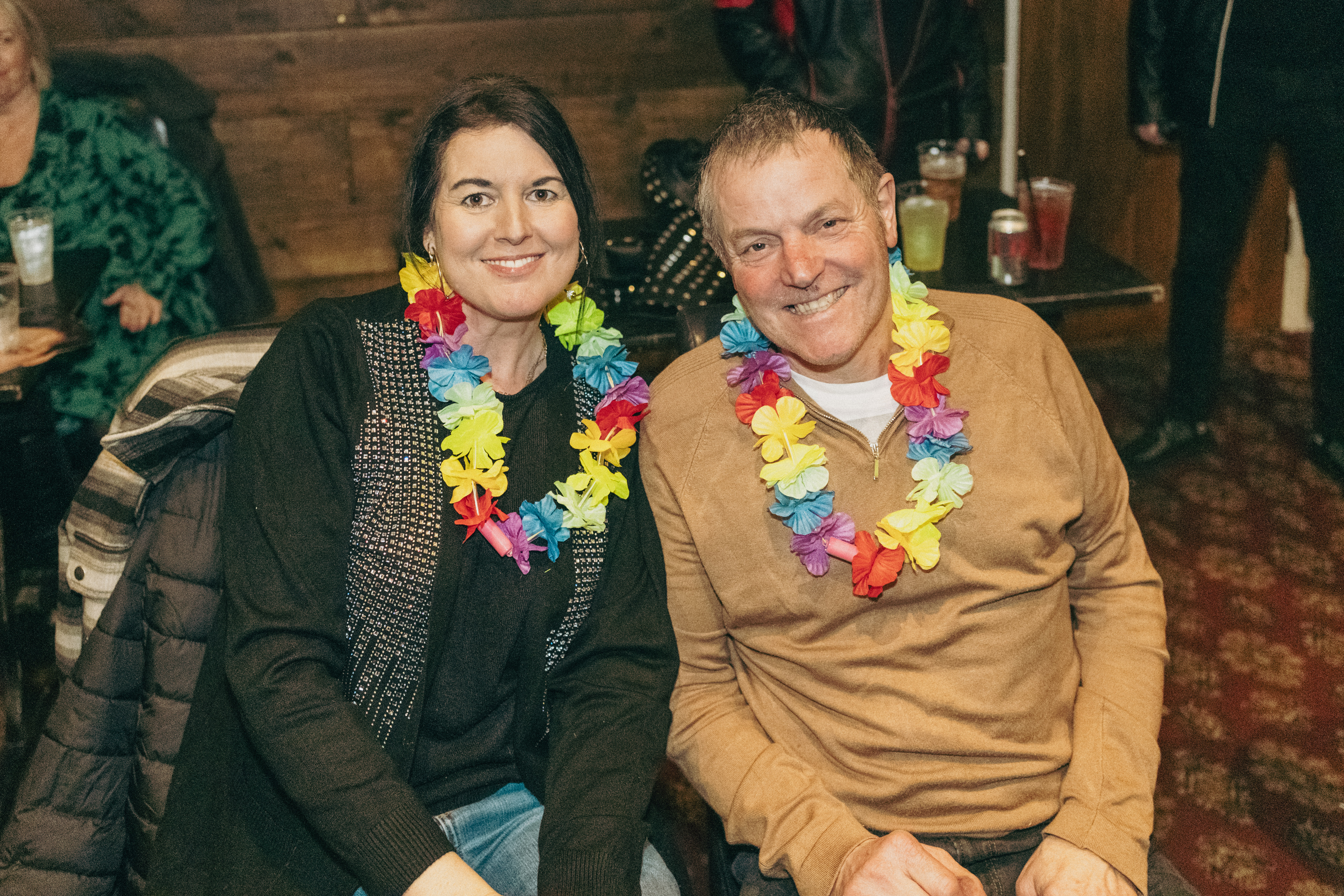
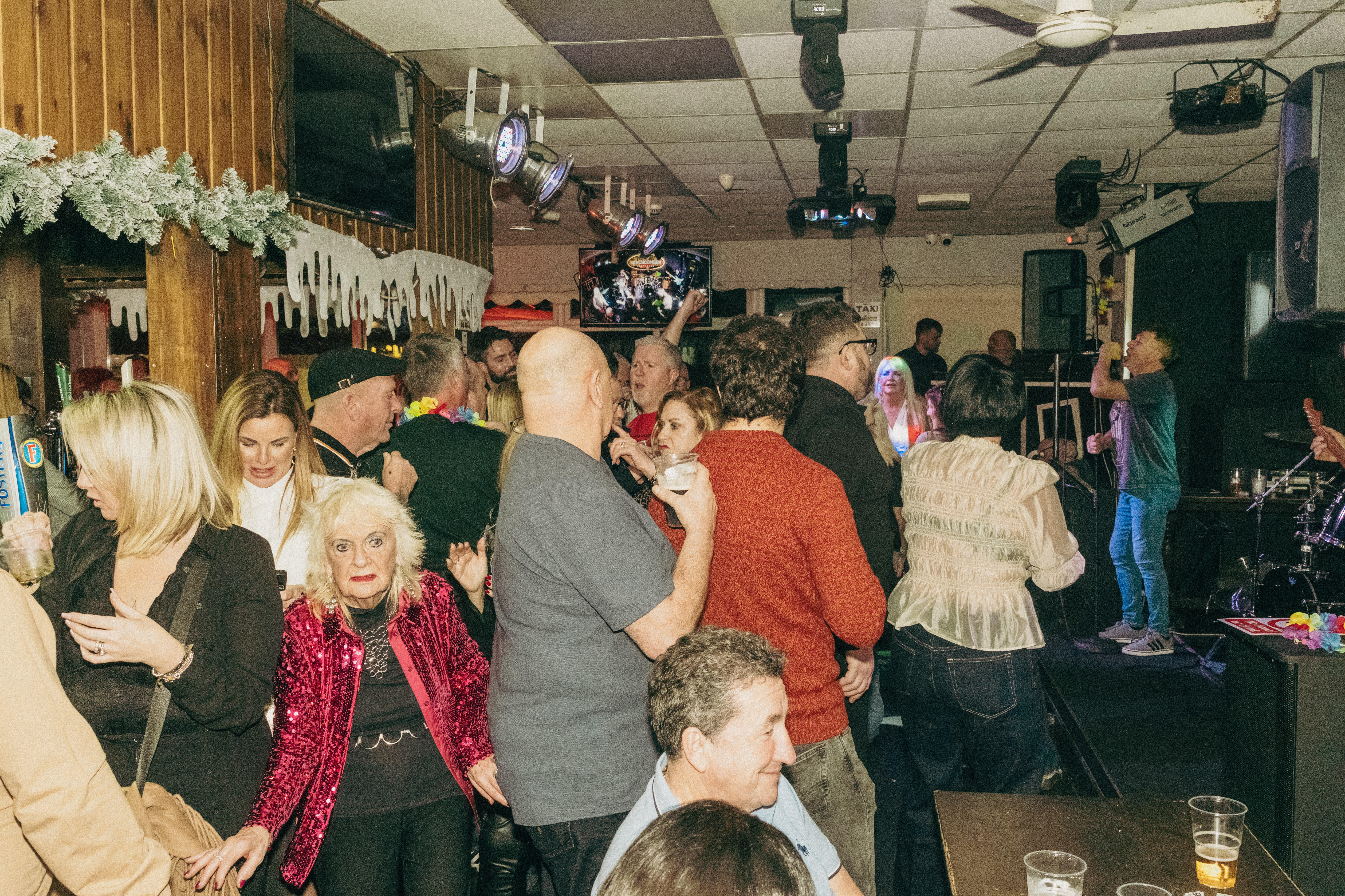
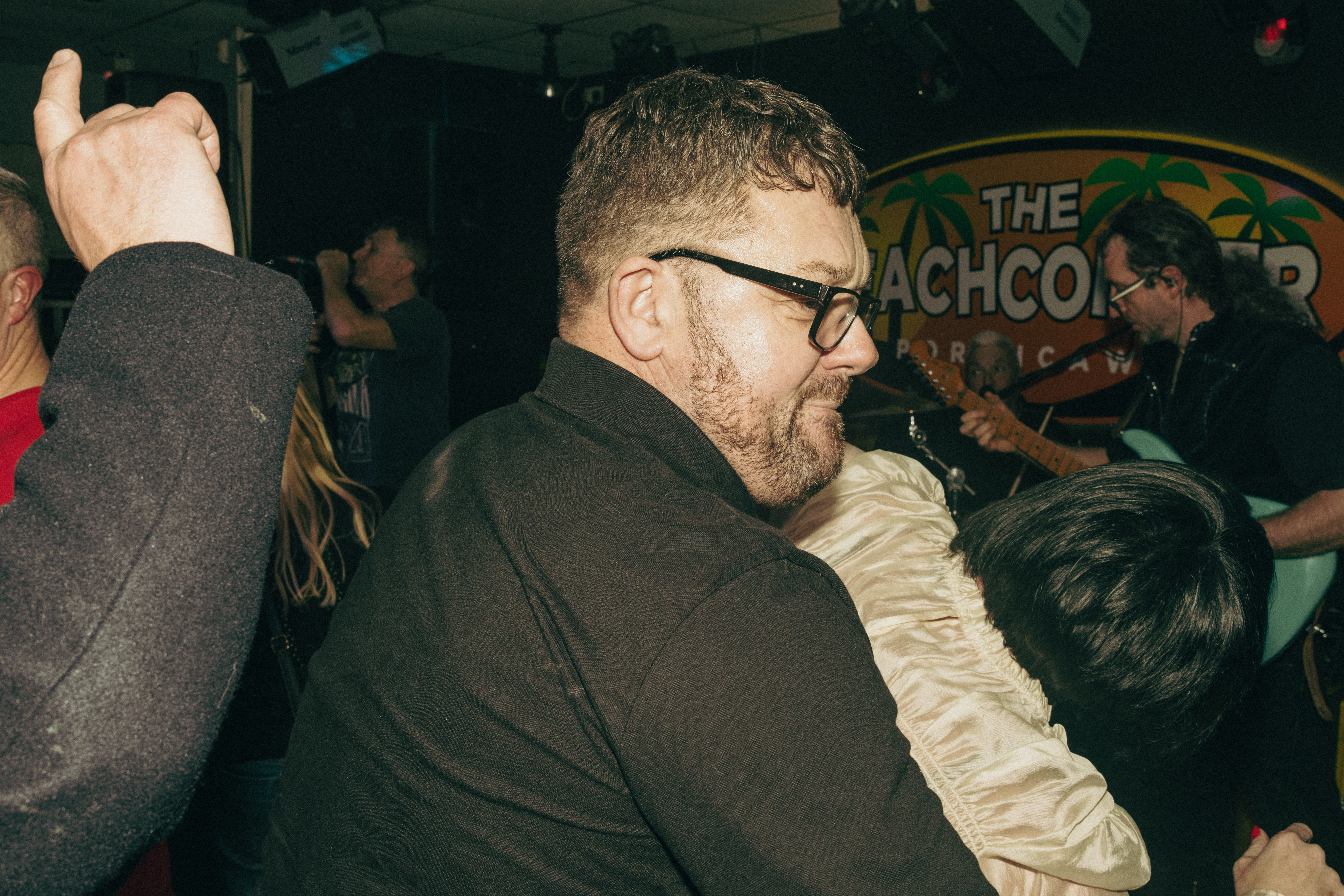
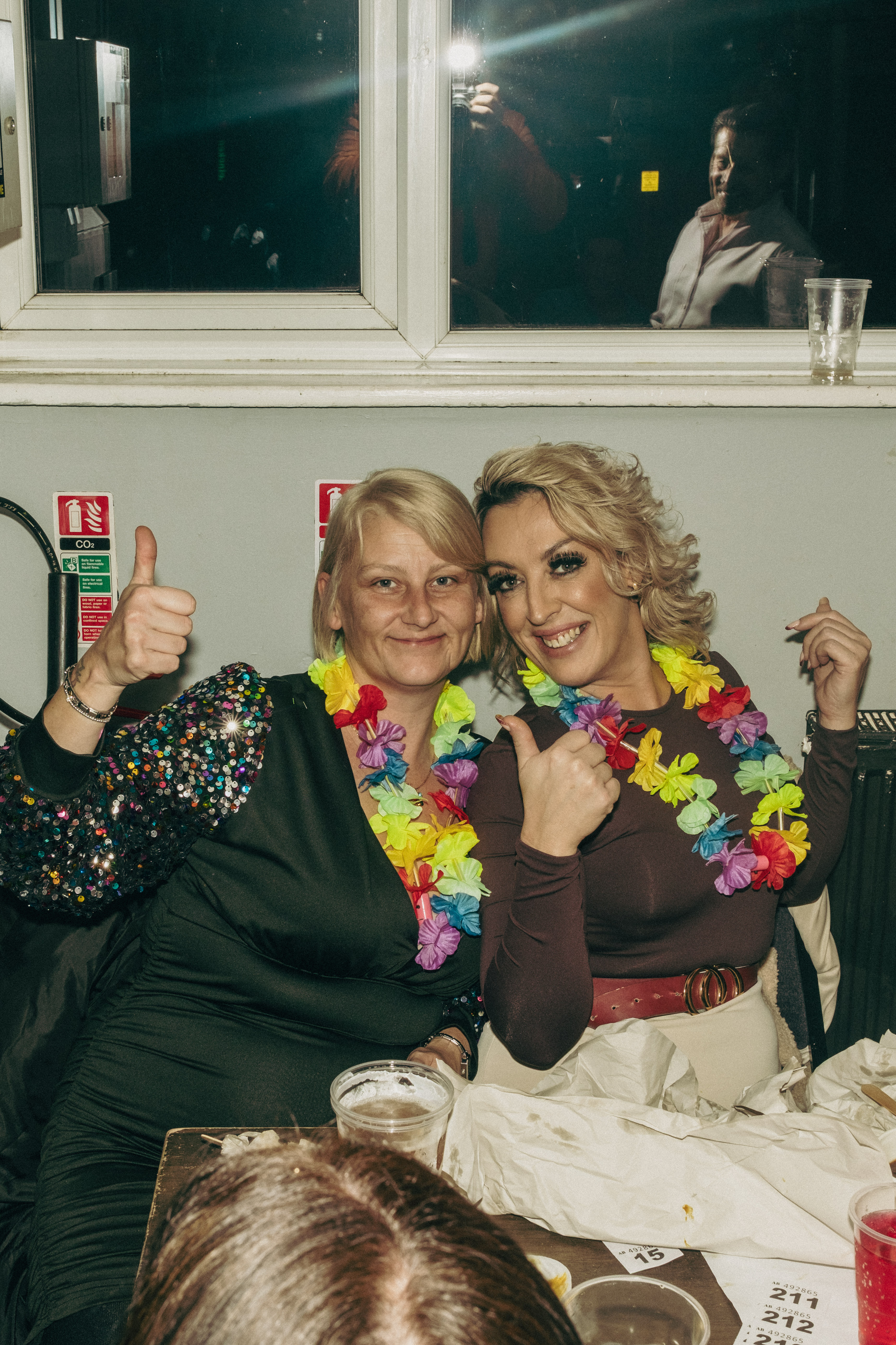
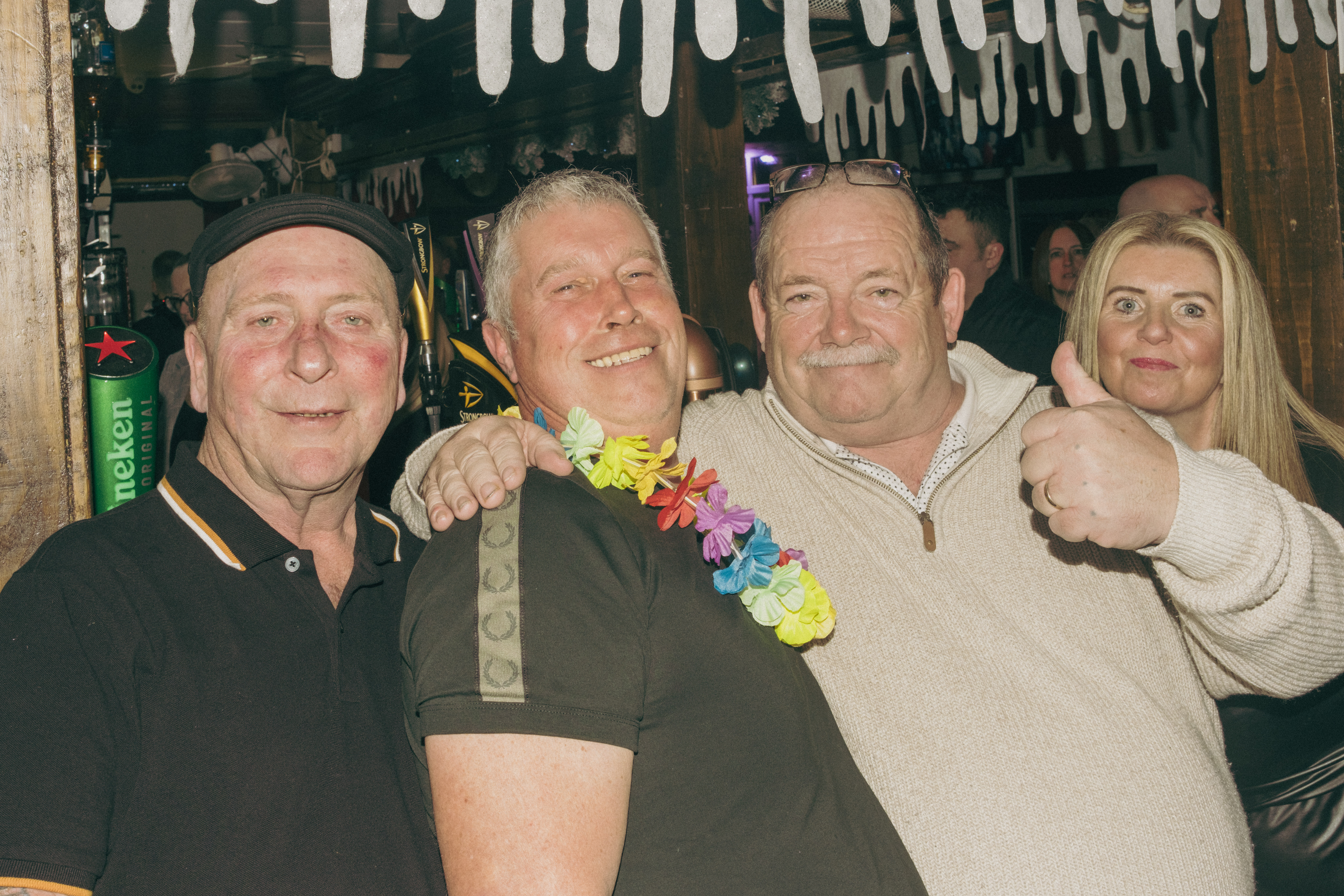
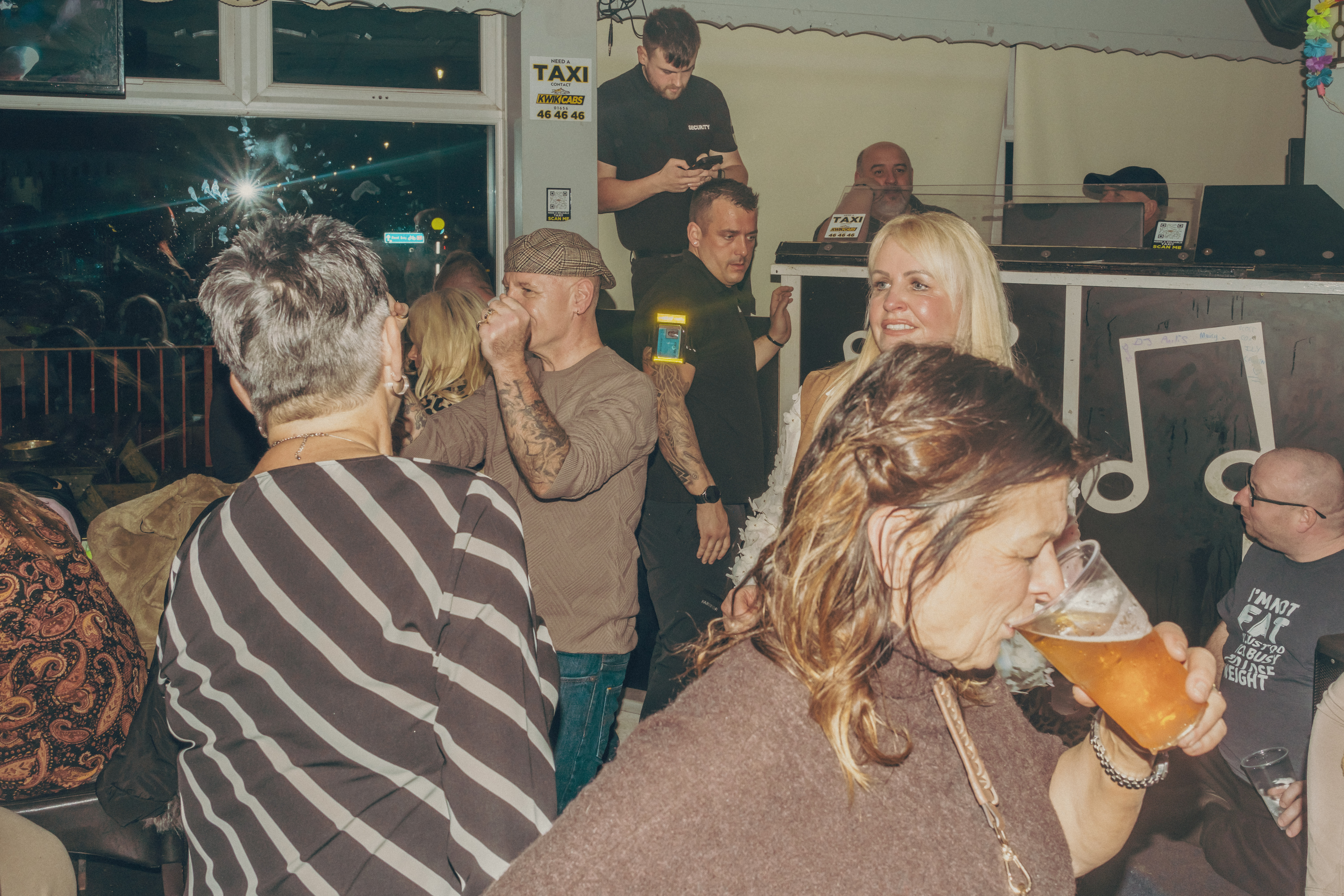
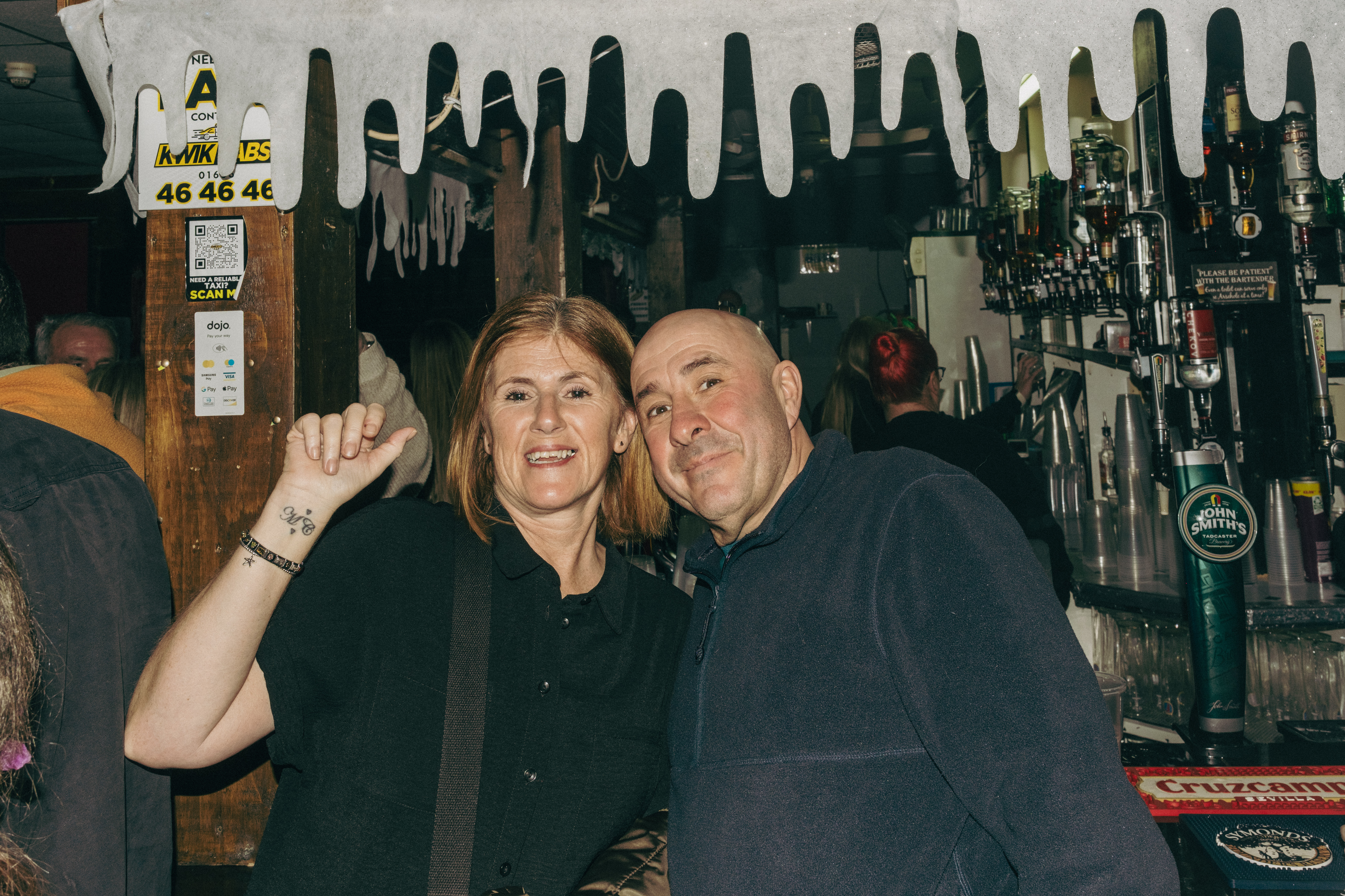
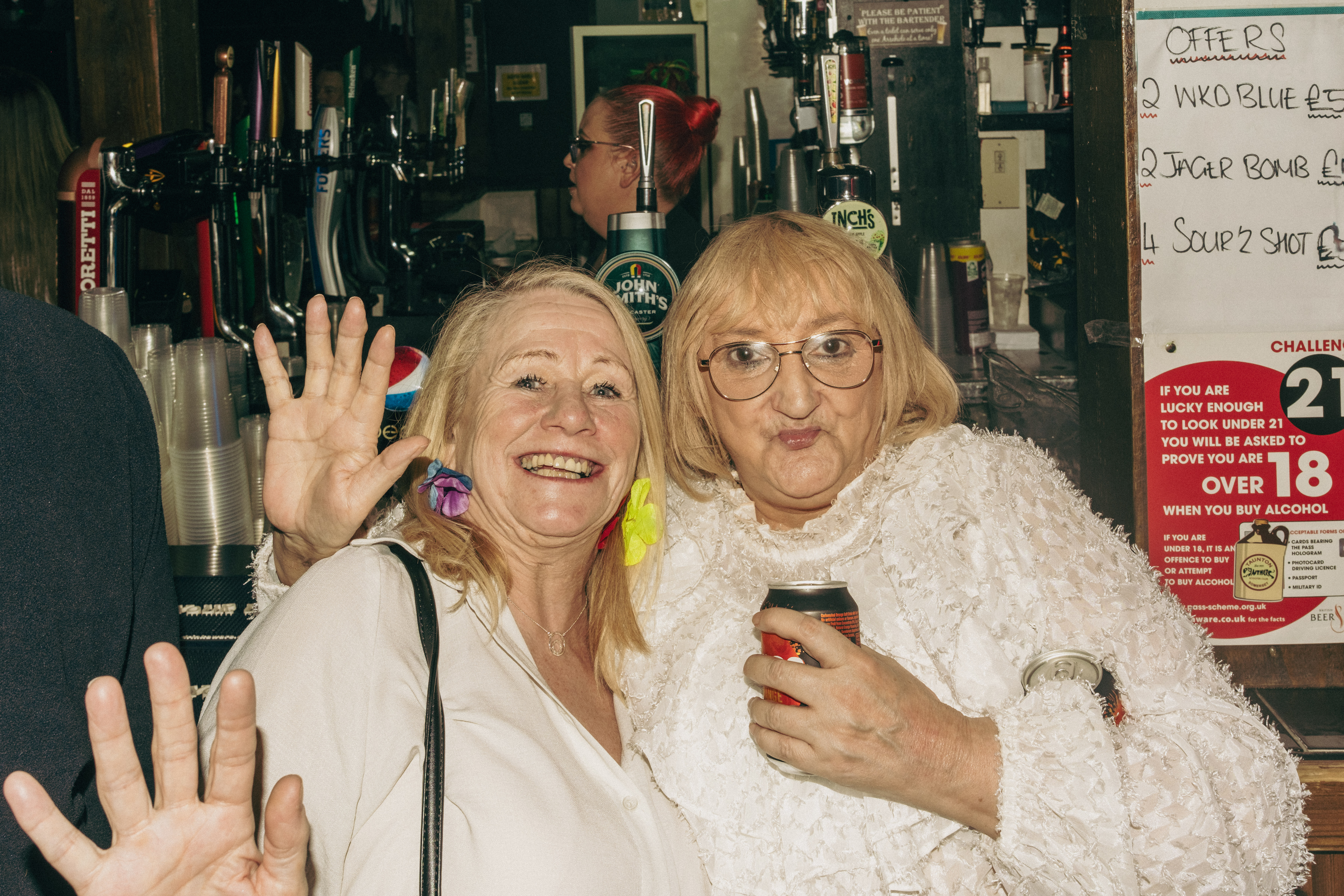
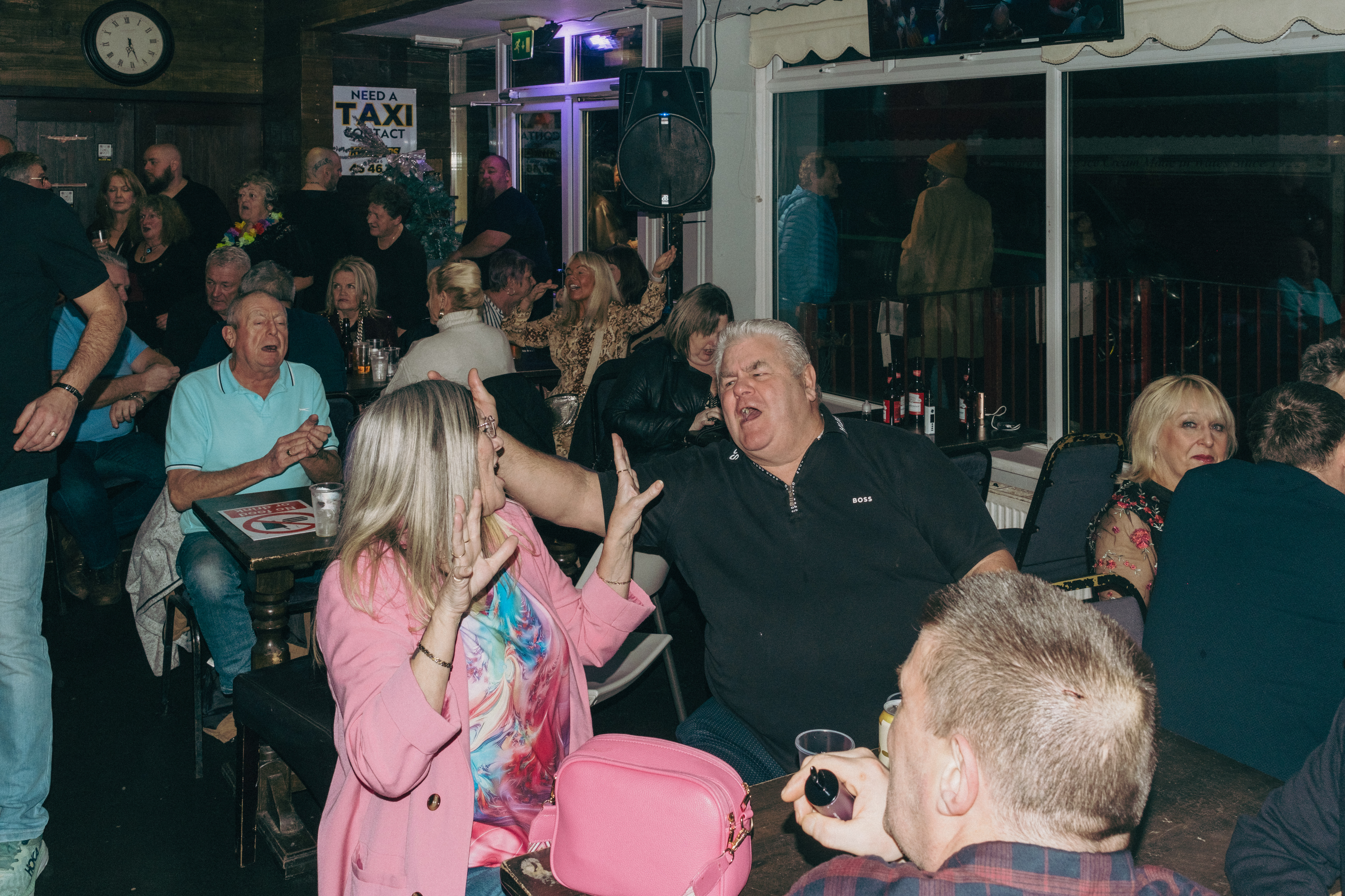
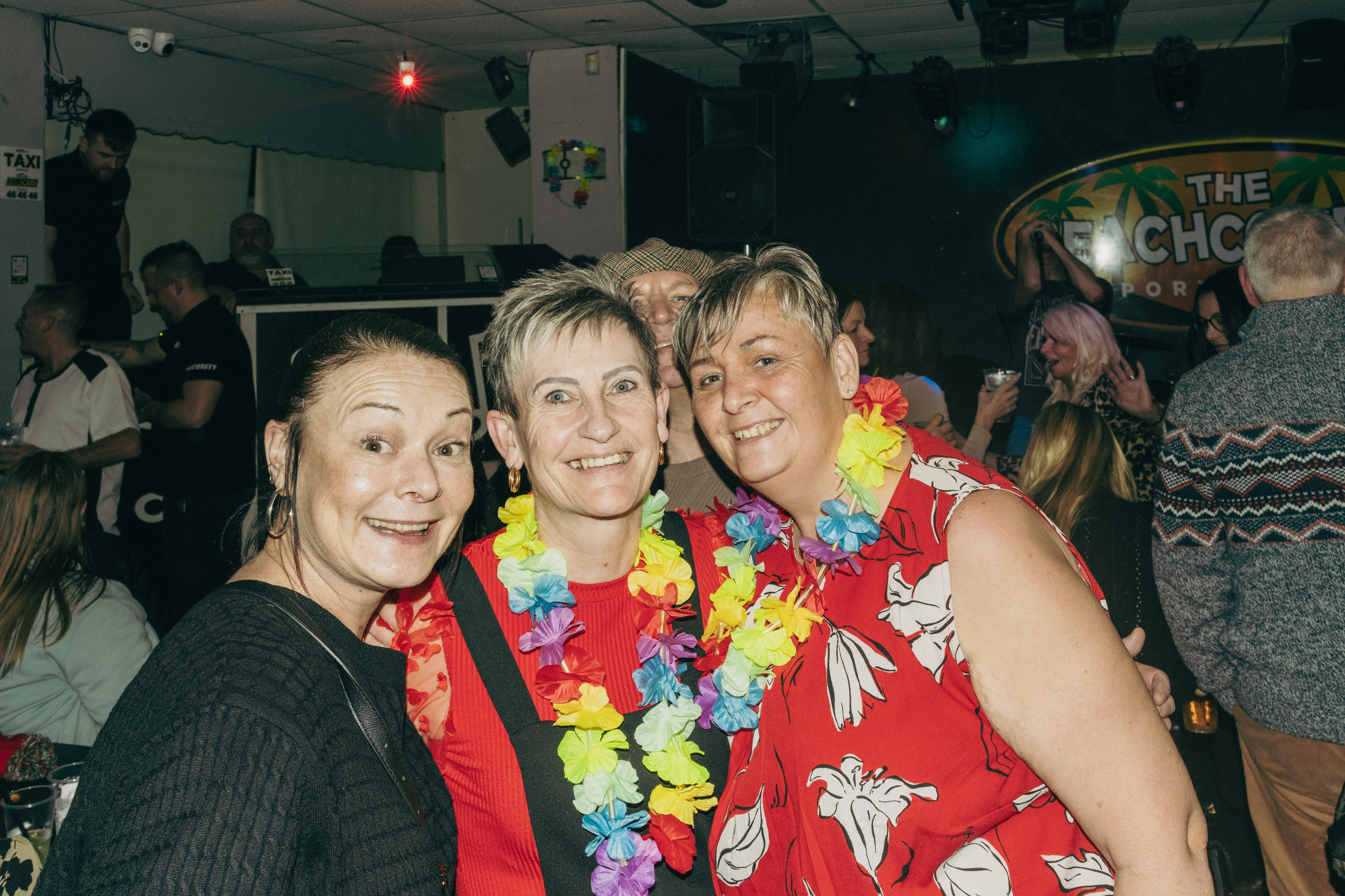
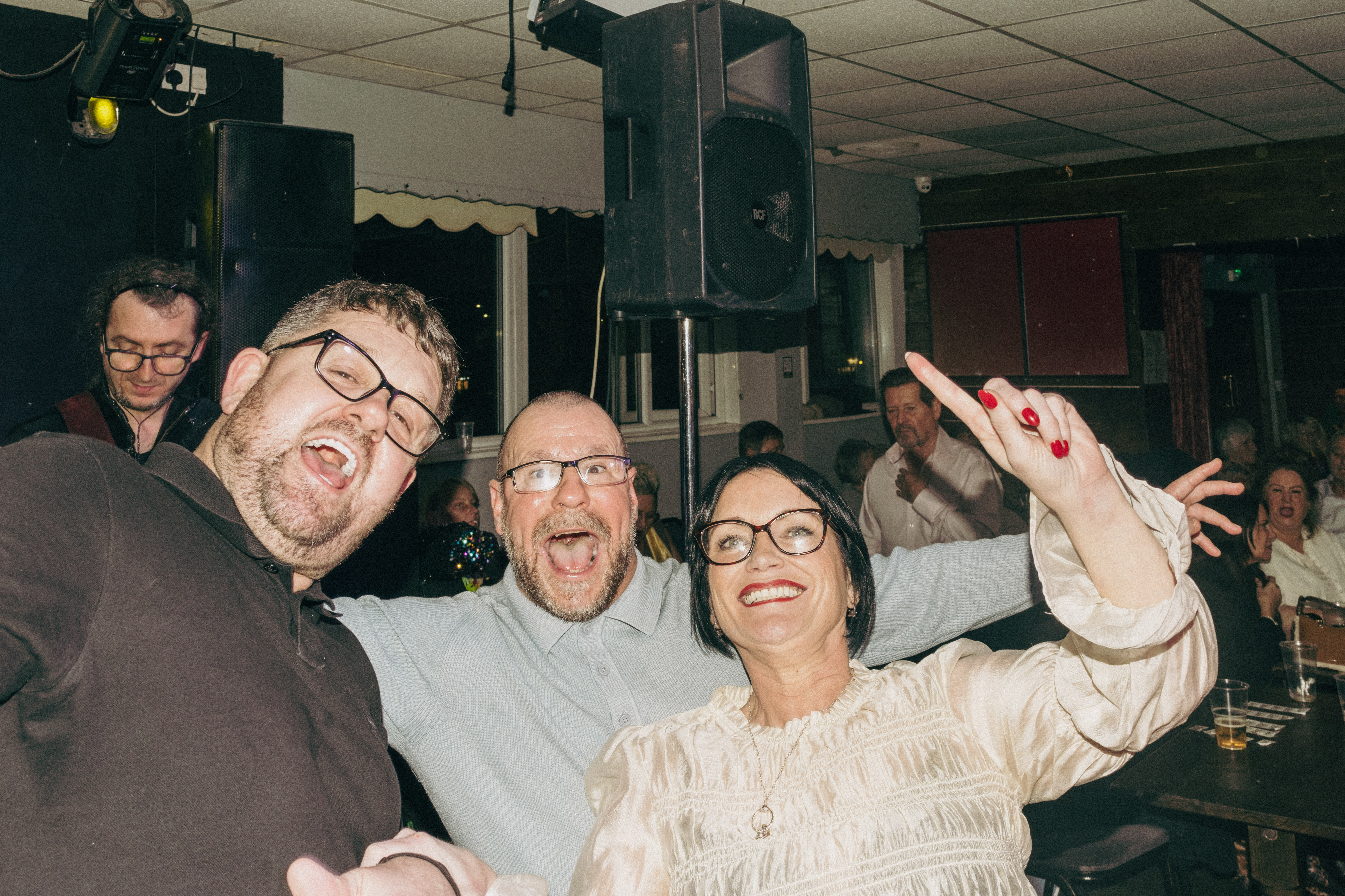
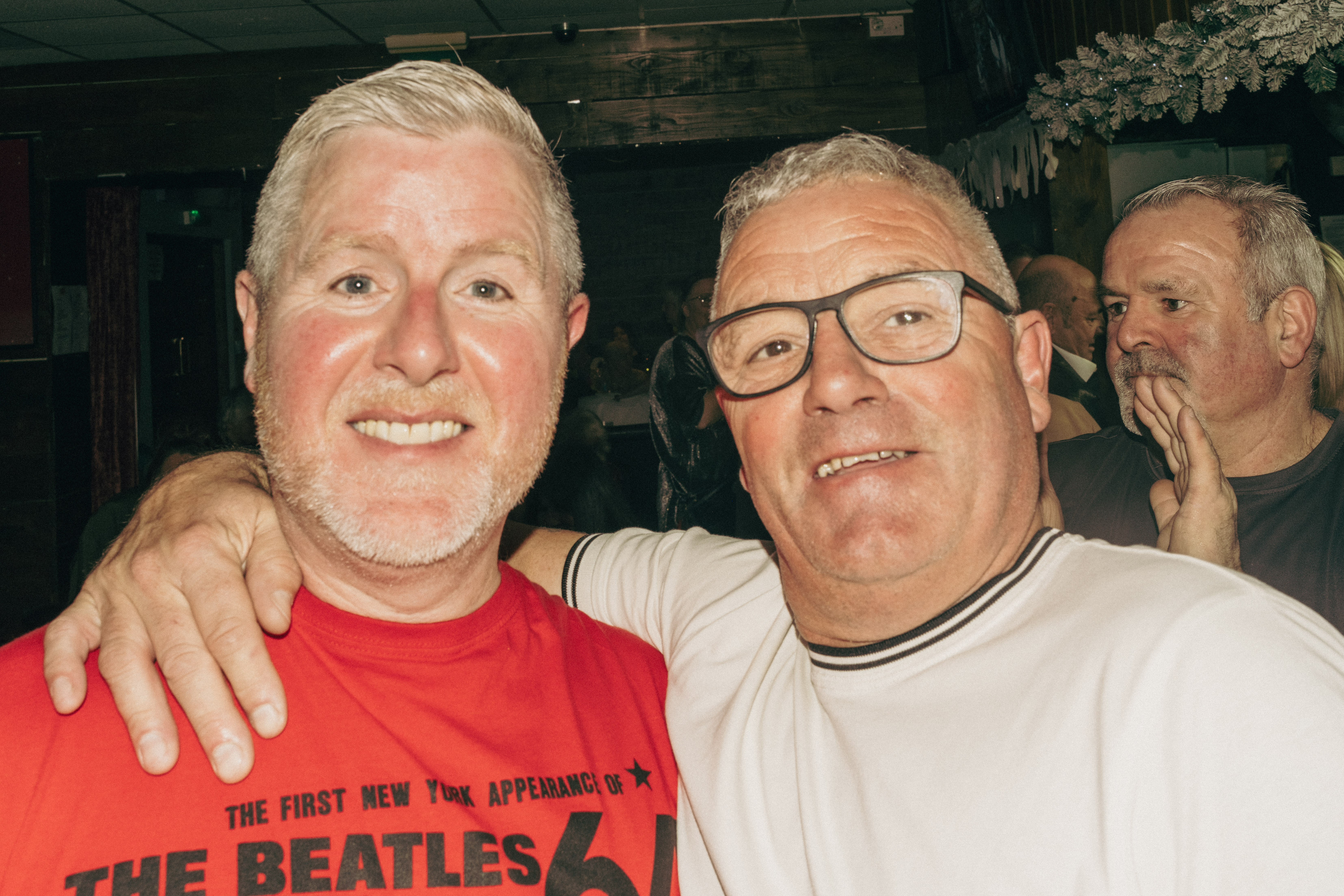
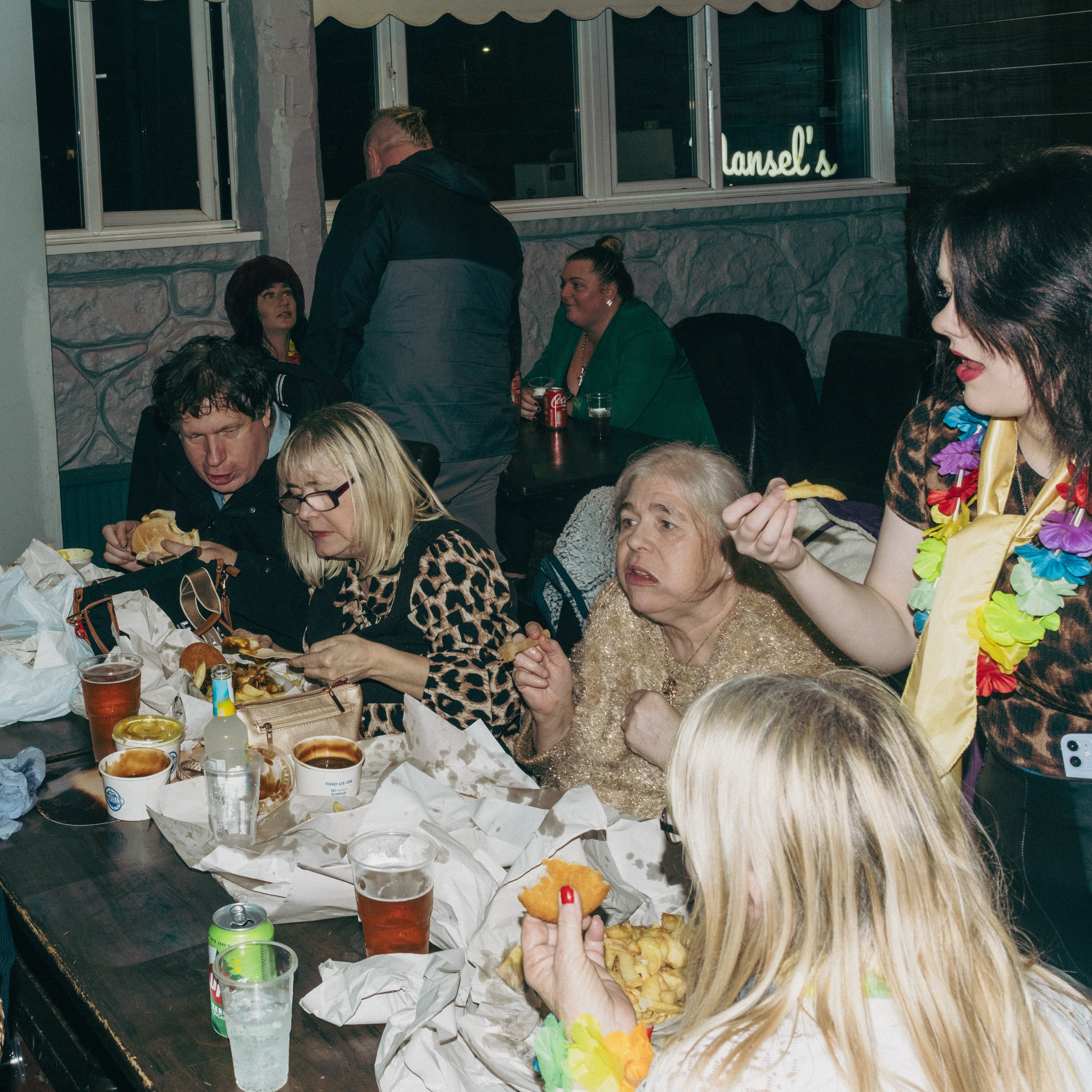
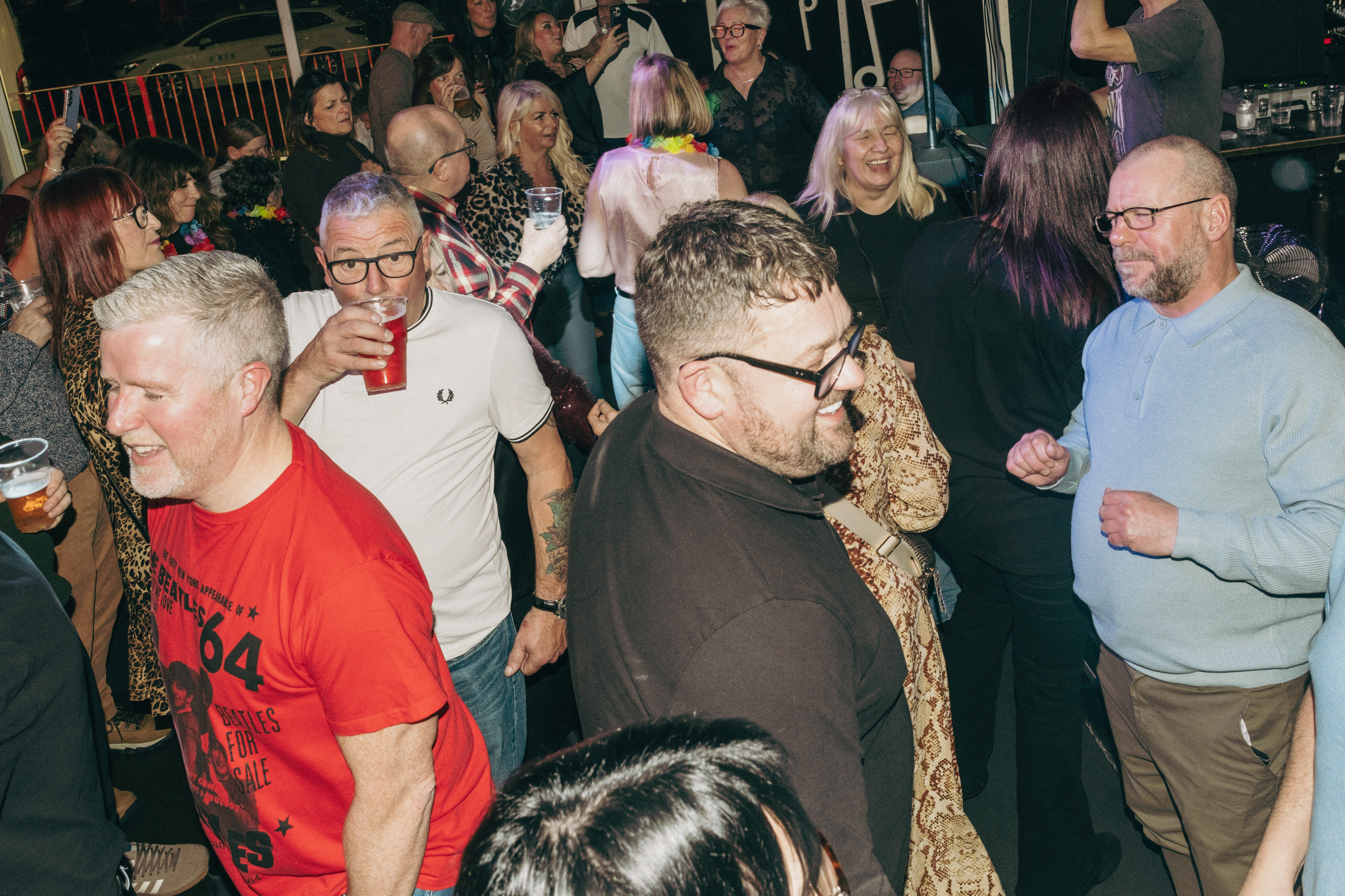
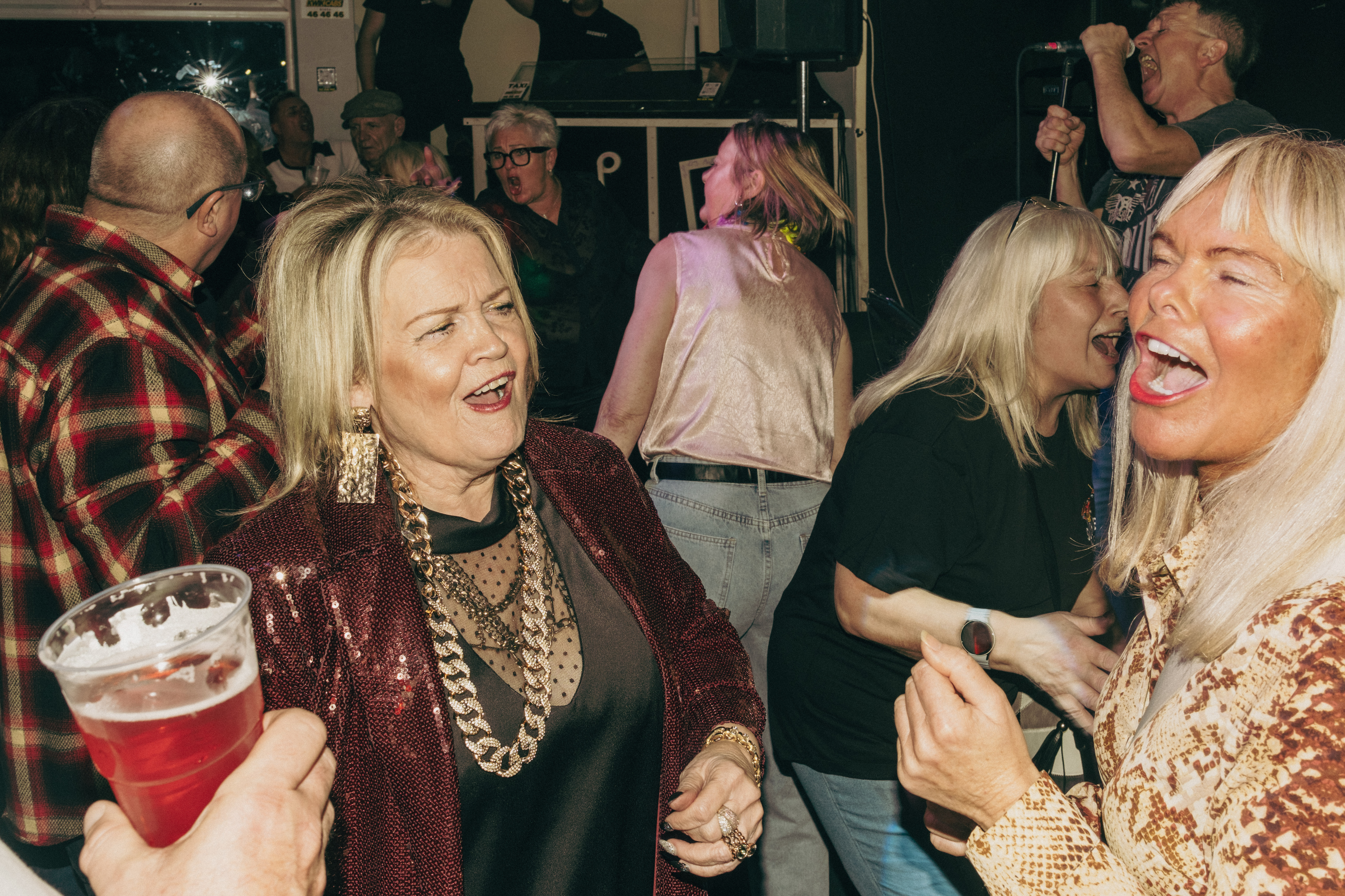
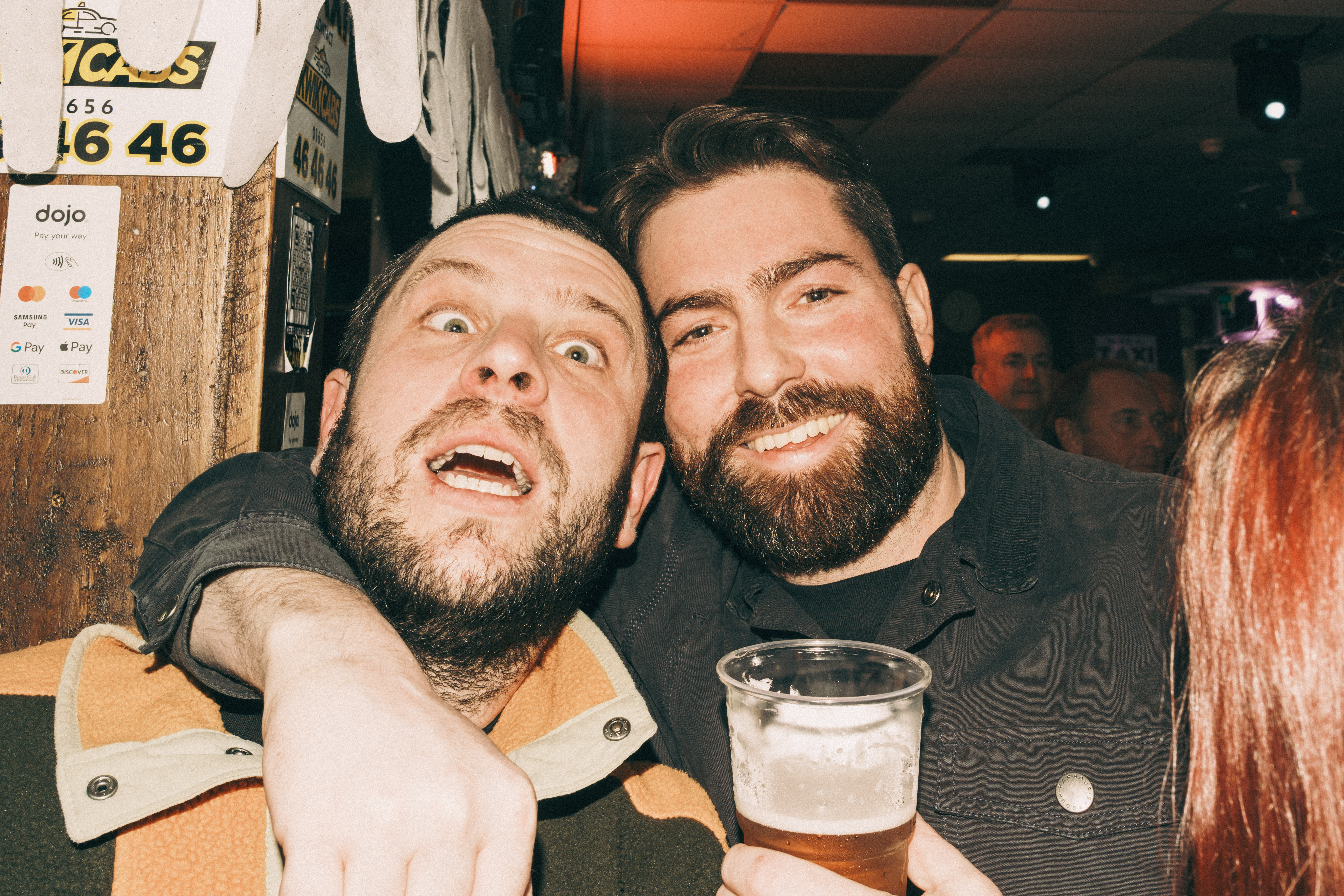
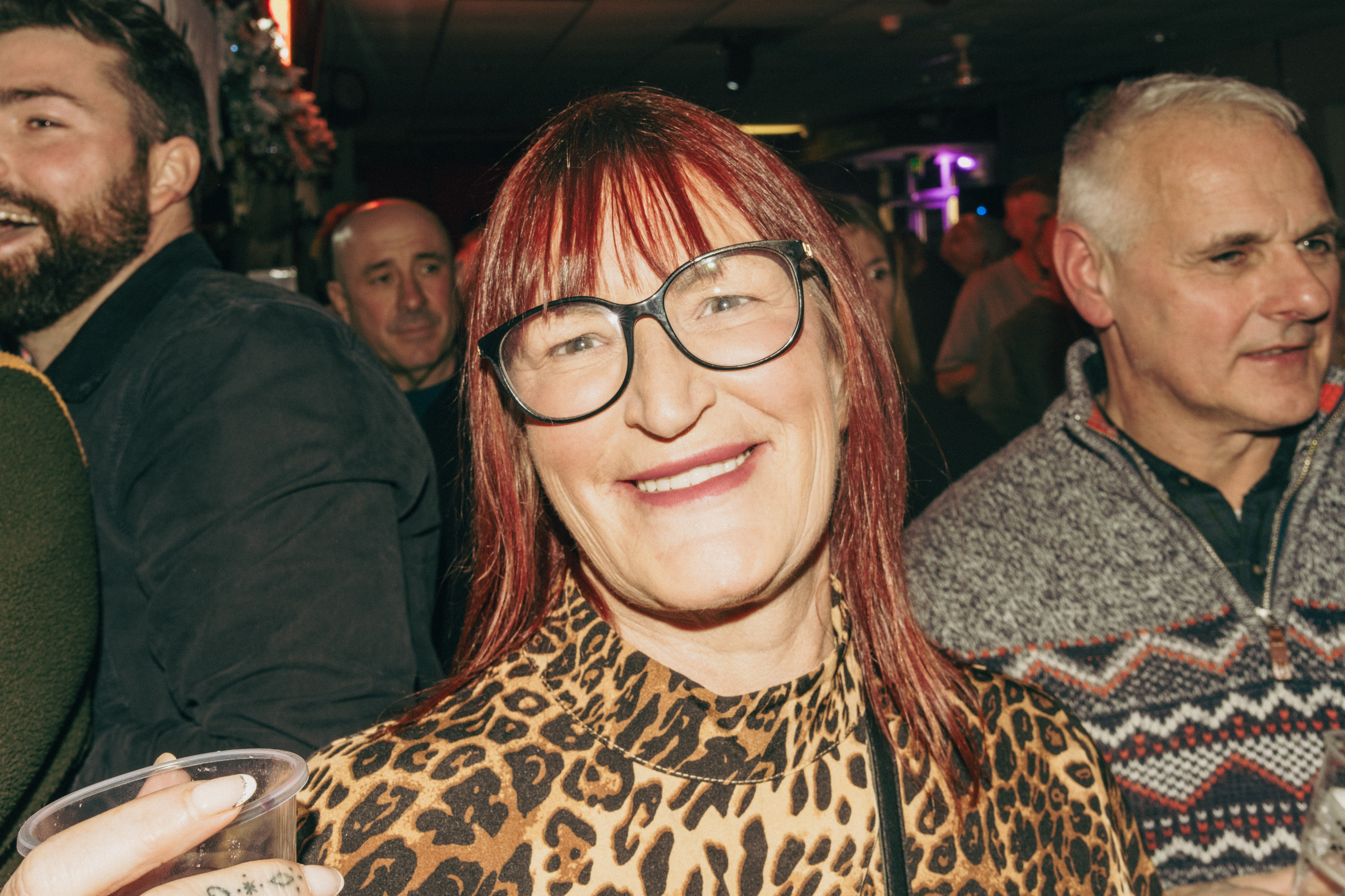
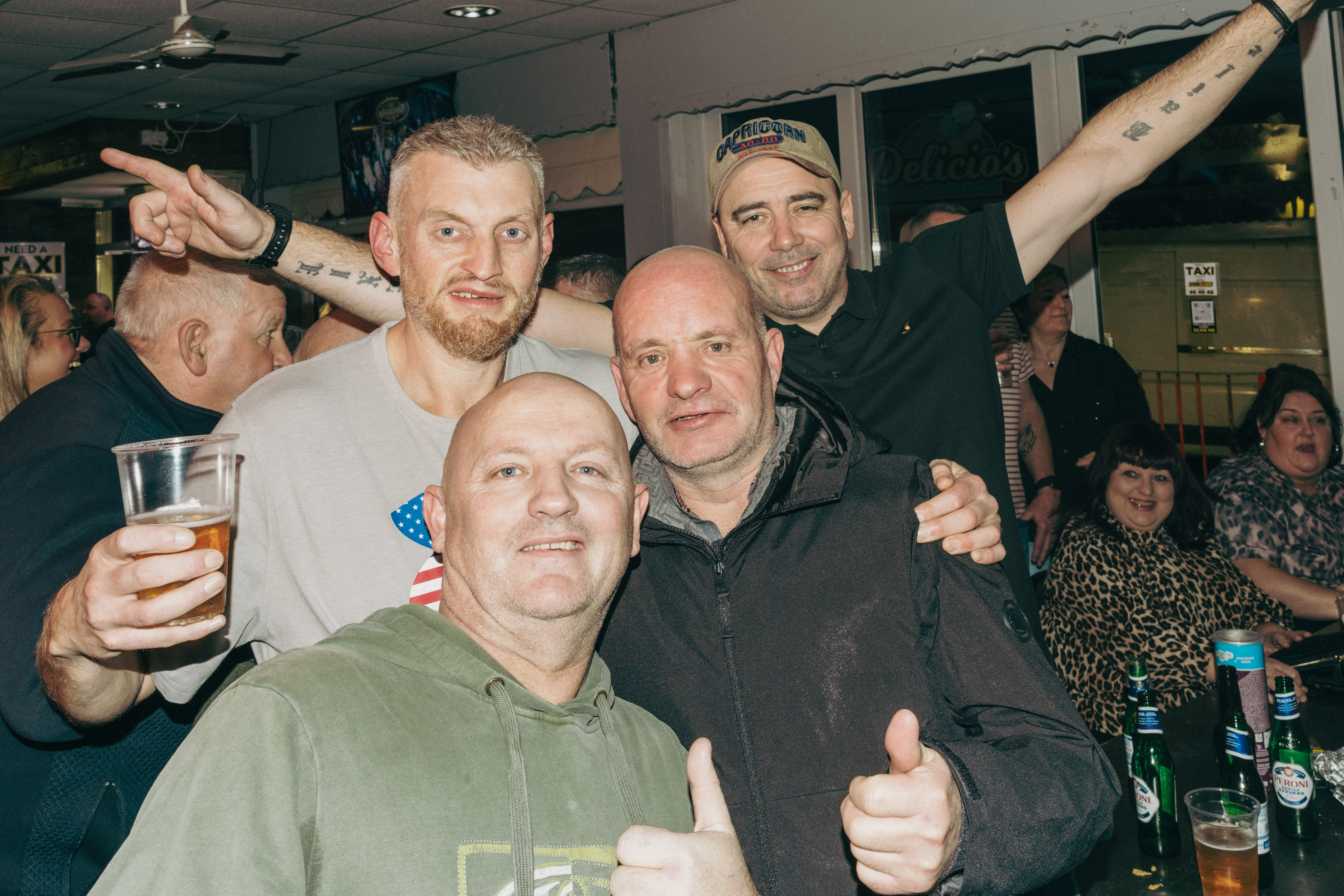
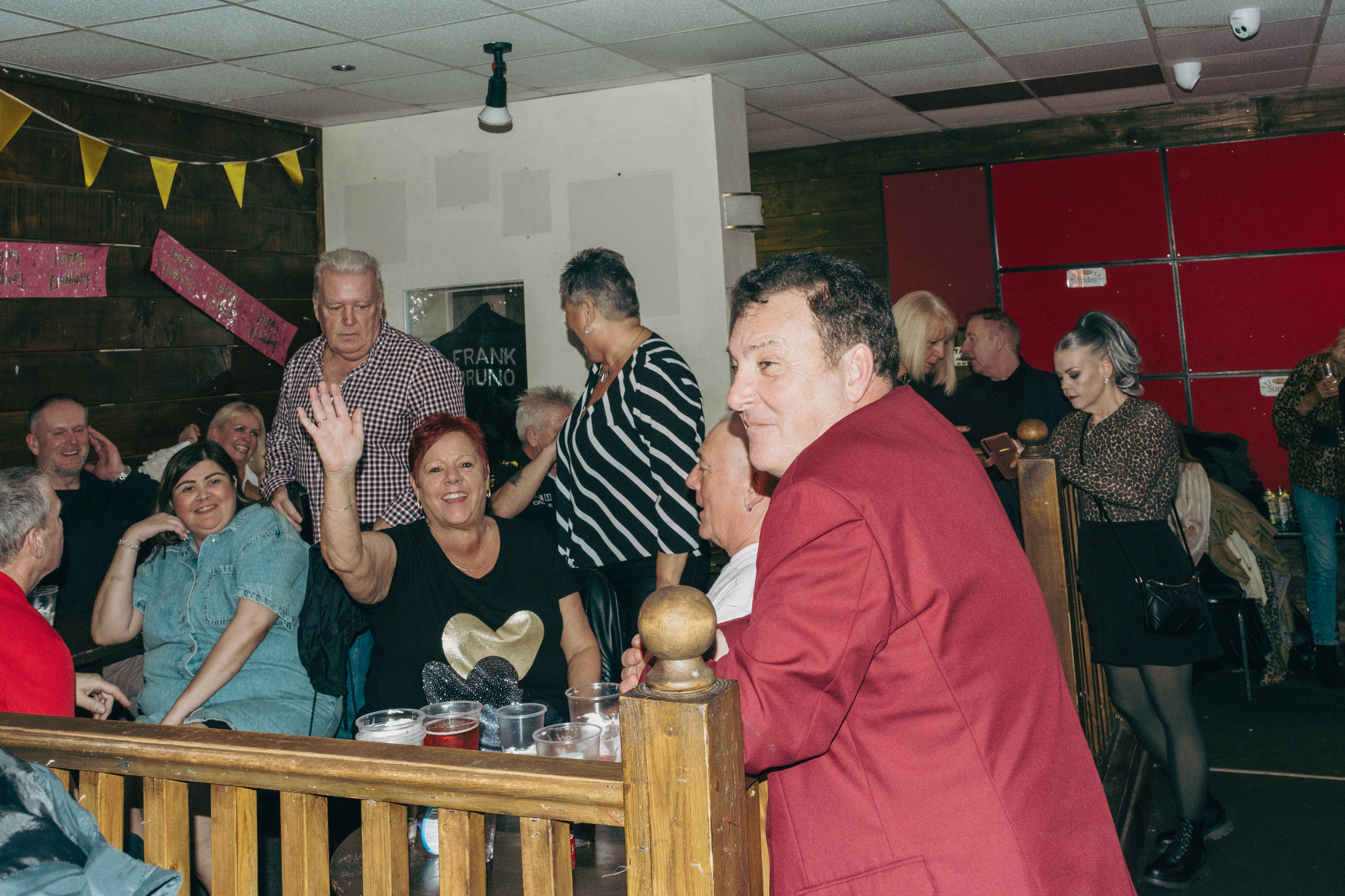
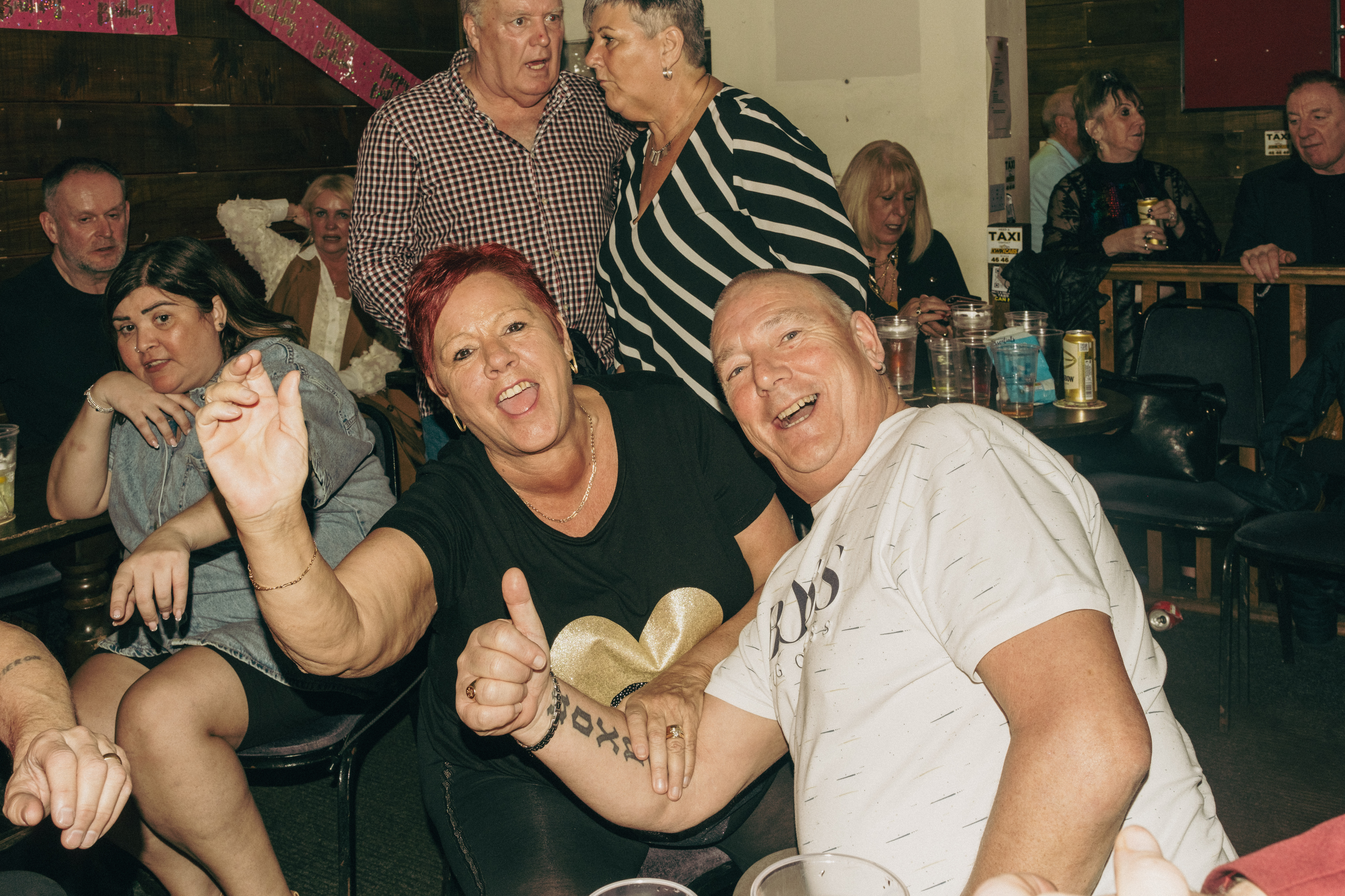
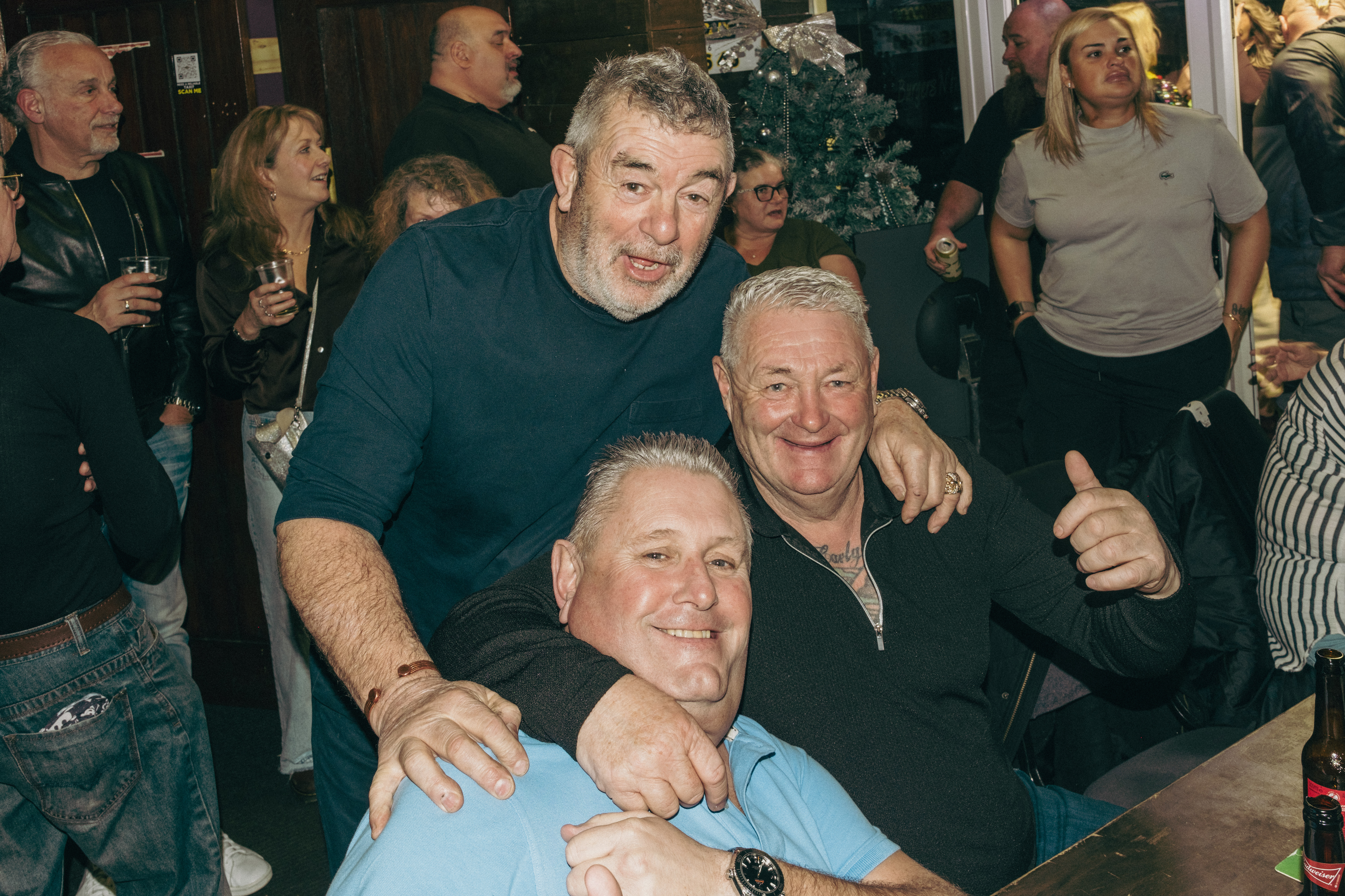
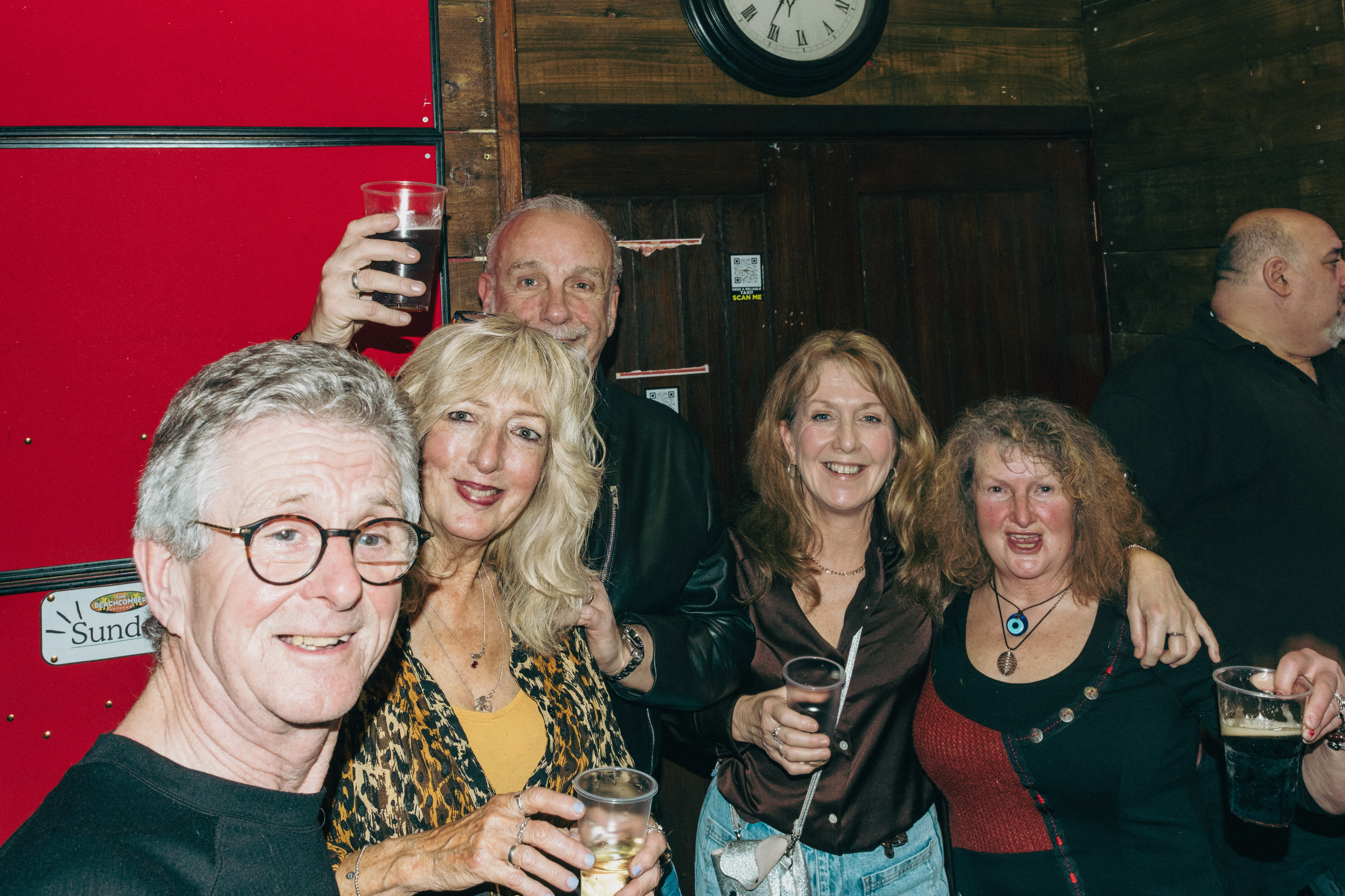
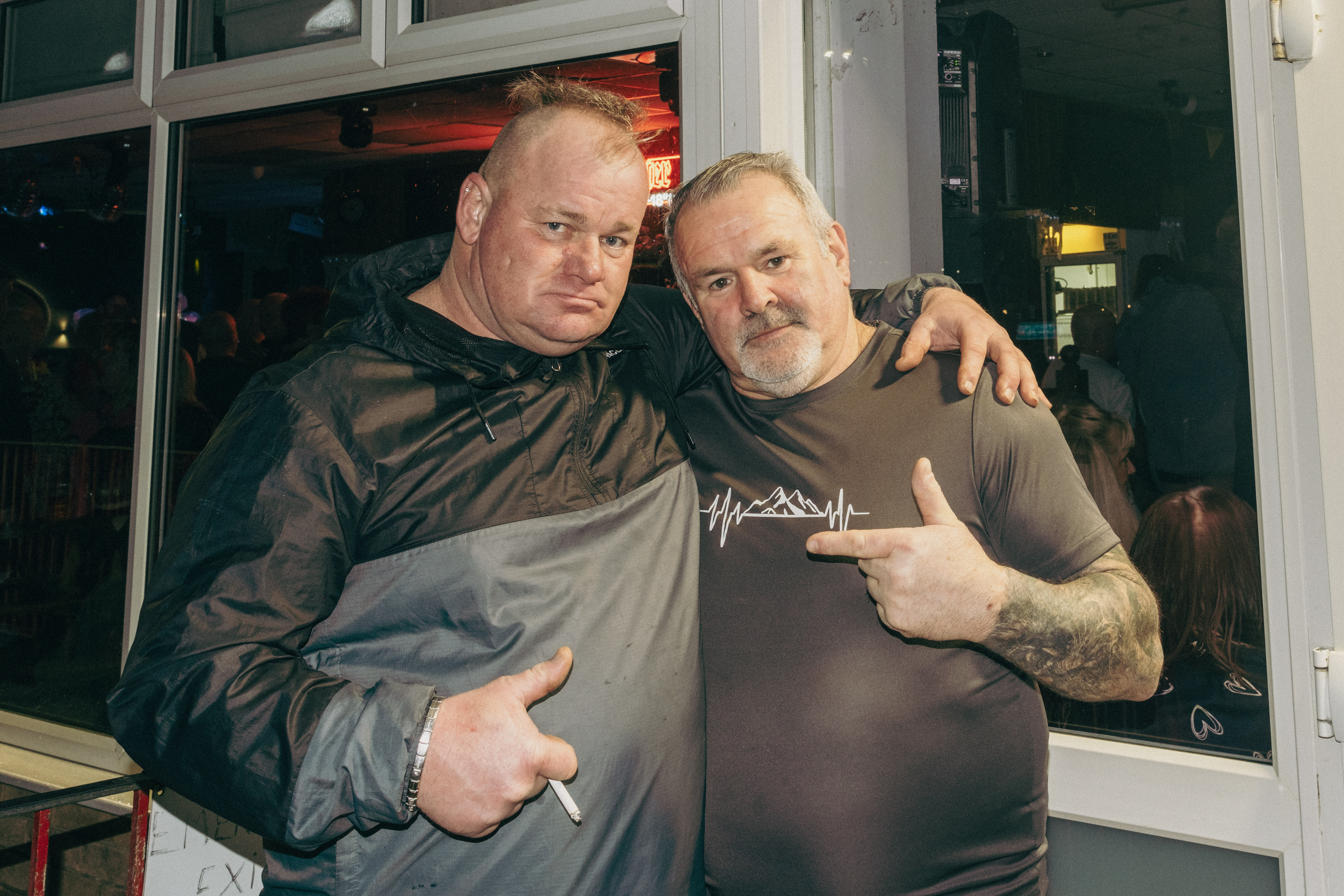
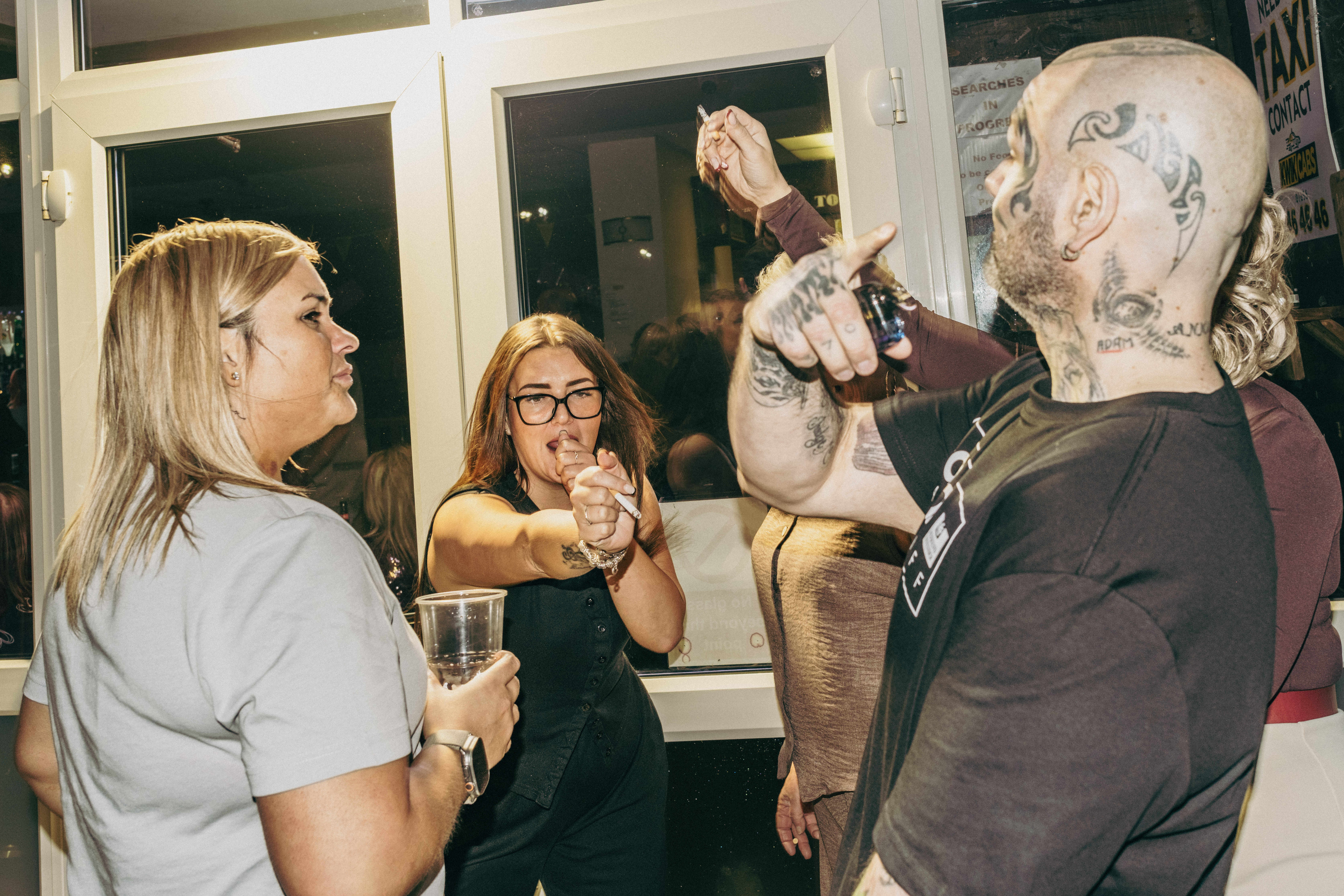
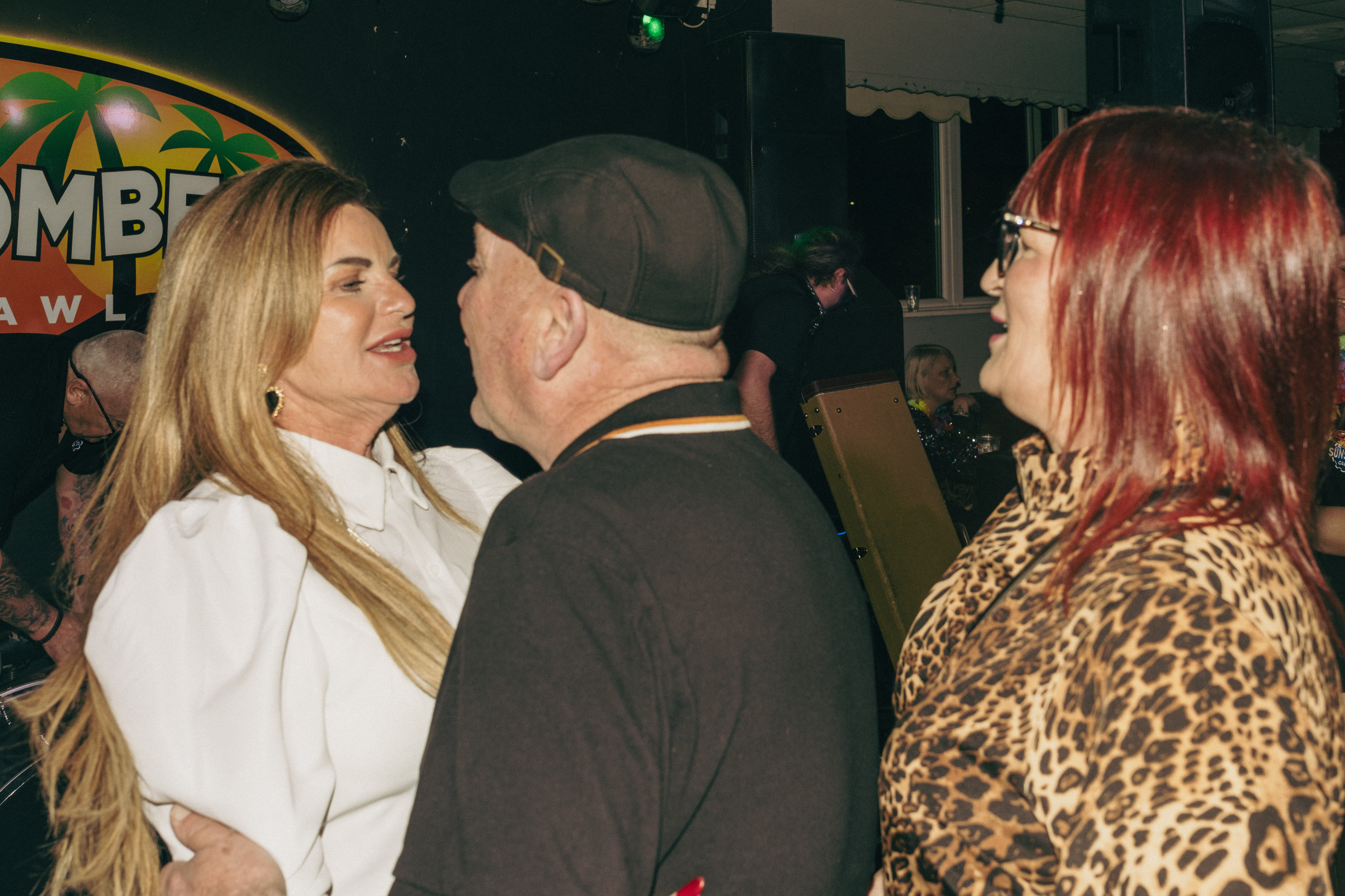
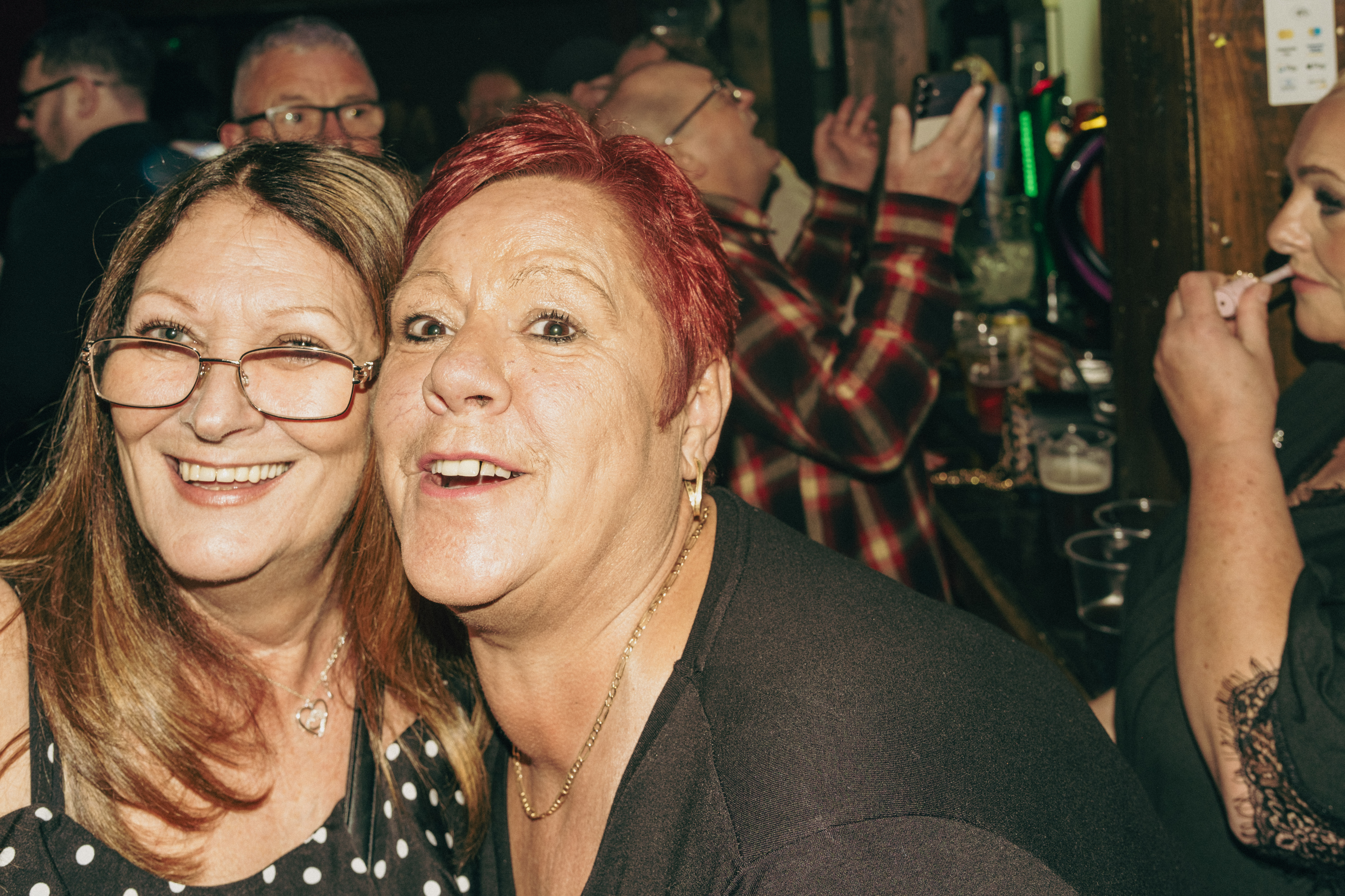
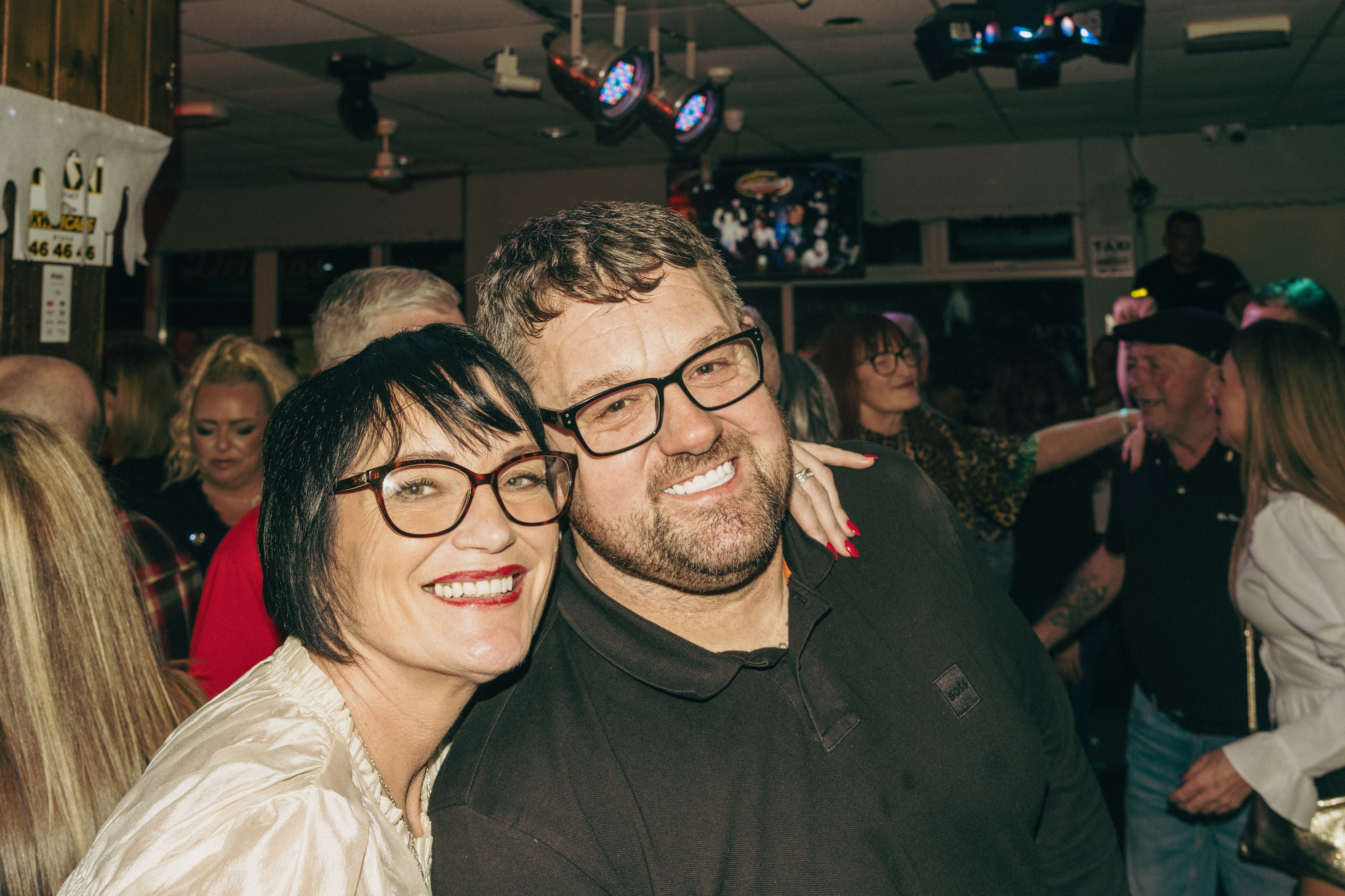
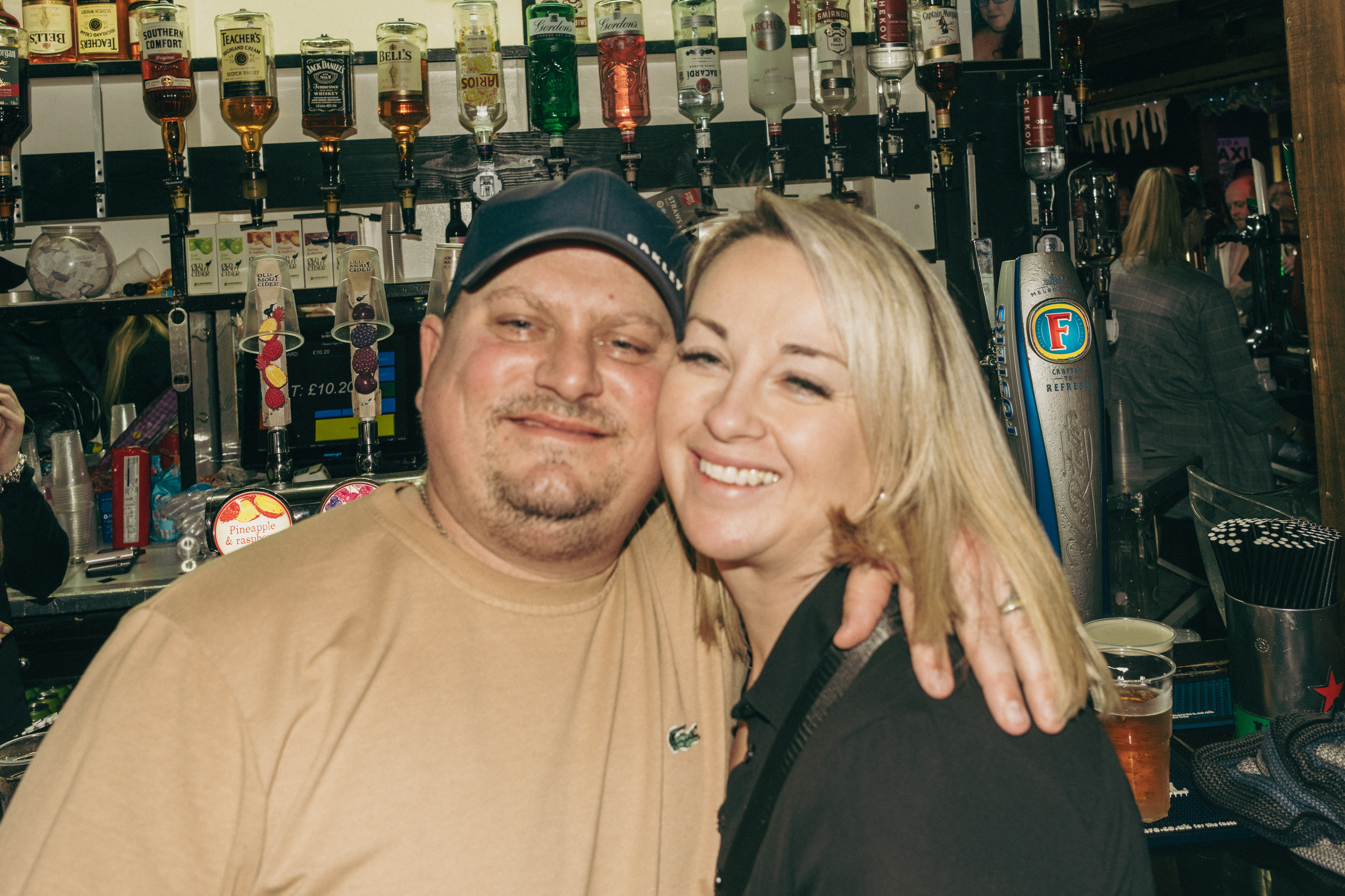
Later, I went back to photograph the final night. It’s not an environment I am wholly comfortable in with a camera. I am always mindful of the line between photography and invasiveness, something a flash does little to soften. Once I started taking pictures, though, it became clear that people were more than happy to be photographed.
What stayed with me most were the stories. One couple, who had been there since opening that day, were staying in a nearby bed and breakfast. They have a caravan in Trecco Bay, and the Beachcomber had always been their local when they were in town. Since Trecco was closed, they stayed elsewhere, just to be there one last time. Another spoke about coming here after shifts at the fair, also now gone. Someone else had flown back from Greece simply to say goodbye.
I didn’t stay long. I’m too old for late nights now. But it was clear this was more than just the closing of a pub. It was the closing of a chapter. Places like this hold fragments of people’s lives: routines, relationships, versions of themselves that only existed within those walls. By morning, it would just be another empty building, waiting for whatever comes next.
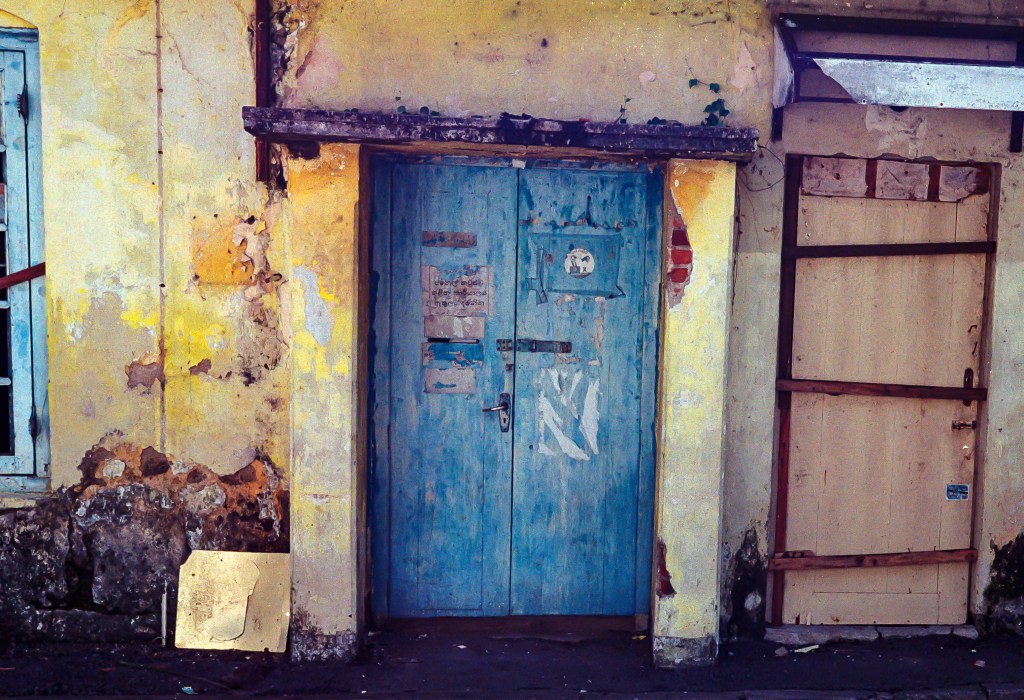
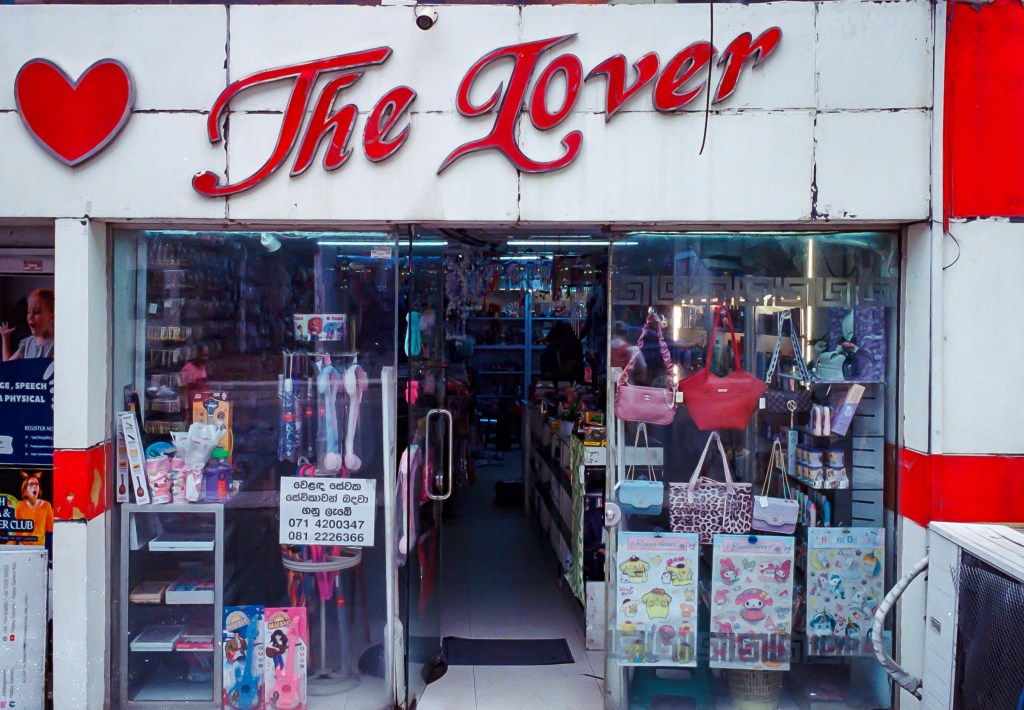
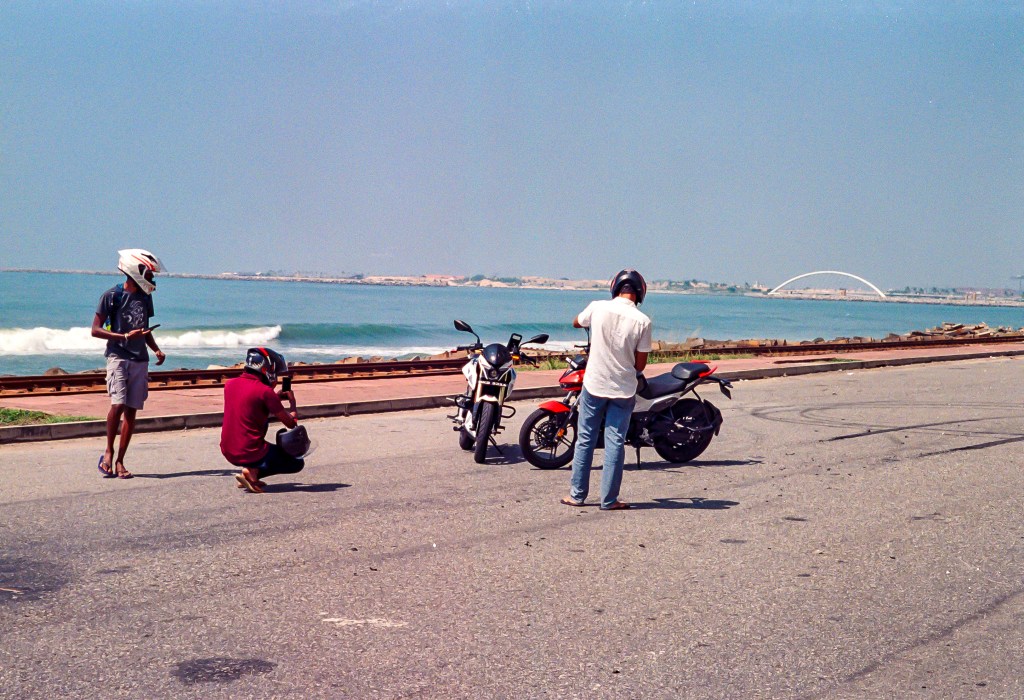
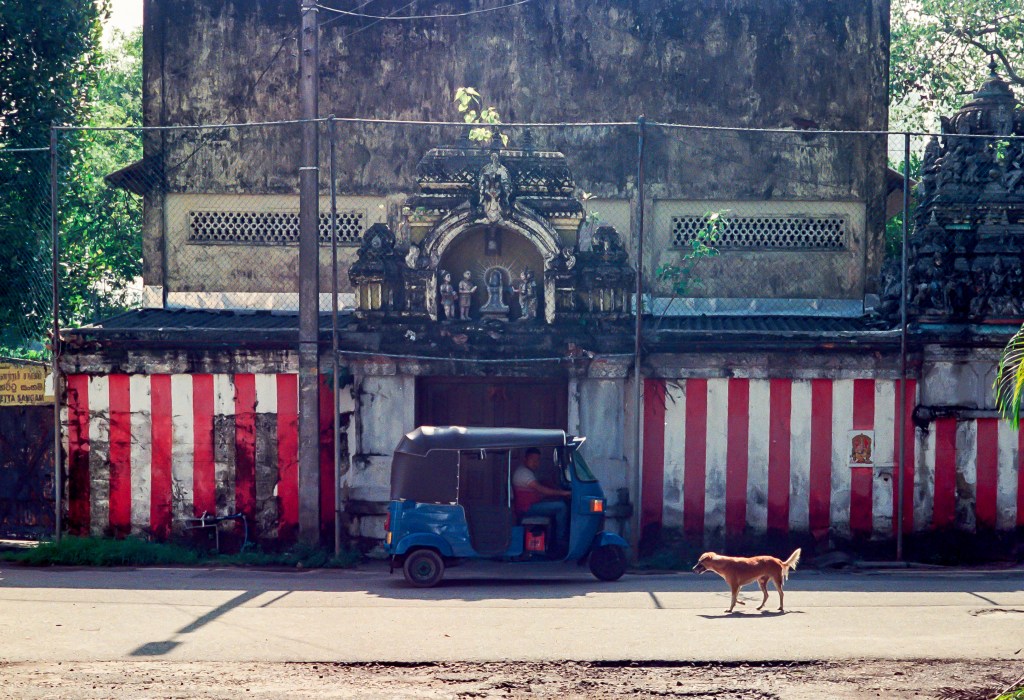
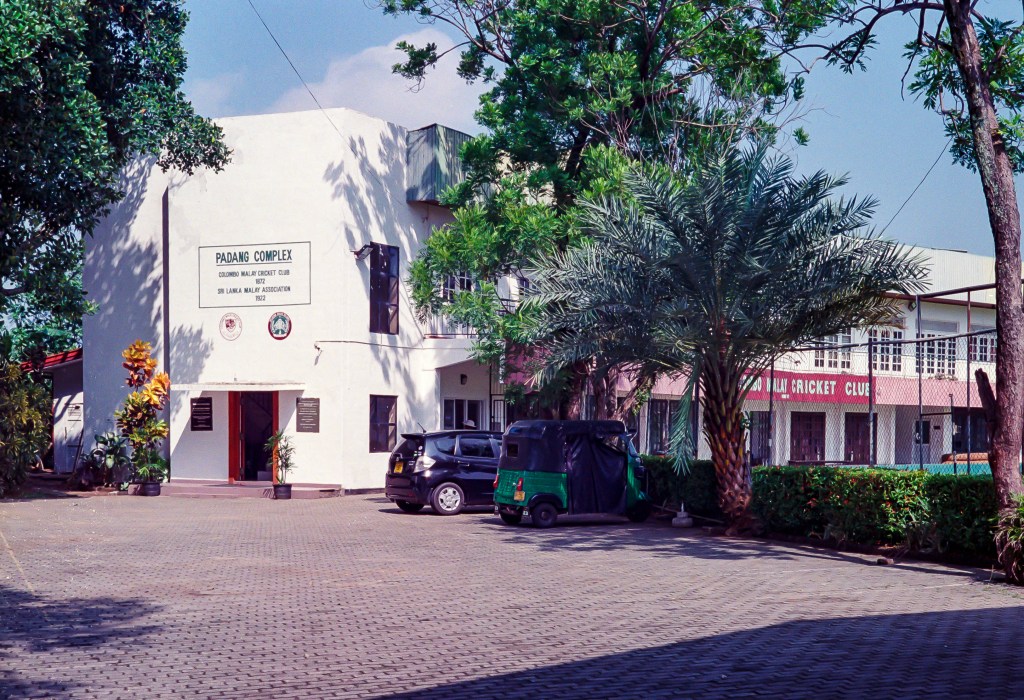
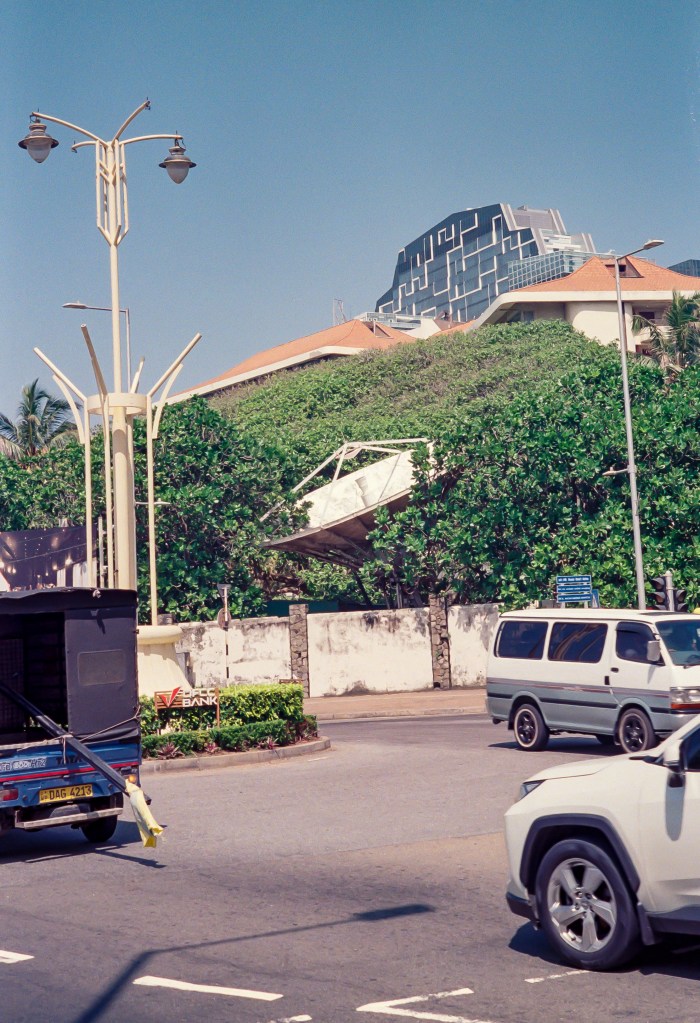
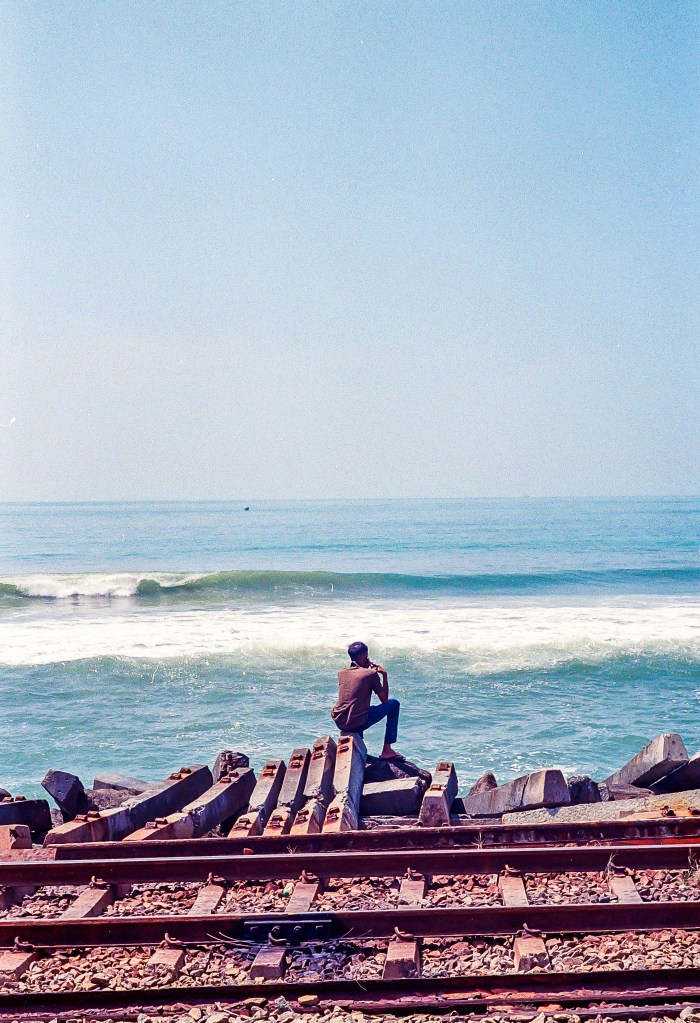
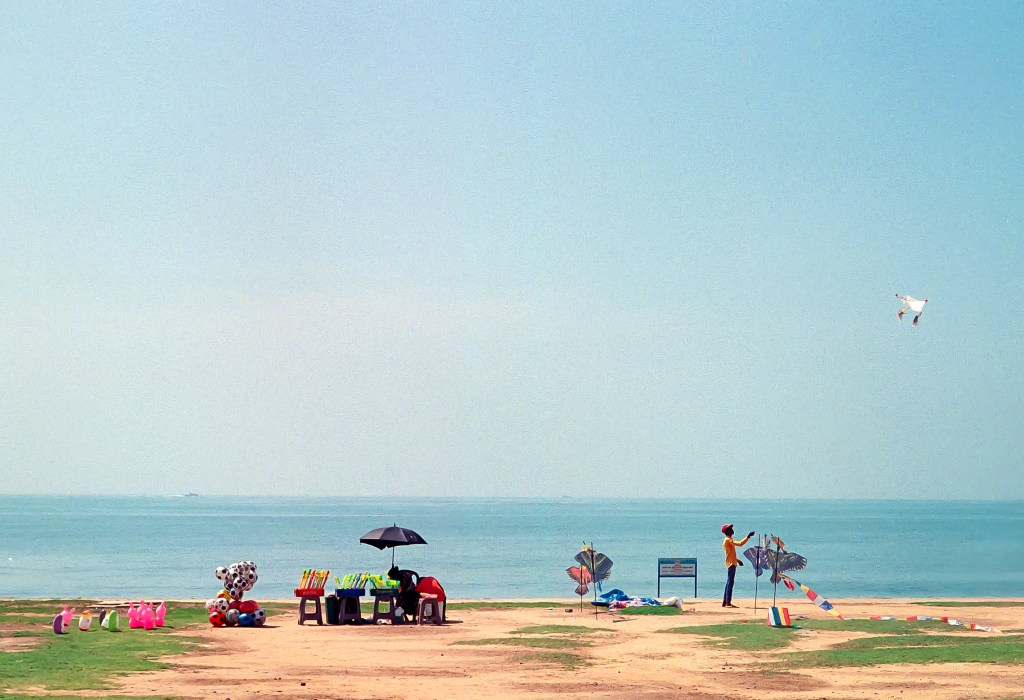
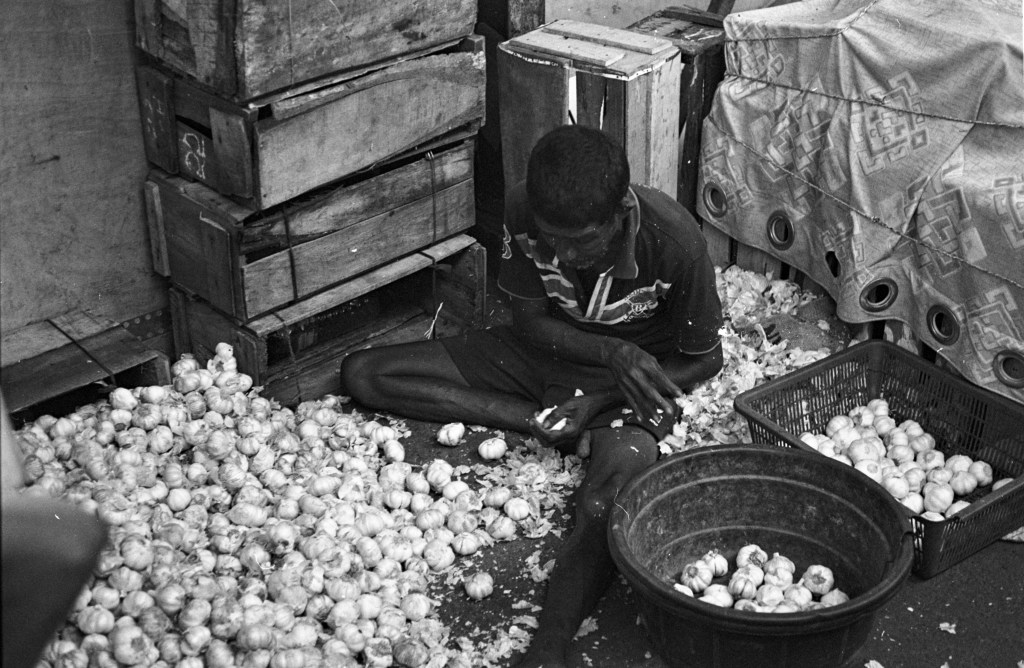
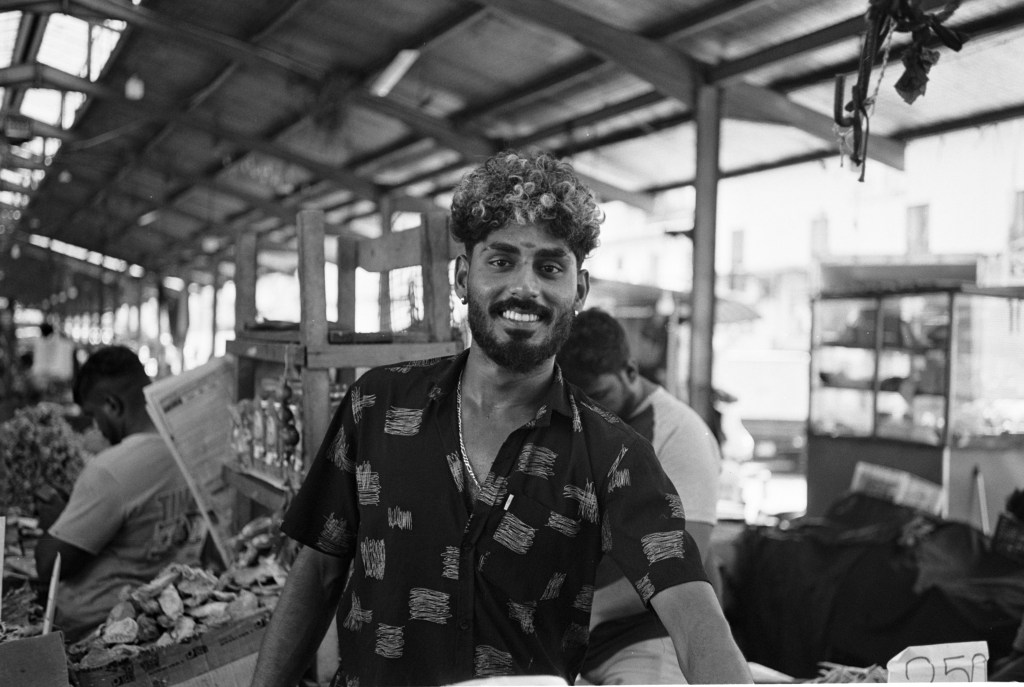
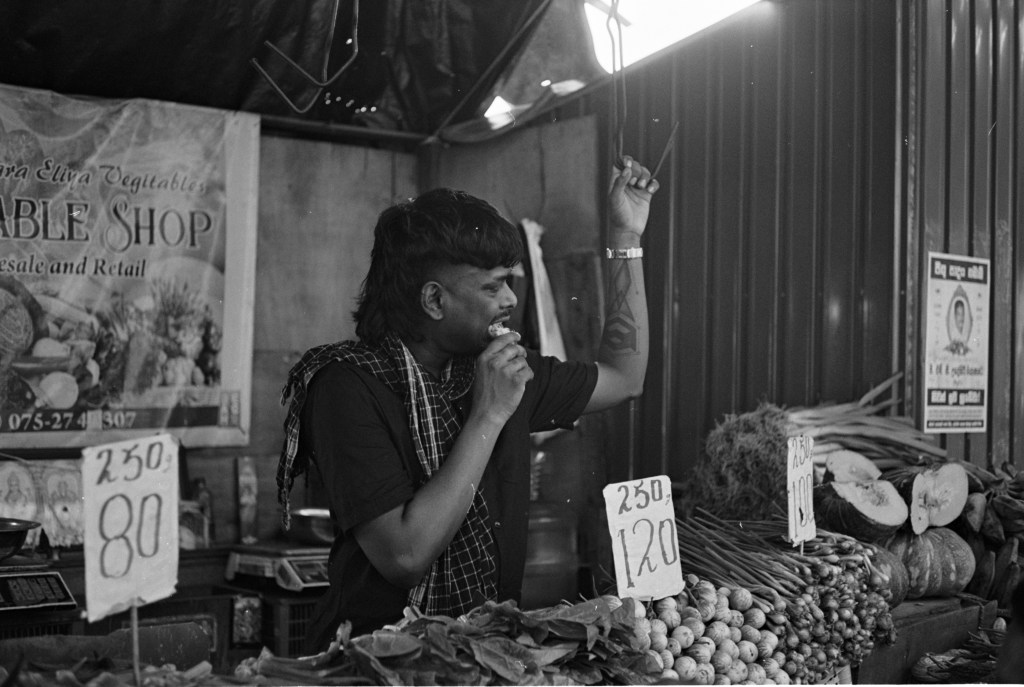
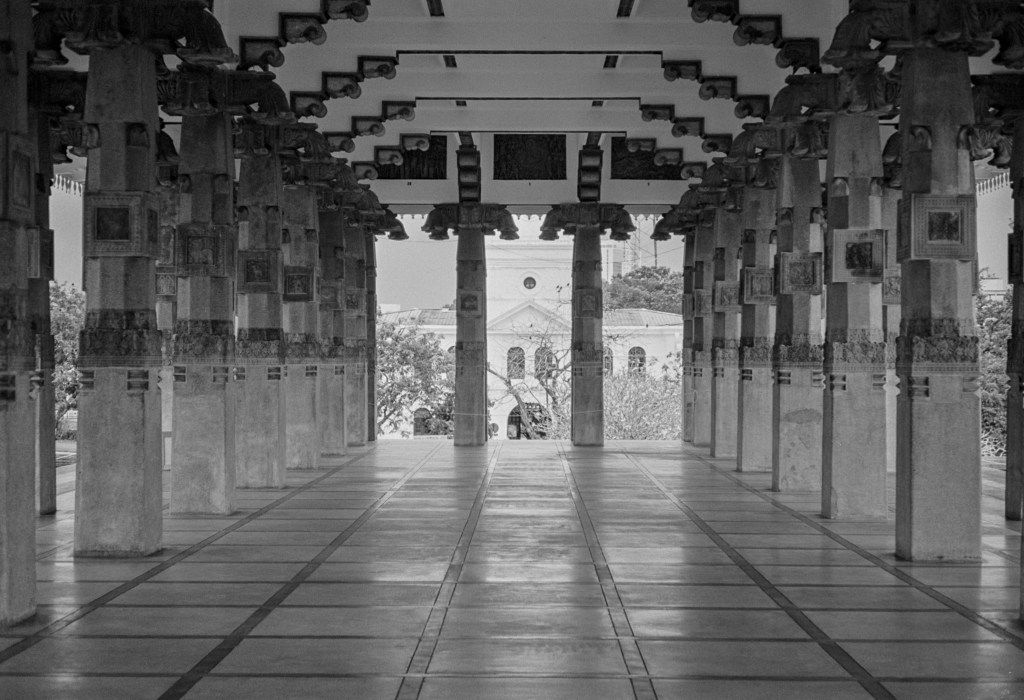
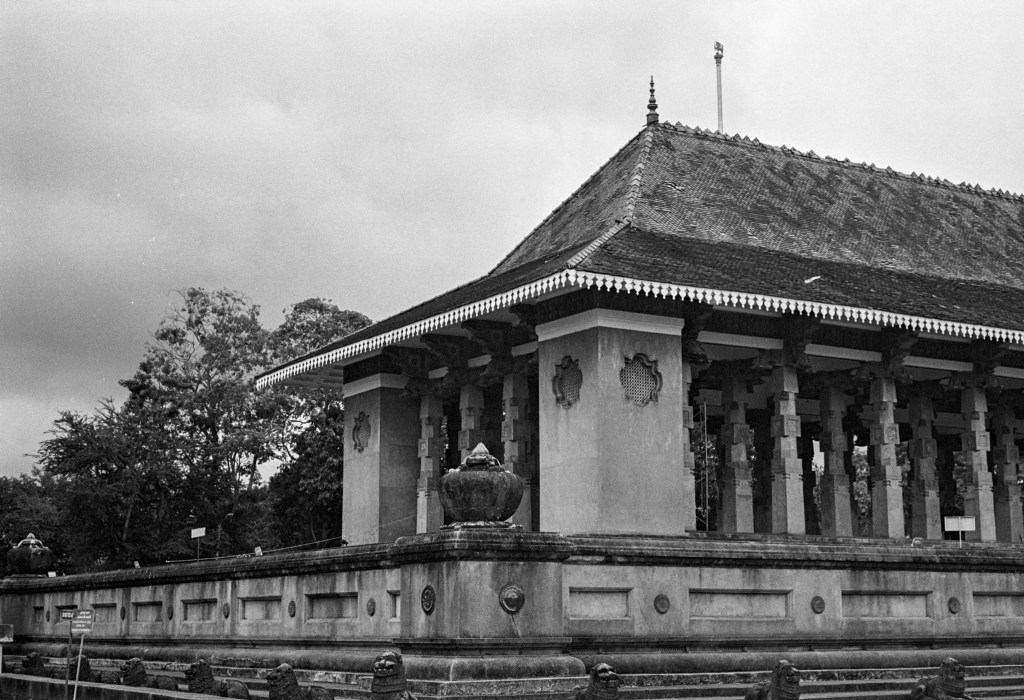
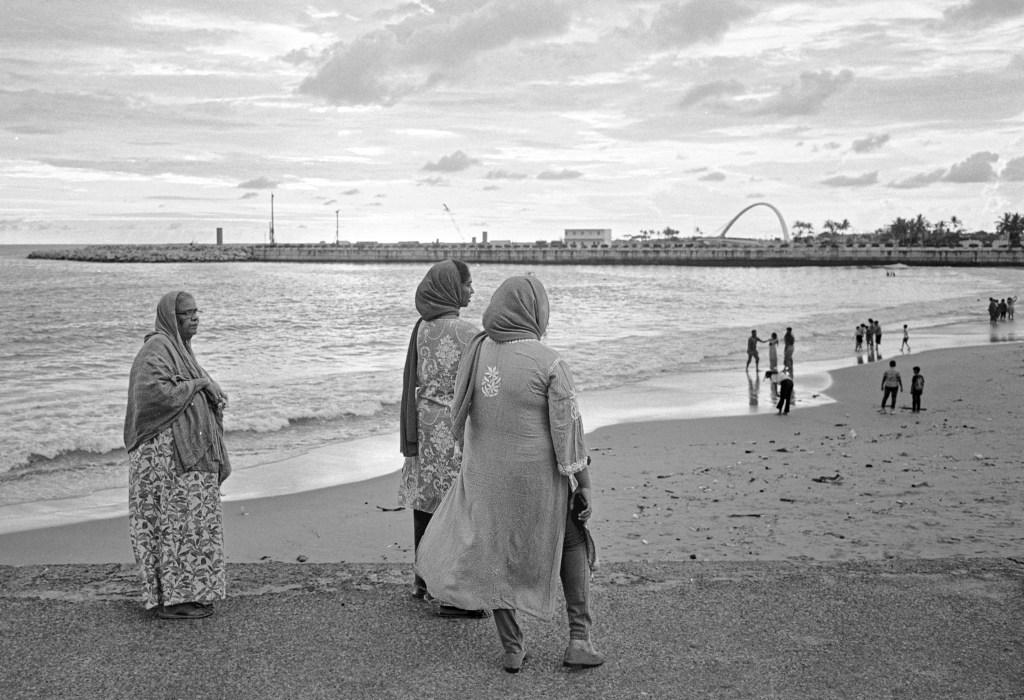
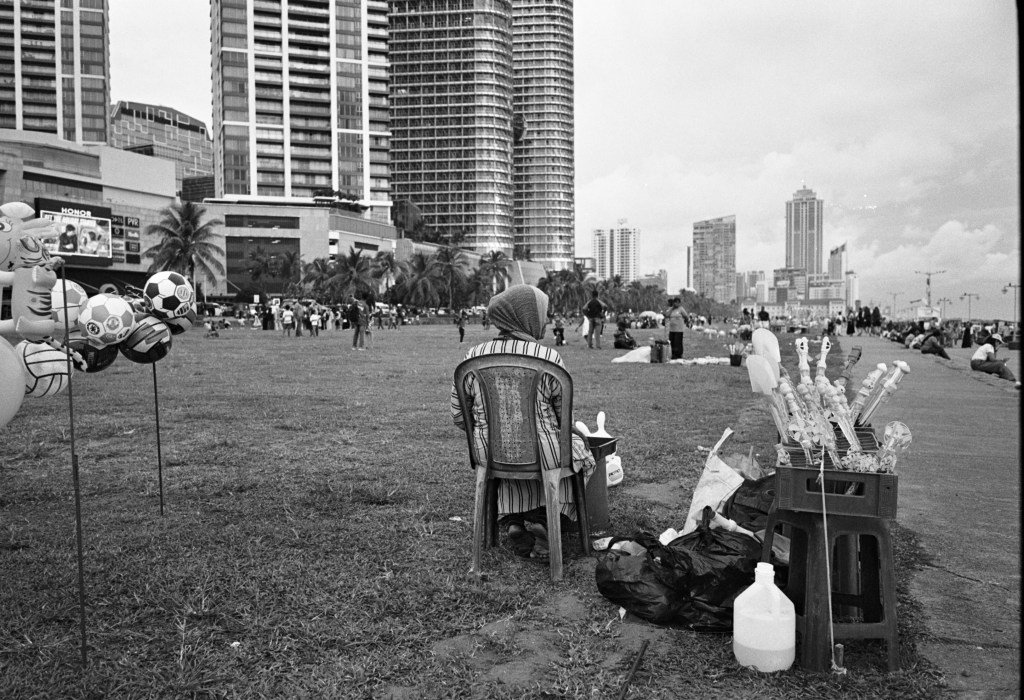
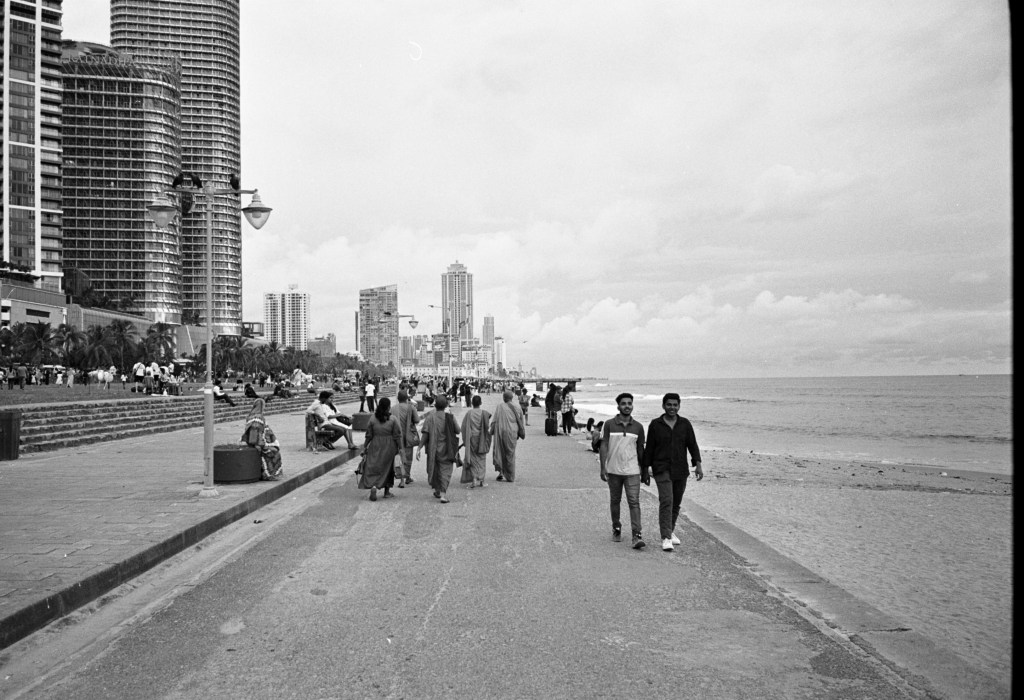
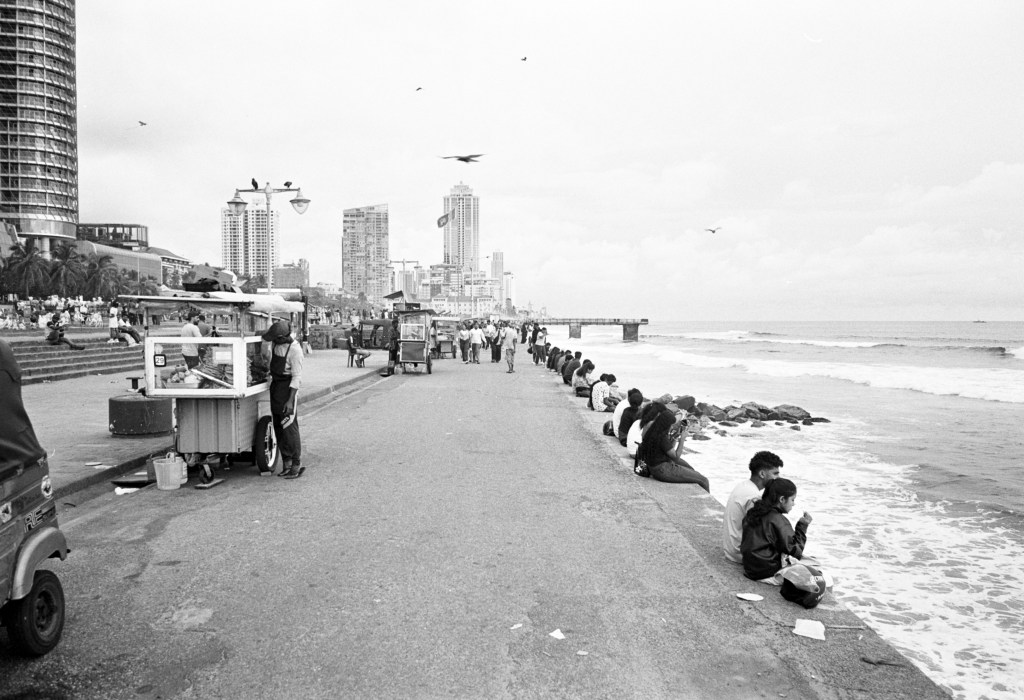
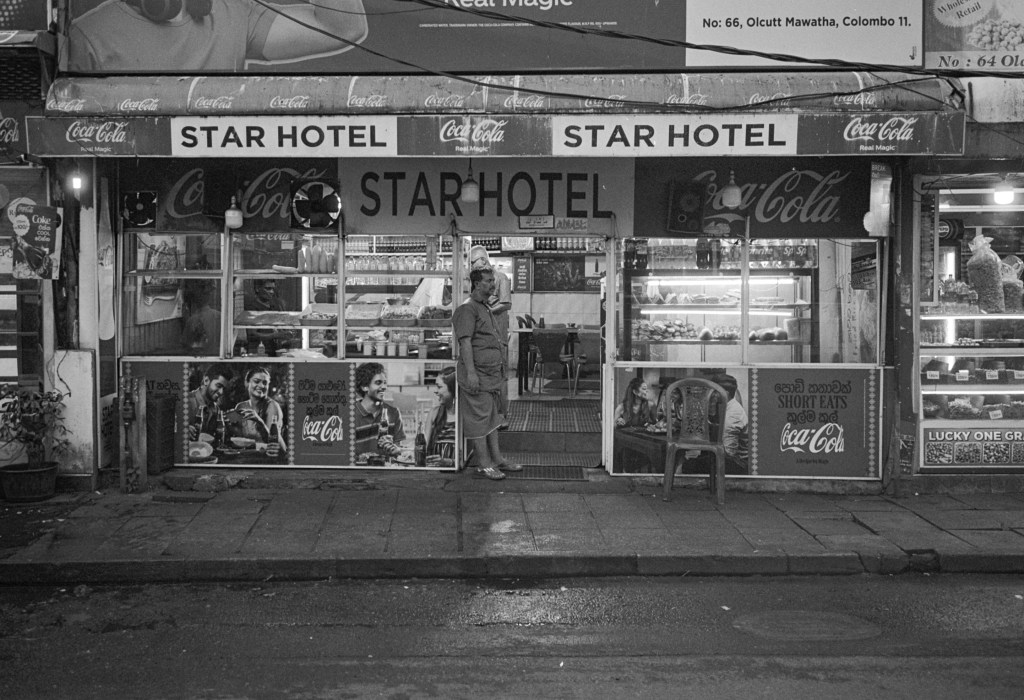
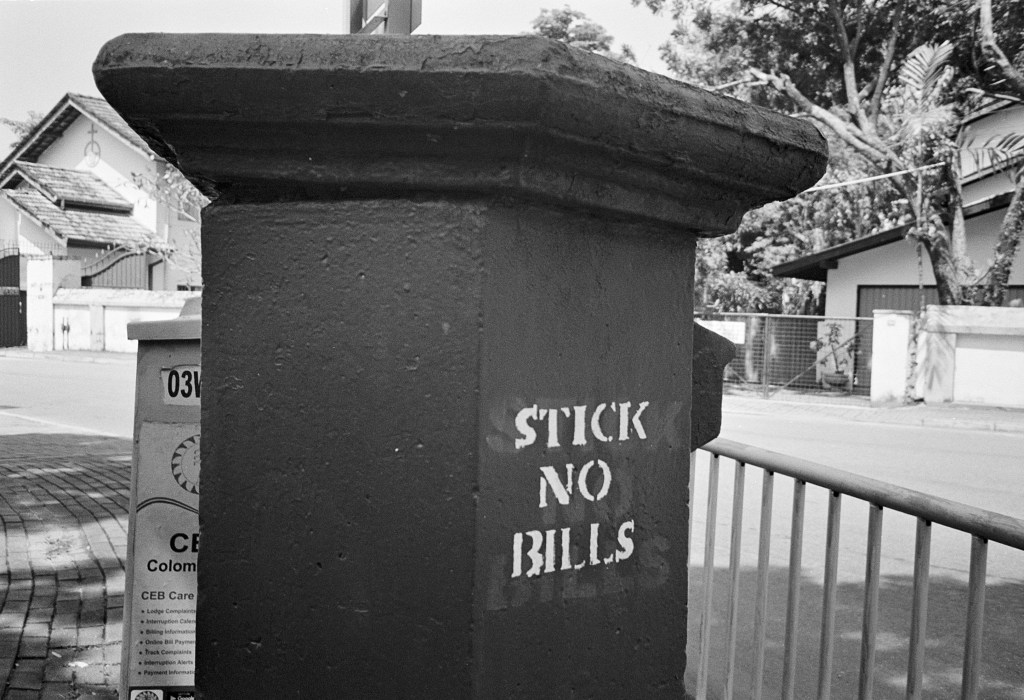
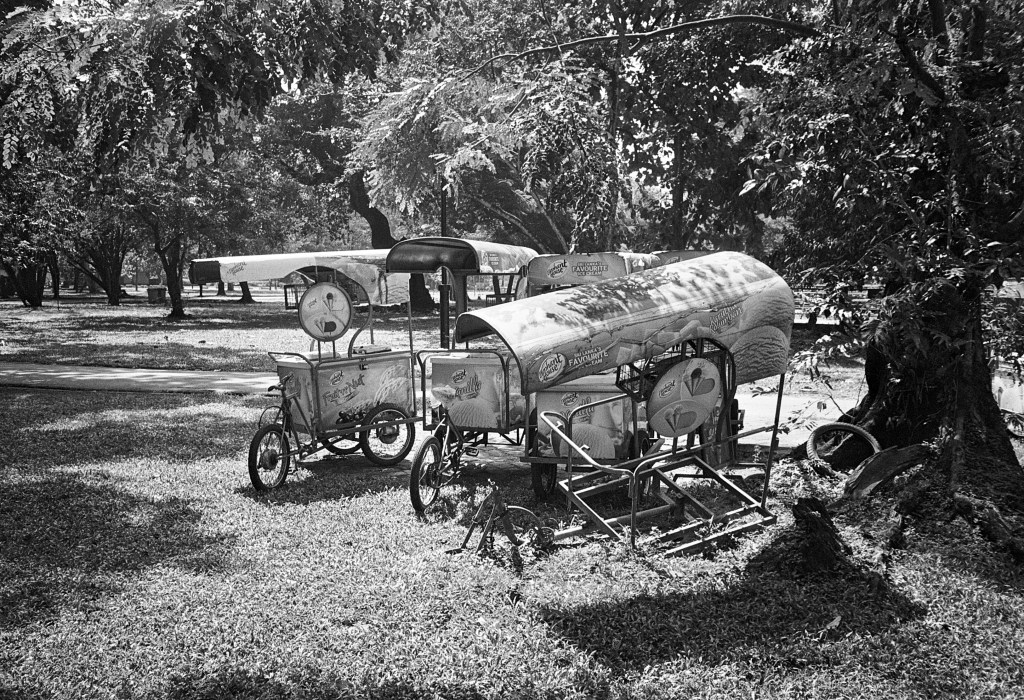
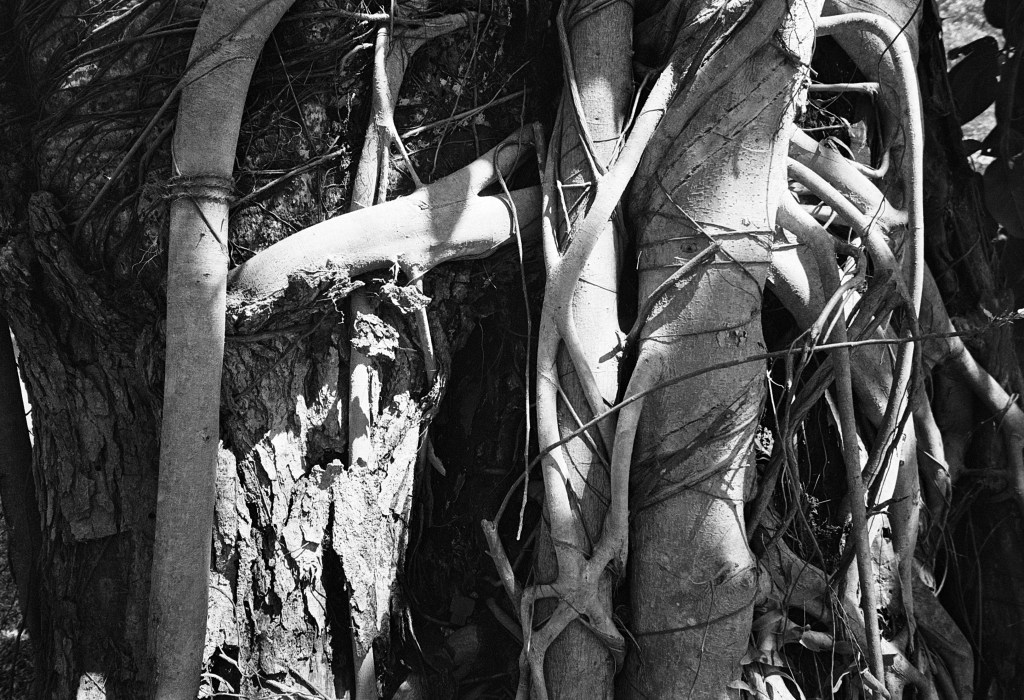
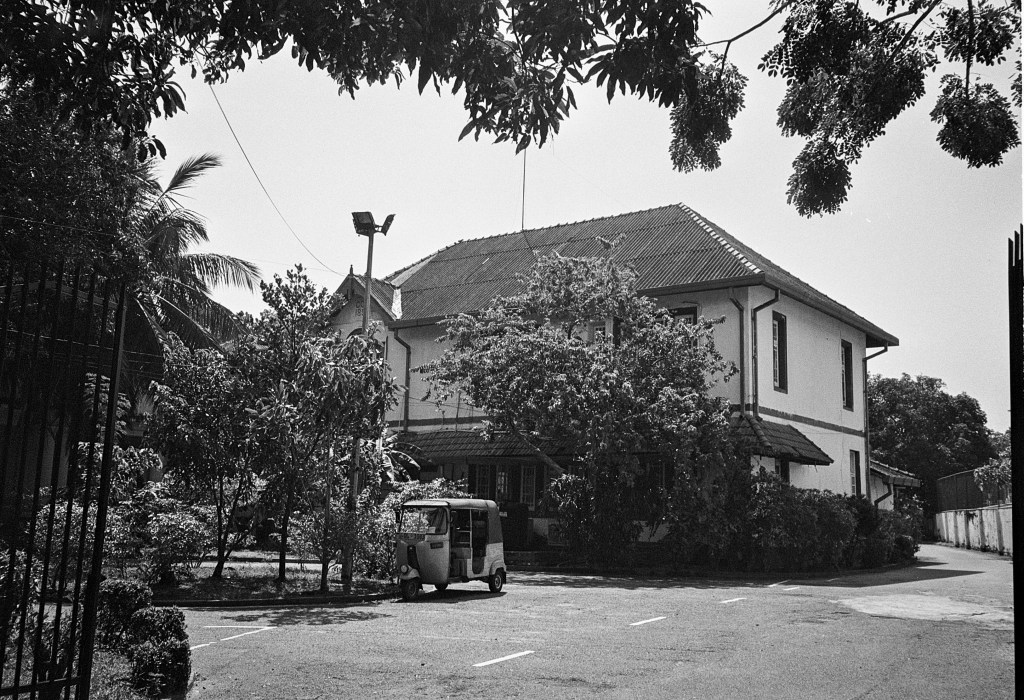
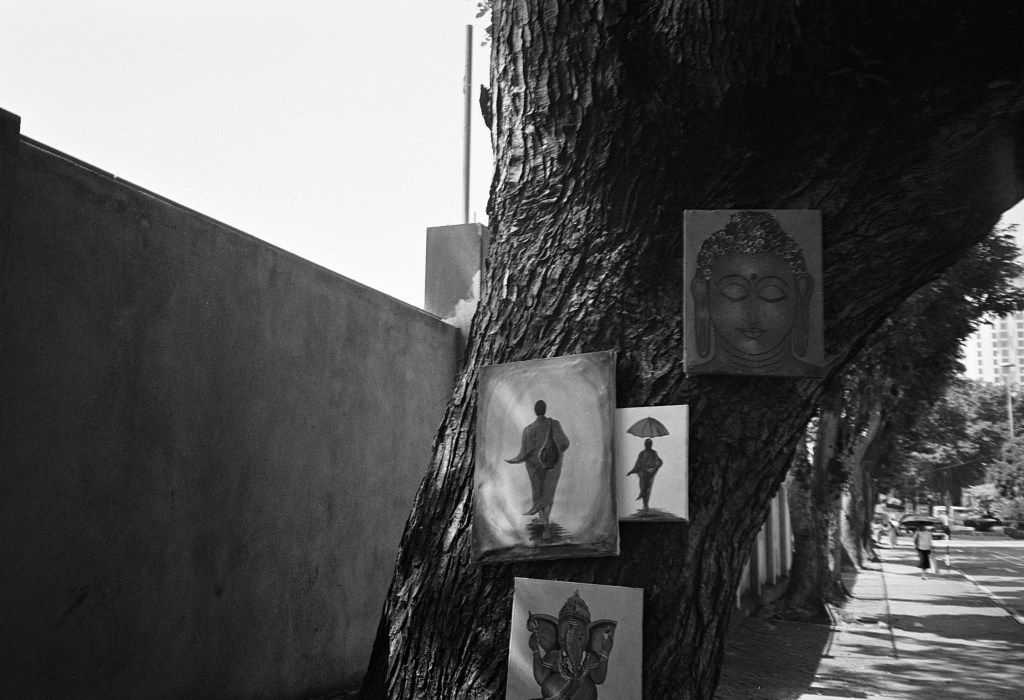
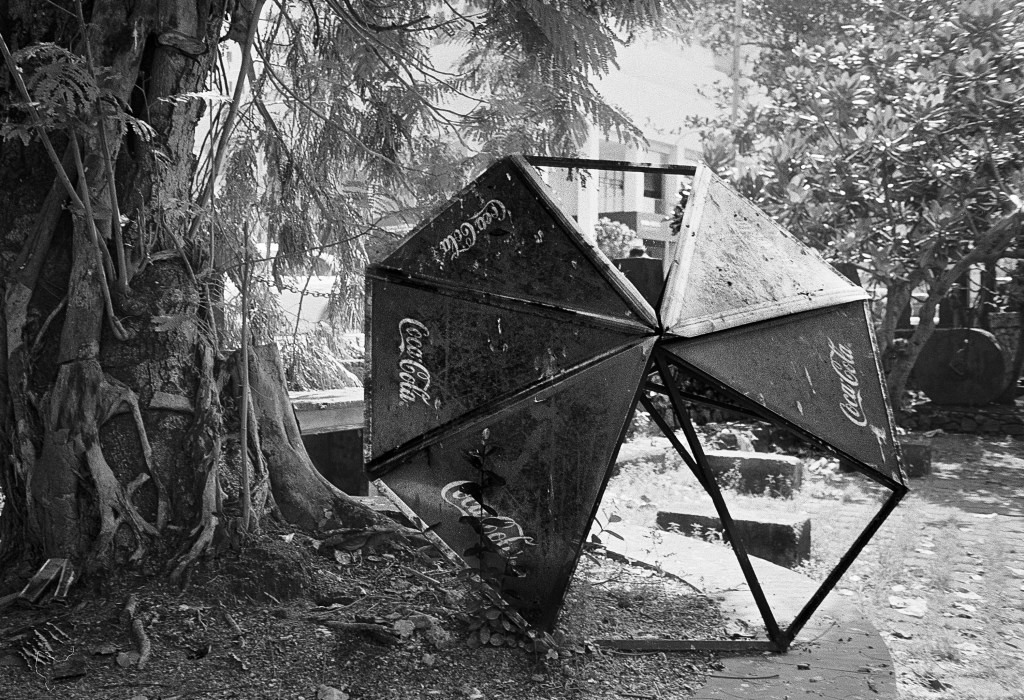
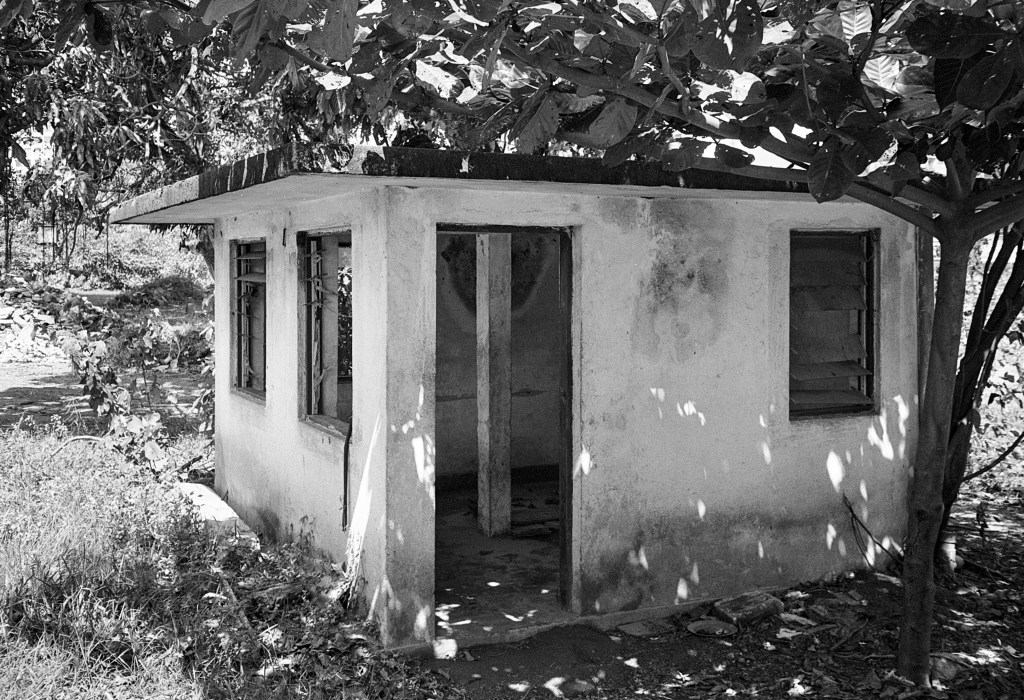
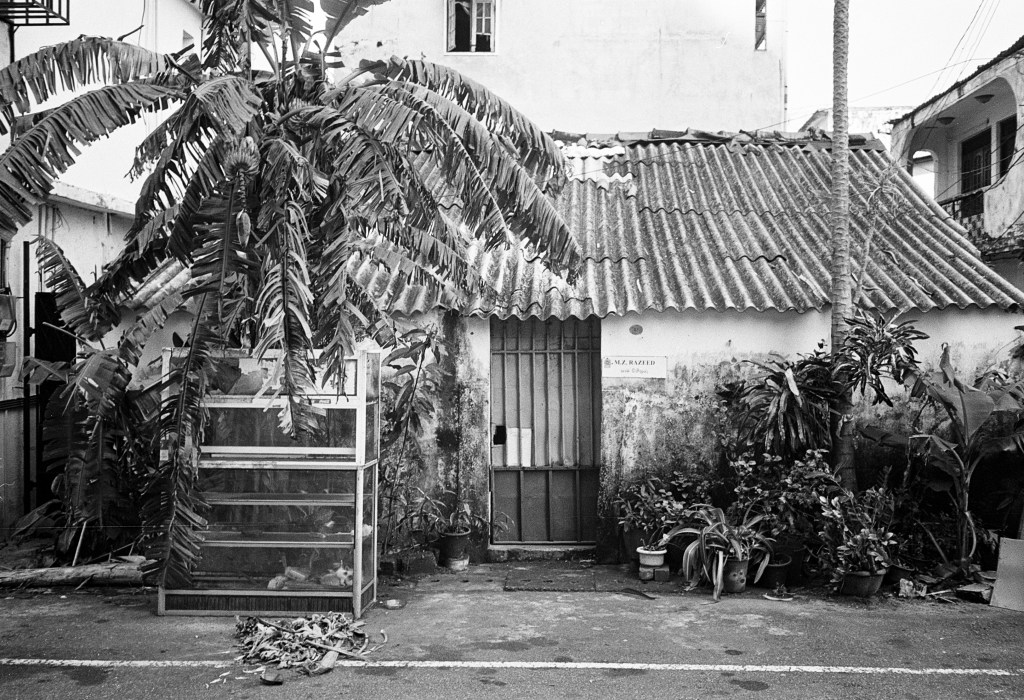
A selection of shots from both Colombo and Kandy taken on 35mm – camera was mainly the Leica M2 and a few with the Olympus XA3, film stock was KODAK gold and Ilford xp2
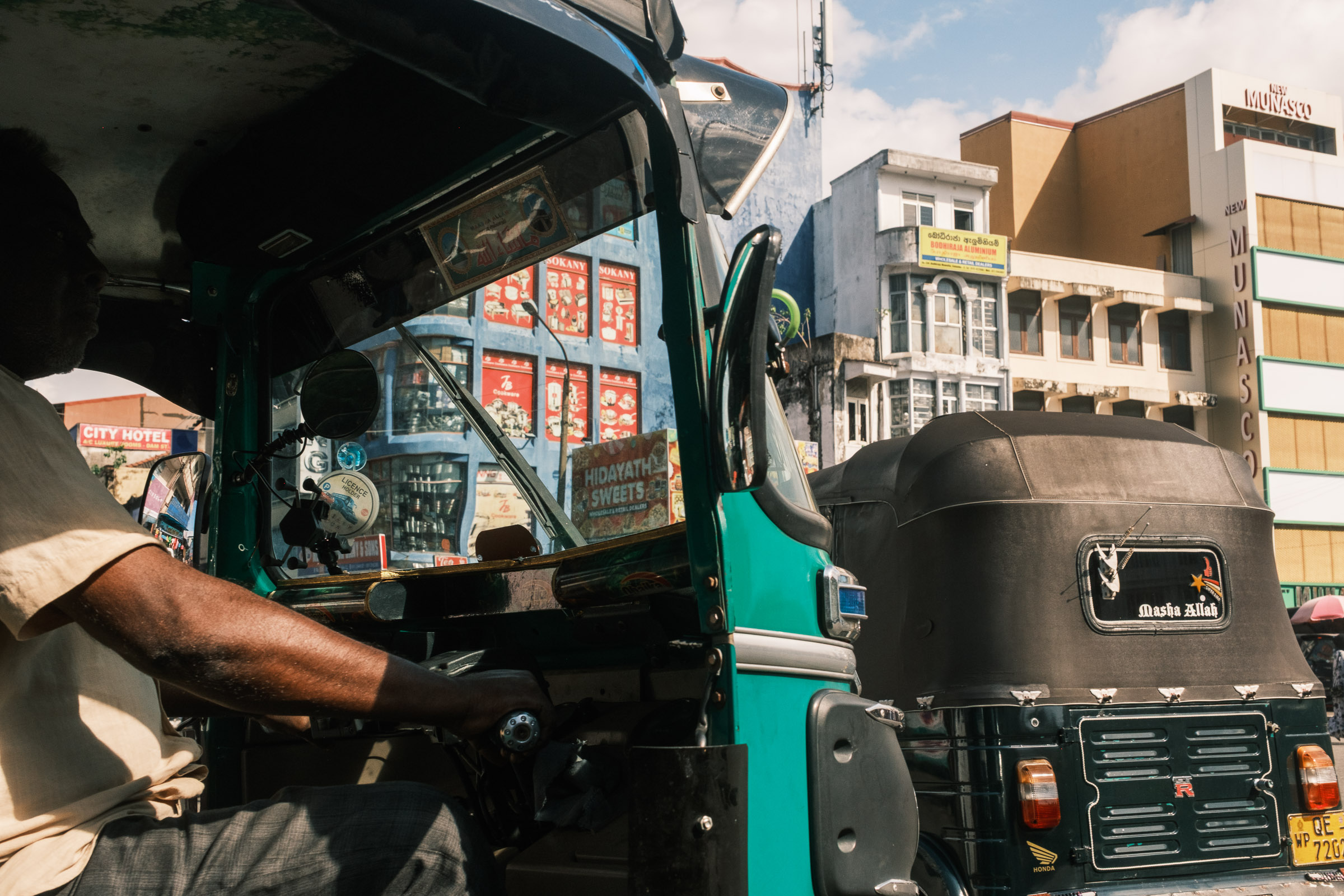
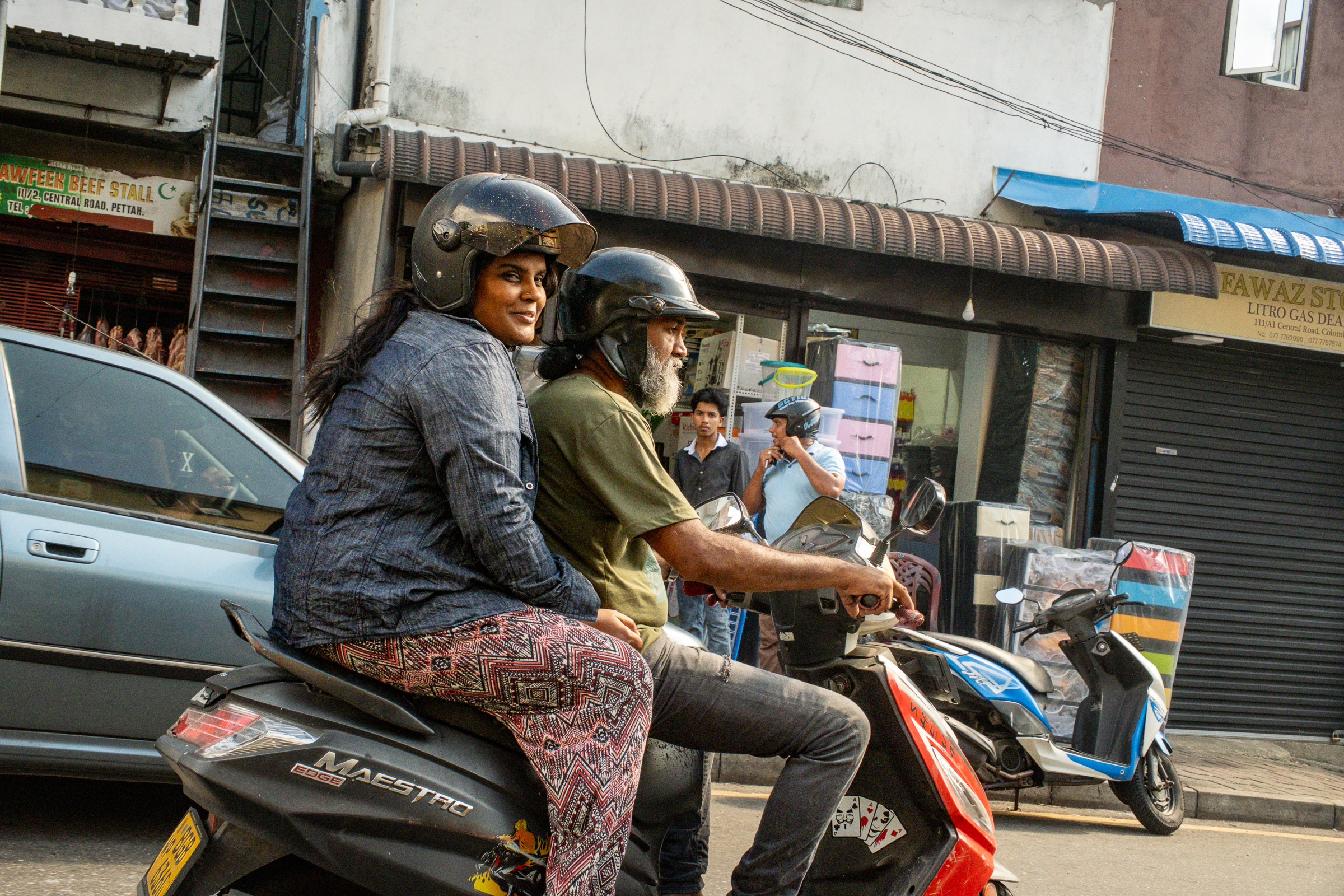
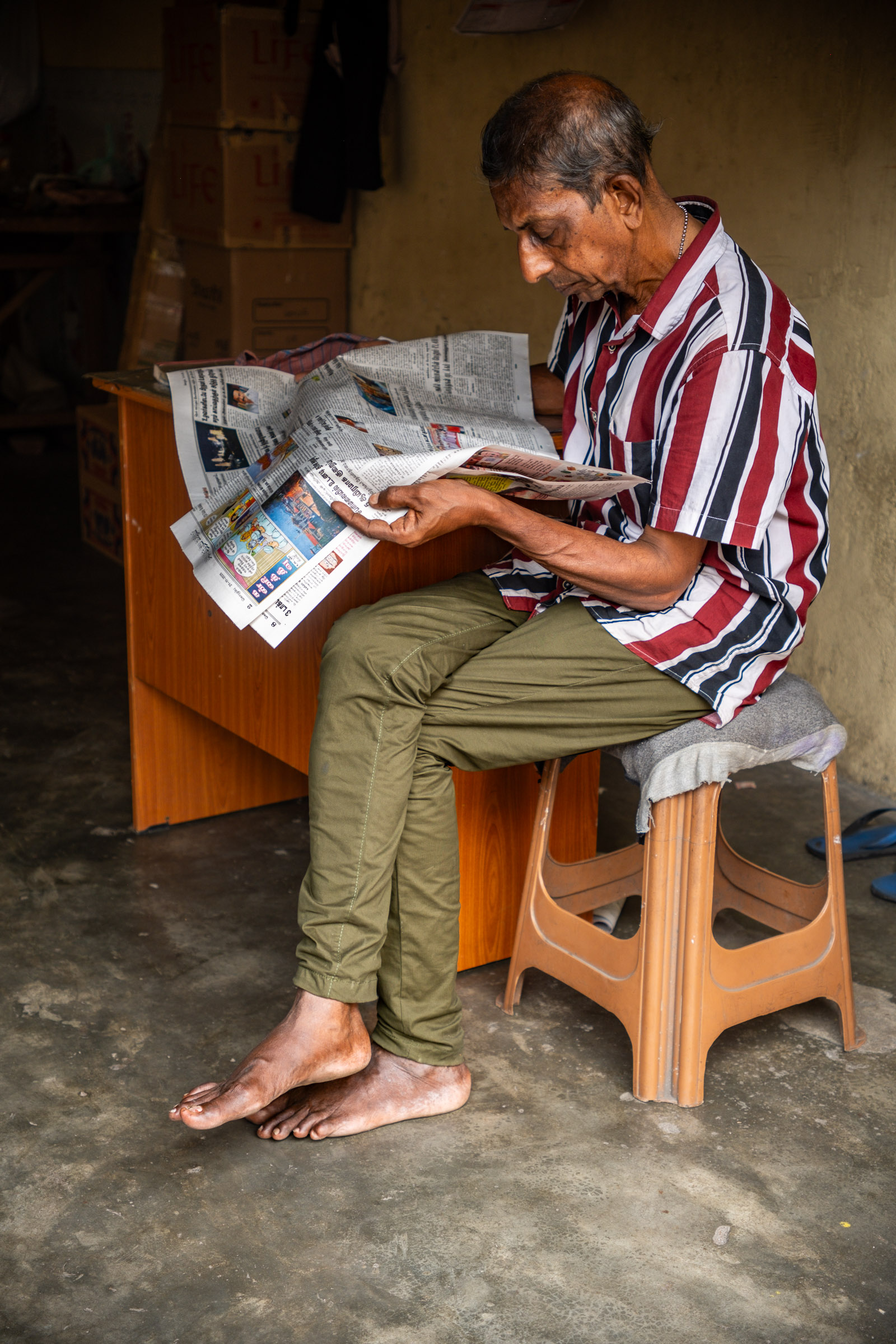
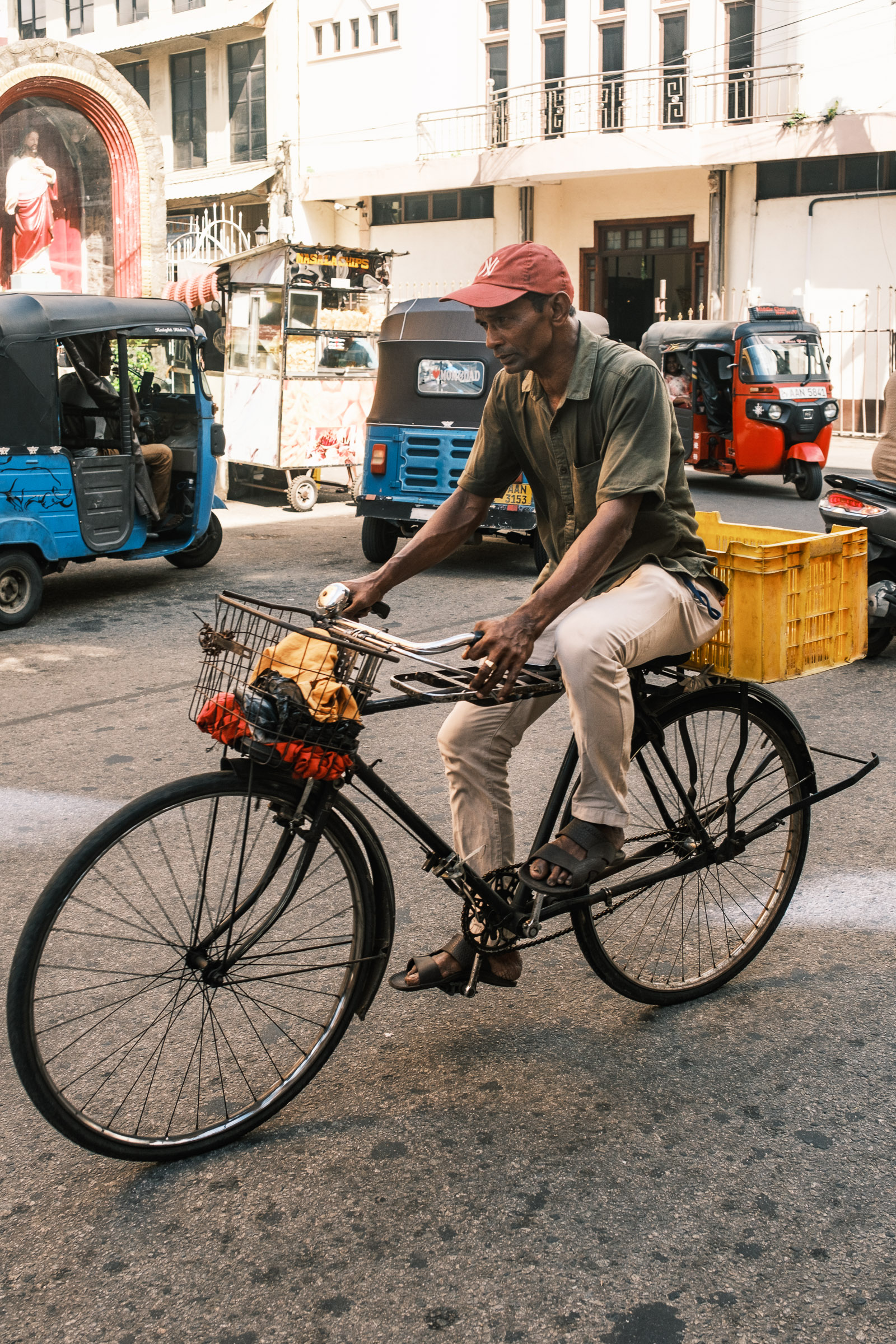
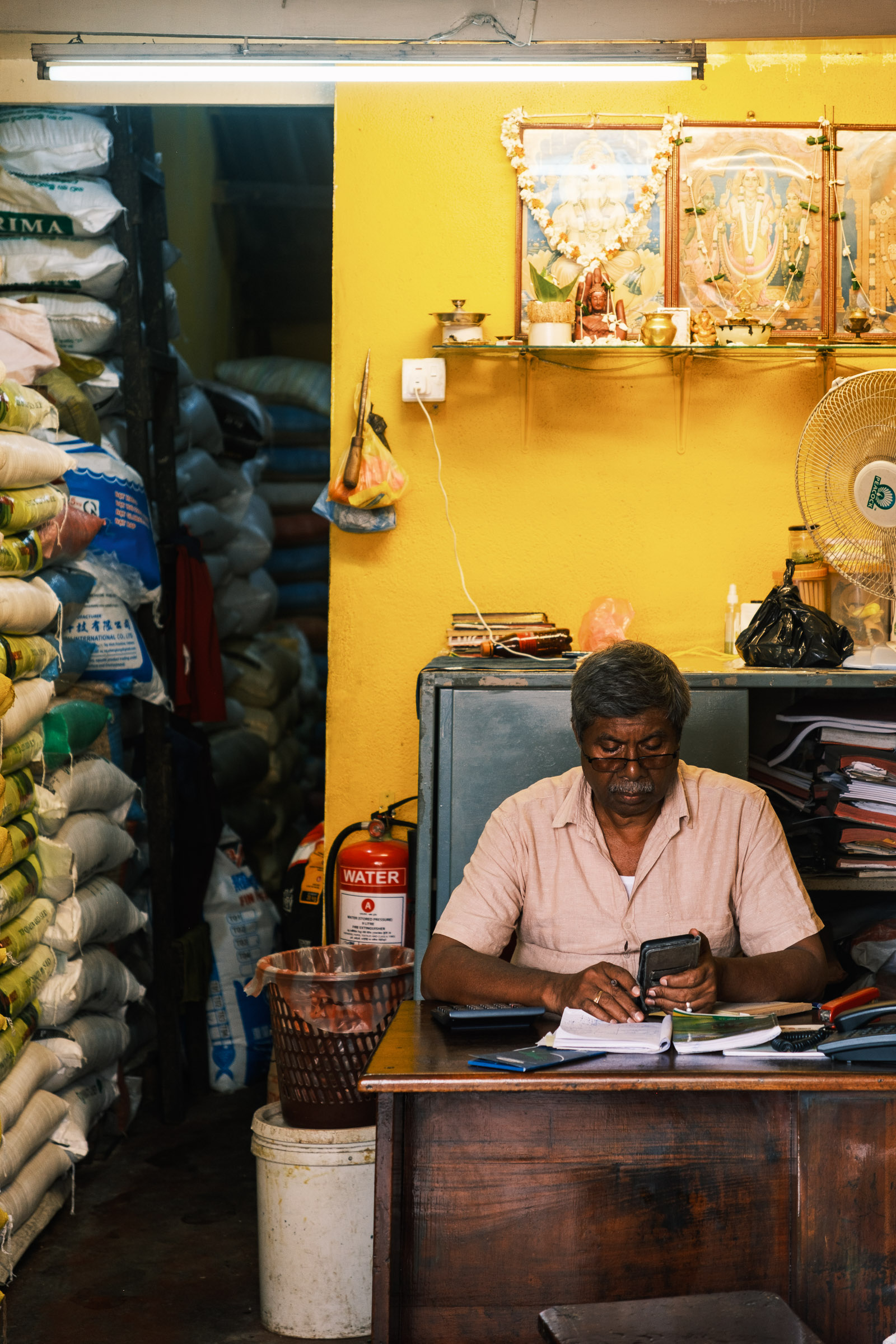
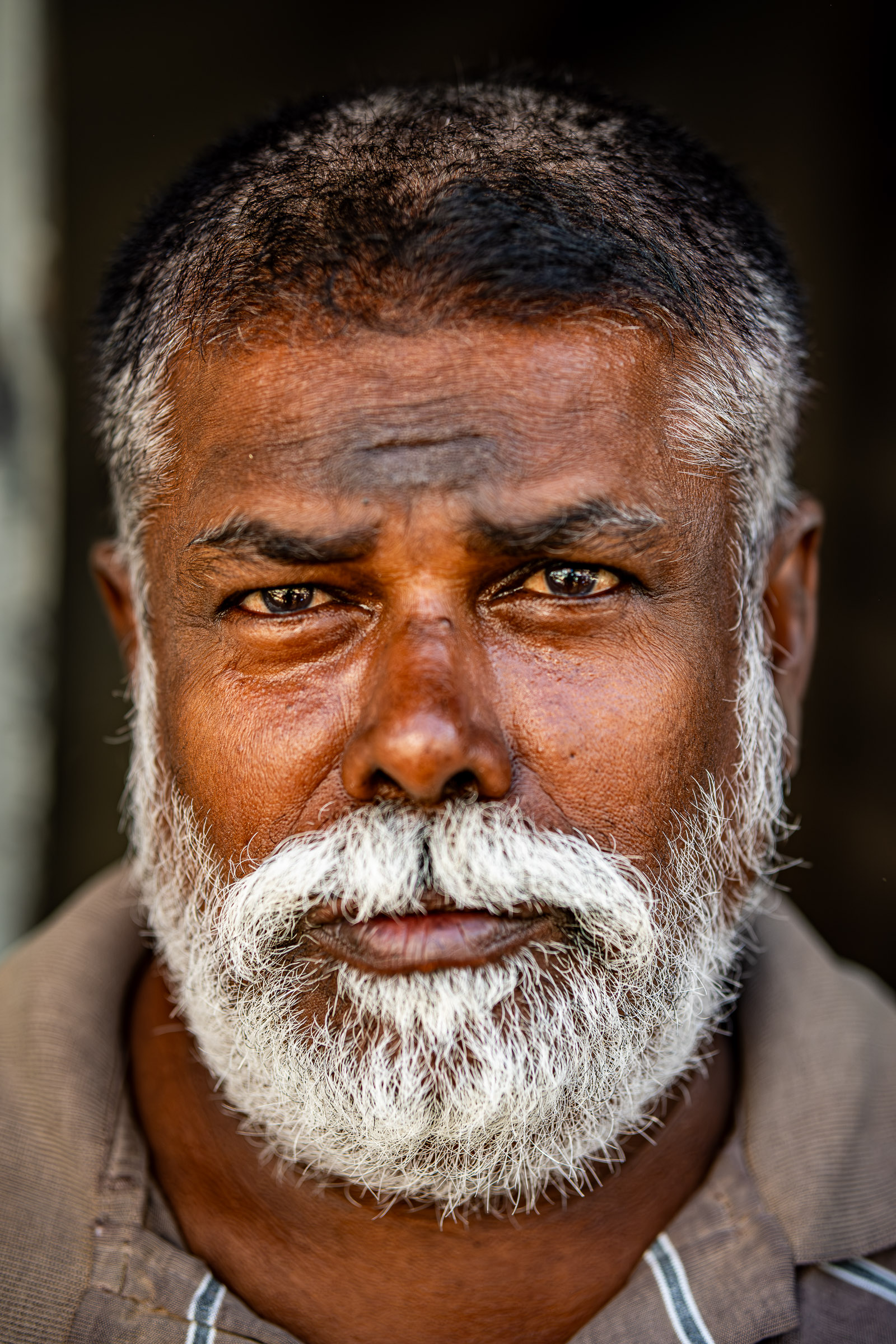
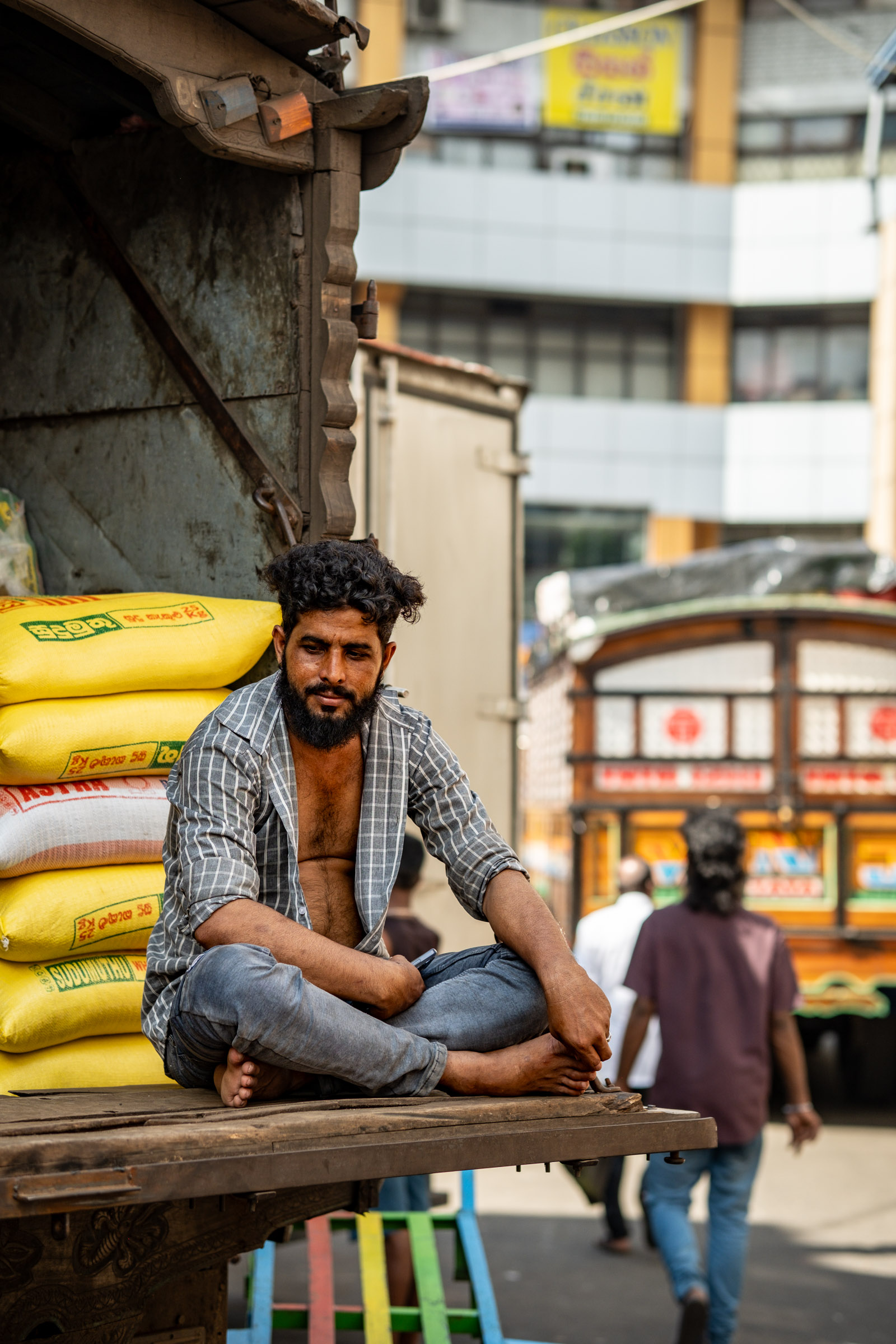
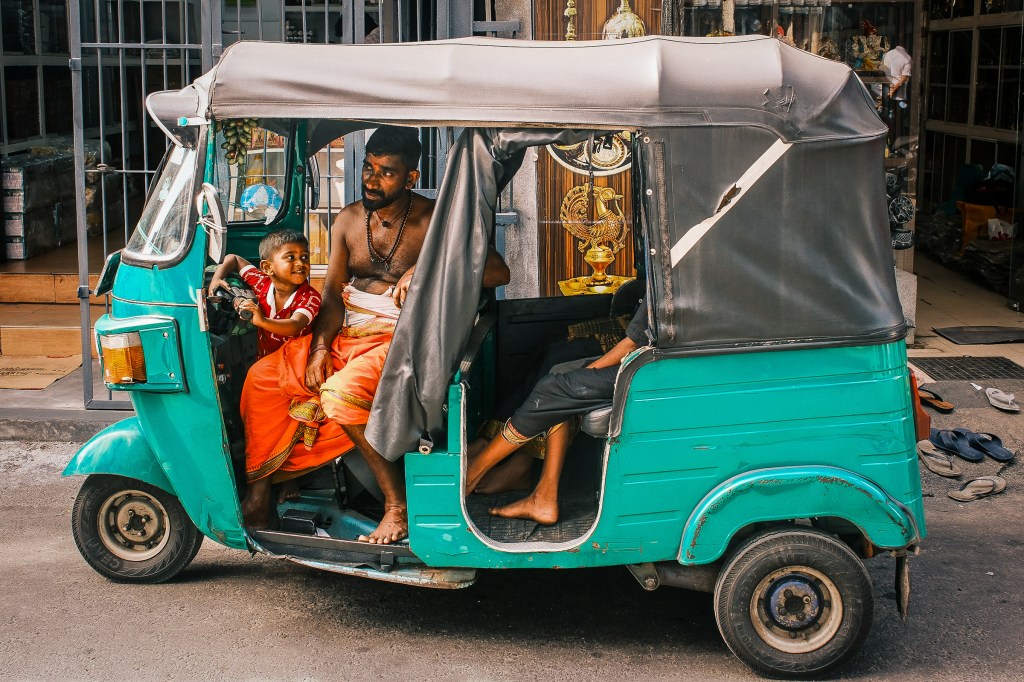
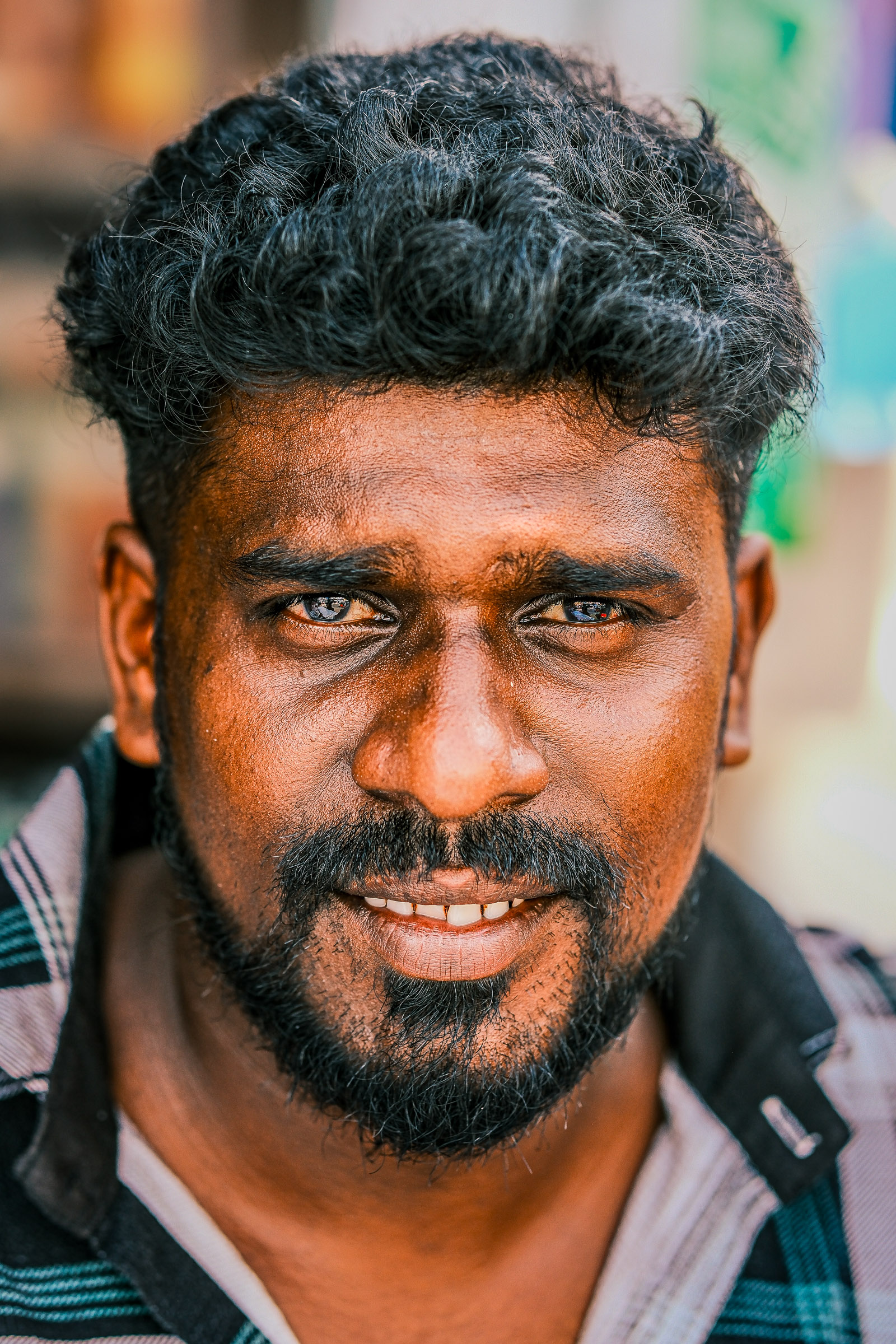
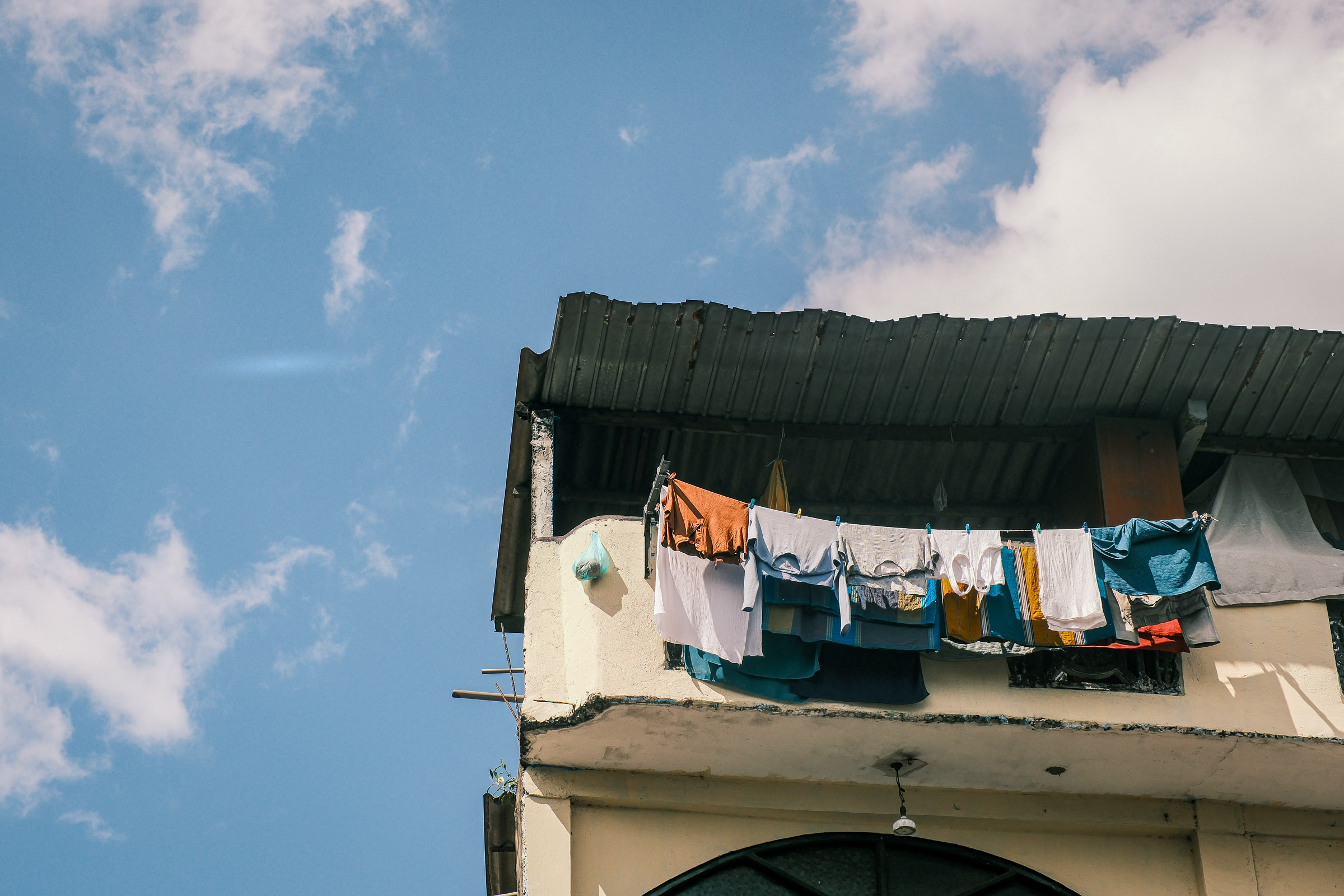
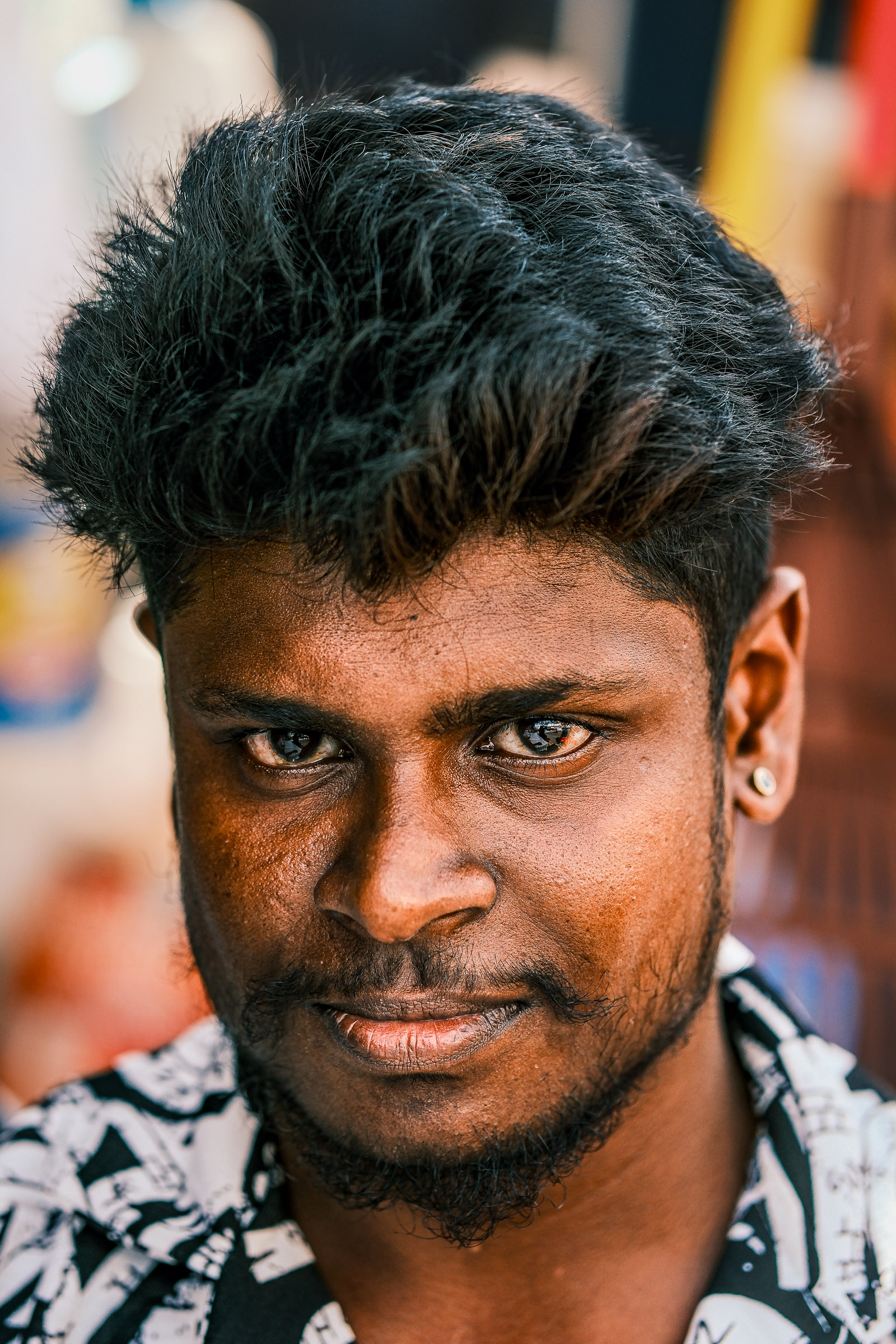
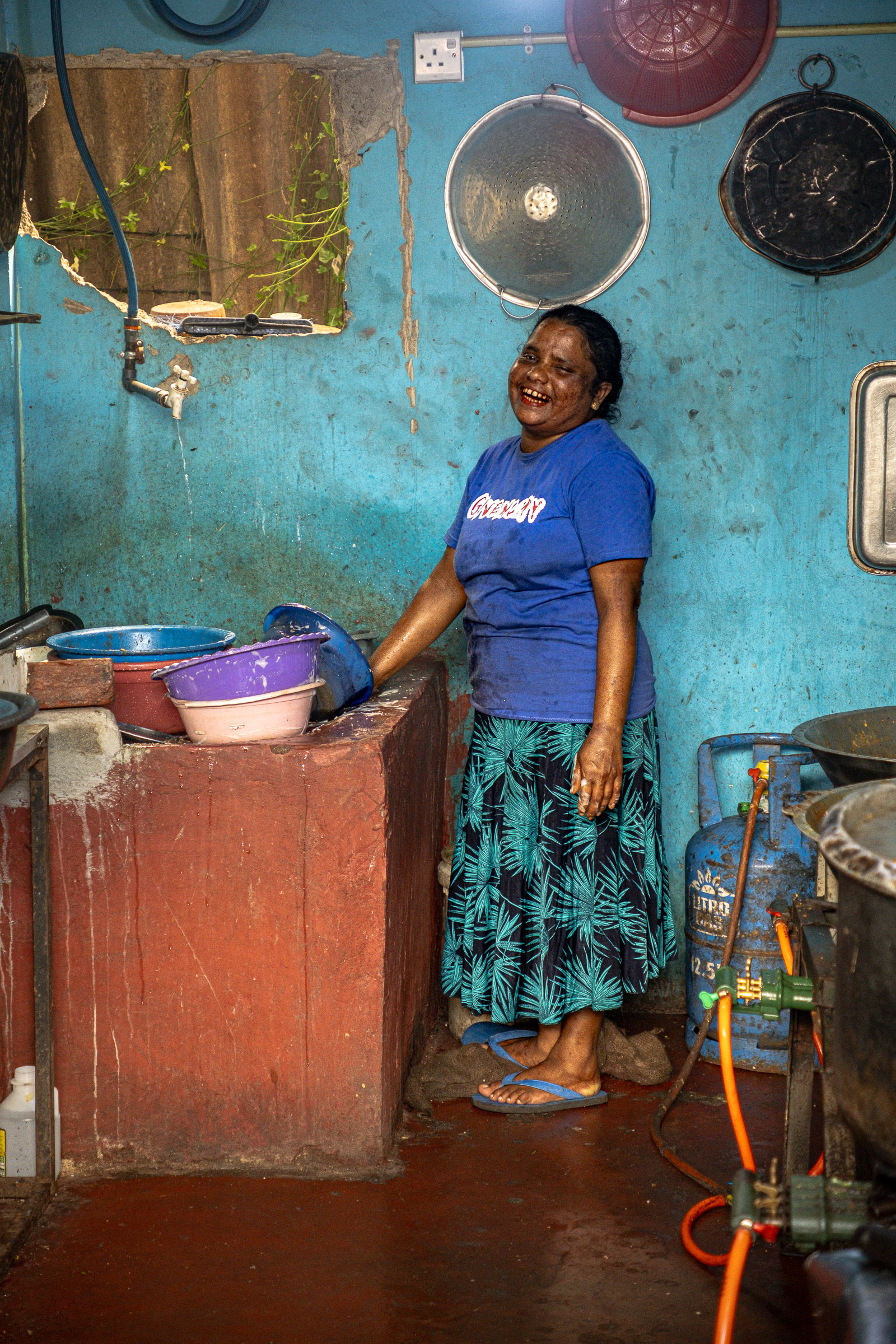
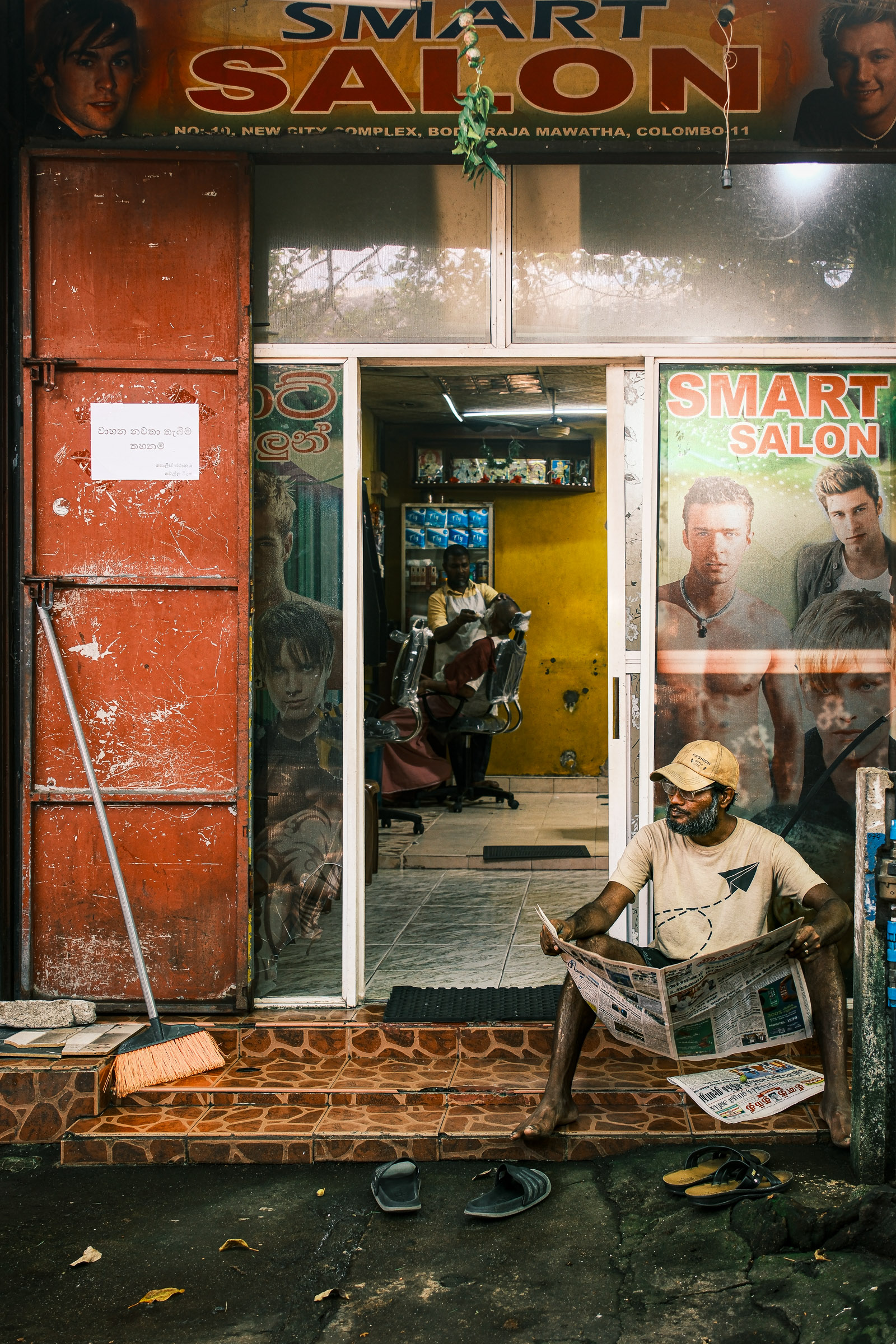
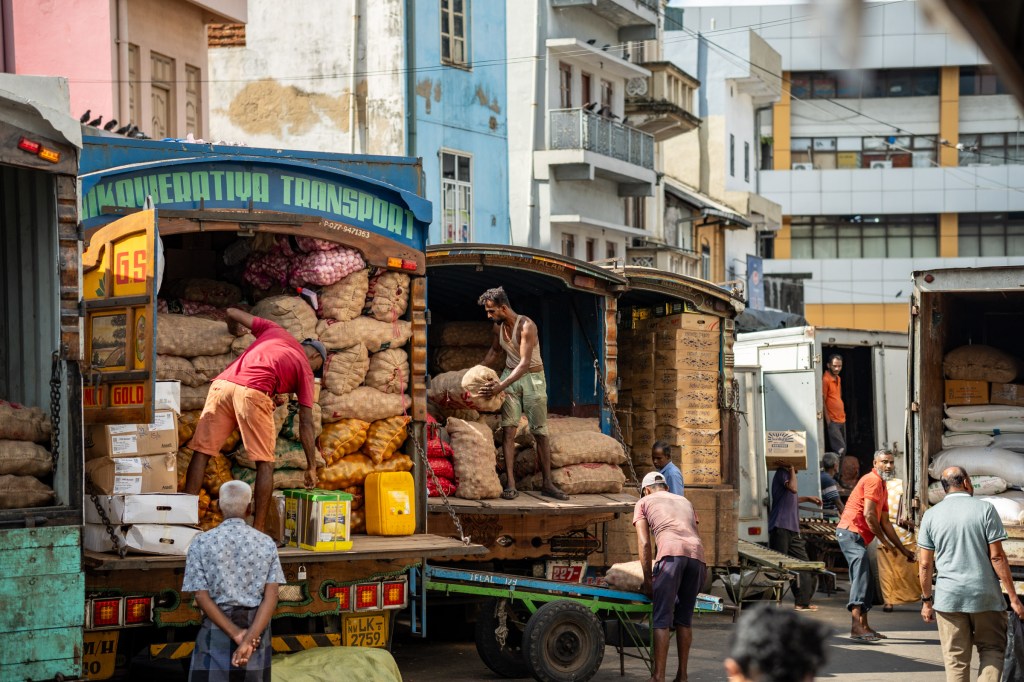
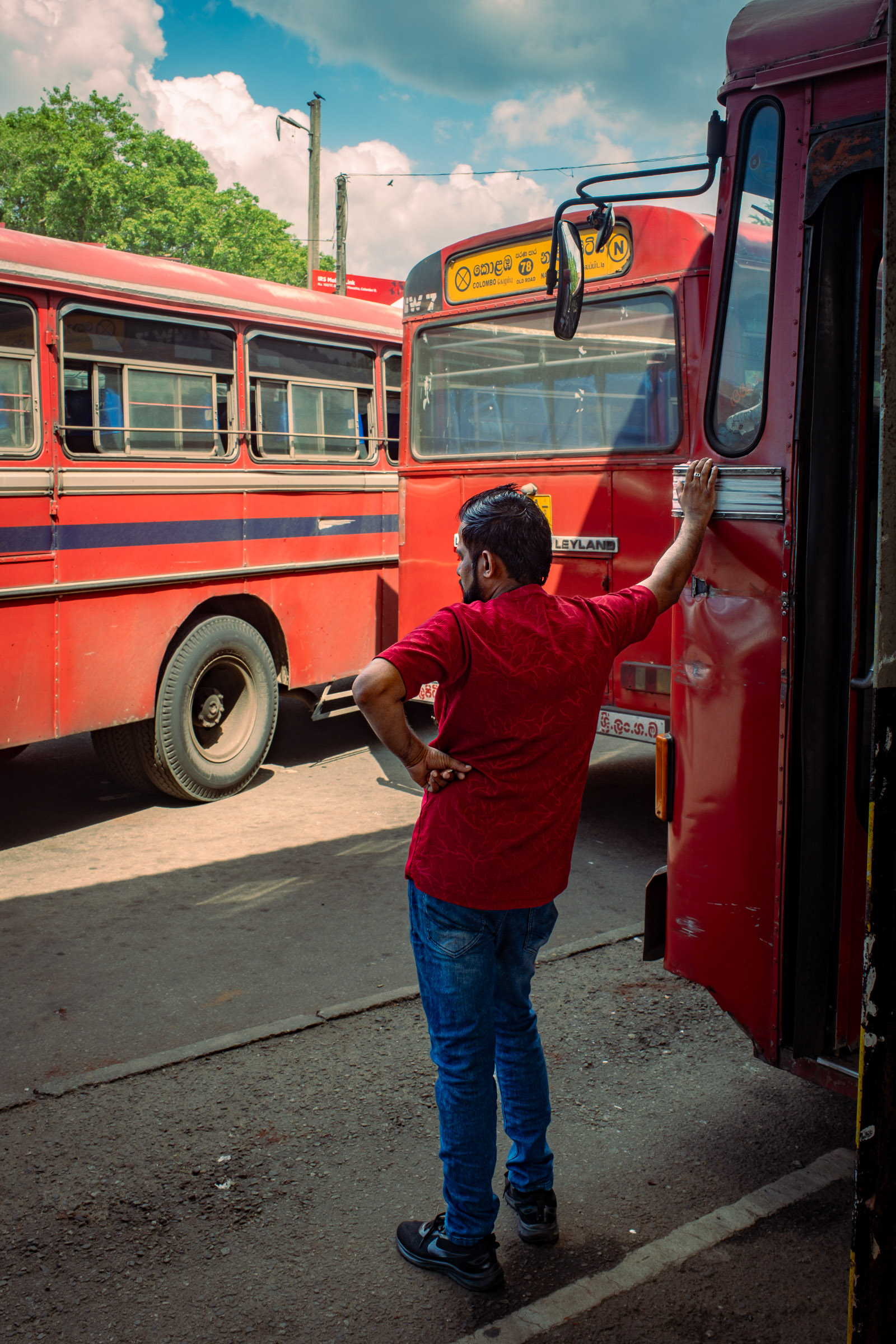
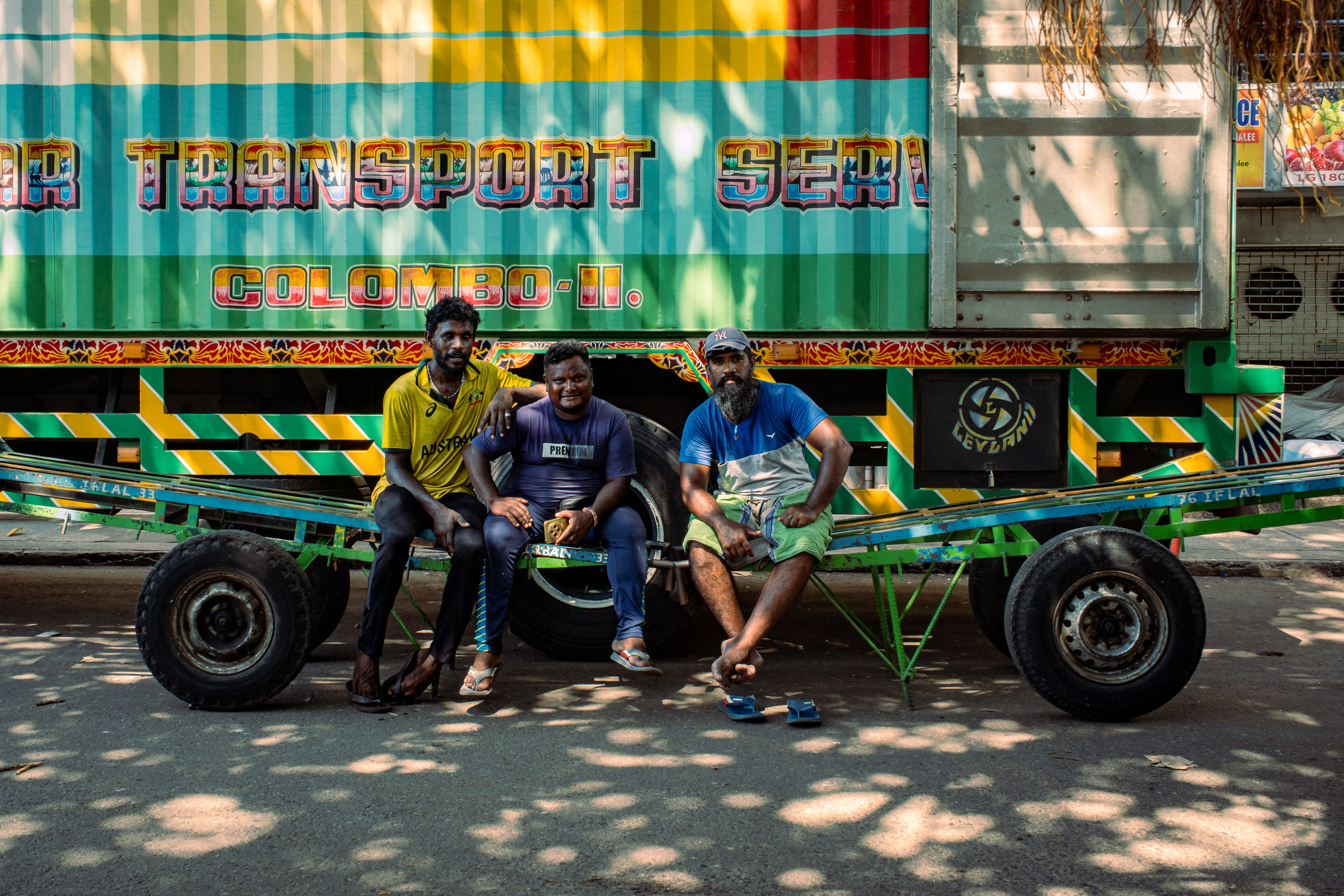
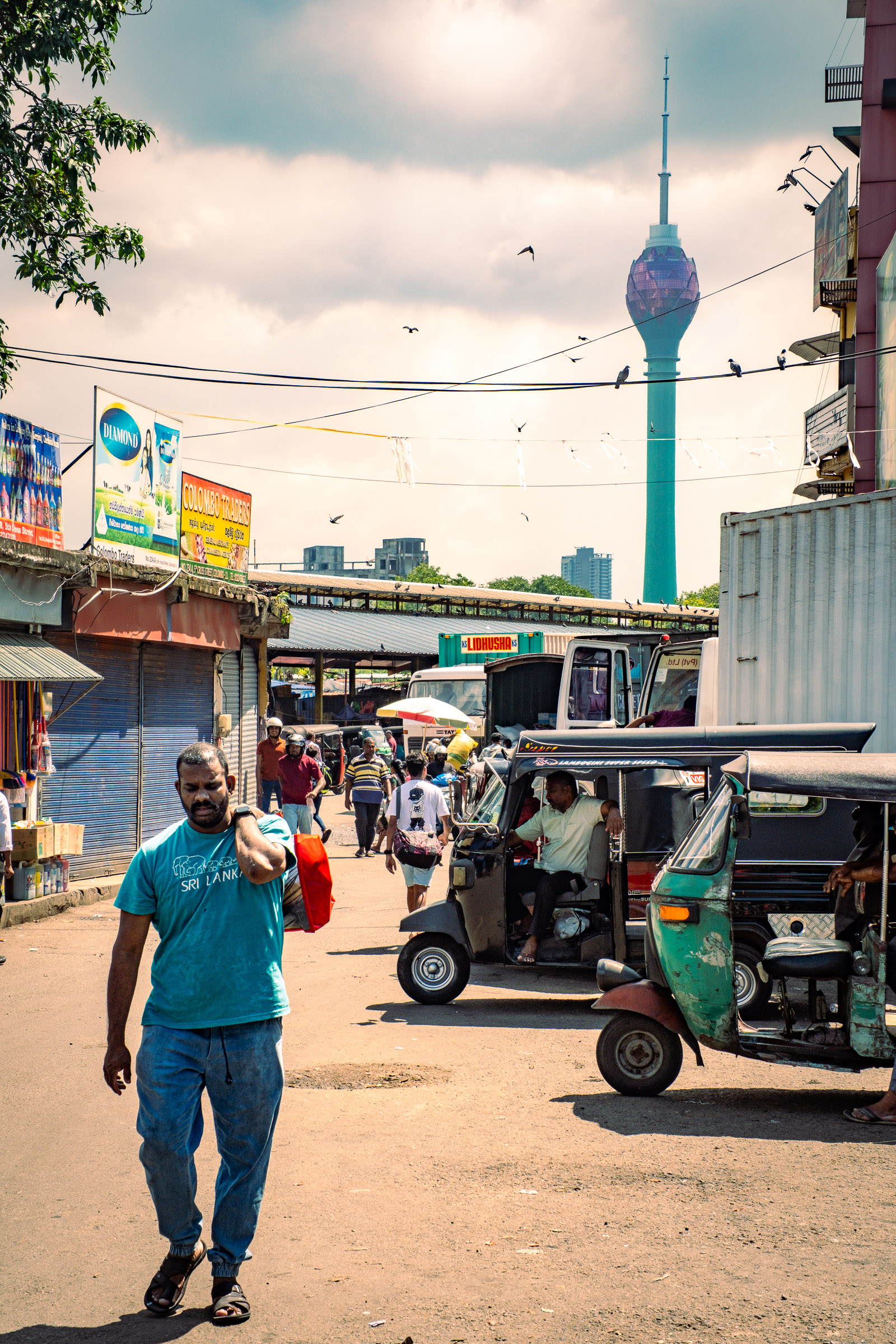
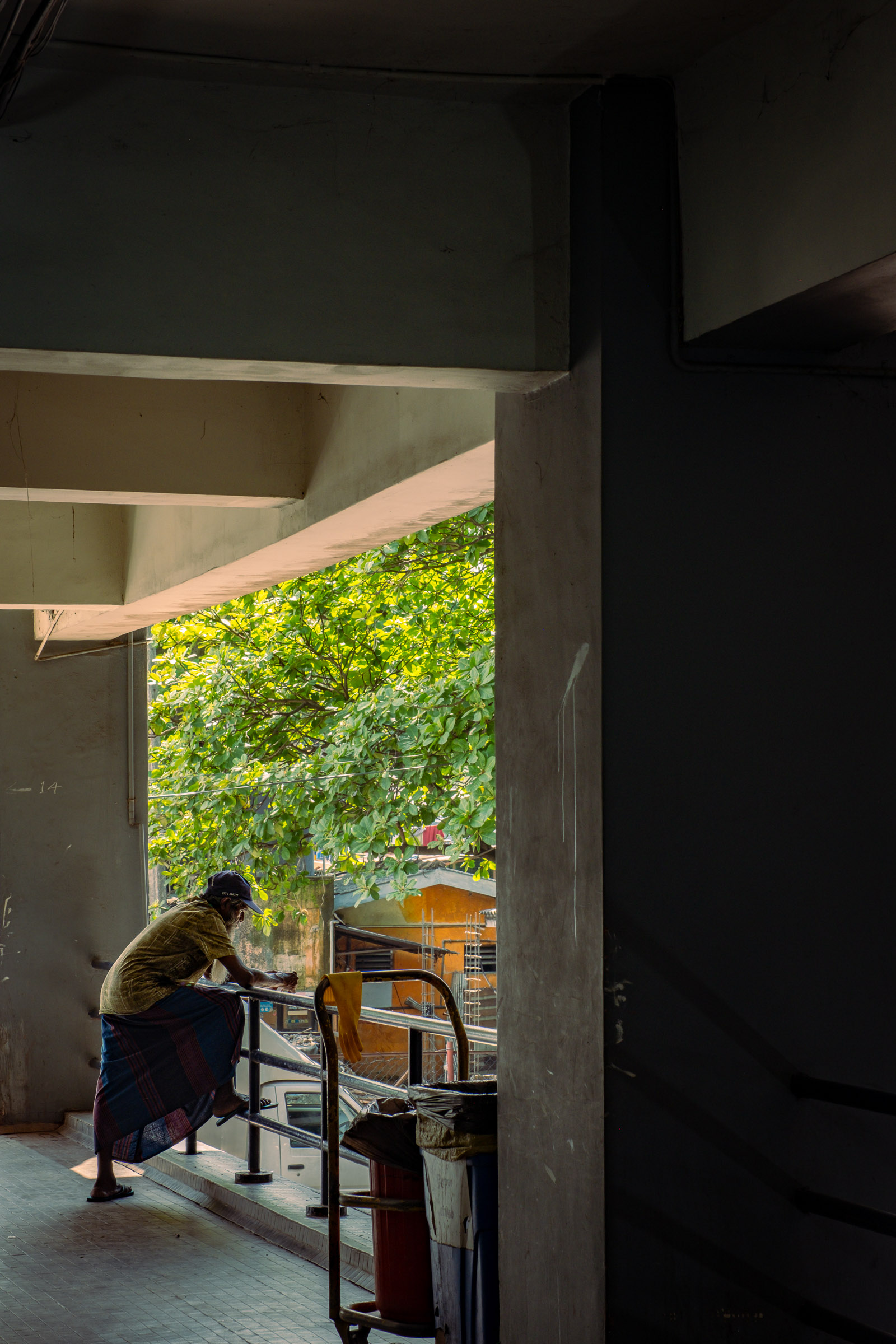
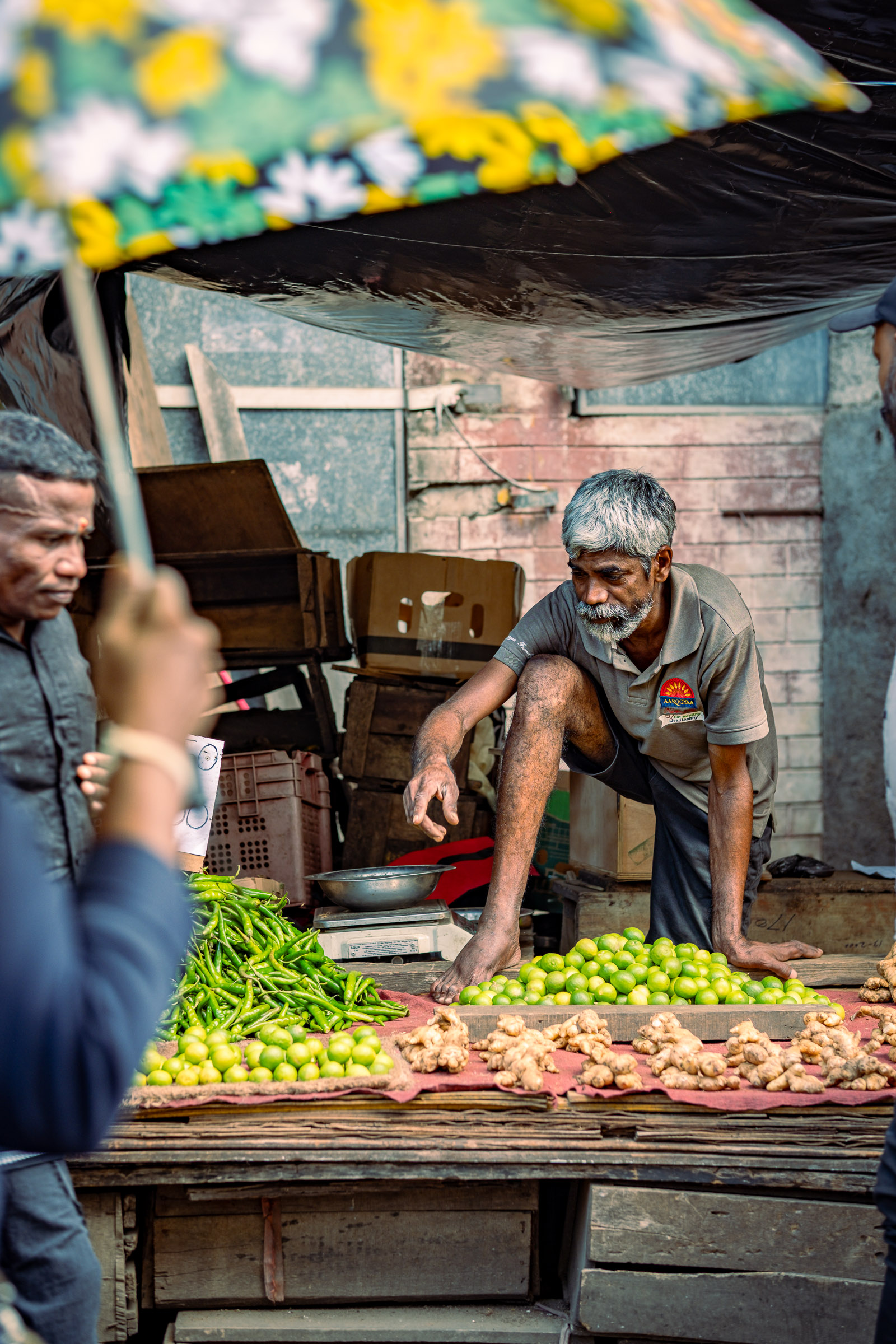
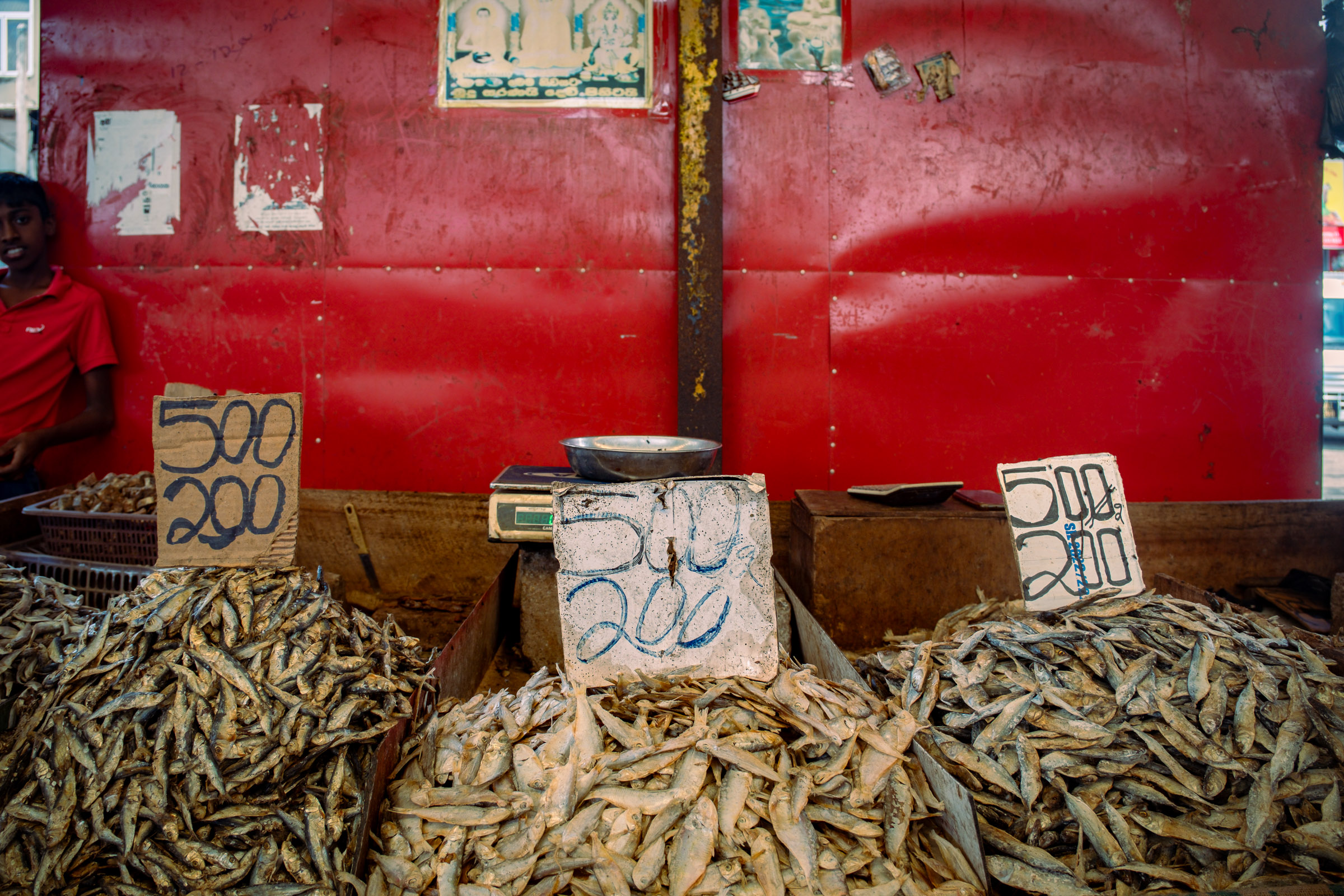
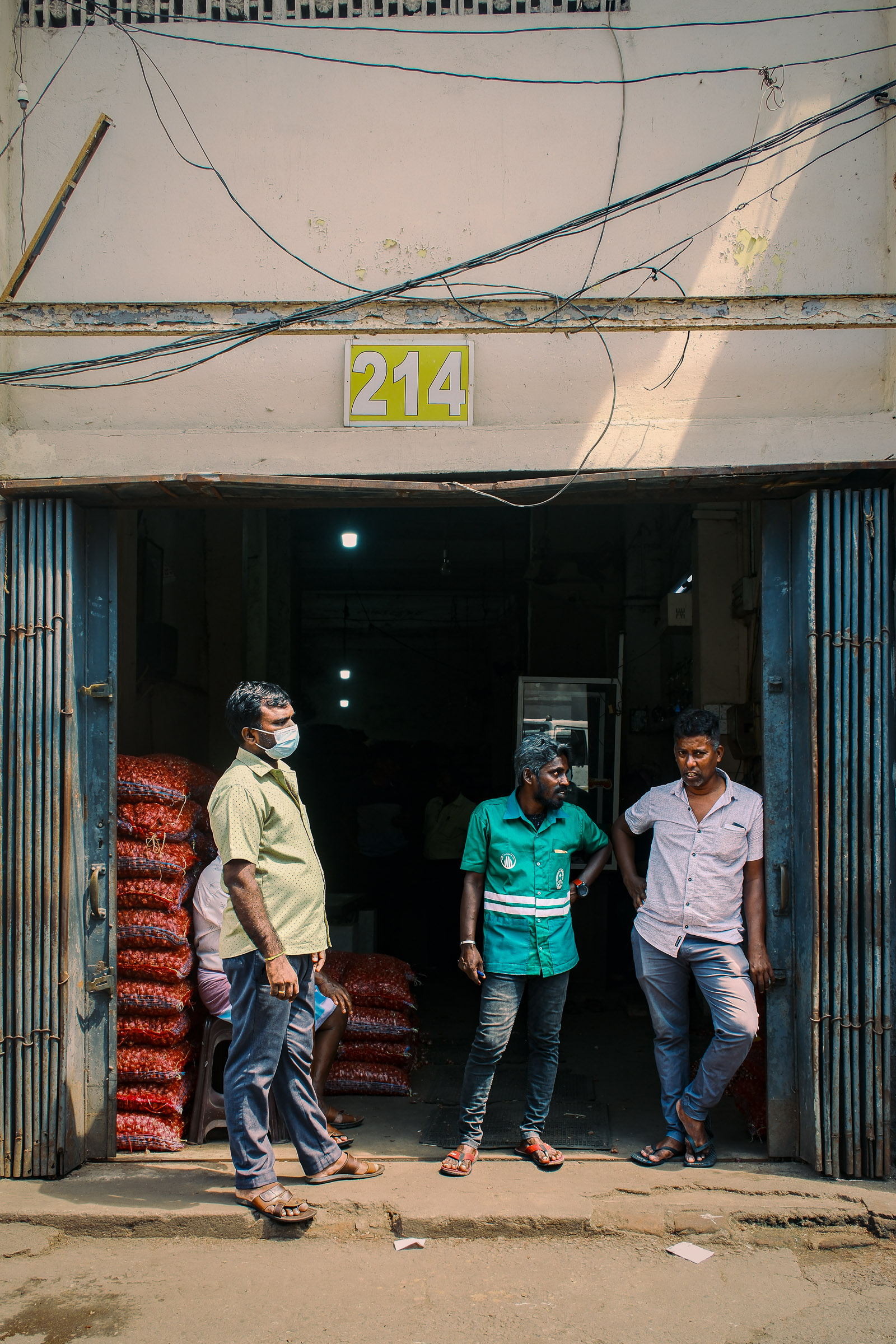
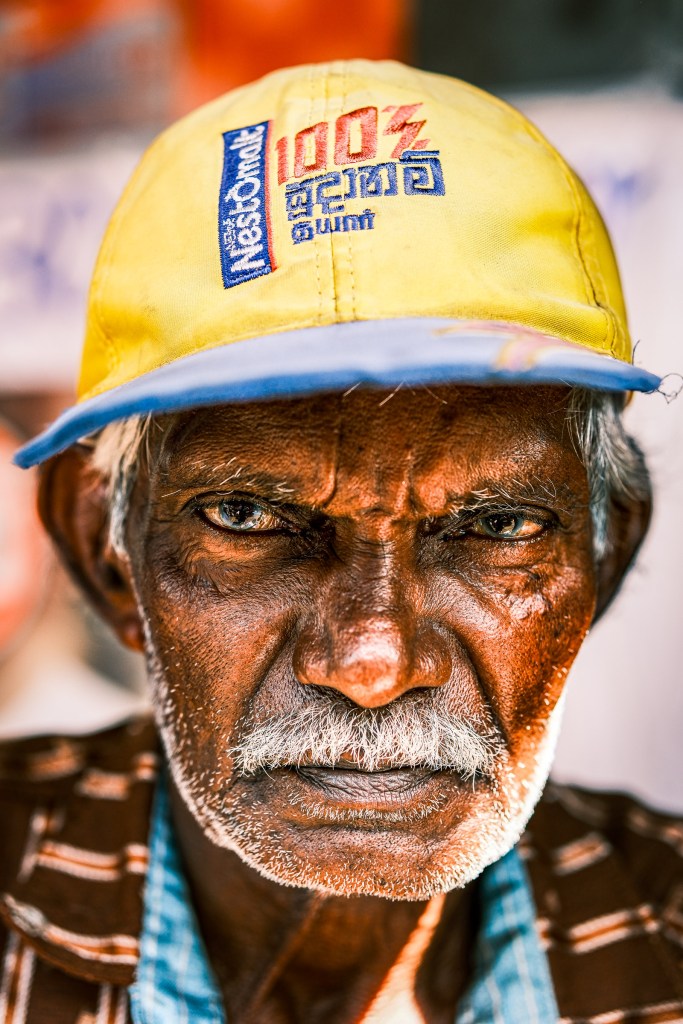
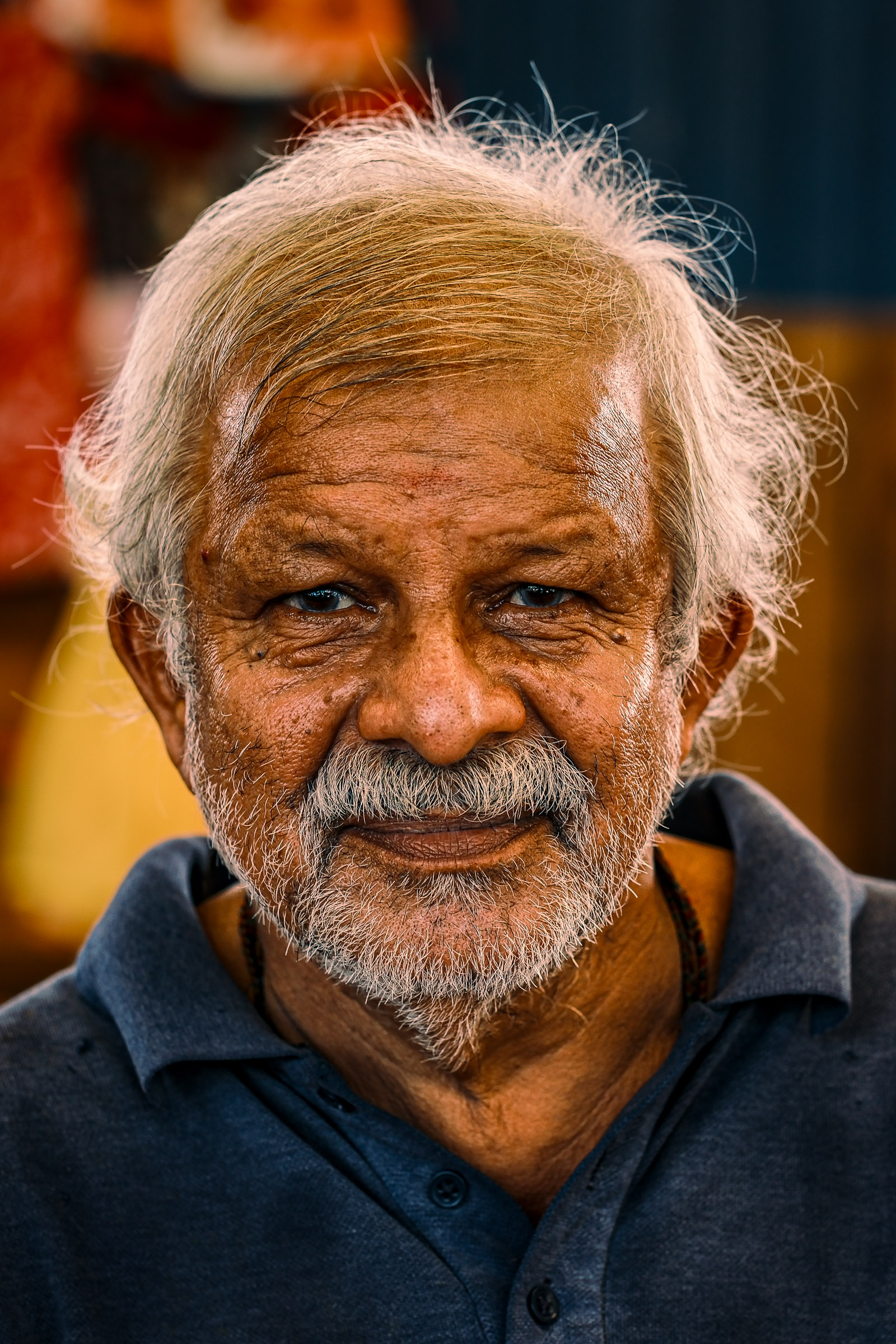
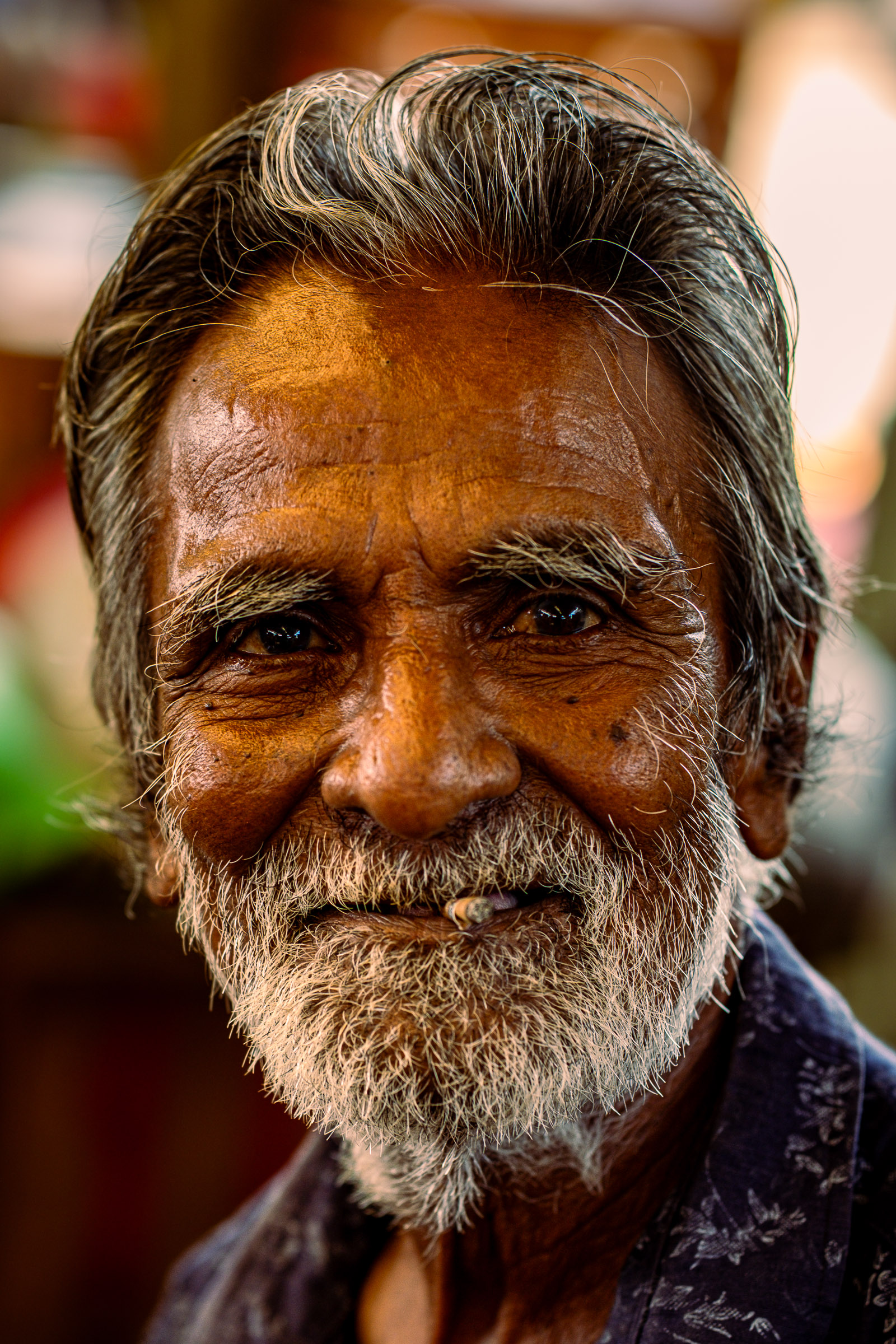
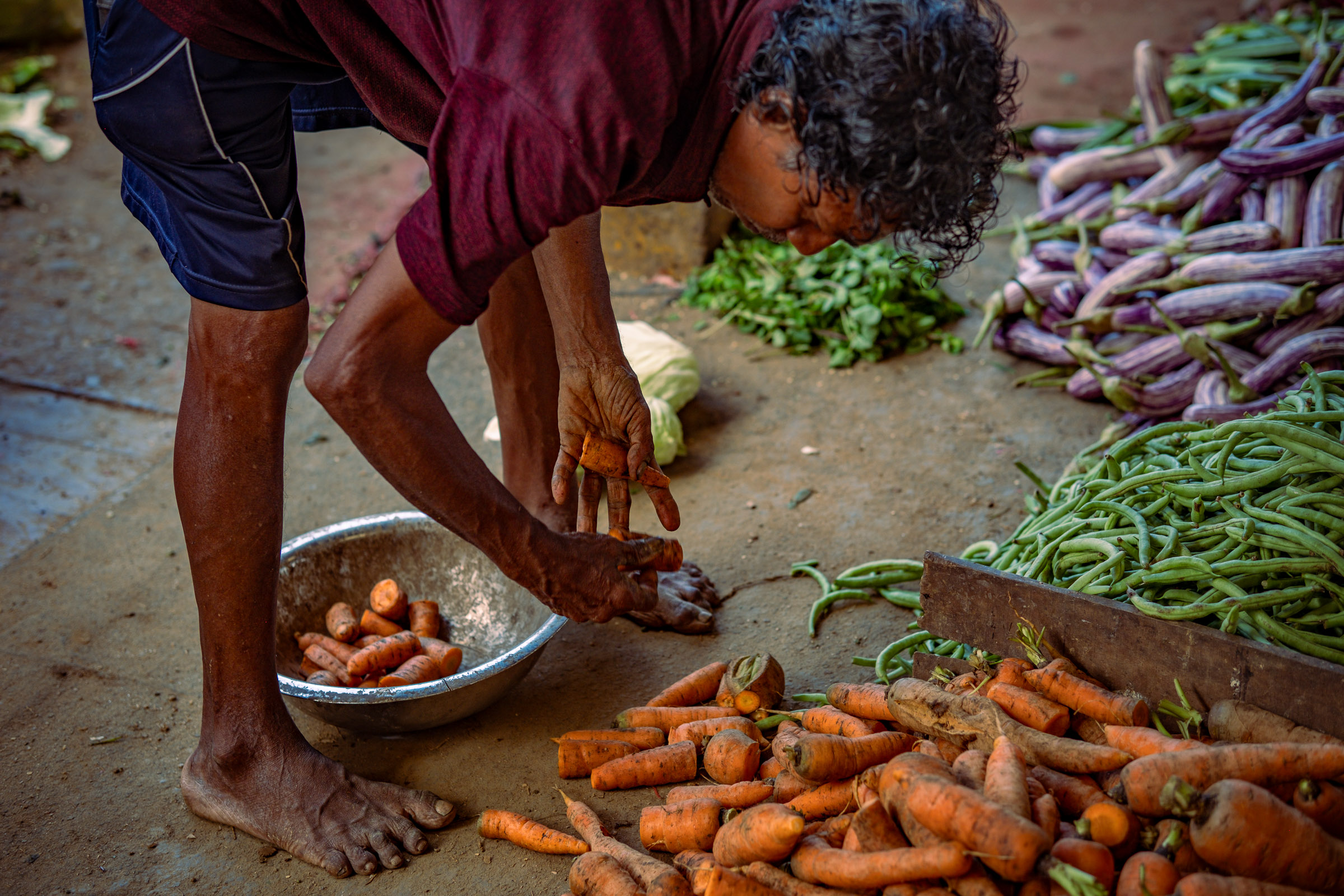
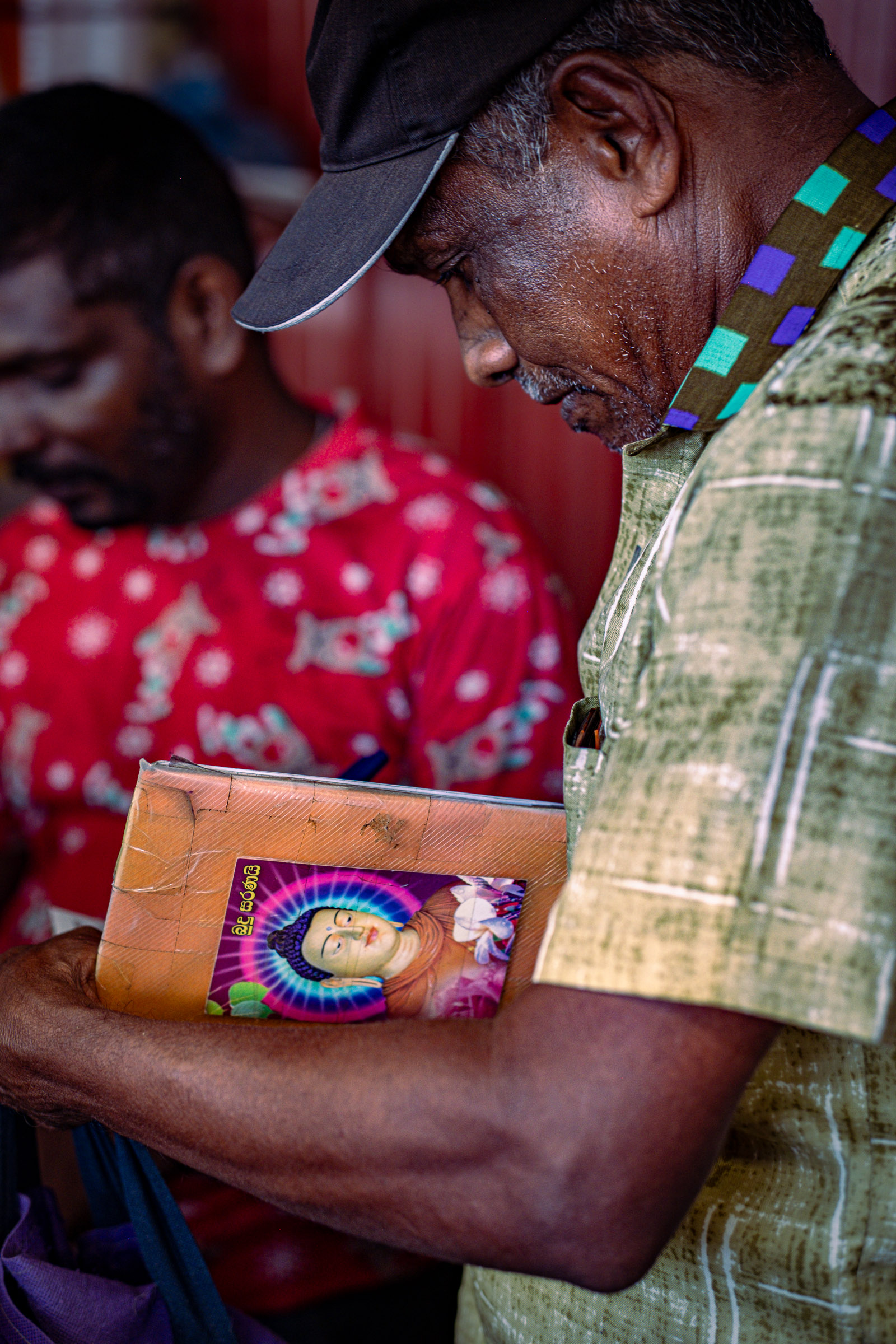
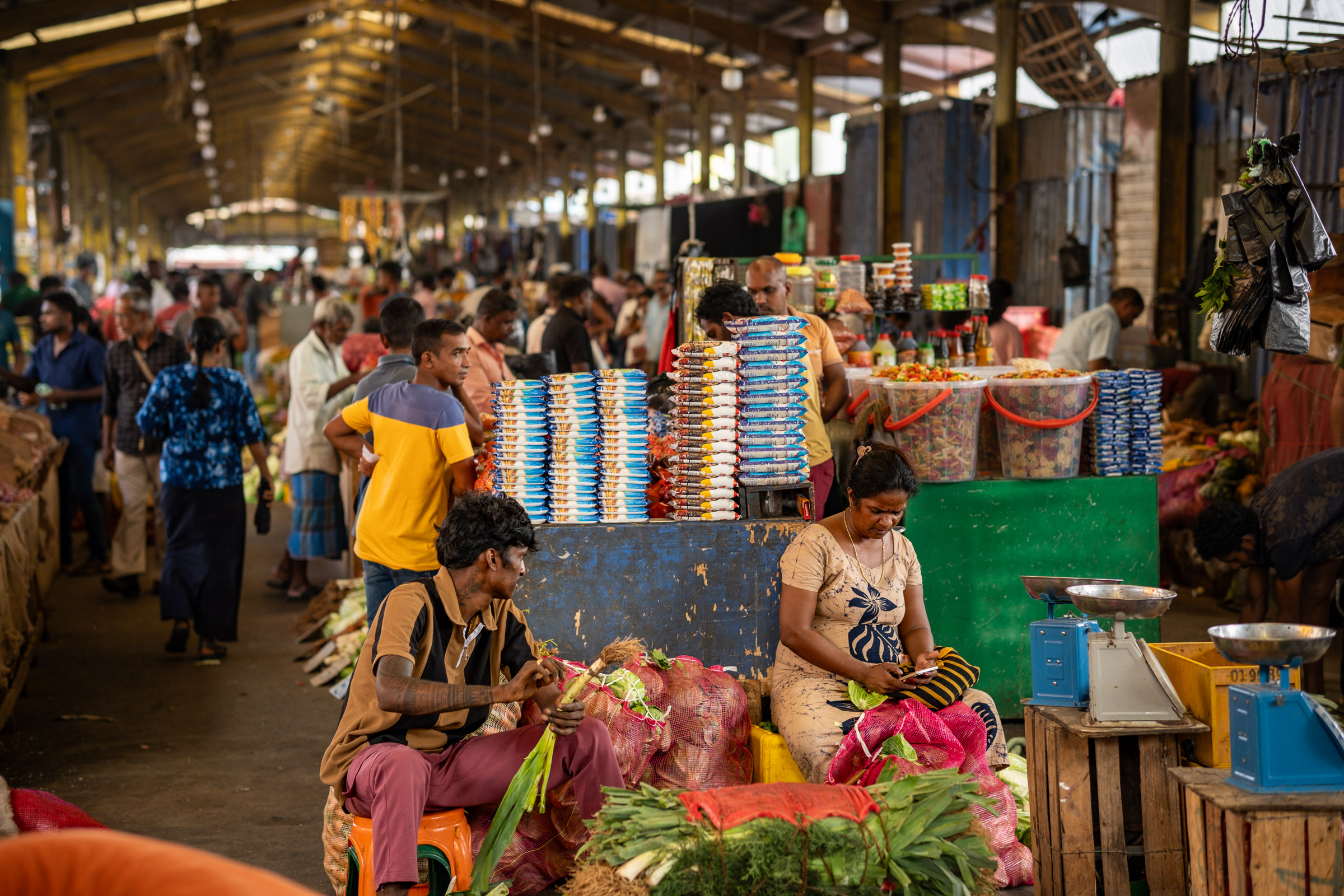
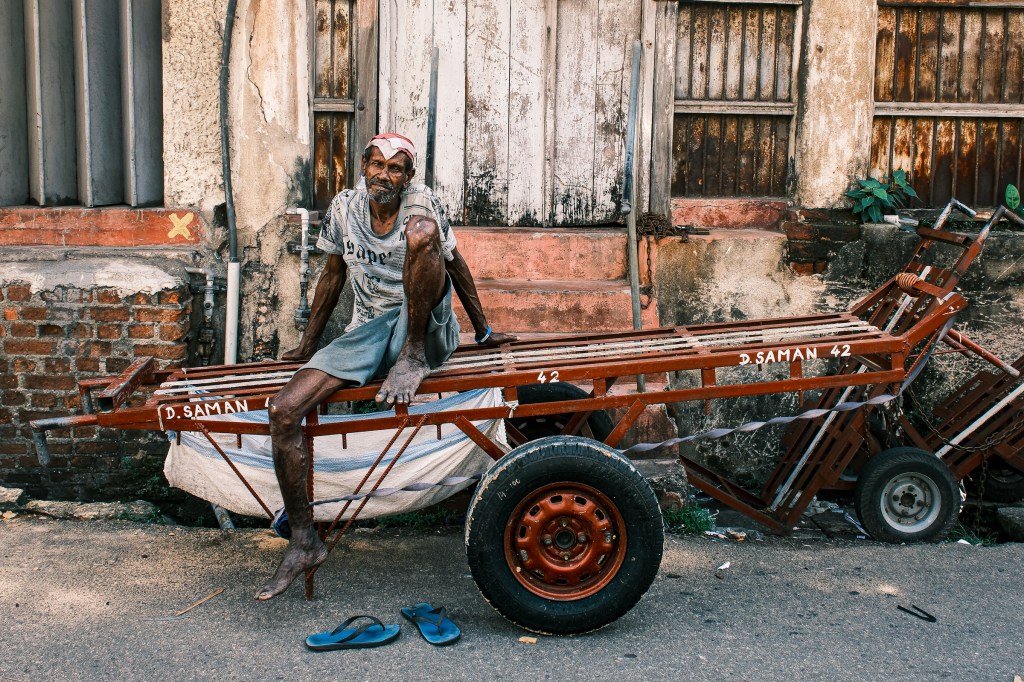
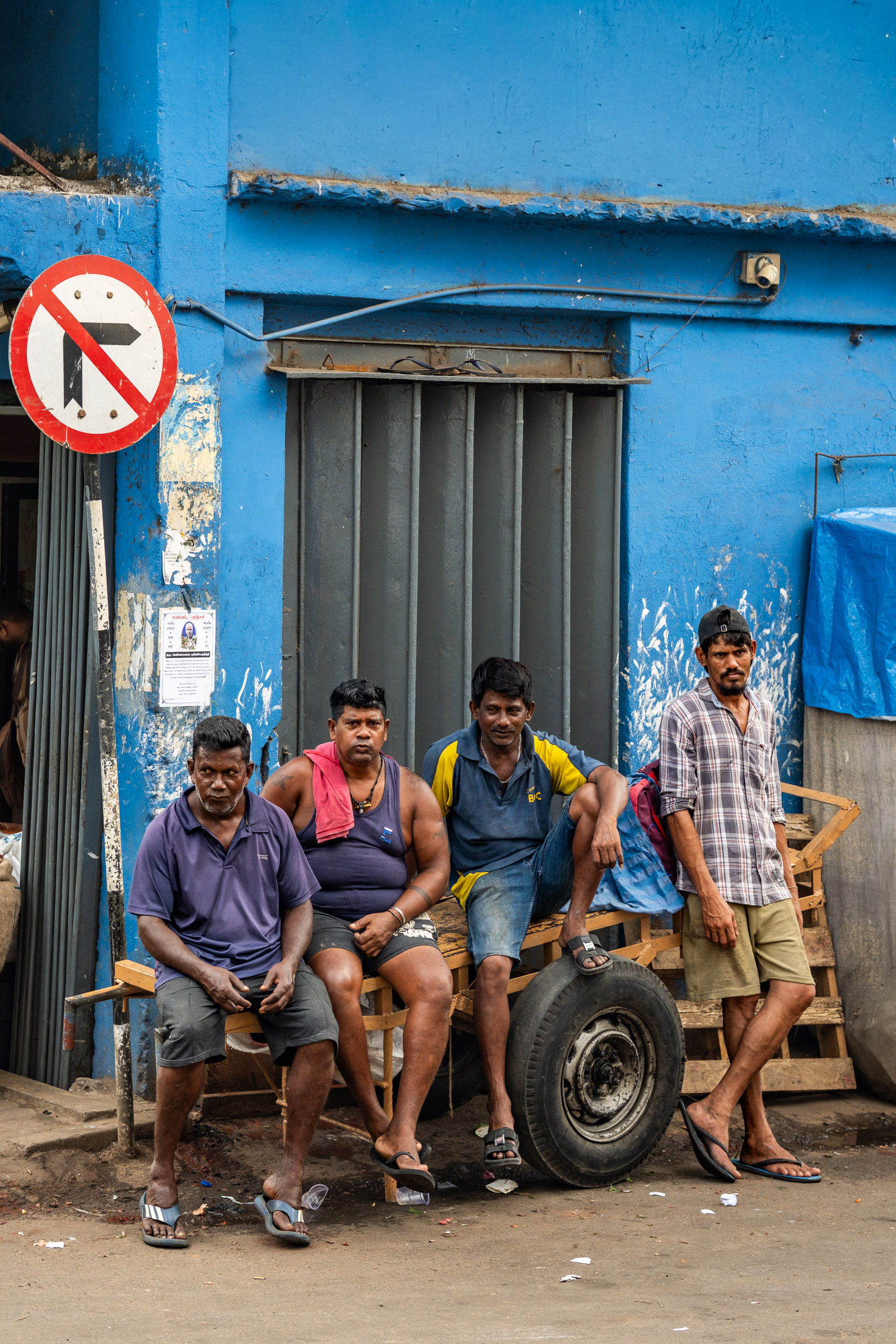
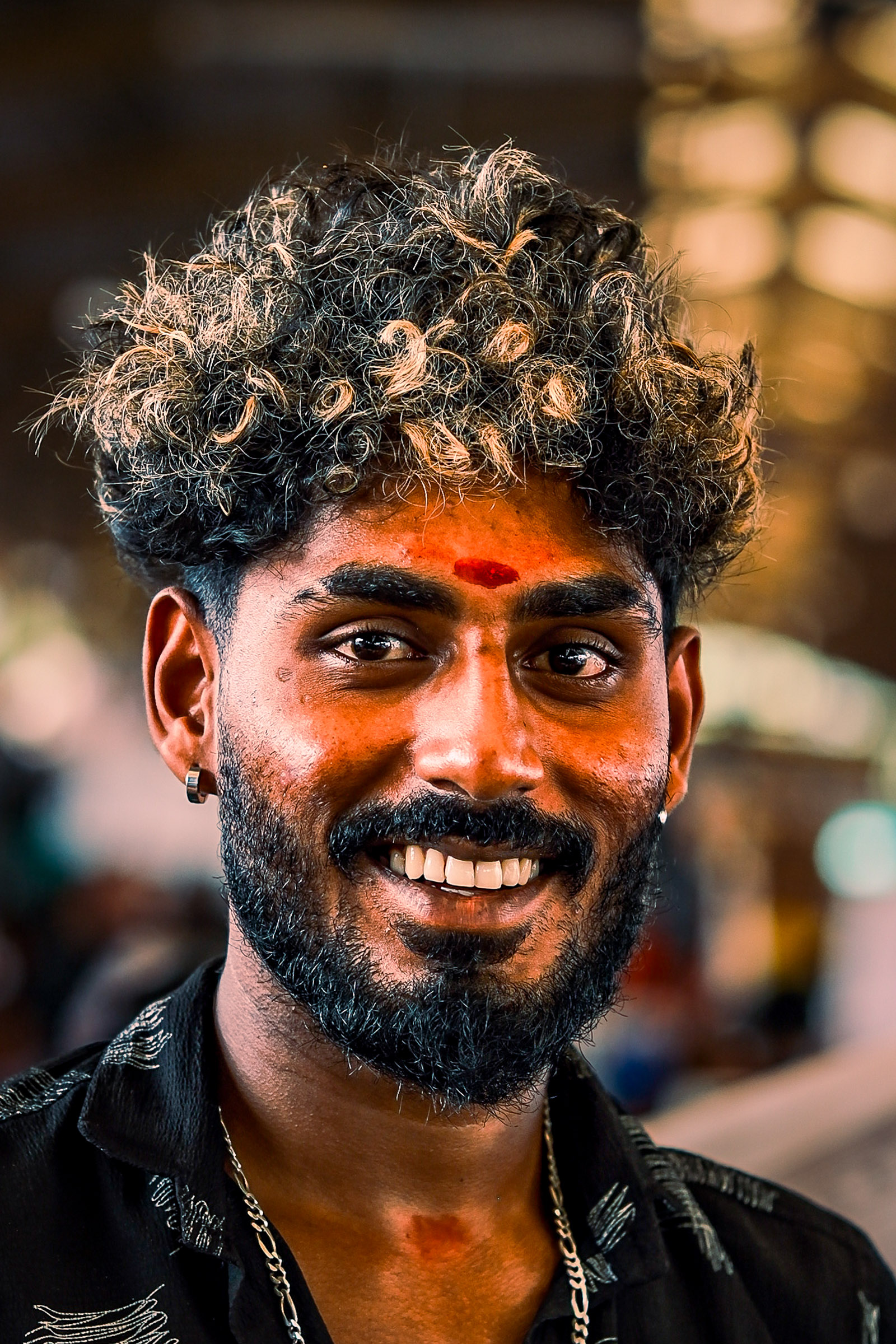
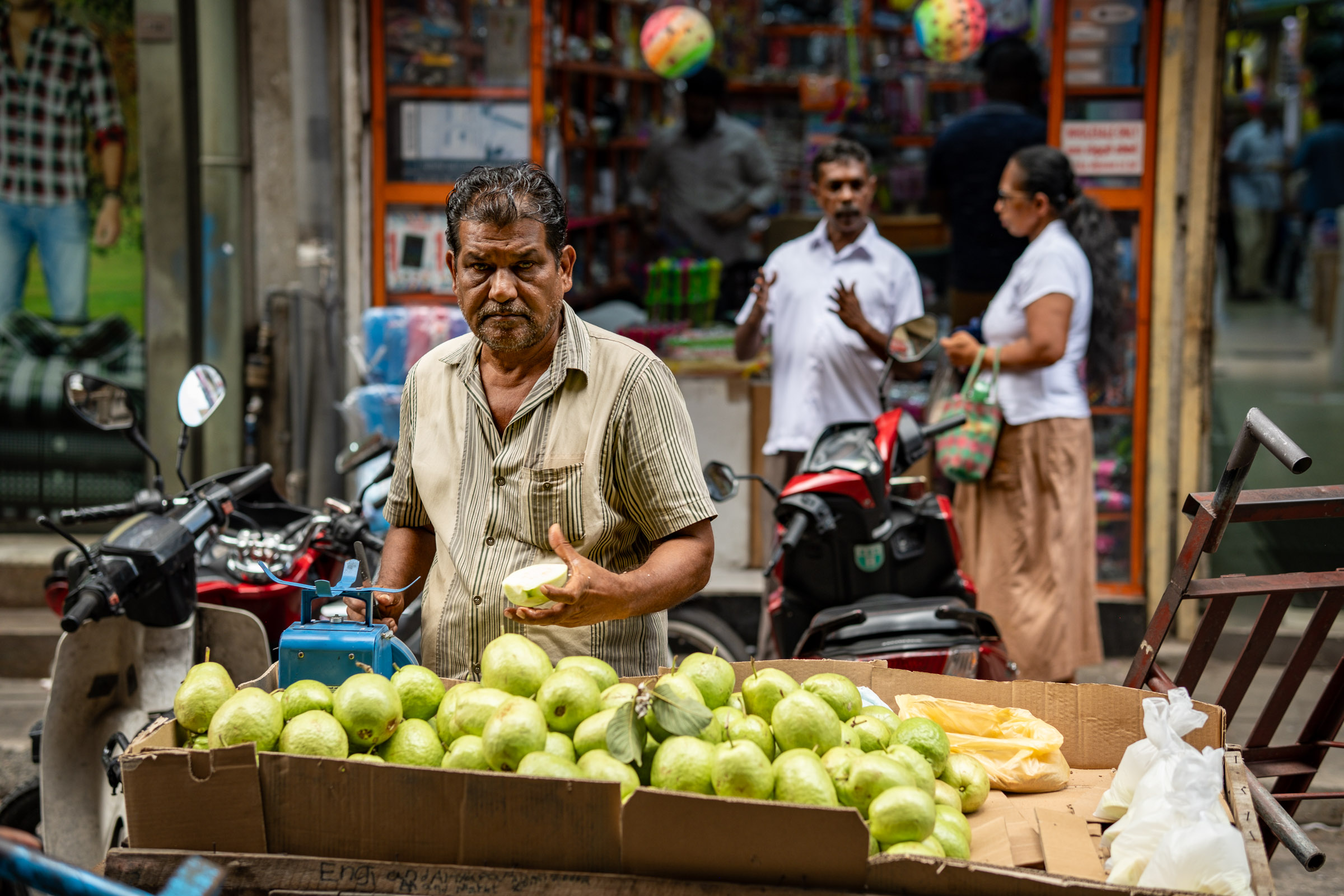
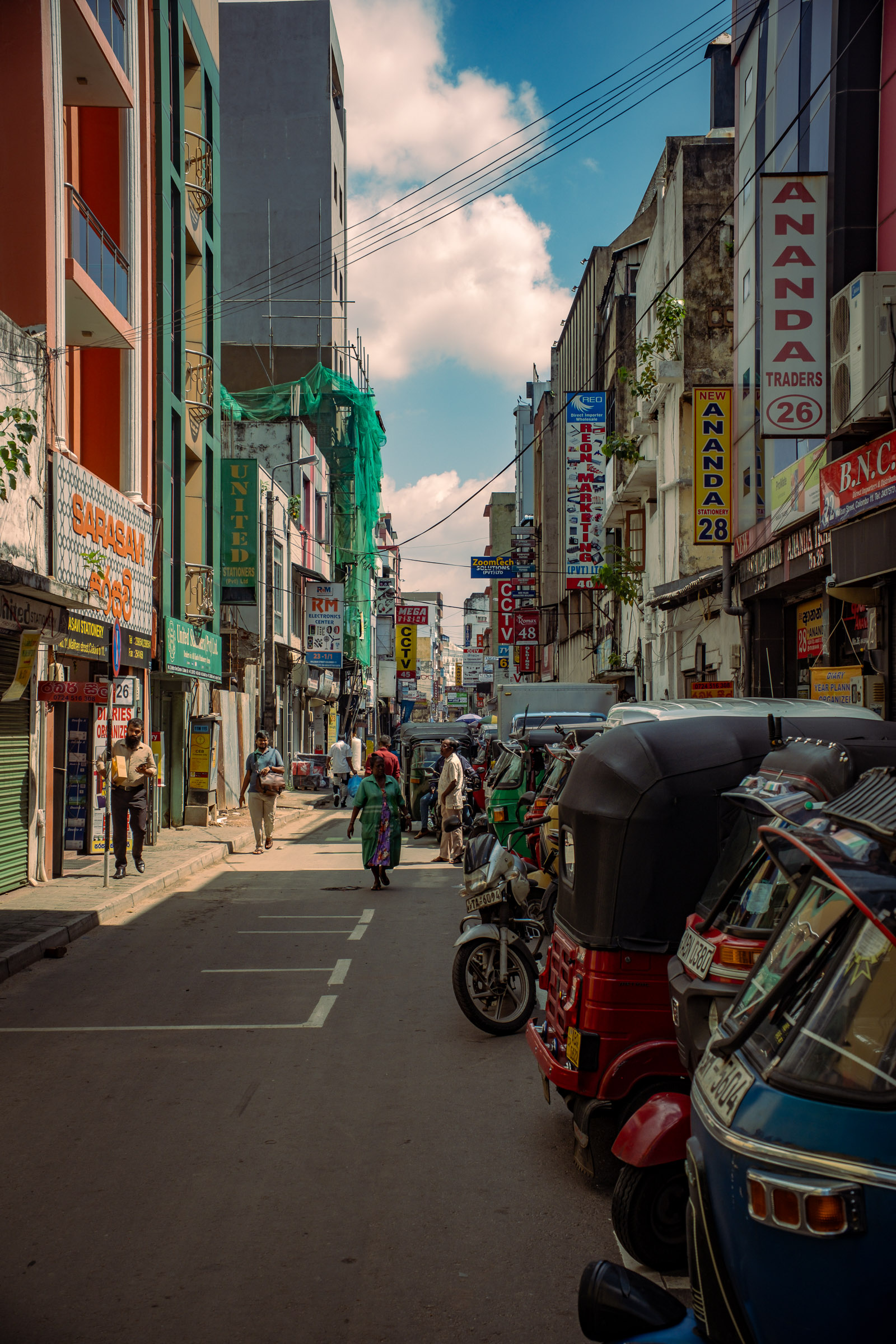
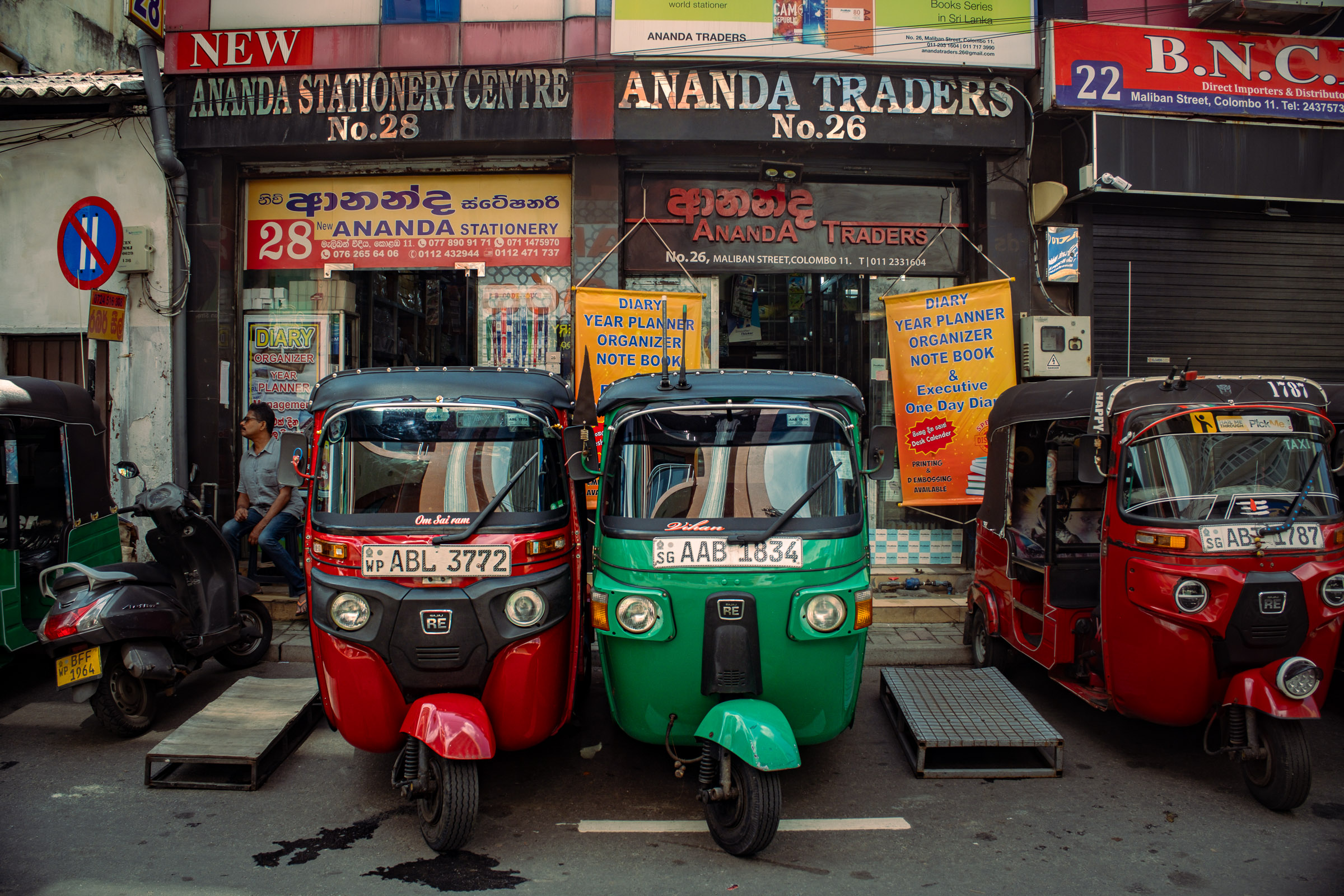
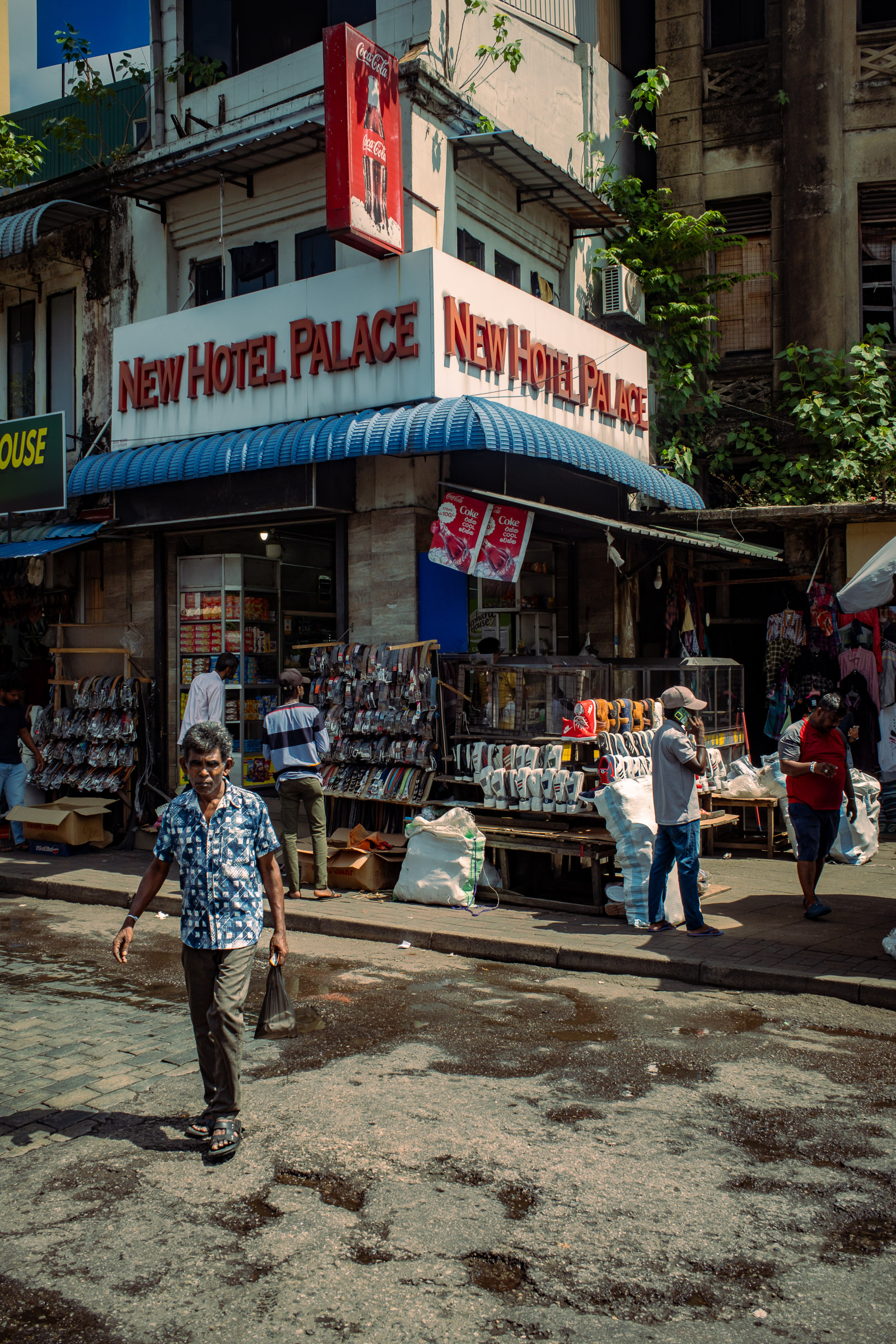
Before heading back to Sri Lanka, I got in touch with the other of a local film lab with the intention of developing my film when I was there. He also shoots film and you can find him here on instagram. He suggested heading to Pettah Market – I googled the area and it was right up my street, what I didn’t realise was however much I would loved to shoot in Pettah Market, I would fall in love with the area more. A bustling cacophony of colour and authentic Sri Lankan life.






































 KarlJones.Photography