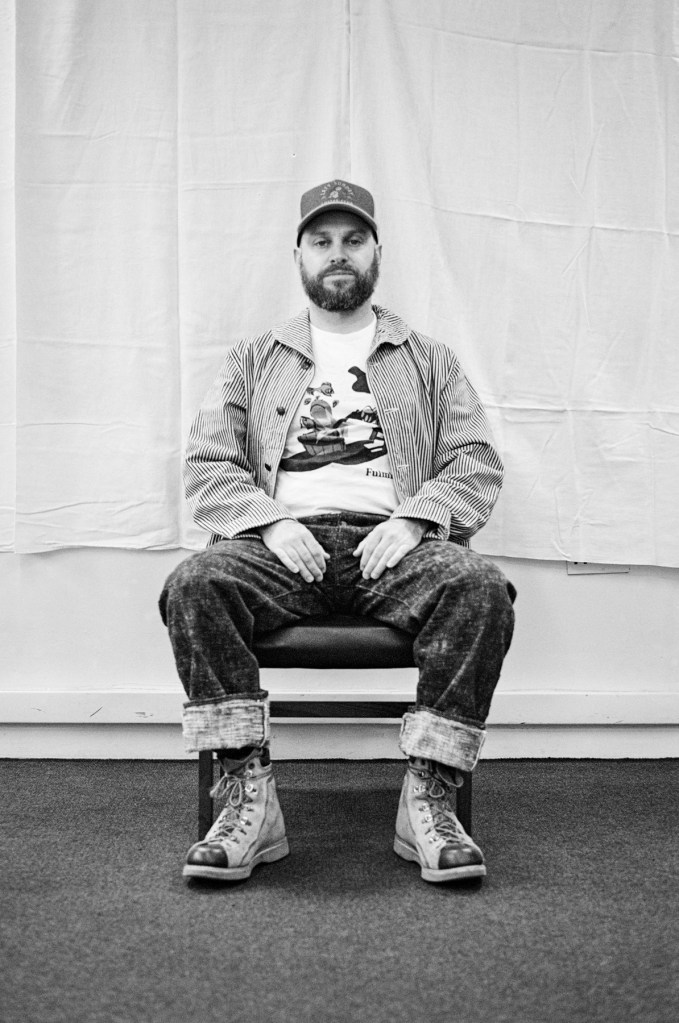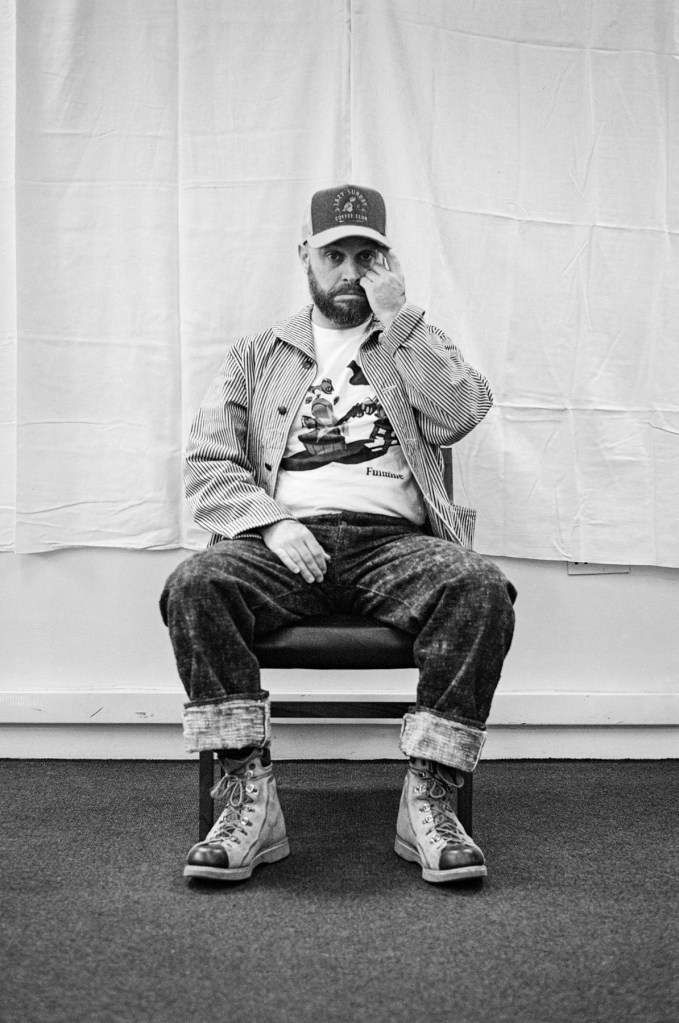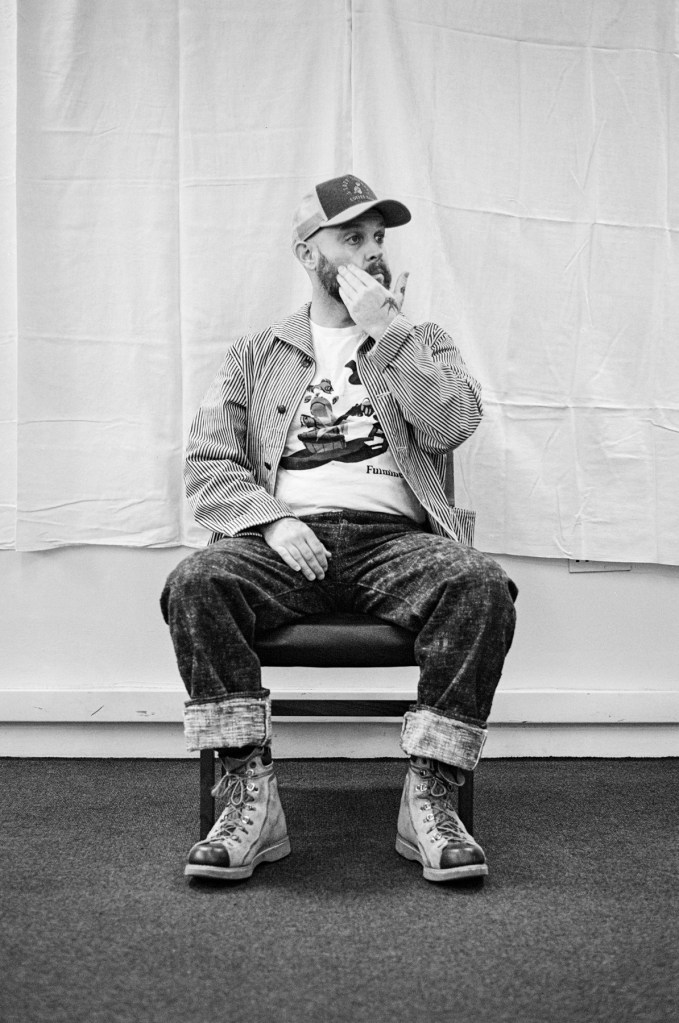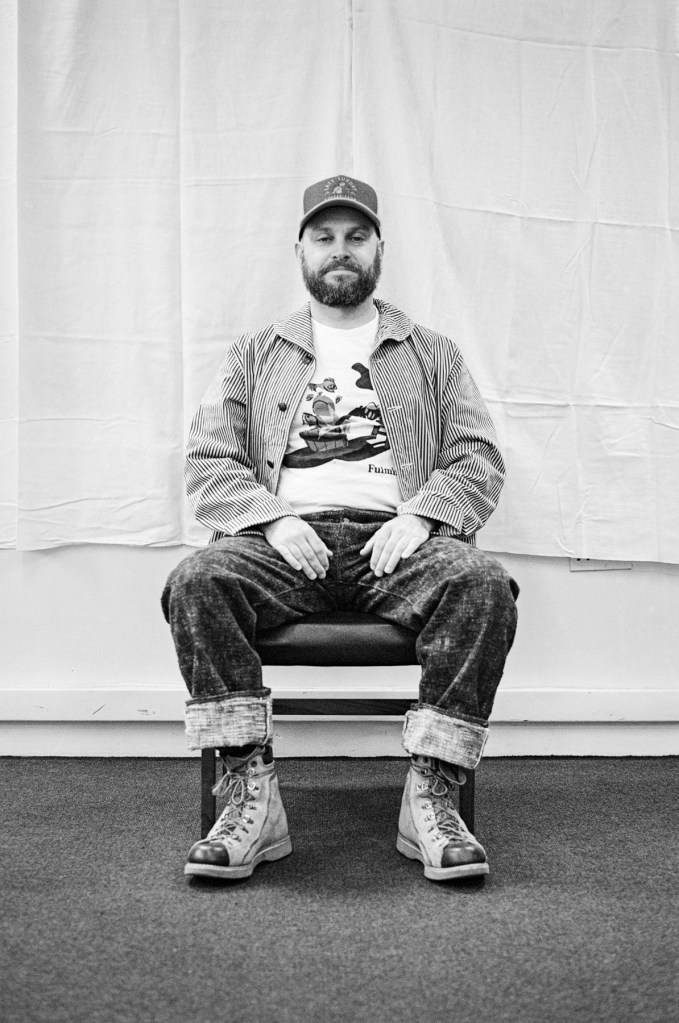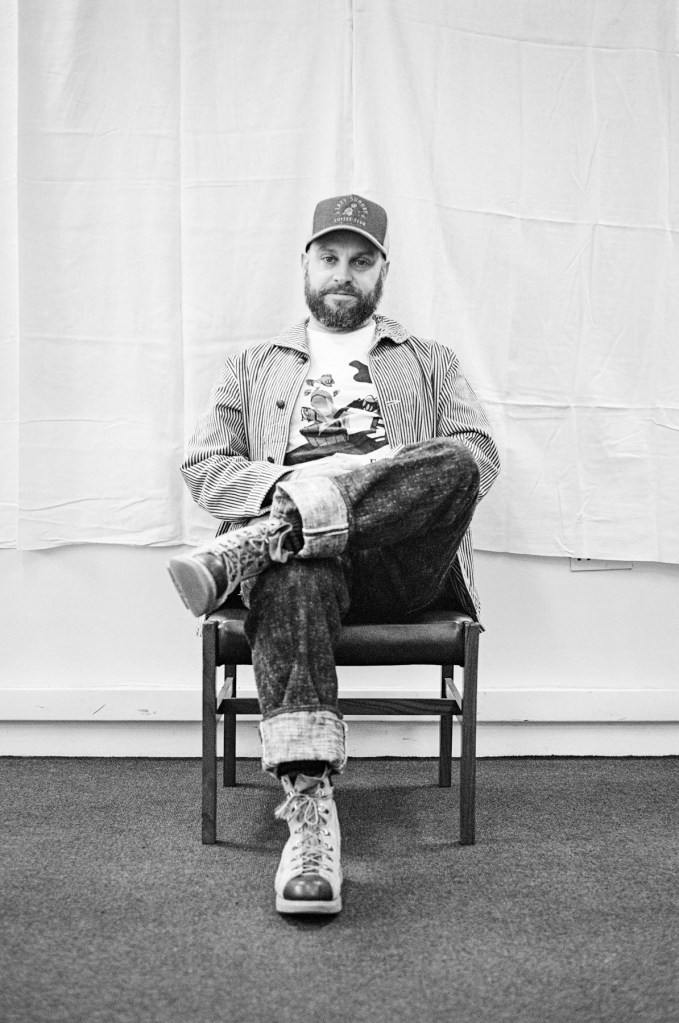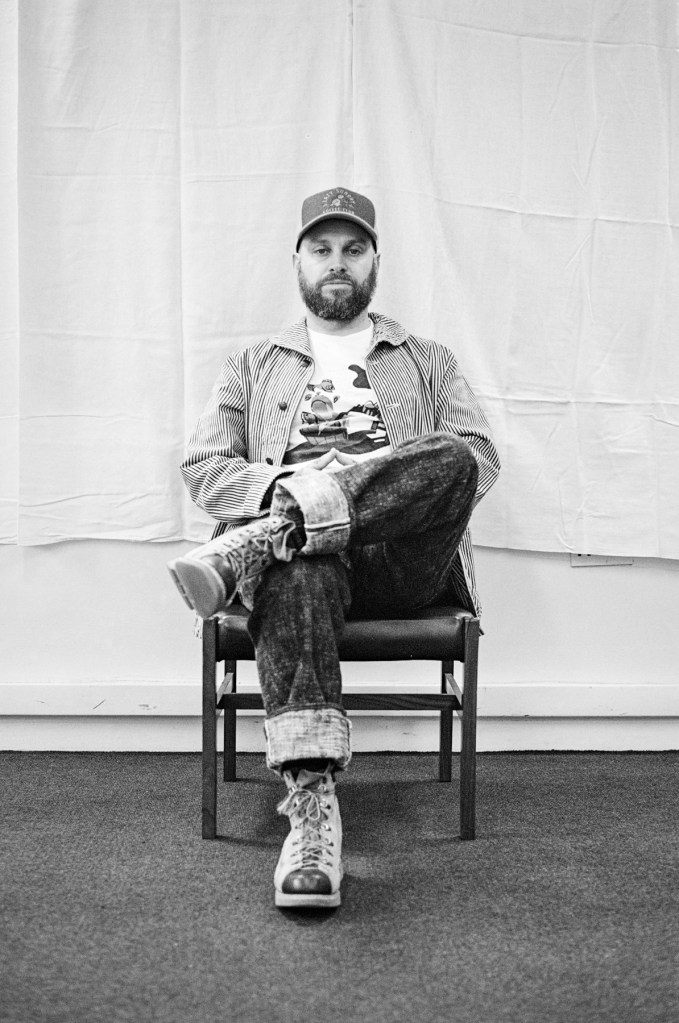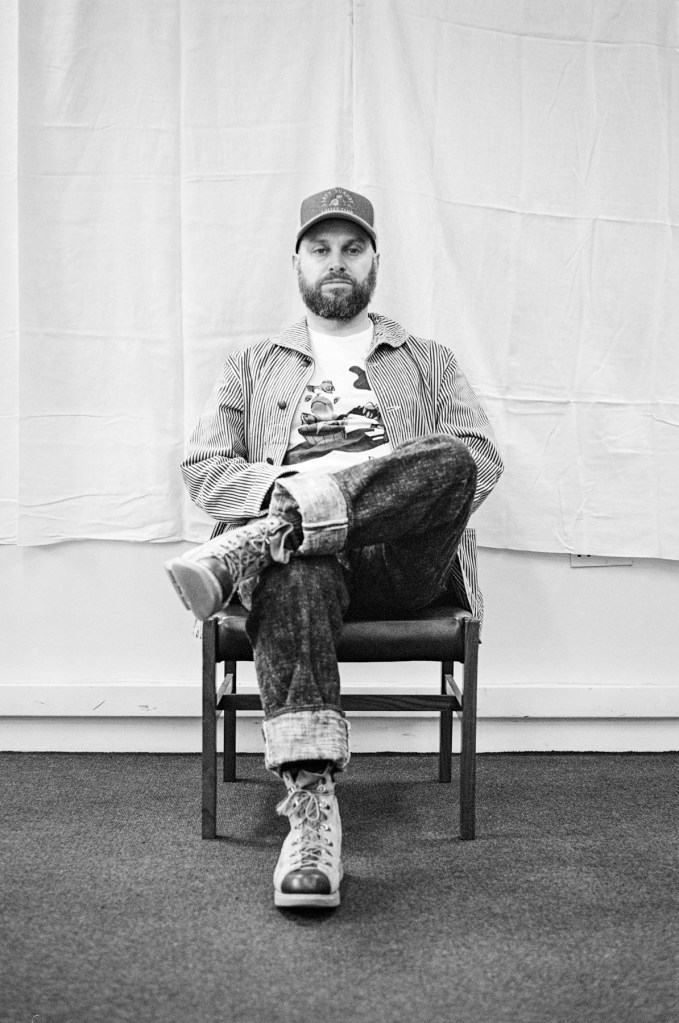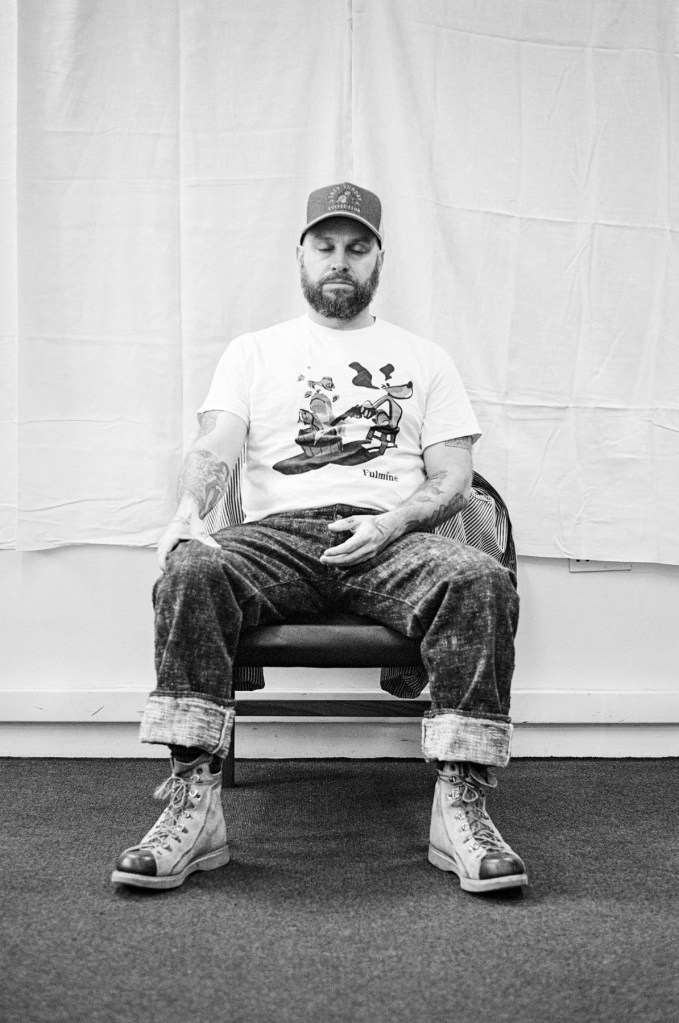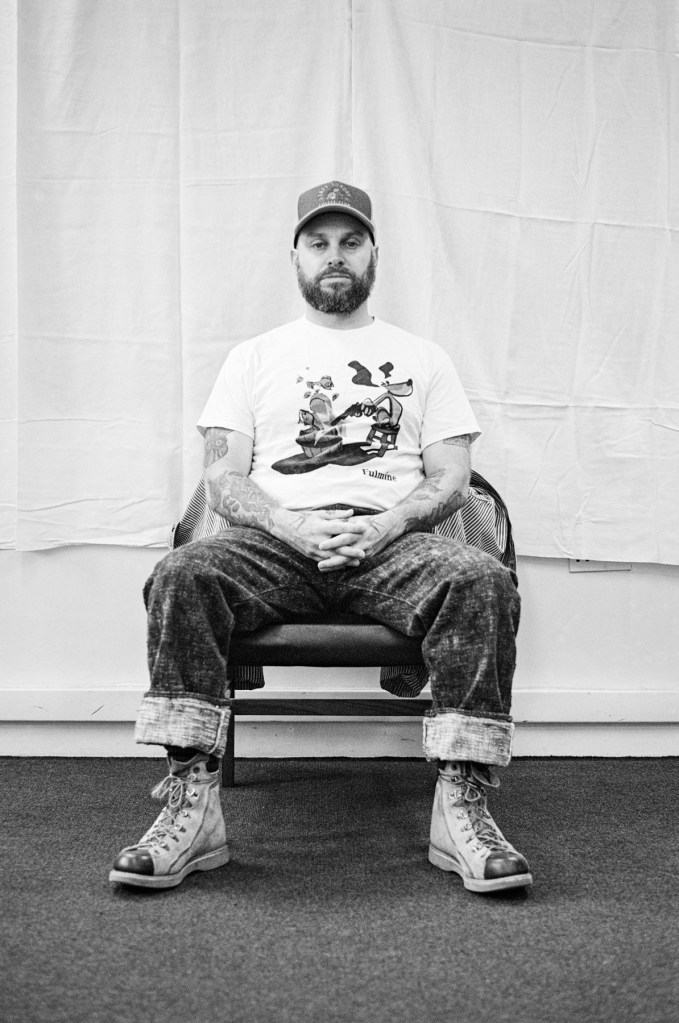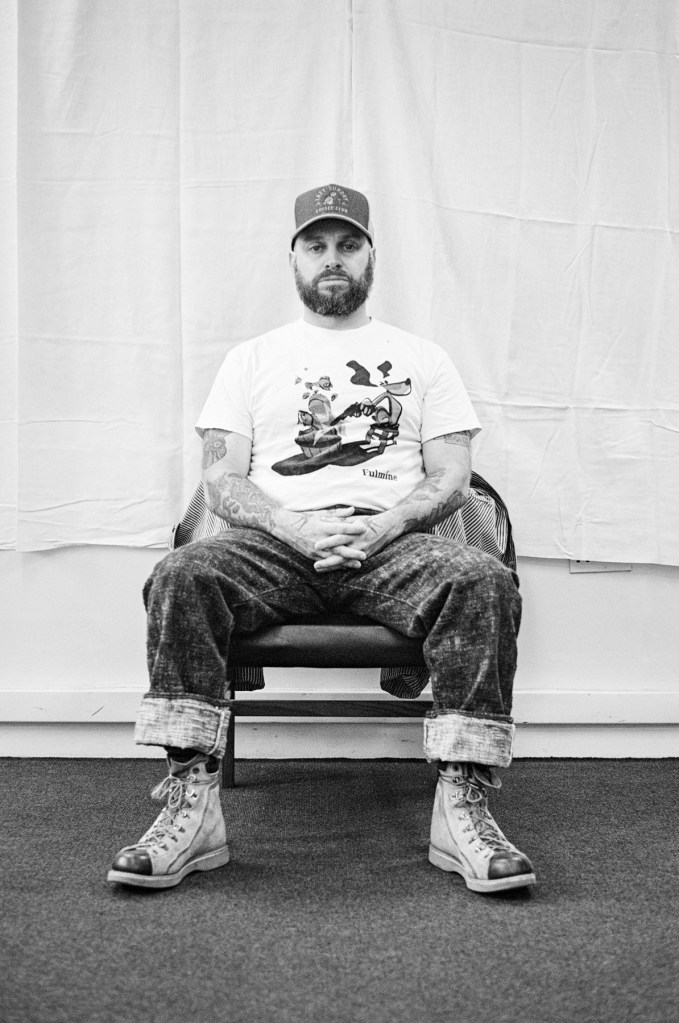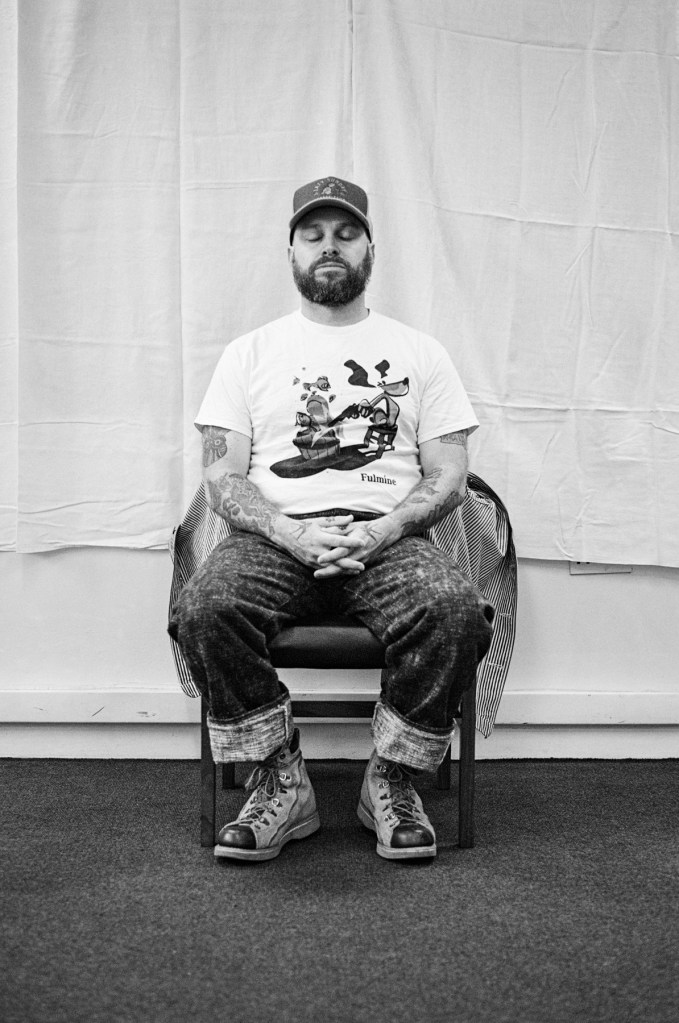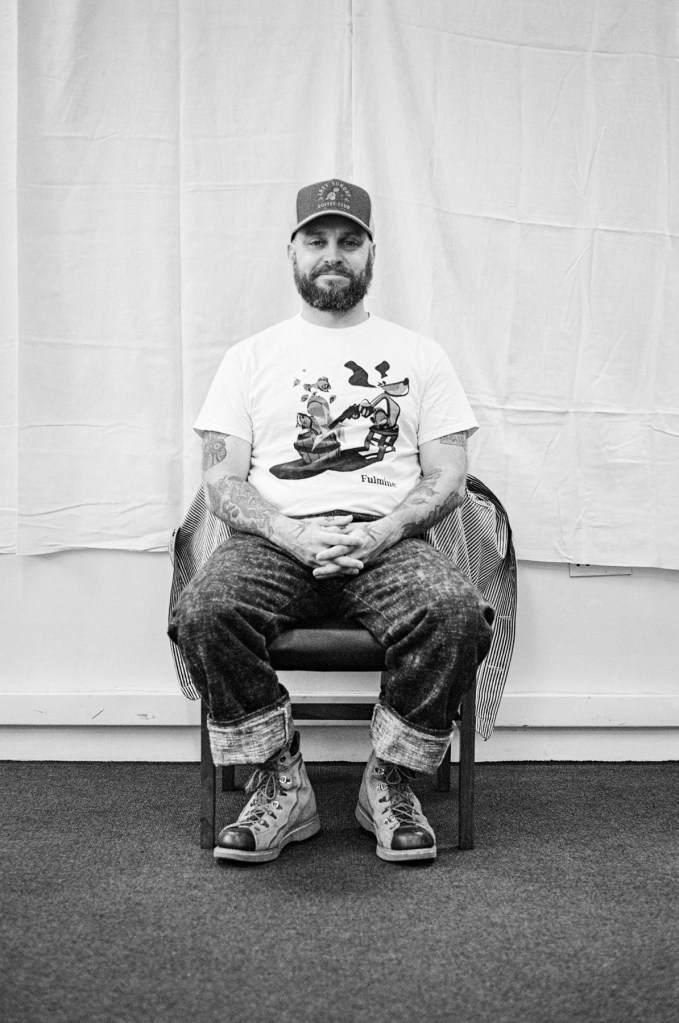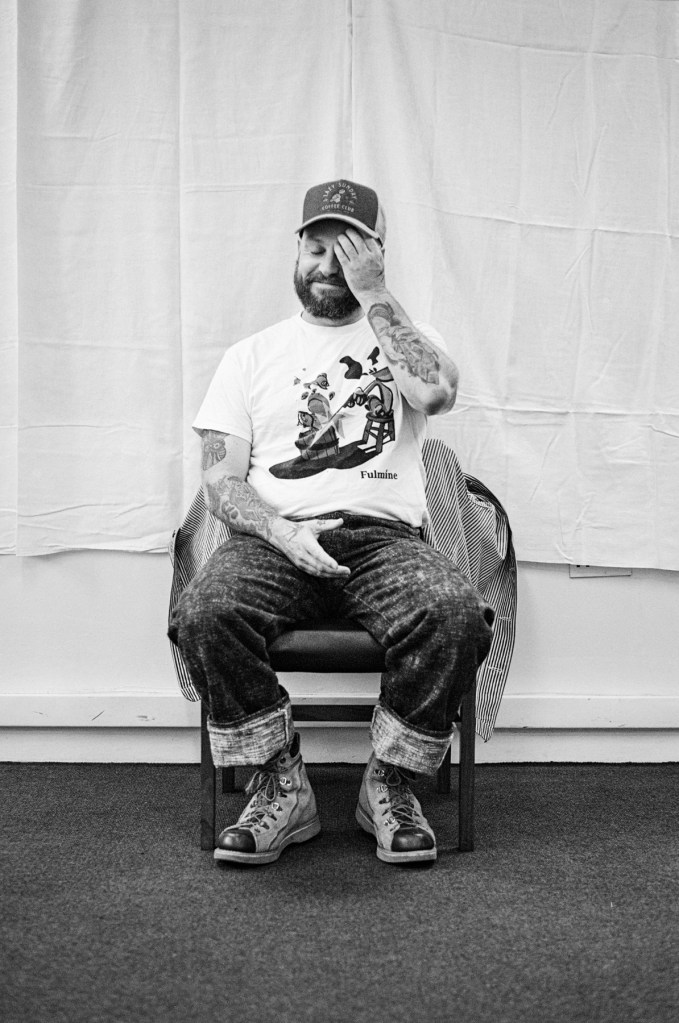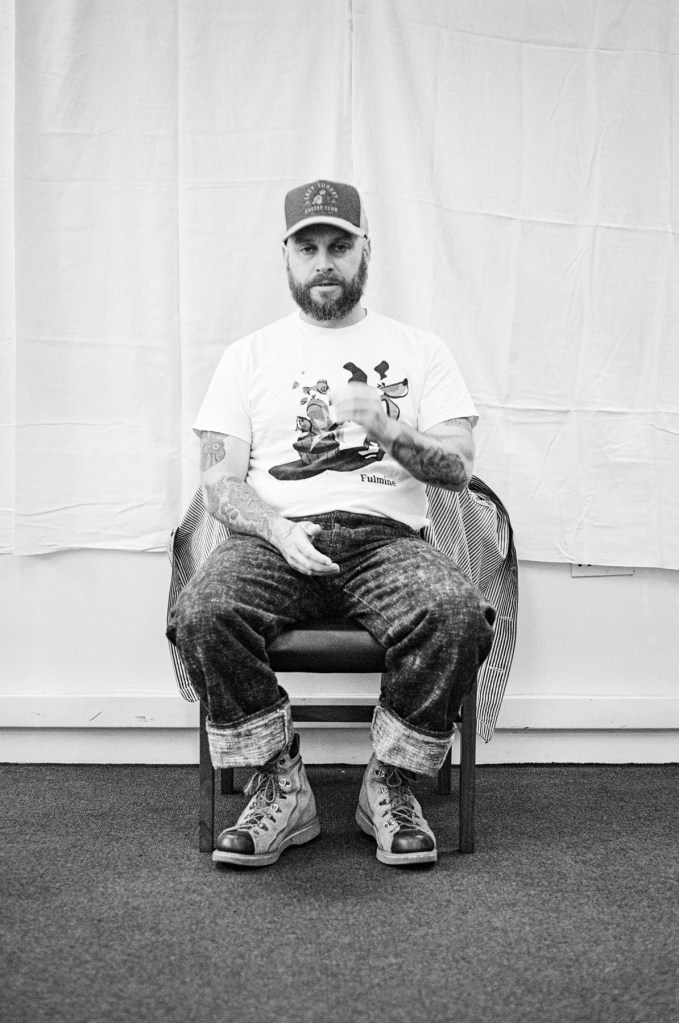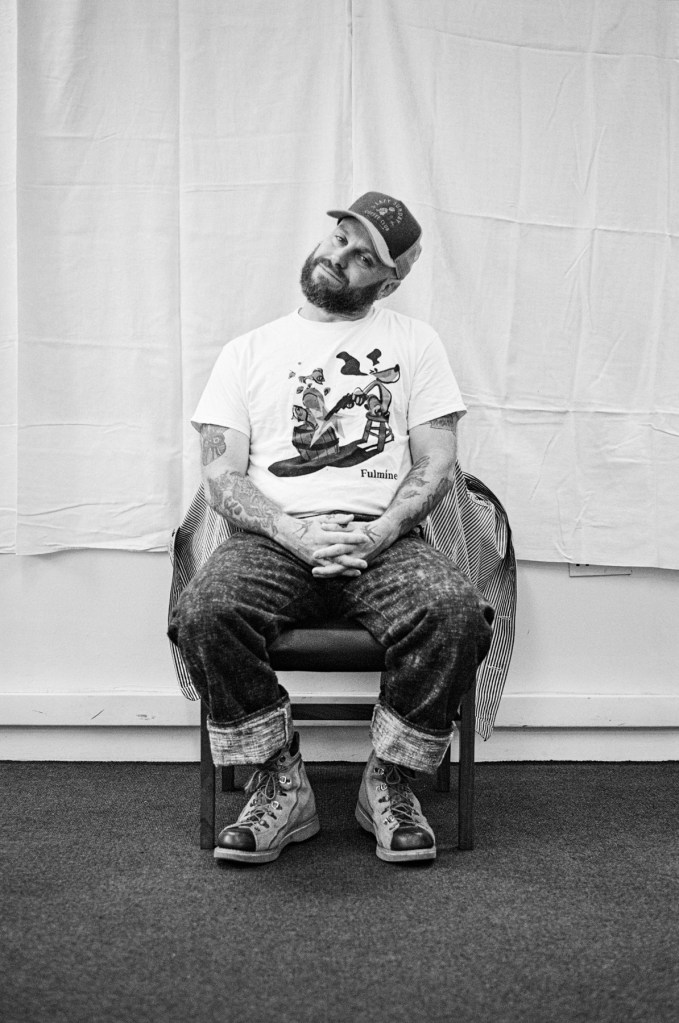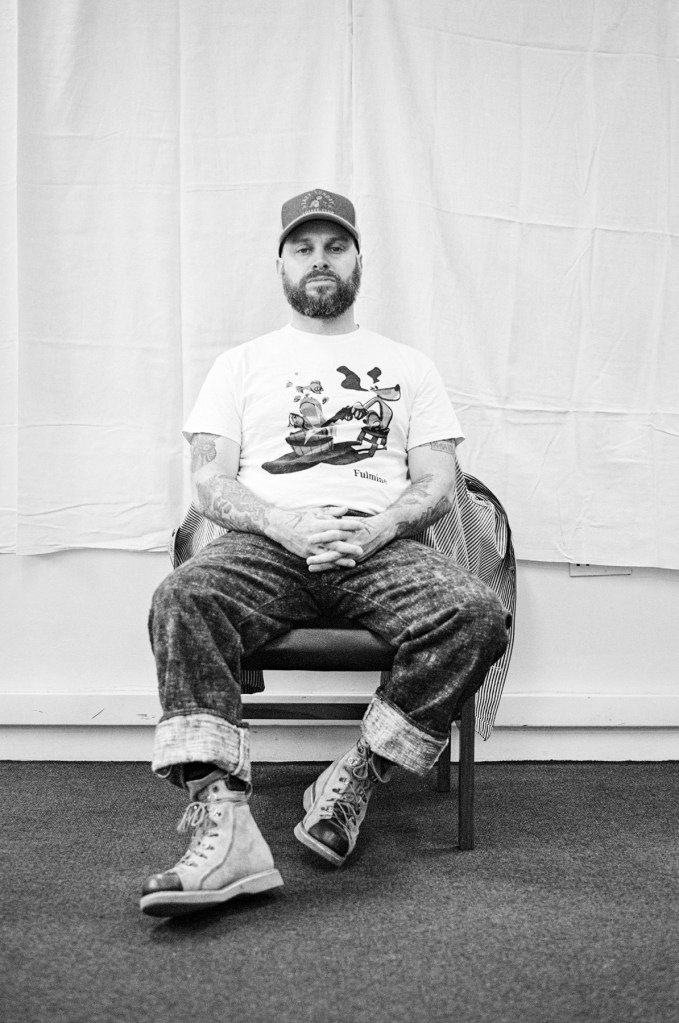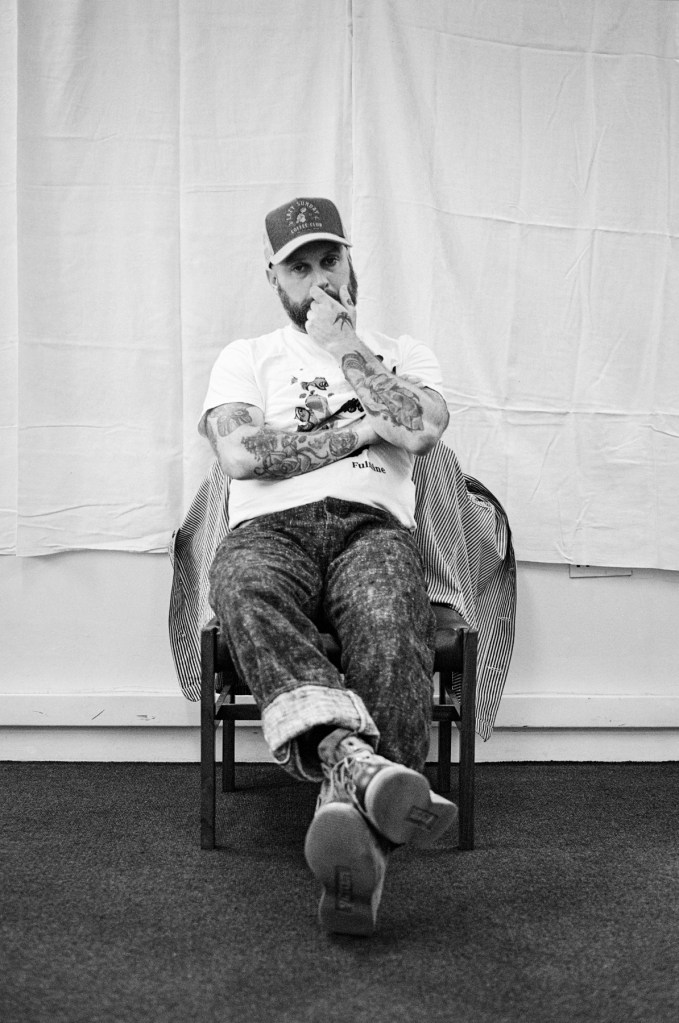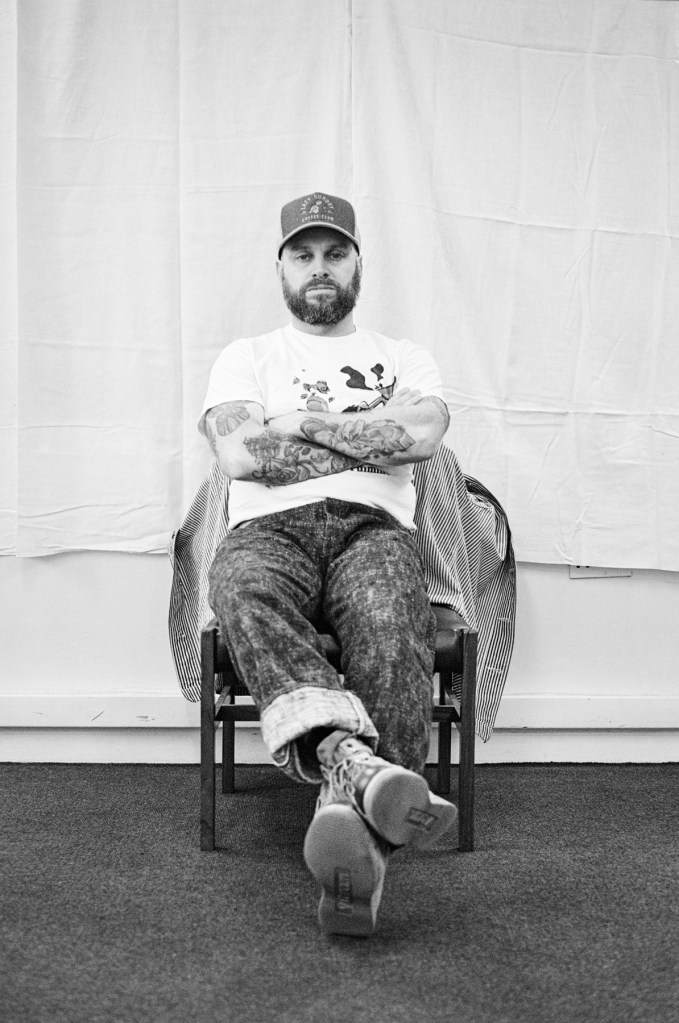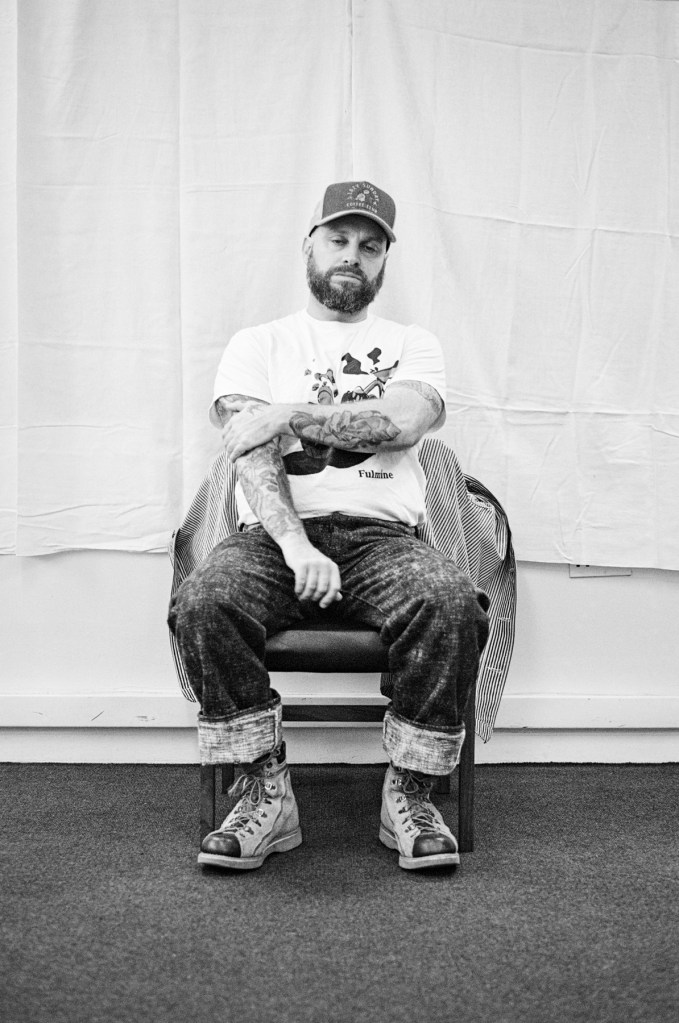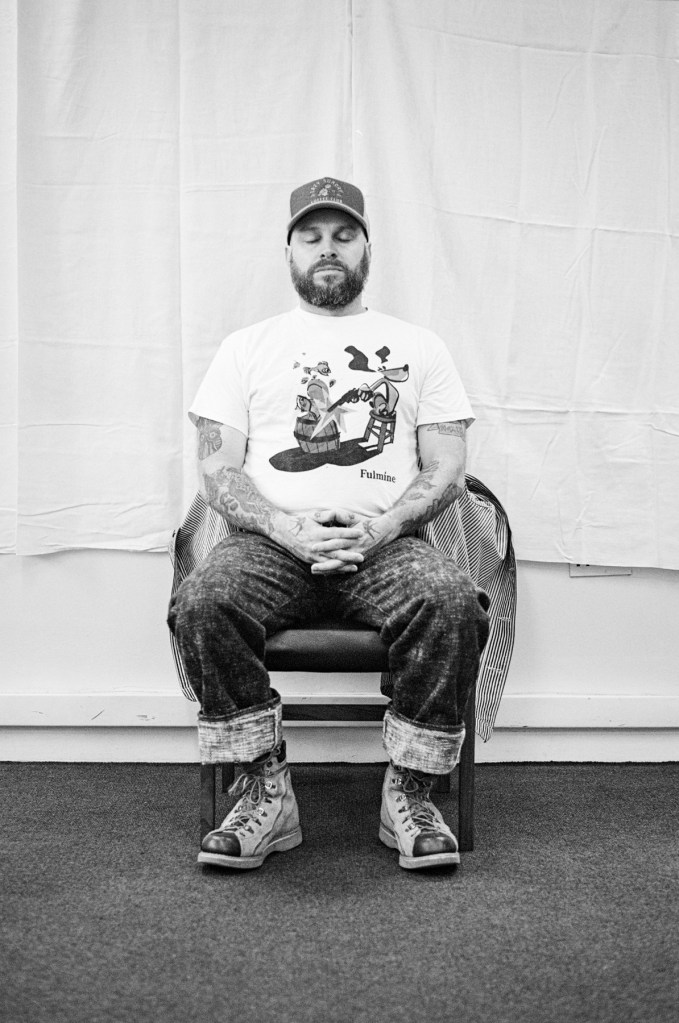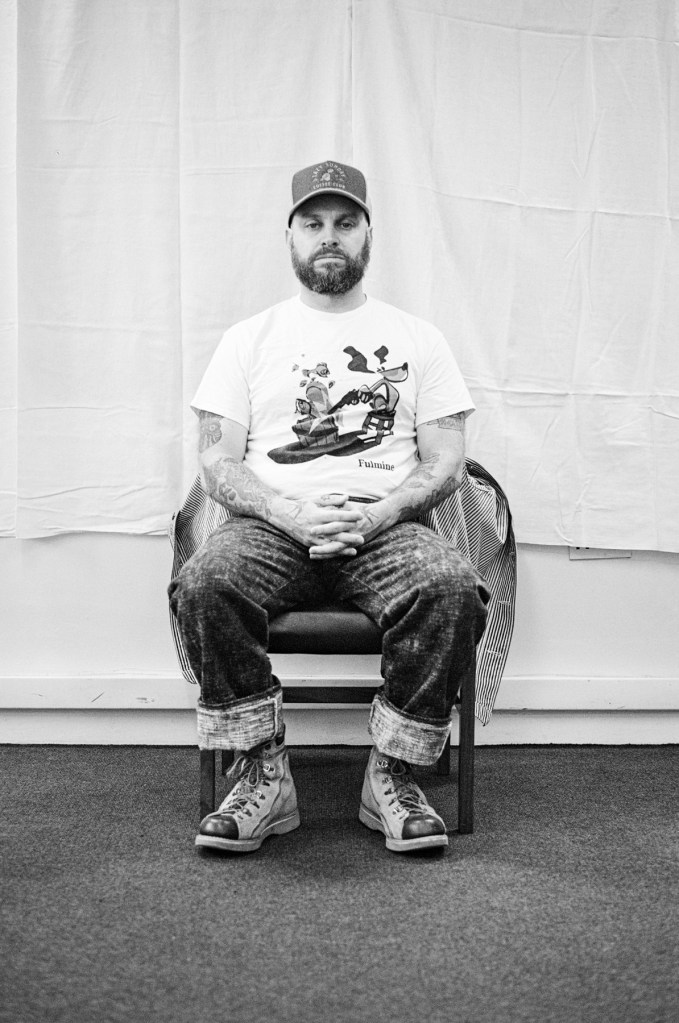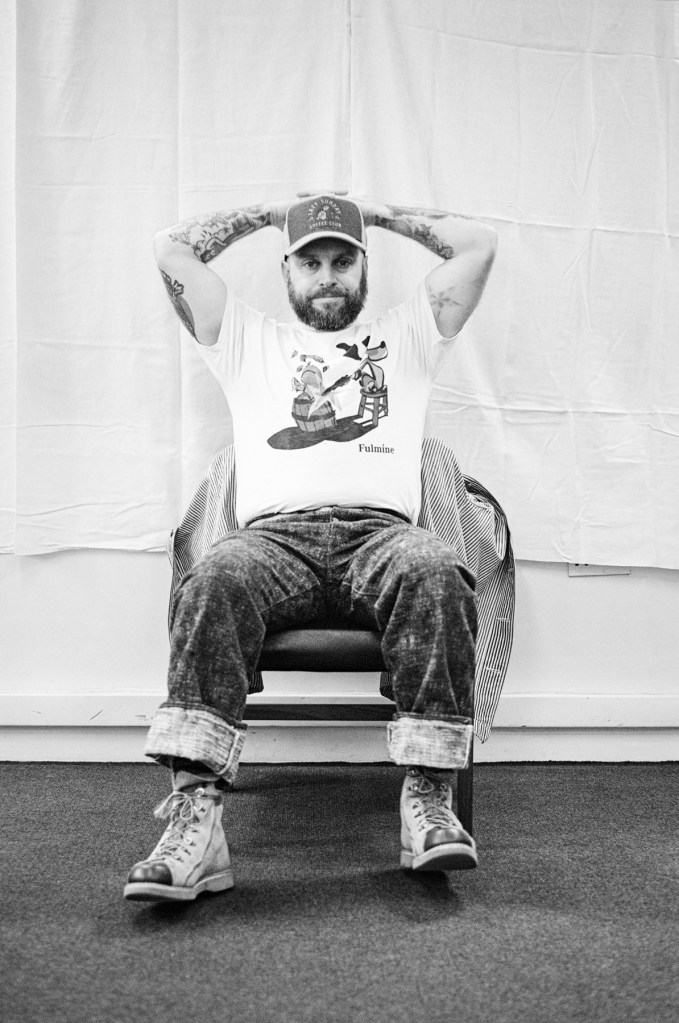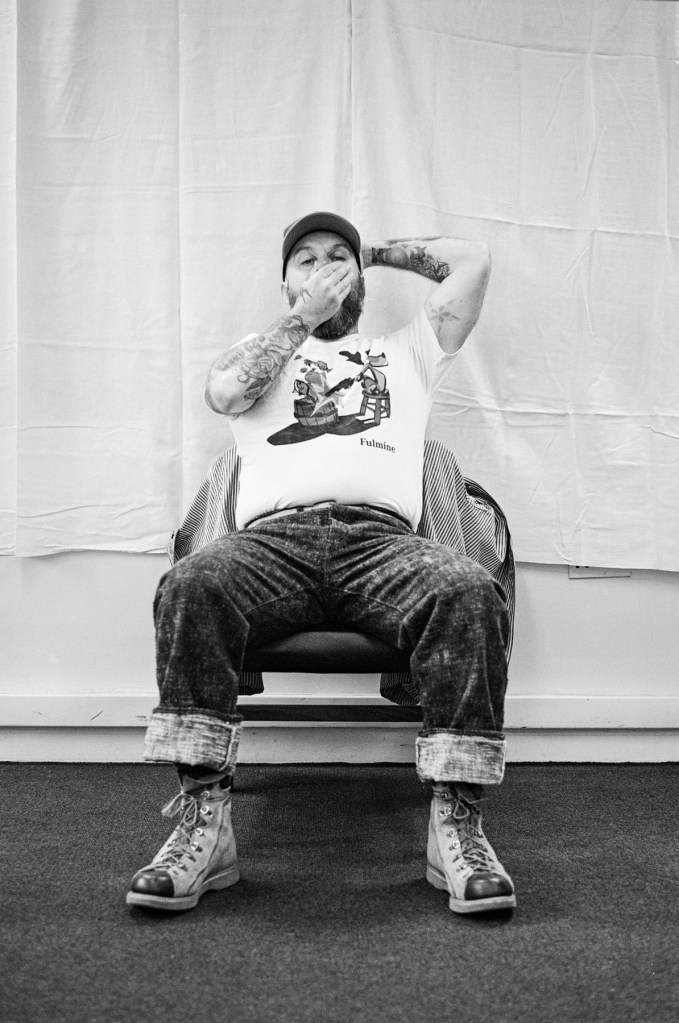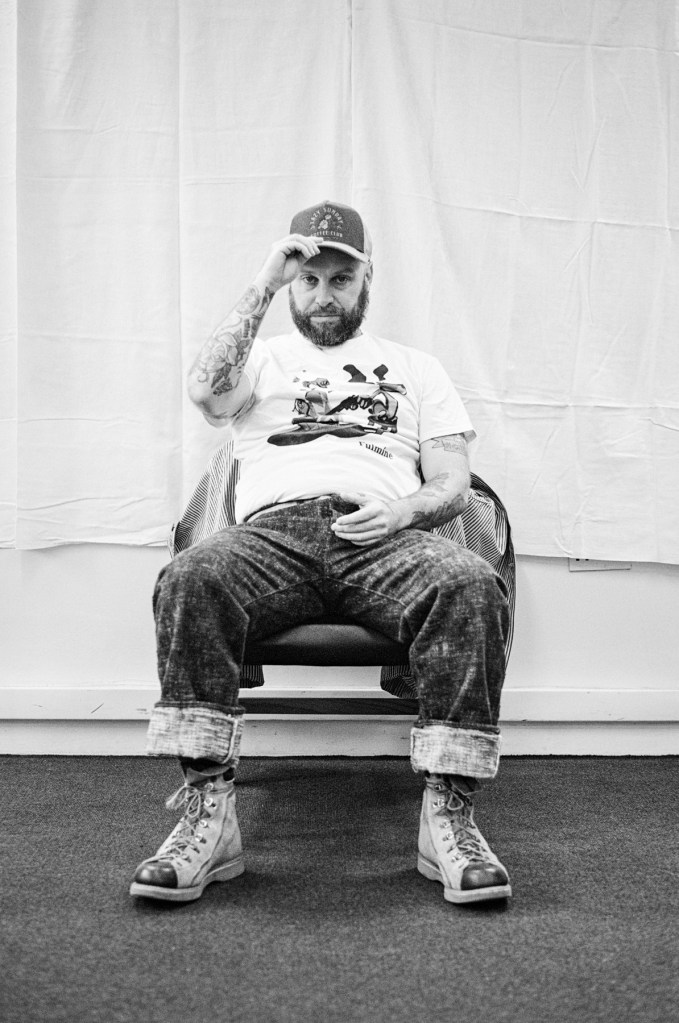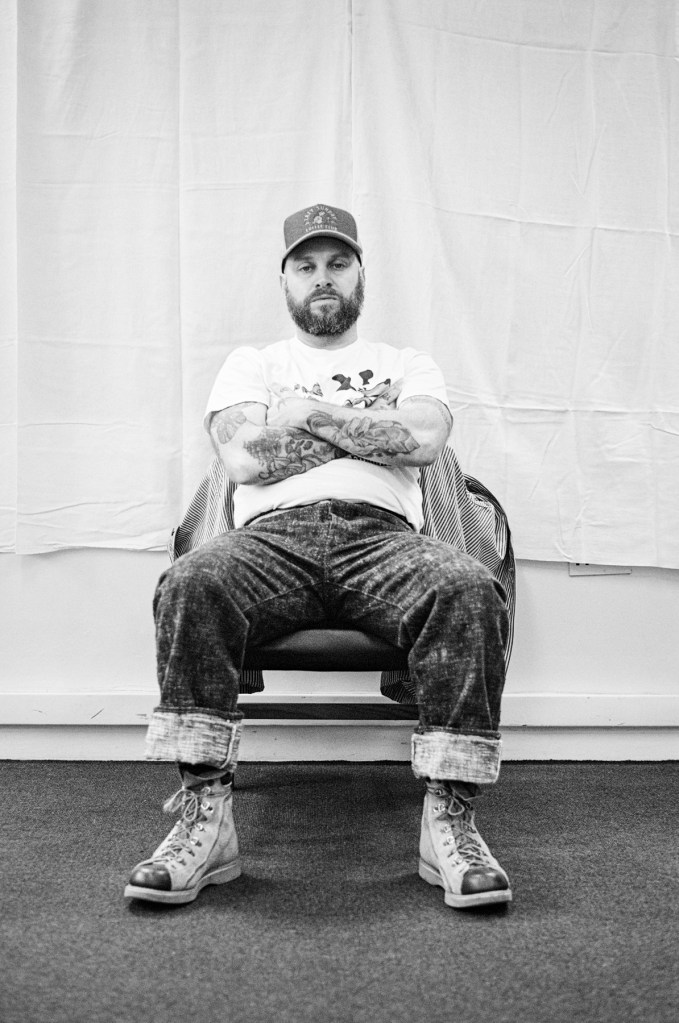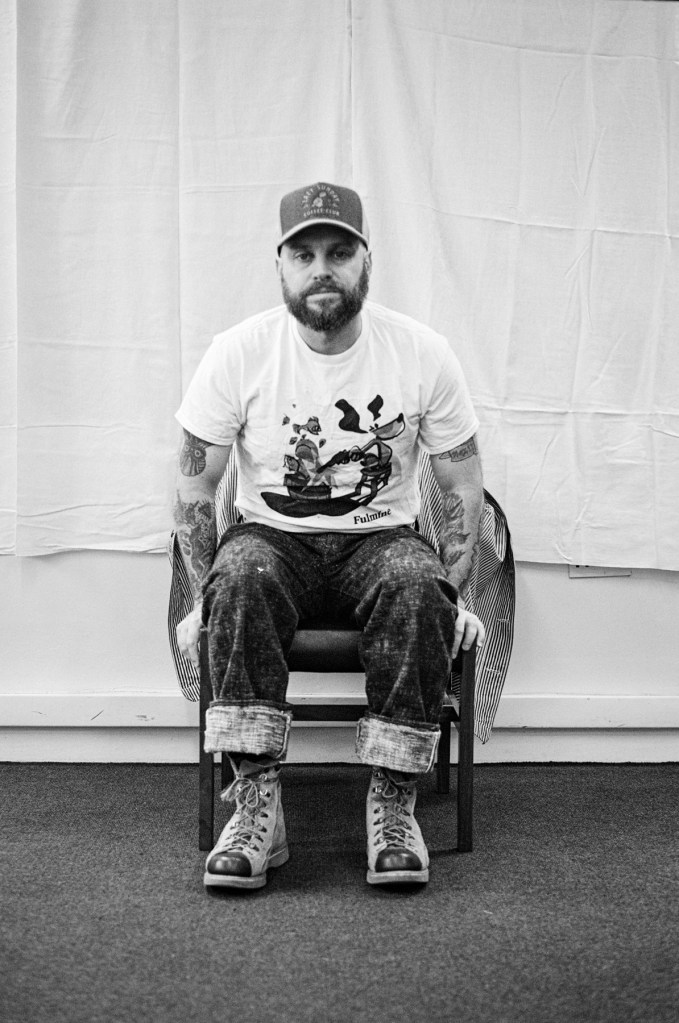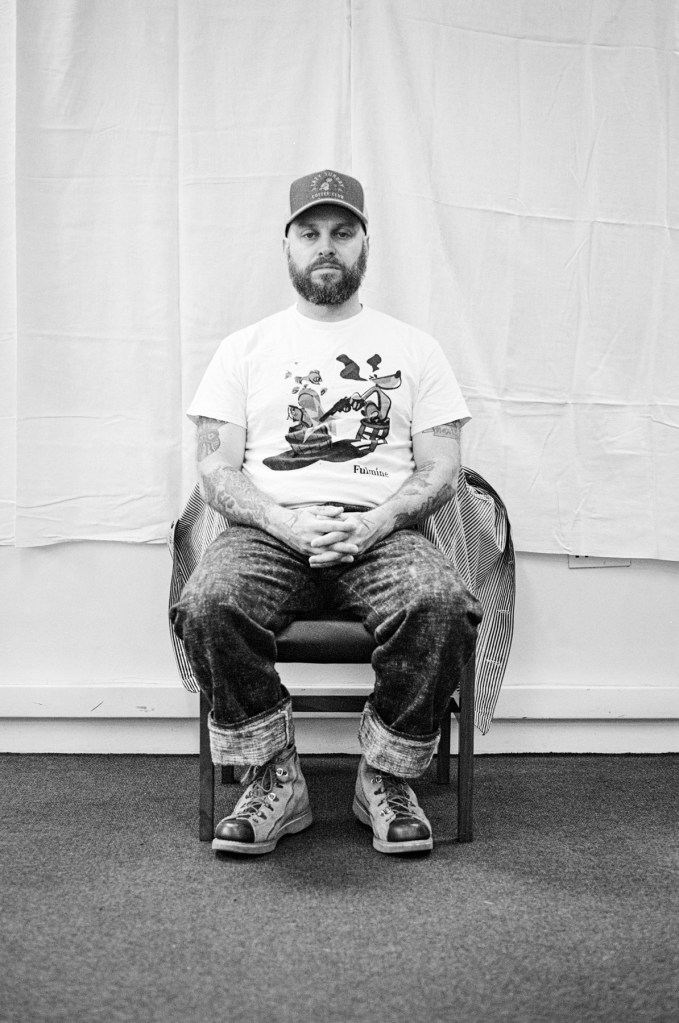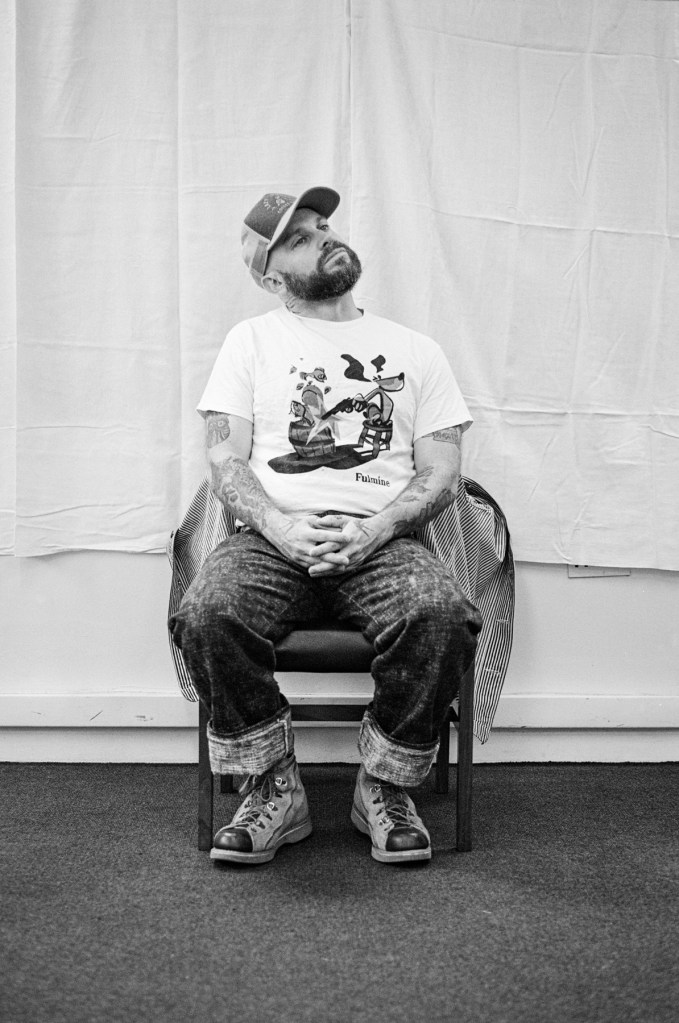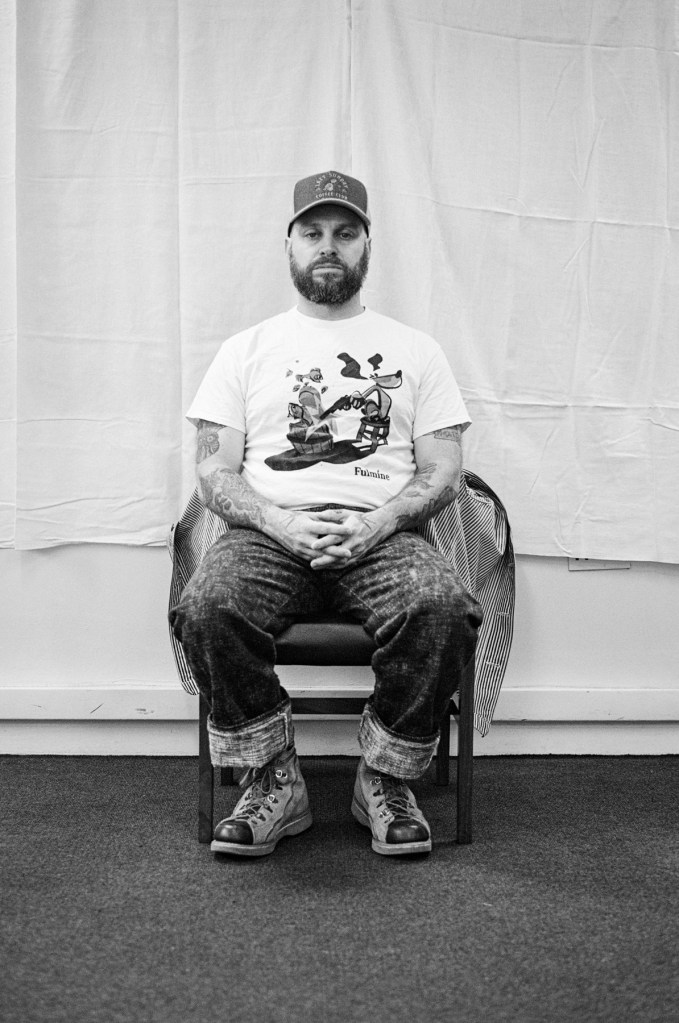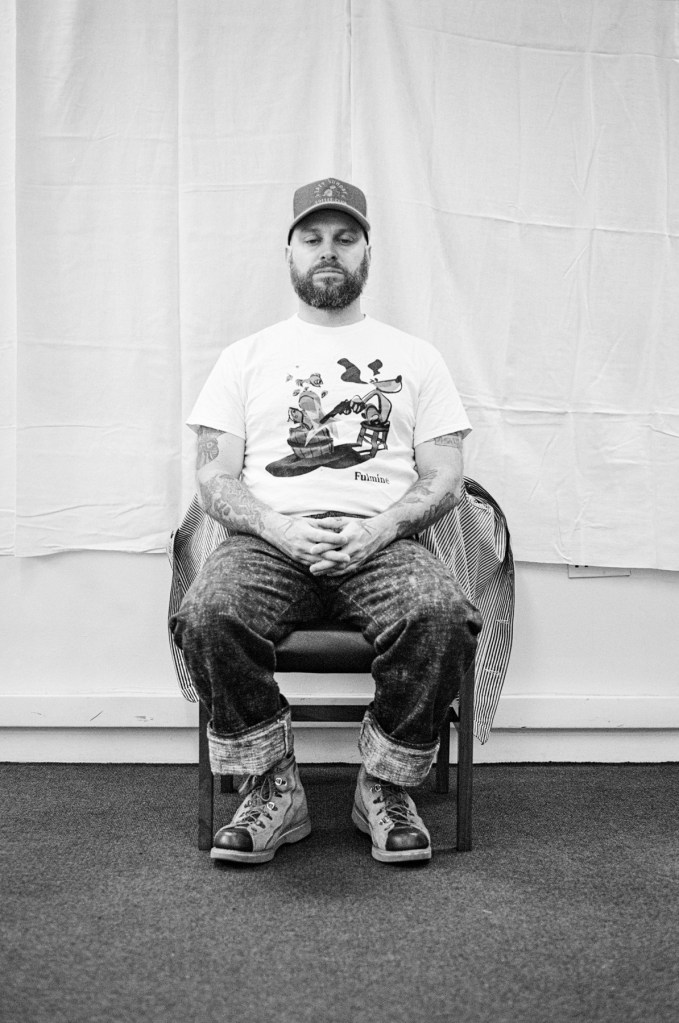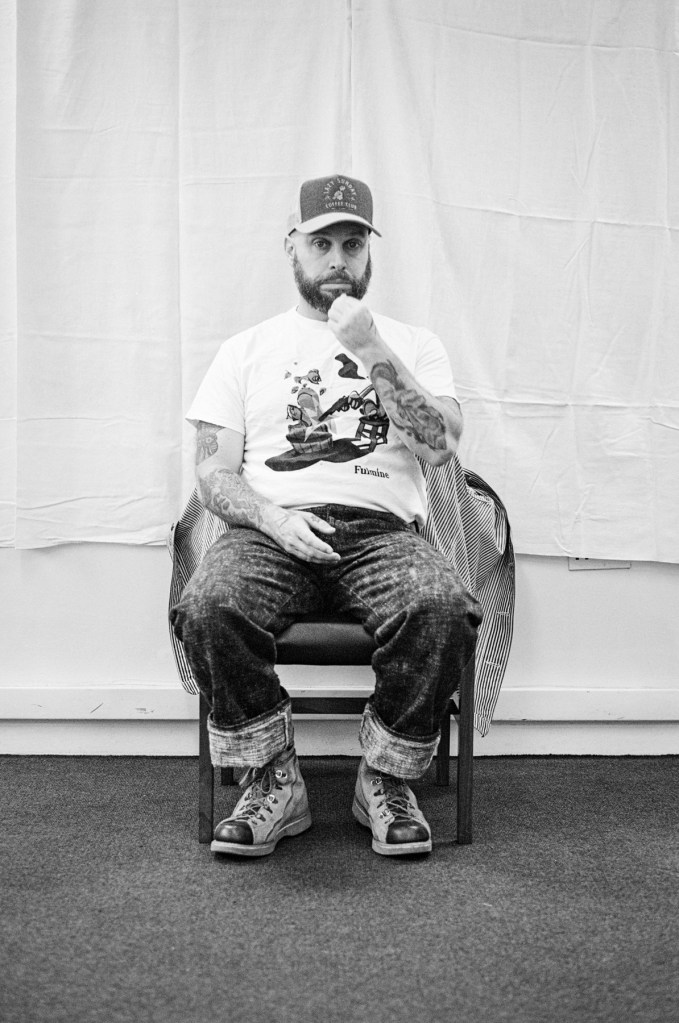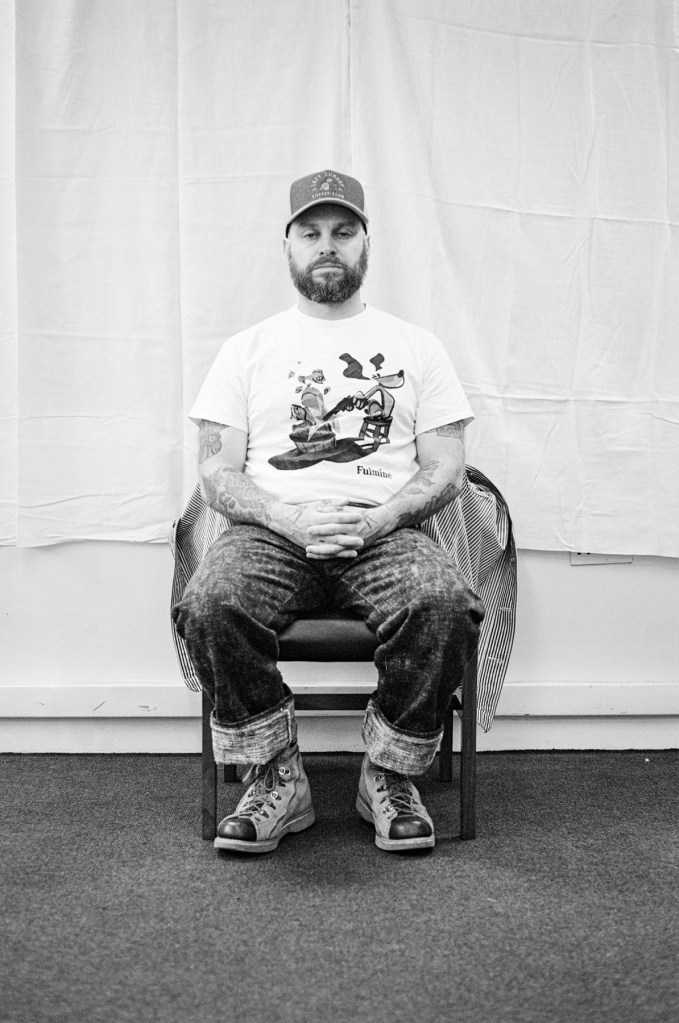
I’ve recently been playing around with some portrait work, as well as trying some set activities exploring different approaches to portraiture.
After reading about Richard Avedon’s work on the seminal In the American West, I looked for a willing volunteer victim to help me try something out, which Ben was happy to do 🙂
One aspect of Avedon’s approach that particularly interested me was the lack of conversation with his subjects while photographing them, allowing the silence and sustained attention of the camera to become part of the encounter.
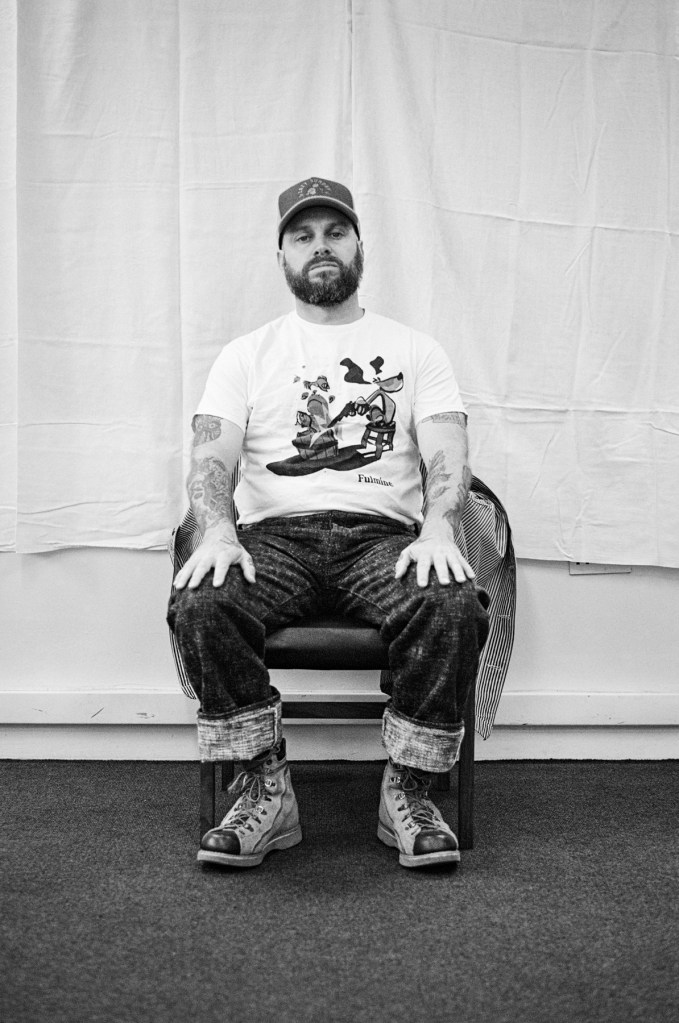
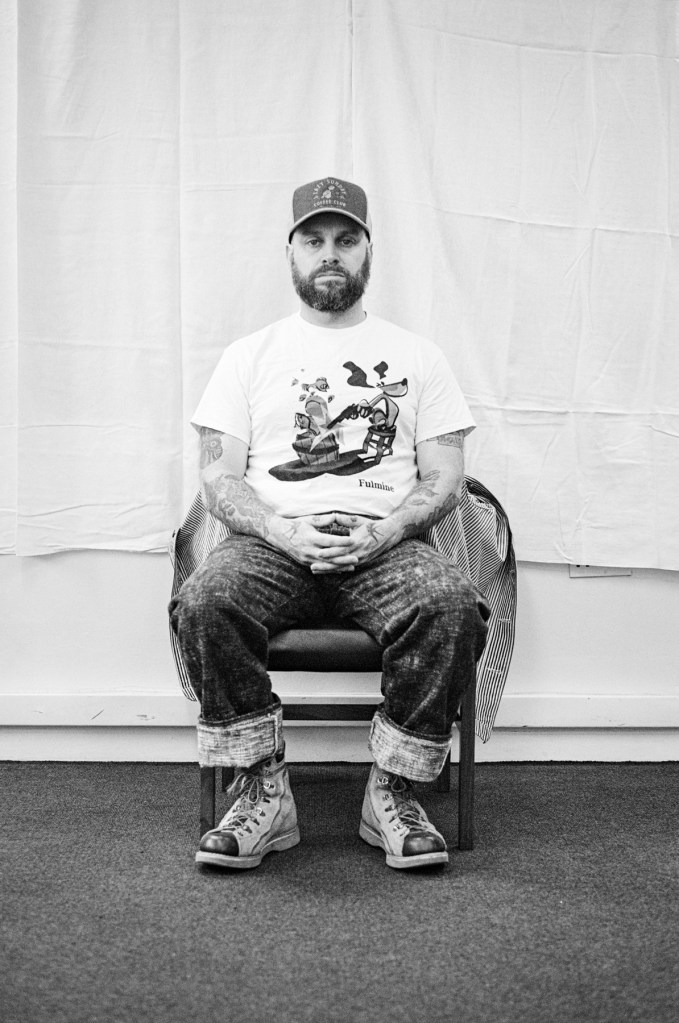
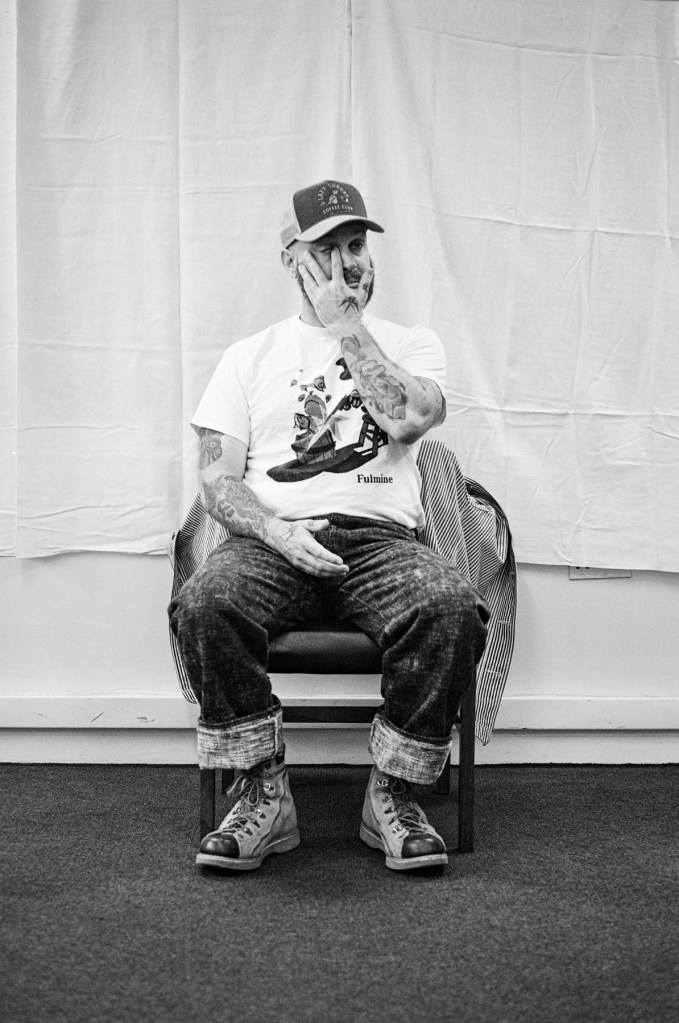
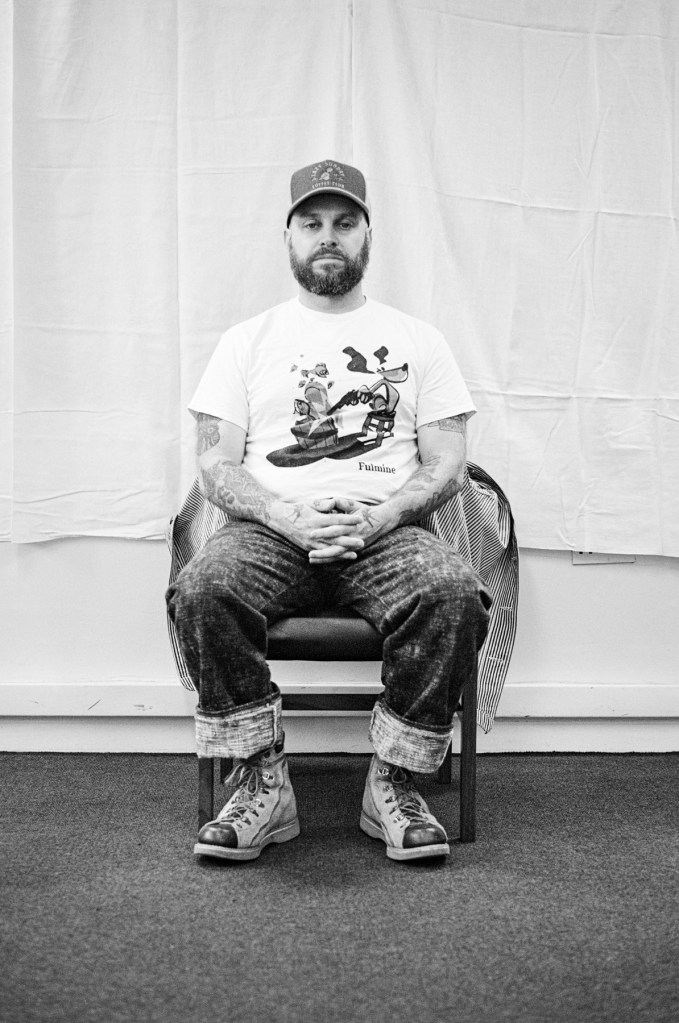
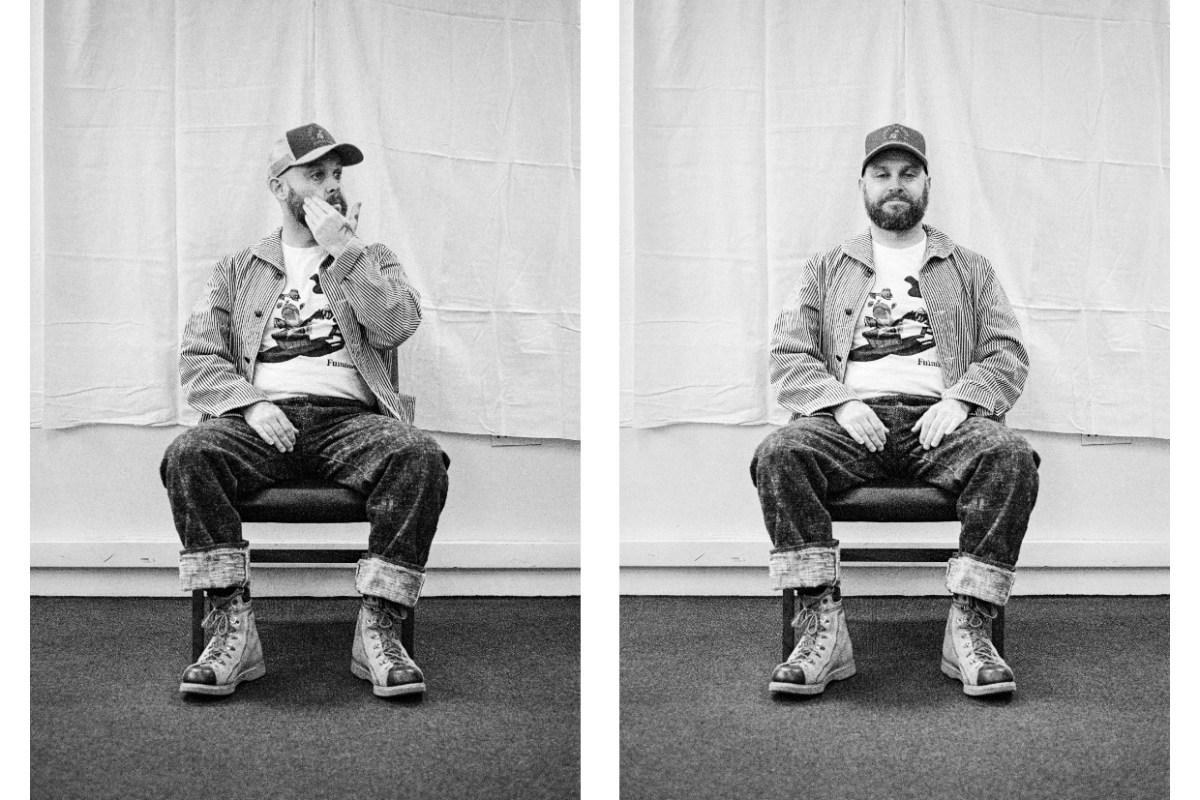
The idea was a 30-minute portrait sitting. I set the camera up beforehand and triggered it remotely, so rather than standing behind the camera, I was off to the side. I had a single 36-shot roll of film. Ben had to sit, with no communication between us, and only look at the camera.The point of the exercise was to actually look at a subject, with the barrier of the camera removed. It was, at first at least, a deeply uncomfortable experience, although as time progressed I found that act of simply observing became easier.
We had a chat afterwards about the experience: the idea of subject and photographer analysing each other, every movement and the decision of what to capture, and the roles of performativity and judgement. I think you can see around halfway through where Ben’s expression and posture begin to change. What initially looks like a presentation of relaxation, or a conscious letting down of his guard, gradually seems to become something different: the removal of any cognitively demonstrated presence. Rather than appearing relaxed, he almost stops appearing to perform anything at all.
In the end, the session was only 22 and a half minutes long, but it felt long enough. As I said, it was a strange experience, but also a useful and interesting one, both practically and cognitively. It’s definitely something I’d be keen to explore more in the future.
You can see all 36 “Bens” below – I was tempted to upload as a gallery but think the series works better as a slideshow 🙂