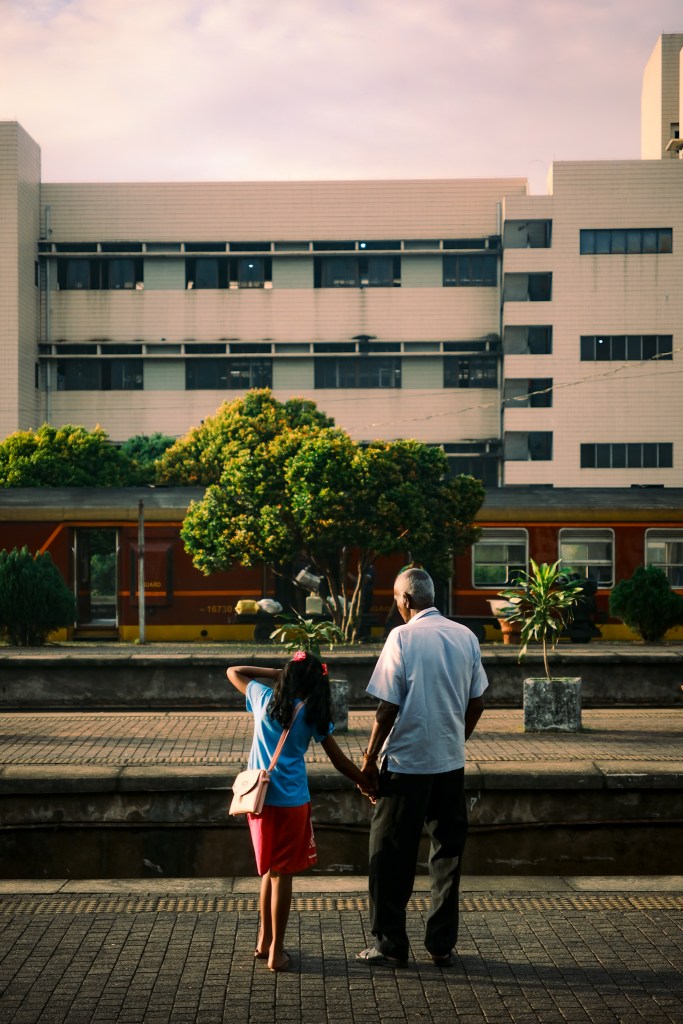
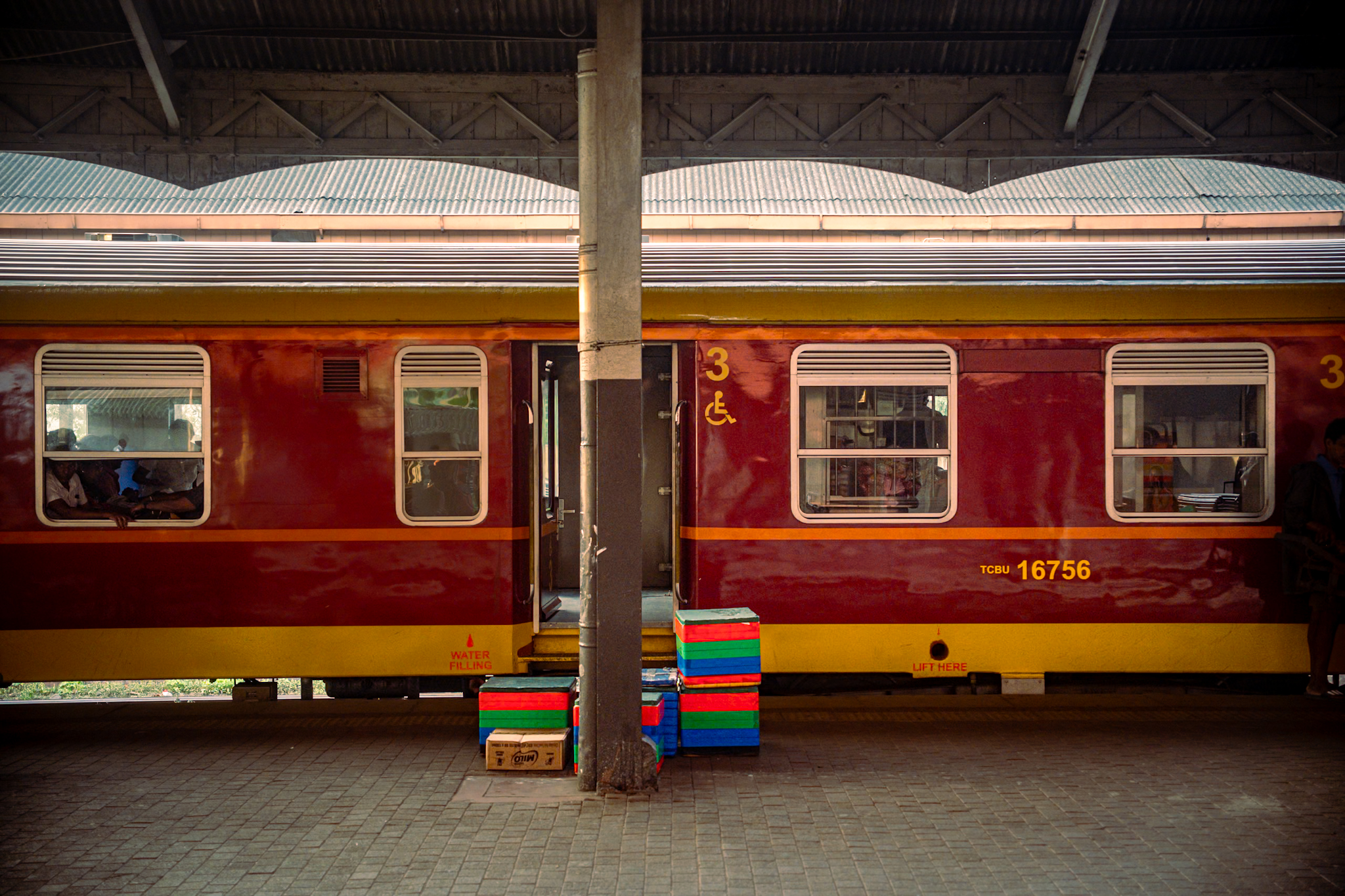
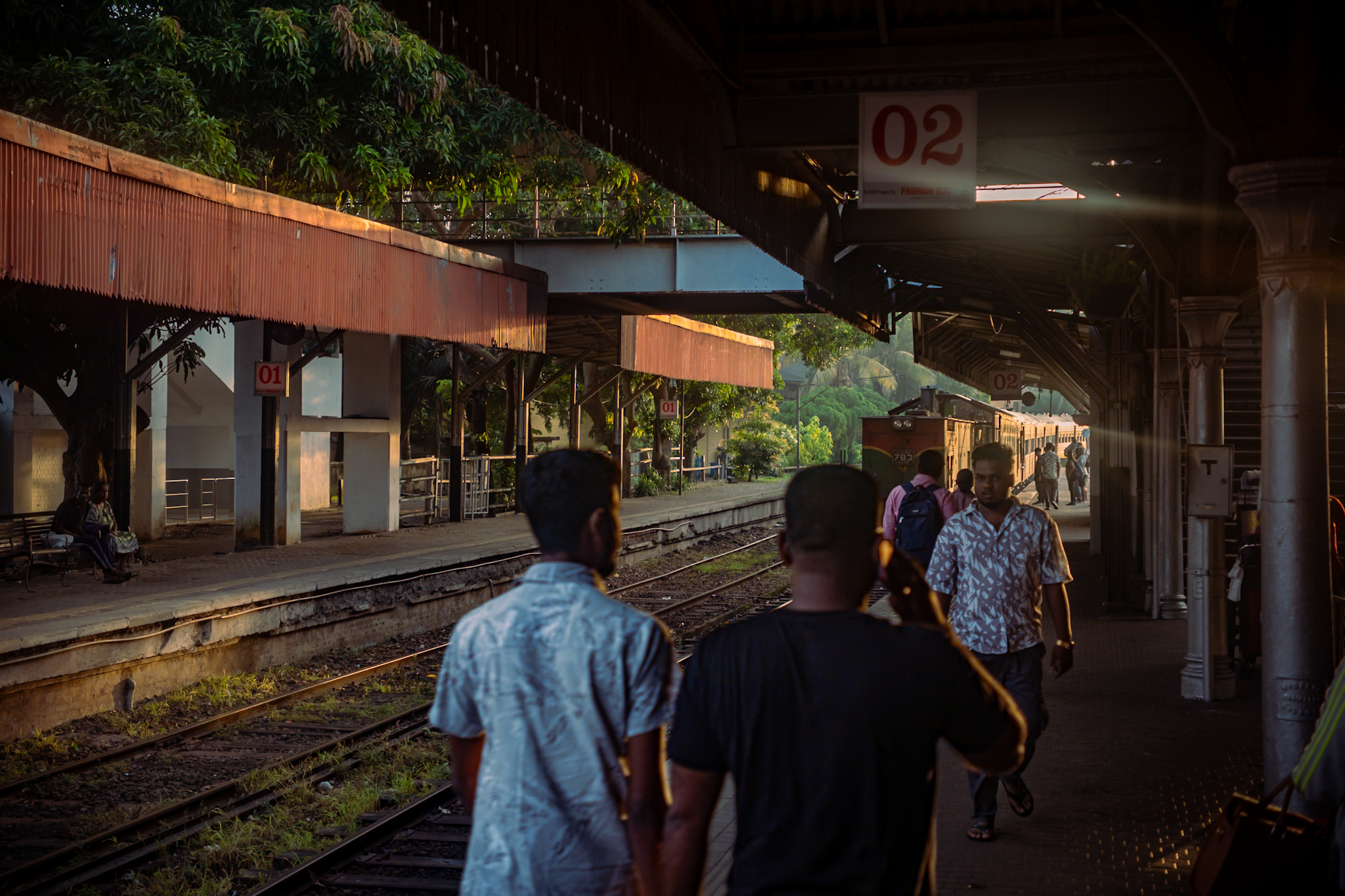
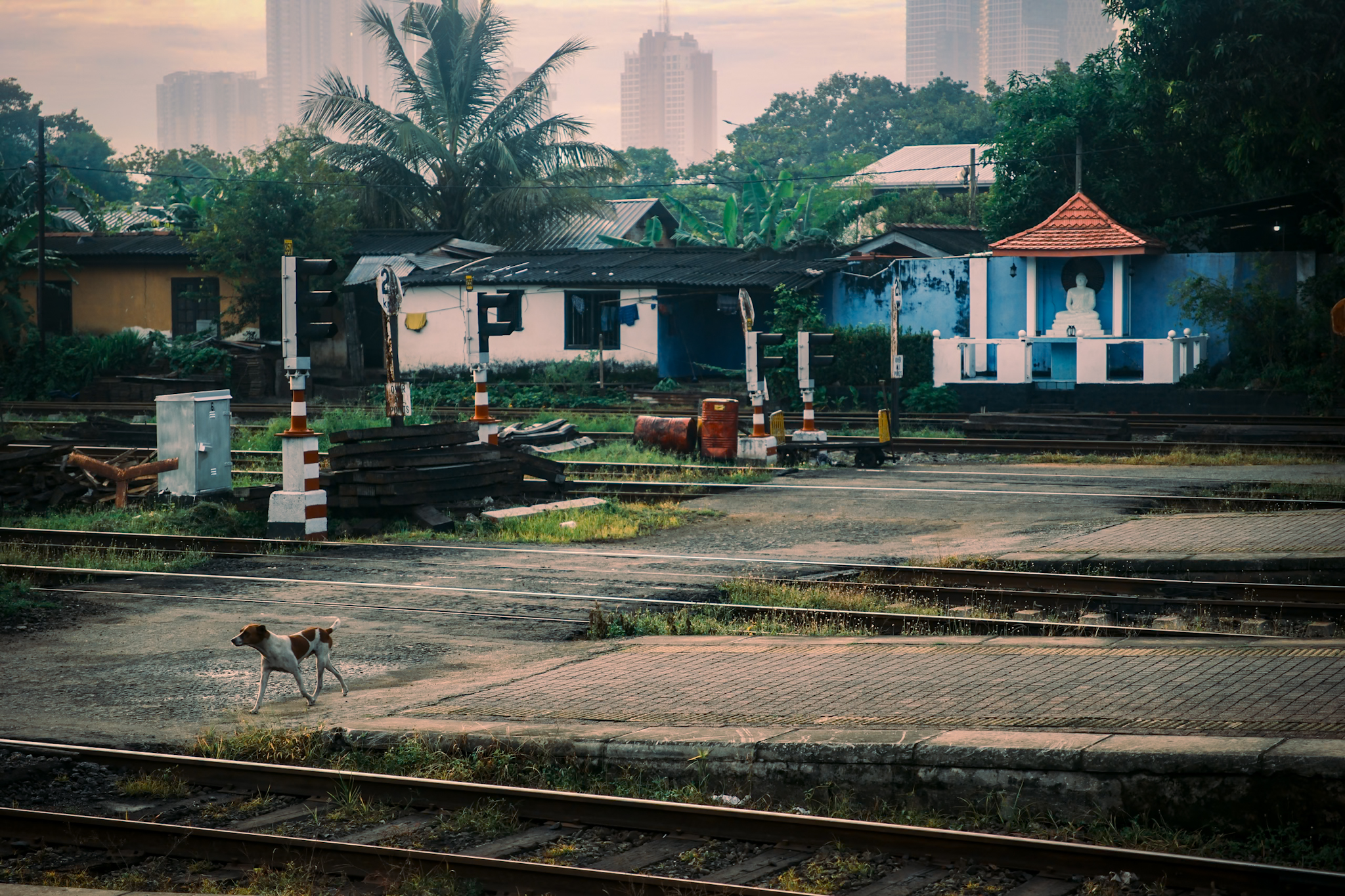
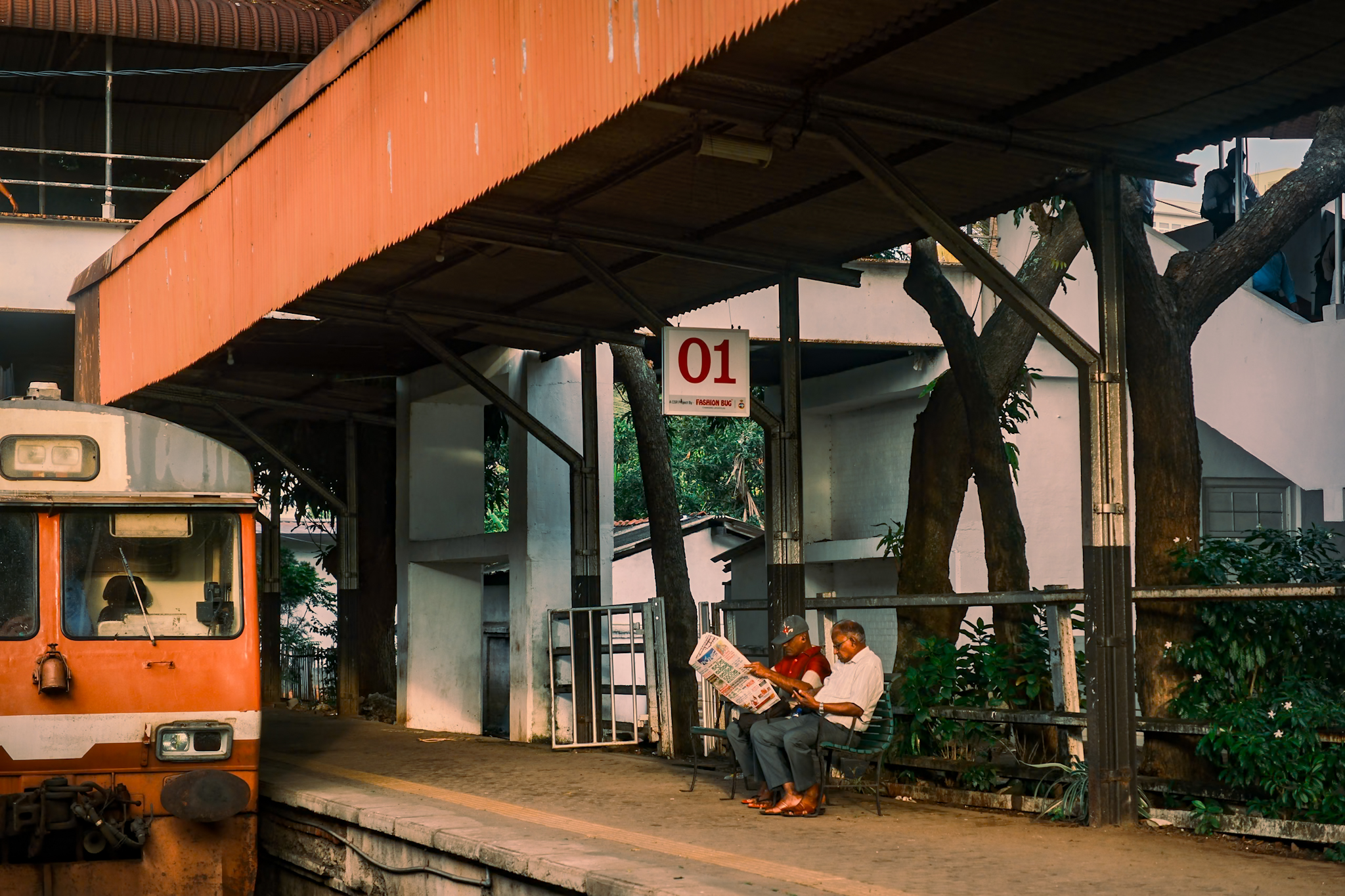
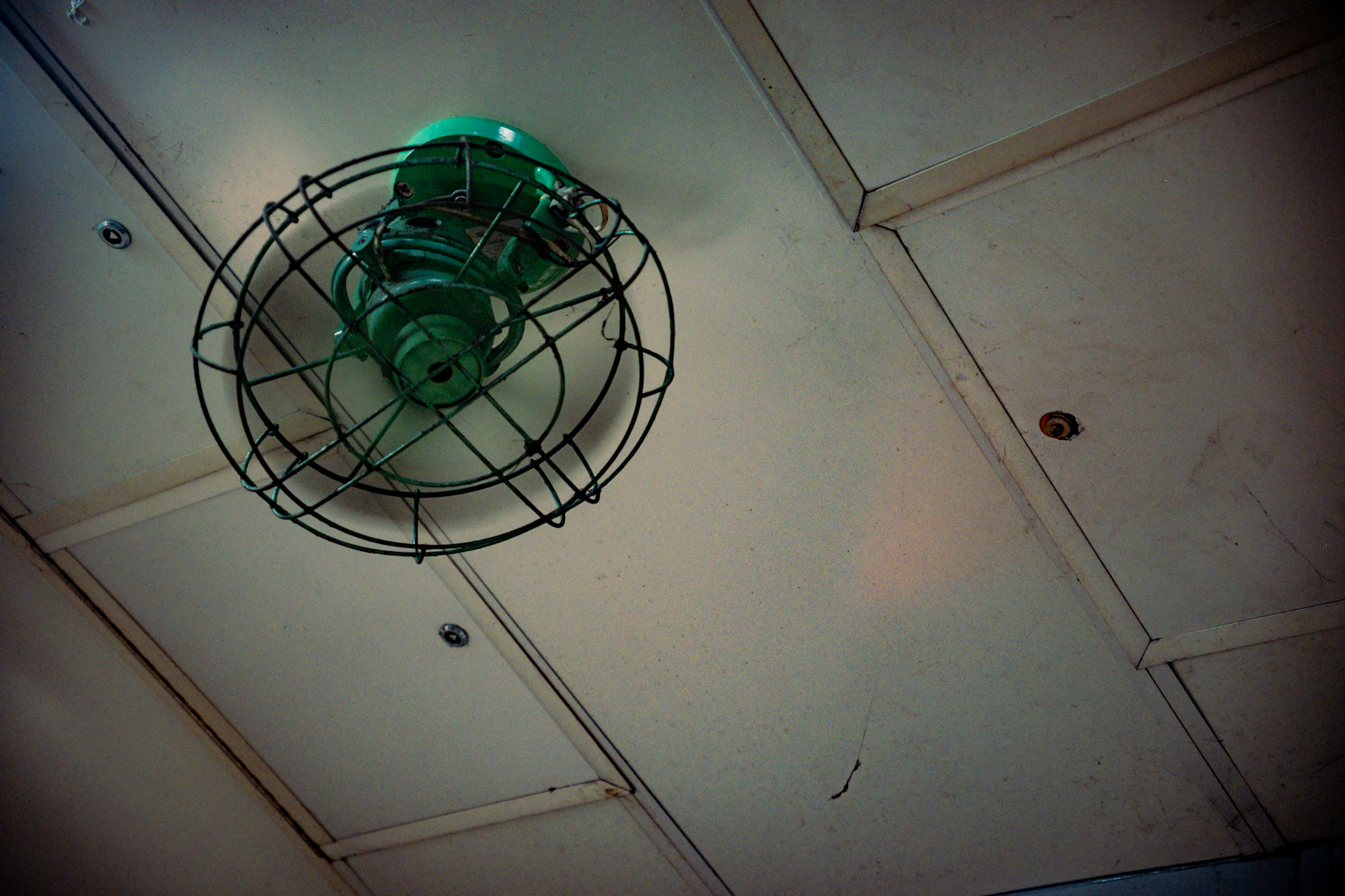
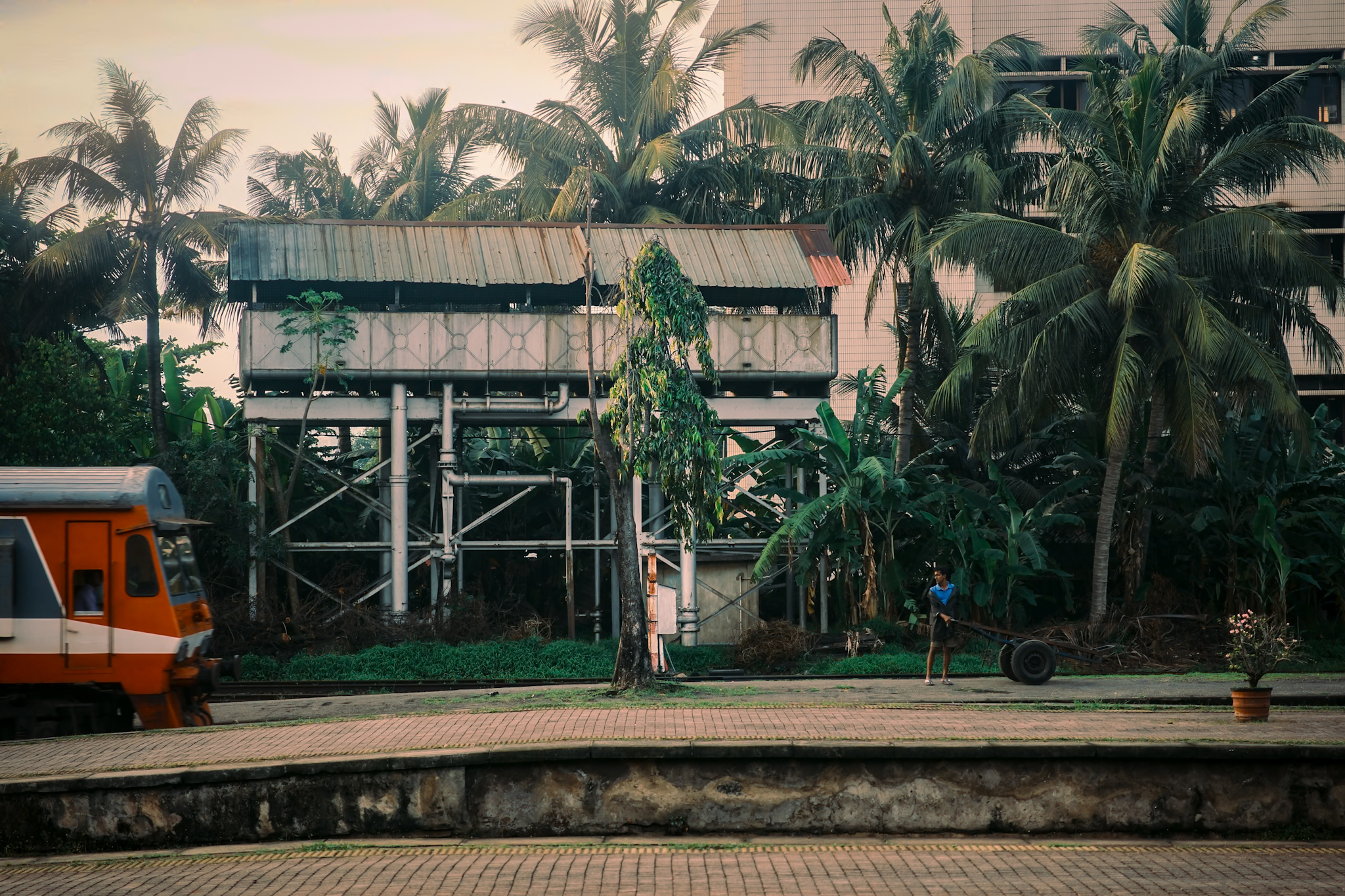
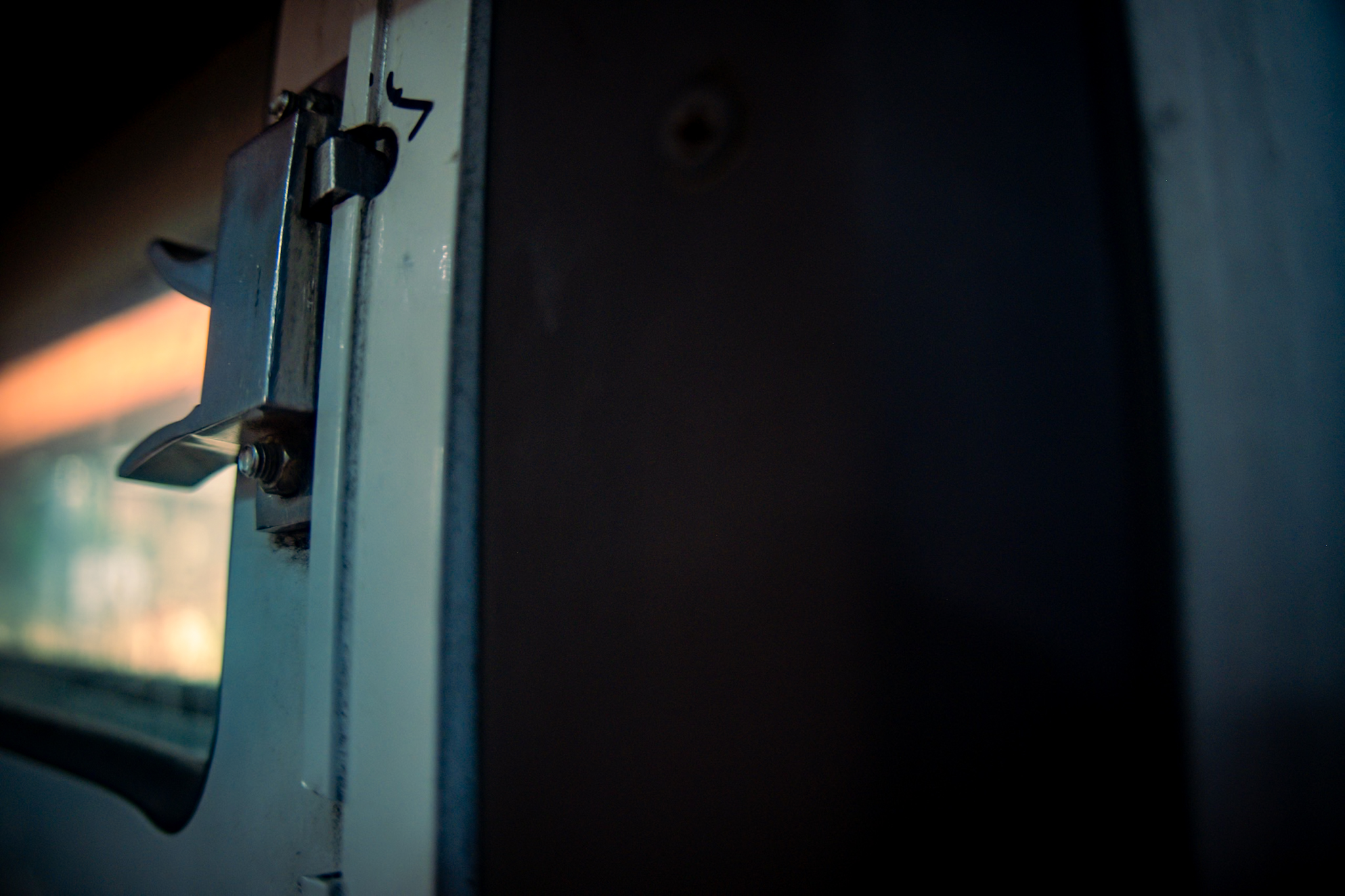
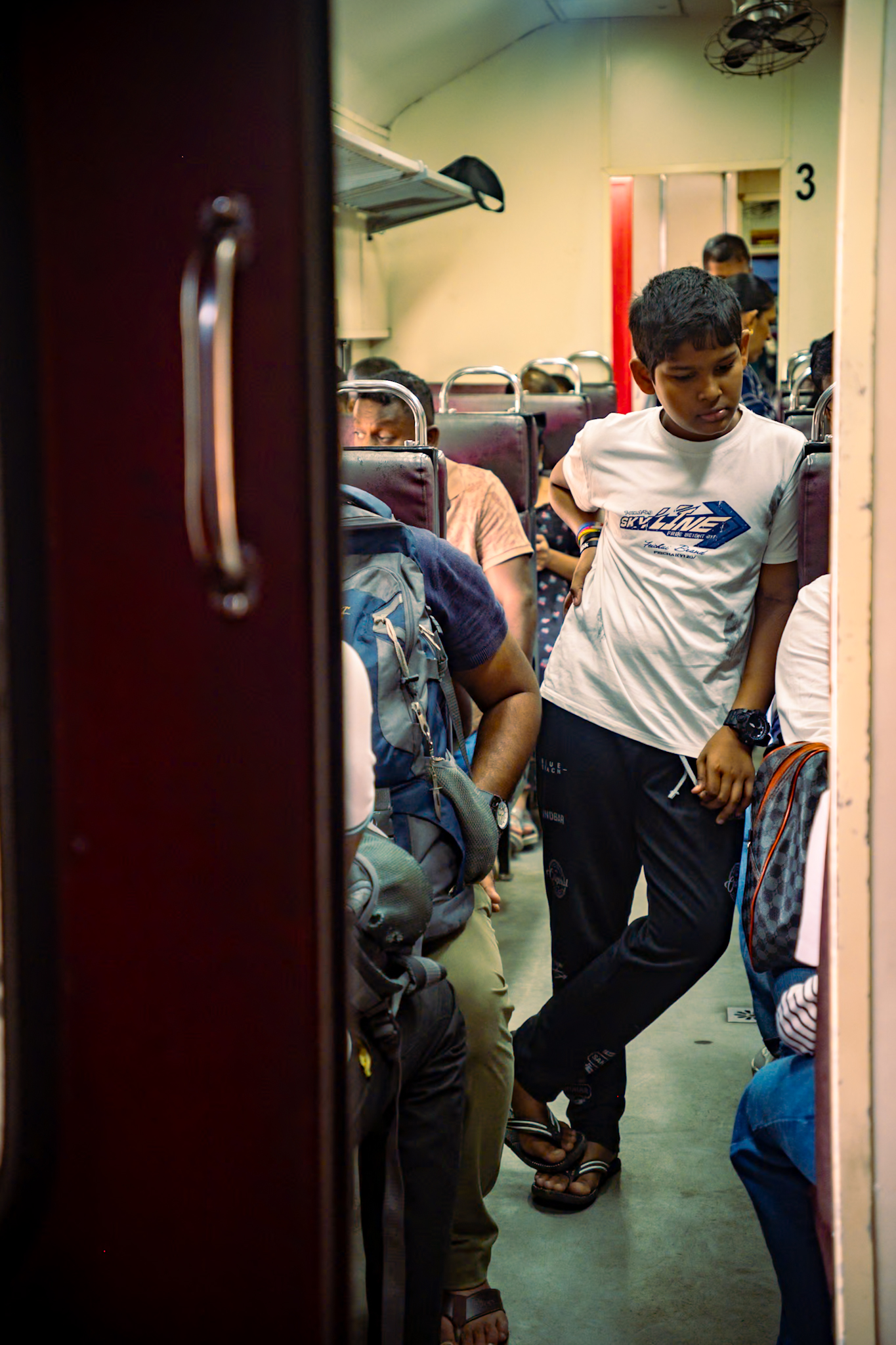
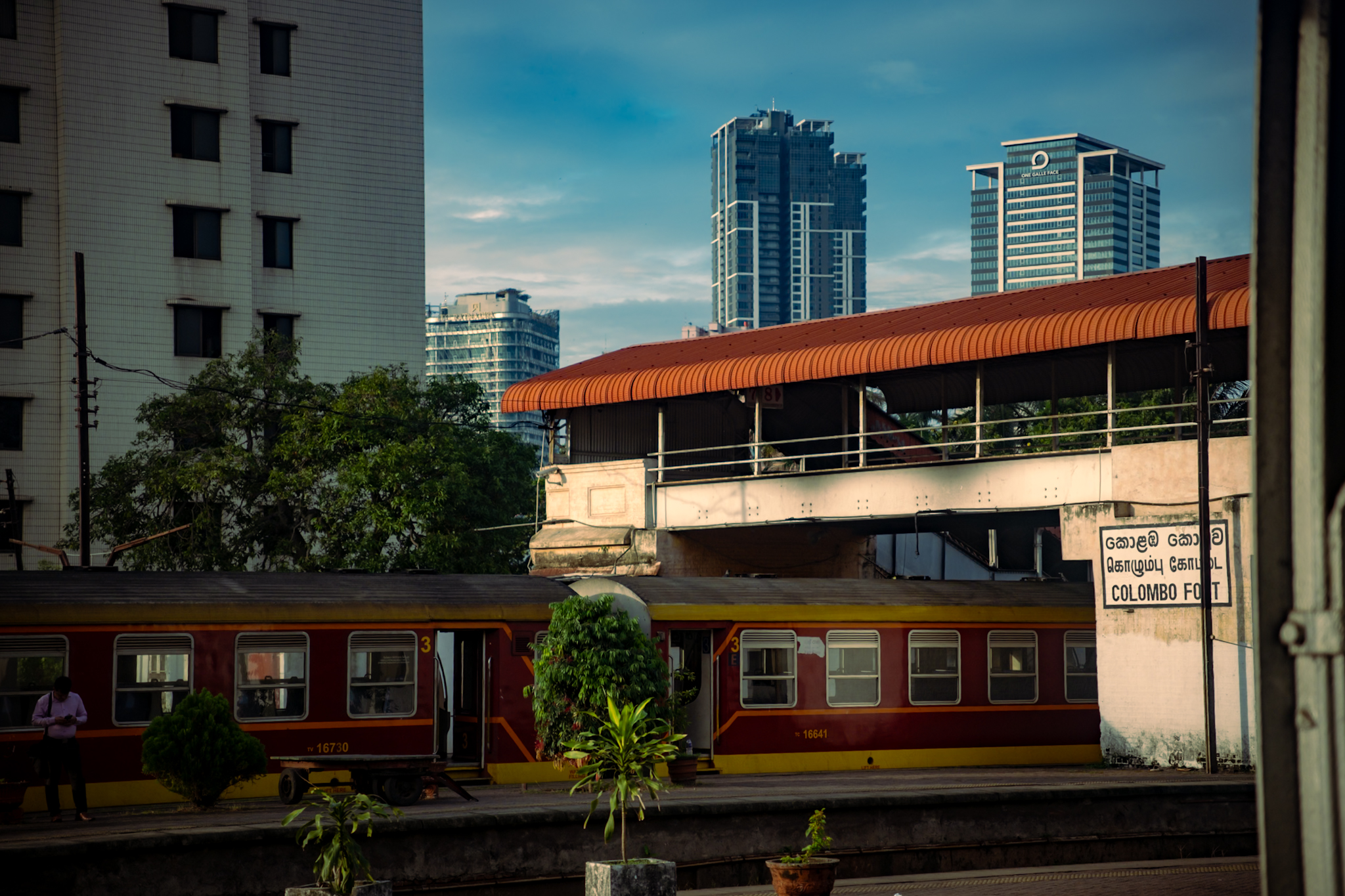
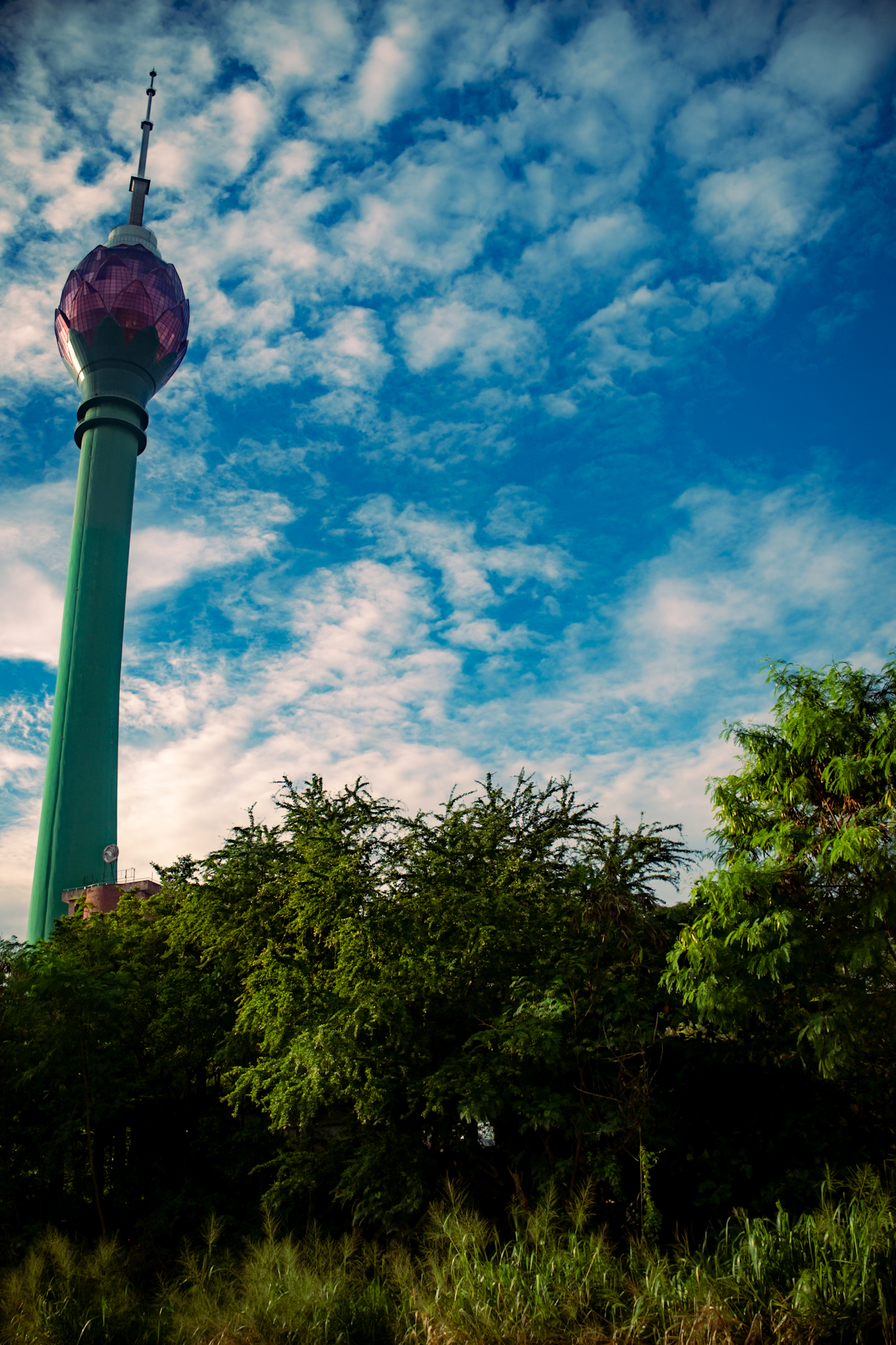
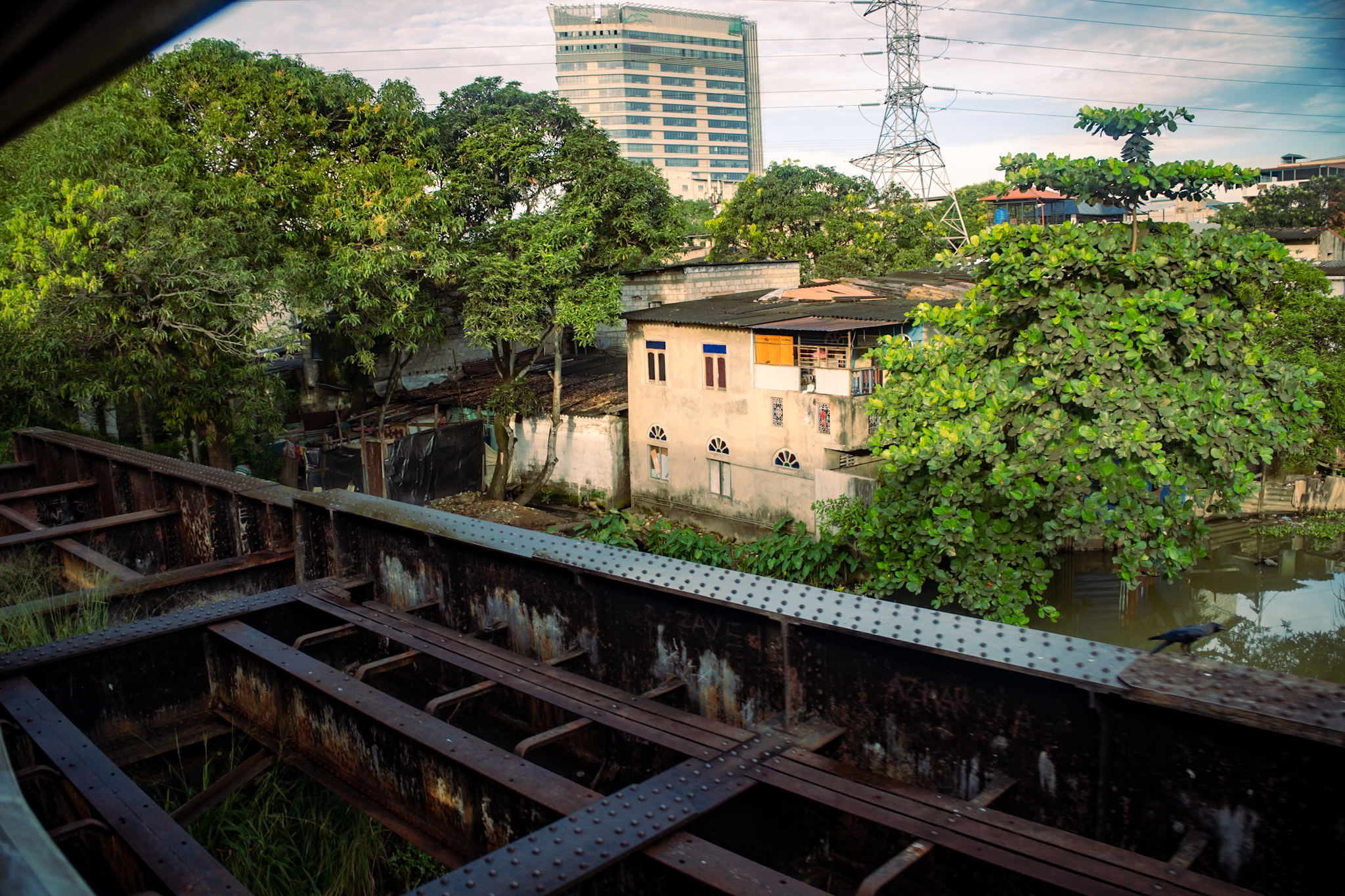
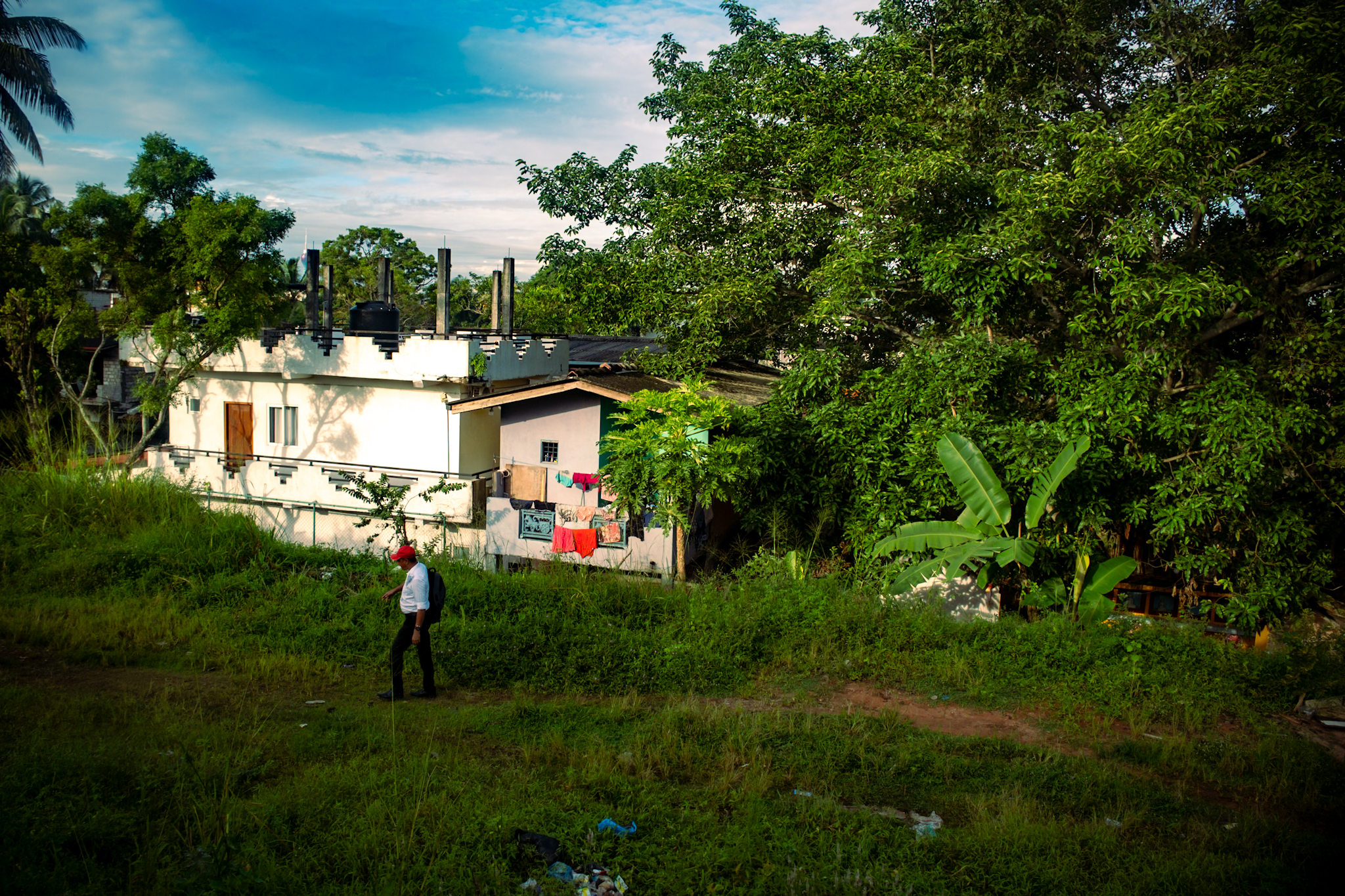
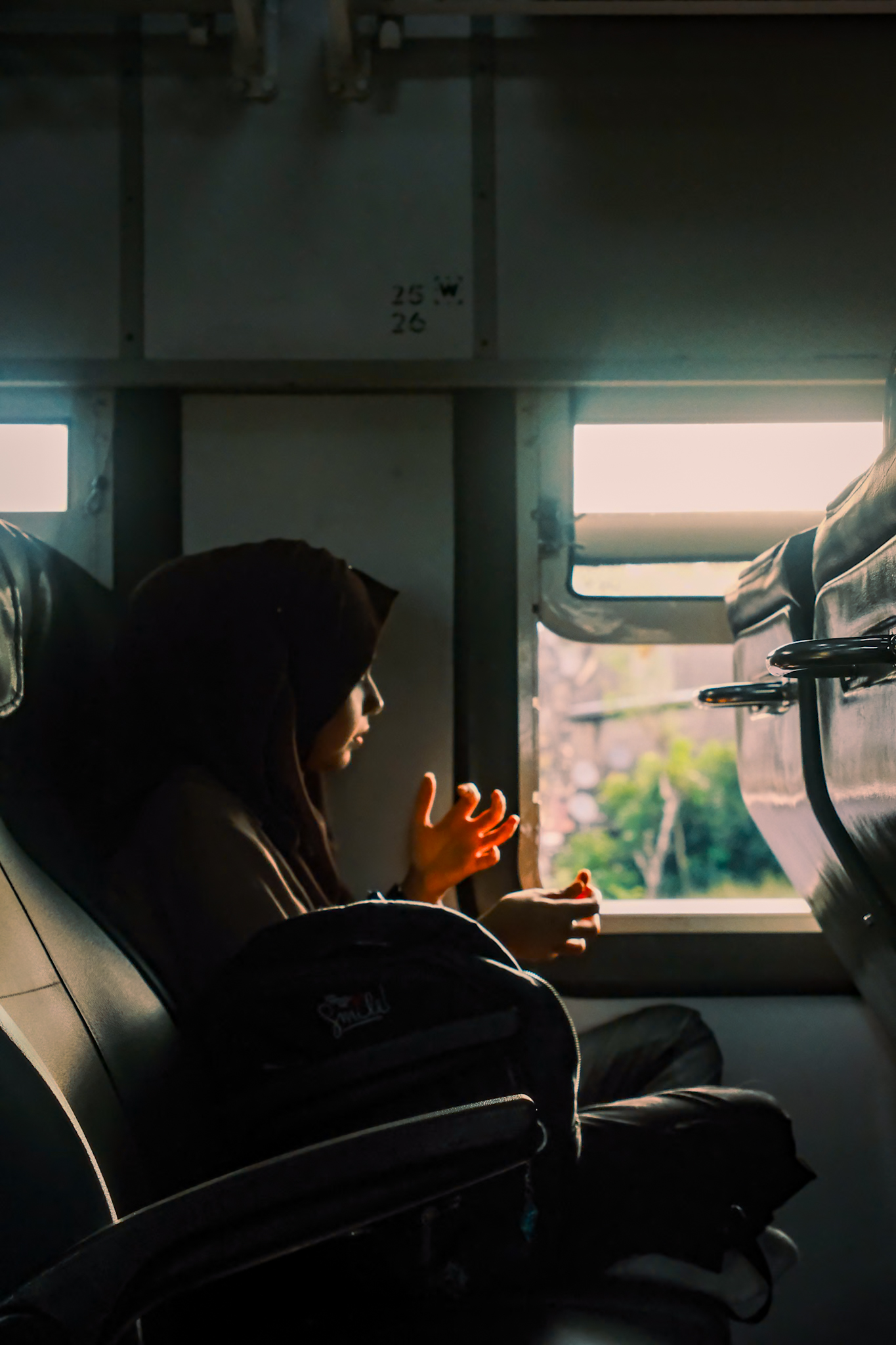
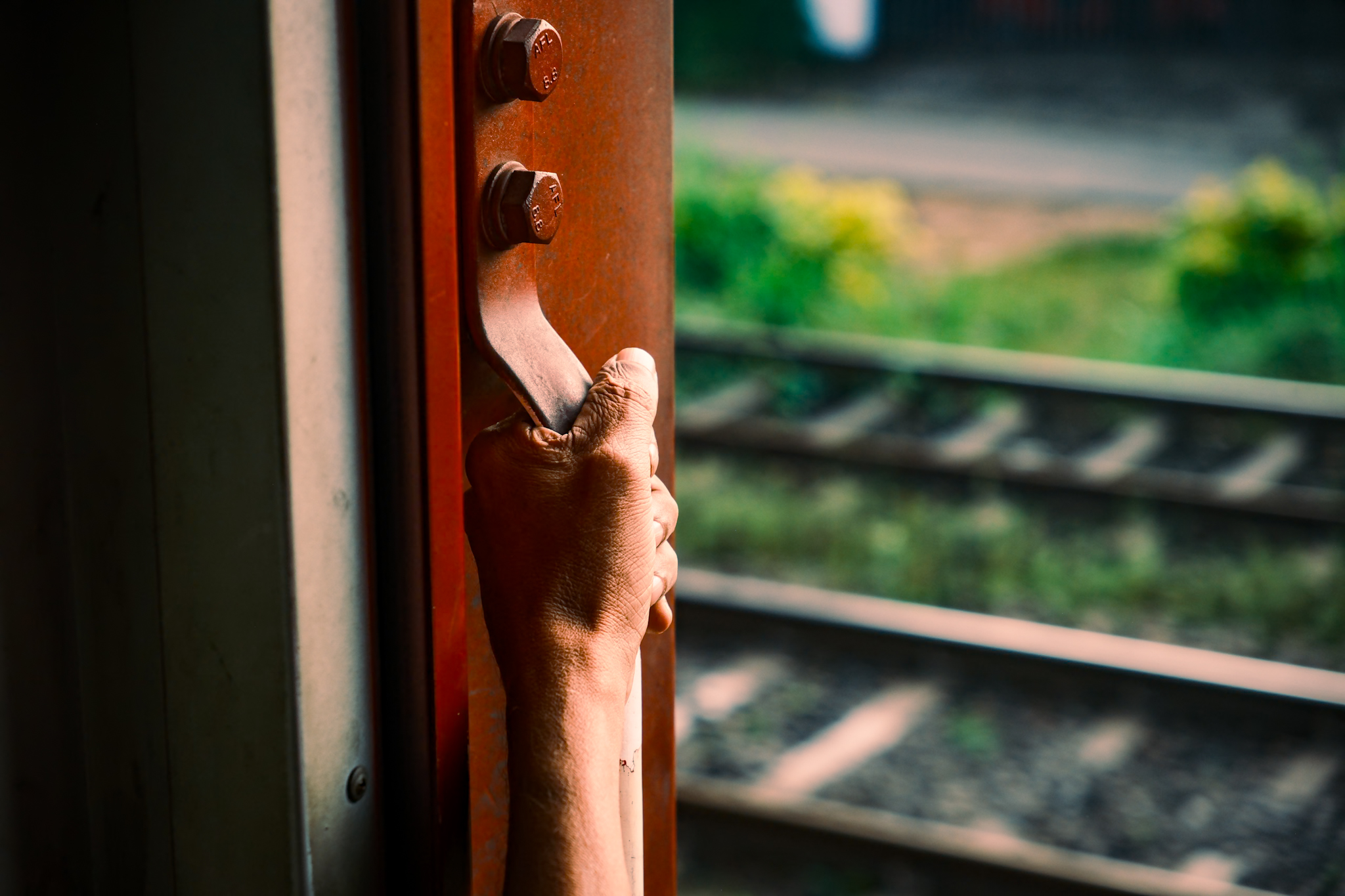
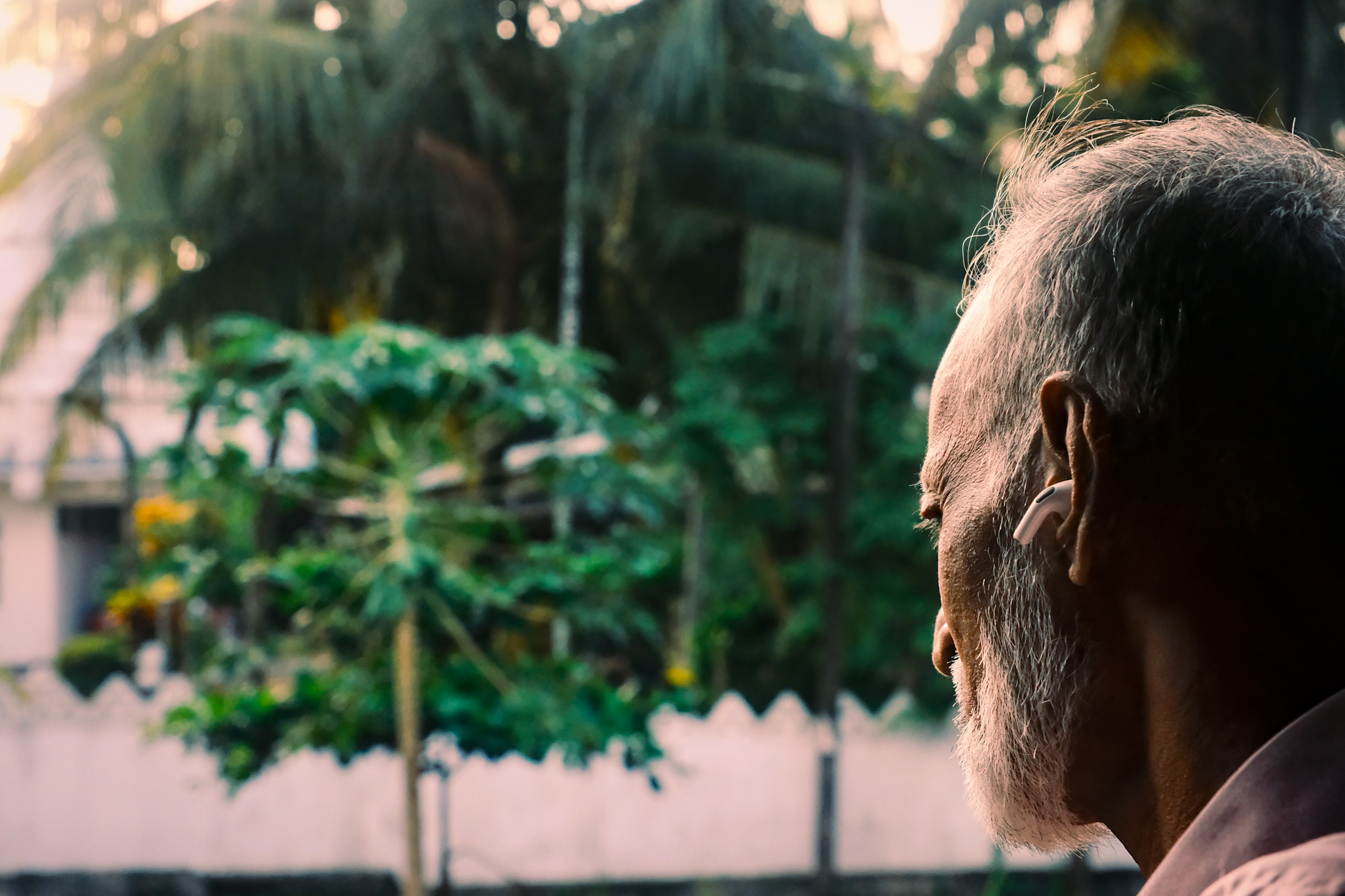
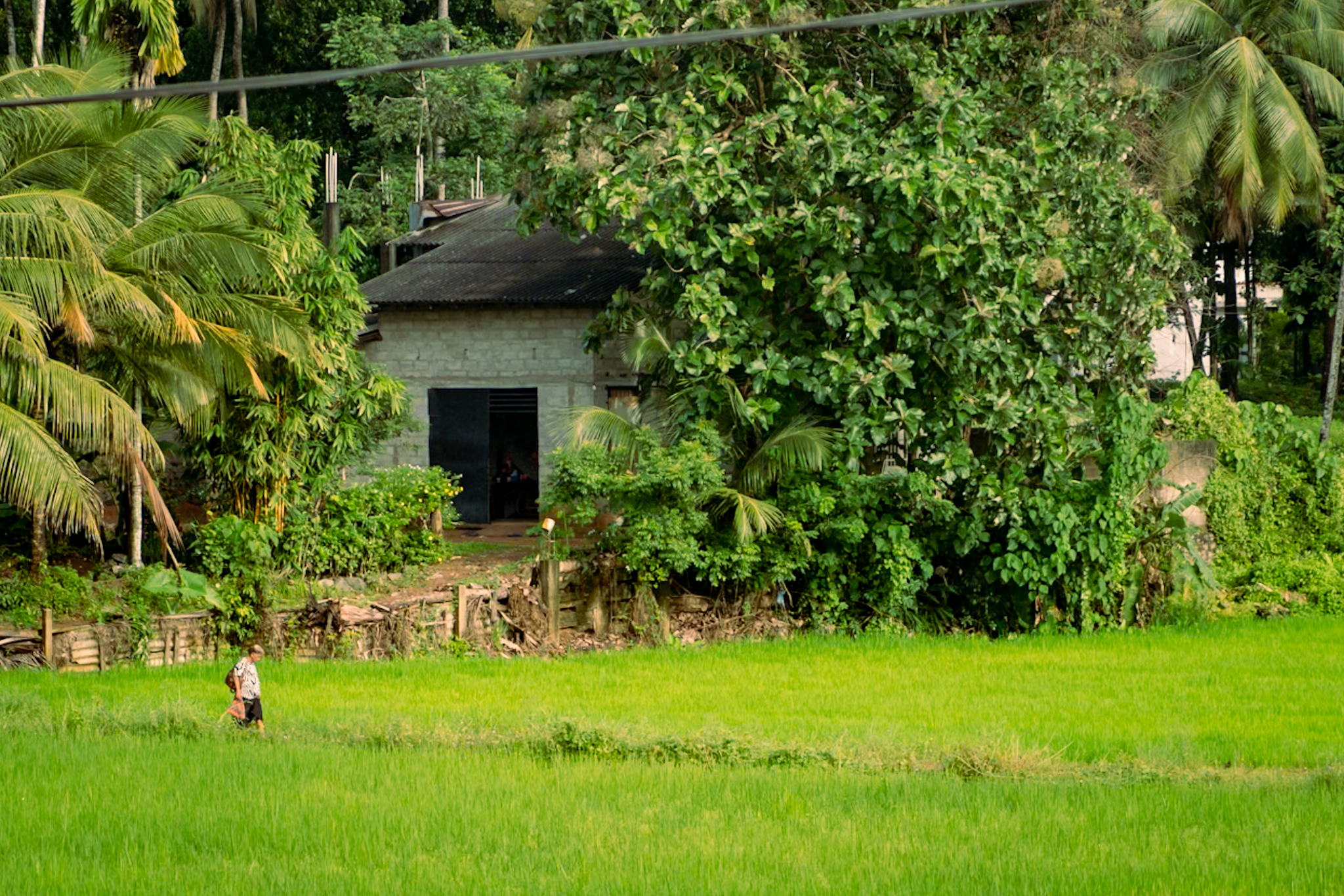
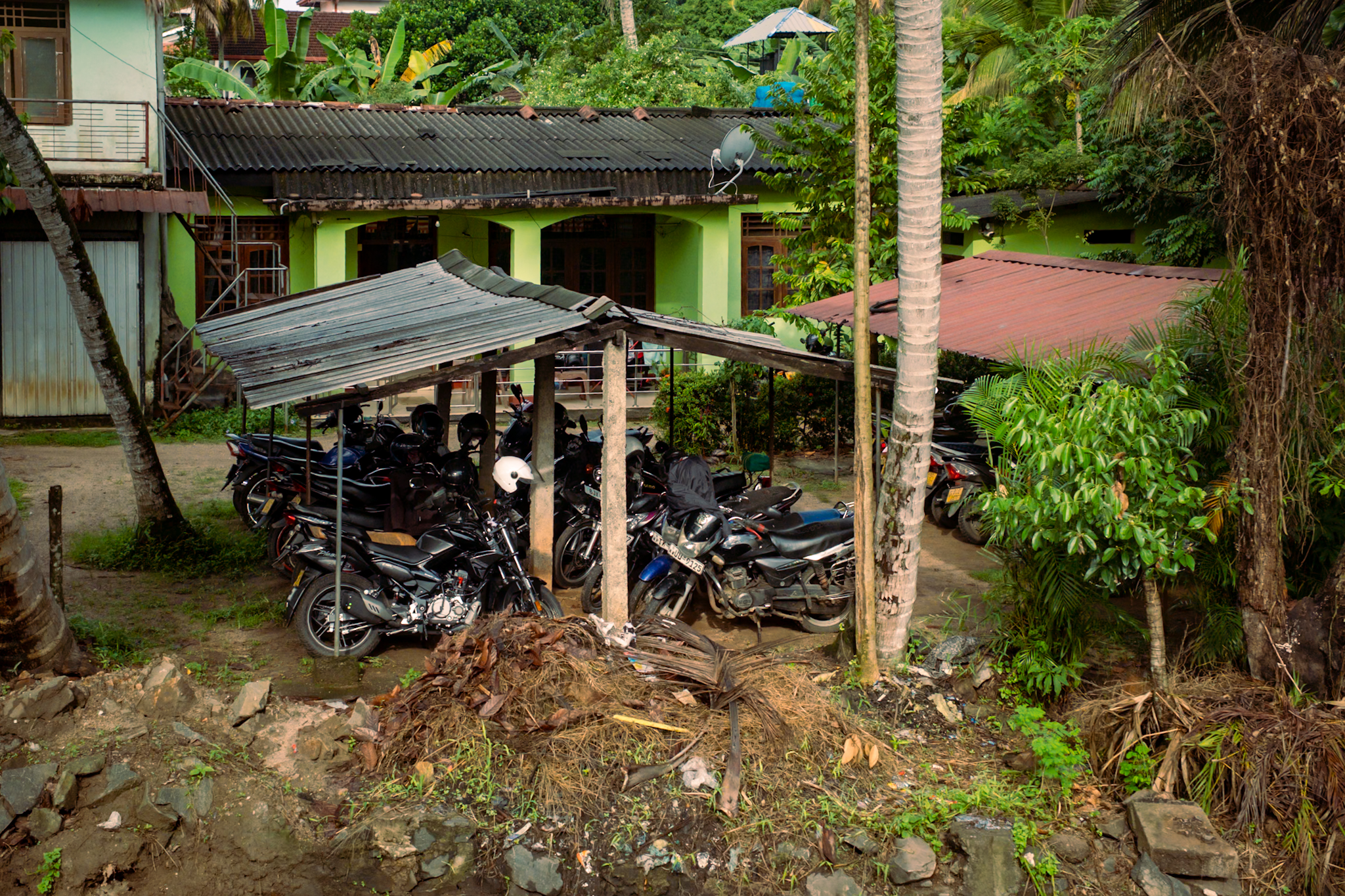
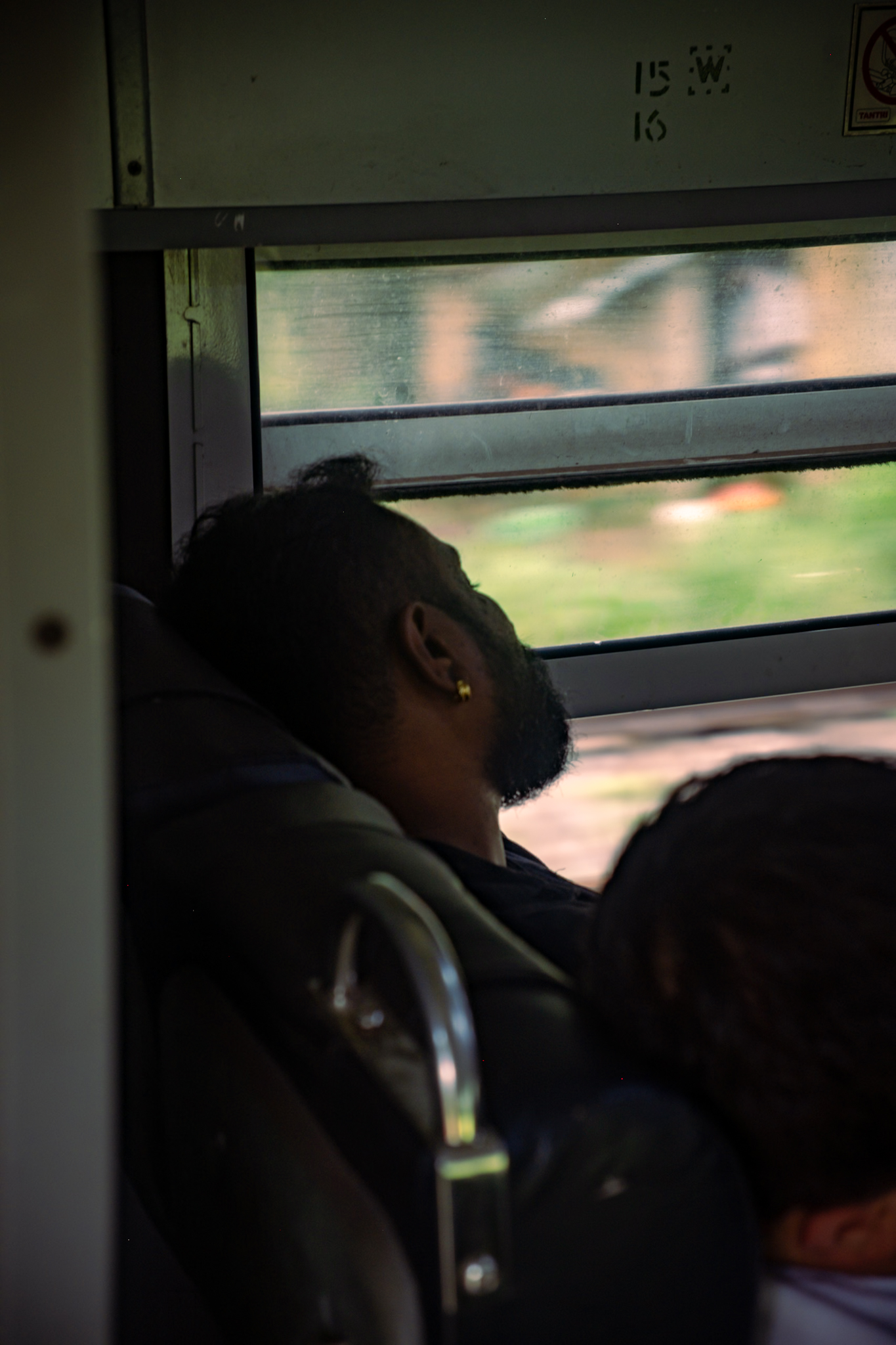
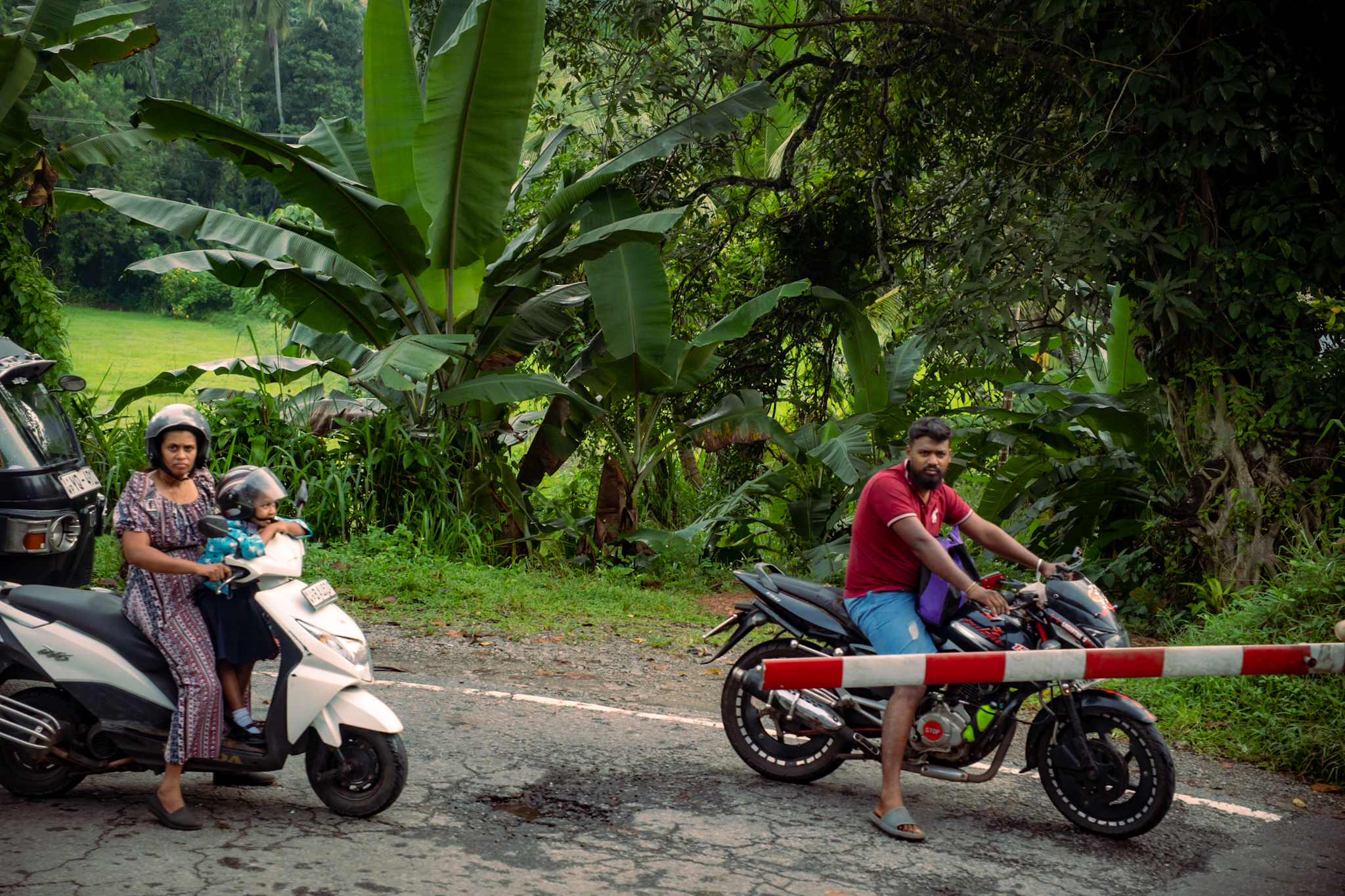
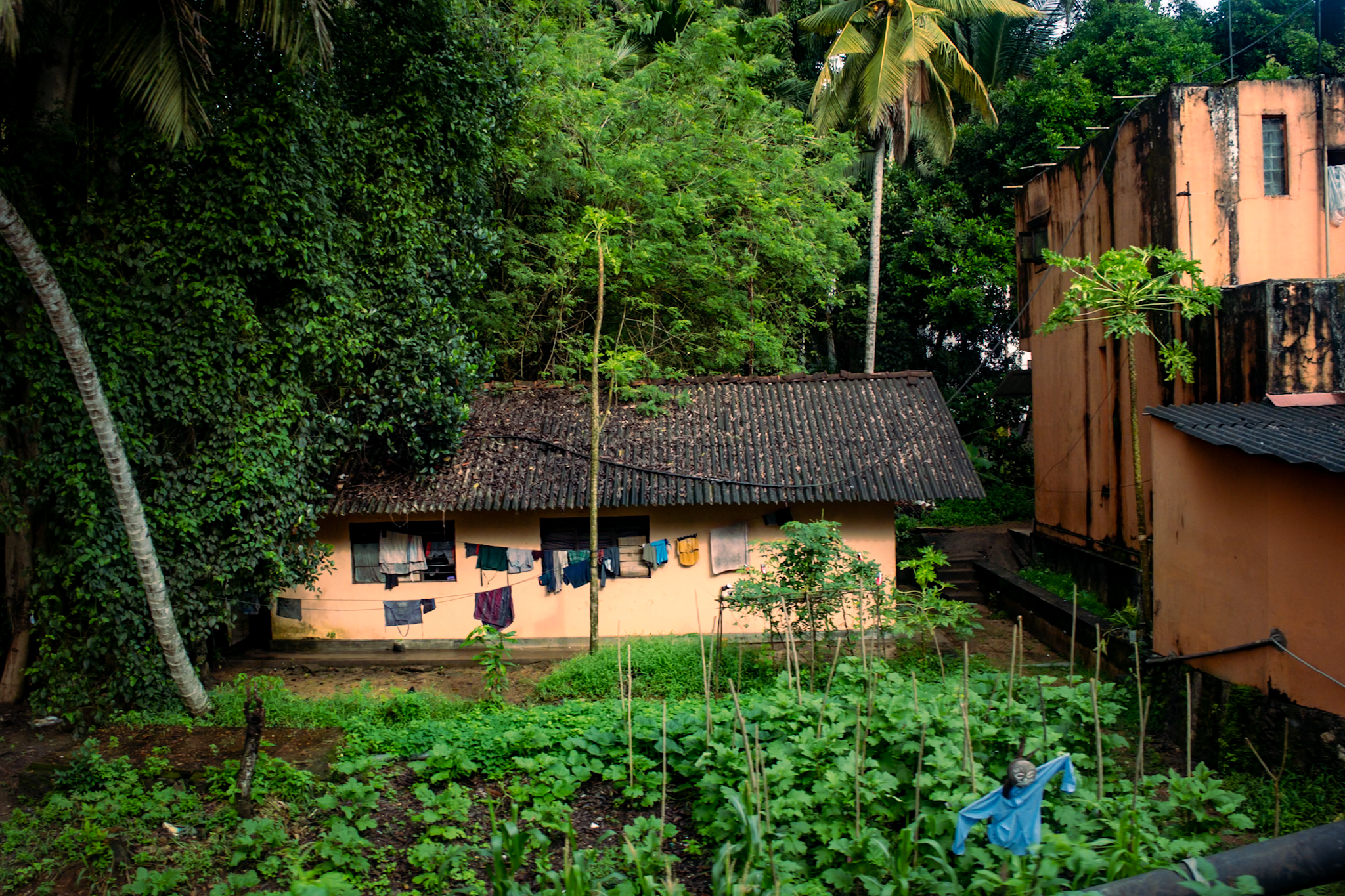
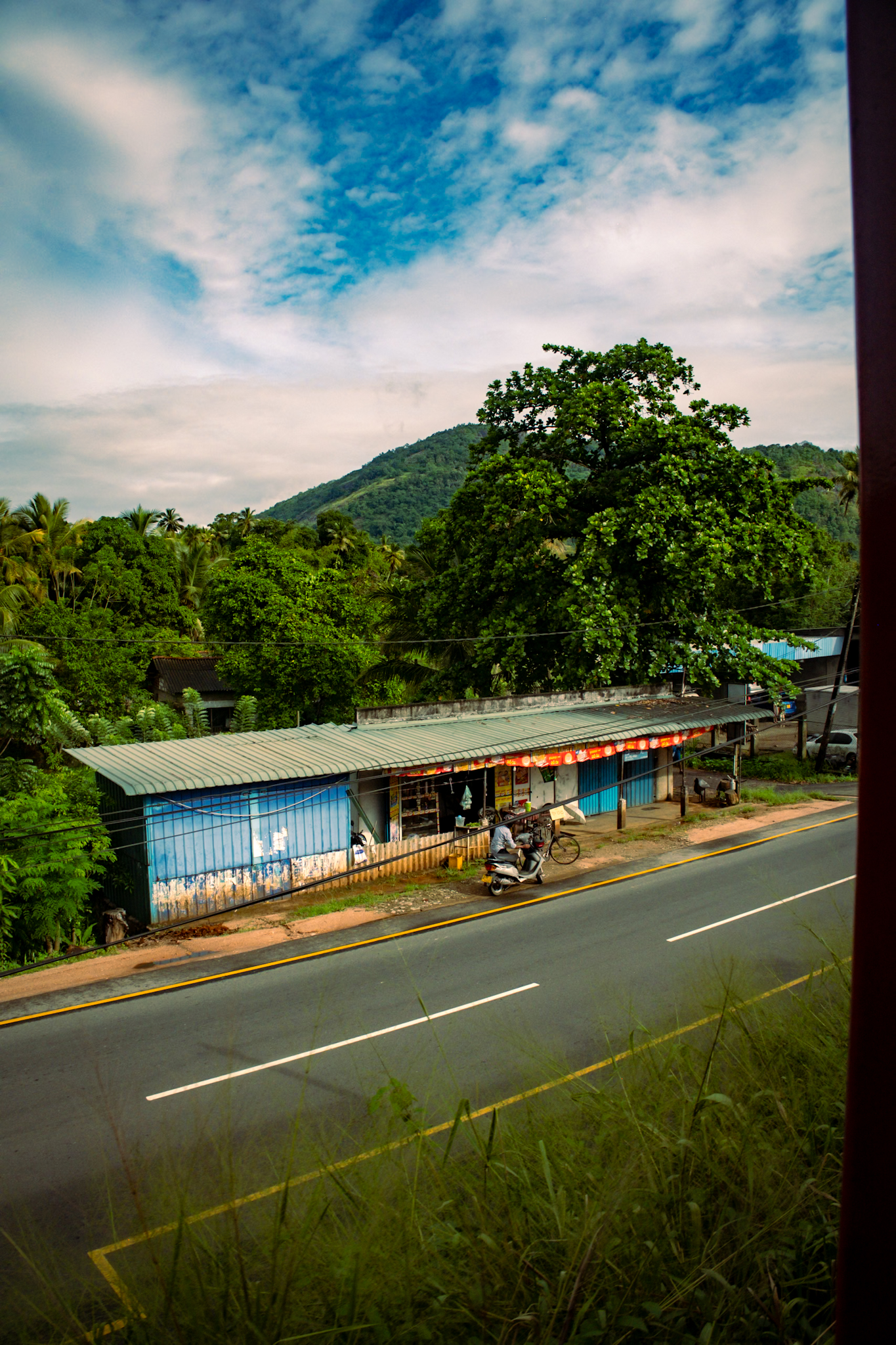
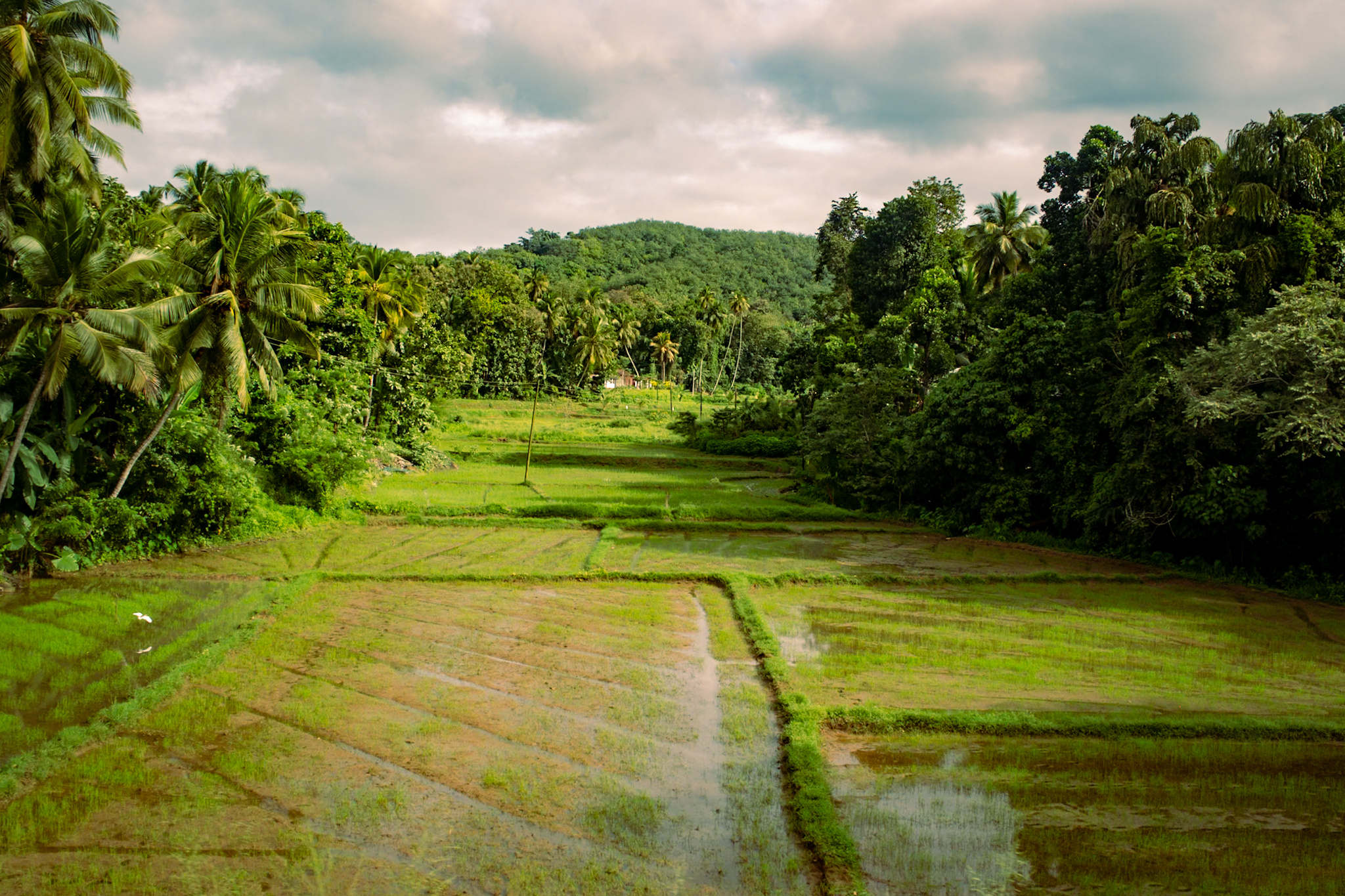
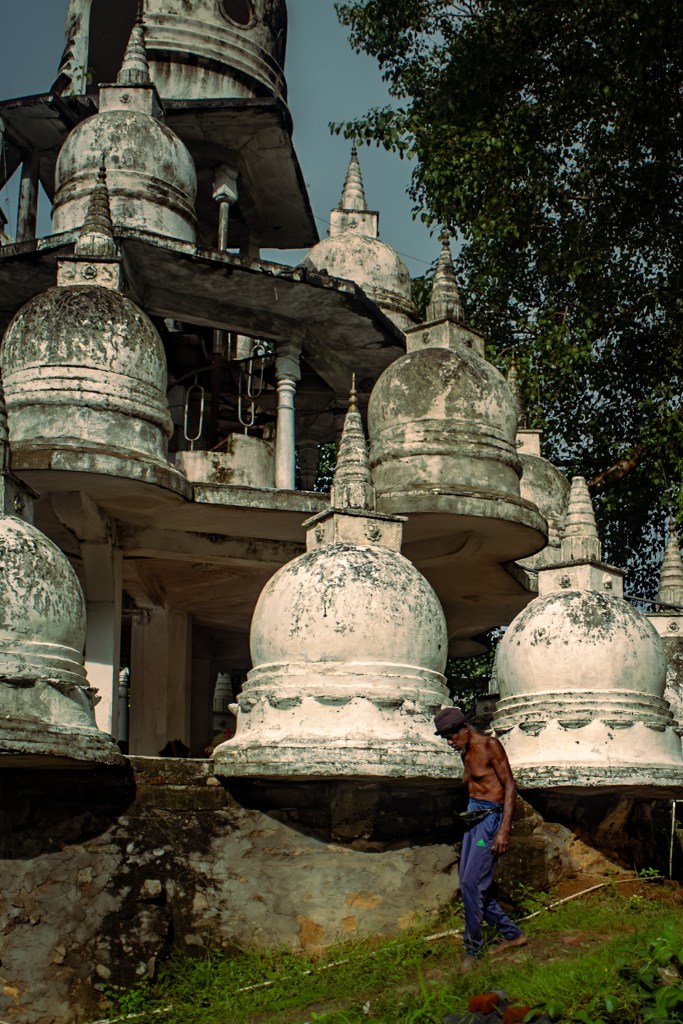
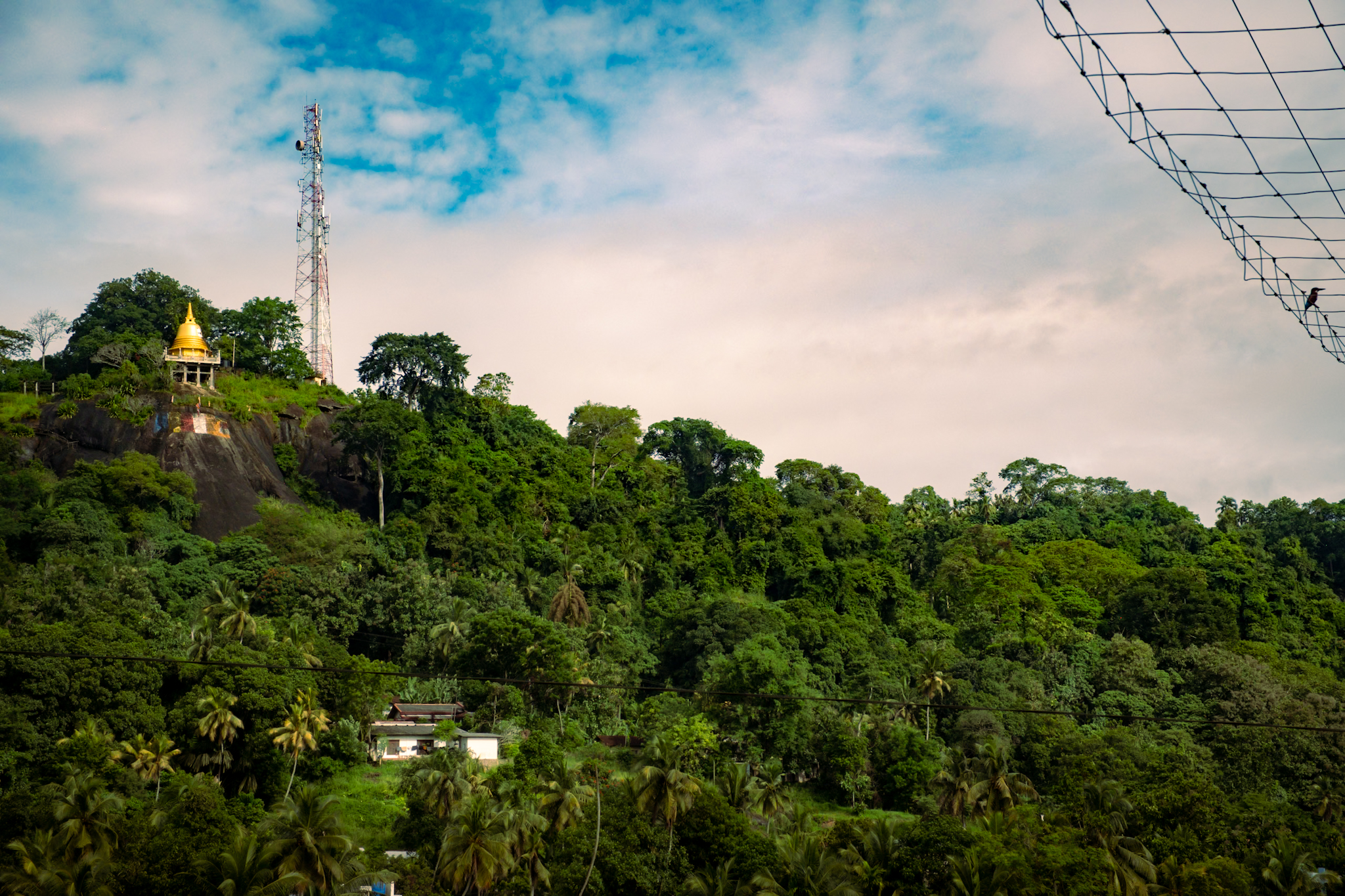
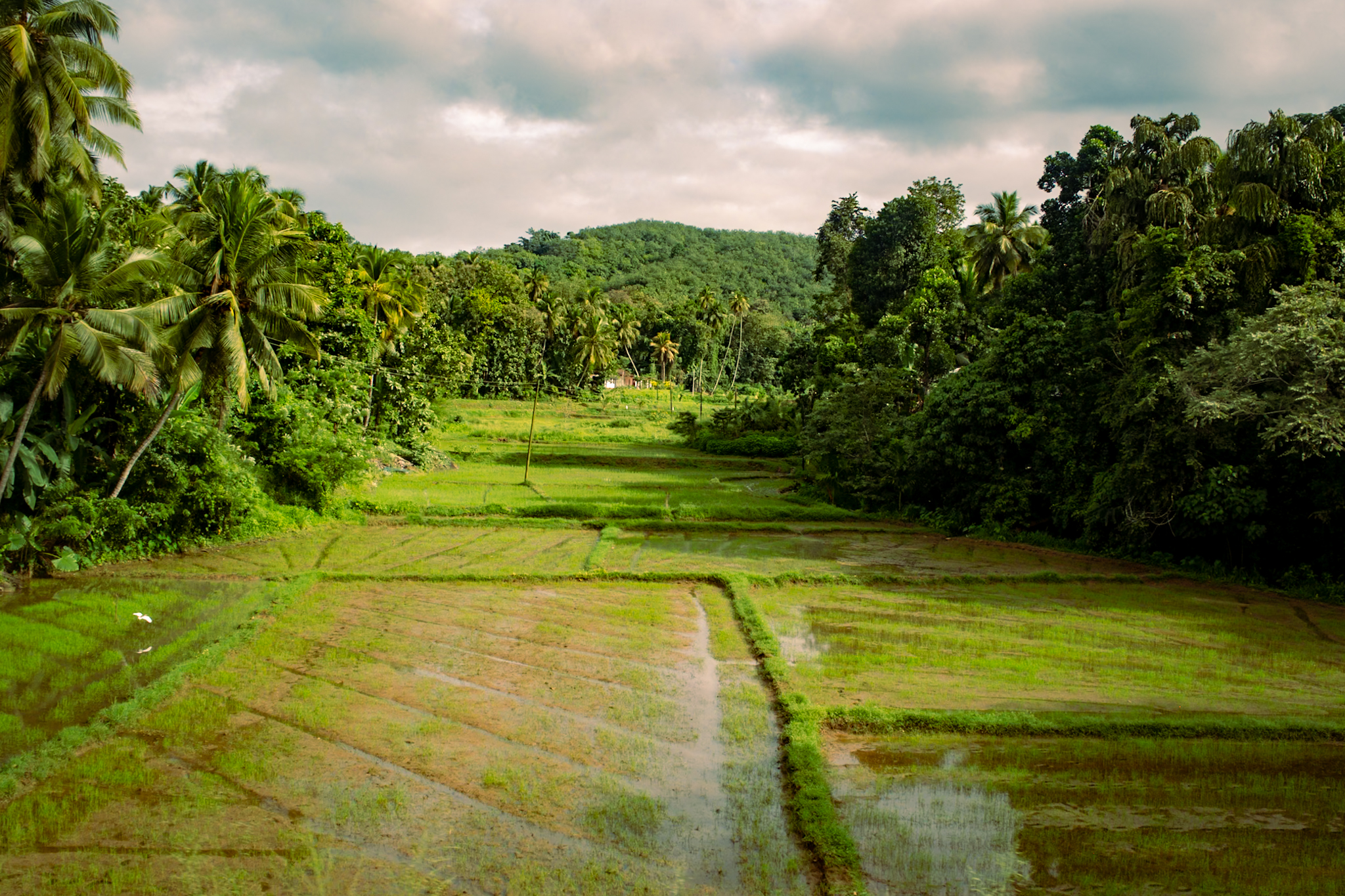
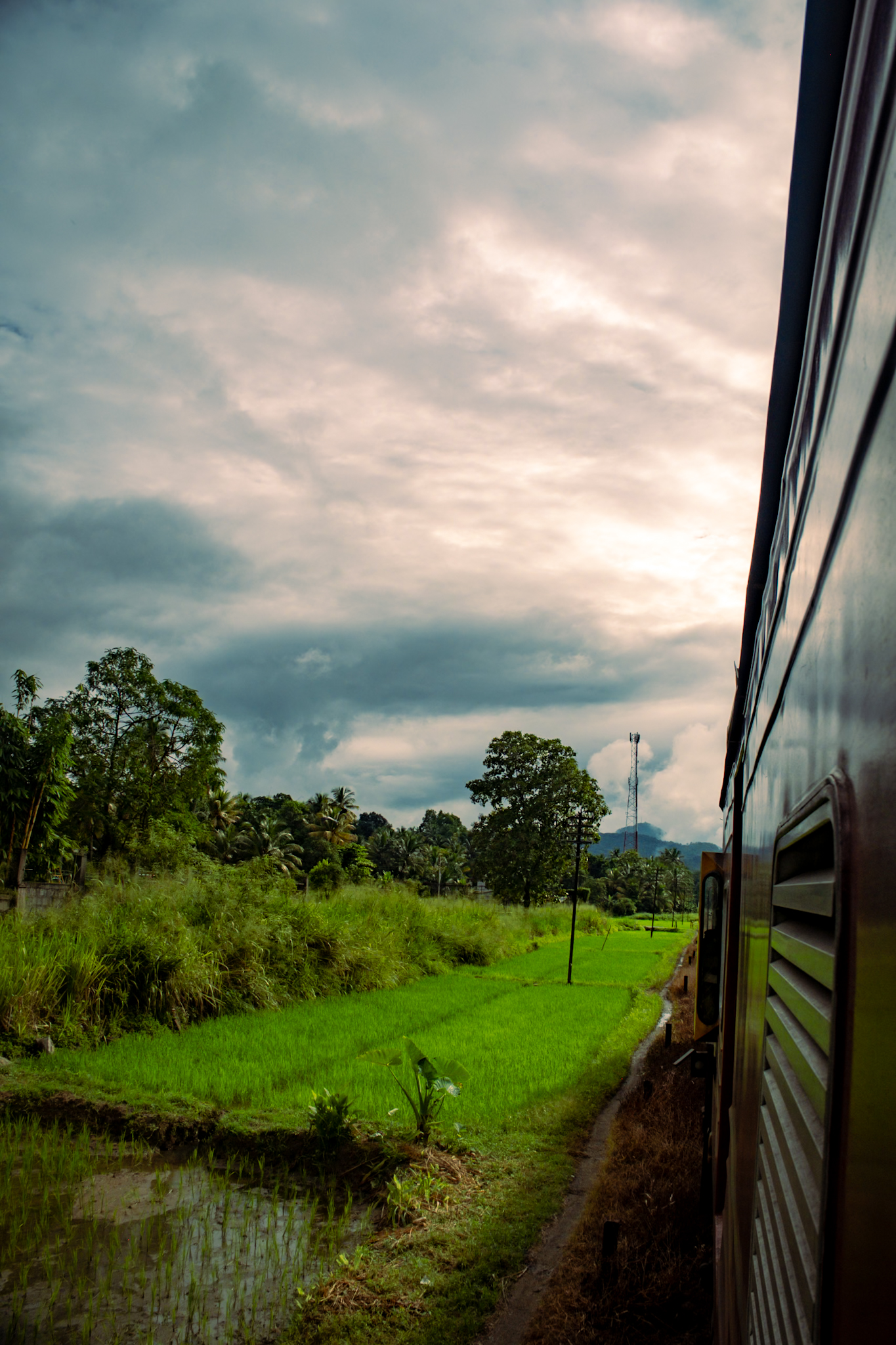
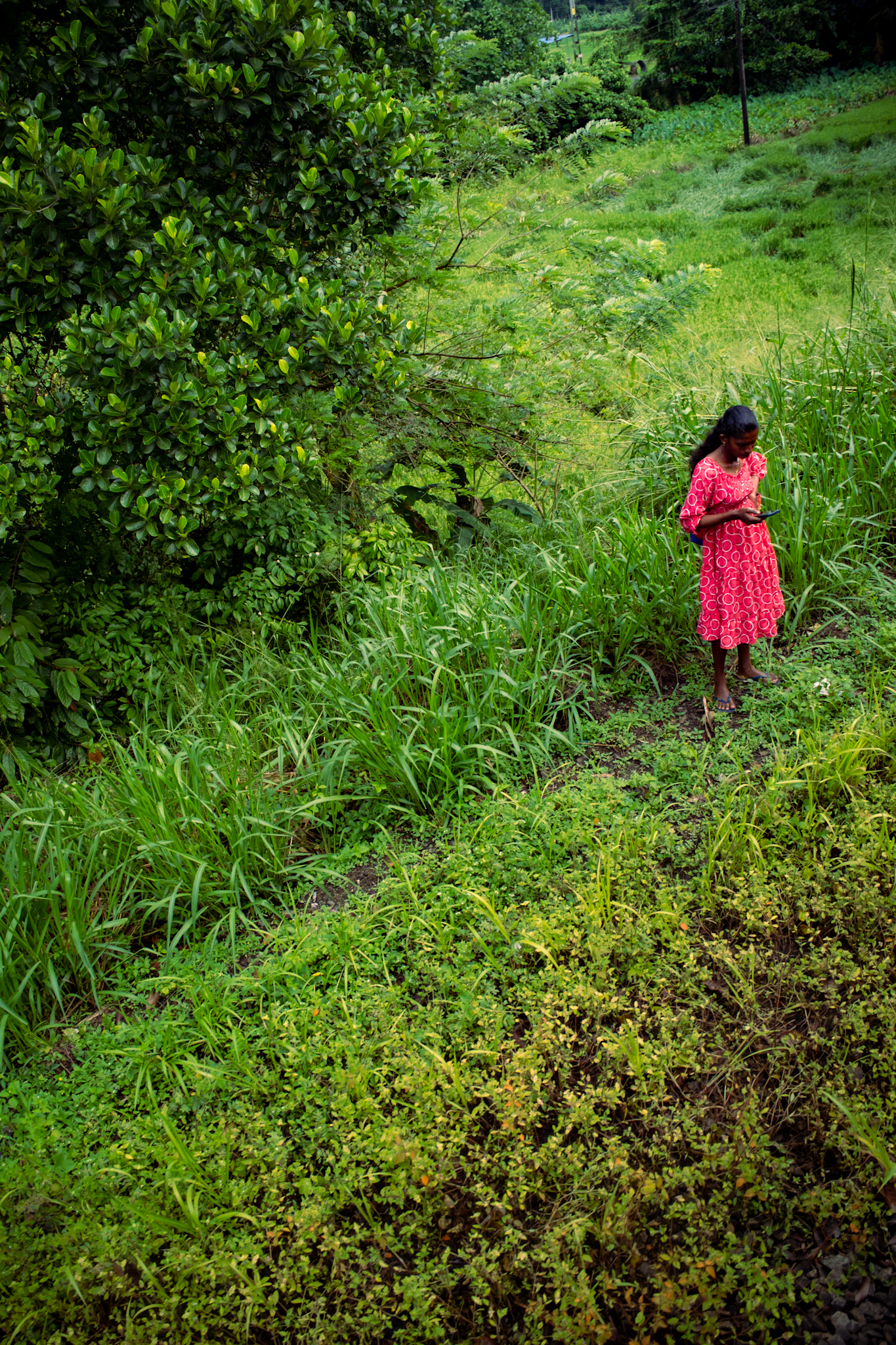
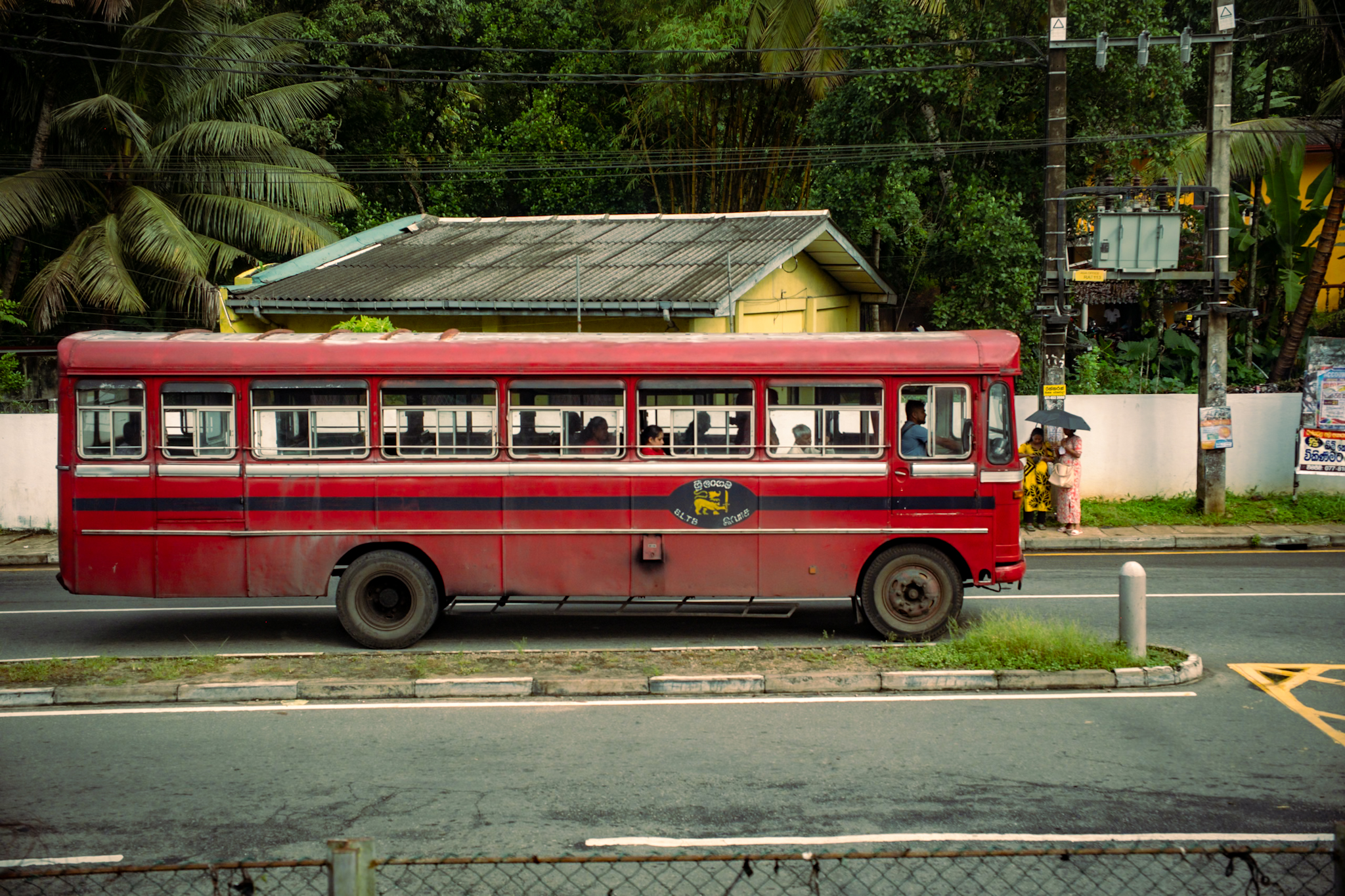
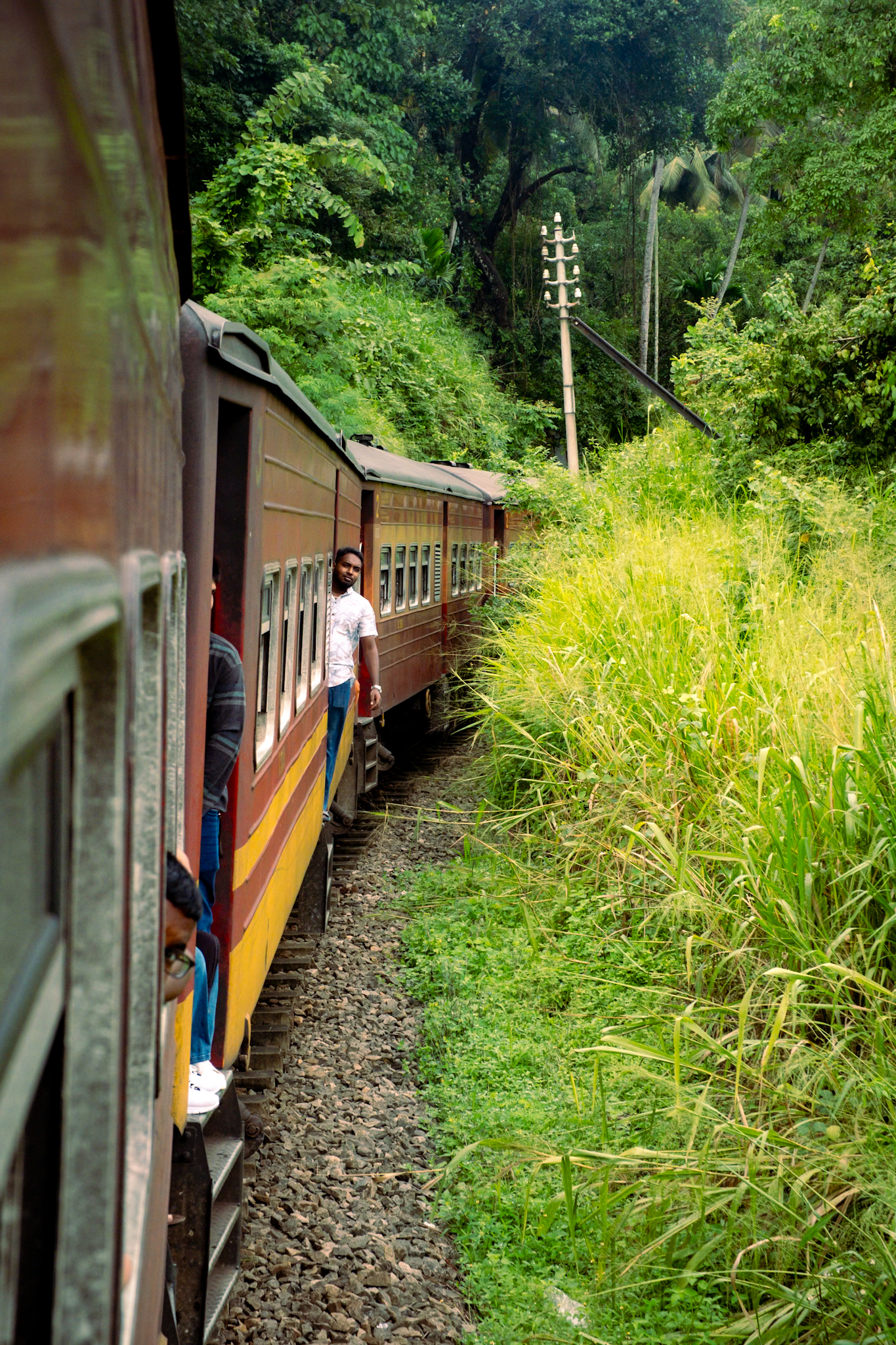
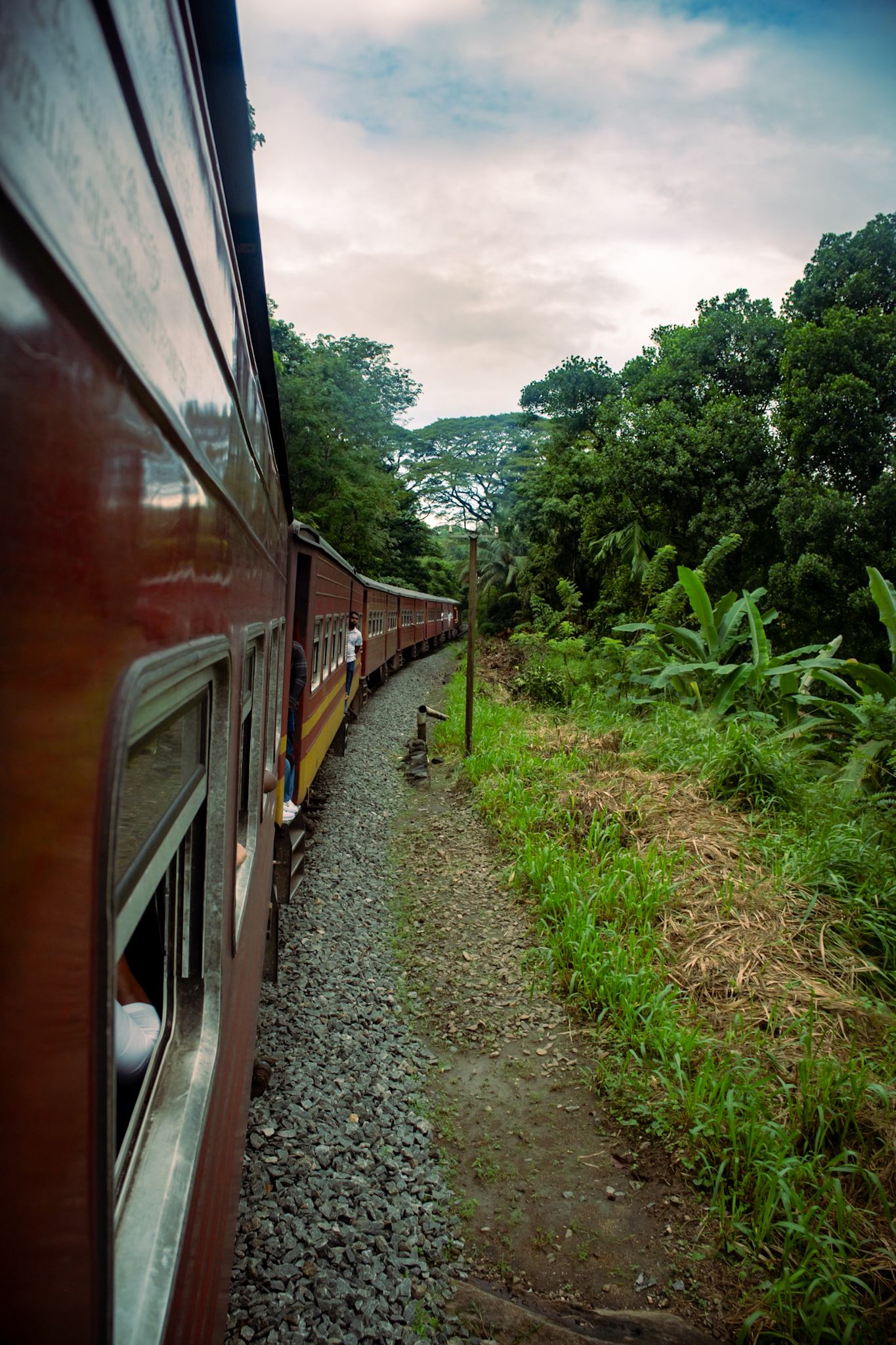
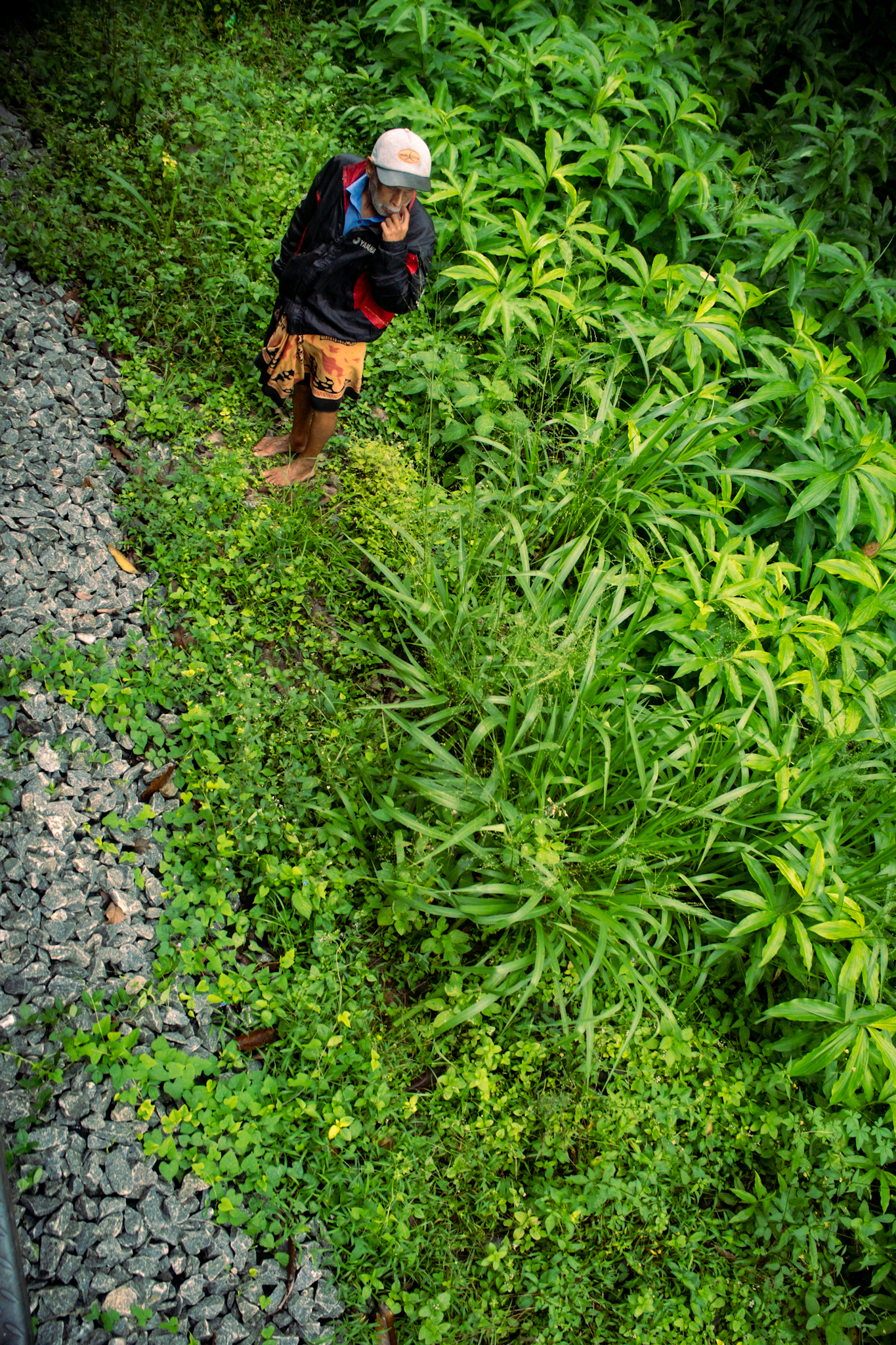
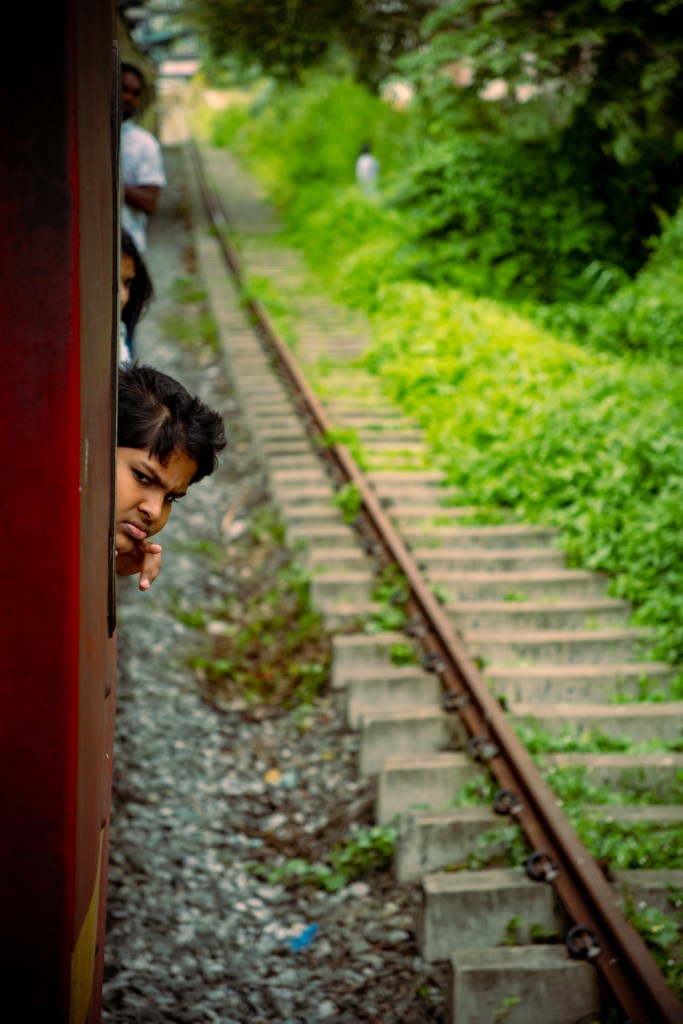
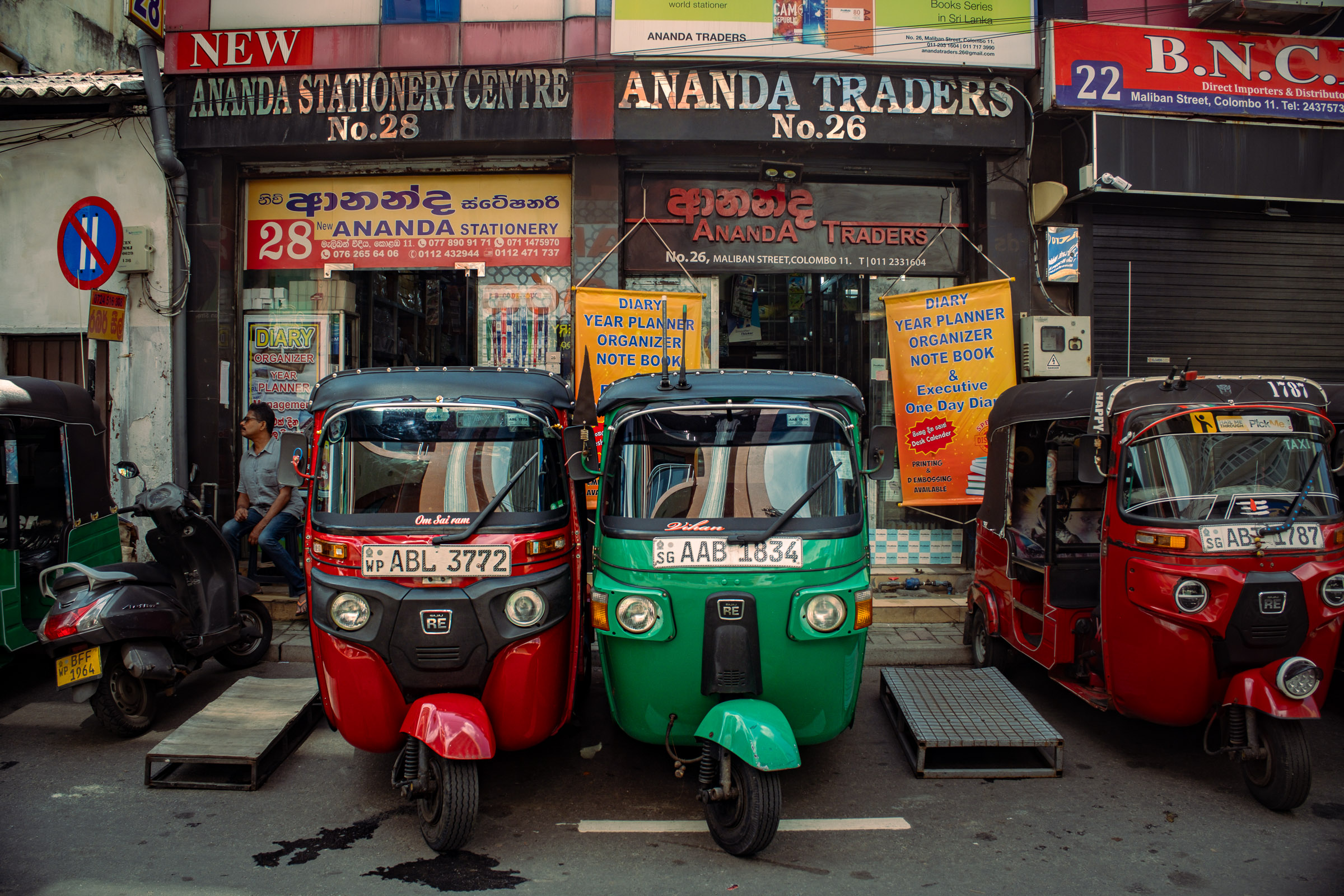
Getting to travel is a great perk of my job, but never quite as glamorous as people think it will be. There’s lots of travel between sites (so this typical journey is between 4 and 6 hours minibus ride each way 🤢). As we were in Sri Lanka for longer than usual we had a full day off – a colleague and I used the time to make the journey by train instead.
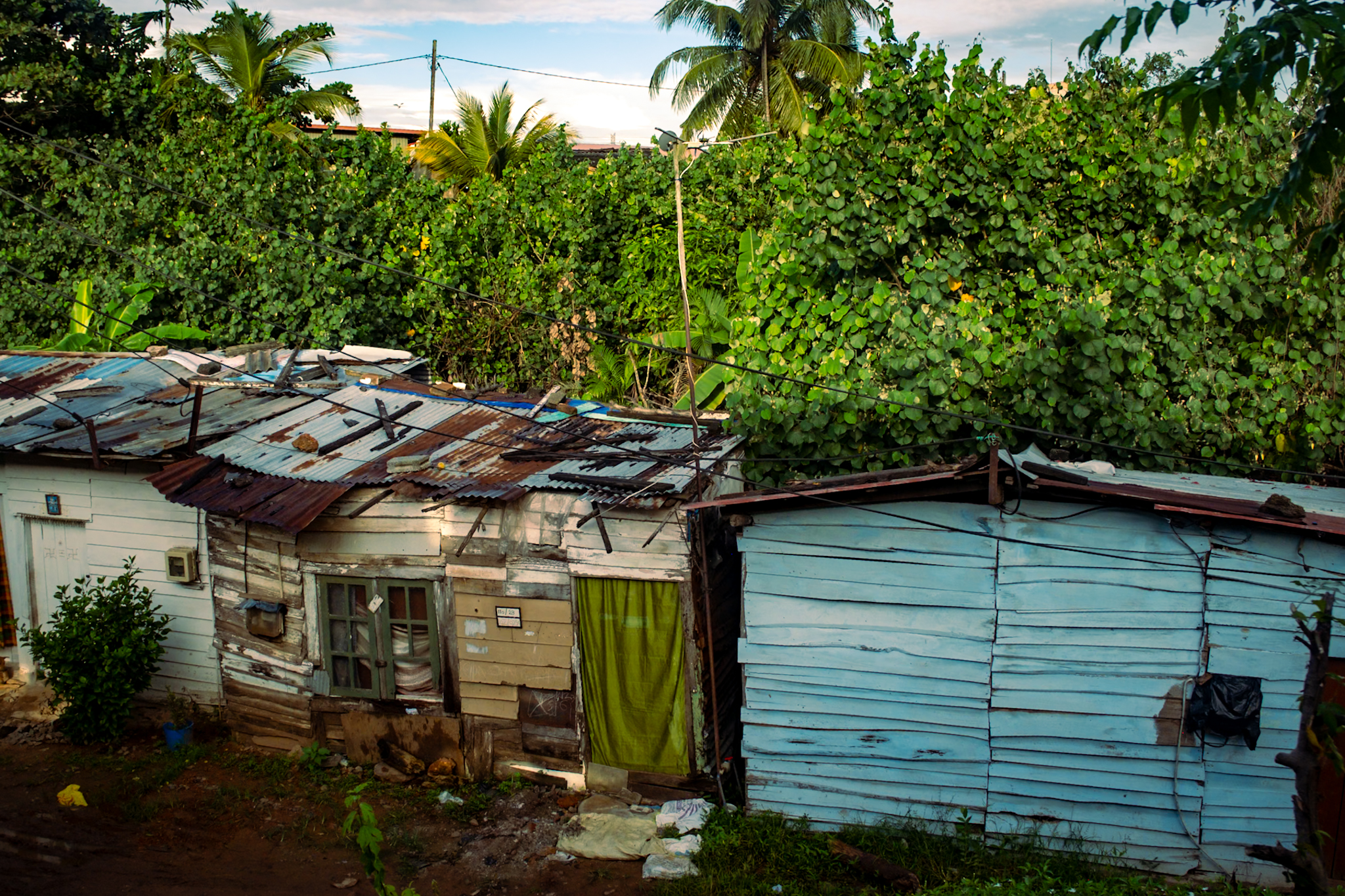
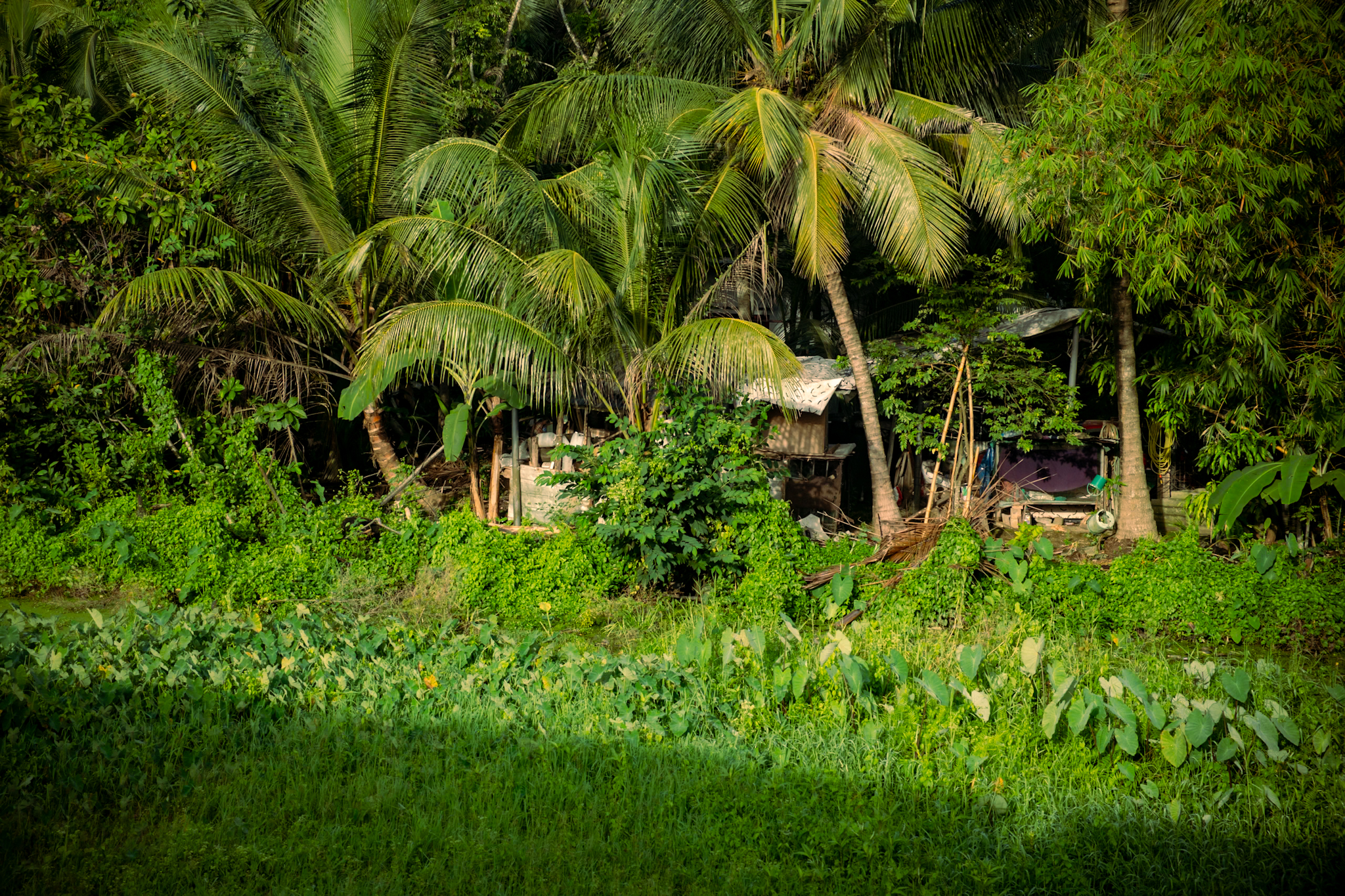
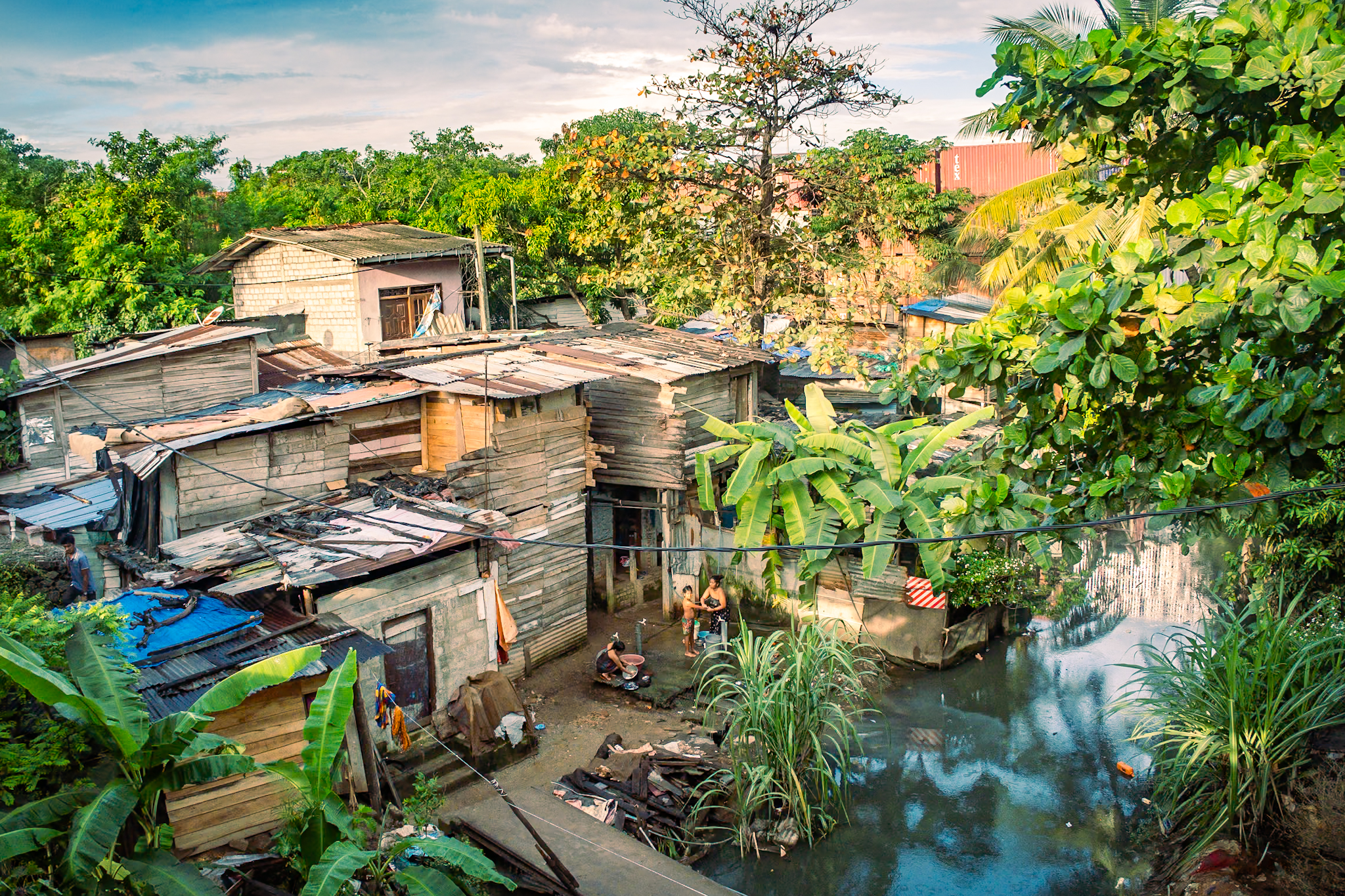
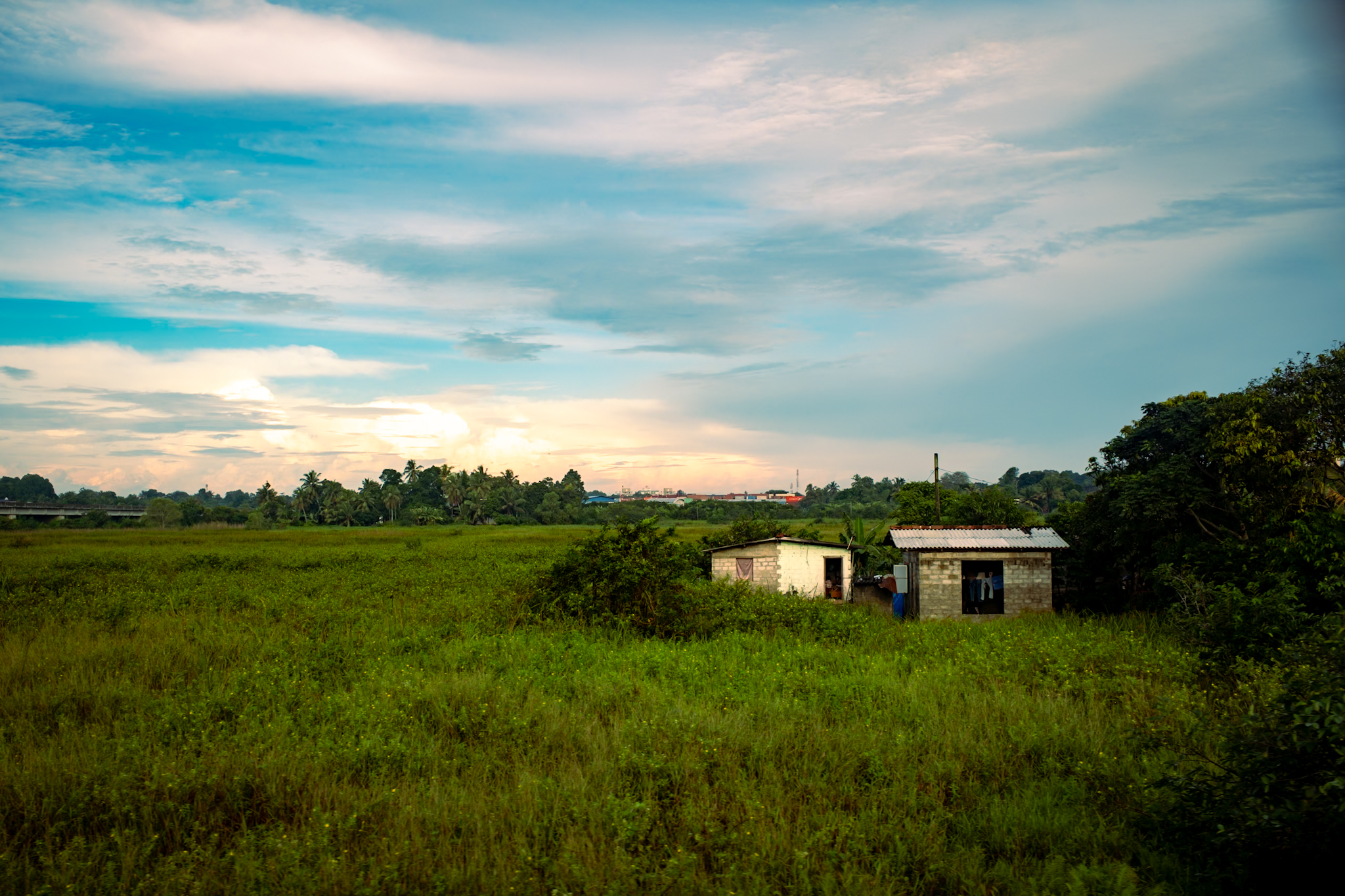
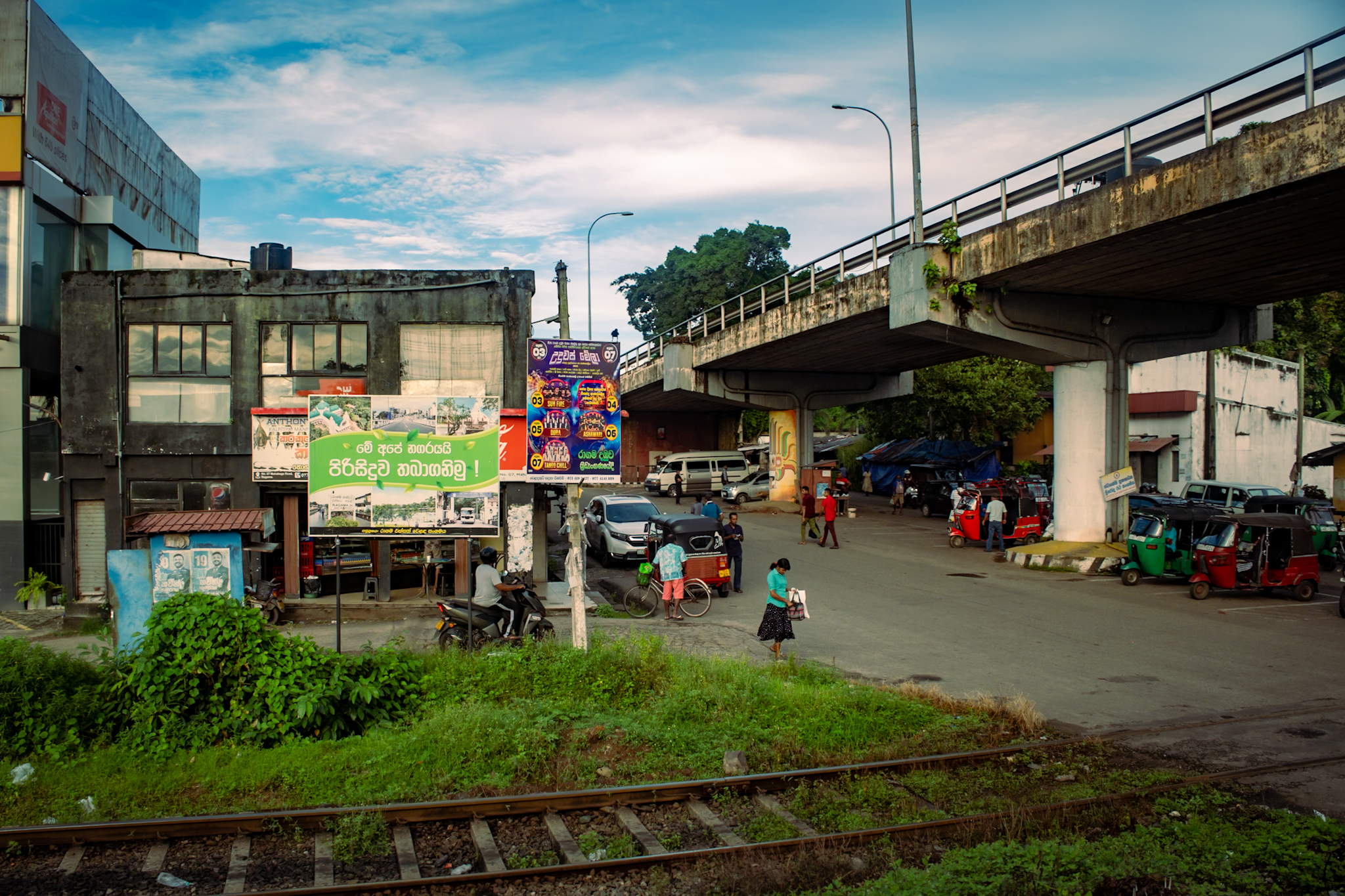
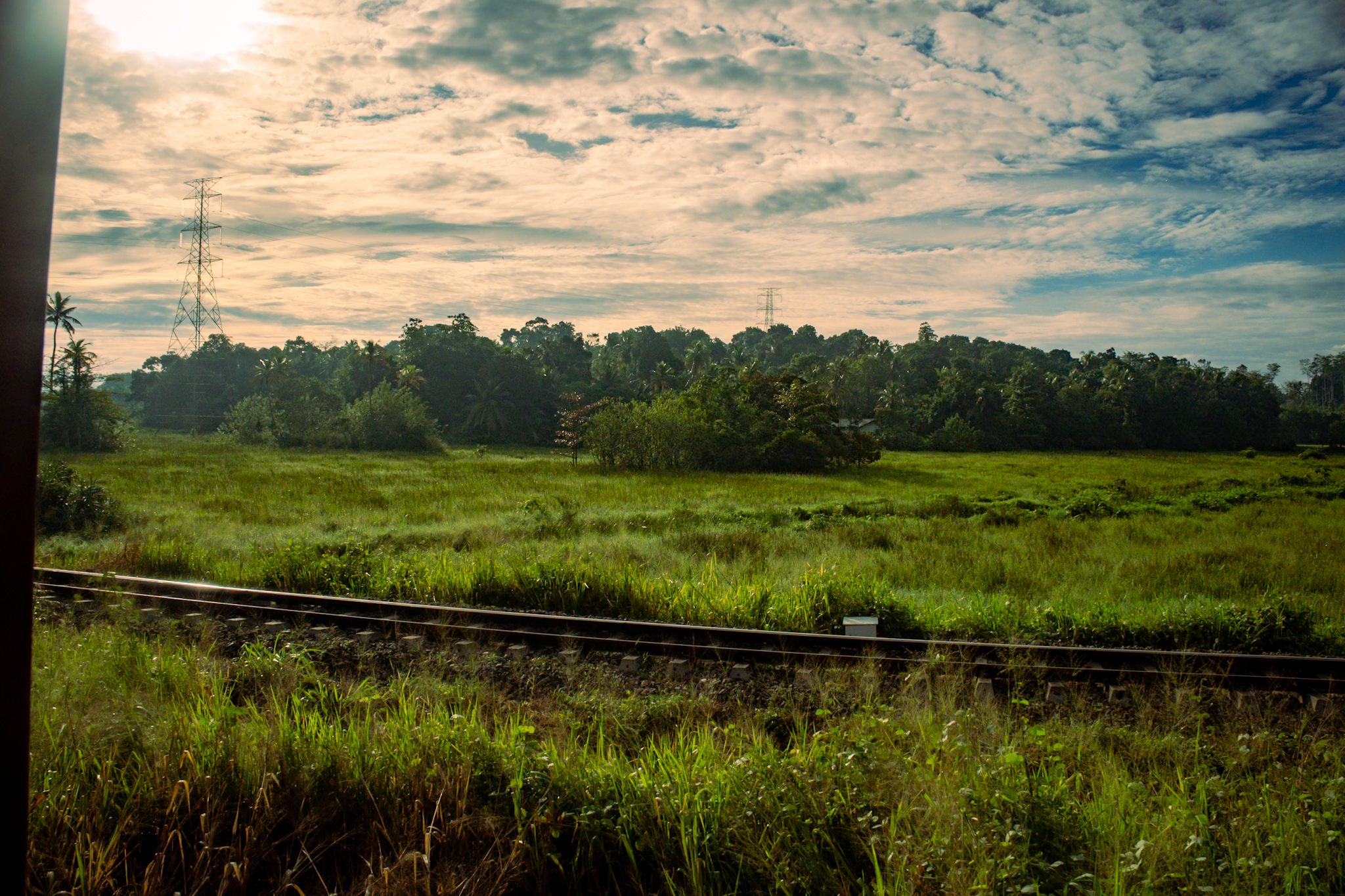
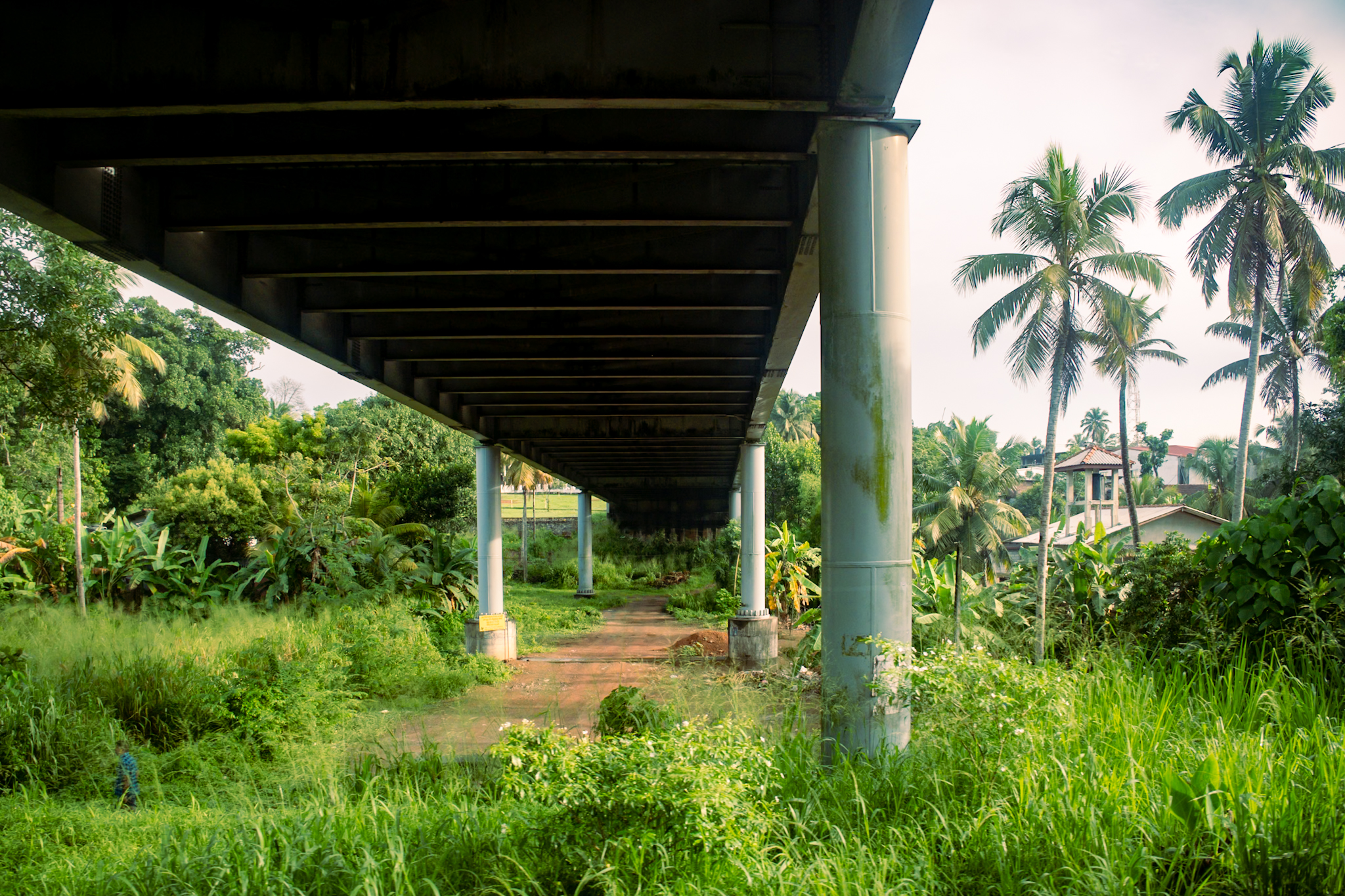
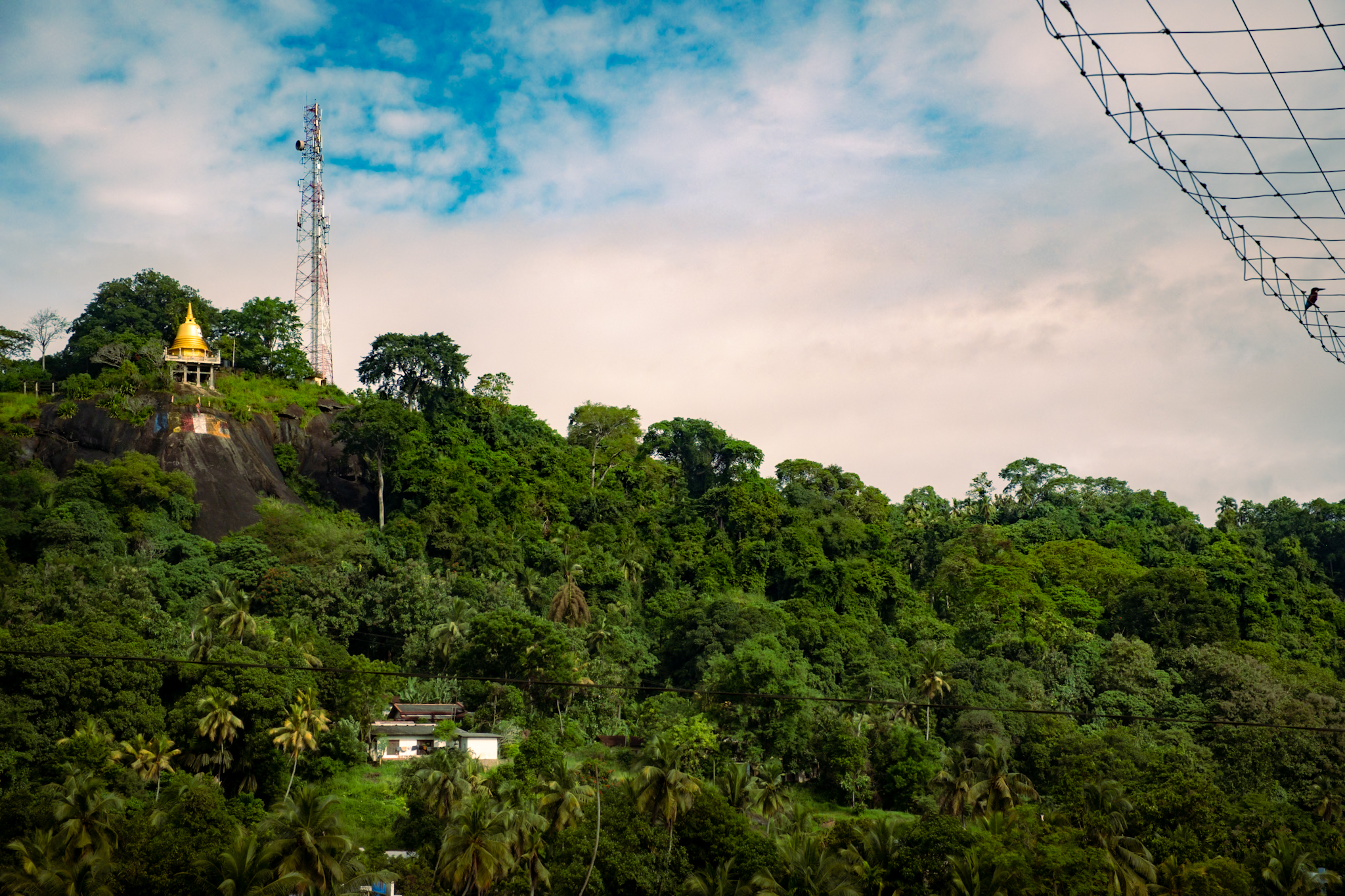
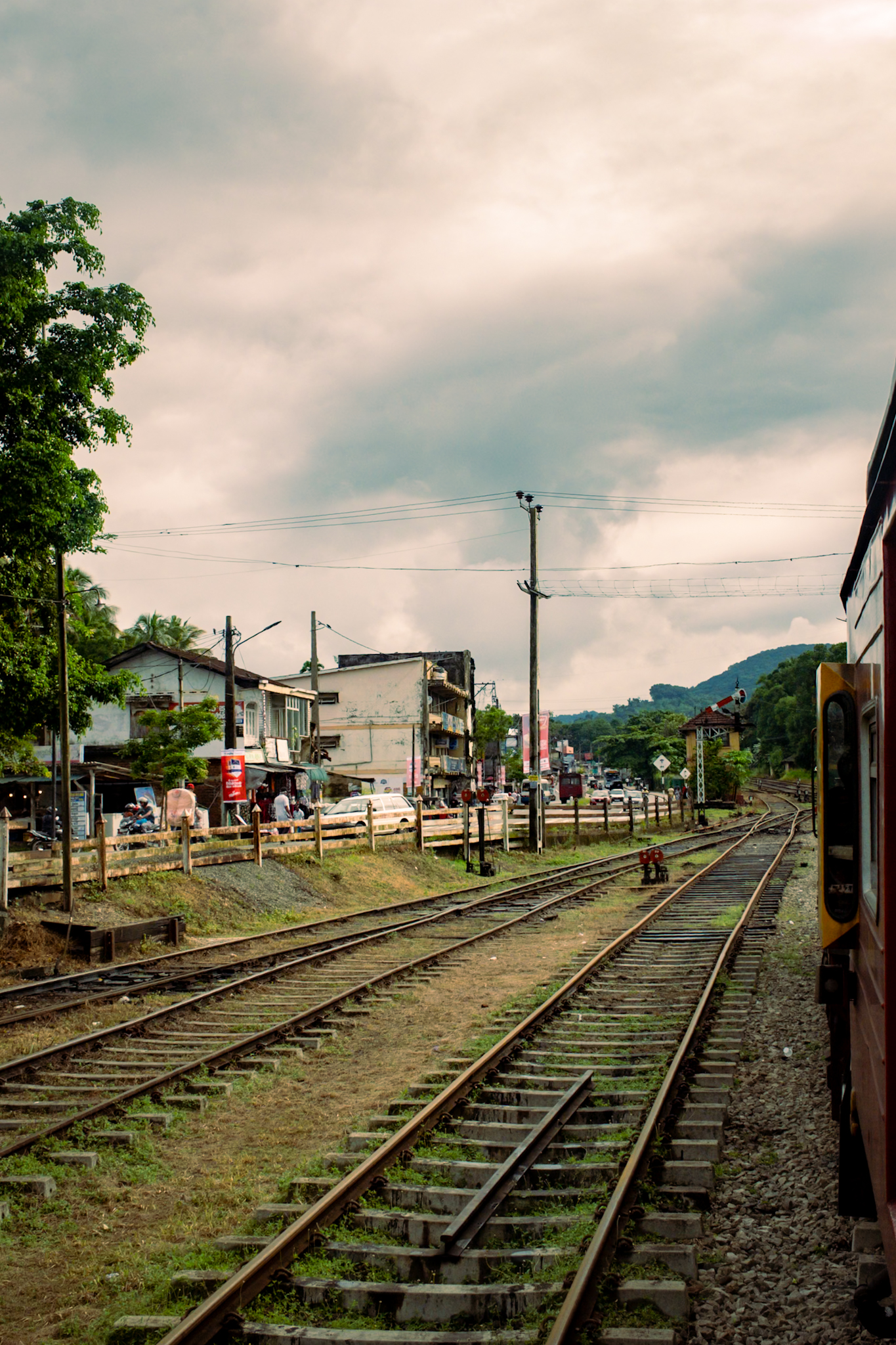
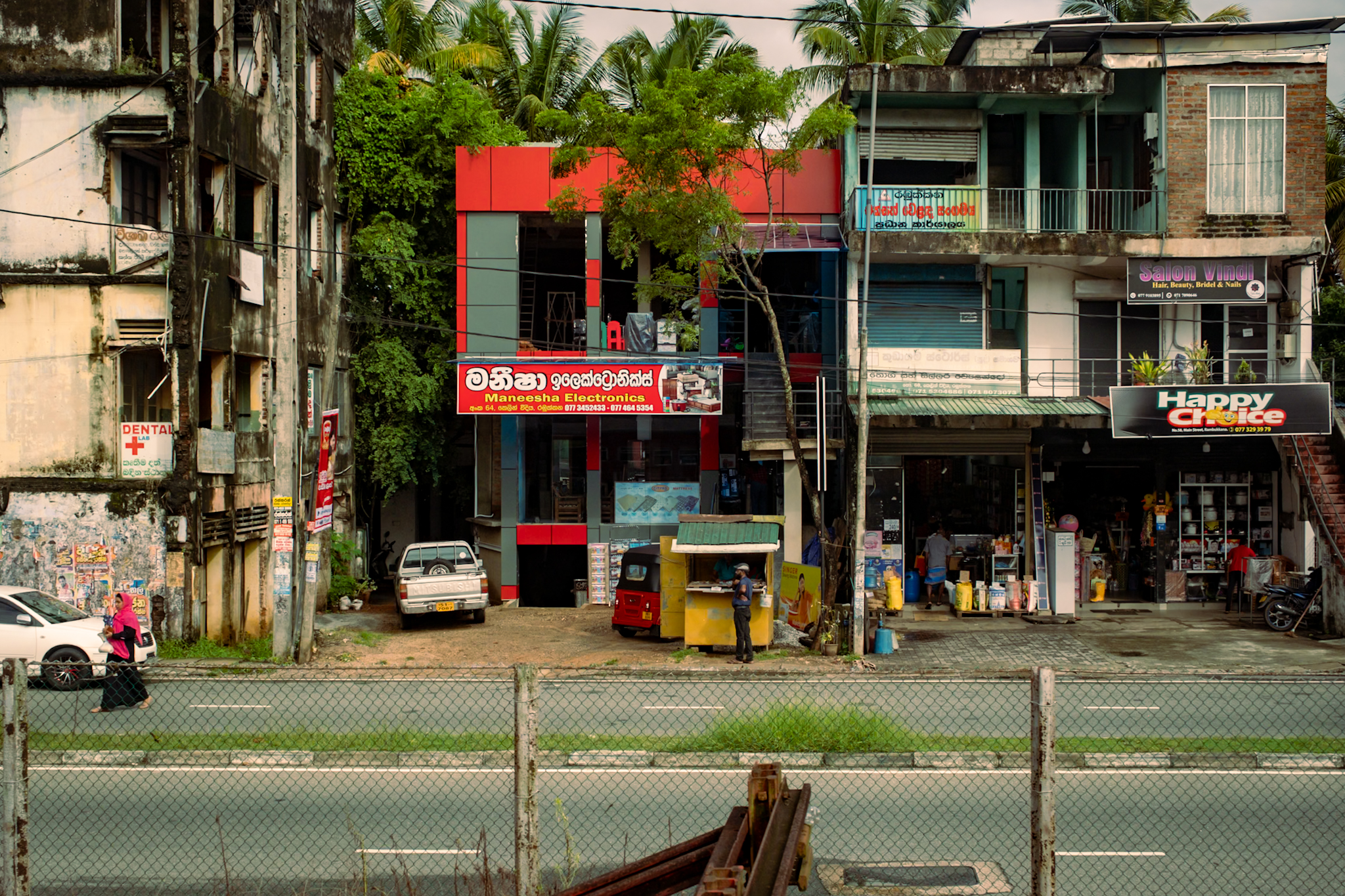
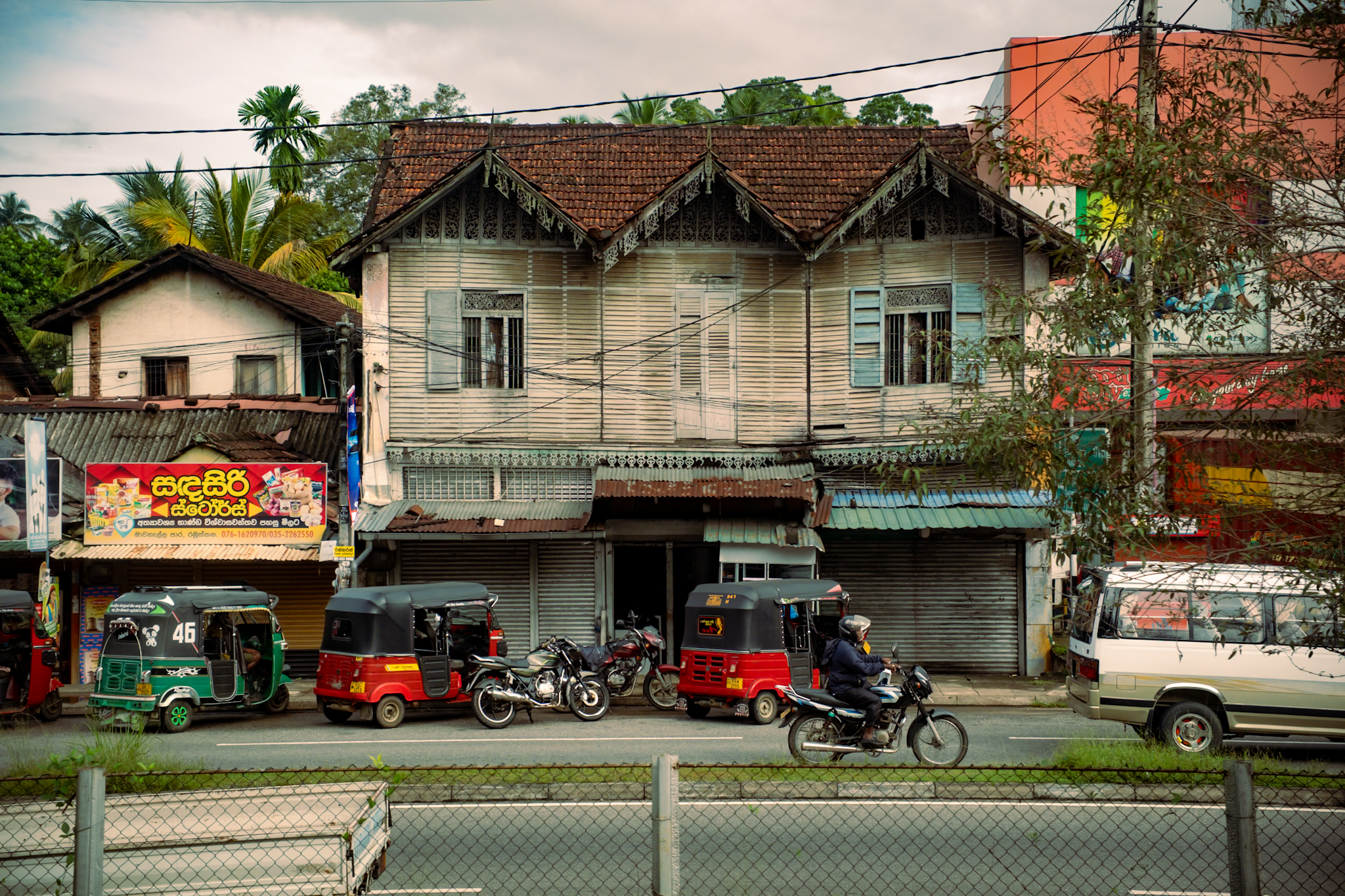
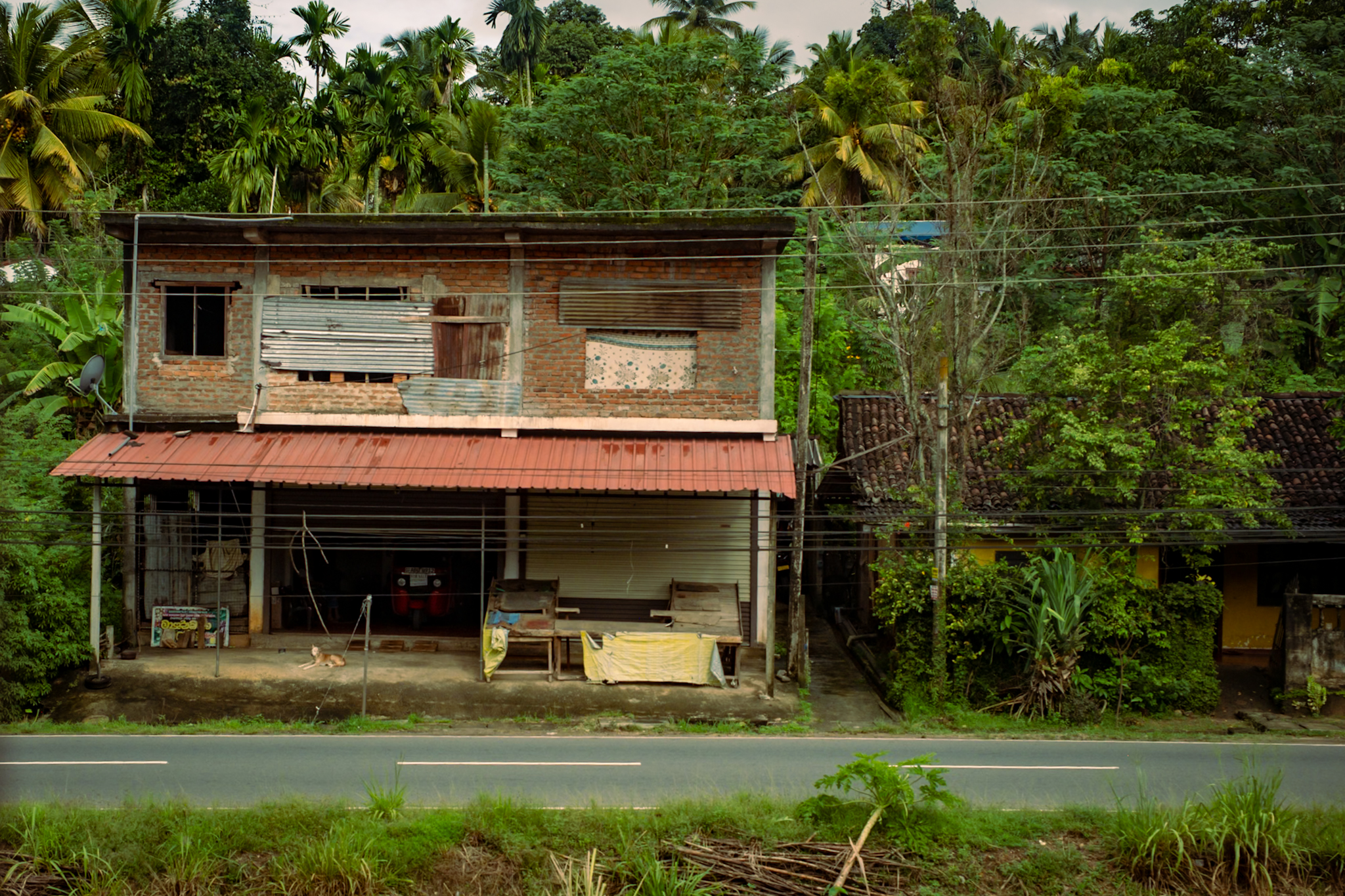
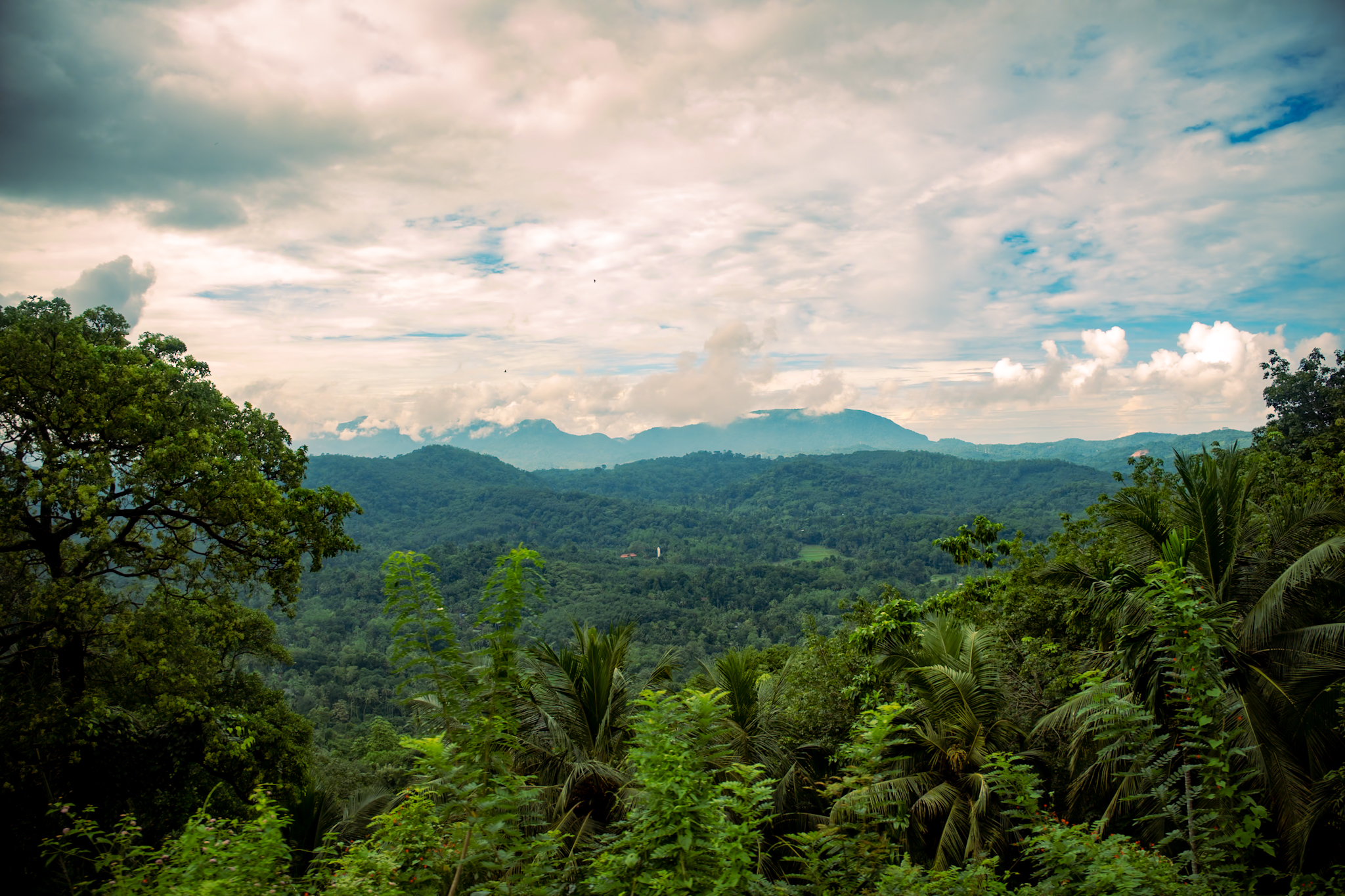
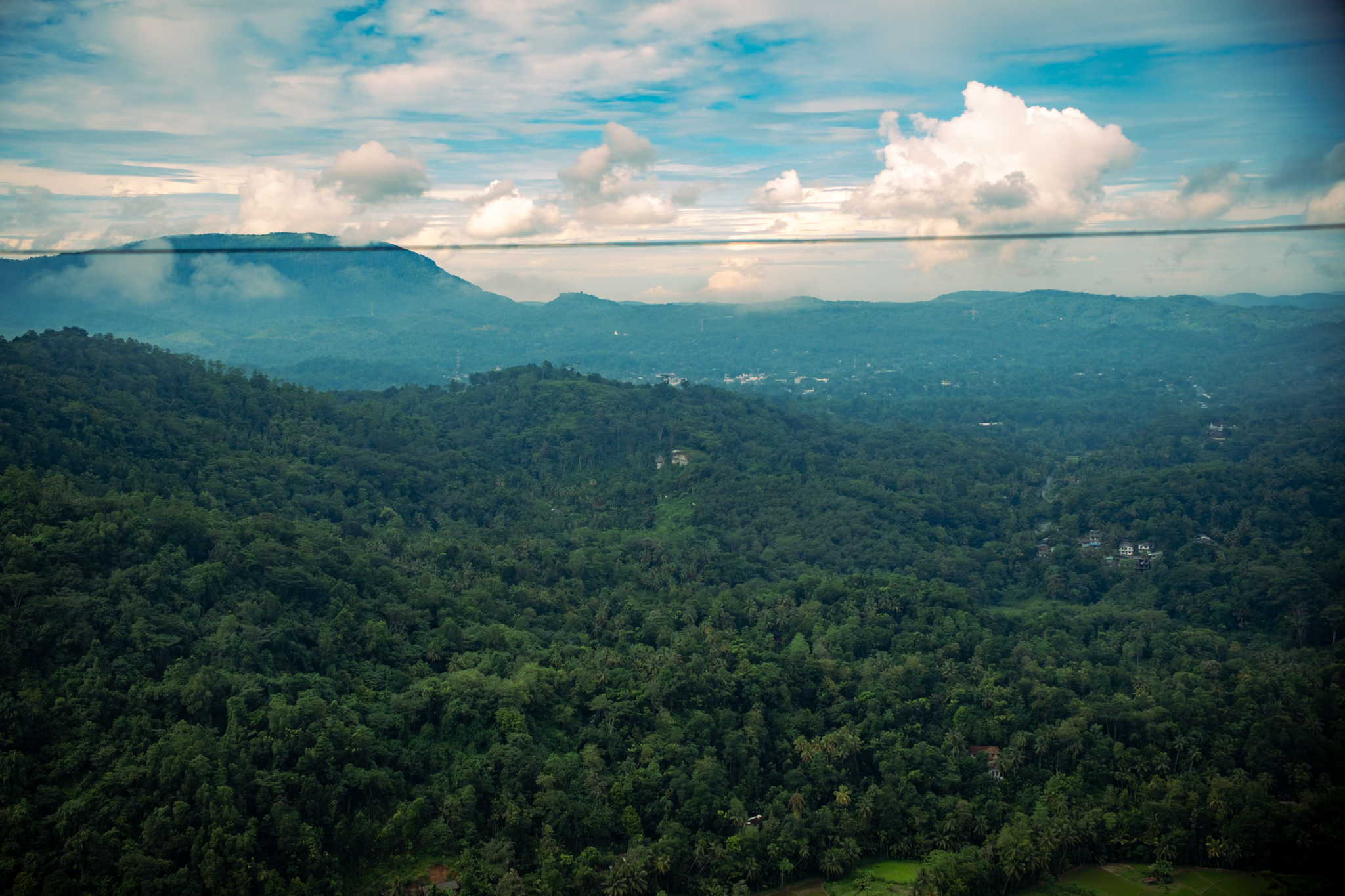
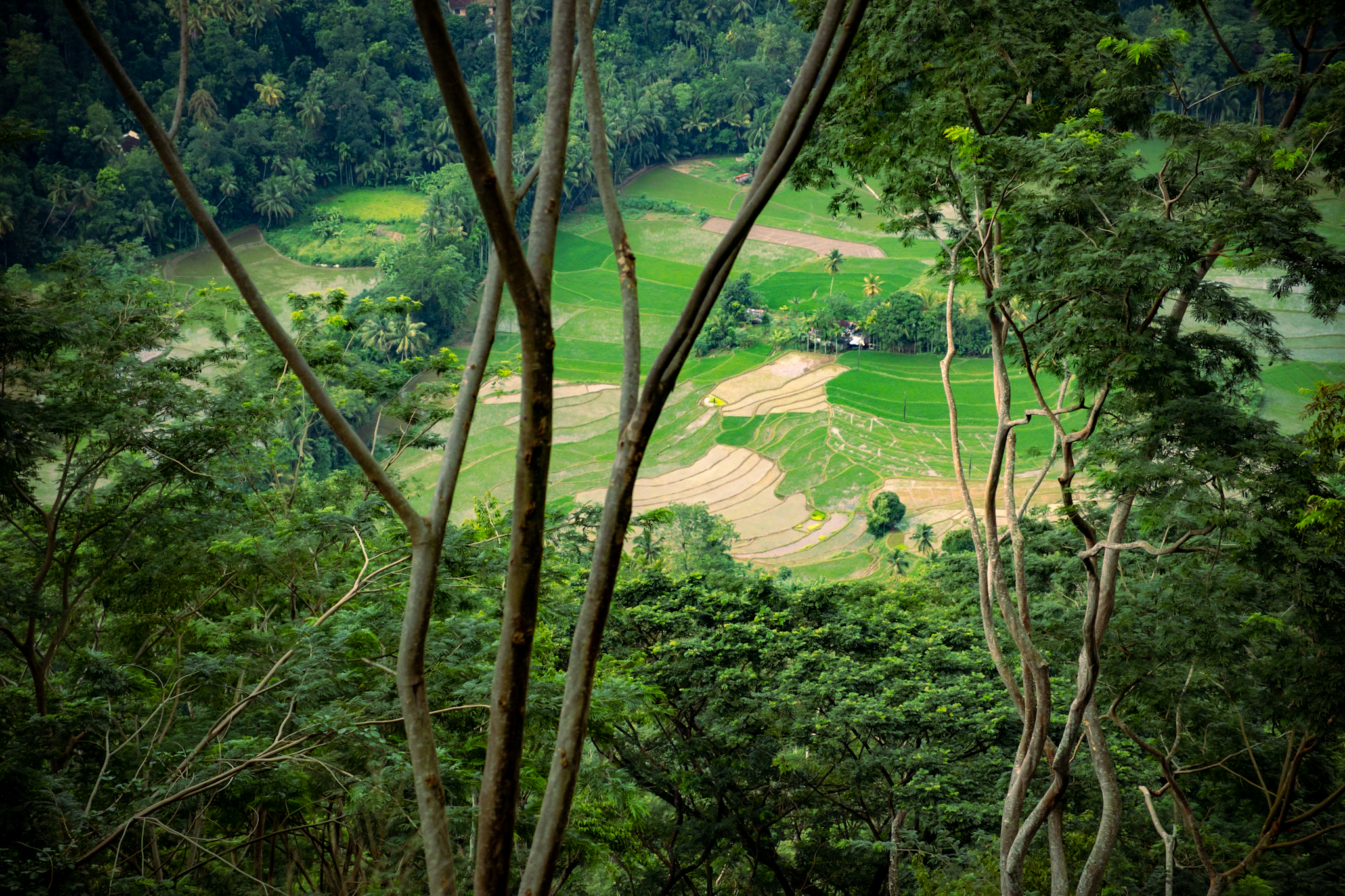
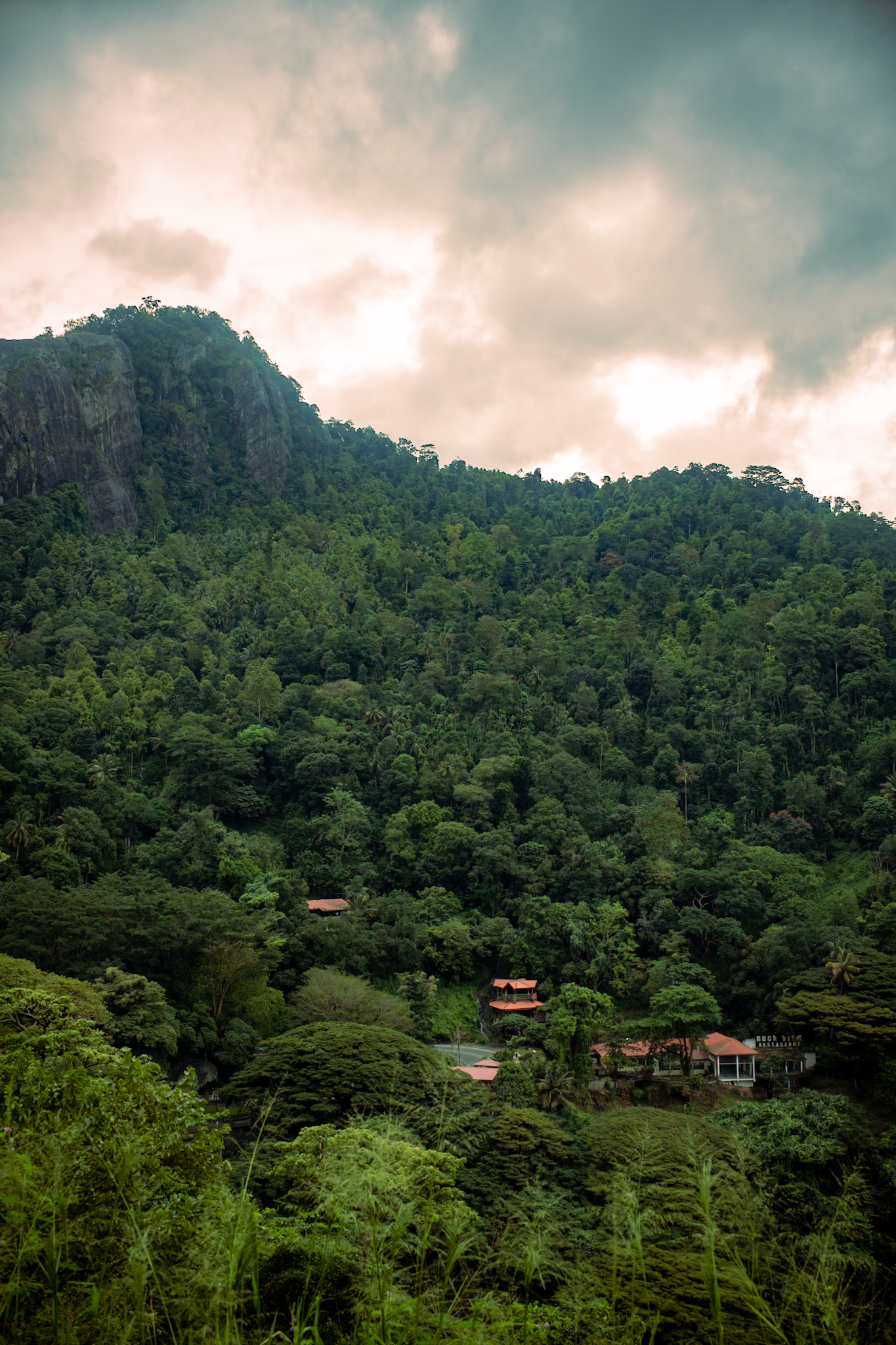
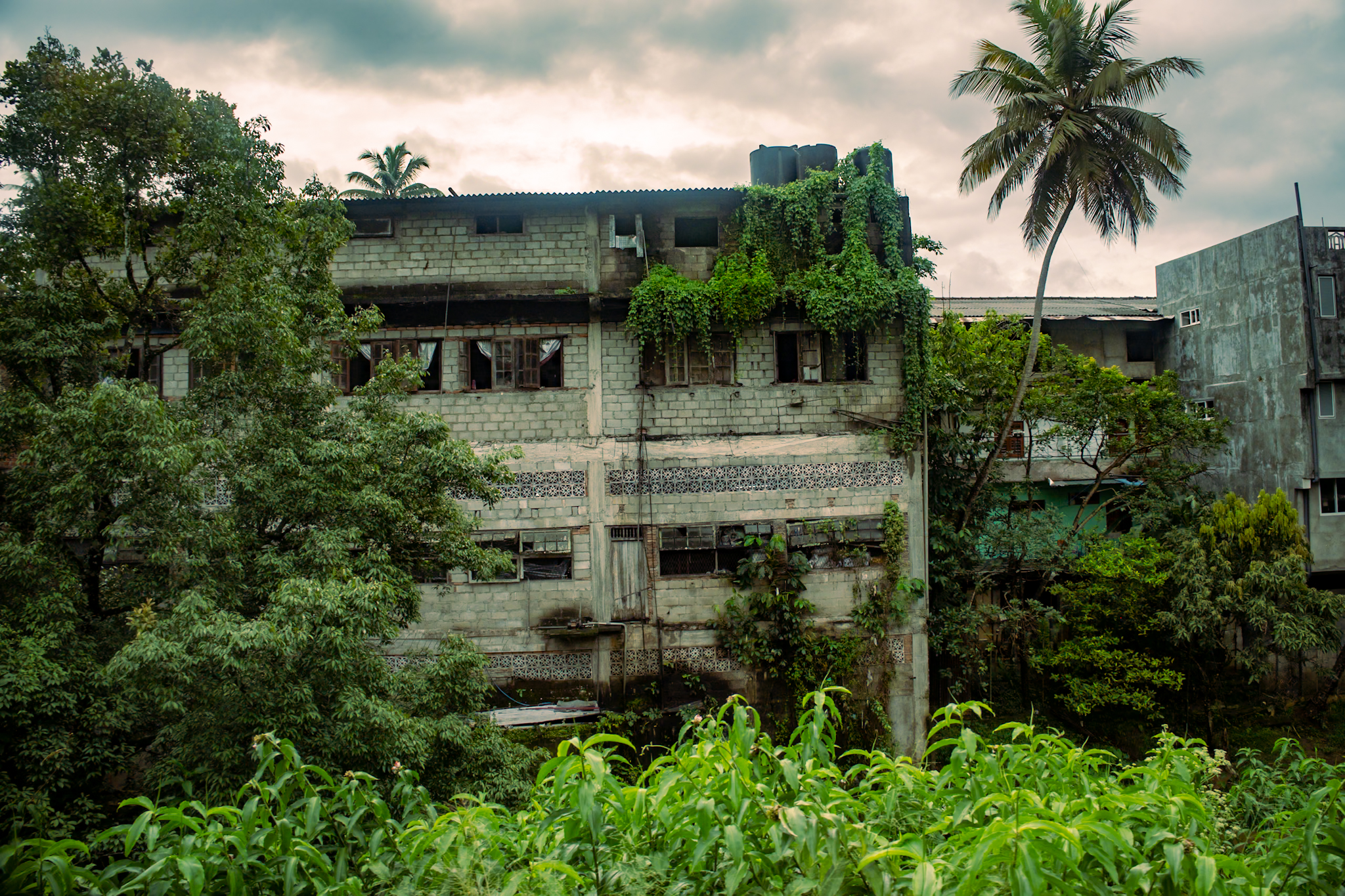
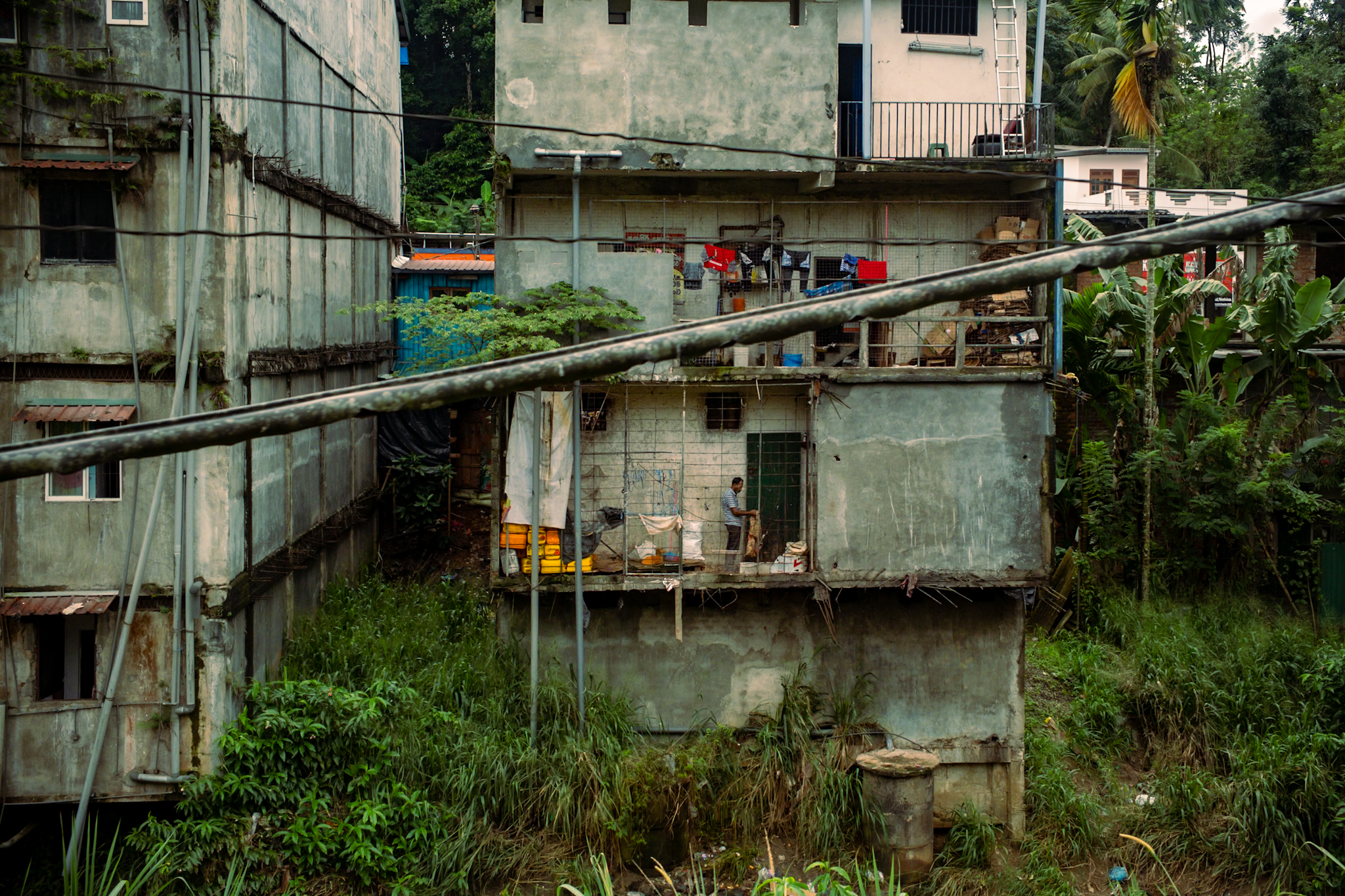
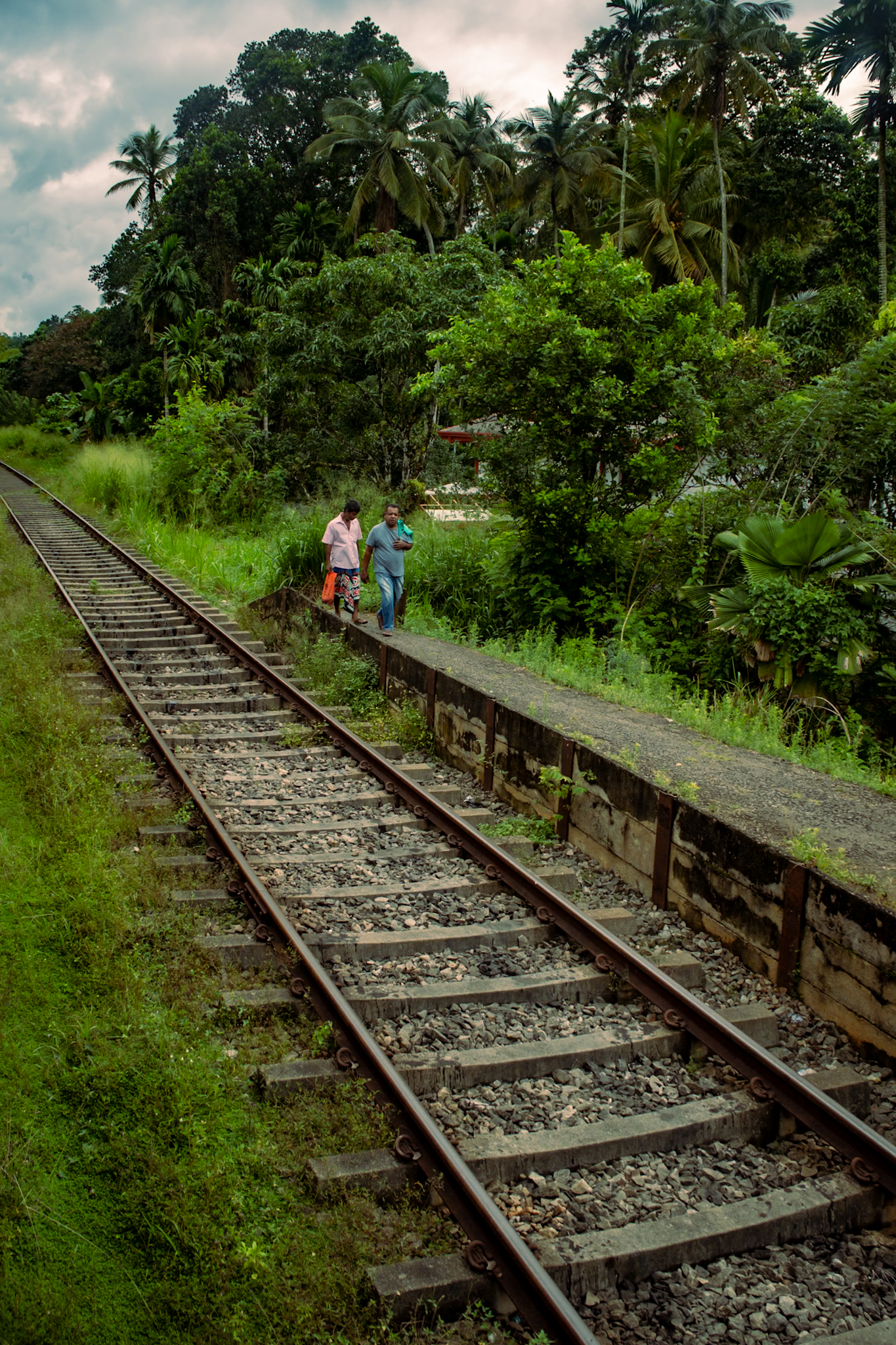
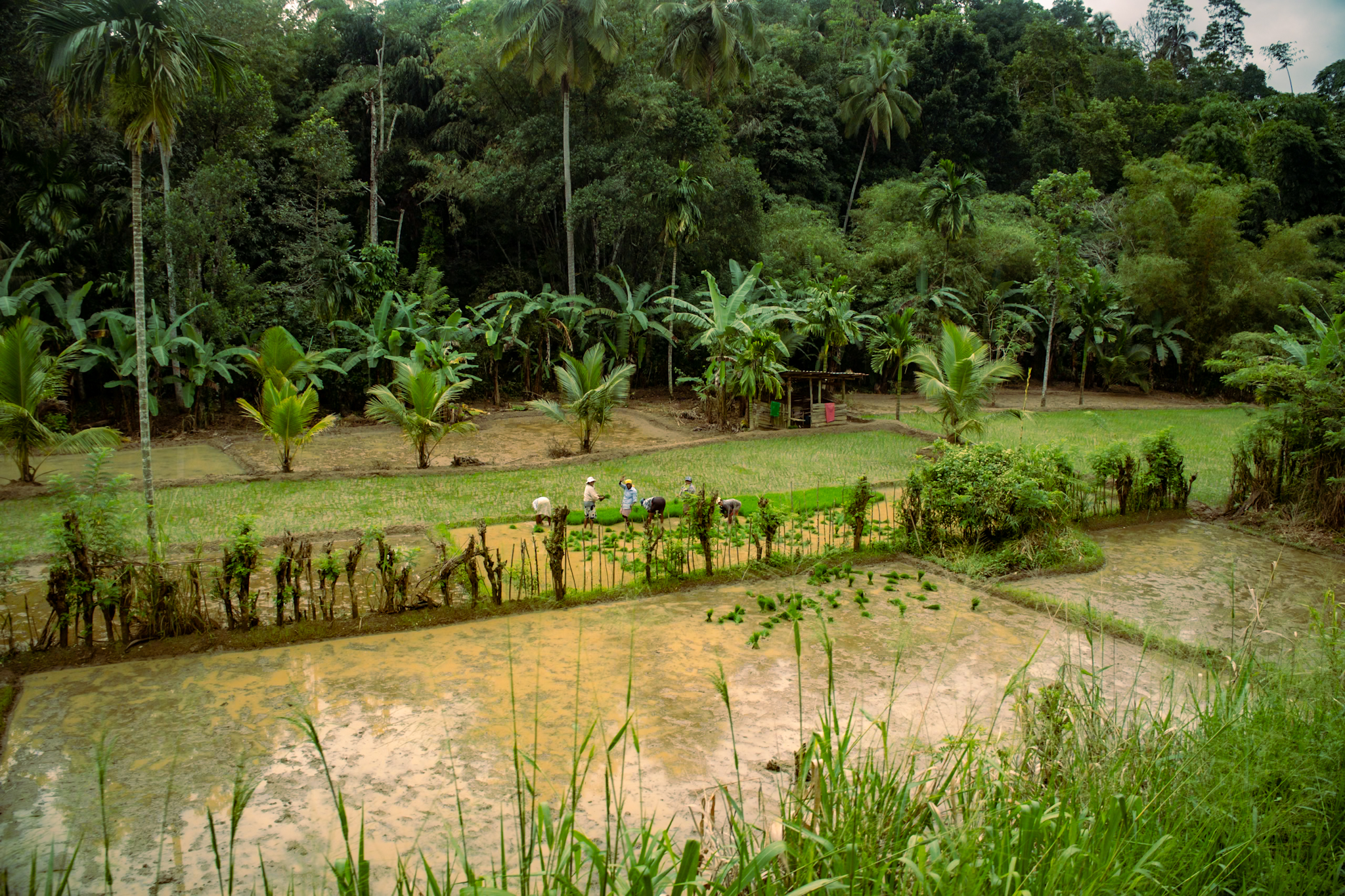
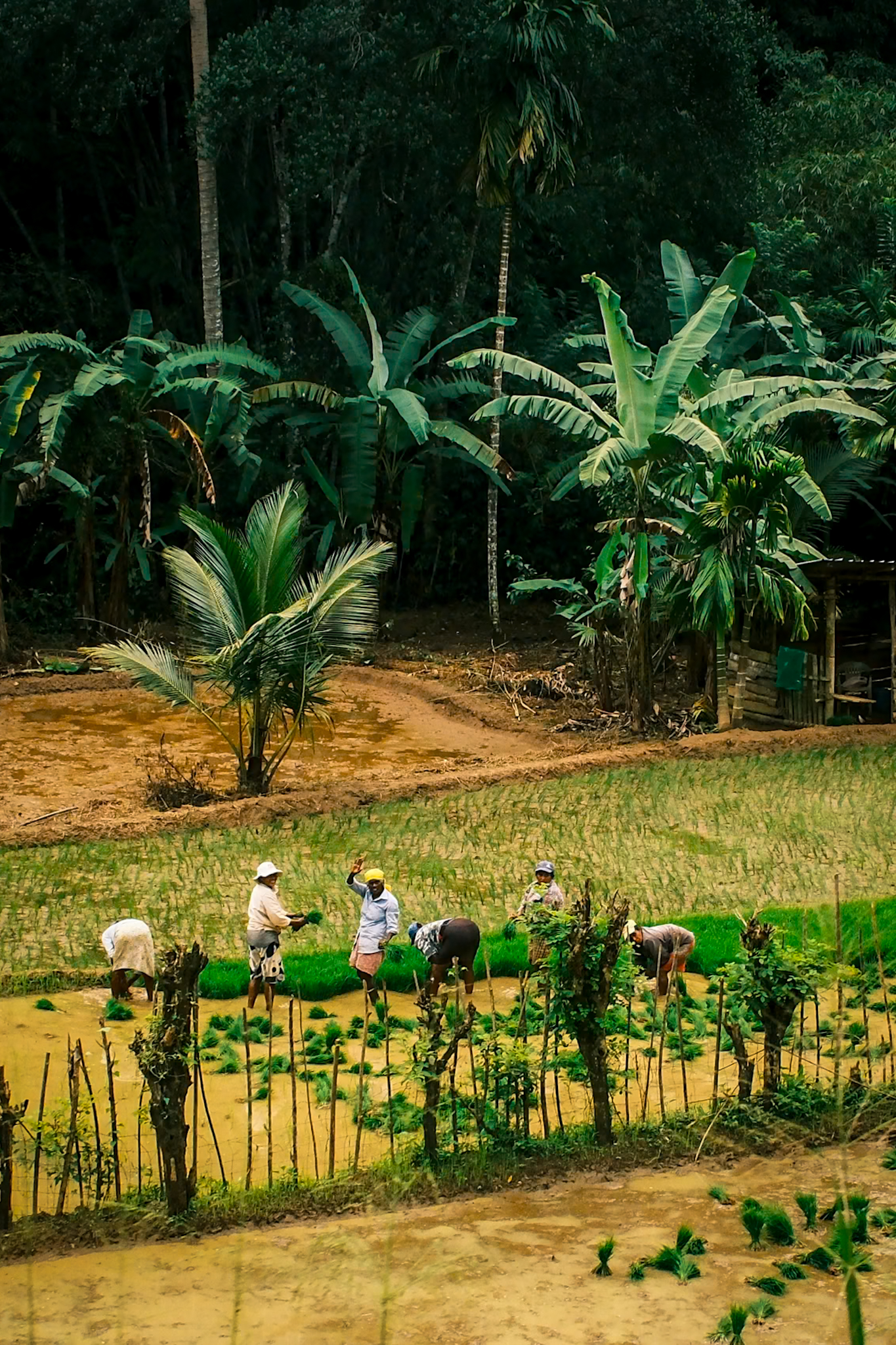
This isn’t “that” journey – the Kandy to Ella route that is hugely popular with tourists – so I was doubly surprised at how breathtaking this journey was. Starting the in cacophony of Colombo, before heading out into the flat countryside, and then making the slow climb into the mountains into Kandy, I think we were very fortunate as the train arrived roughly on time.
What makes these images particularly poignant now is that the next day, Cyclone Ditwah hit Sri Lanka. As well as taken the lives of hundreds of Sri Lankans, the cyclone also swept away a huge part of the mountainside that supported part of this route – it is not expected to be repaired for at least a year.
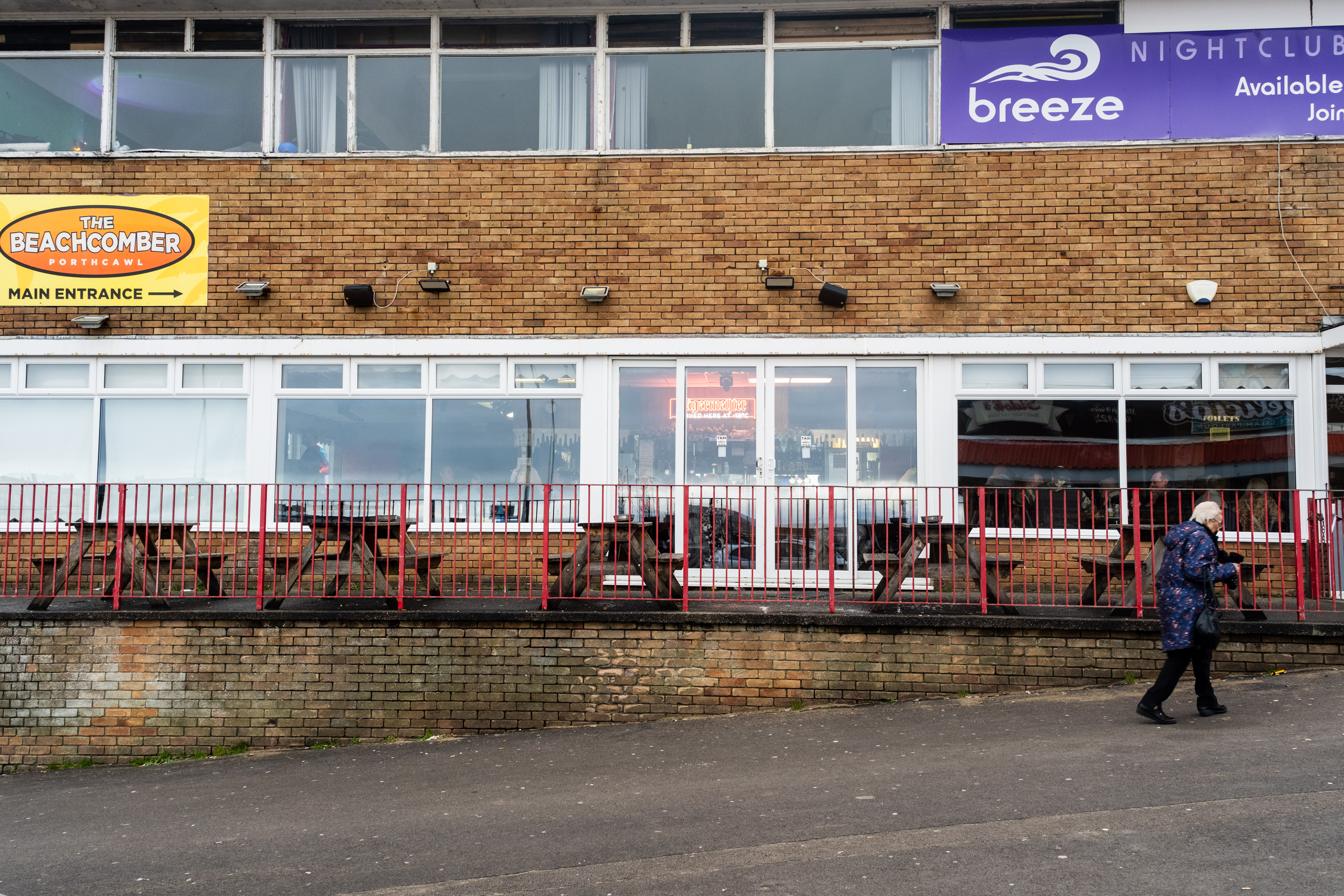
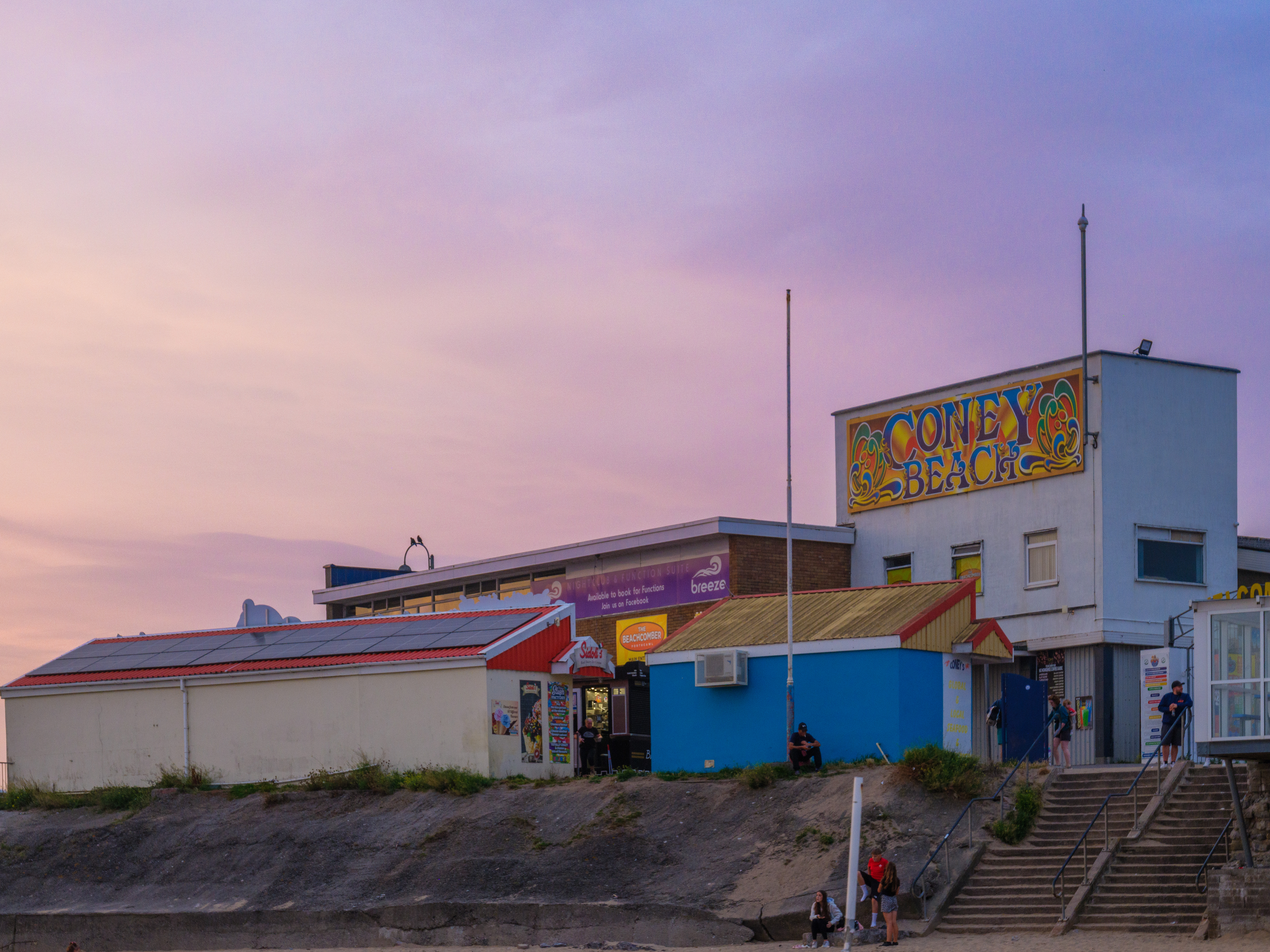
As part of the upcoming development in Porthcawl, a number of buildings will be removed to make way for regeneration. One friend has coined the name “The Grim Peeper”, joking that as businesses close, I arrive with my camera. It’s a funny notion, but not completely untrue. Much of what I do is centred around transition, and it can be difficult not to feel compelled to document endings.
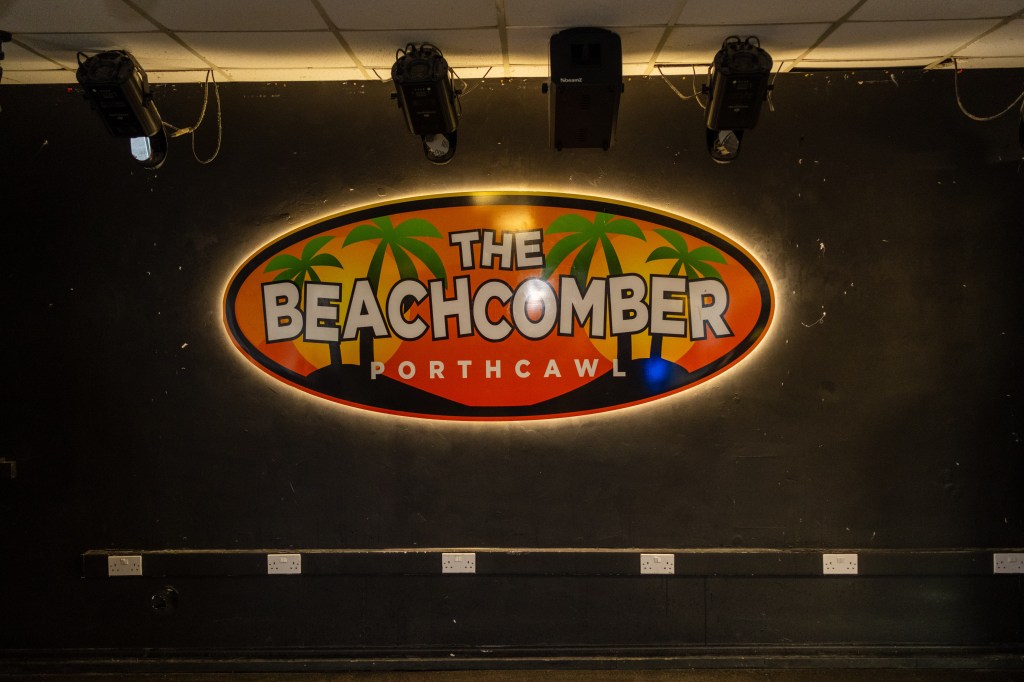
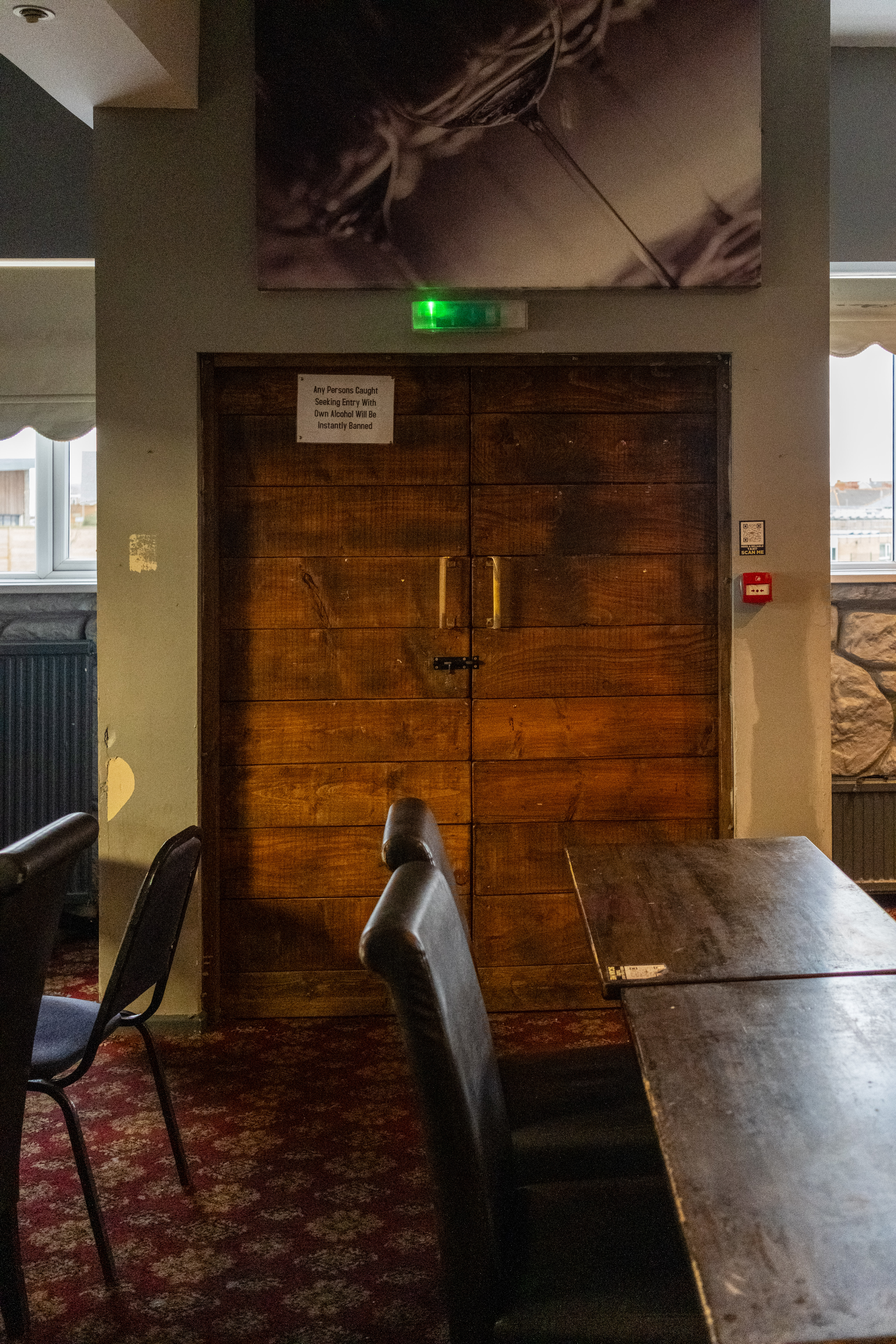
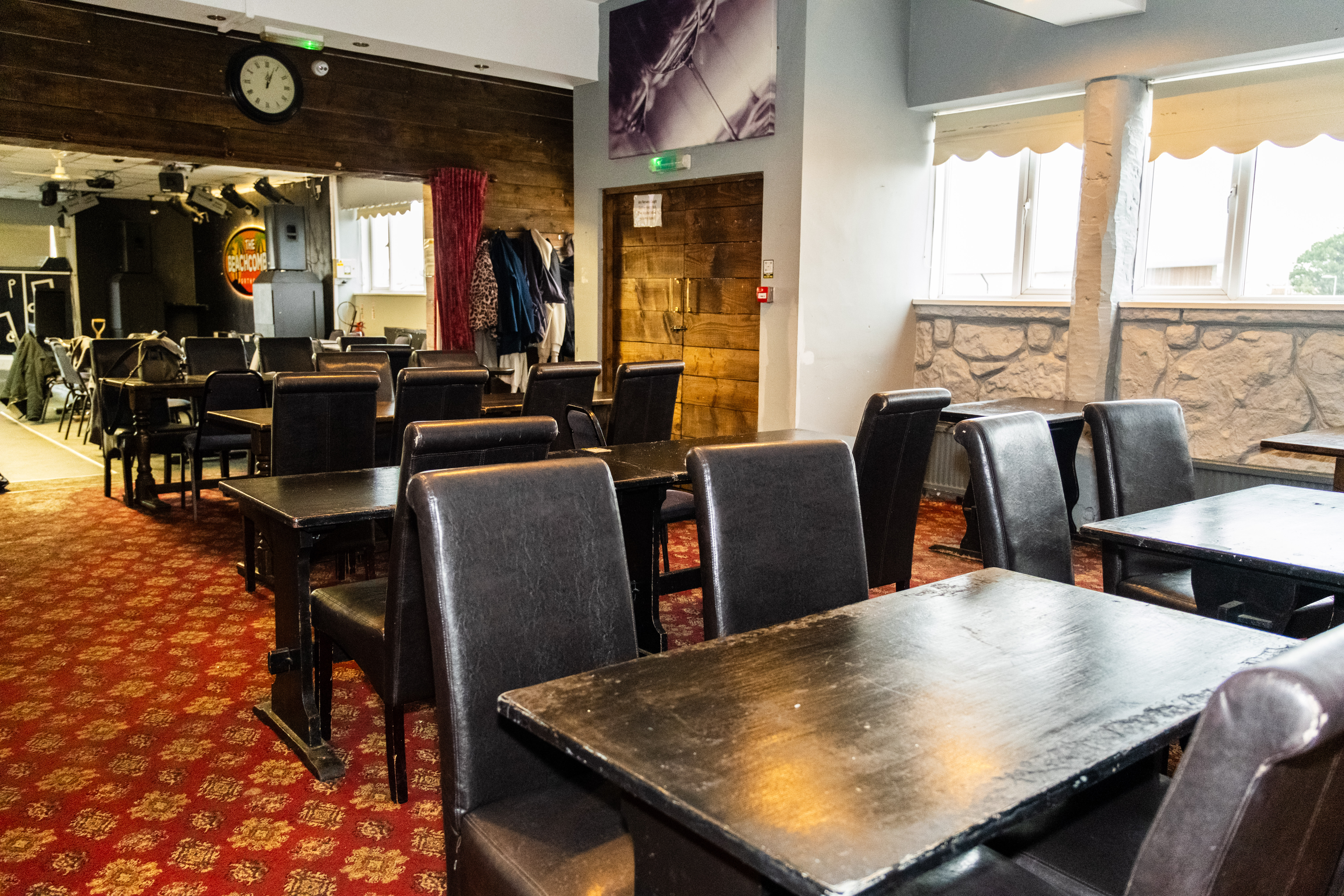
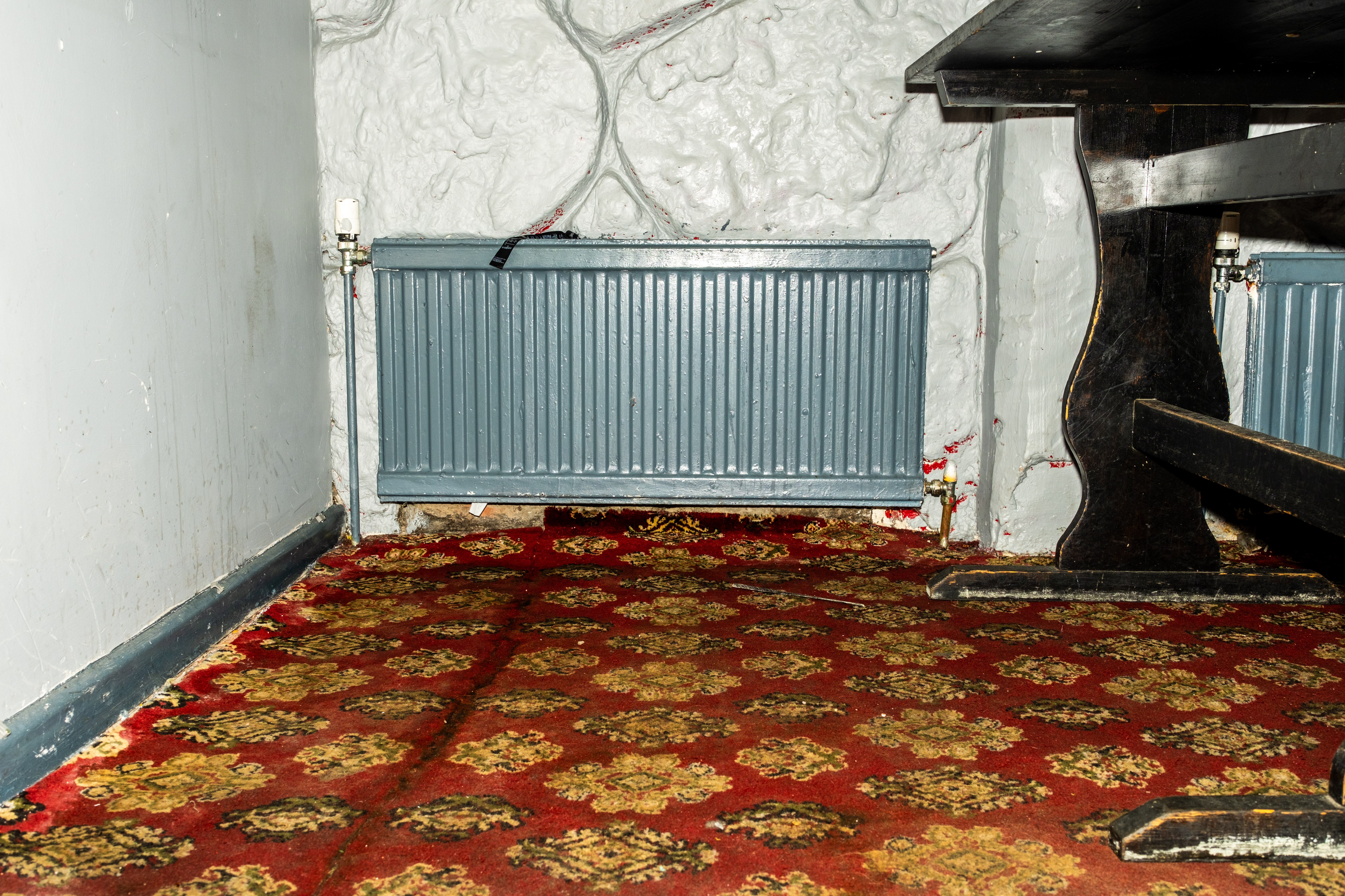
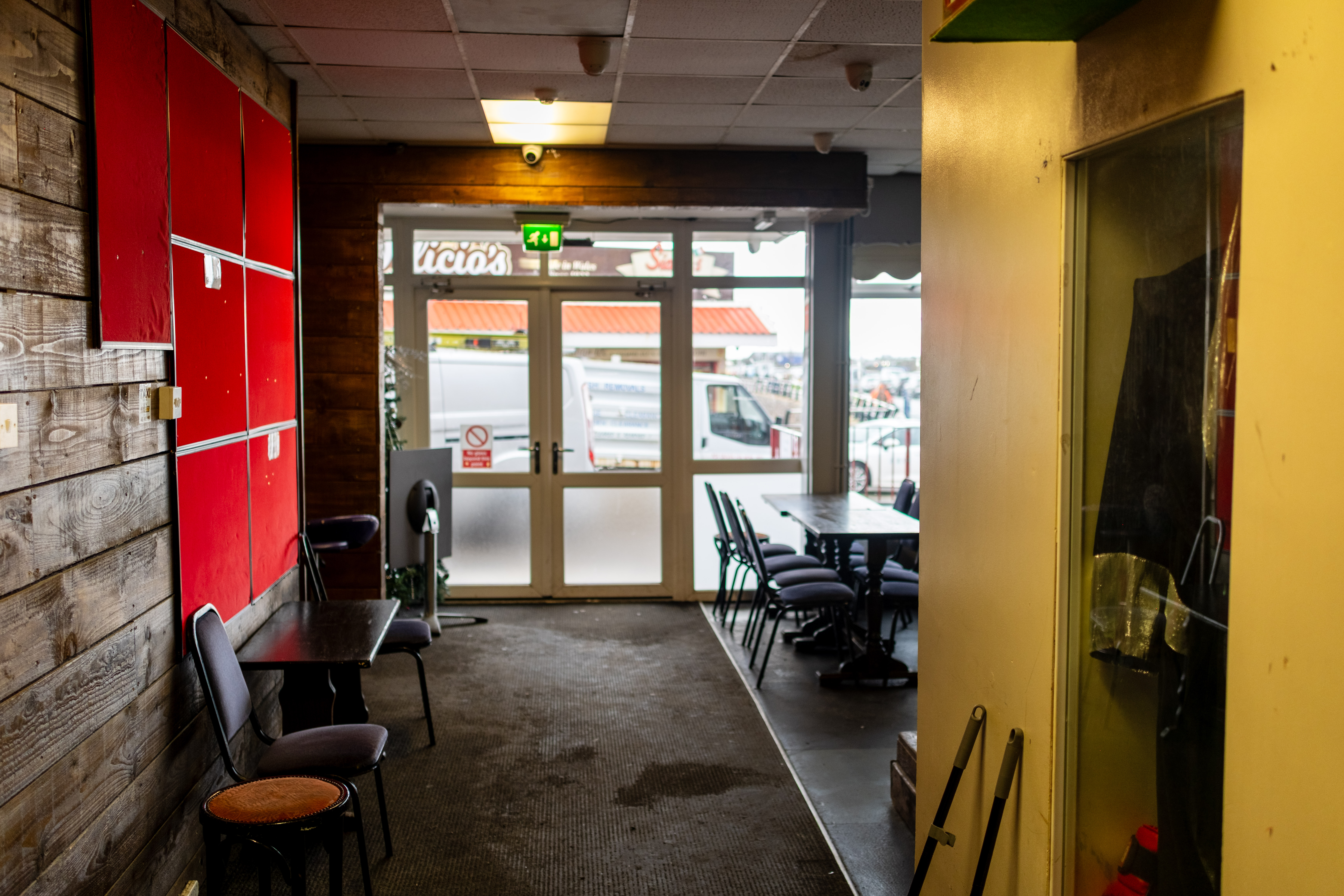
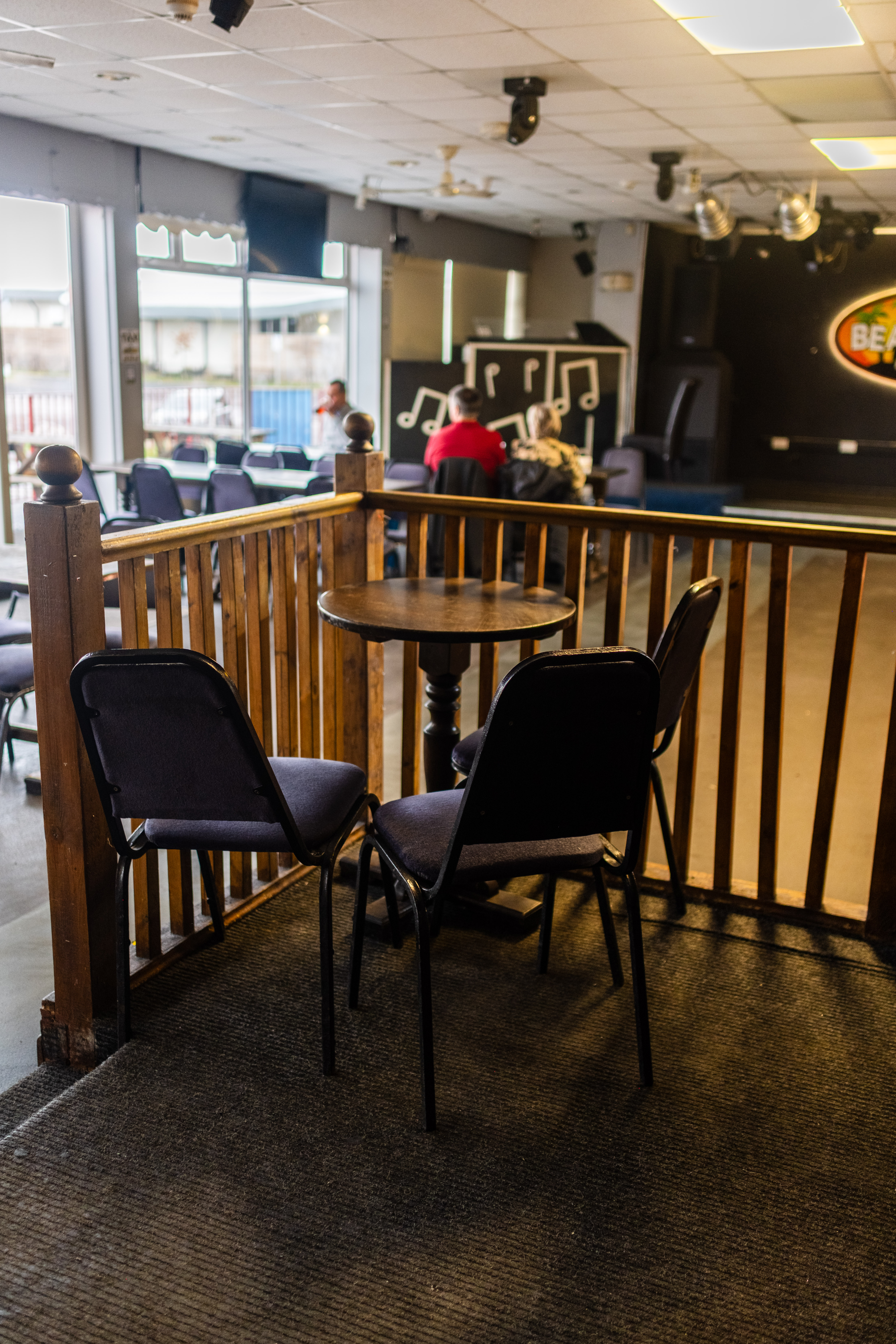
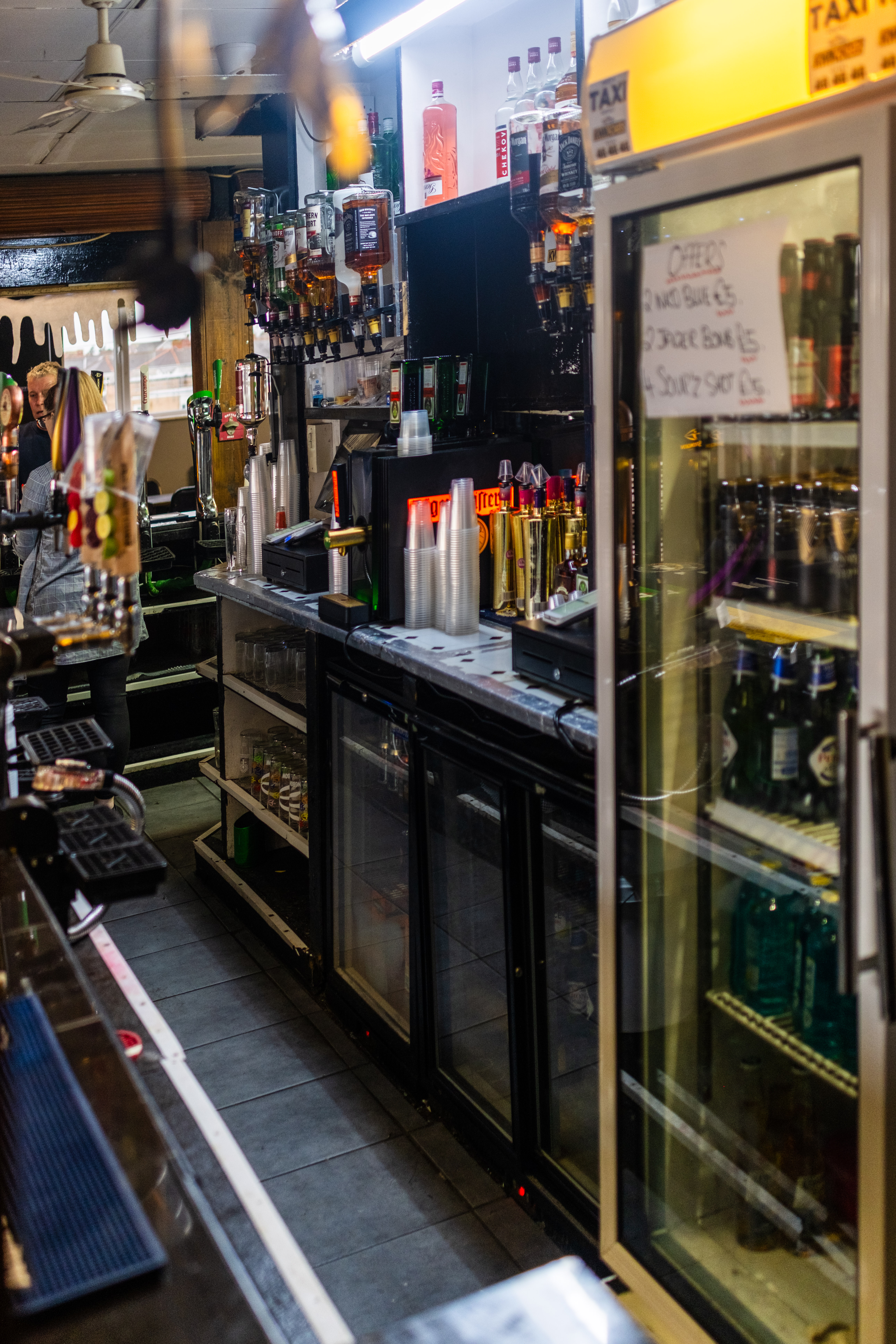
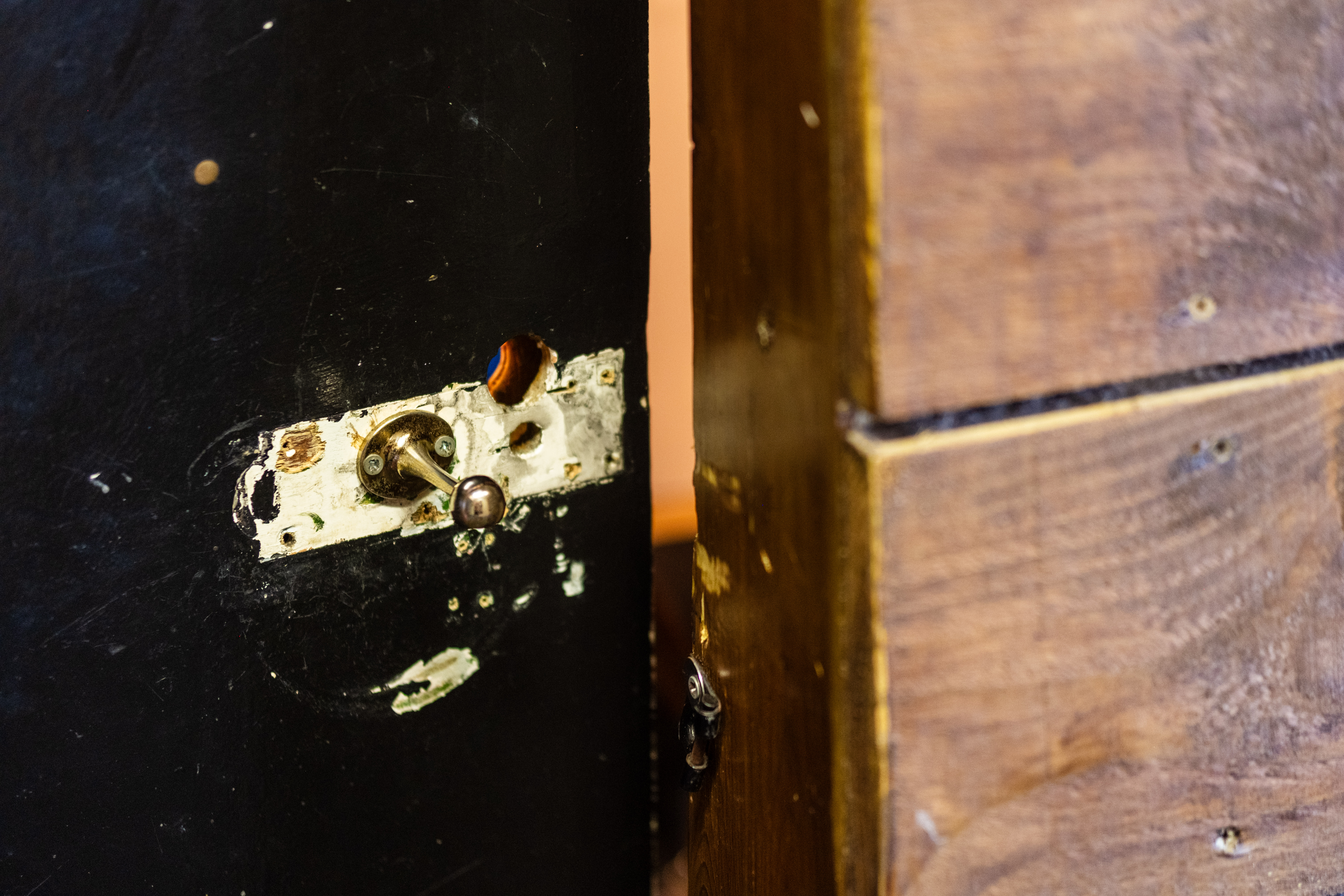
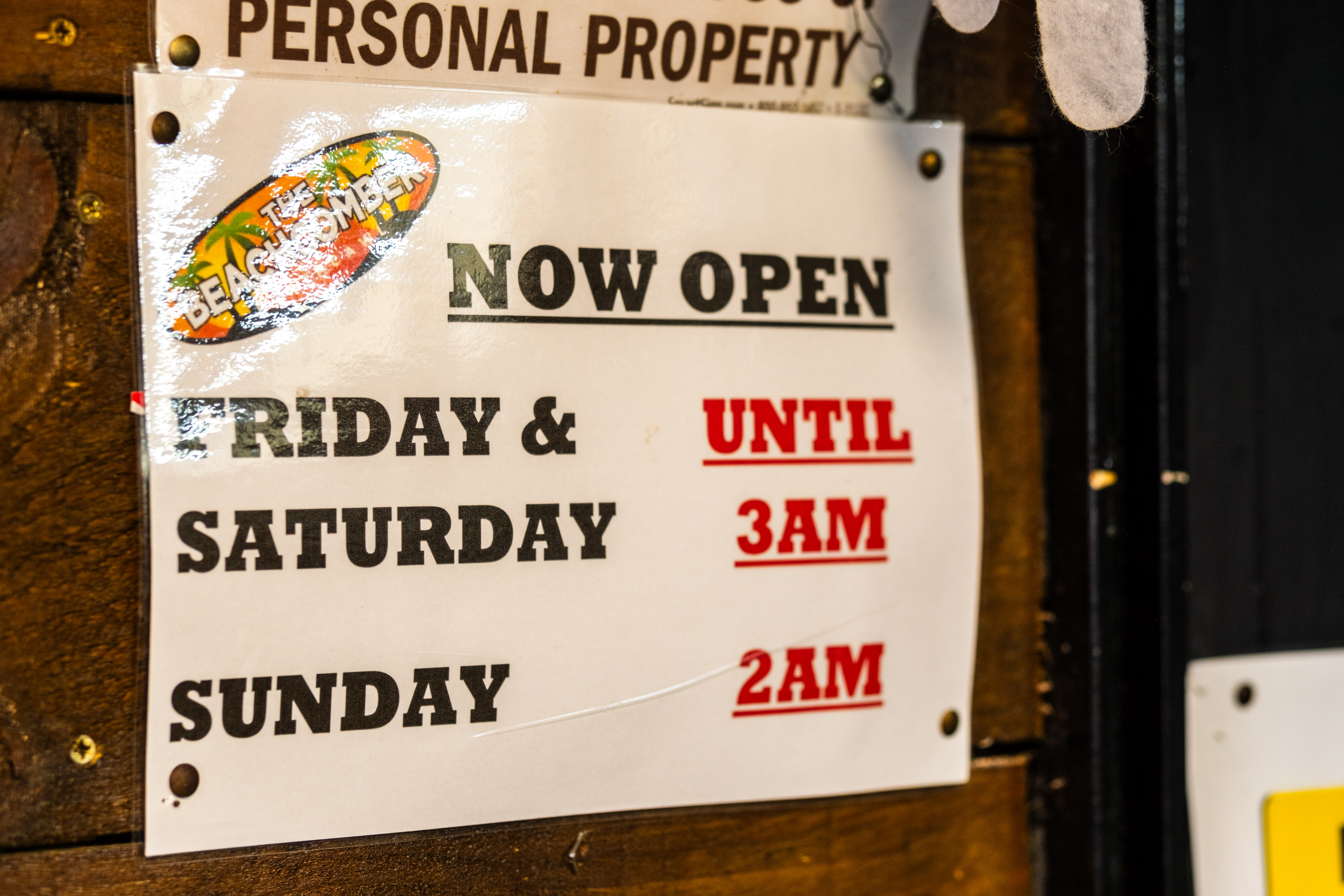
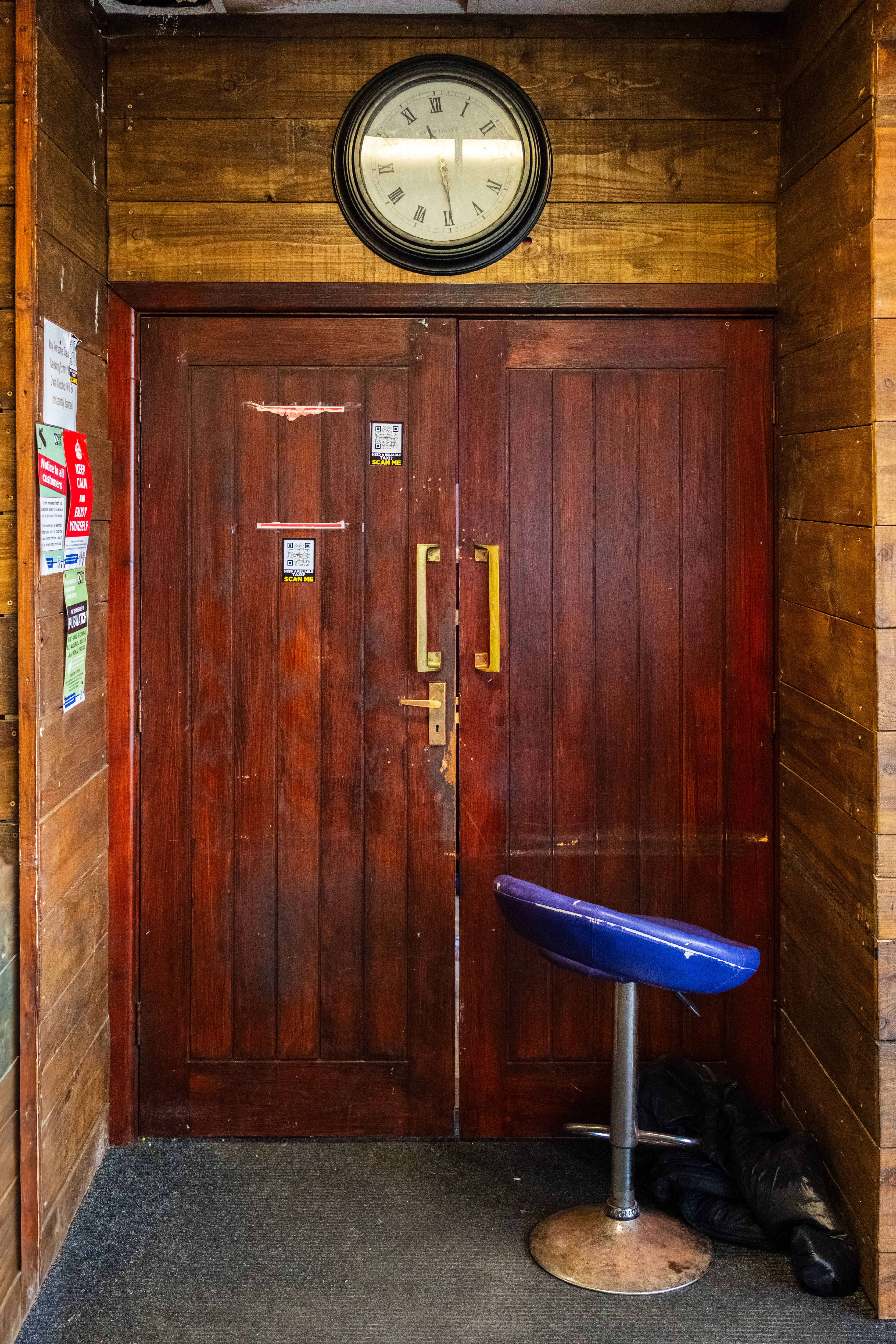
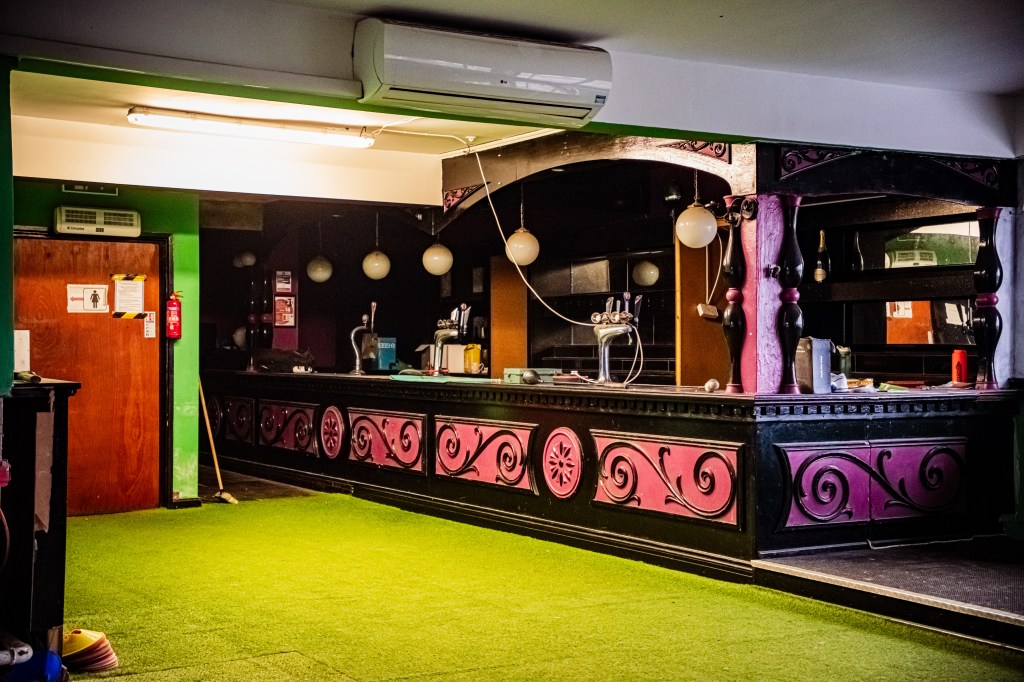
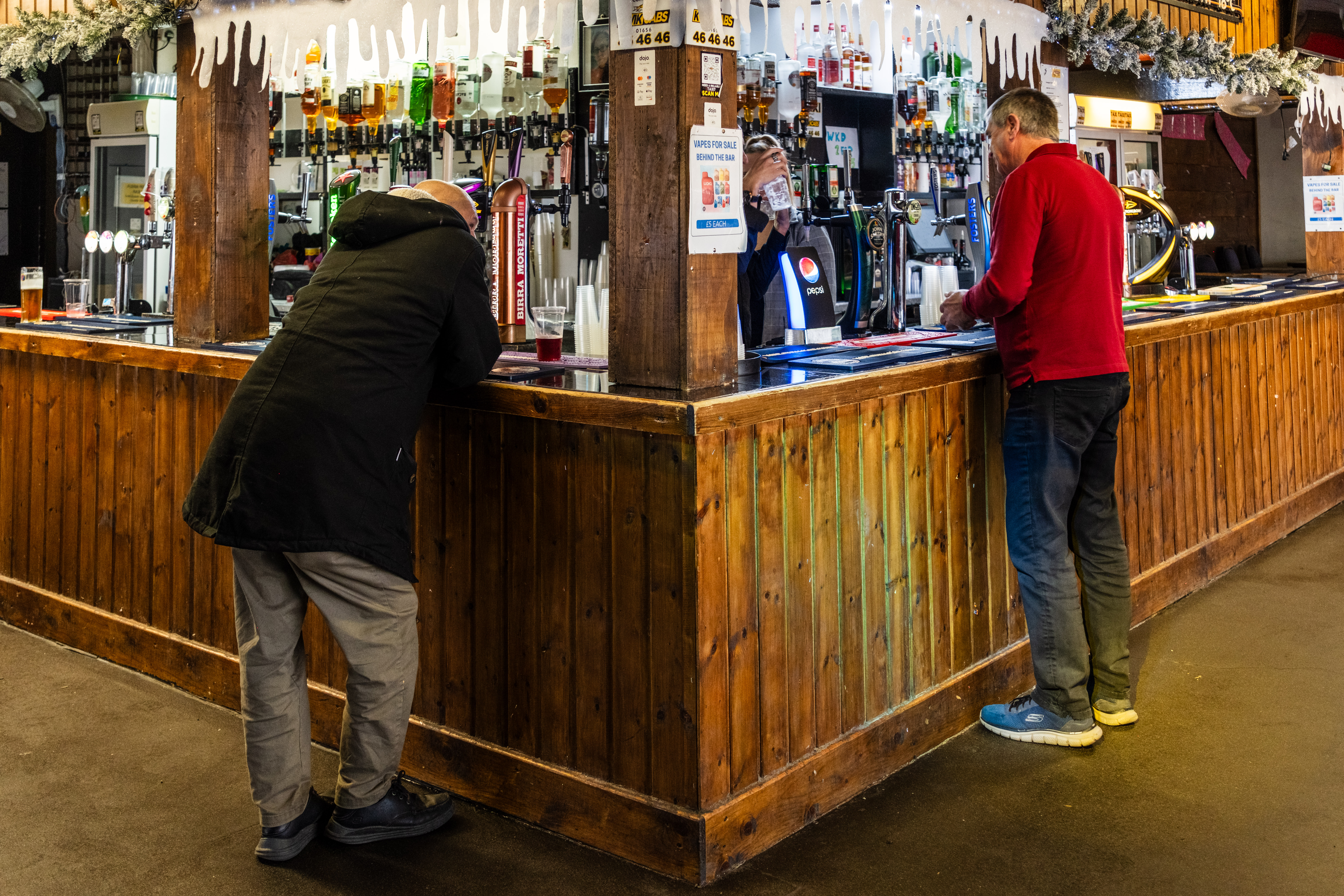
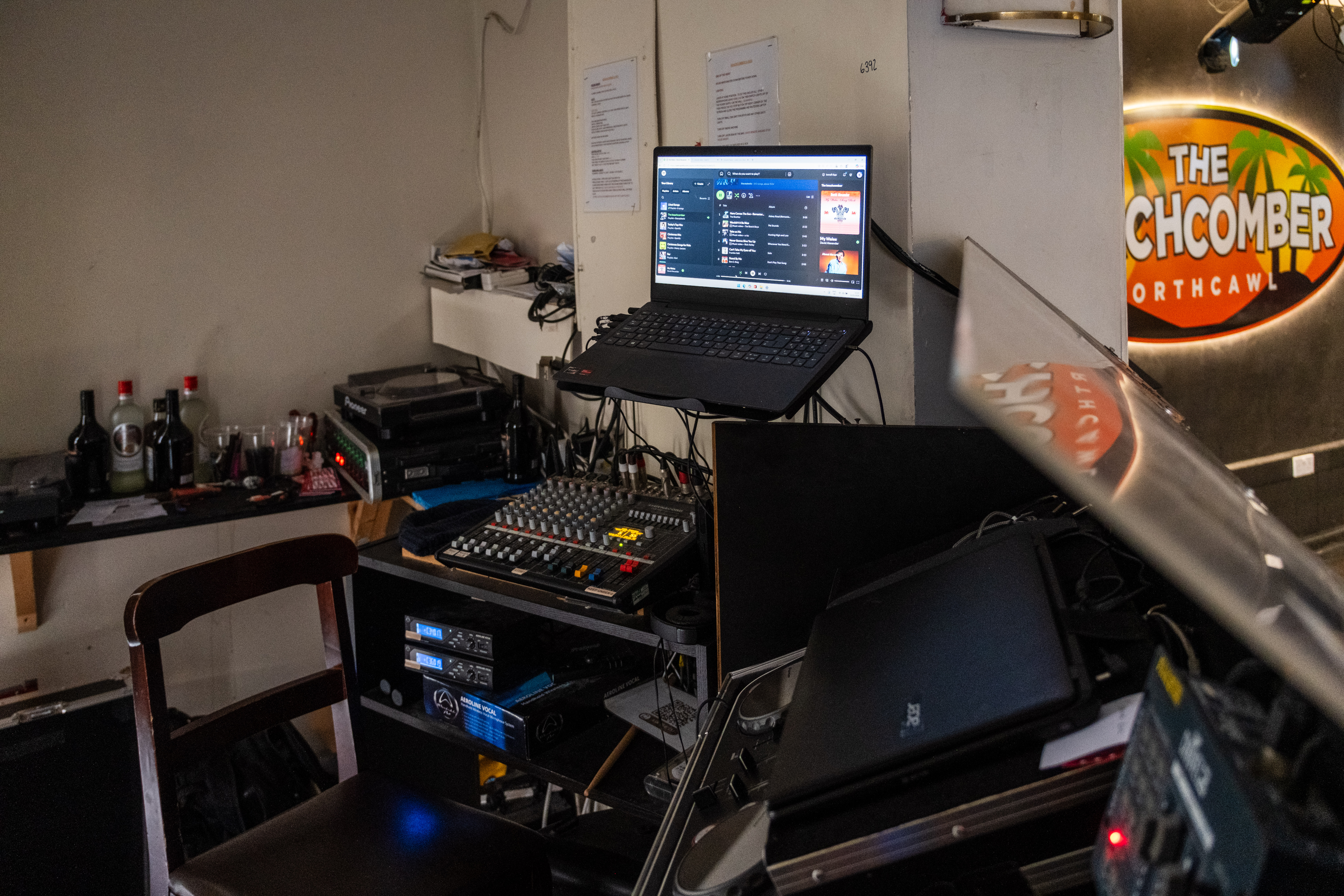
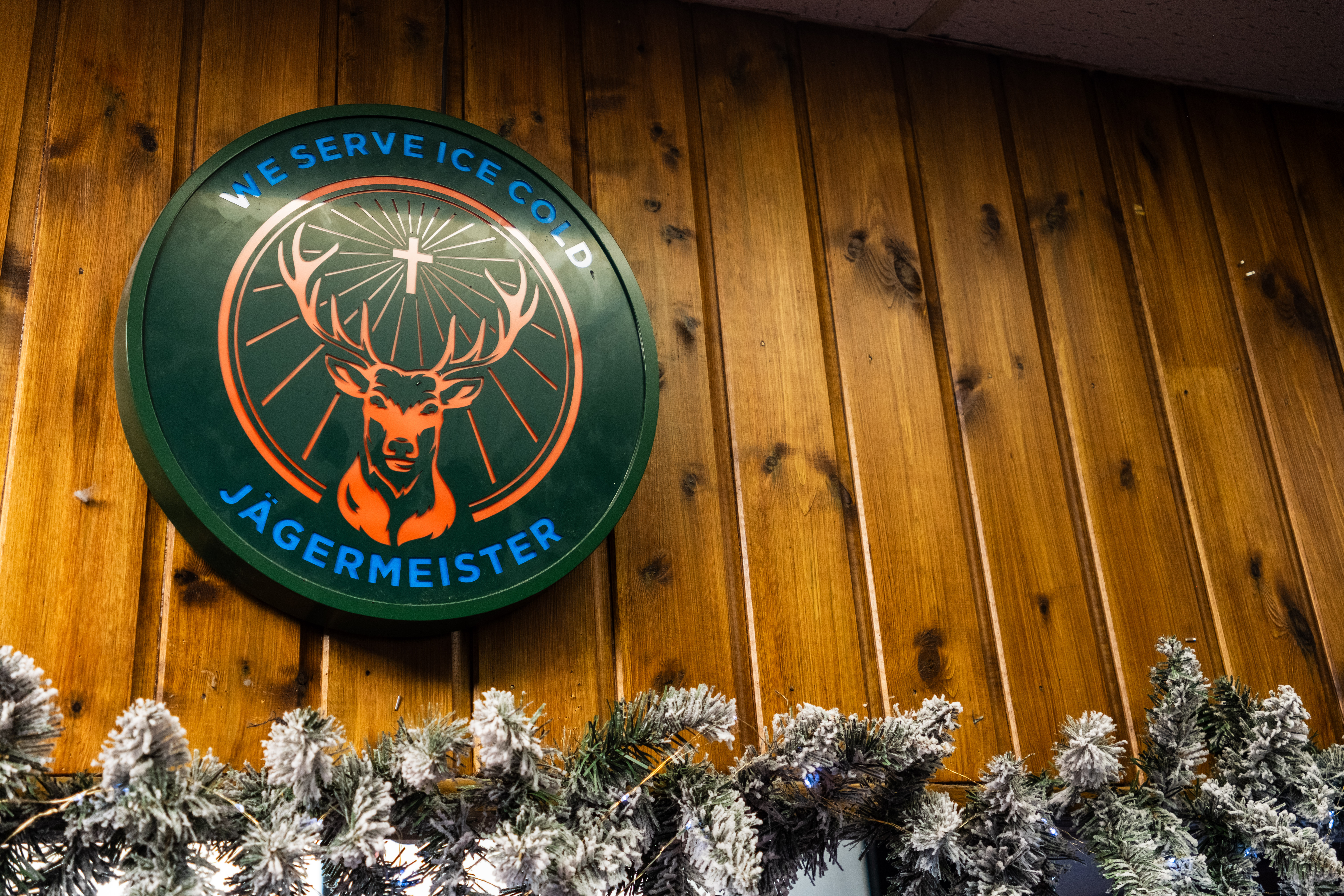
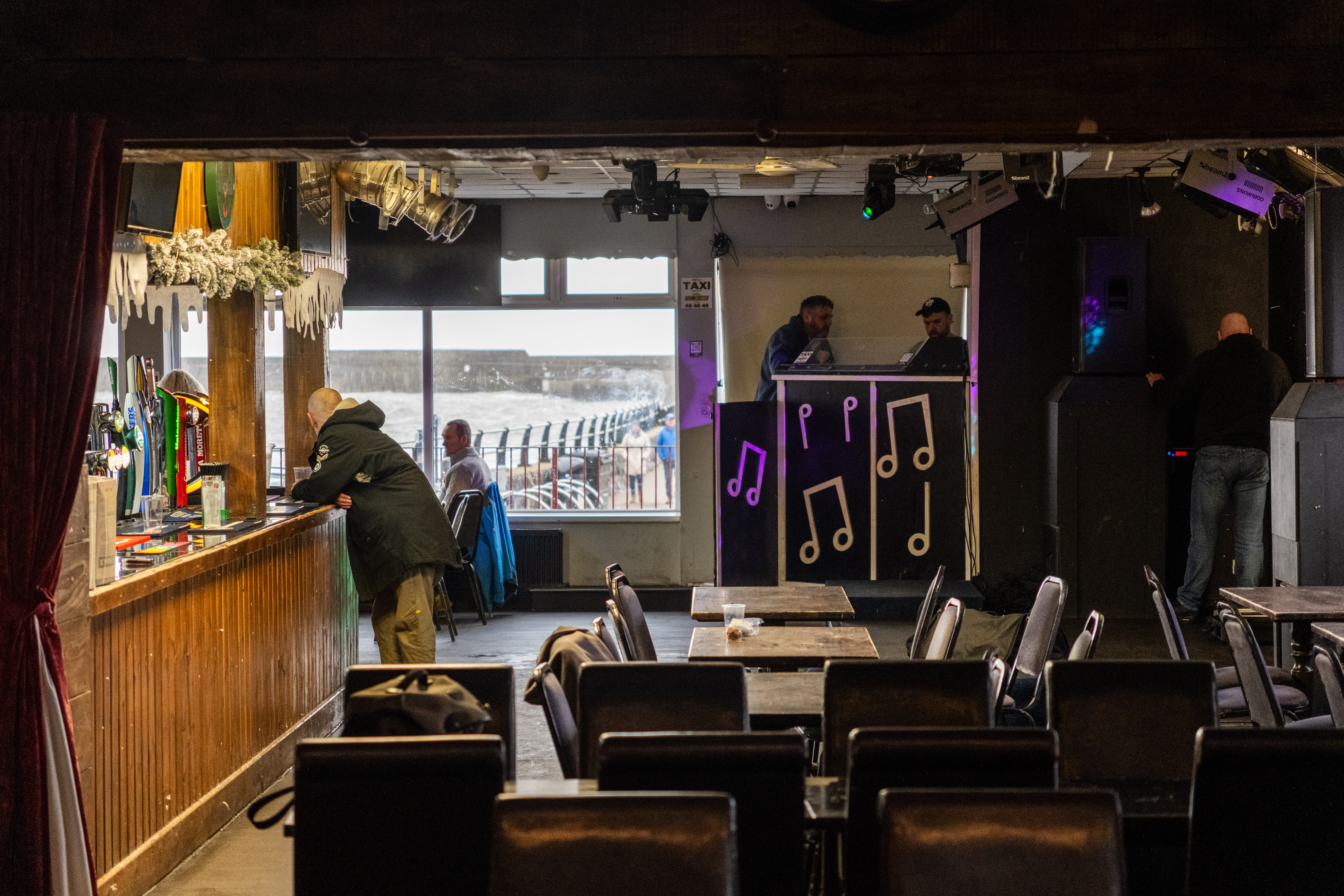
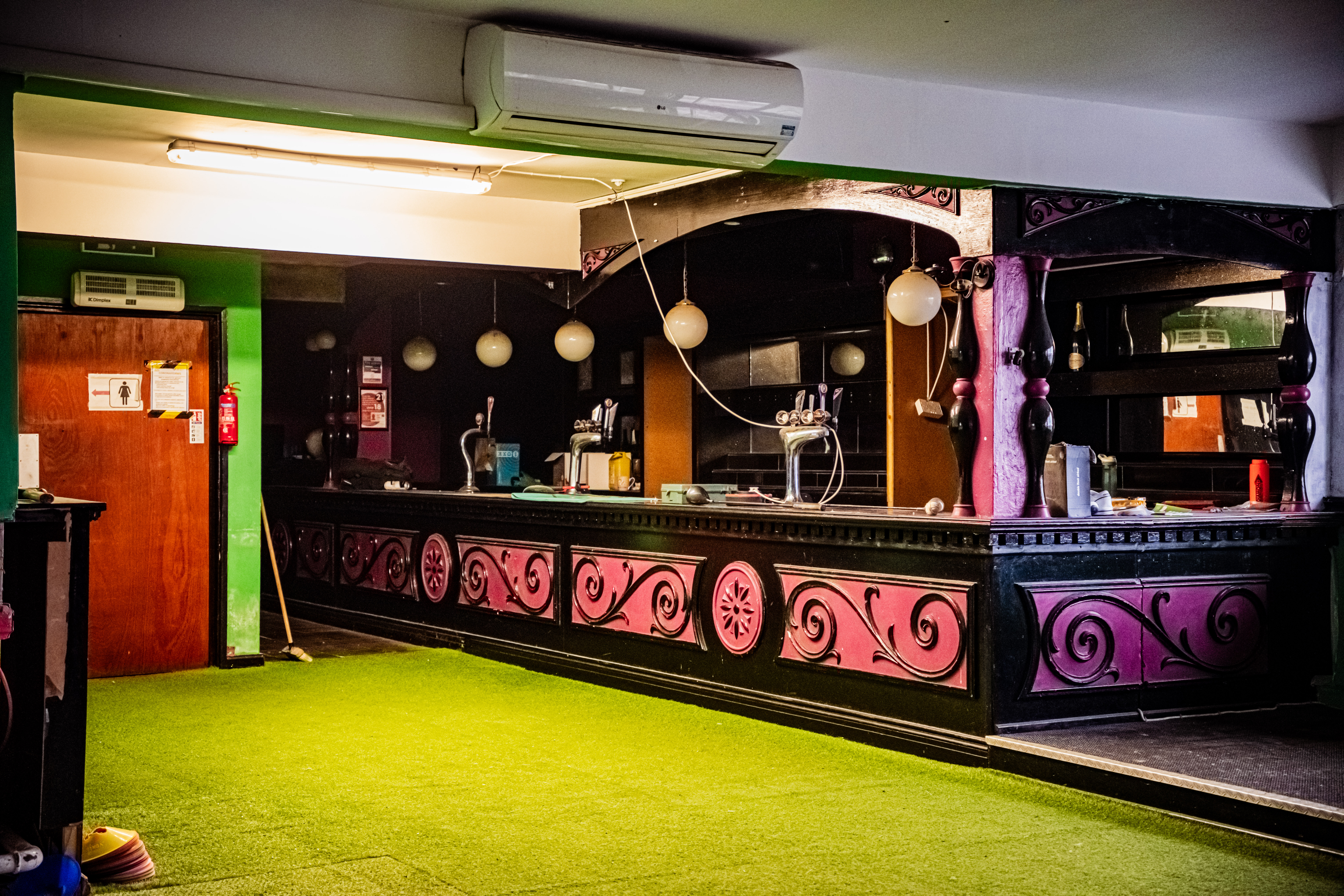
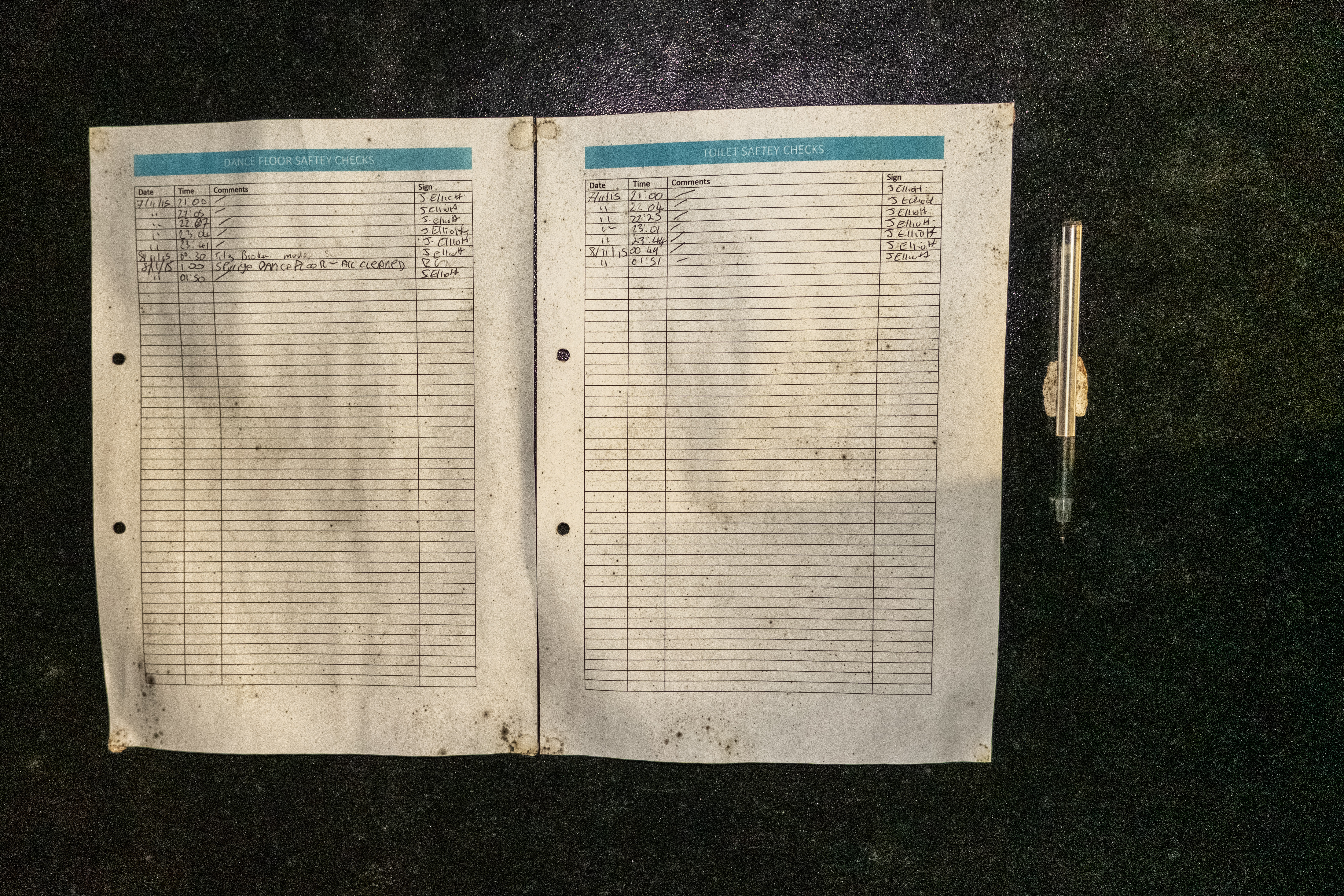
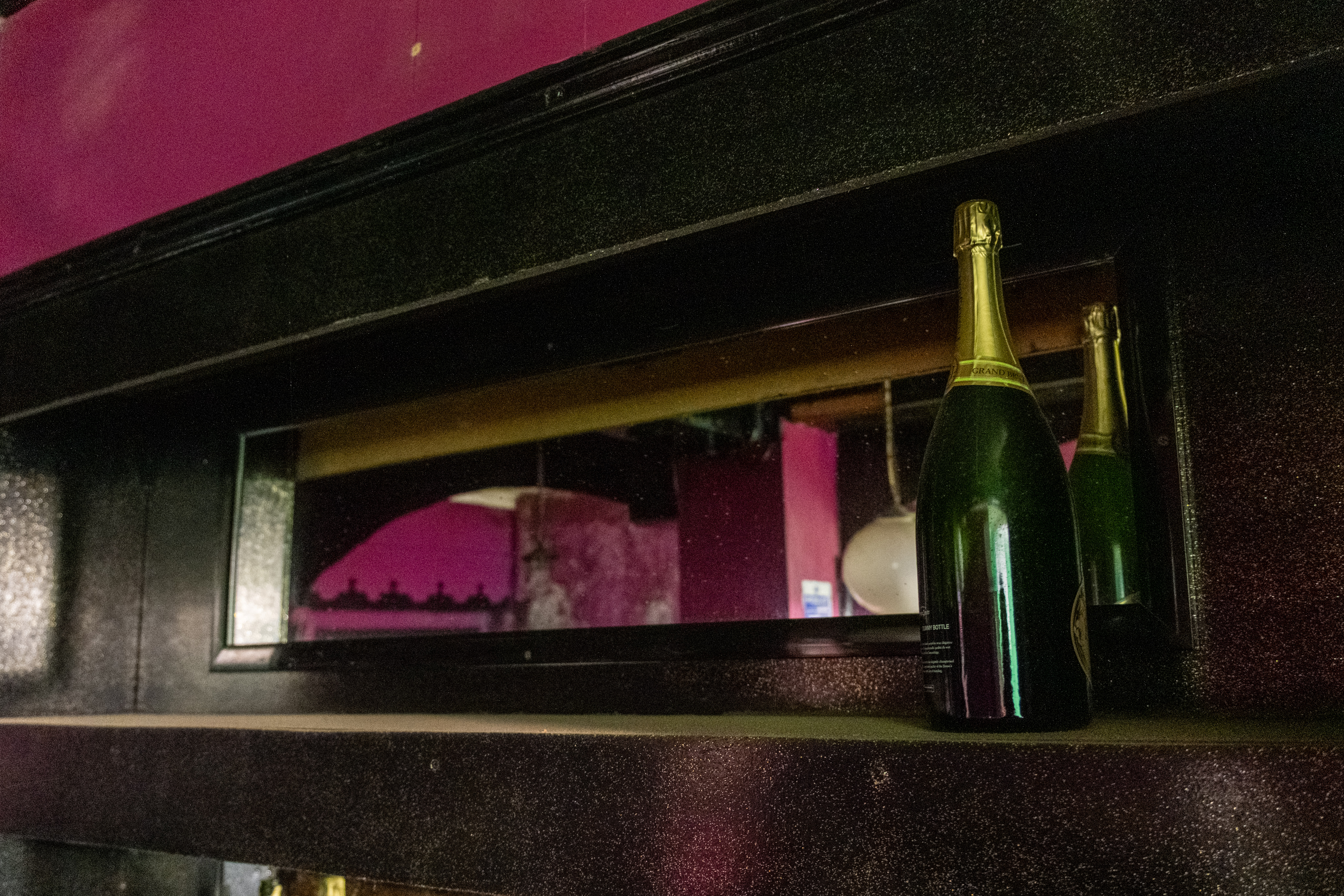
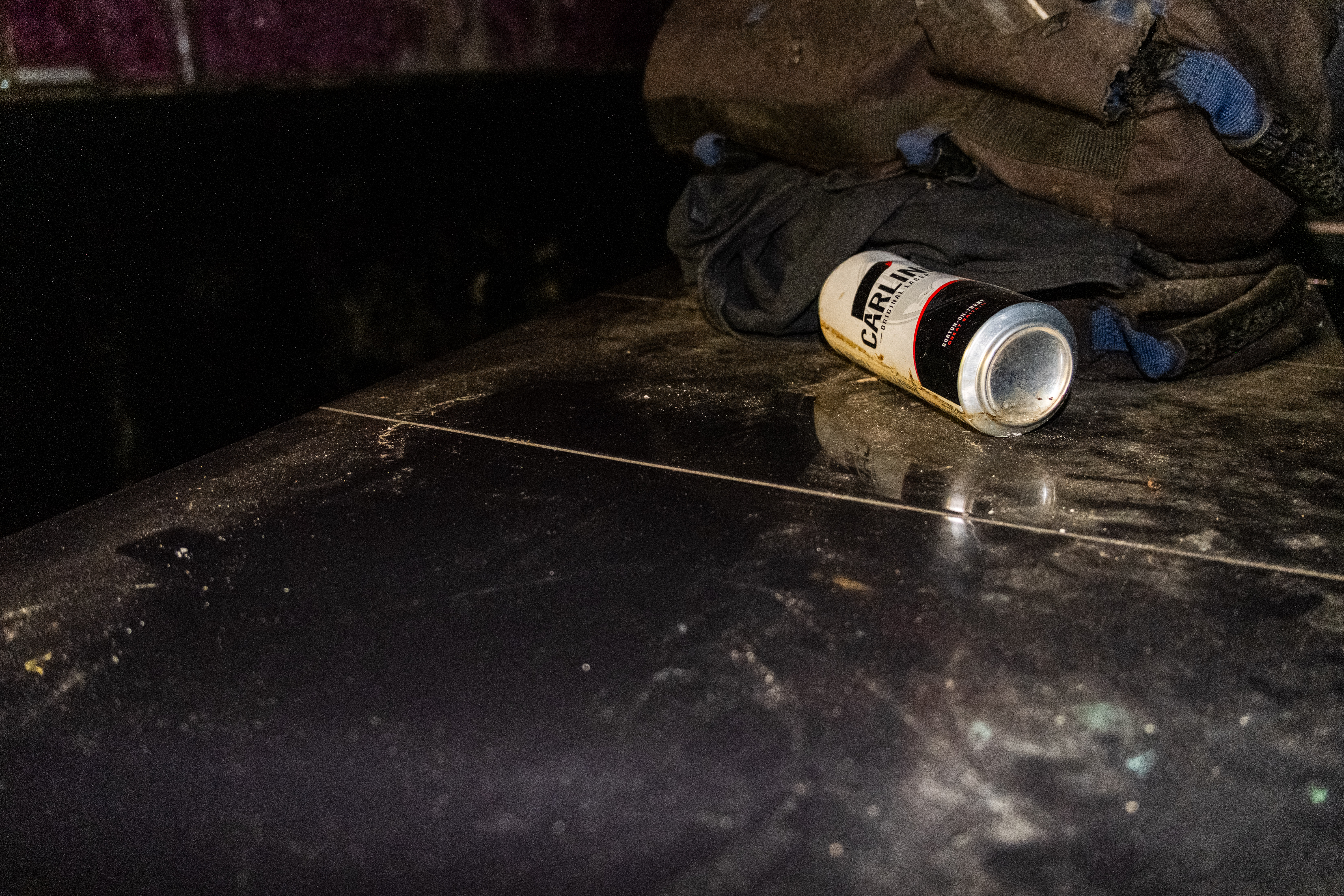
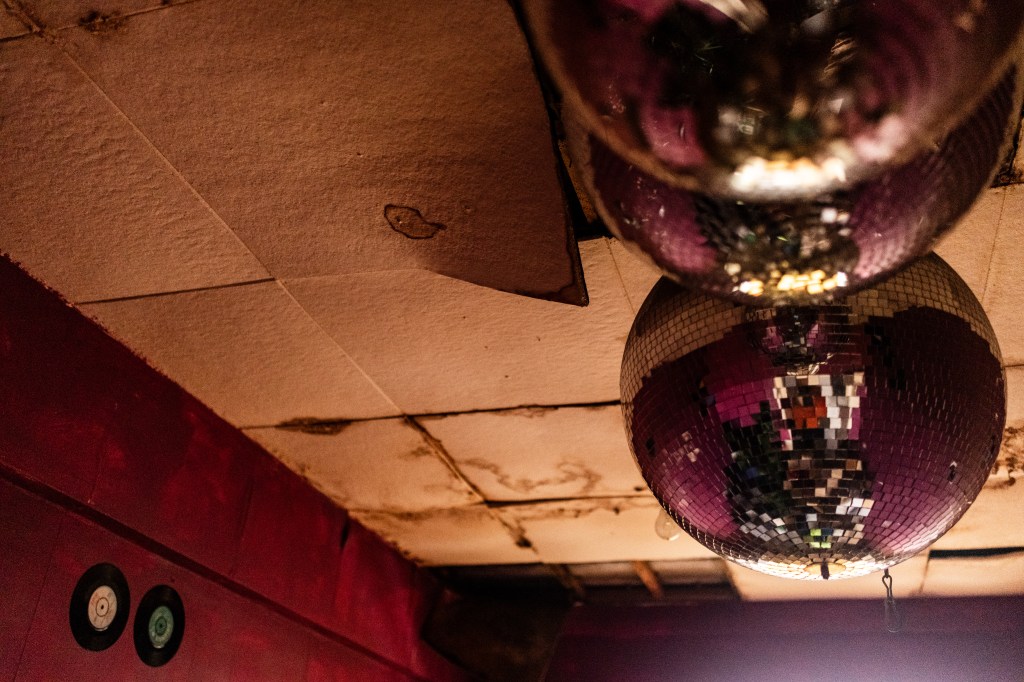
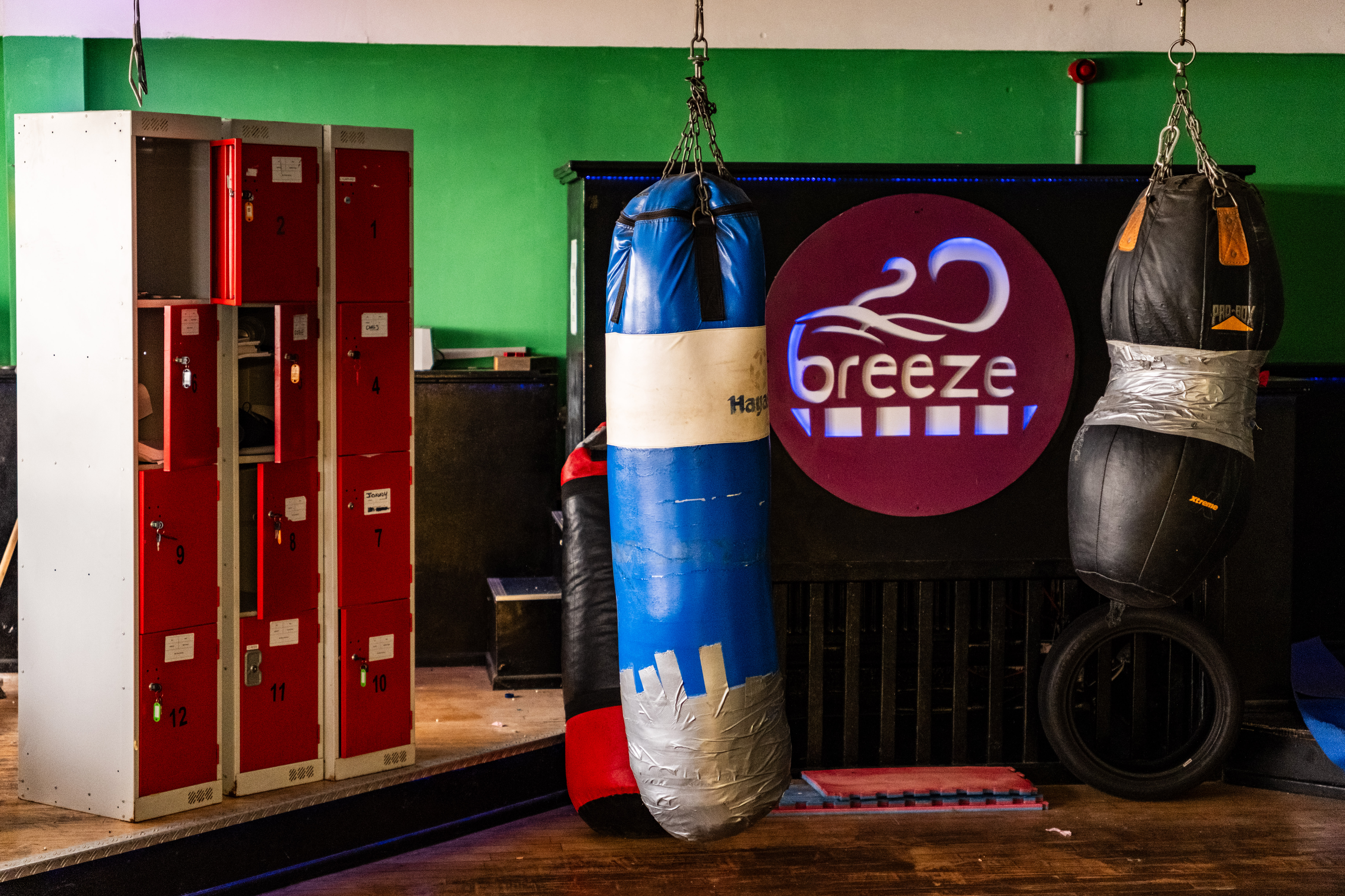
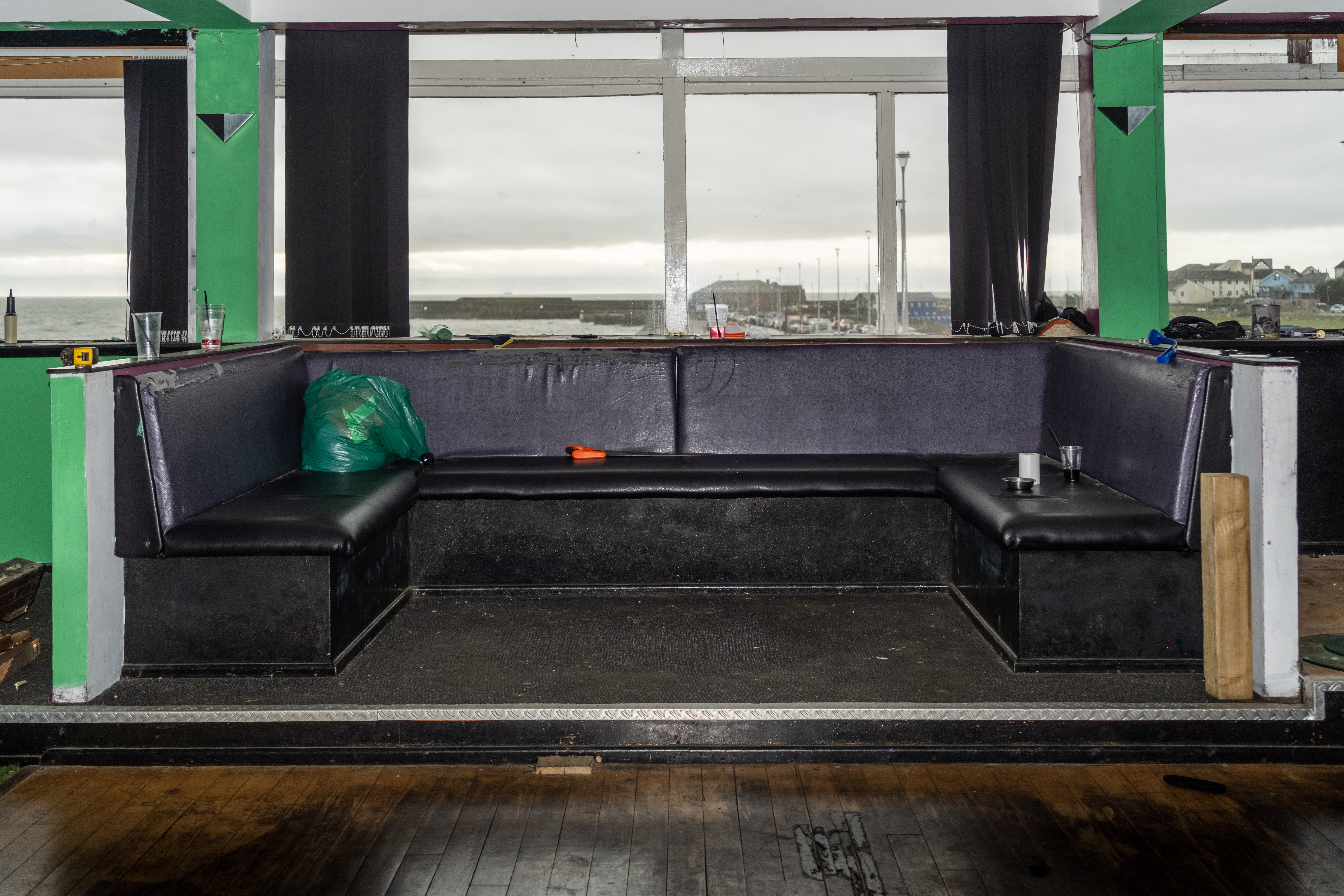
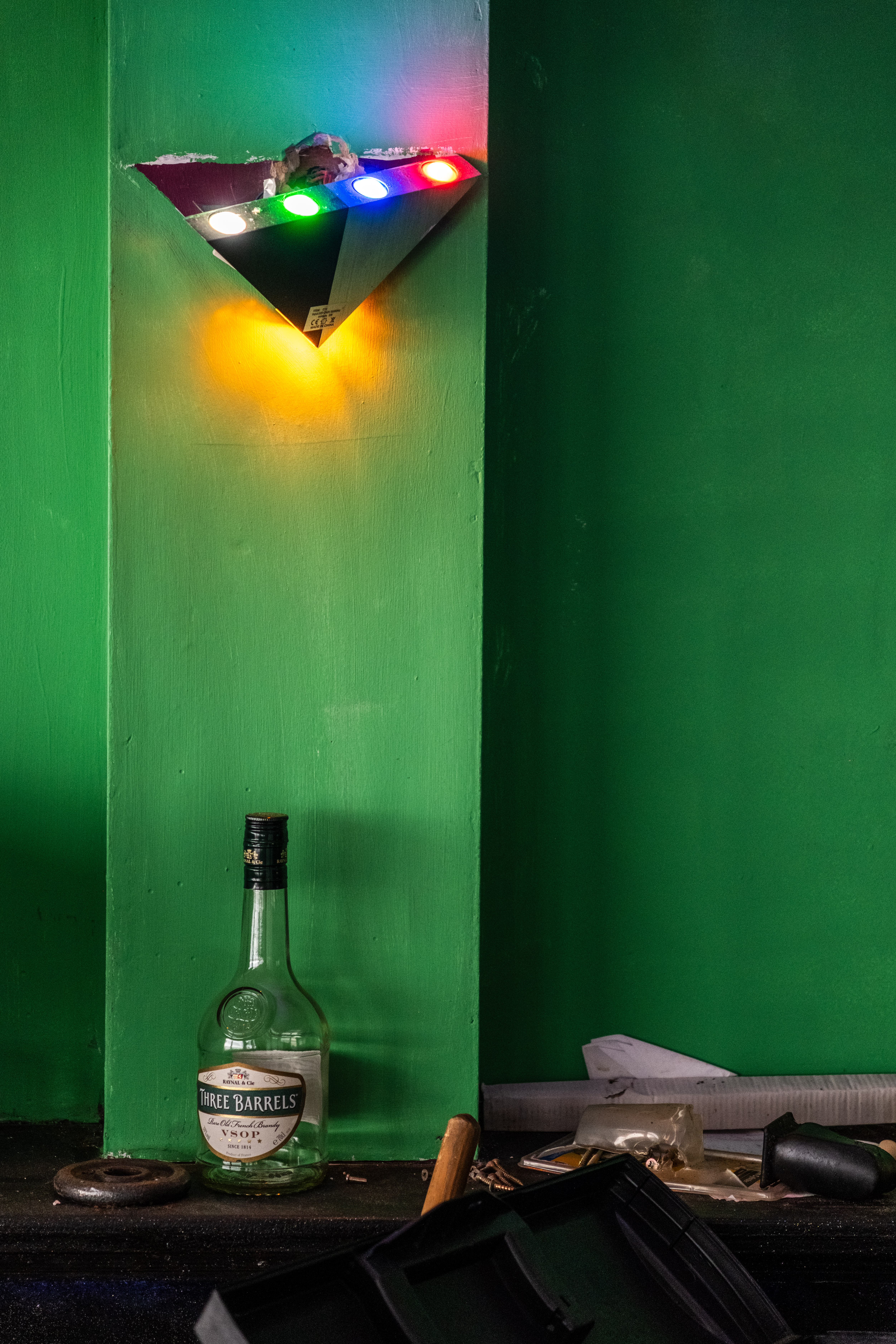
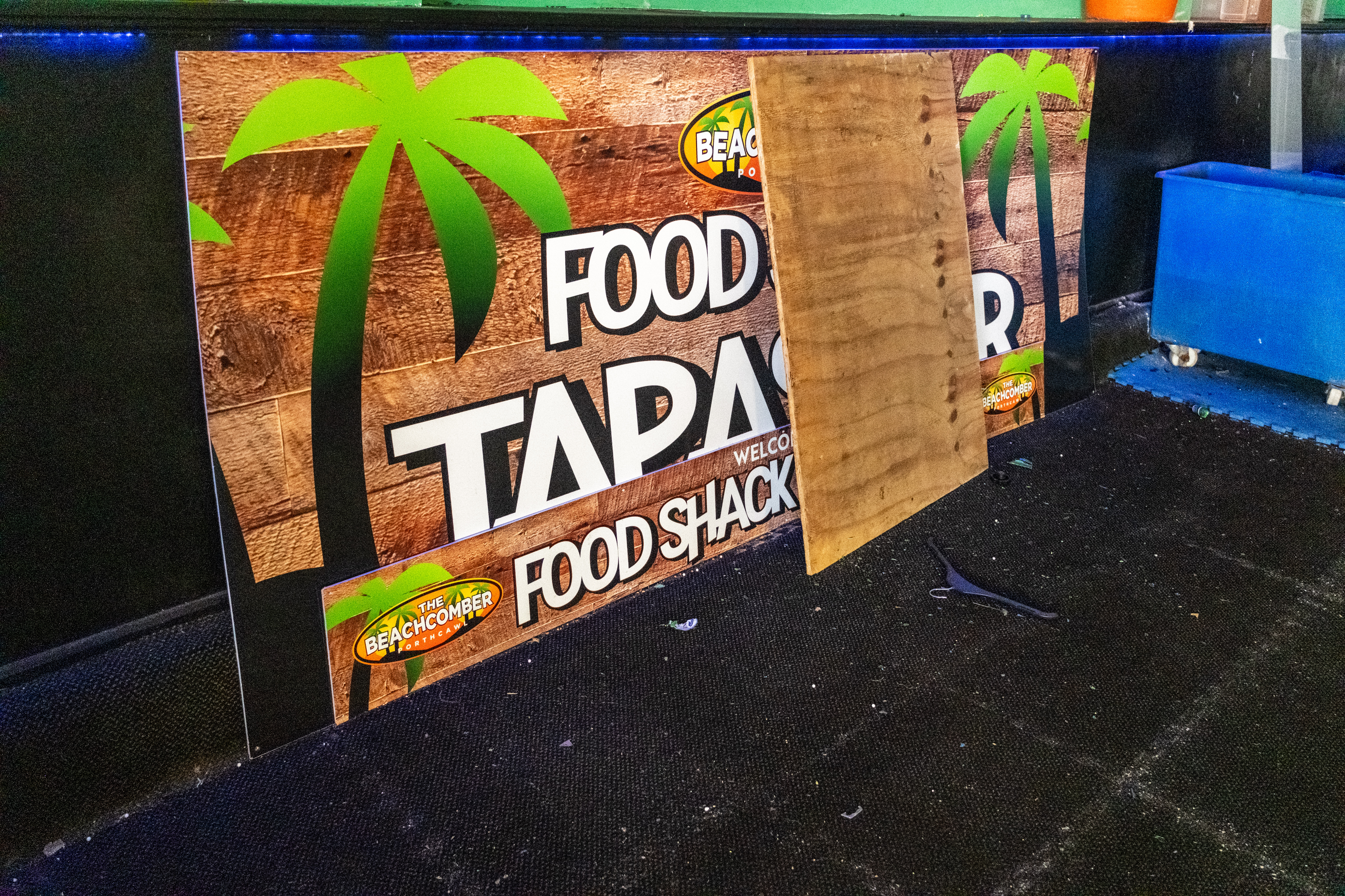
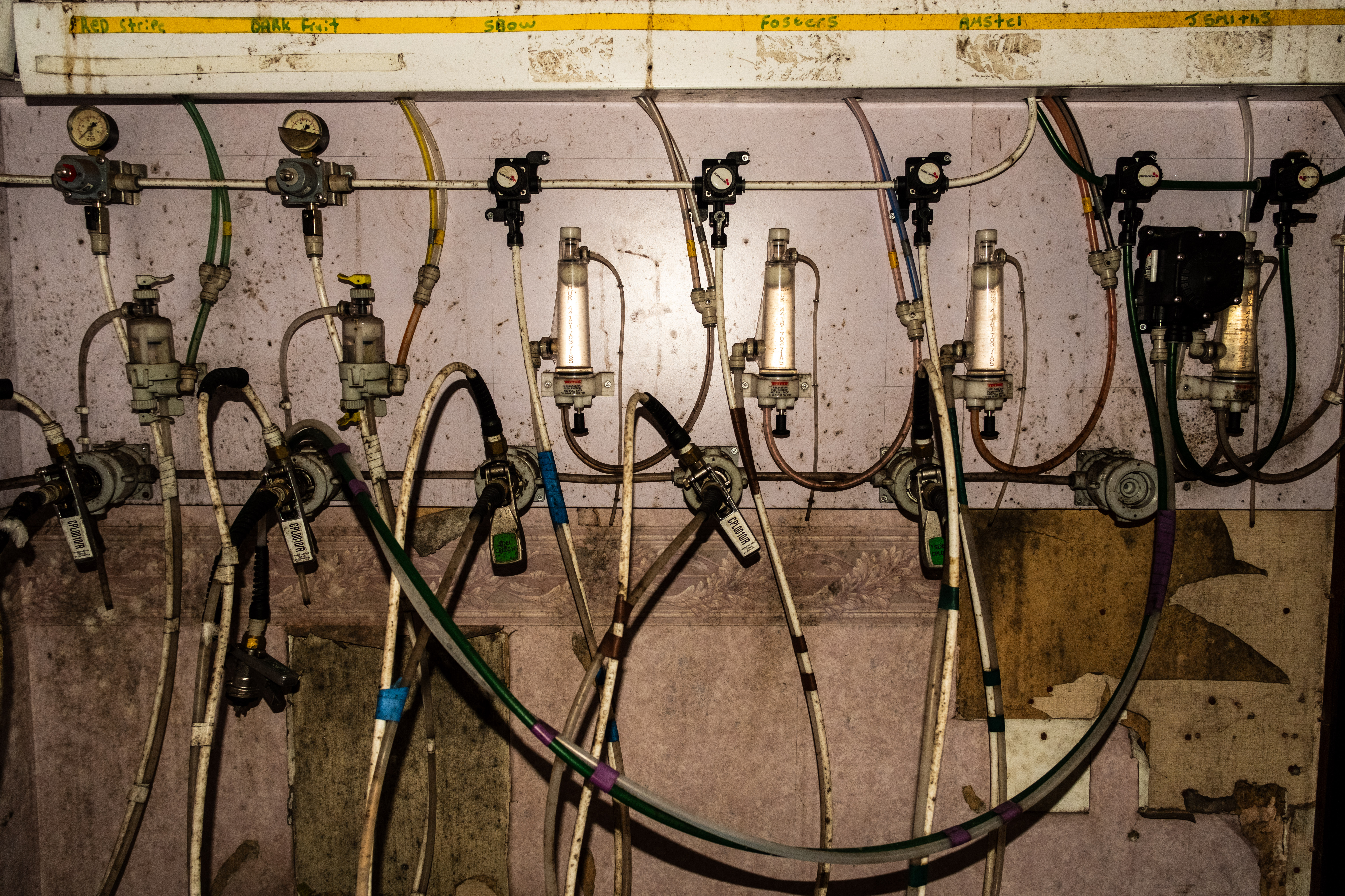
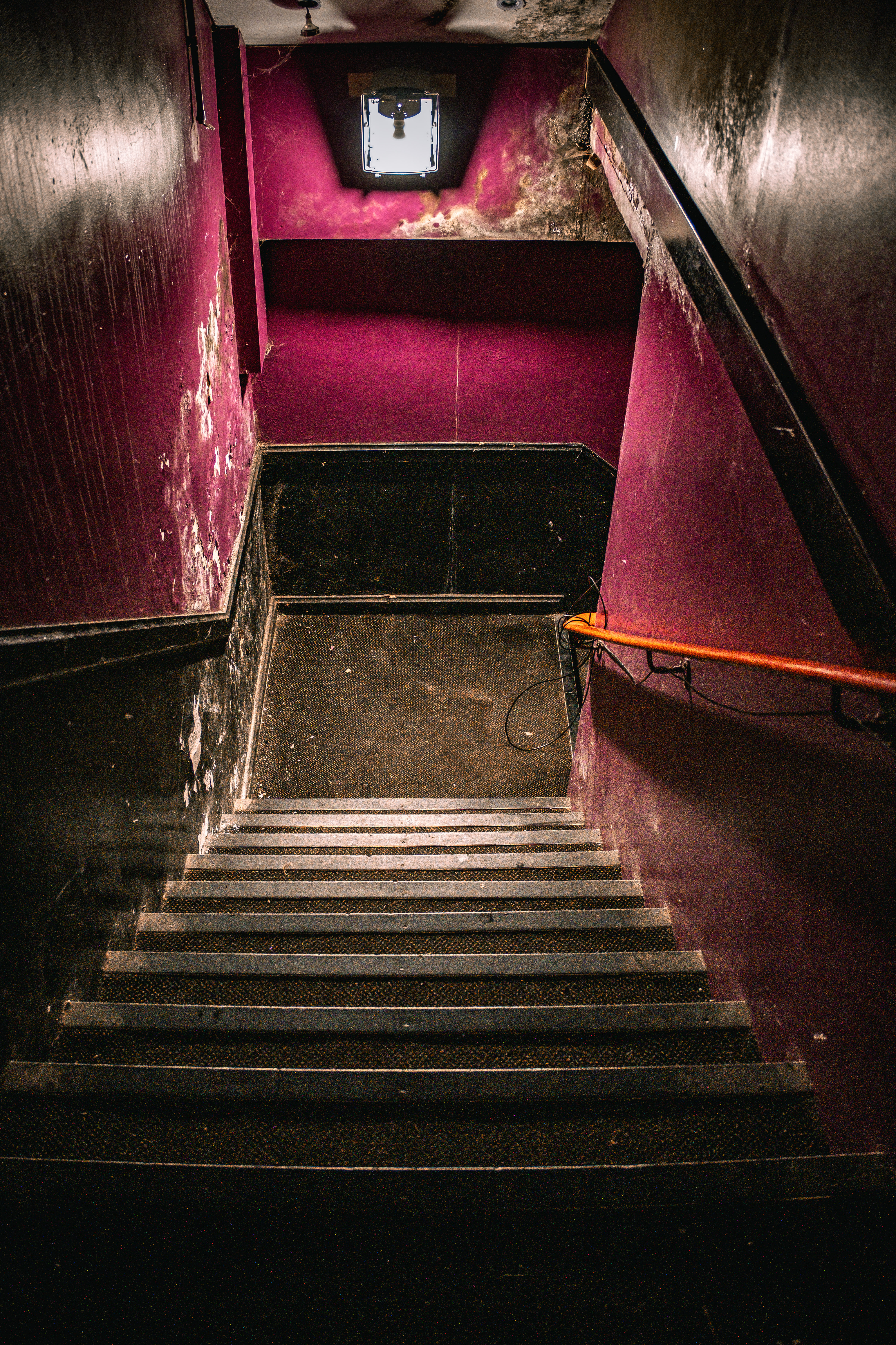
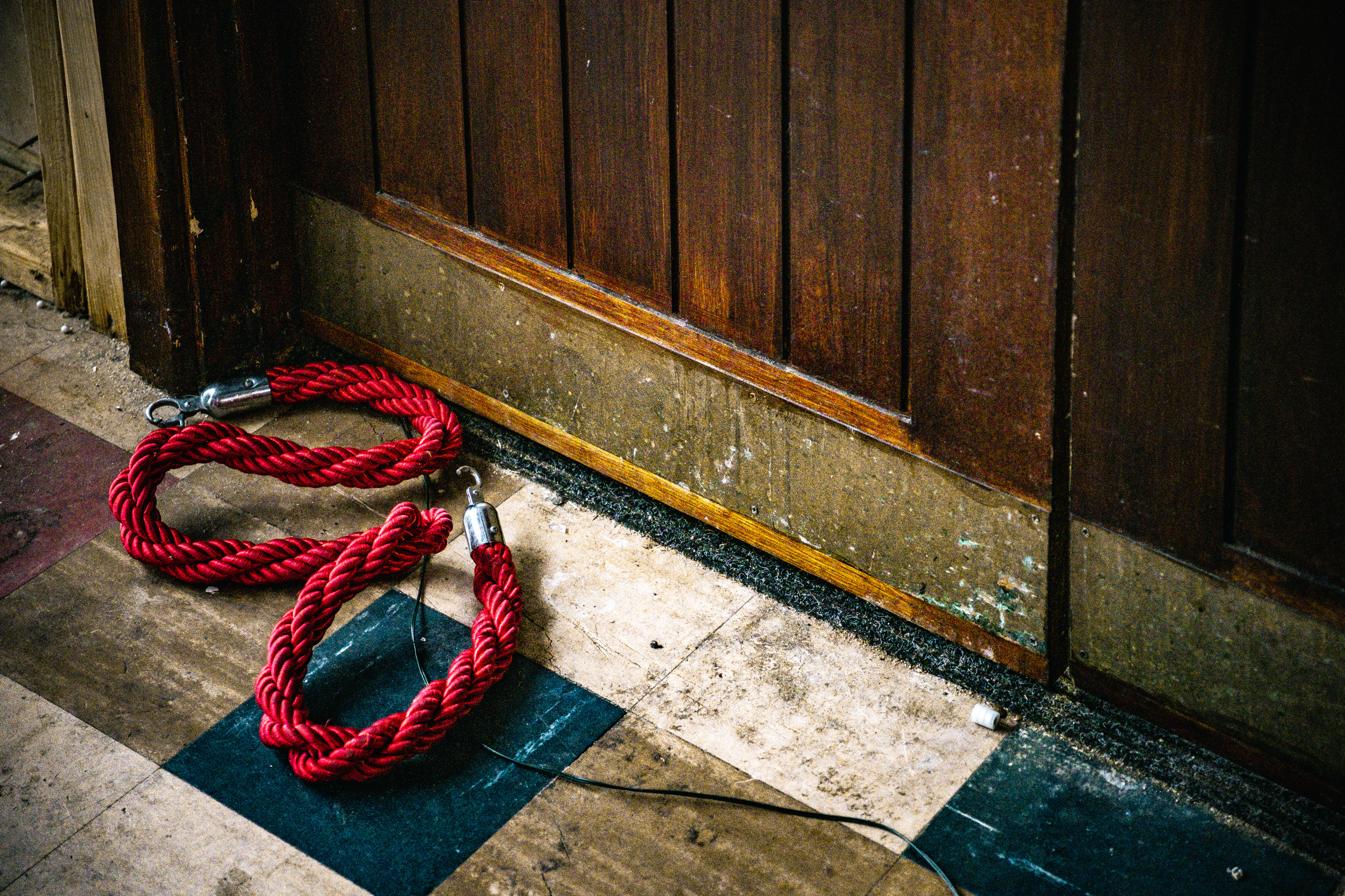
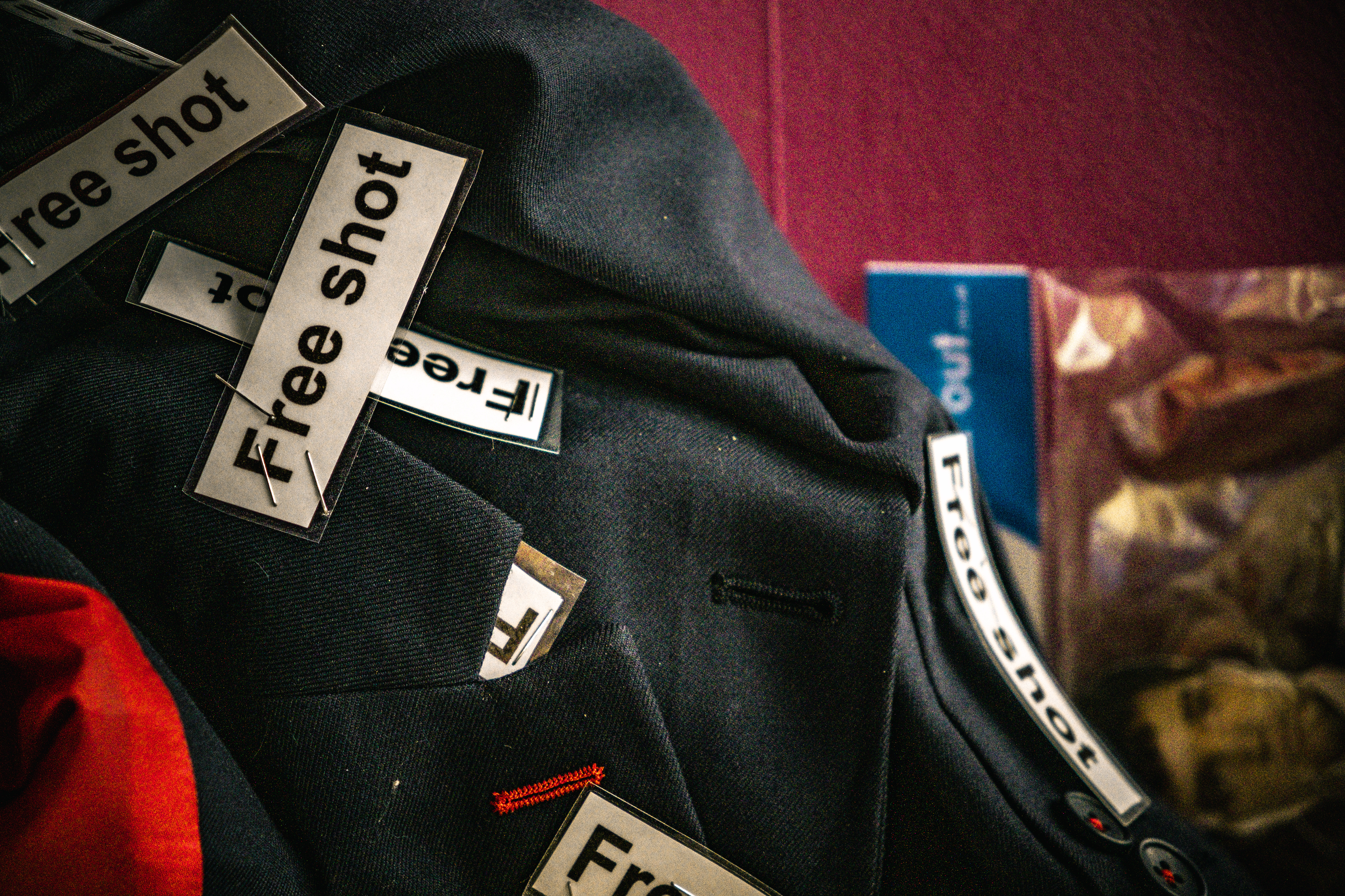
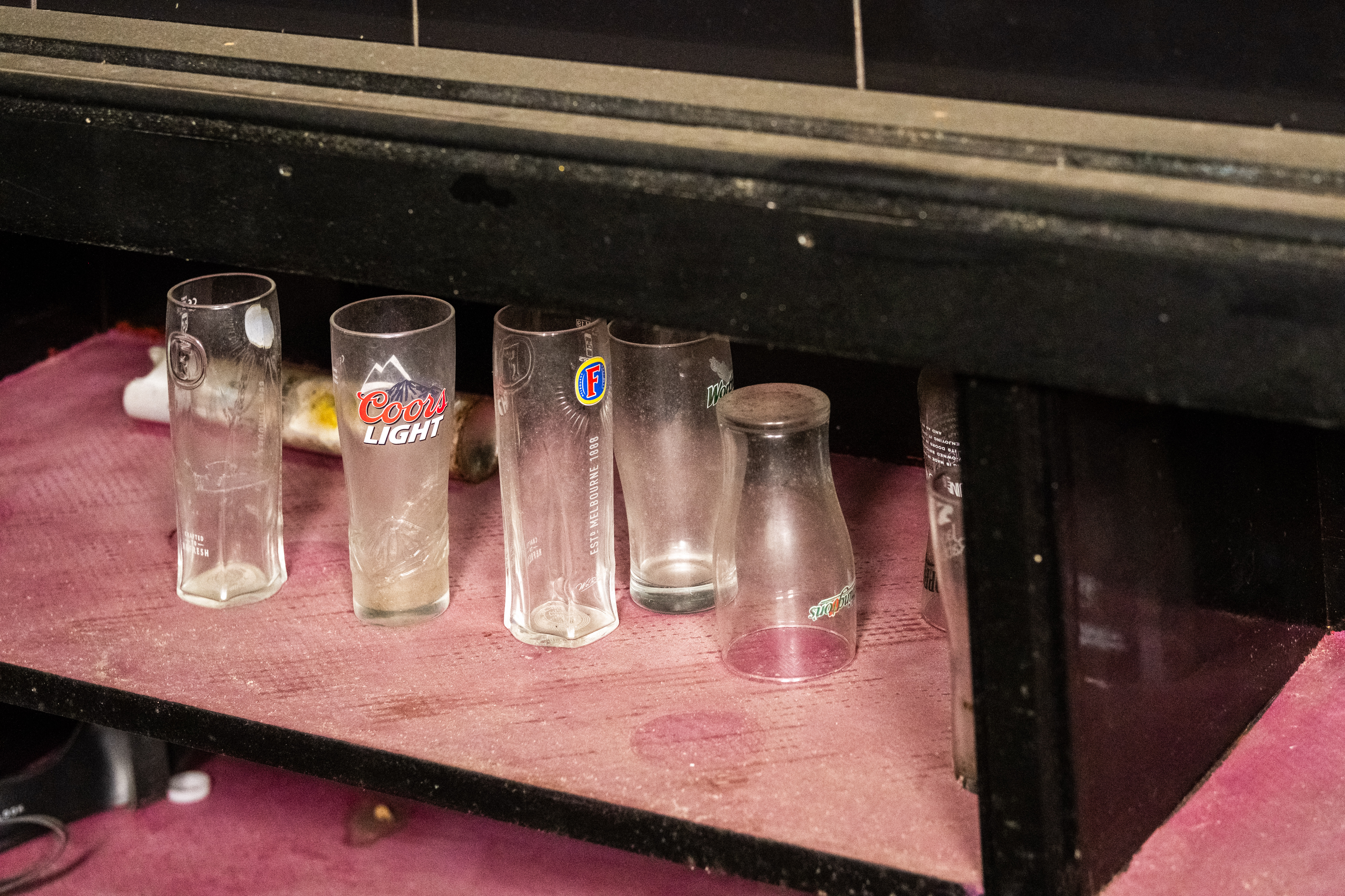
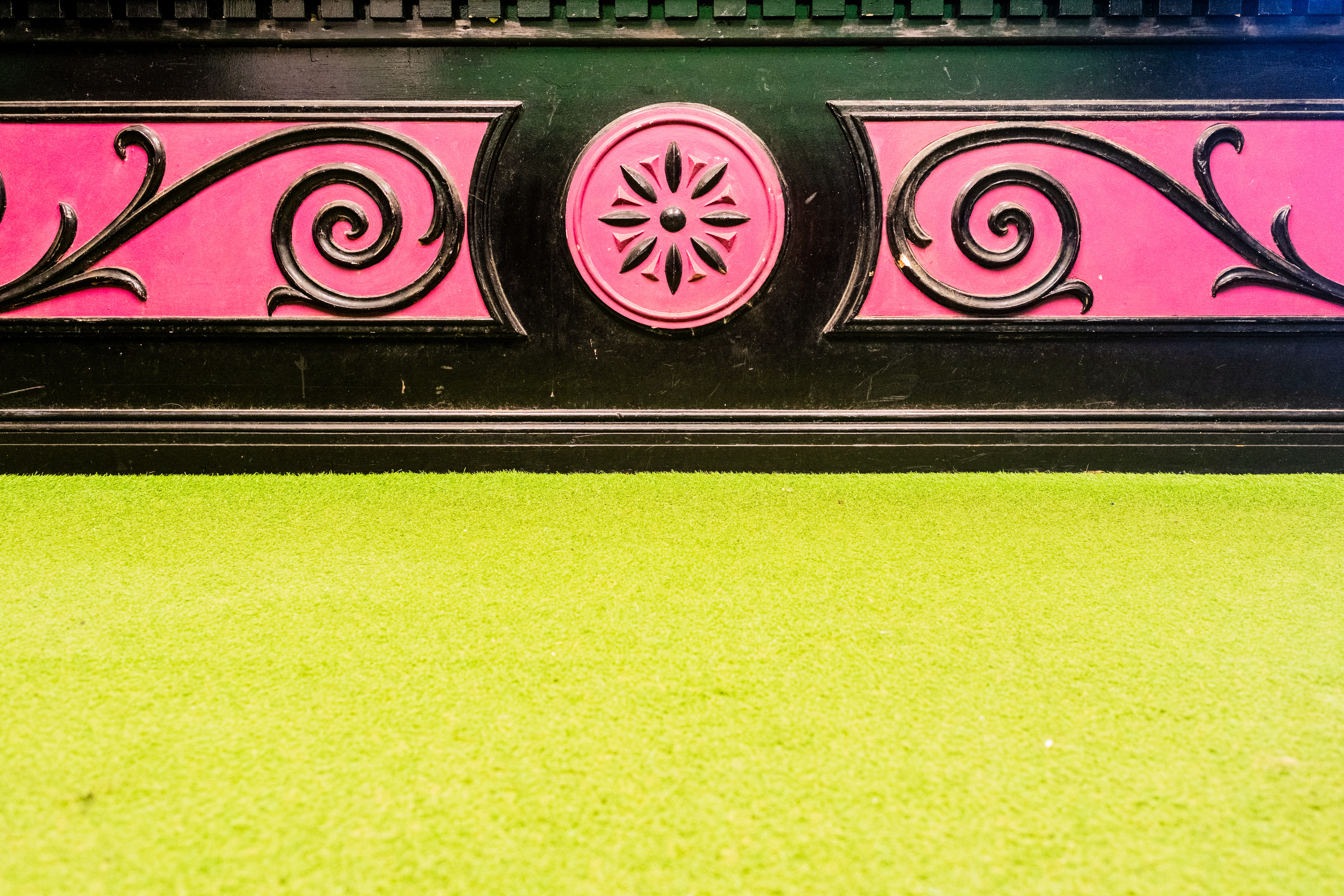
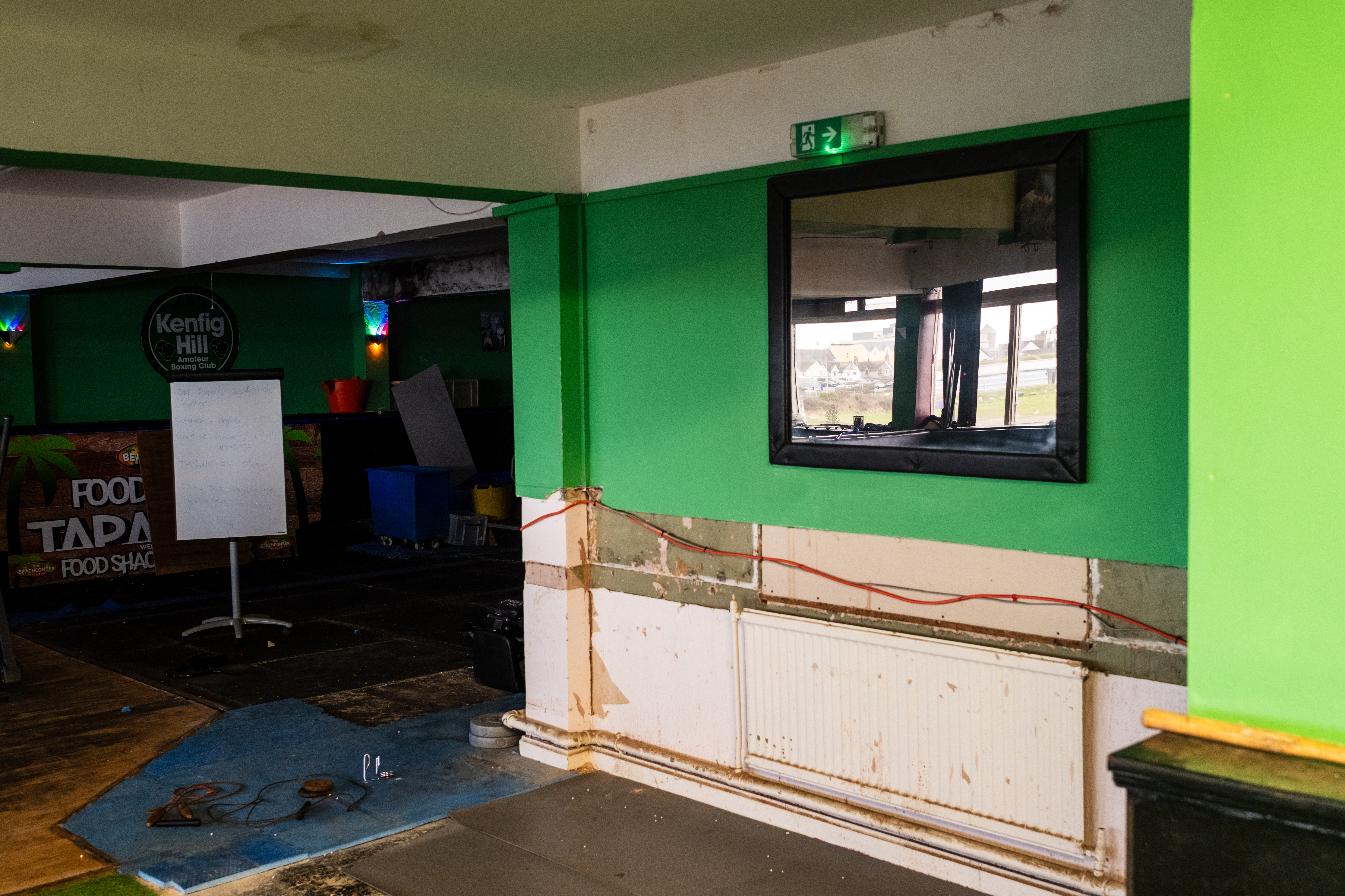
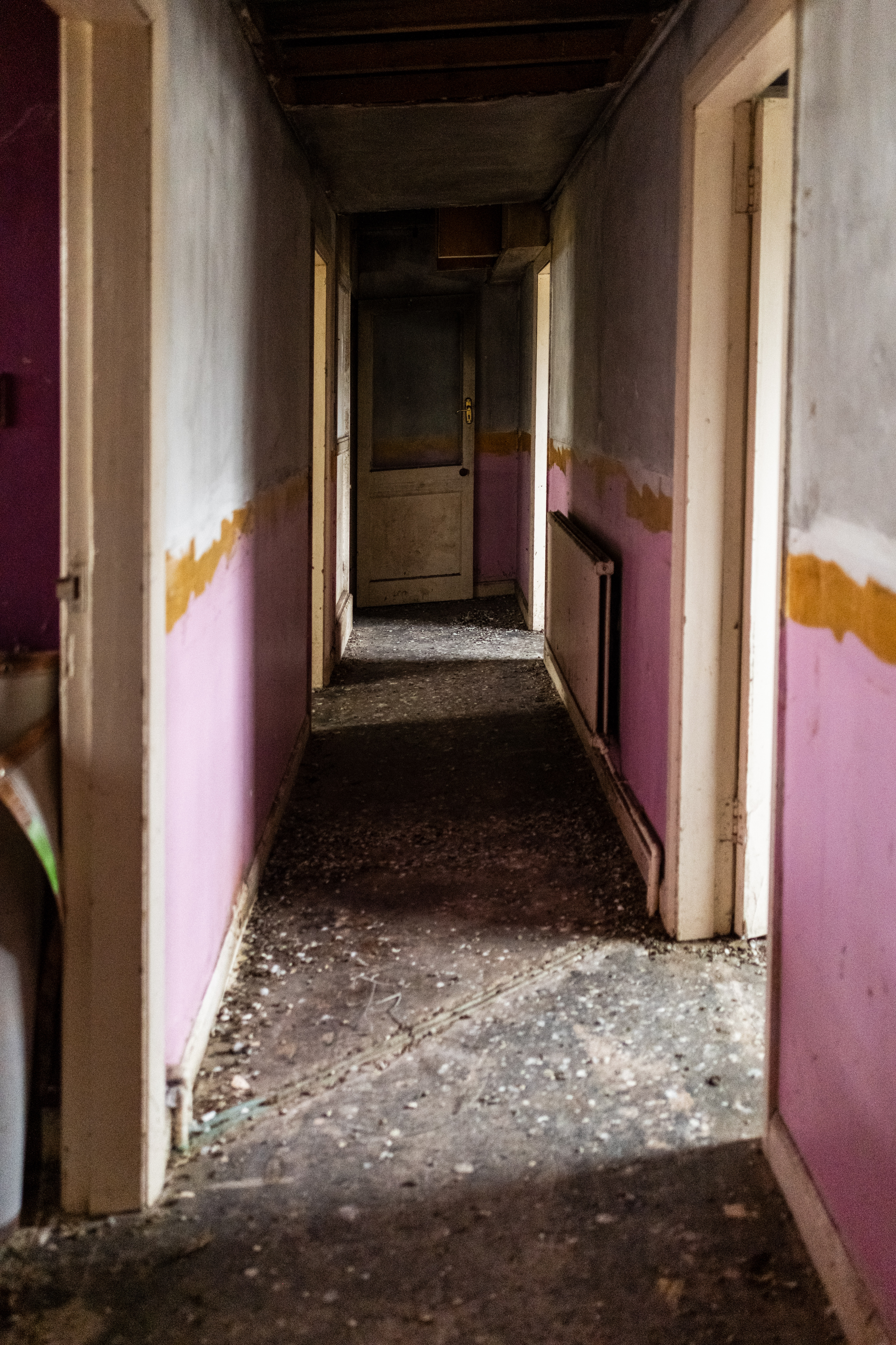
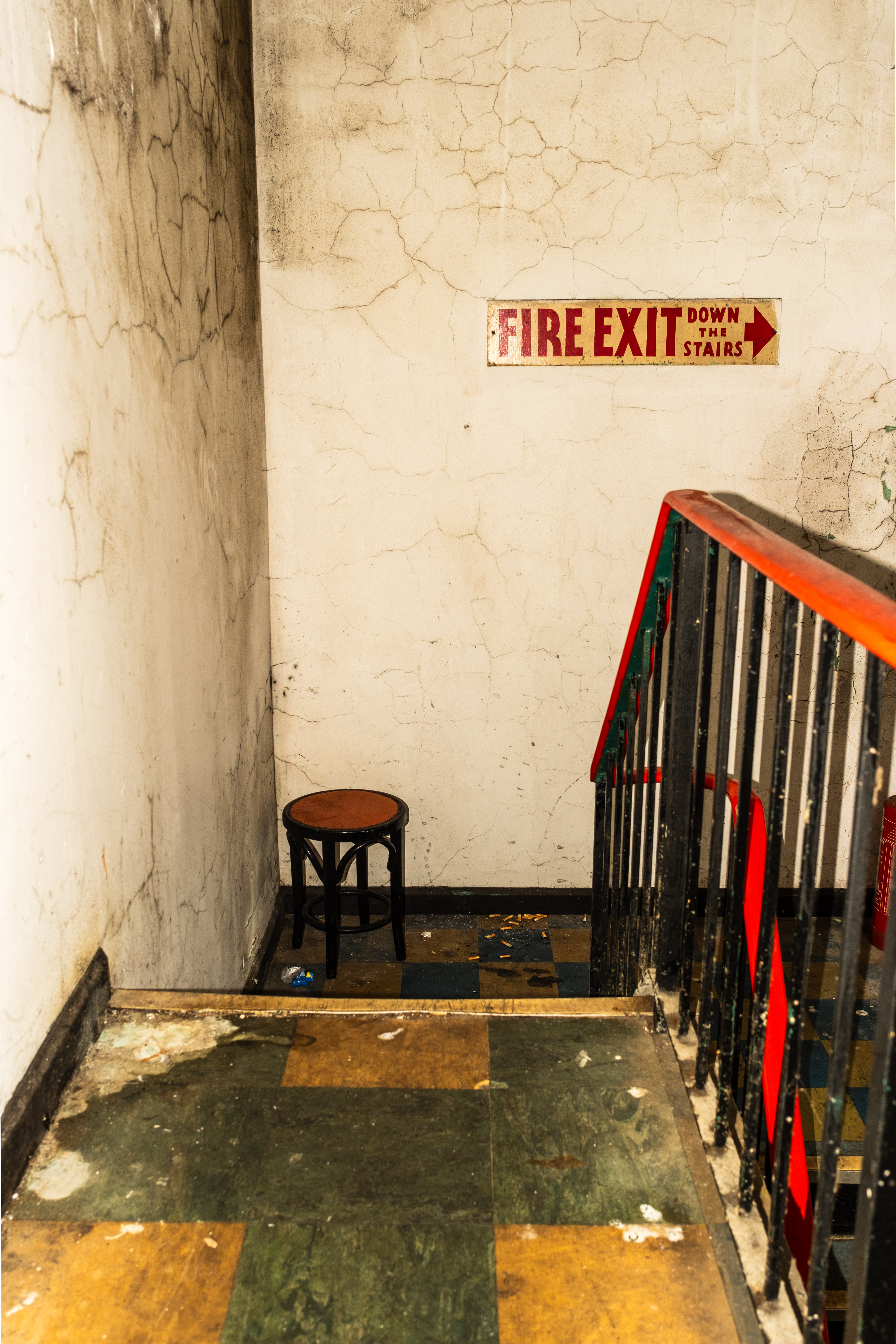
The Beachcomber has its own reputation and lore locally. It certainly wasn’t for everyone, but for many it has been, at least once, for them. It was great to be allowed inside, but even greater to explore the upstairs area — previously a nightclub space a decade ago, with evidence of other uses since. There is something powerful about seeing a place like this out of its context. The garish pink of the bar, the green of the carpet, the grubbiness of the doors. All would have been hidden by darkness and dancefloor lighting. There is nowhere to hide in the light of day.
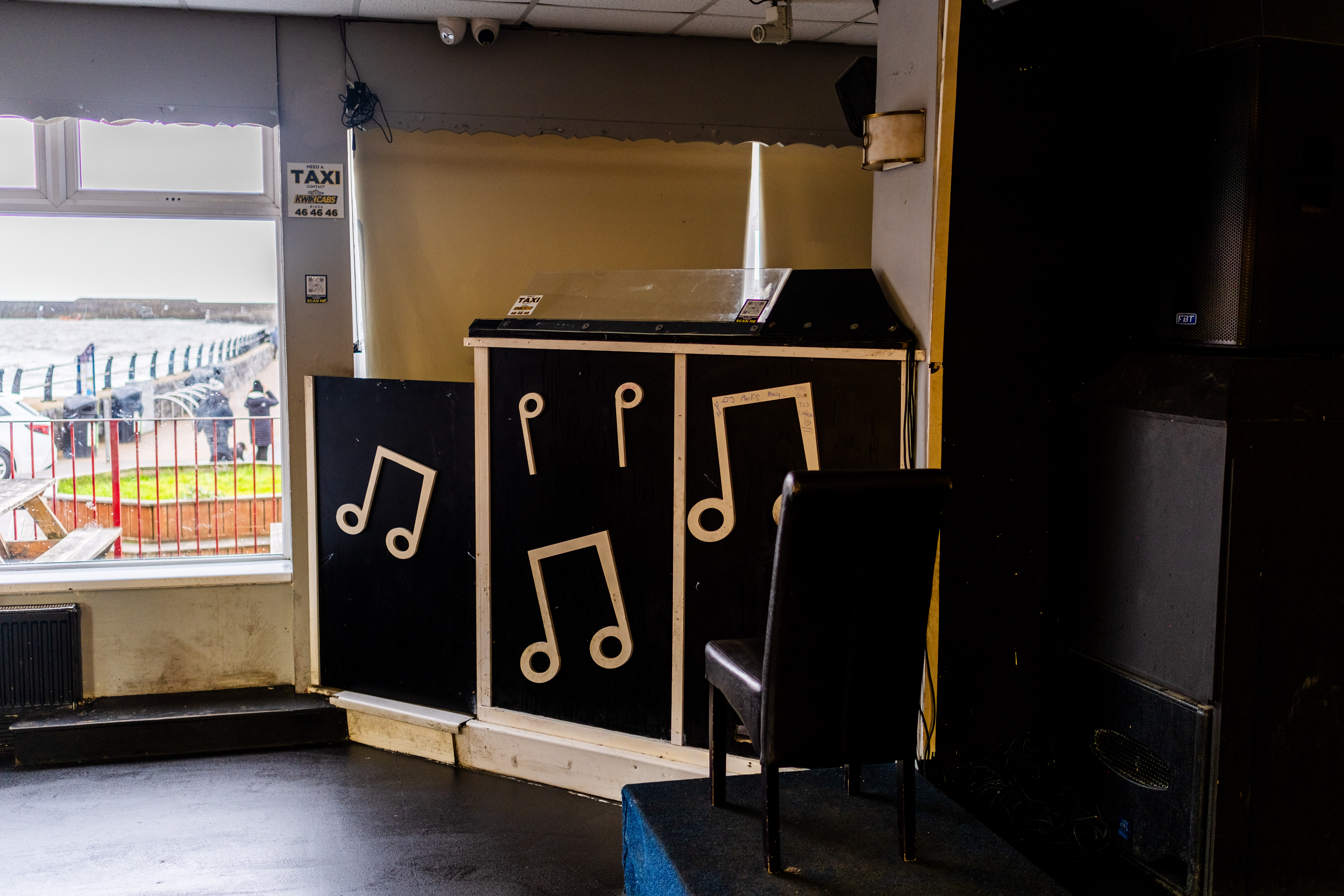
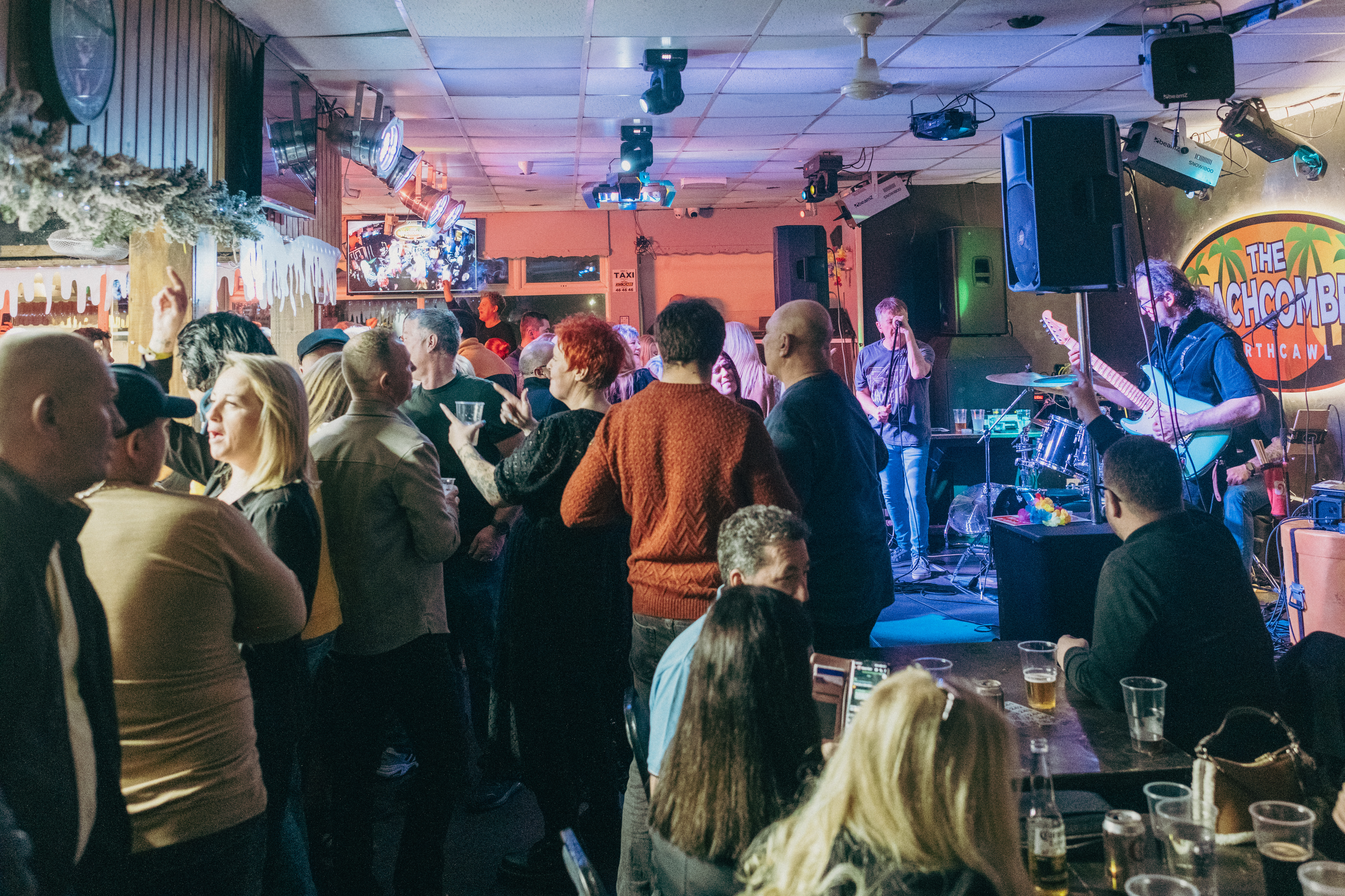
The iconic Beachcomber stage
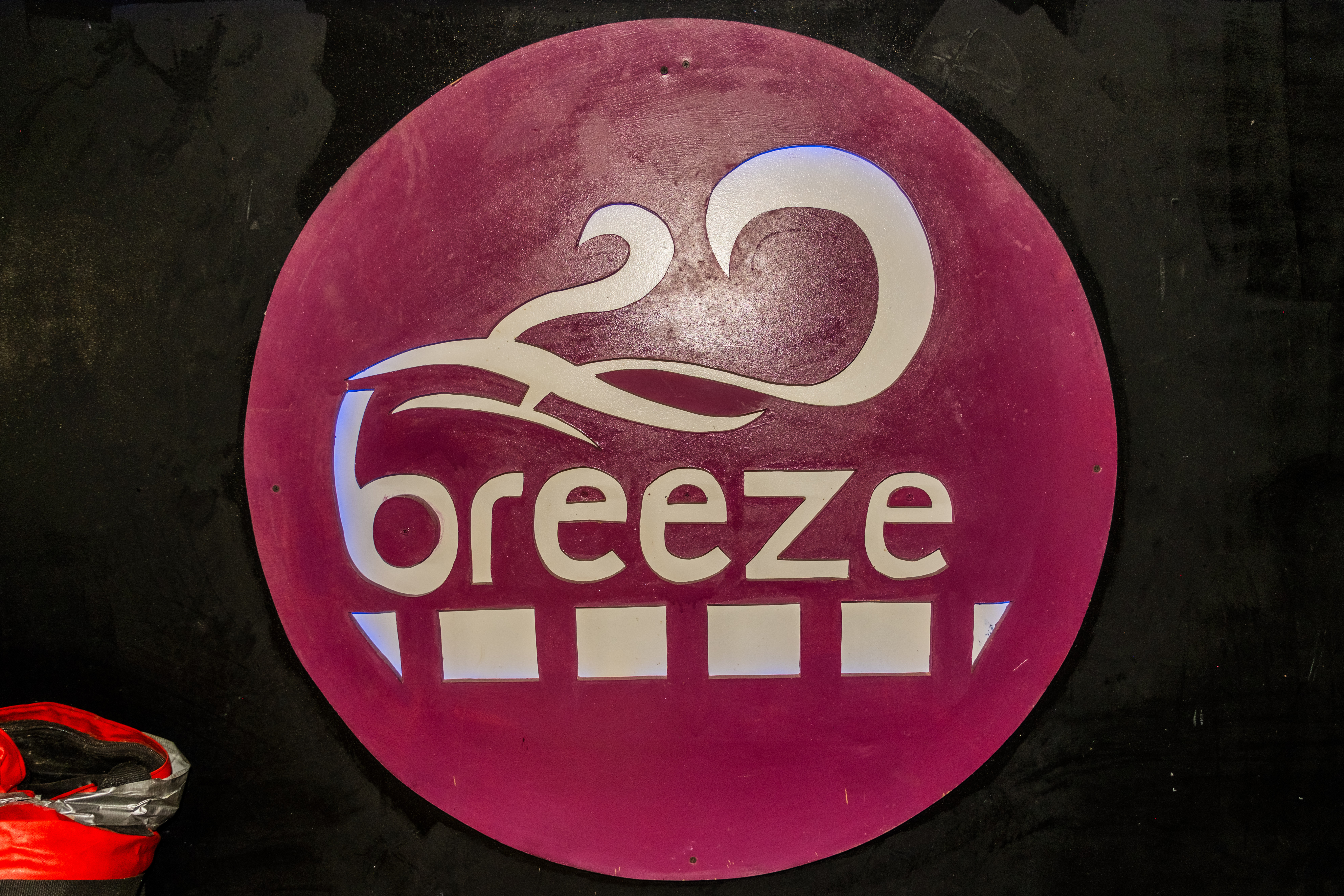
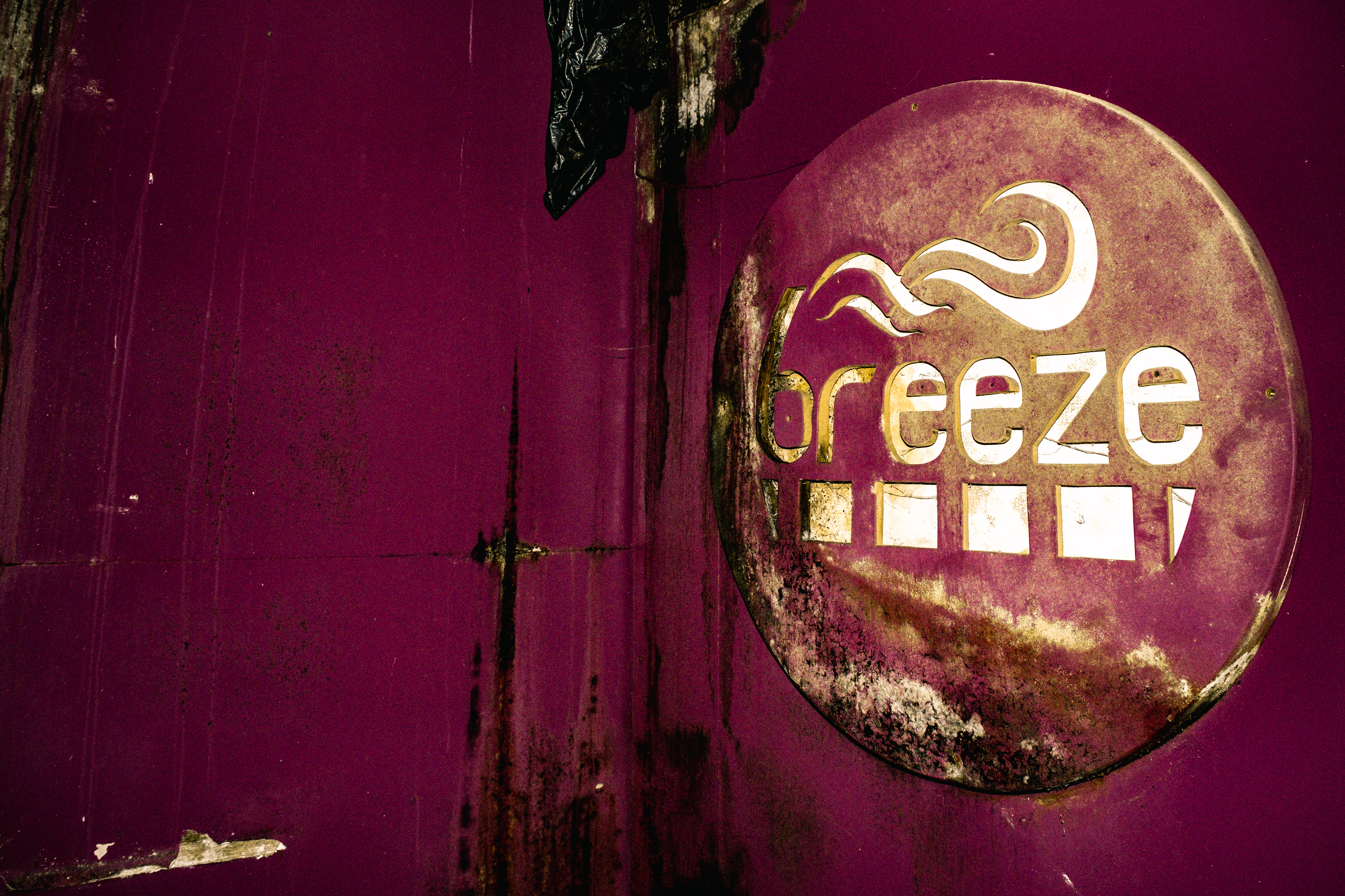
the remains of the former breeze nightlclub bar
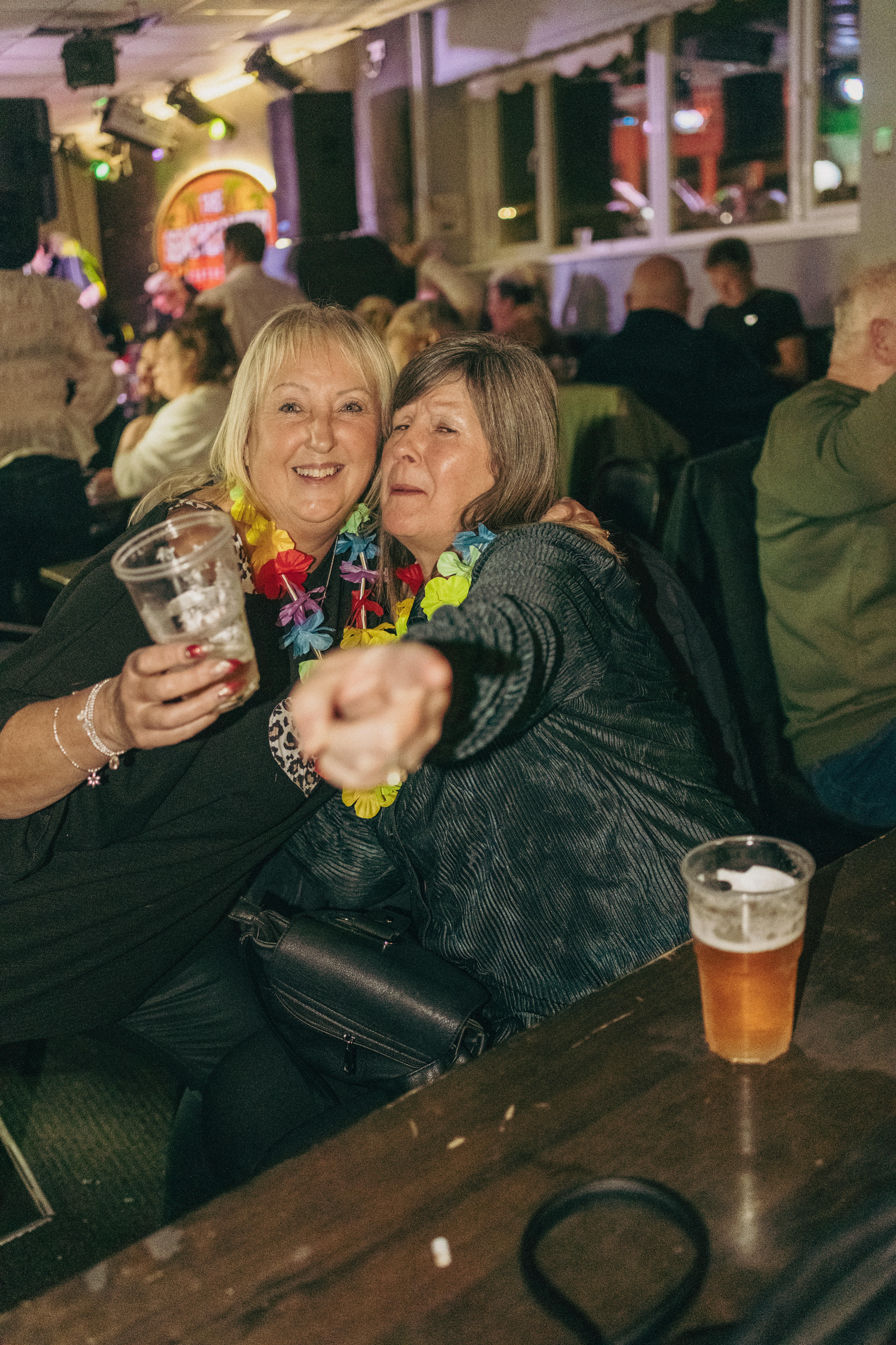
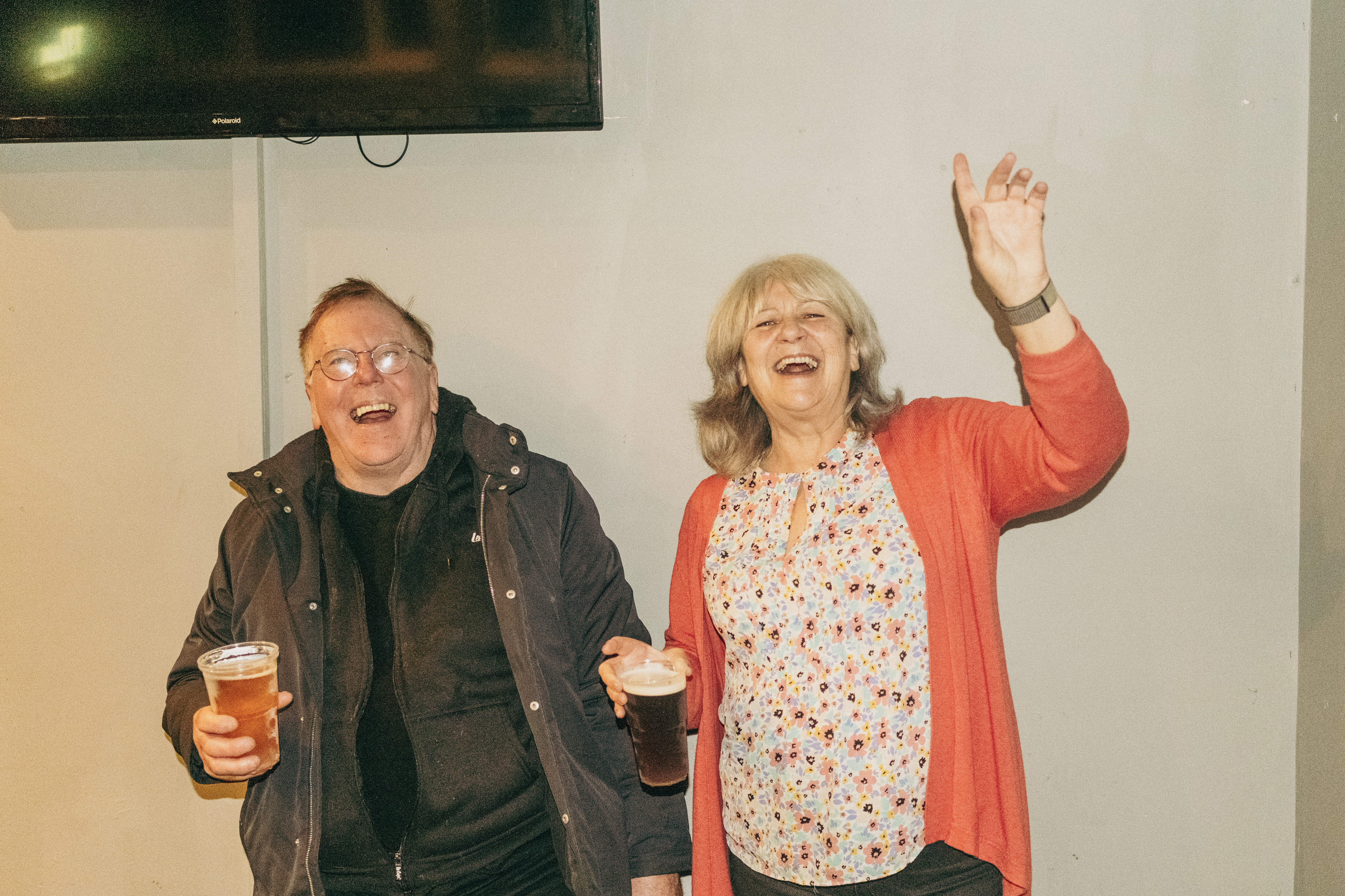
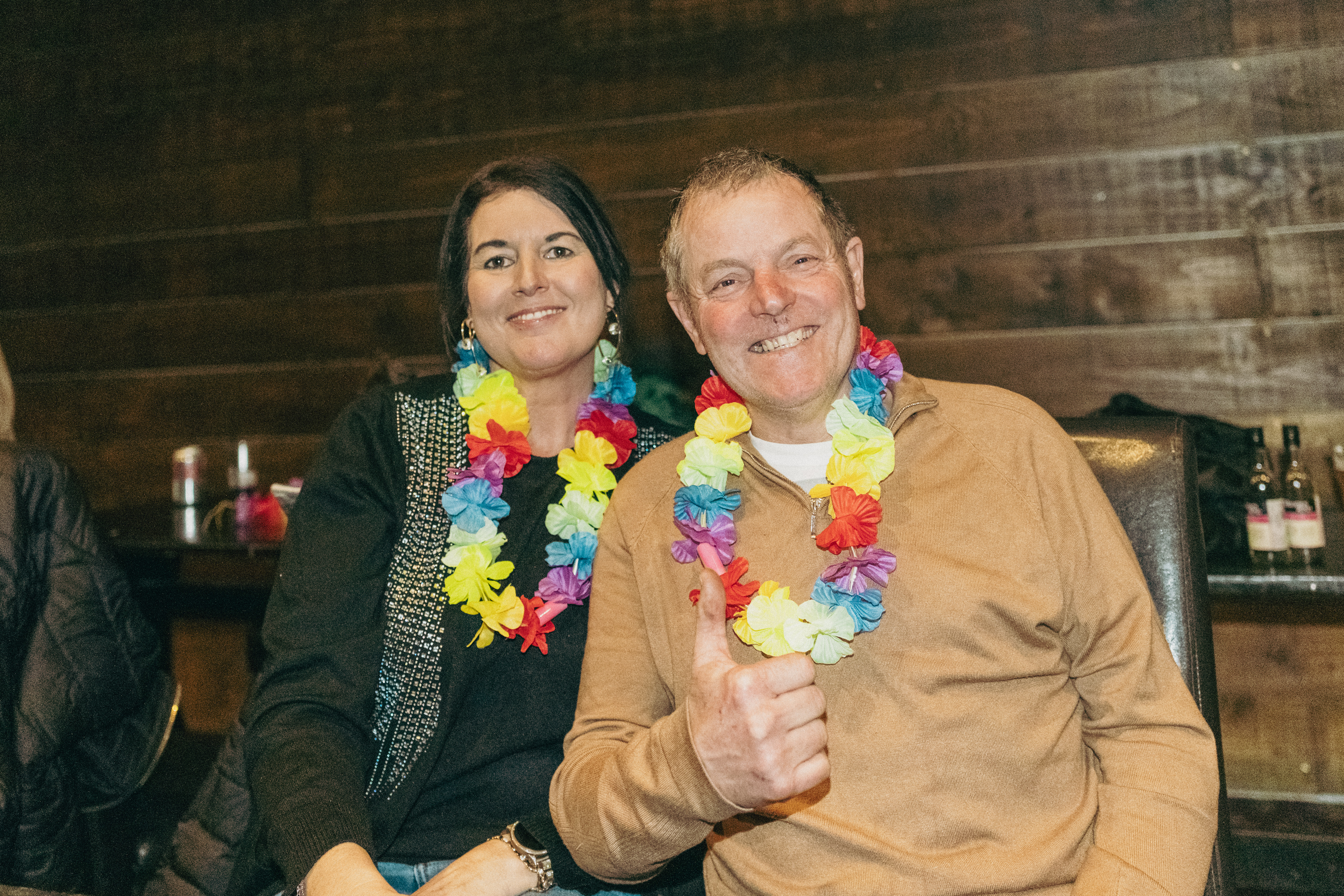
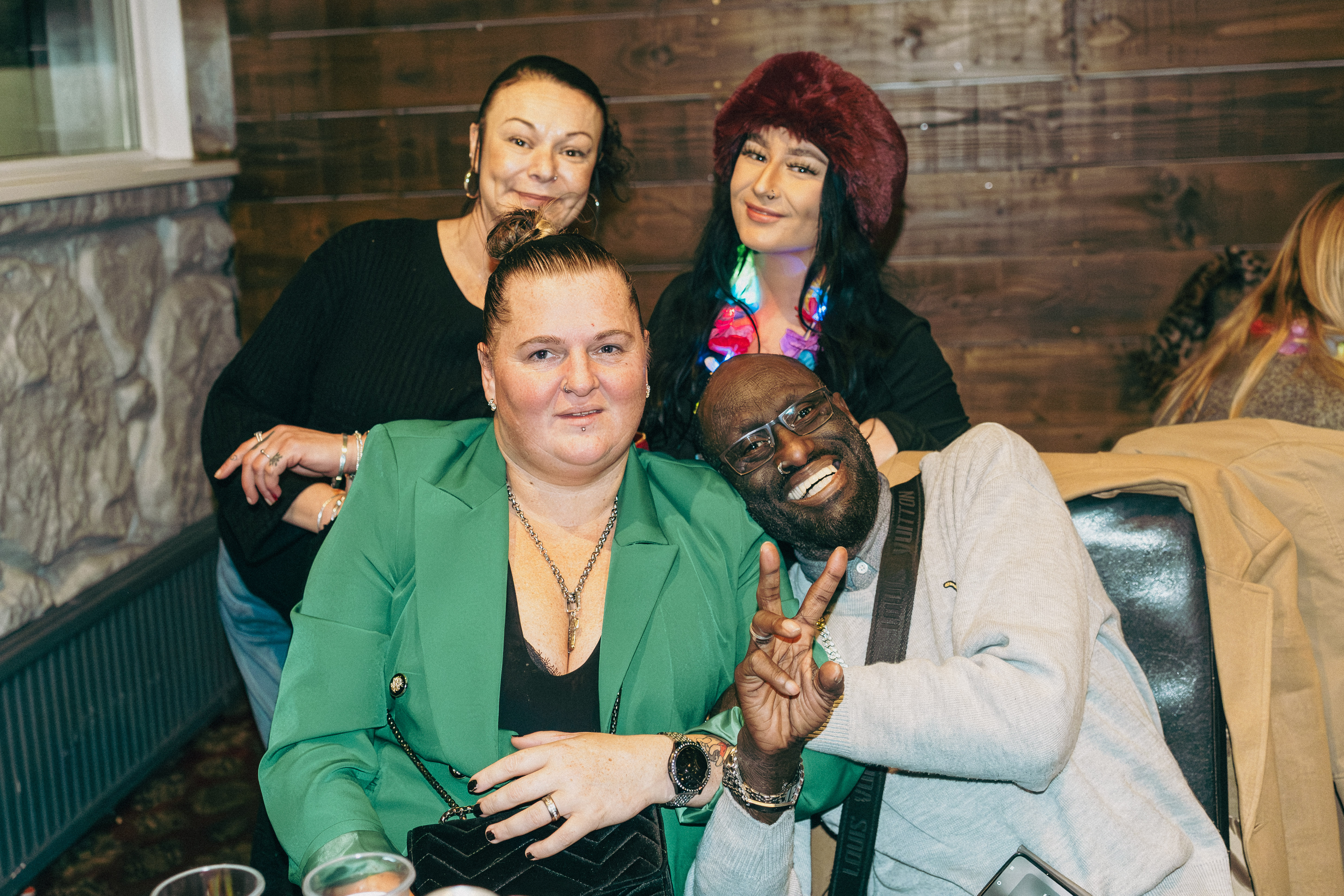
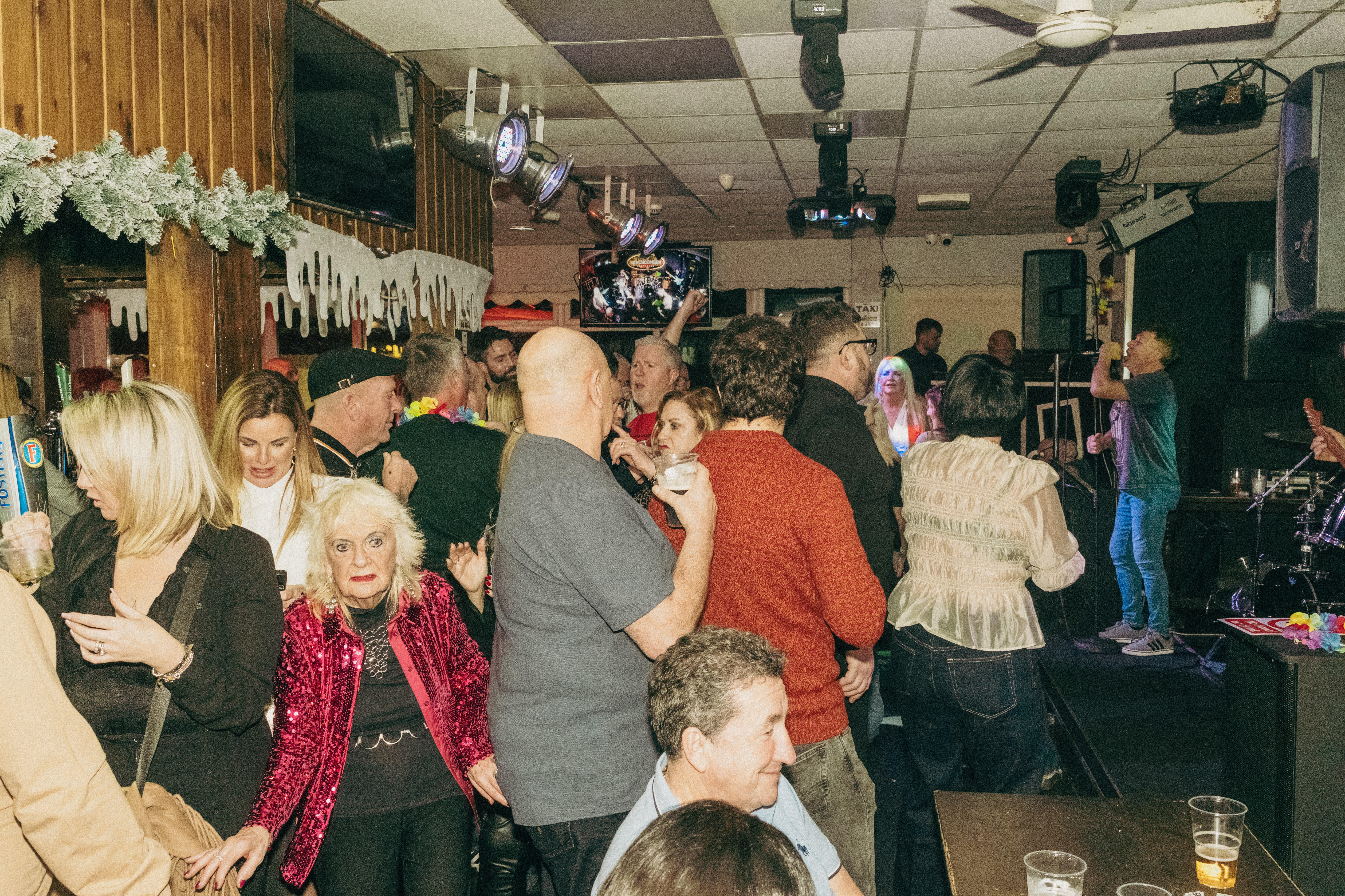
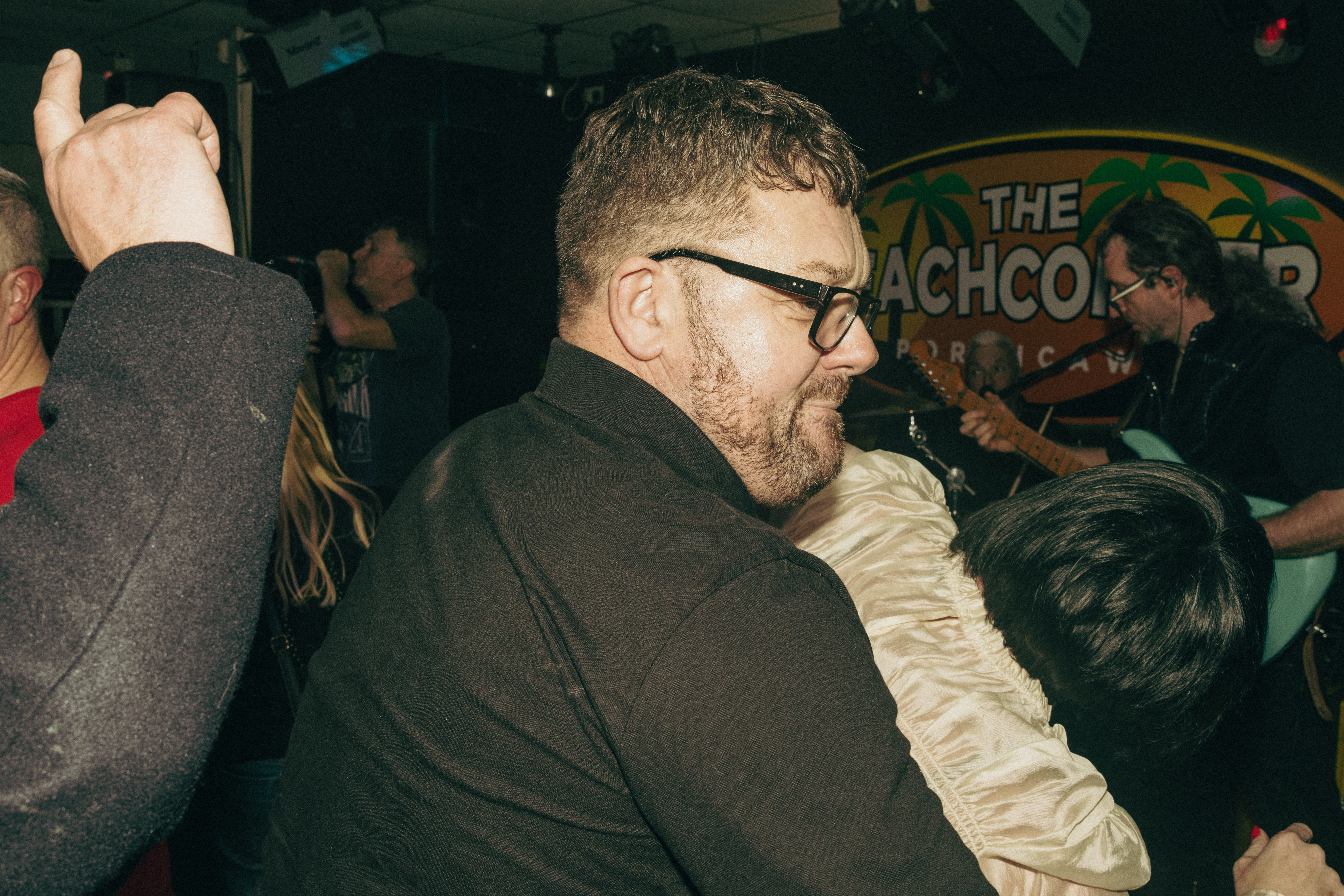
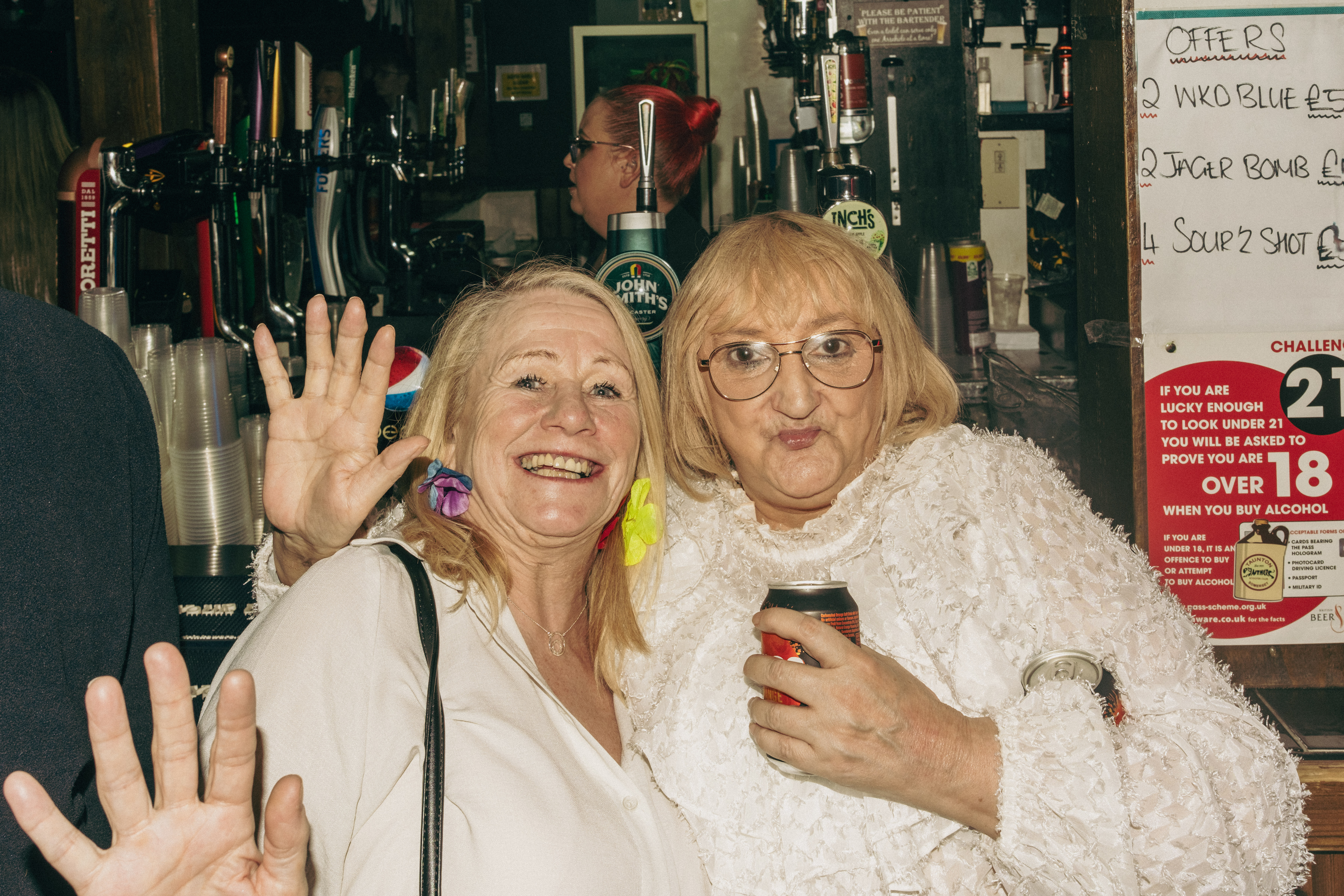
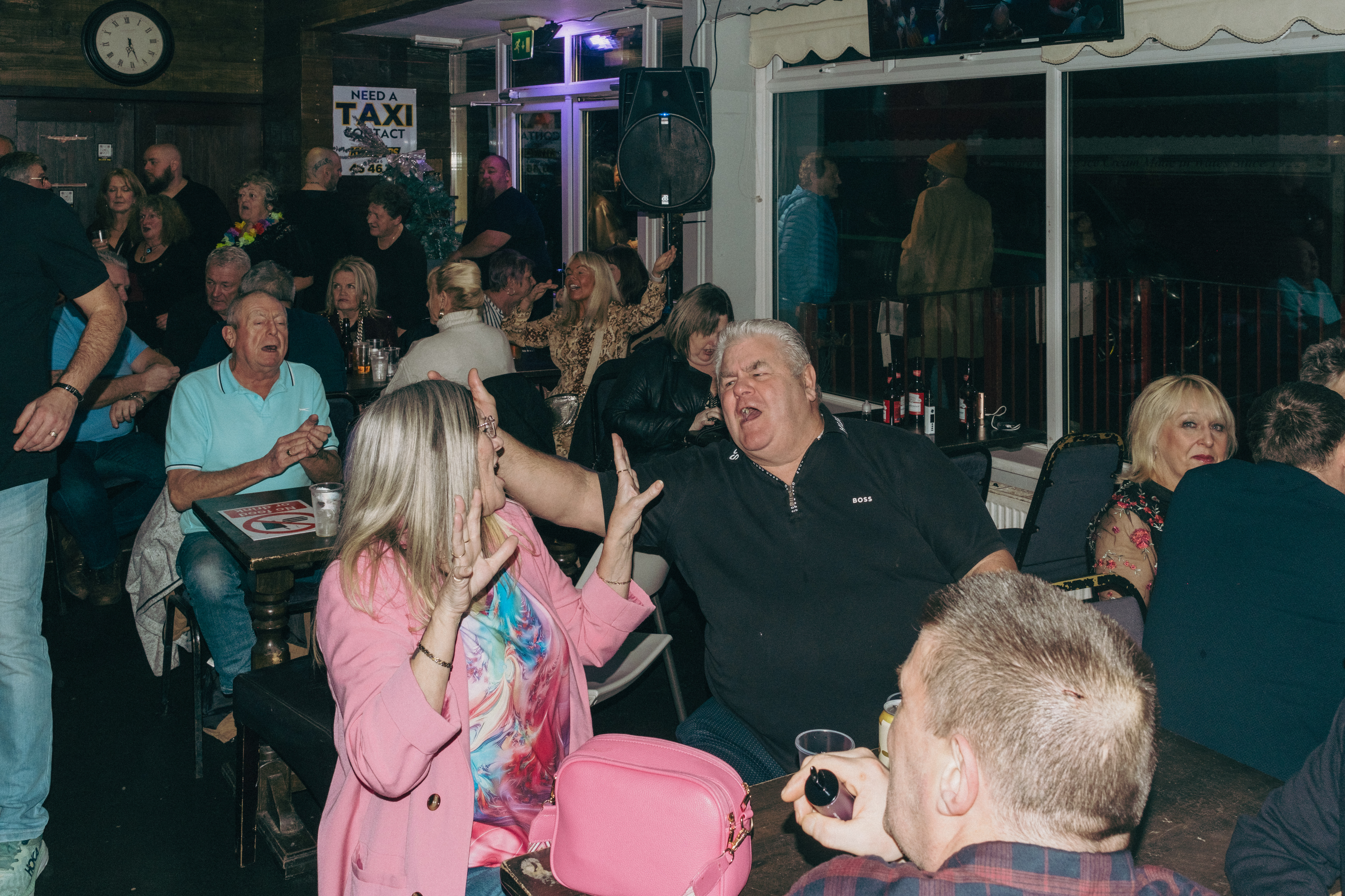
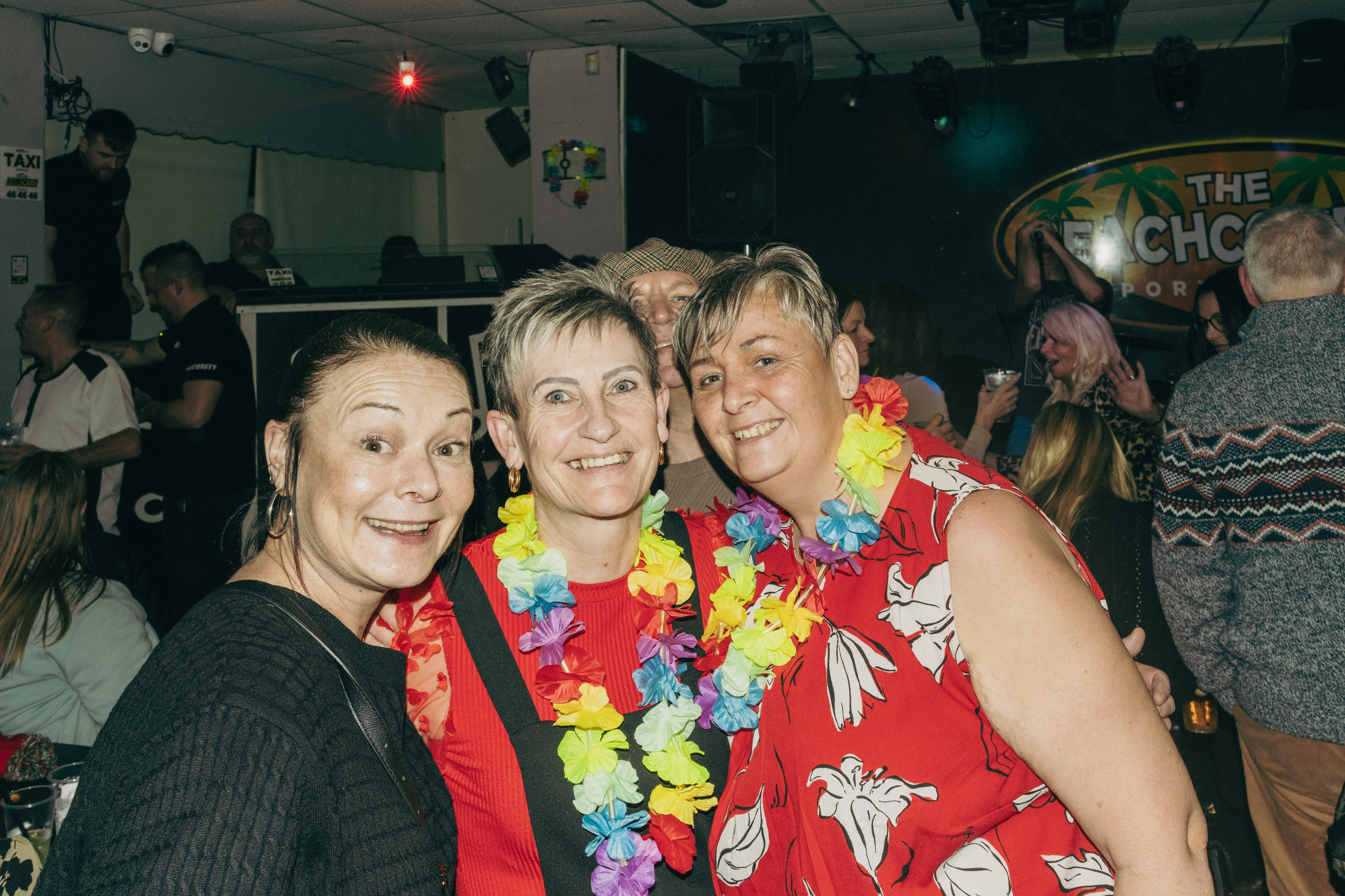
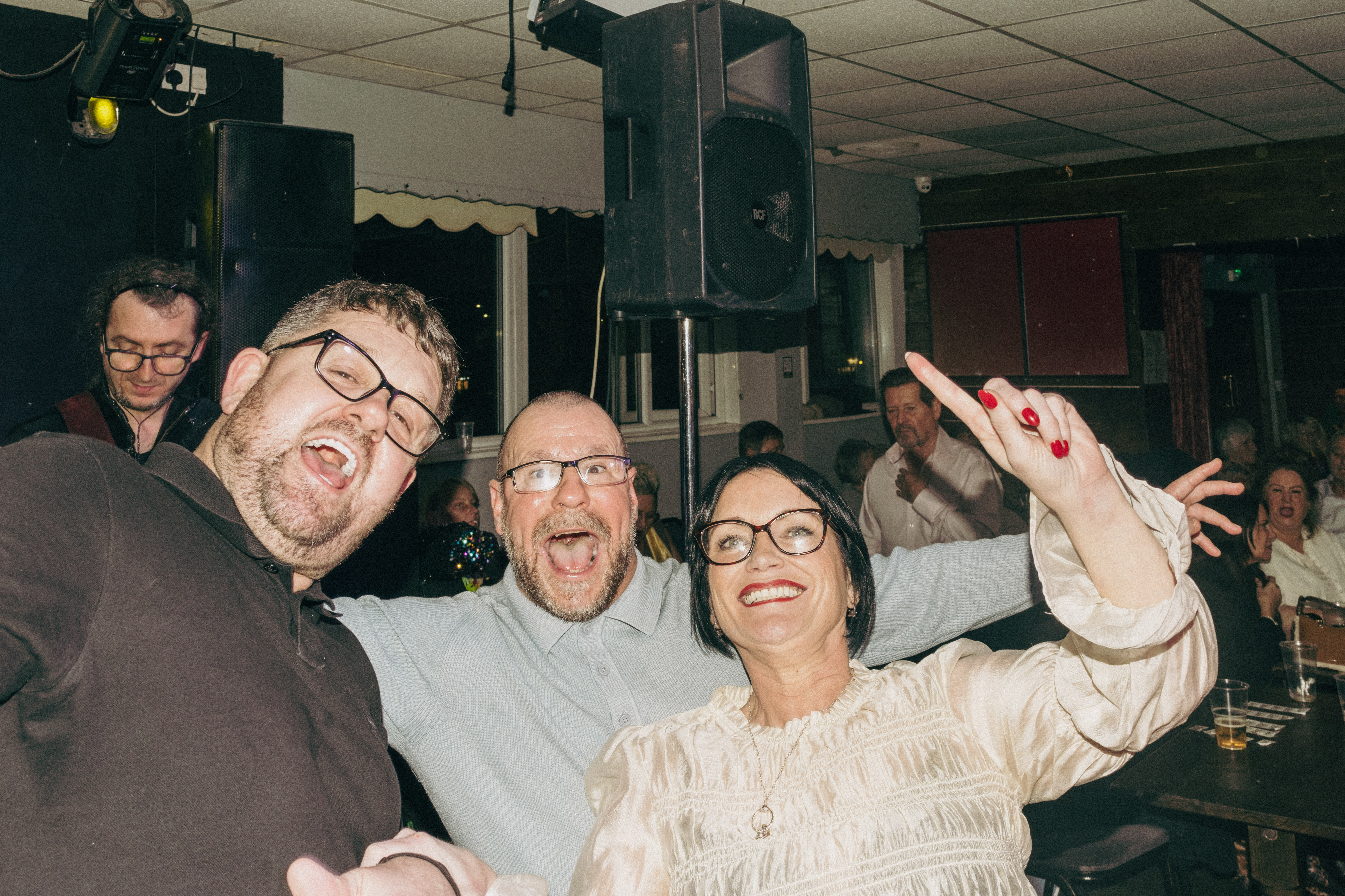
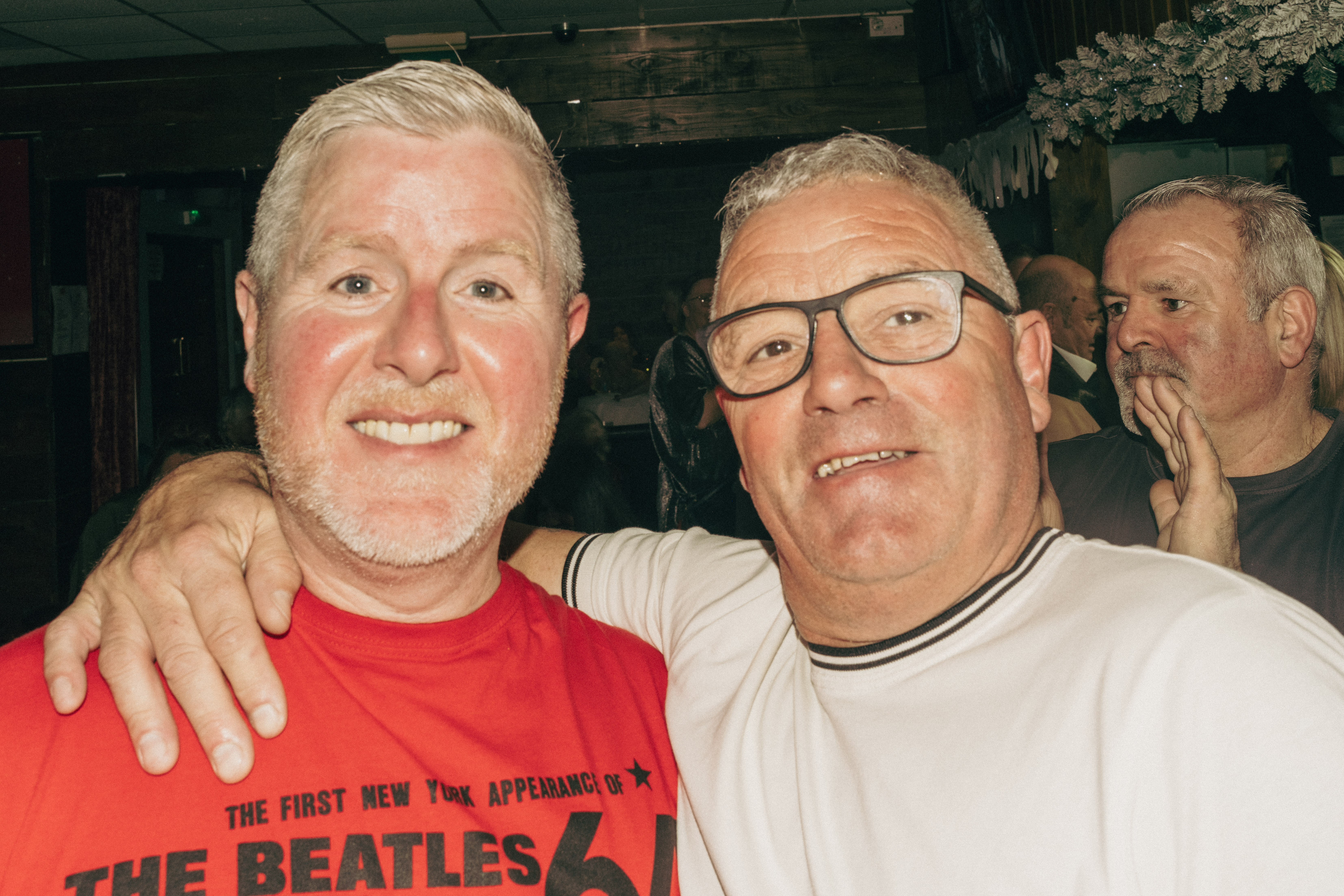
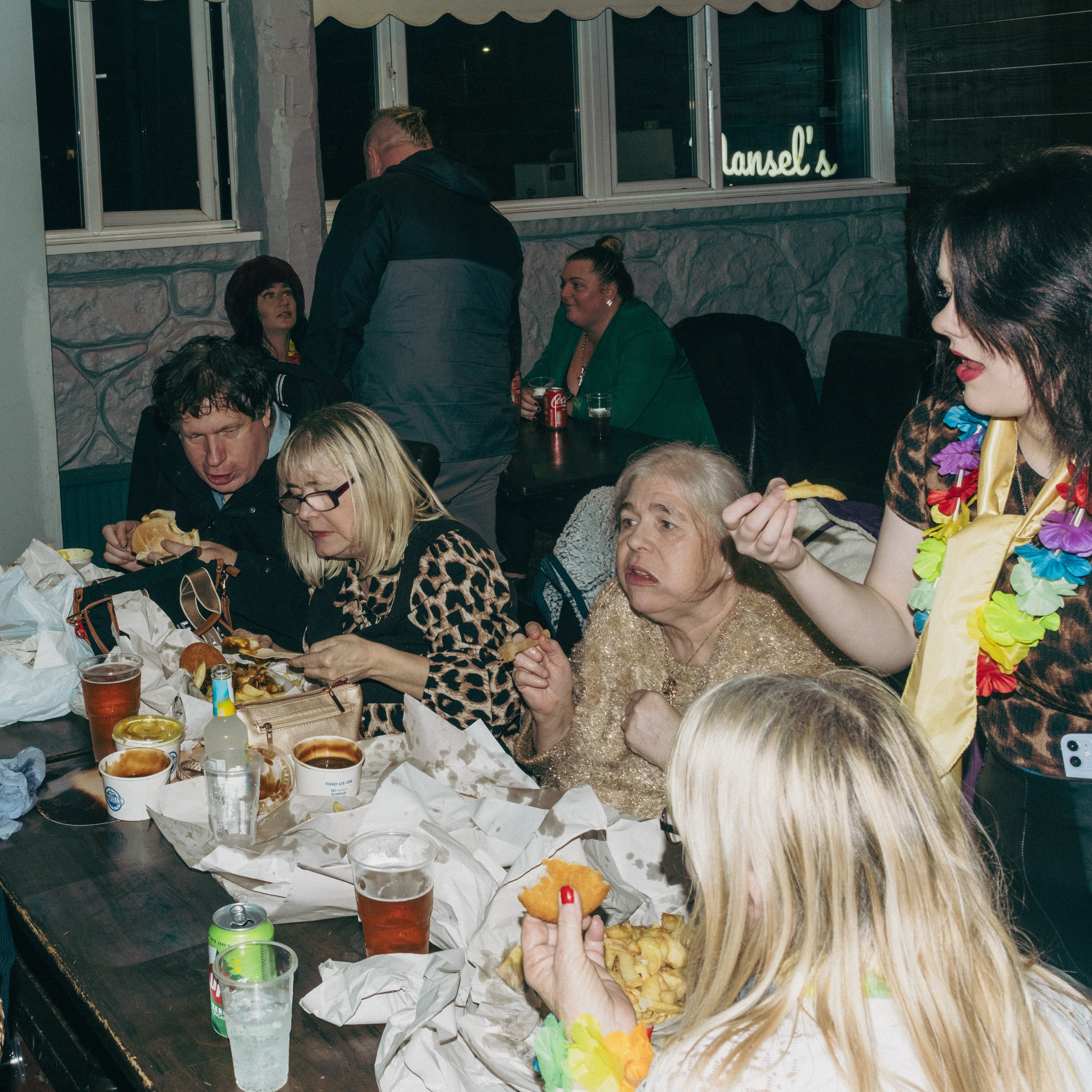
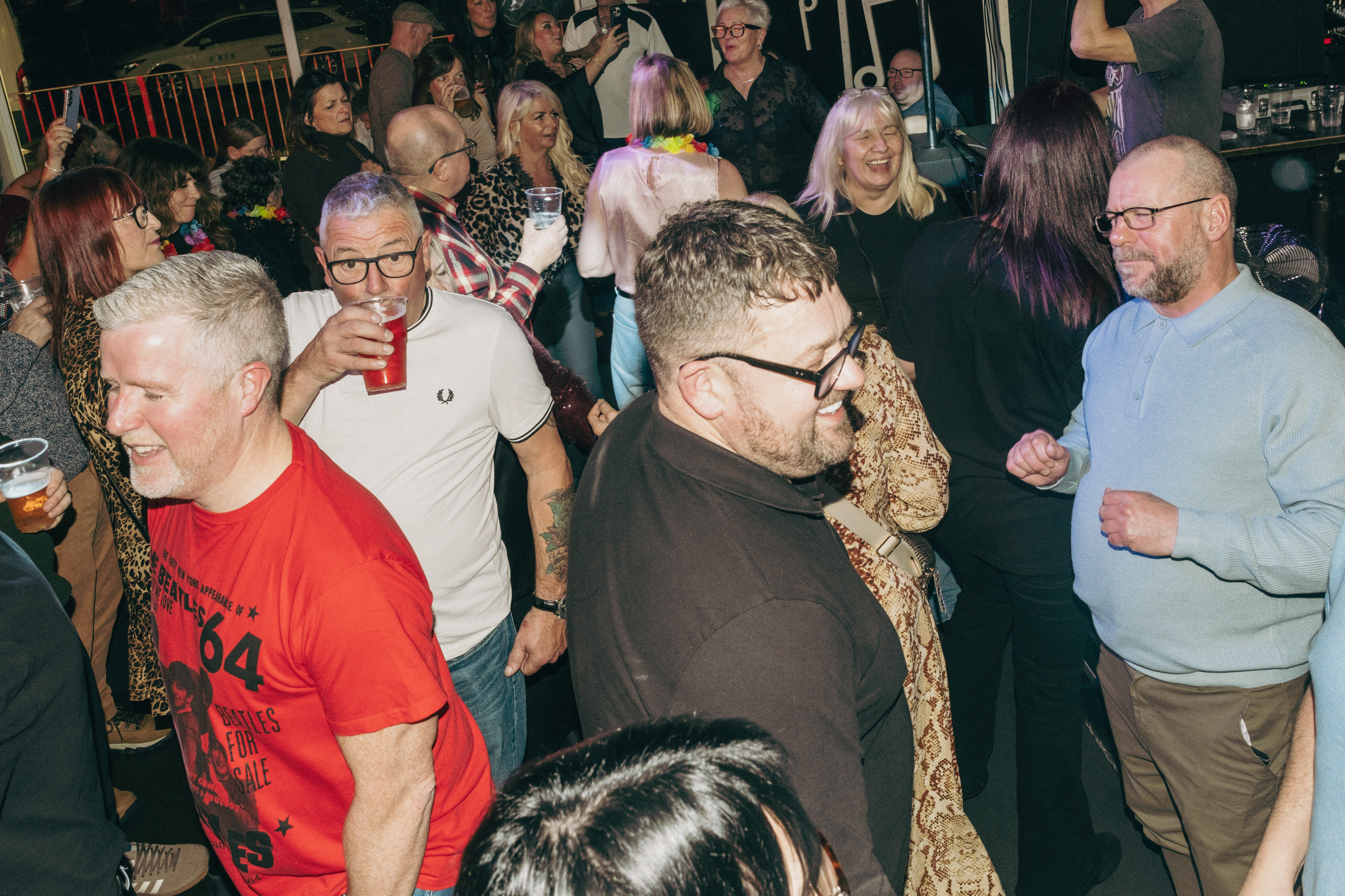
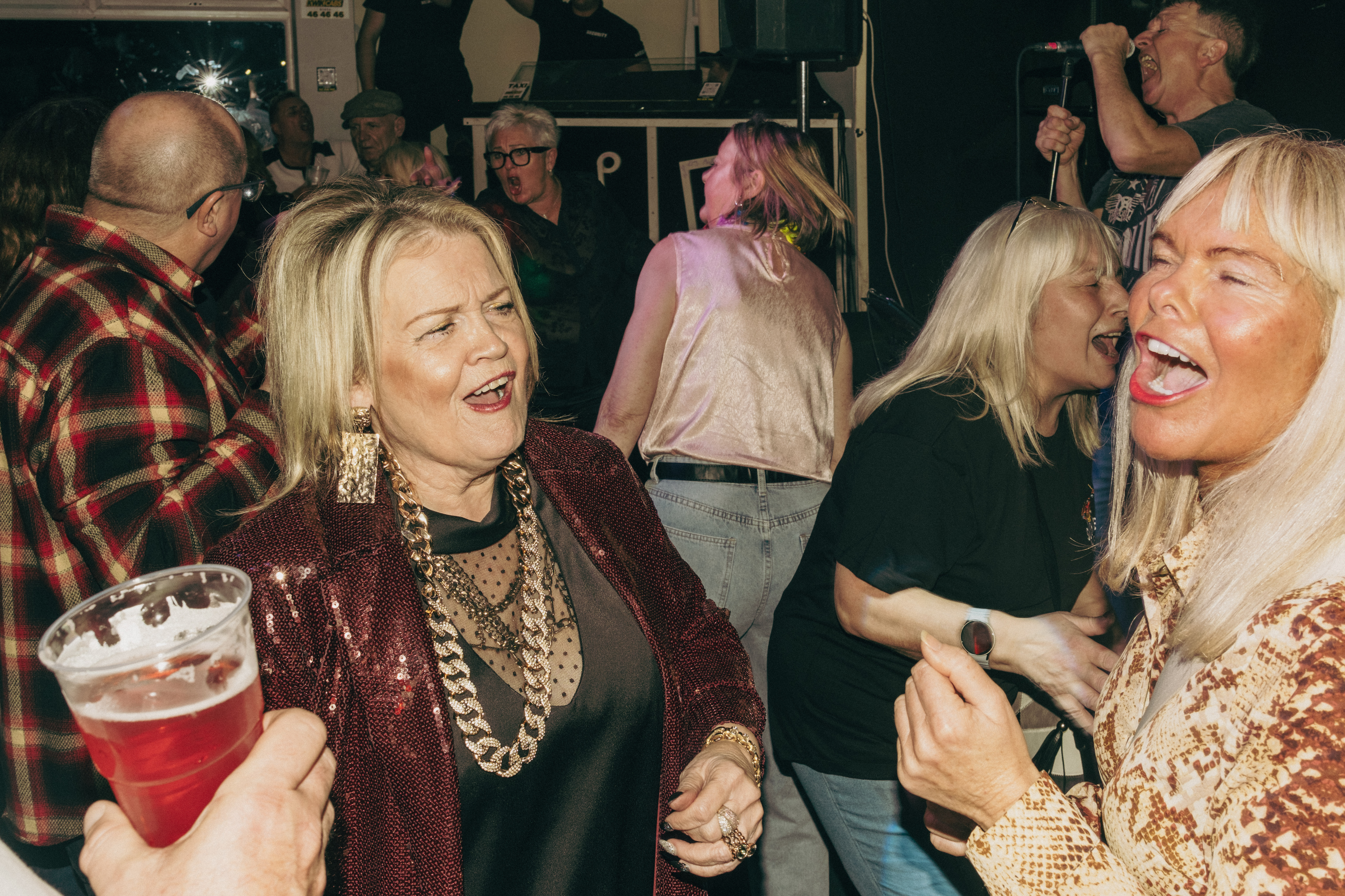
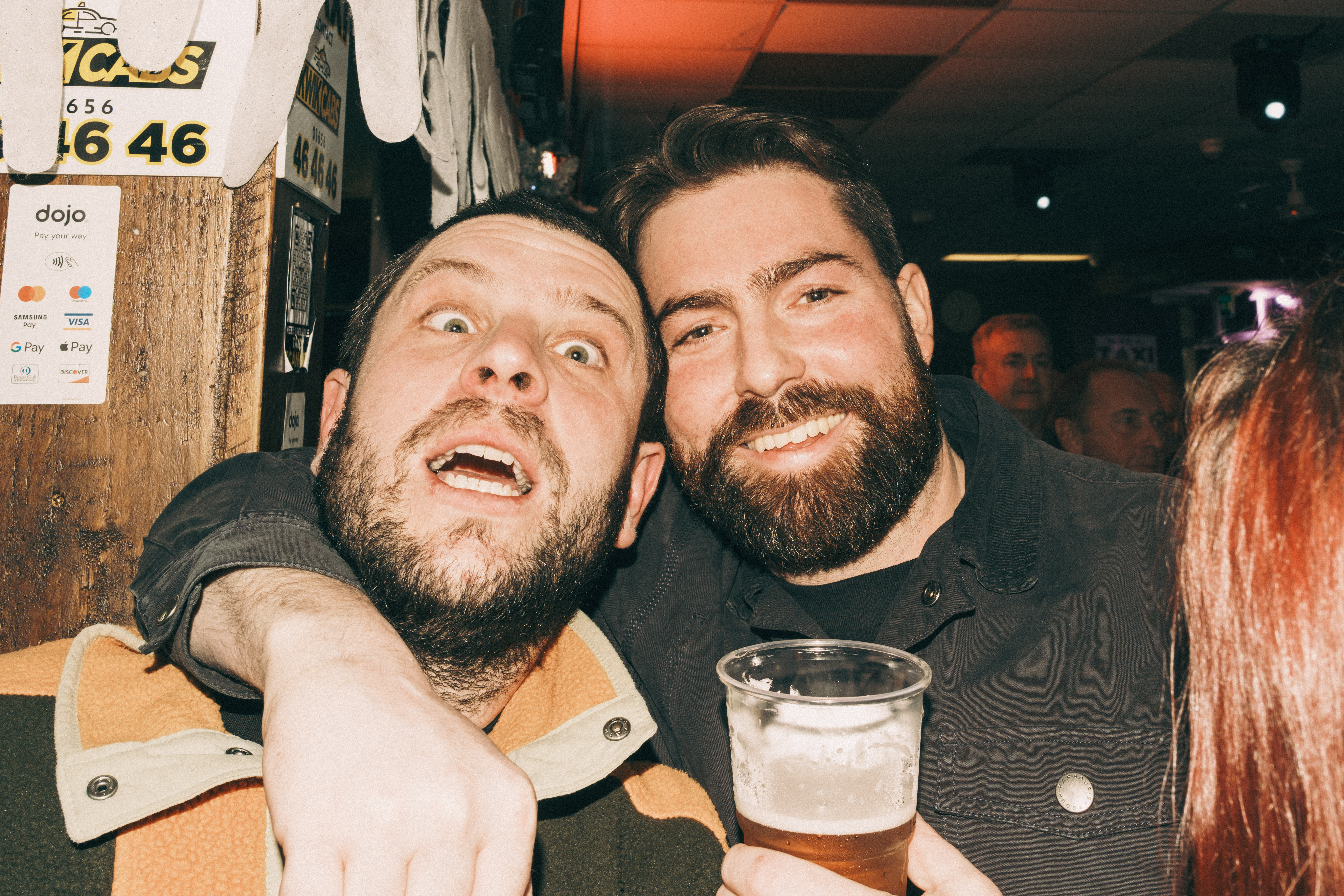
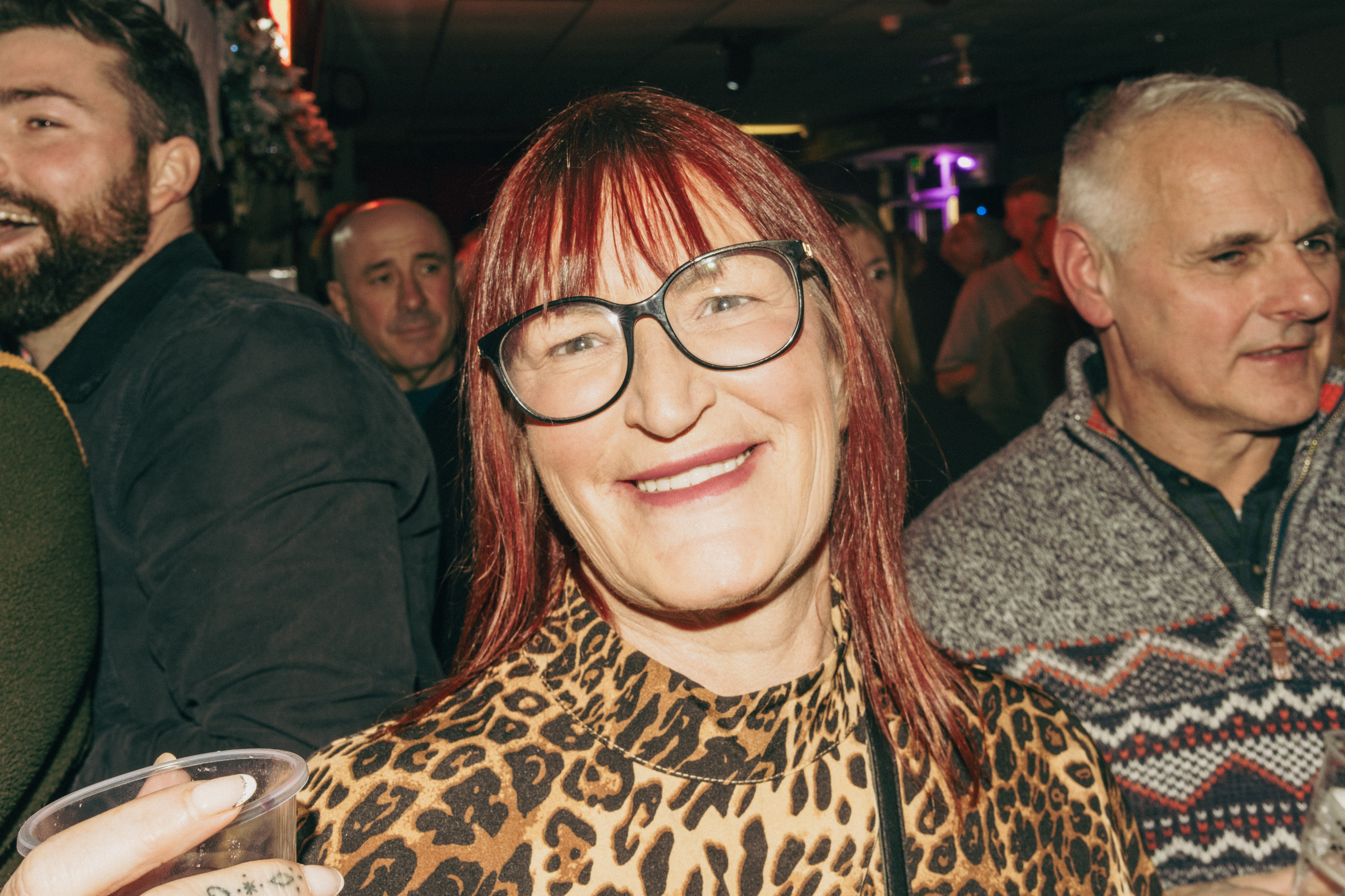
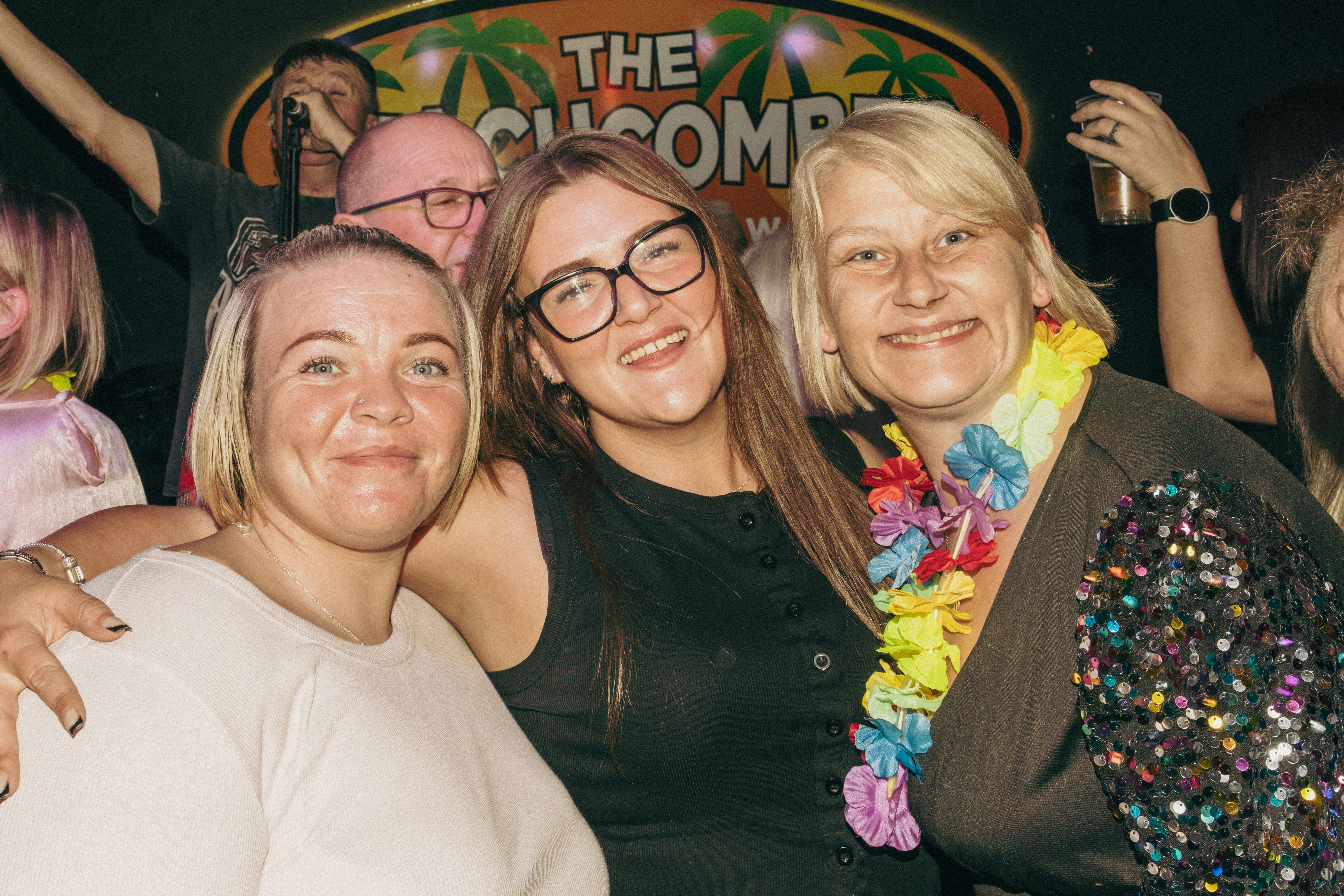
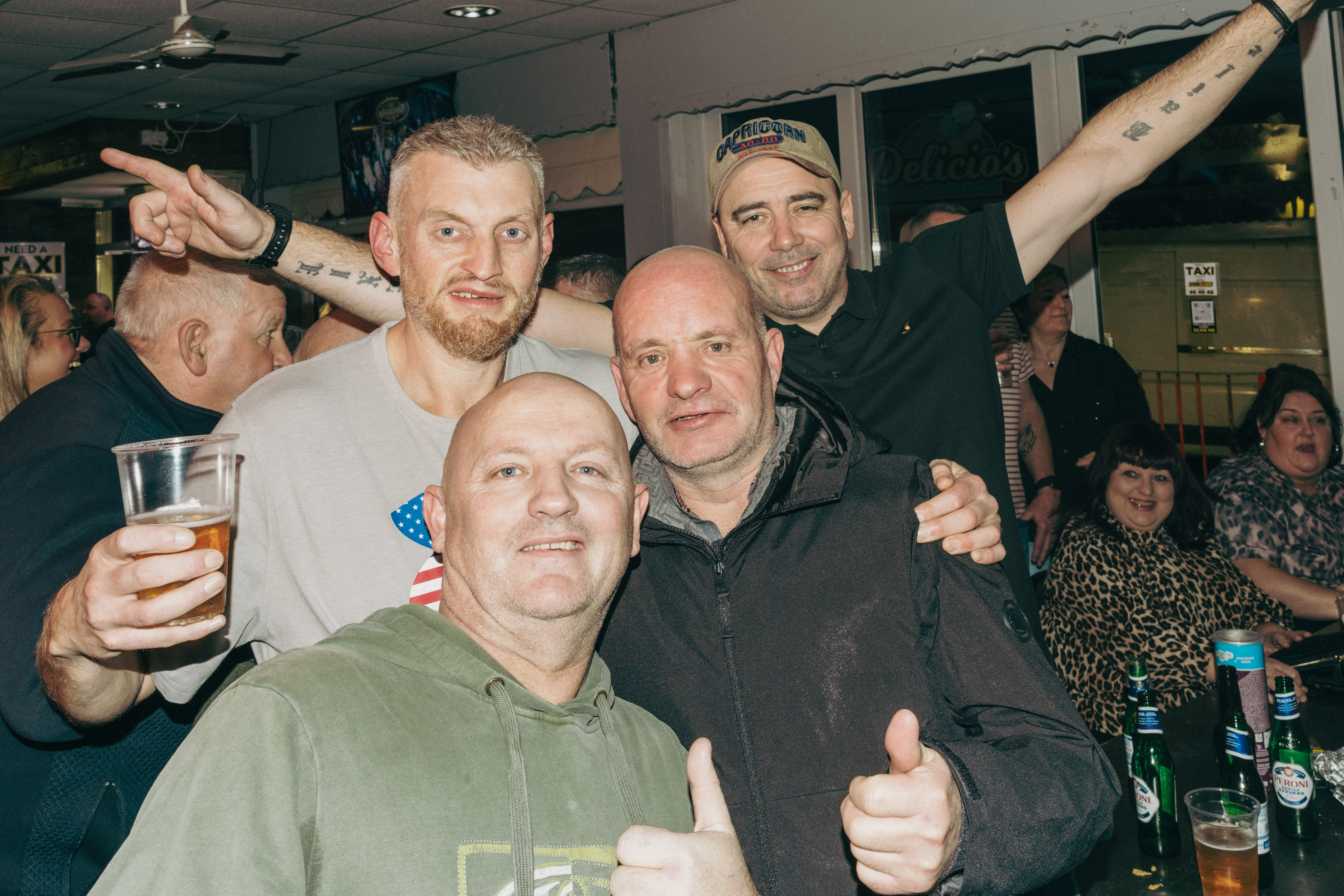
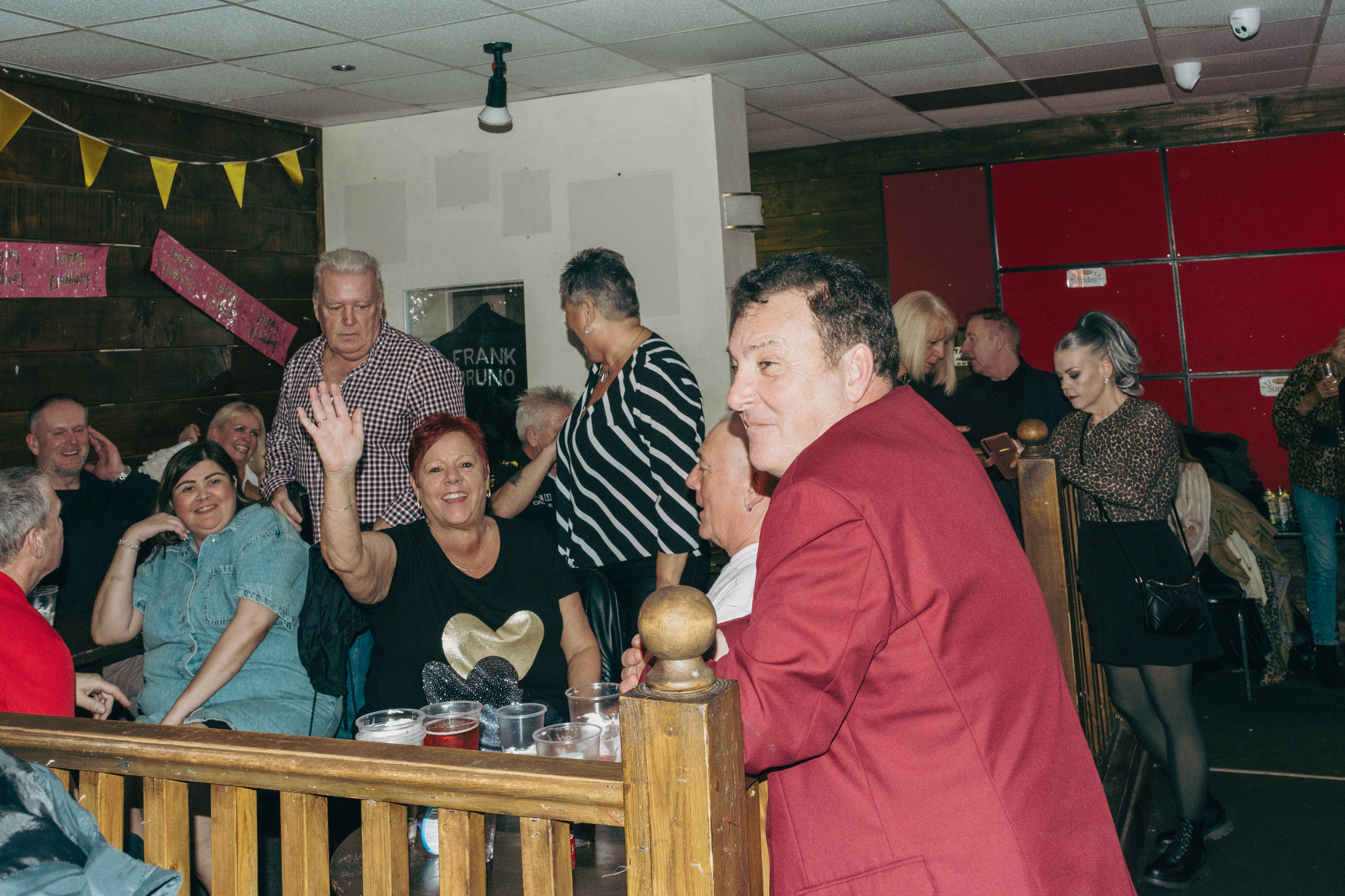
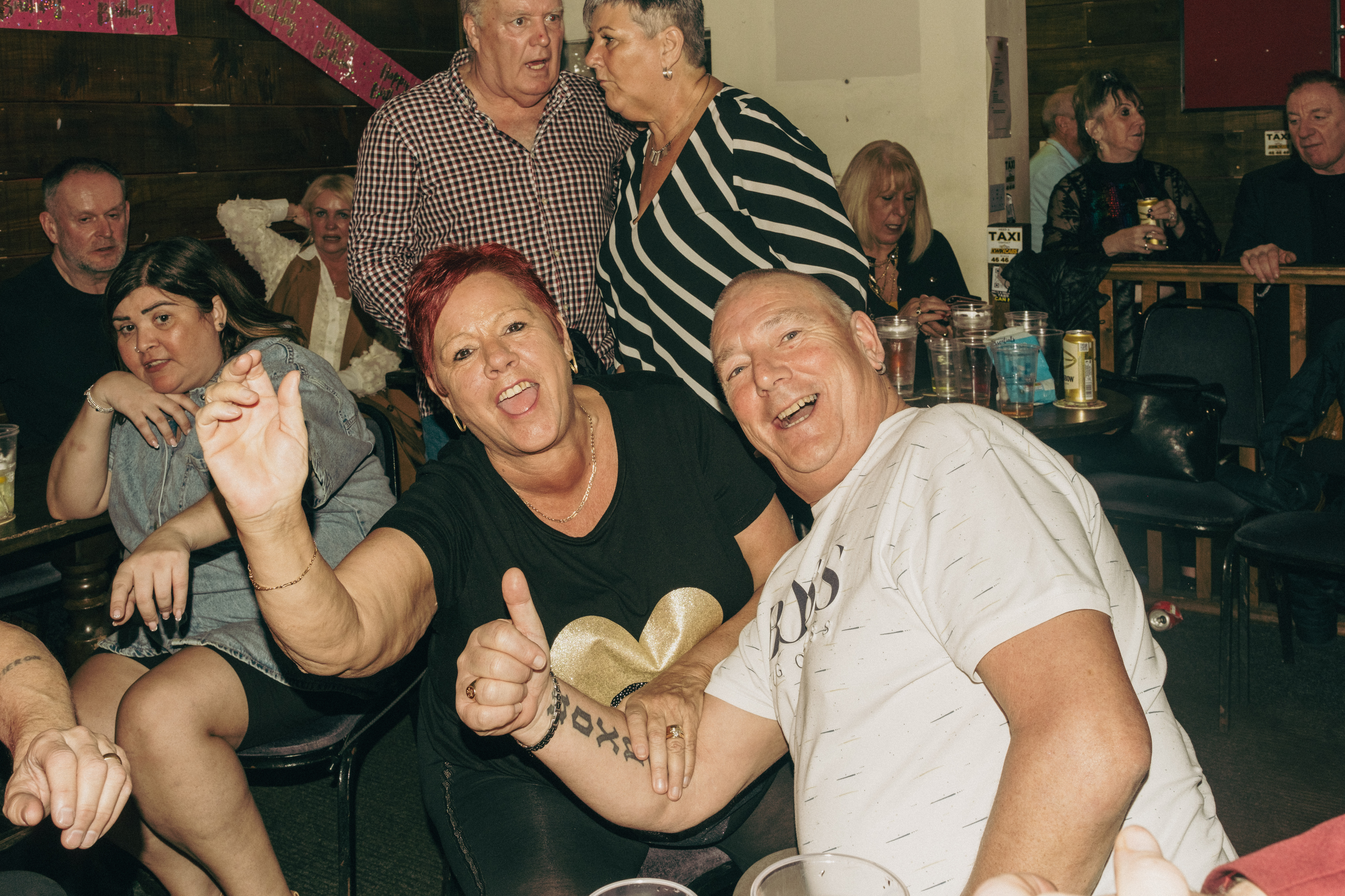
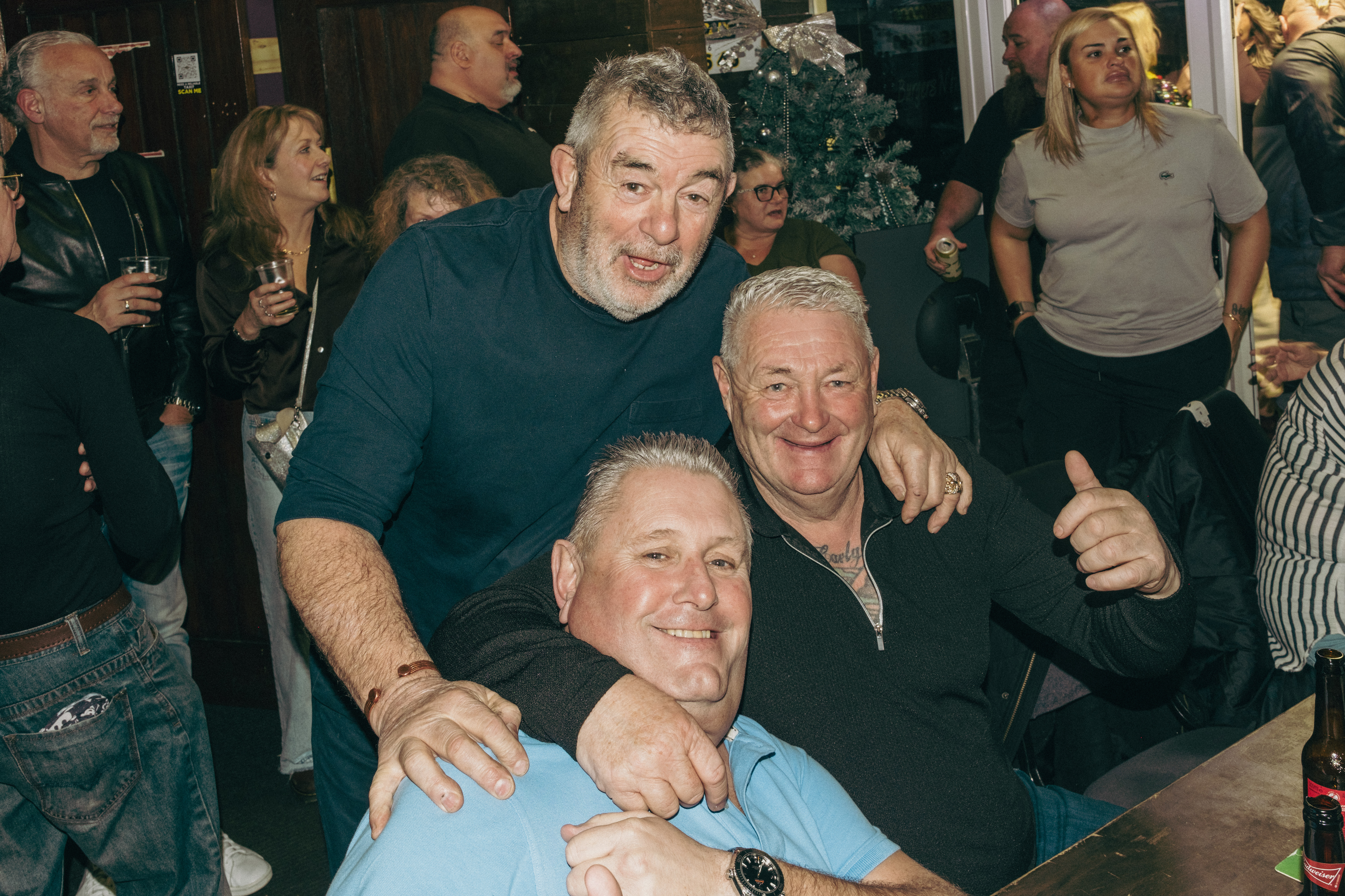
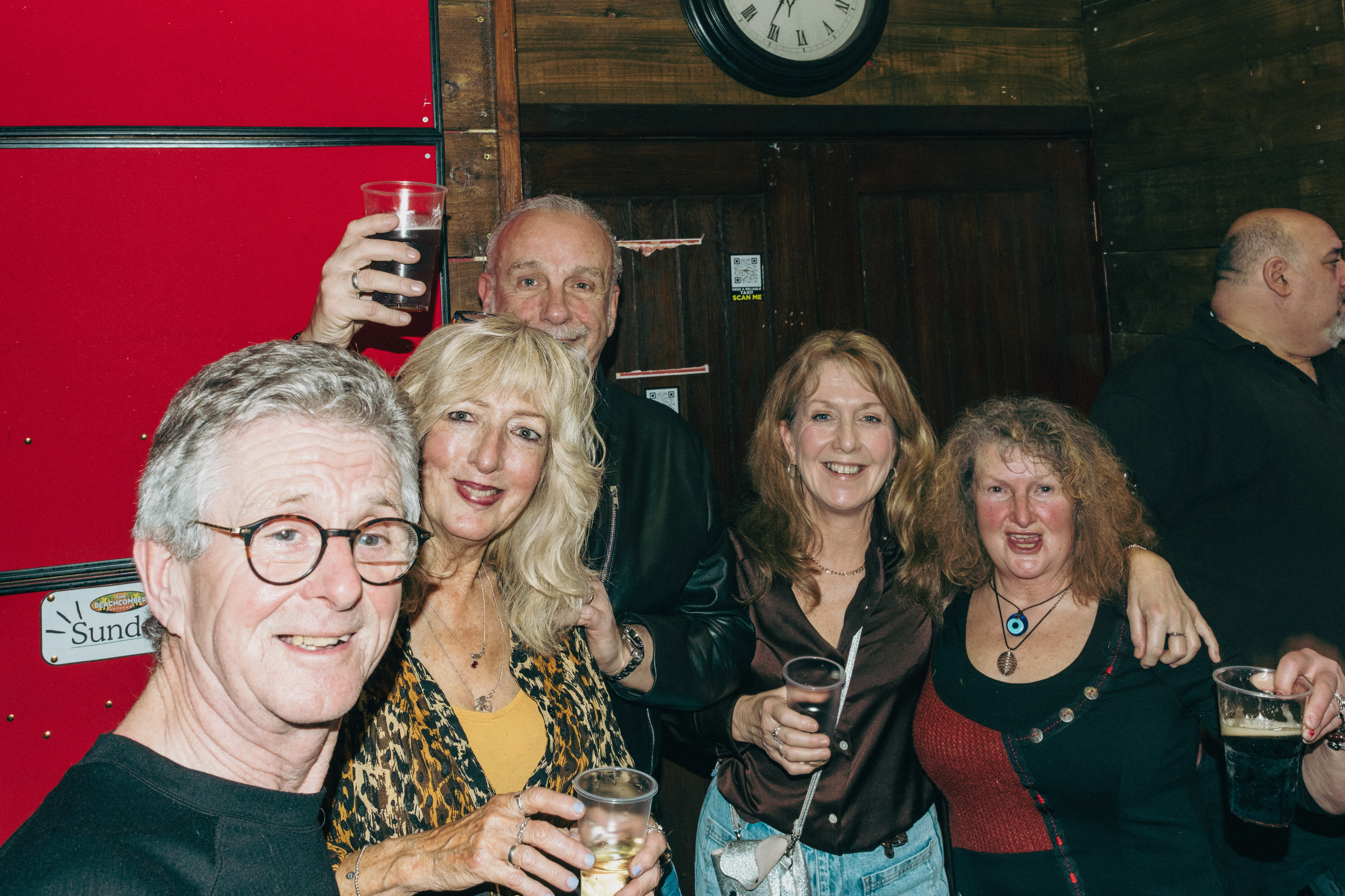
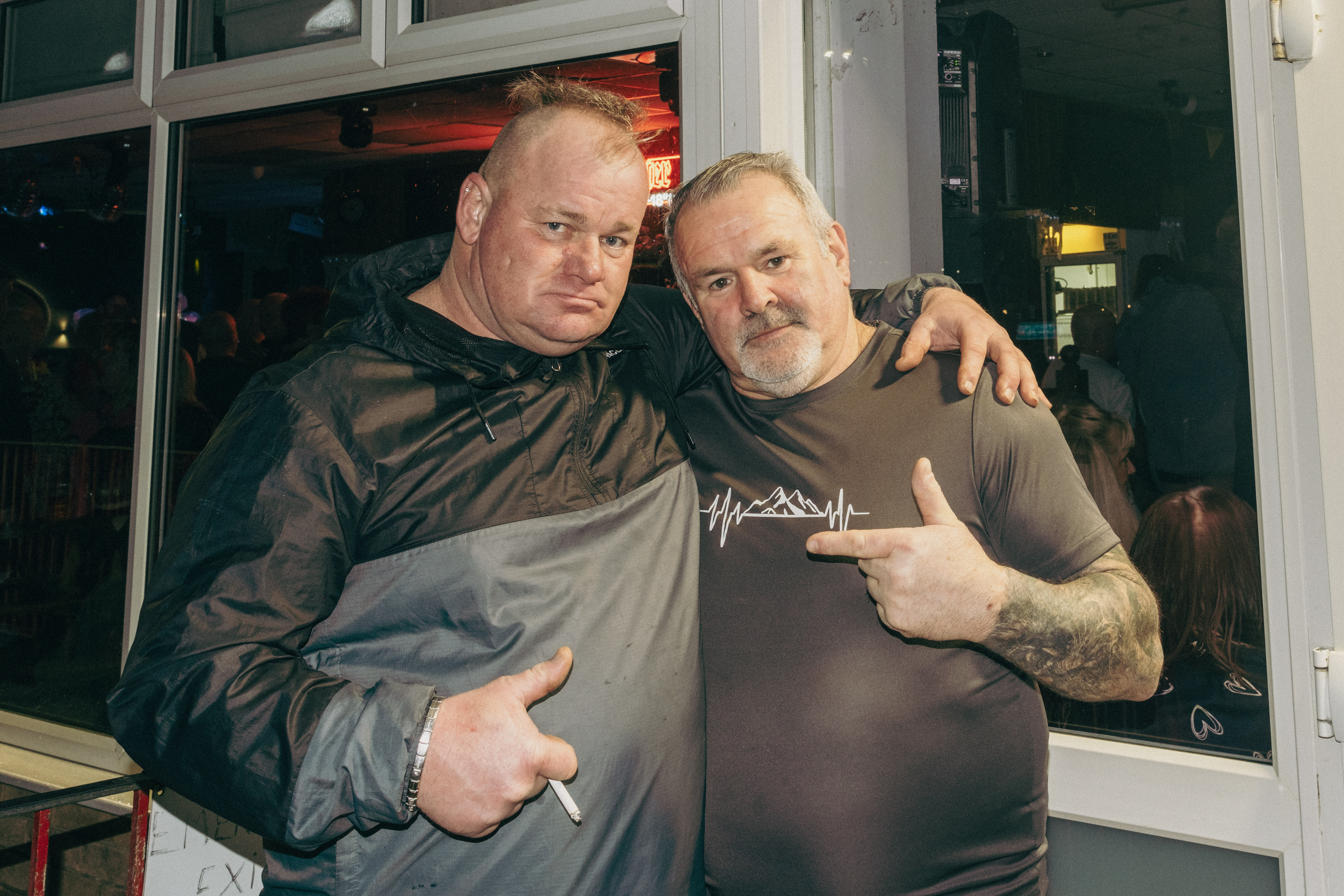
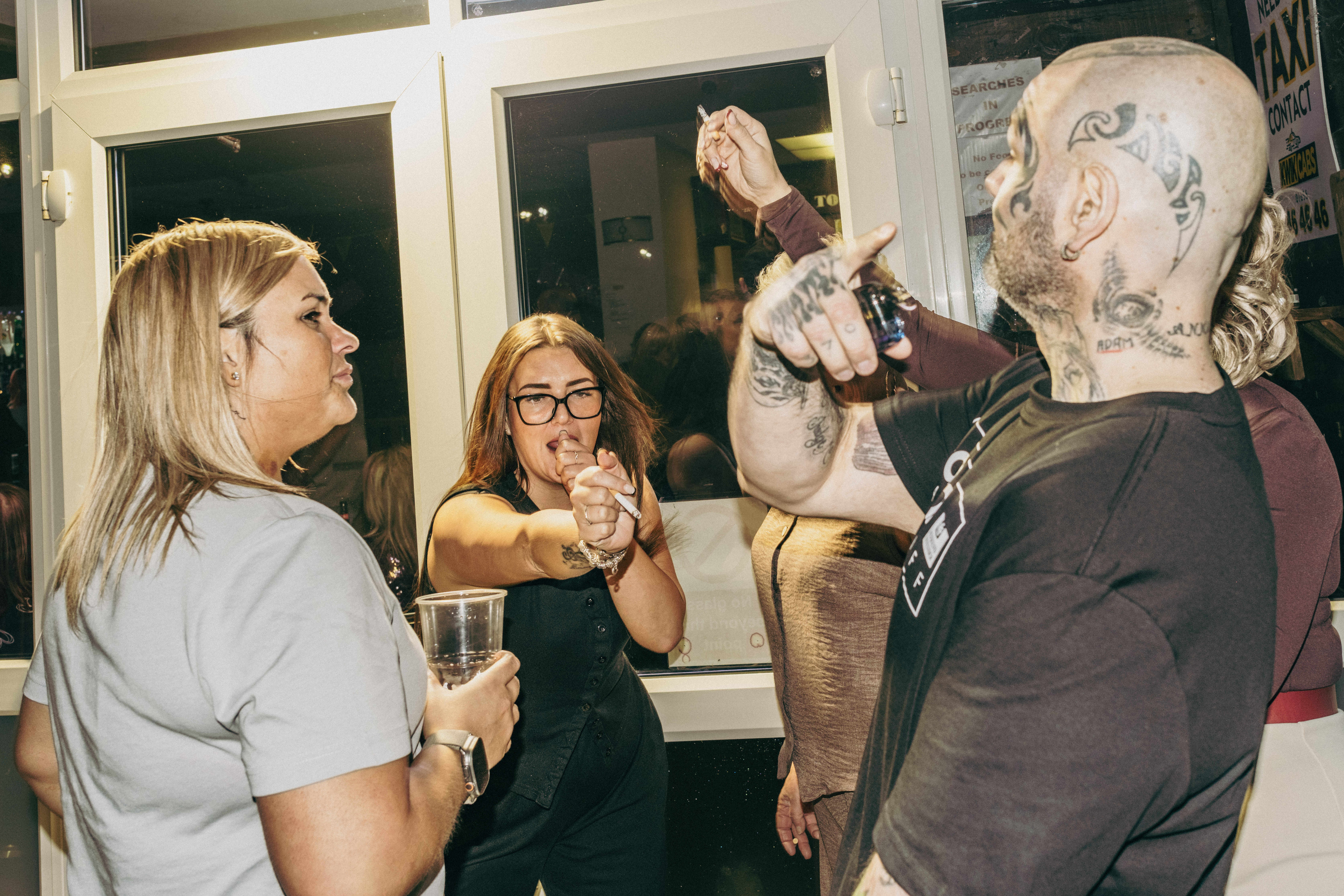
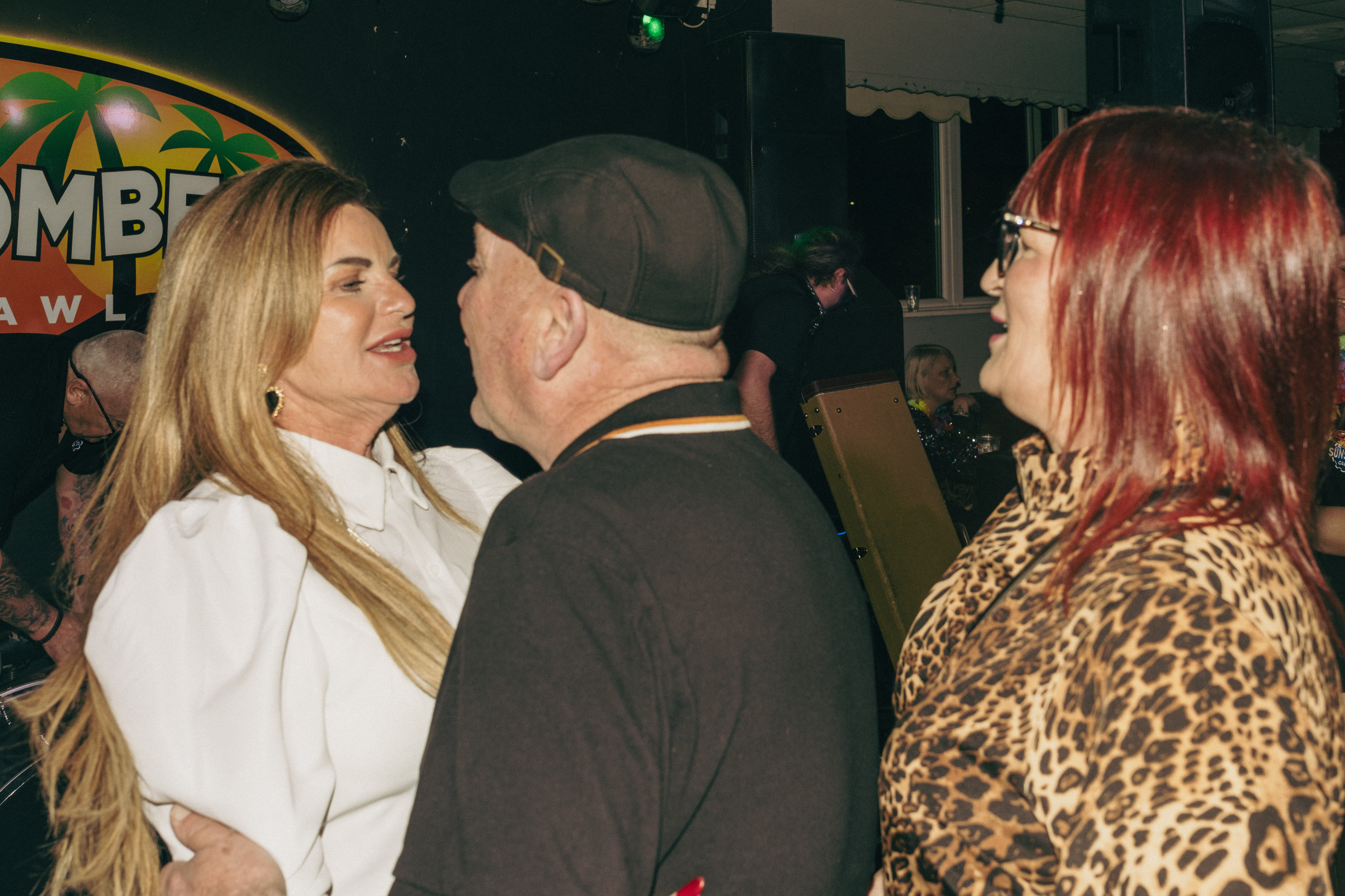
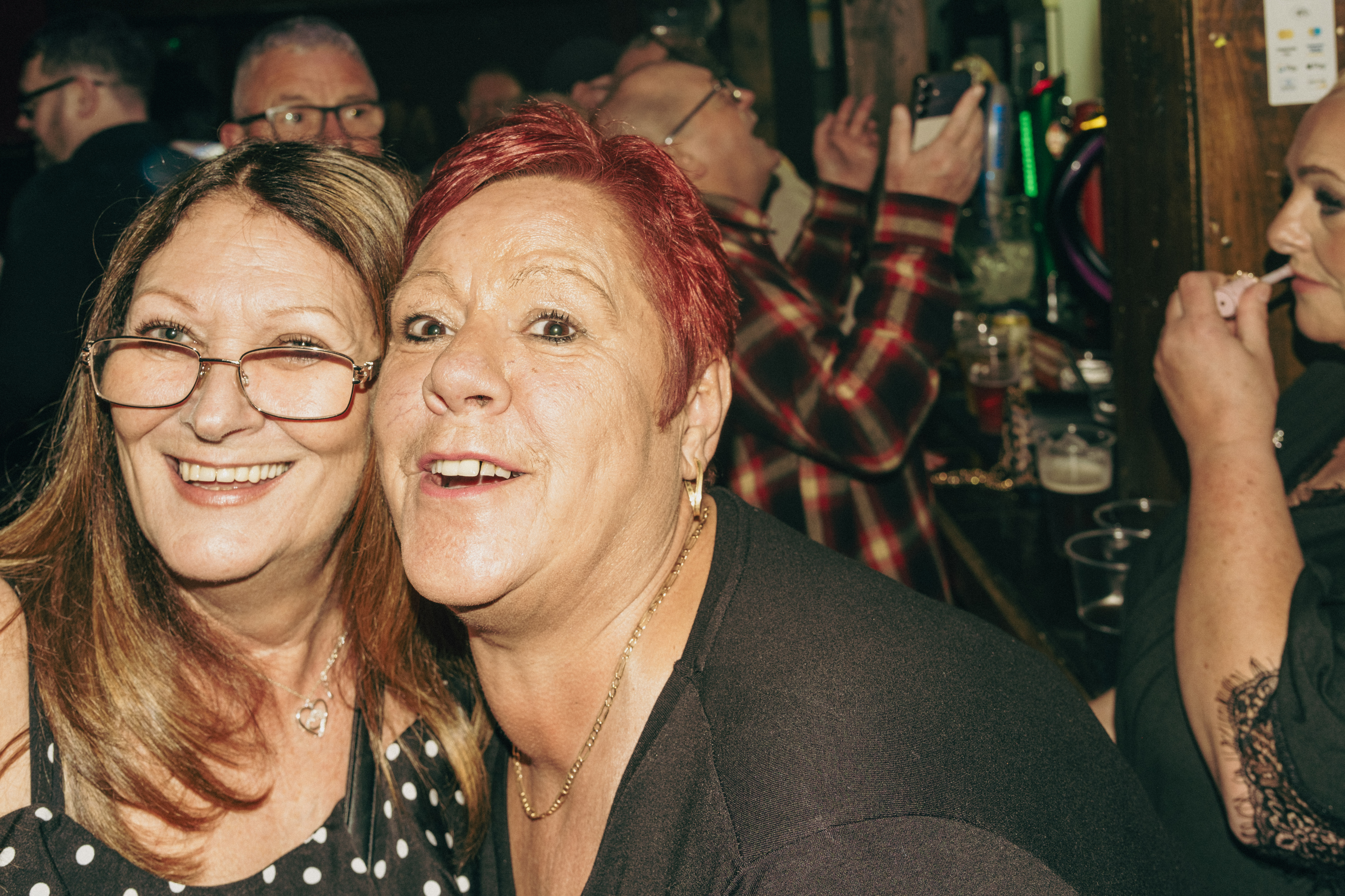
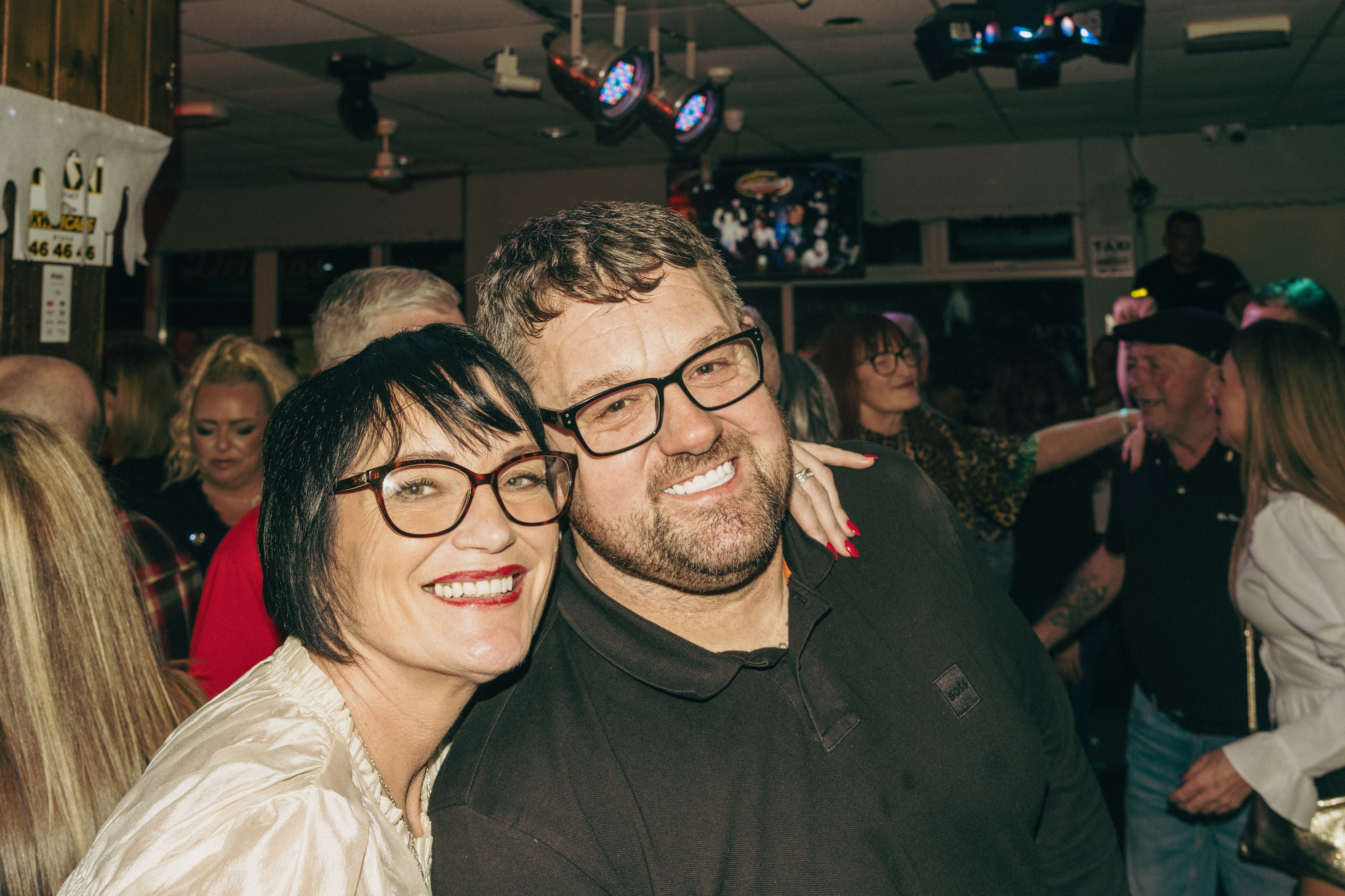
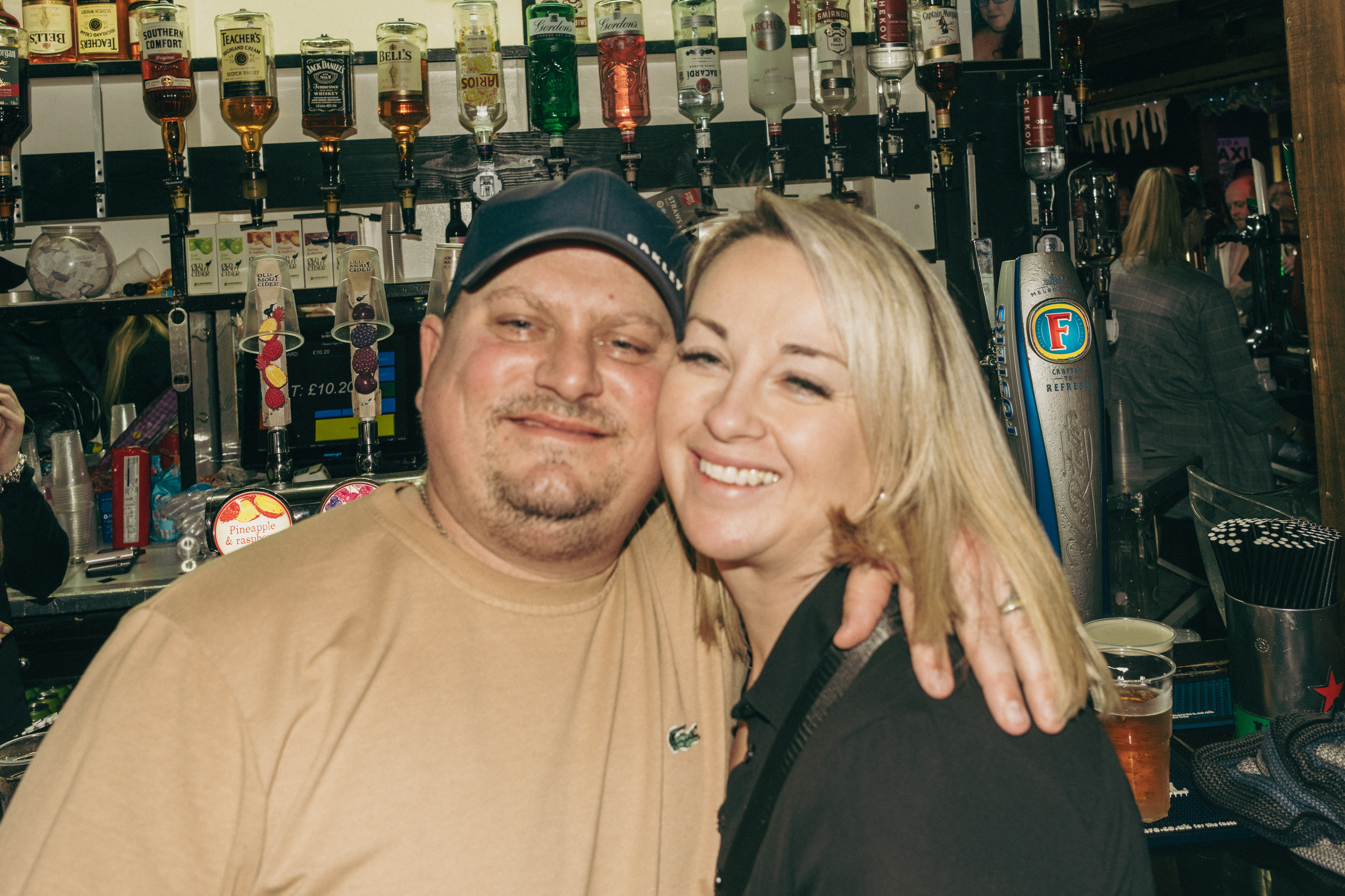
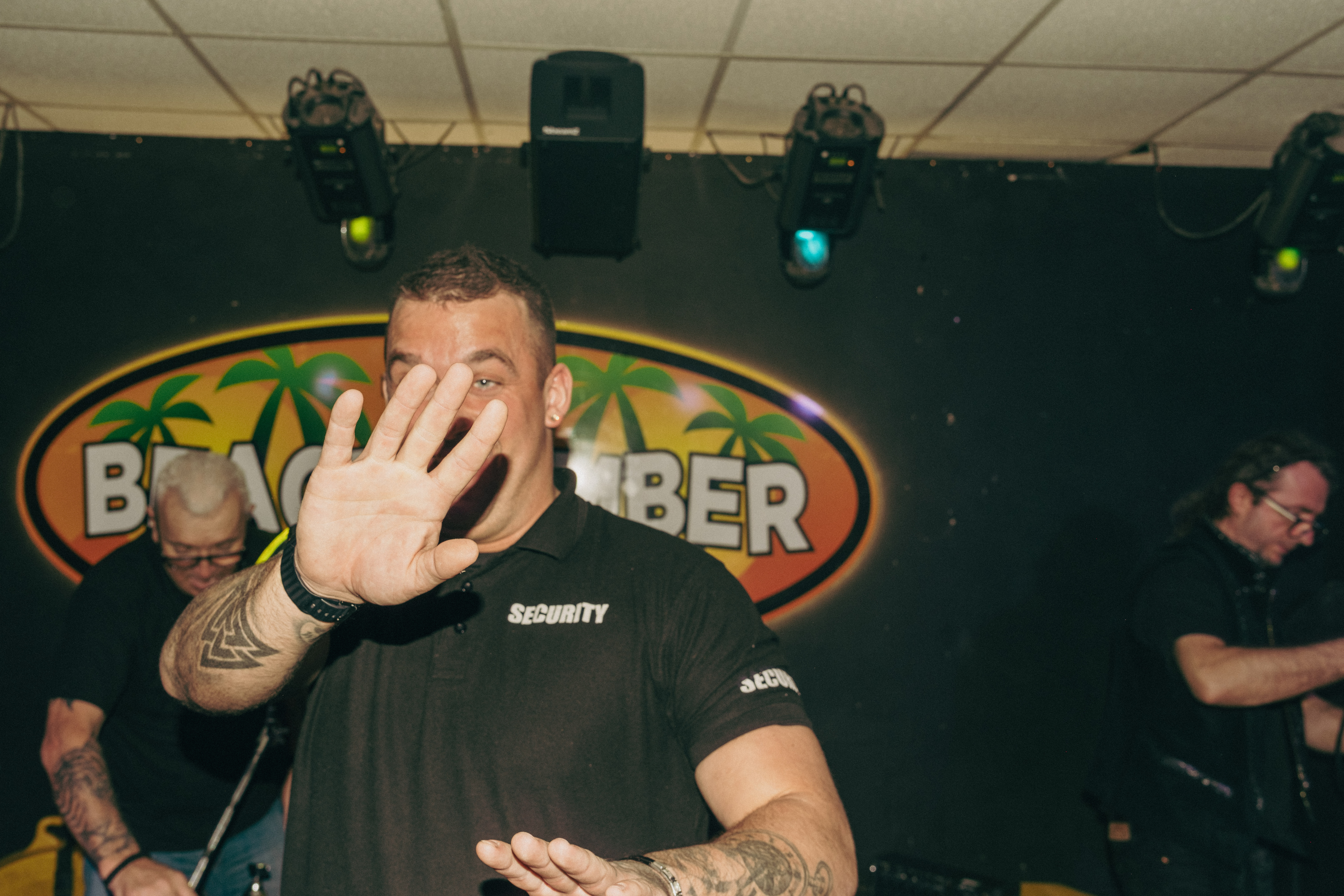
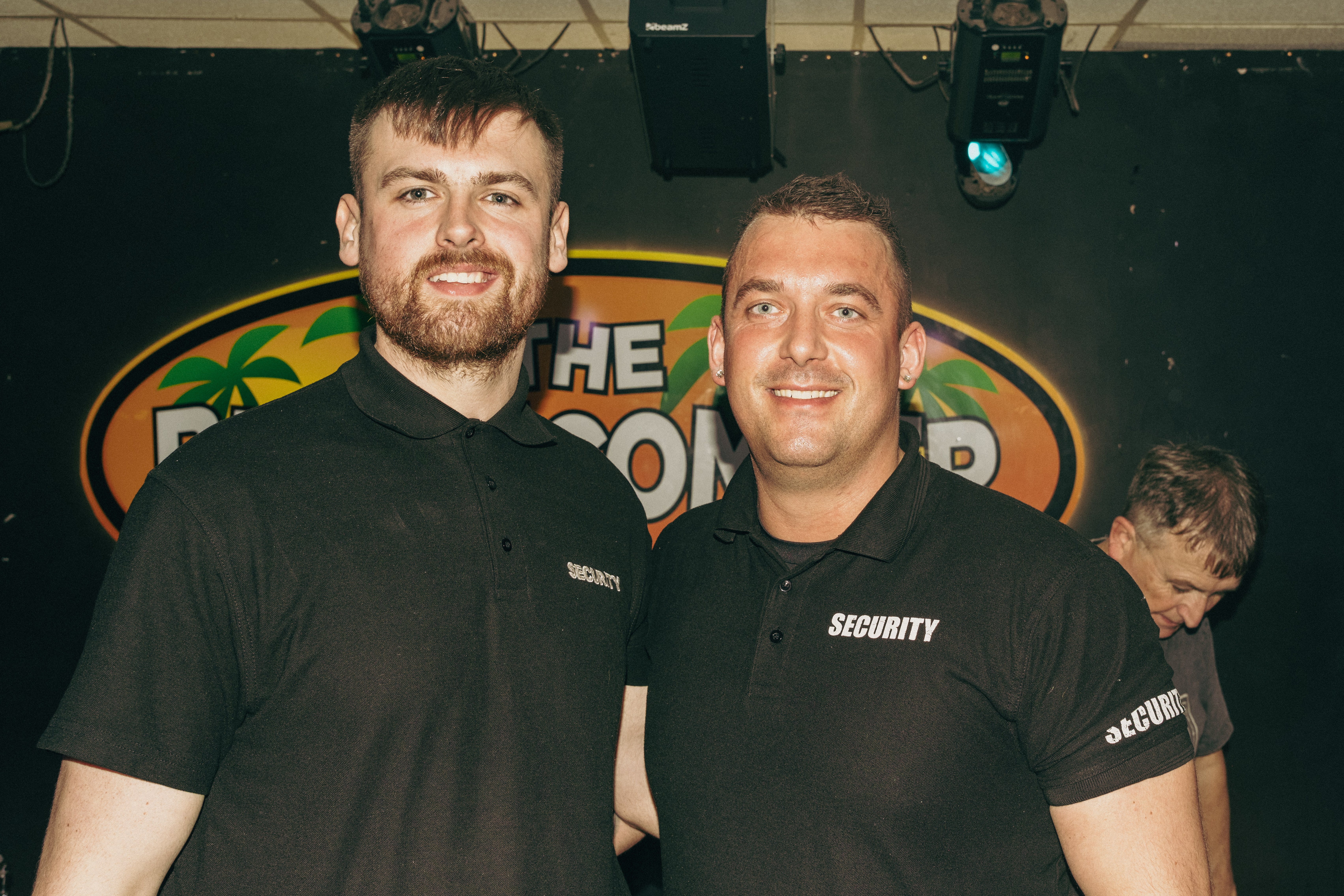
Later, I went back to photograph the final night. It’s not an environment I am wholly comfortable in with a camera. I am always mindful of the line between photography and invasiveness, something a flash does little to soften. Once I started taking pictures, though, it became clear that people were more than happy to be photographed.
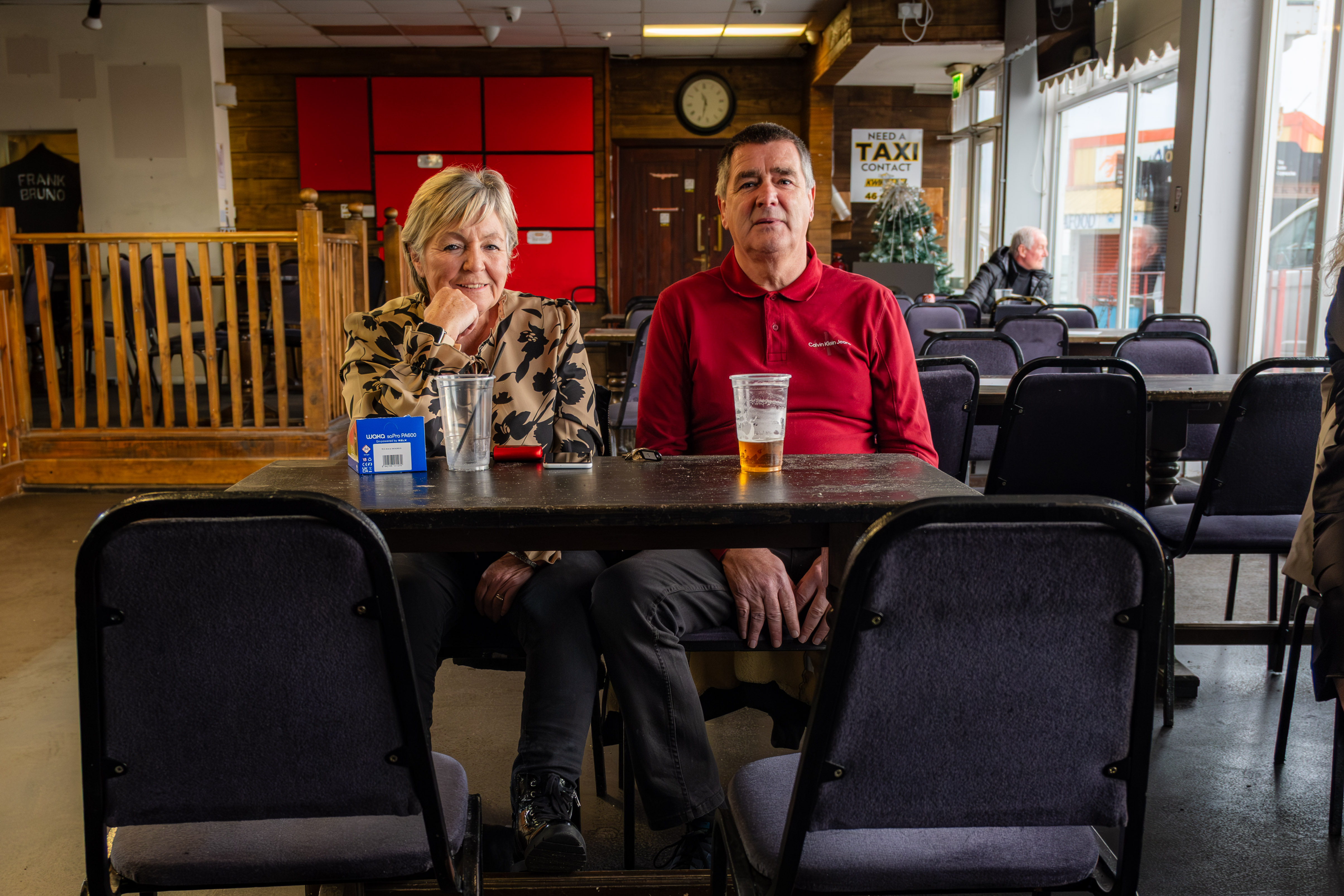
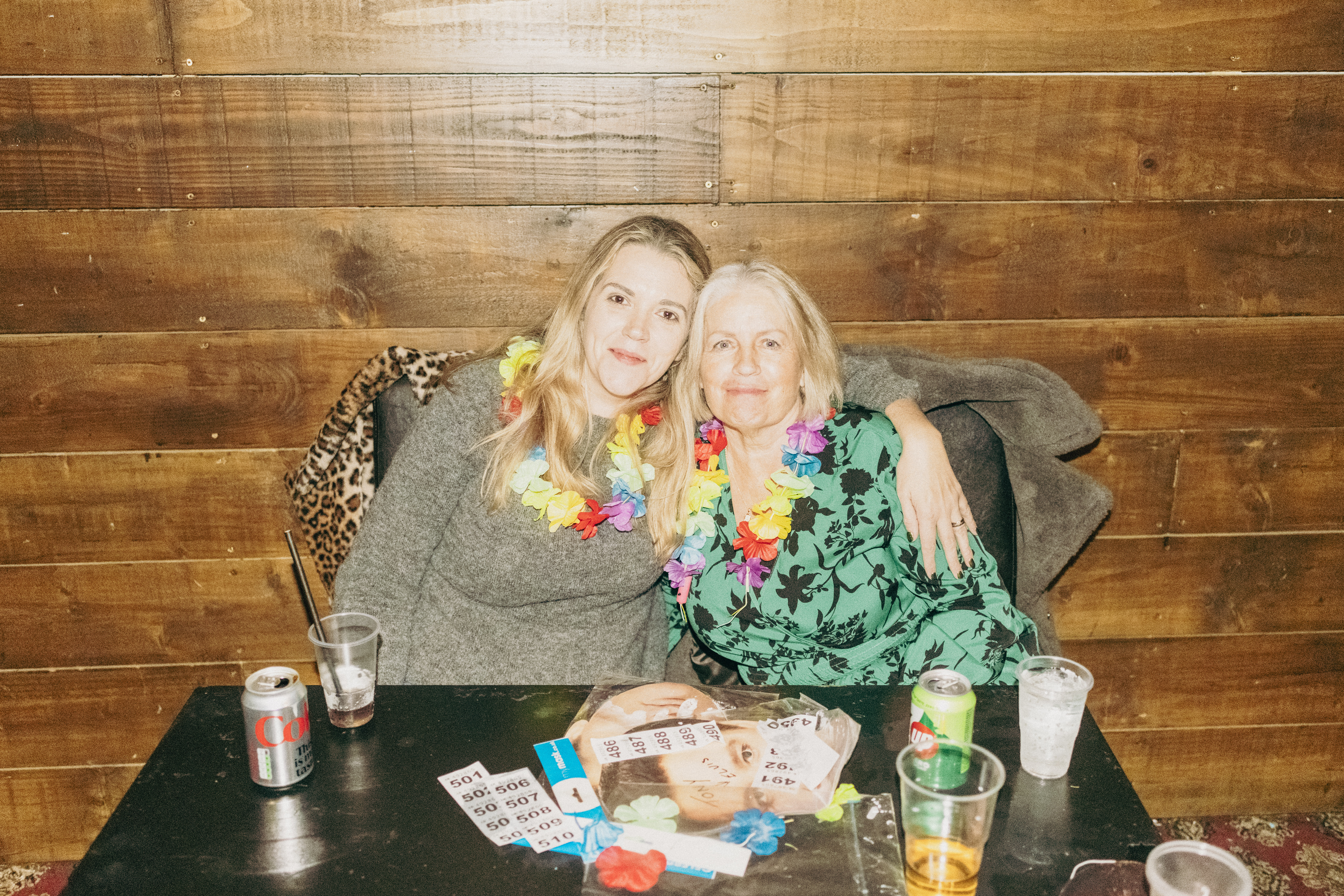
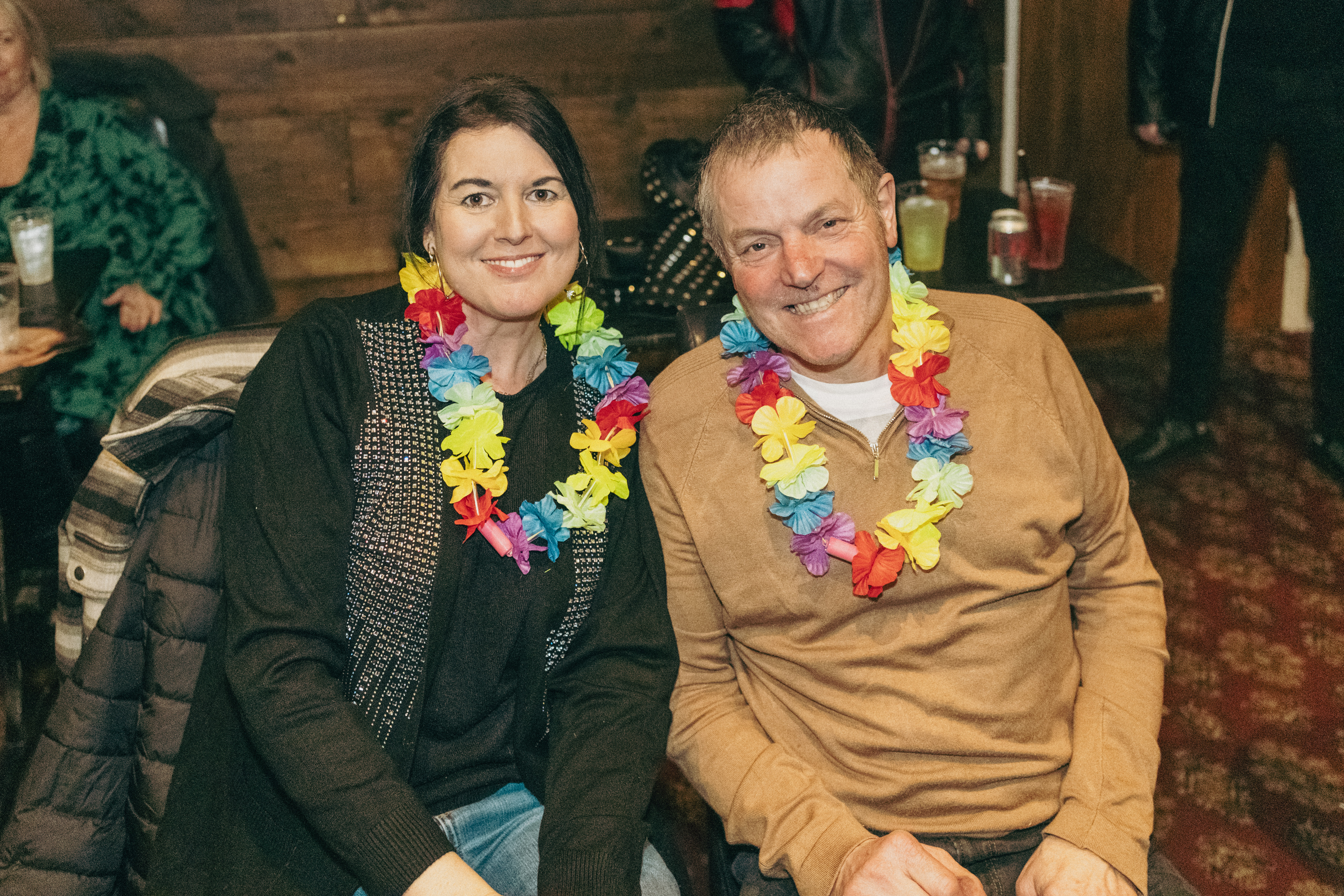
What stayed with me most were the stories. One couple, who had been there since opening that day, were staying in a nearby bed and breakfast. They have a caravan in Trecco Bay, and the Beachcomber had always been their local when they were in town. Since Trecco was closed, they stayed elsewhere, just to be there one last time. Another spoke about coming here after shifts at the fair, also now gone. Someone else had flown back from Greece simply to say goodbye.
I didn’t stay long. I’m too old for late nights now. But it was clear this was more than just the closing of a pub. It was the closing of a chapter. Places like this hold fragments of people’s lives: routines, relationships, versions of themselves that only existed within those walls. By morning, it would just be another empty building, waiting for whatever comes next.
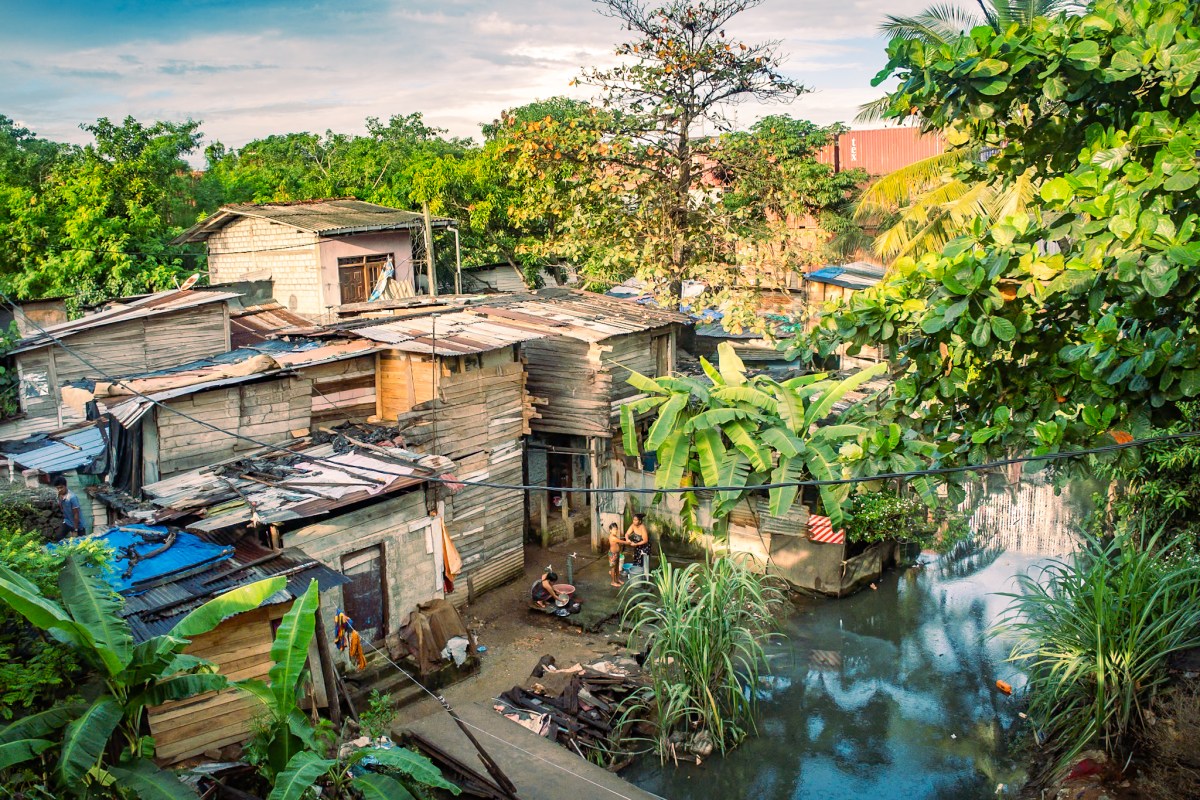
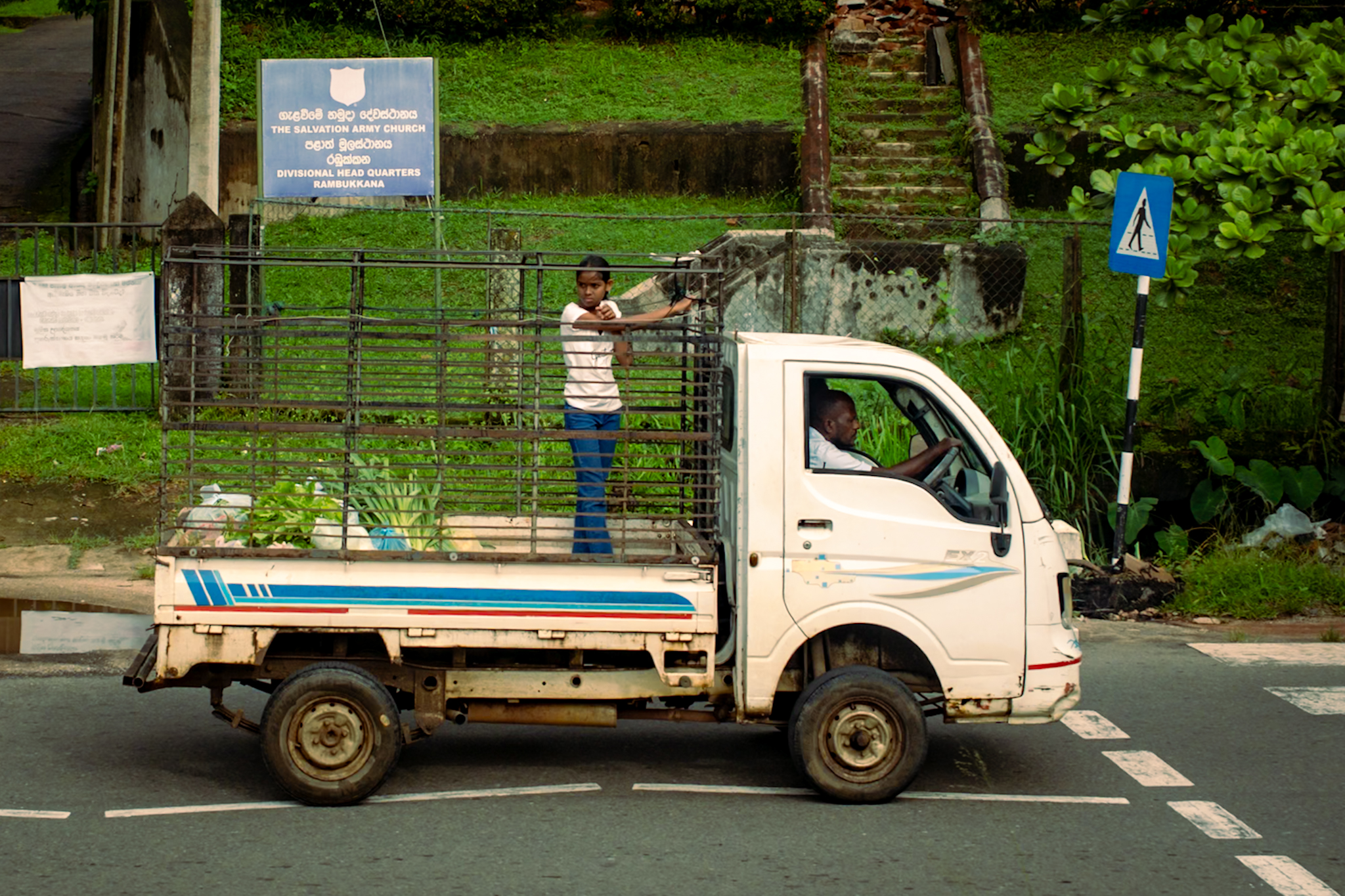
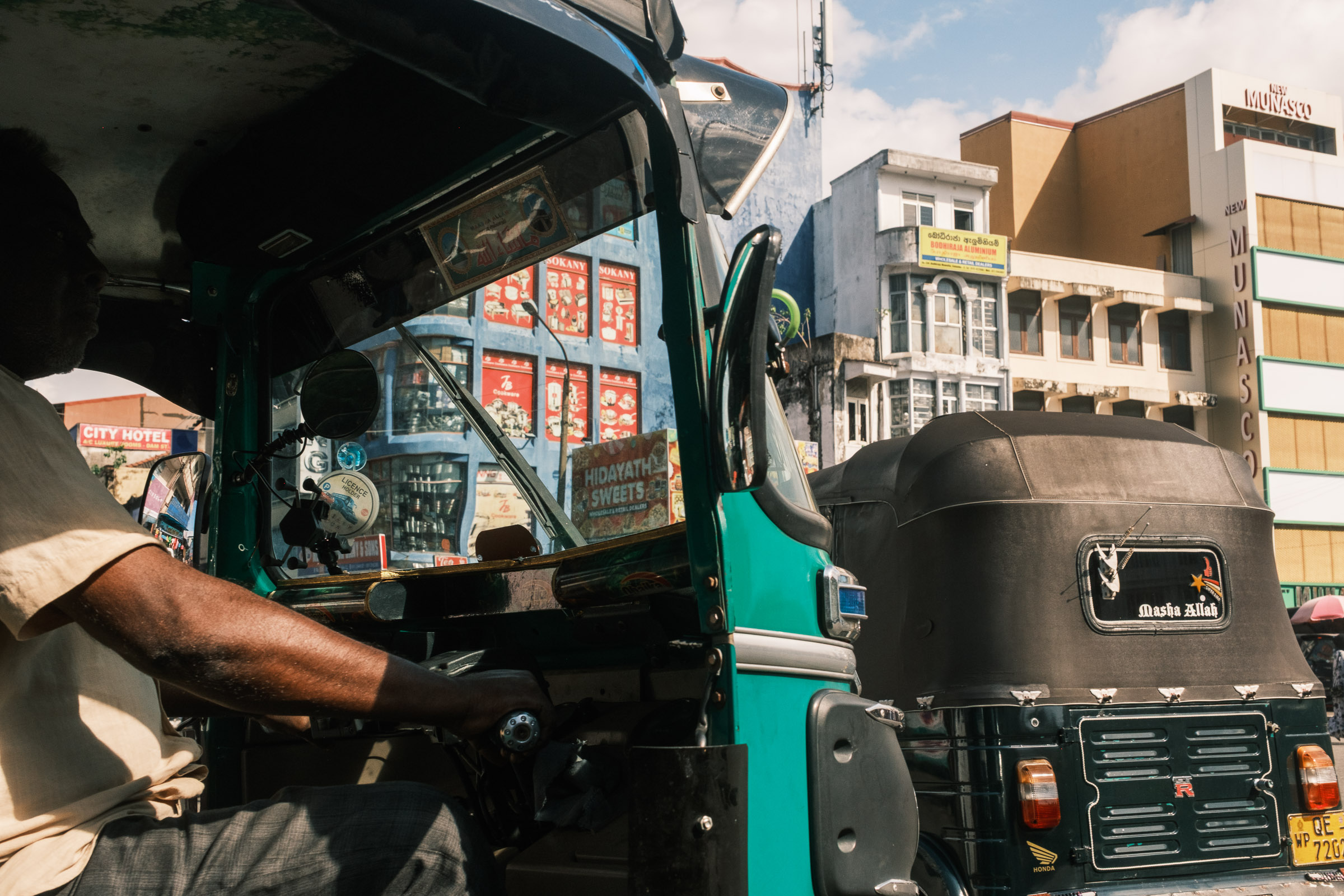
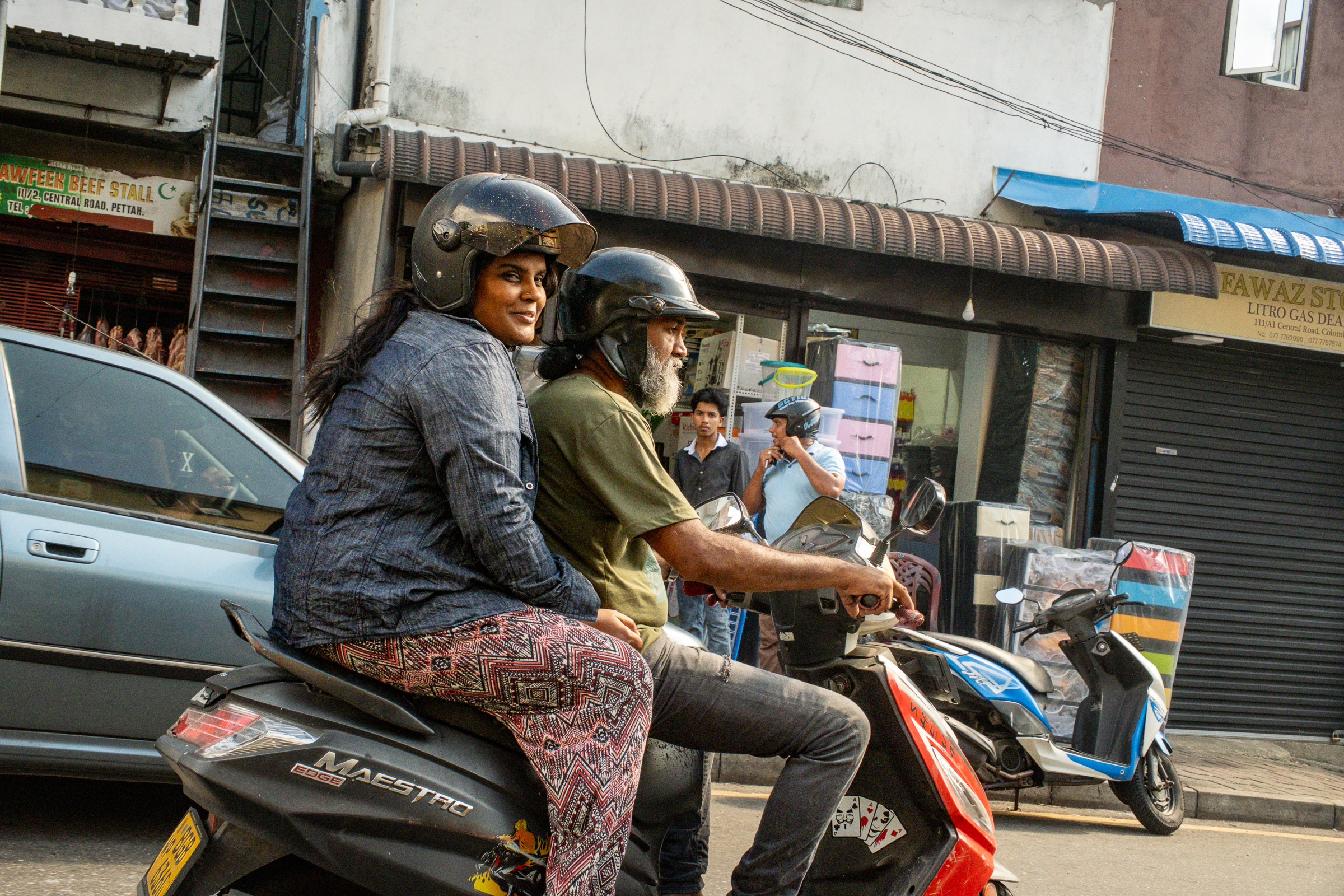
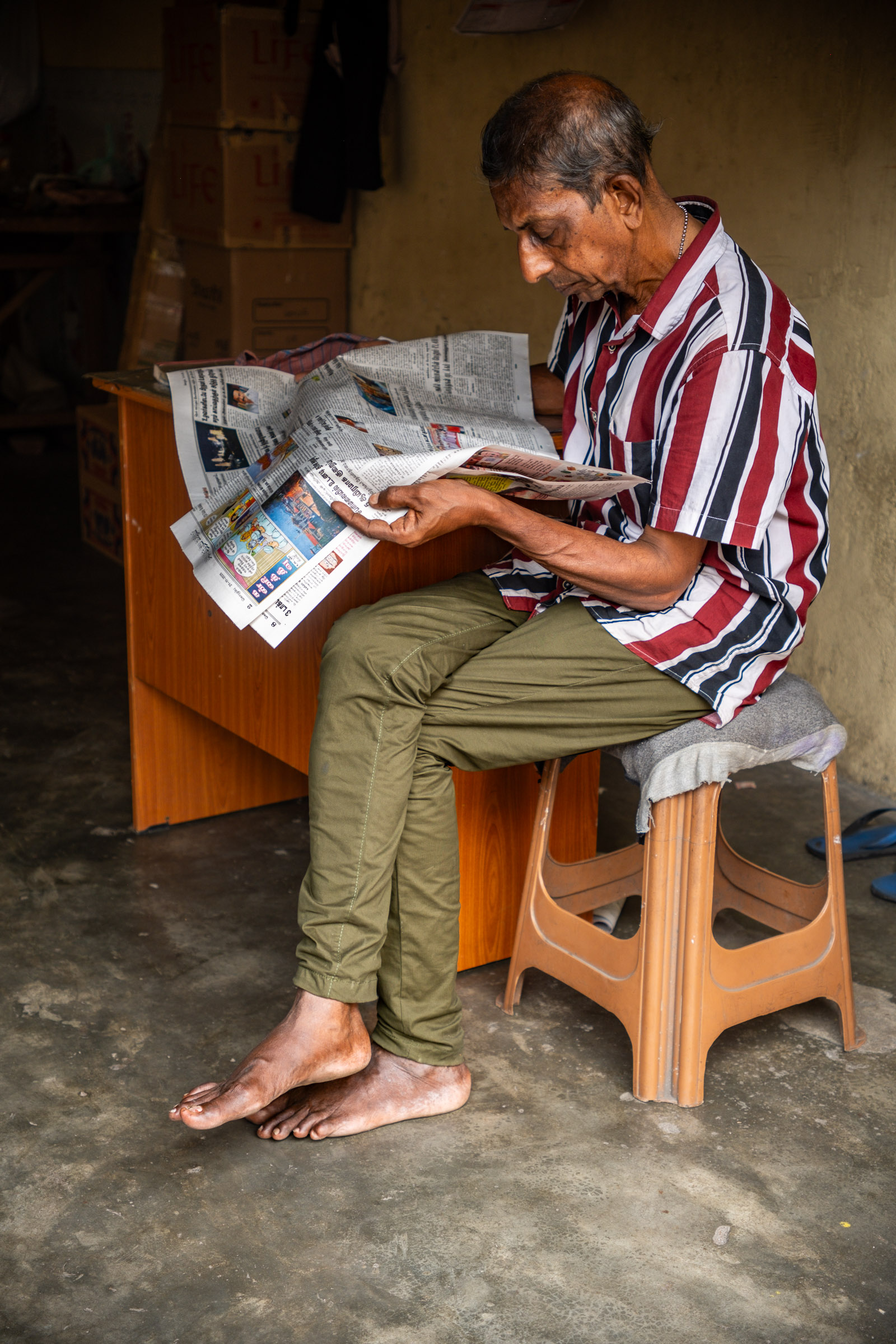
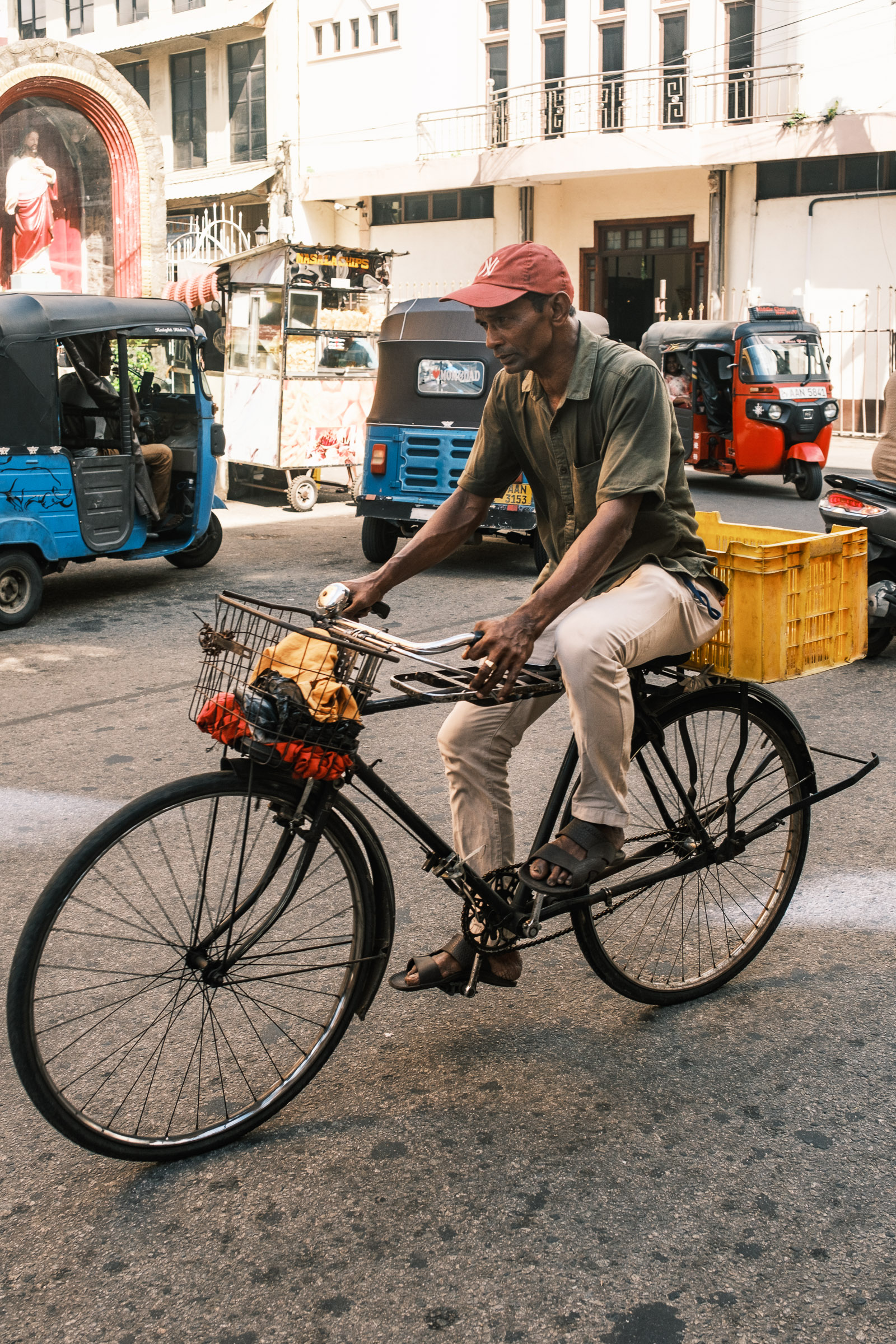
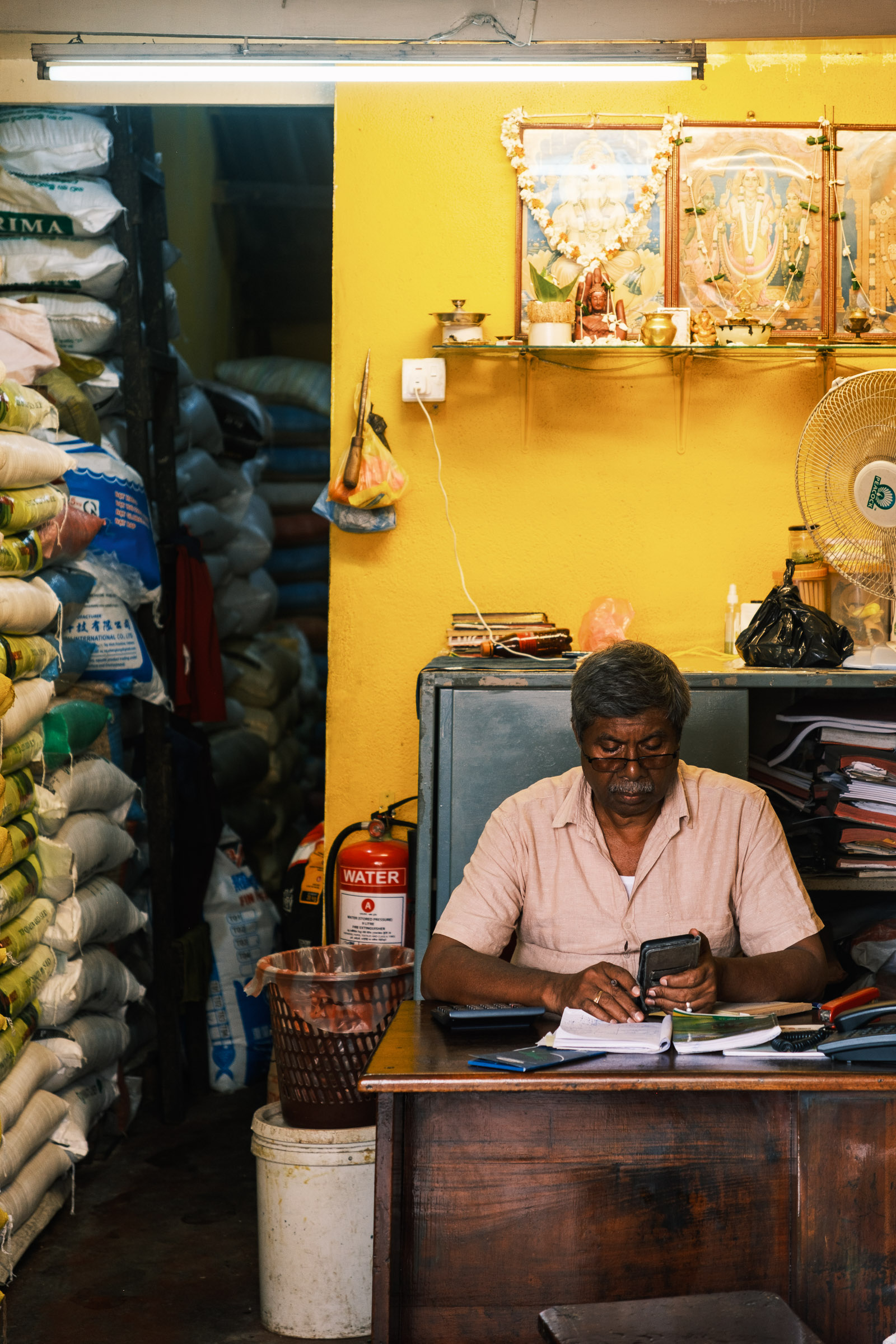
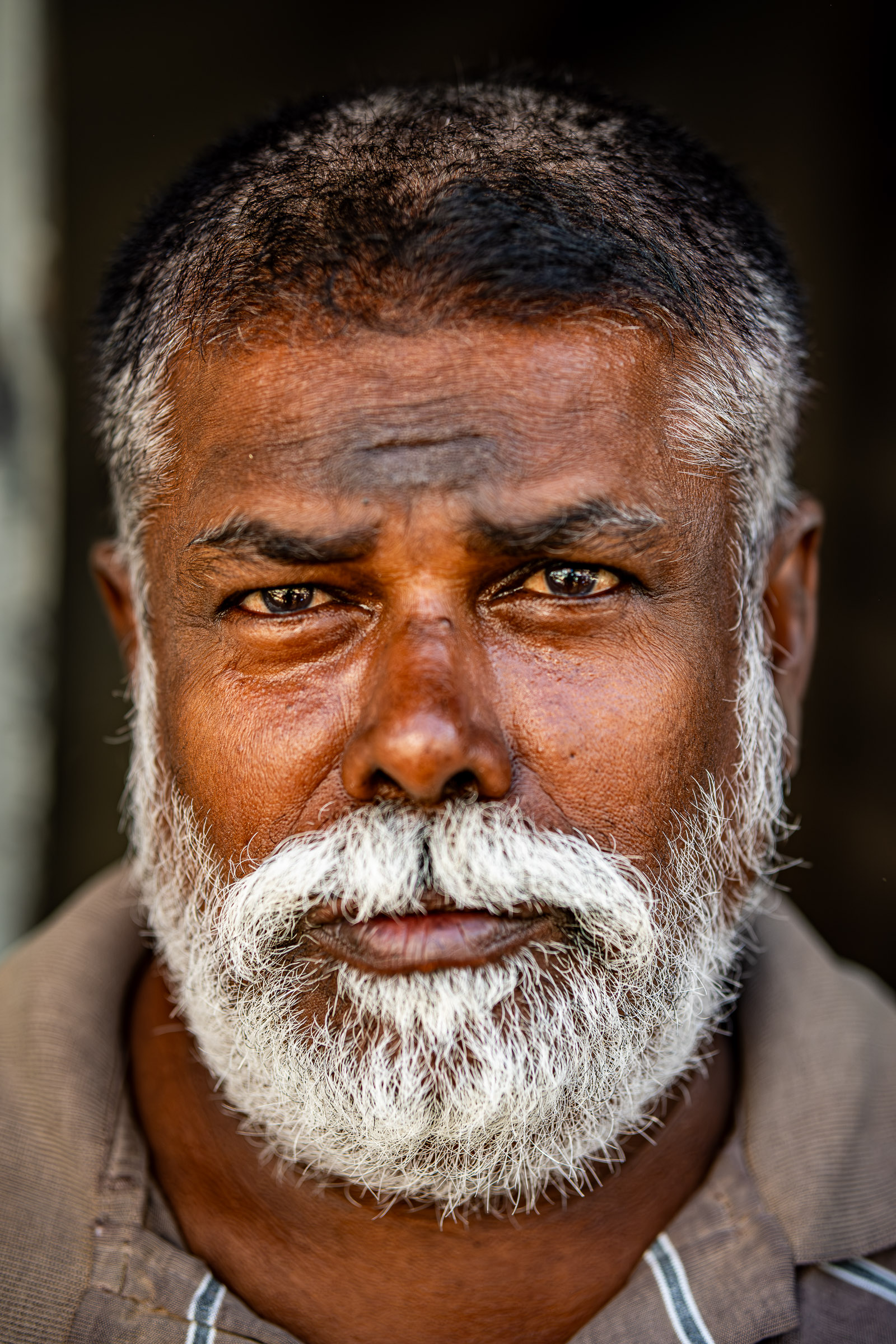
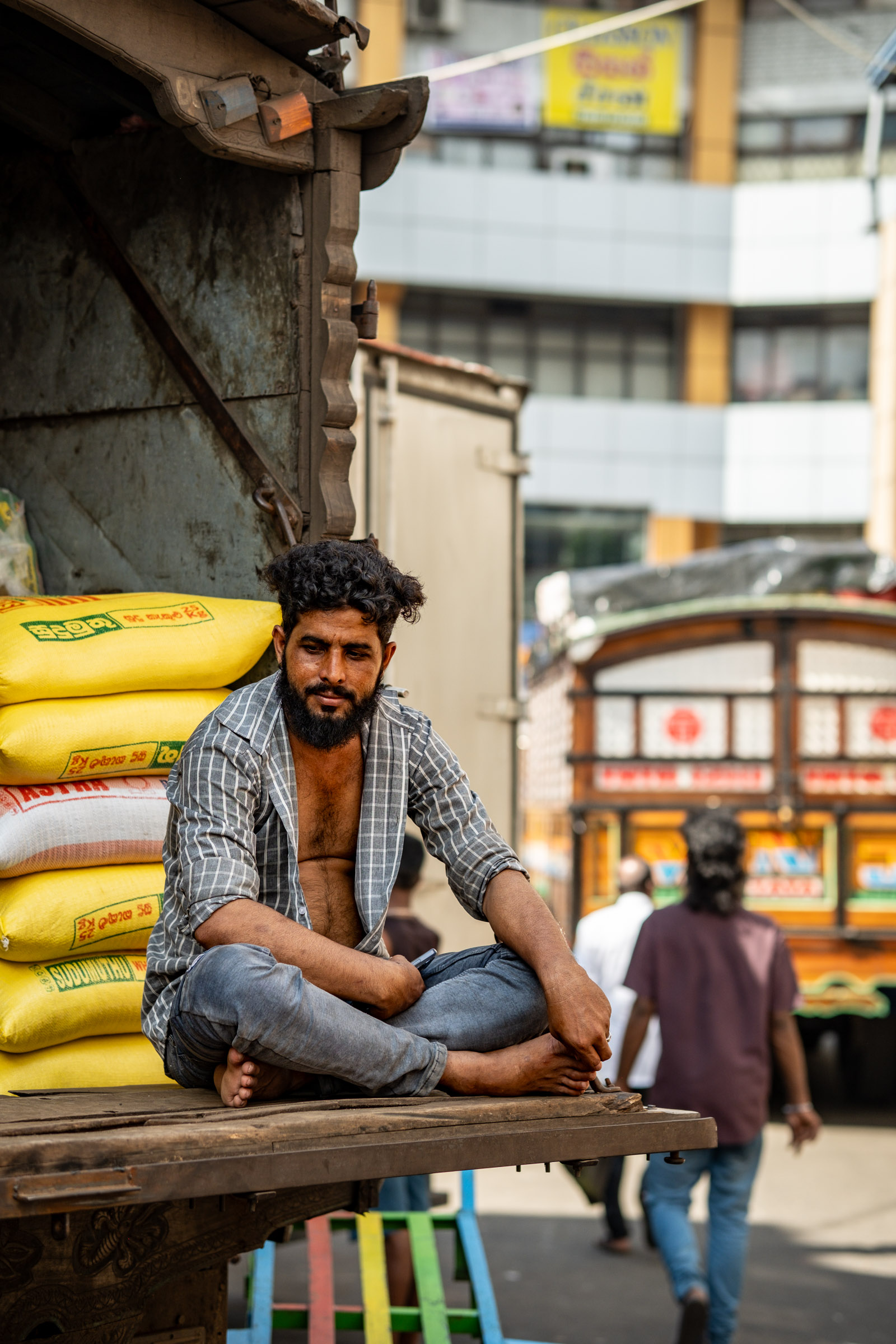
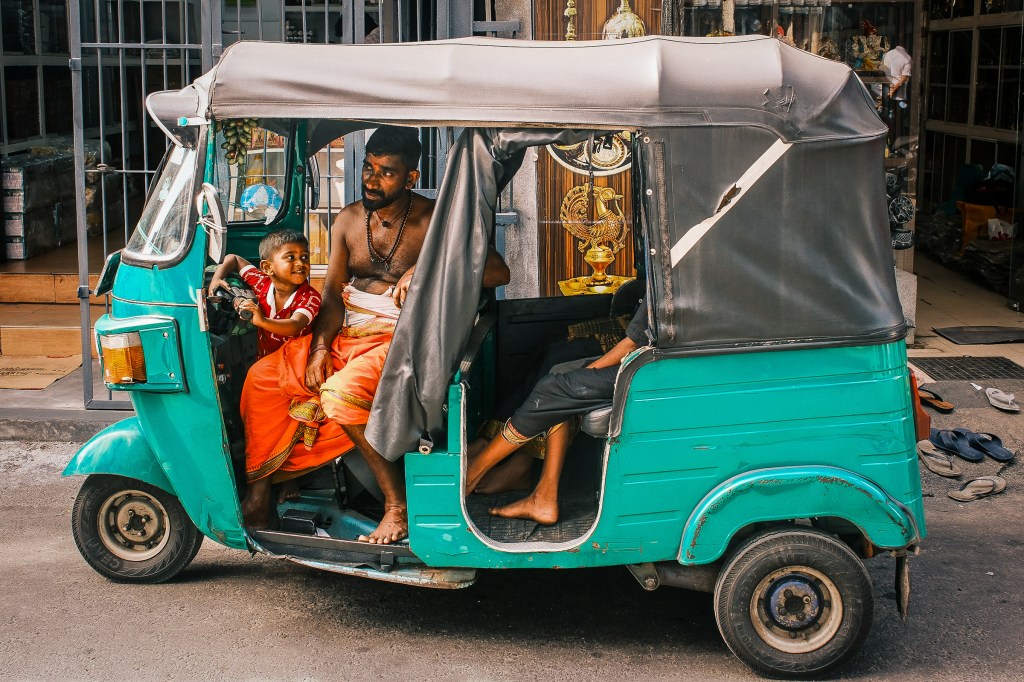
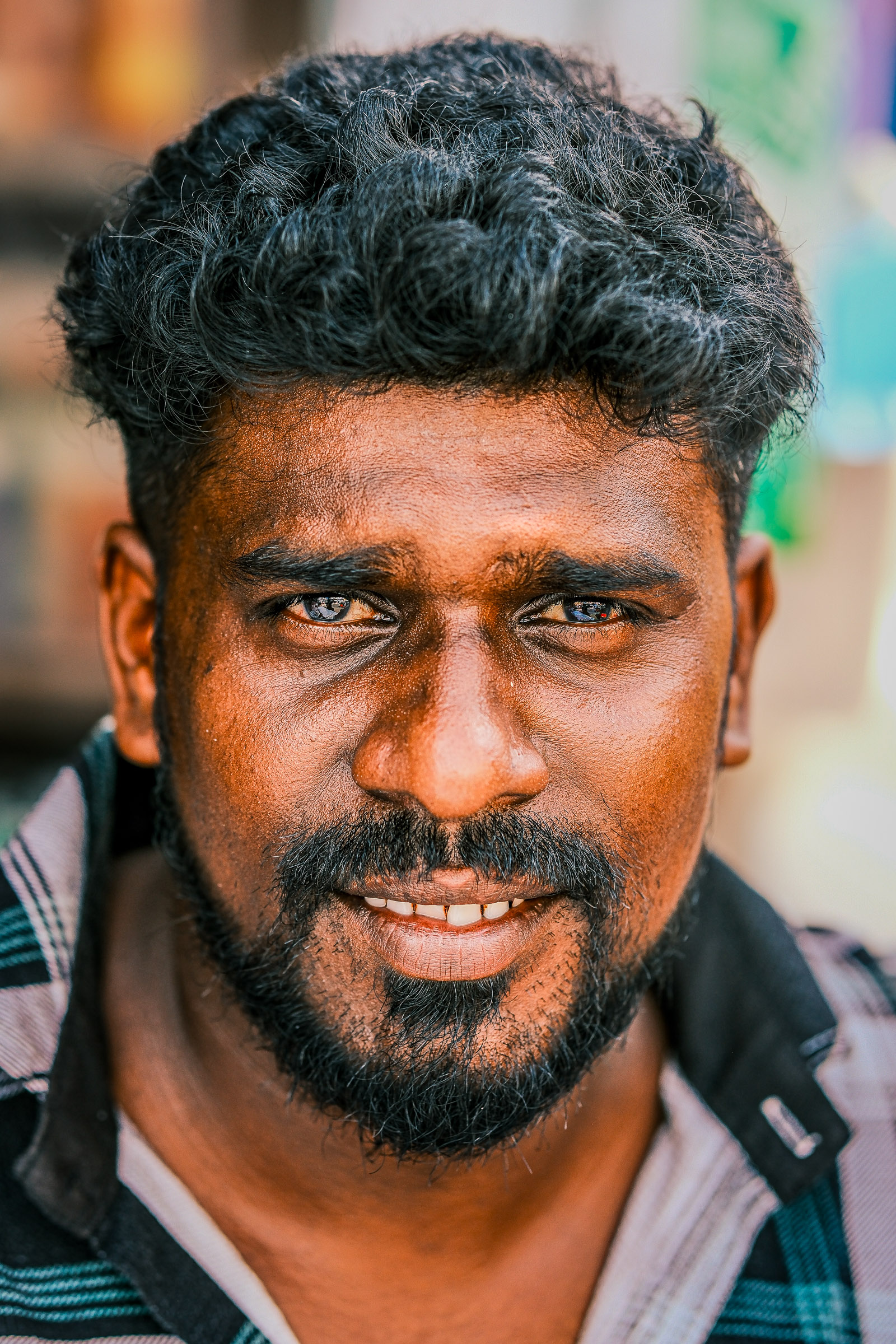
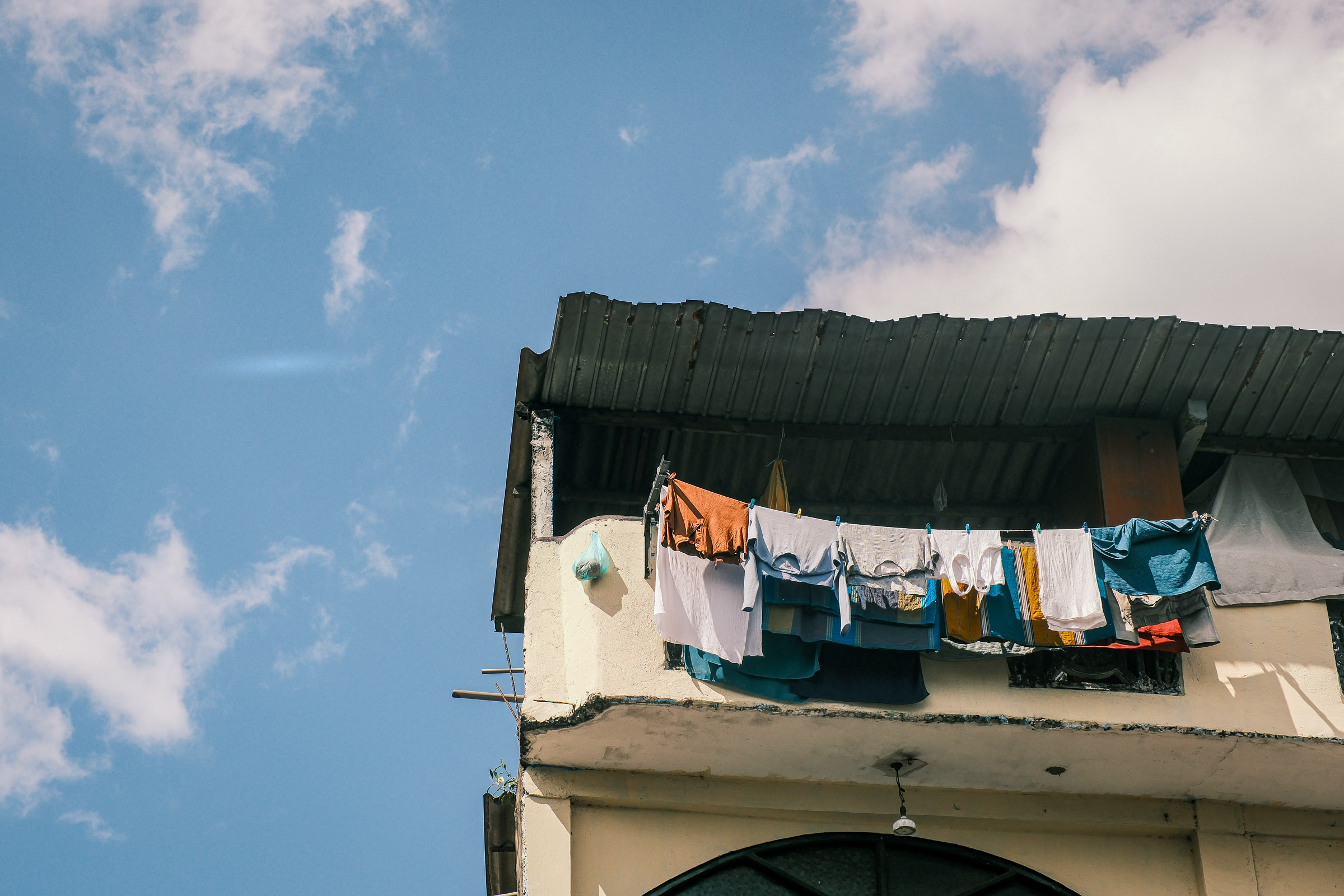
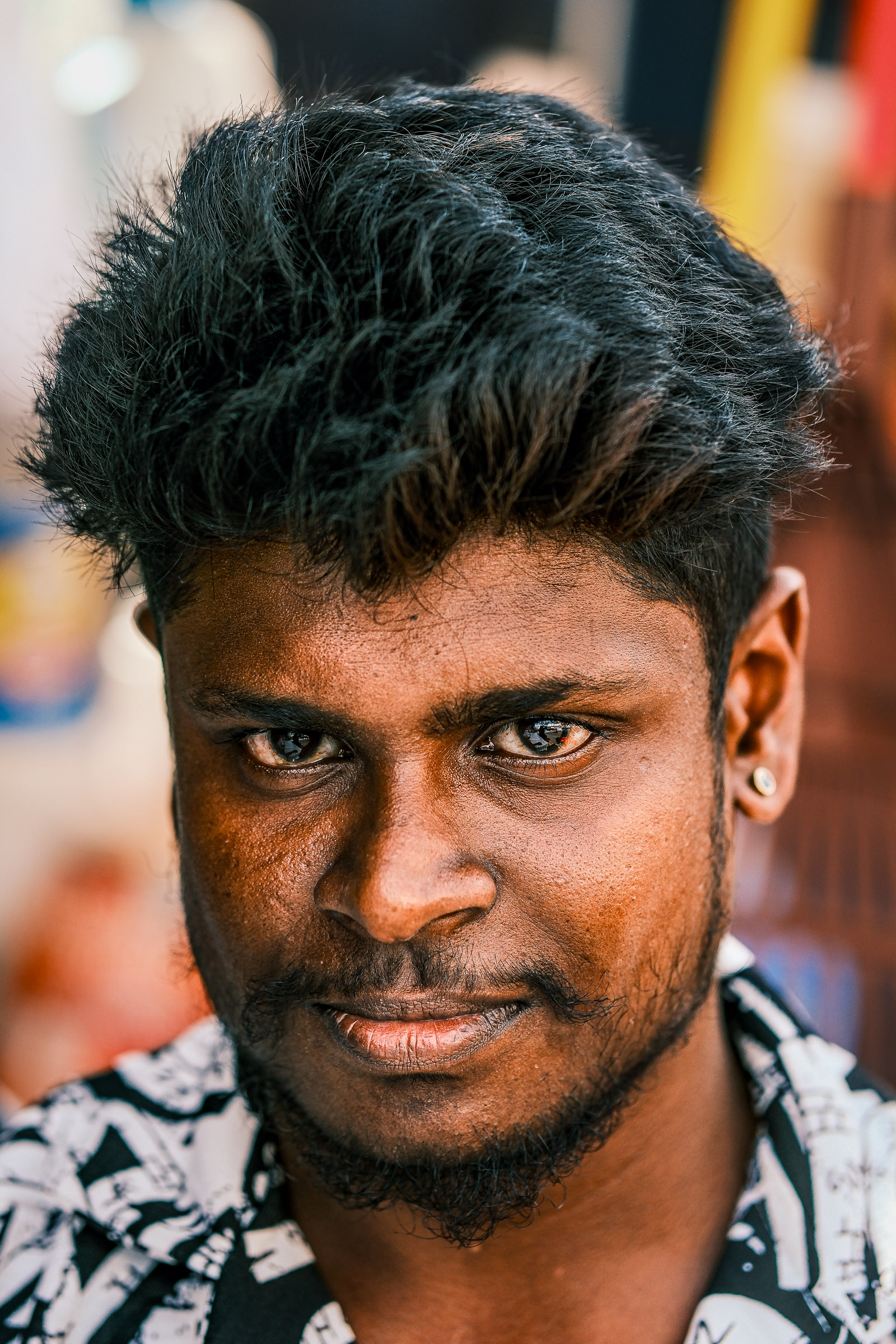
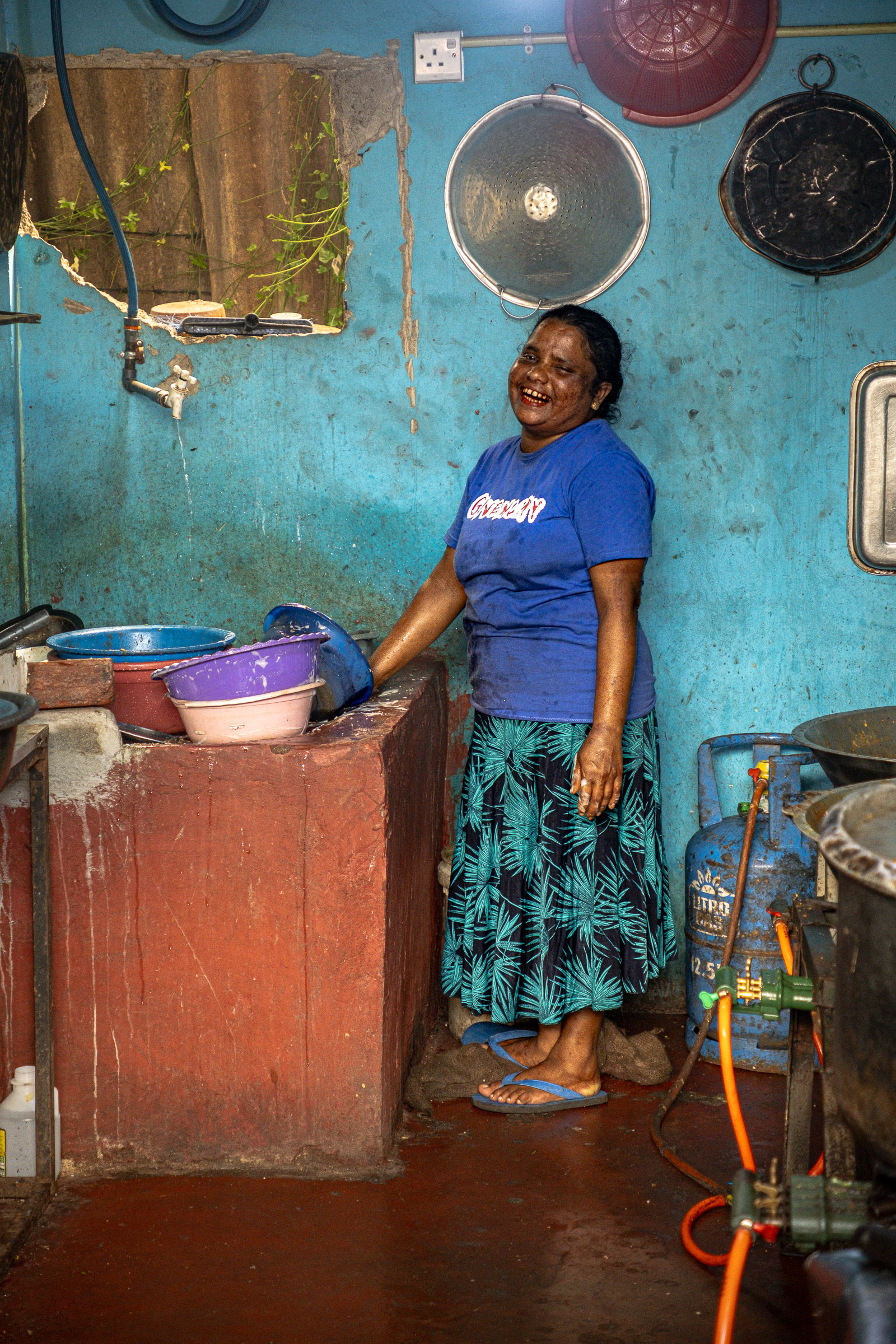
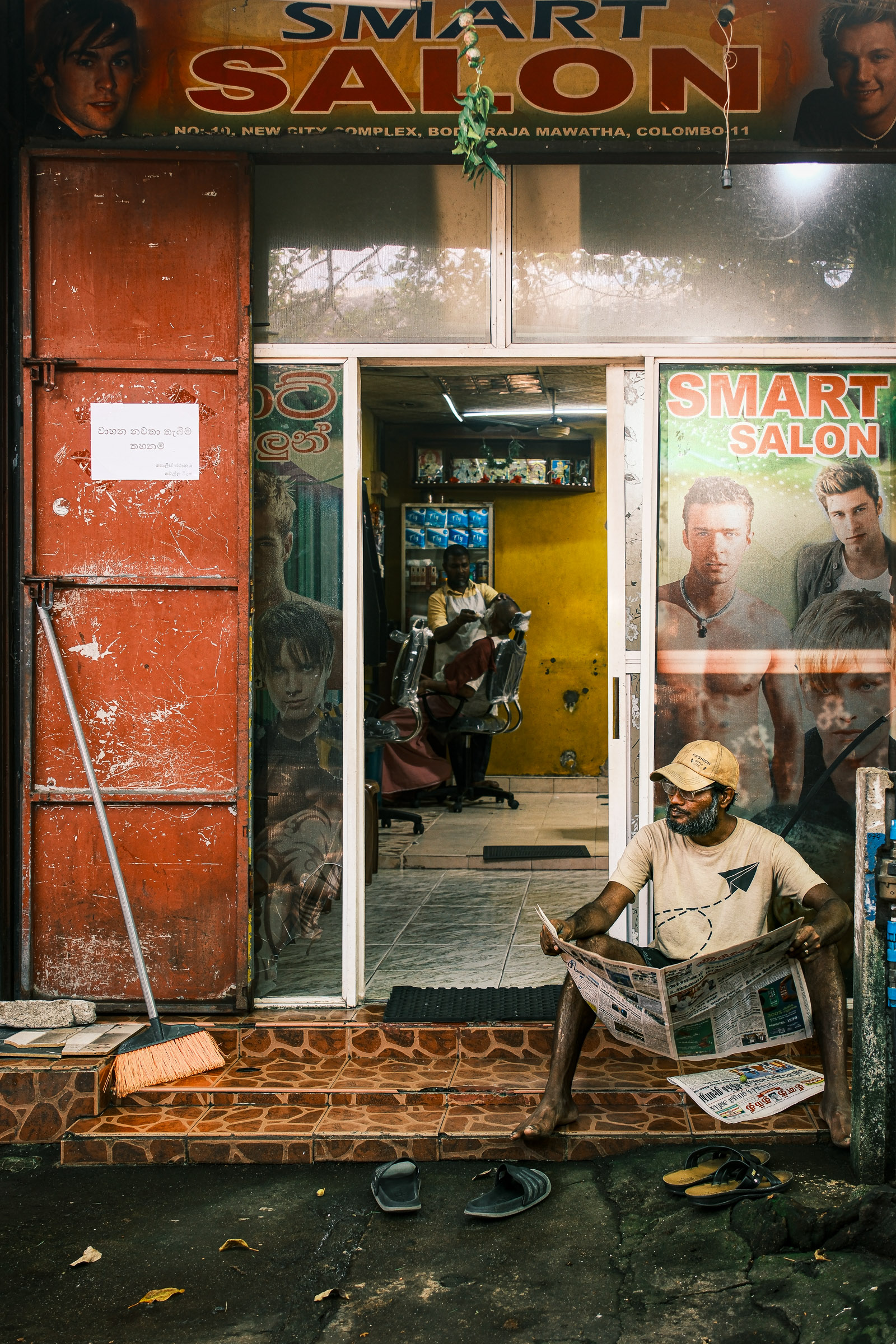
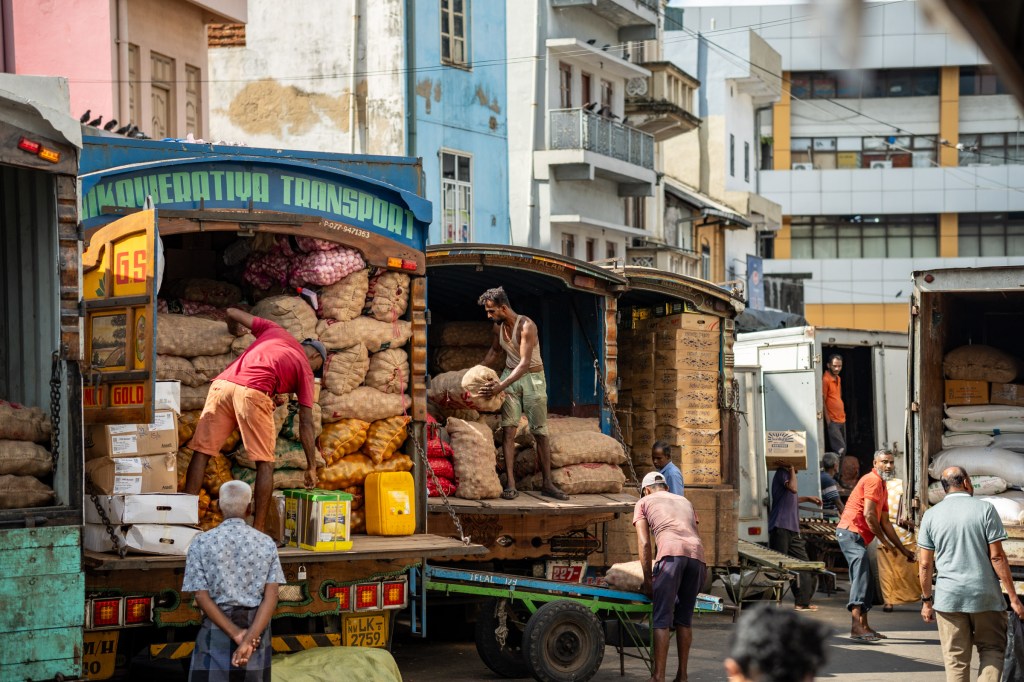
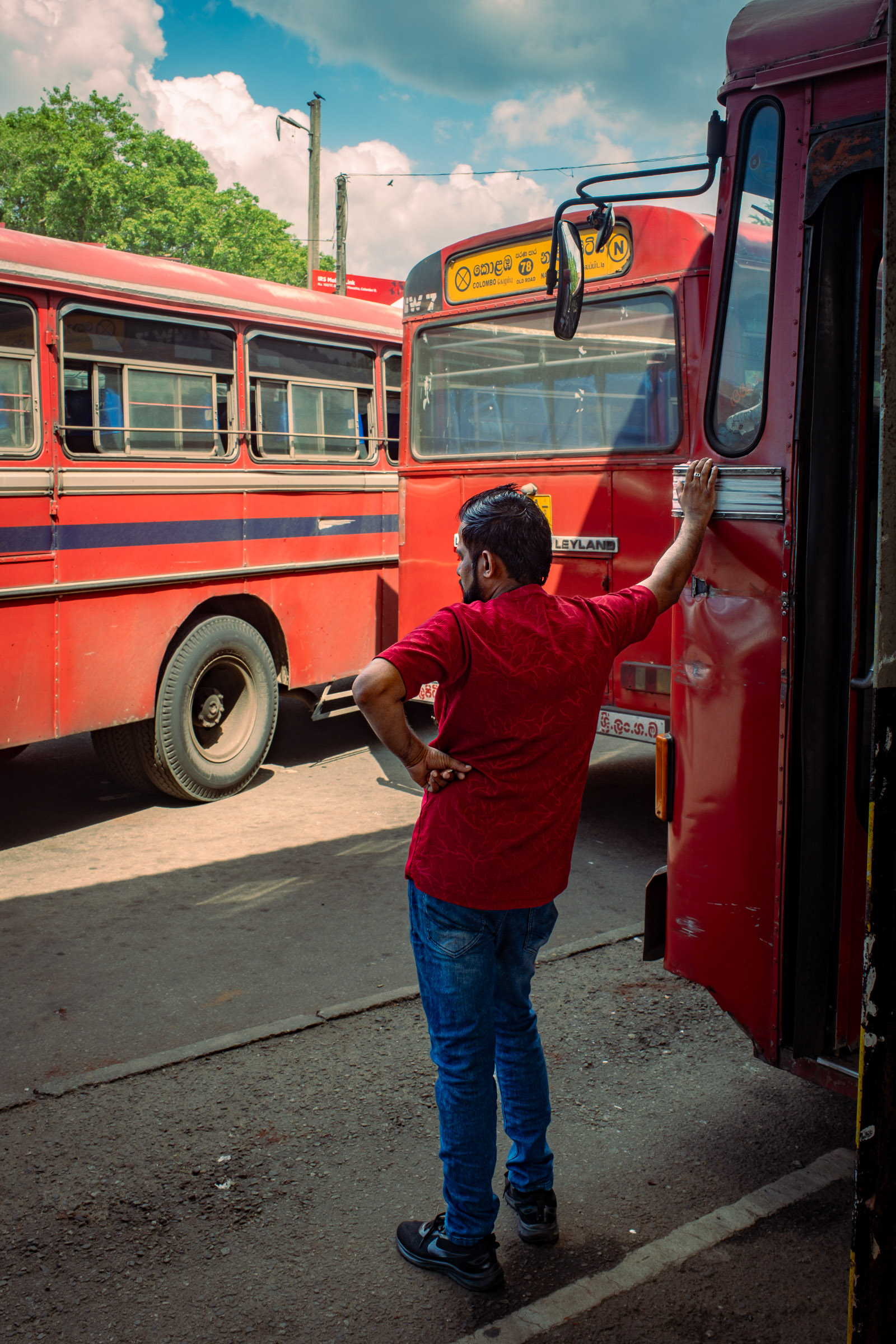
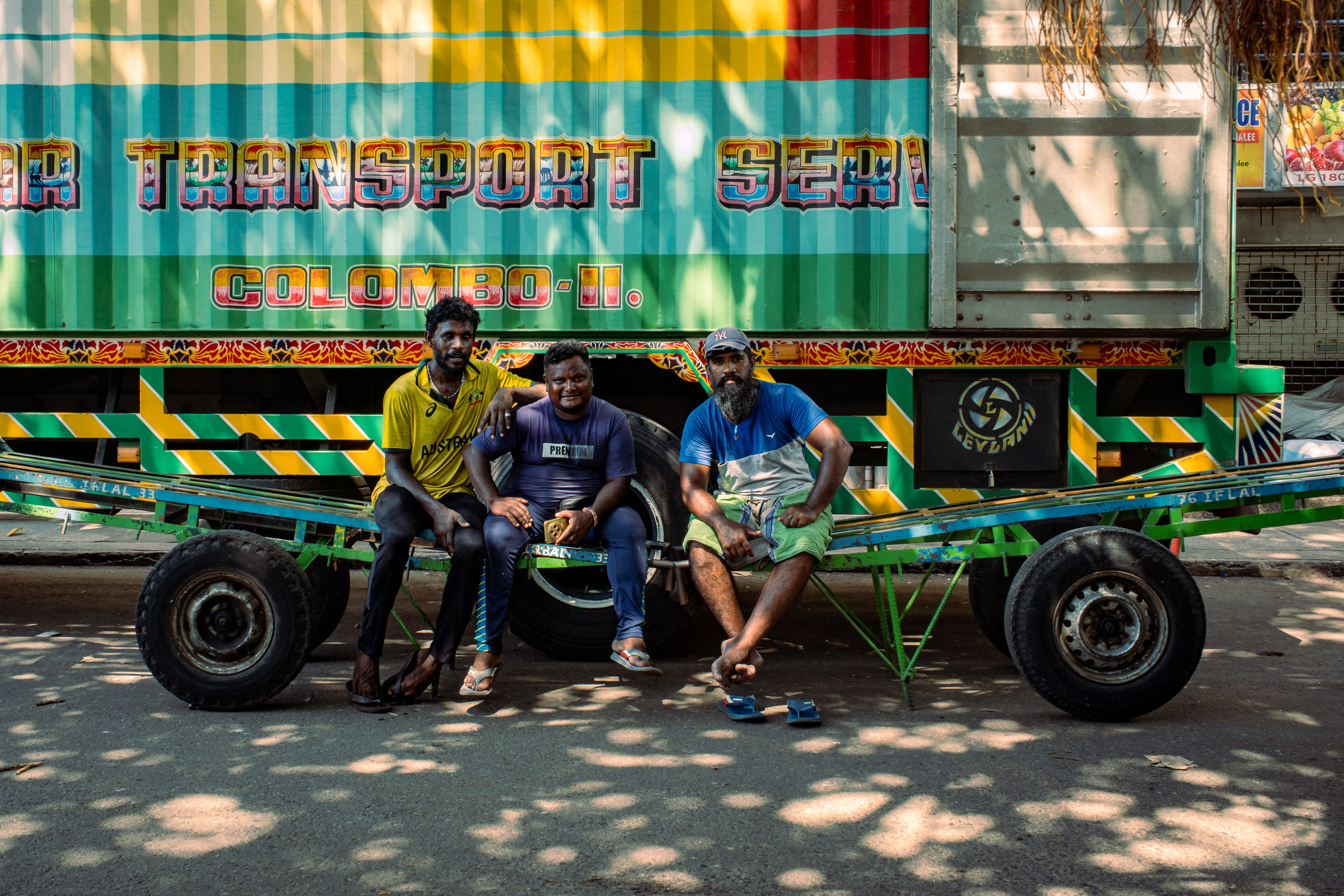
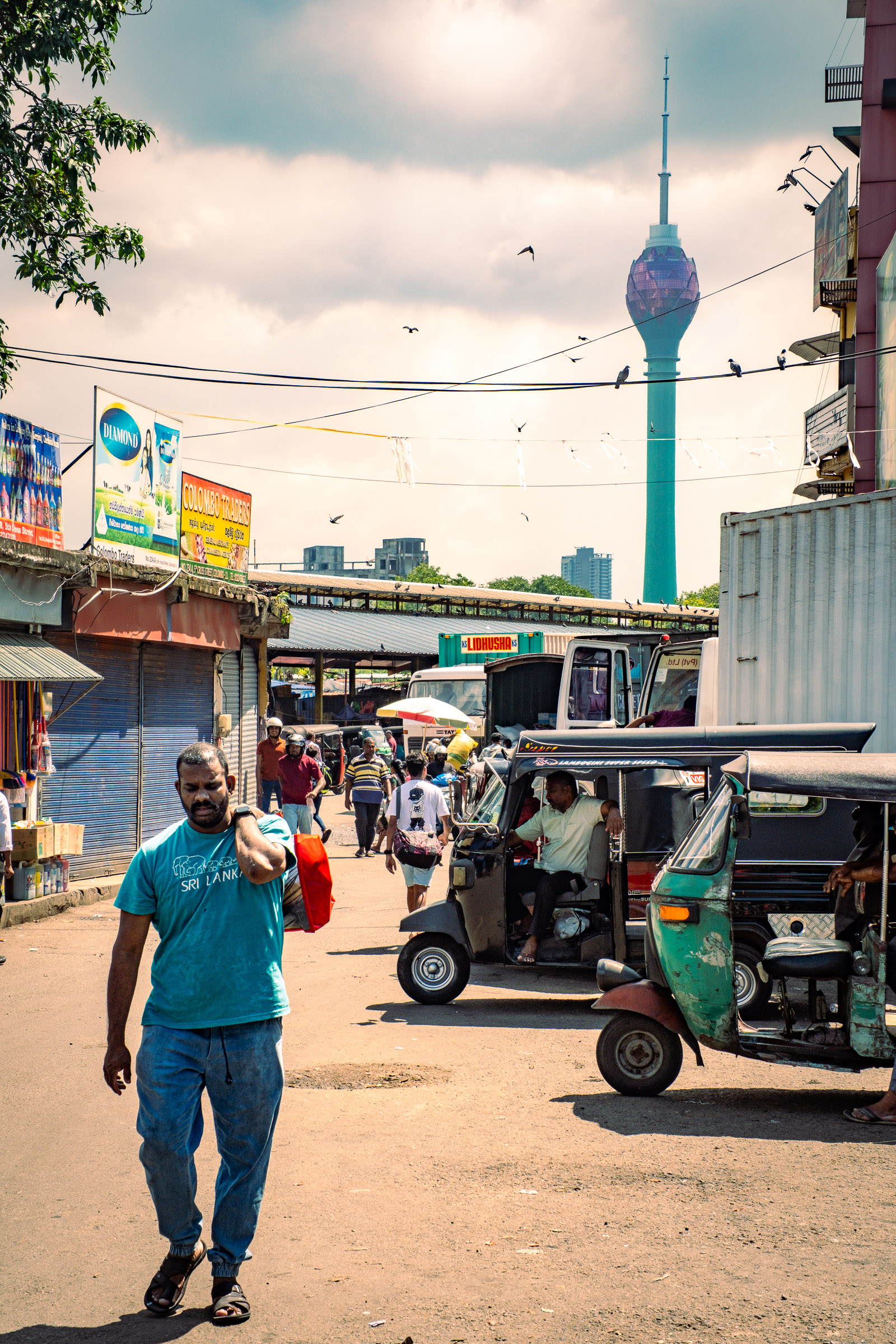
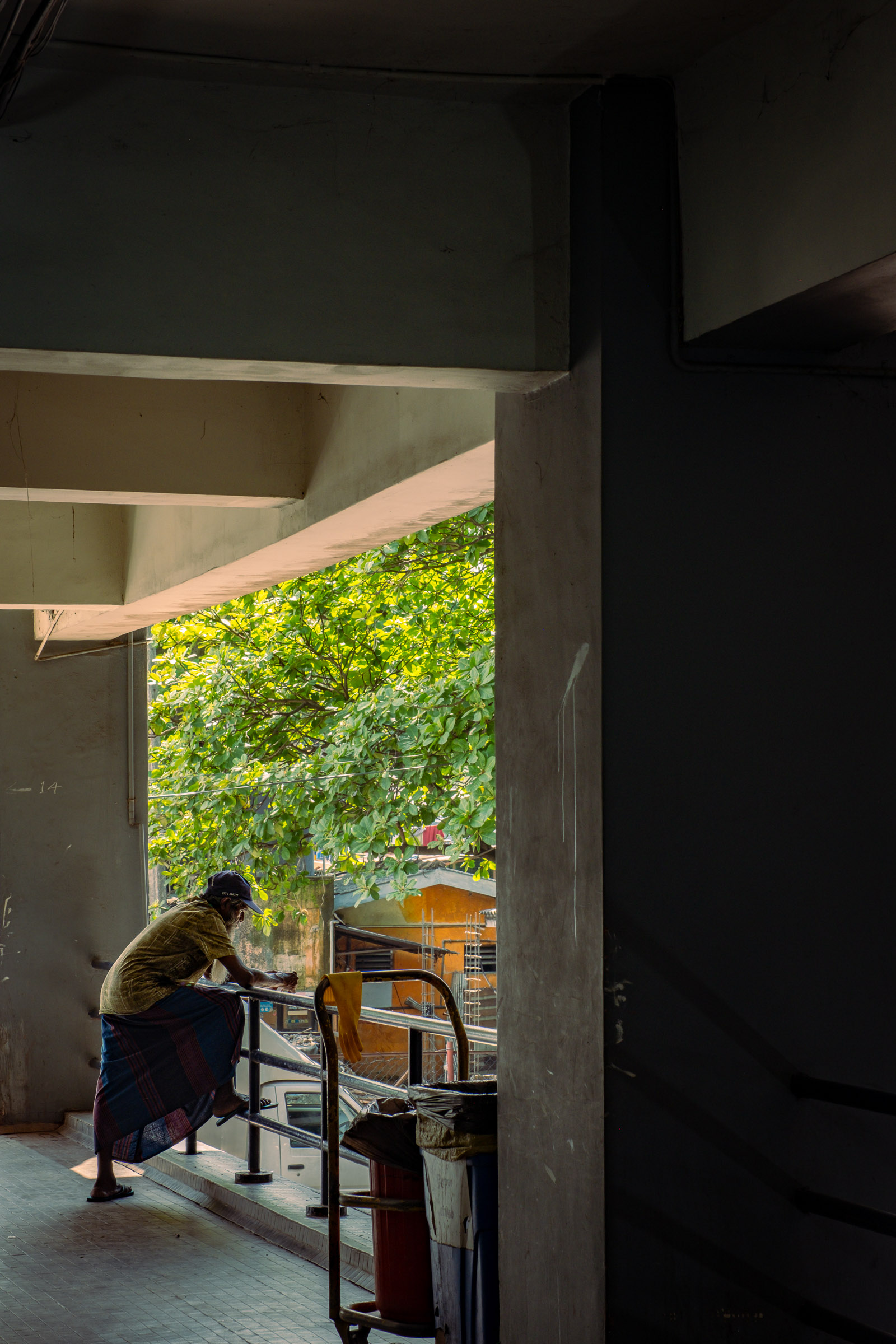
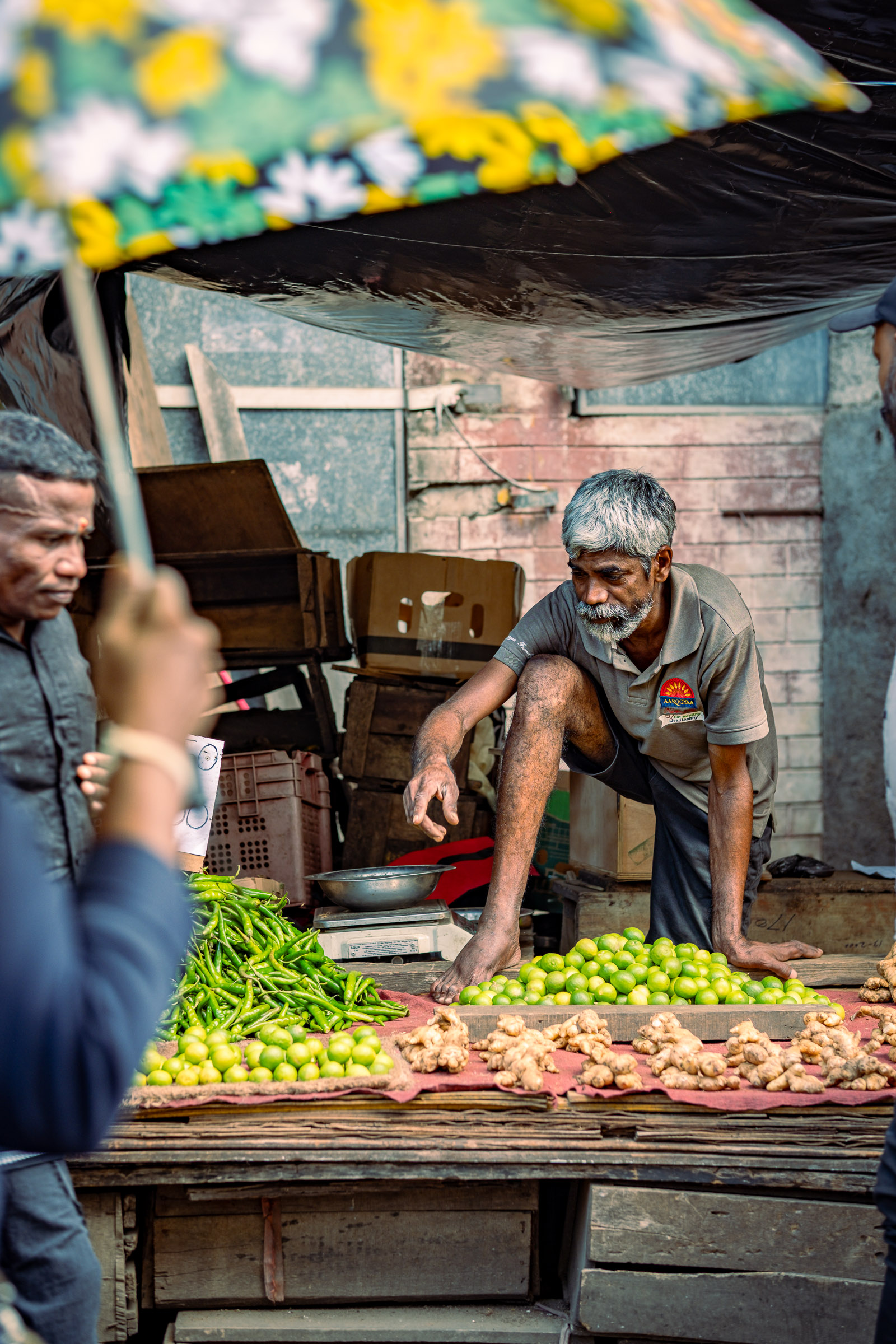
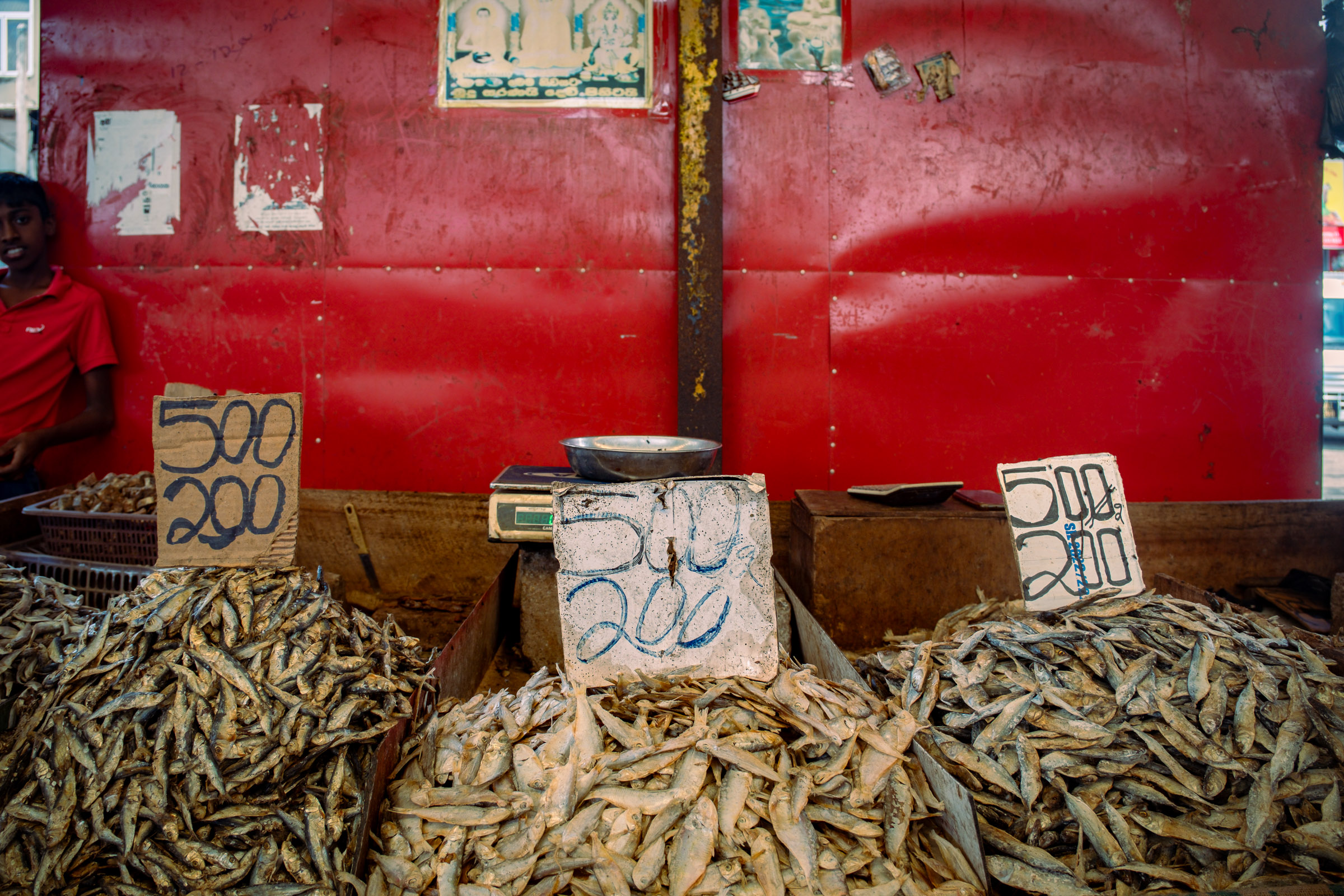
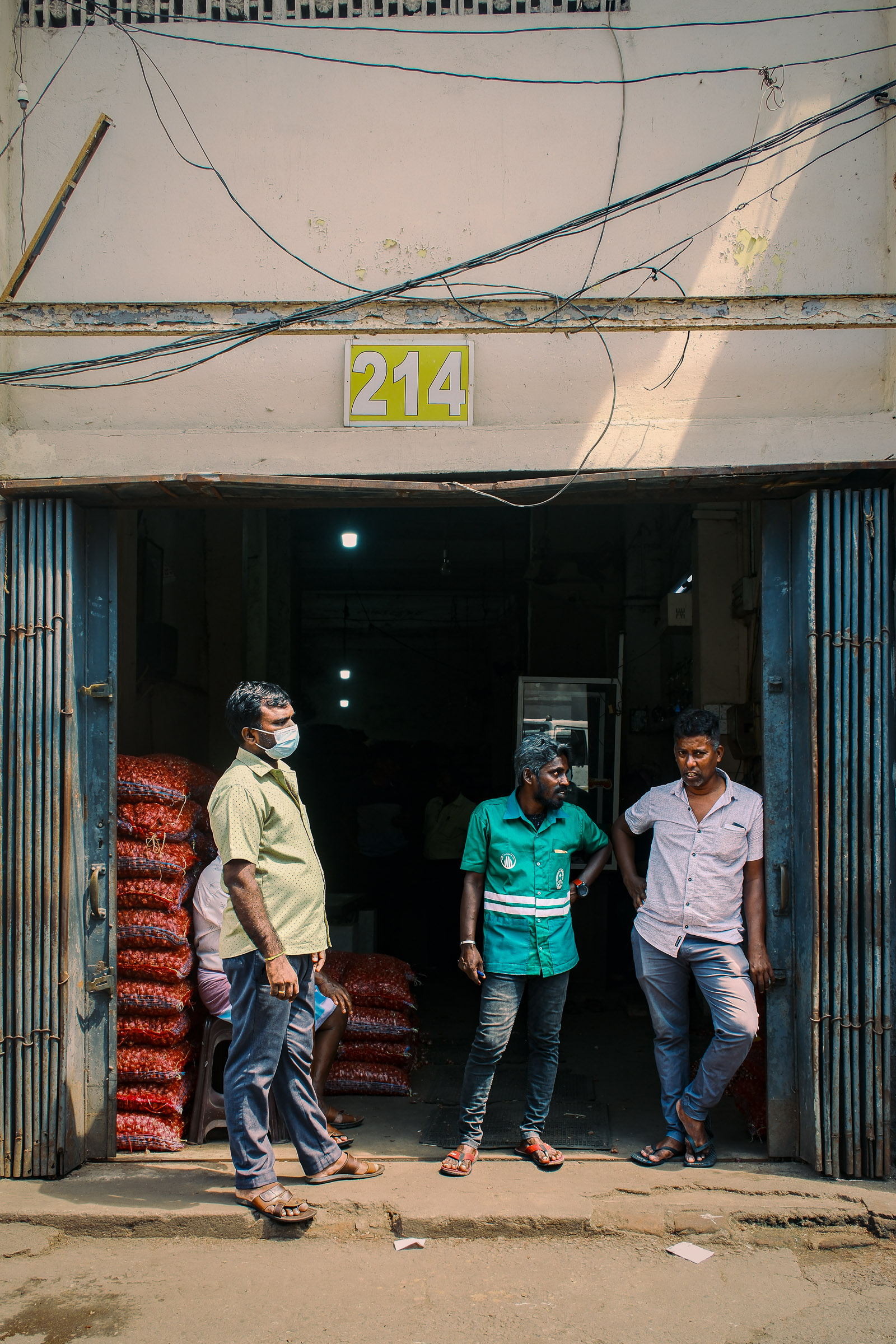
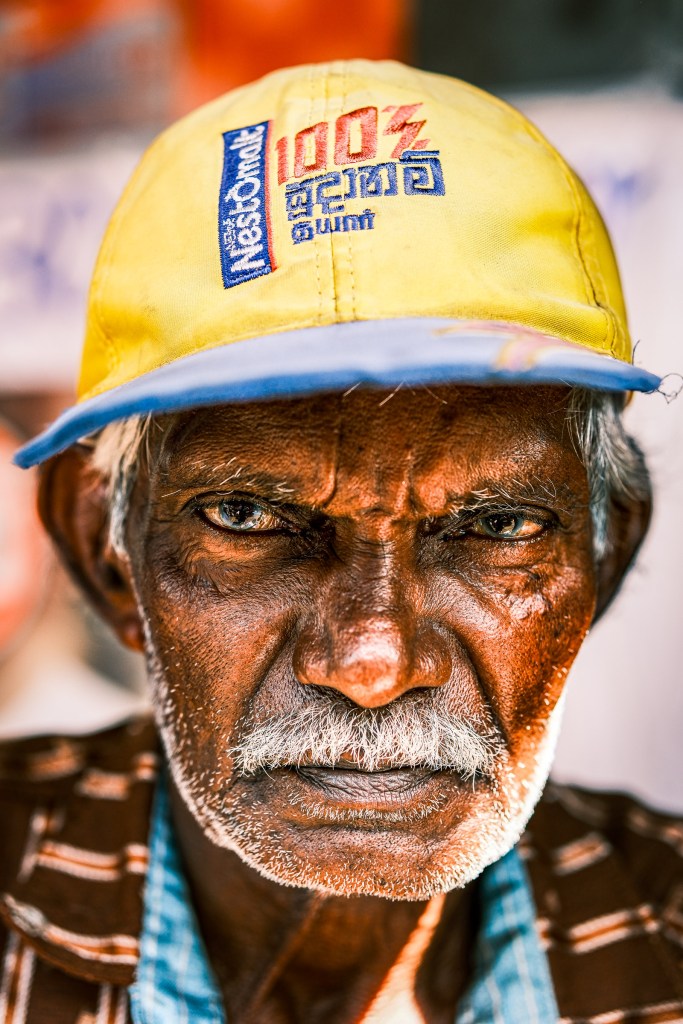
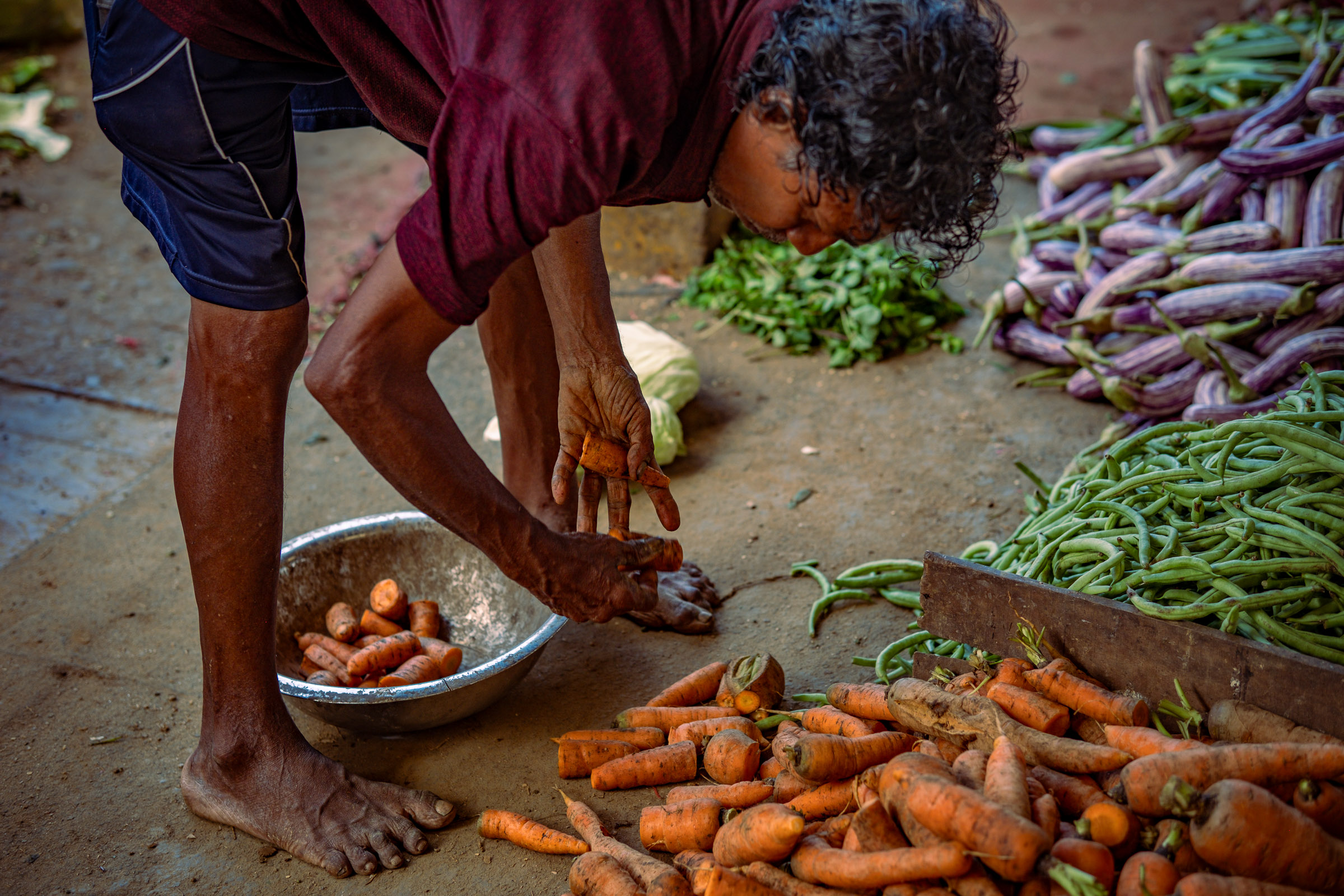
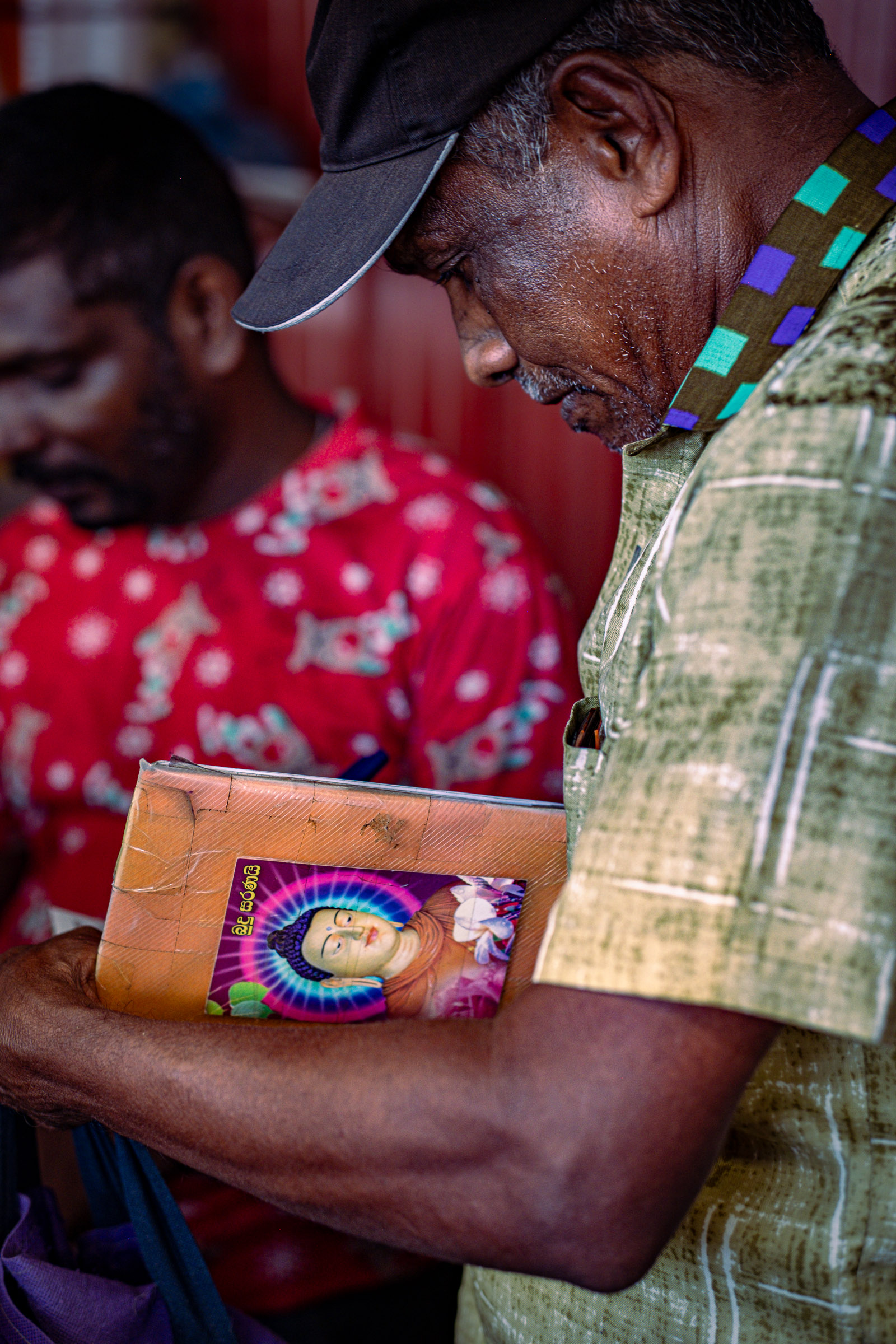
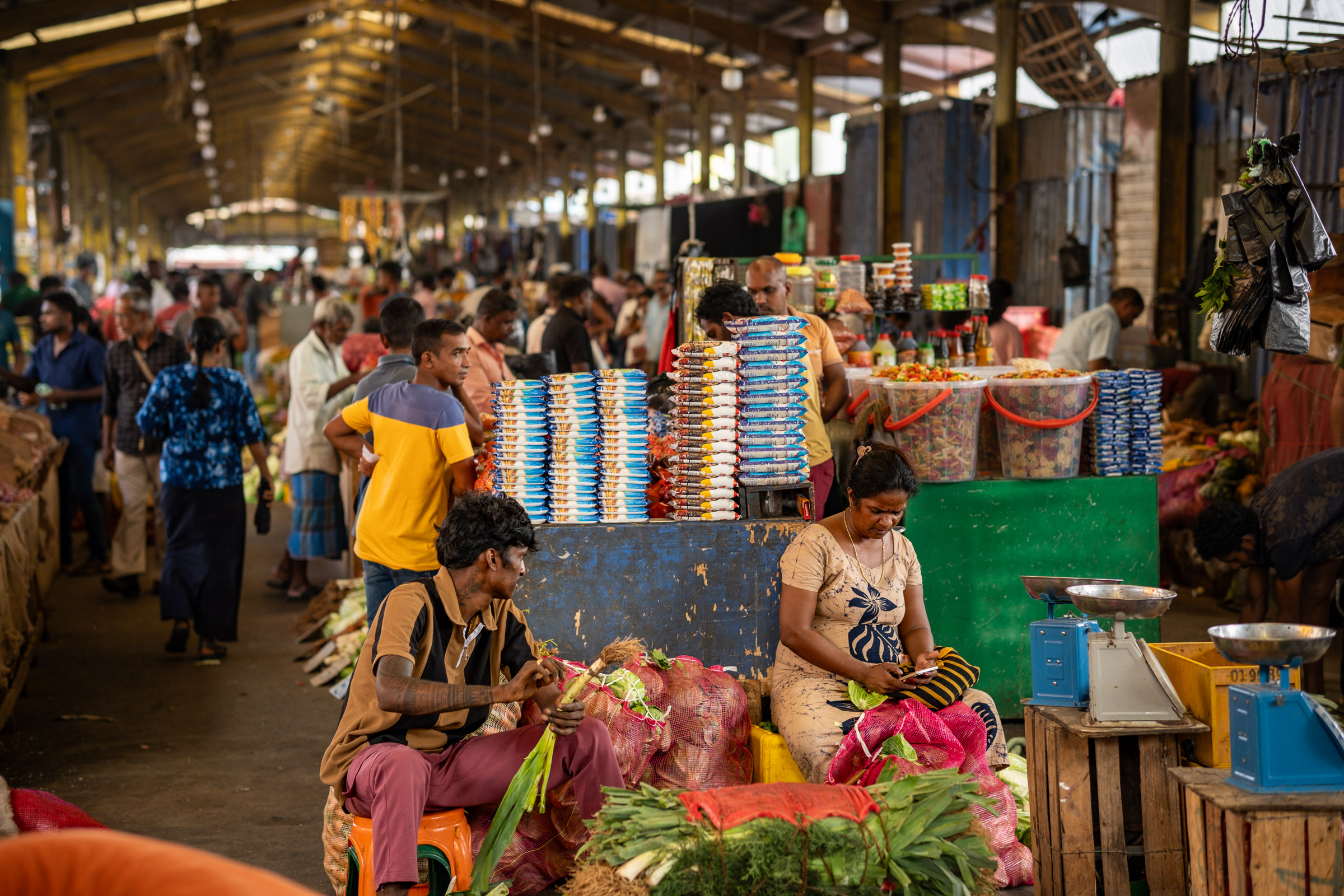
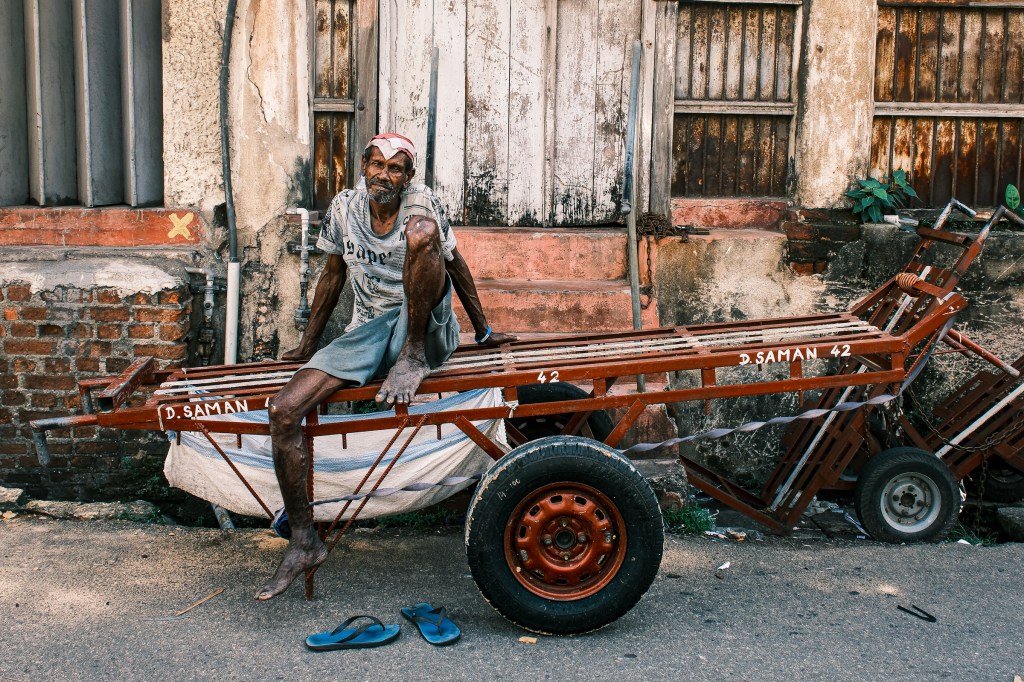
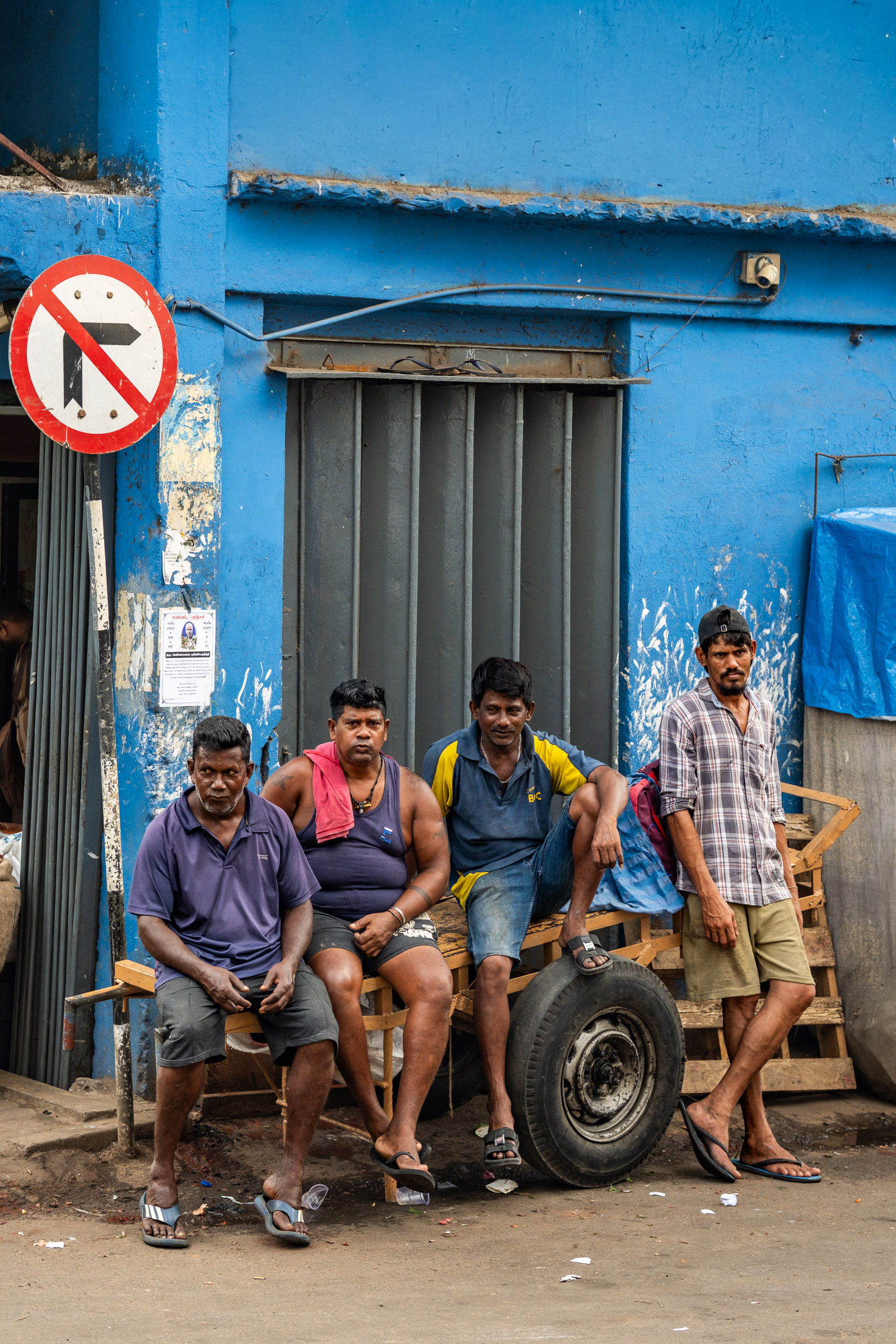
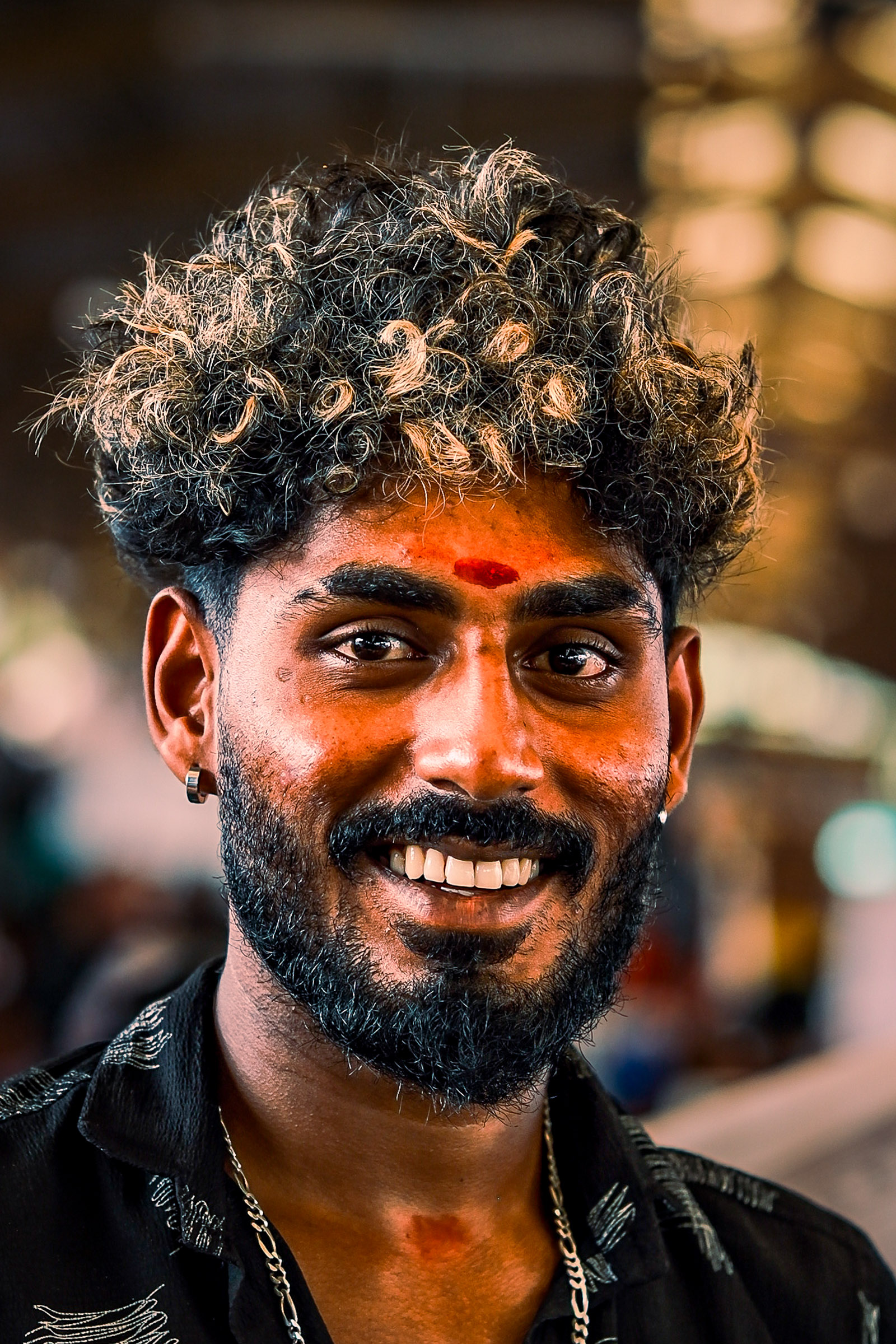
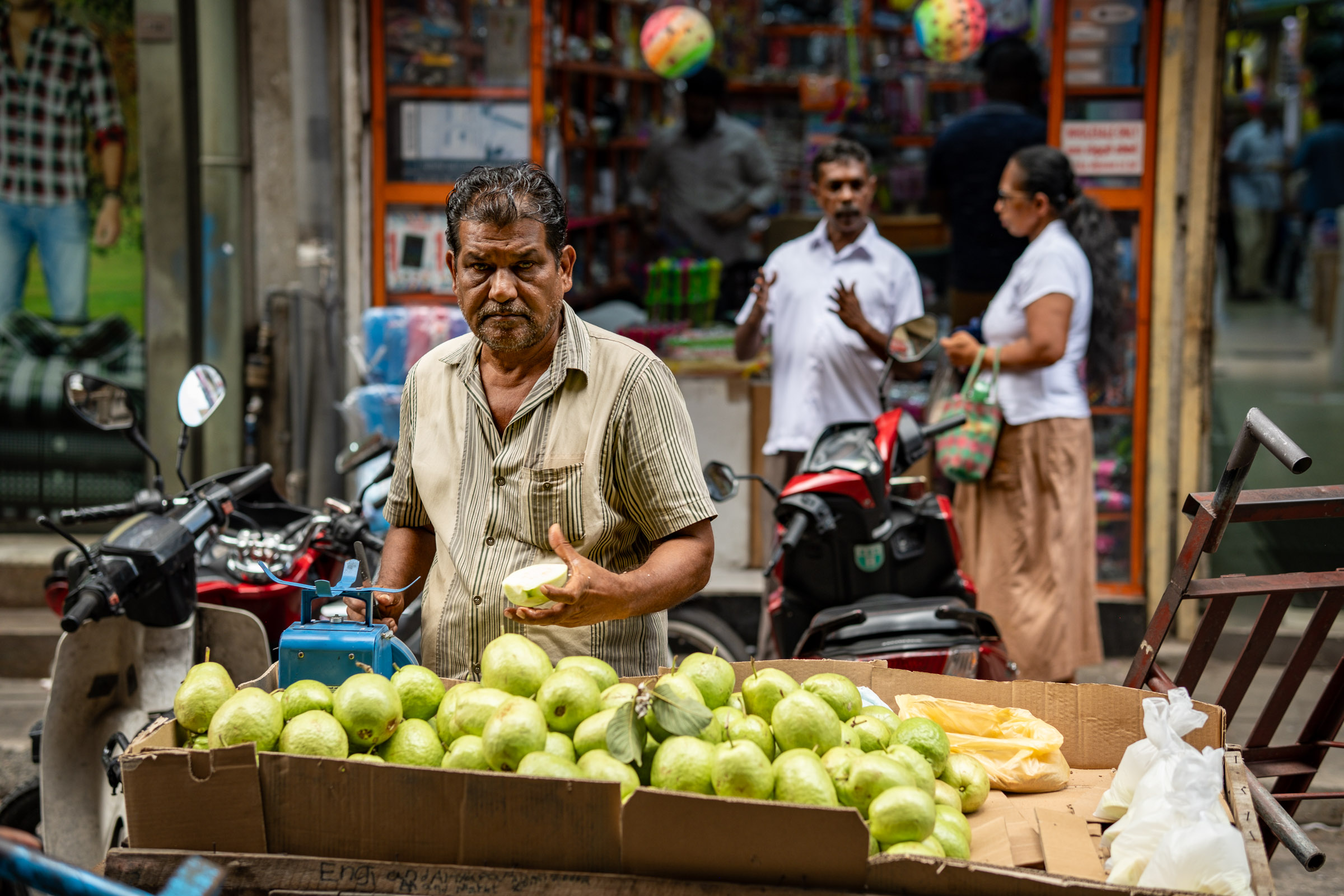
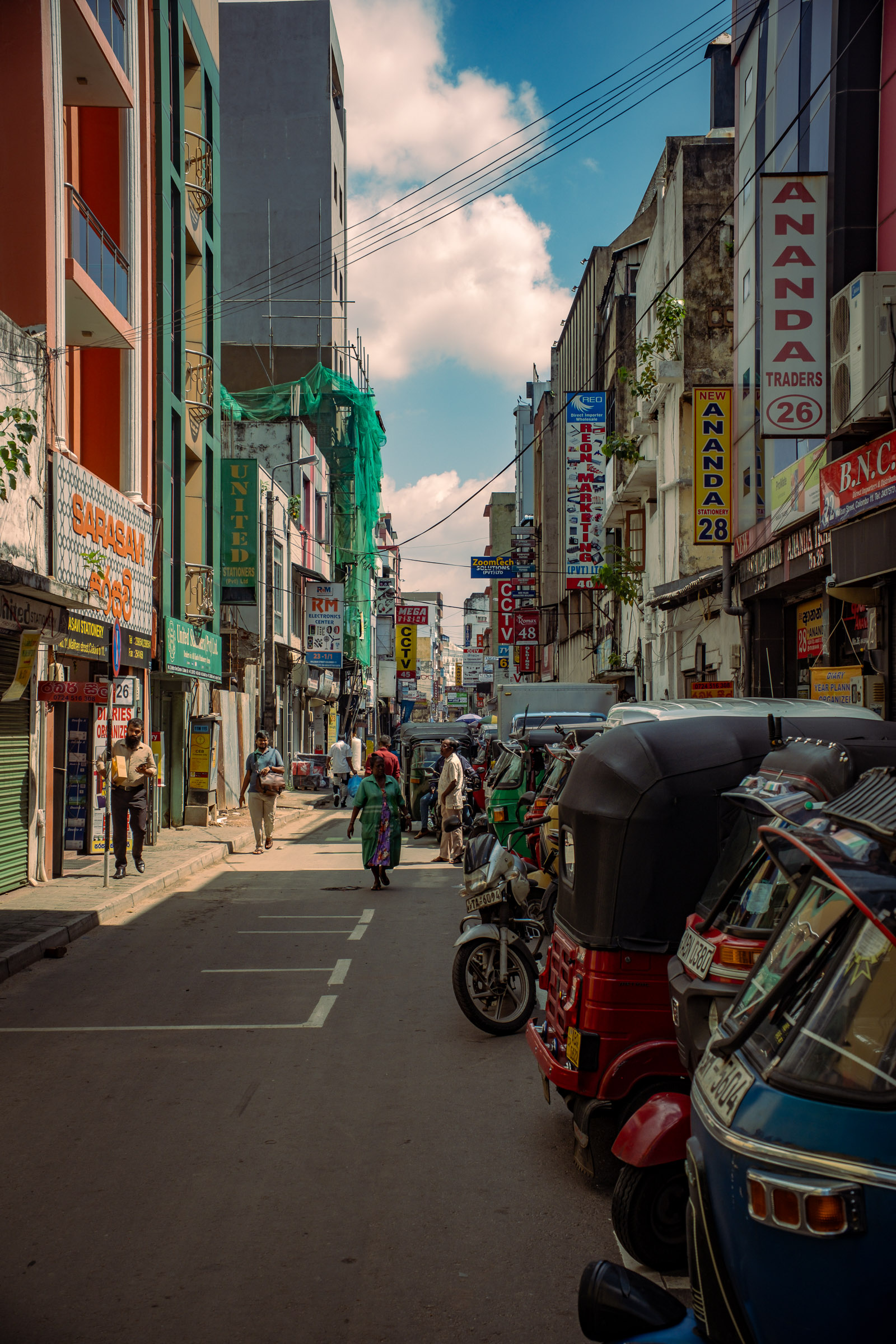
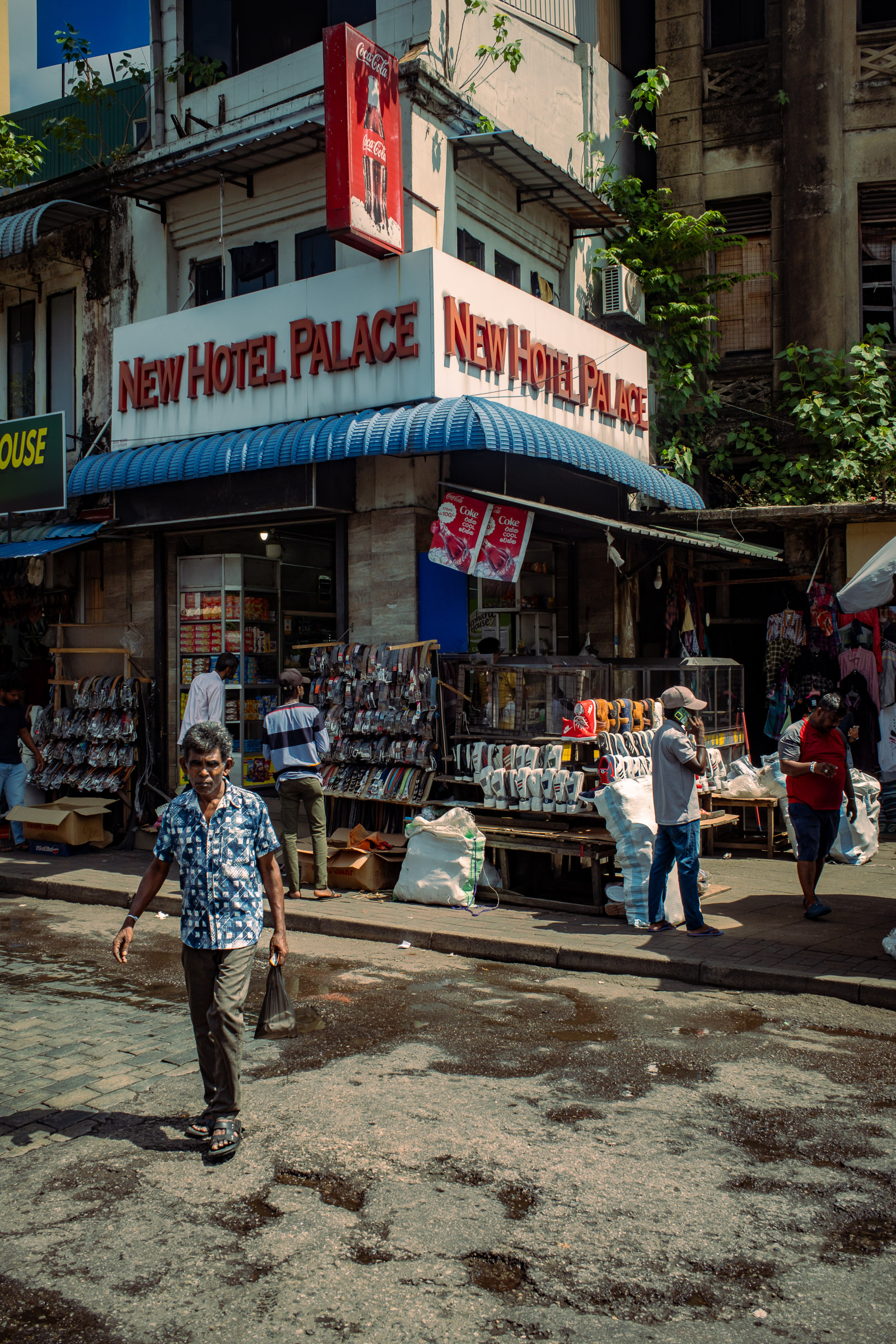
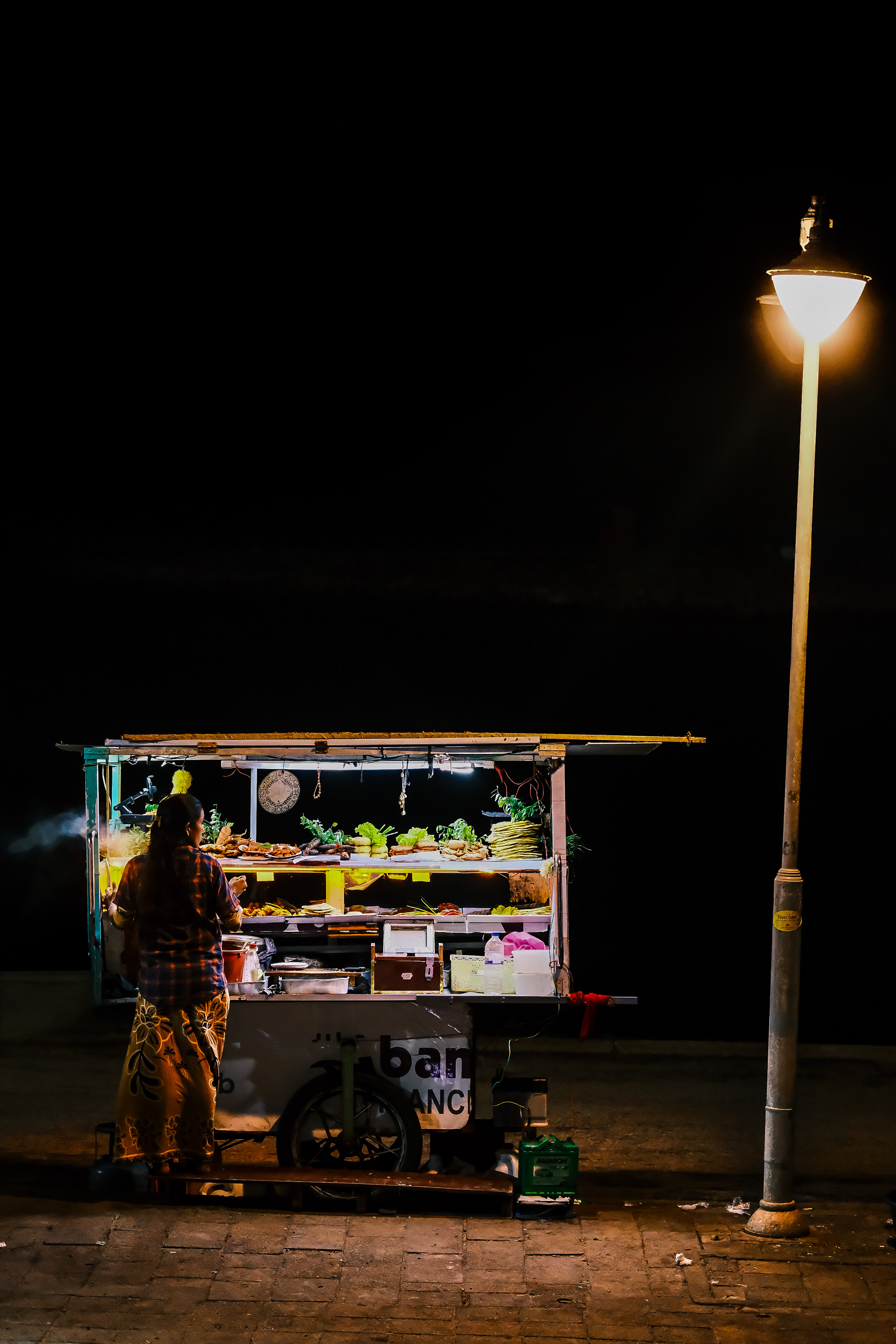
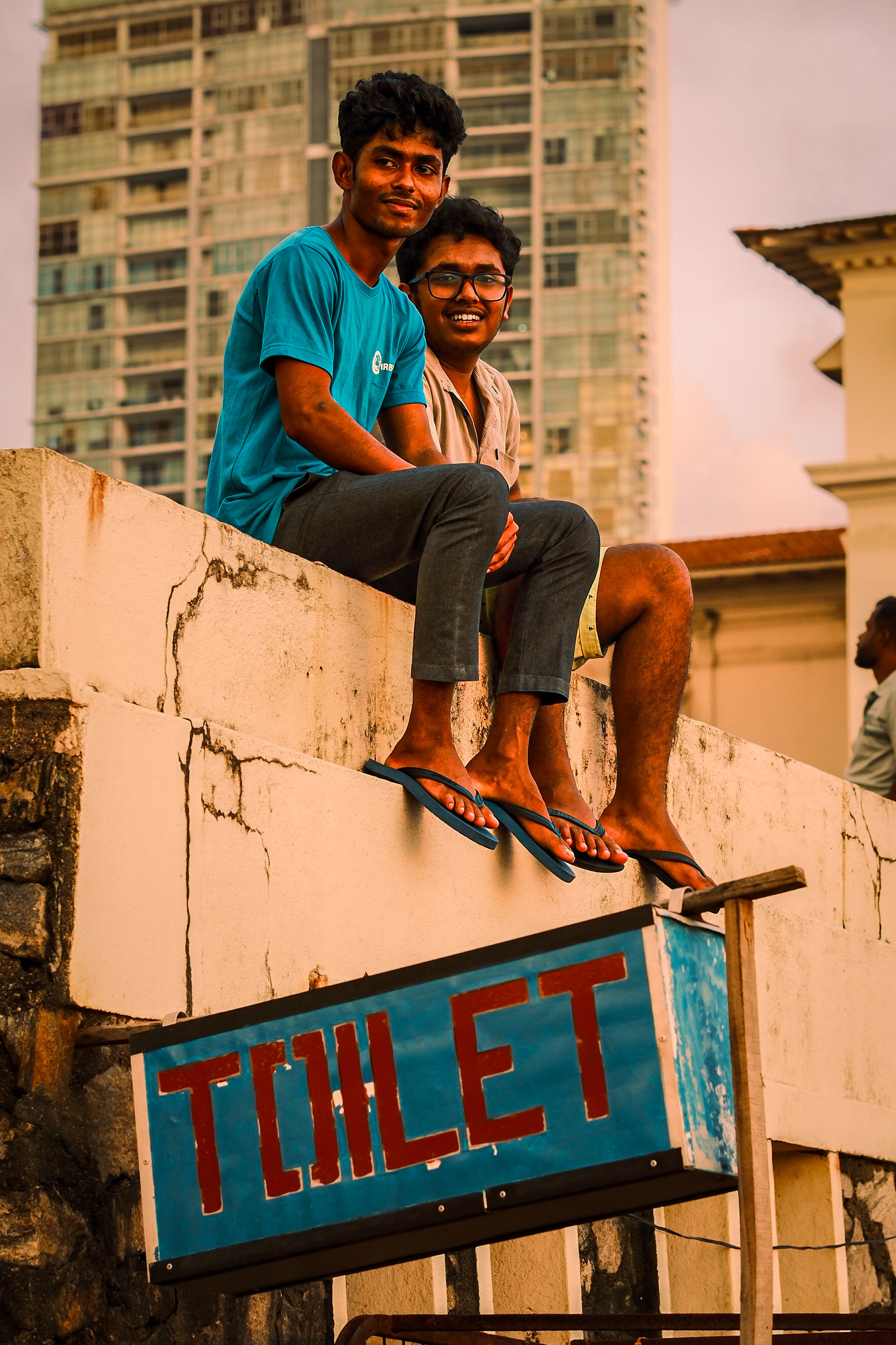
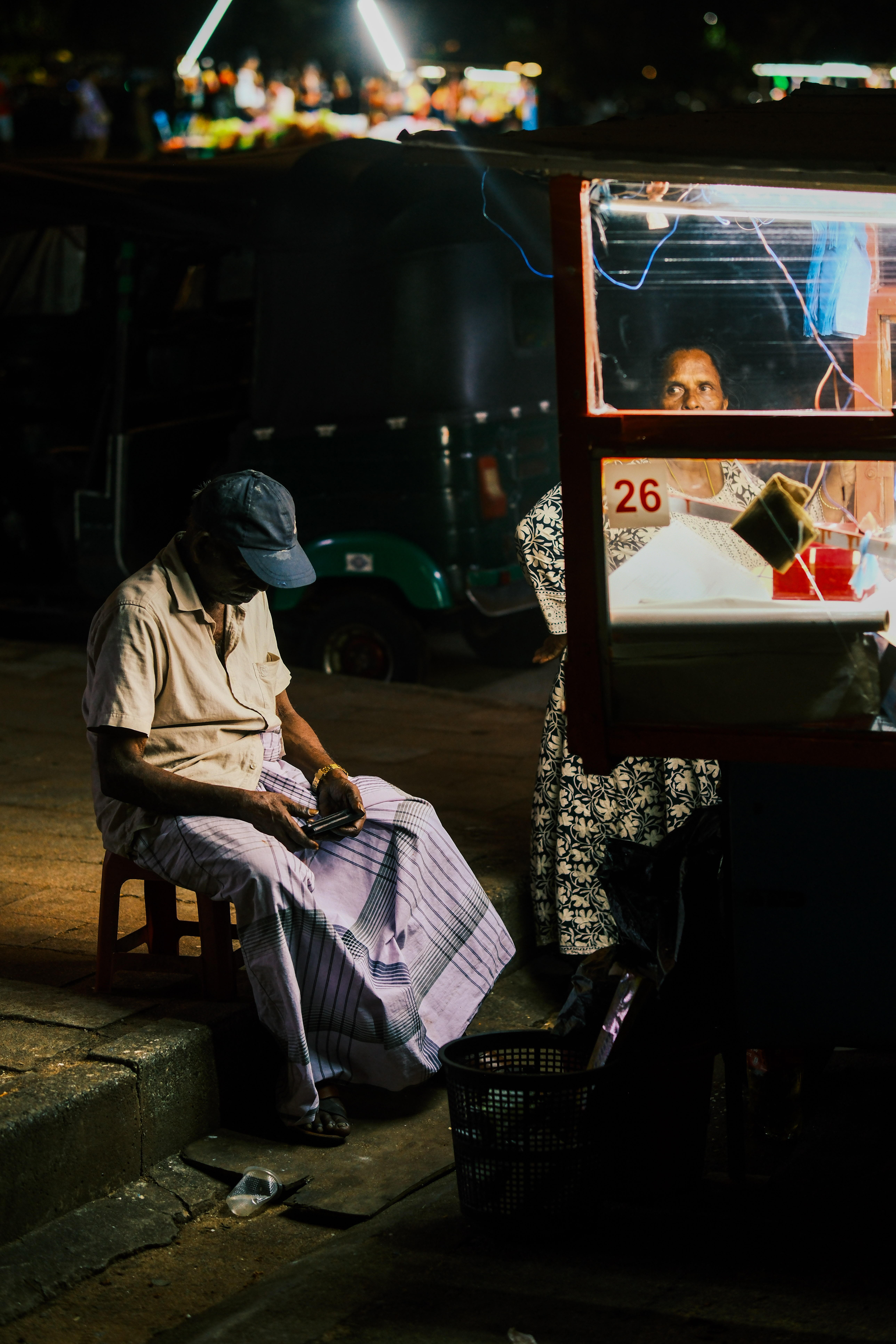
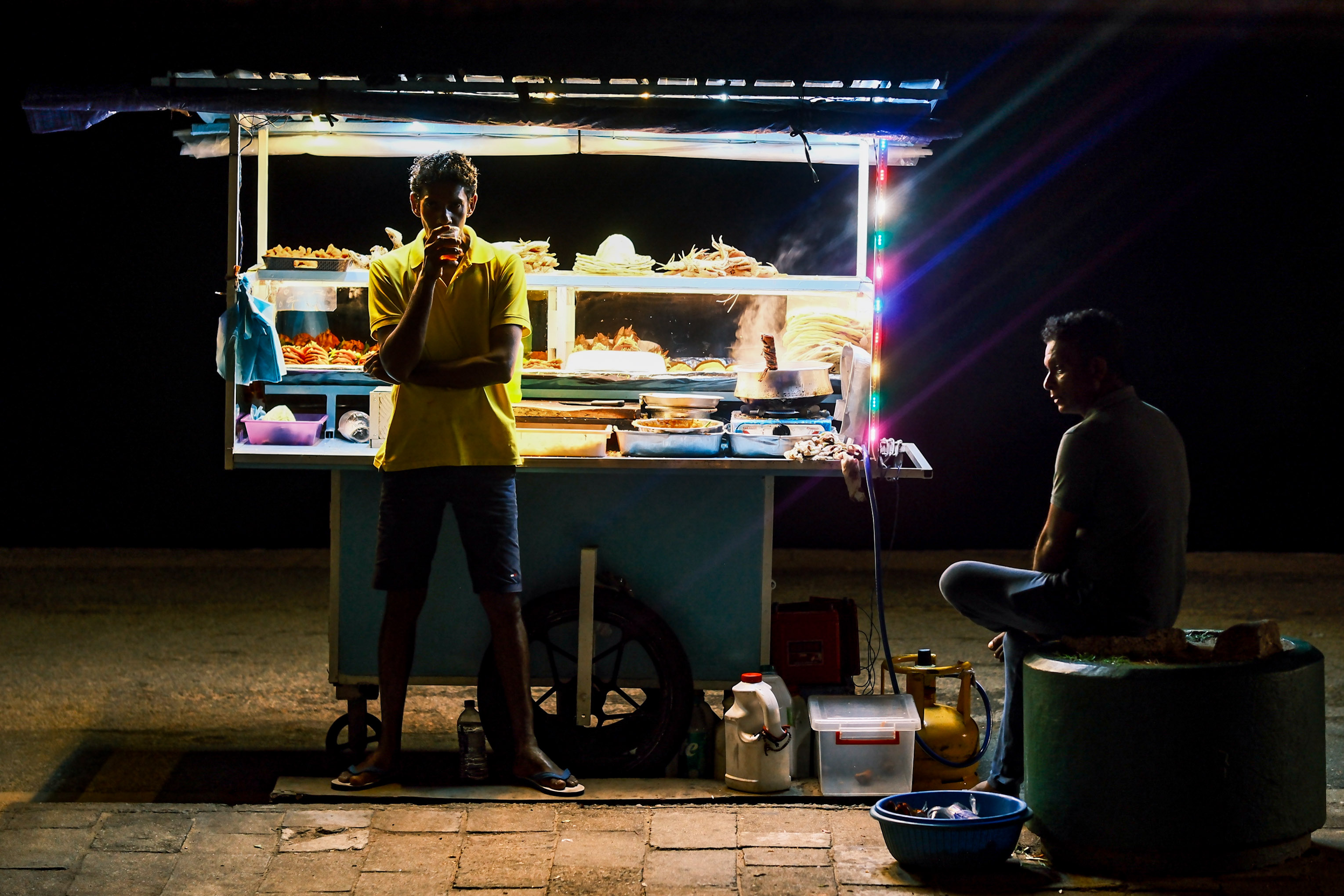
Before heading back to Sri Lanka, I got in touch with the other of a local film lab with the intention of developing my film when I was there. He also shoots film and you can find him here on instagram. He suggested heading to Pettah Market – I googled the area and it was right up my street, what I didn’t realise was however much I would loved to shoot in Pettah Market, I would fall in love with the area more. A bustling cacophony of colour and authentic Sri Lankan life.
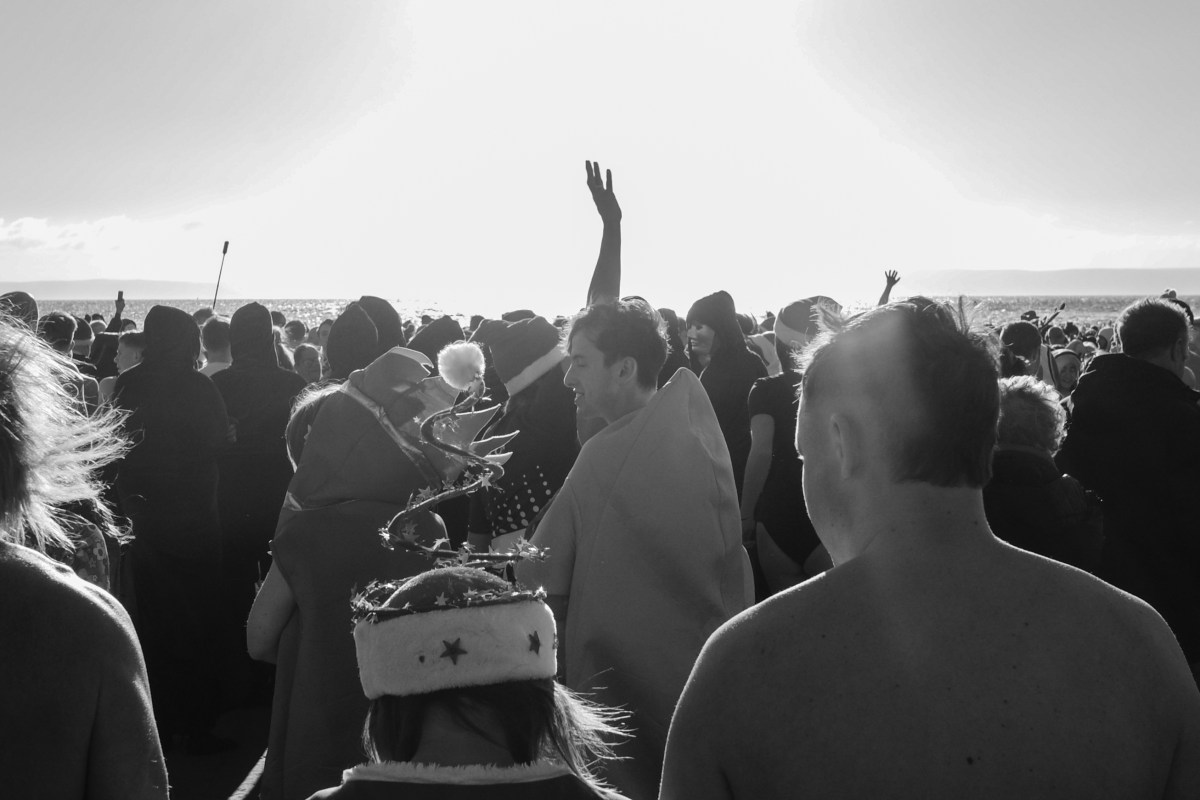
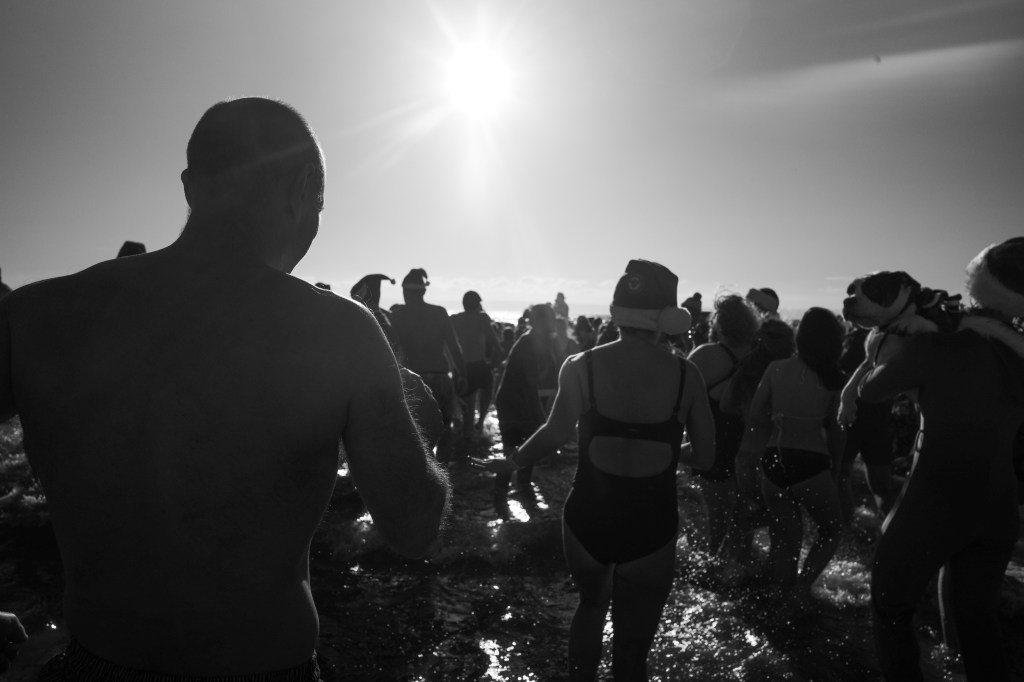
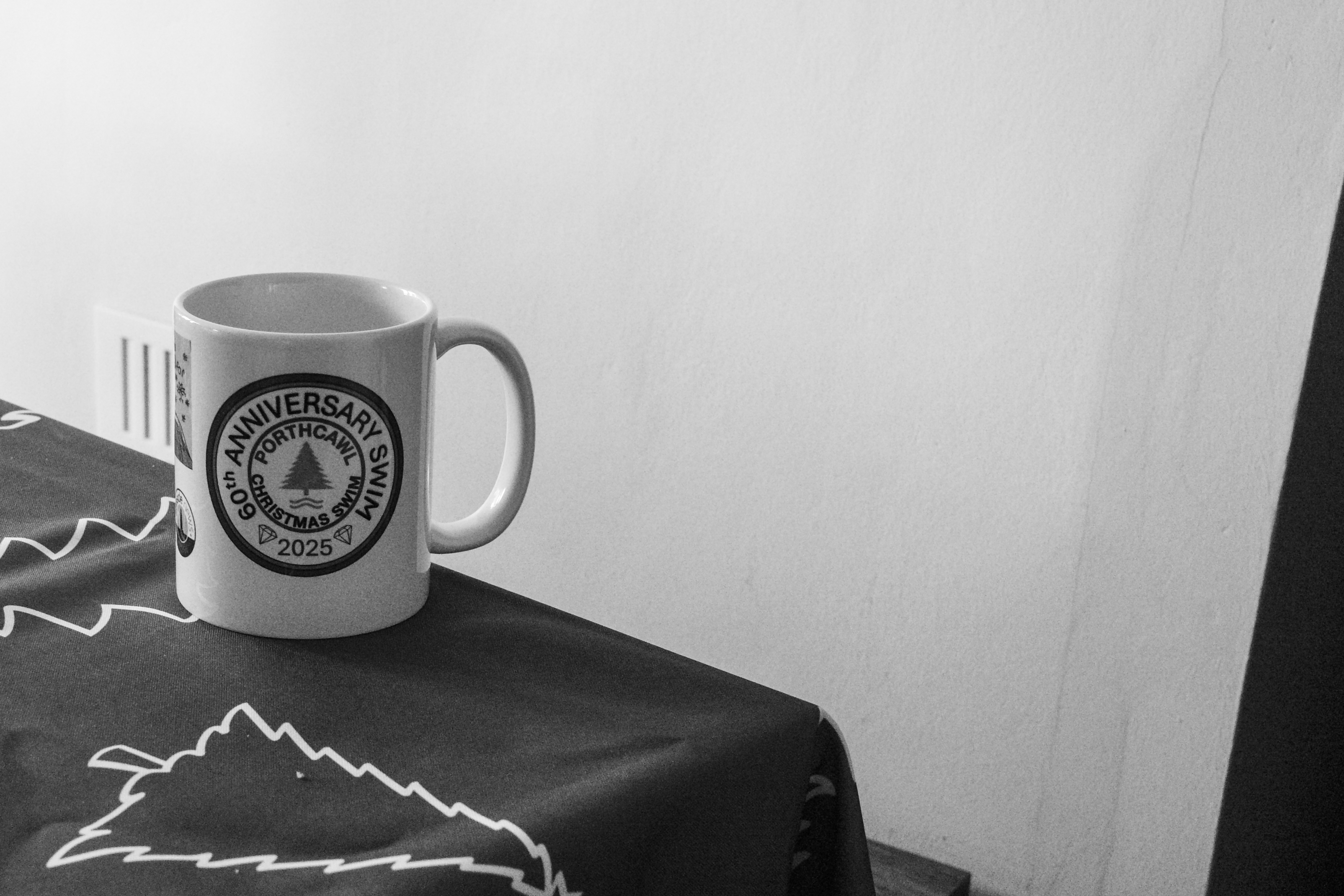
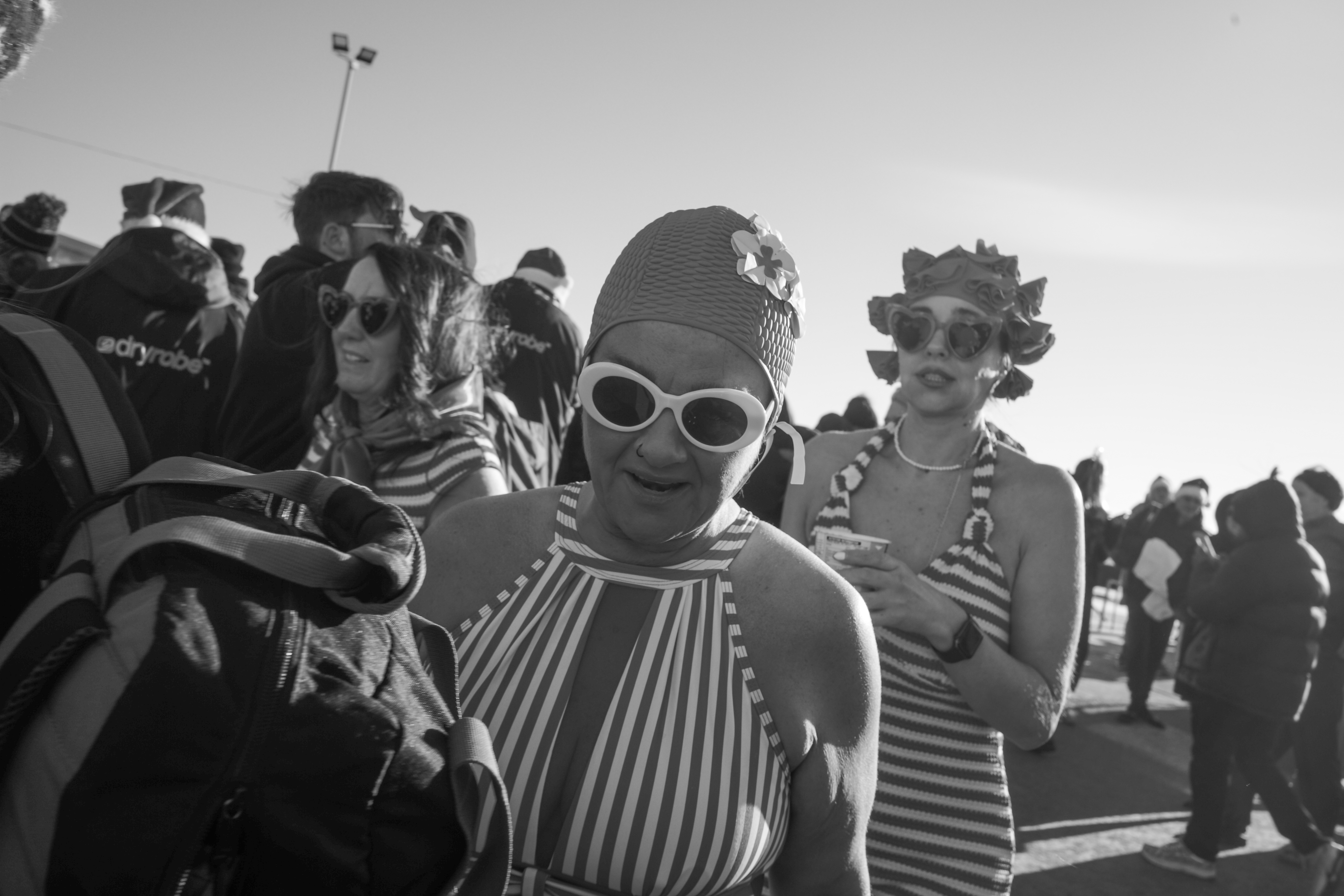
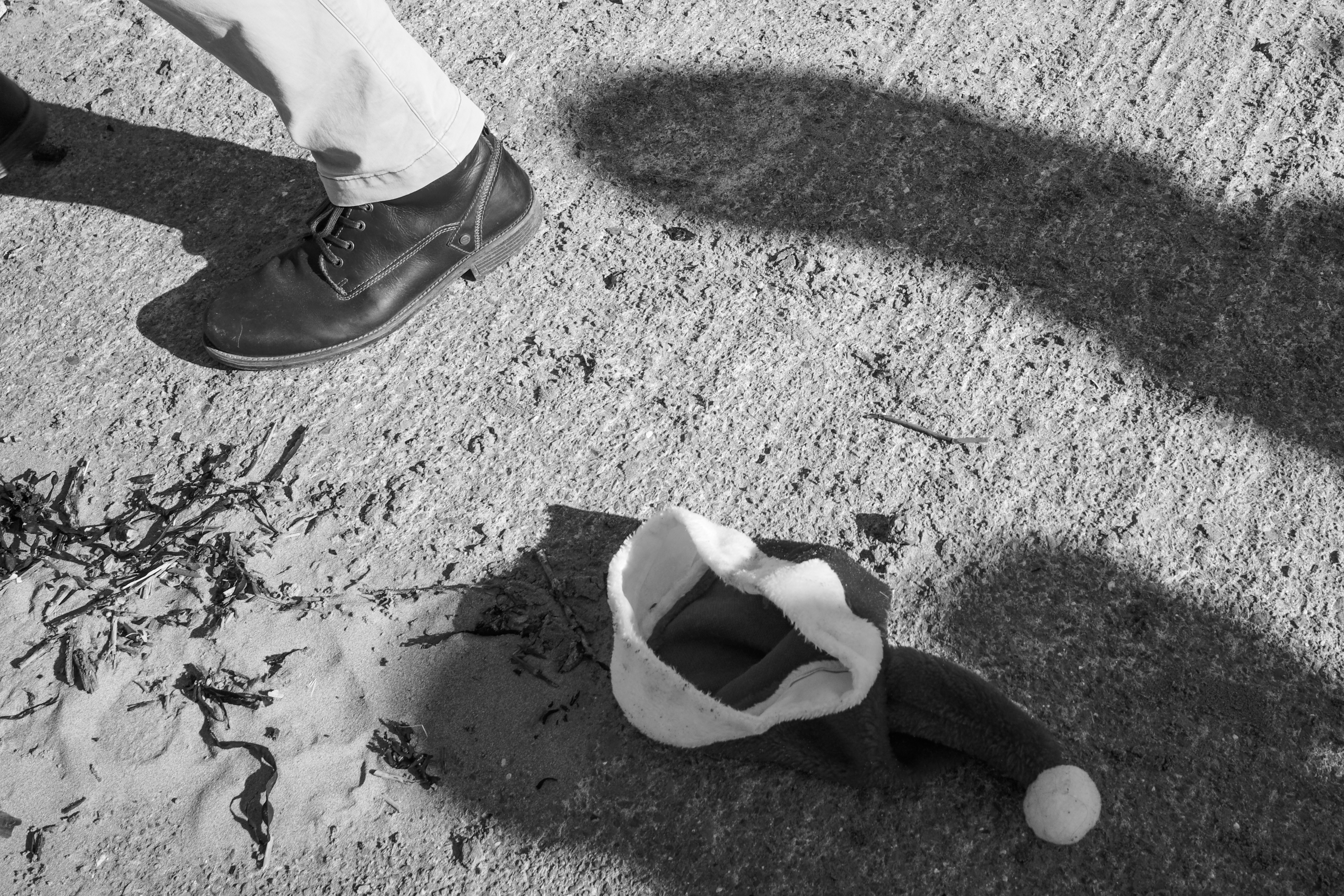
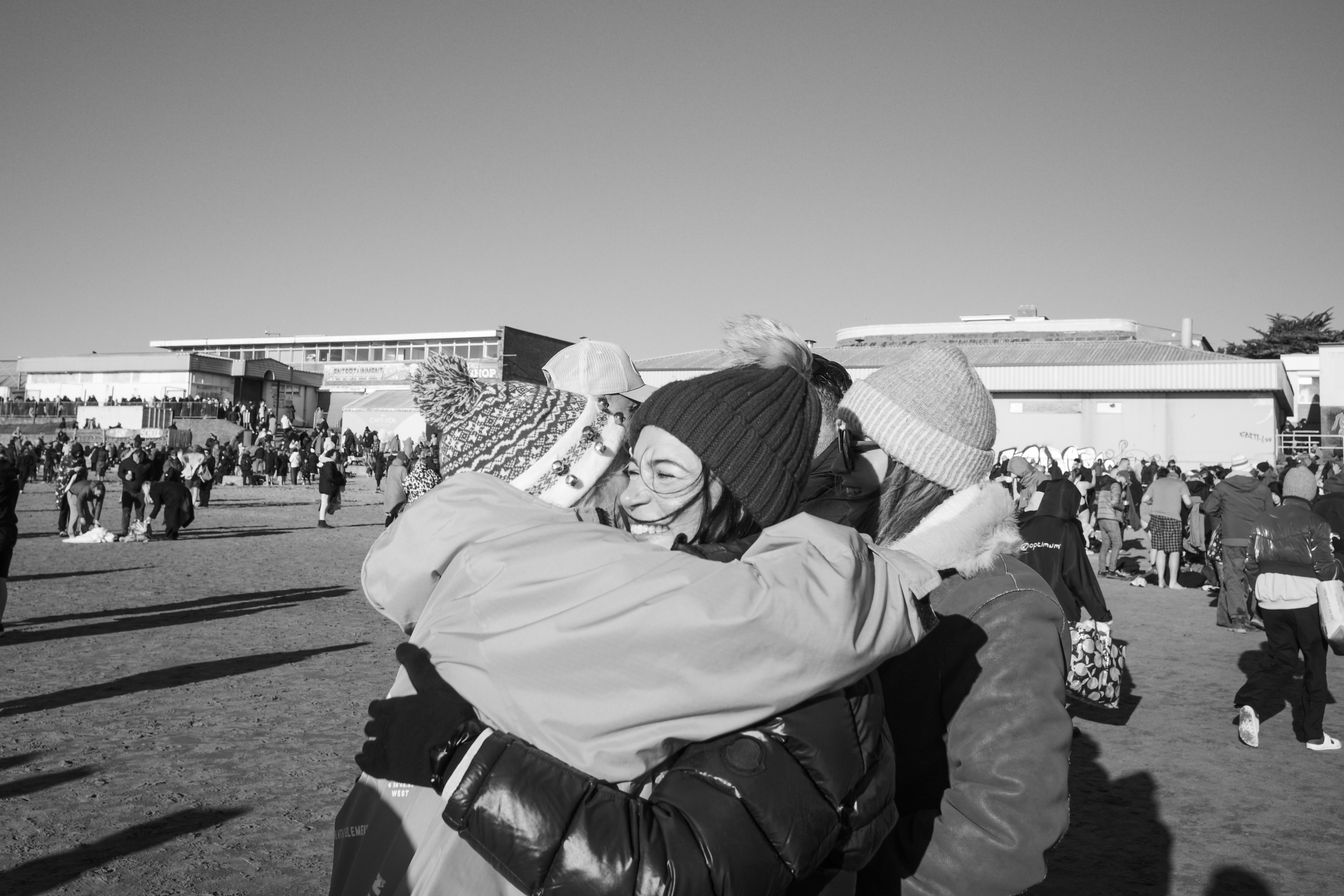
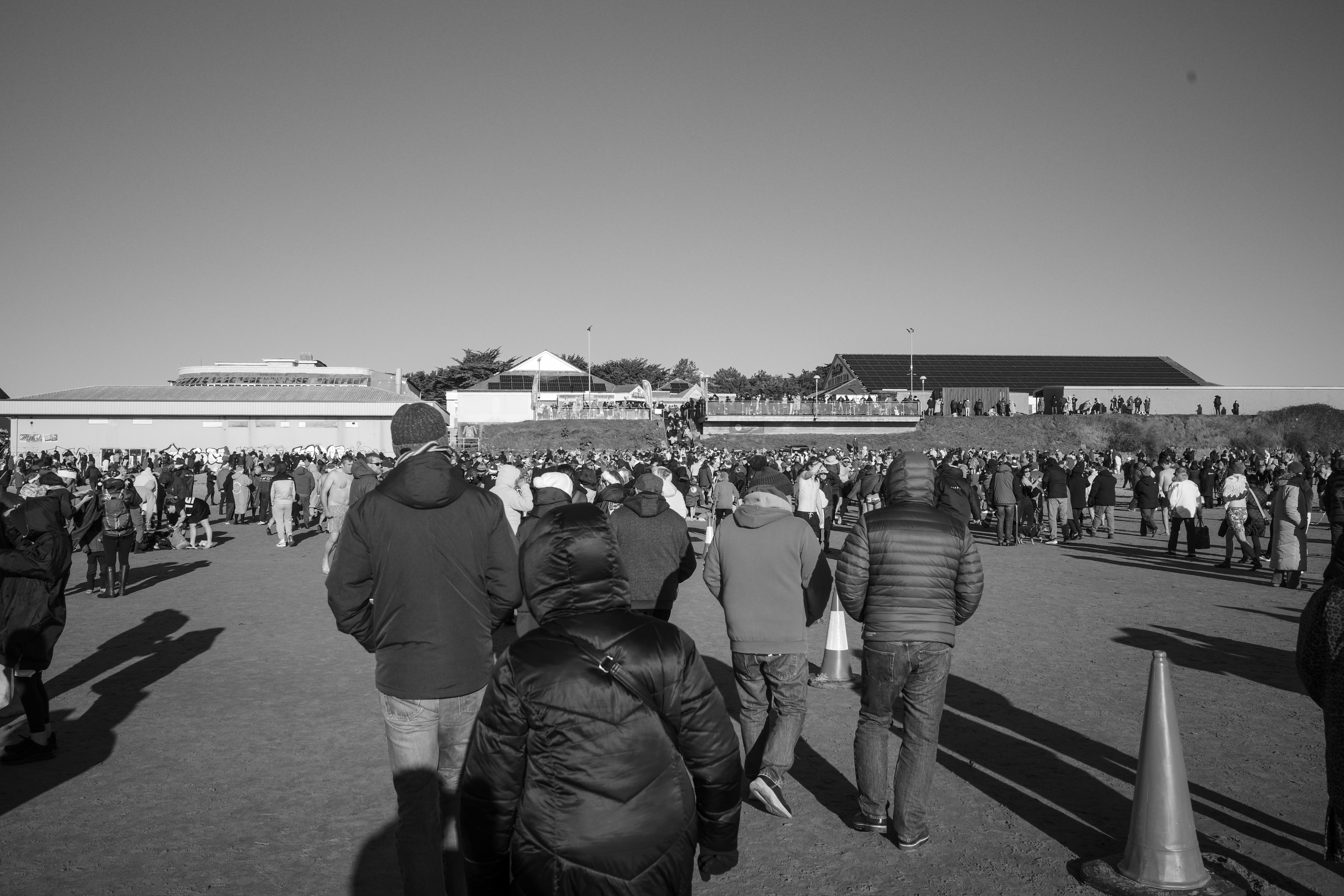
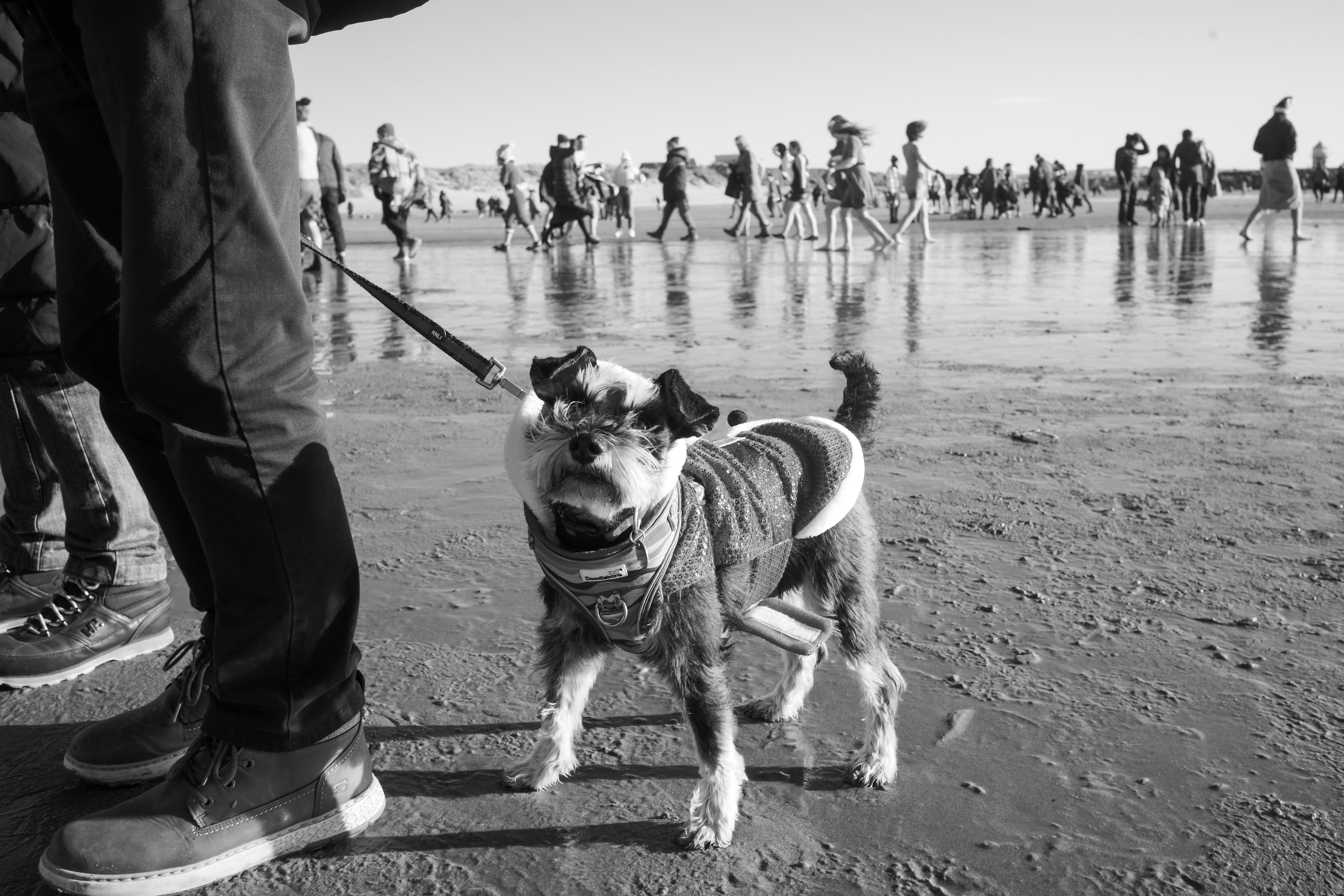
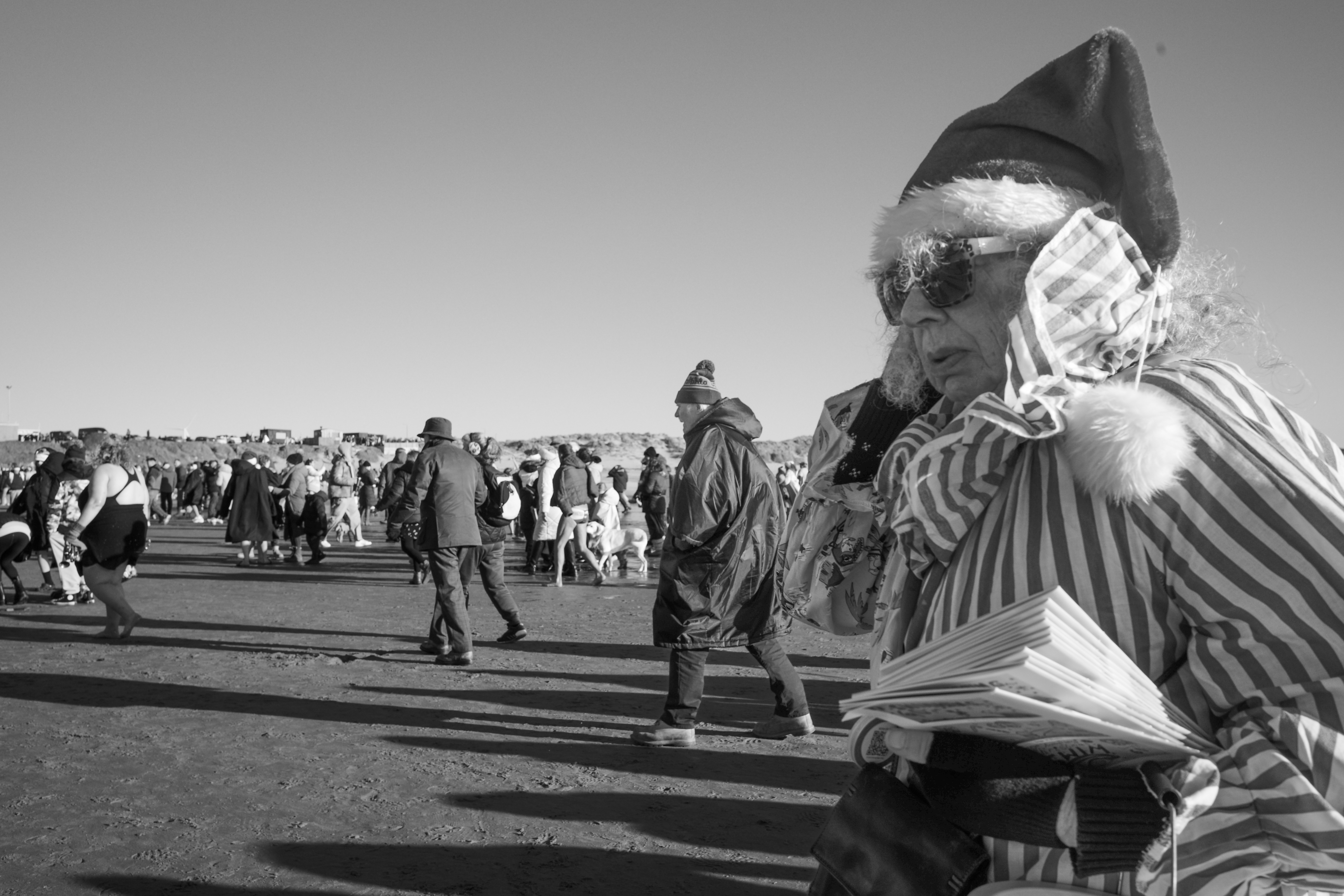
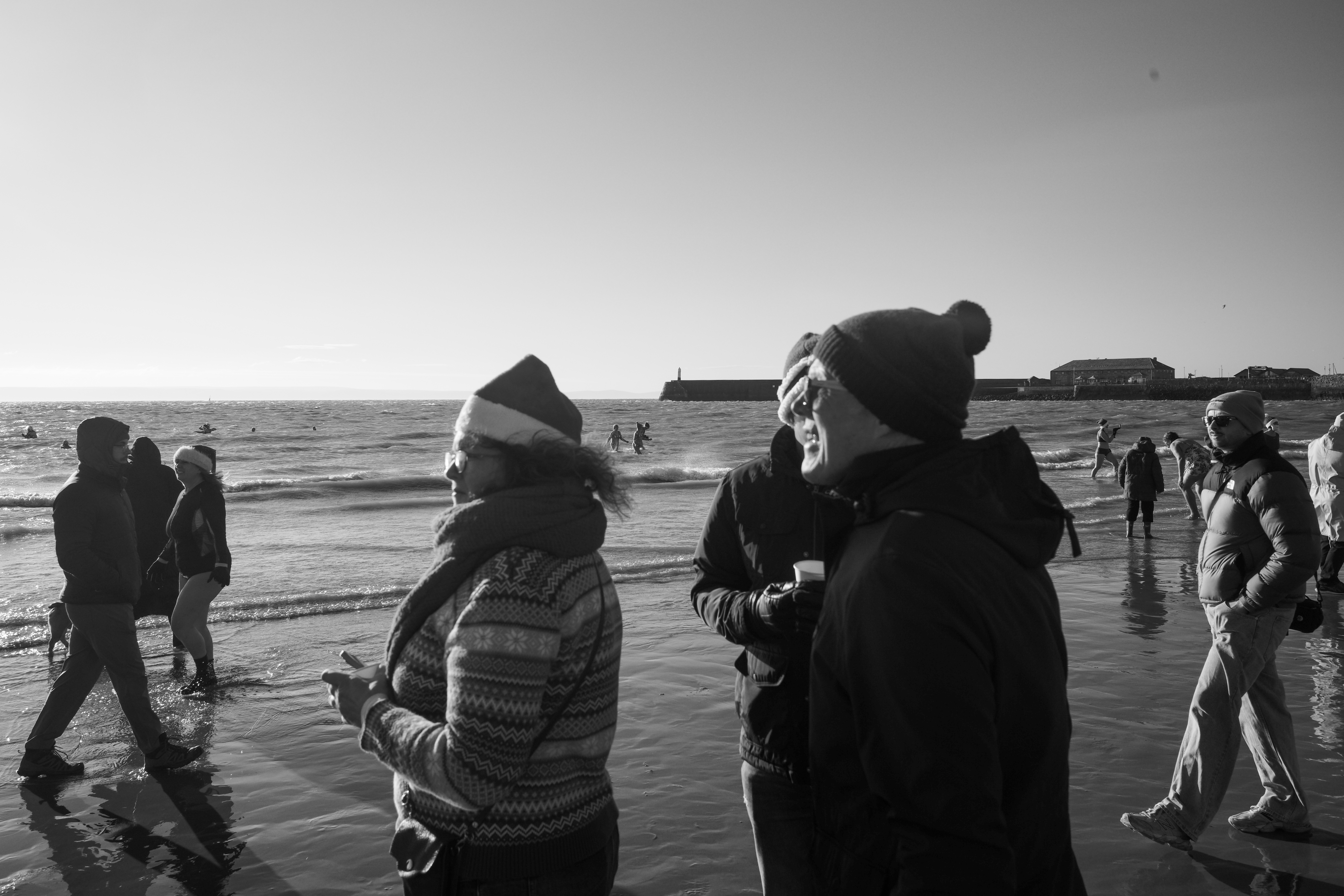
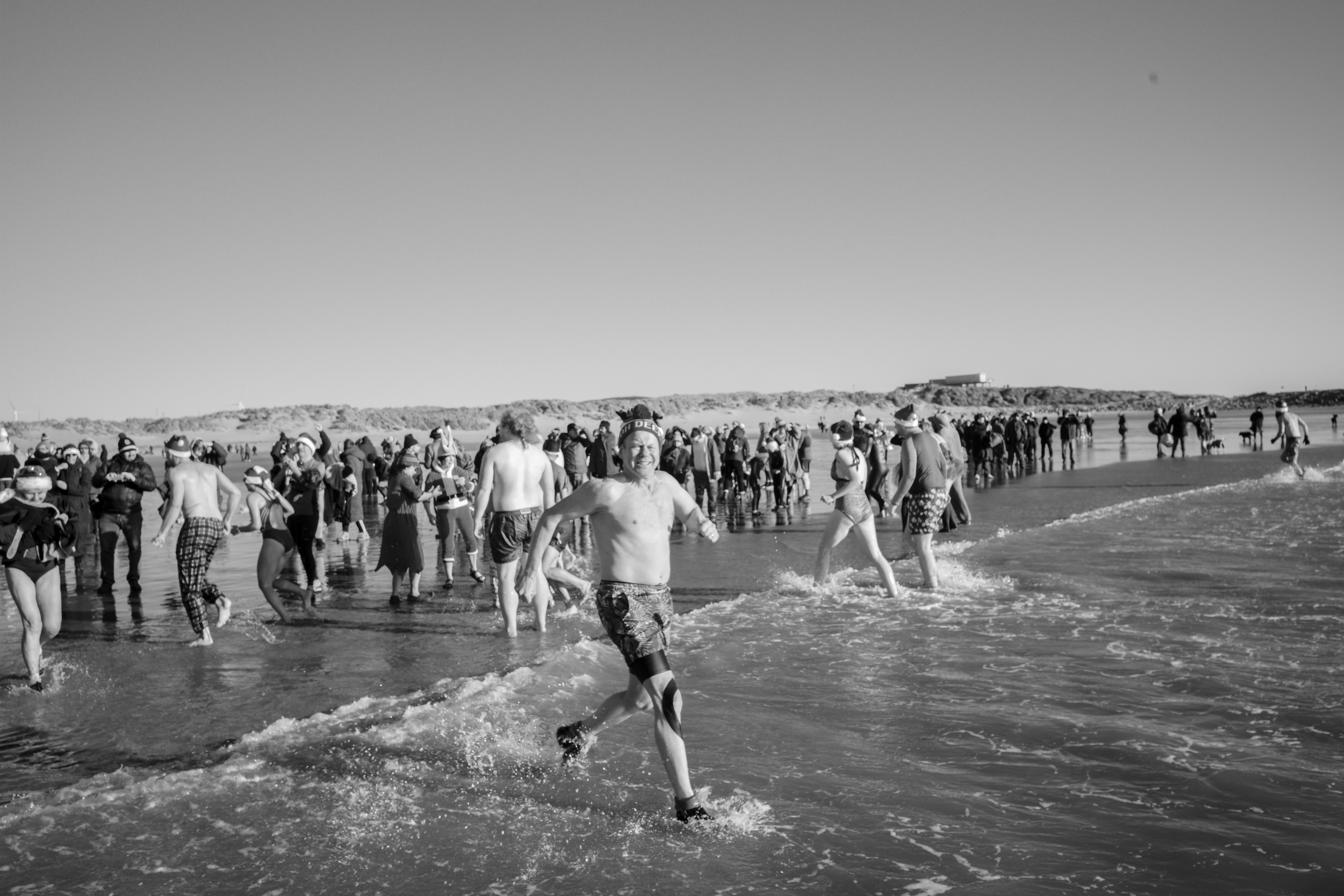
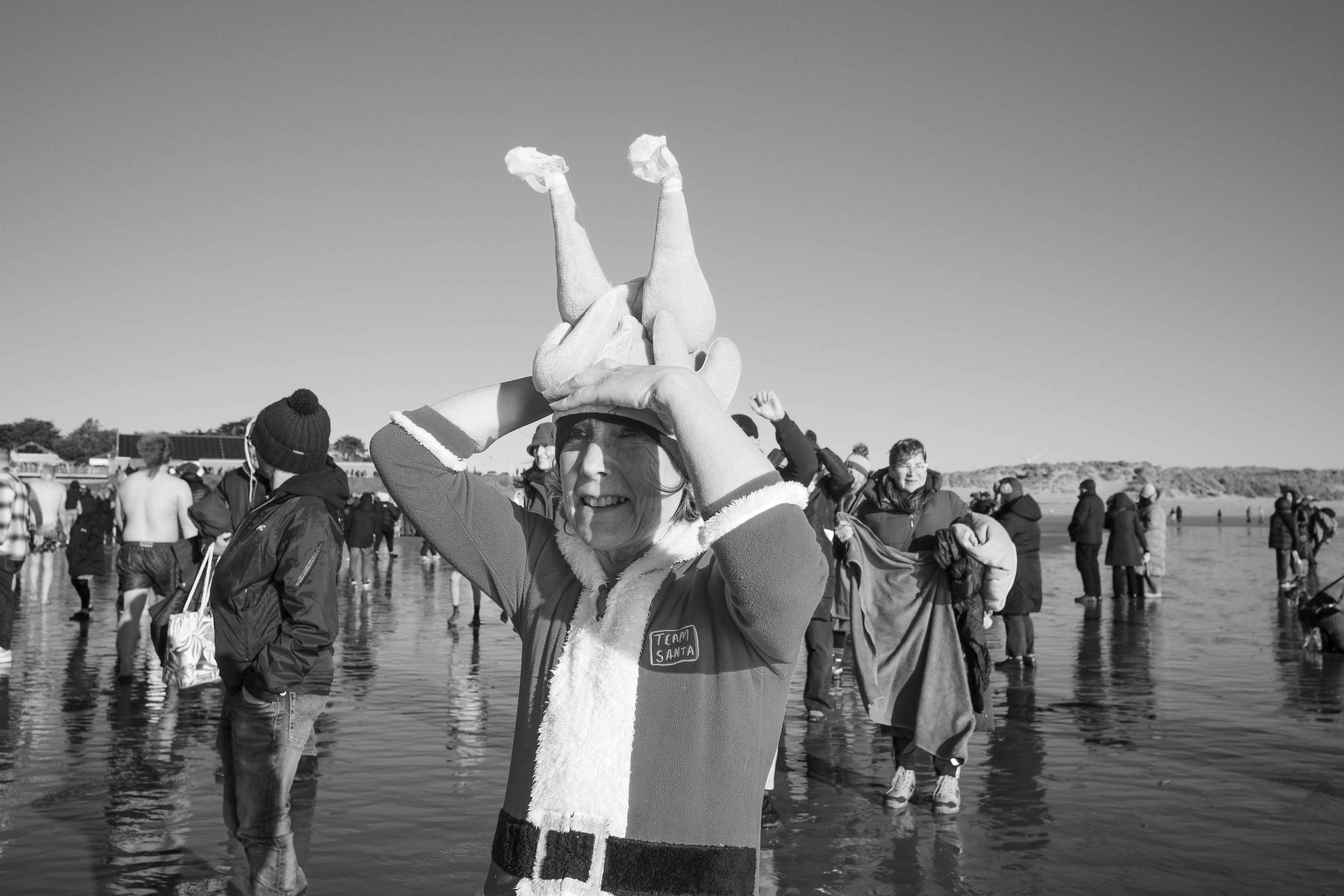
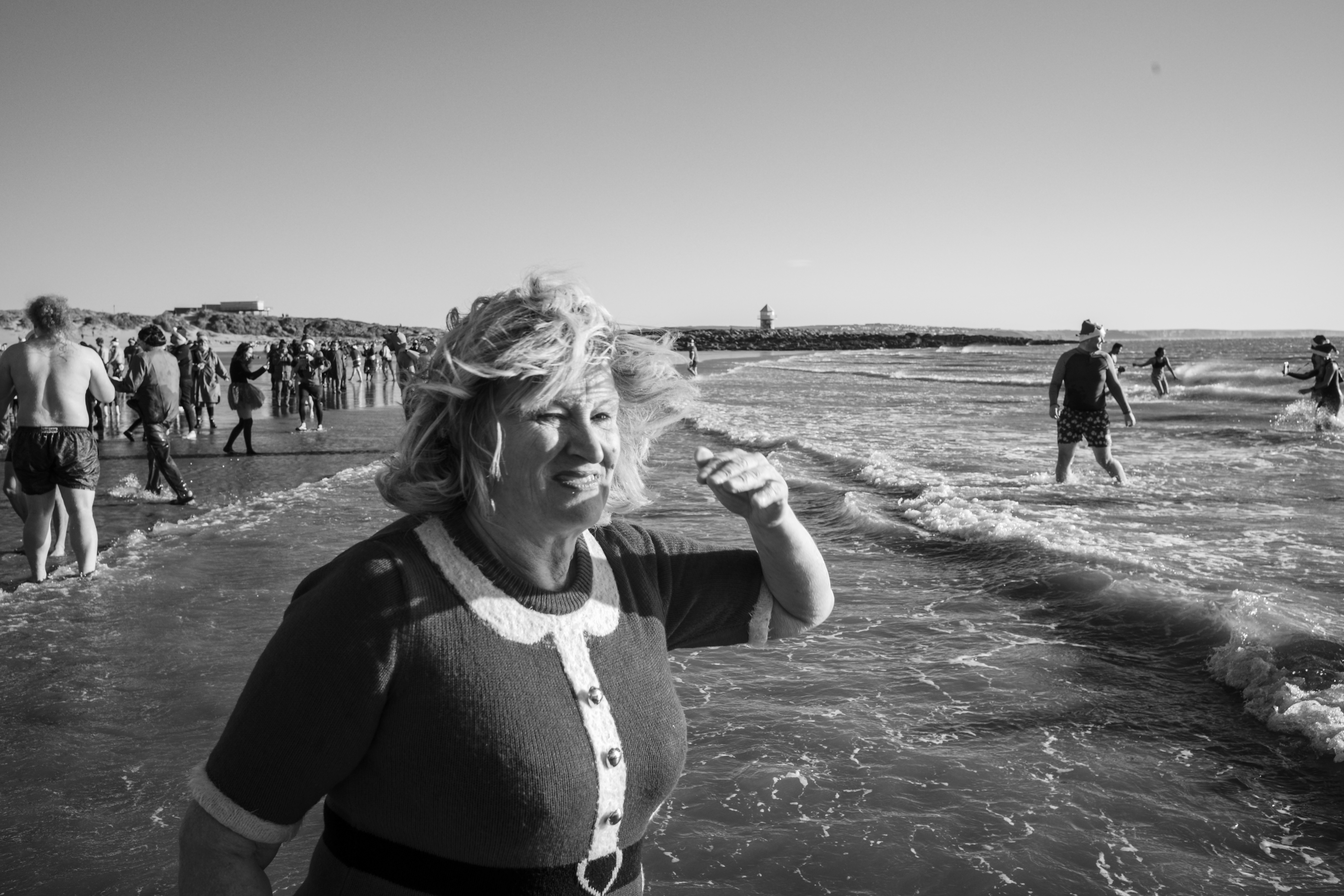
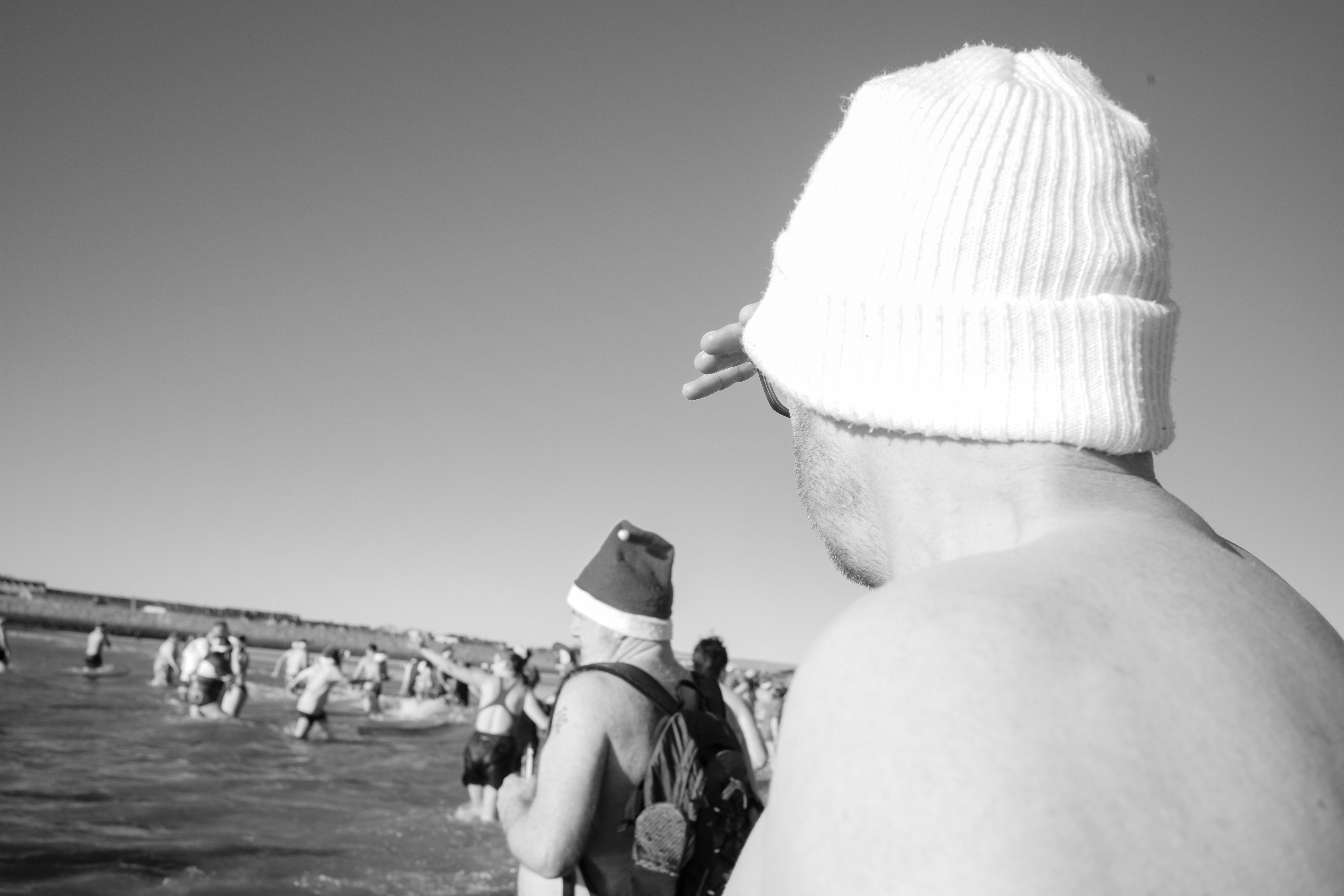
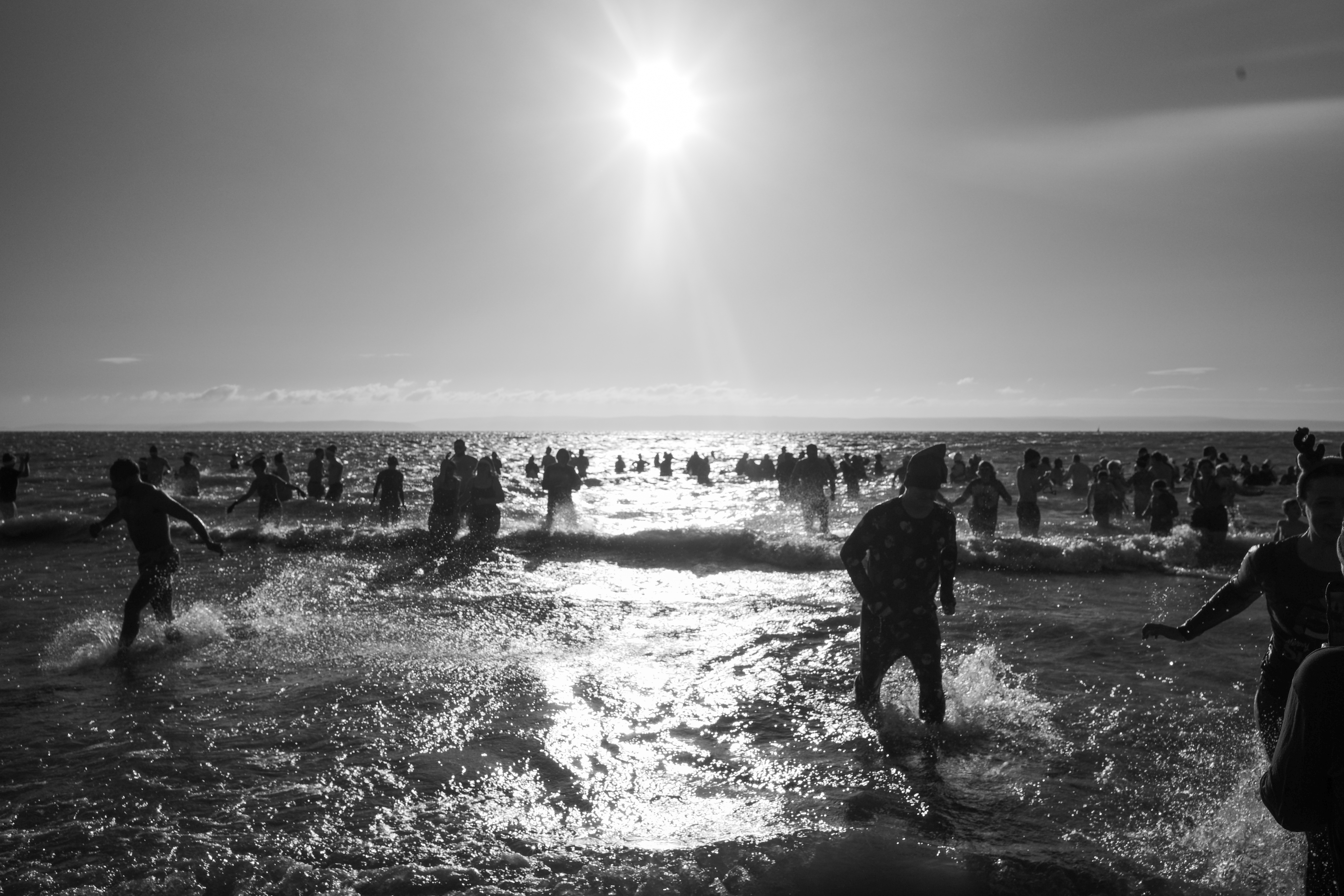
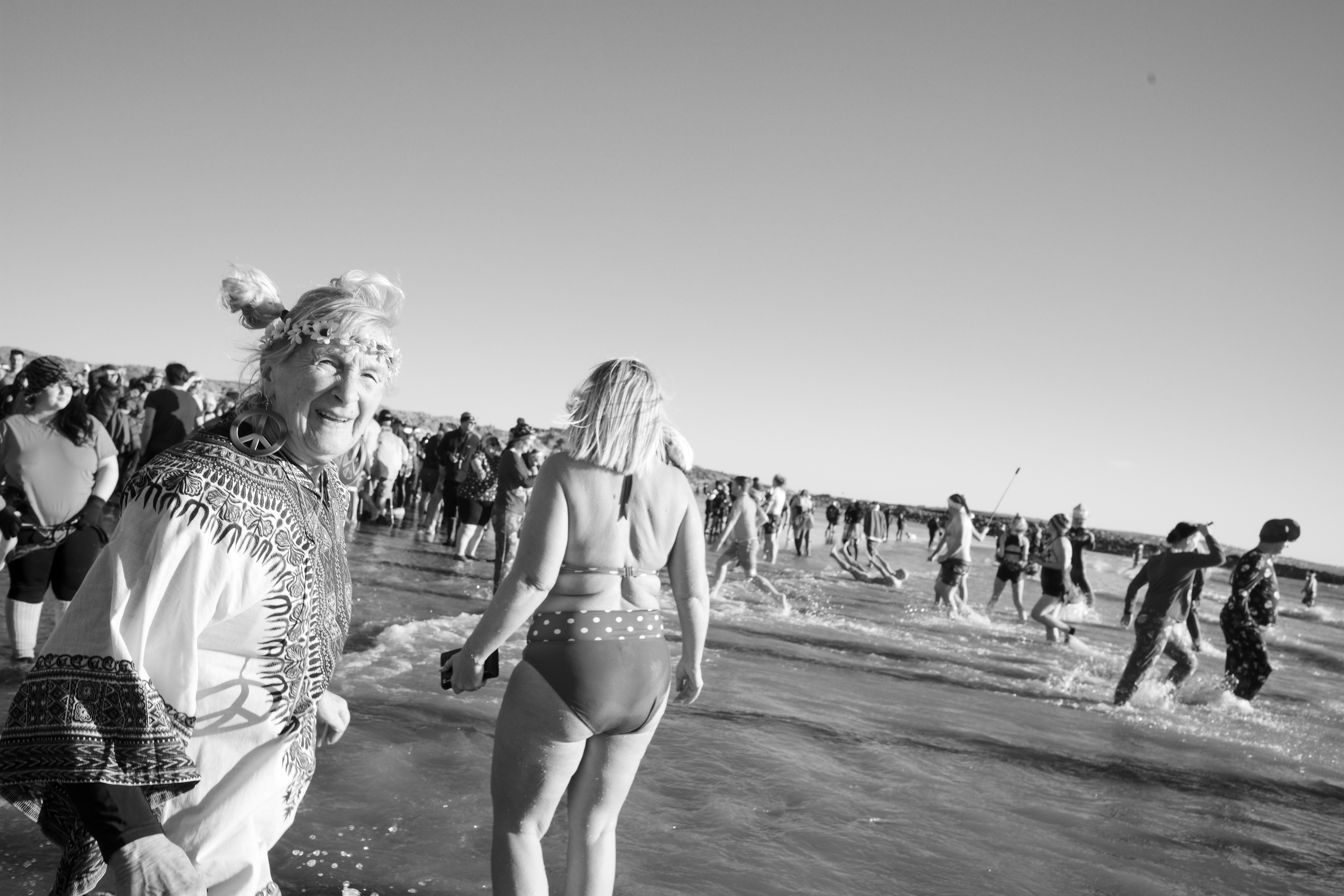
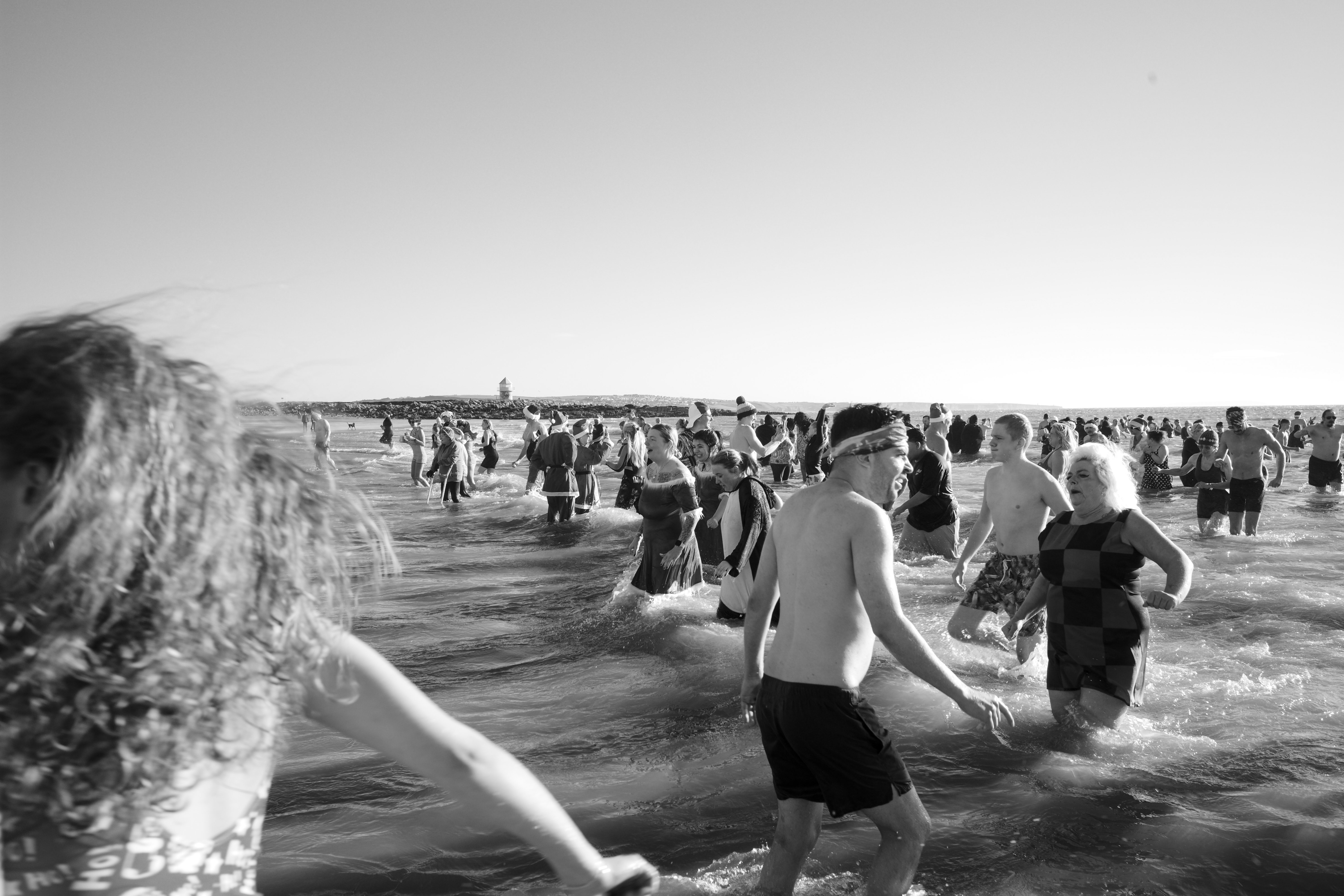
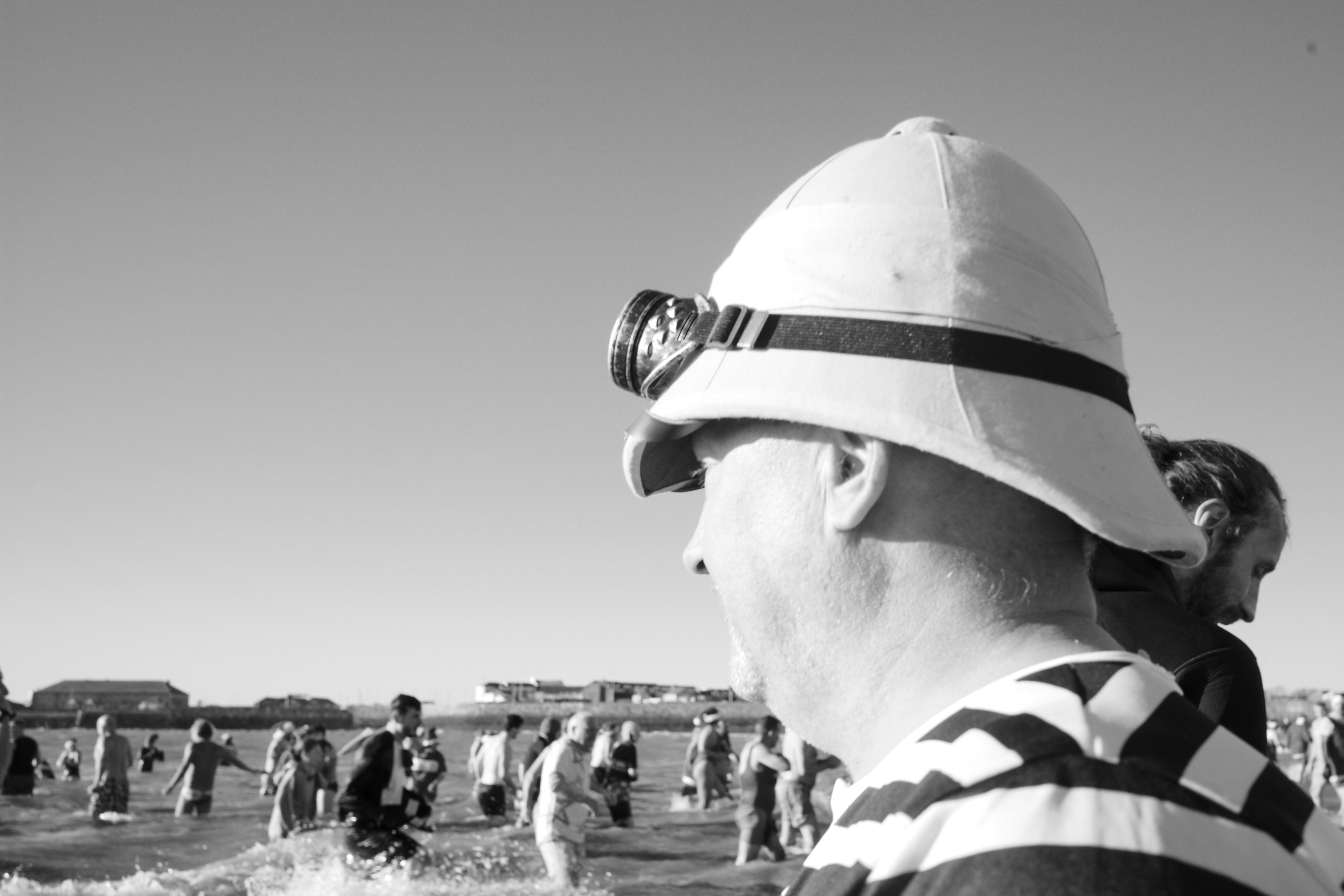
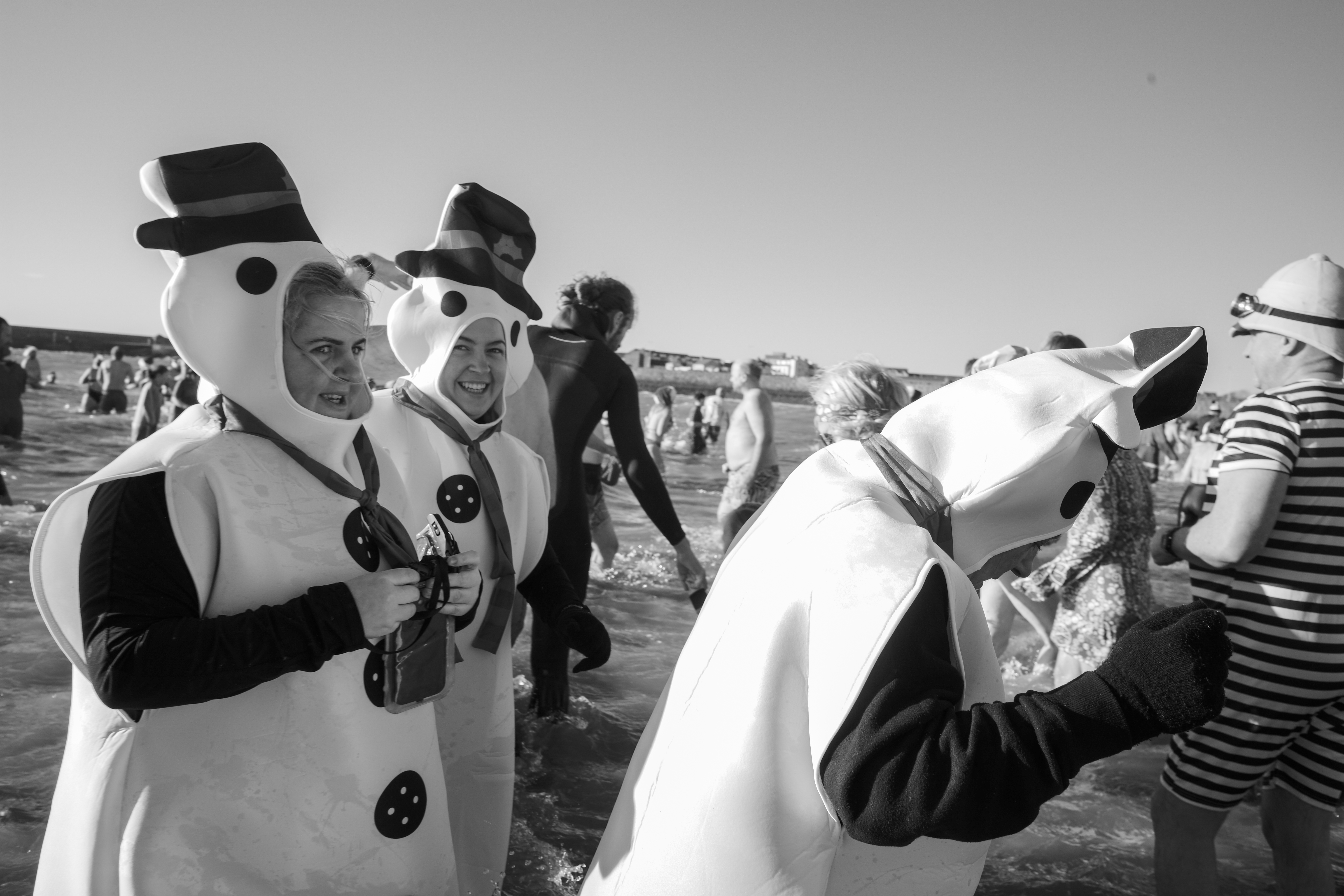
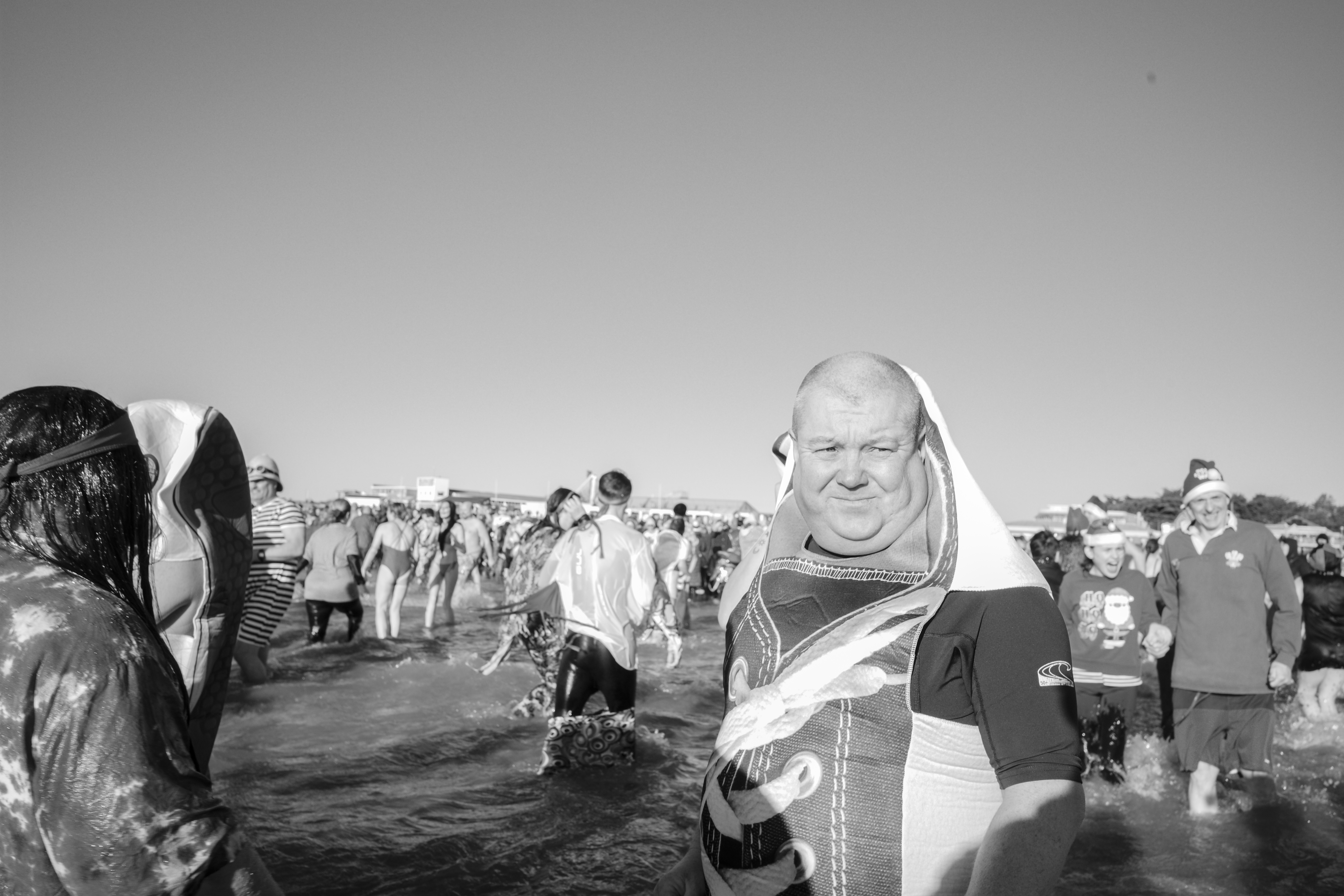
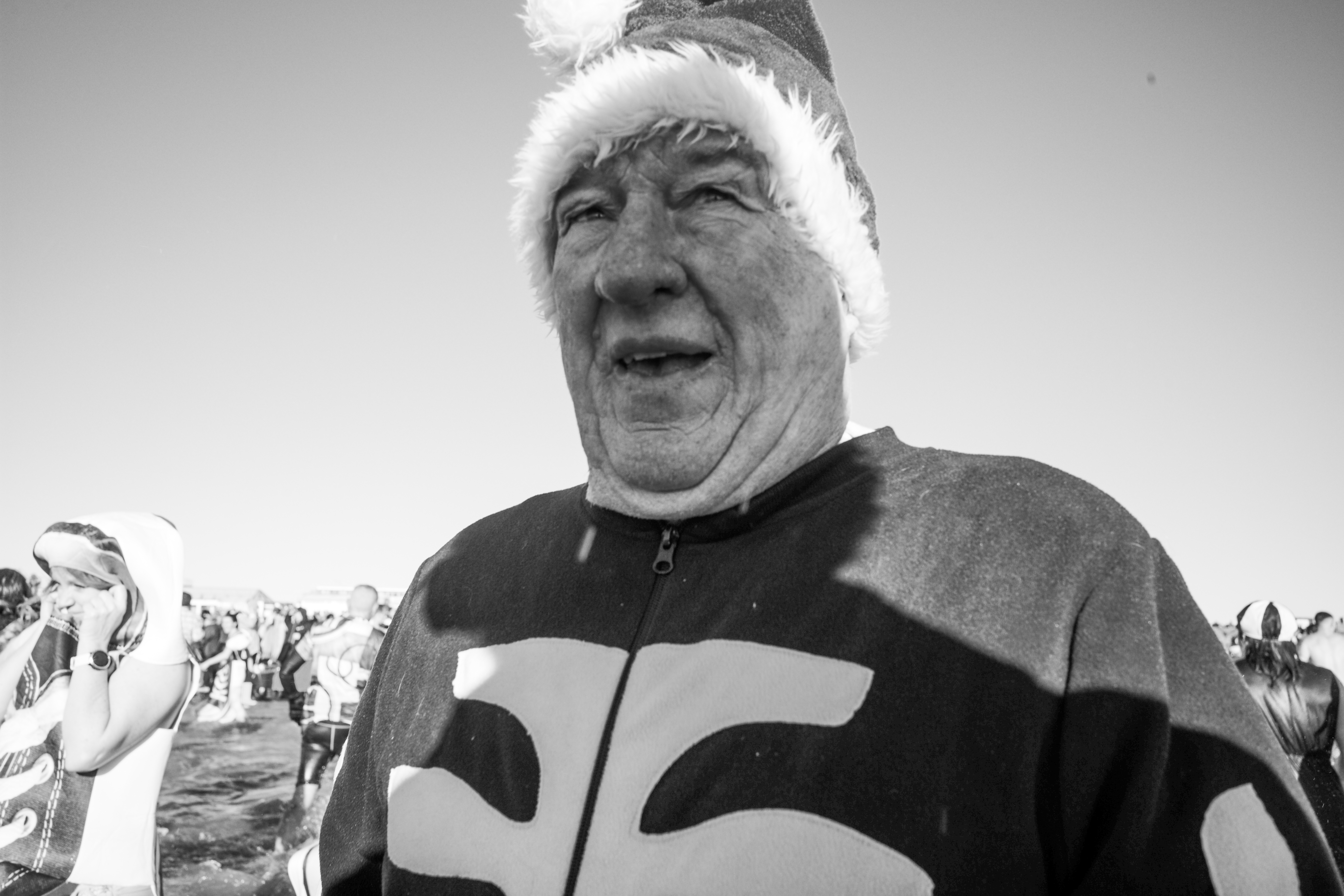
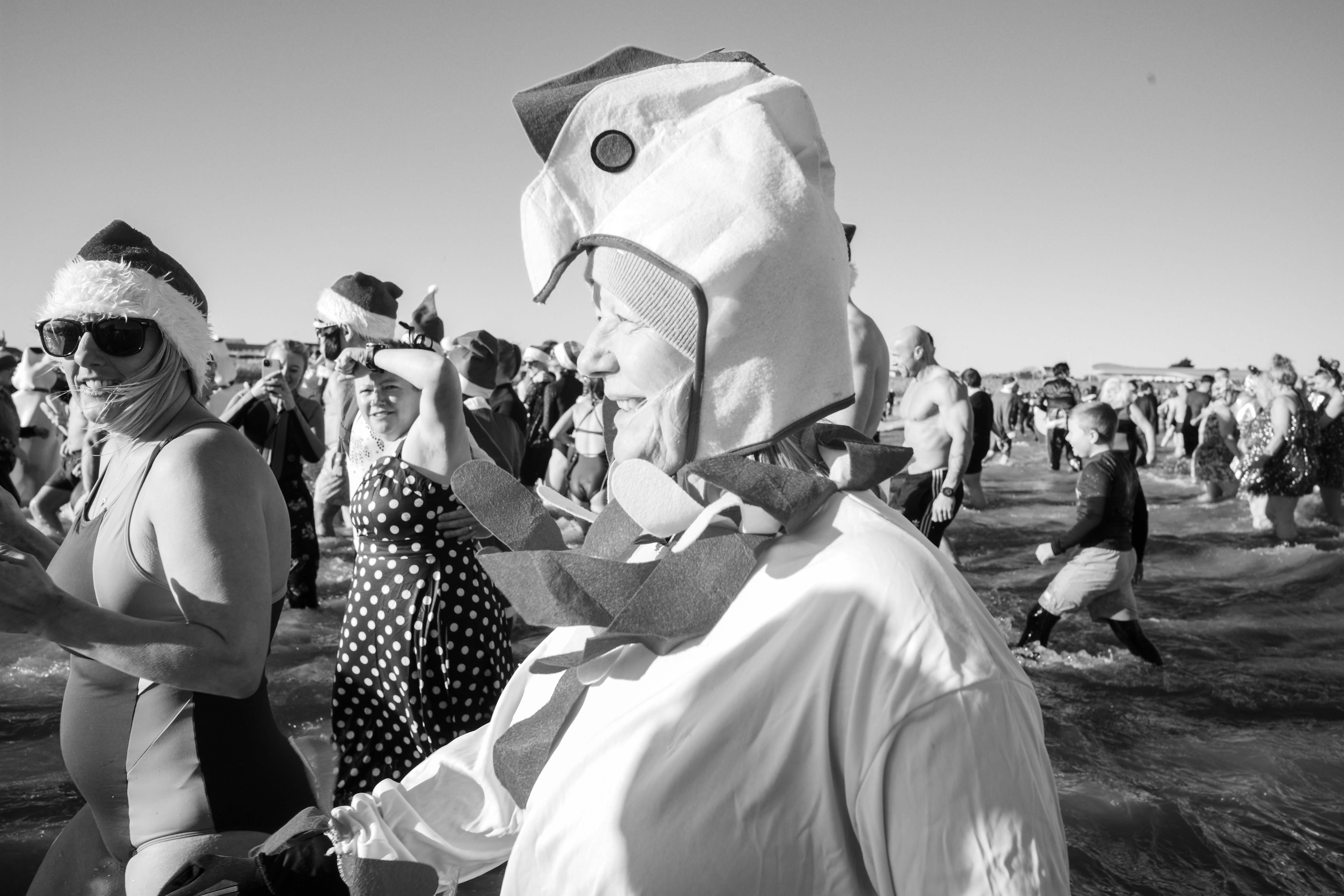
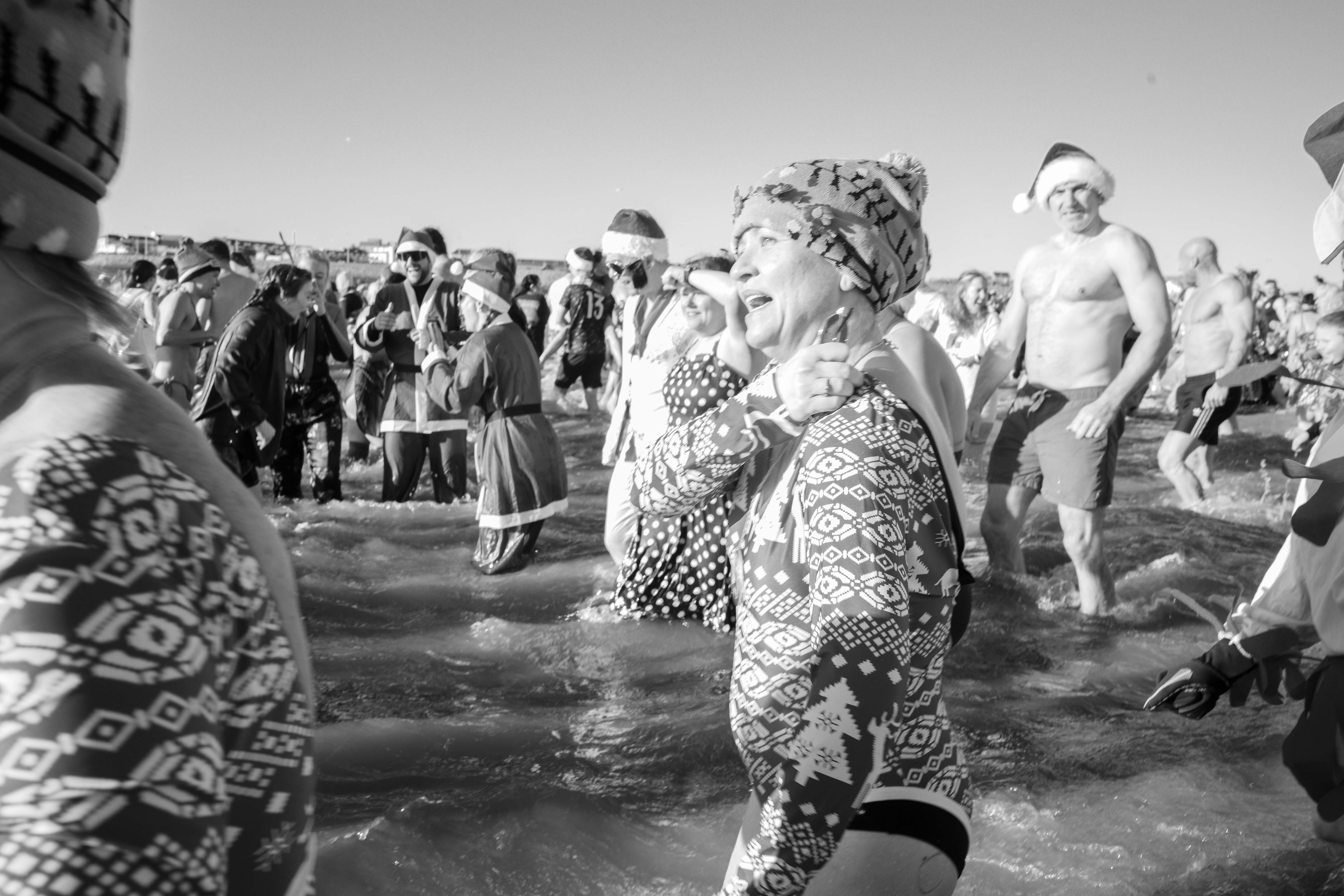
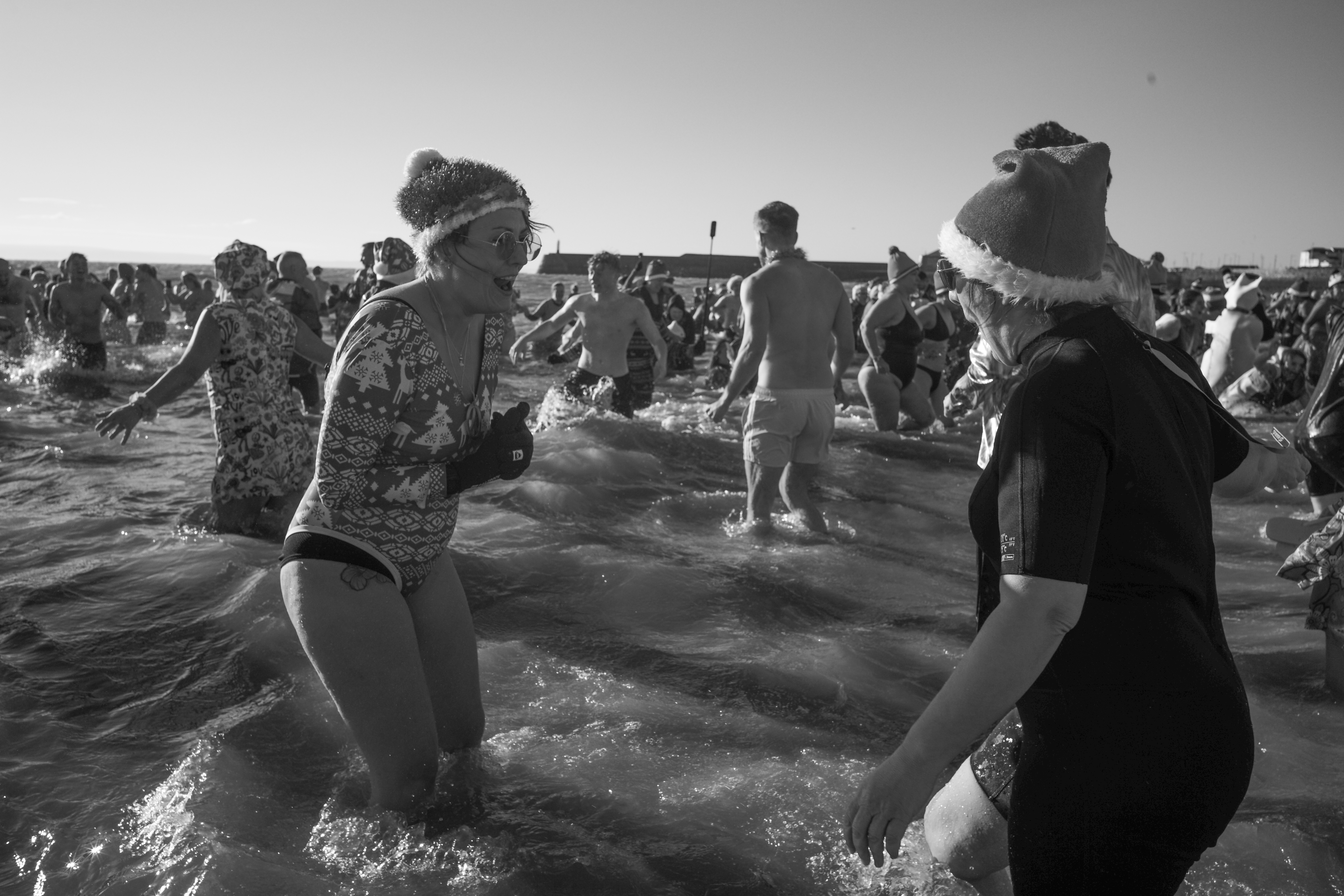
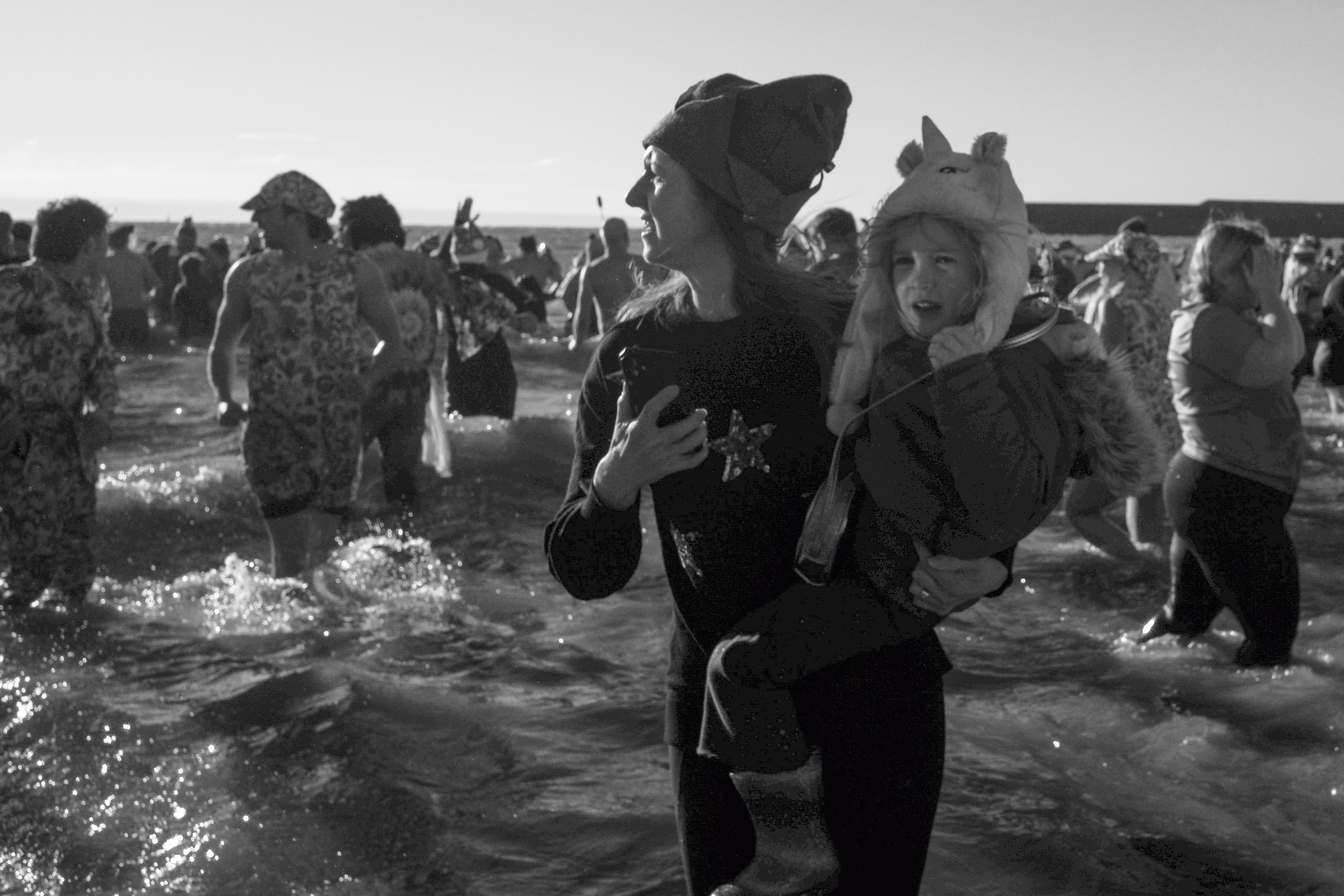
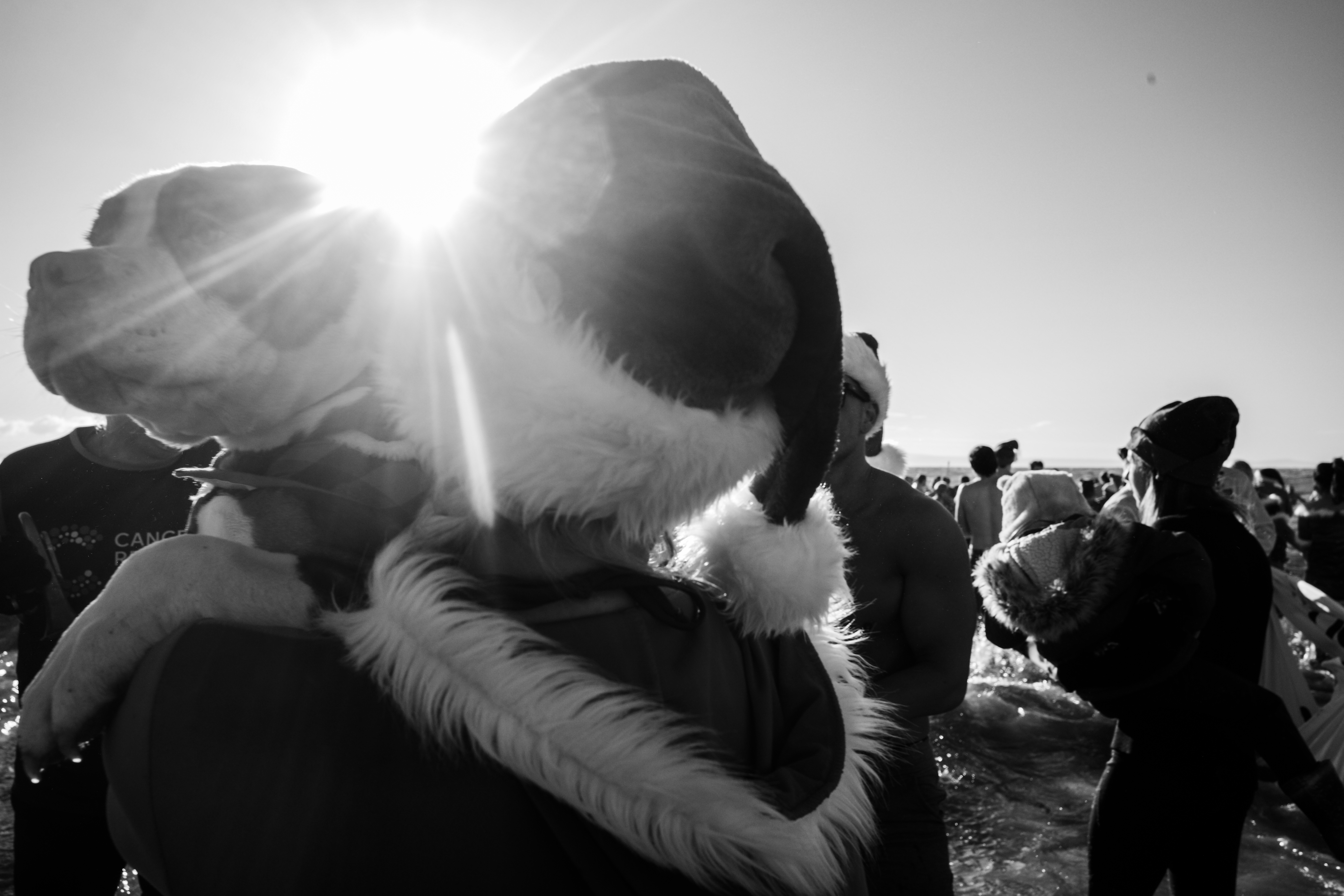
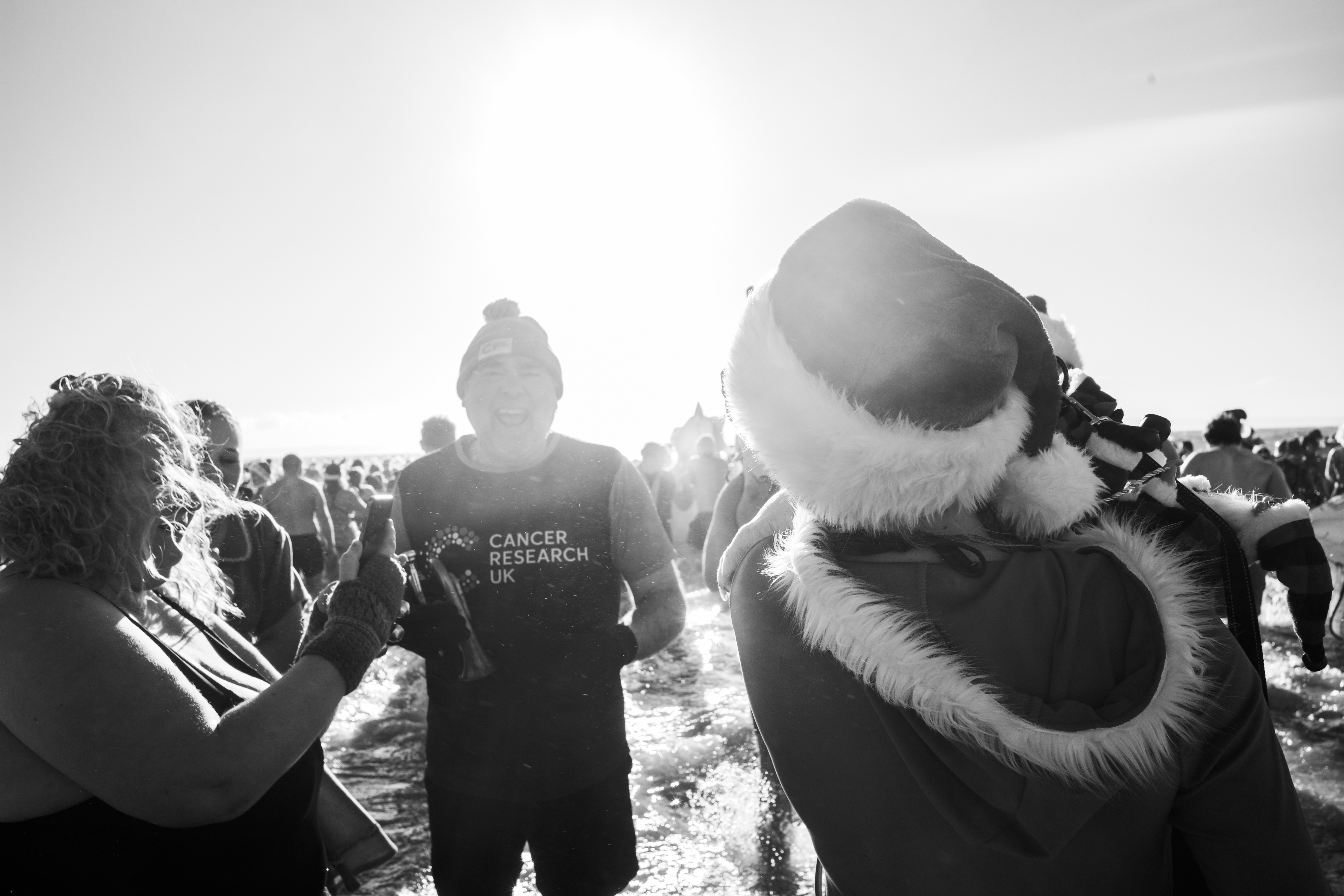
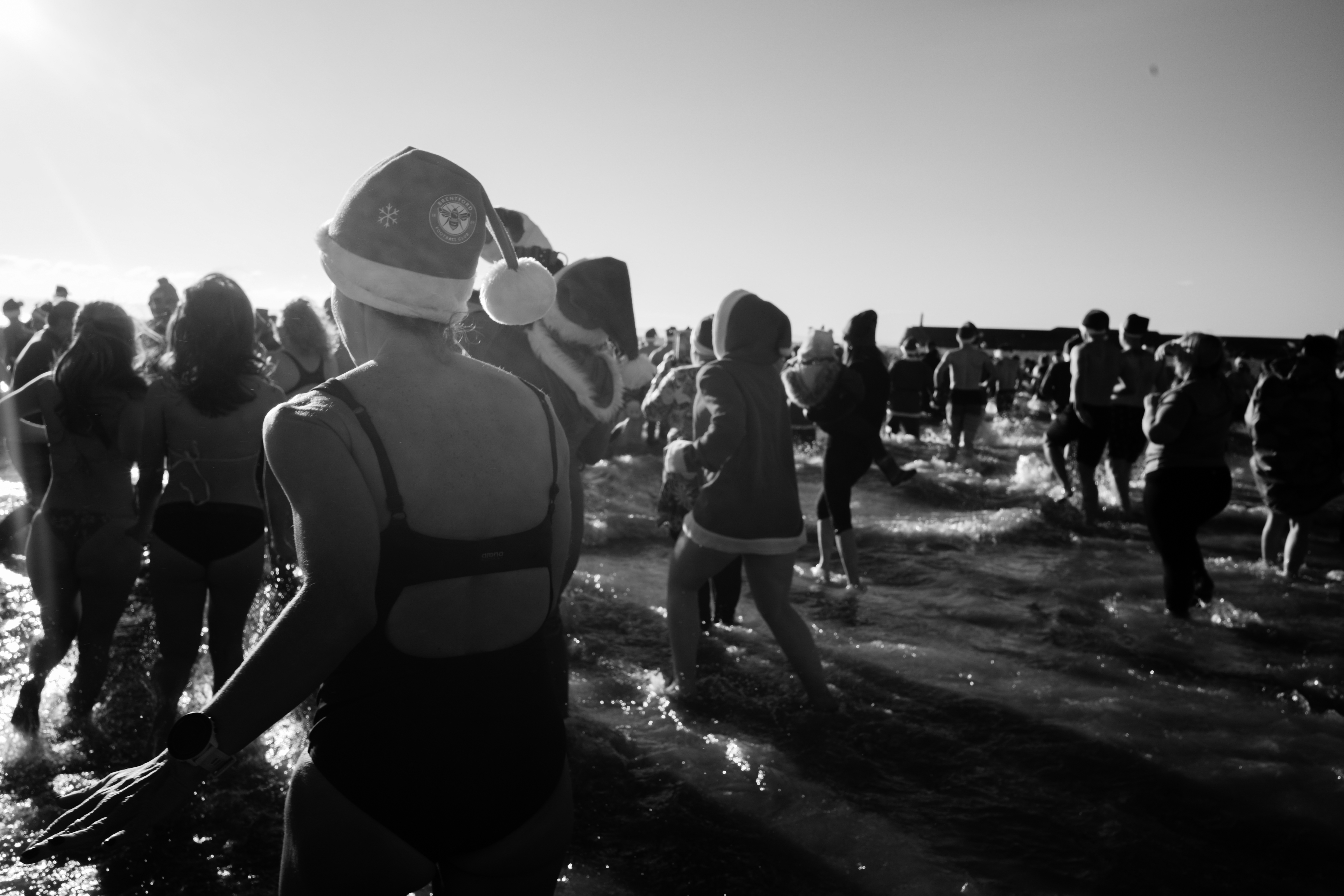
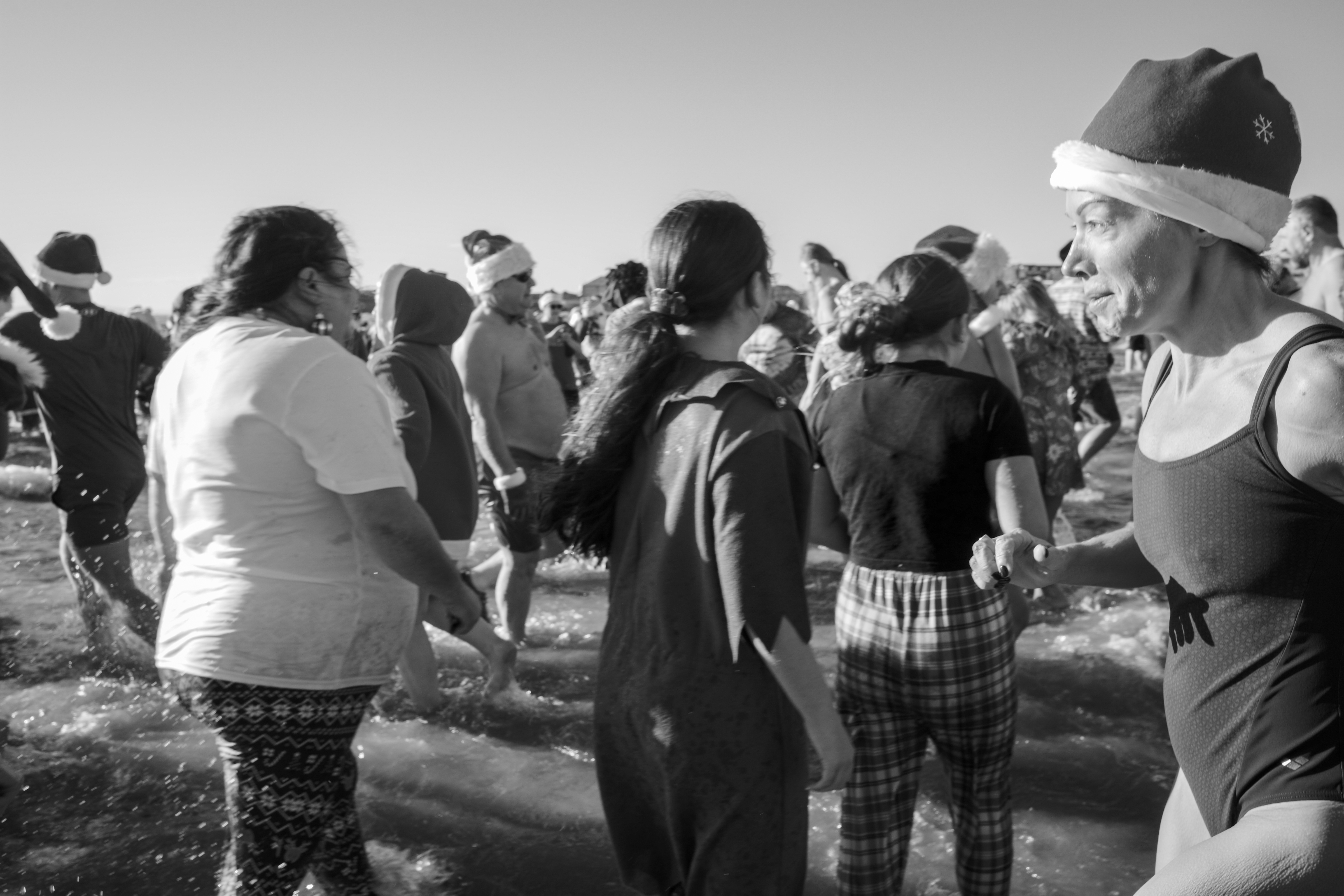
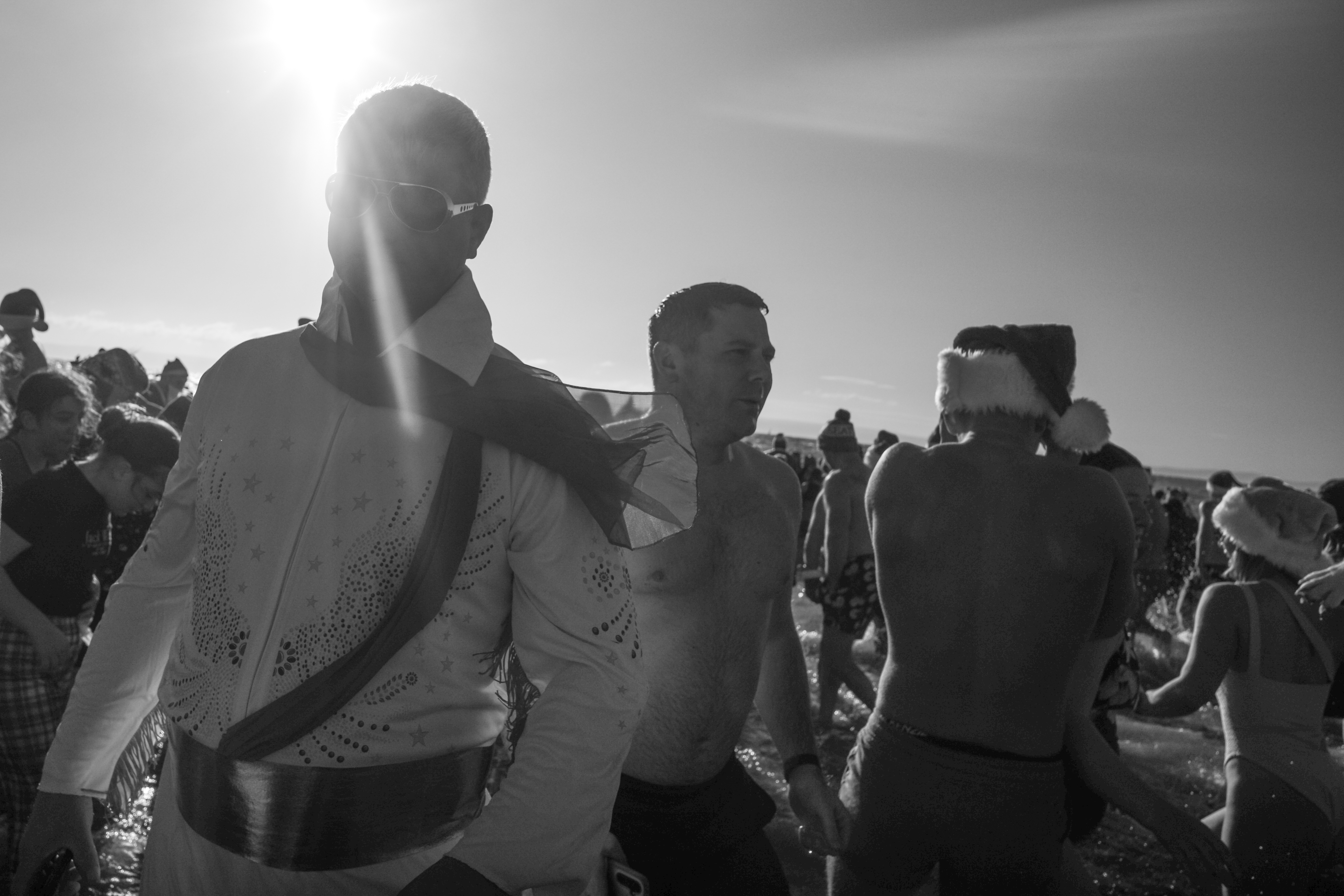
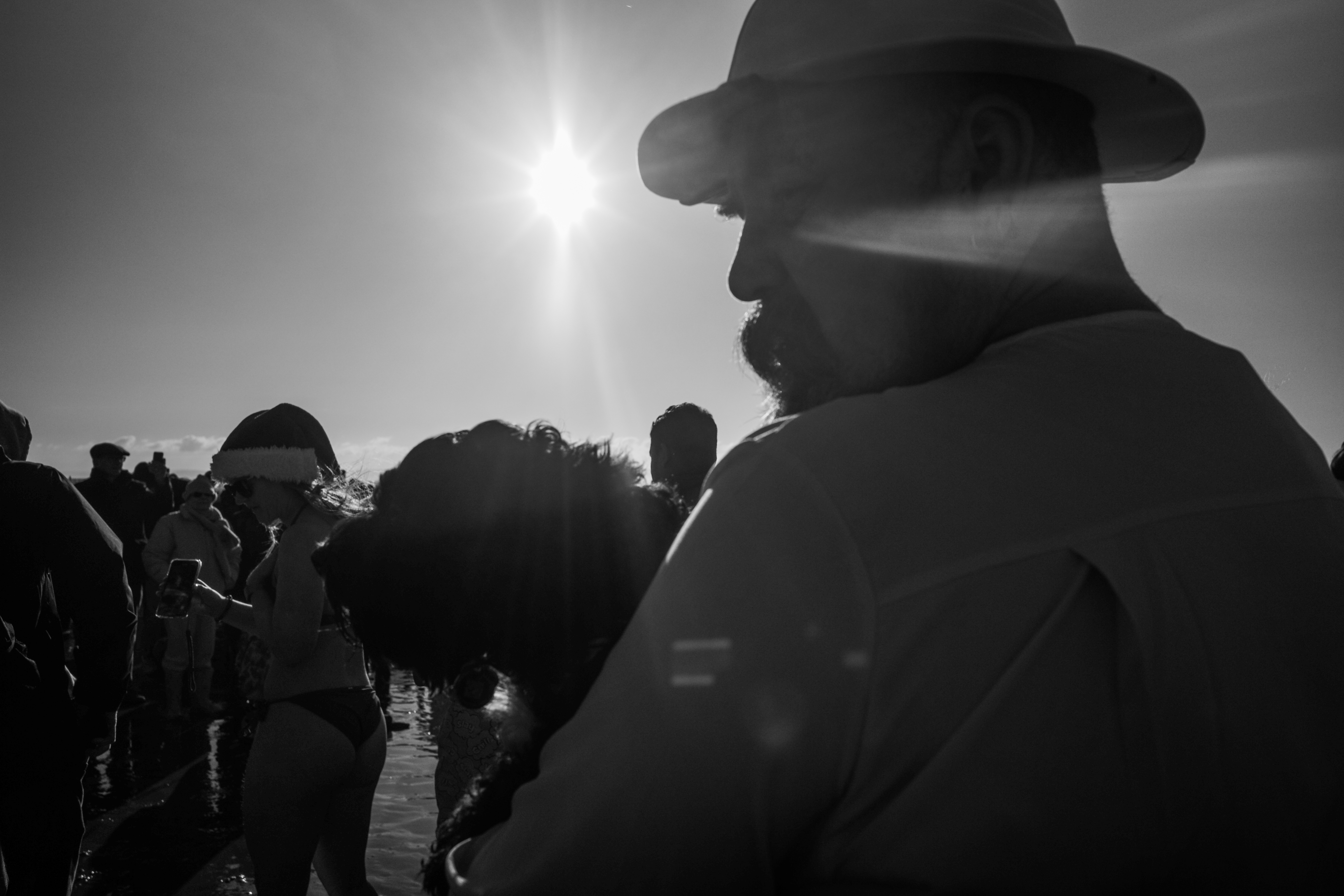
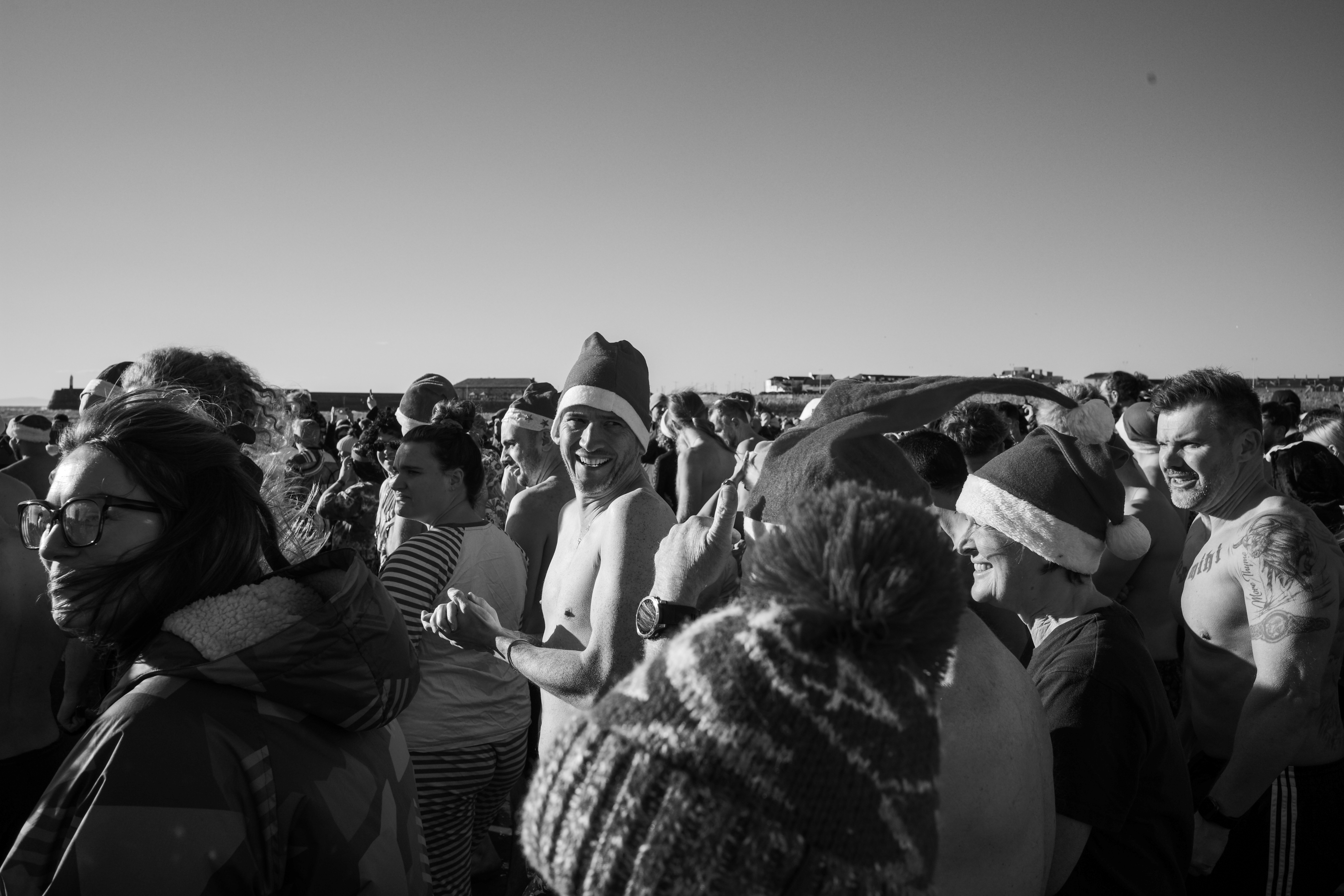
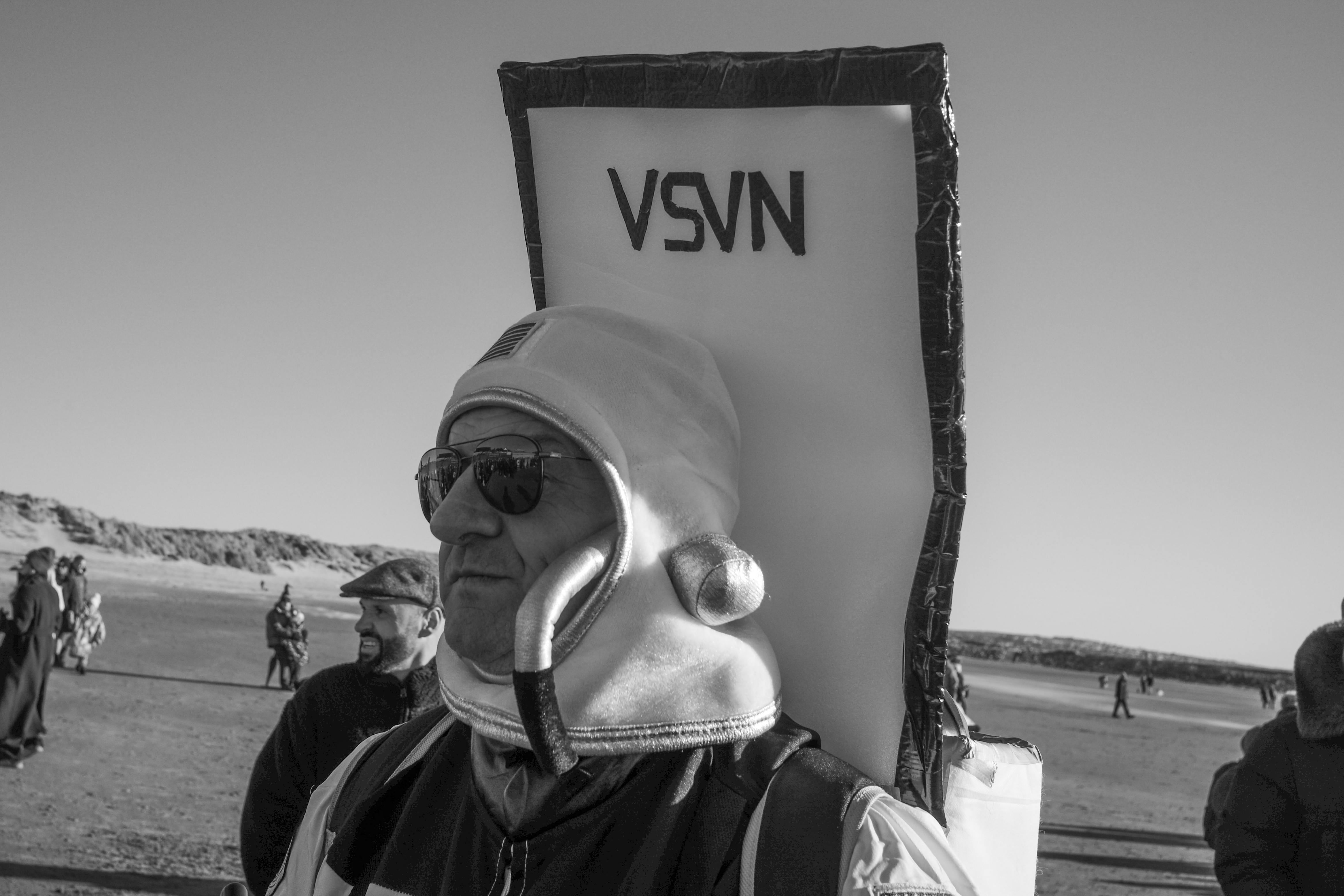
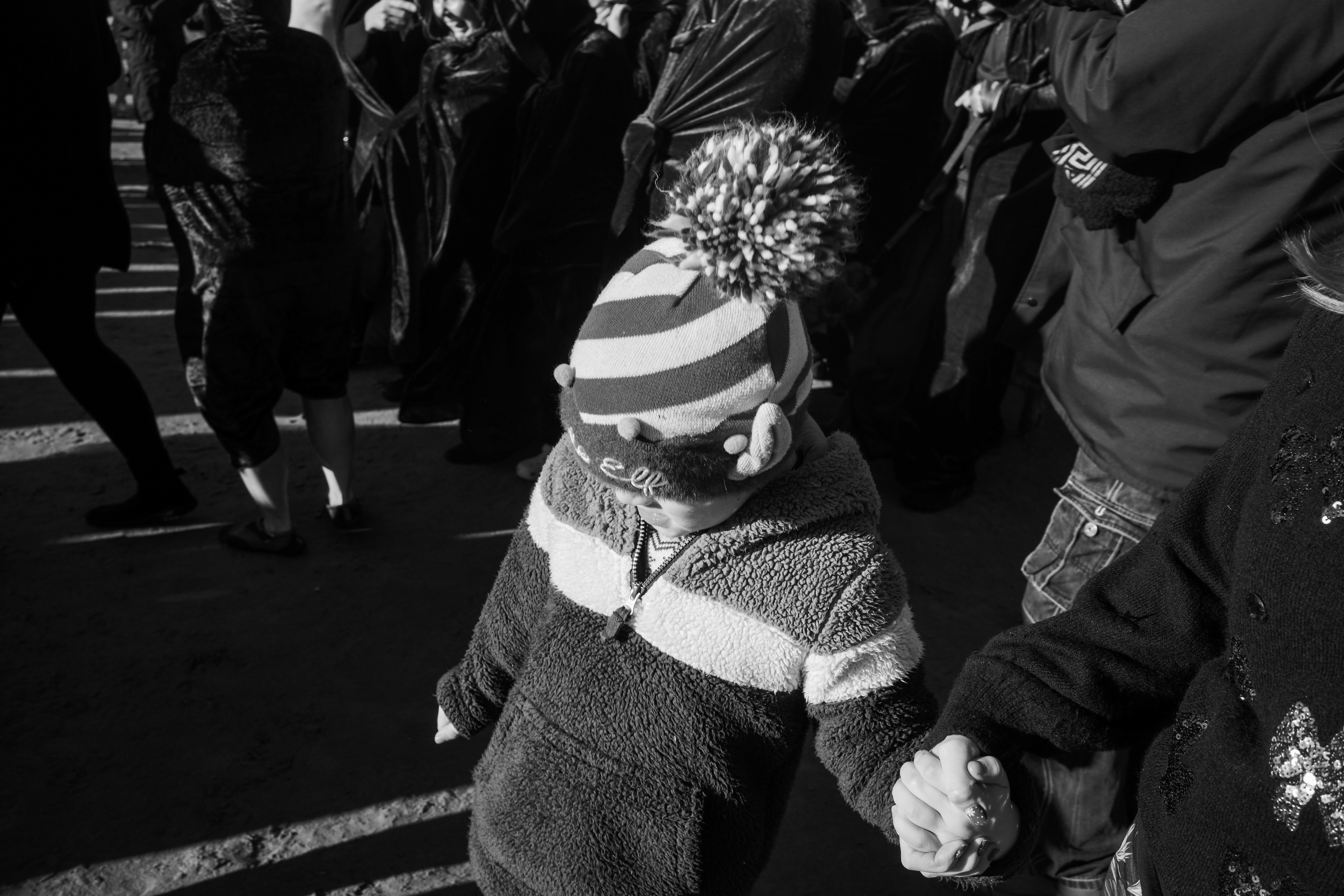
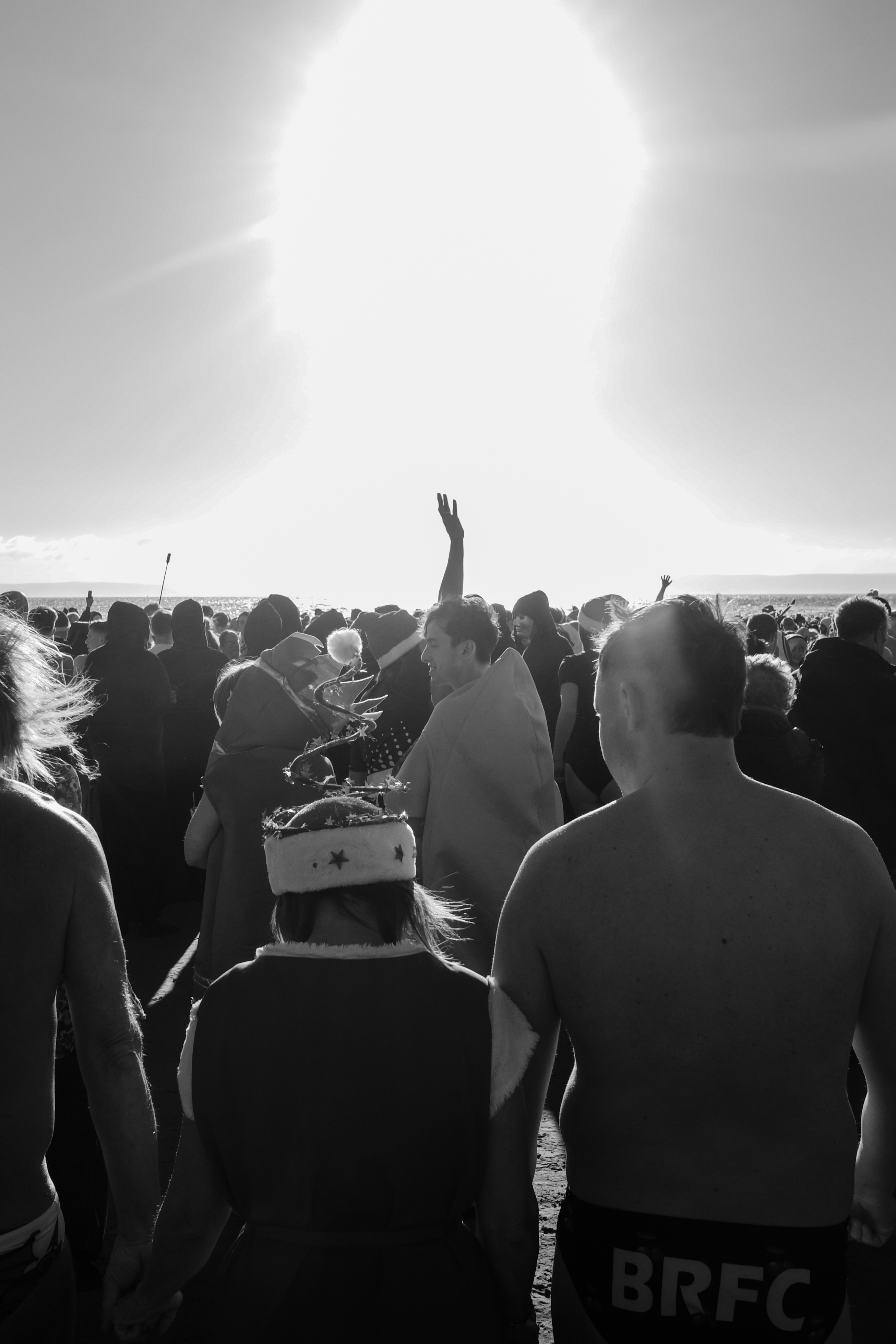
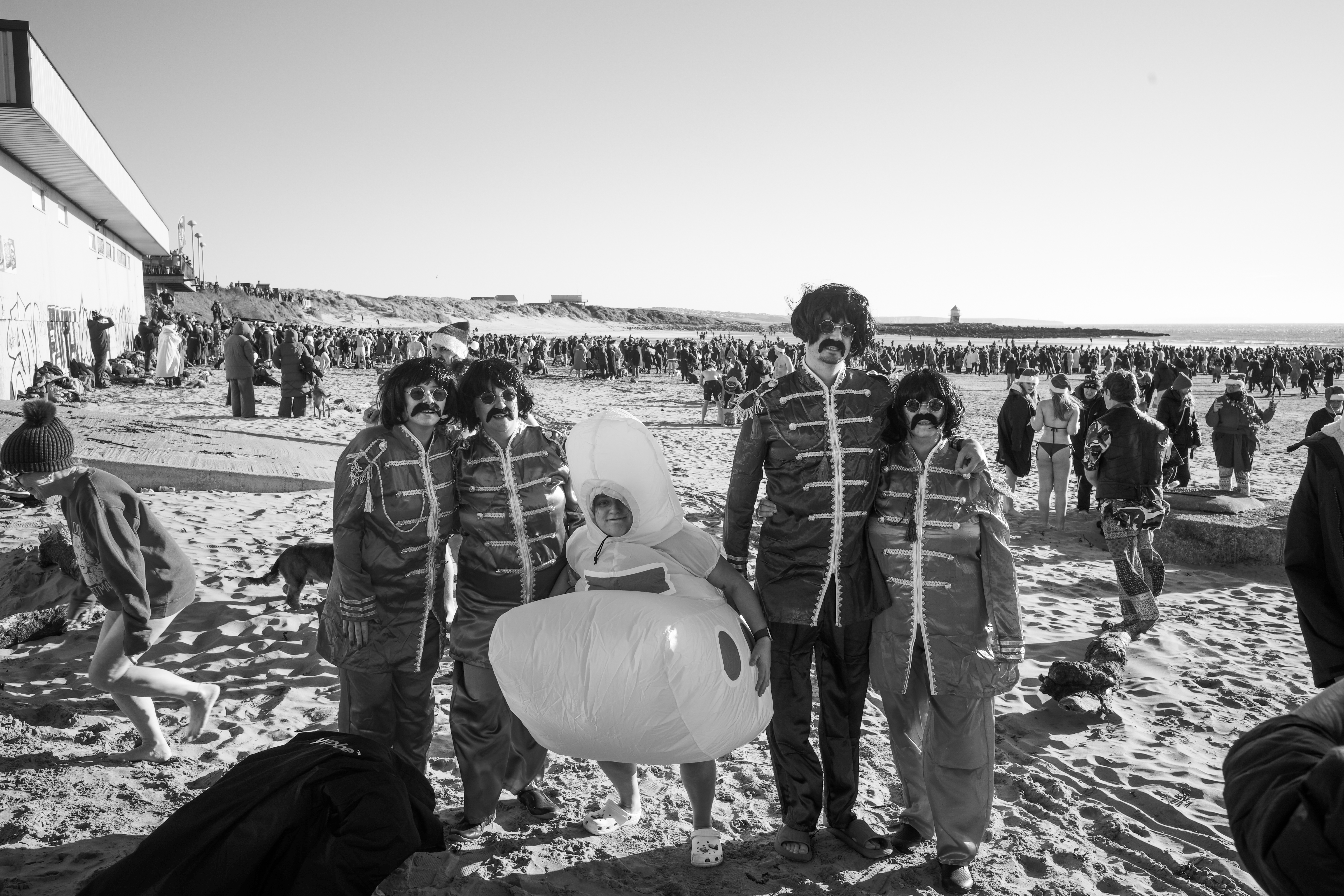
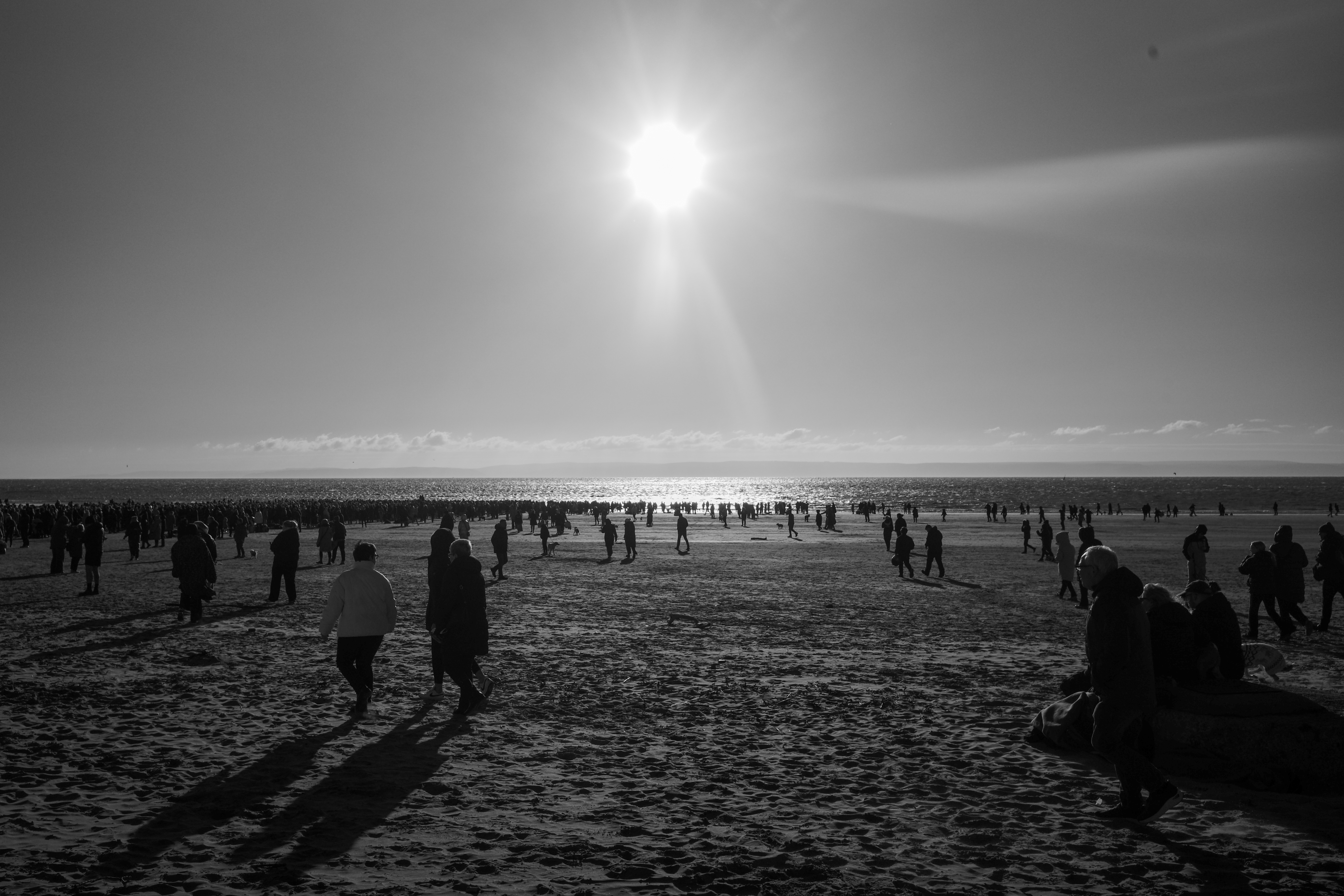
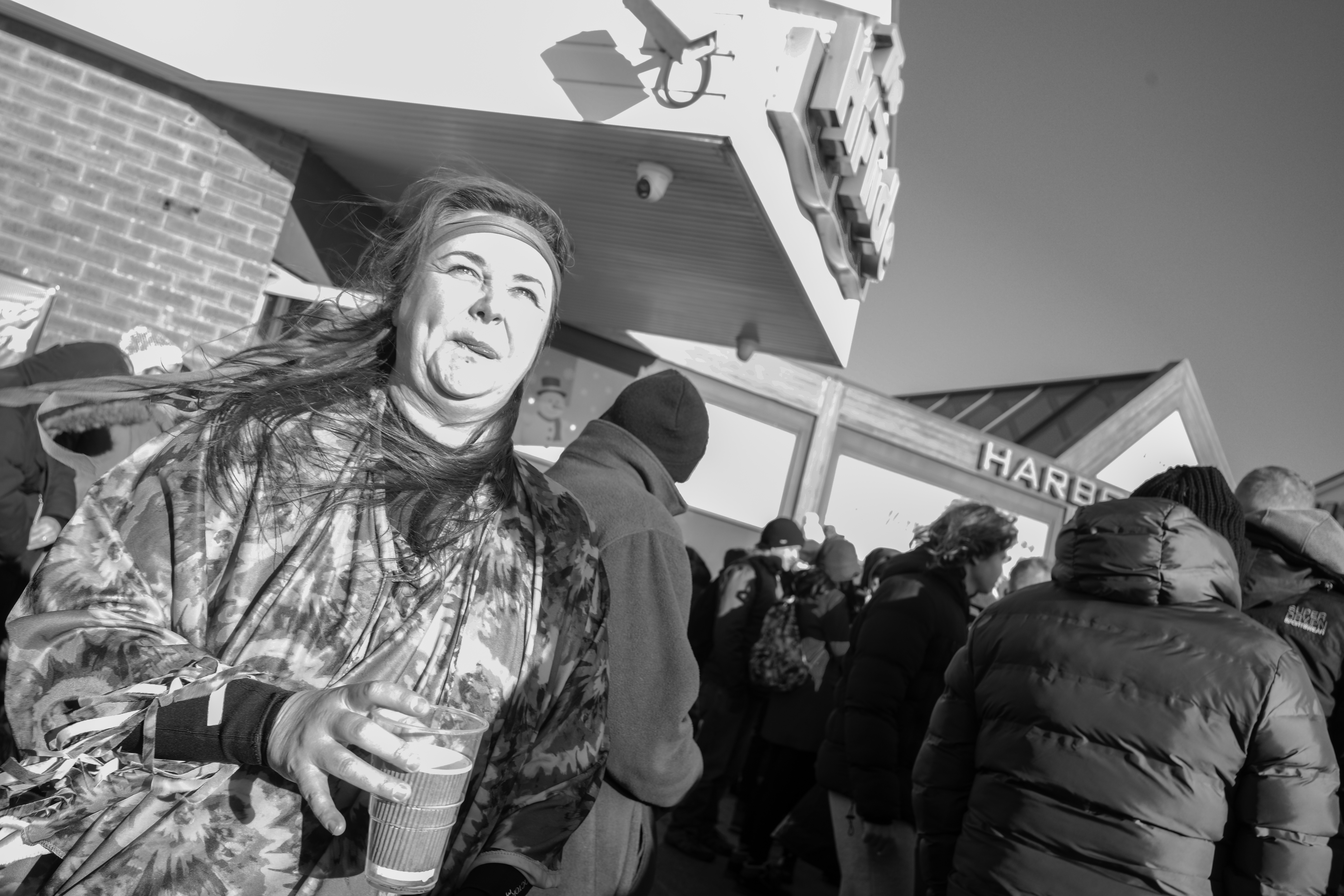
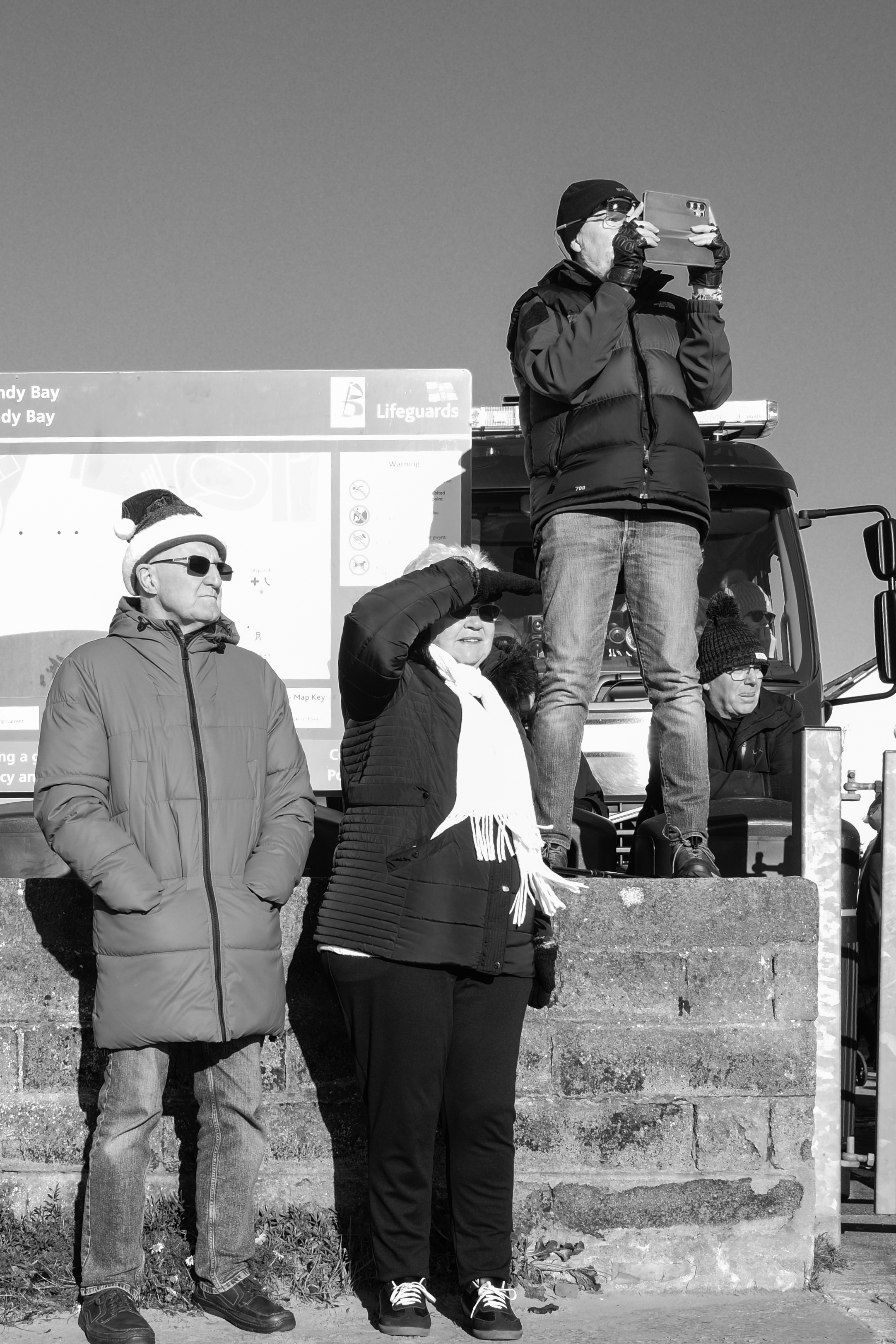
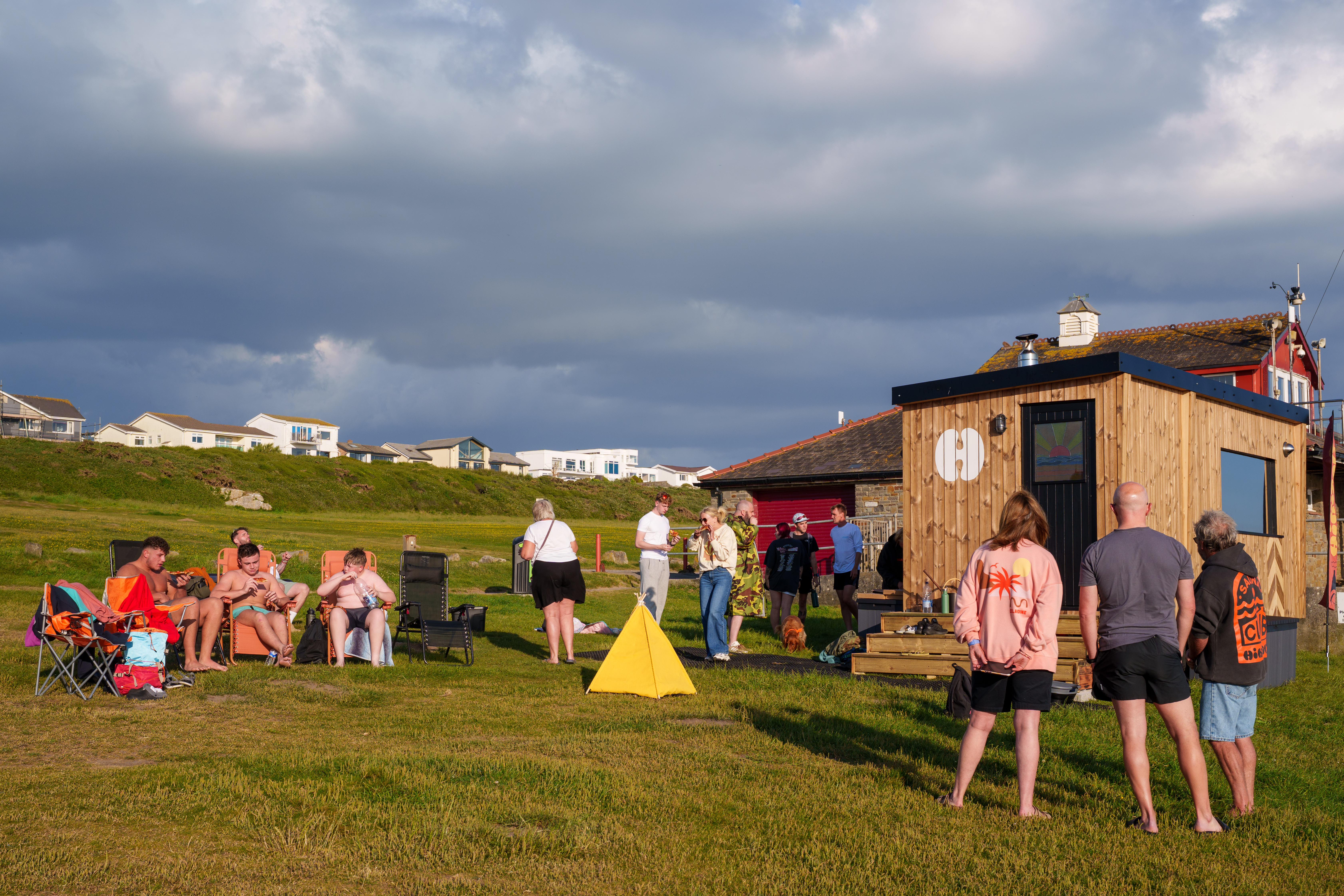
60th anniversary of the annual Christmas Day swim here in Porthcawl. We’ve lived here 4 years but only braved the water the last 2 years – I’ll say it’s because Jacob is old enough to get involved and not that the weather has has been better the last 2 years 😅 either way such a great local tradition with the @hitideporthcawl both supporting and using the event to raise money for charity.
Firmly back in pjs within 30 mins of these being taken!
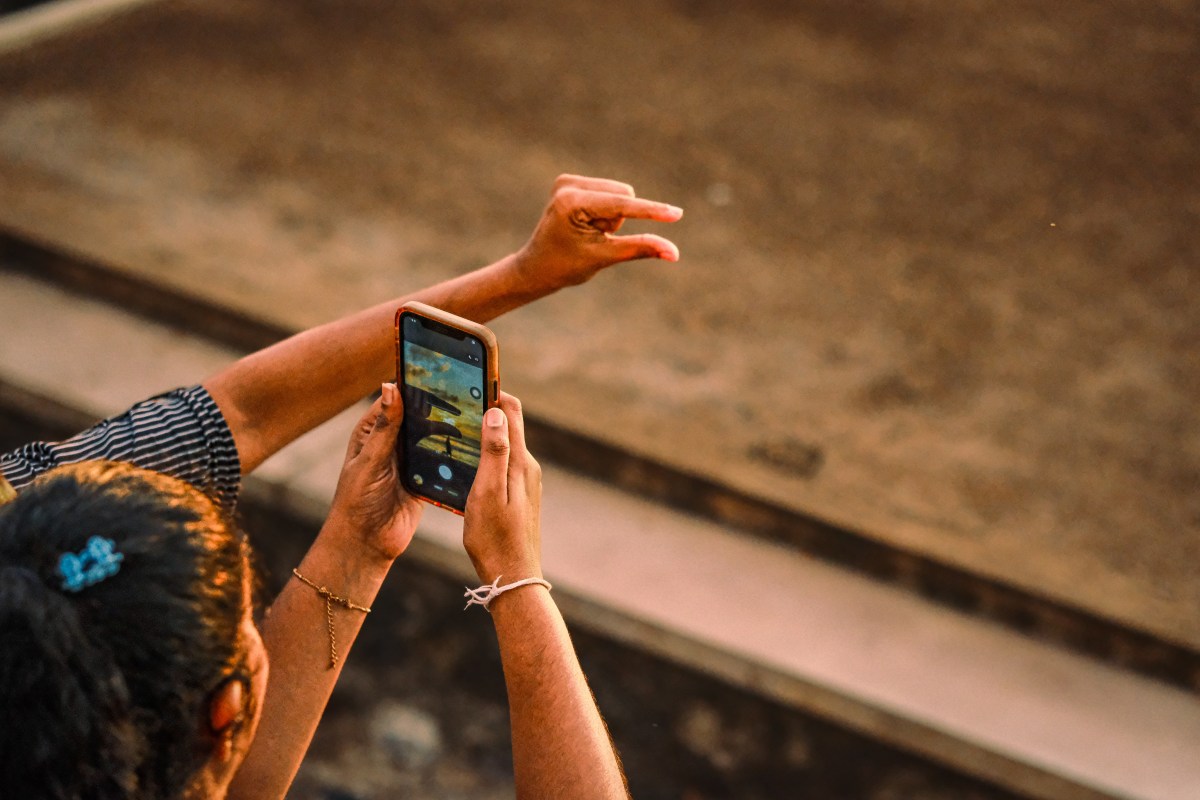
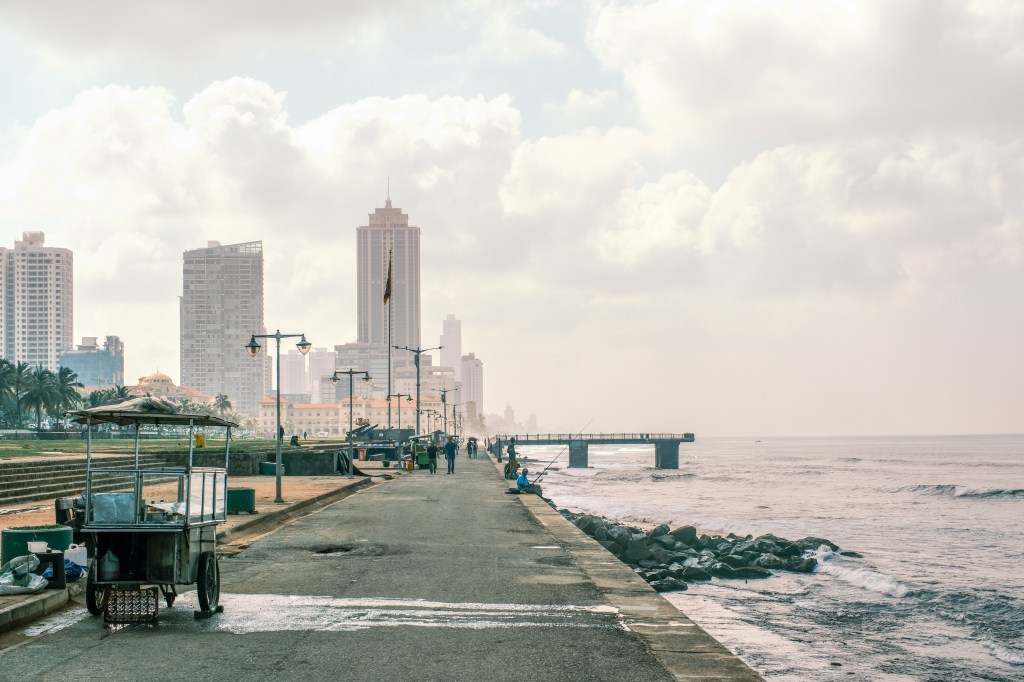
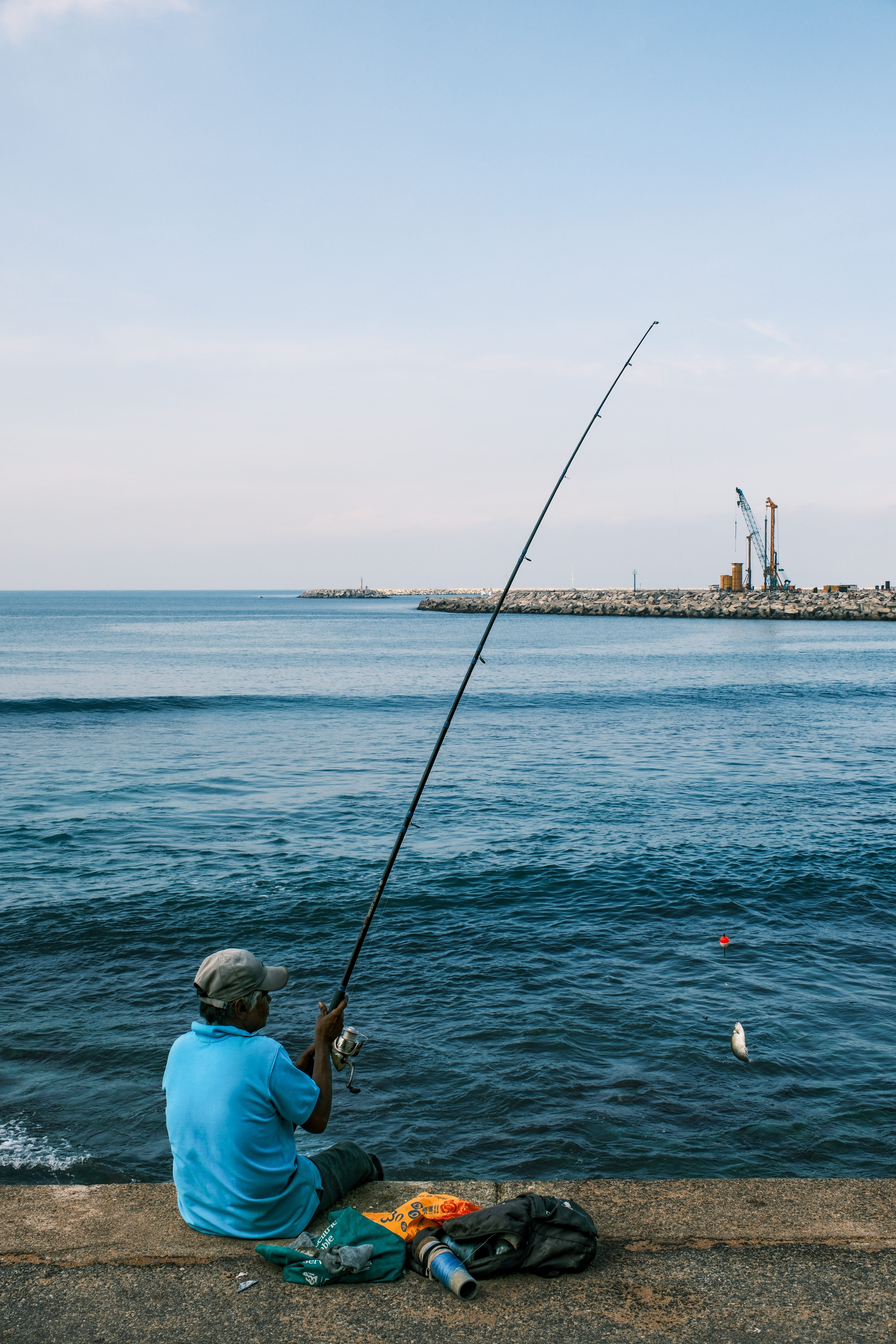
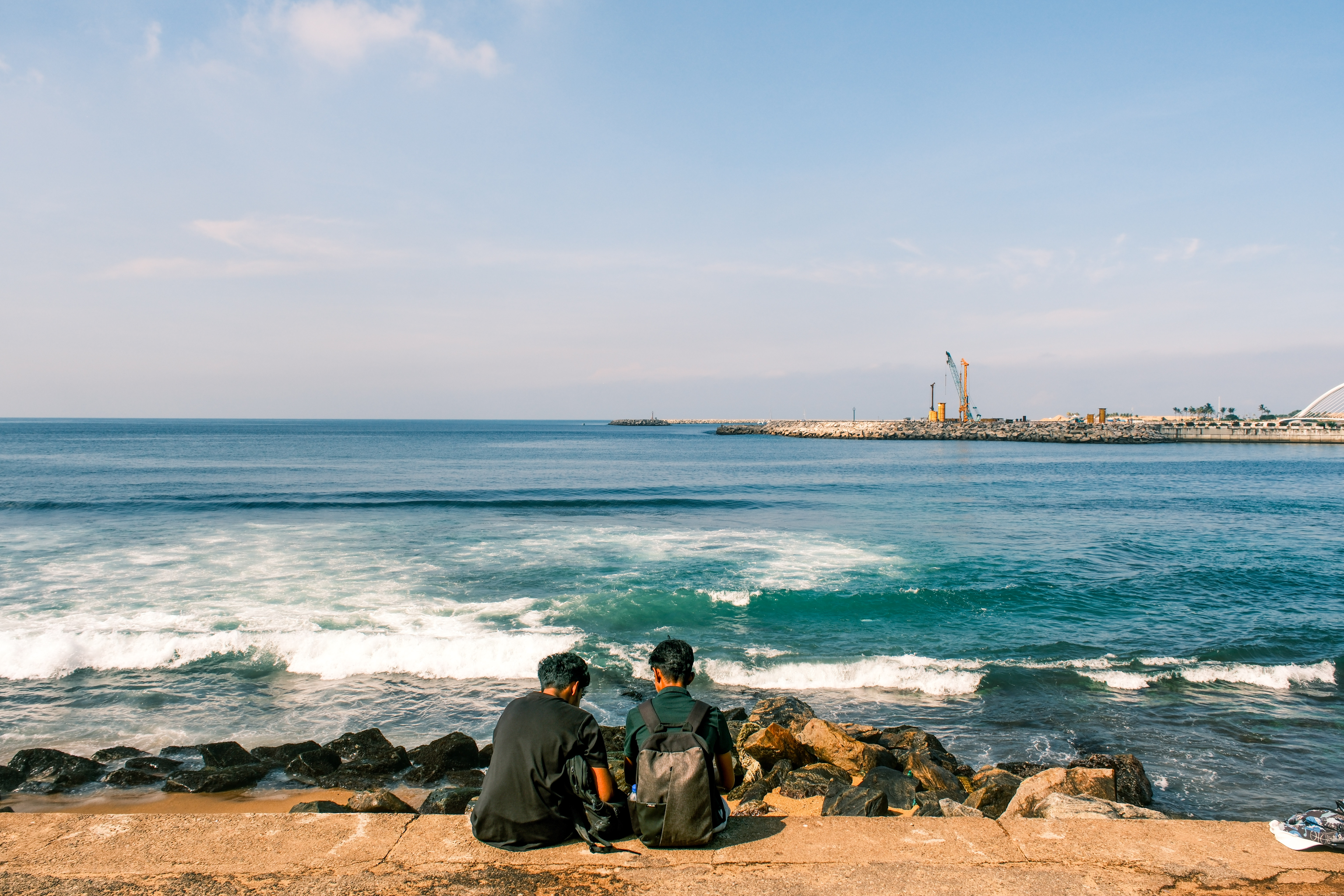
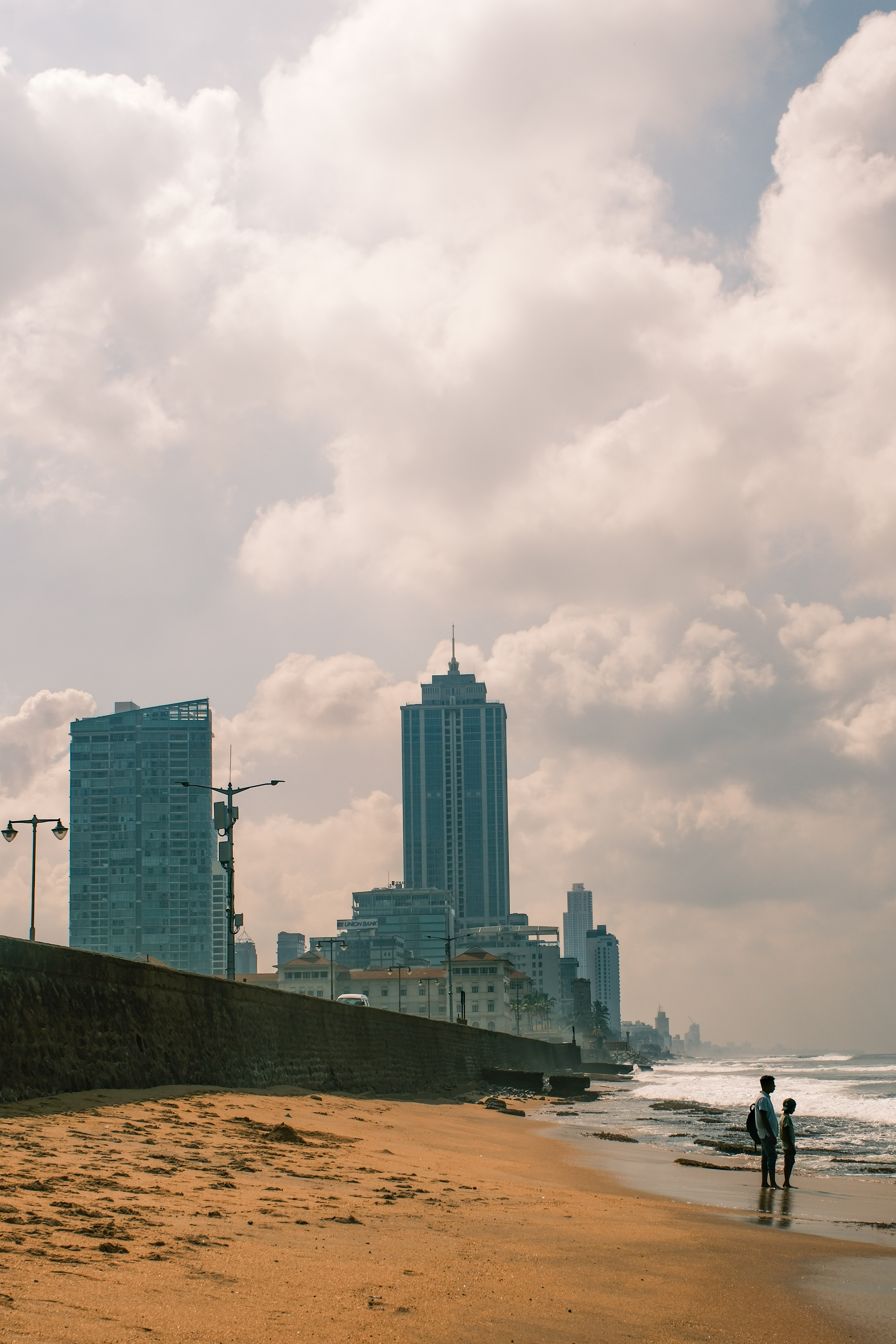
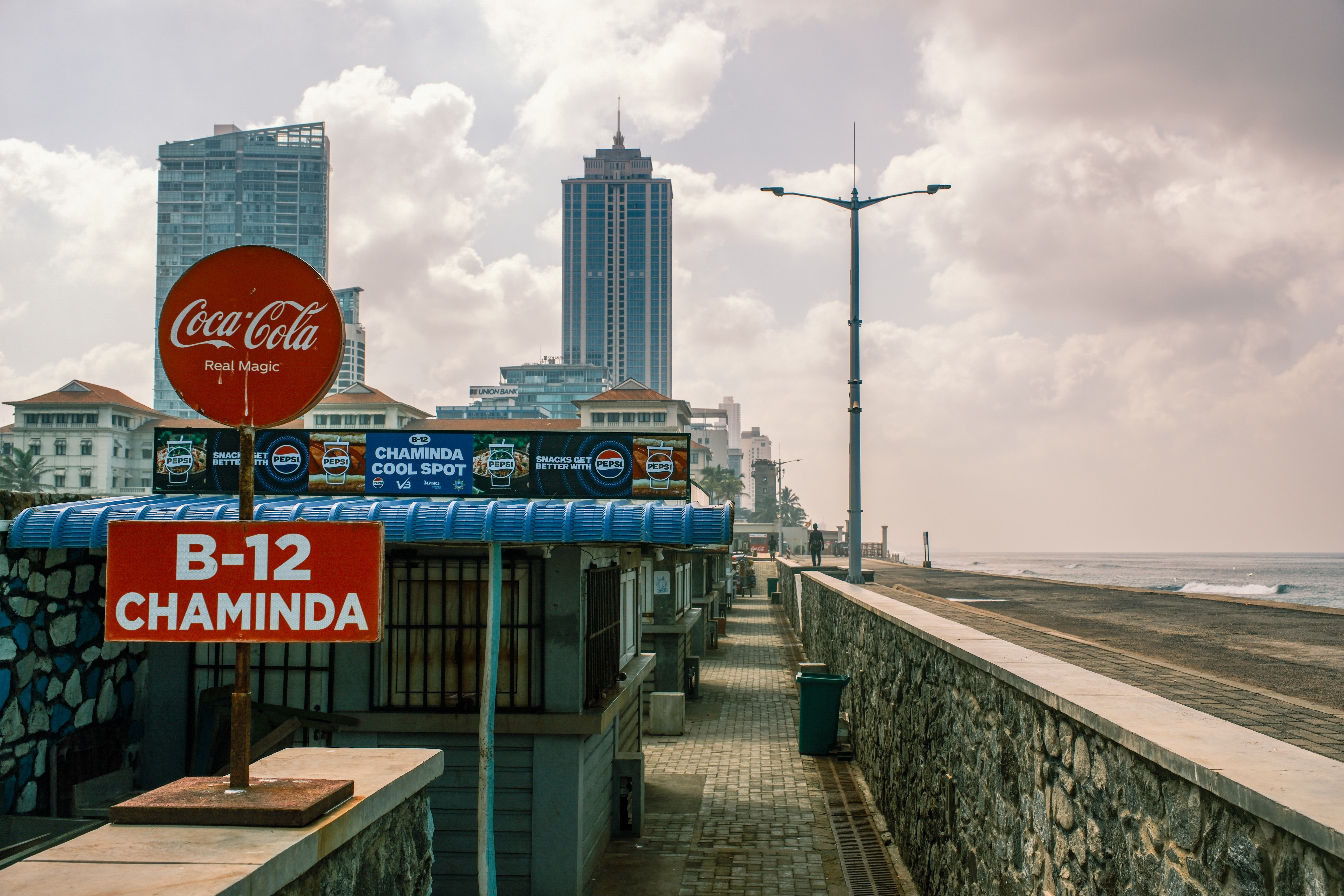
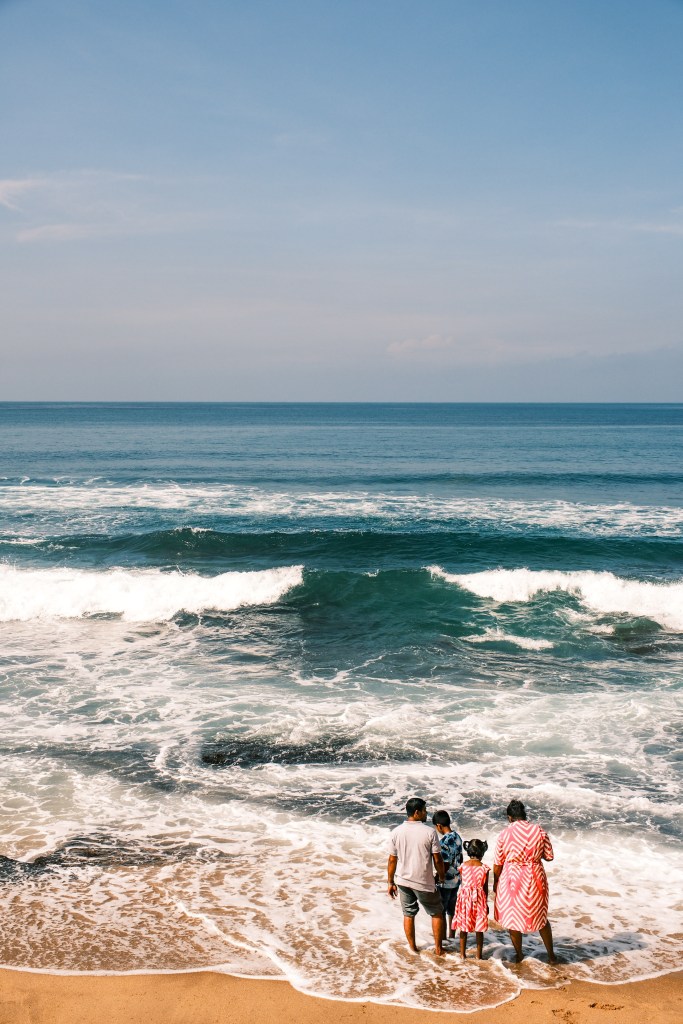
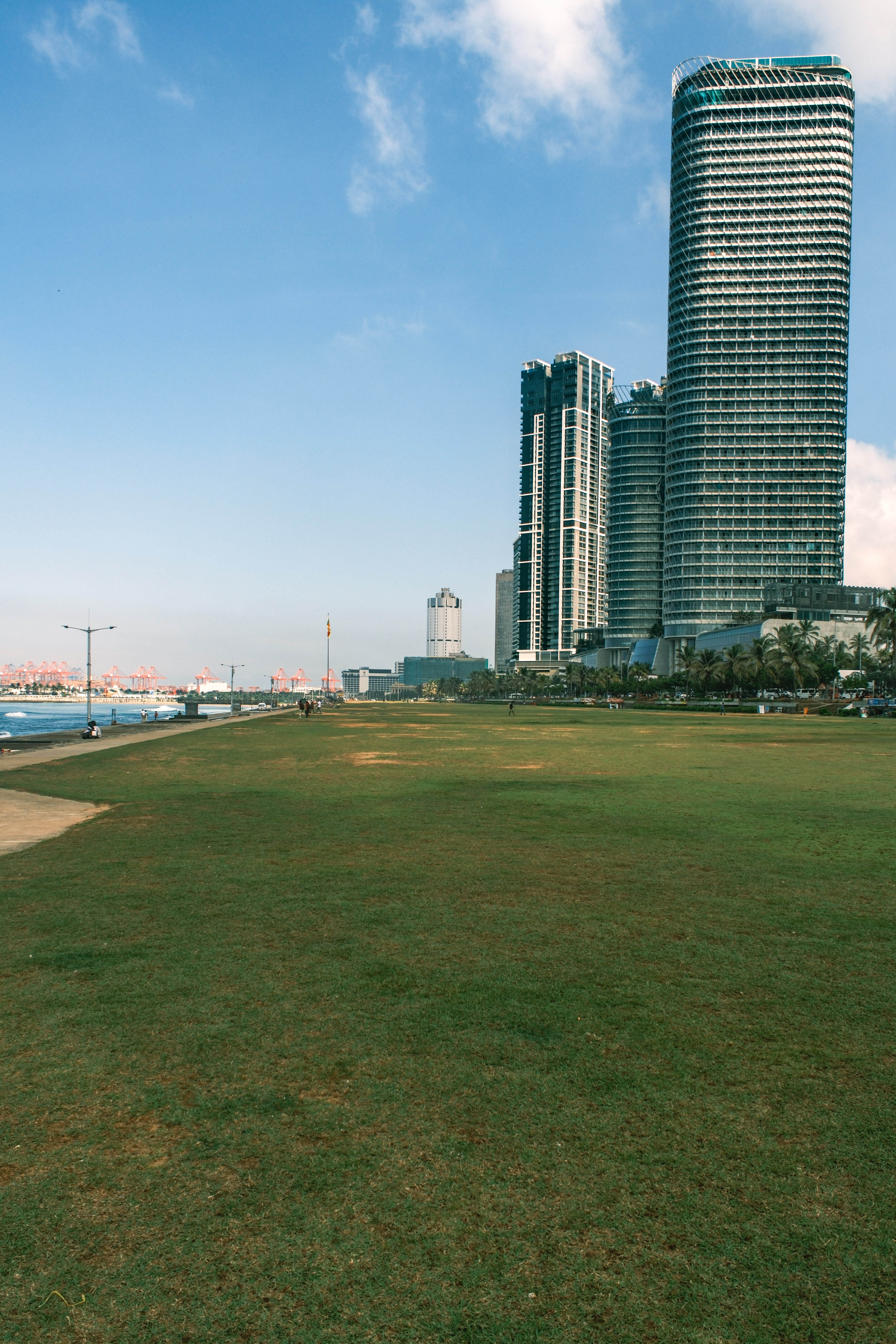
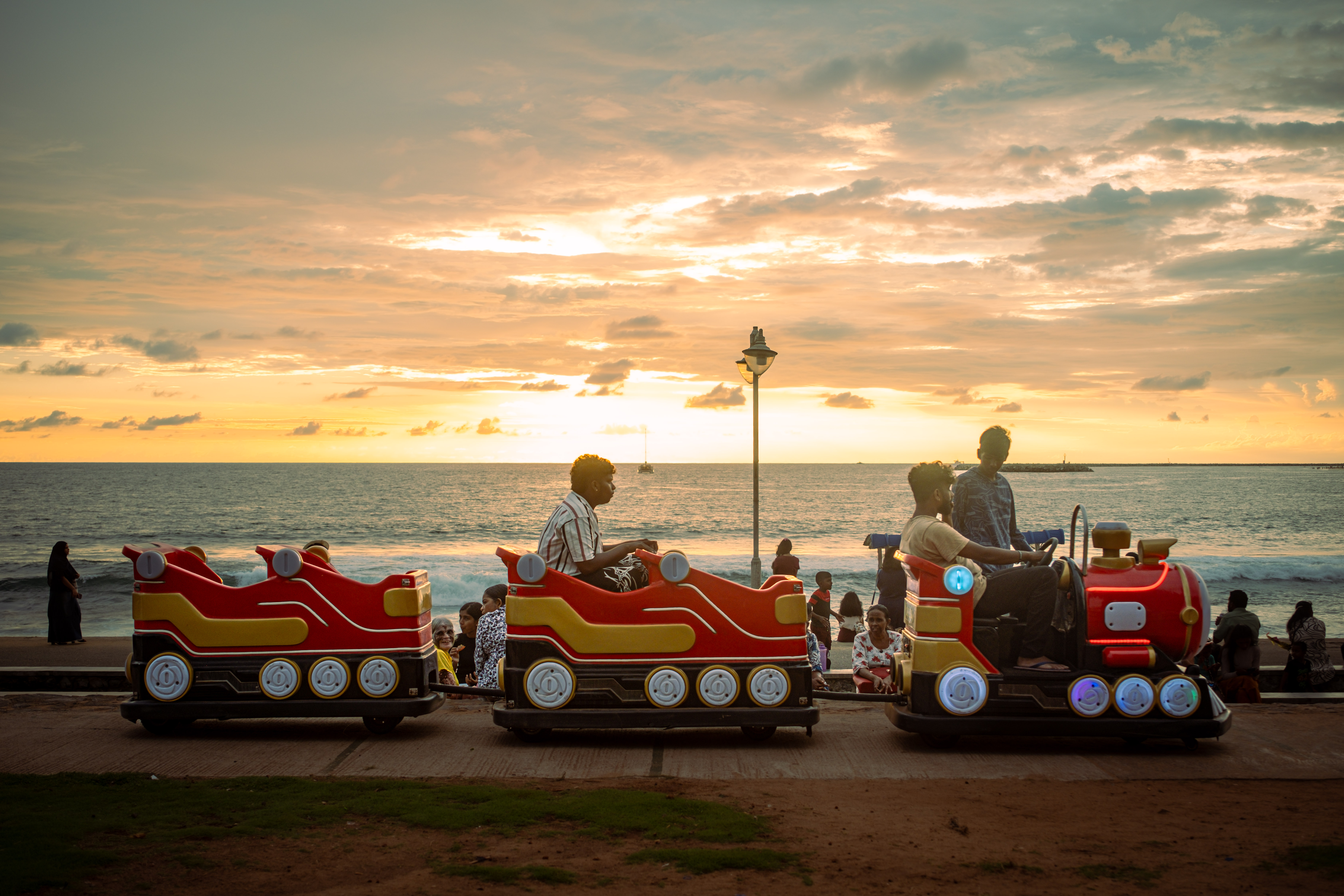
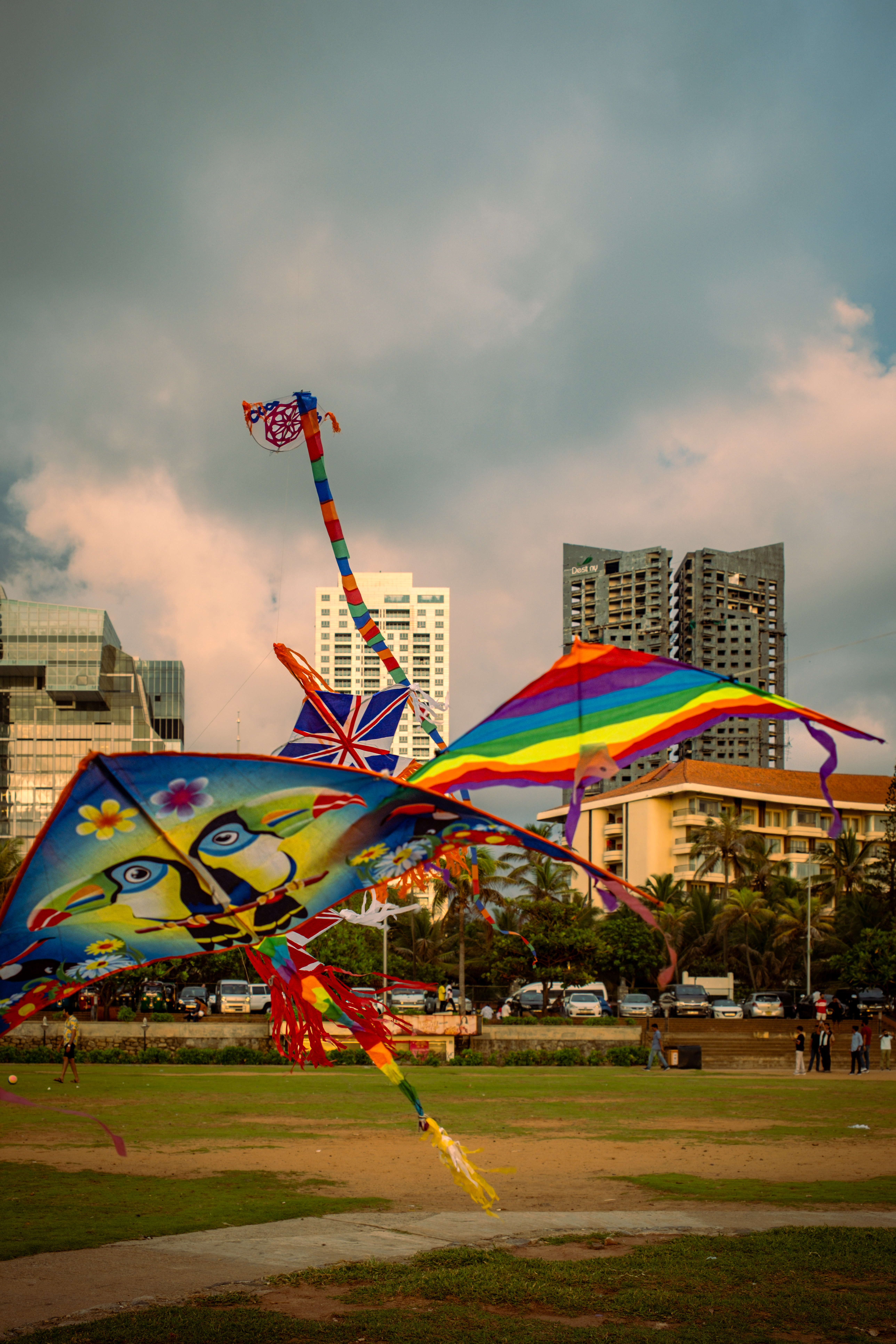
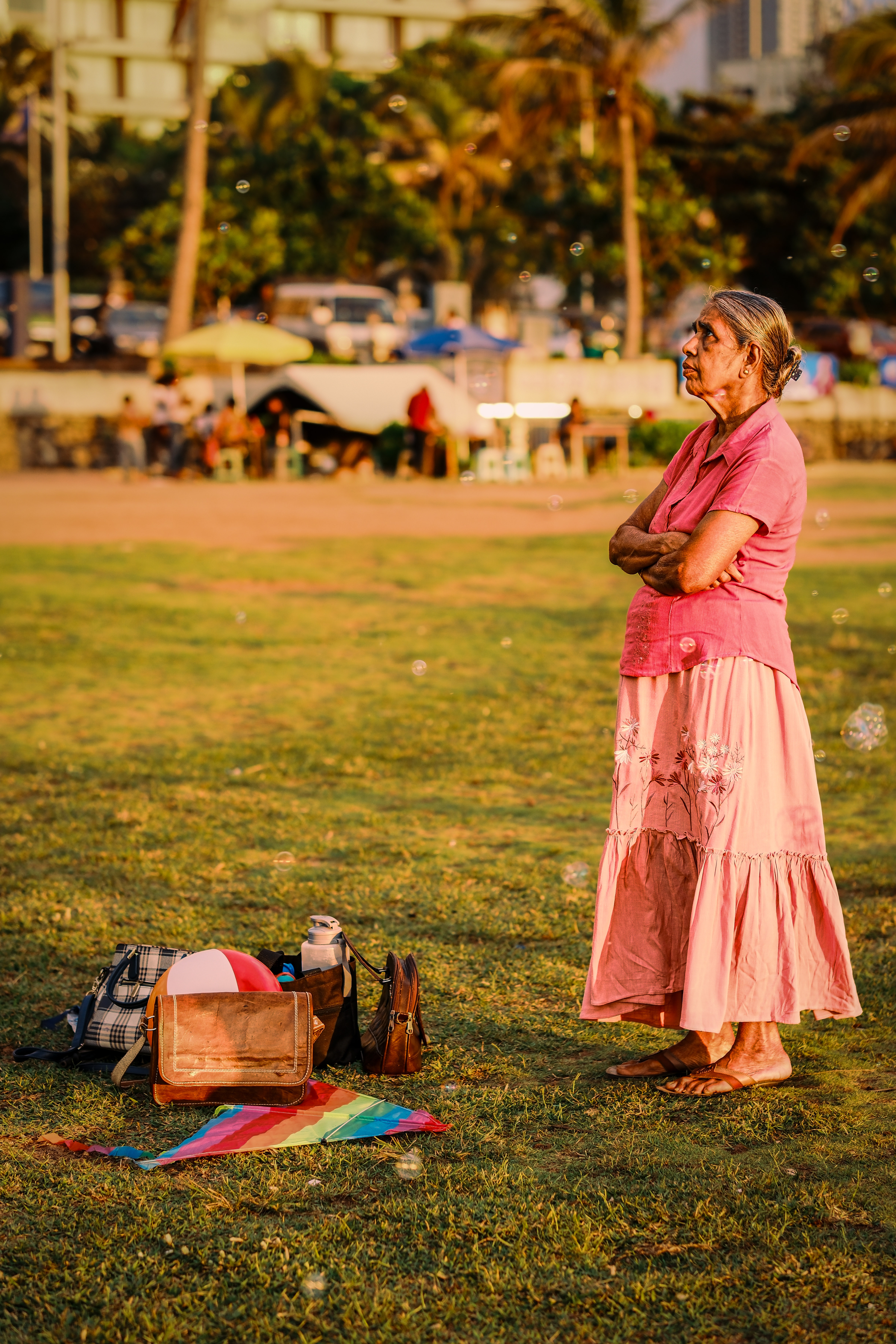
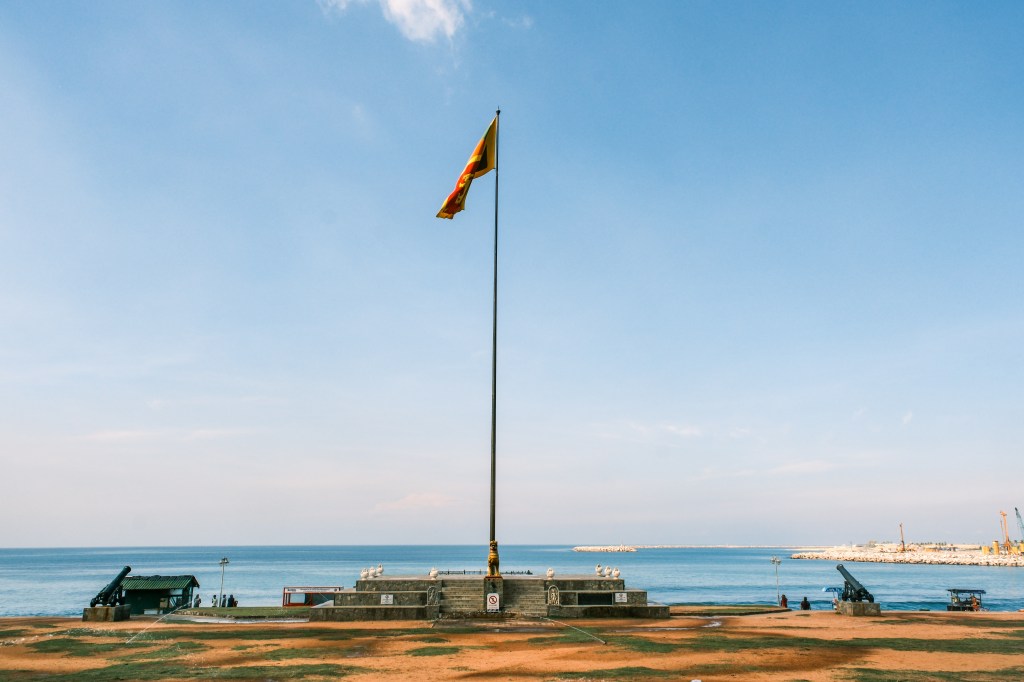
Galle Face Green is a slither of coastal green carved out of the chaos of Colombo. Most evenings it’s covered with families and people leaving work, all stopping for a few minutes to watch the Sri-Lankan sunset roll in over the water. One of the only places where Colombo seems to hold still for a moment.
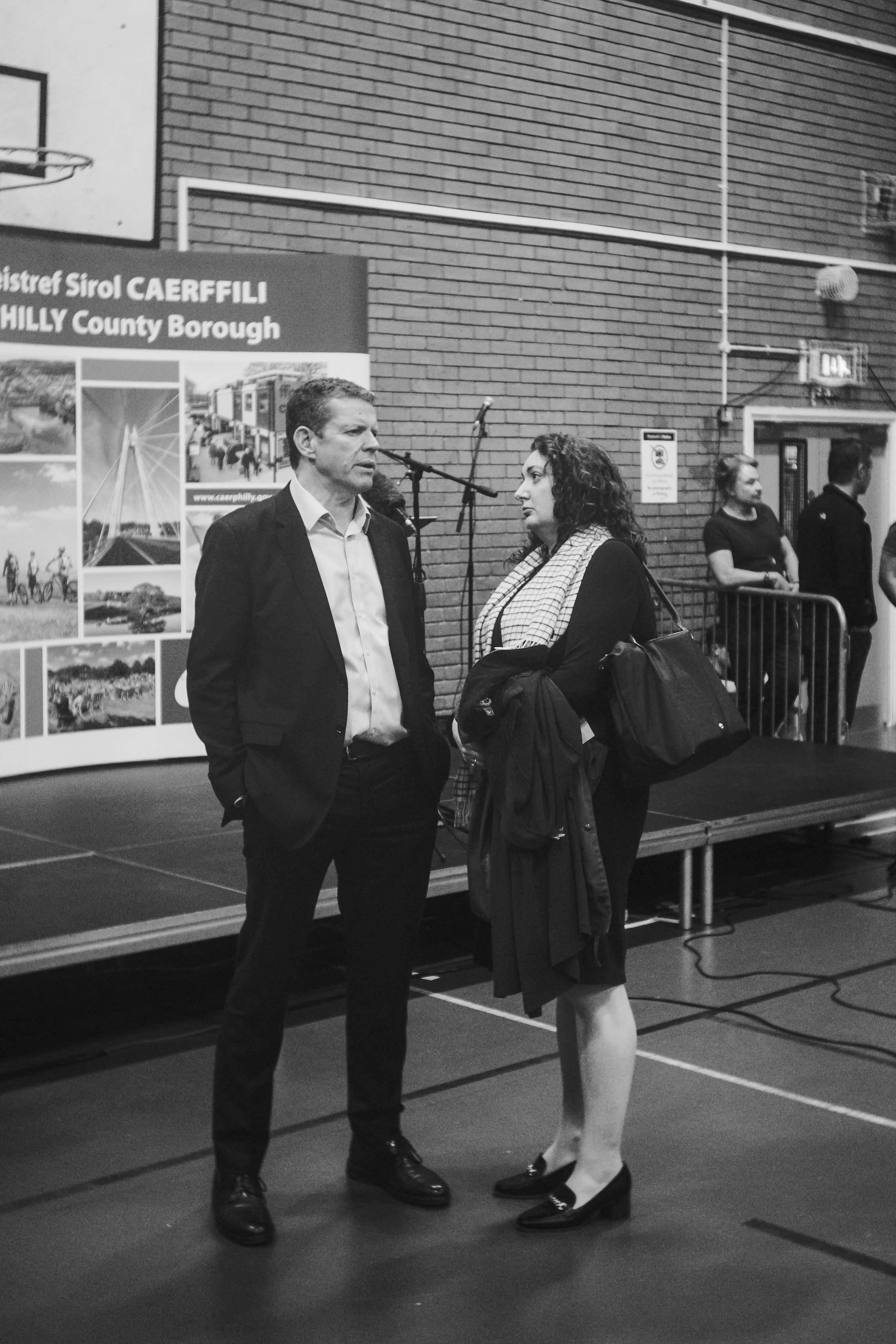
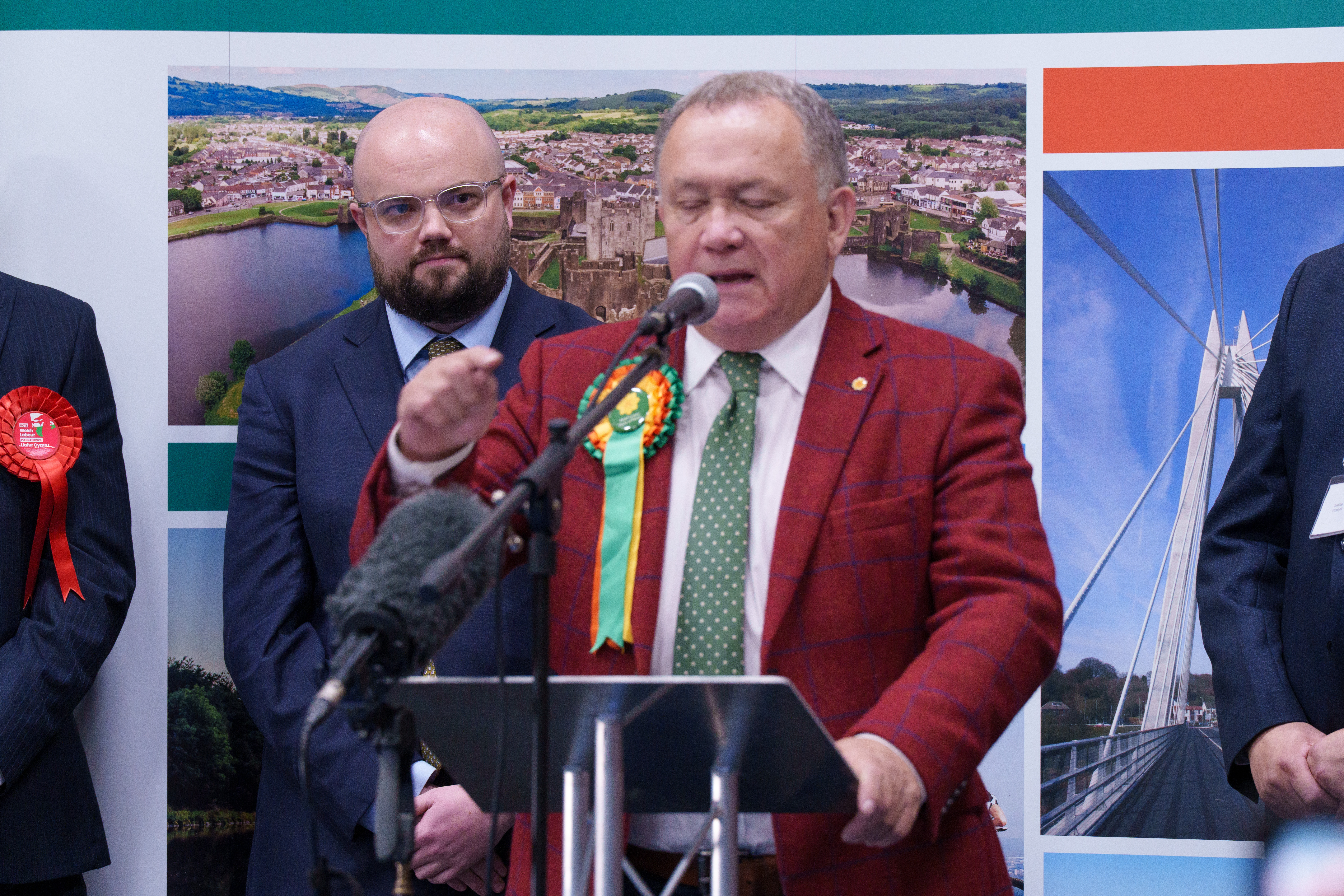
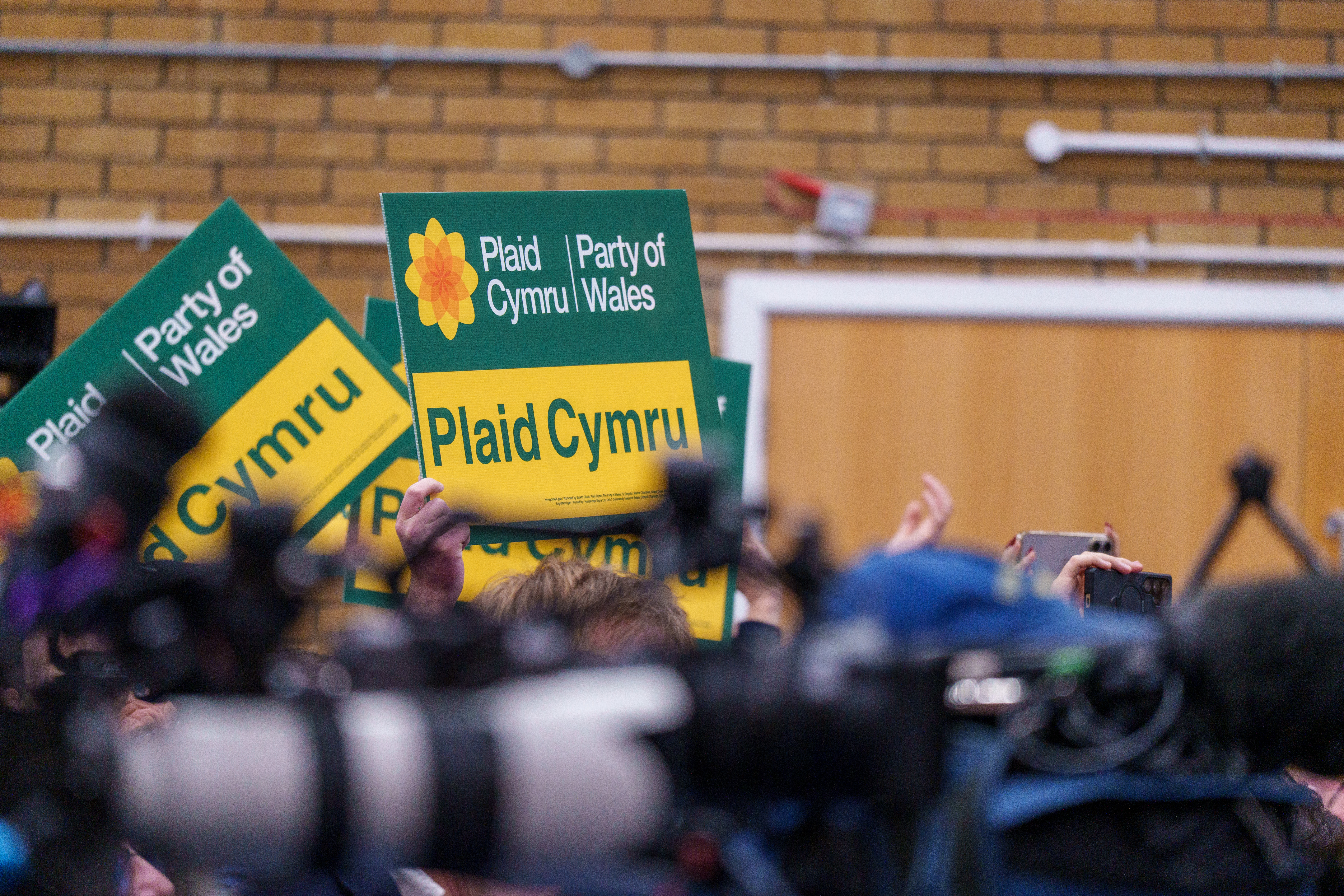
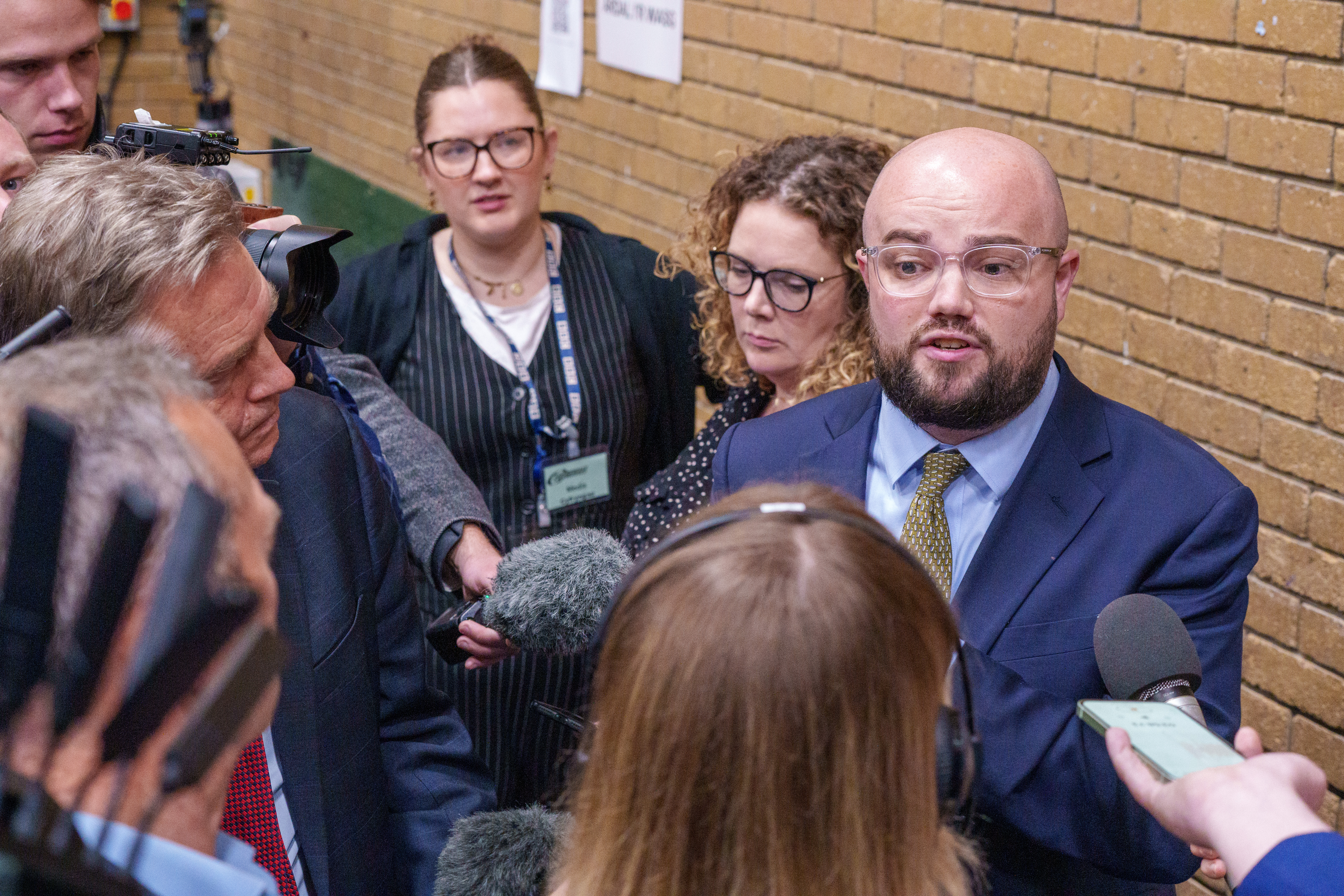
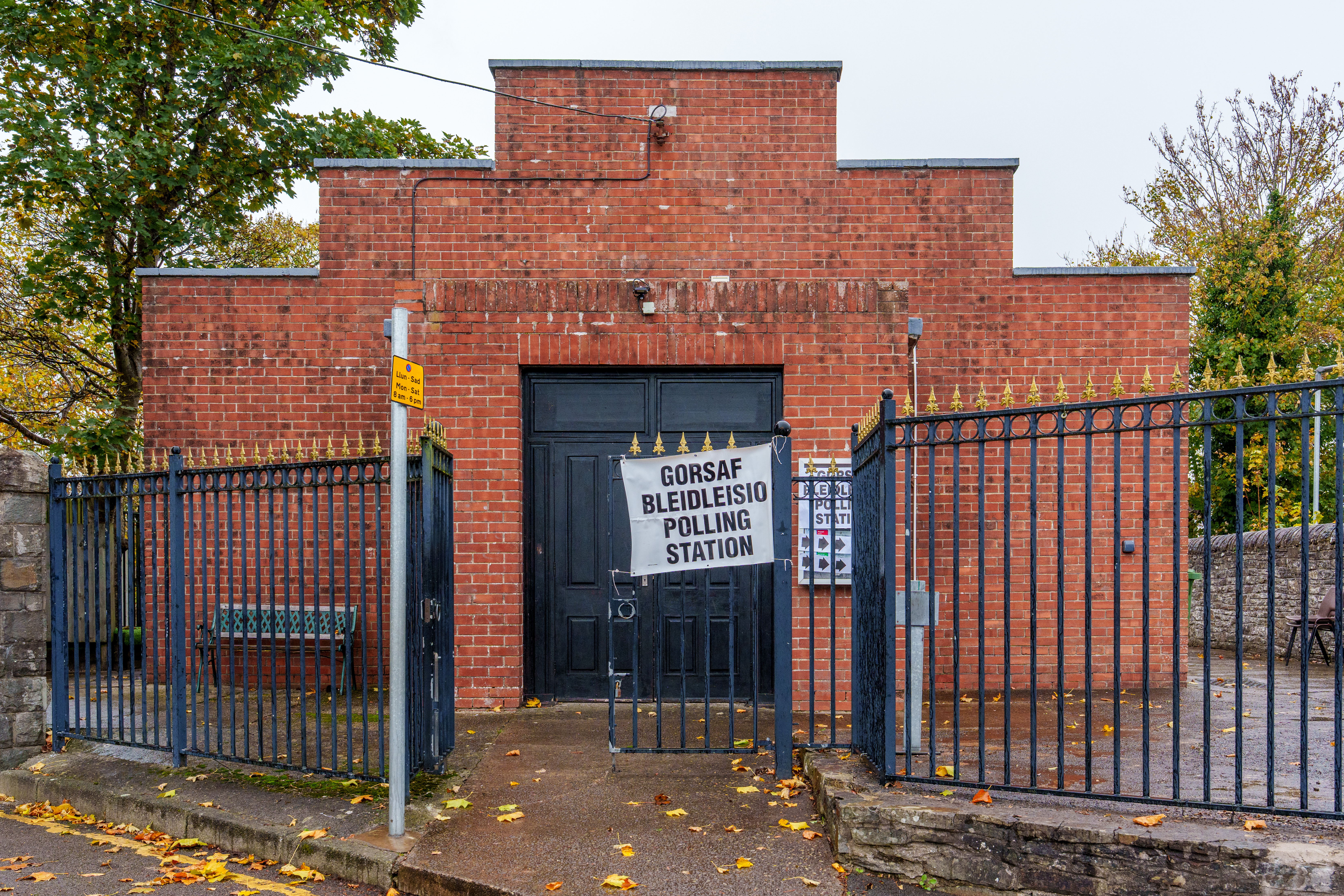
On Thursday I posted a blog about being in Caerphilly for the by-election. This is the second of those posts. When I mentioned going, someone said that the place I really wanted to be was at the count at the end of the night. I sent off a request for access and, for some unknown reason, managed to get in. I always knew that by the time I posted the images from the ballot count, it would be old news so, as with a lot of my photography, rather than just capturing the outcome, I tried to show what it actually felt like to be there.
The first part of the evening was actually getting in. Since I don’t live too far away, I had time to nip home, have dinner, watch an episode of House, and get comfortable enough that I didn’t really want to leave again. On the drive back down the M4, I became convinced that some mistake had been made and that I’d arrive only to be turned away.
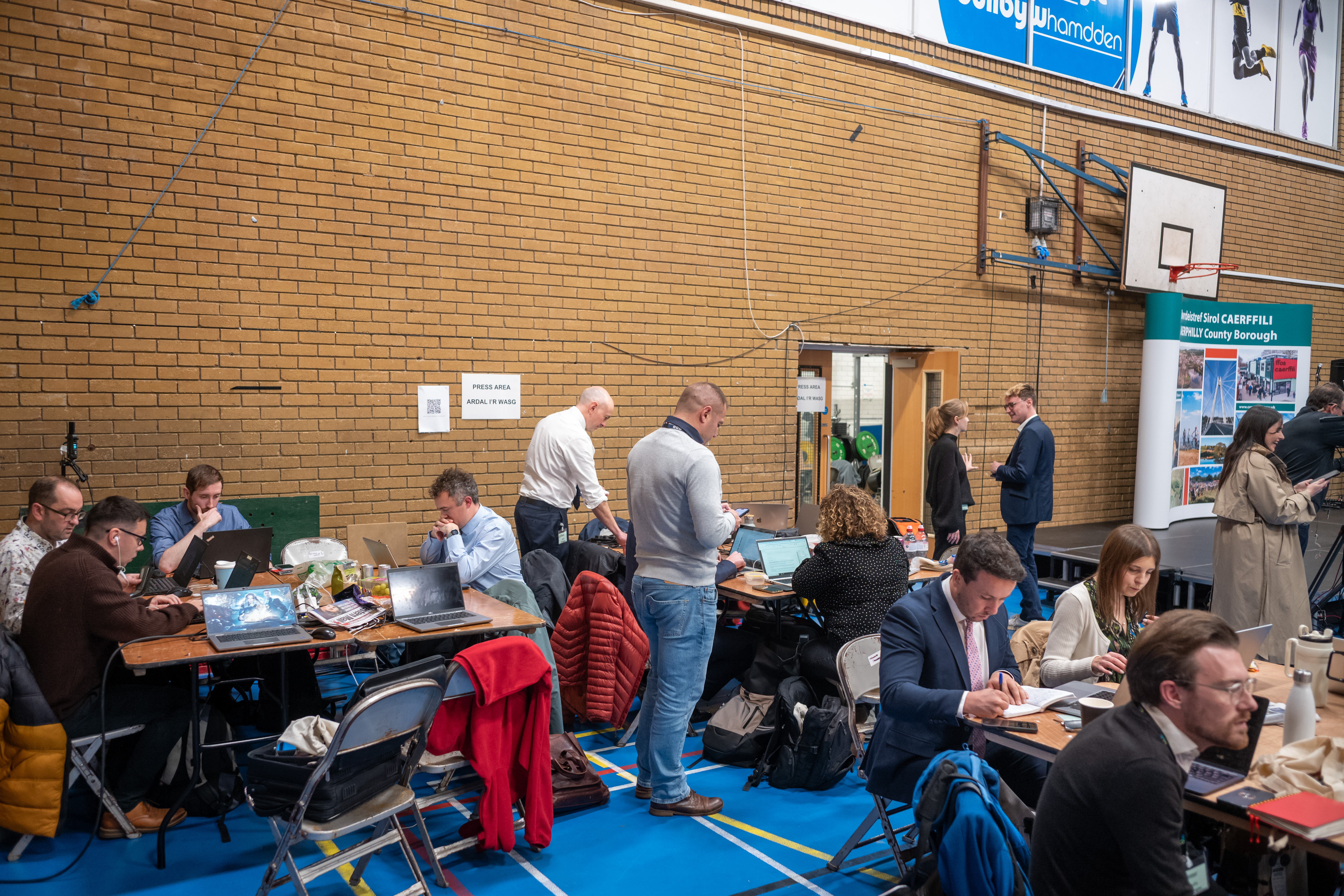
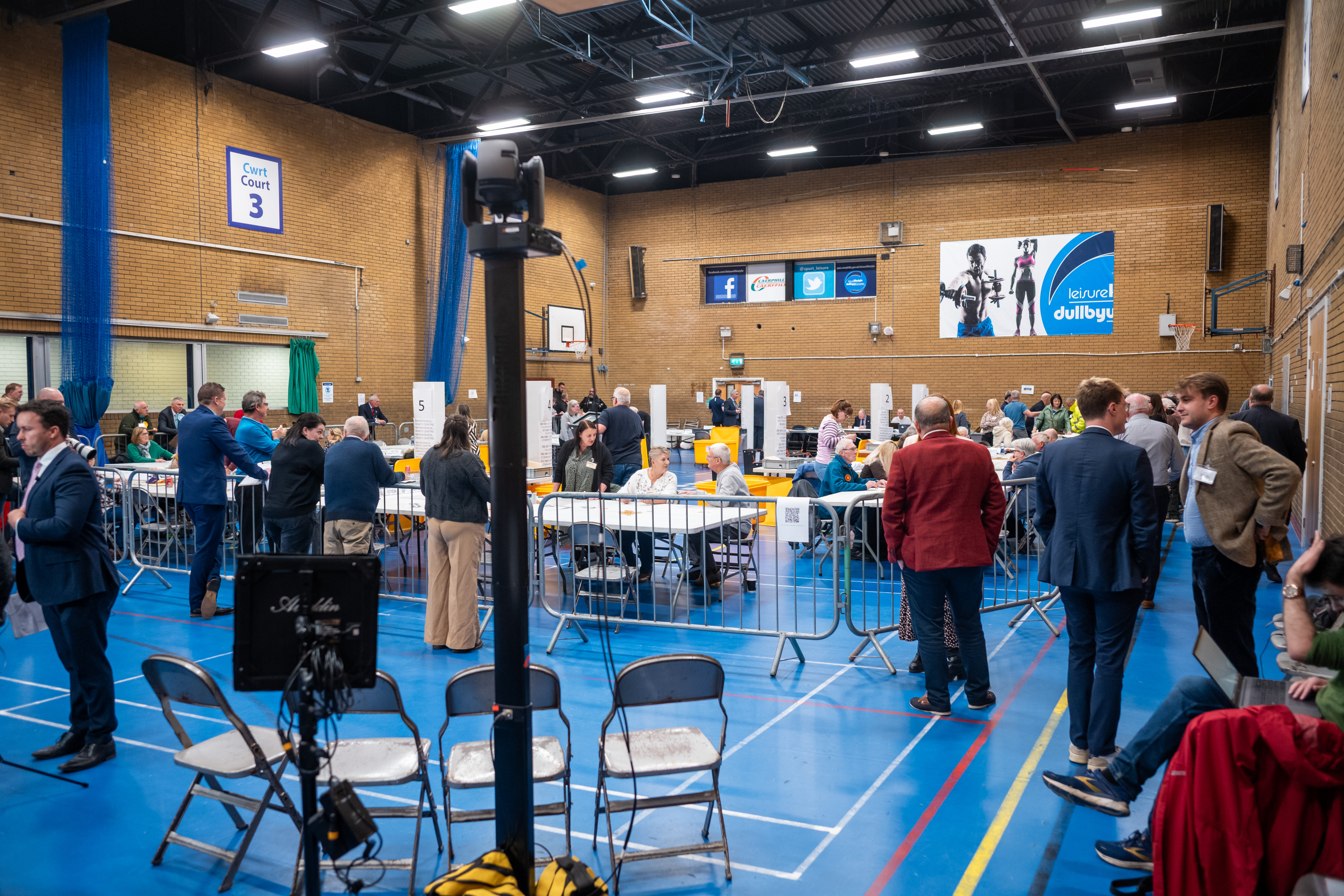
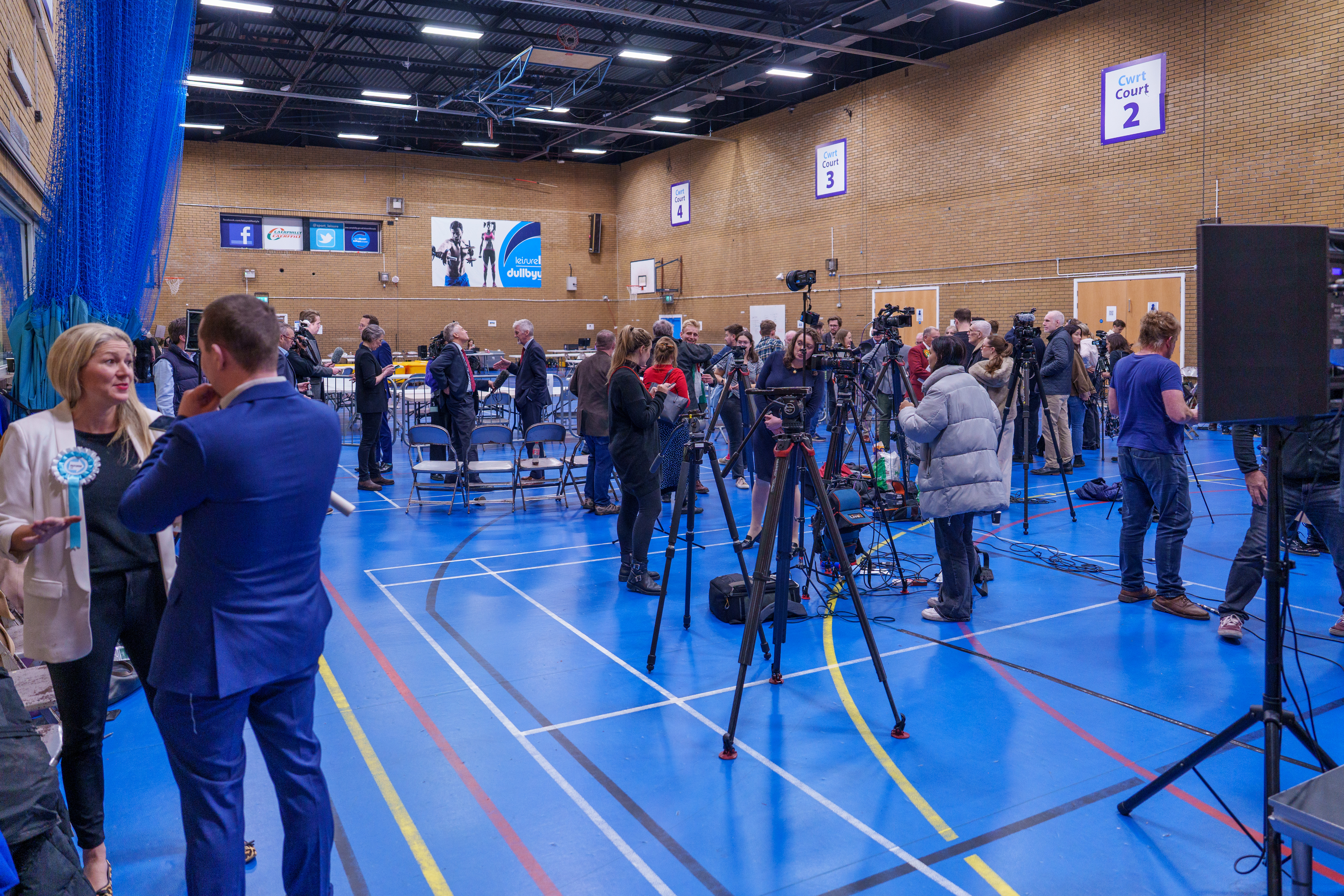
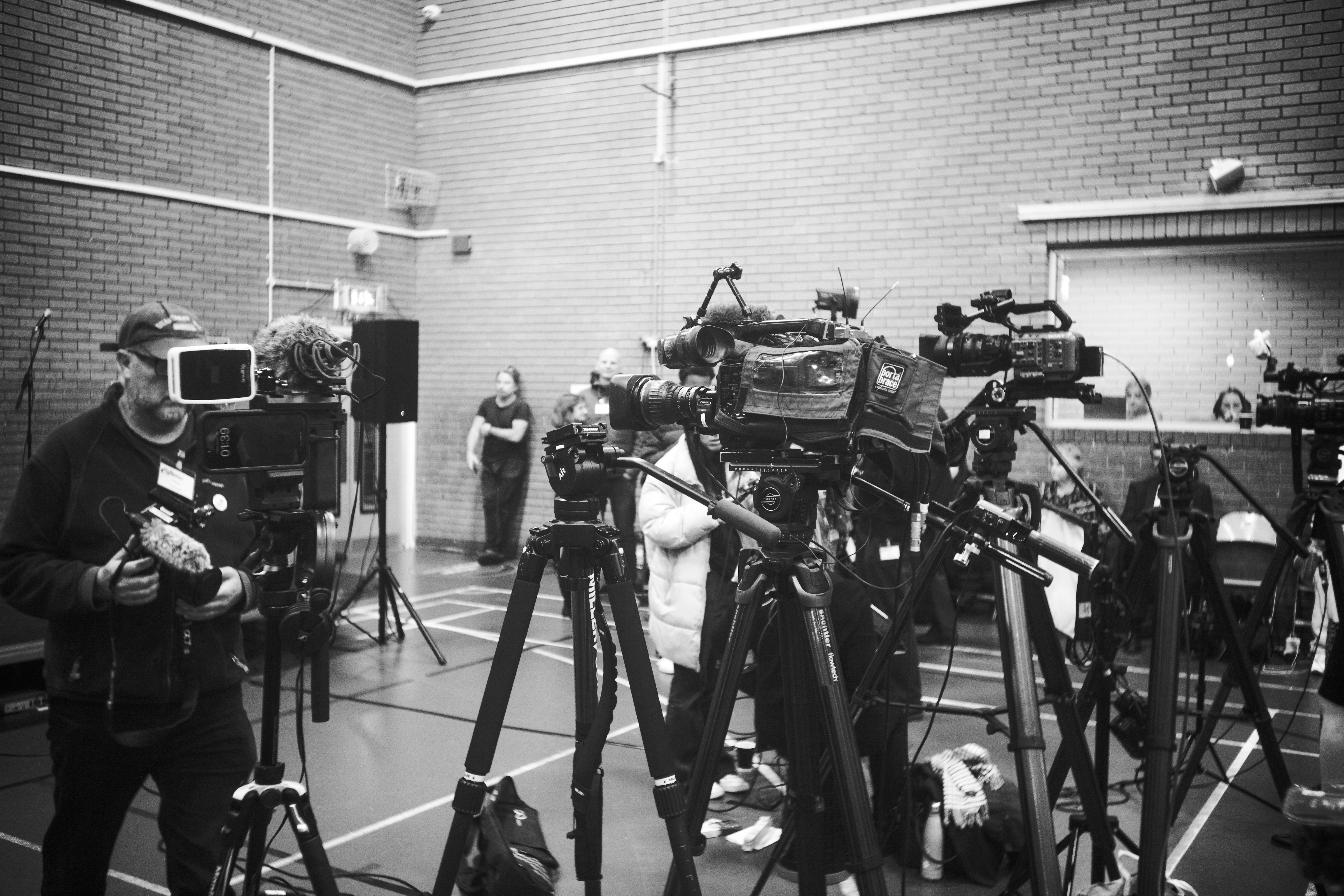
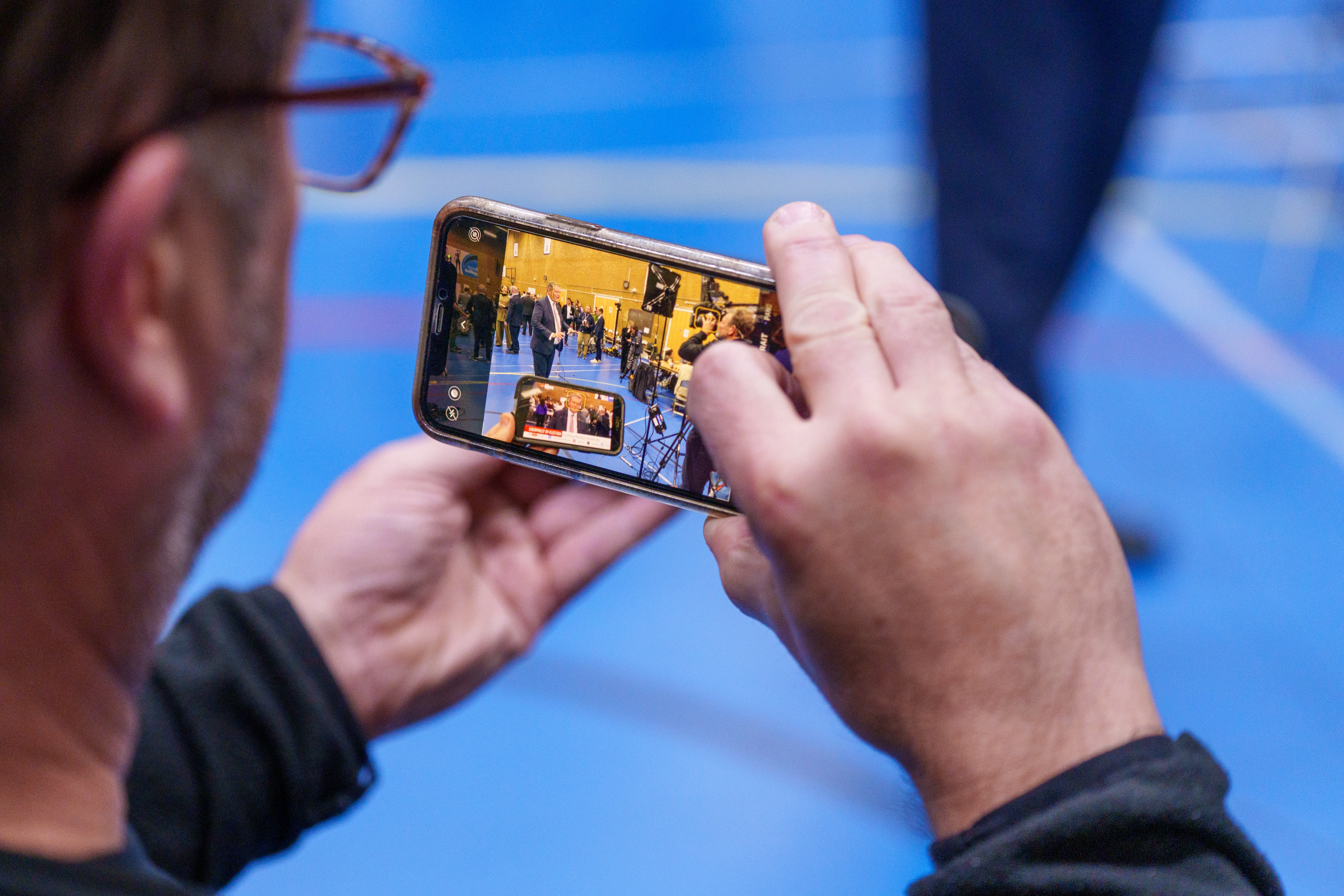
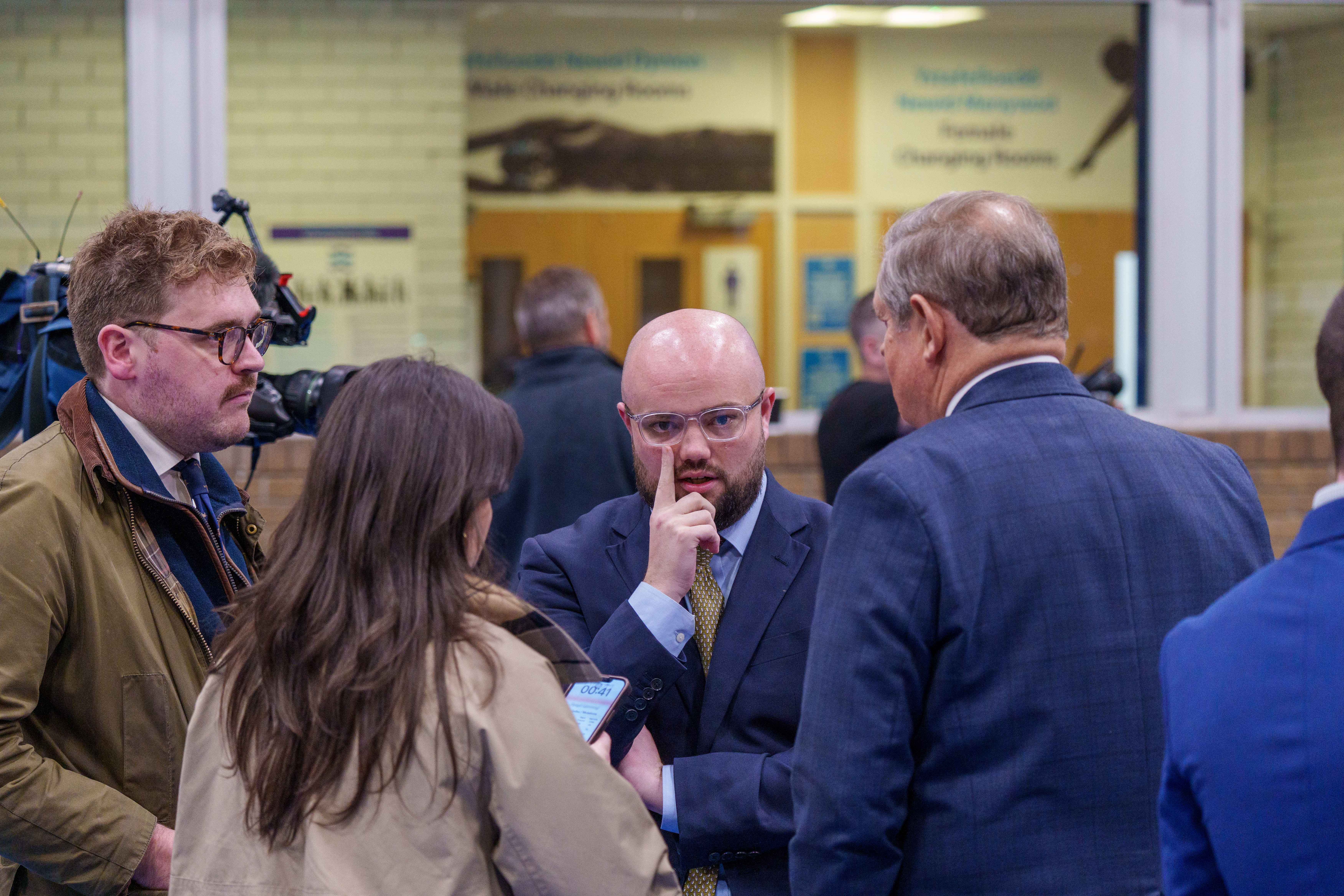
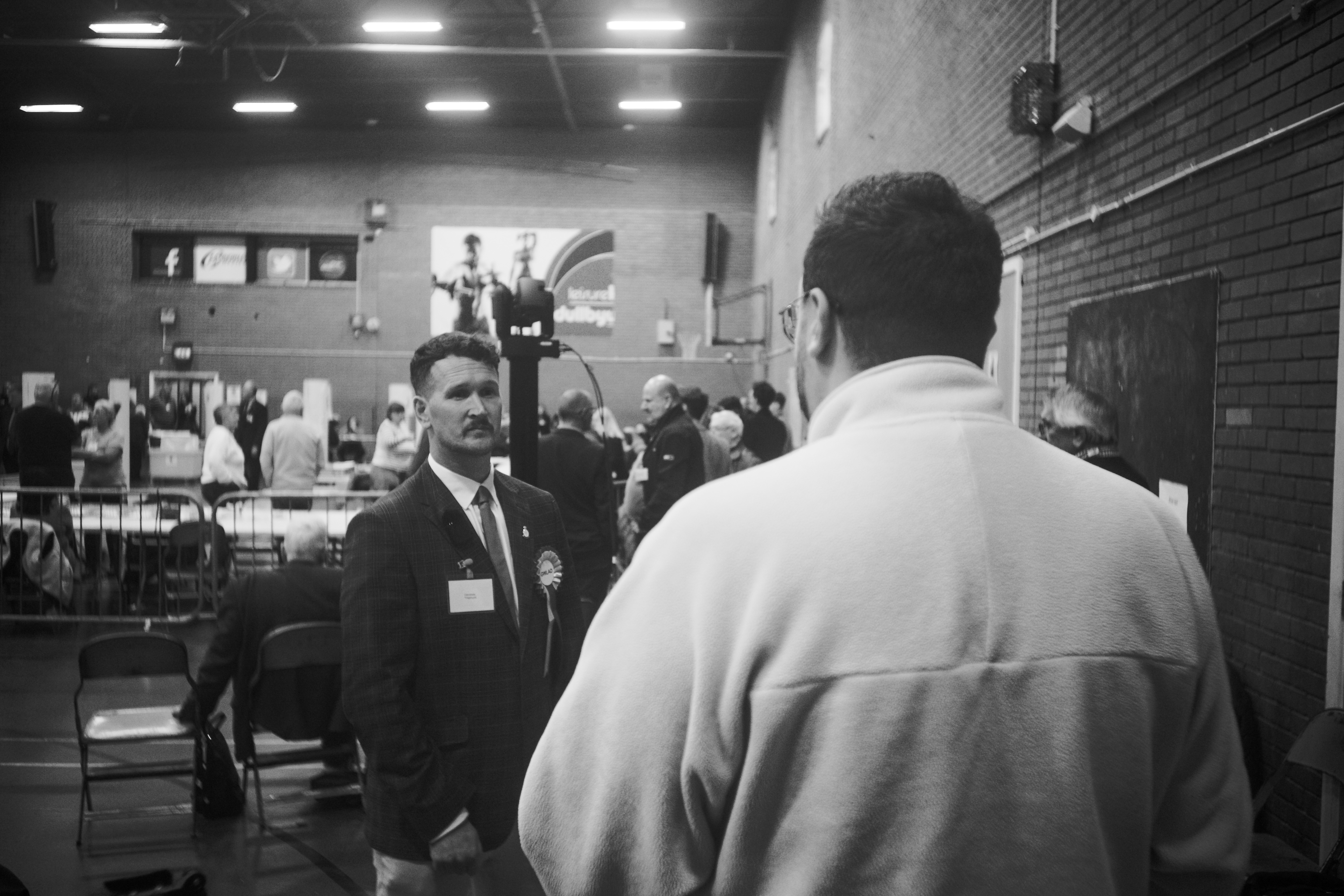
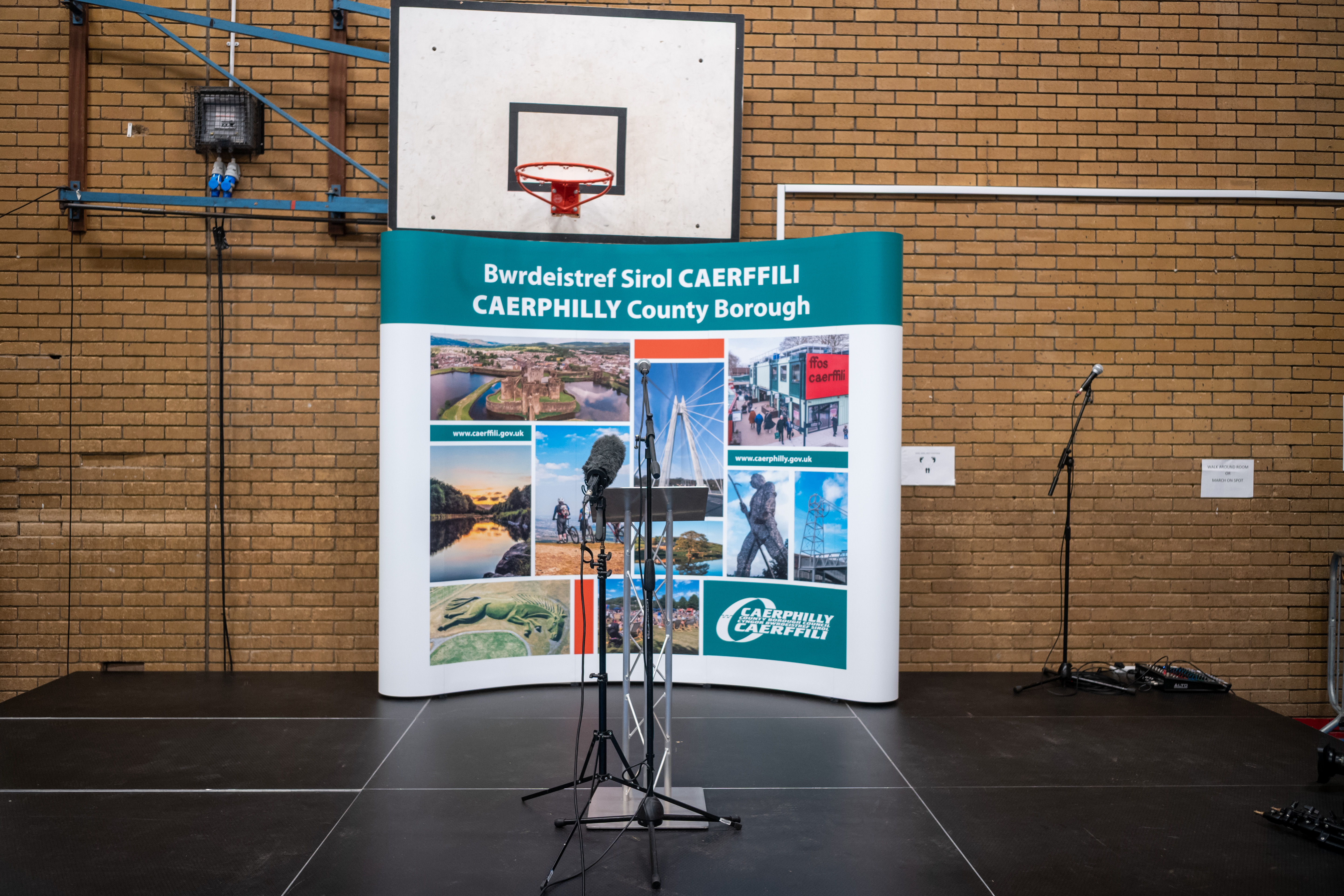
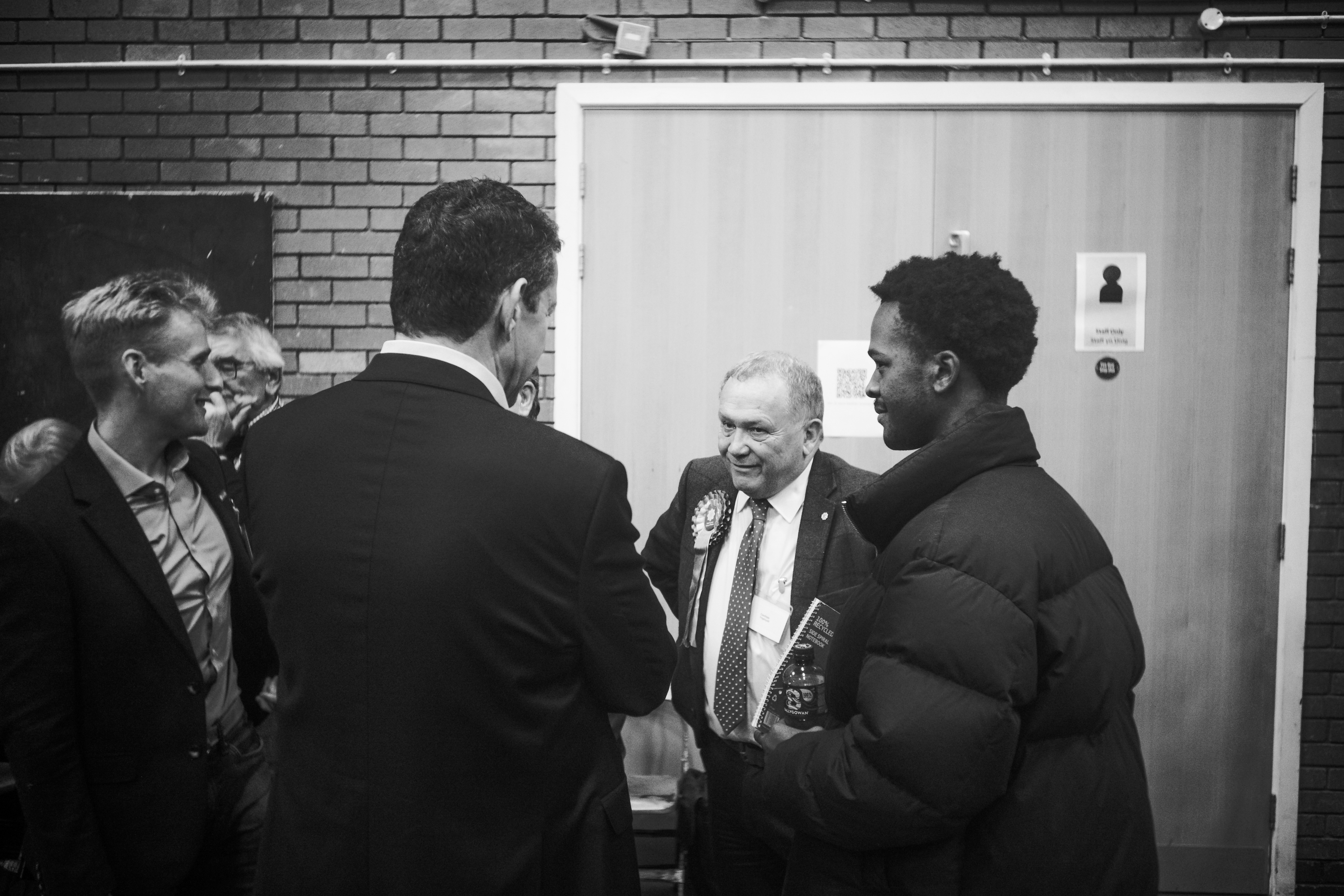
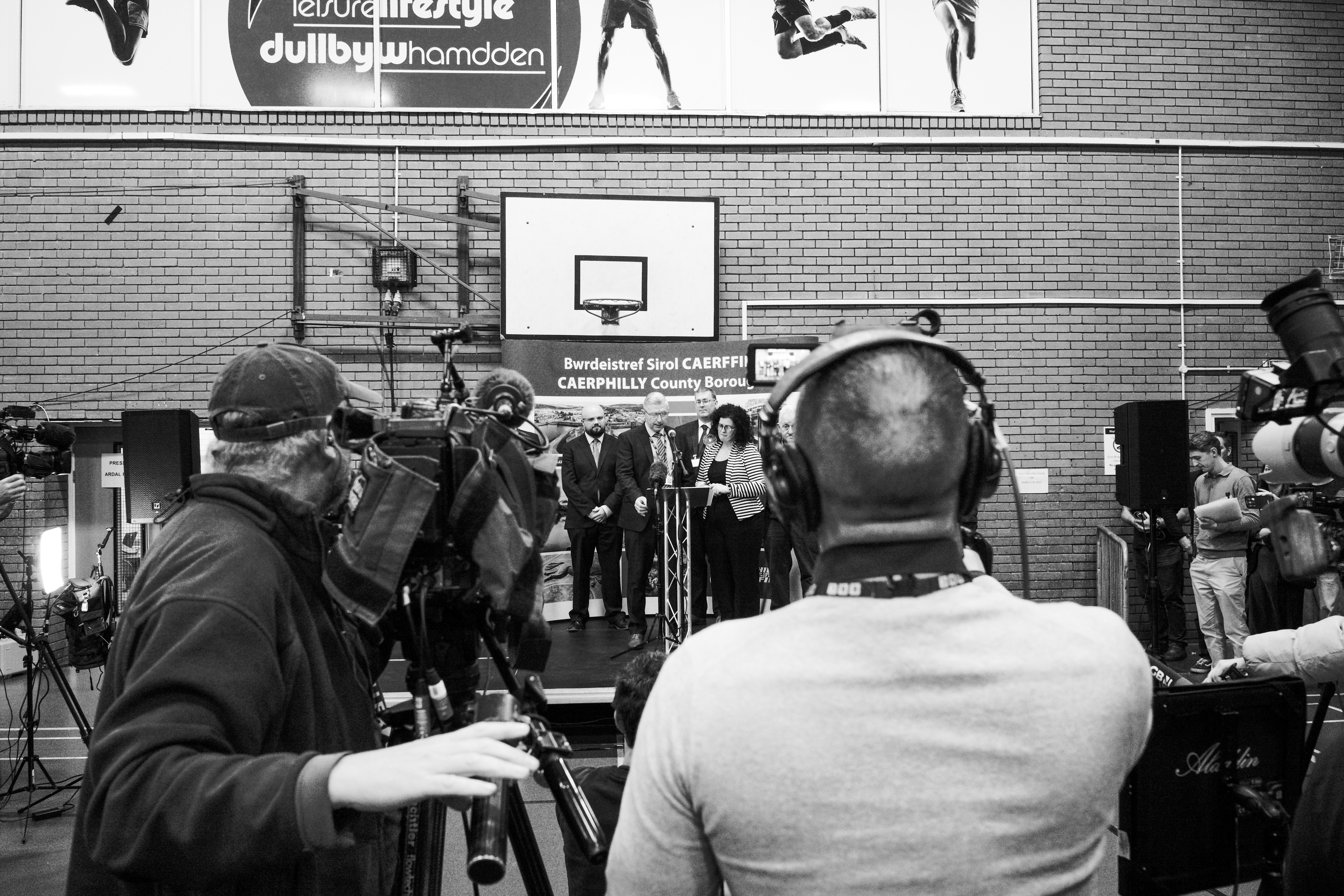
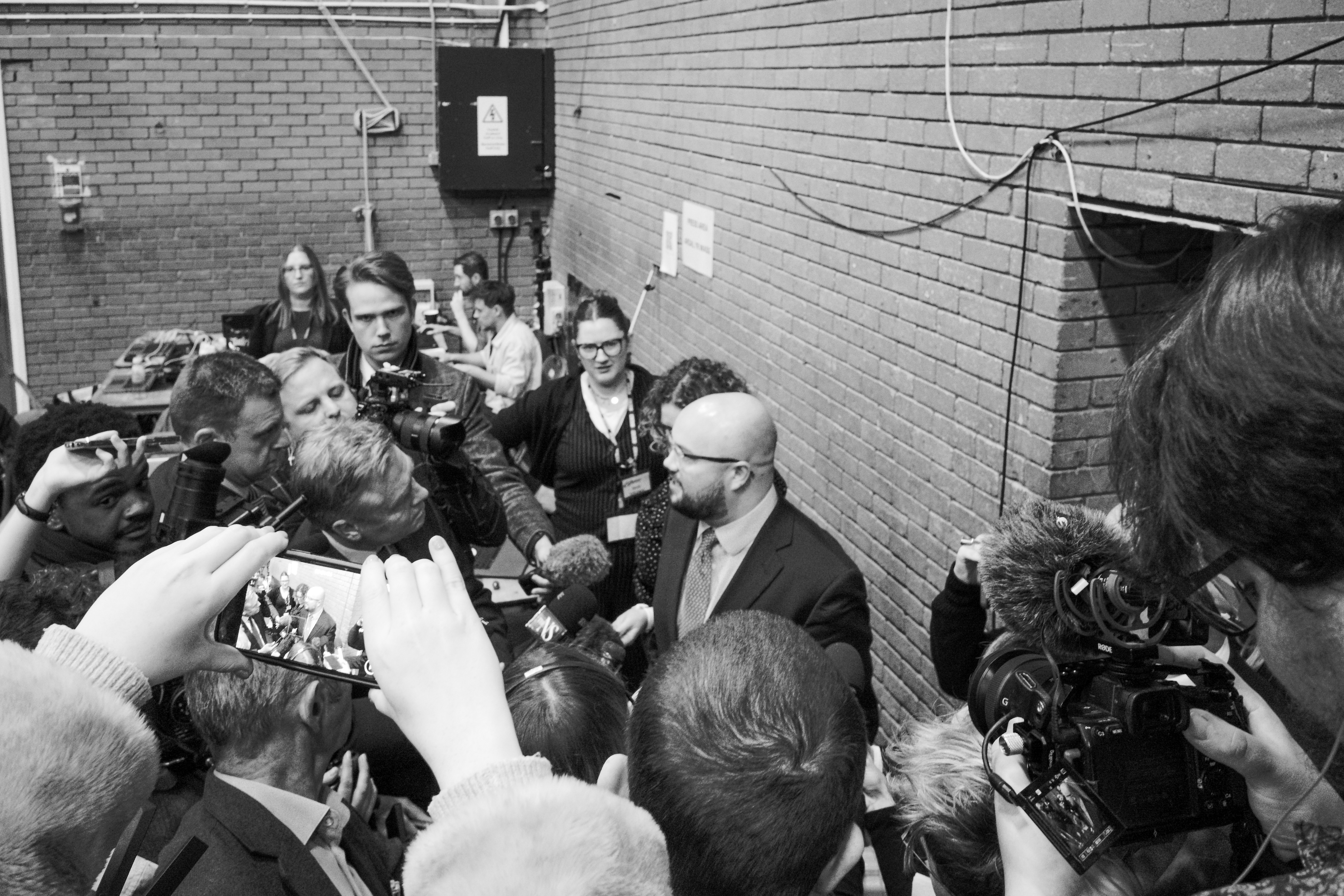
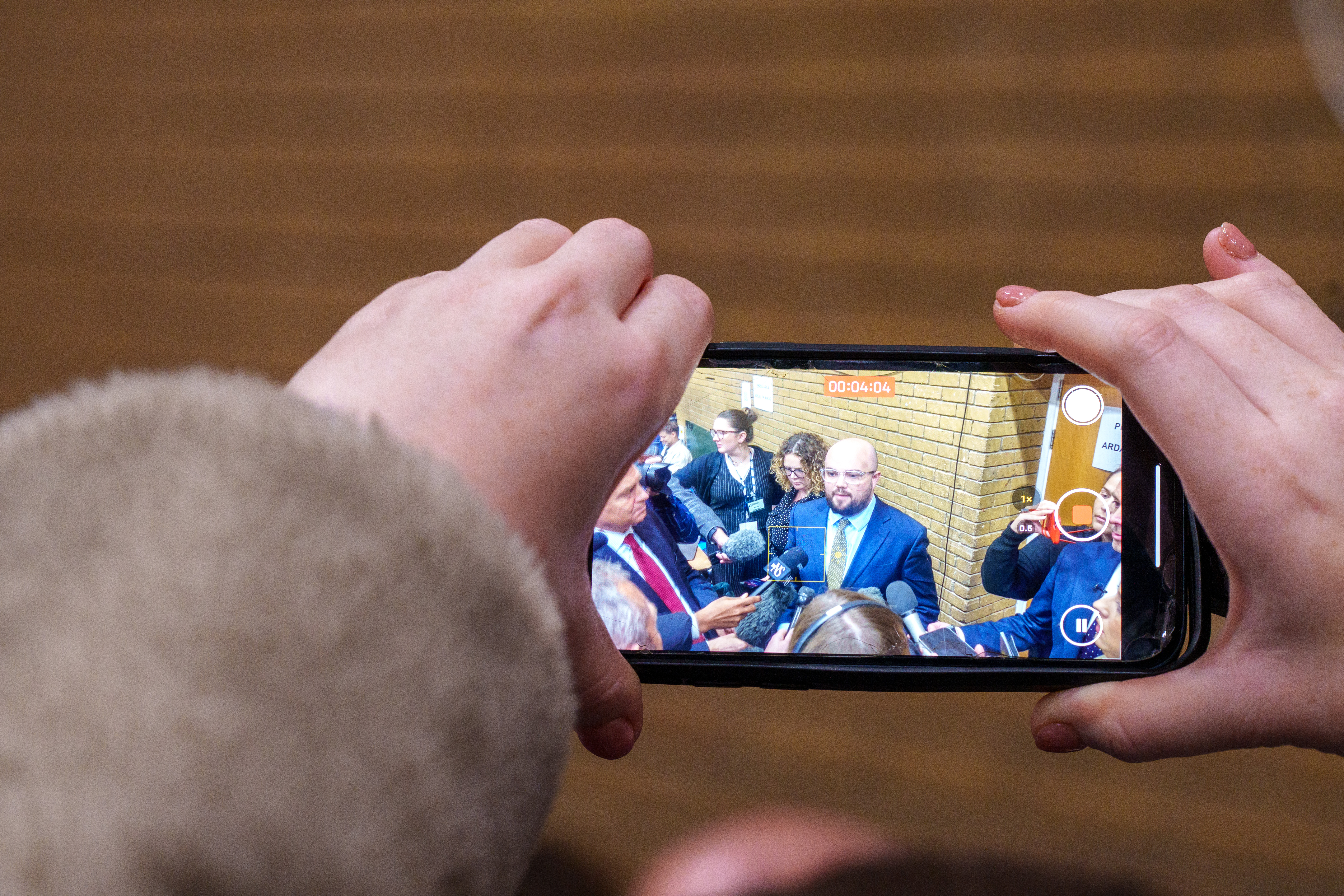
I reached Caerphilly Leisure Centre and was handed my media pass before being pointed towards the hall. The moment I stepped inside, I had my first realisation that maybe I wasn’t supposed to be there. The hall was split into three sections: the largest for the ballot counters; about two-thirds of the remaining space taken up by news cameras and a stage; and the rest, including a small back room, reserved for media. I was definitely overwhelmed by how much press was there. Throughout the night, I even had a few messages from friends saying they’d spotted me lurking in the background on TV. Once I found myself a spot, I pulled out my camera and got to work.
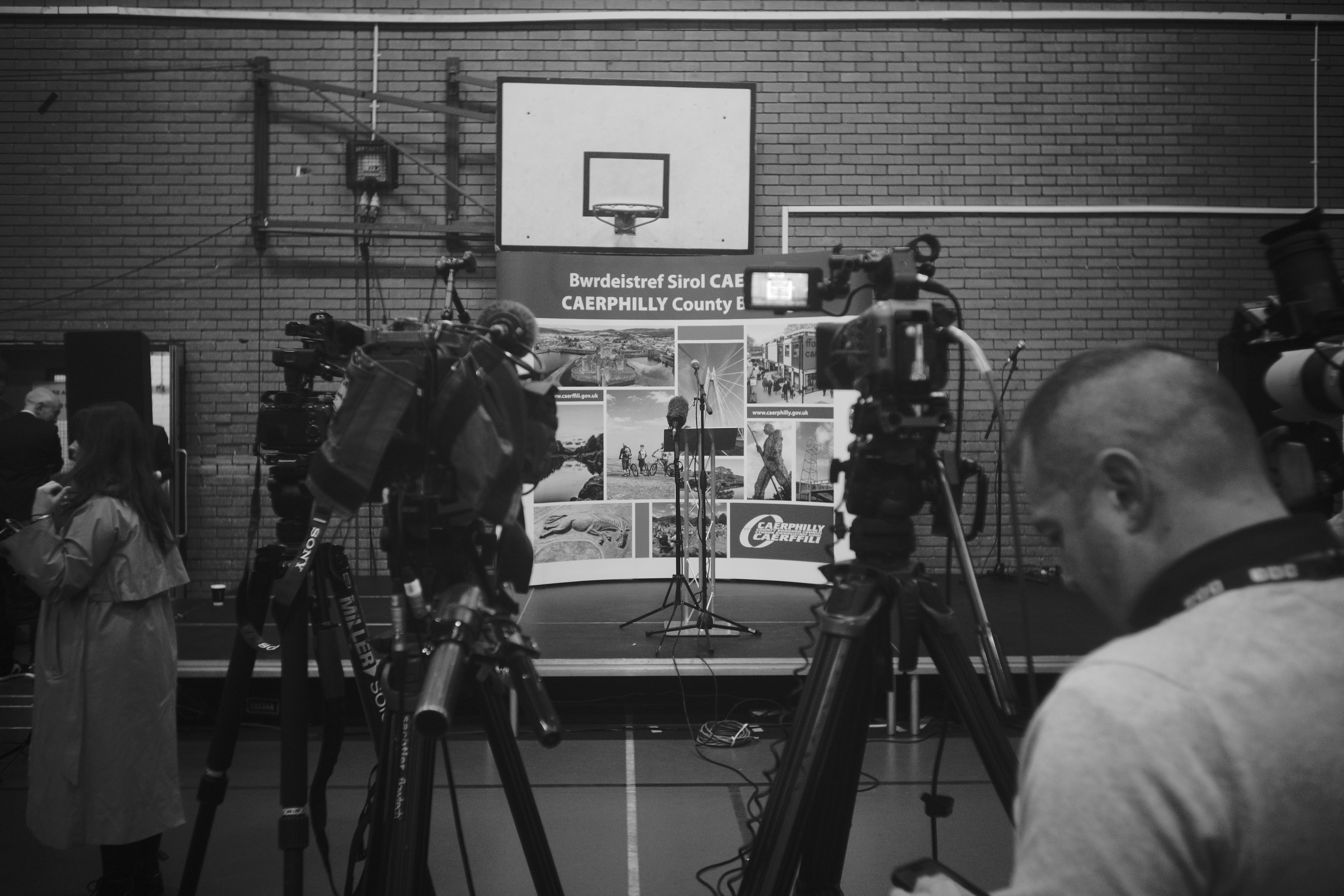
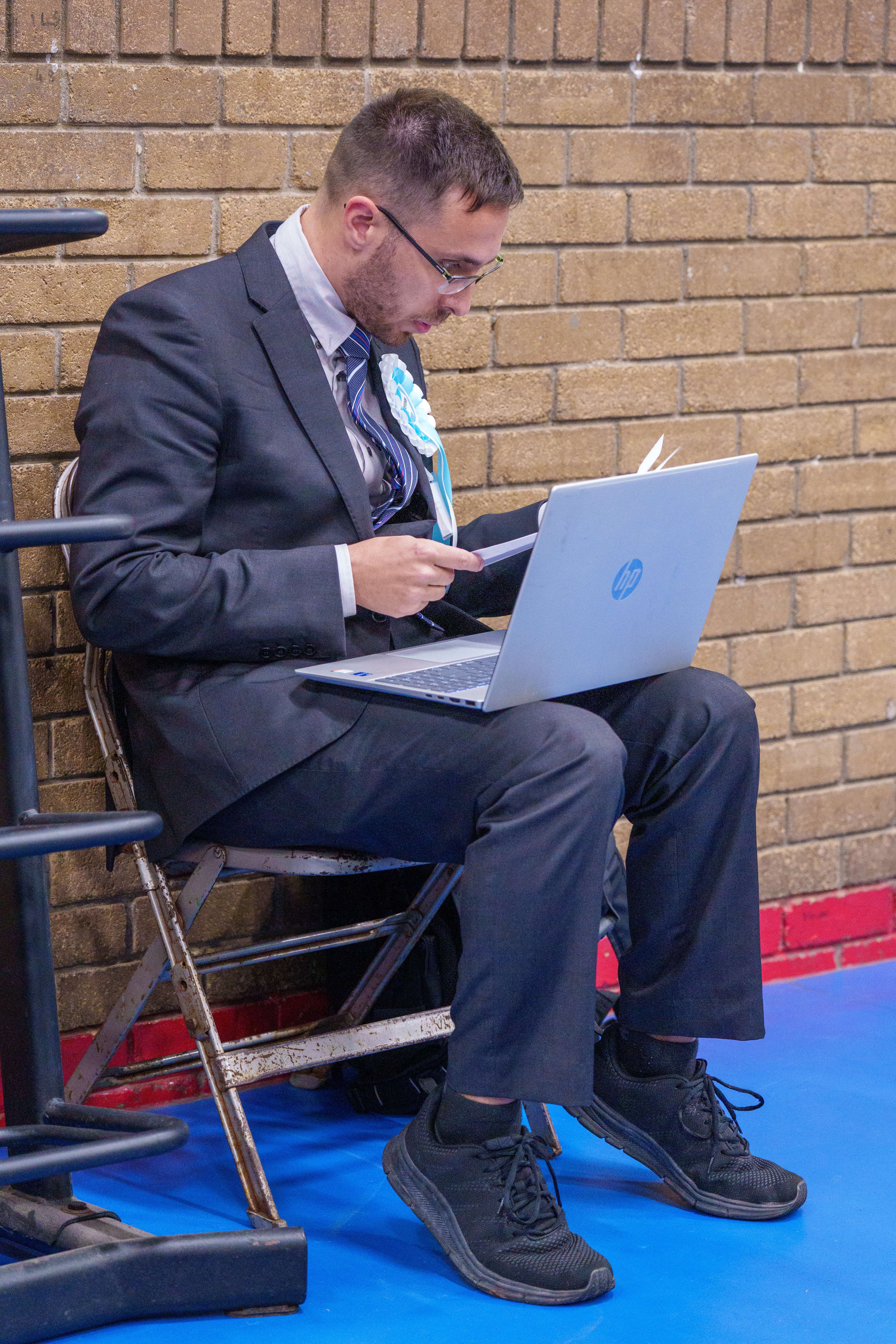
even when not shooting, the media were always rehearsing
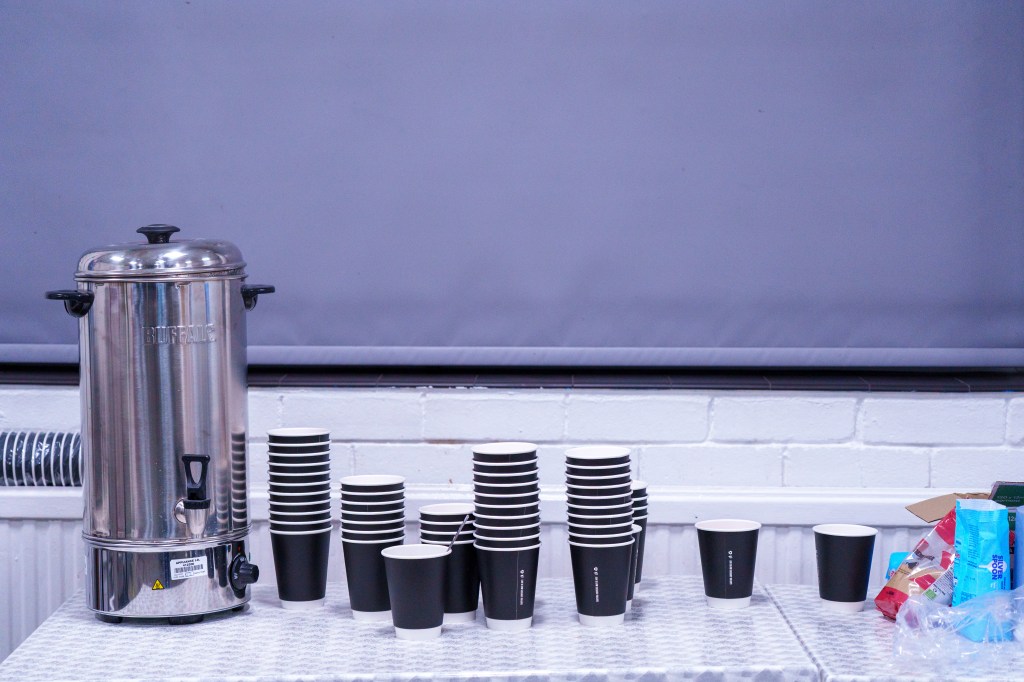
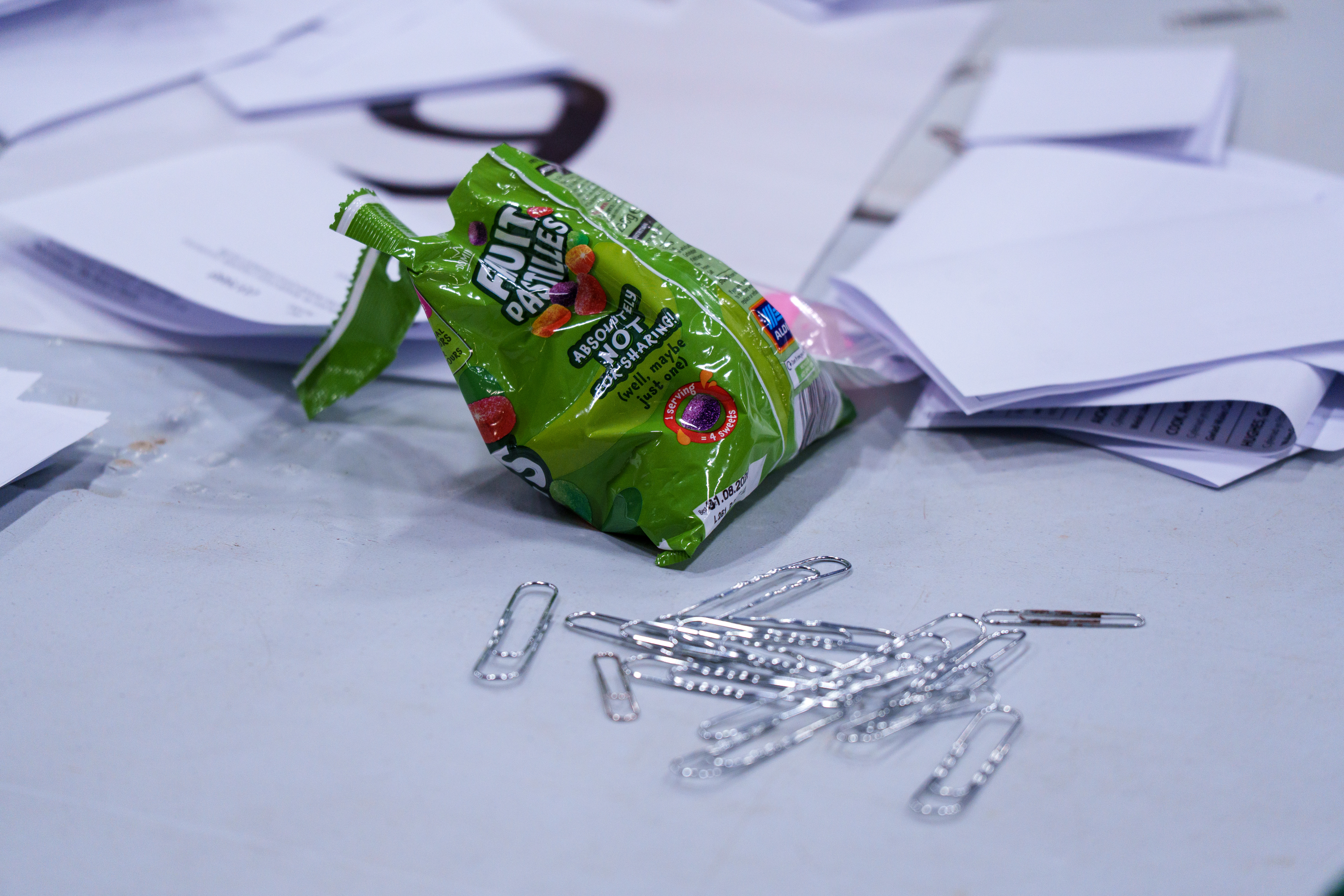
the only thing more upsetting than staying up until 4 am was the rough free coffee
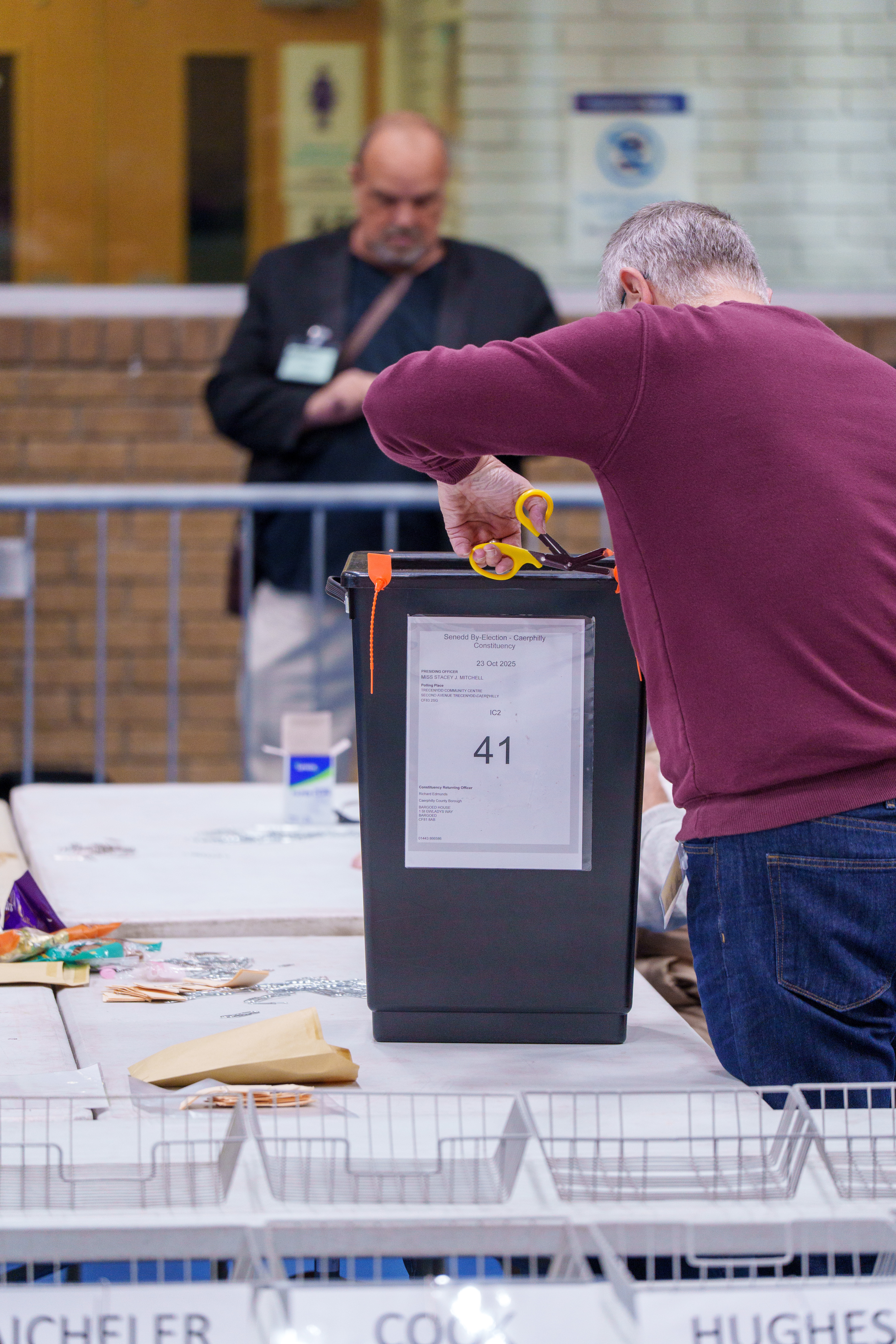
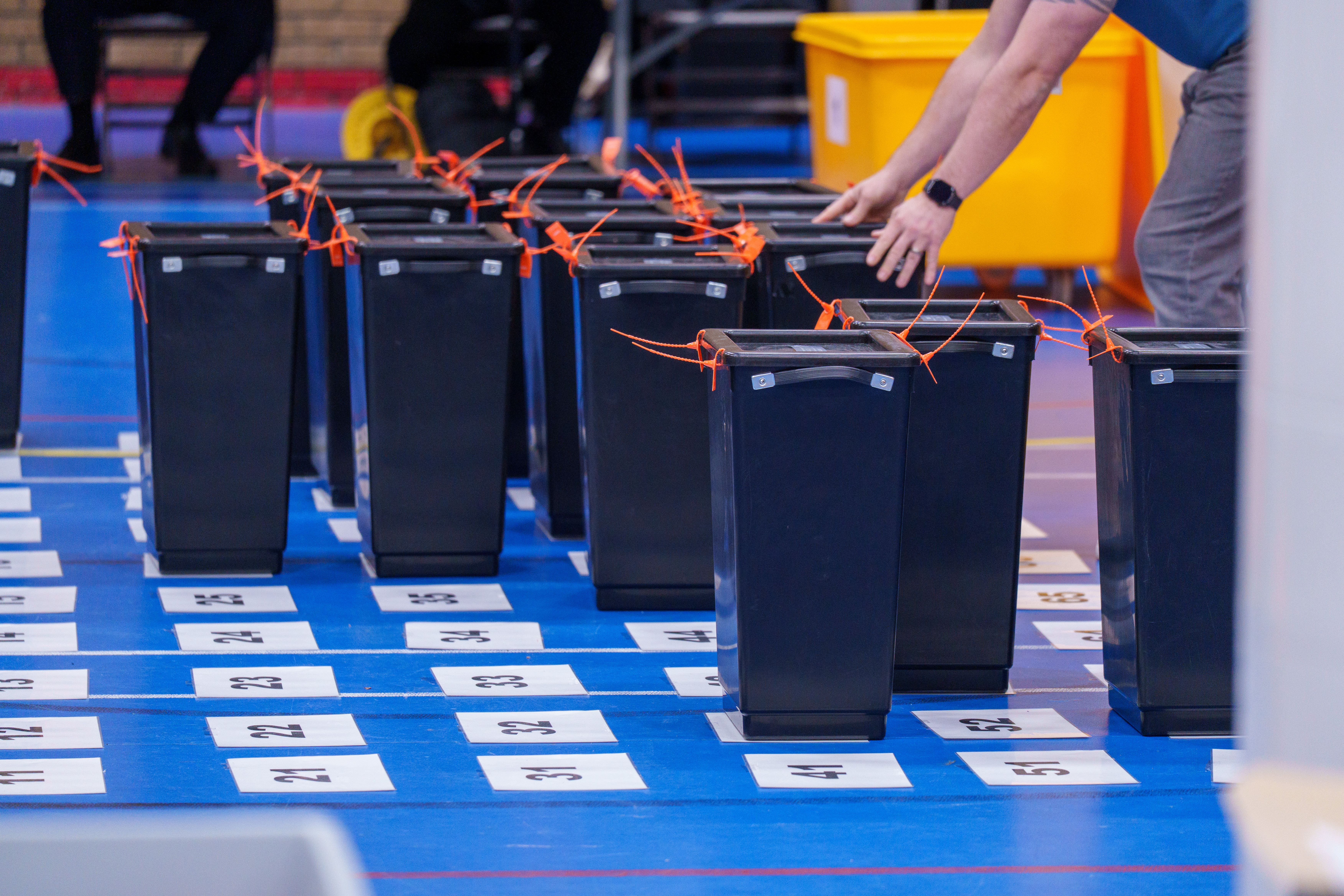
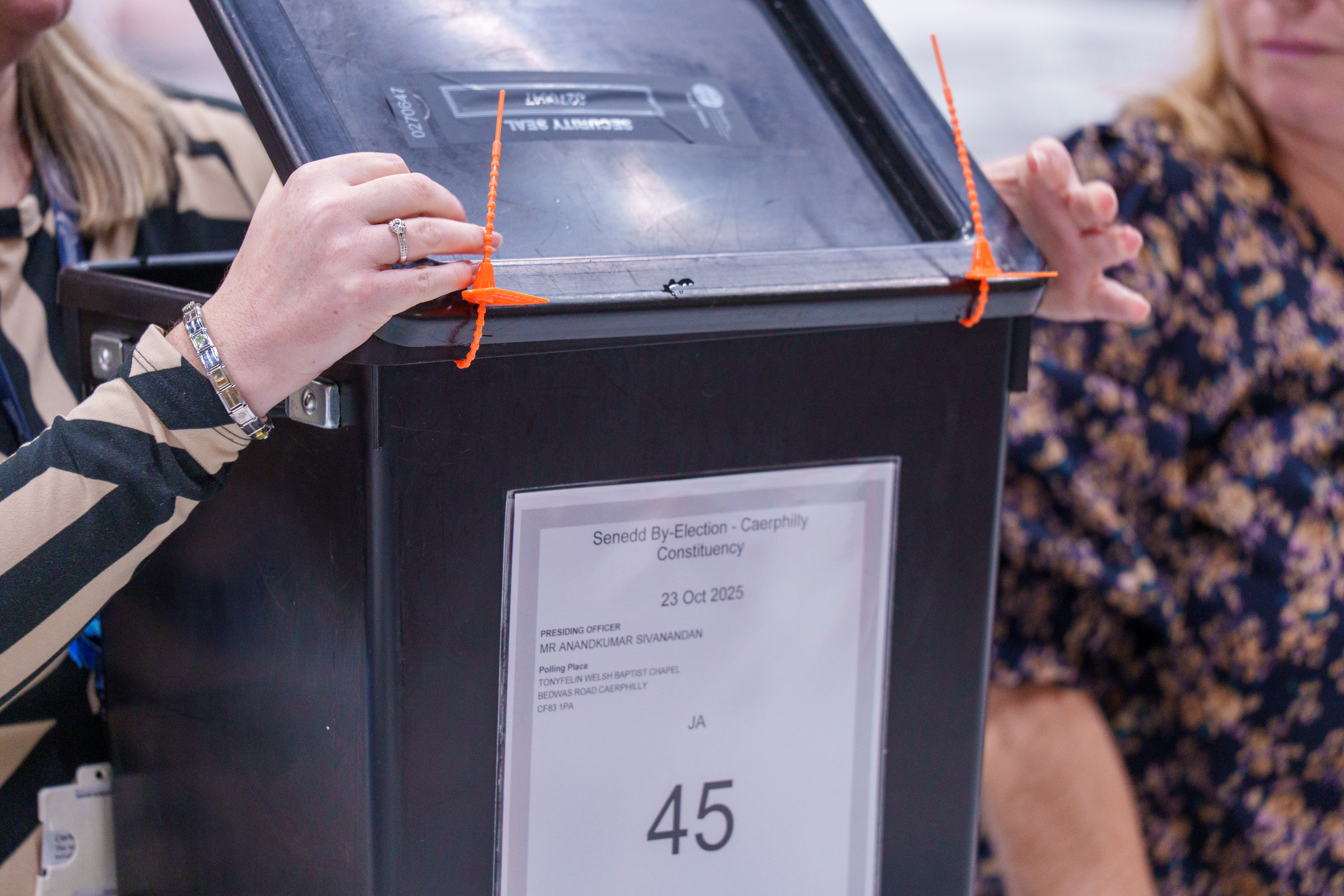
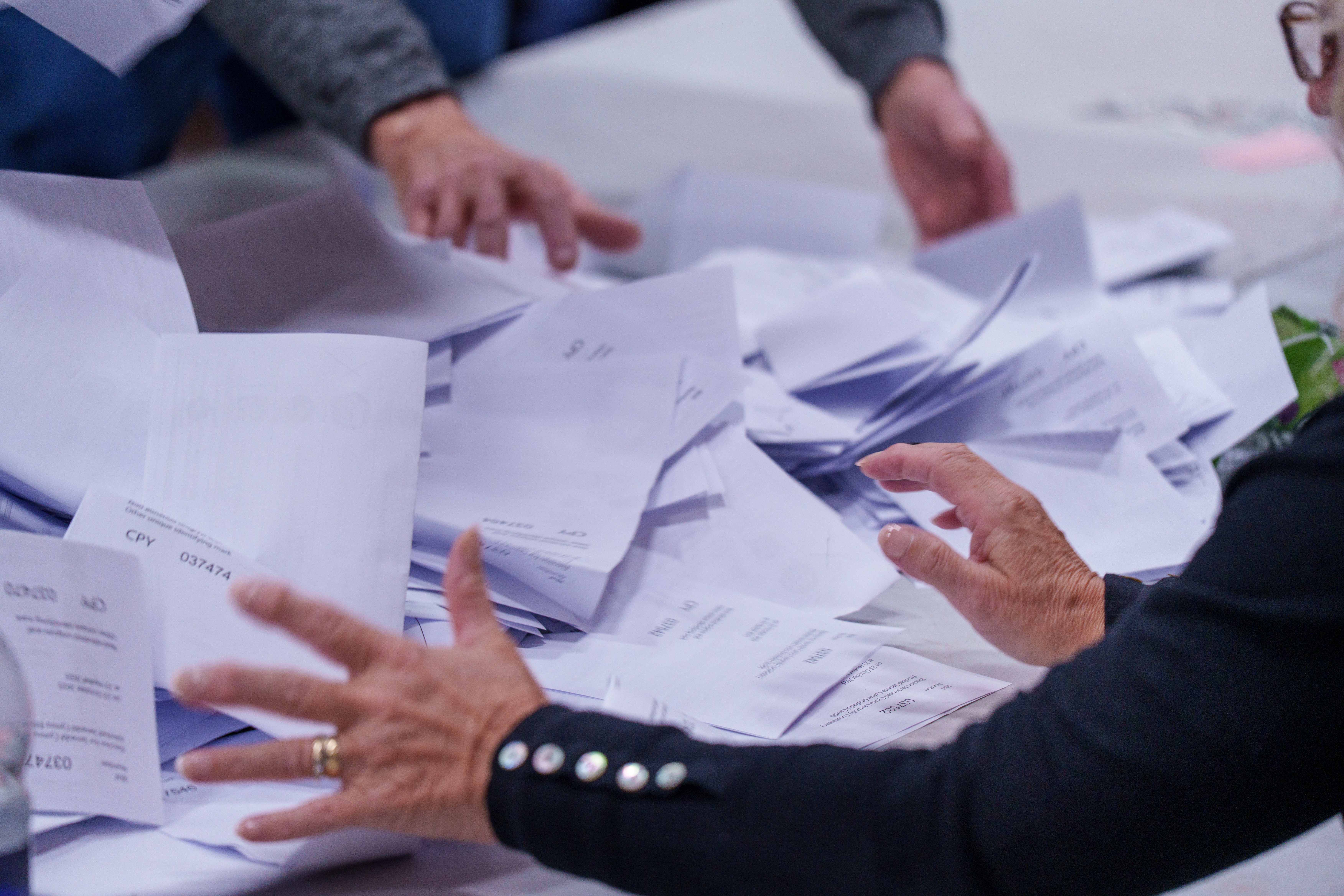
Within minutes of arriving, the first ballot boxes began to appear. This was the start of verification which, as someone from Channel 5 kindly explained, is often the longest part of the process, as votes are checked to make sure they’ve been filled in correctly.
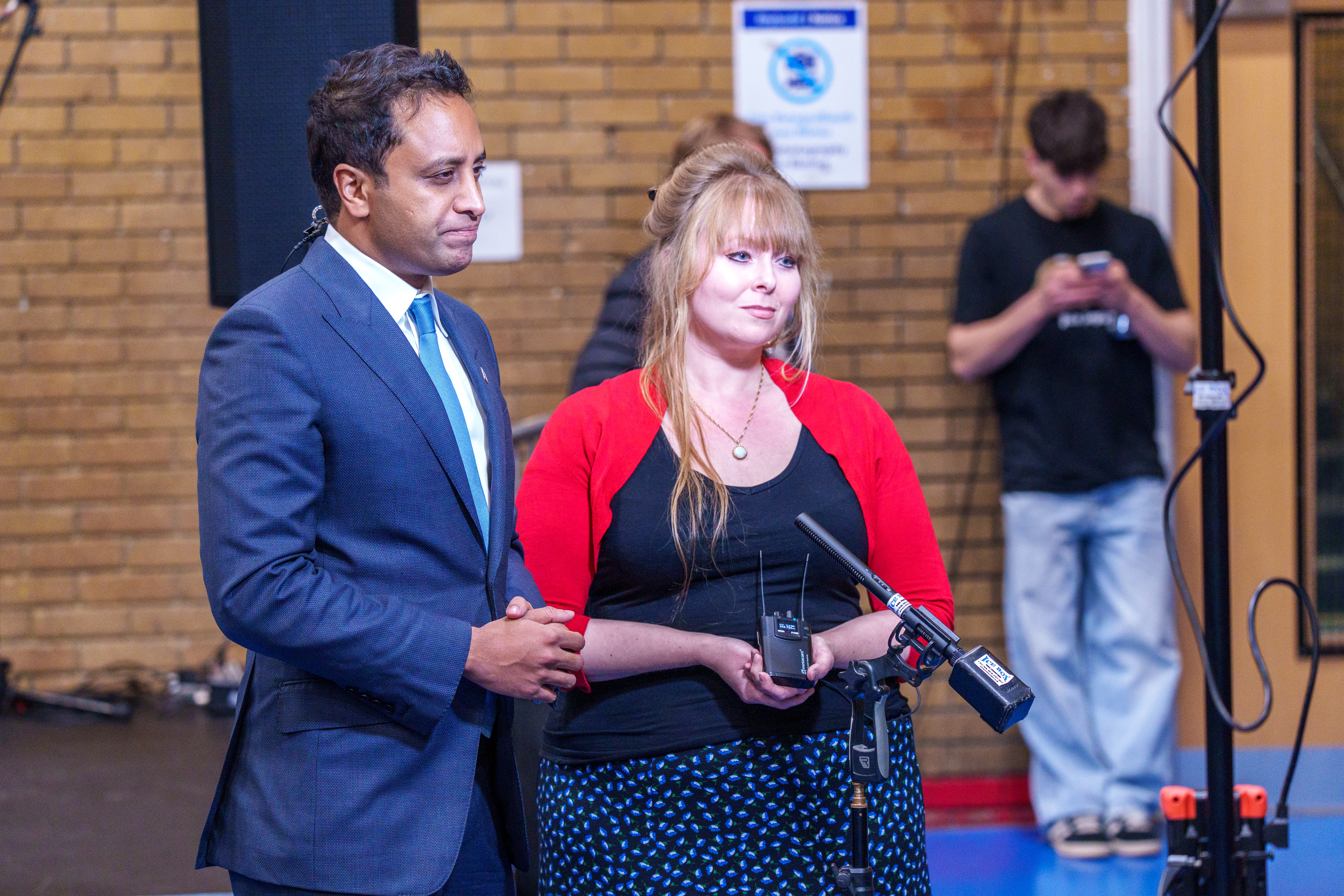
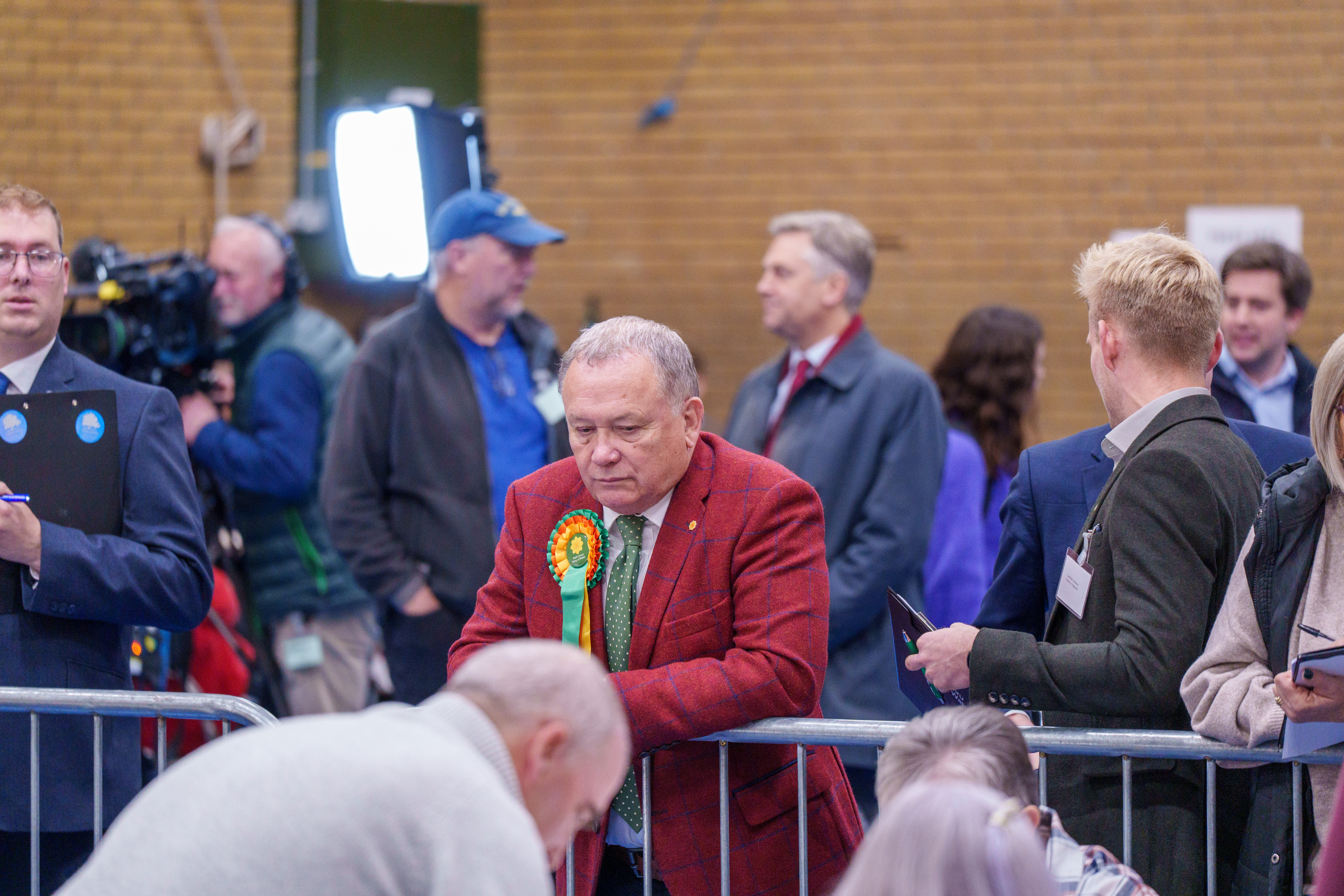
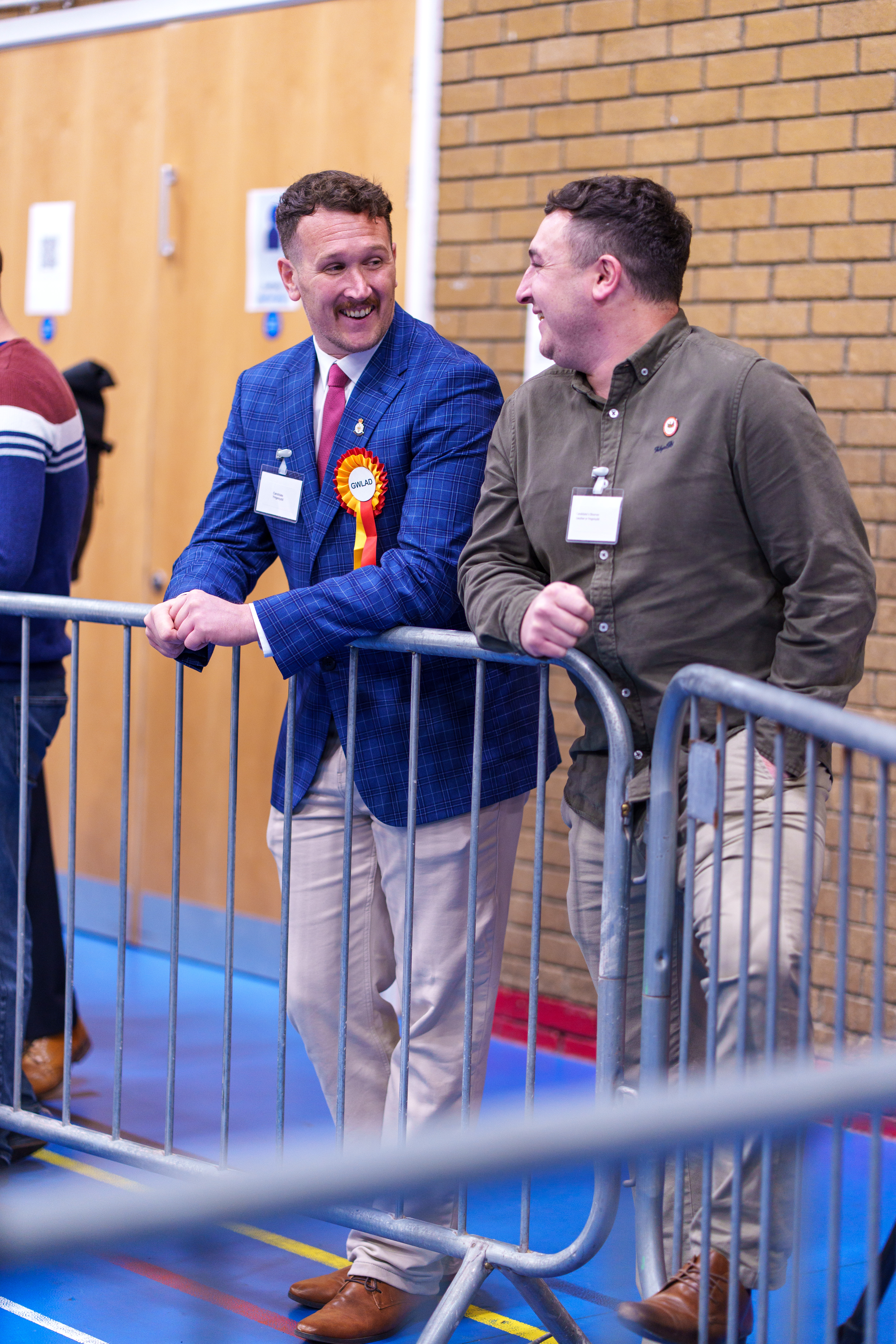
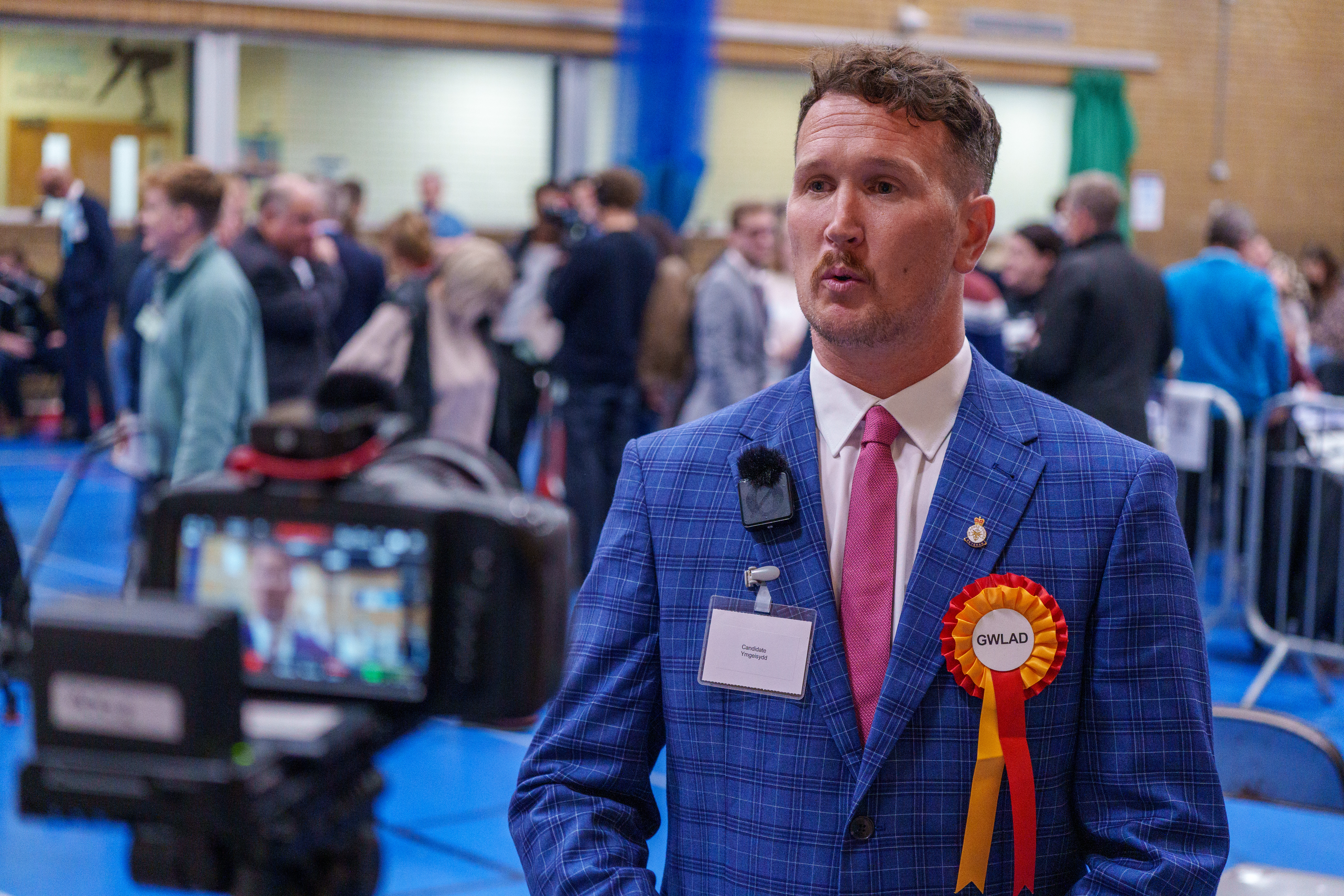
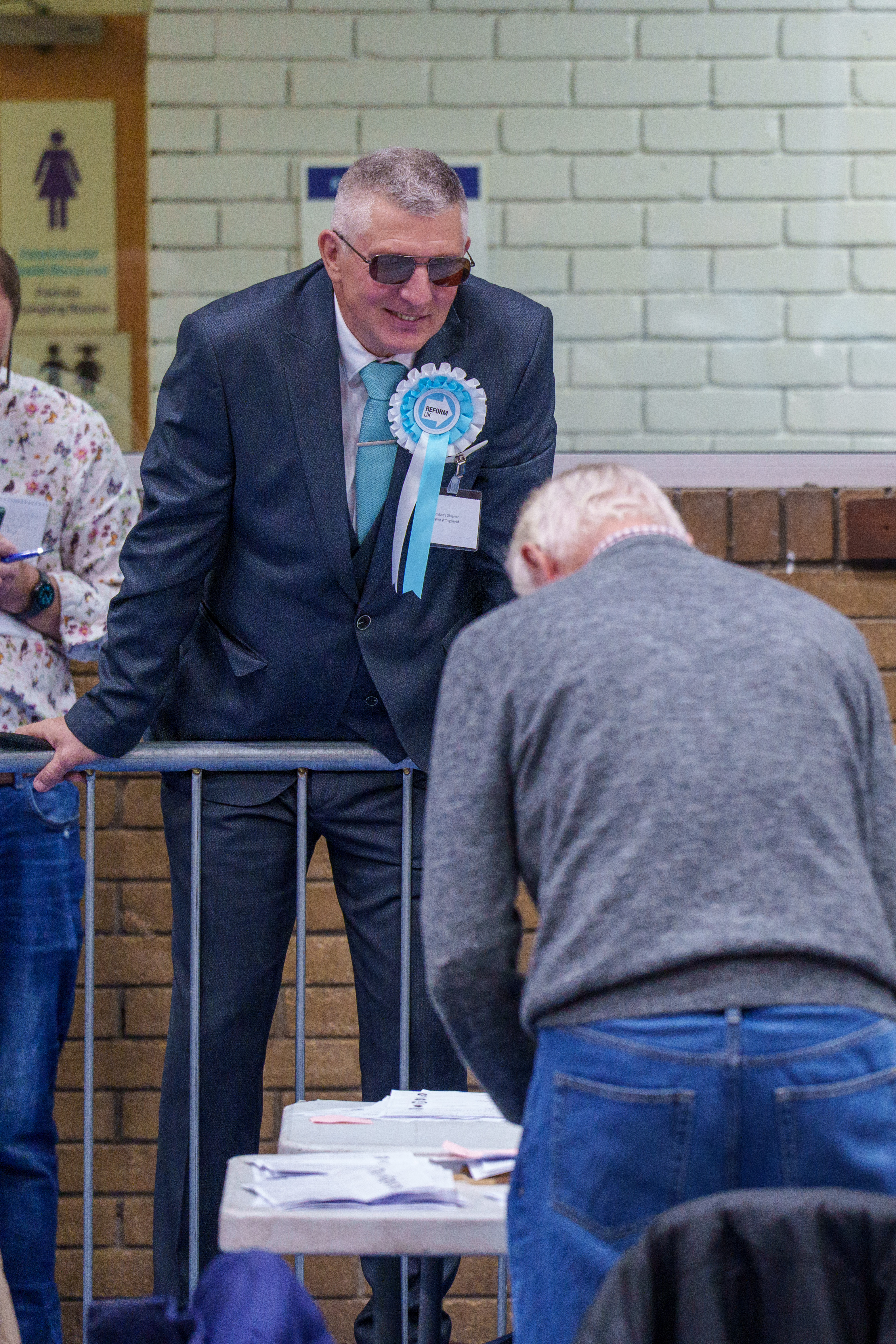
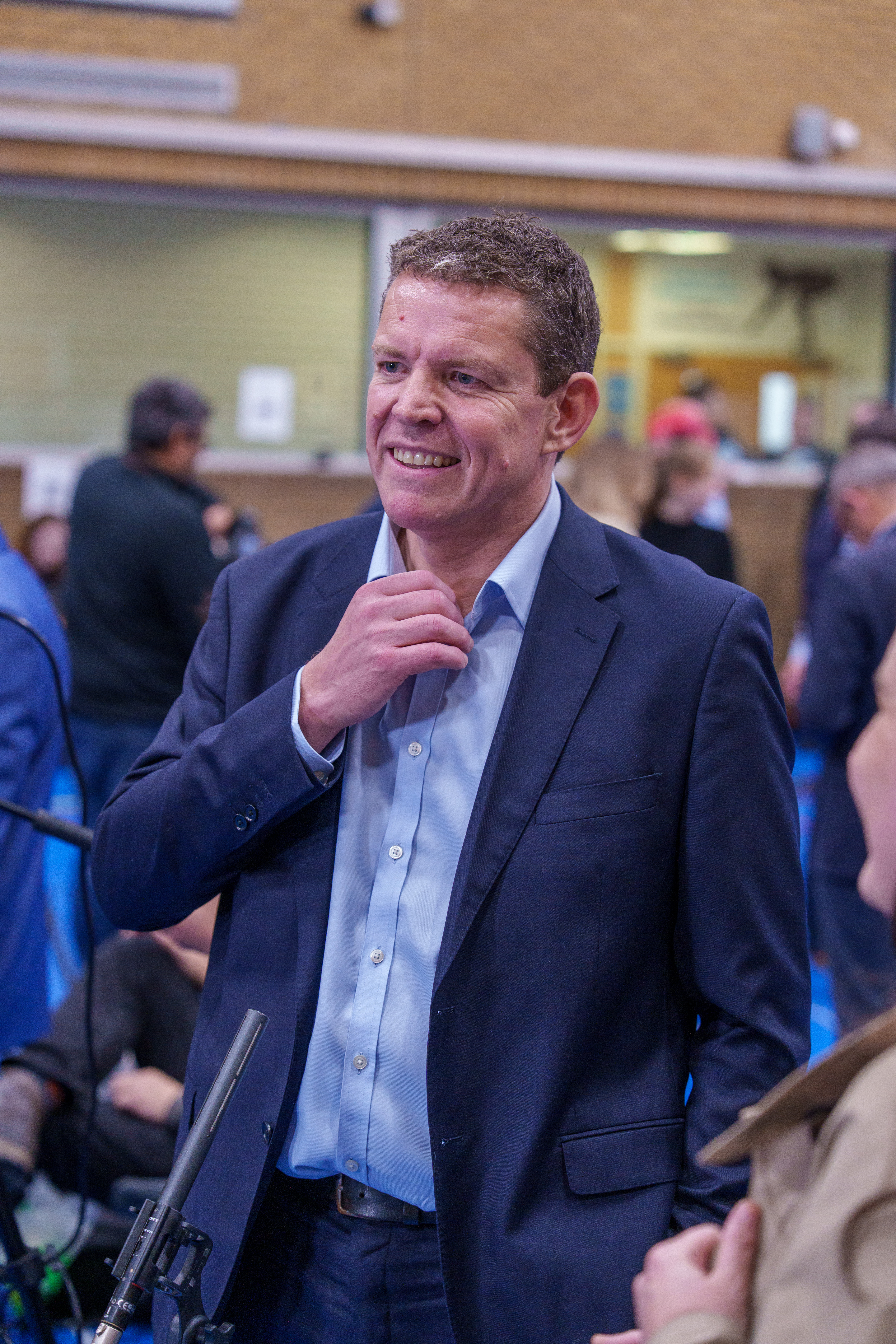
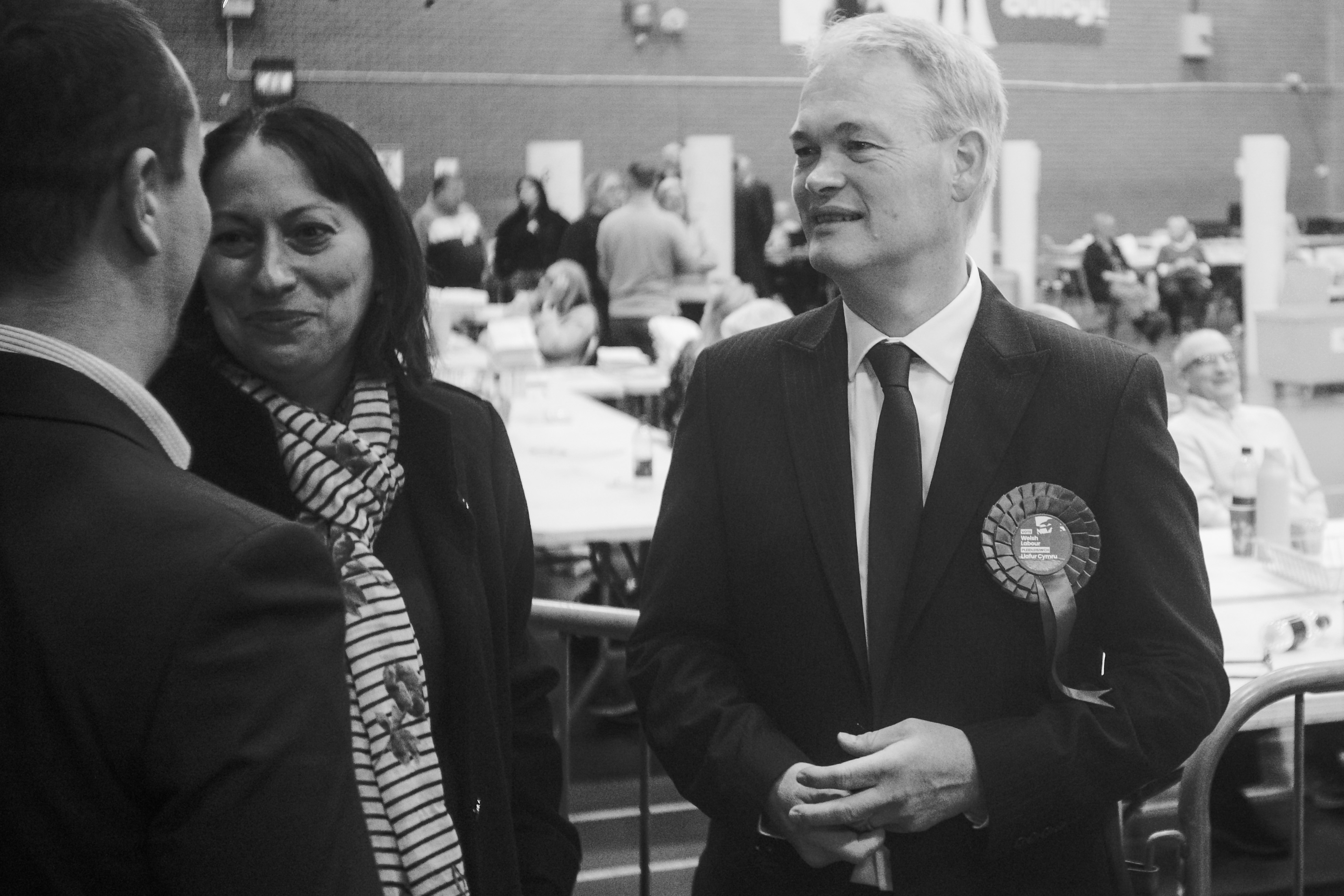
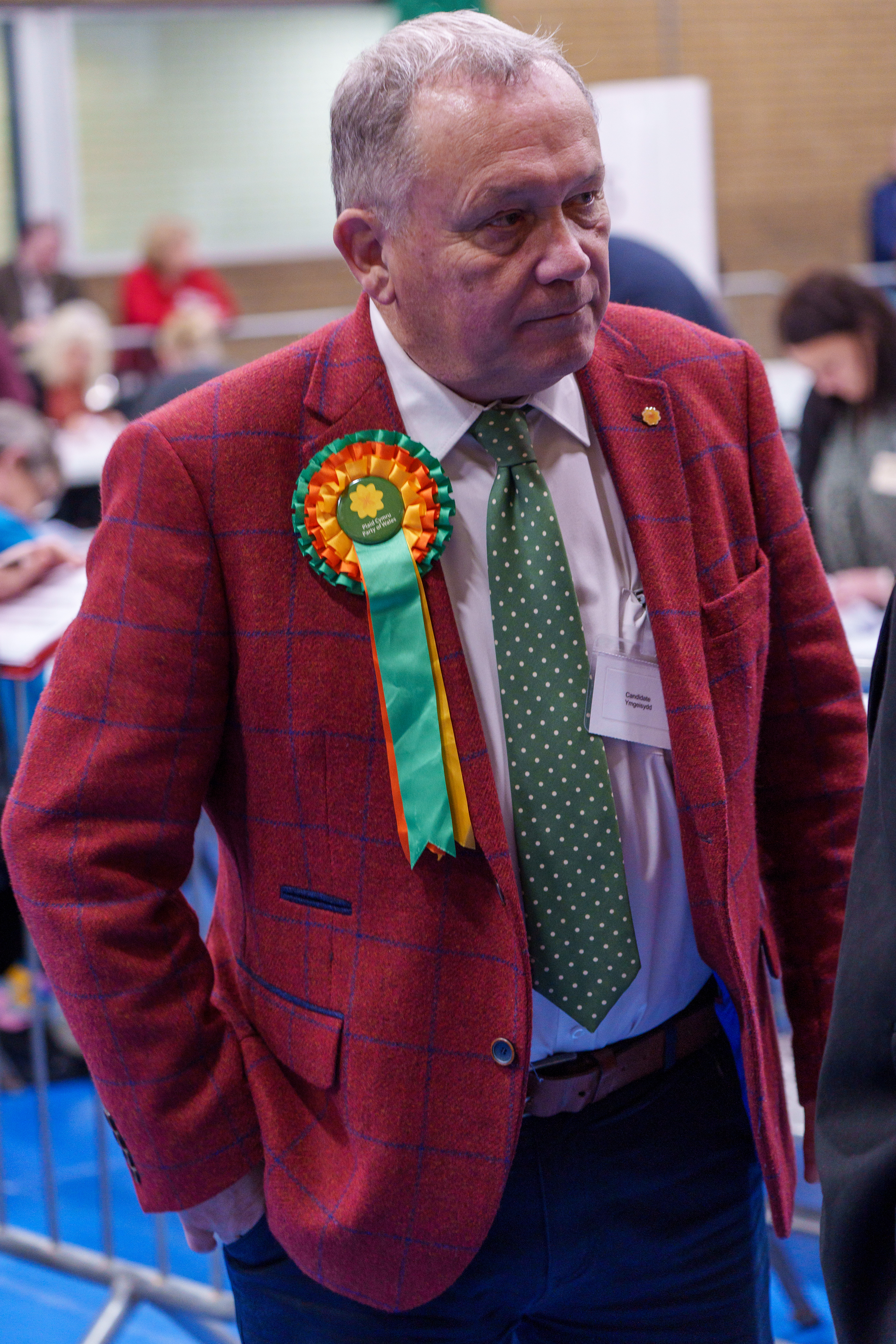
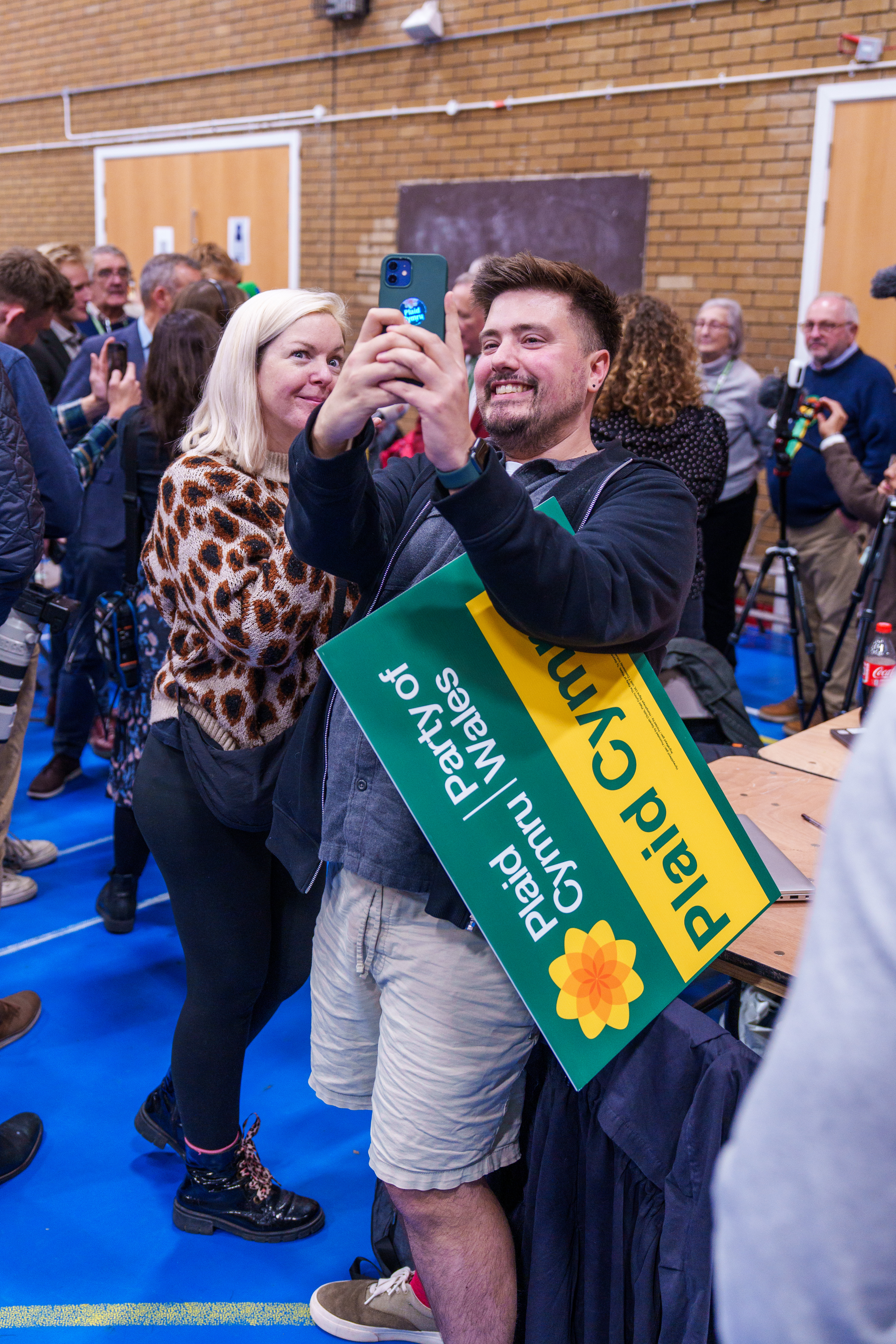
Most of the candidates, apart from Labour and Reform, were present for this stage. Labour and Reform arrived later. The Reform candidate had an unmistakable air of confidence at this point, while there was a hint of apprehension within the Plaid camp. It felt like they knew they hadn’t done badly, but weren’t expecting overwhelming success either. It was widely expected that the first result would come between 2 and 3 a.m. and might be close enough to trigger a recount, a disappointing prospect for someone who’s very fond of pyjamas by 7 p.m.
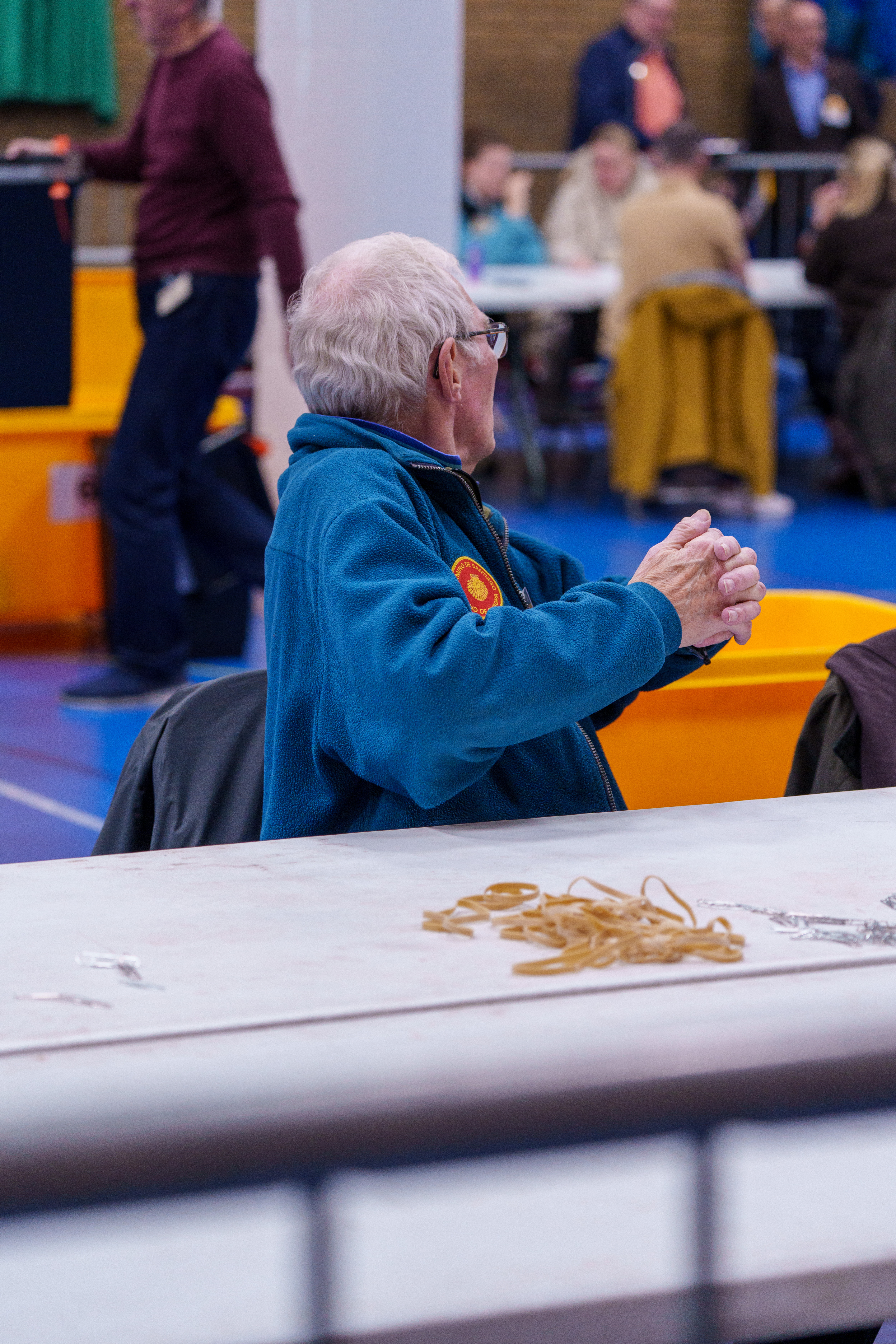
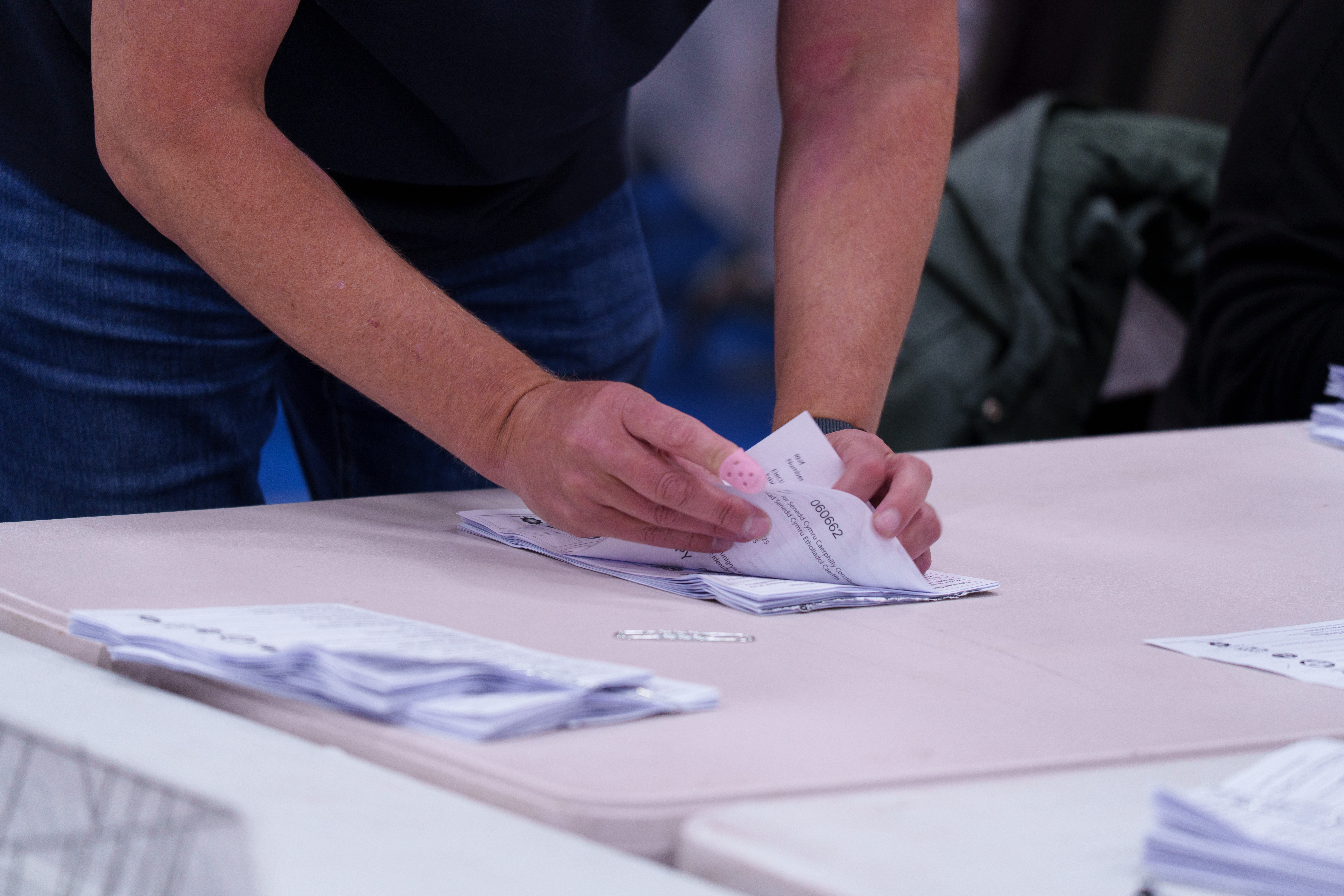
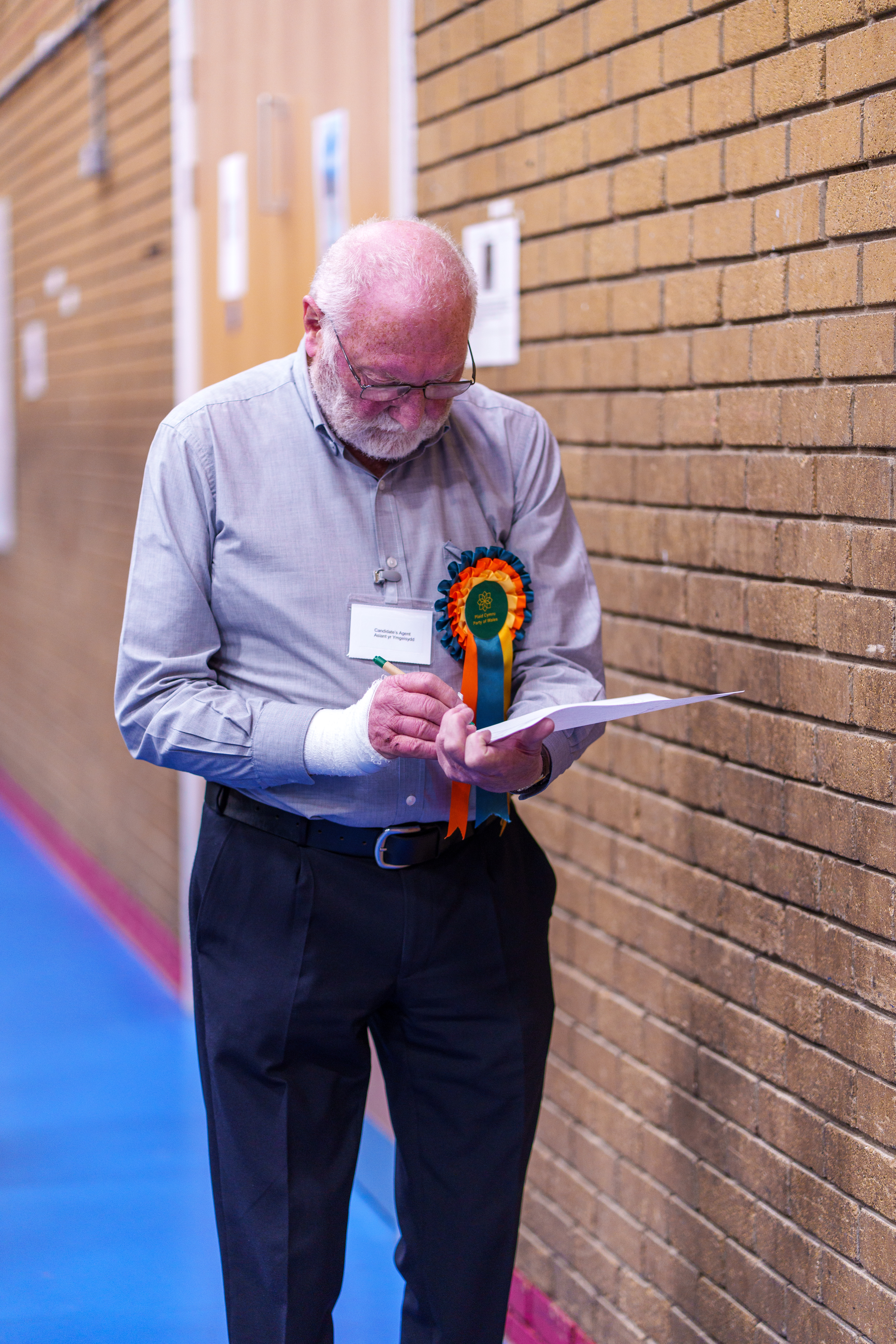
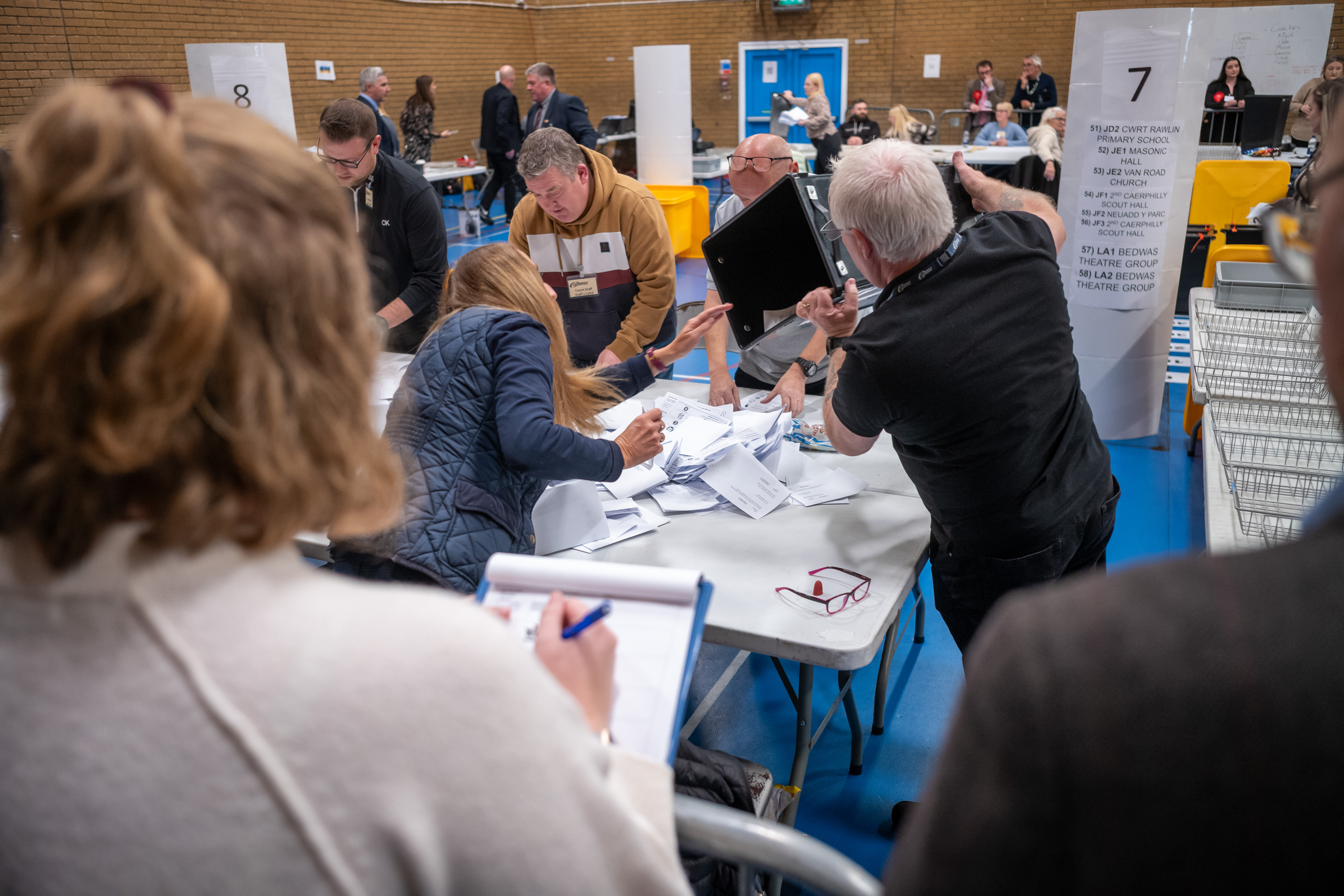
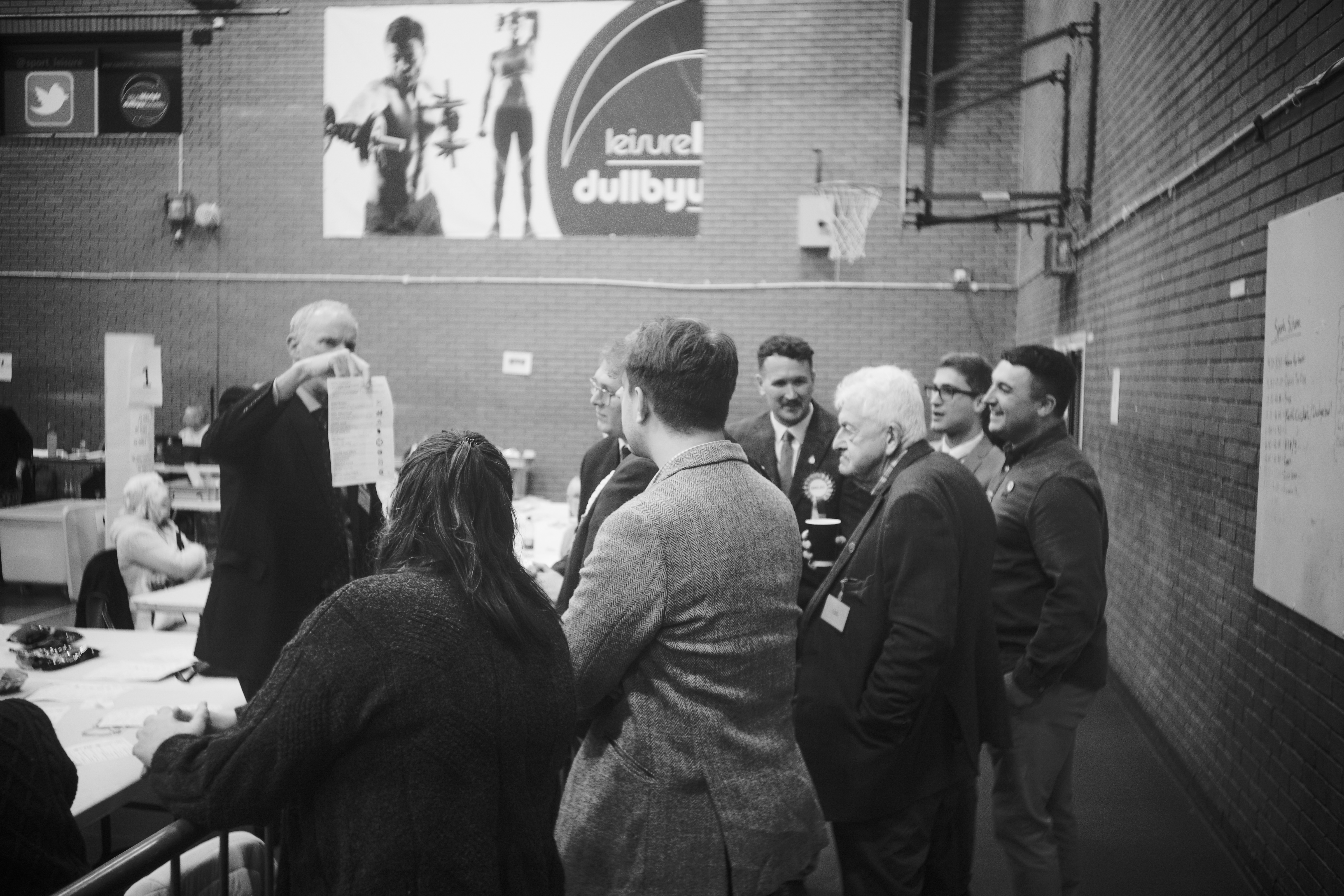
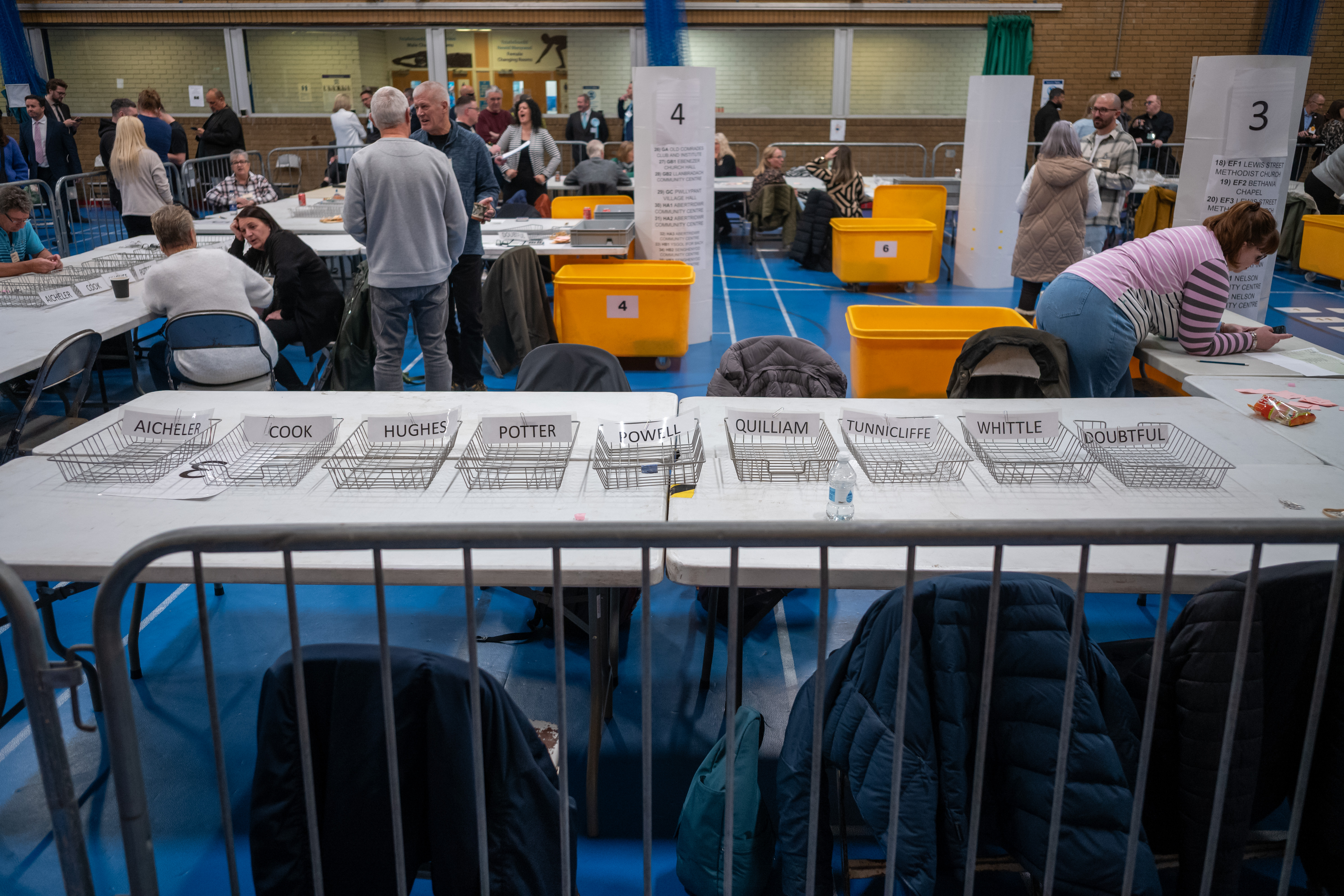
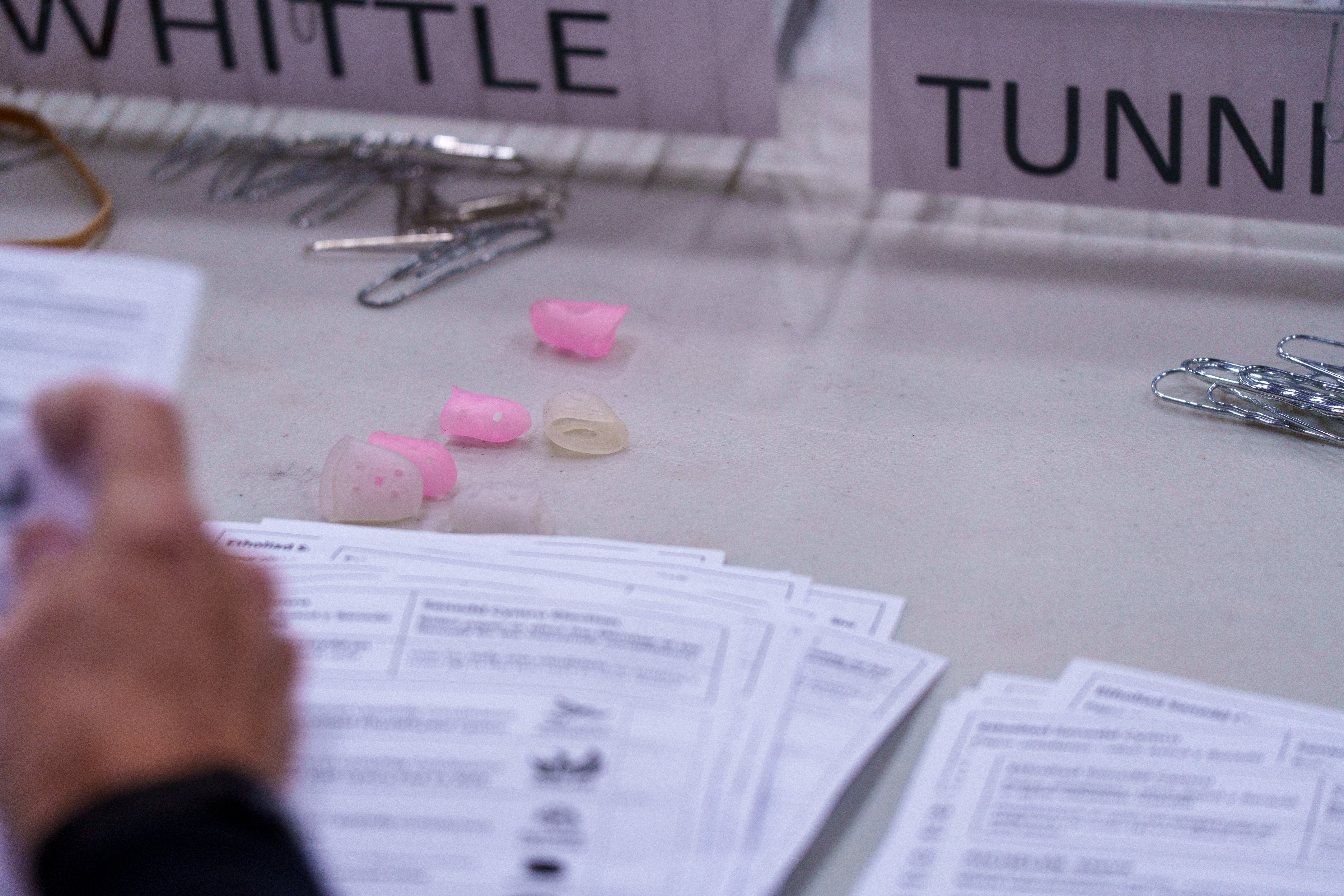
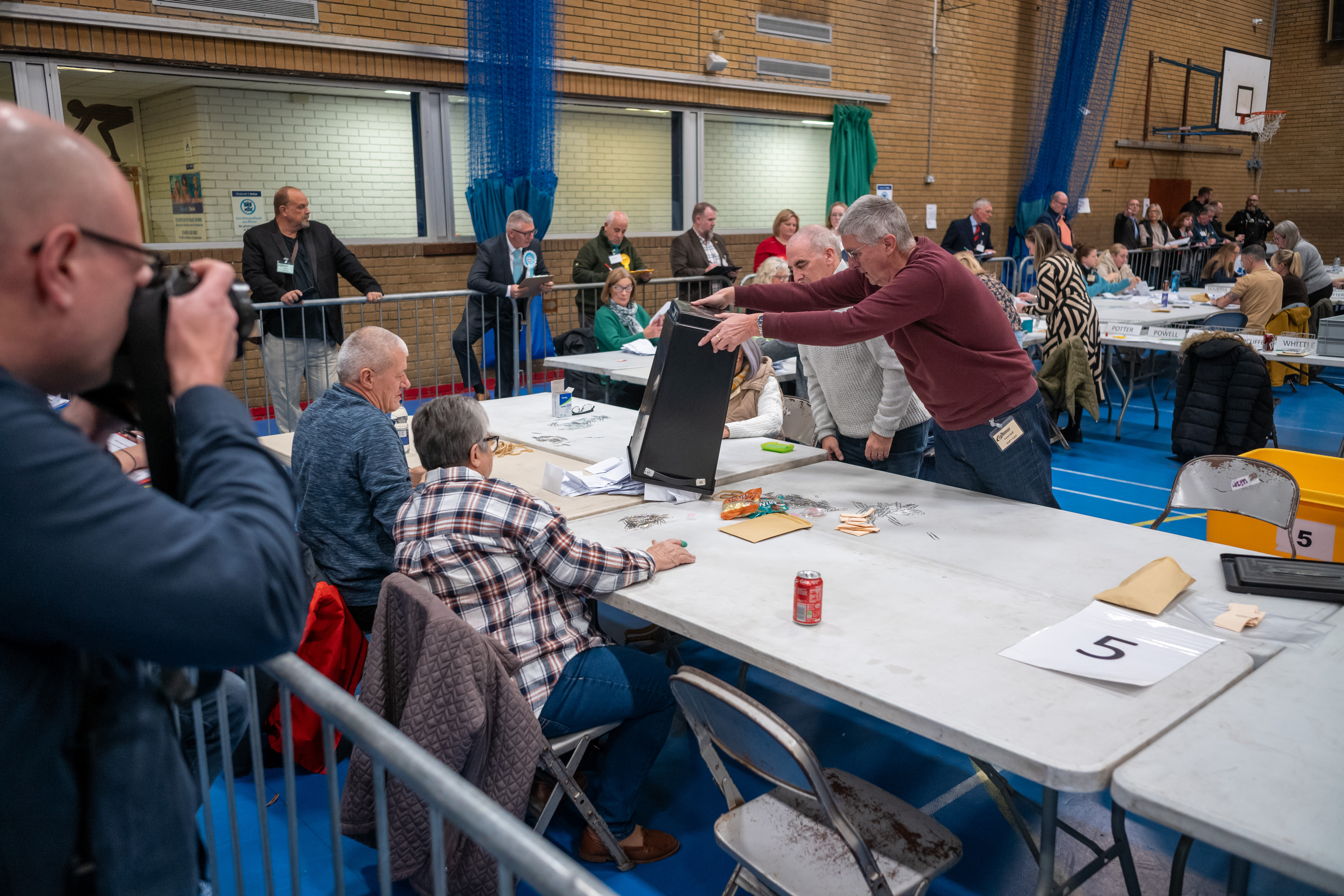
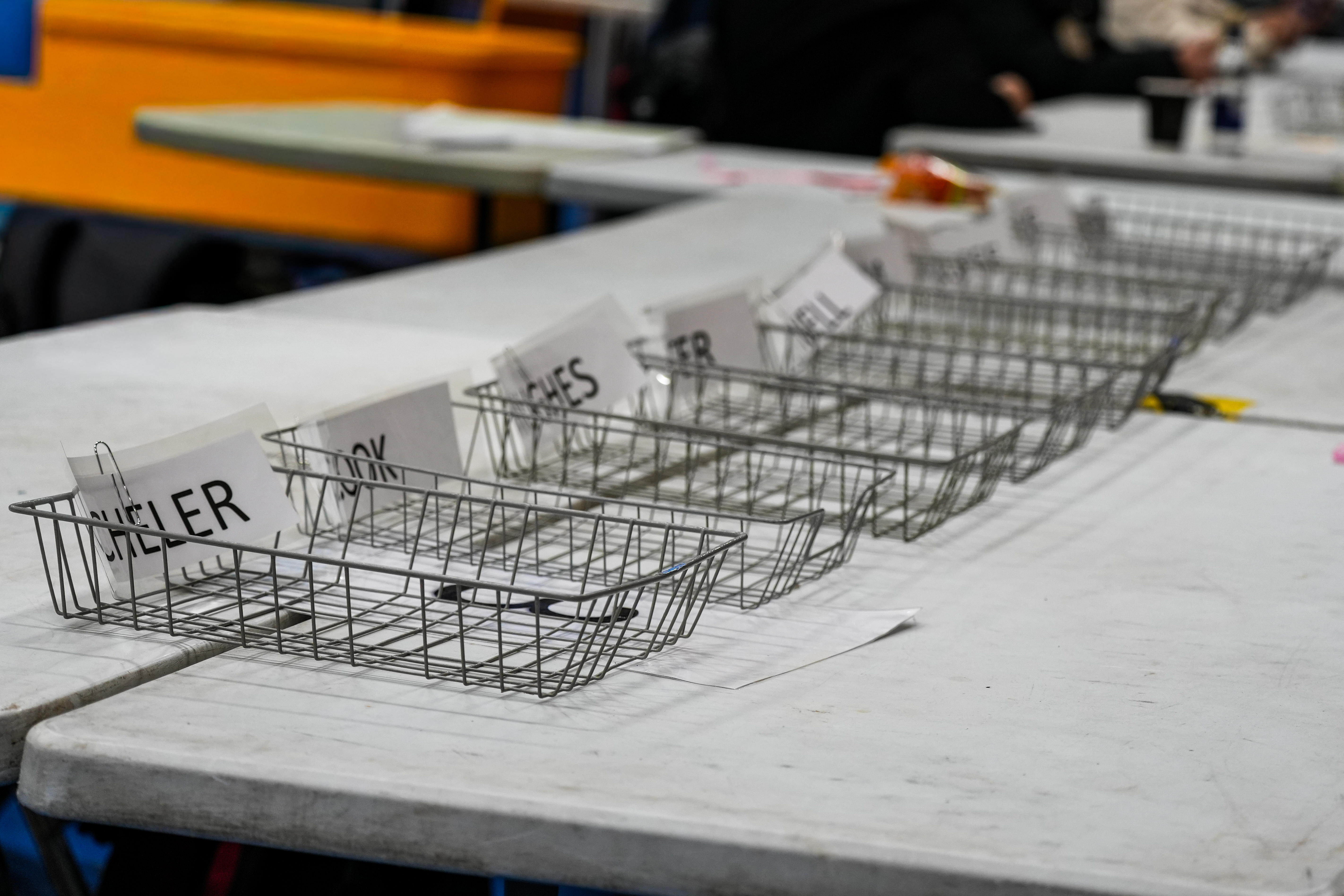
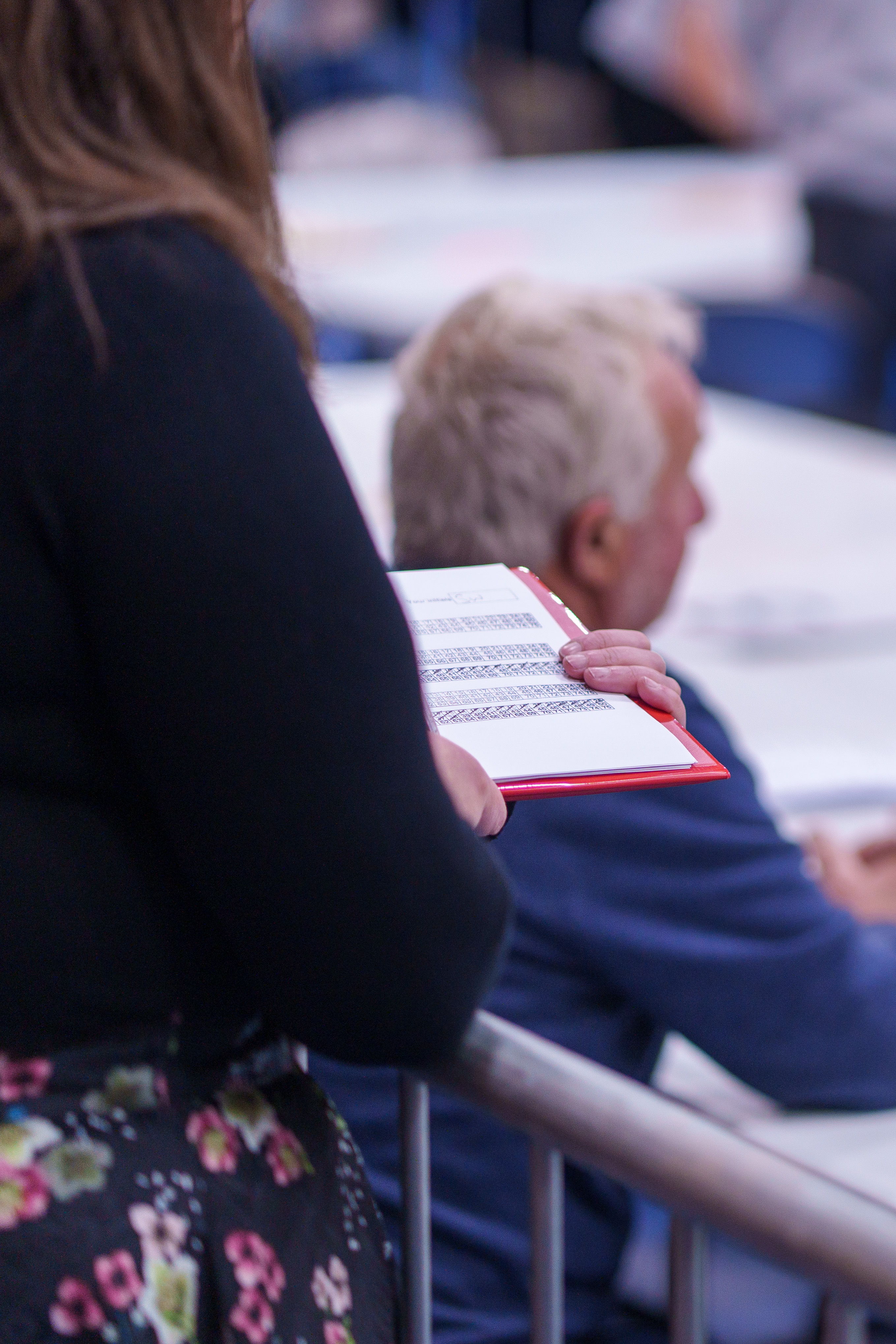
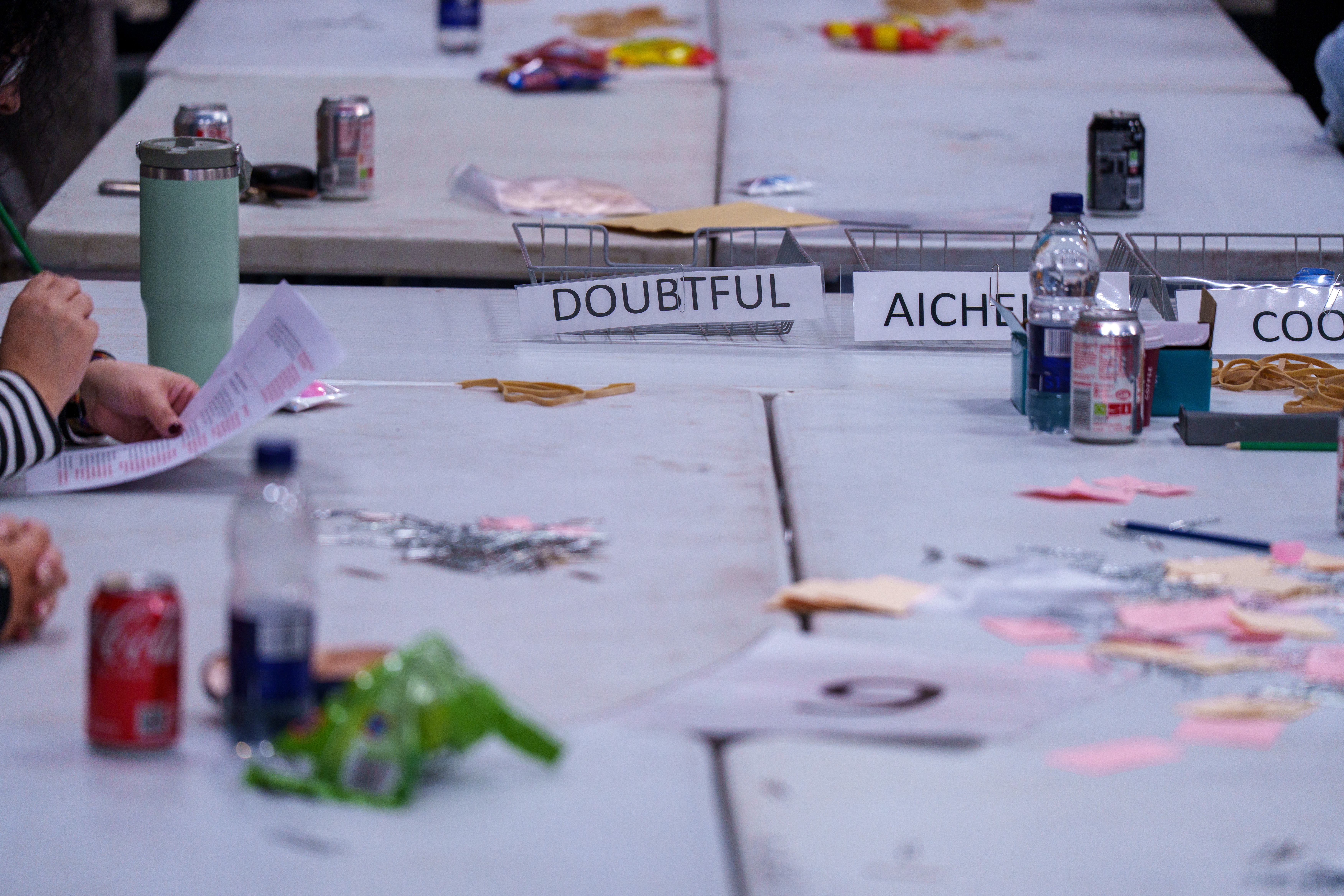
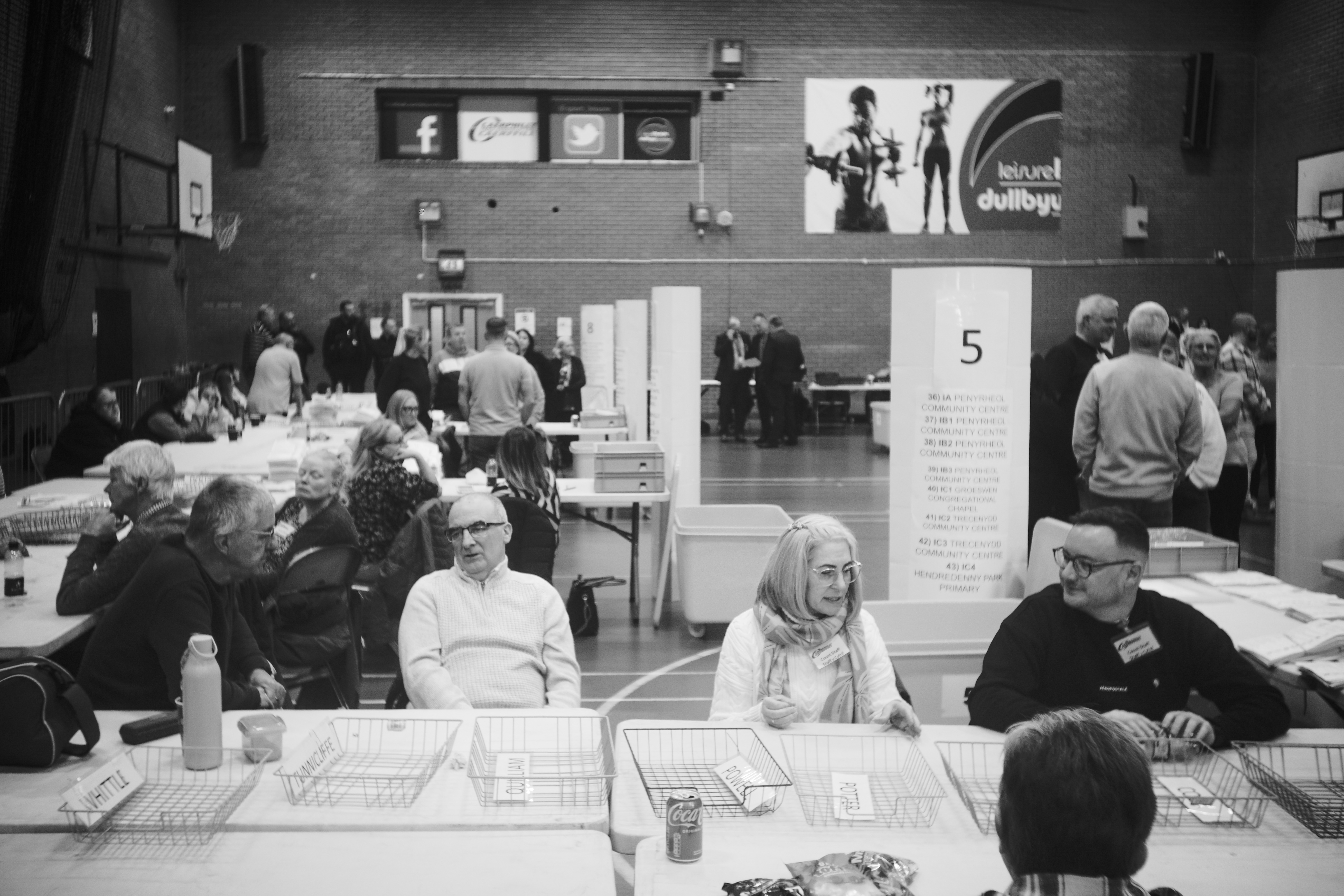
Verification was completed by midnight. Though I was ready for bed, once the official counting began there was a real sense of nervous energy in the room. Each party had observers at every counting desk, ensuring that ballots weren’t accidentally placed on the wrong pile. Early on, the feeling in the room suggested Reform might take the election. Where votes were taken out, representatives from different parties were asked to verify these.
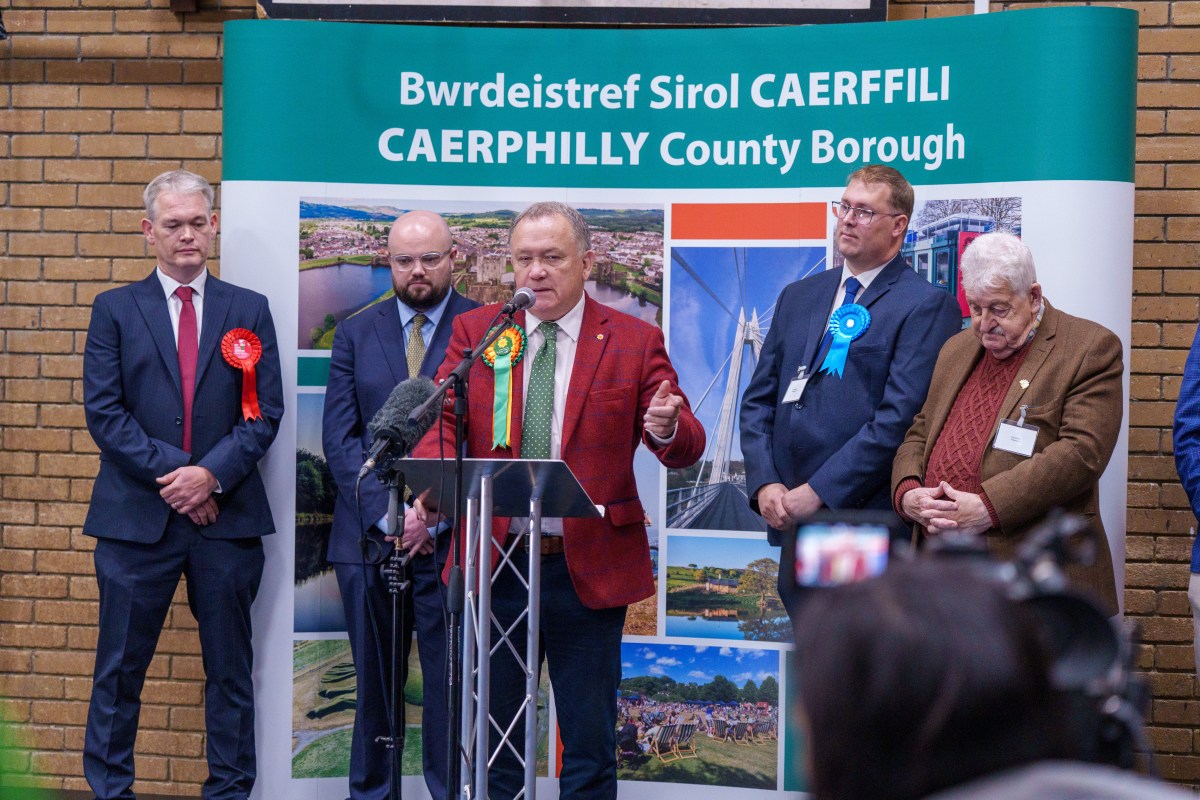
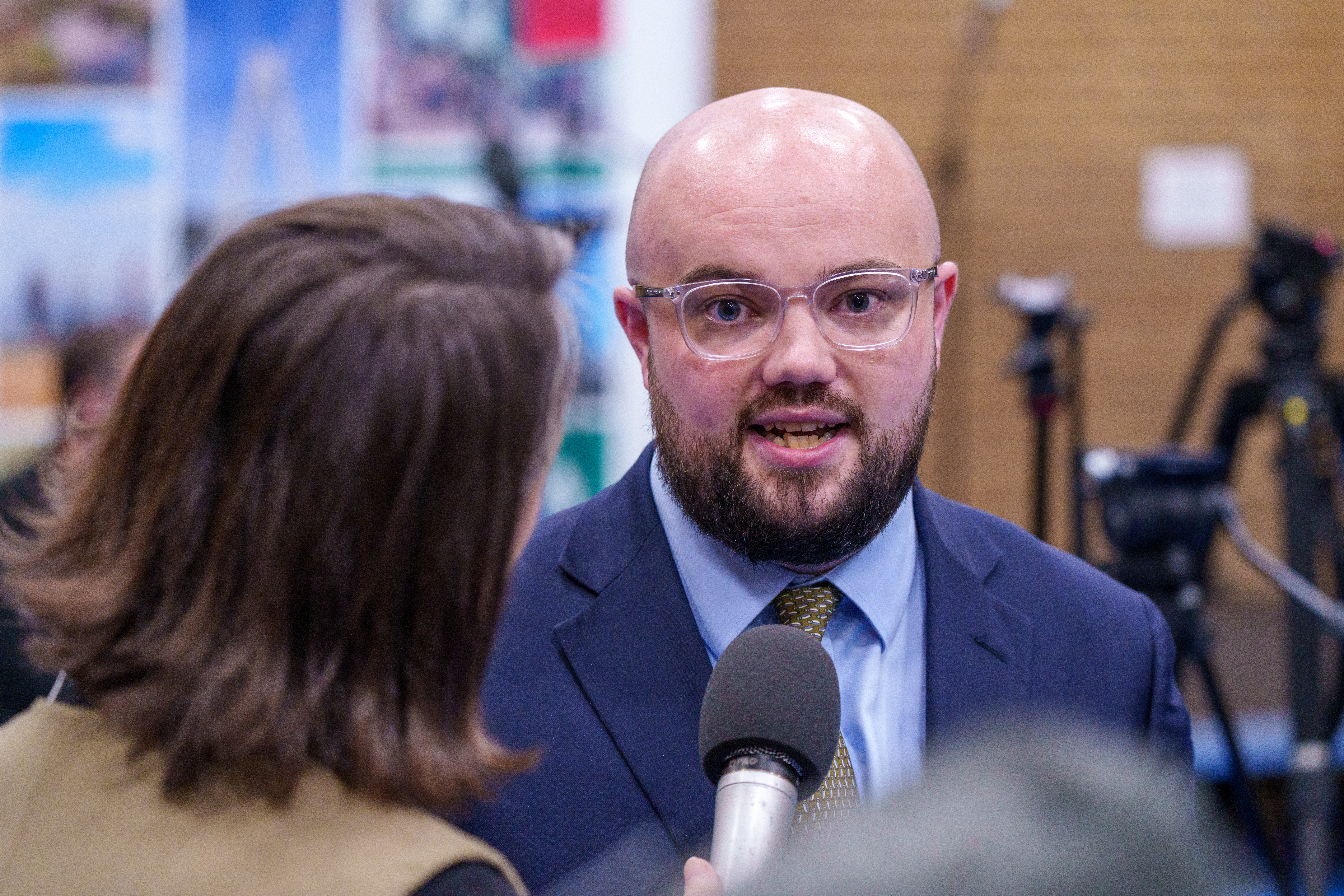
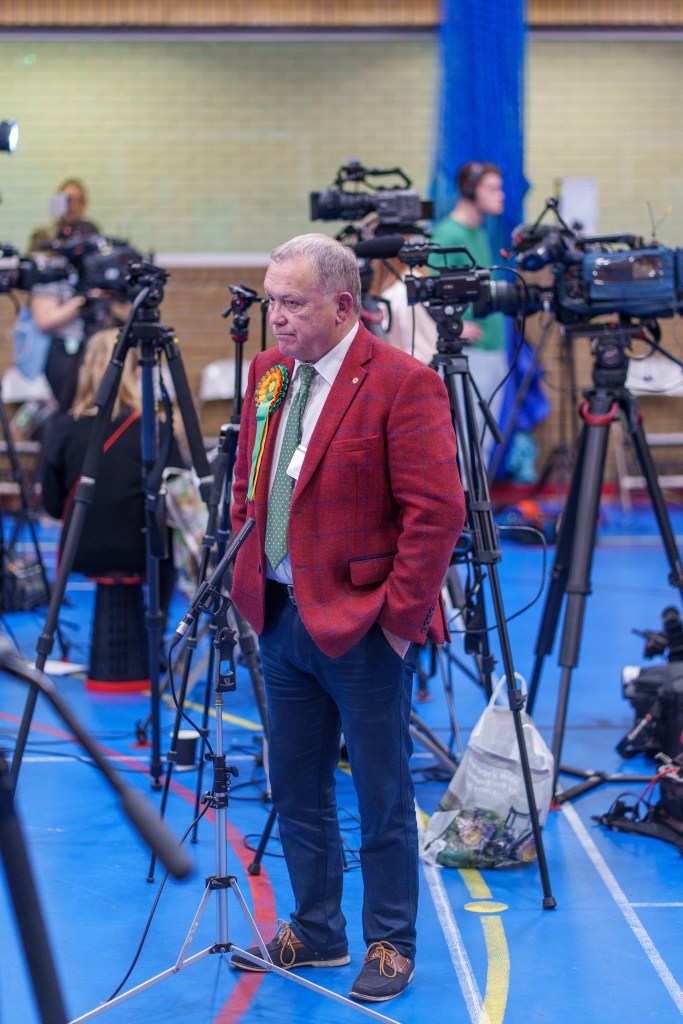
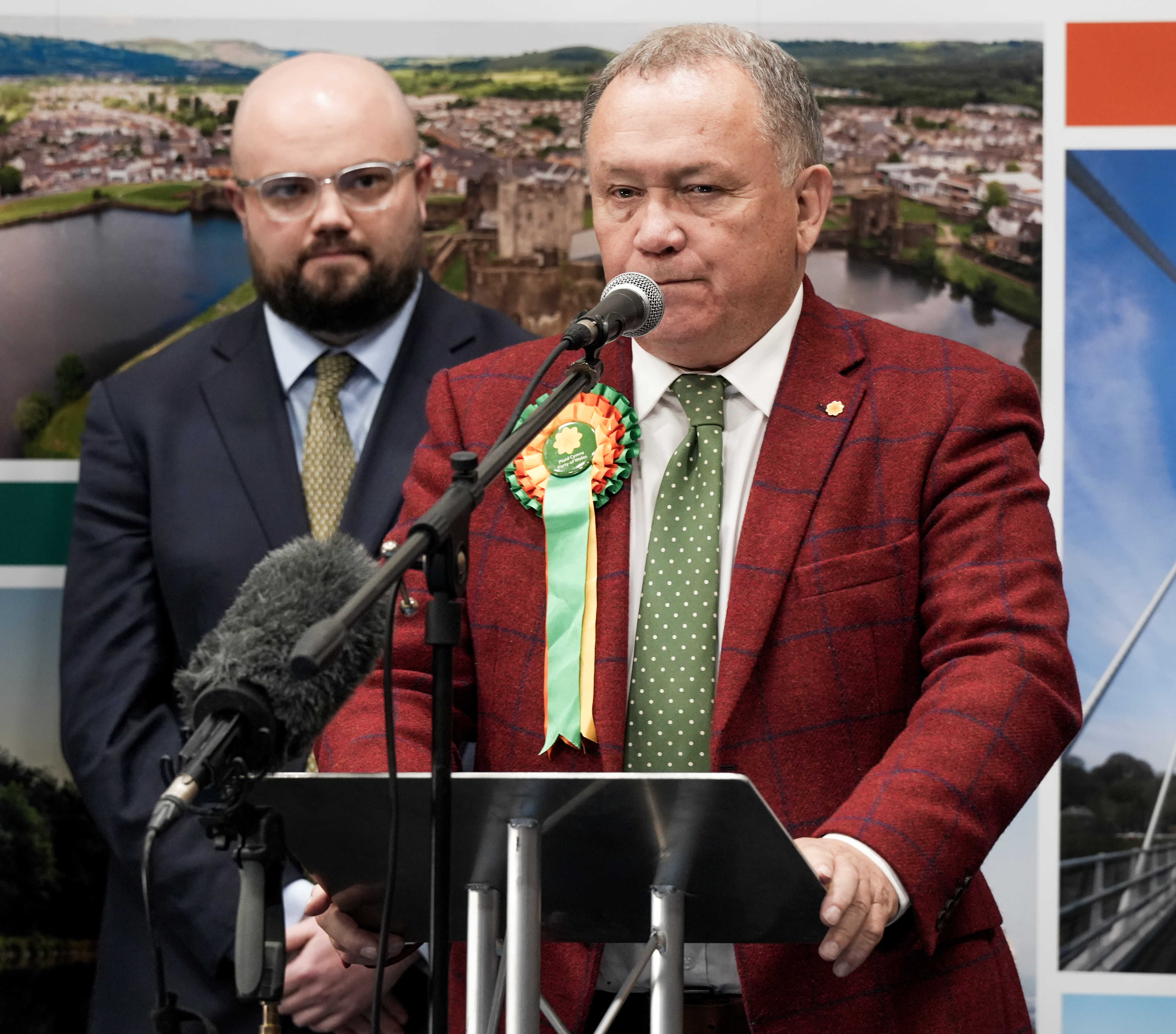
Lindsay Whittle was calm and collected throughout the evening, always measured with the media, but almost with a sense of a man expected to leave a loser
What fascinated me was how you could start to see the result forming with the piles of ballots growing differently at each table. For the first hour or so, as I wandered back and forth between the tables, Reform and Plaid seemed fairly neck and neck, with the odd Reform pile taking the lead. But as the next hour went on, that began to shift, but where some tables were still close, others were showing Plaid starting to pull ahead. There was starting to feel like there was a chance, based on the running figures, they could have it.
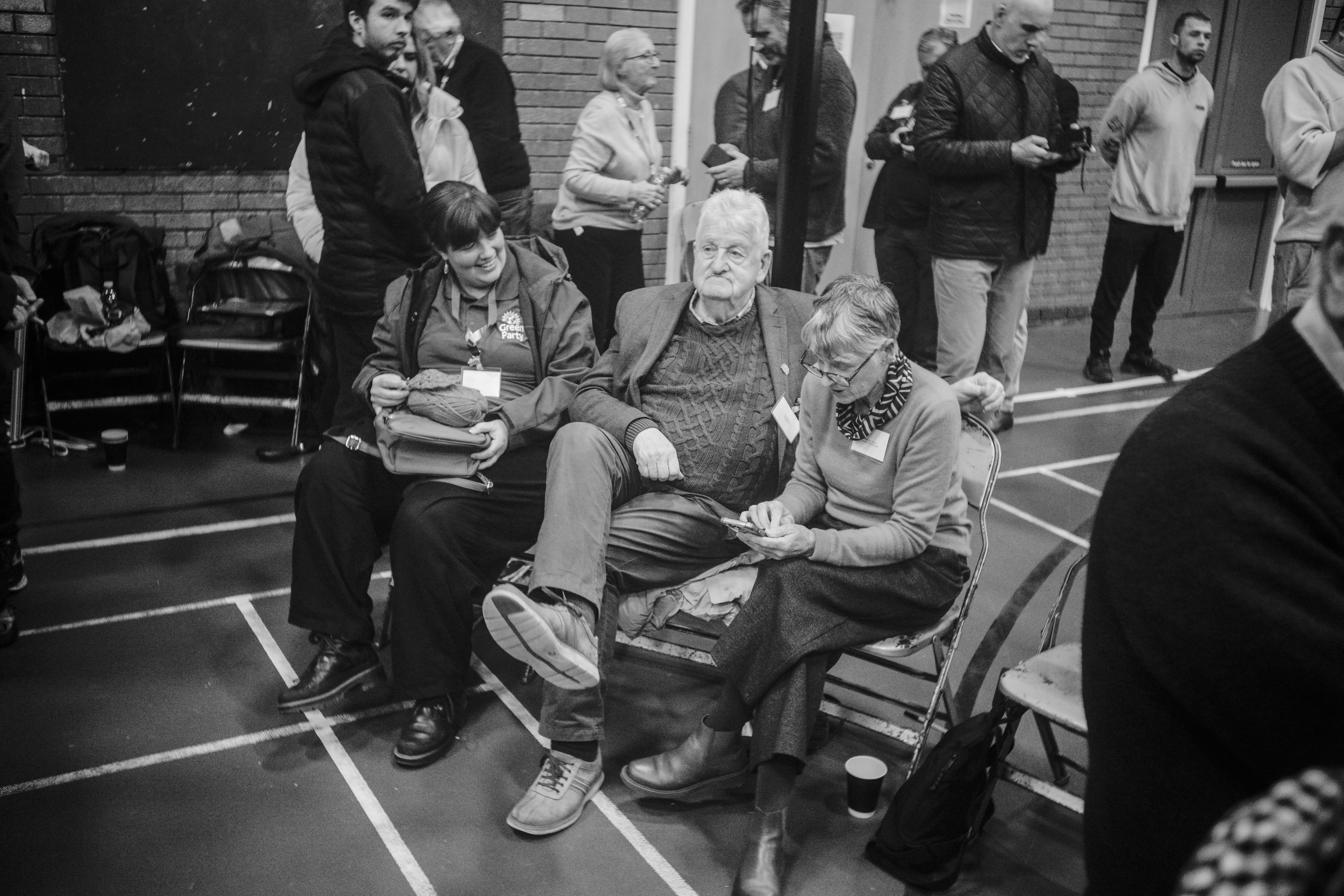
I was told that once counting finishes, all the candidates are brought together and shown the final figures before they’re announced giving them one last chance to request a recount. Around 2 a.m., there was a noticeable change in the atmosphere. The Reform team seemed to lose some of their swagger, while Plaid started to bubble with quiet excitement. New faces appeared (most likely family and friends arriving) as the result drew near.
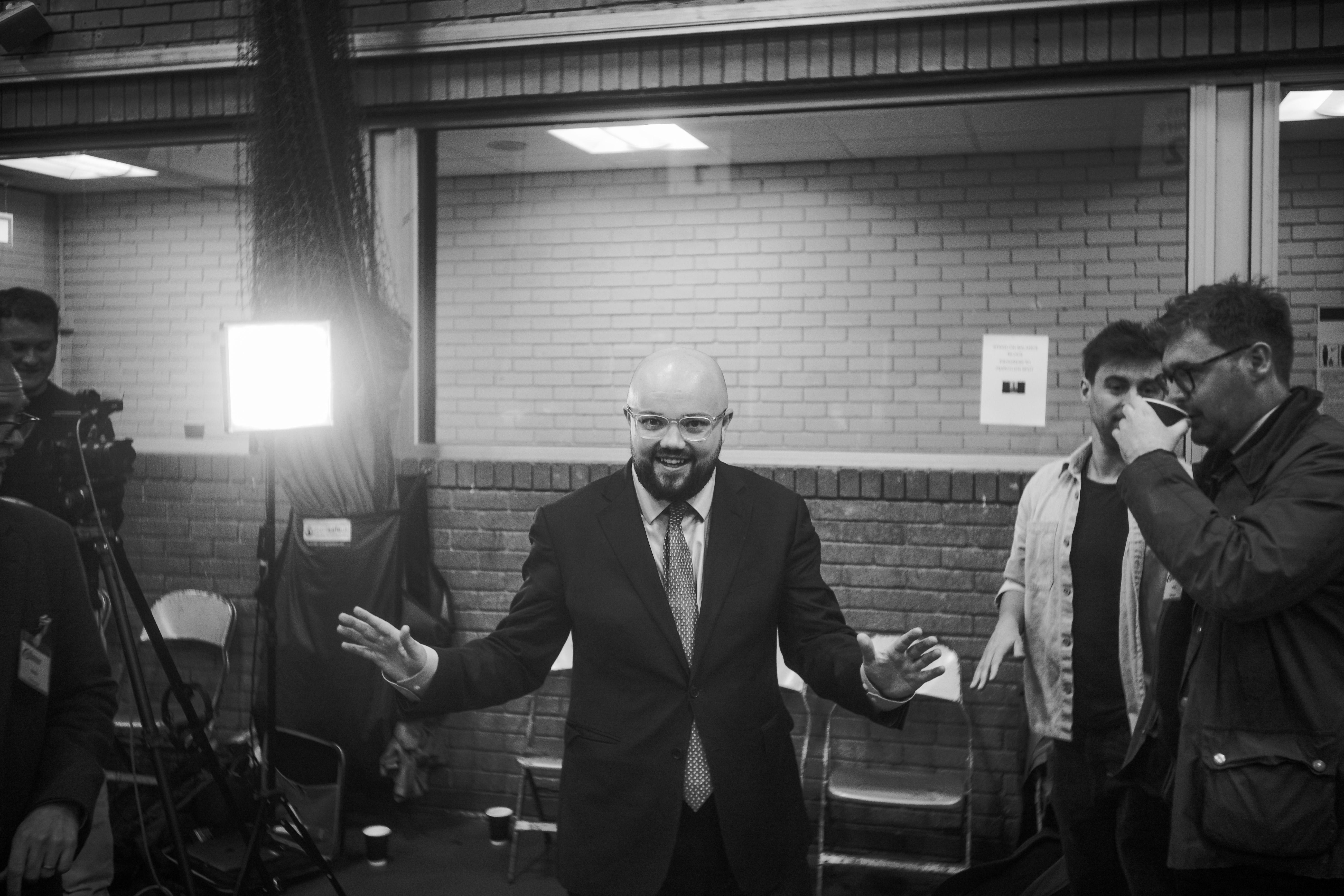
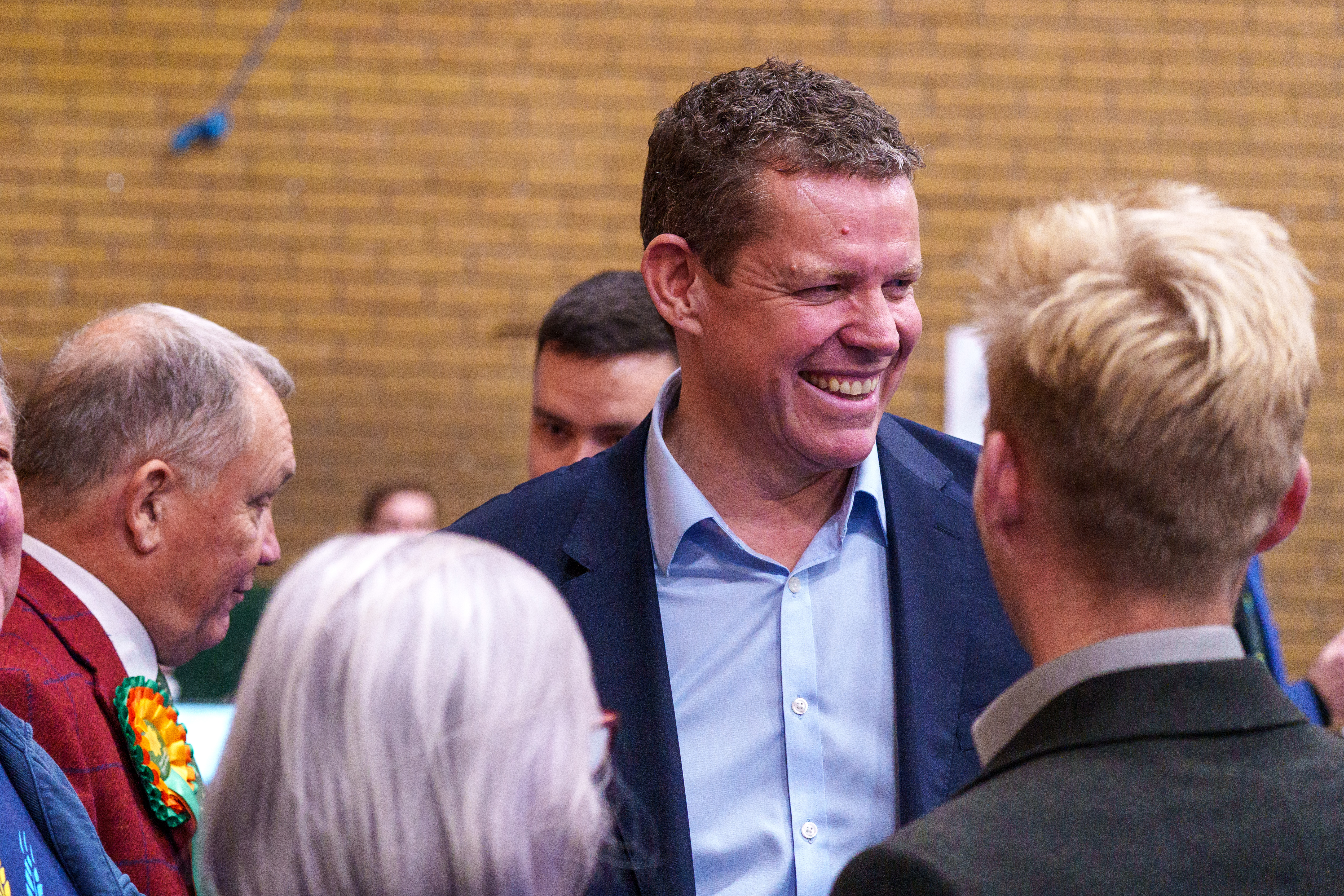
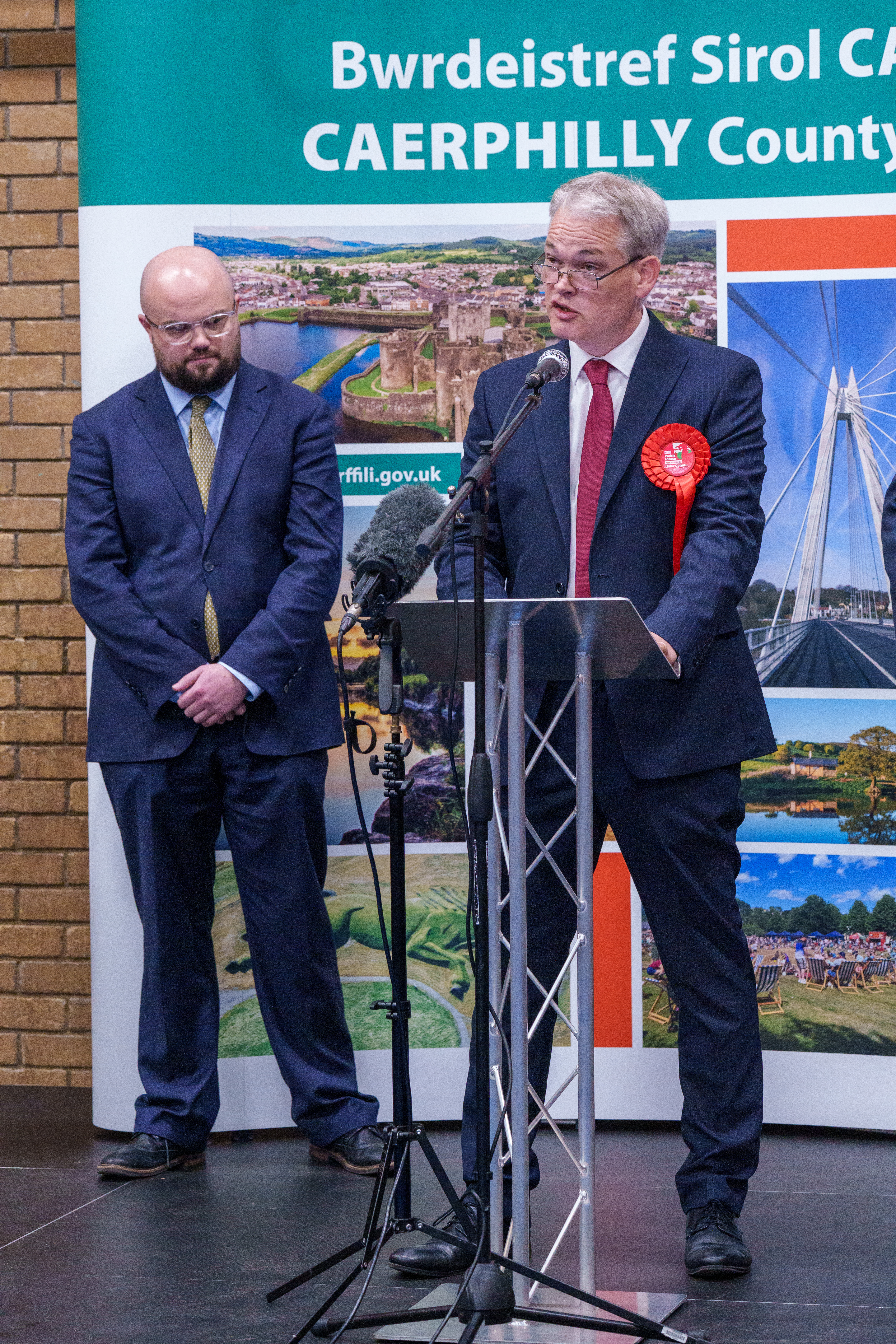
I expected a recount to be called, but none came. The candidates were called to the stage and the result was announced. Lindsay Whittle gave a great speech, not just about what this means for the future of Wales, but also reflecting on the sad circumstances that led to the by-election. Many of the other concession speeches echoed that sentiment.
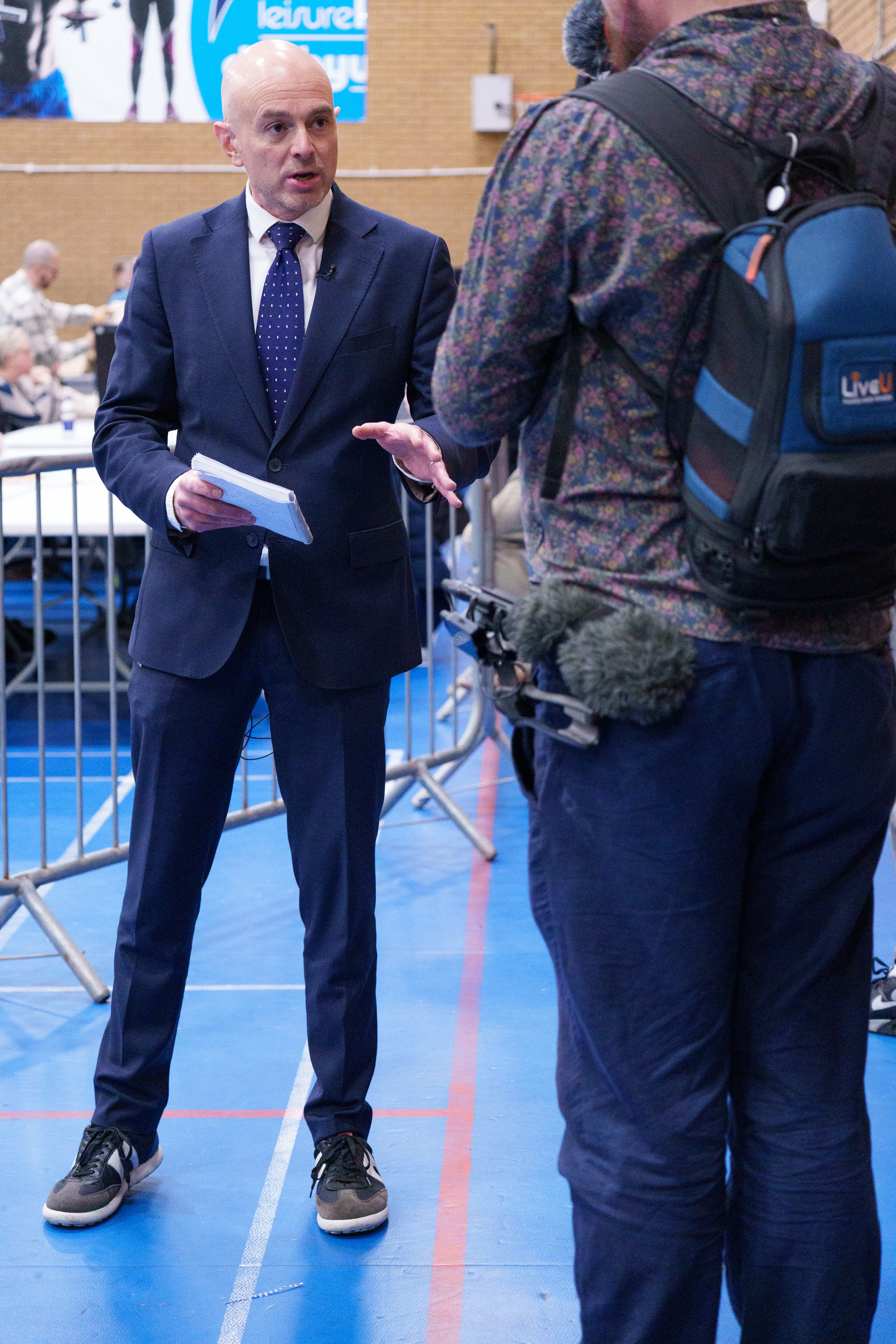
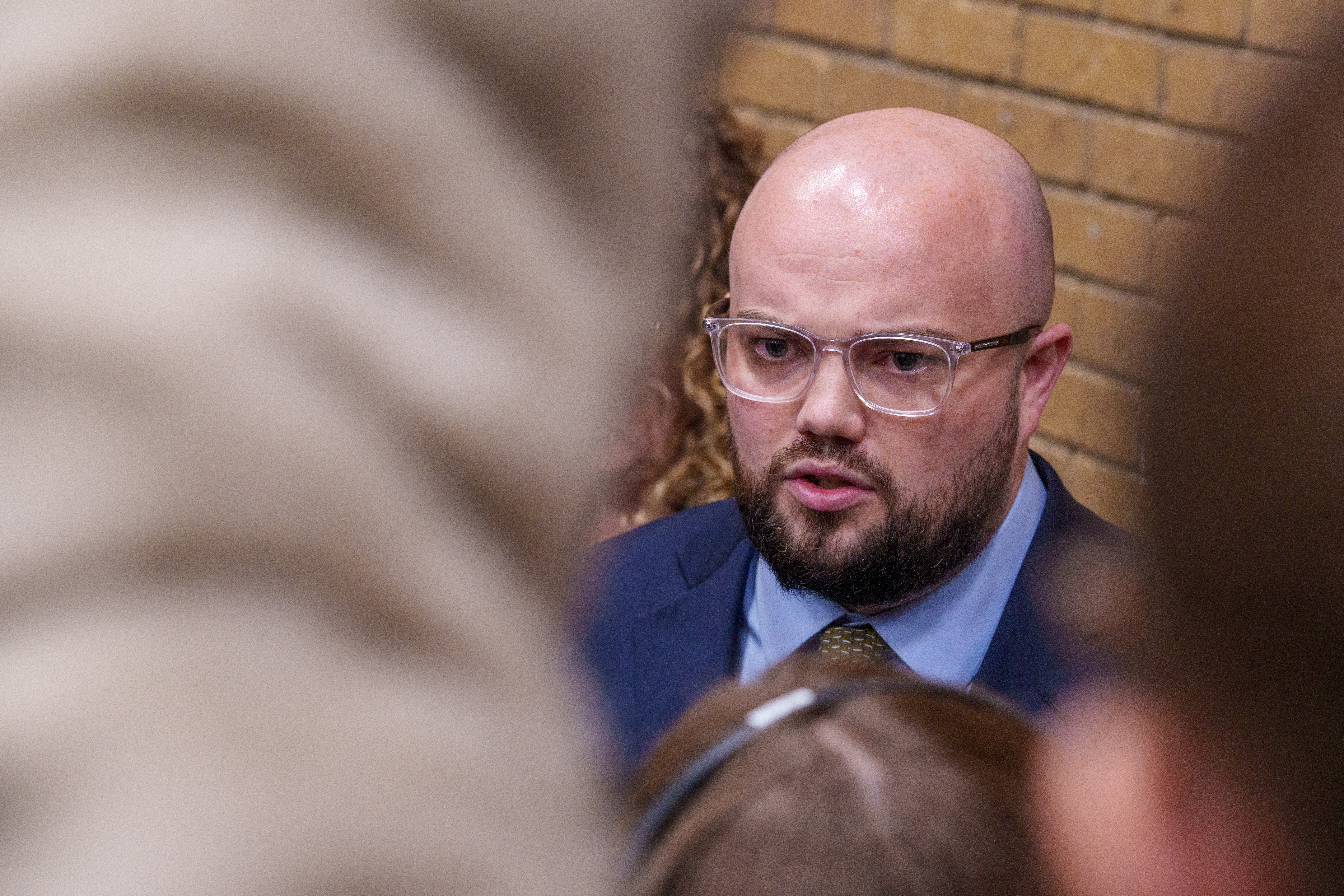
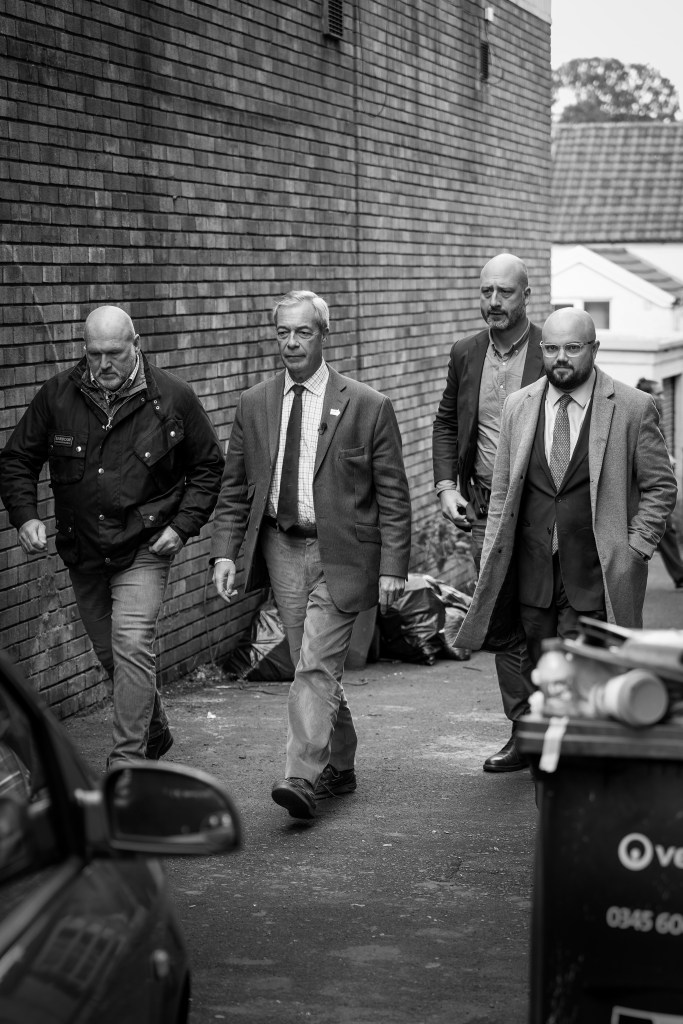
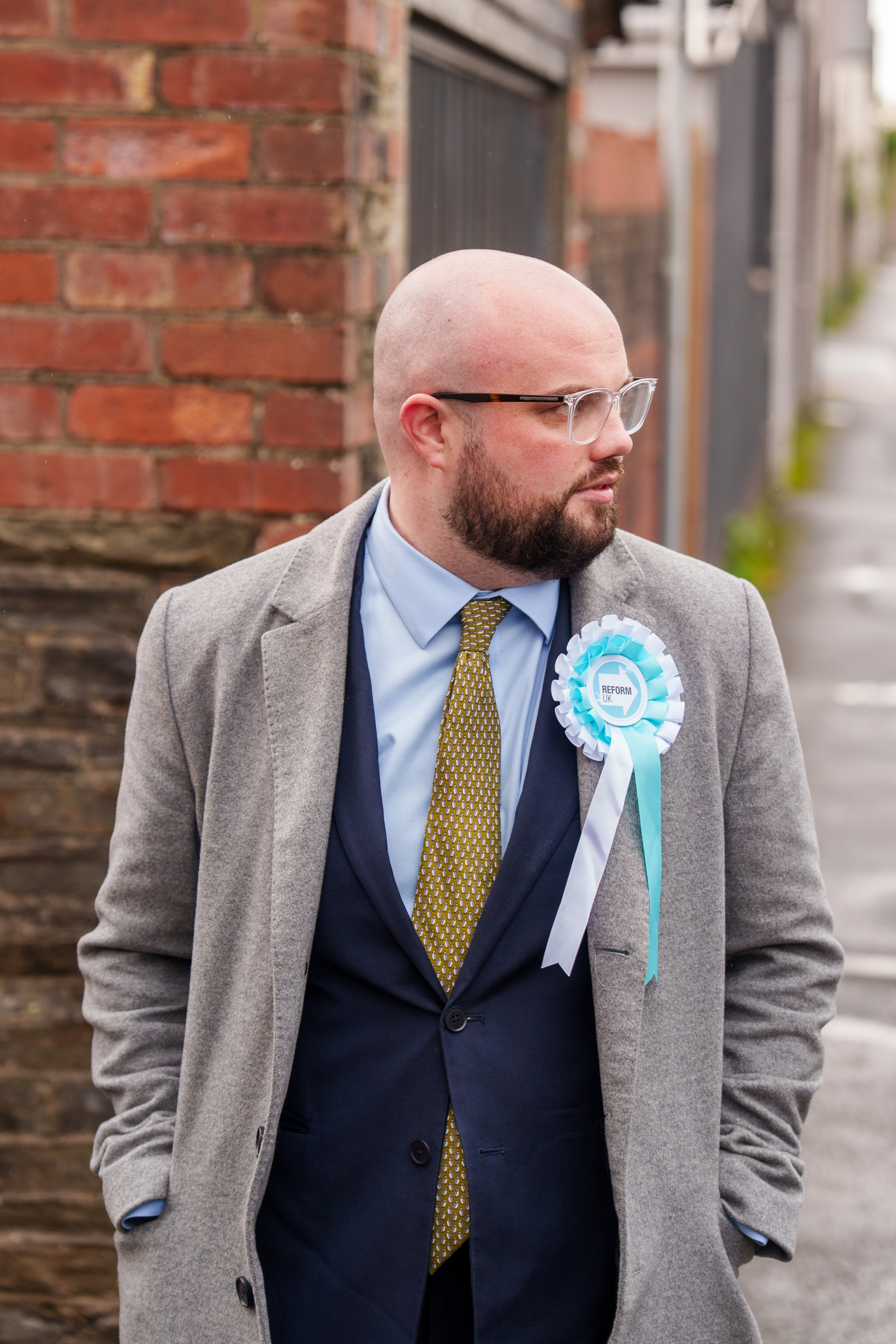
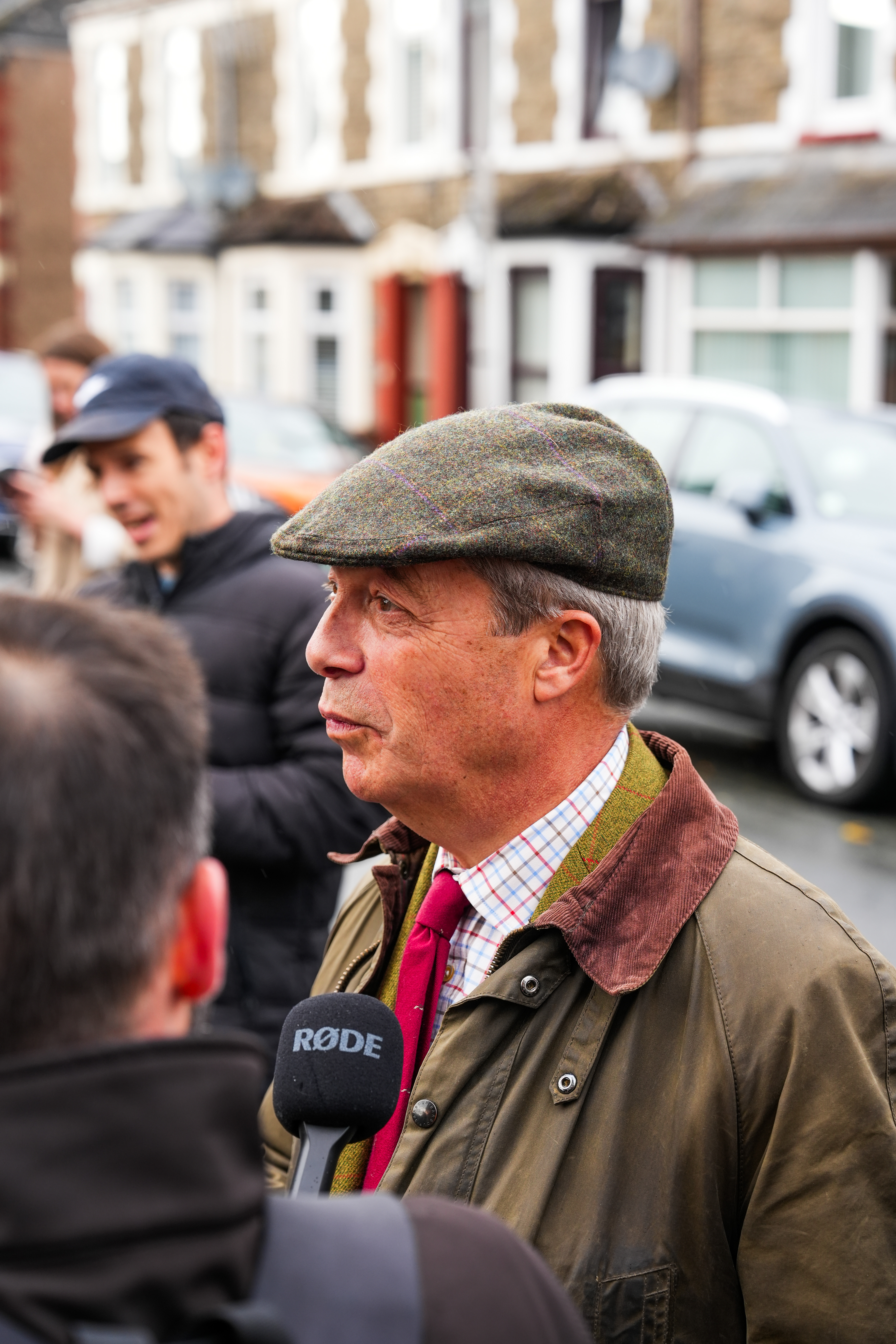
What surprised me most was that the Reform candidate appeared to decline the opportunity to give a concession speech, instead leaving the stage quickly to engage with the media and begin discussing what the result means for next May’s general election. I’d only seen him a few times throughout the day, sometimes with Nigel Farage and his campaign staff, but there was definitely a sense of something more than disappointment in his response to the result.
As an amateur documentary photographer, it was a great experience all round and I had the chance to meet some fab people from media and different parties while there and for a long time I really thought the end was already written. For me, it was also a good test of staying objective, trying to see past the noise and catch what was really unfolding. What this result means for Caerphilly is still being written, and there’s definitely a feeling that this was just one chapter in a longer story for Wales. Though quiet for a while, the fight is far from over, a real sense that there is no time for Plaid to rest, and no certainty yet about where the next turn in the valleys will lead.
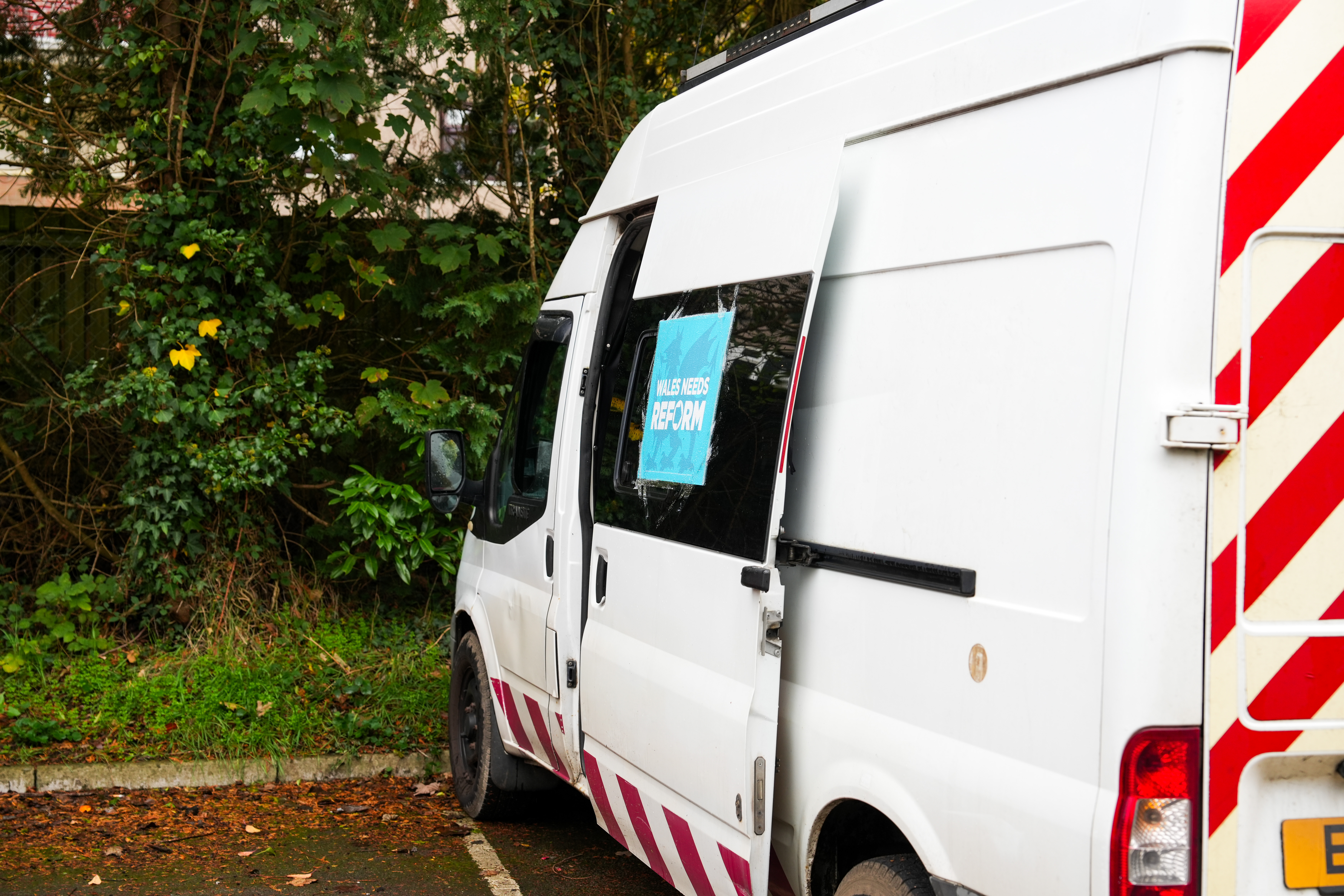
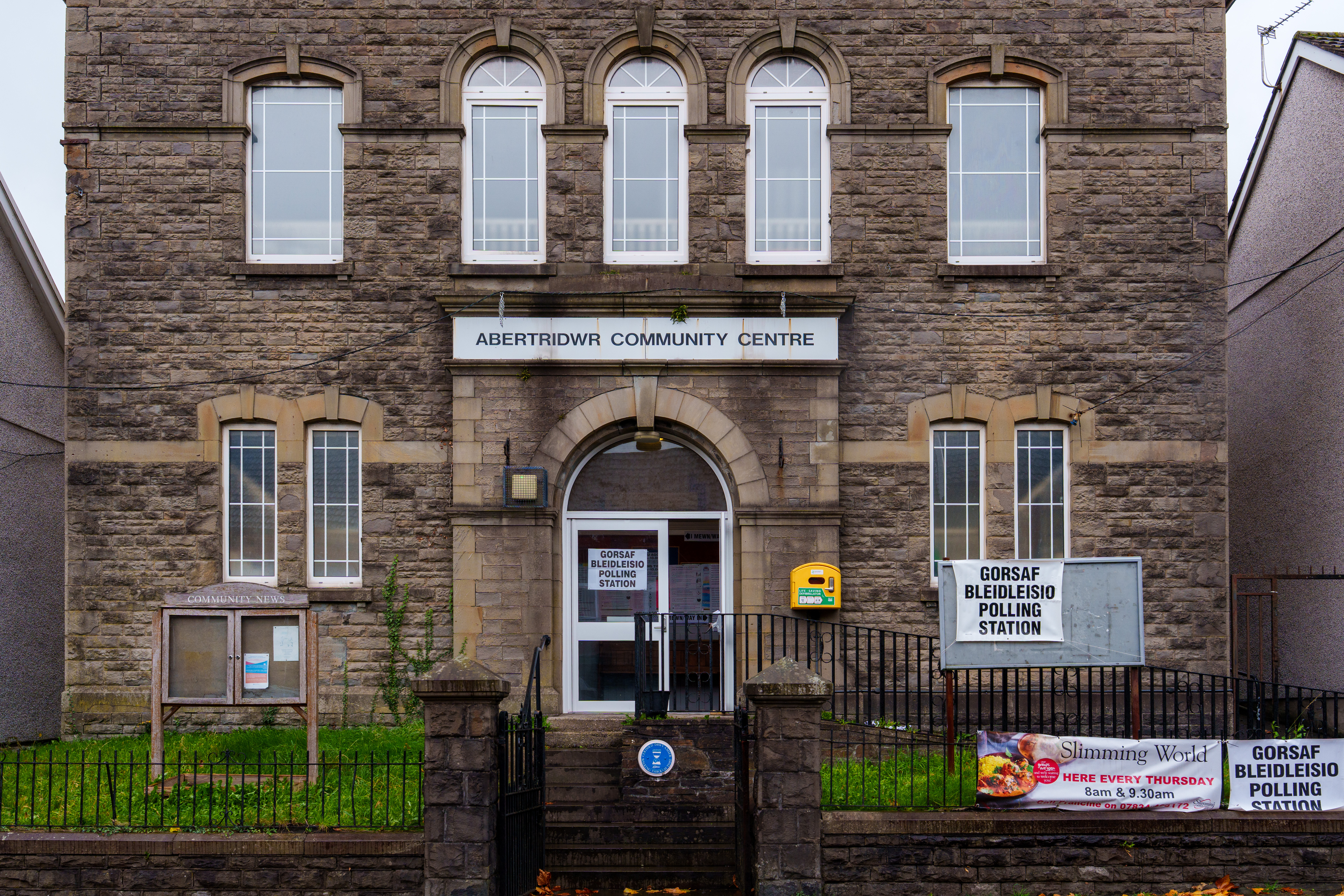
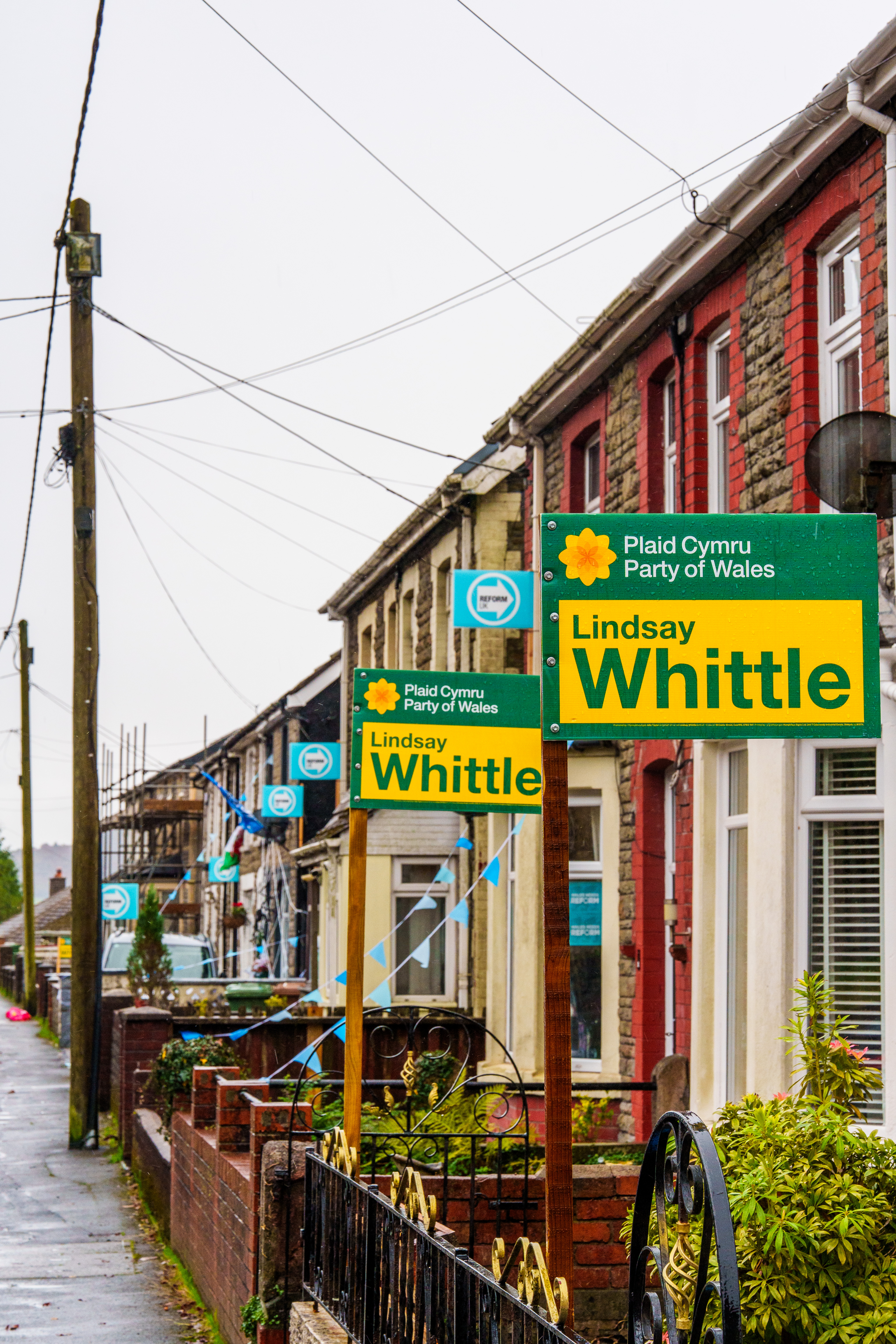
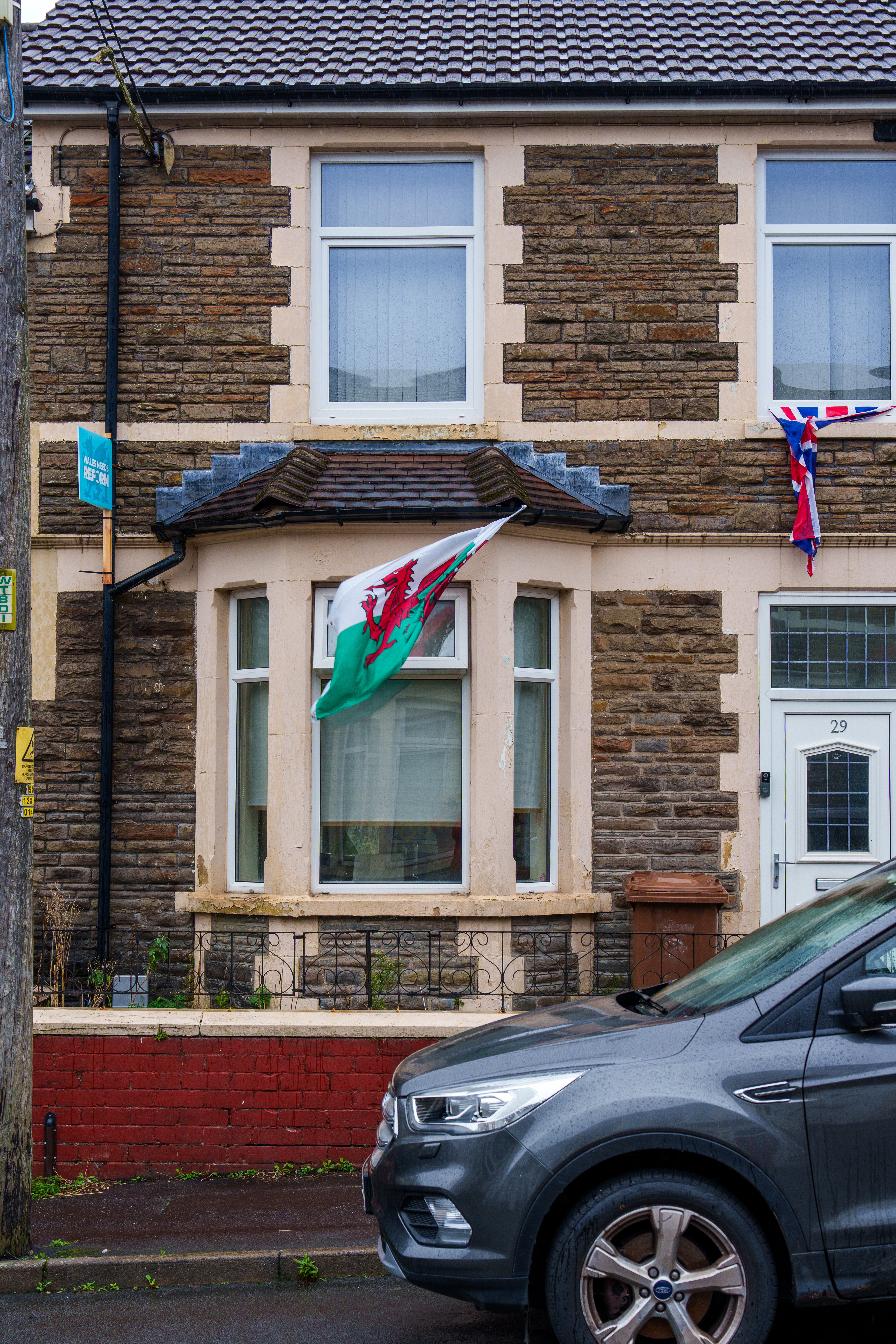
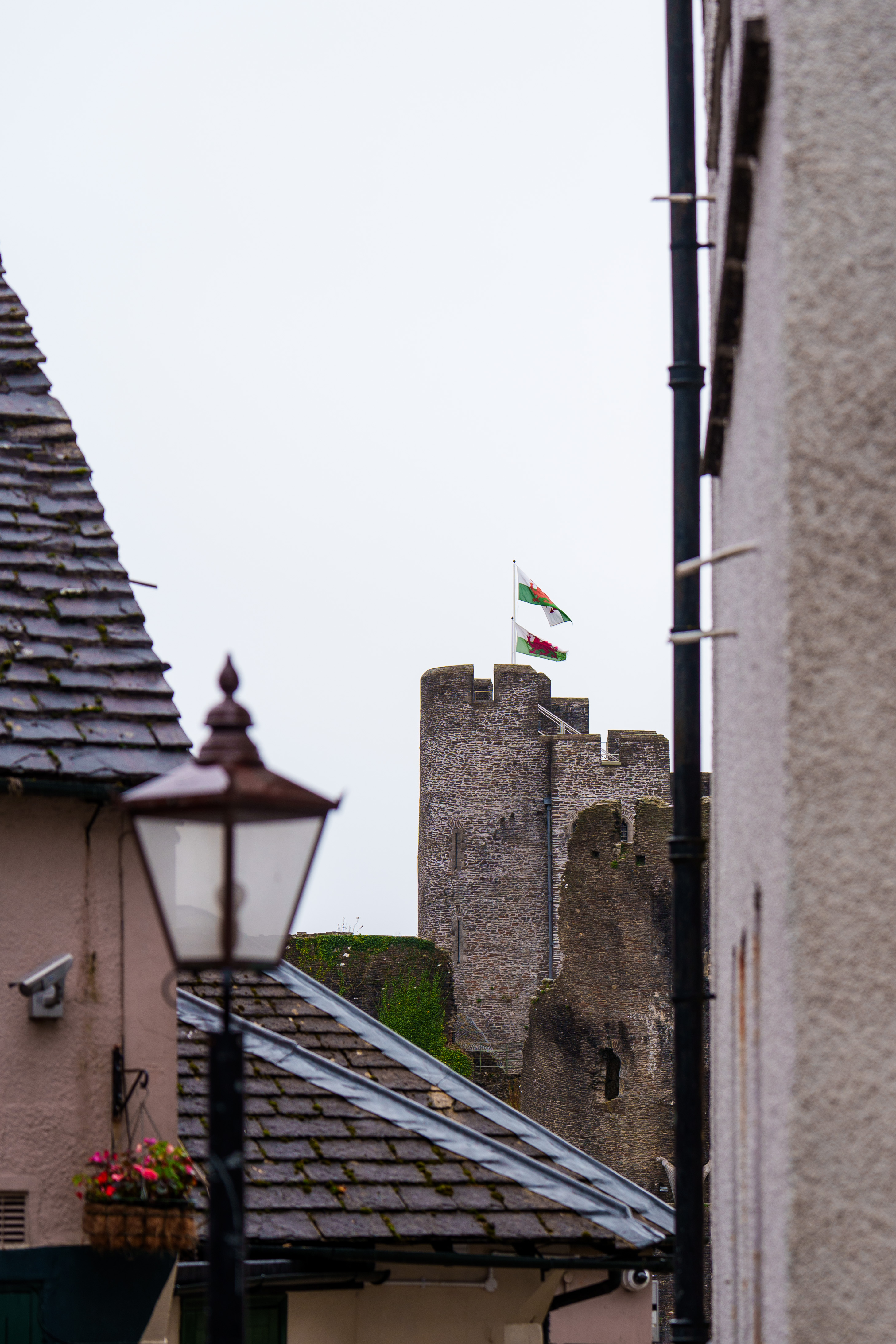
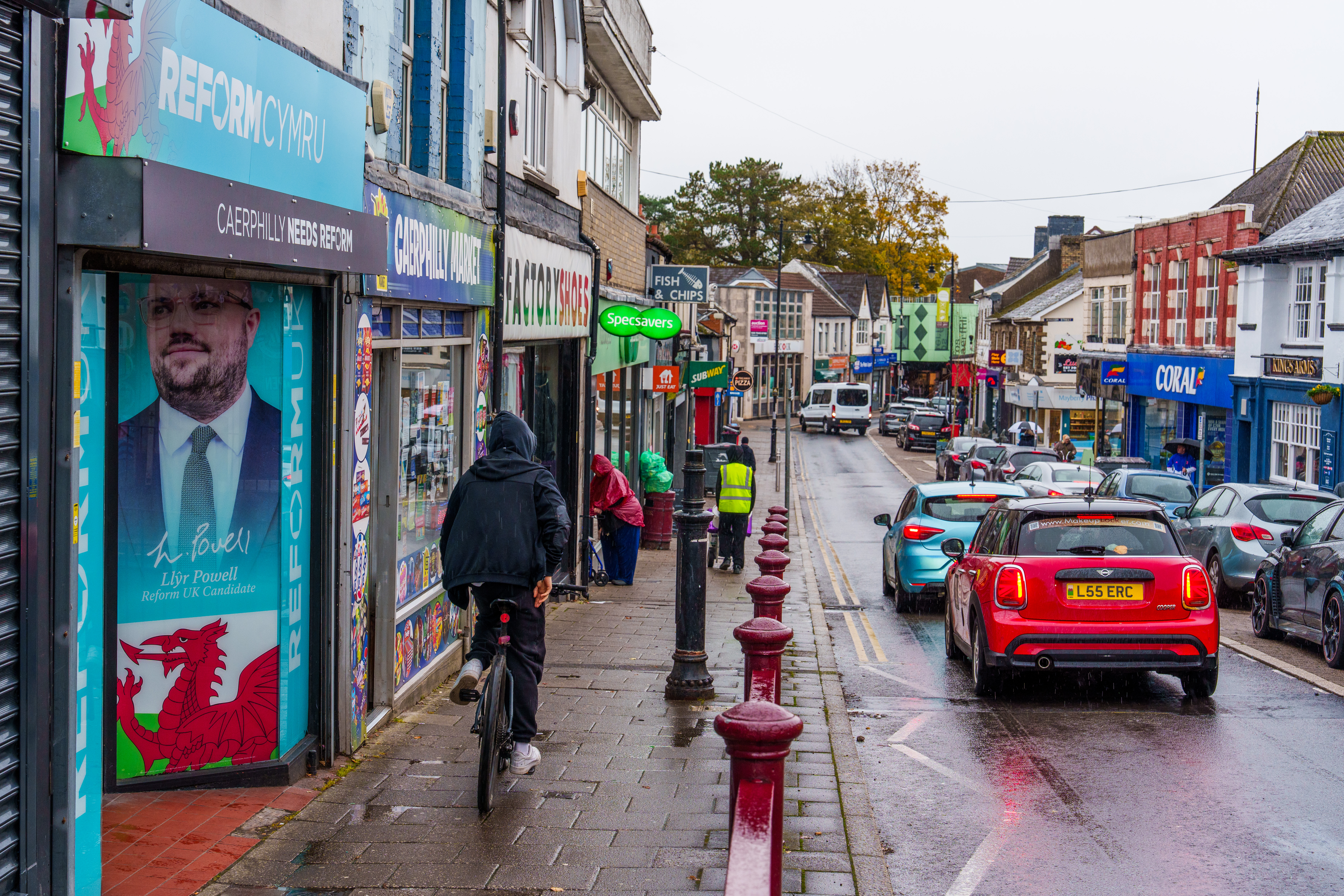
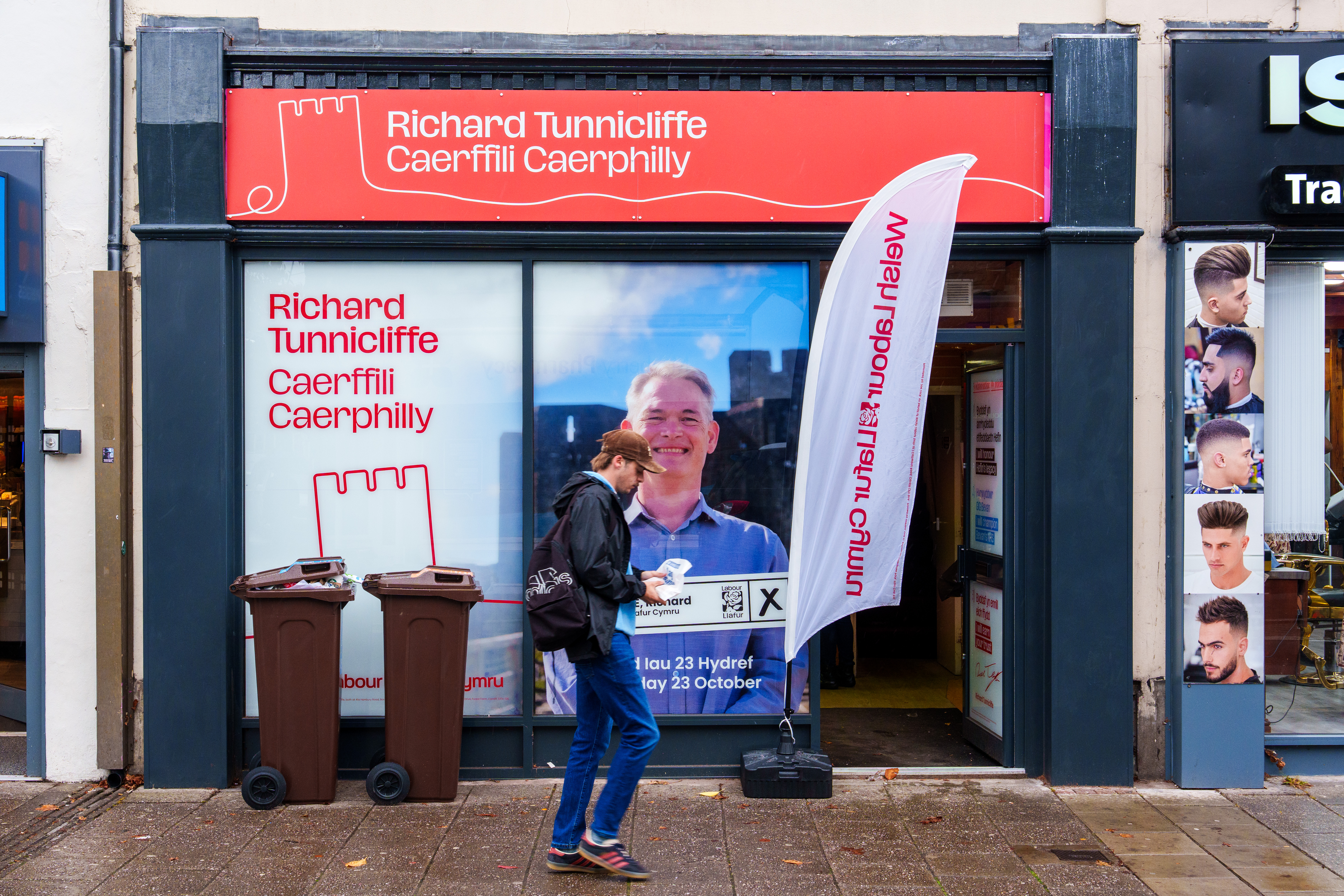
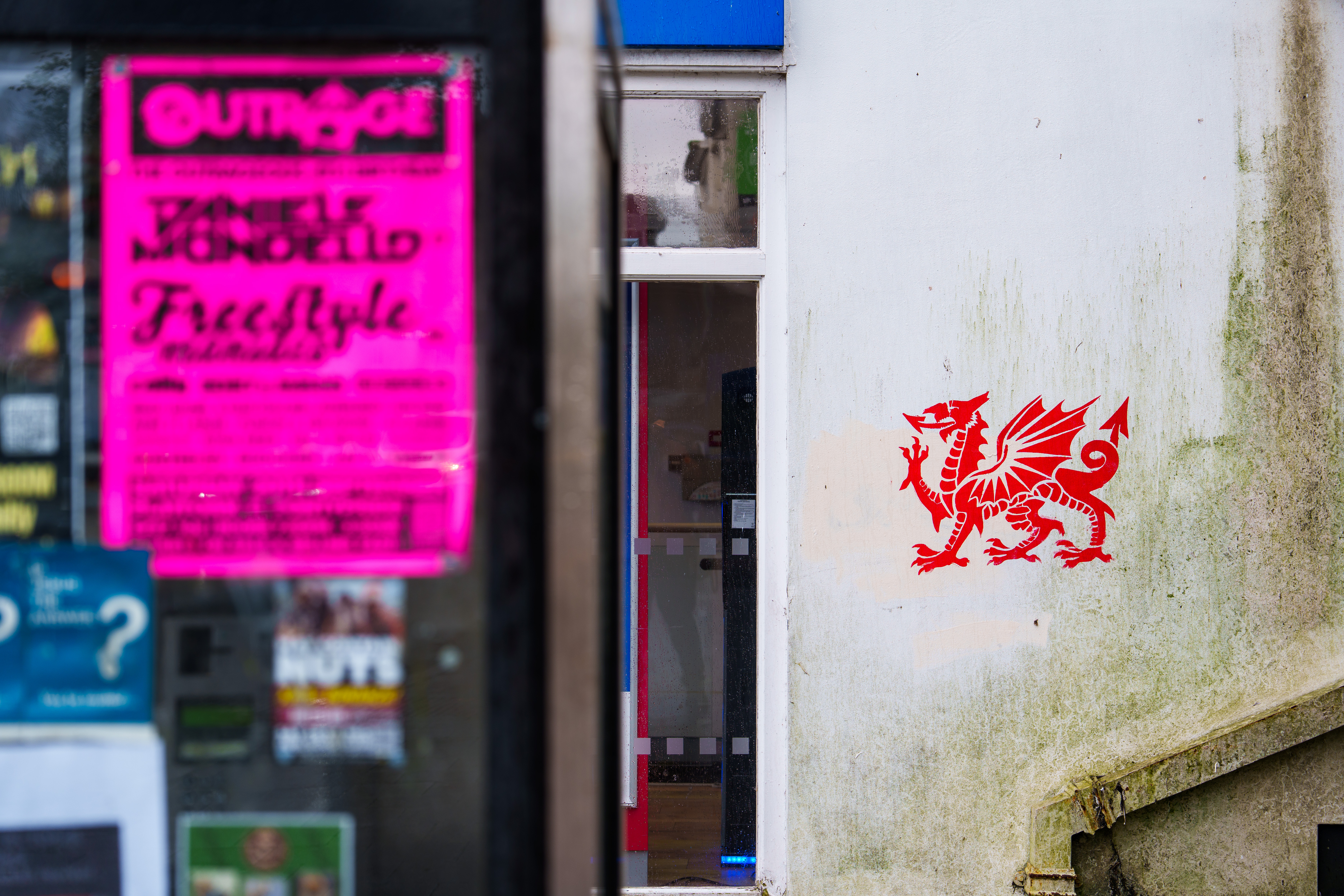
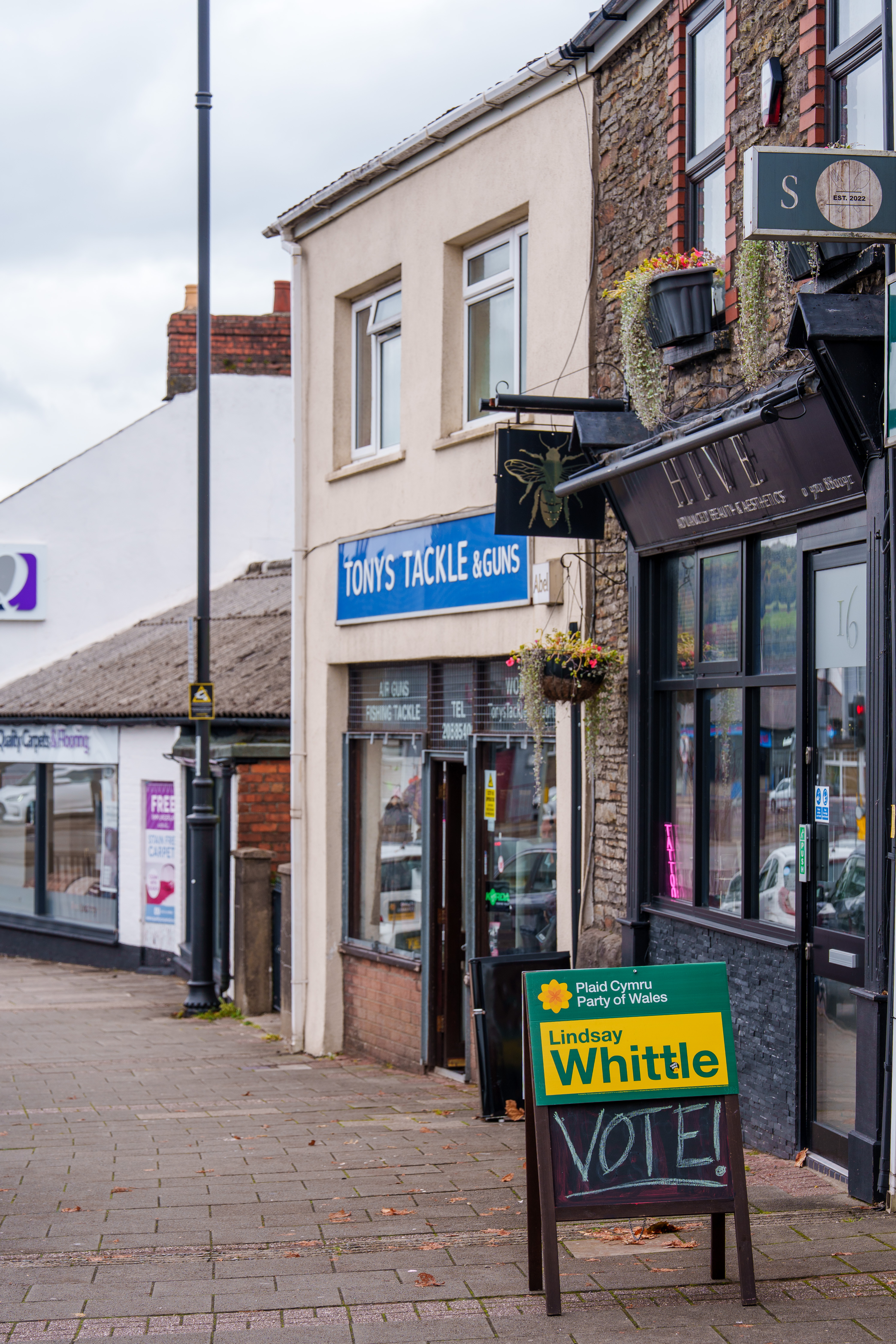
Today I headed to Caerphilly to document the town as it faced its by-election, a significant event here in Wales, not only for who might win, but for what the polling and outcome represents. Like my hometown of Merthyr, and so many other valleys towns, Caerphilly has long been a Labour stronghold. If you’d said a decade ago that Labour wouldn’t just struggle here, but might not even be in the running, you’d have been told you’d taken a knock to the head.
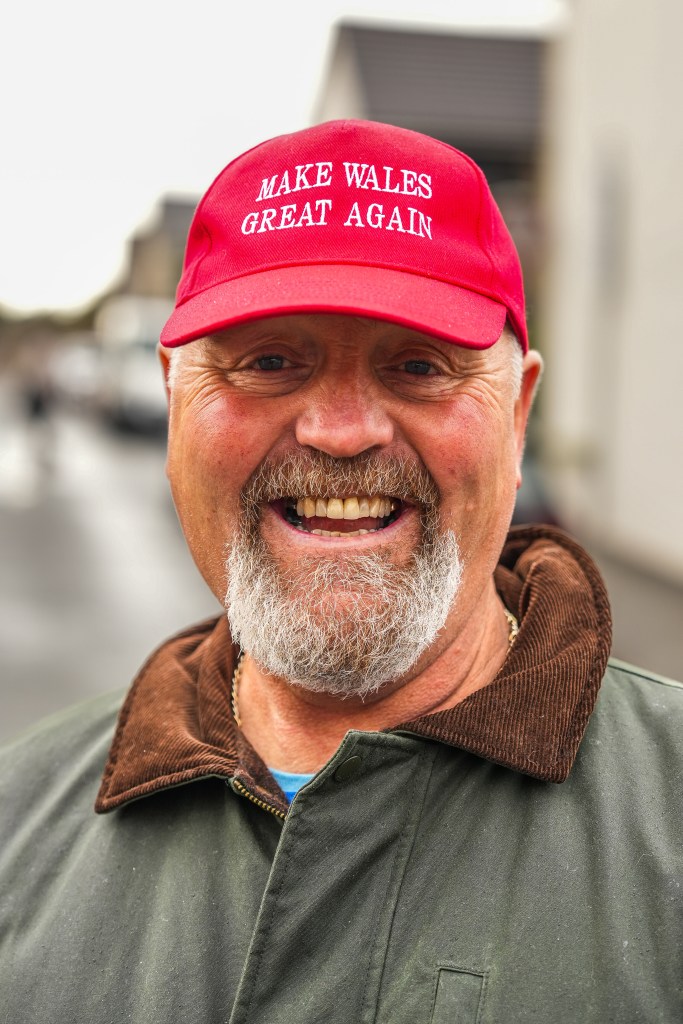
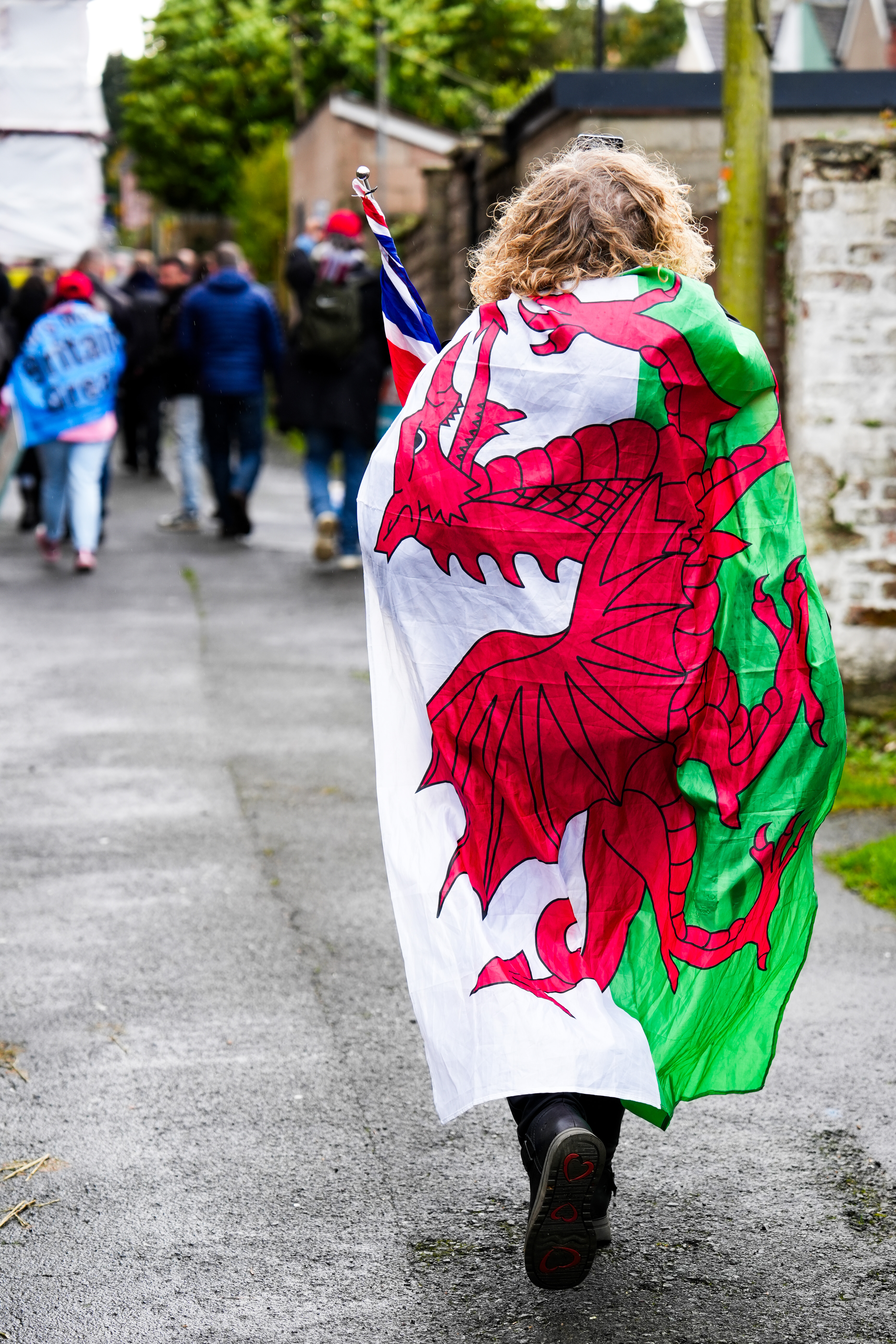
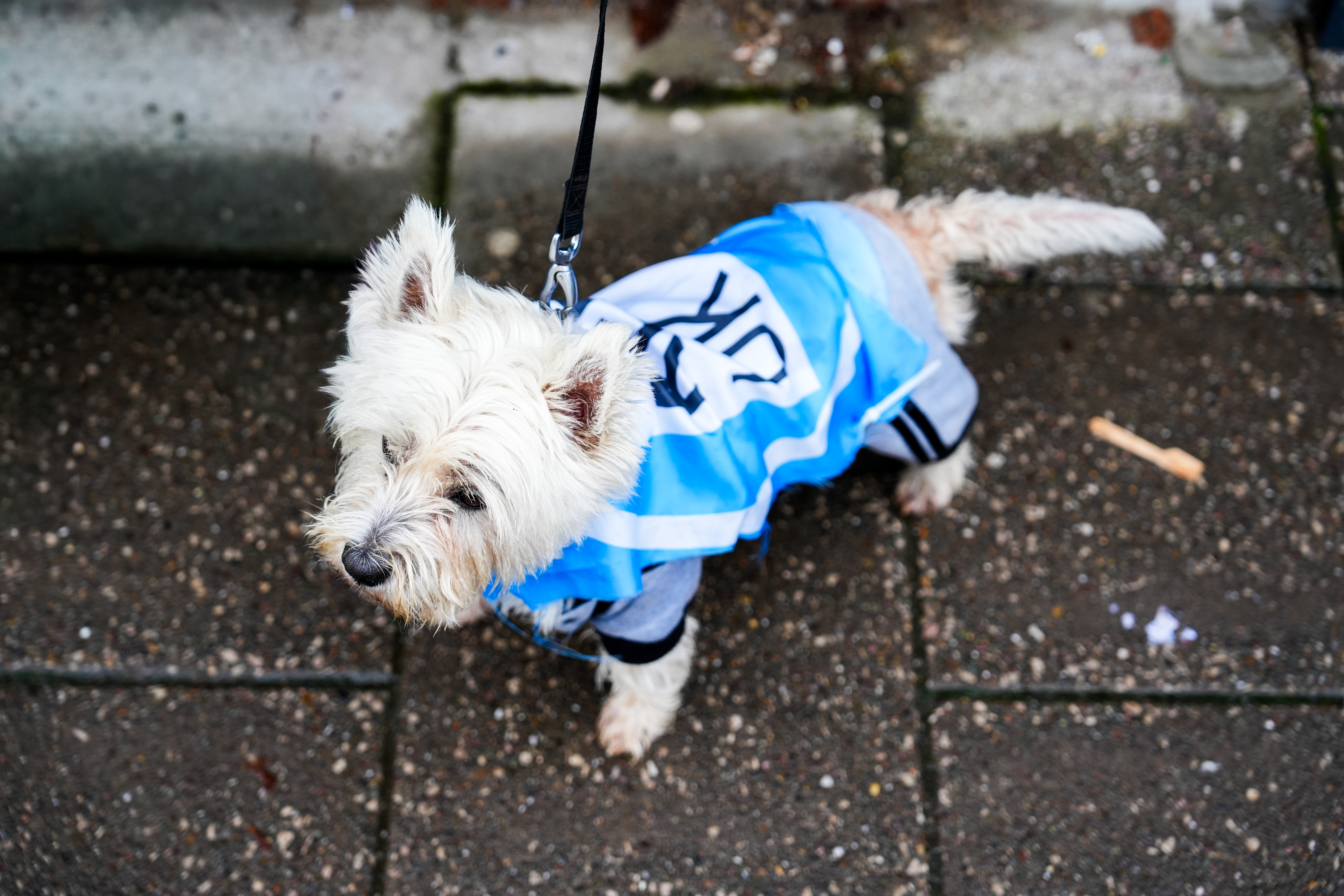
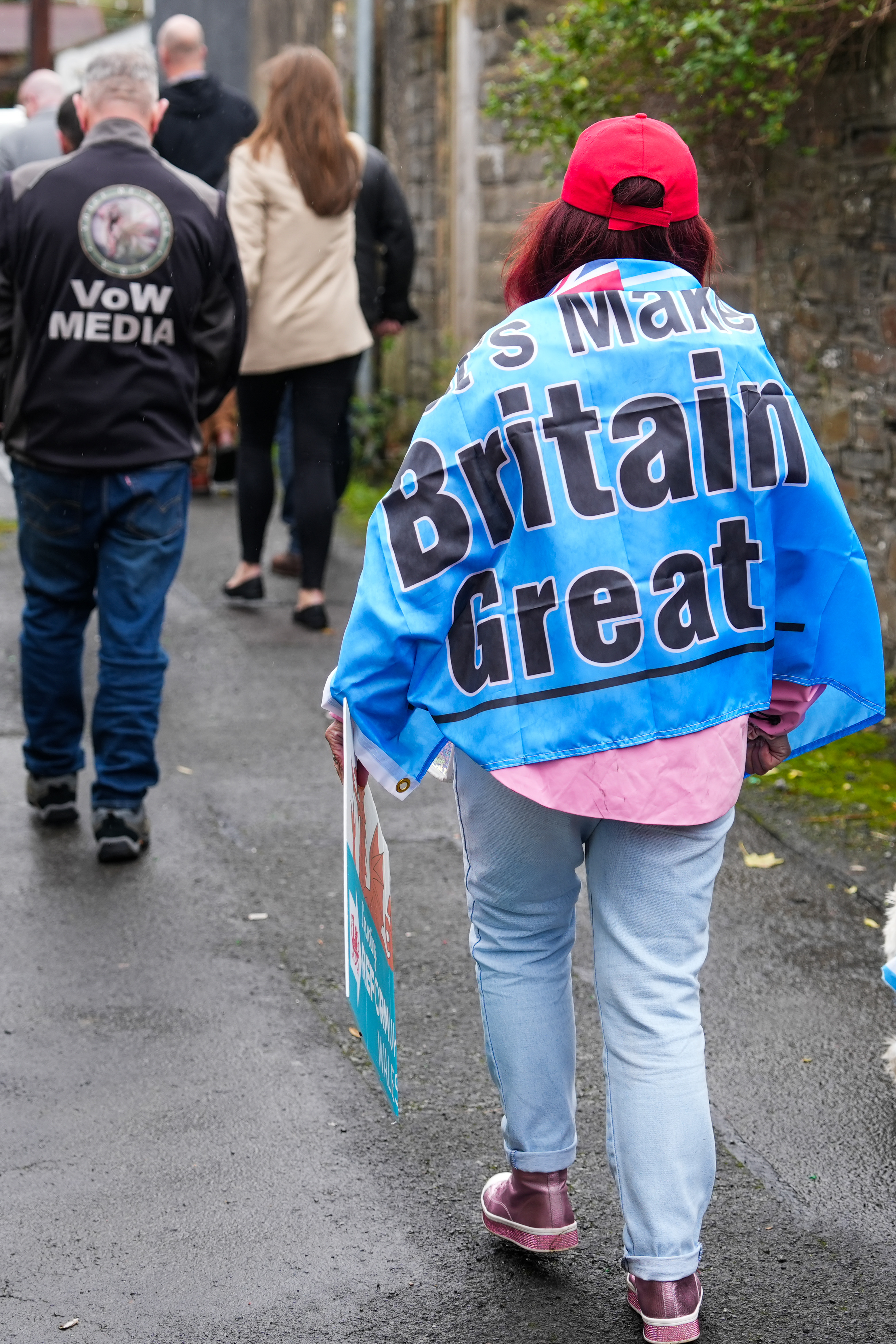
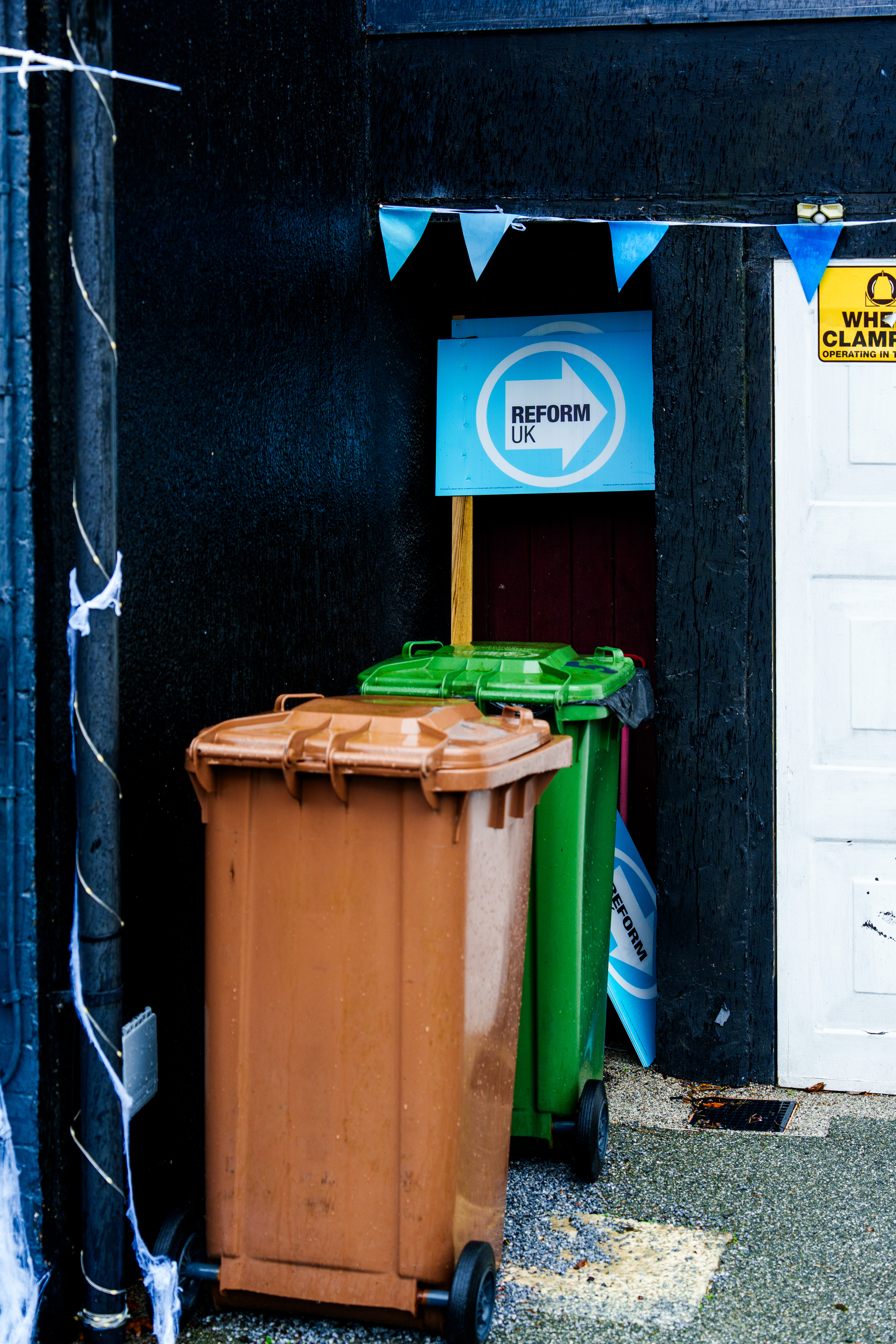
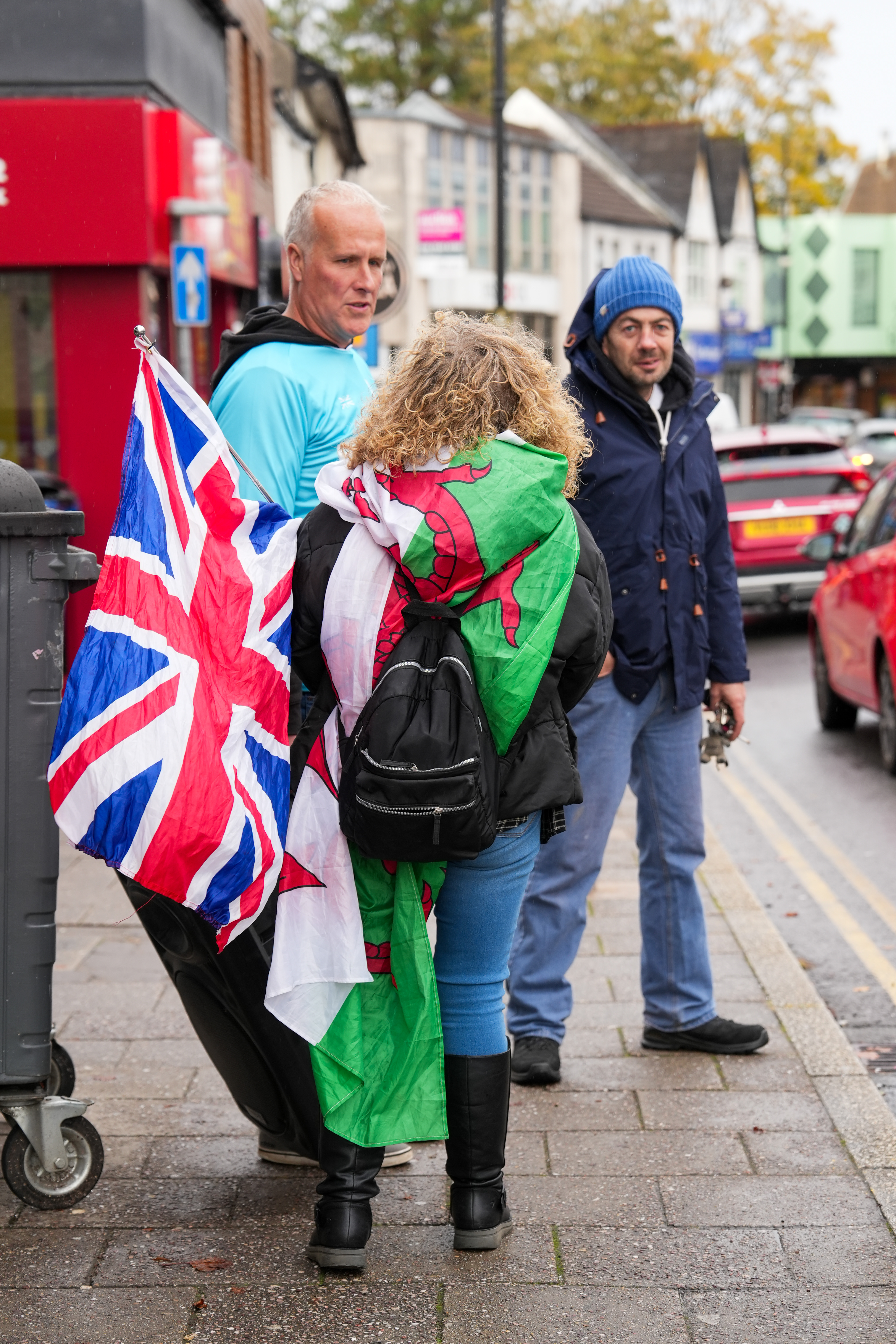
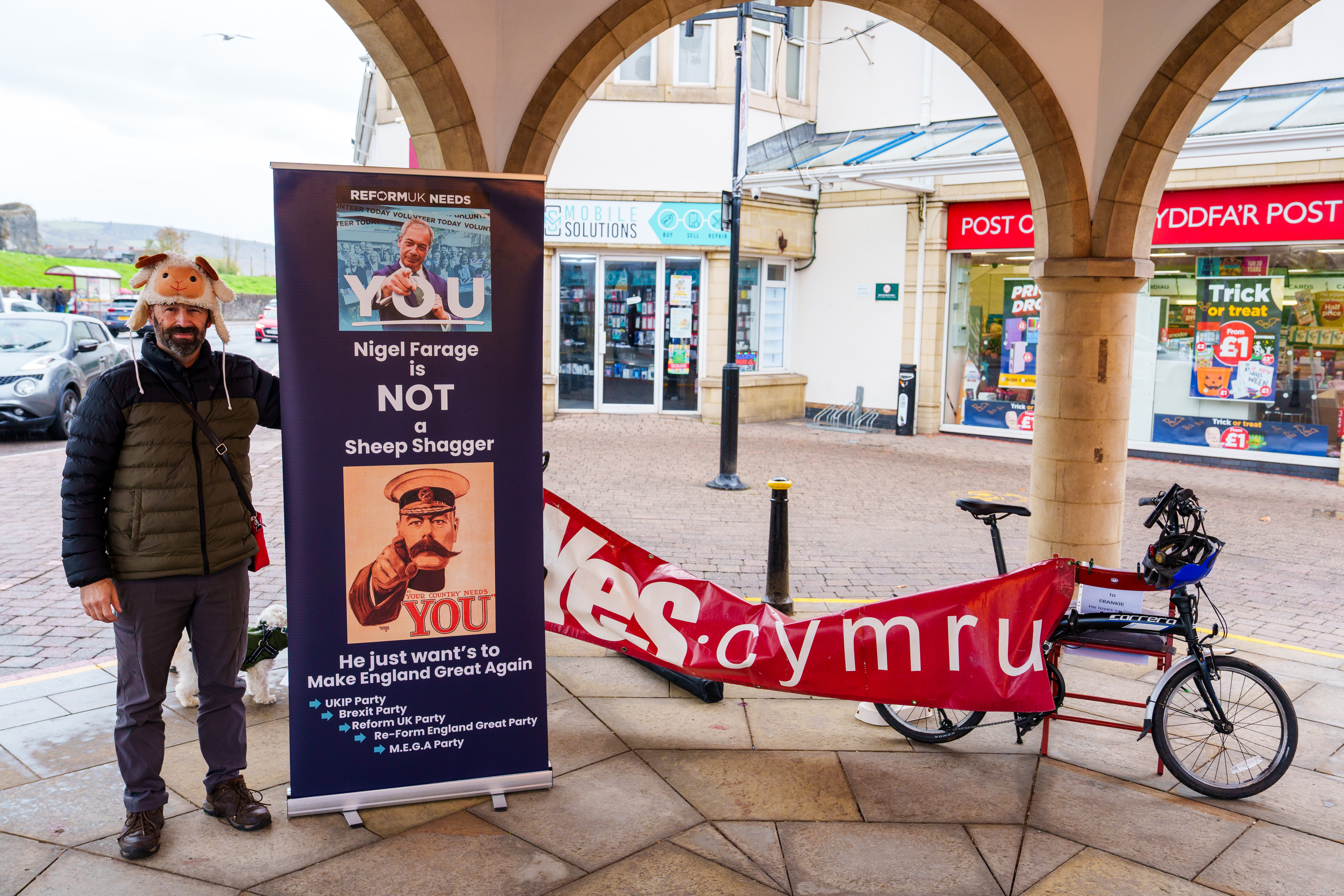
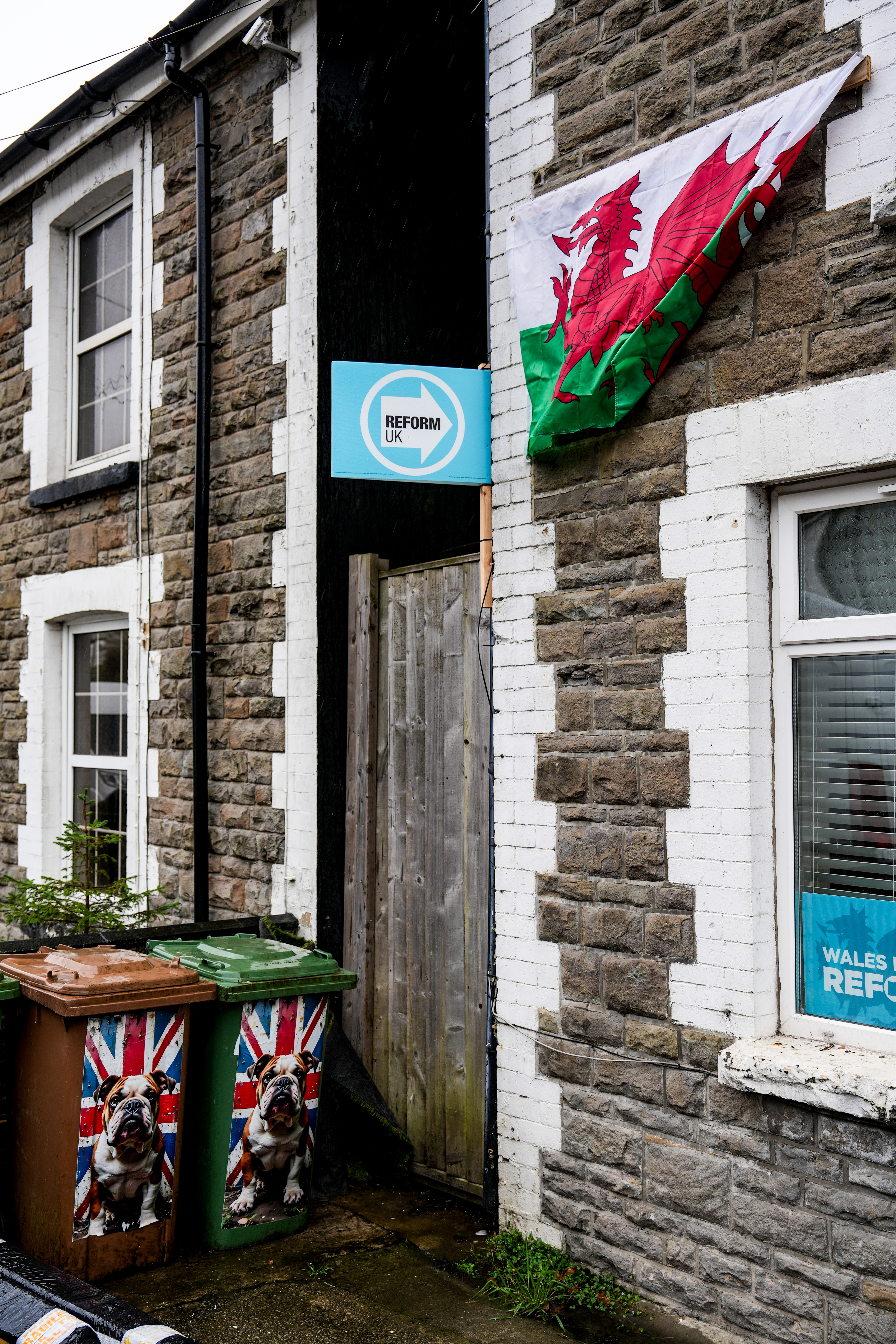
I didn’t take anywhere near as many photographs as usual, spending much of the day chatting with locals instead. The images I did capture lean heavily towards Reform — not by design, but because their presence in the town was so strong, and their supporters so willing to be photographed. On the former, sometimes you just don’t “sync” with certain candidates or campaigns, and that may have been the case today, but there was no mistaking the energy that surrounded Reform’s volunteers, especially with the buzz sparked by Nigel Farage’s arrival.
That imbalance in my shots surprised me. Realising the tilt, I went looking for Labour and Plaid supporters to balance things out but there were few to be found, and those I did meet were hesitant to appear on camera. It’s the reverse of what I’ve found at most rallies, where left-leaning crowds tend to be the more open. Today, though, Reform voters seemed to sense that it was their day, much more willing to be in the eye of the lens.
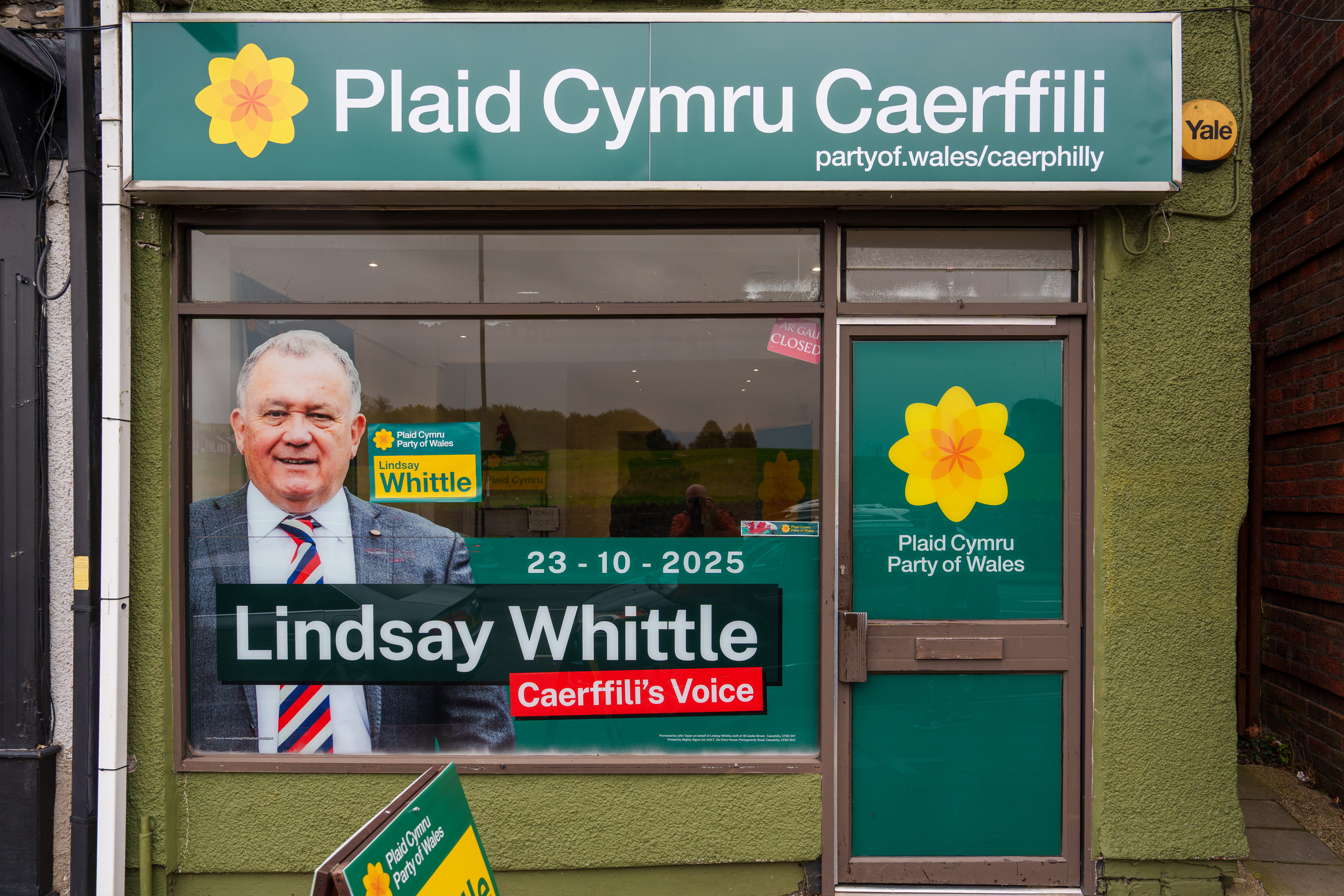
I spoke with nearly a dozen people from café owners praising the Plaid candidate’s connection to the community to former two-decade Labour members who had turned to Reform. Their reasons varied wildly, but one thread tied them all together: a feeling that Labour is no longer the party of working people. This by-election, for many, wasn’t about switching allegiance but about being left behind.
It’s going to be a long night in Caerphilly, and many eyes, both near and far will be on the result for what many feel is a possible glimpse into Wales’ future.
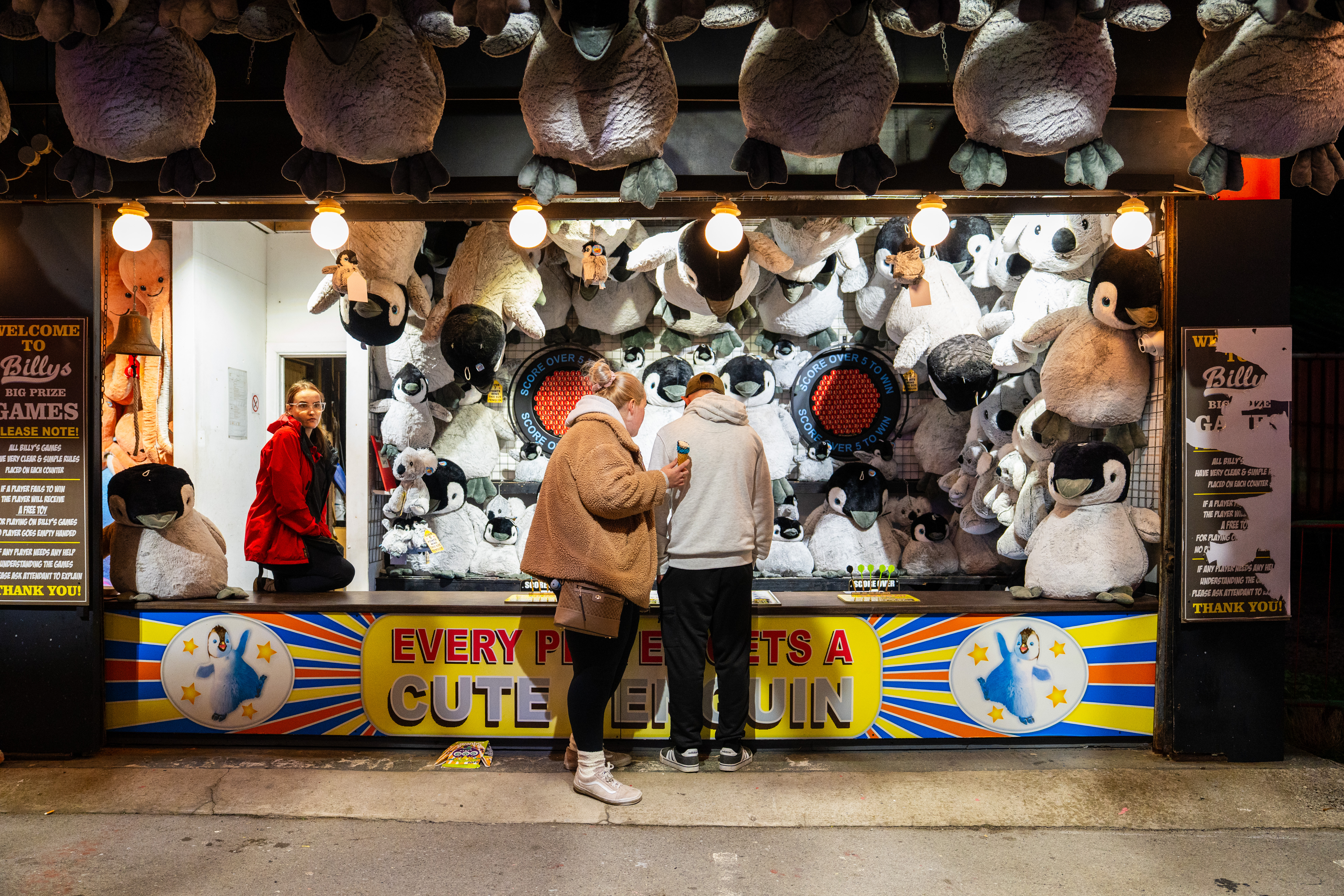
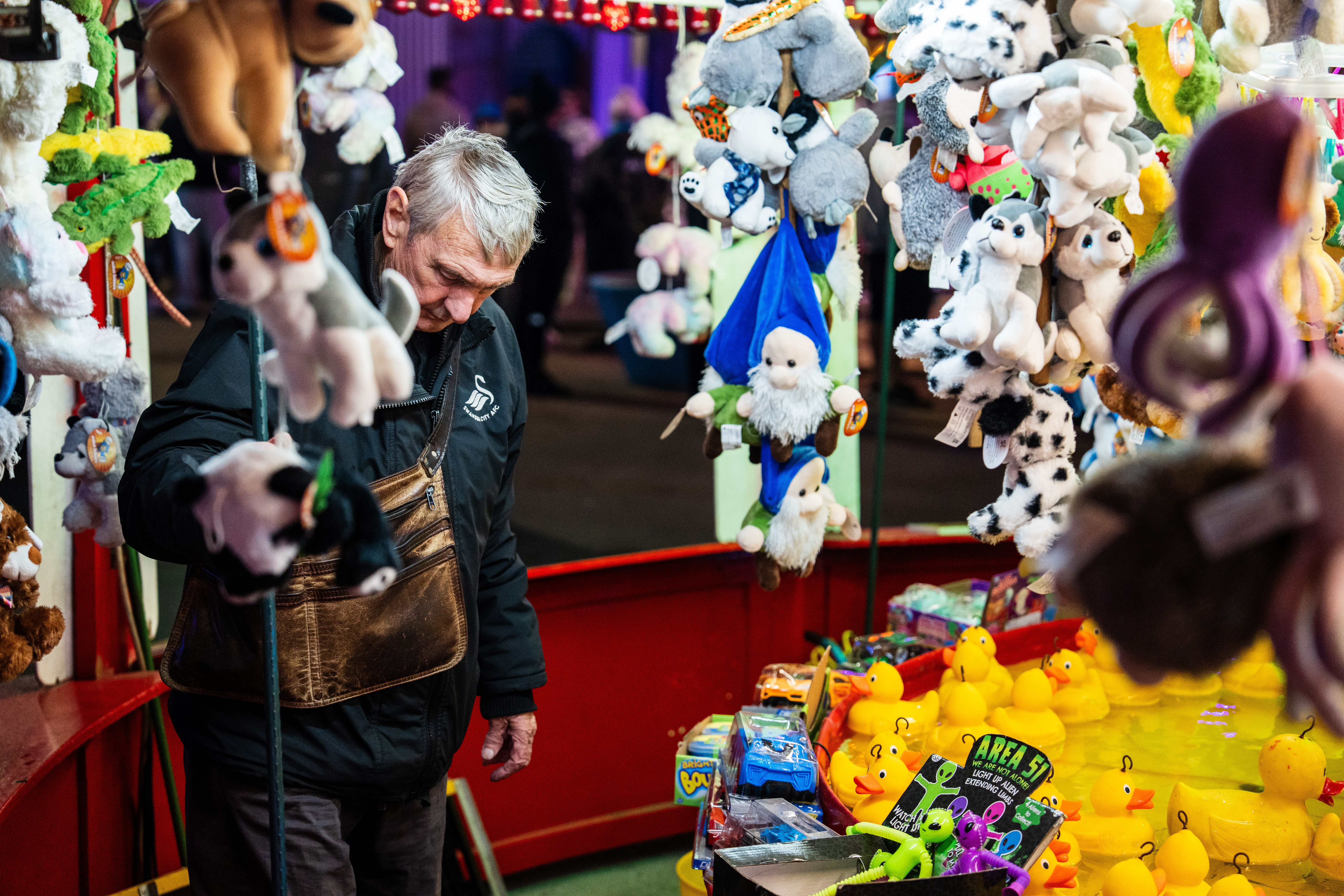
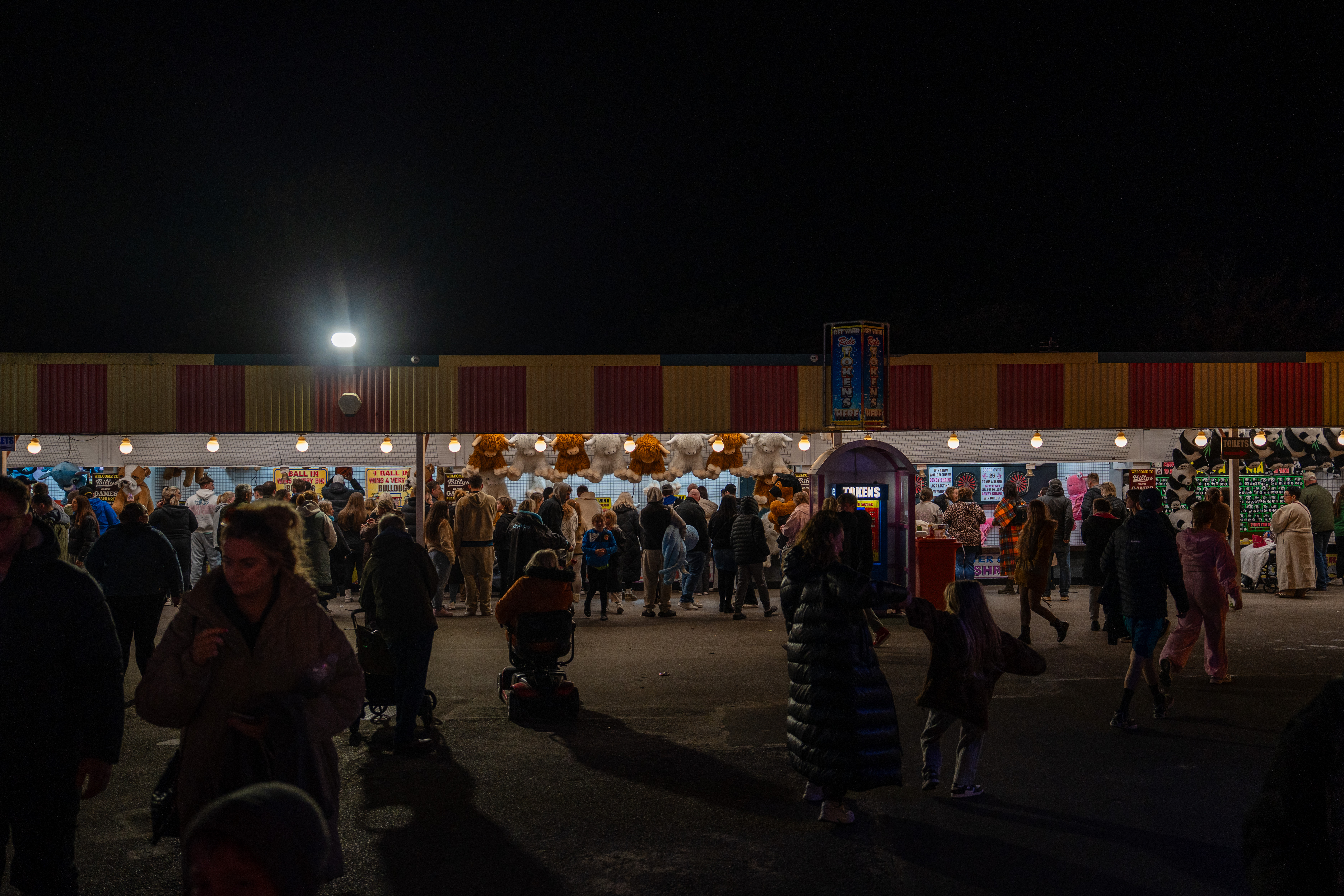
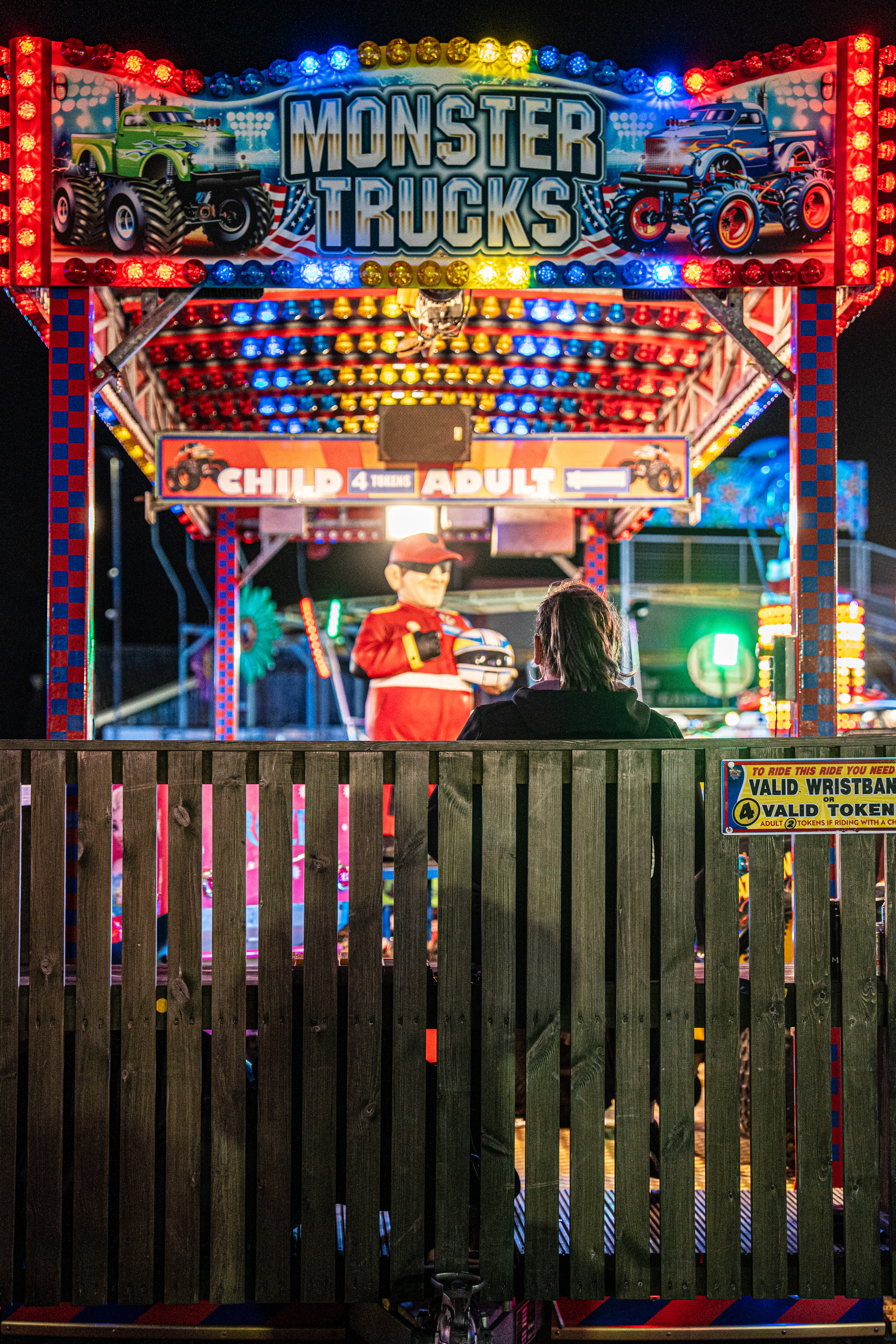
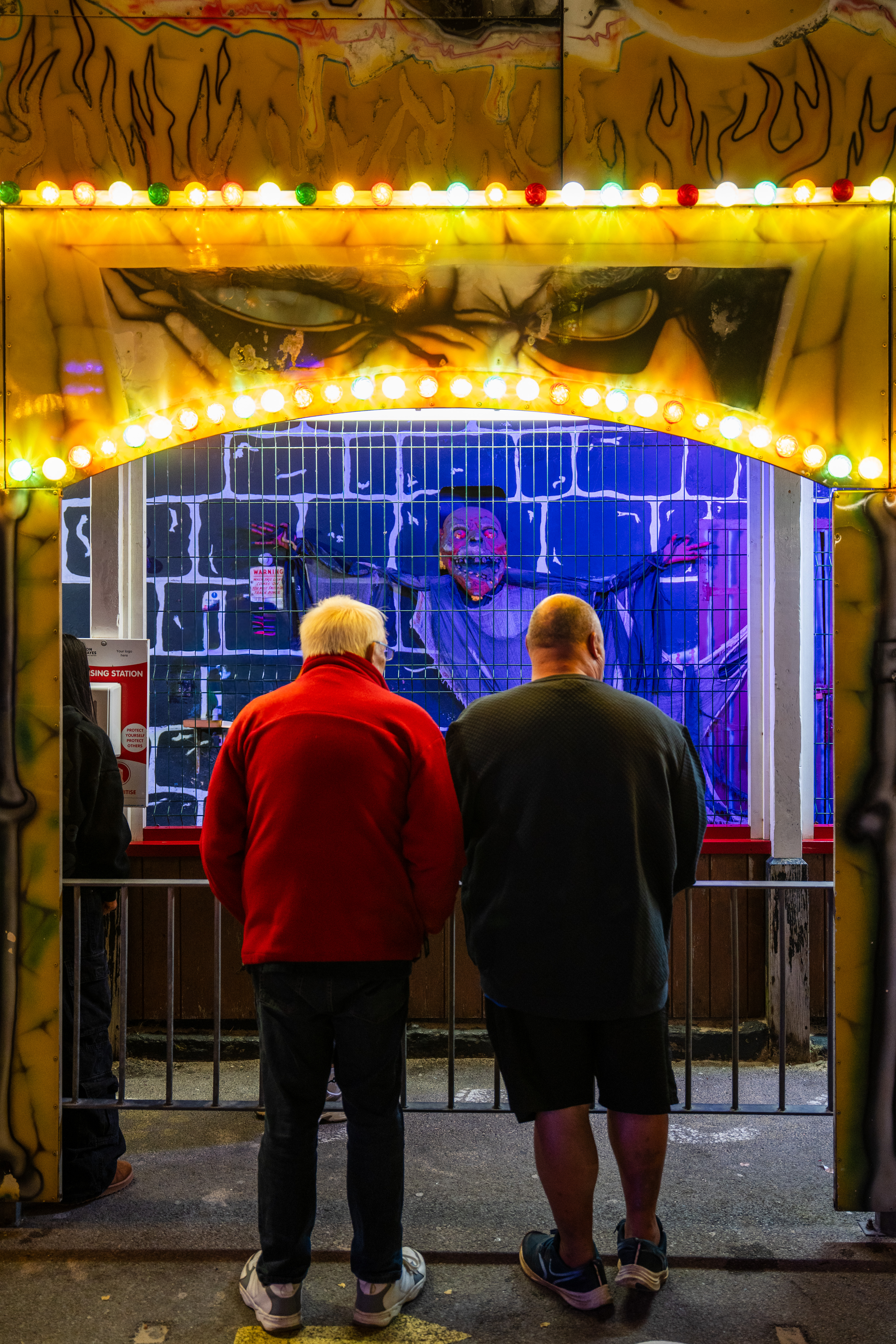
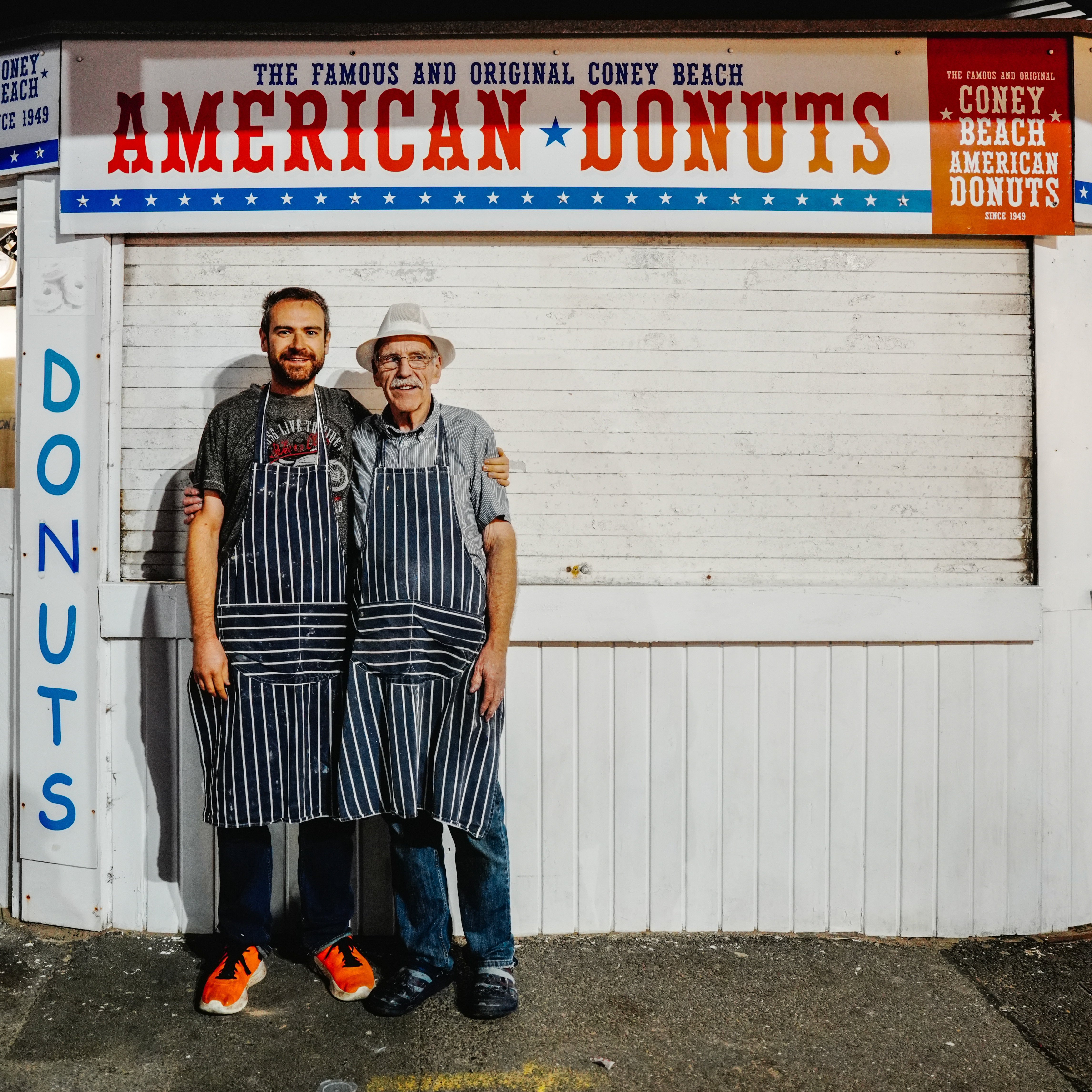
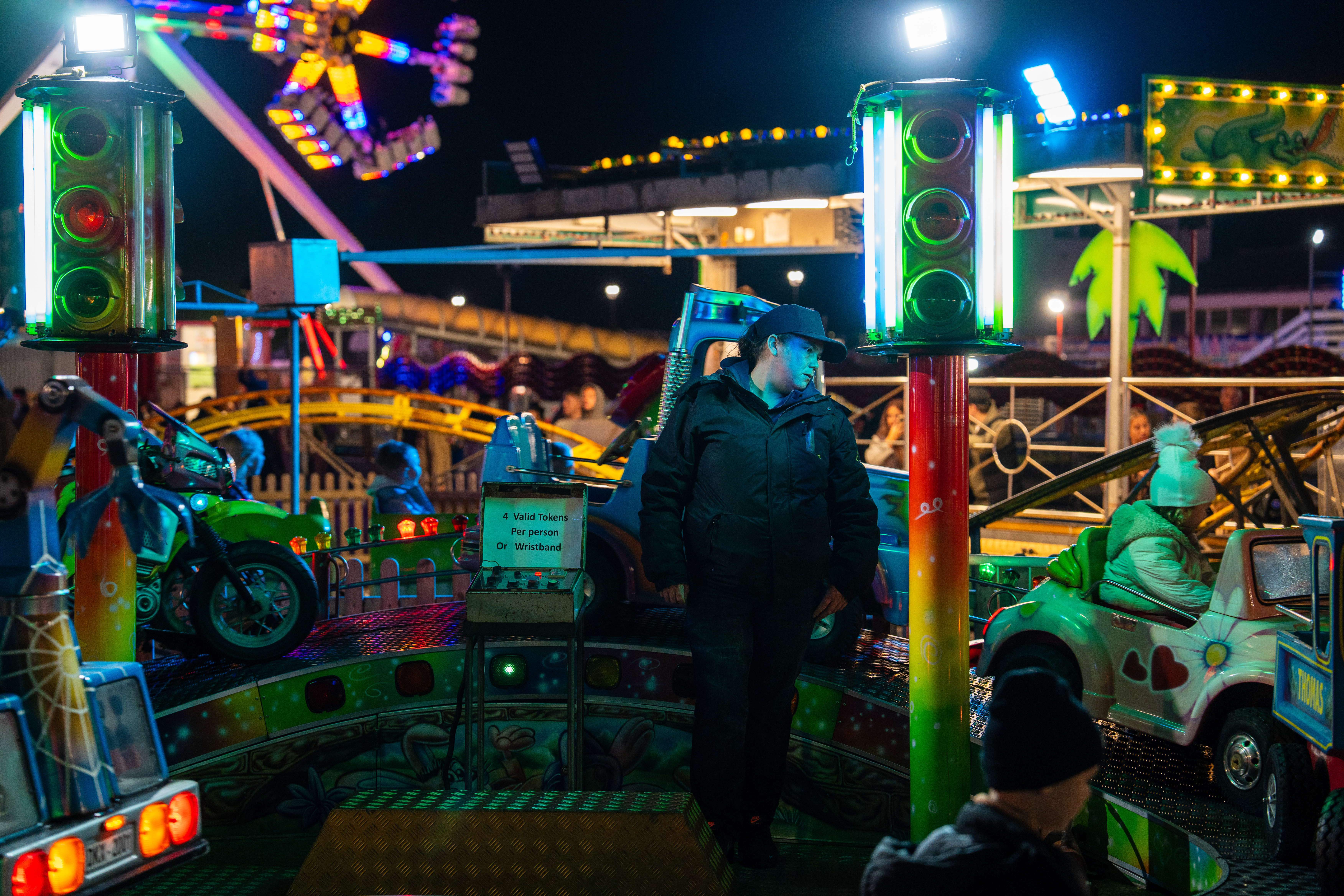
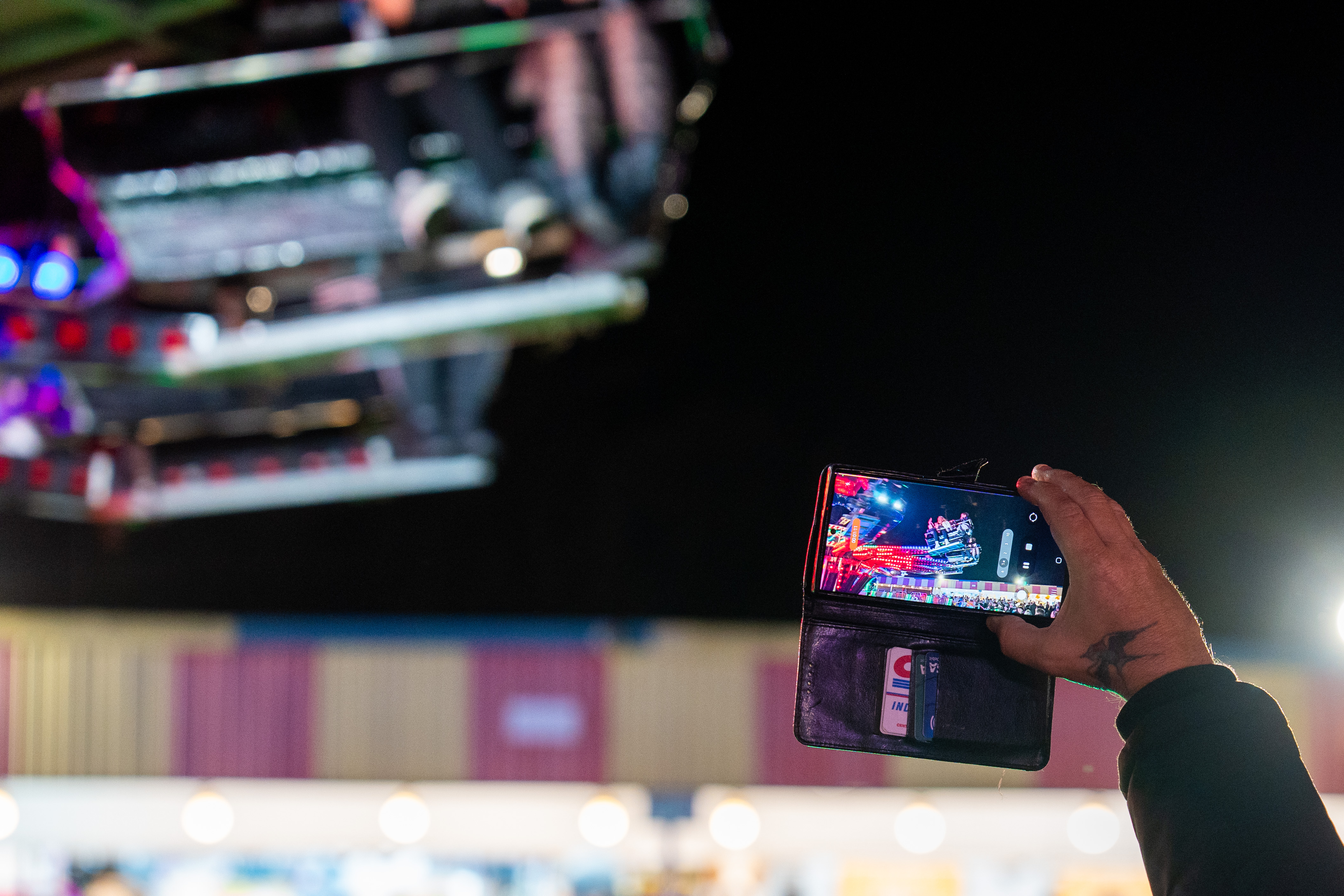
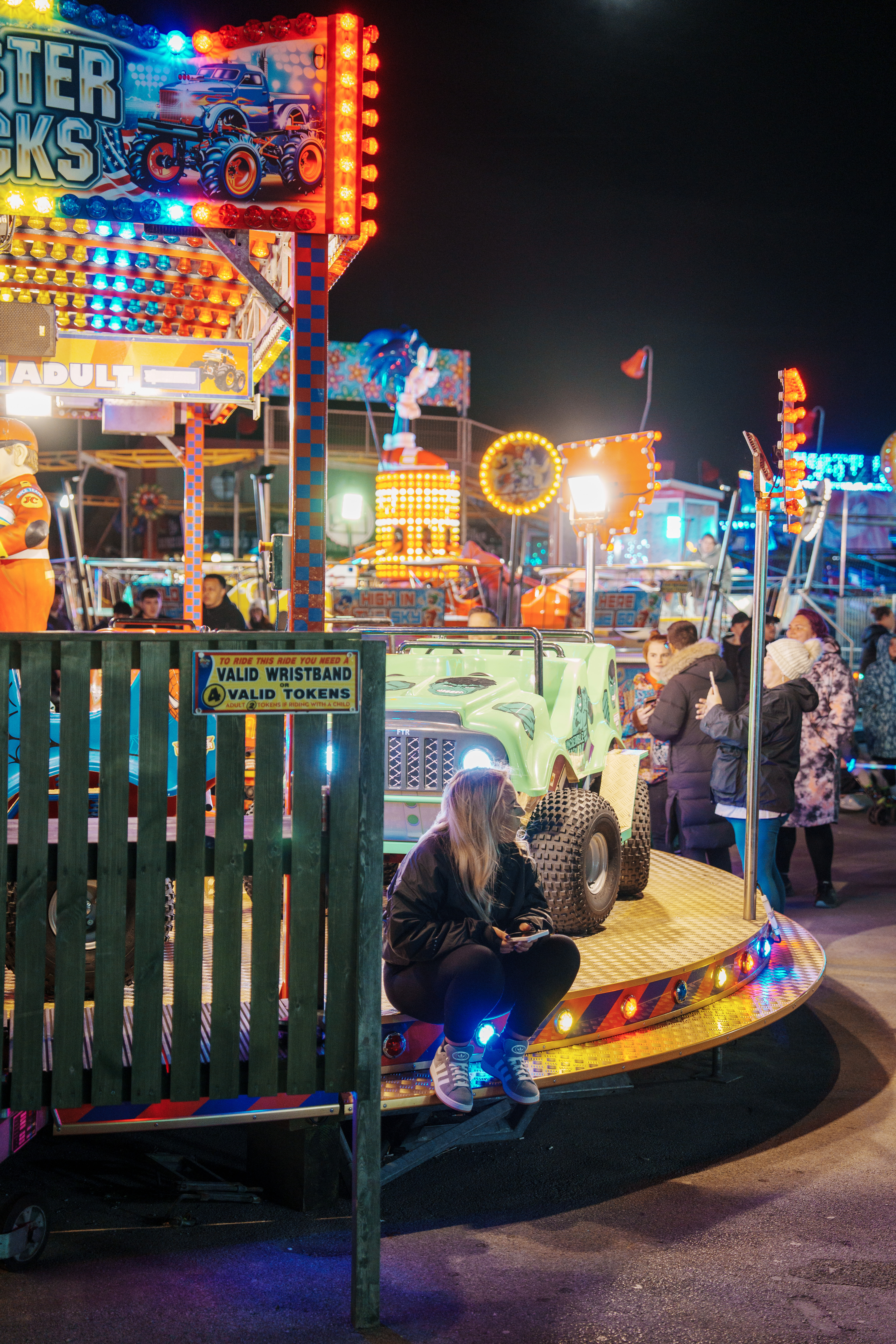
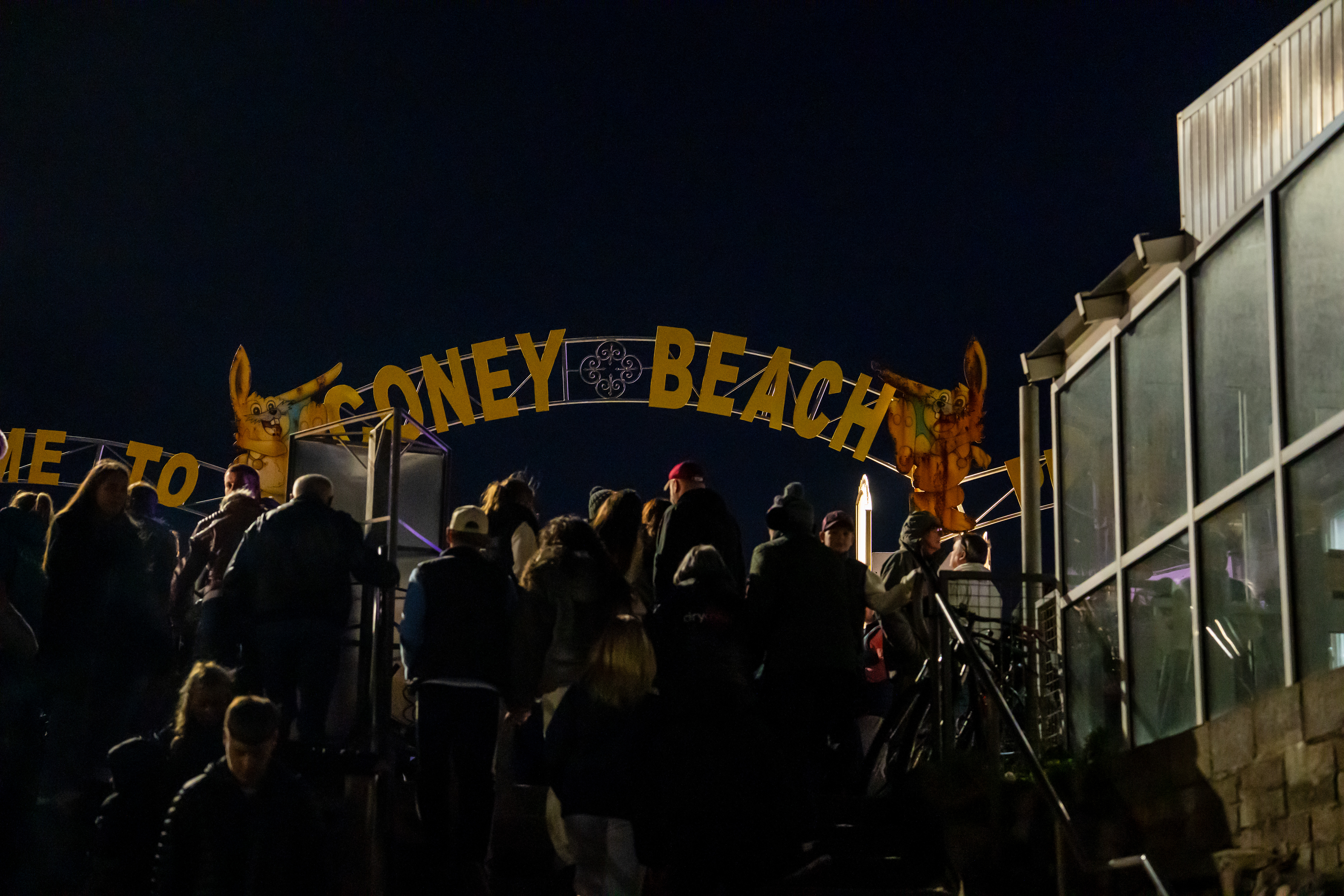
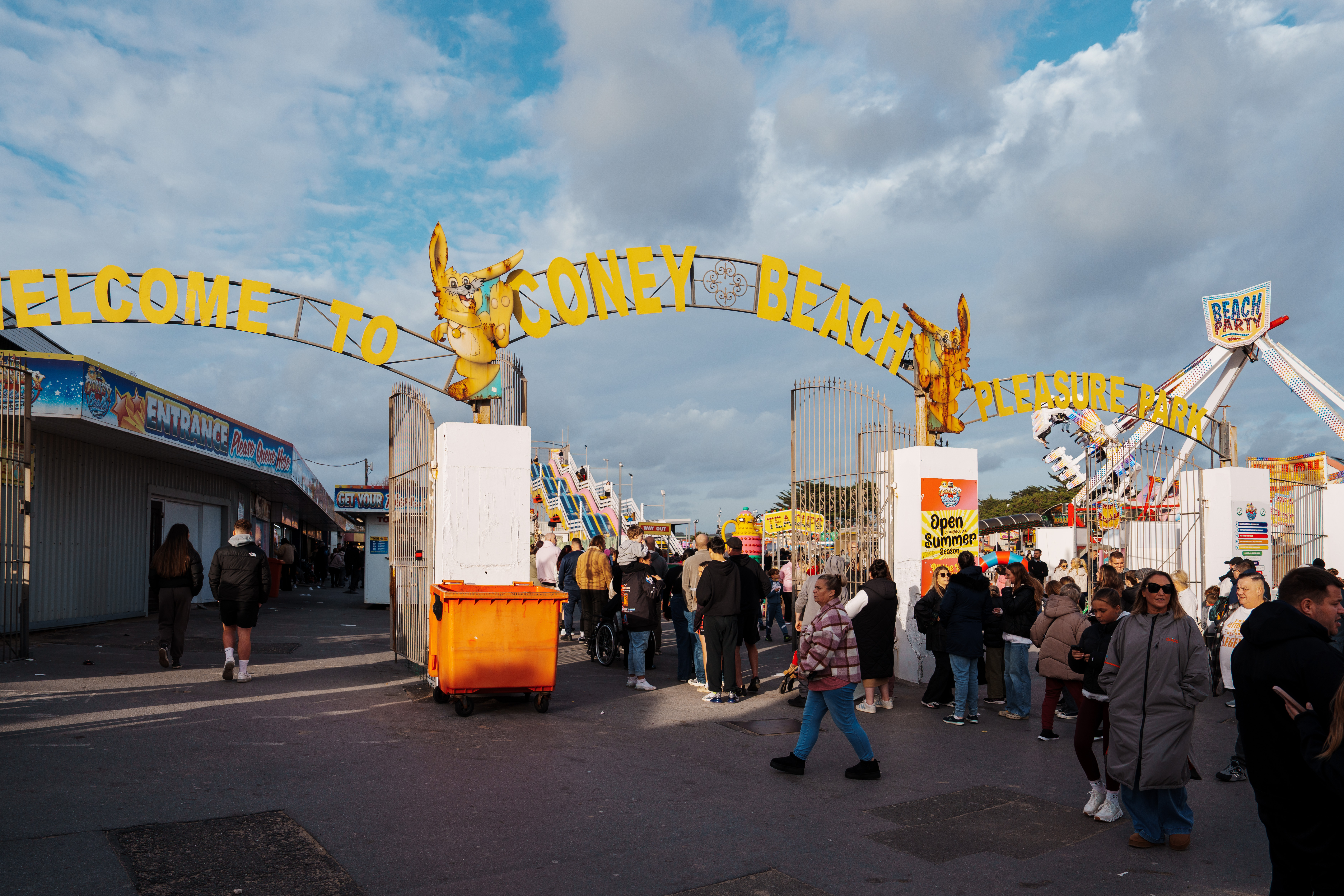
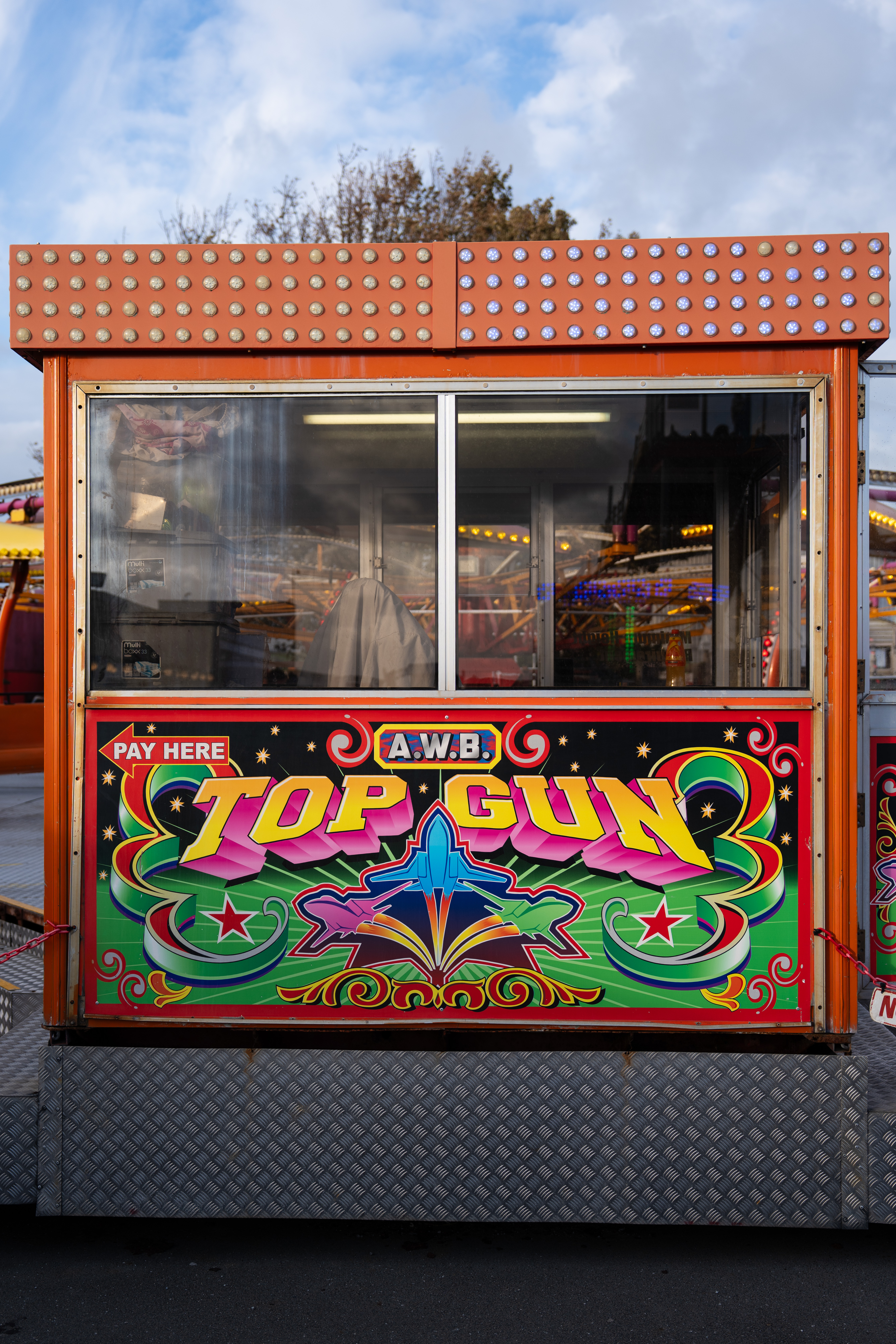
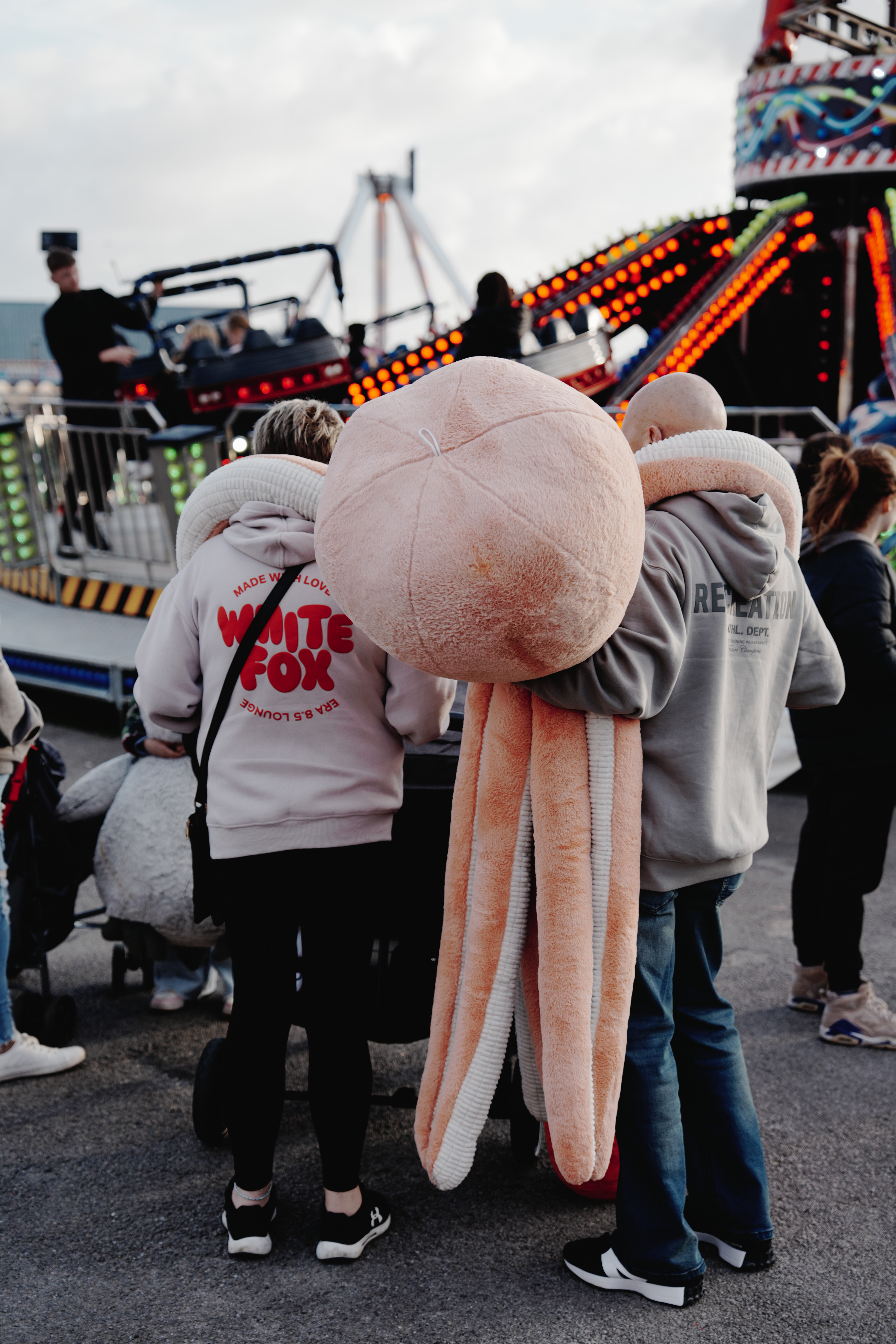
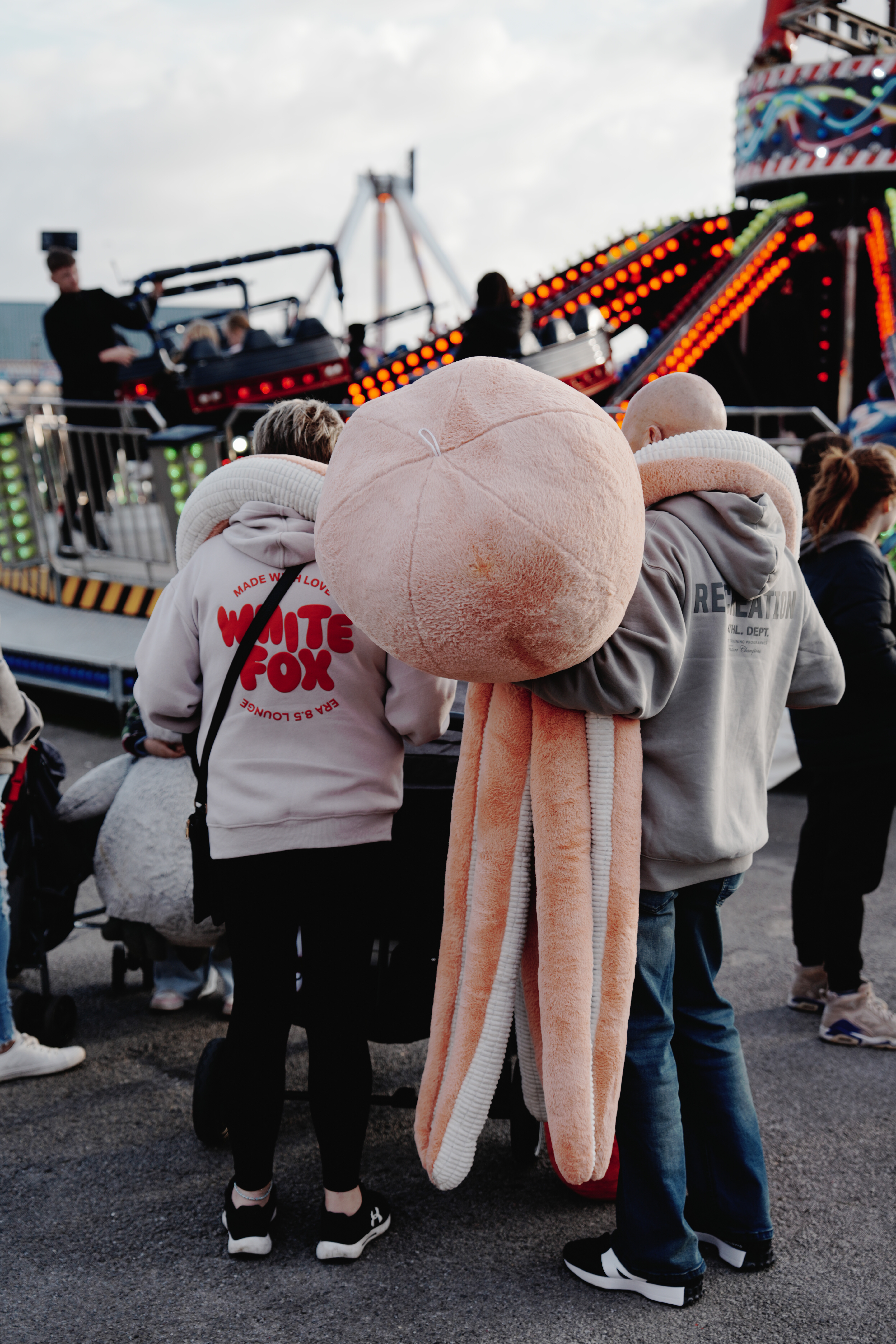
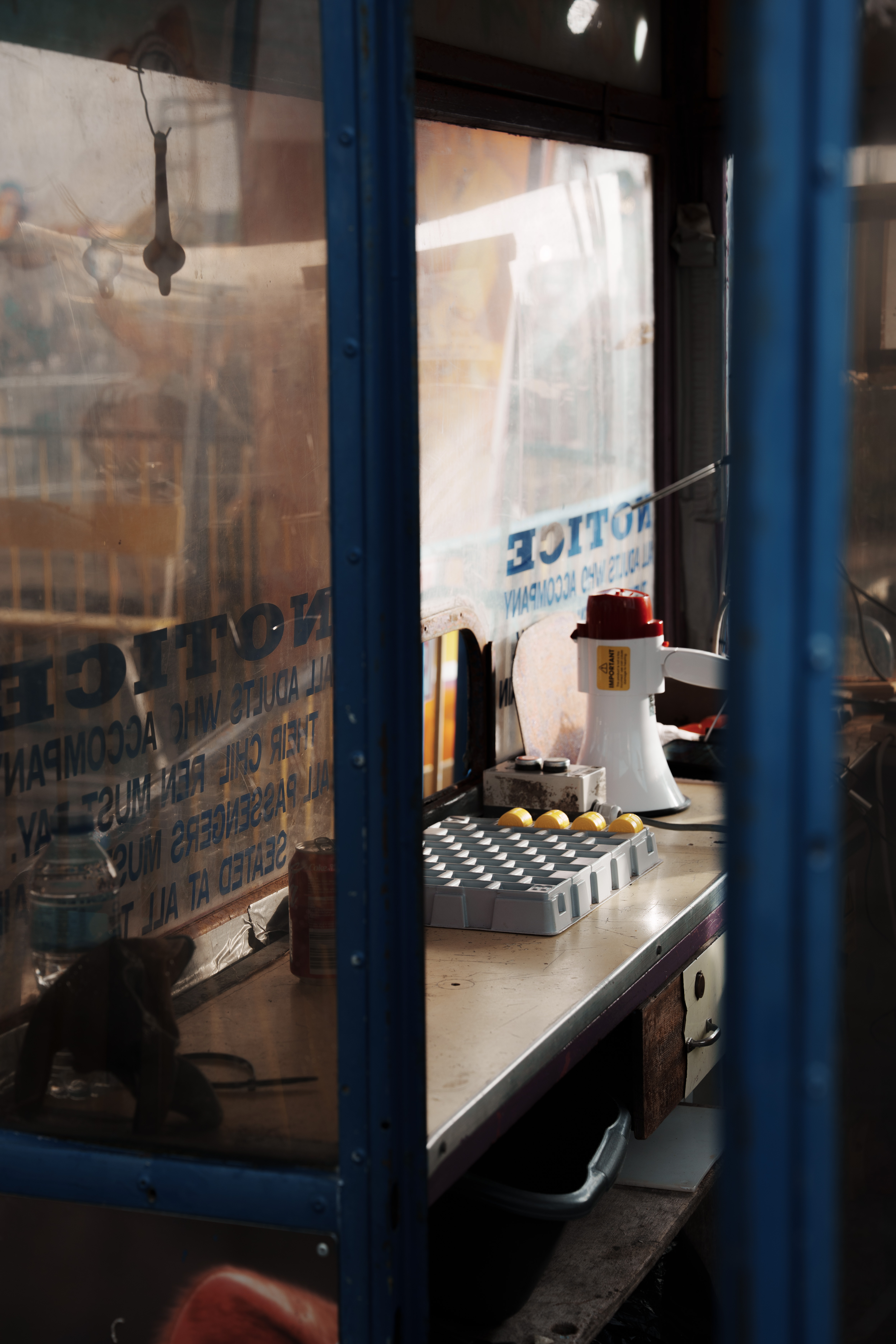
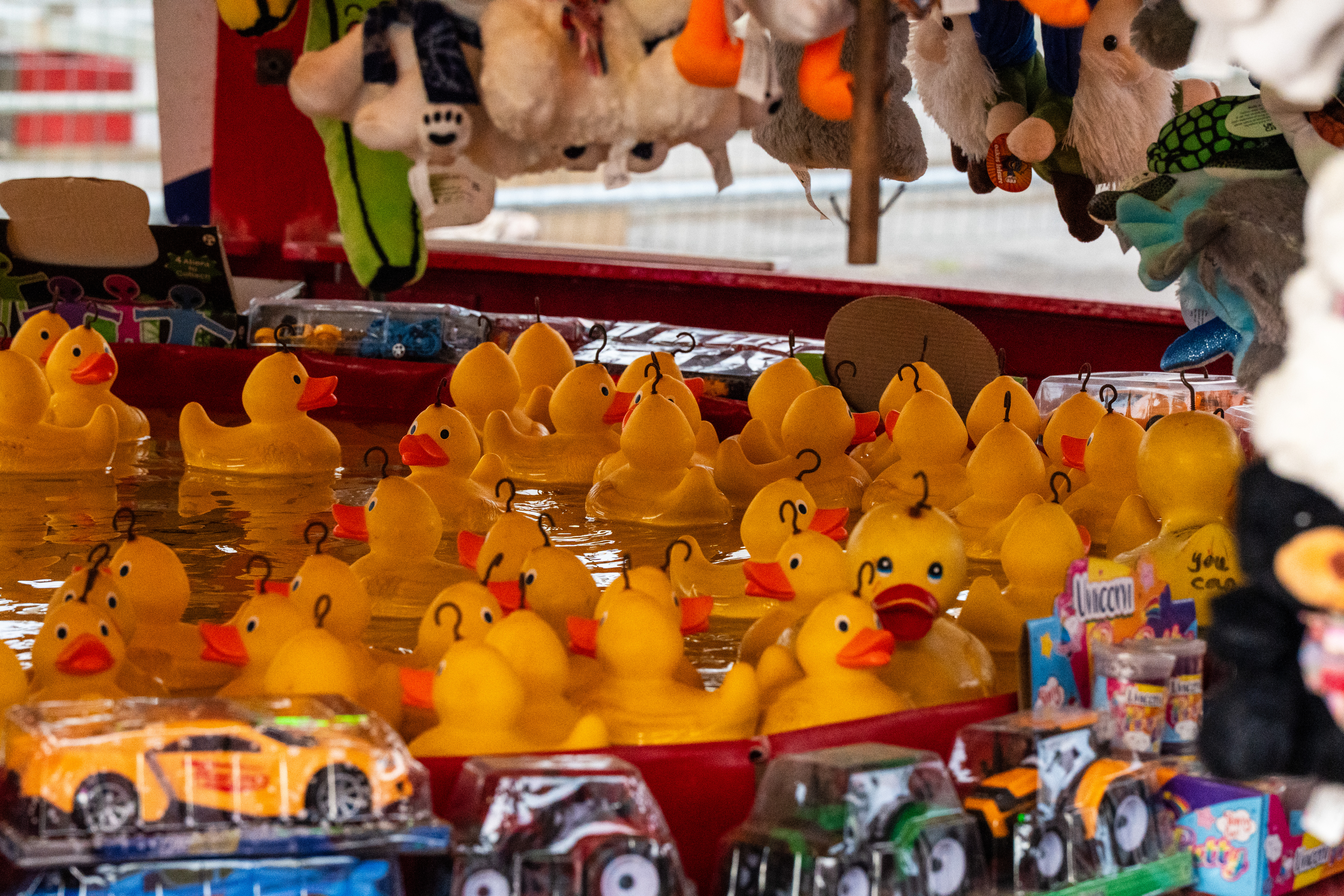
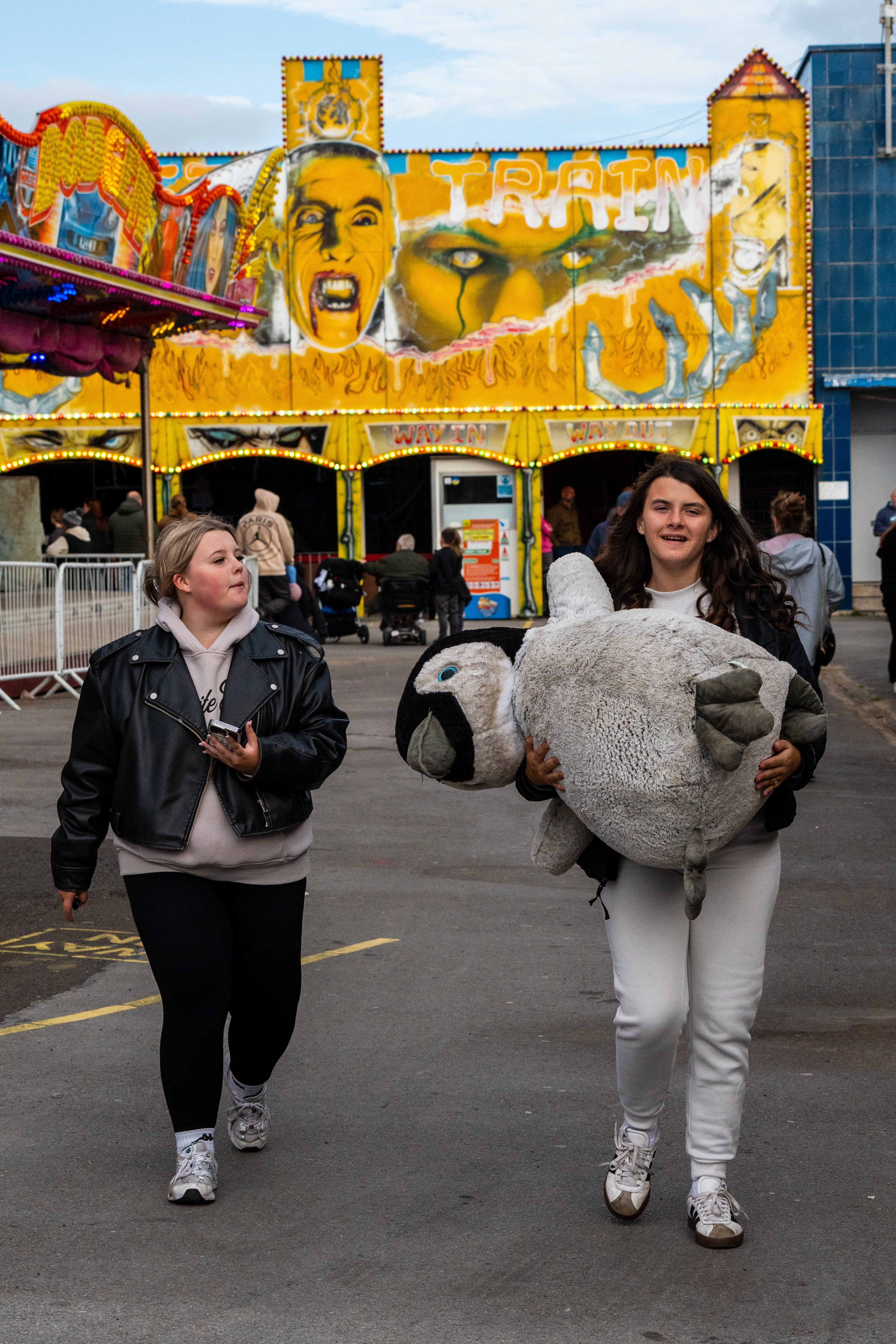
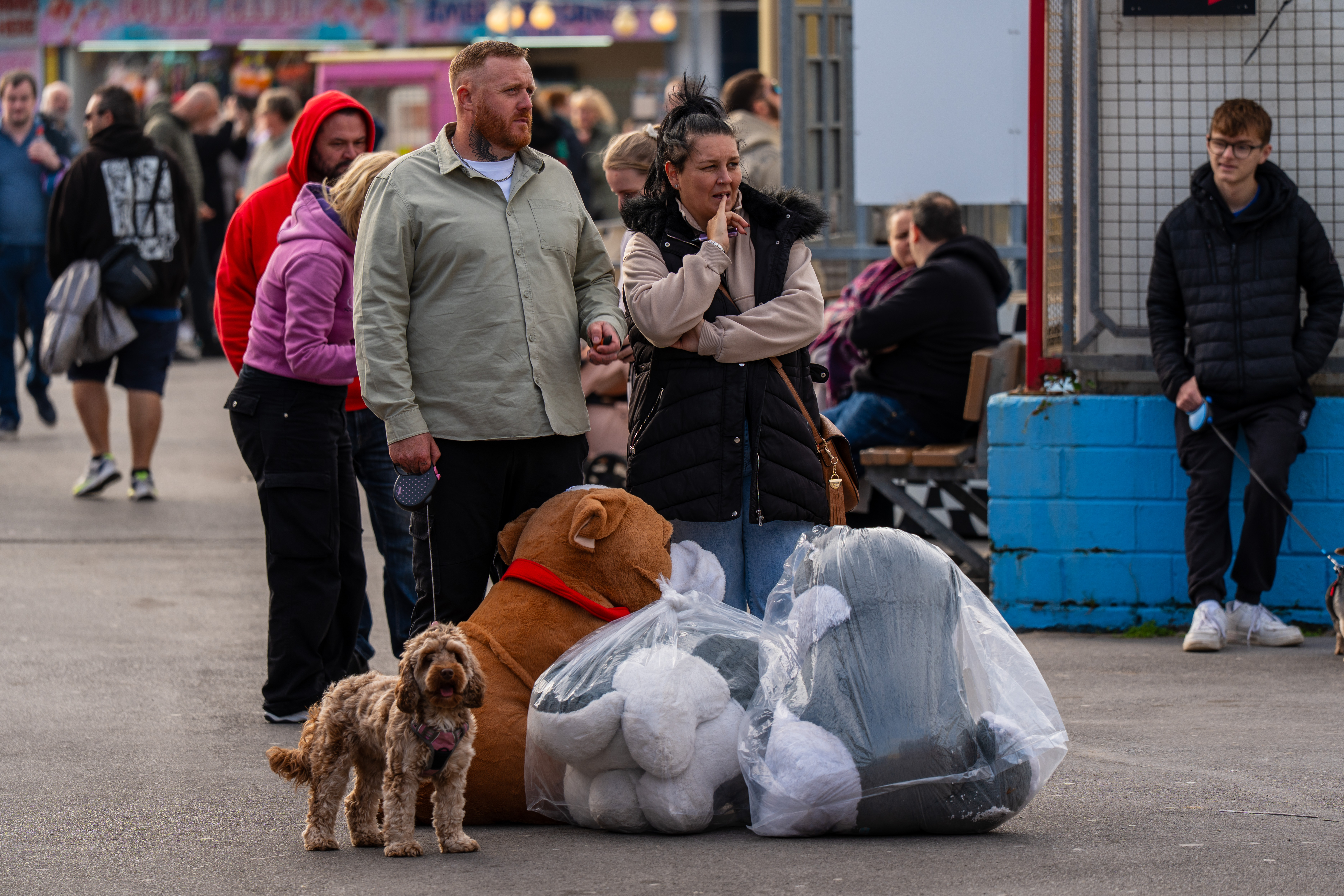
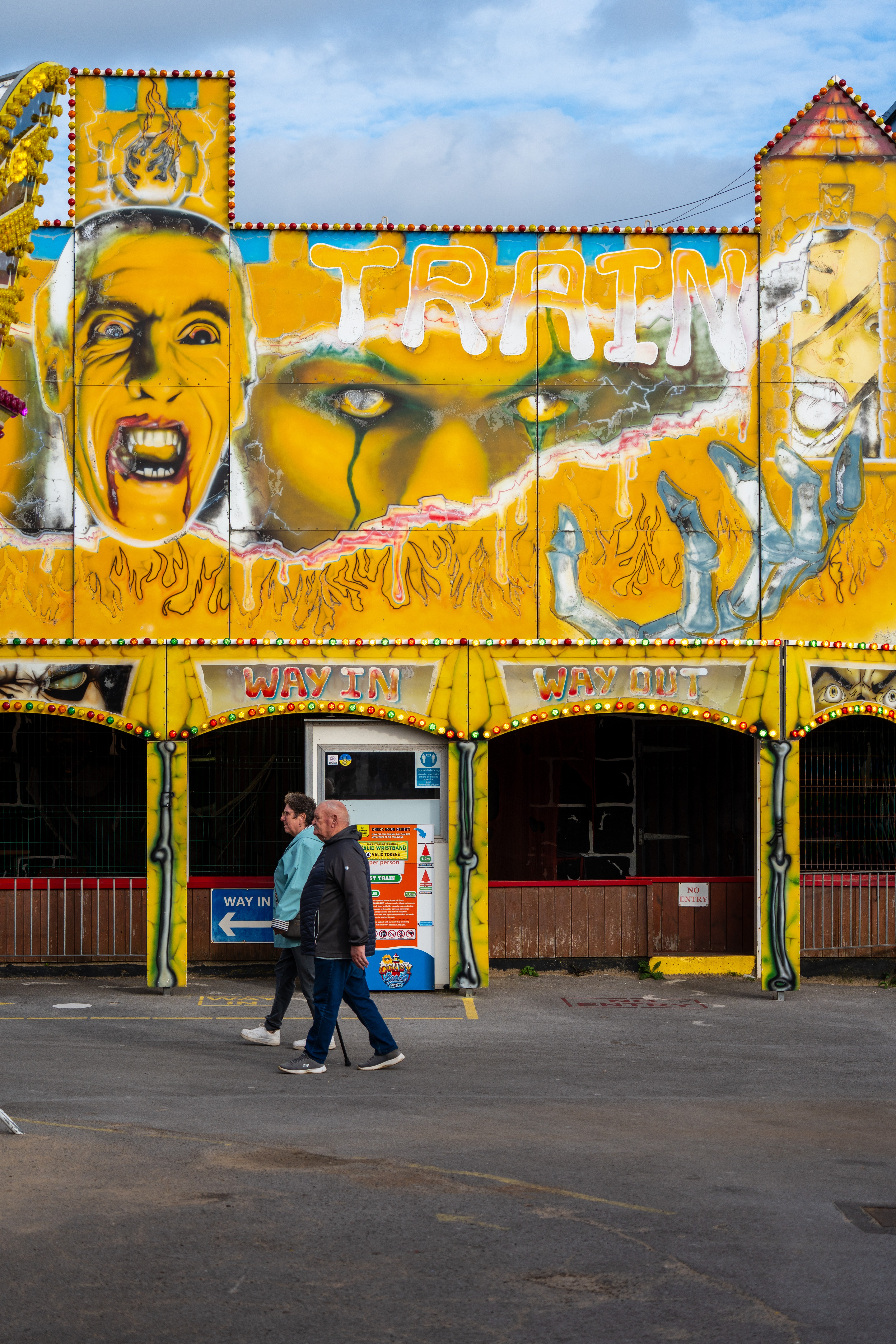
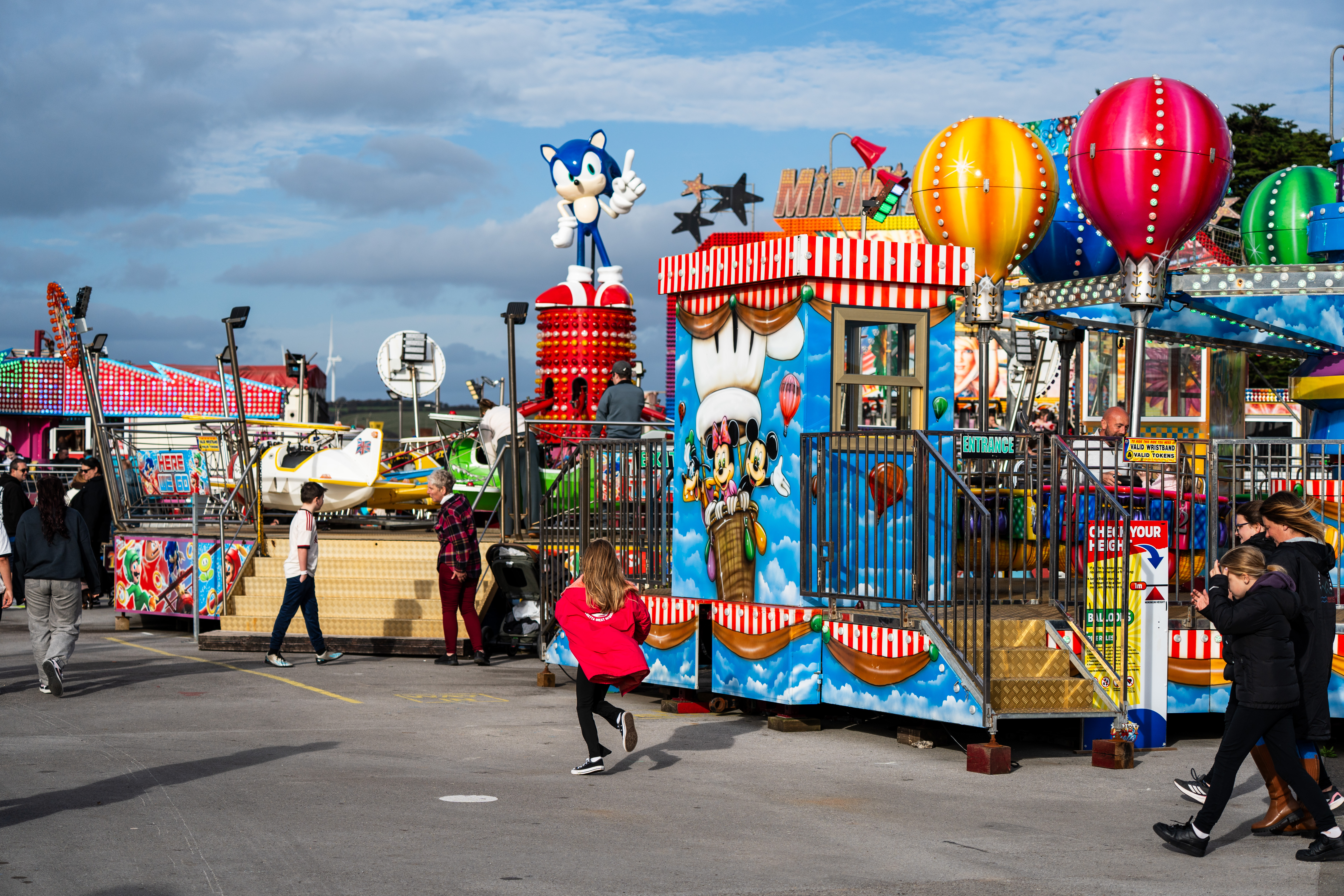
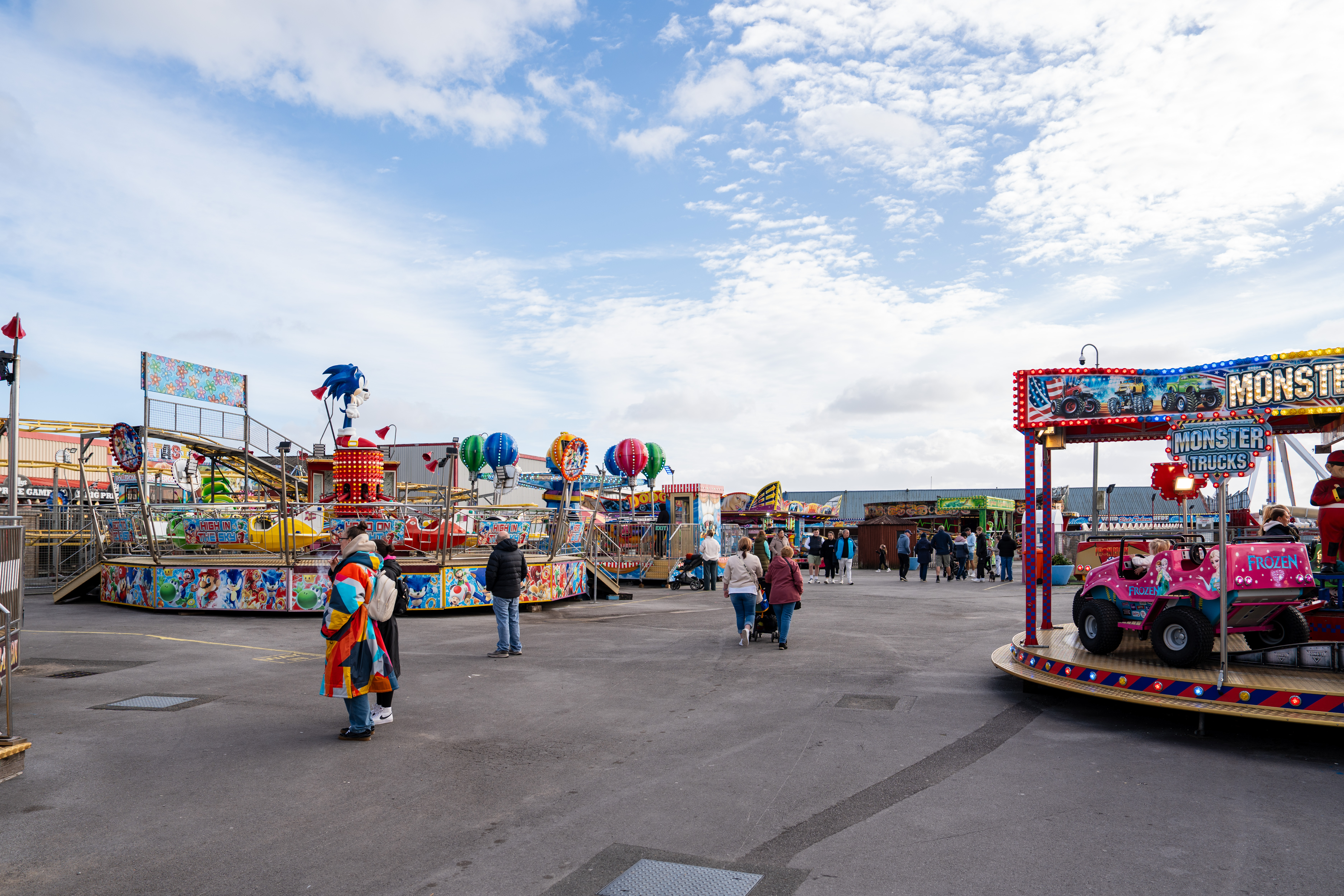
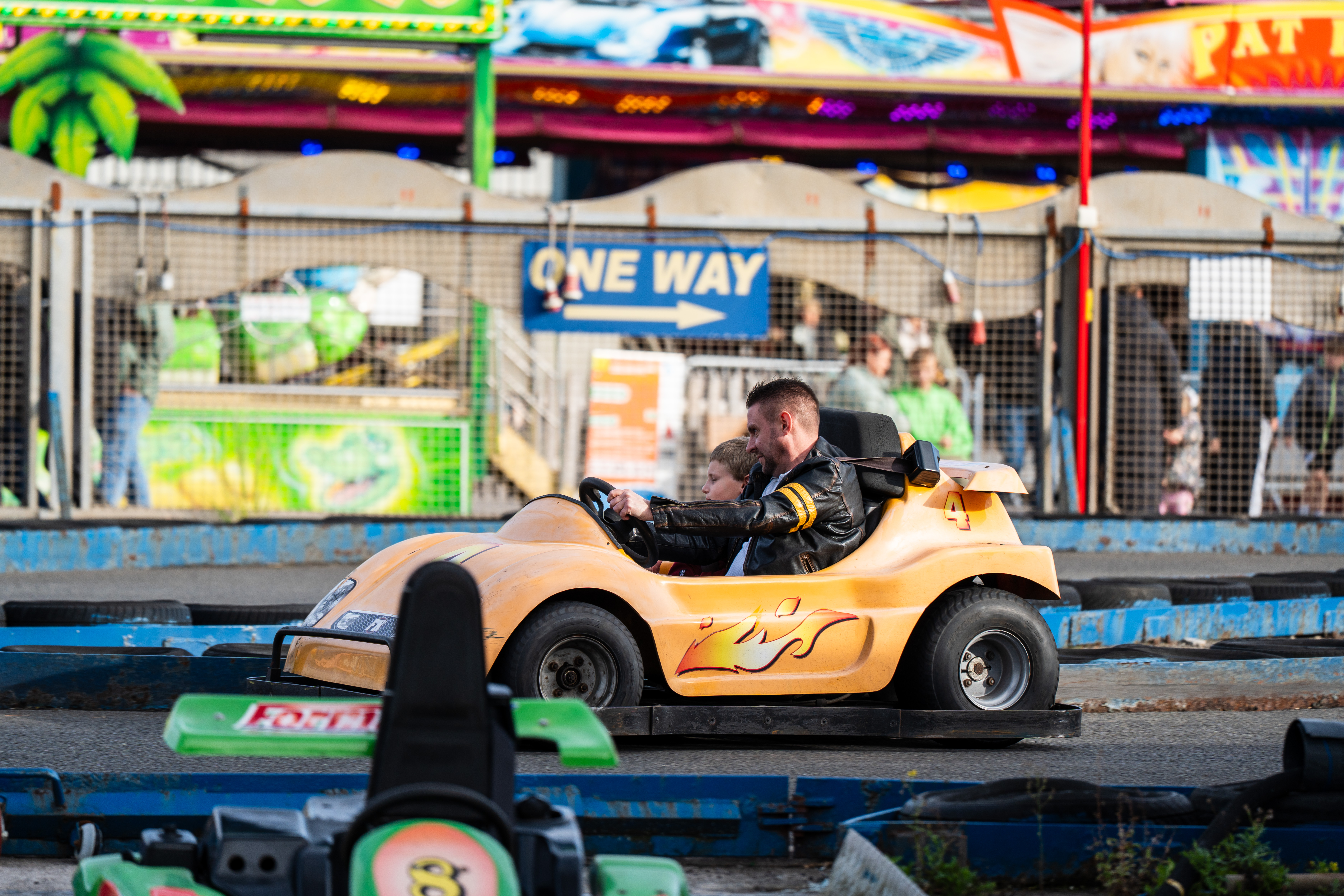
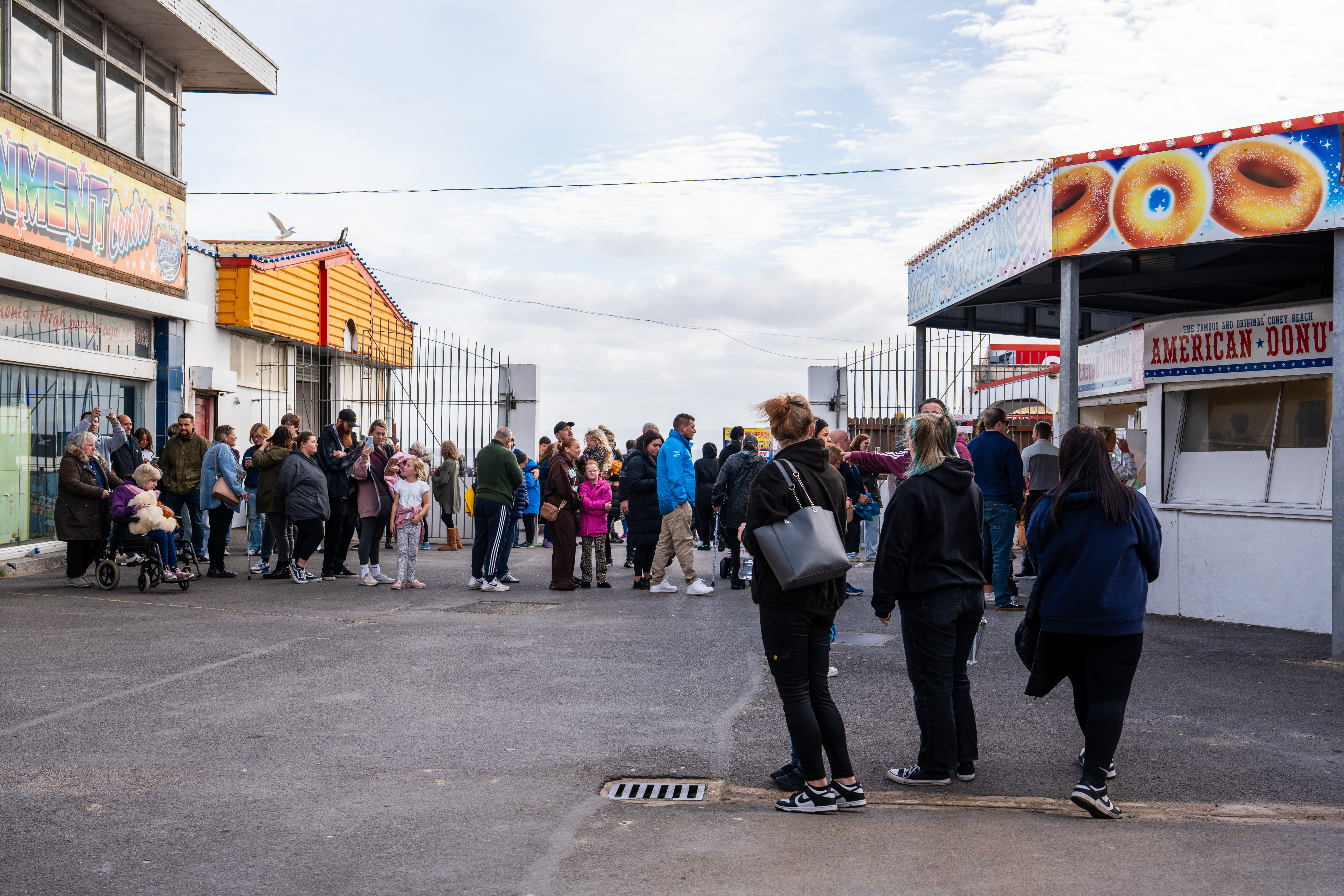
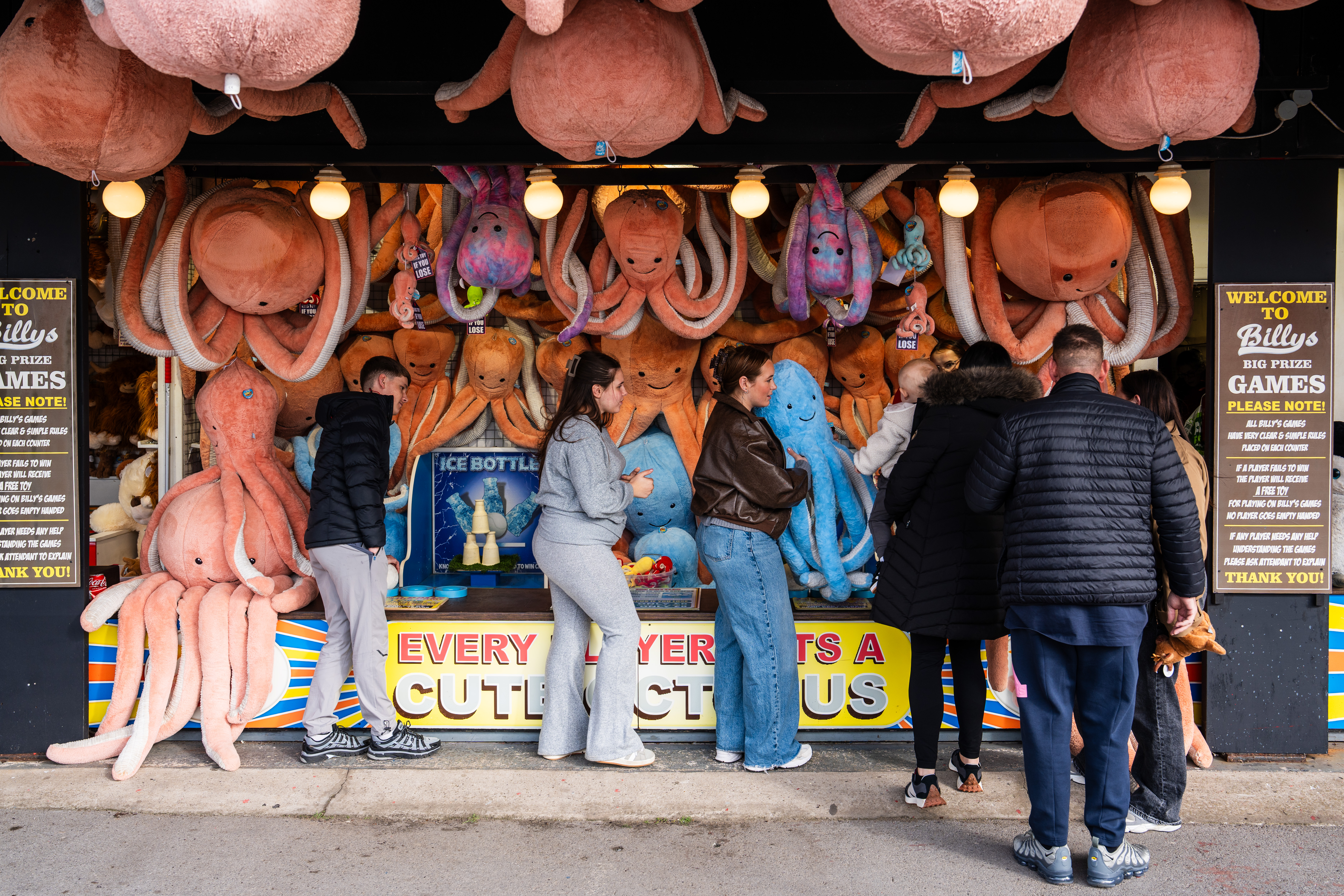
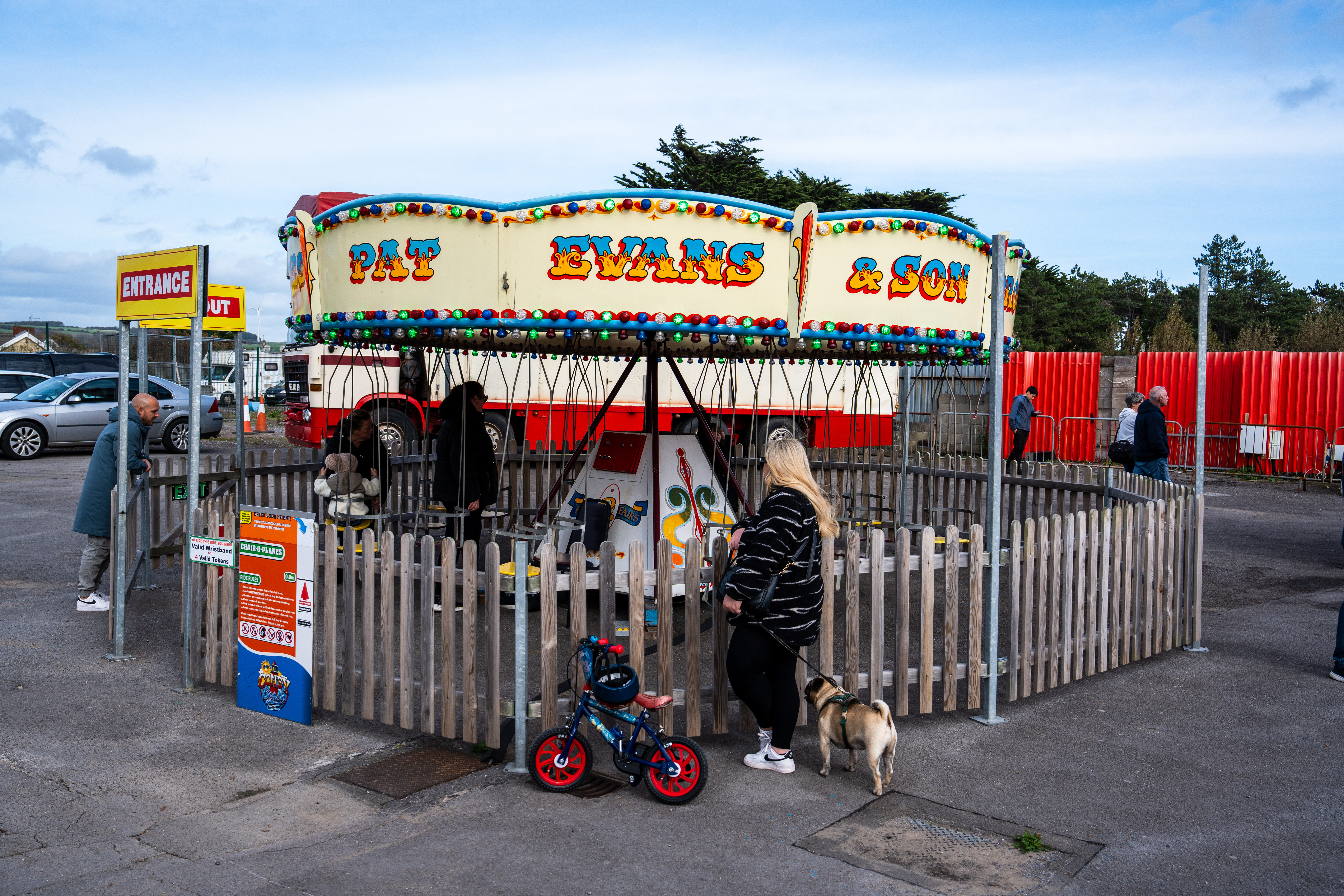
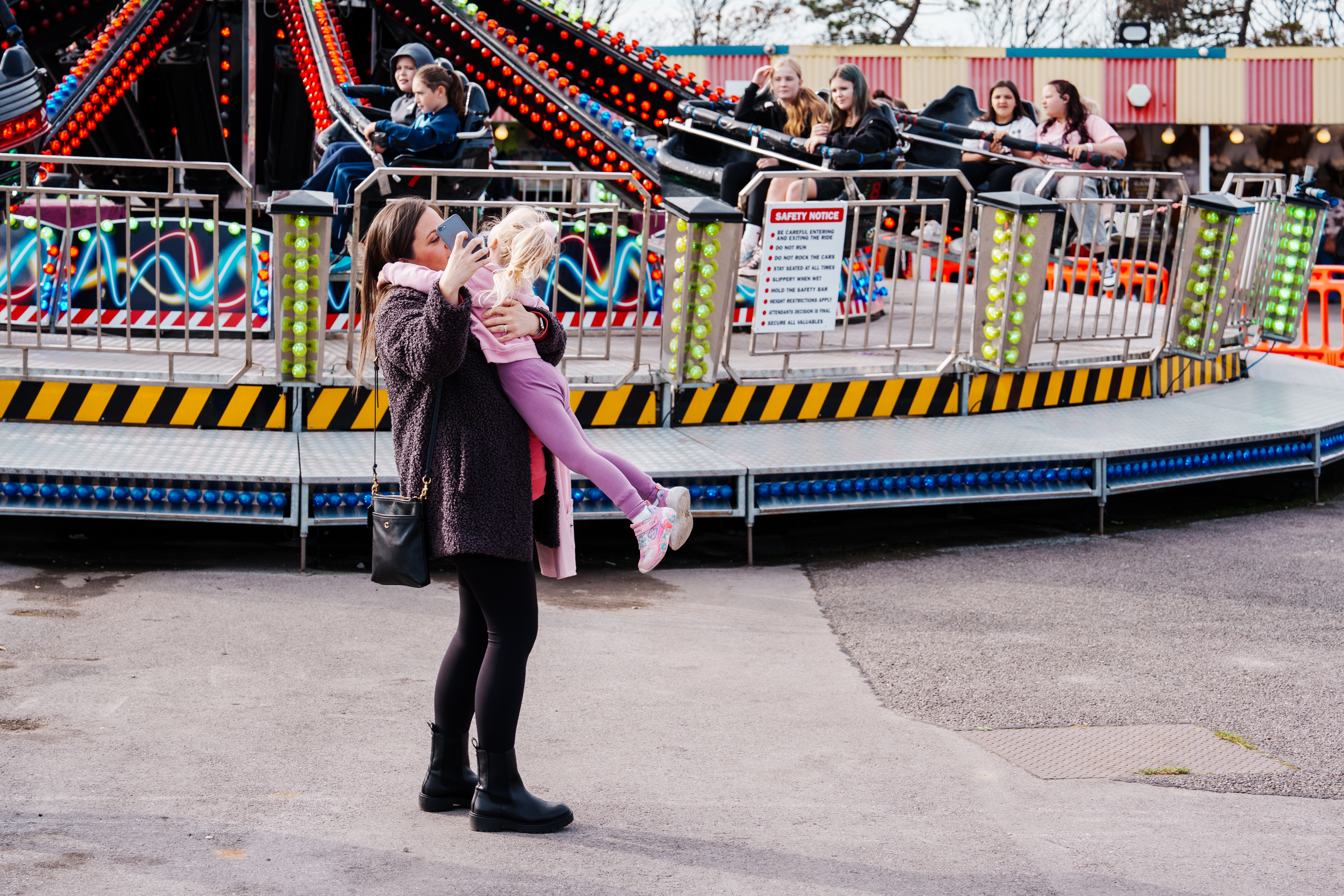
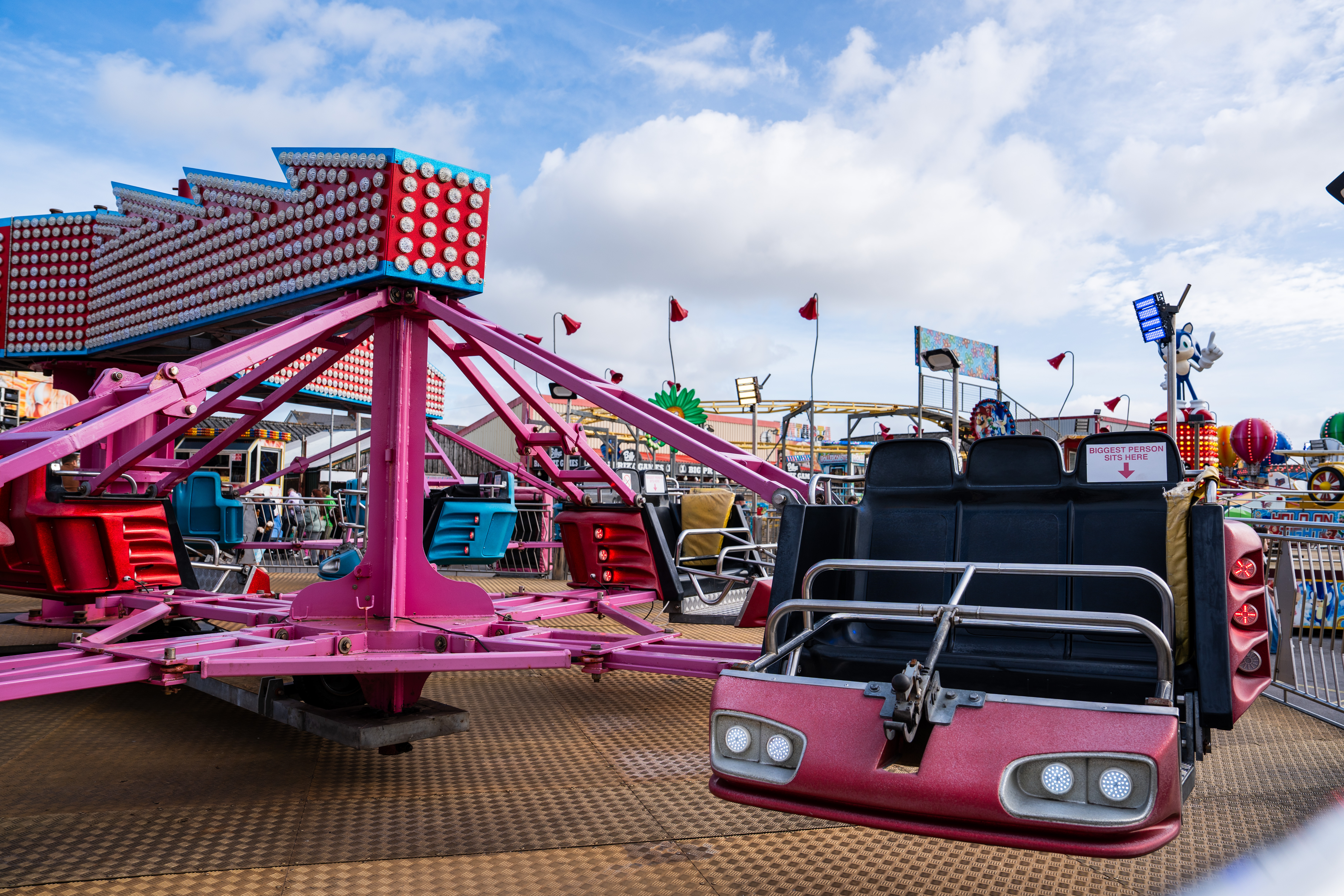
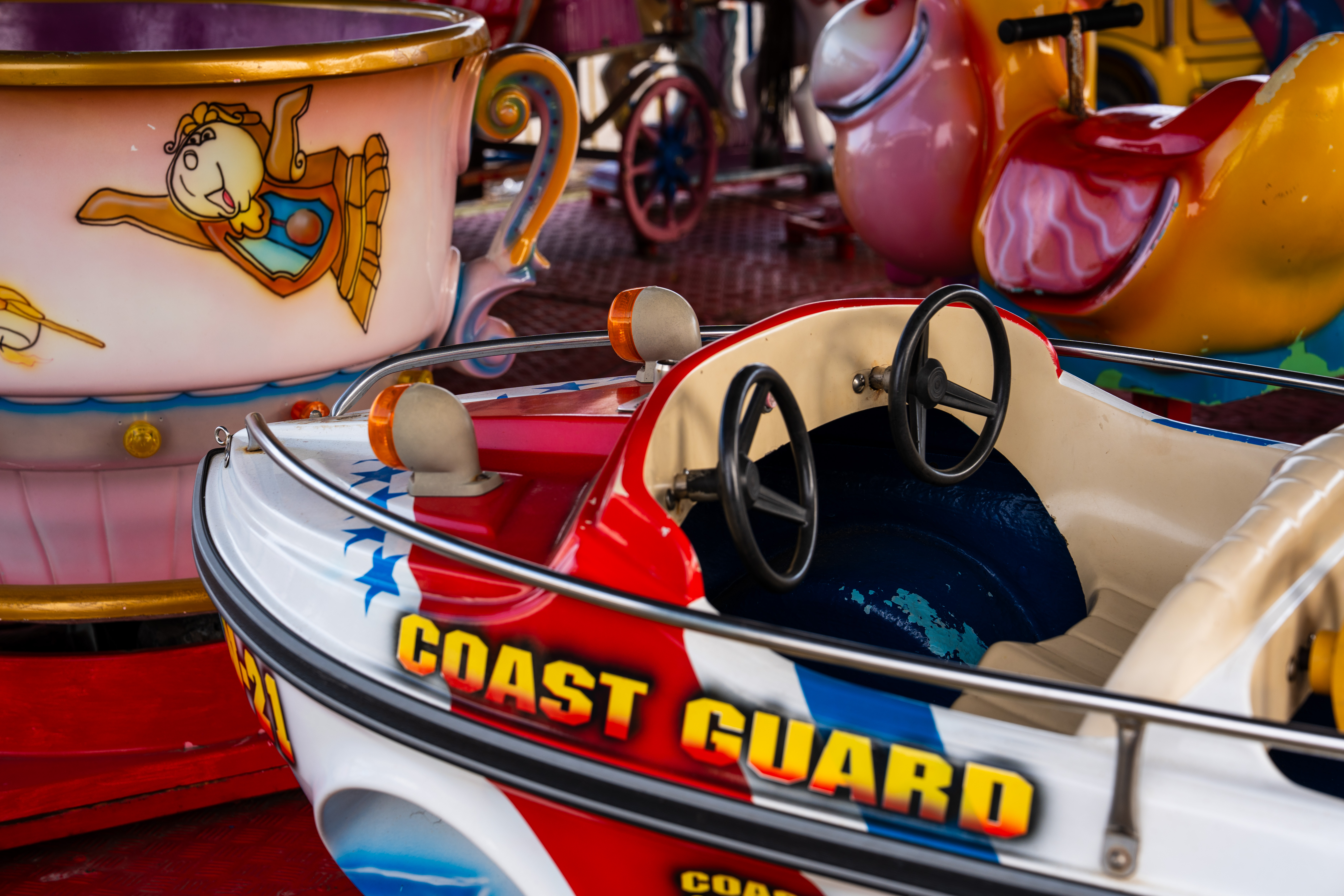
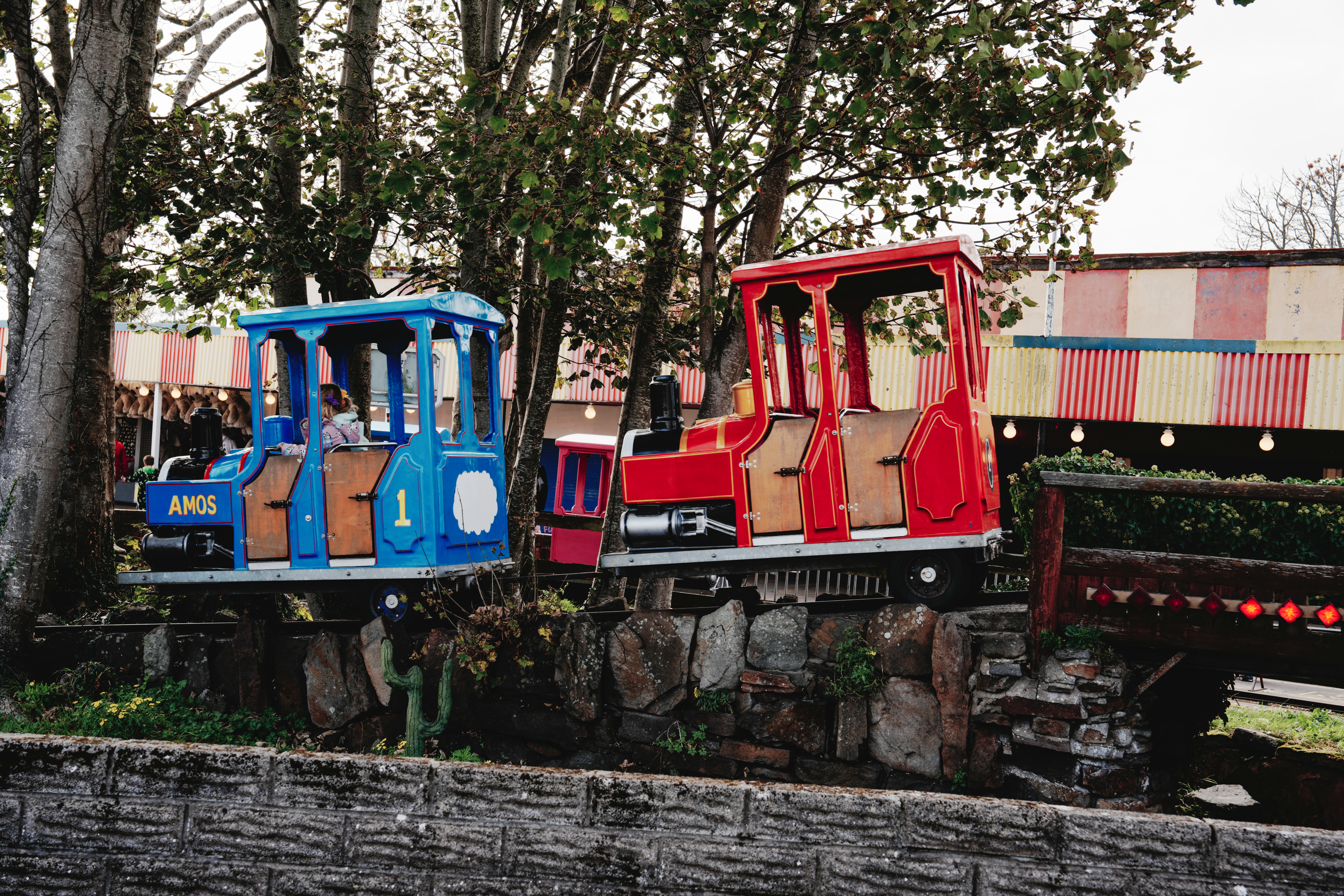
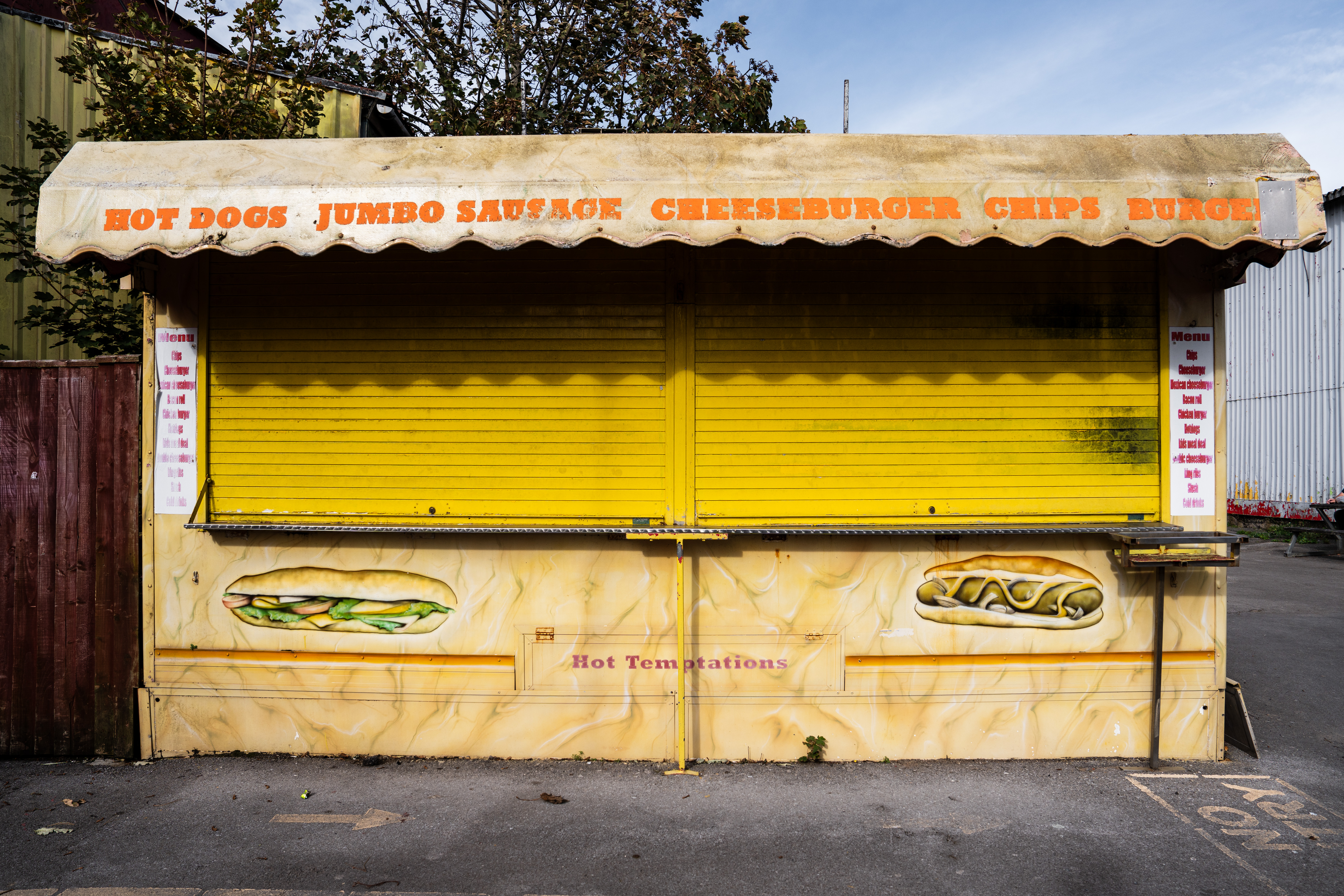
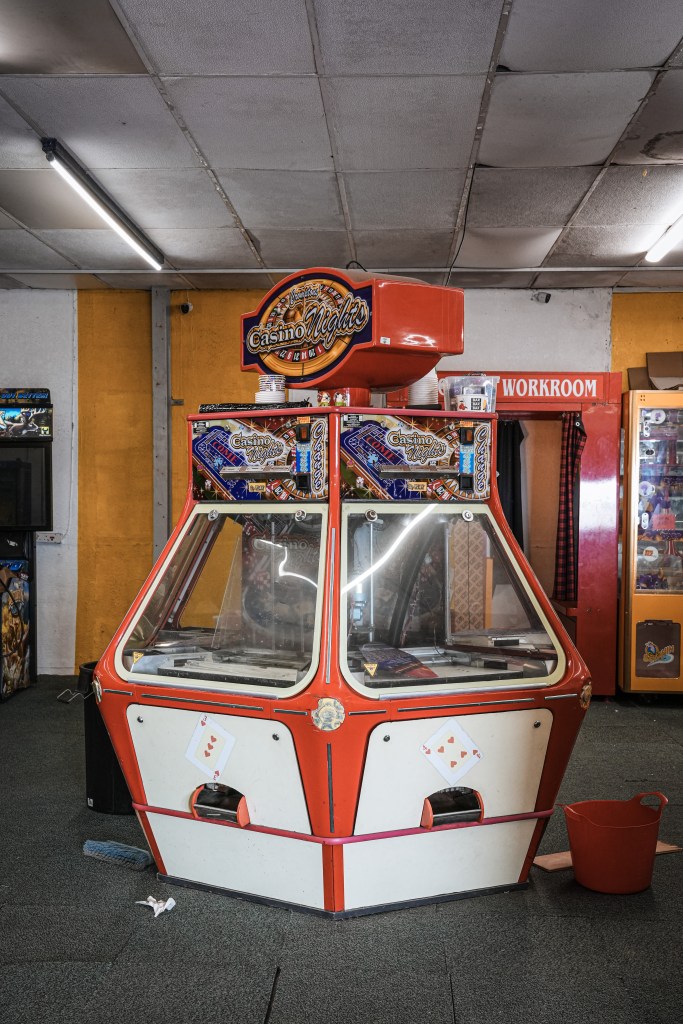
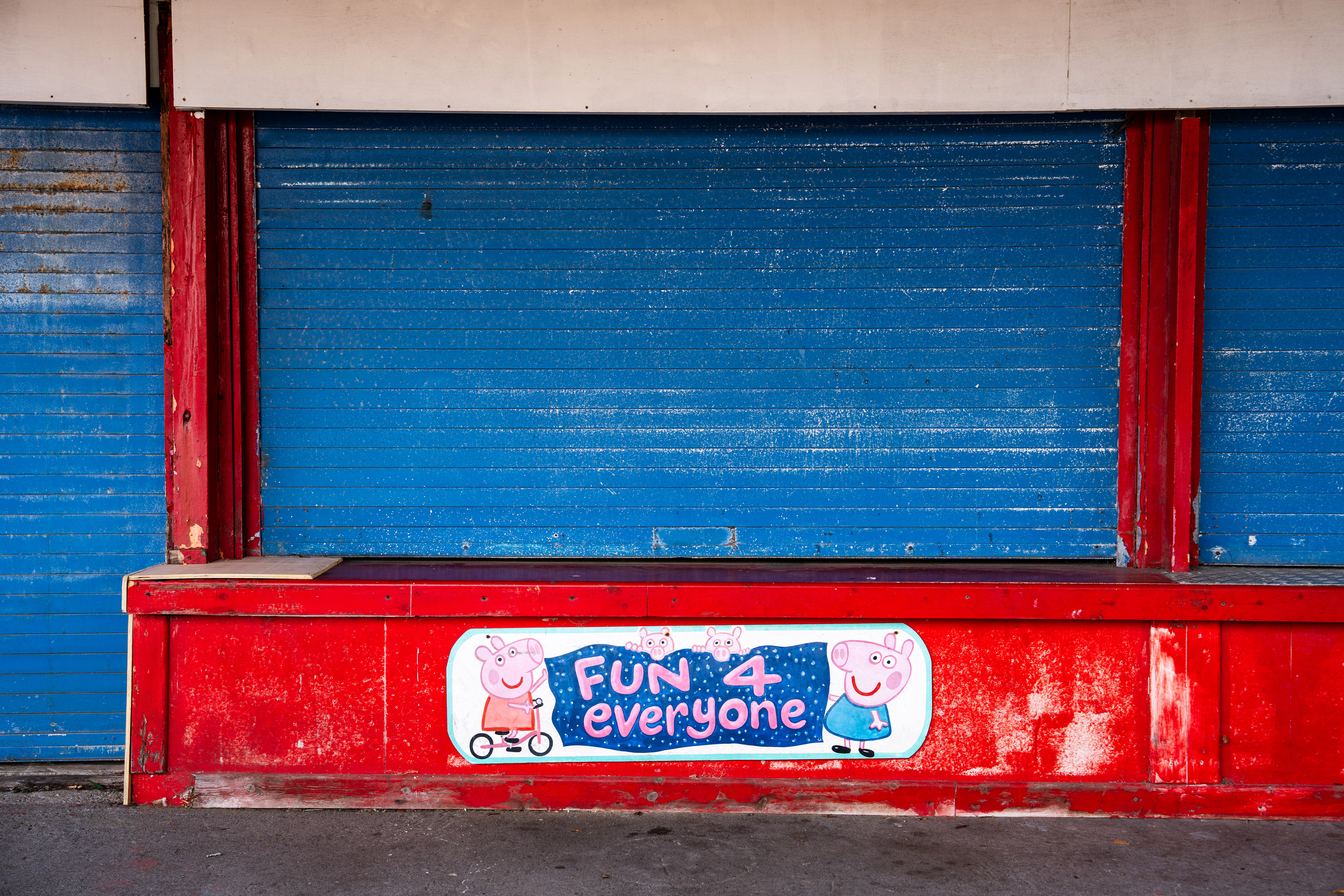
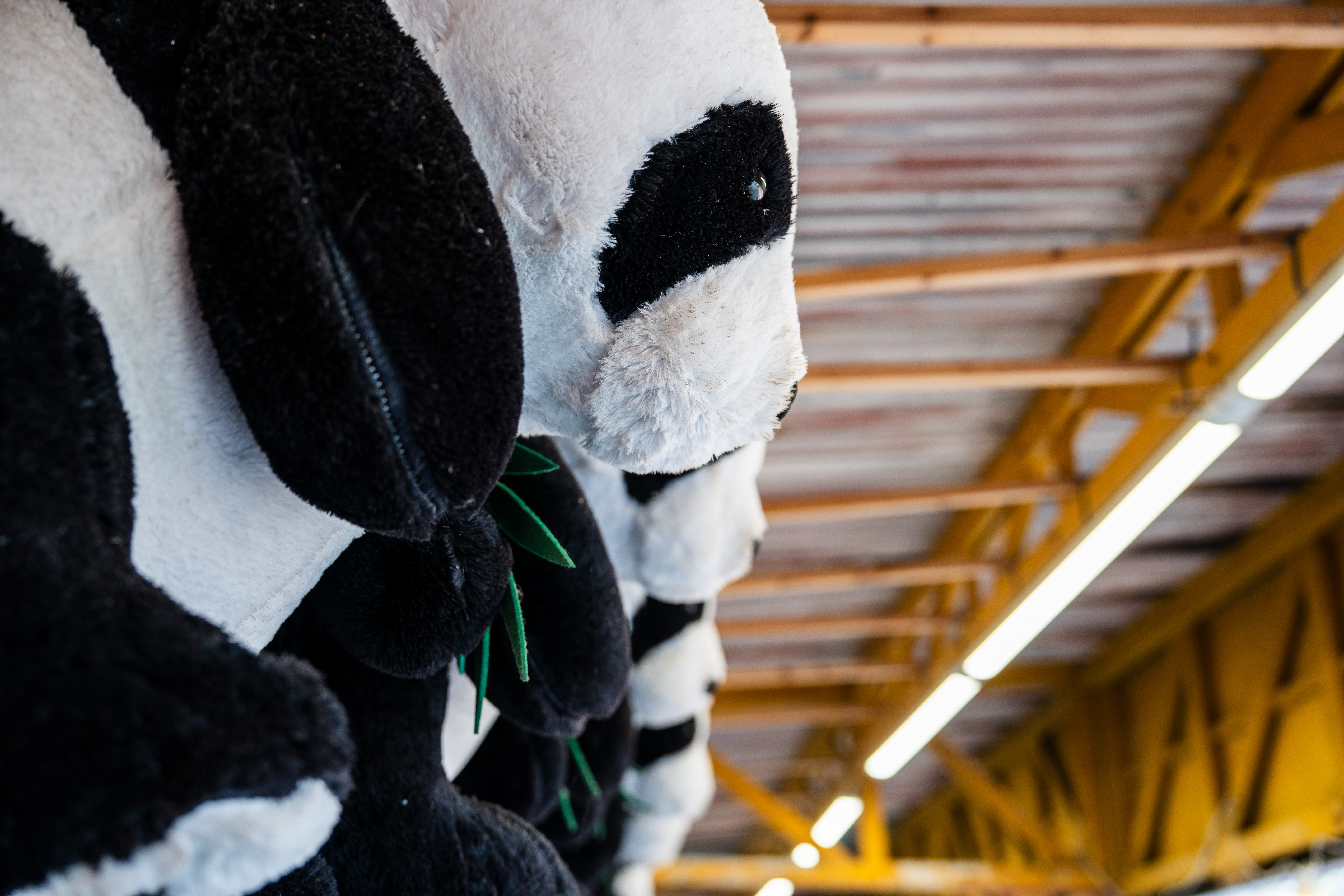
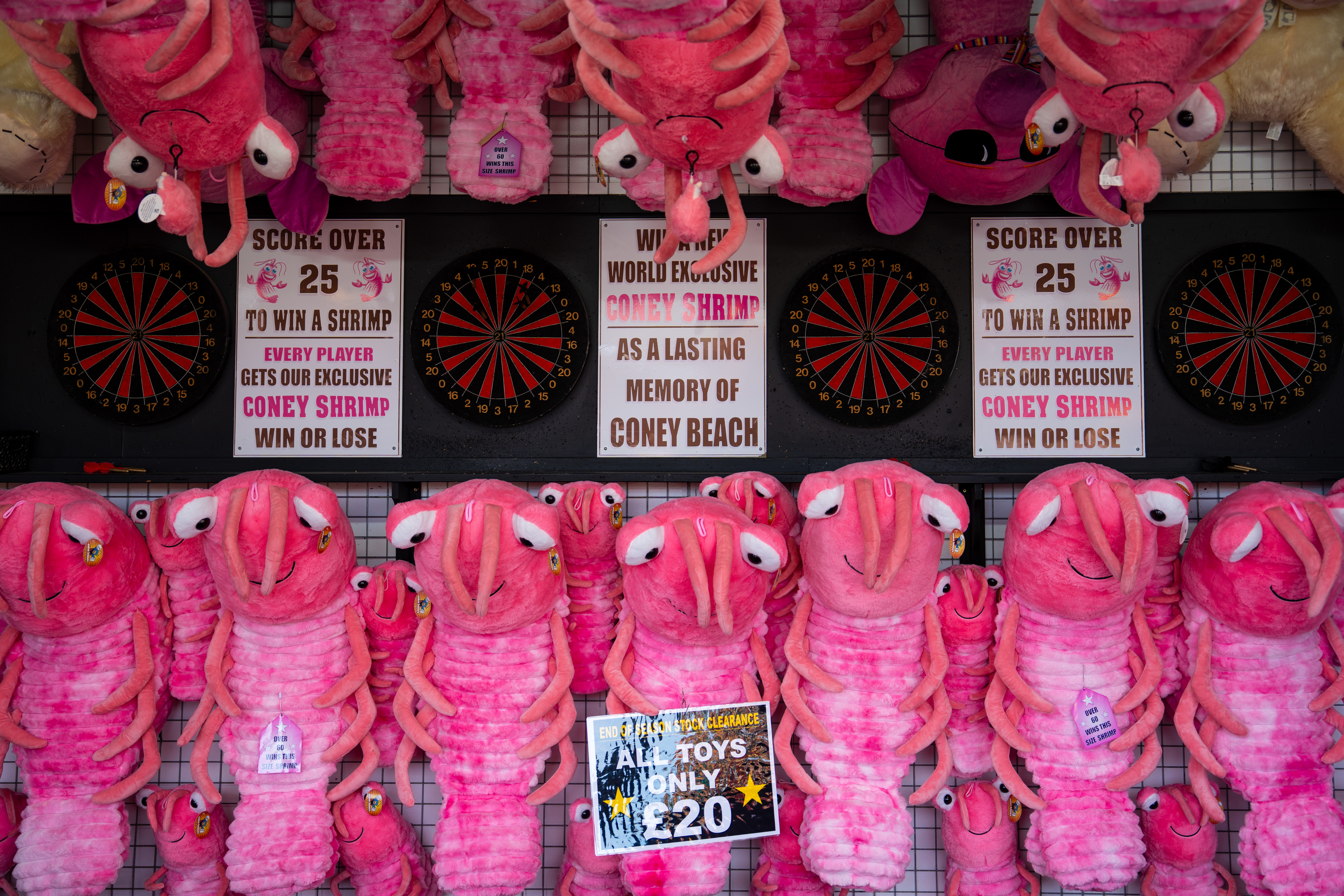
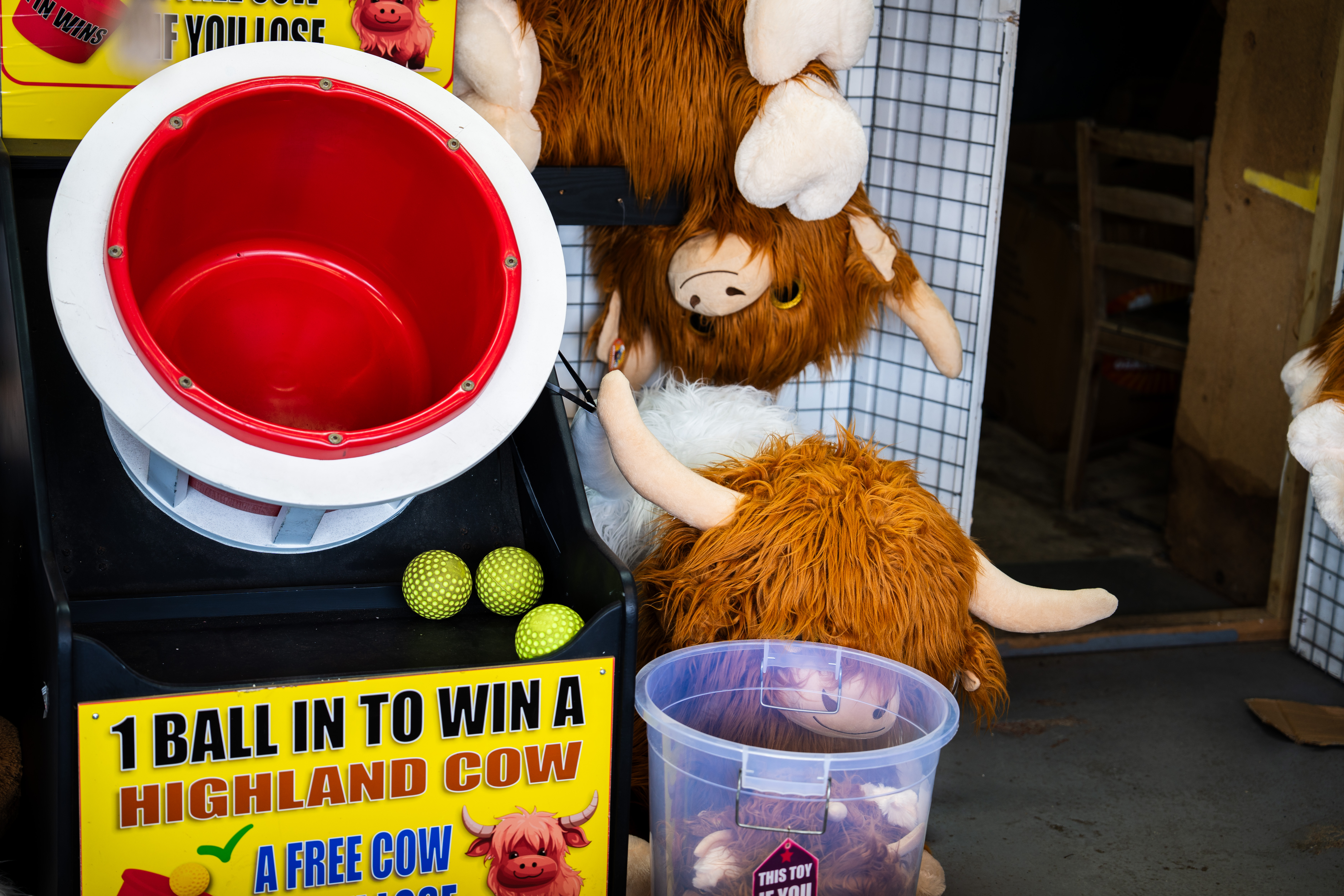
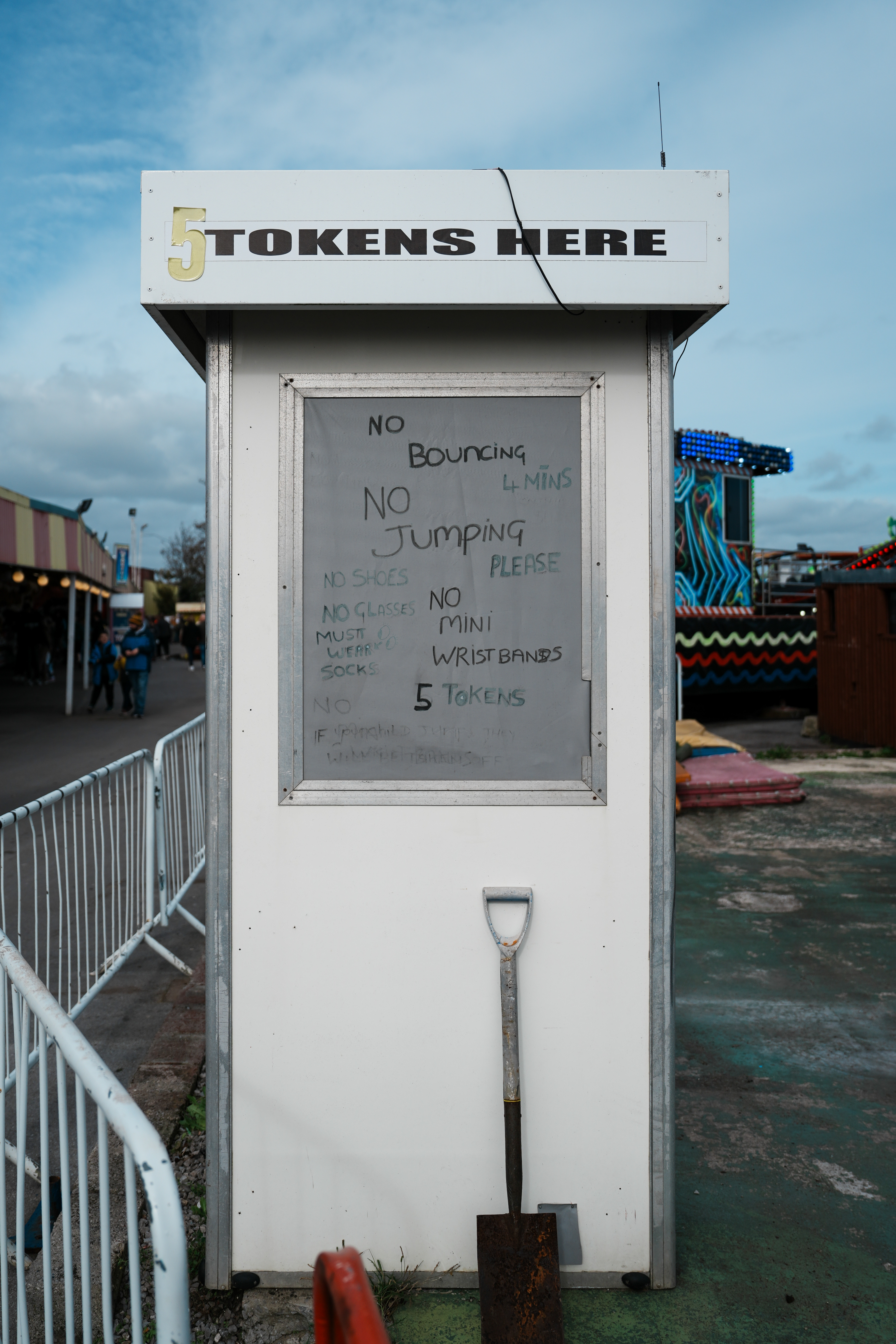
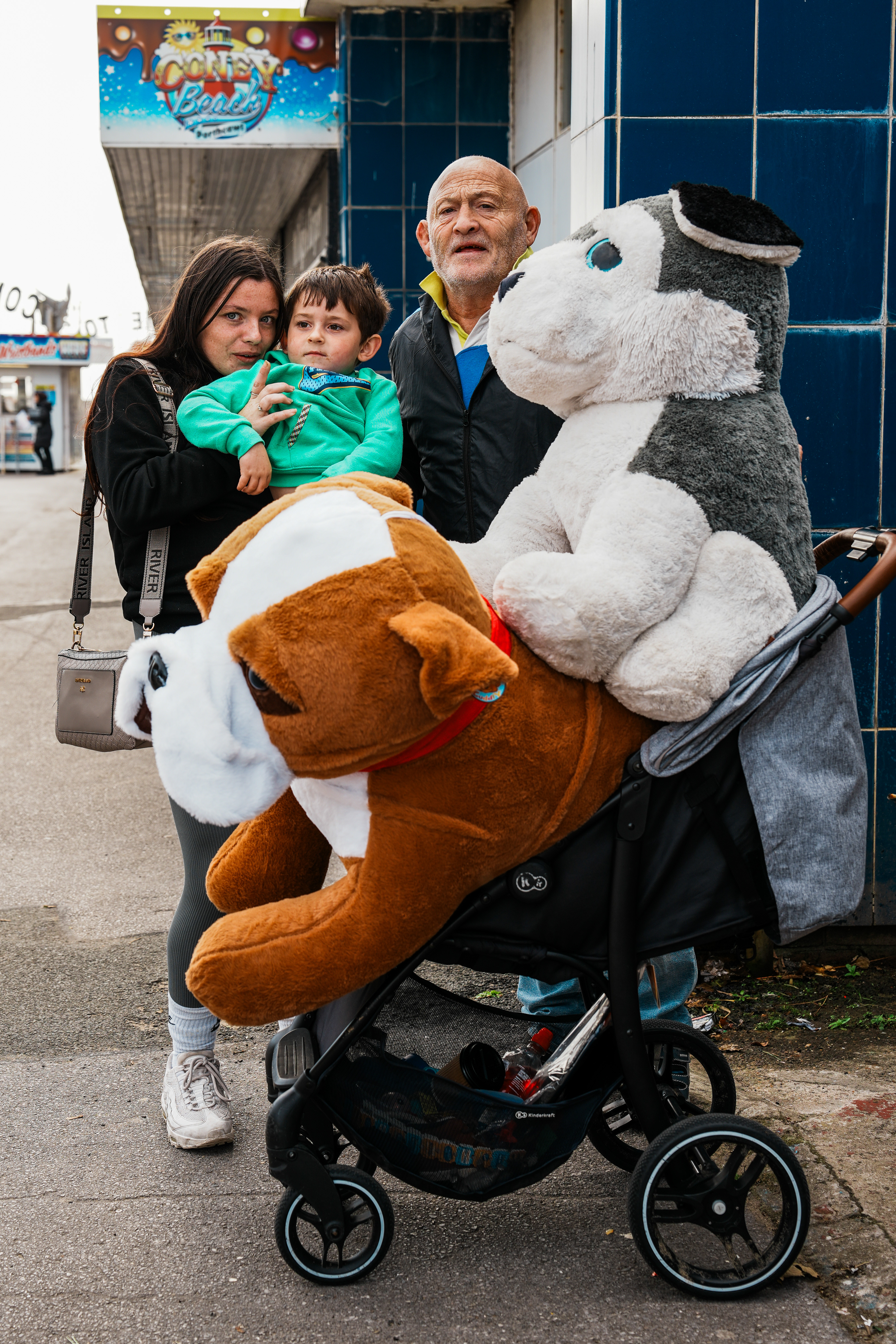
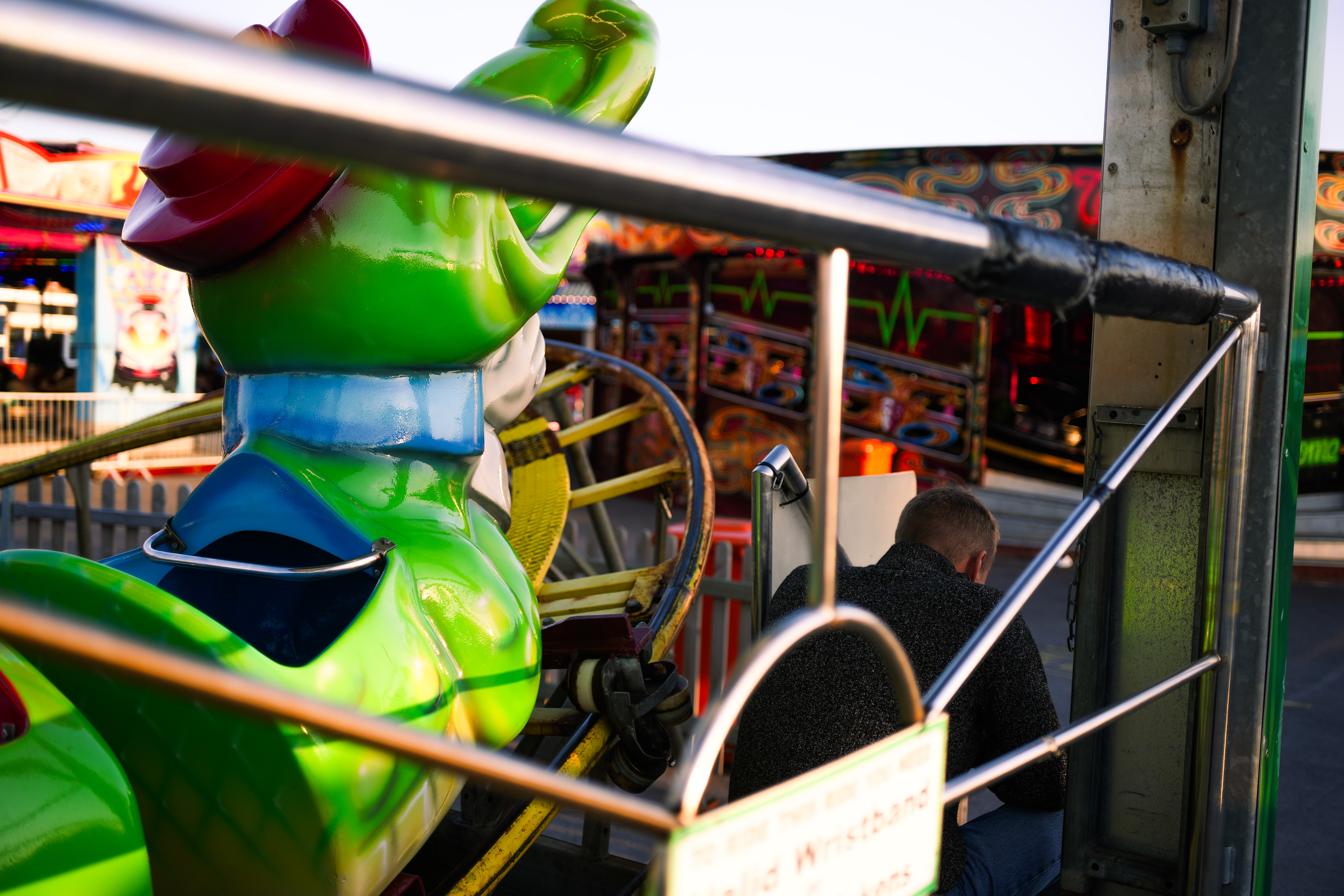
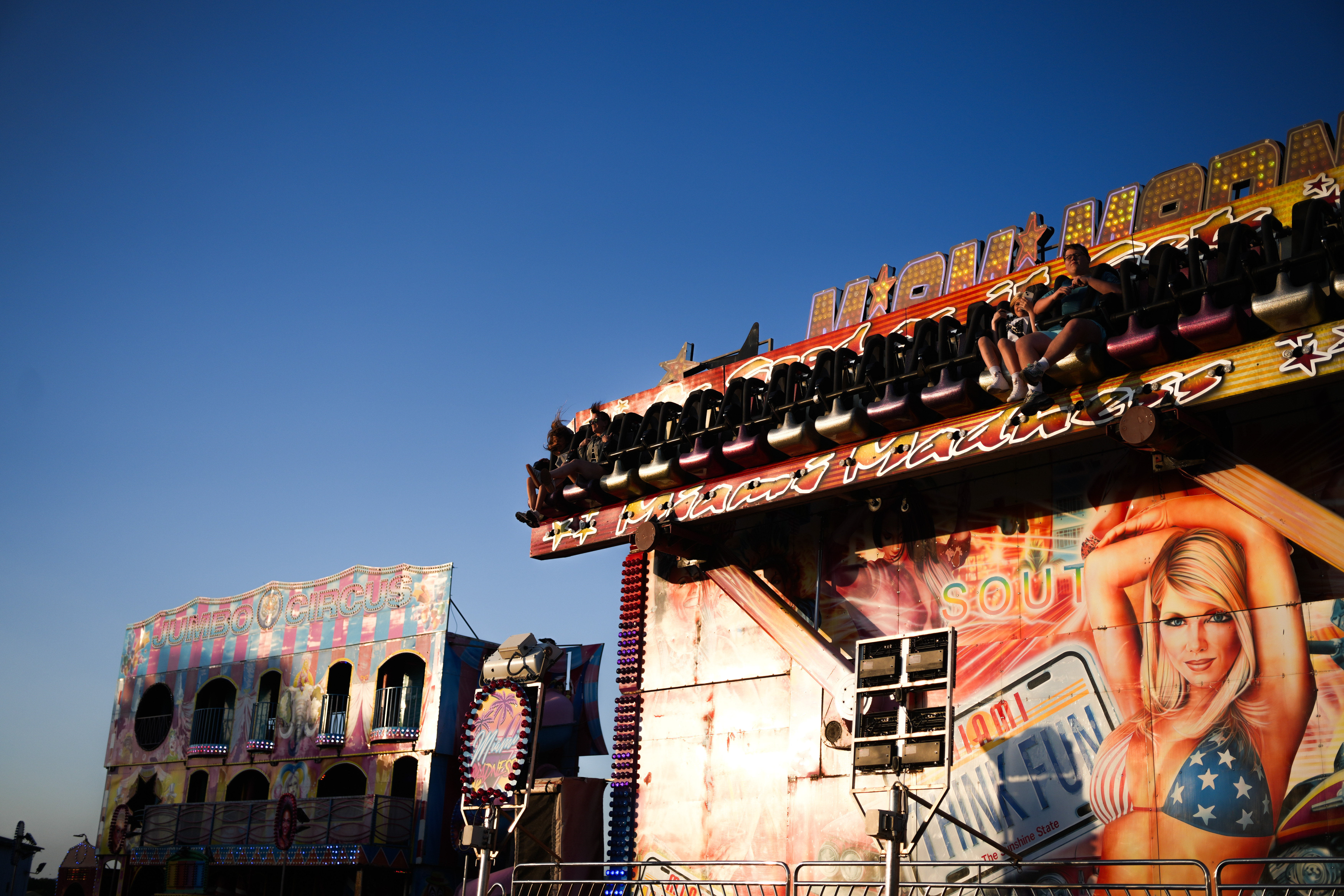
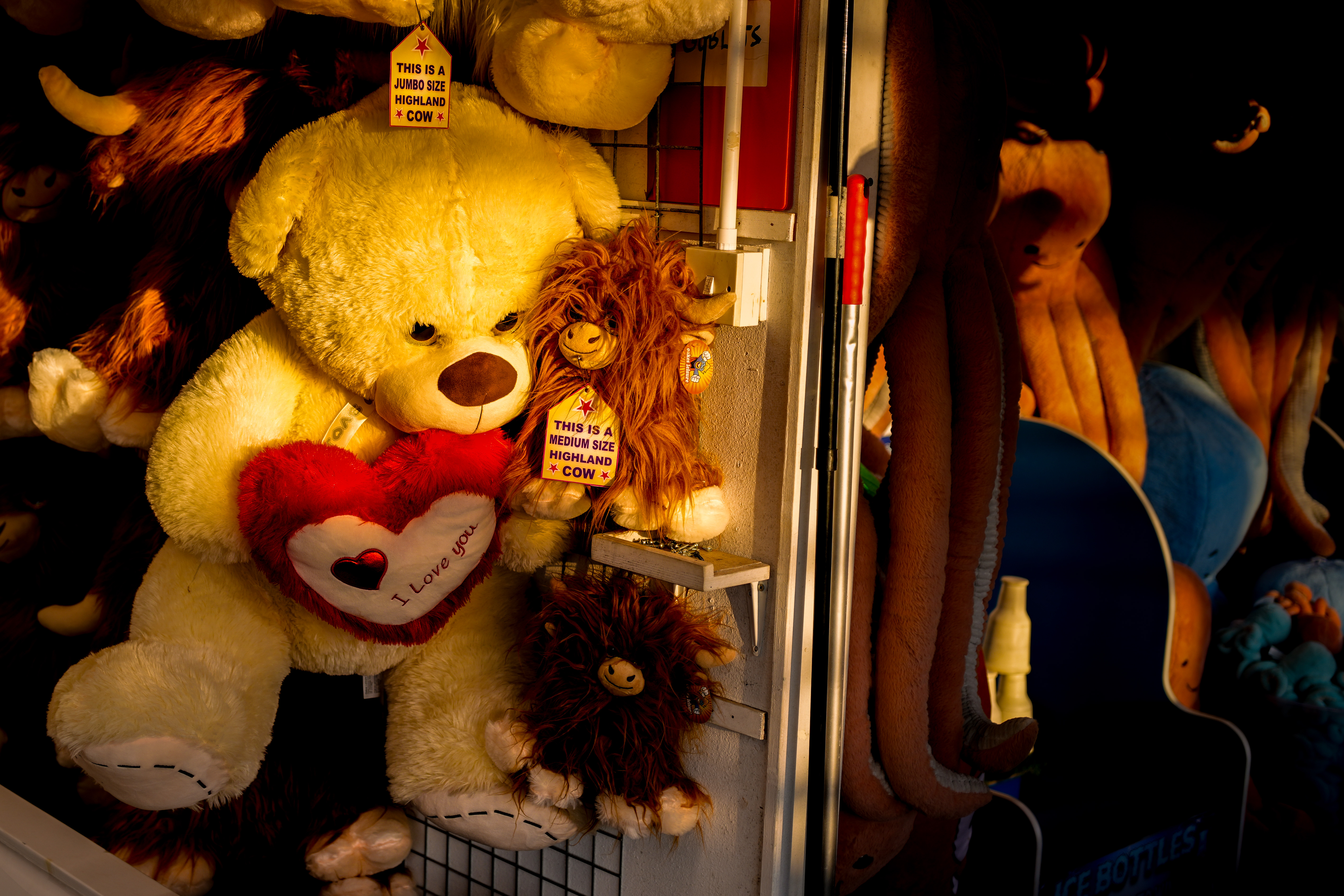
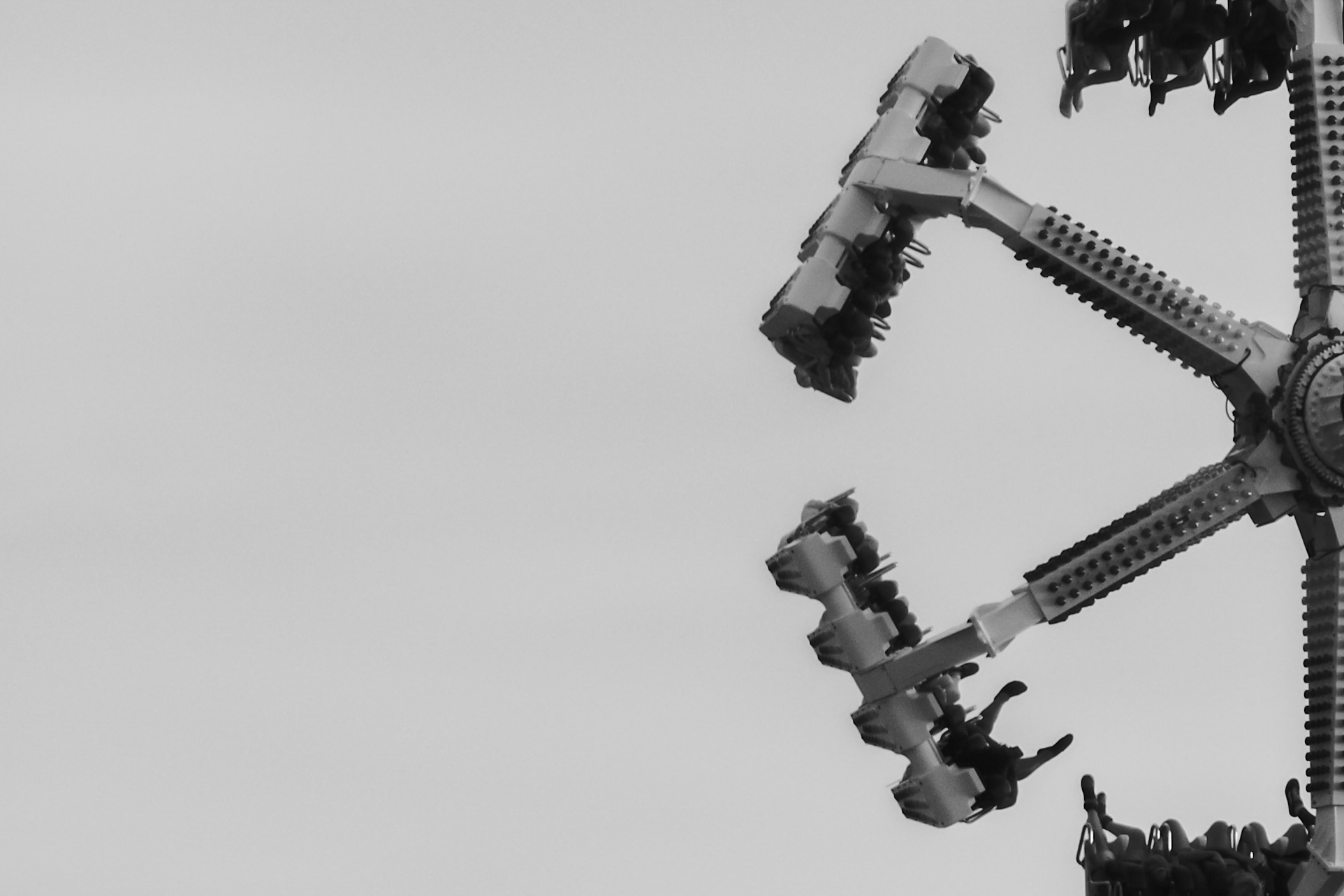
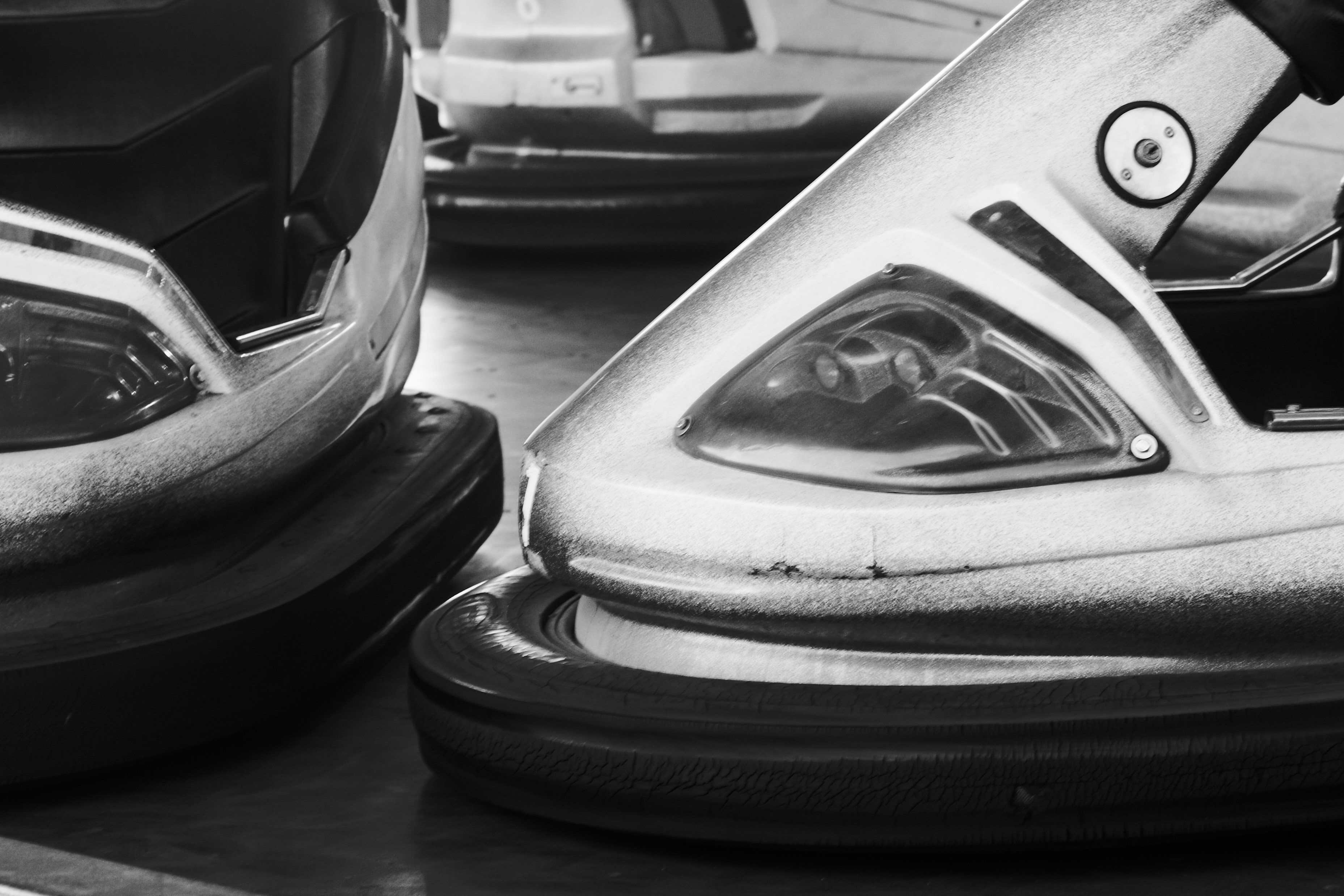
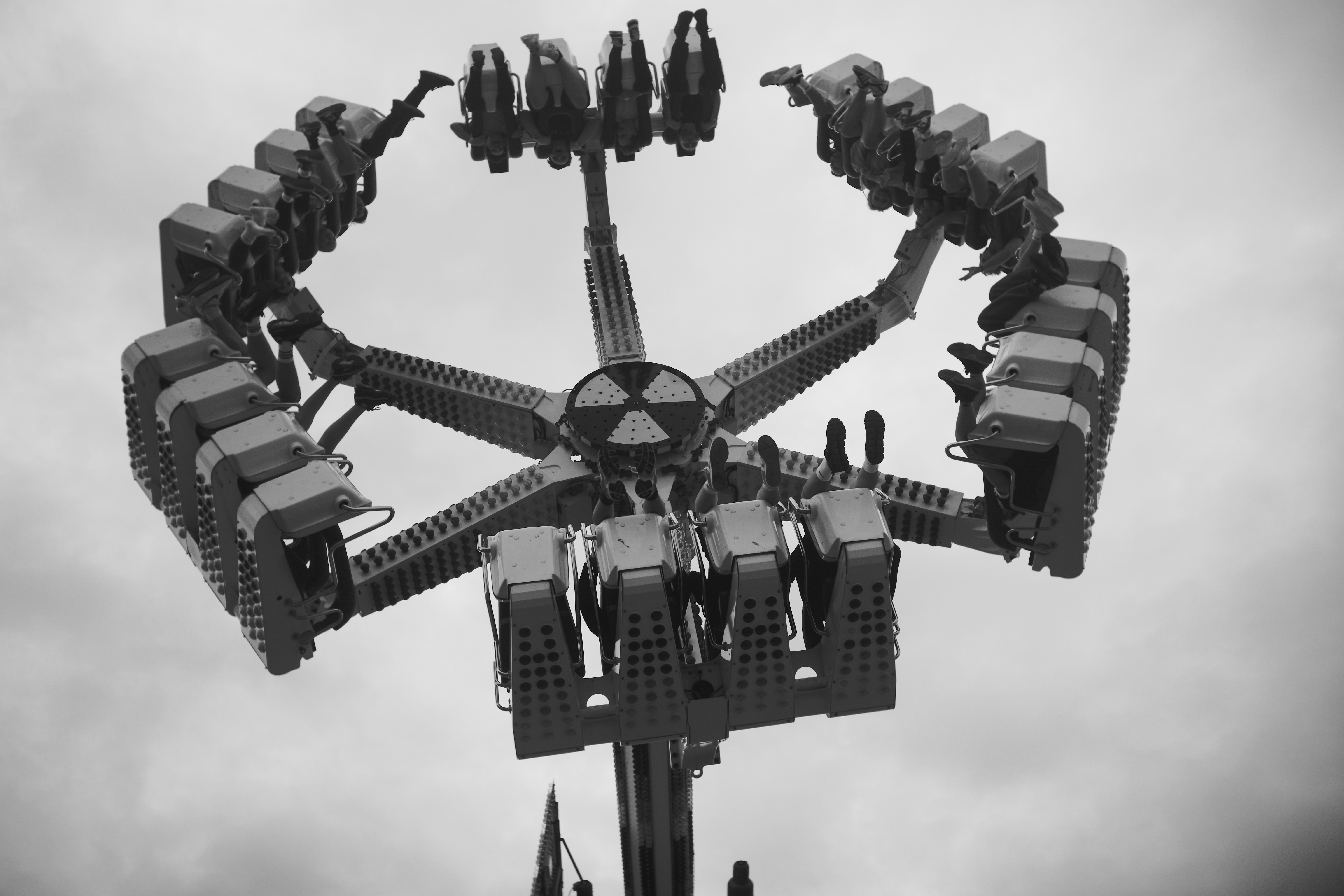
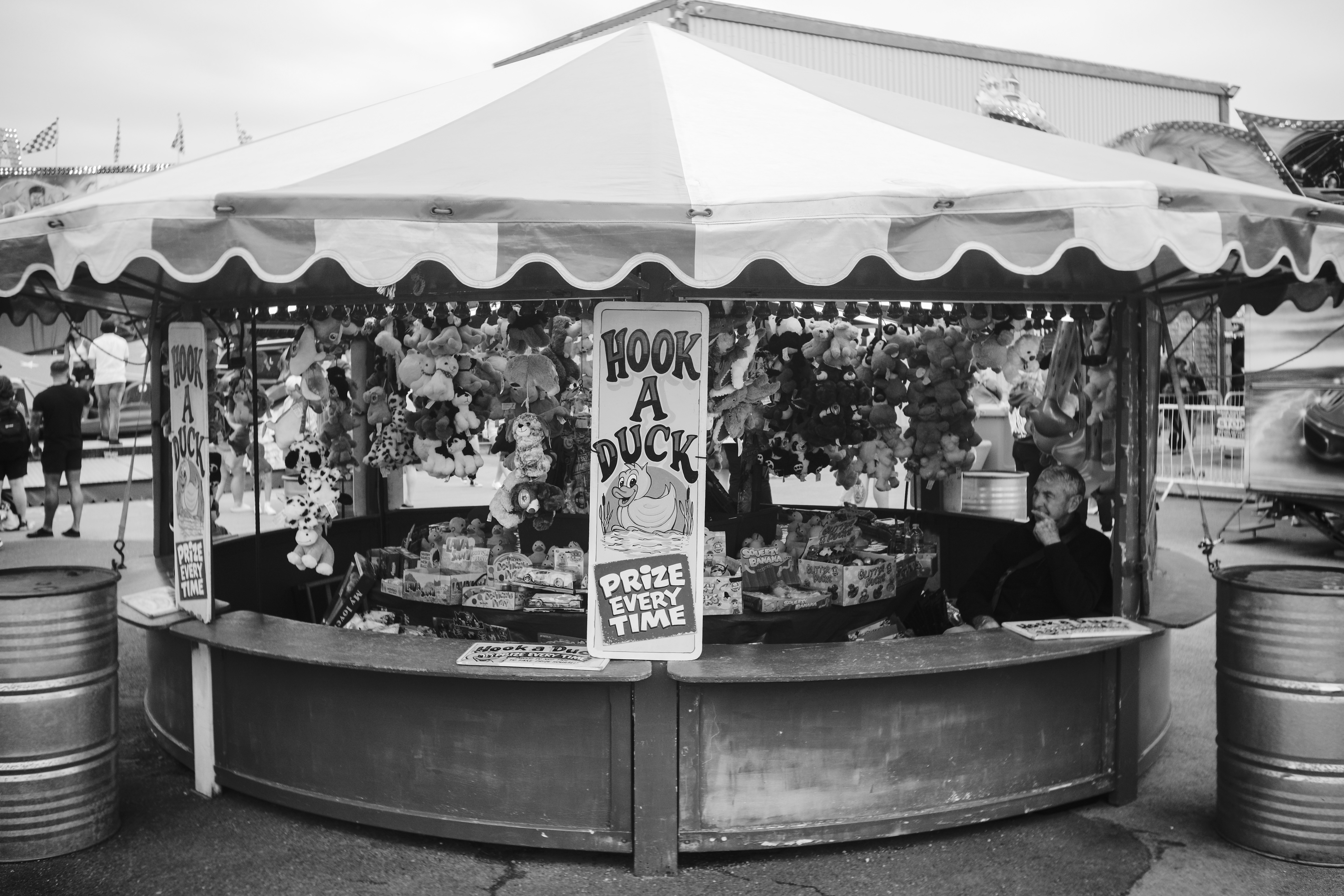
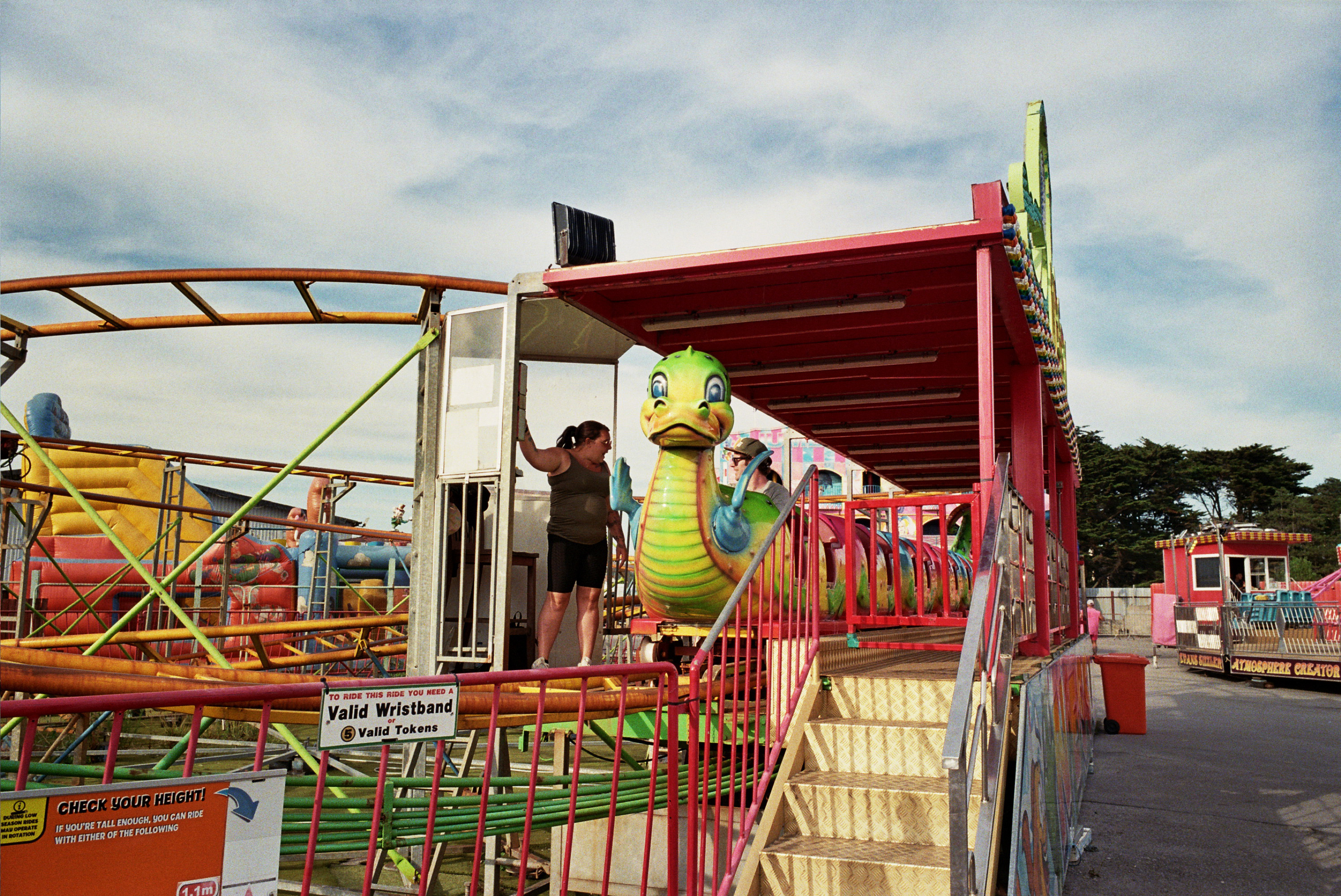
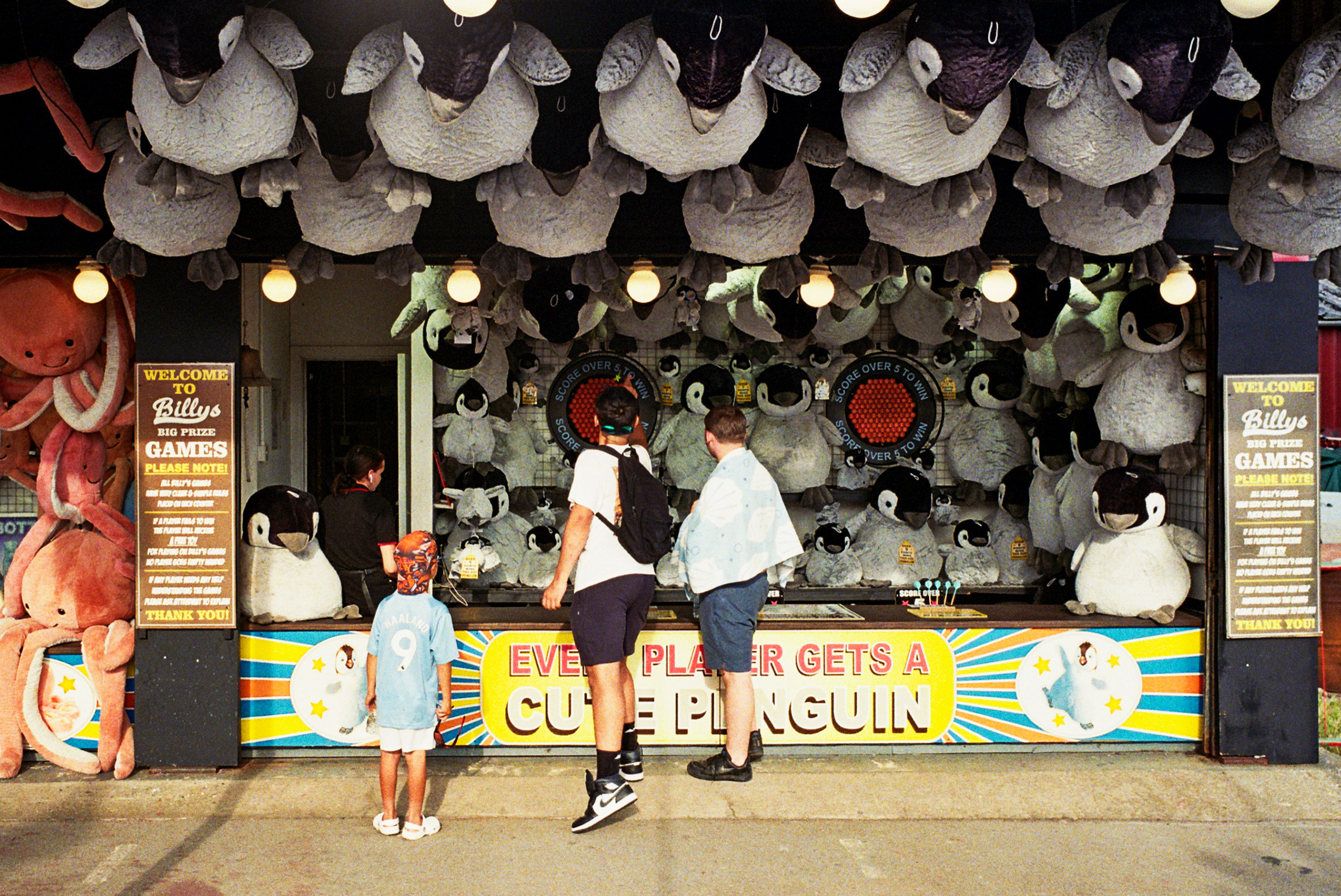
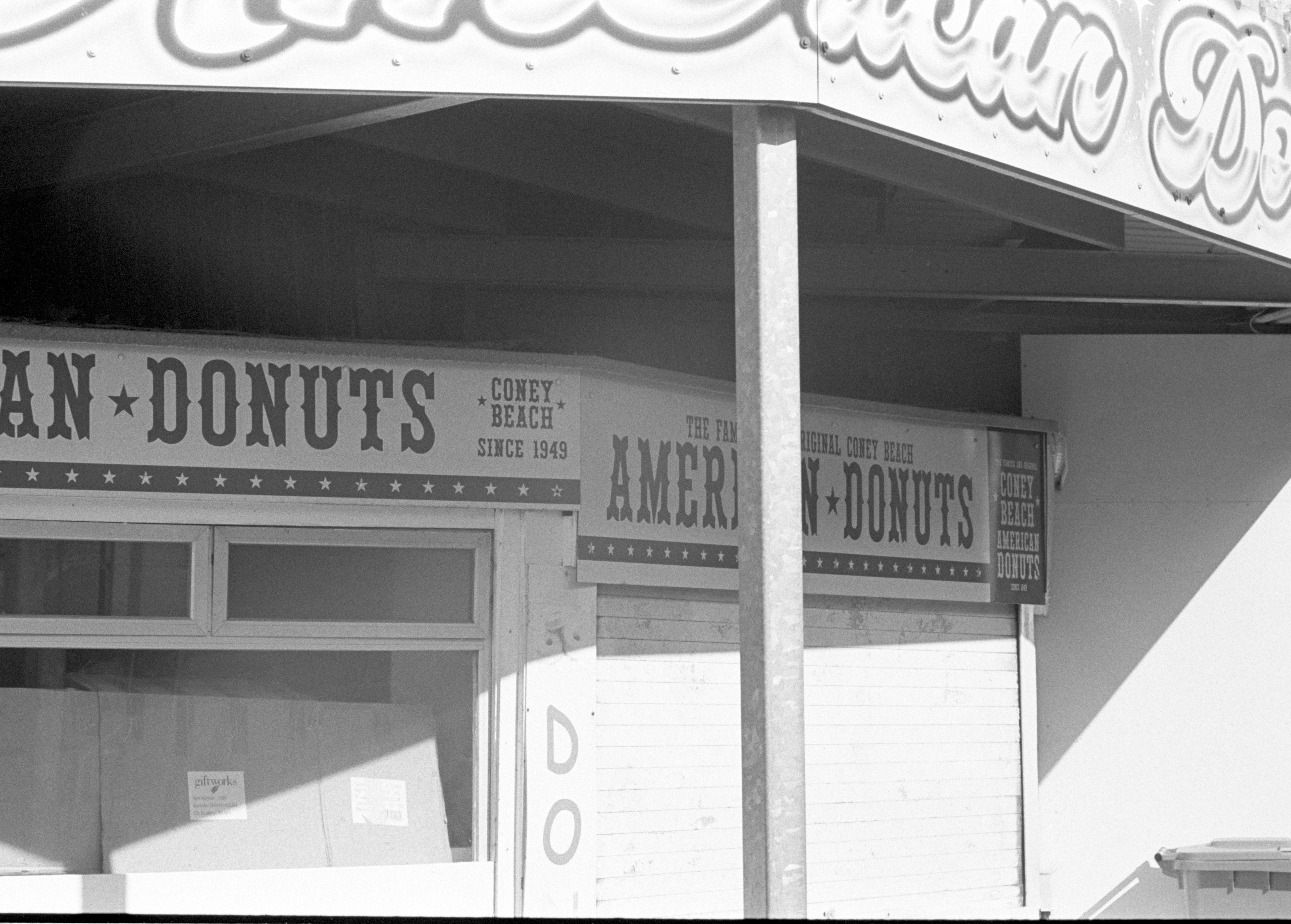
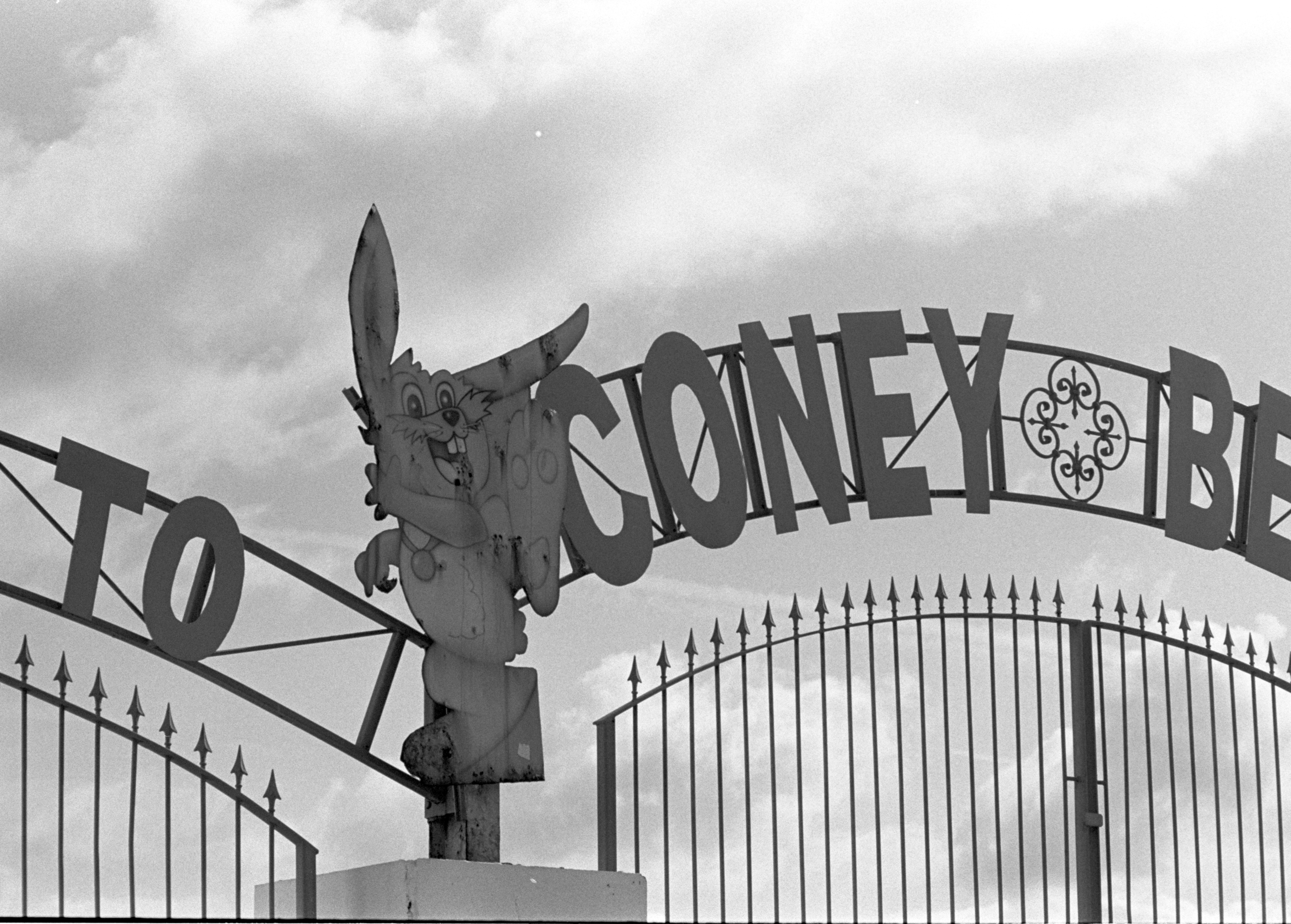
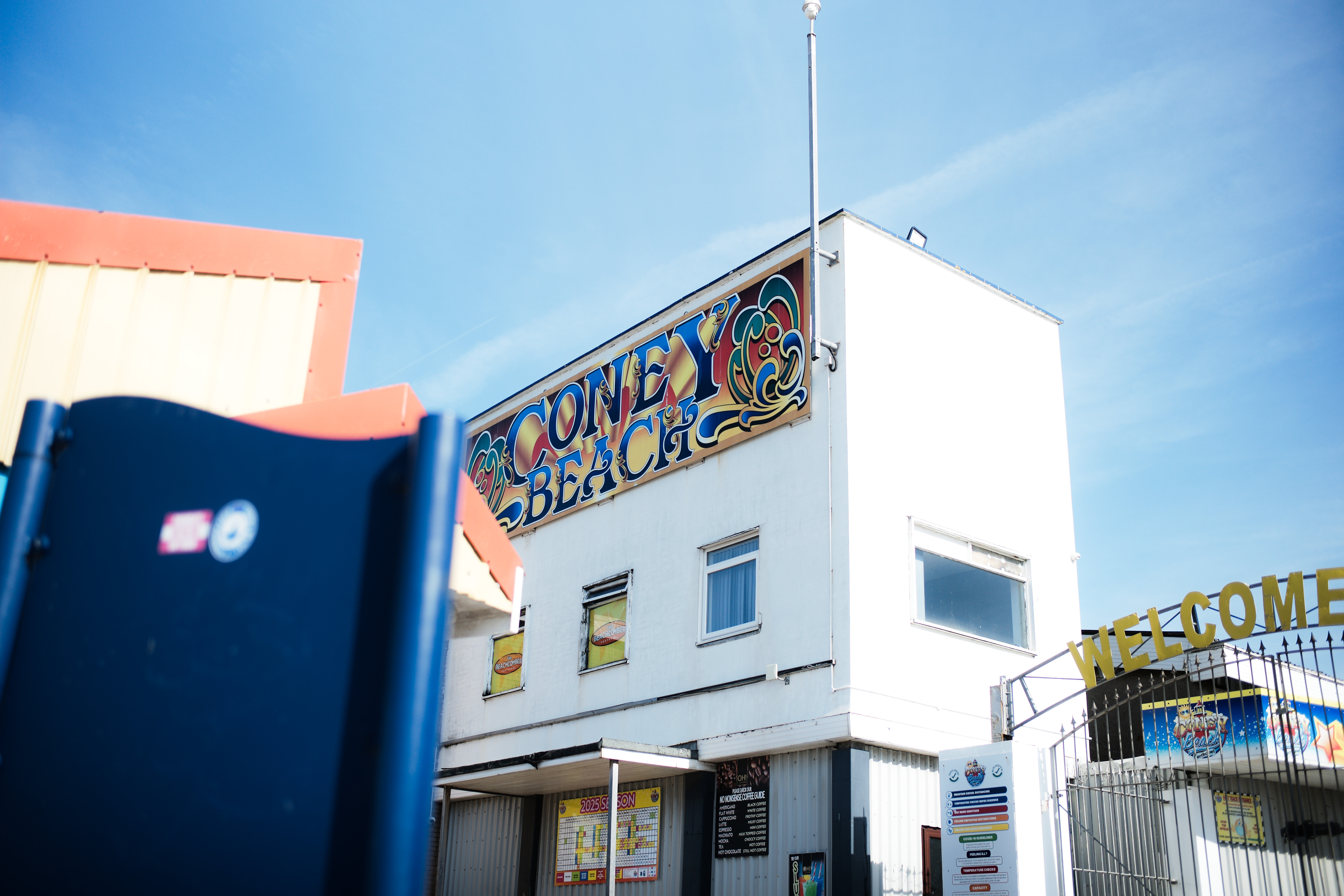
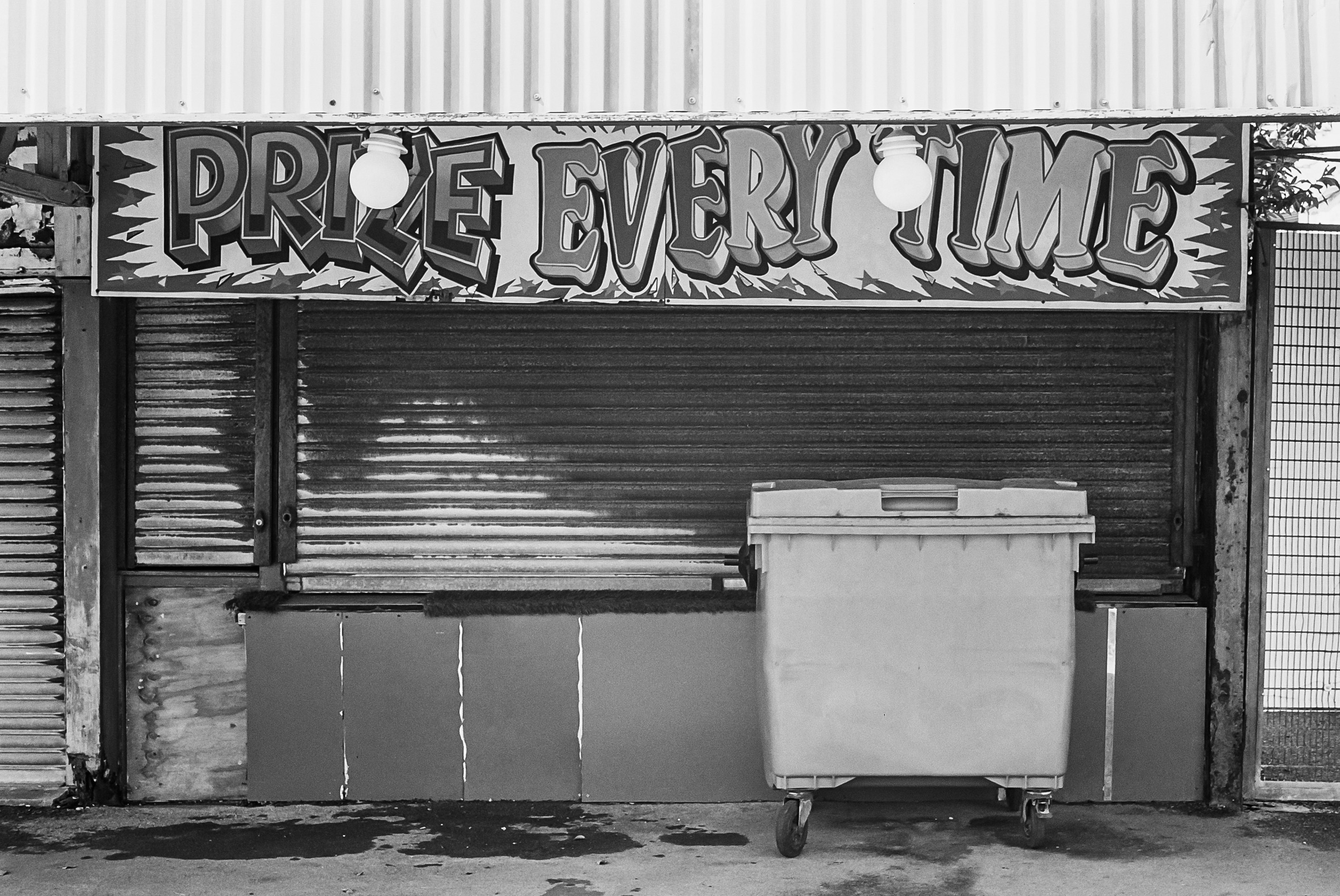
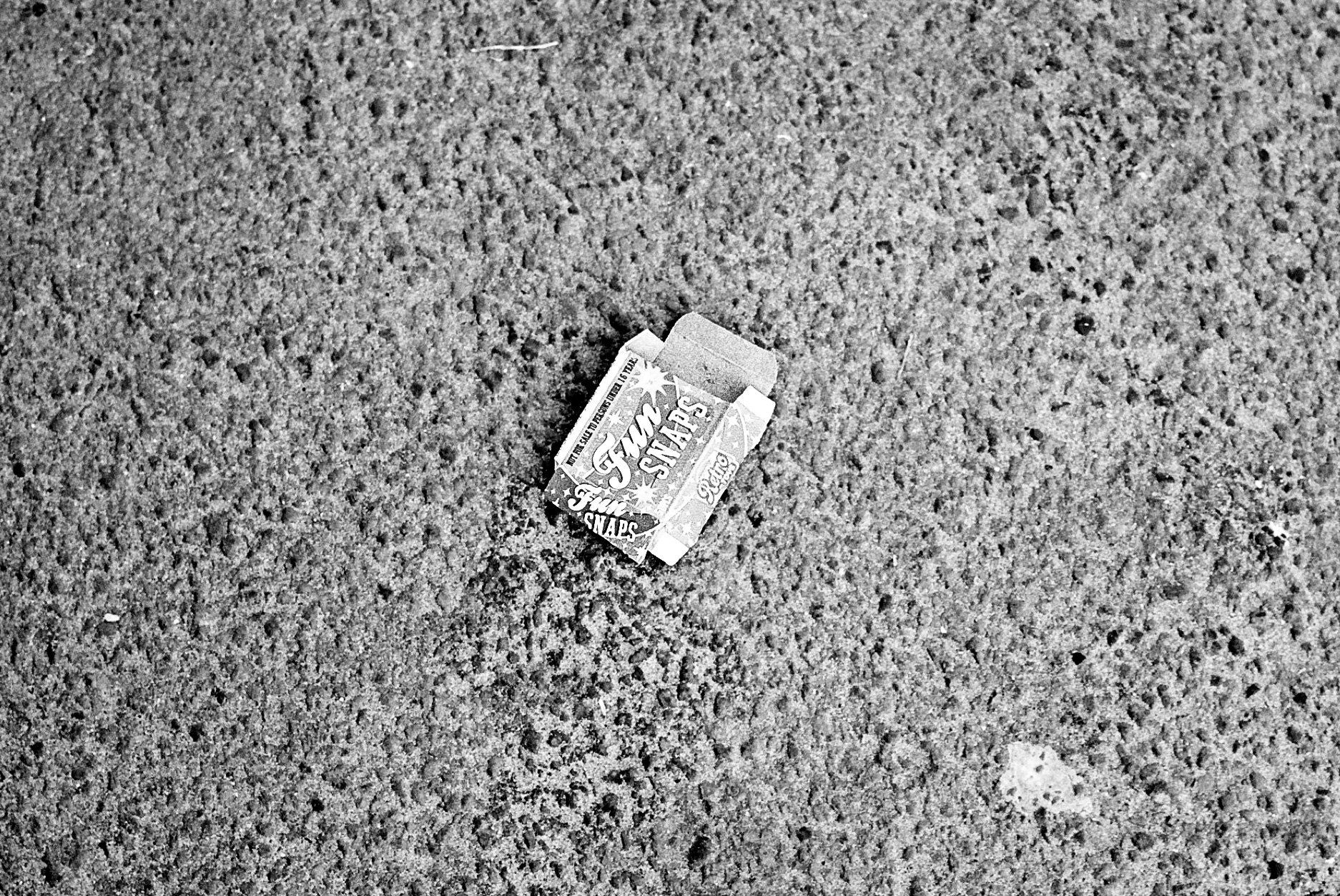
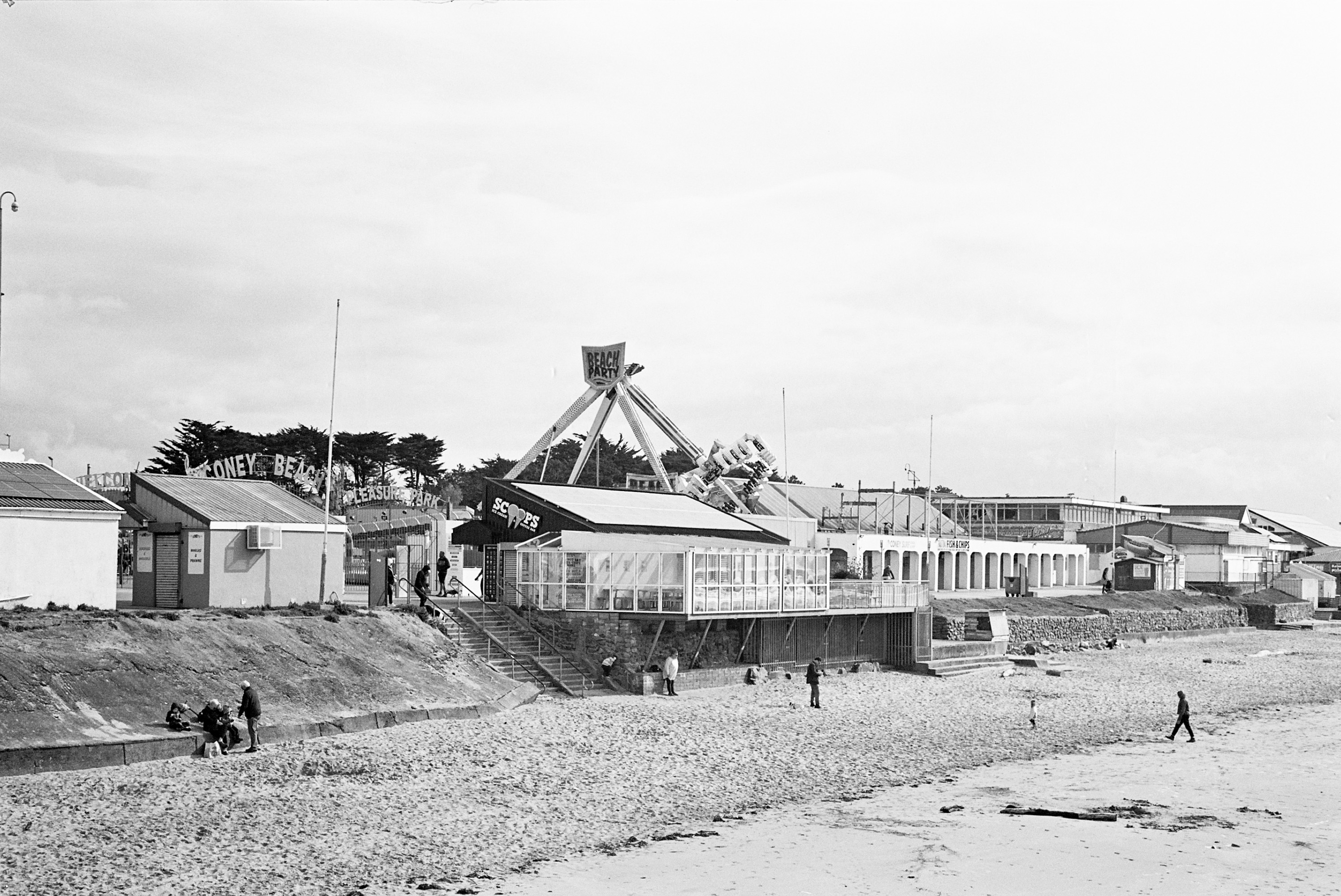
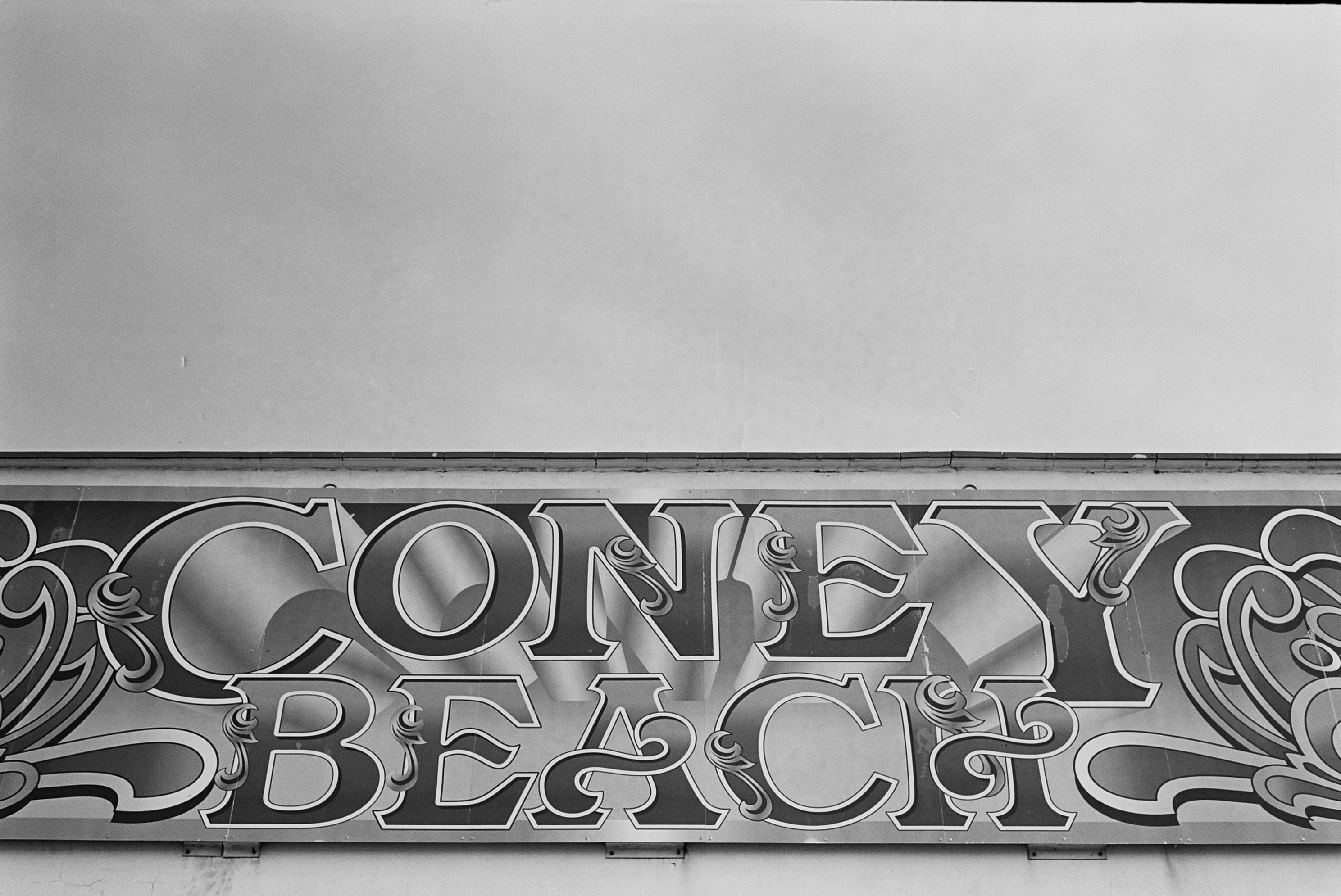
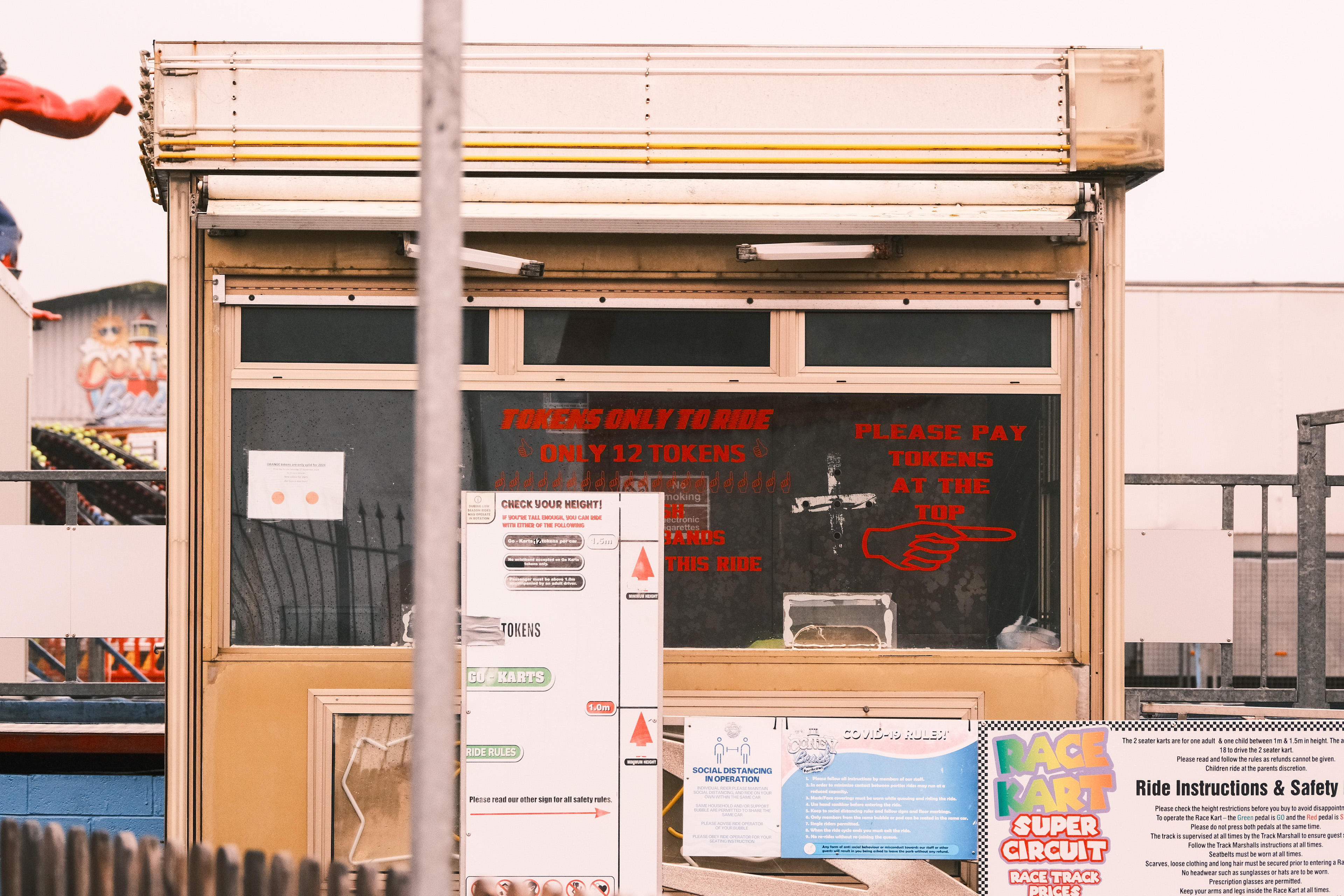
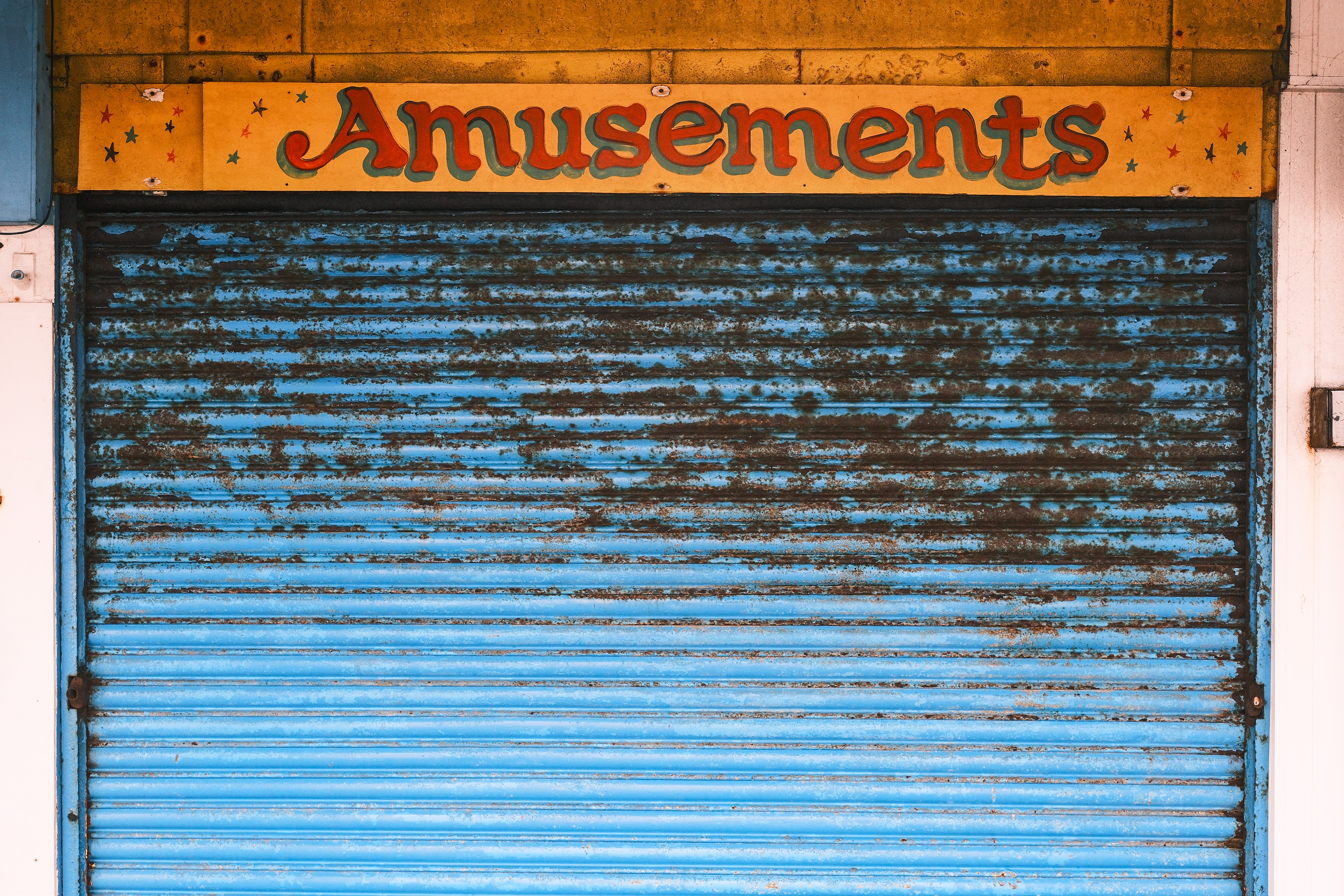
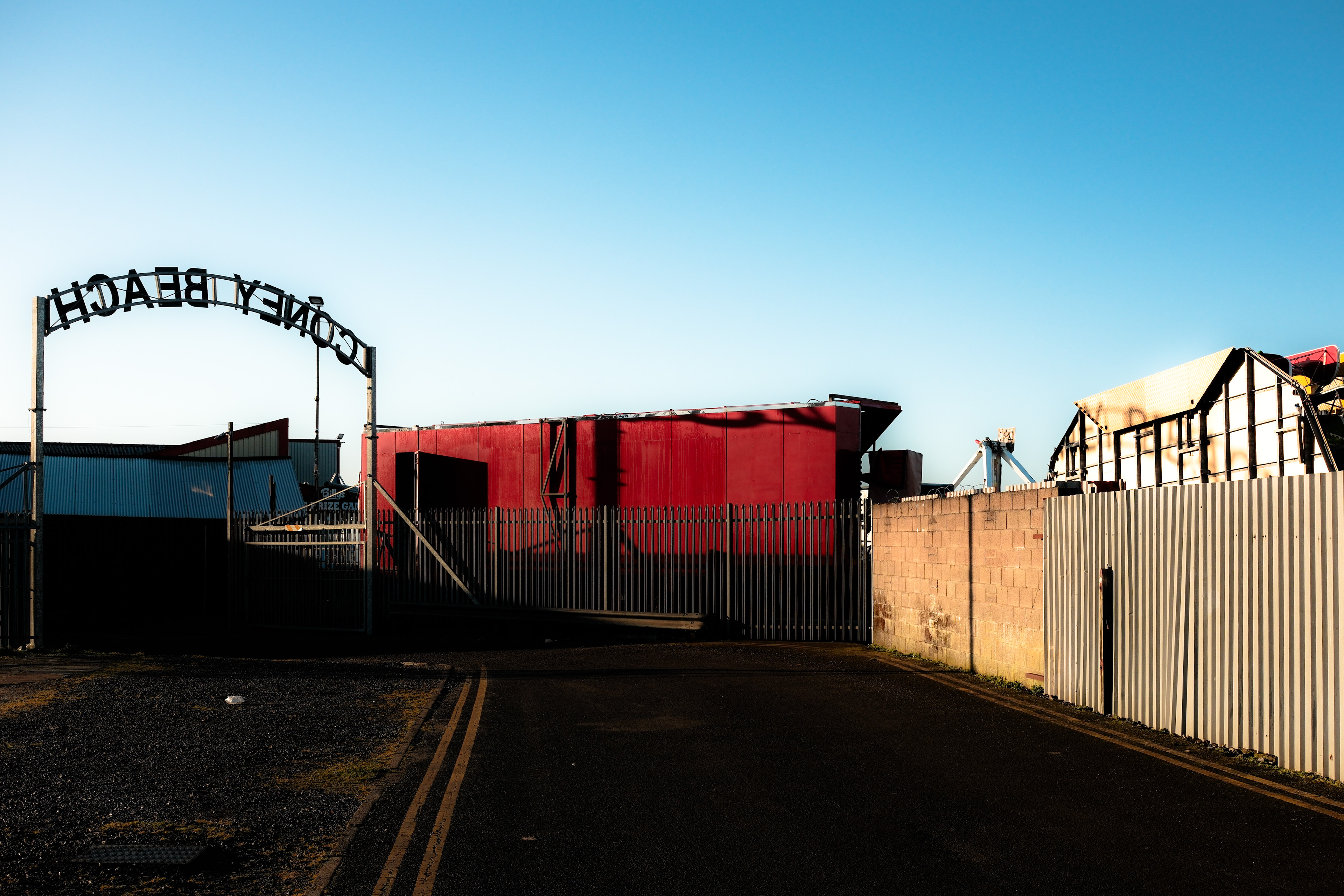
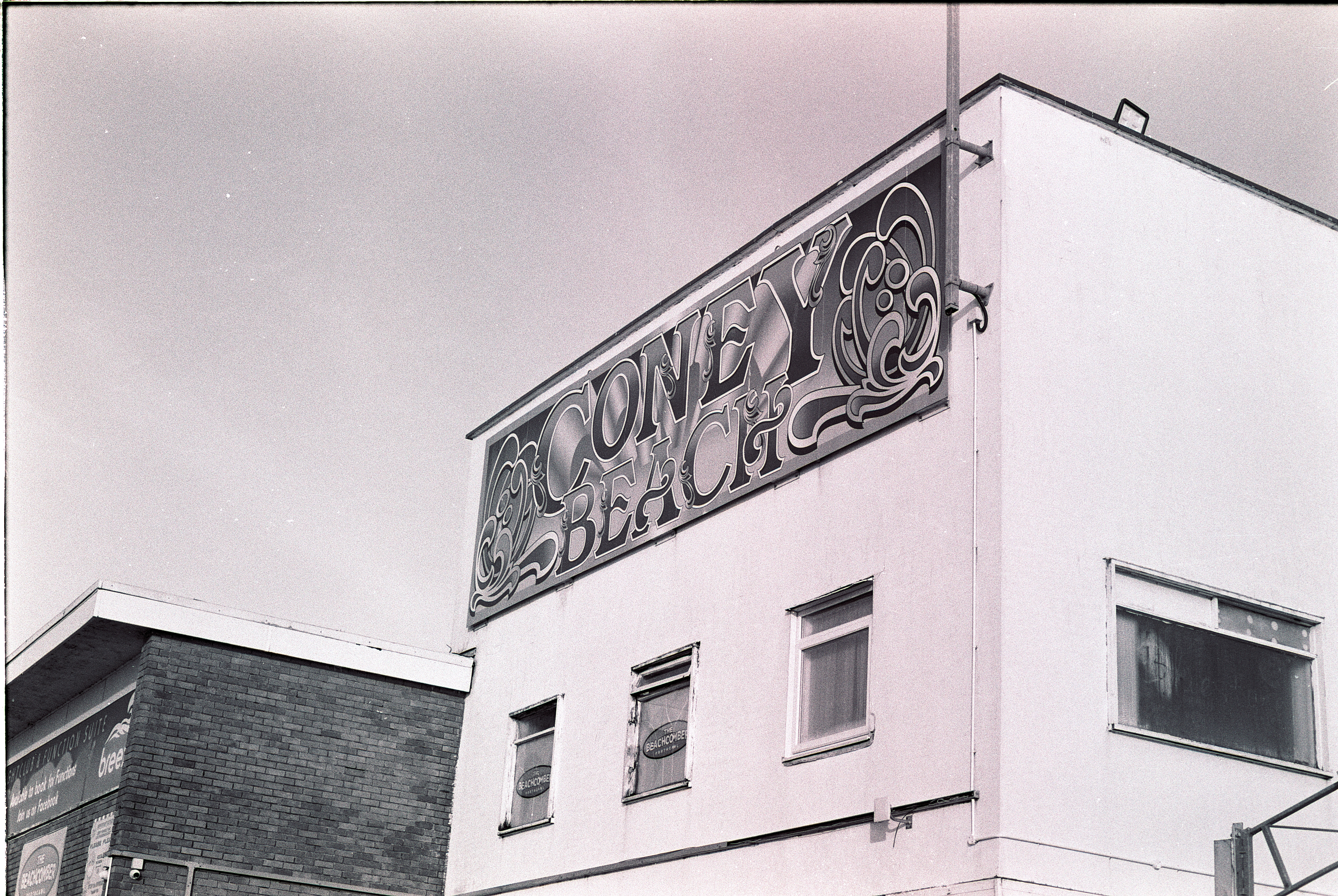
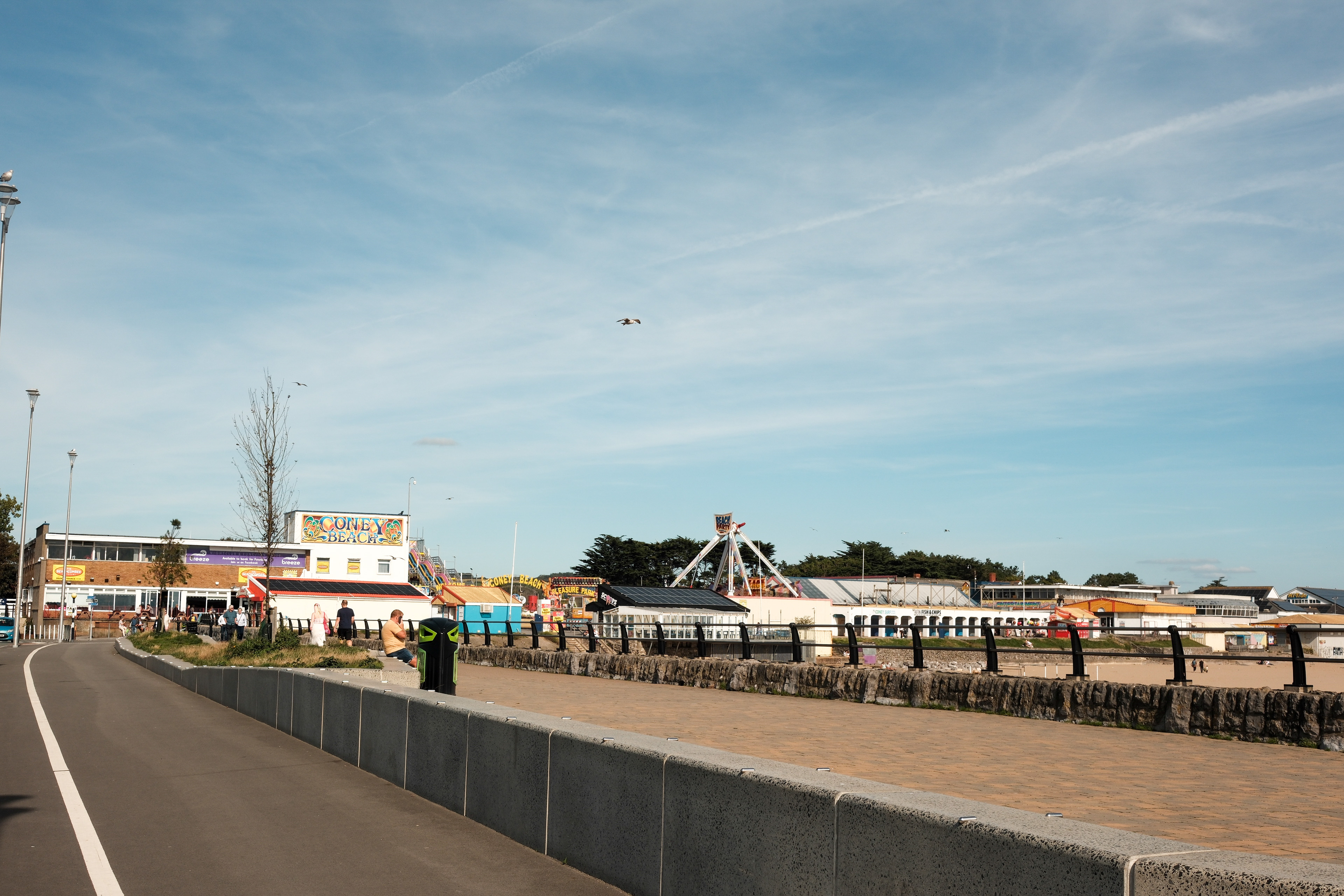
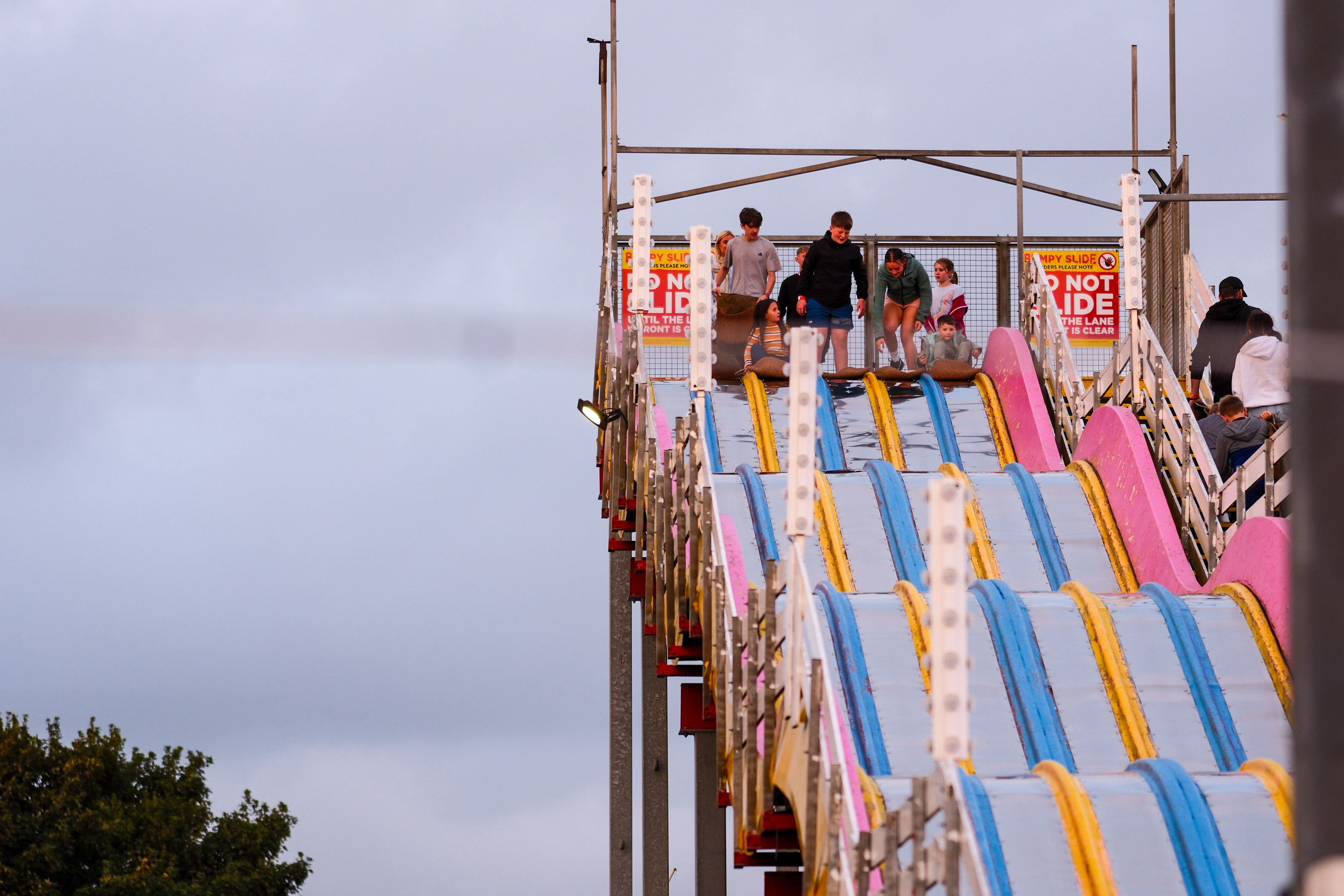
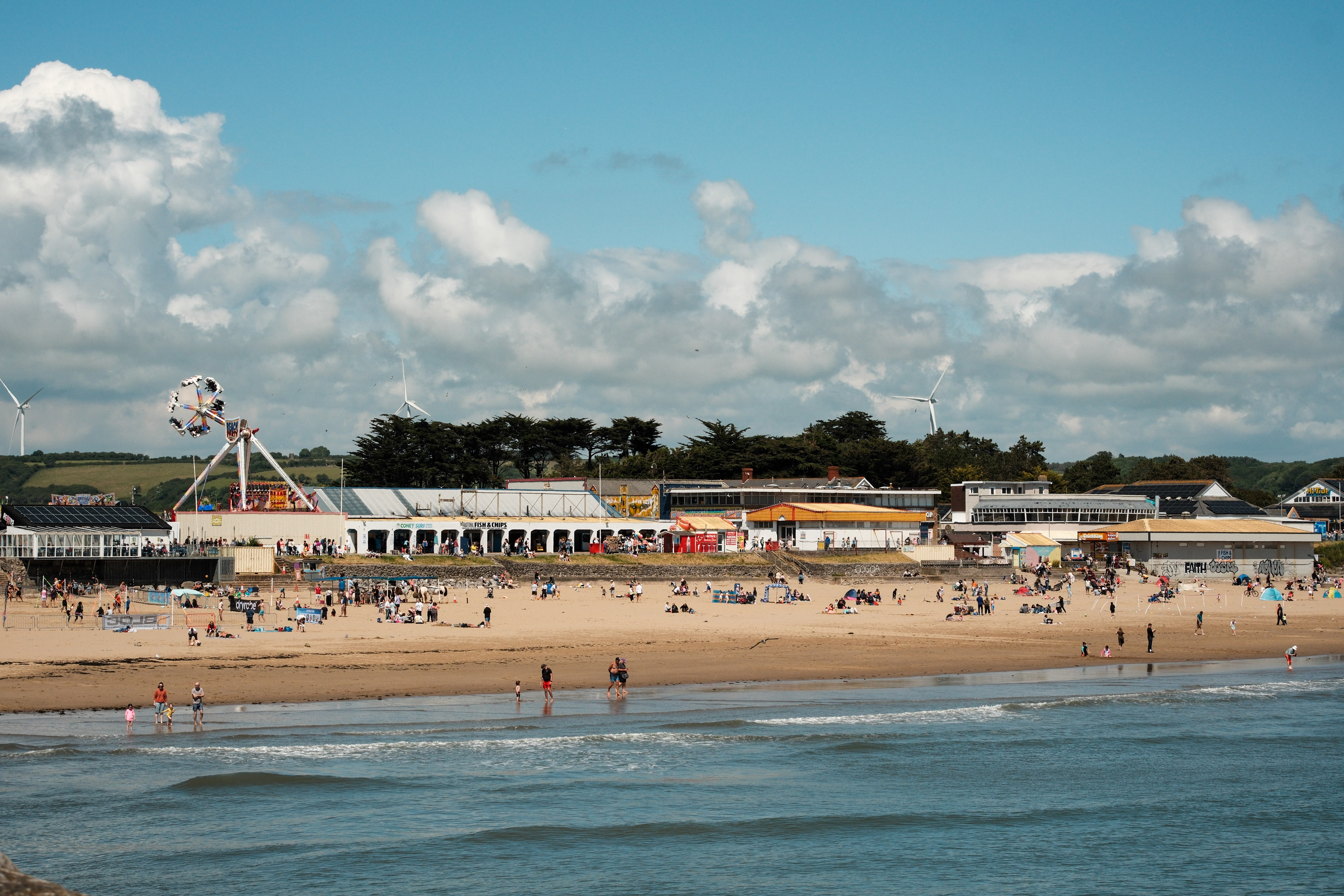
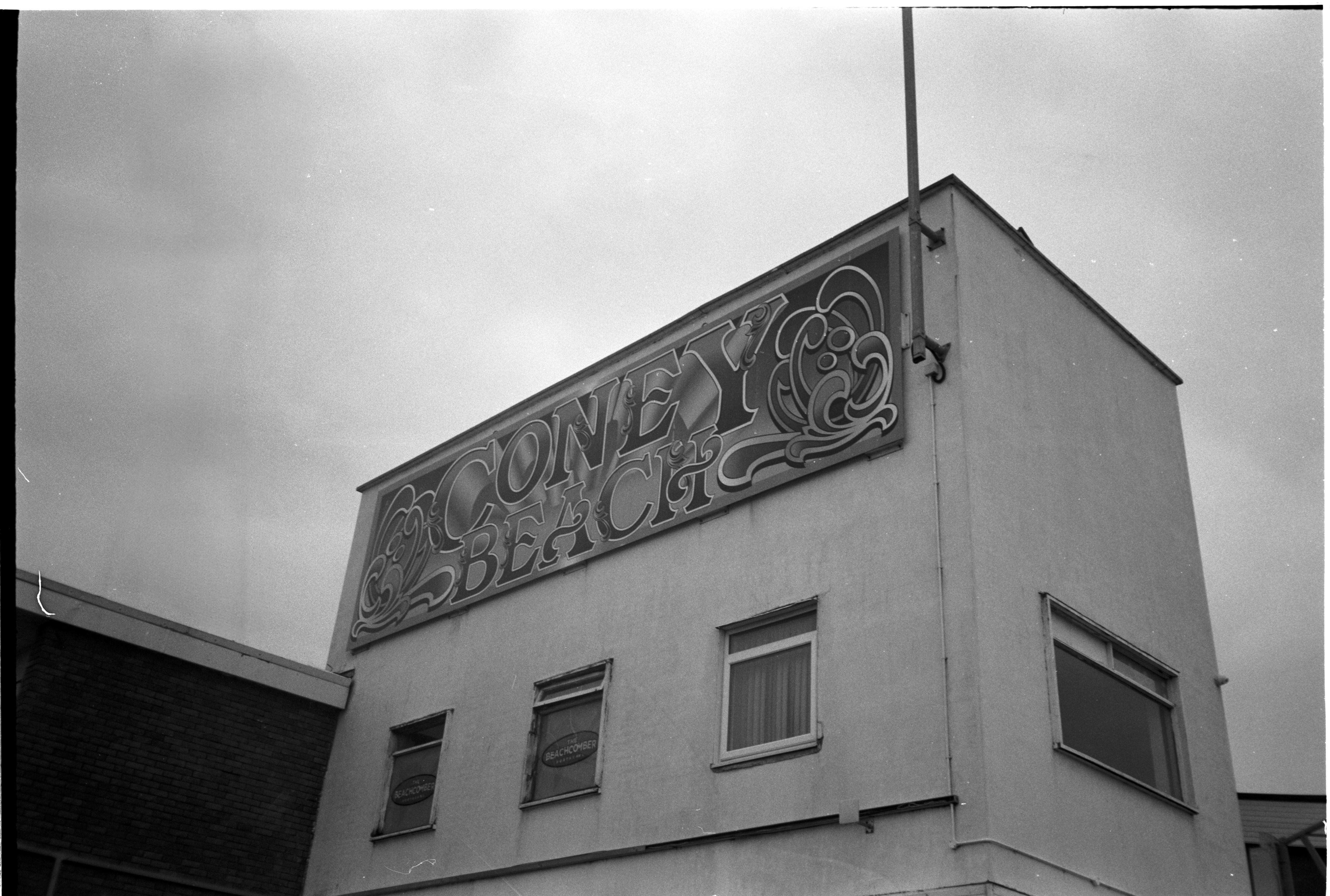
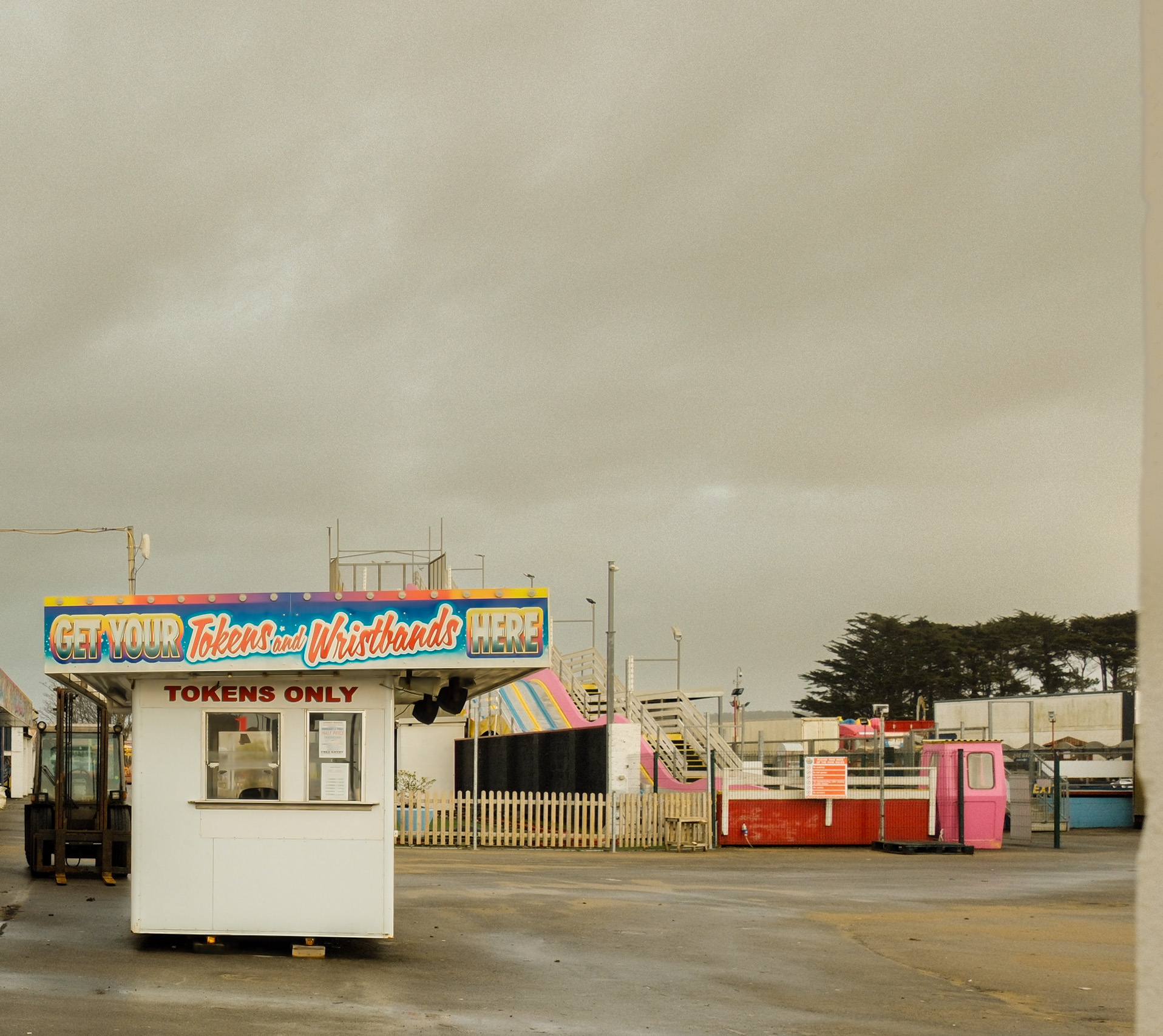
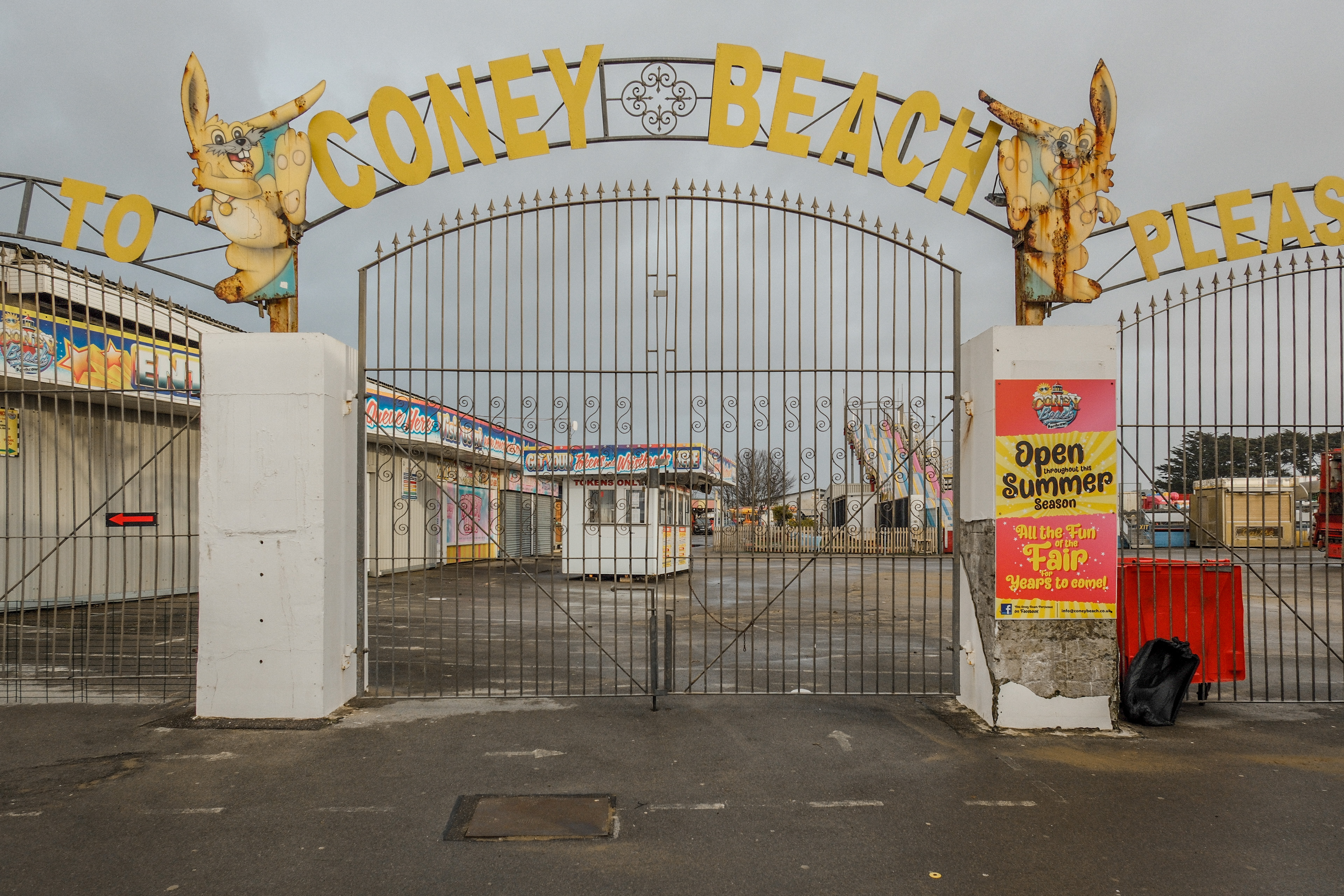
A few weeks ago, the Coney Beach fair closed its gates for the last time. Even though I was ill that weekend, I topped myself up with as many painkillers as I could find and set out to try and document its final day, as well as try to preserve at least an idea of the place.
I only moved to Porthcawl in the last few years, and I used to joke before the big move that lots of people think of it as “posh,” whereas to me it was a place we used to (en masse) get the social club bus to in the summer holidays. We’d fill up on rides, chips, and sunburn, and head back north to Merthyr, sun-kissed and bleary-eyed. I asked permission to go in on the final day (as I have with other endings I’ve documented), as though in many ways these are public spaces, they are also deeply personal.
Many of the places I try to capture are “past their prime” to some, but are irrevocably linchpins of their communities. It’s been well over 30 years now since my days on the social club bus from Merthyr, but for decades after, and many decades before, Coney Beach offered a place of respite for generations of people — not just in Wales, but all over the UK.
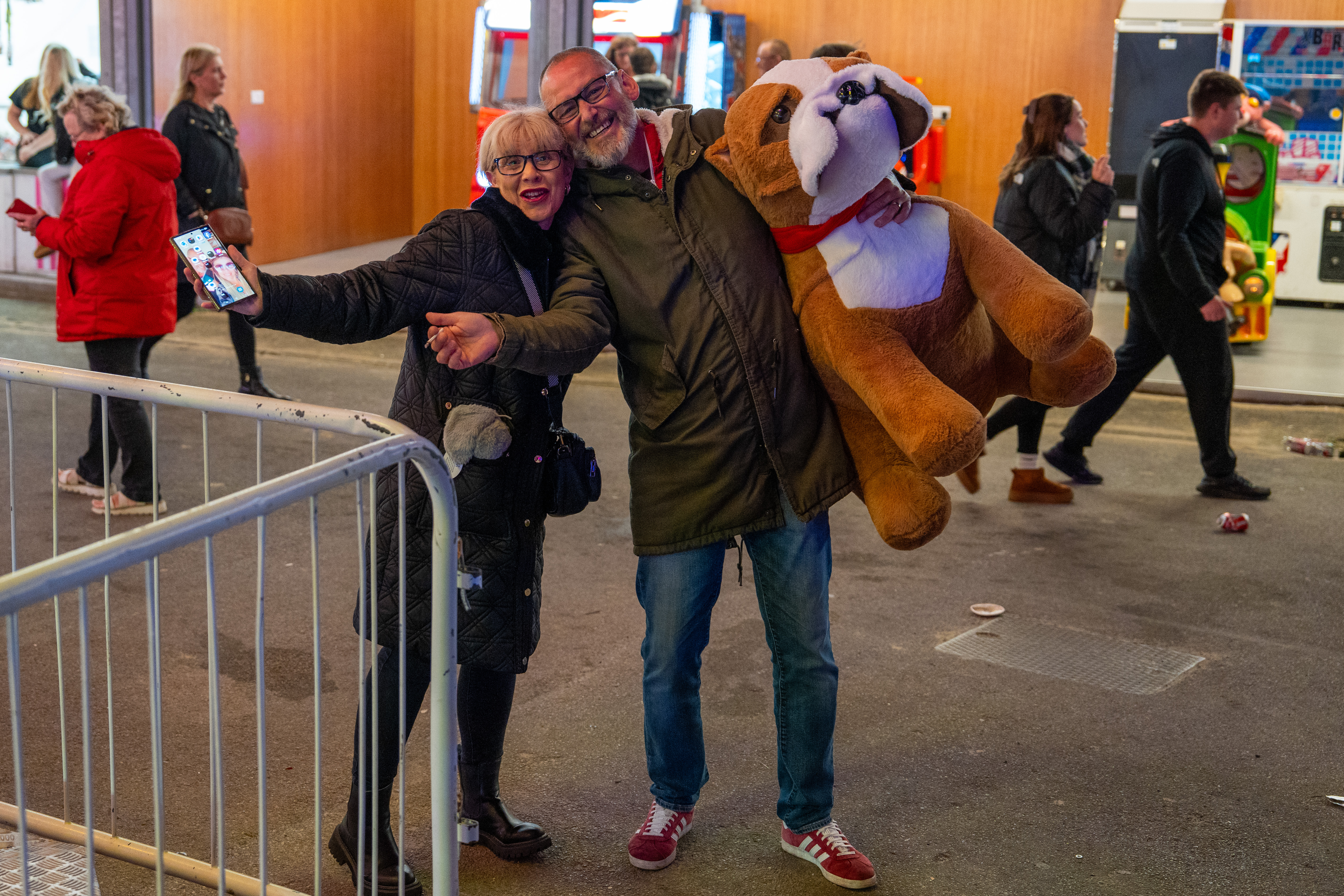
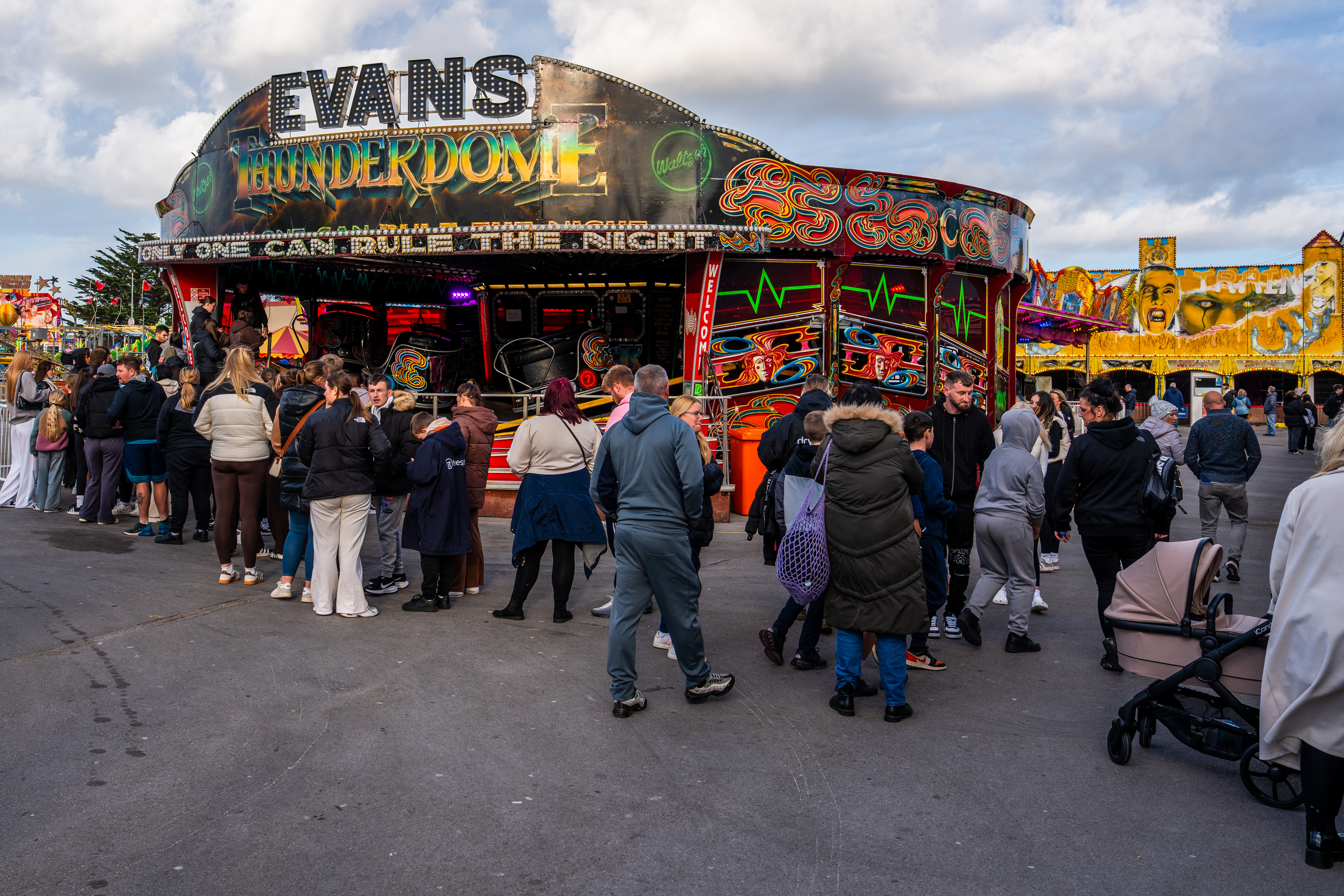
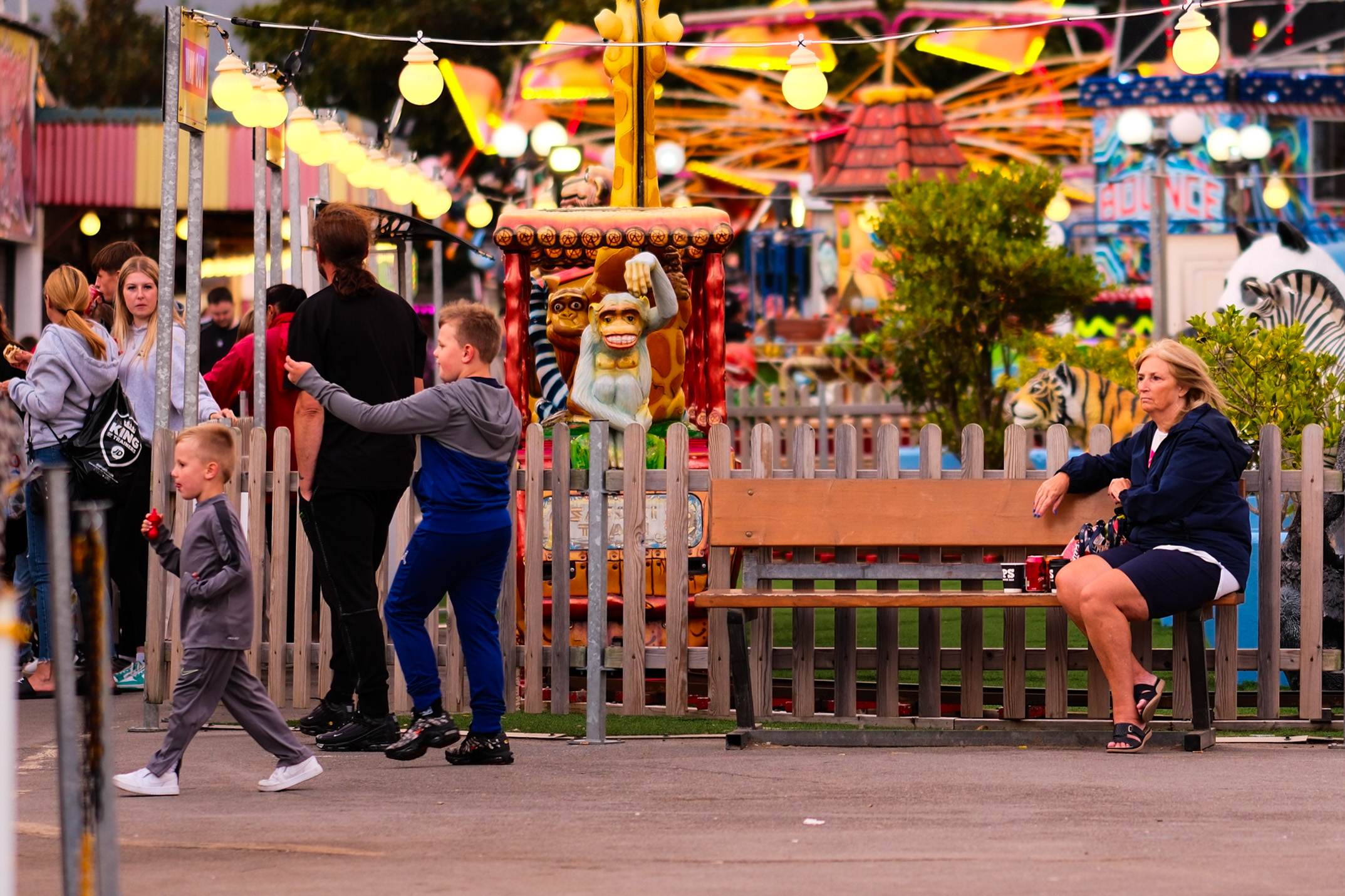
Walking around the fair, you can always hear accents from all over the country. Whether you agree with current plans for Porthcawl or not, few would argue against the idea that the Coney Beach fairground has long been the beating heart of this community.
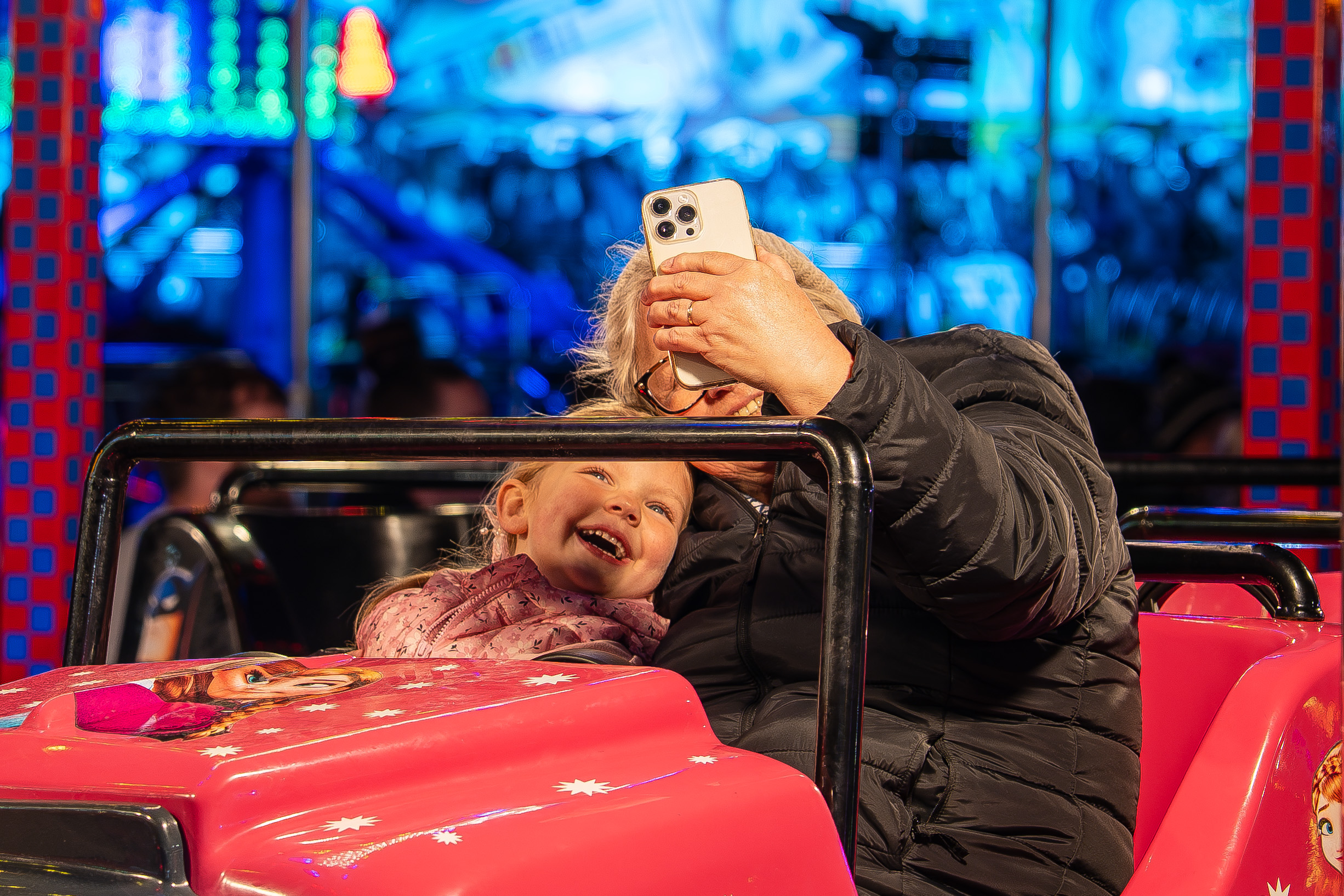
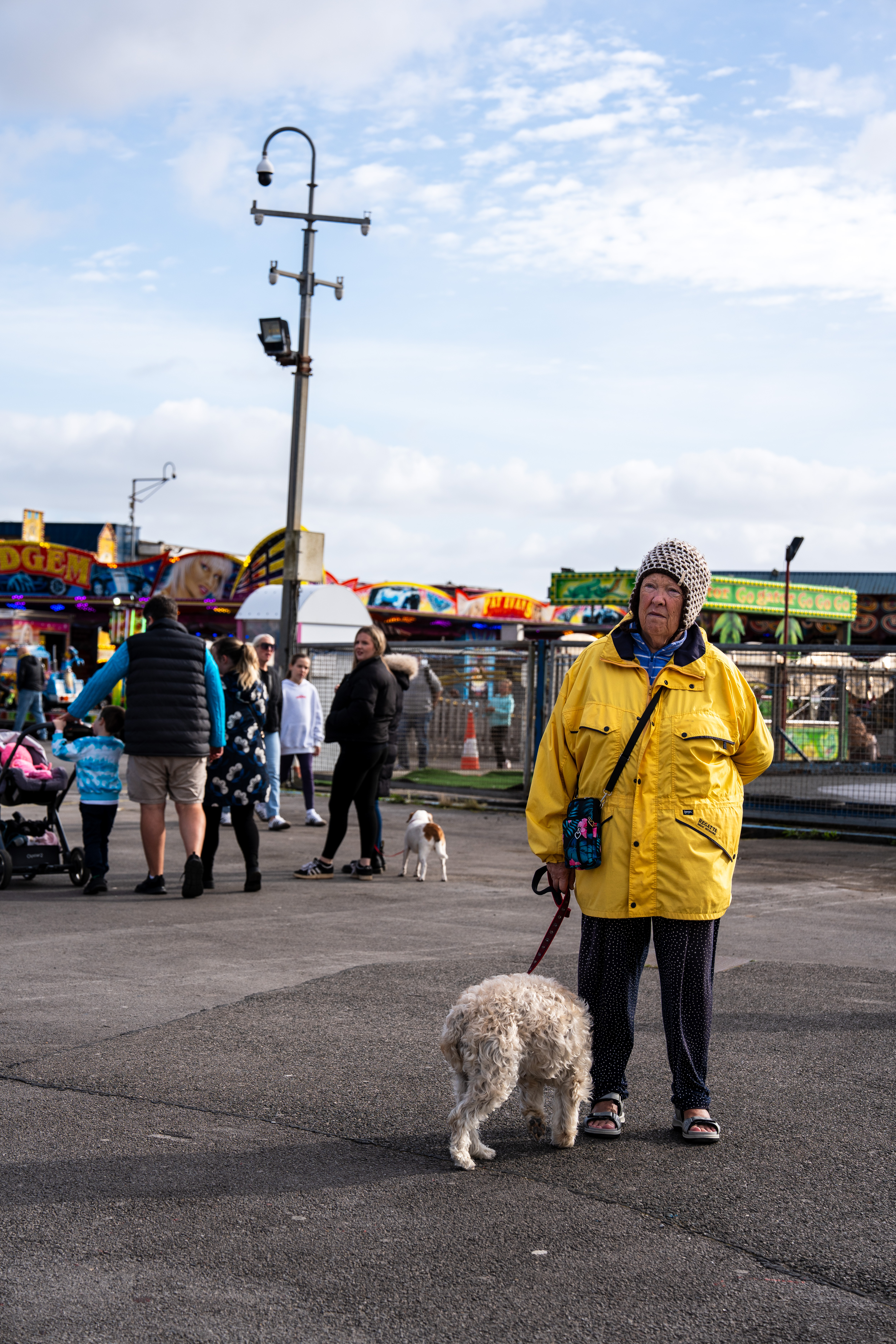
As I wandered around that final day, an elderly lady stopped me to talk about the fair. She was also from Merthyr (all the best ones are). She told me how she’d miss the fair, and that her father would bring her as a child — a memory she treasured so much that she still came to Coney once a fortnight just to wander and reminisce. Another young couple asked me to send them a copy of a photo I’d snapped as the young girl’s grandfather used to bring her on family holidays. Now that he has dementia, she wanted to print the photo to place on his bedside table. It’s conversations like these that make you realise that places like this don’t just exist within communities but they live on inside the people who treasure them. They are more than day trips from the social club; they are fragments of family memory.
The documentation of these sorts of places is always hard. To have so much history shows. I wrote recently that some see my imagery as “grim,” but I like to think it shows these places for what they are: symbols of the passing of time — of places loved before and loved still, with the scars to show it.
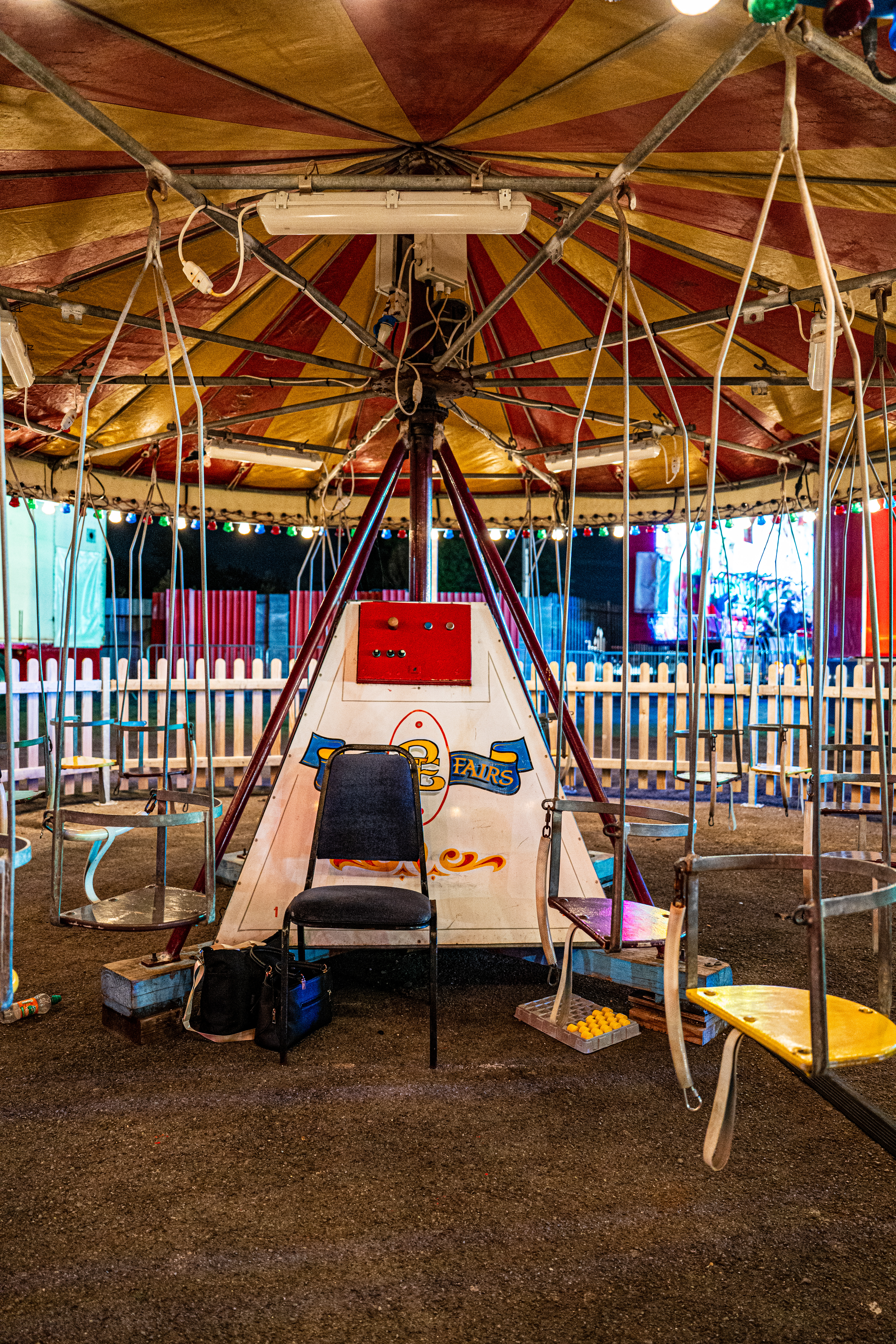
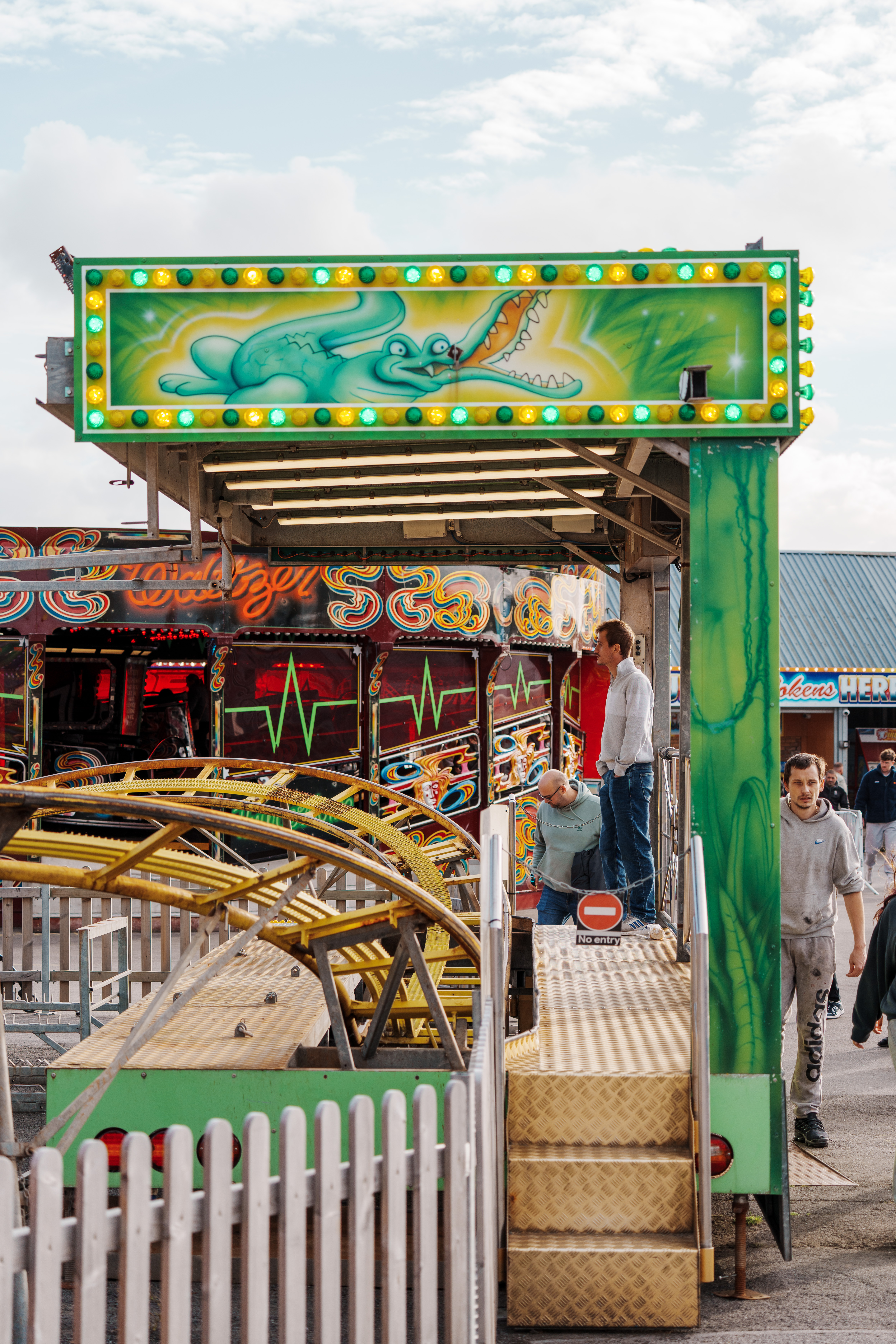
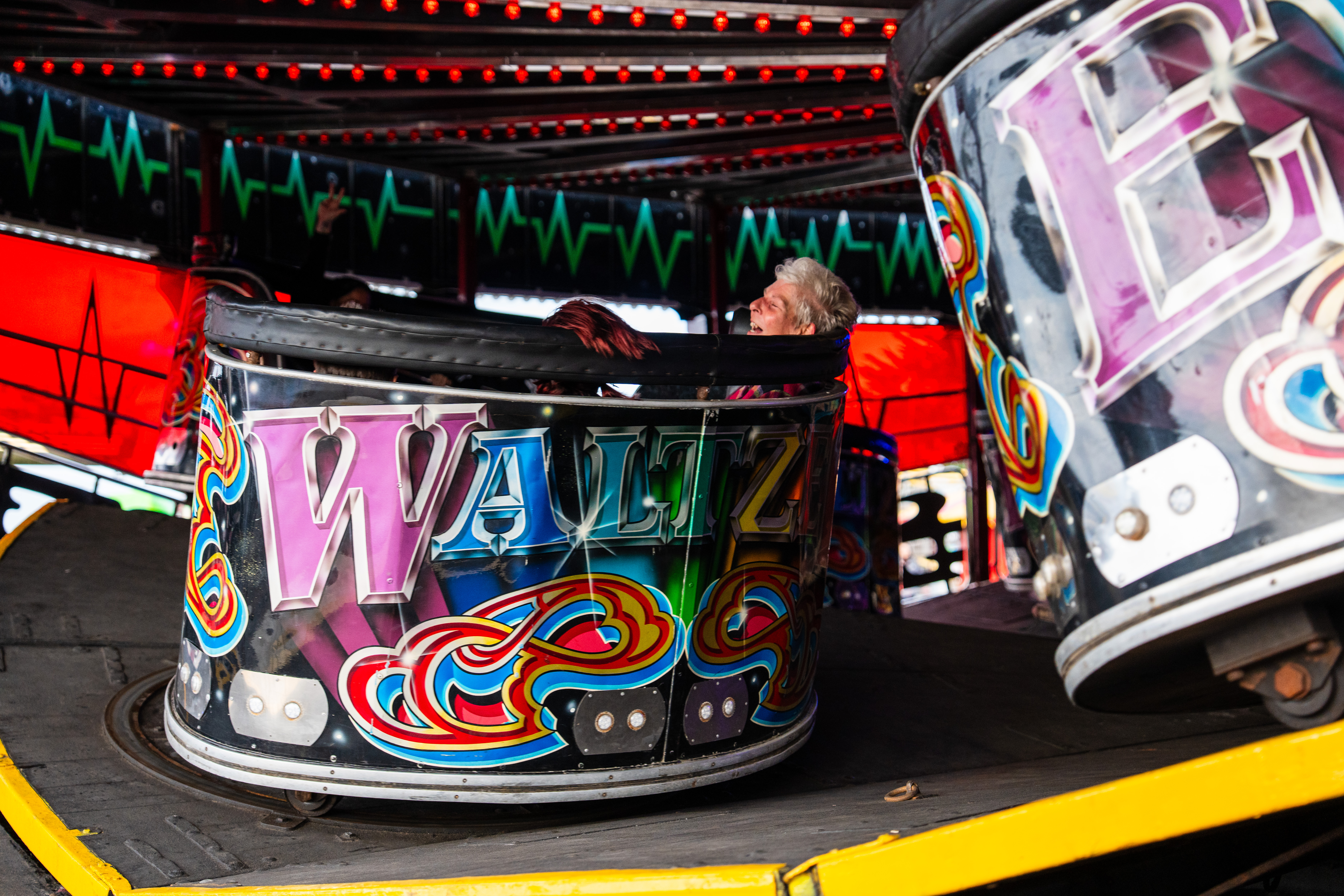
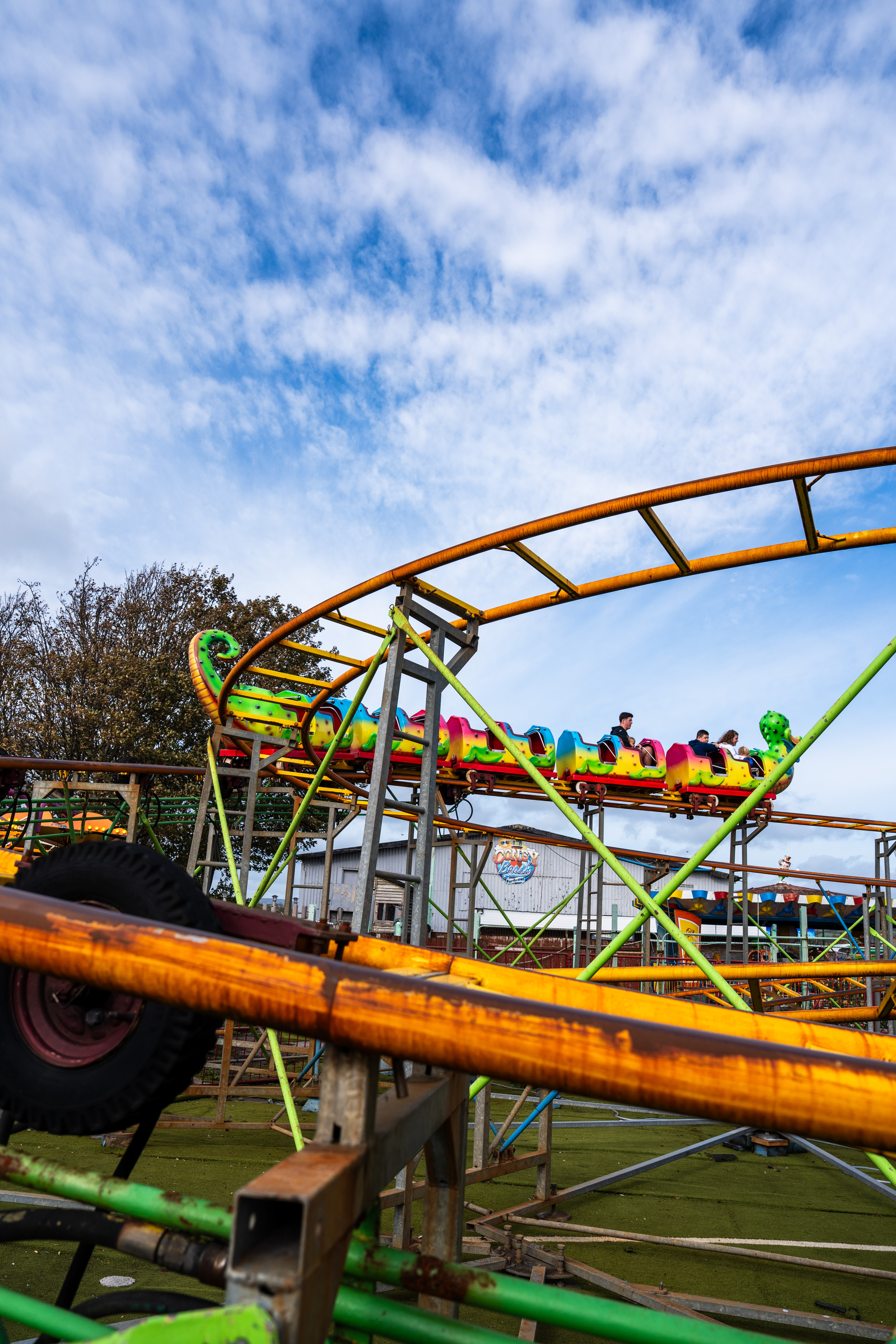
The photos from that final day aren’t just records of an ending but reminders of what these spaces mean. They’re proof that even as places fade, the stories they hold never quite disappear. And maybe, even though some say it’s had its day, that’s the real beauty of Coney Beach — that even as the lights fade and the gates close, the waltzers still spin on in the hearts of those who will always hold it dear.
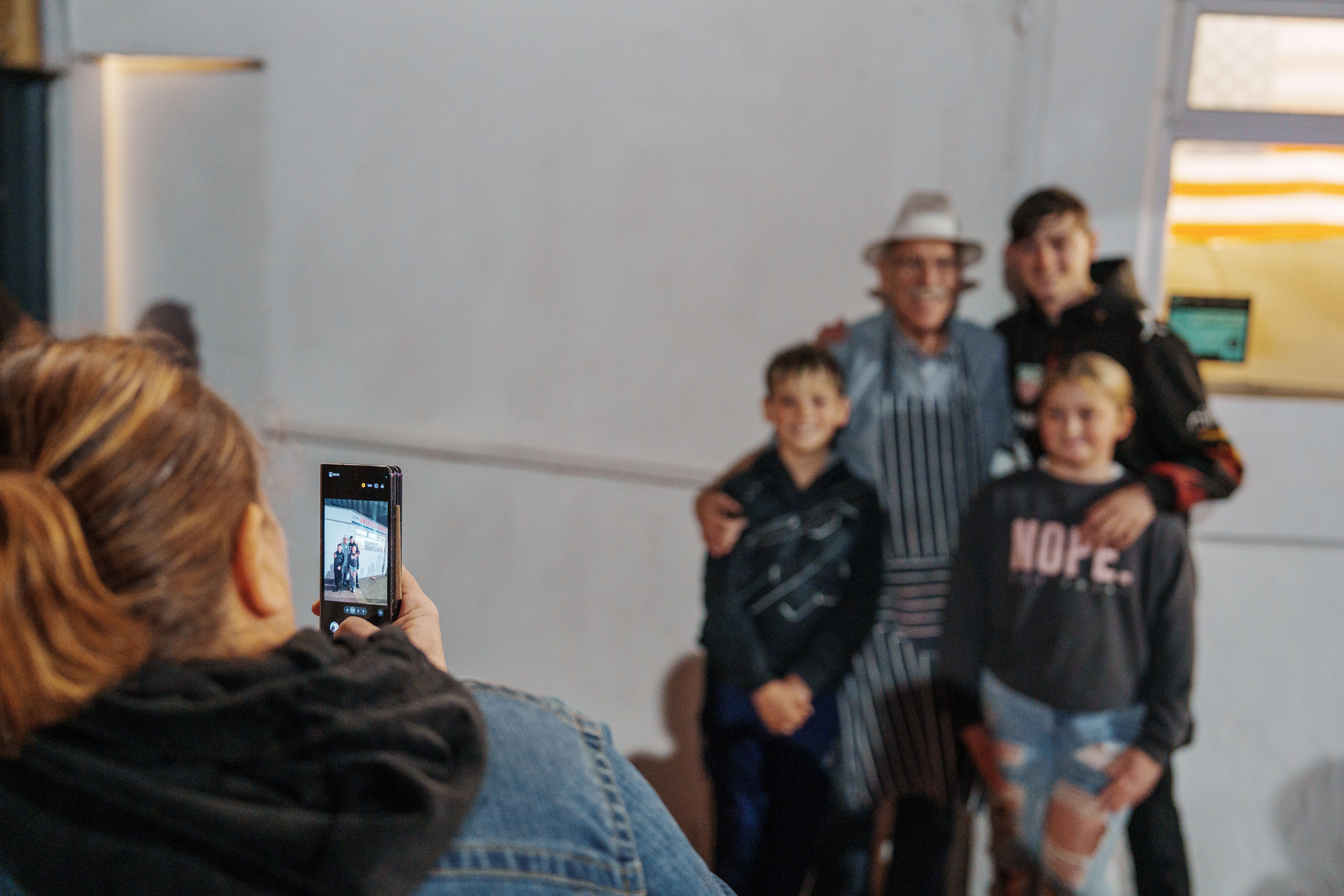
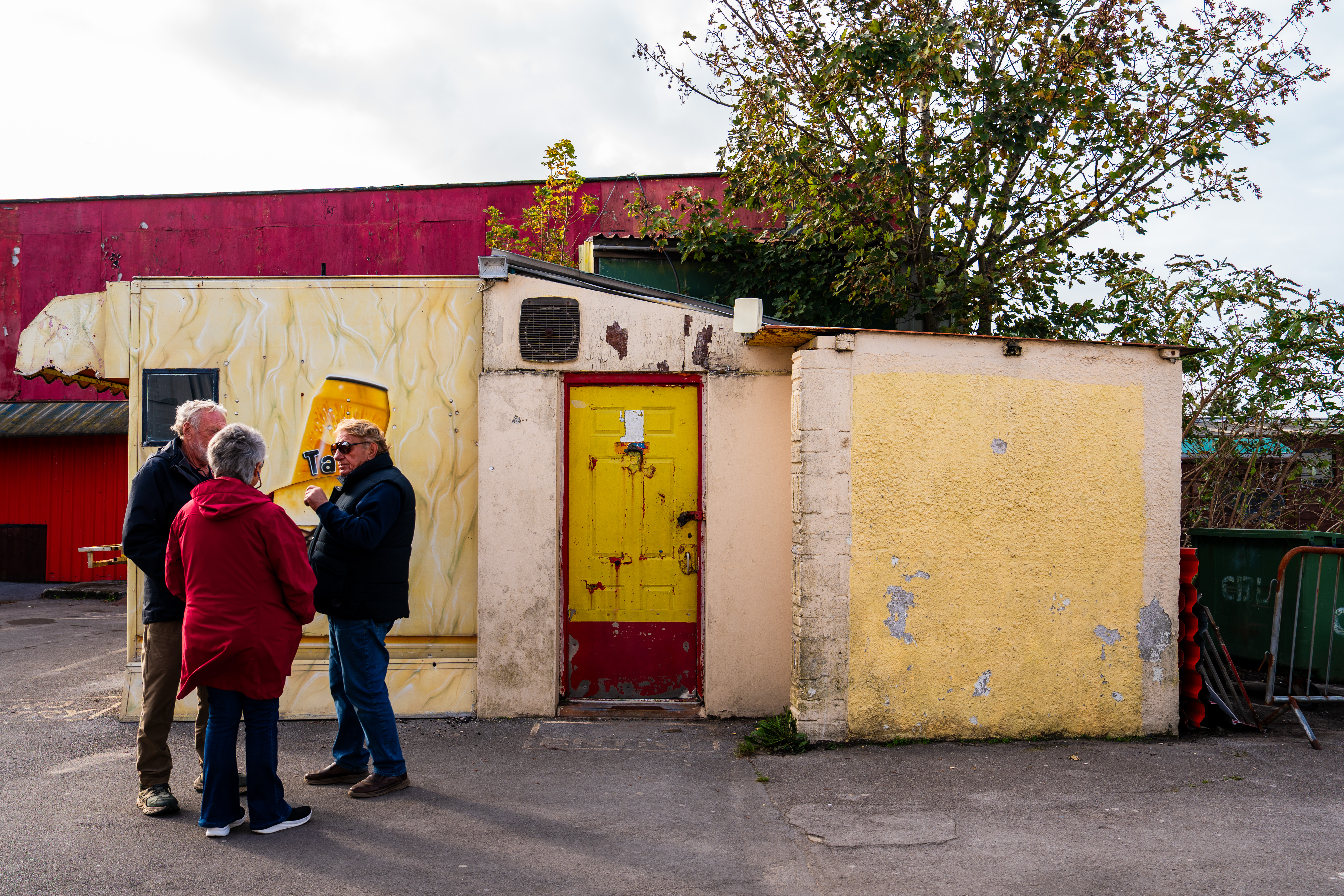
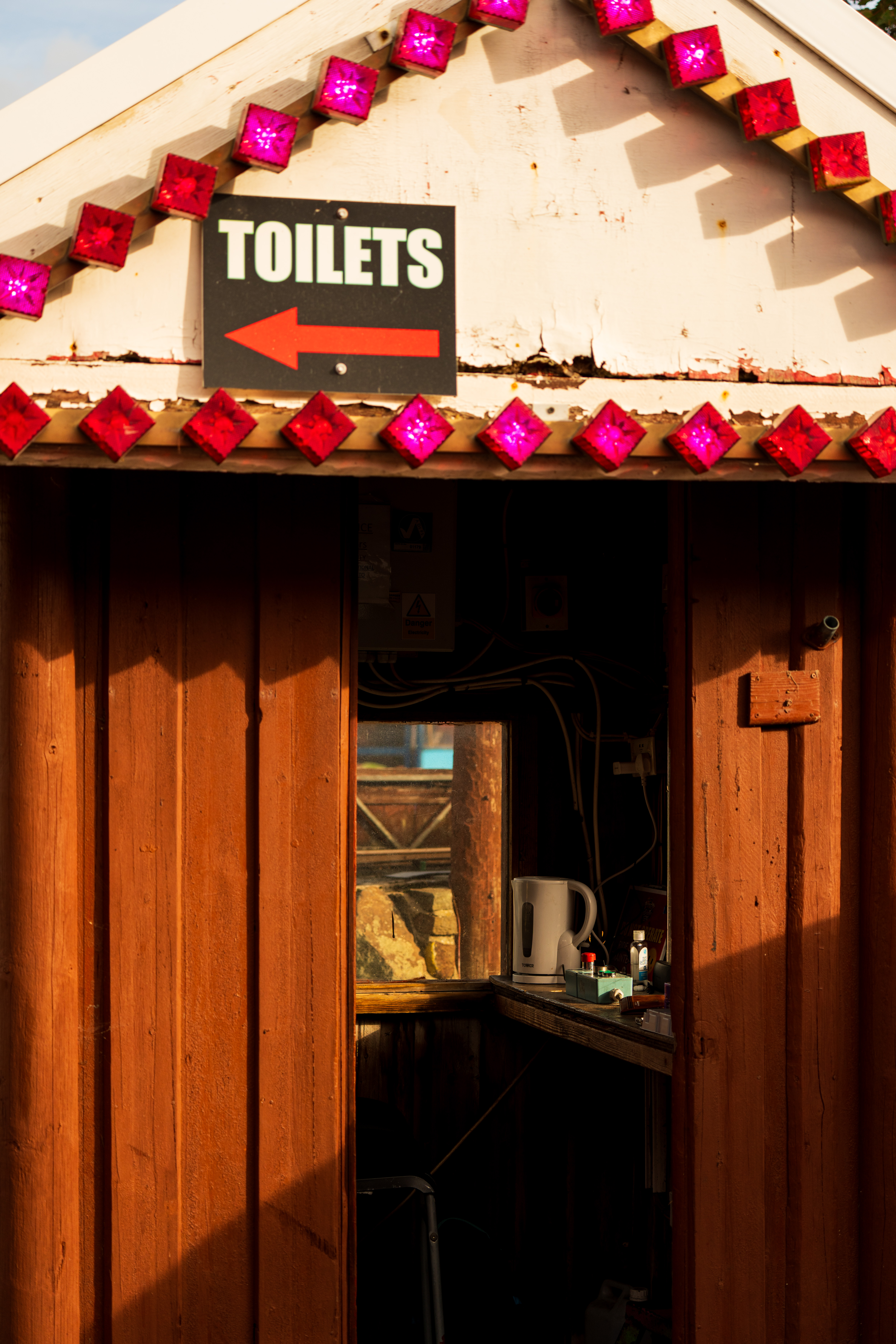
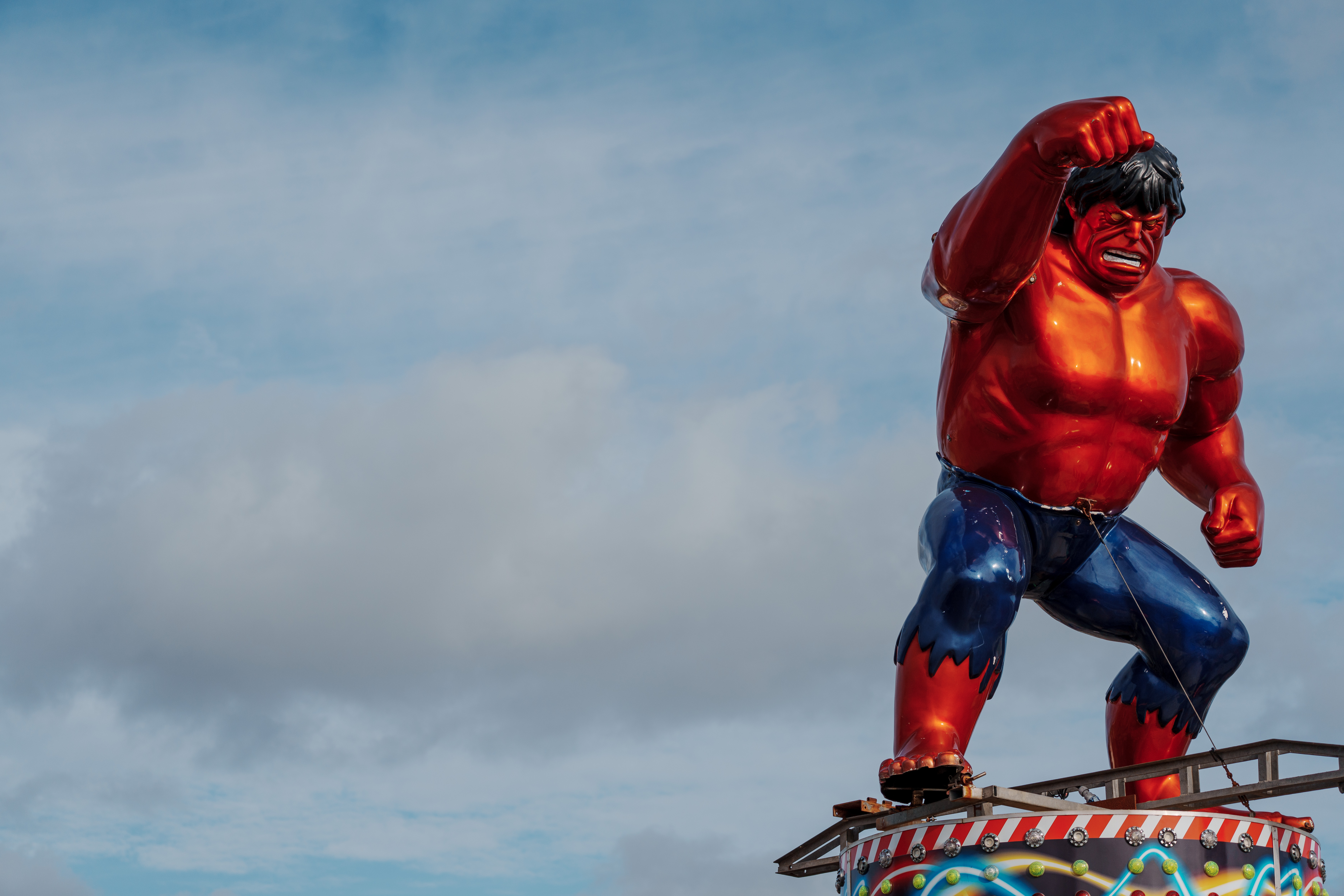
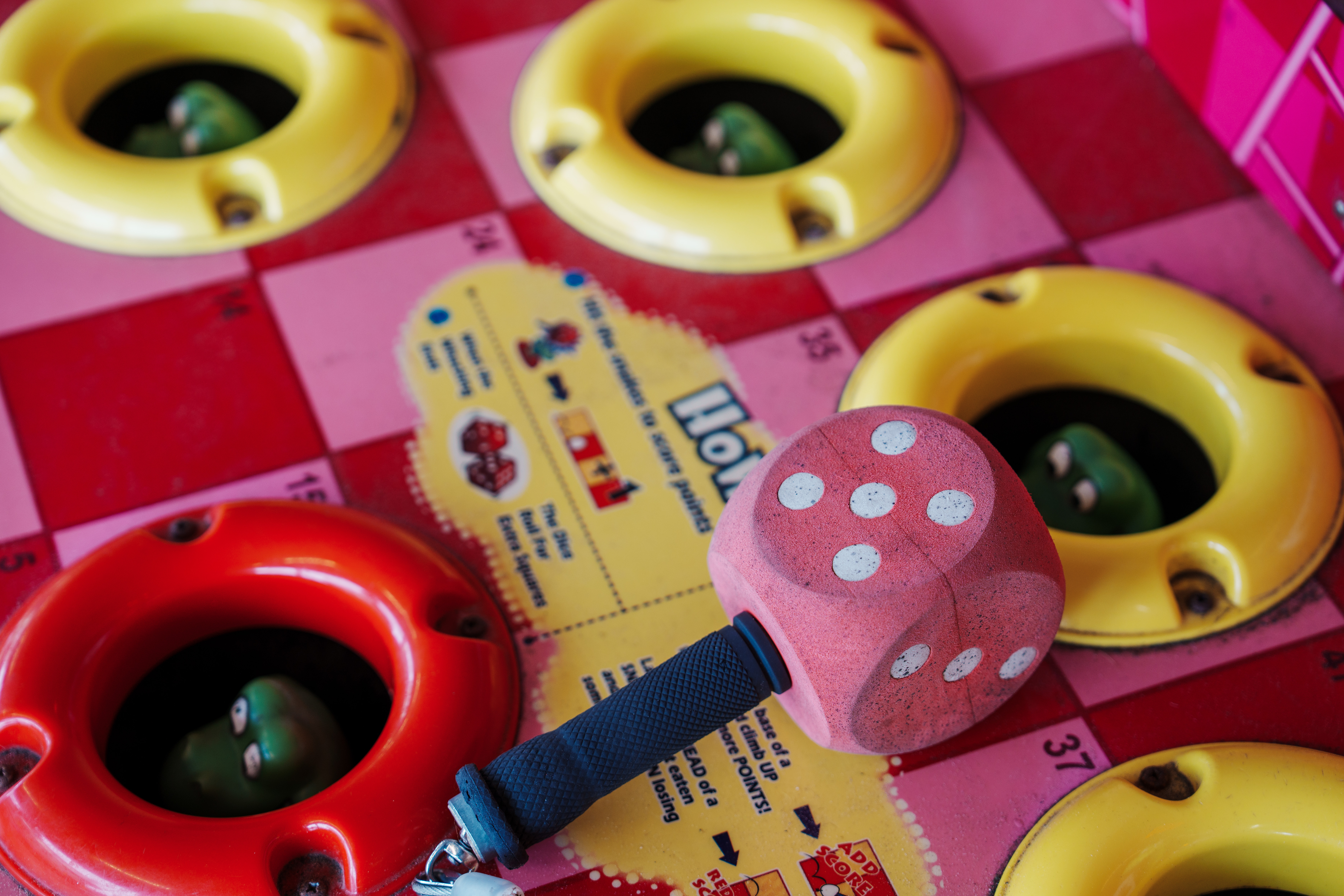
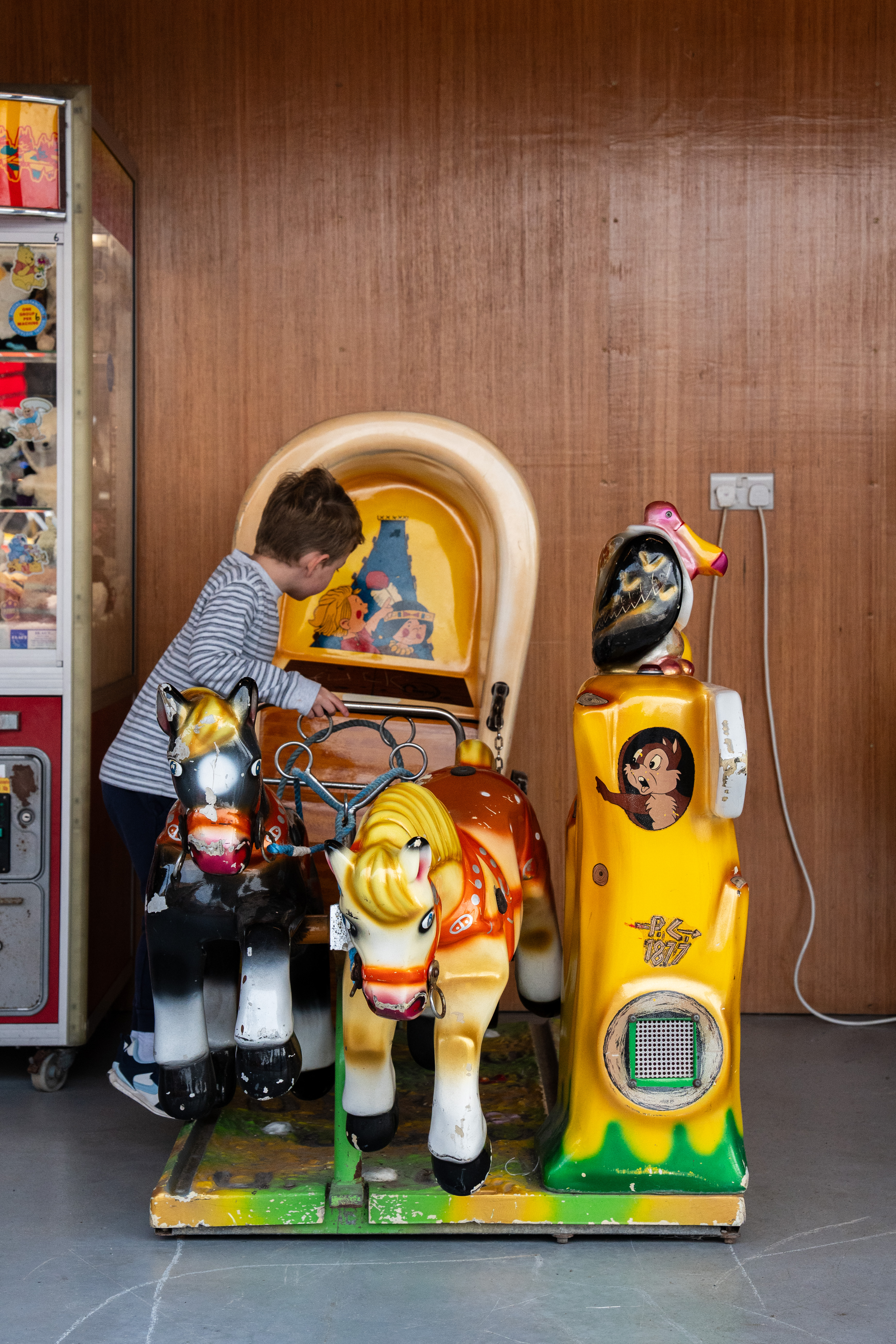
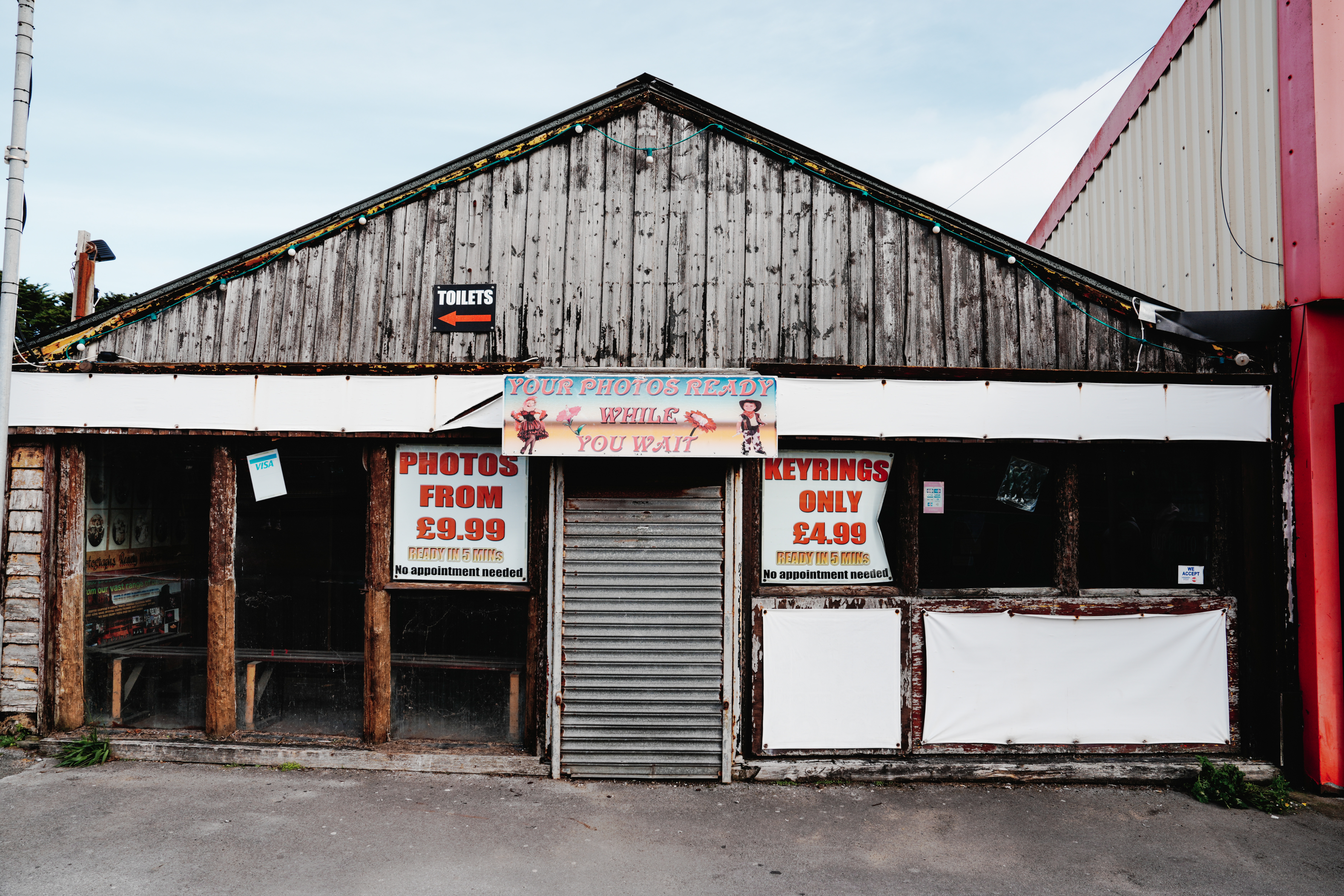
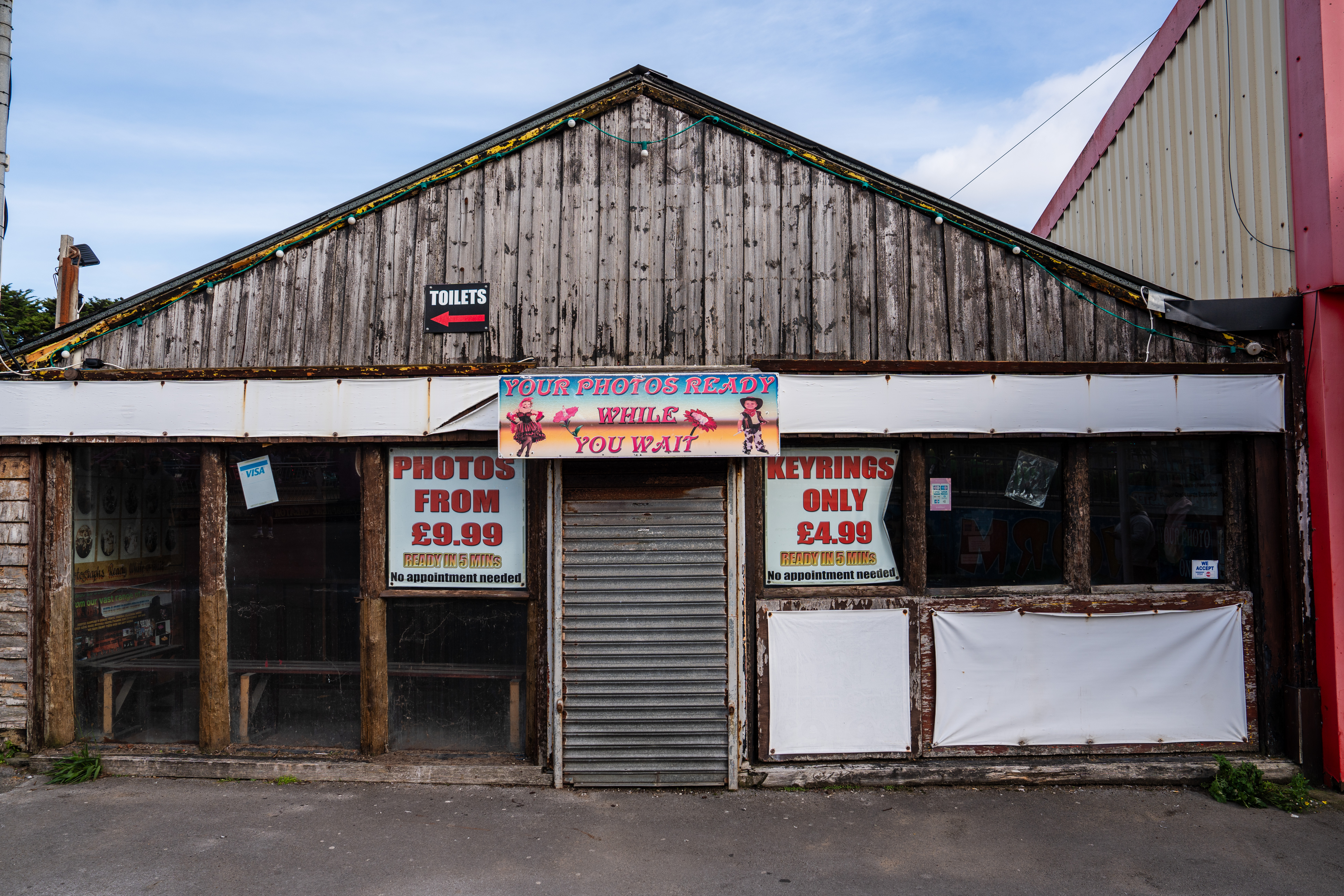
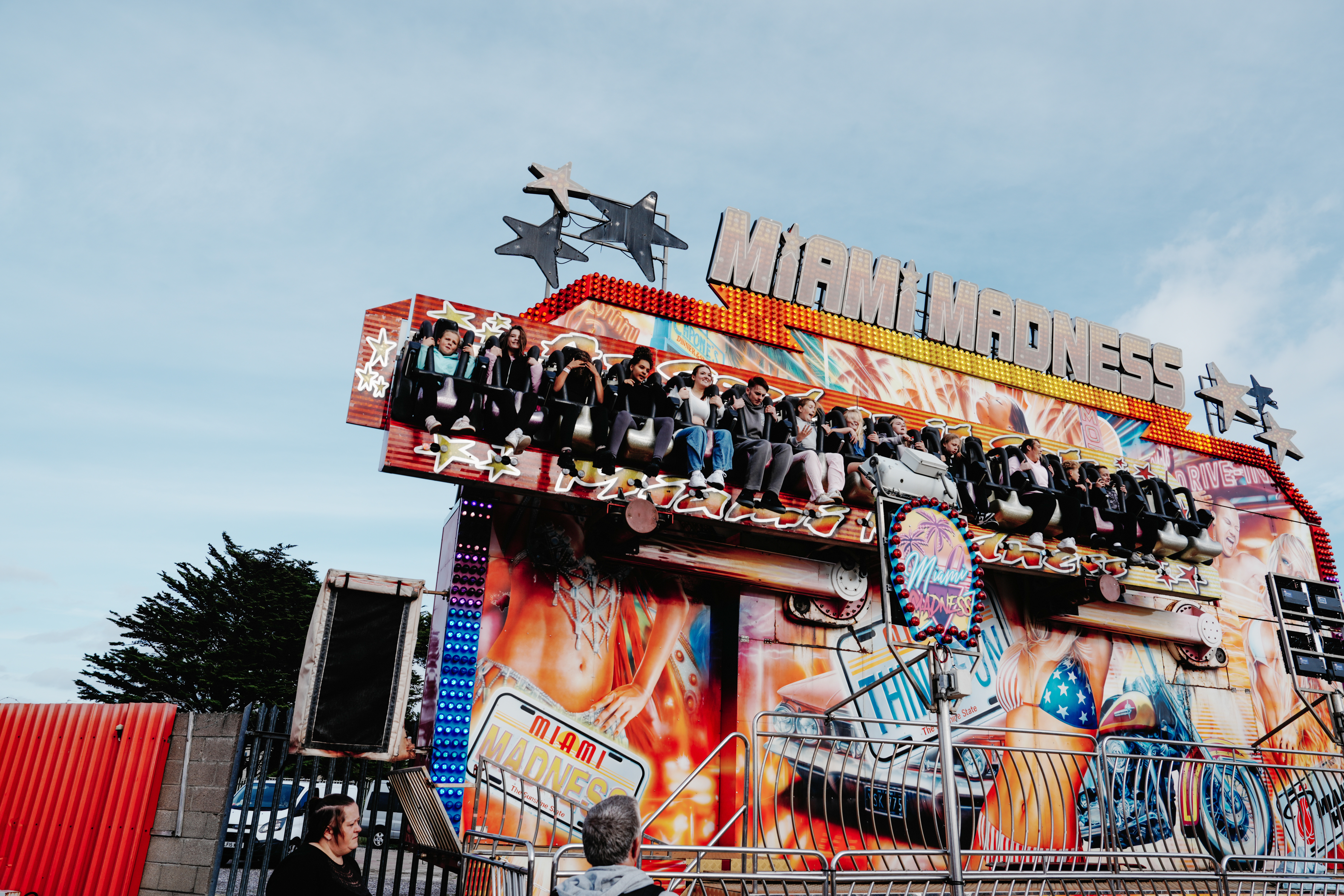
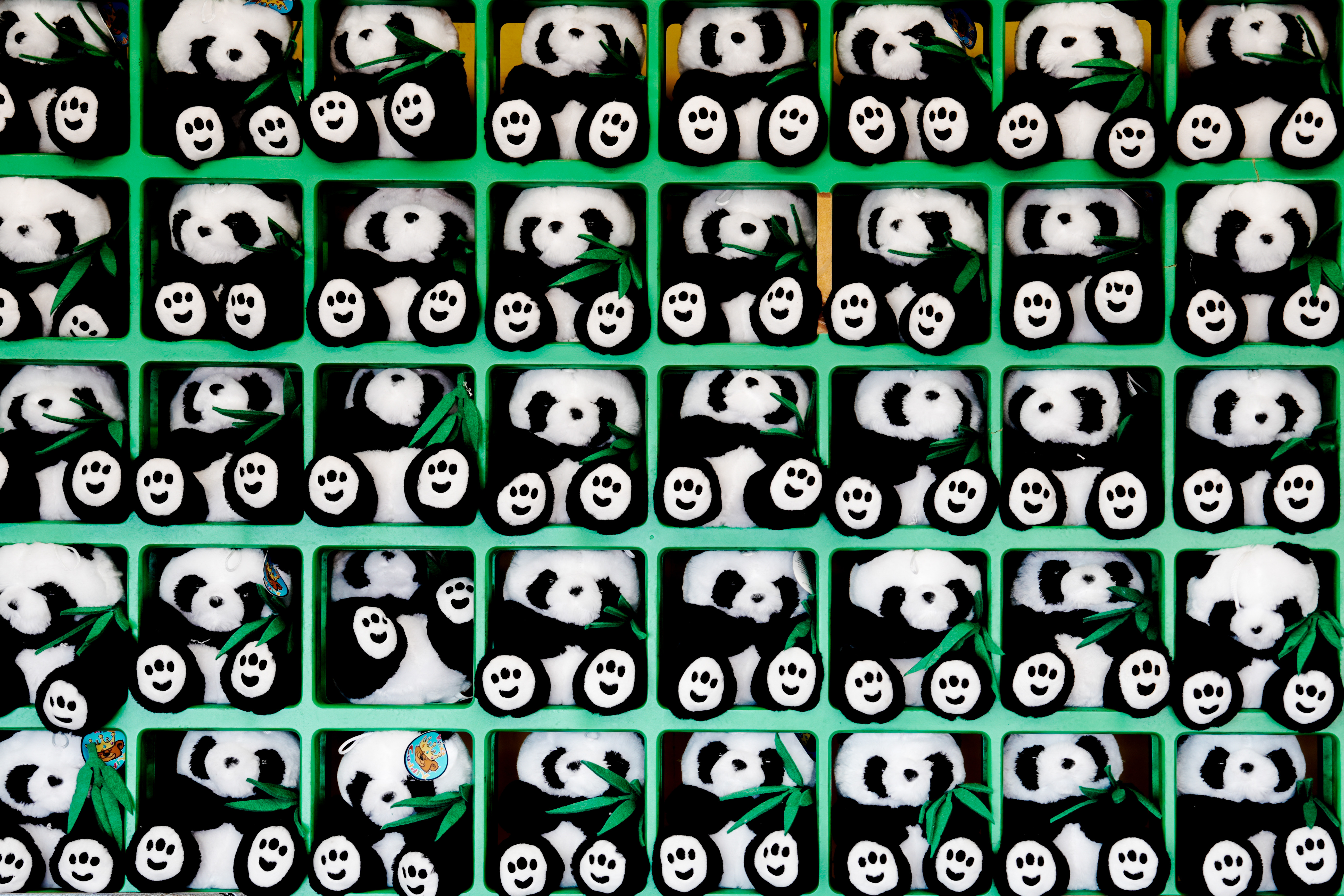
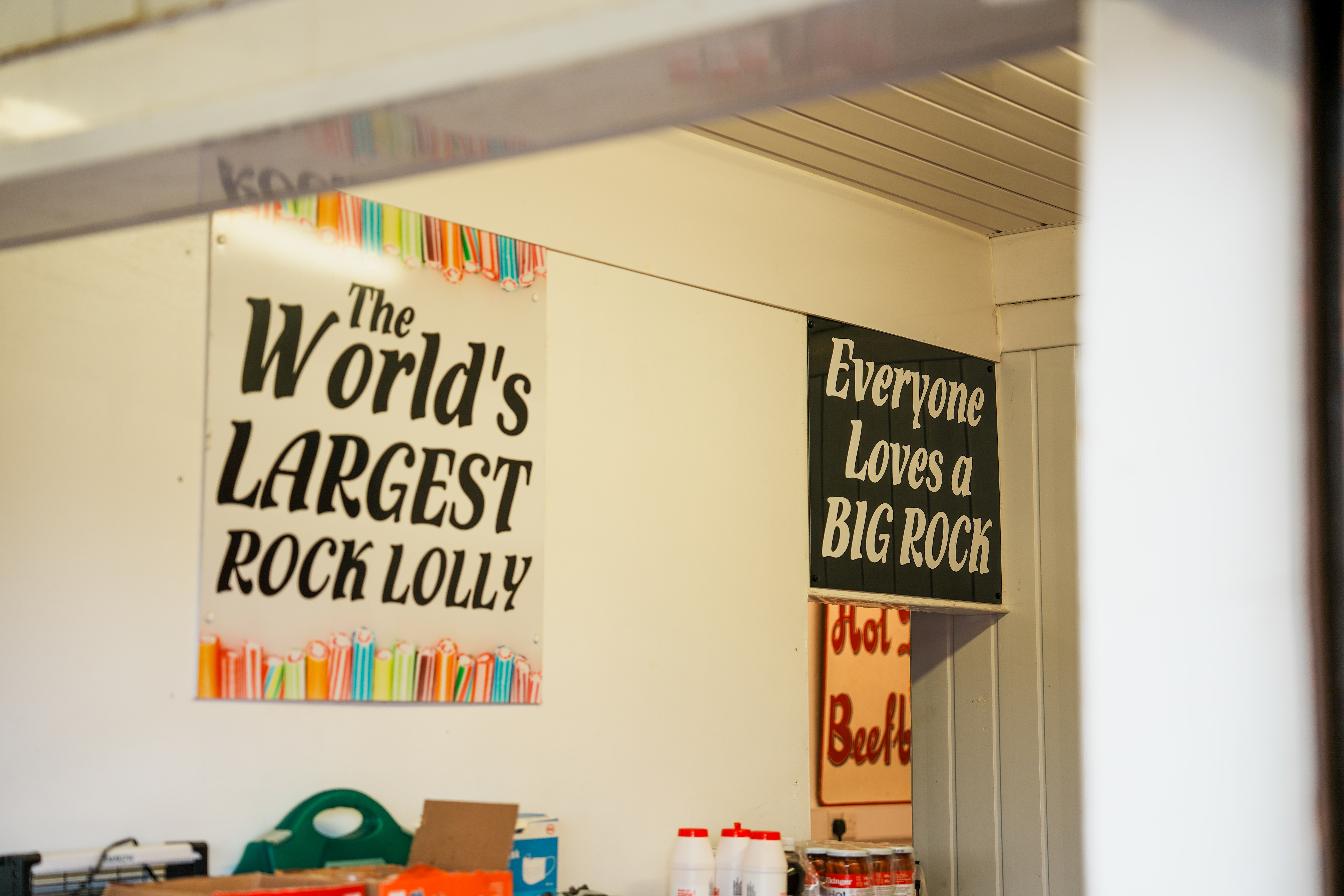
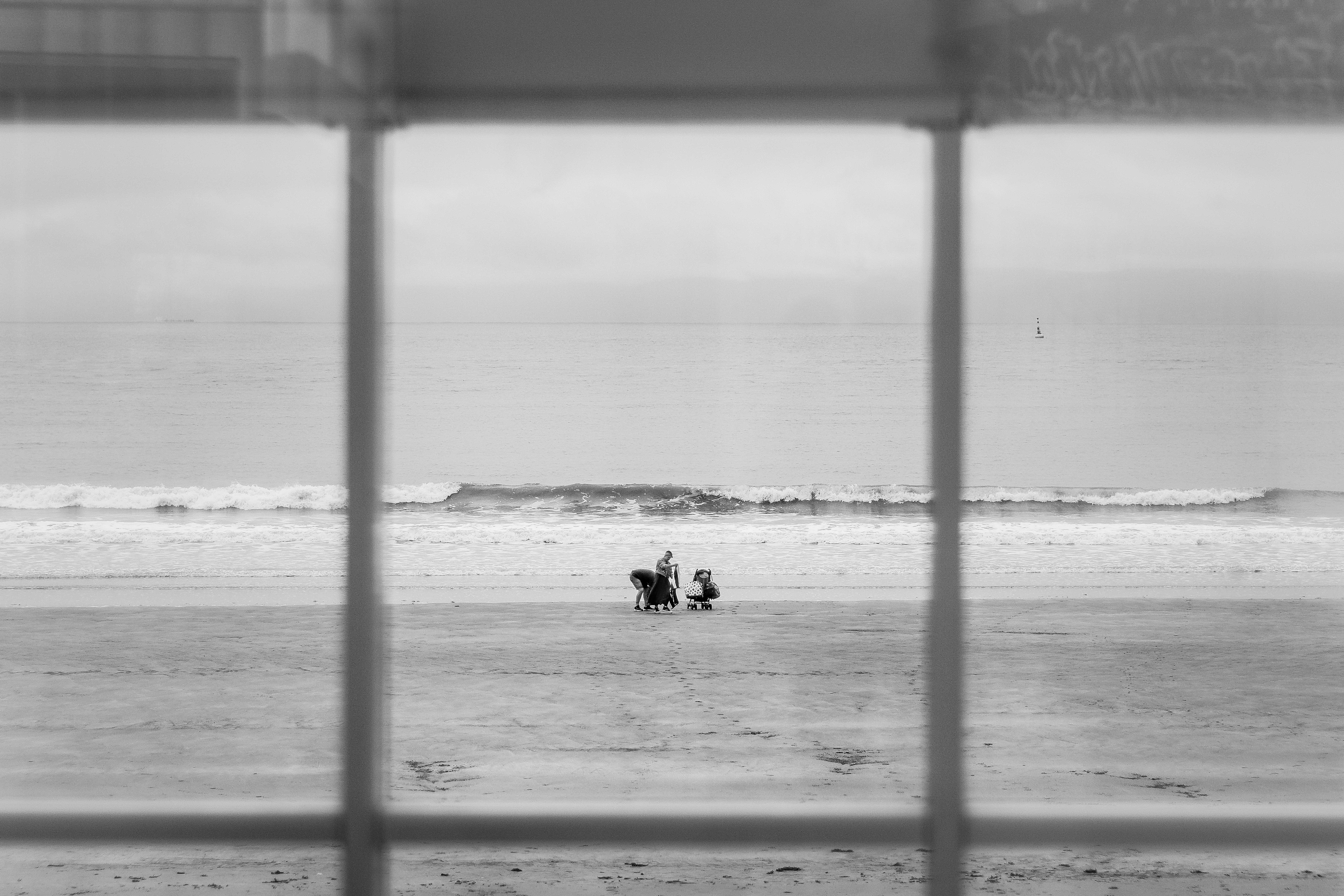
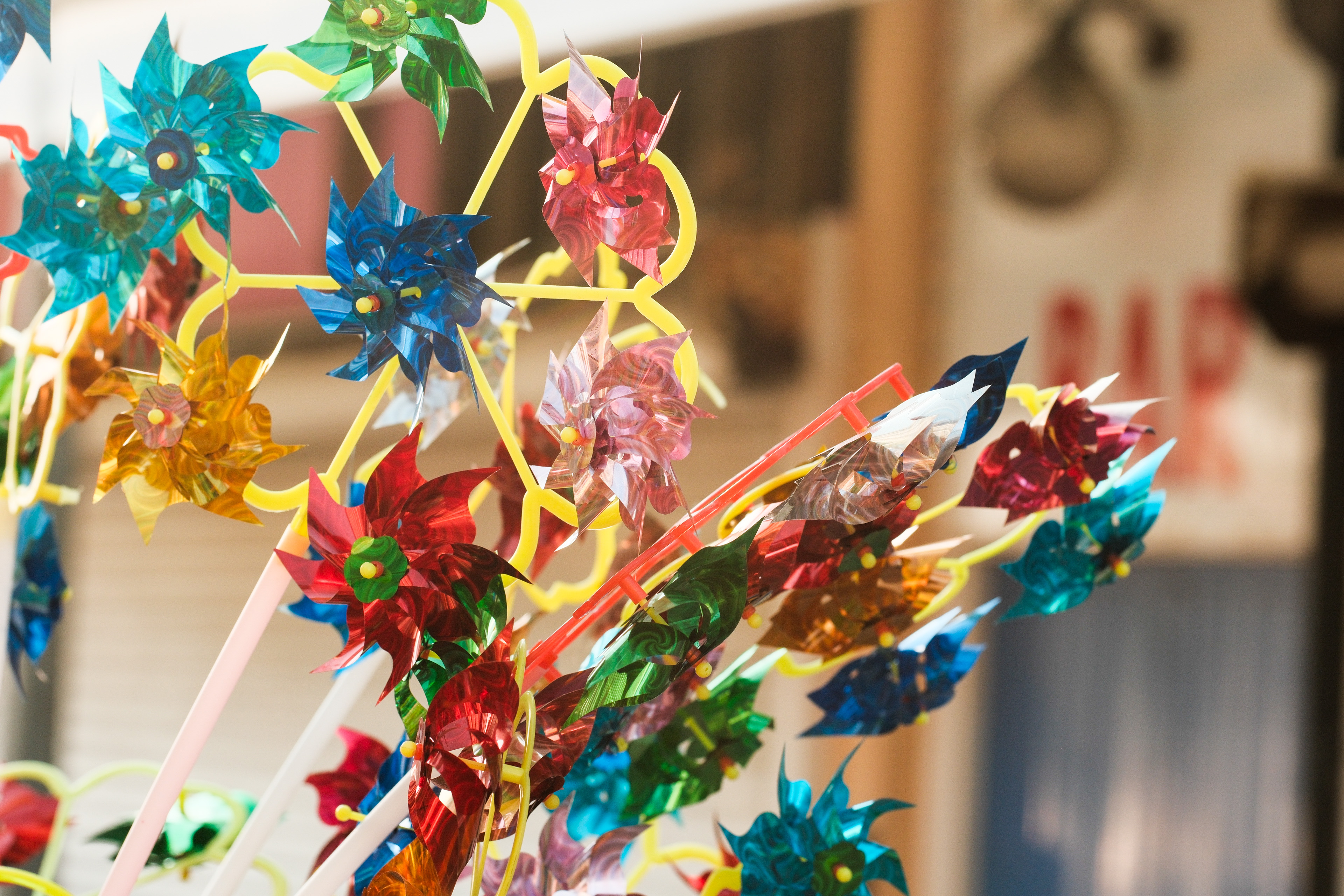
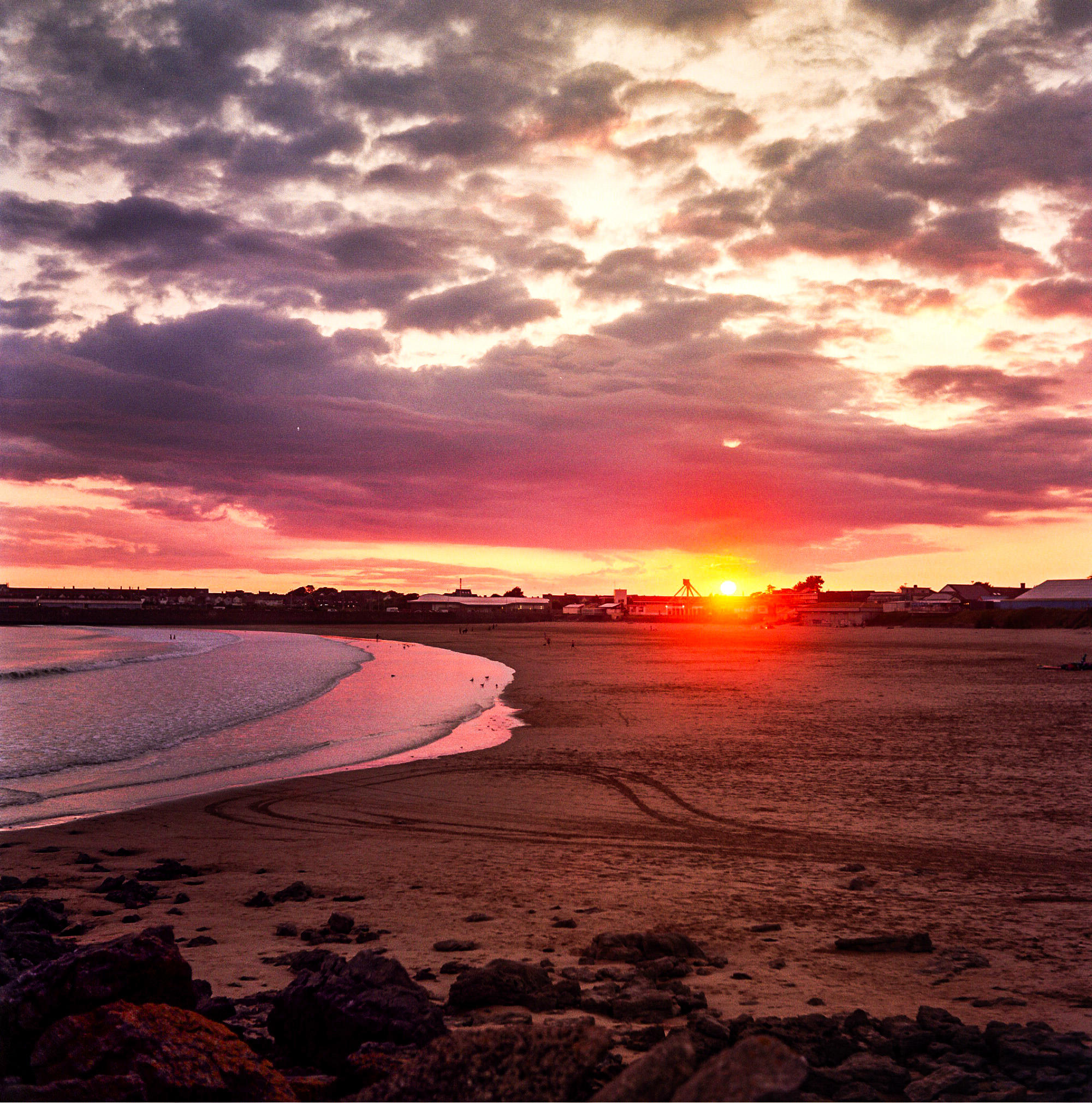
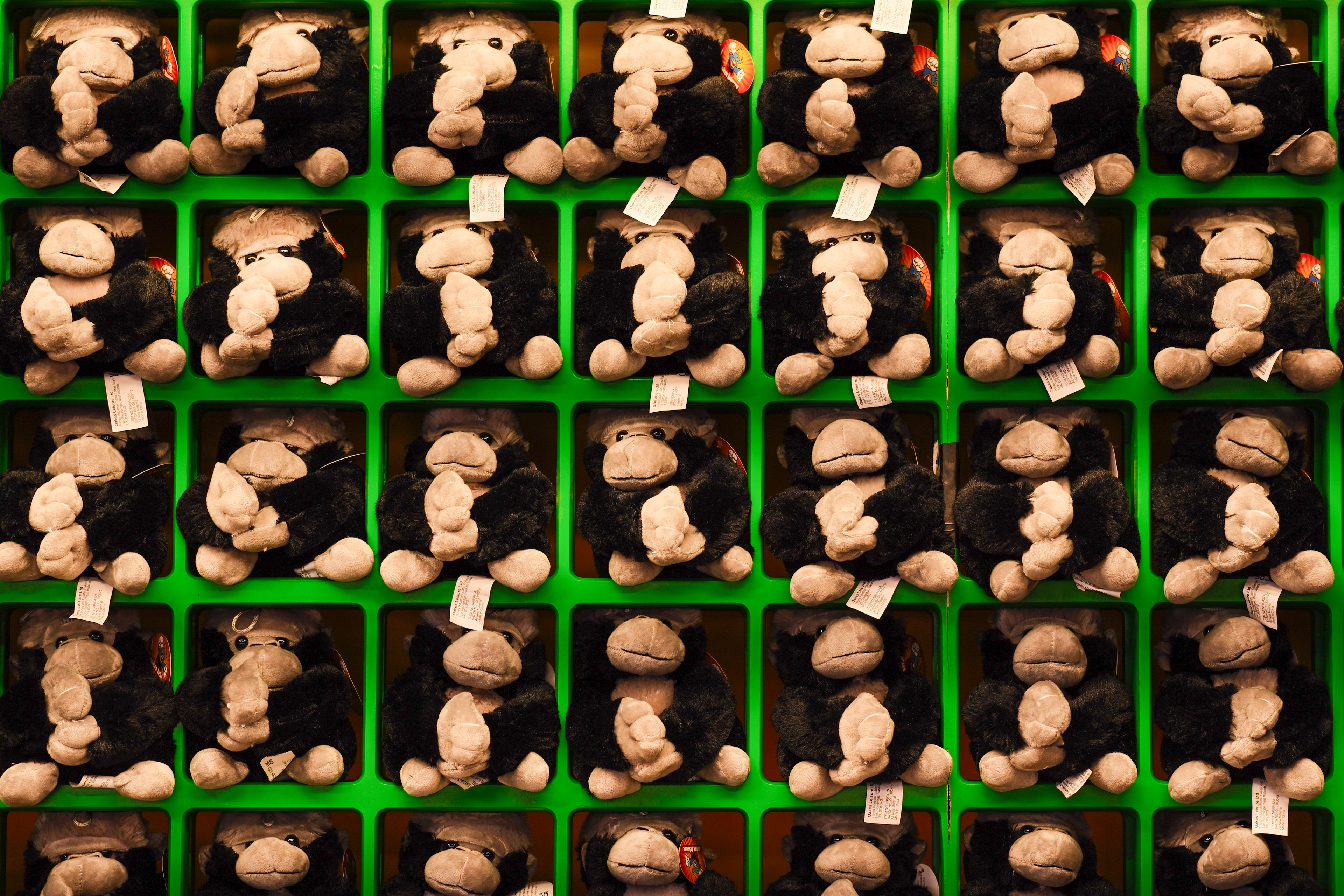
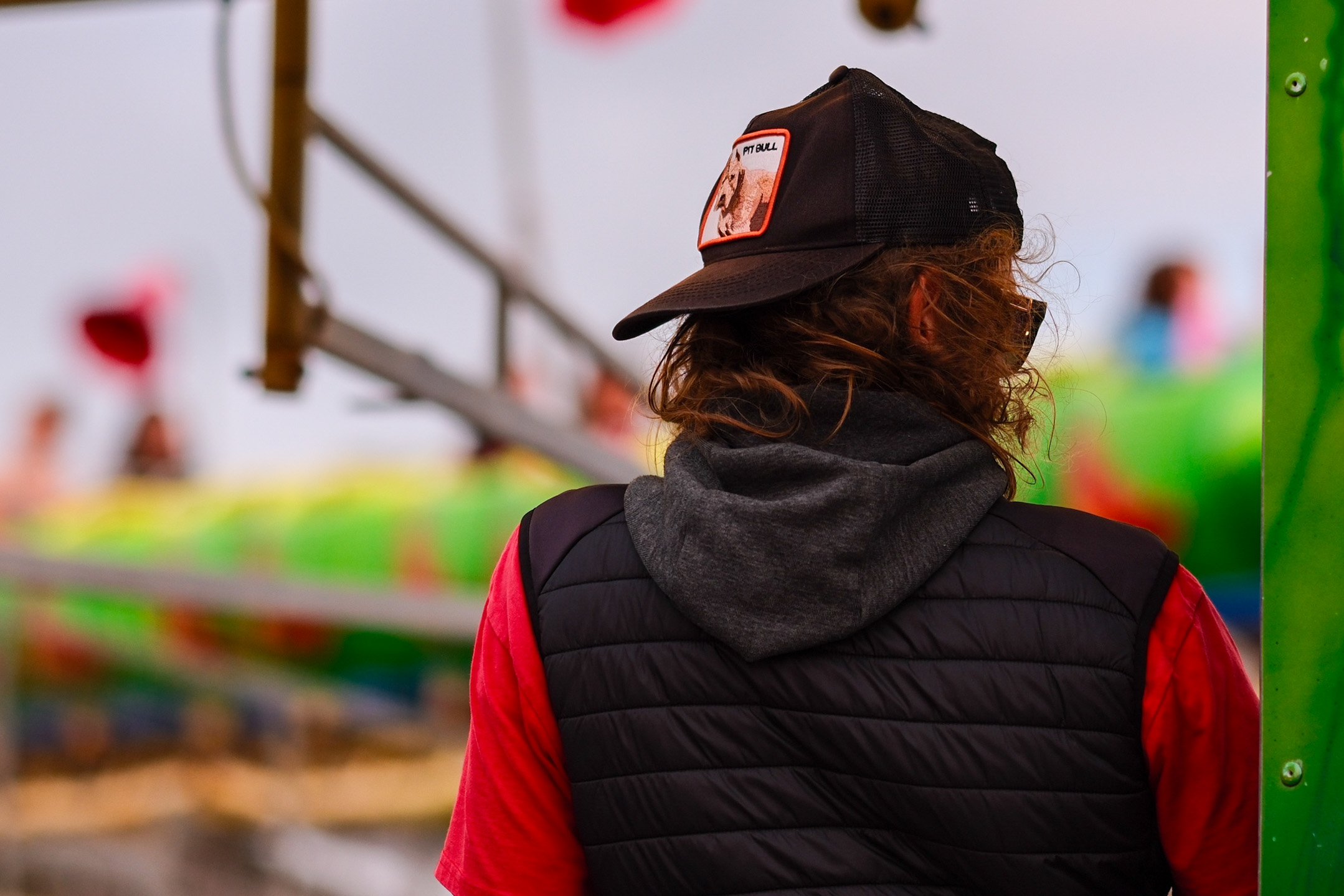
The below images are from that final day, with a selection of both digital and analog images taken over the last few years
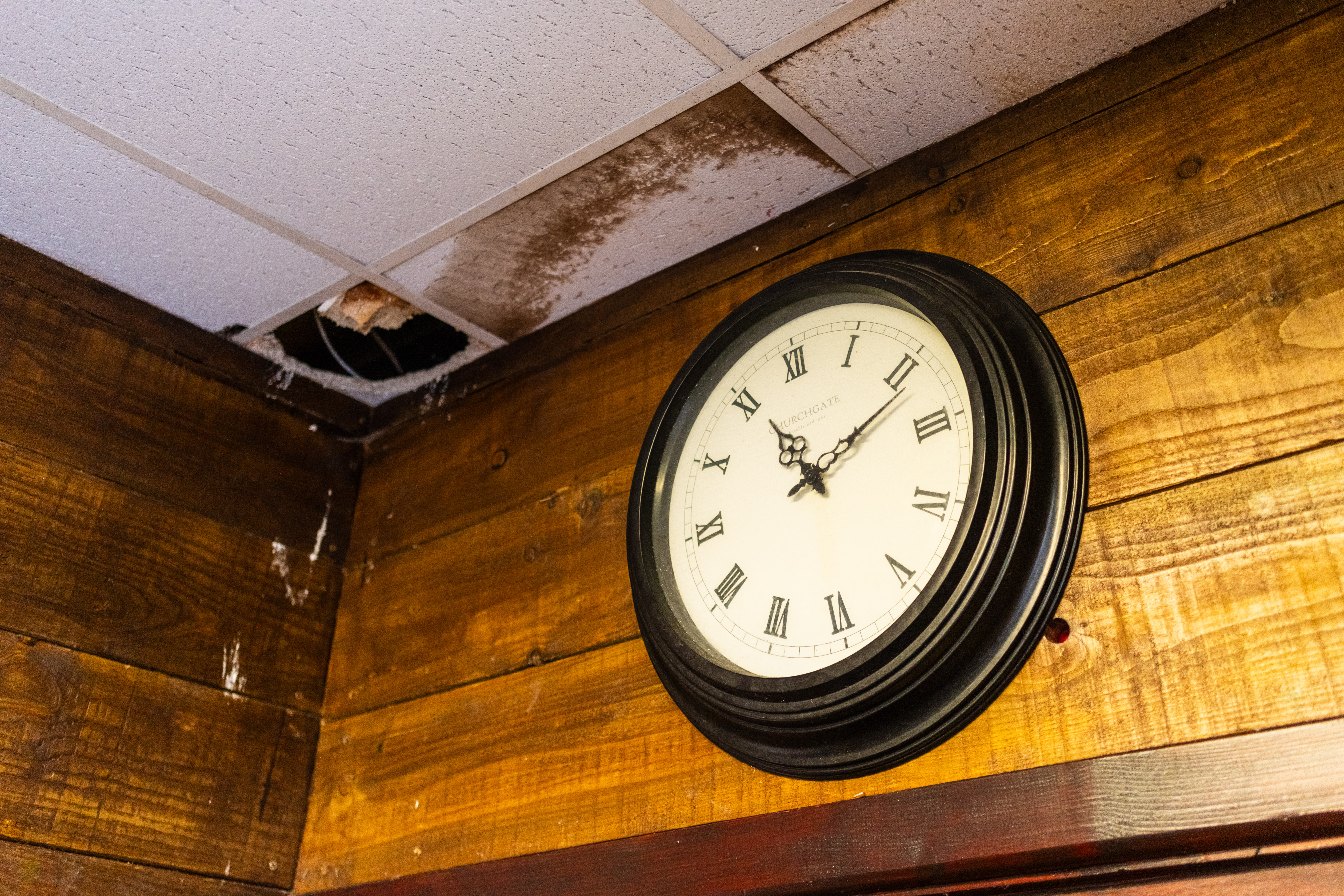
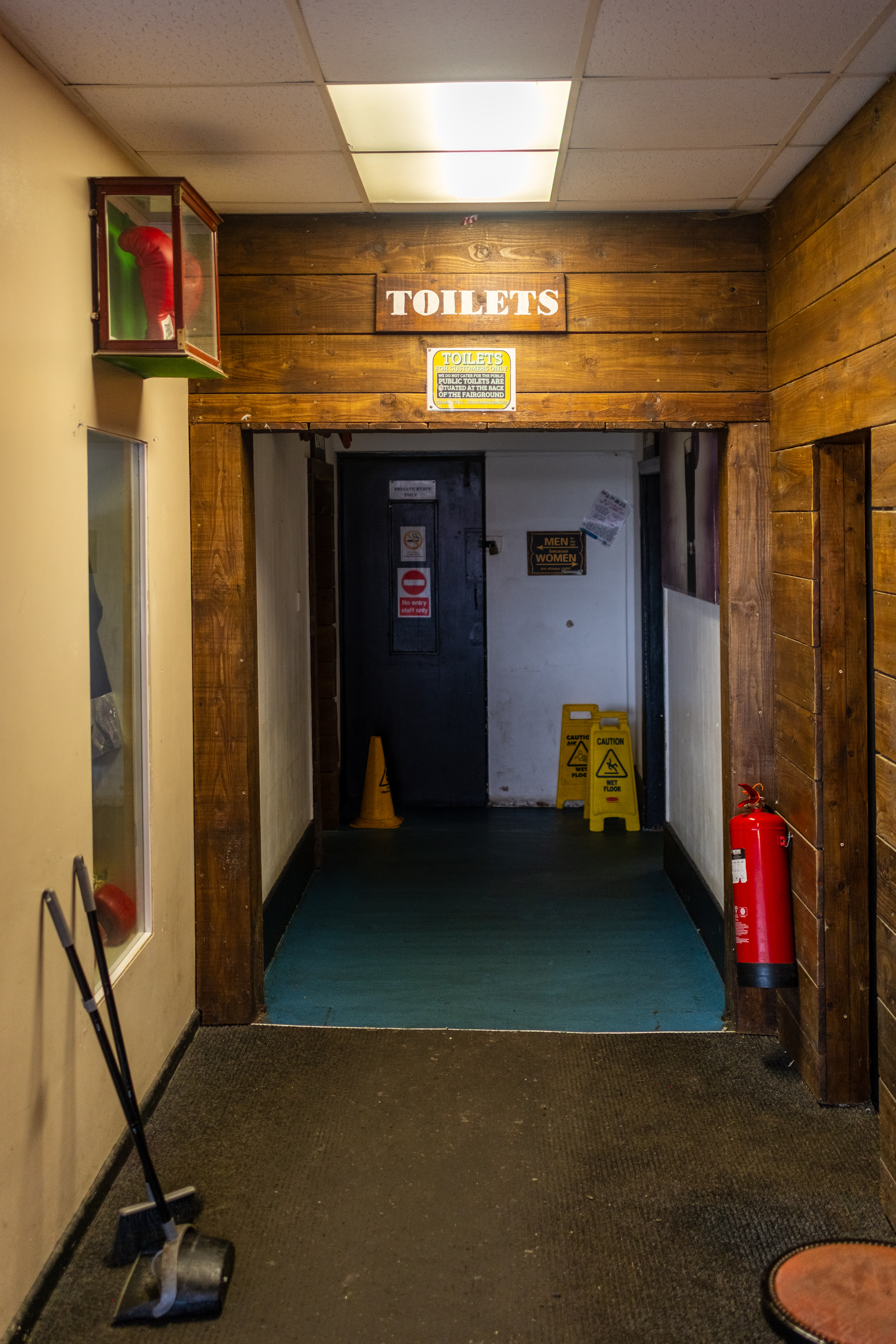
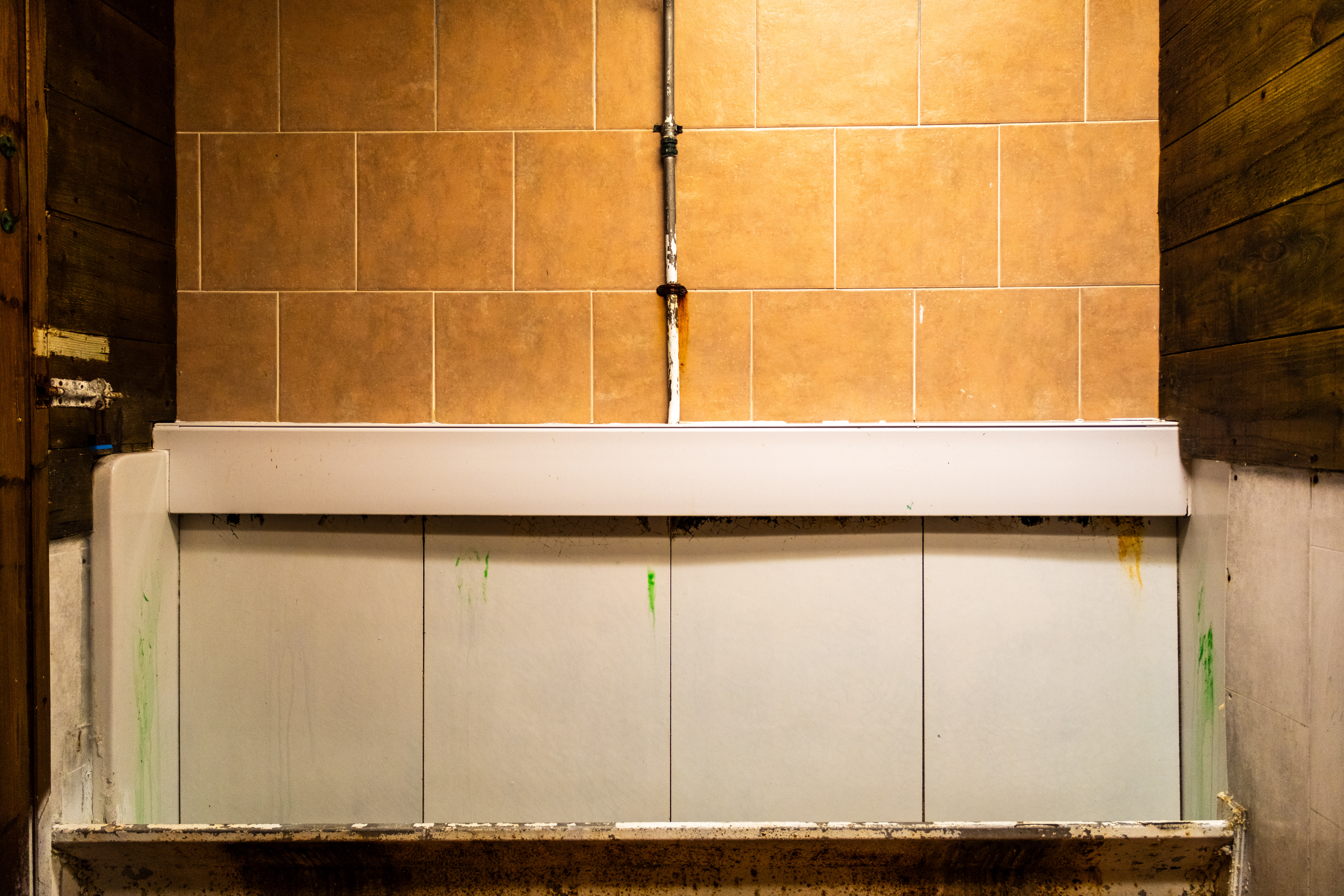
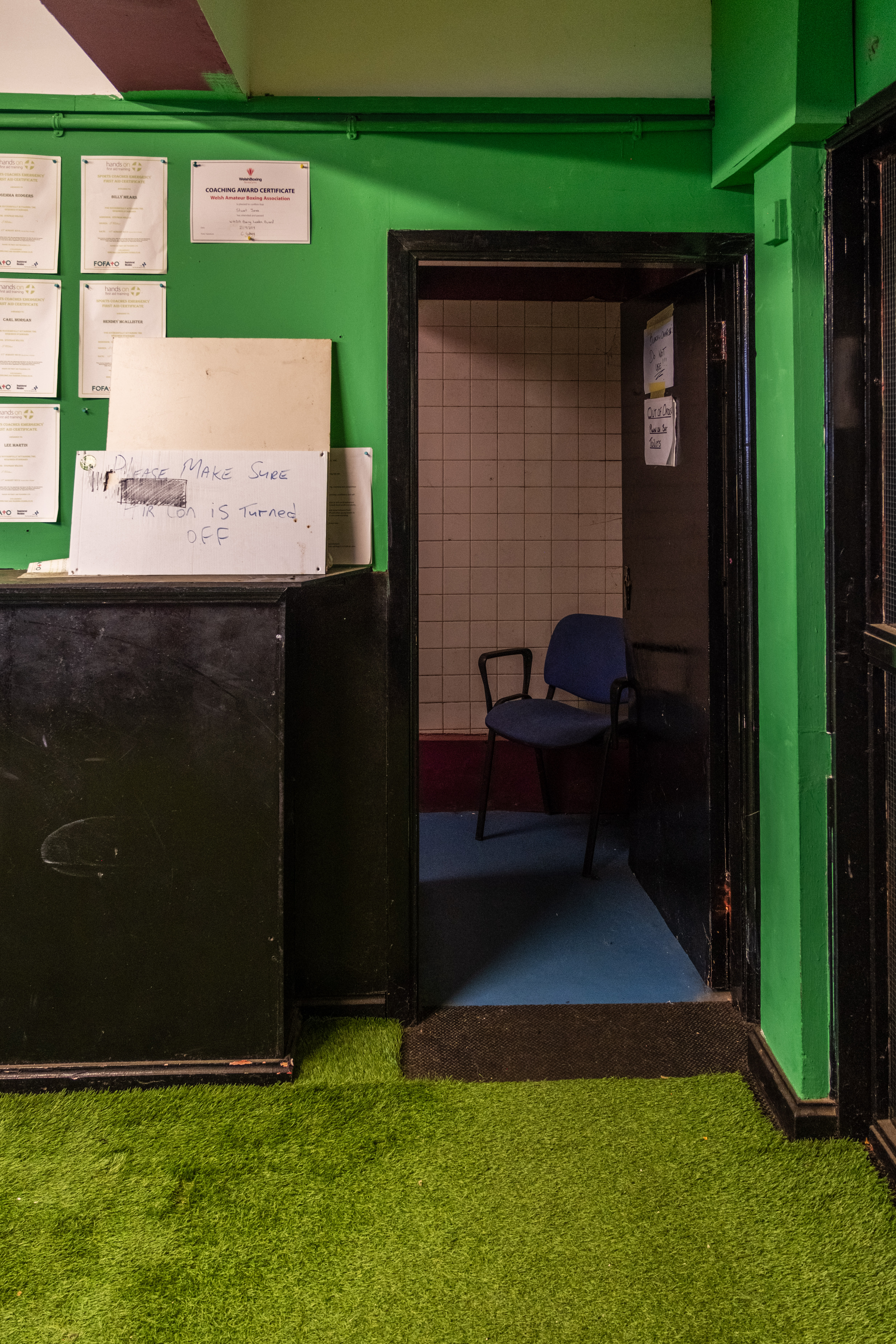
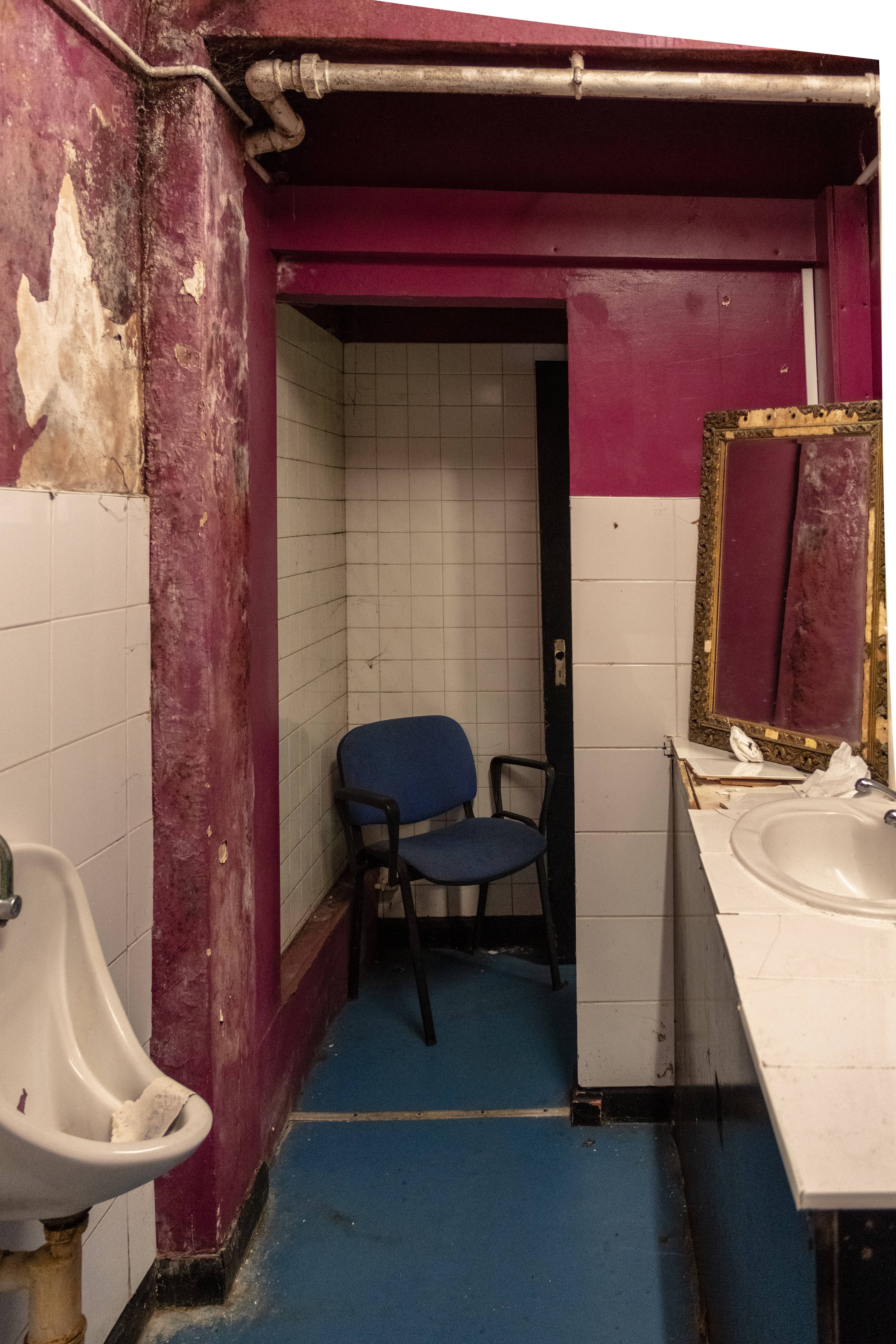
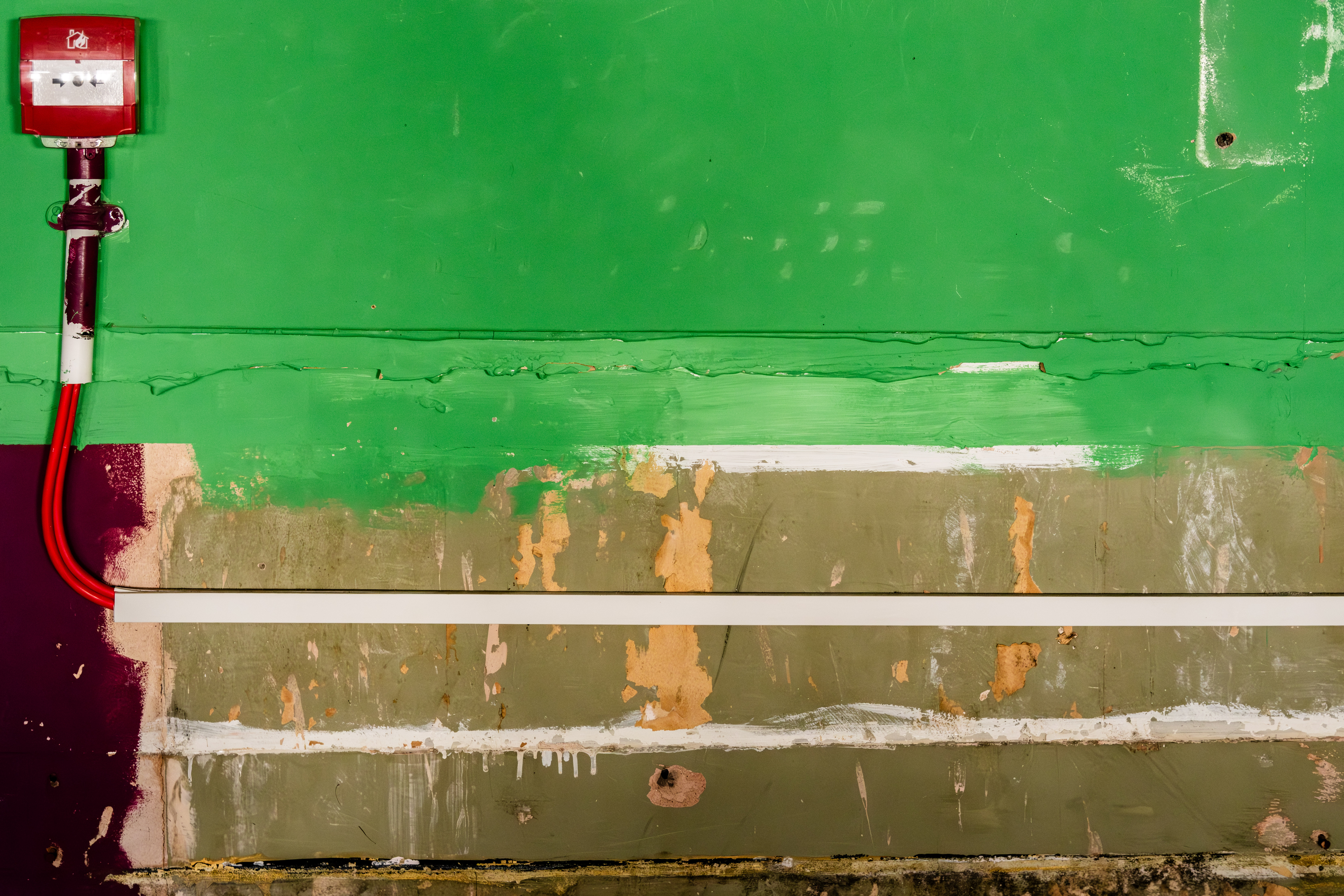
This image, like a lot that I take around wales, is a site that thousands of people have probably walked past every day. There’s a story already here – what’s the chair for (fag breaks?), how long has it been there? I bet there are marks where feet have rested for so long. The ramp, one of my favourite details anywhere, the ancient “quick fix”. The cracked tiles, the peeled lettering, the ironically burnt looking fireman’s switch.
The entrance, that some might say is grim, is an important one, the manor suite, bold colours and art deco styled typography. I did some digging and found records of old boxing club presentations there, weddings, the northern soul rave events (available on YouTube) – I also found out the owners themselves had their wedding reception there.
So it’s not the grim that pulls me to images like this, it’s the evidence, despite the lack of people in the photo , of how people and places are inexorably tied together until one or both are gone.
Some will look at this picture and think “that’s grim” – others might look and see these details, others will see none of them – but will see those bright lights and hear the pounding music on a friday night, the foot thumps of can can girls, their partners head on their shoulder for their first dance.
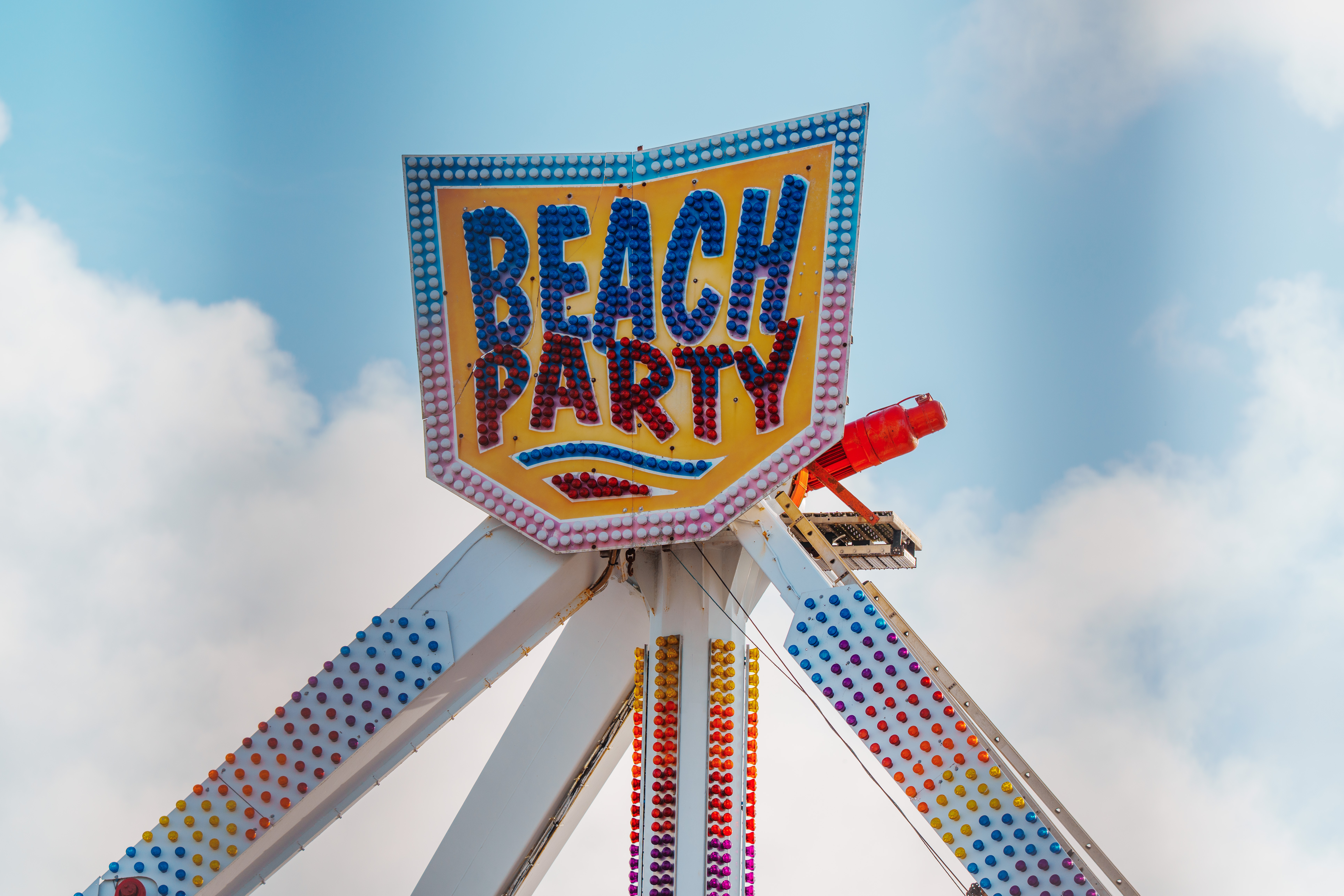
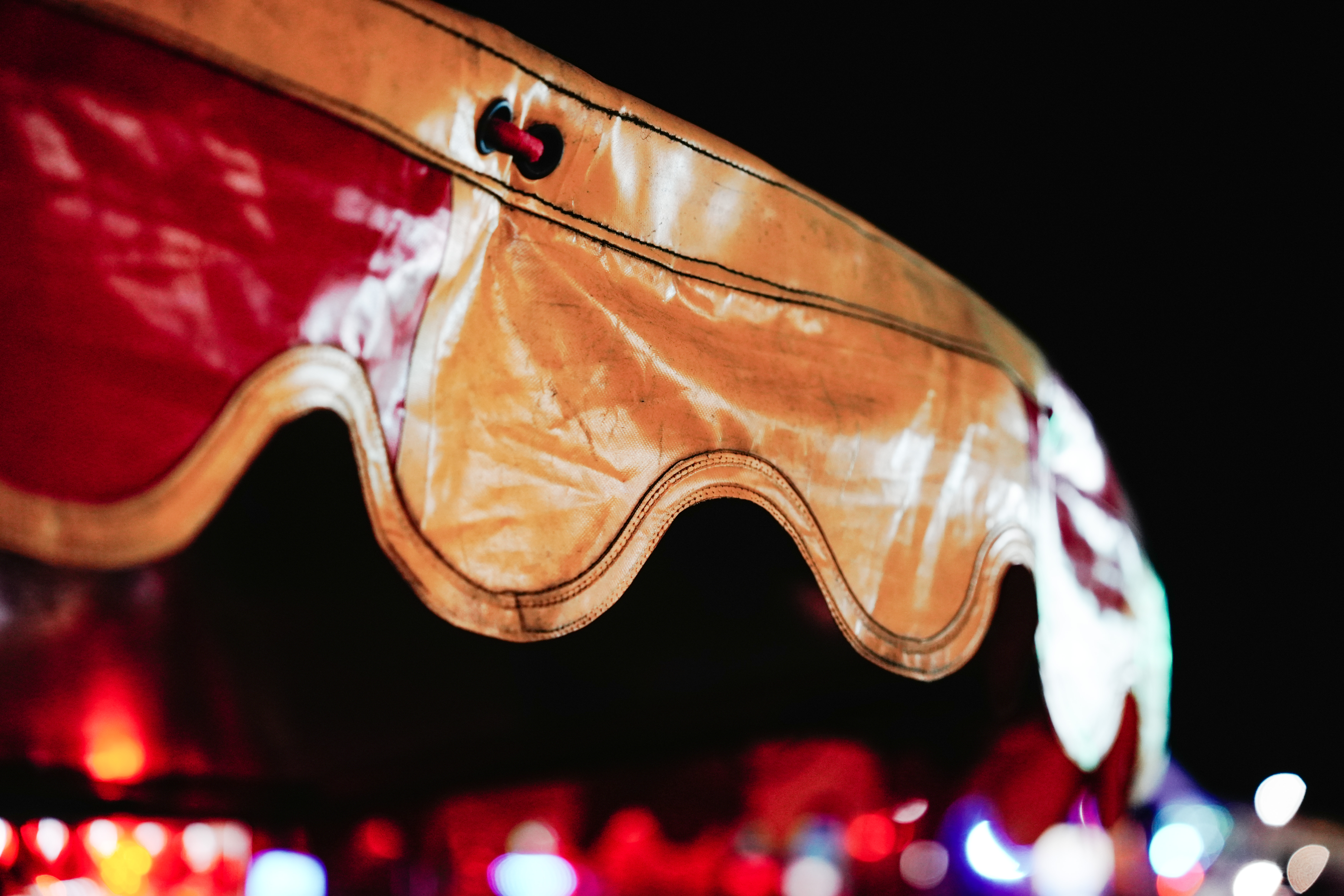
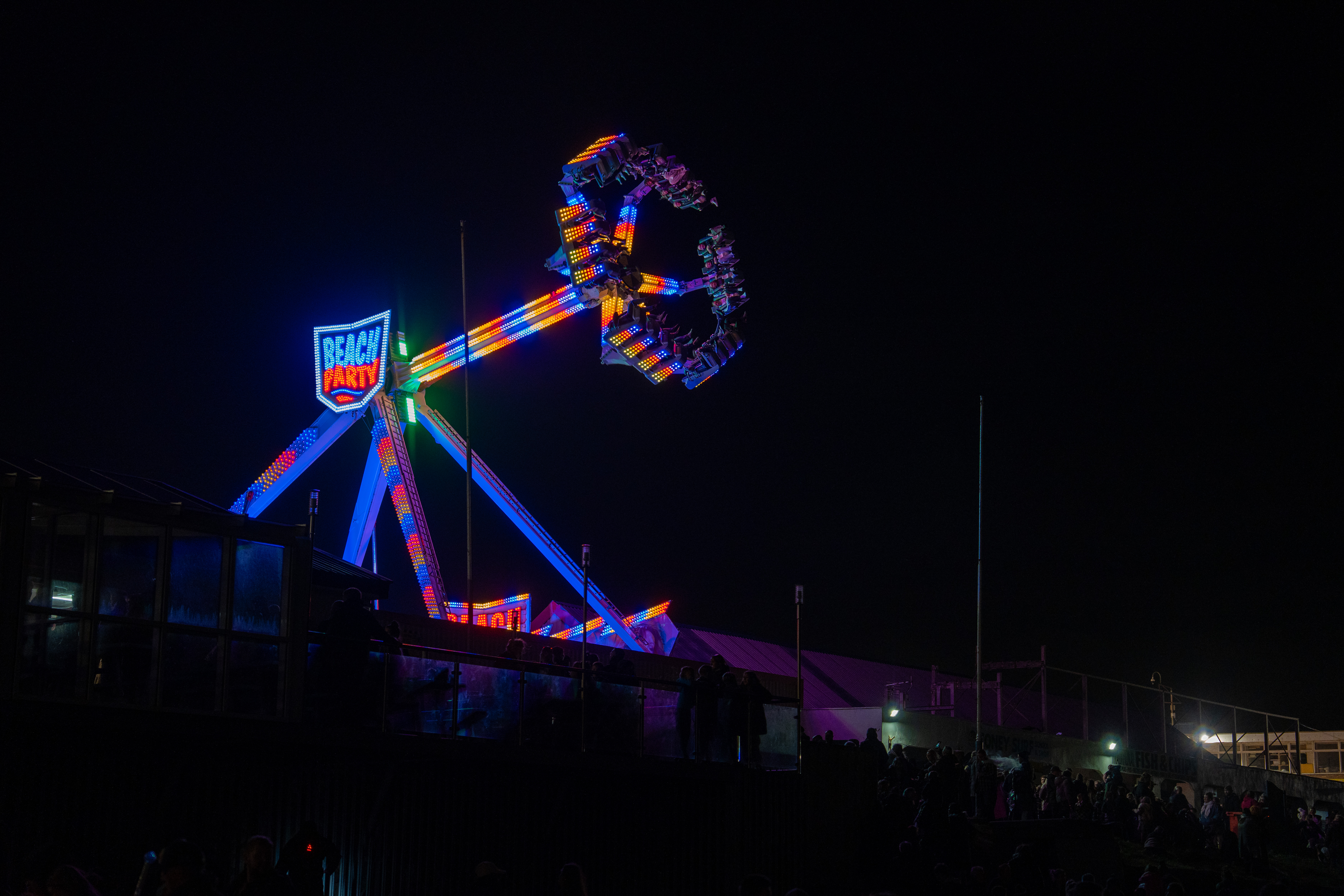
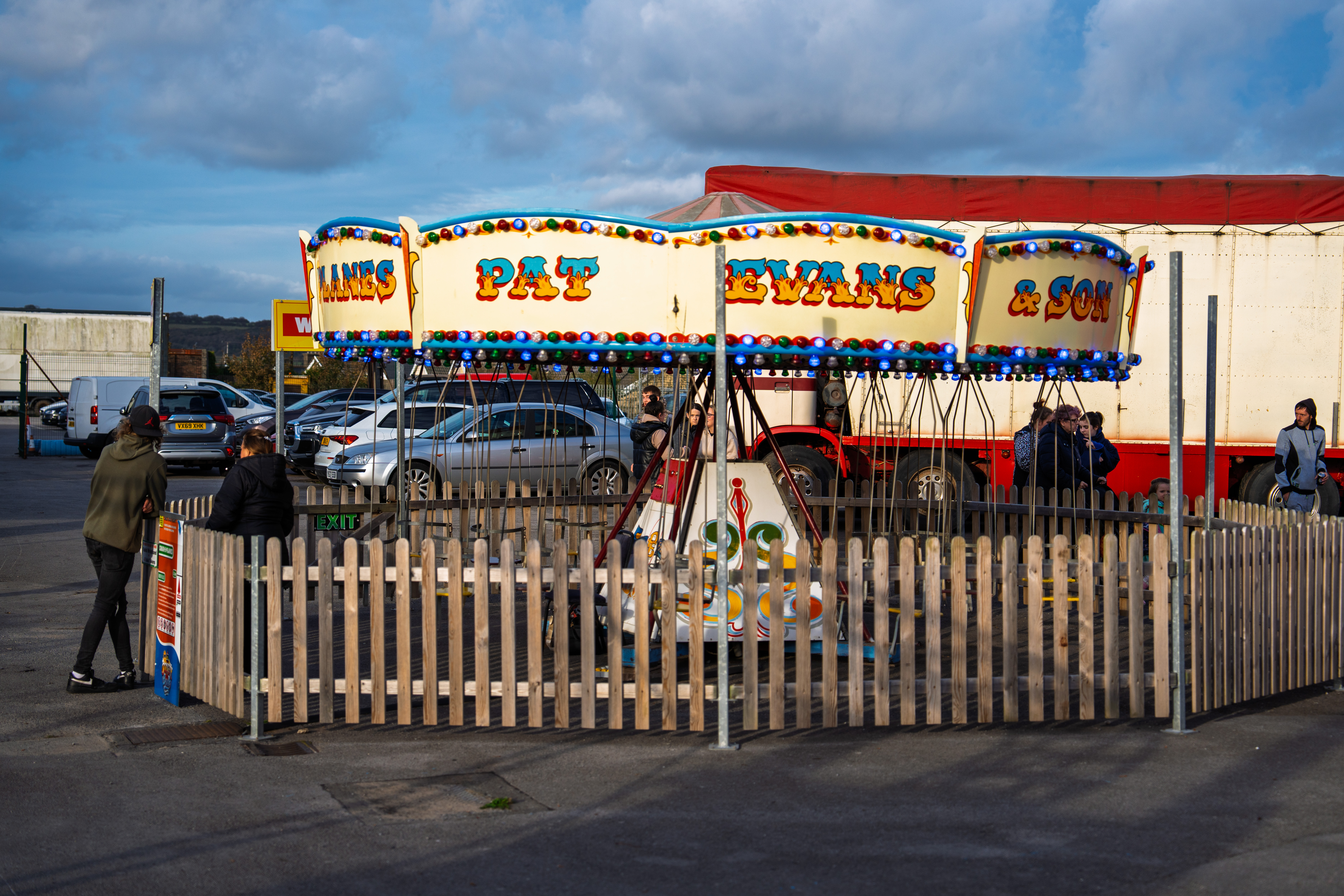
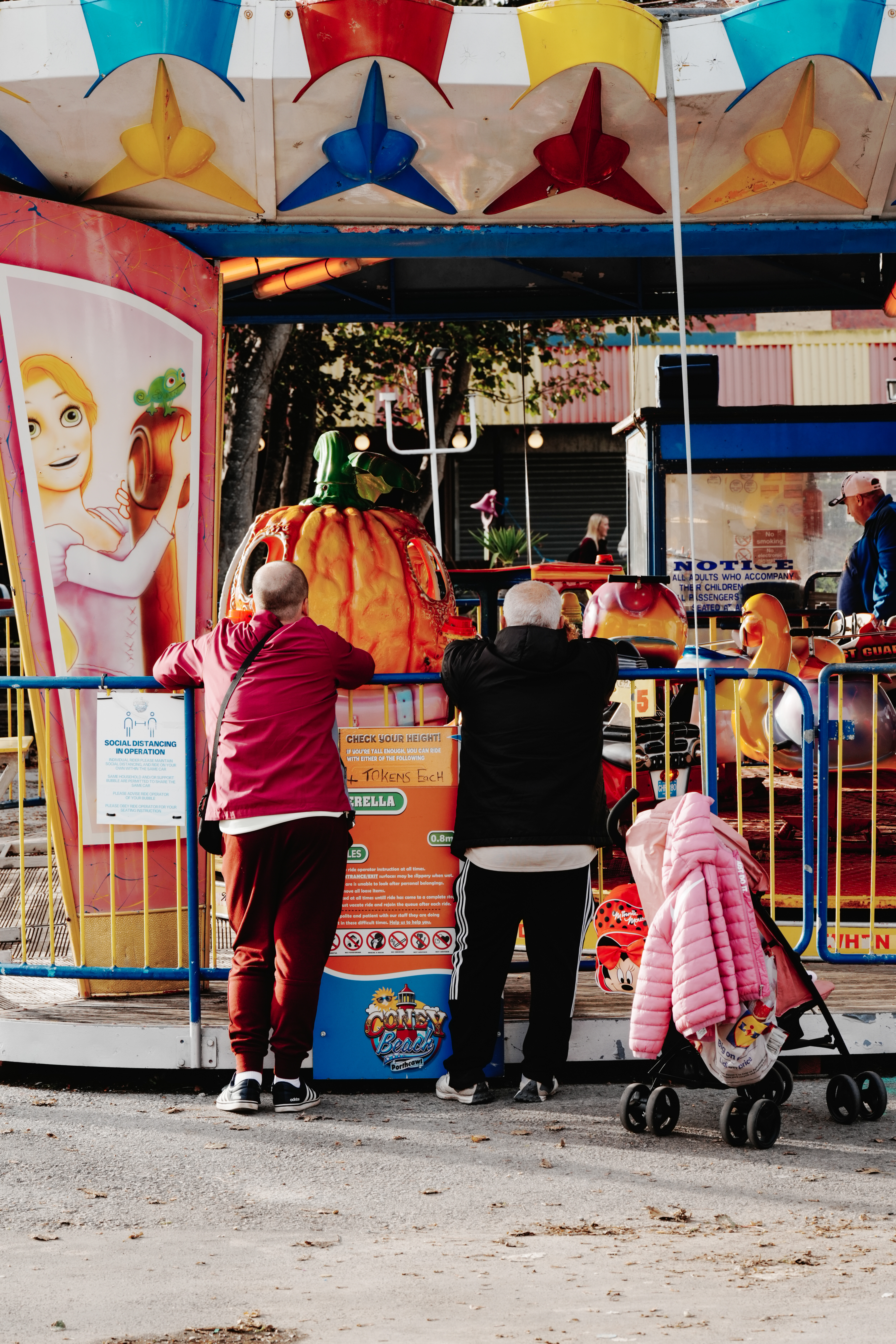
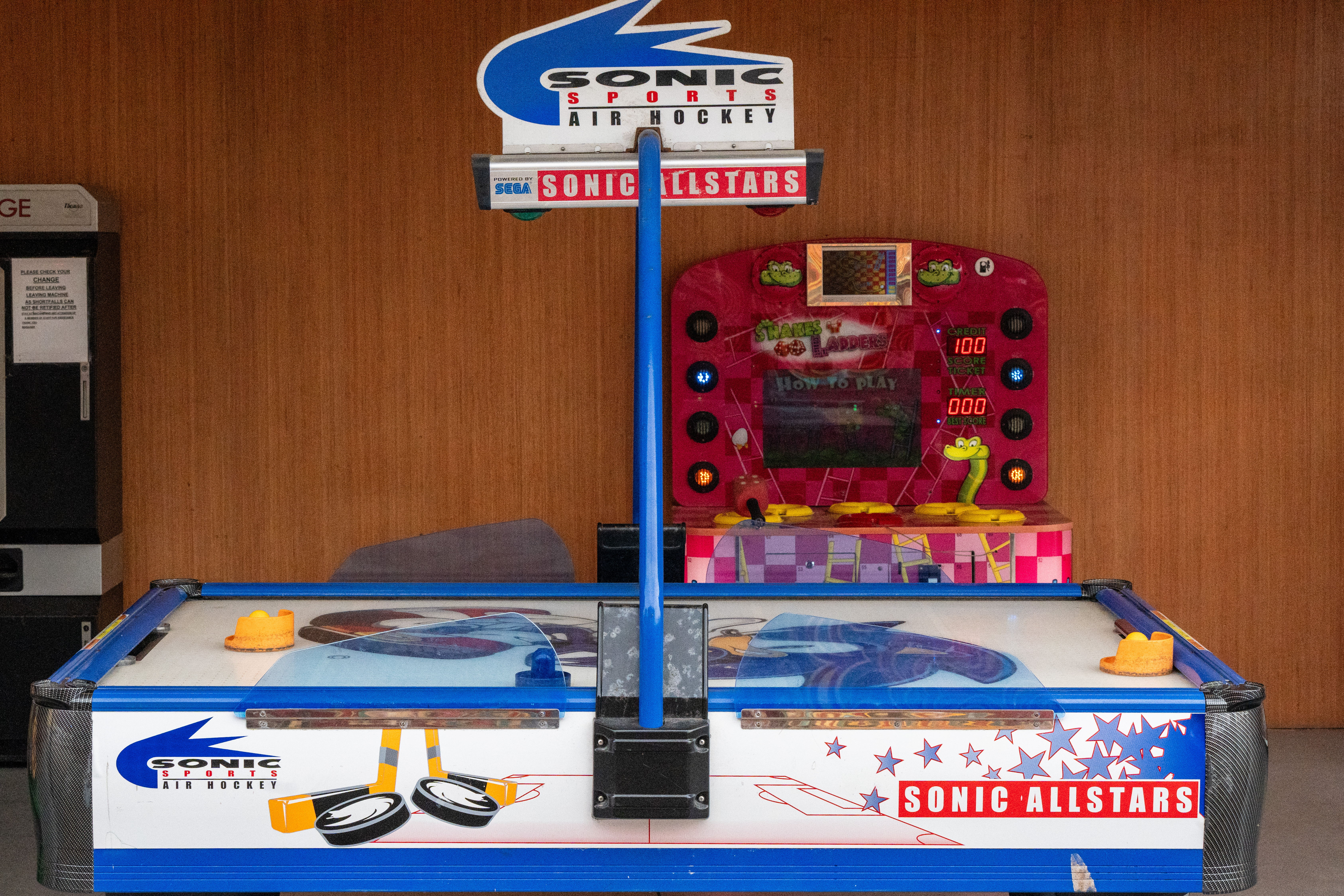
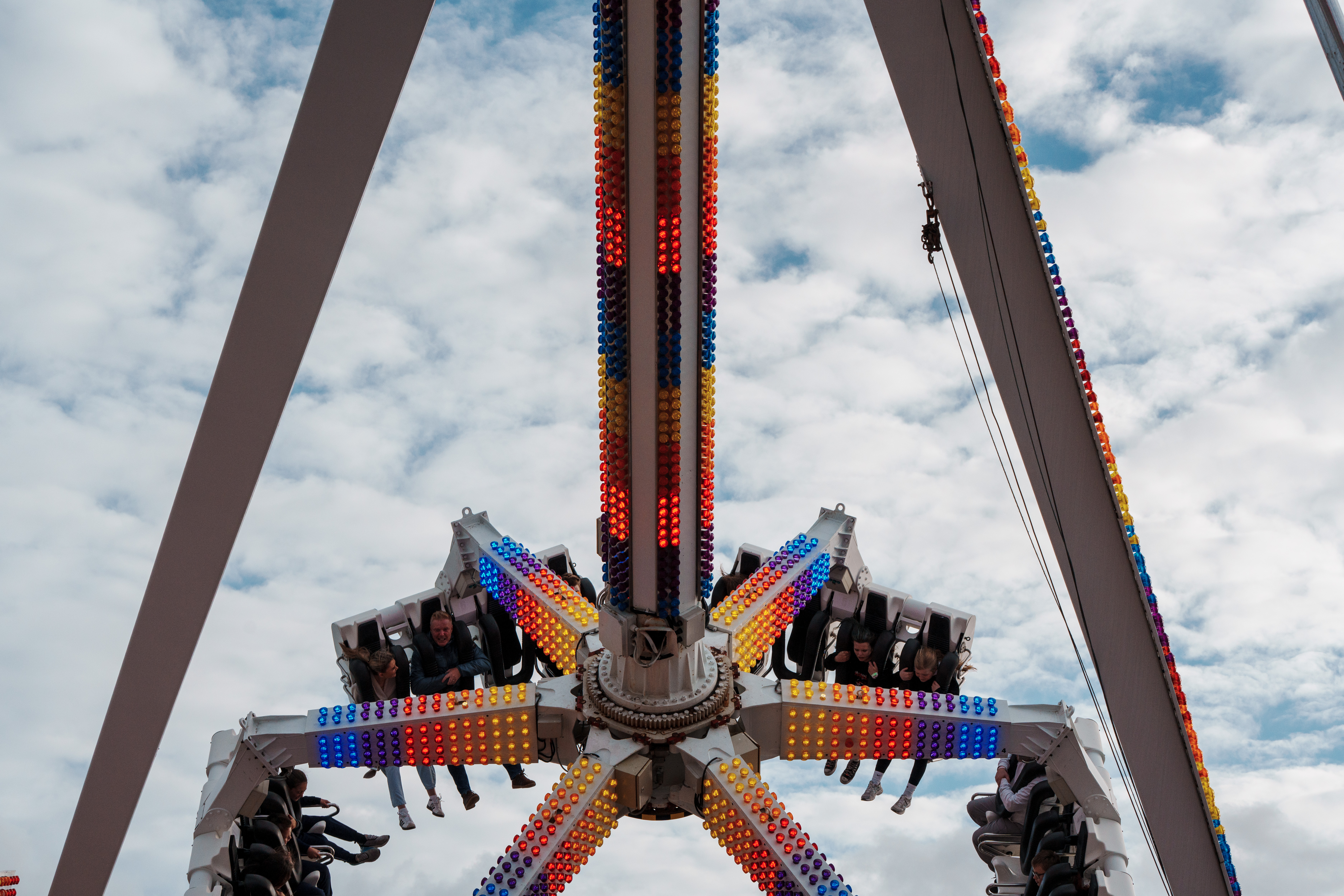
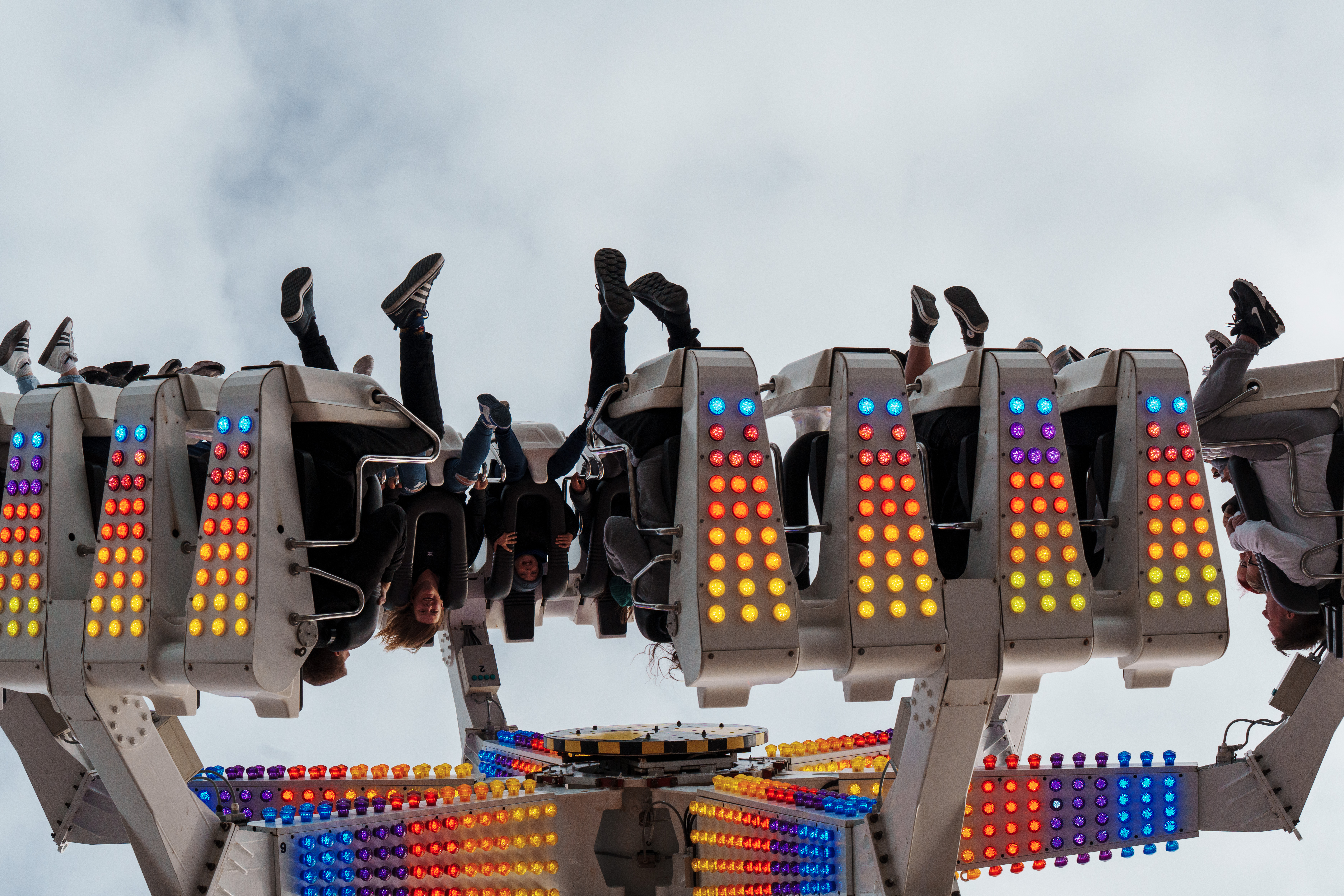
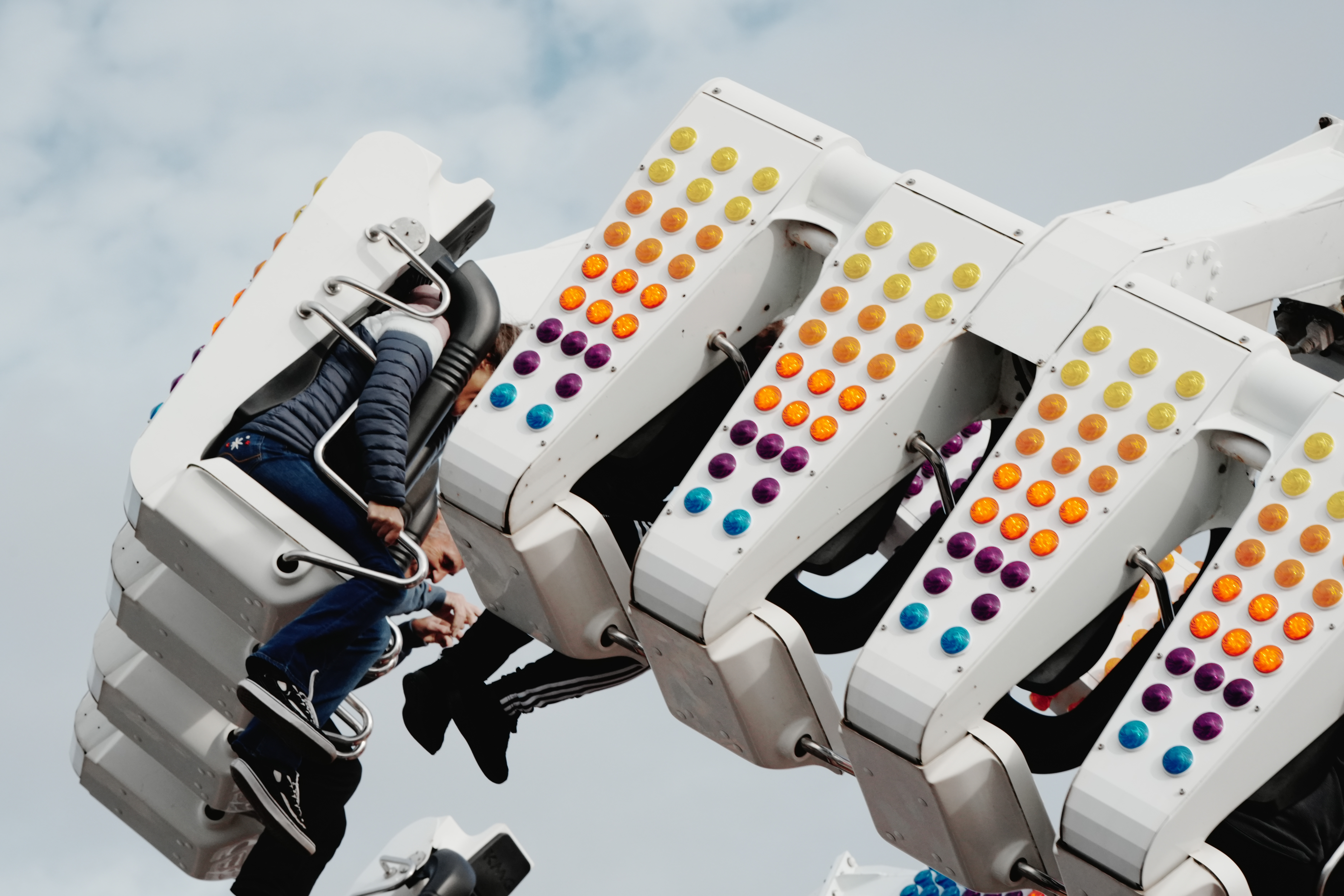
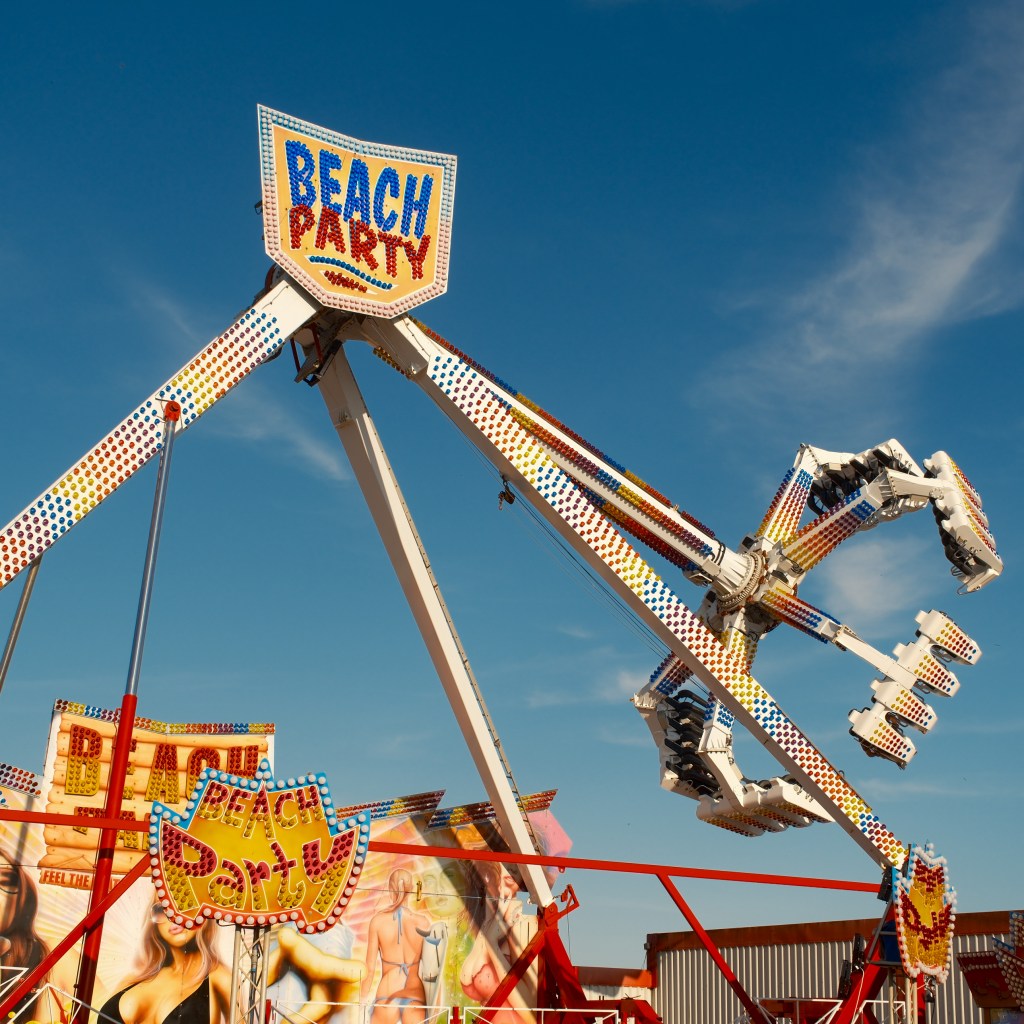
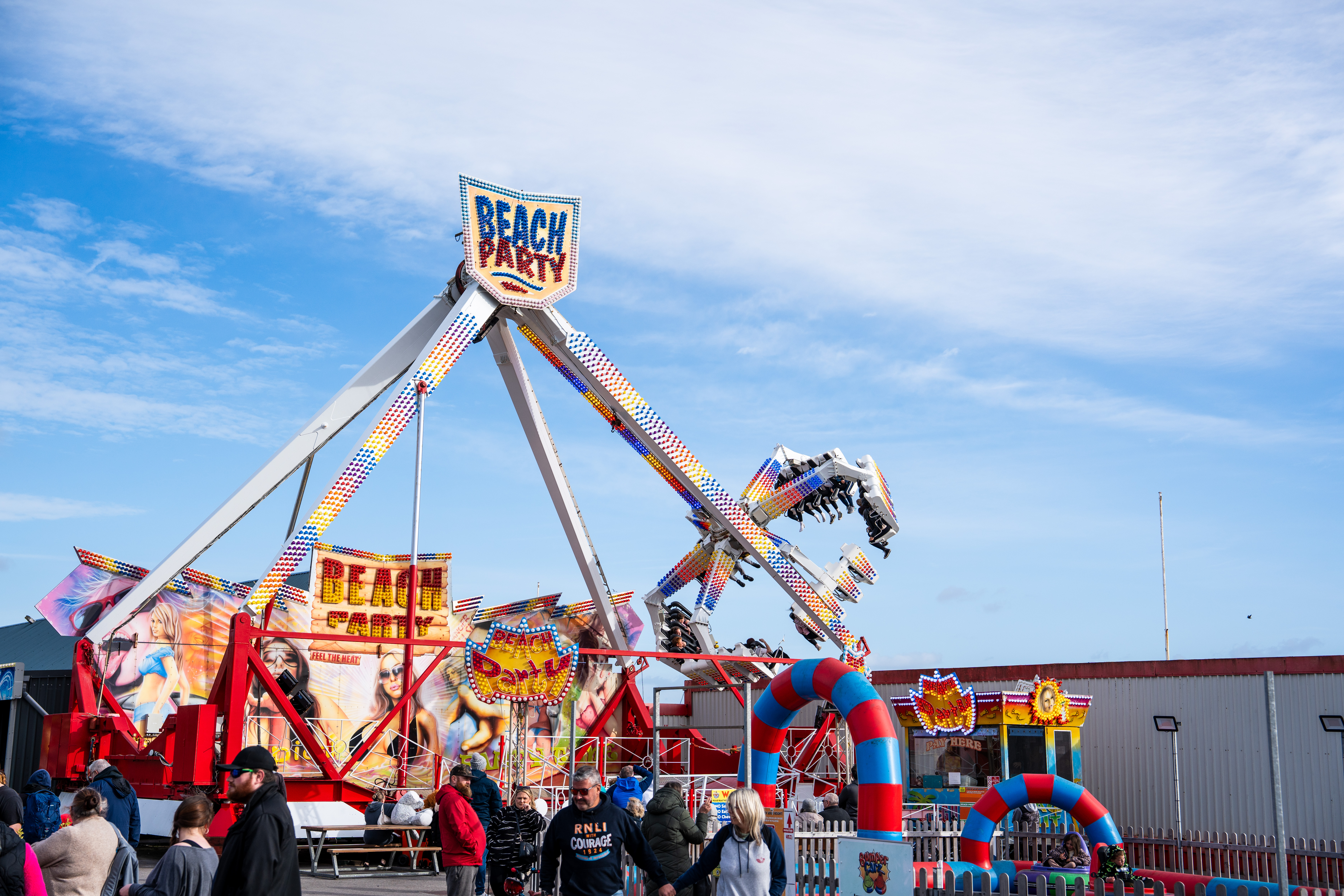
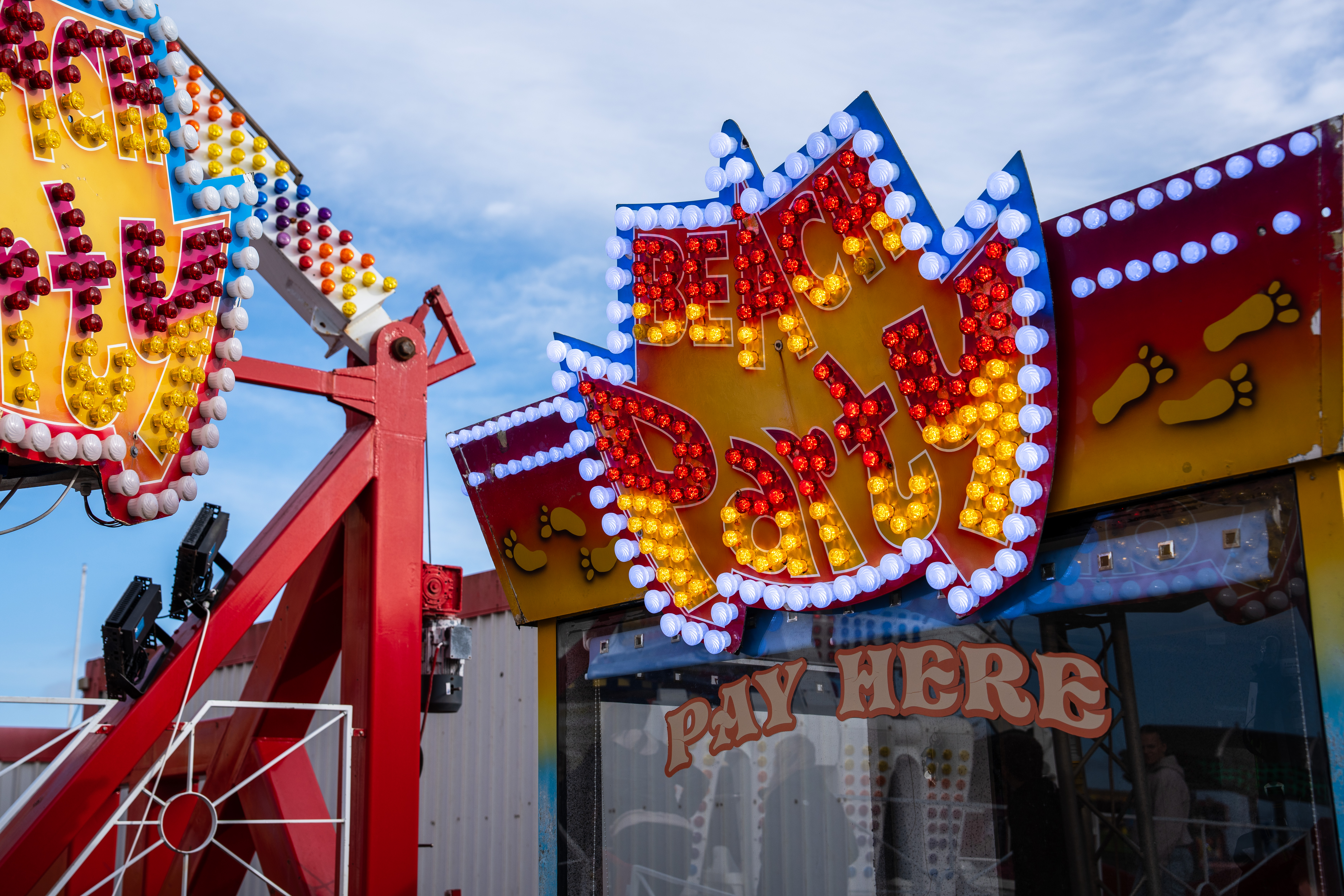
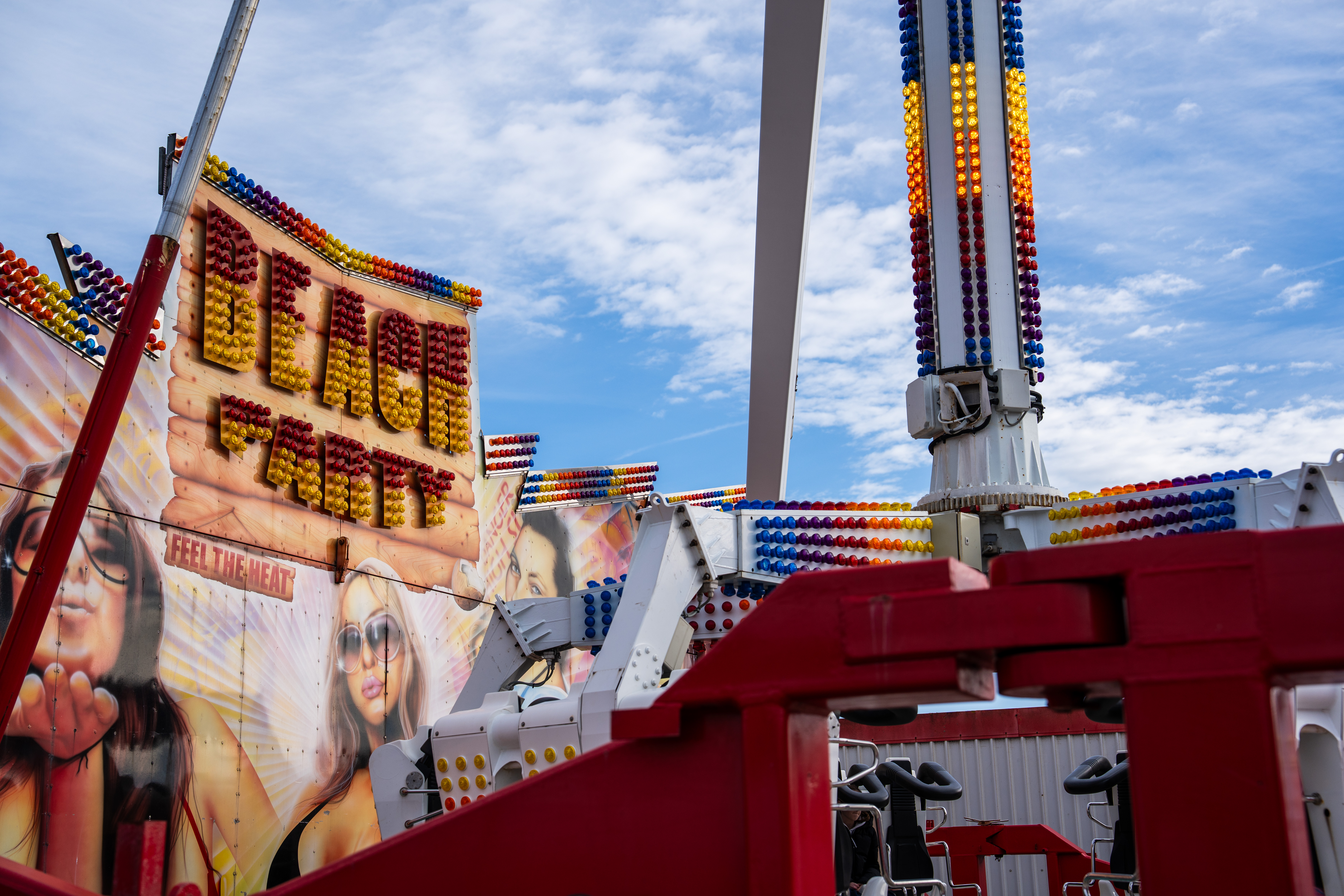
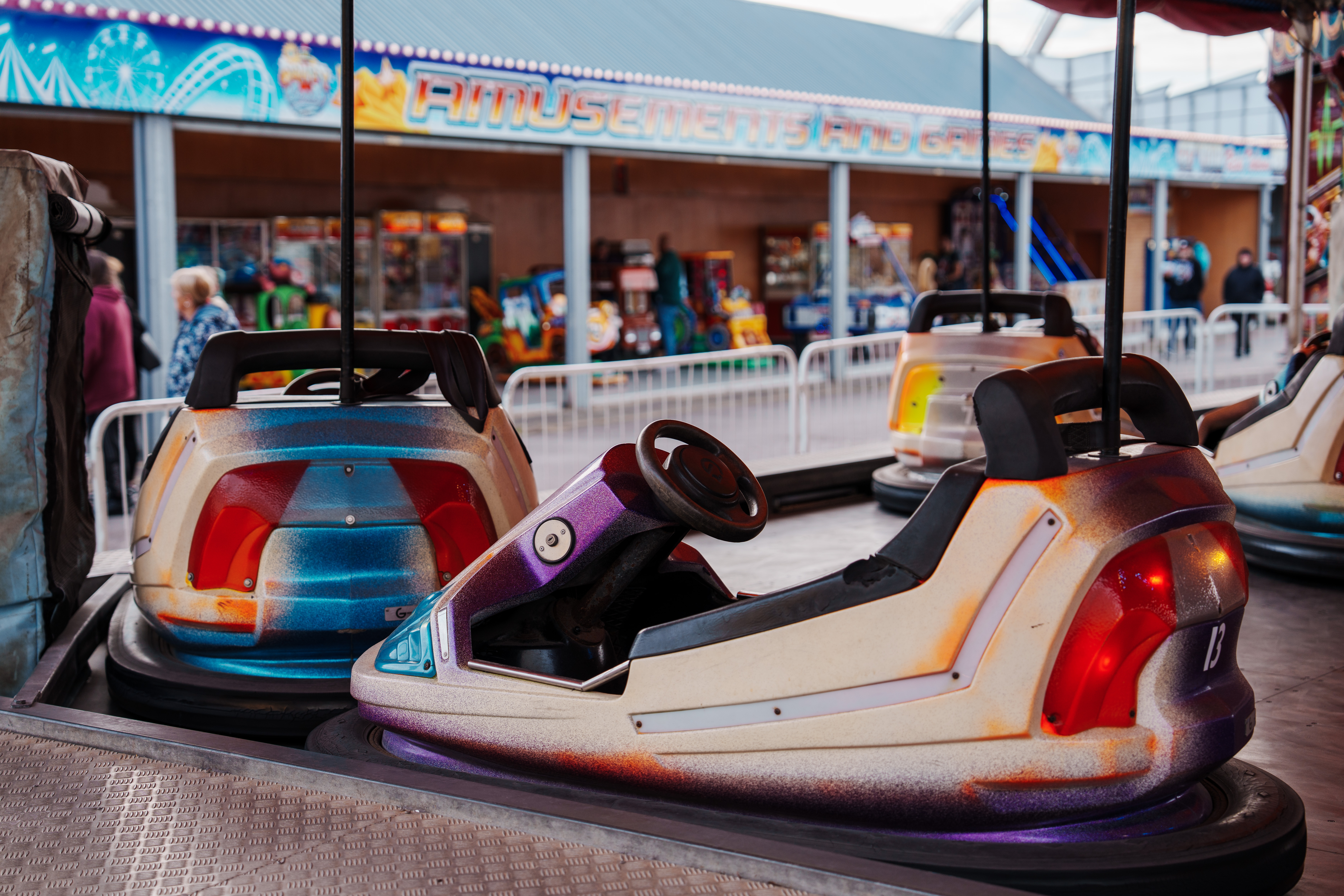
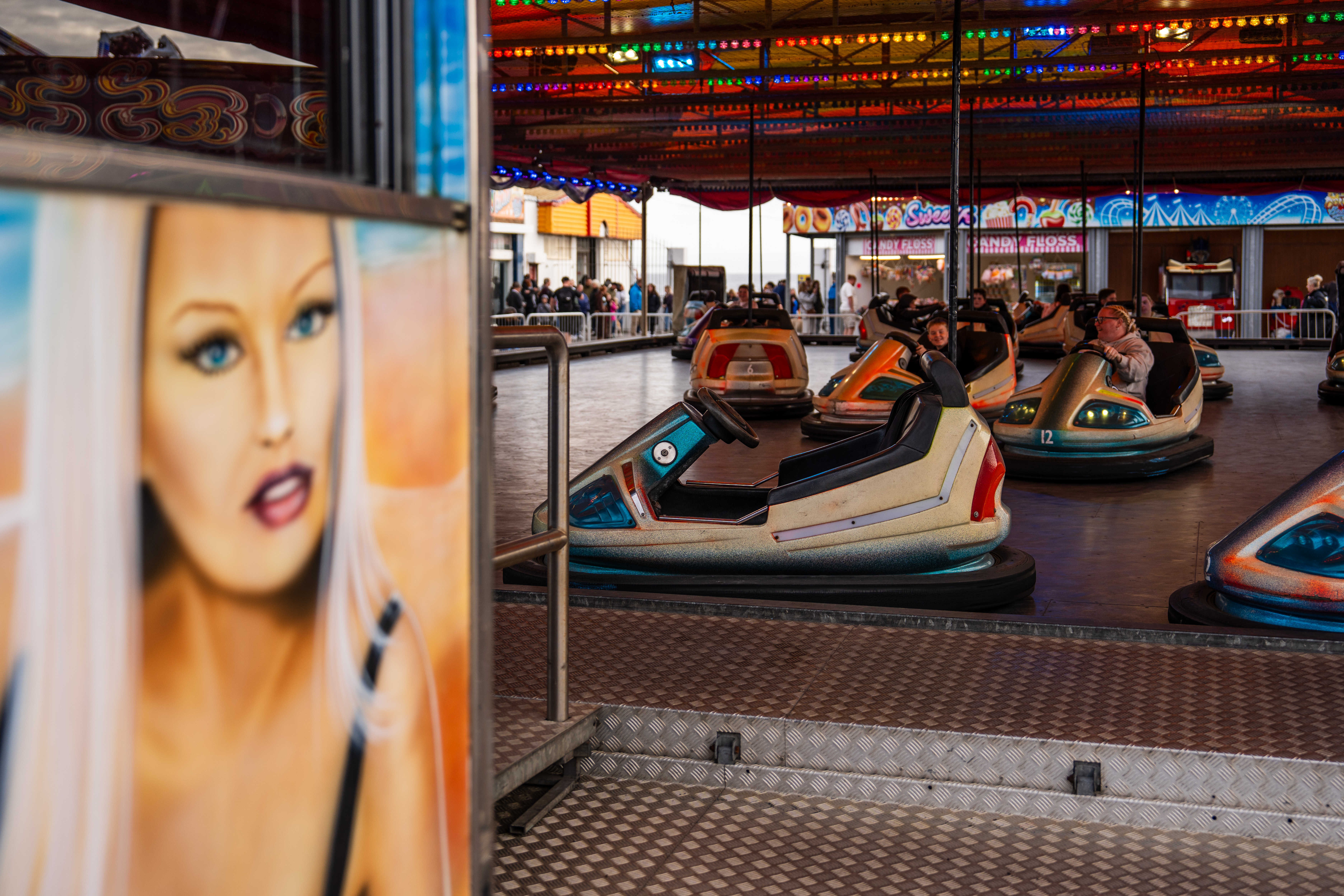
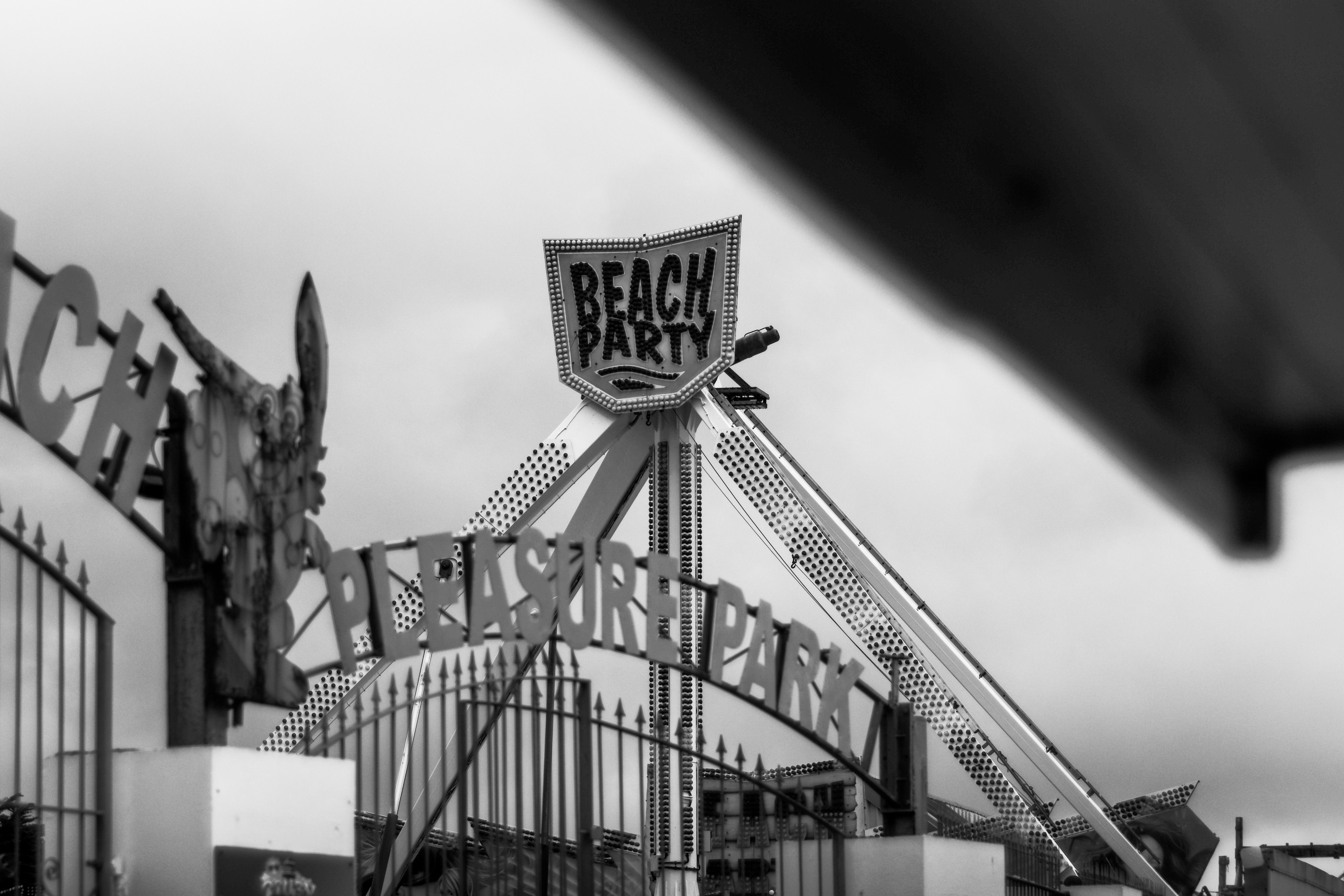
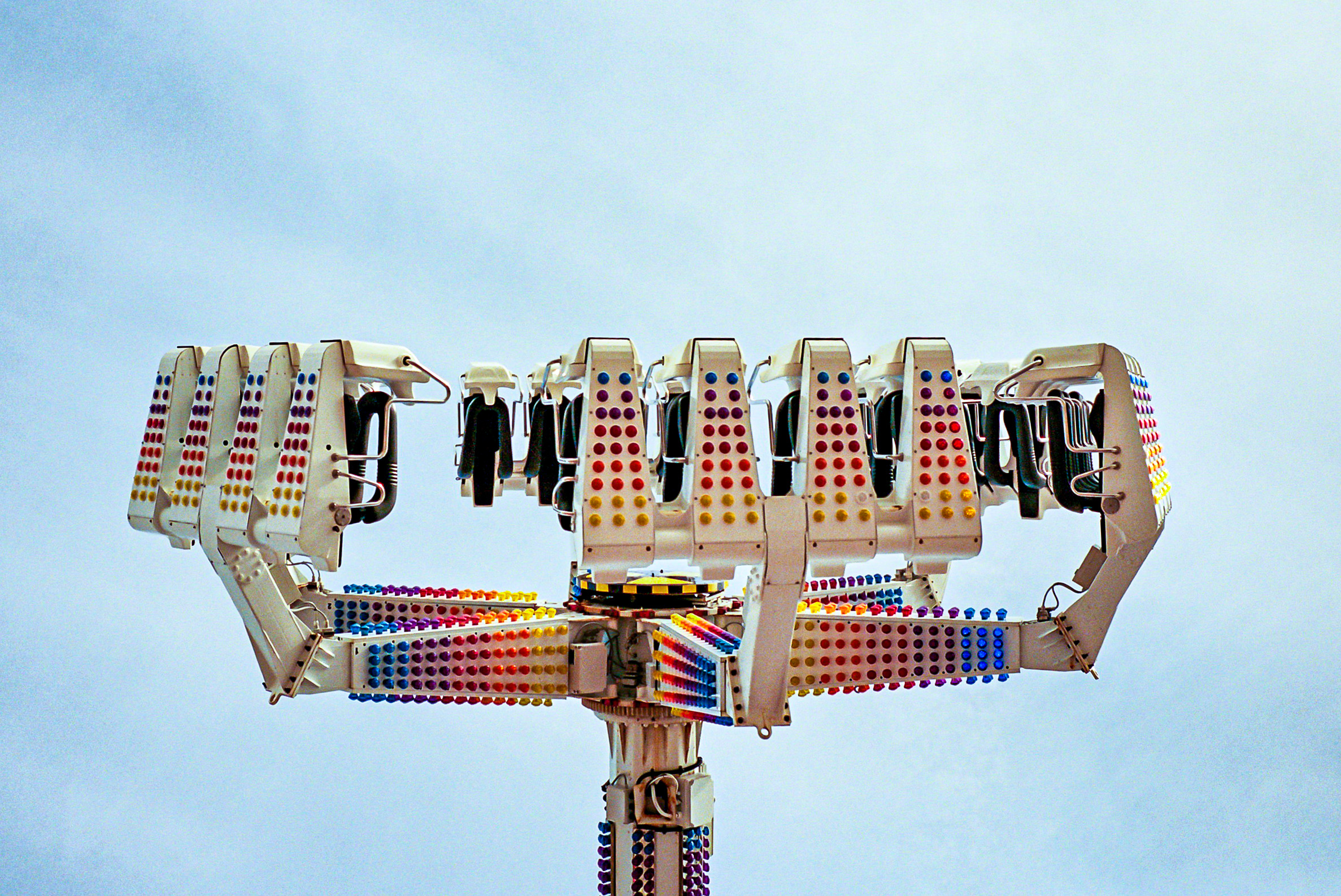
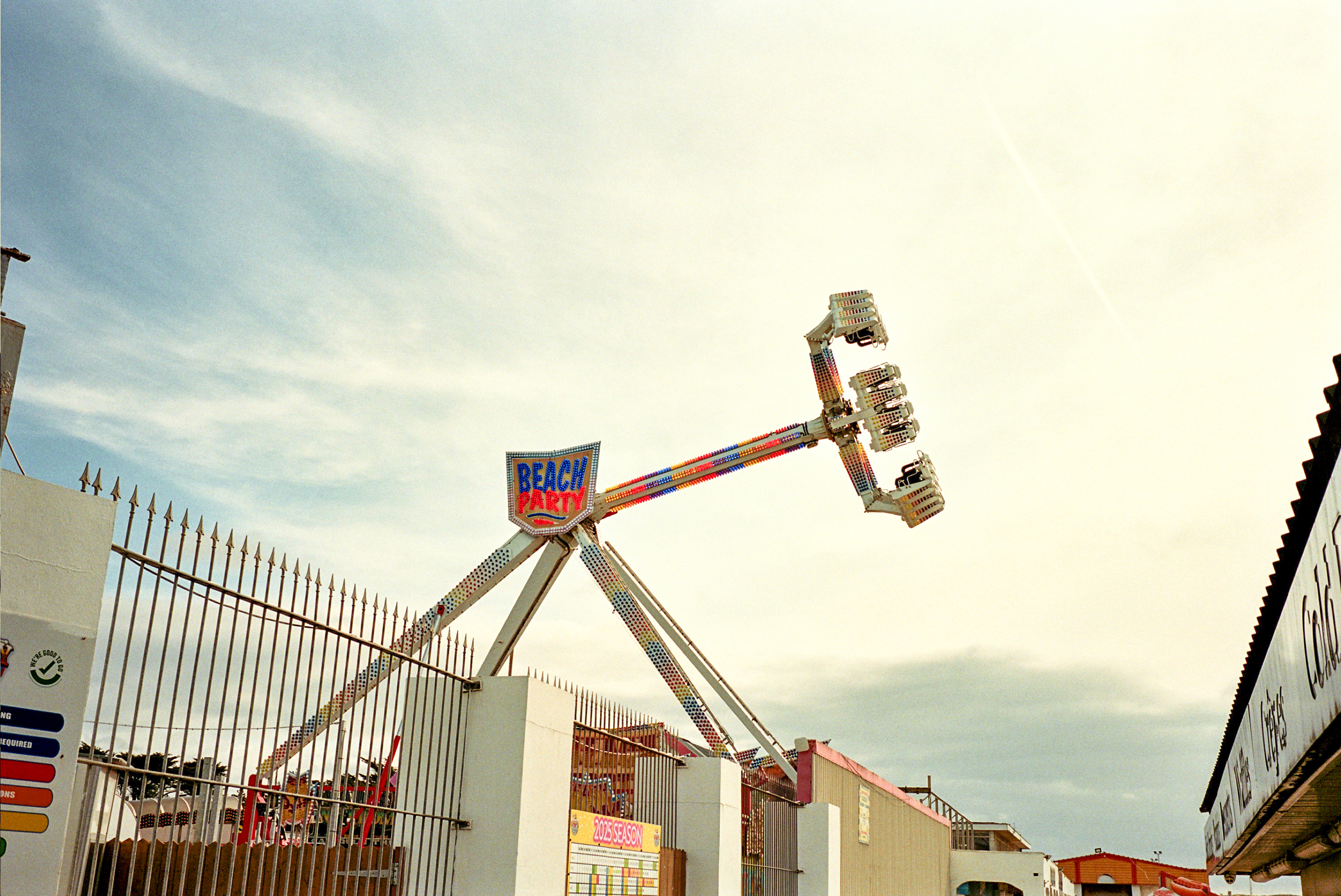
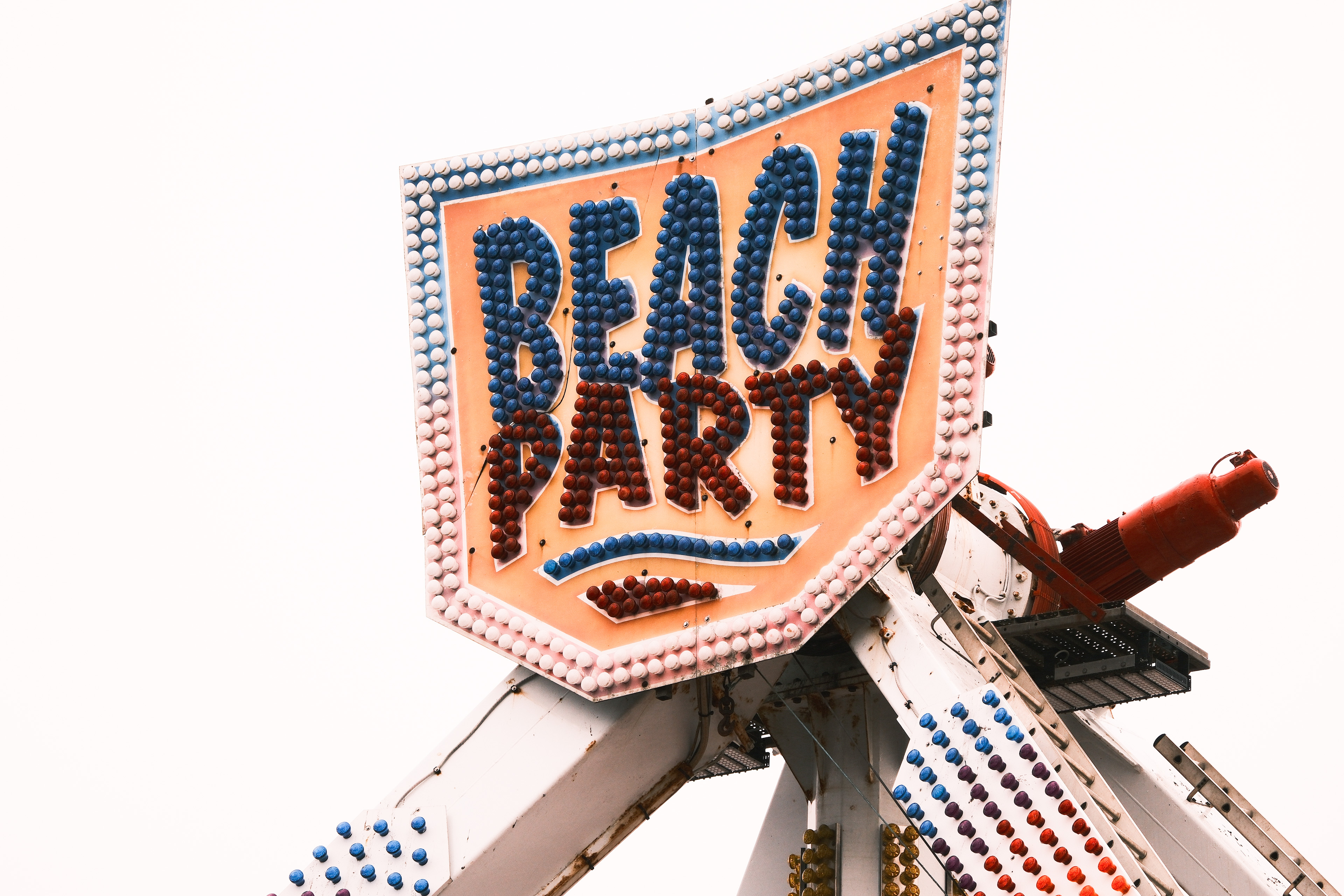
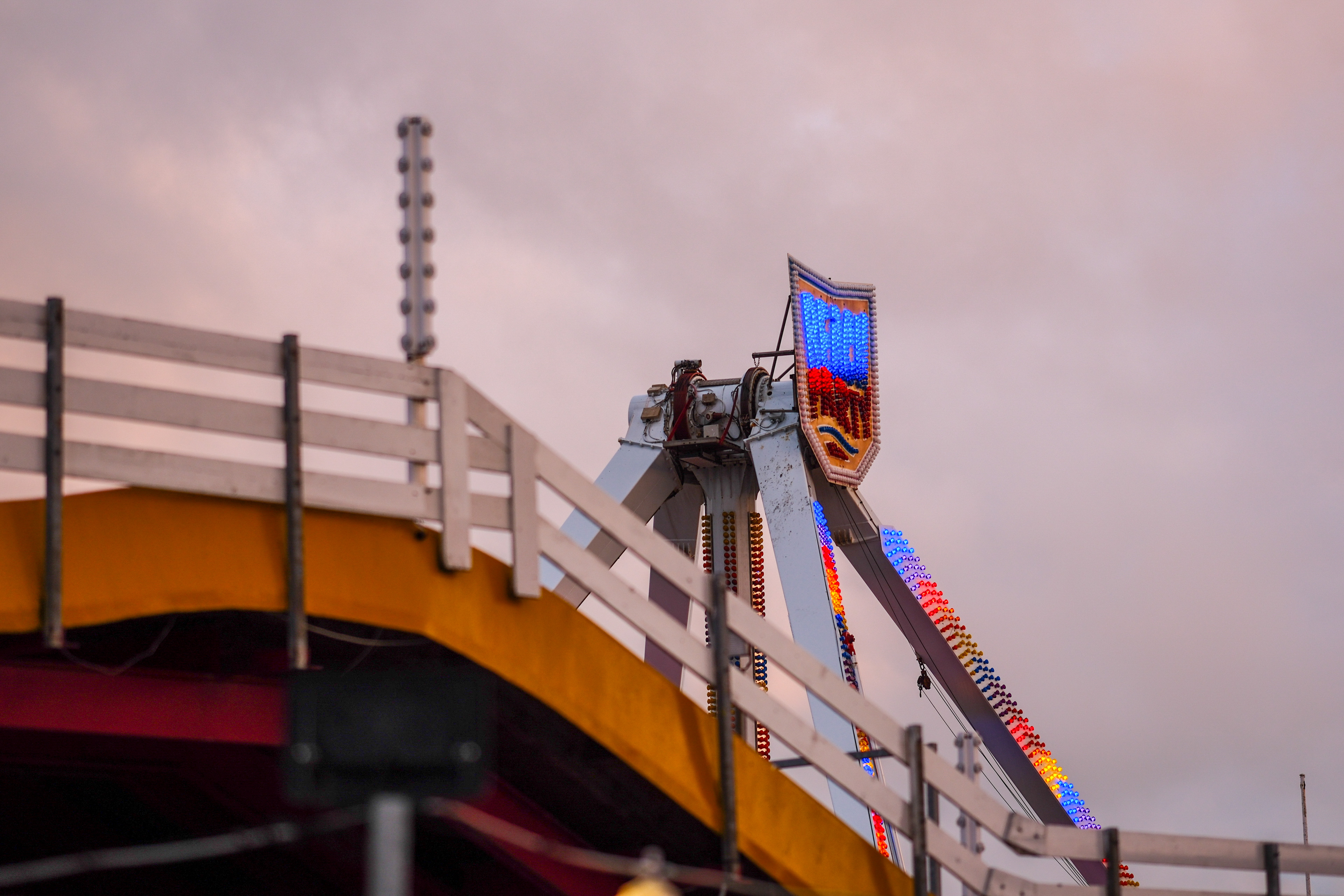
Easily one of the most recognisable landmarks of Porthcawl – the beach party ride
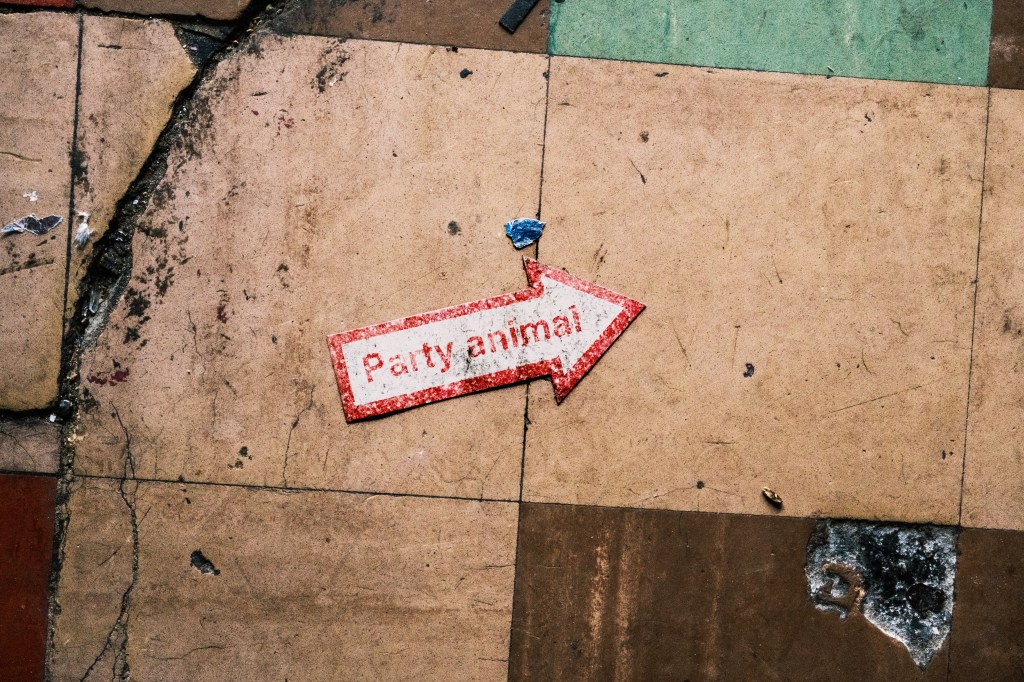
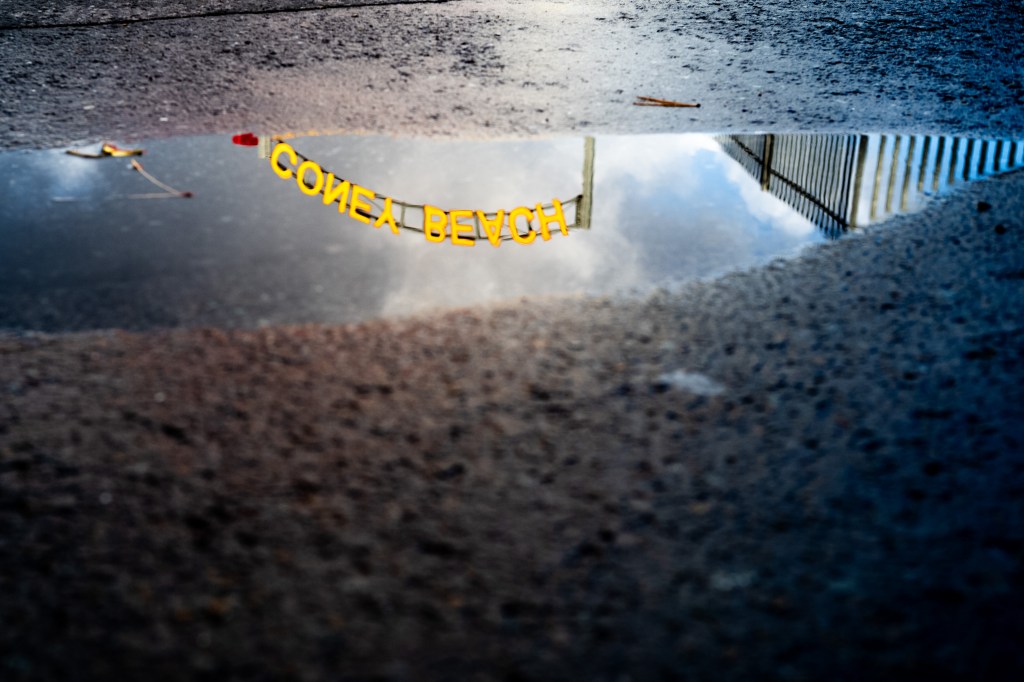
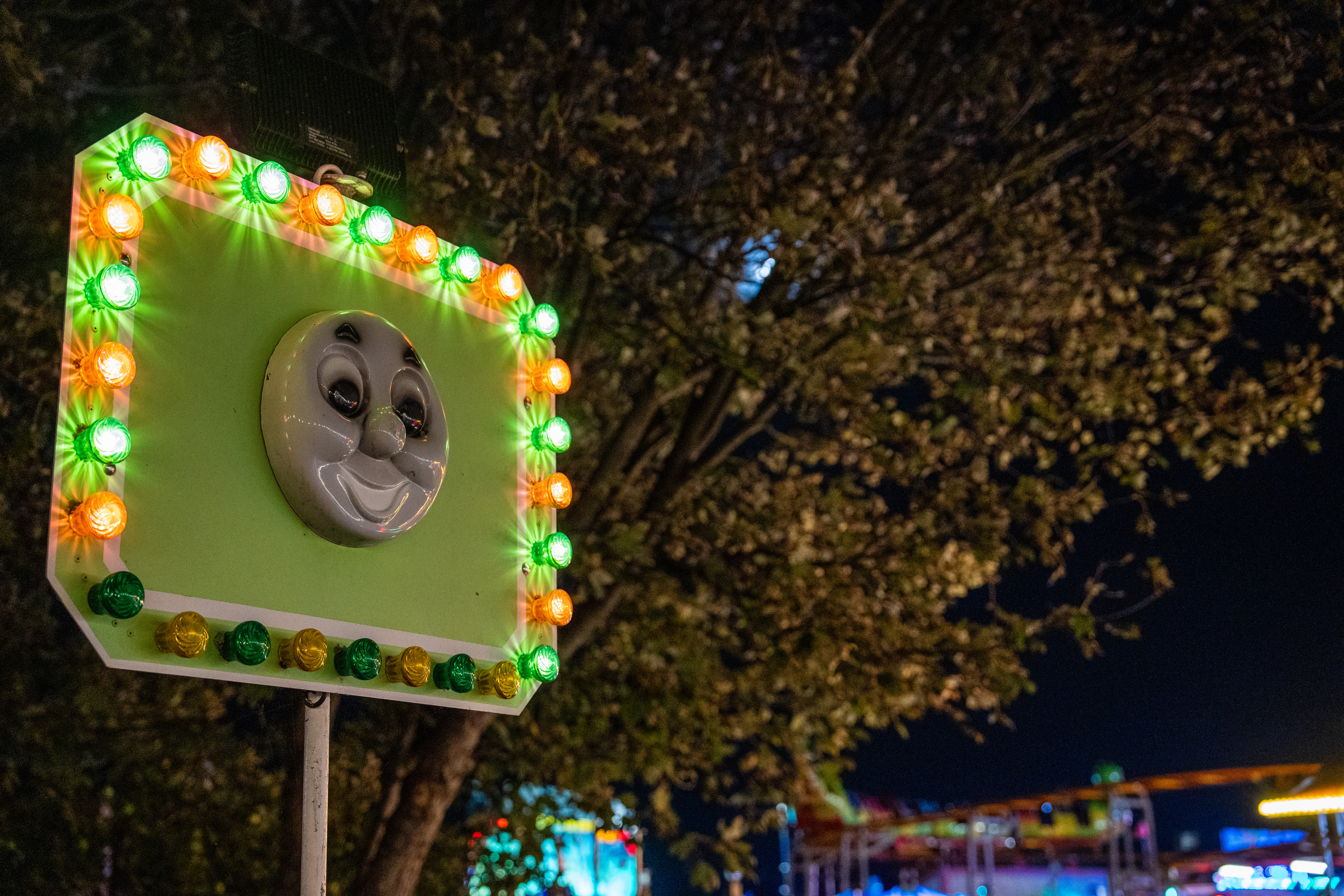
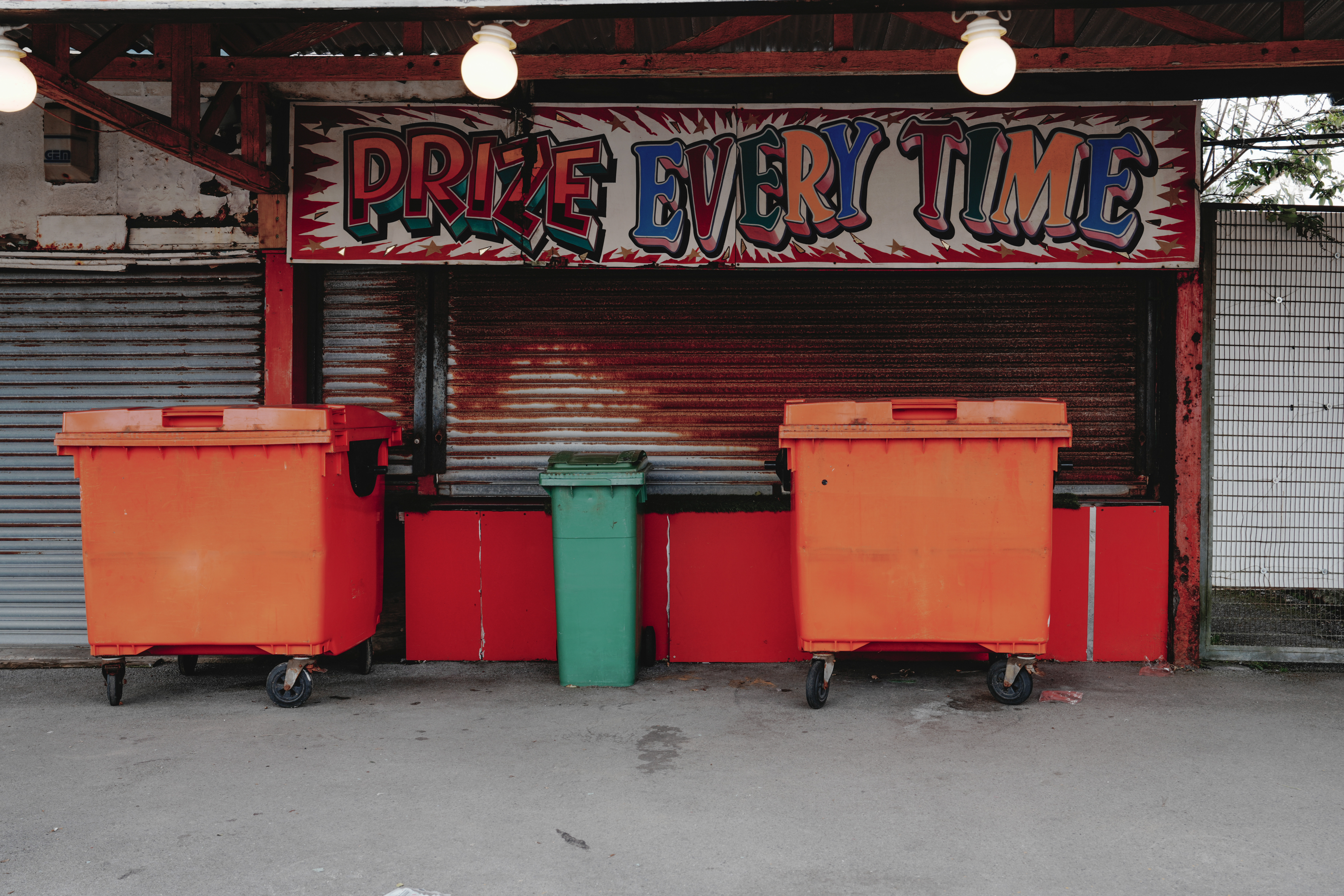
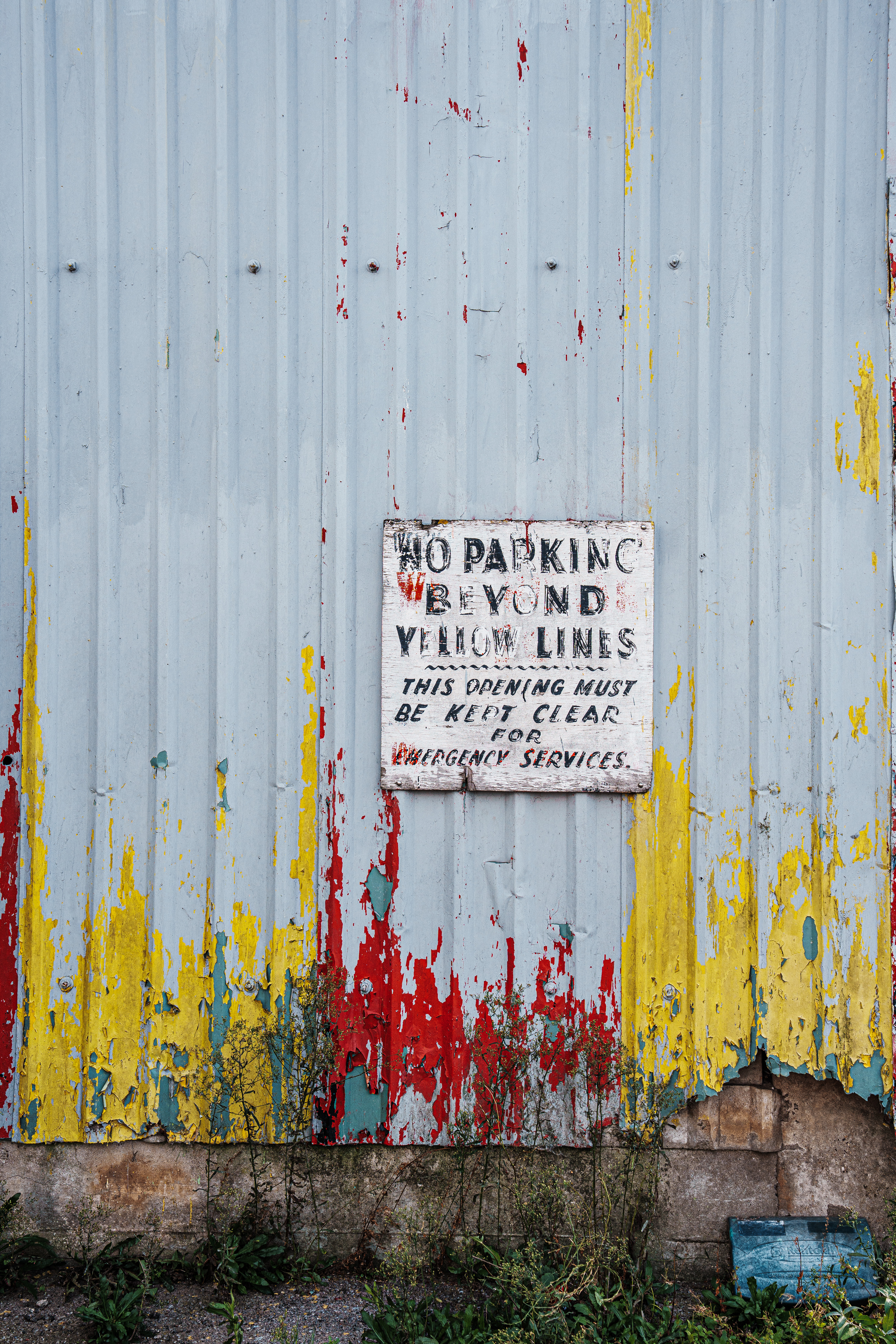
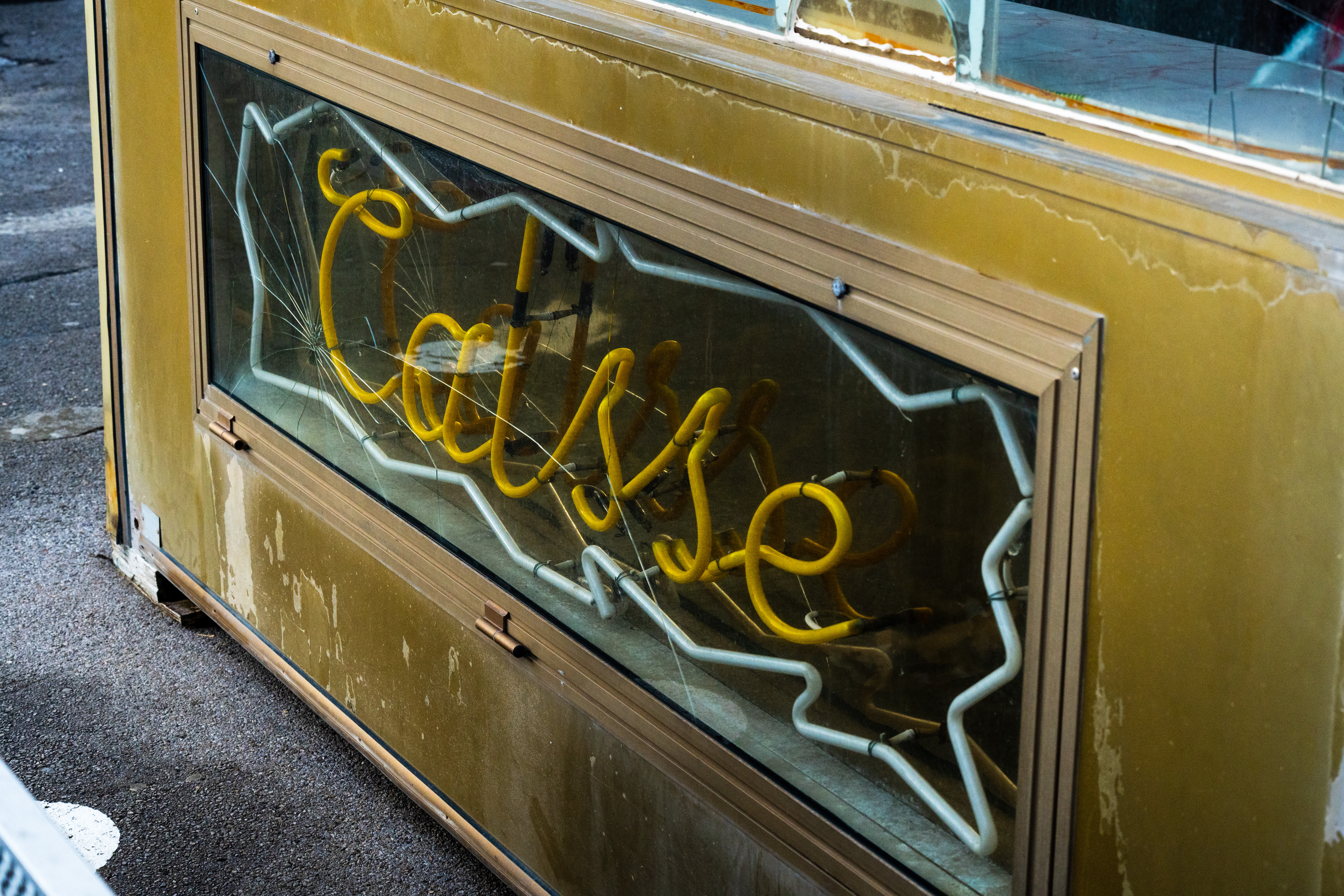
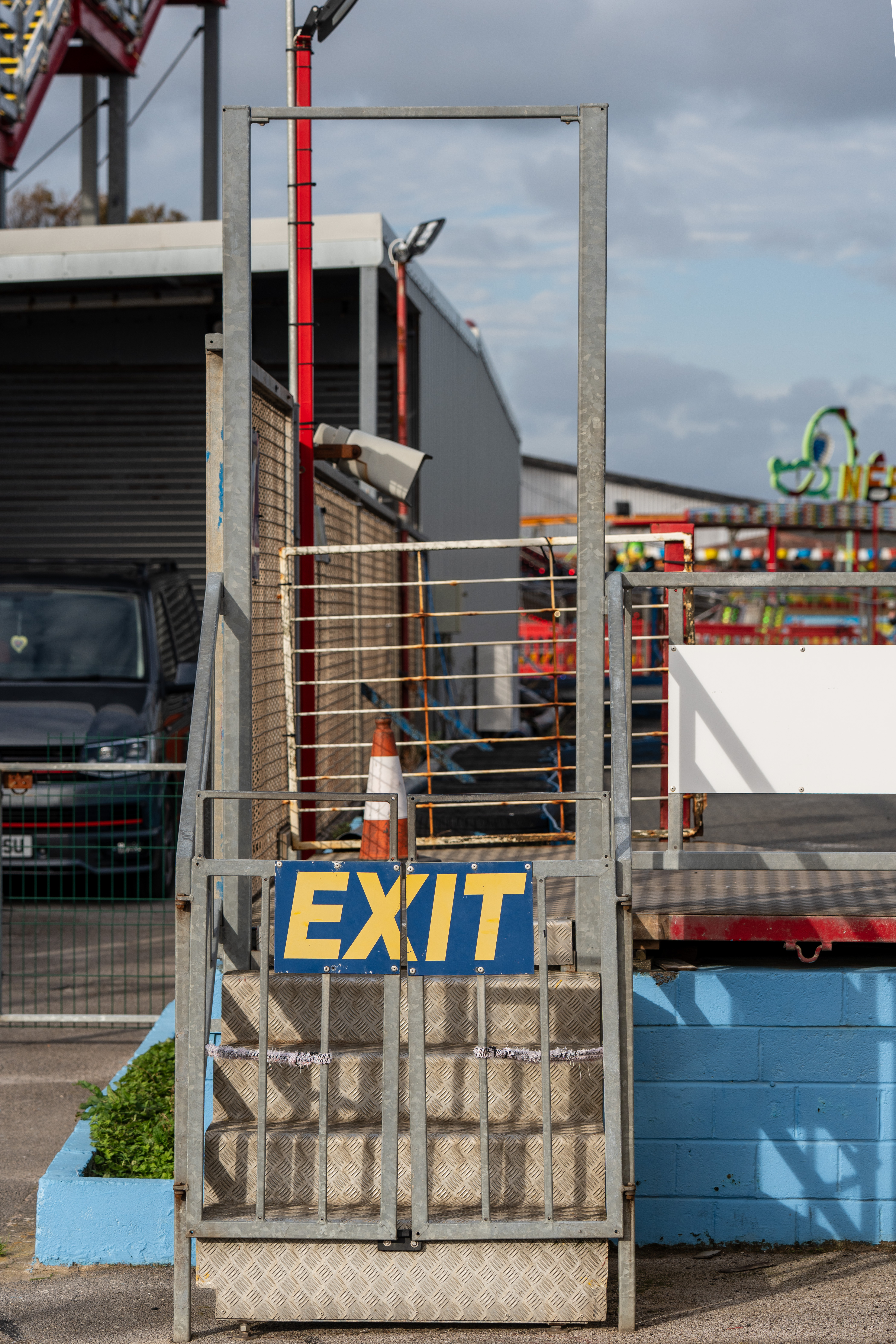
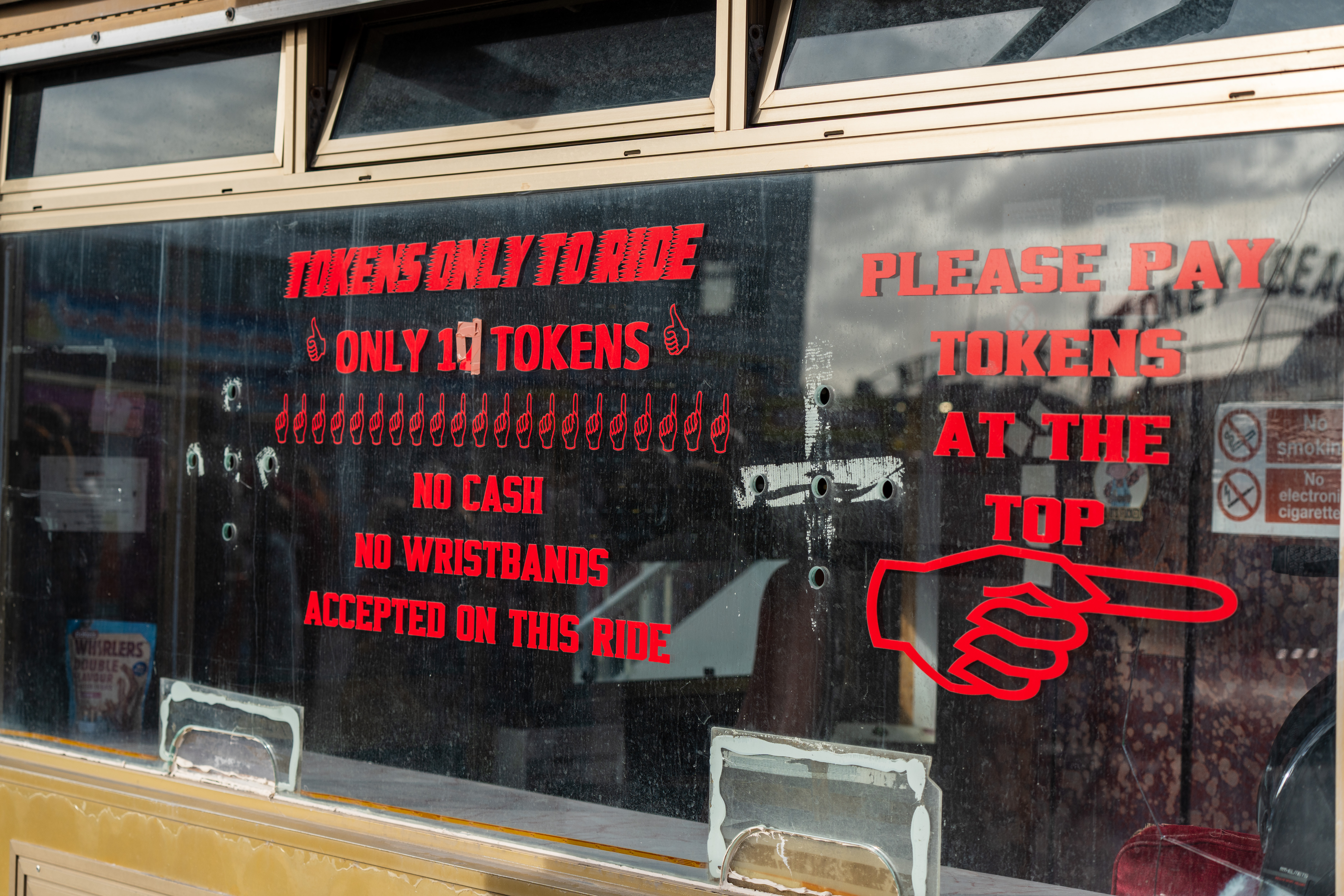
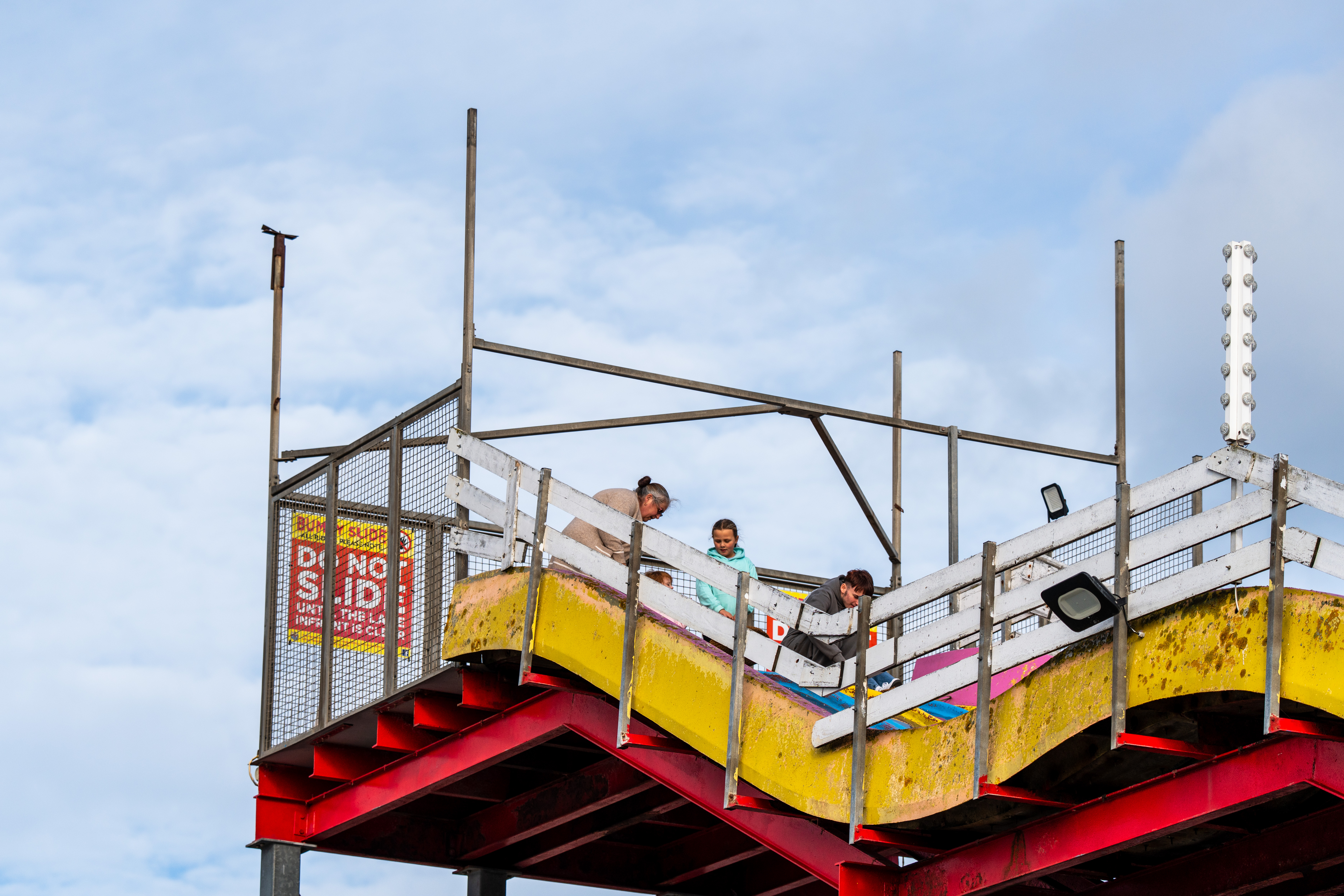
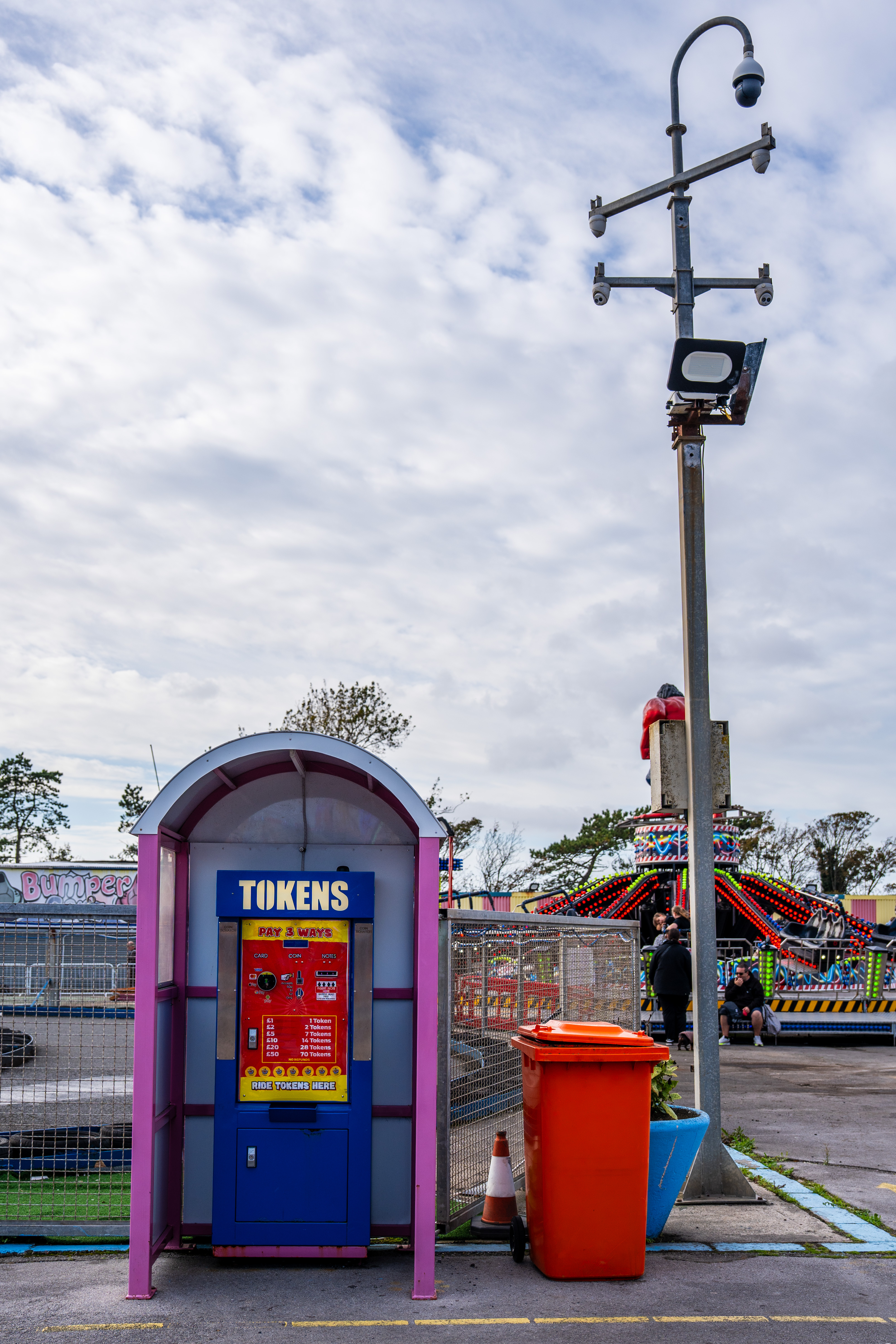
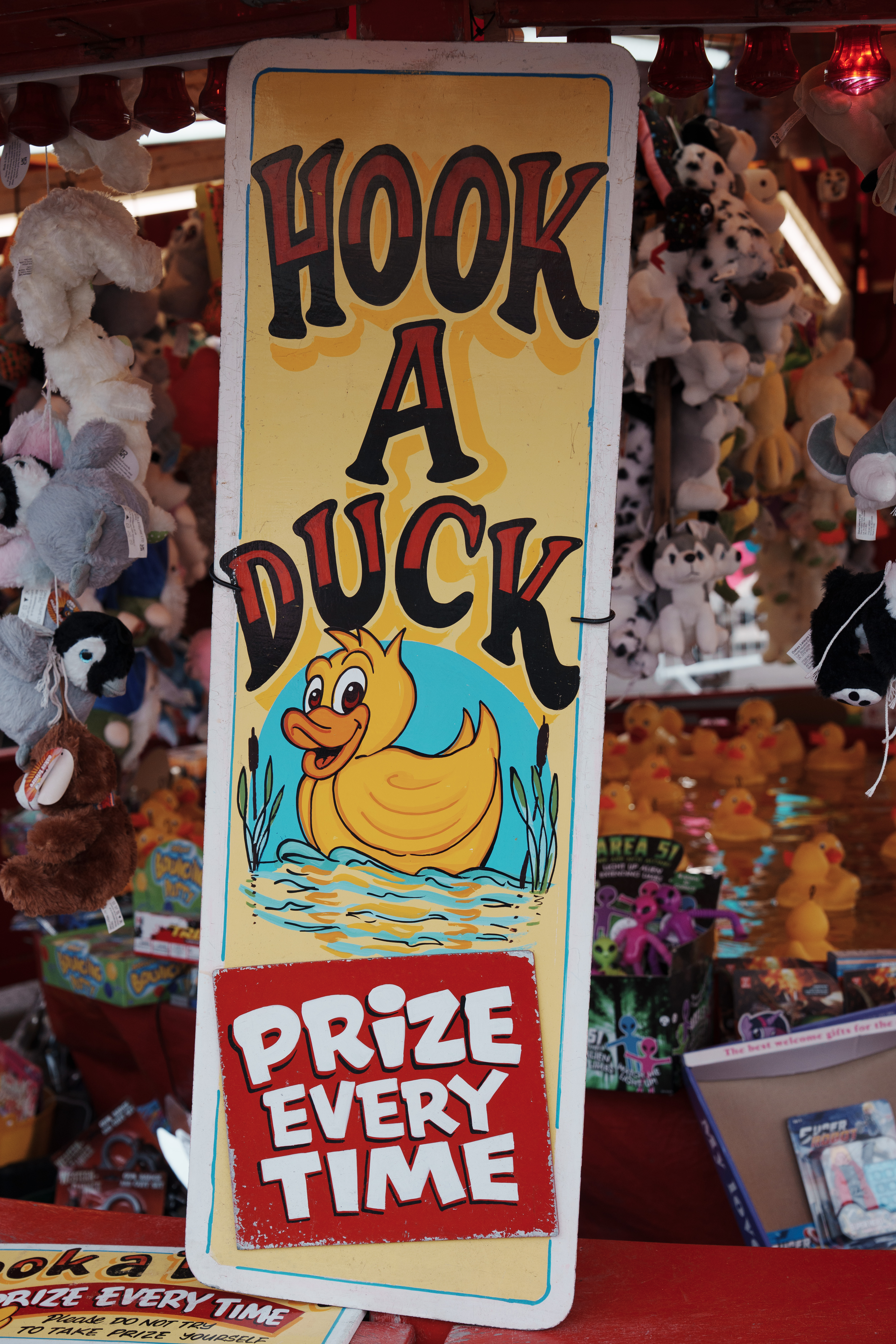
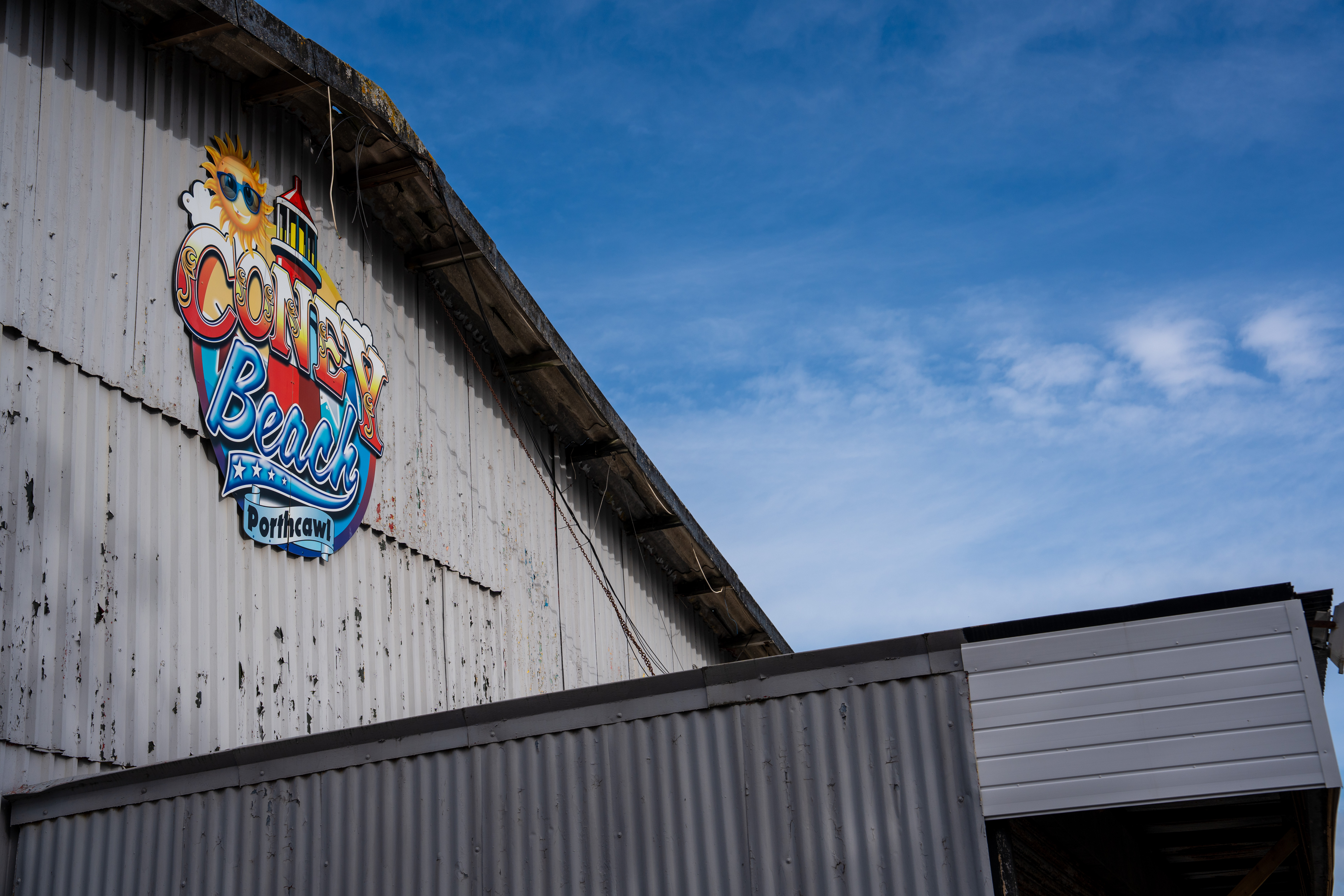
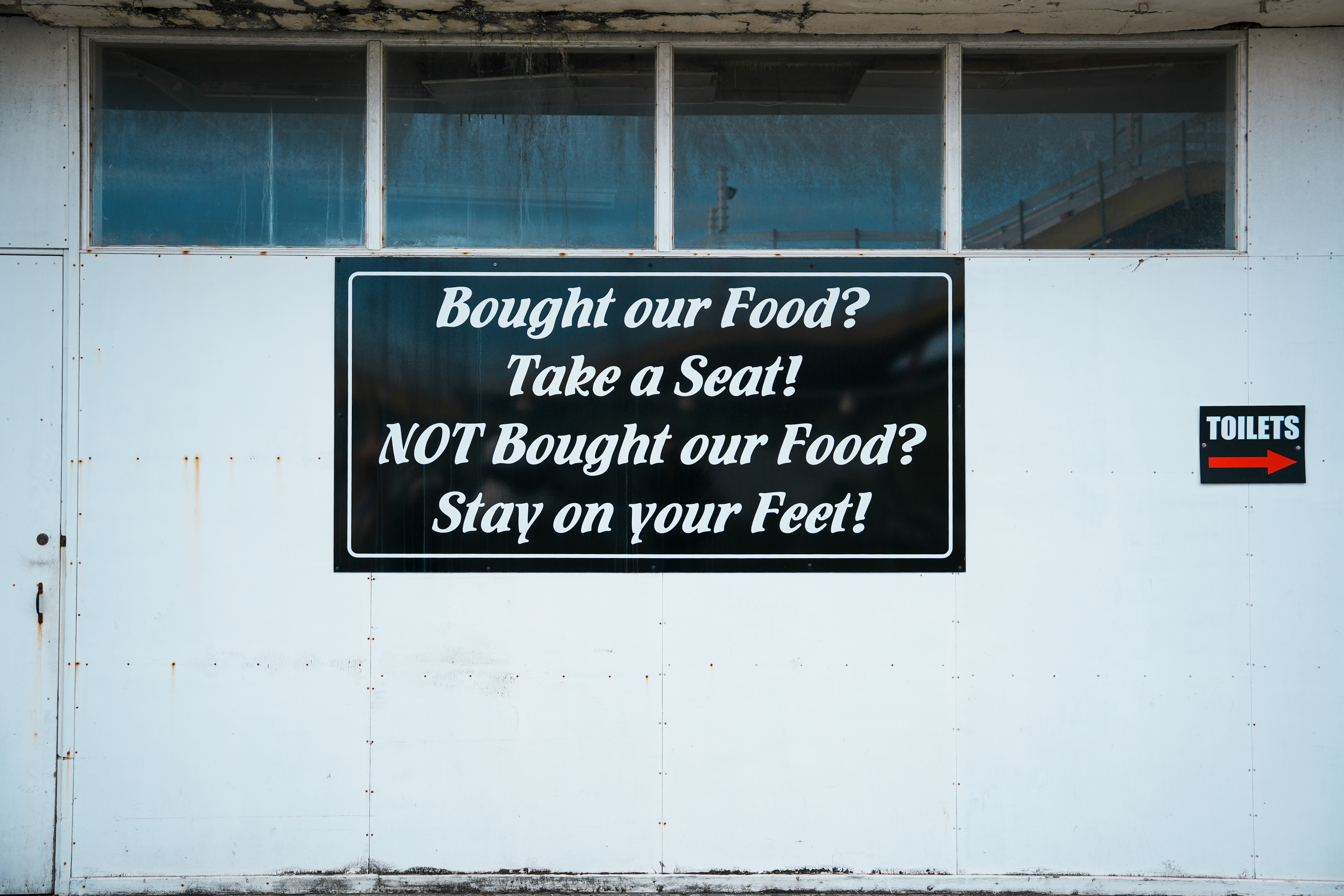
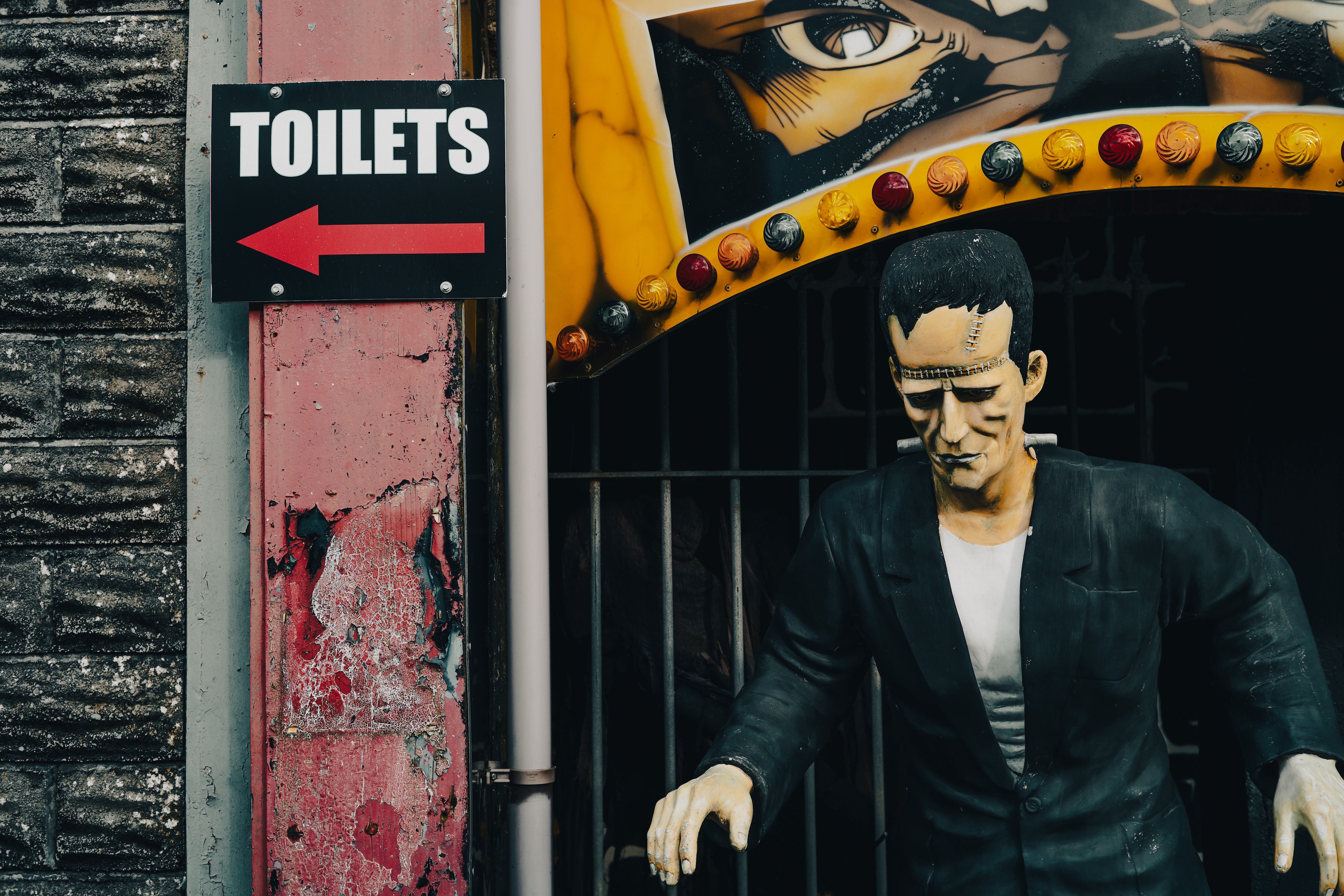
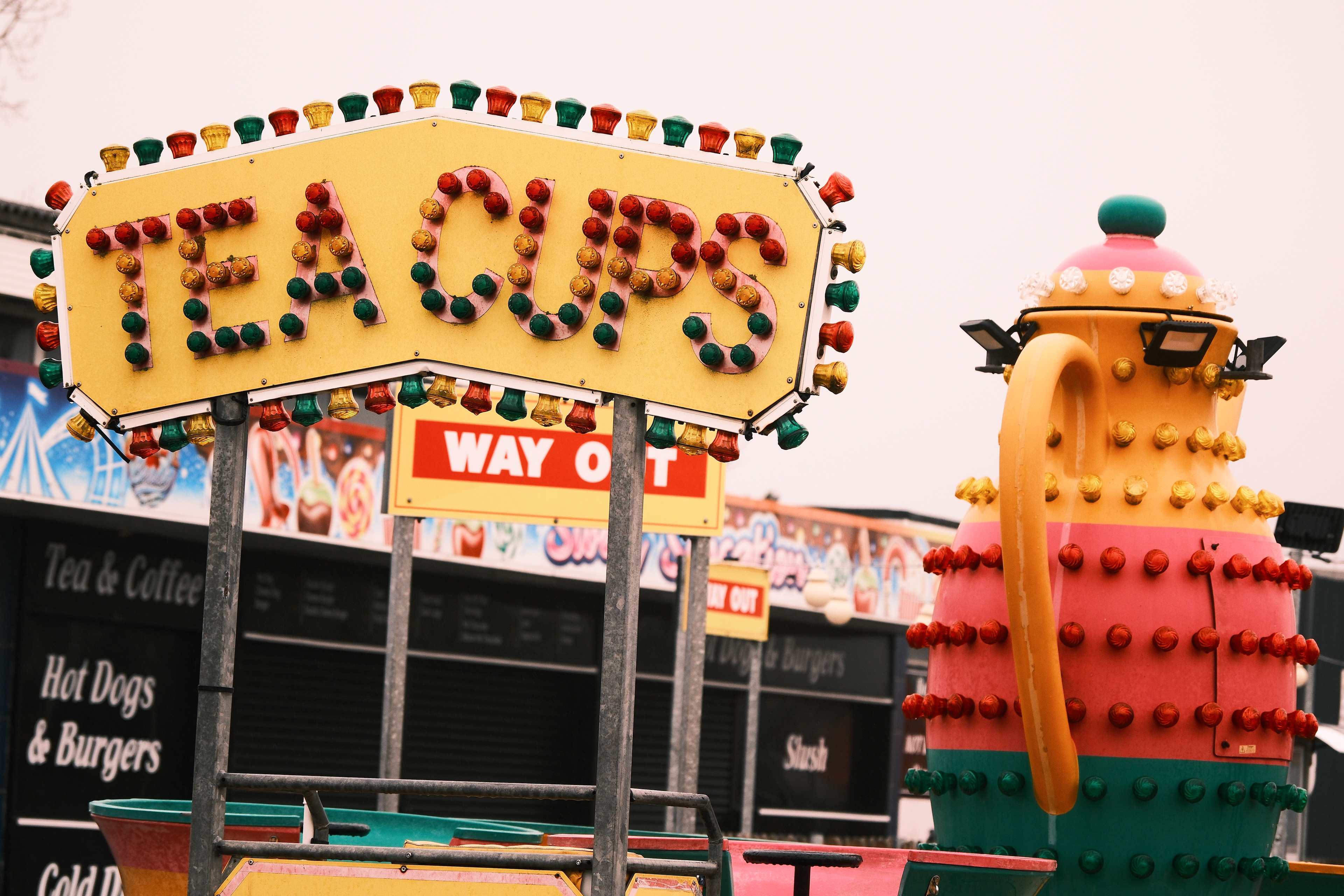
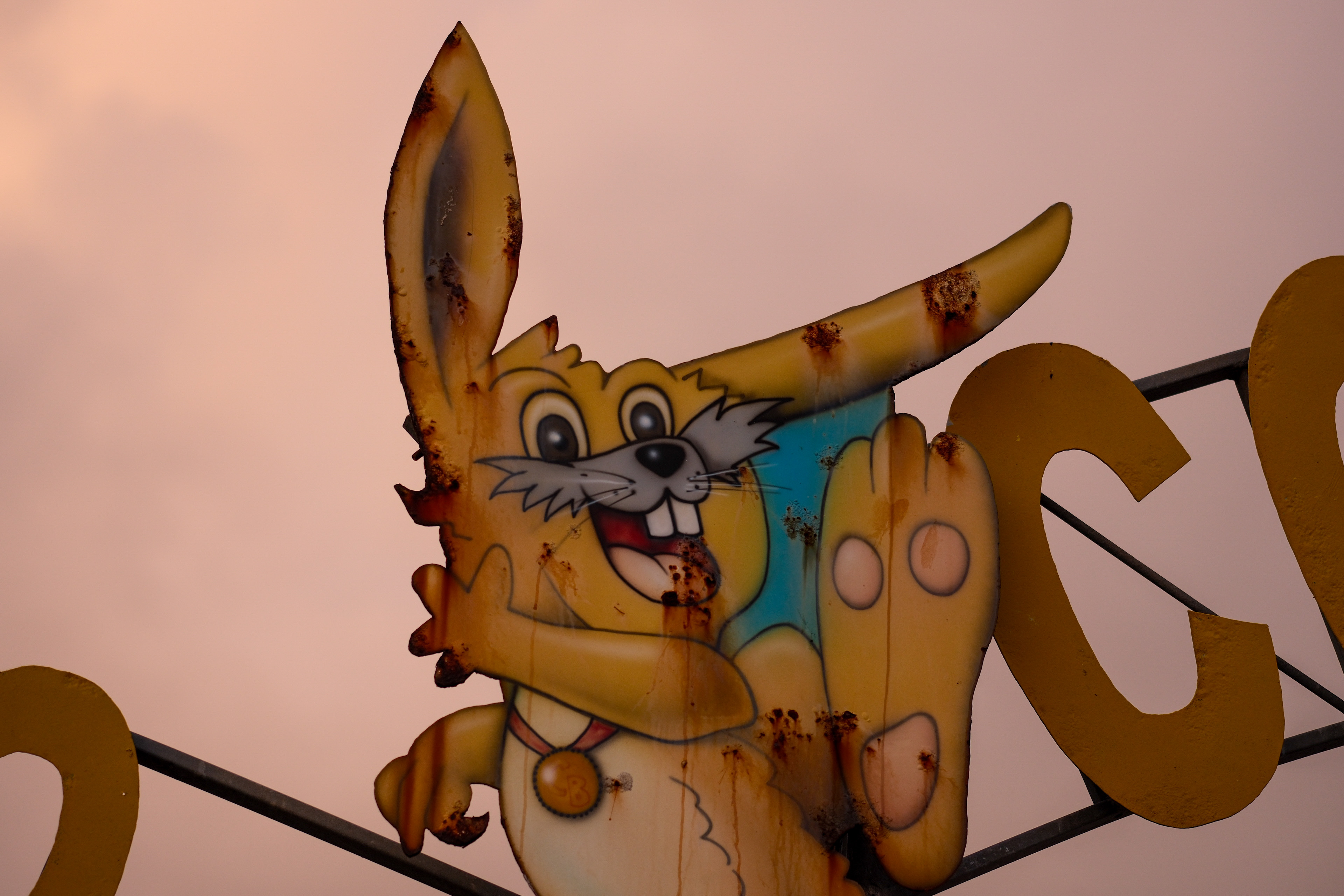
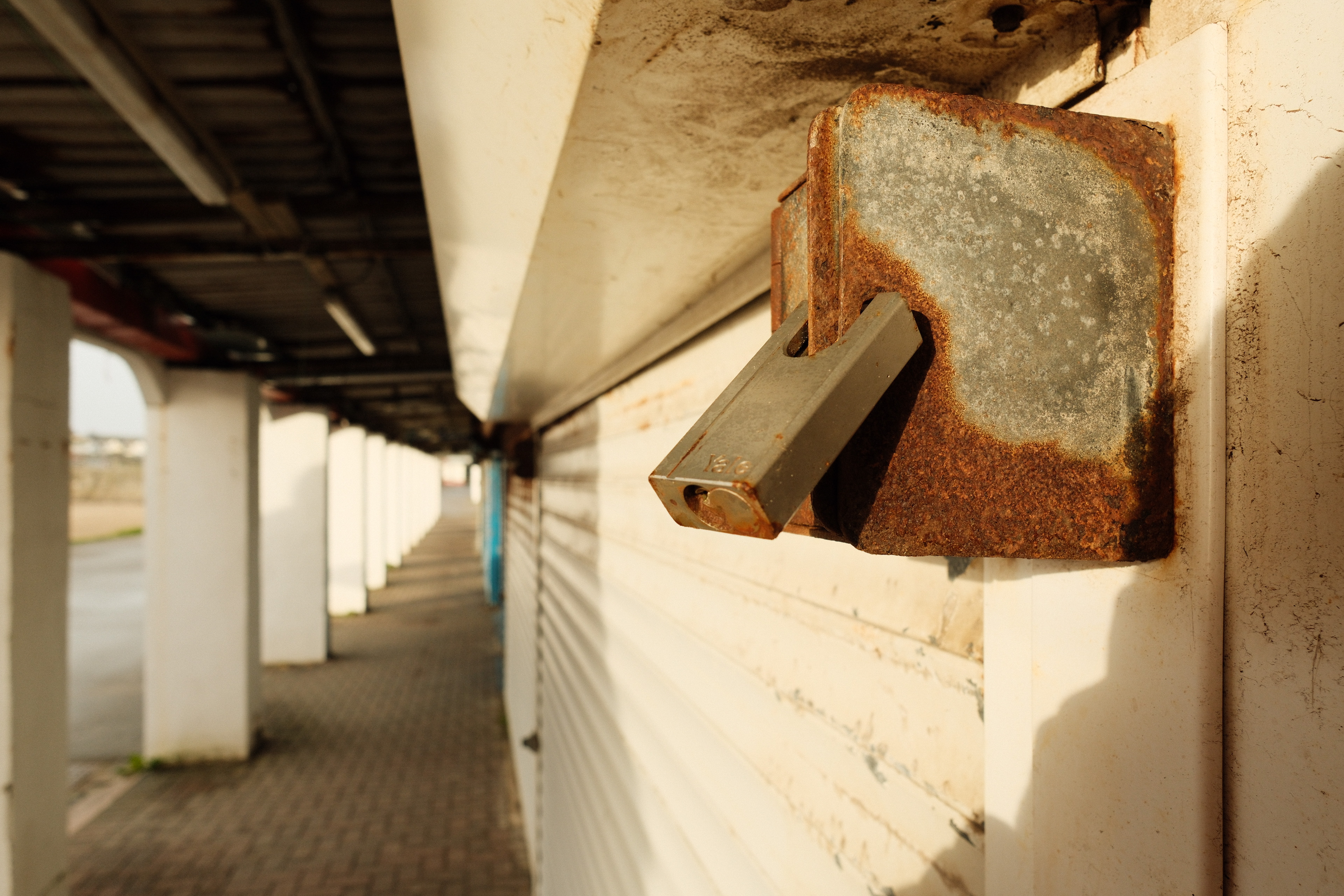
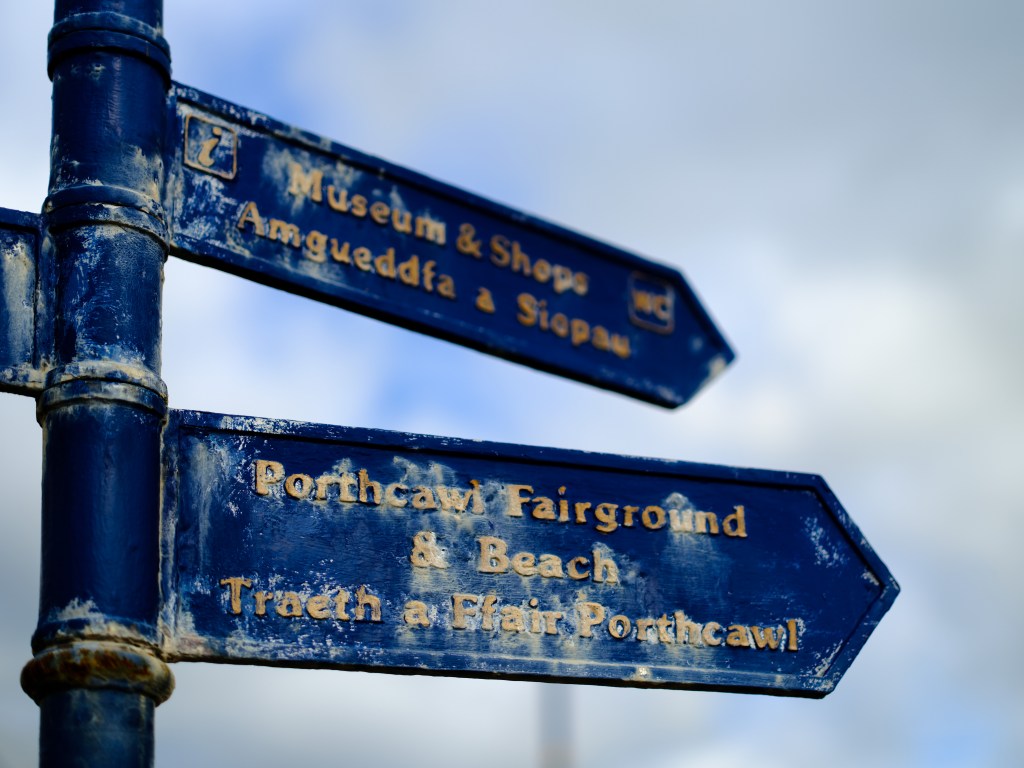
Even though the fair has gone, there will always be signs that it existed, in some cases literally. These weather-beaten directions now point to somewhere that no longer is. They’re small, unintentional memorials to a place that to so many defined that summer is here. The paint is chipped and the words are fading, but they hold on as a reminder of what once brought people together here. It feels like the town hasn’t quite caught up with the loss yet, still pointing toward the fair as if it might come back.
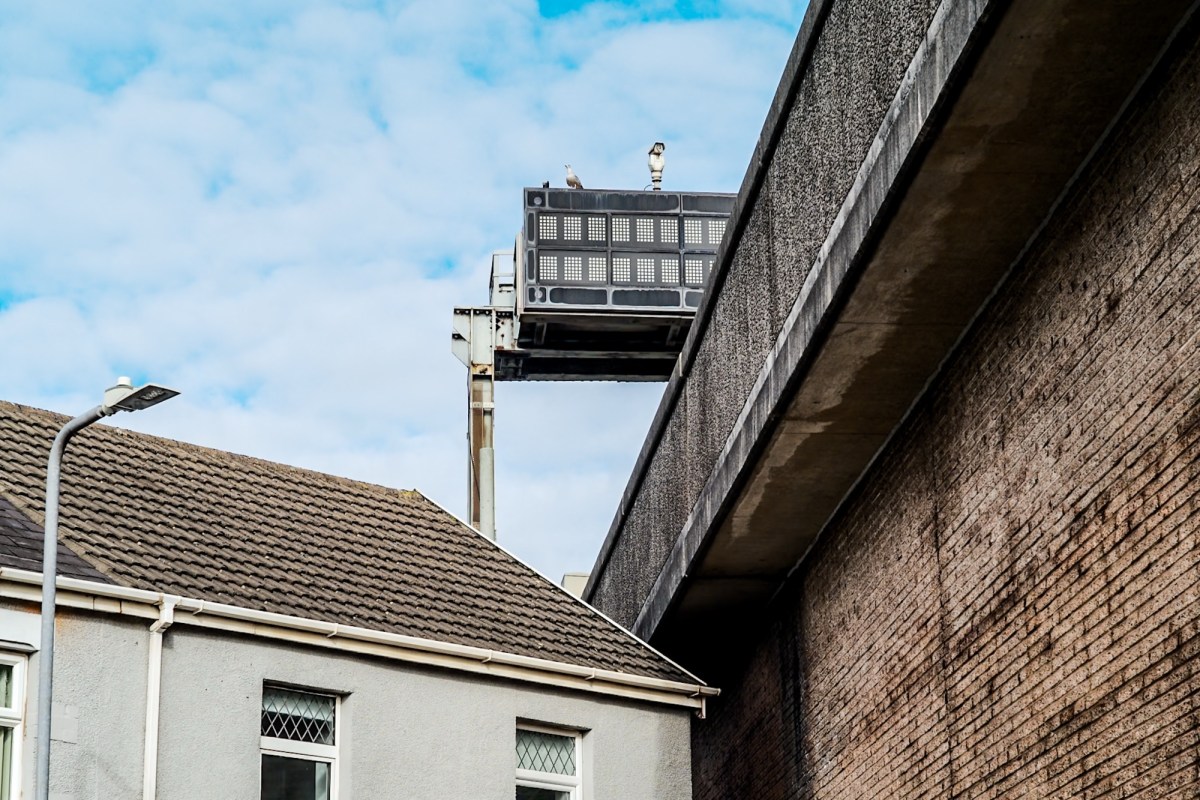
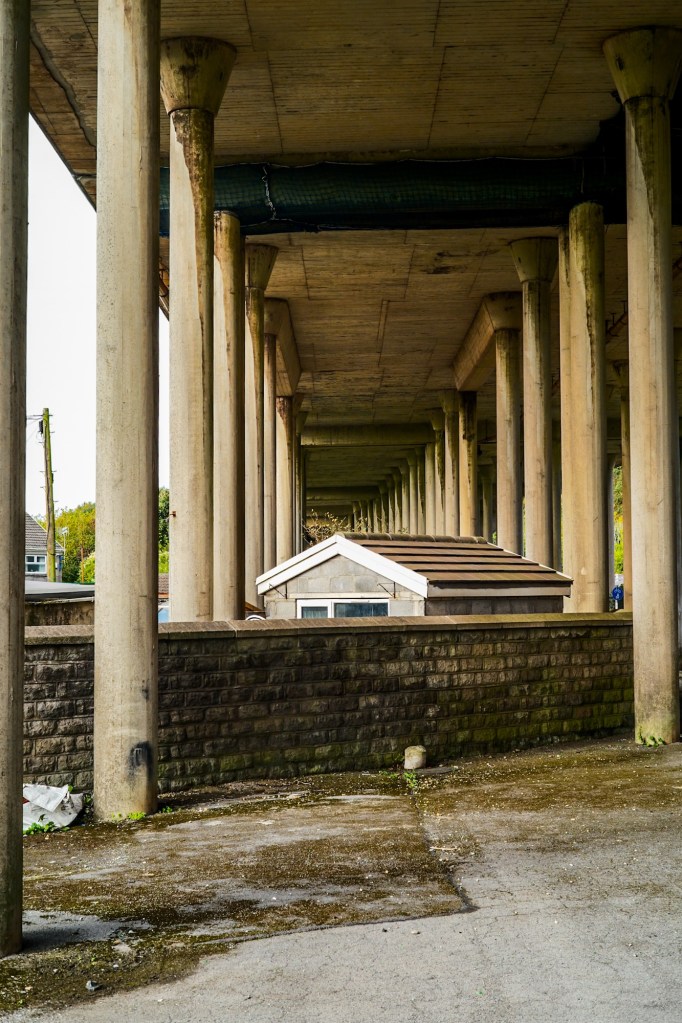
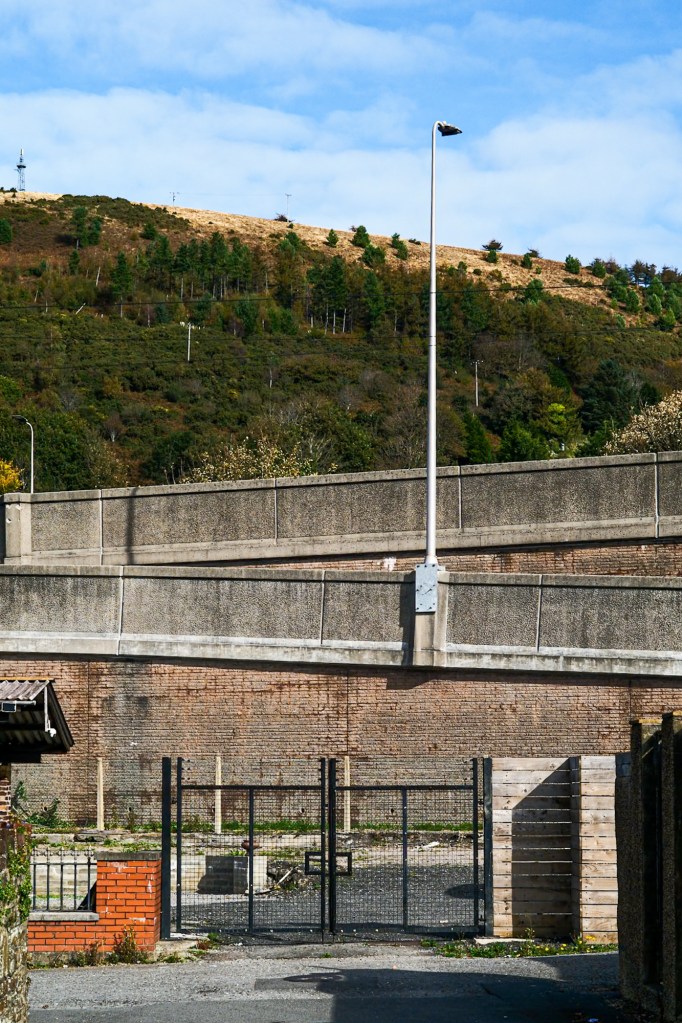
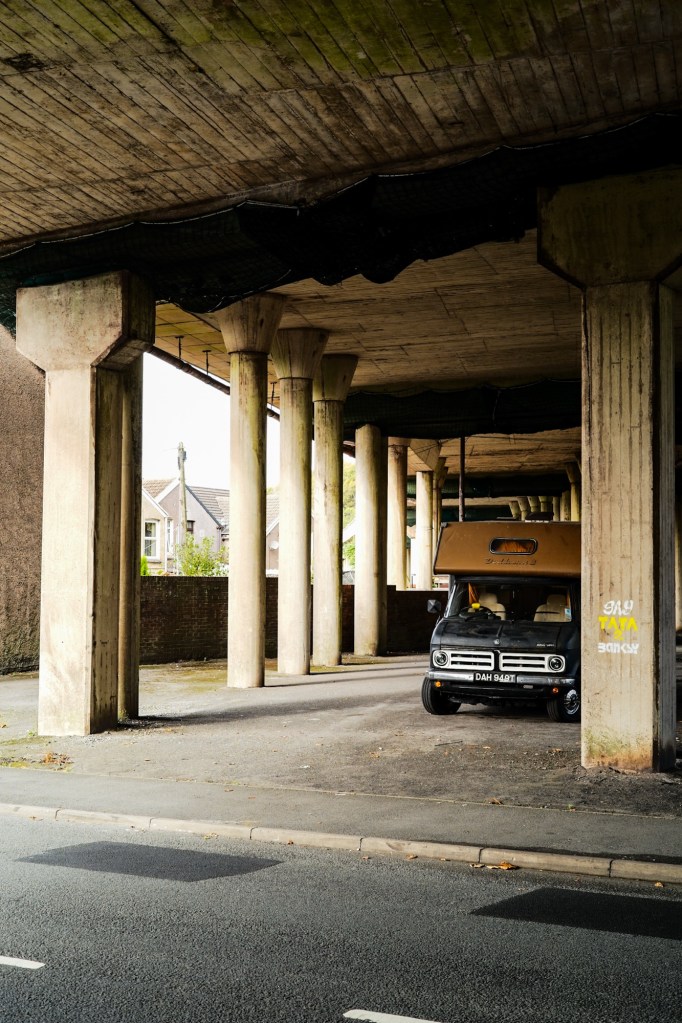
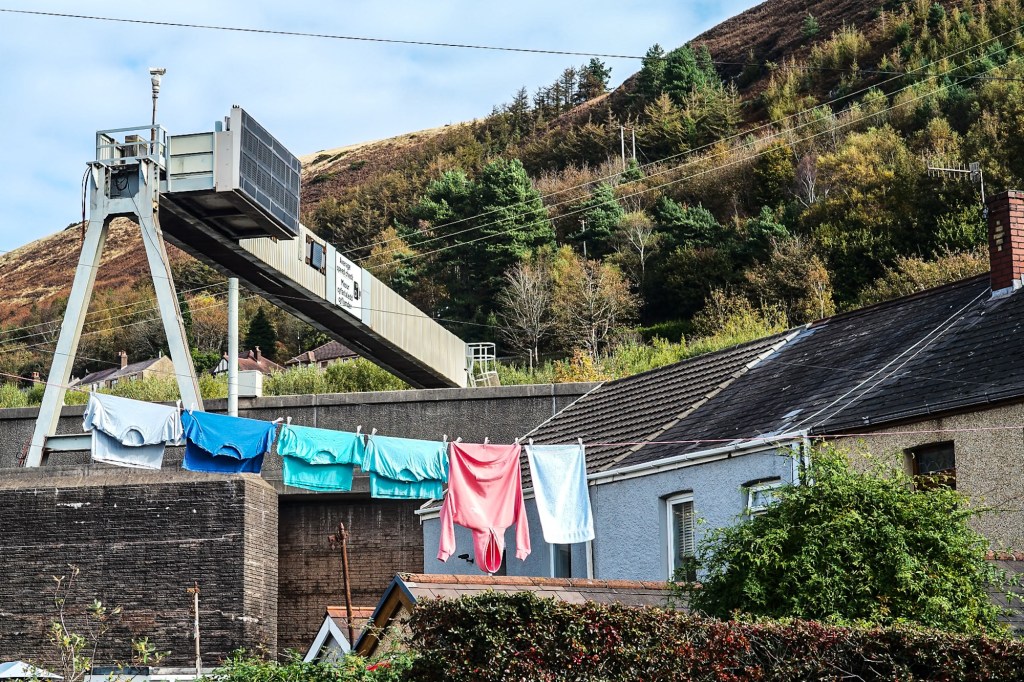
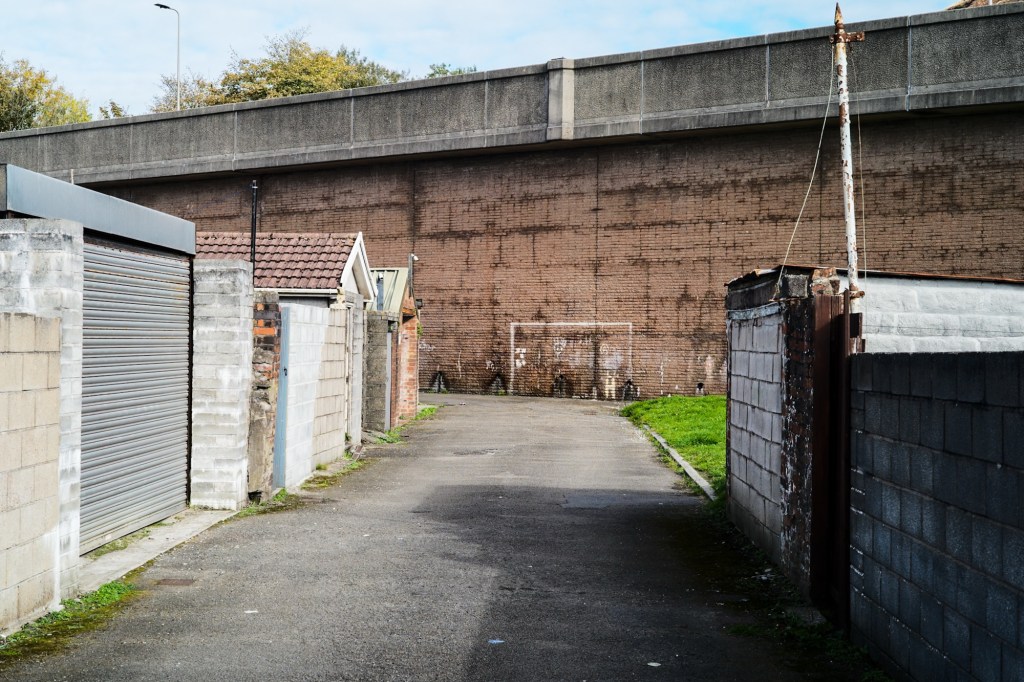
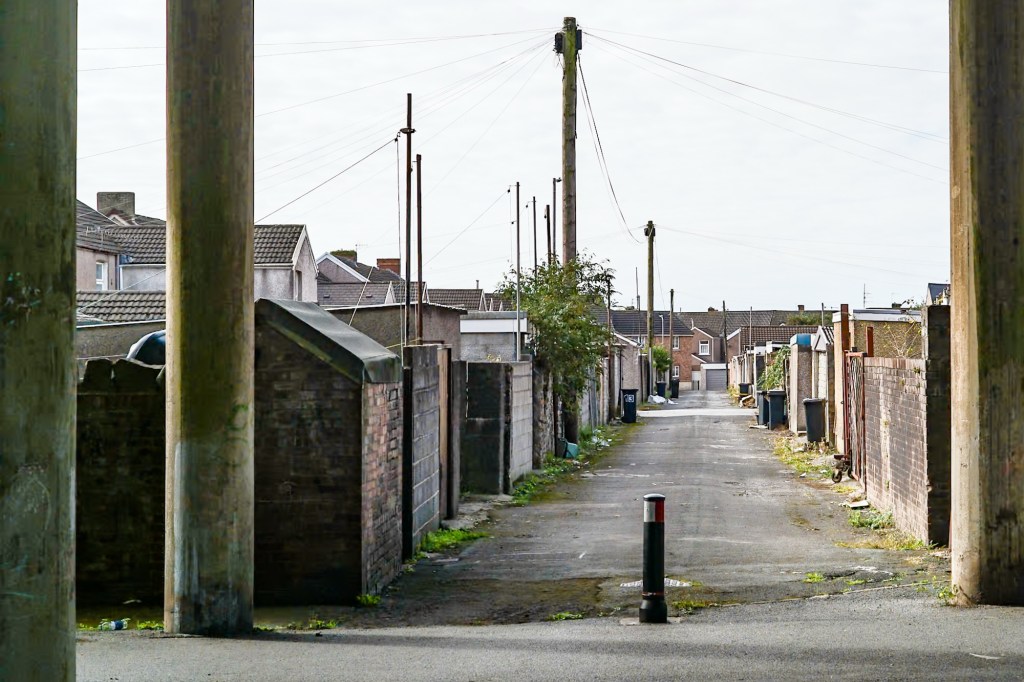
I was actually heading to a different part of Port Talbot, but the route I took brought me here instead. It’s always struck me when driving down the M4 how close the chimney stacks of the houses sit to the road.
Walking around, I realised how much I’m usually drawn to photographing how people shape their surroundings. But here, it’s the other way around, the environment has been imposed, and it shapes how people live their lives. I had no idea the supports for the M4 actually run through people’s gardens.
There’s something quietly powerful about seeing goalposts drawn on the side of a wall that holds up the motorway – people shaping what they get, as opposed to getting what they shape.
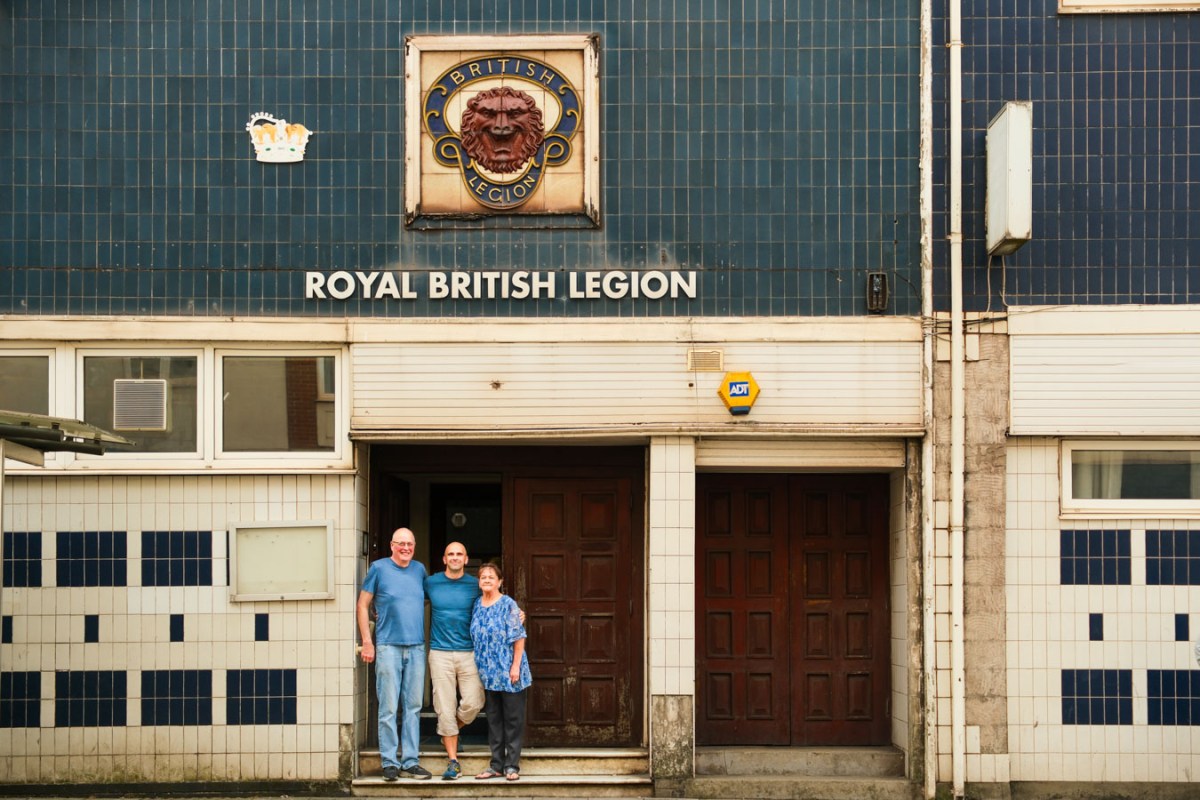
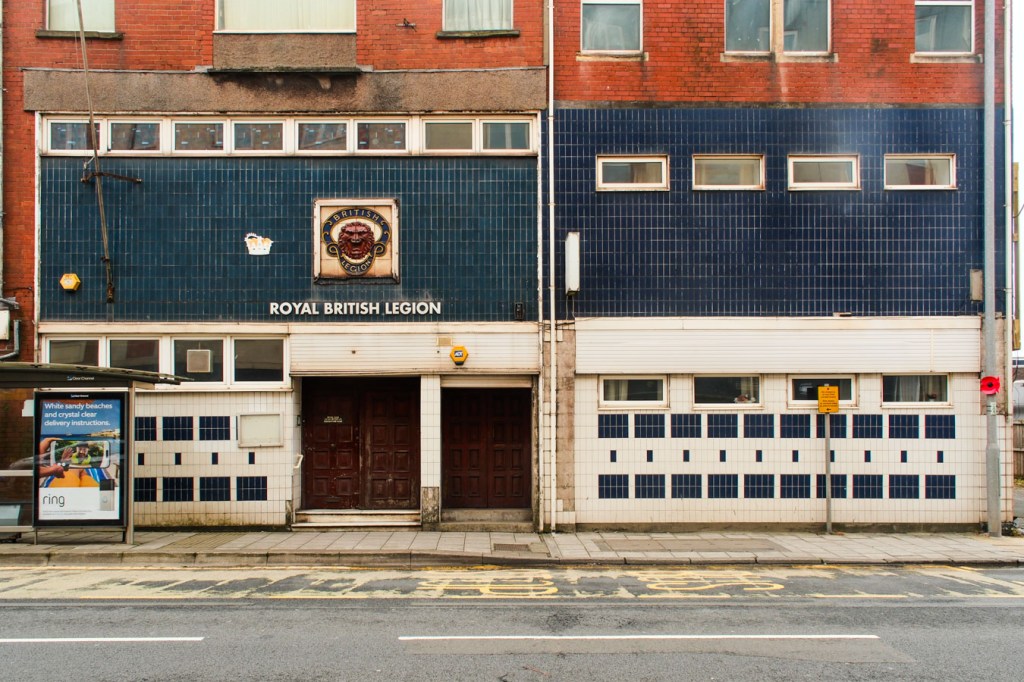
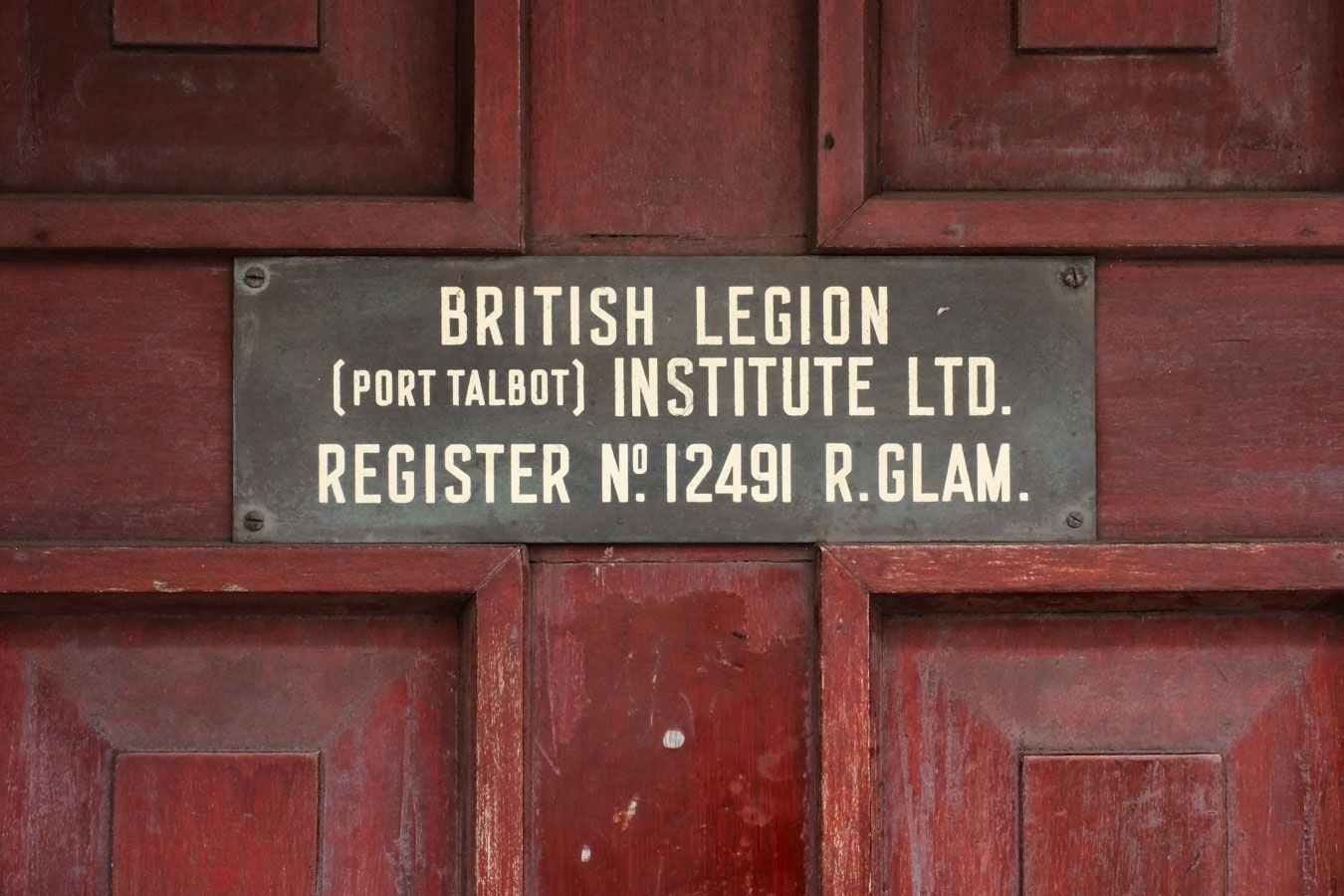
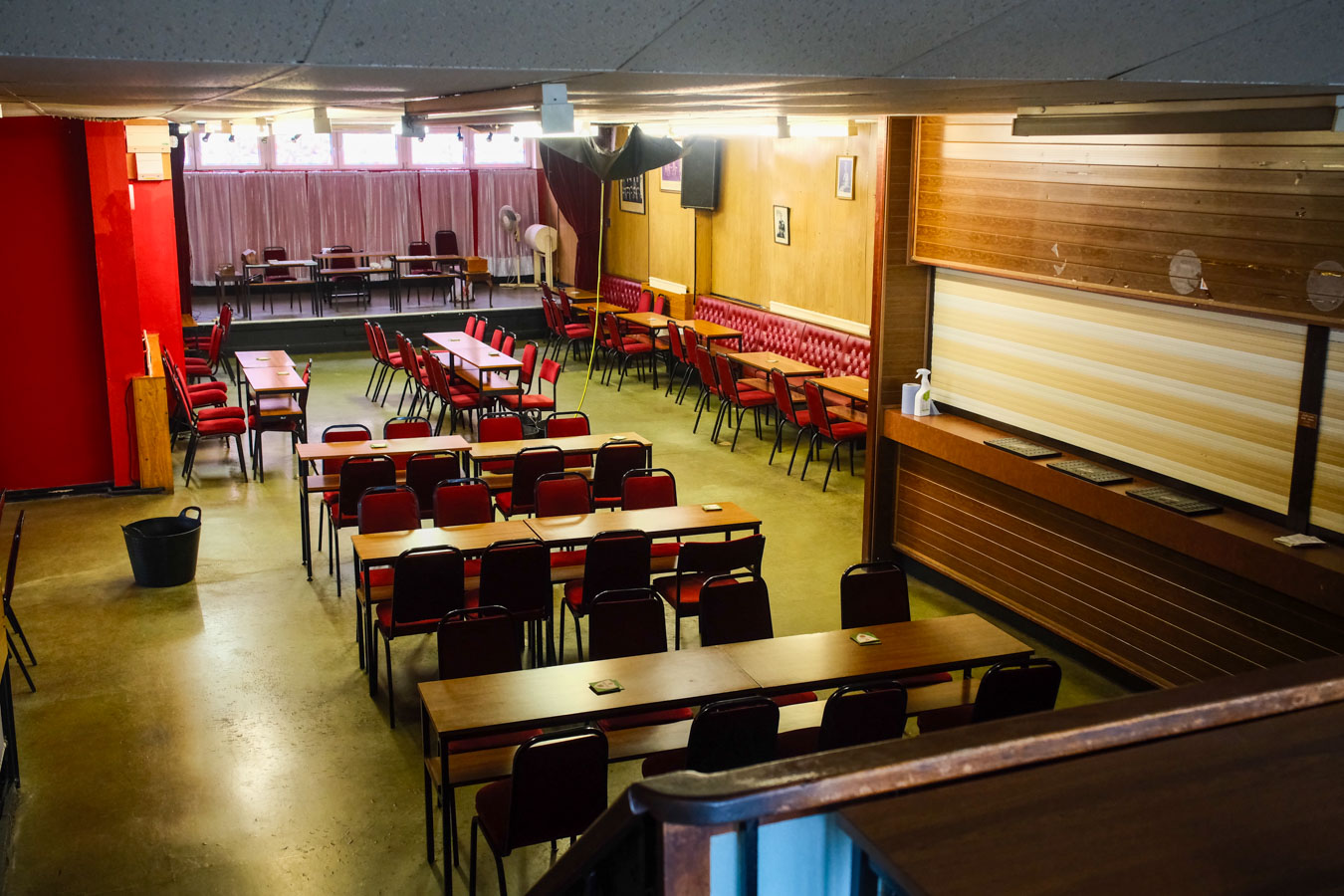
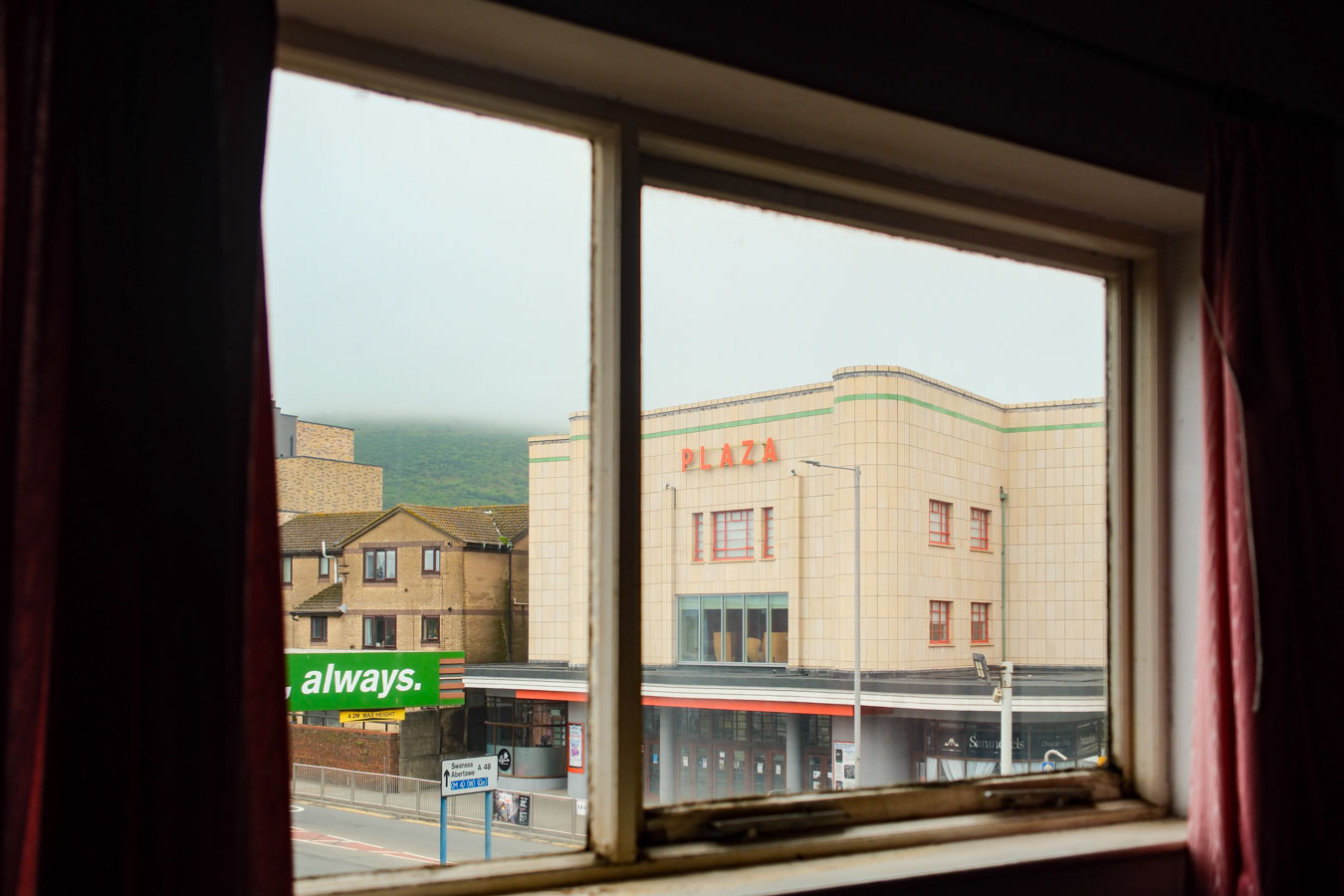
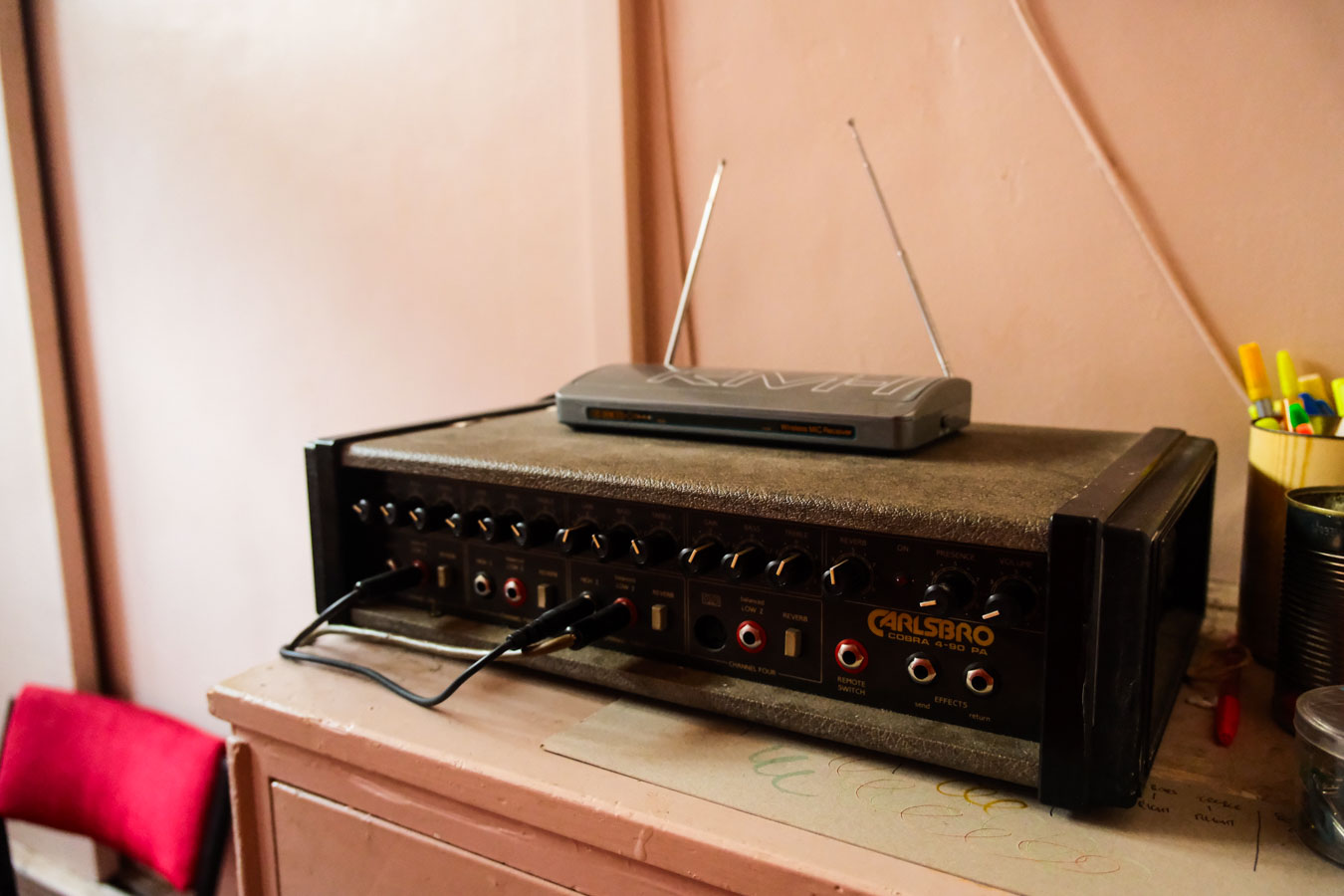
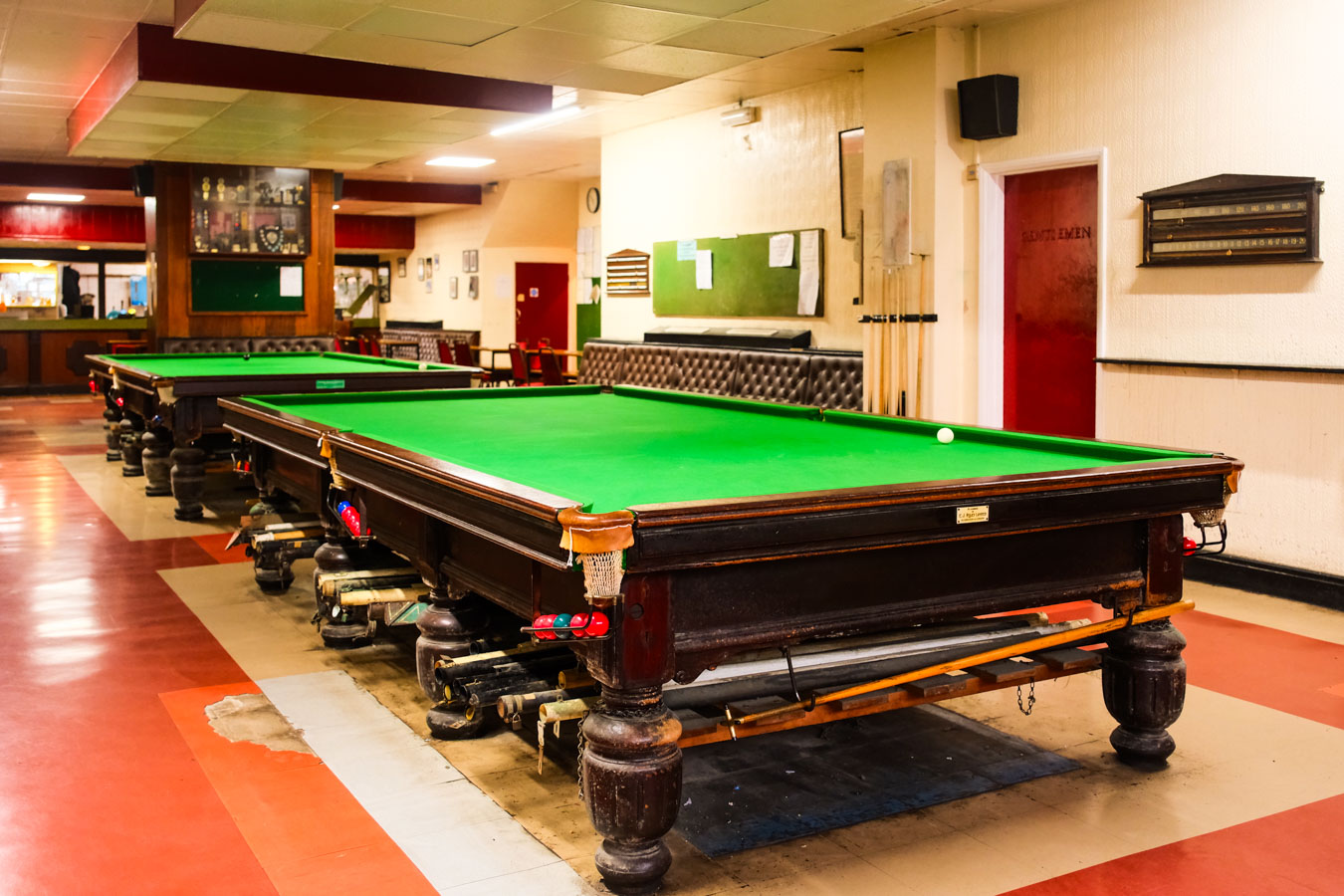
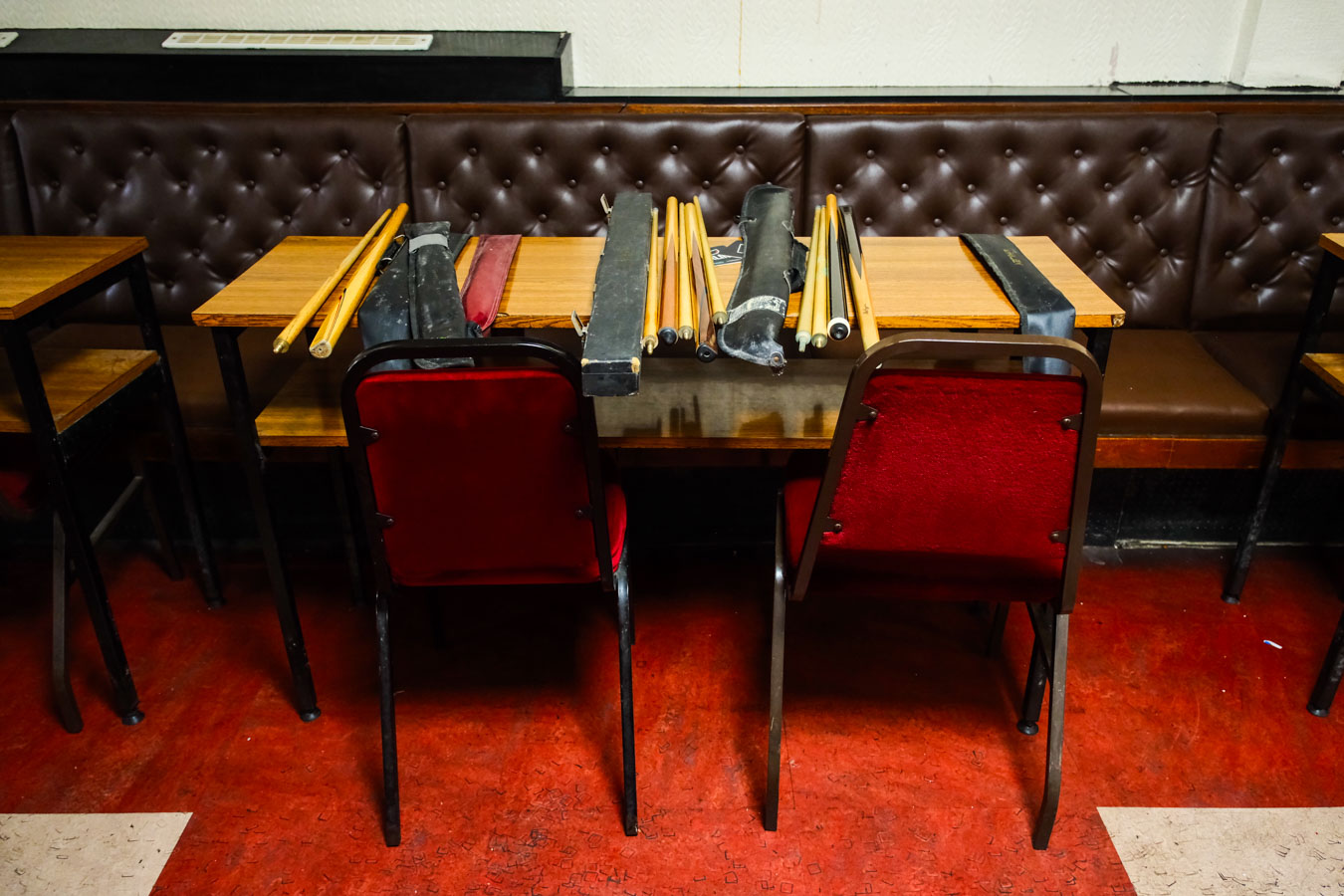
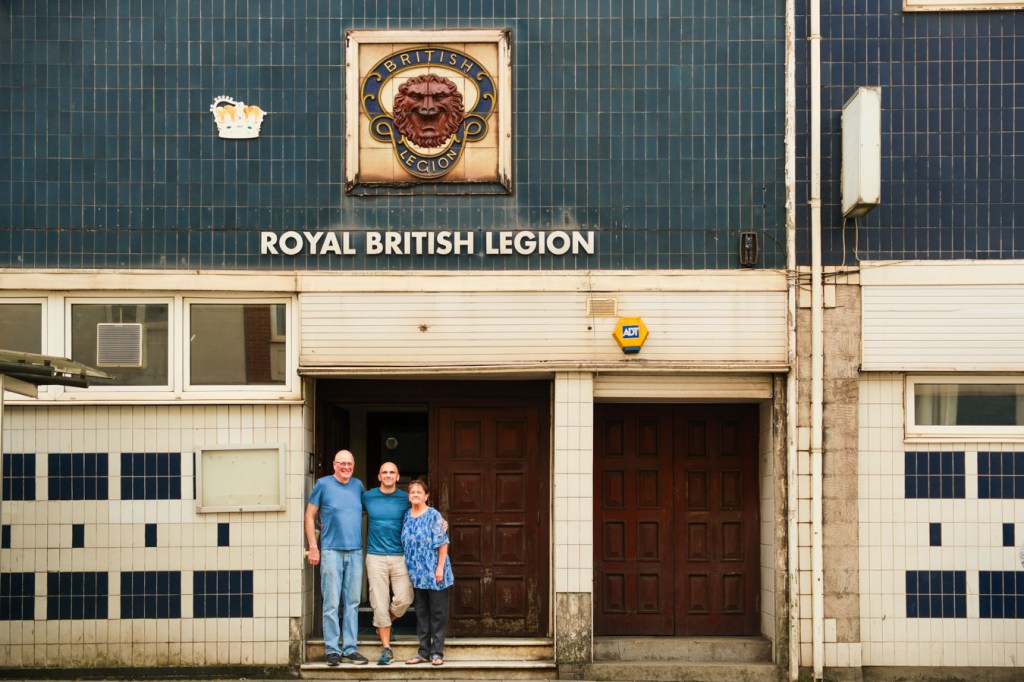
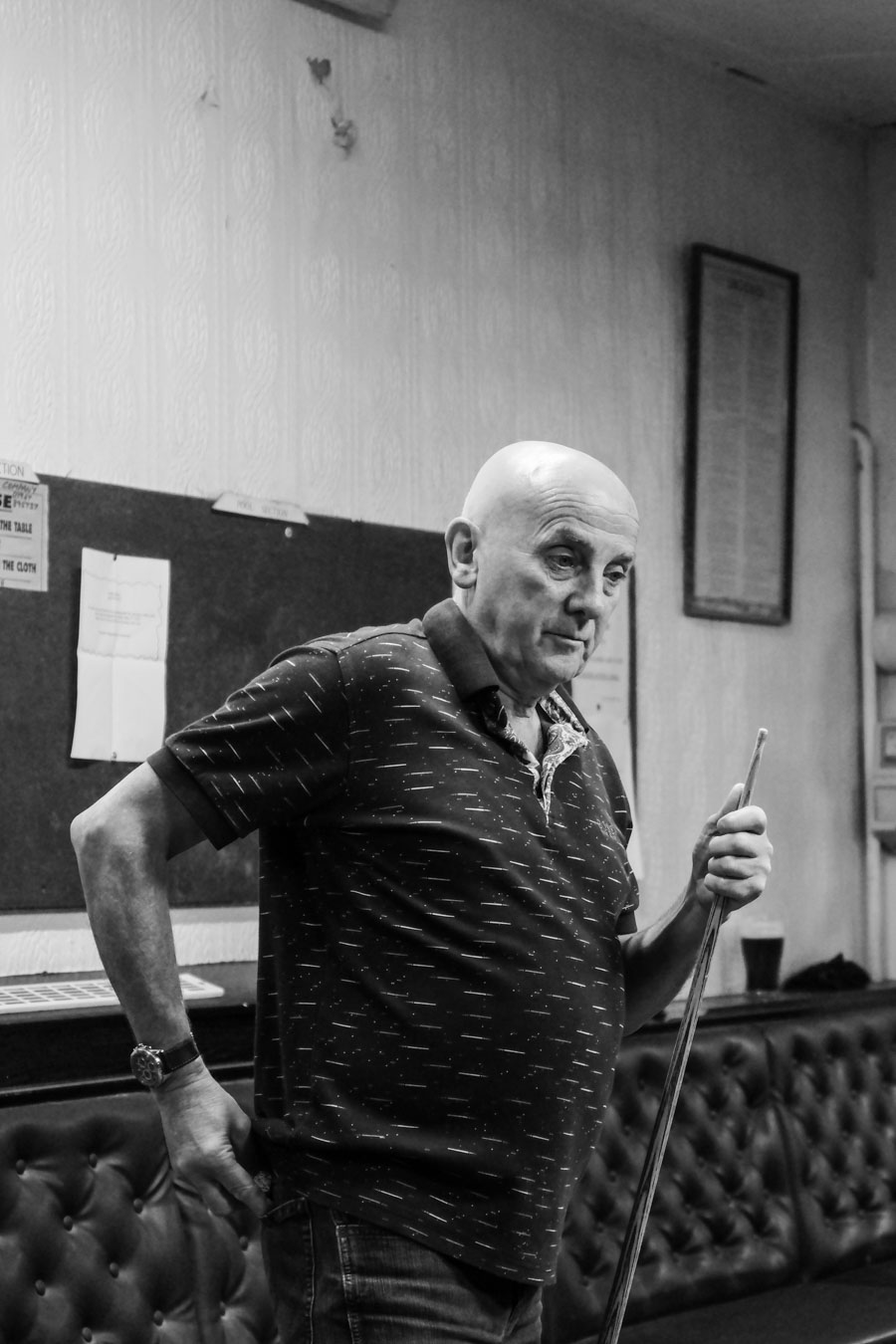
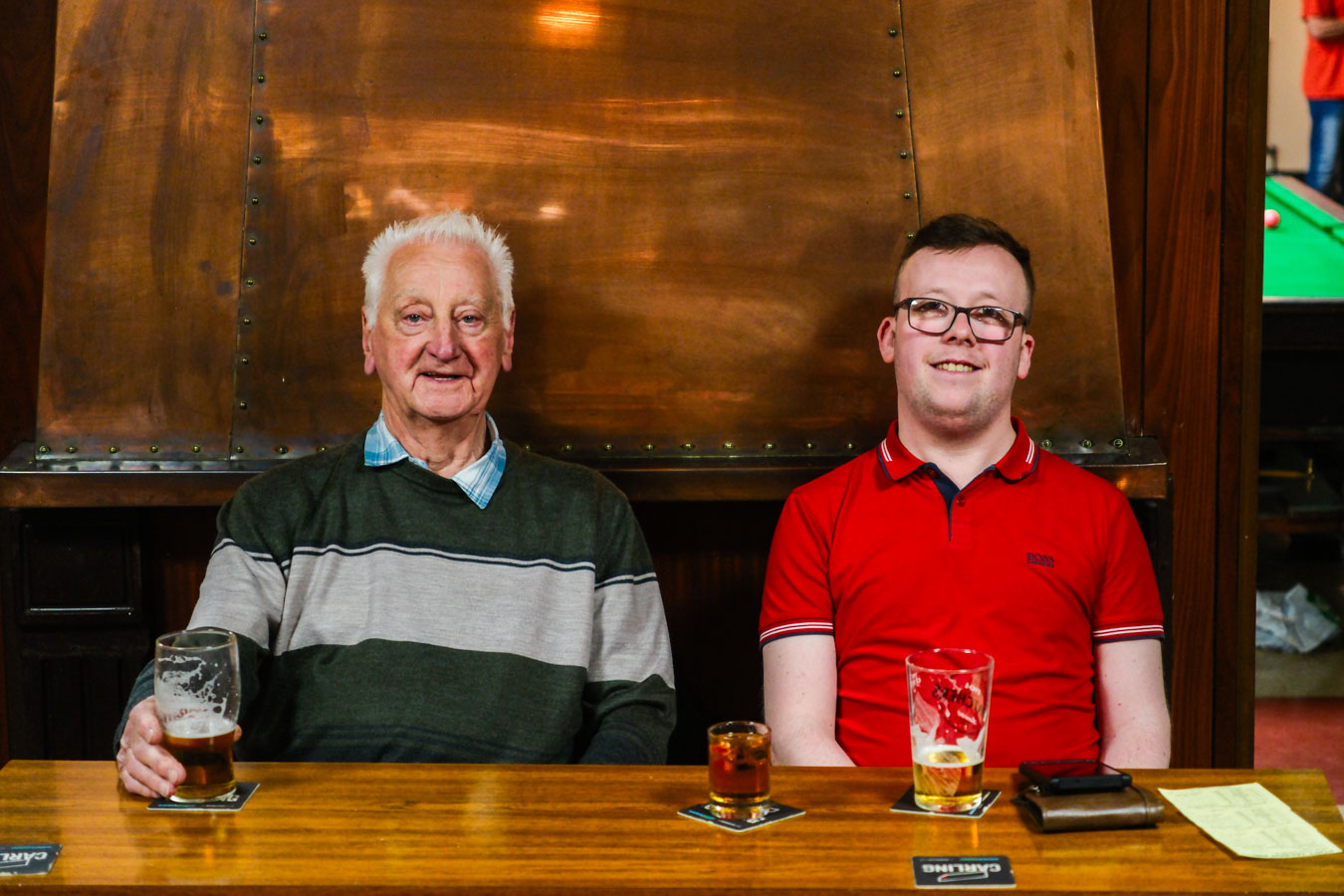
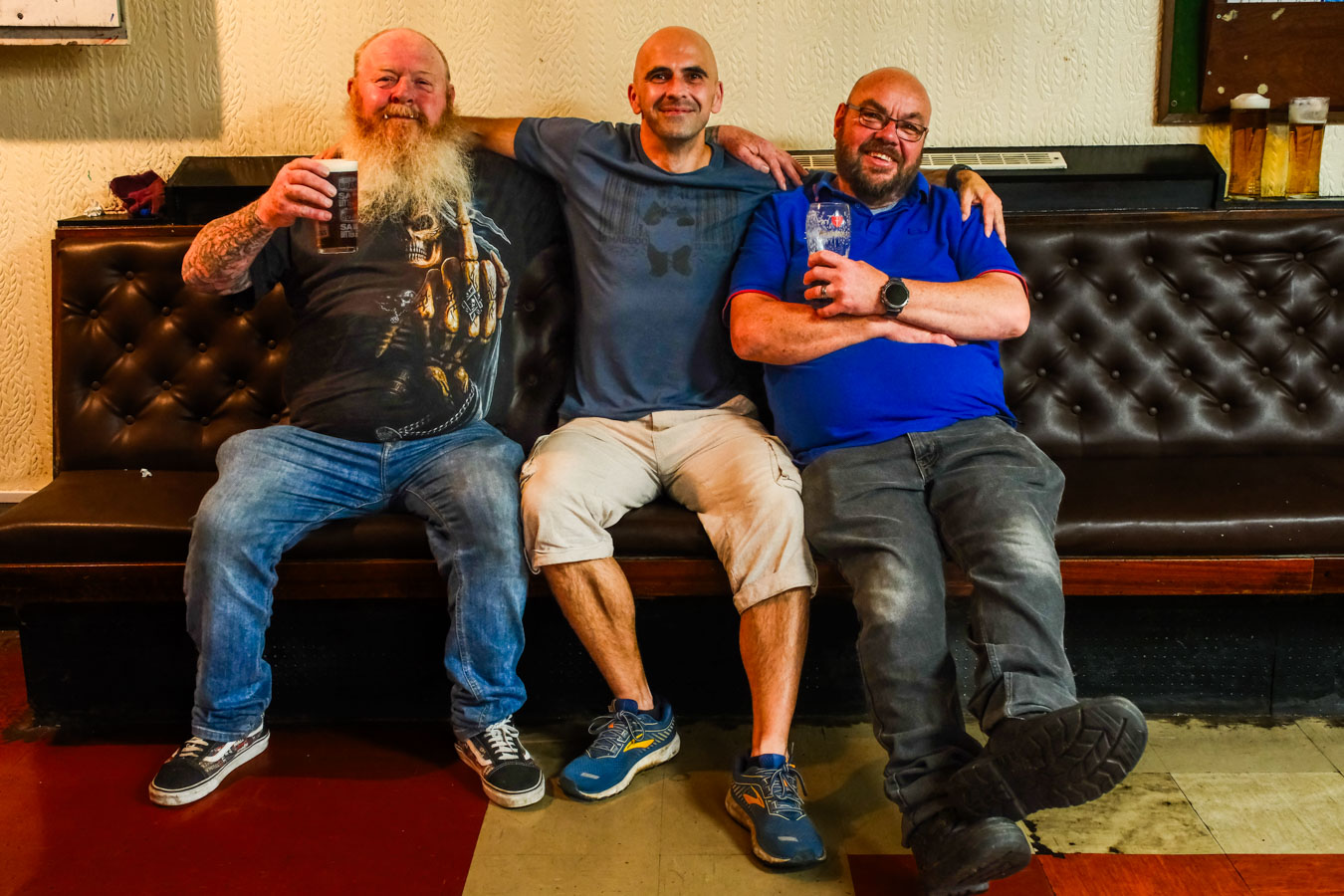
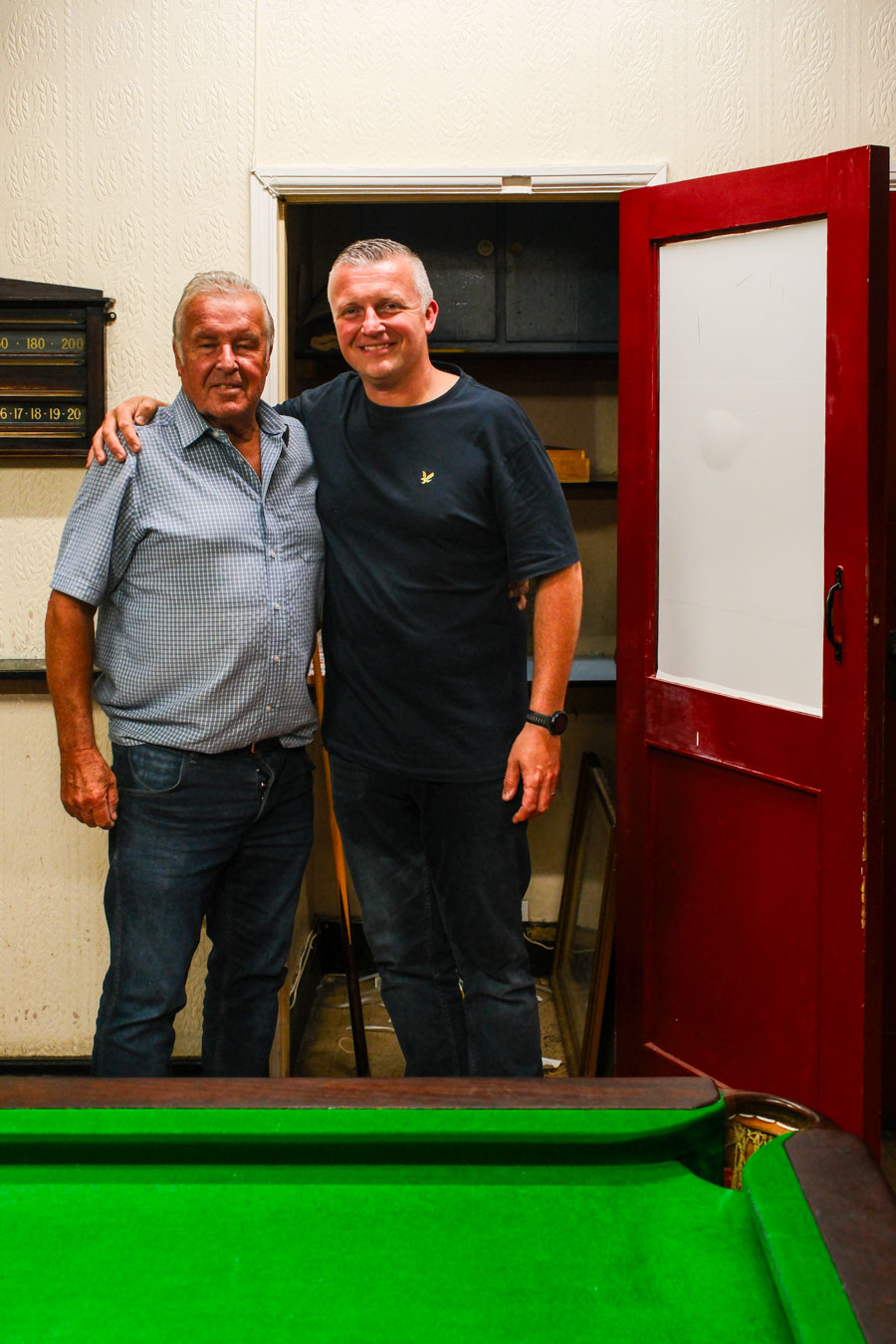
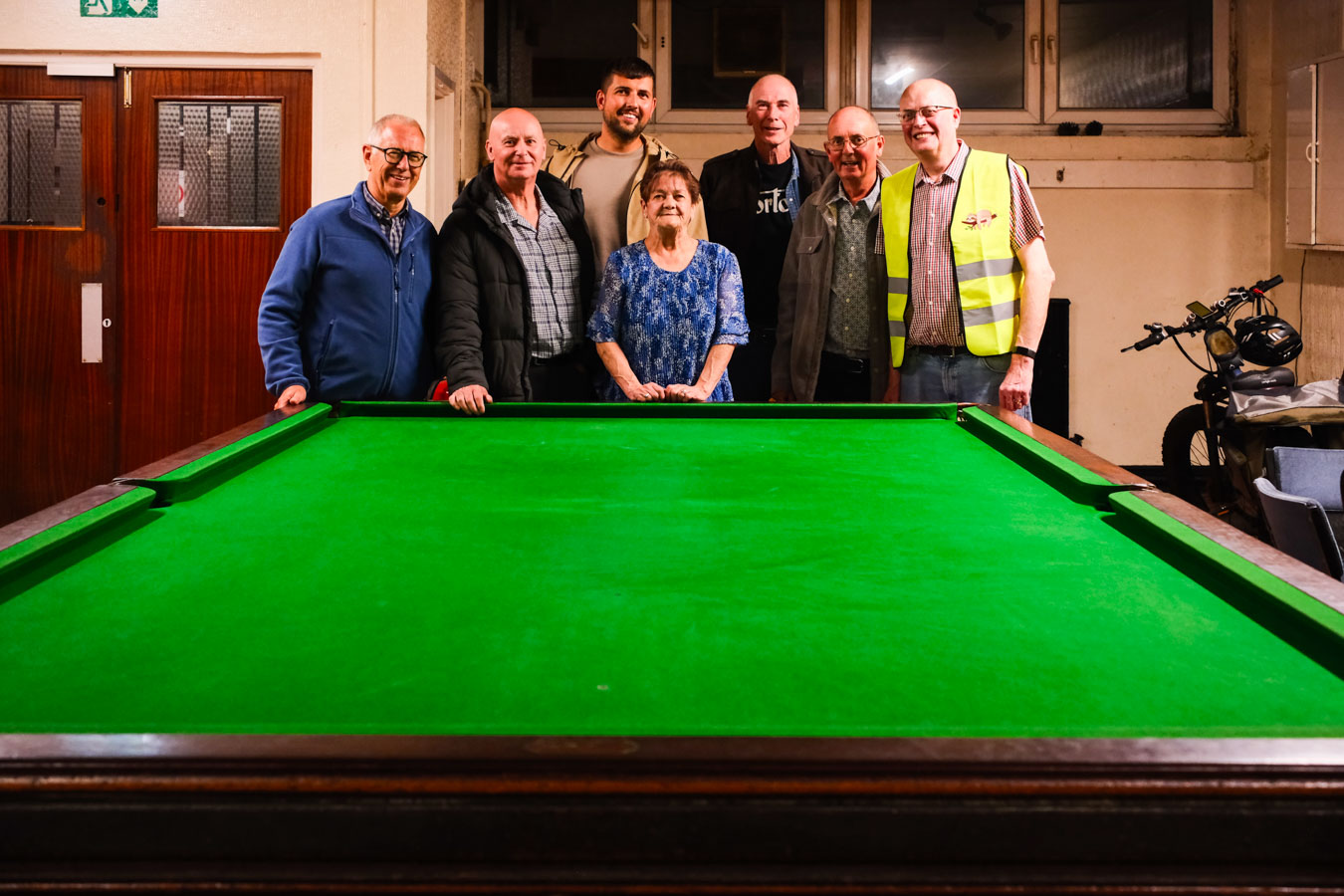
Just over a week ago I was lucky enough to have the opportunity to document the closure of a family run Port Talbot landmark, the Royal British Legion. The following images were shot in 3 sittings over 2 days and are split by 1 – Before opening 2 – The Final Call (the final bingo and snooker games) and the following night, 3 – Fond Farewells (the last night of the Royal British Legion).
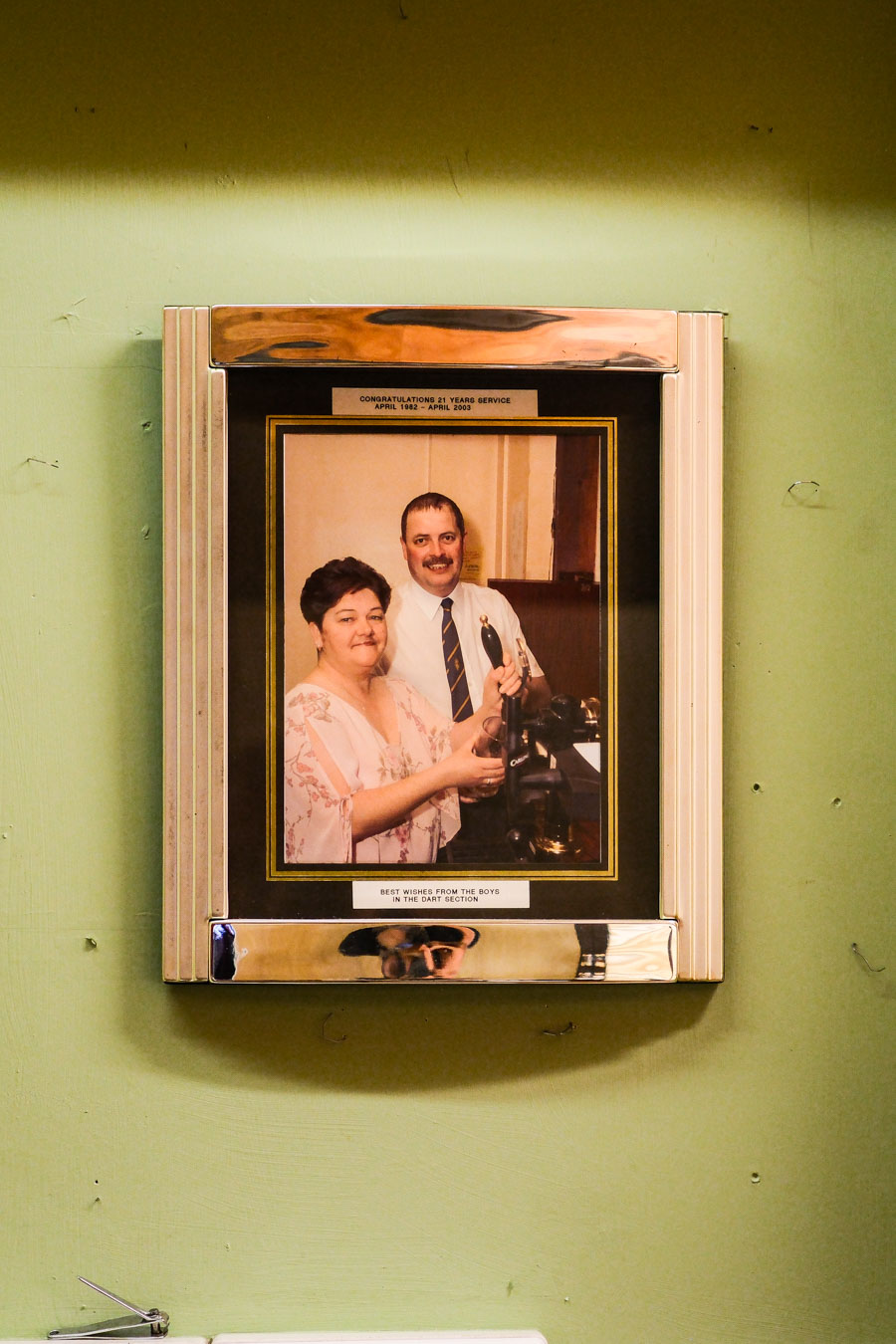
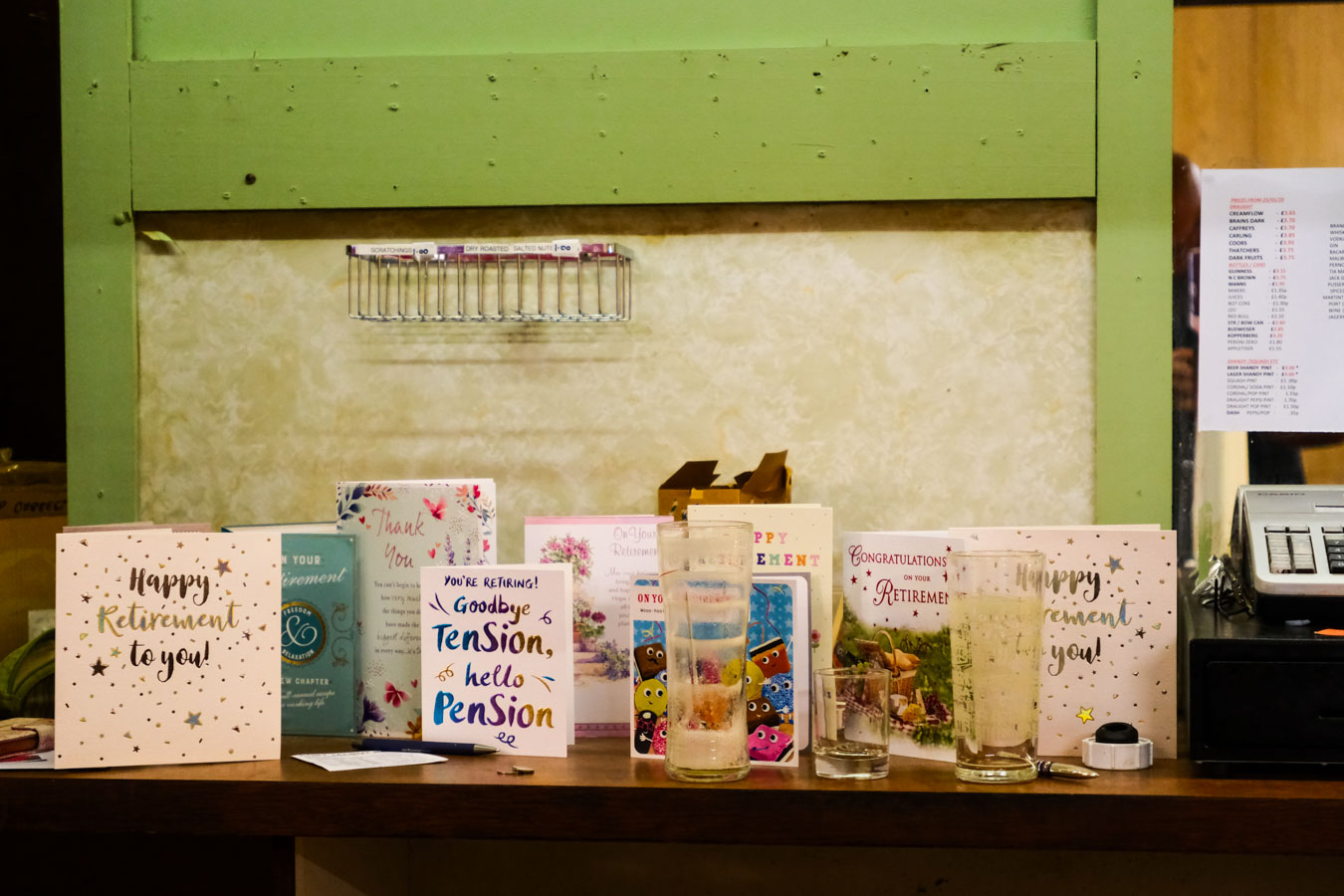
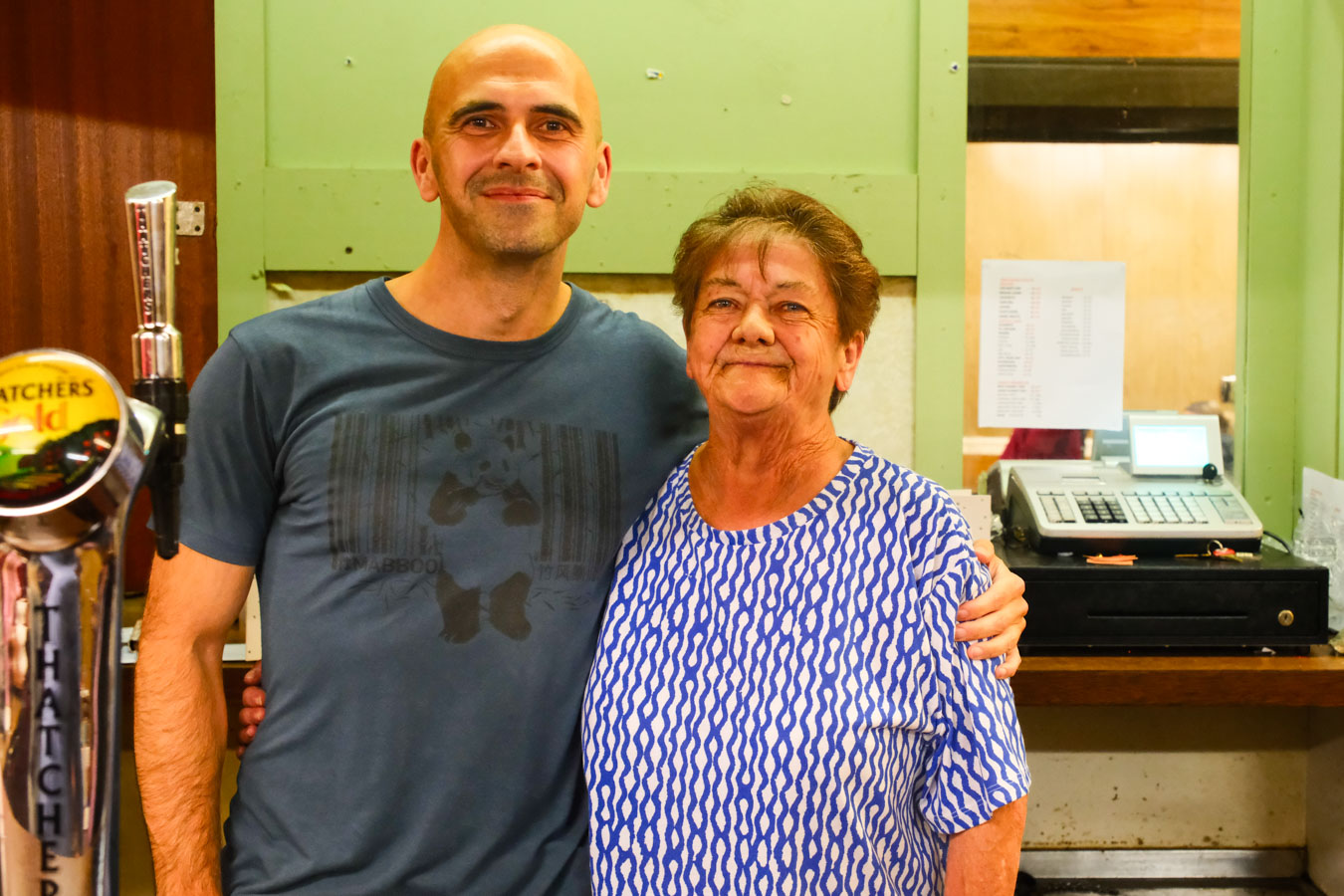
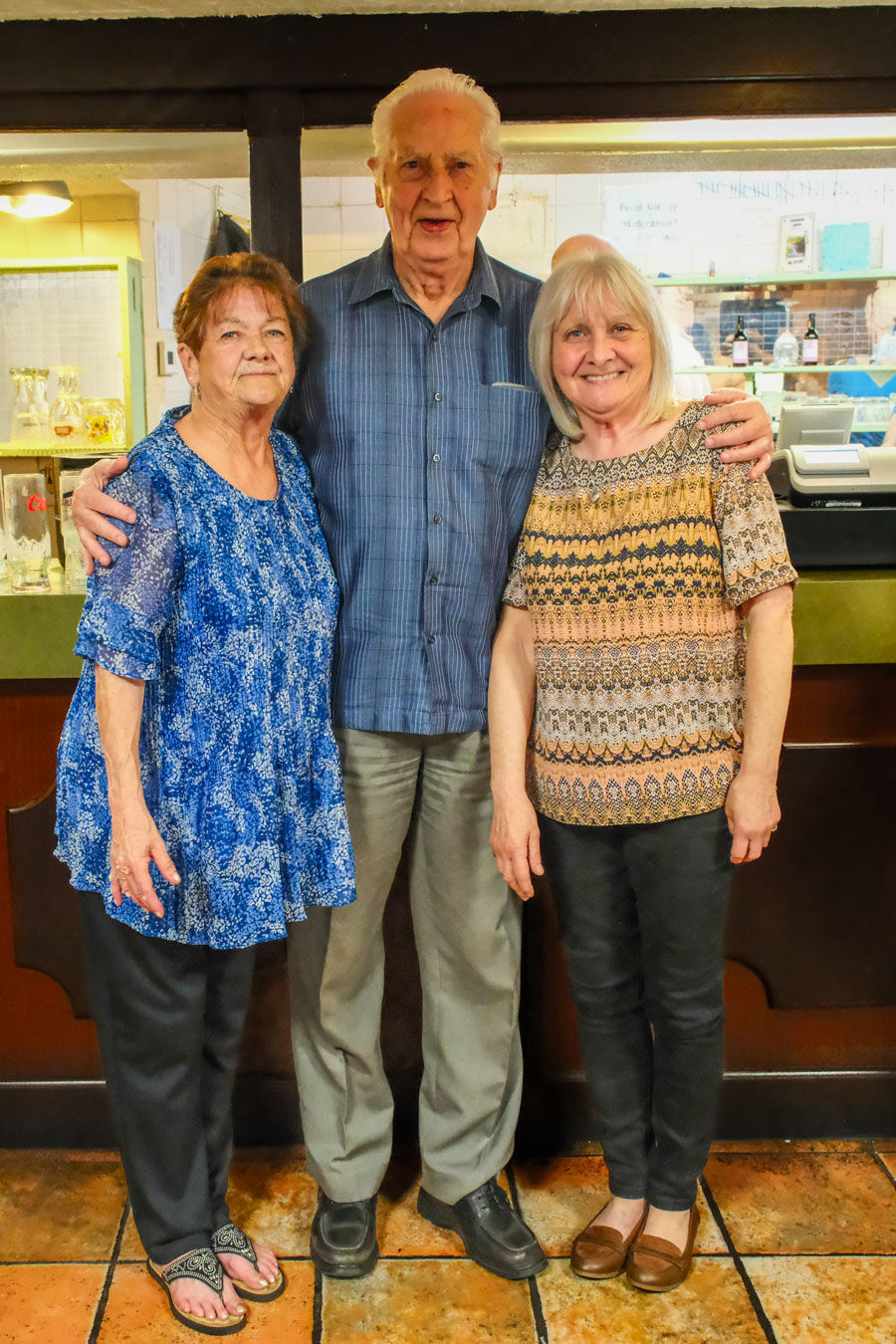
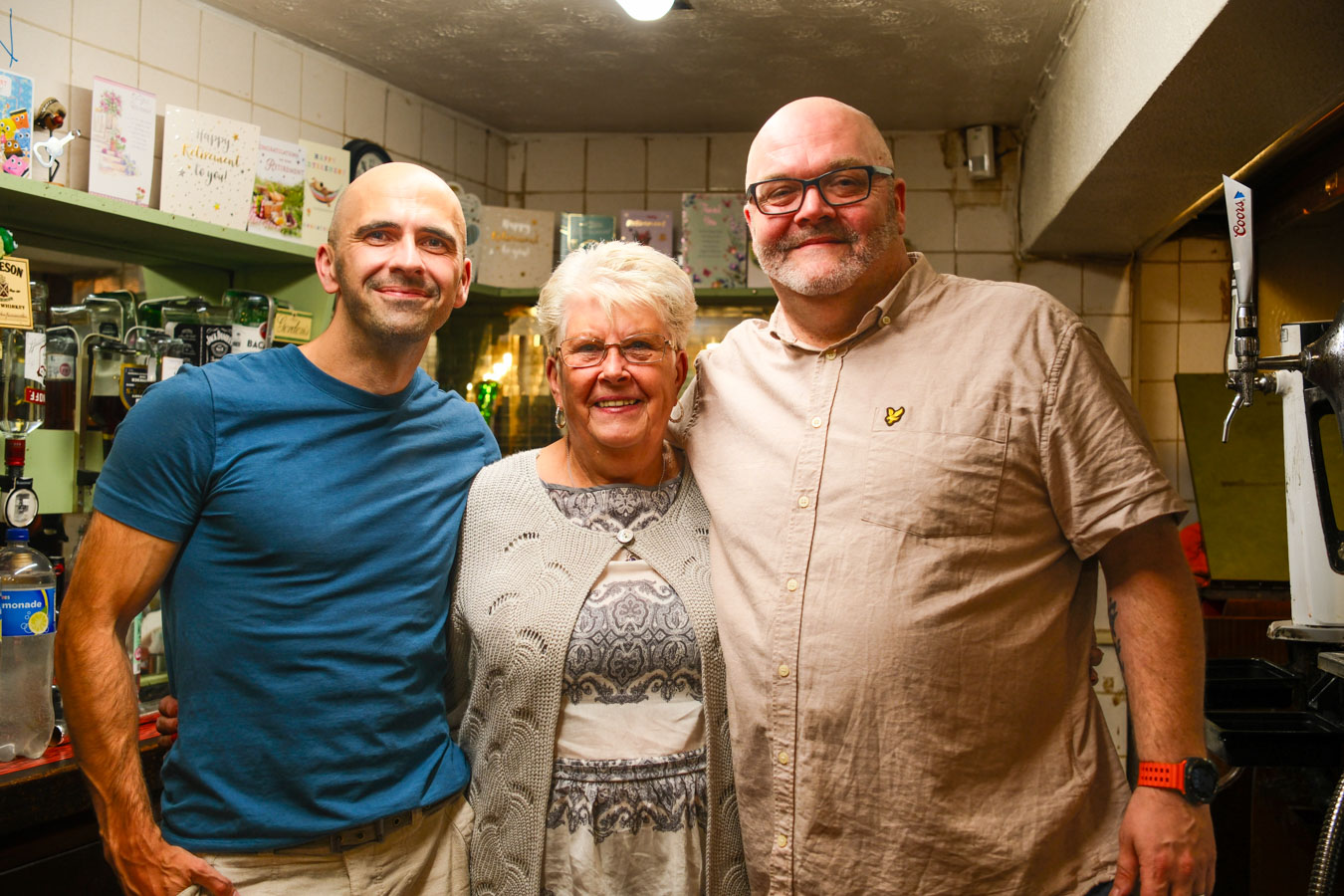
It was a real privilege, and though I hope to do it justice, I know the words and images below can only capture a small part of what the Royal British Legion meant to the people who spent time there. I will always be grateful to John and Alyson, who ran the Legion for 43 years, as well as raised their family in the accommodation above, for allowing to me to go and document the final days of the Legion.
1 – Before opening
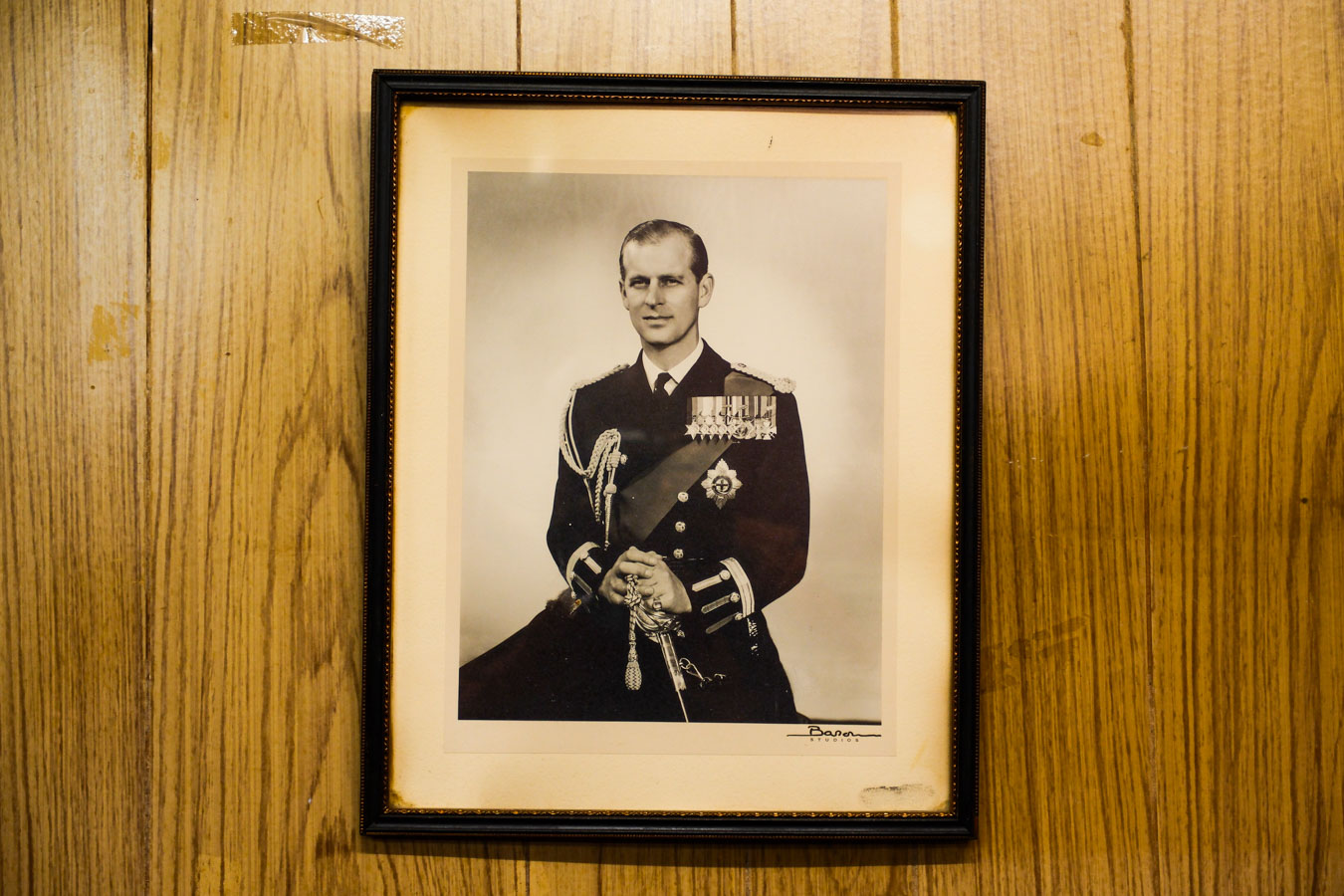
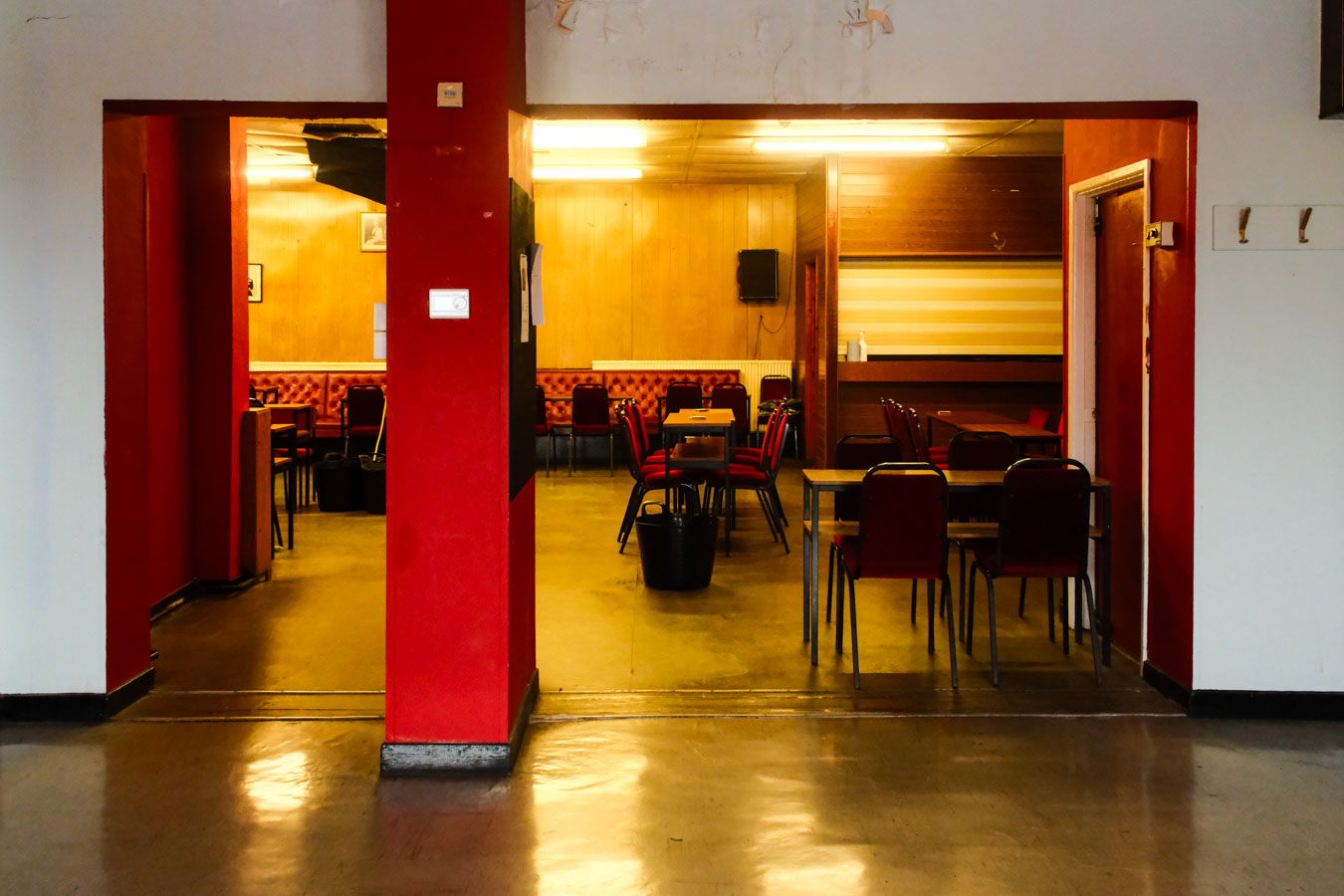
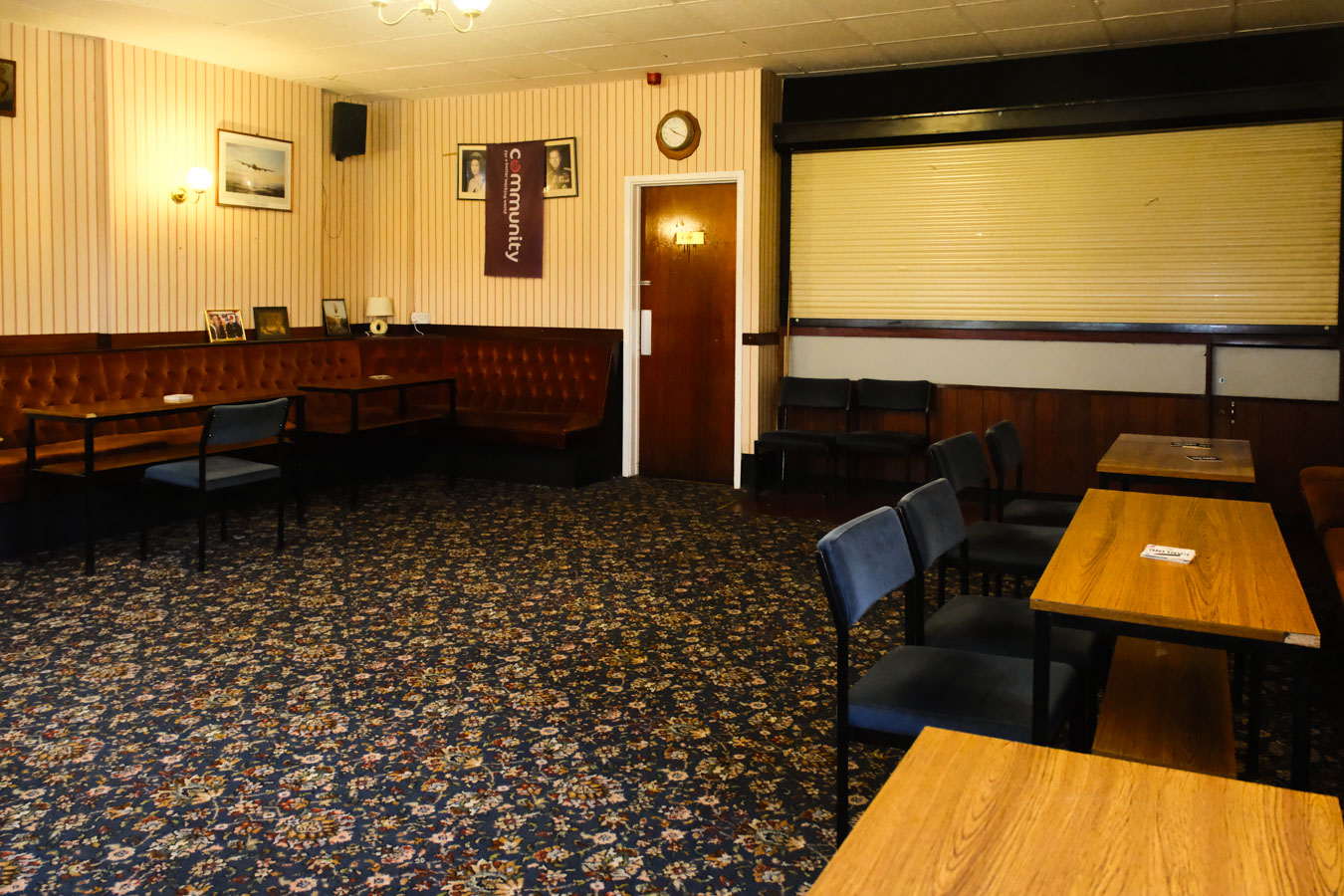
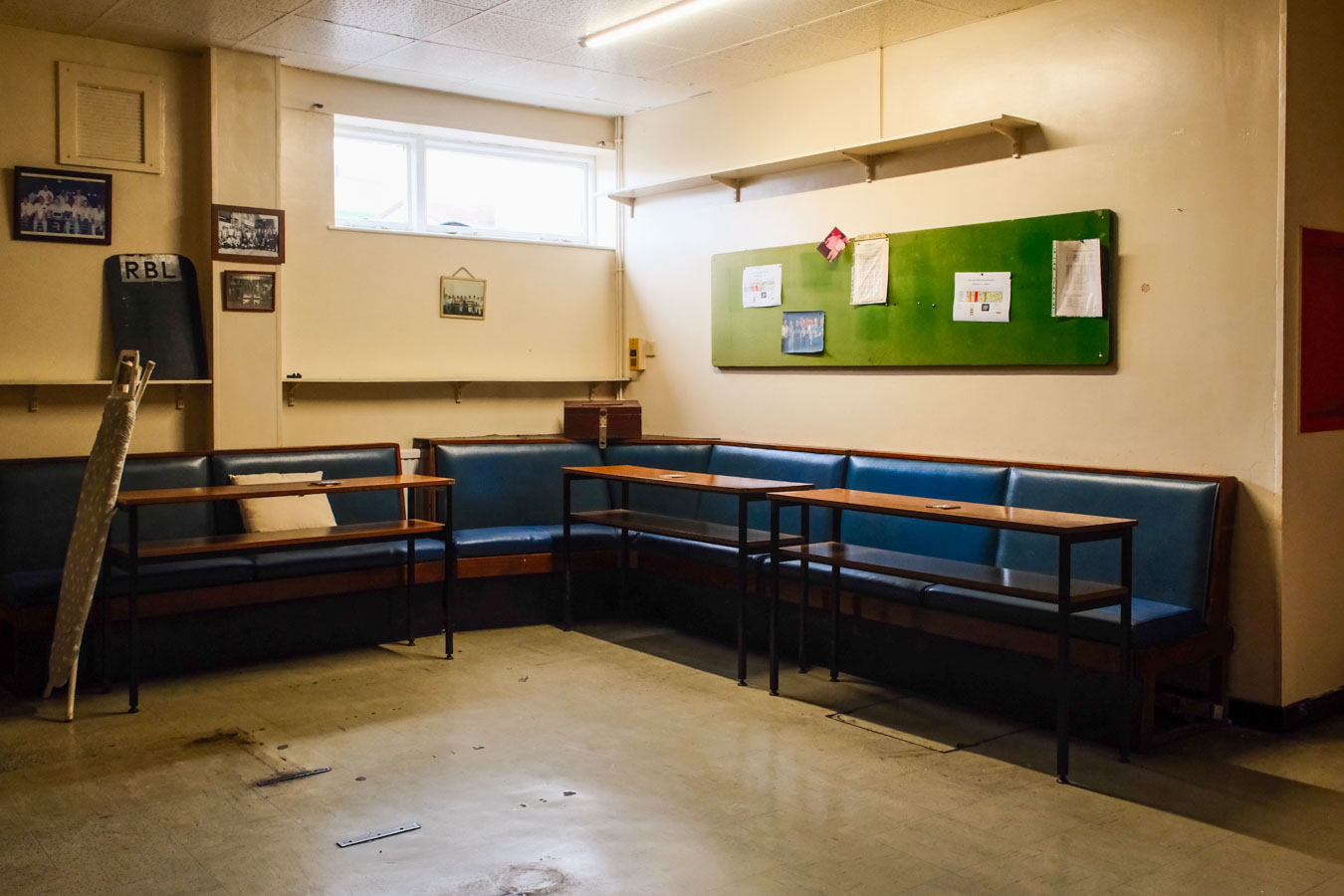
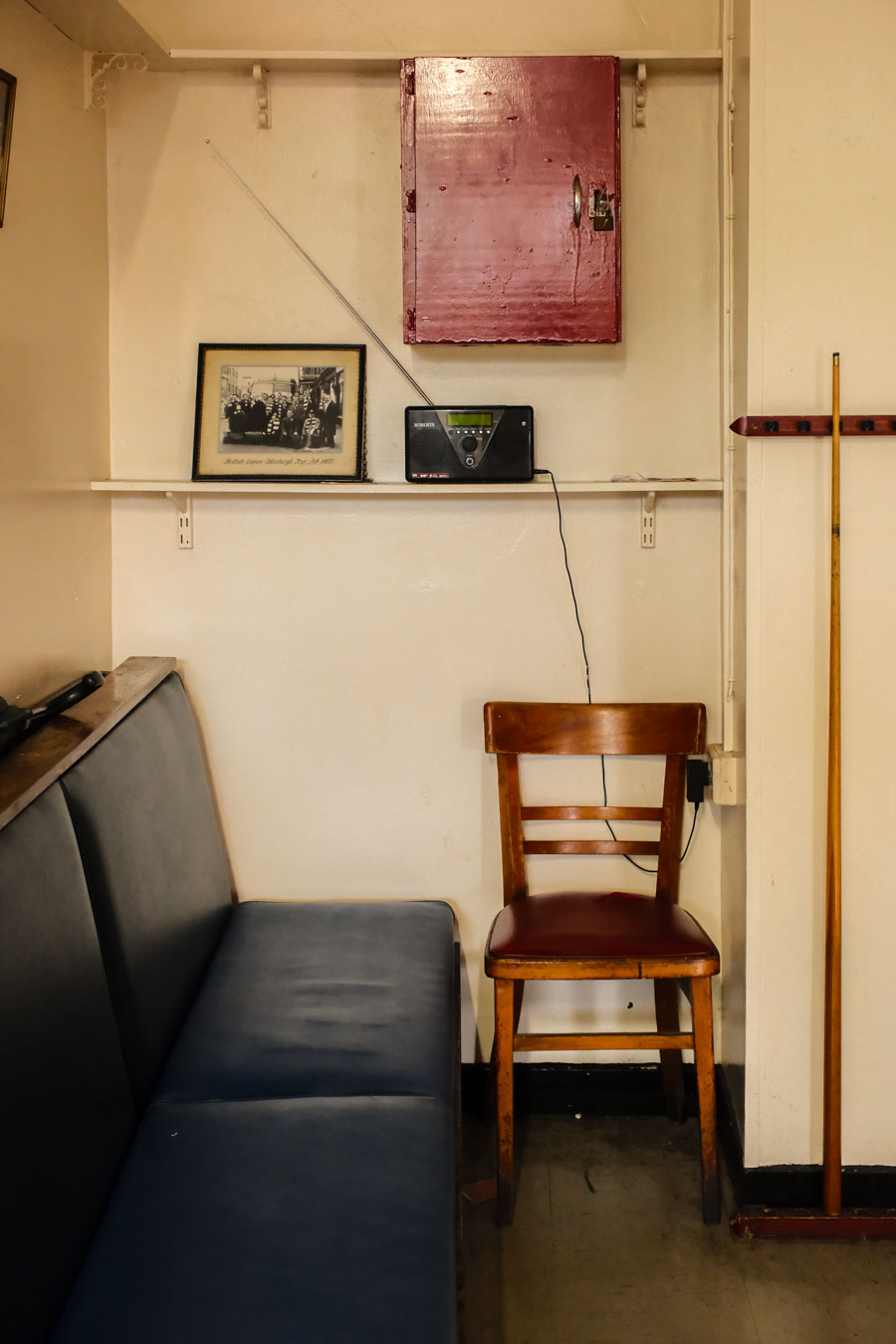
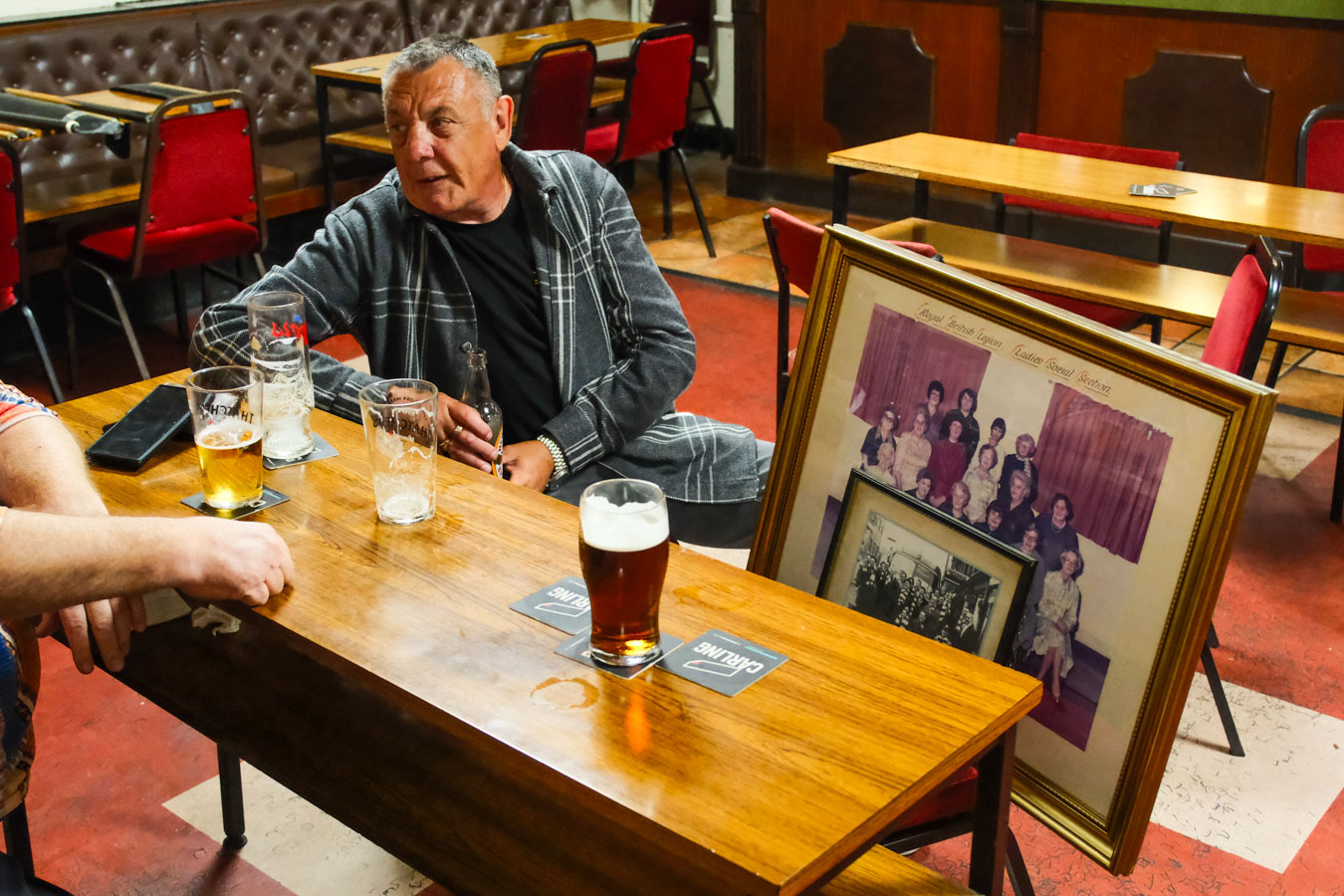
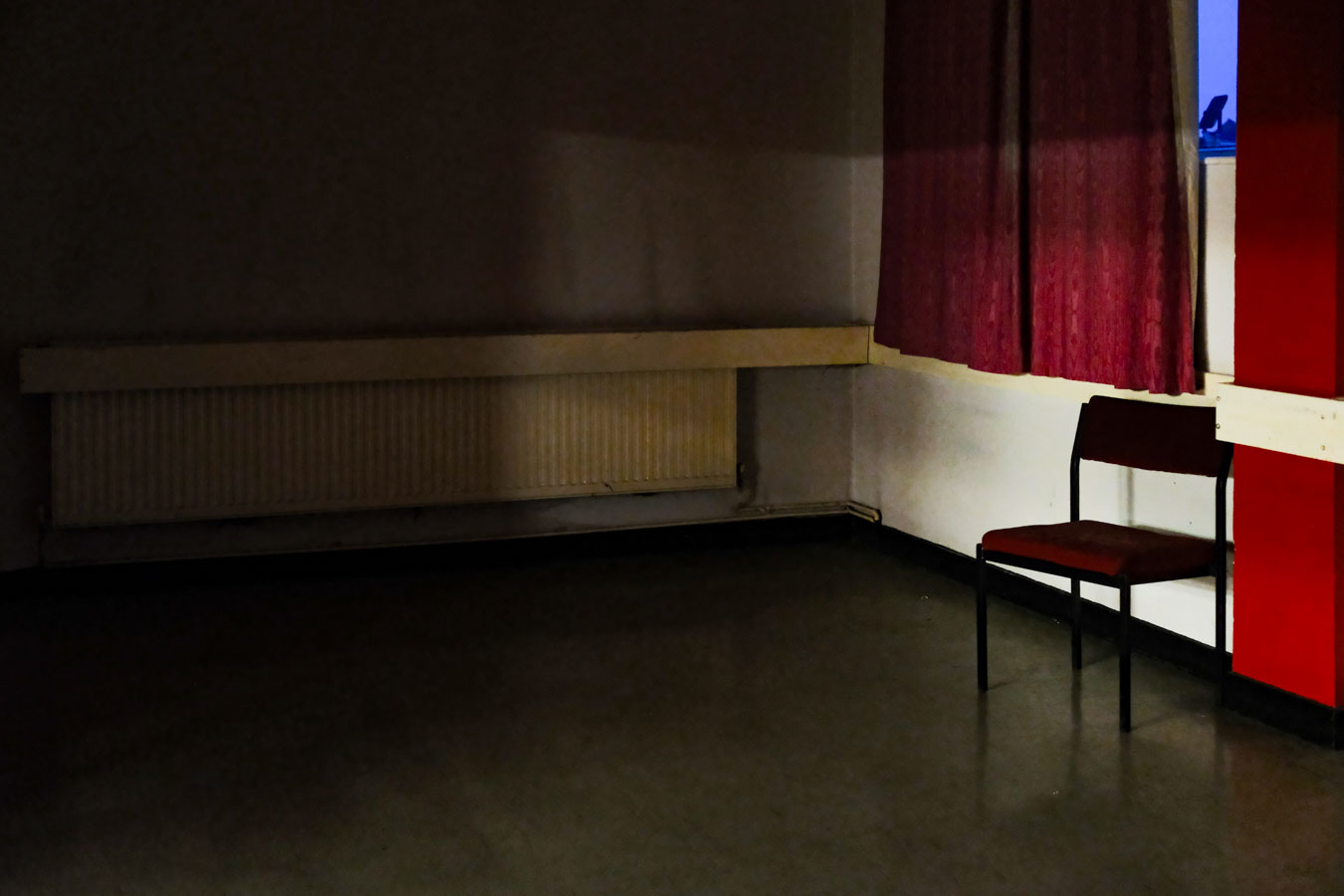
The first morning (Friday) I had the chance to go in and explore the Royal British Legion. I had free reign to take photos and wander the space on my own. What draws me to places like this is something that feels rooted in my own past—something I imagine a lot of people from the valleys would recognise.
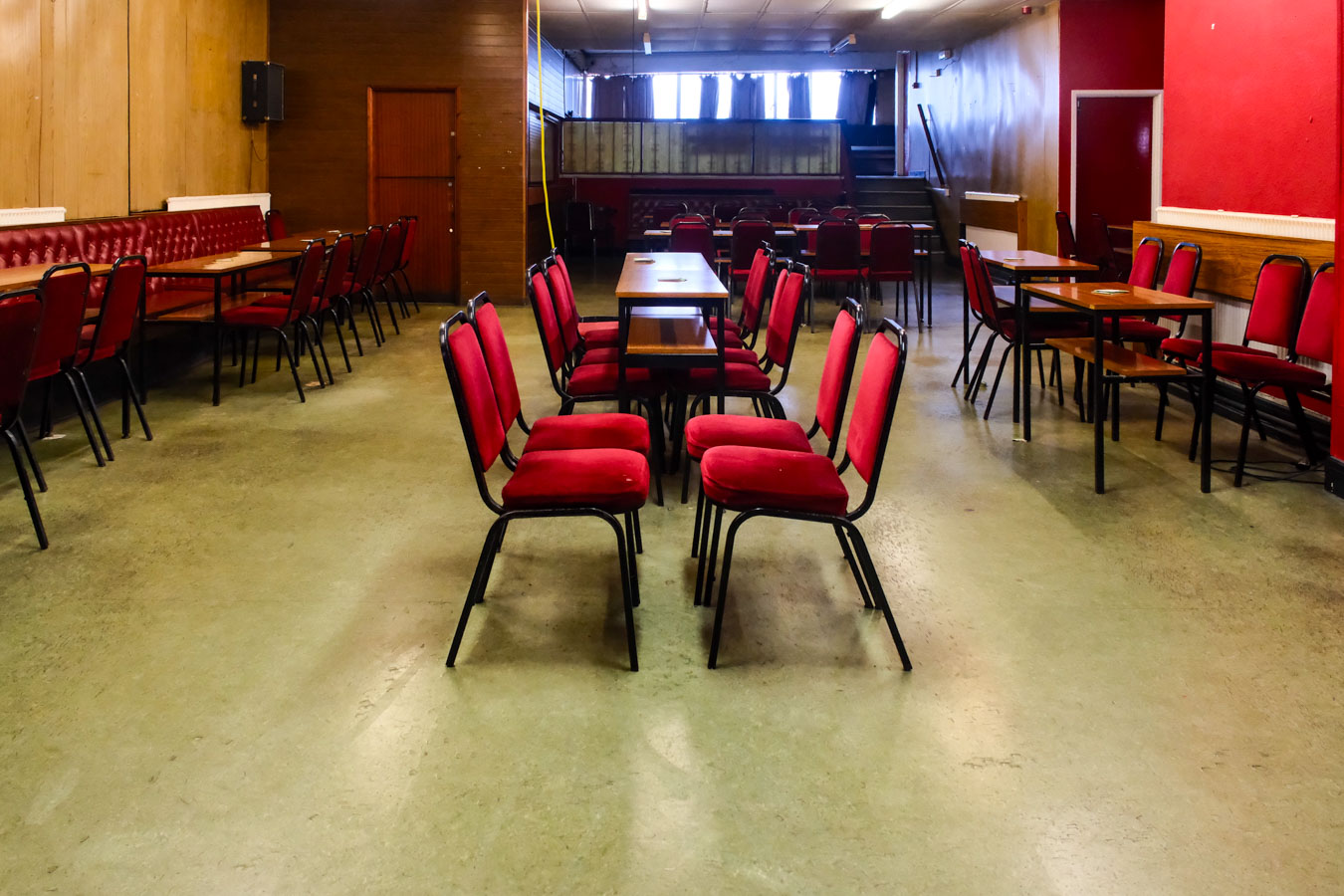
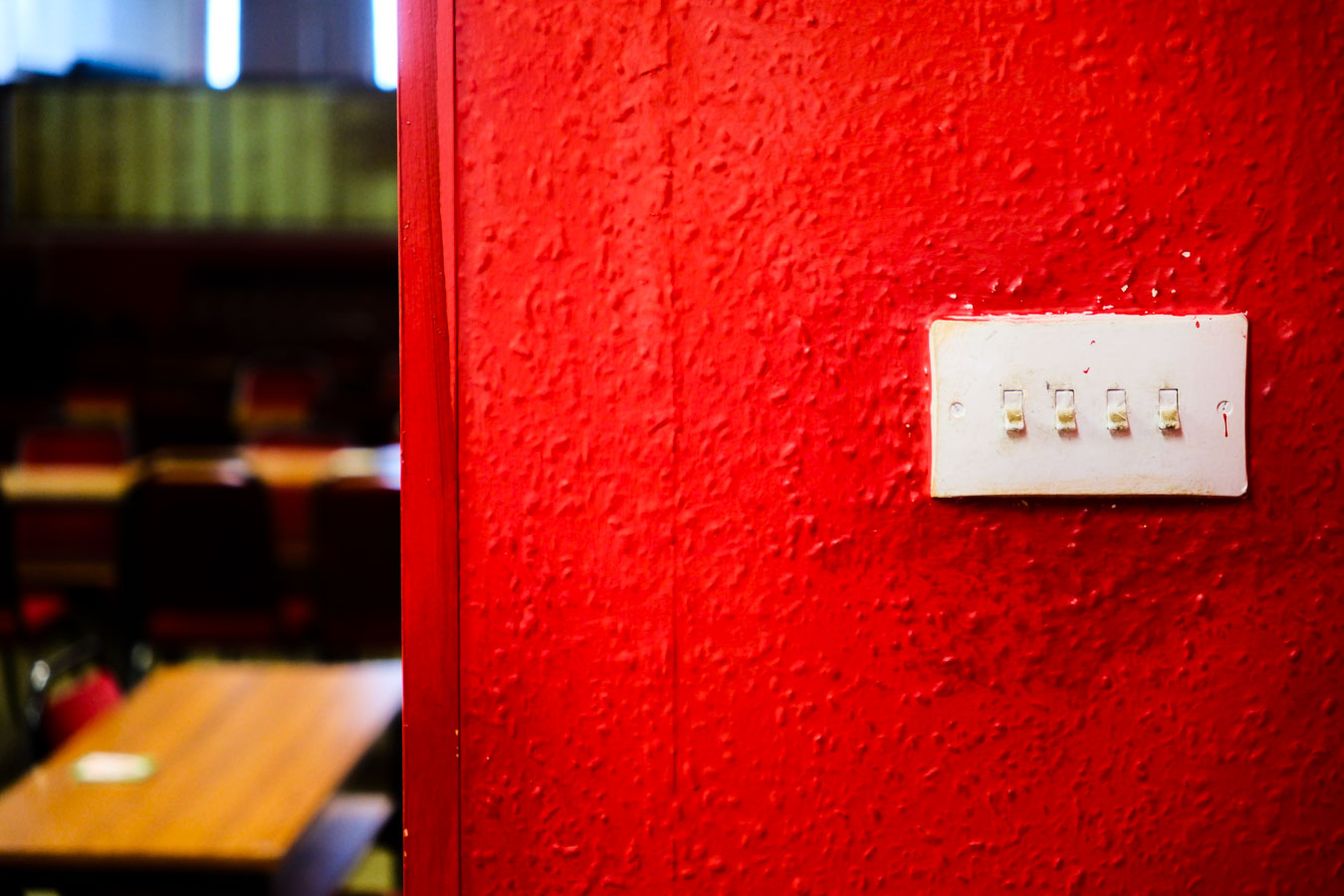
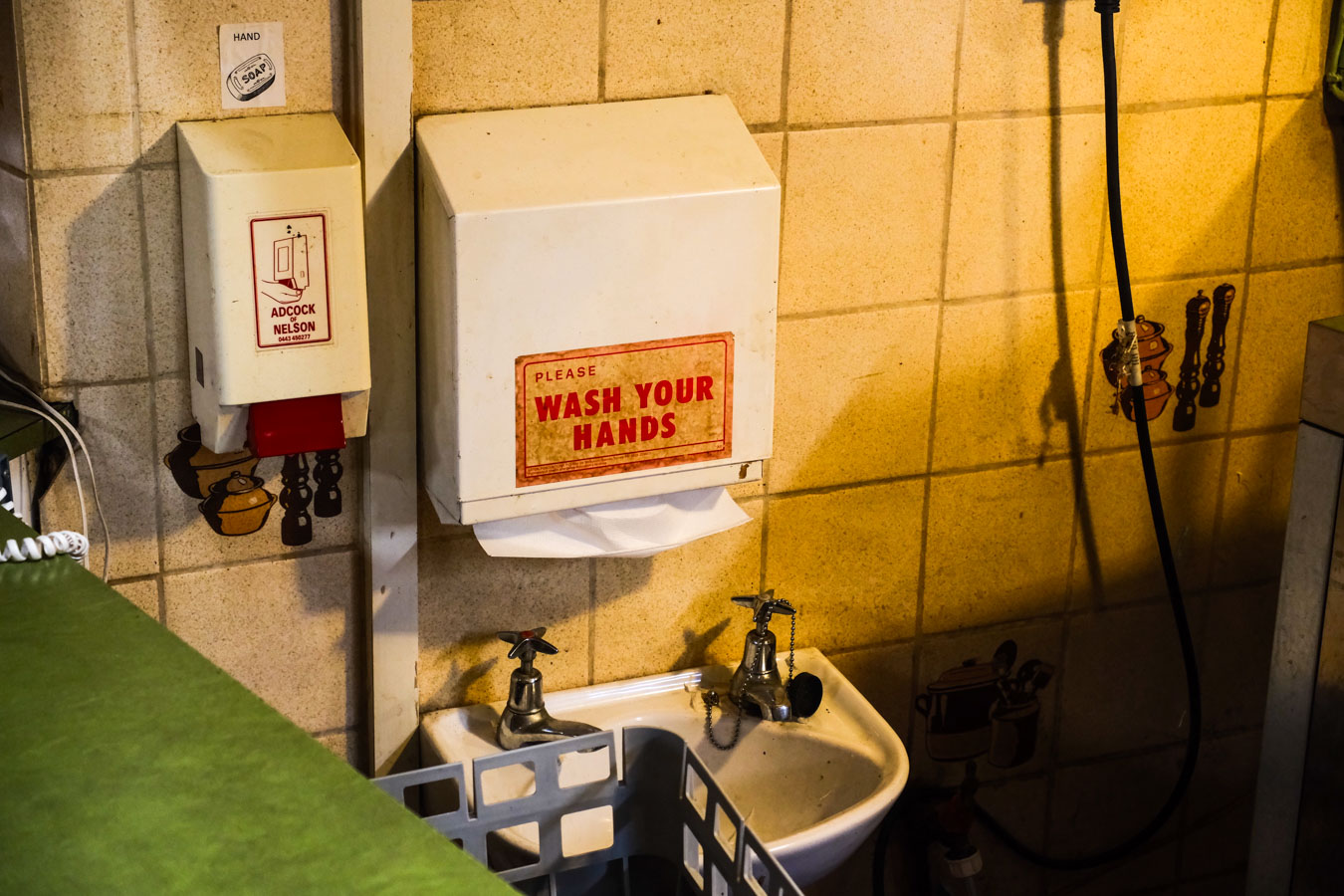
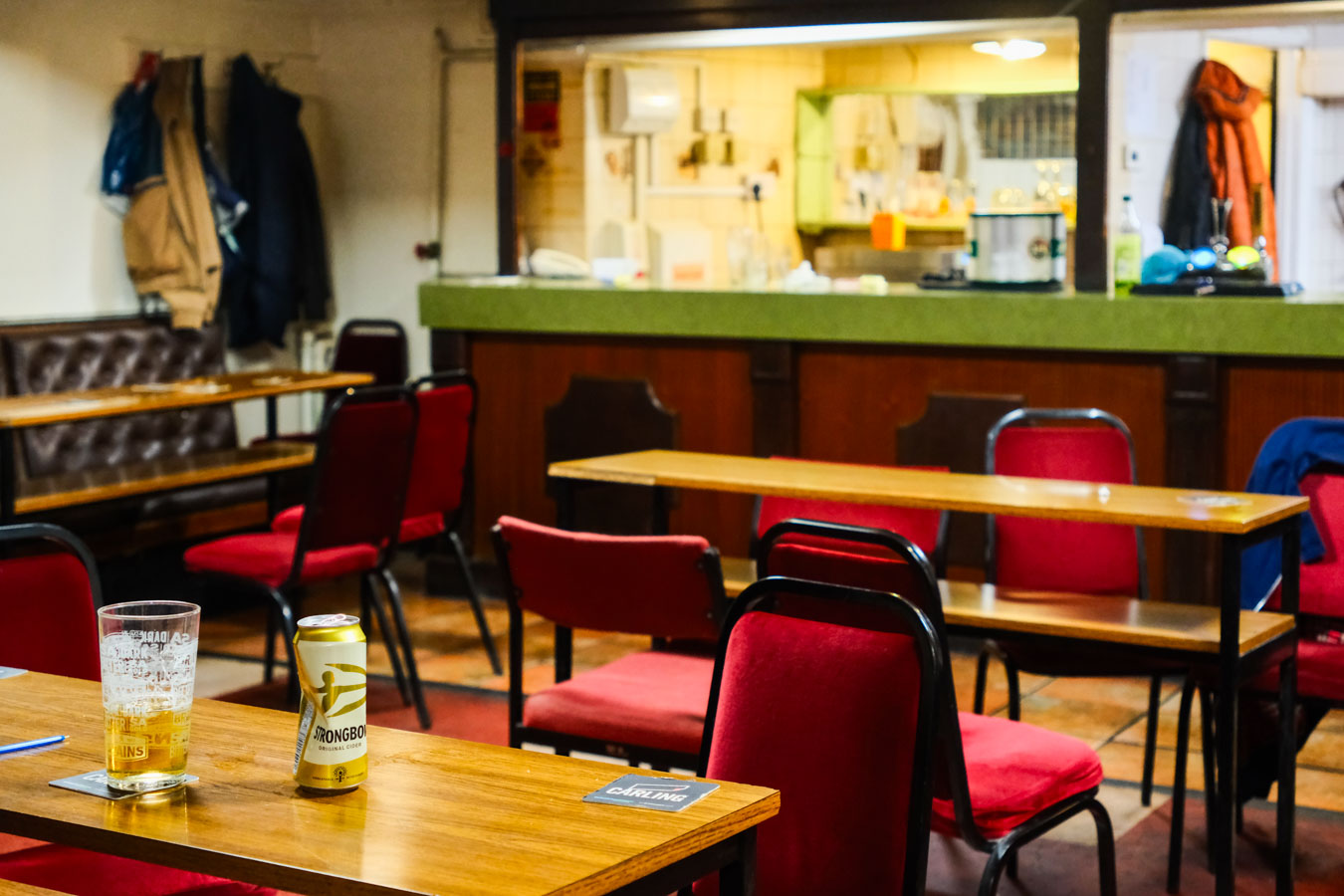
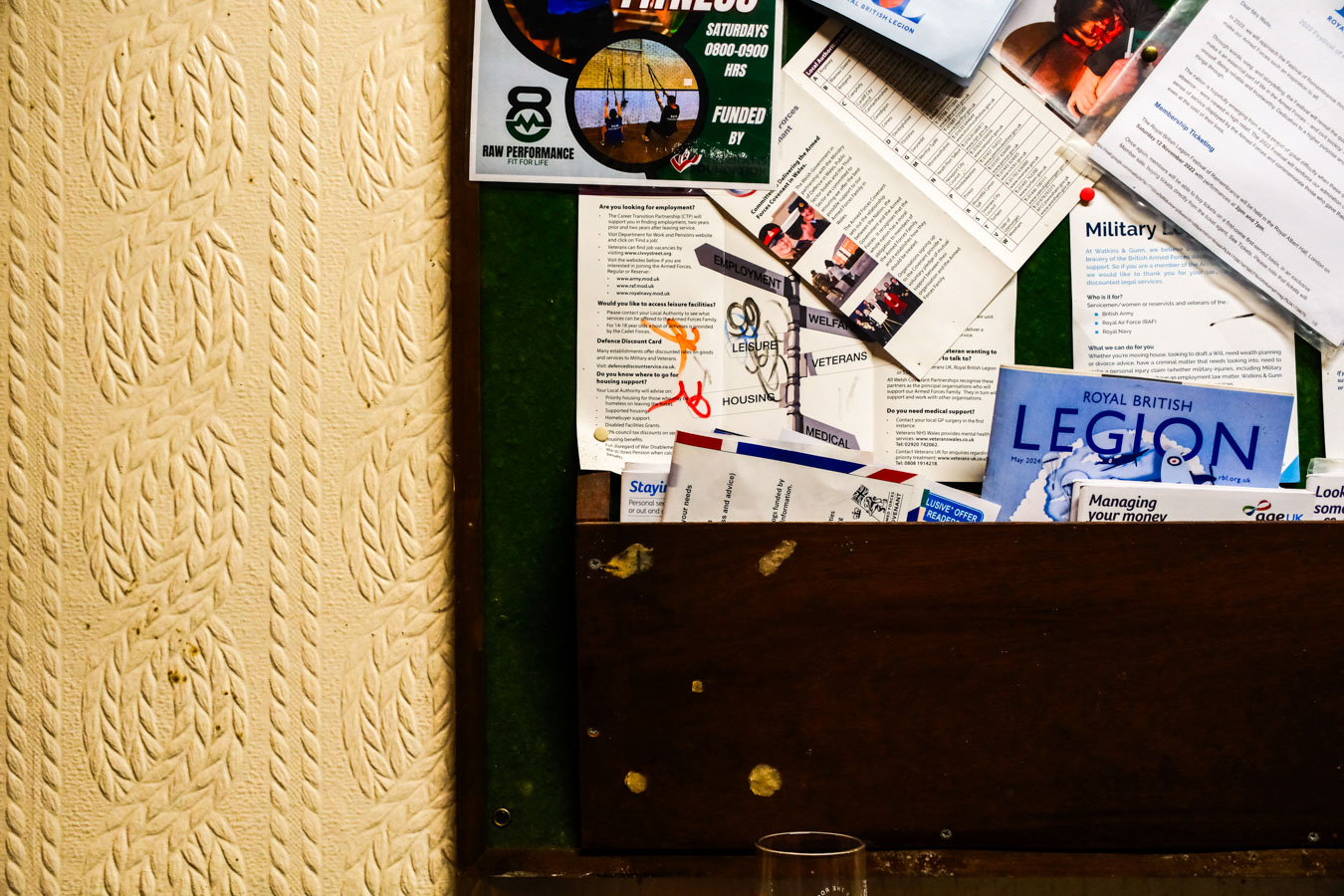
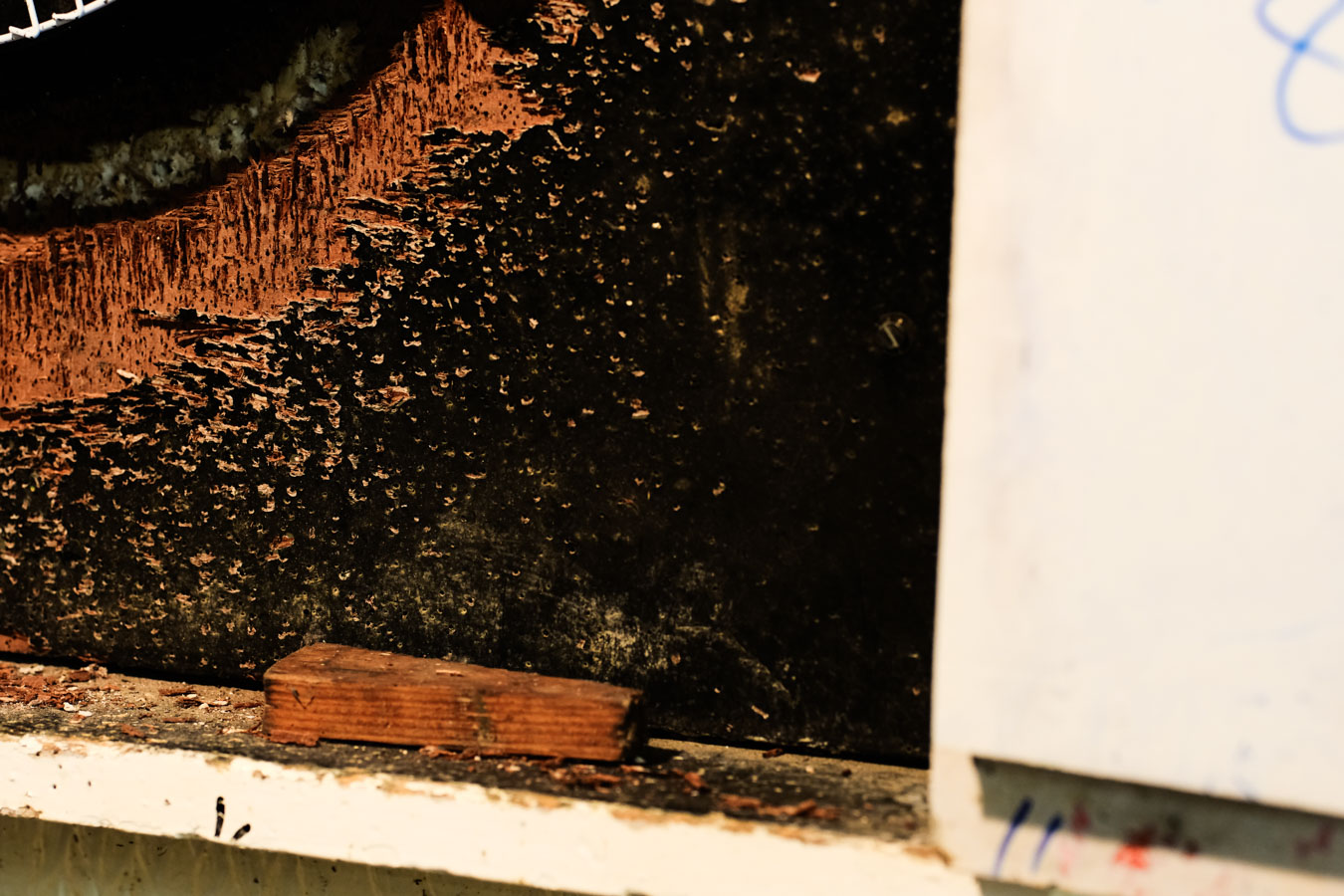
Unlike modern spaces, sterile Starbucks clones or the charmless sprawl of a Wetherspoons. places like the Royal British Legion don’t just exist, they have existed. You feel it in the walls, the wear, the way the furniture hasn’t changed in years. There’s a weight to it.
One thing I’ve always struggled with in documentary photography is the line between documenting and mocking. I think it’s a particularly “valleys boy” problem. The idea that by noticing things, you’re somehow setting yourself apart, or trying to be better than. That to observe is to ‘other’.
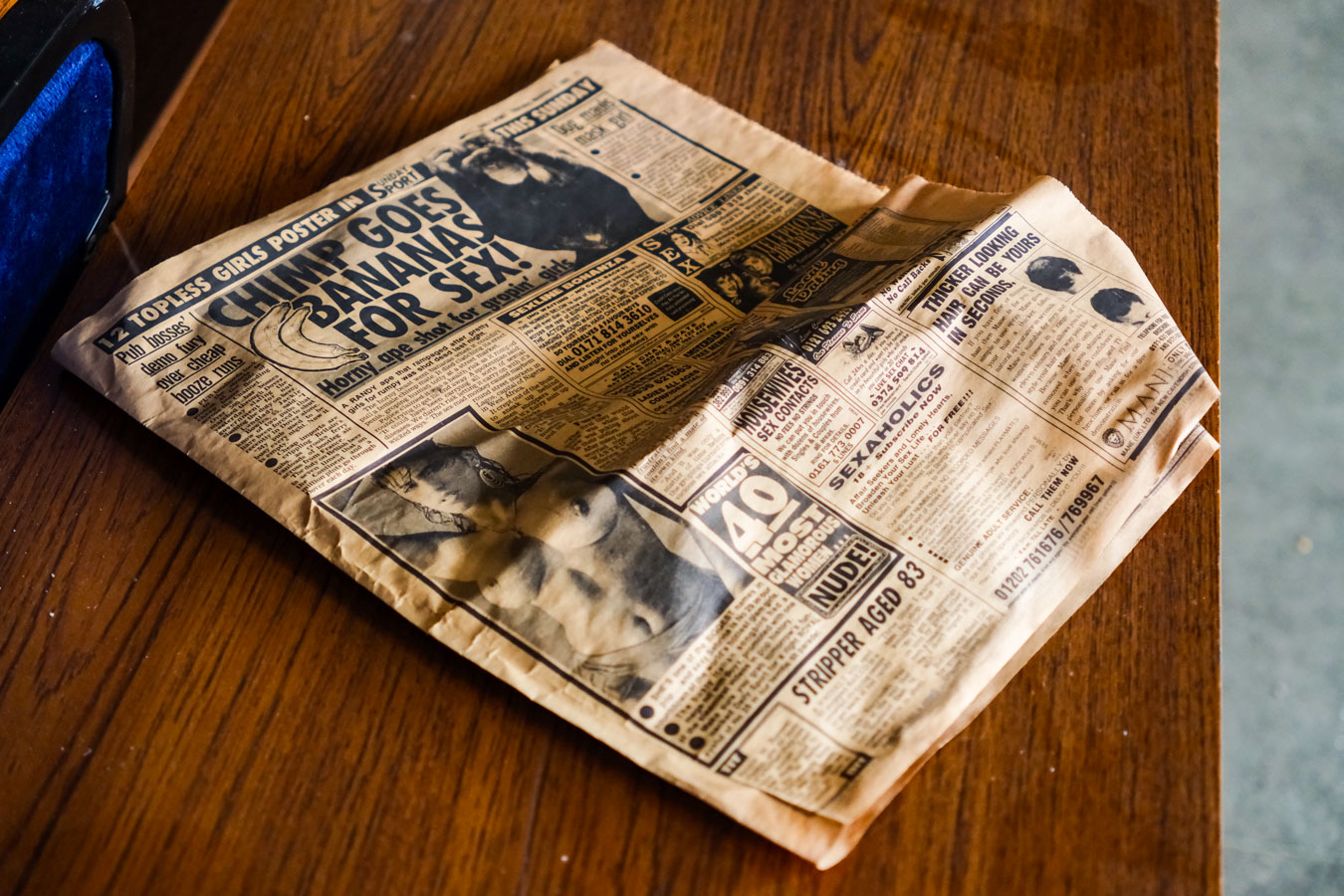
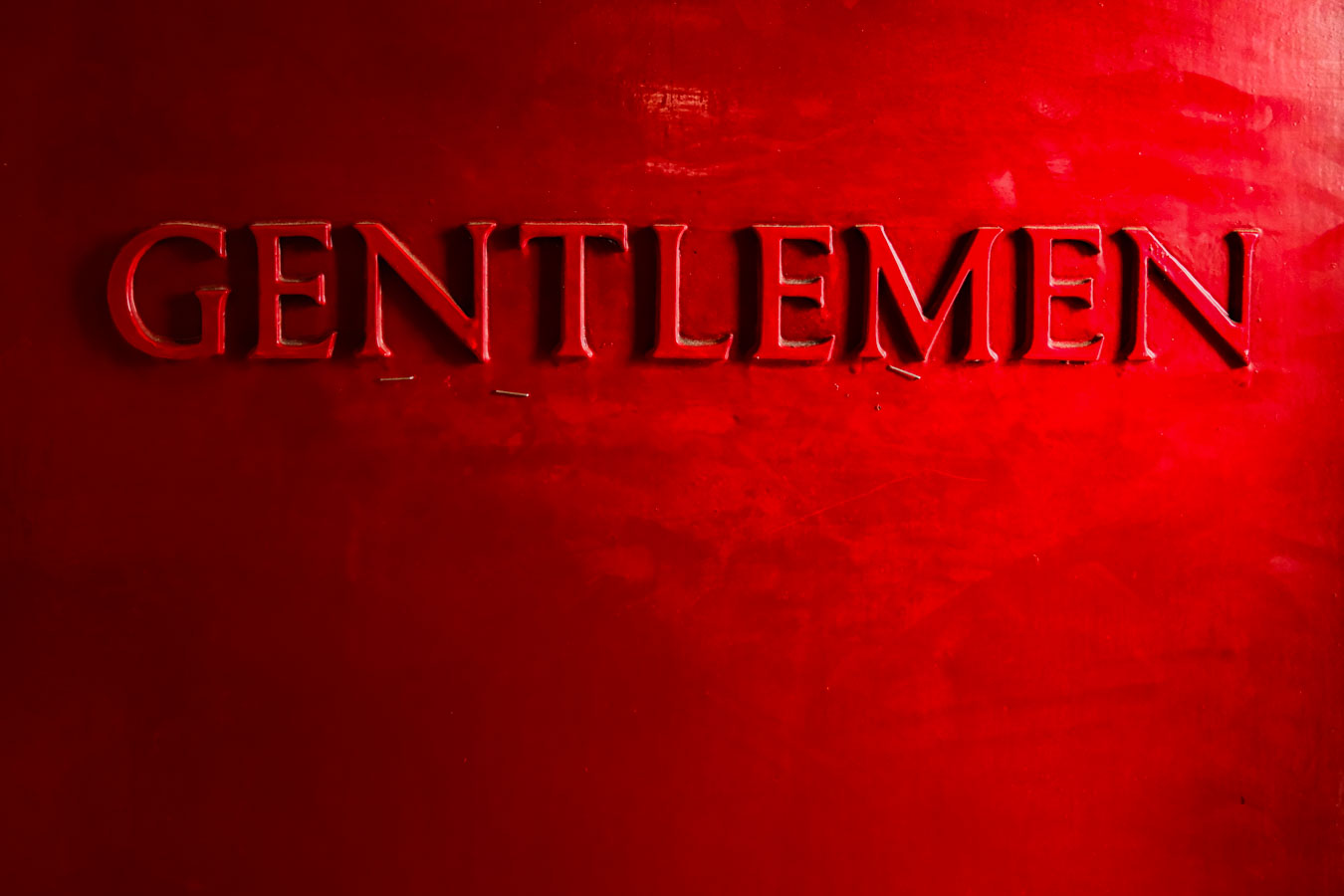
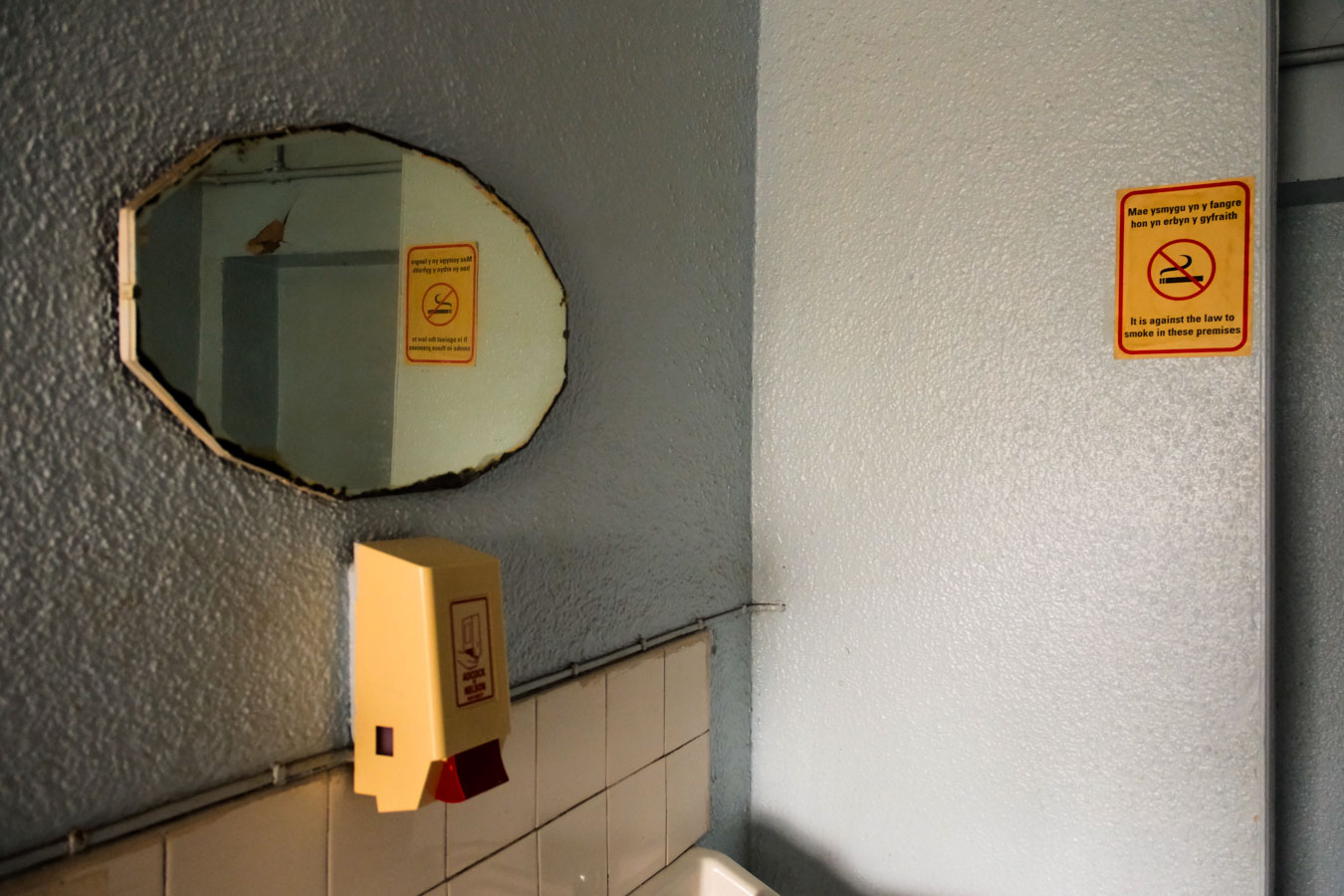
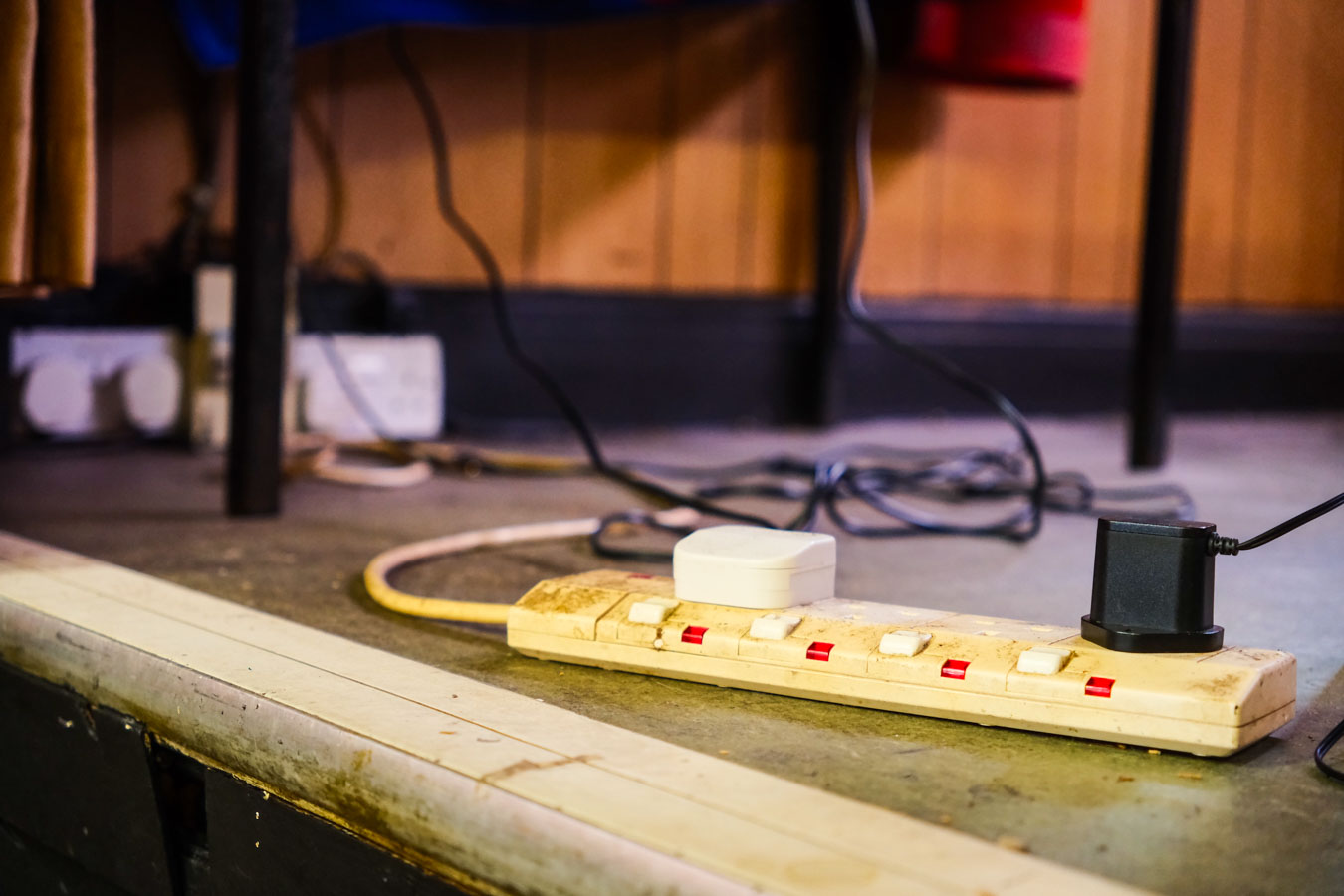
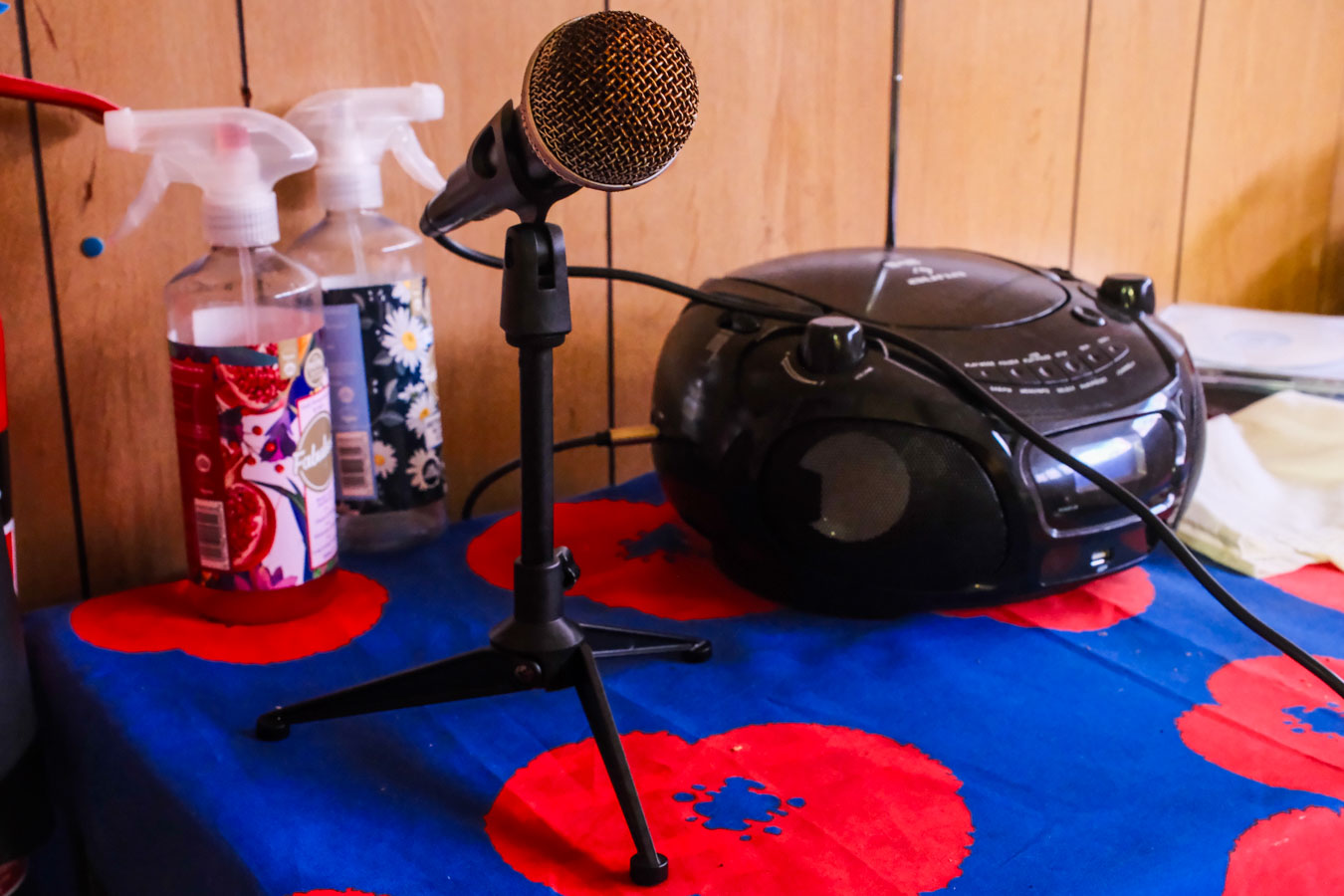
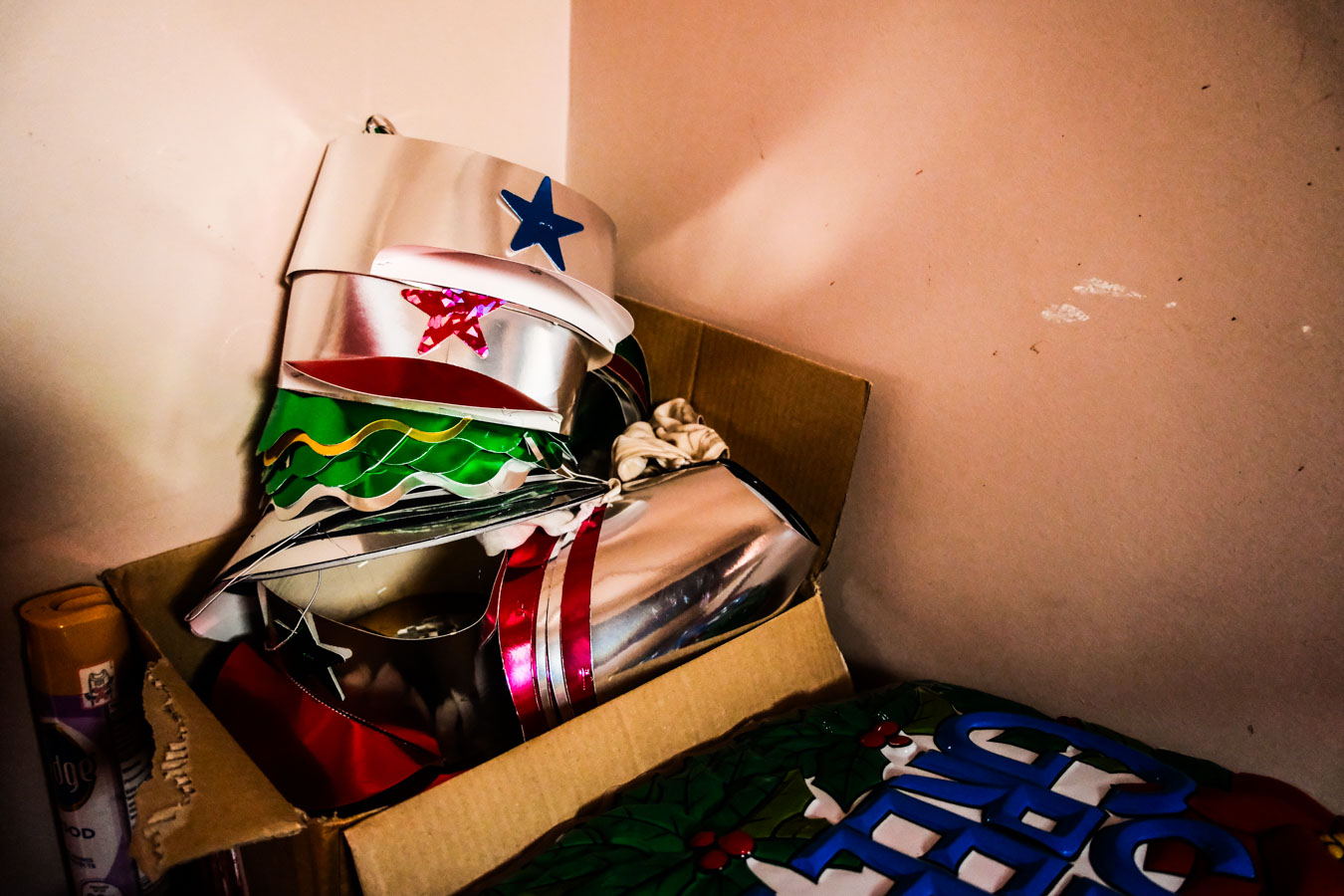
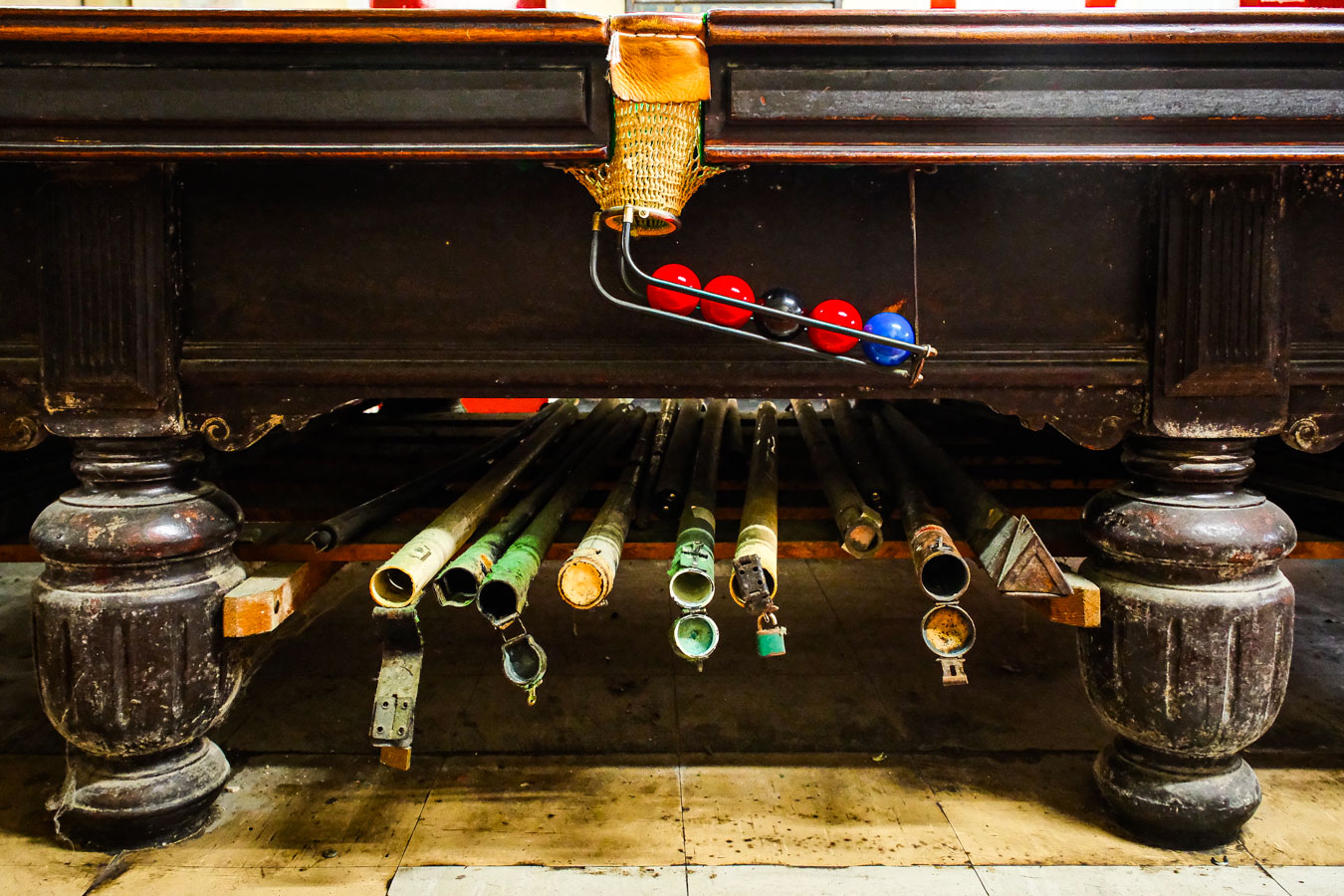
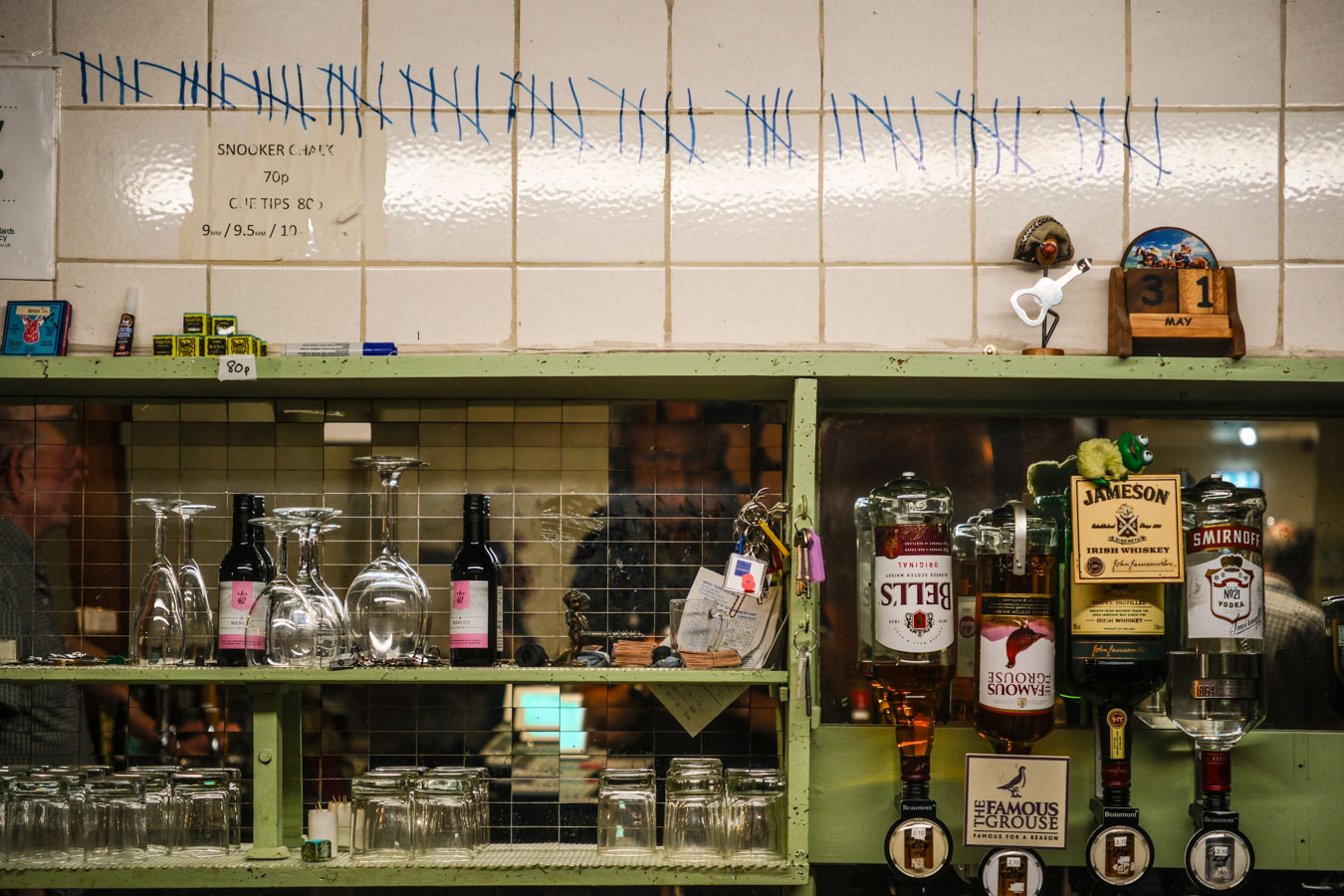
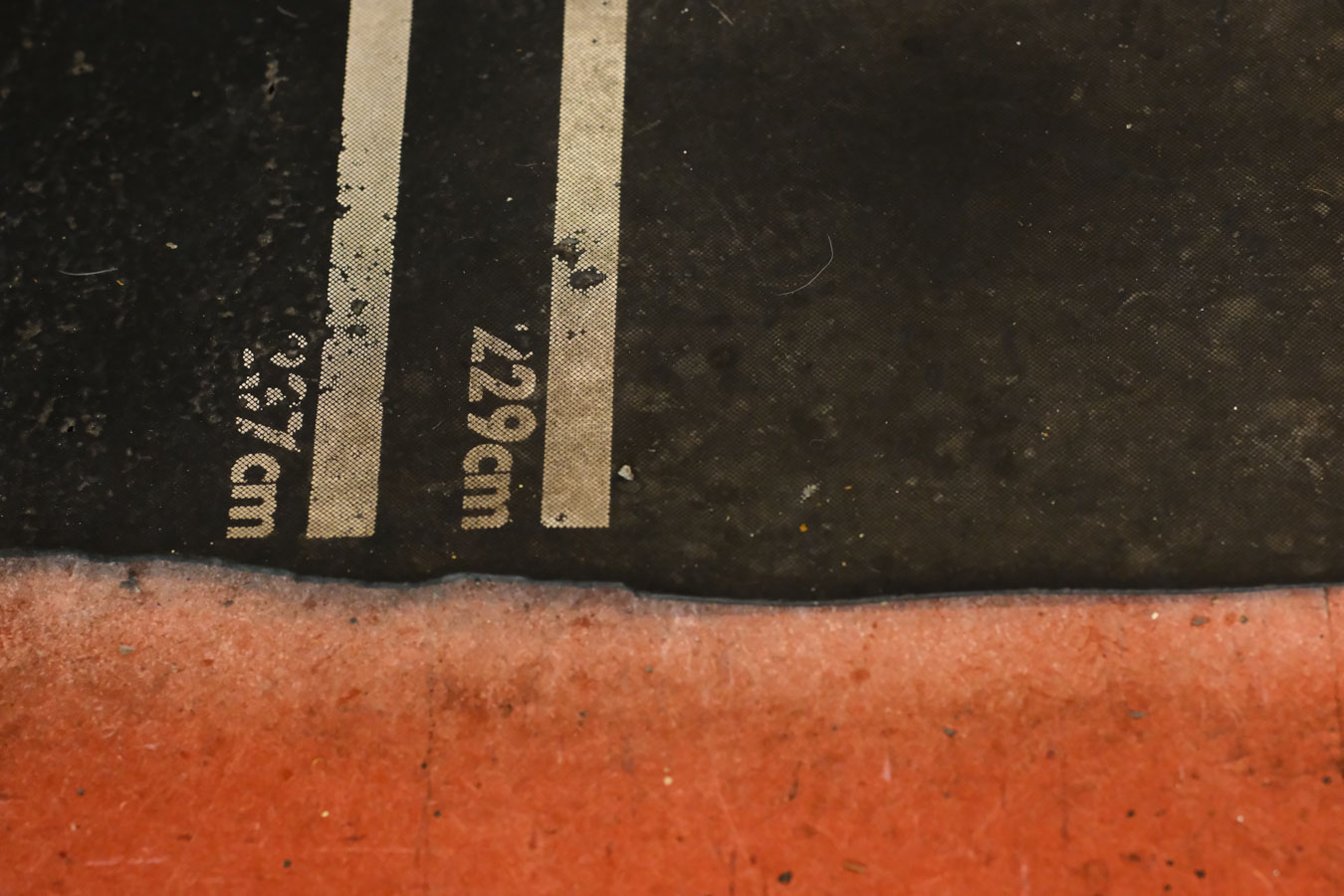
But still, I try to find and record the details, especially when it’s likely they’ll never be recorded again. The Royal British Legion wasn’t the centre of the community because of its upmarket decor. But every part of that building has meant something to someone, at some point.
It wasn’t until I started speaking to regulars or showing them photos, sparking memories that I really began to understand how much of them is tied up in that place. The building and the people are woven together over time, in the smallest of details.
2 – The Final Call
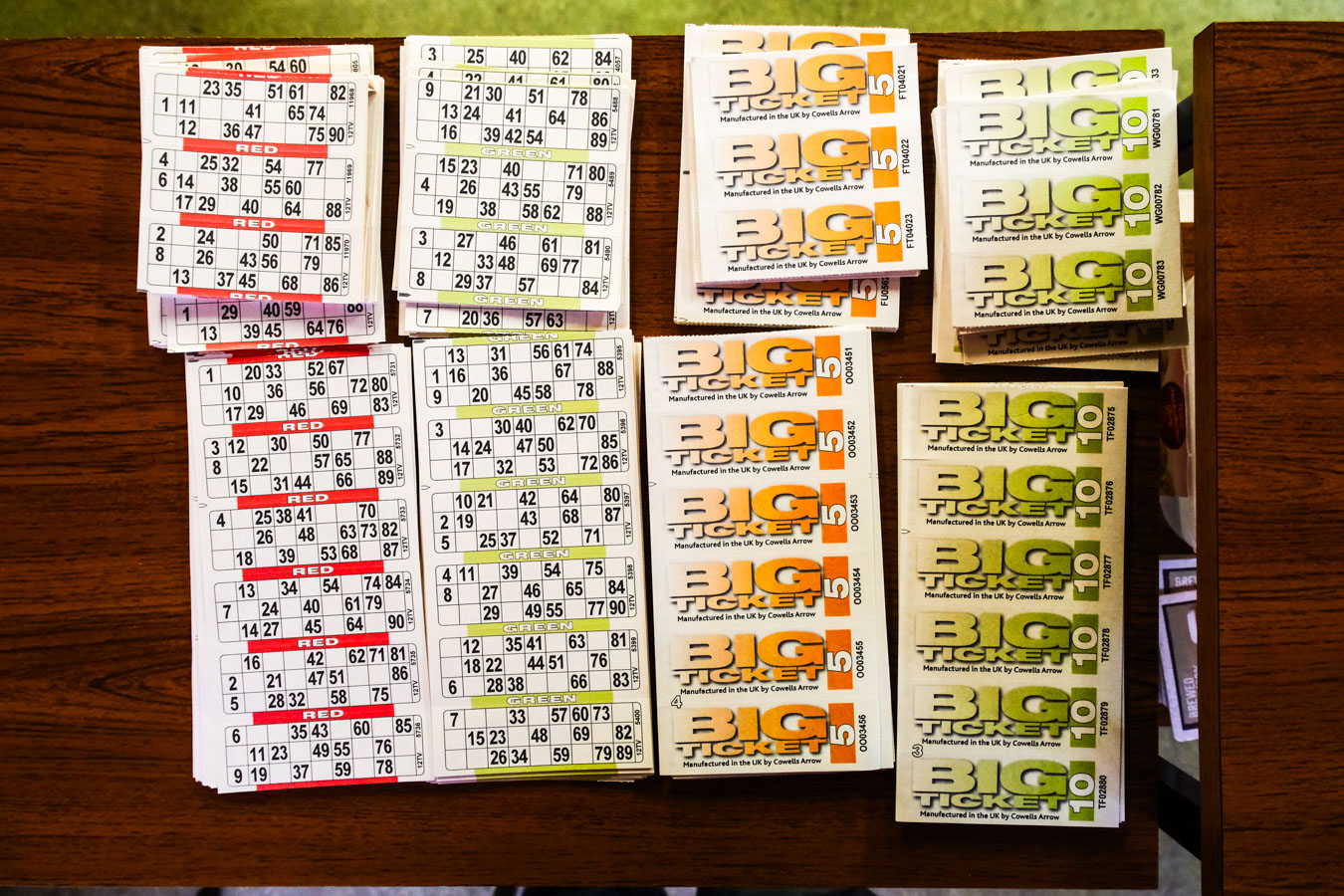
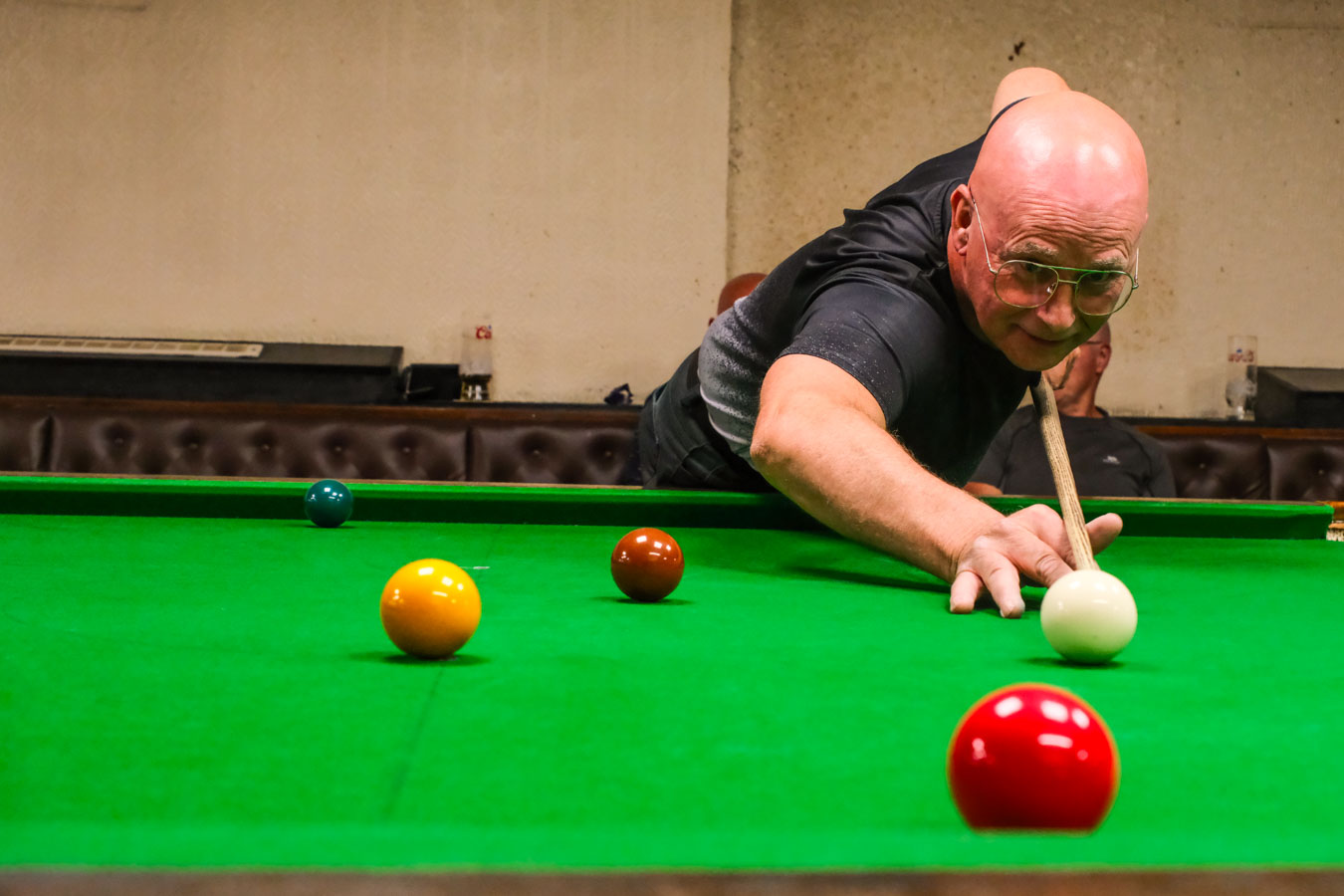
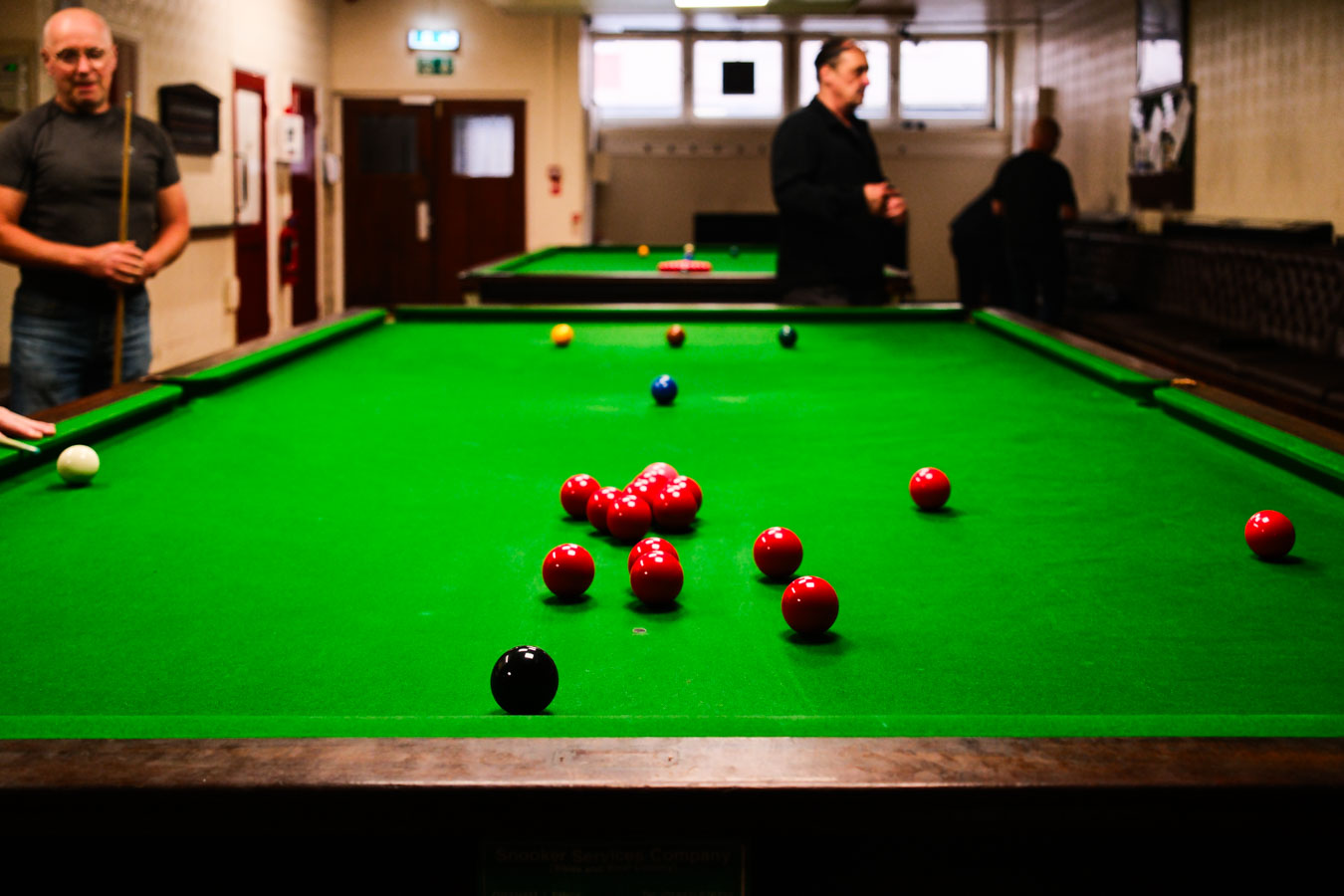
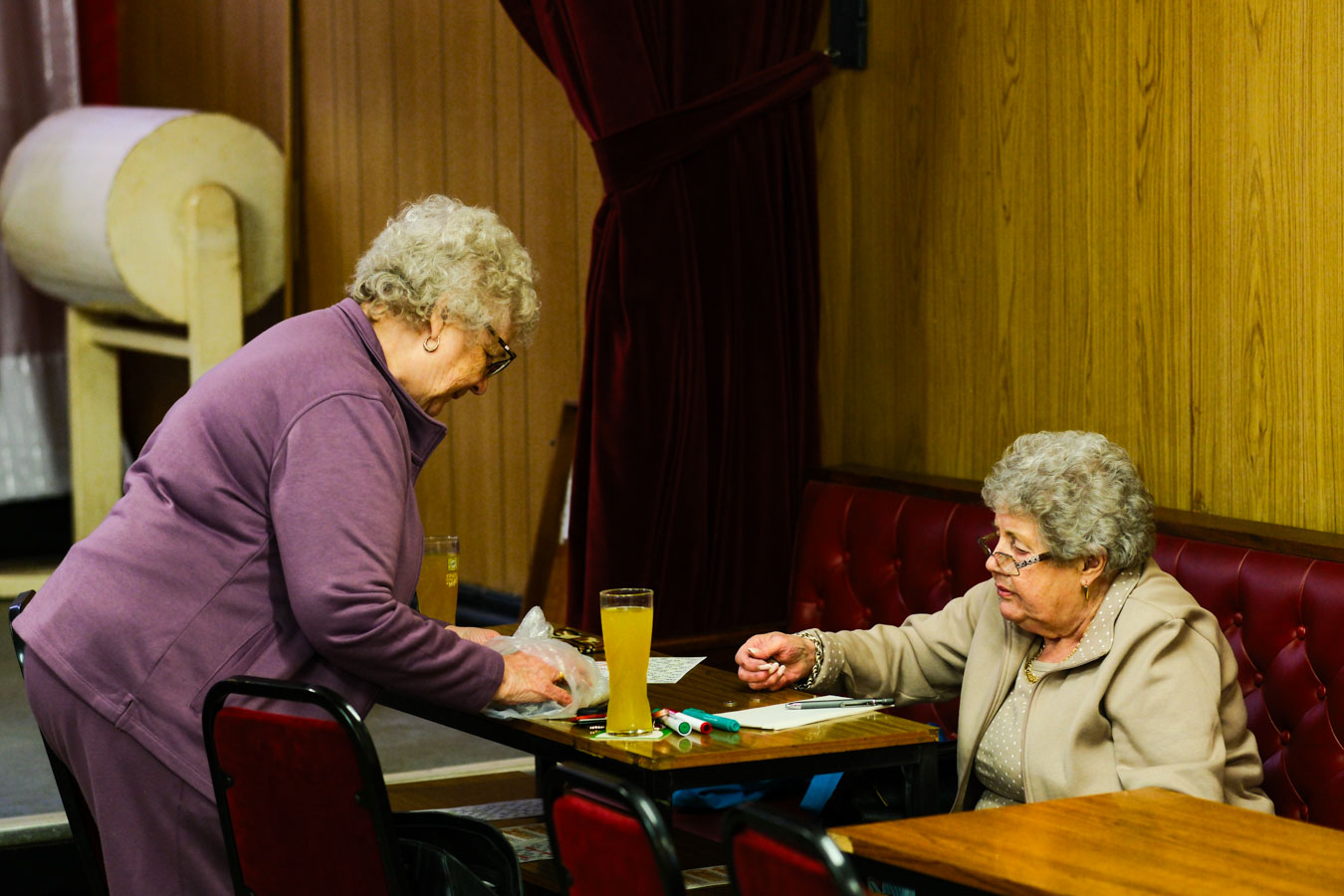
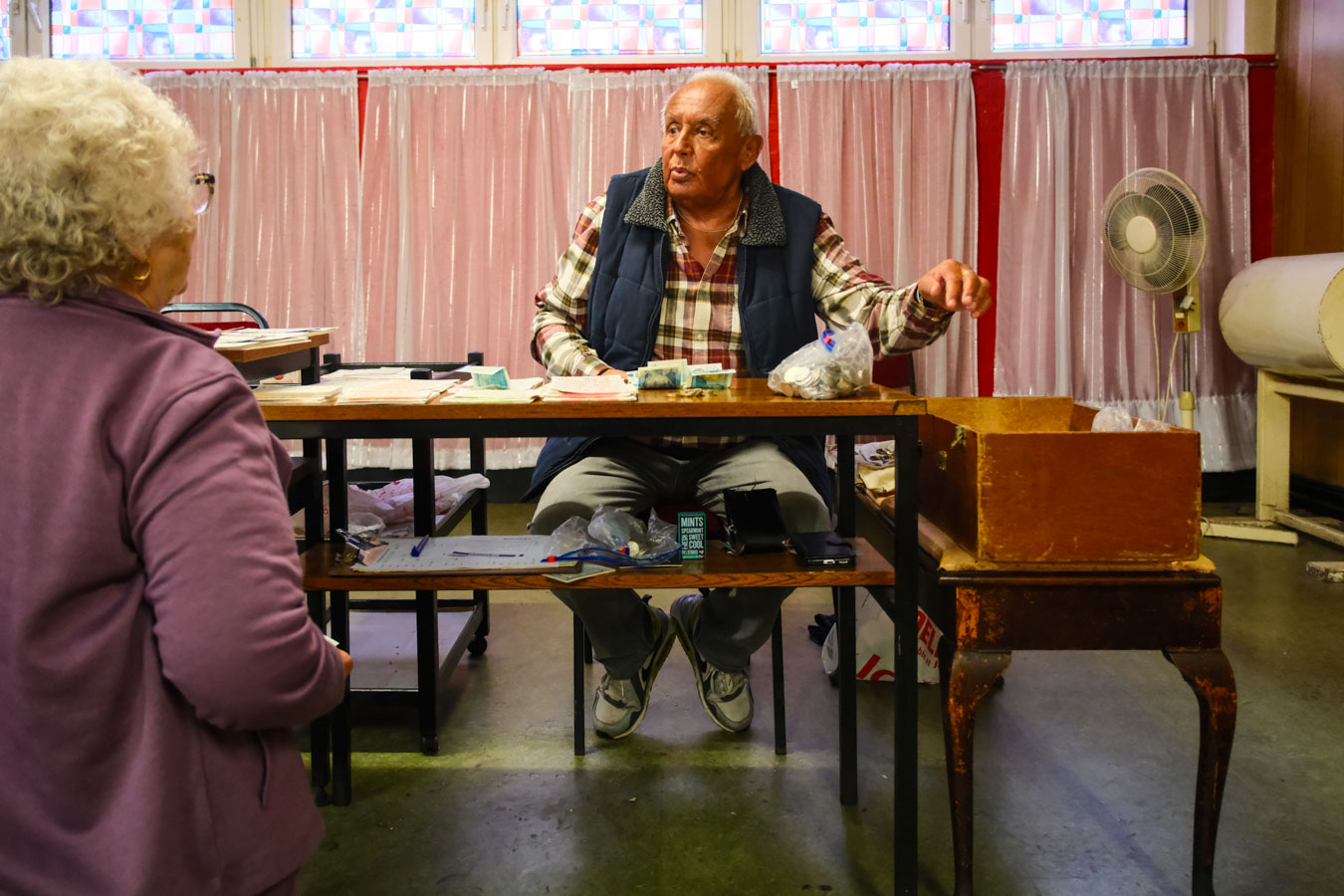
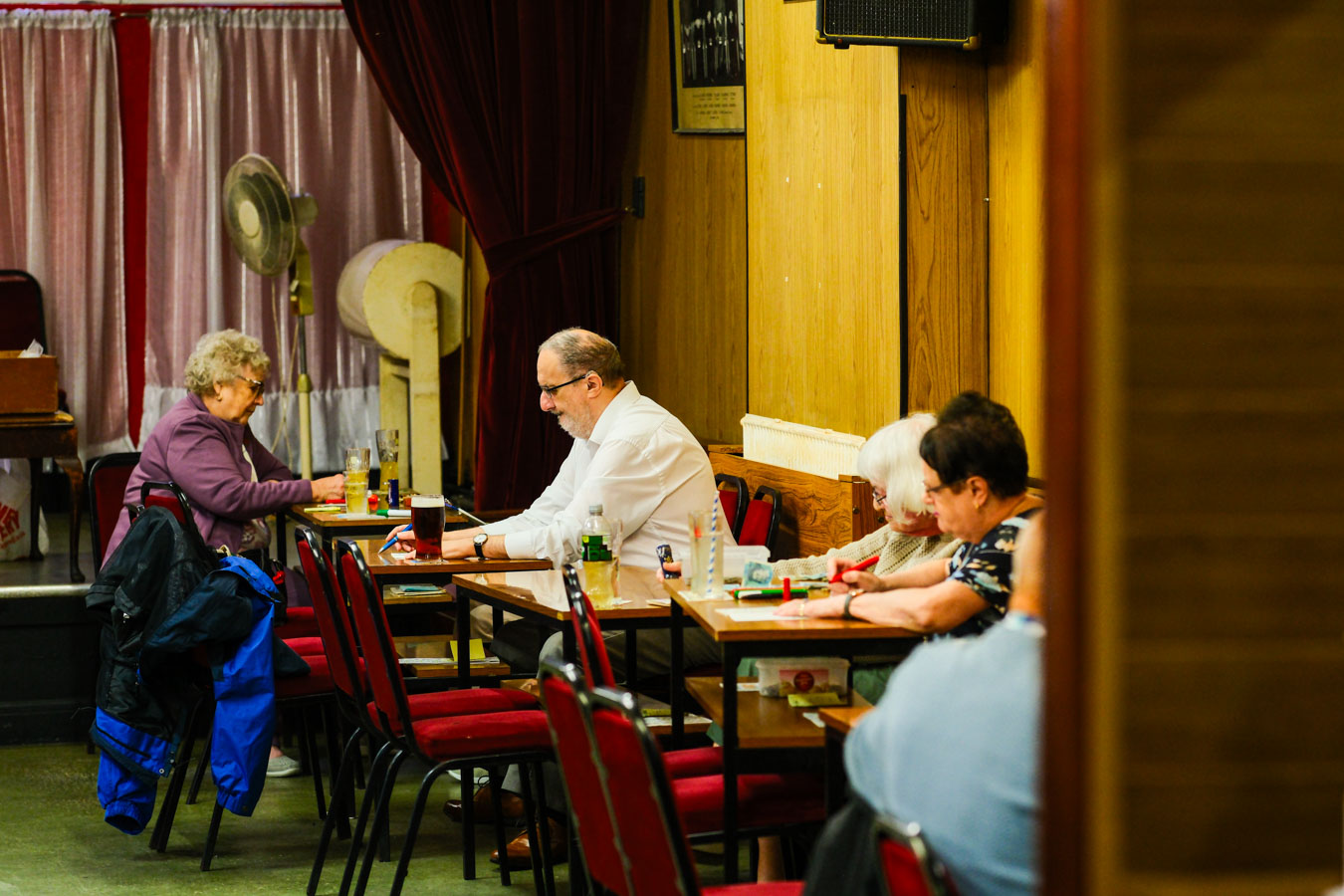
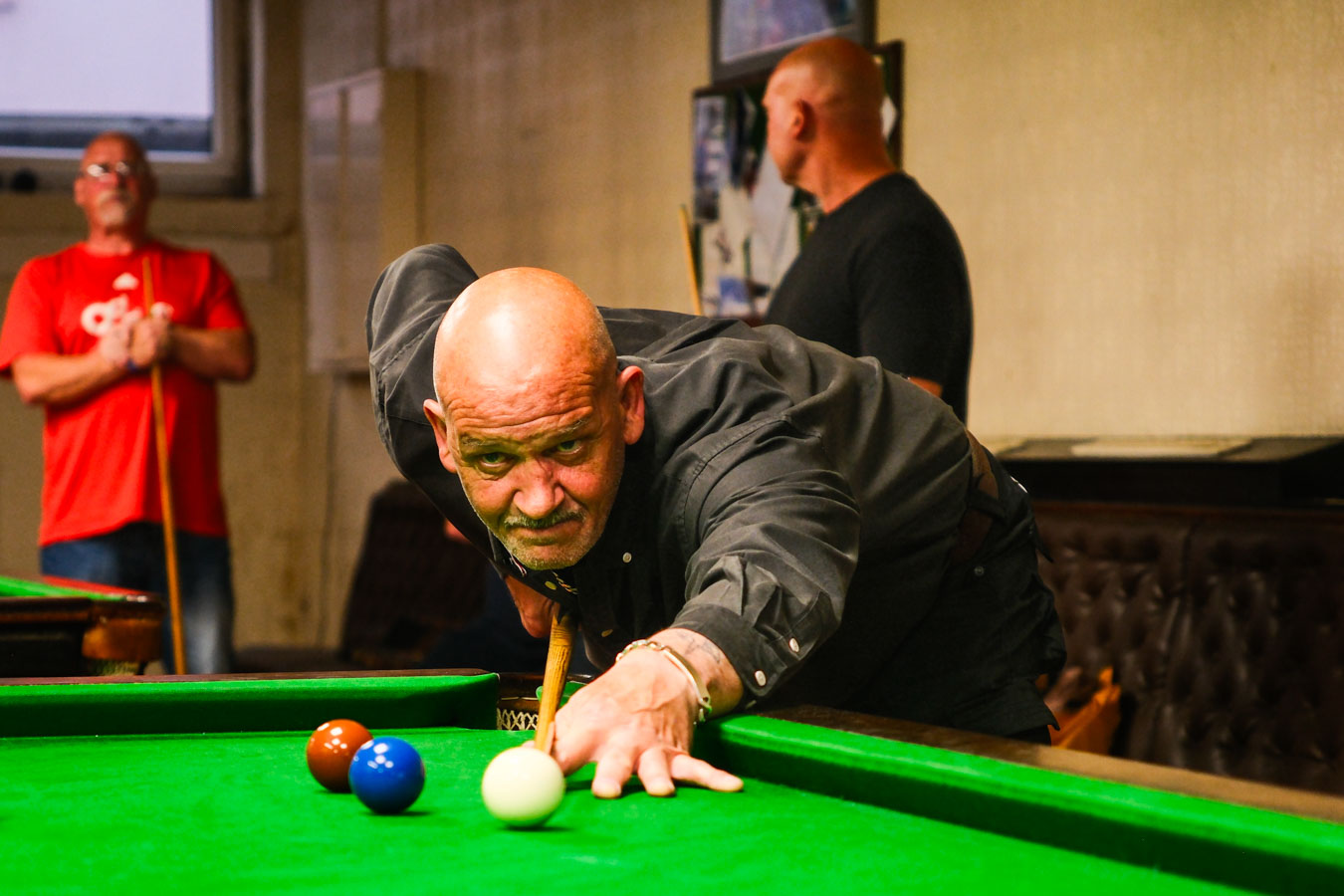
I returned on the Friday night. I’d been told it was the last chance to get photographs of the pool players. Honestly though, I was far more excited to shoot the bingo.
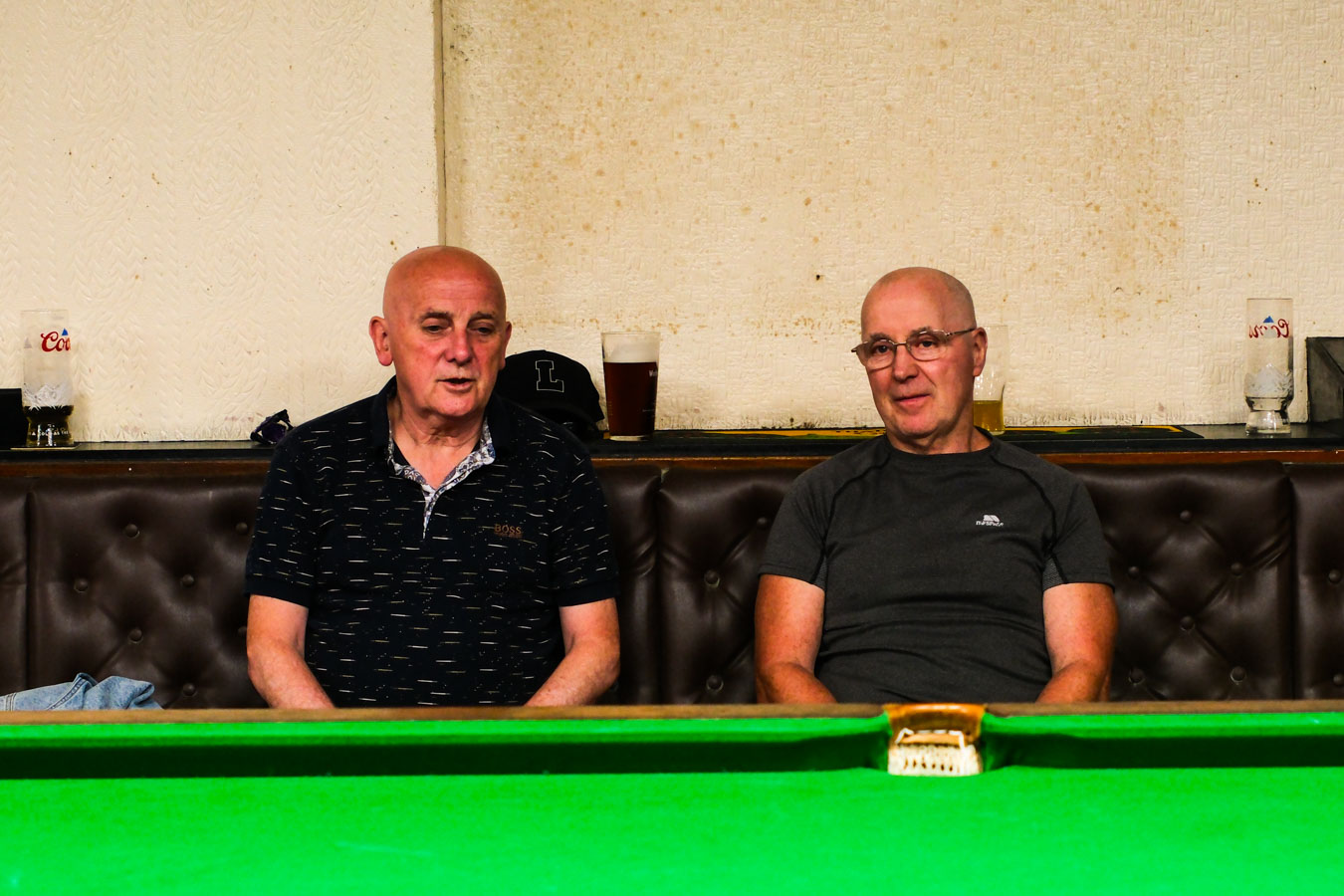
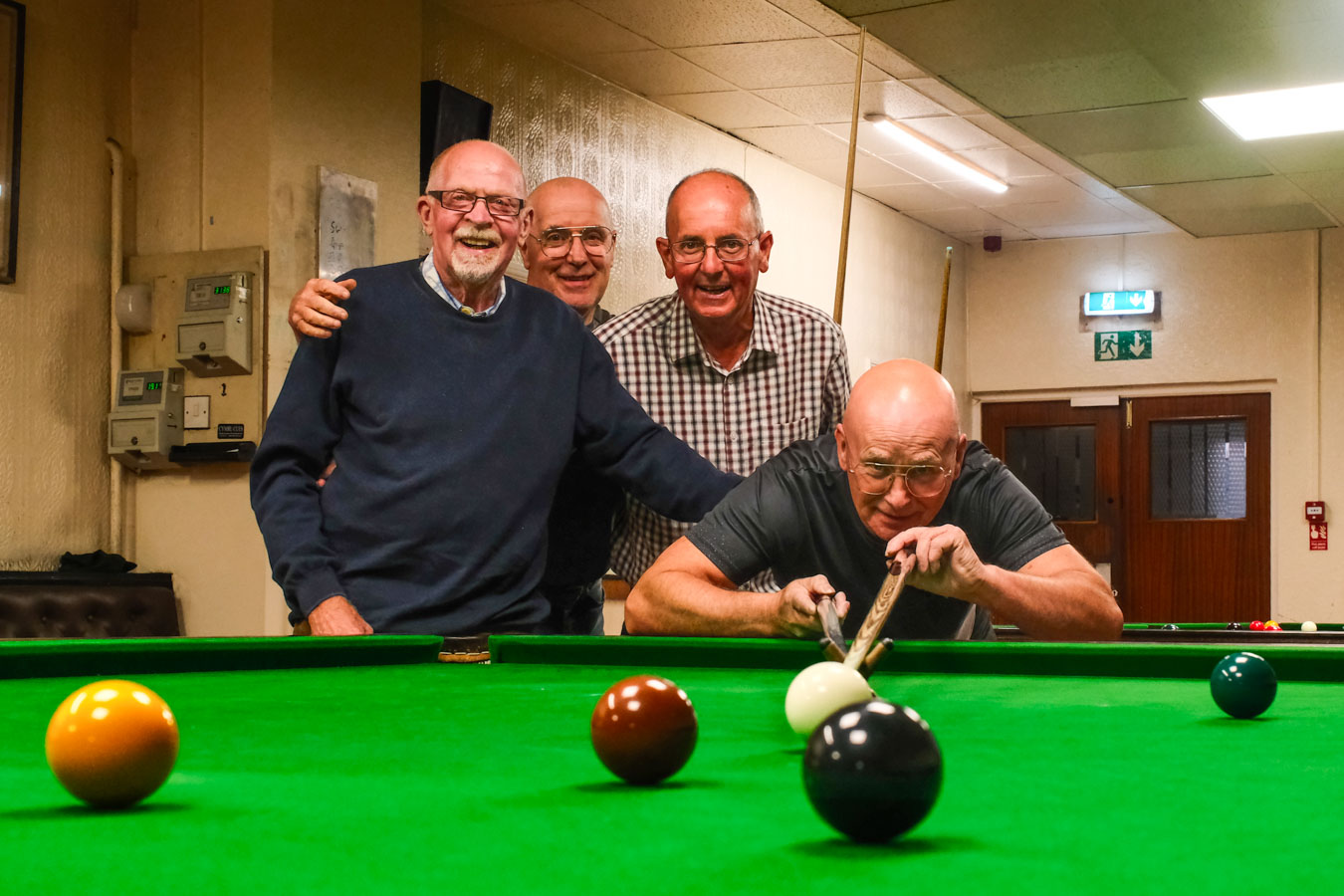
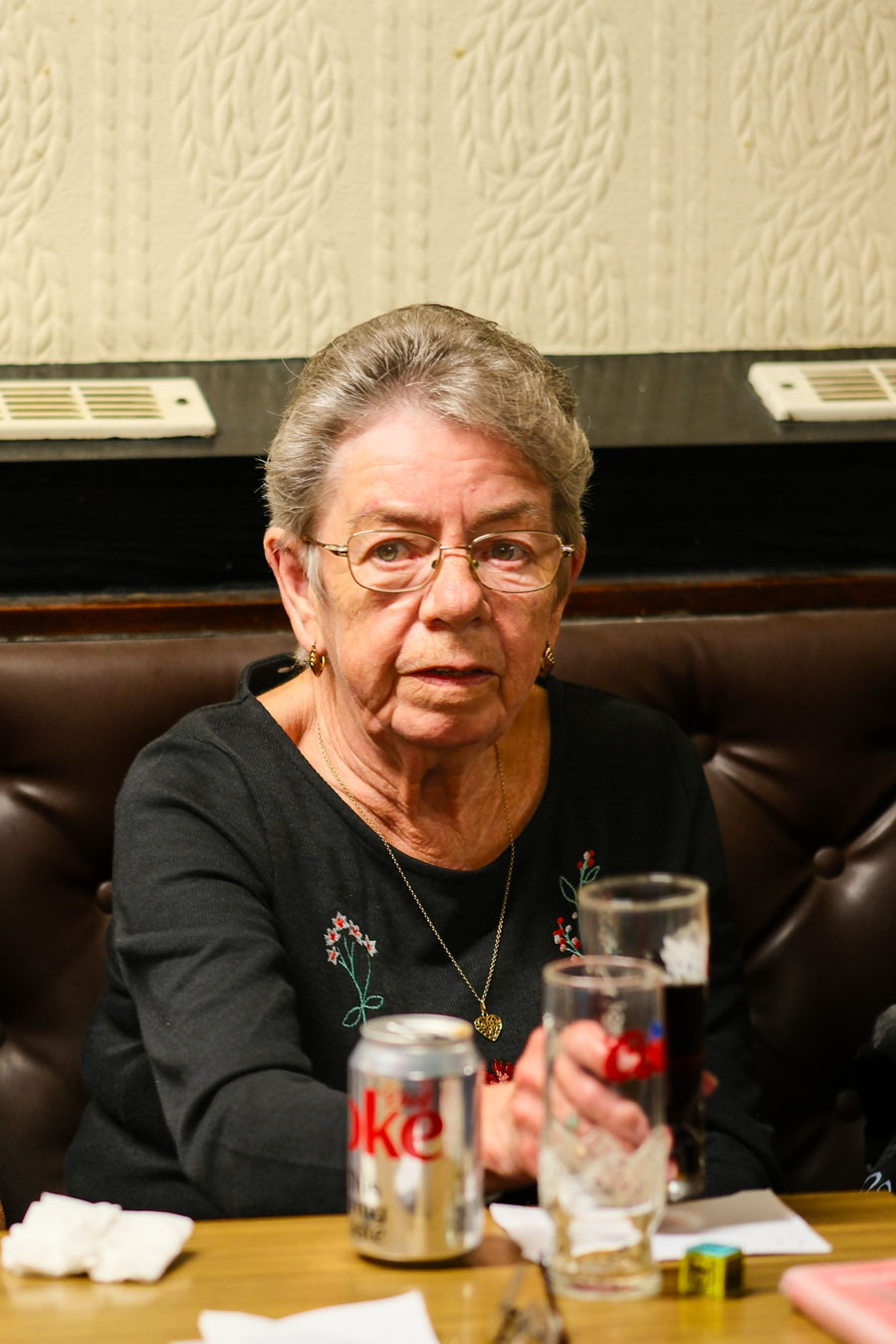
As you’d expect, a 6-foot-3 bald bloke wandering around with a camera while people are just trying to enjoy their pint put a few on edge. I only got one “Who the fuck is that, then?” all evening, which felt like a result. That unease definitely eased off as the night went on and as the beers went down.
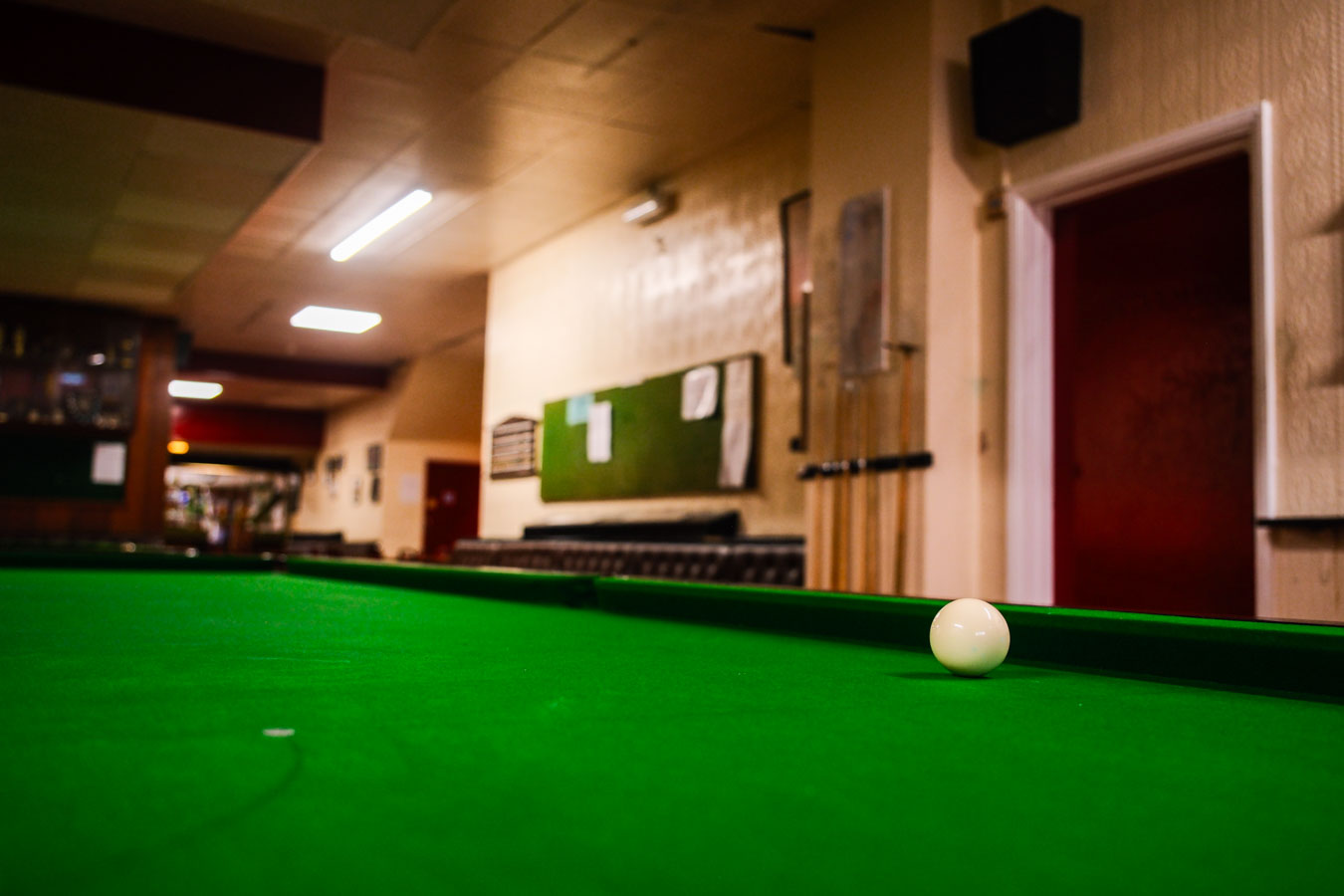
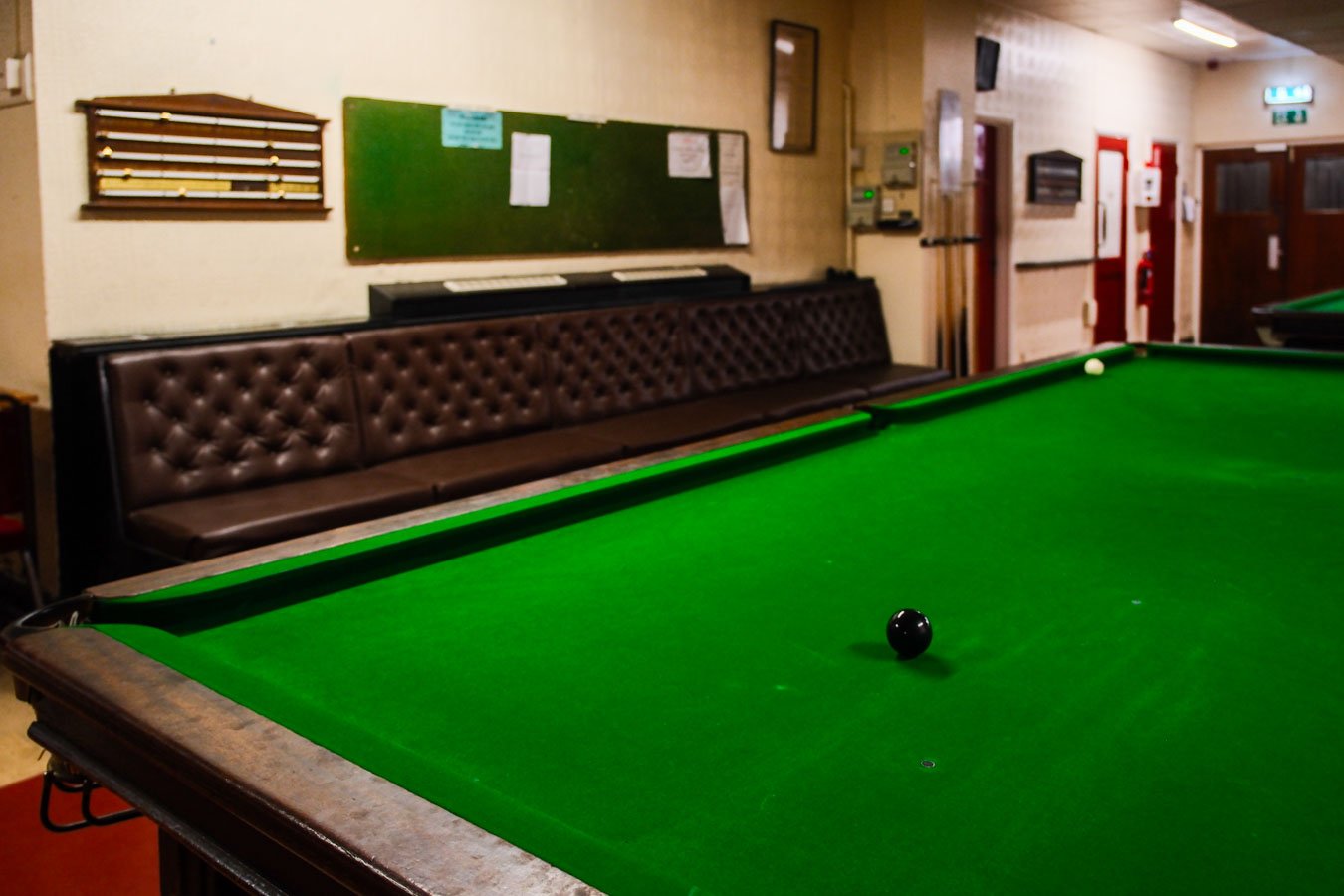
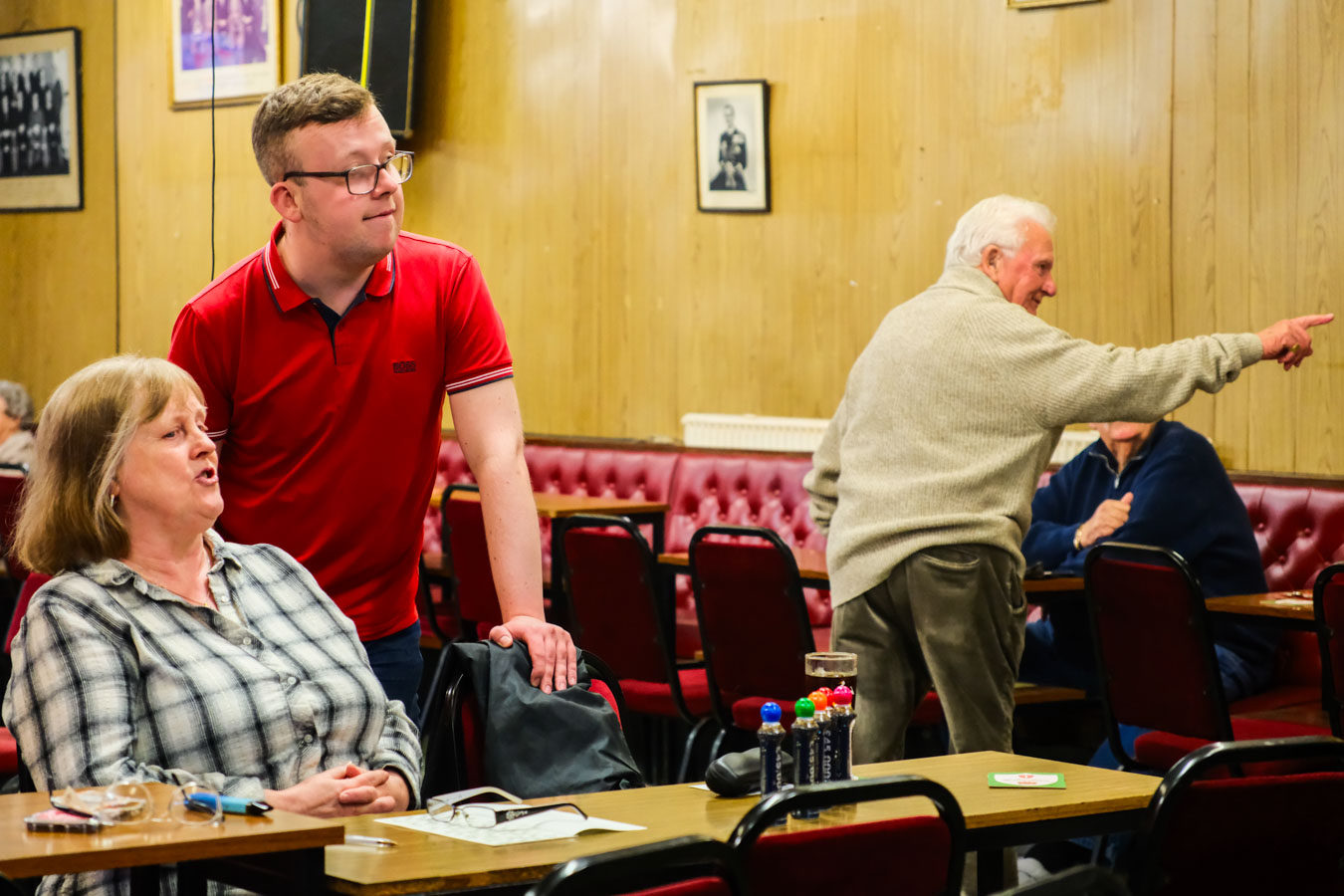
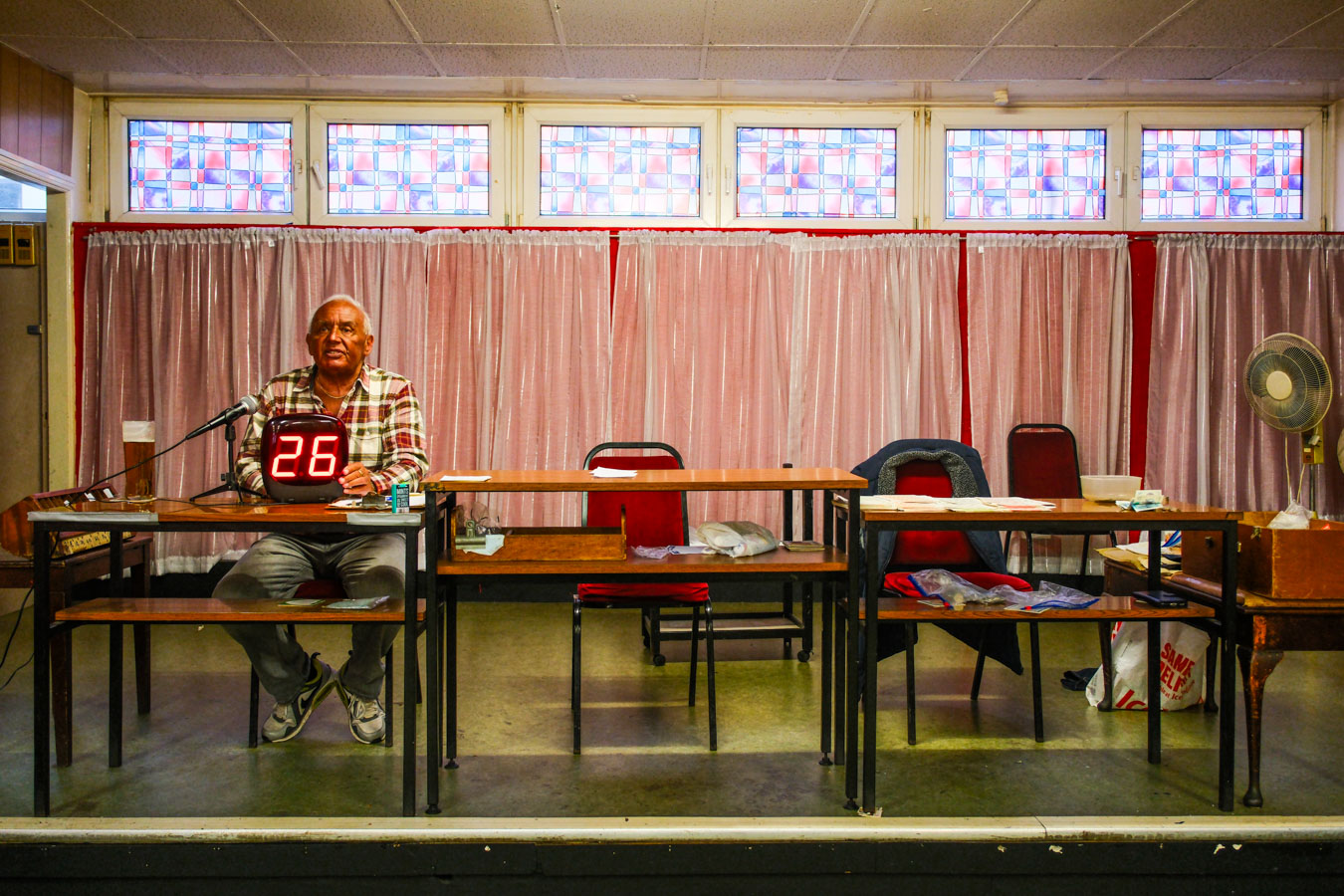
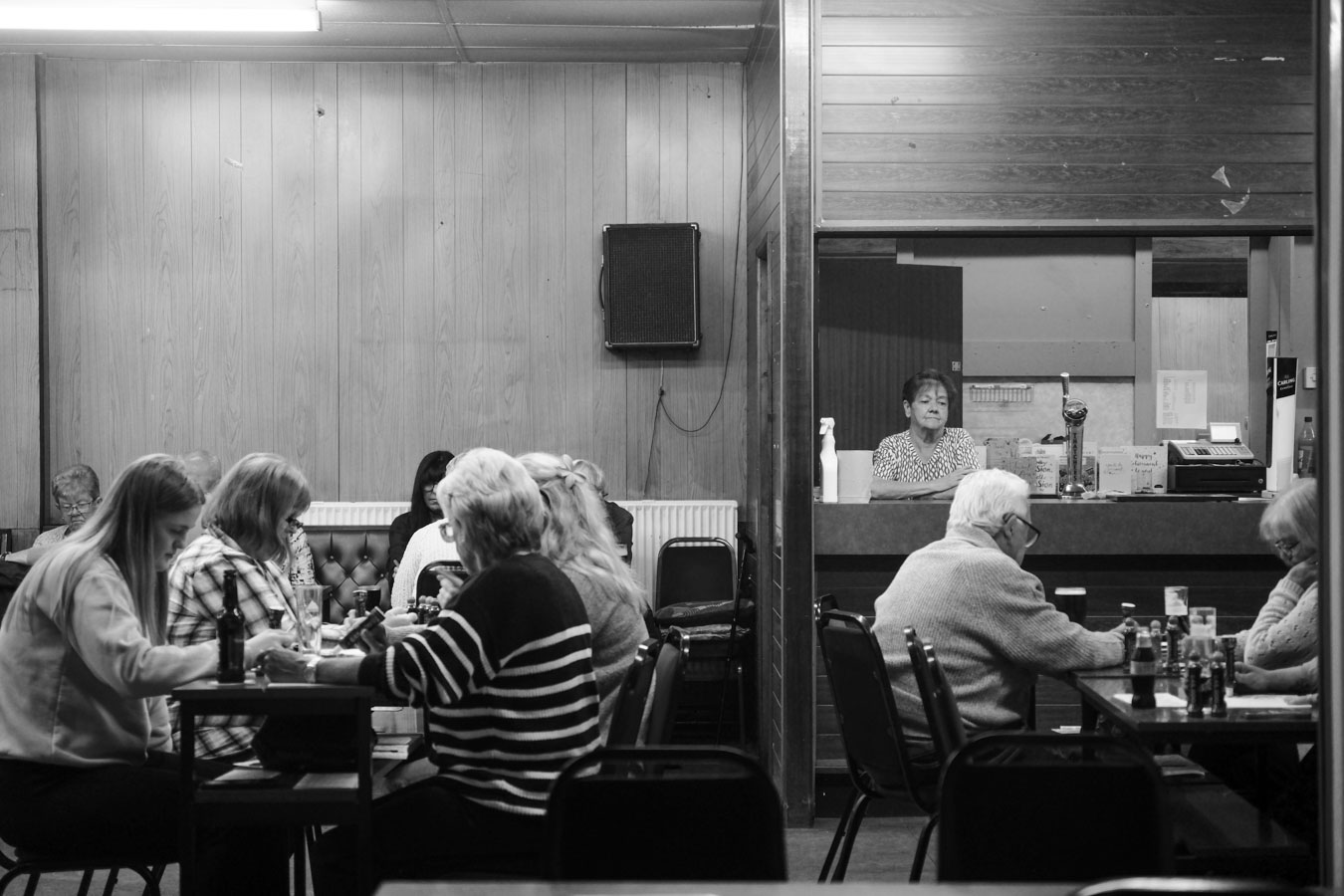
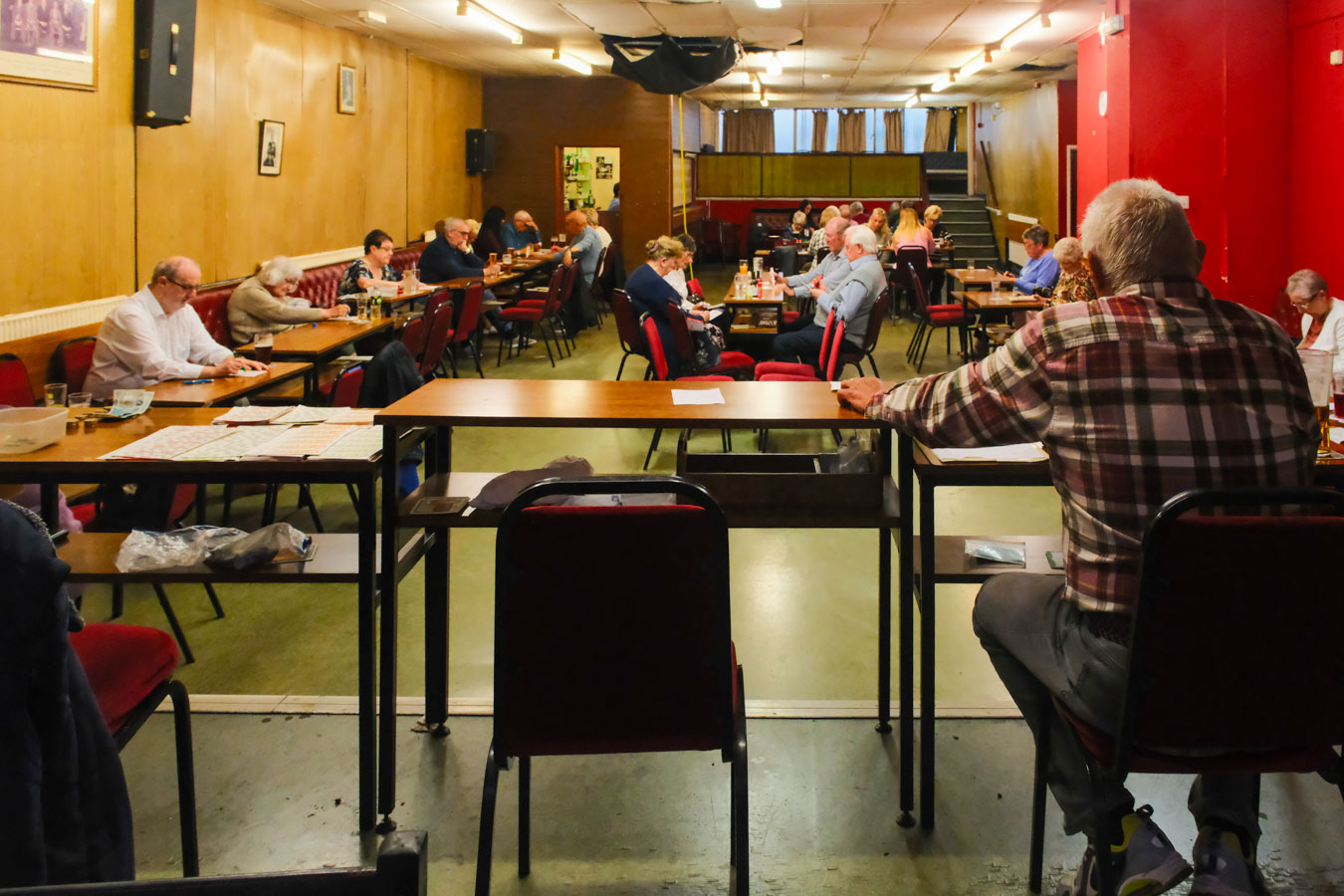
Snooker was downstairs, bingo upstairs. Downstairs was full of chat and laughter, but come the strike of 8pm, you could hear a pin drop in the upstairs lounge.
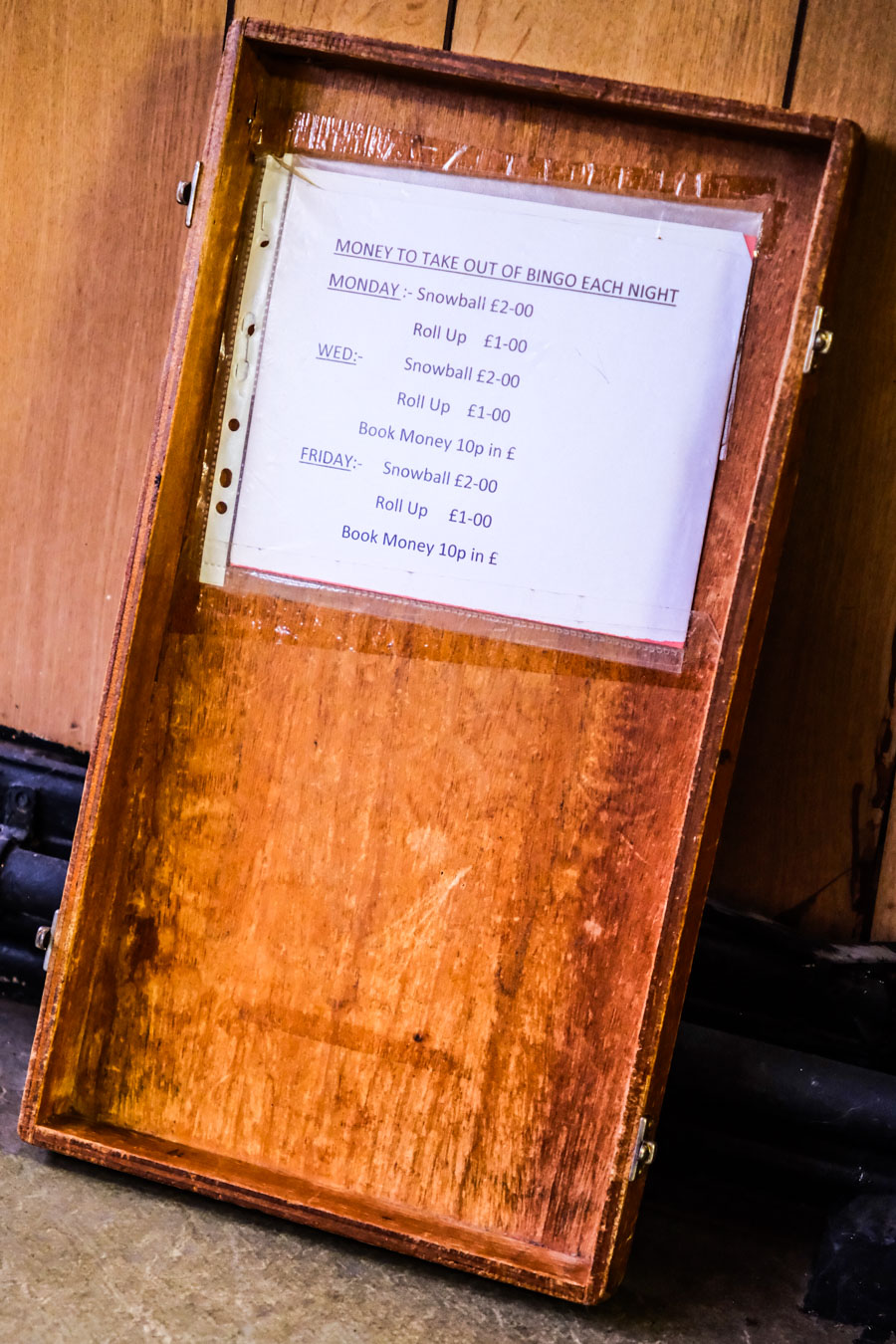
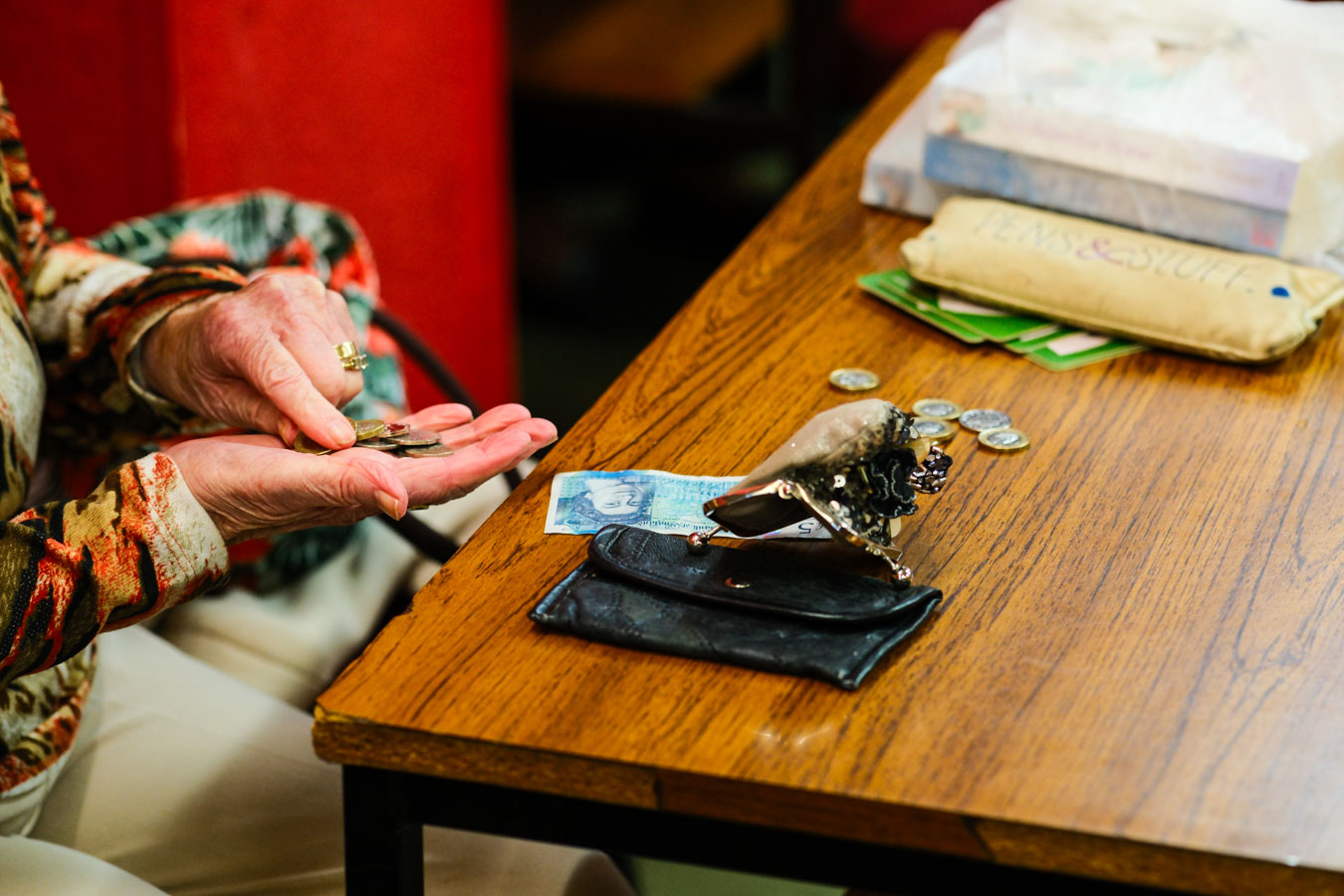
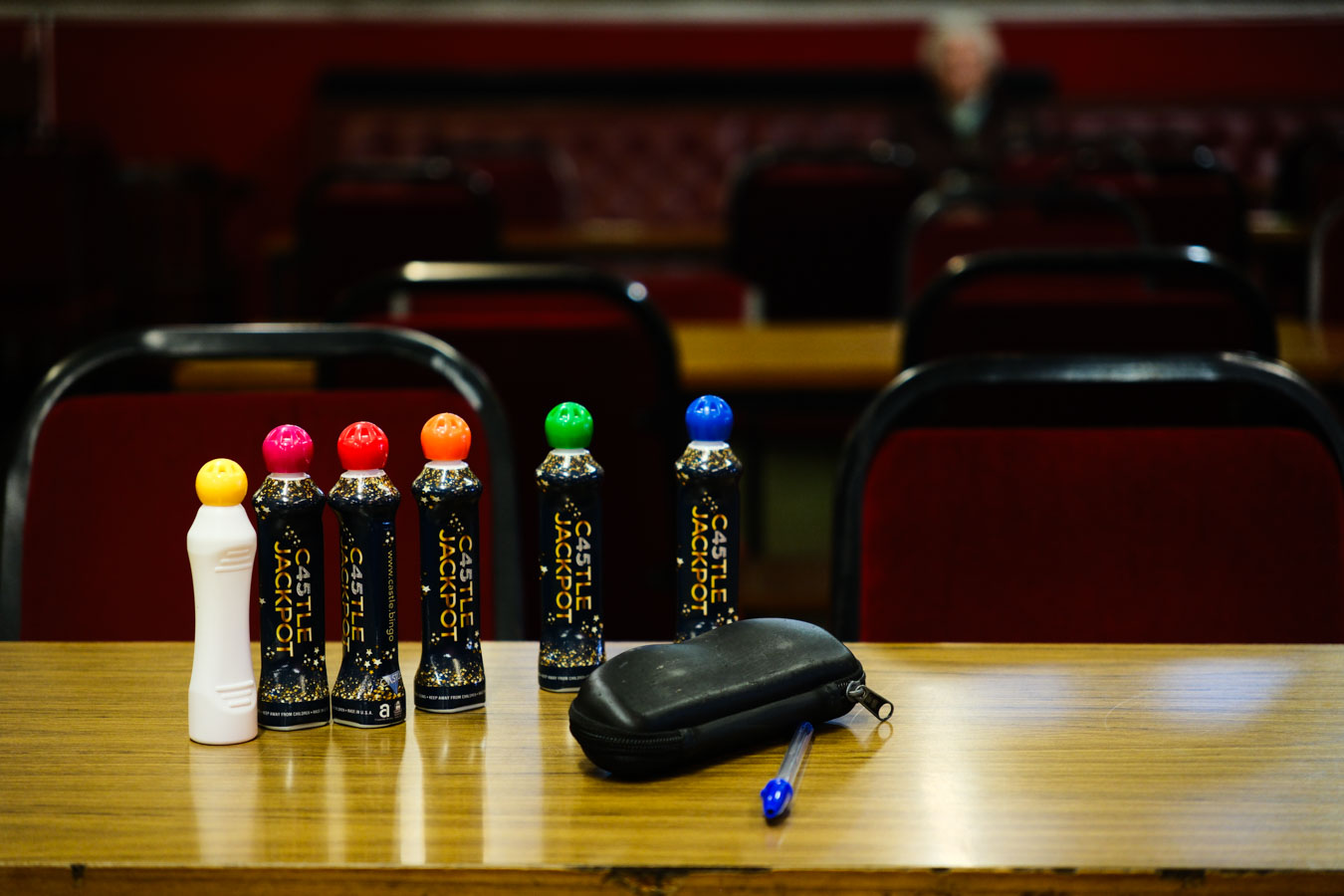
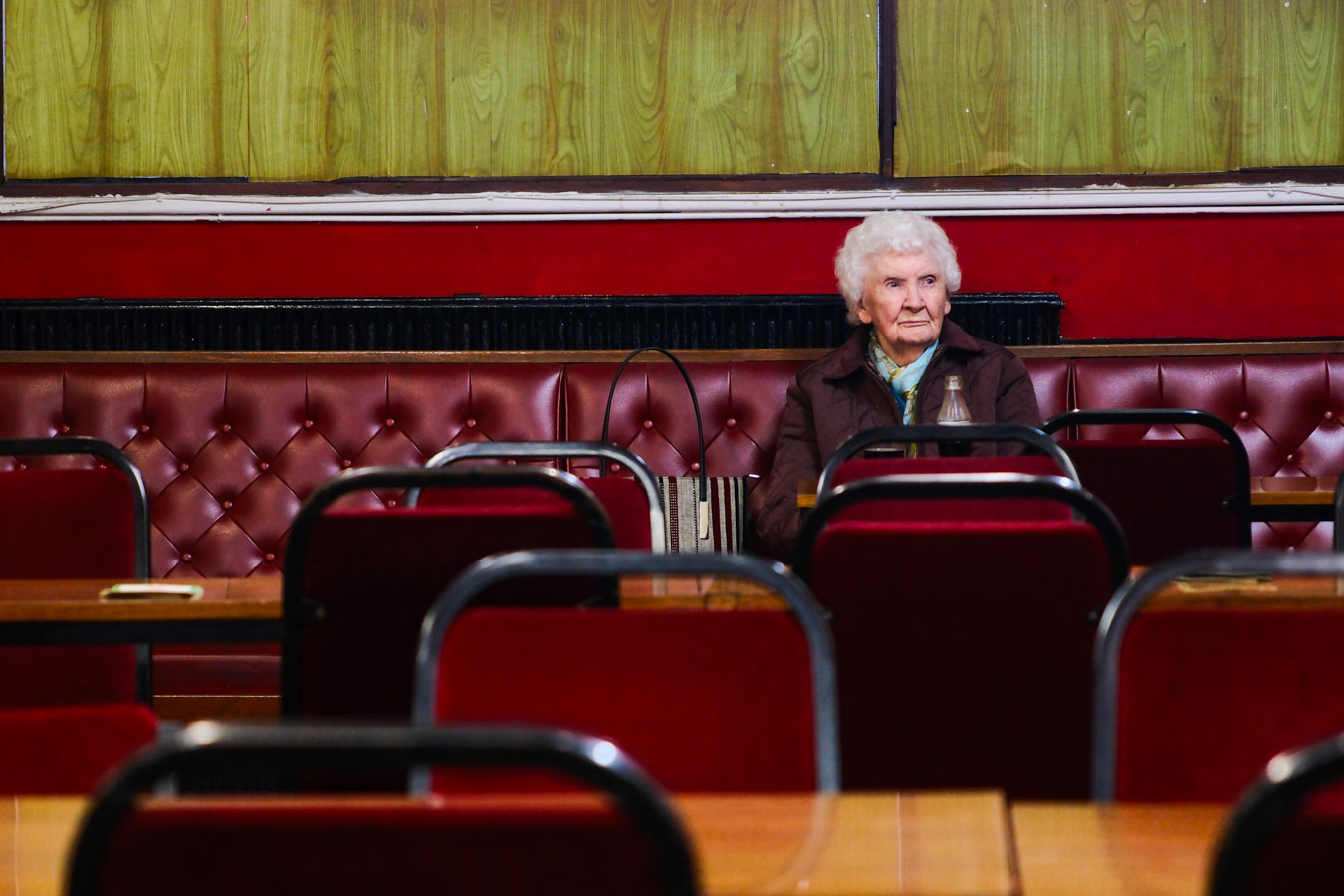
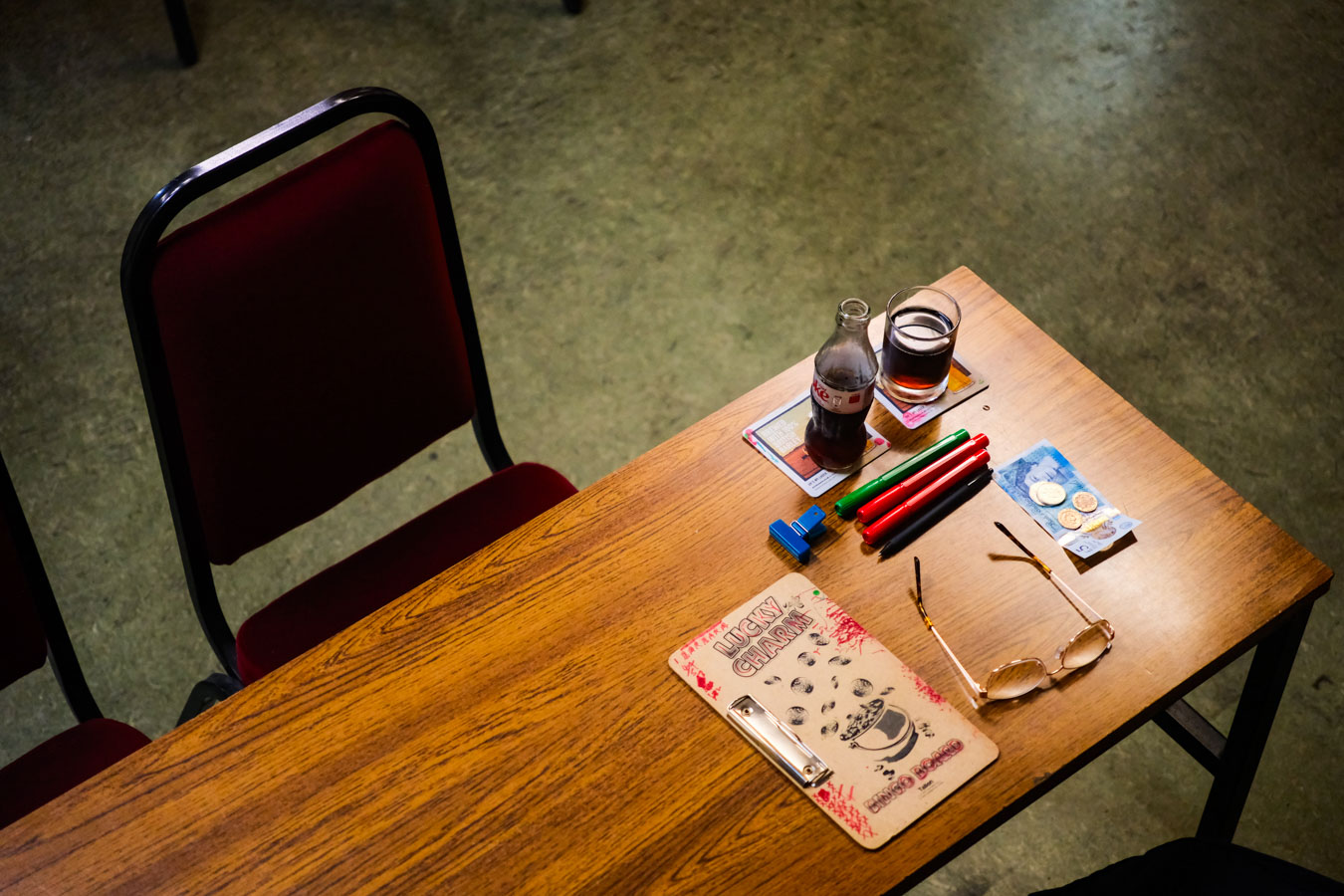
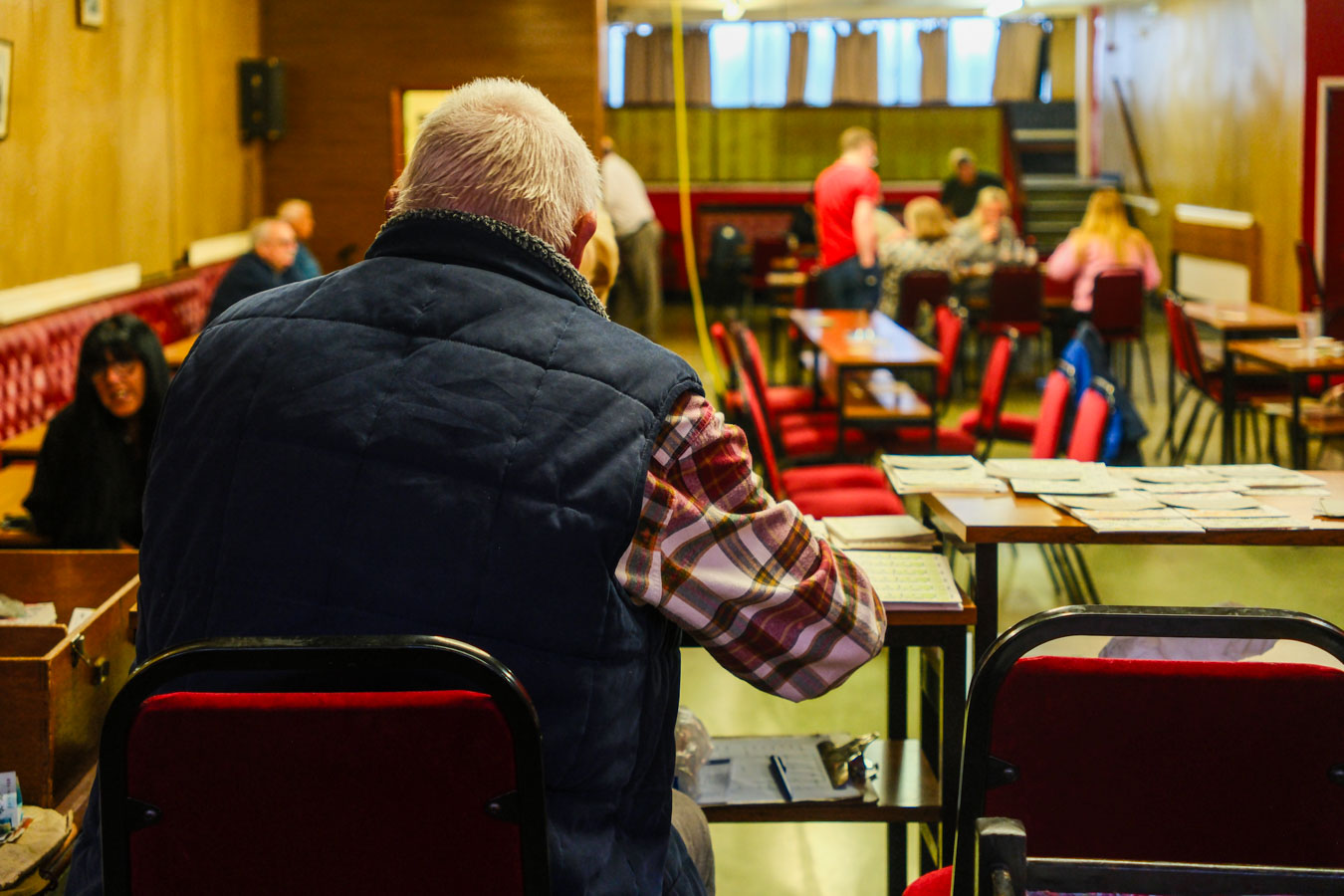
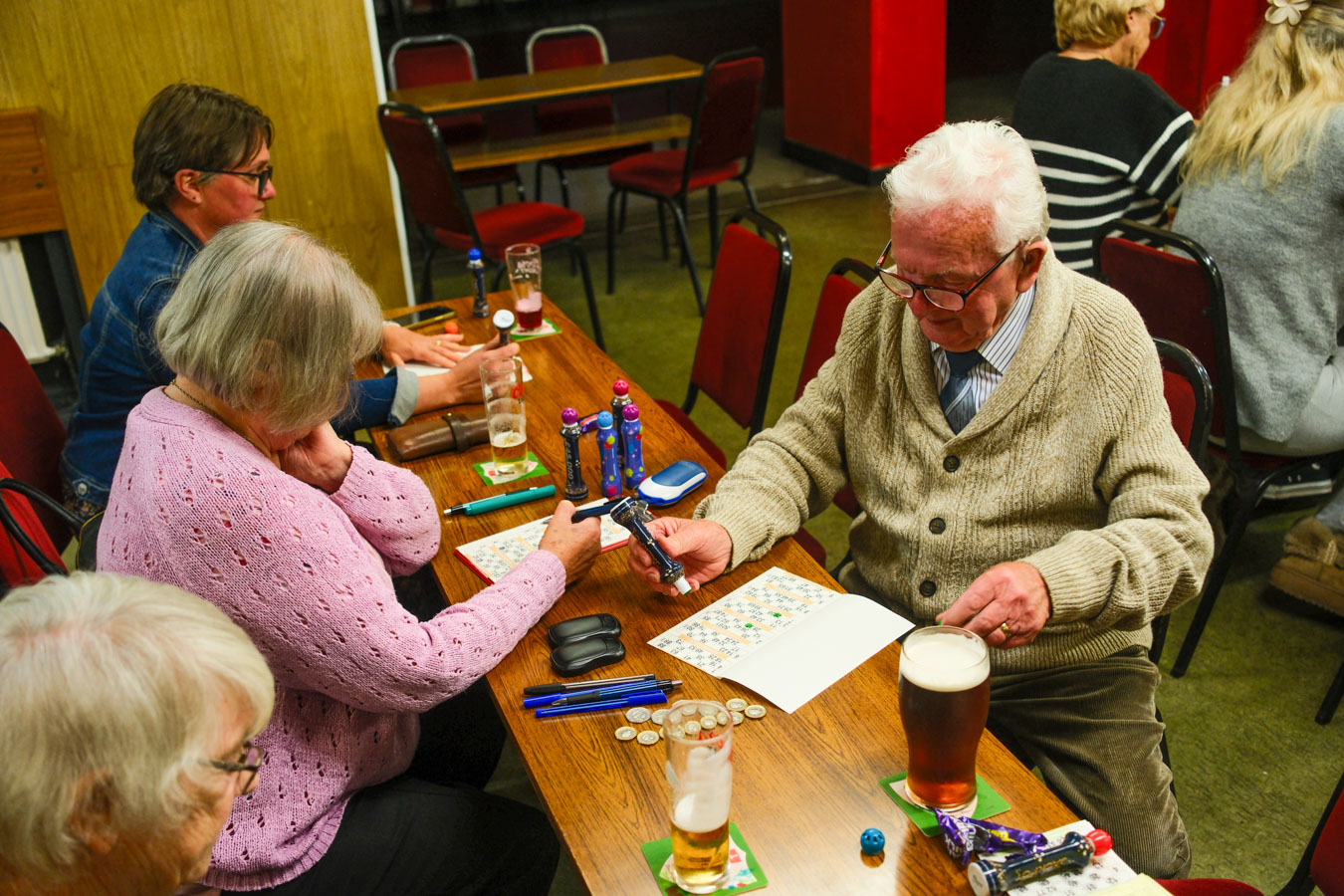
I’d arrived early for the bingo and was quickly warned about where I’d left my camera bag. THAT was someone’s seat. As much as I enjoyed the snooker lads and their banter, it was the ritual of the bingo that fascinated me.
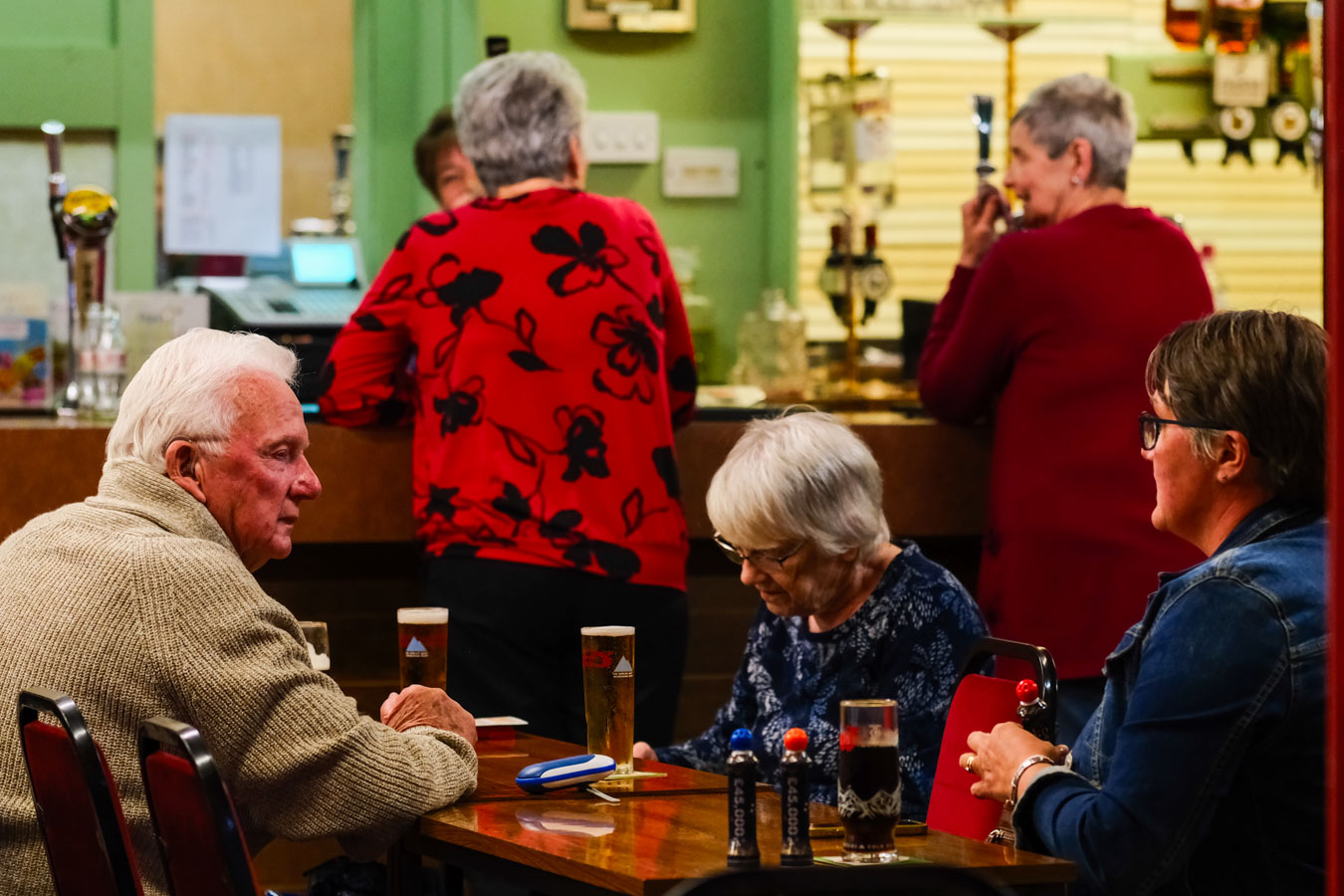
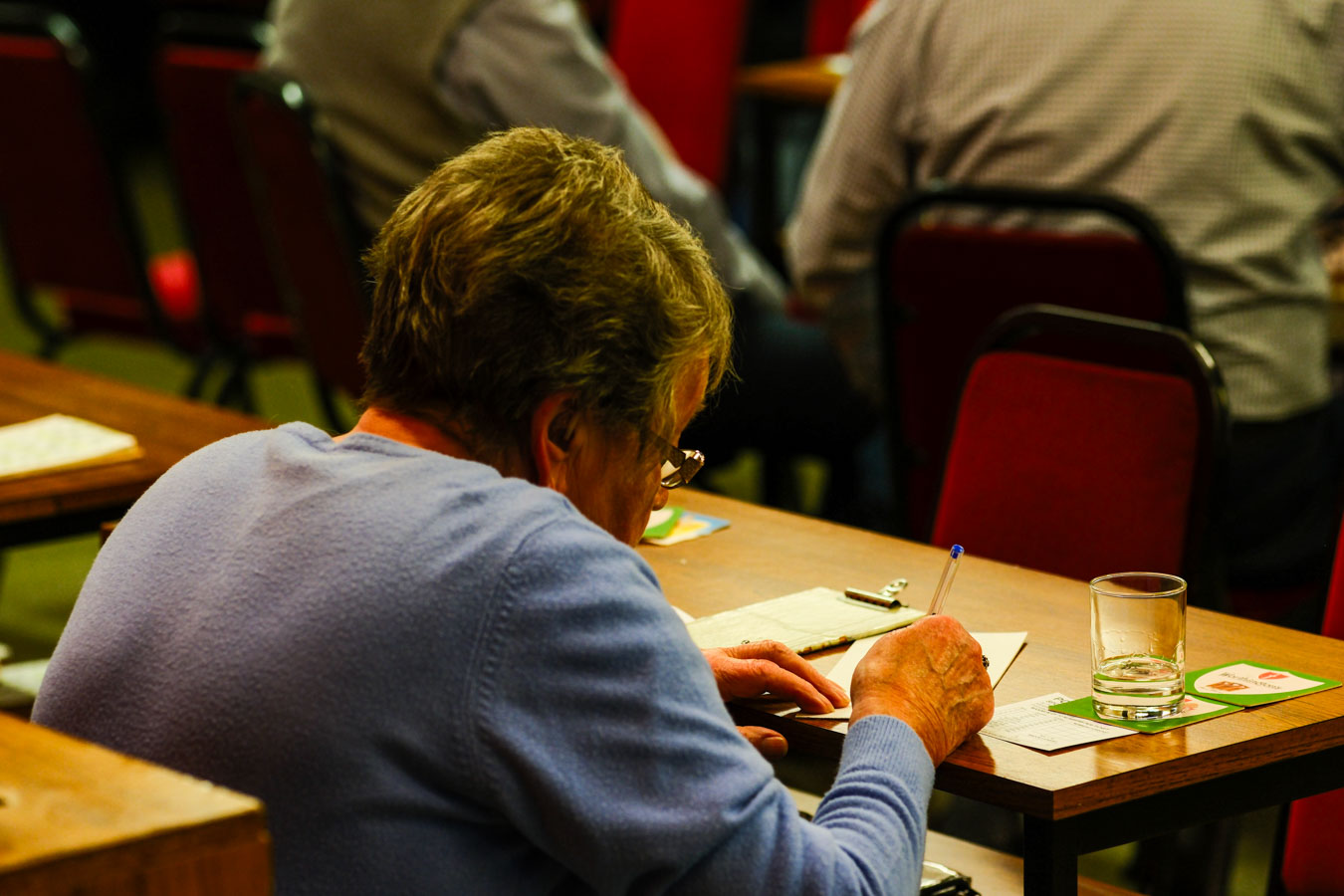
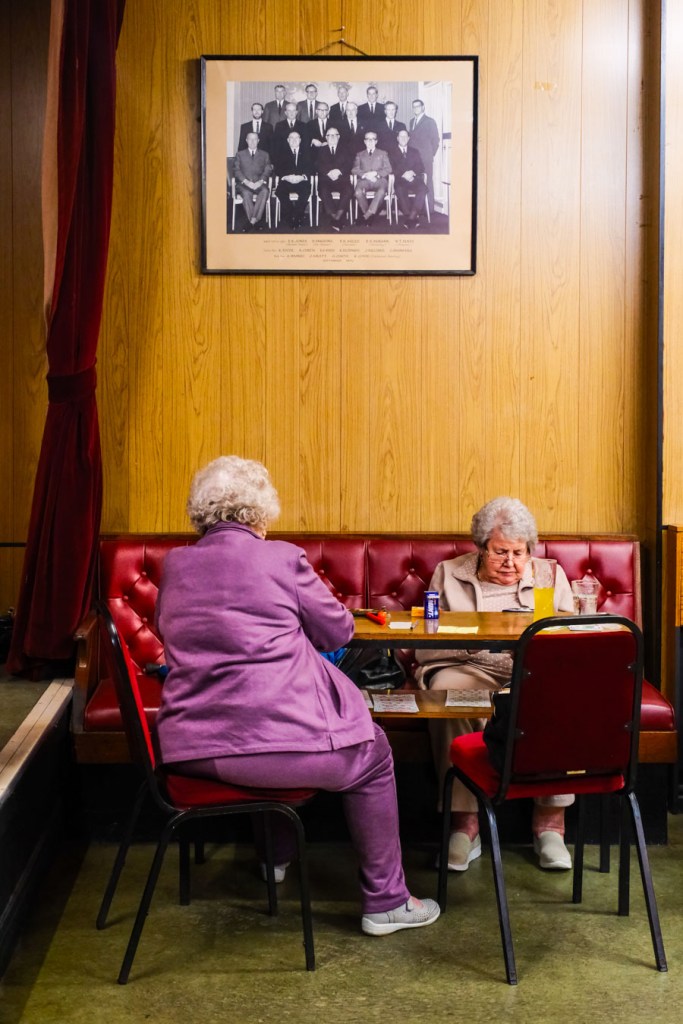
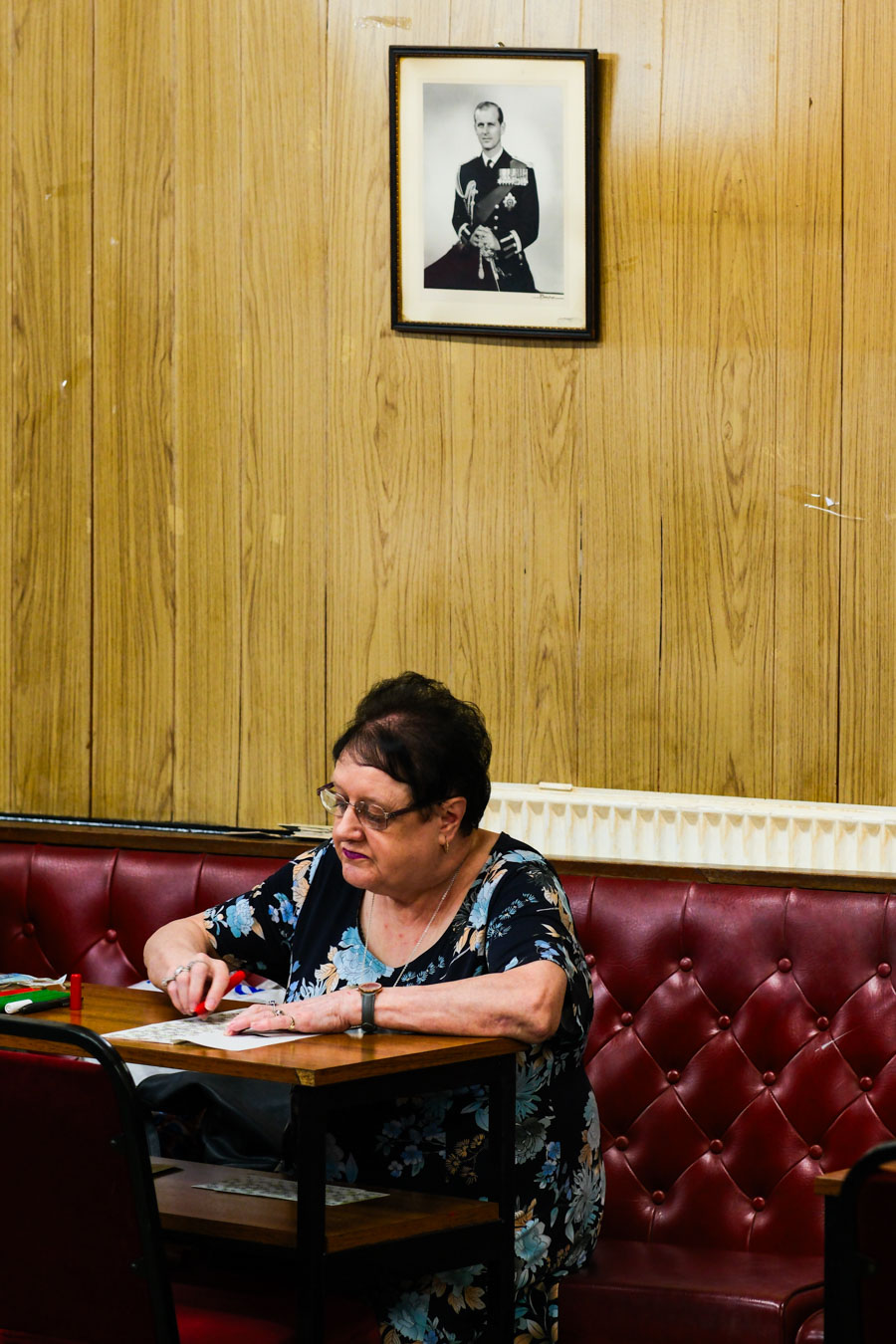
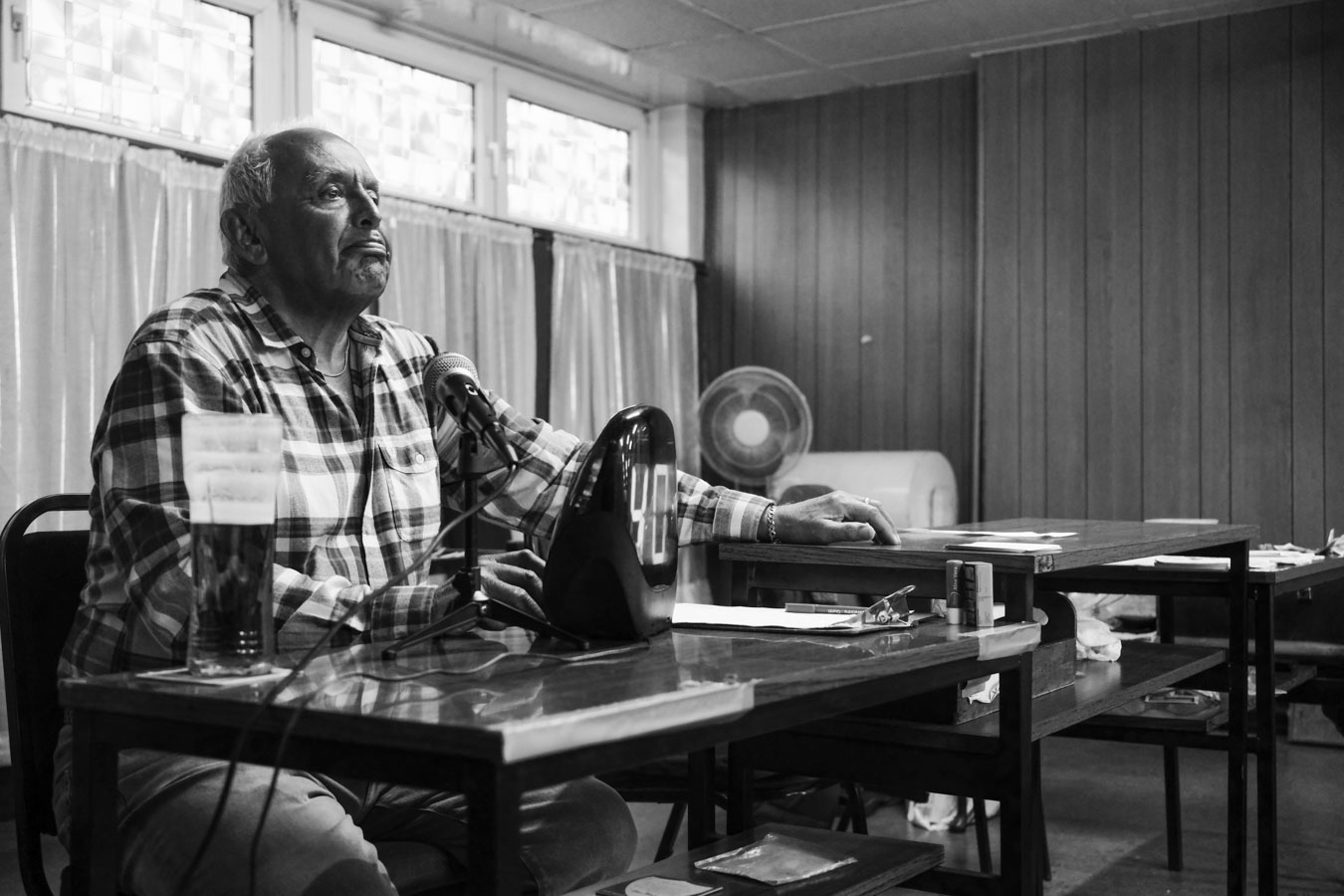
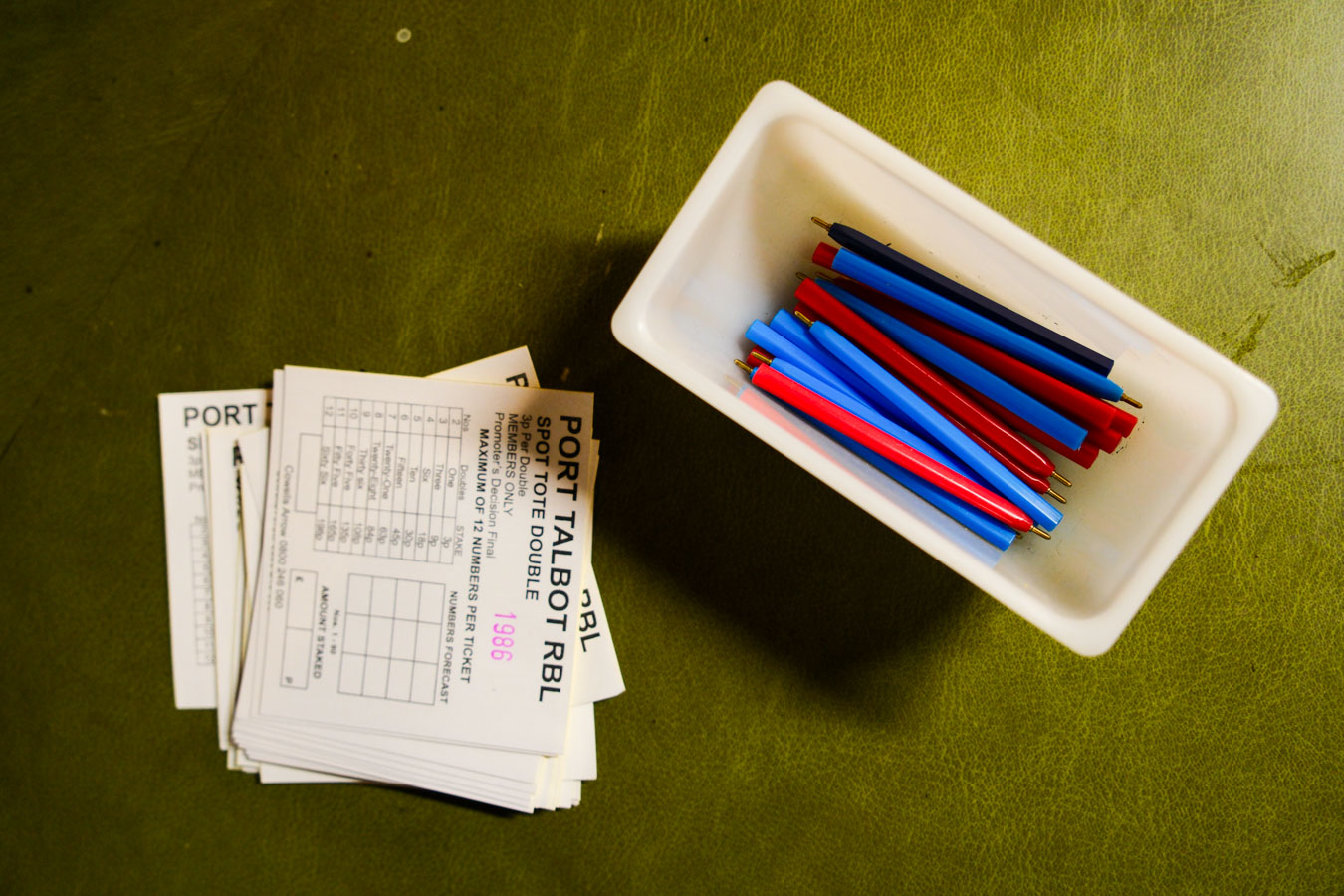
Everyone had their seat. You approached John Pugh individually for your cards (God help you if you handed over a twenty or if he wasn’t quite ready). The calls were met with an almost drone-like rhythm “Two little ducks” a quiet, synchronised “quack quack quack” in return. The way everything was laid out – the board, the dabbers, the glasses—was precise, meticulous. A weekly ritual, played out in the same seats, week on week, for longer than many could probably say.
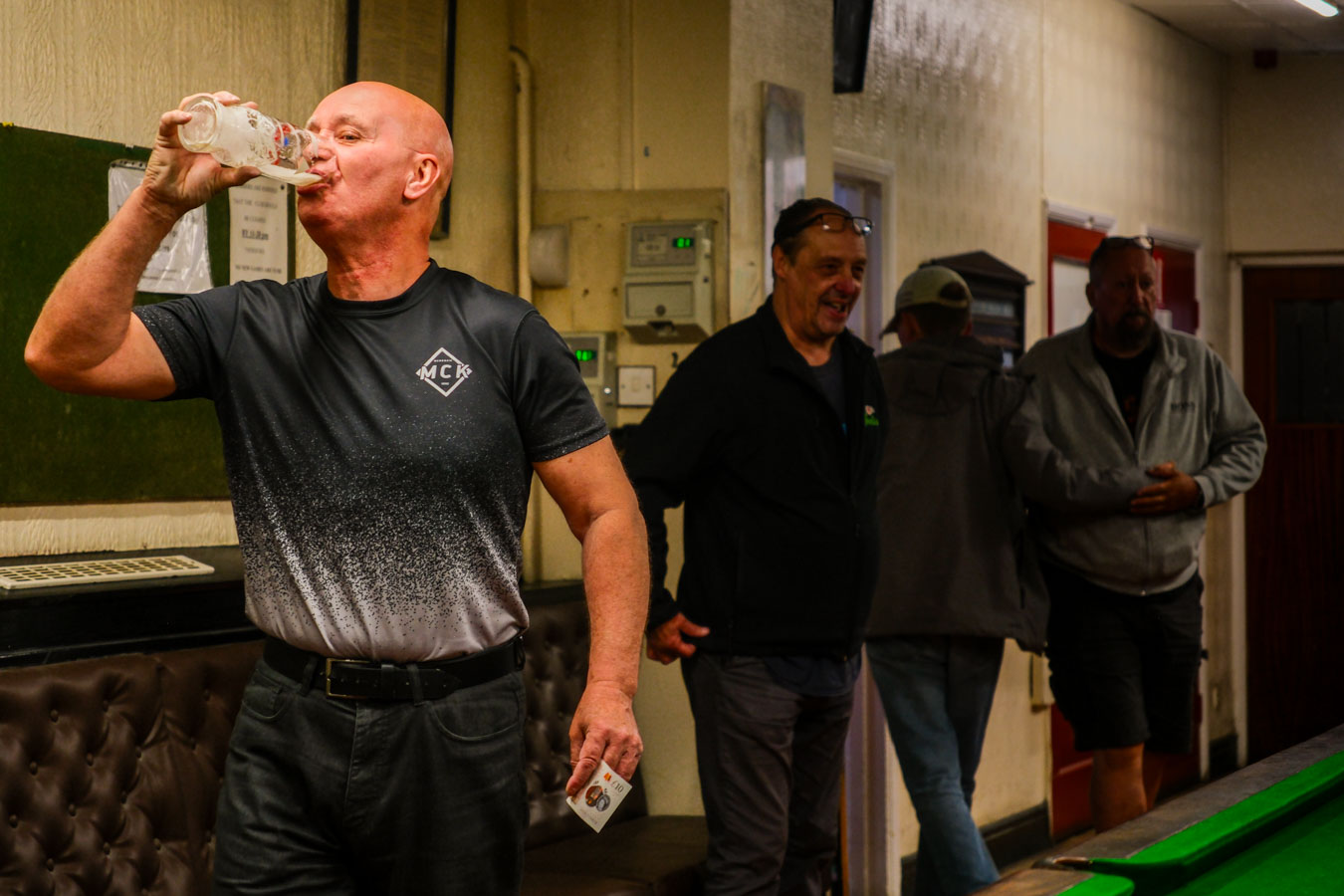
3 – Fond Farewells
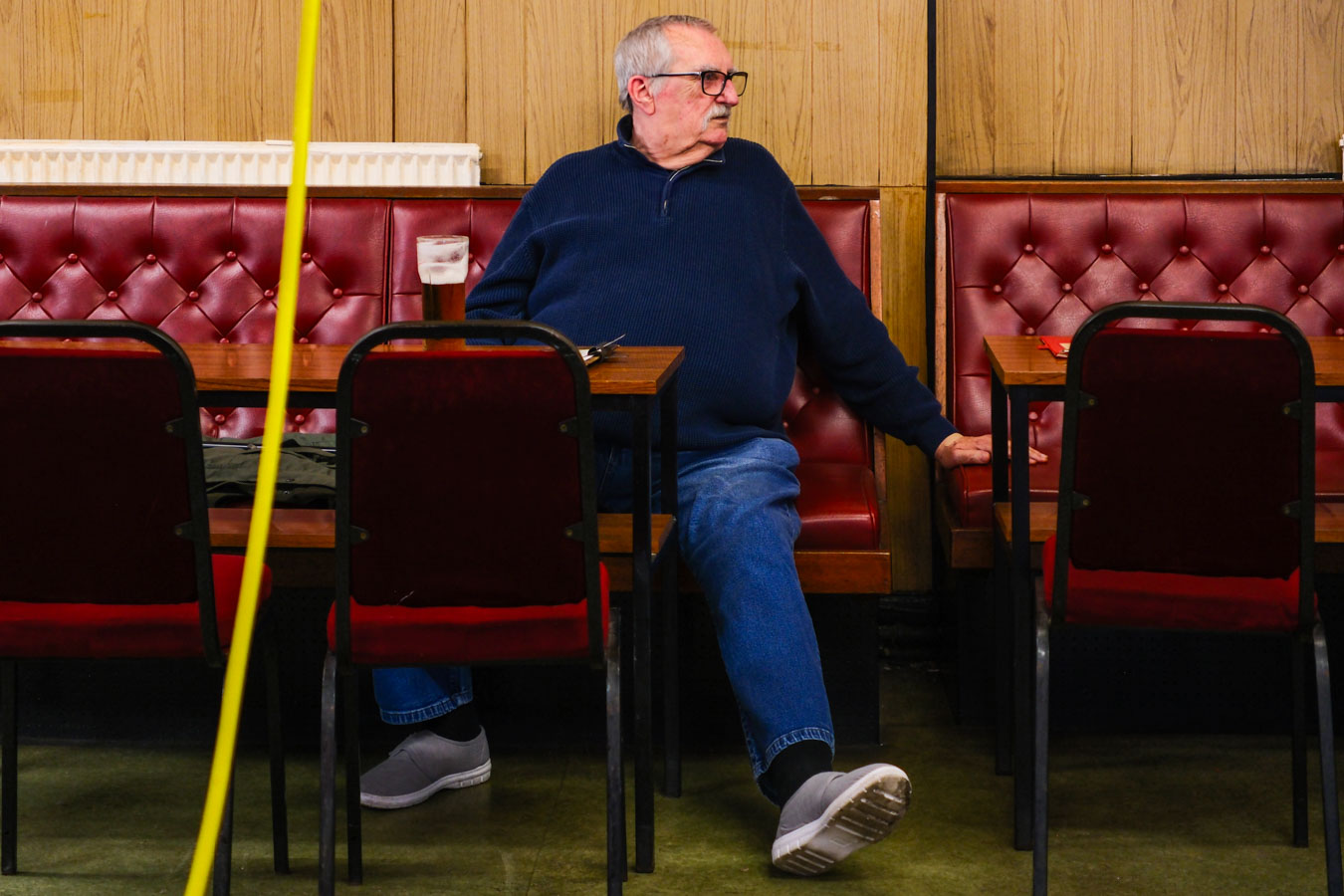
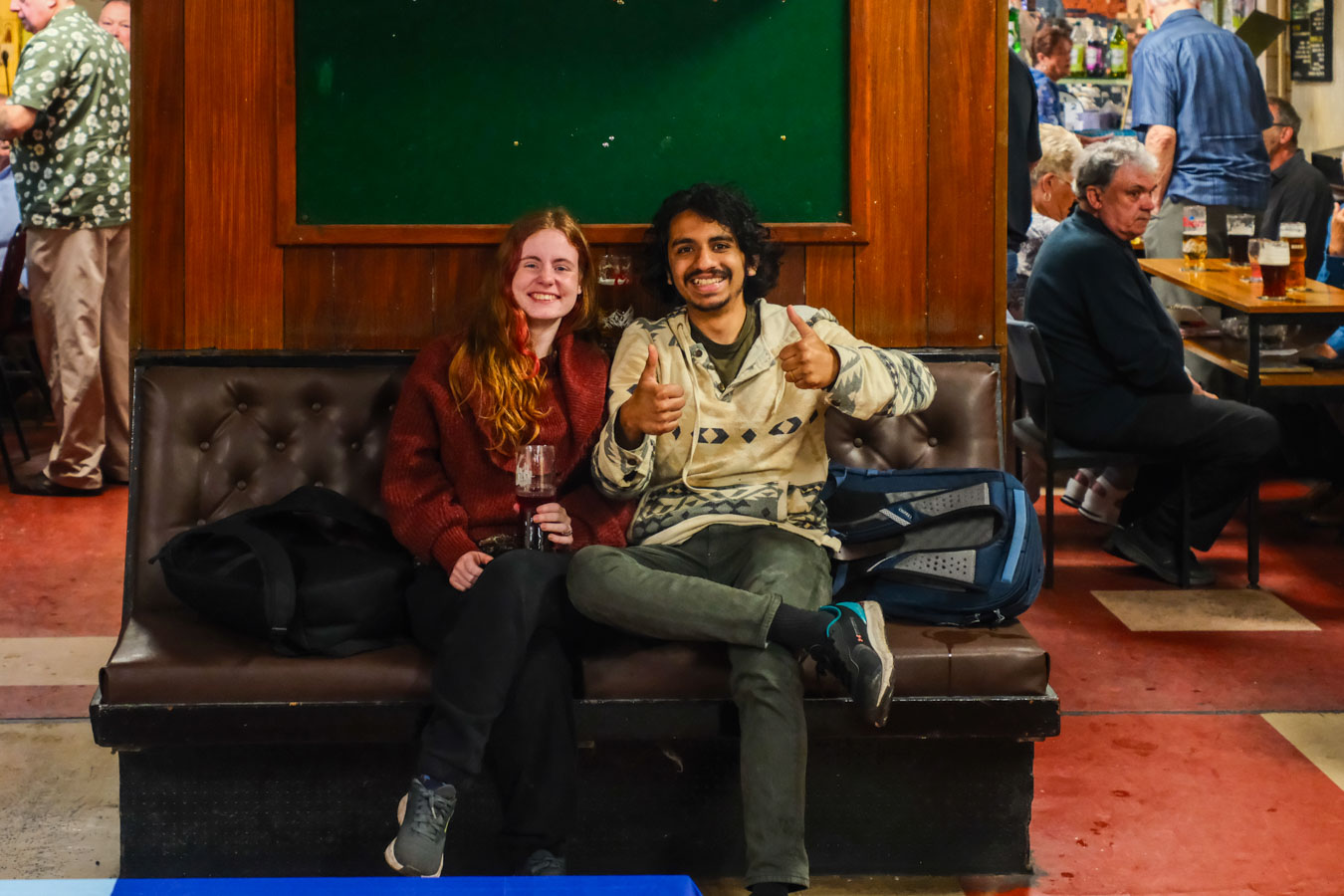
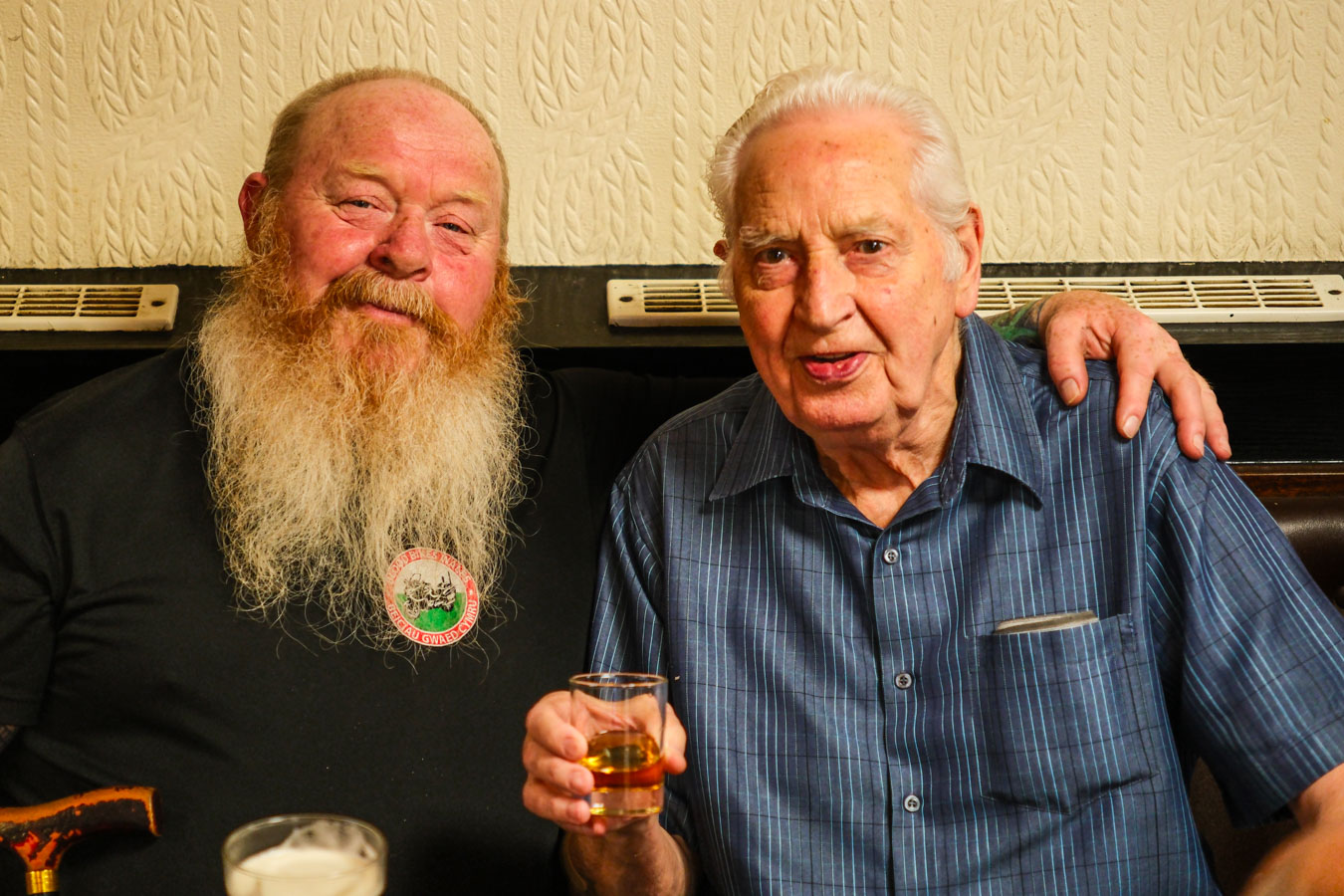
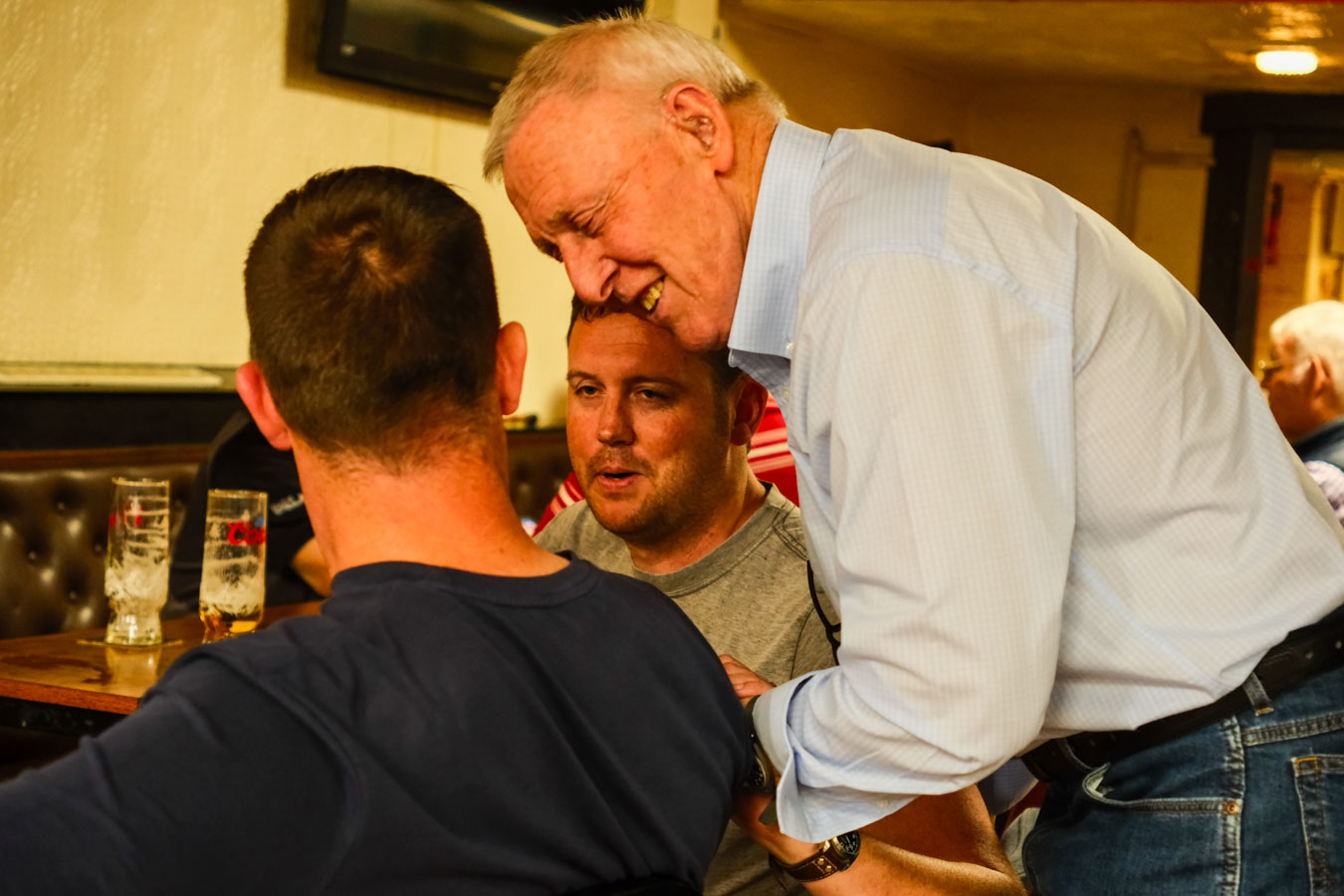
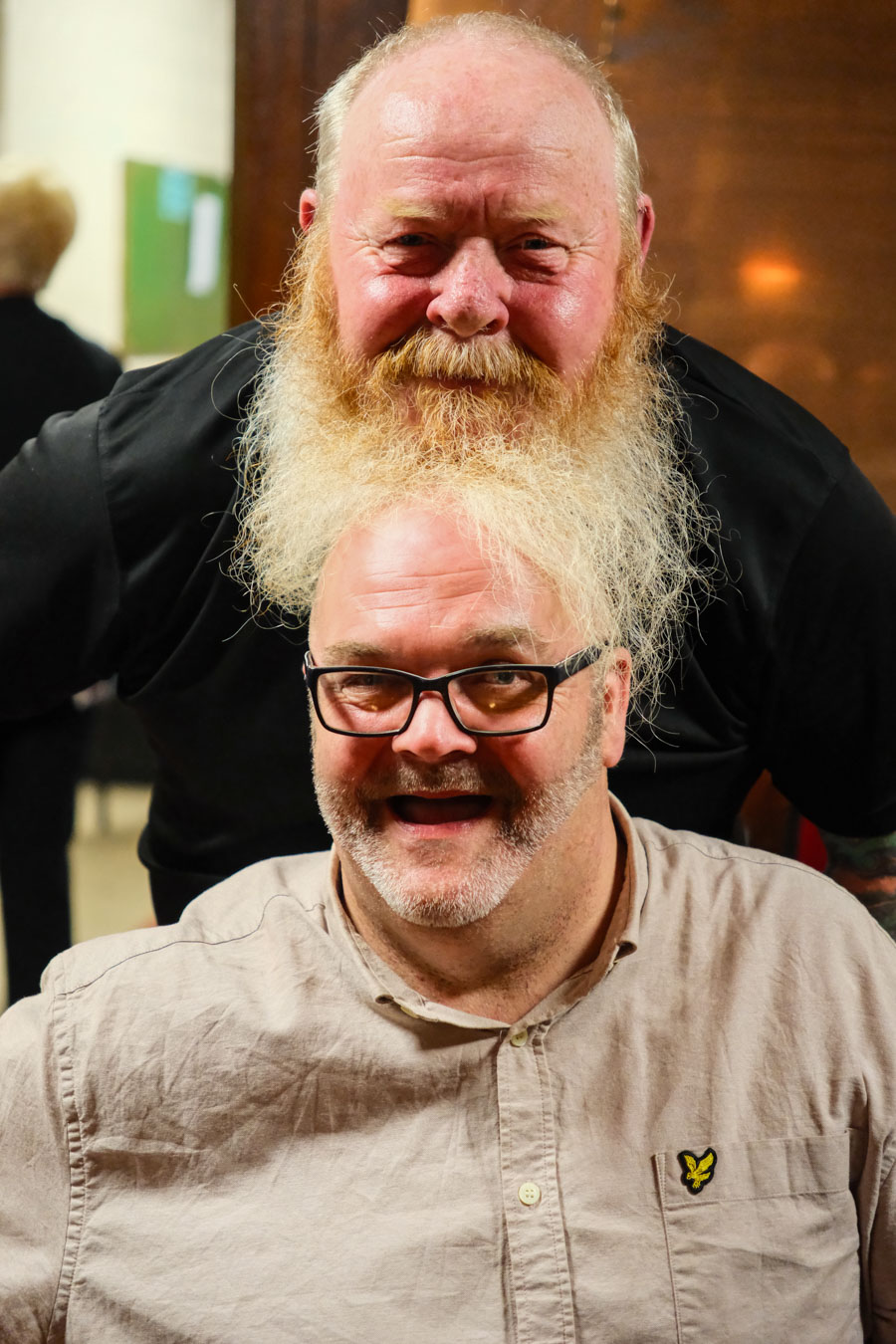
Back for the closing night. A few recognised me from the evening before, and as anyone will tell you, in a place like the Royal British Legion, a day is a lifetime so I was welcomed with open arms.
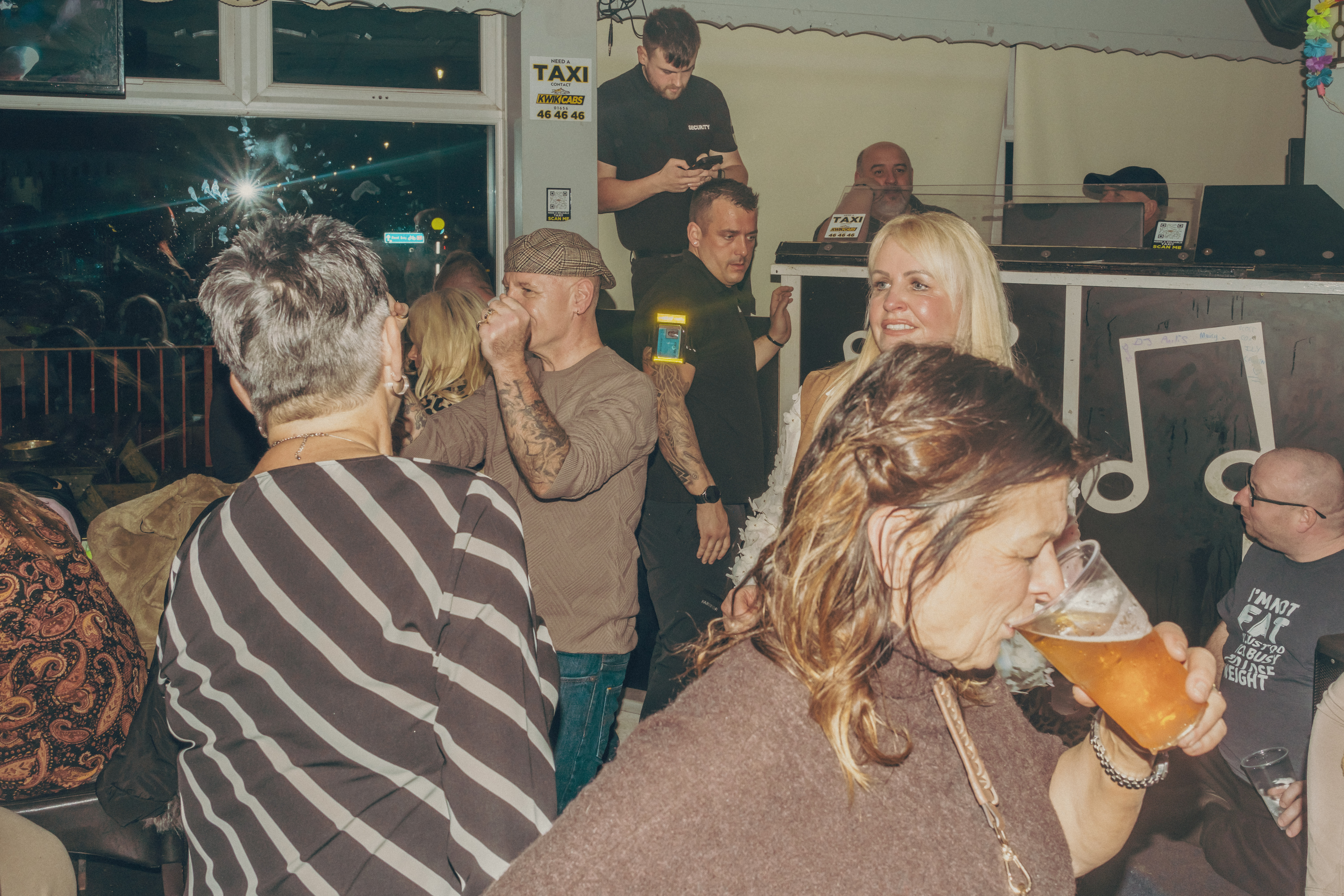
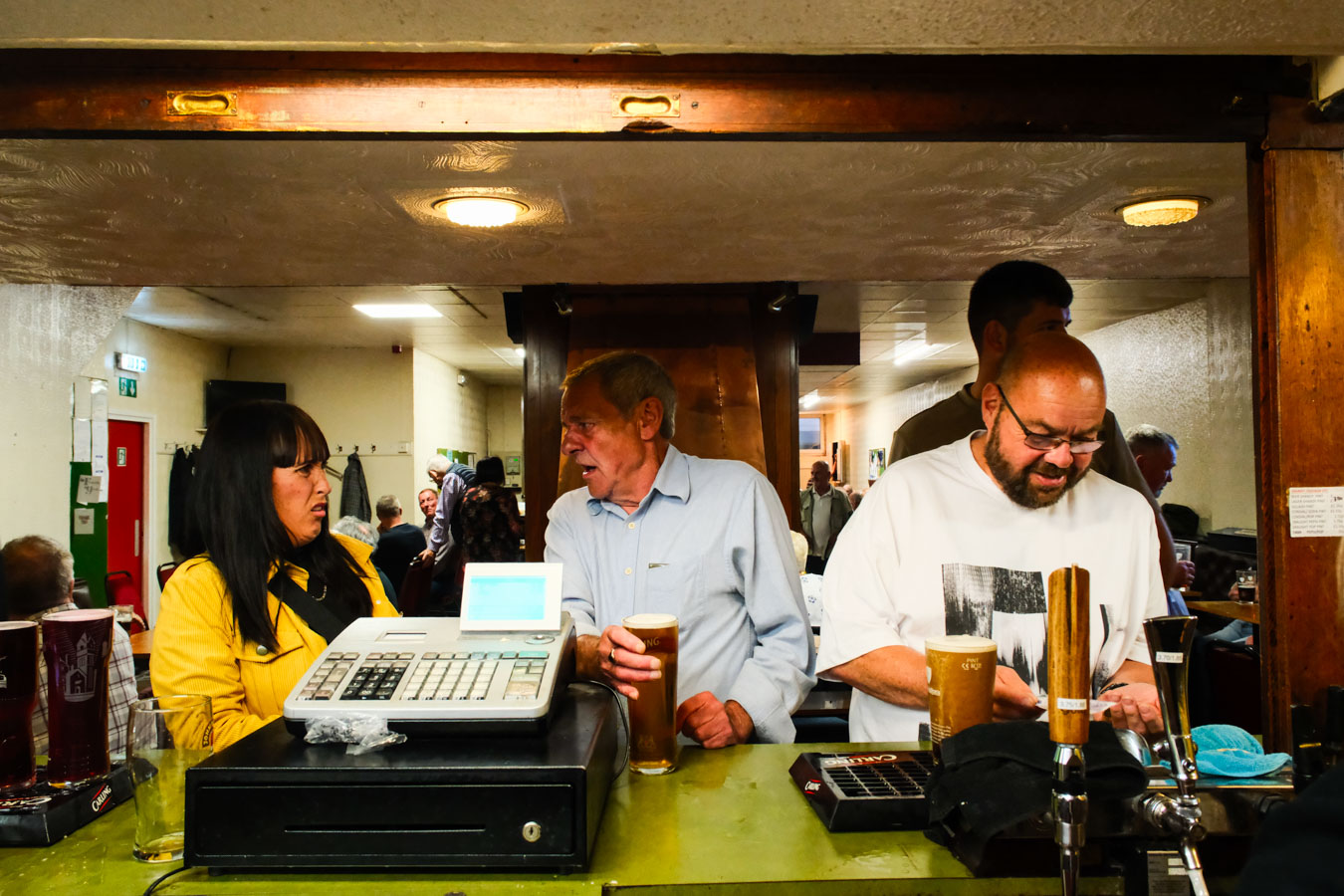
The staff were expecting a quiet one. They were in for a rude awakening. The place was packed until closing time.
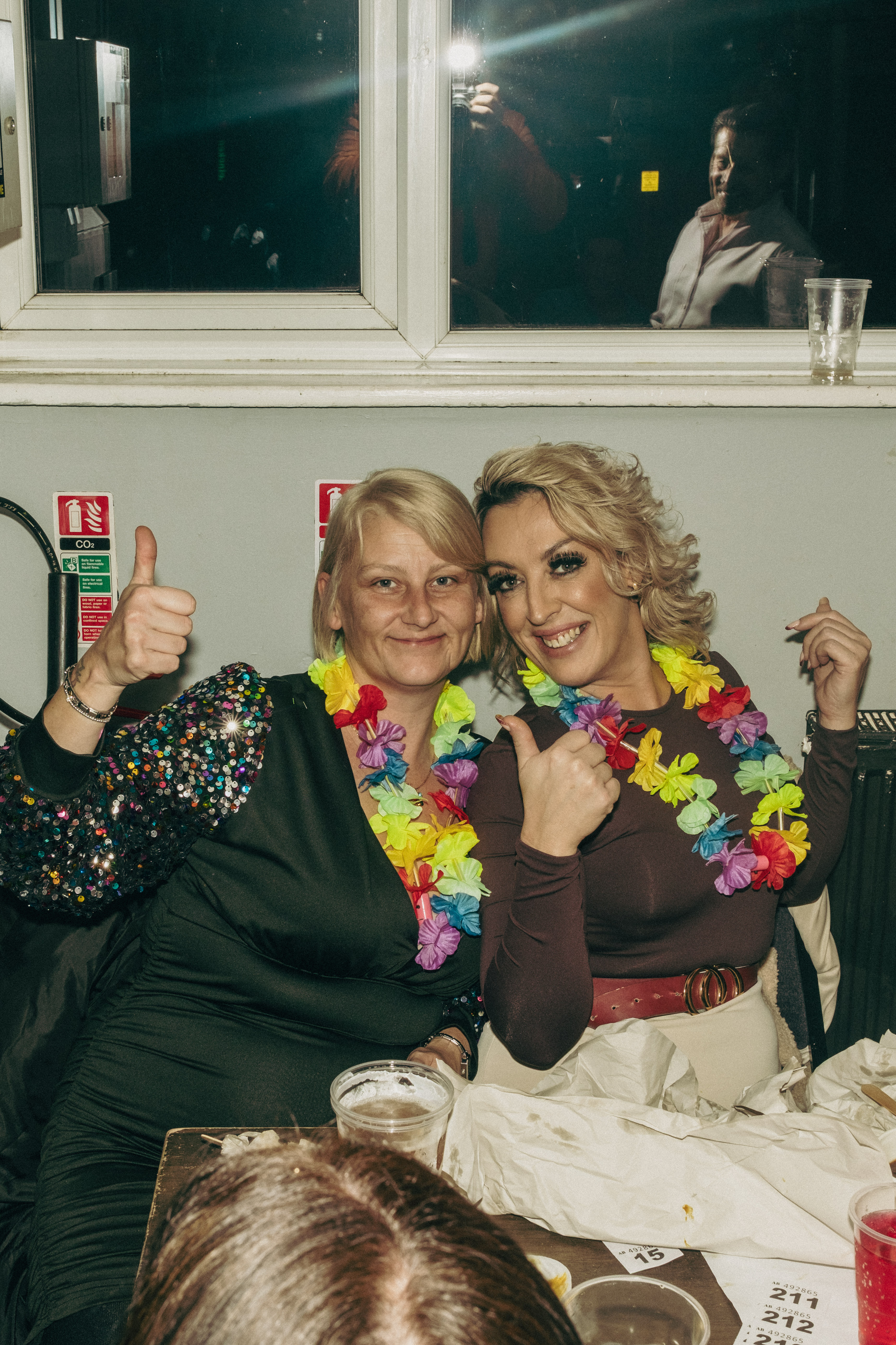
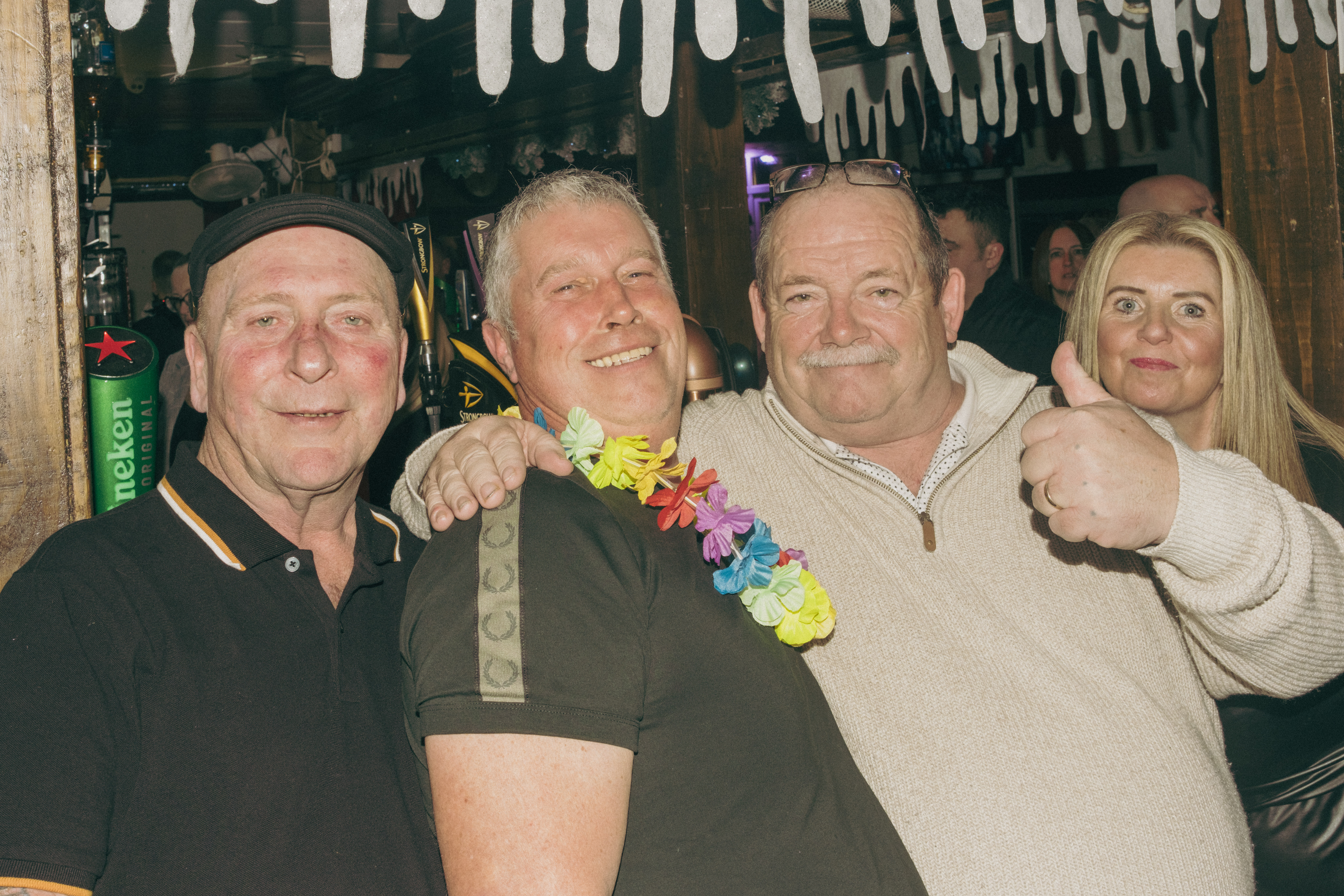
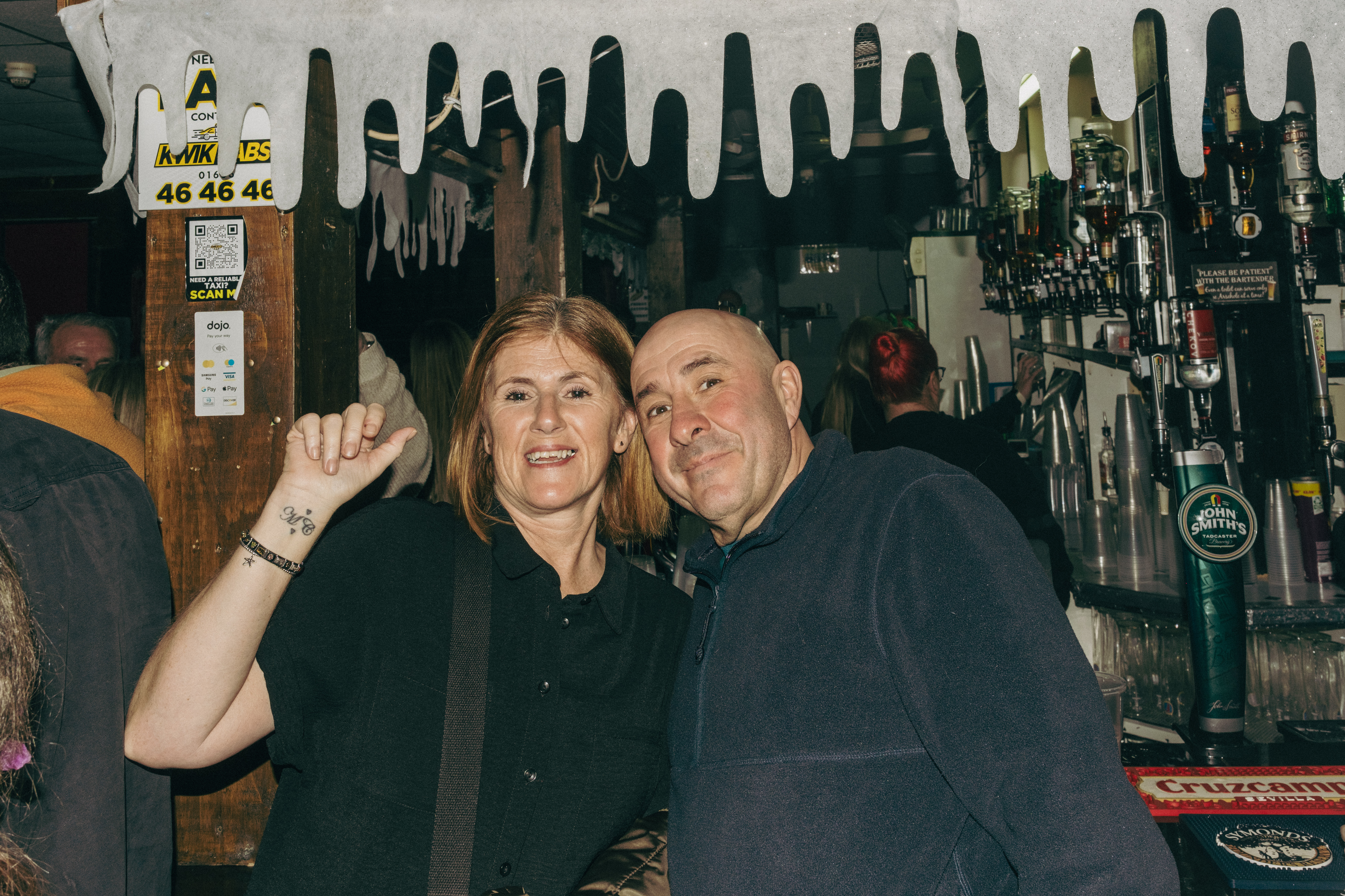
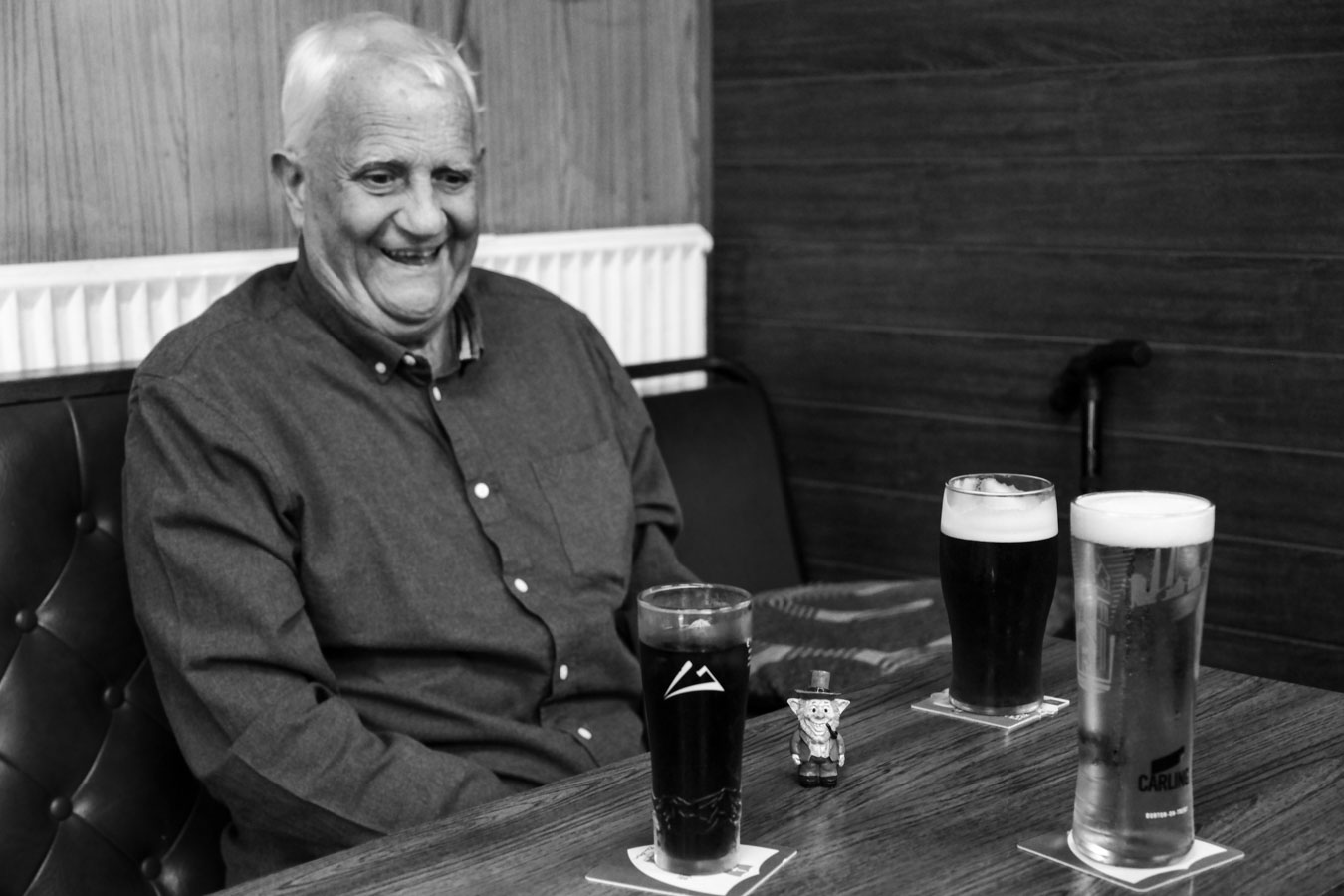
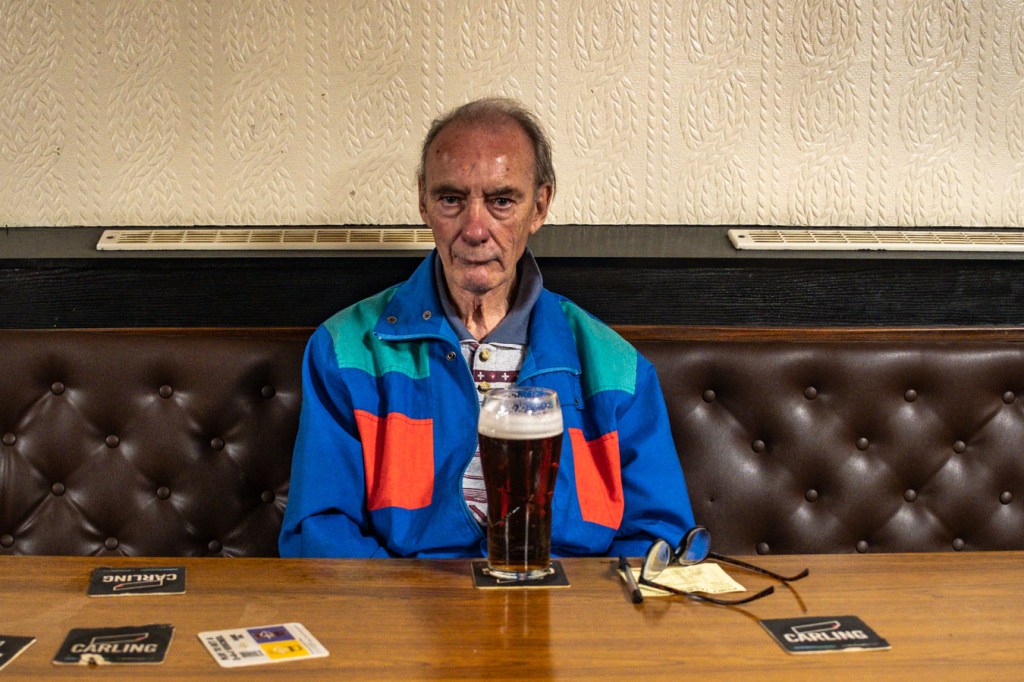
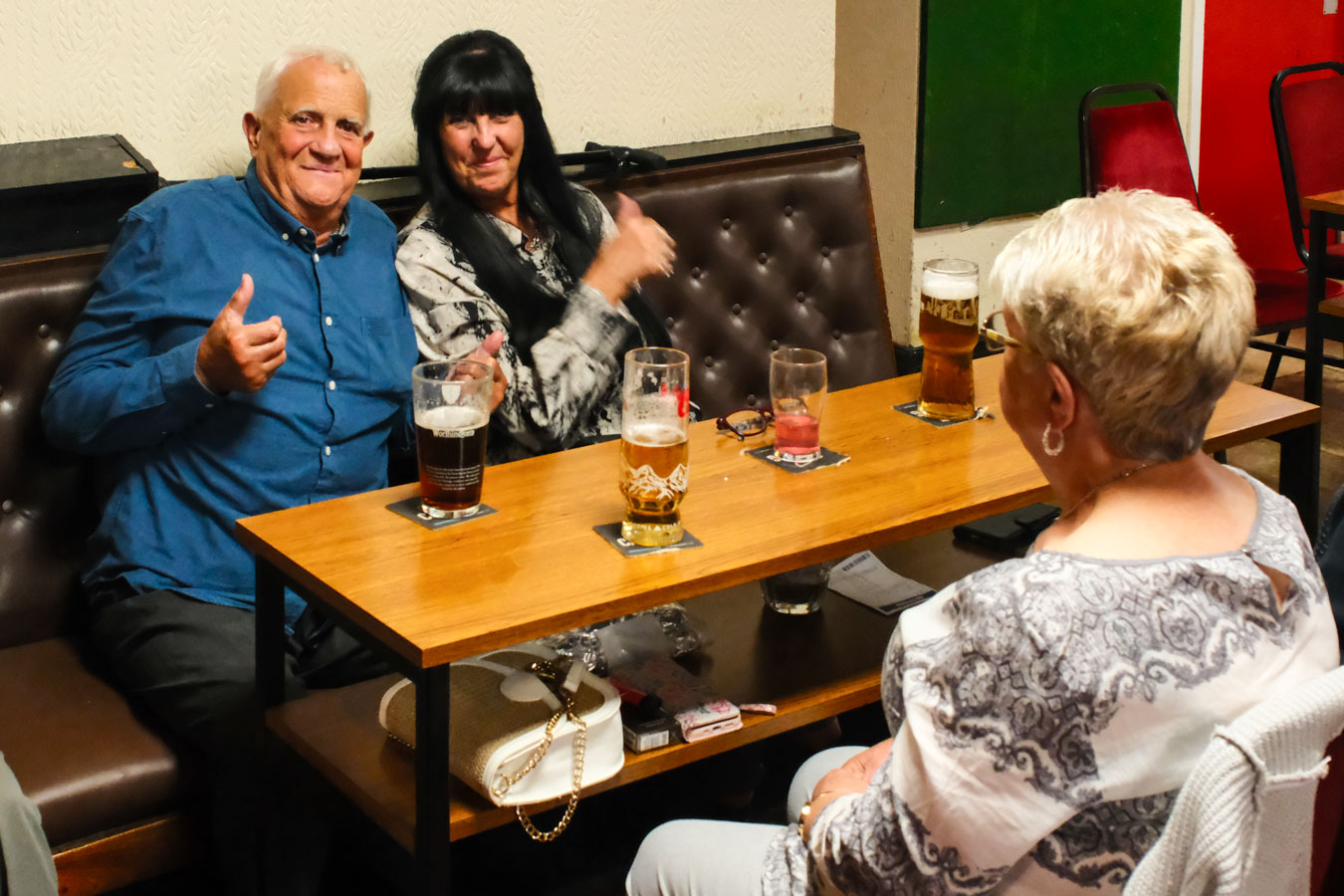
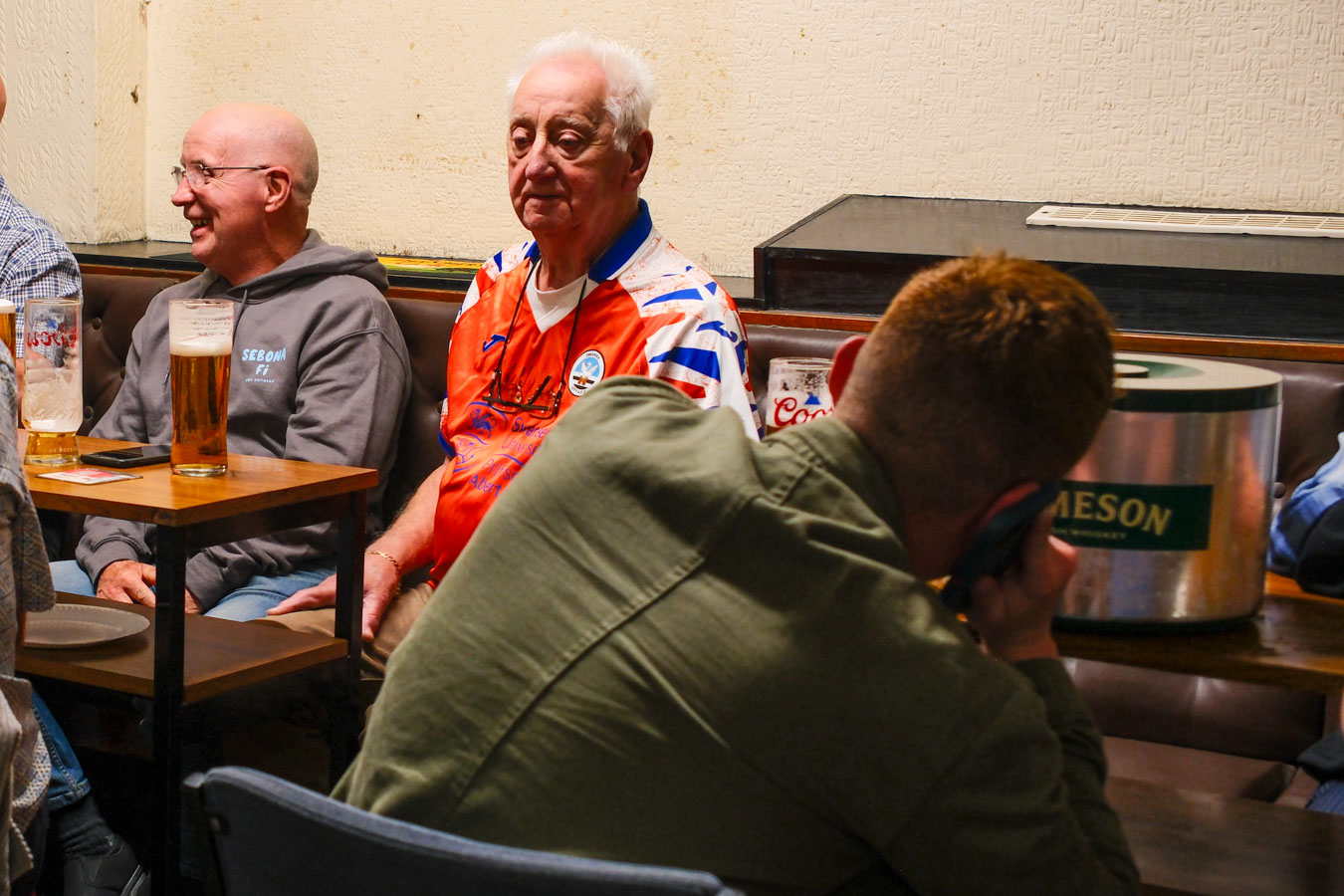
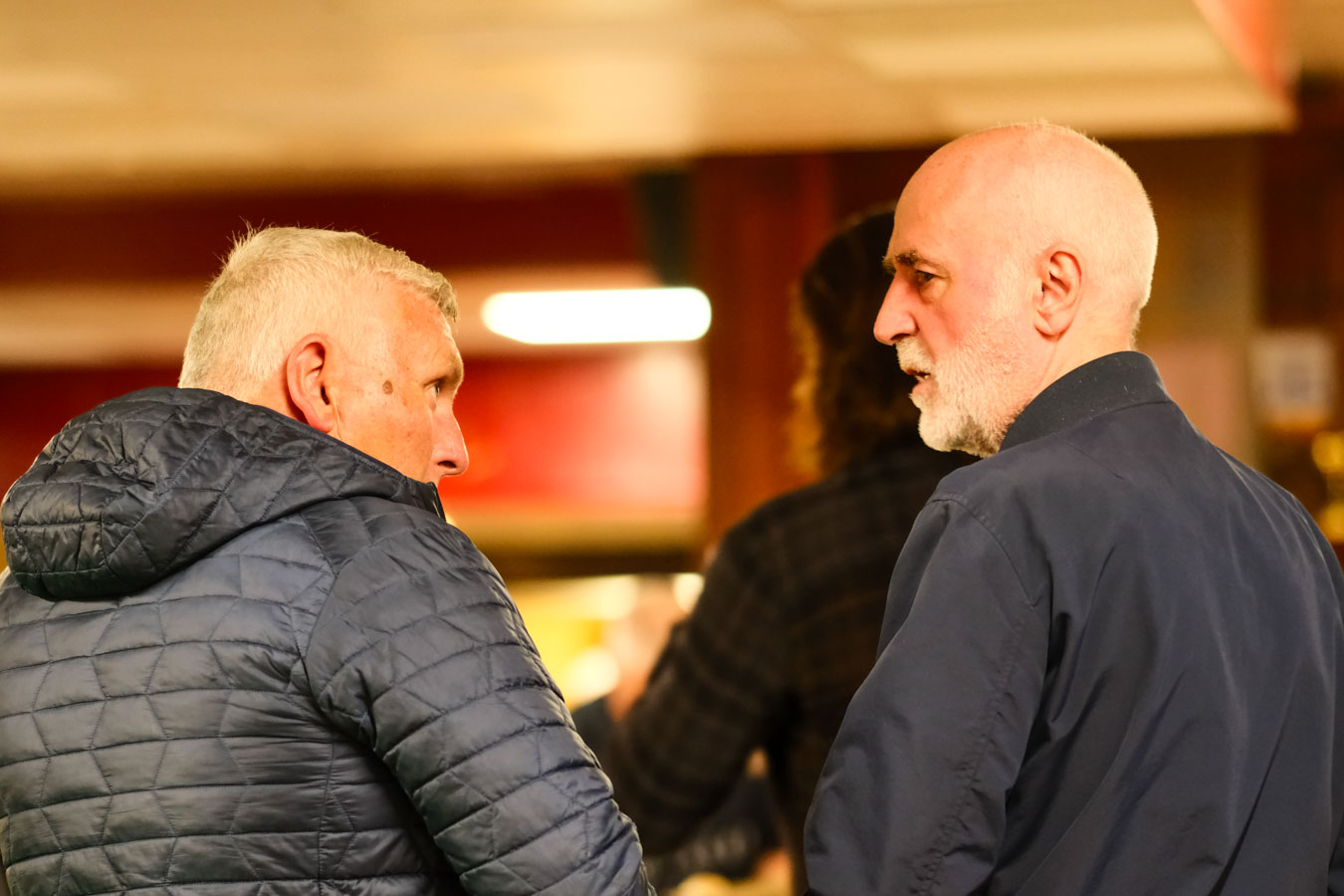
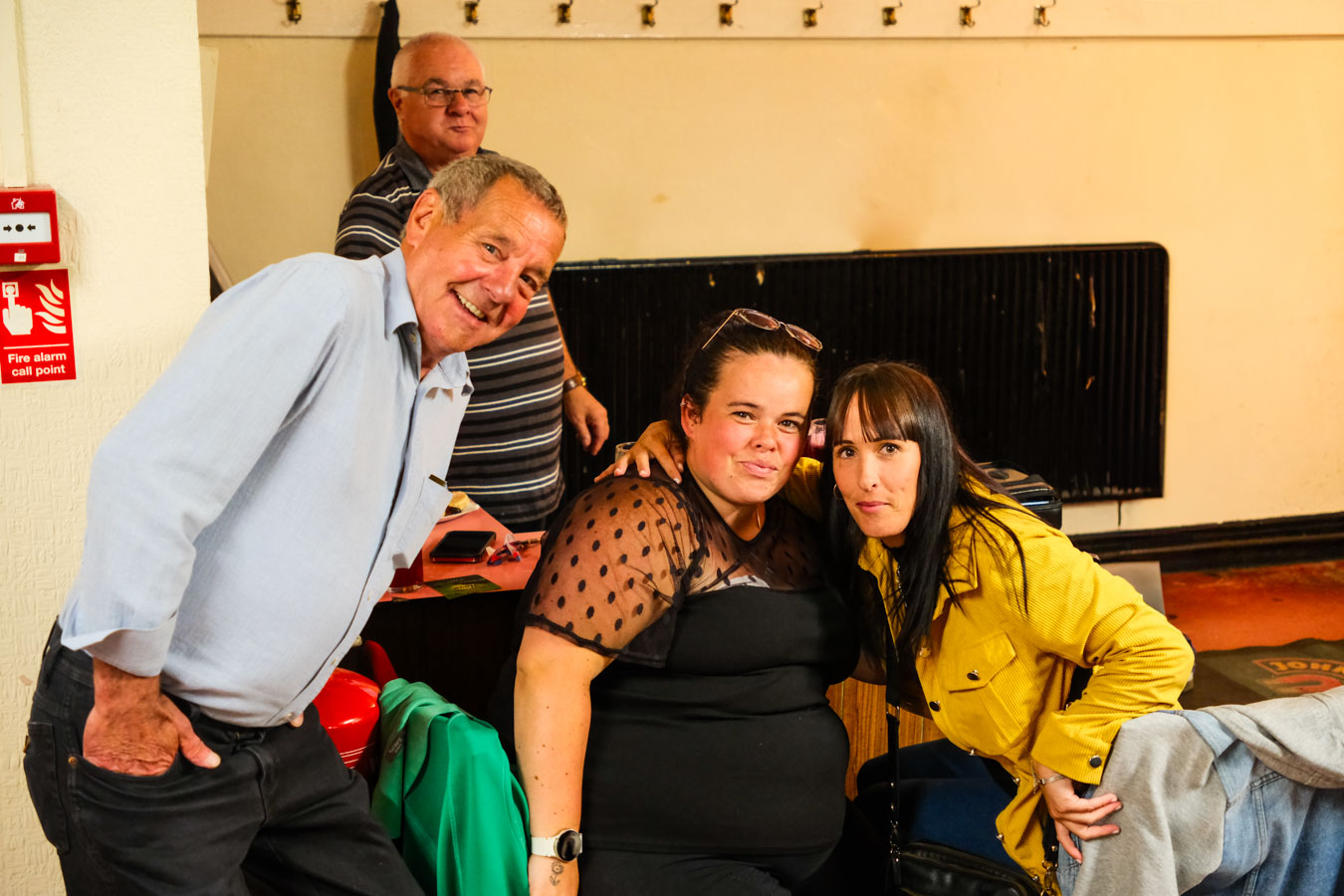
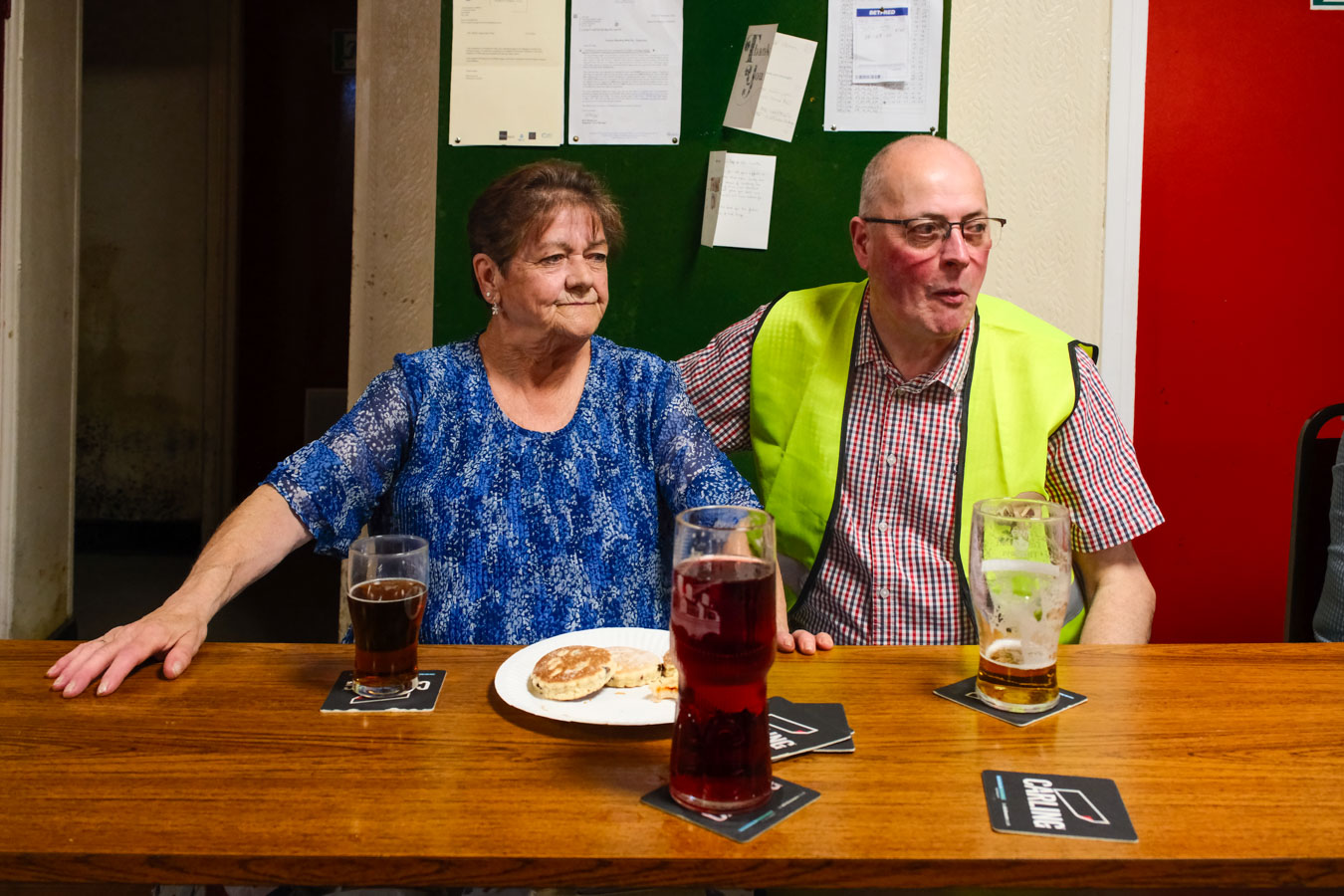
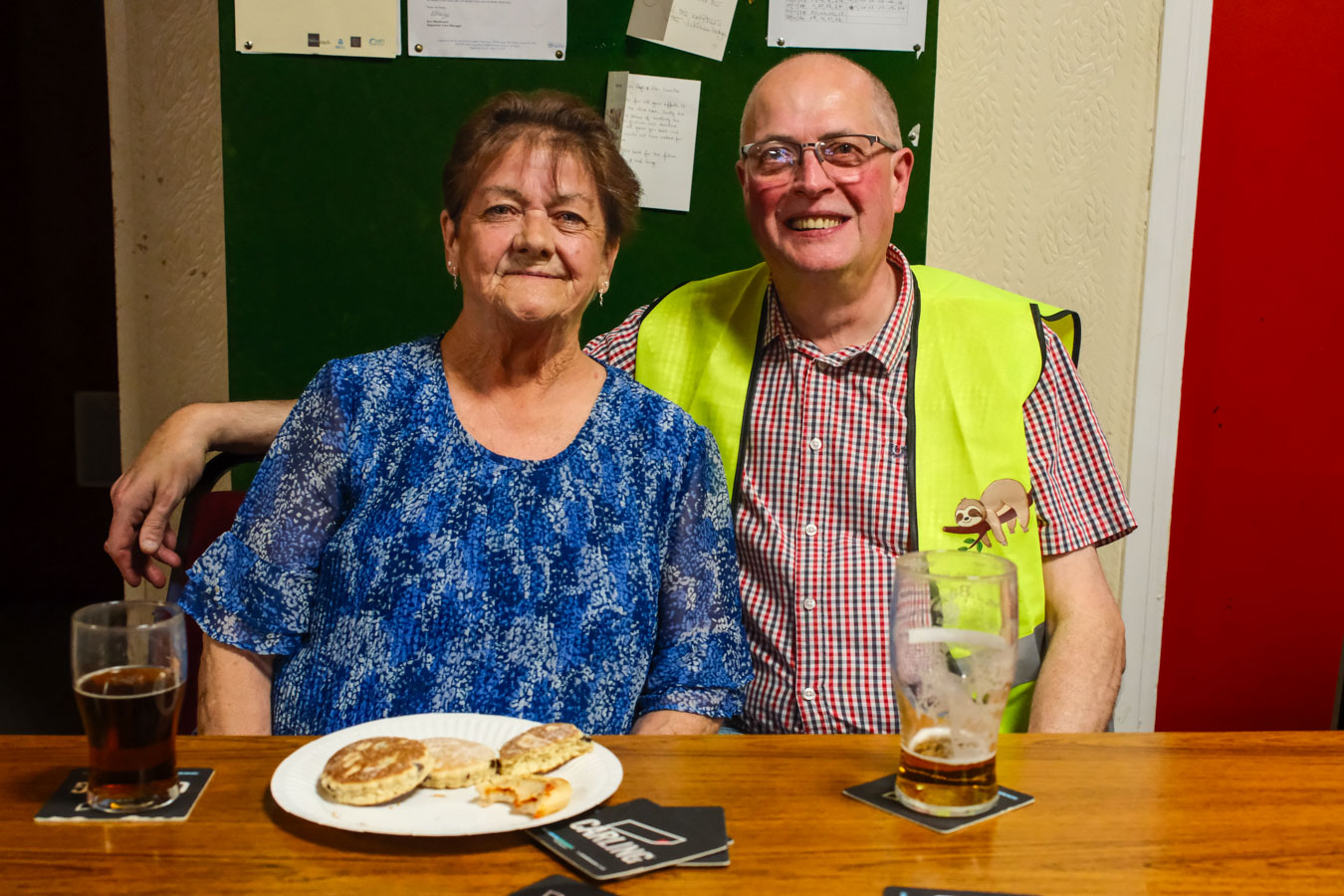
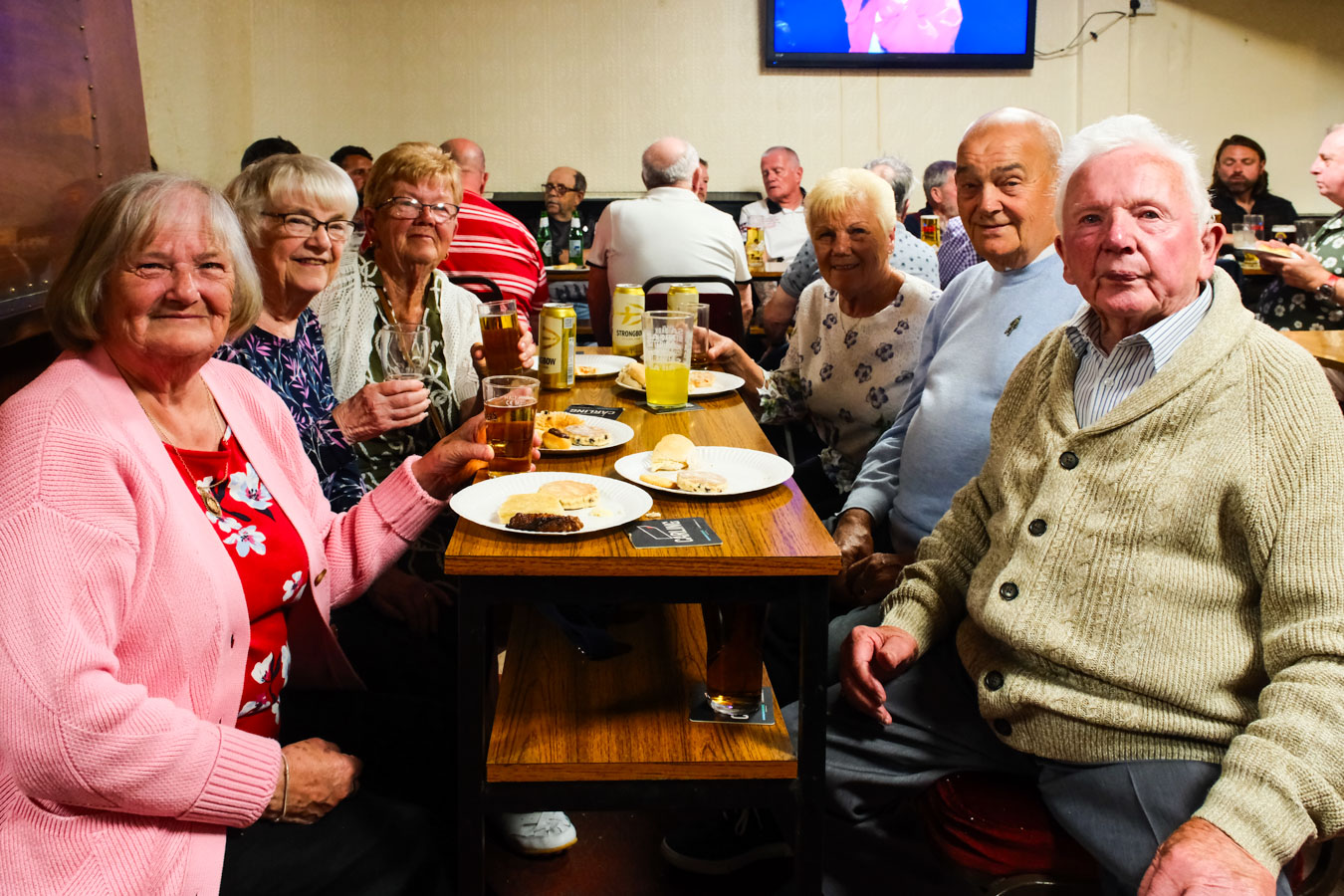
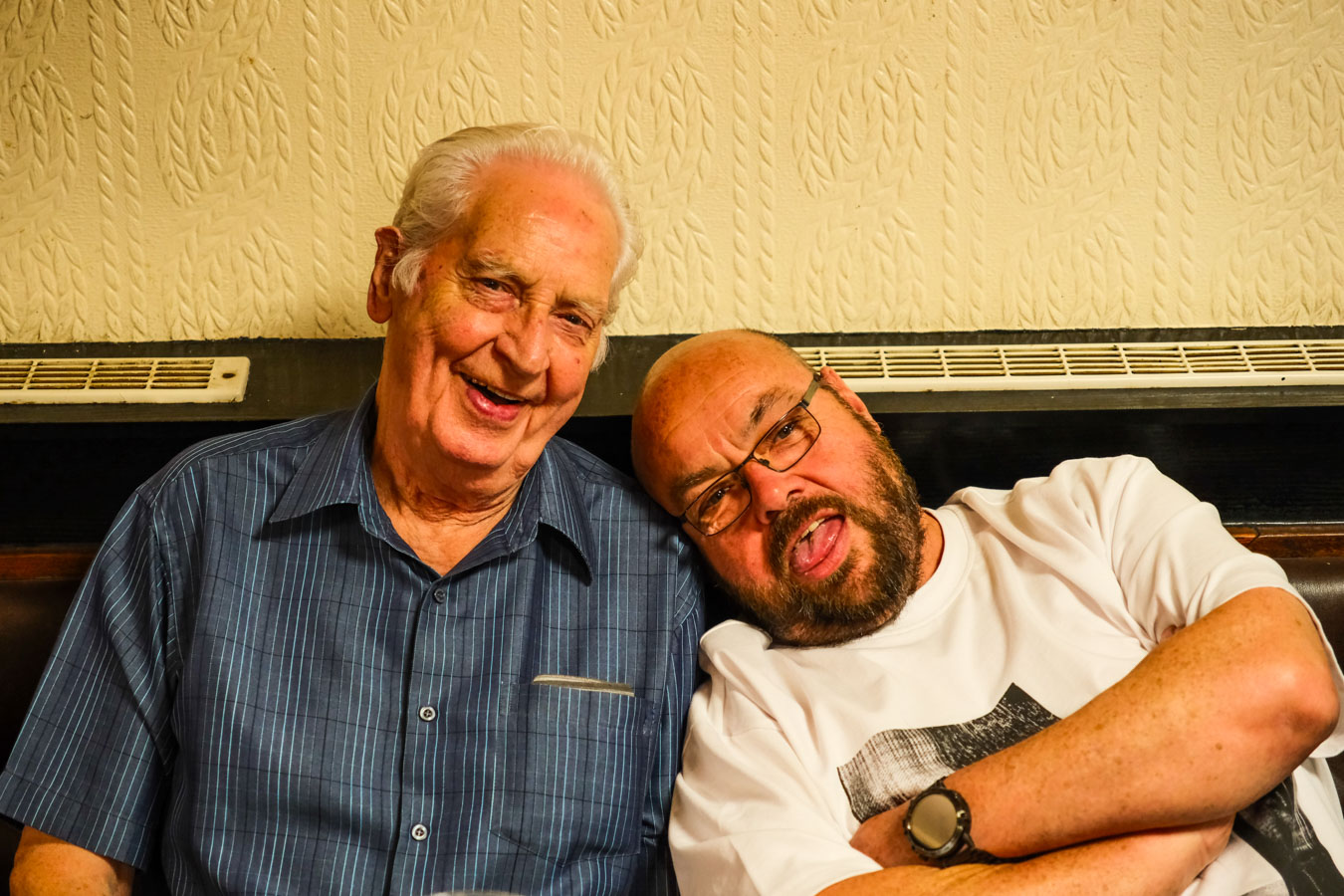
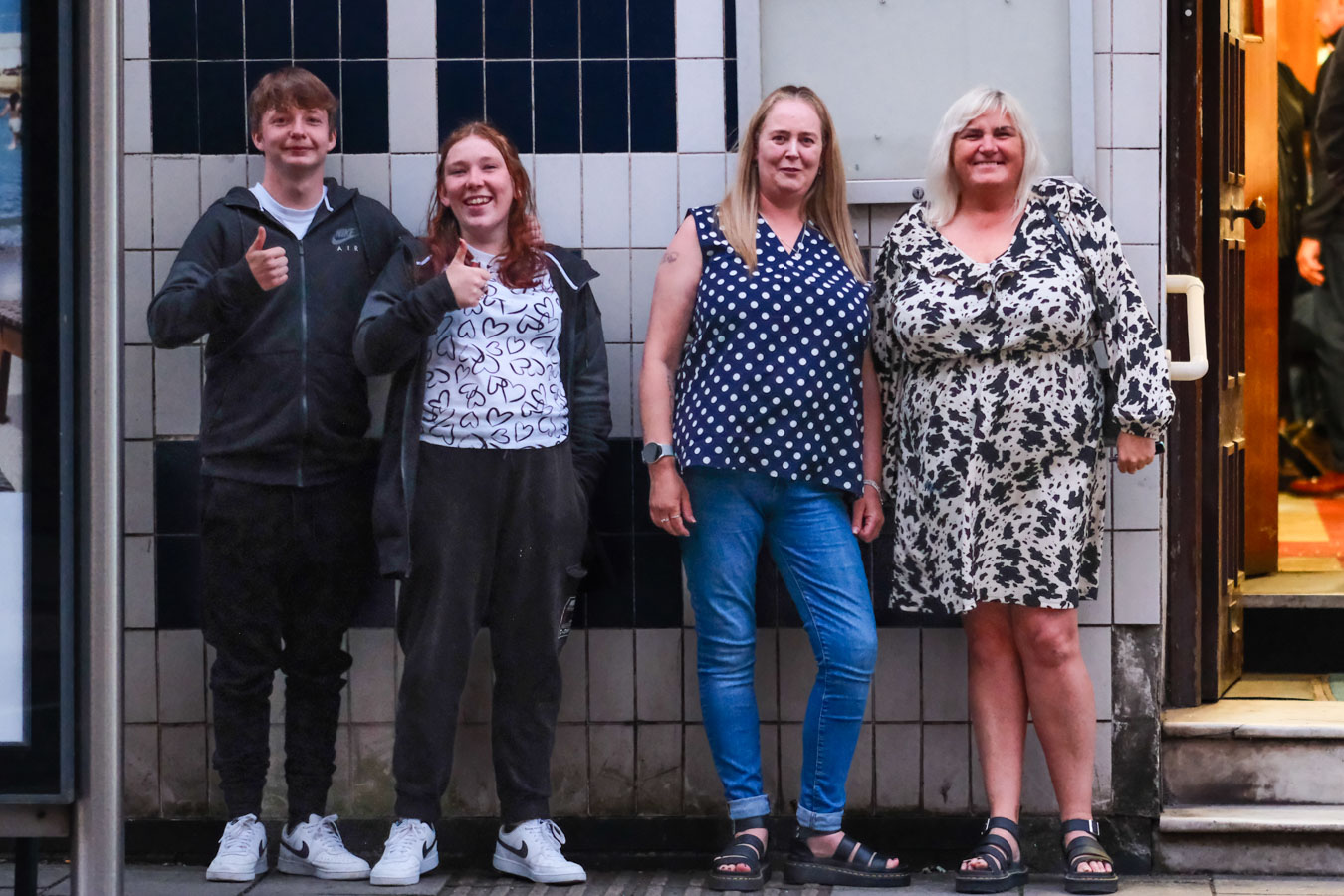
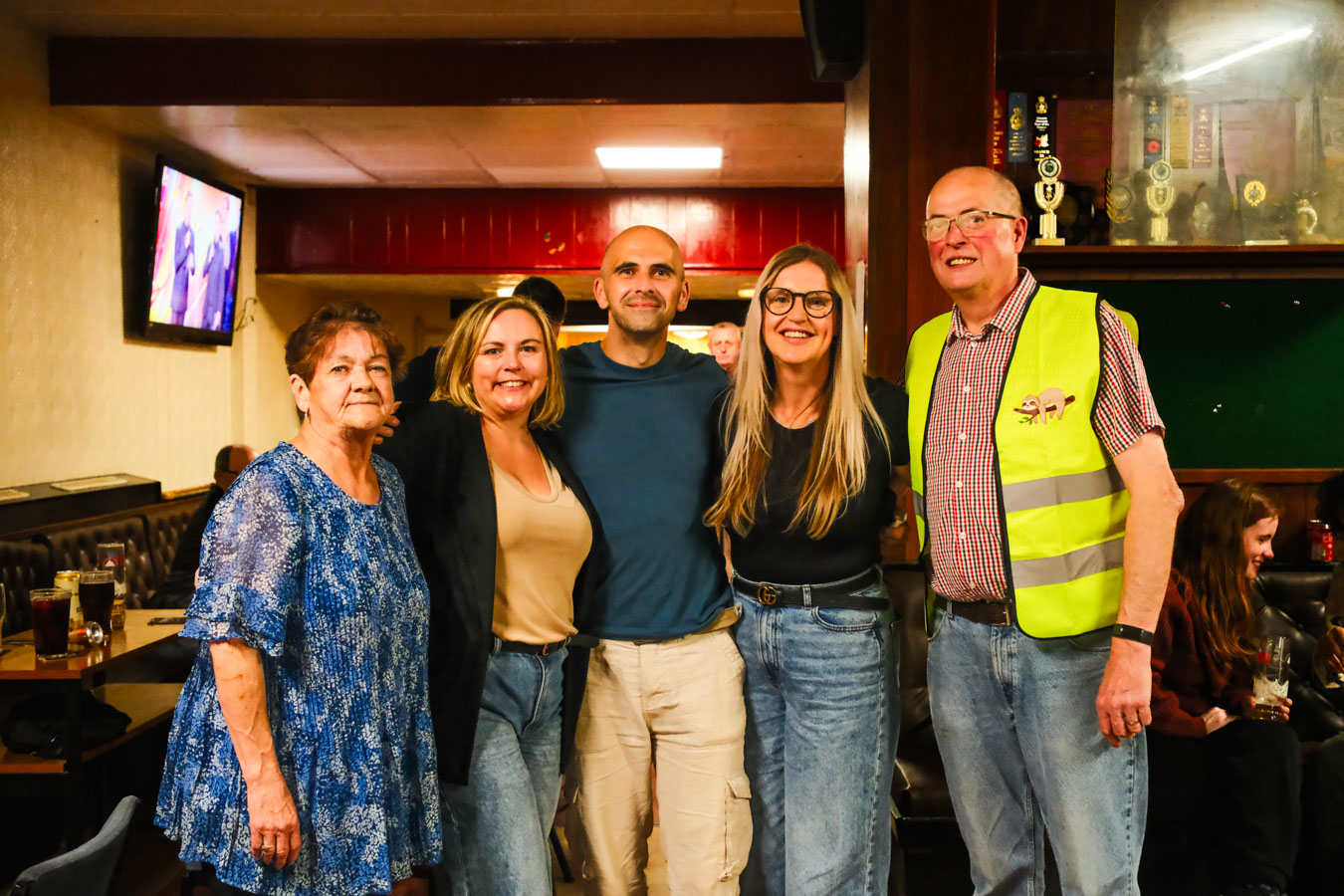
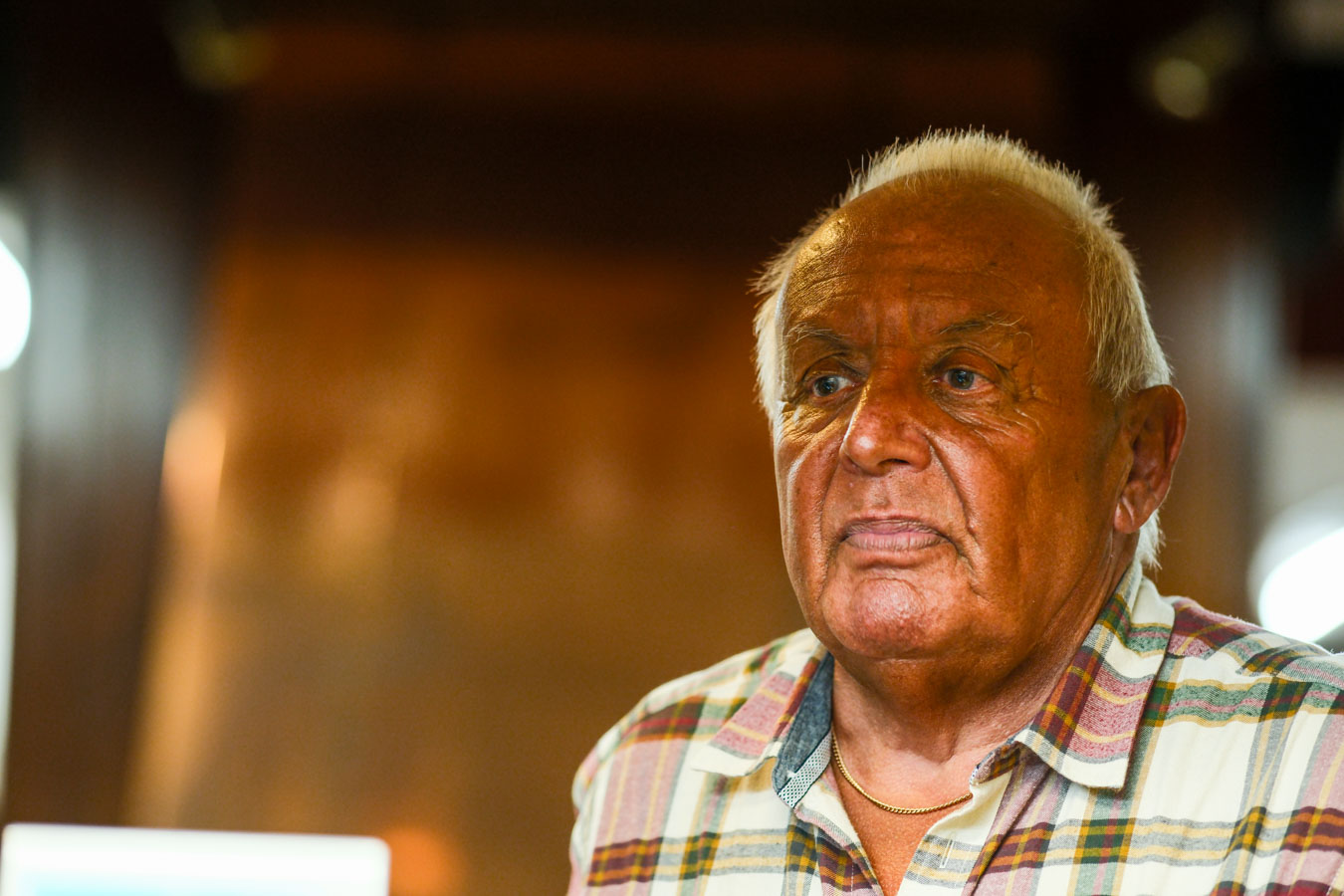
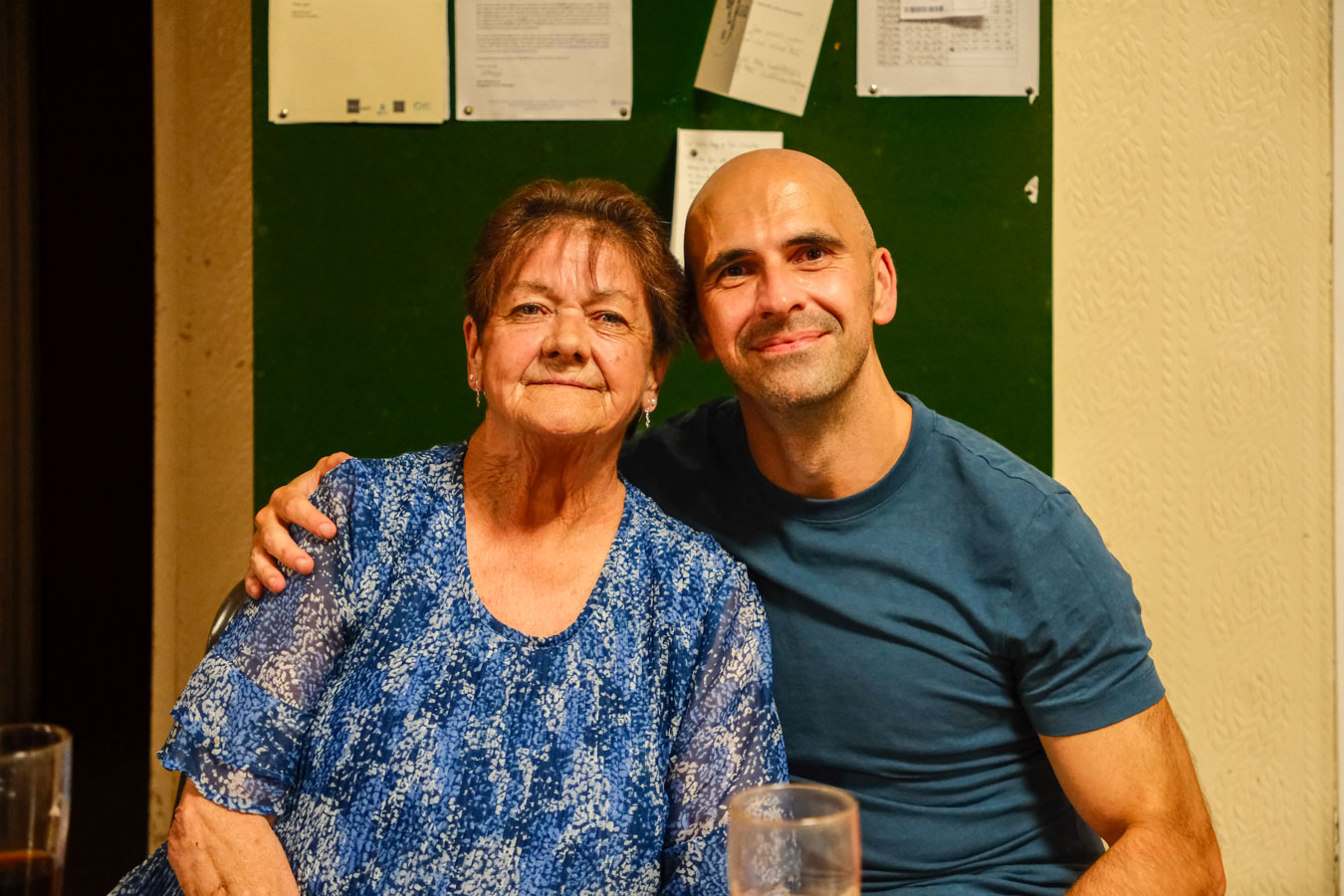
There were regulars, former staff, and even people who had never drunk in the Legion before. Plenty of laughs, plenty of stories and, thankfully, no one swore at me this time. But there was also a real sense of an ending.
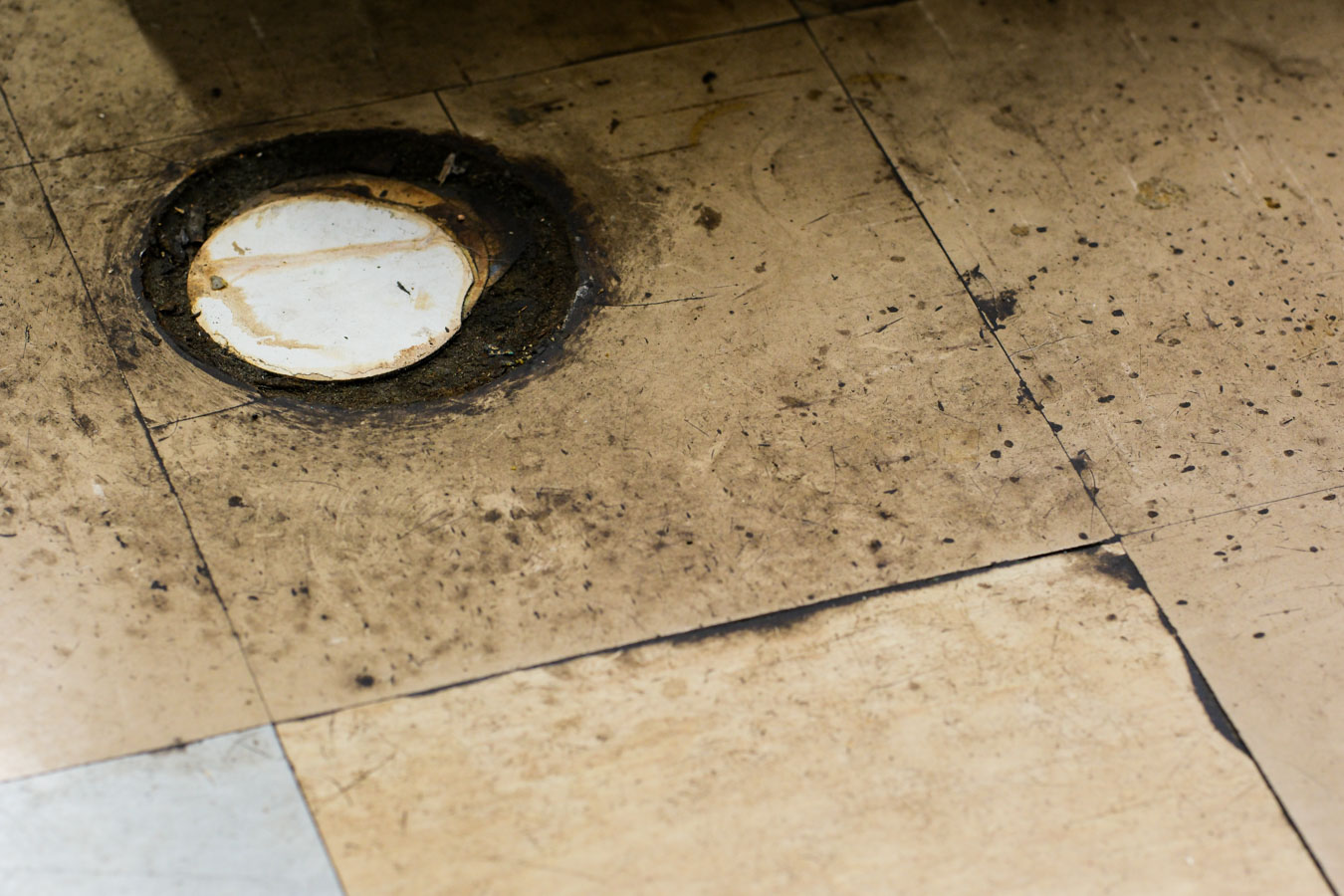
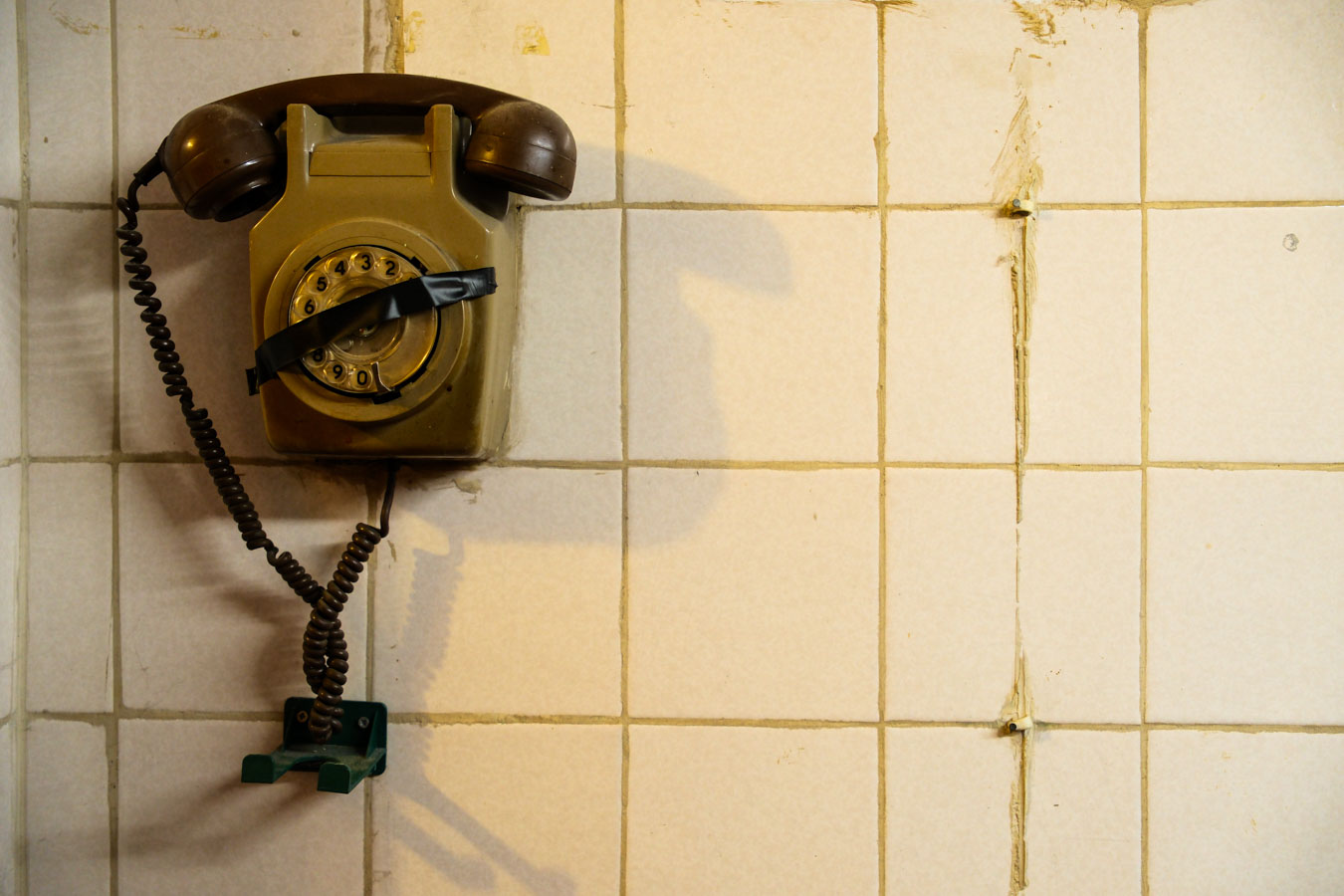
I spoke to as many people as I could, listening to their memories. A father and son stood looking at an old telephone booth (no longer home to a phone) and told me how the father once got the call there to say his wife had gone into labour. He had to forfeit his league match and rush off.
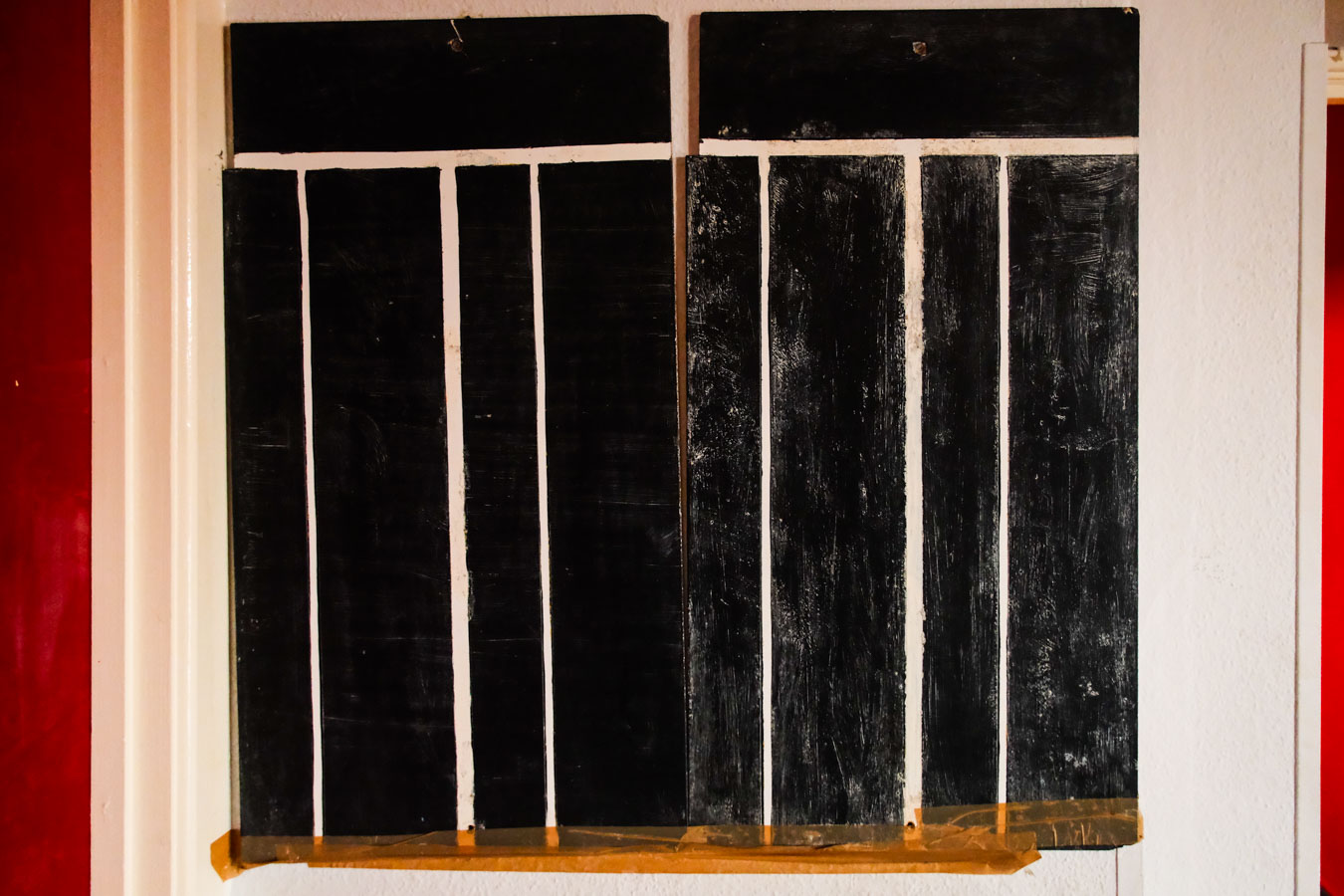
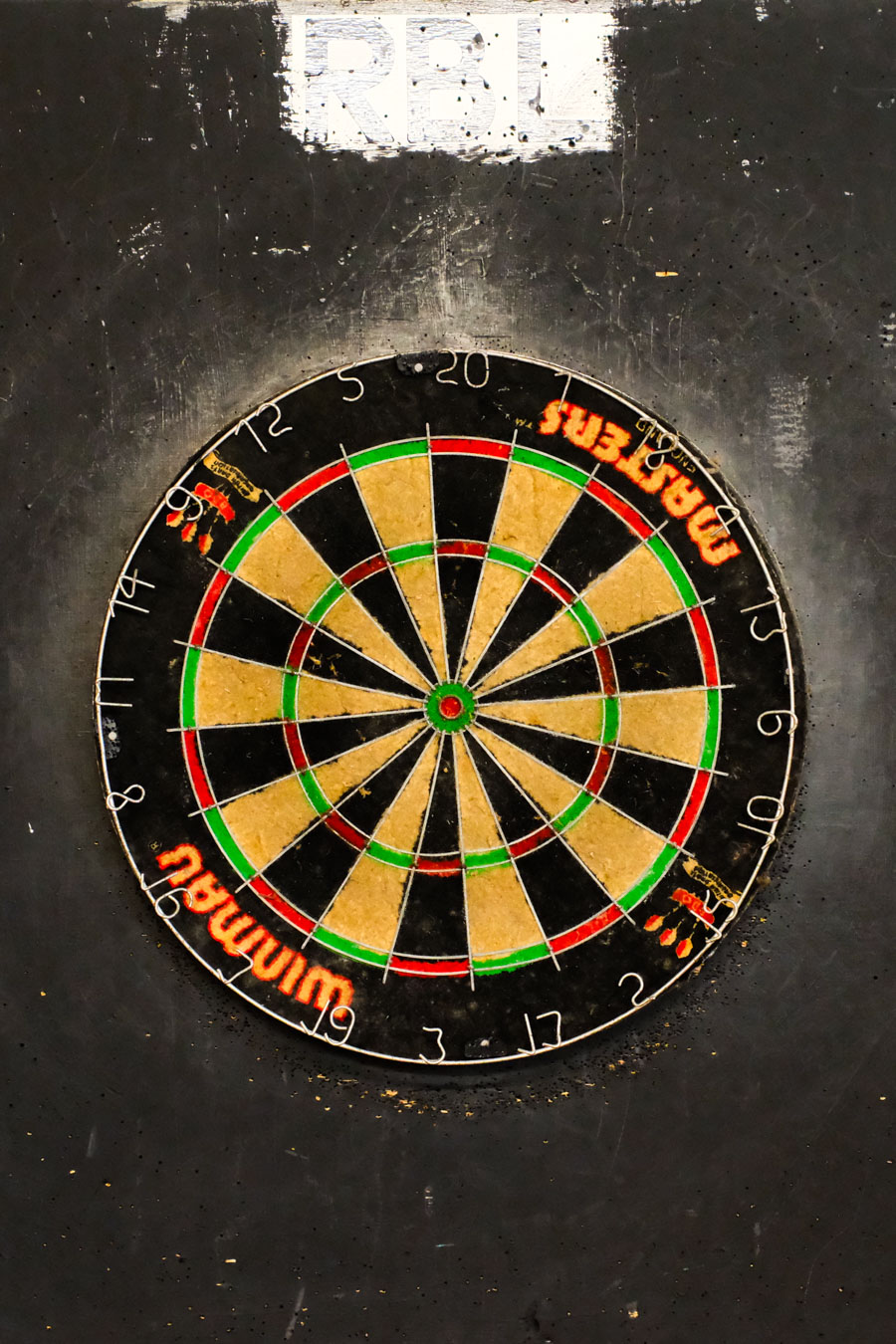
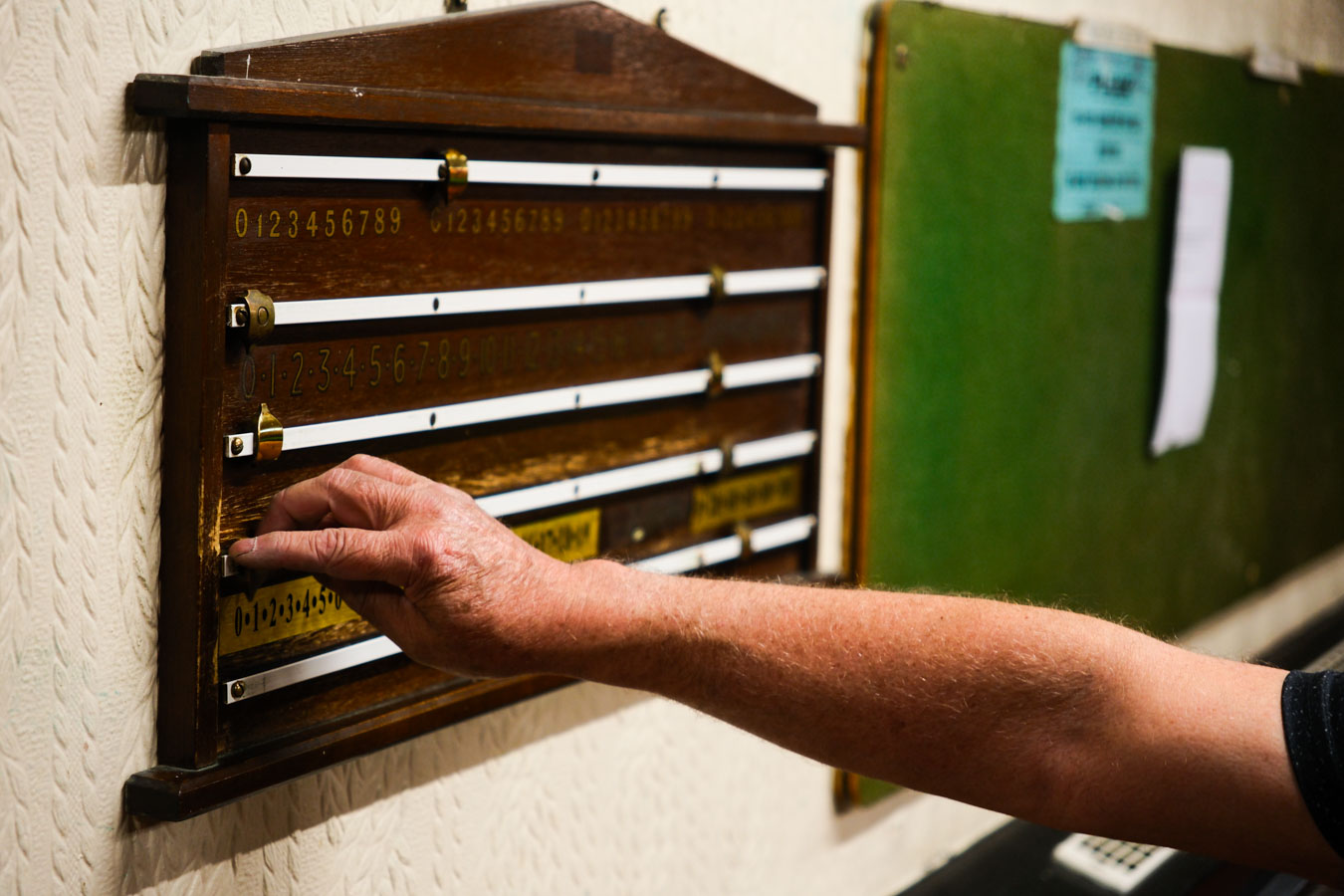
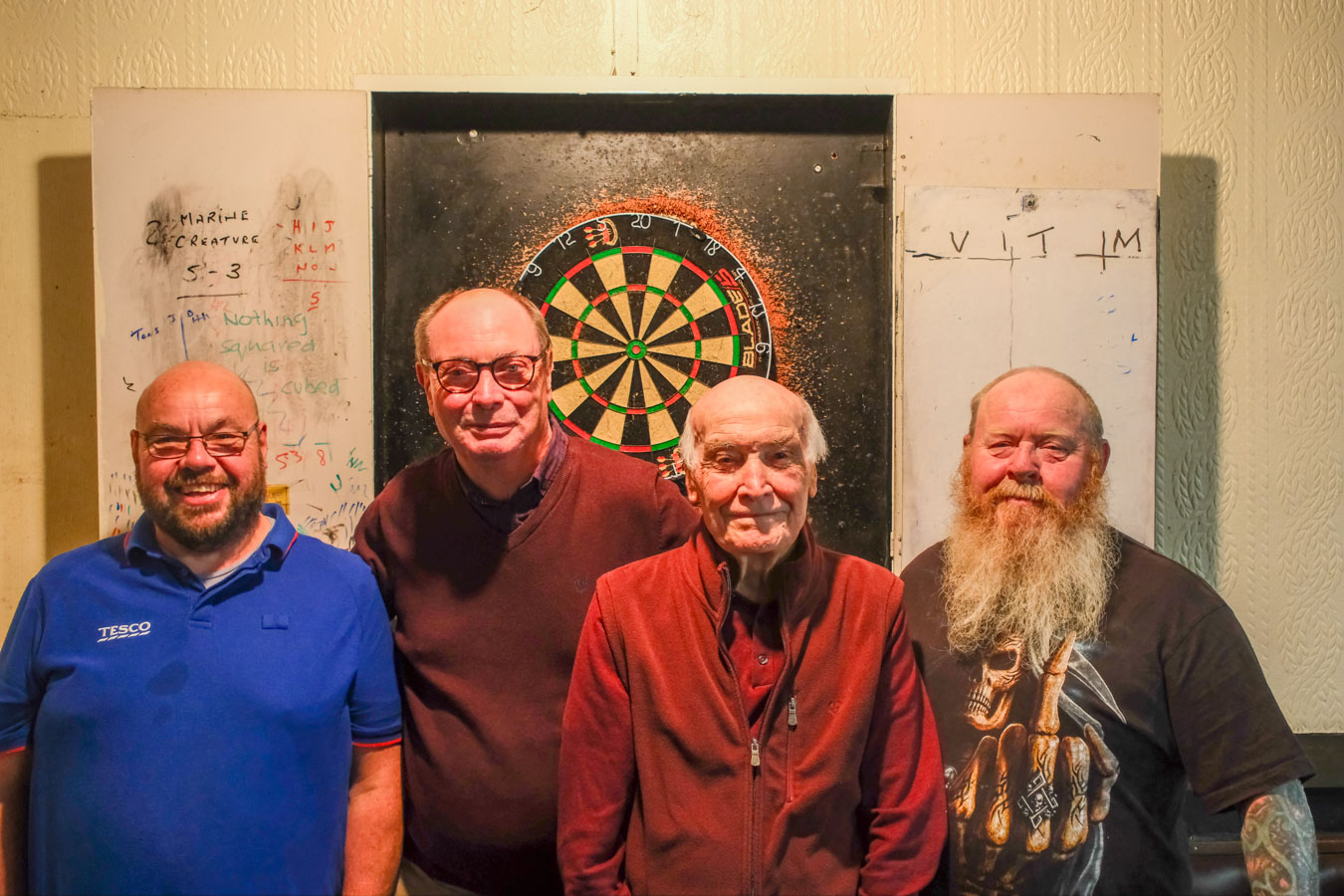
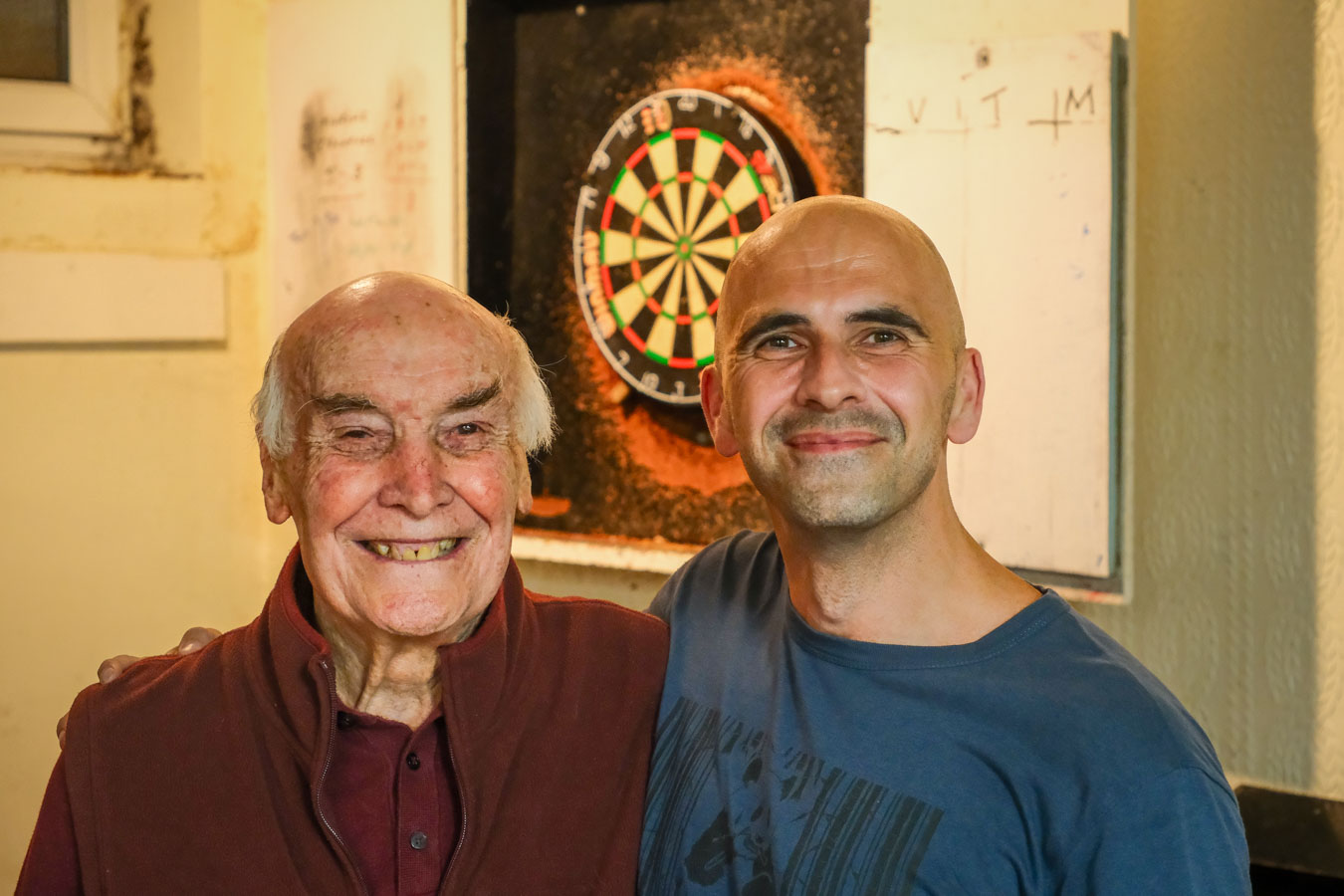
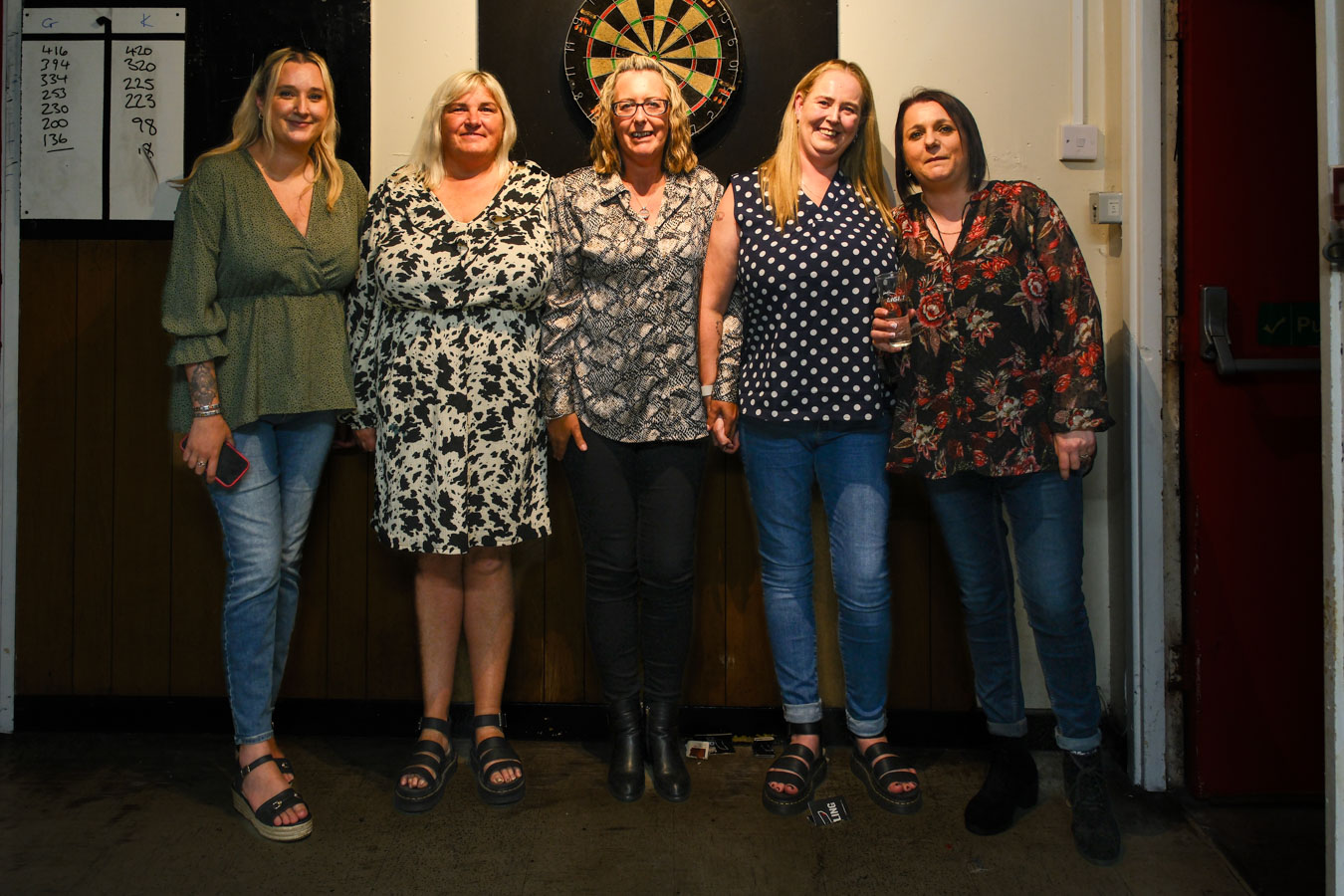
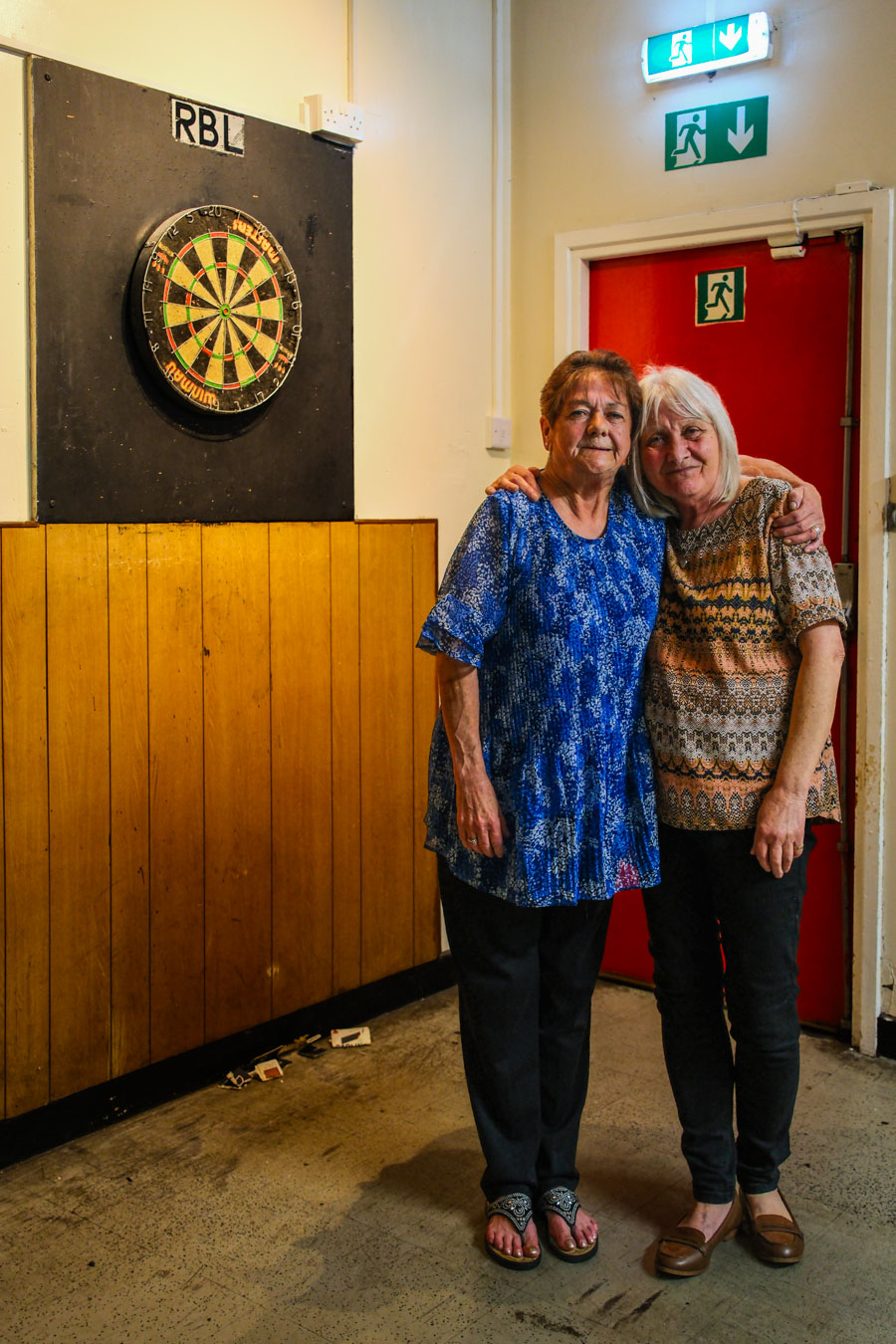
Someone else told me about the joke trophy for an old boy long passed “champion gurner.” Another remembered how the darts lads used to write clues to crossword puzzles on the scoreboard when they got stuck, hoping someone else might come along and fill in the answers.
At one point, someone said to me, “Where were all these people before, hey? If they’d come earlier maybe it wouldn’t be closing.”
But that’s not really how the world works, is it? It’s a fair point, but sometimes we only return to these places out of nostalgia. And nostalgia, by its very nature, is for something that doesn’t exist anymore.
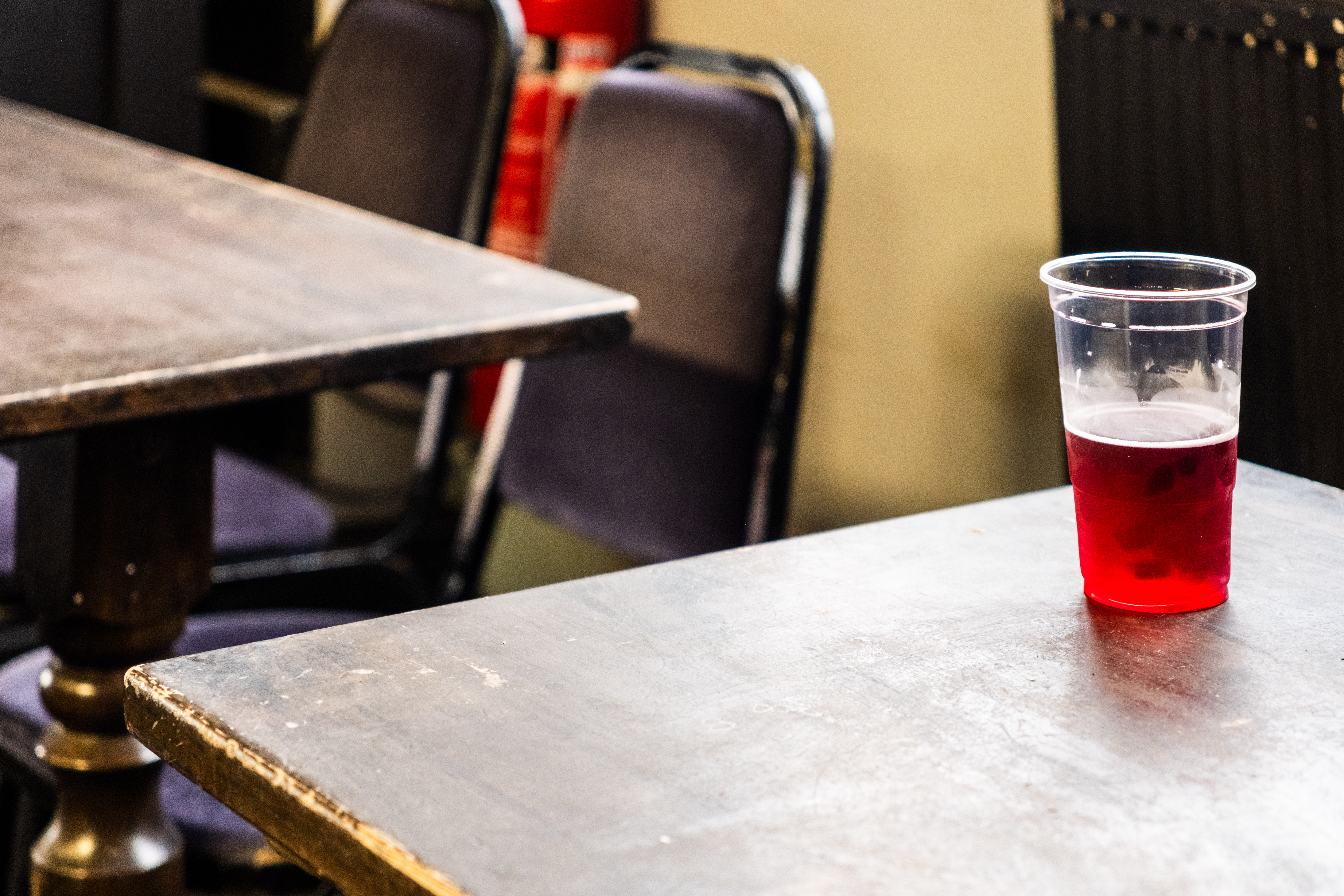
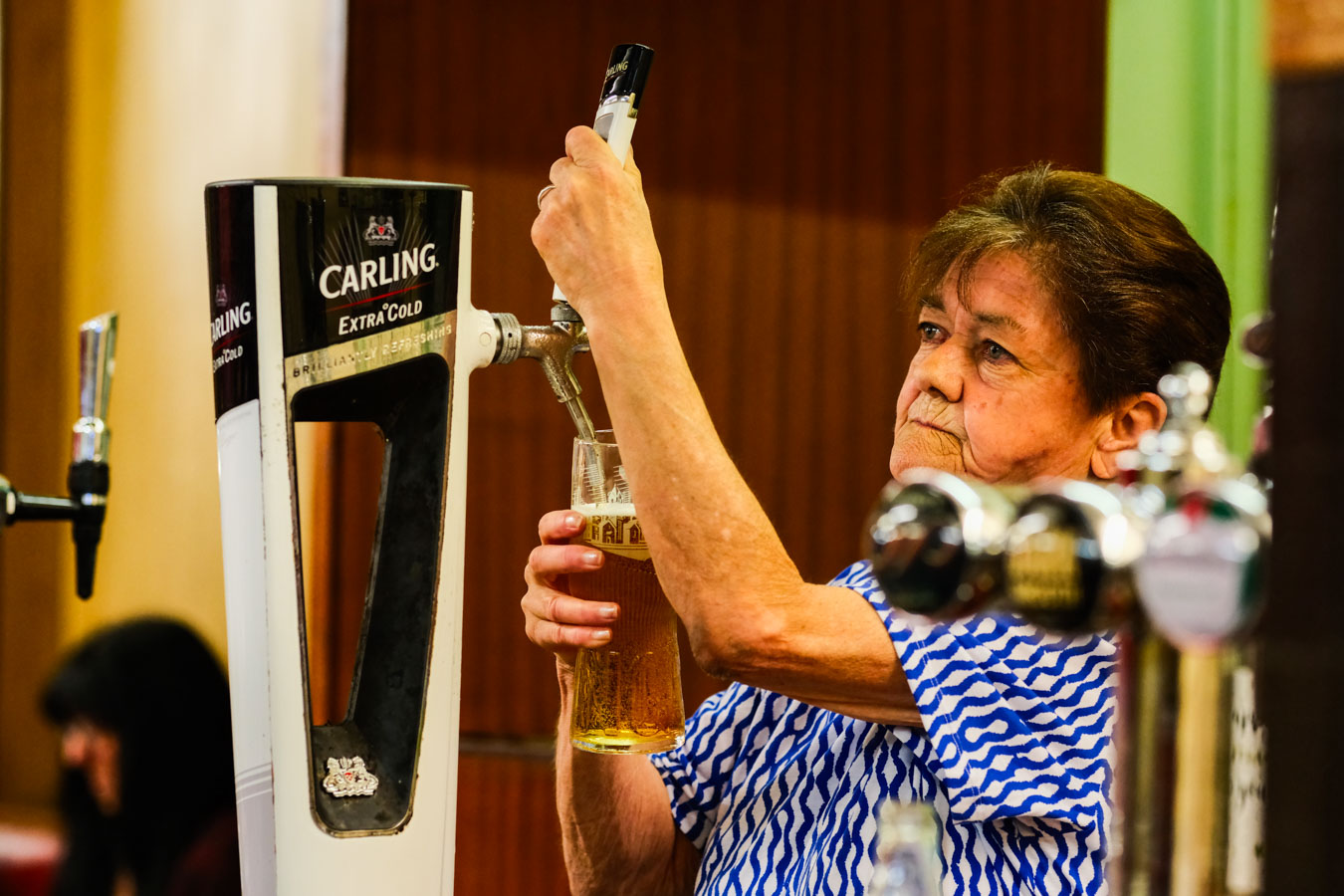
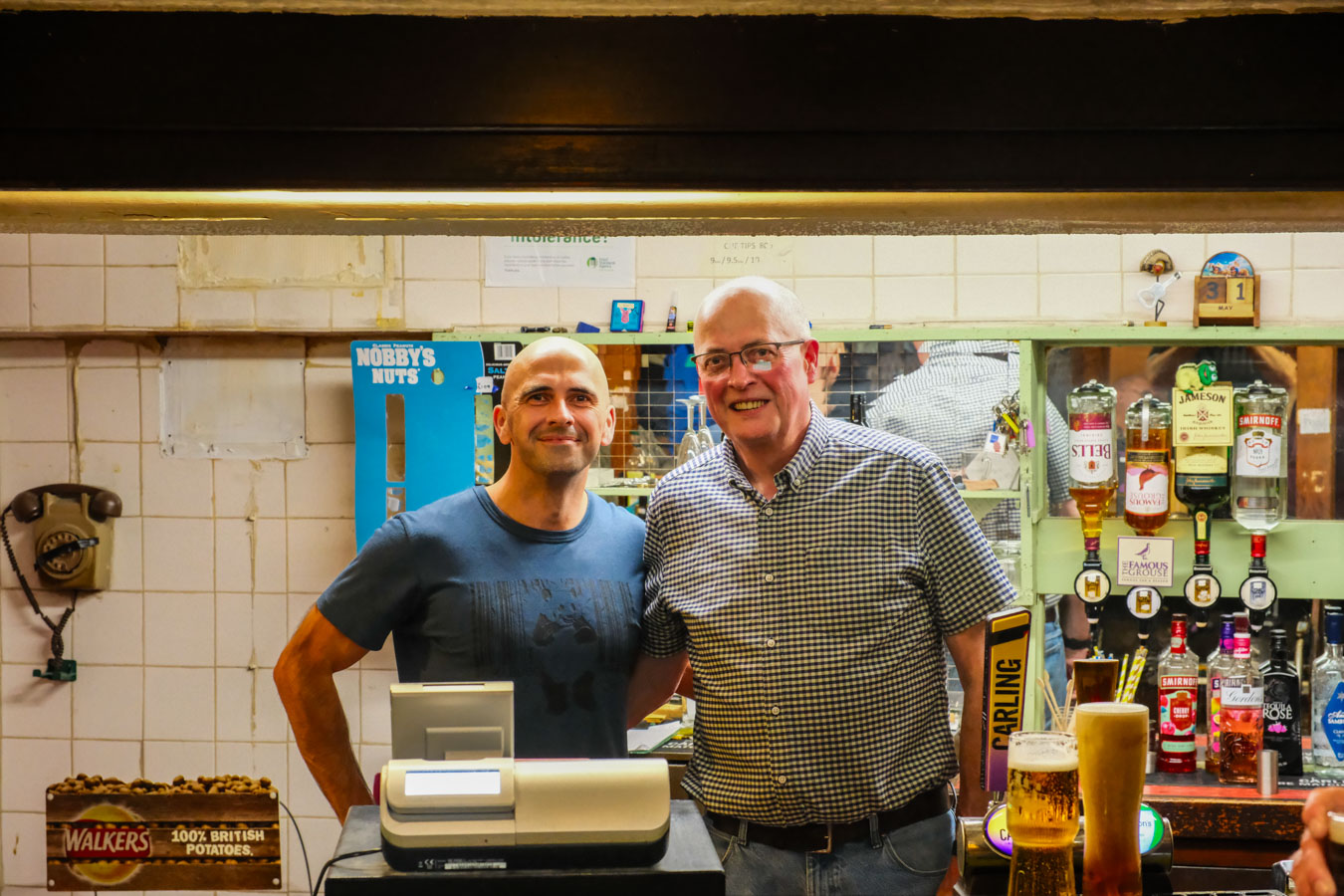
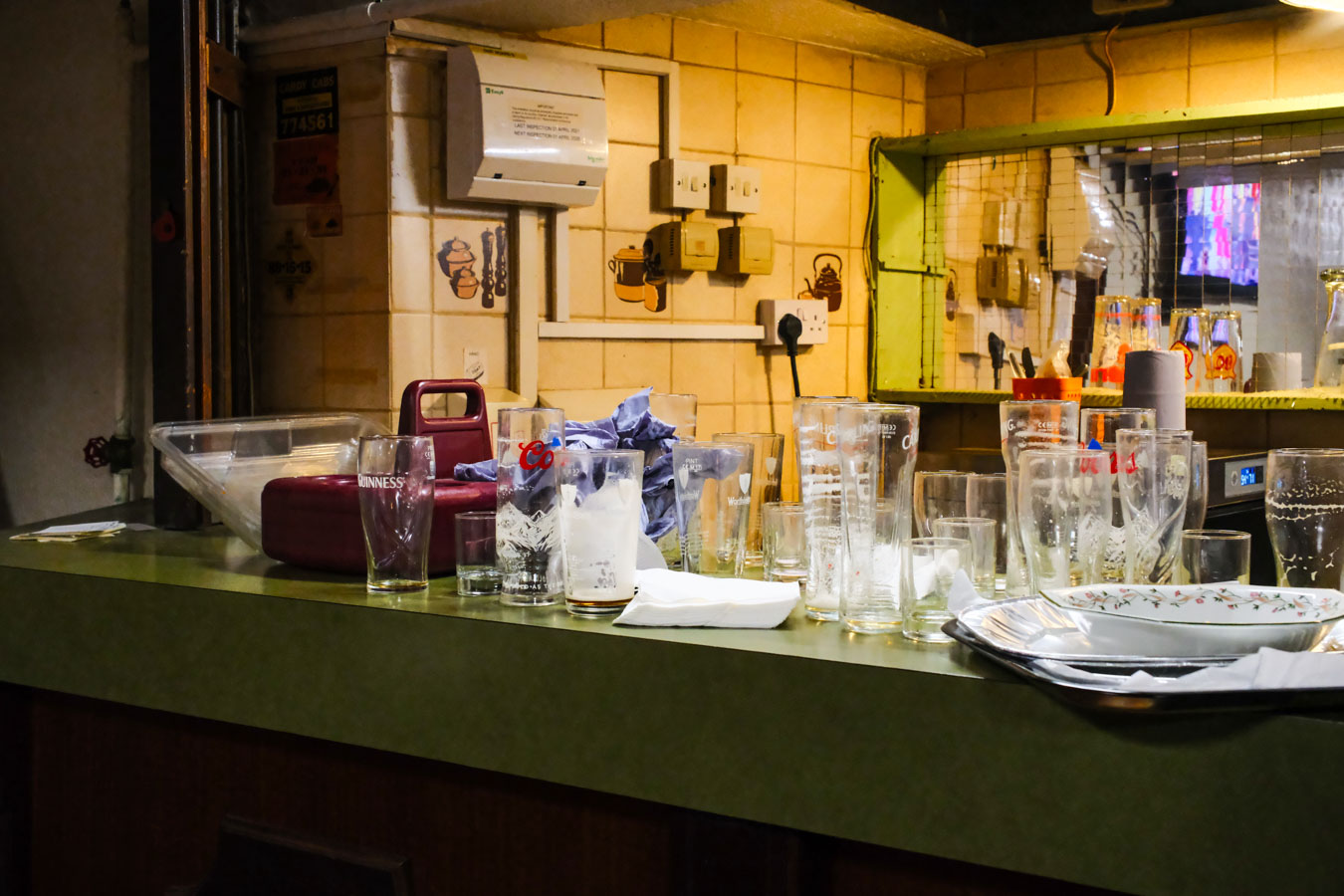
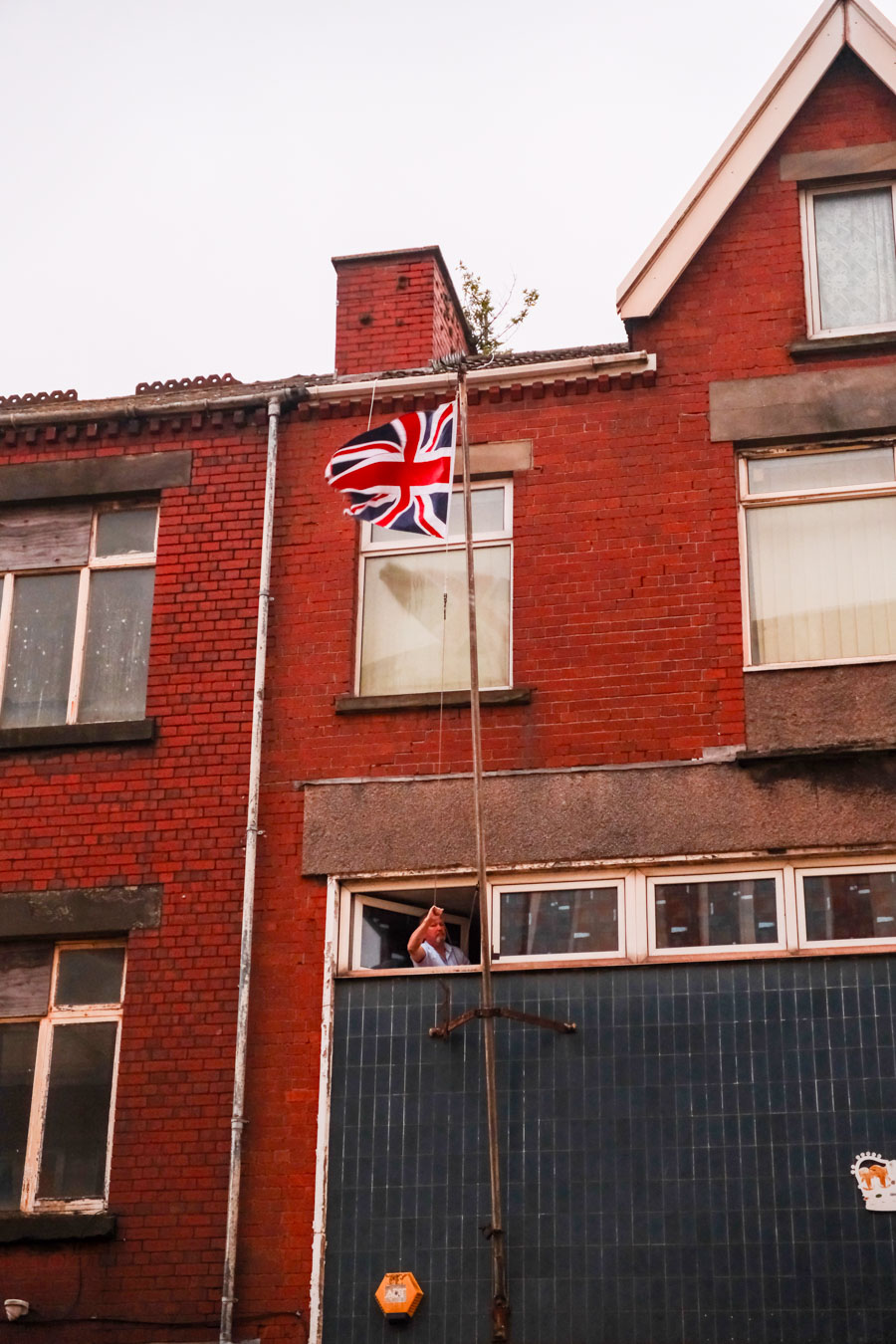
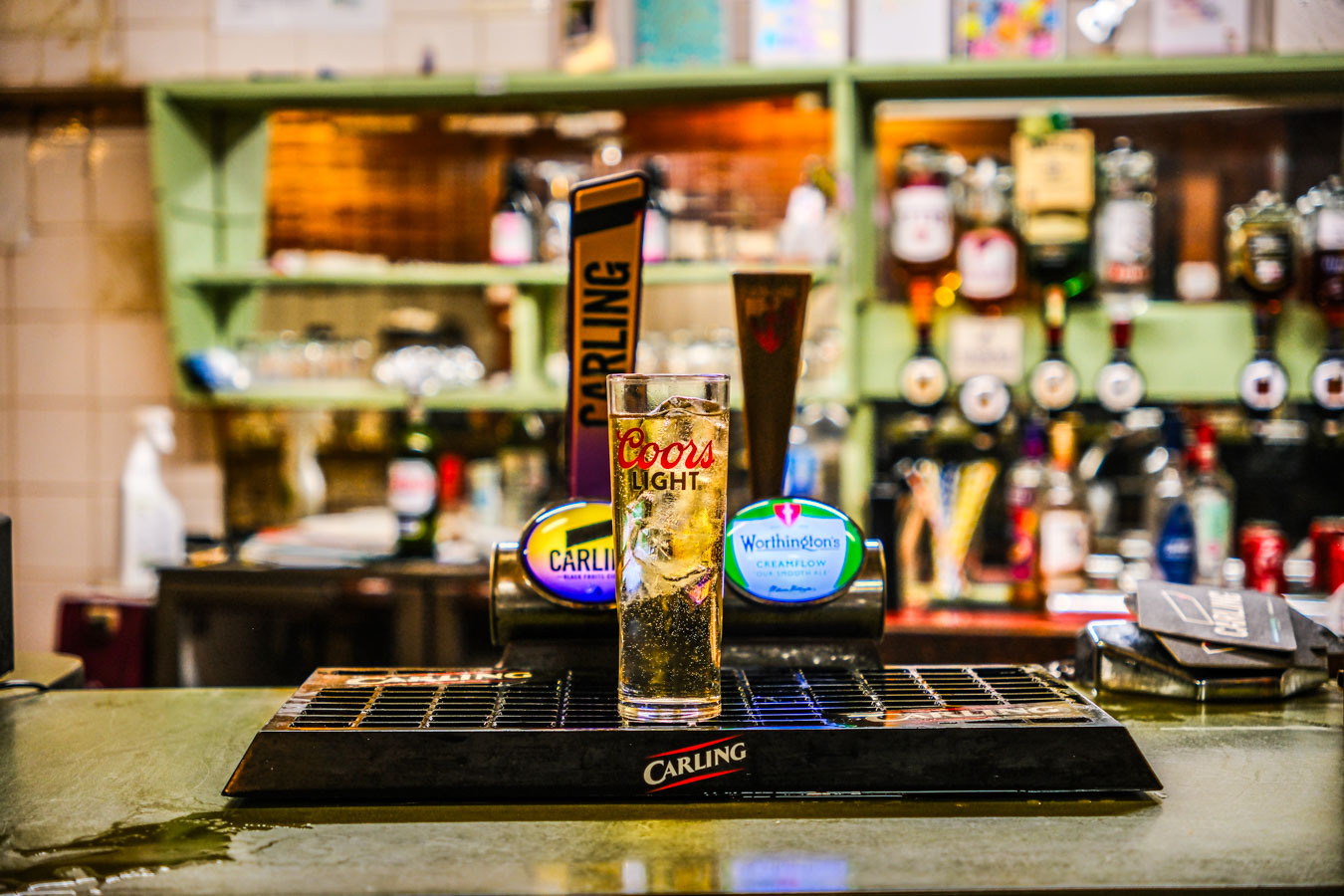
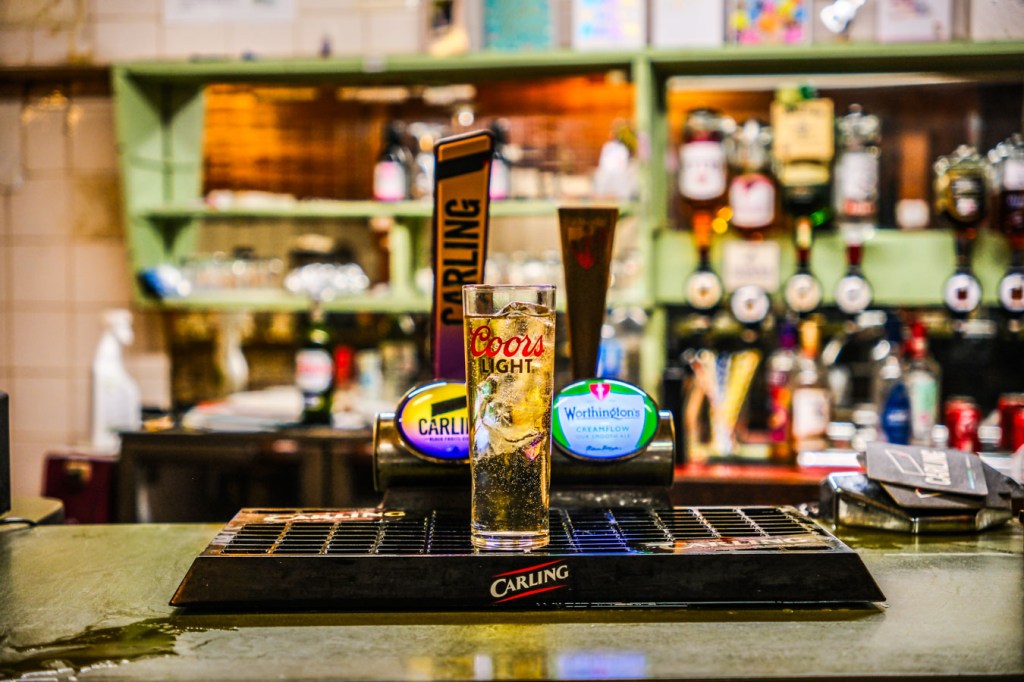
John Pugh’s “sexy drink” – ice, grouse, bells, and soda water (leave a half inch at the top). The last official drink served at the Royal British Legion Port Talbot













































































































































































 KarlJones.Photography