As part of the upcoming development in Porthcawl, a number of buildings will be removed to make way for regeneration. One friend has coined the name “The Grim Peeper”, joking that as businesses close, I arrive with my camera. It’s a funny notion, but not completely untrue. Much of what I do is centred around transition, and it can be difficult not to feel compelled to document endings.
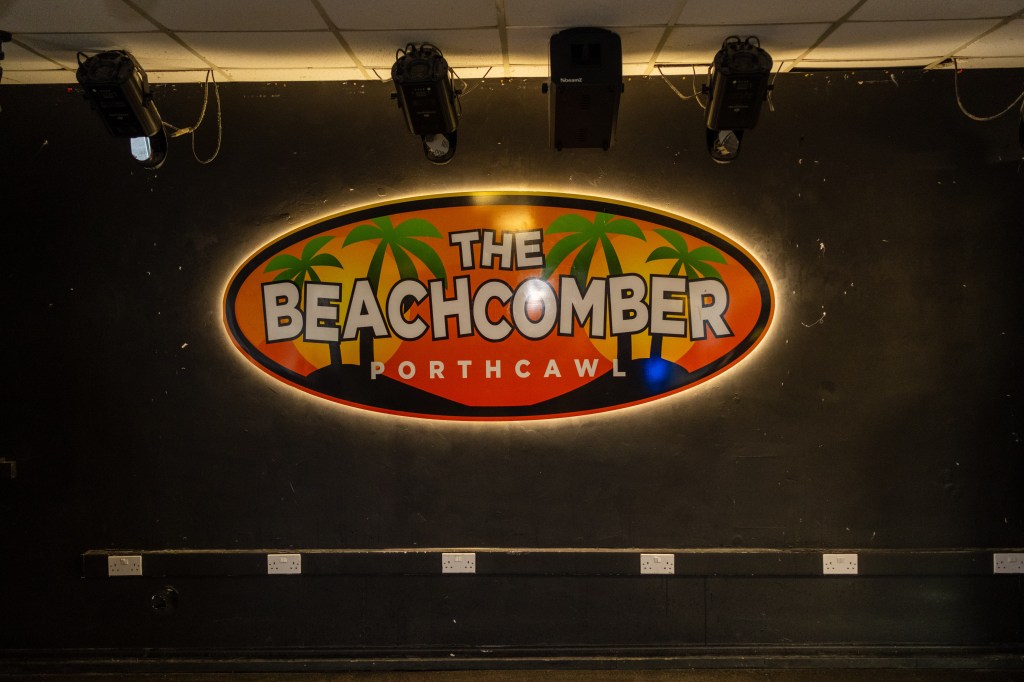
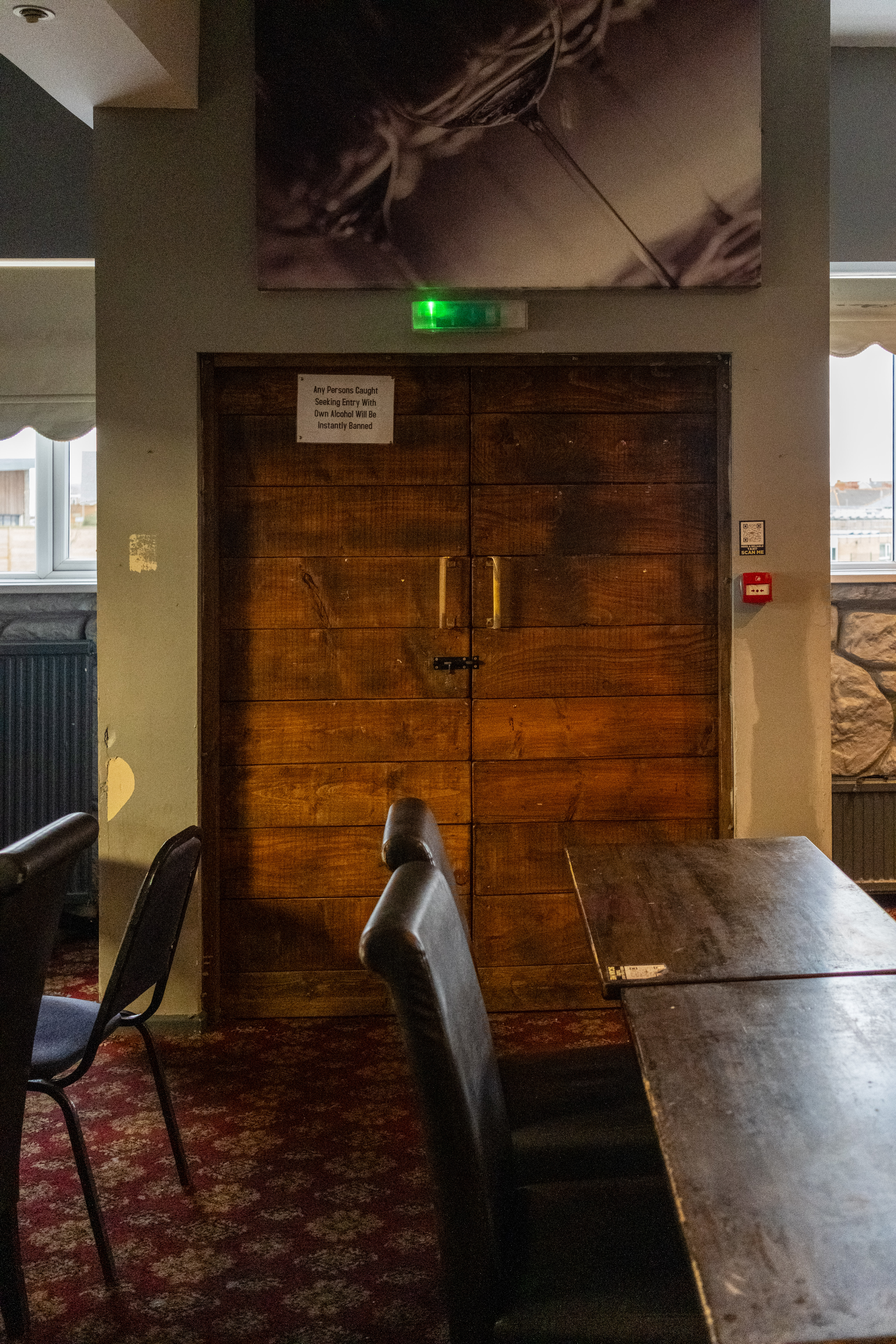
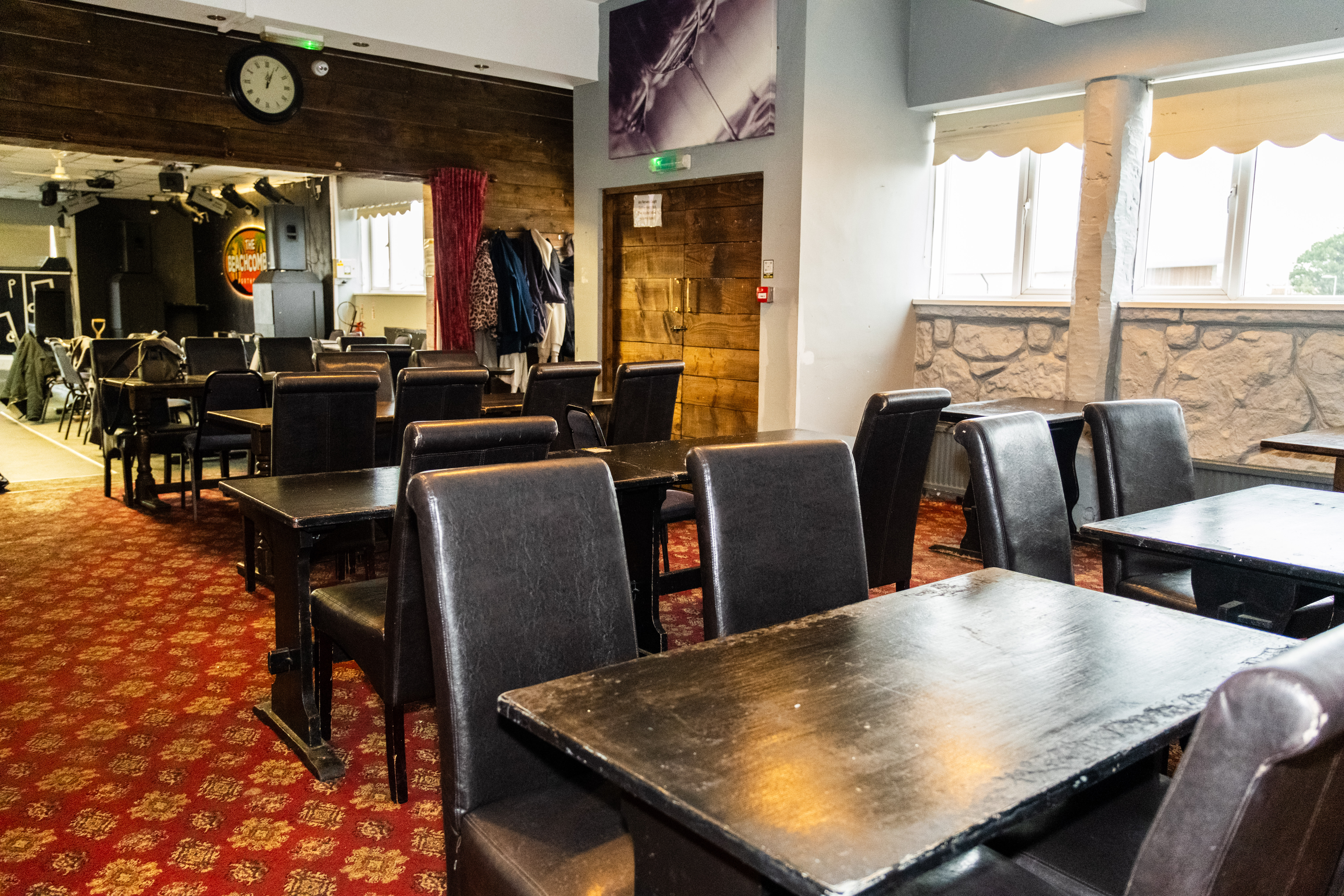
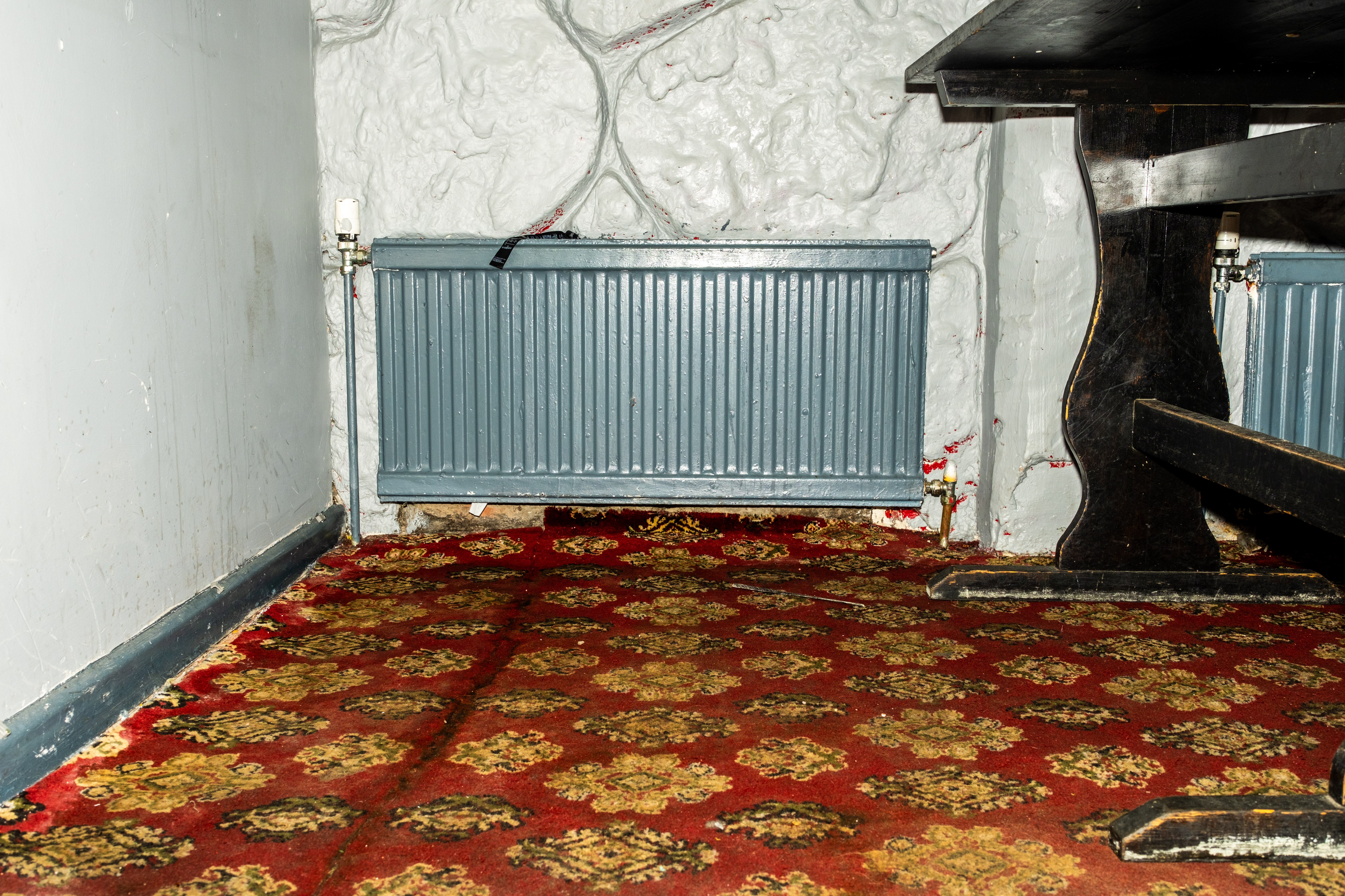
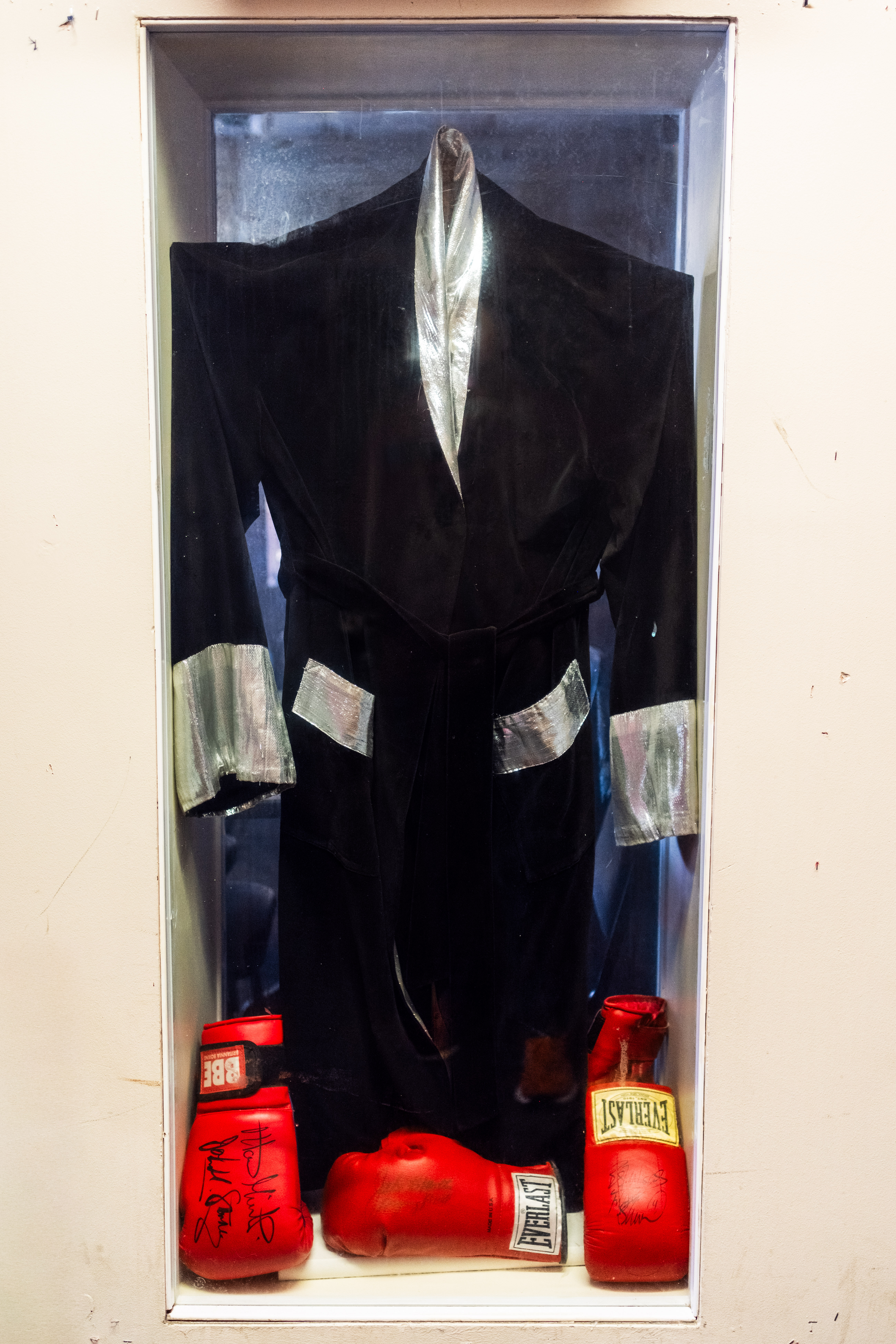
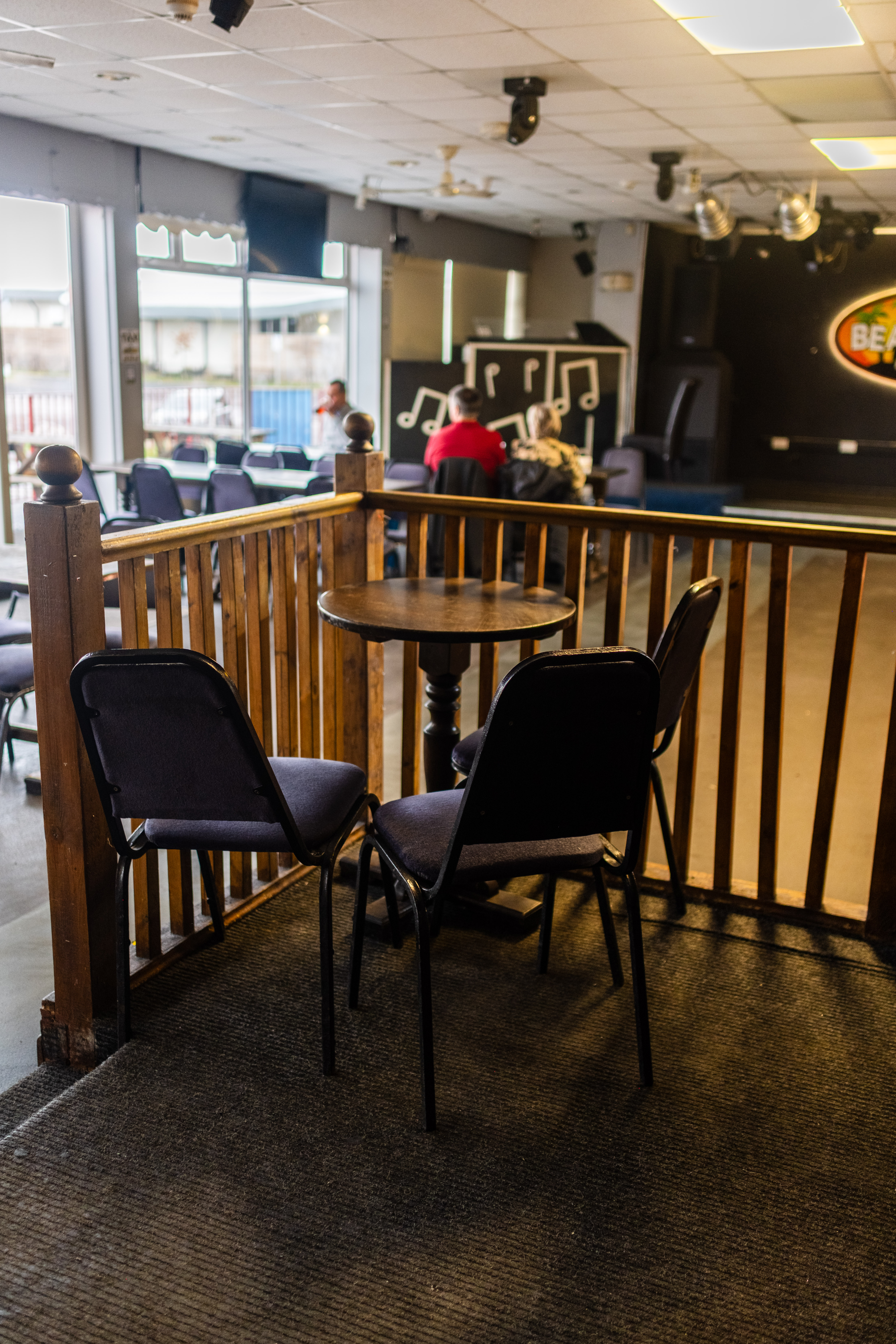
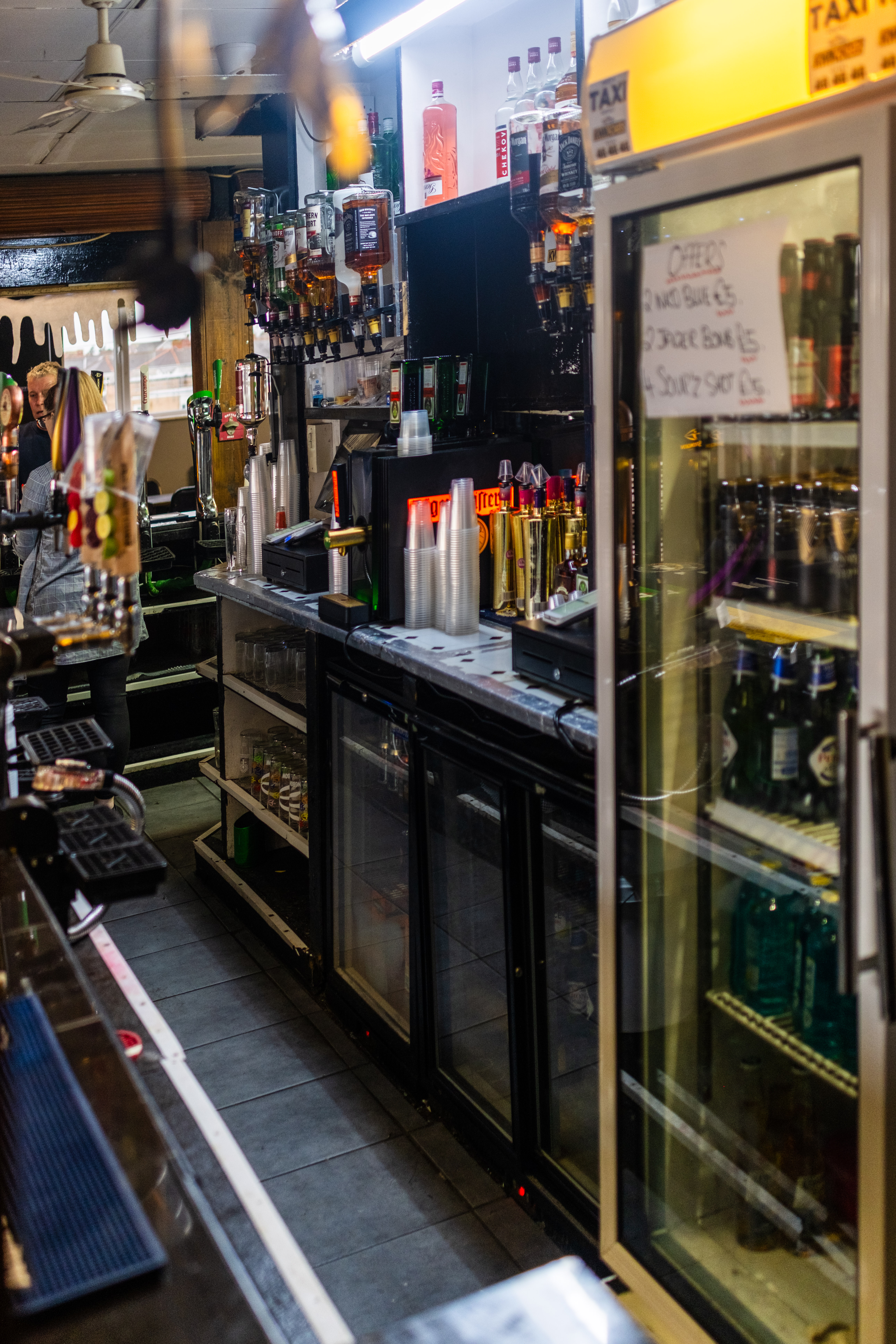
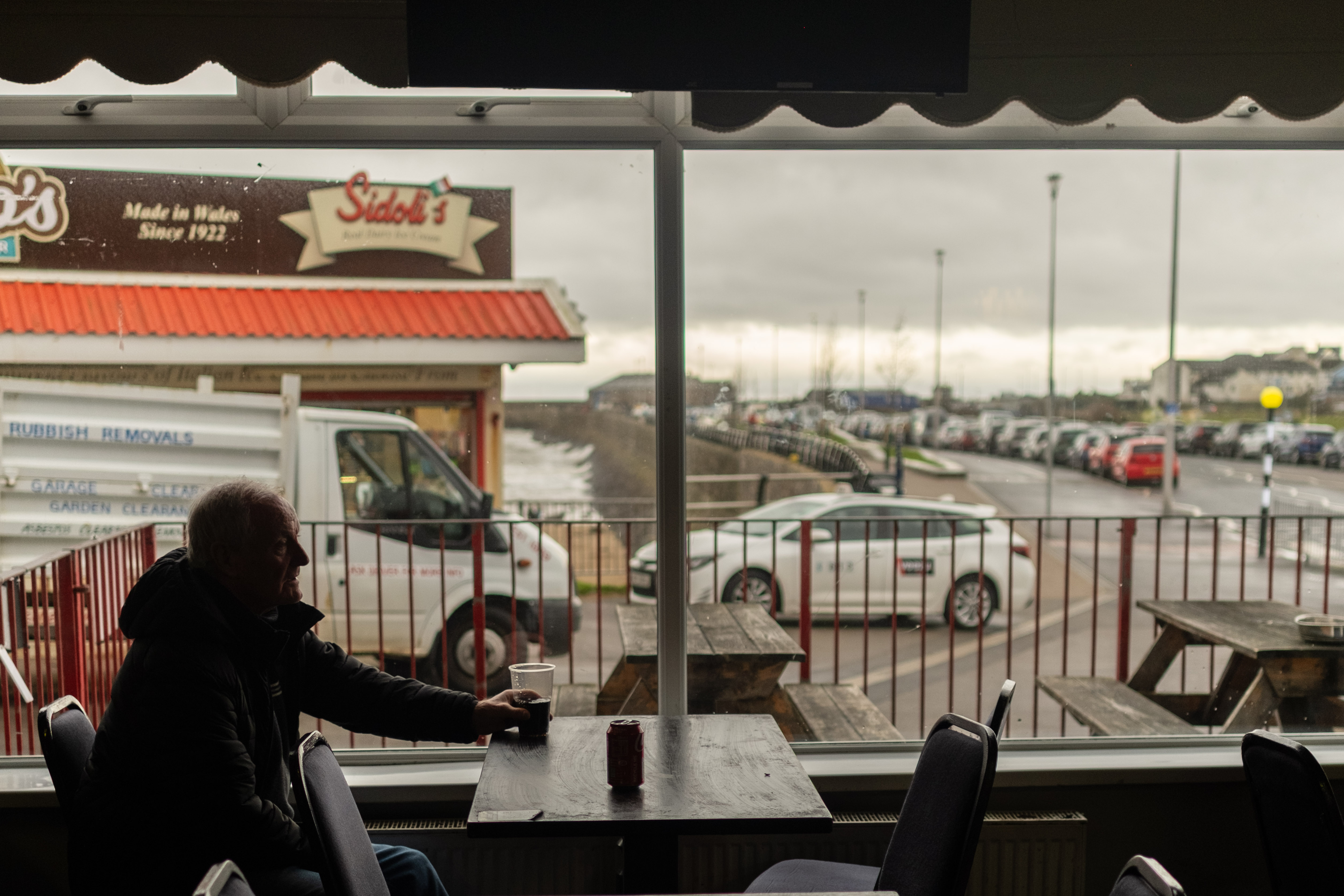
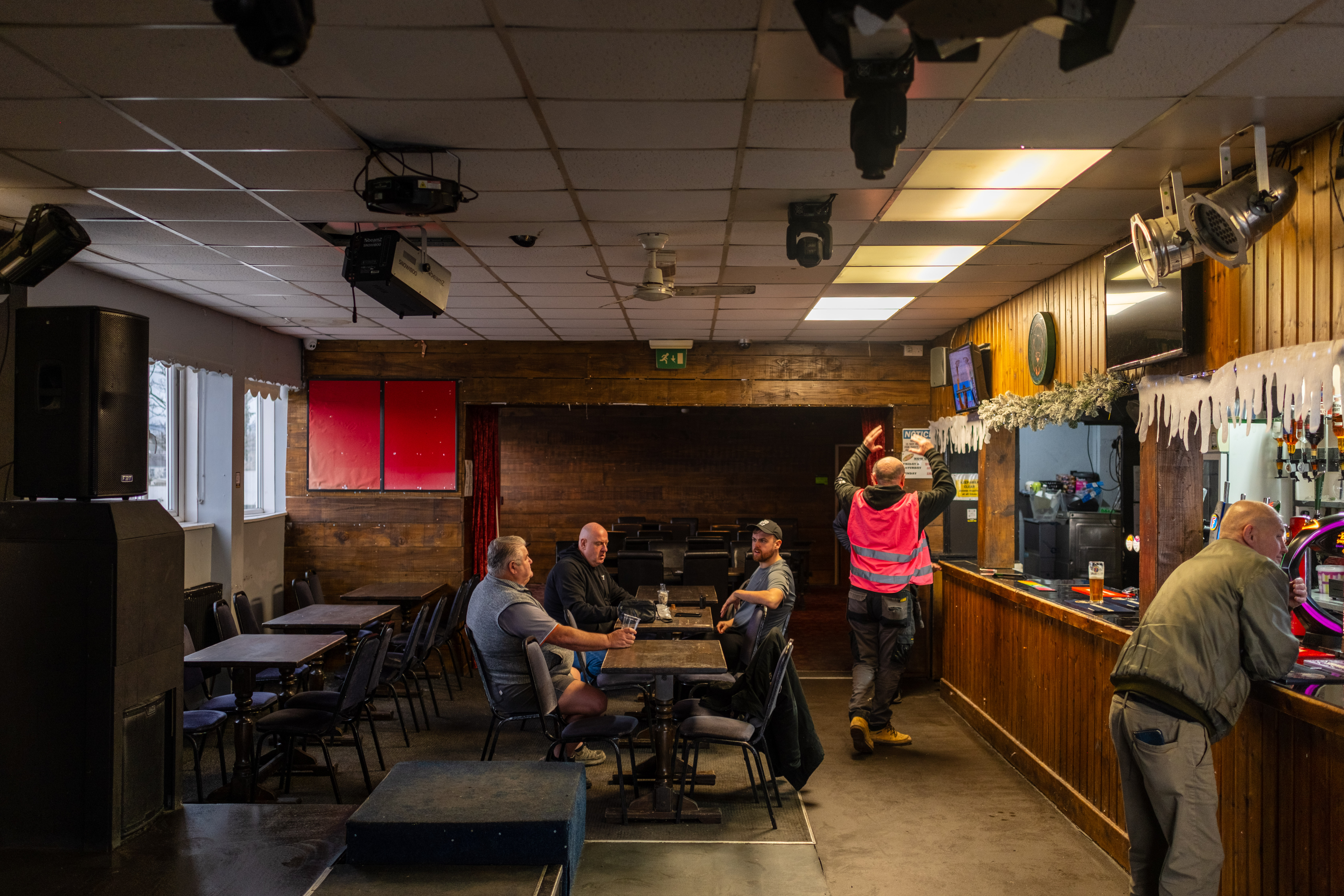
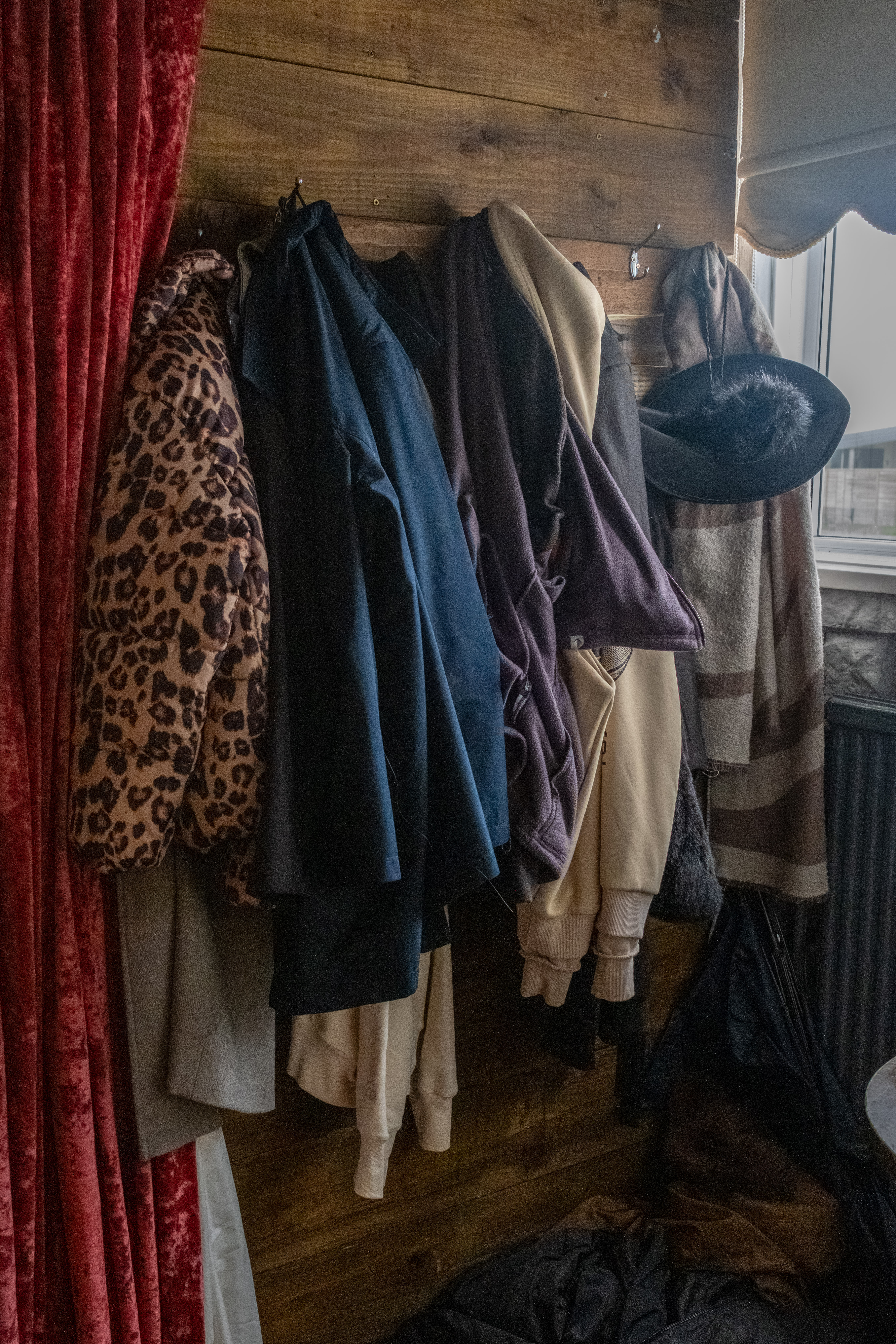
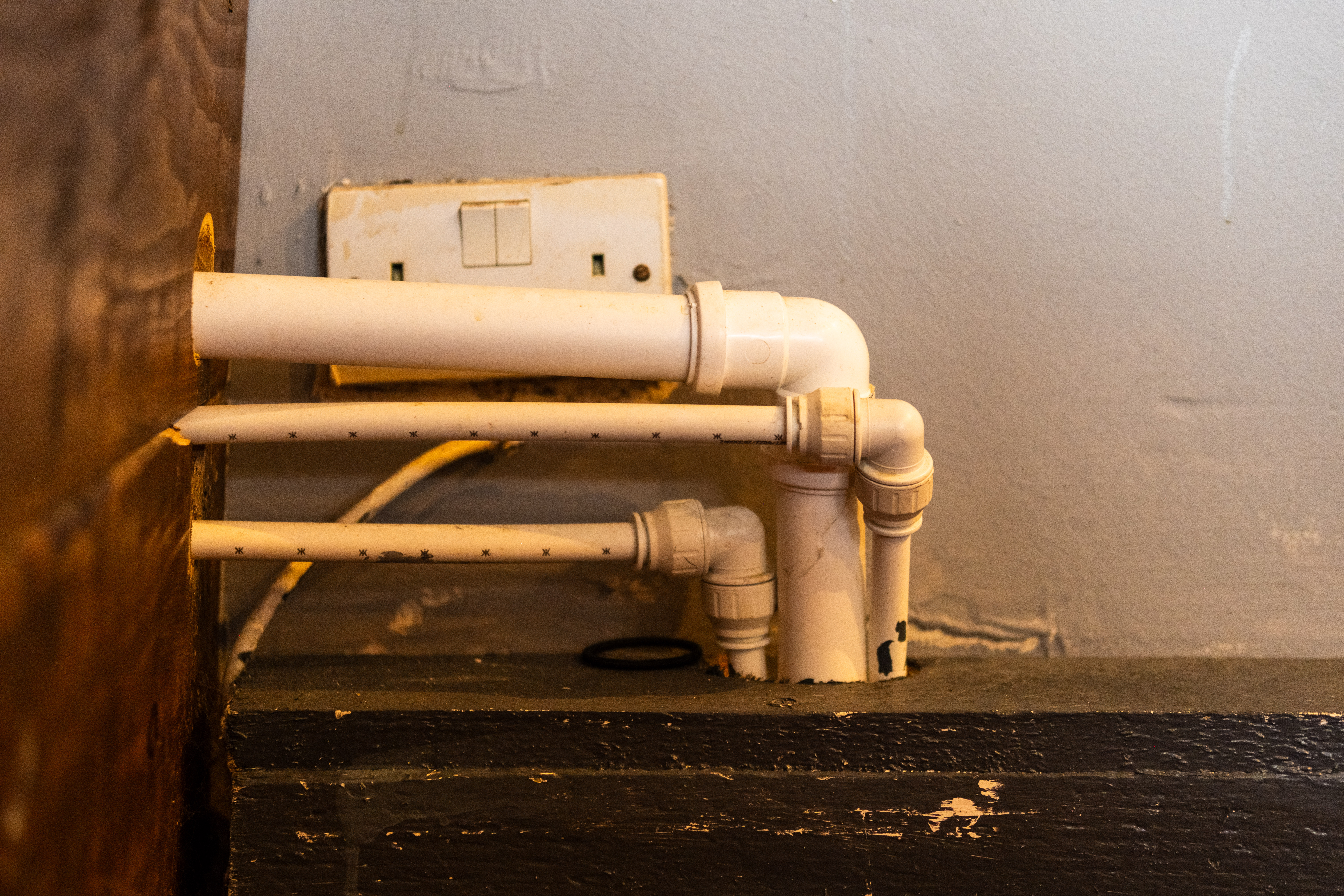
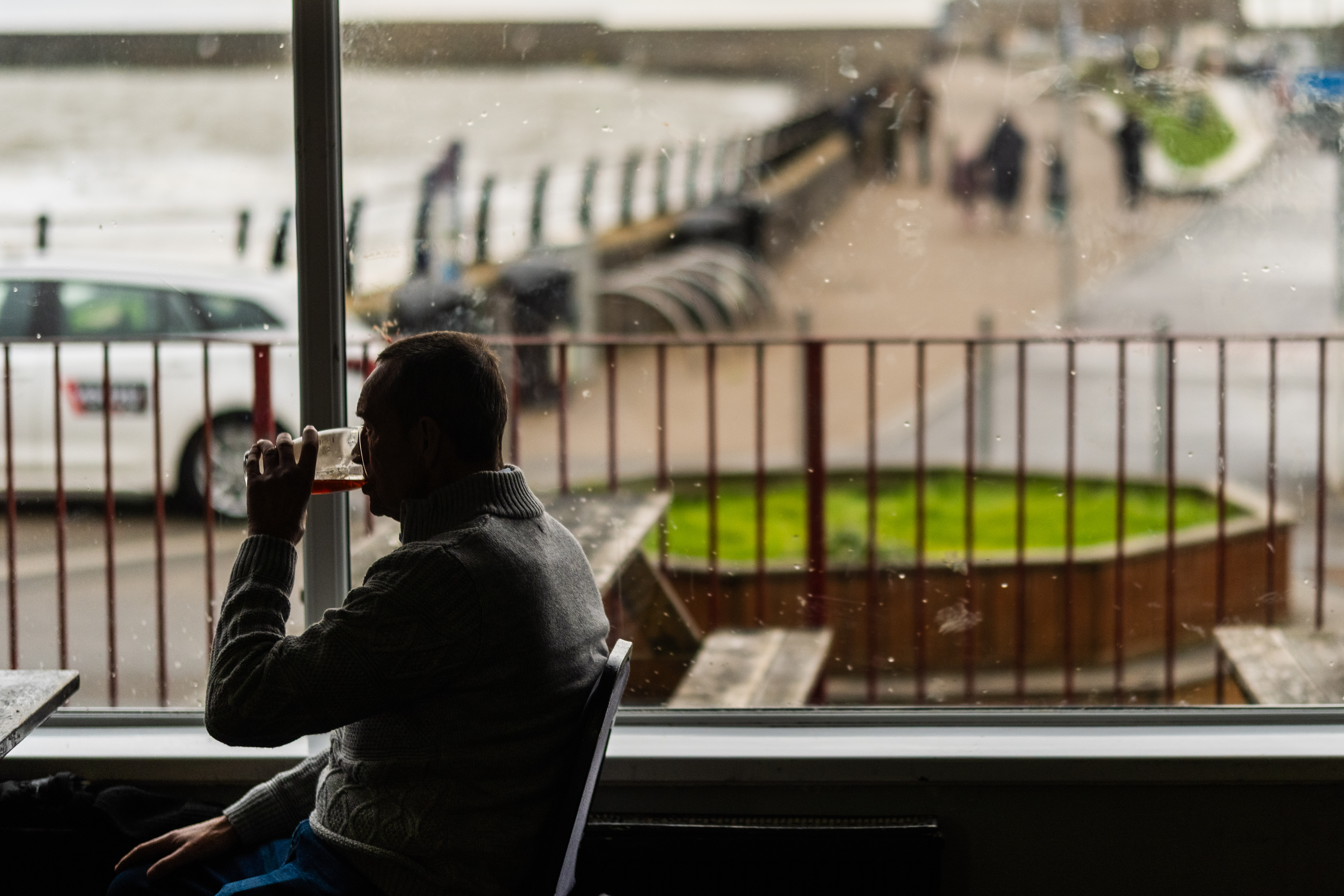
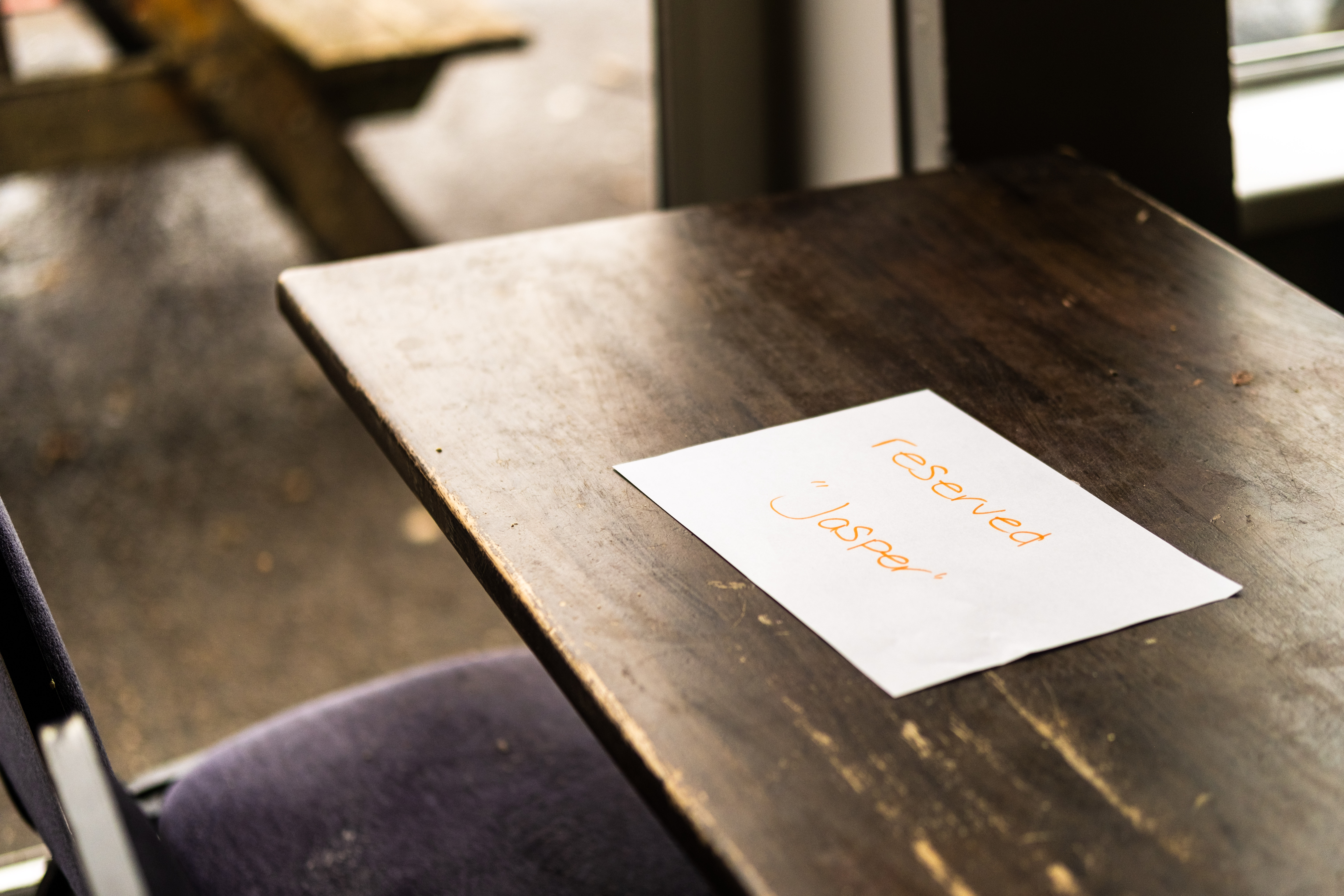
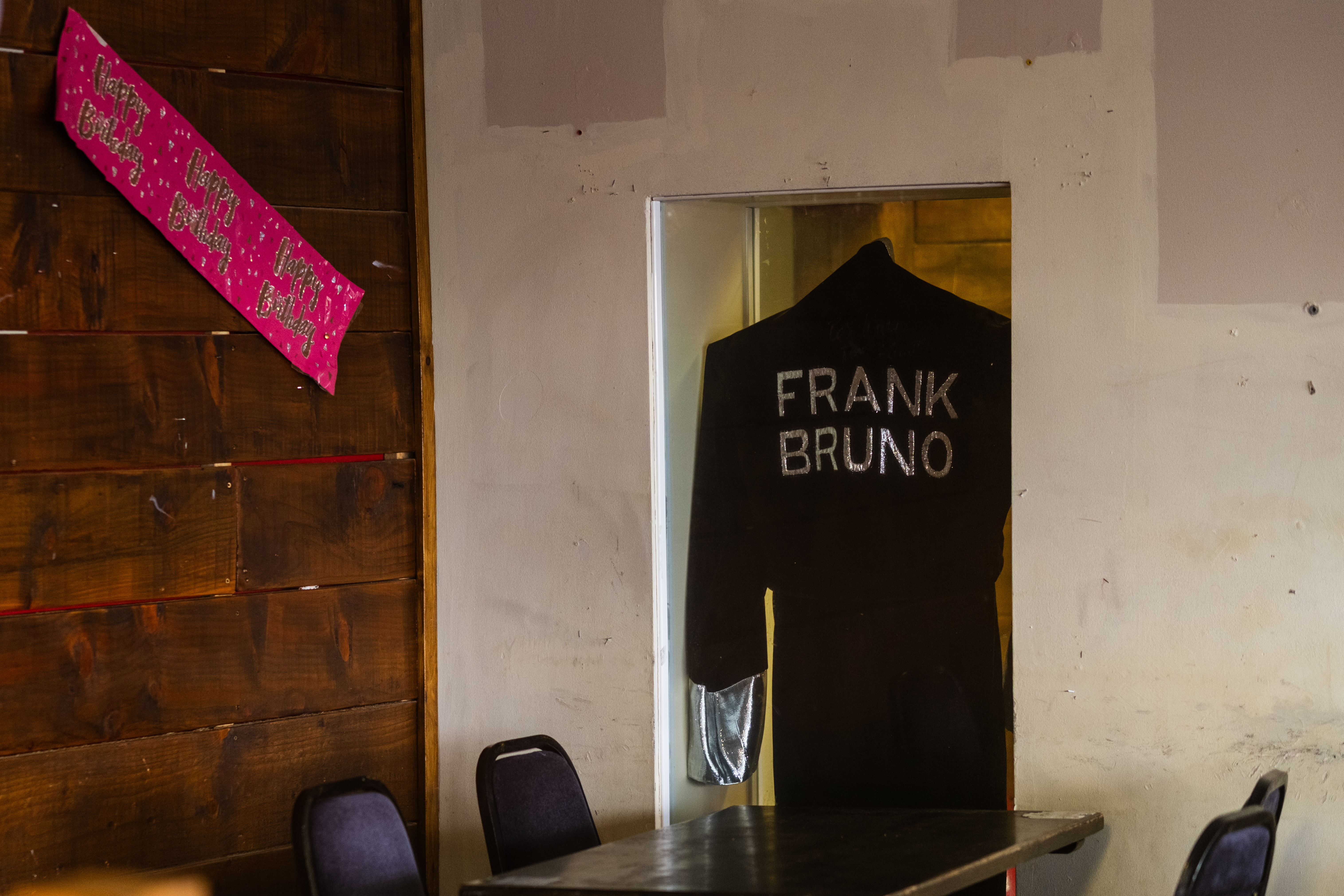
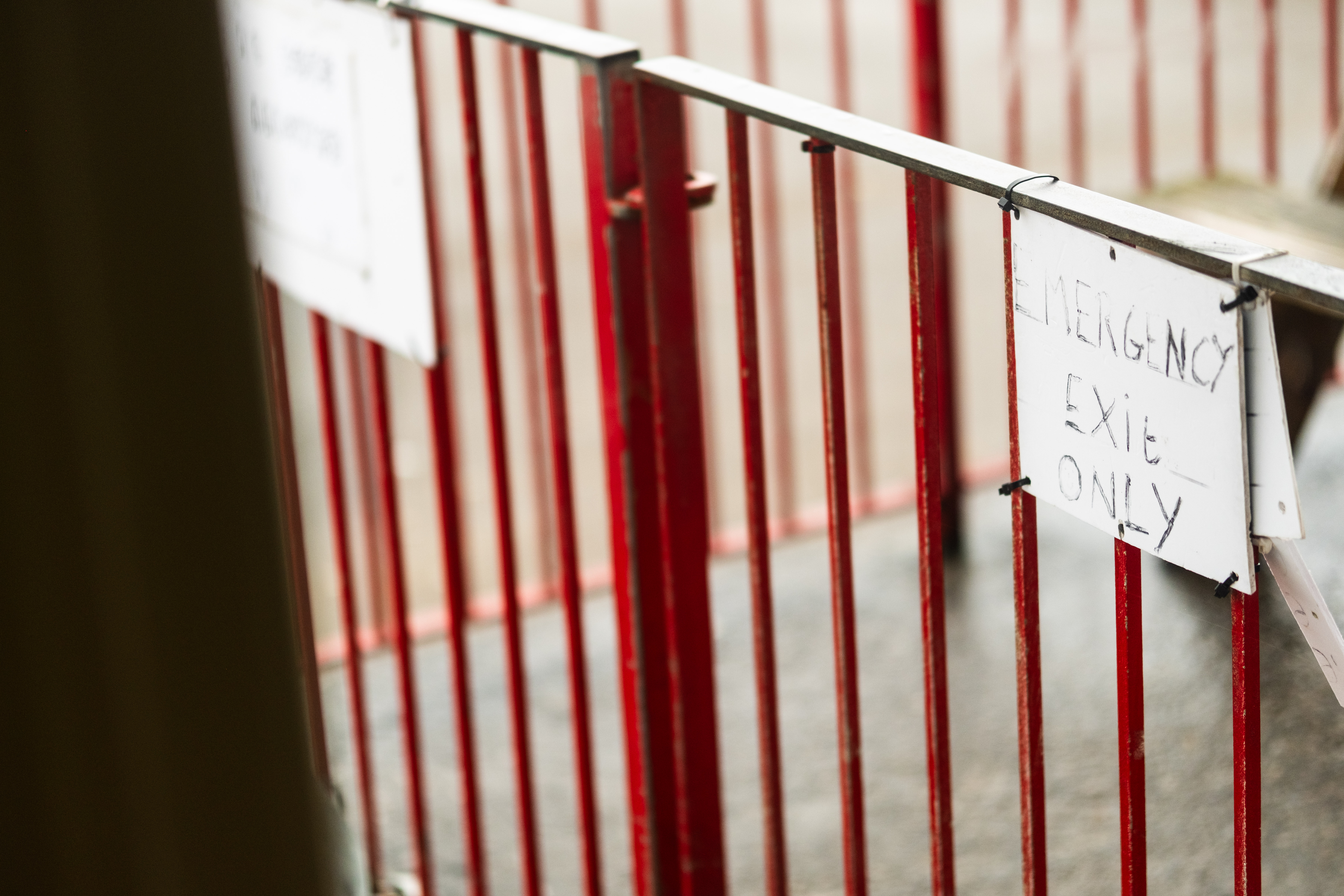
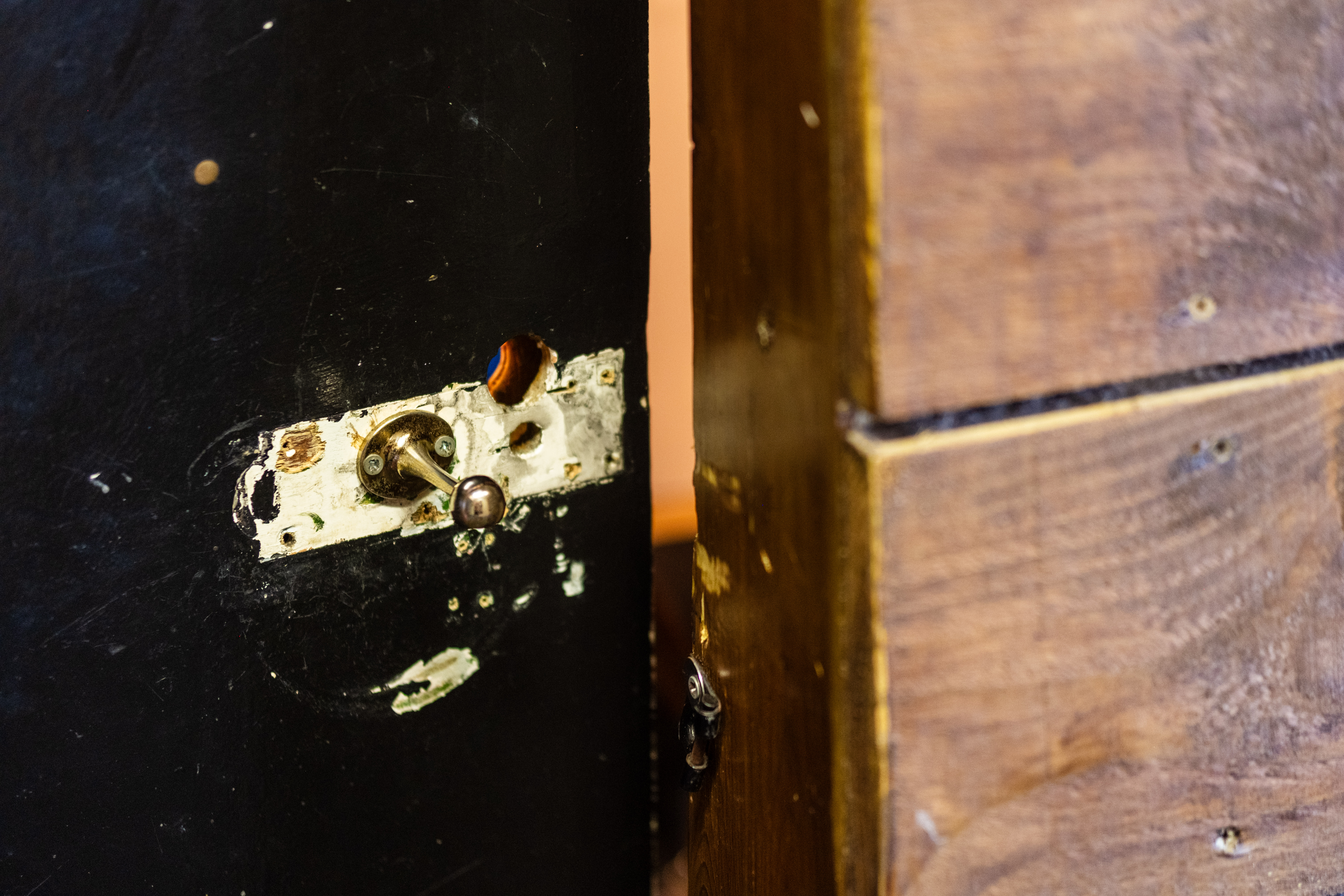
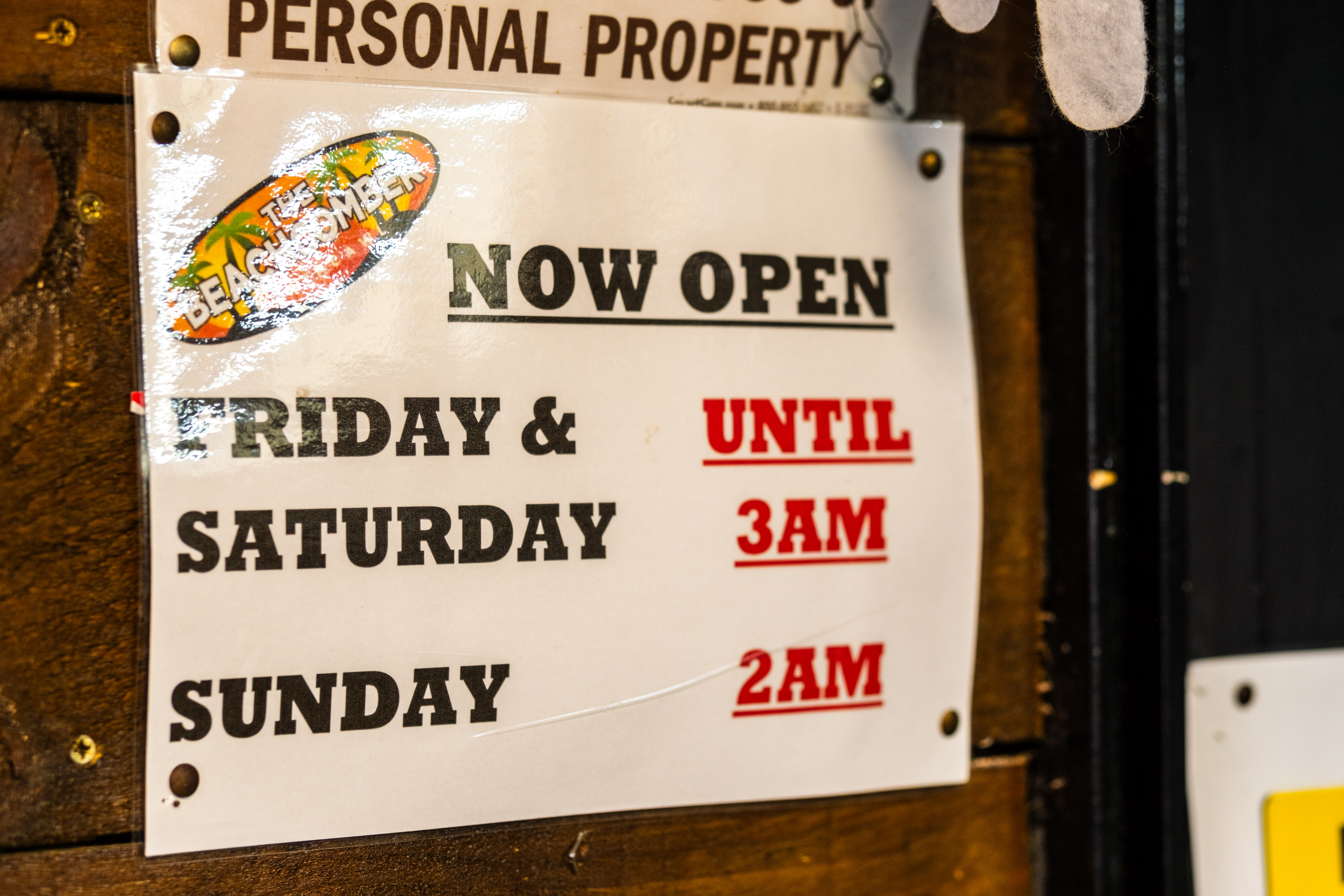
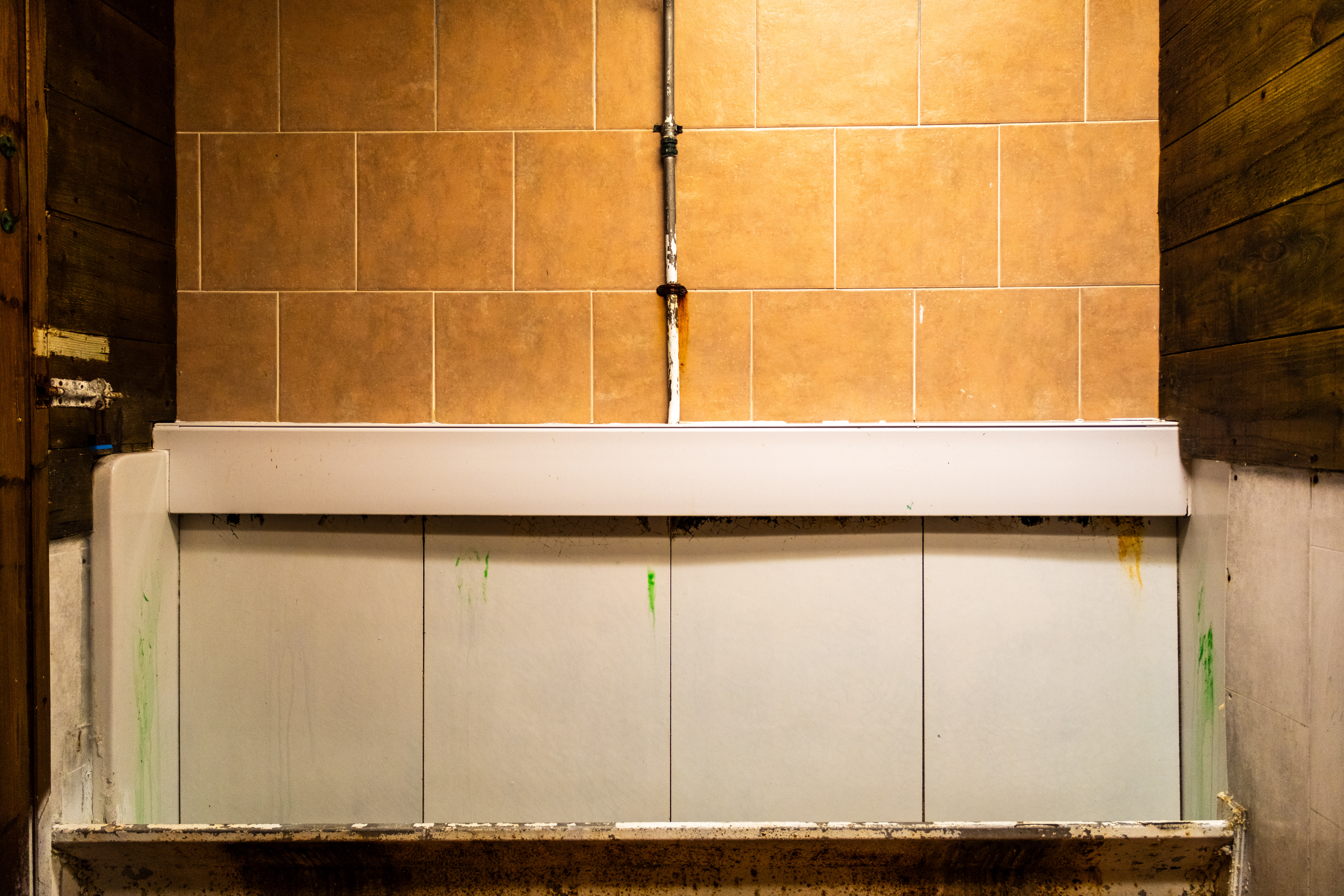
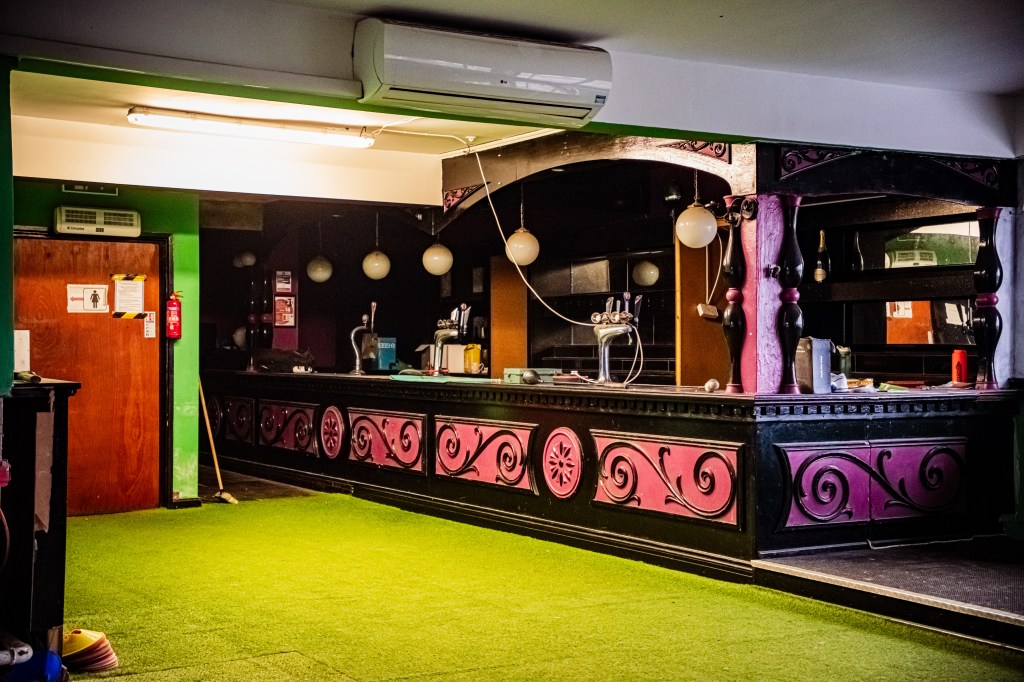
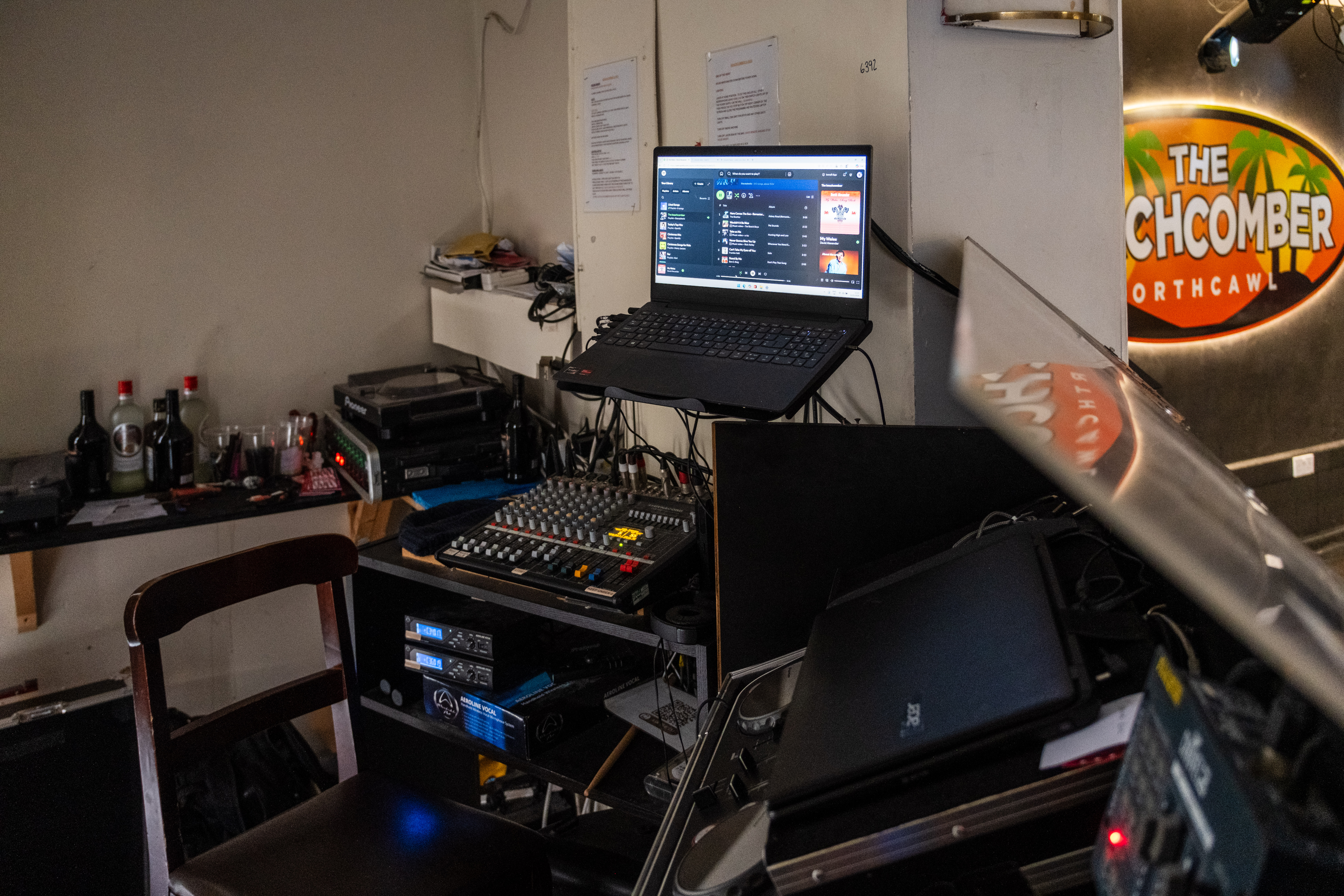
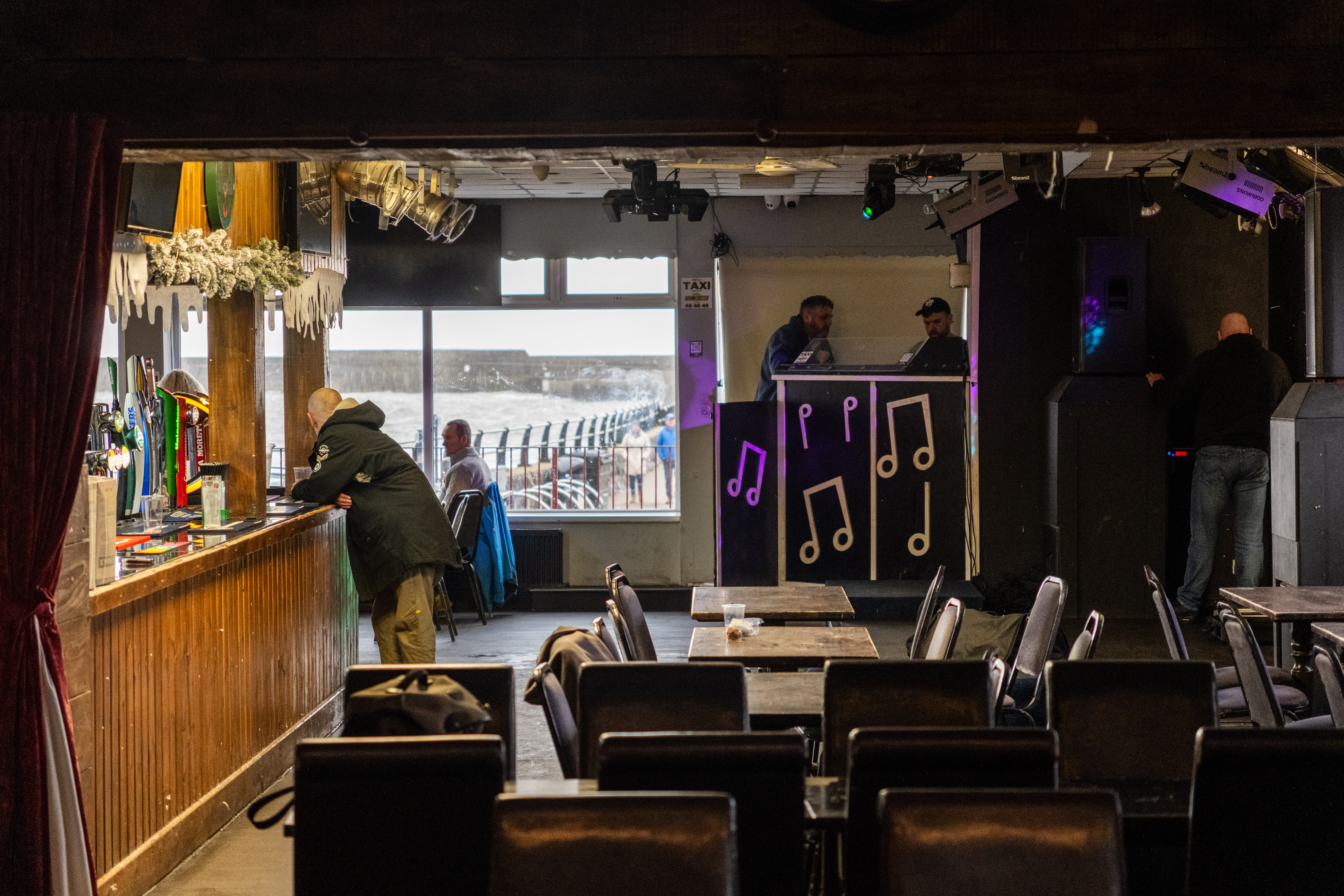
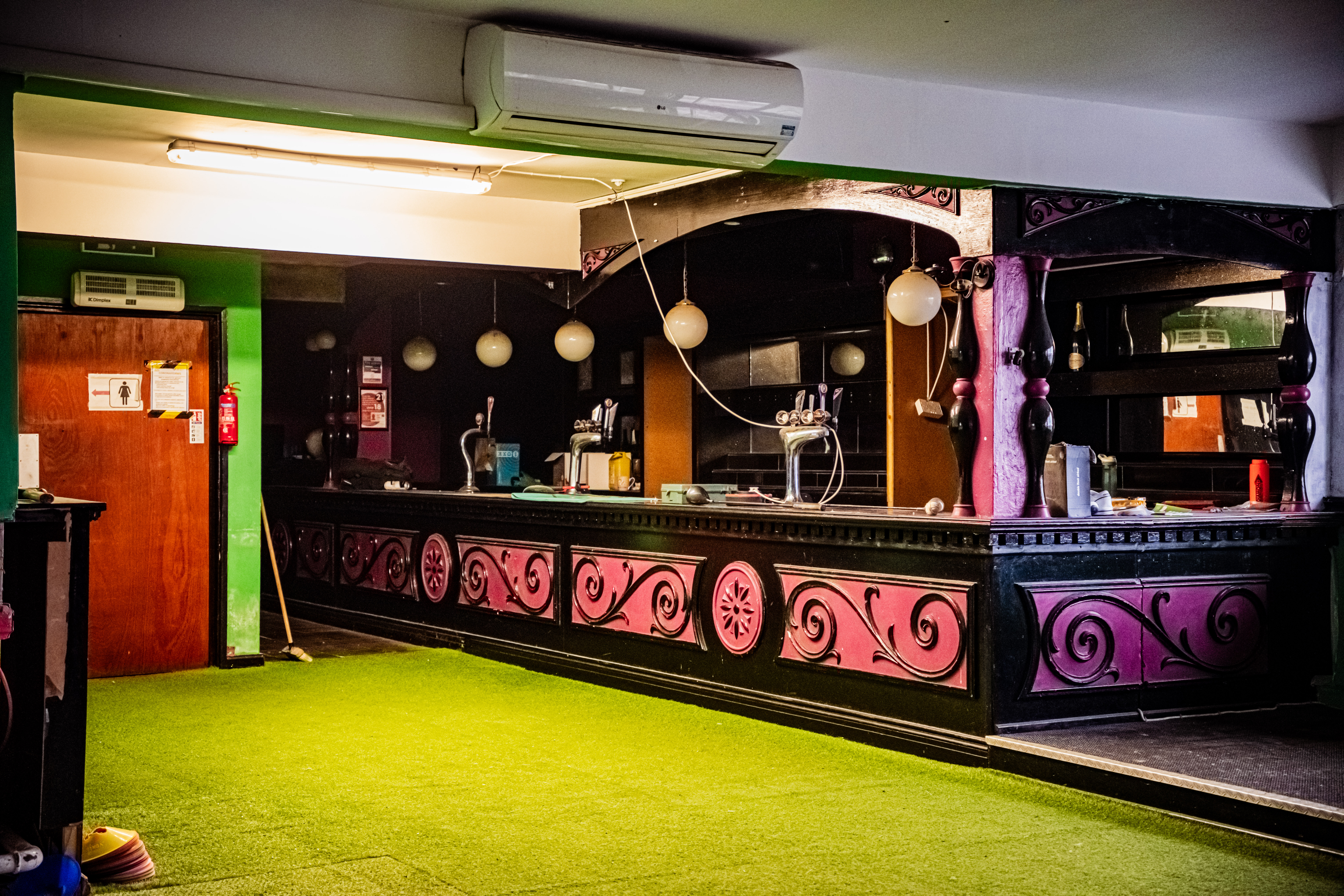
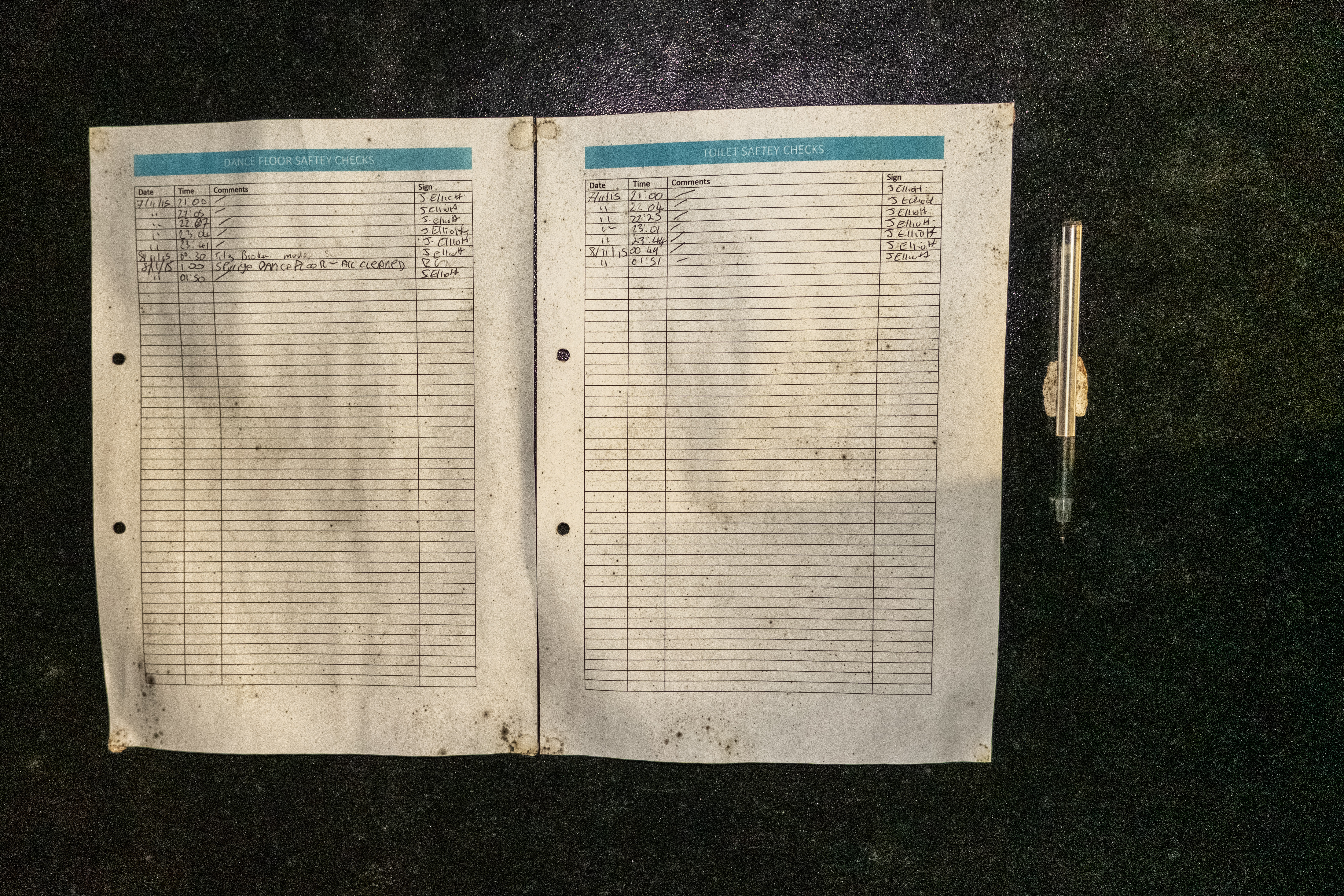
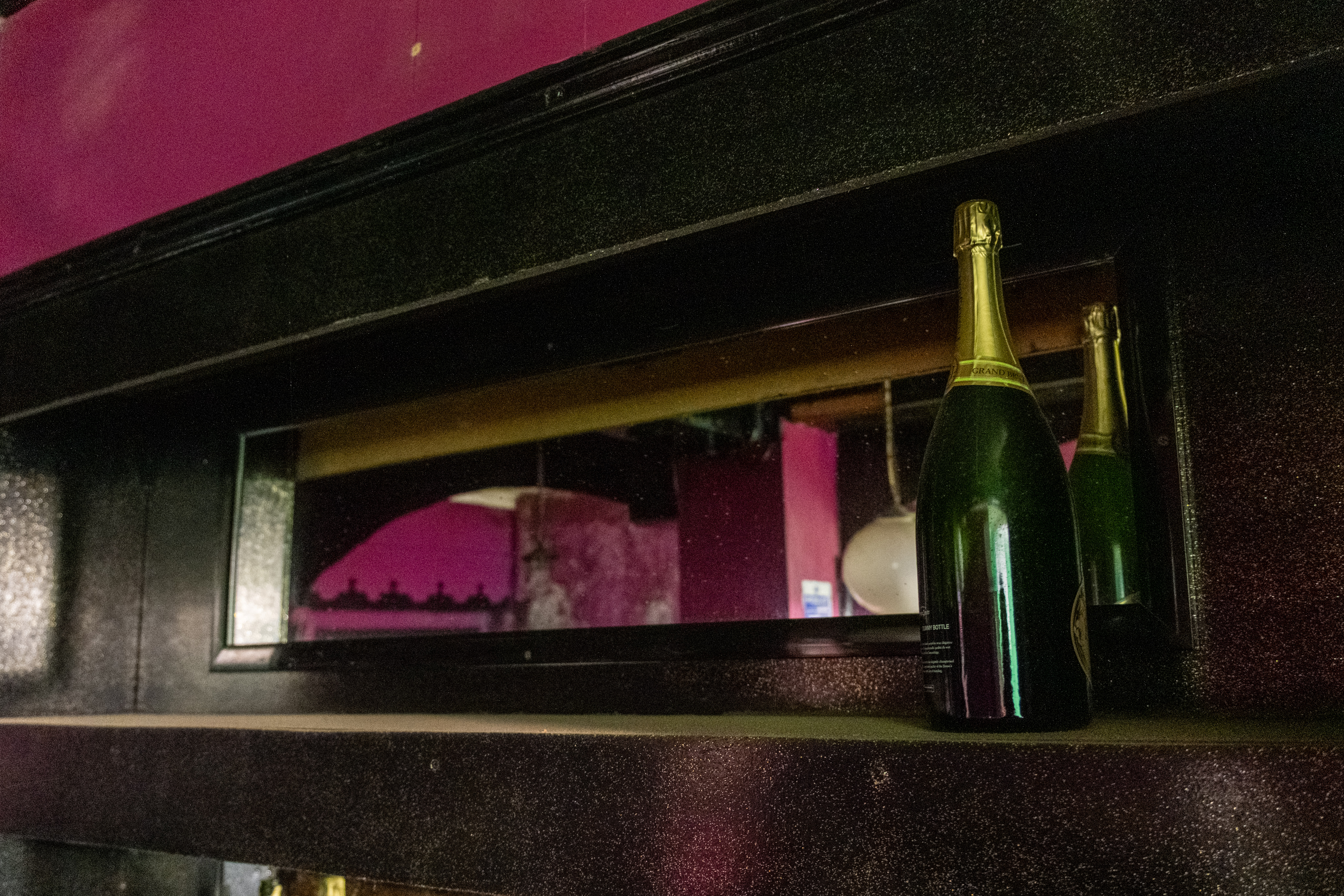
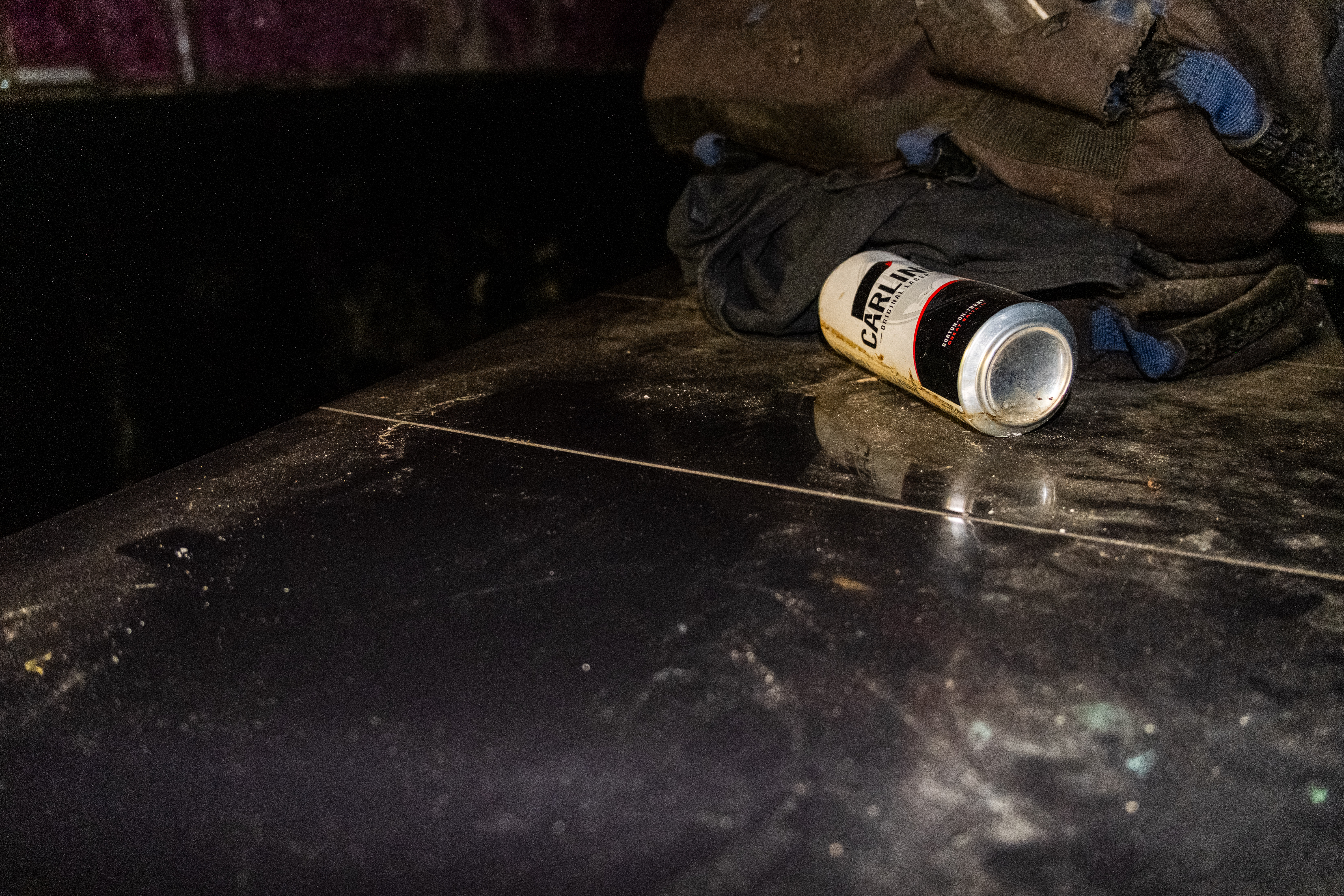
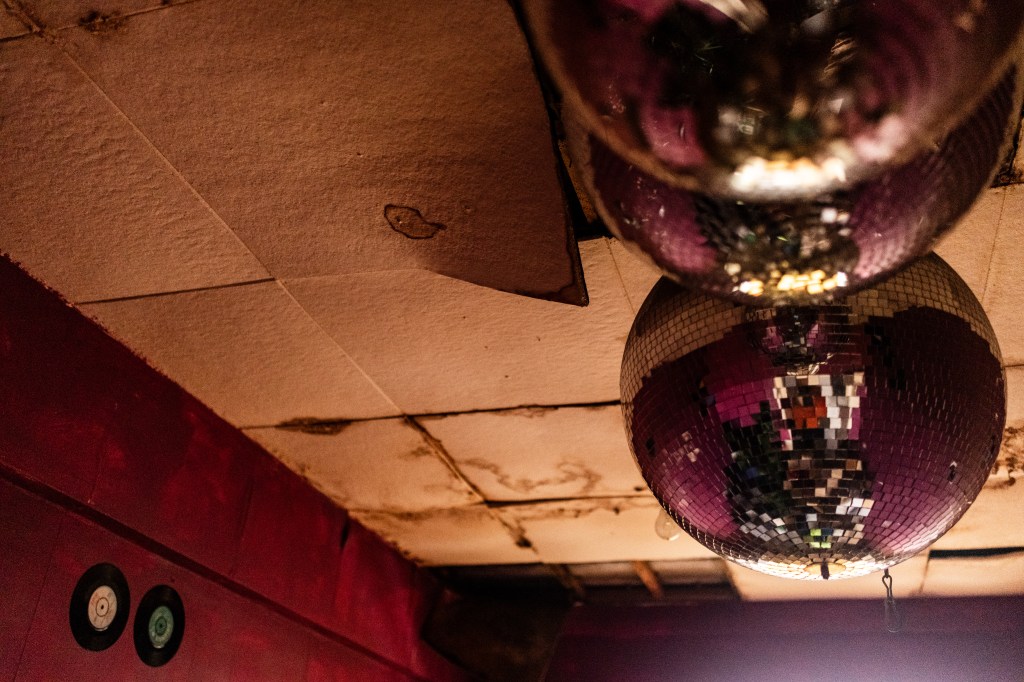
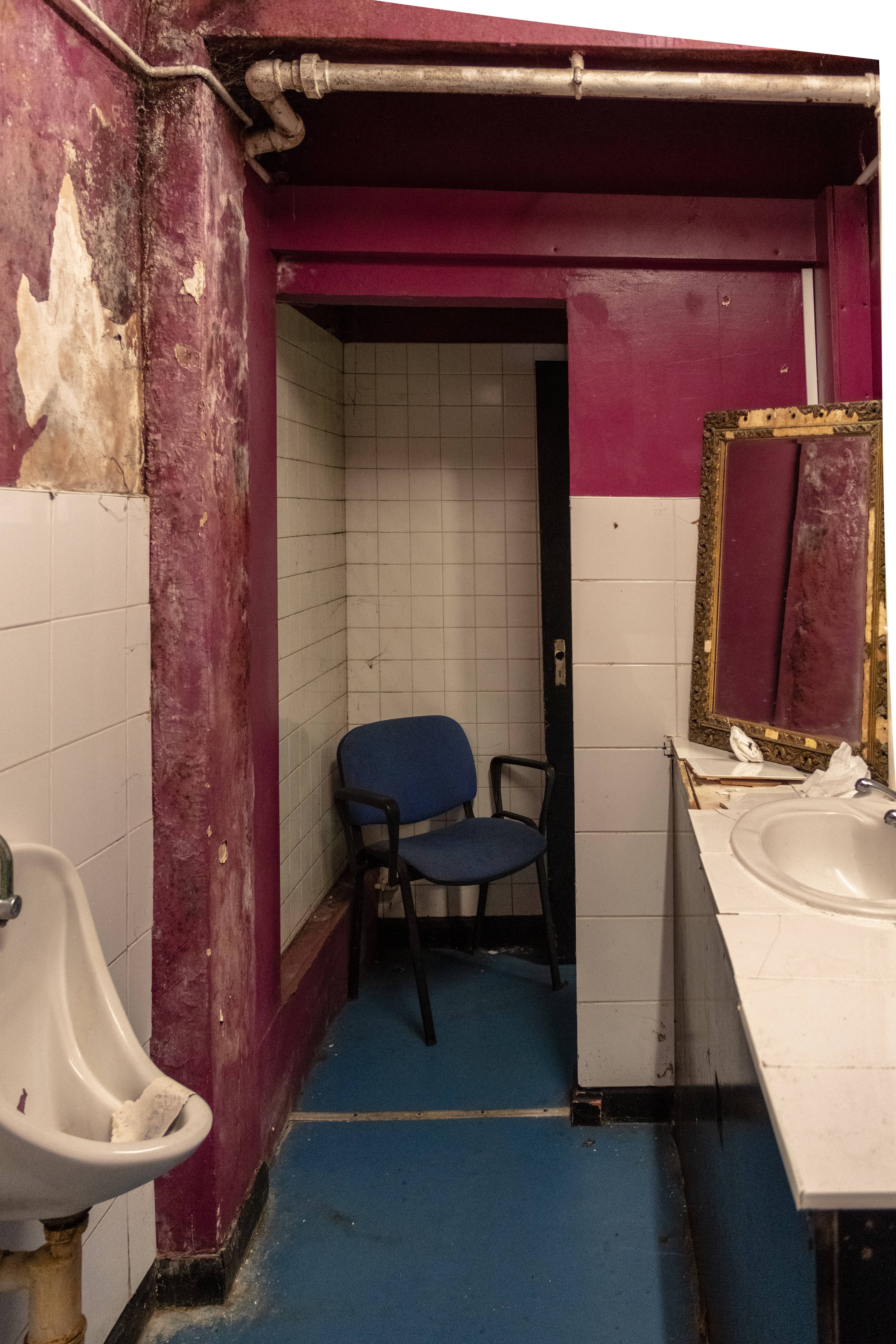
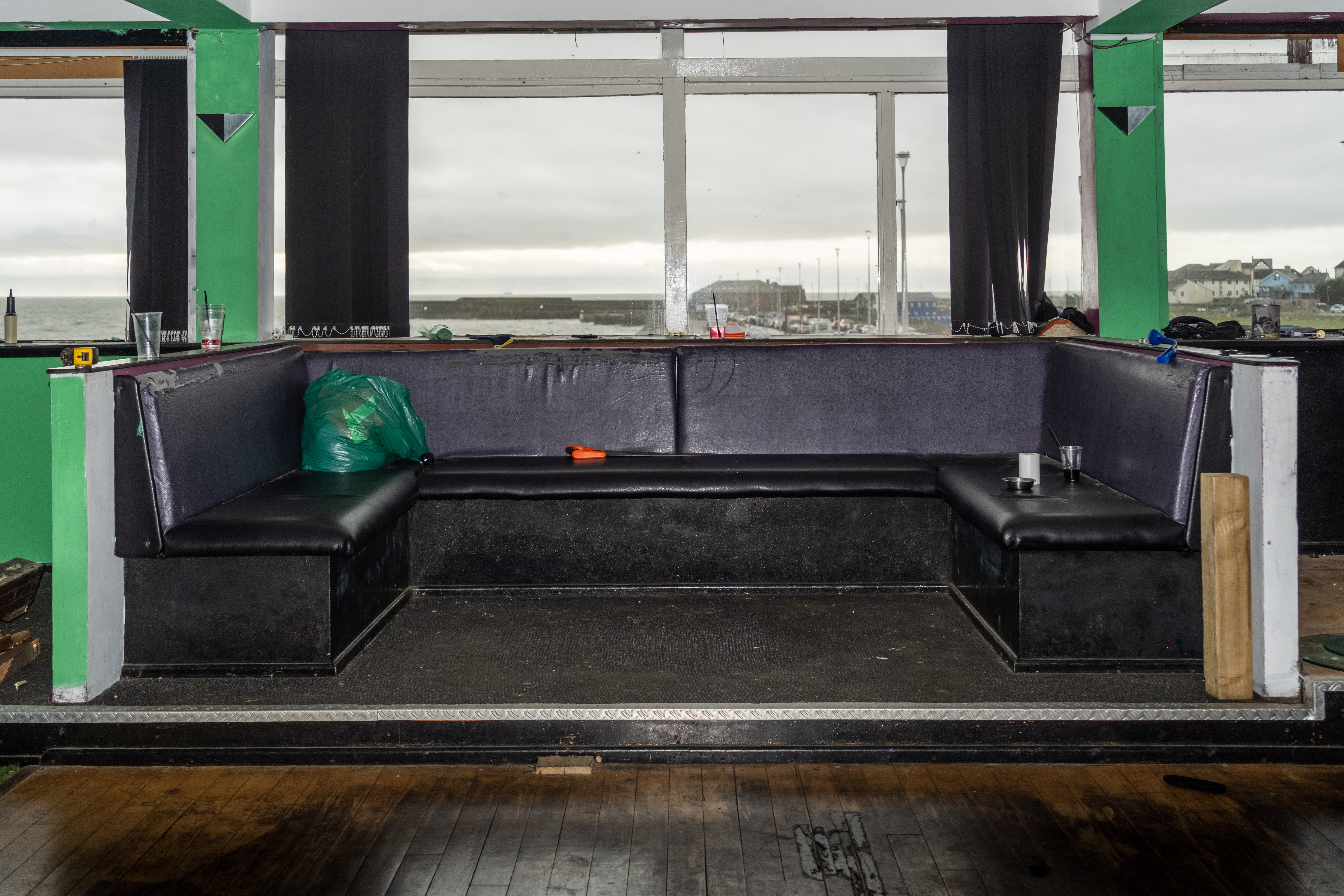
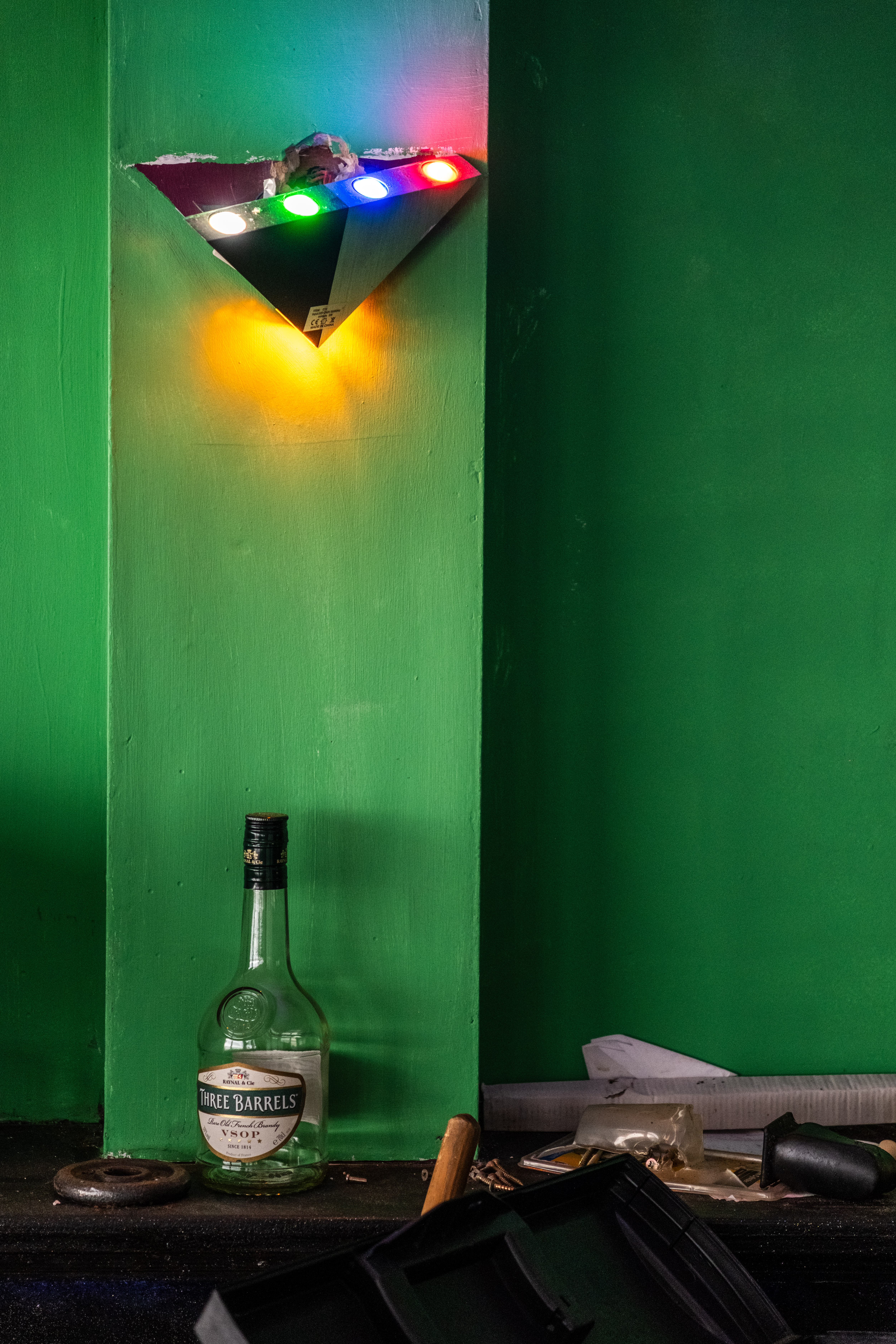
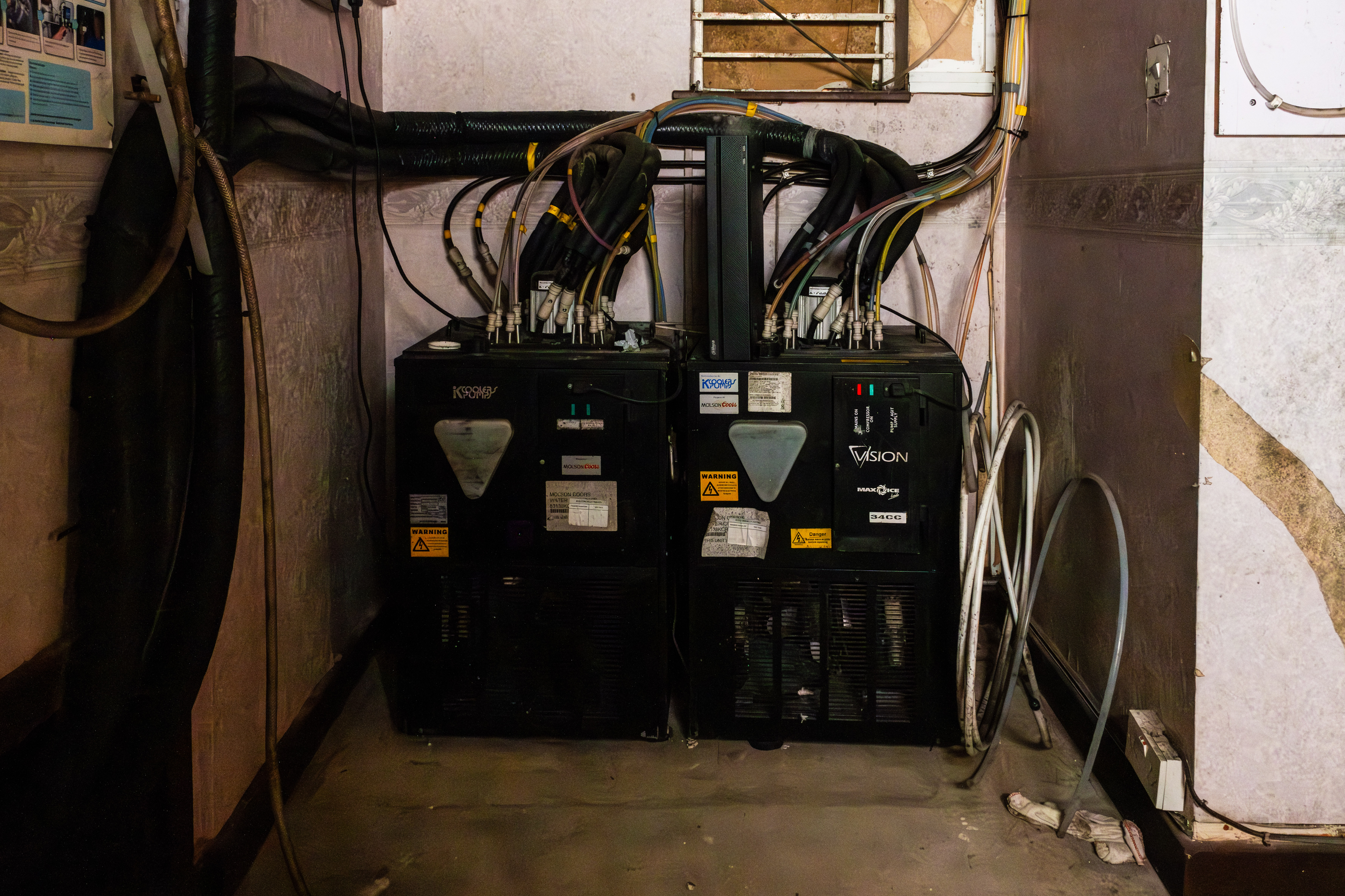
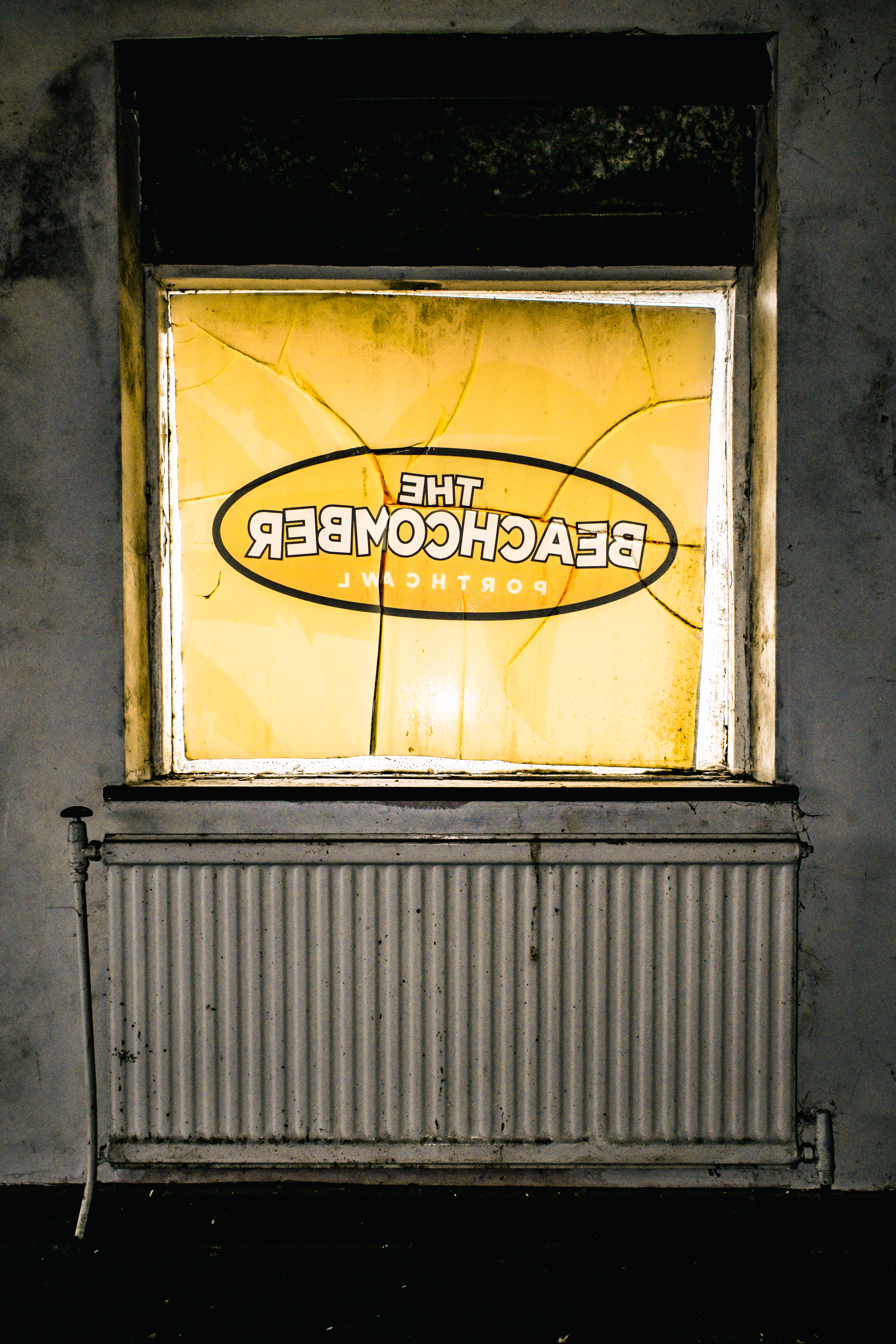
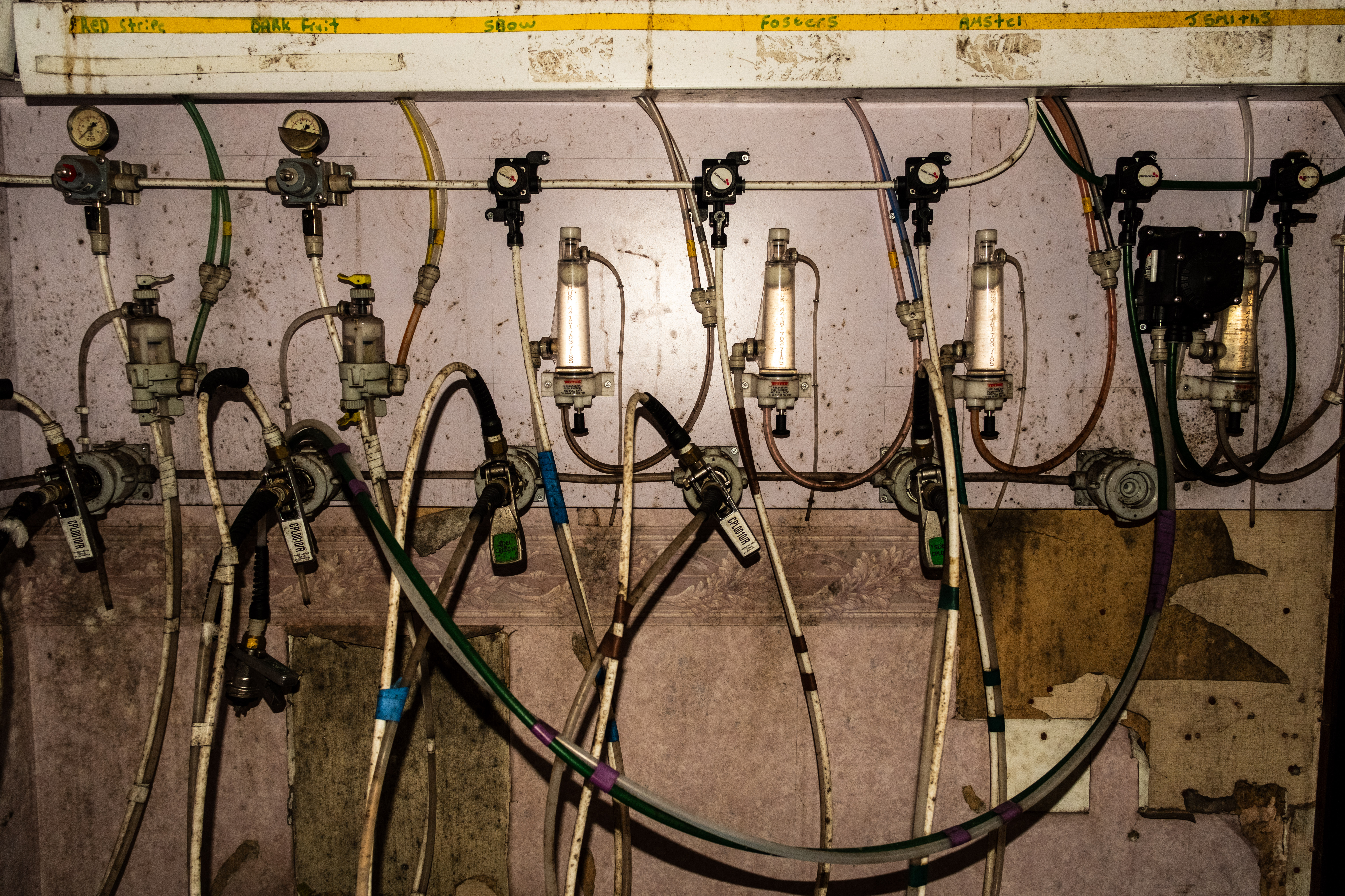
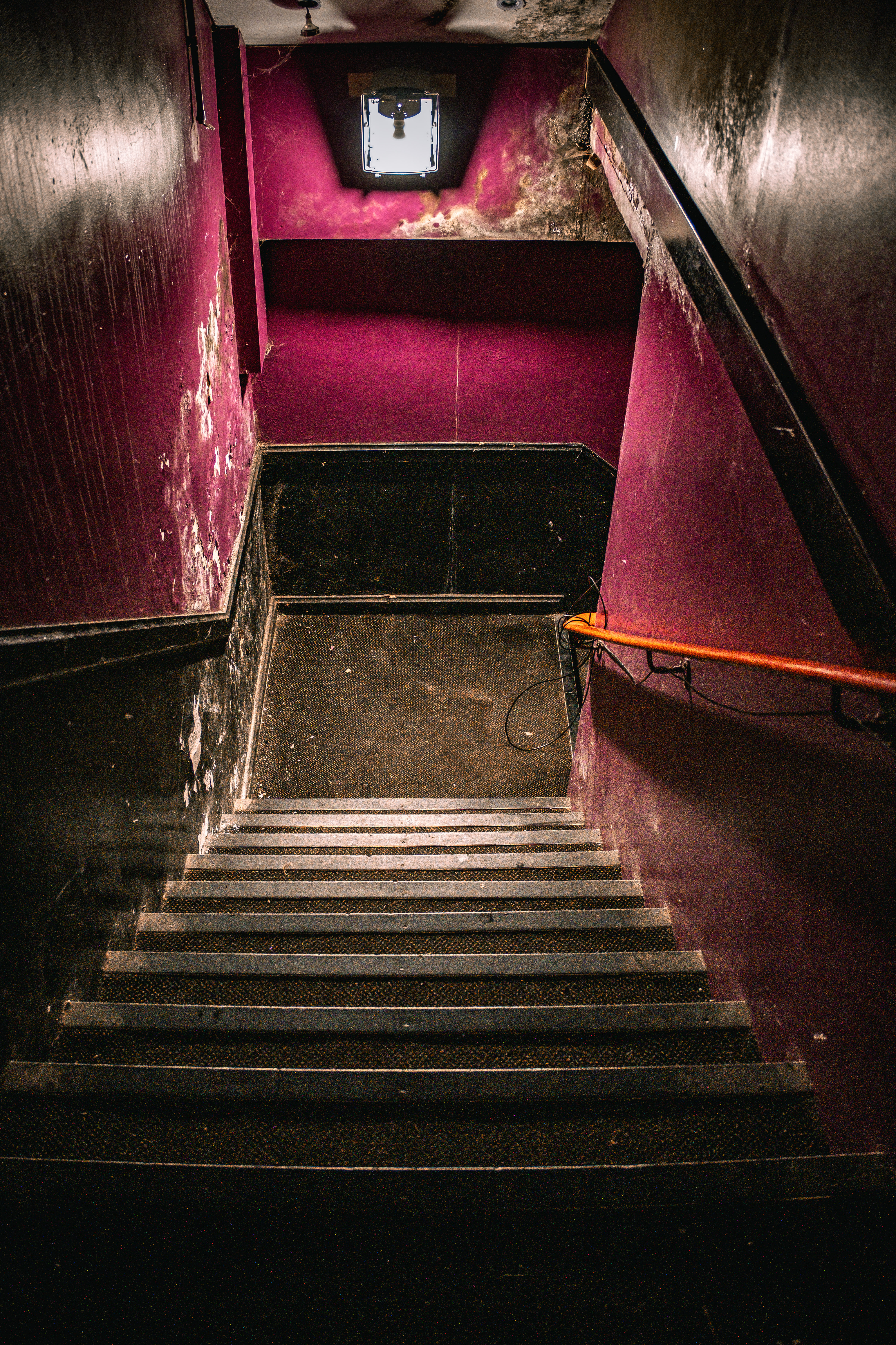
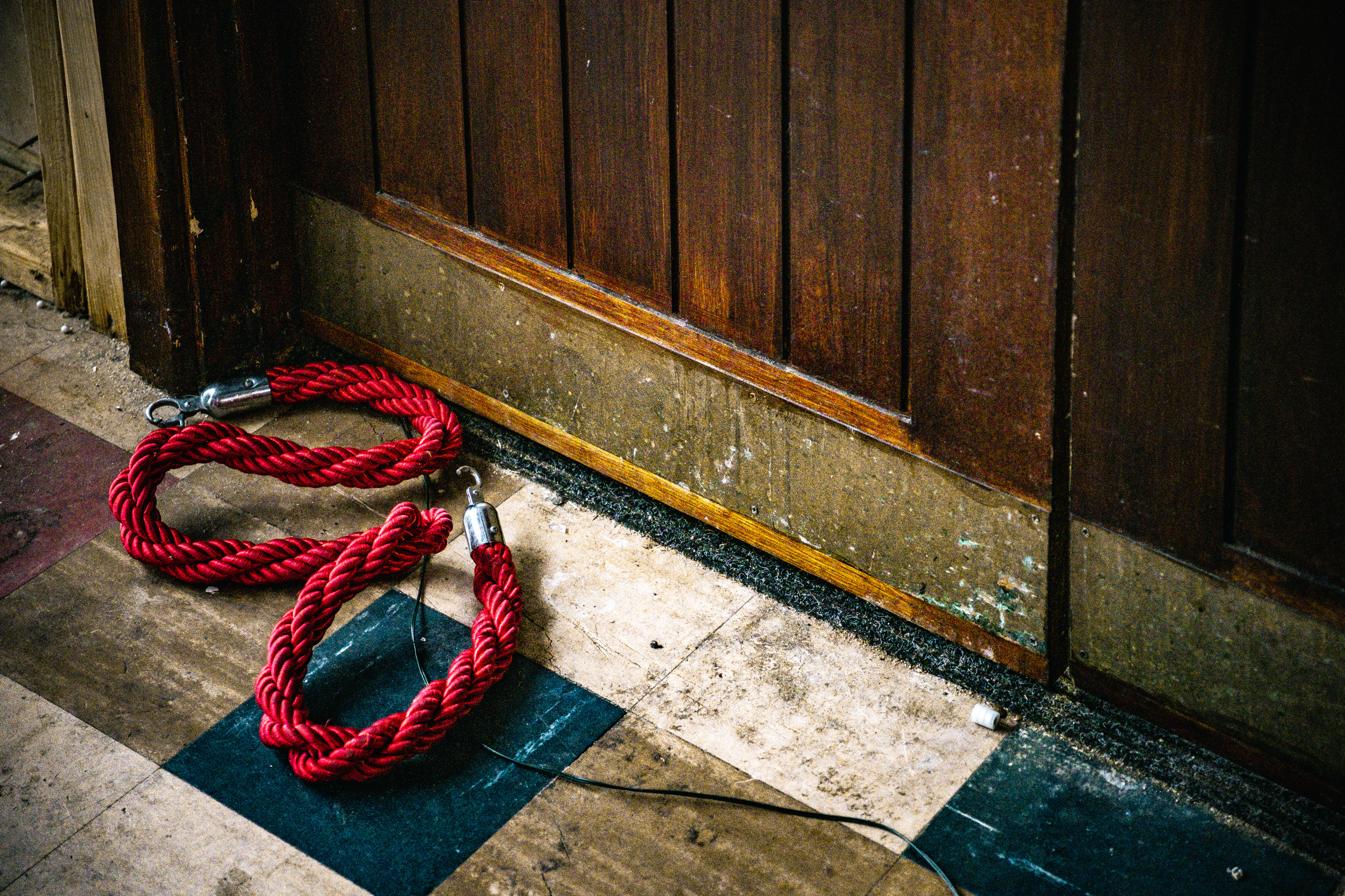
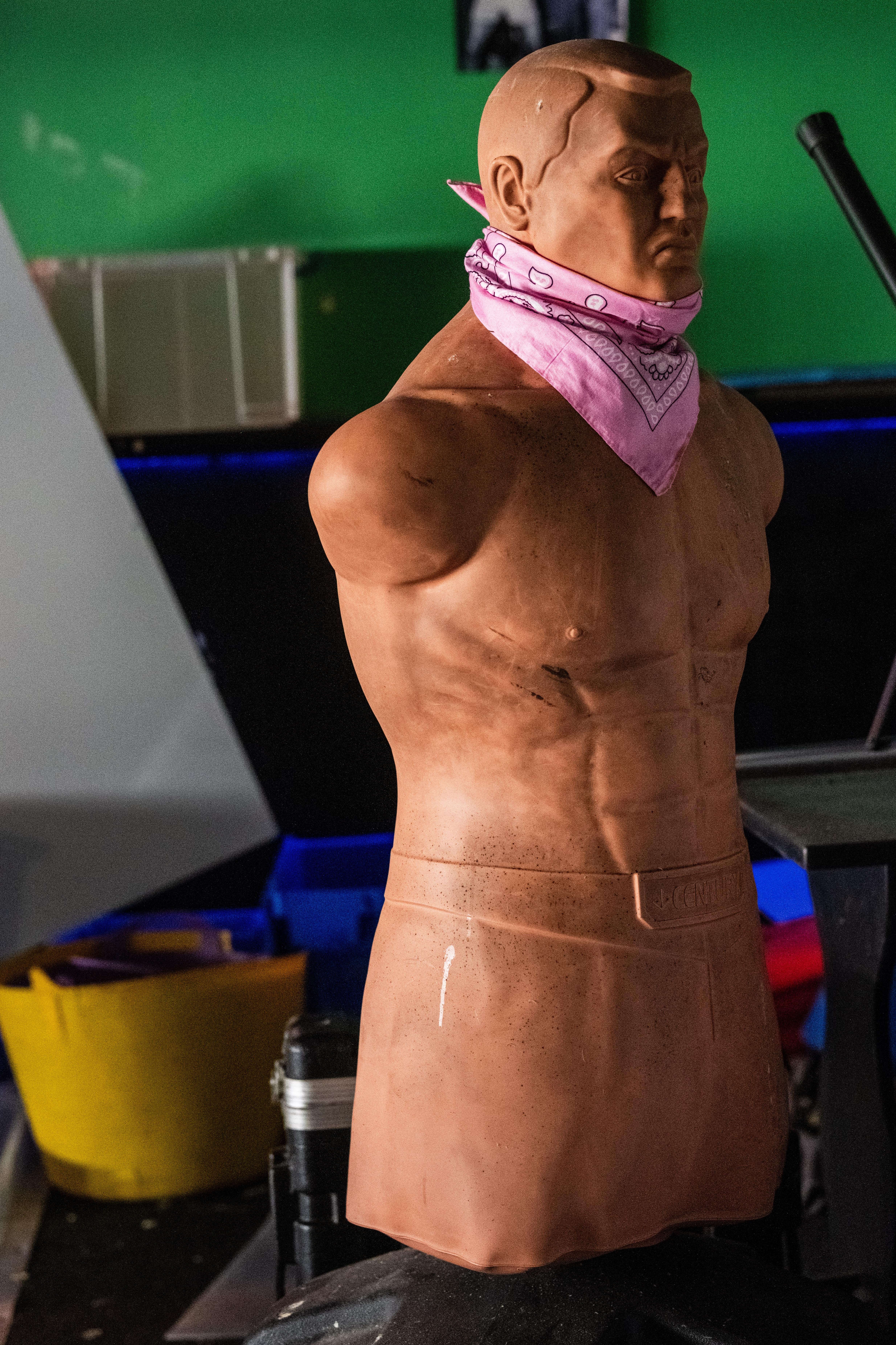
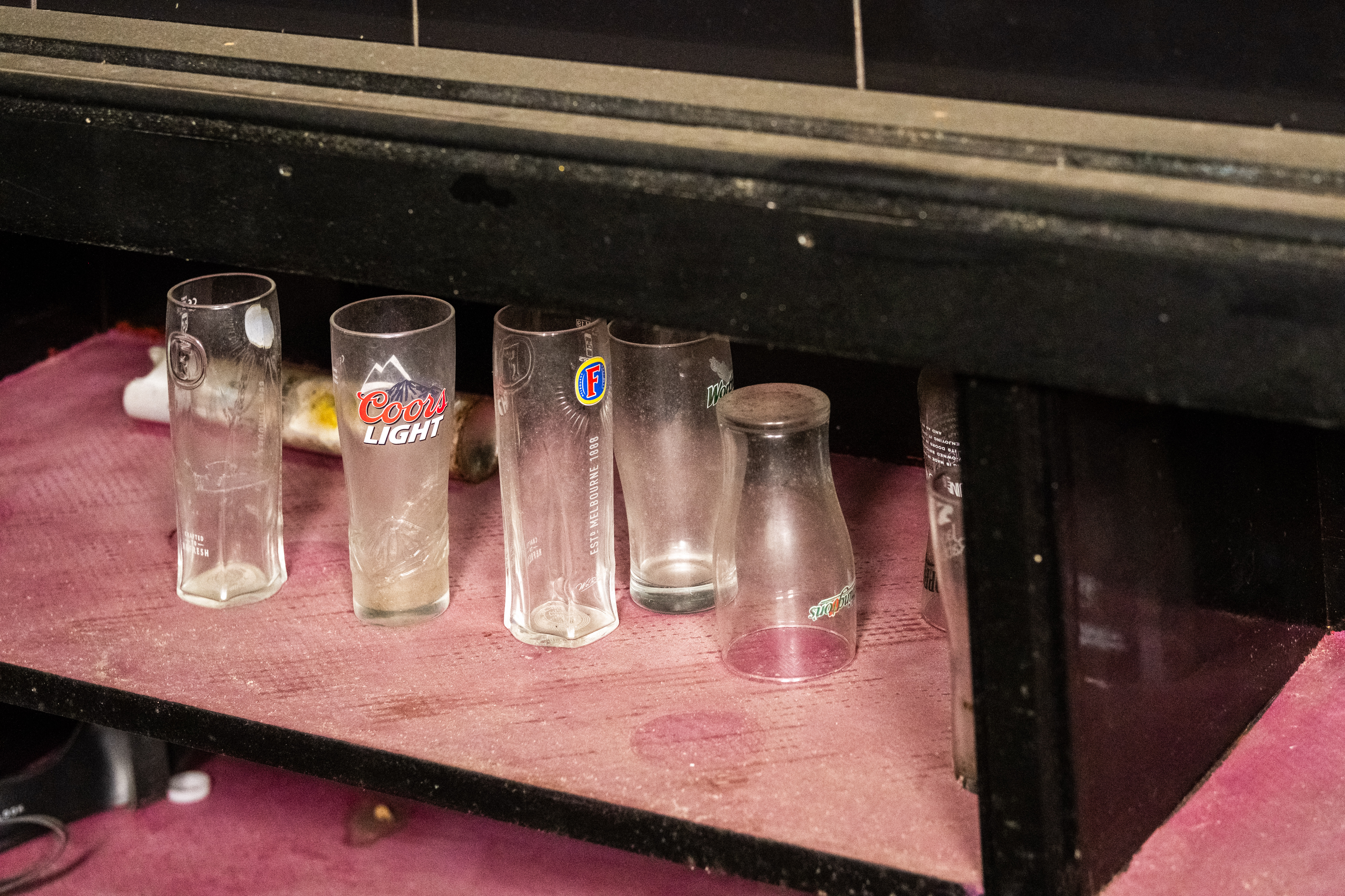
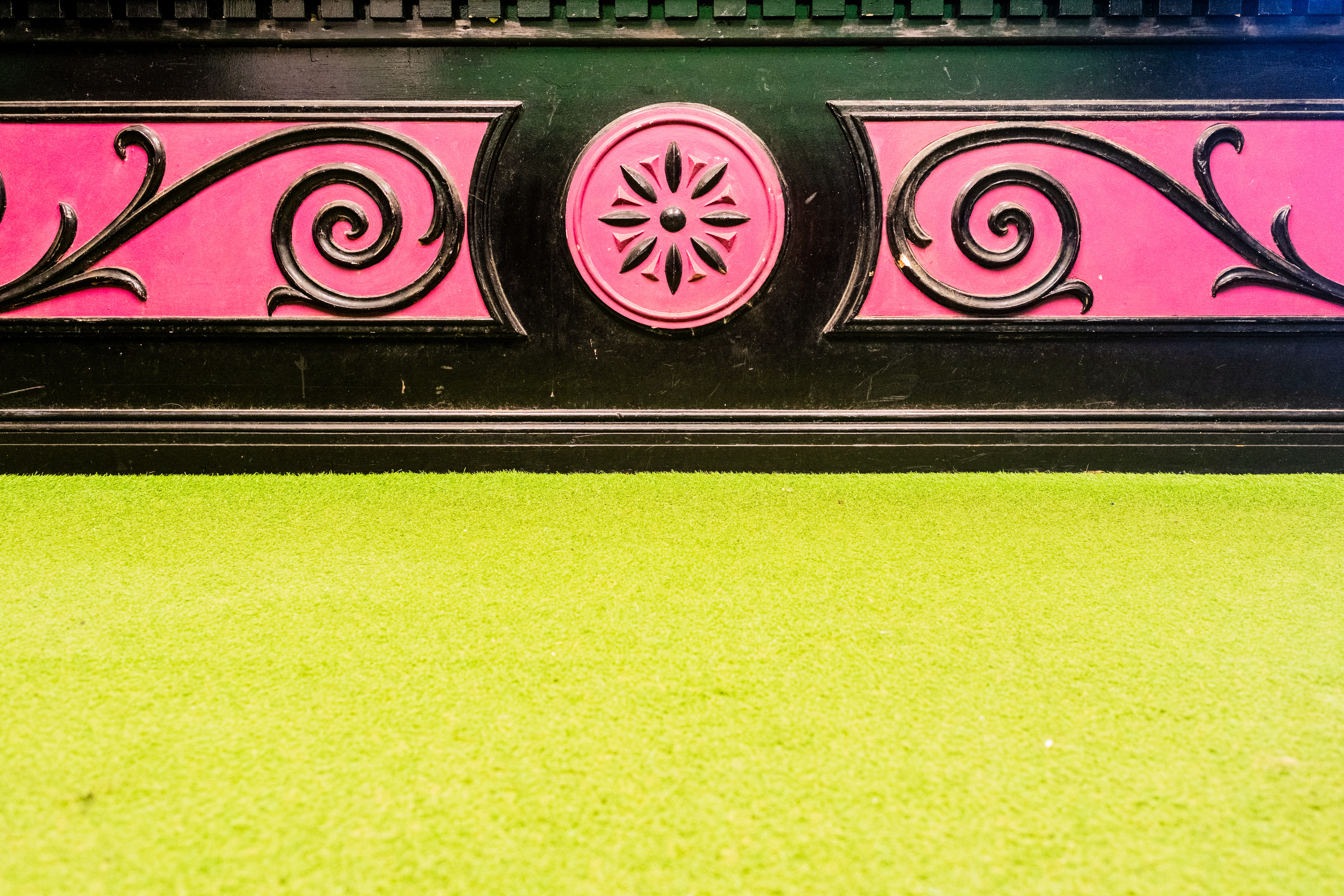
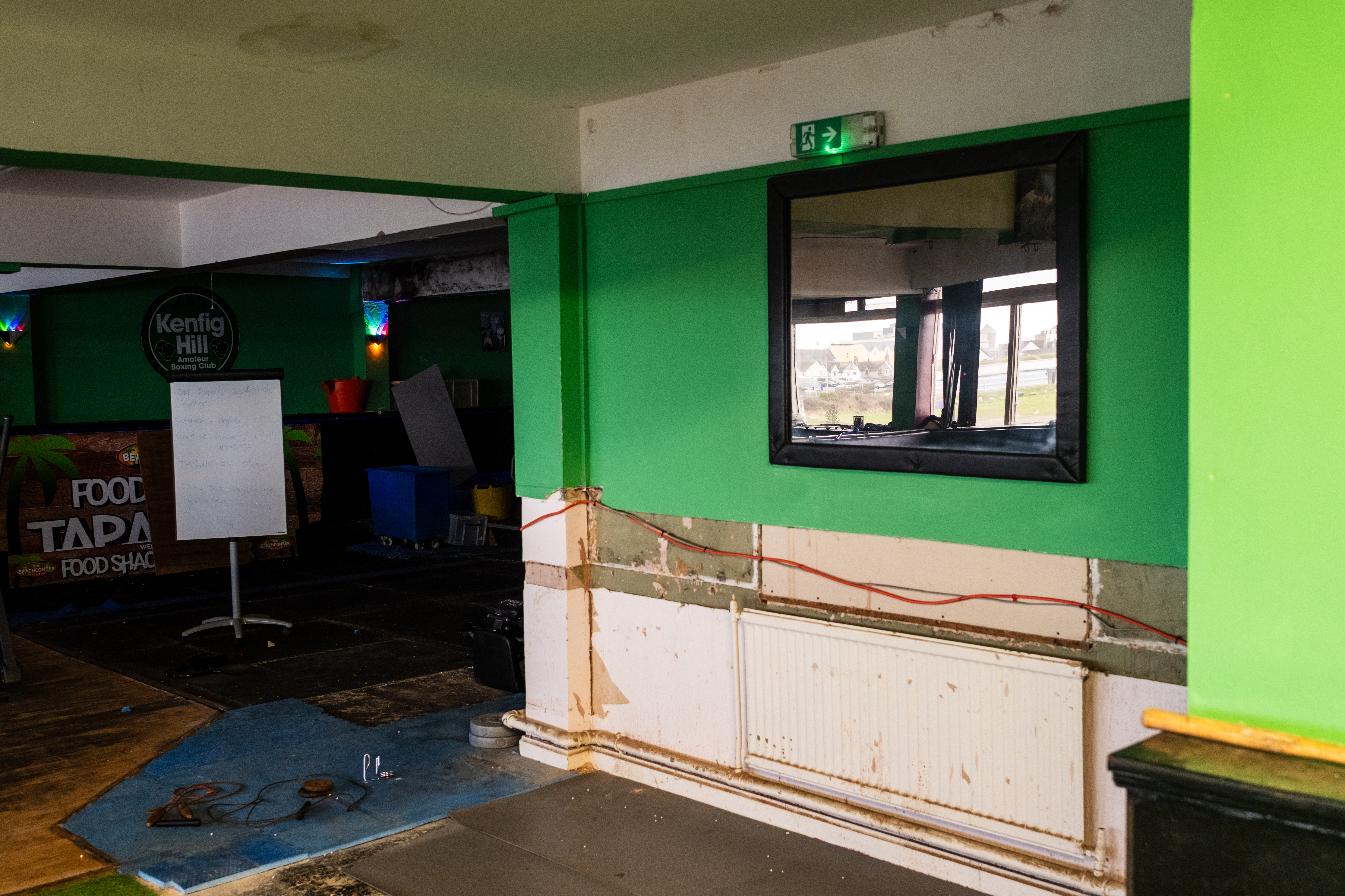
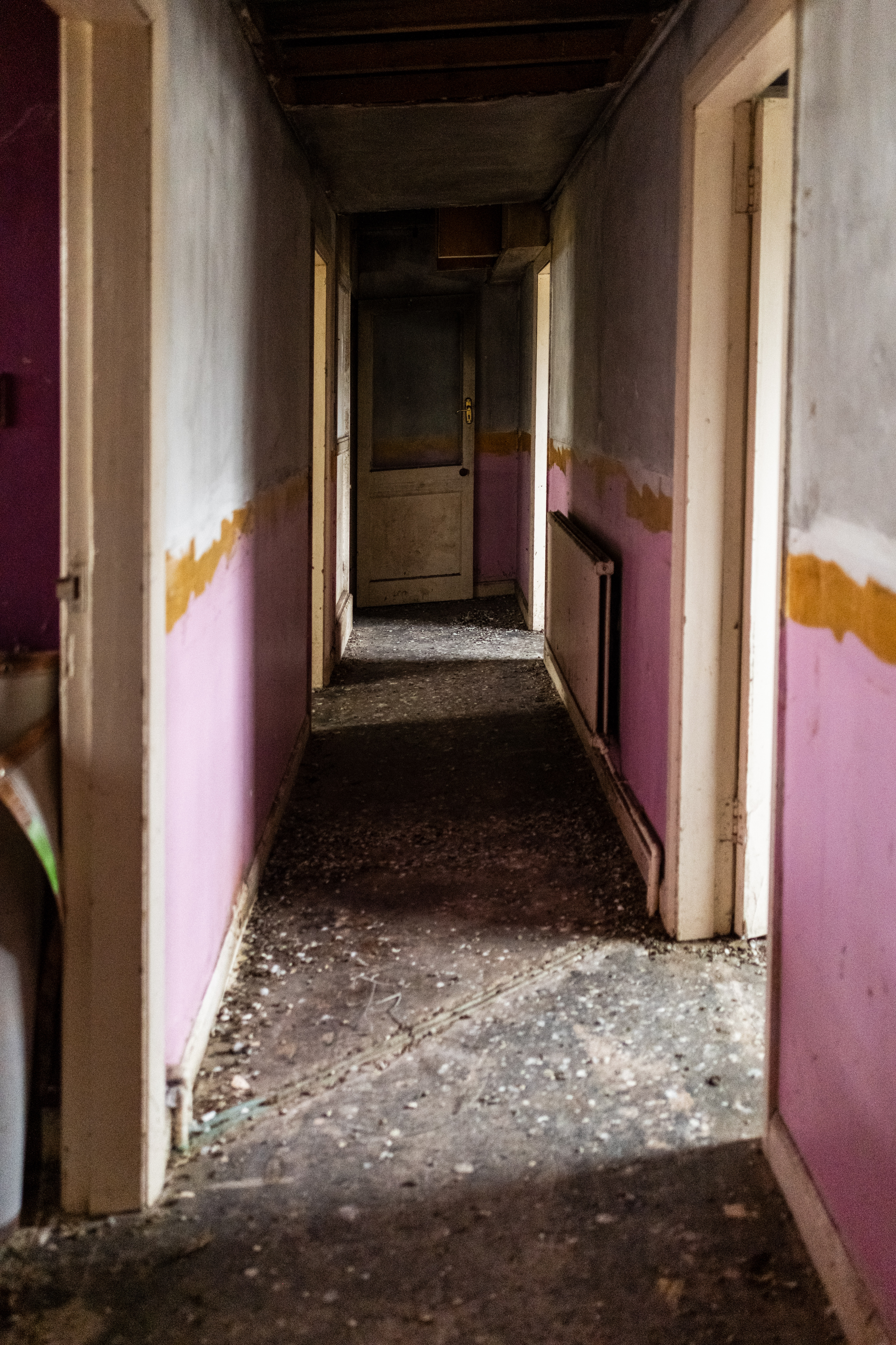
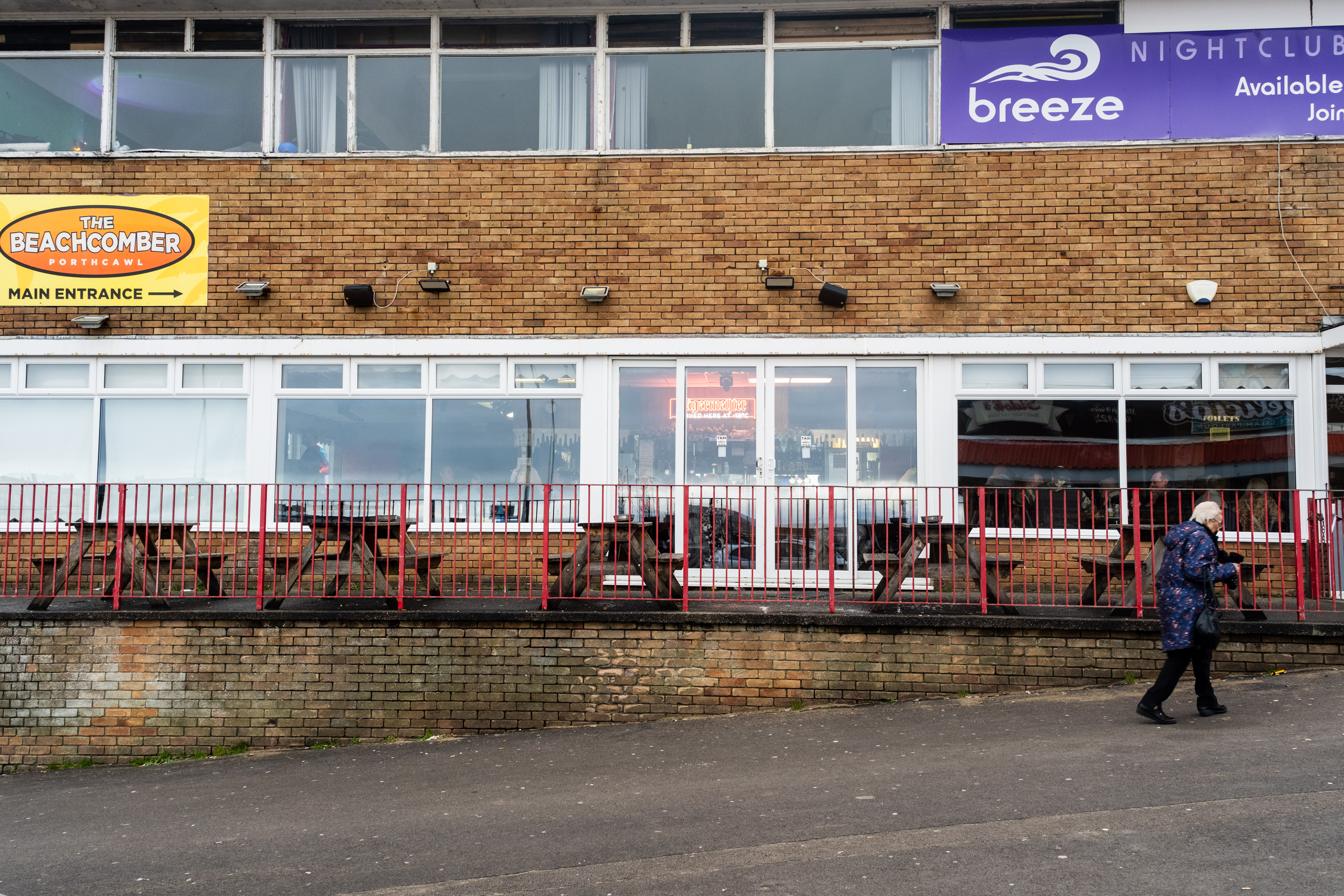
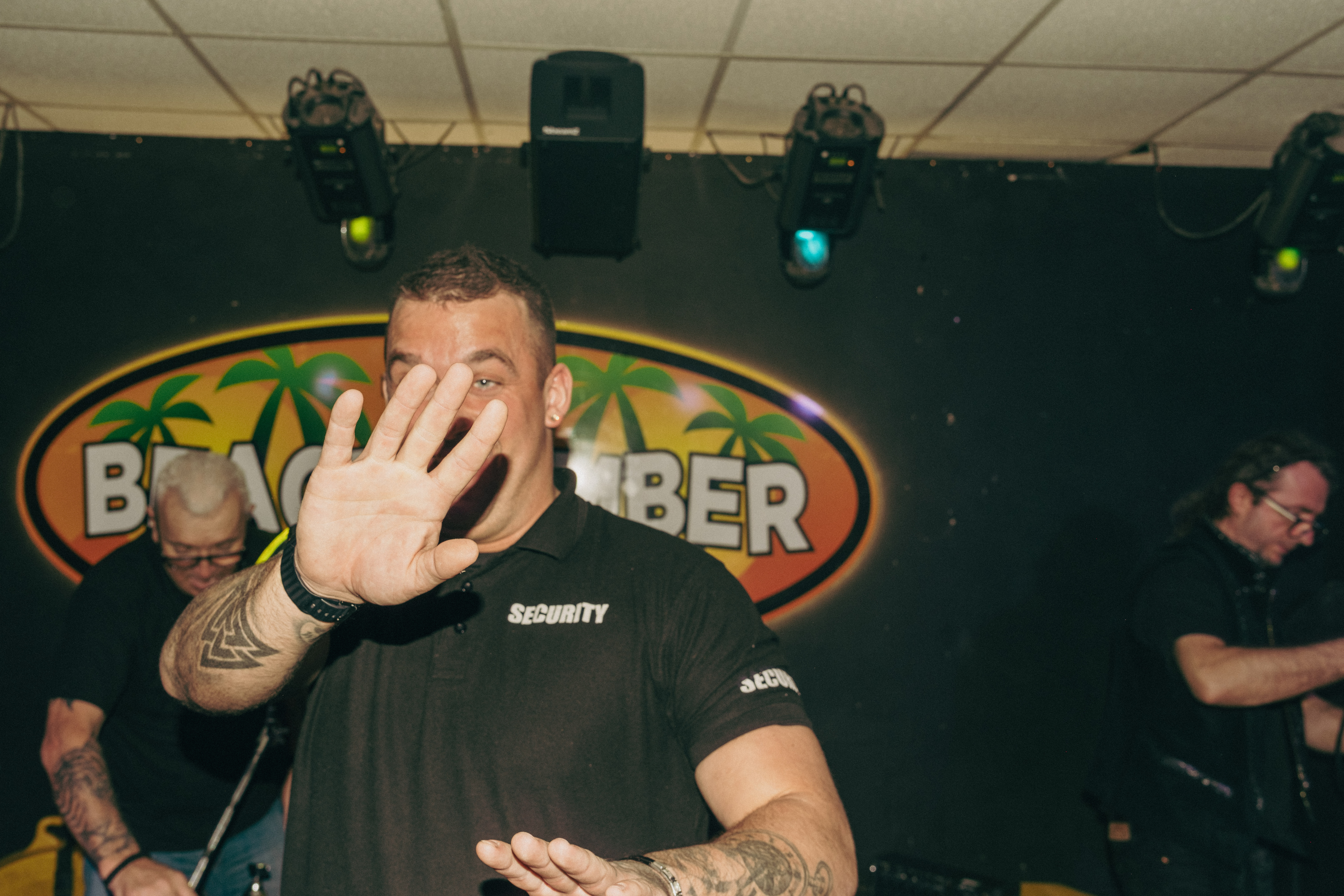
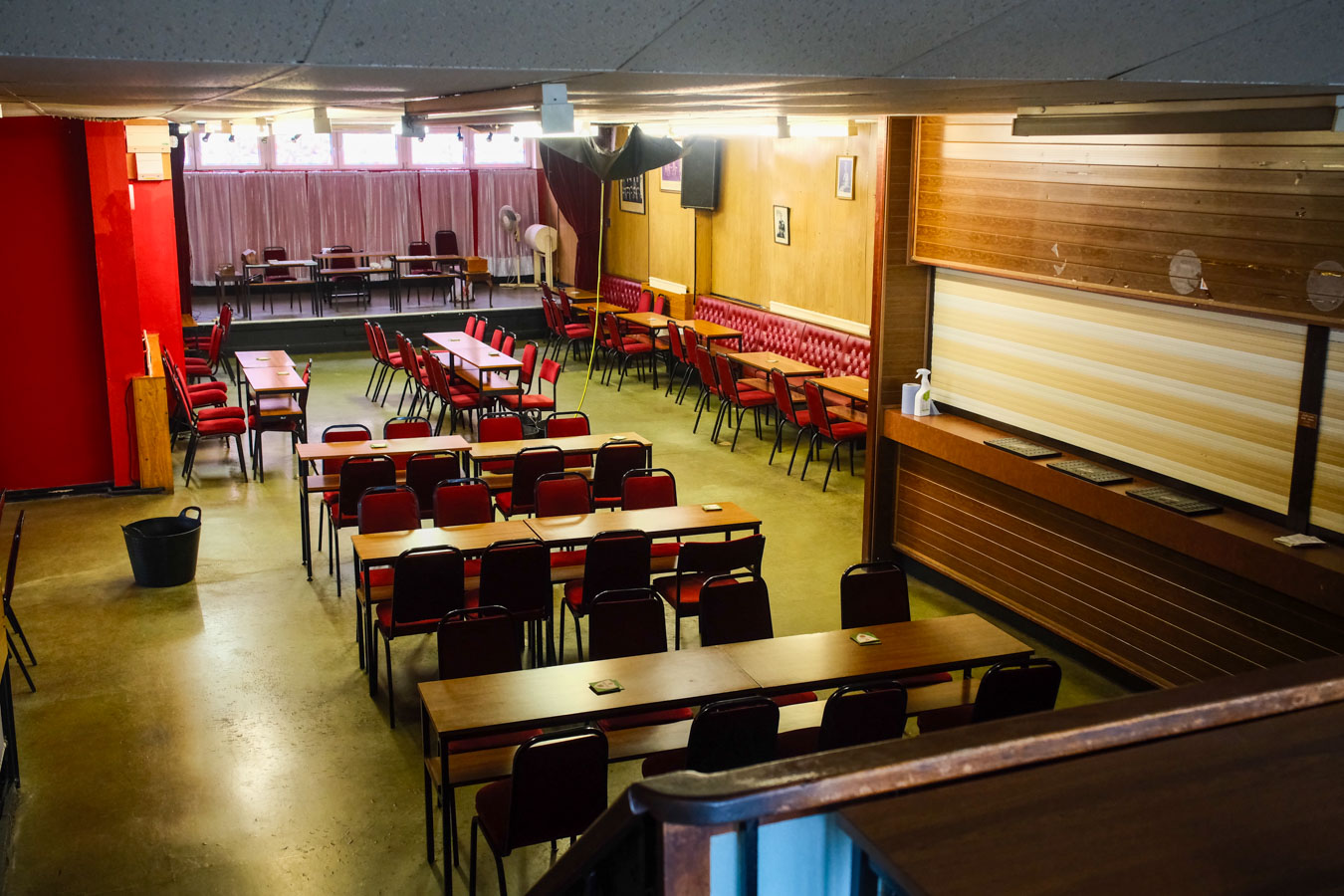
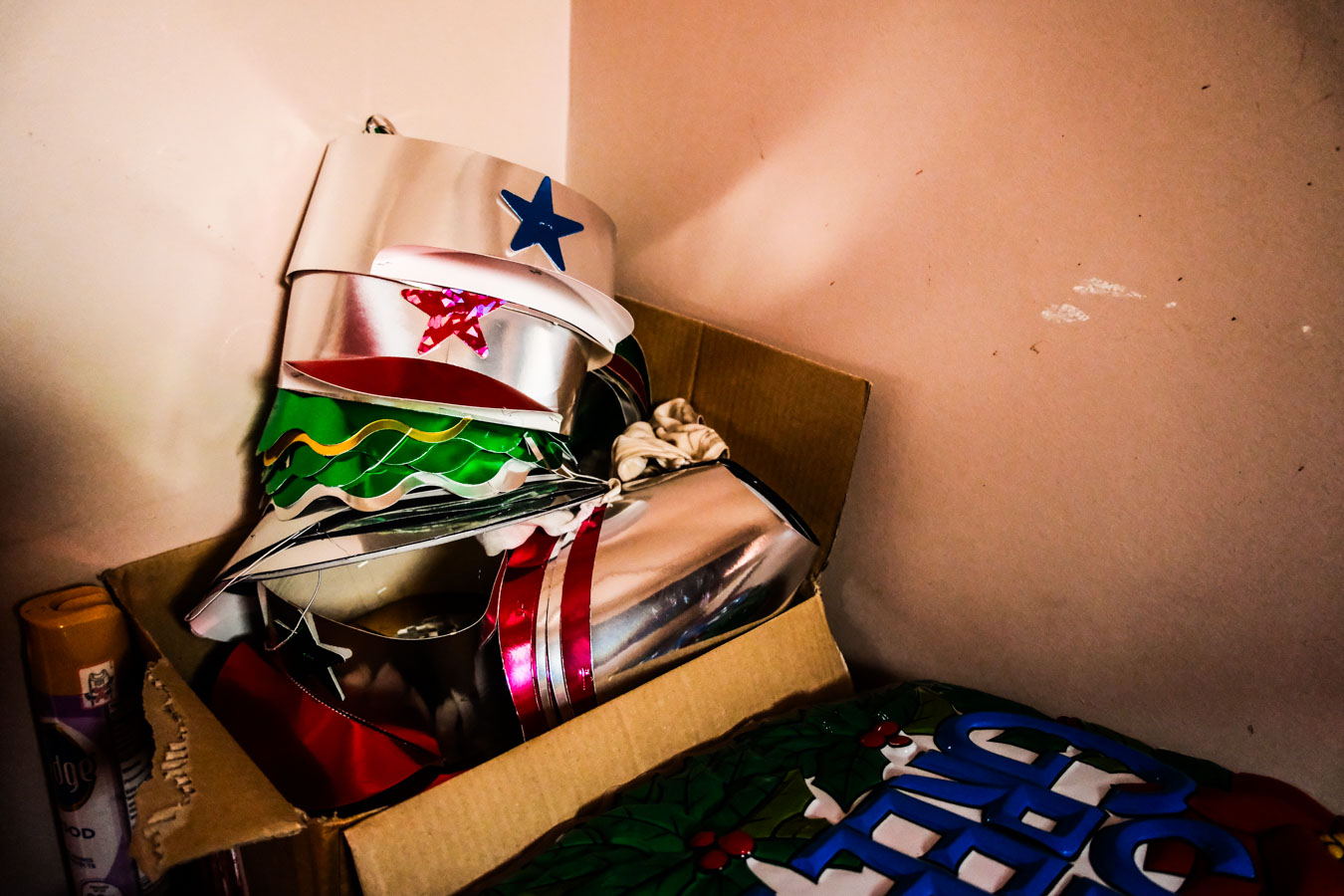
The Beachcomber has its own reputation and lore locally. It certainly wasn’t for everyone, but for many it has been, at least once, for them. It was great to be allowed inside, but even greater to explore the upstairs area — previously a nightclub space a decade ago, with evidence of other uses since. There is something powerful about seeing a place like this out of its context. The garish pink of the bar, the green of the carpet, the grubbiness of the doors. All would have been hidden by darkness and dancefloor lighting. There is nowhere to hide in the light of day.
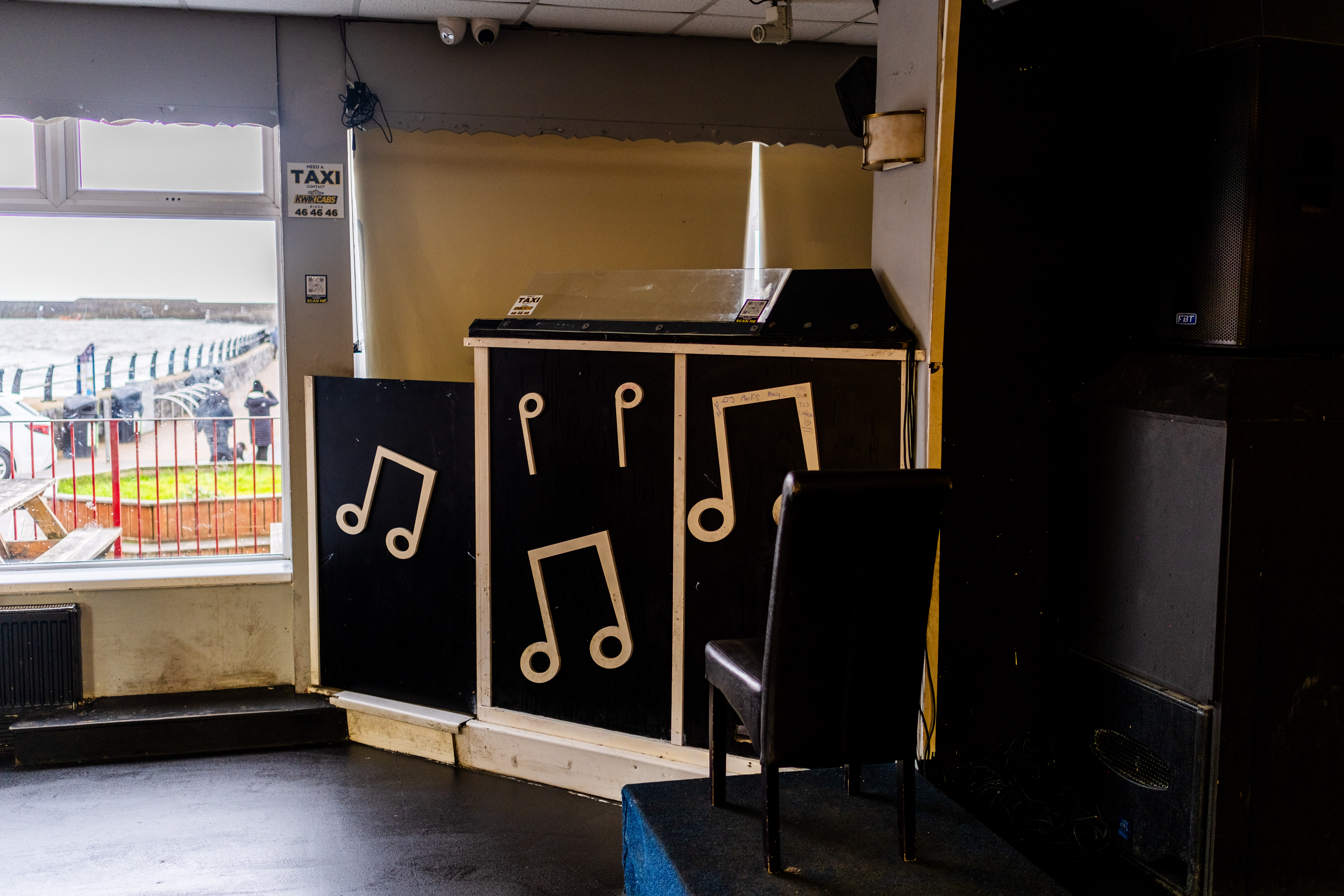
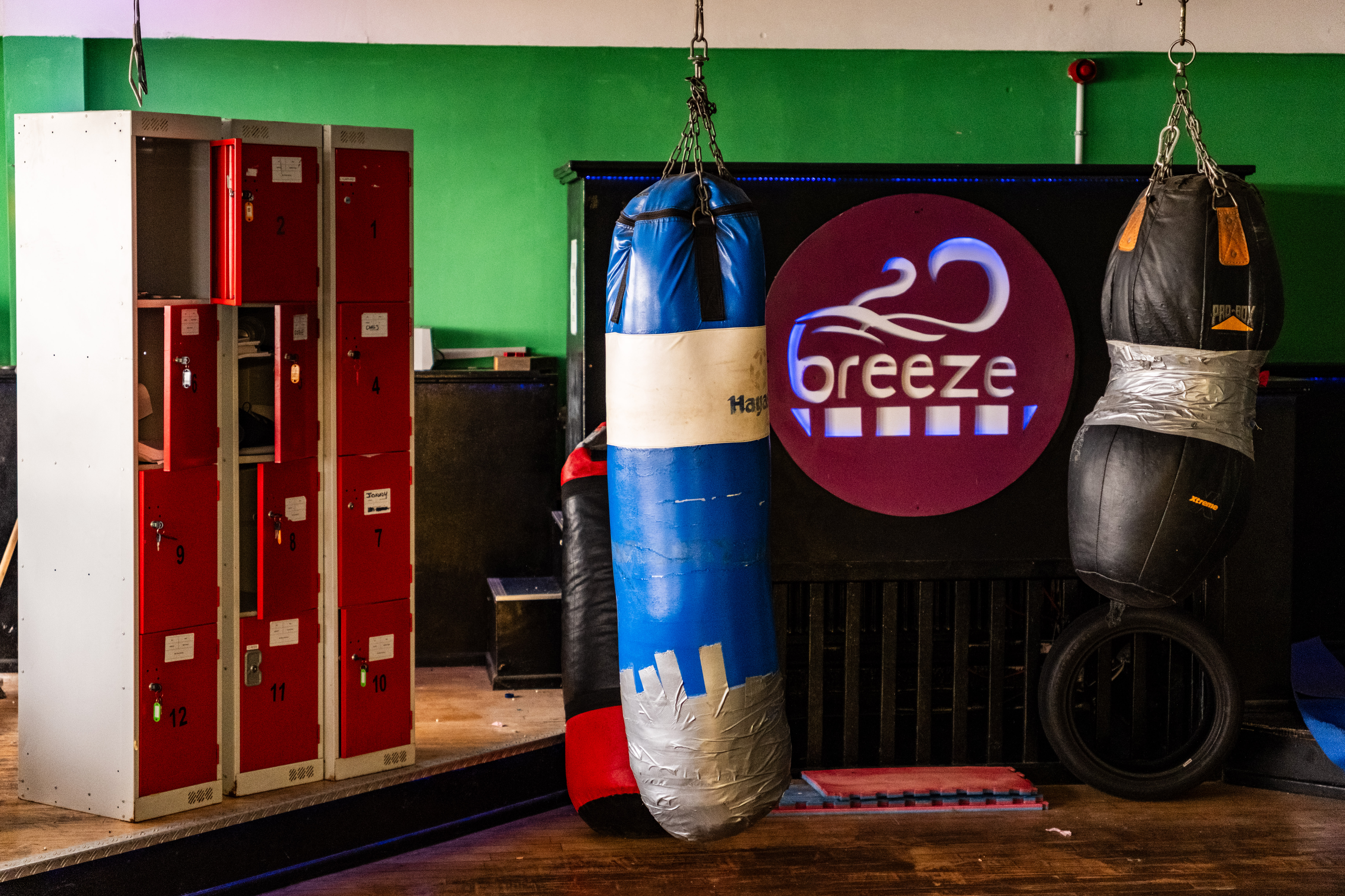
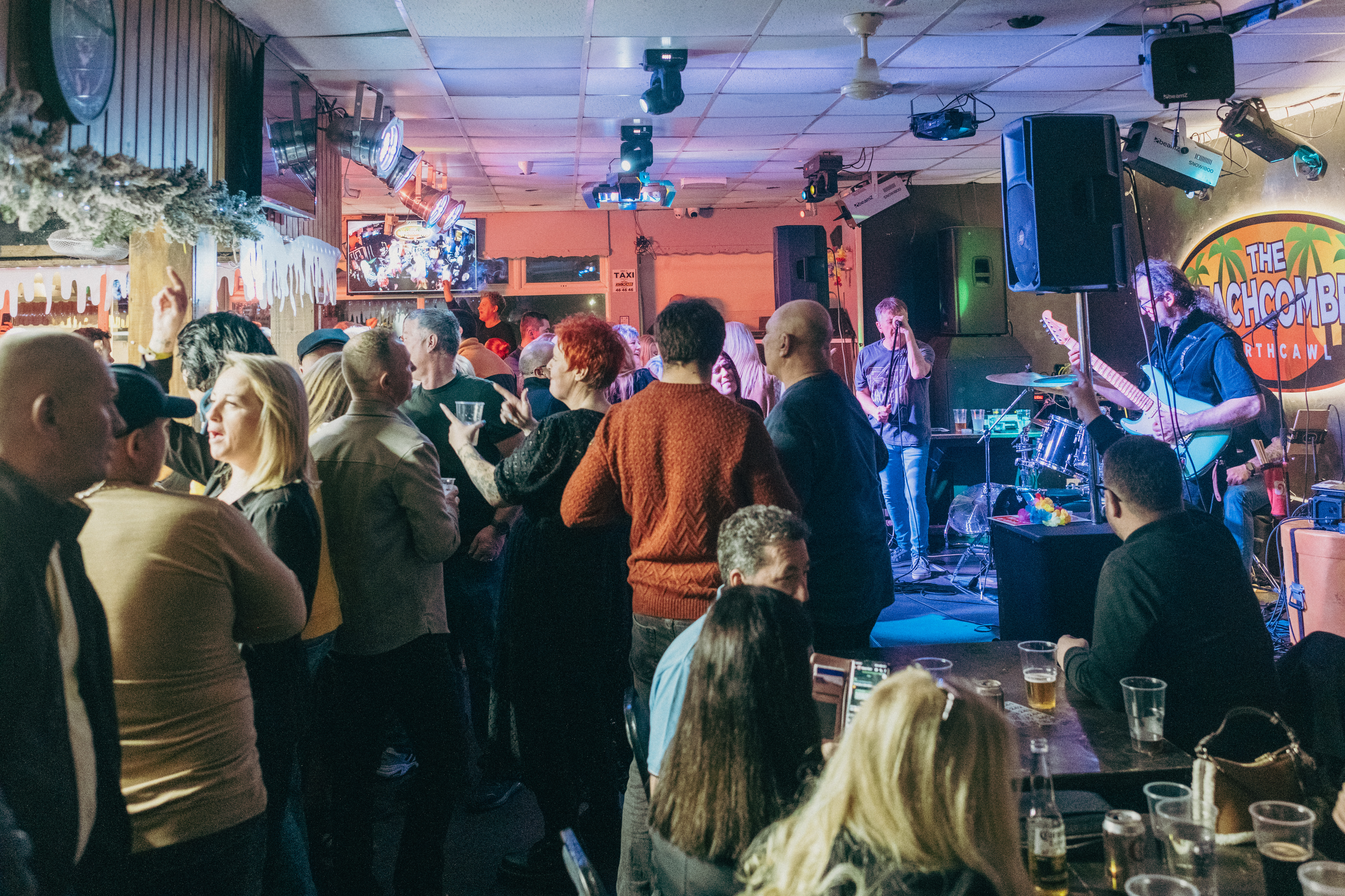
The iconic Beachcomber stage
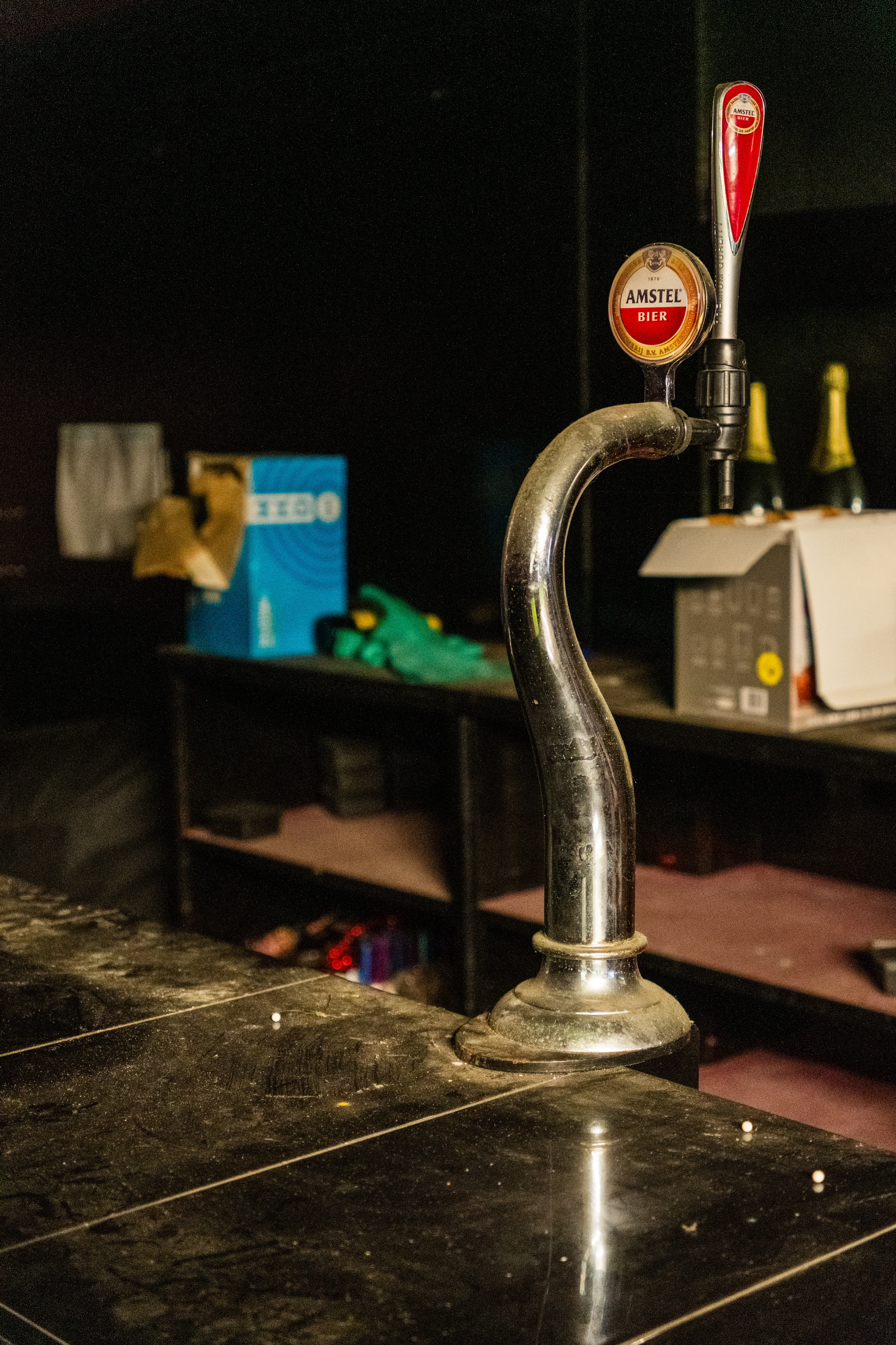
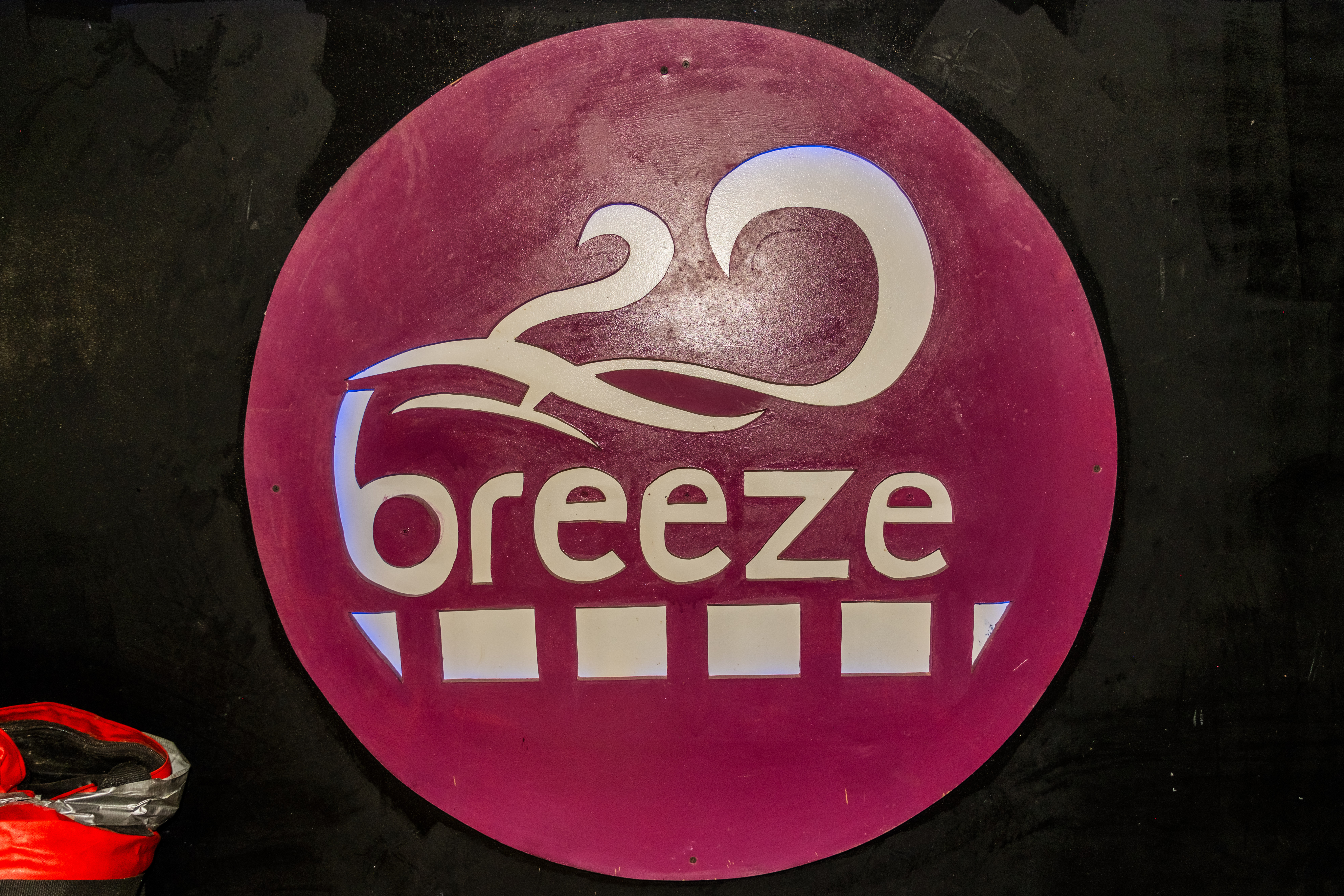
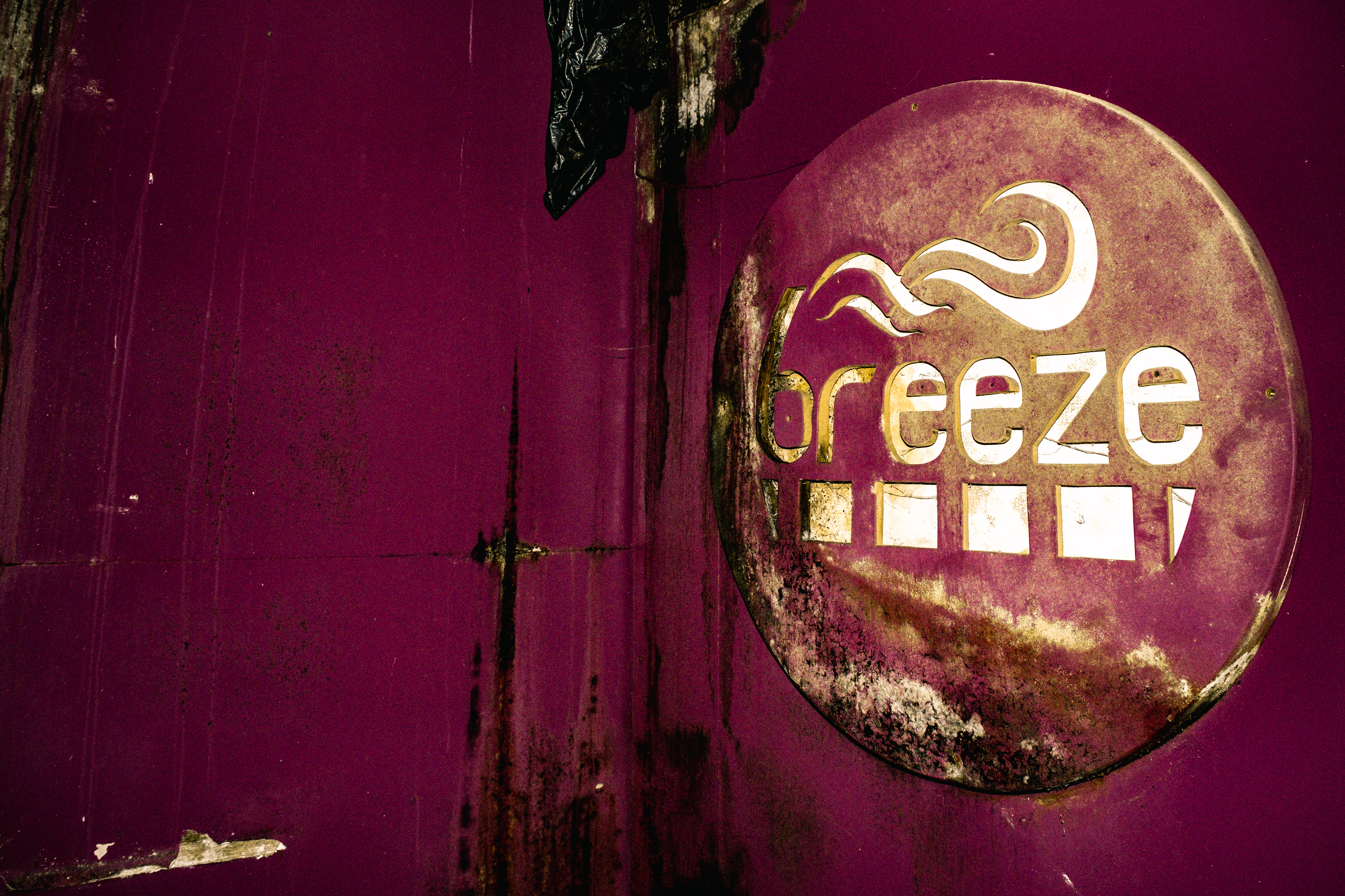
the remains of the former breeze nightlclub bar
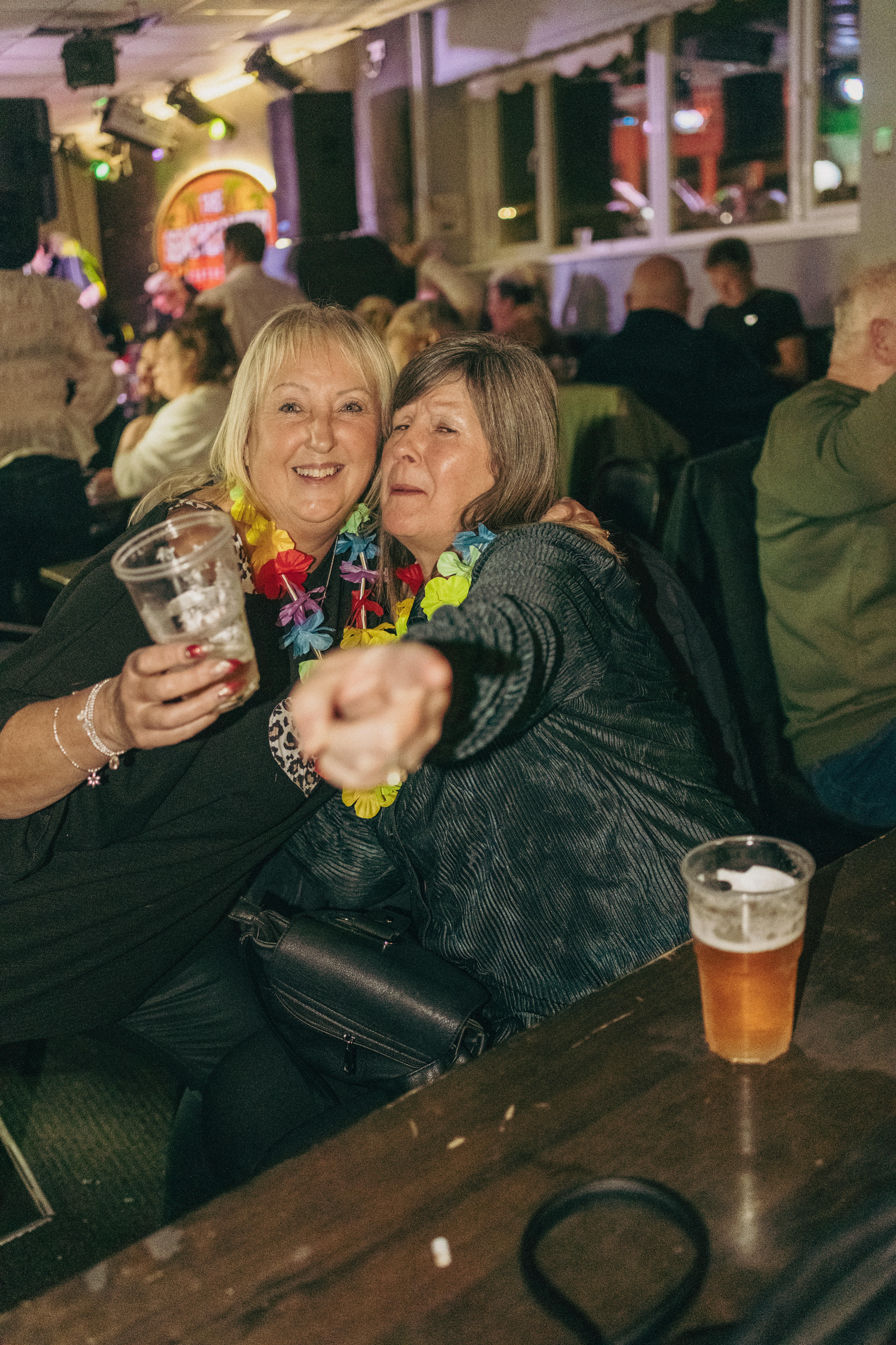
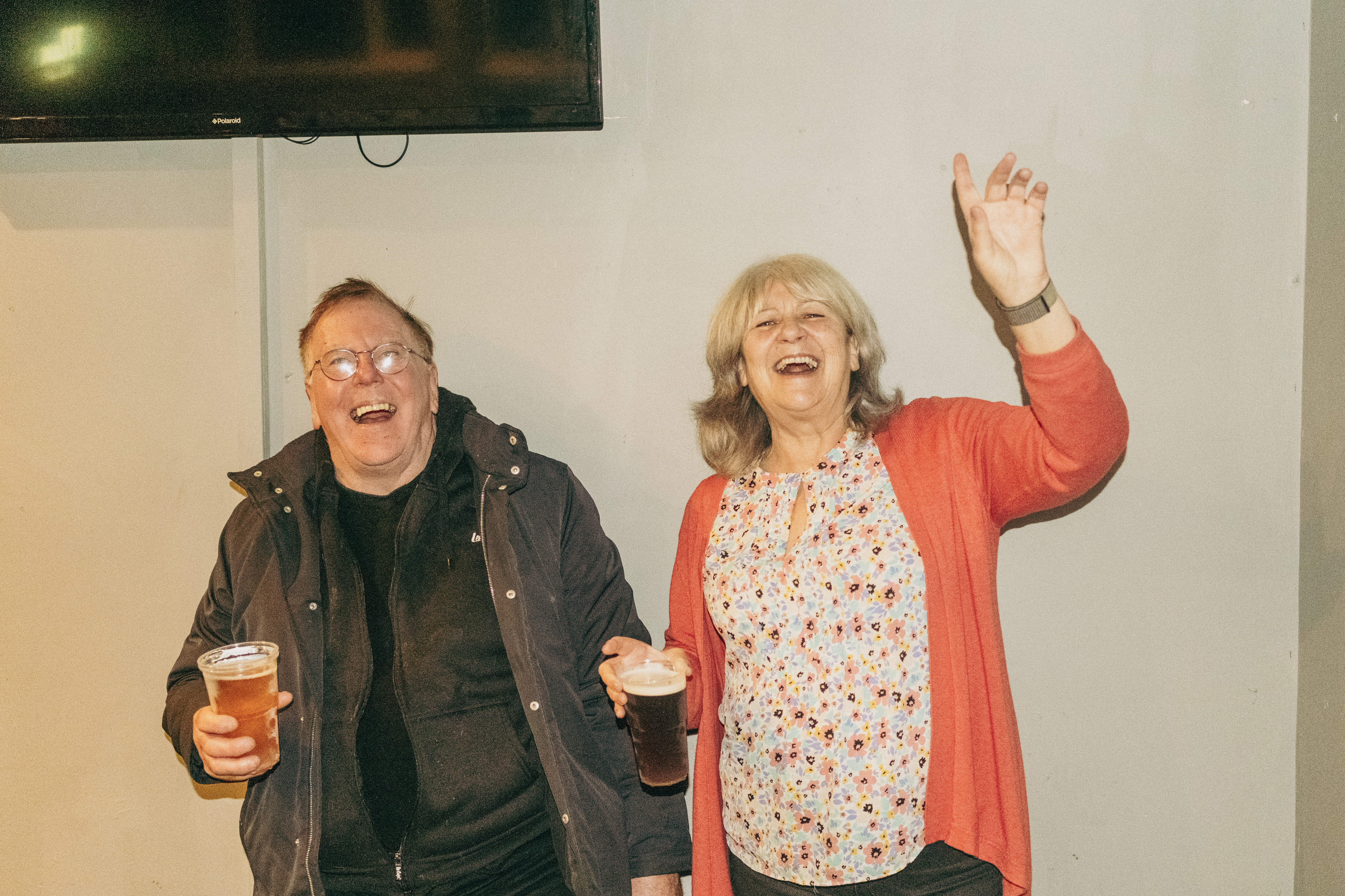
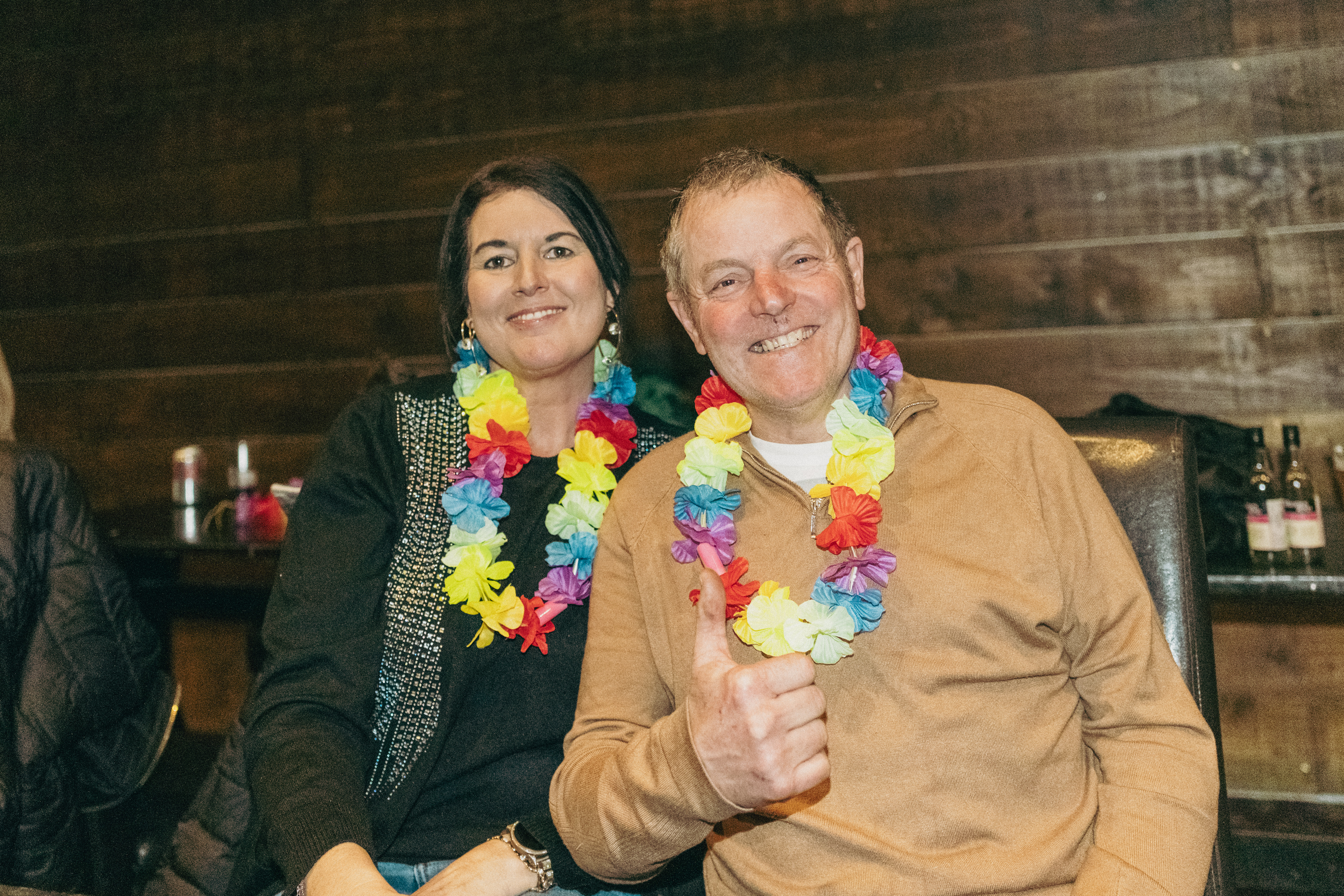
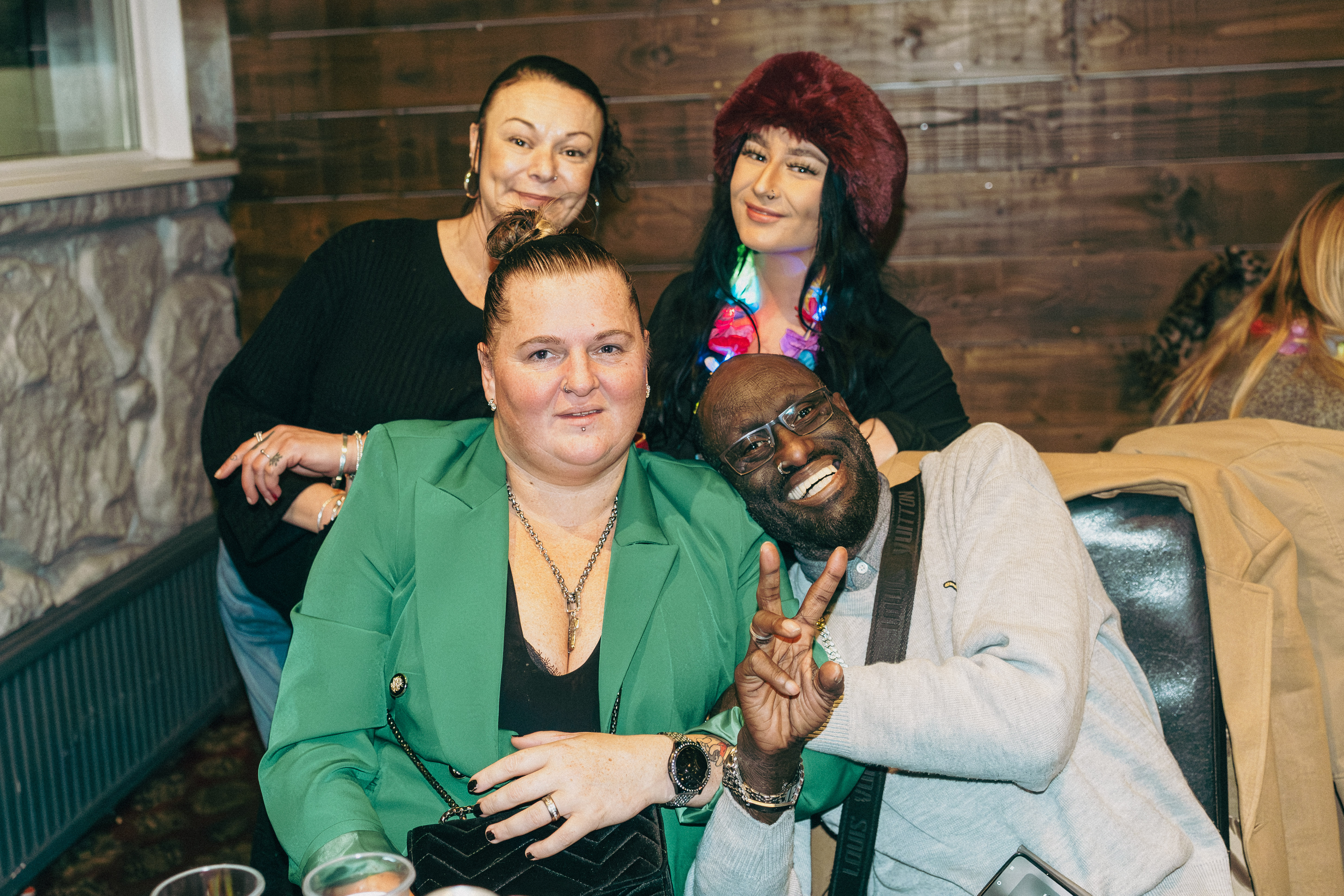
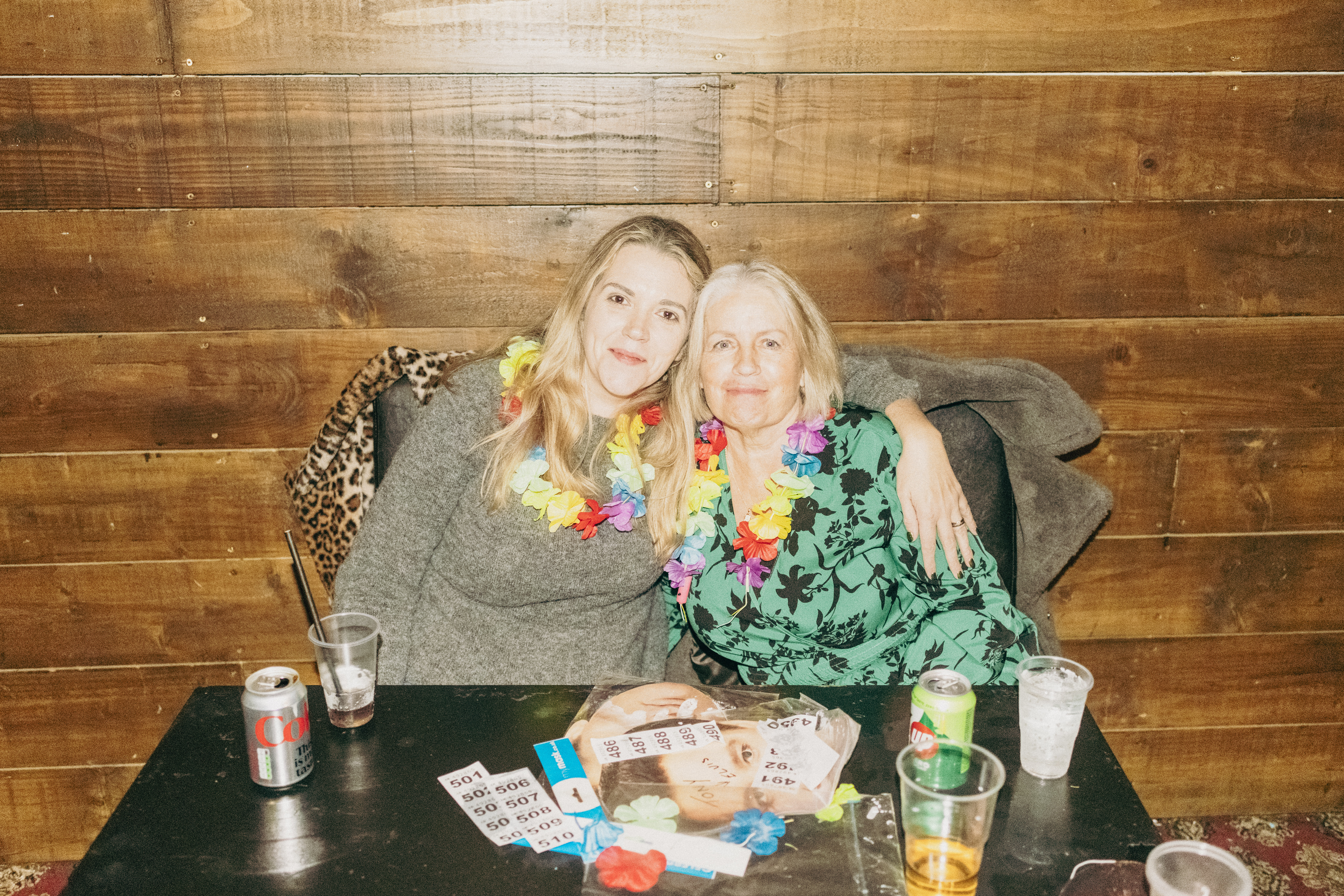
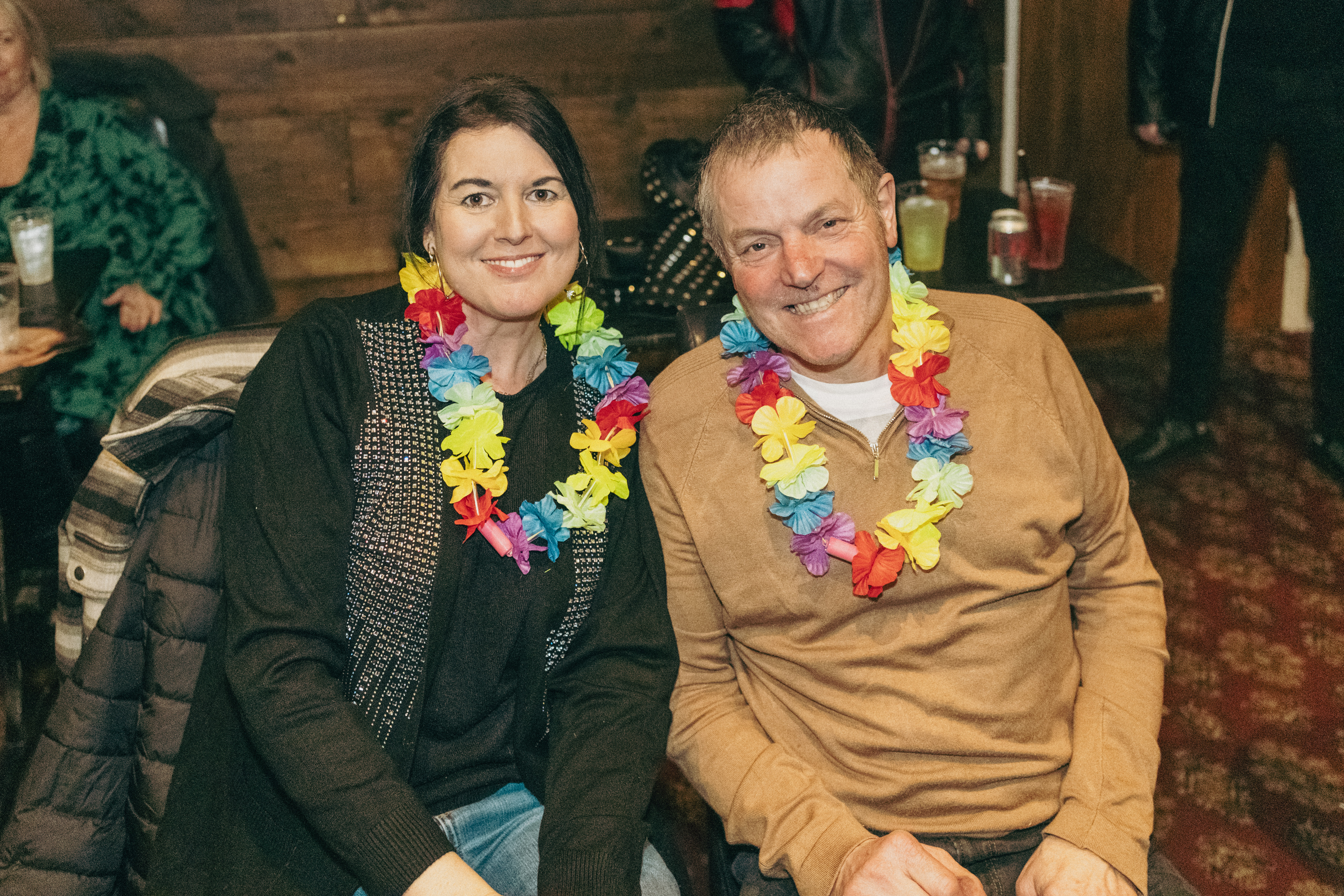
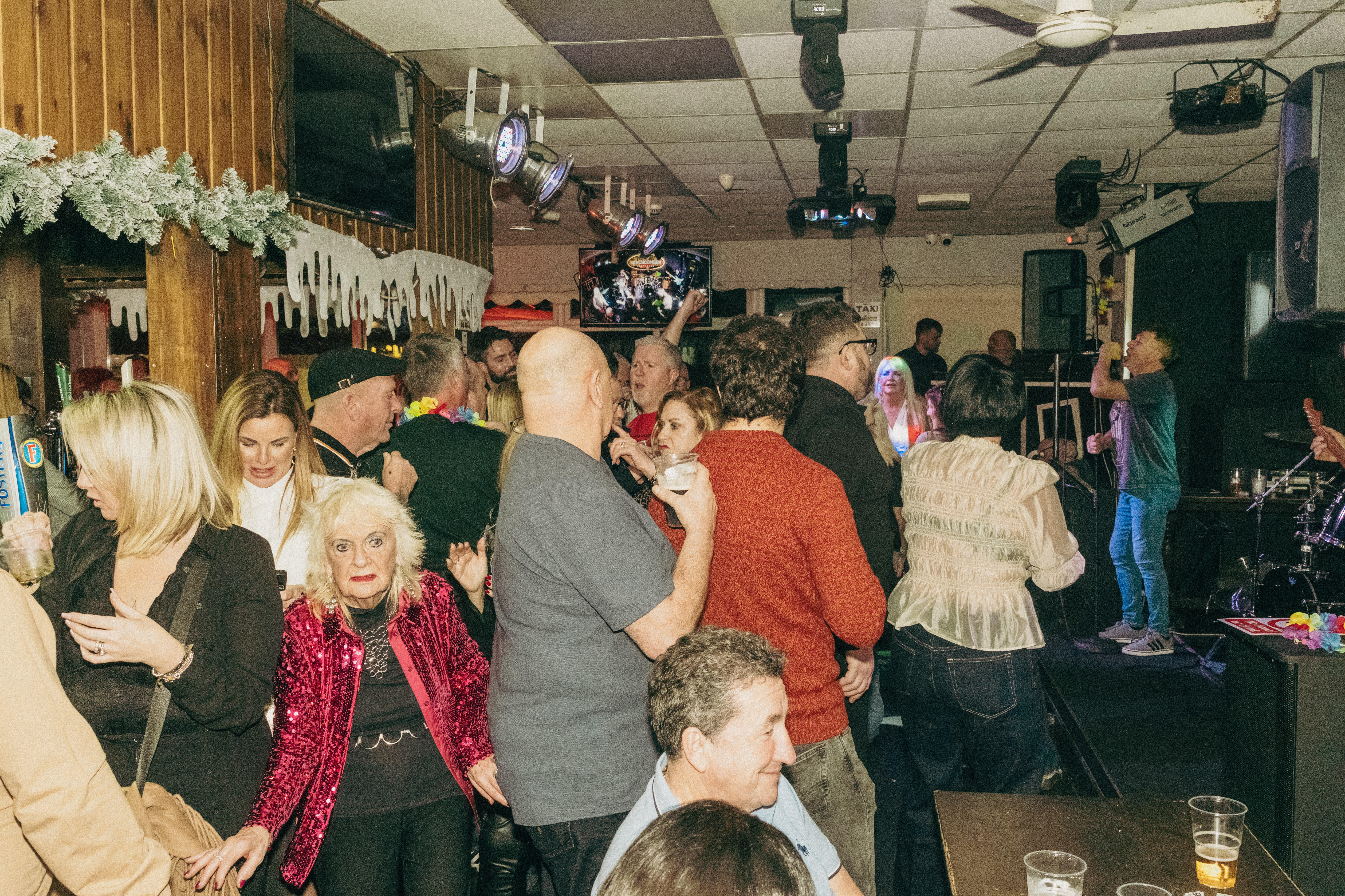
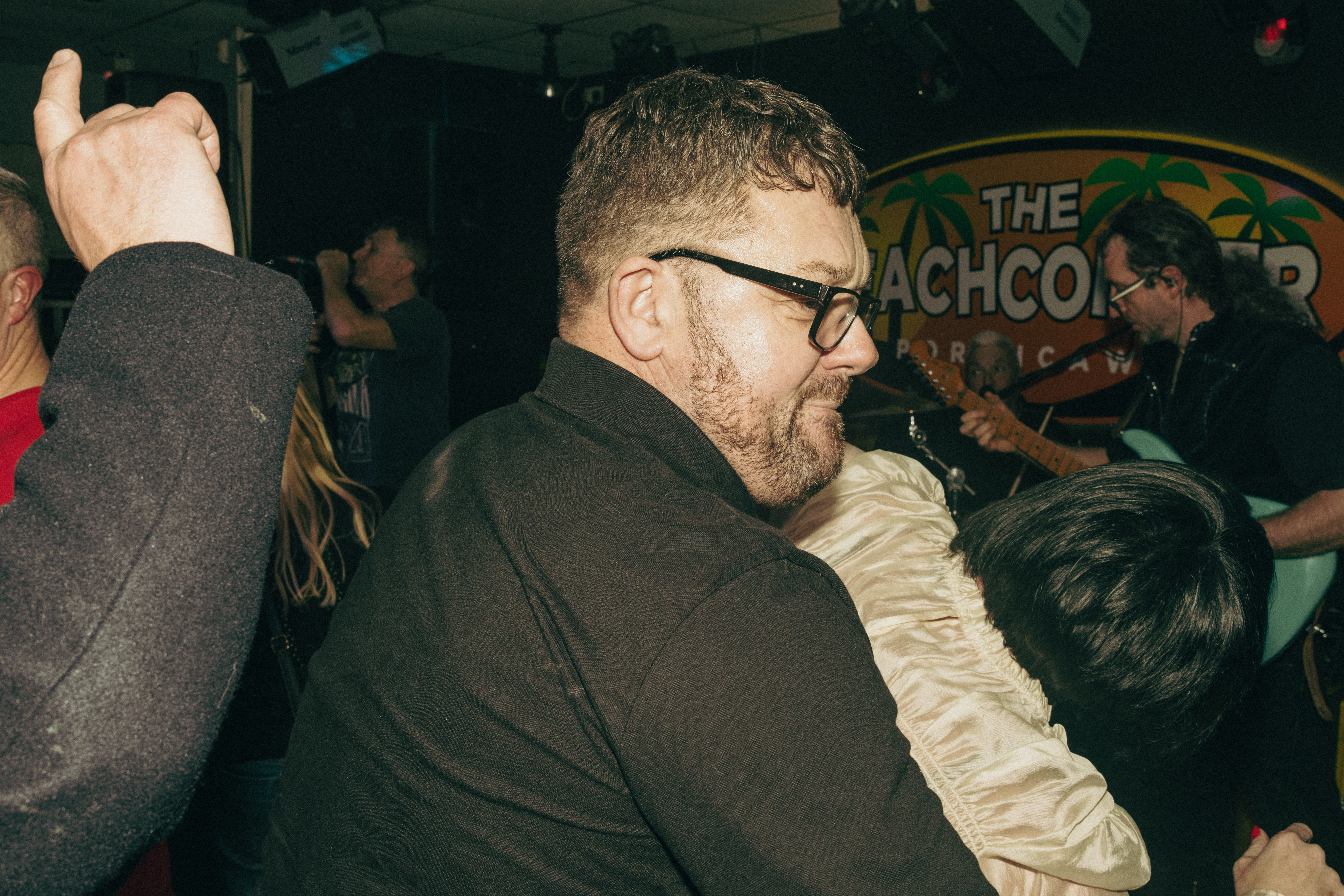
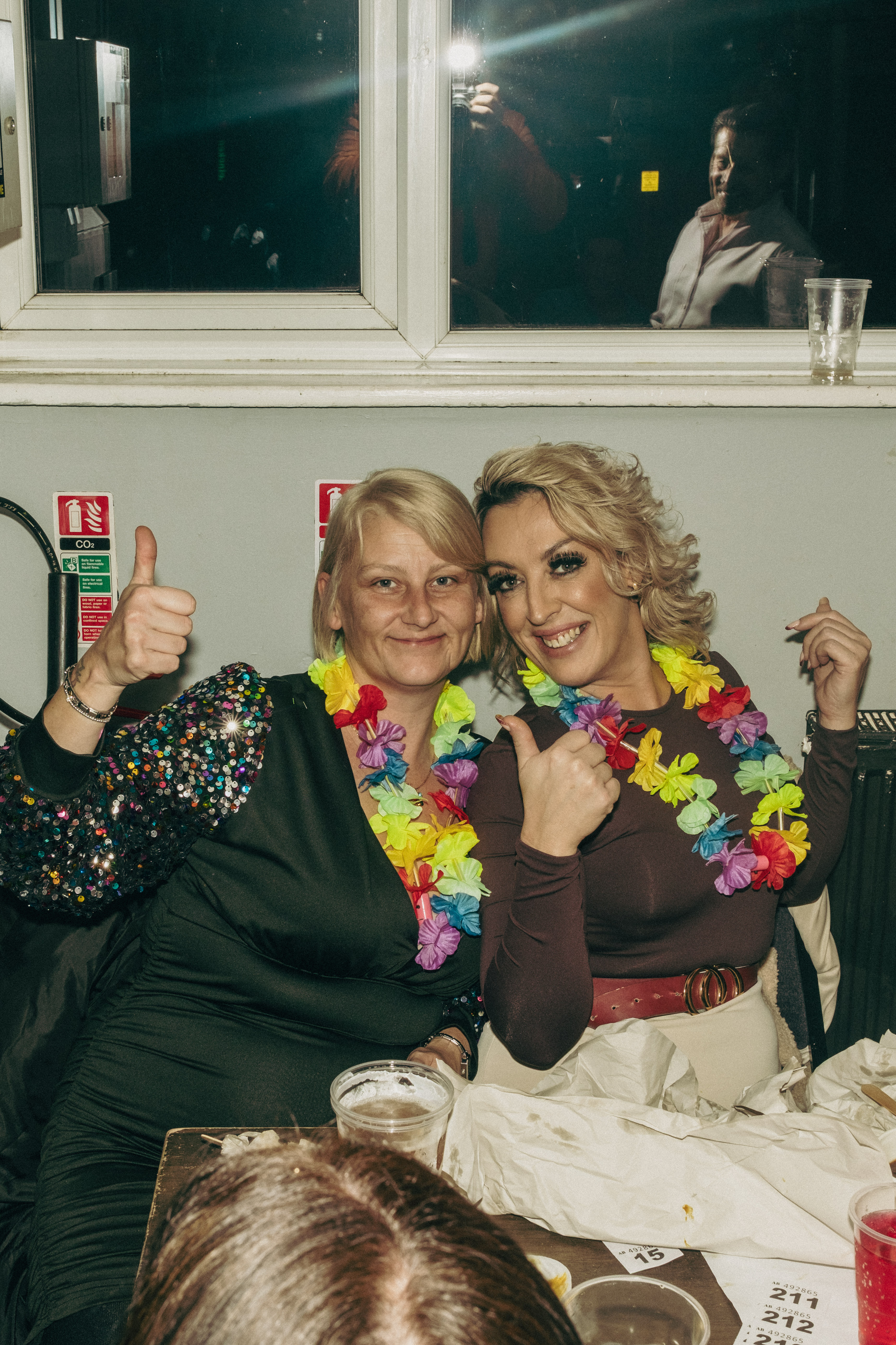
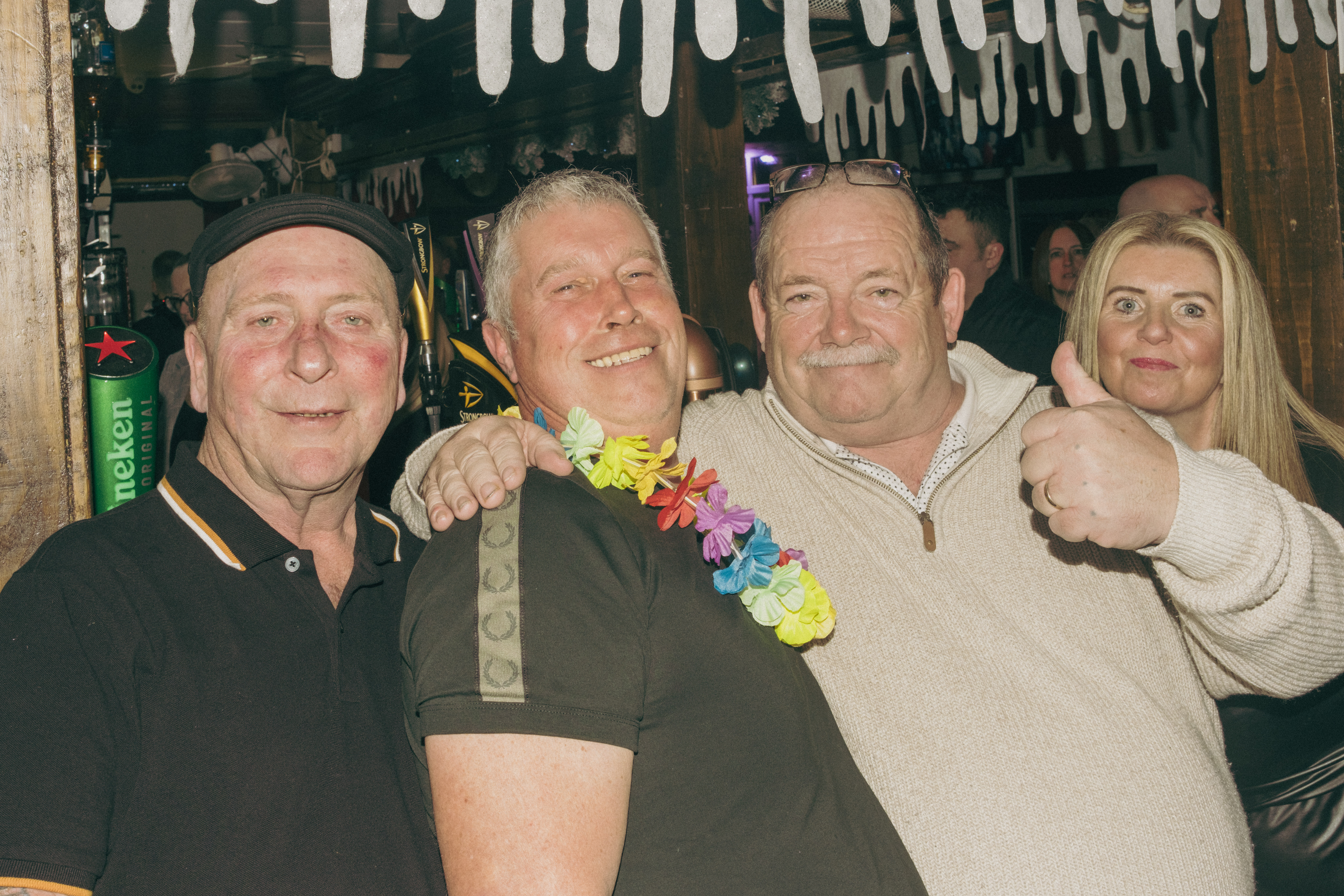
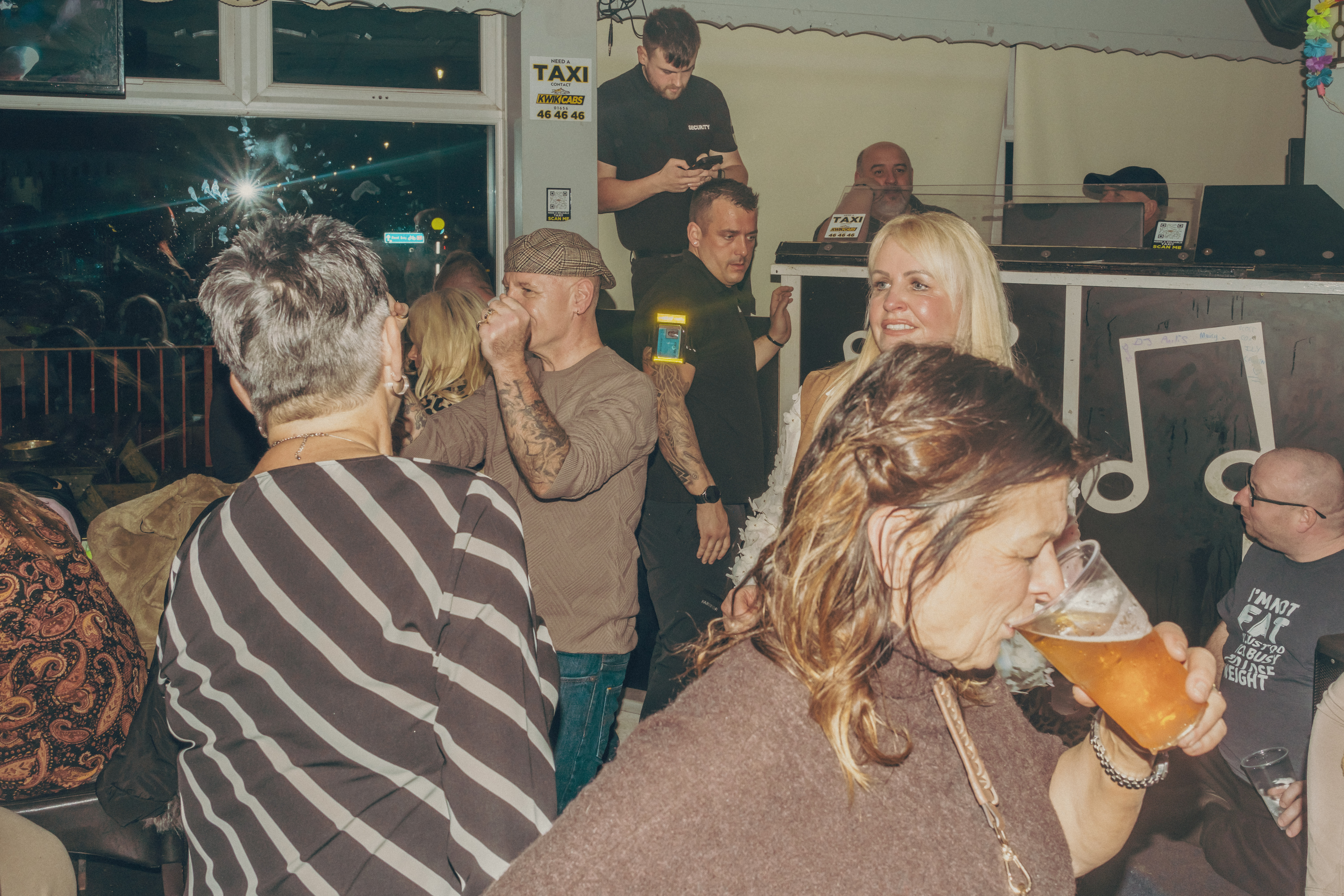
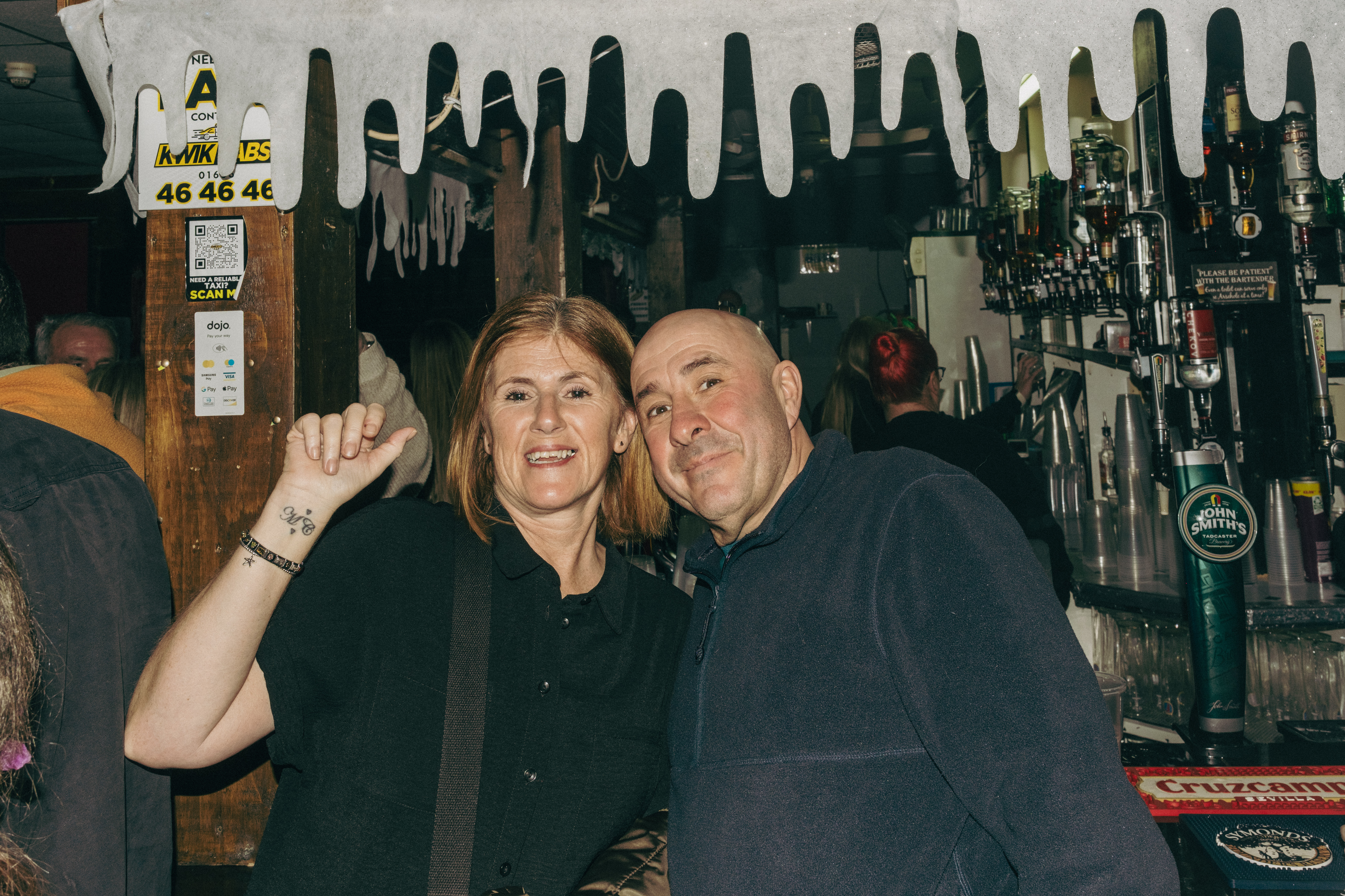
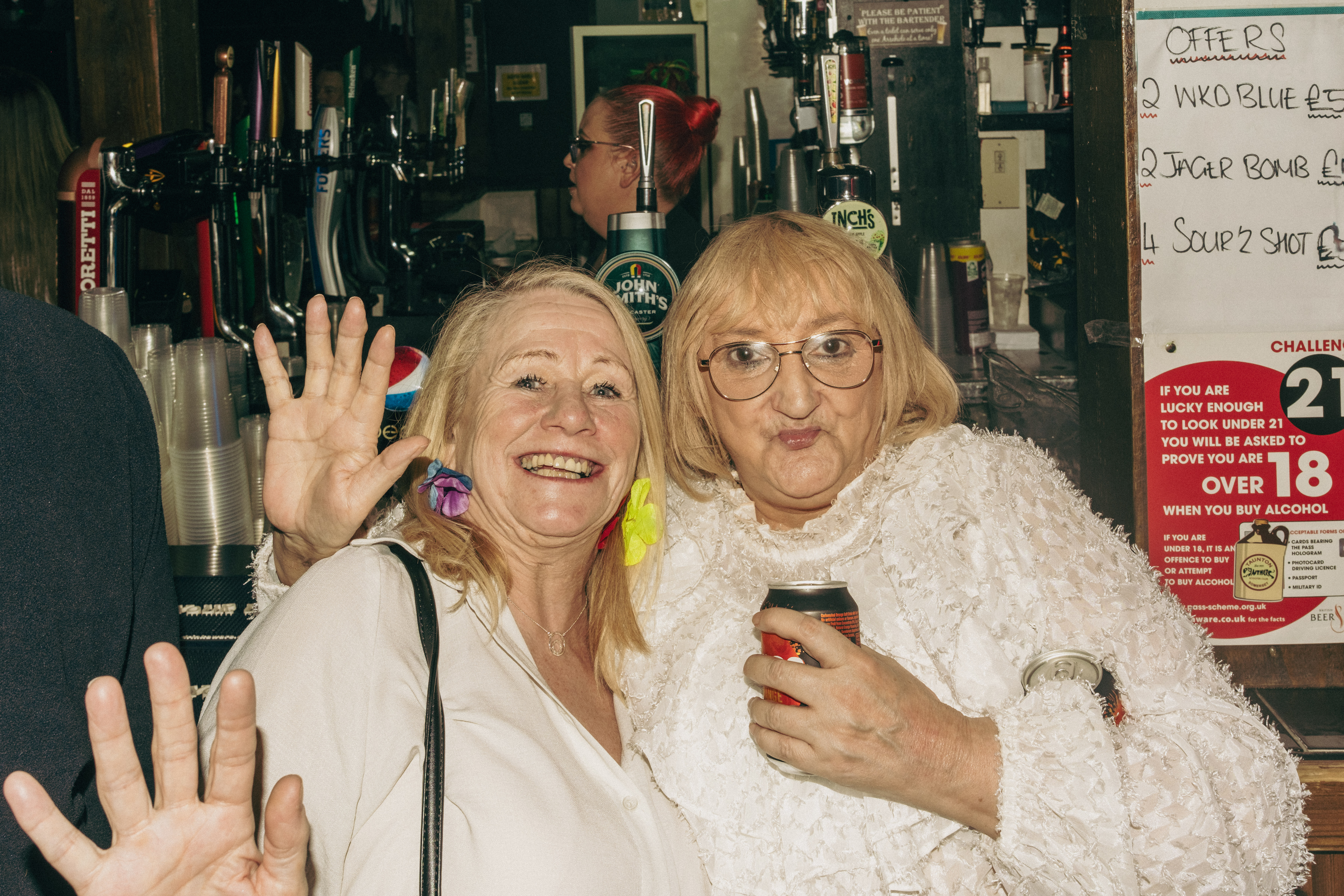
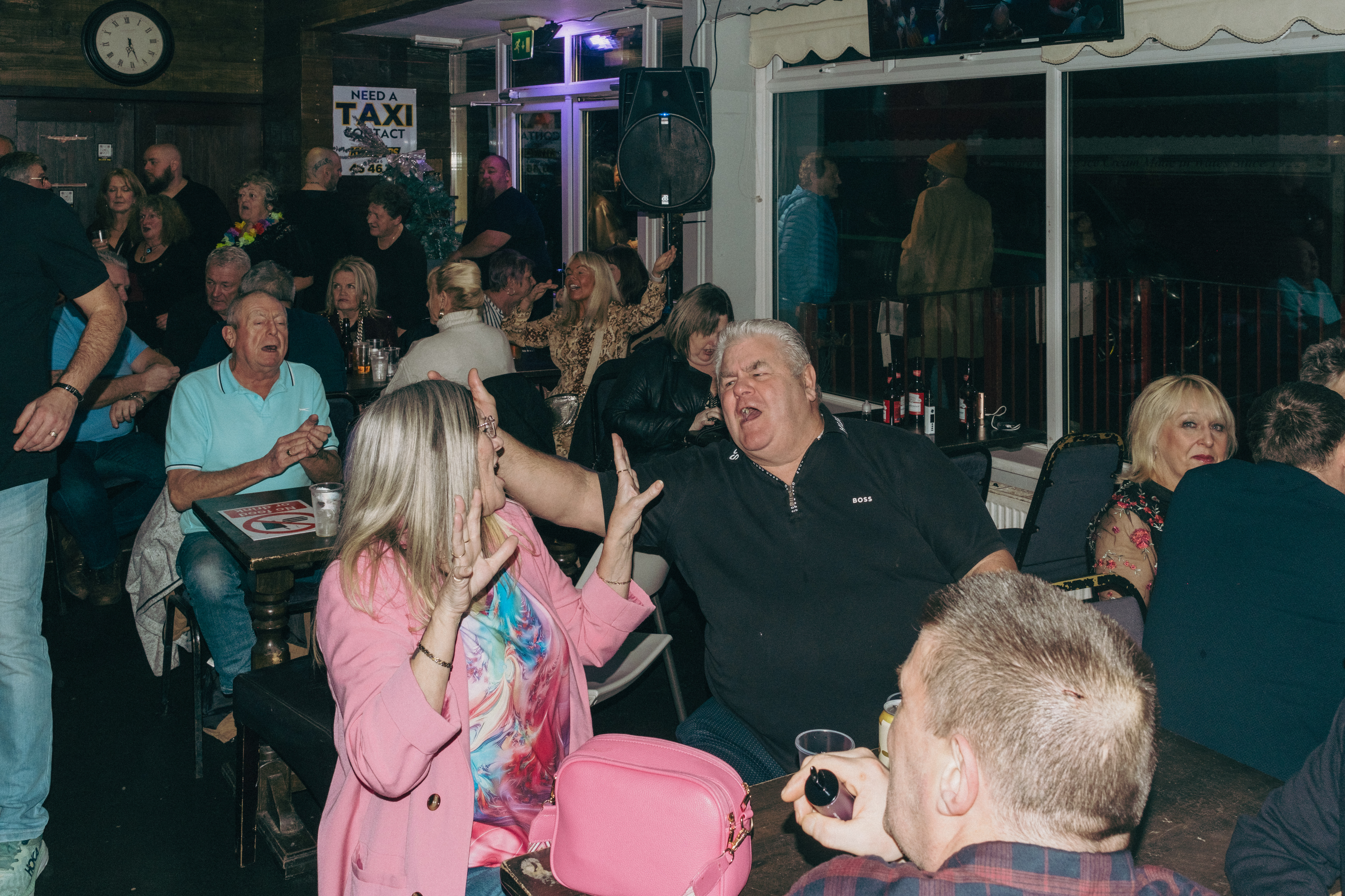
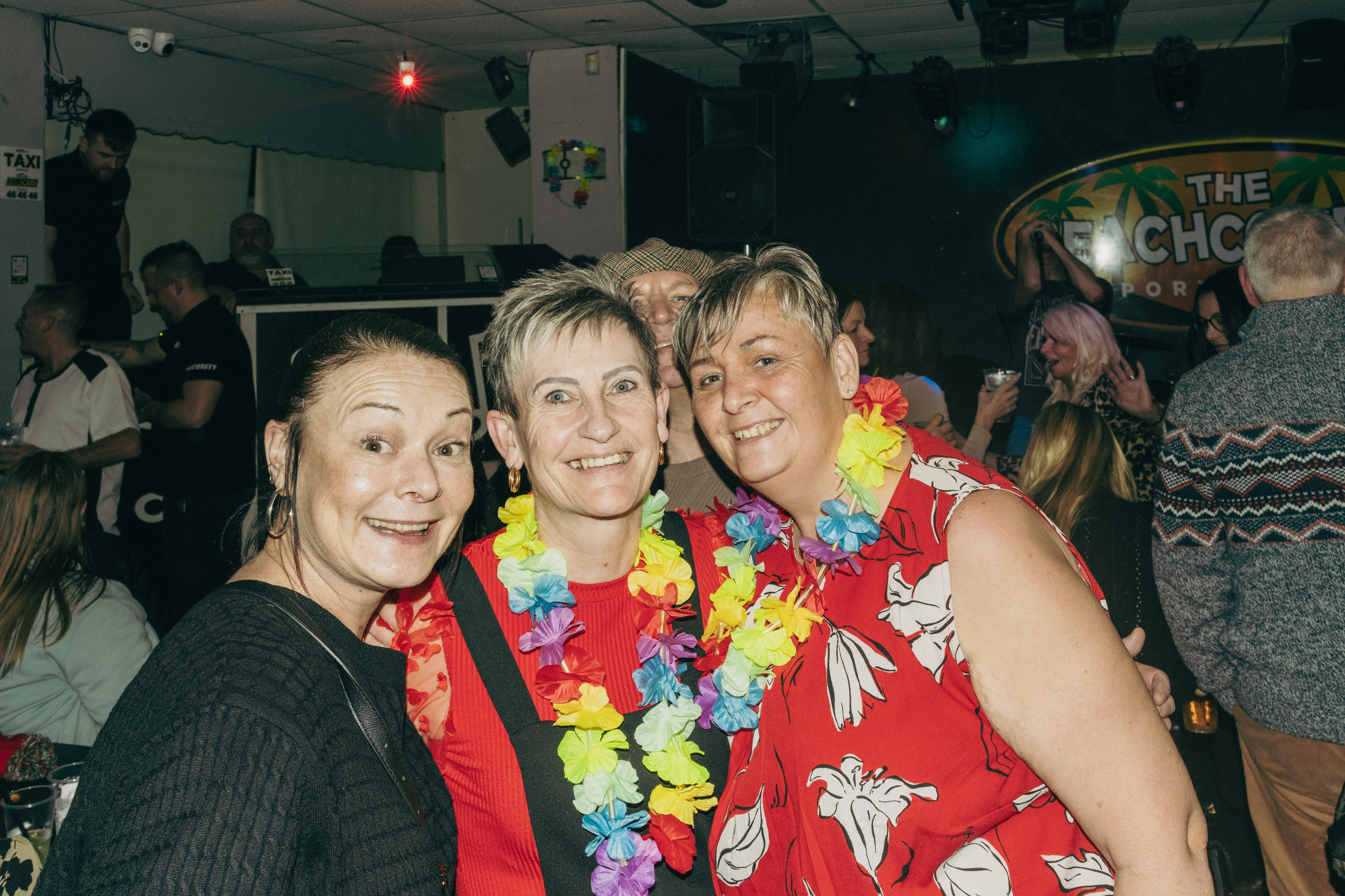
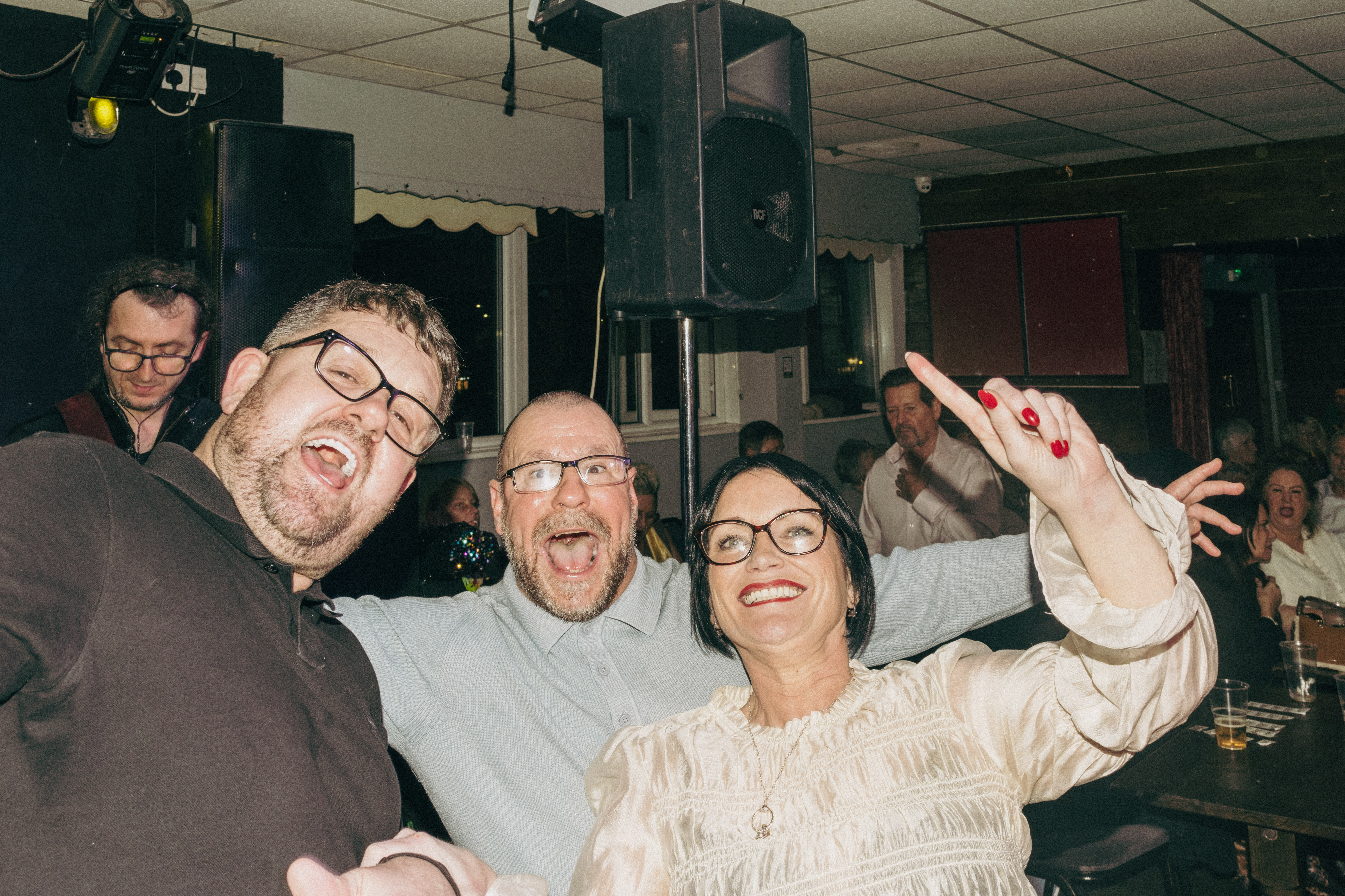
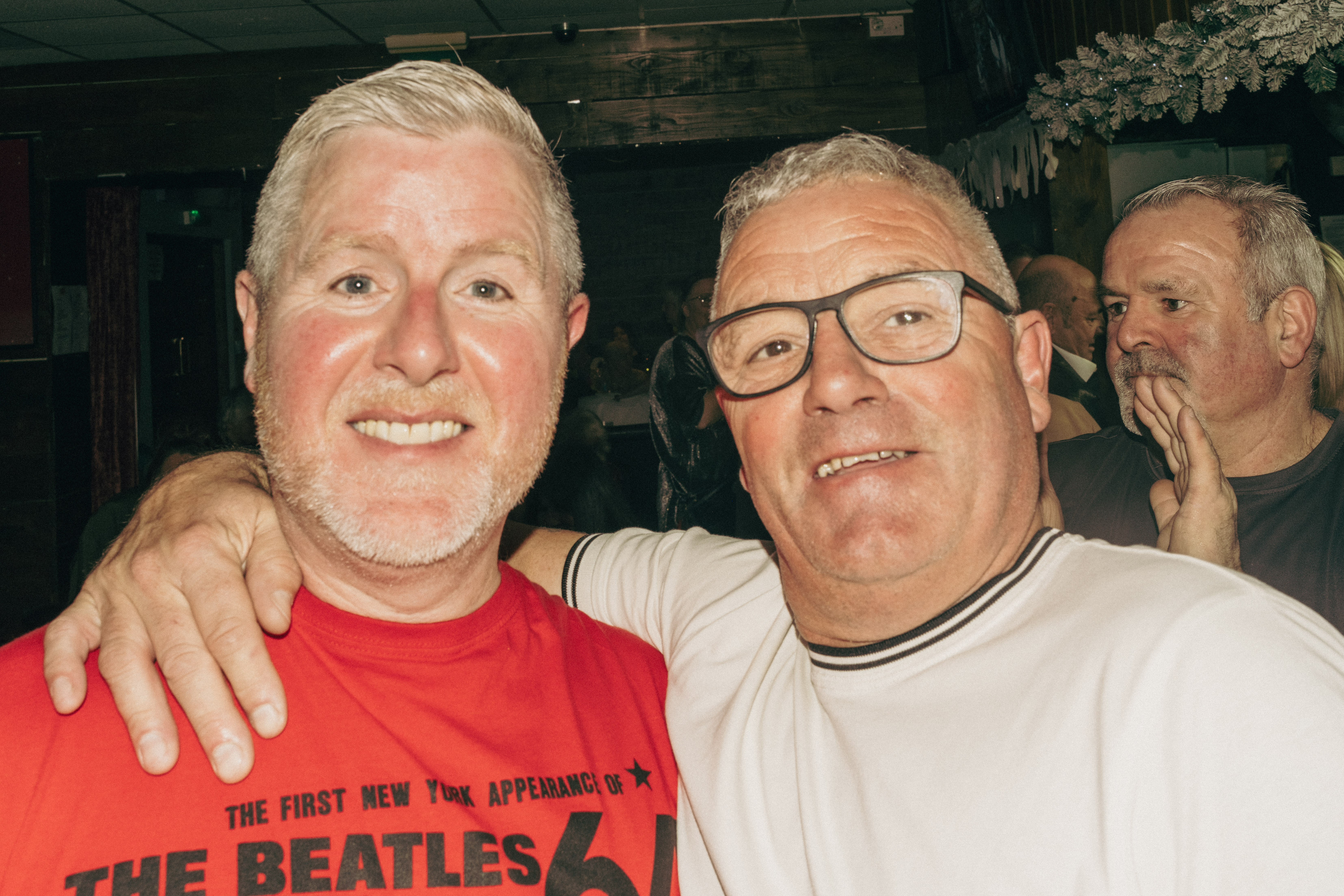
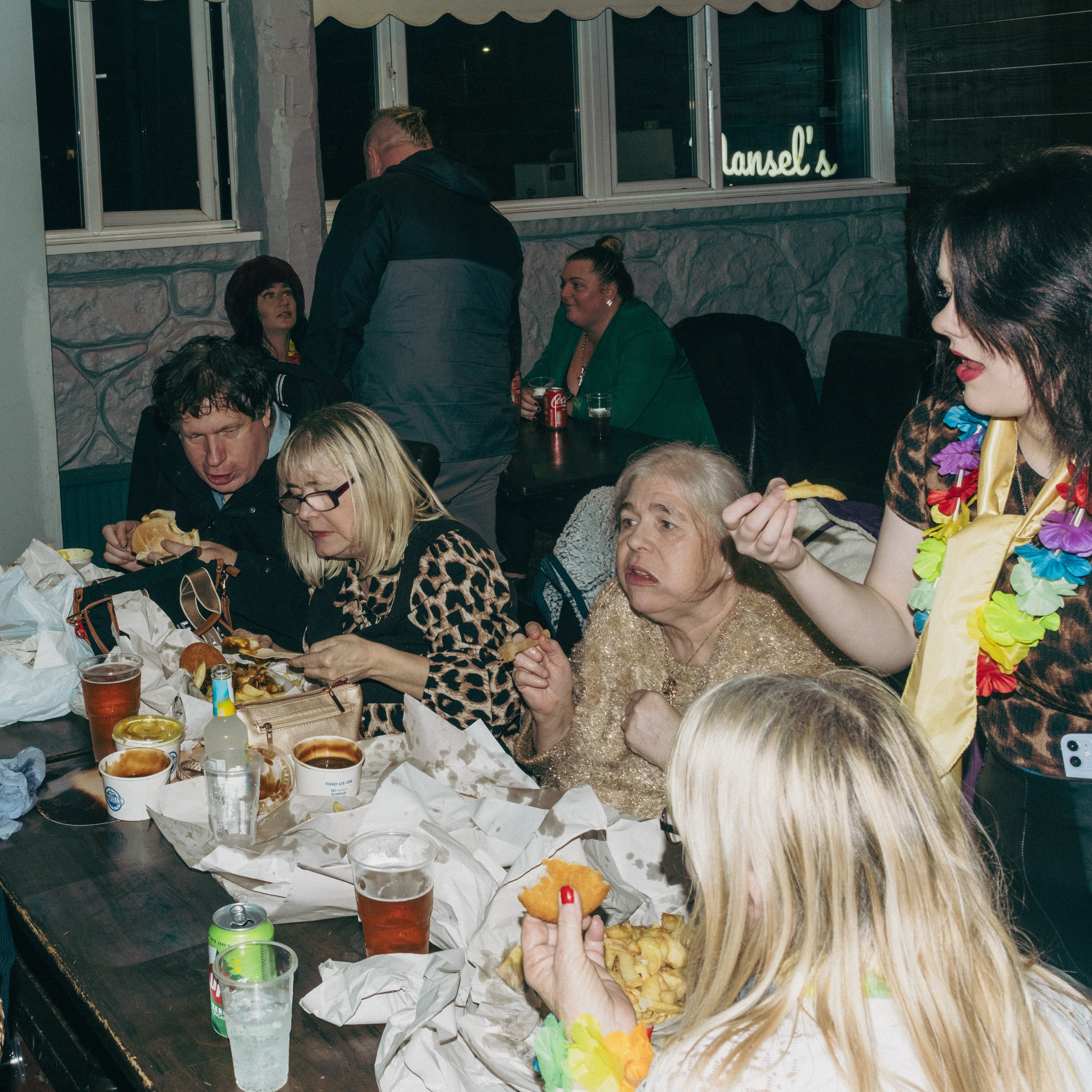
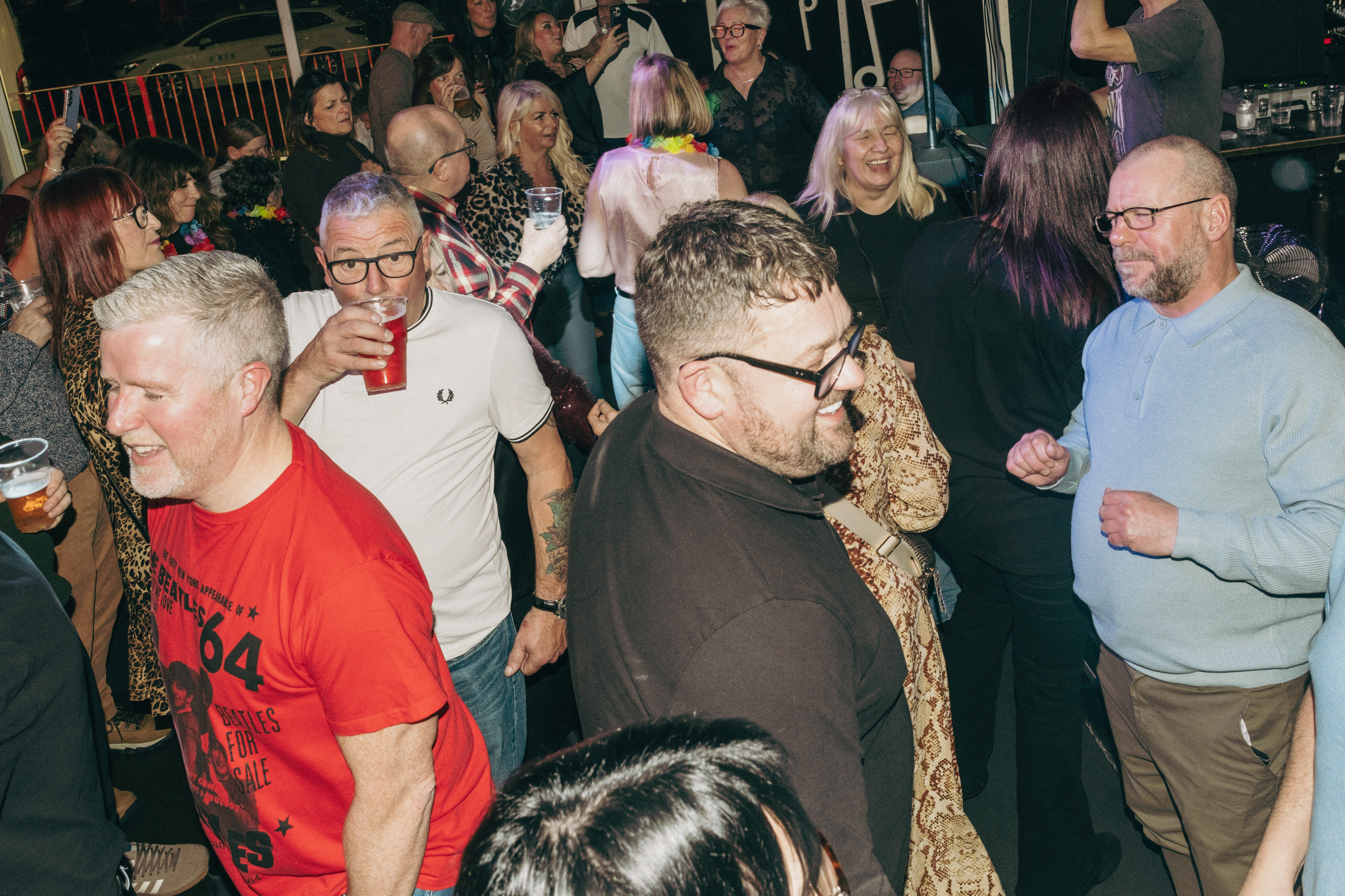
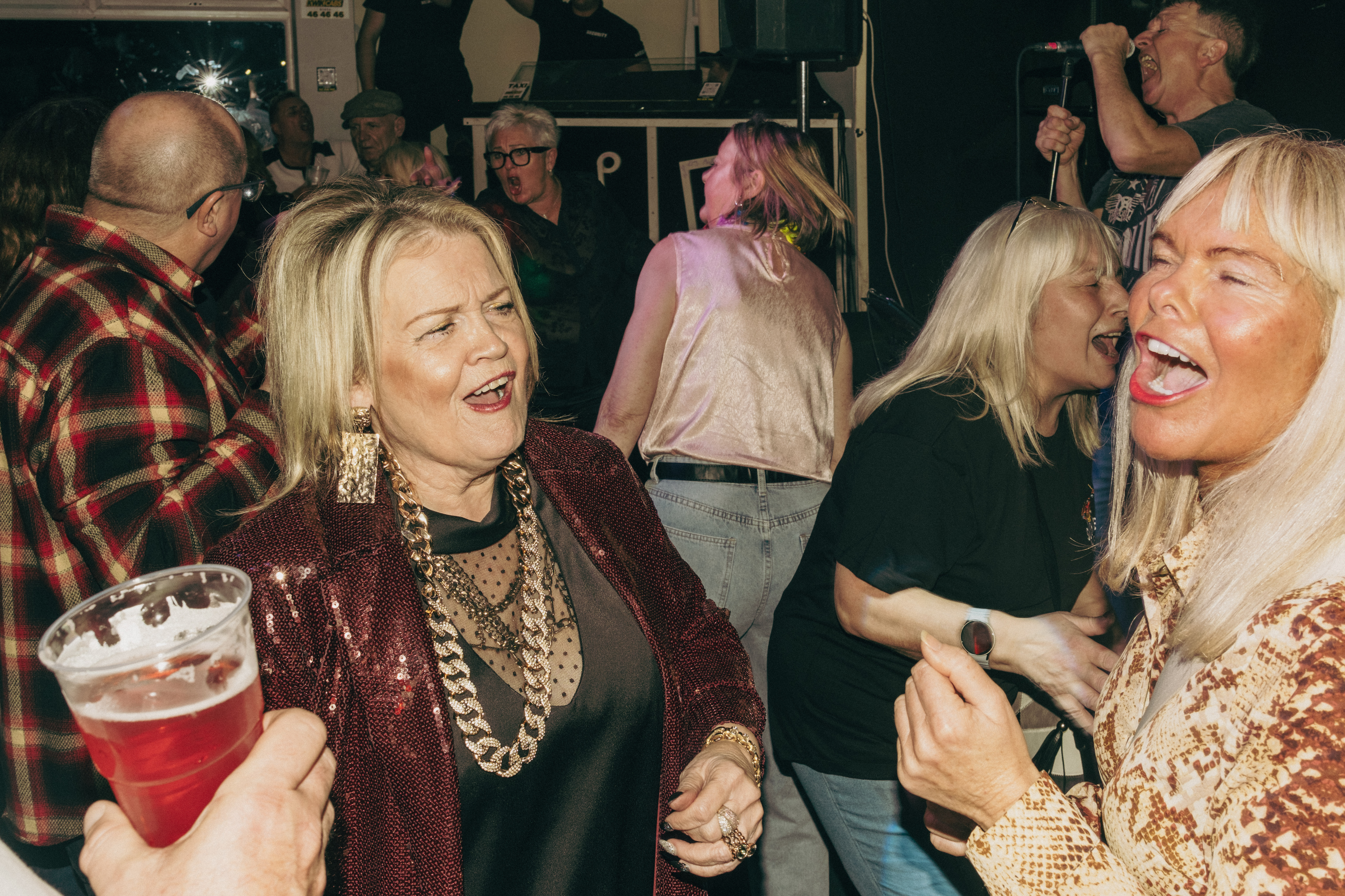
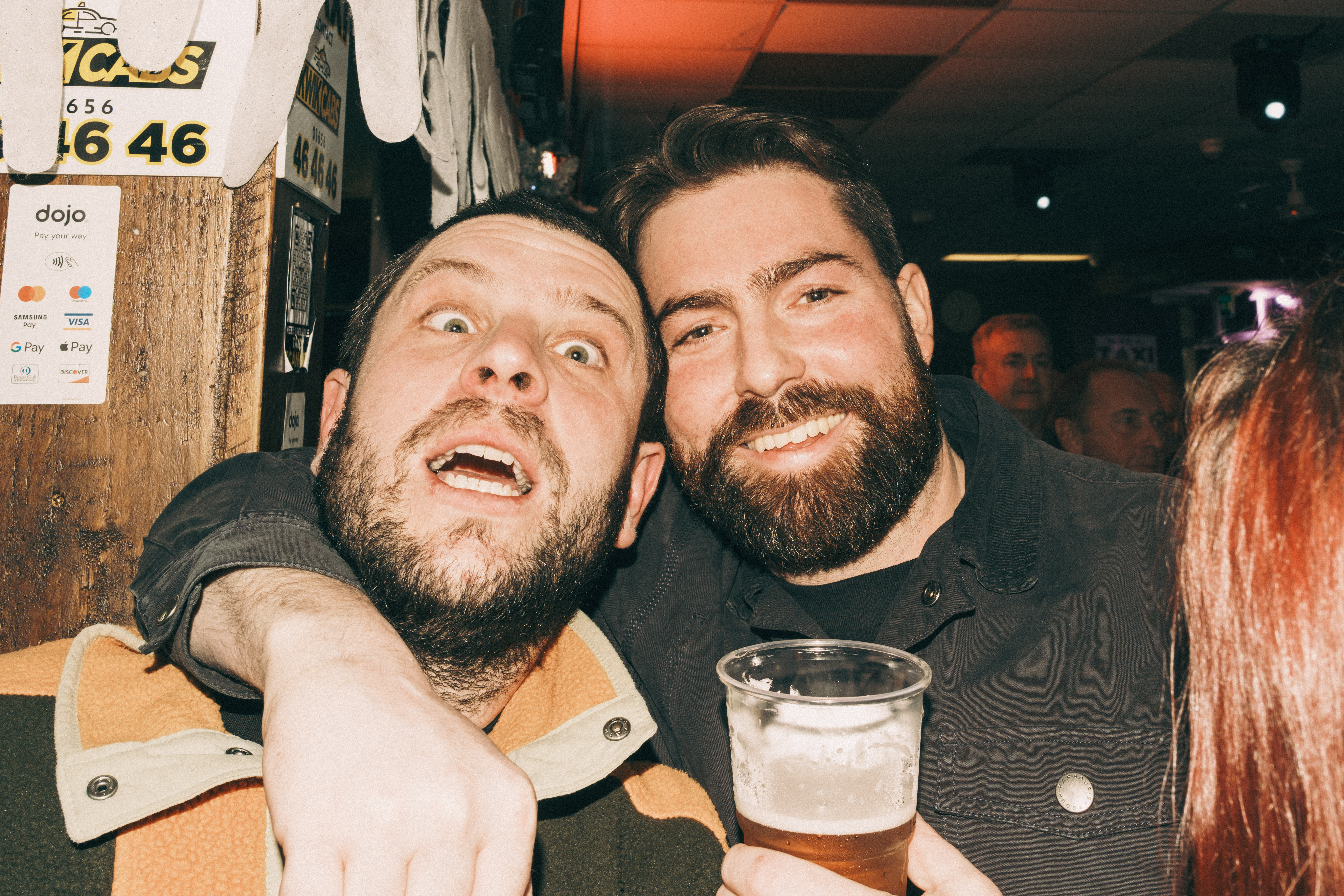
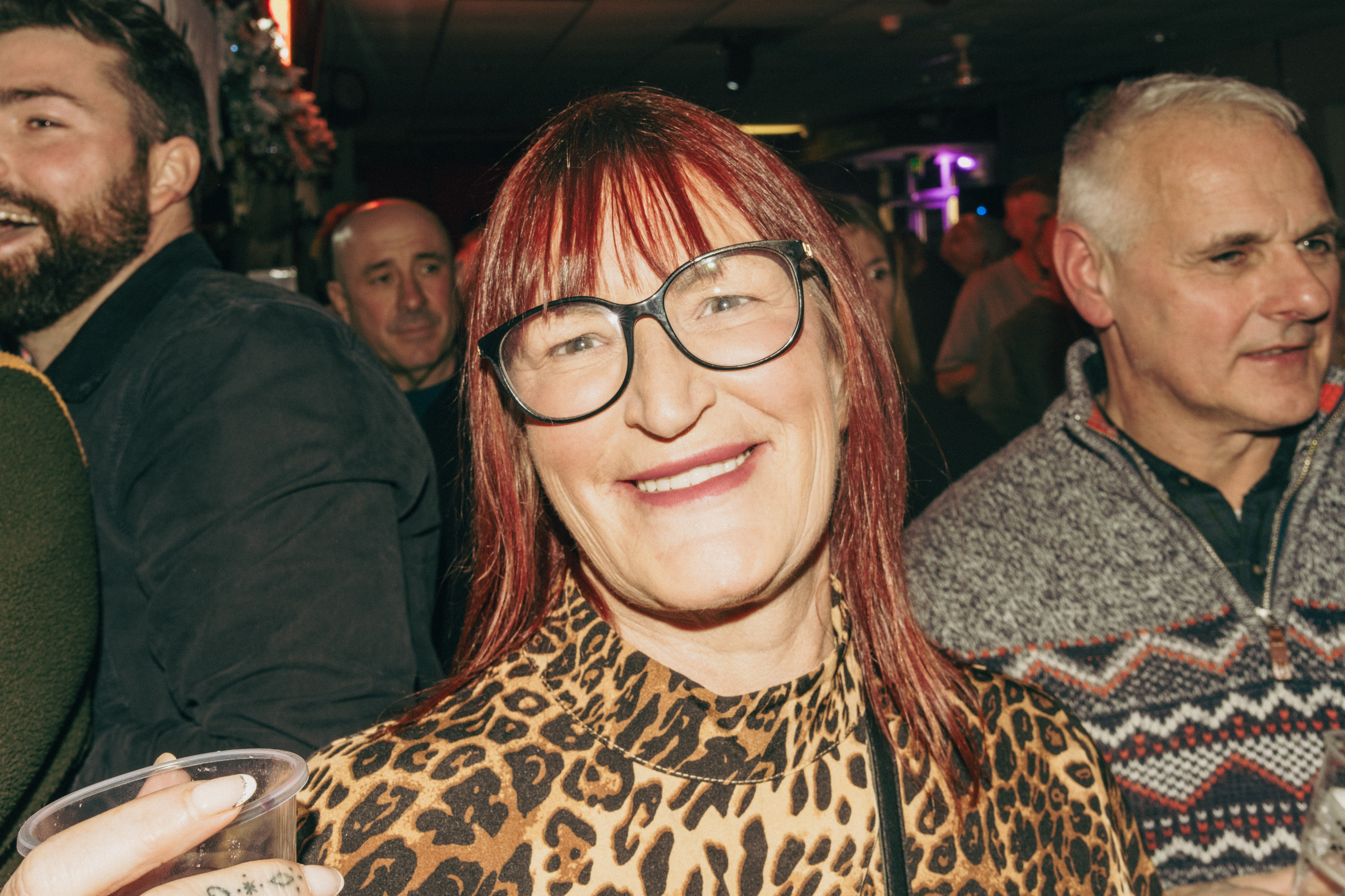
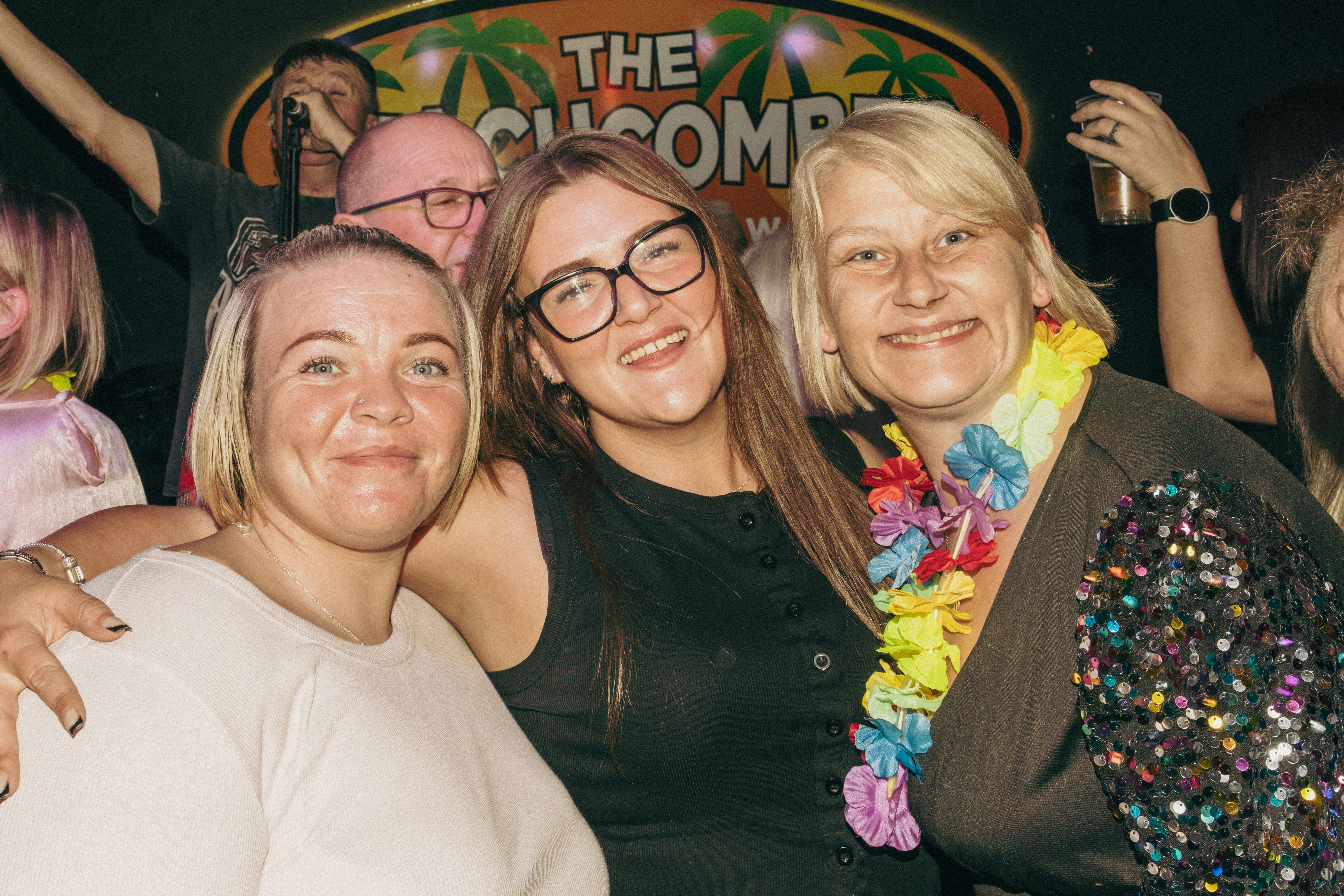
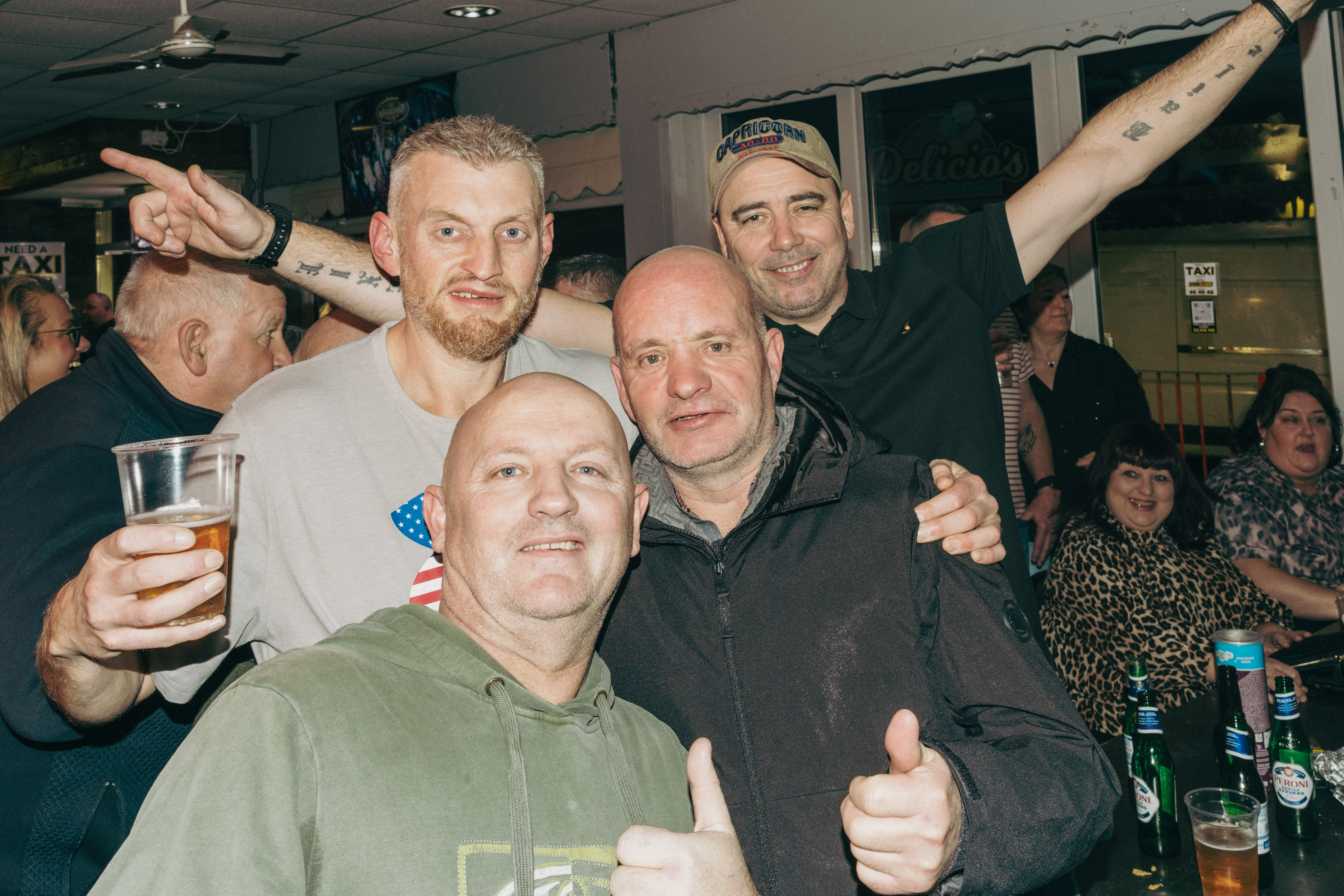
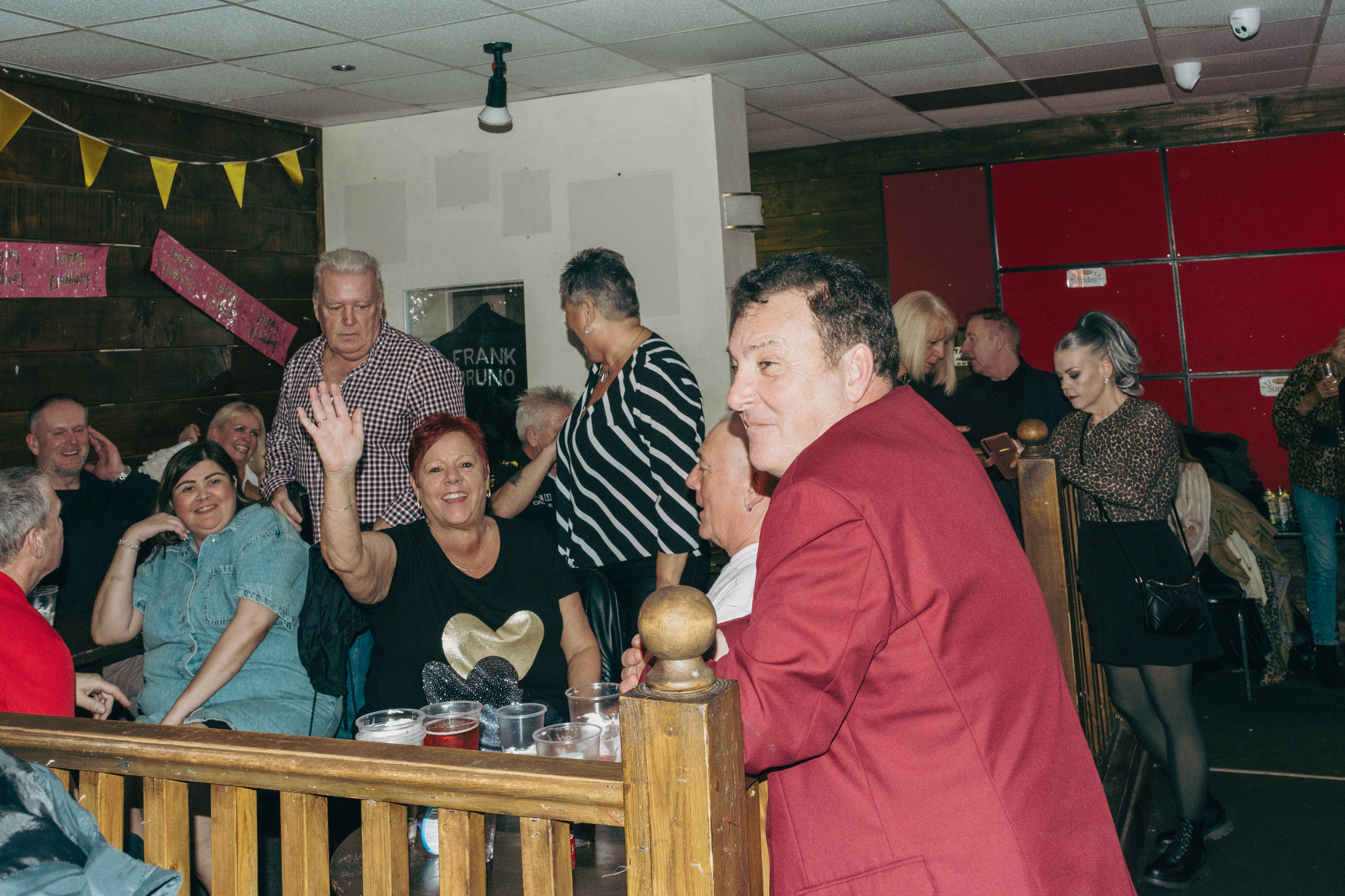
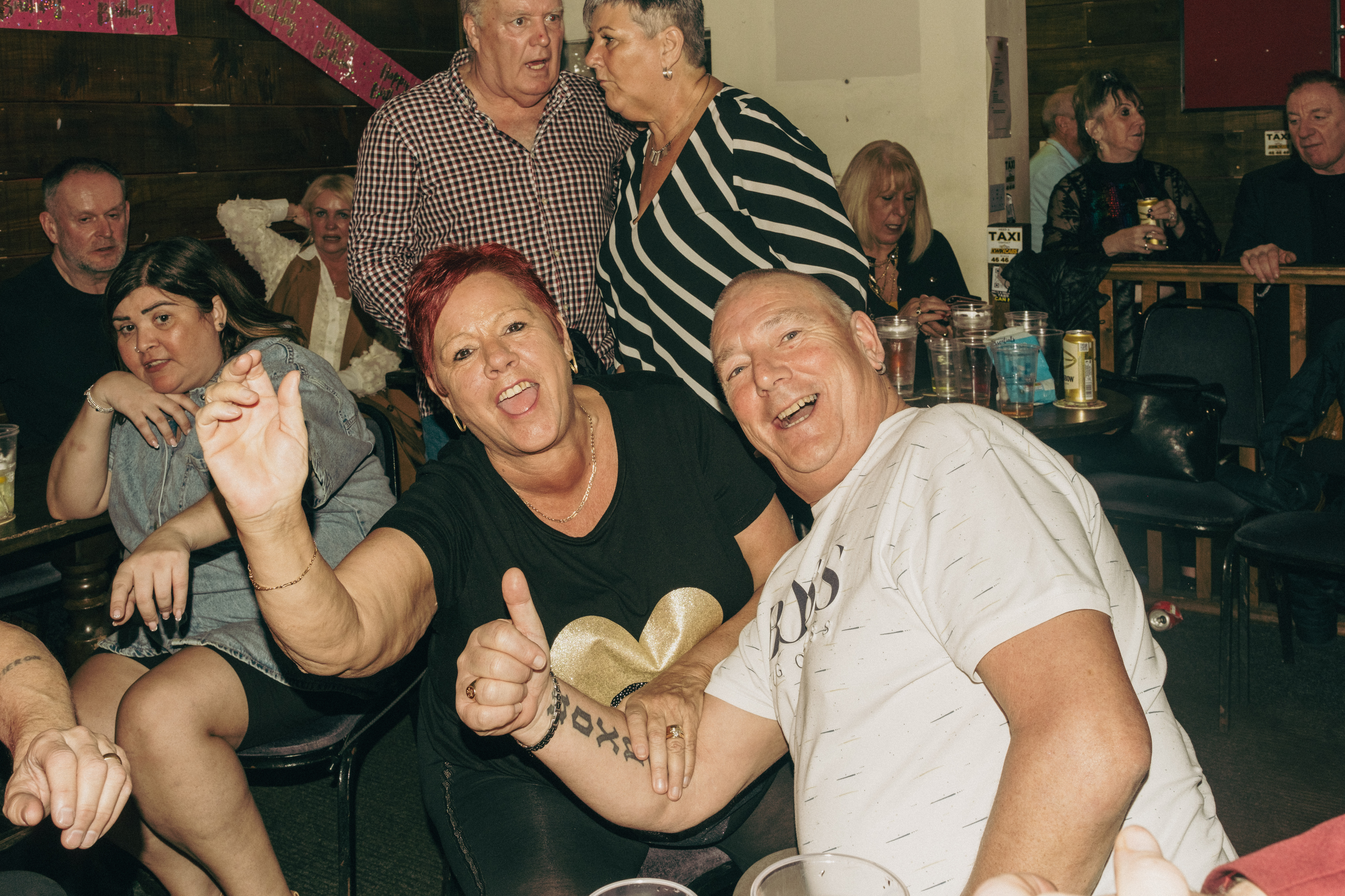
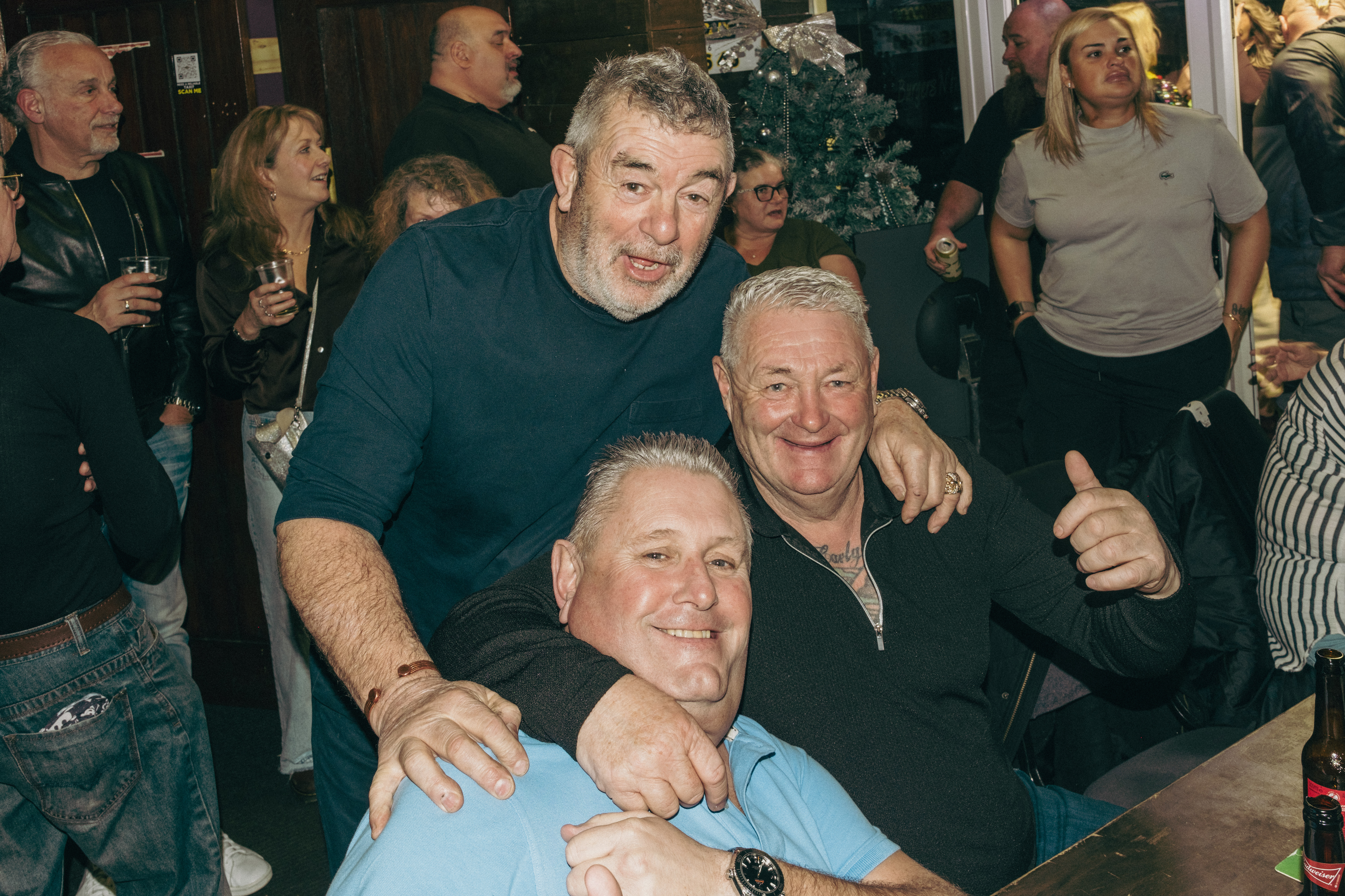
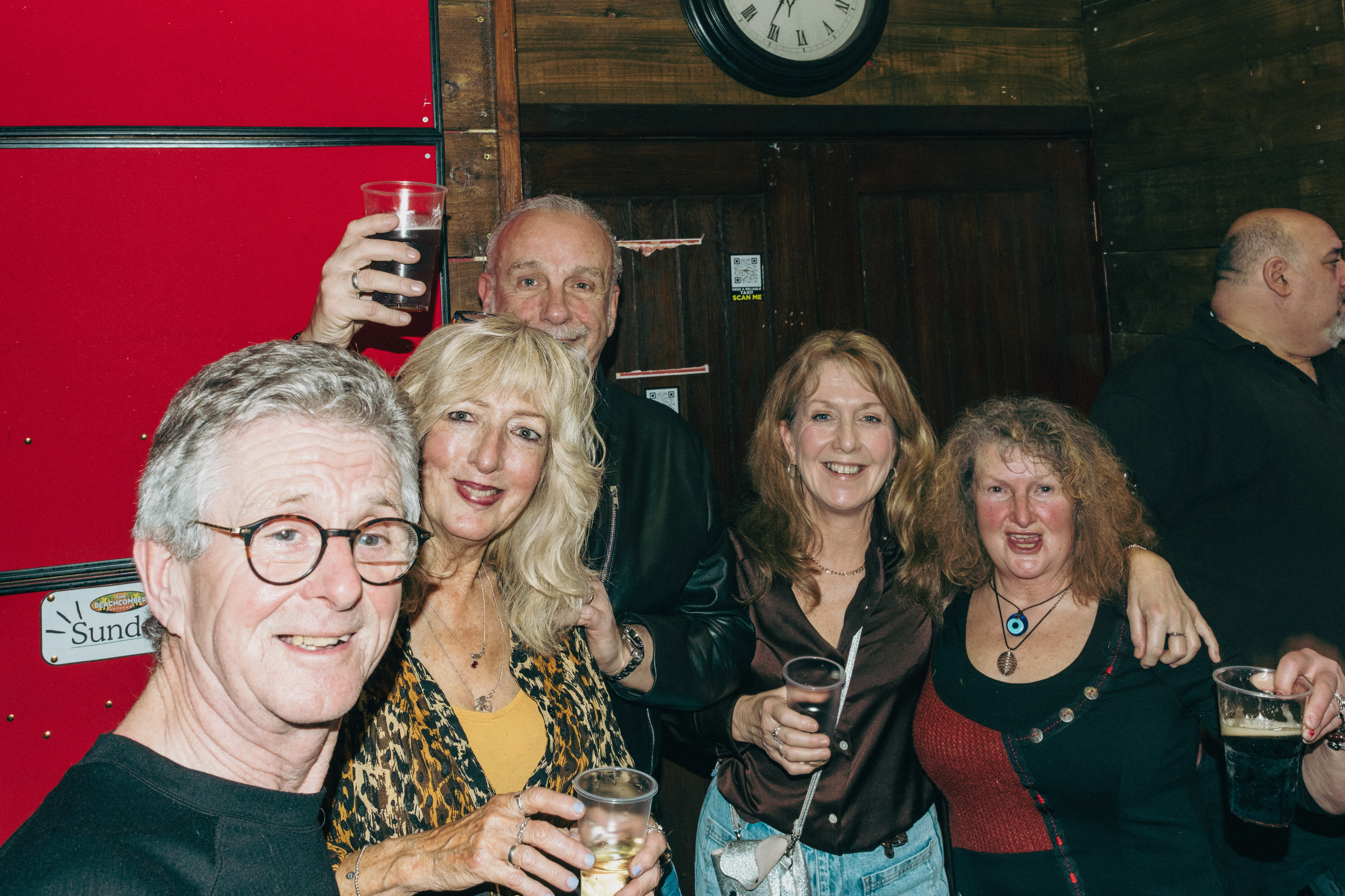
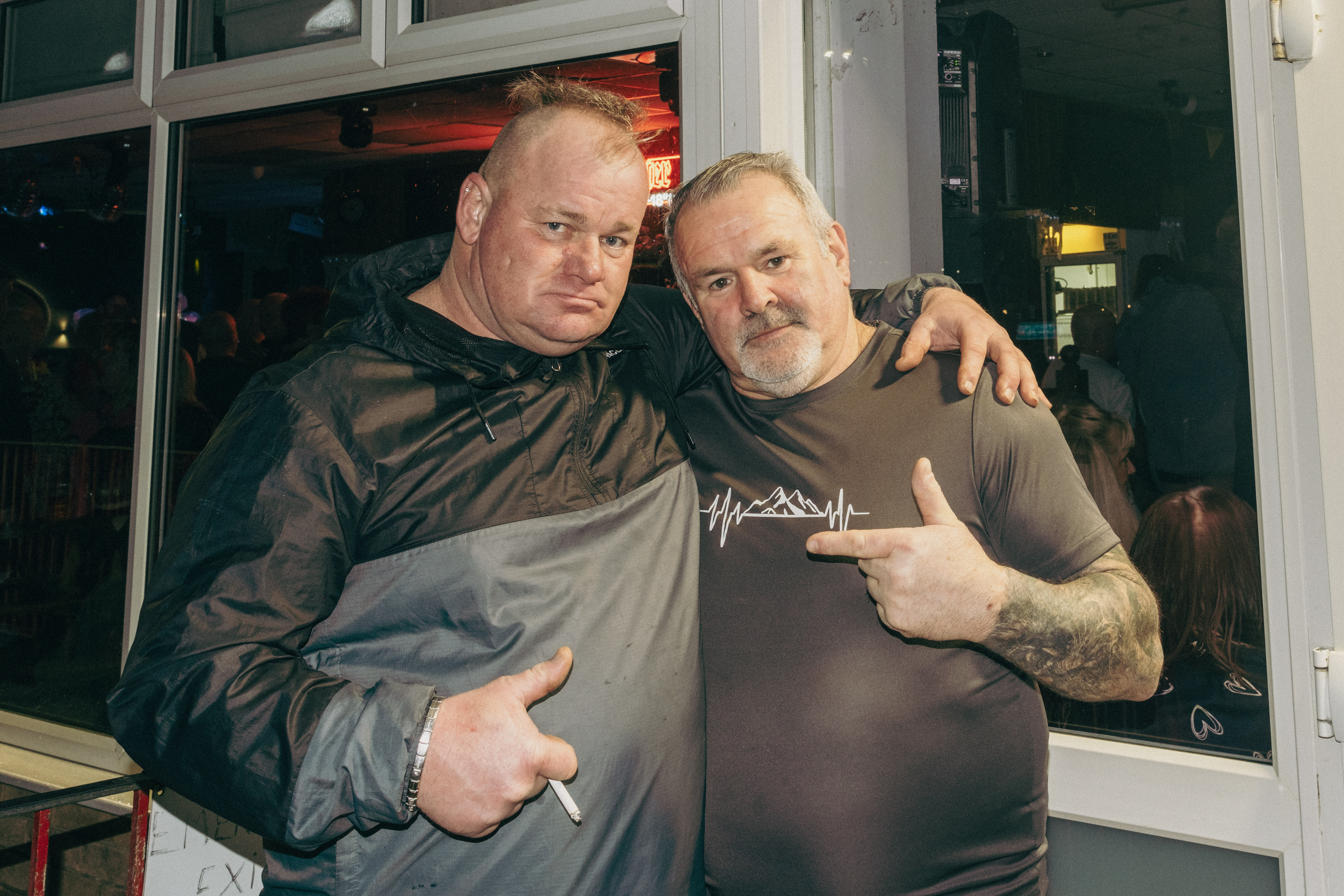
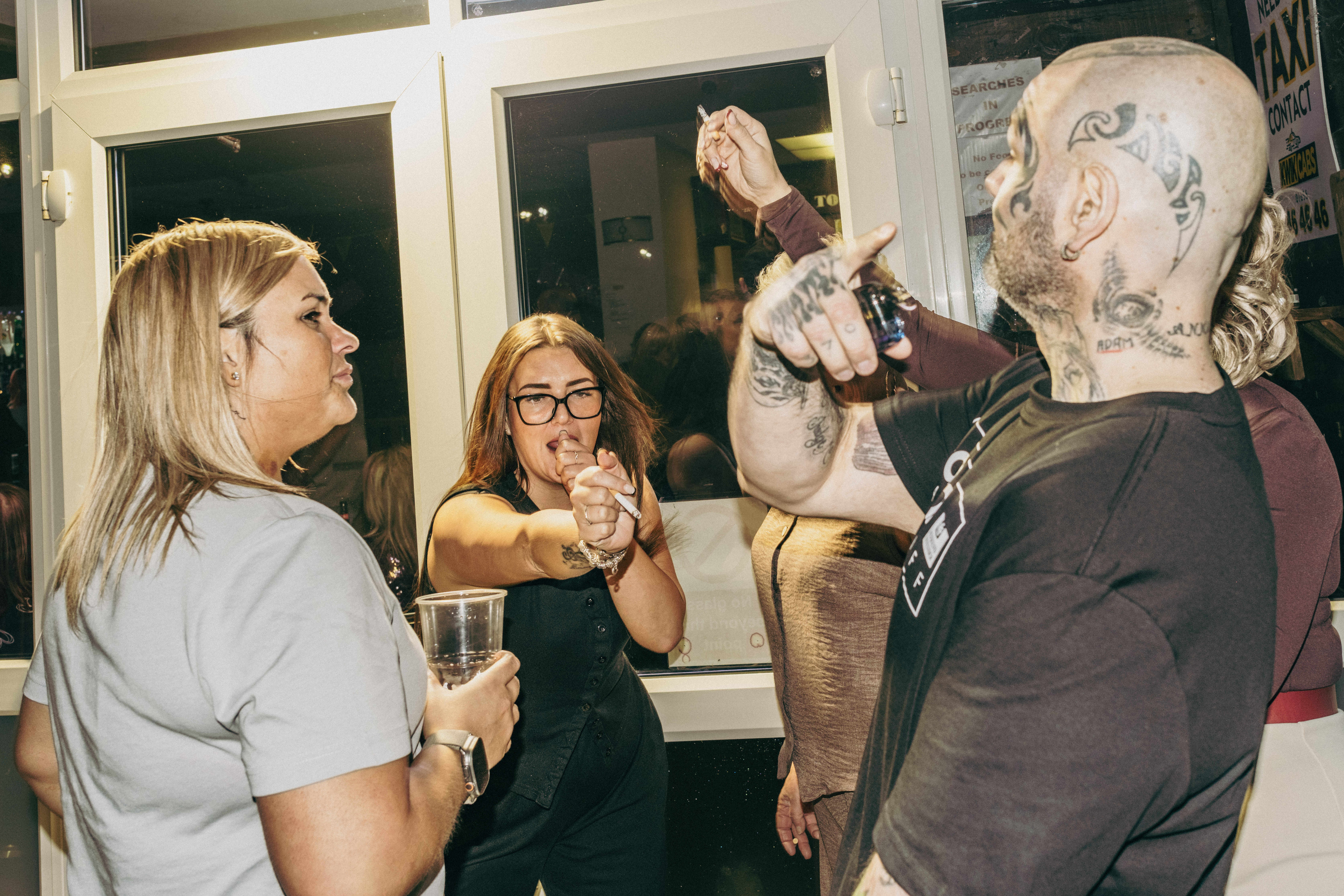
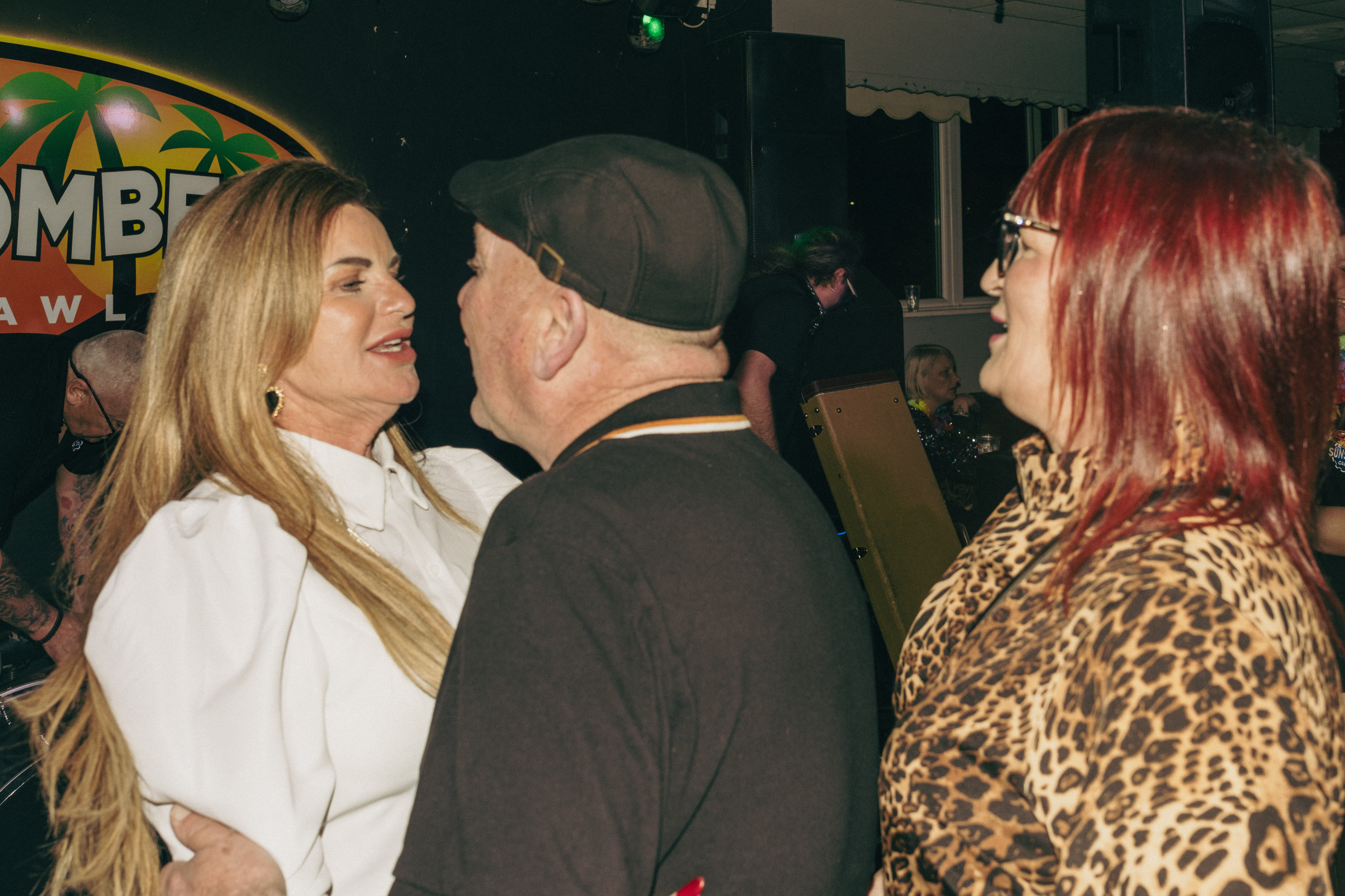
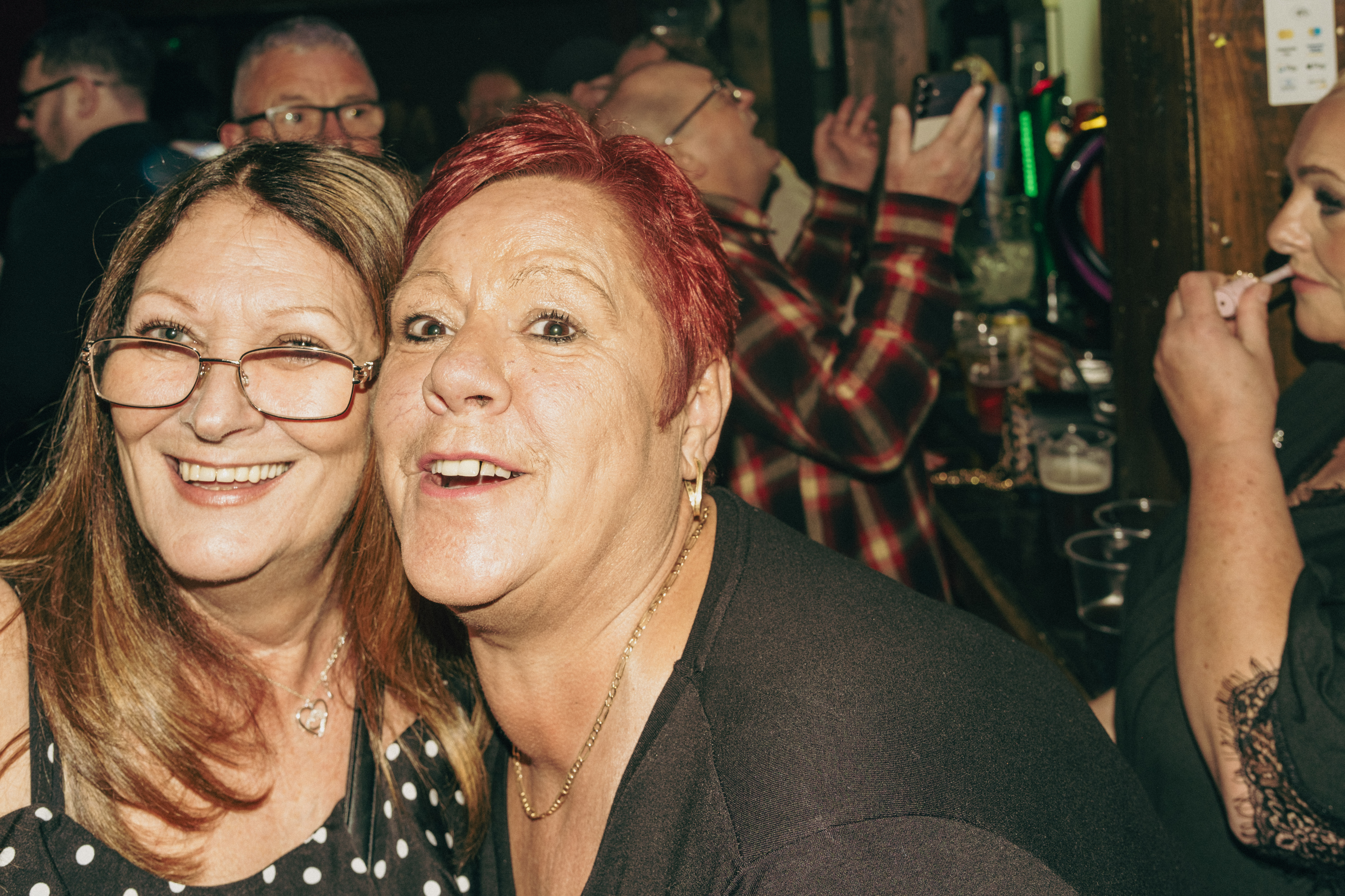
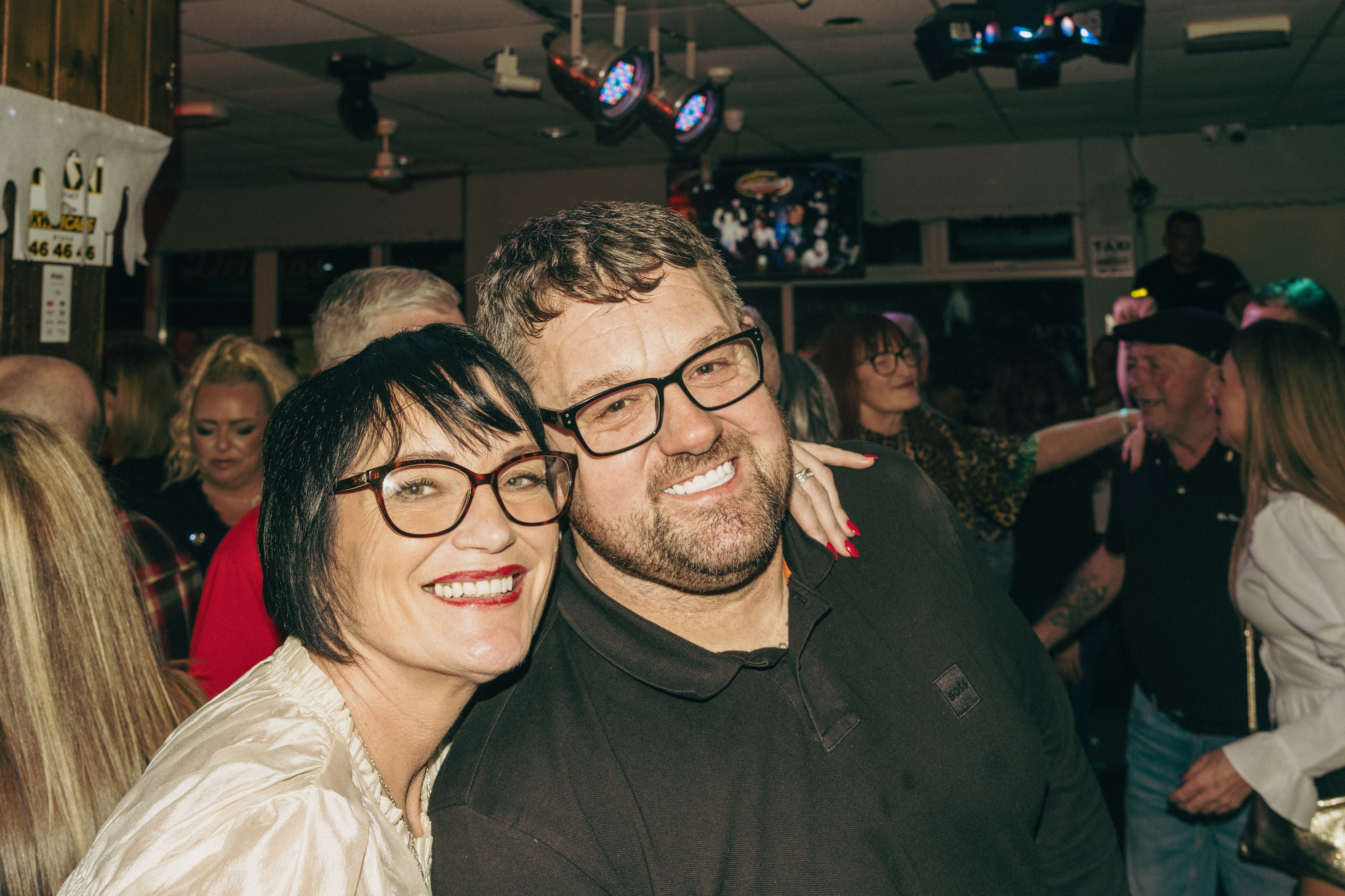
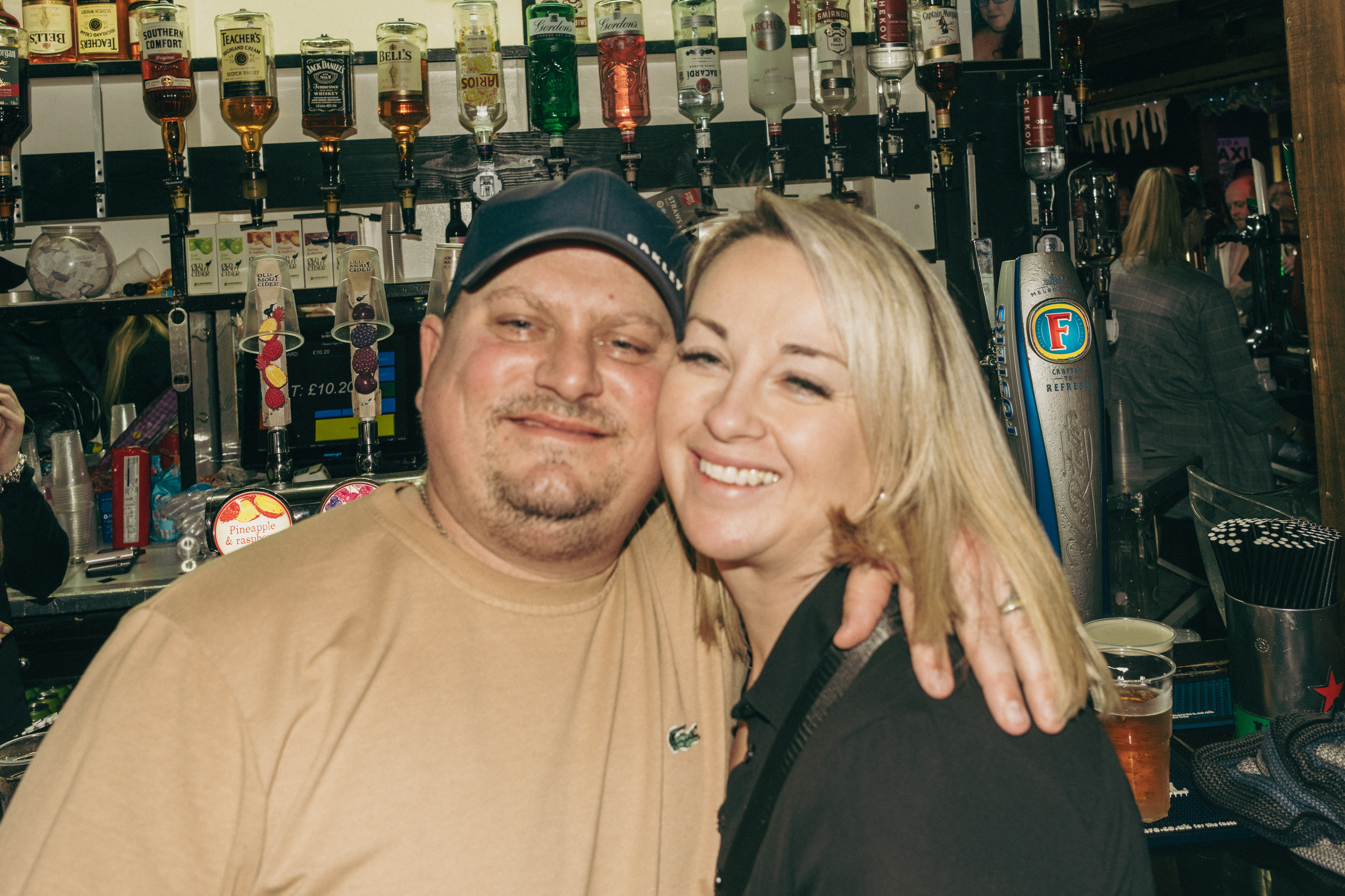
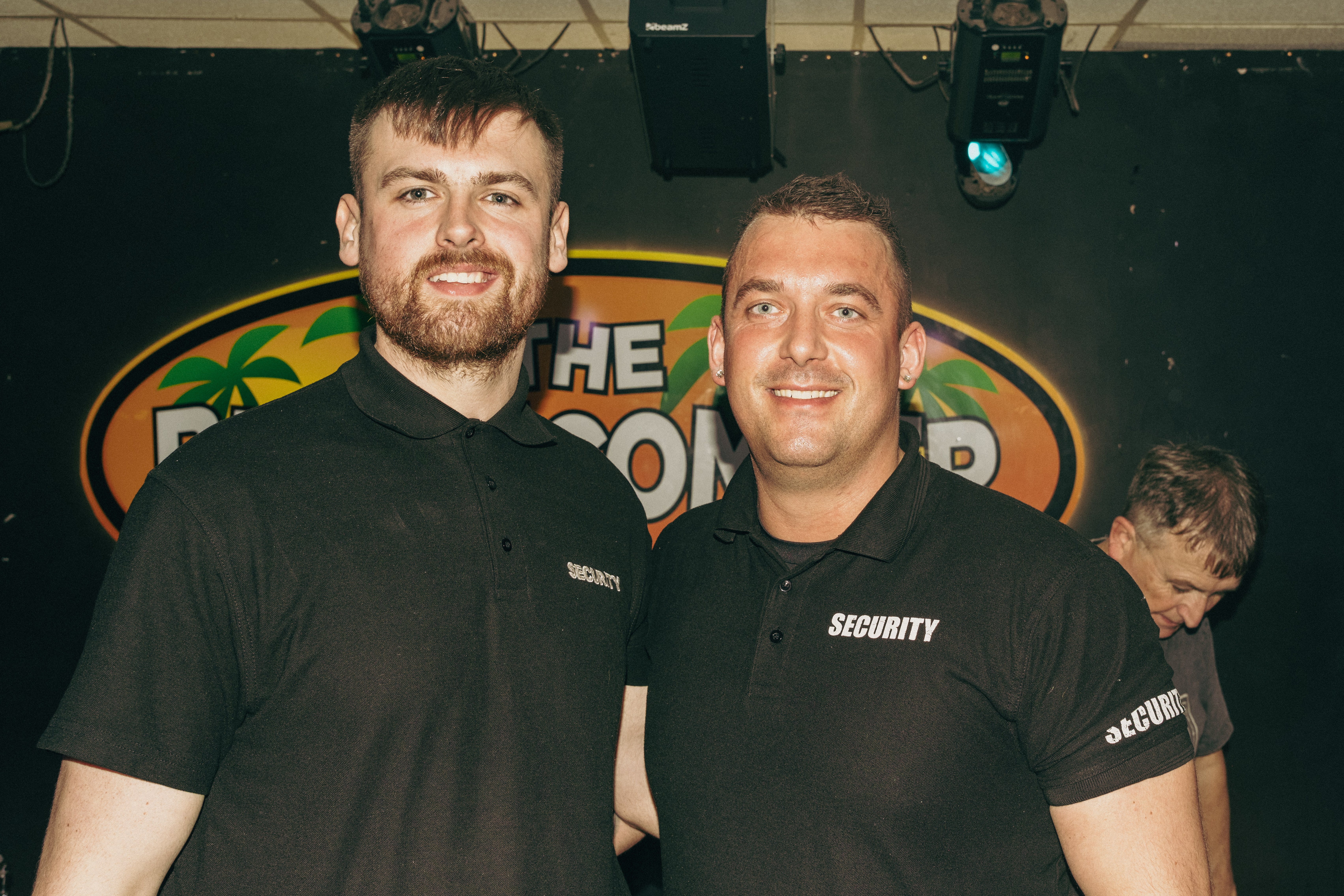
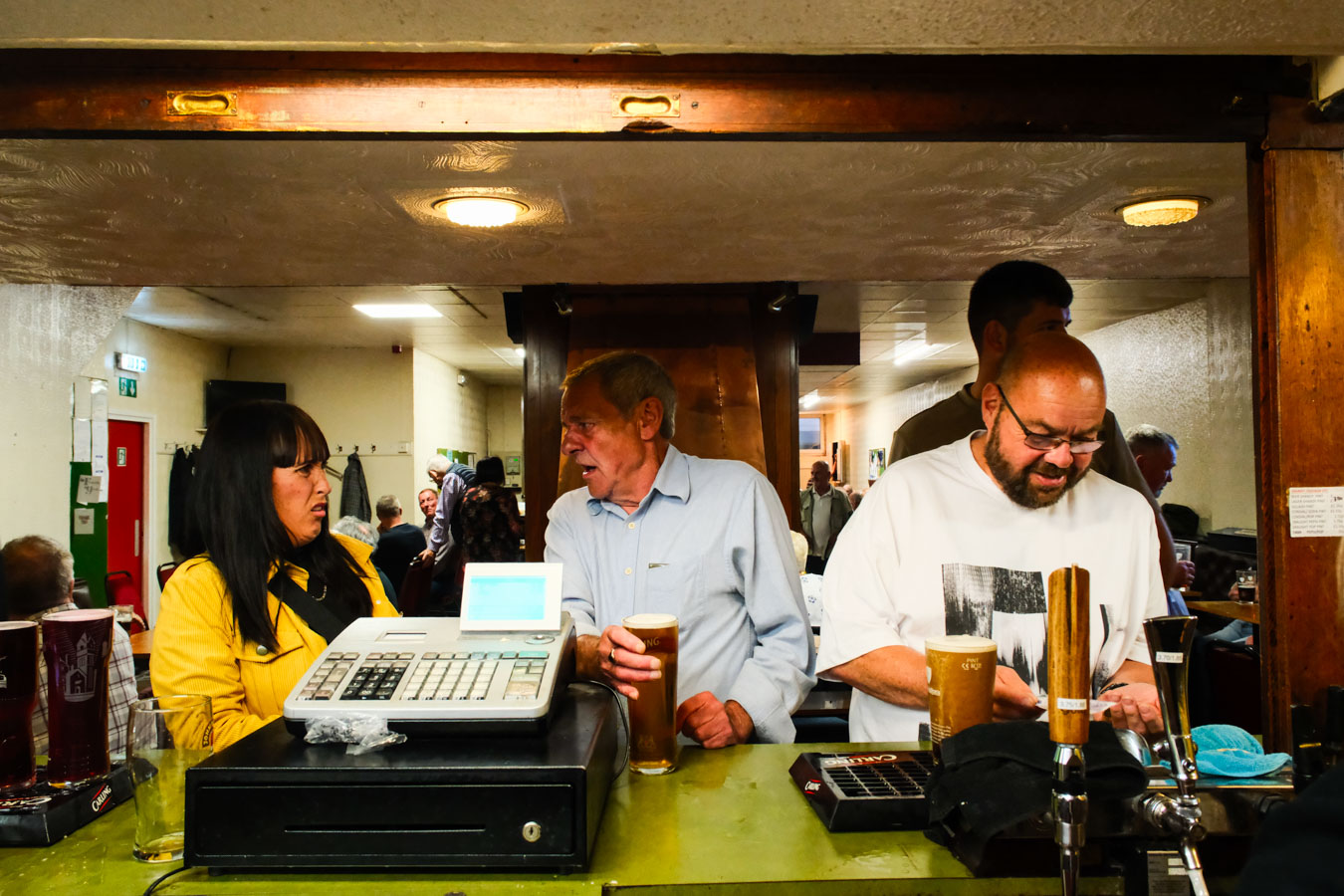
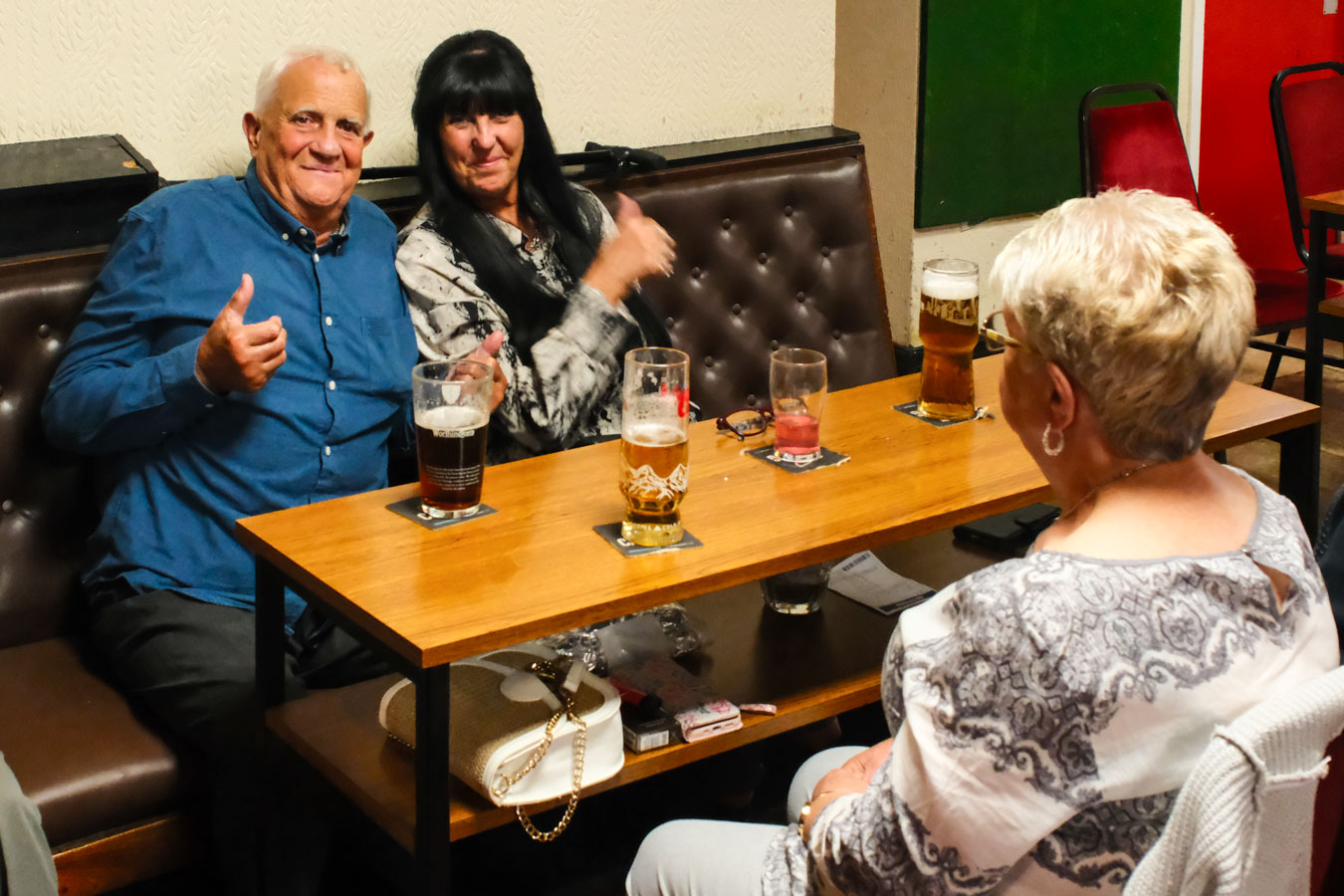
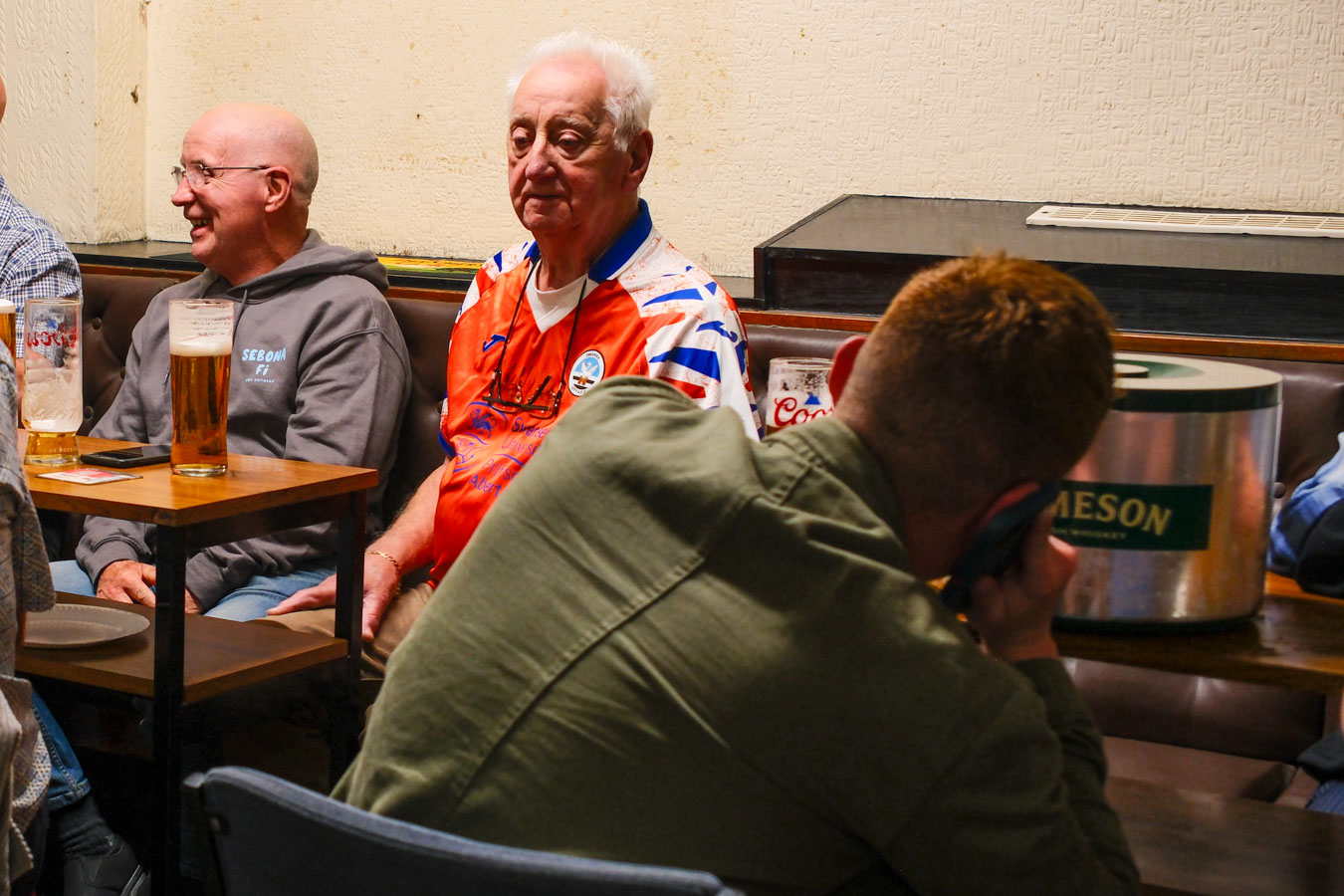
Later, I went back to photograph the final night. It’s not an environment I am wholly comfortable in with a camera. I am always mindful of the line between photography and invasiveness, something a flash does little to soften. Once I started taking pictures, though, it became clear that people were more than happy to be photographed.
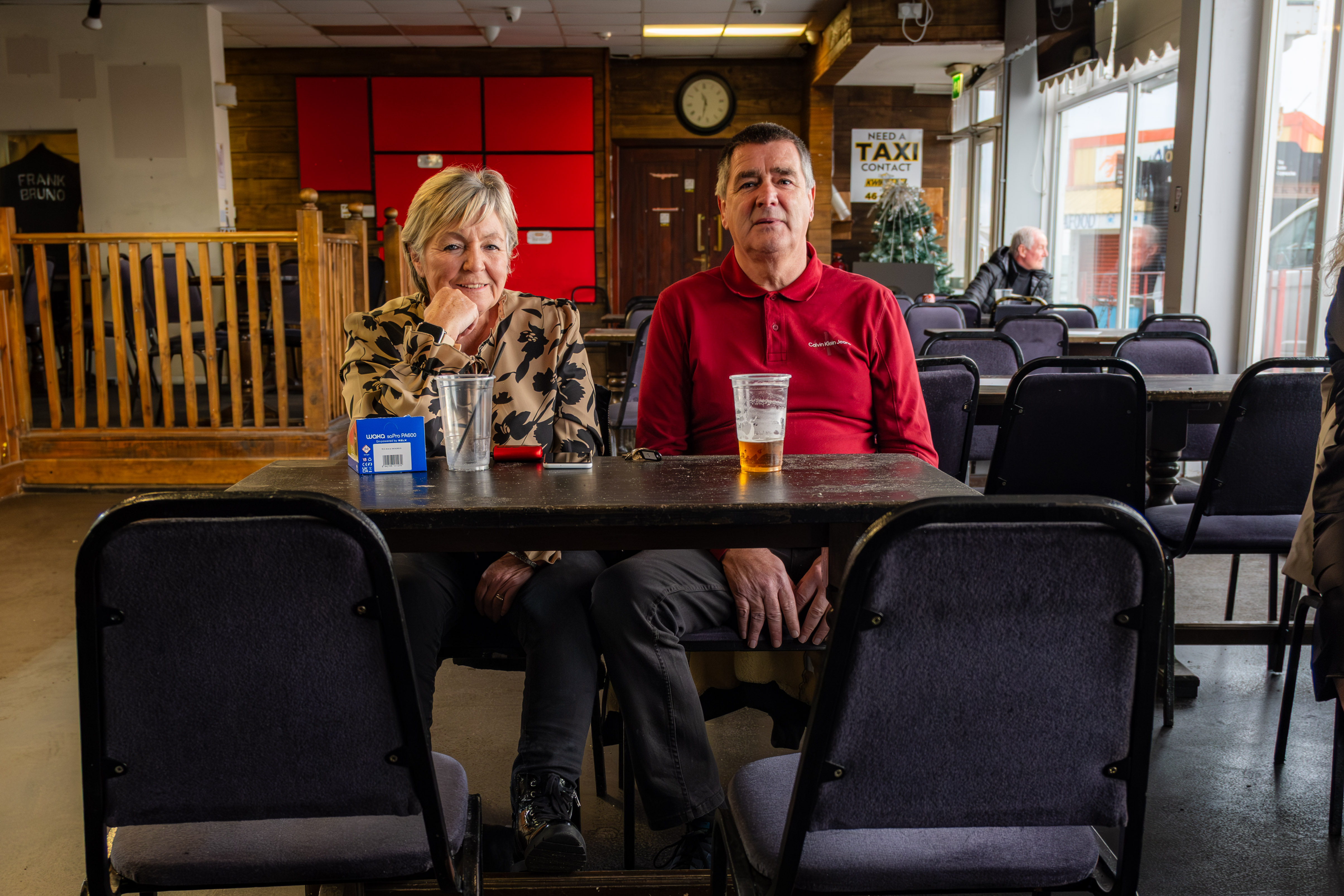
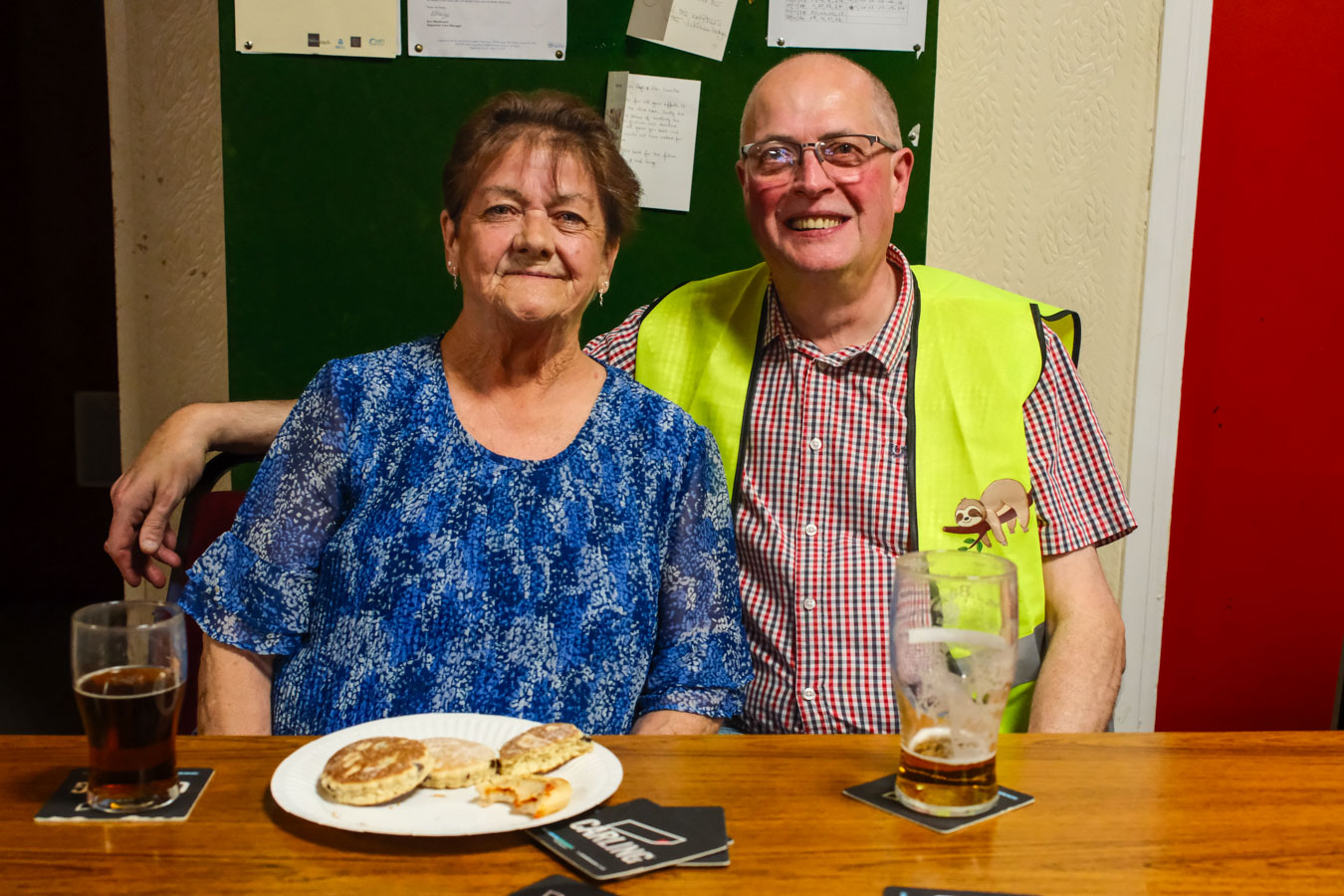
What stayed with me most were the stories. One couple, who had been there since opening that day, were staying in a nearby bed and breakfast. They have a caravan in Trecco Bay, and the Beachcomber had always been their local when they were in town. Since Trecco was closed, they stayed elsewhere, just to be there one last time. Another spoke about coming here after shifts at the fair, also now gone. Someone else had flown back from Greece simply to say goodbye.
I didn’t stay long. I’m too old for late nights now. But it was clear this was more than just the closing of a pub. It was the closing of a chapter. Places like this hold fragments of people’s lives: routines, relationships, versions of themselves that only existed within those walls. By morning, it would just be another empty building, waiting for whatever comes next.
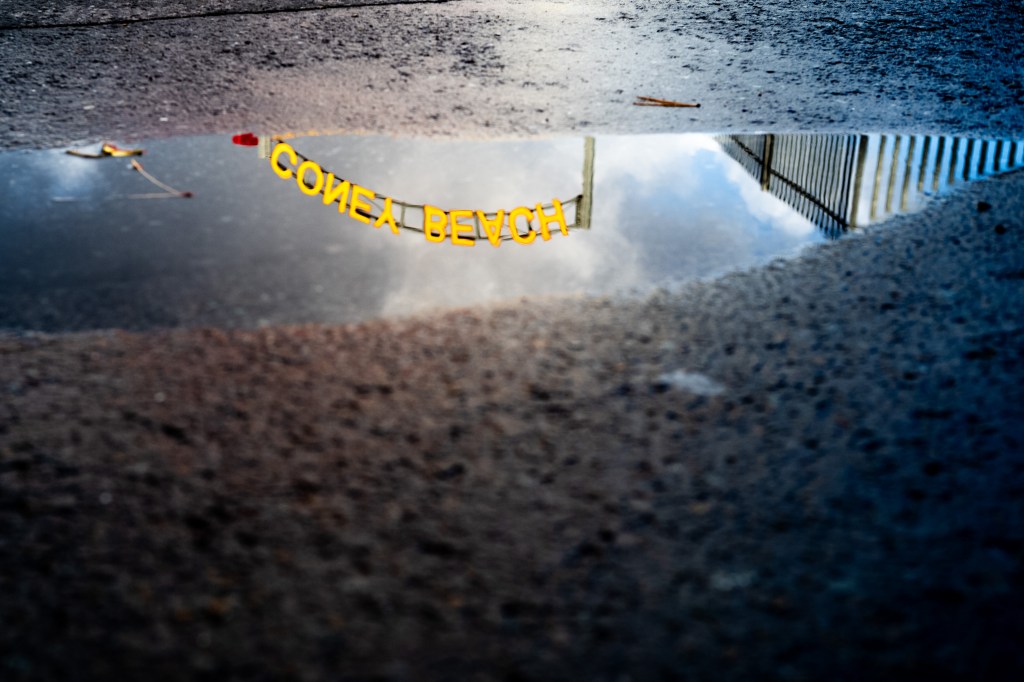
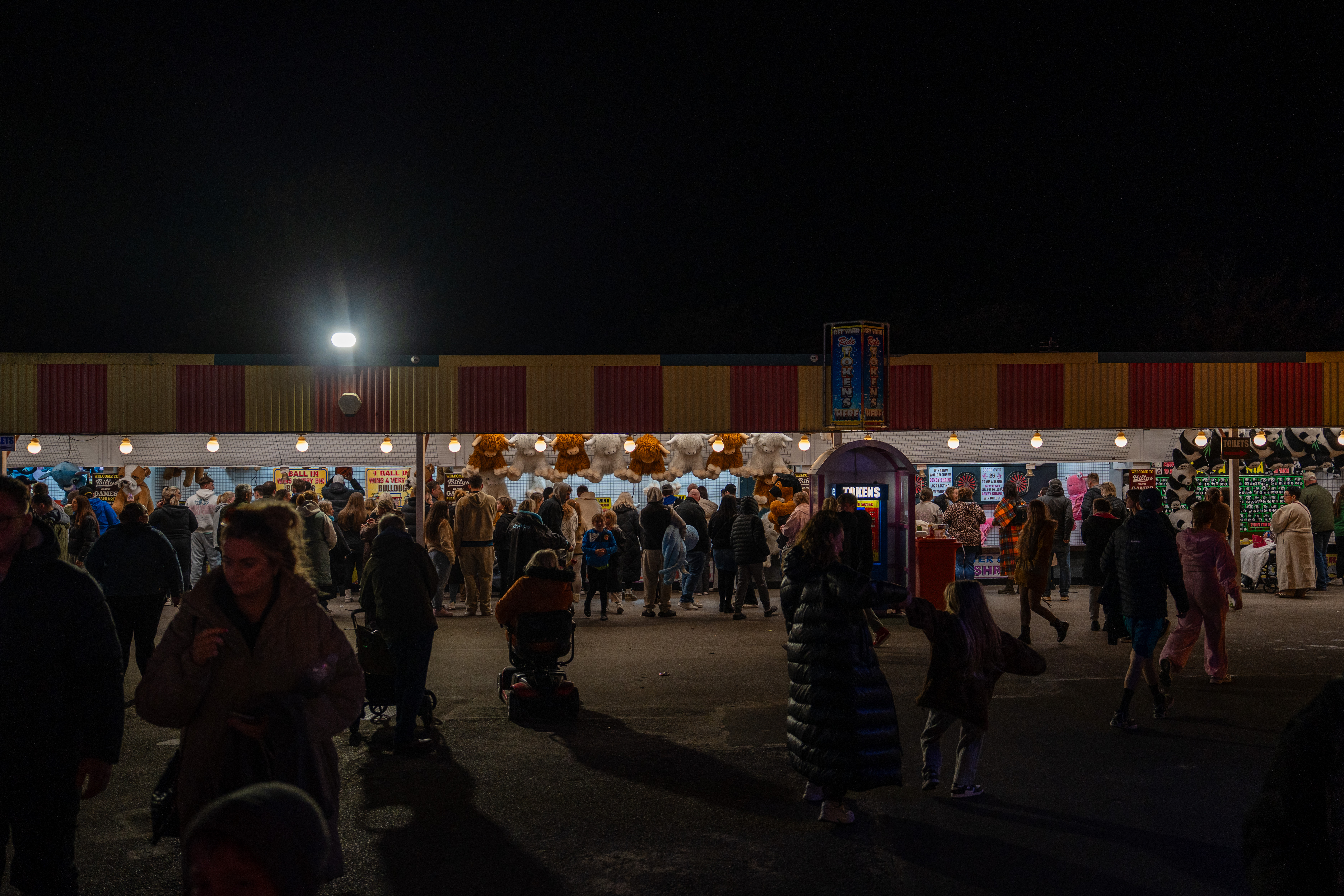
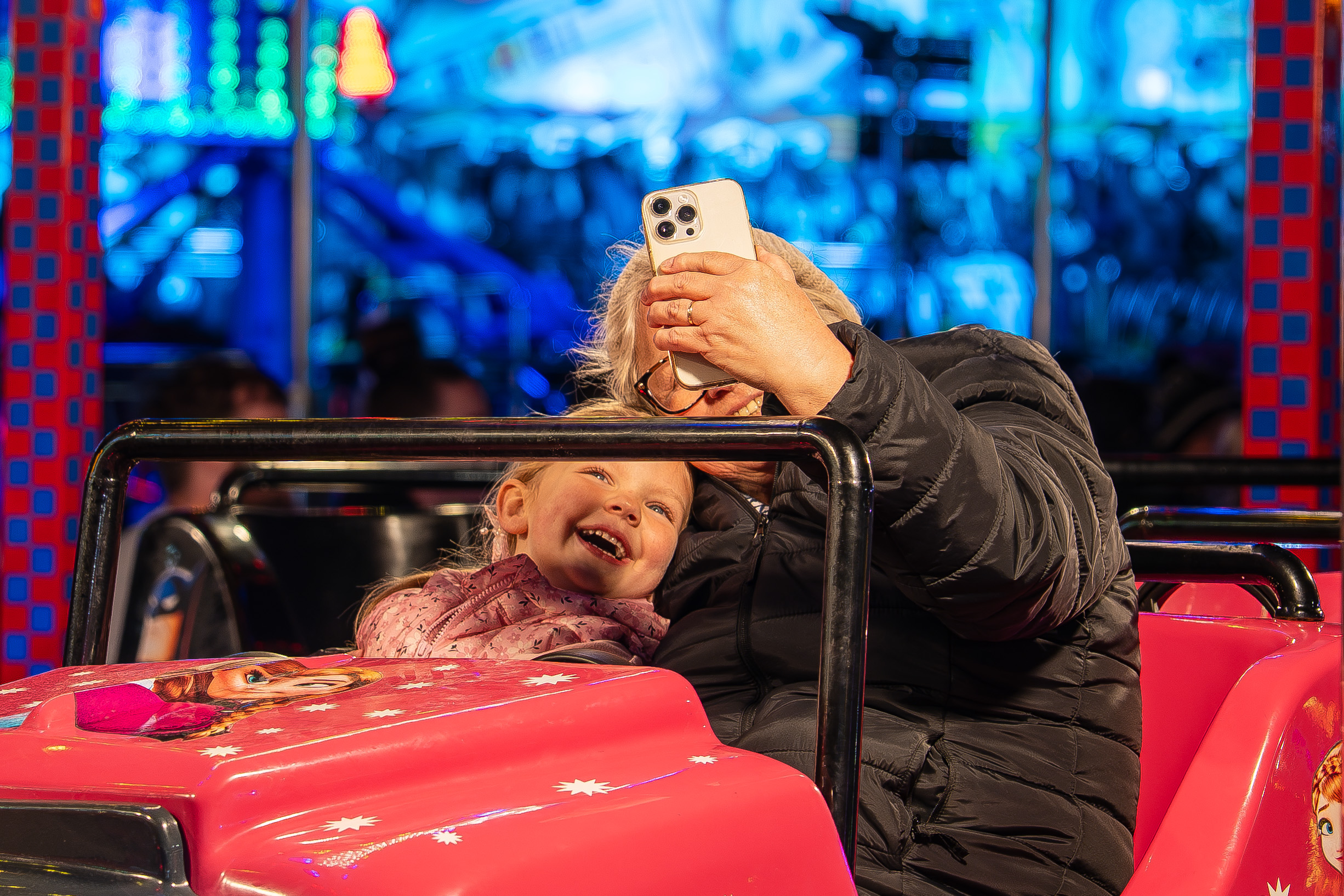
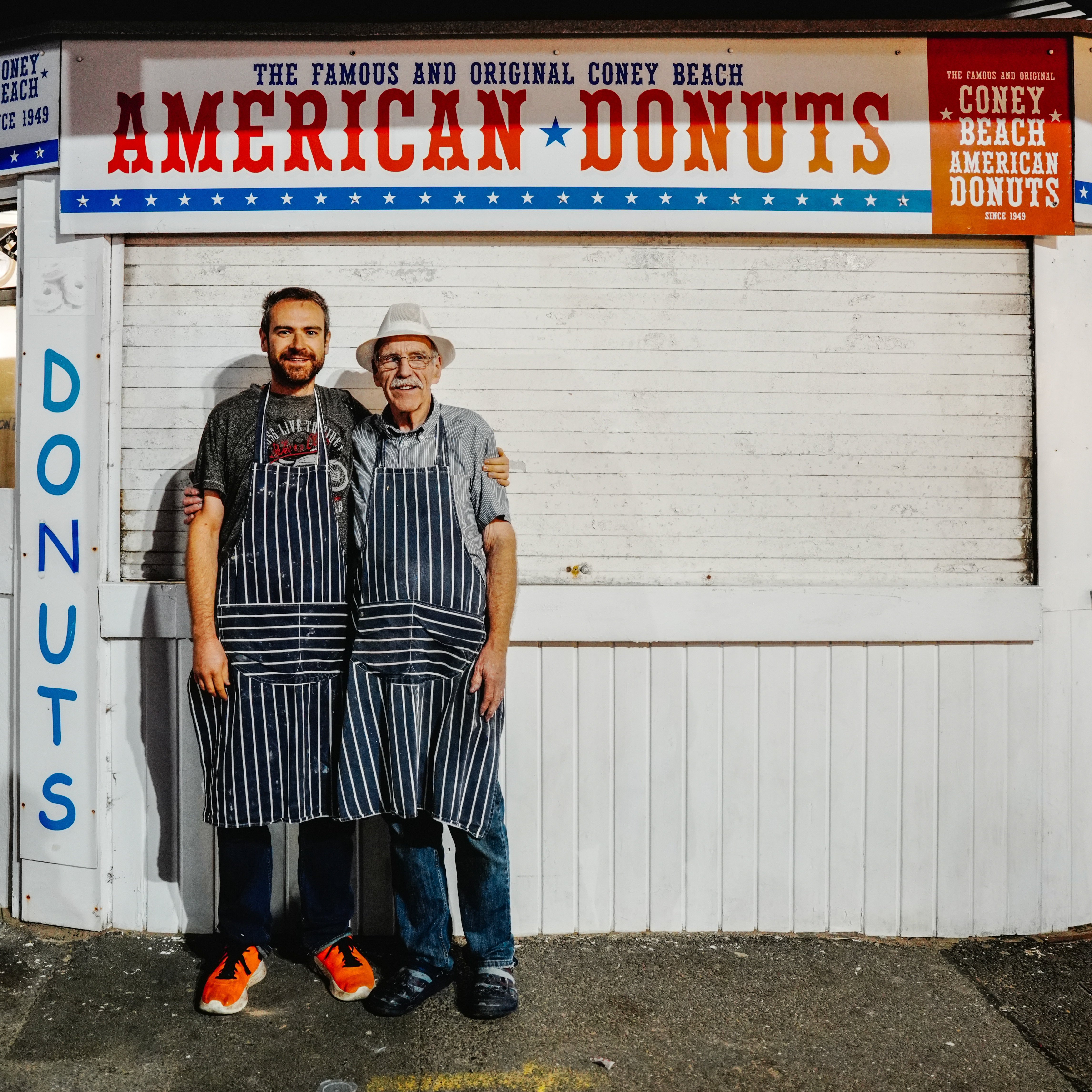
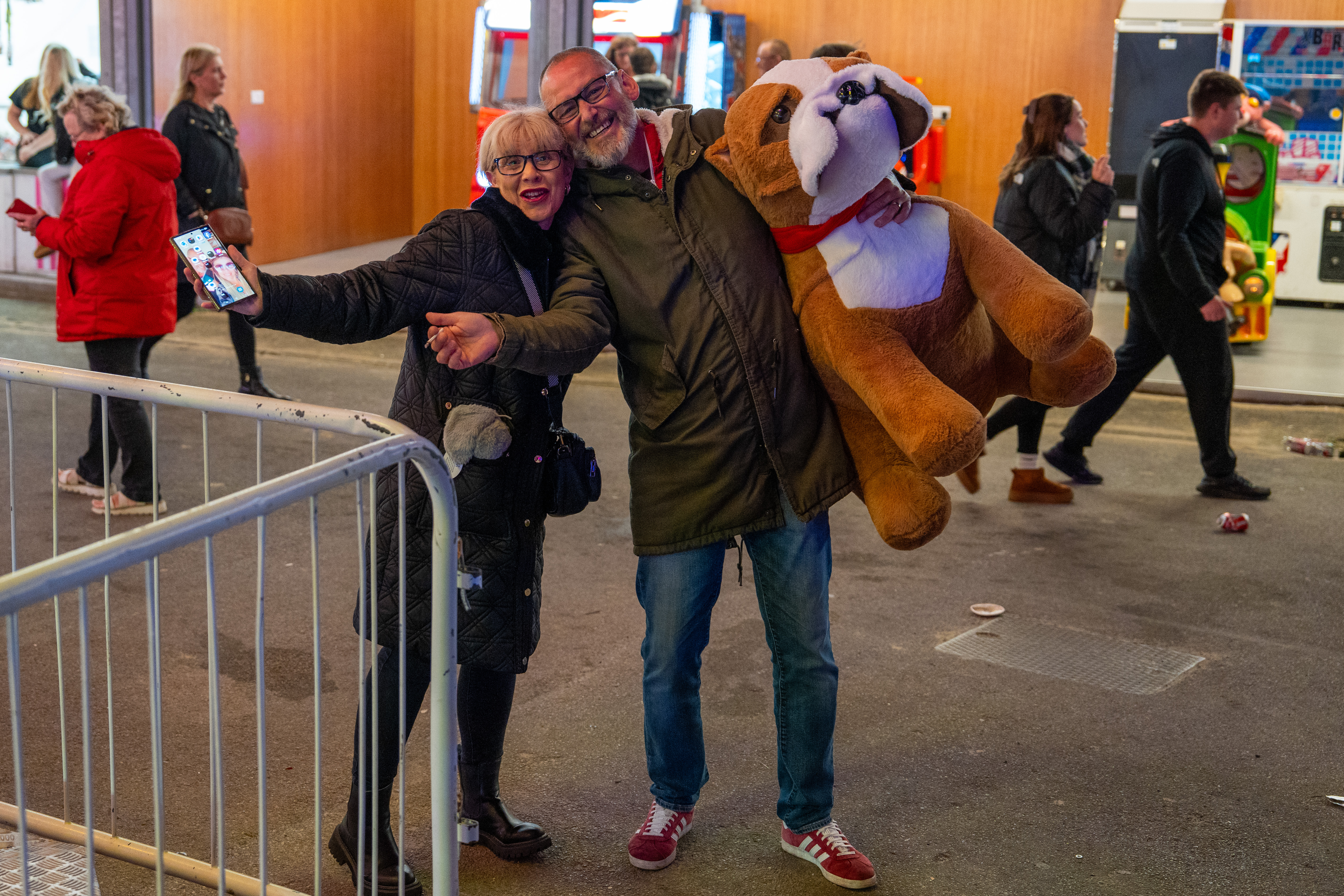
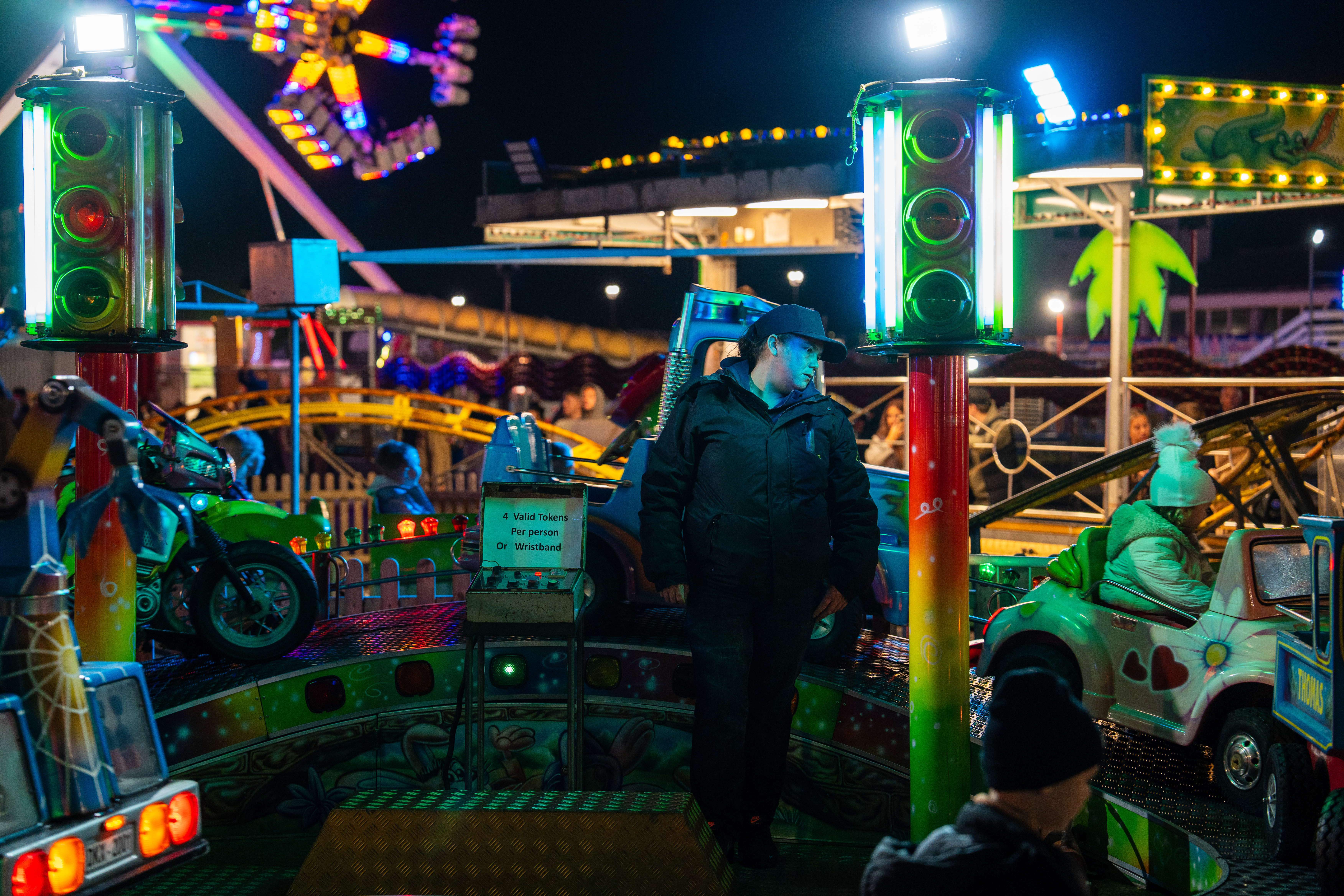
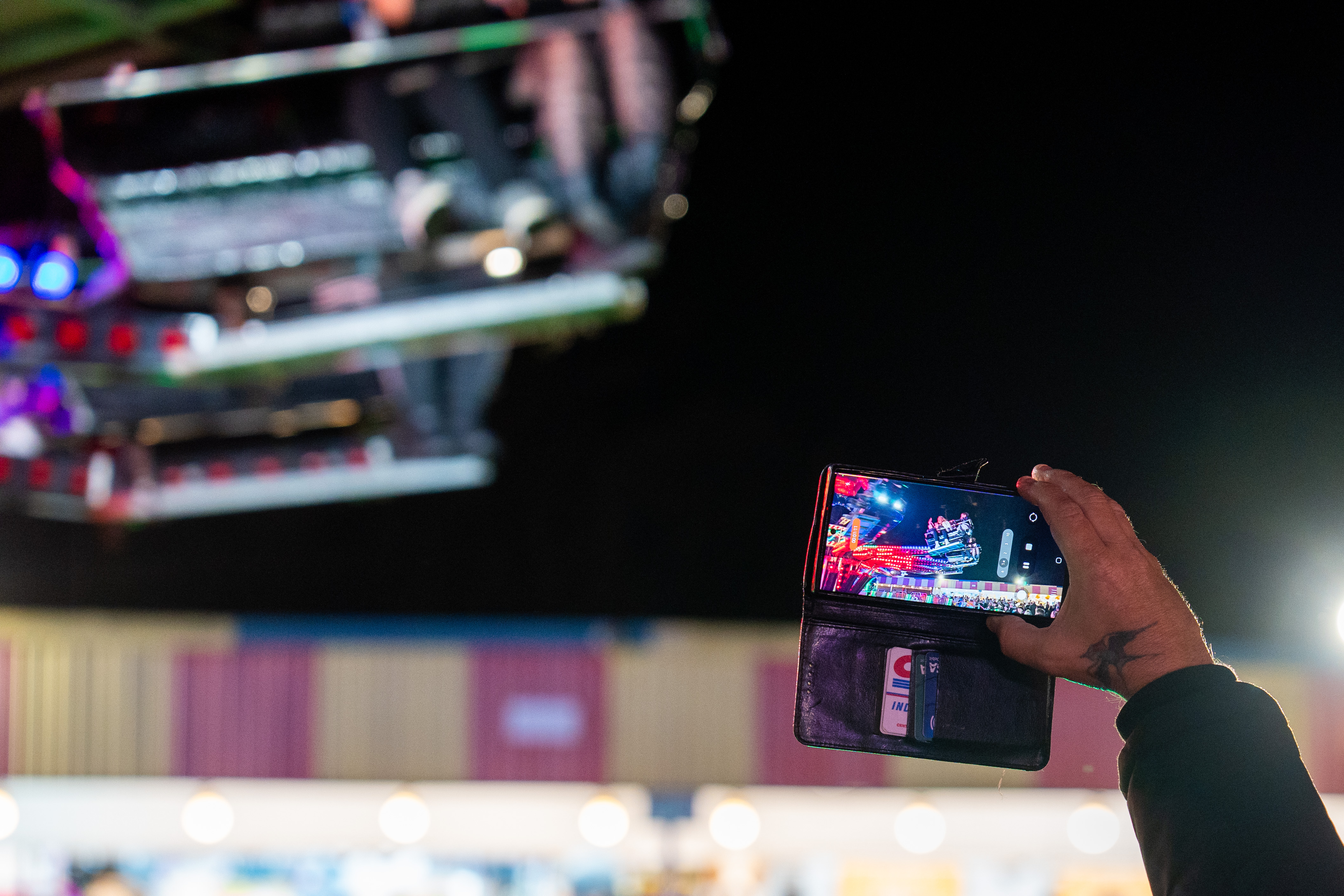
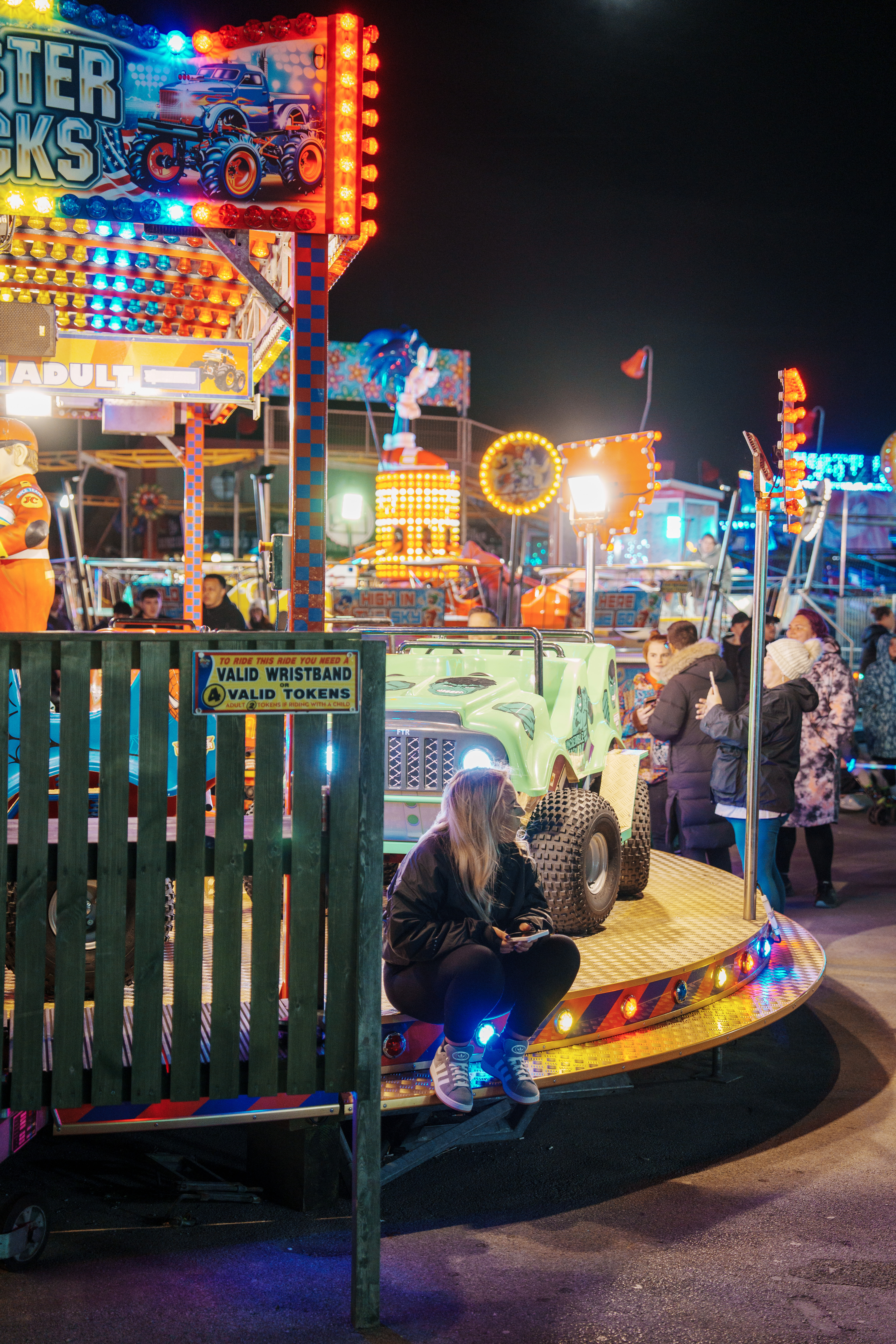
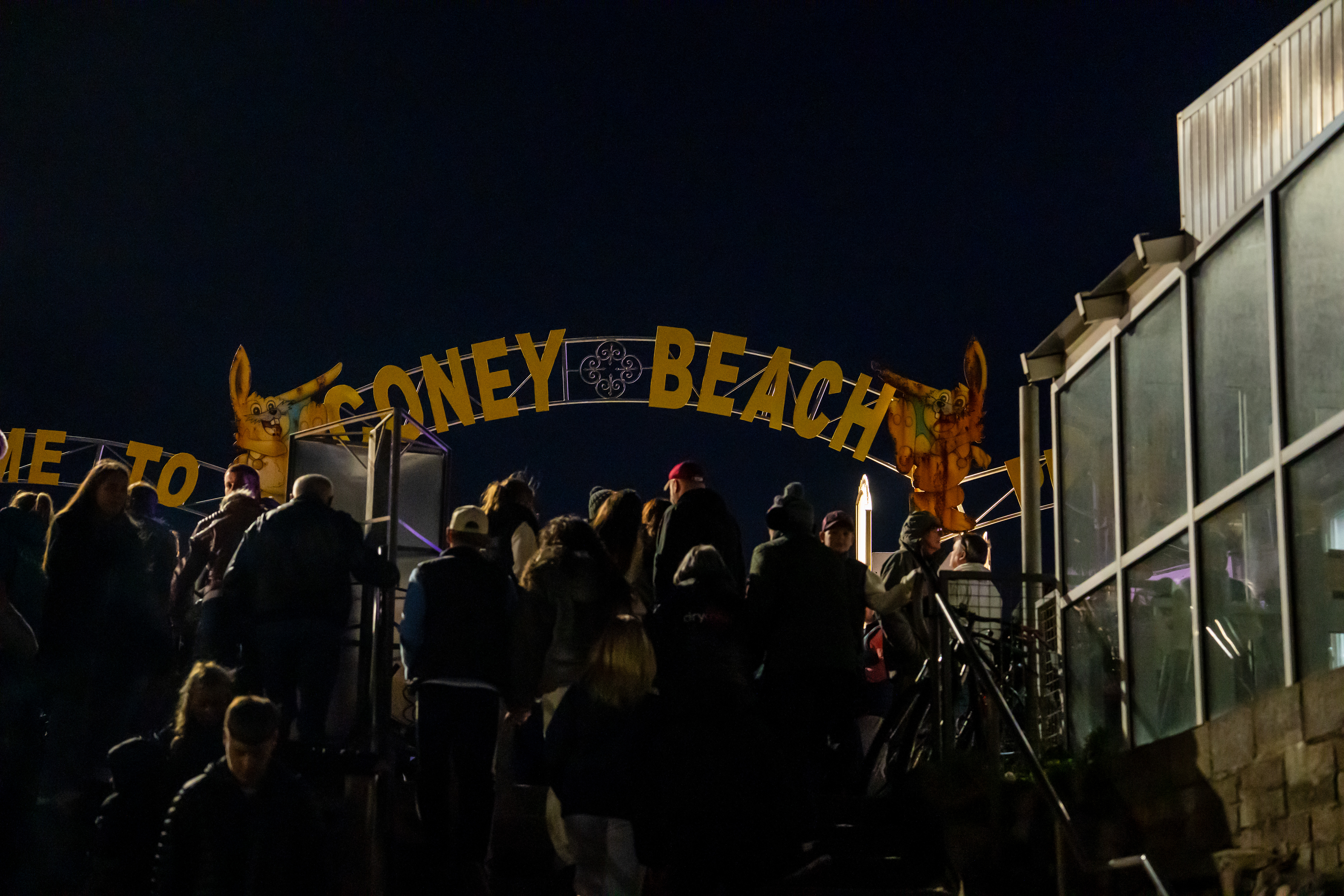
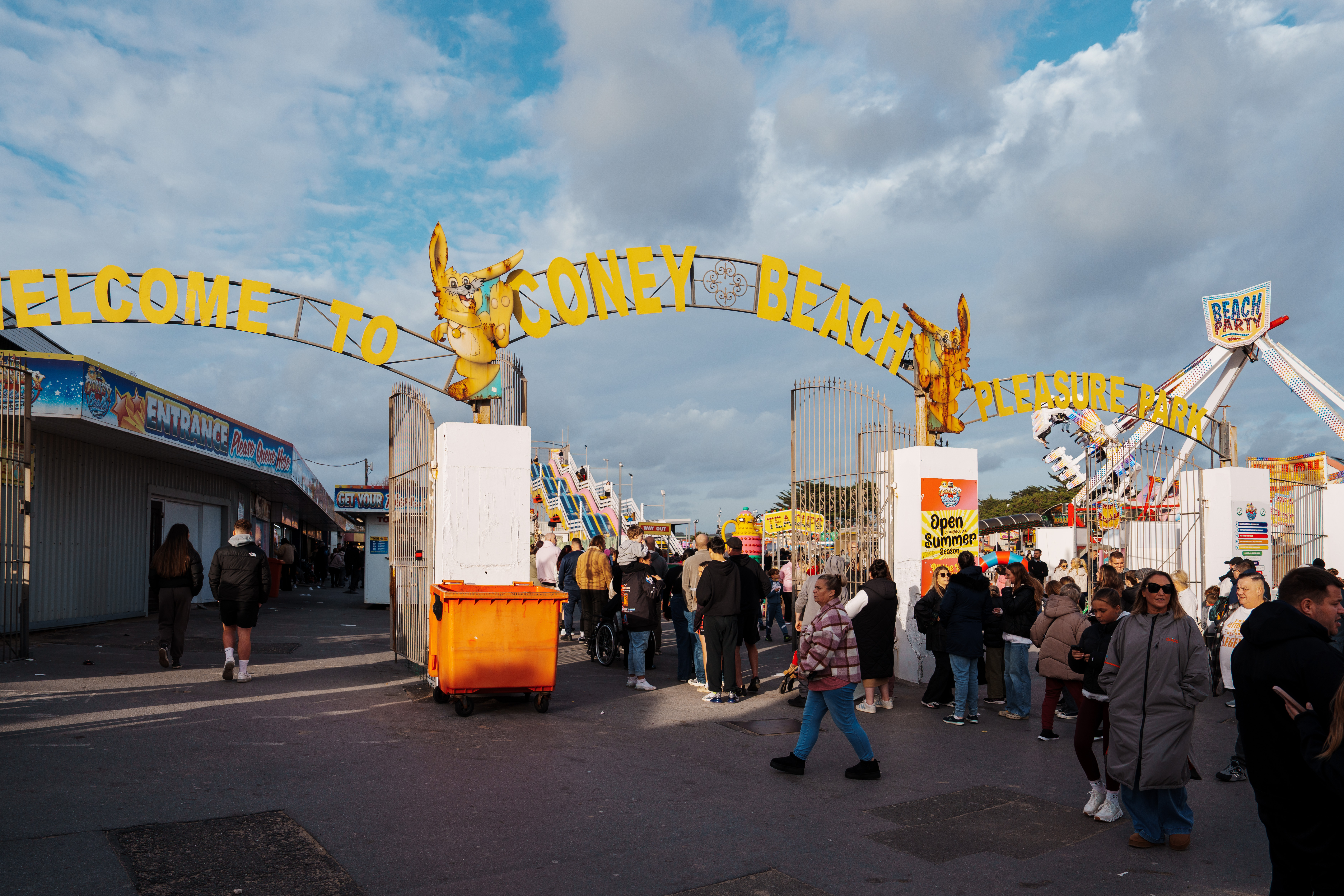
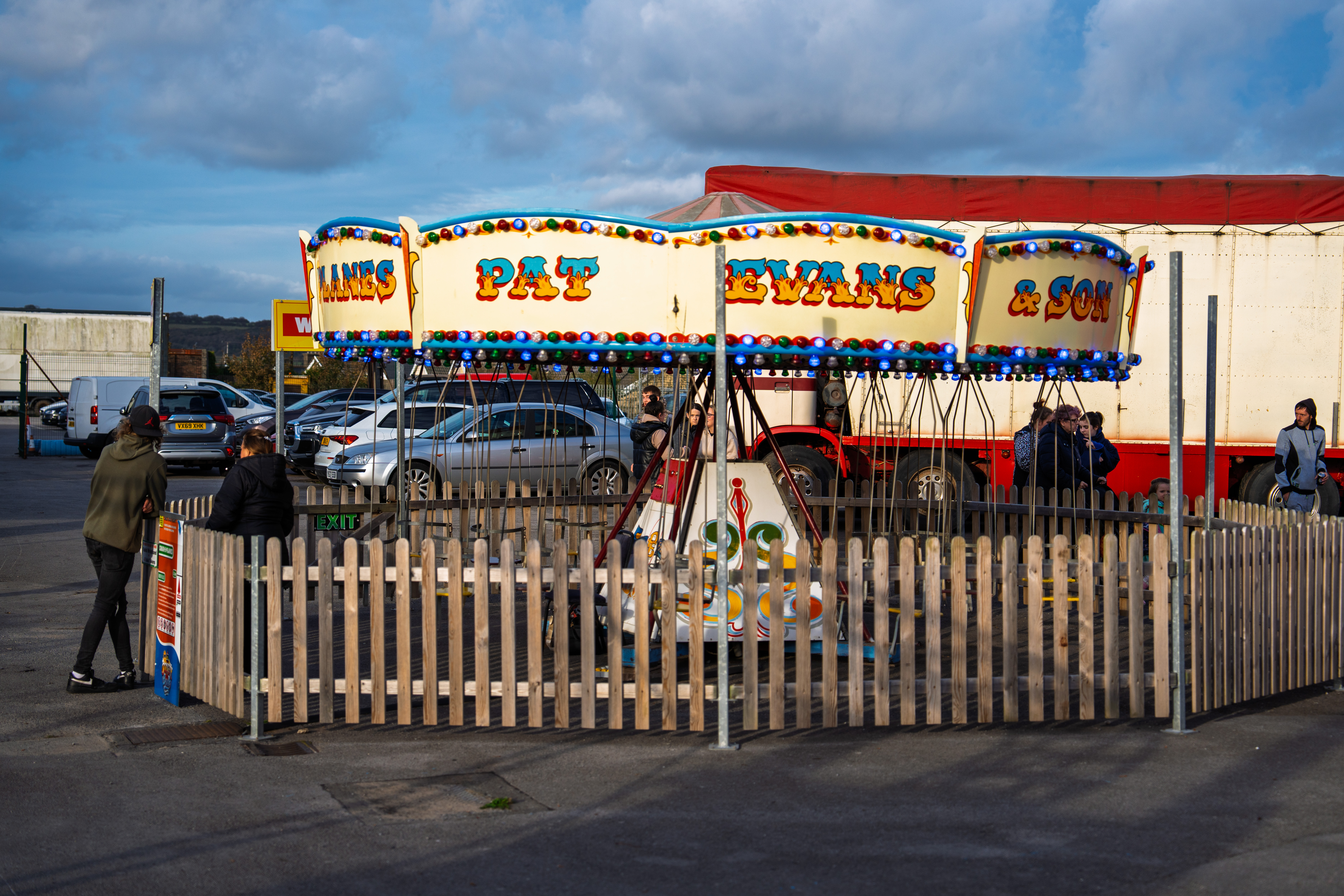
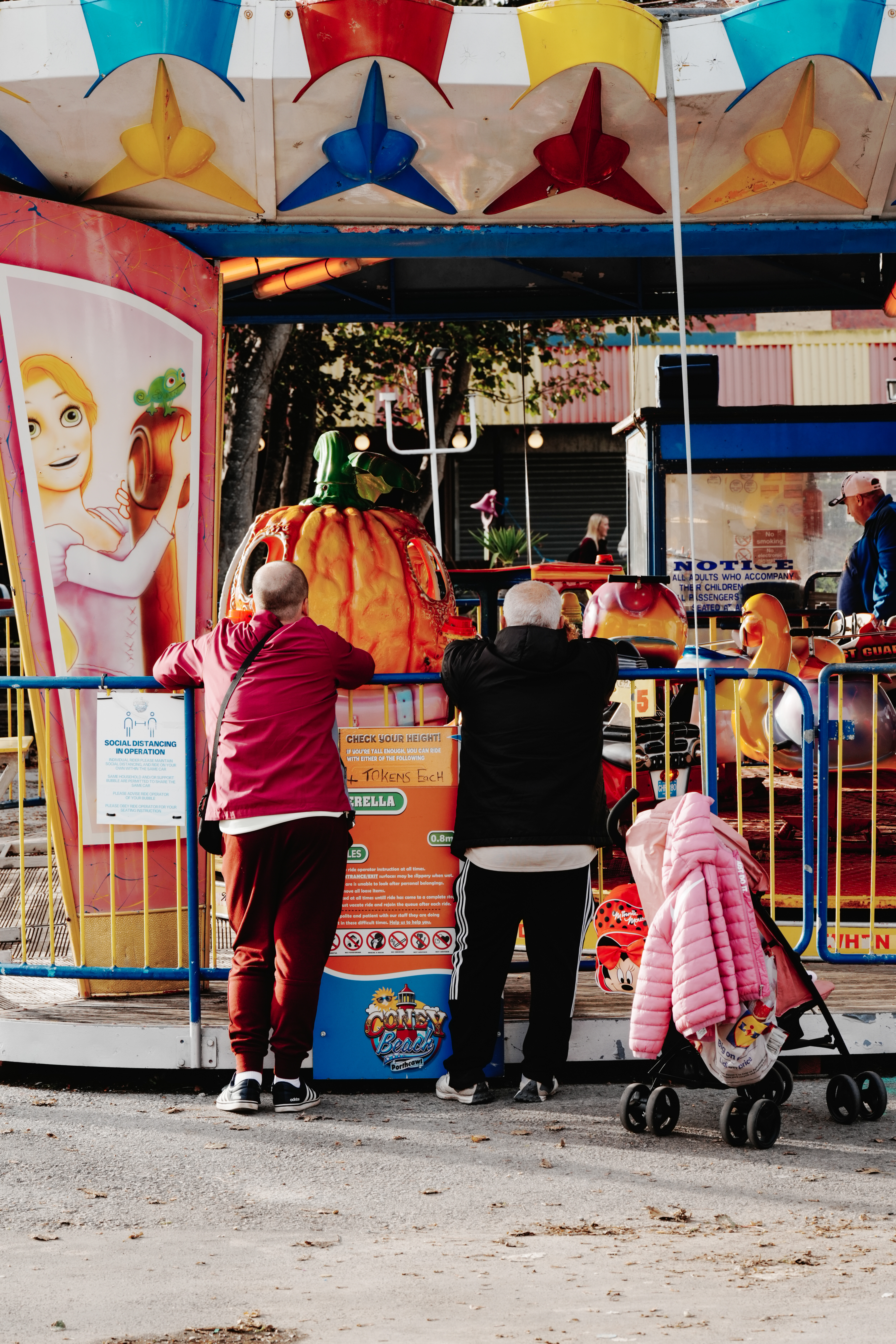
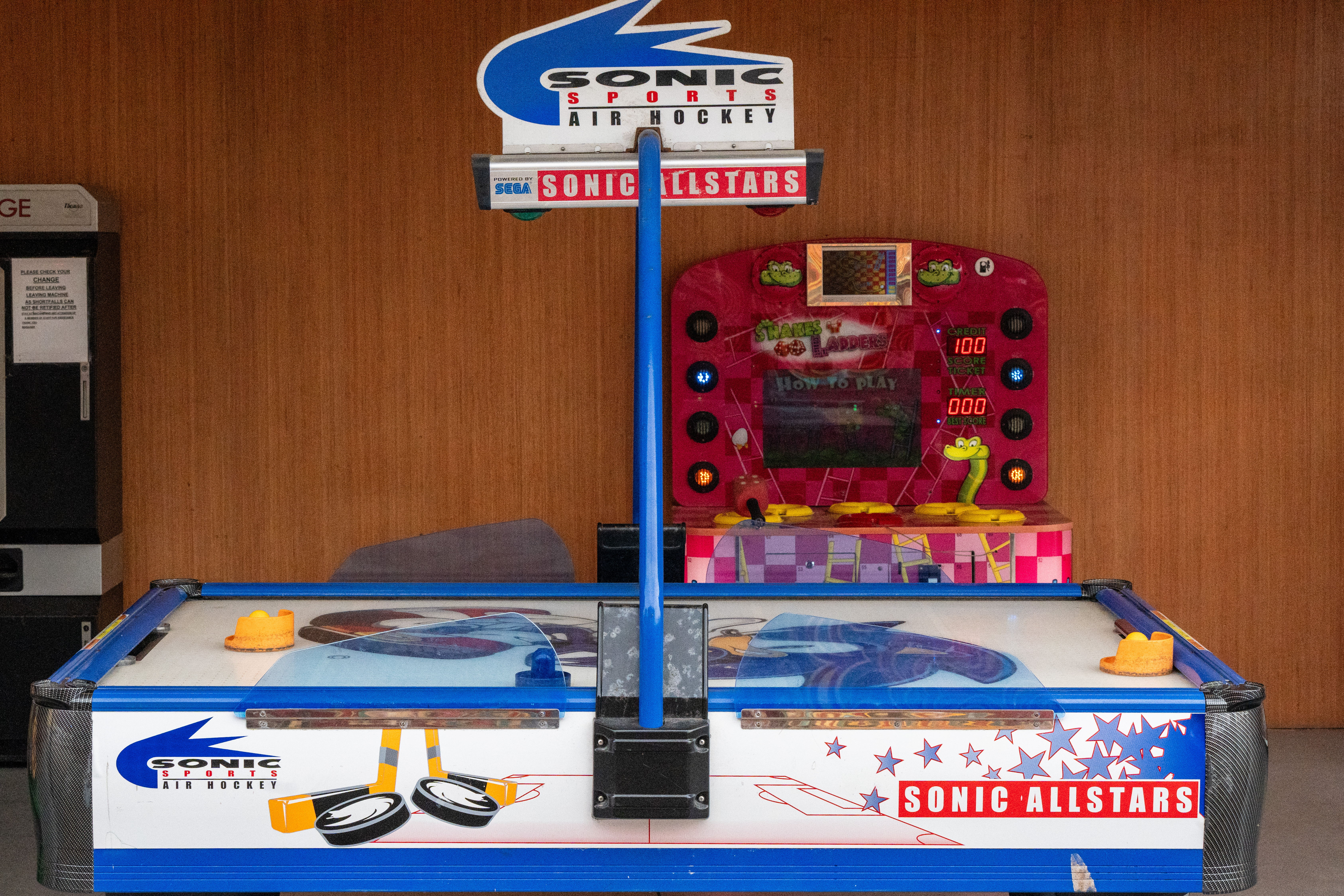
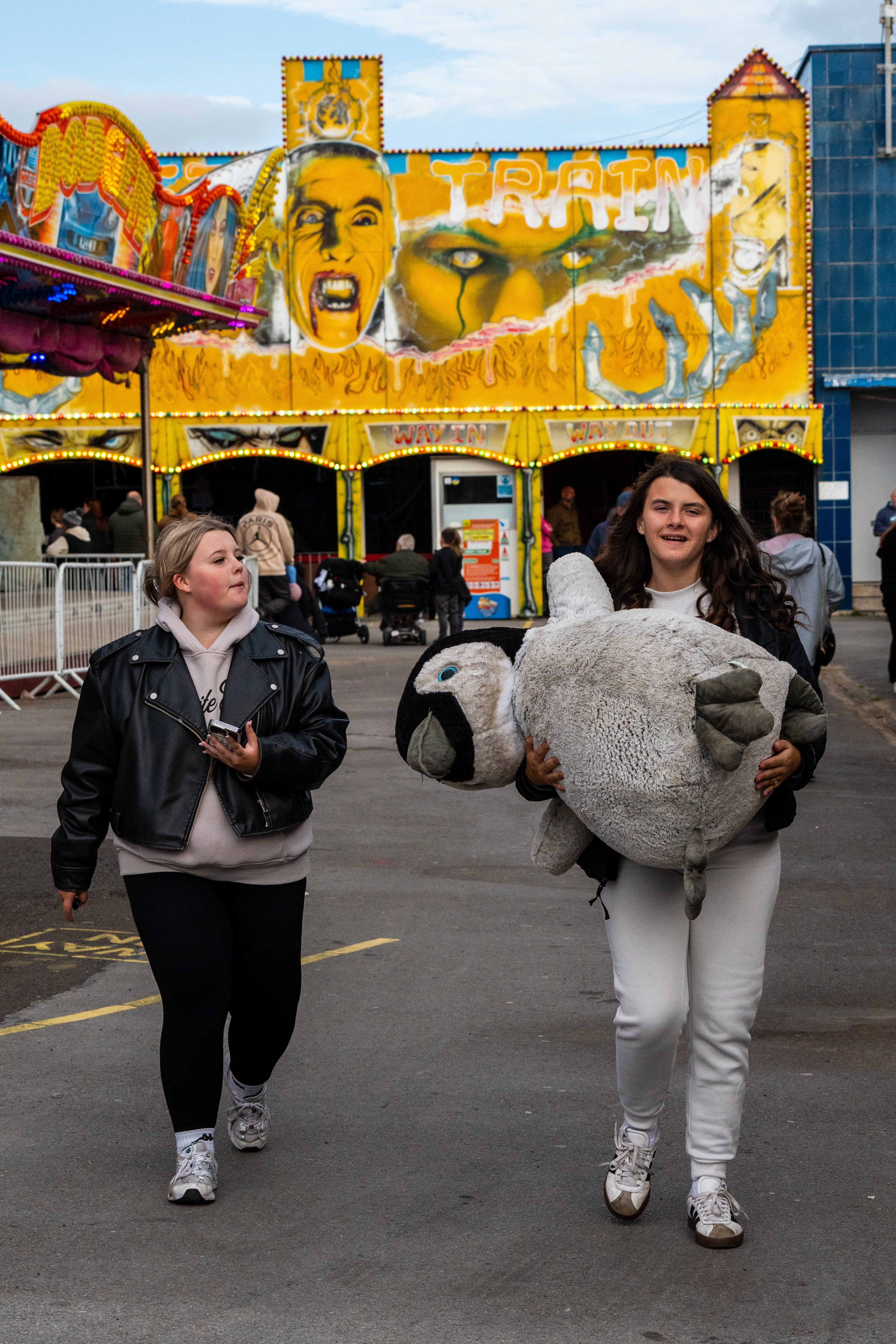
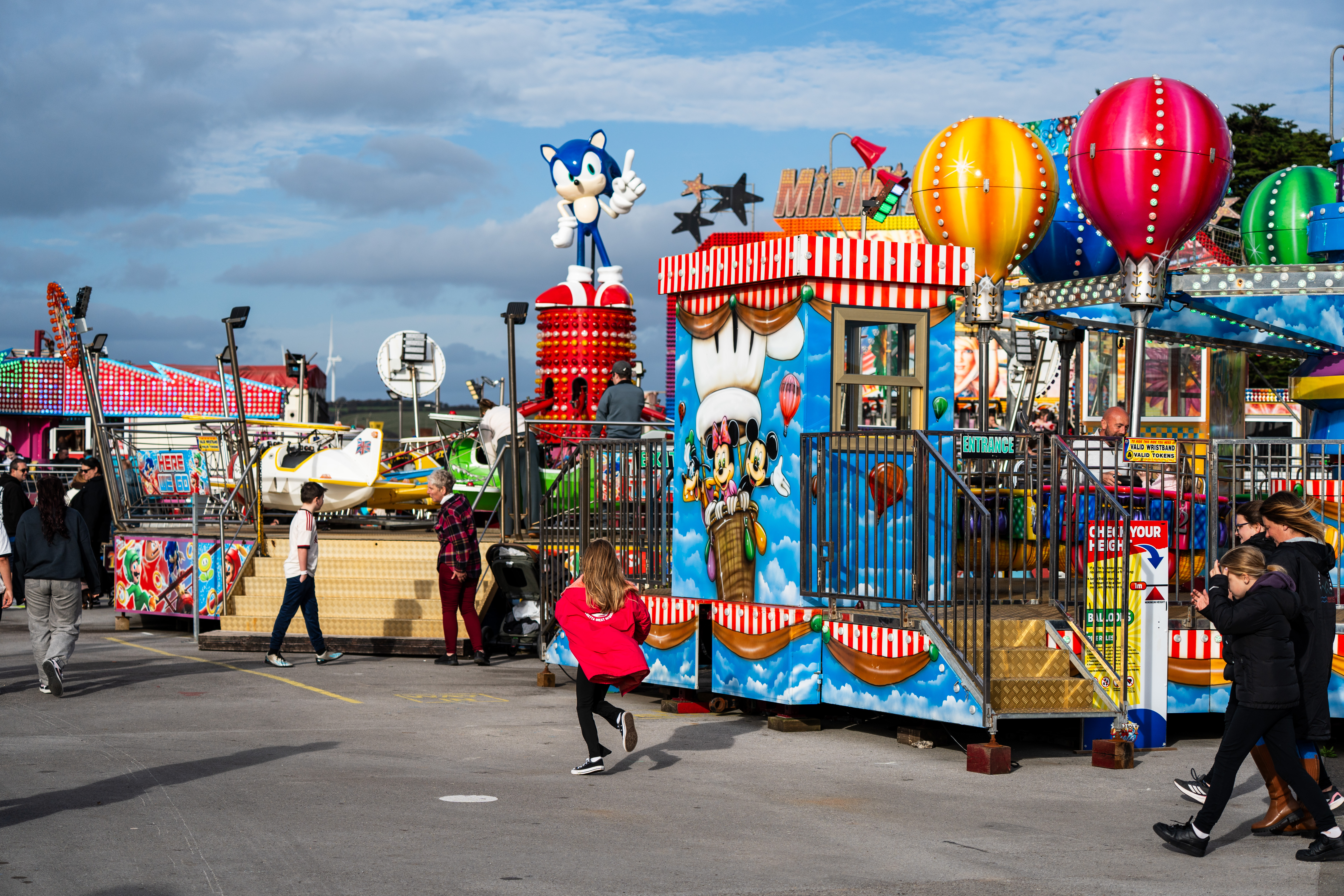
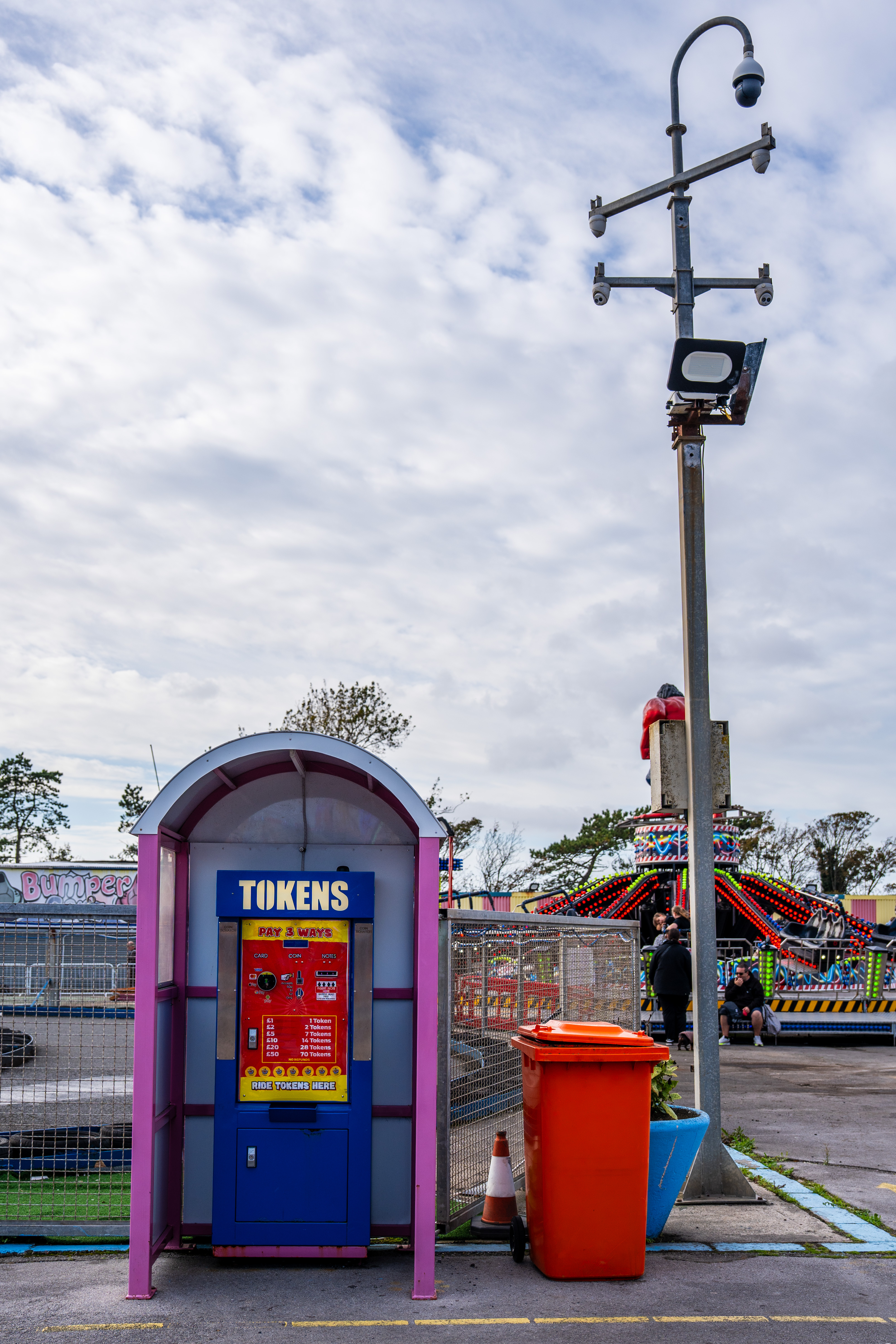
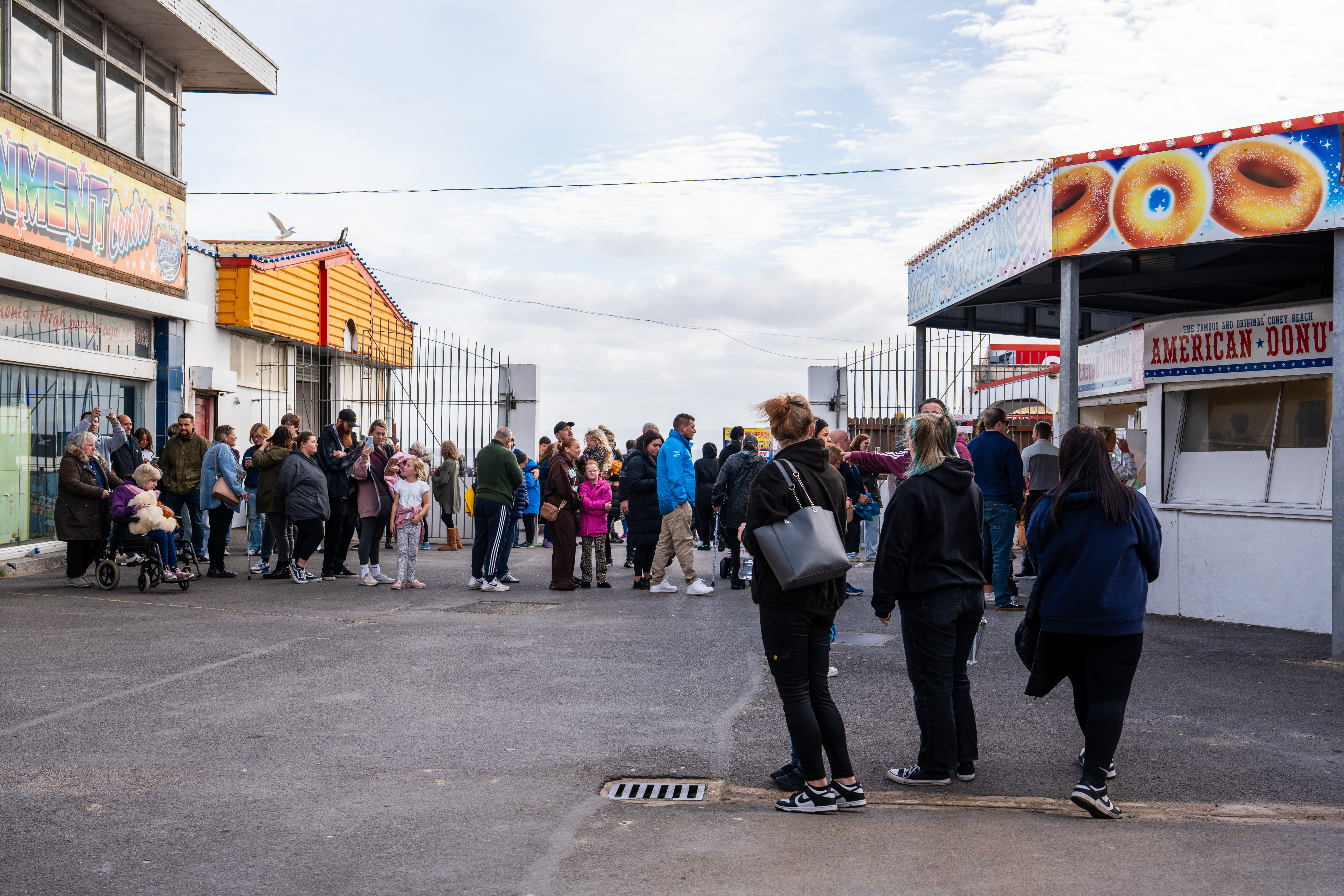
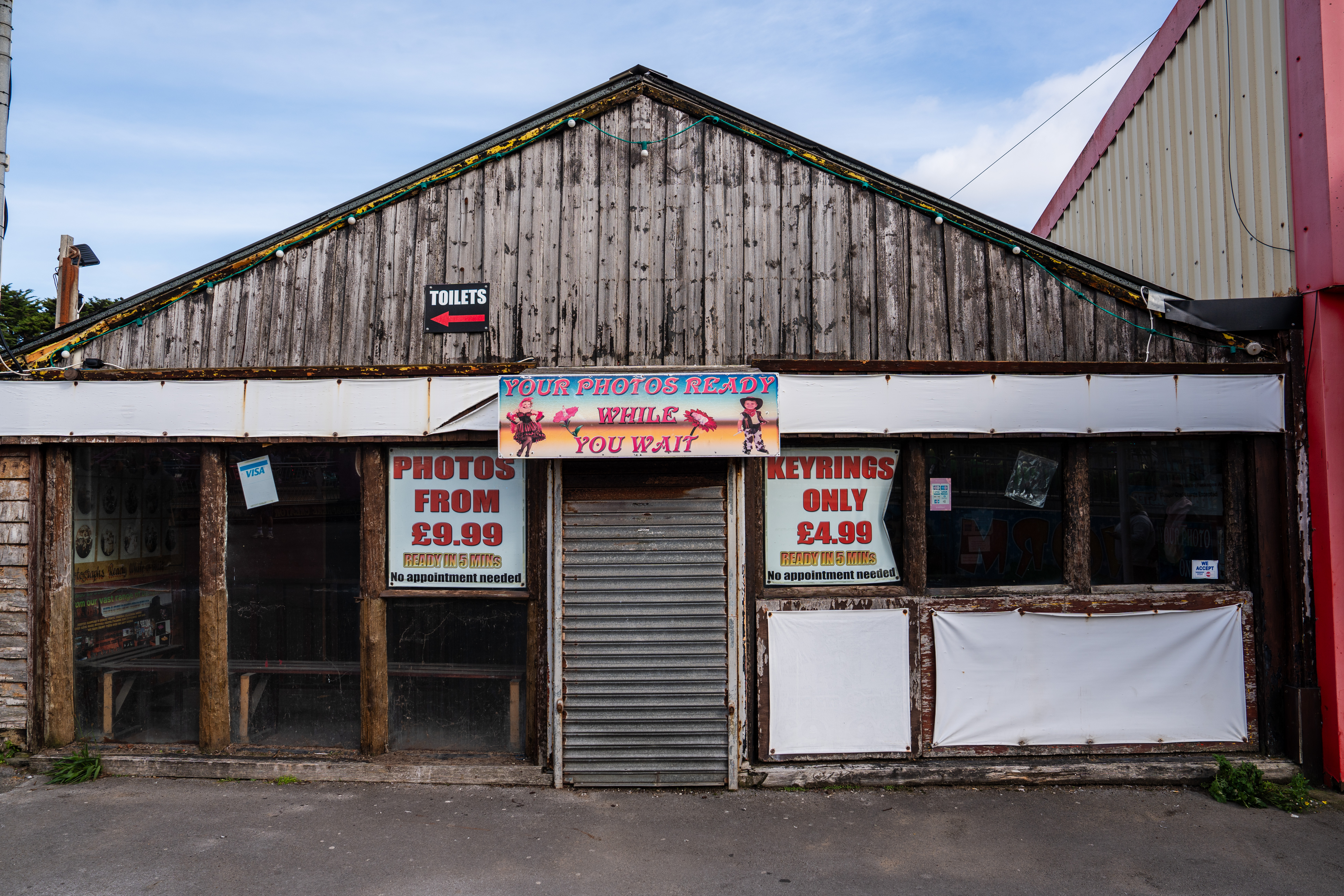
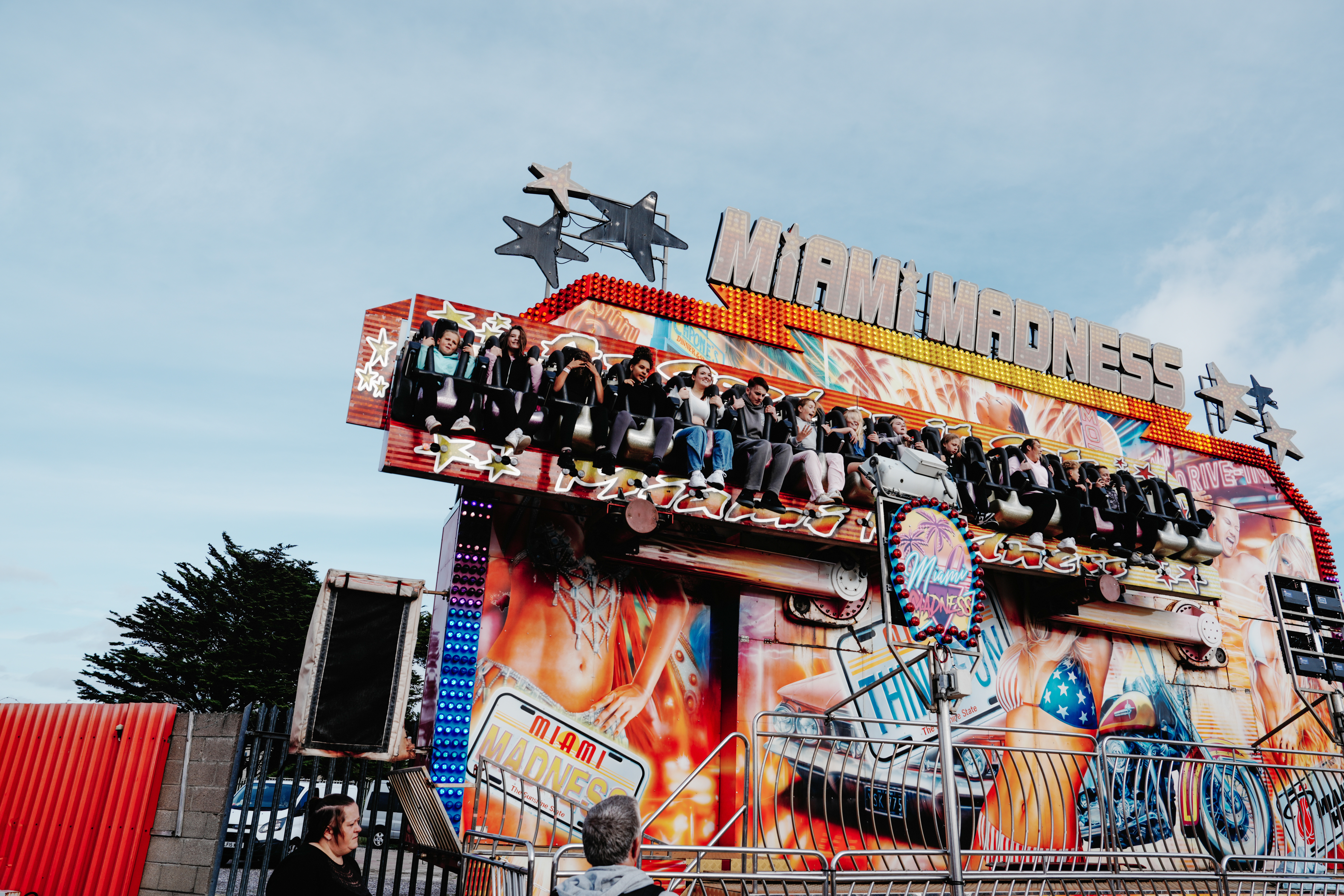
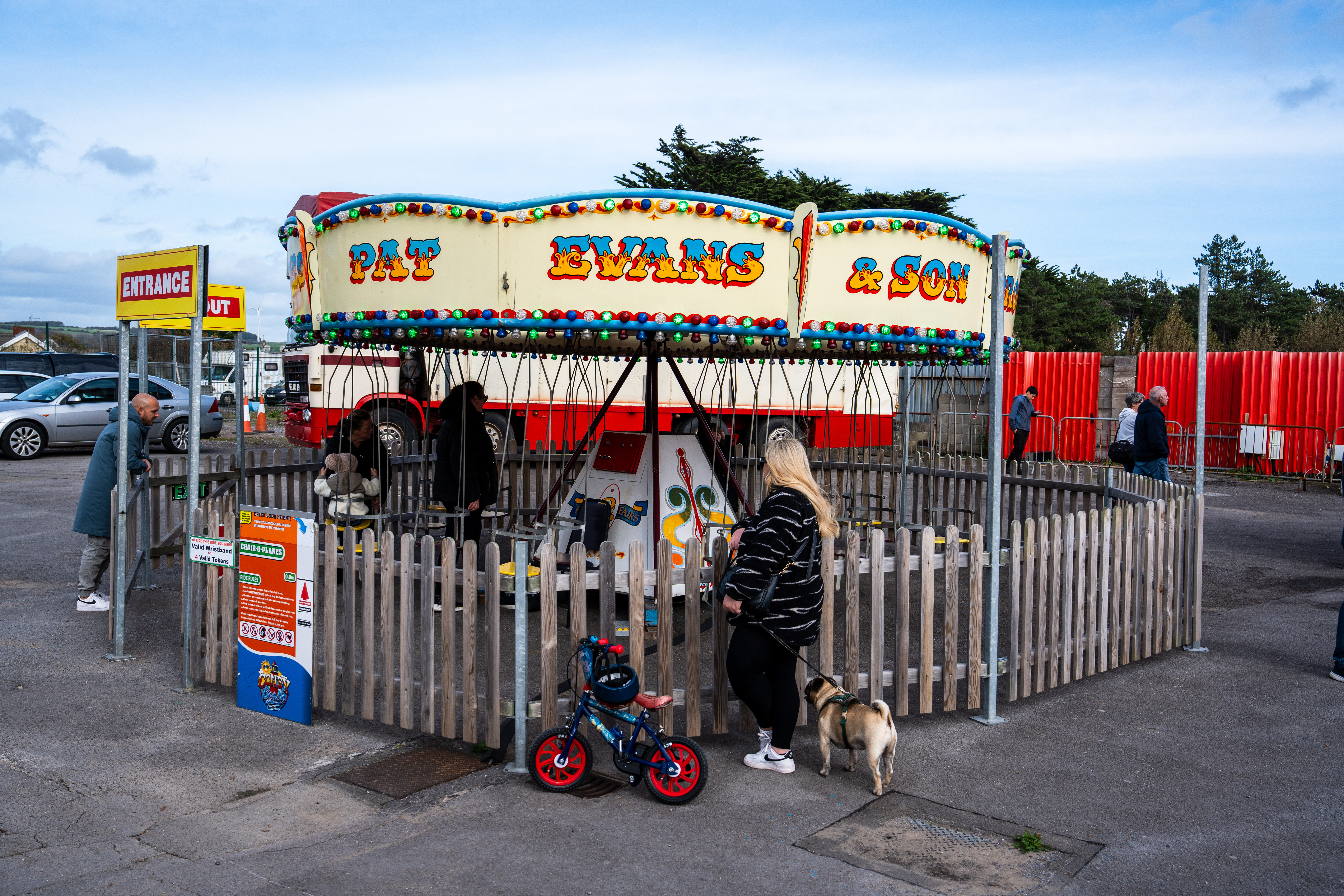
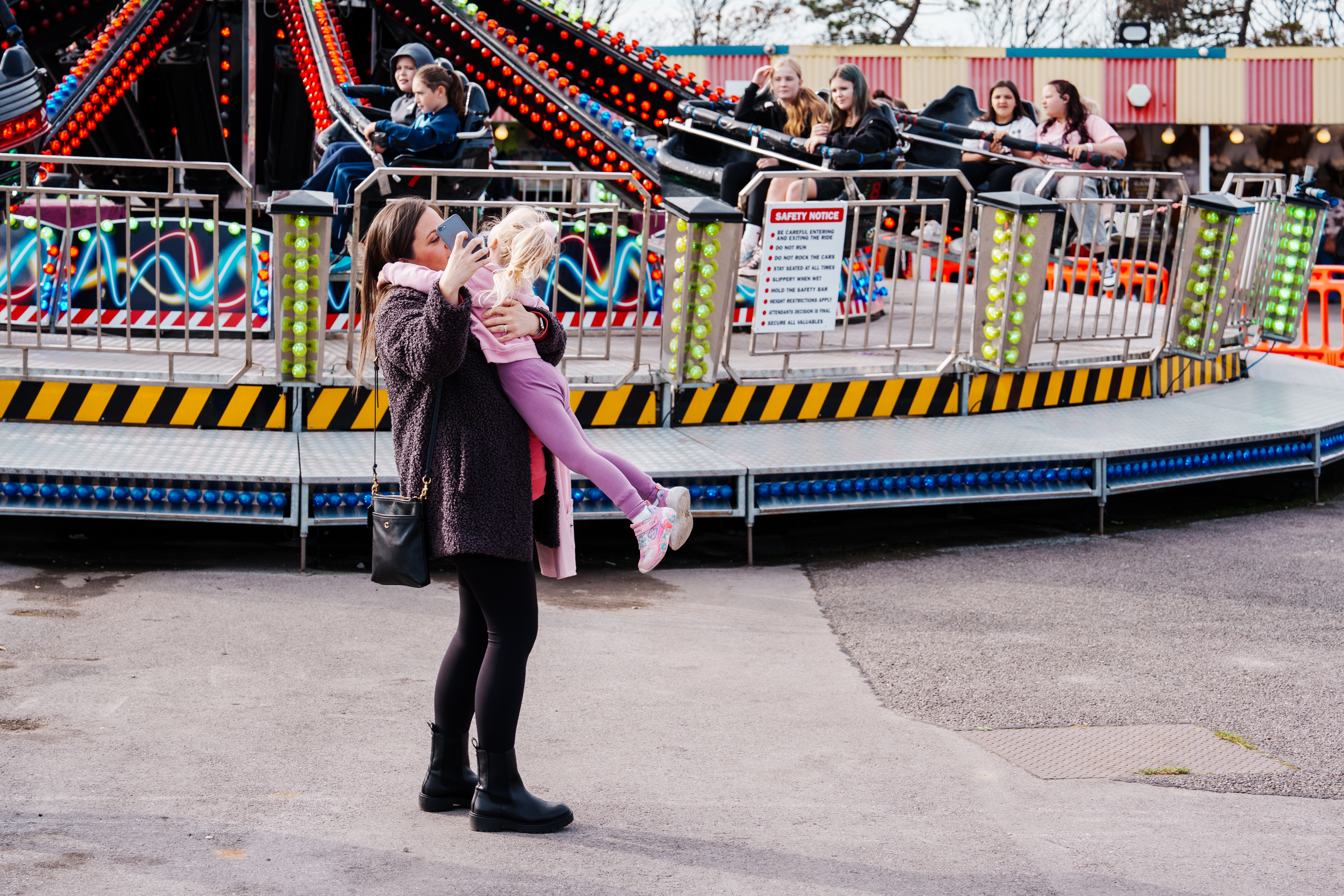
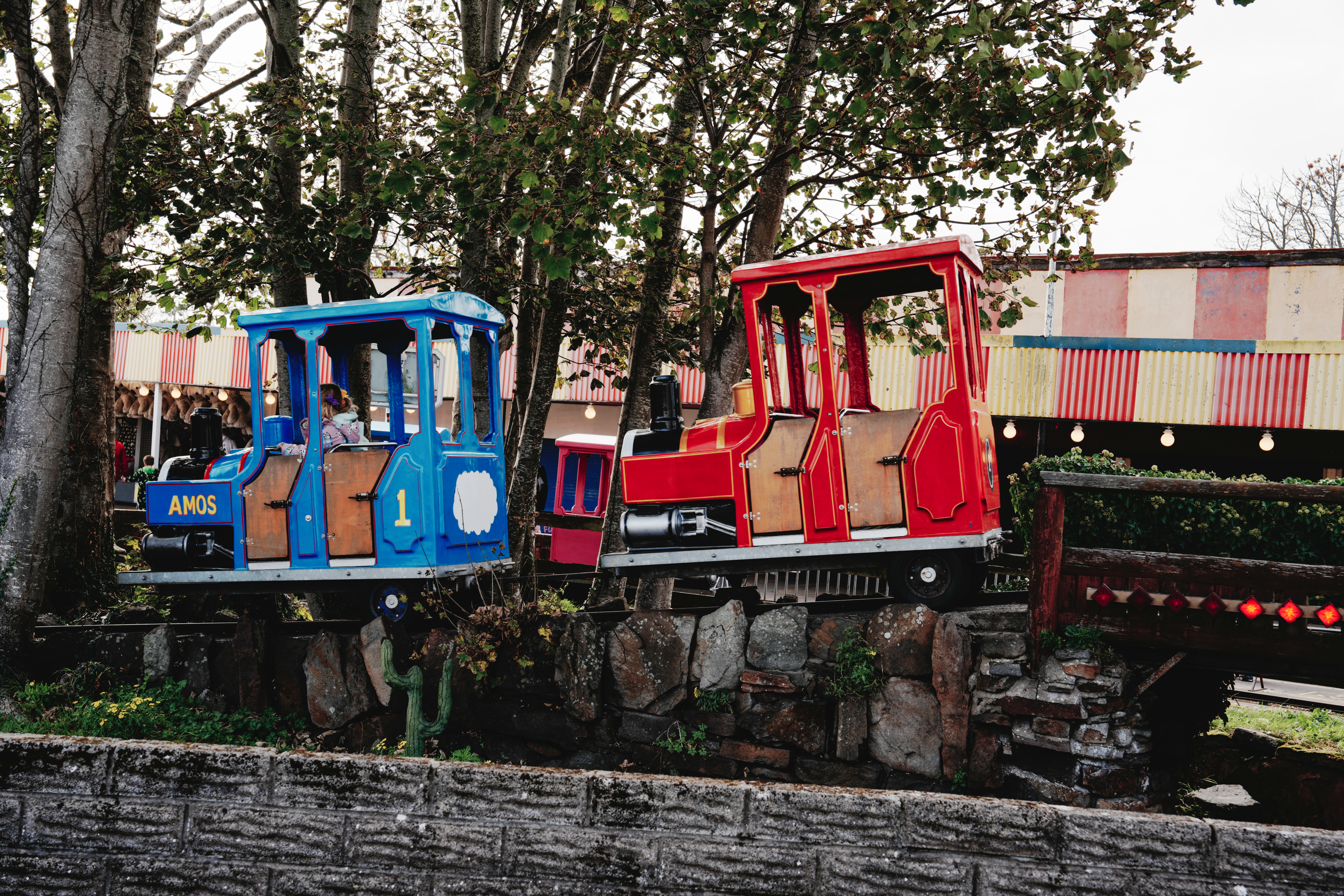
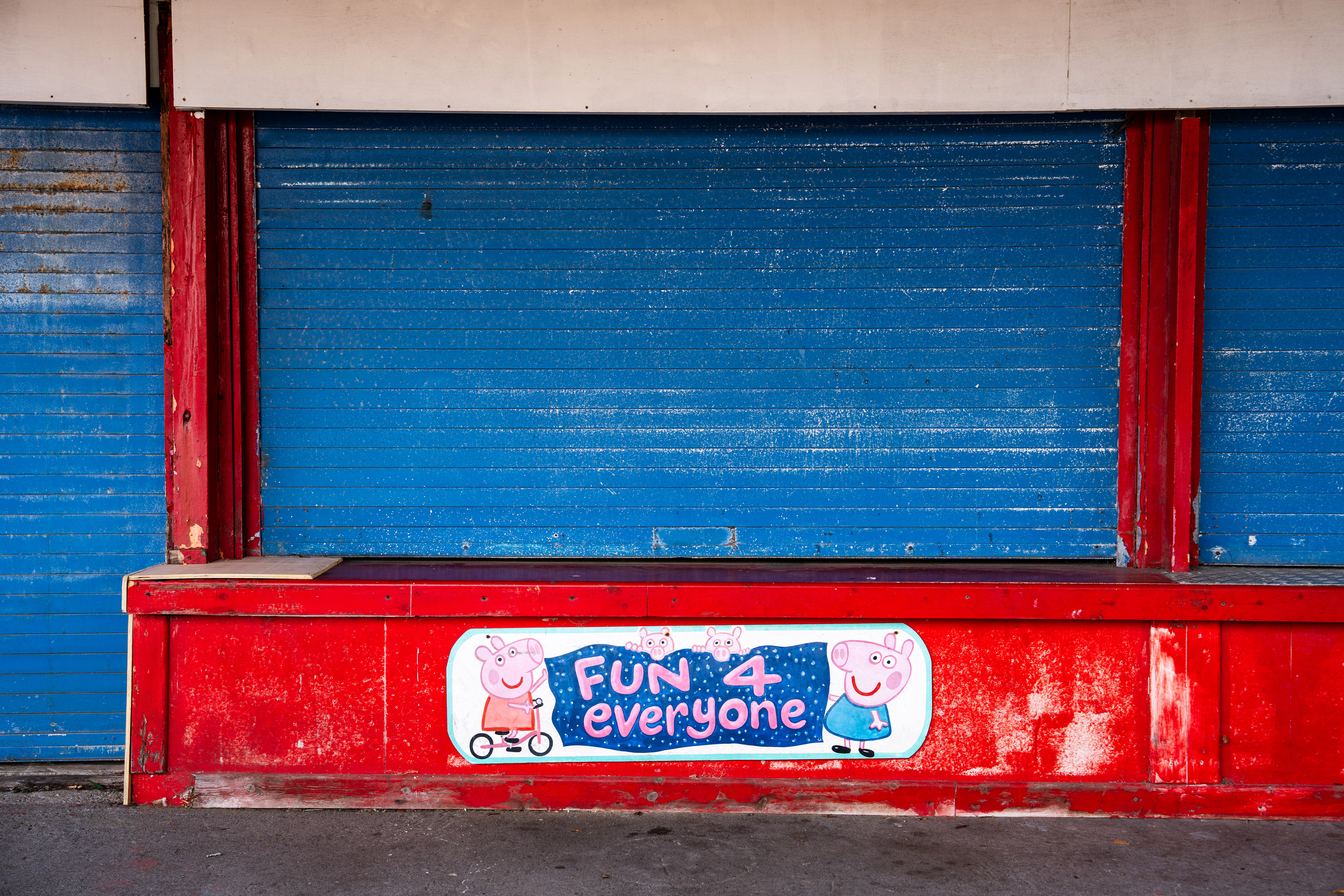
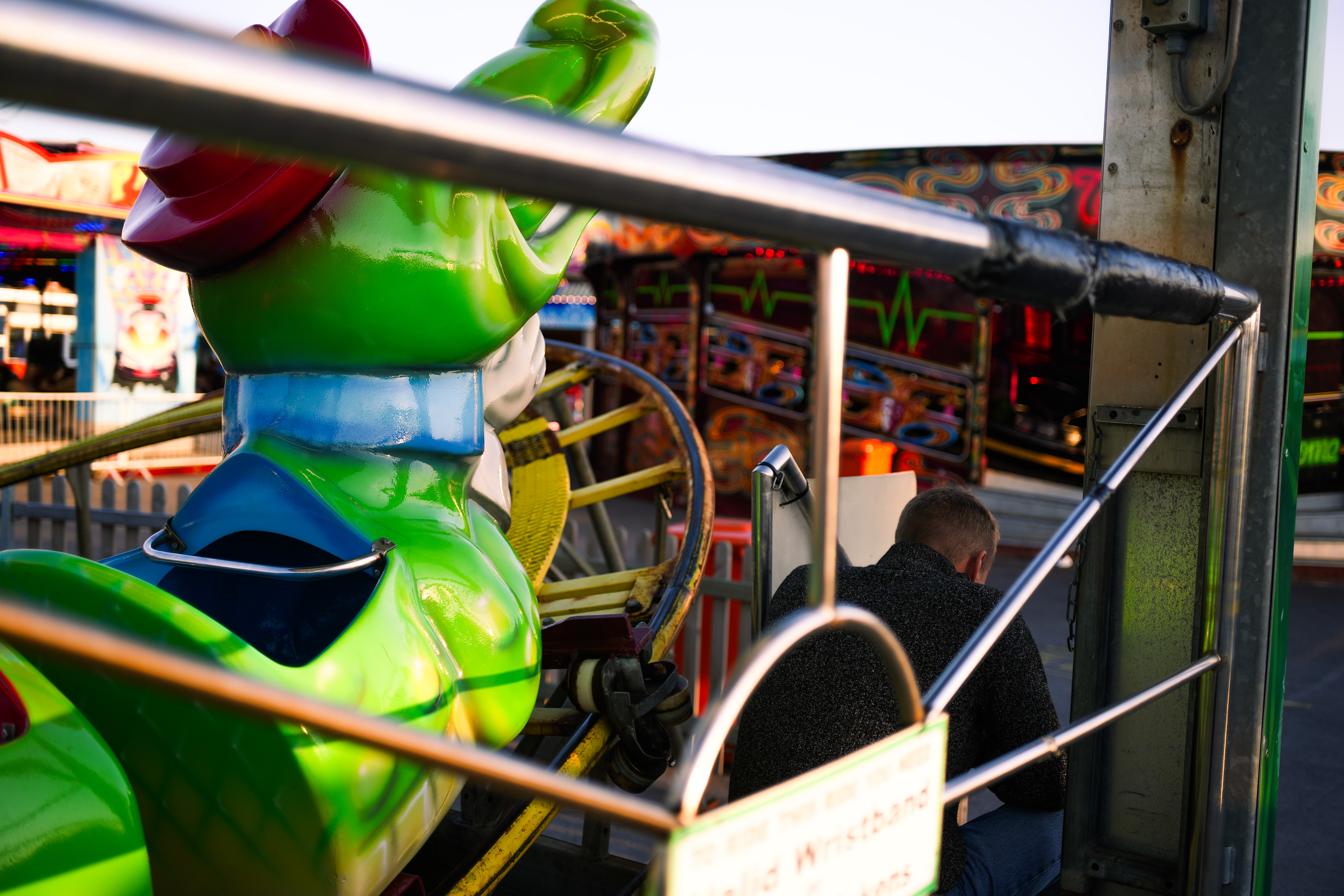
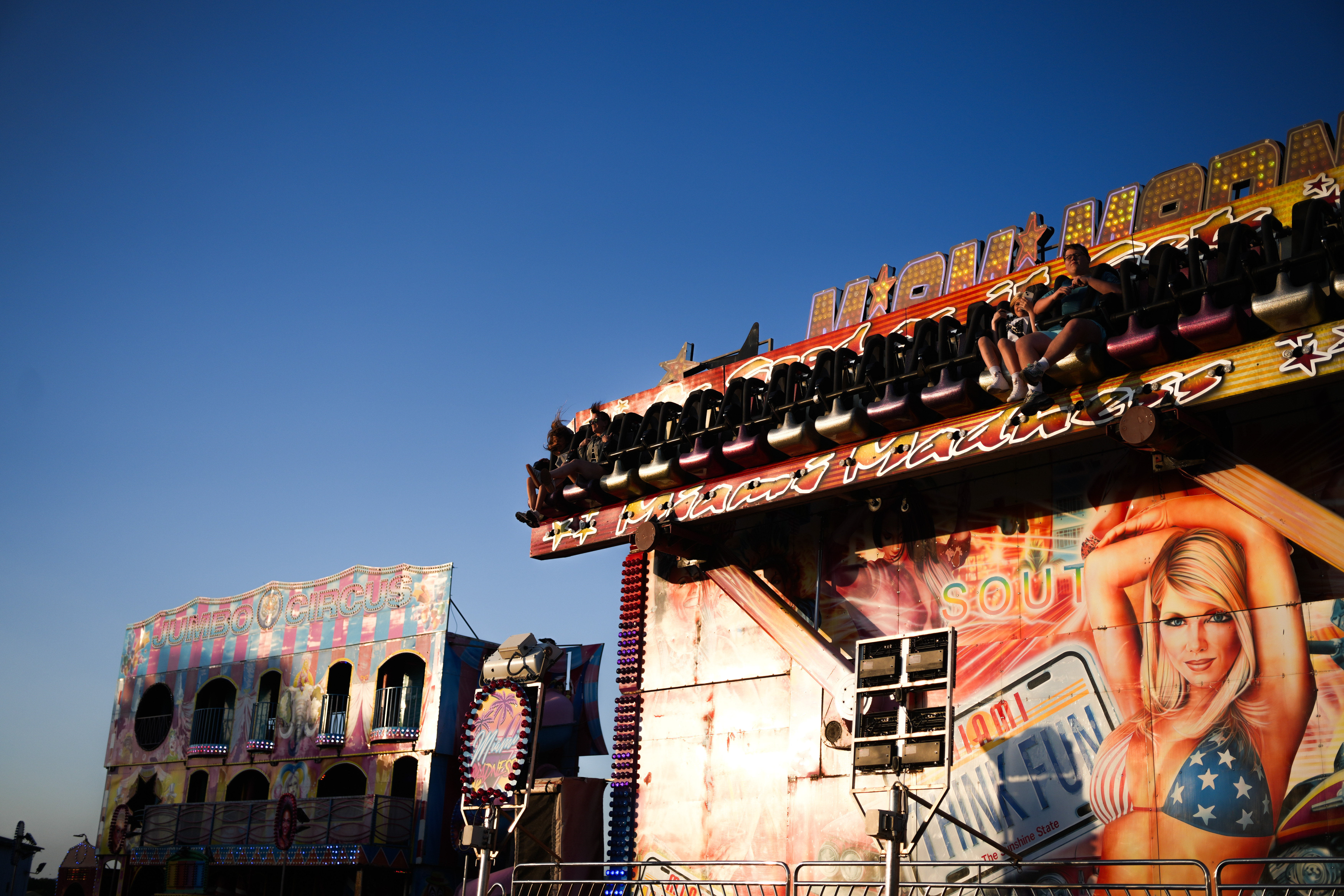
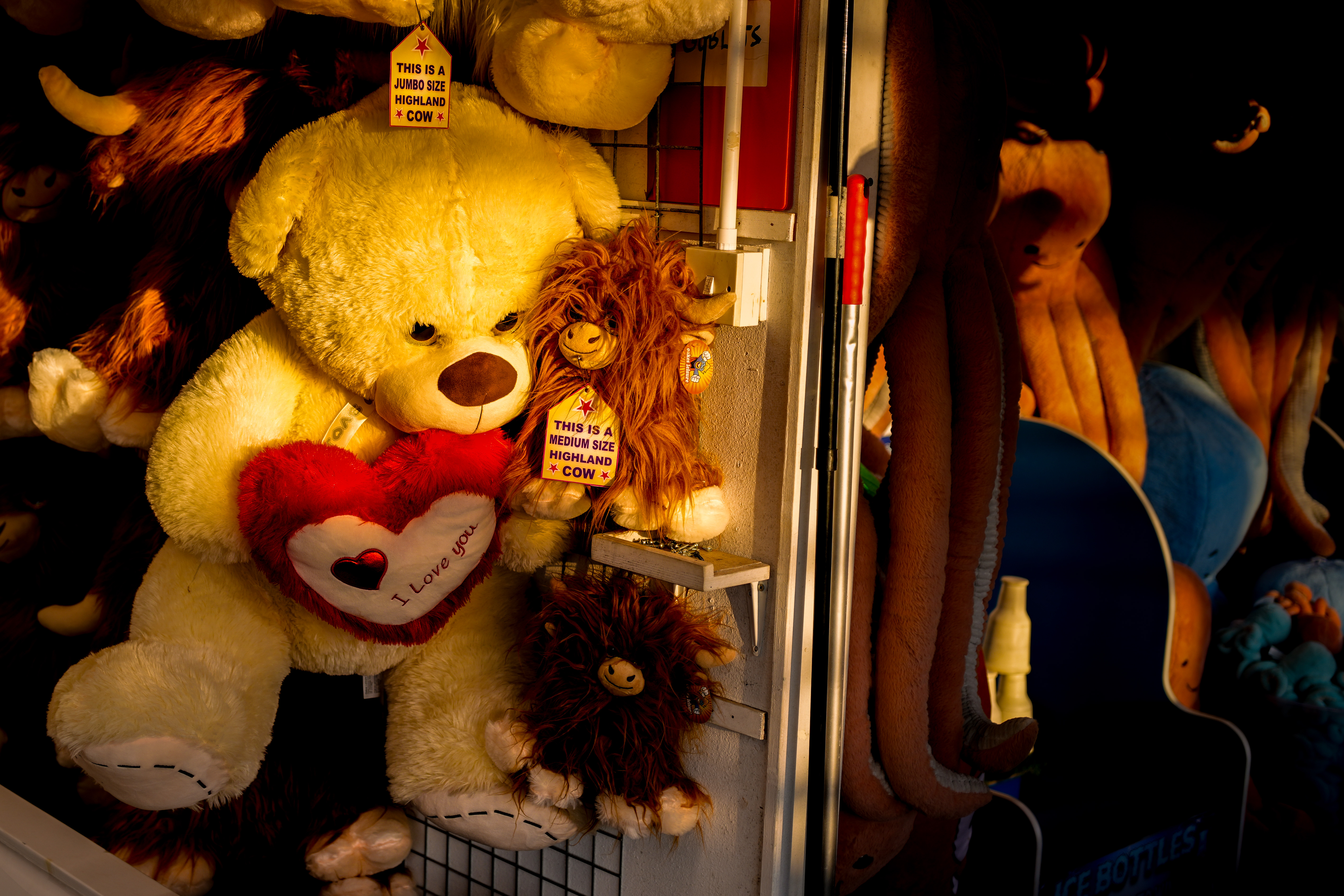
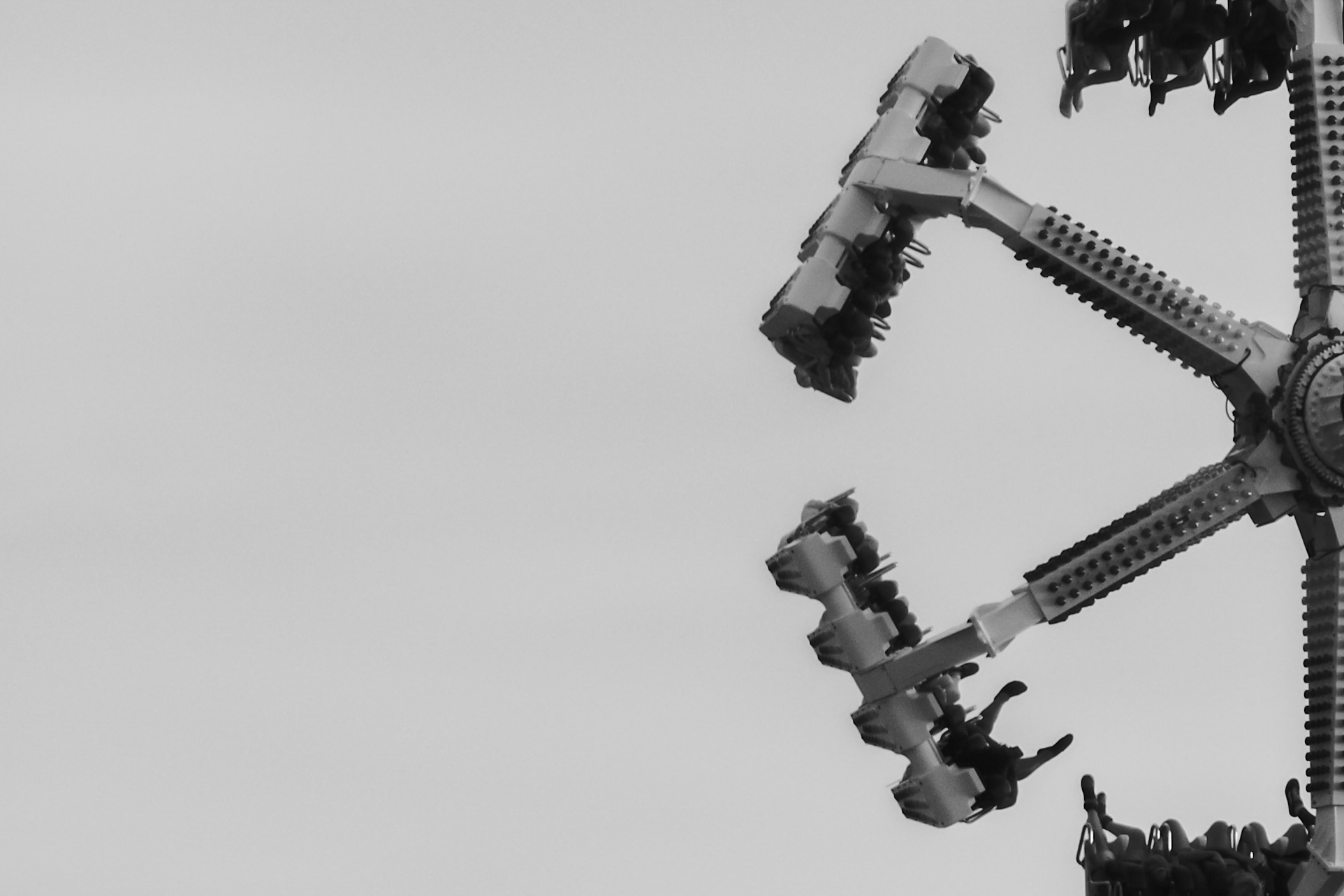
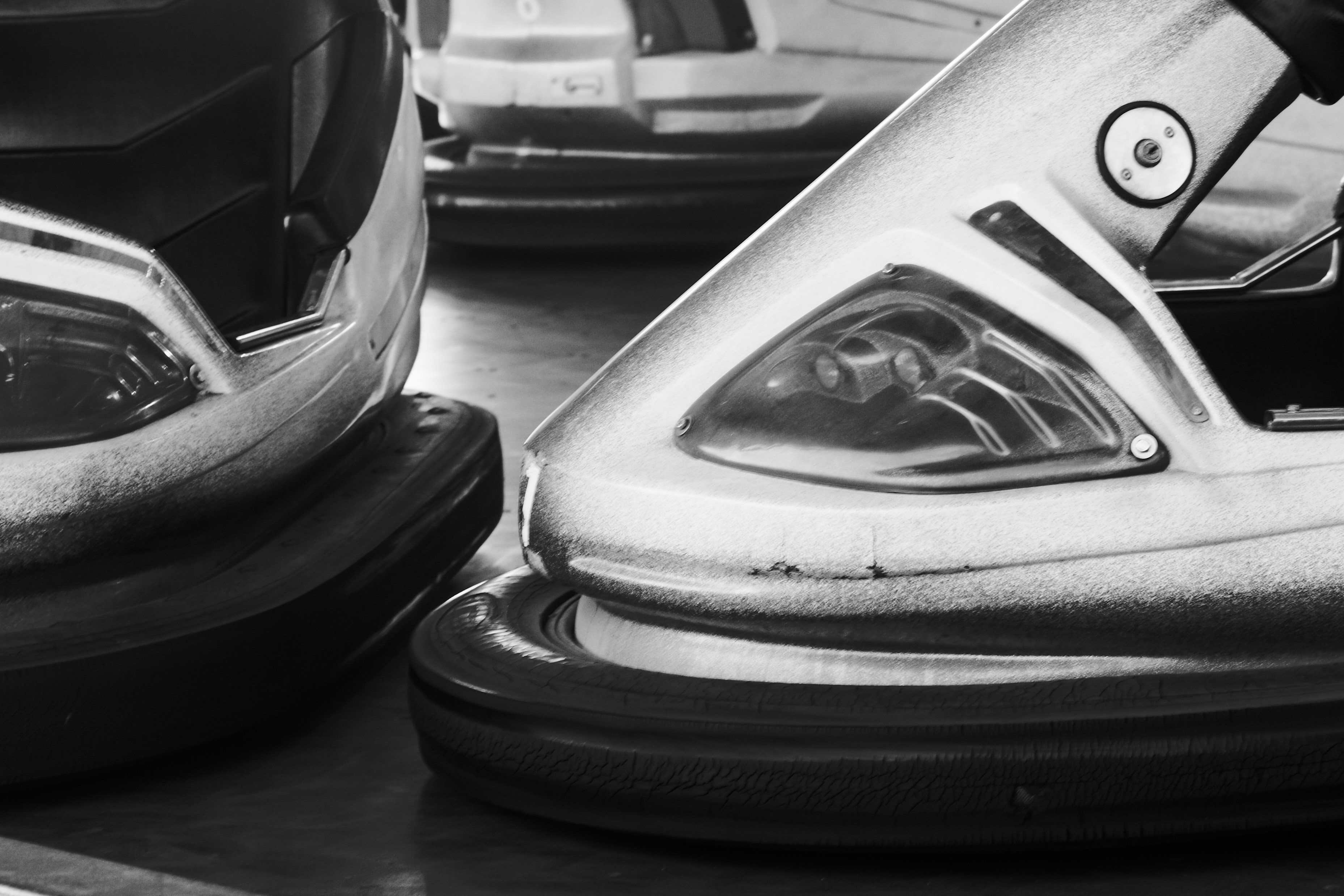
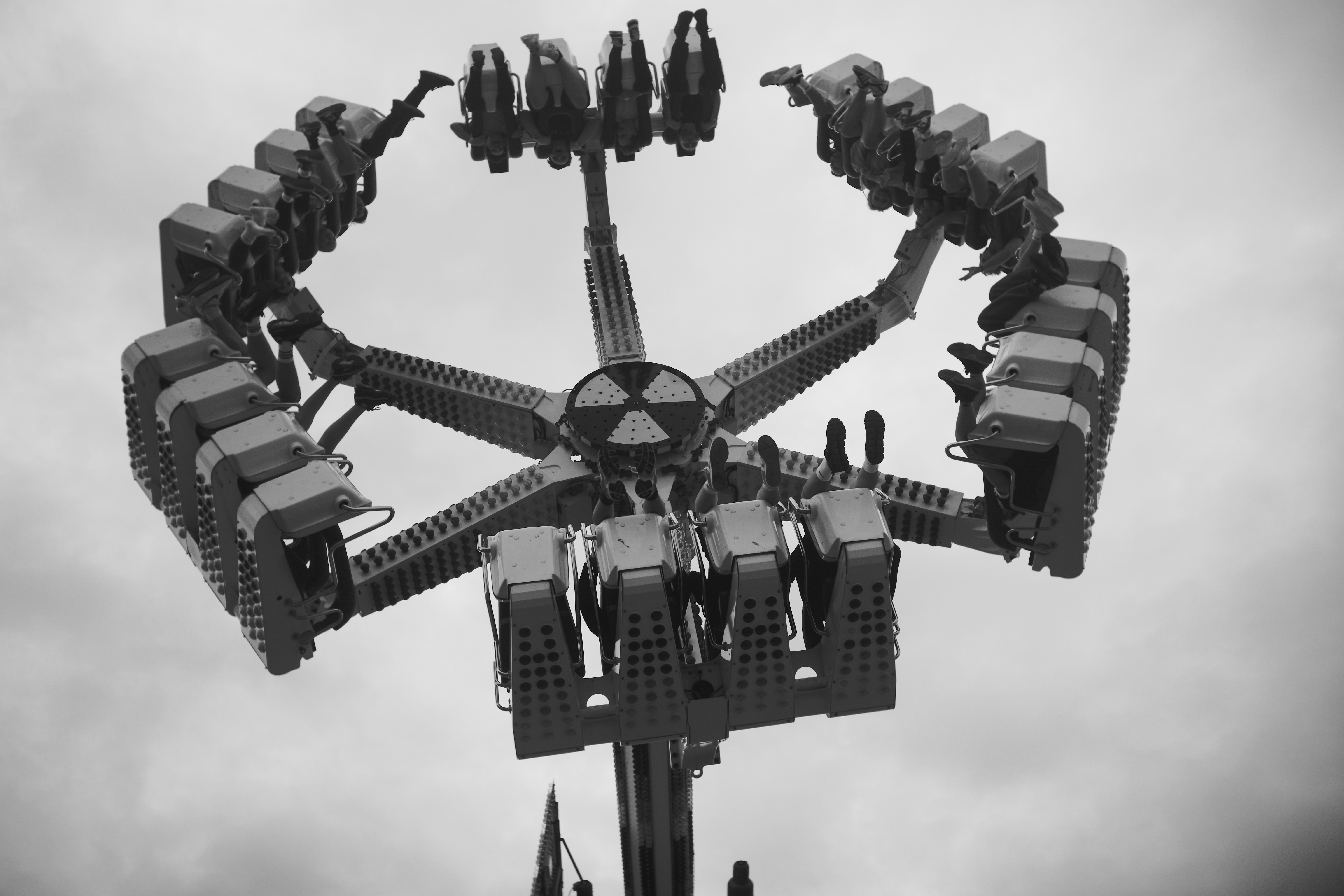
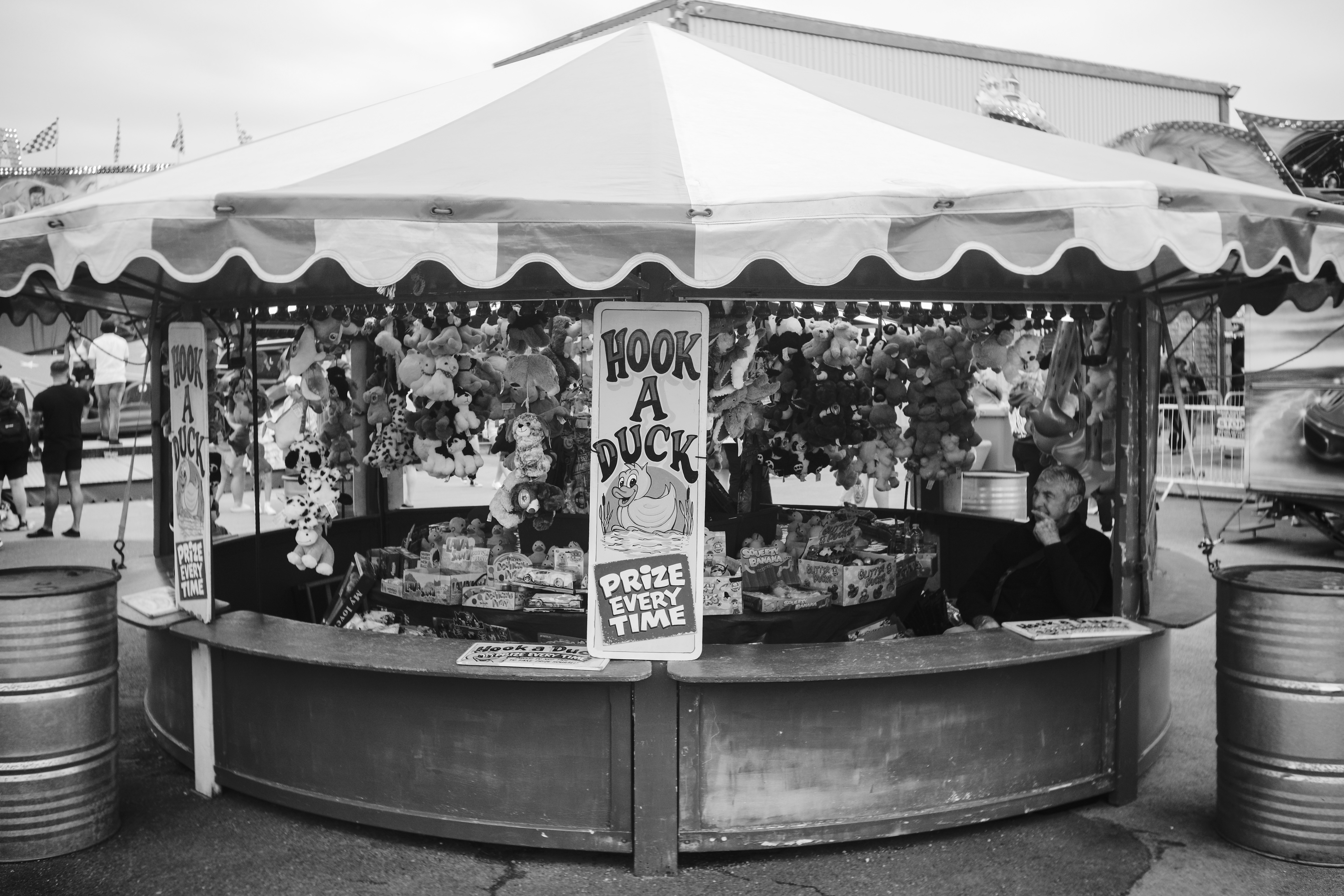
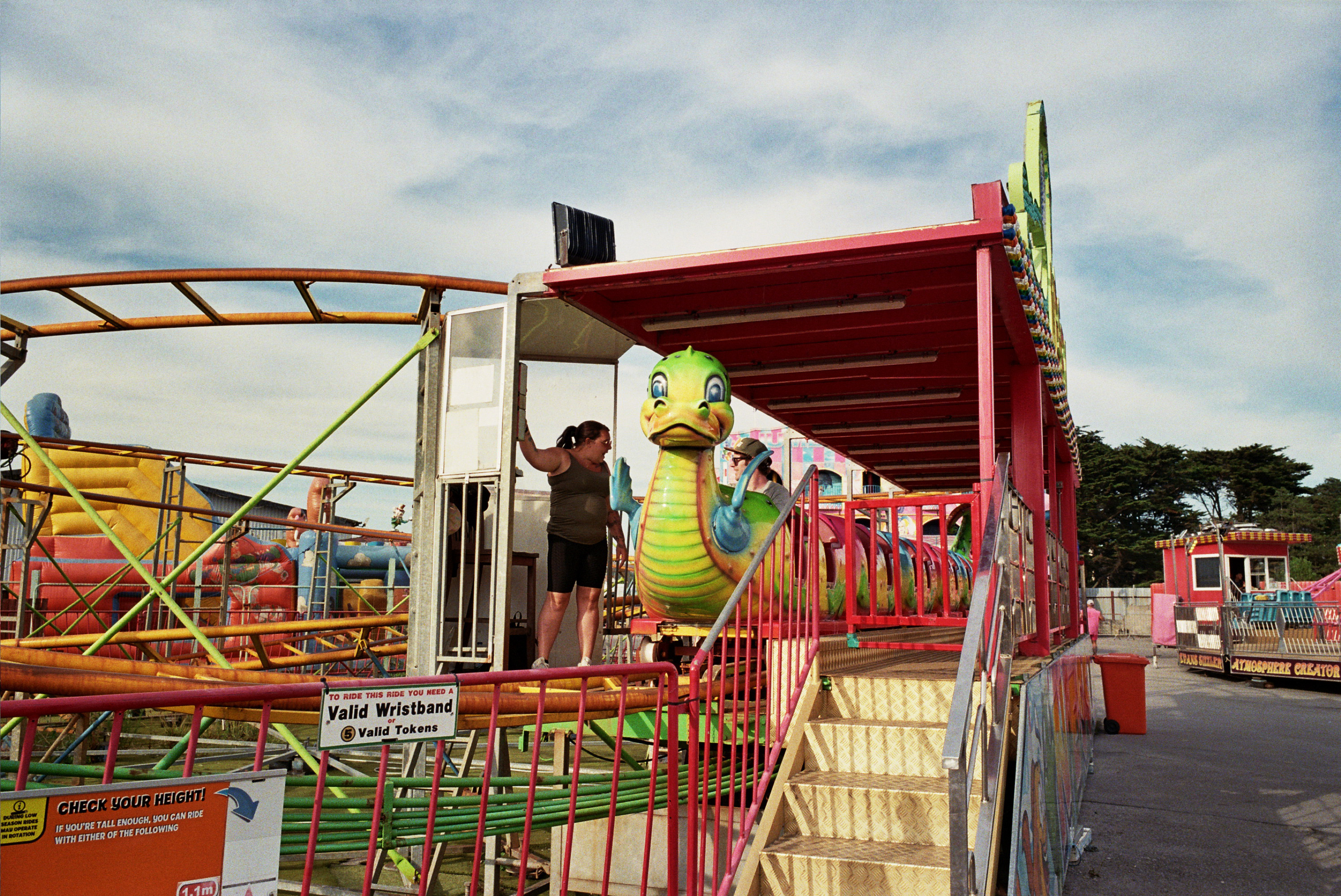
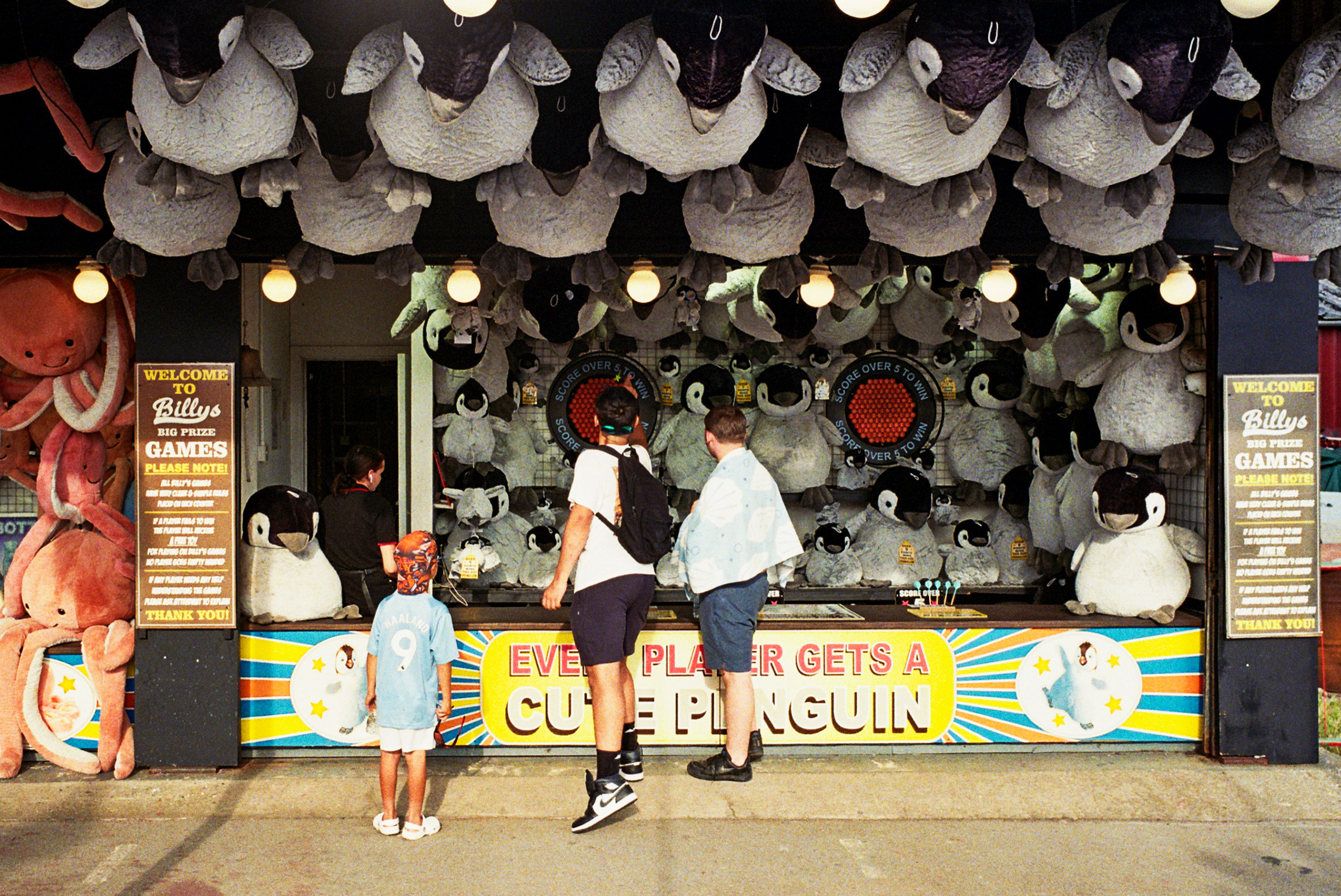
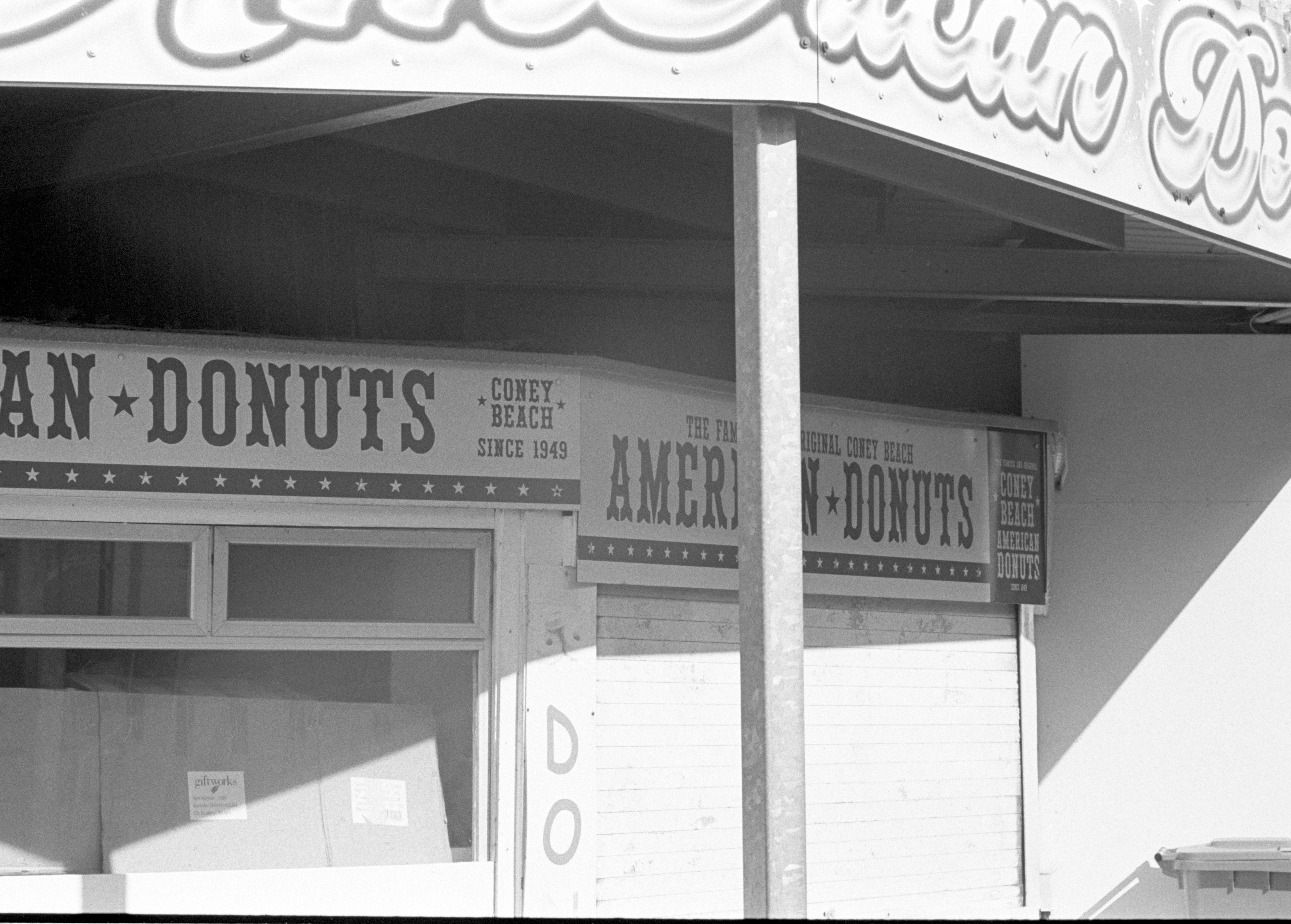
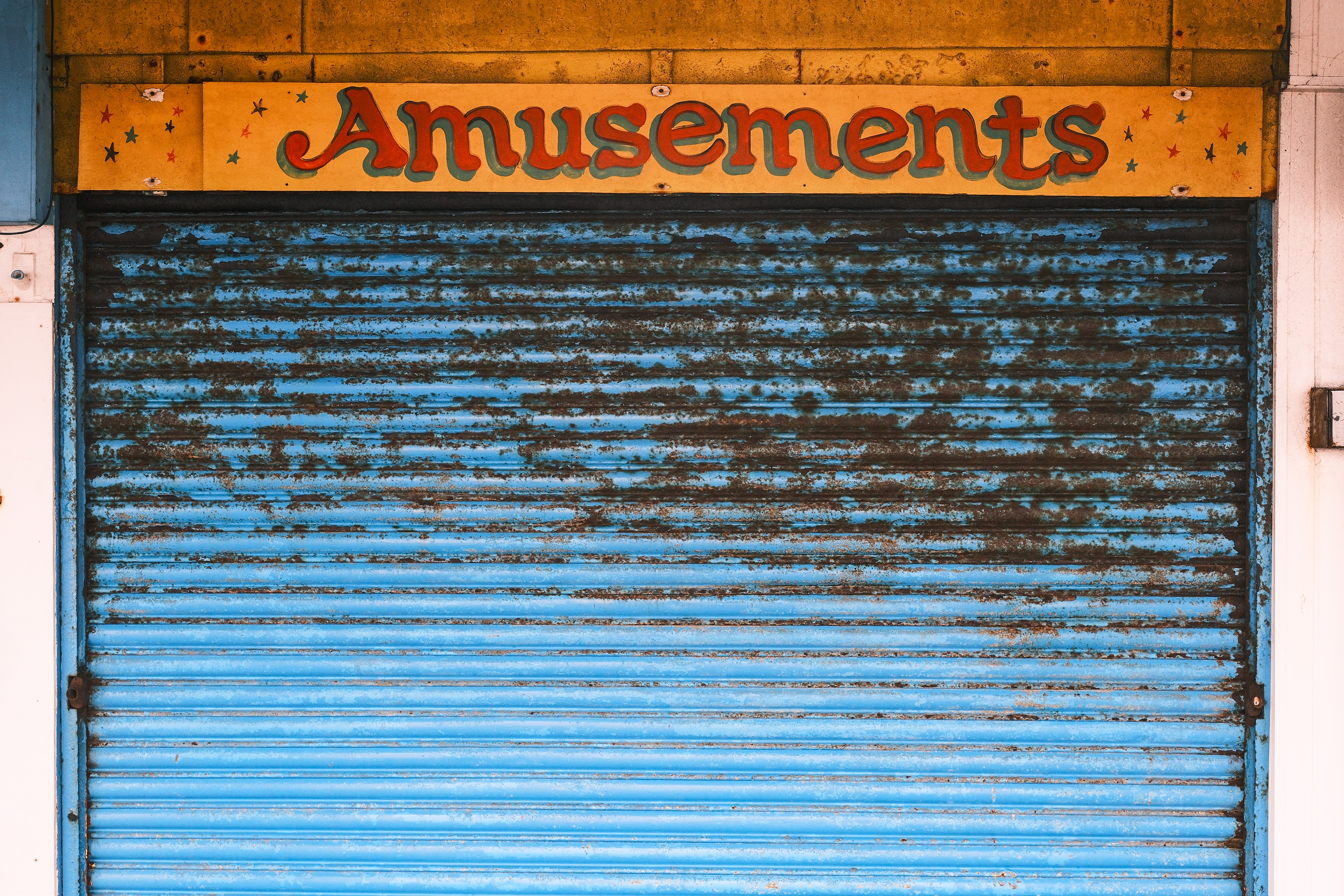
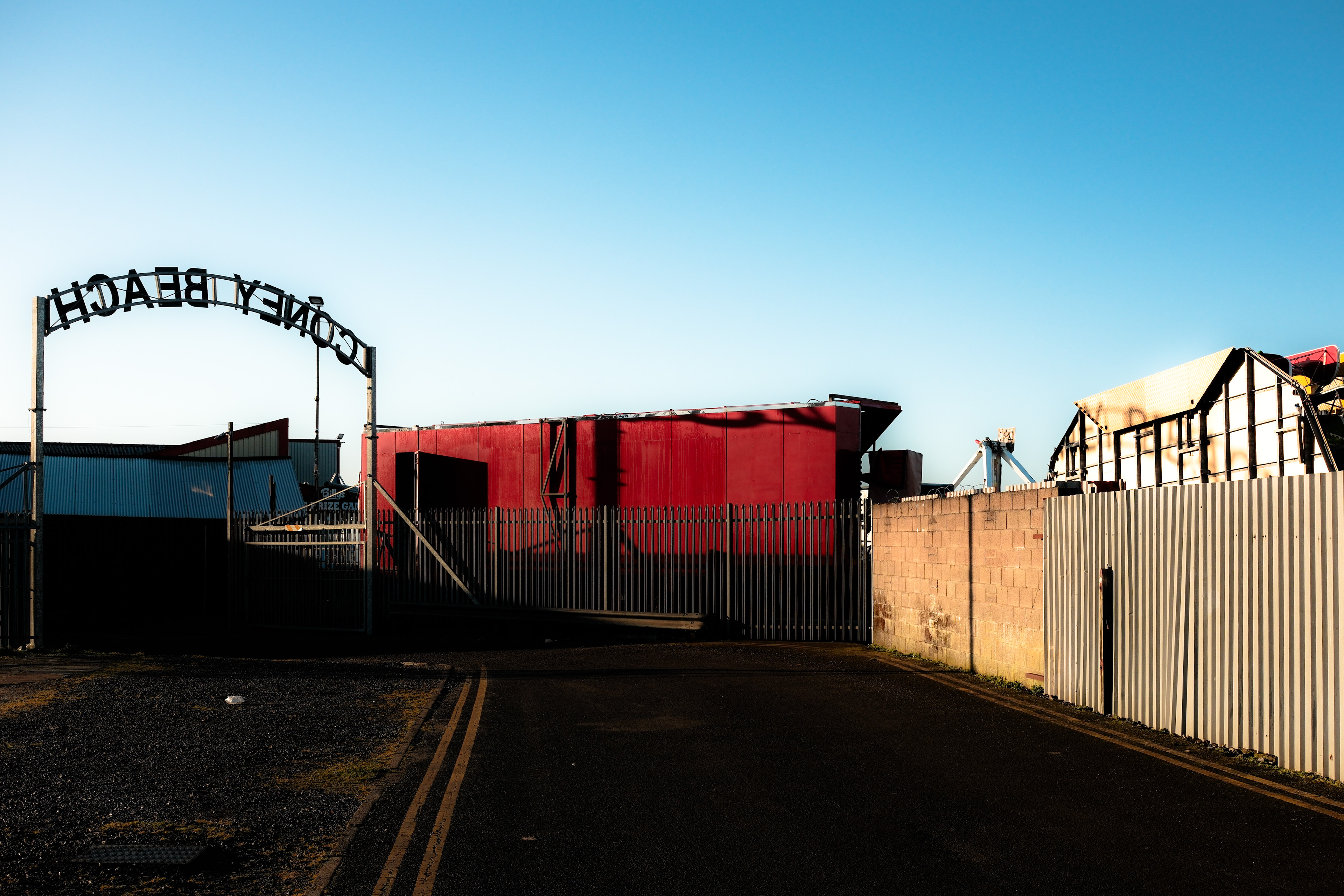
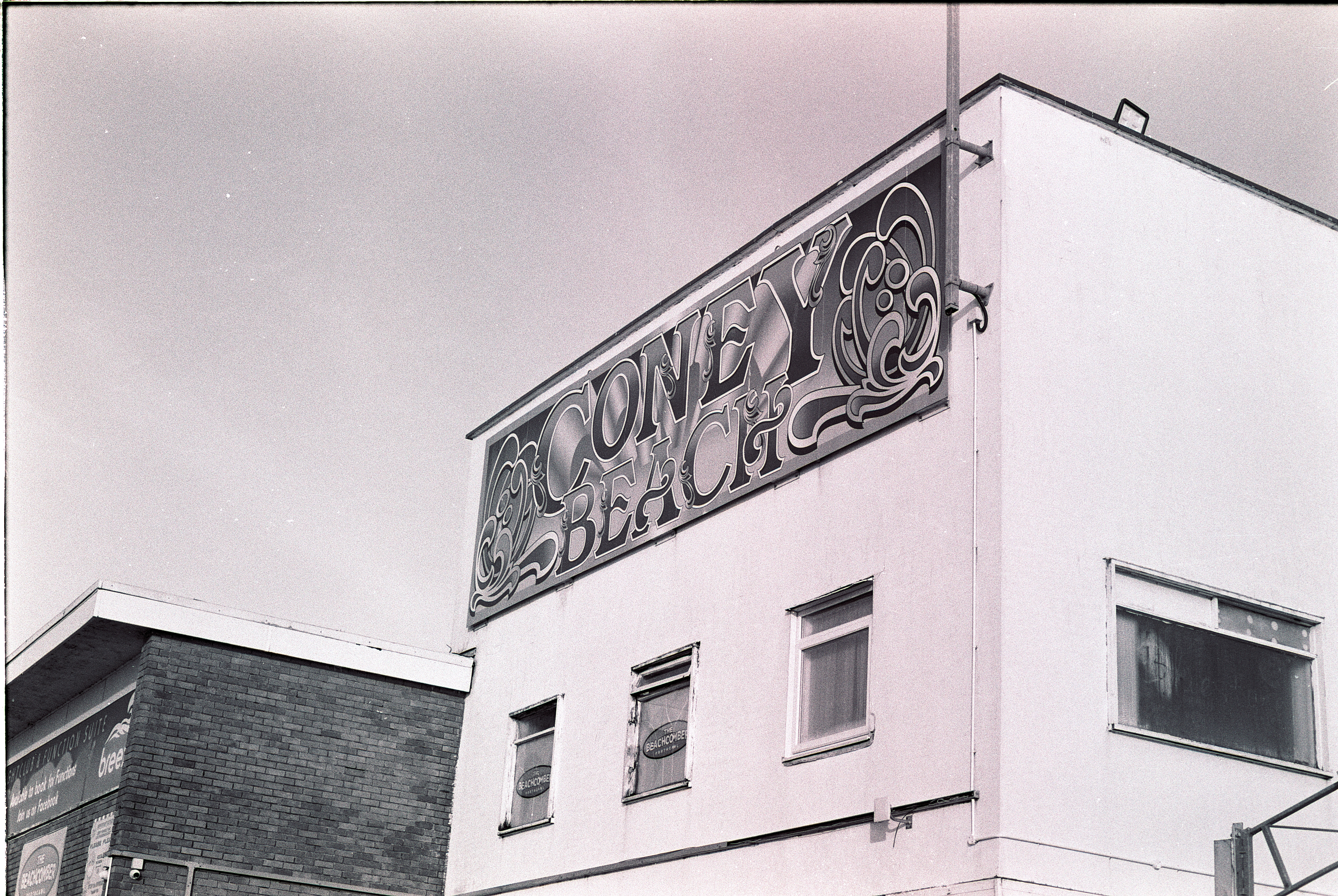
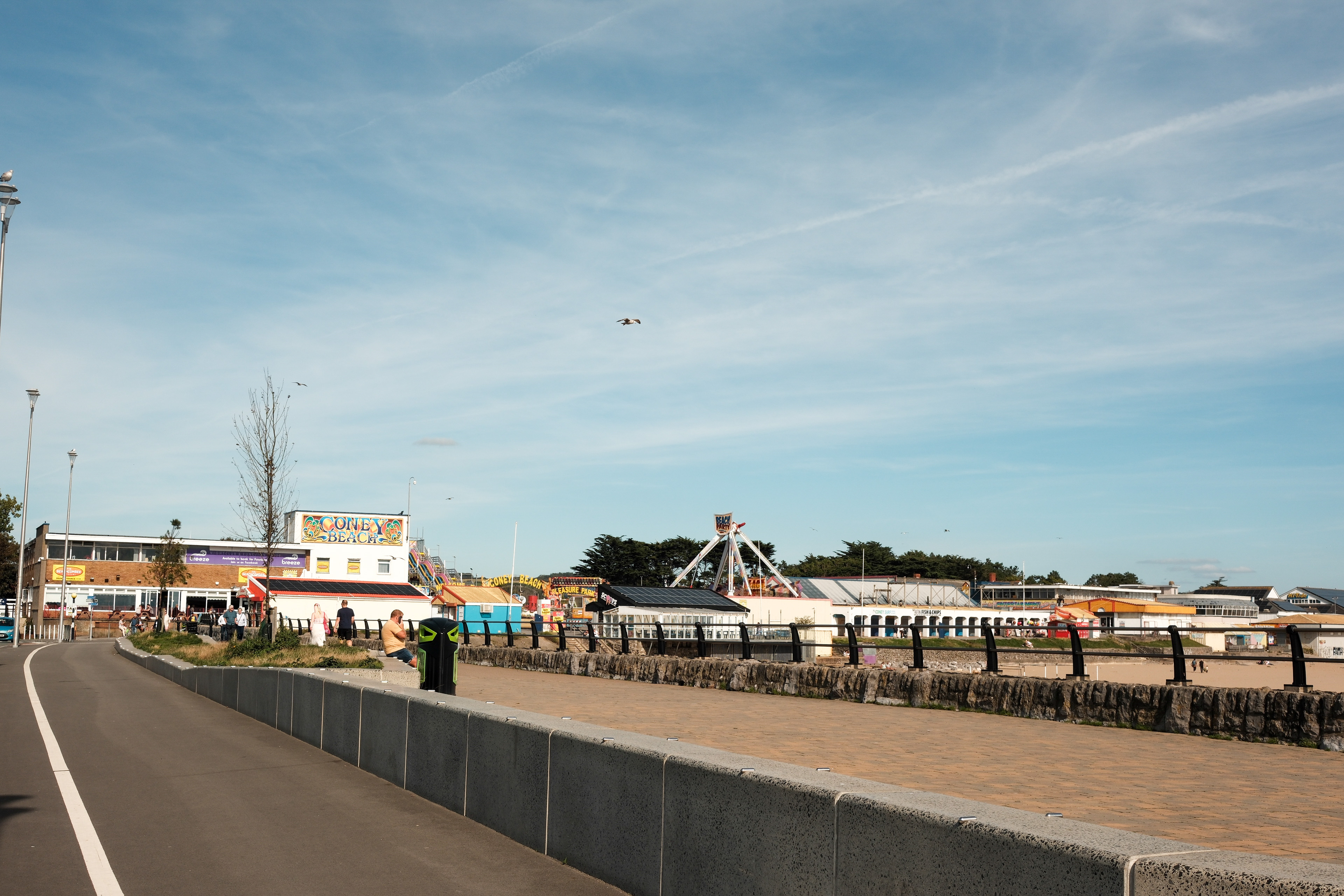
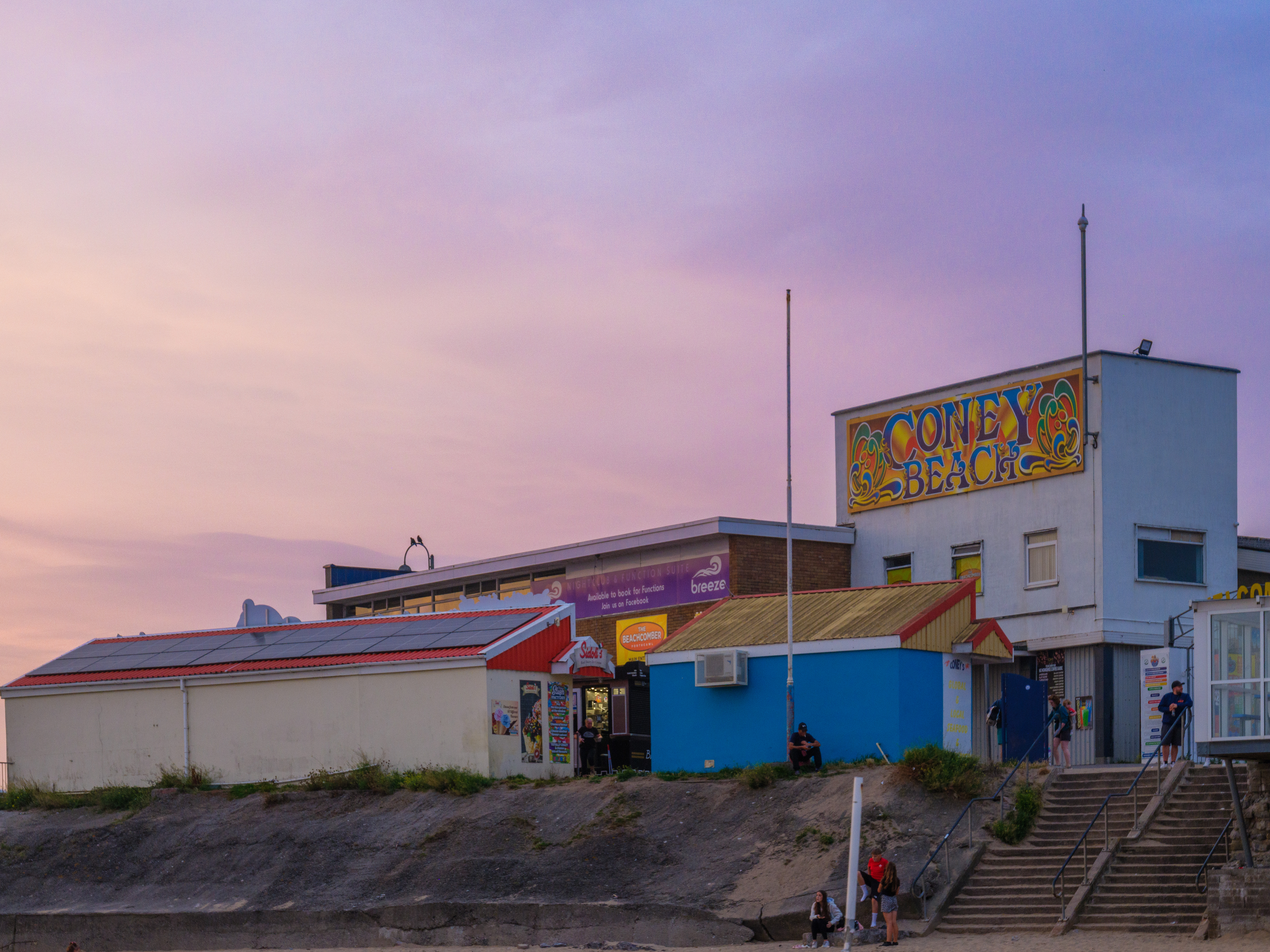
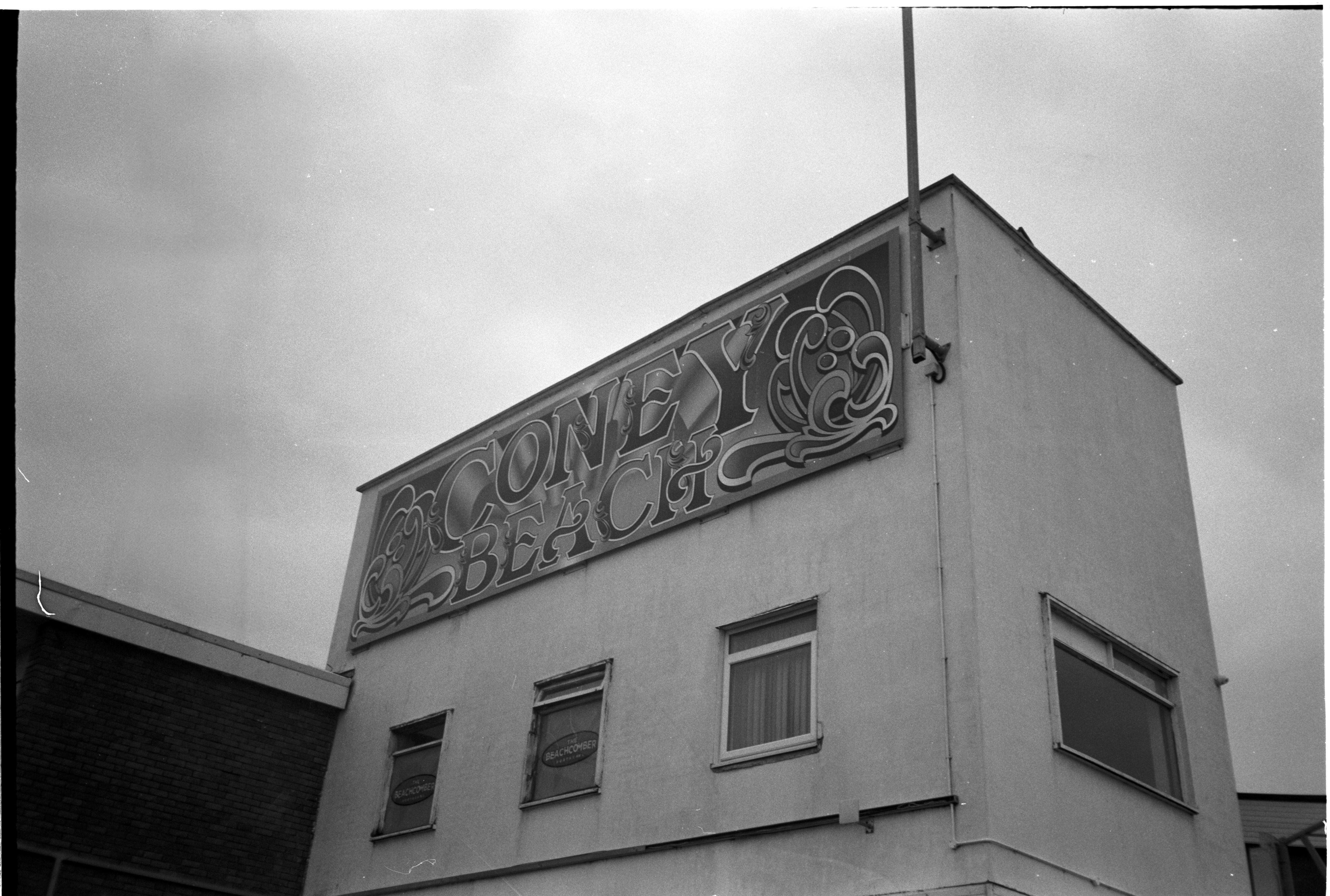
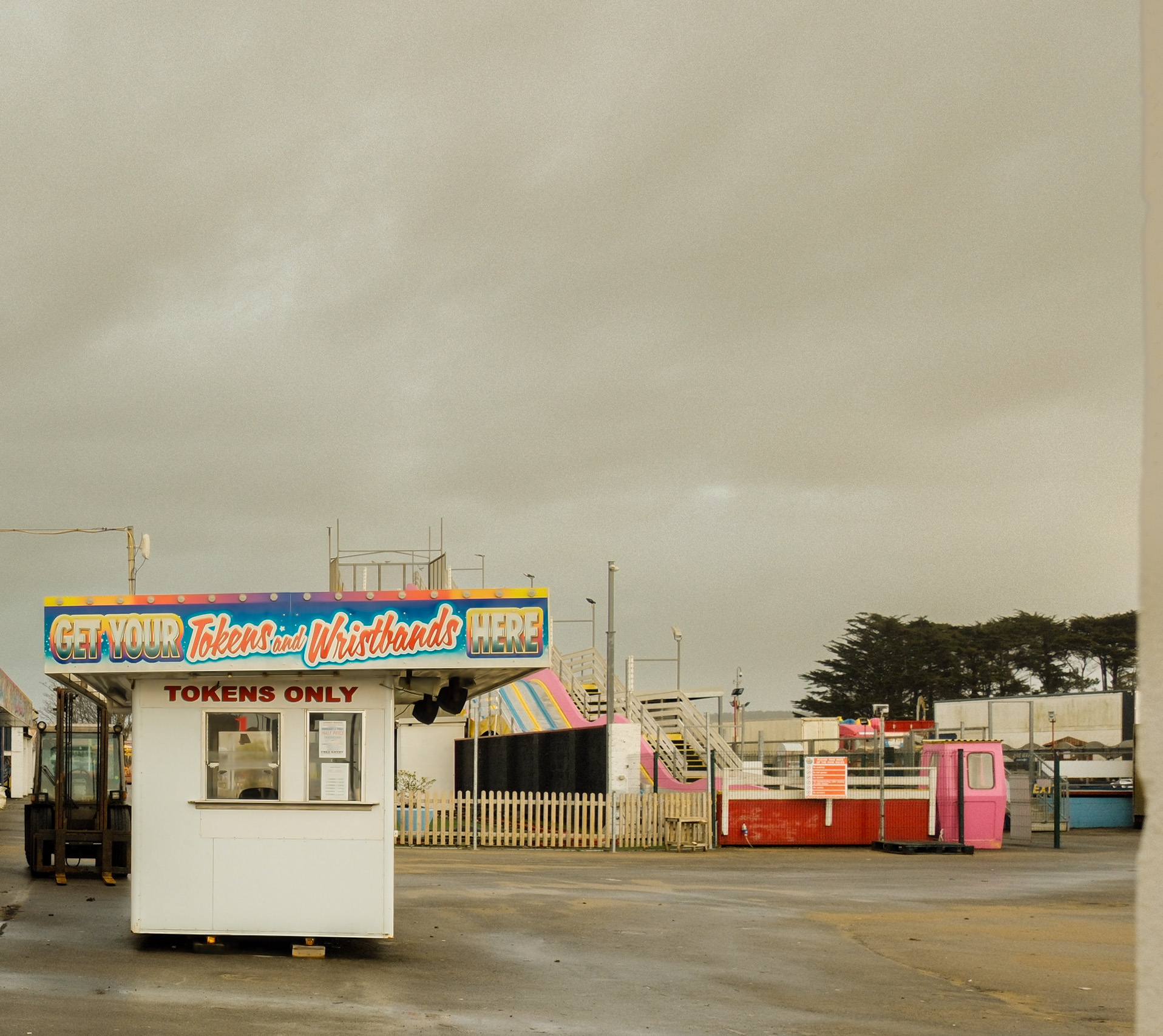
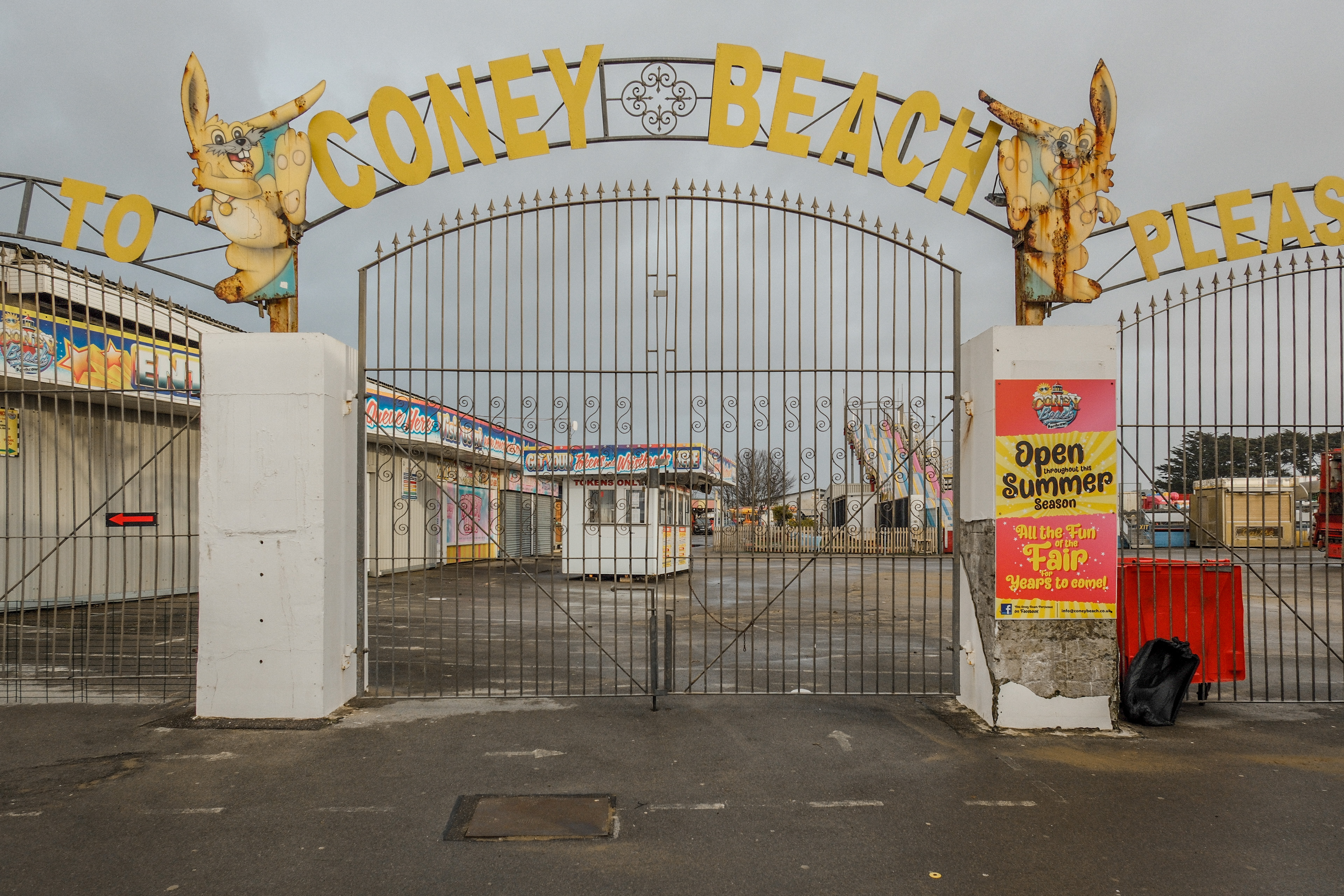
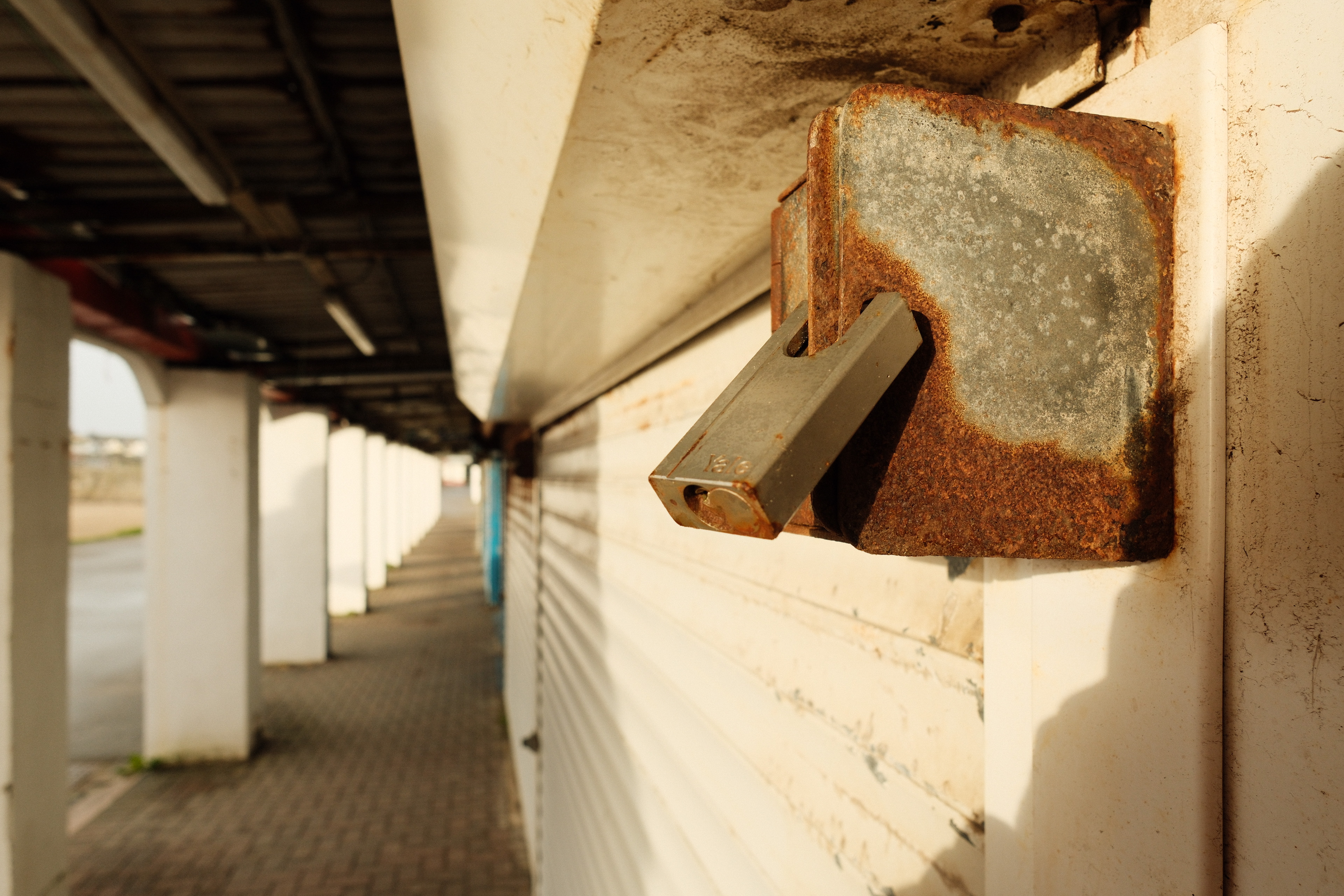
A few weeks ago, the Coney Beach fair closed its gates for the last time. Even though I was ill that weekend, I topped myself up with as many painkillers as I could find and set out to try and document its final day, as well as try to preserve at least an idea of the place.
I only moved to Porthcawl in the last few years, and I used to joke before the big move that lots of people think of it as “posh,” whereas to me it was a place we used to (en masse) get the social club bus to in the summer holidays. We’d fill up on rides, chips, and sunburn, and head back north to Merthyr, sun-kissed and bleary-eyed. I asked permission to go in on the final day (as I have with other endings I’ve documented), as though in many ways these are public spaces, they are also deeply personal.
Many of the places I try to capture are “past their prime” to some, but are irrevocably linchpins of their communities. It’s been well over 30 years now since my days on the social club bus from Merthyr, but for decades after, and many decades before, Coney Beach offered a place of respite for generations of people — not just in Wales, but all over the UK.
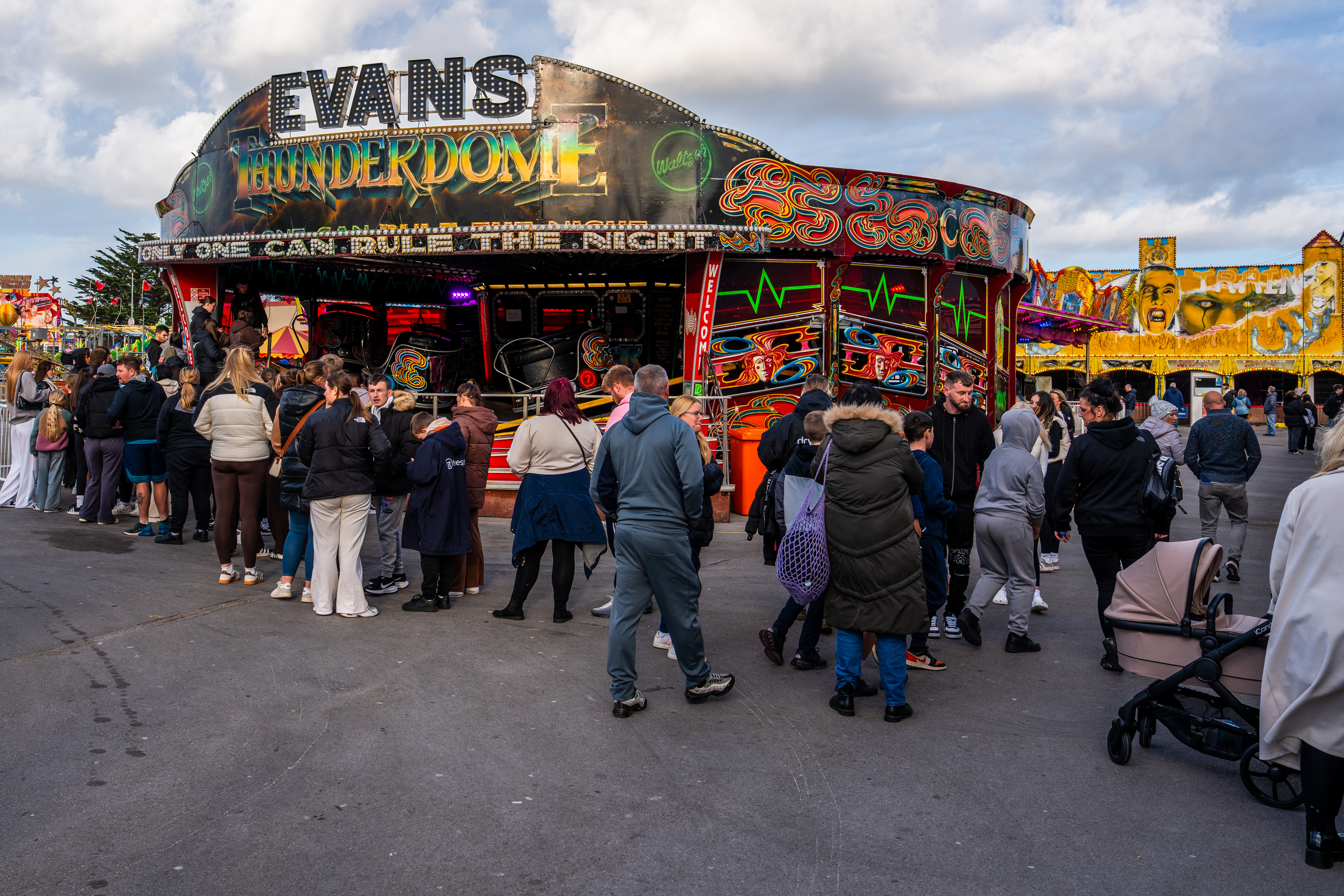
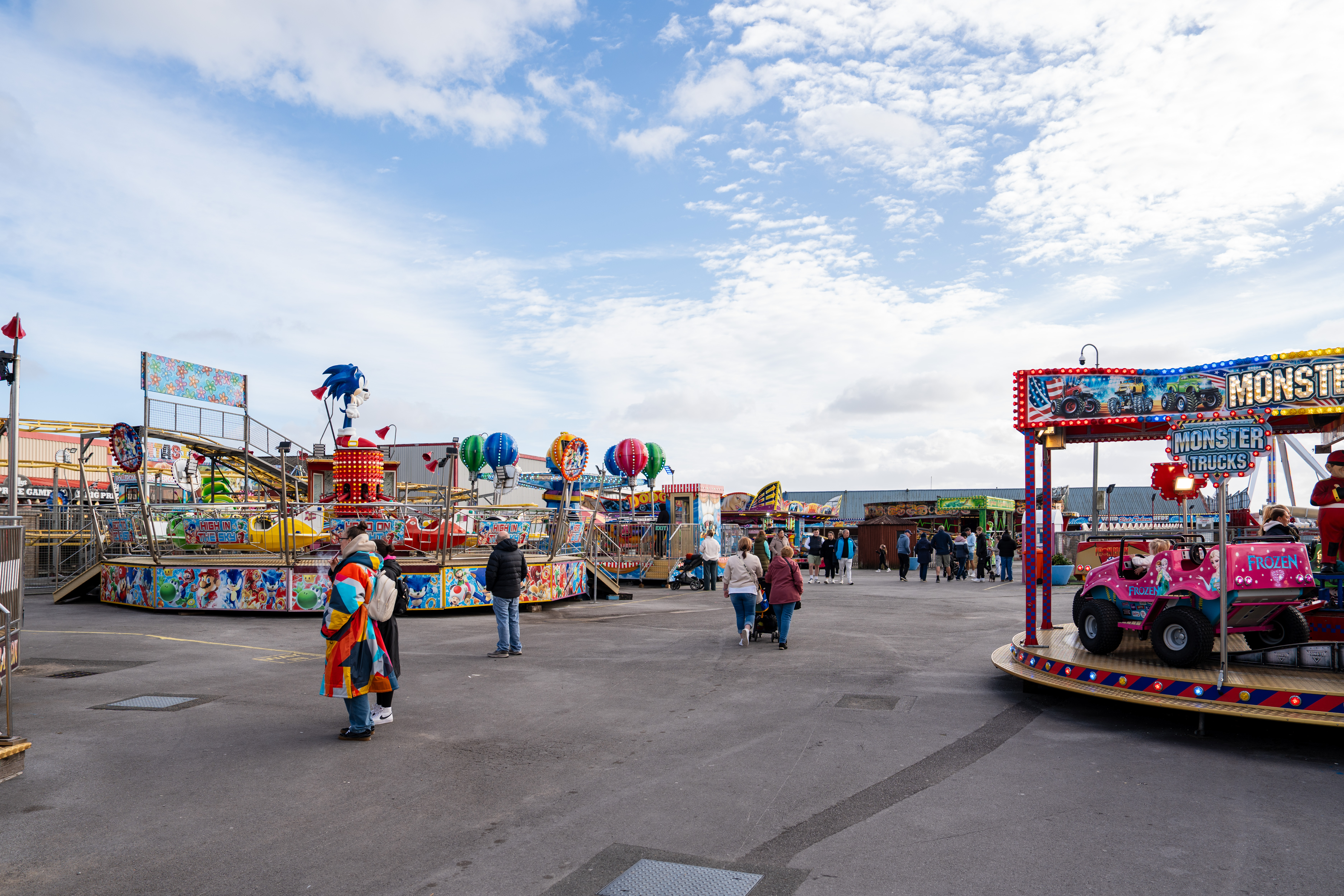
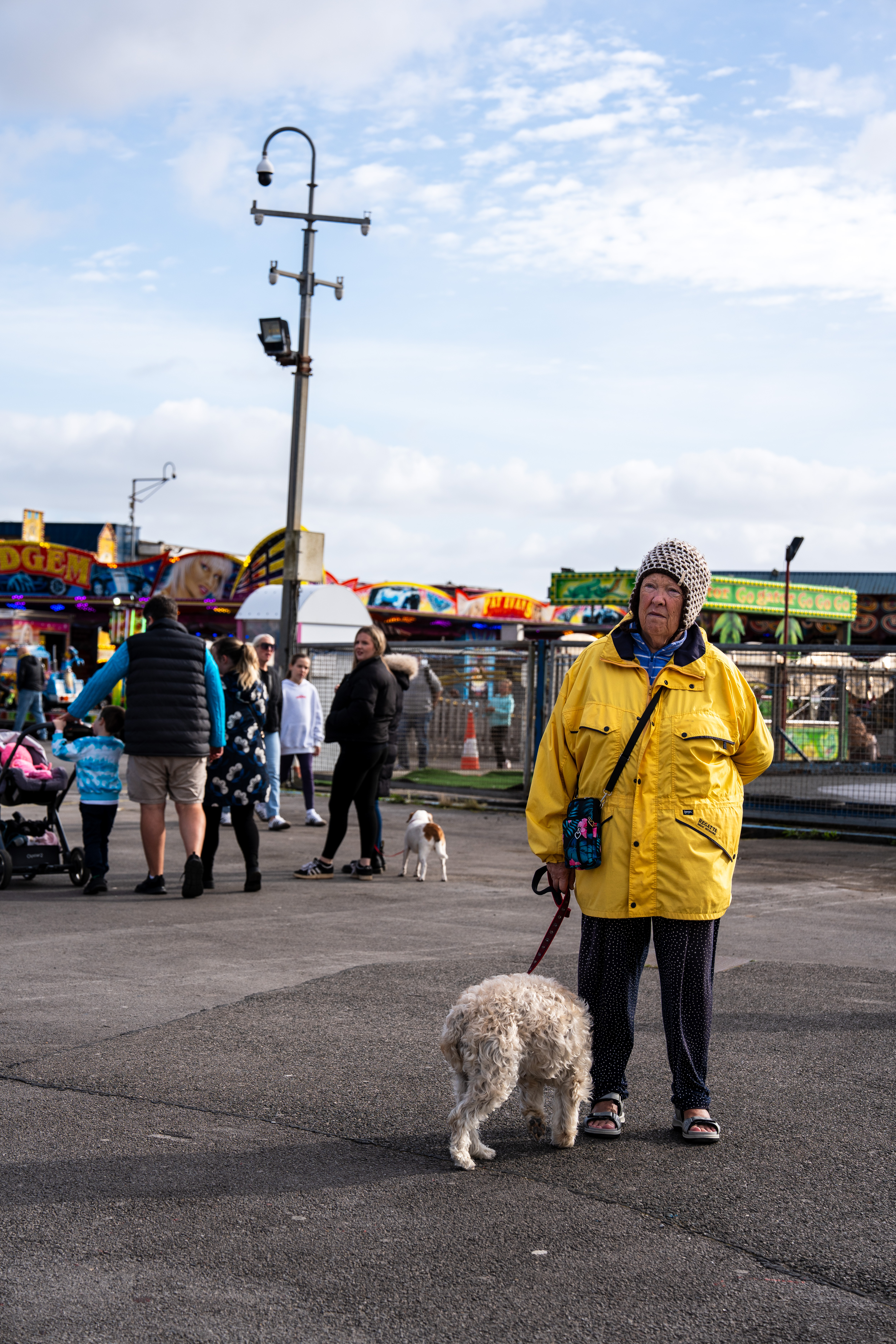
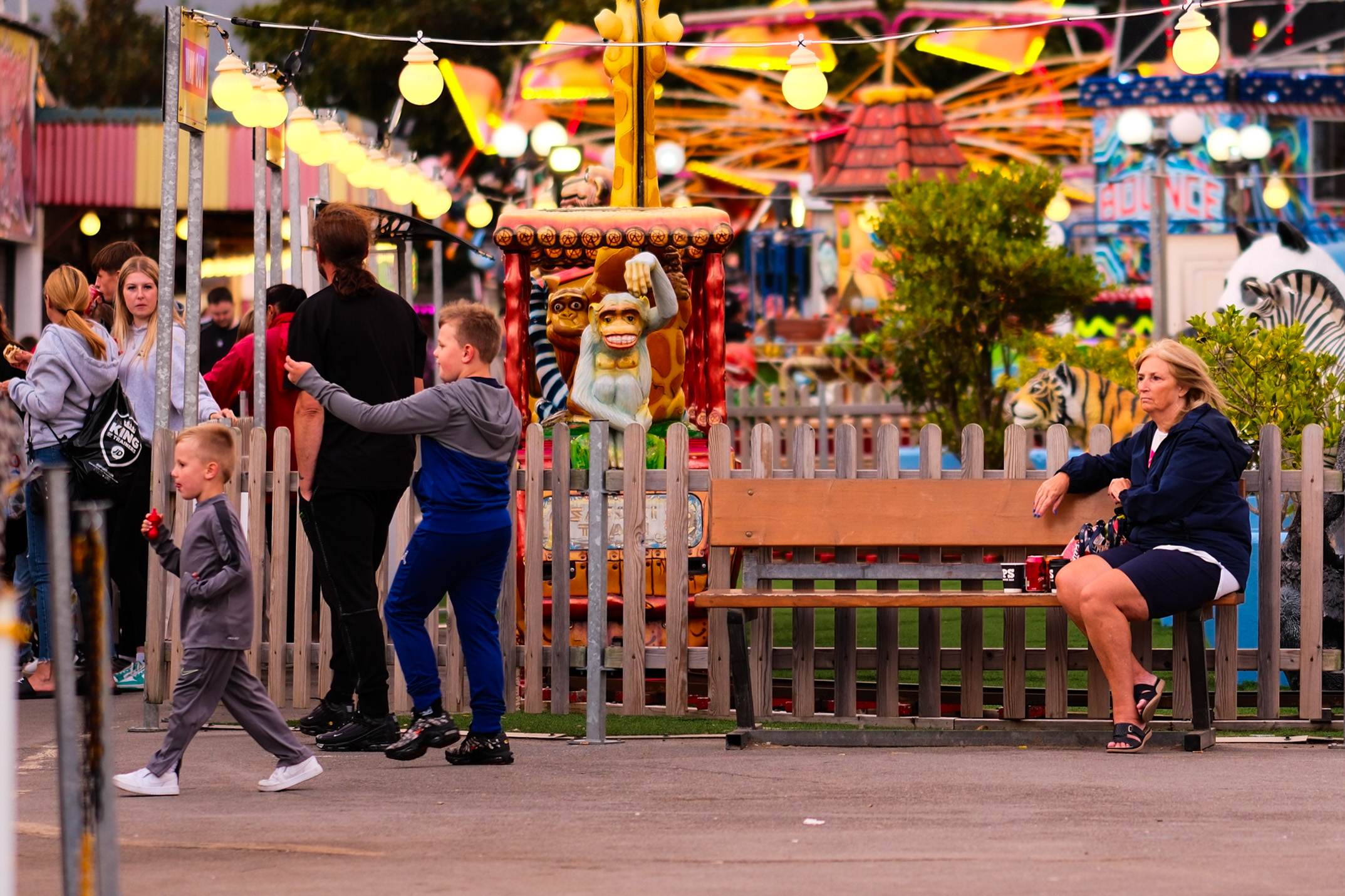
Walking around the fair, you can always hear accents from all over the country. Whether you agree with current plans for Porthcawl or not, few would argue against the idea that the Coney Beach fairground has long been the beating heart of this community.
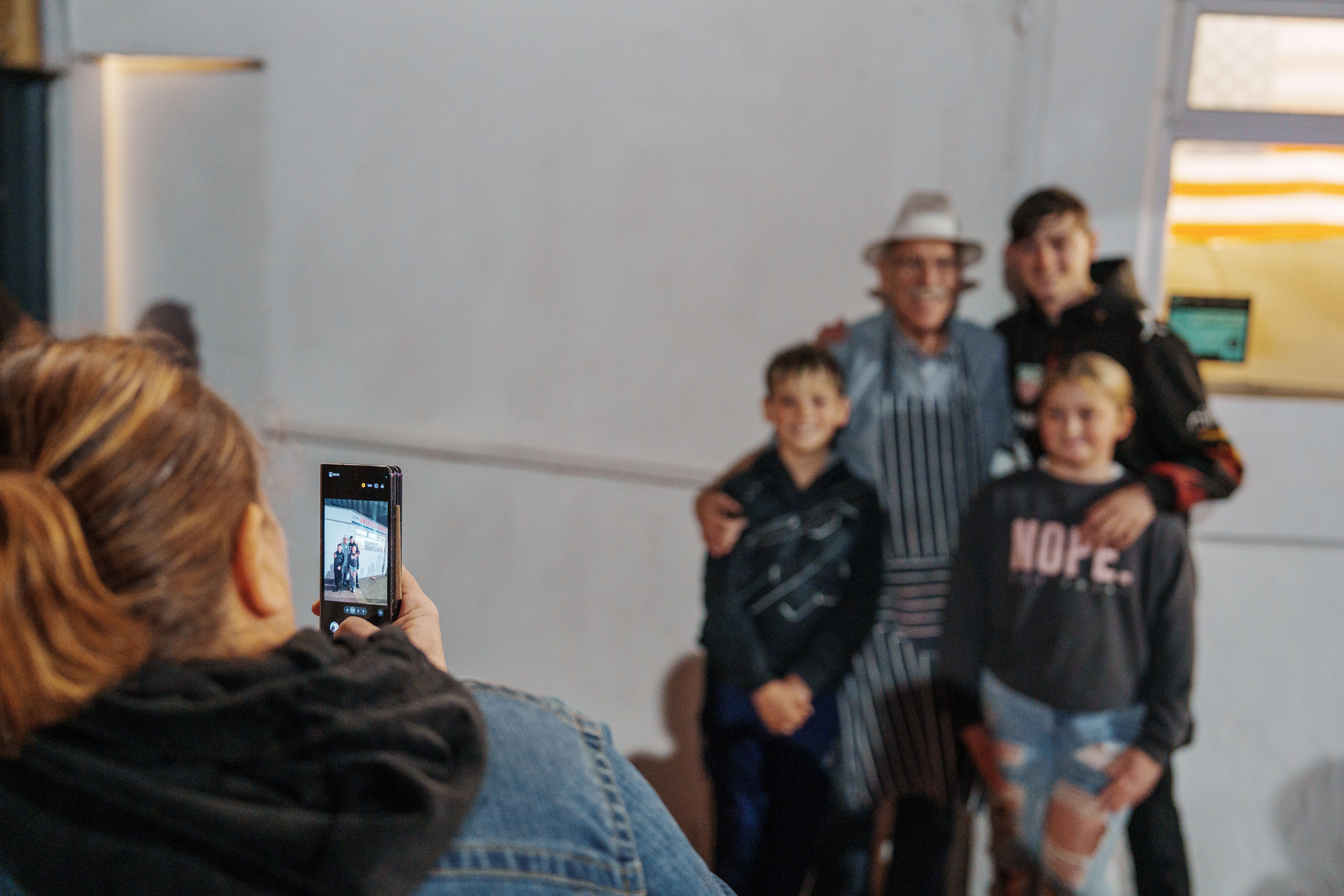
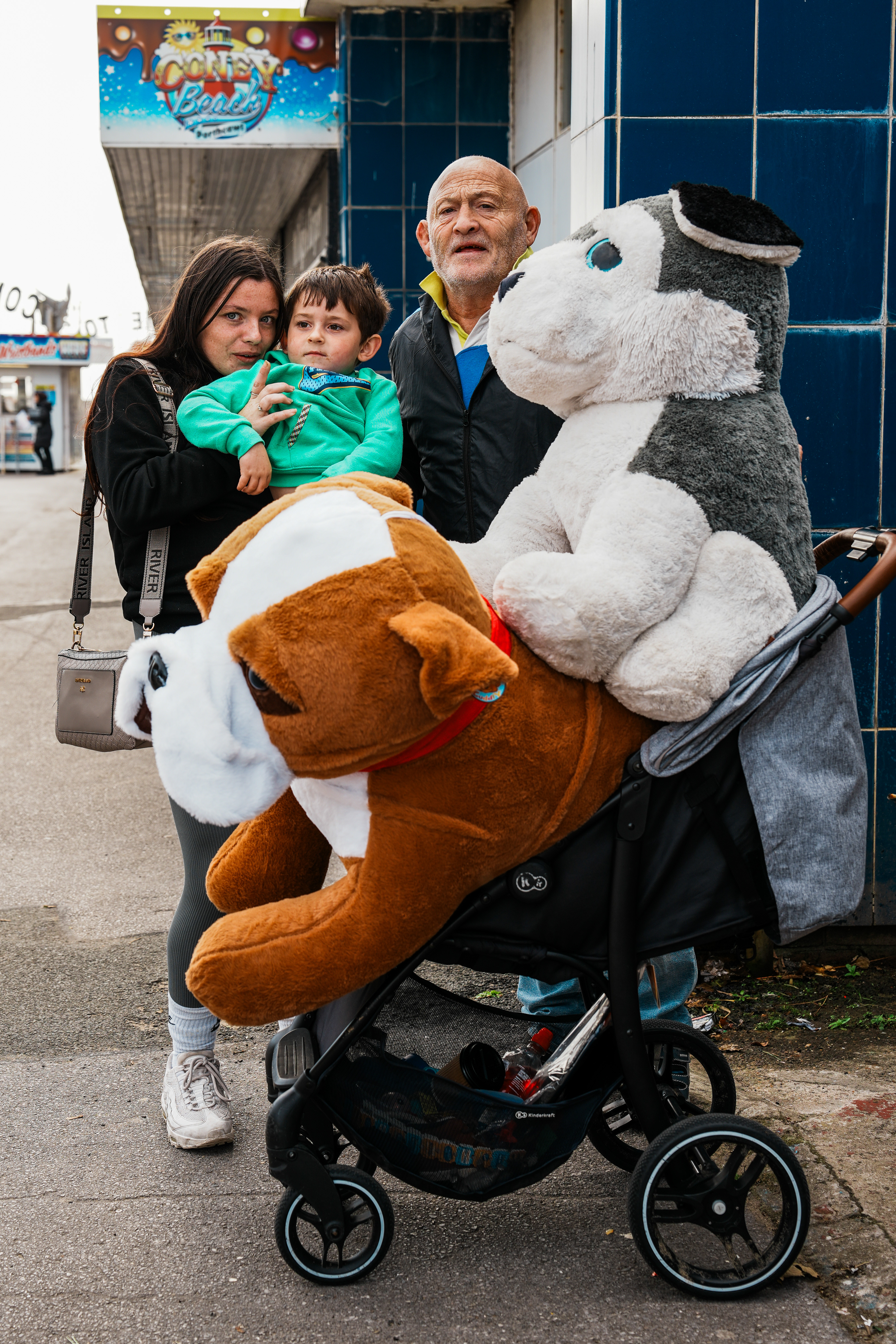
As I wandered around that final day, an elderly lady stopped me to talk about the fair. She was also from Merthyr (all the best ones are). She told me how she’d miss the fair, and that her father would bring her as a child — a memory she treasured so much that she still came to Coney once a fortnight just to wander and reminisce. Another young couple asked me to send them a copy of a photo I’d snapped as the young girl’s grandfather used to bring her on family holidays. Now that he has dementia, she wanted to print the photo to place on his bedside table. It’s conversations like these that make you realise that places like this don’t just exist within communities but they live on inside the people who treasure them. They are more than day trips from the social club; they are fragments of family memory.
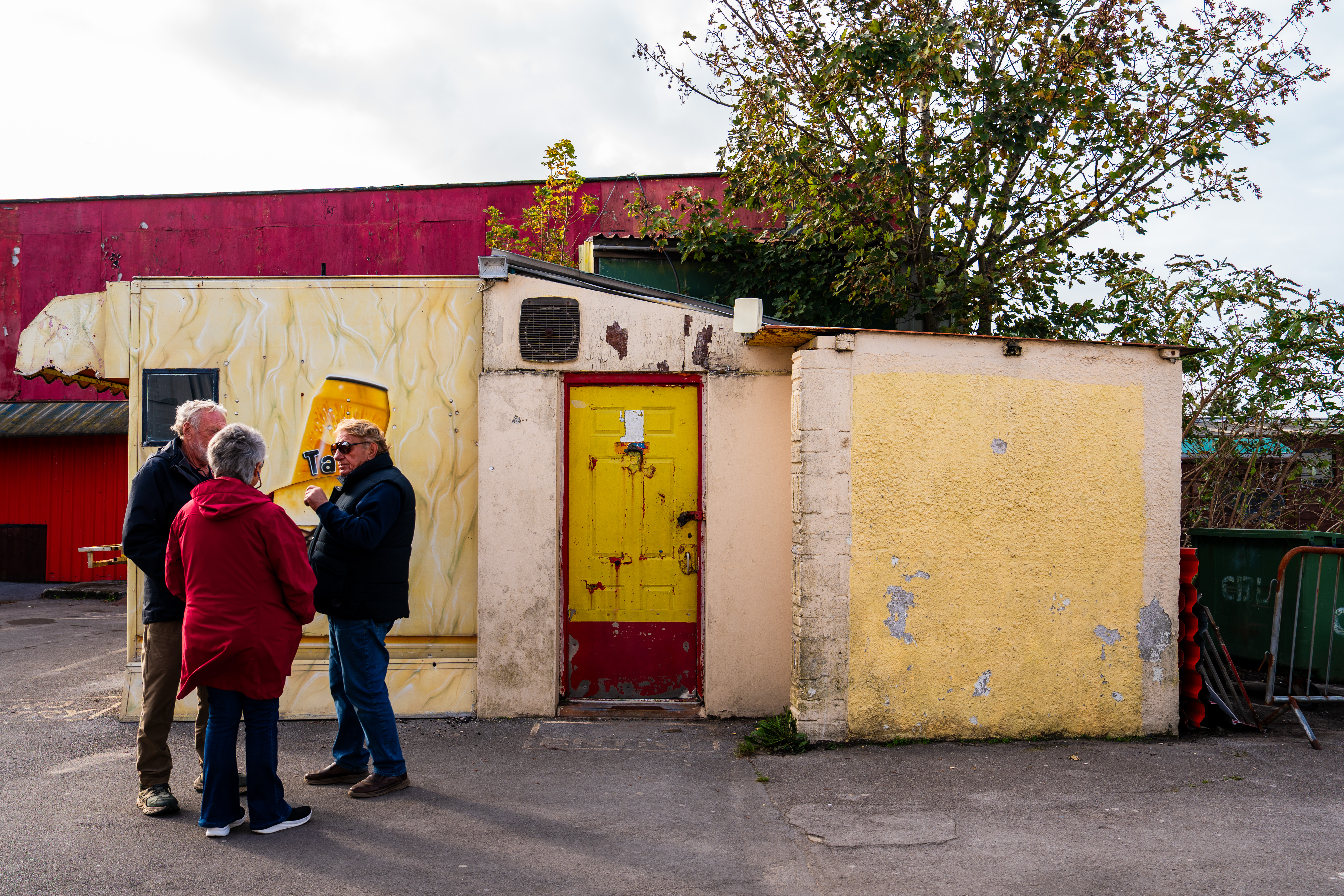
The documentation of these sorts of places is always hard. To have so much history shows. I wrote recently that some see my imagery as “grim,” but I like to think it shows these places for what they are: symbols of the passing of time — of places loved before and loved still, with the scars to show it.
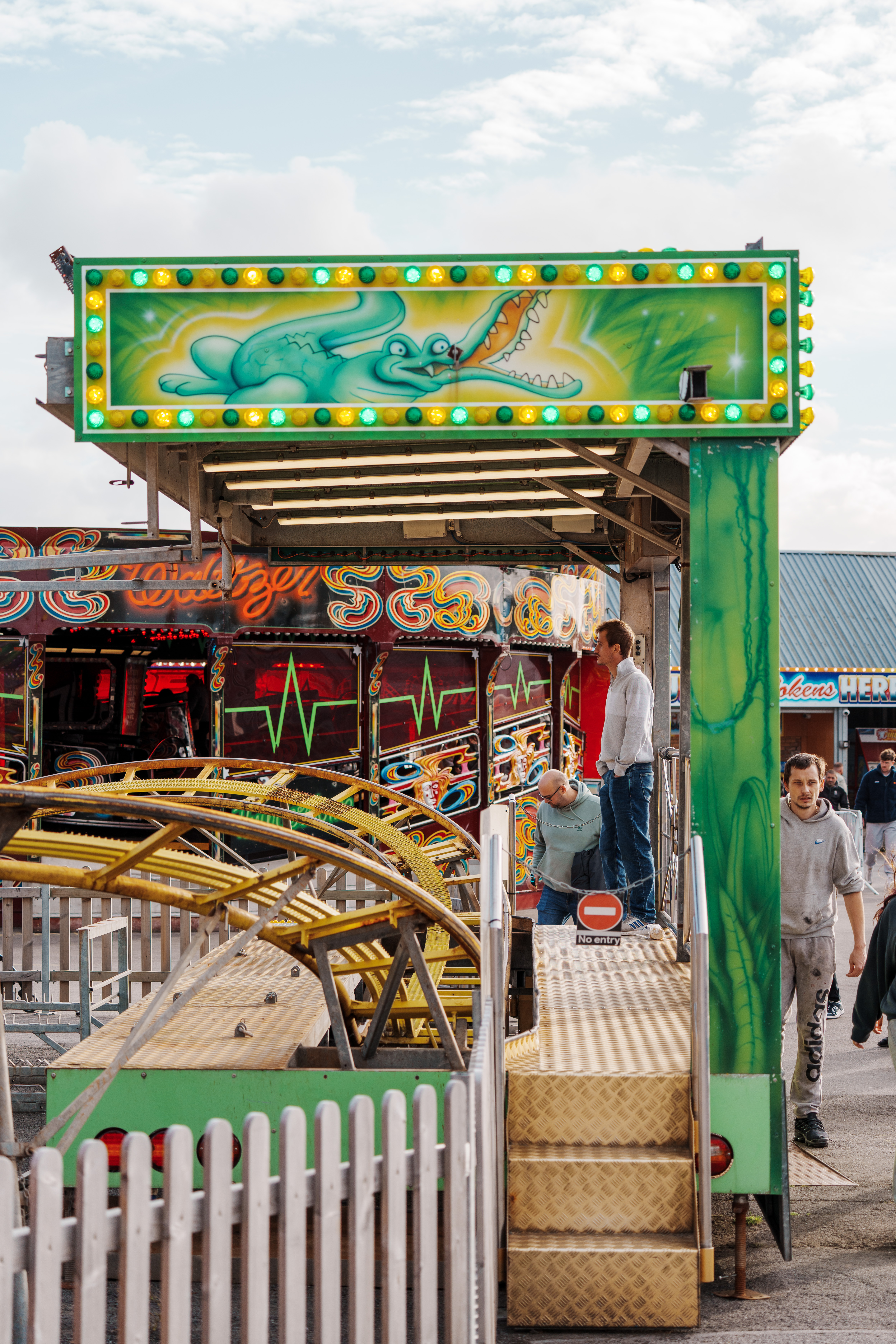
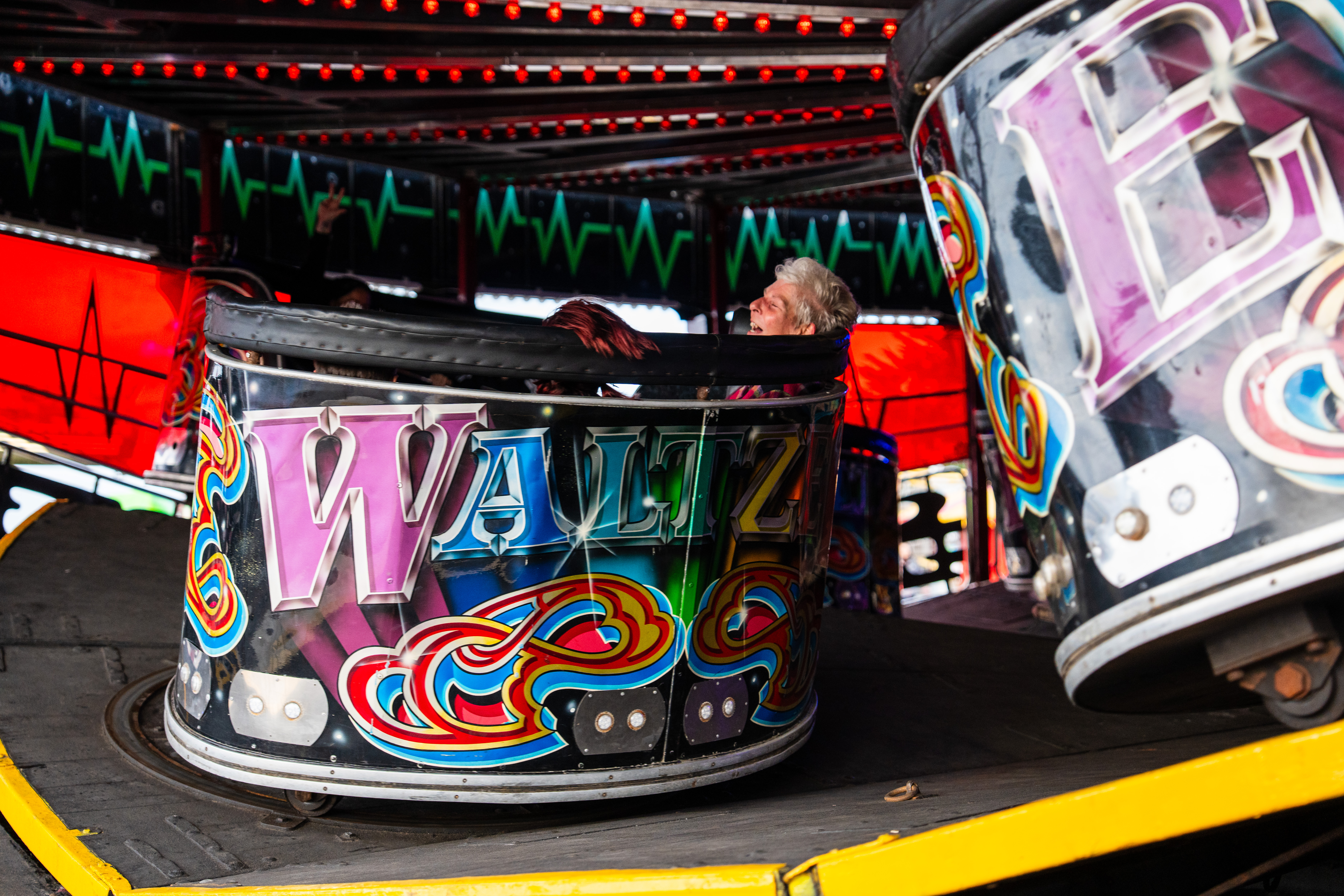
The photos from that final day aren’t just records of an ending but reminders of what these spaces mean. They’re proof that even as places fade, the stories they hold never quite disappear. And maybe, even though some say it’s had its day, that’s the real beauty of Coney Beach — that even as the lights fade and the gates close, the waltzers still spin on in the hearts of those who will always hold it dear.
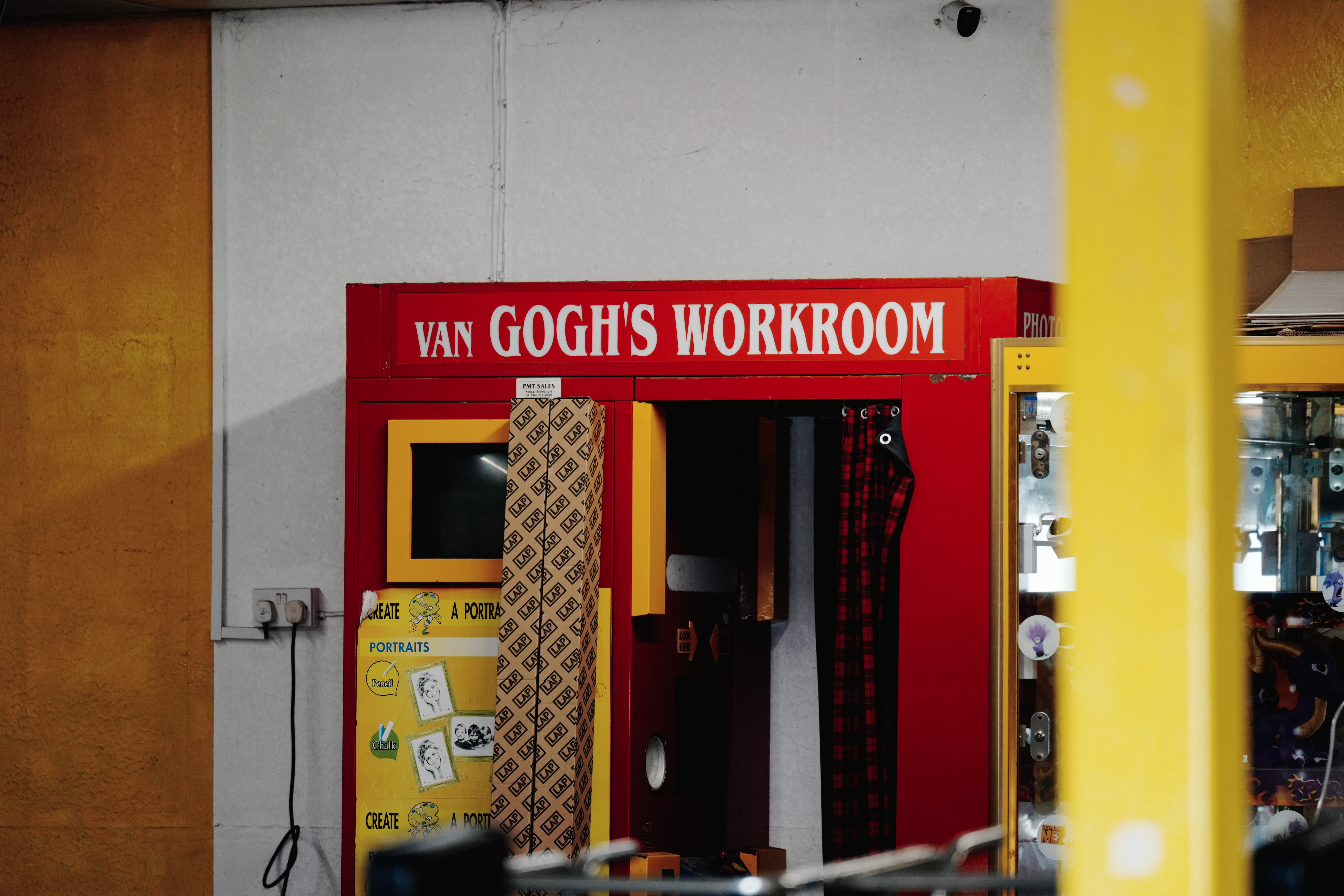
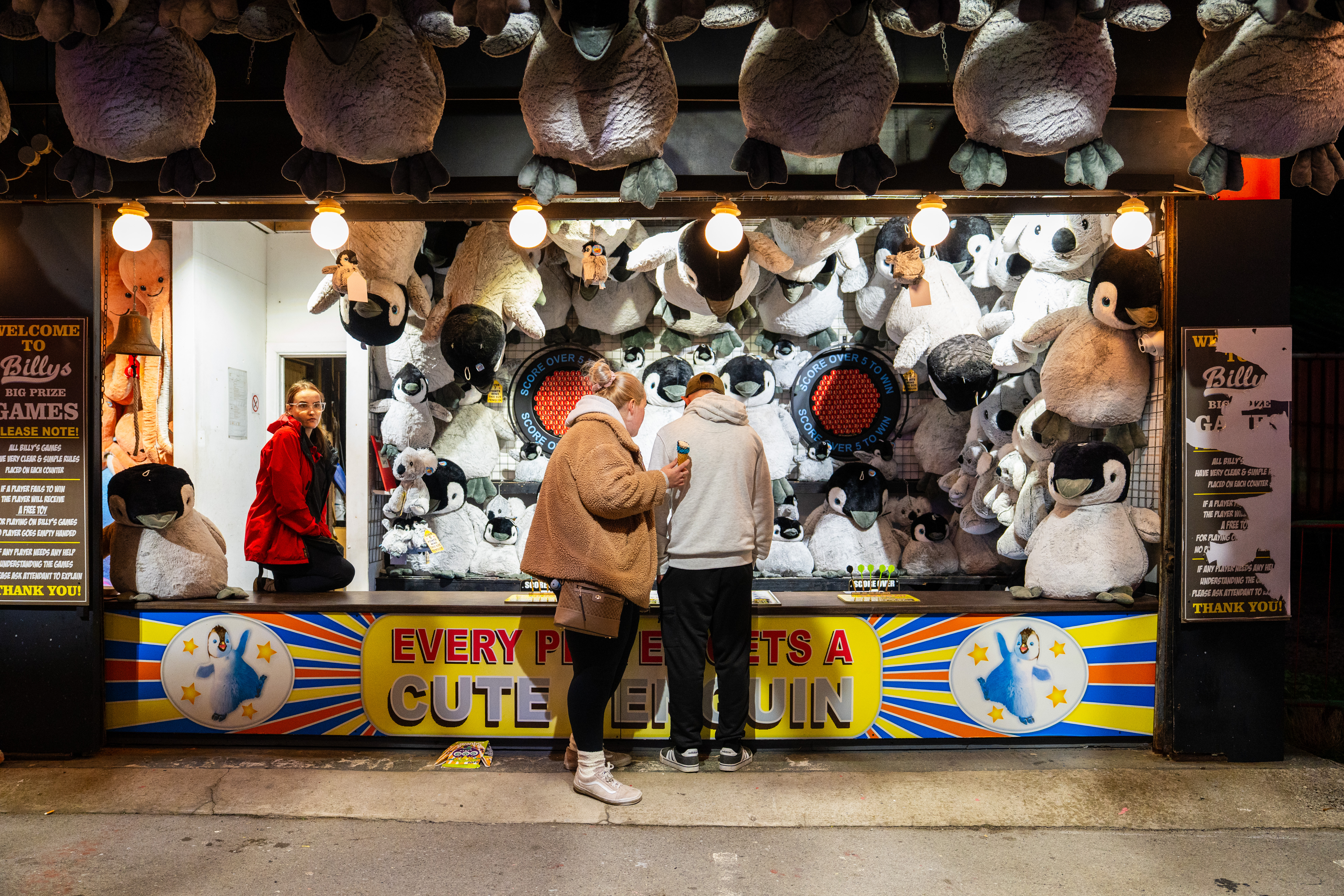
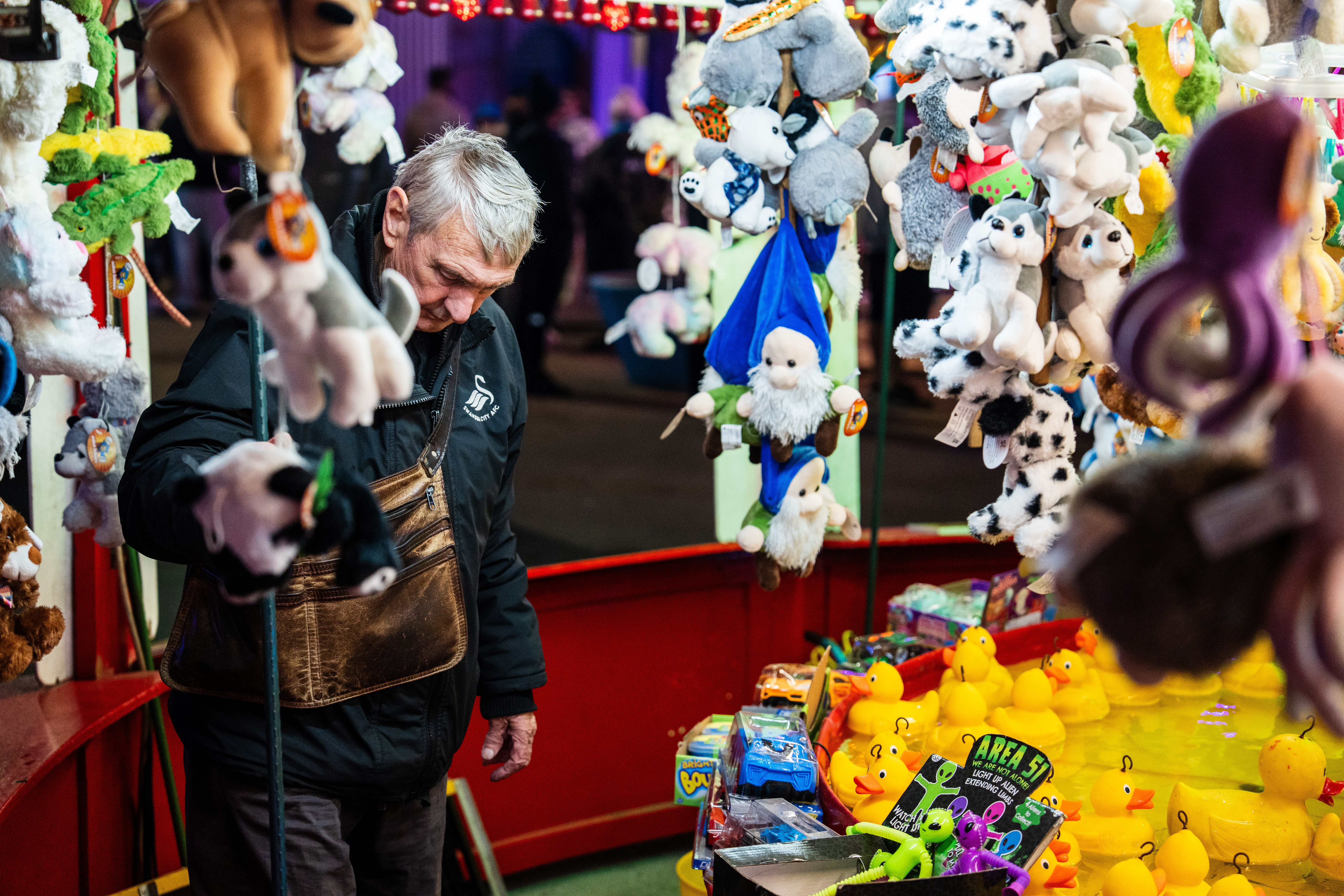
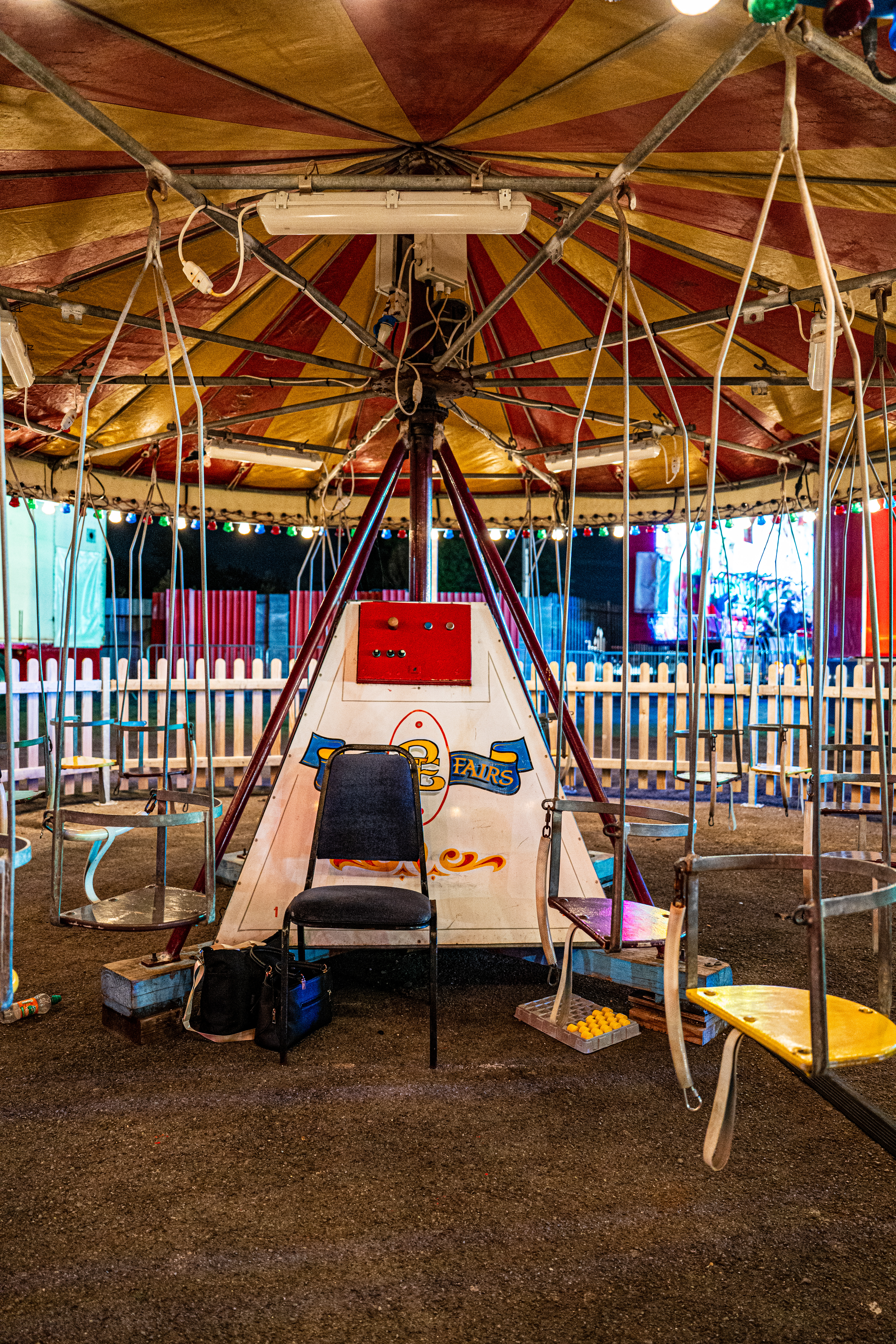
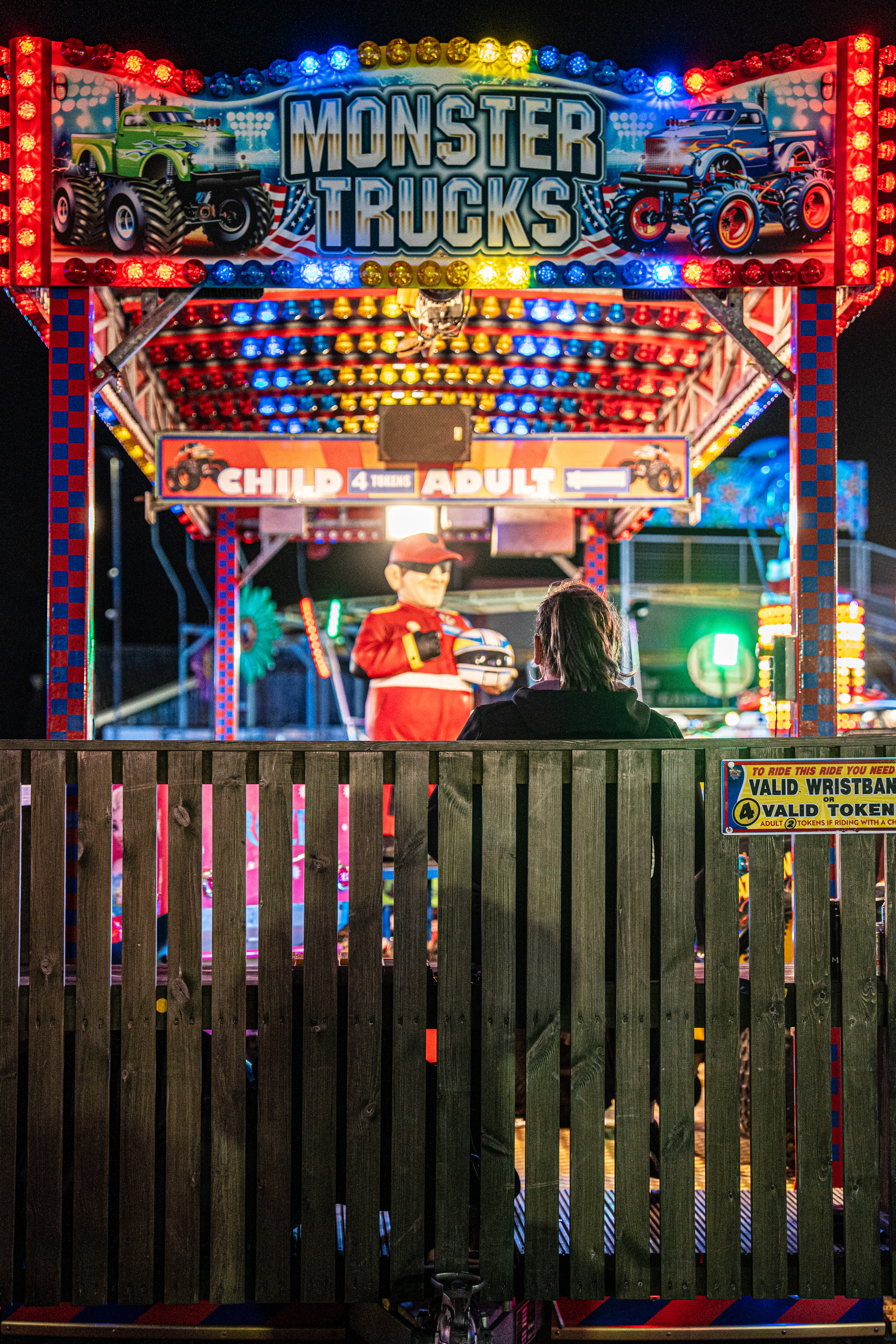
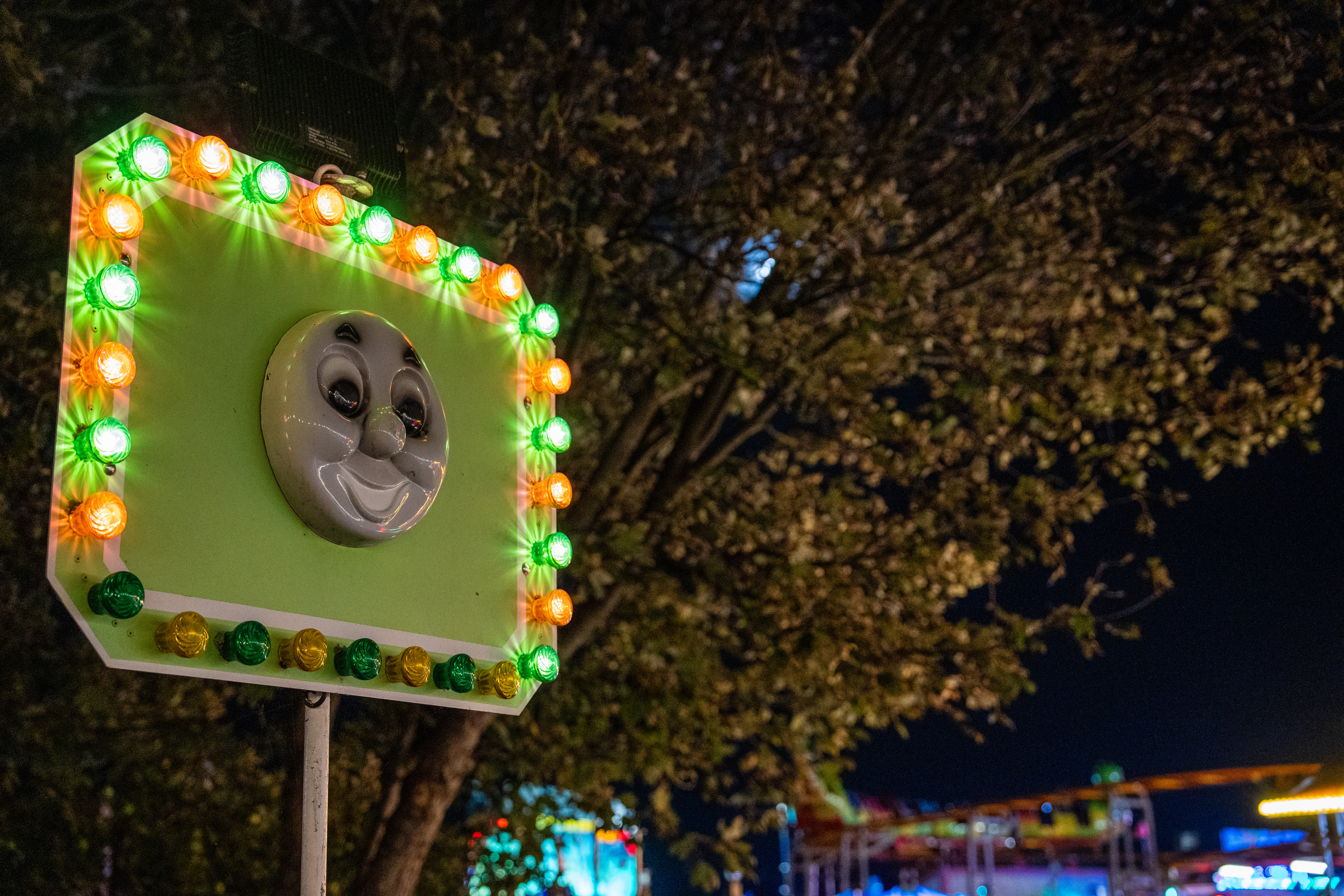
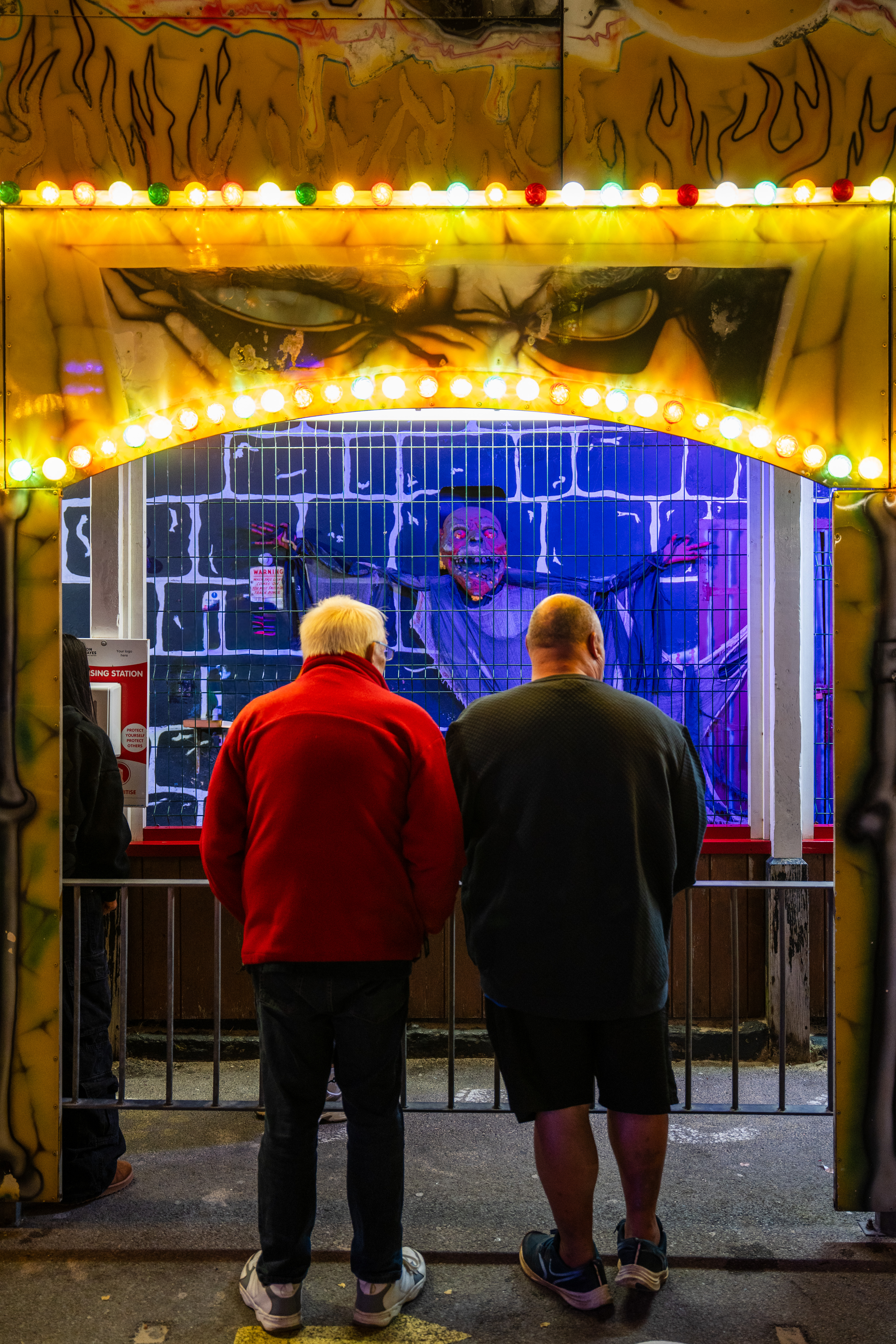
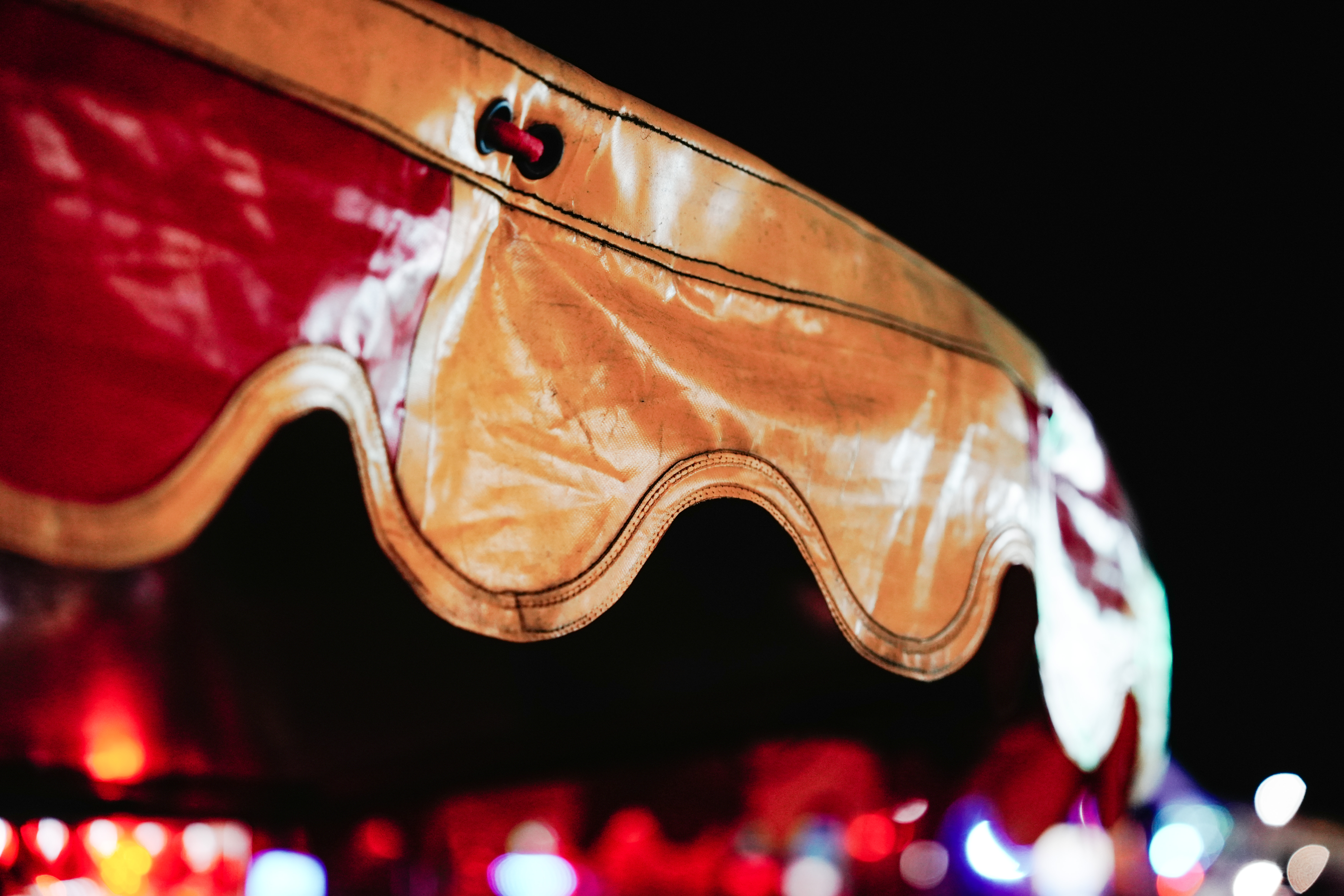
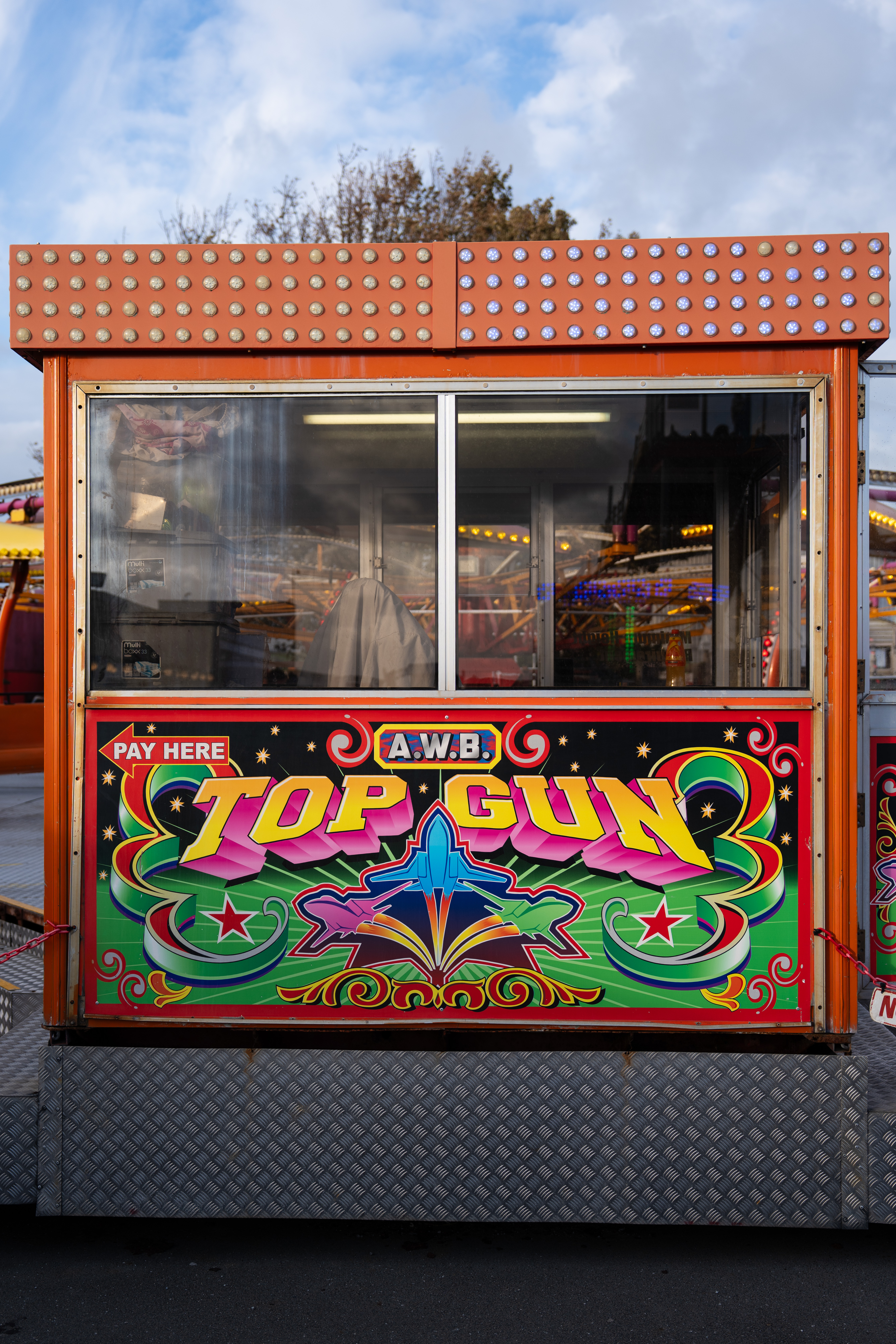
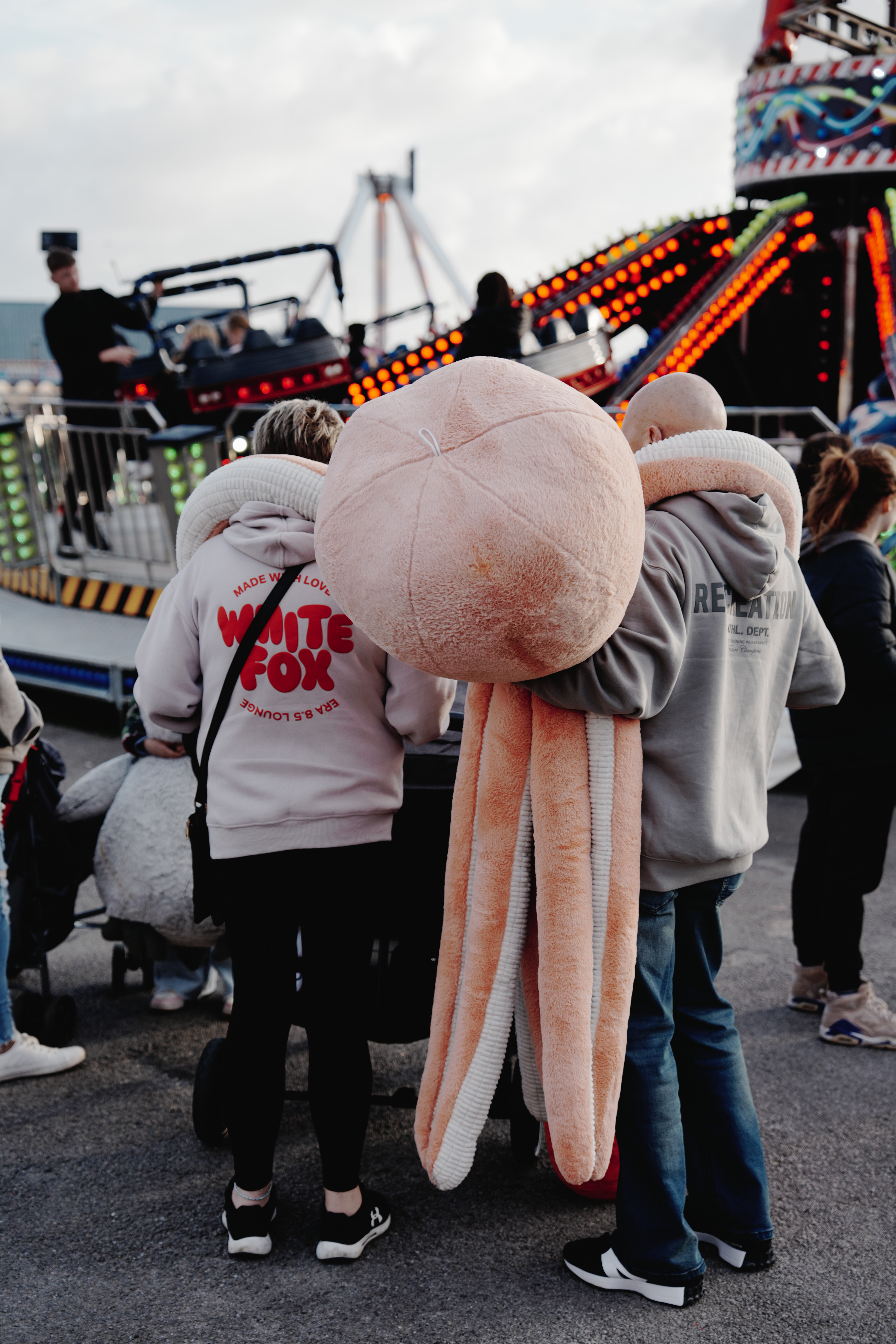
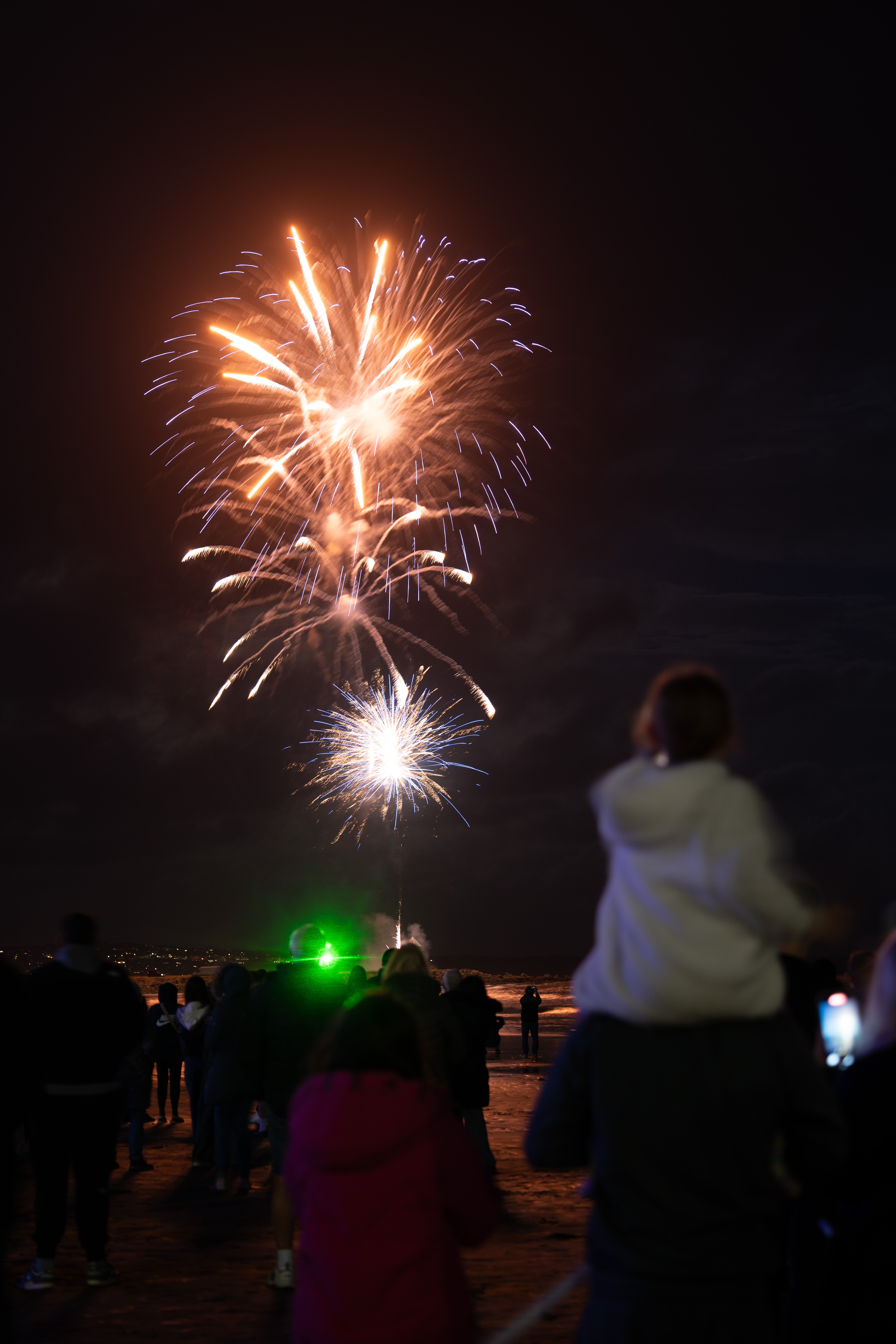
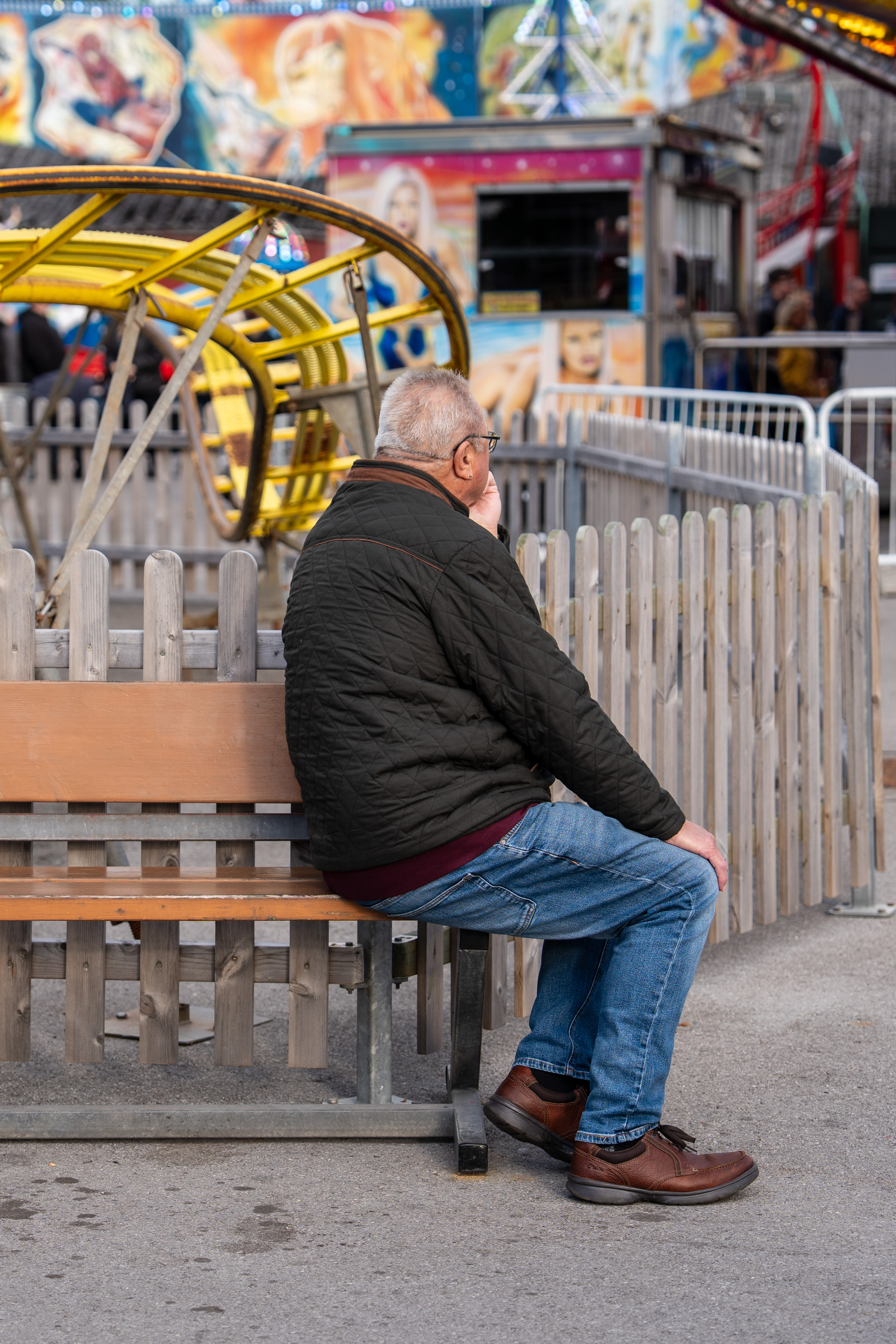
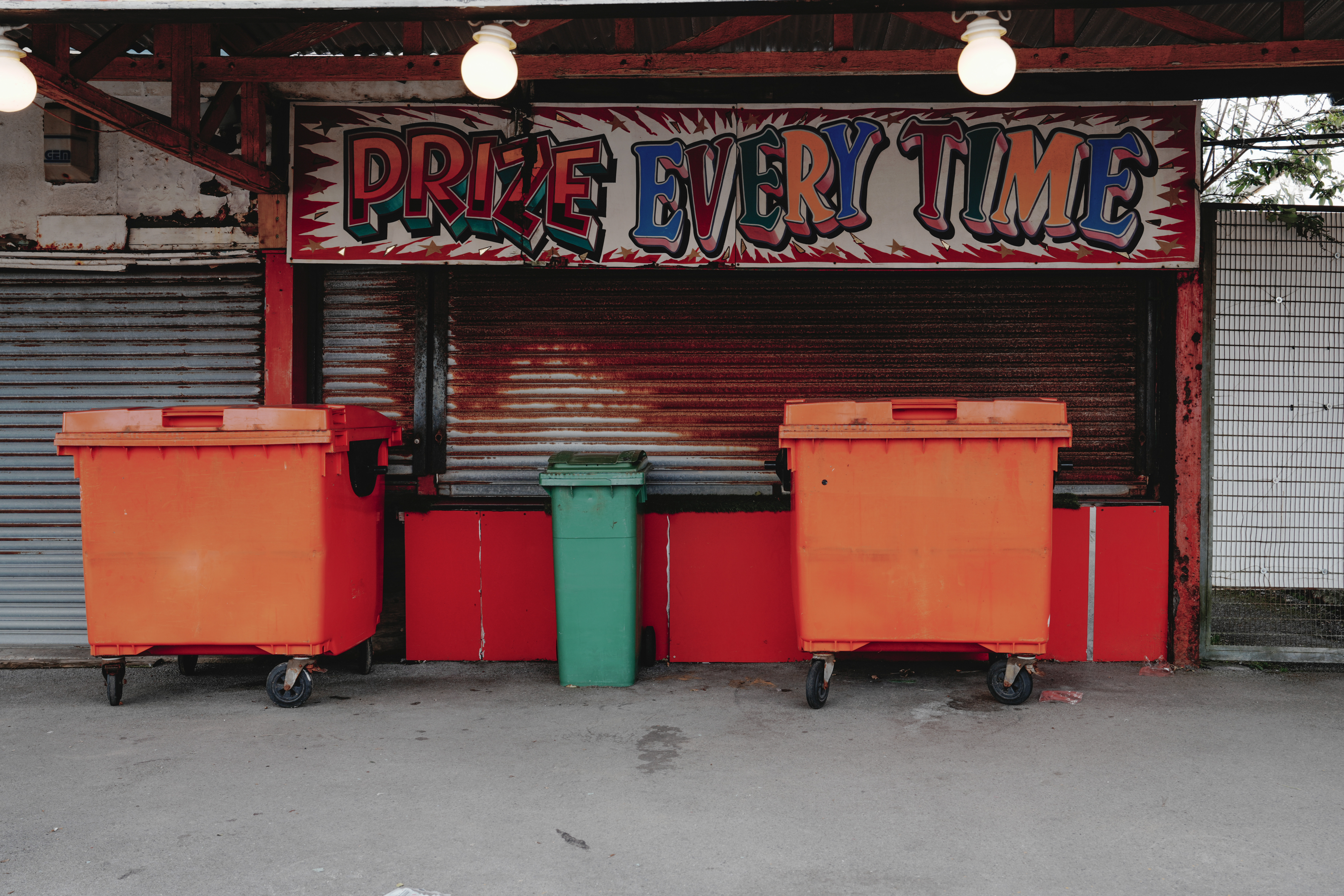
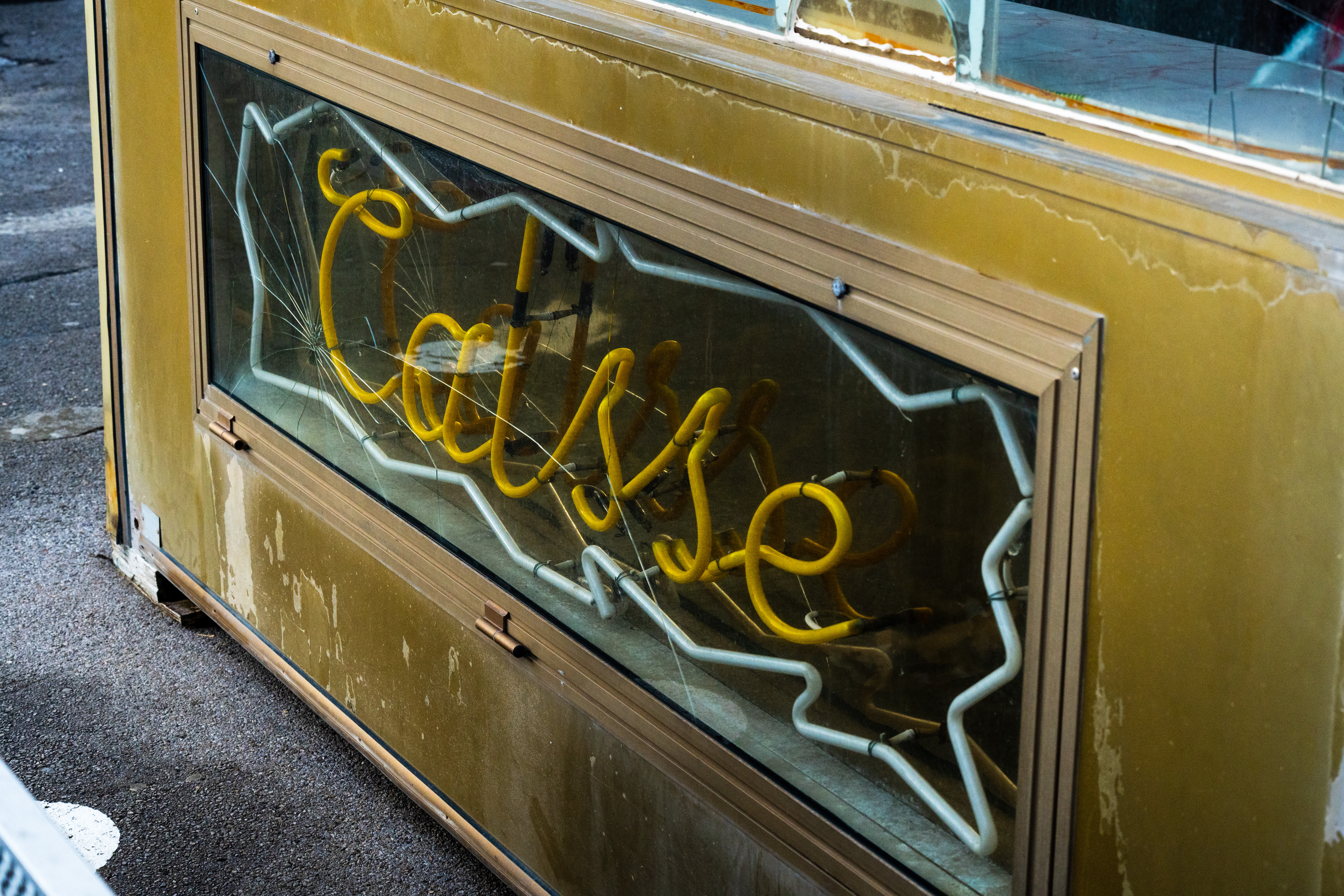
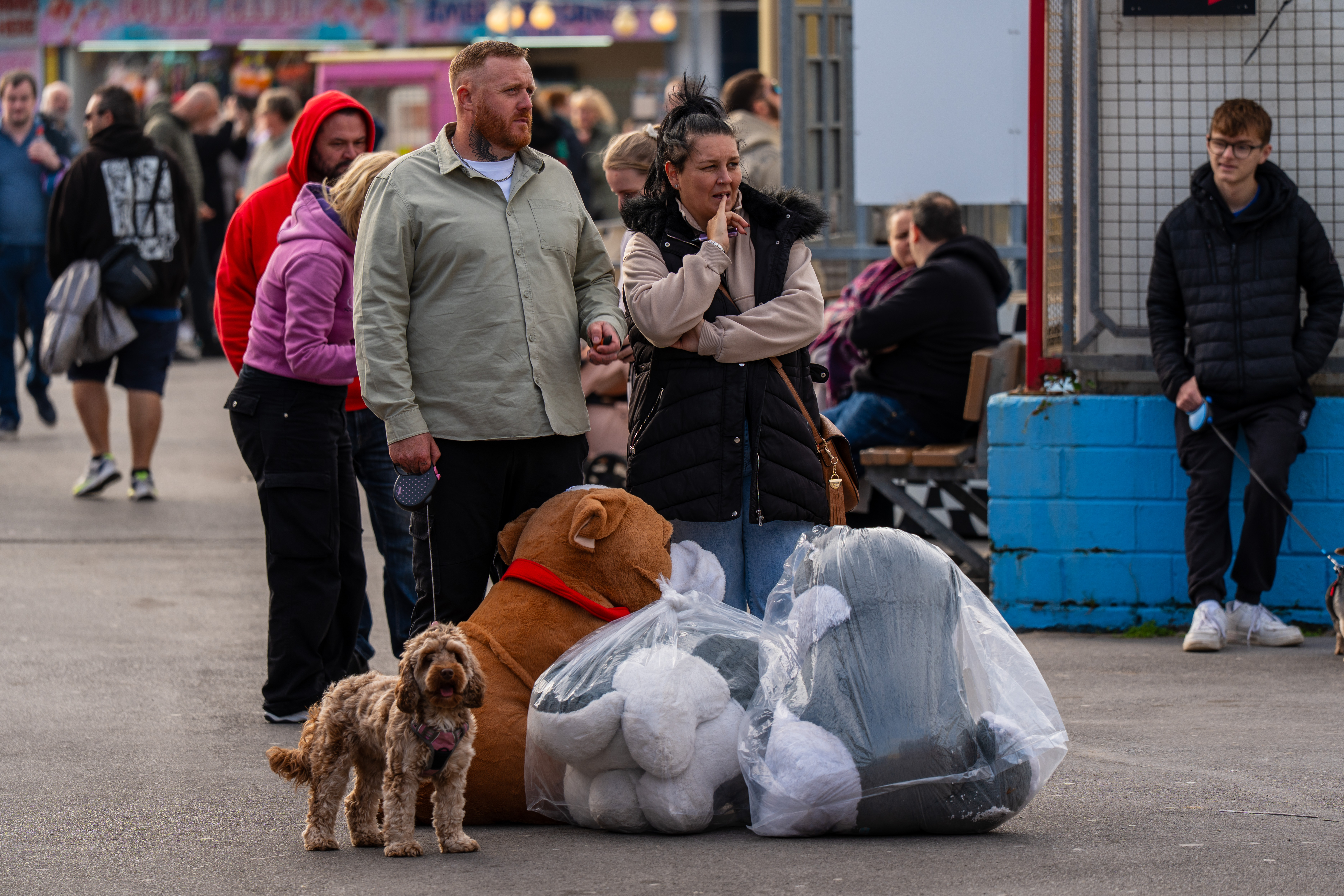
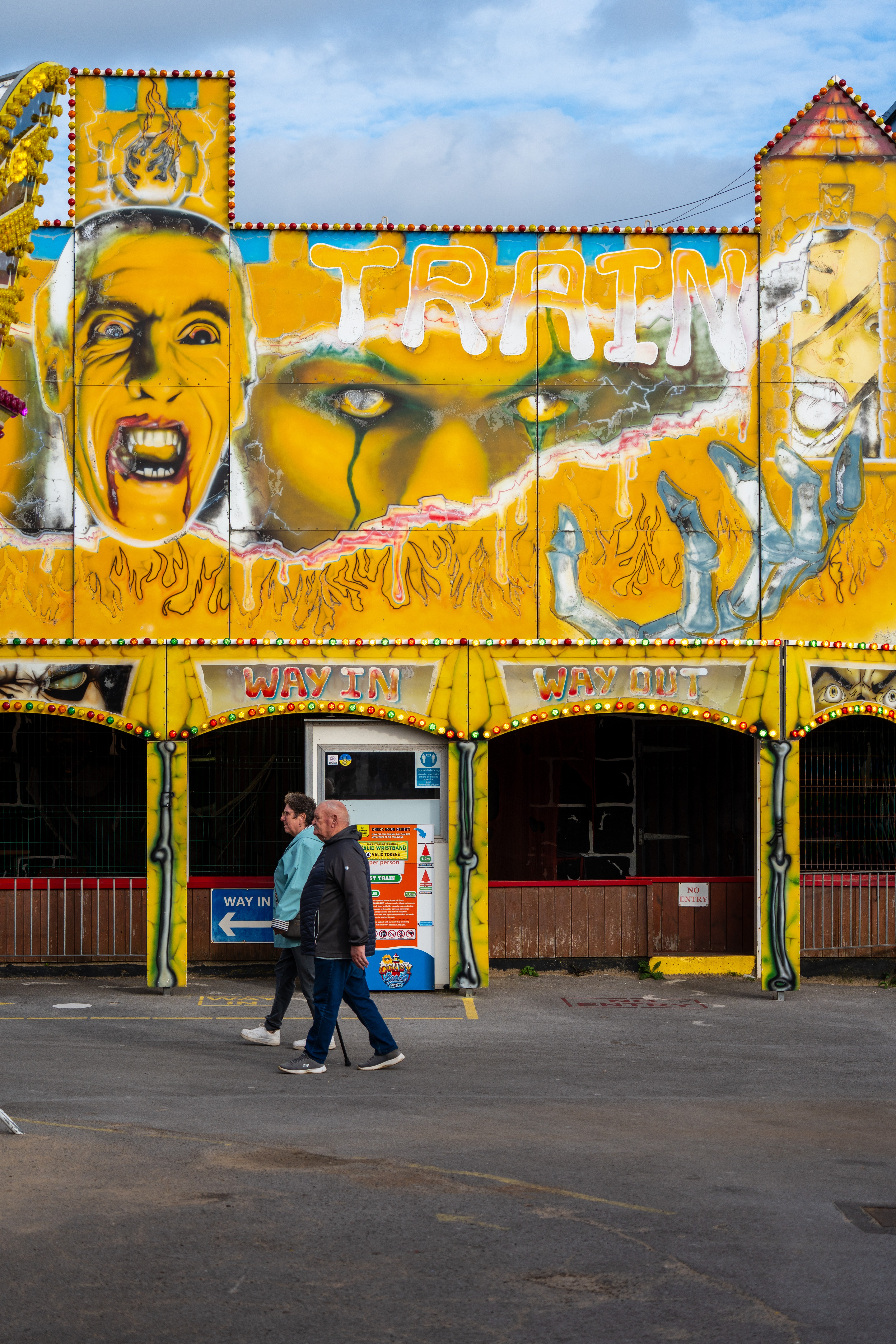
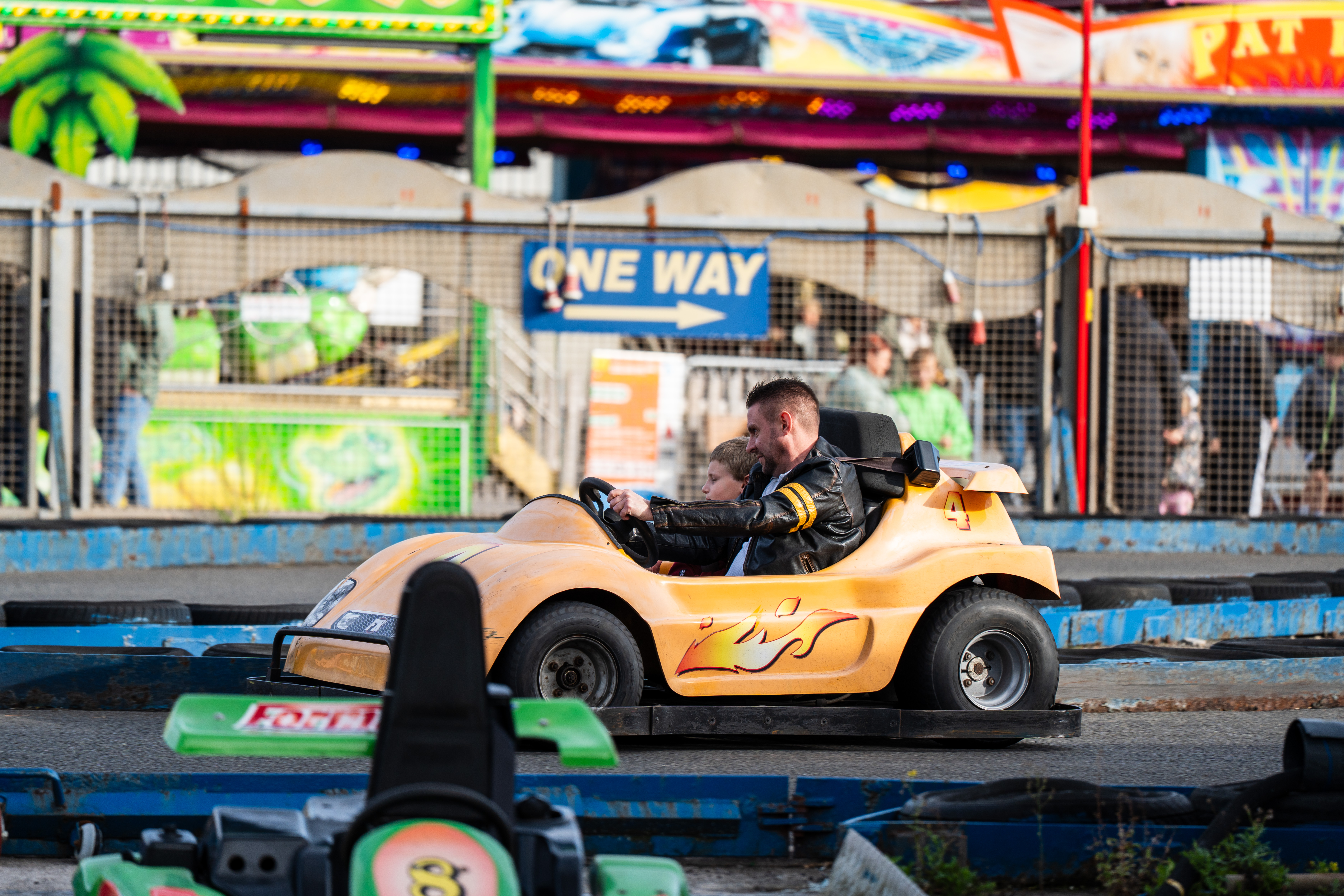
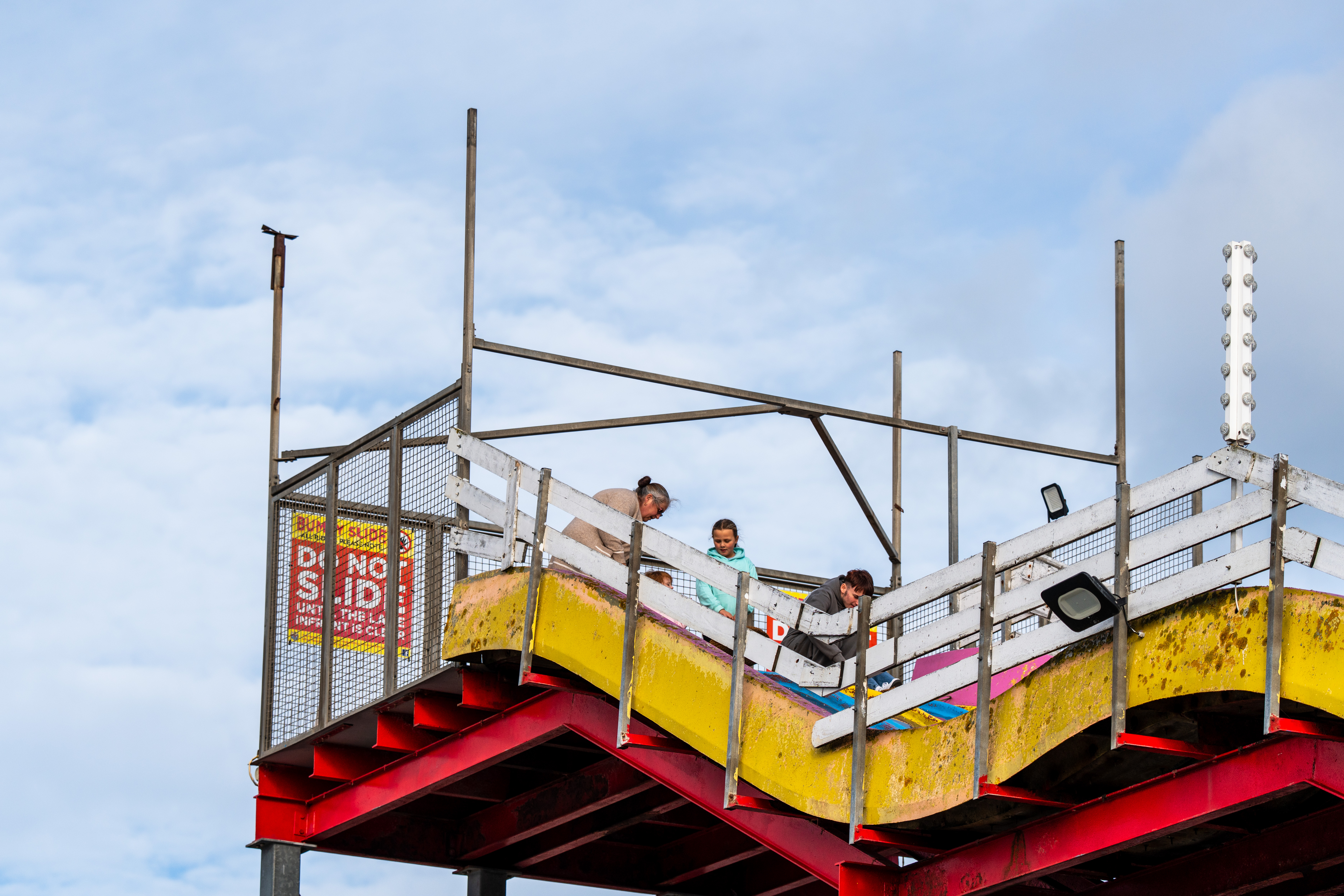
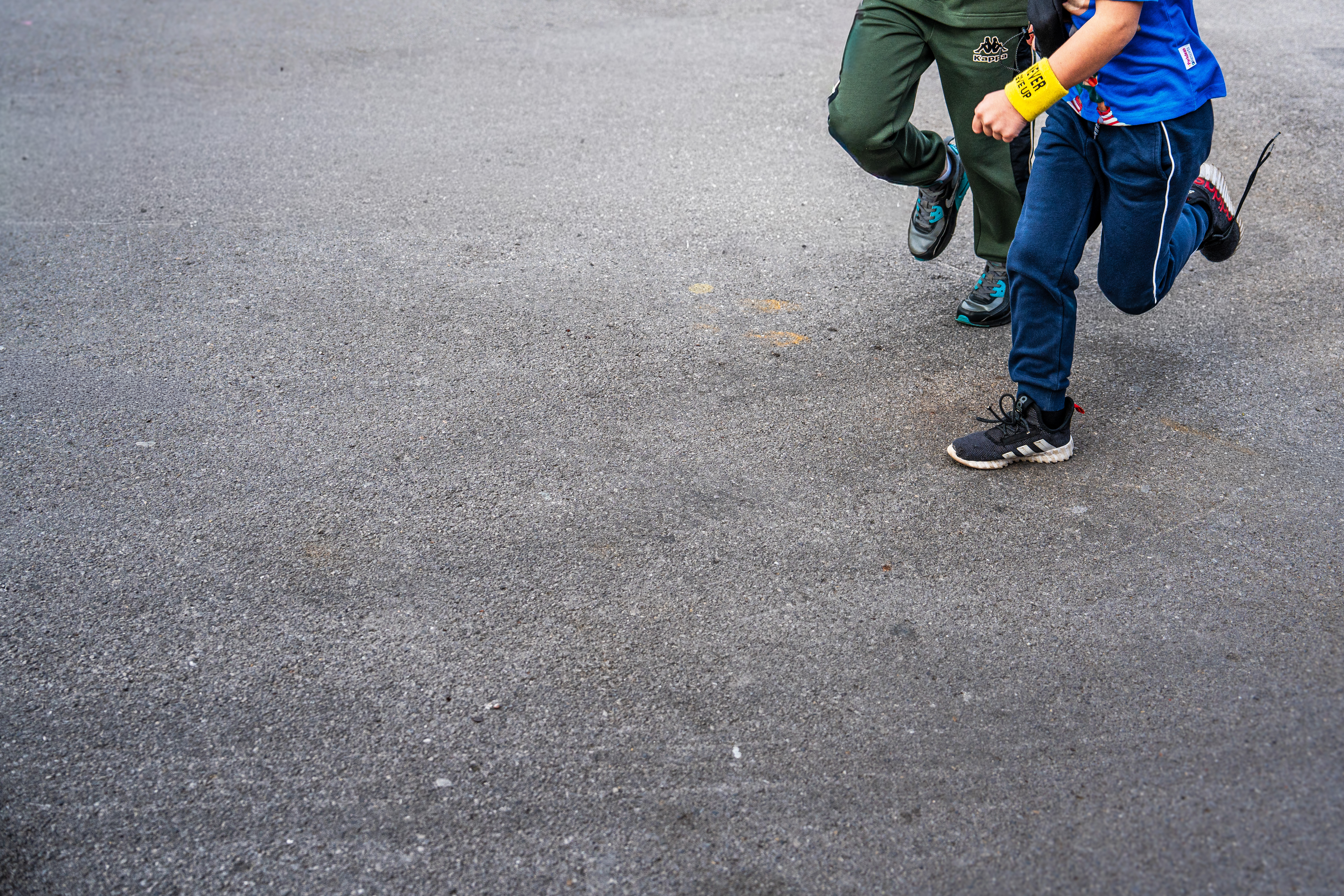
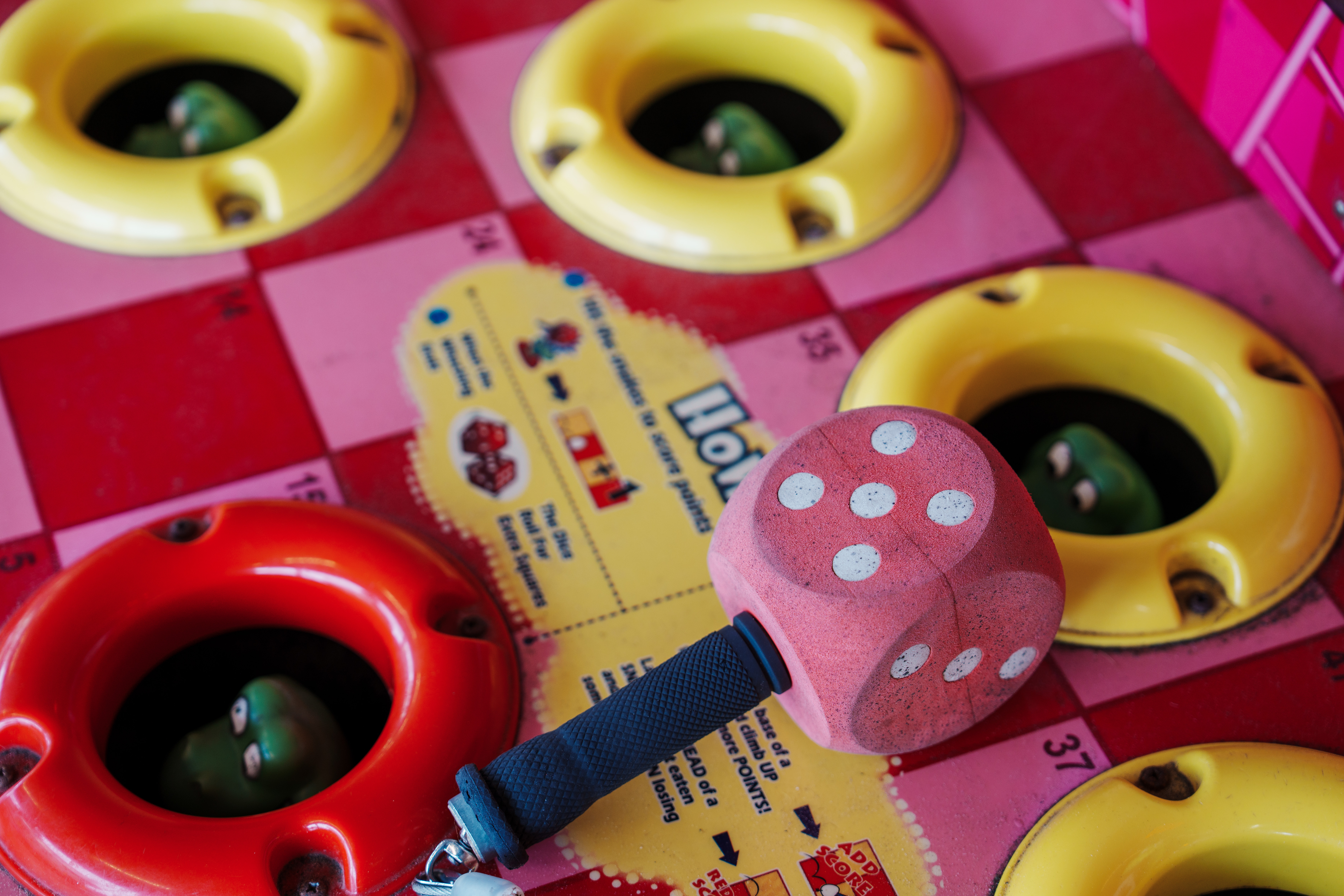
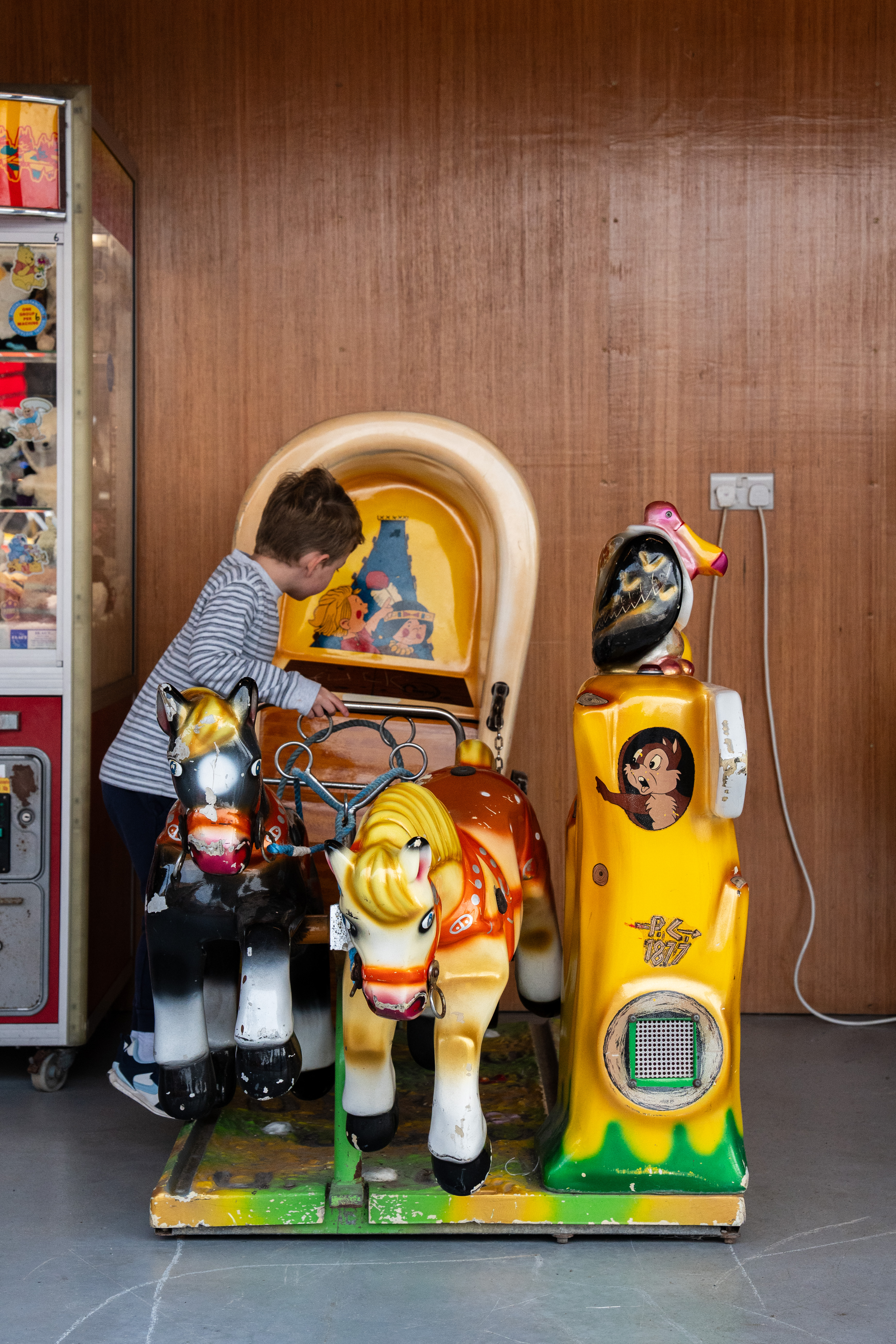
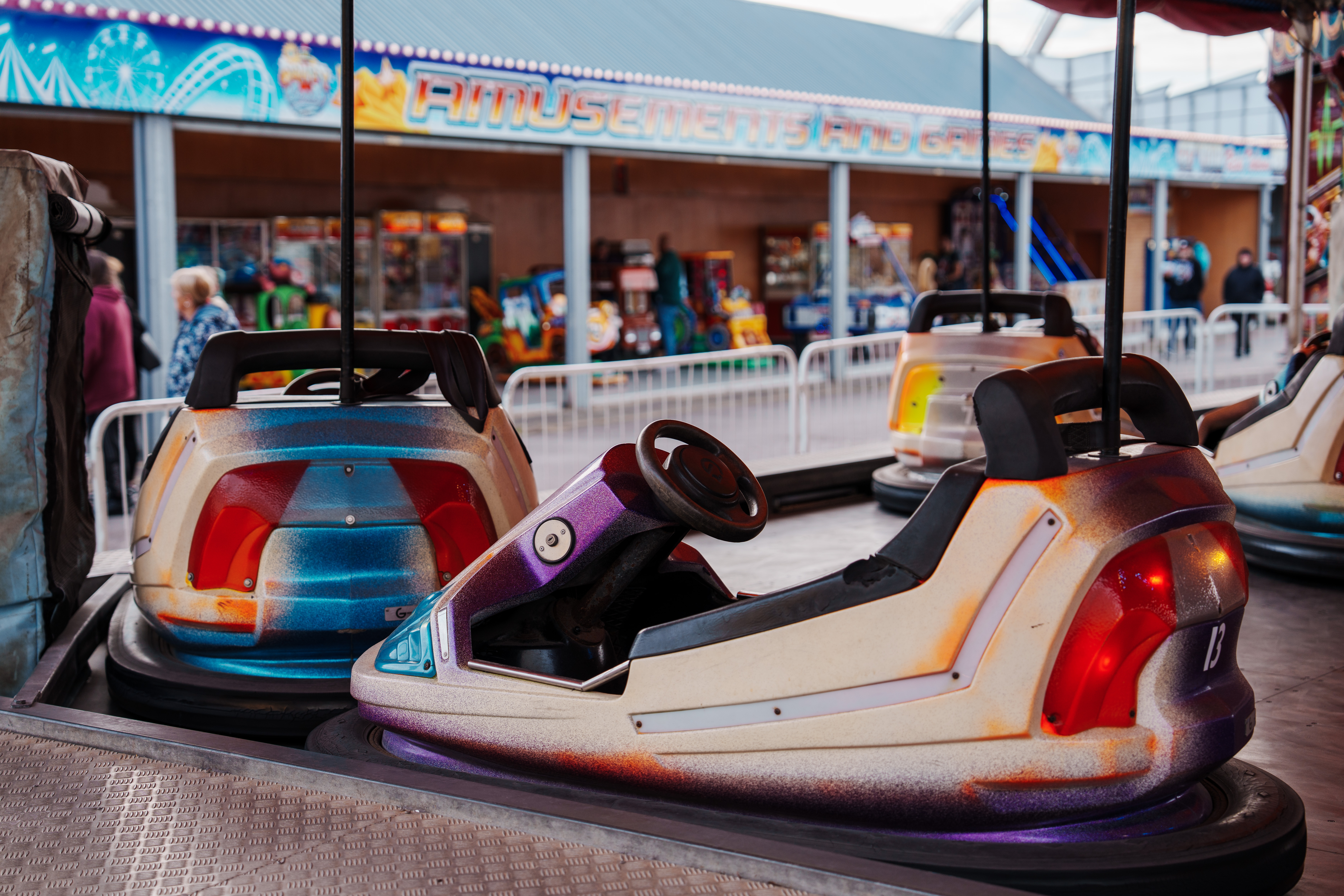
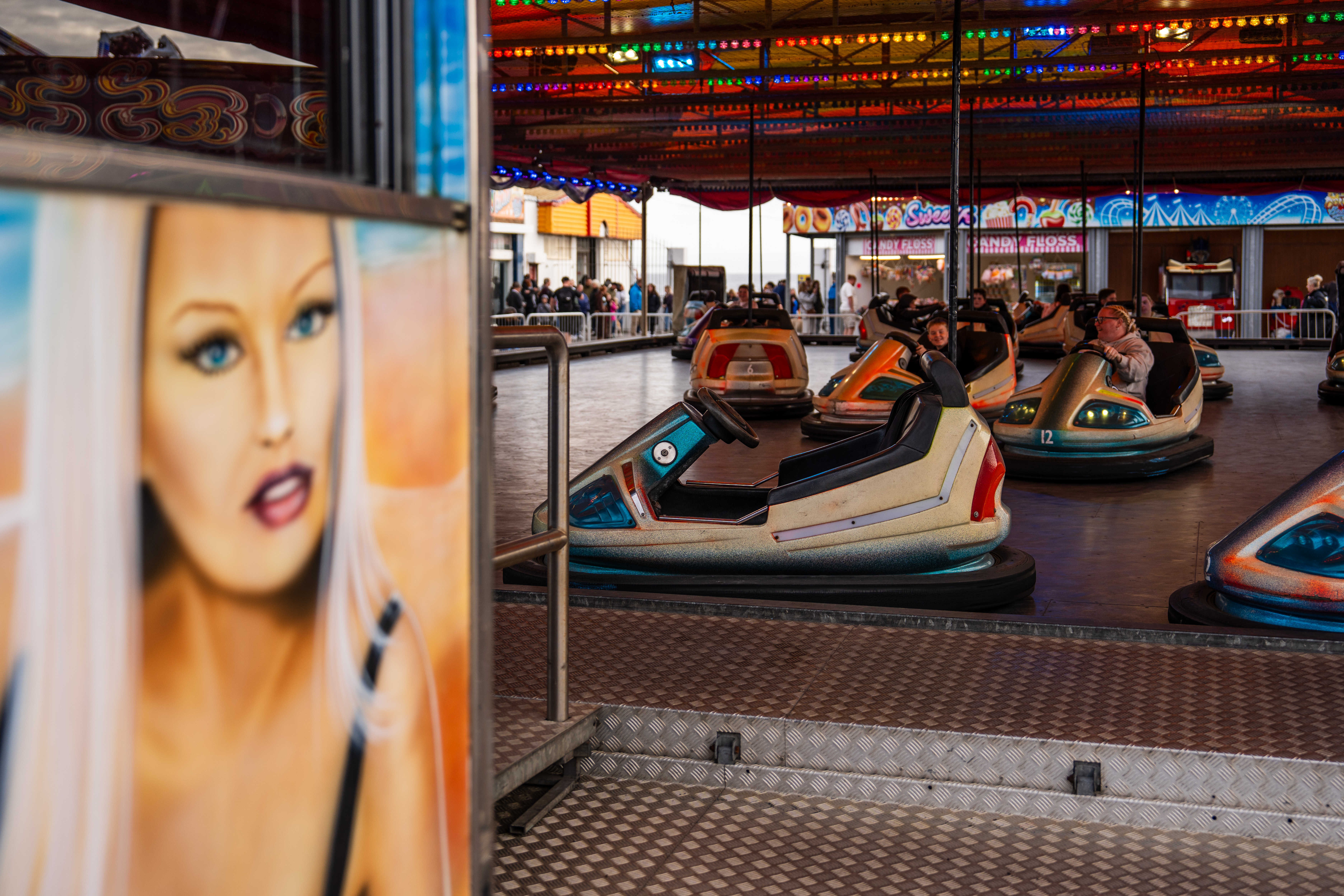
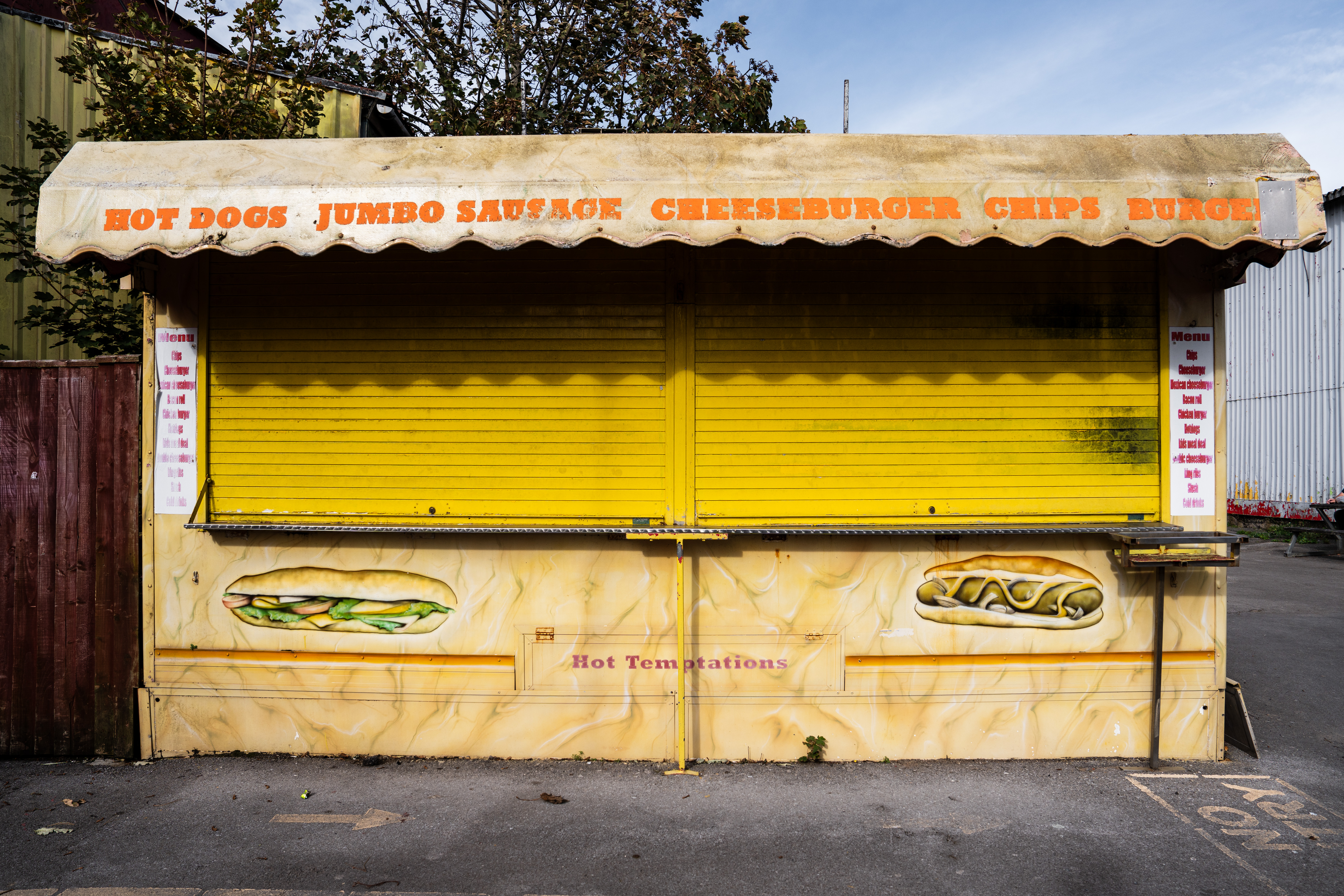
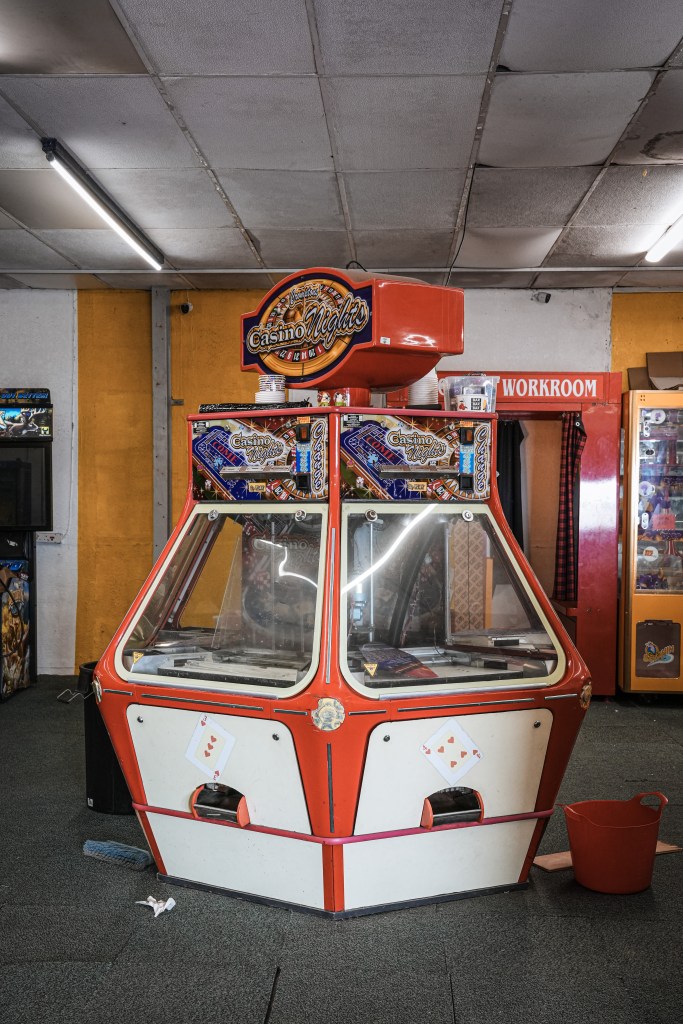
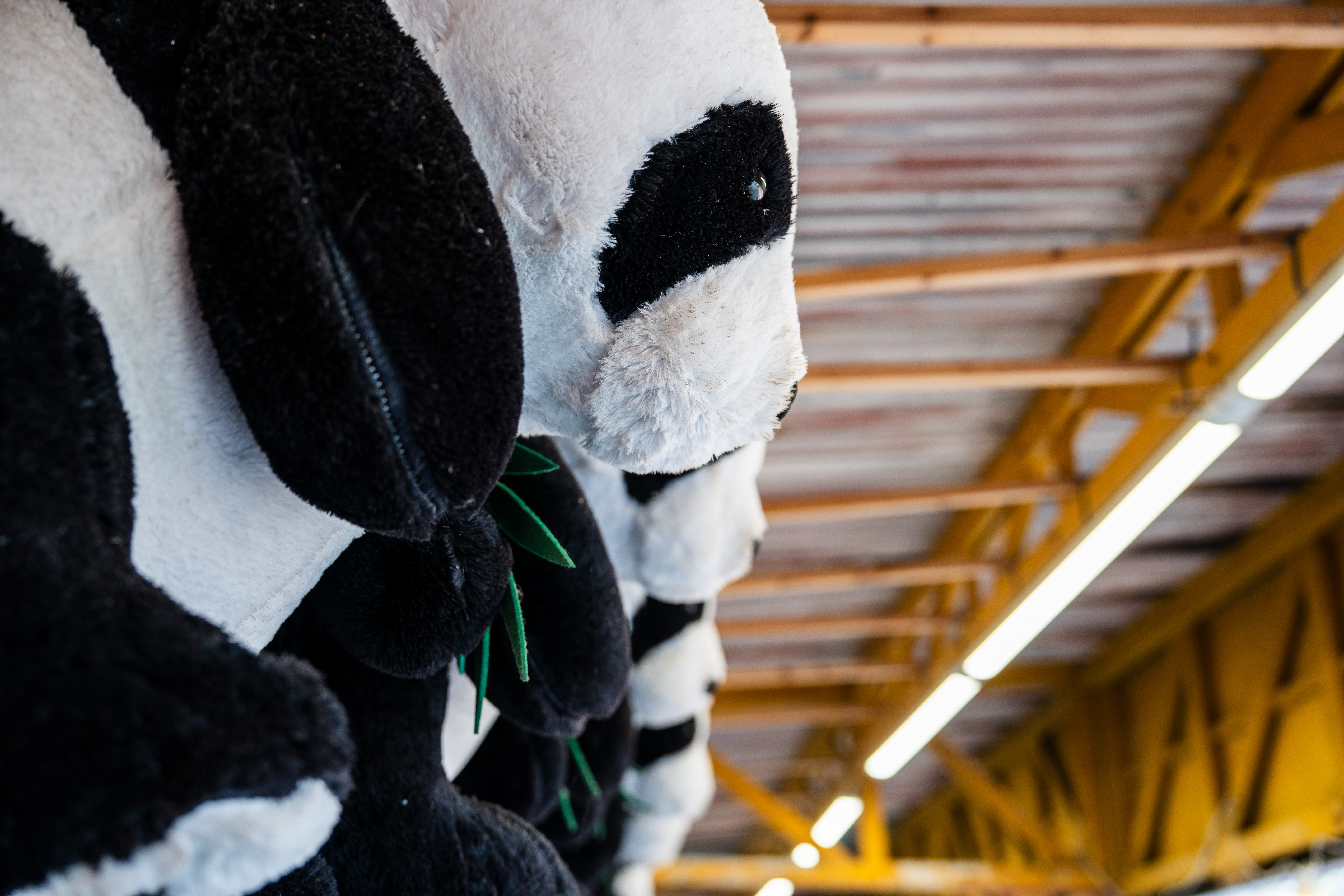
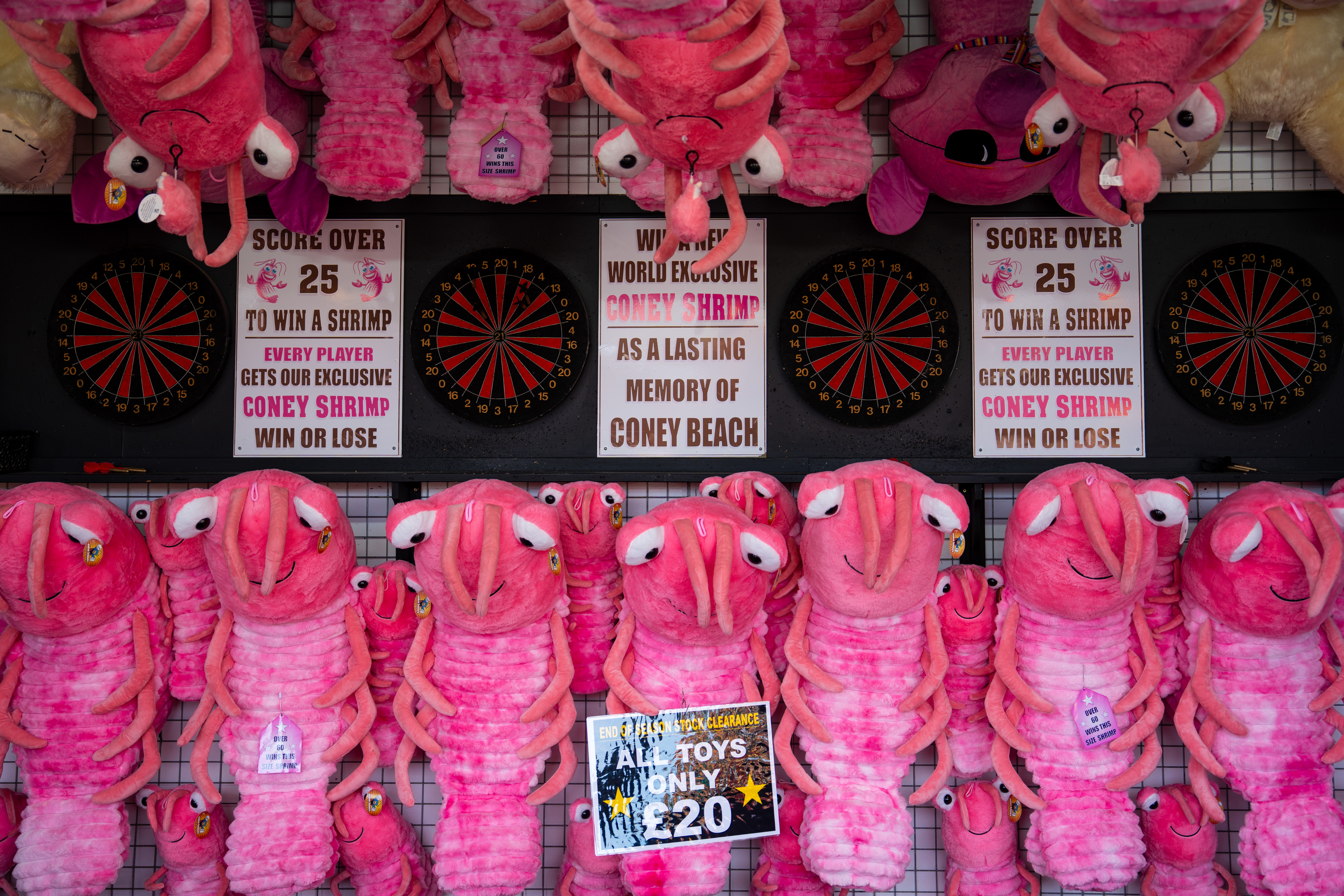
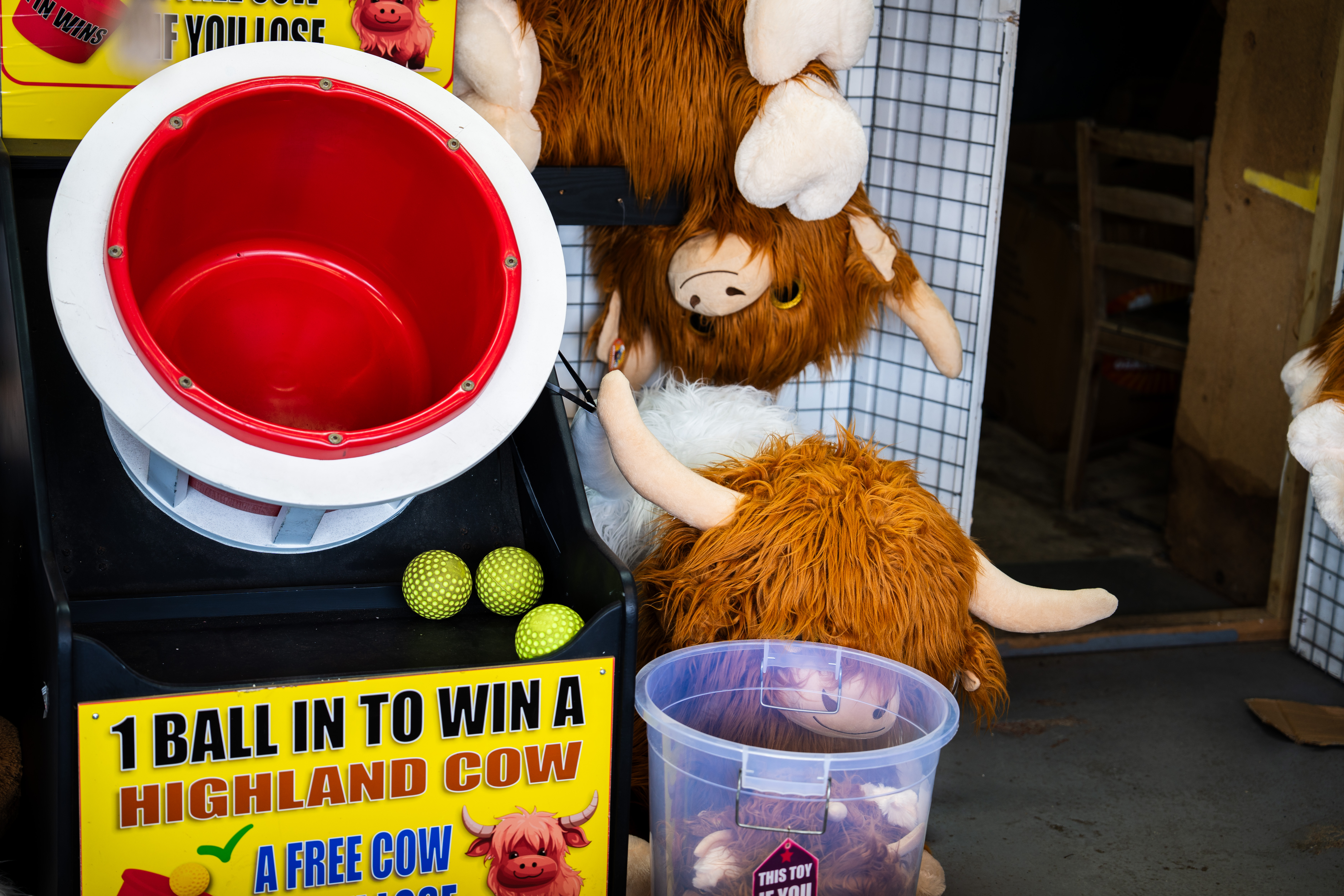
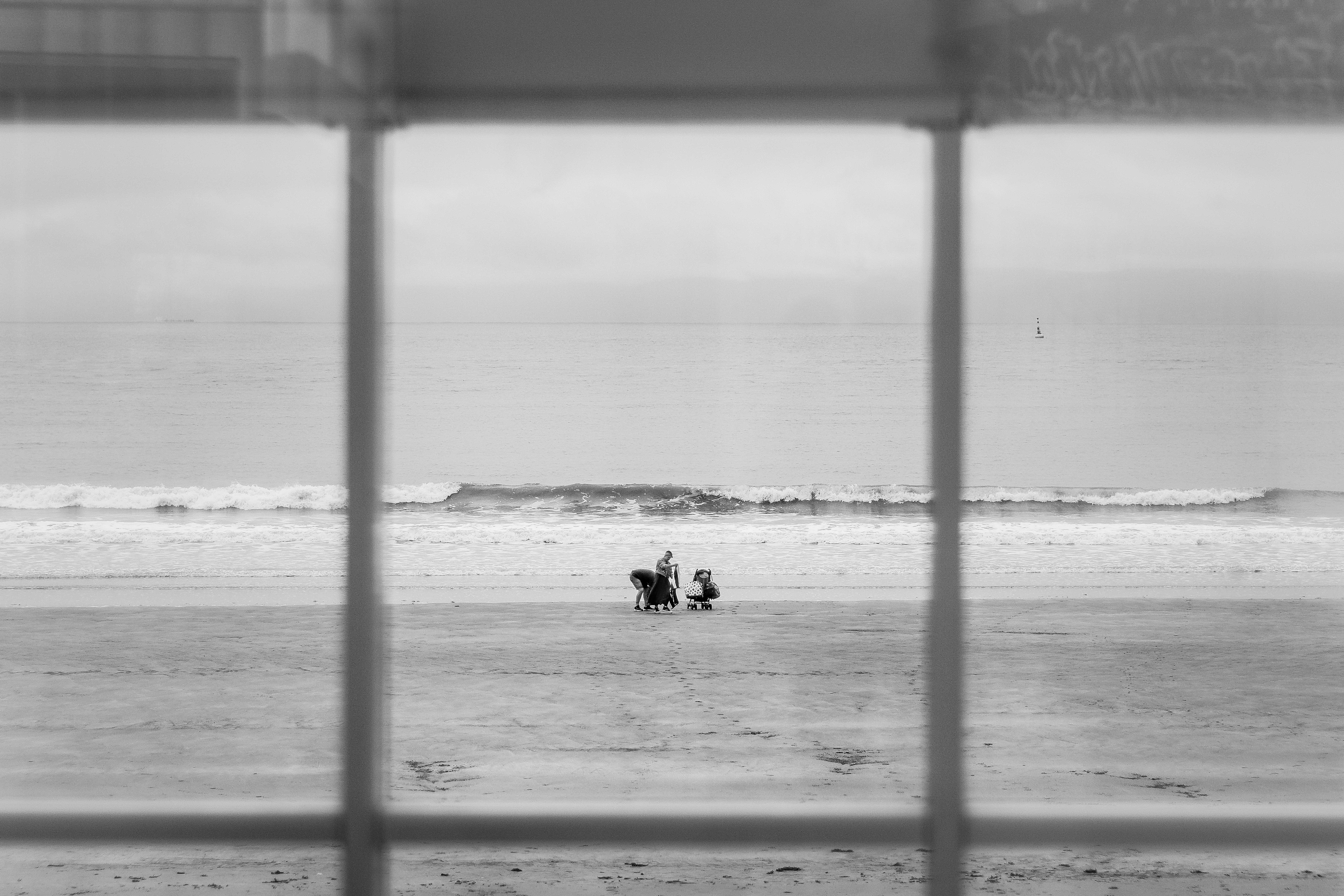
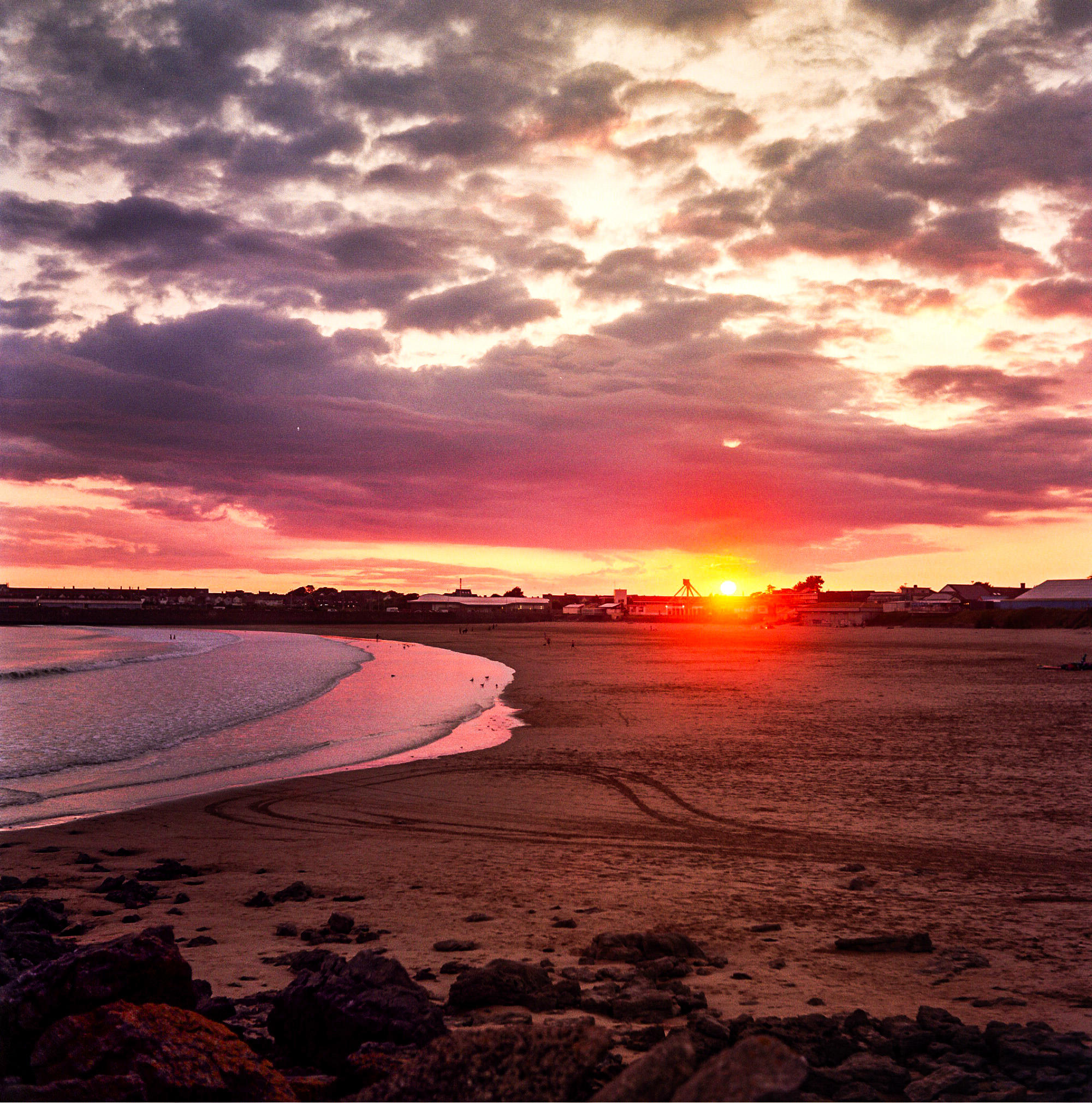
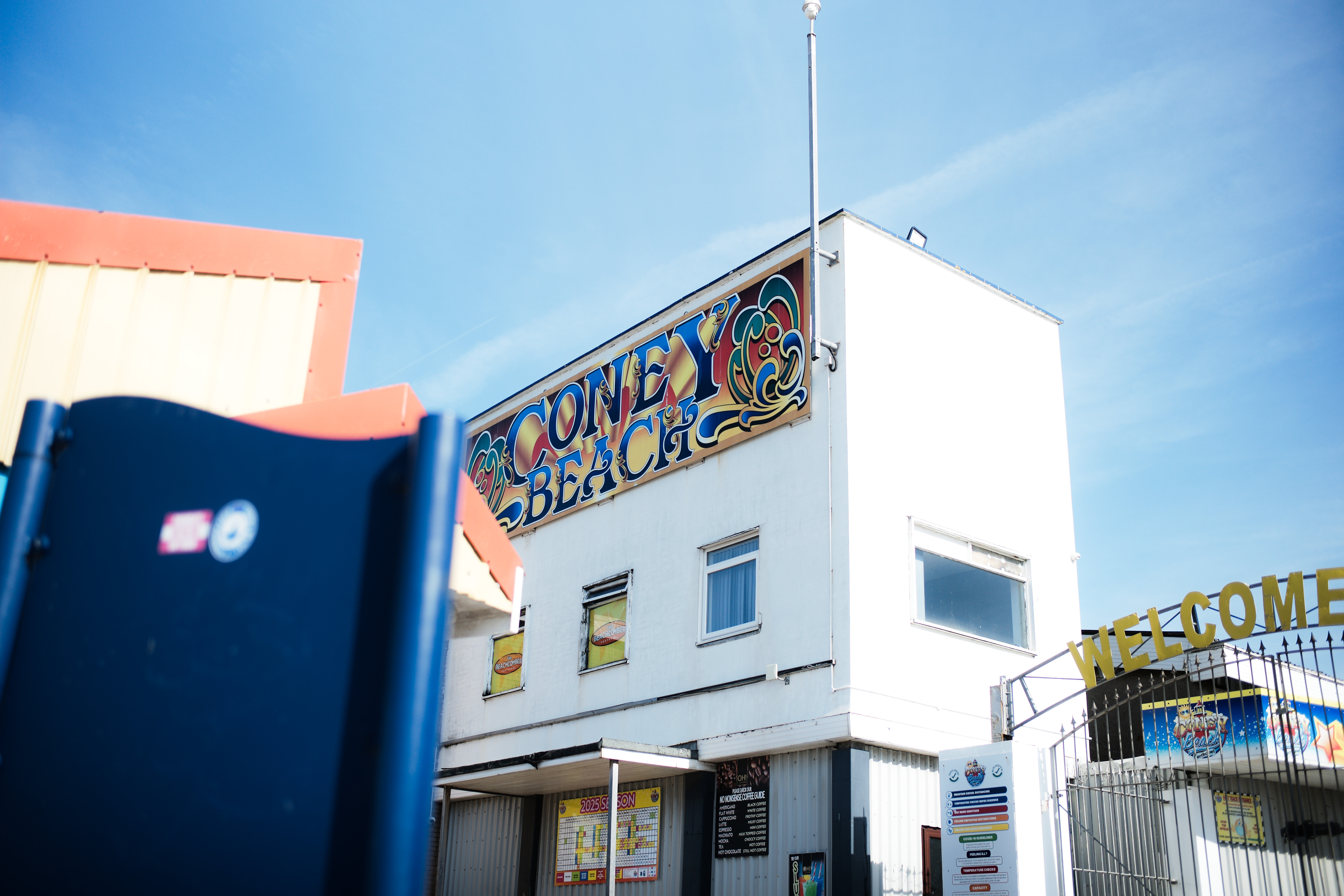
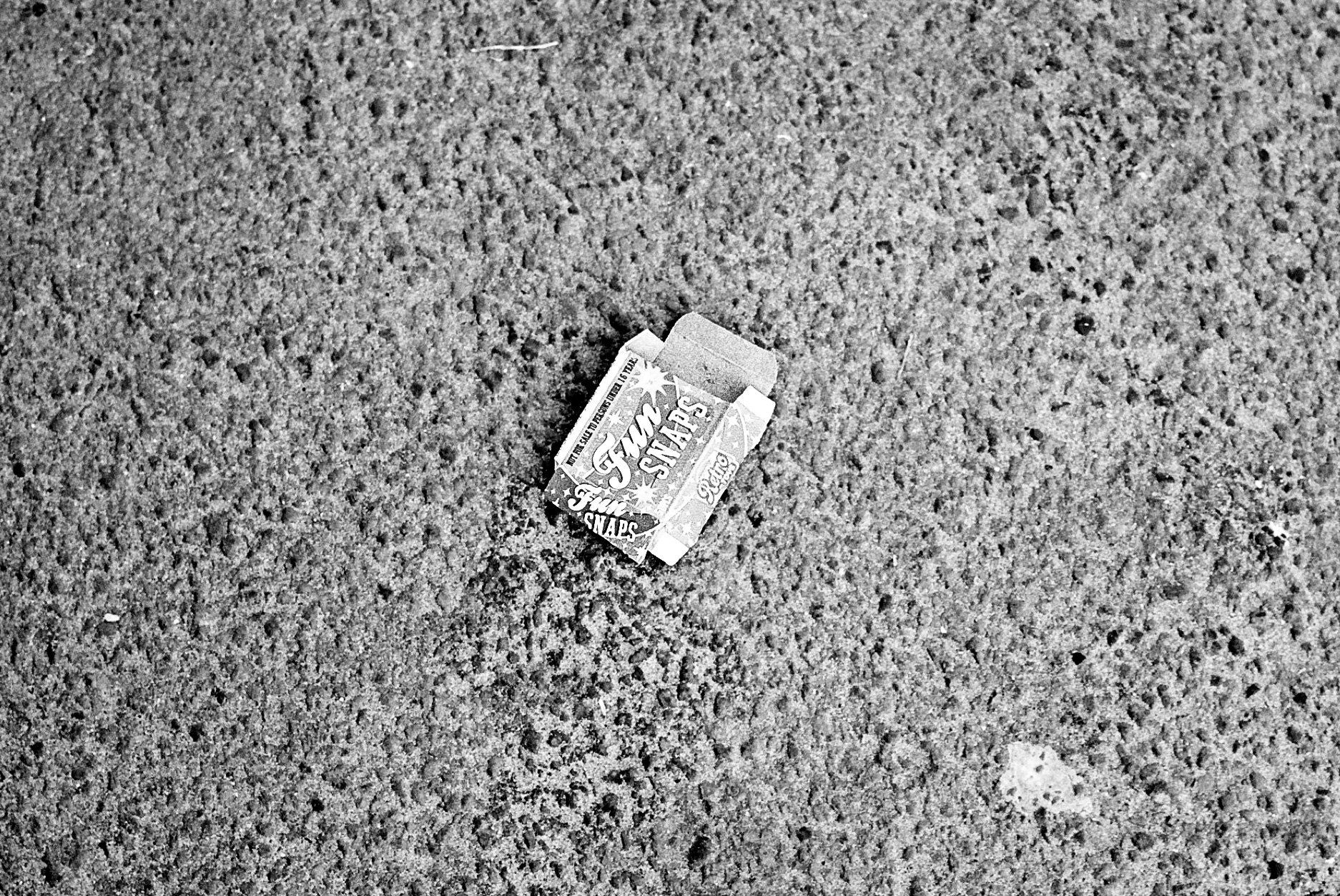
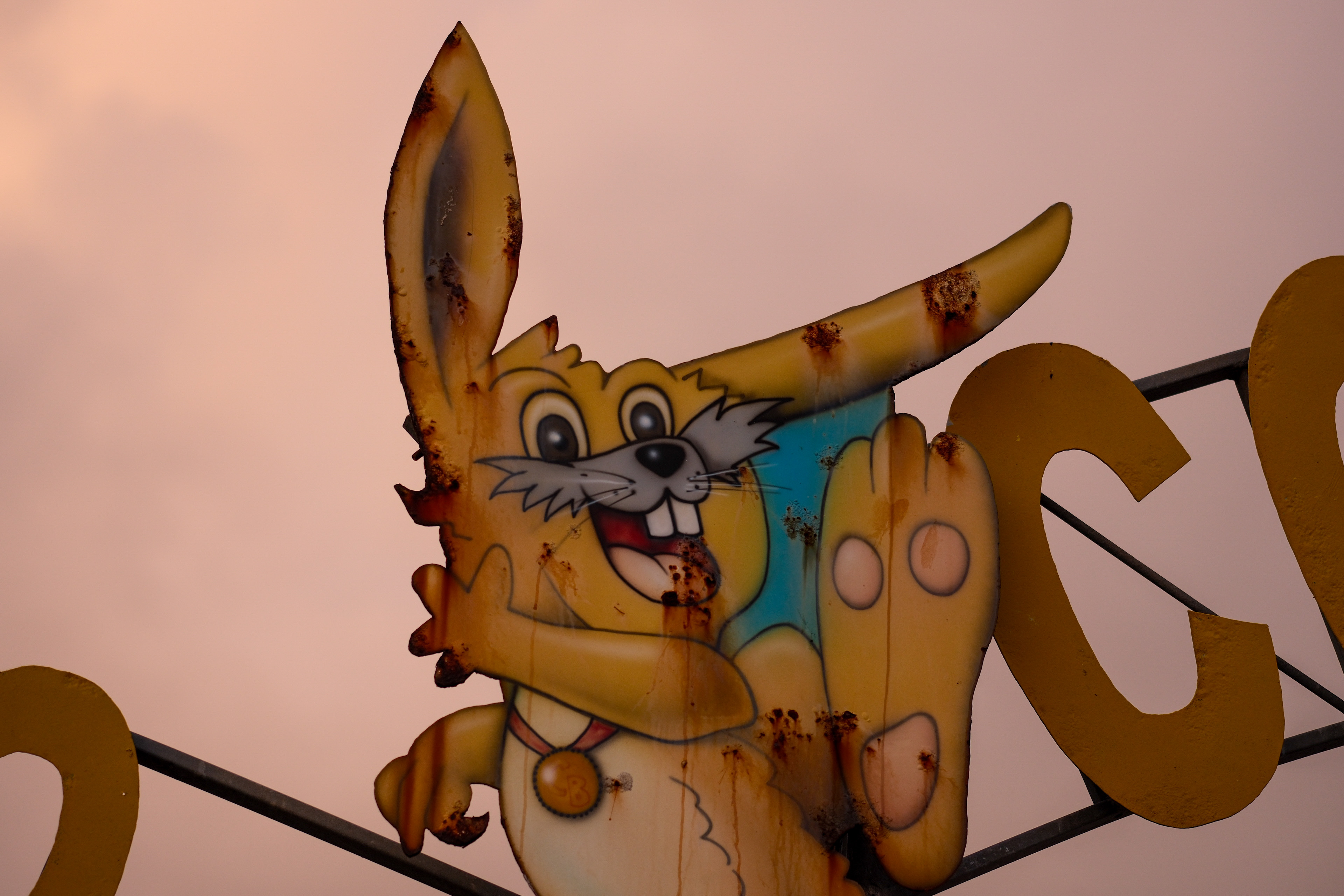
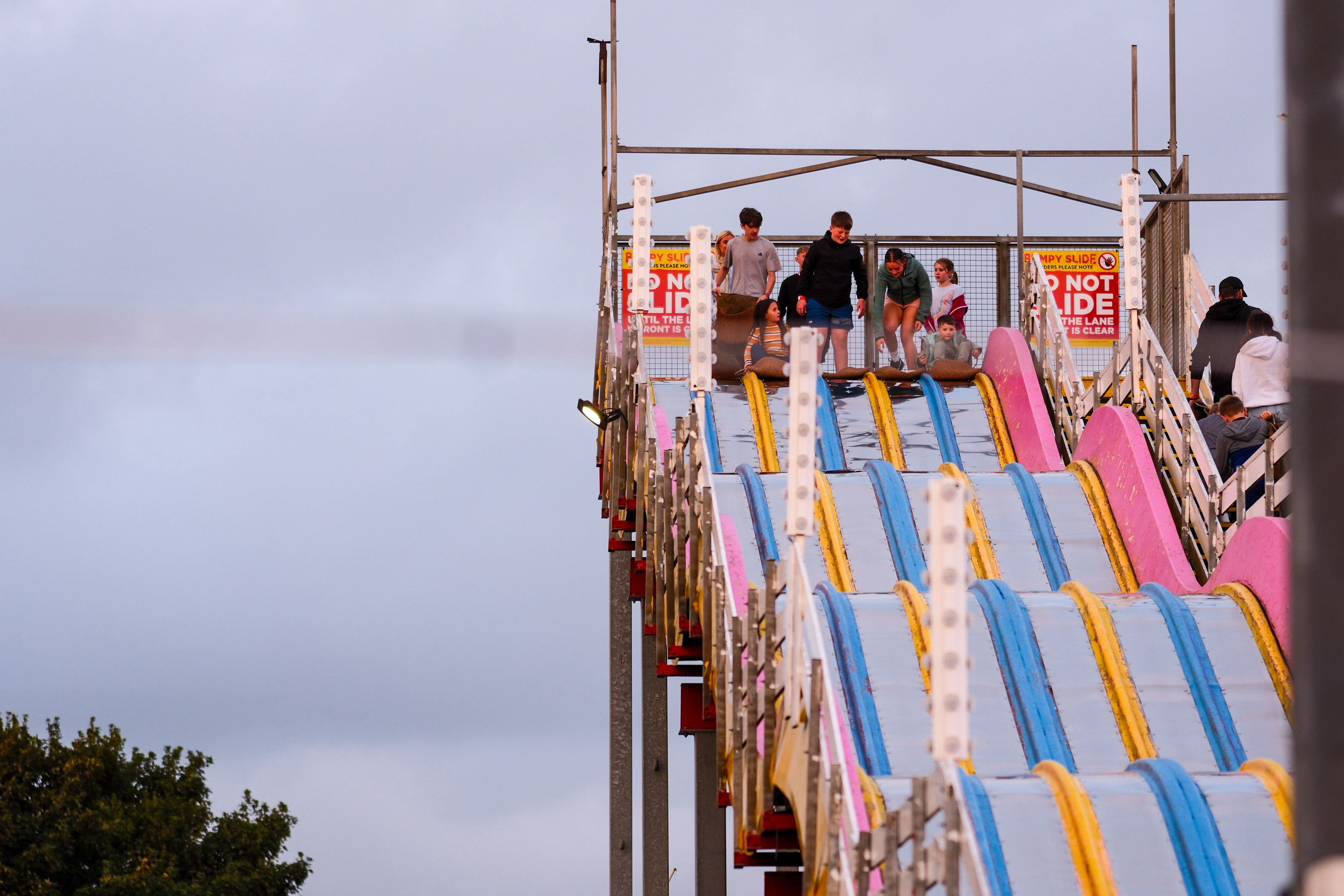
The below images are from that final day, with a selection of both digital and analog images taken over the last few years
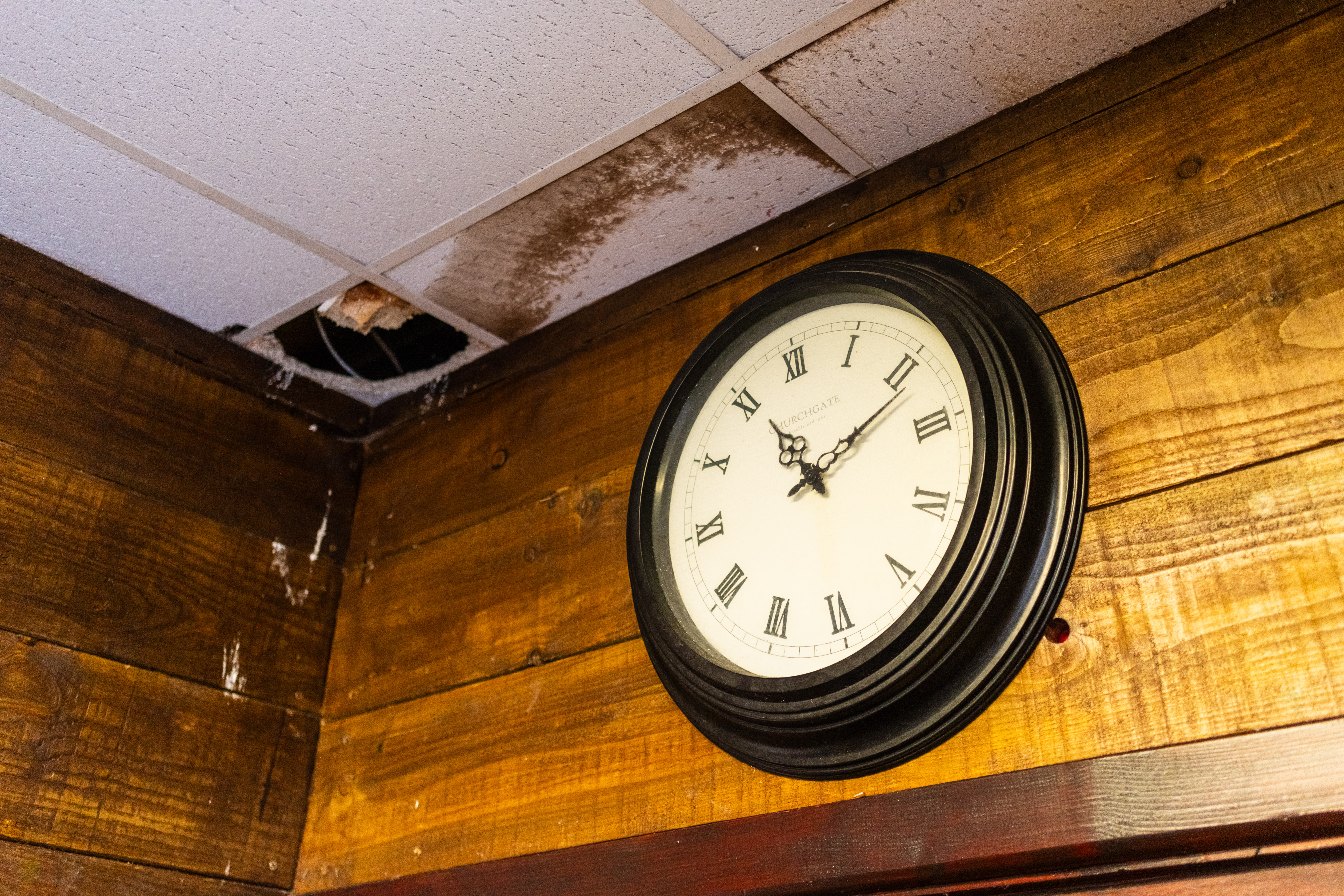
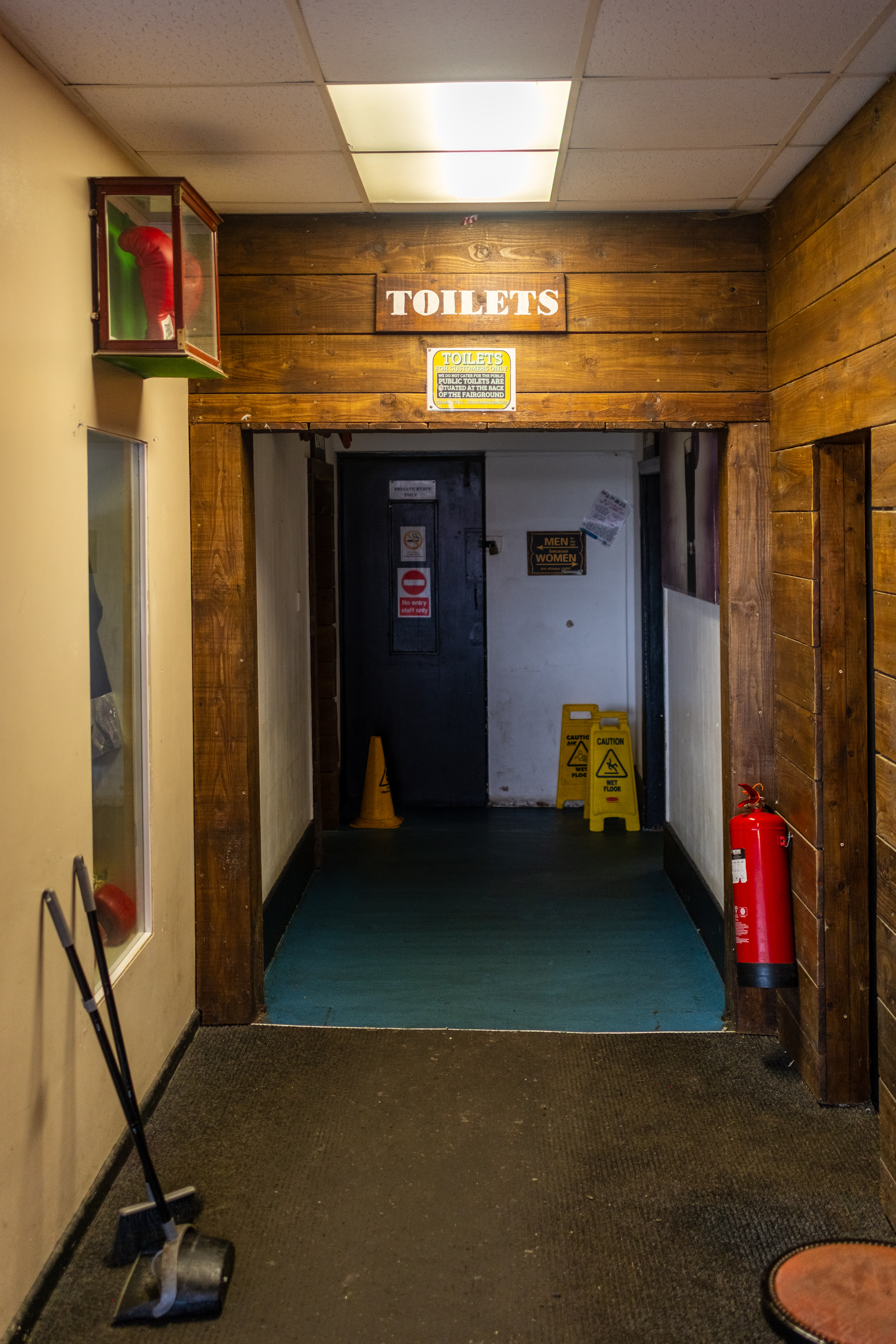
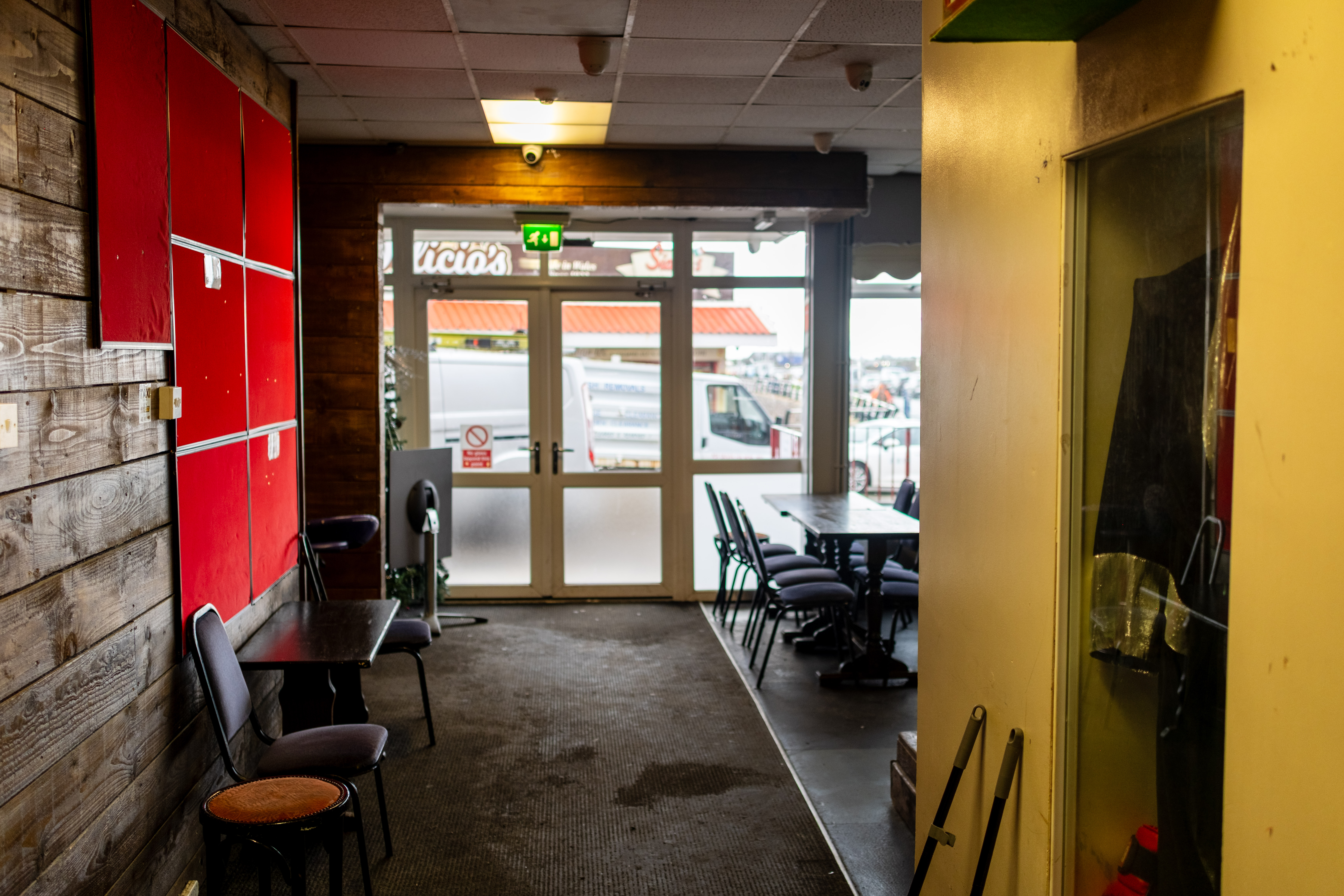
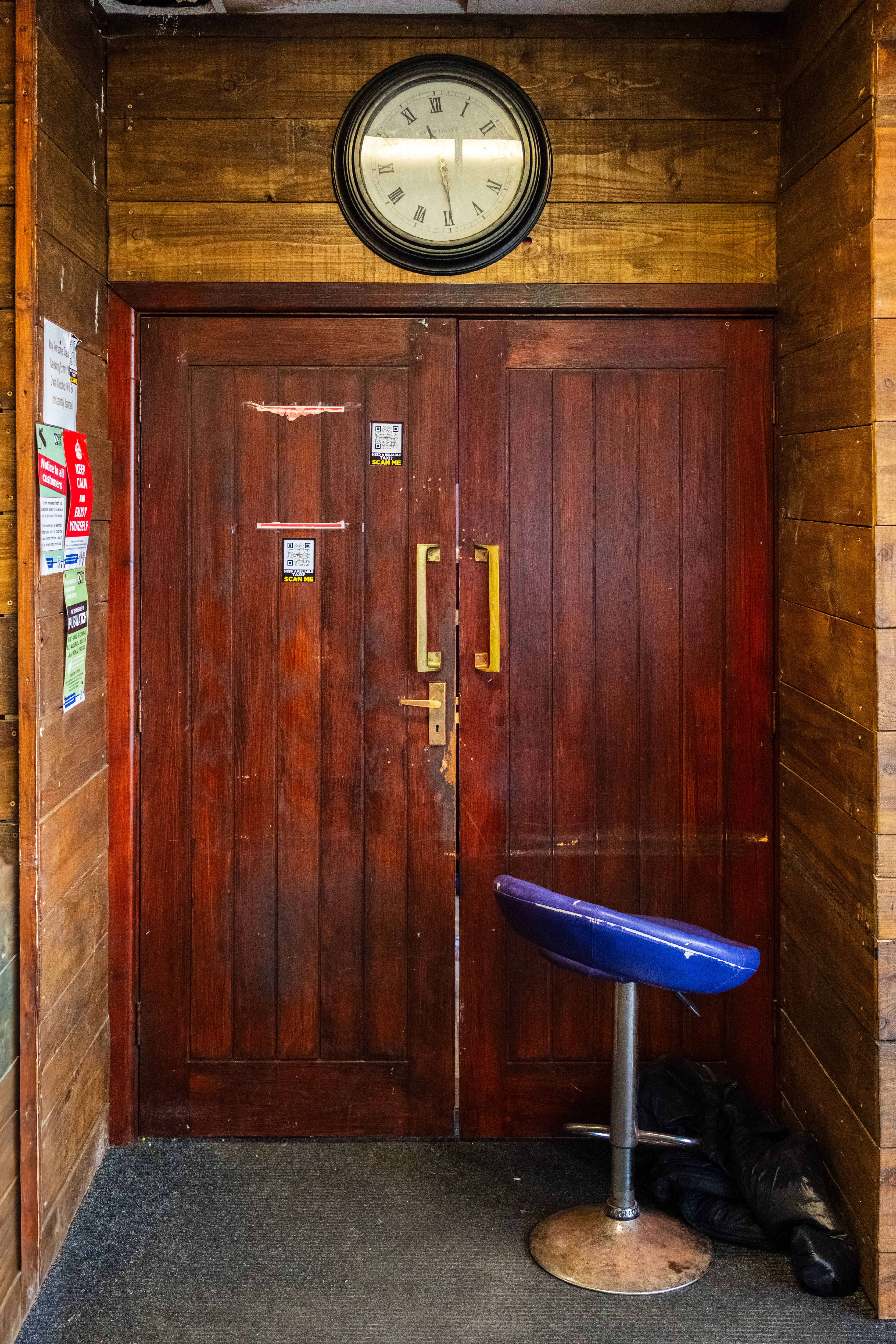
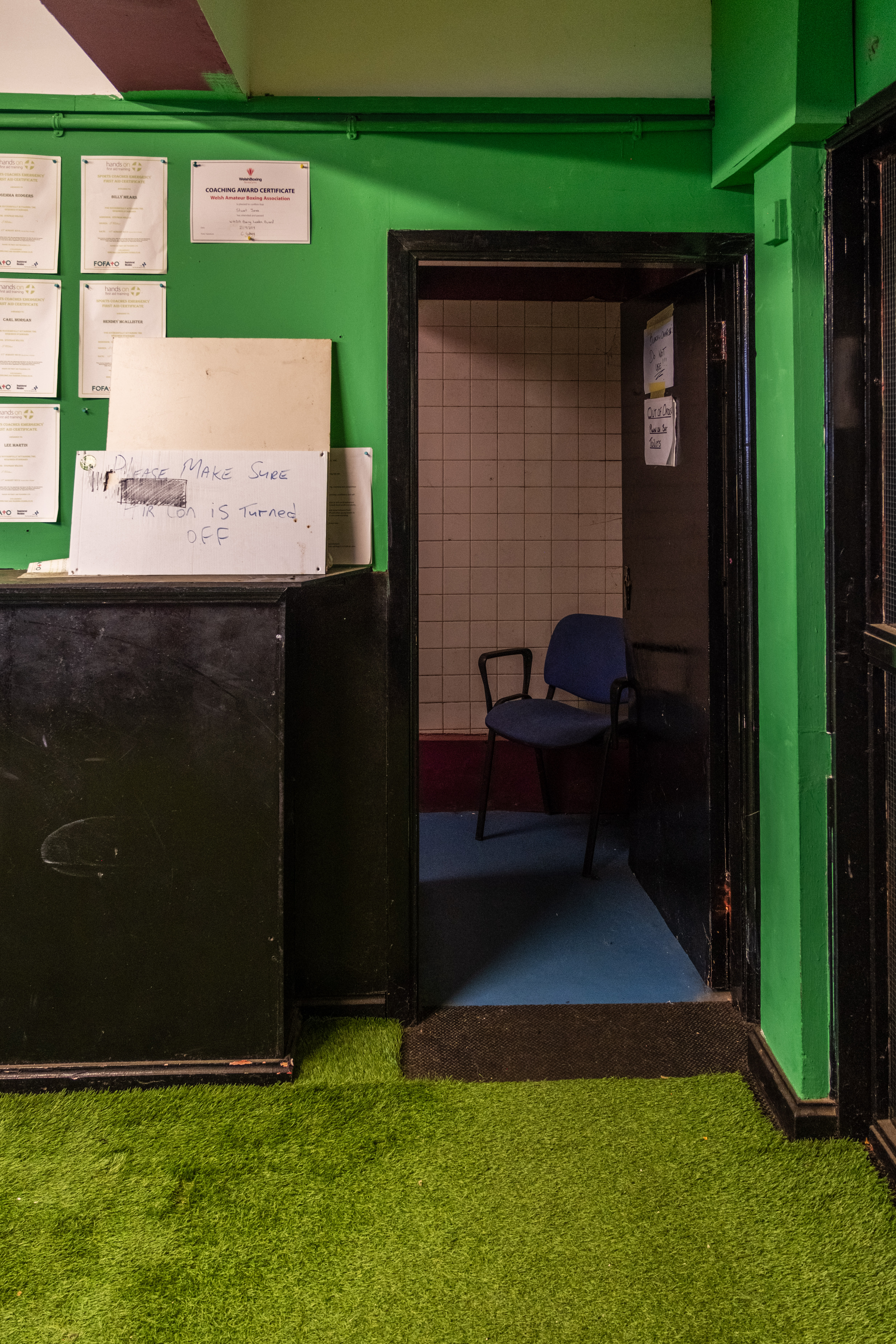
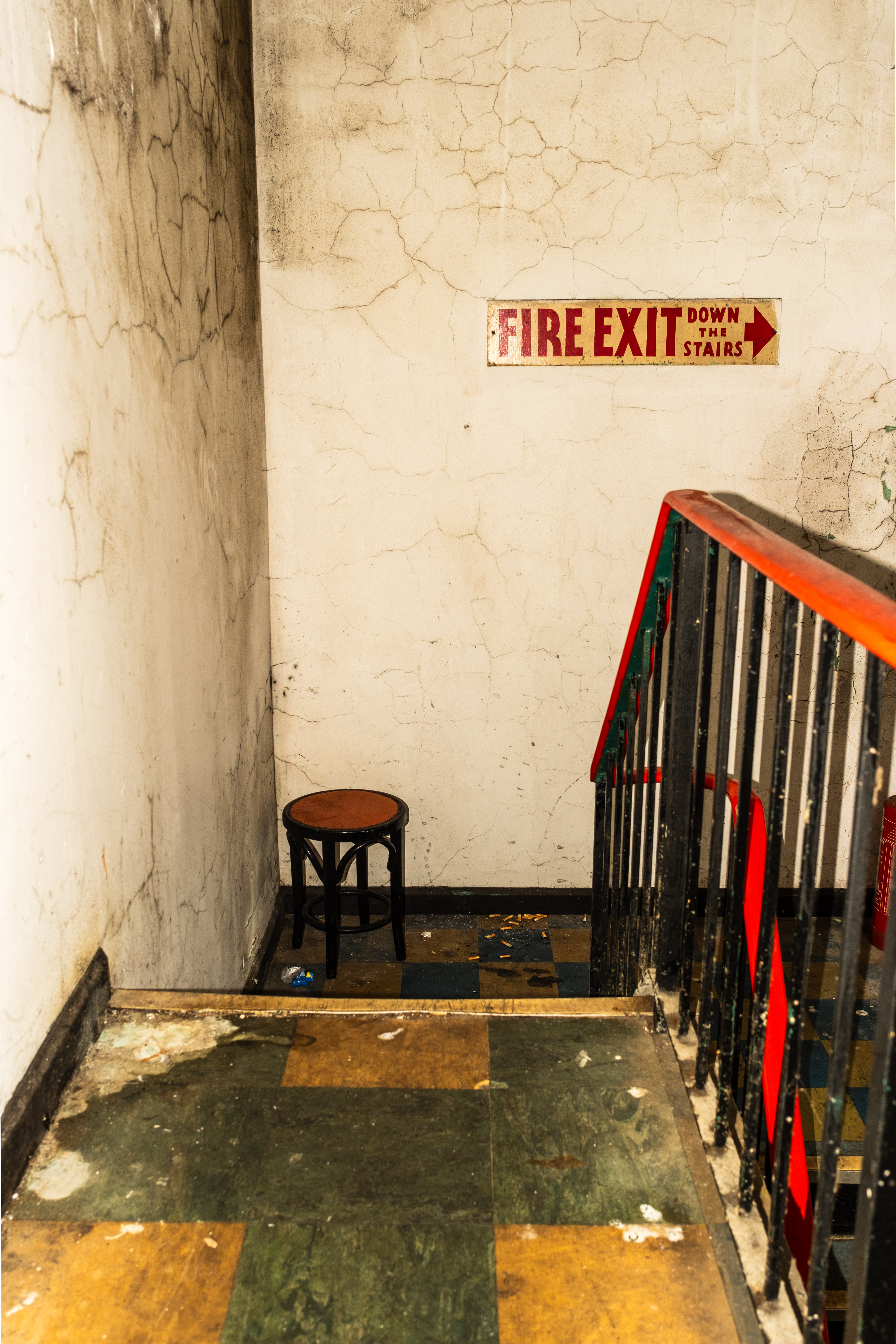
This image, like a lot that I take around wales, is a site that thousands of people have probably walked past every day. There’s a story already here – what’s the chair for (fag breaks?), how long has it been there? I bet there are marks where feet have rested for so long. The ramp, one of my favourite details anywhere, the ancient “quick fix”. The cracked tiles, the peeled lettering, the ironically burnt looking fireman’s switch.
The entrance, that some might say is grim, is an important one, the manor suite, bold colours and art deco styled typography. I did some digging and found records of old boxing club presentations there, weddings, the northern soul rave events (available on YouTube) – I also found out the owners themselves had their wedding reception there.
So it’s not the grim that pulls me to images like this, it’s the evidence, despite the lack of people in the photo , of how people and places are inexorably tied together until one or both are gone.
Some will look at this picture and think “that’s grim” – others might look and see these details, others will see none of them – but will see those bright lights and hear the pounding music on a friday night, the foot thumps of can can girls, their partners head on their shoulder for their first dance.
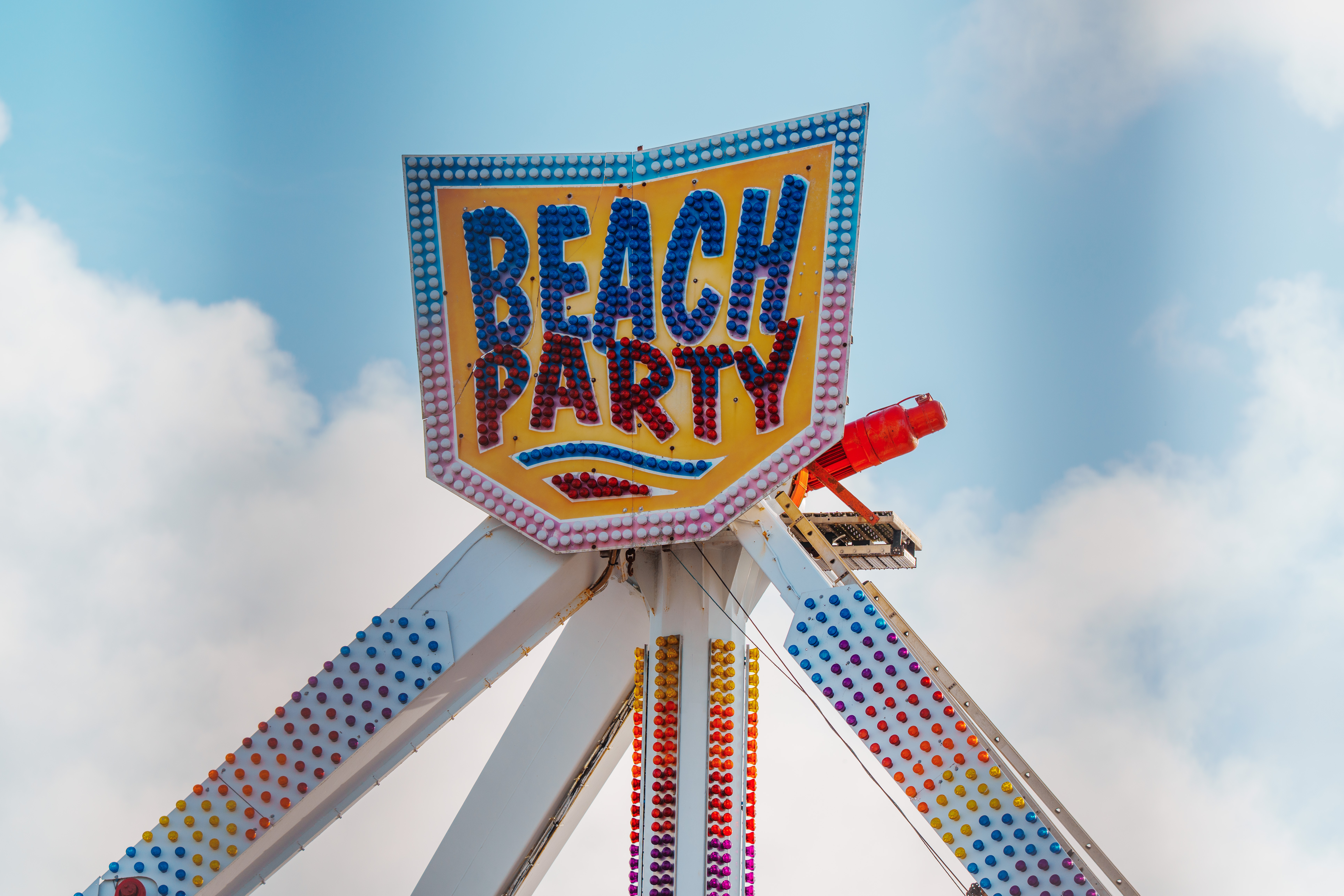
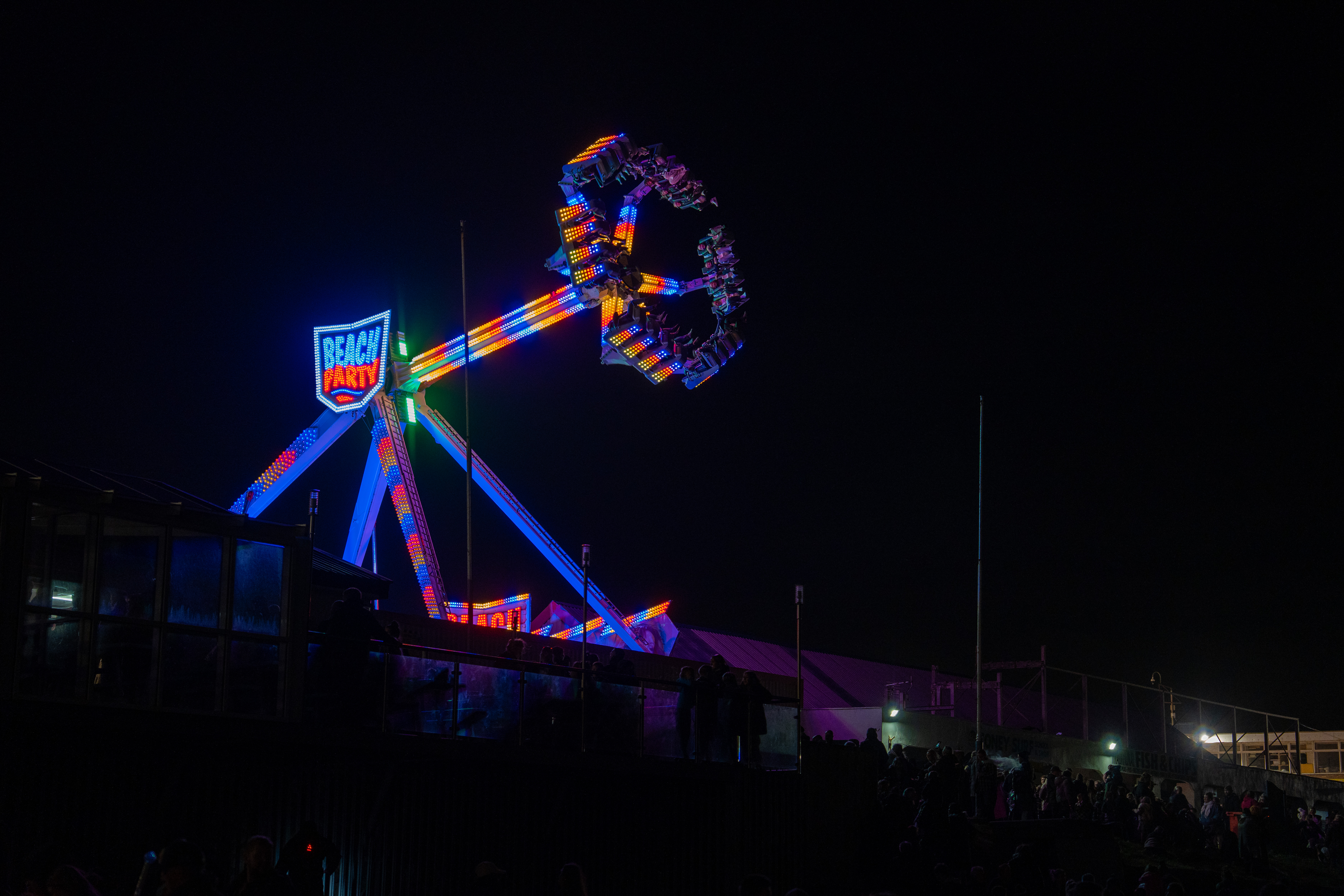
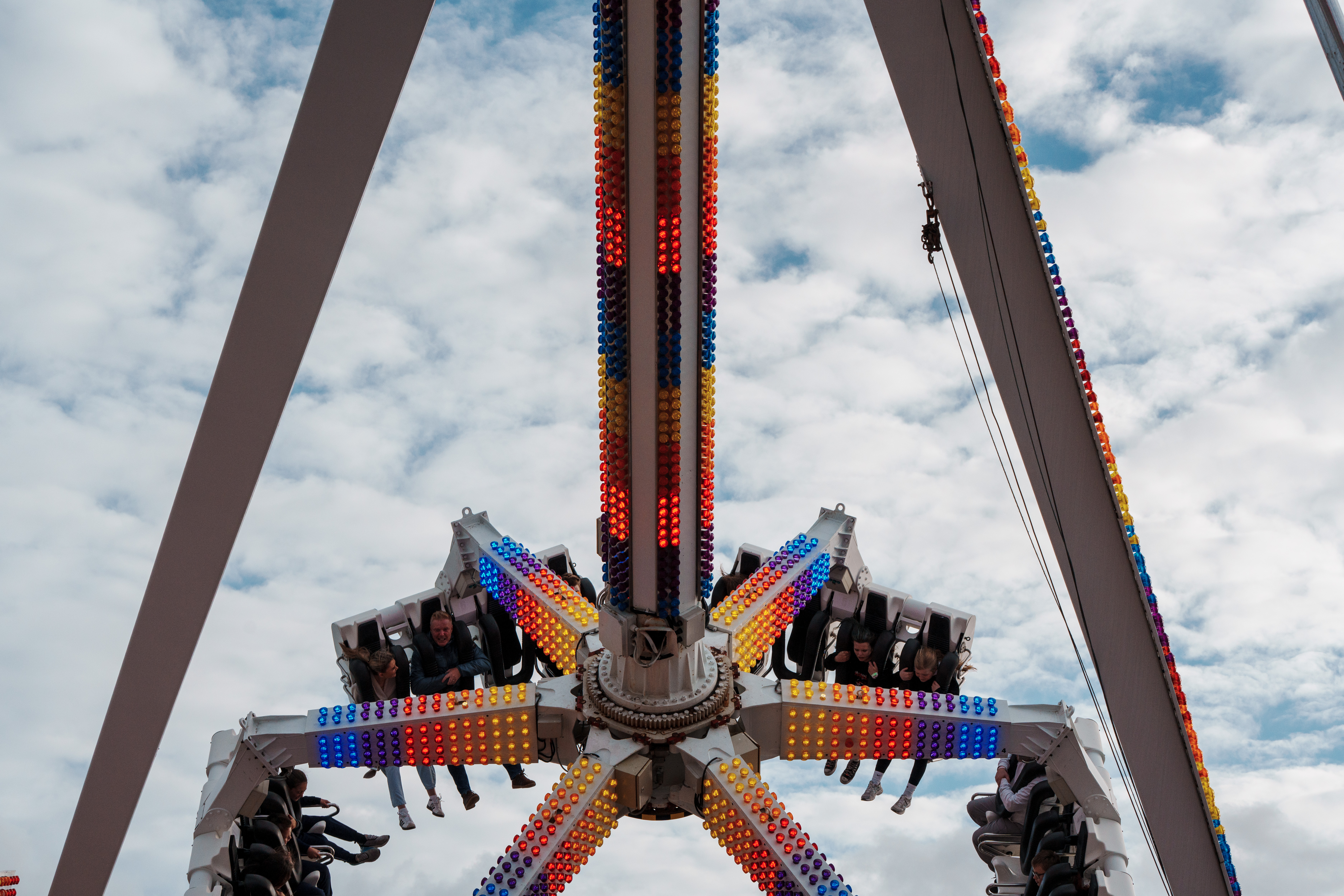
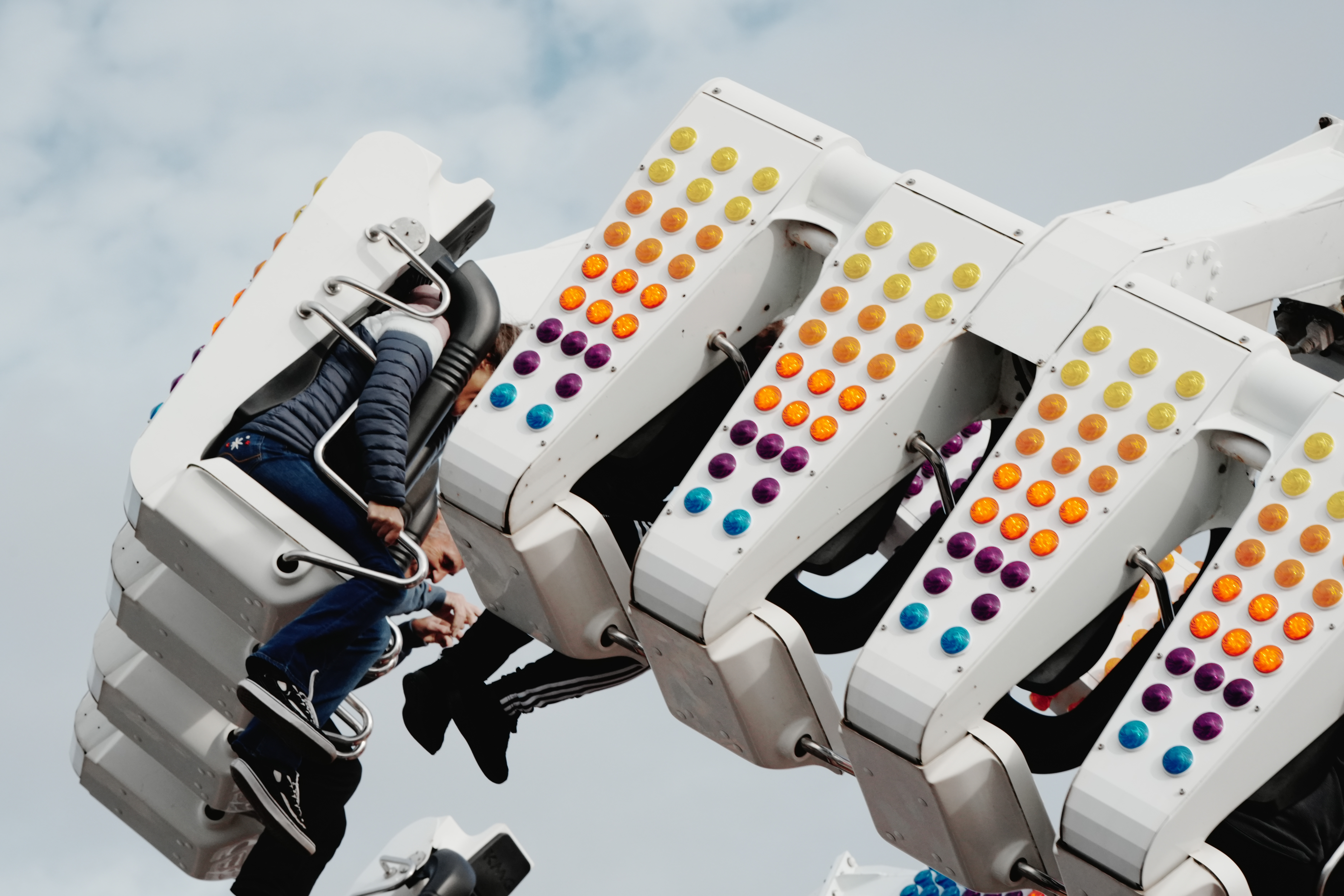
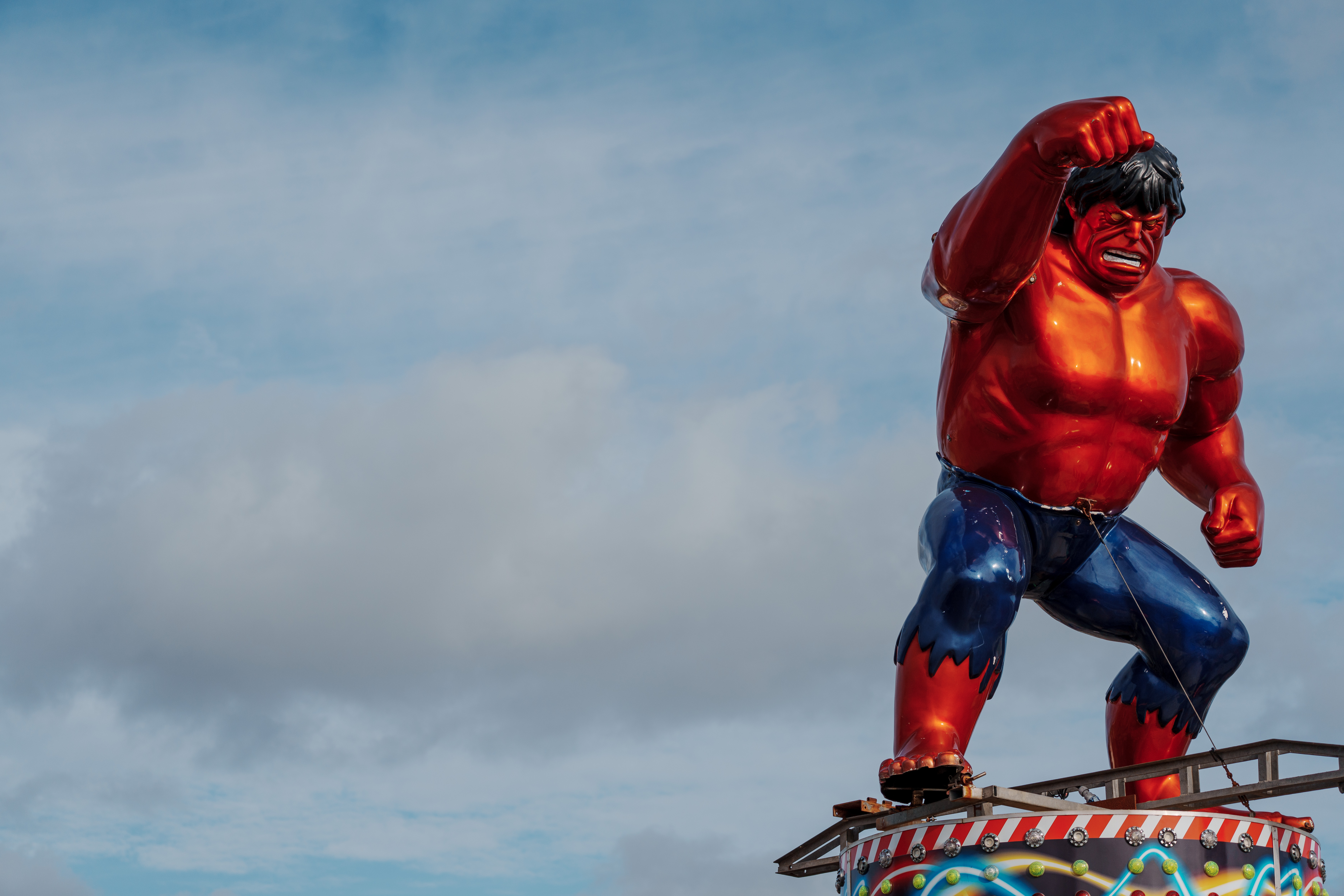
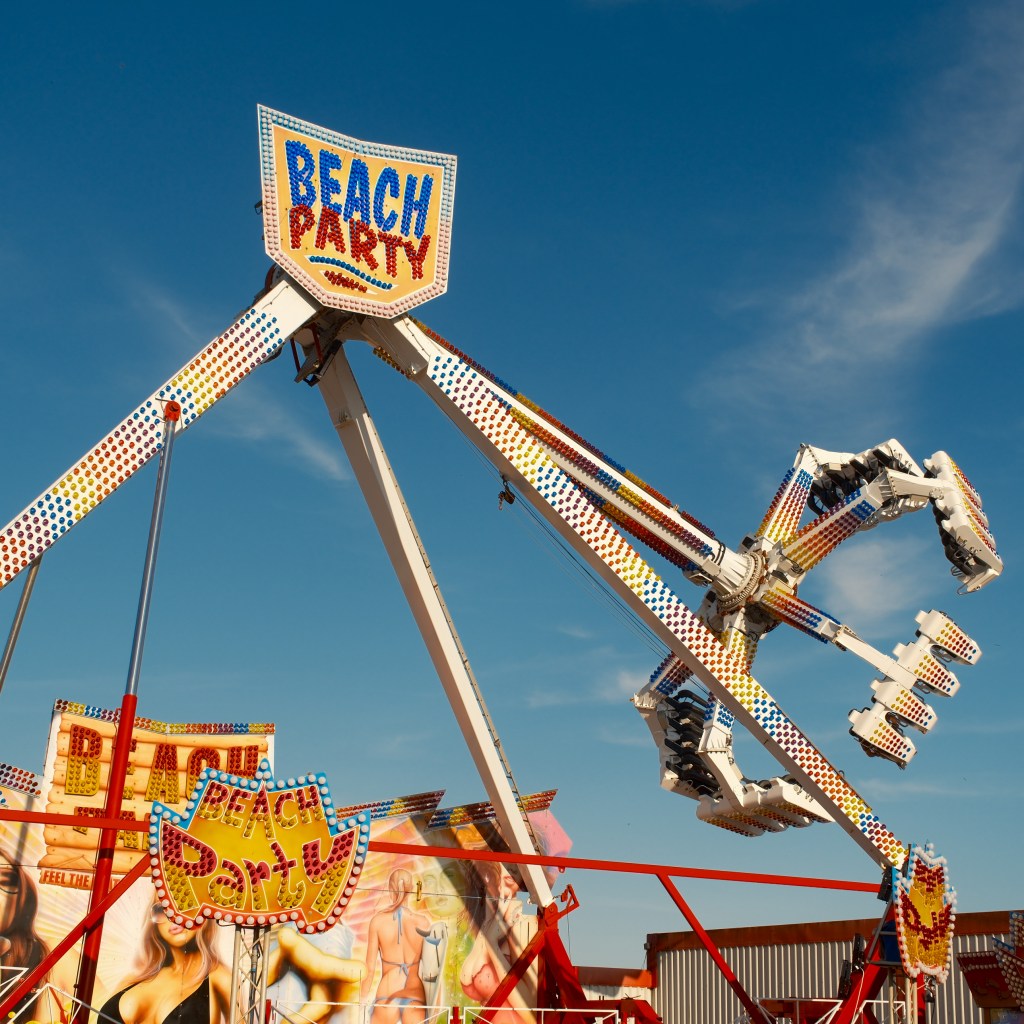
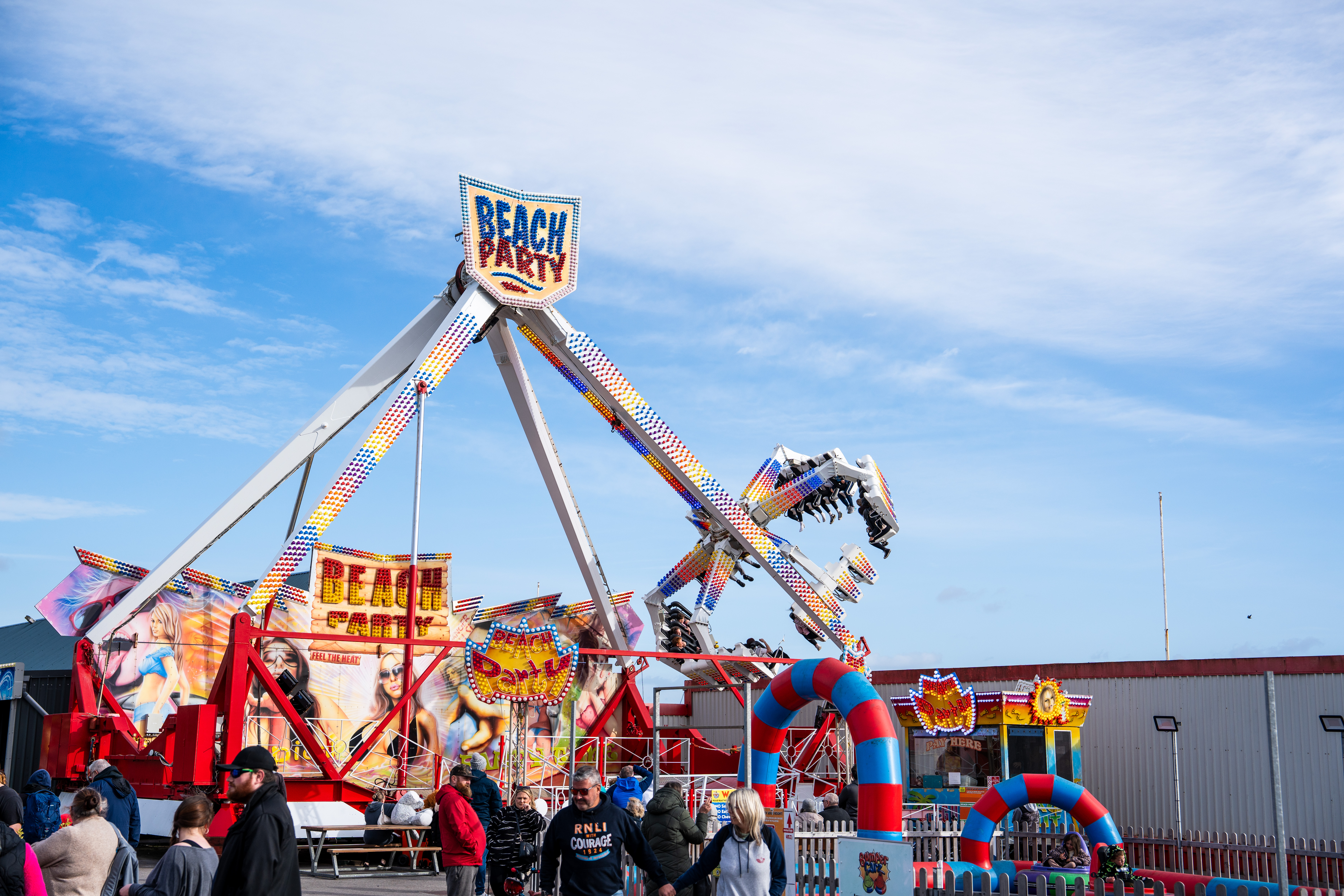
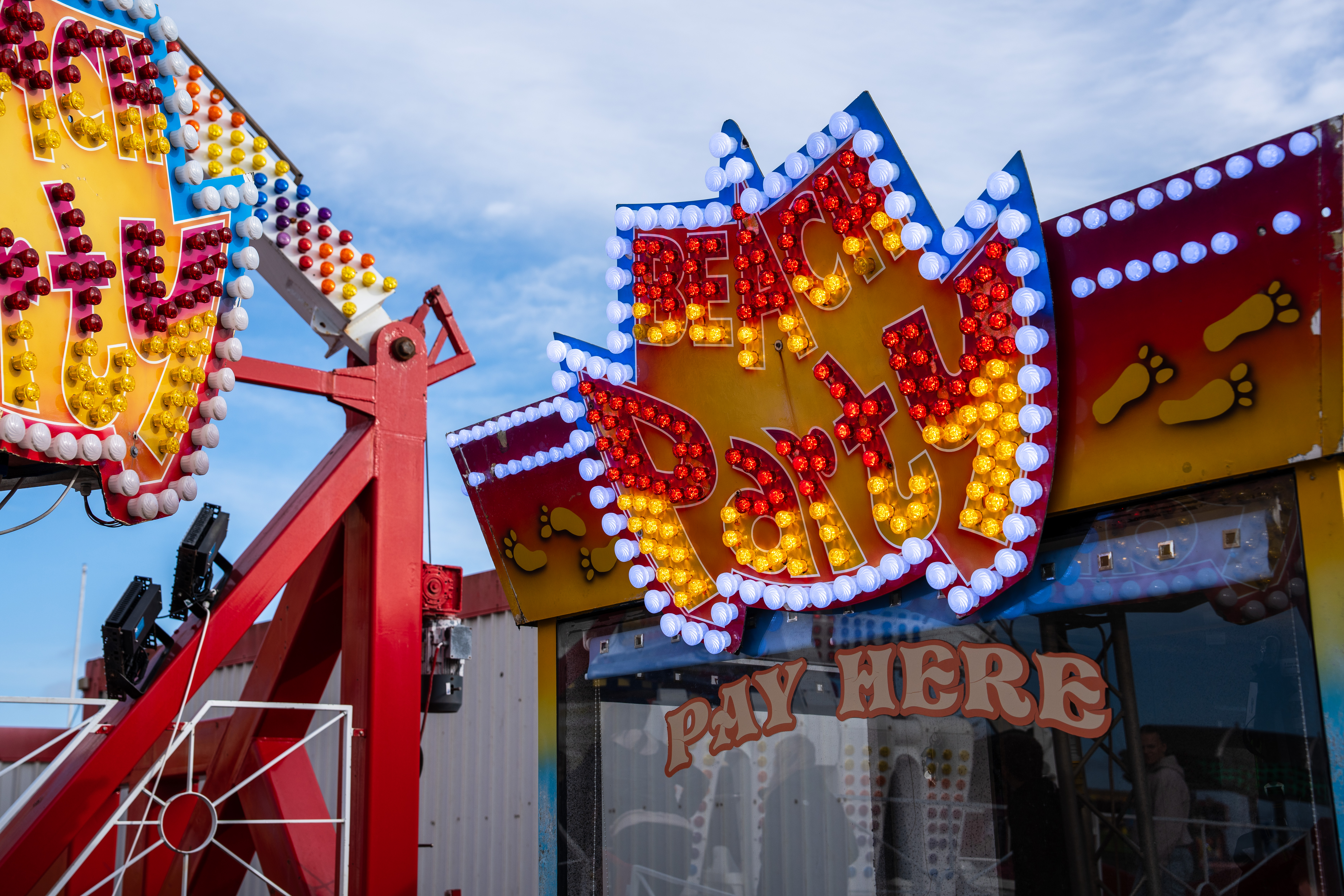
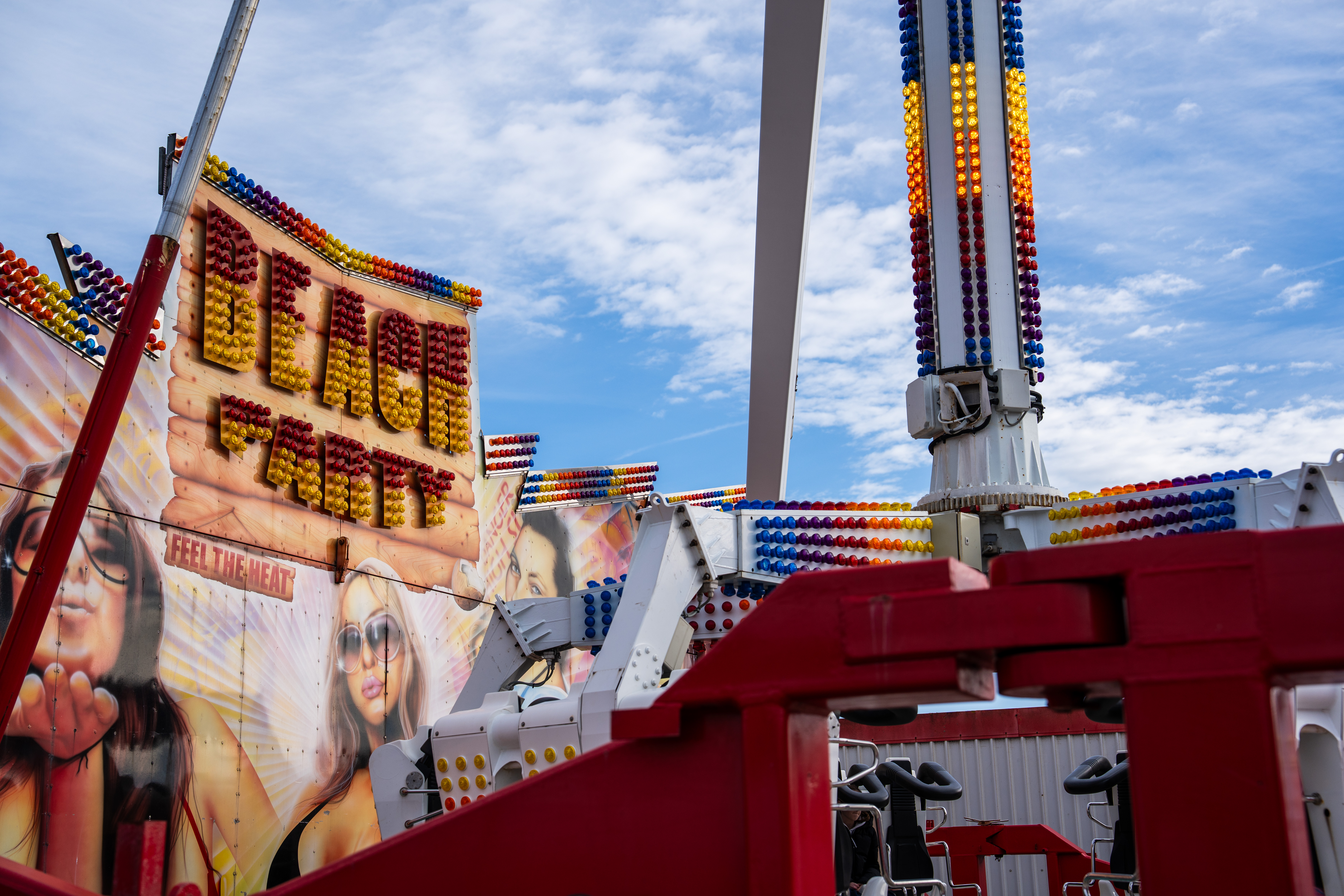
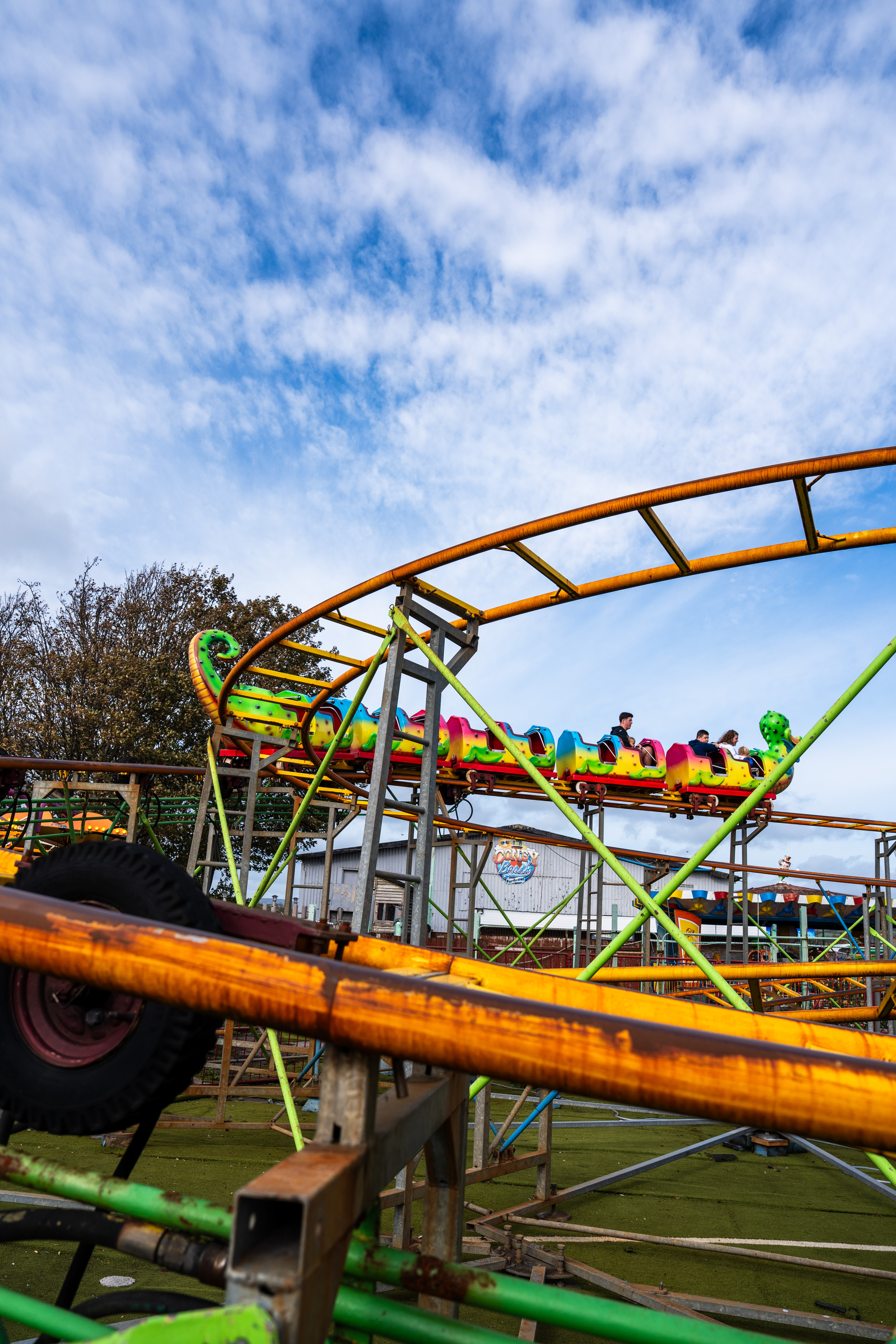
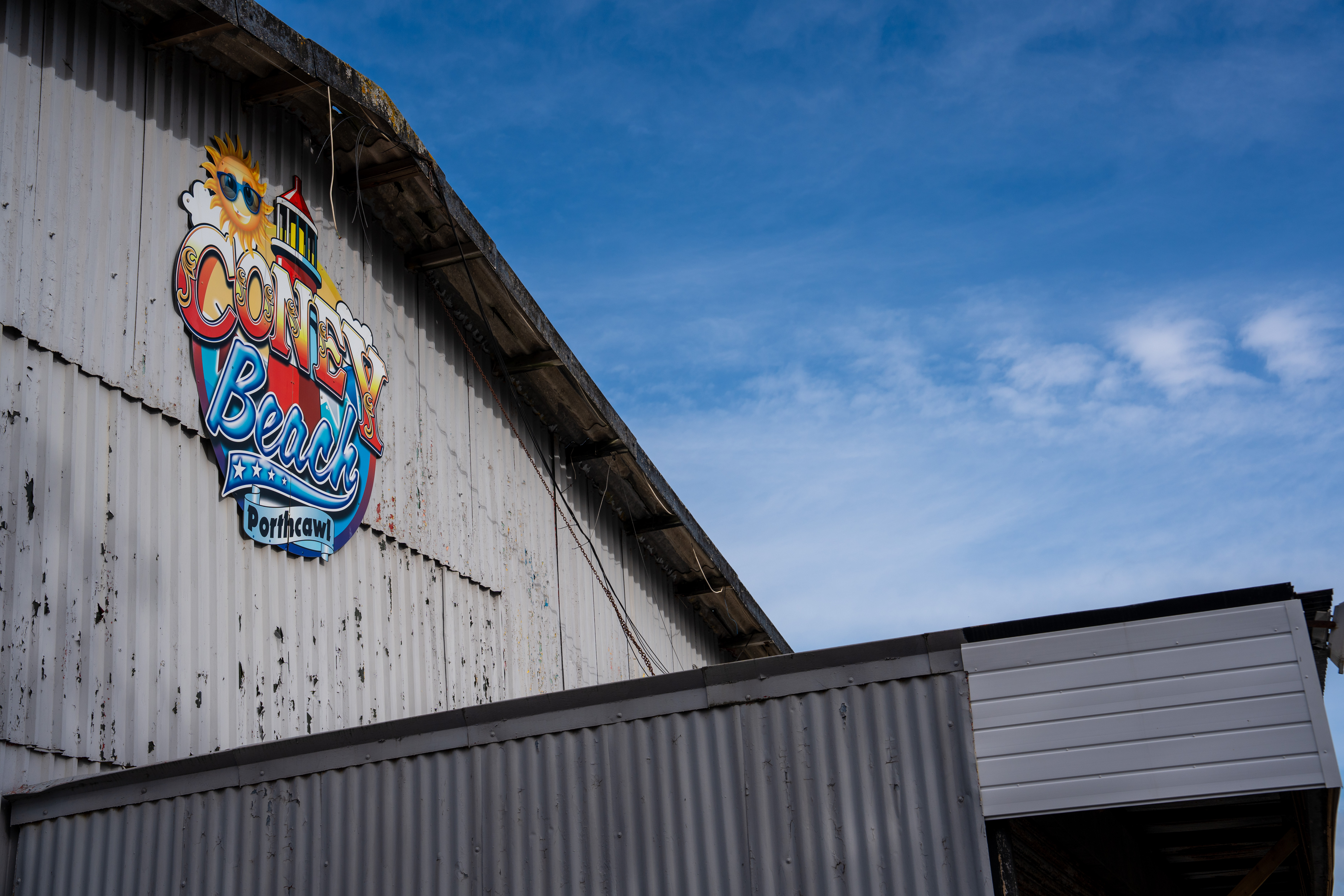
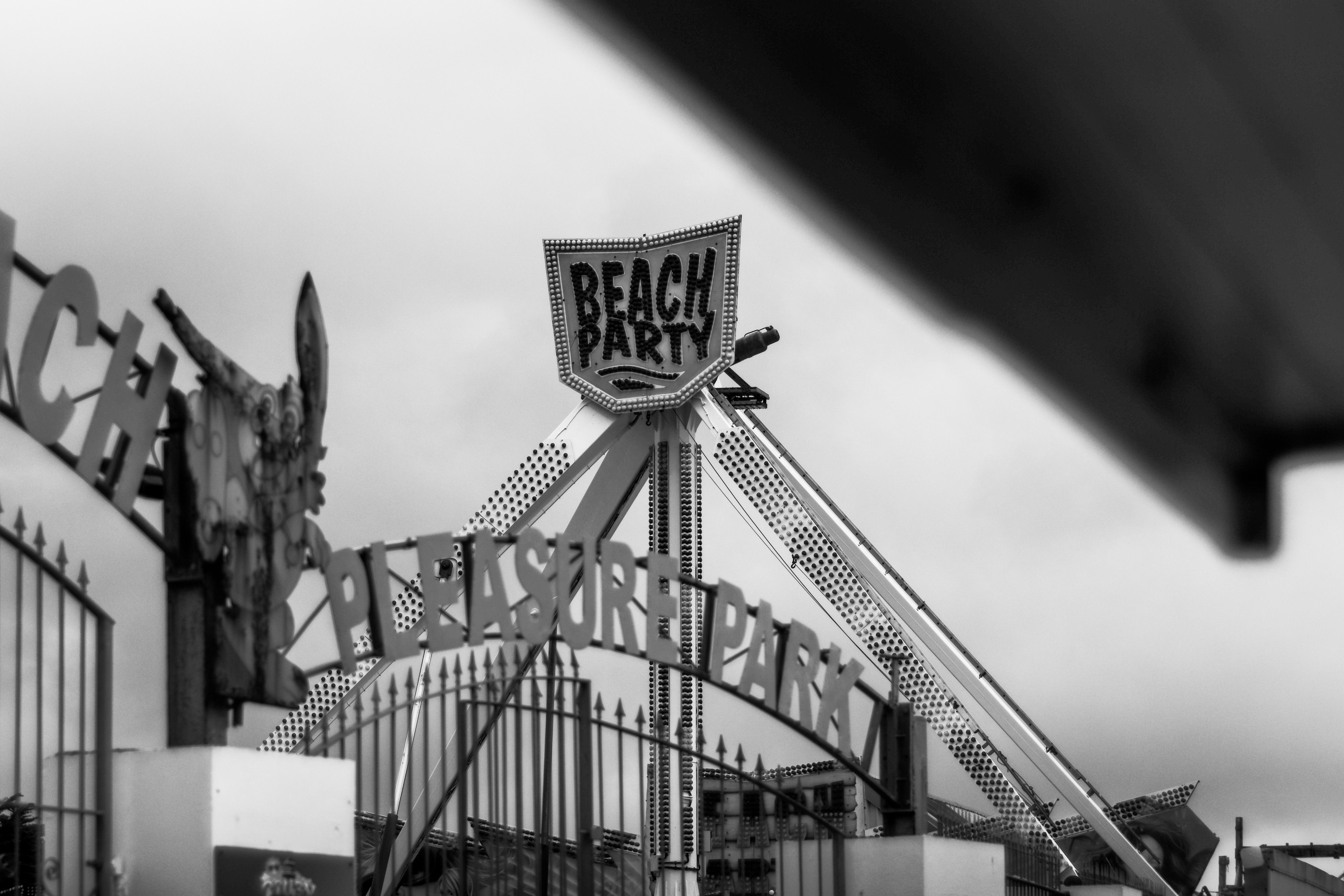
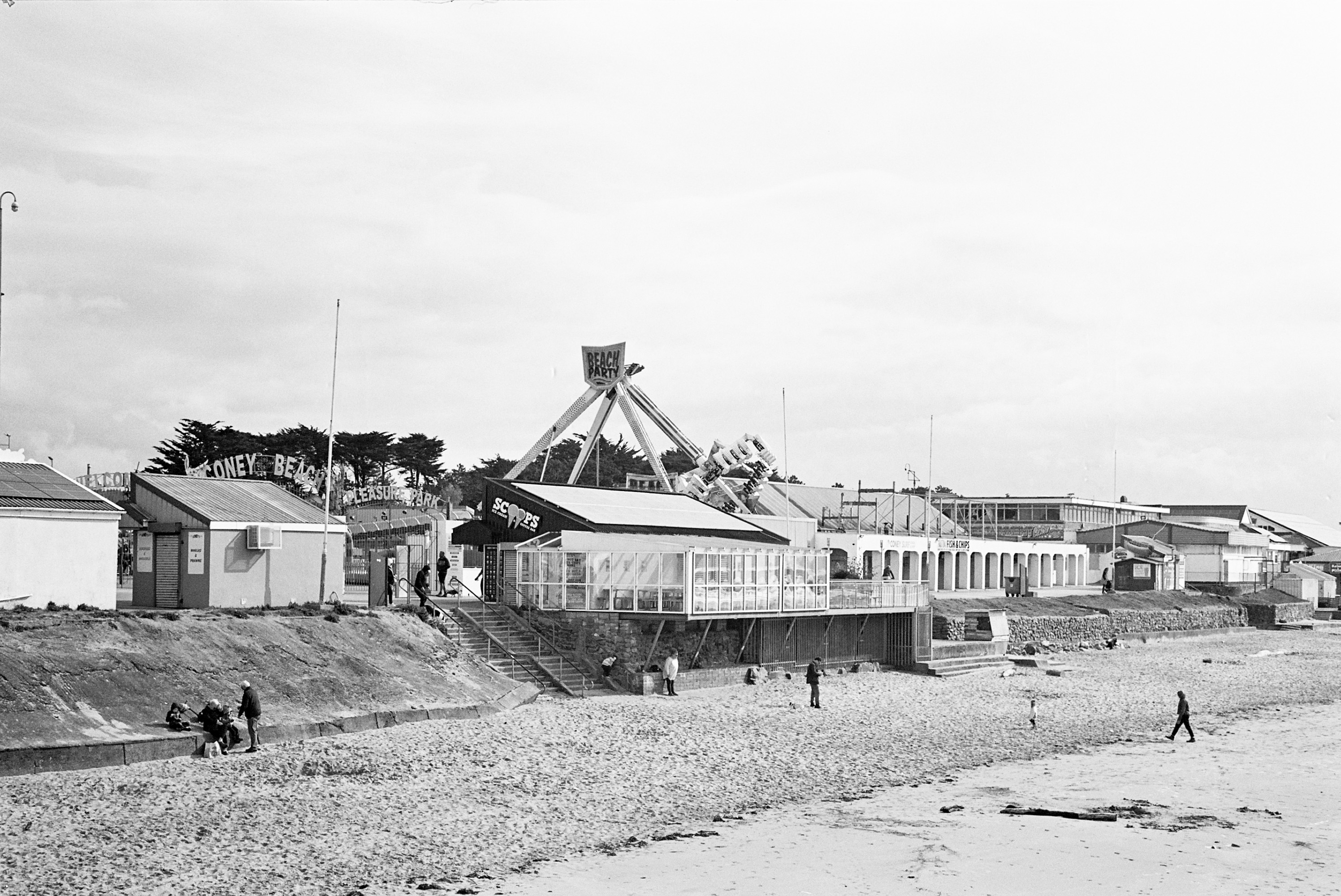
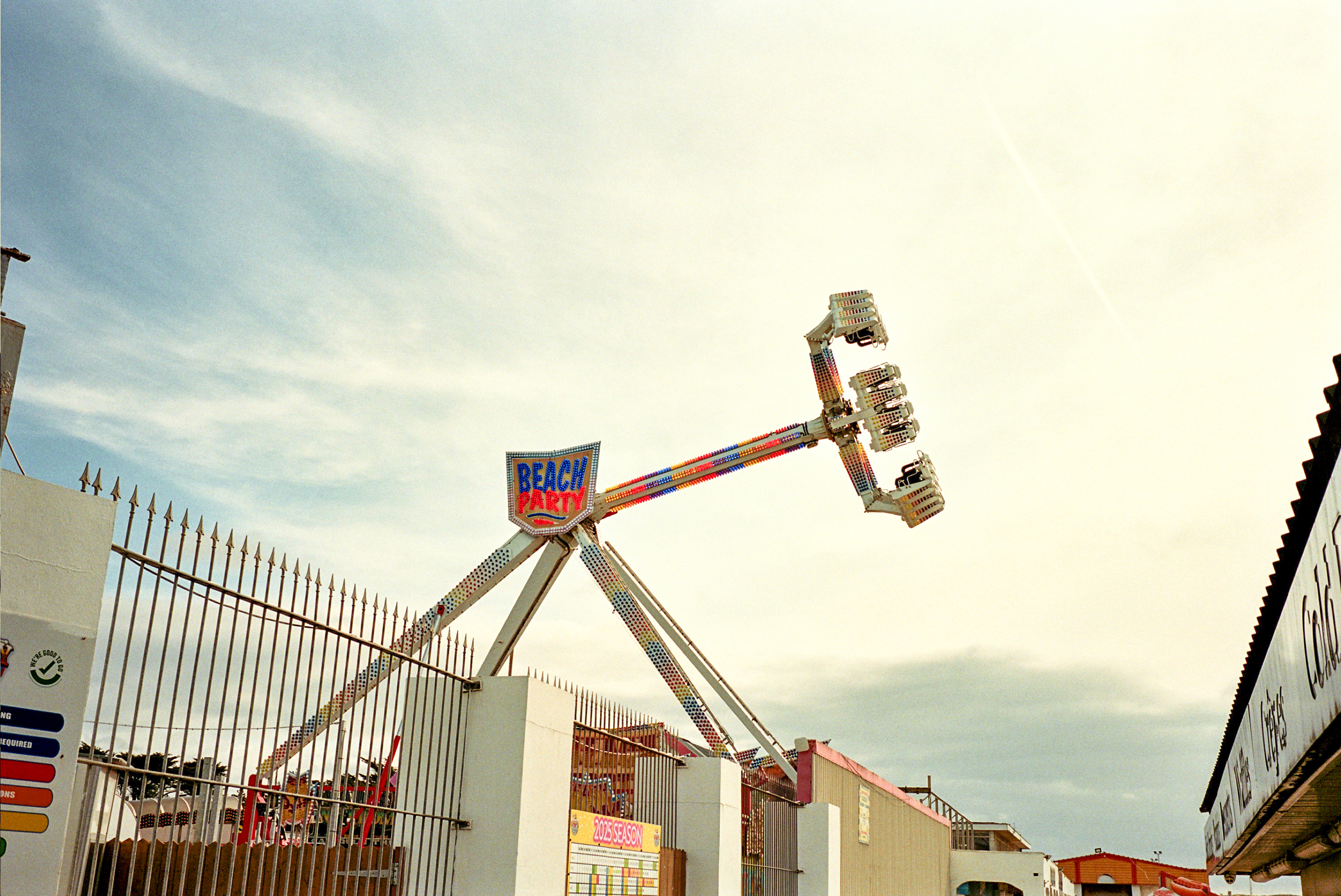
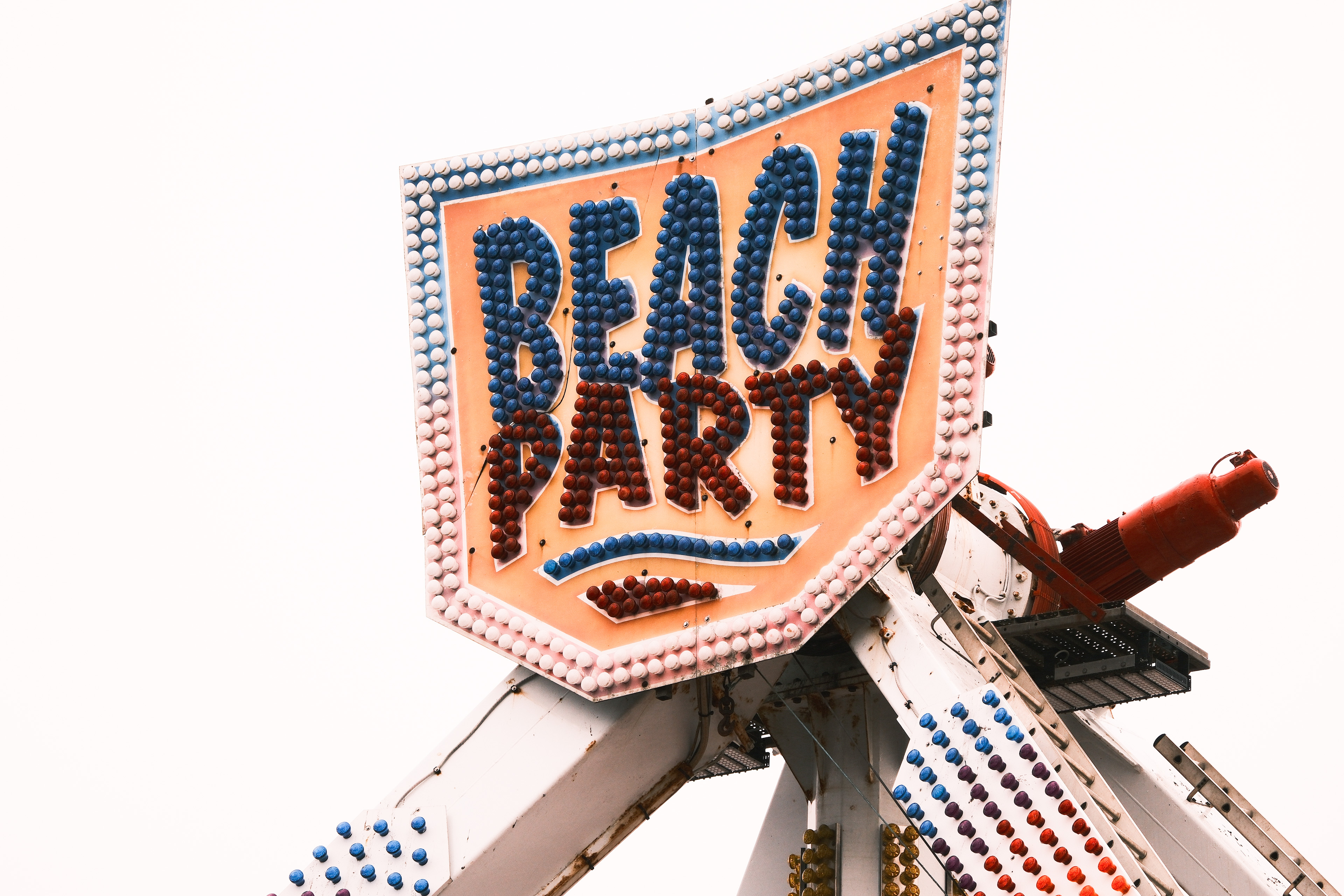
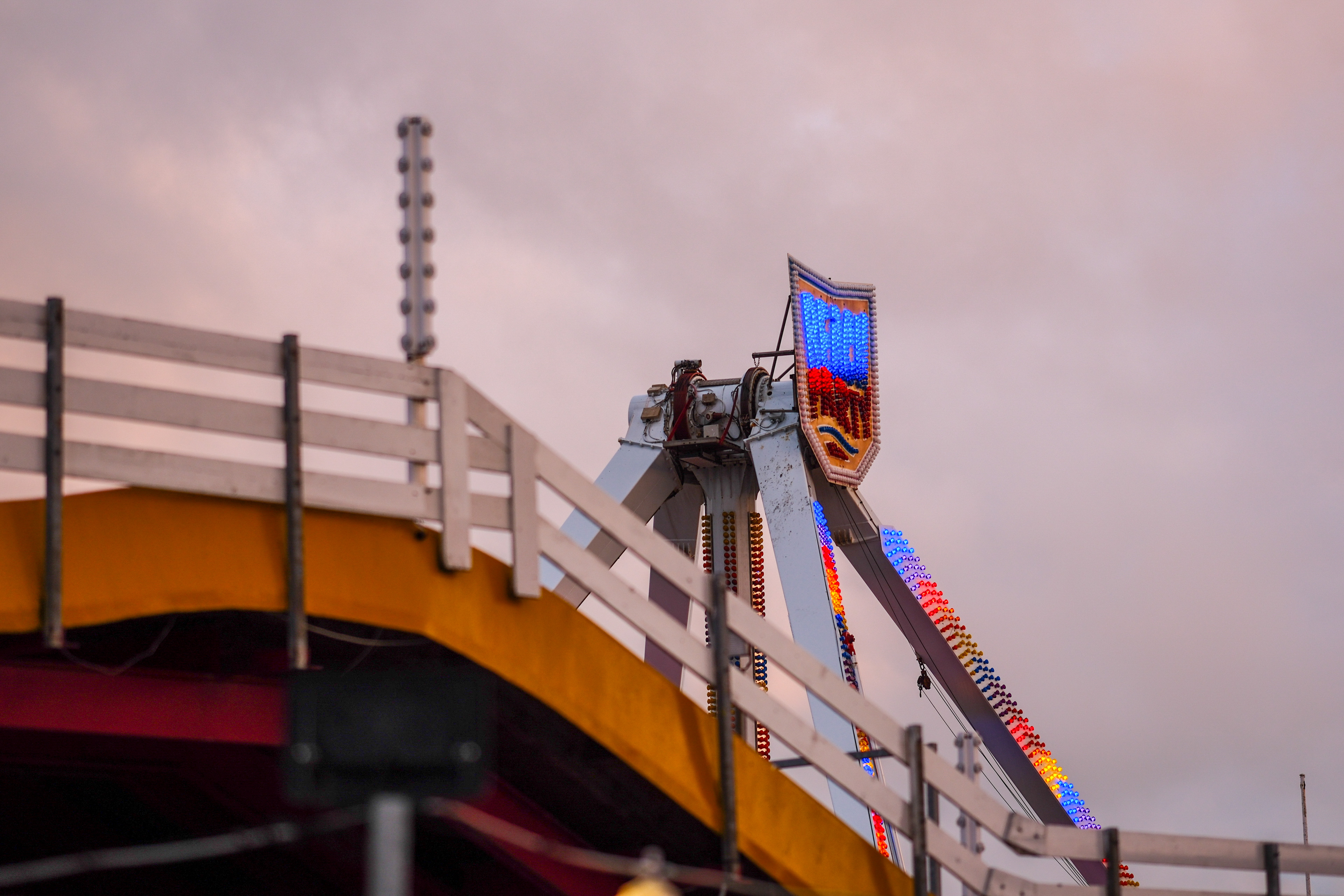
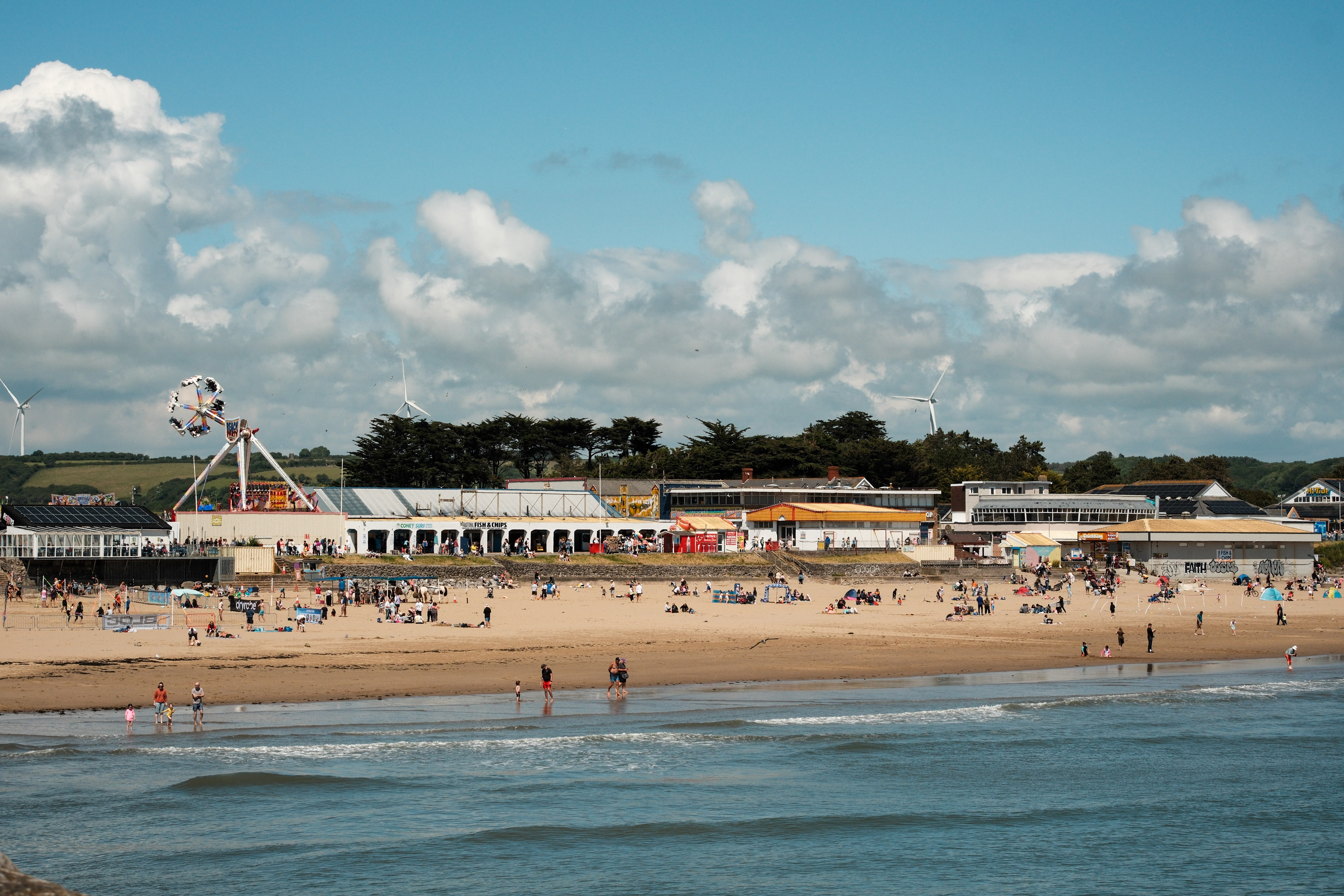
Easily one of the most recognisable landmarks of Porthcawl – the beach party ride
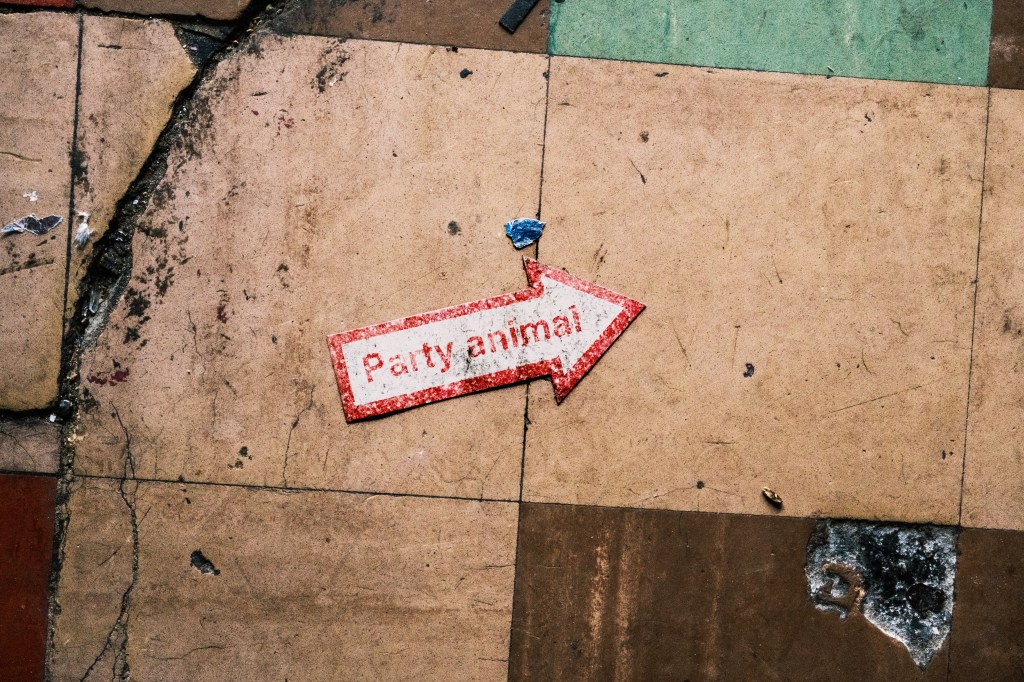
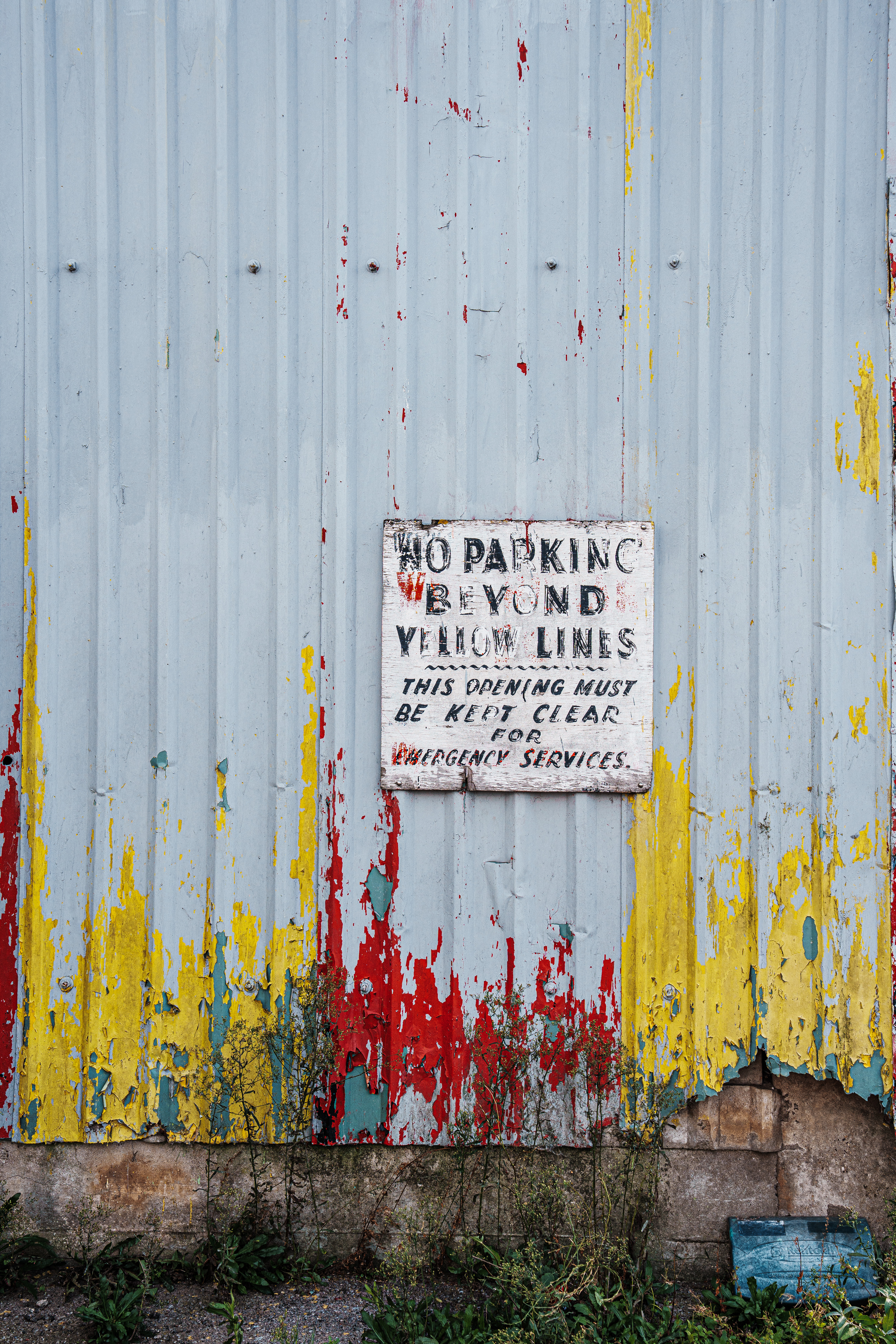
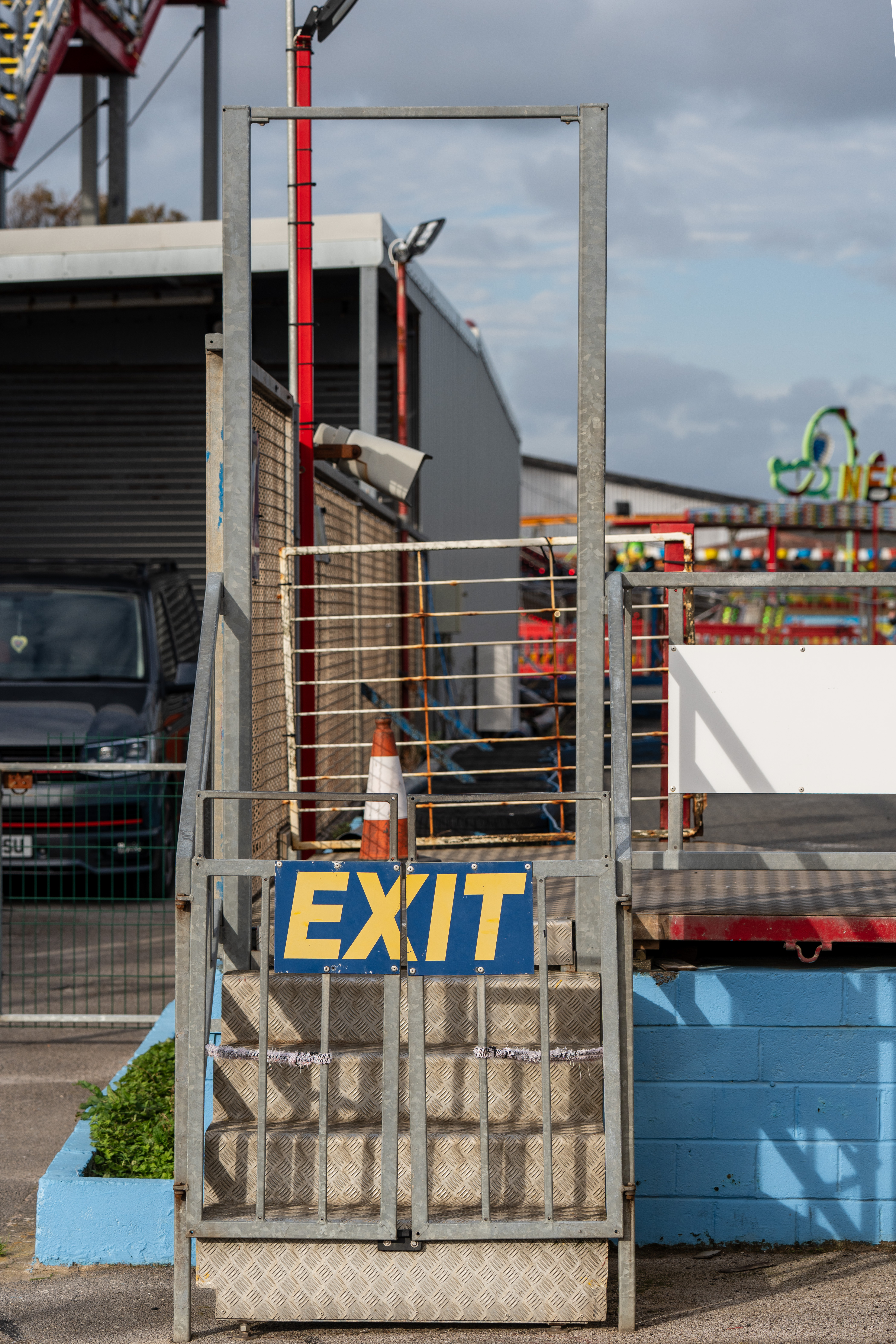
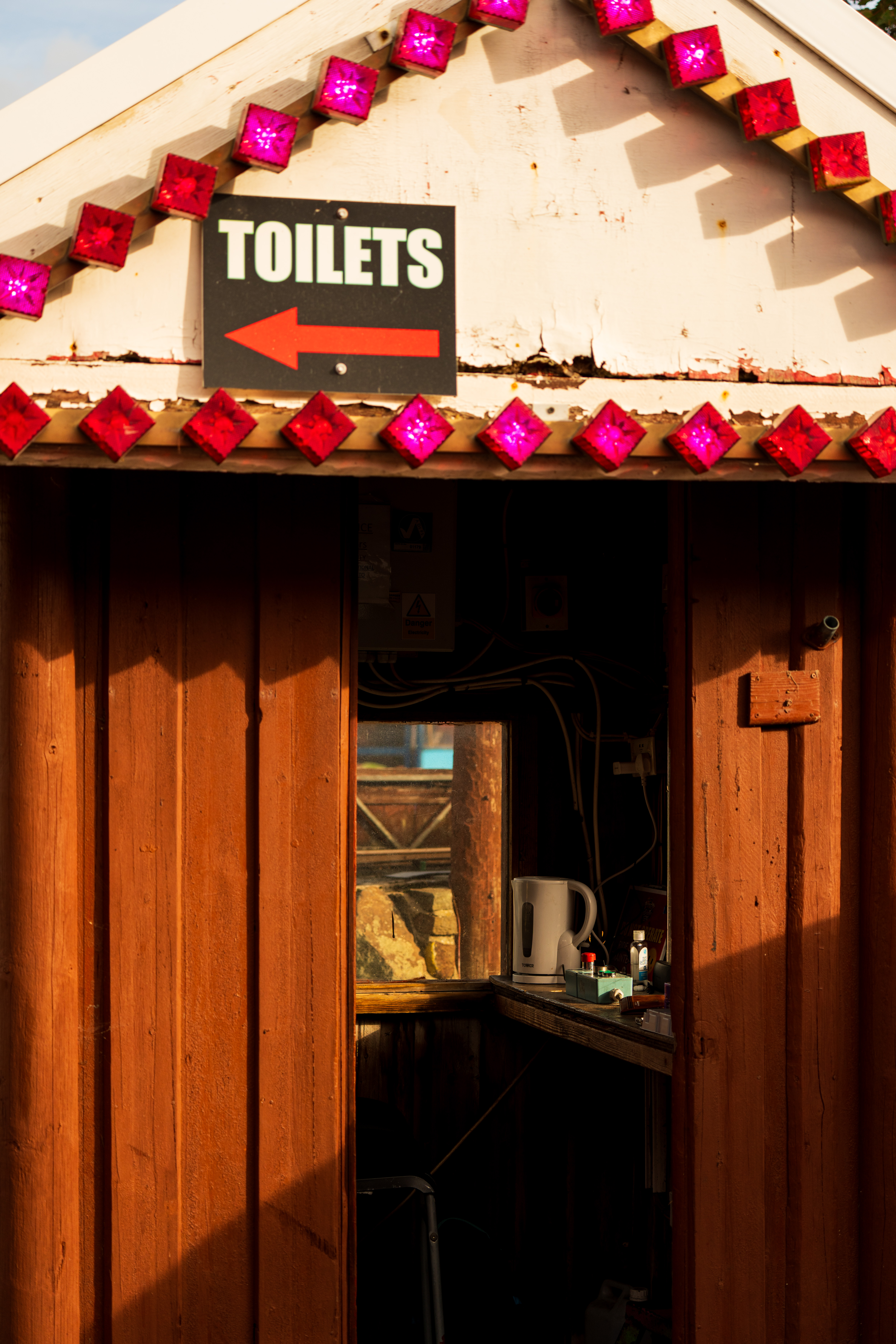
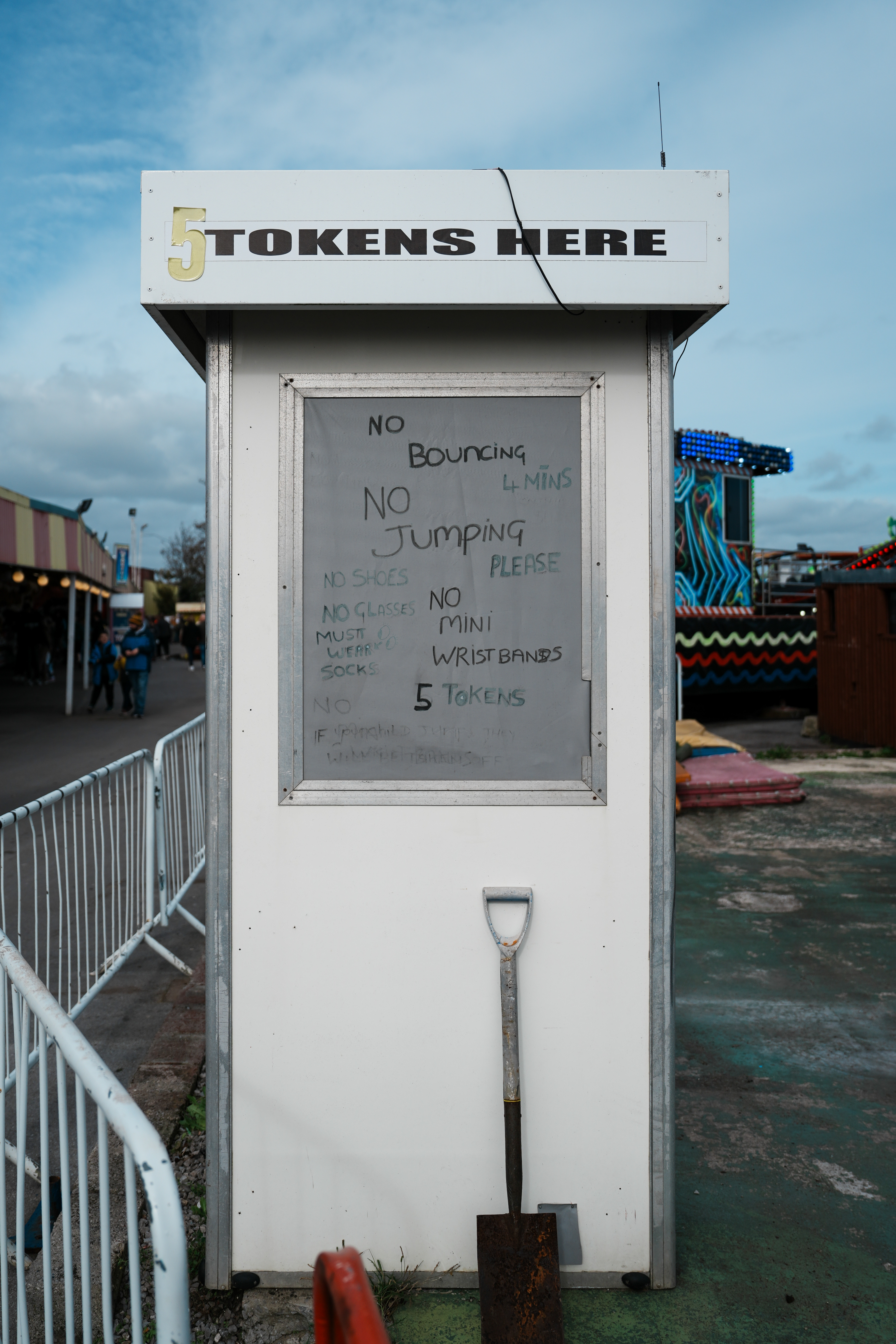
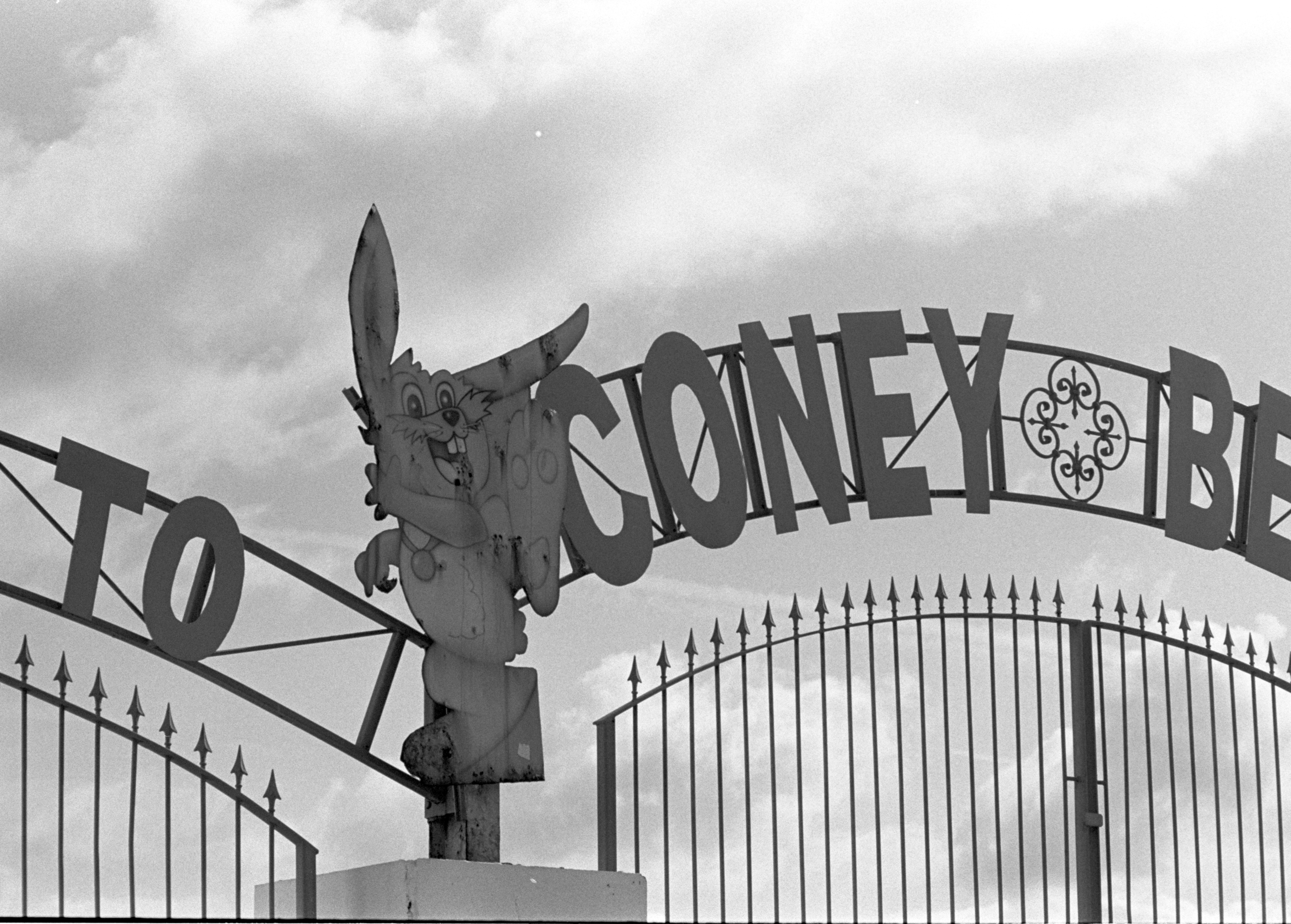
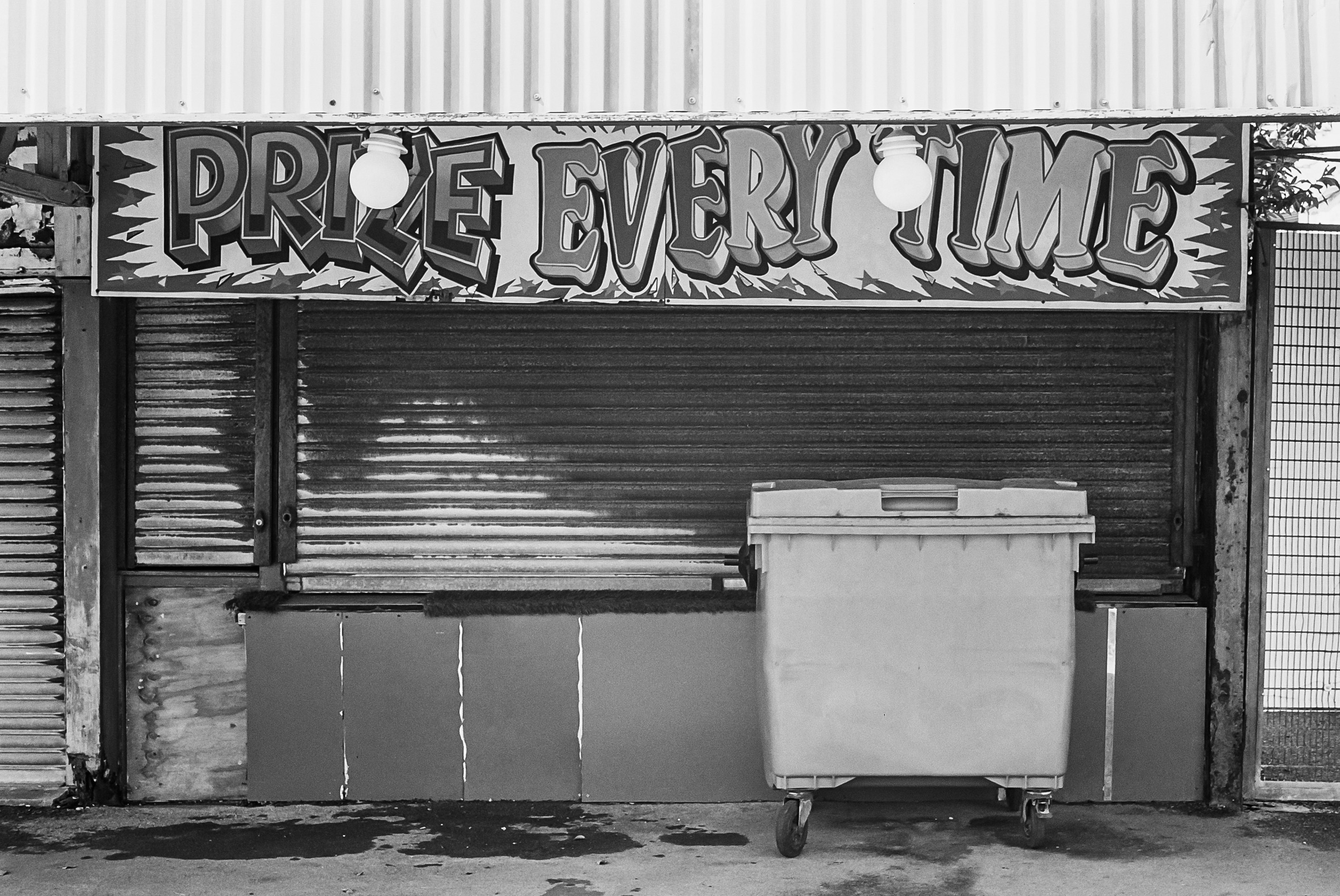
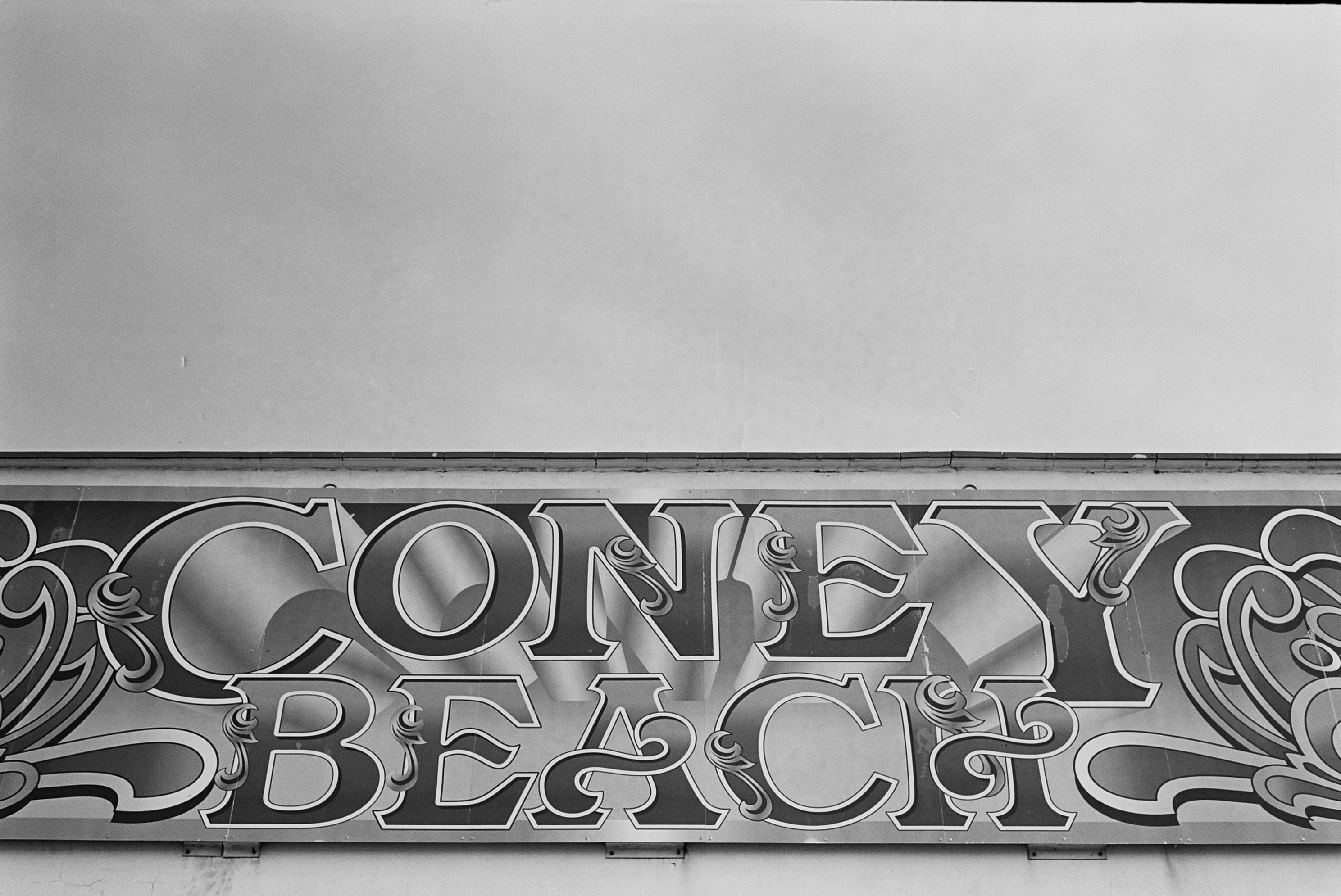
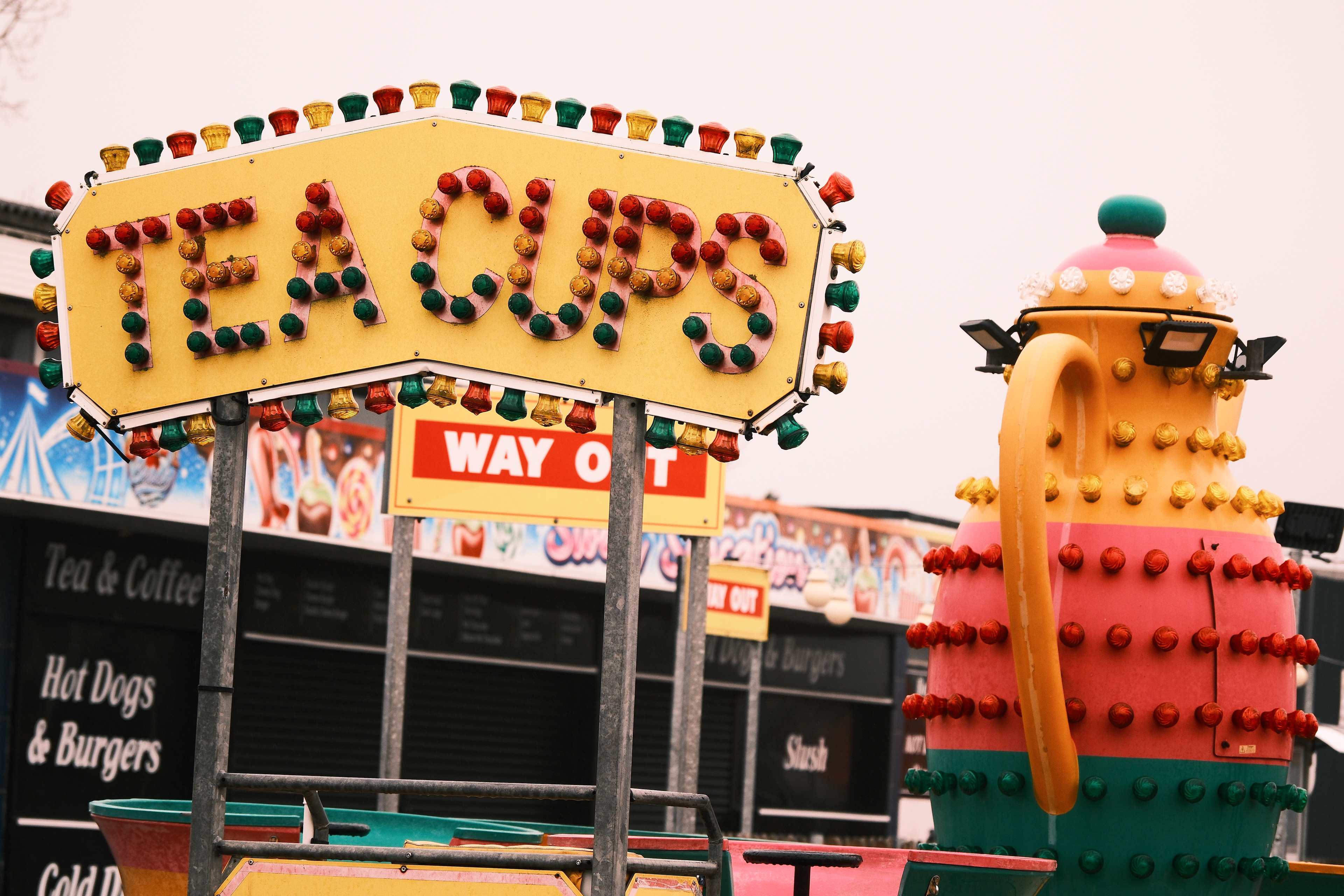
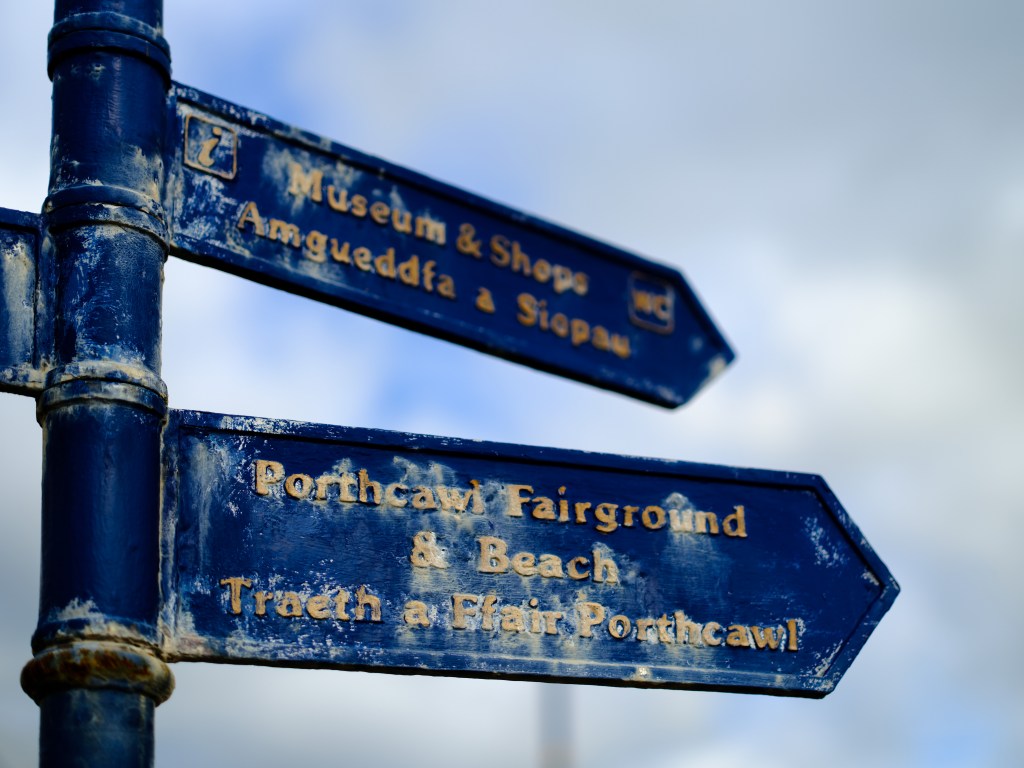
Even though the fair has gone, there will always be signs that it existed, in some cases literally. These weather-beaten directions now point to somewhere that no longer is. They’re small, unintentional memorials to a place that to so many defined that summer is here. The paint is chipped and the words are fading, but they hold on as a reminder of what once brought people together here. It feels like the town hasn’t quite caught up with the loss yet, still pointing toward the fair as if it might come back.
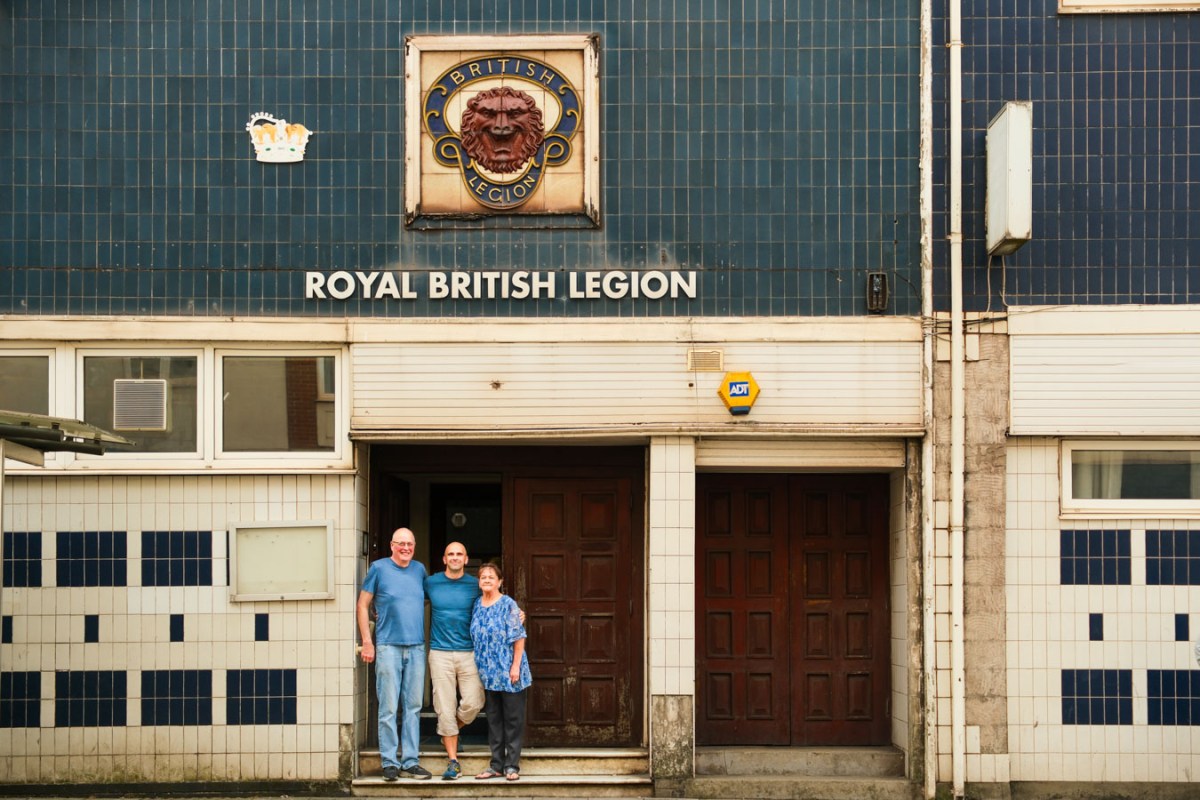
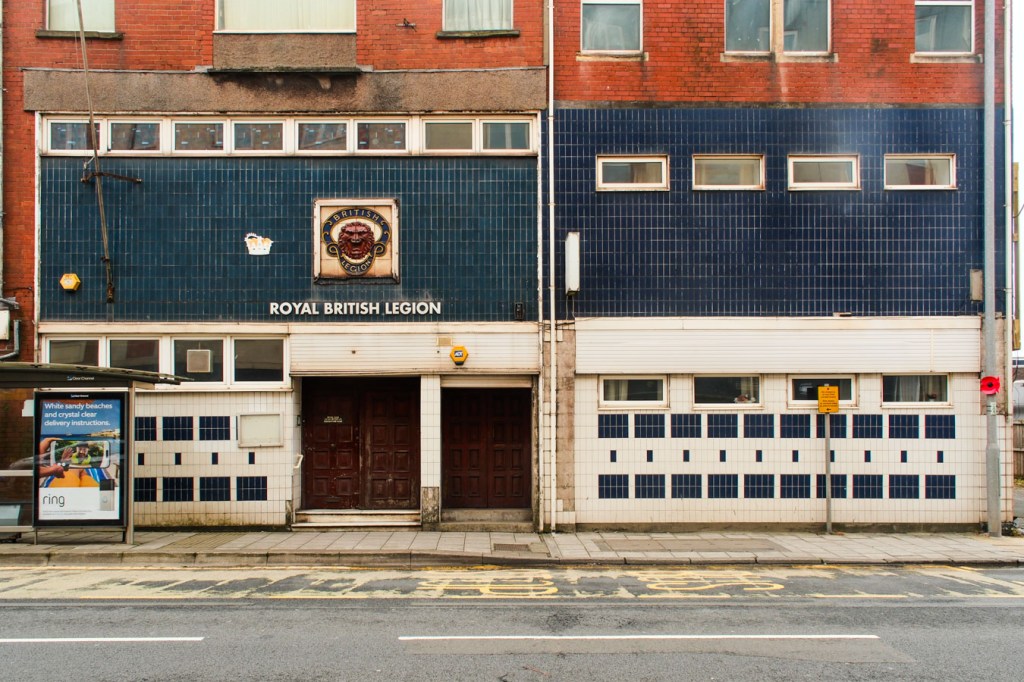
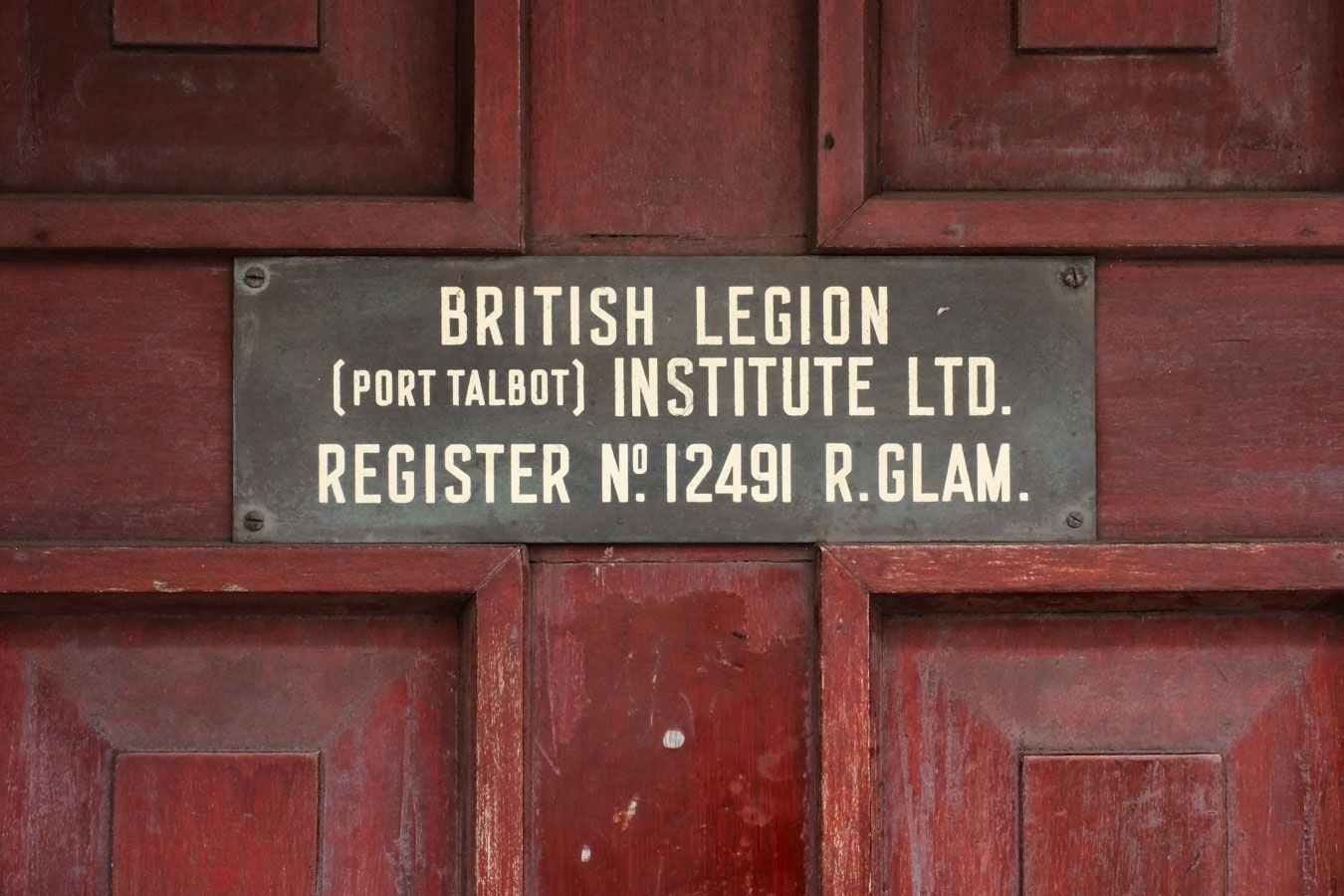
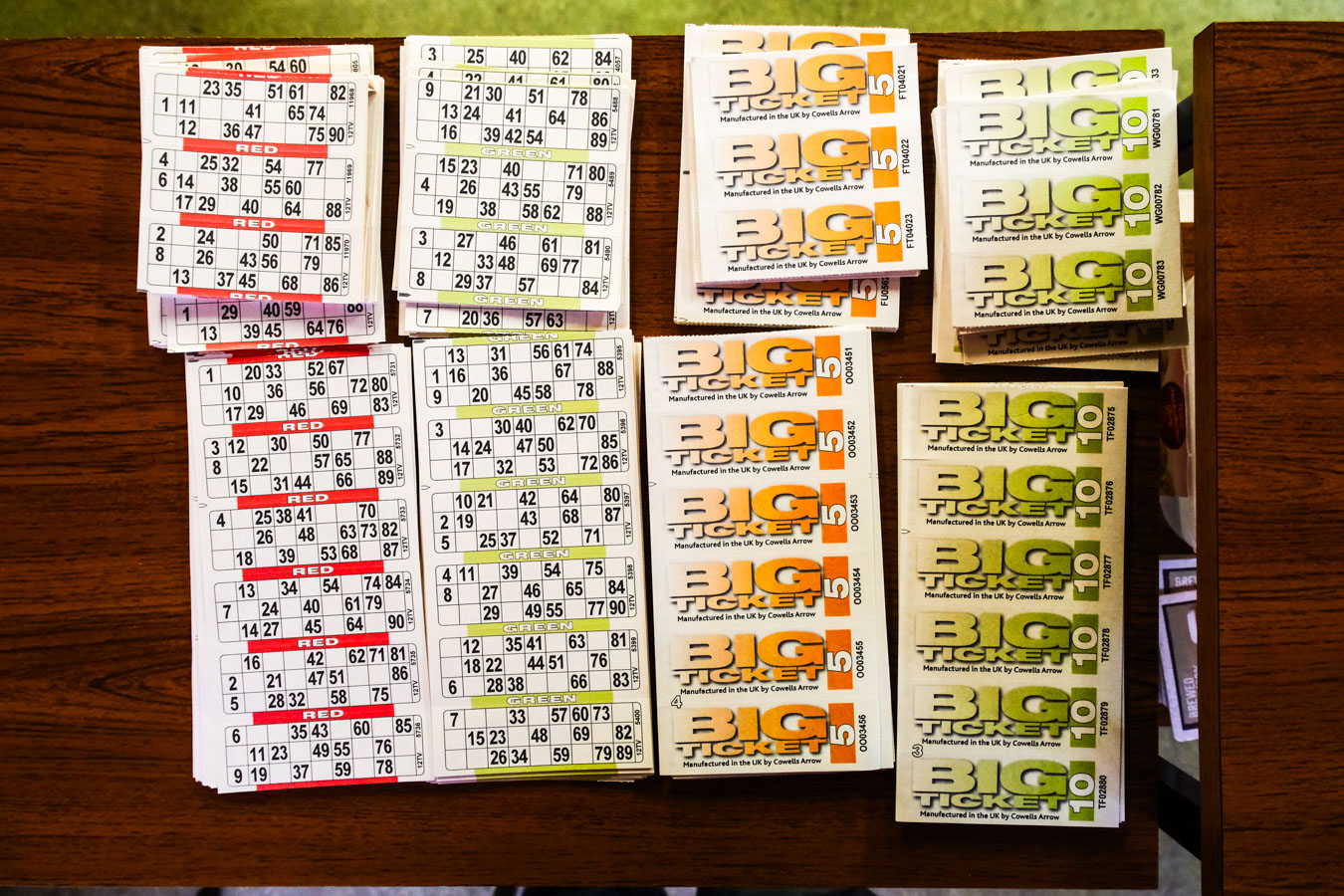
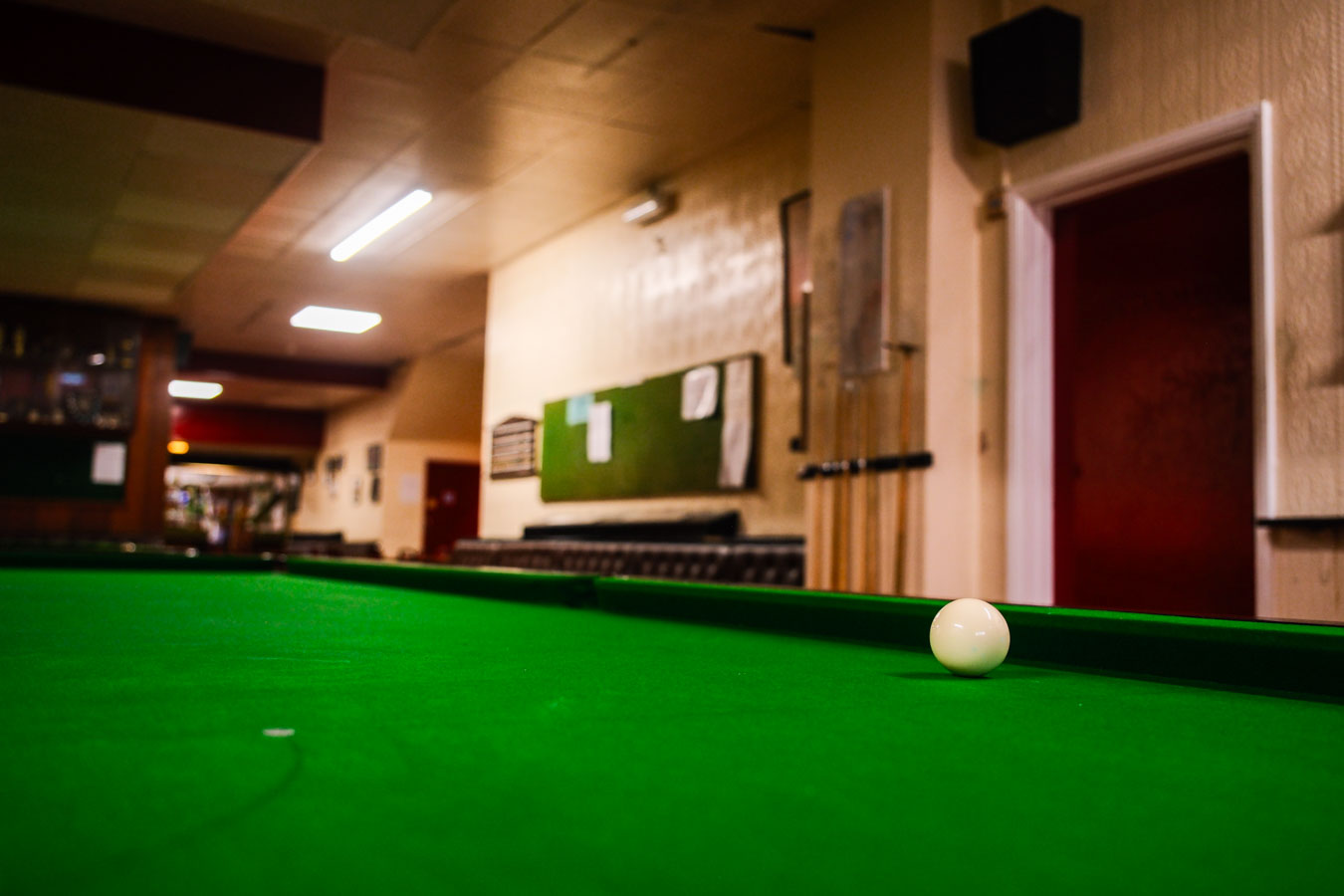
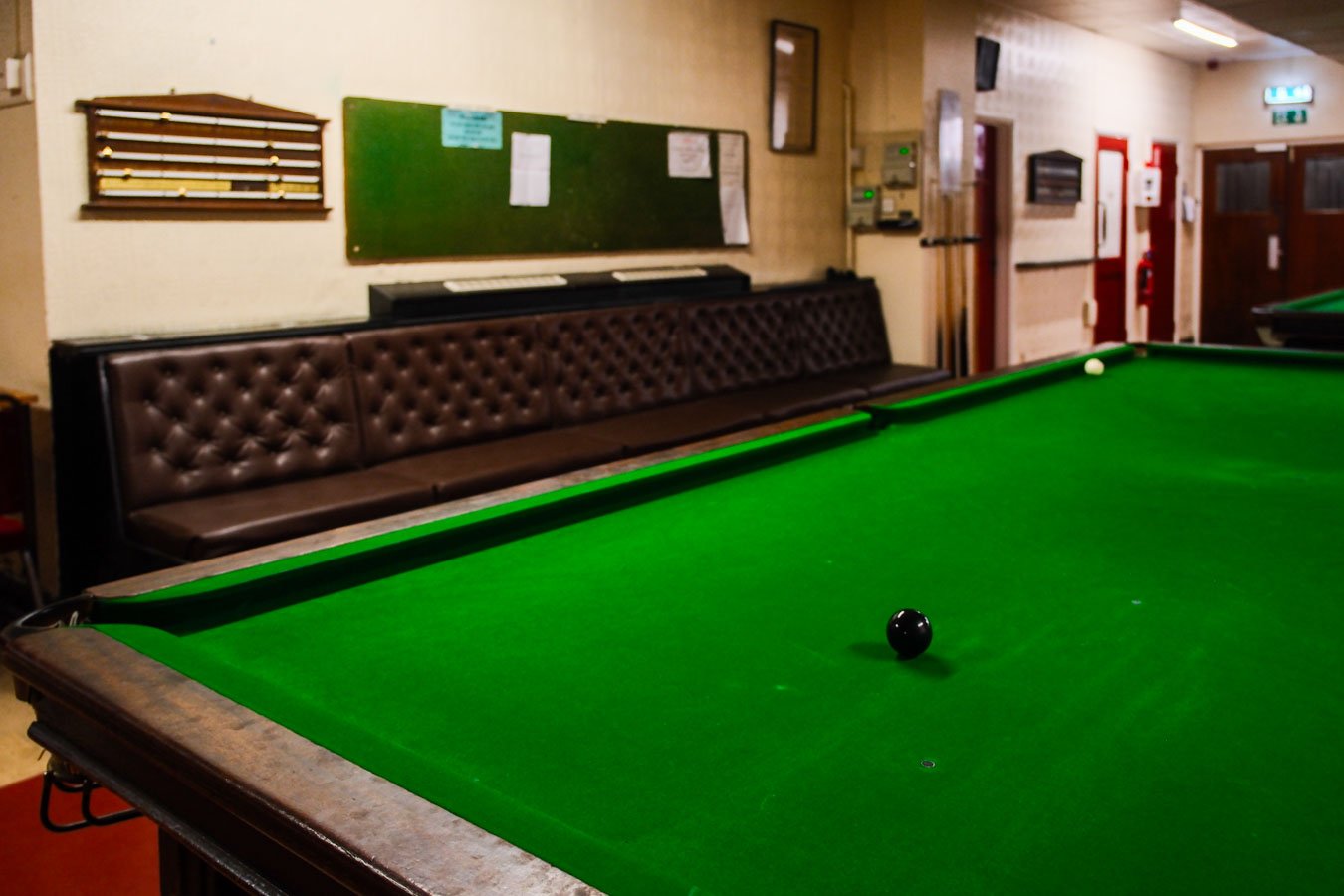
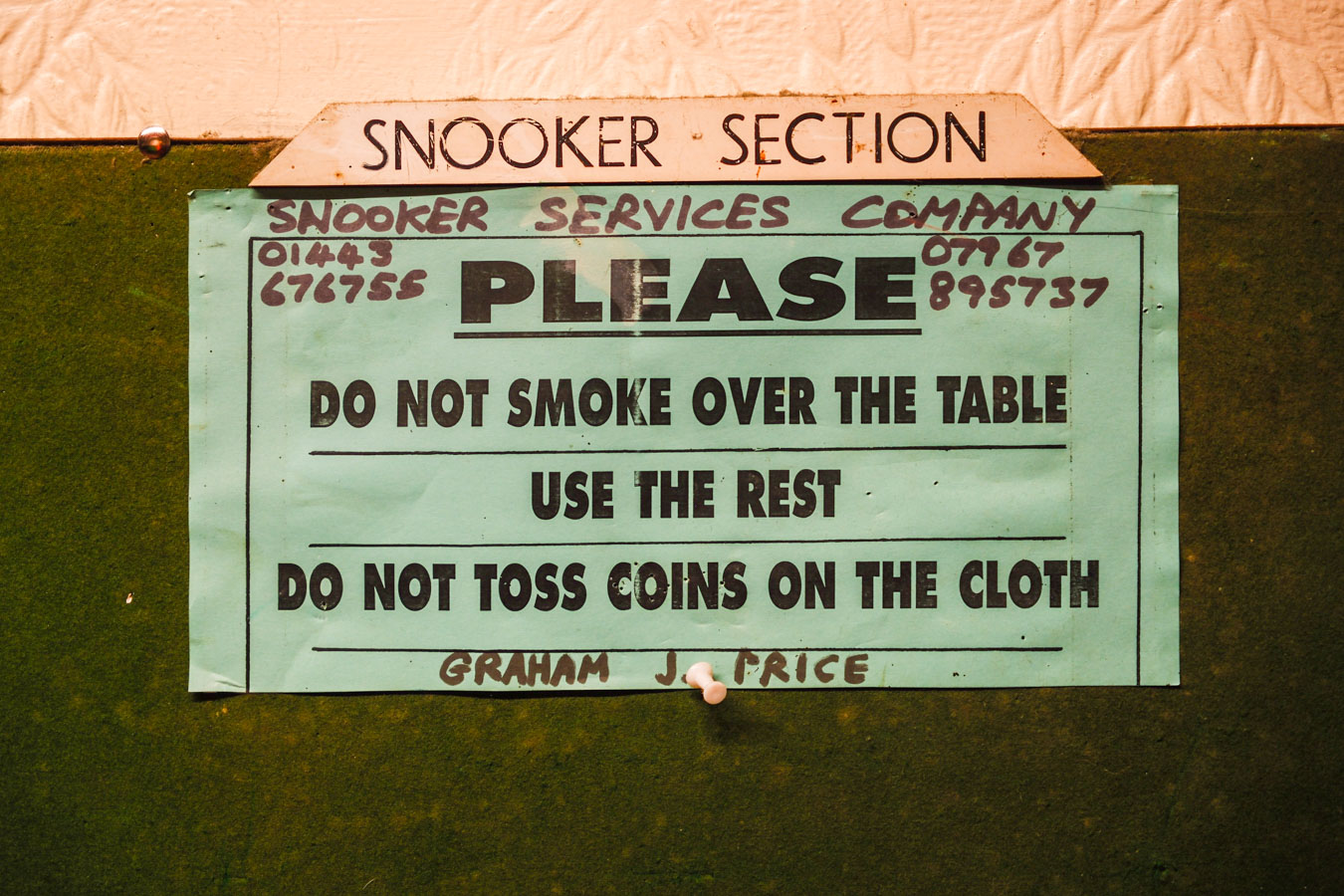
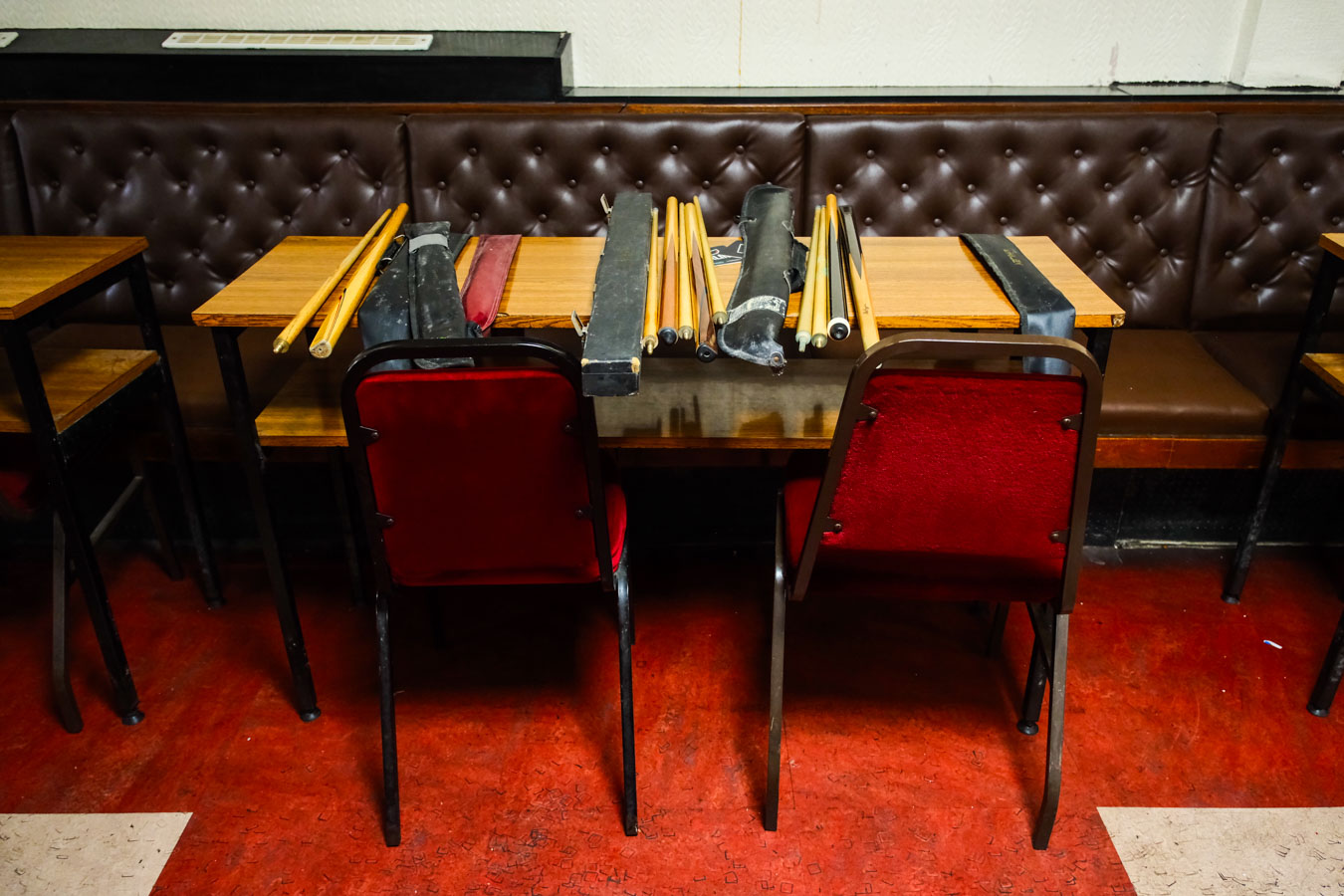
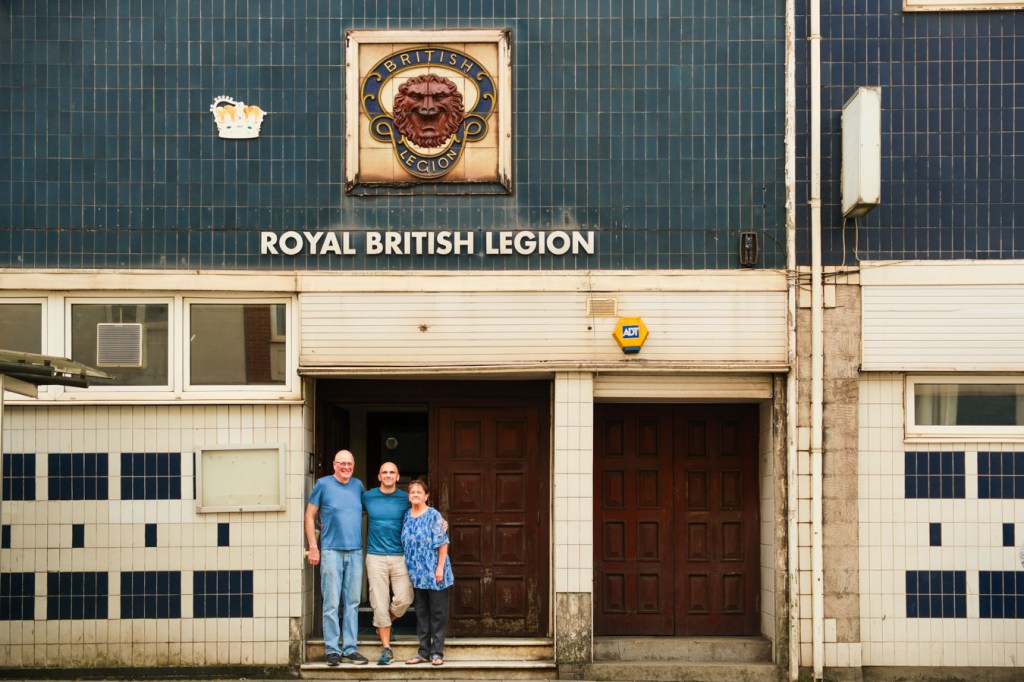
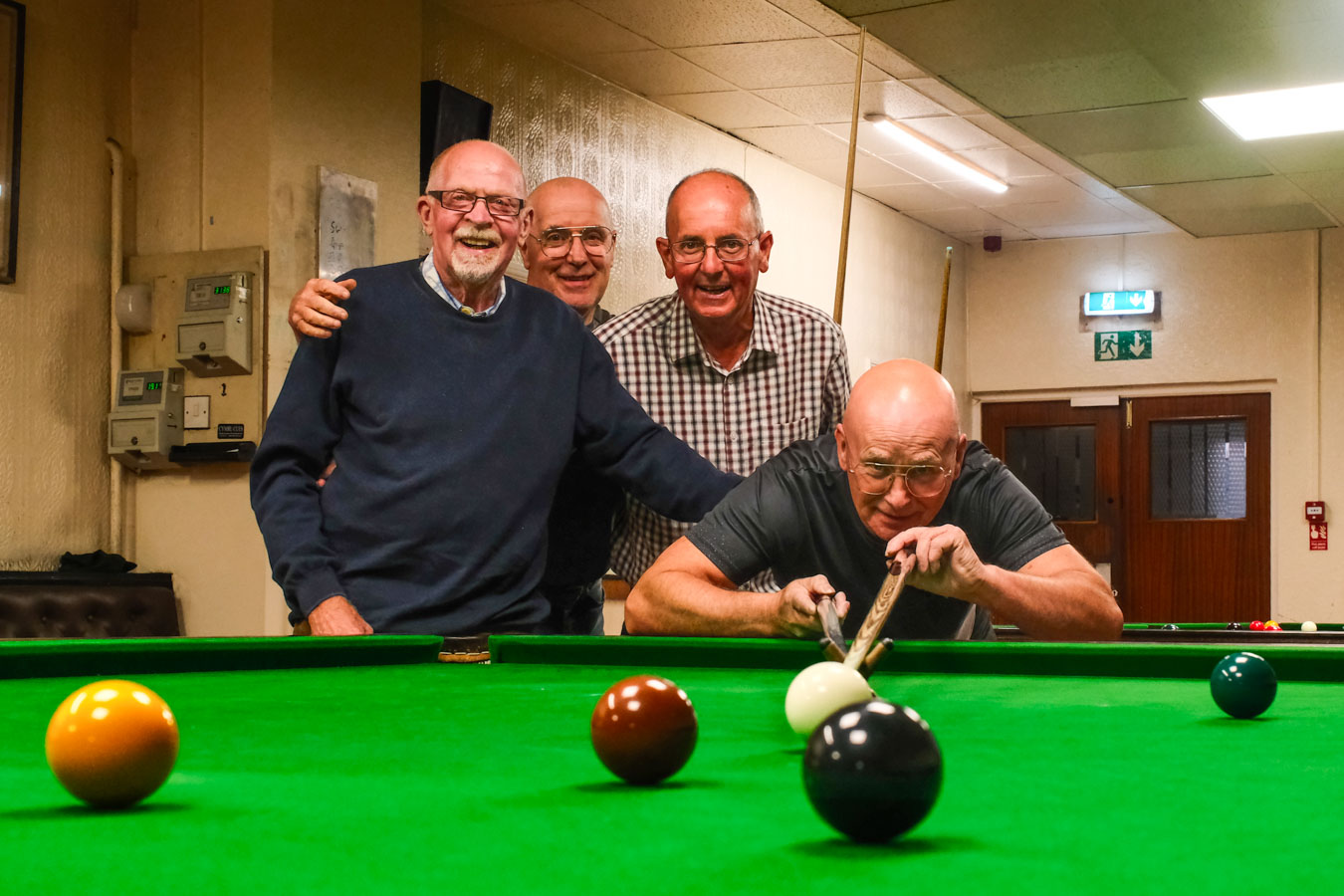
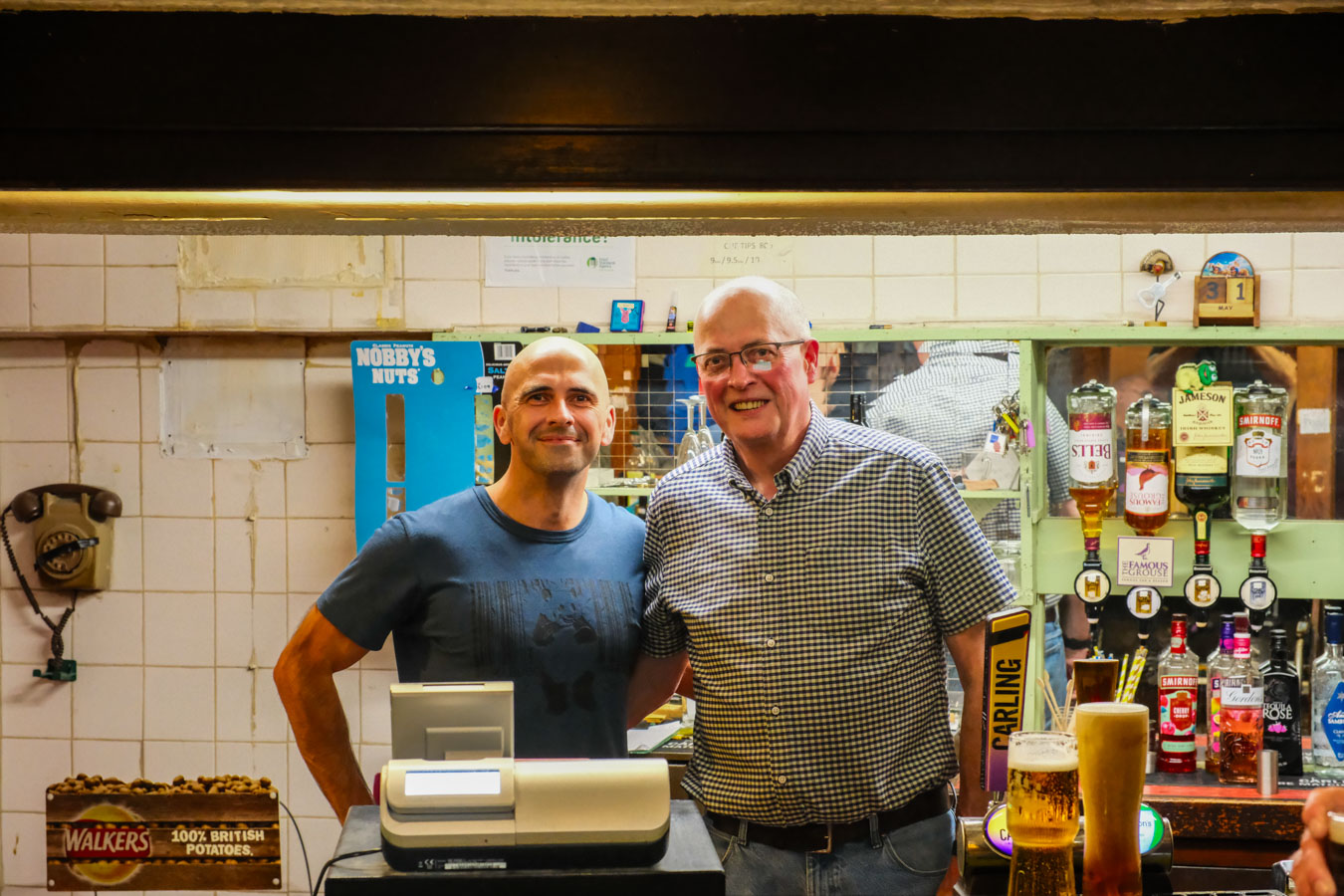
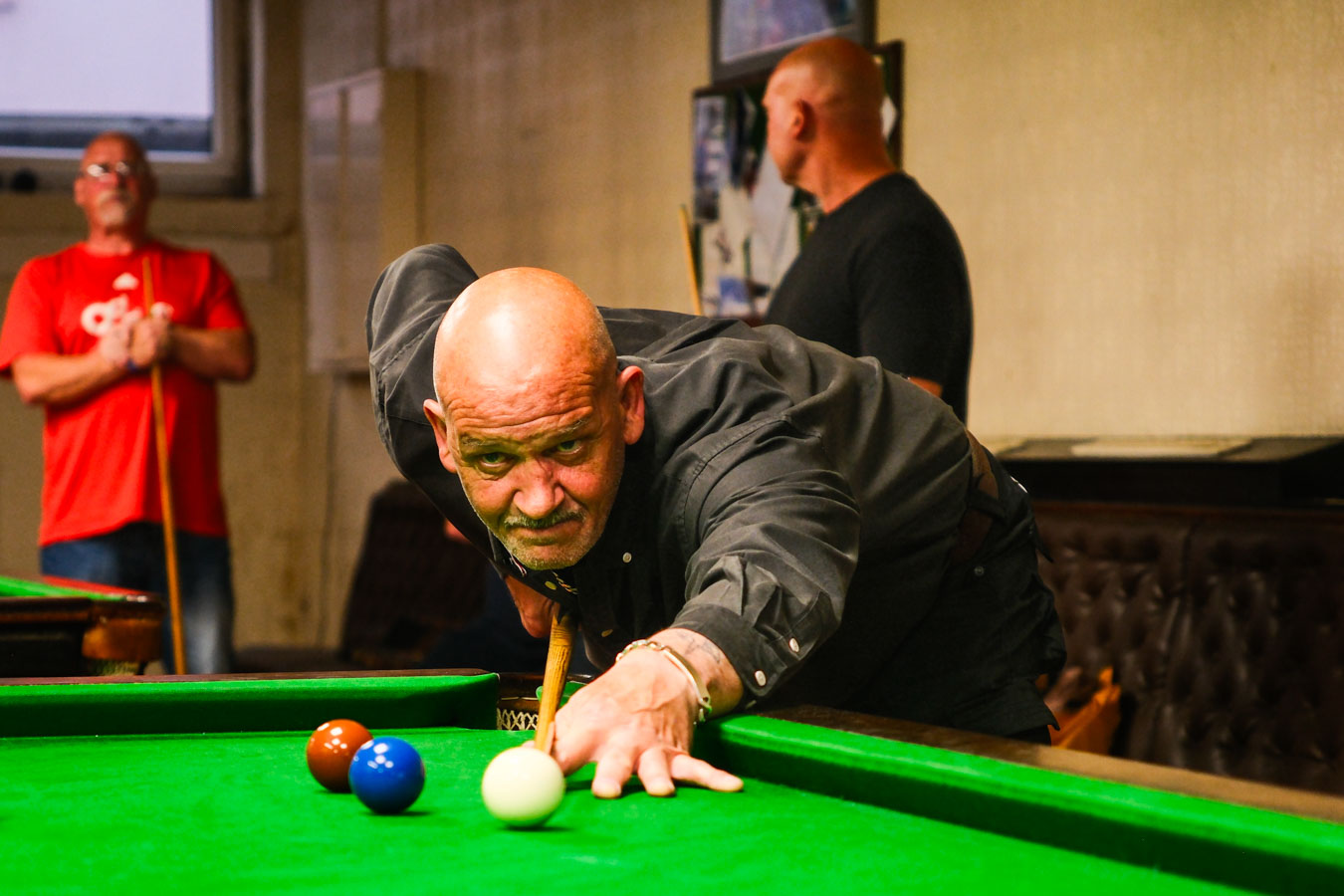
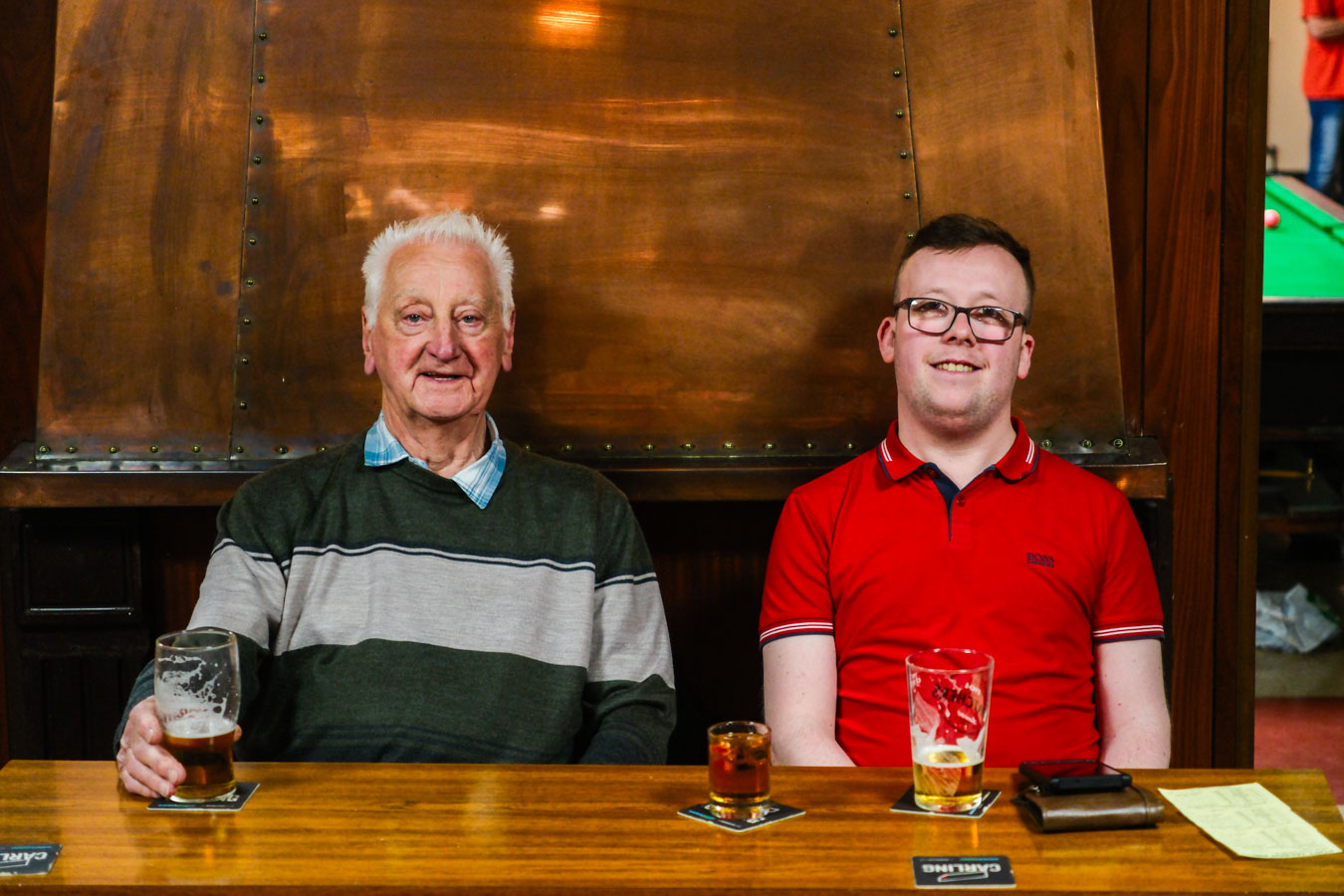
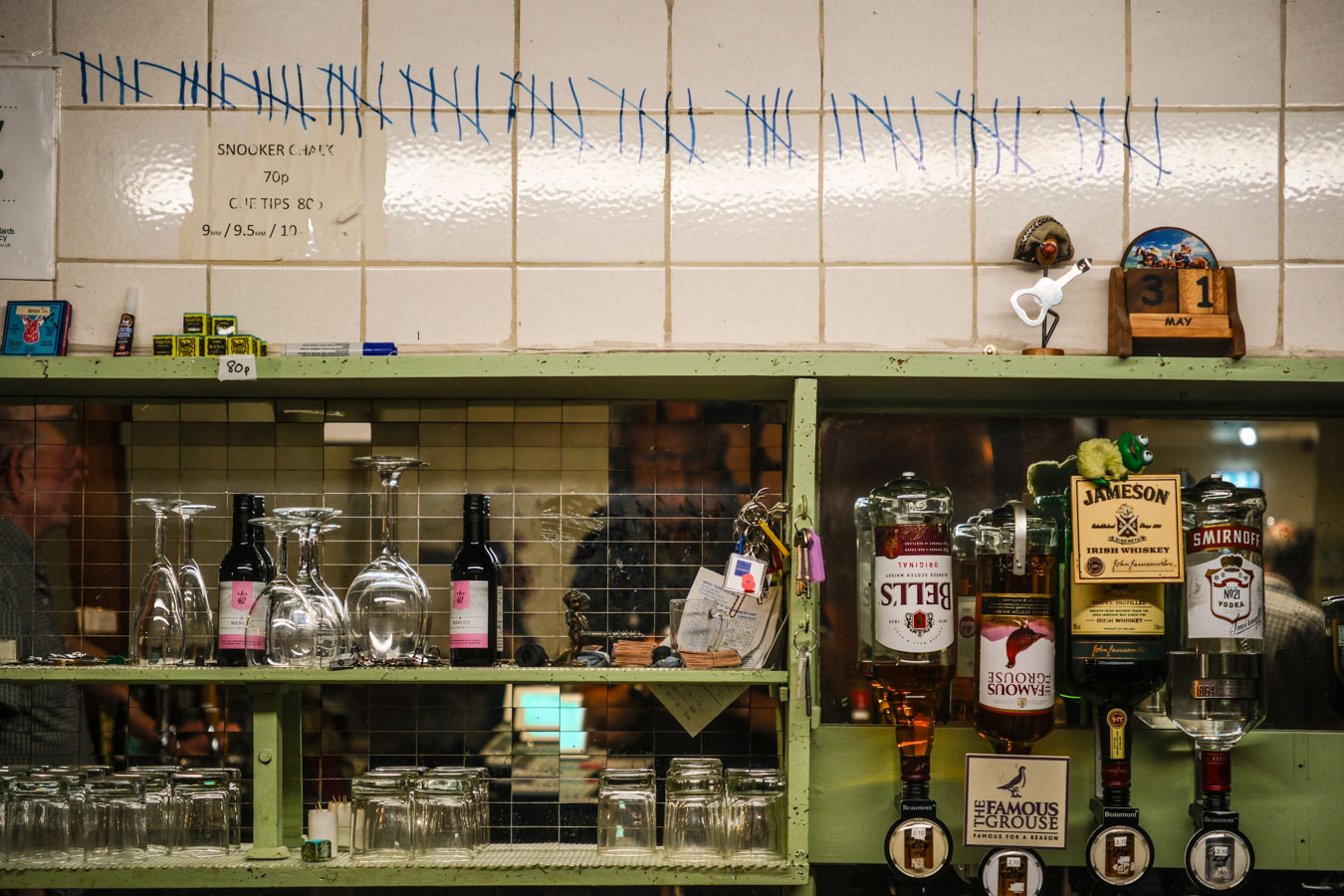
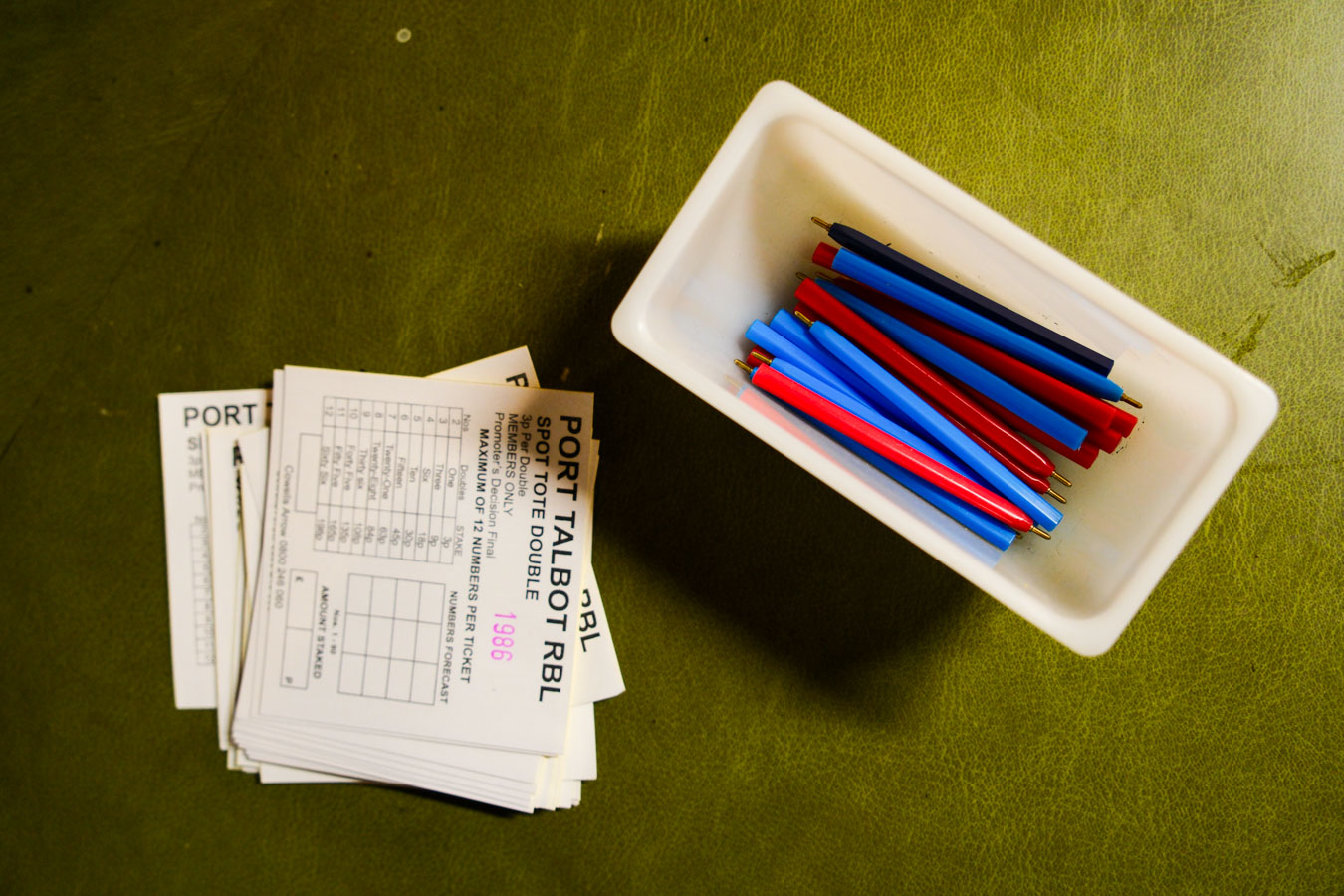
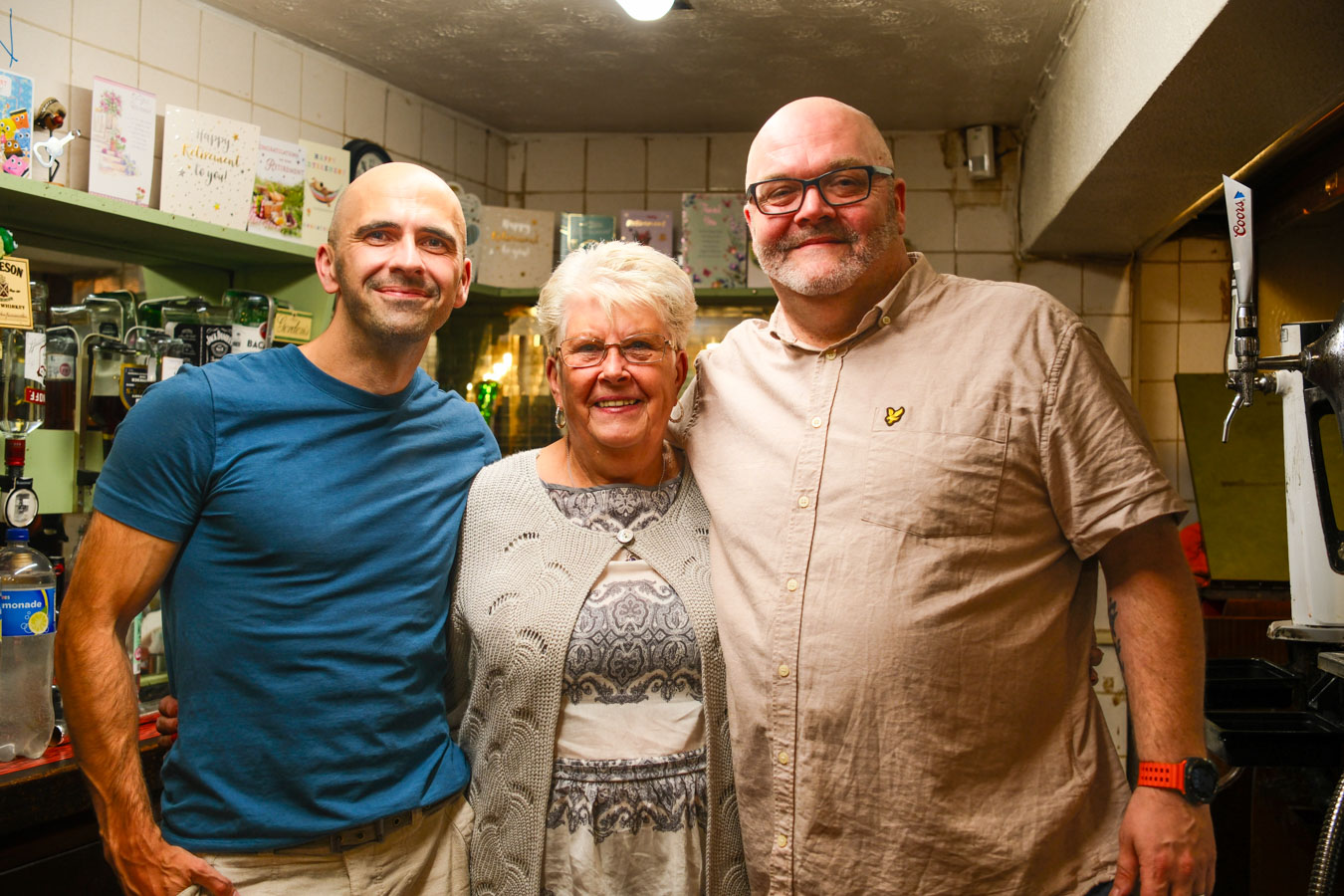
Just over a week ago I was lucky enough to have the opportunity to document the closure of a family run Port Talbot landmark, the Royal British Legion. The following images were shot in 3 sittings over 2 days and are split by 1 – Before opening 2 – The Final Call (the final bingo and snooker games) and the following night, 3 – Fond Farewells (the last night of the Royal British Legion).
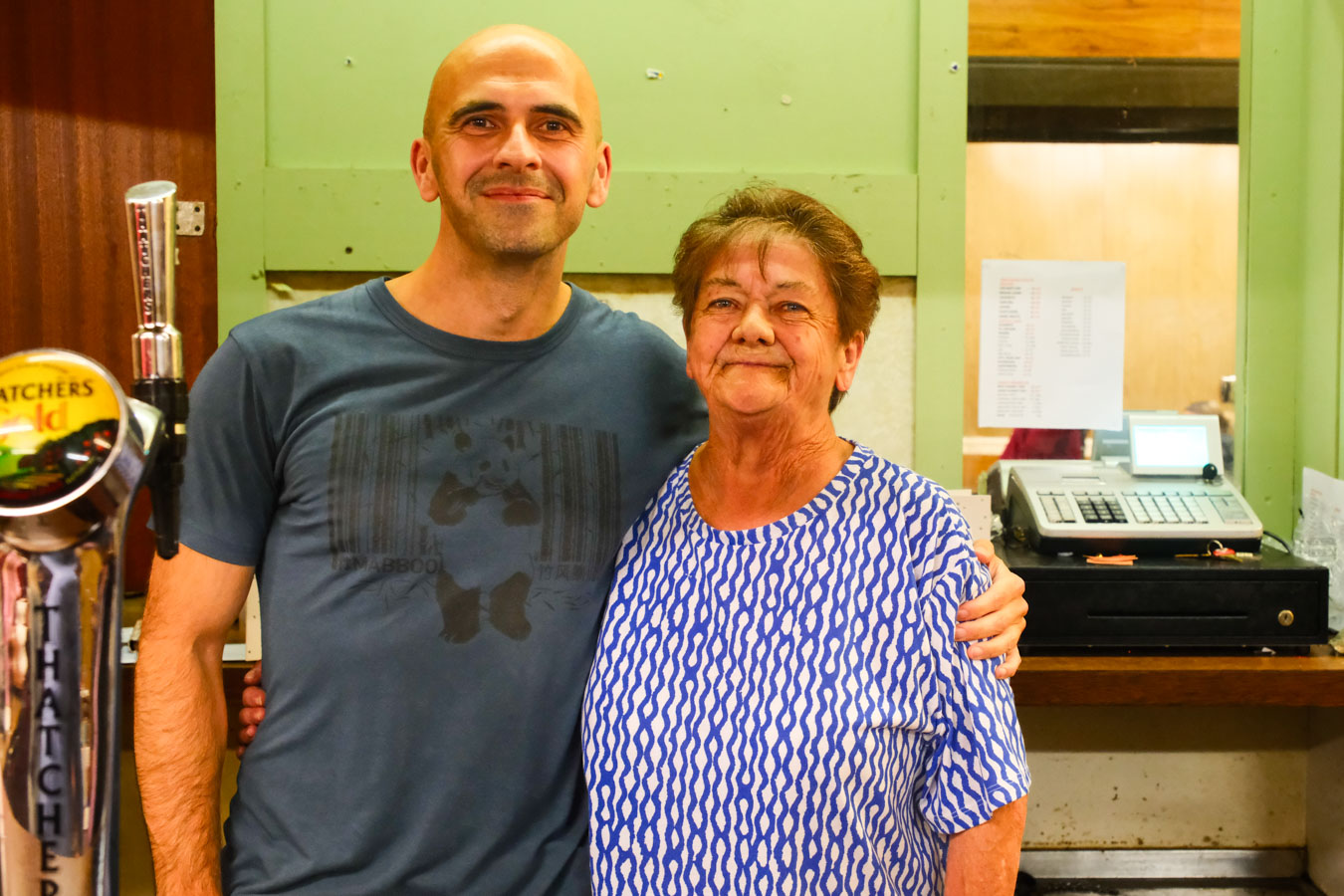
It was a real privilege, and though I hope to do it justice, I know the words and images below can only capture a small part of what the Royal British Legion meant to the people who spent time there. I will always be grateful to John and Alyson, who ran the Legion for 43 years, as well as raised their family in the accommodation above, for allowing to me to go and document the final days of the Legion.
1 – Before opening
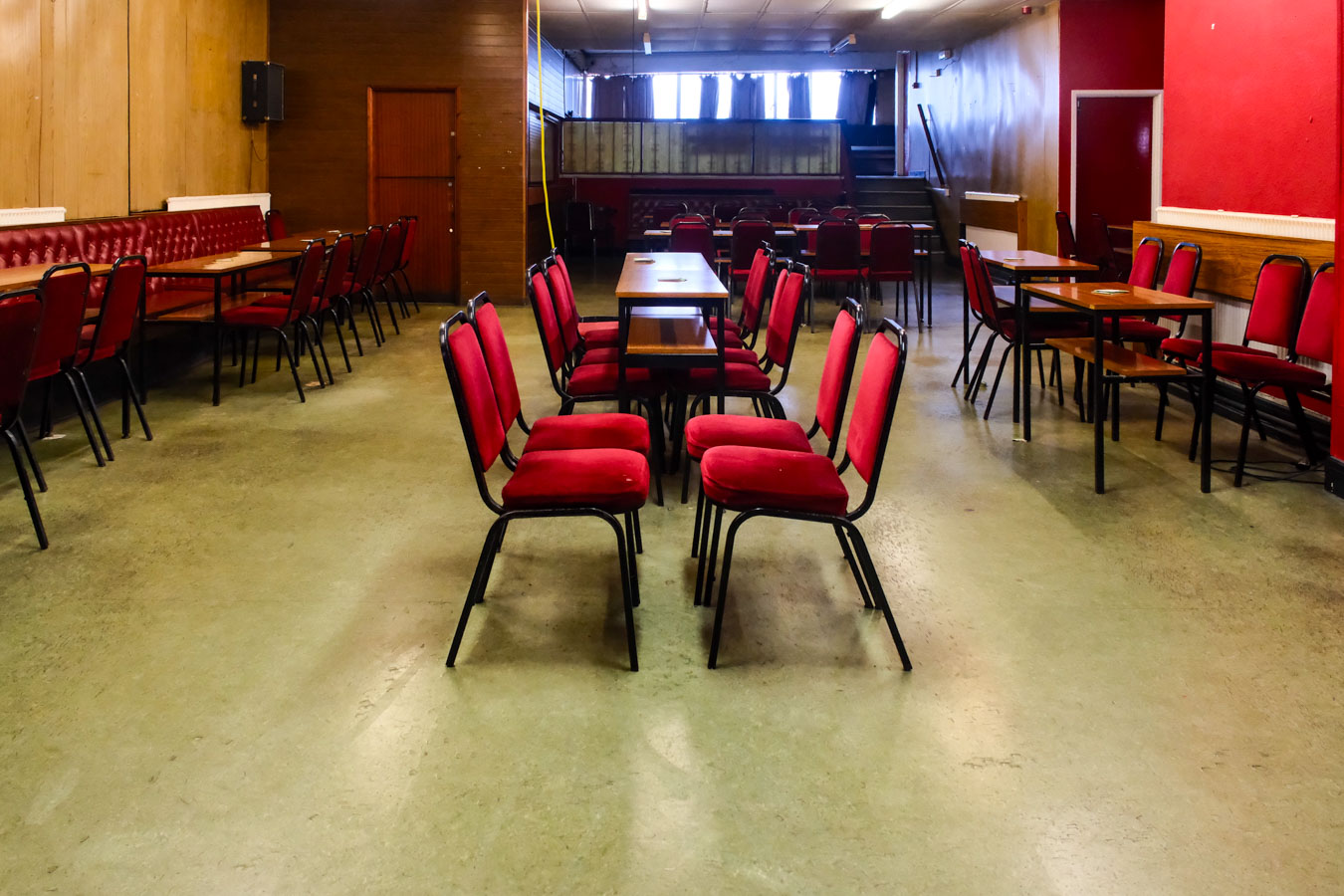
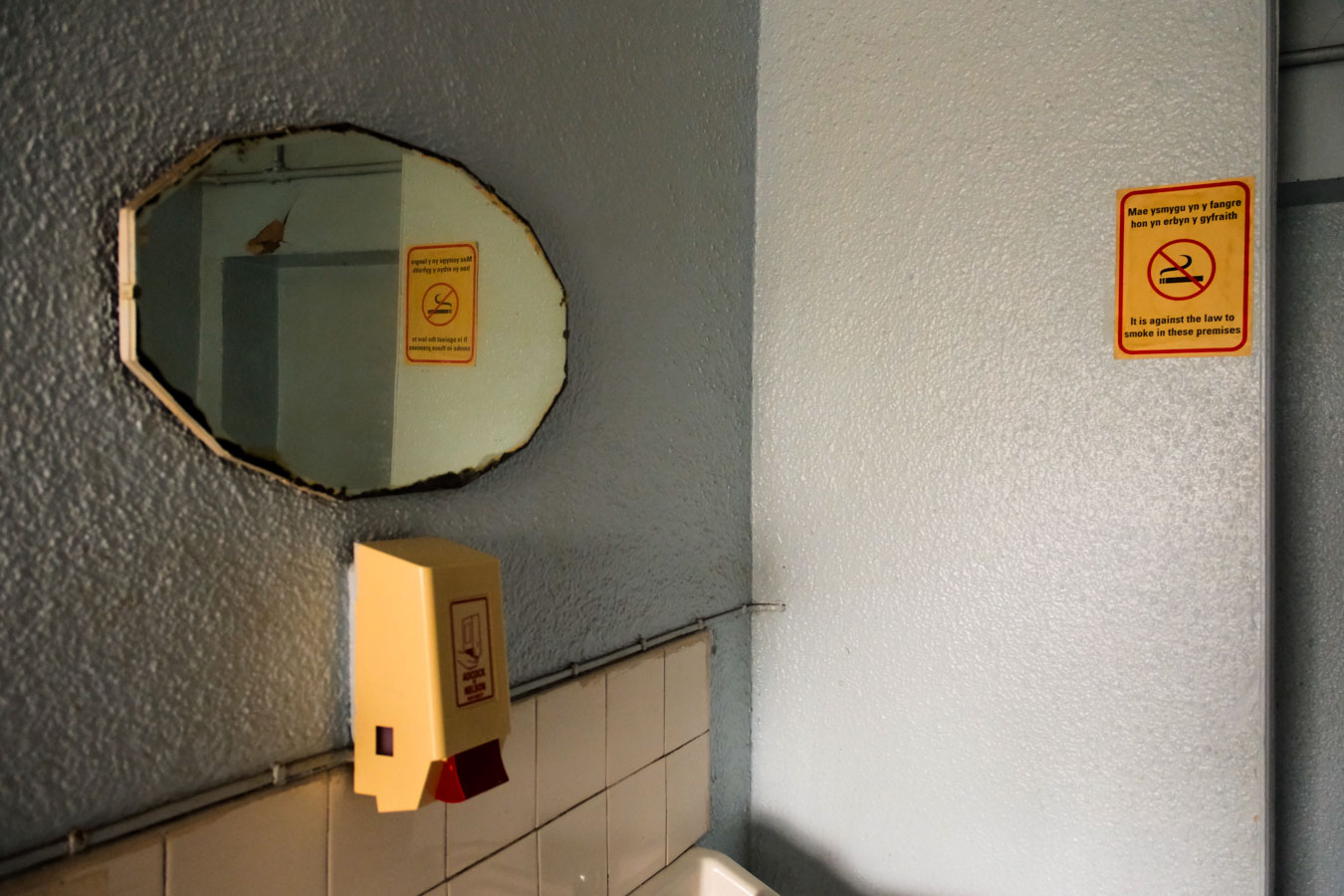
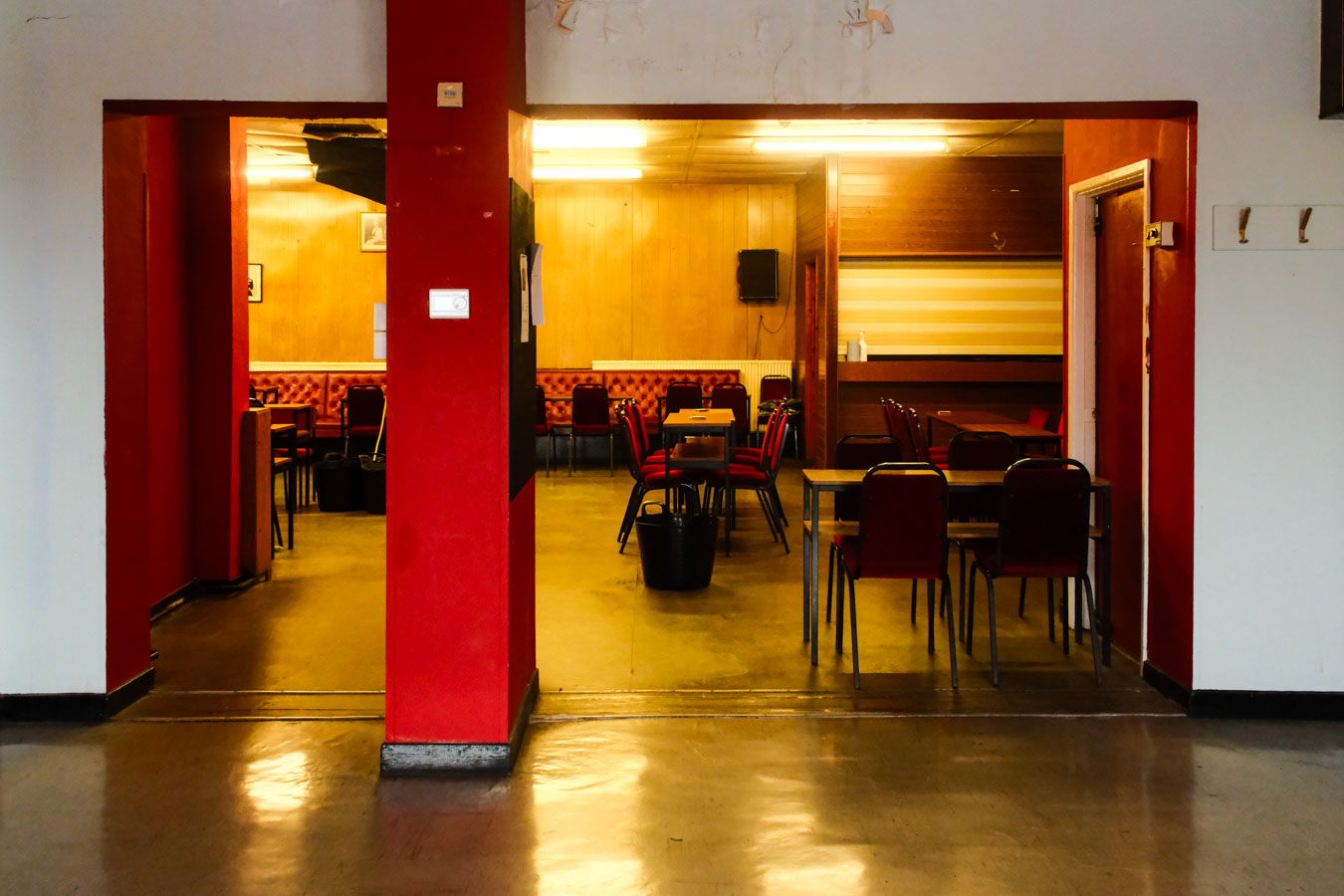
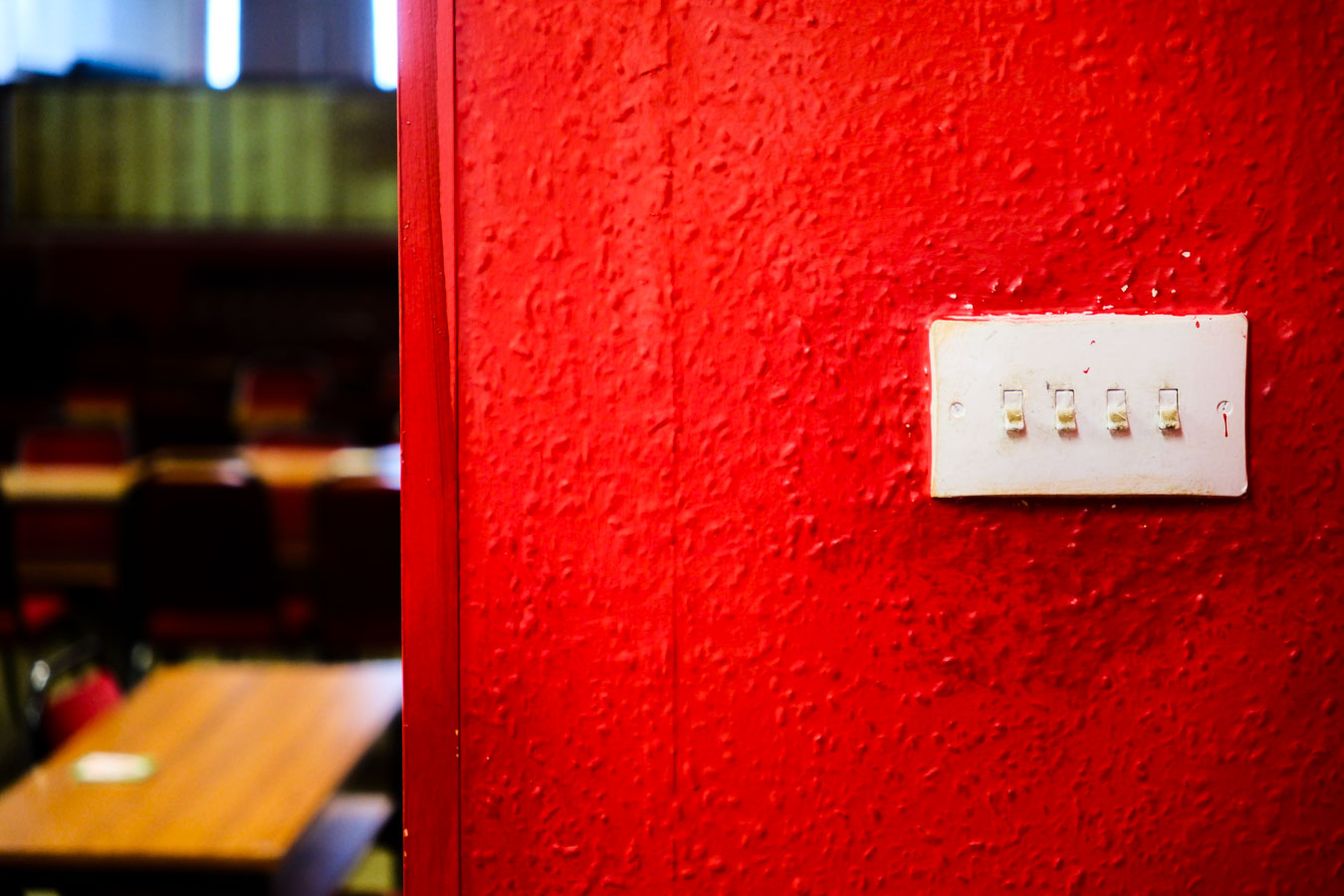
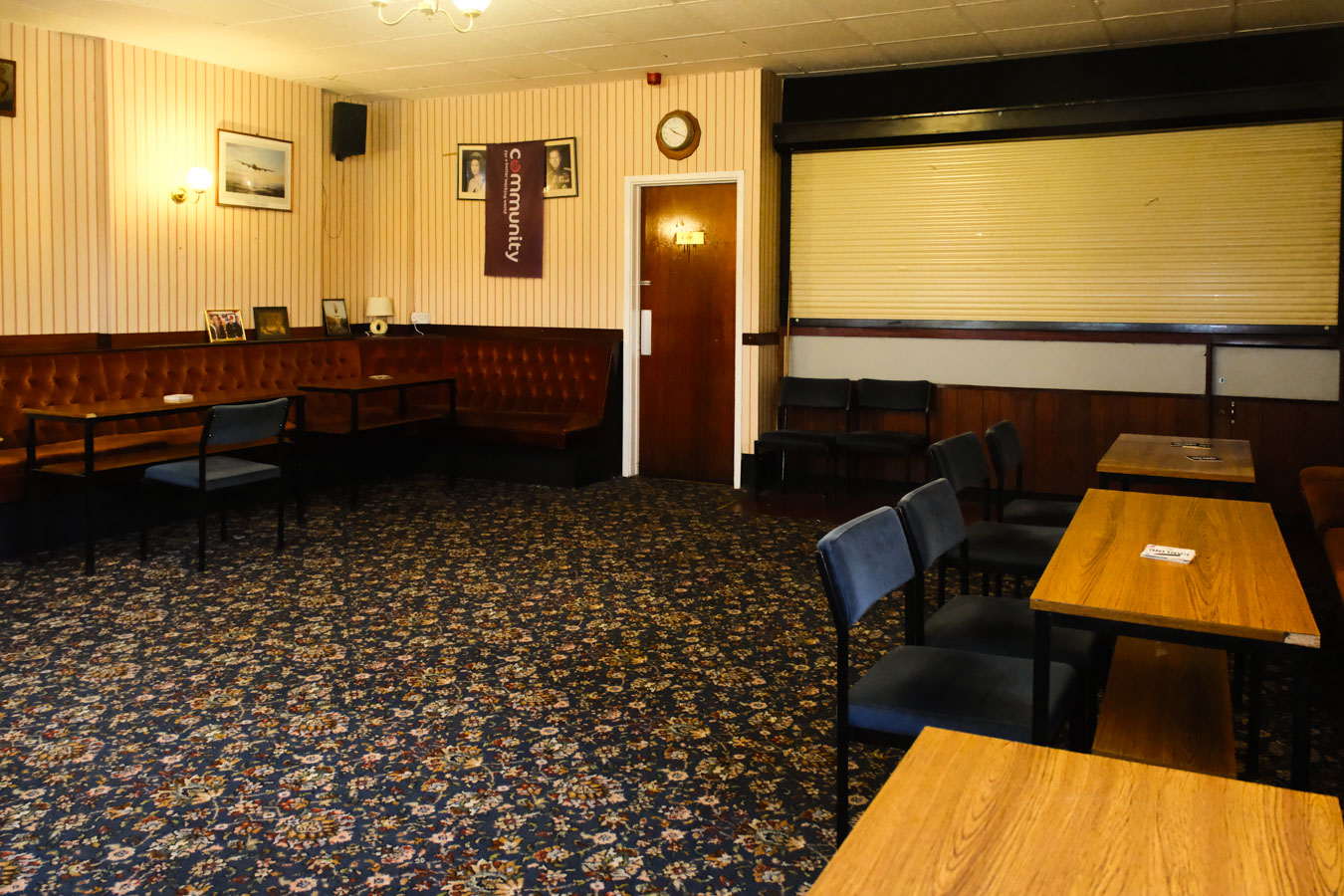
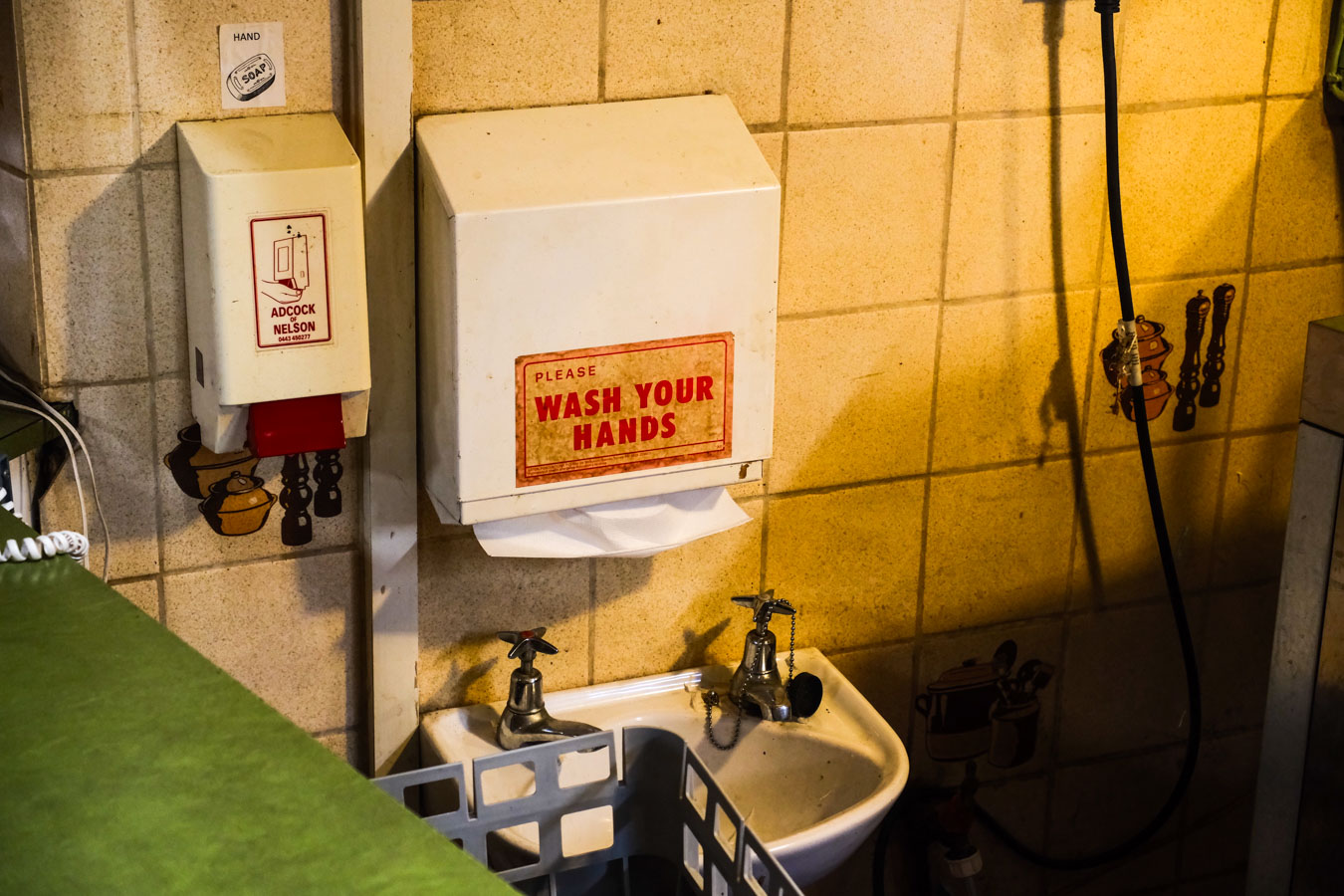
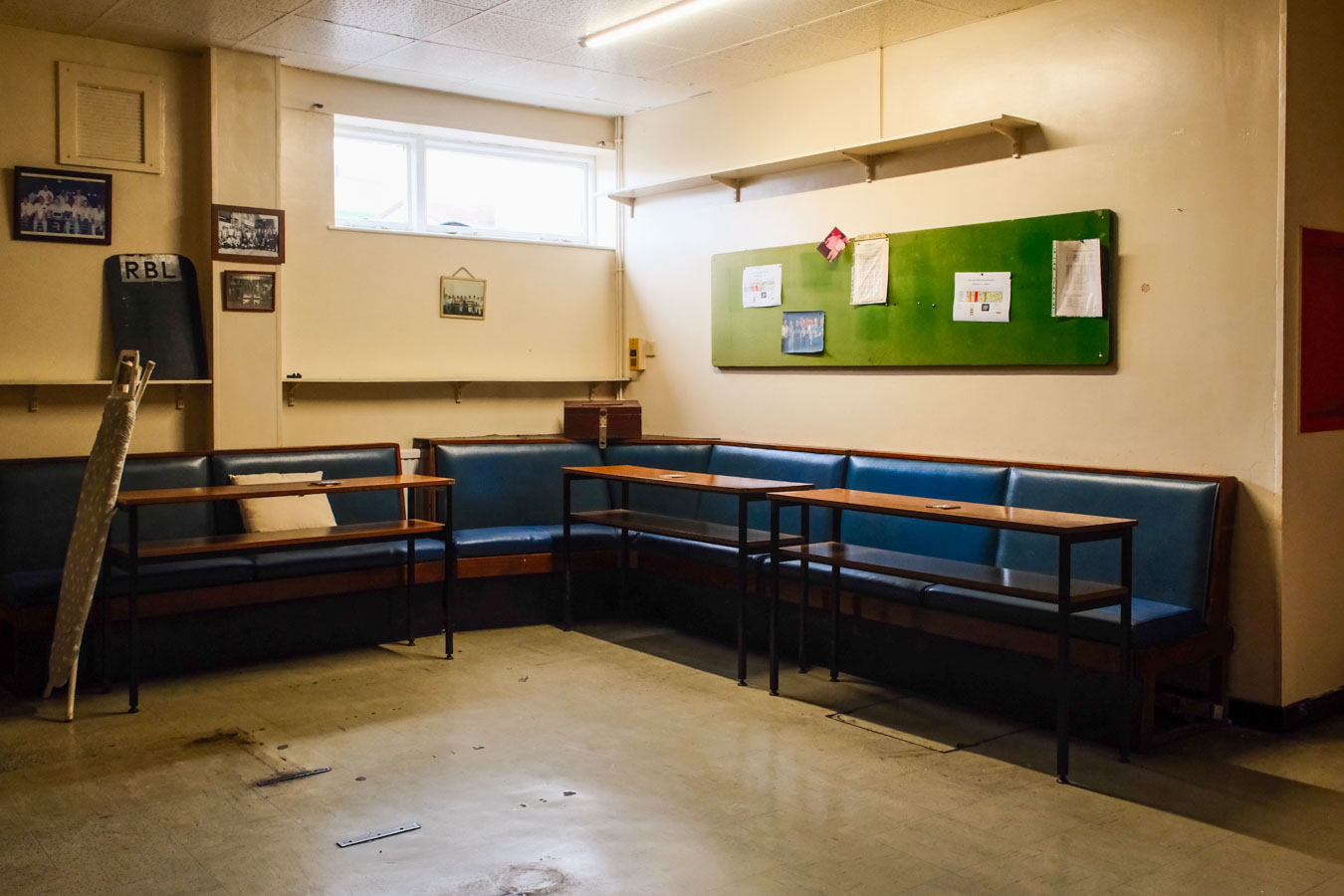
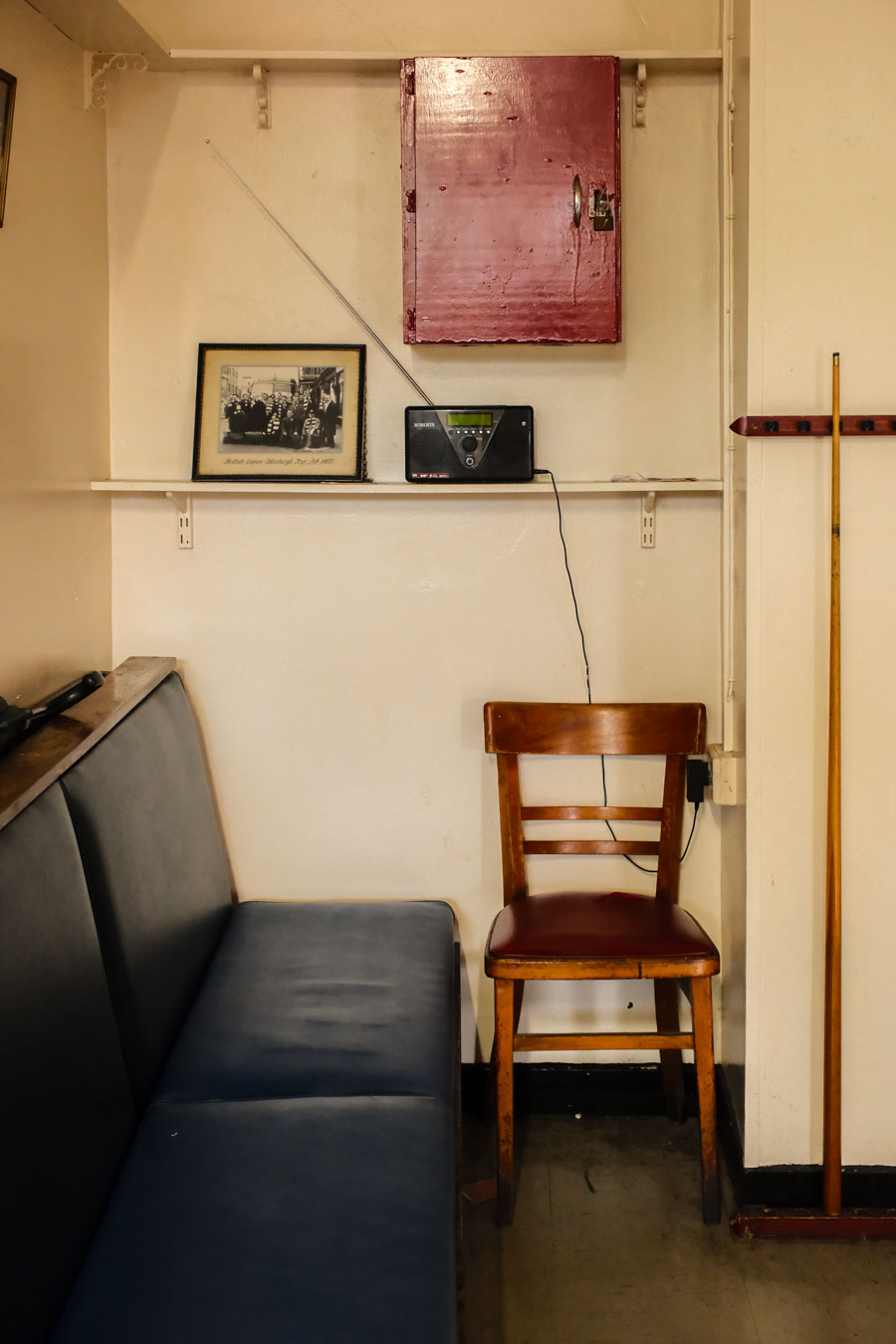
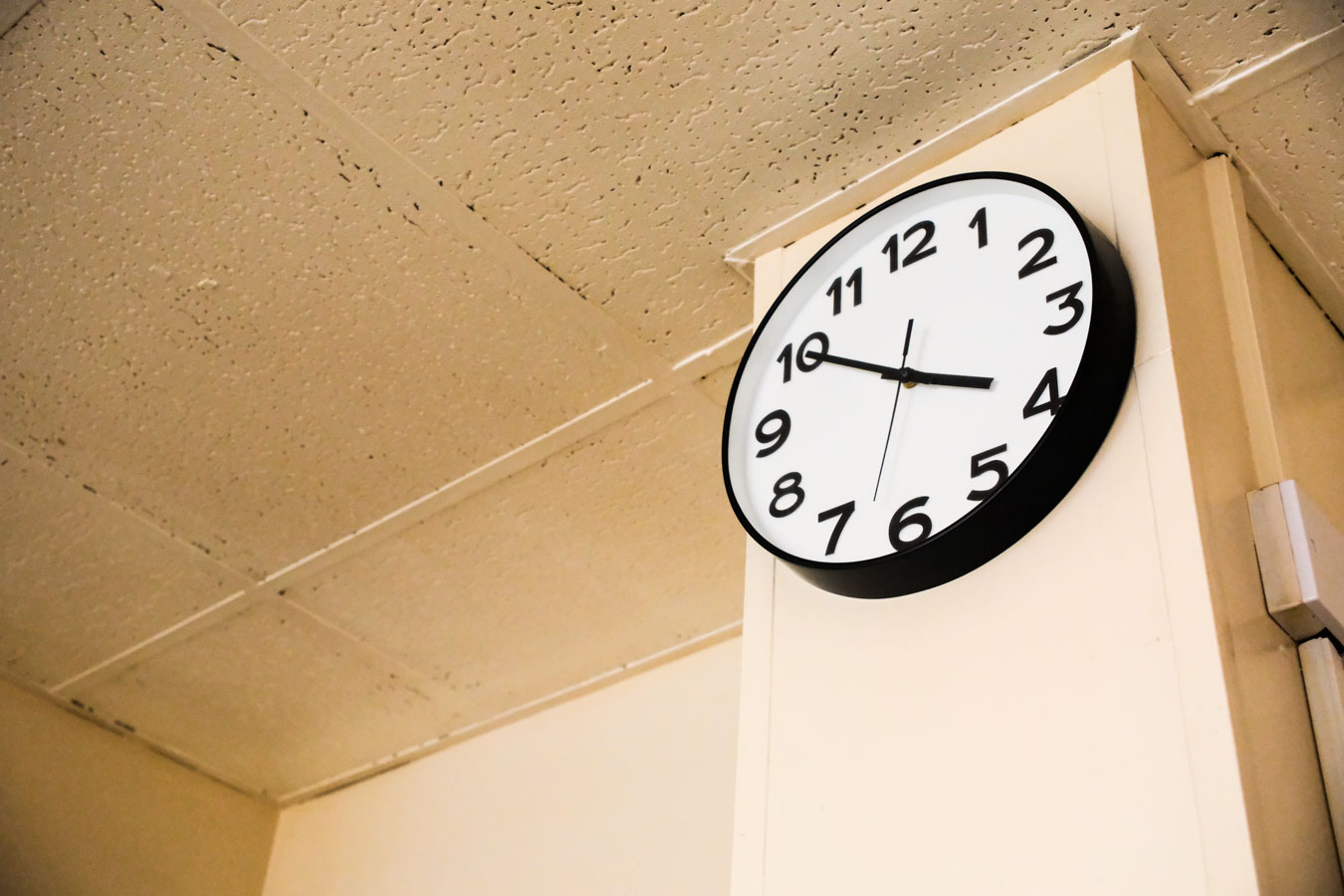
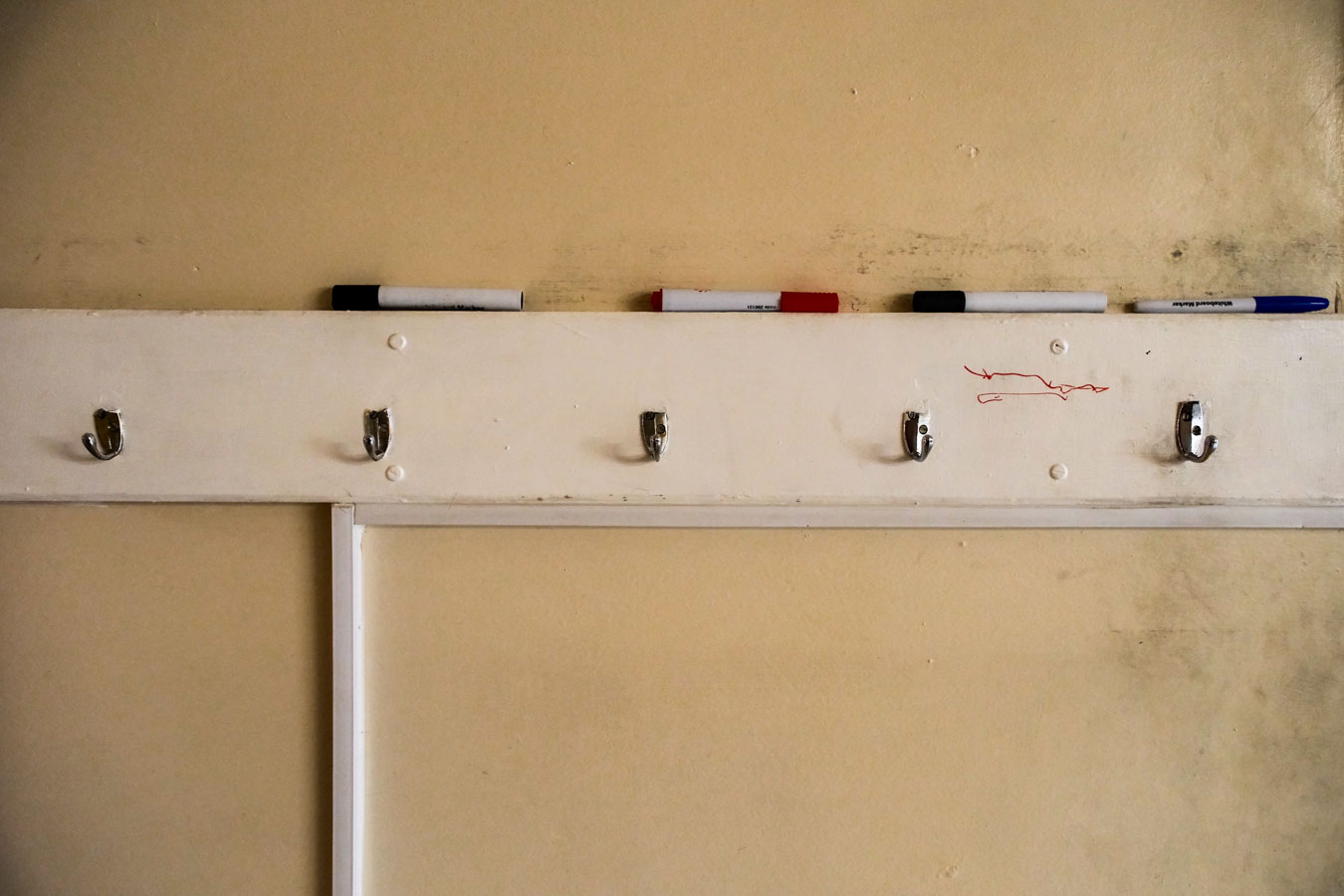
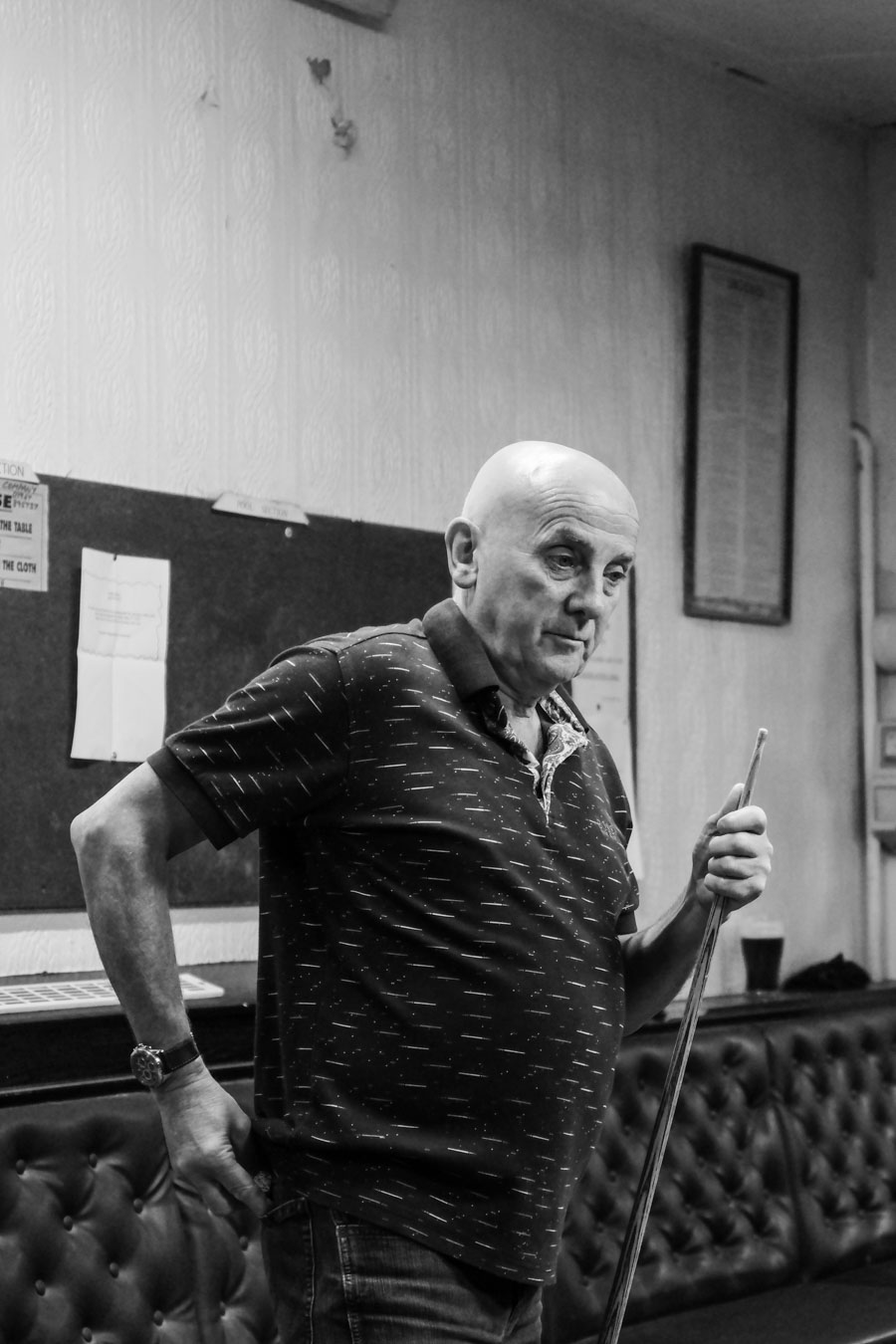
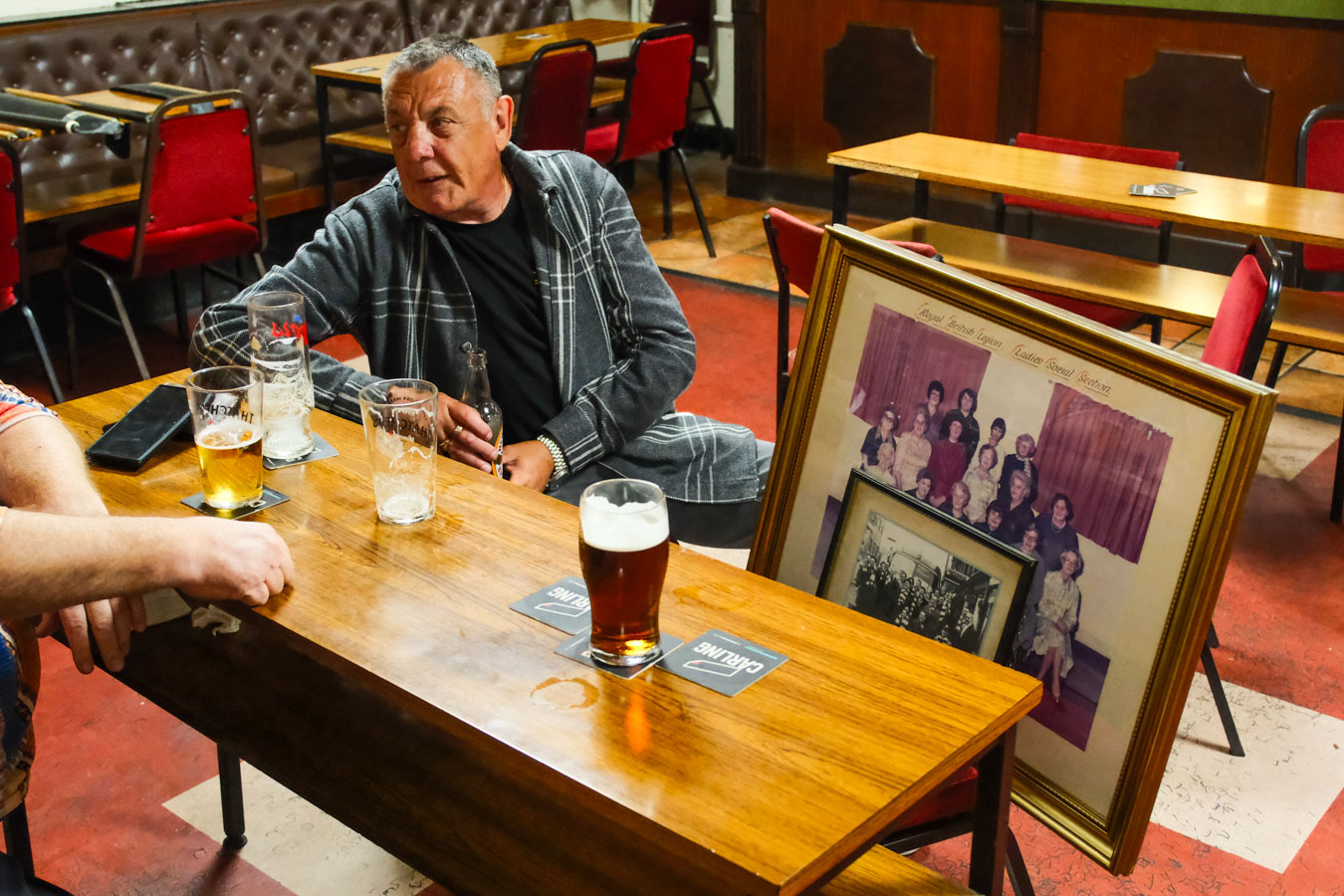
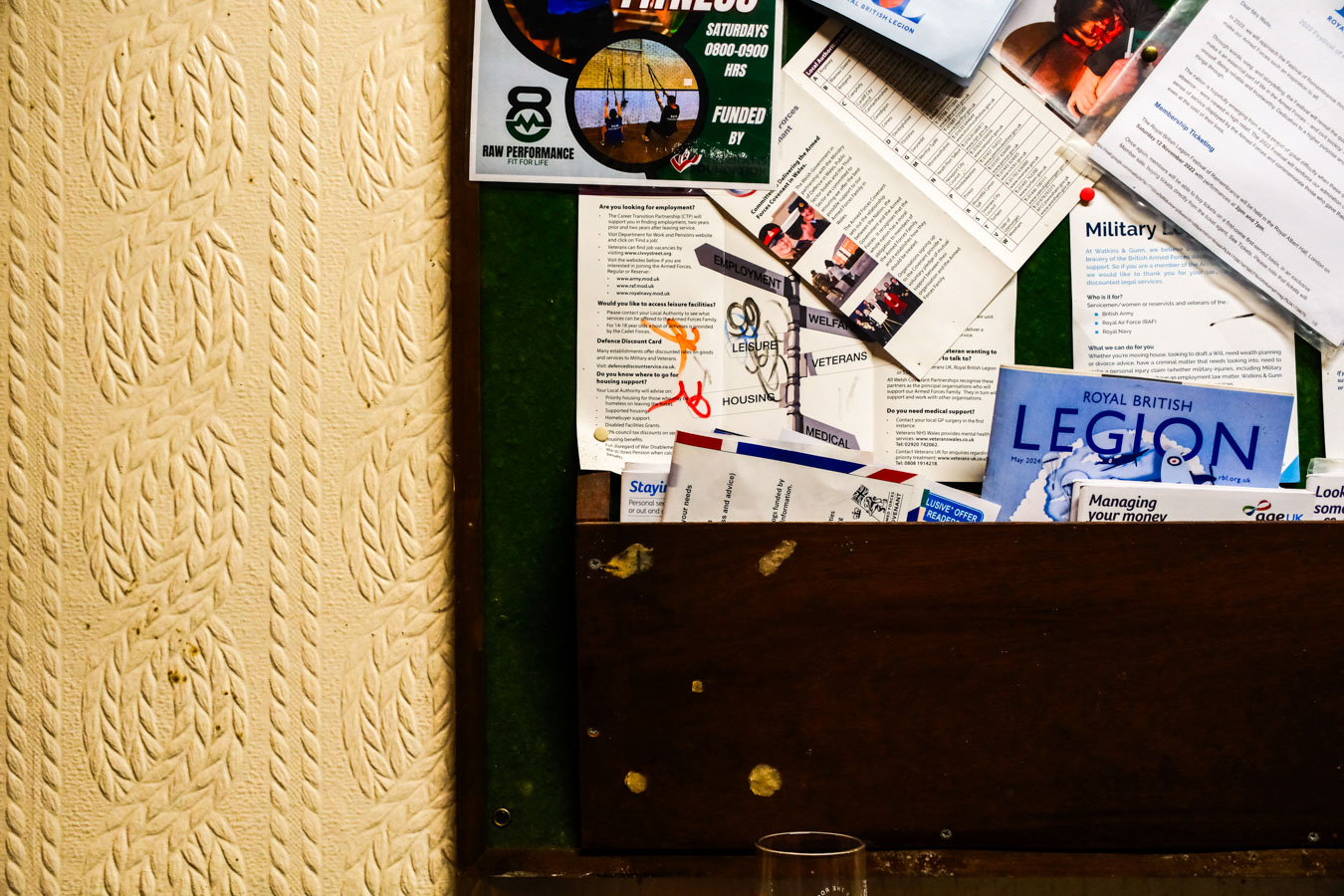
The first morning (Friday) I had the chance to go in and explore the Royal British Legion. I had free reign to take photos and wander the space on my own. What draws me to places like this is something that feels rooted in my own past—something I imagine a lot of people from the valleys would recognise.
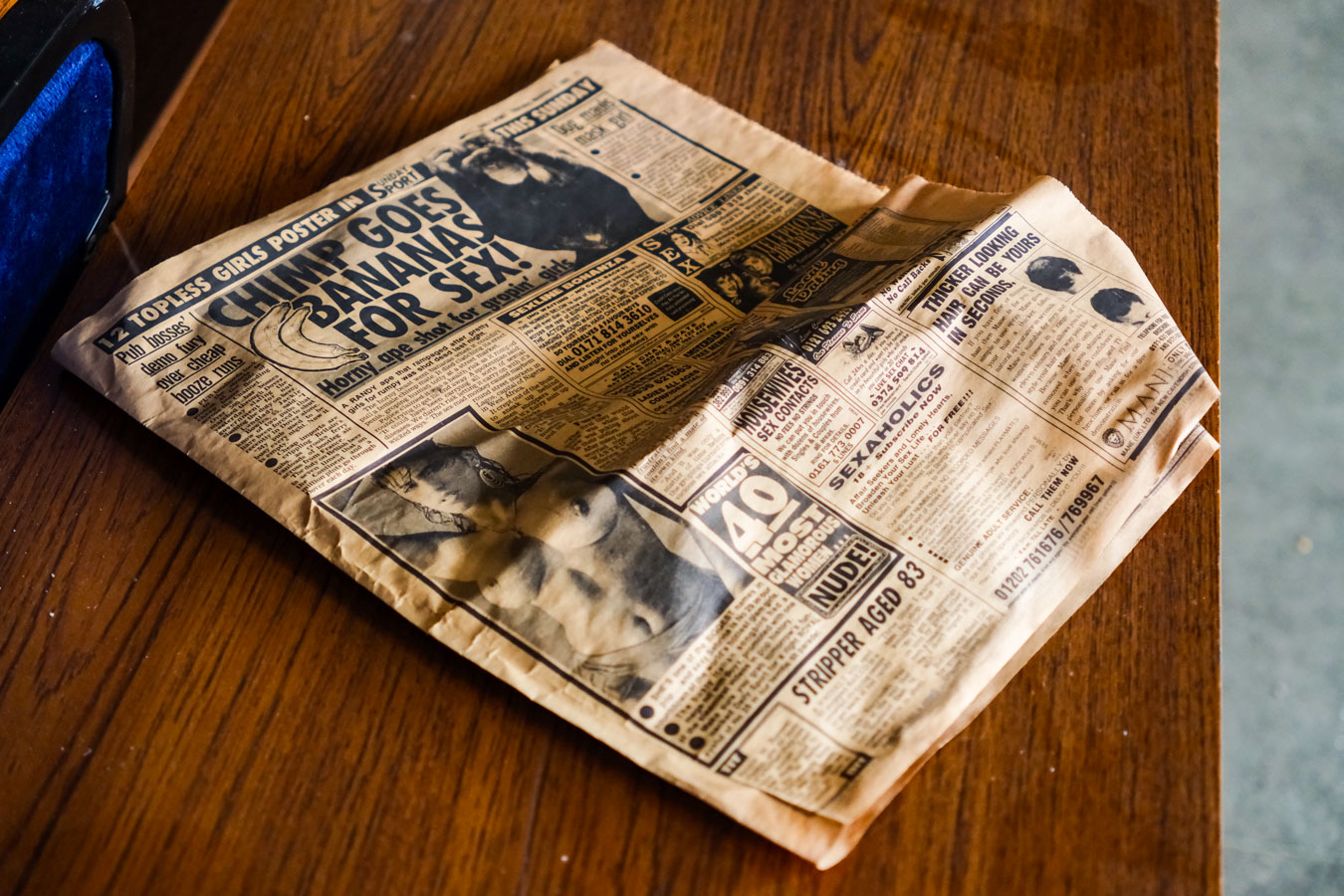
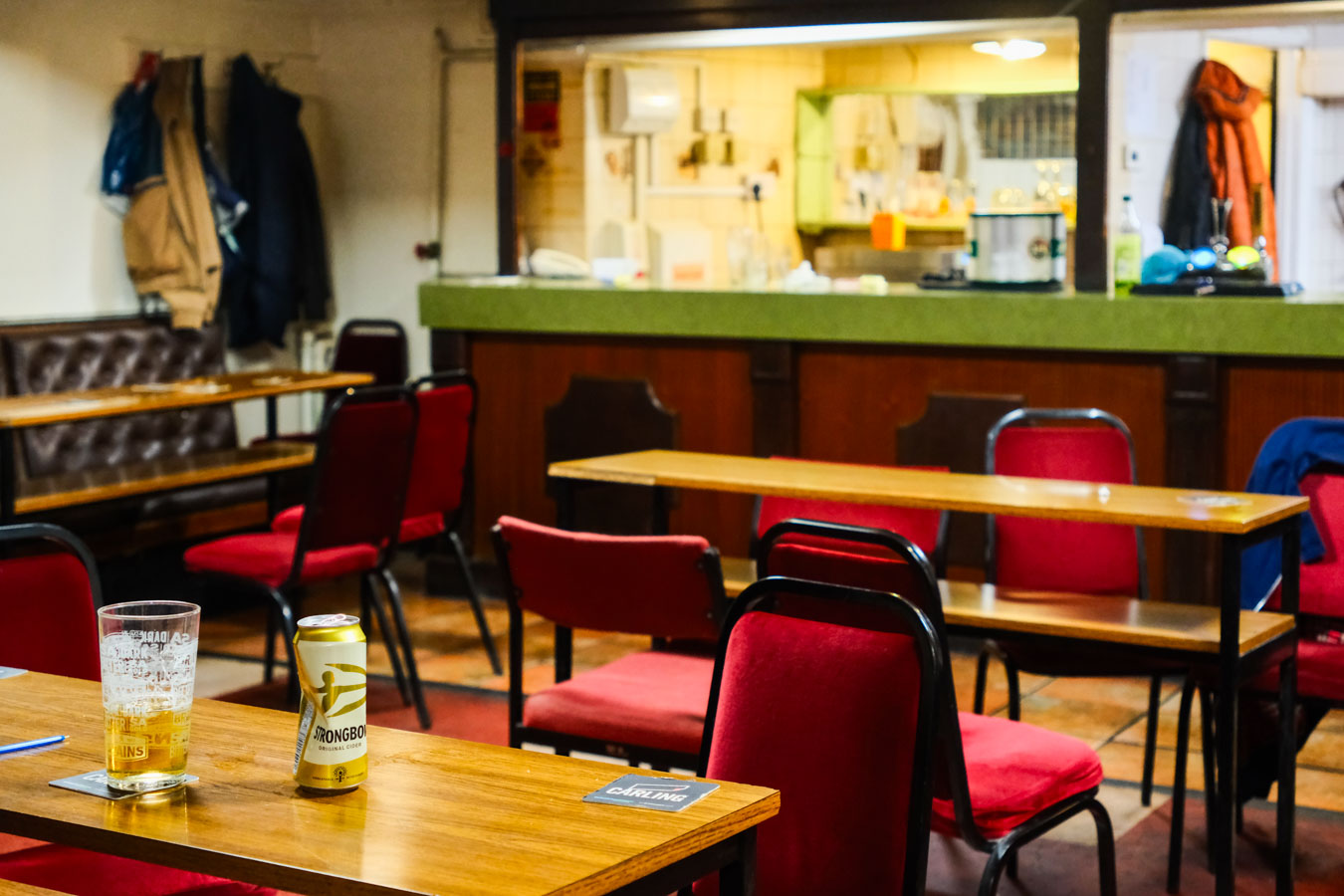
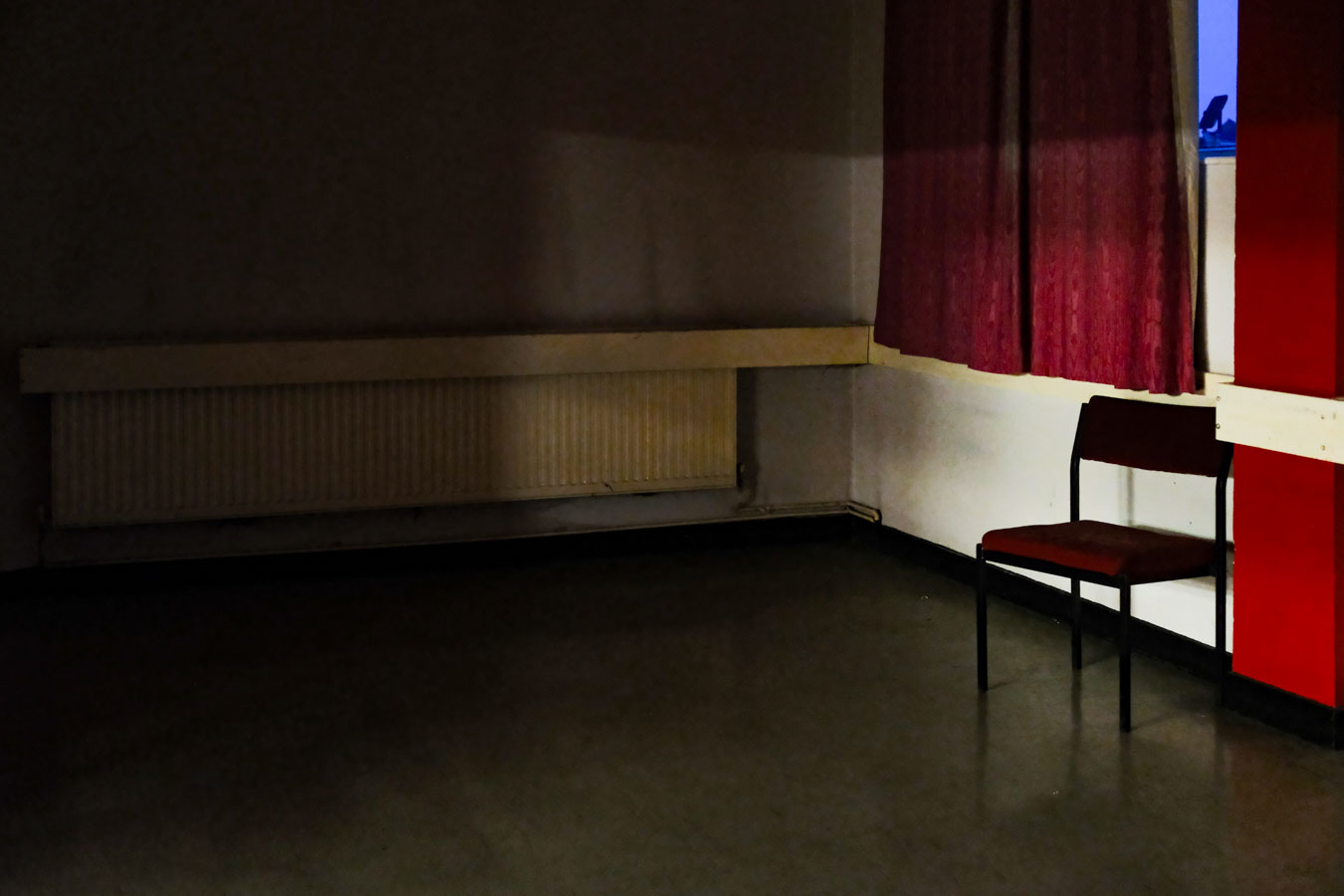
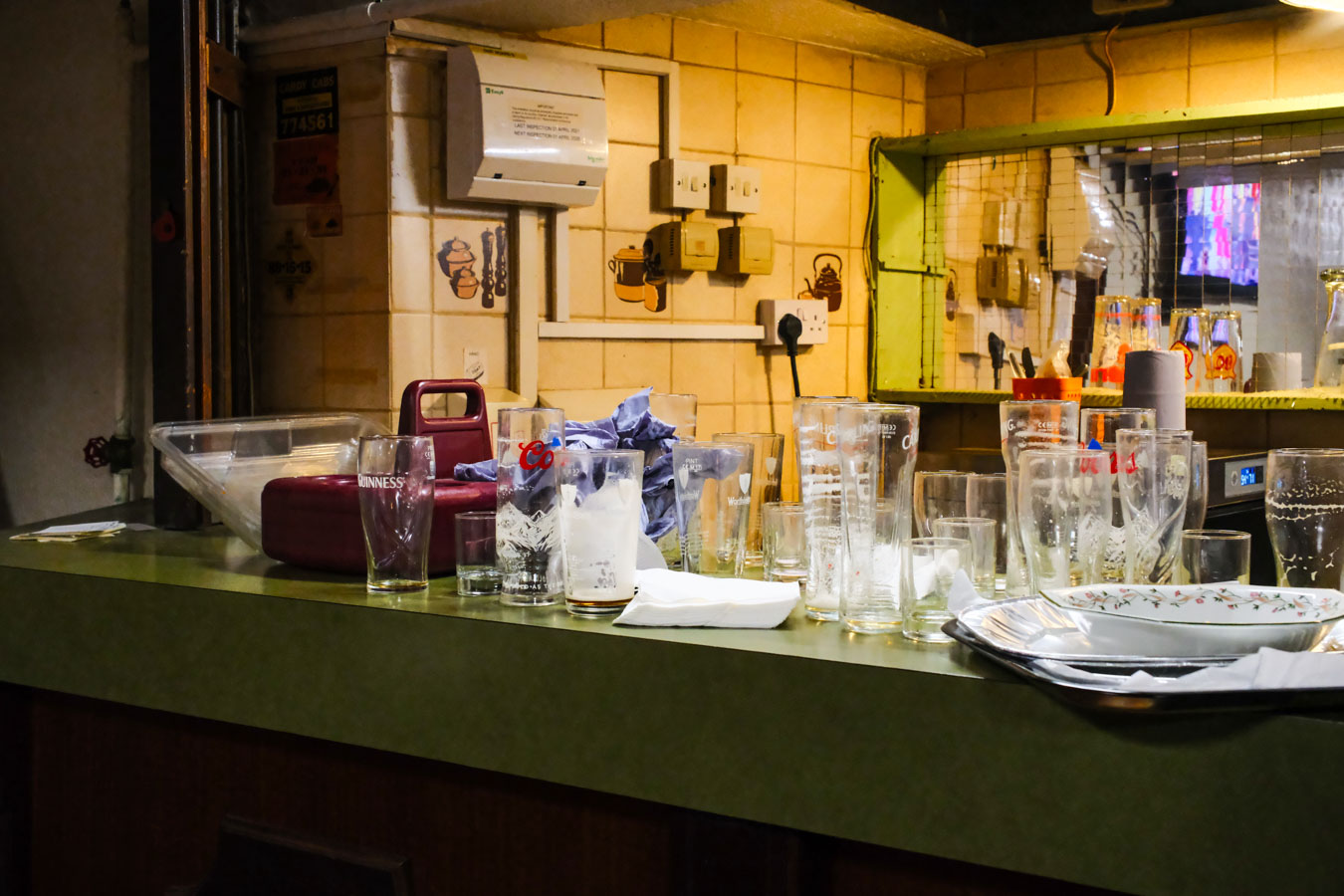
Unlike modern spaces, sterile Starbucks clones or the charmless sprawl of a Wetherspoons. places like the Royal British Legion don’t just exist, they have existed. You feel it in the walls, the wear, the way the furniture hasn’t changed in years. There’s a weight to it.
One thing I’ve always struggled with in documentary photography is the line between documenting and mocking. I think it’s a particularly “valleys boy” problem. The idea that by noticing things, you’re somehow setting yourself apart, or trying to be better than. That to observe is to ‘other’.
But still, I try to find and record the details, especially when it’s likely they’ll never be recorded again. The Royal British Legion wasn’t the centre of the community because of its upmarket decor. But every part of that building has meant something to someone, at some point.
It wasn’t until I started speaking to regulars or showing them photos, sparking memories that I really began to understand how much of them is tied up in that place. The building and the people are woven together over time, in the smallest of details.
2 – The Final Call
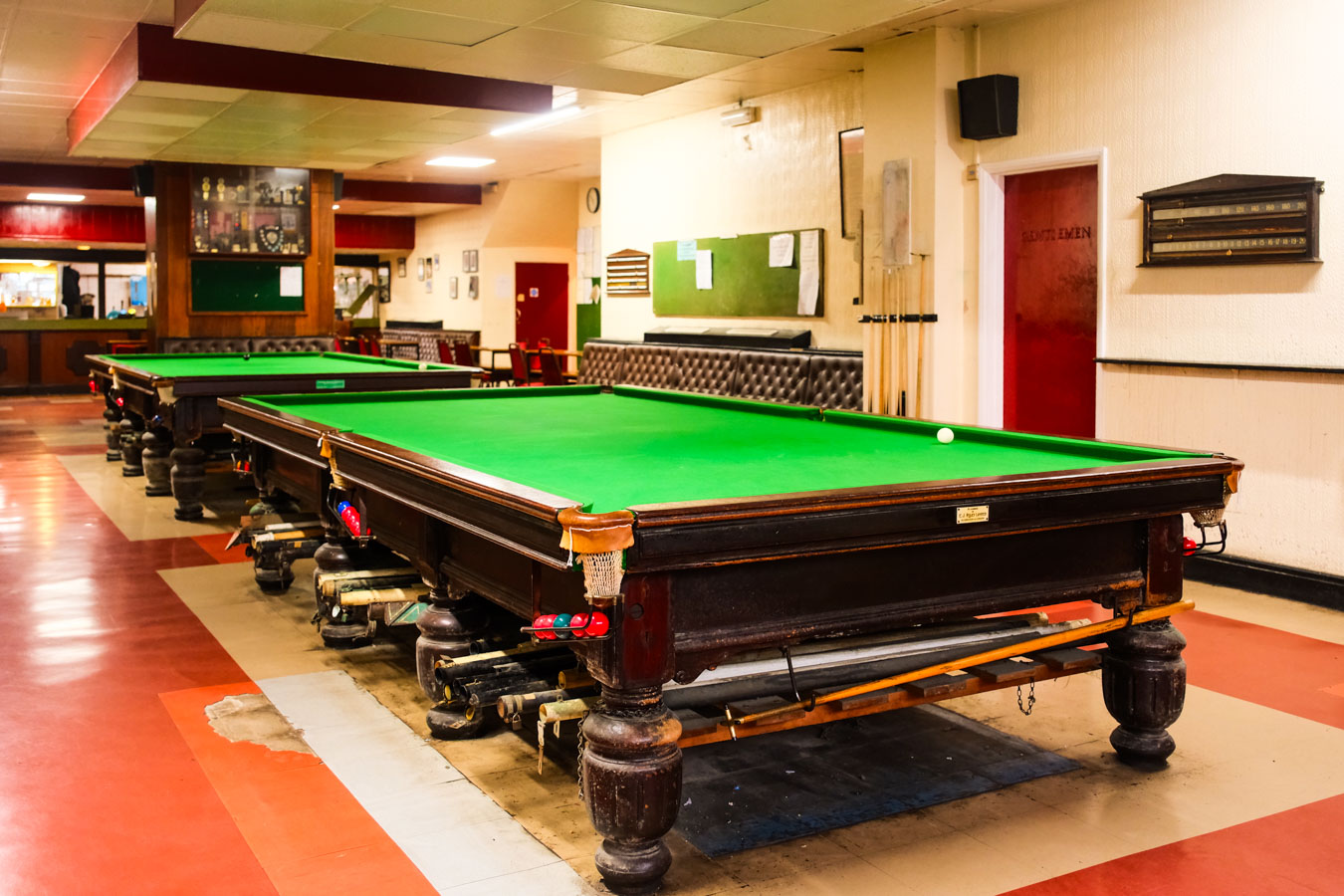
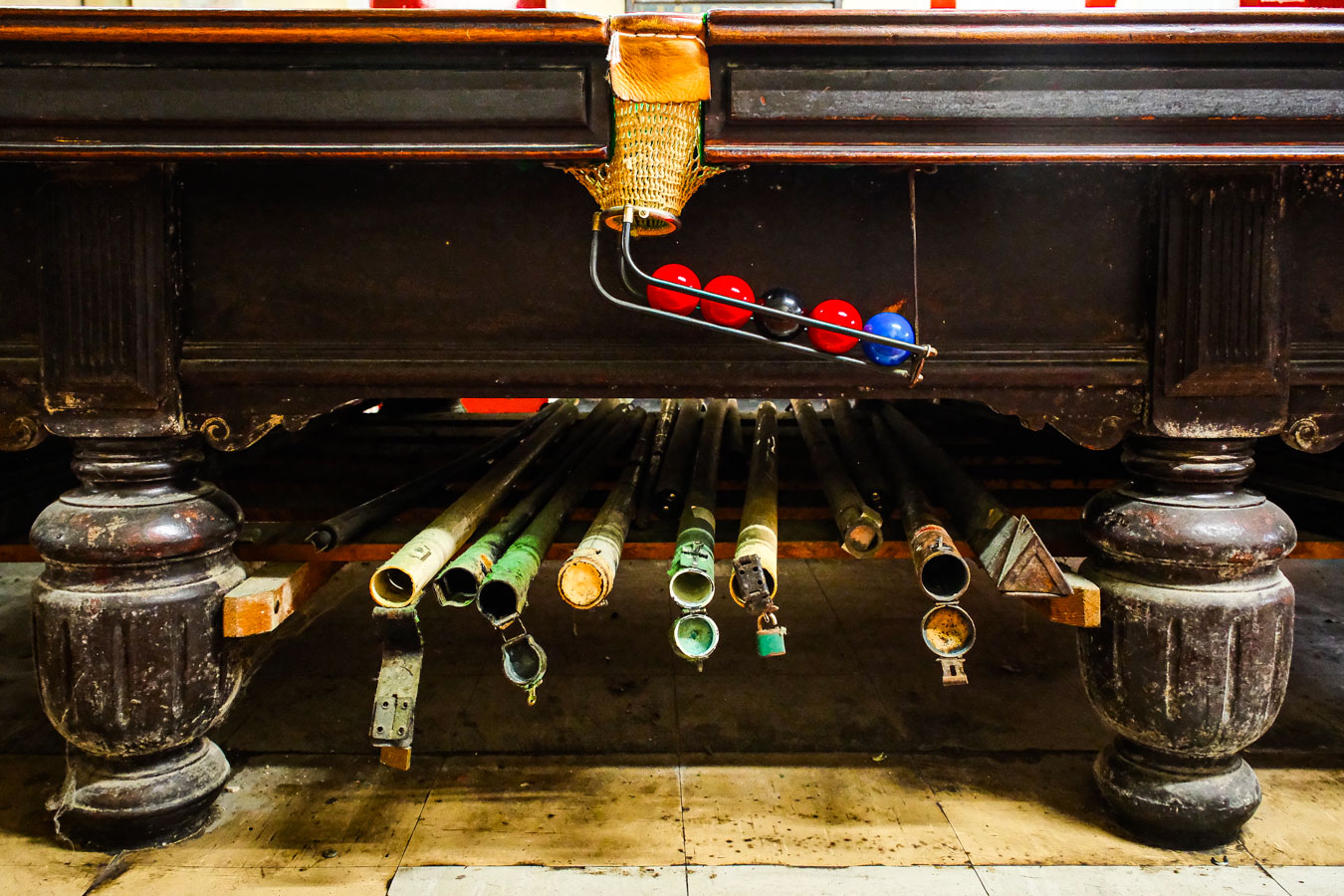
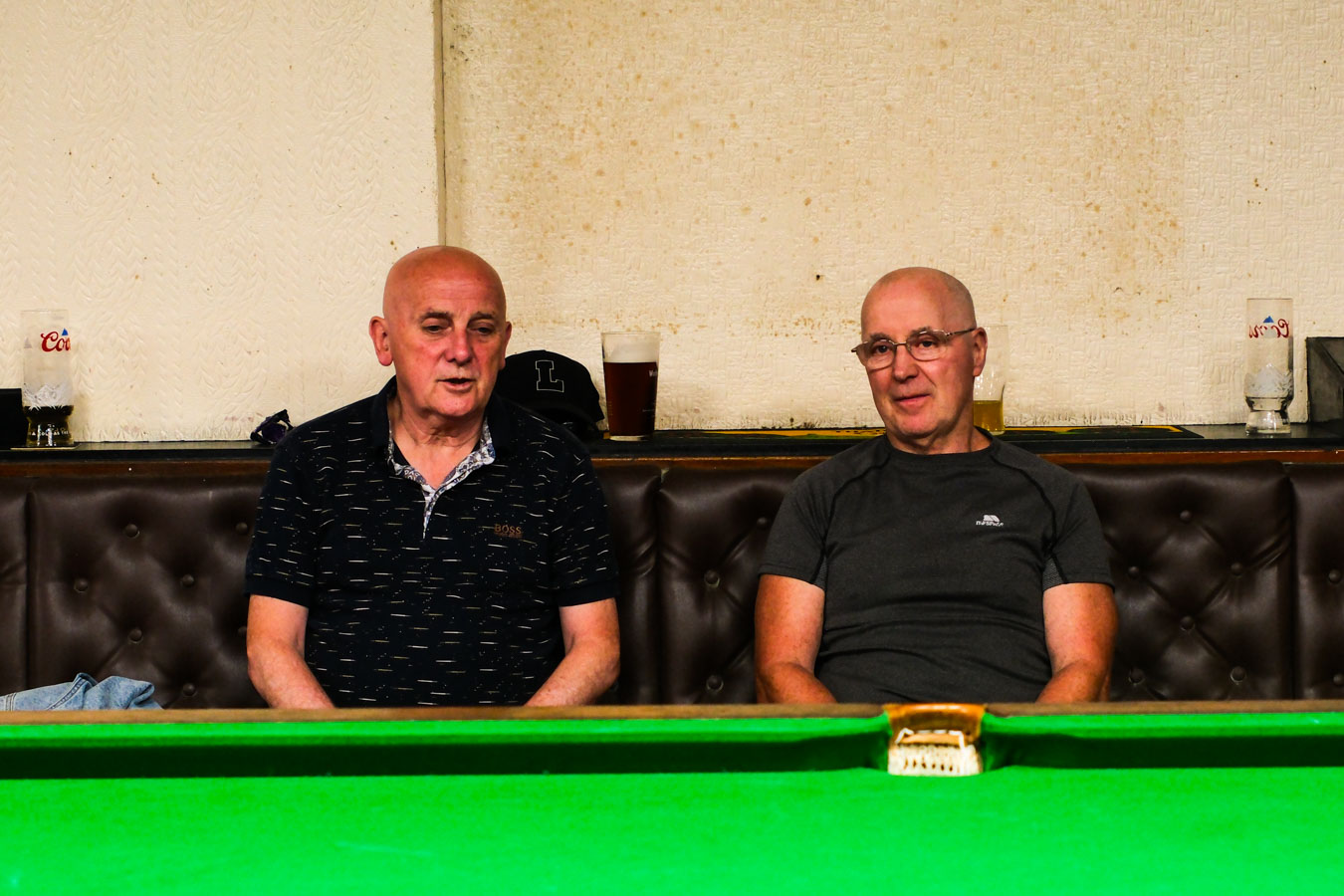
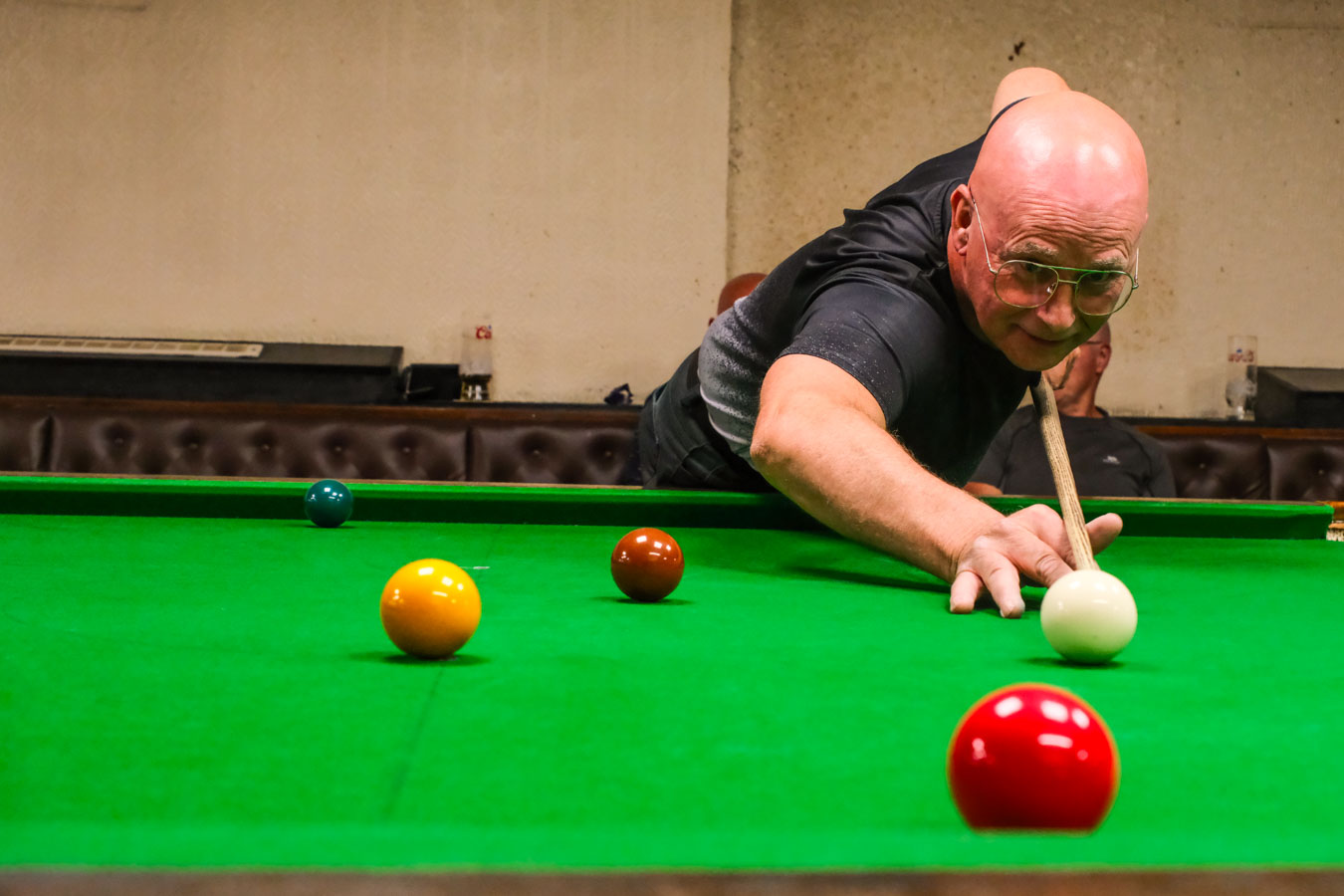
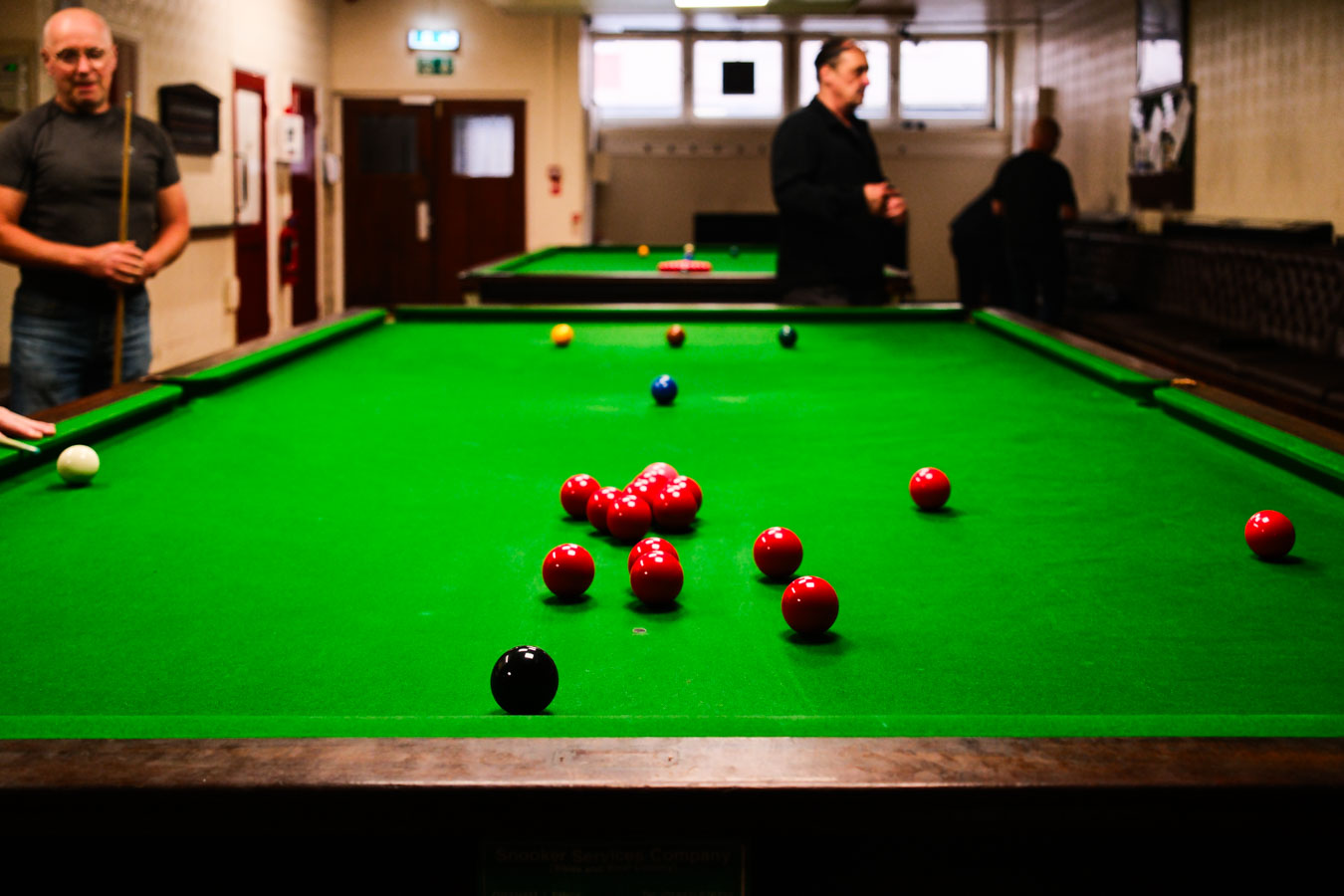
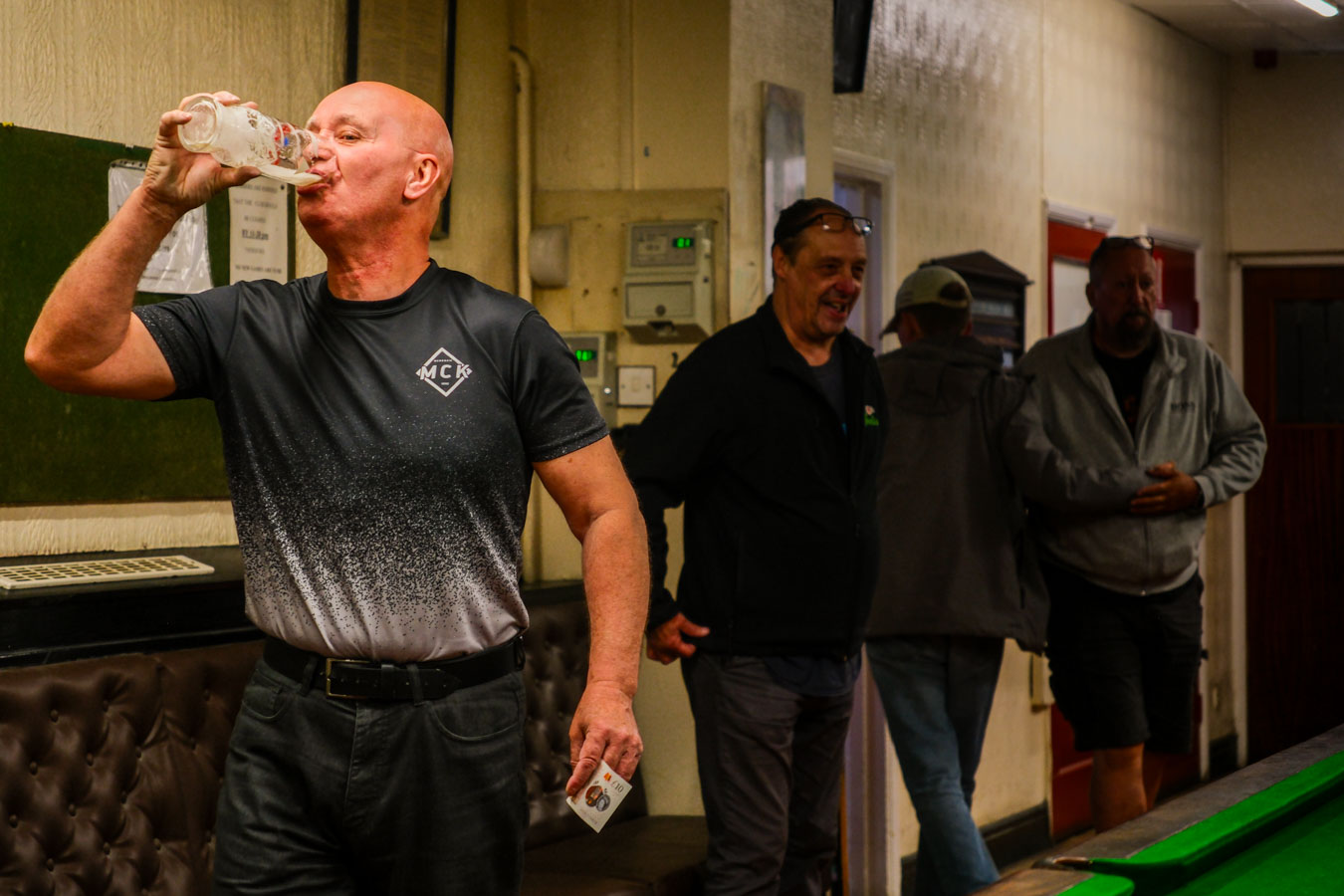
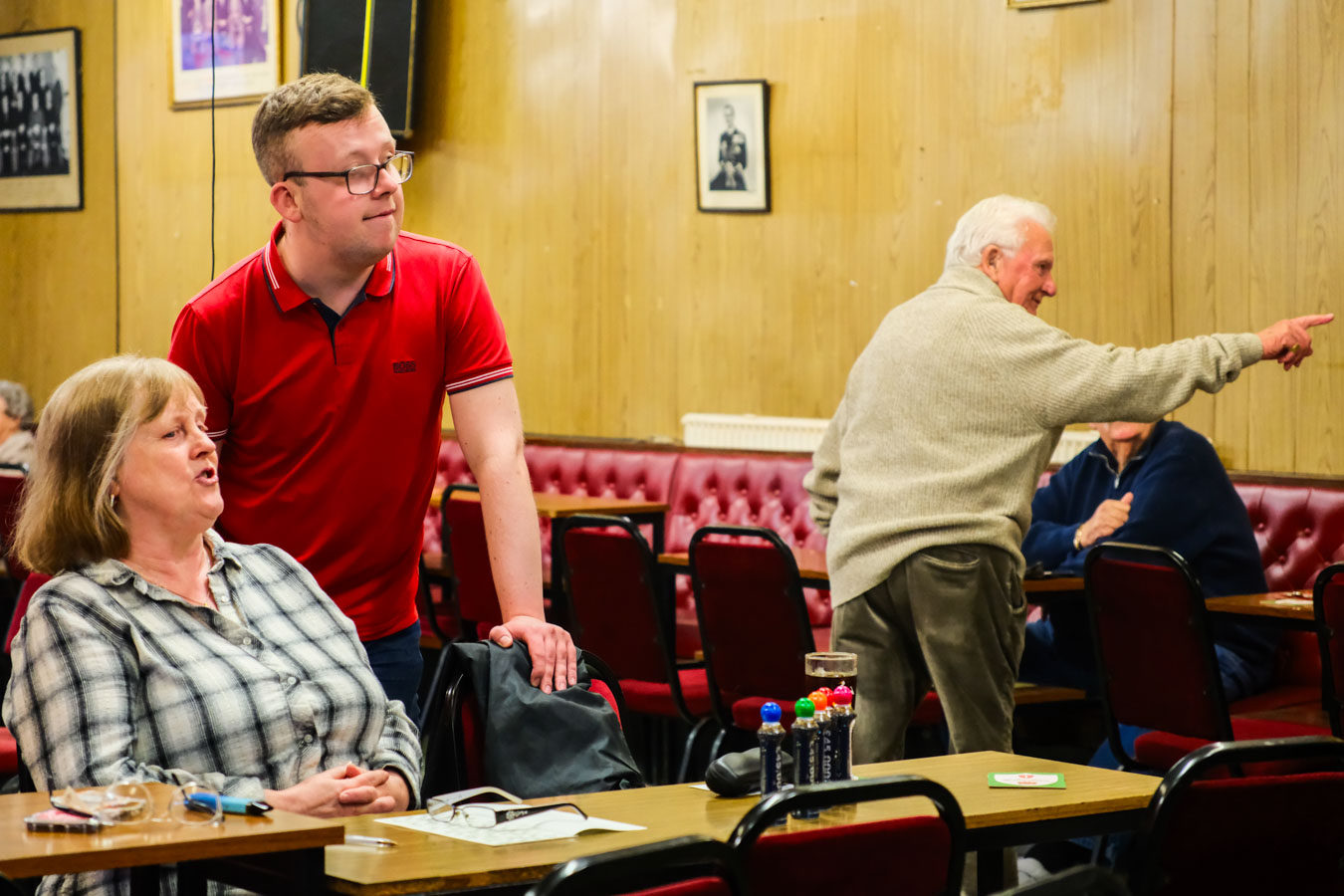
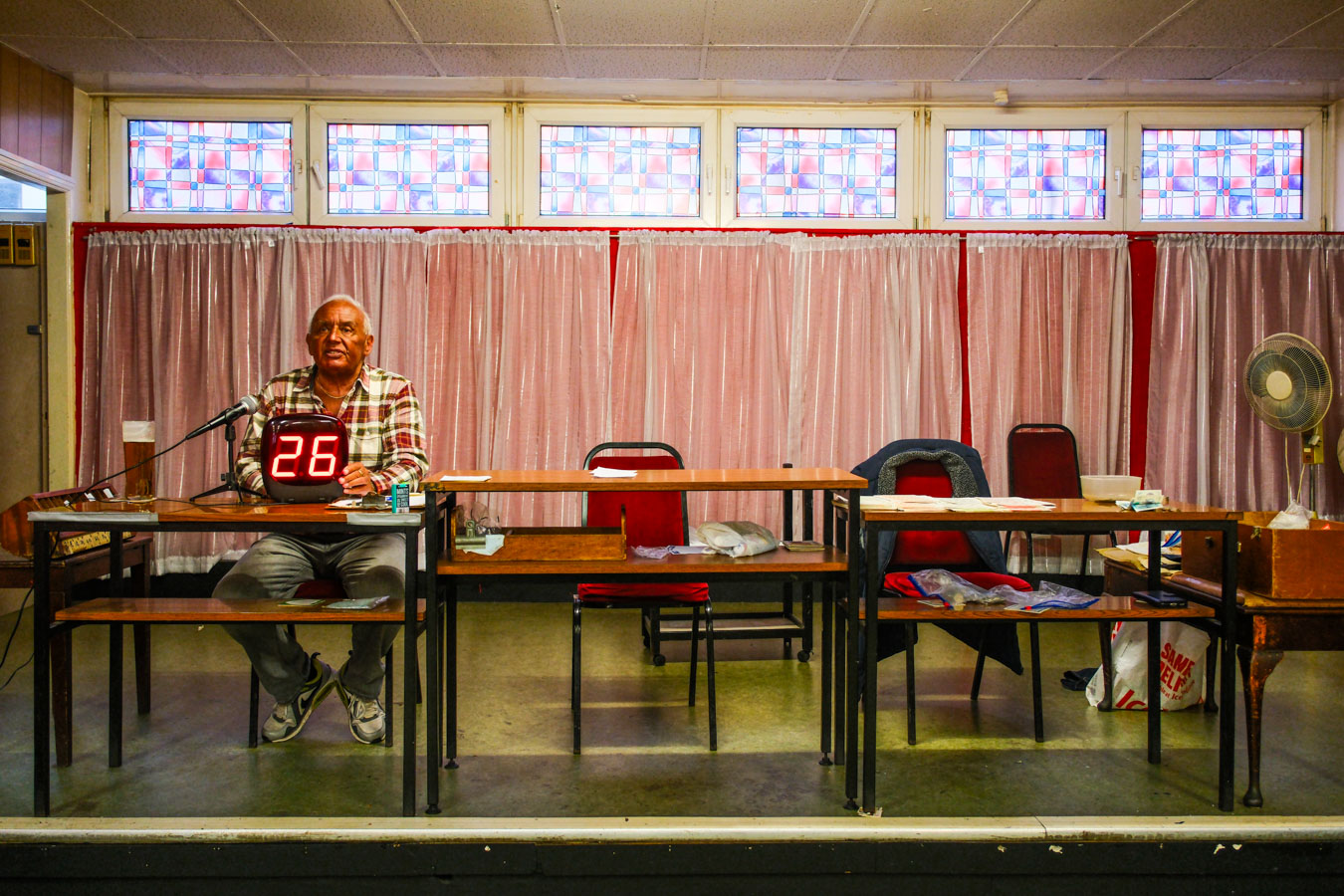
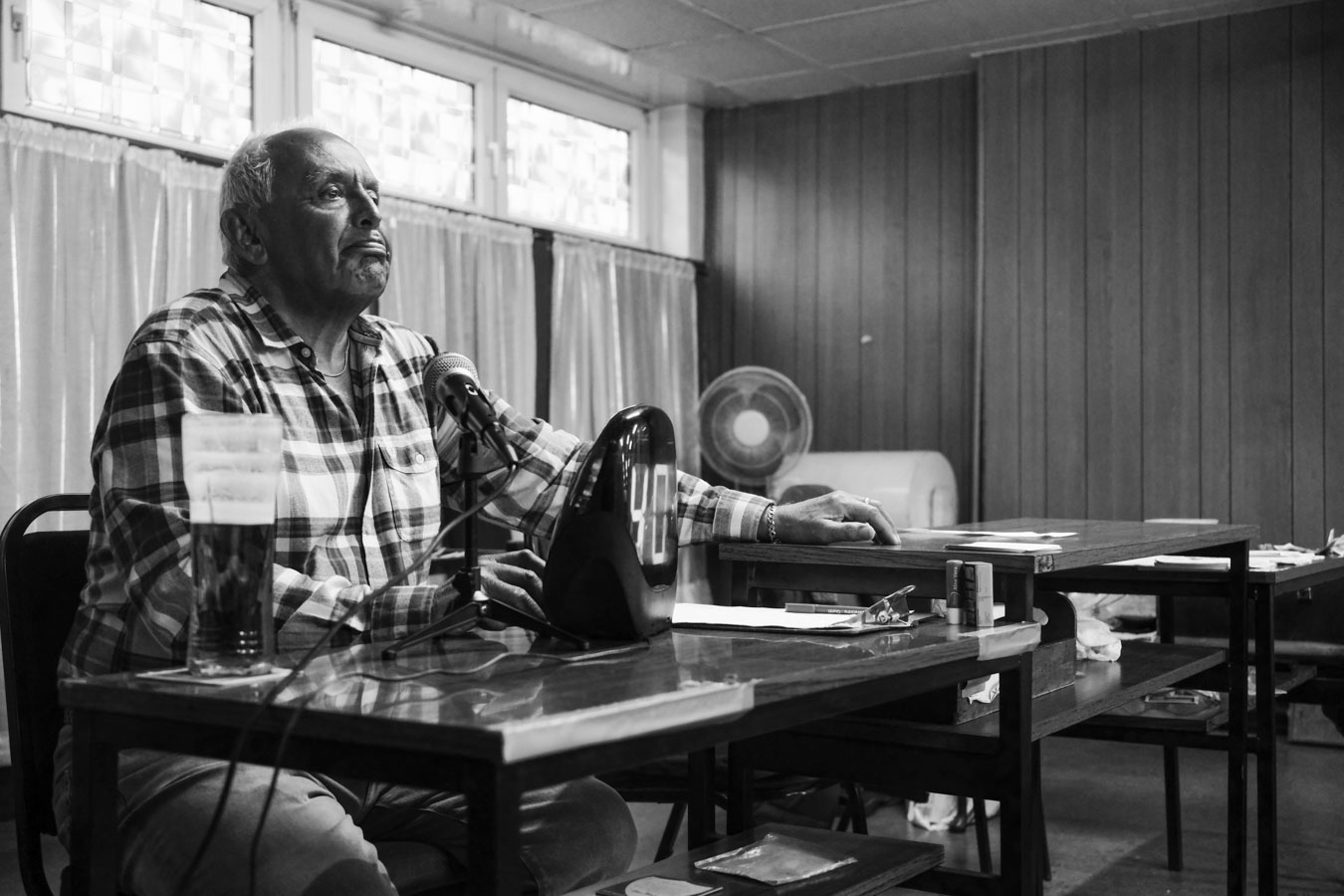
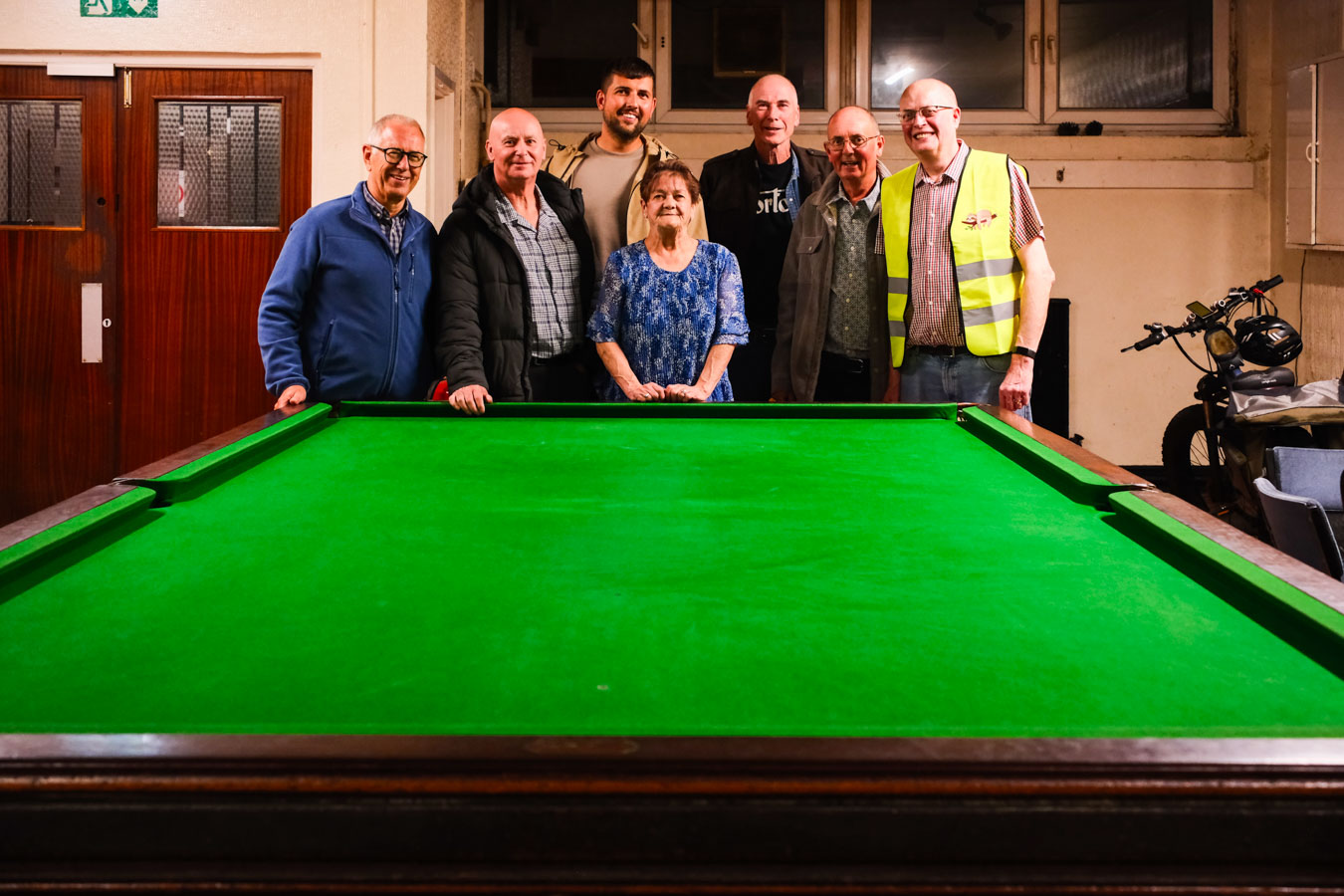
I returned on the Friday night. I’d been told it was the last chance to get photographs of the pool players. Honestly though, I was far more excited to shoot the bingo.
As you’d expect, a 6-foot-3 bald bloke wandering around with a camera while people are just trying to enjoy their pint put a few on edge. I only got one “Who the fuck is that, then?” all evening, which felt like a result. That unease definitely eased off as the night went on and as the beers went down.
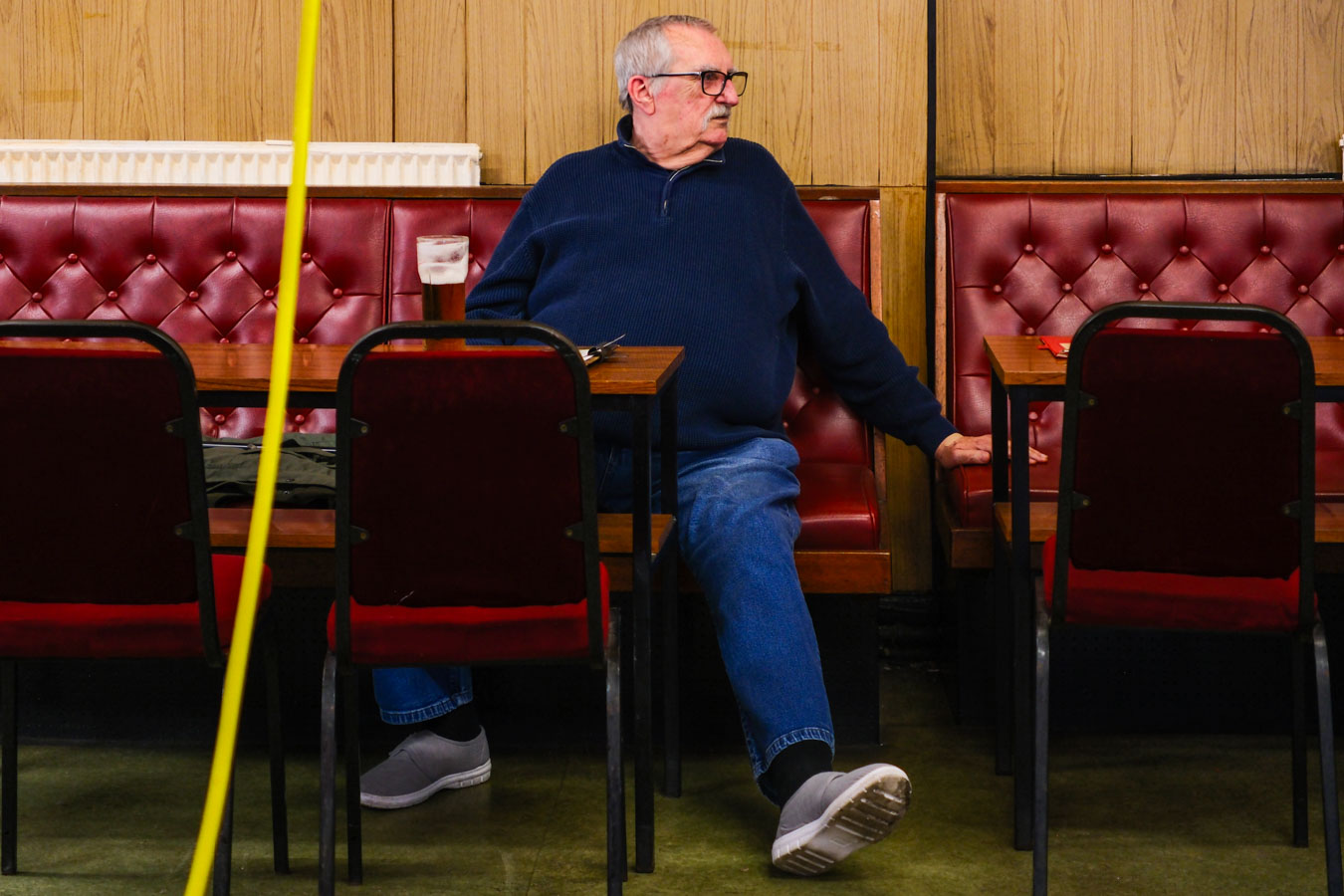
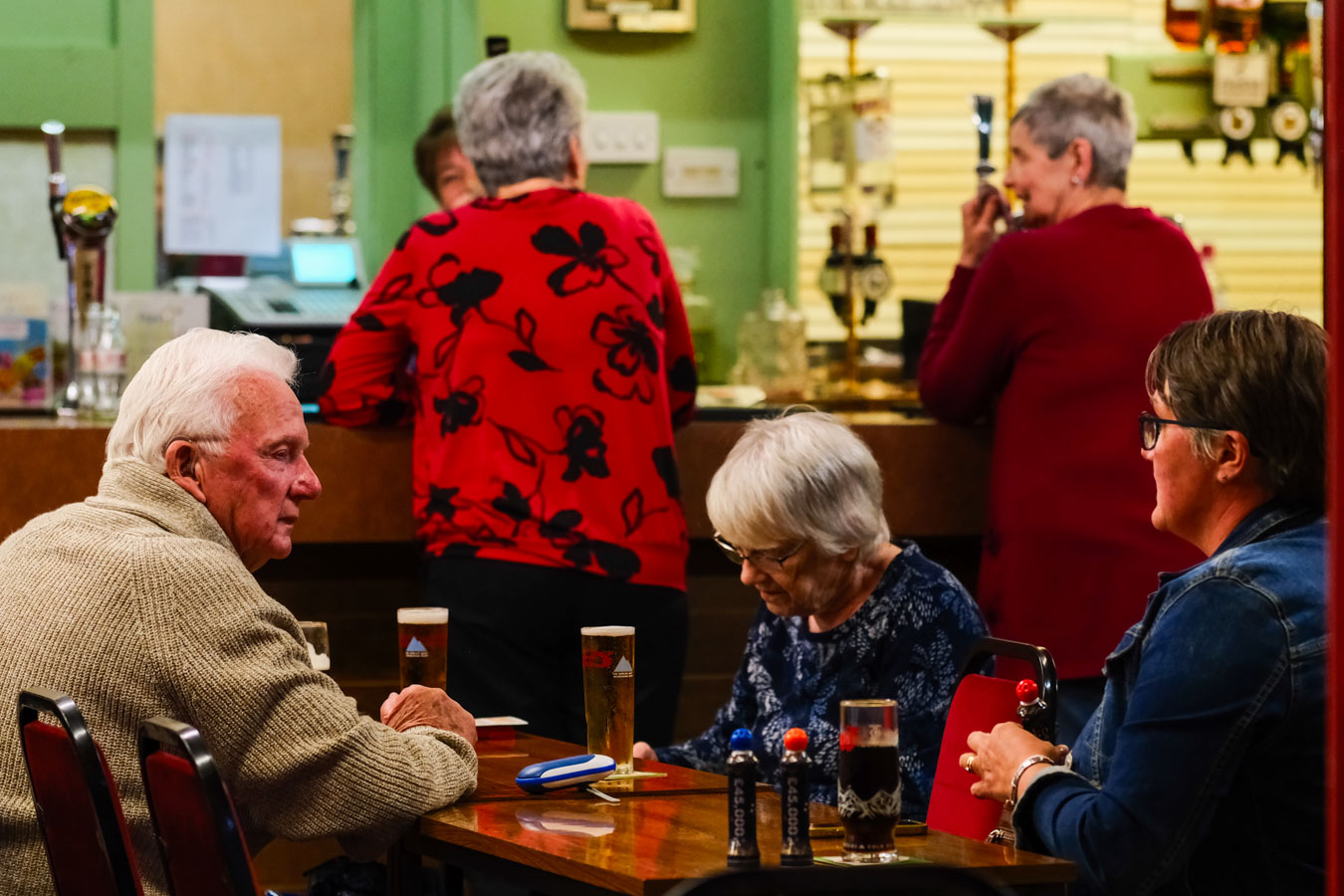
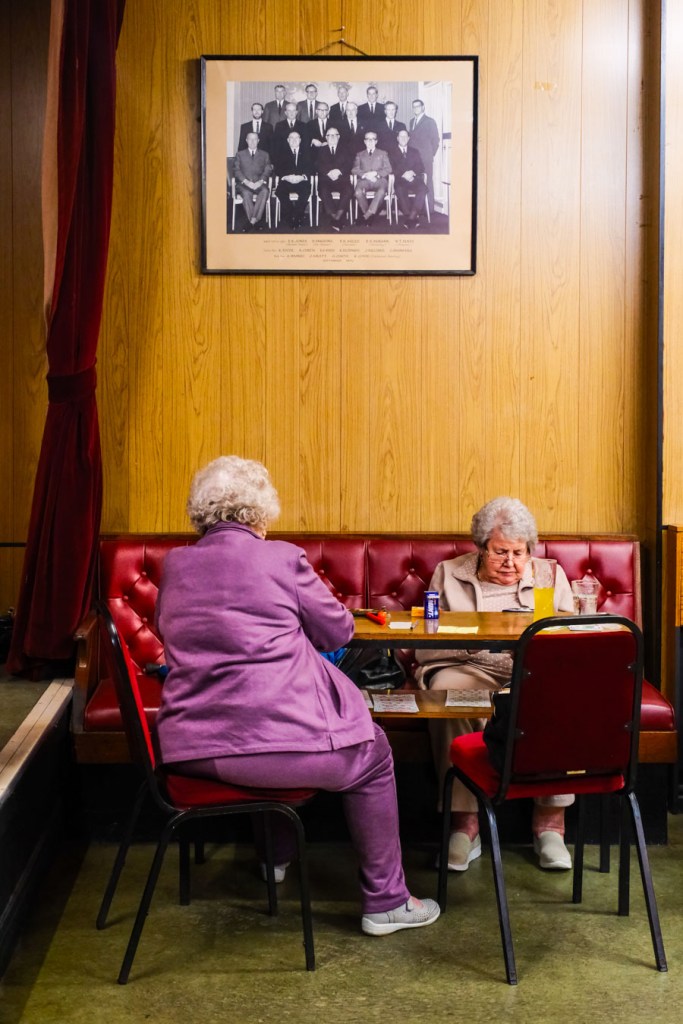
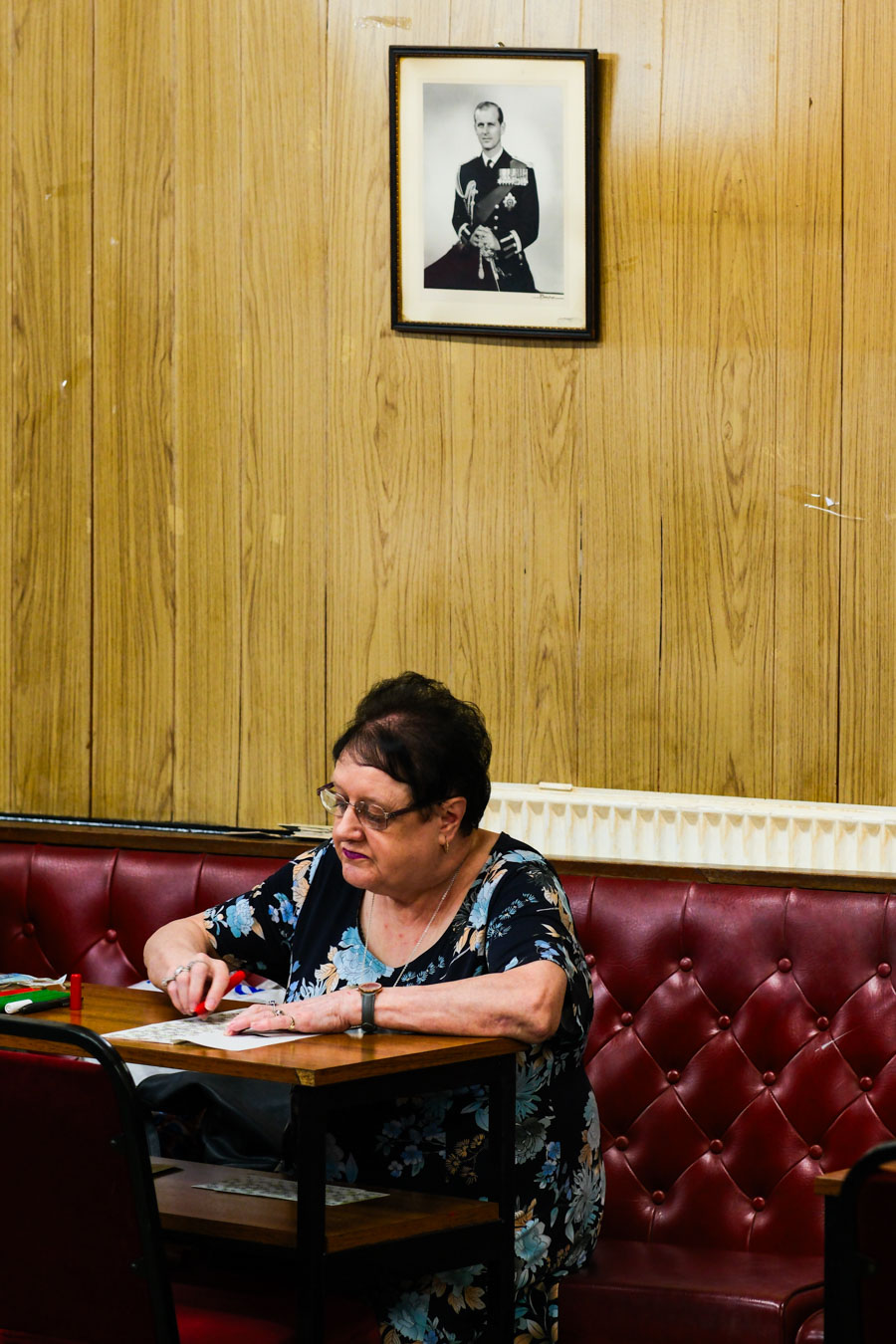
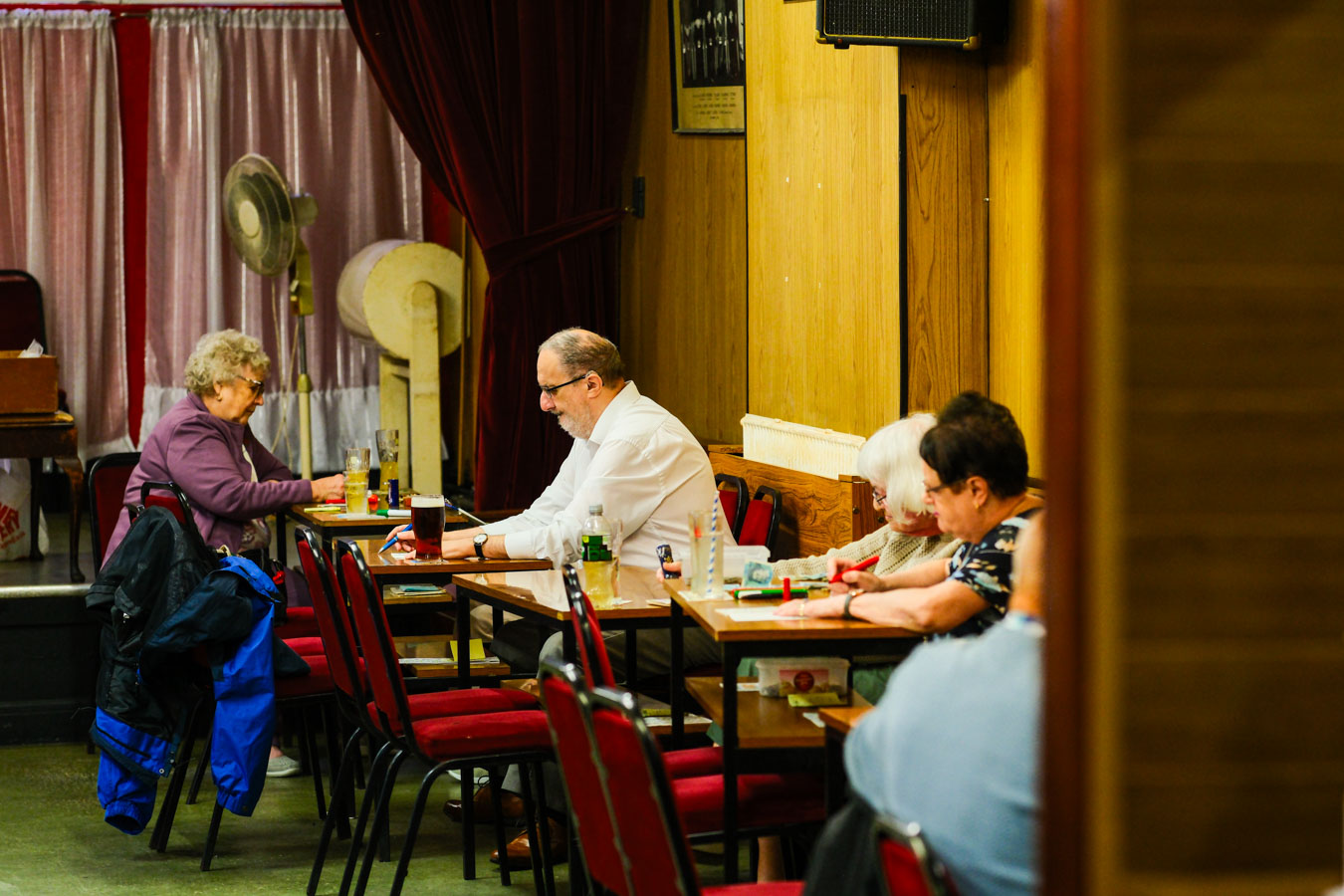
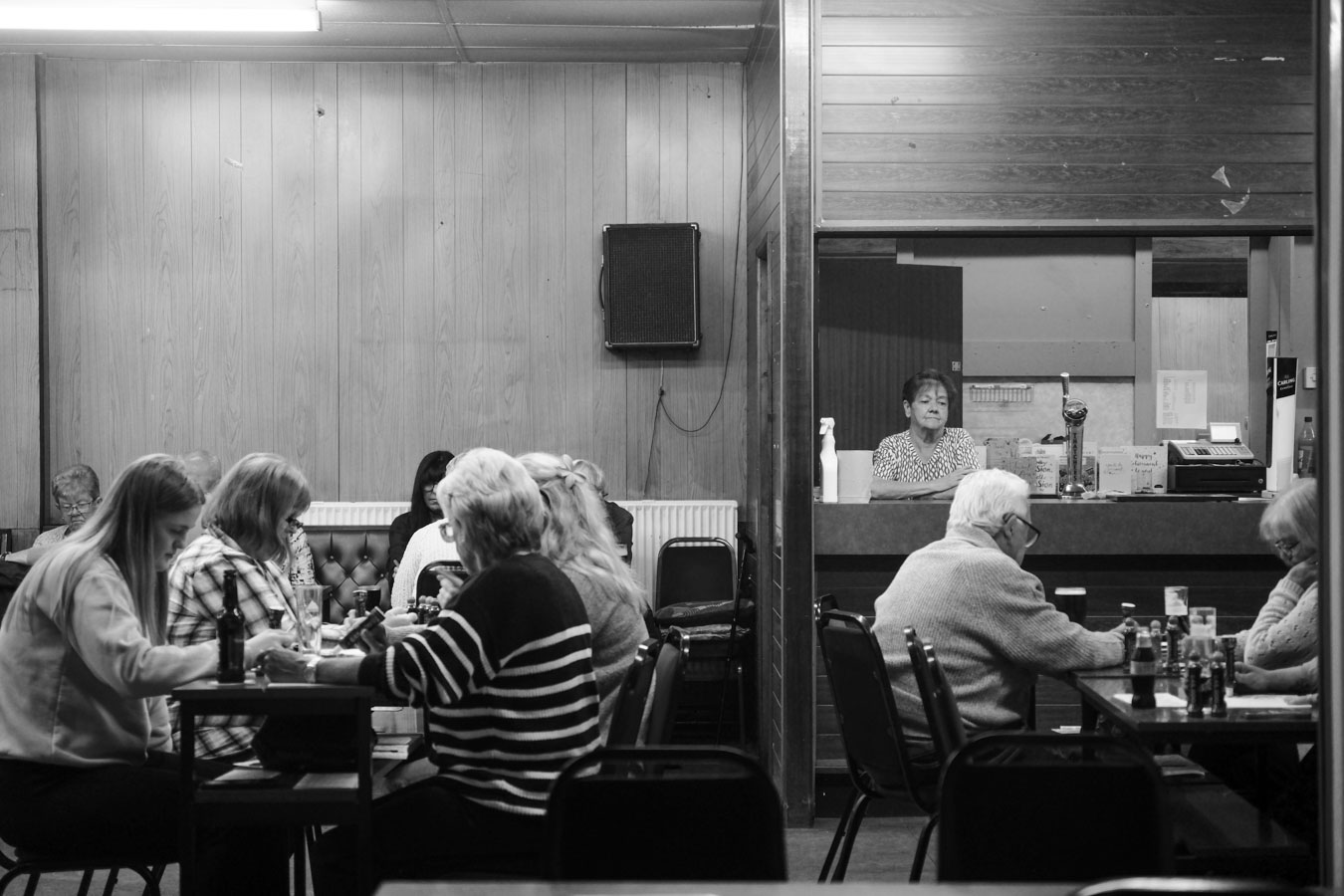
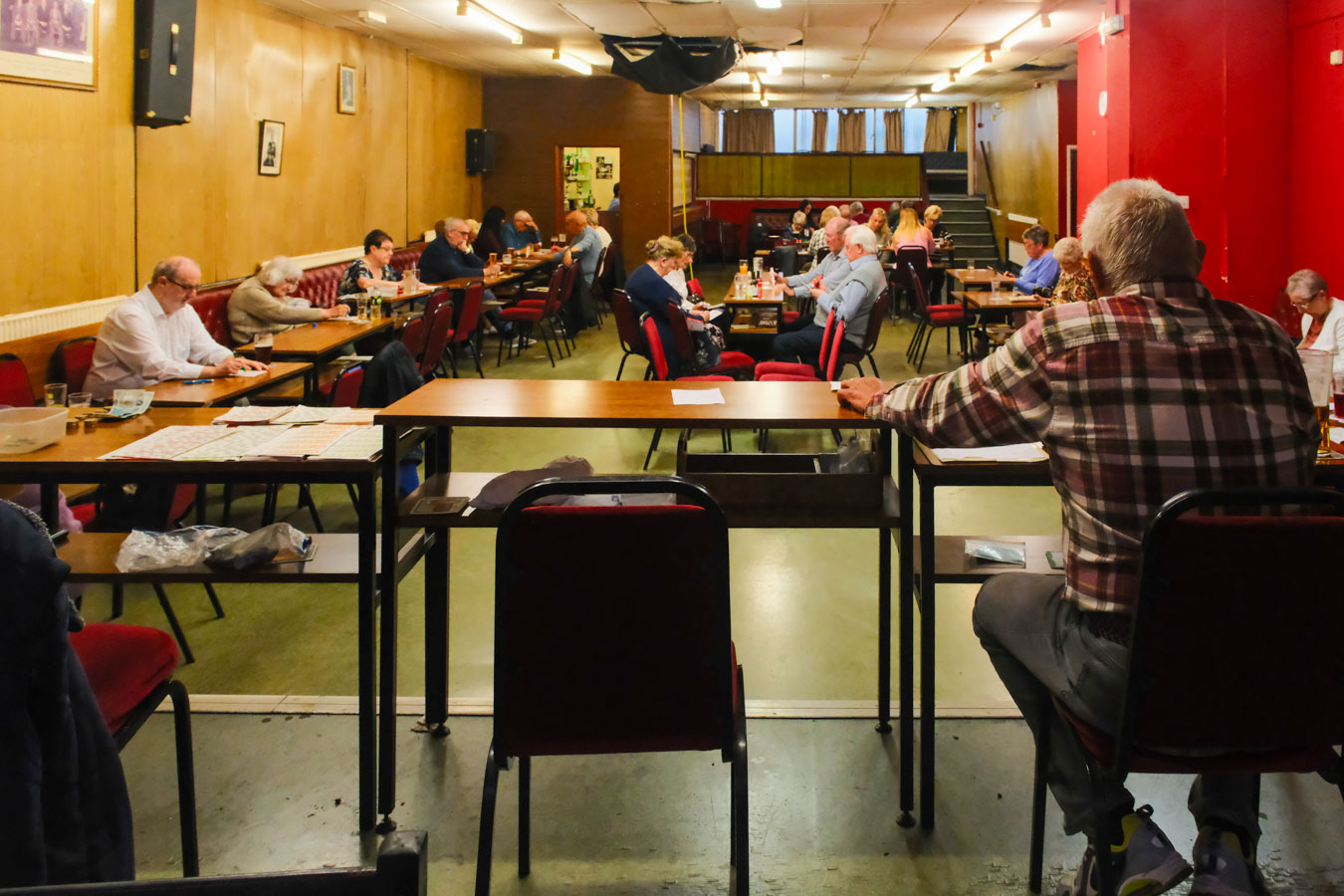
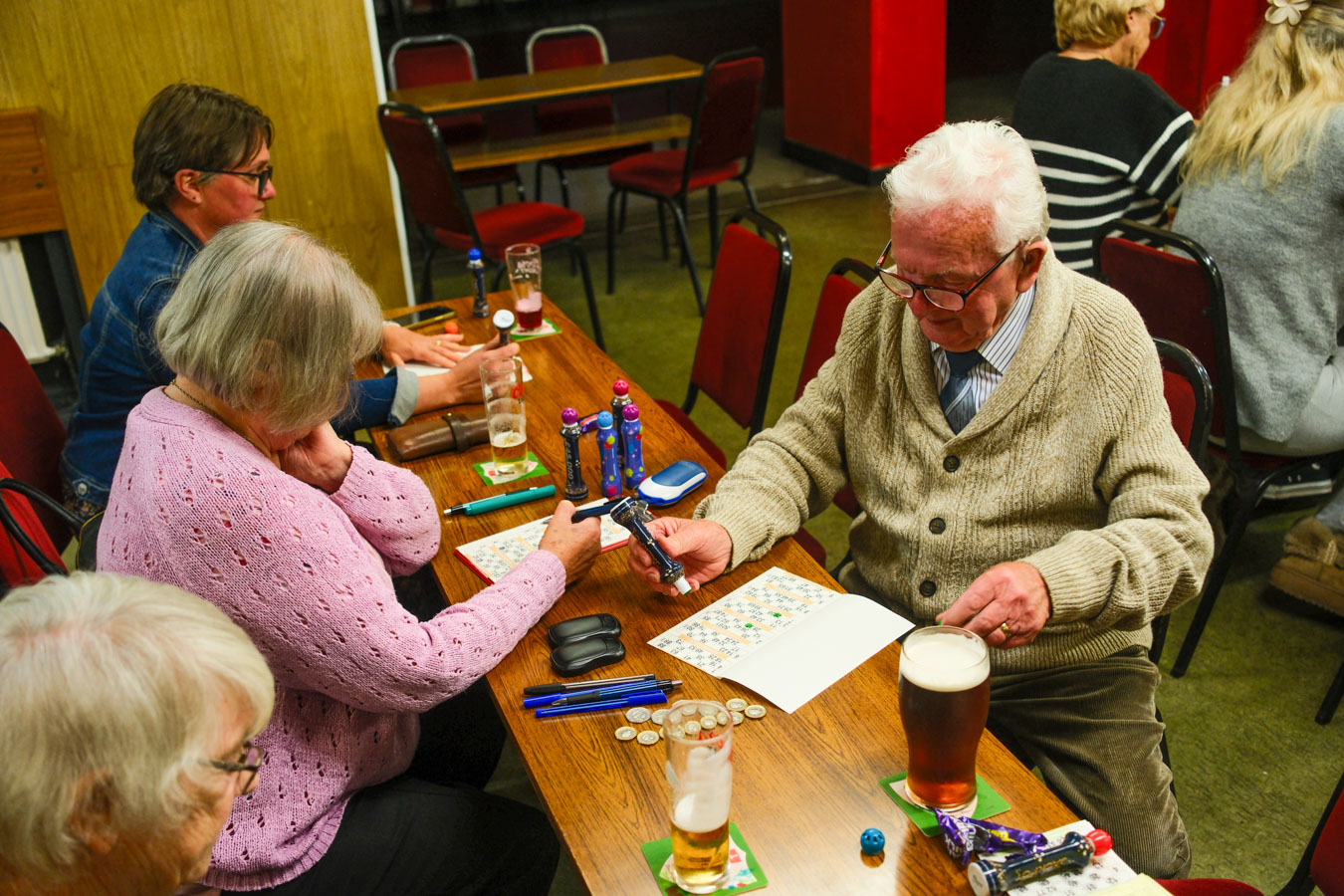
Snooker was downstairs, bingo upstairs. Downstairs was full of chat and laughter, but come the strike of 8pm, you could hear a pin drop in the upstairs lounge.
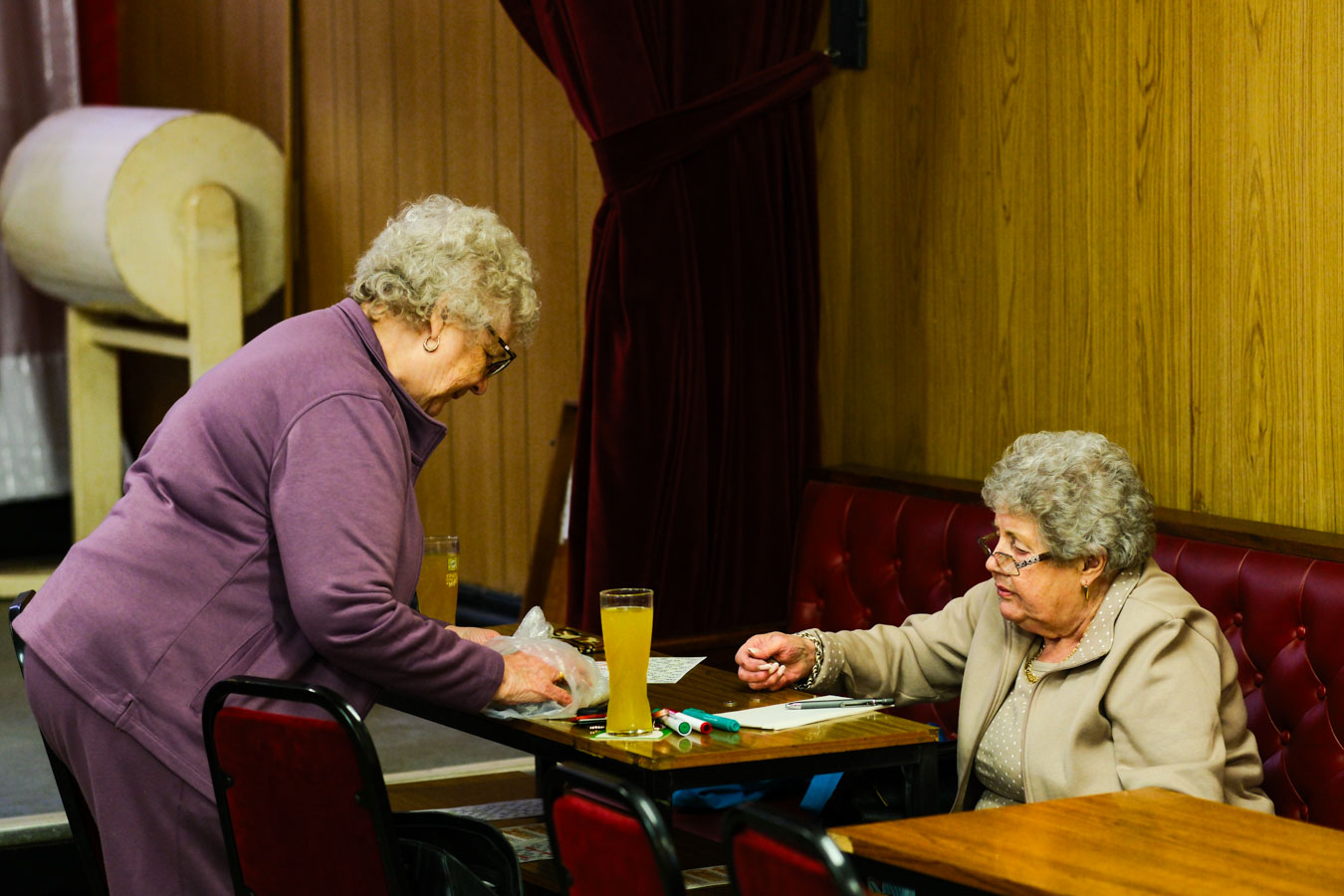
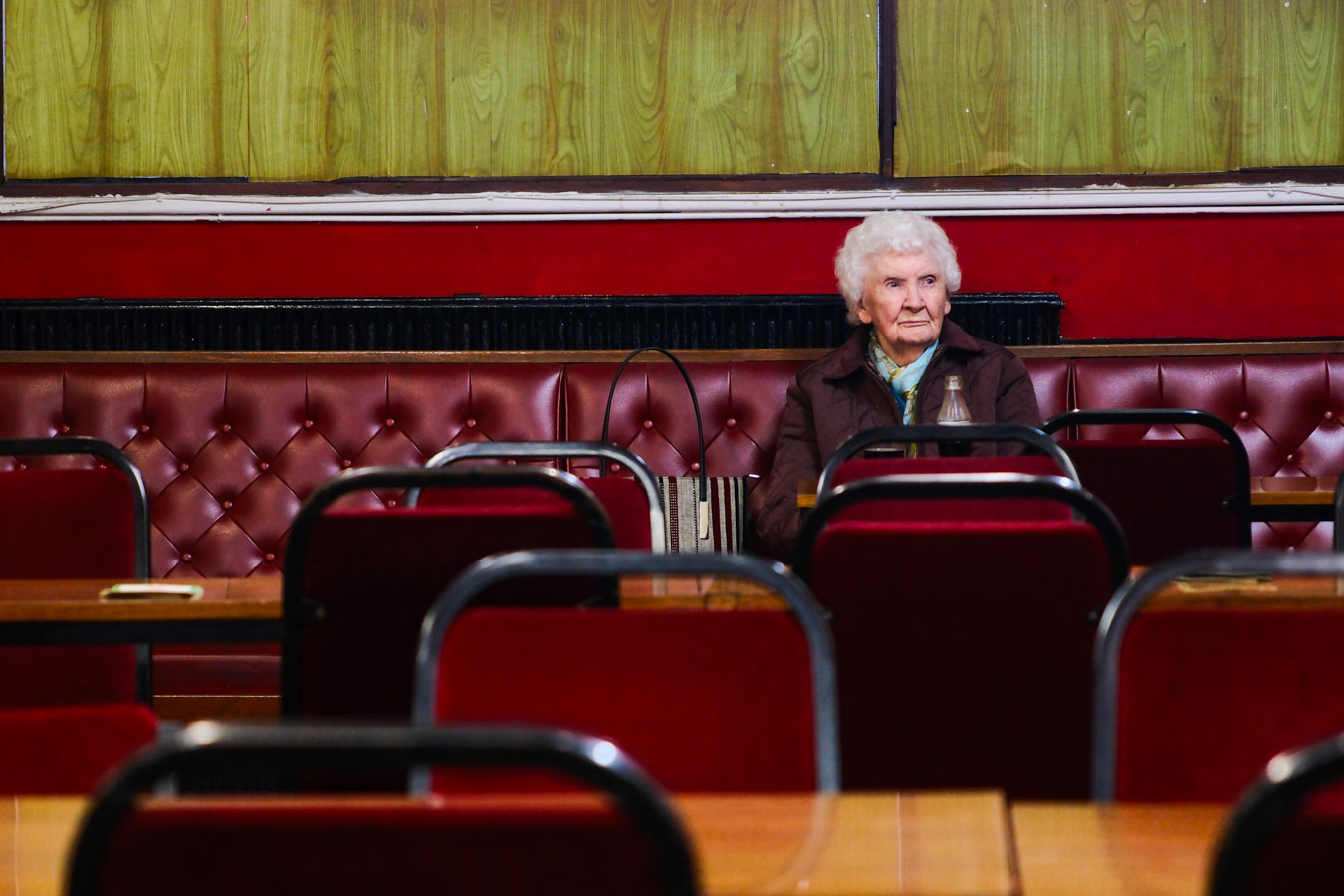
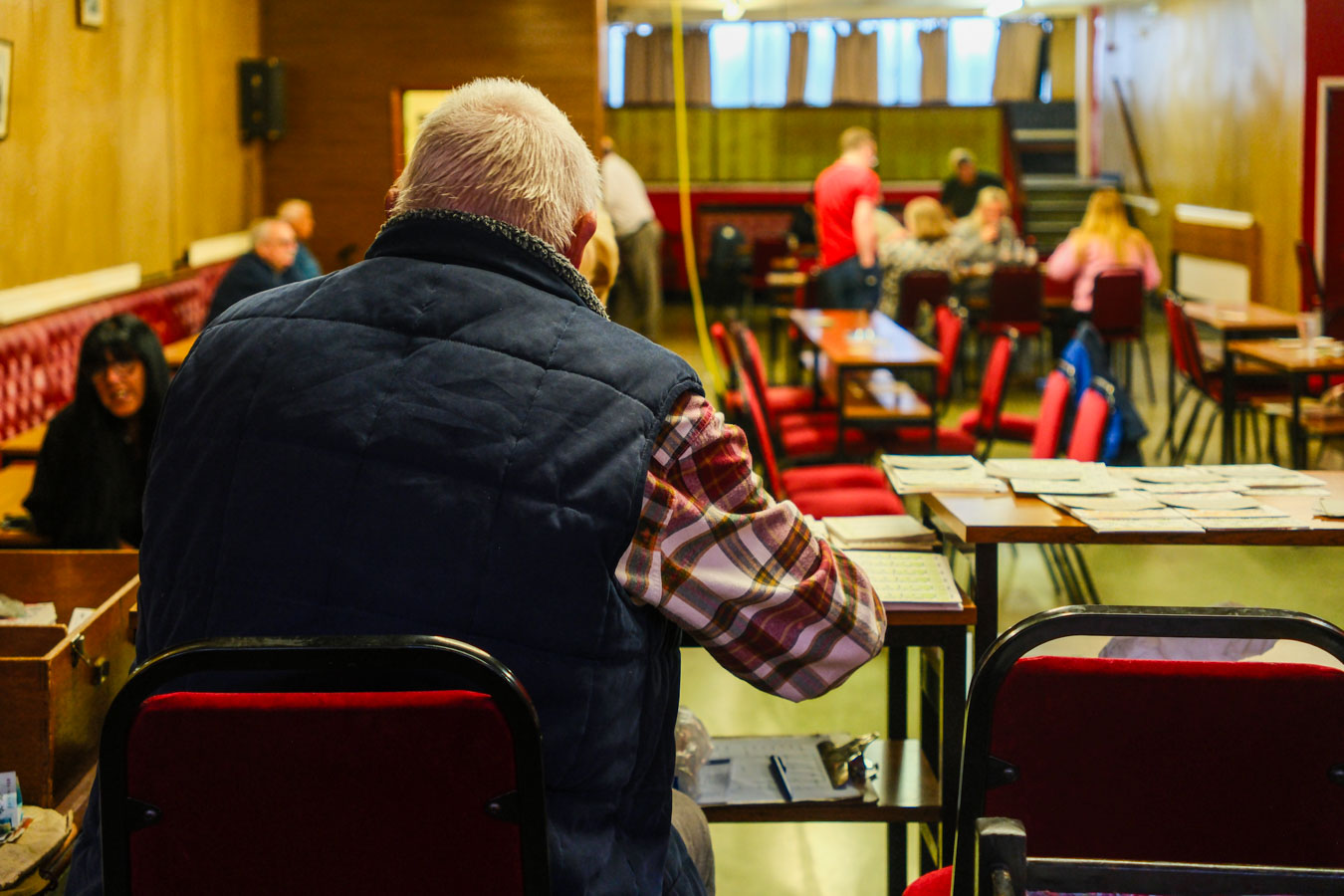
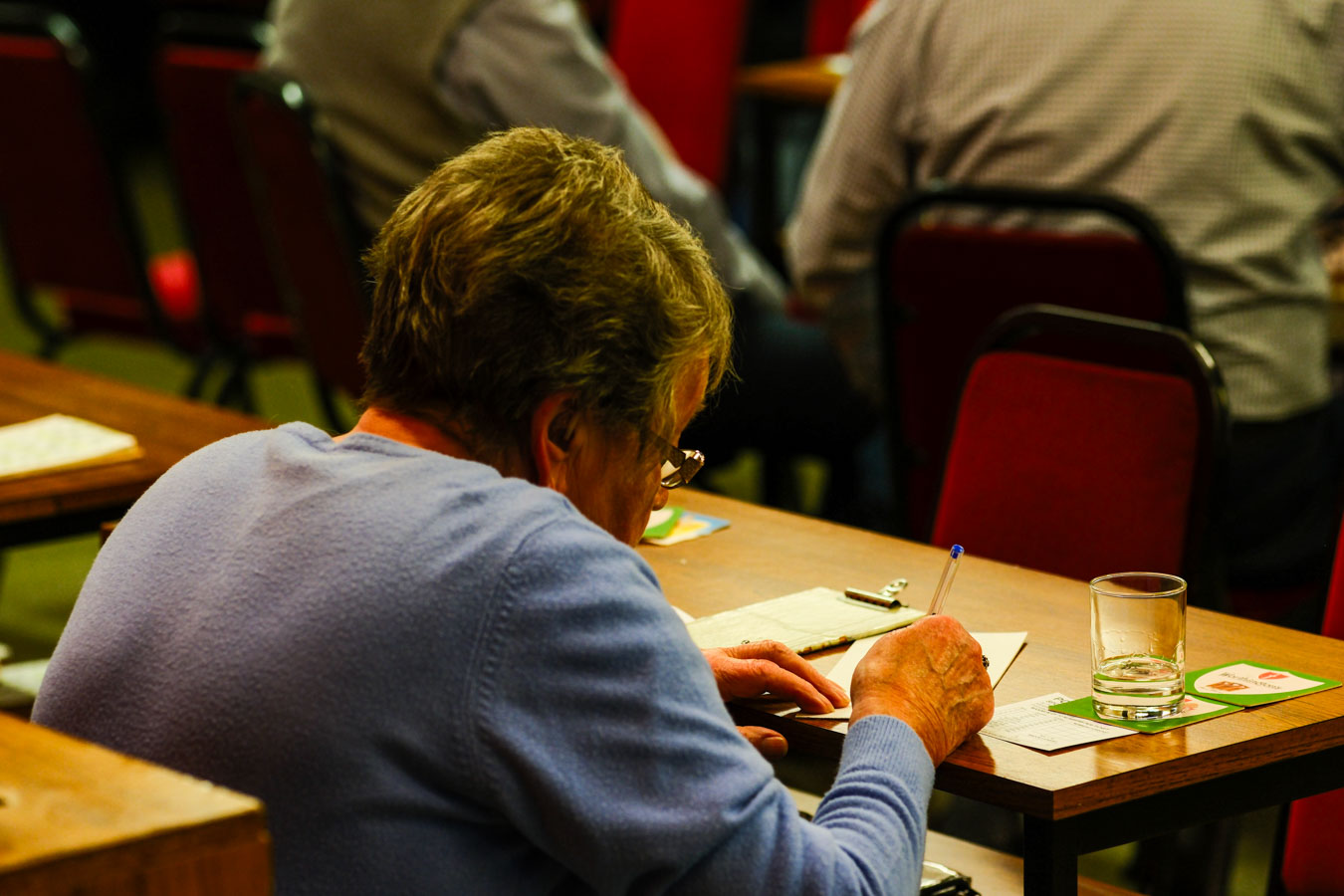
I’d arrived early for the bingo and was quickly warned about where I’d left my camera bag. THAT was someone’s seat. As much as I enjoyed the snooker lads and their banter, it was the ritual of the bingo that fascinated me.
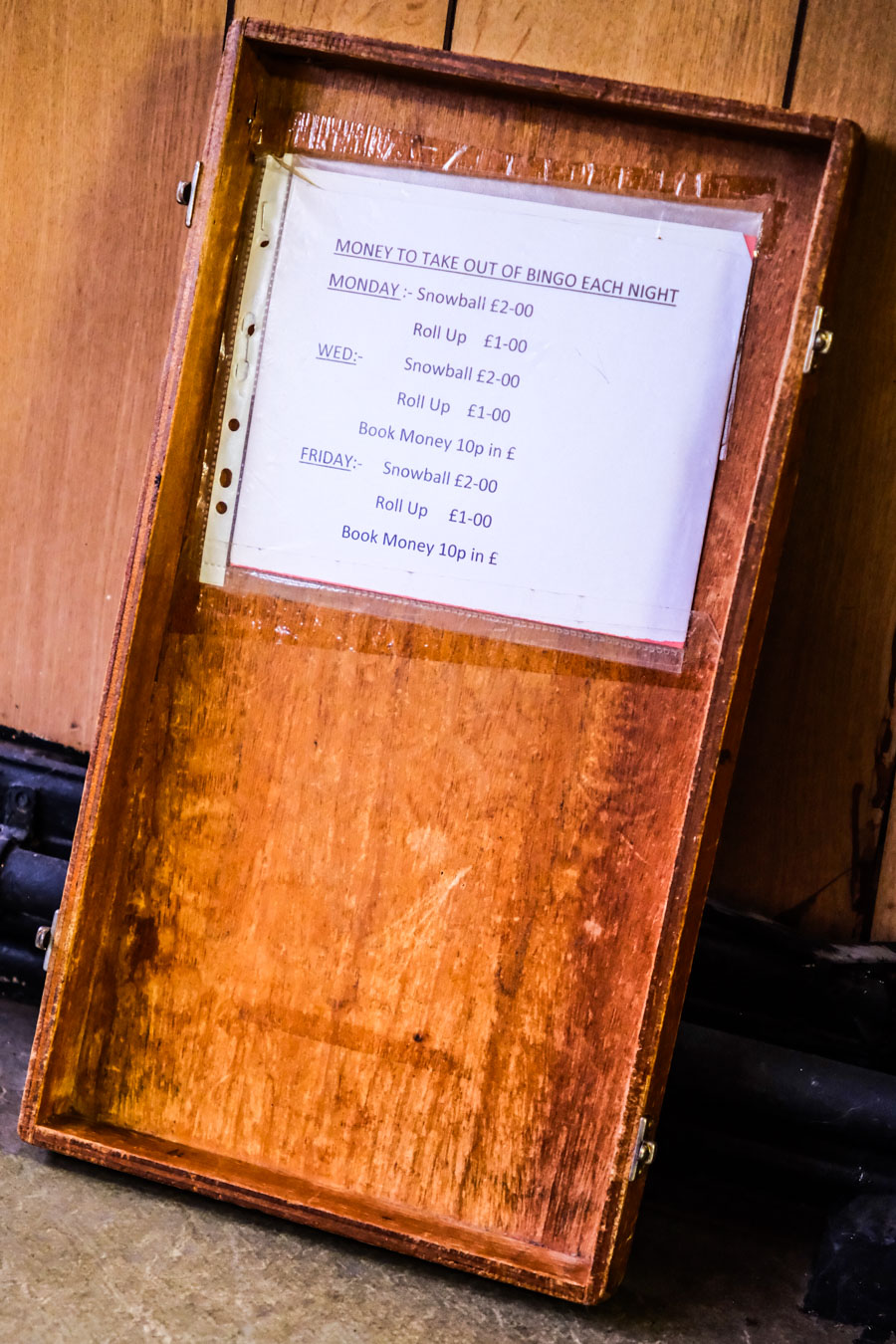
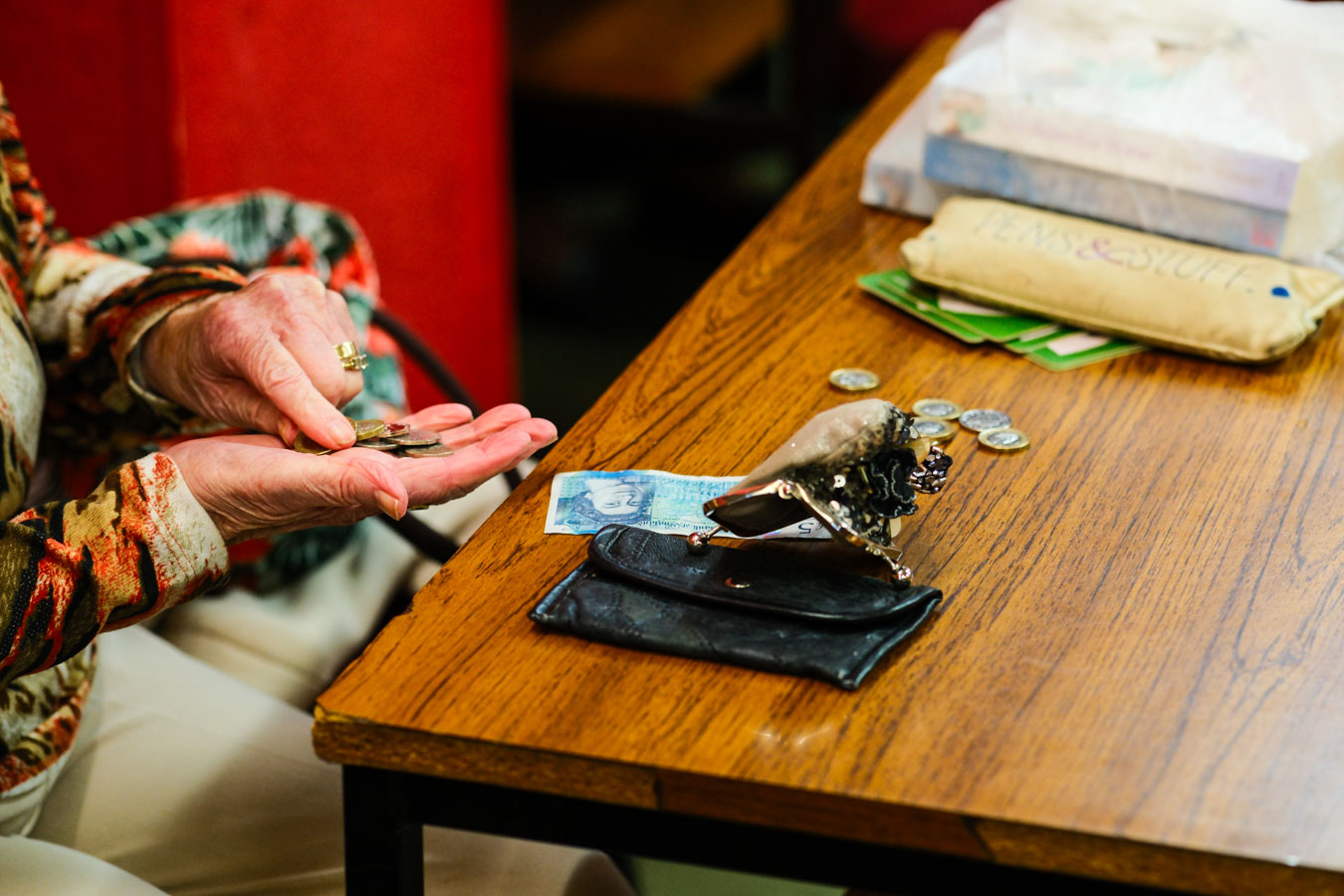
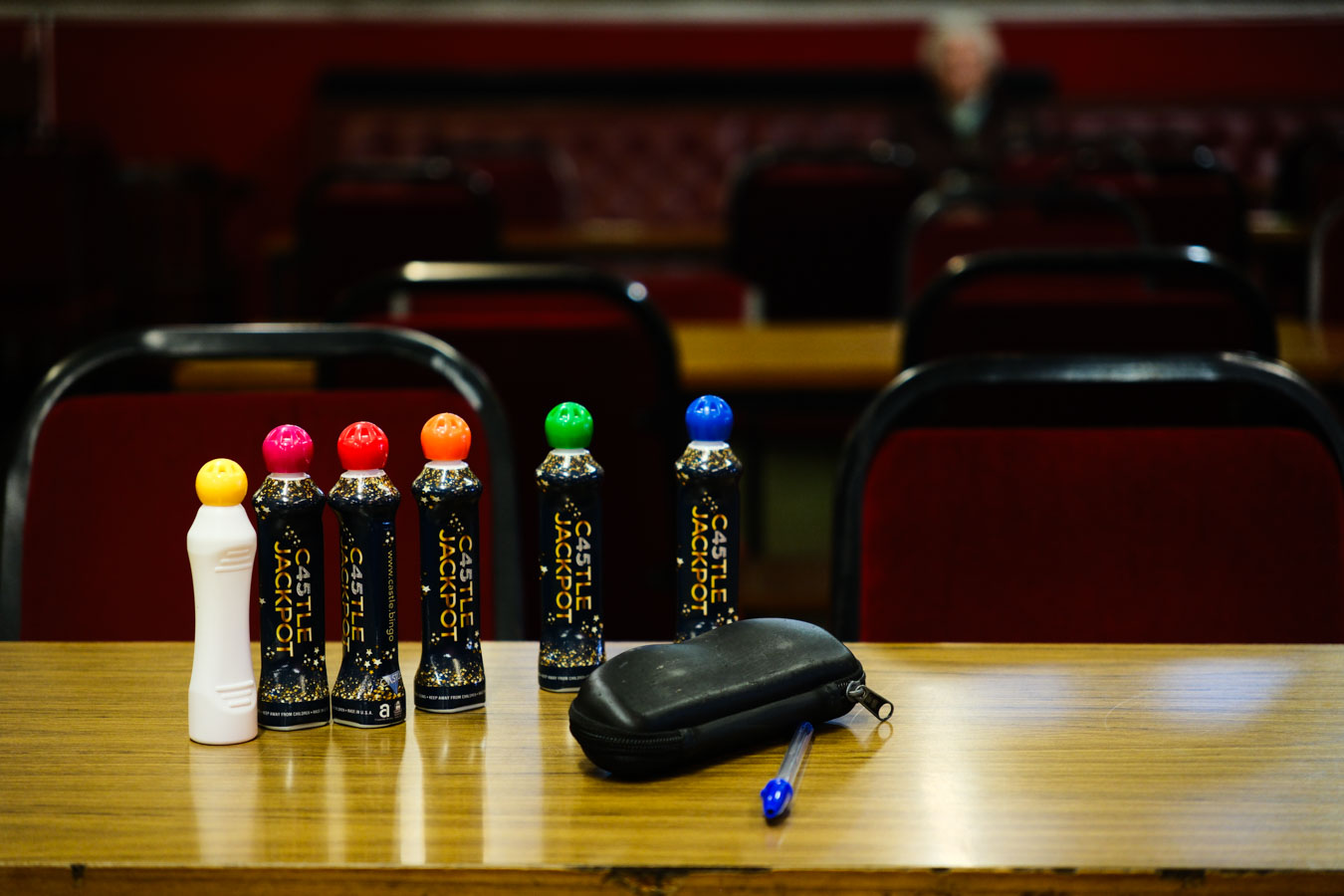
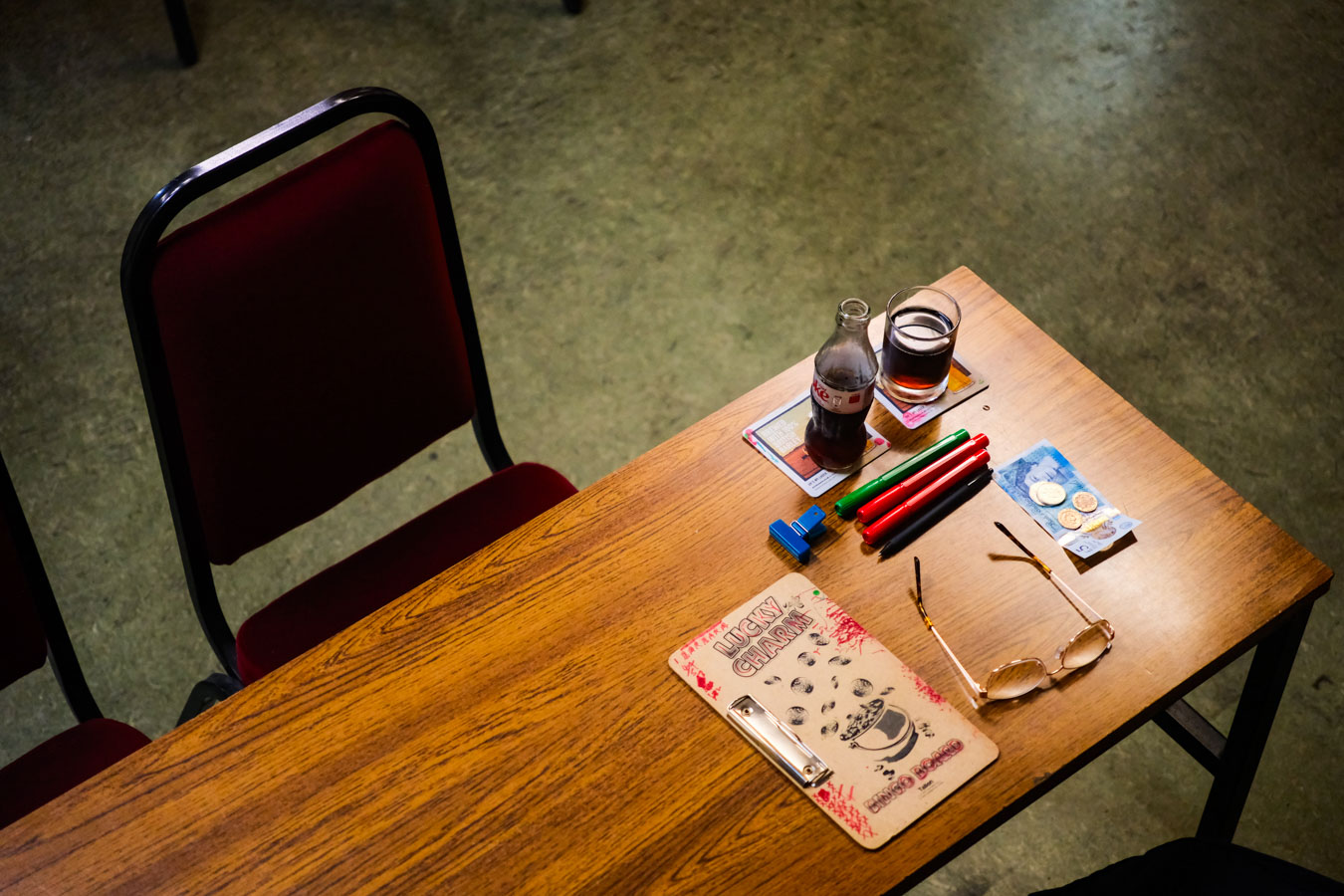
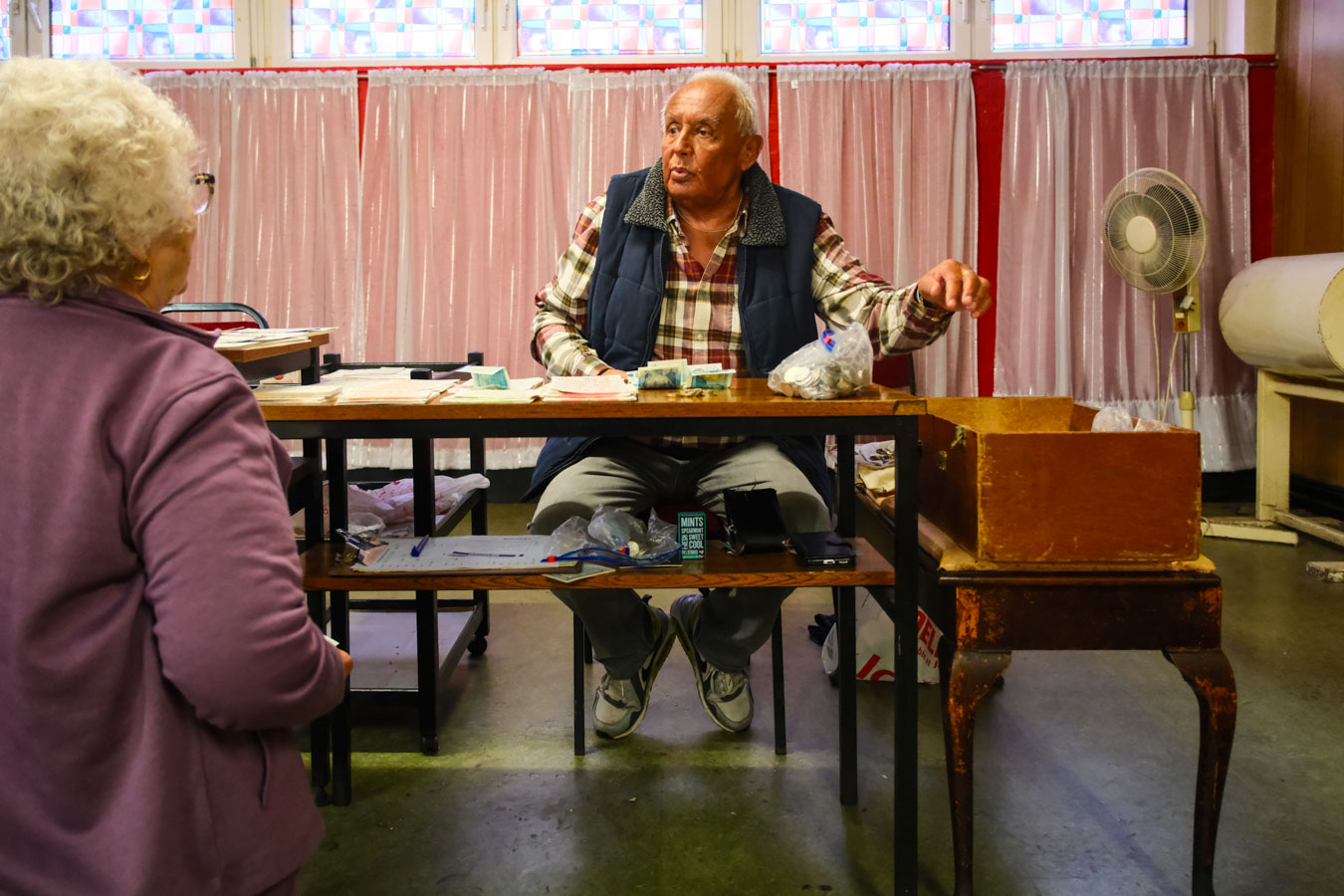
Everyone had their seat. You approached John Pugh individually for your cards (God help you if you handed over a twenty or if he wasn’t quite ready). The calls were met with an almost drone-like rhythm “Two little ducks” a quiet, synchronised “quack quack quack” in return. The way everything was laid out – the board, the dabbers, the glasses—was precise, meticulous. A weekly ritual, played out in the same seats, week on week, for longer than many could probably say.
3 – Fond Farewells
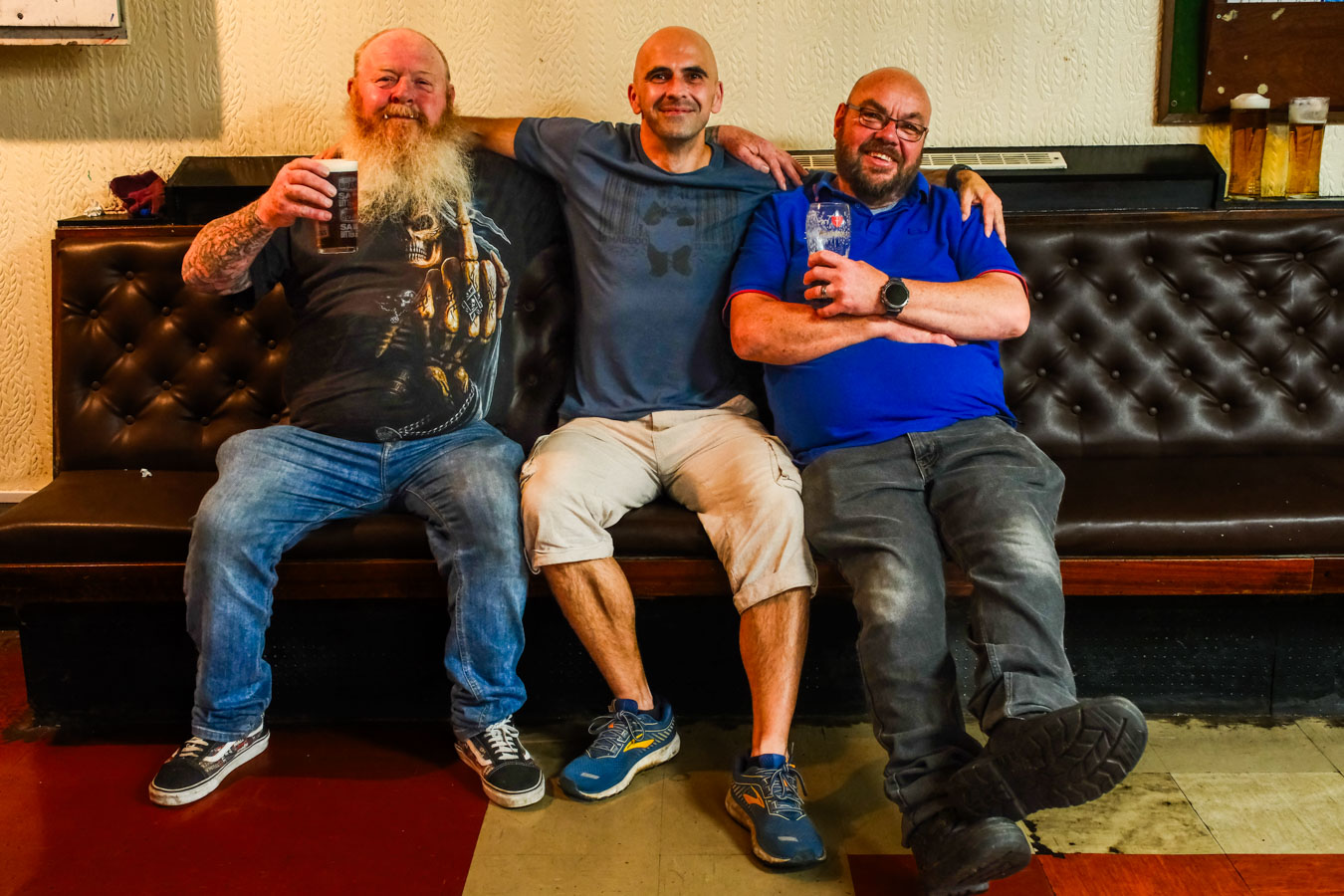
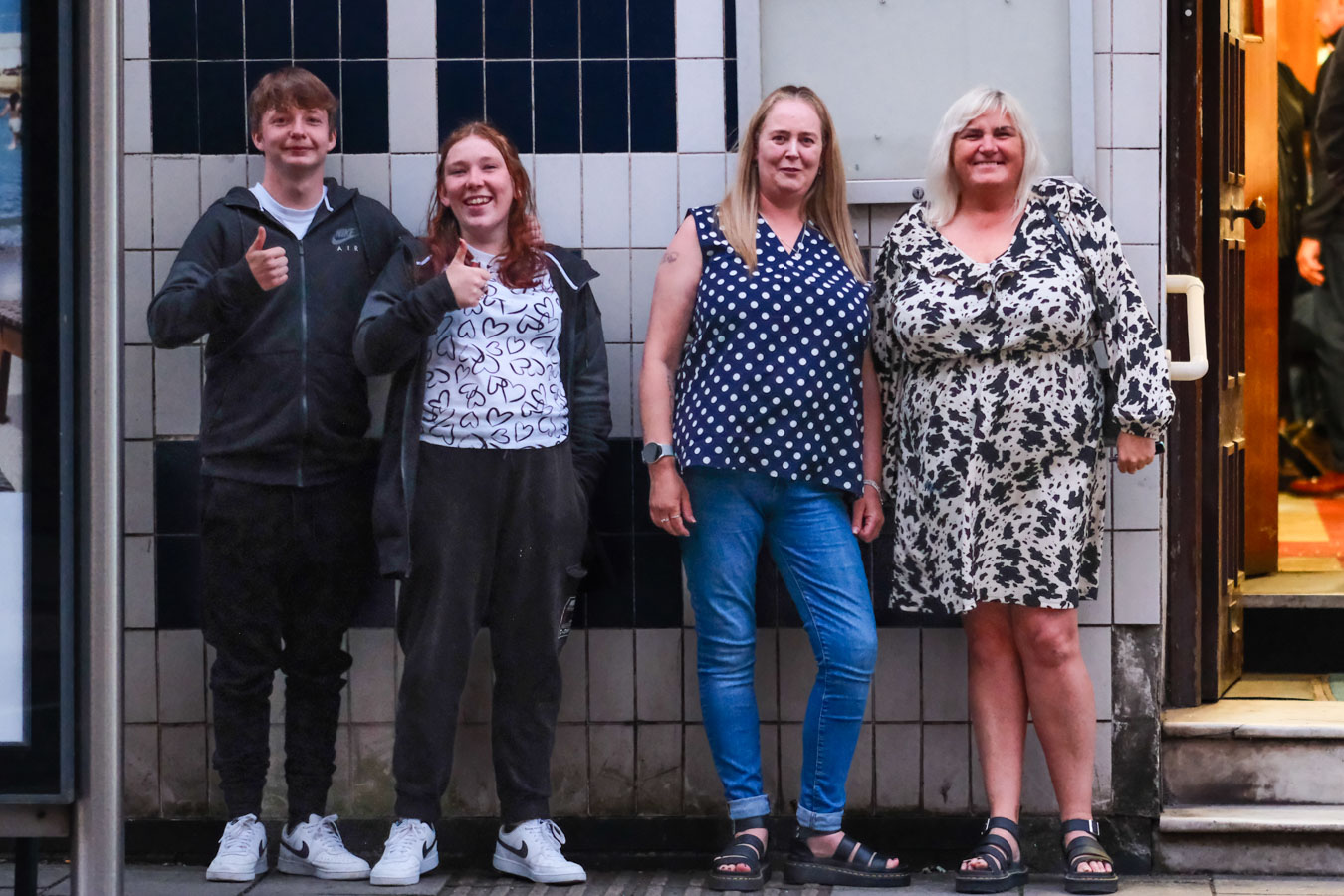
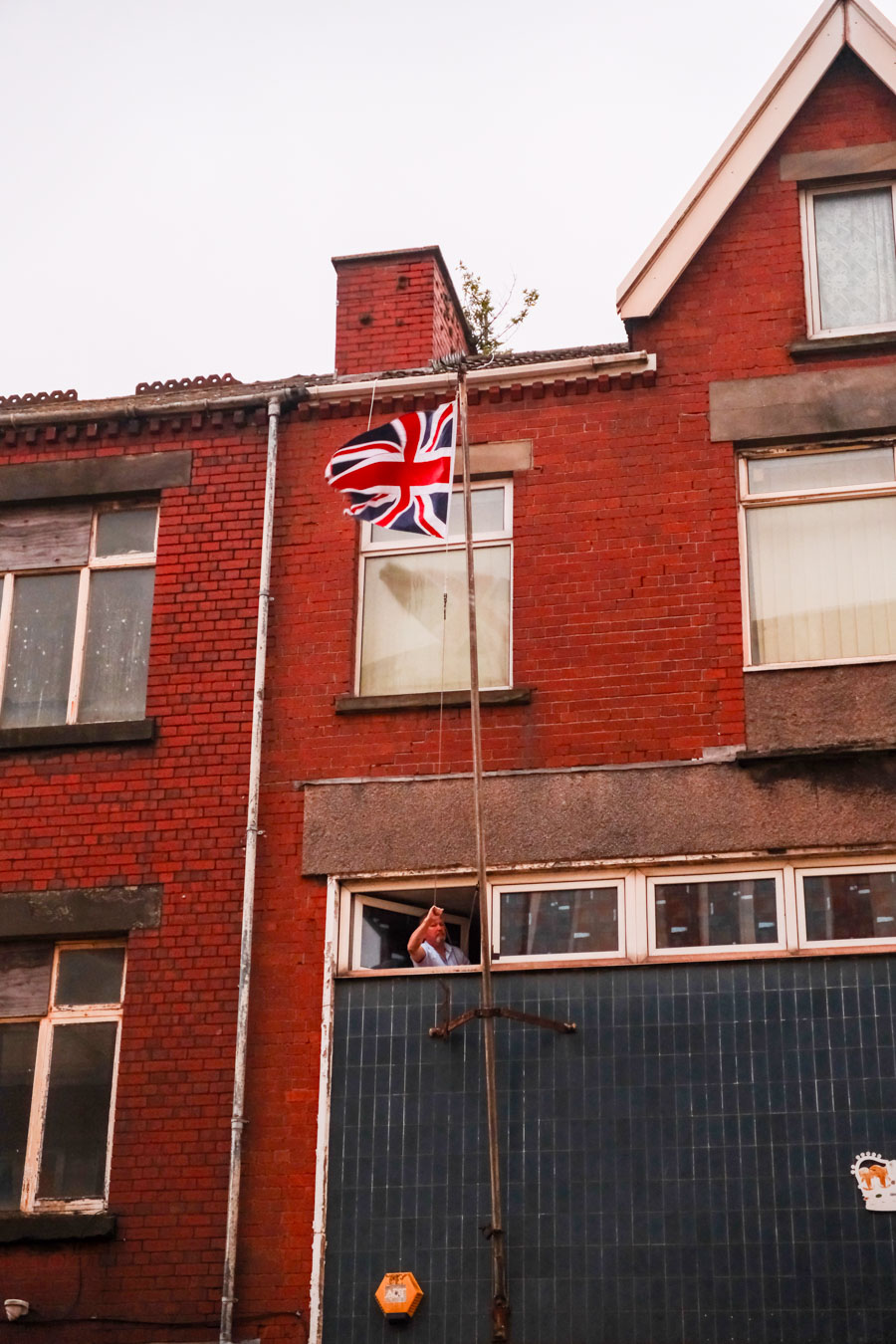
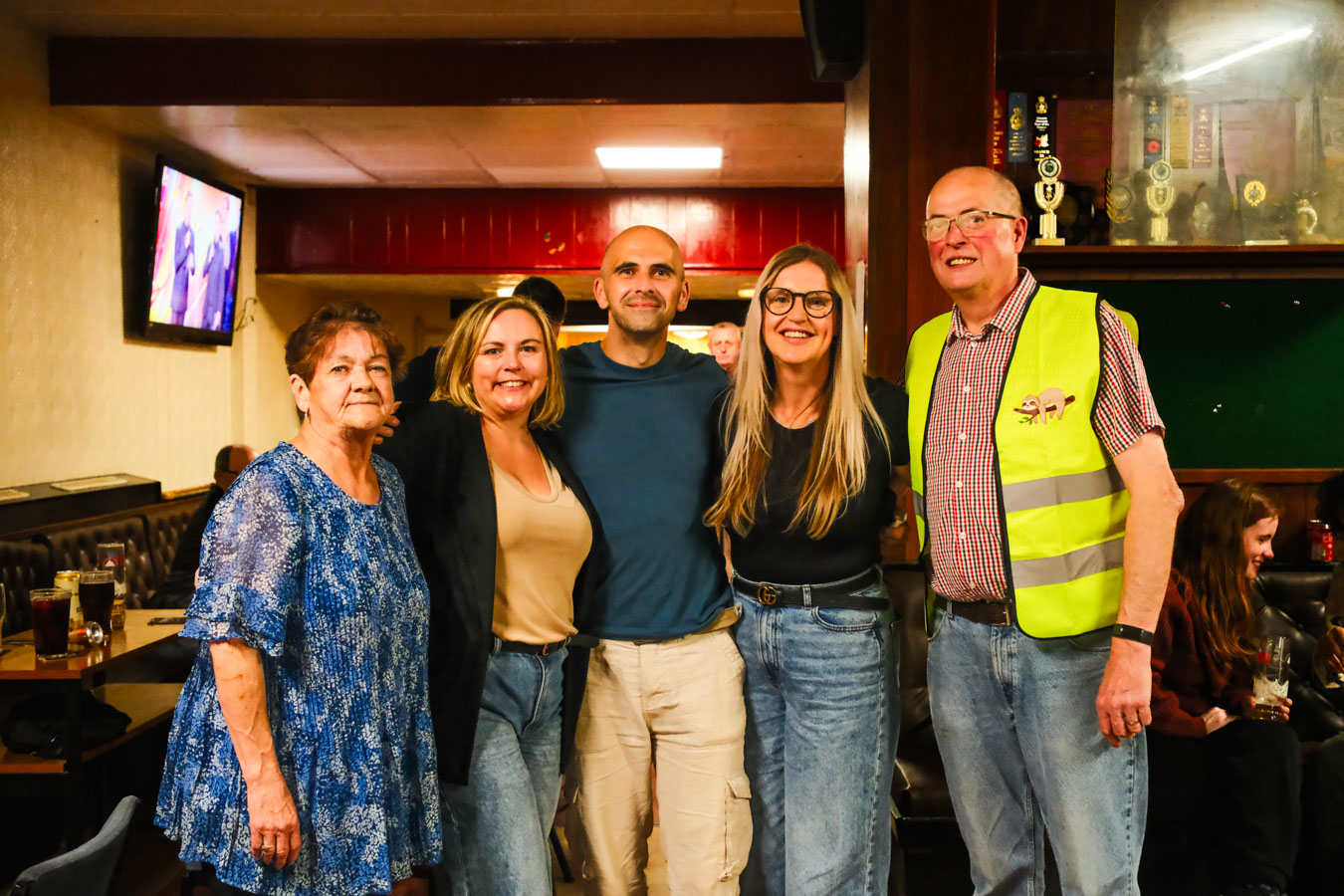
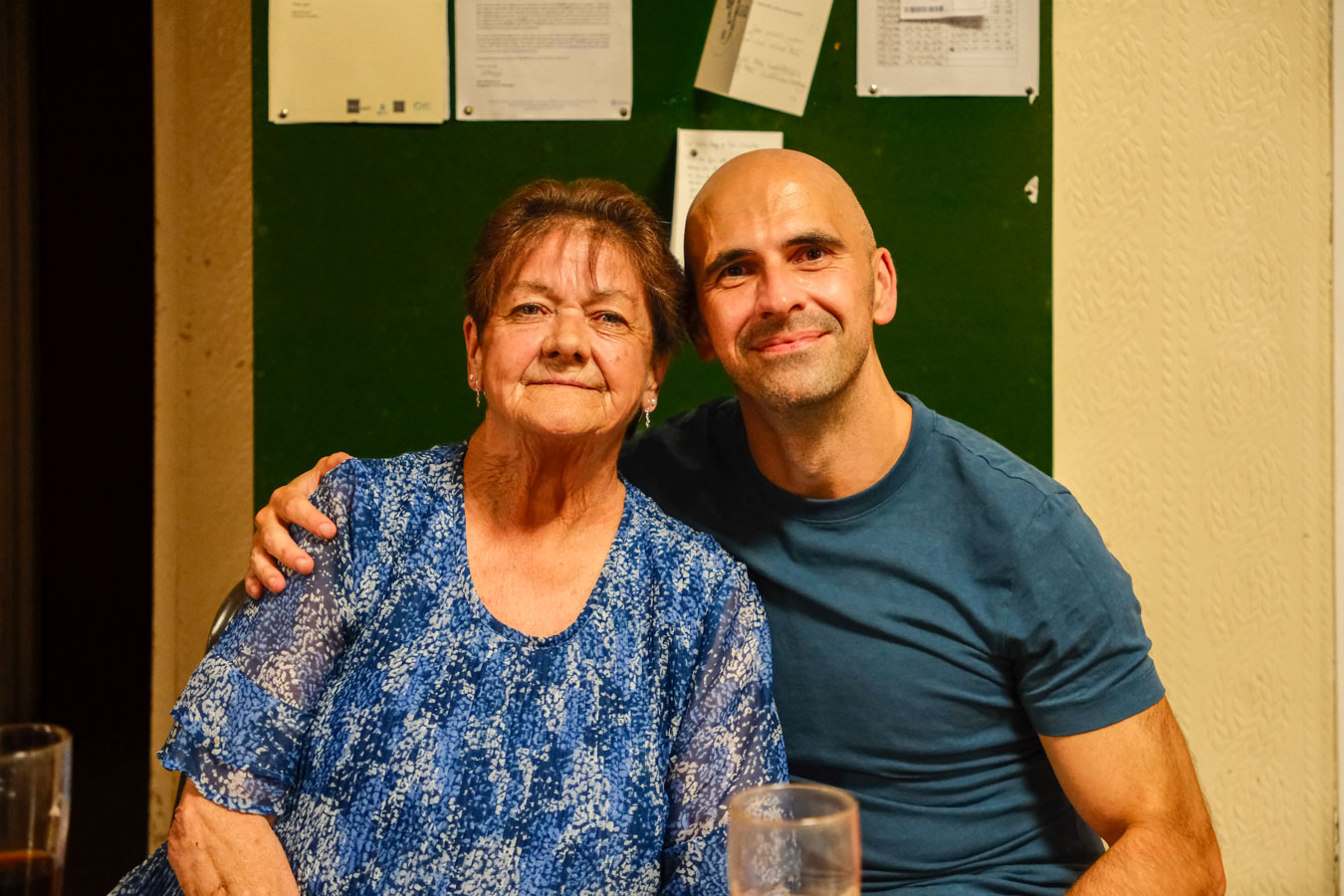
Back for the closing night. A few recognised me from the evening before, and as anyone will tell you, in a place like the Royal British Legion, a day is a lifetime so I was welcomed with open arms.
The staff were expecting a quiet one. They were in for a rude awakening. The place was packed until closing time.
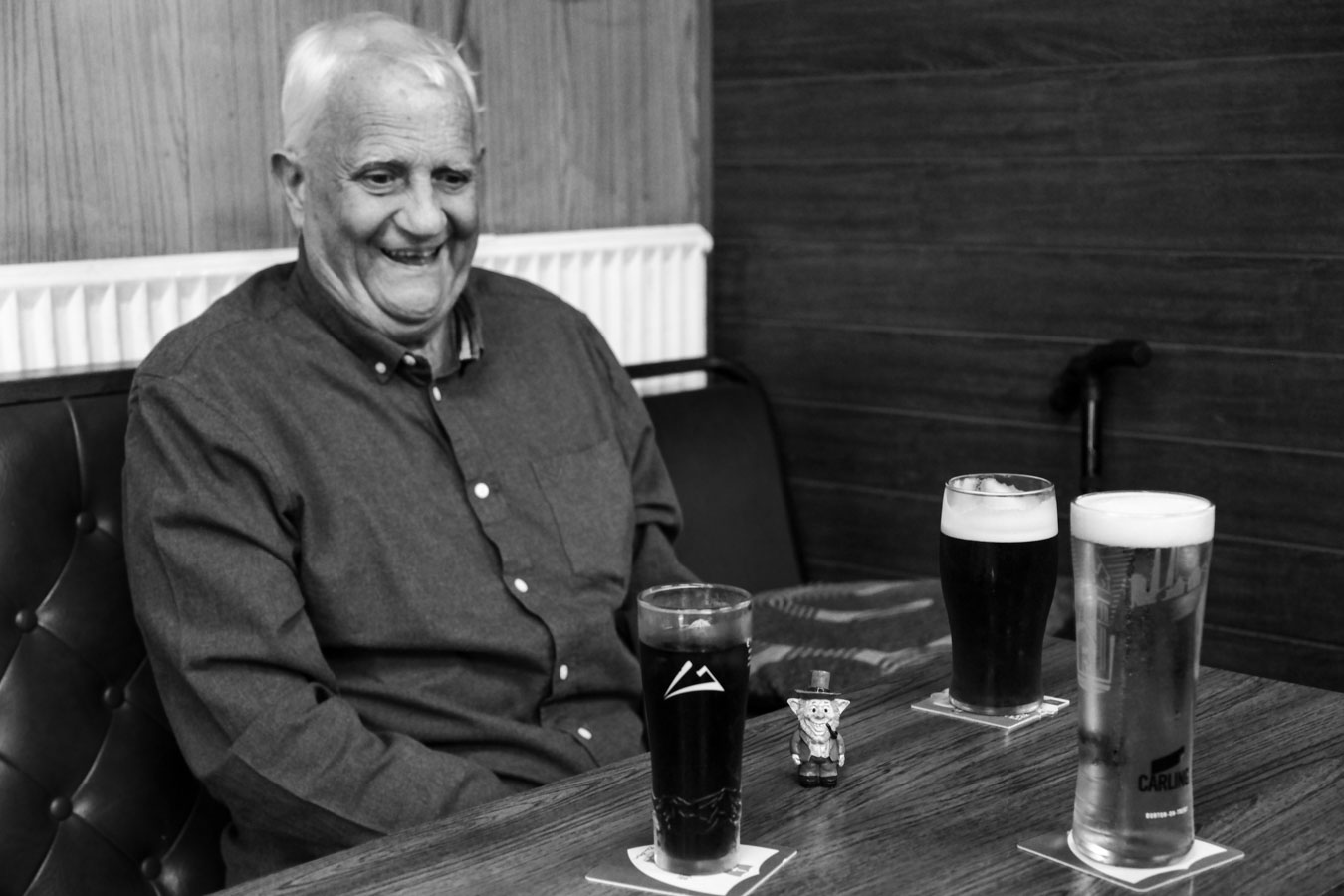
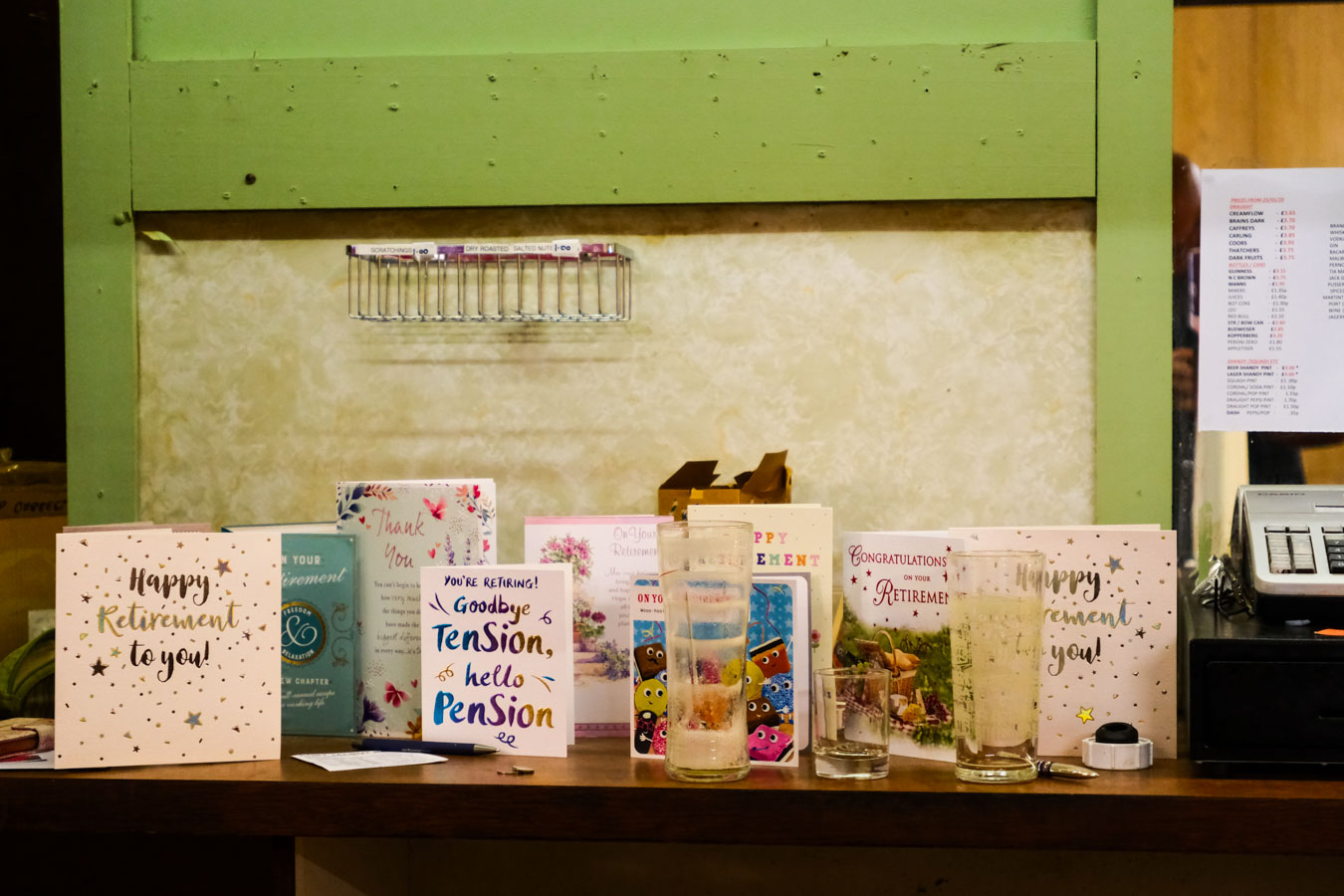
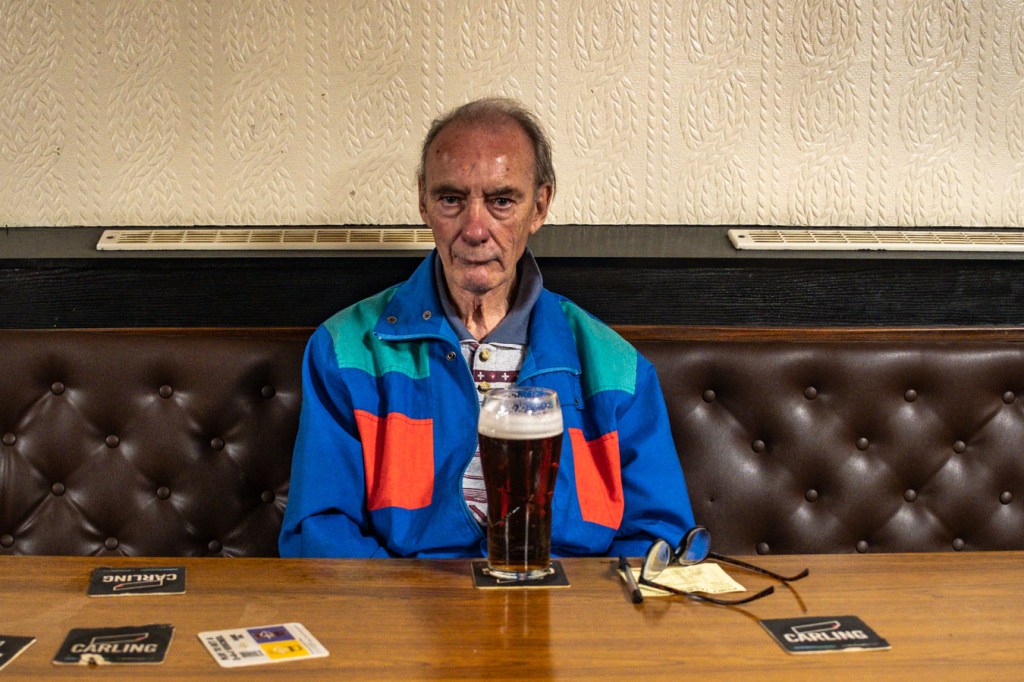
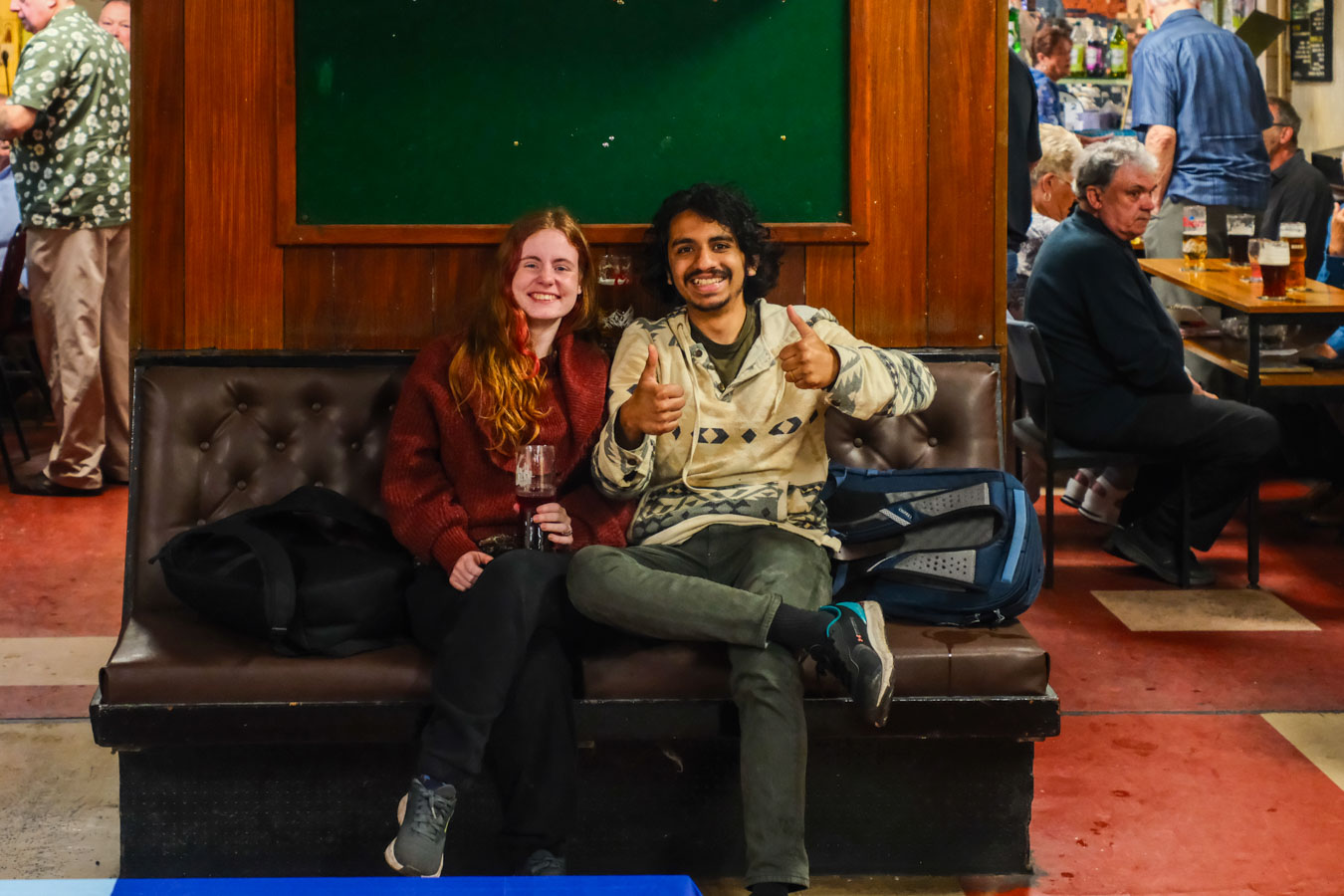
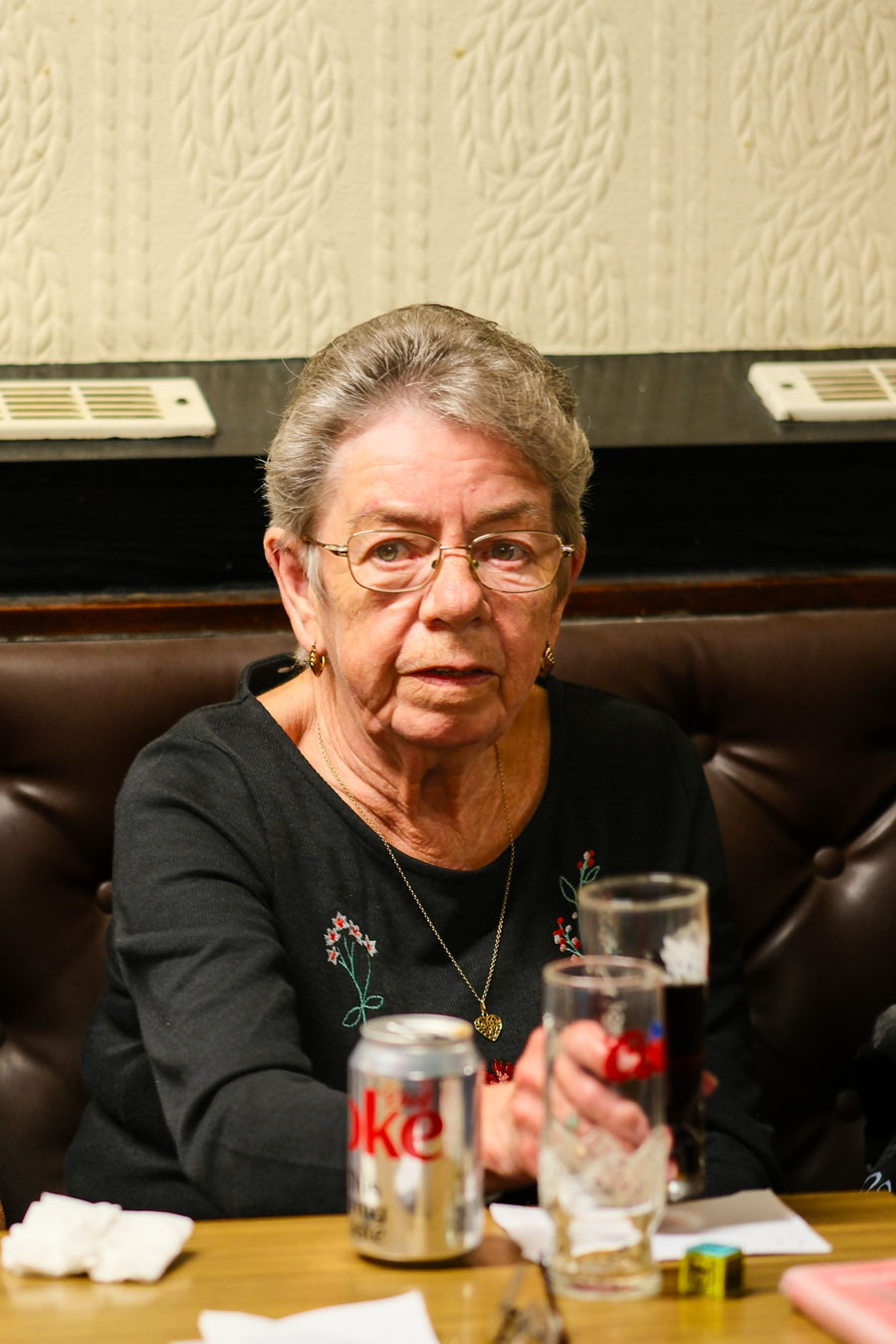
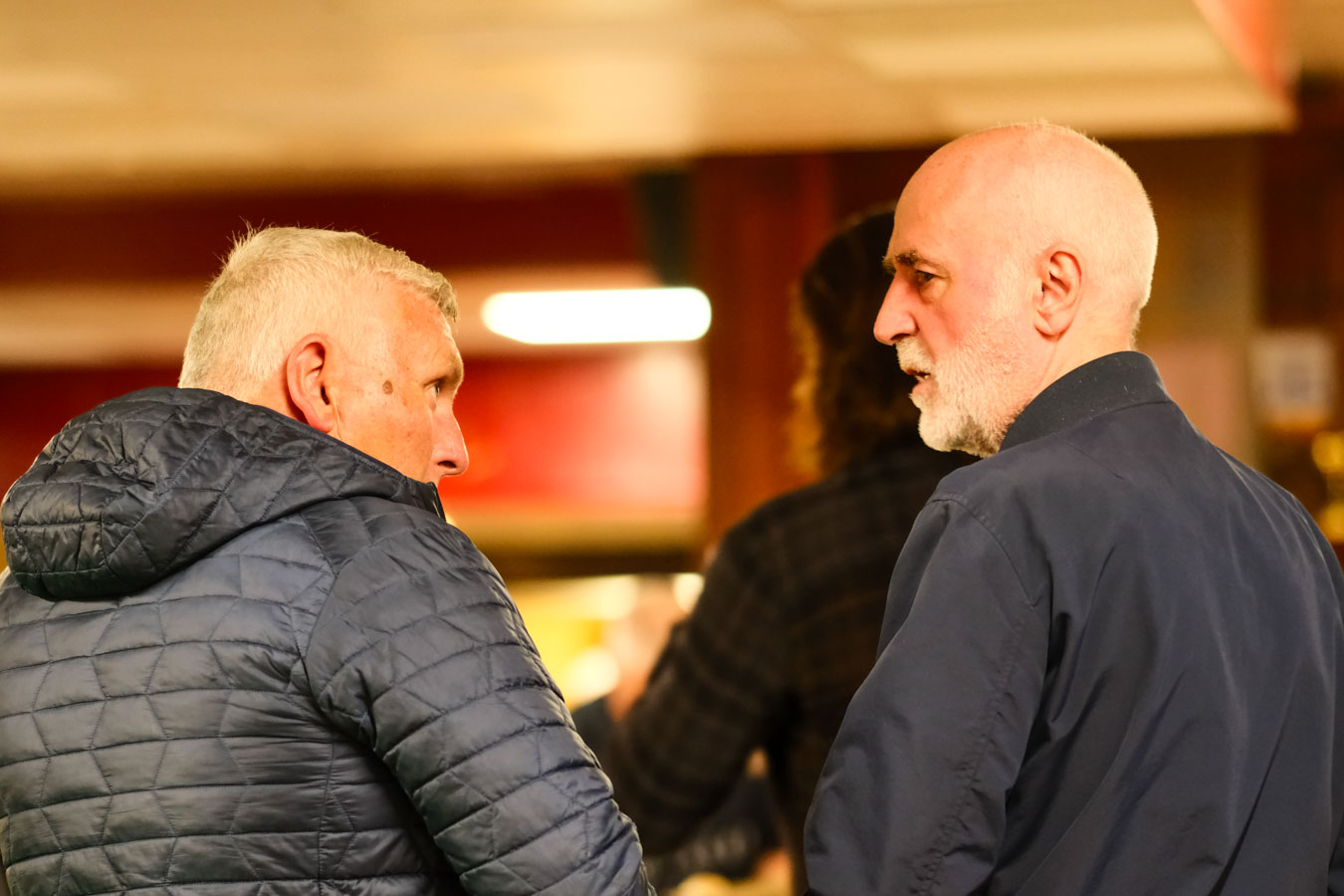
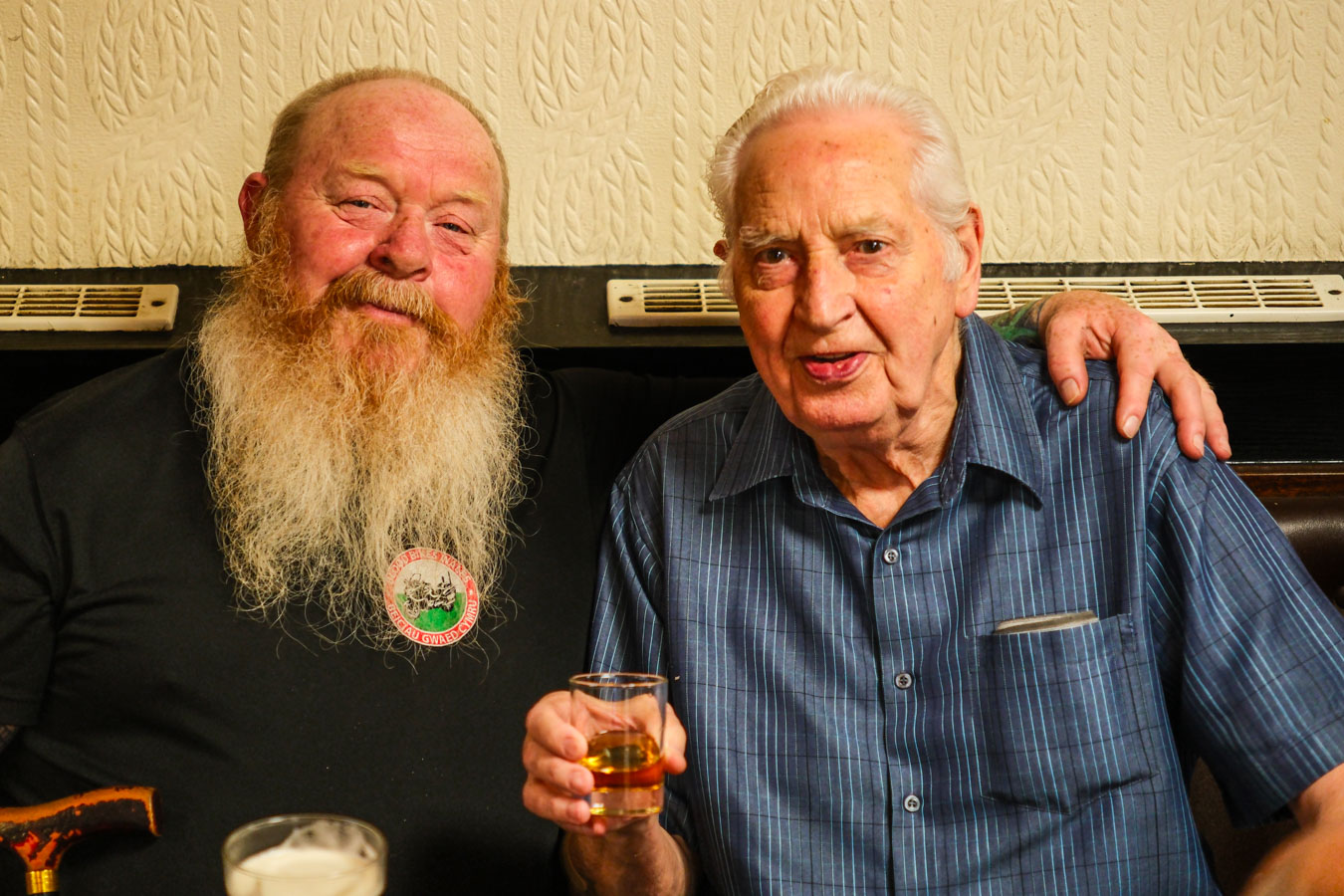
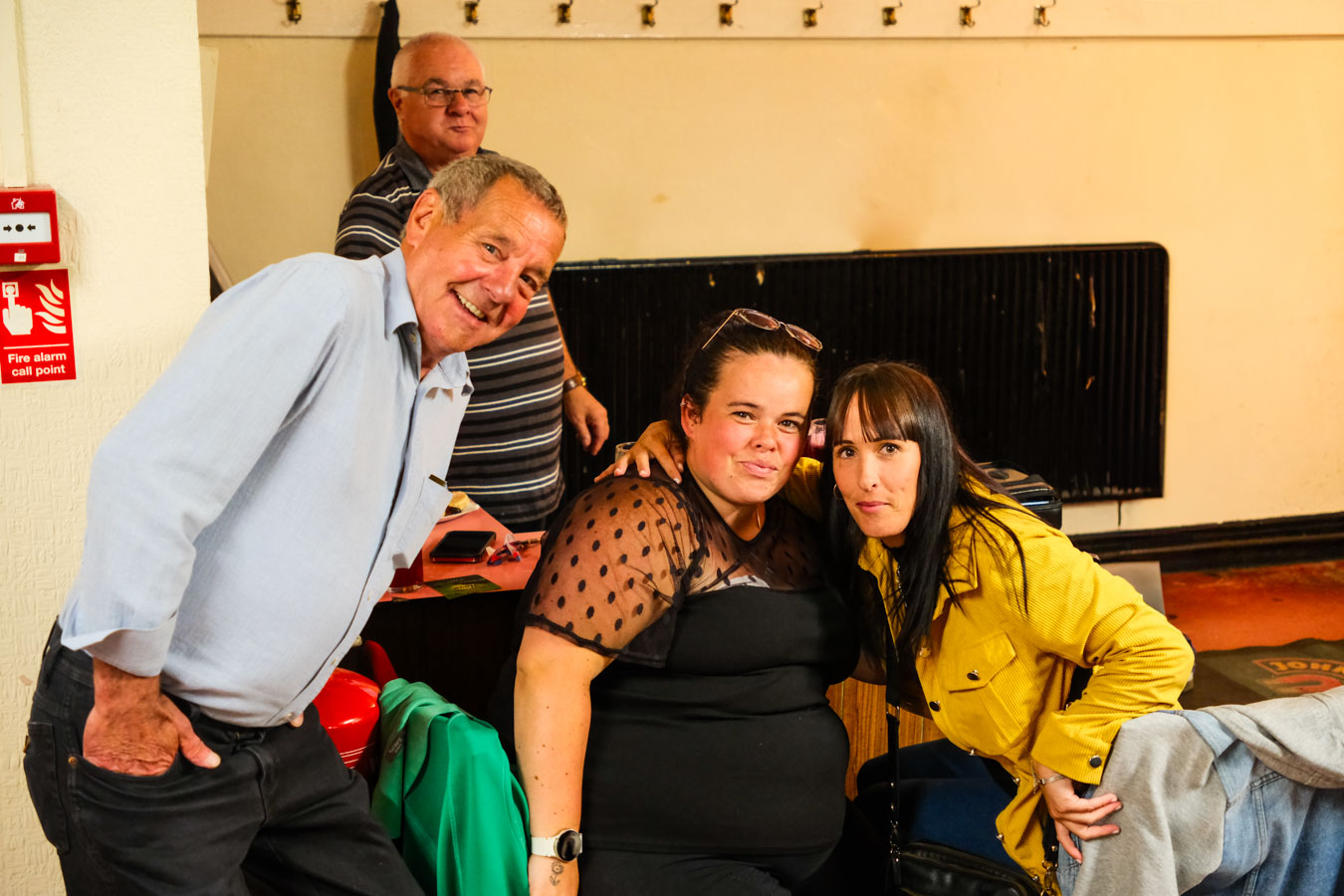
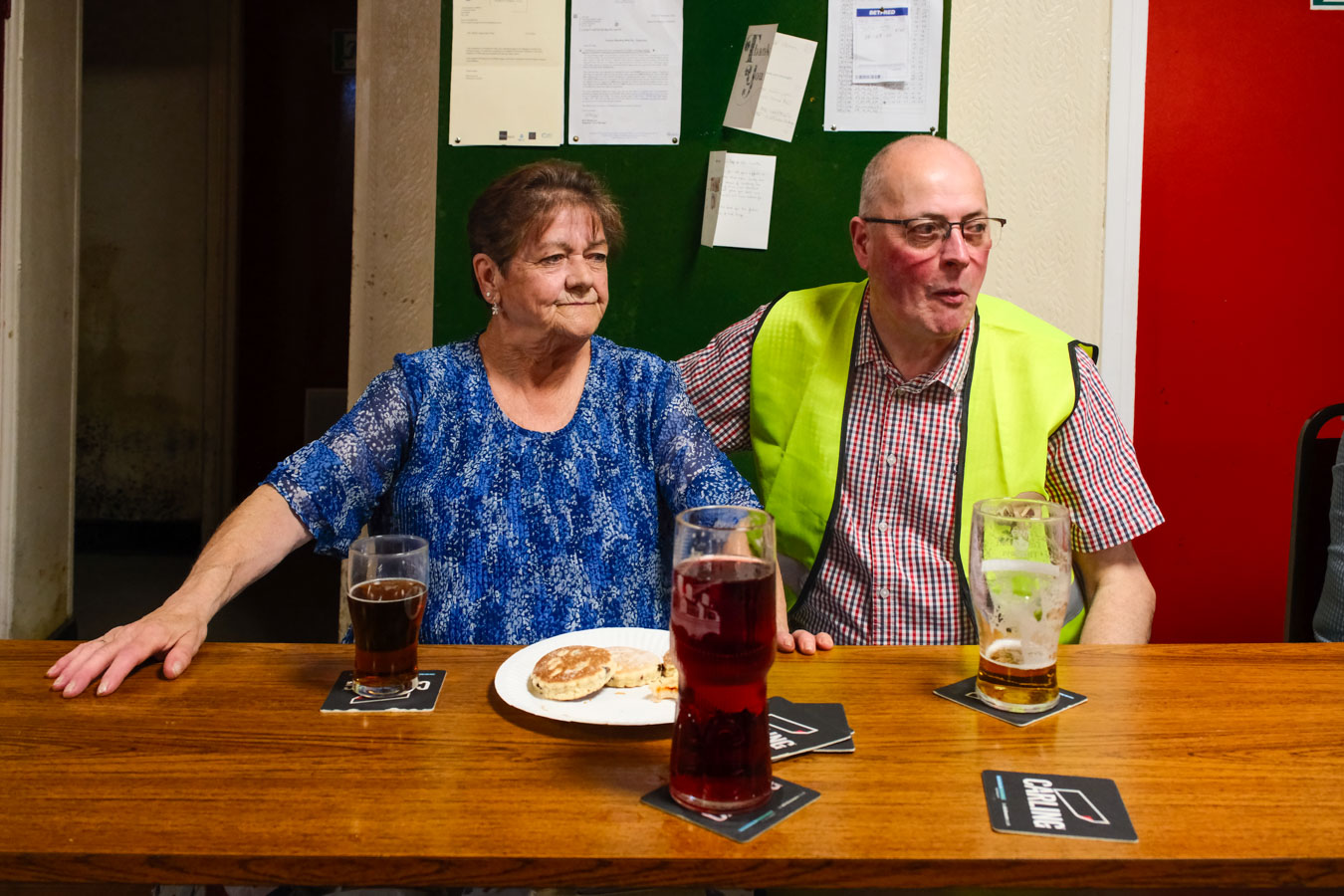
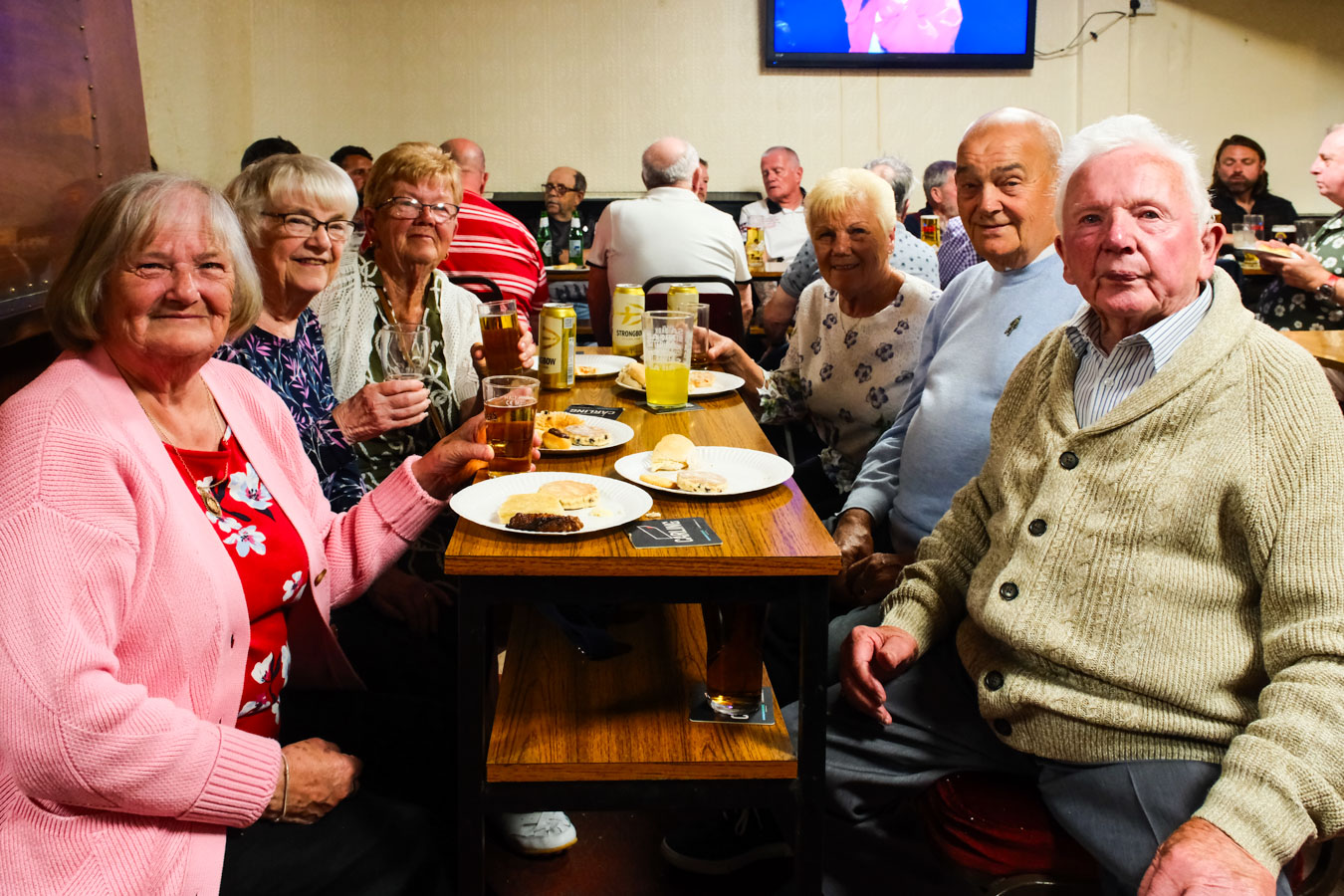
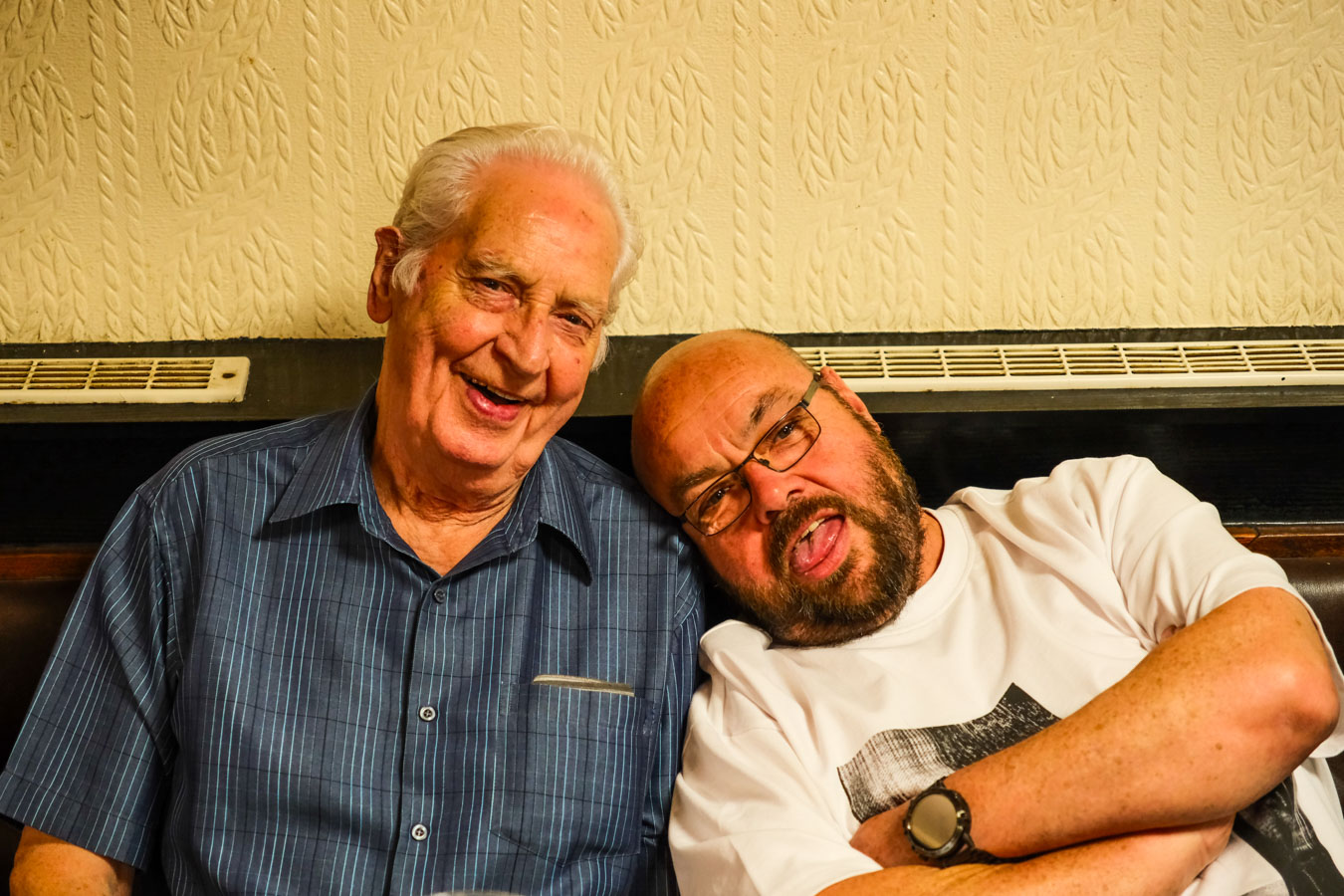
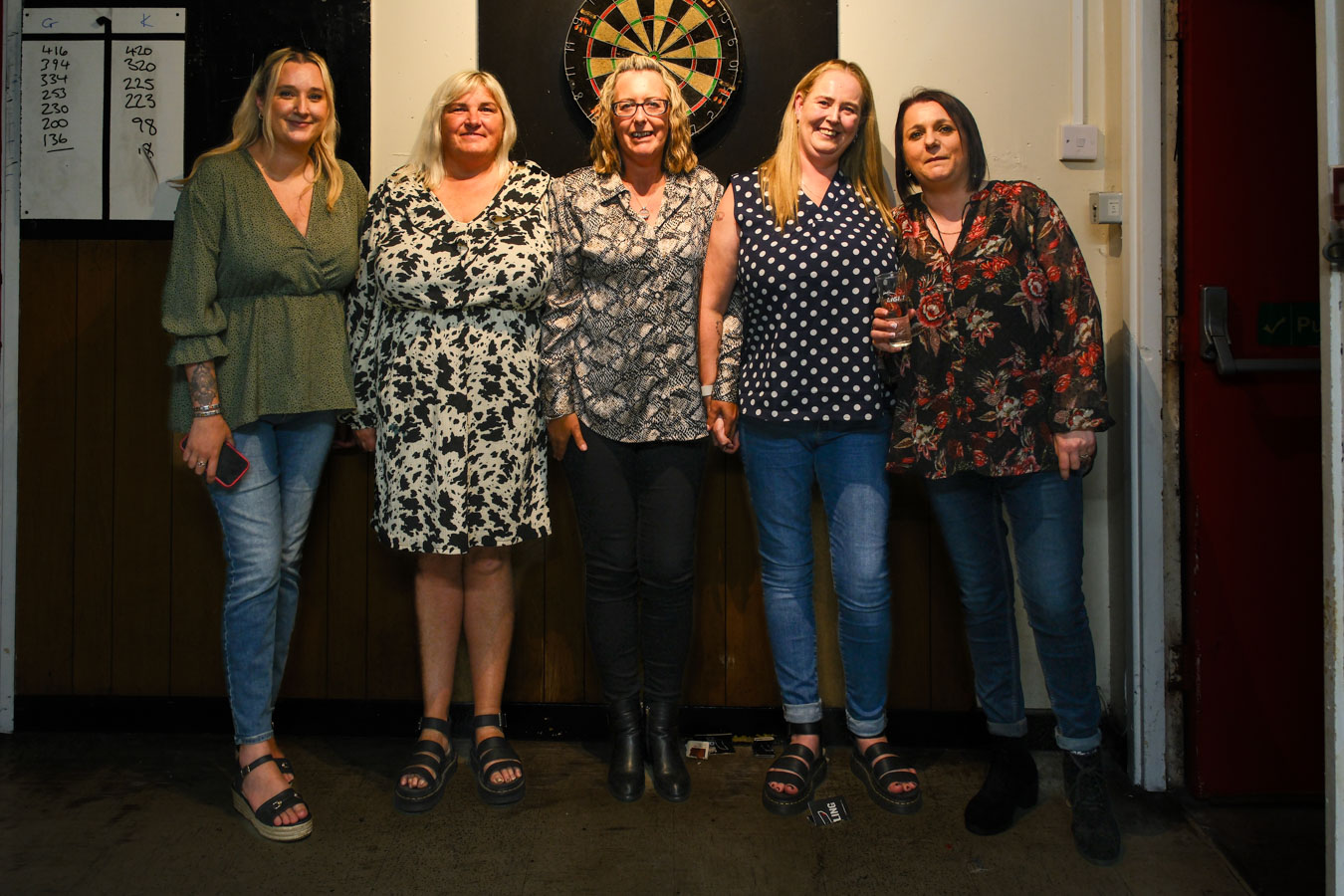
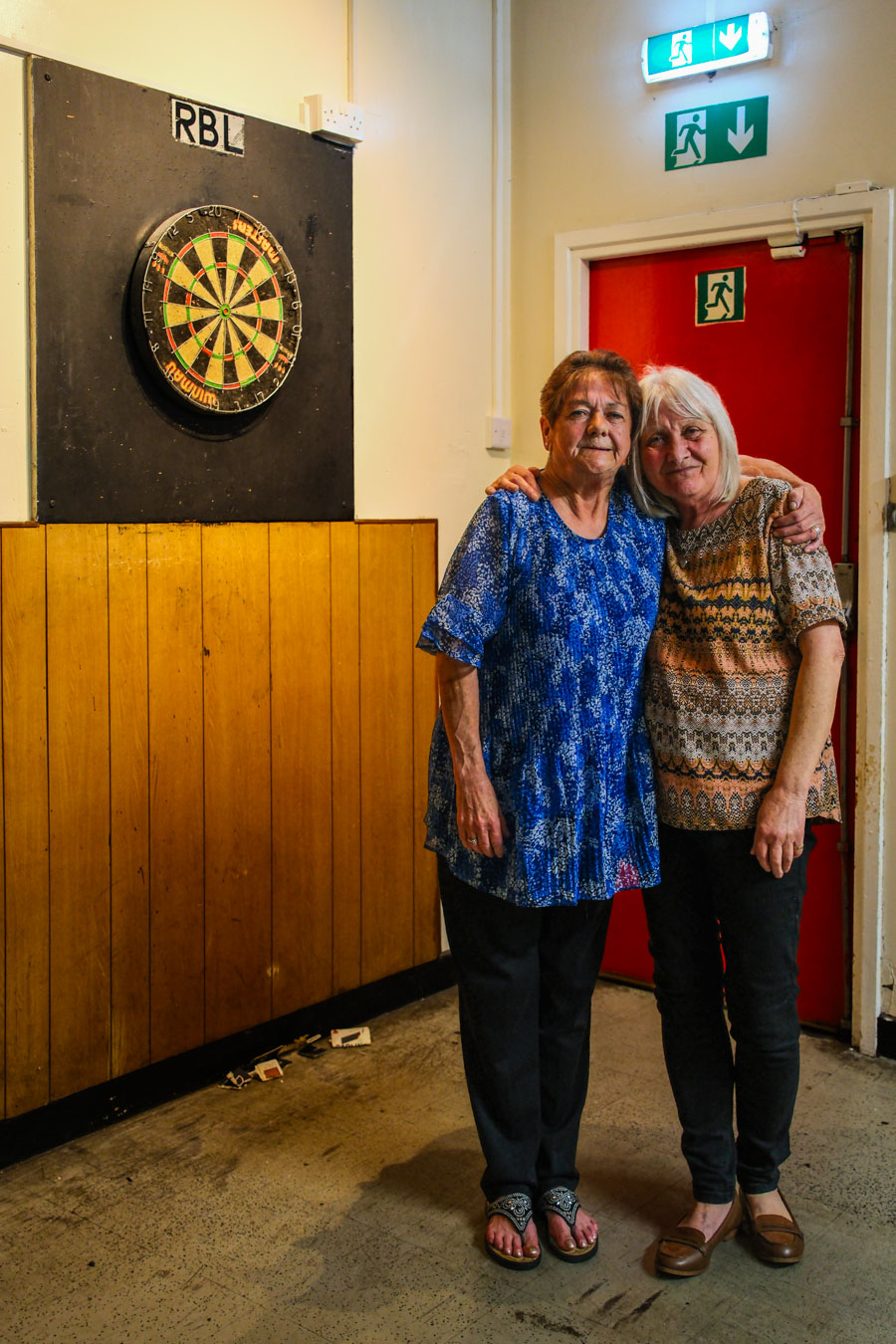
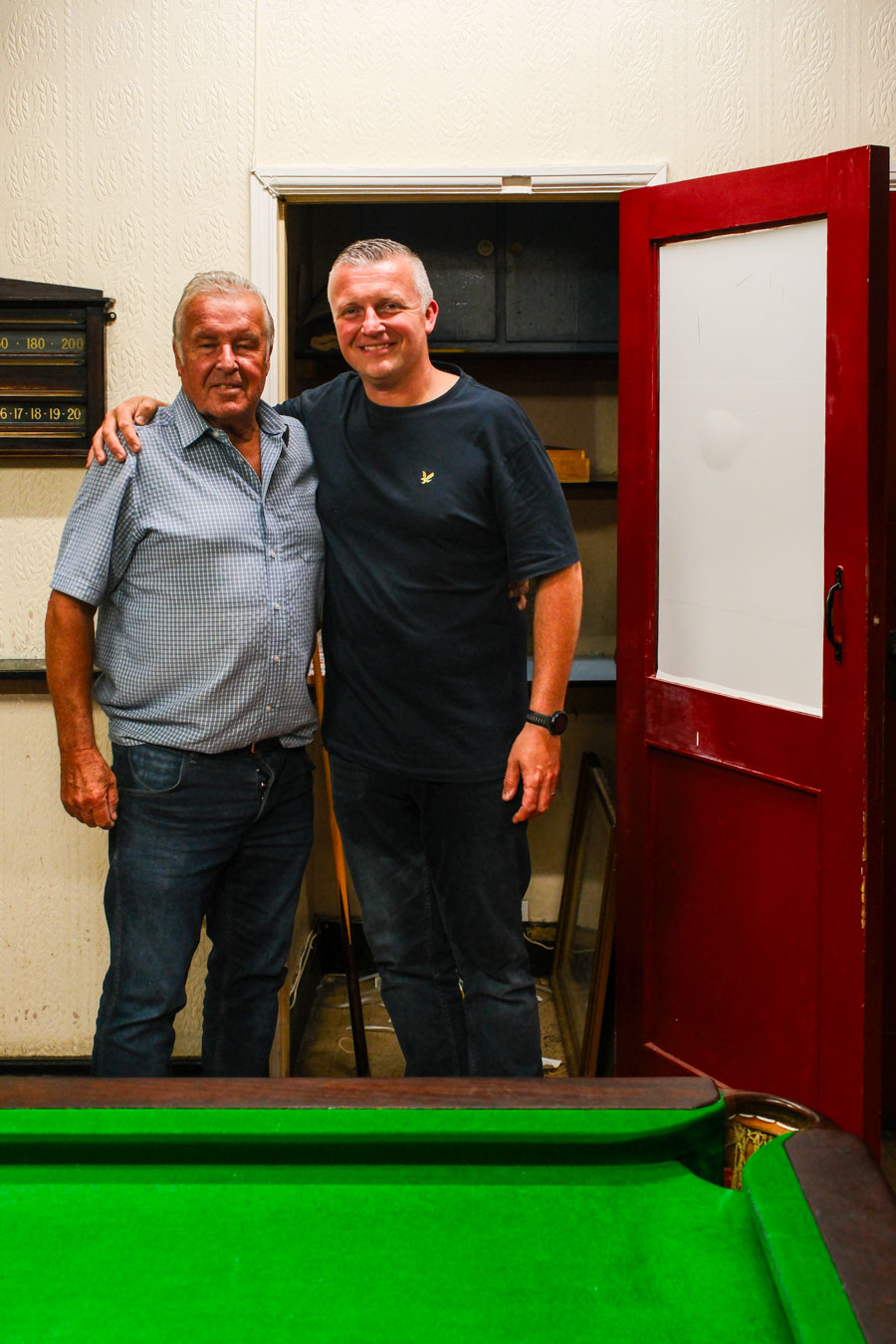
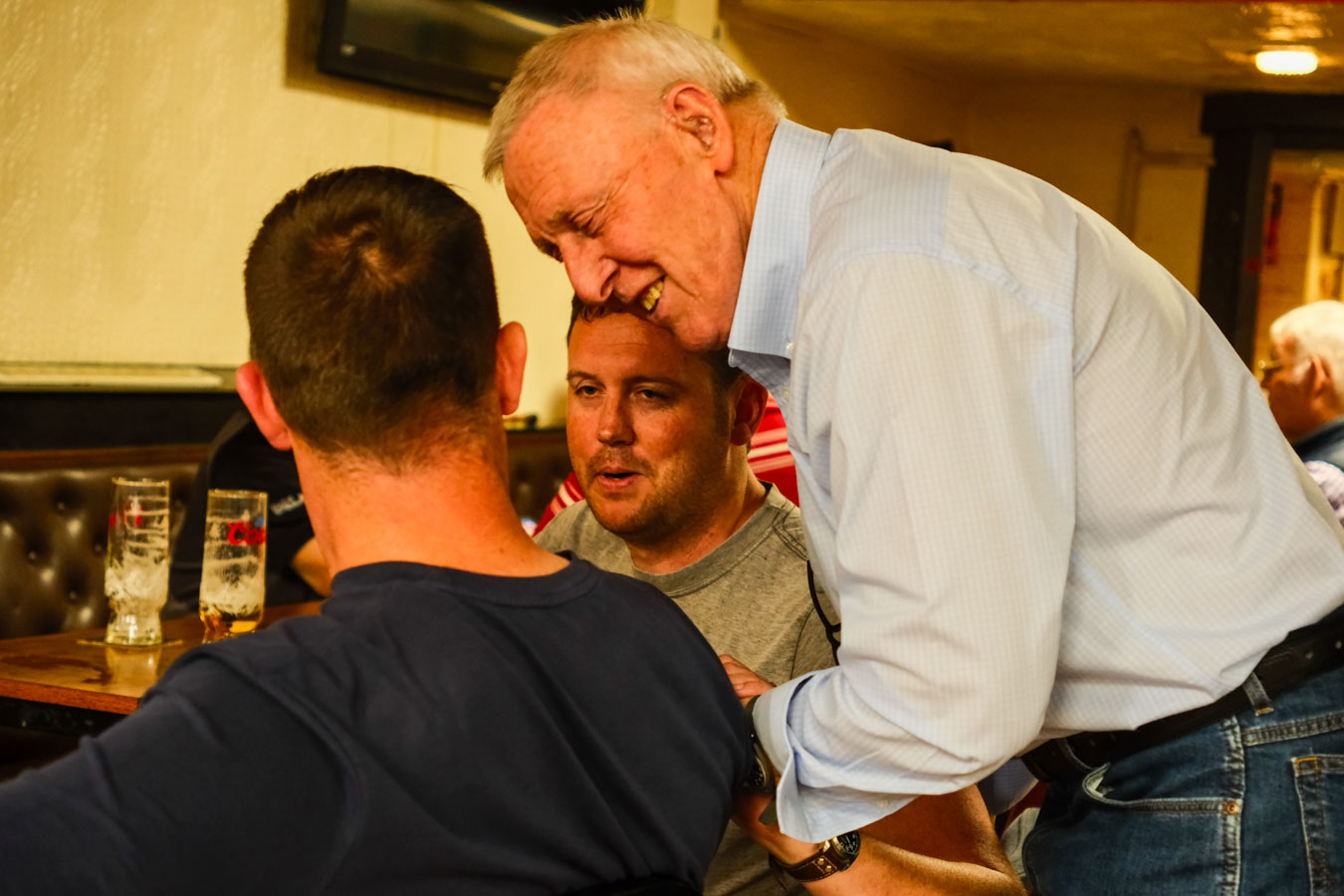
There were regulars, former staff, and even people who had never drunk in the Legion before. Plenty of laughs, plenty of stories and, thankfully, no one swore at me this time. But there was also a real sense of an ending.
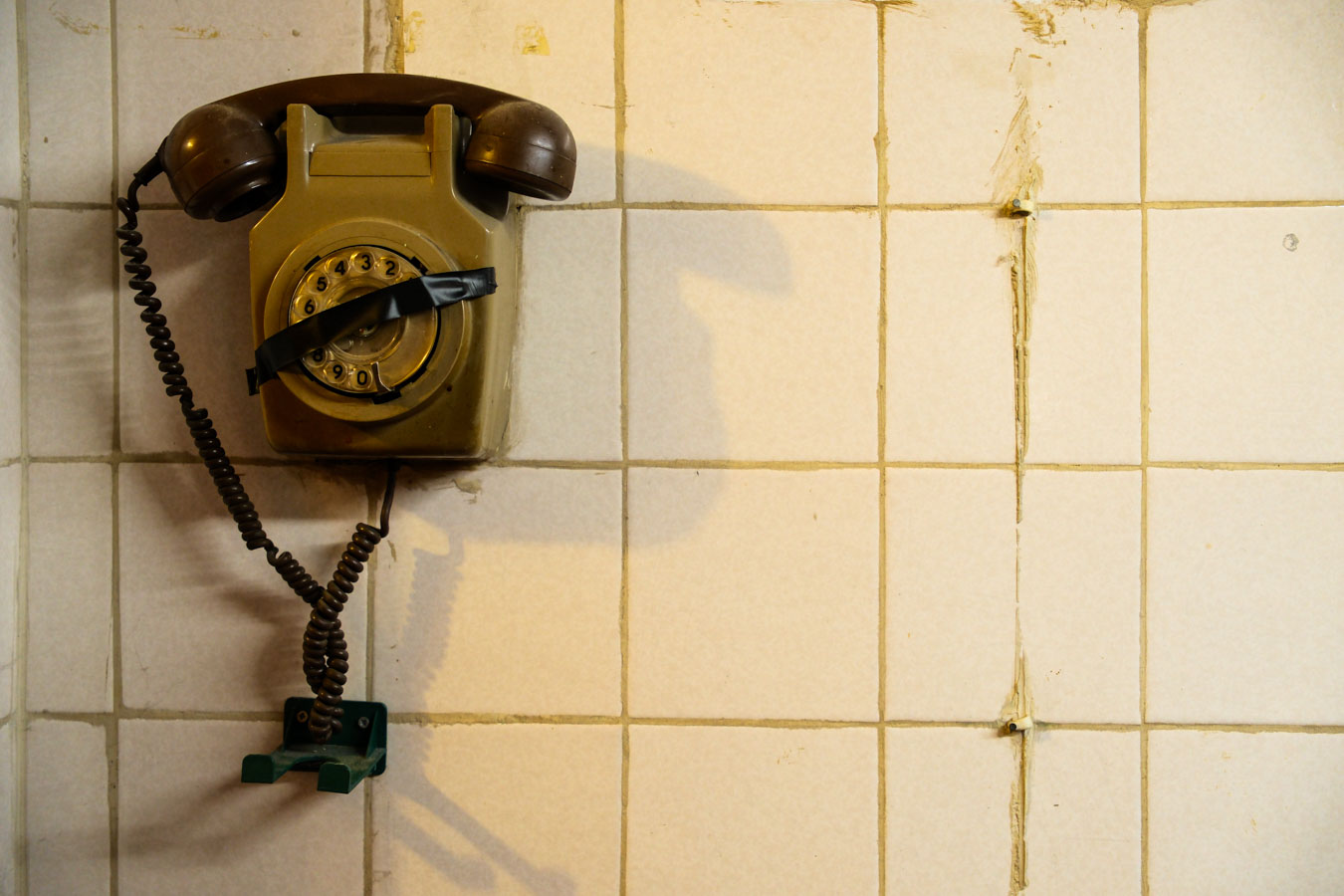
I spoke to as many people as I could, listening to their memories. A father and son stood looking at an old telephone booth (no longer home to a phone) and told me how the father once got the call there to say his wife had gone into labour. He had to forfeit his league match and rush off.
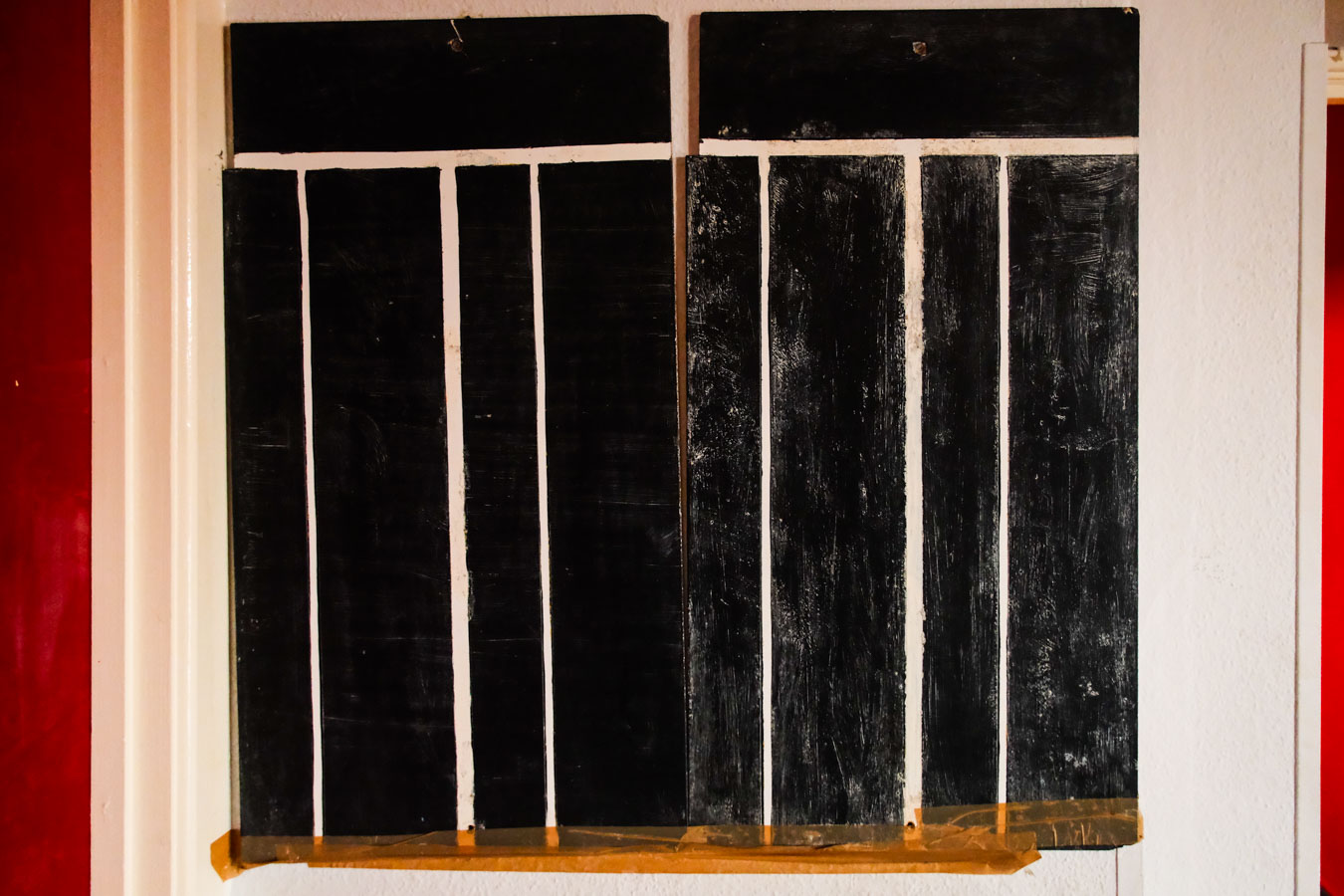
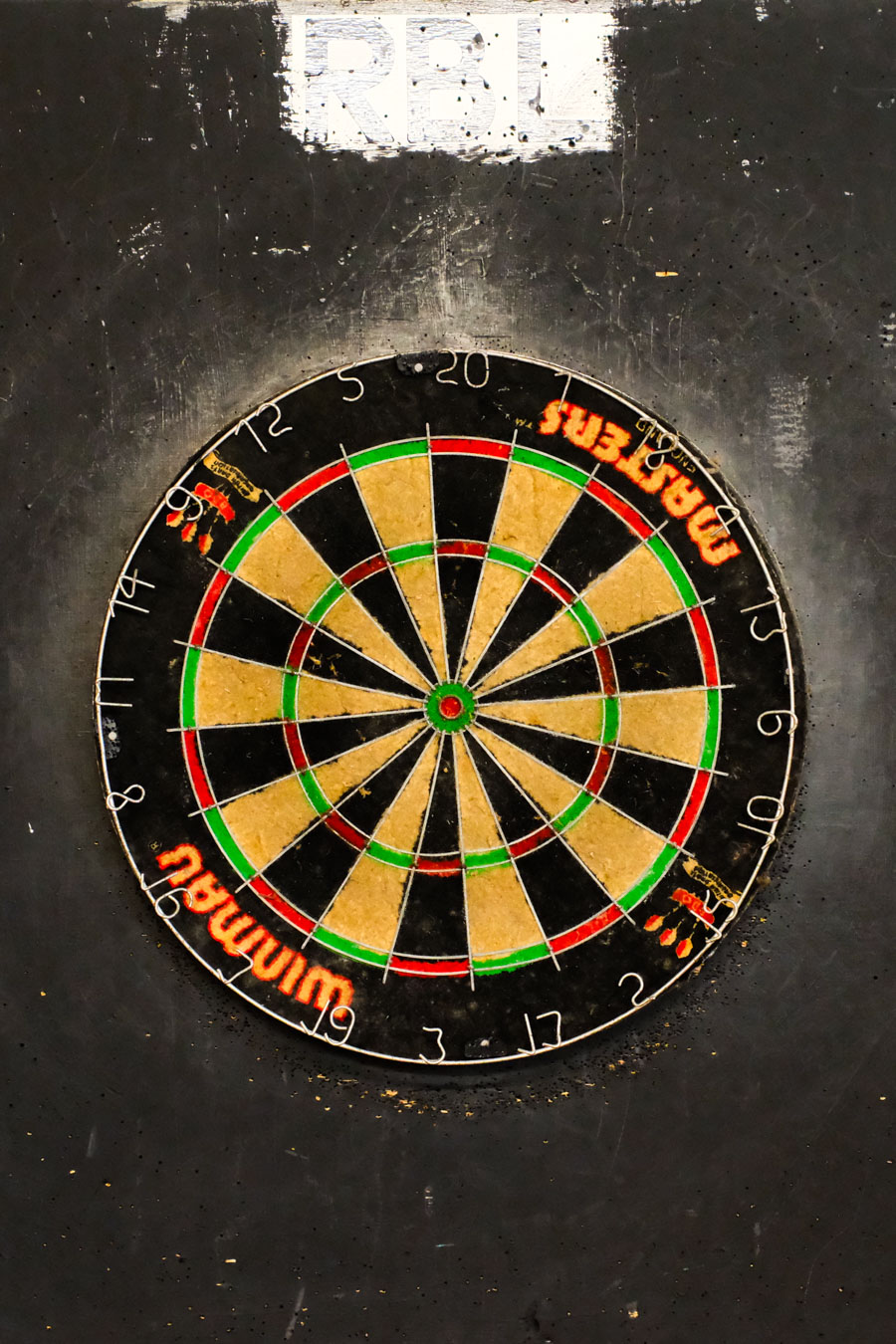
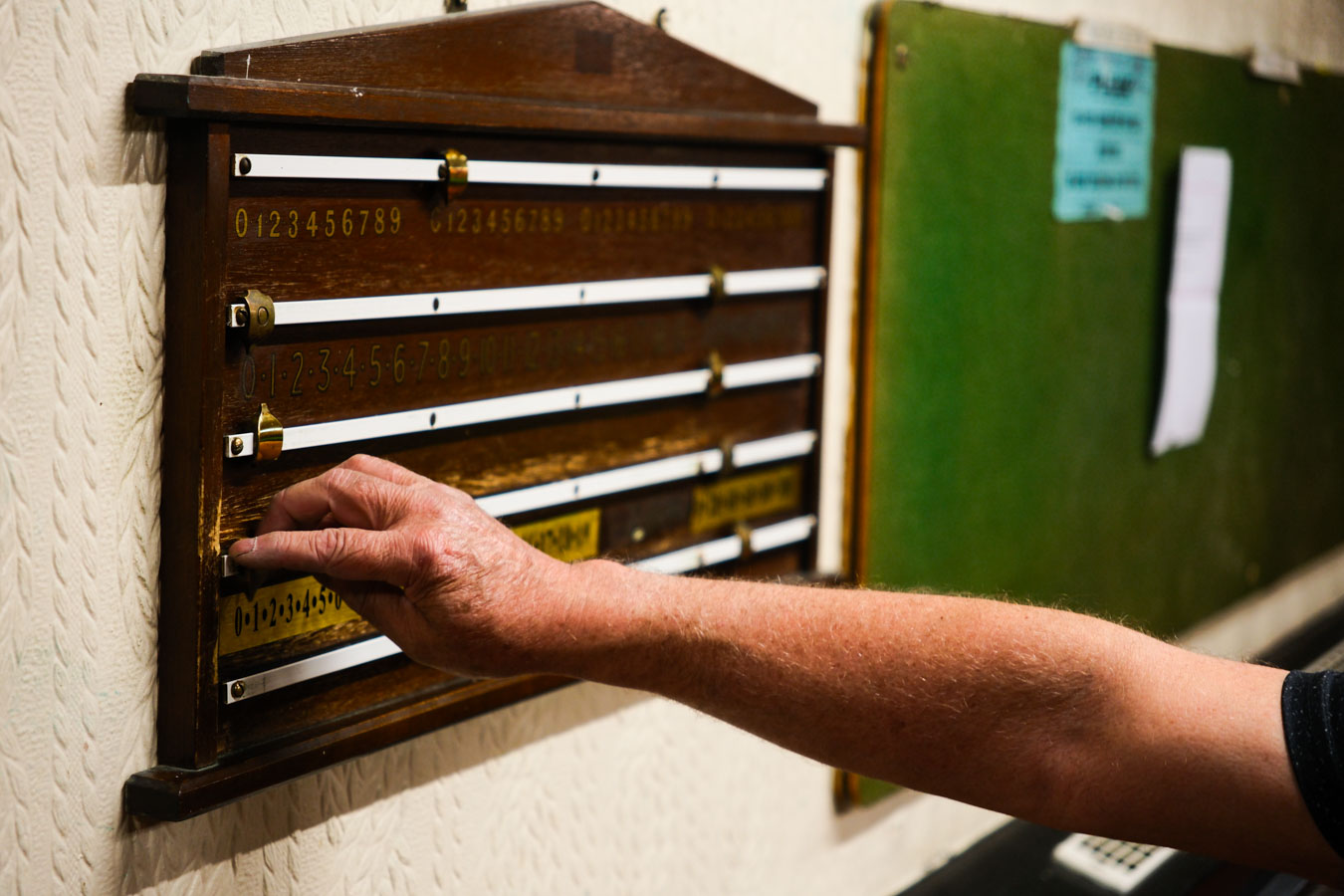
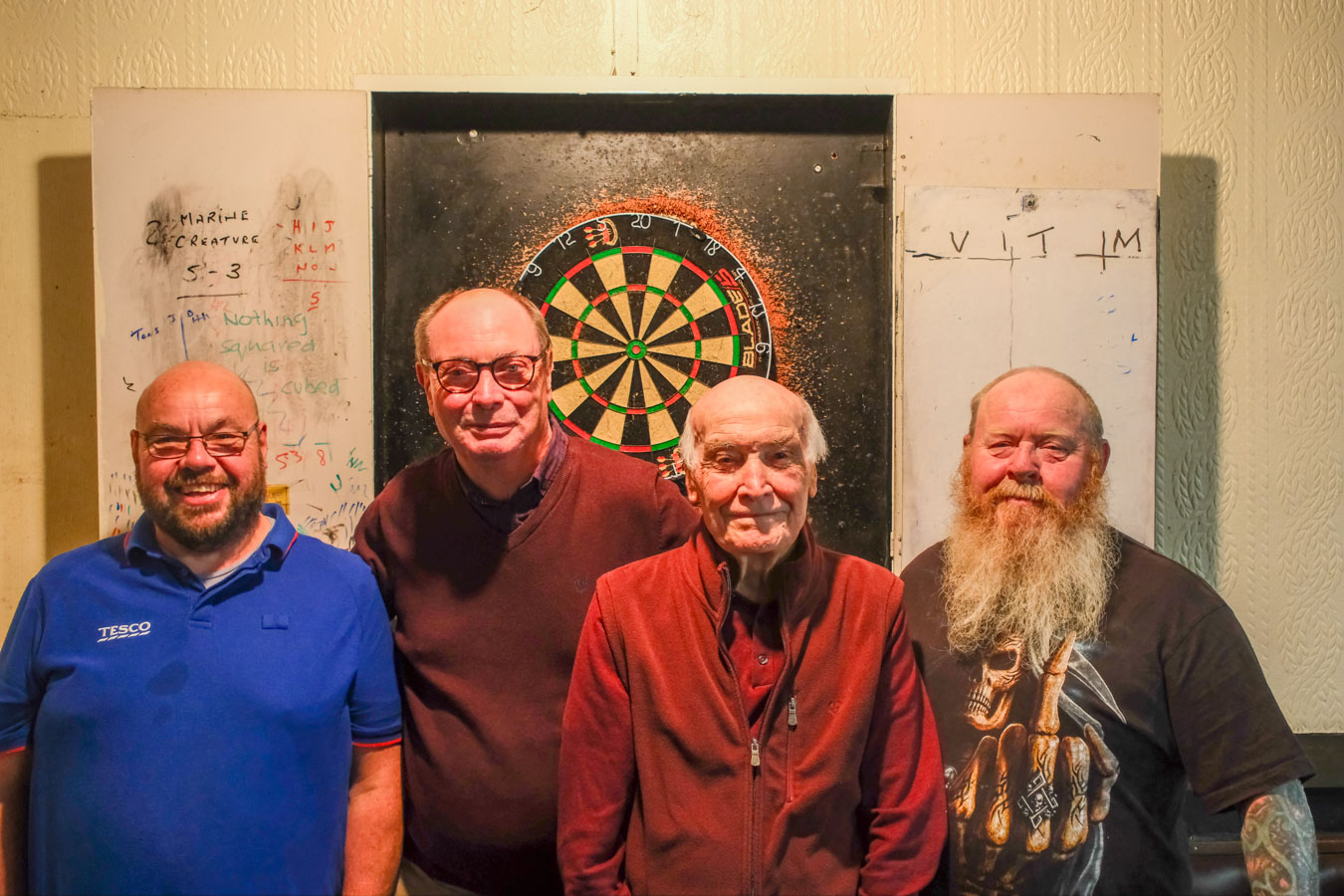
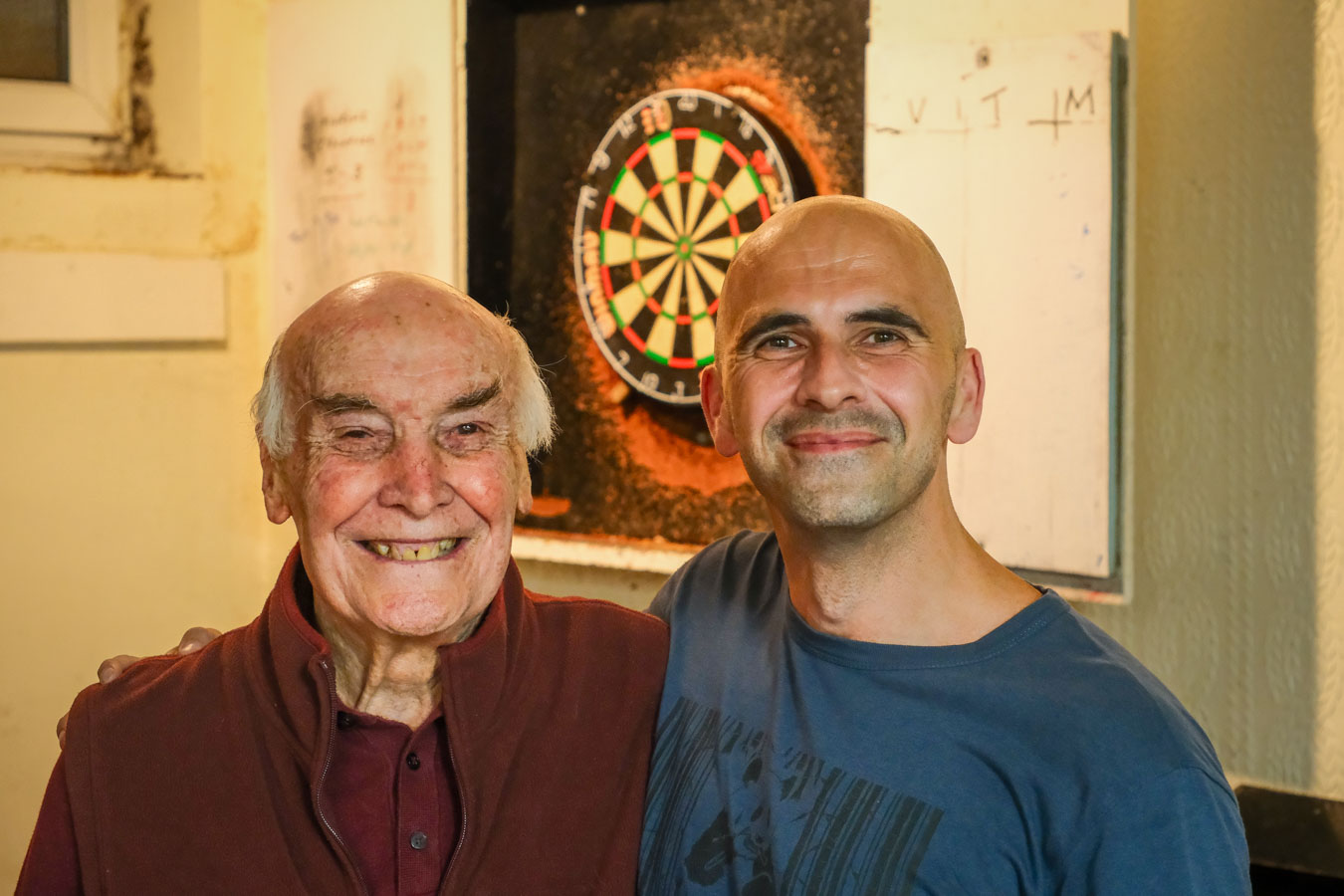
Someone else told me about the joke trophy for an old boy long passed “champion gurner.” Another remembered how the darts lads used to write clues to crossword puzzles on the scoreboard when they got stuck, hoping someone else might come along and fill in the answers.
At one point, someone said to me, “Where were all these people before, hey? If they’d come earlier maybe it wouldn’t be closing.”
But that’s not really how the world works, is it? It’s a fair point, but sometimes we only return to these places out of nostalgia. And nostalgia, by its very nature, is for something that doesn’t exist anymore.
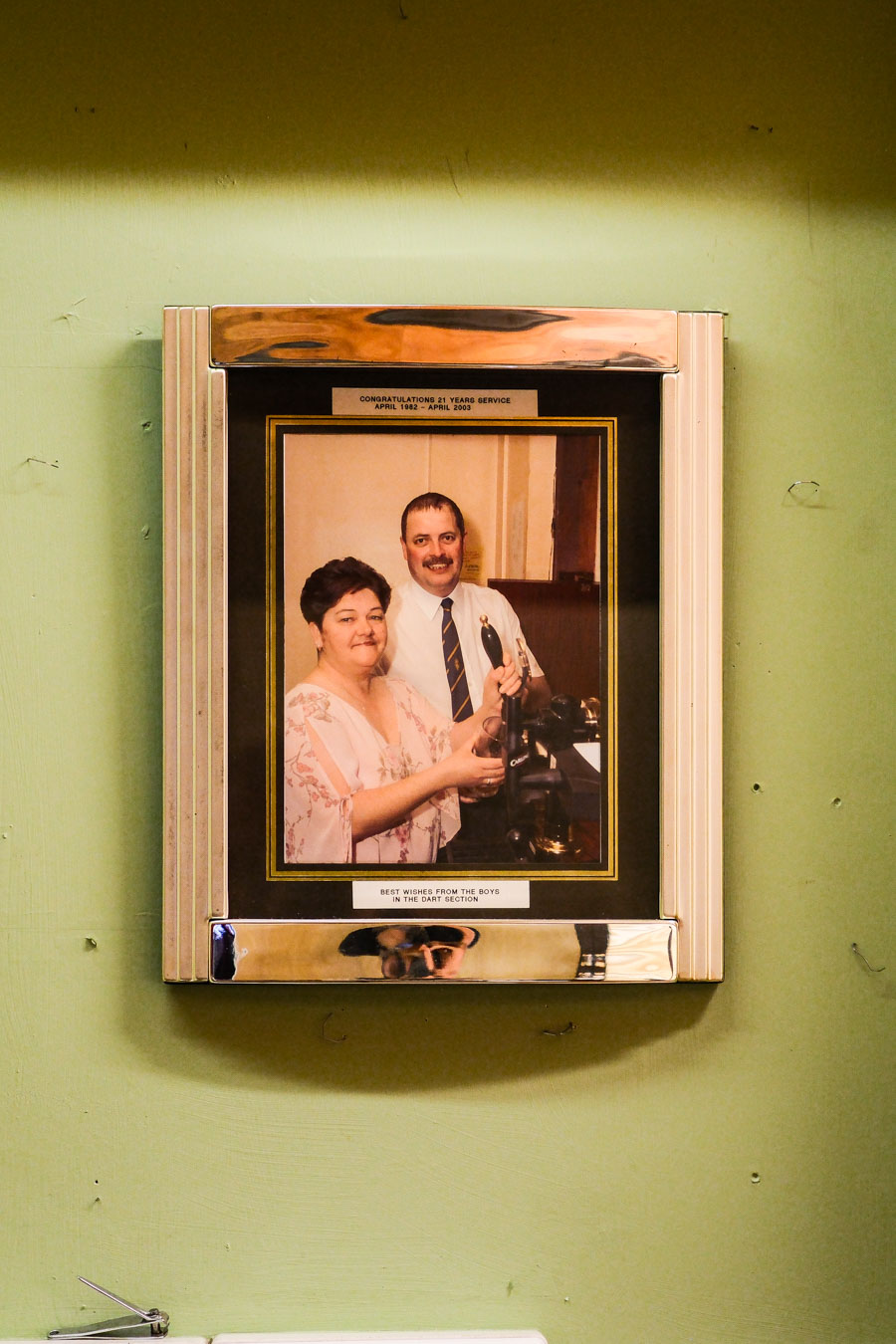
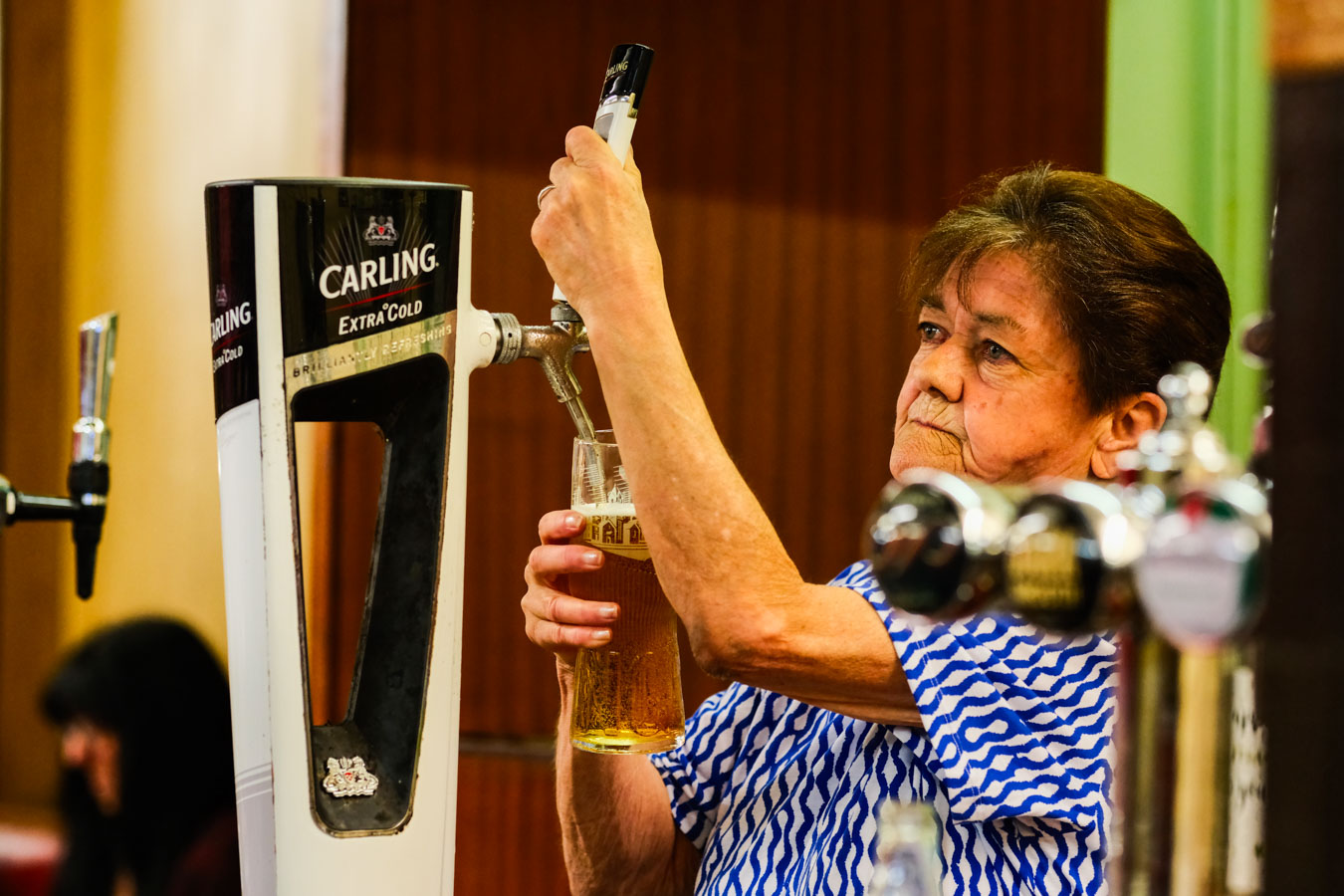
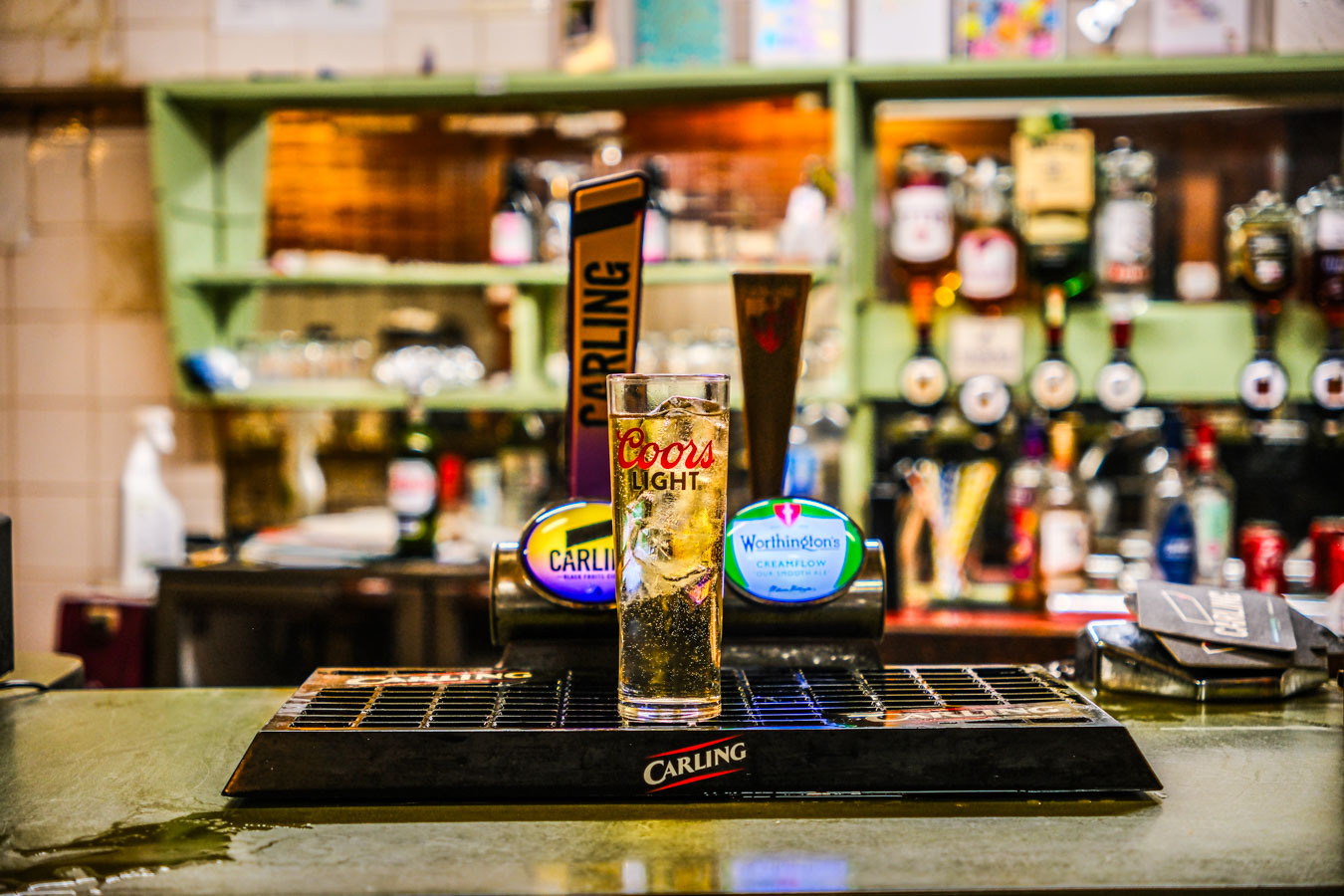
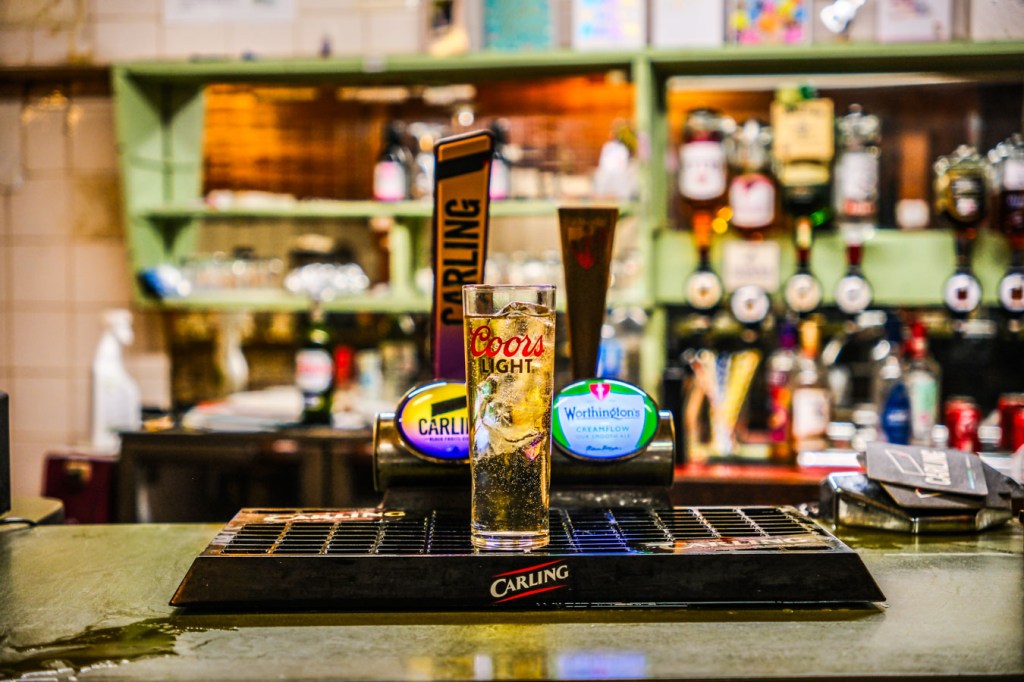
John Pugh’s “sexy drink” – ice, grouse, bells, and soda water (leave a half inch at the top). The last official drink served at the Royal British Legion Port Talbot
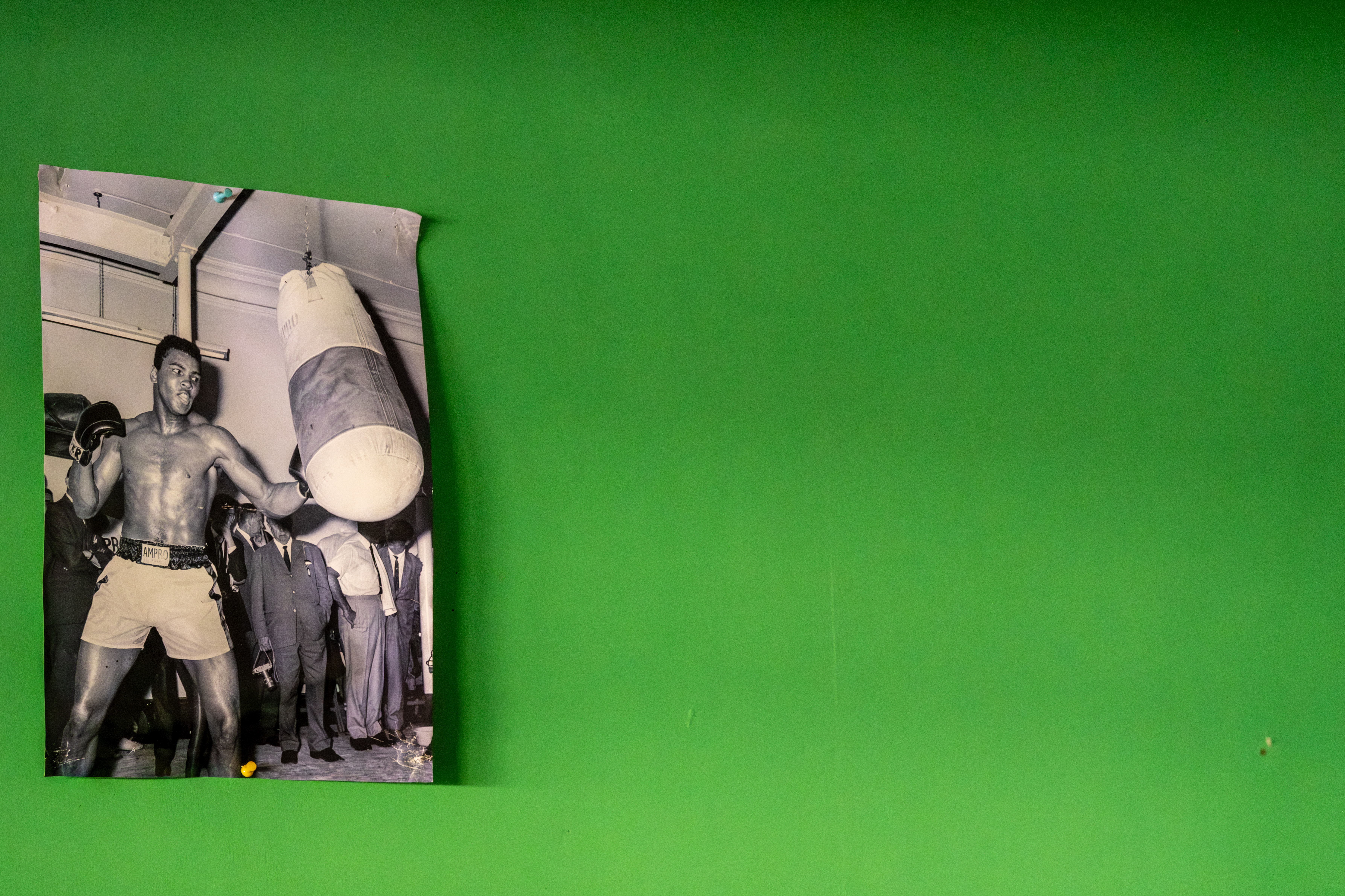
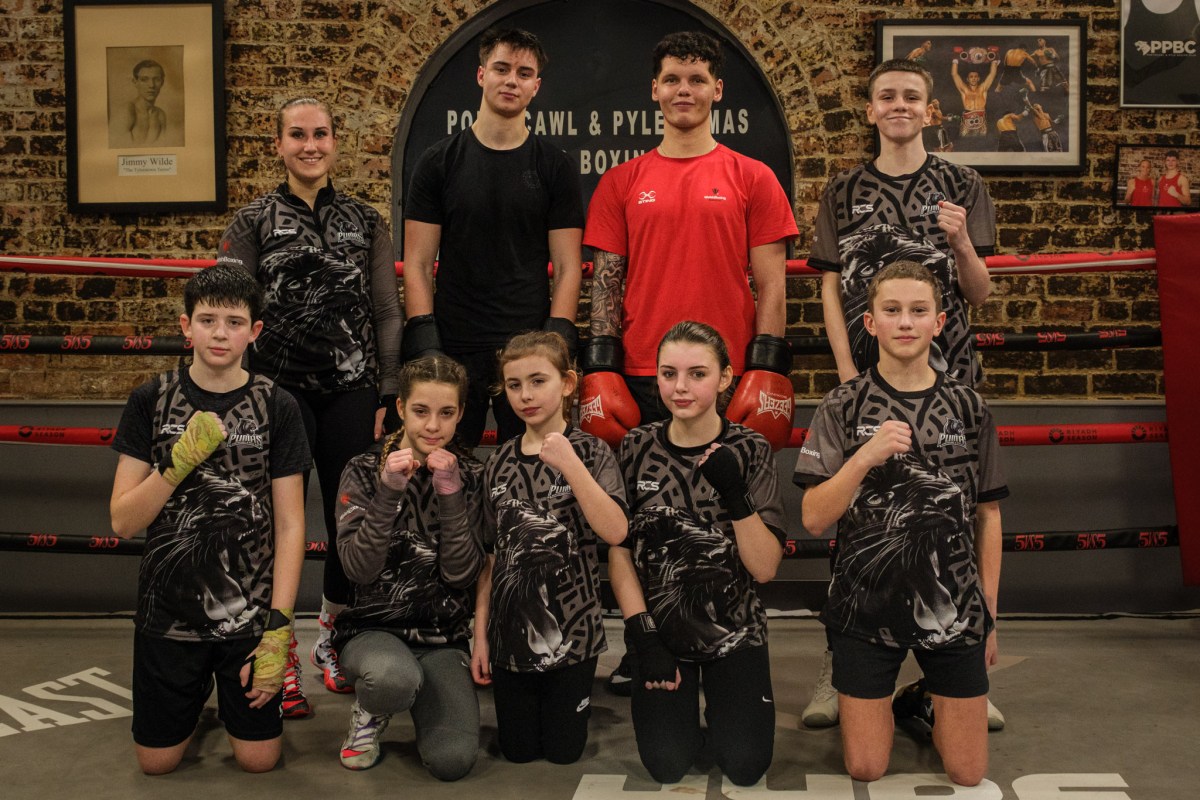
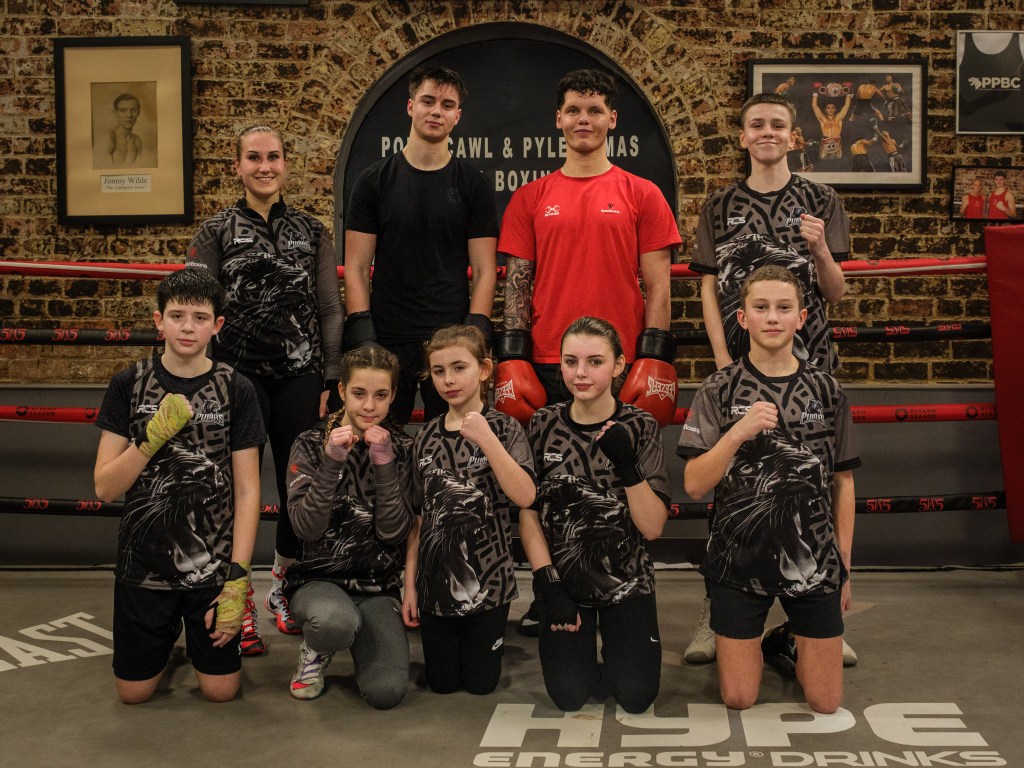
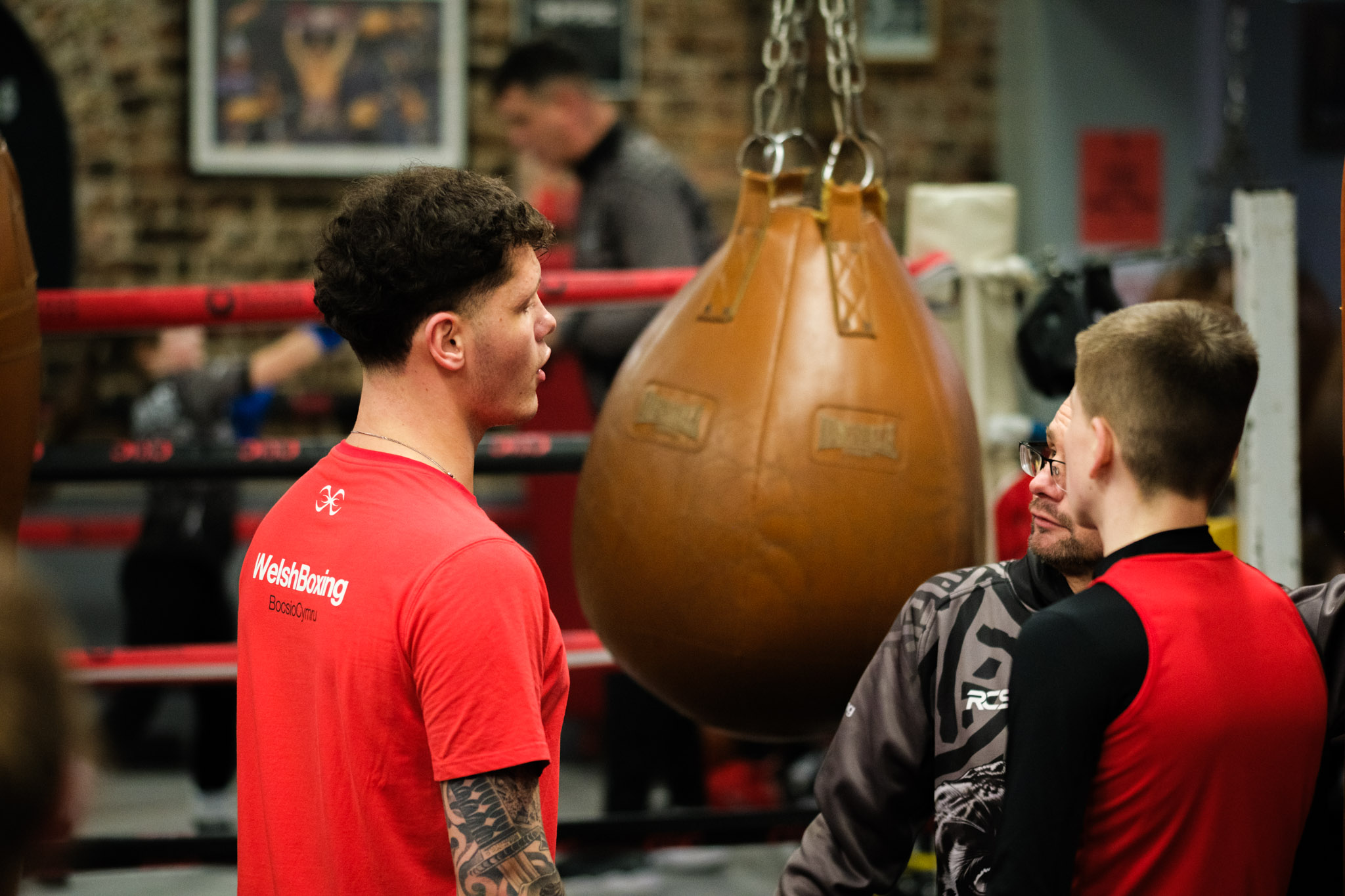
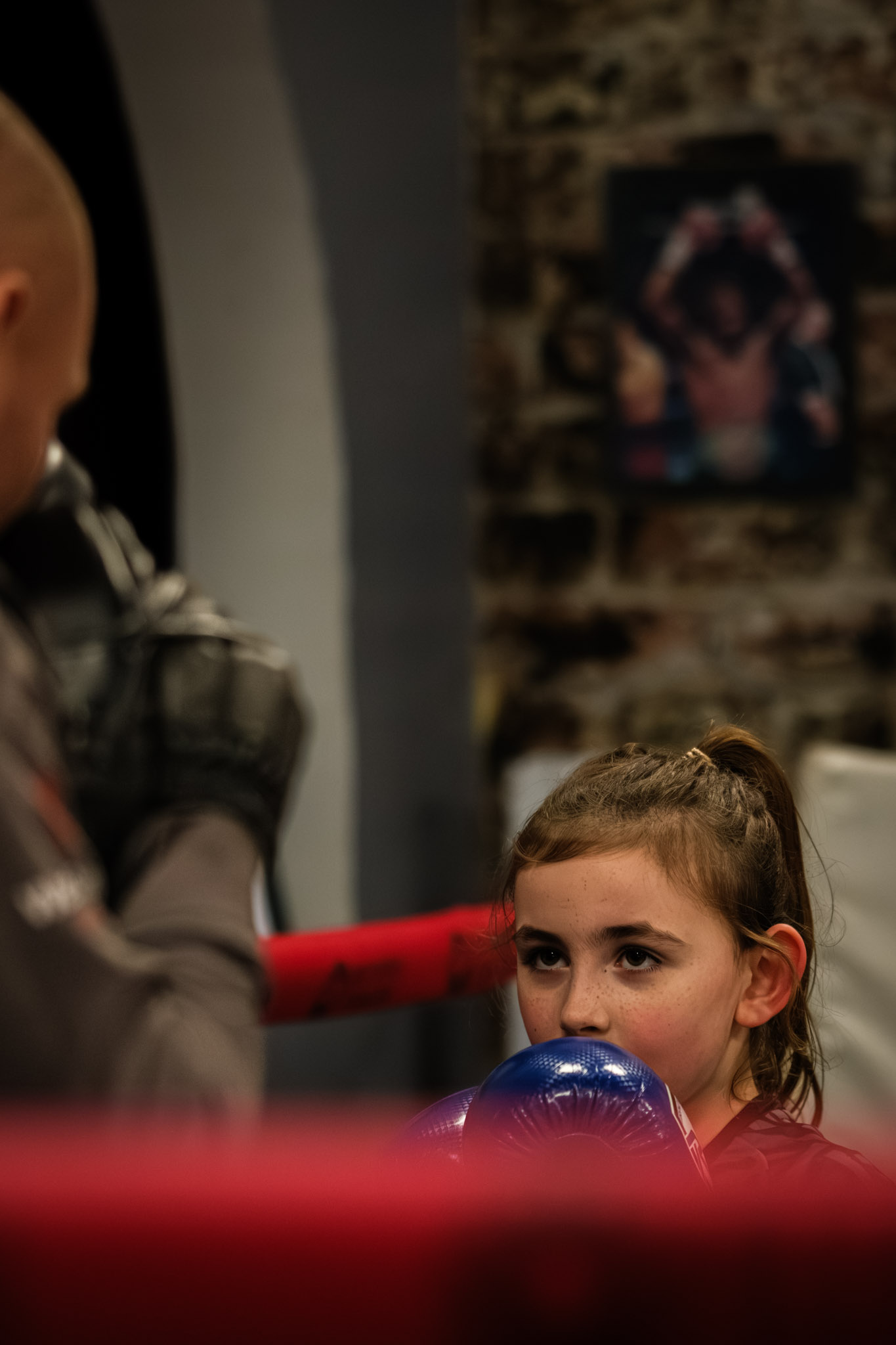
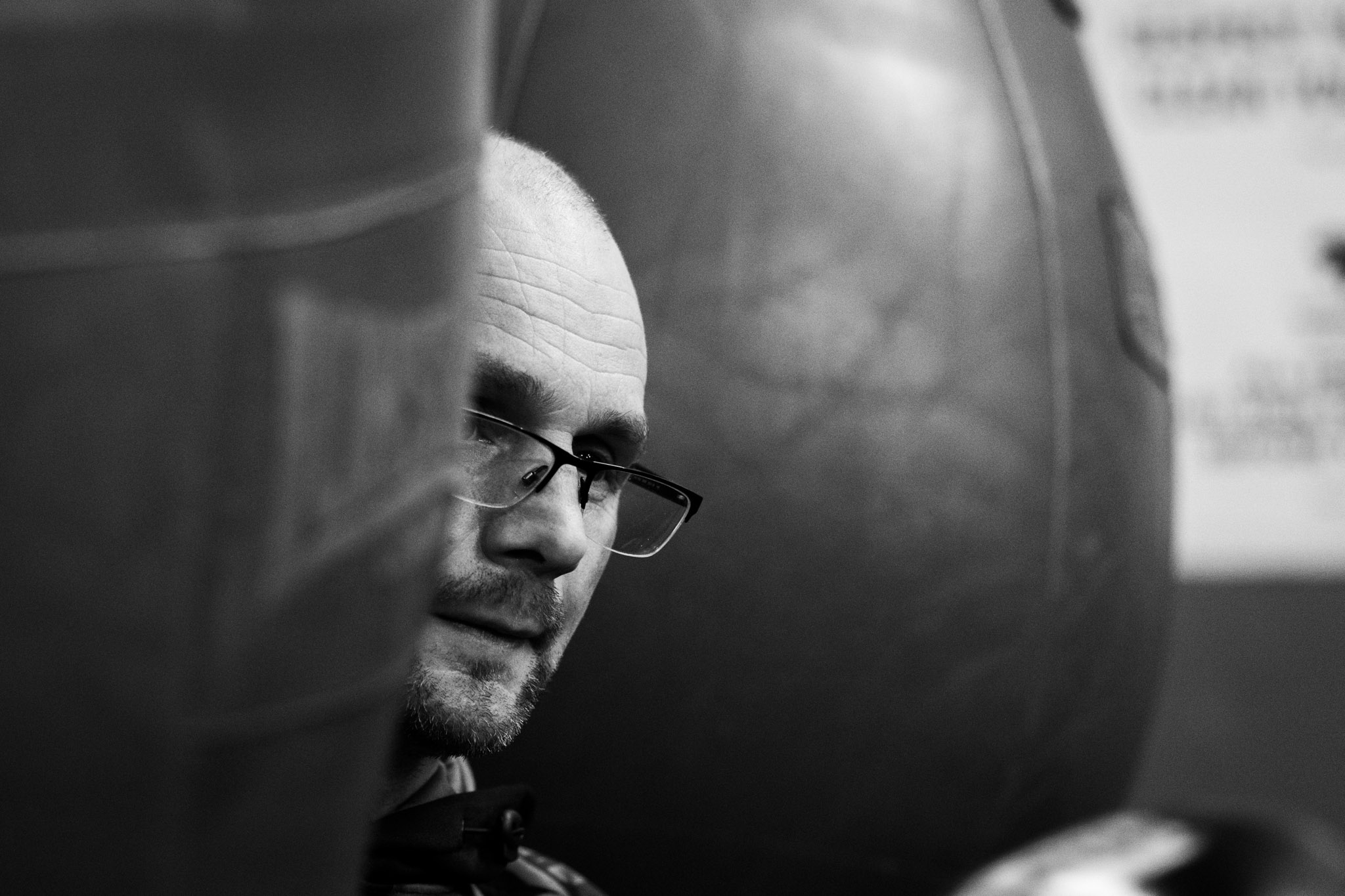
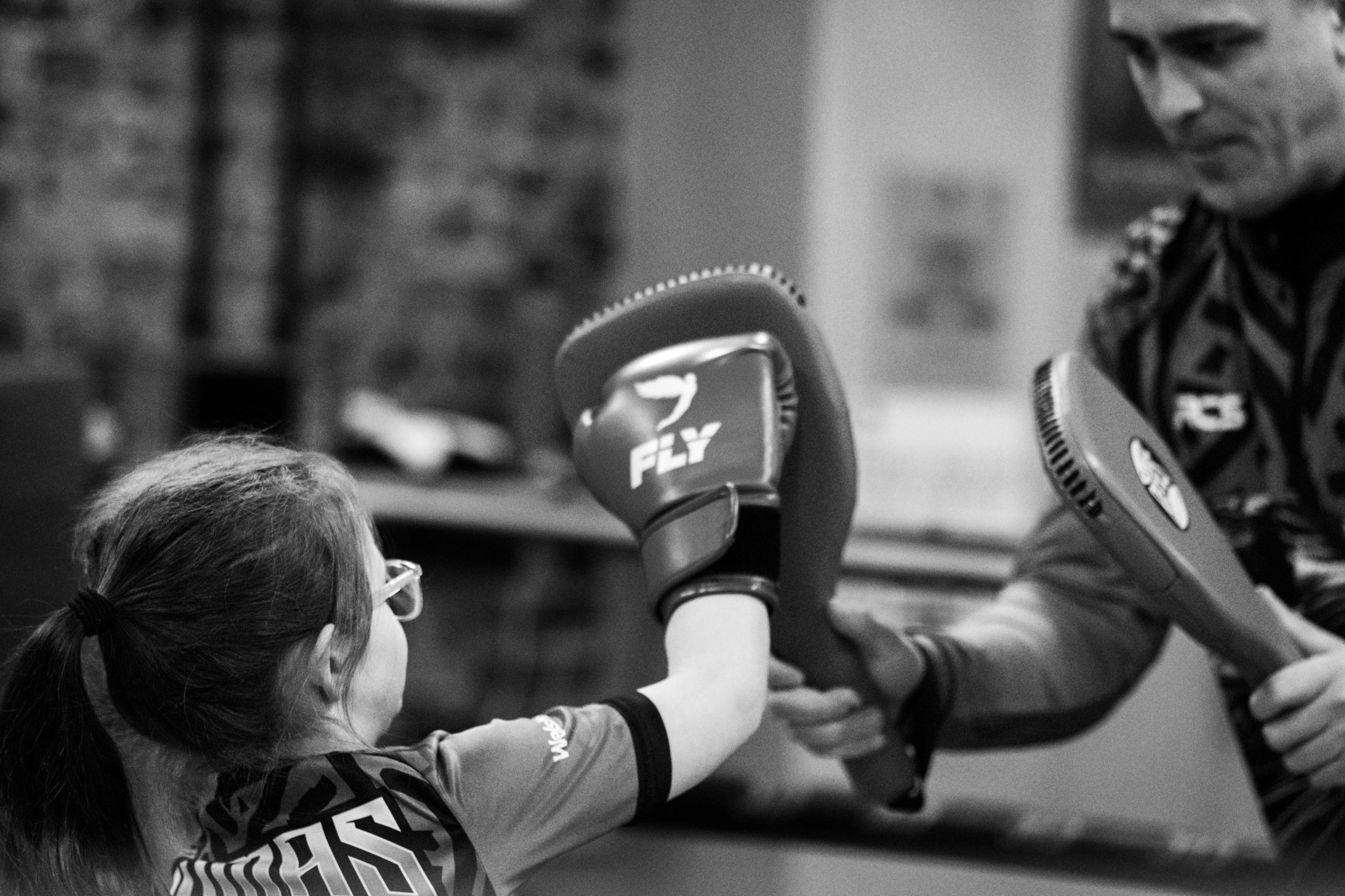
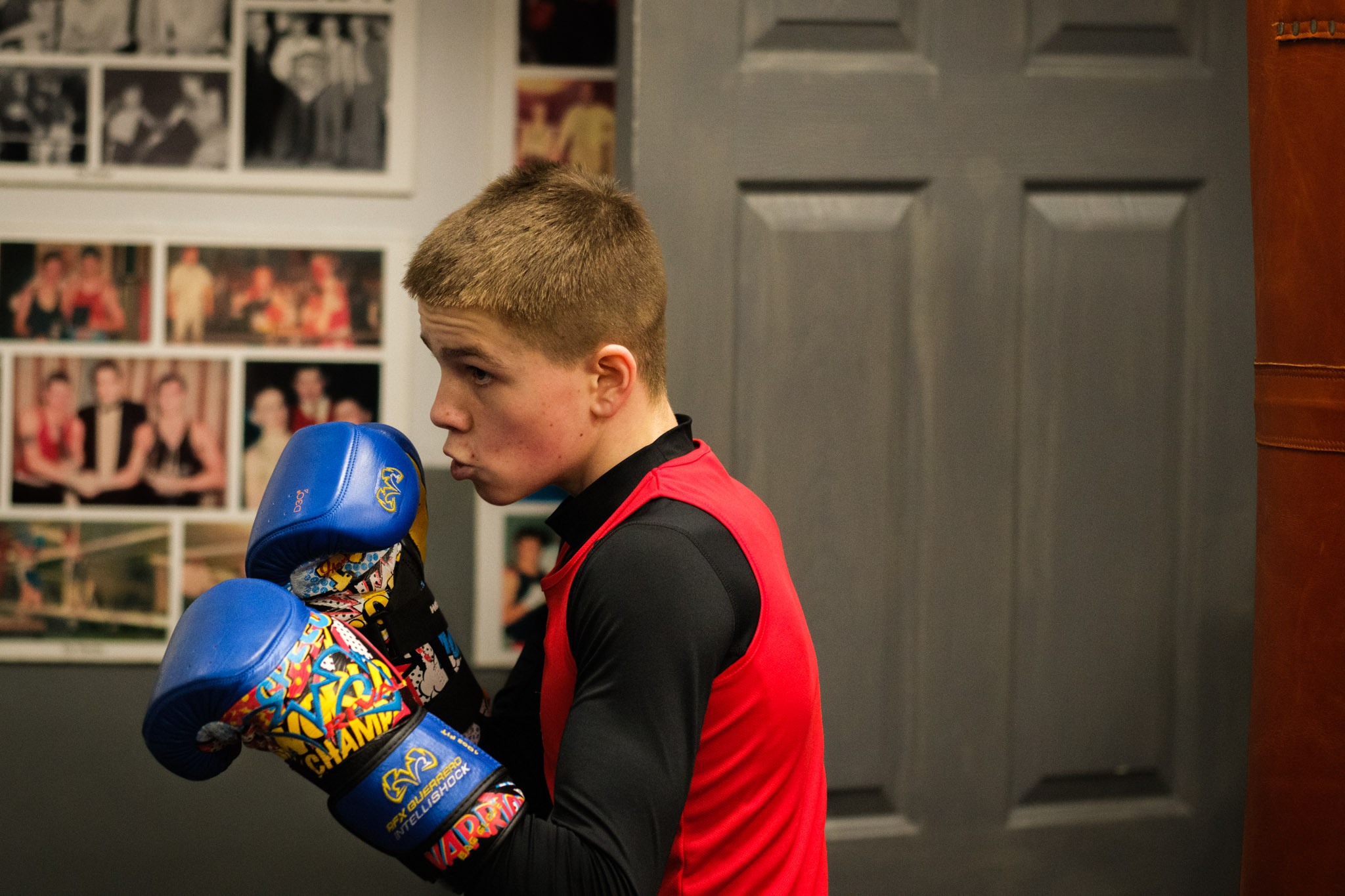
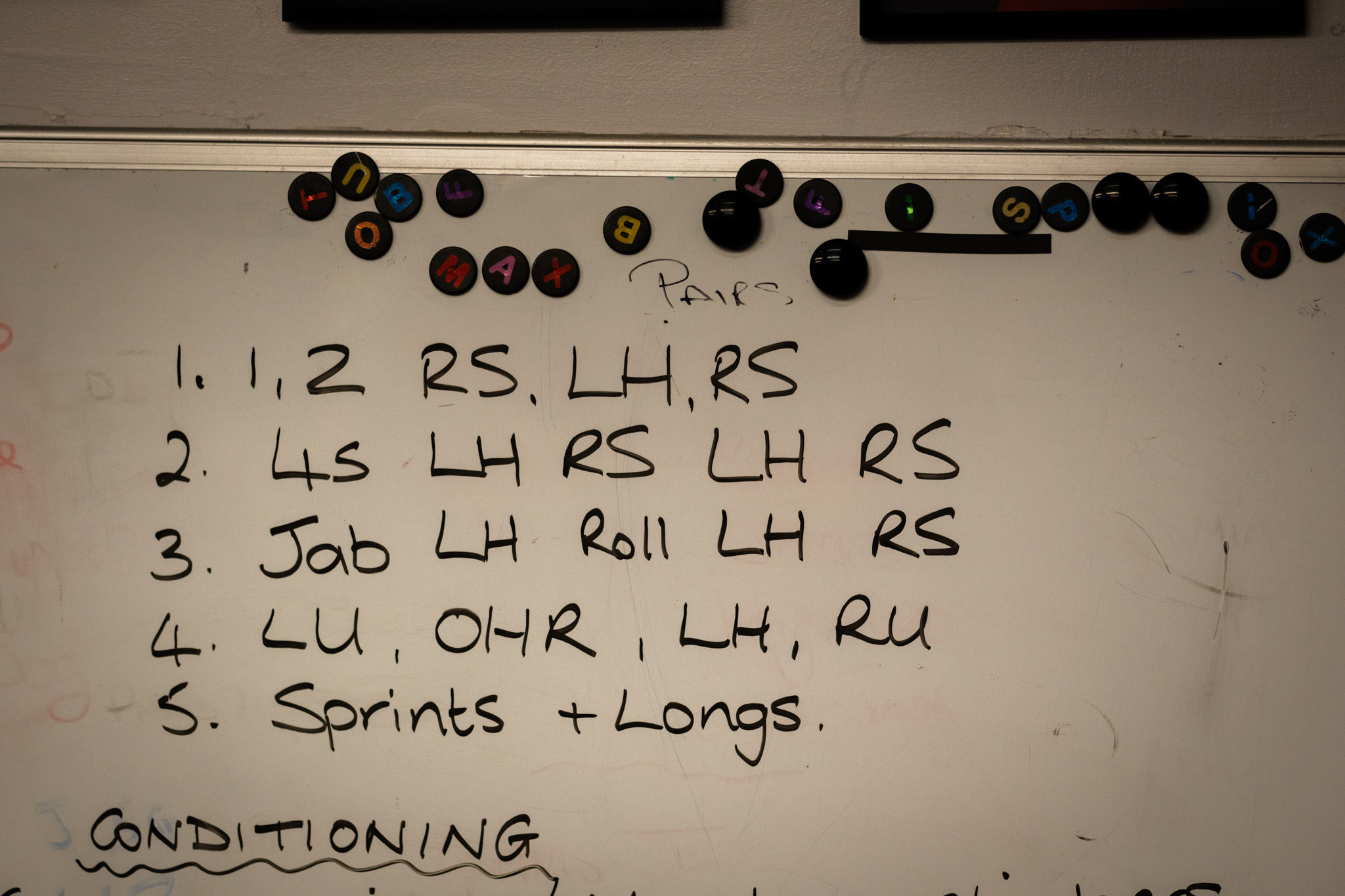
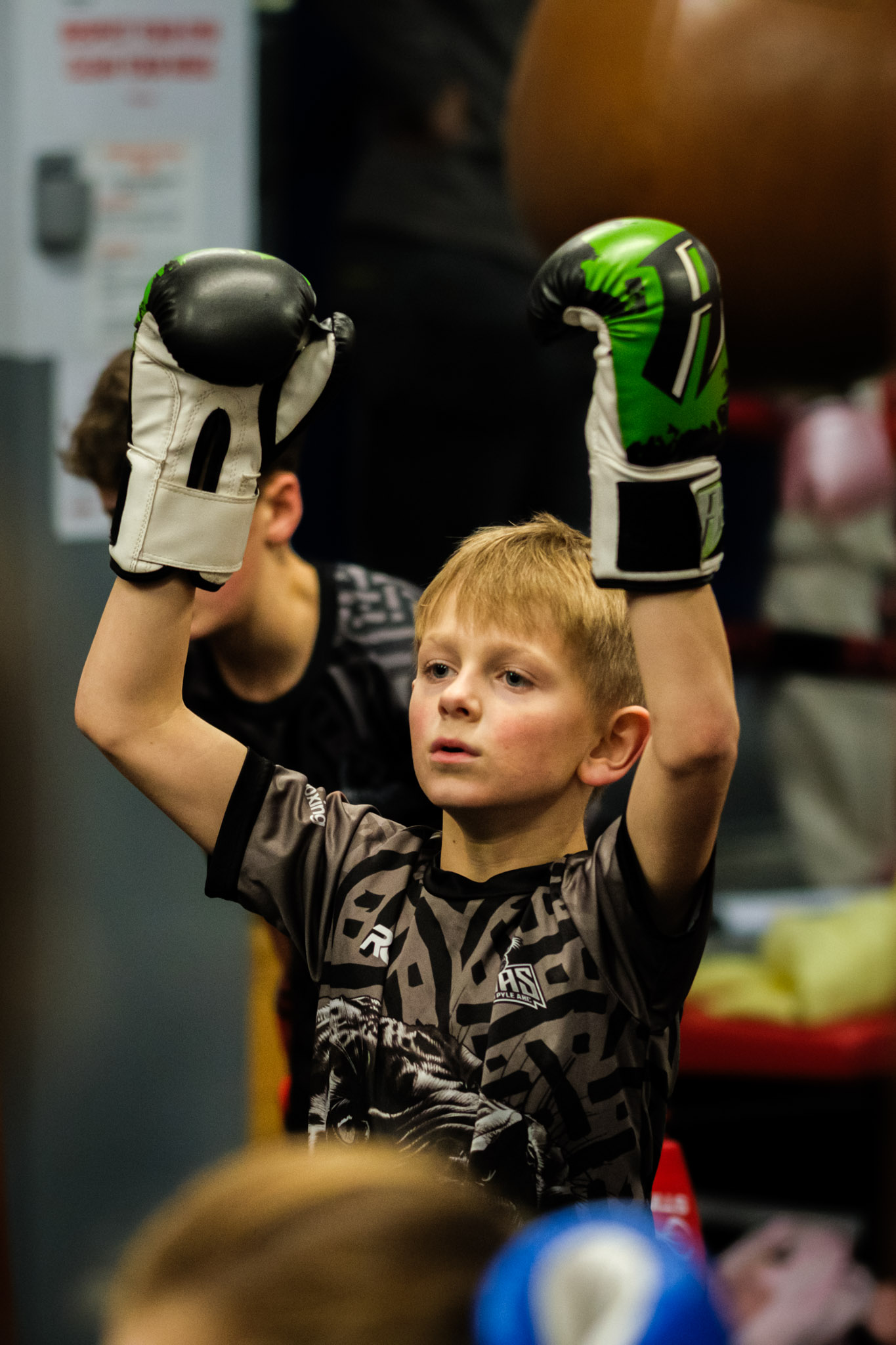
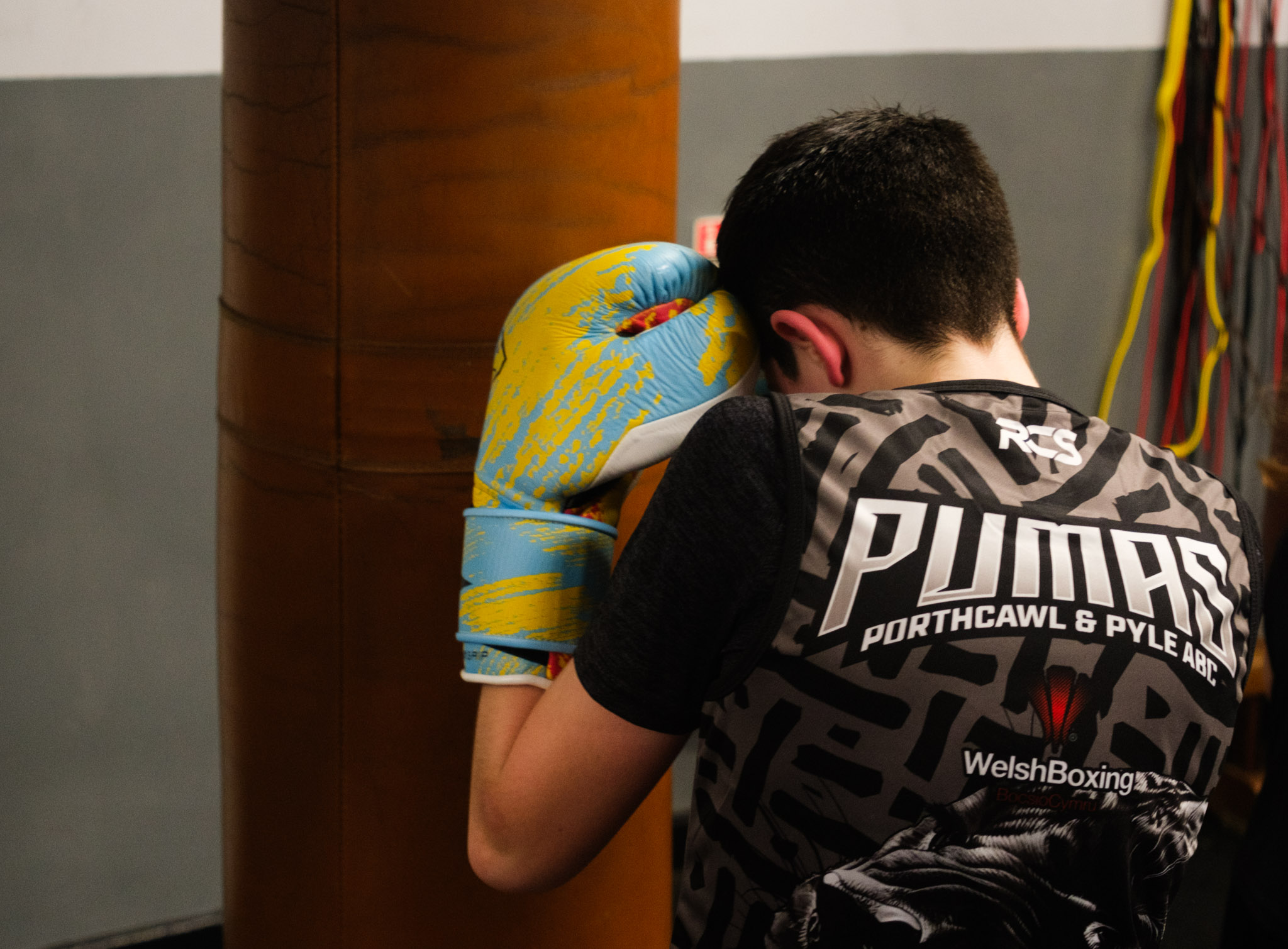
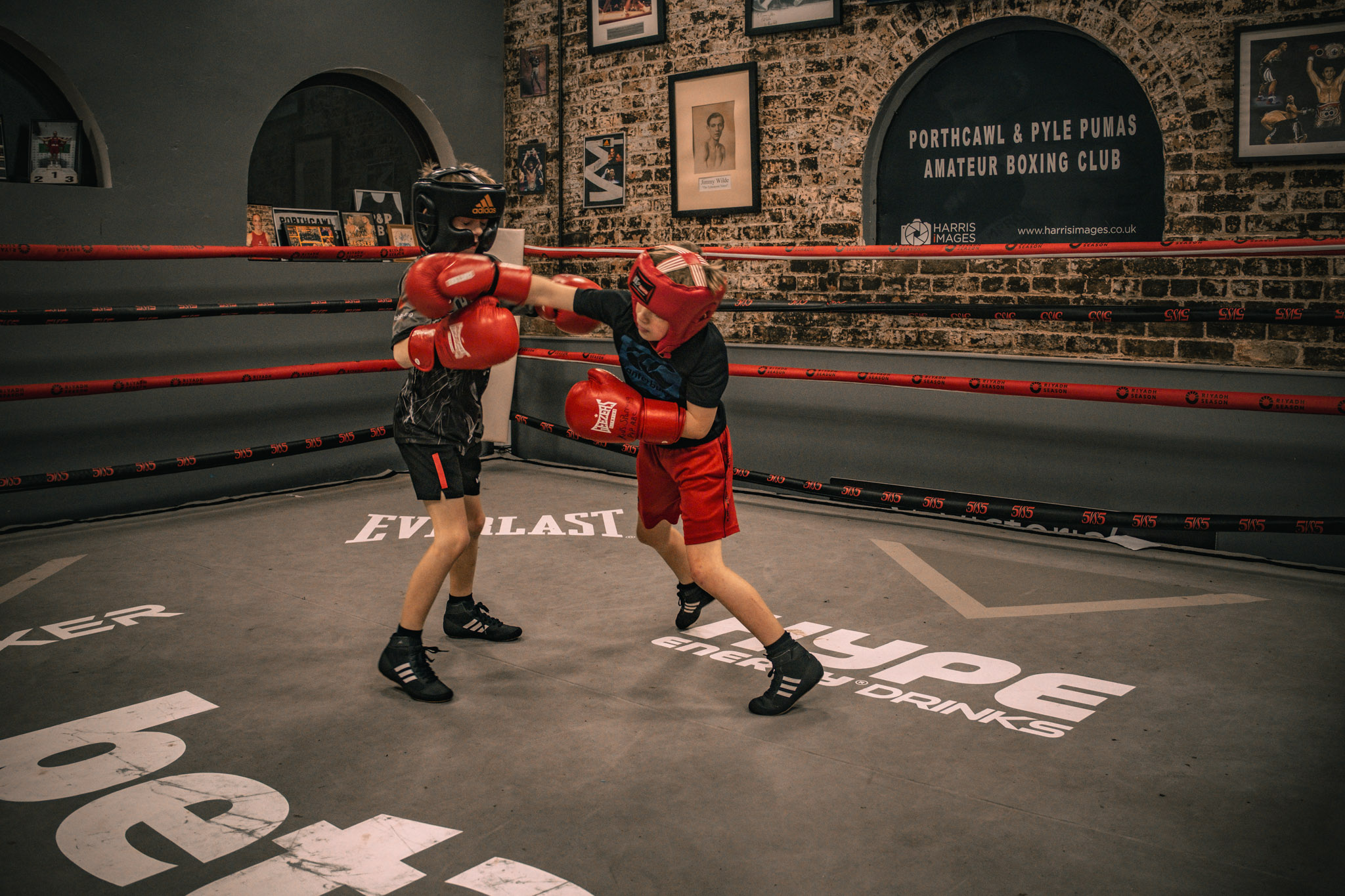
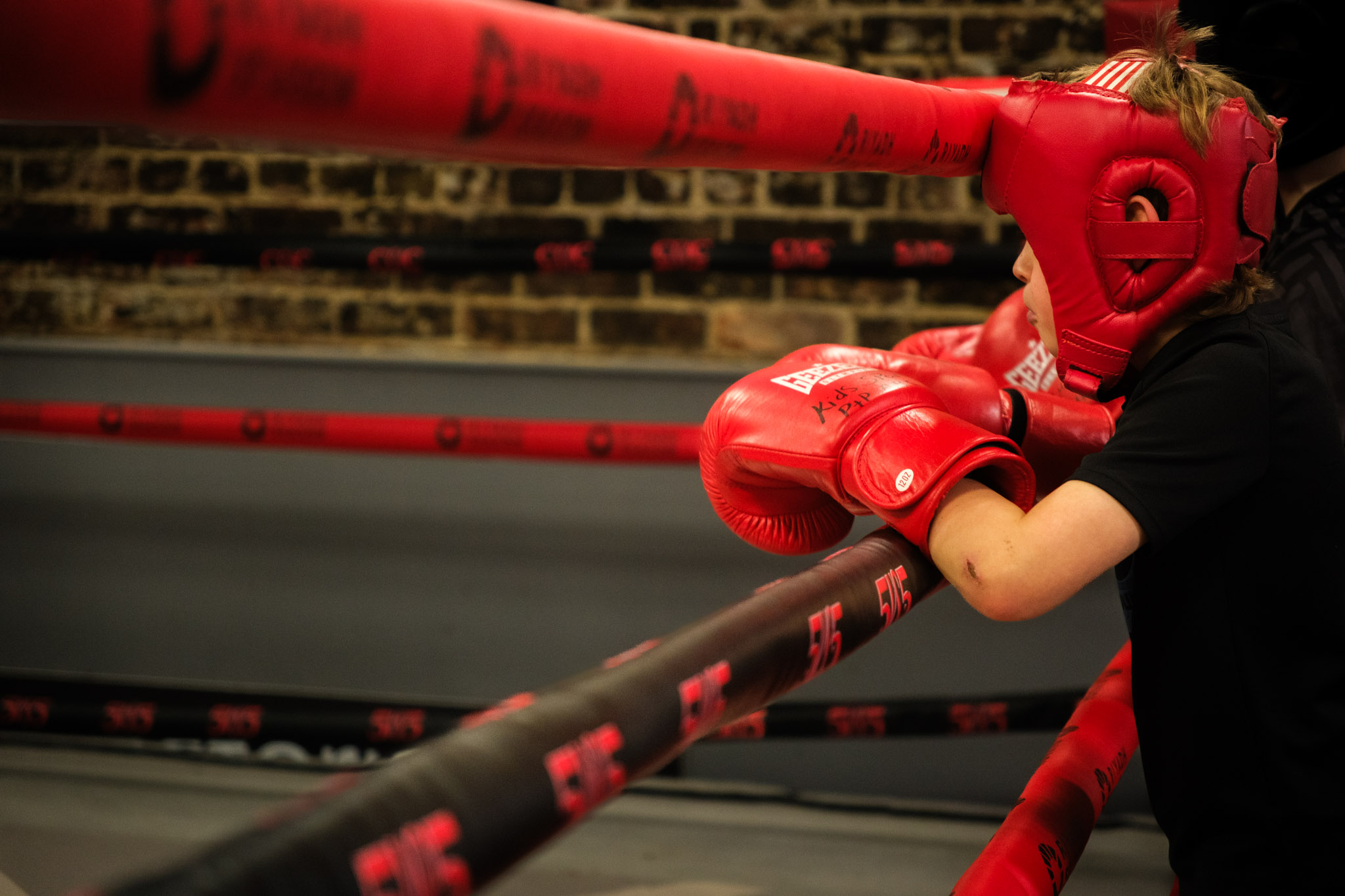
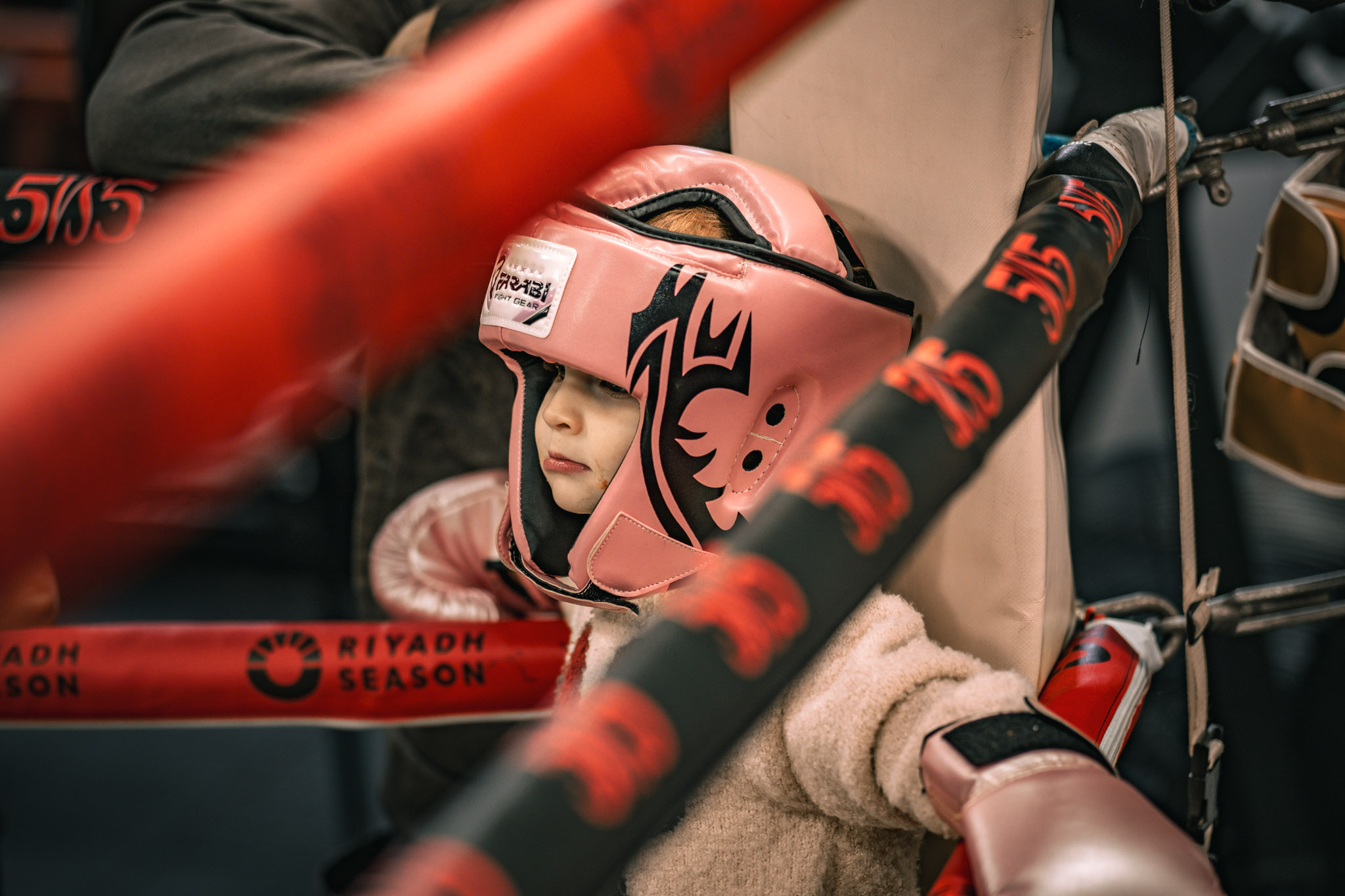
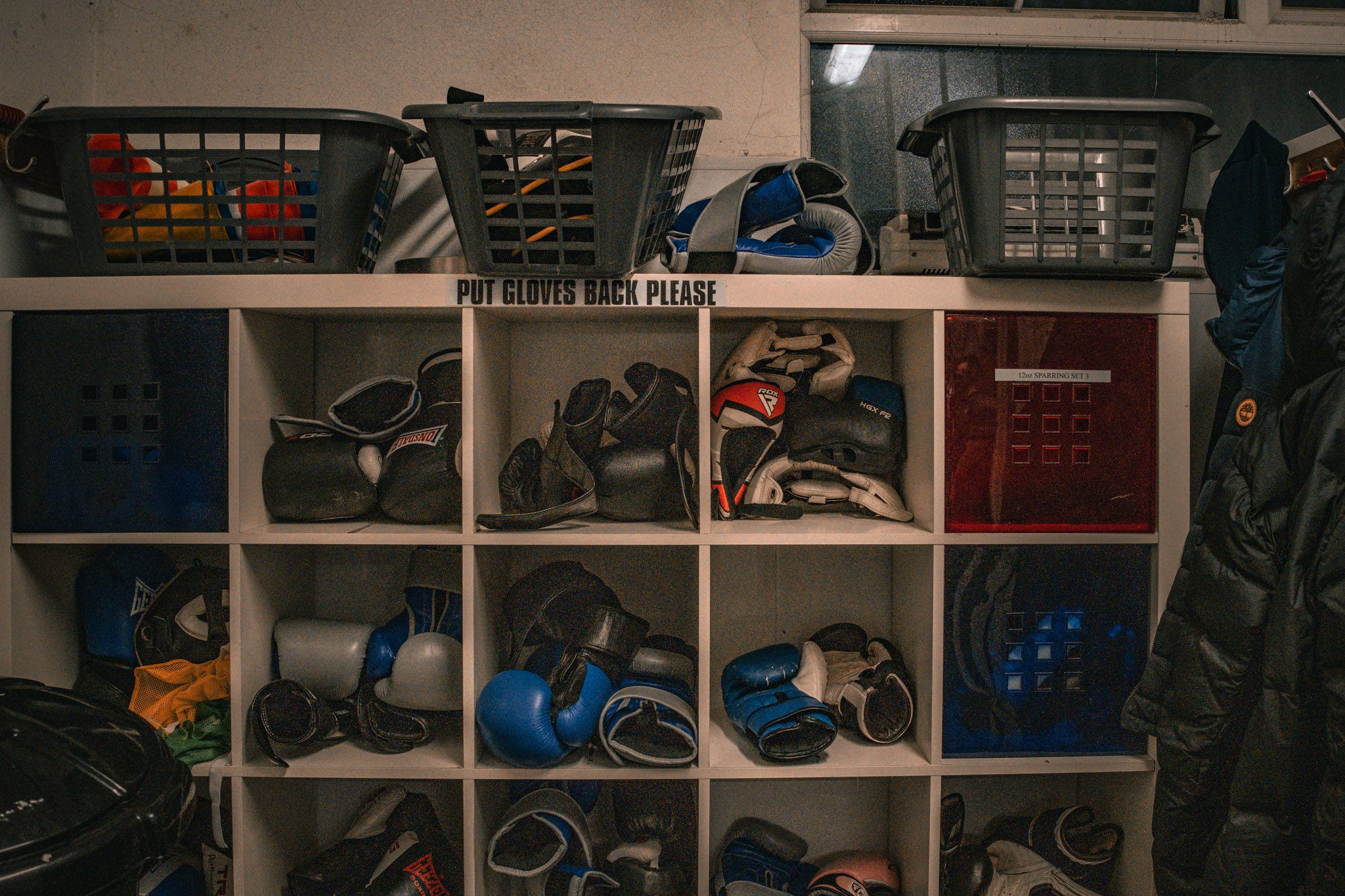
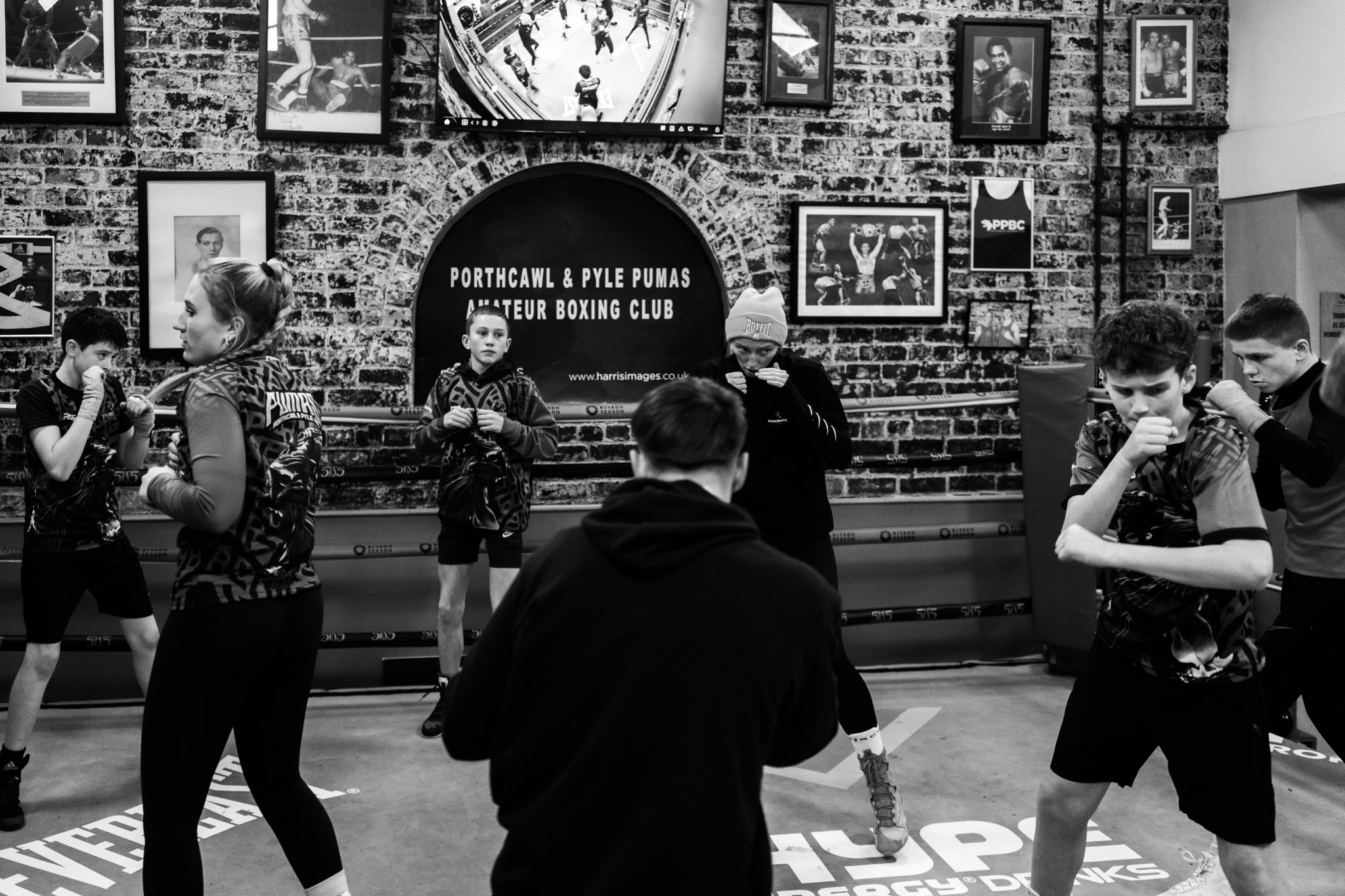
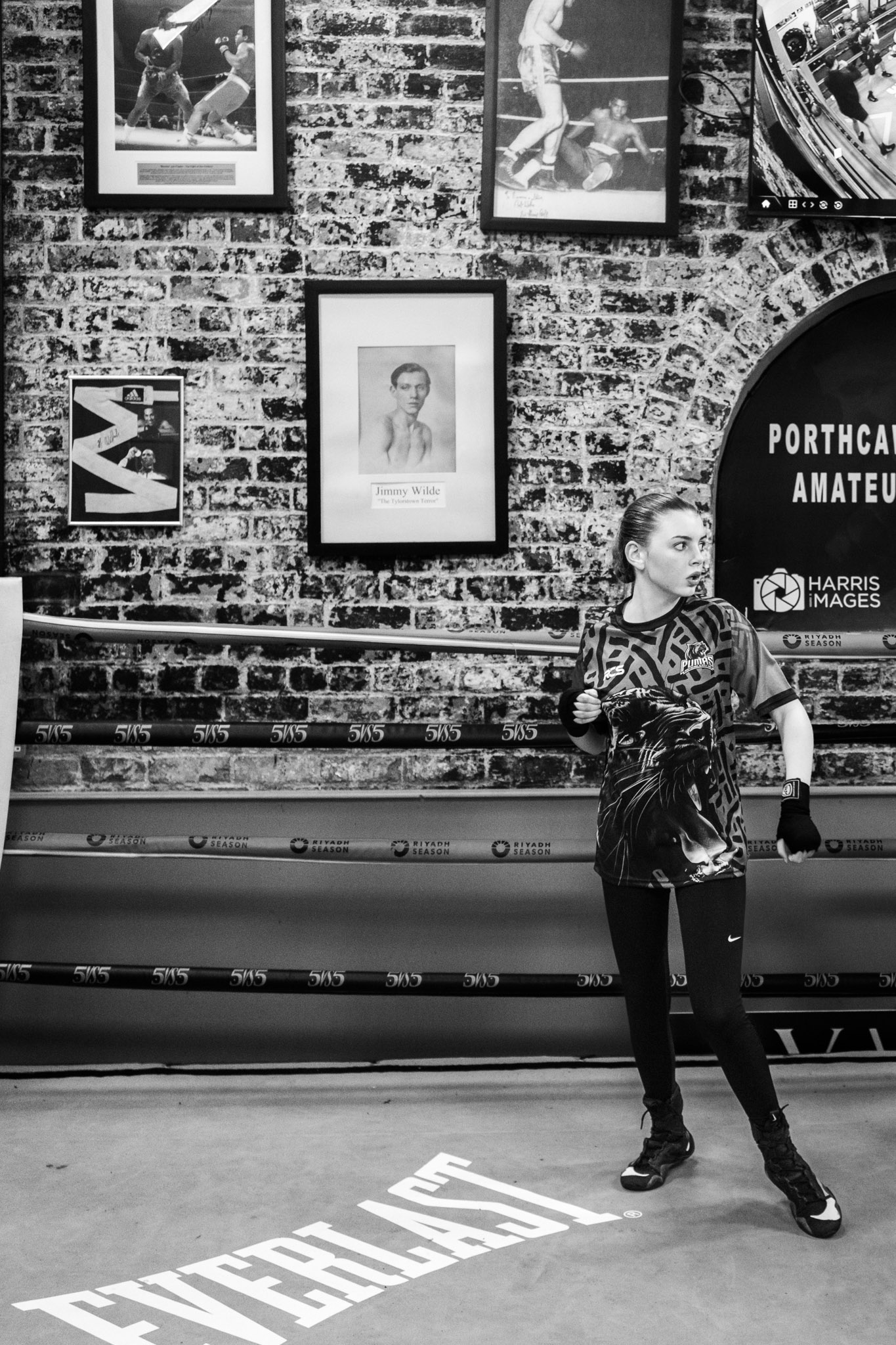
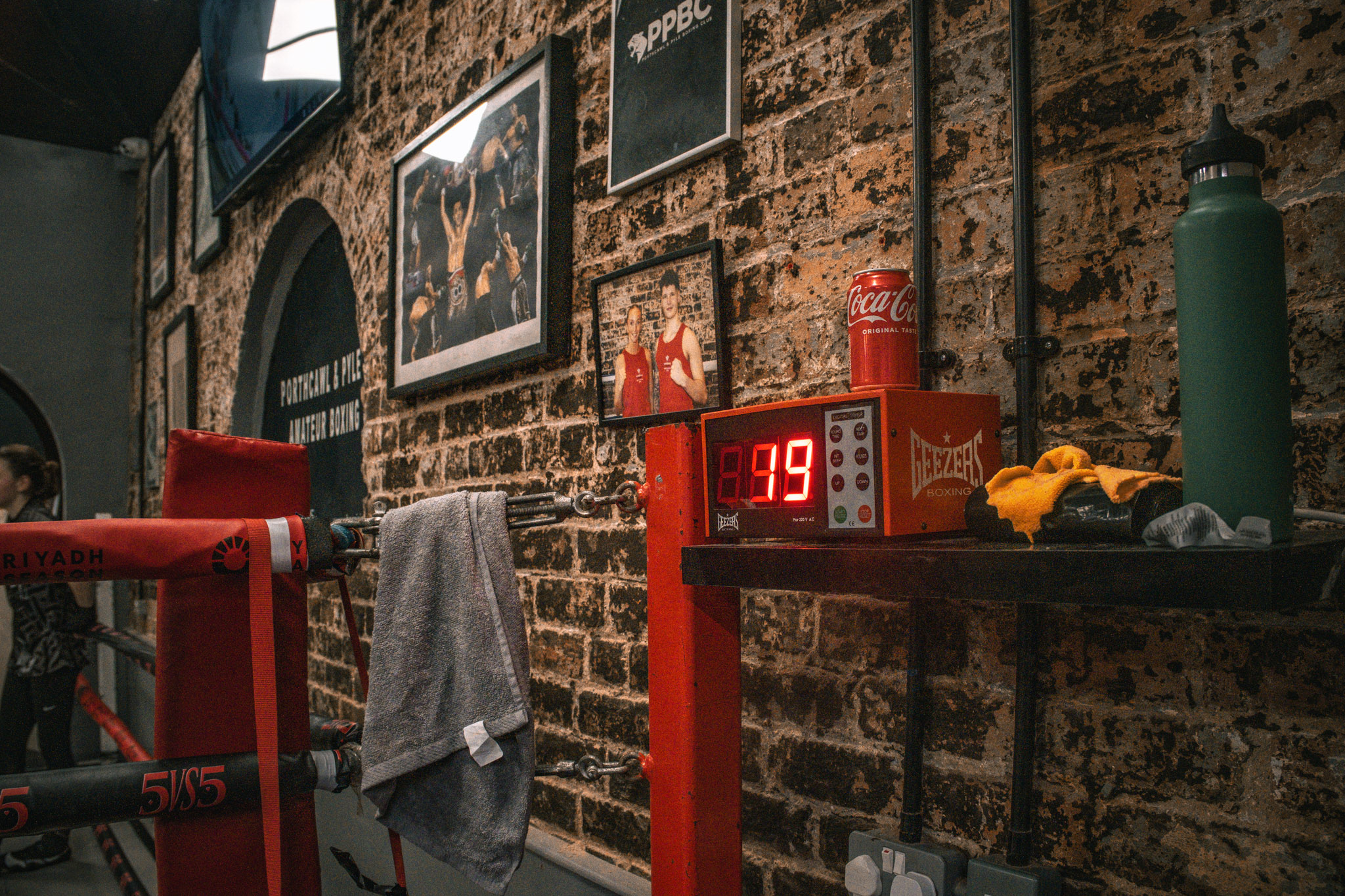
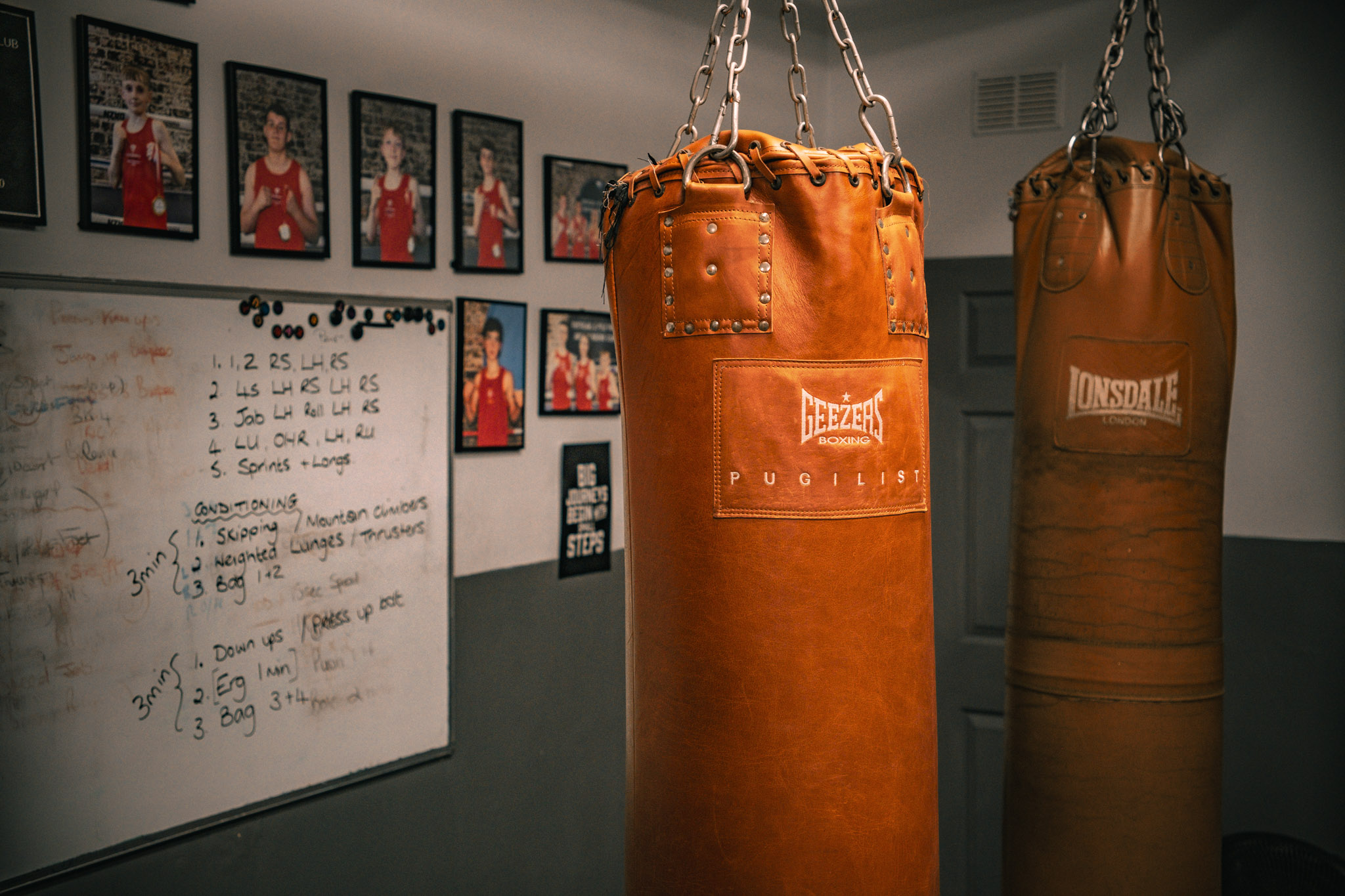
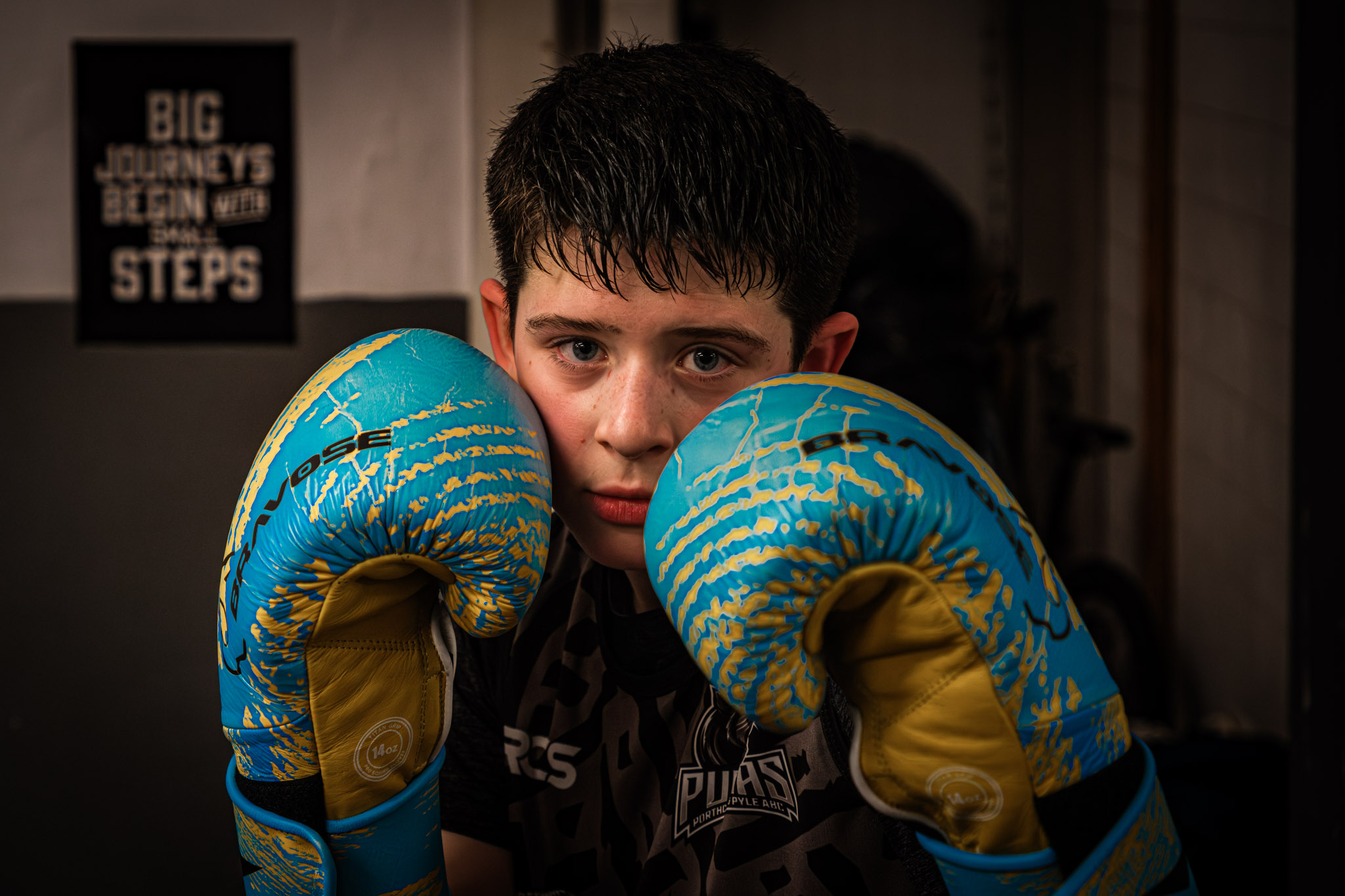
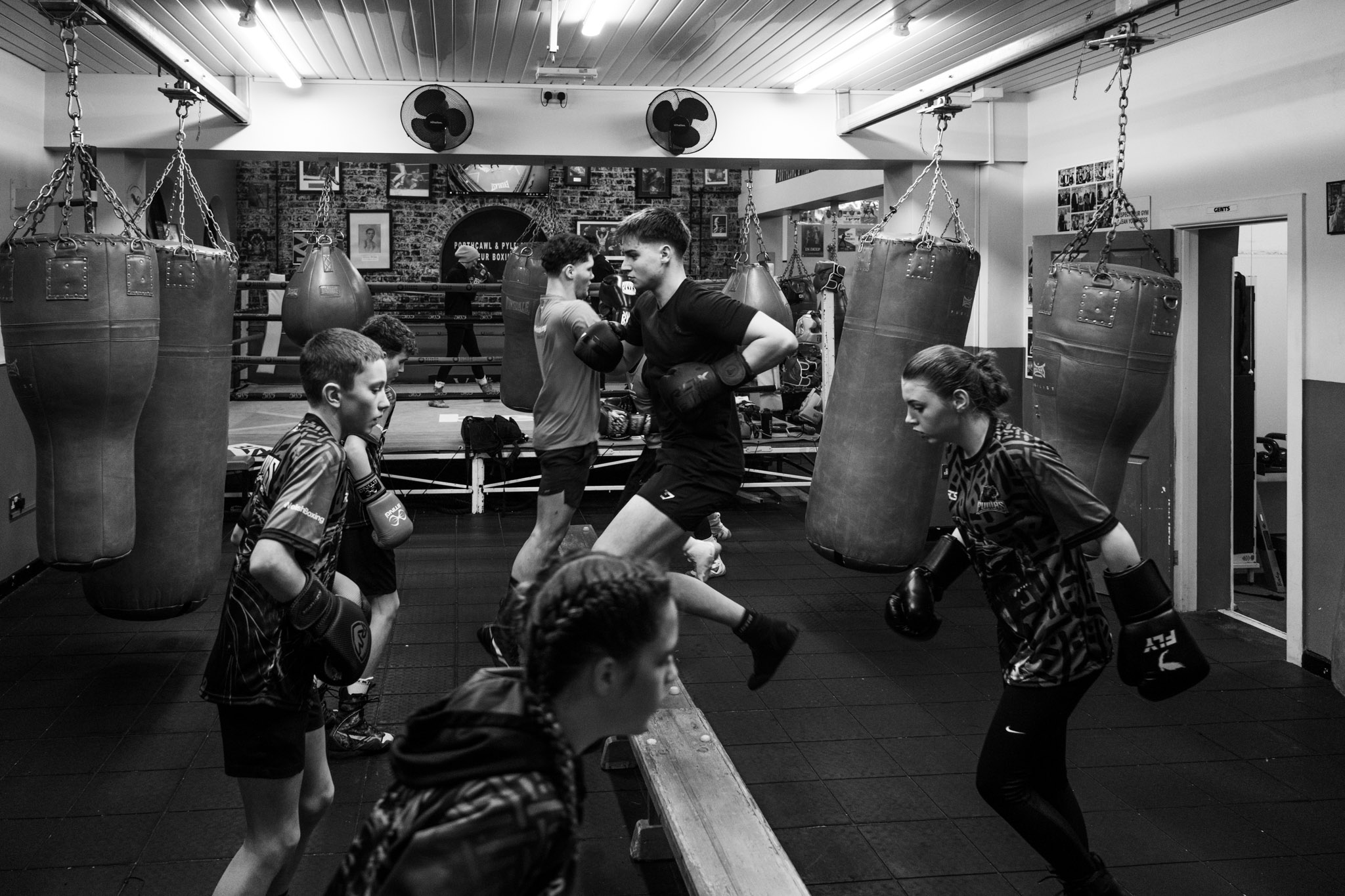
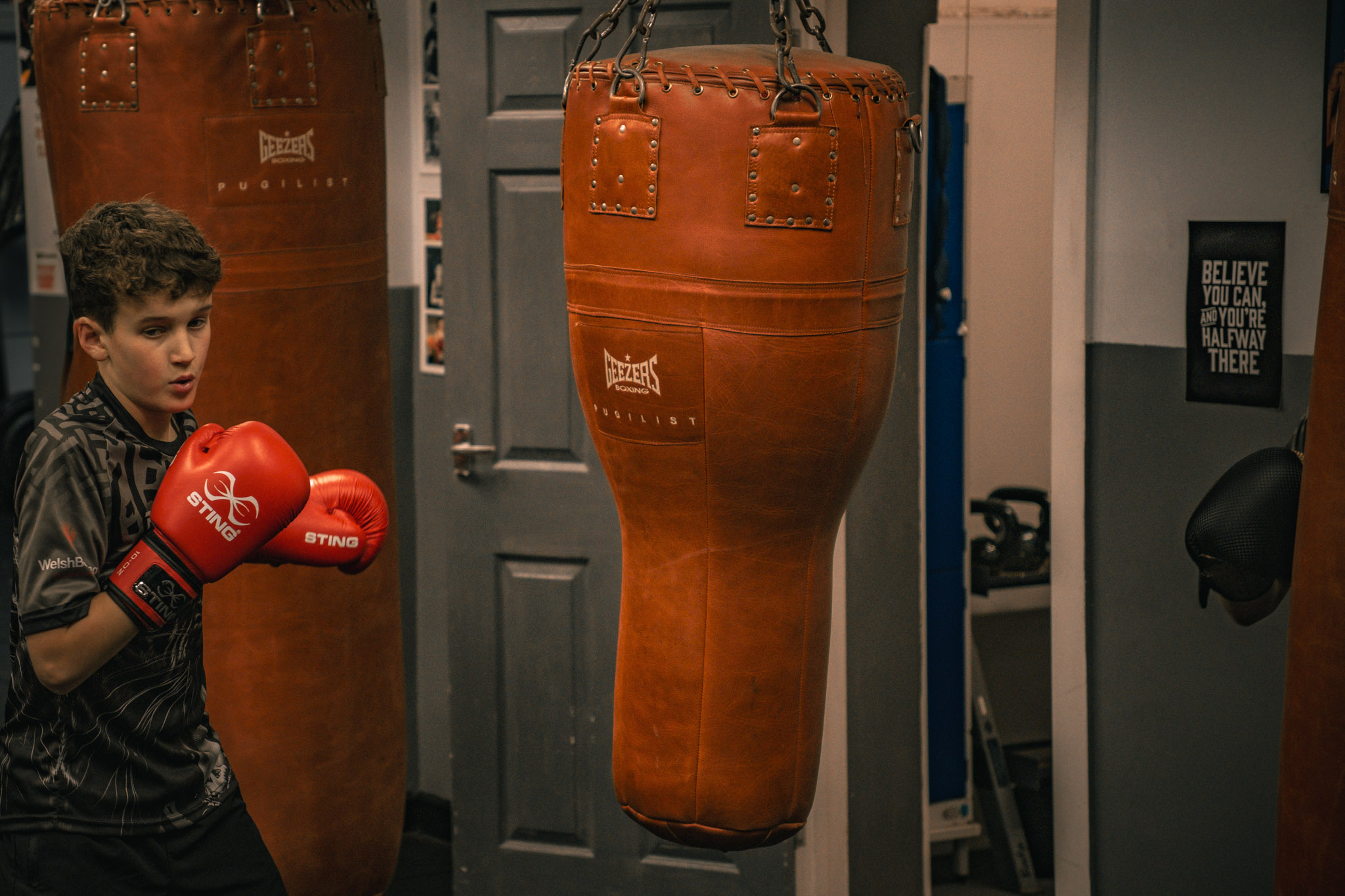
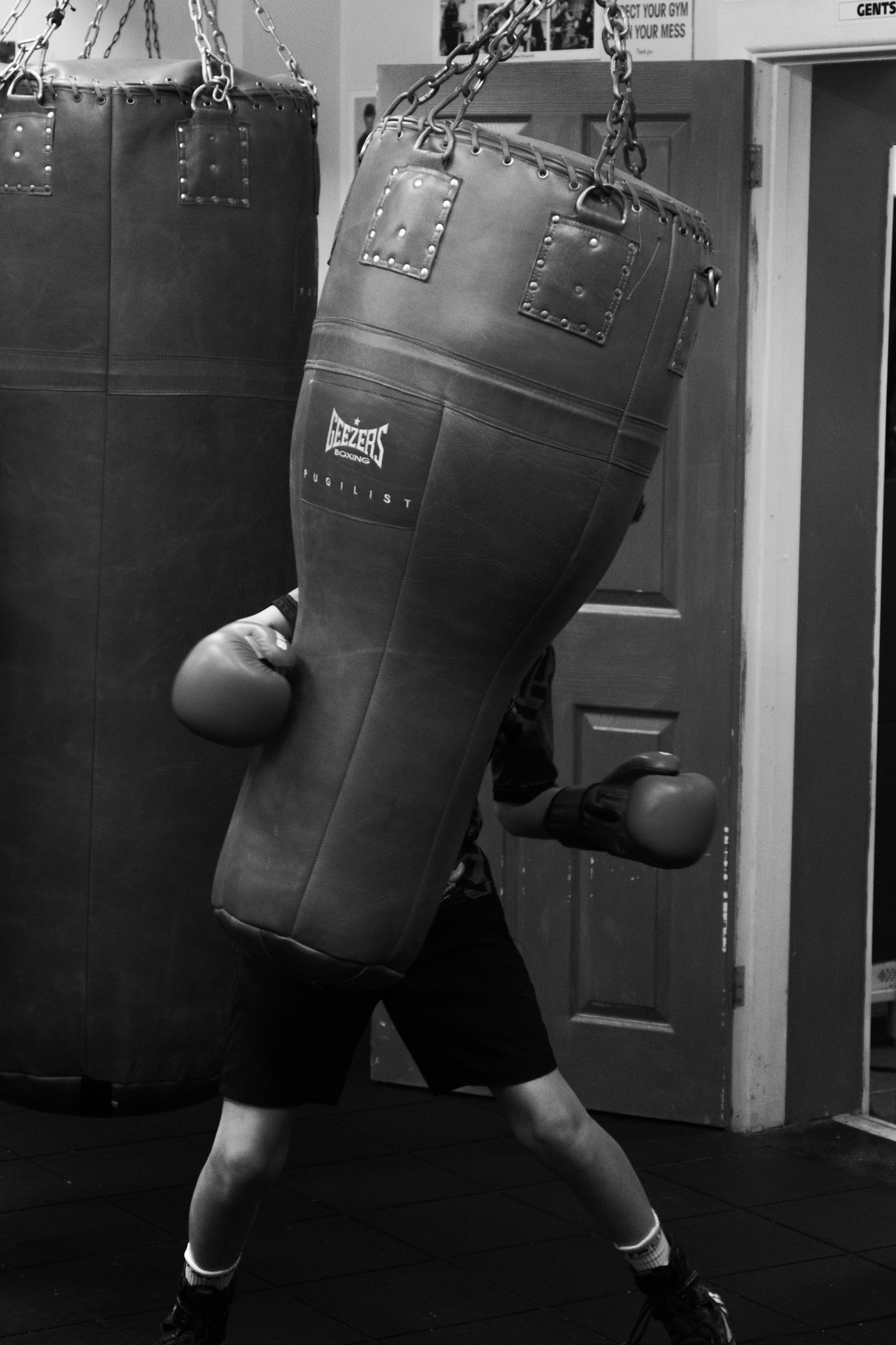
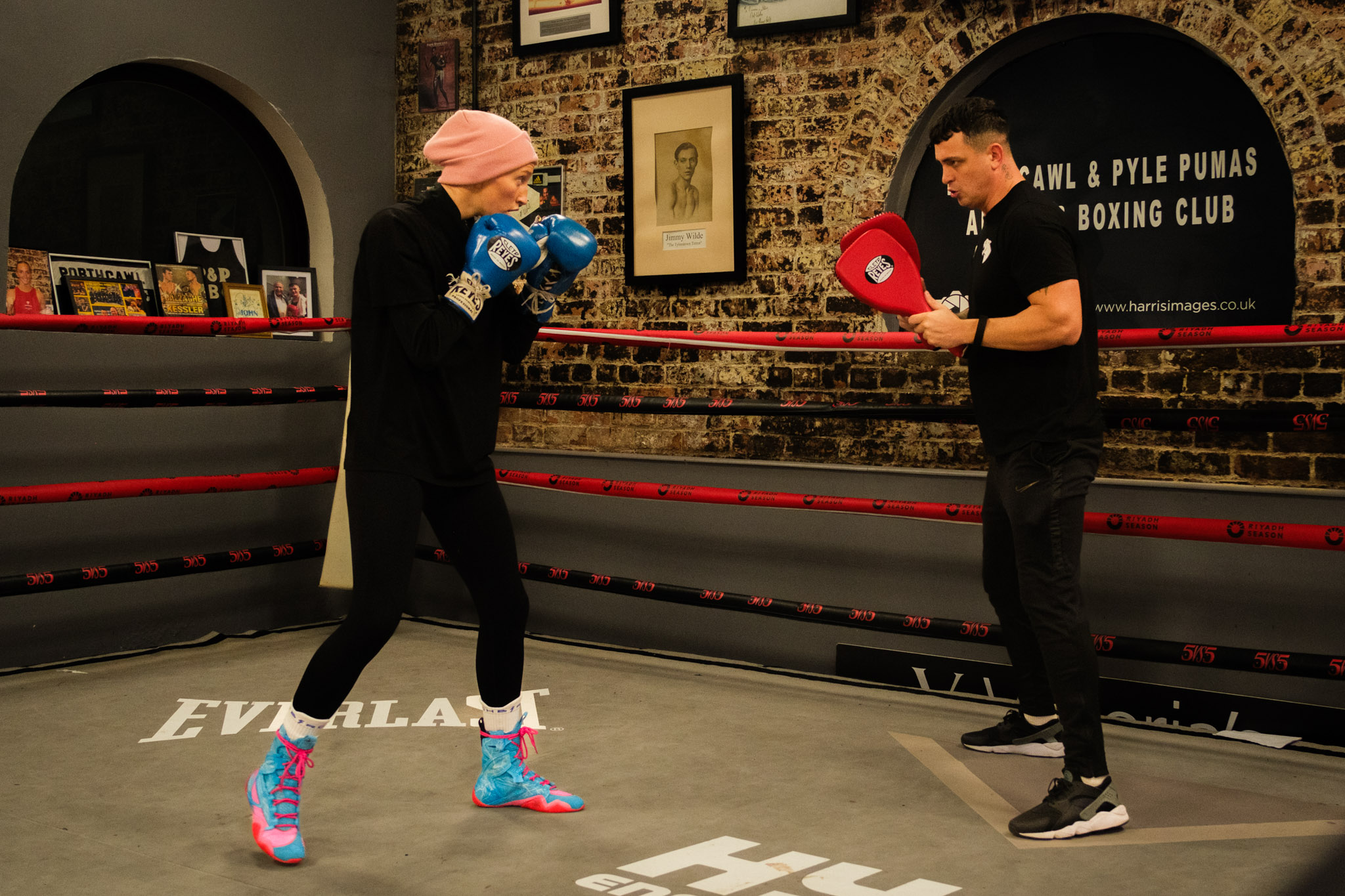
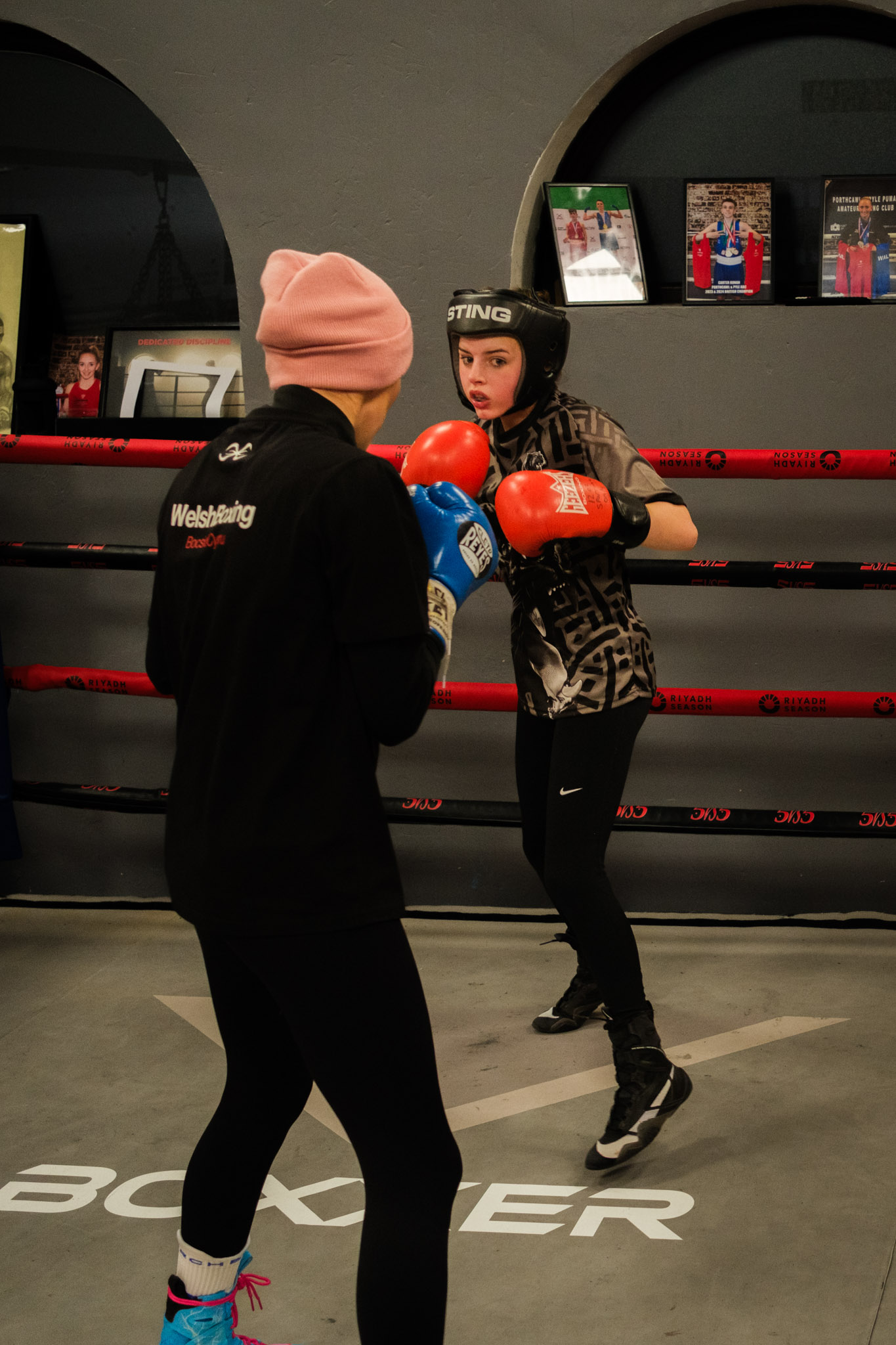
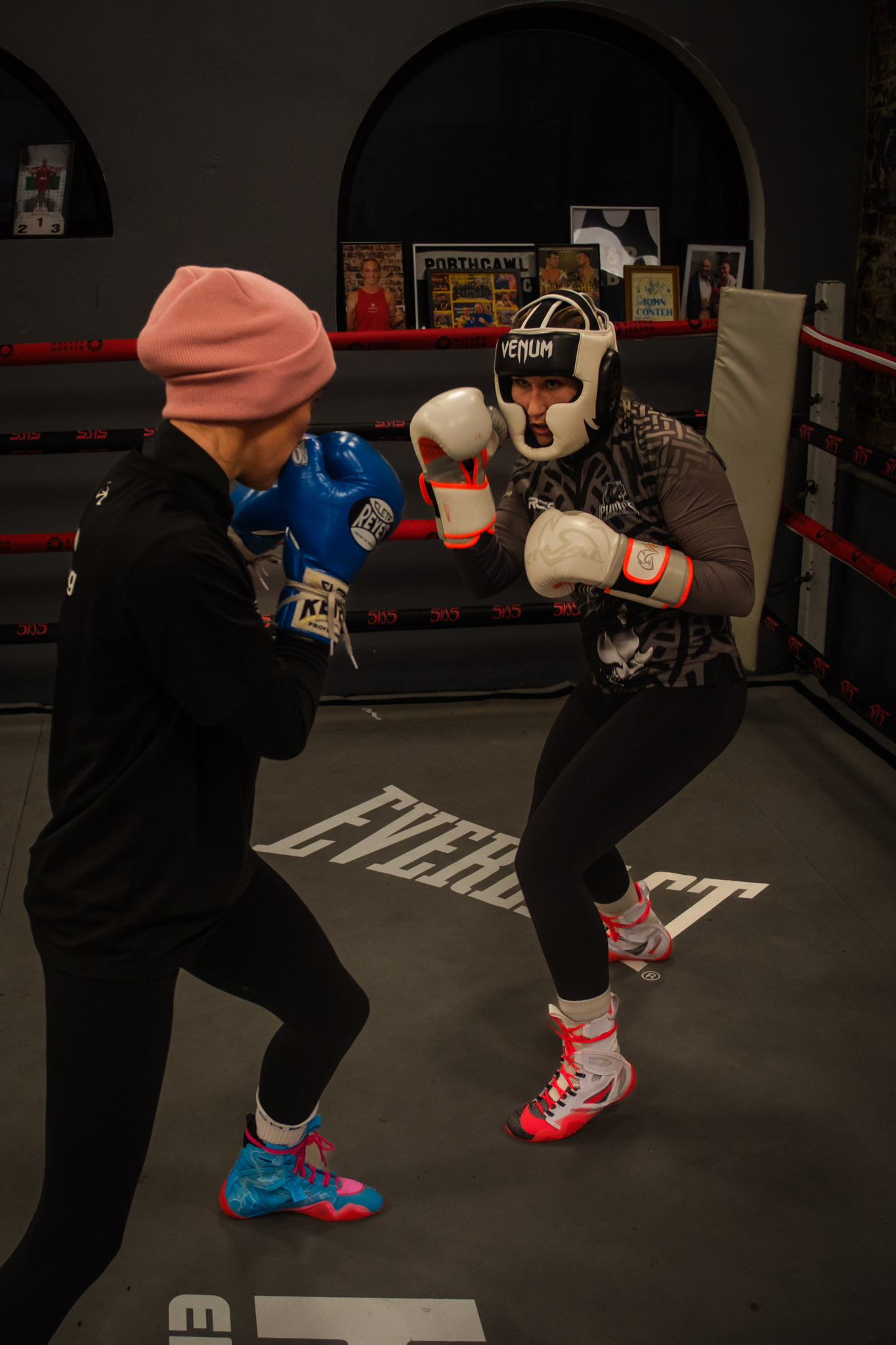
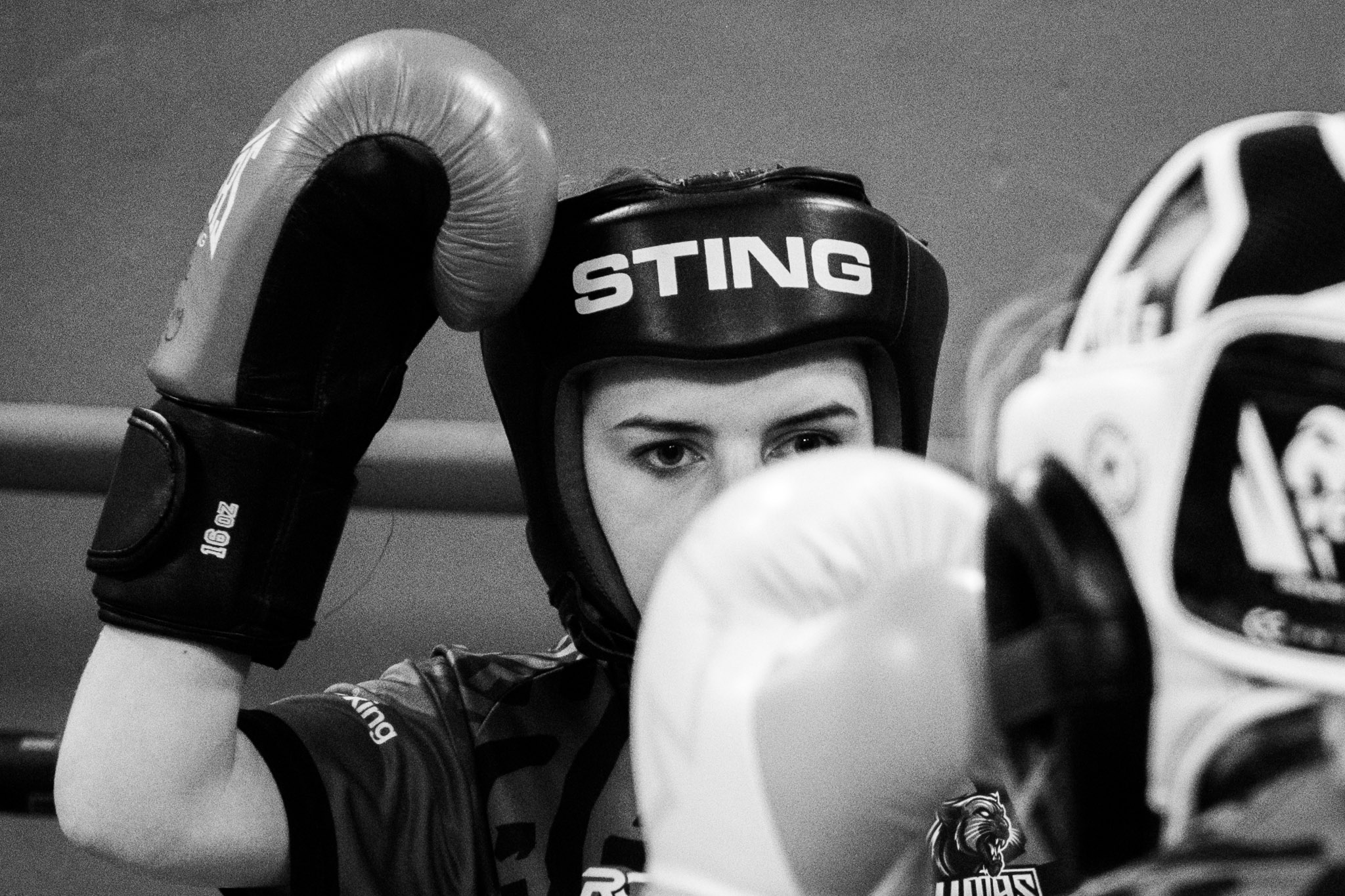
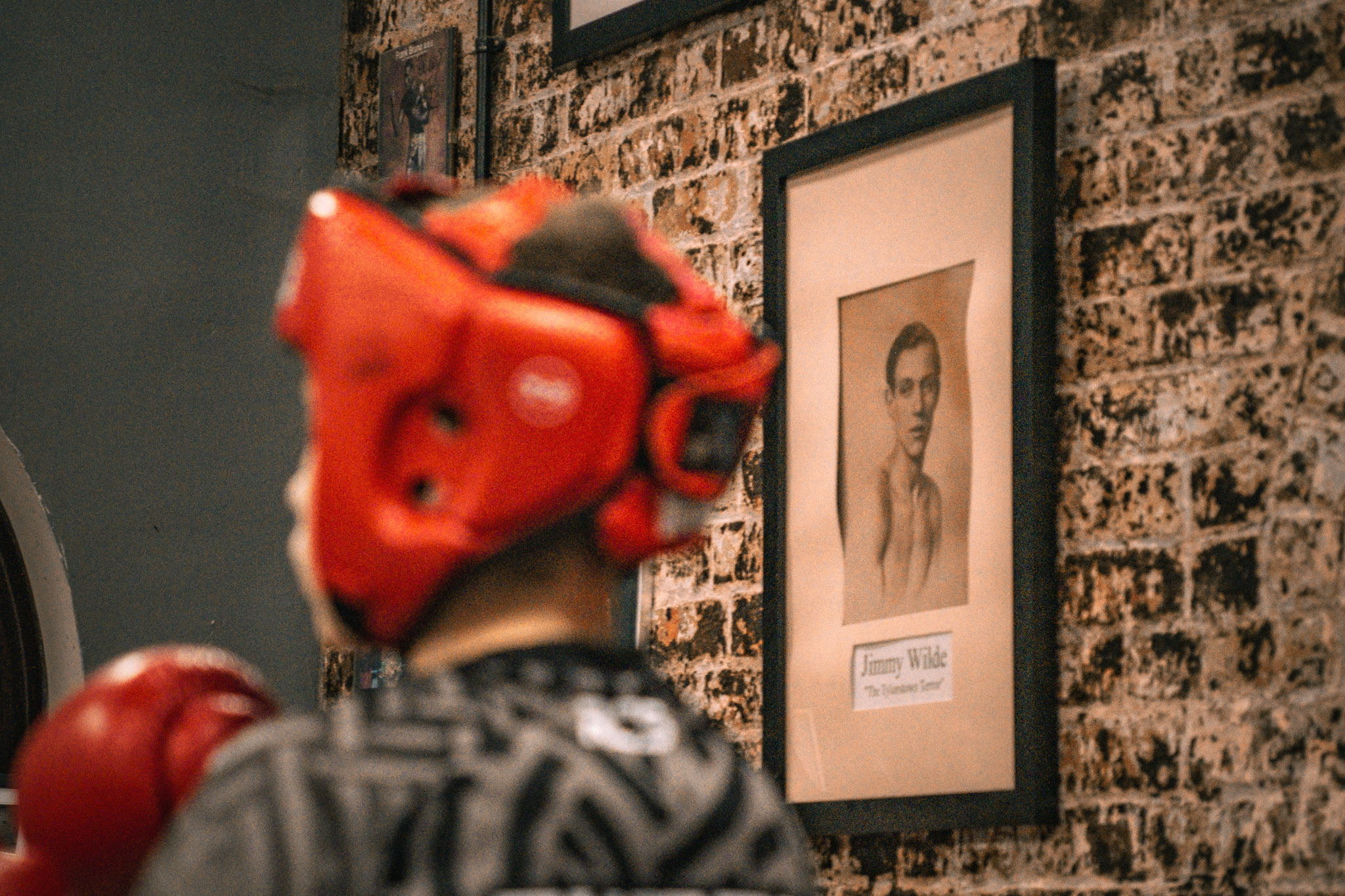
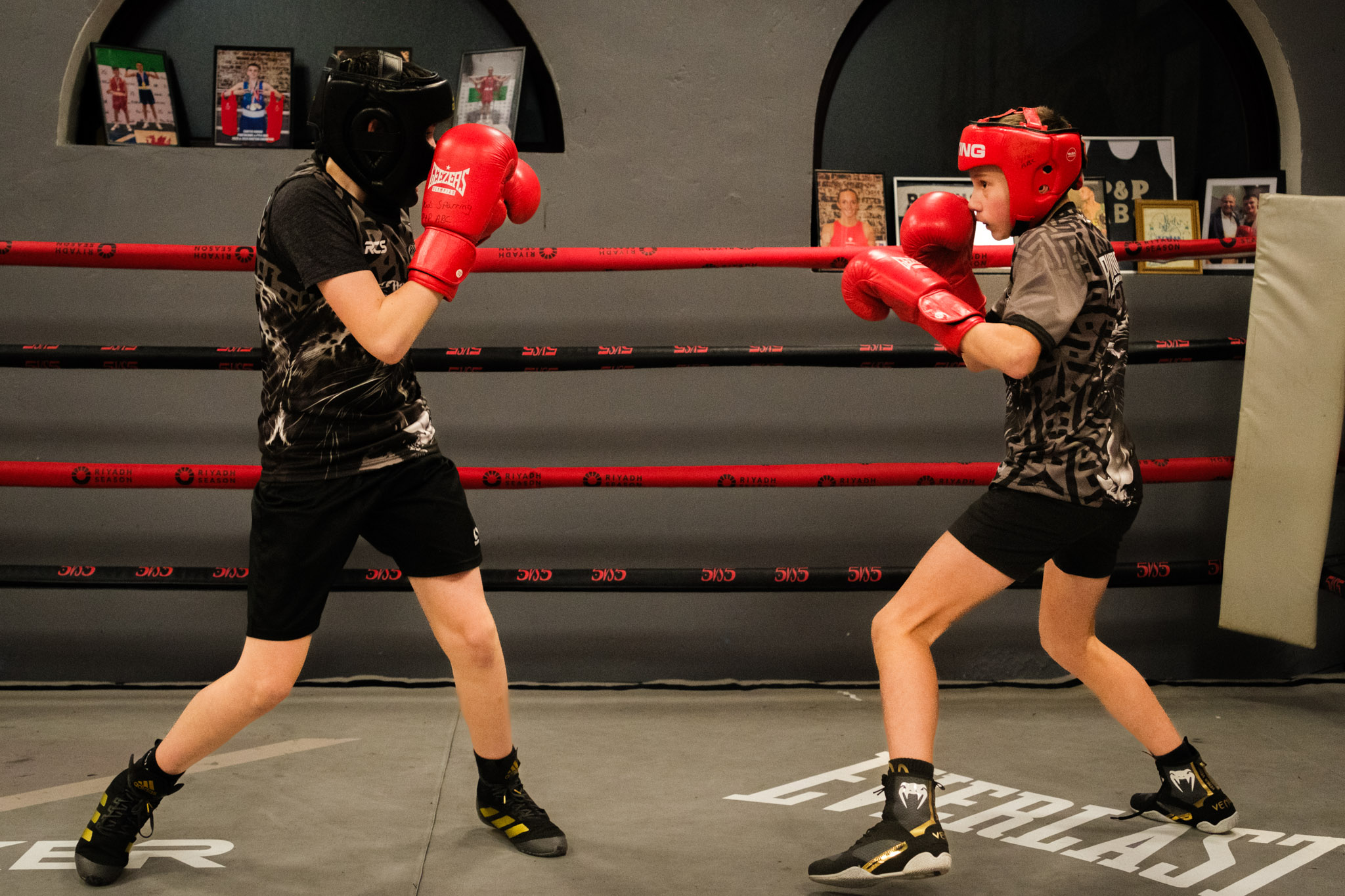
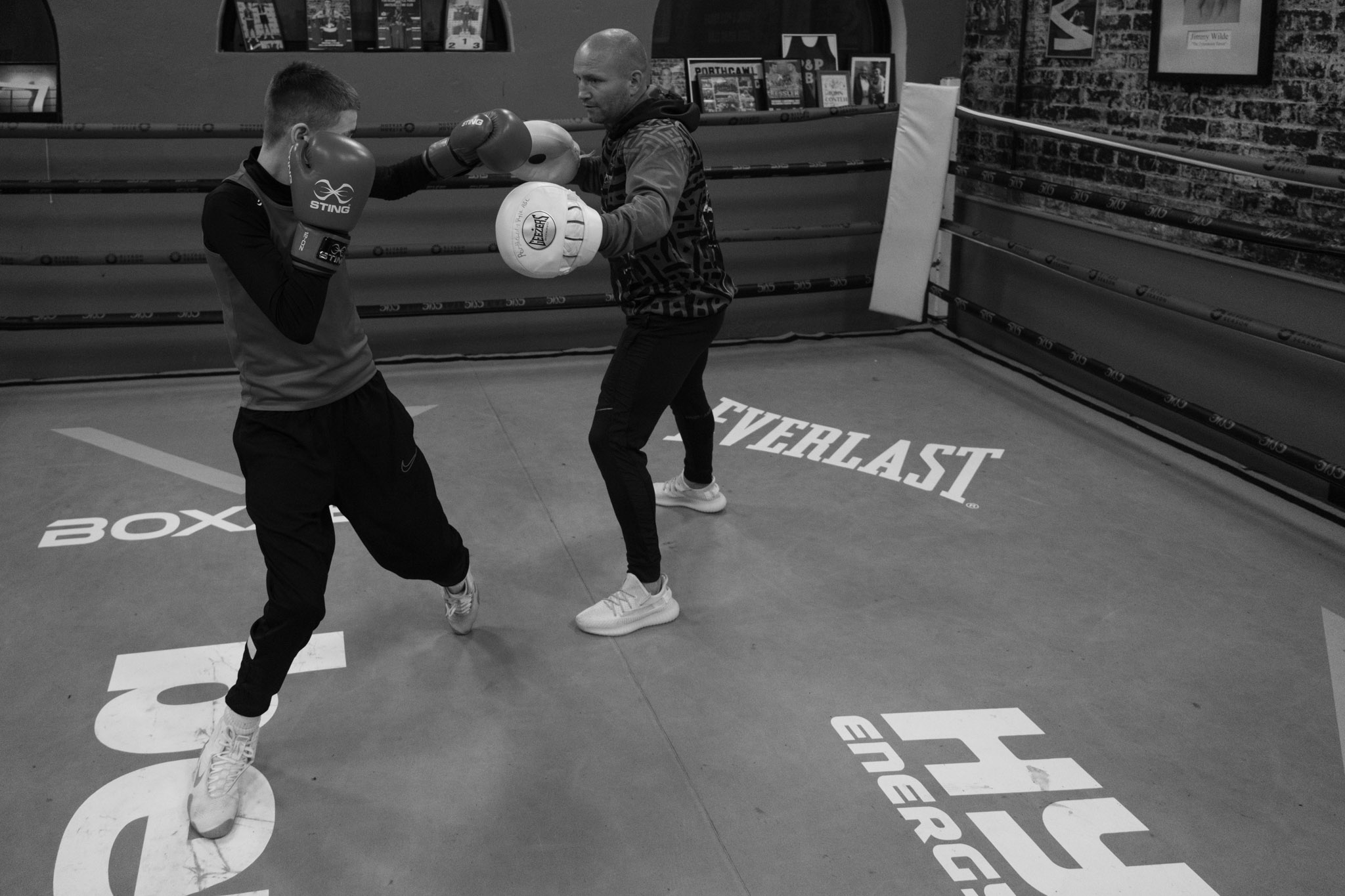
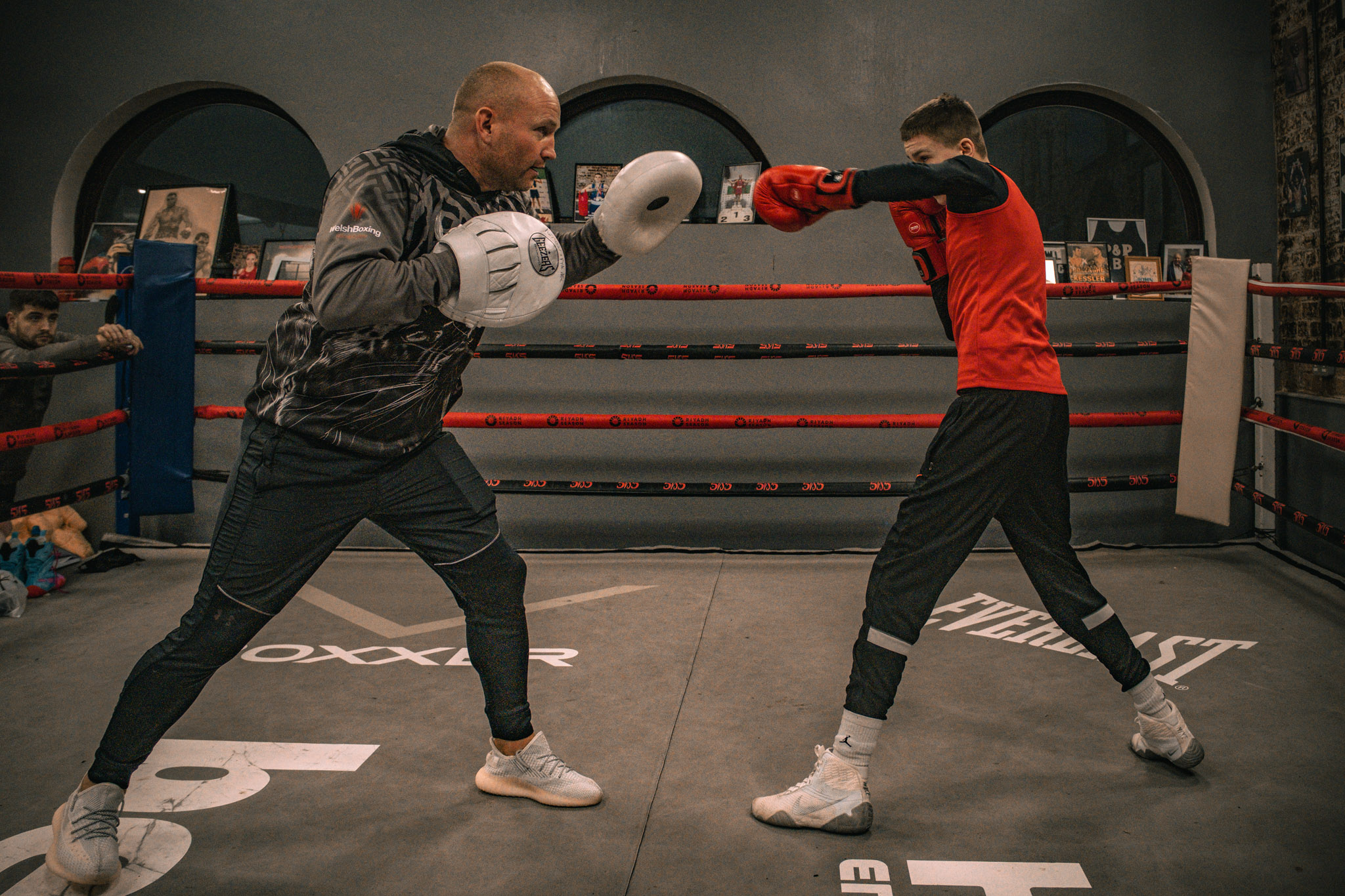
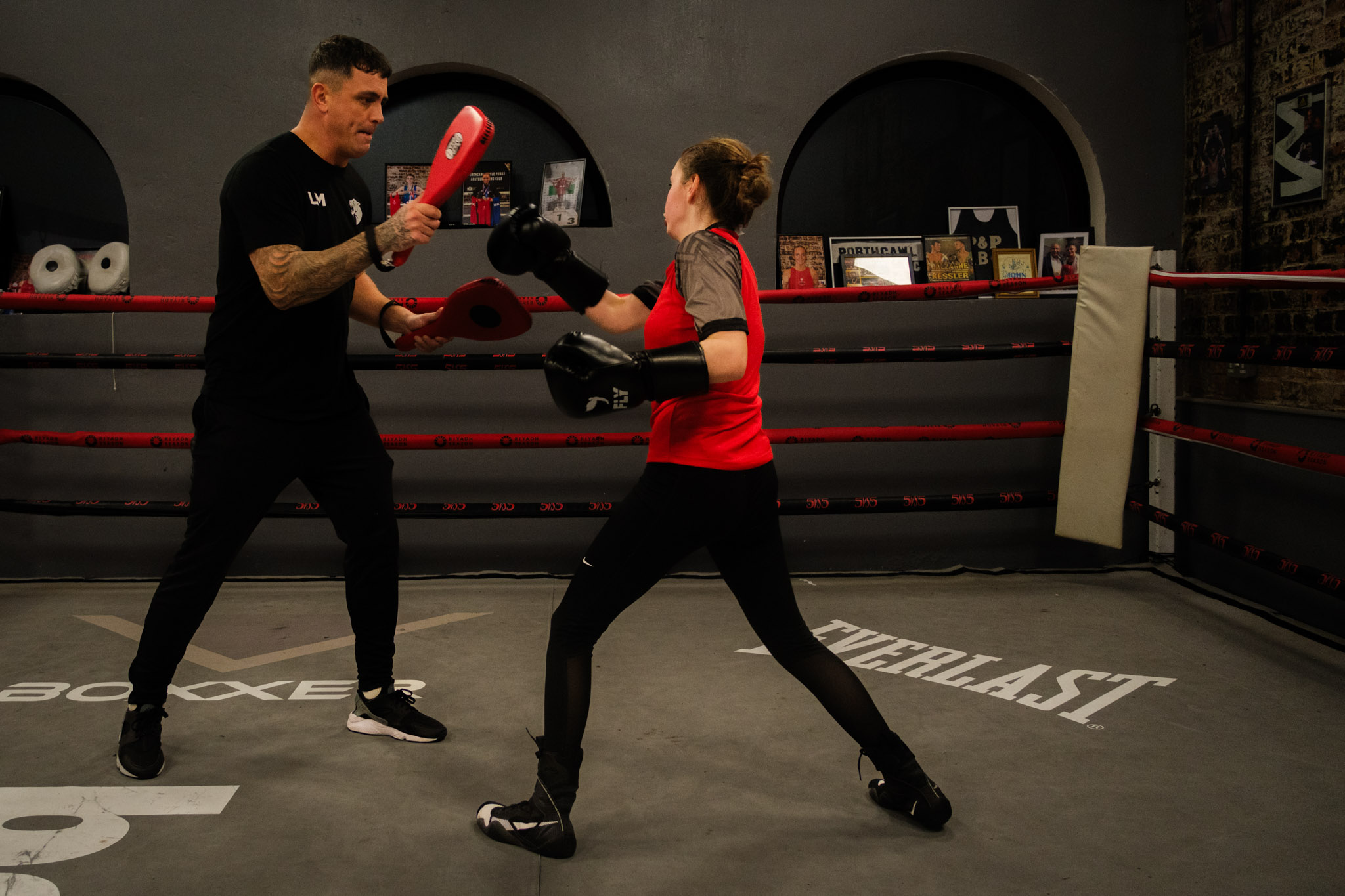
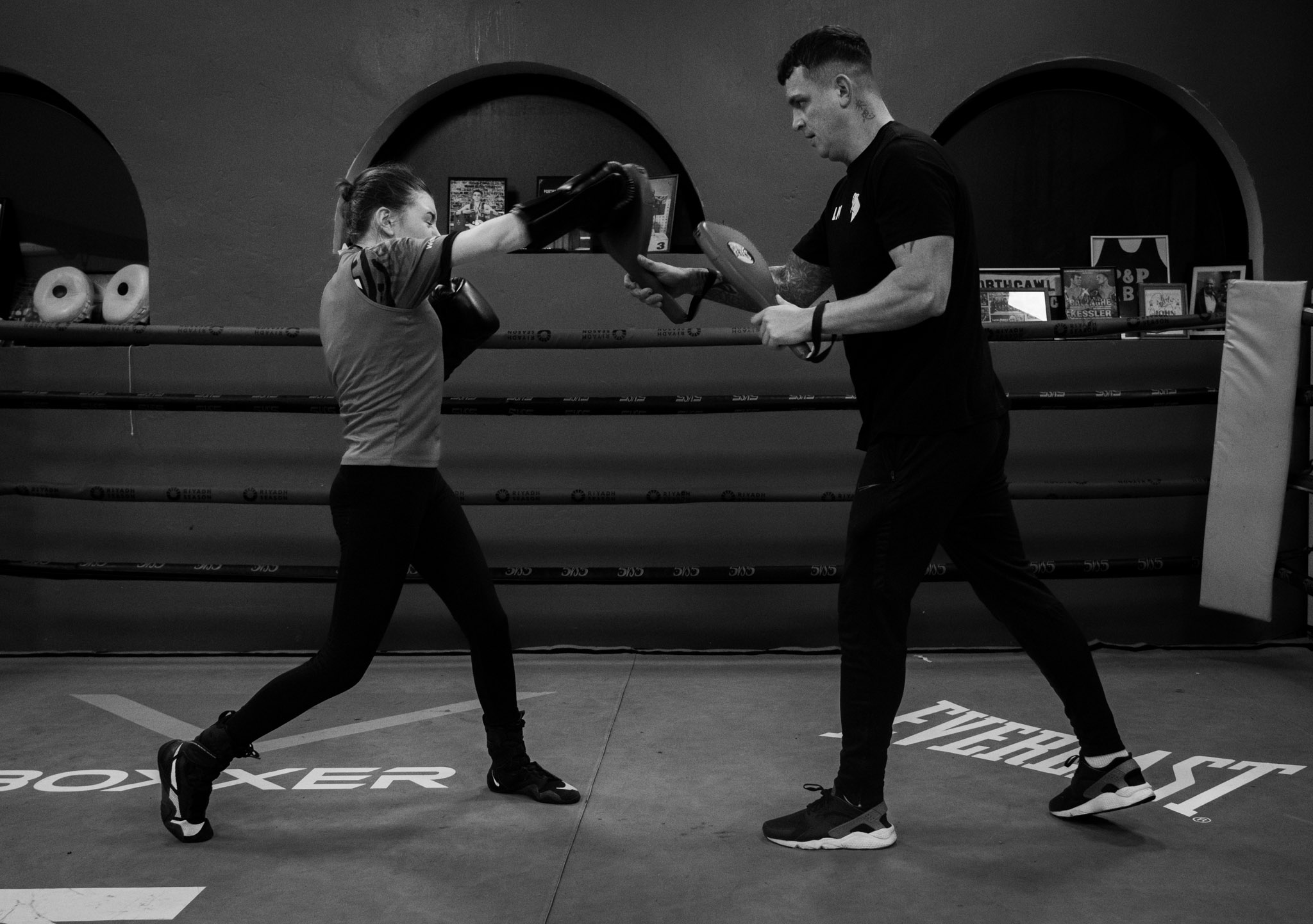
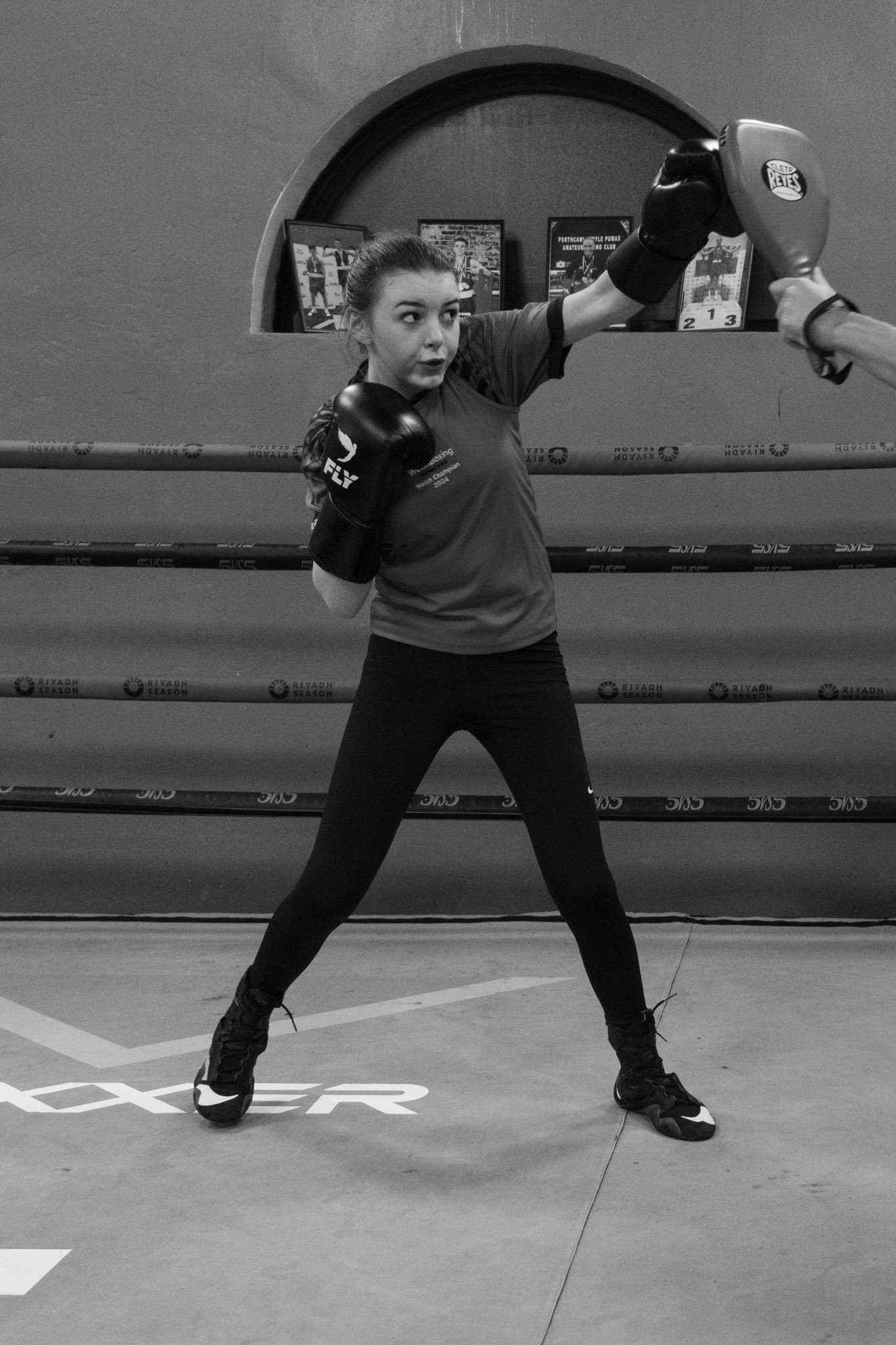
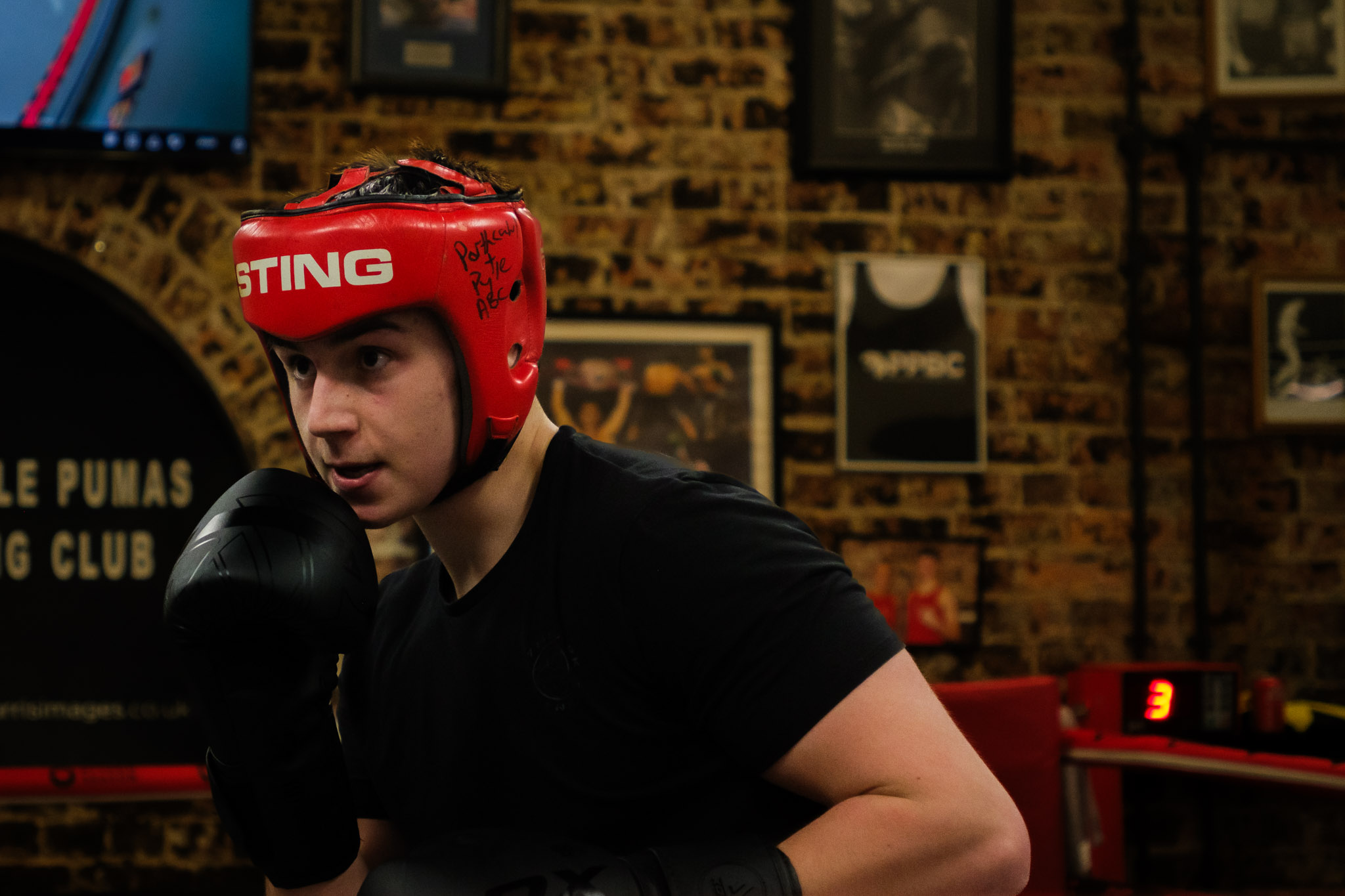
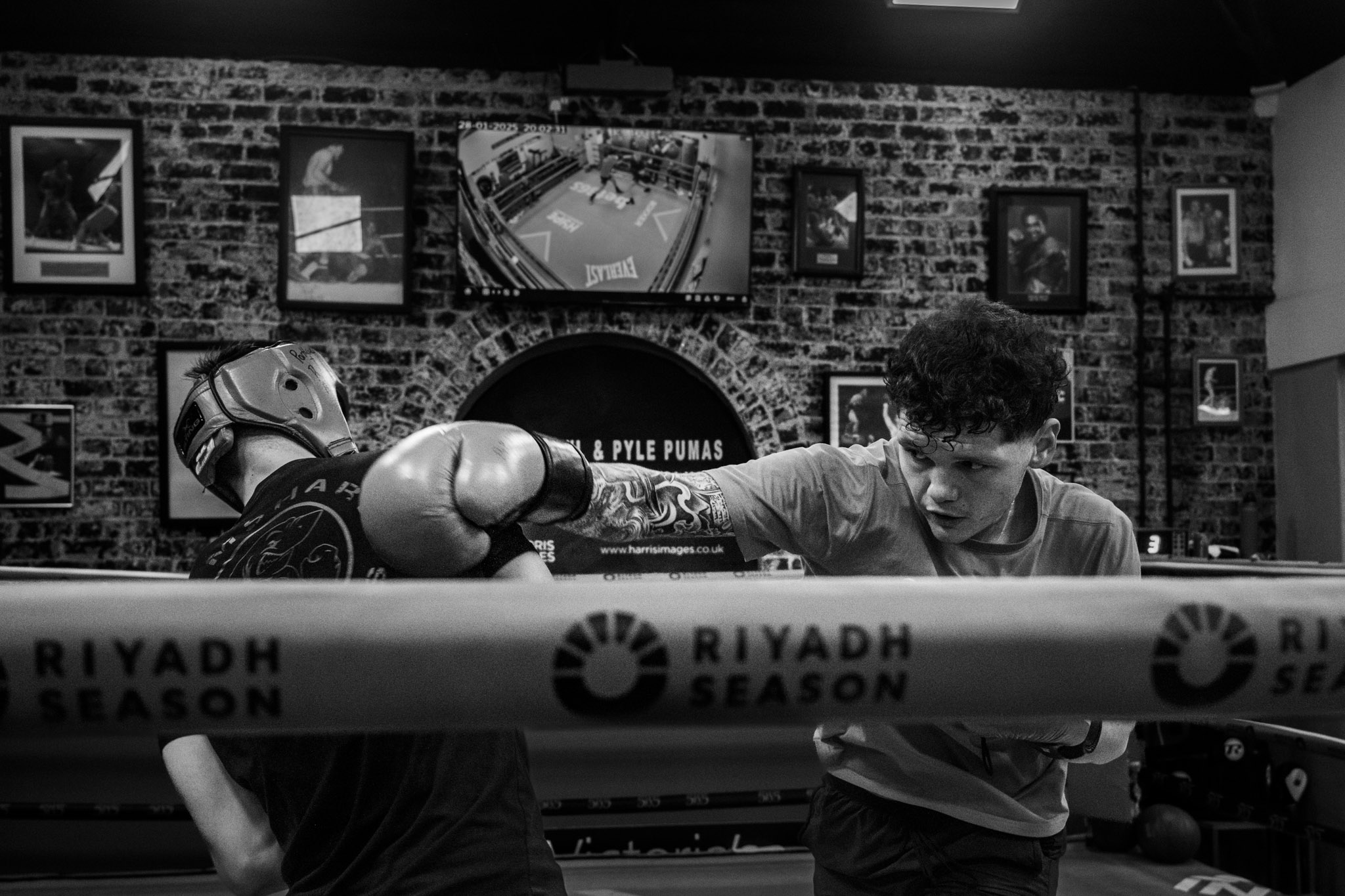
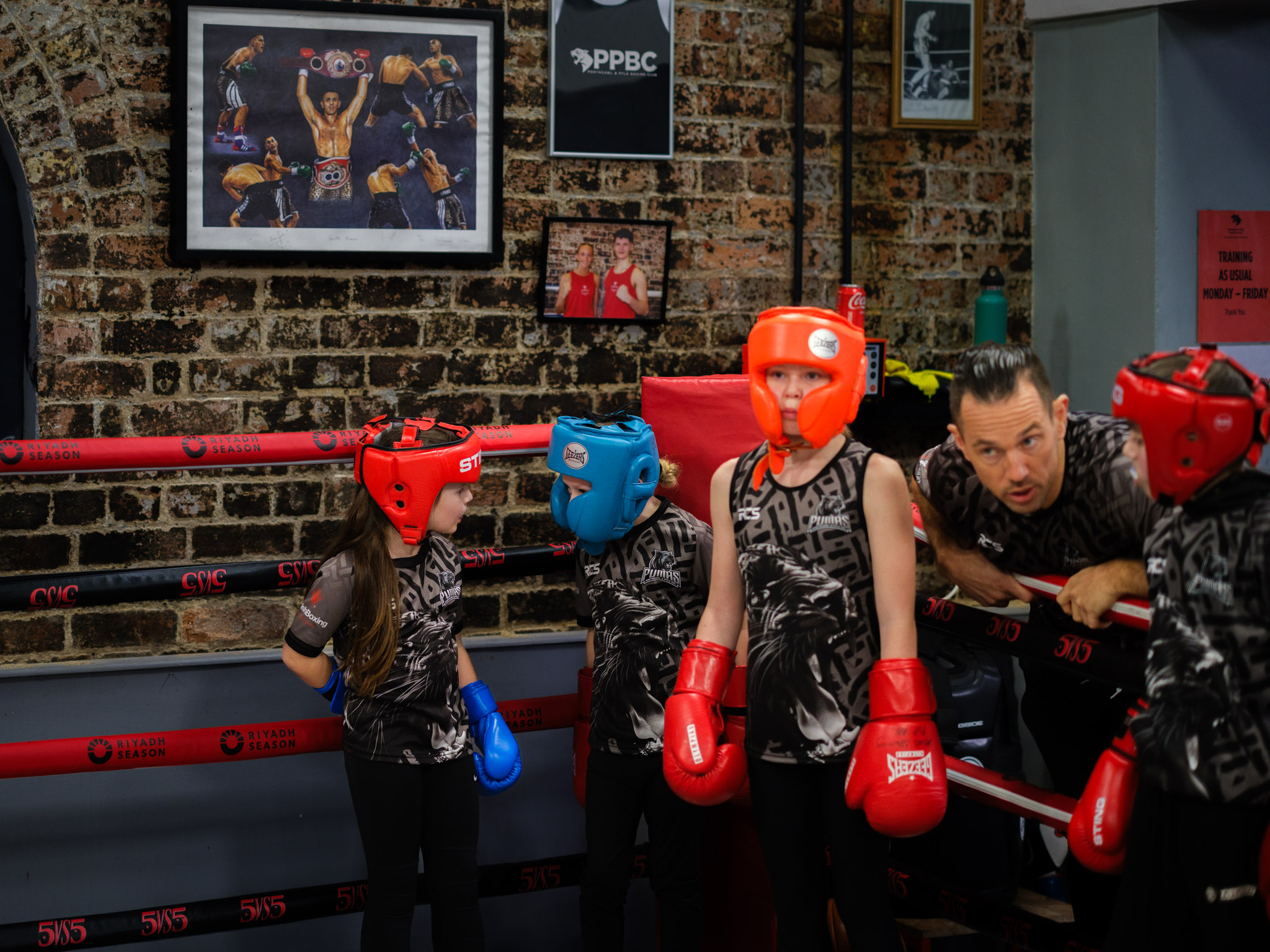
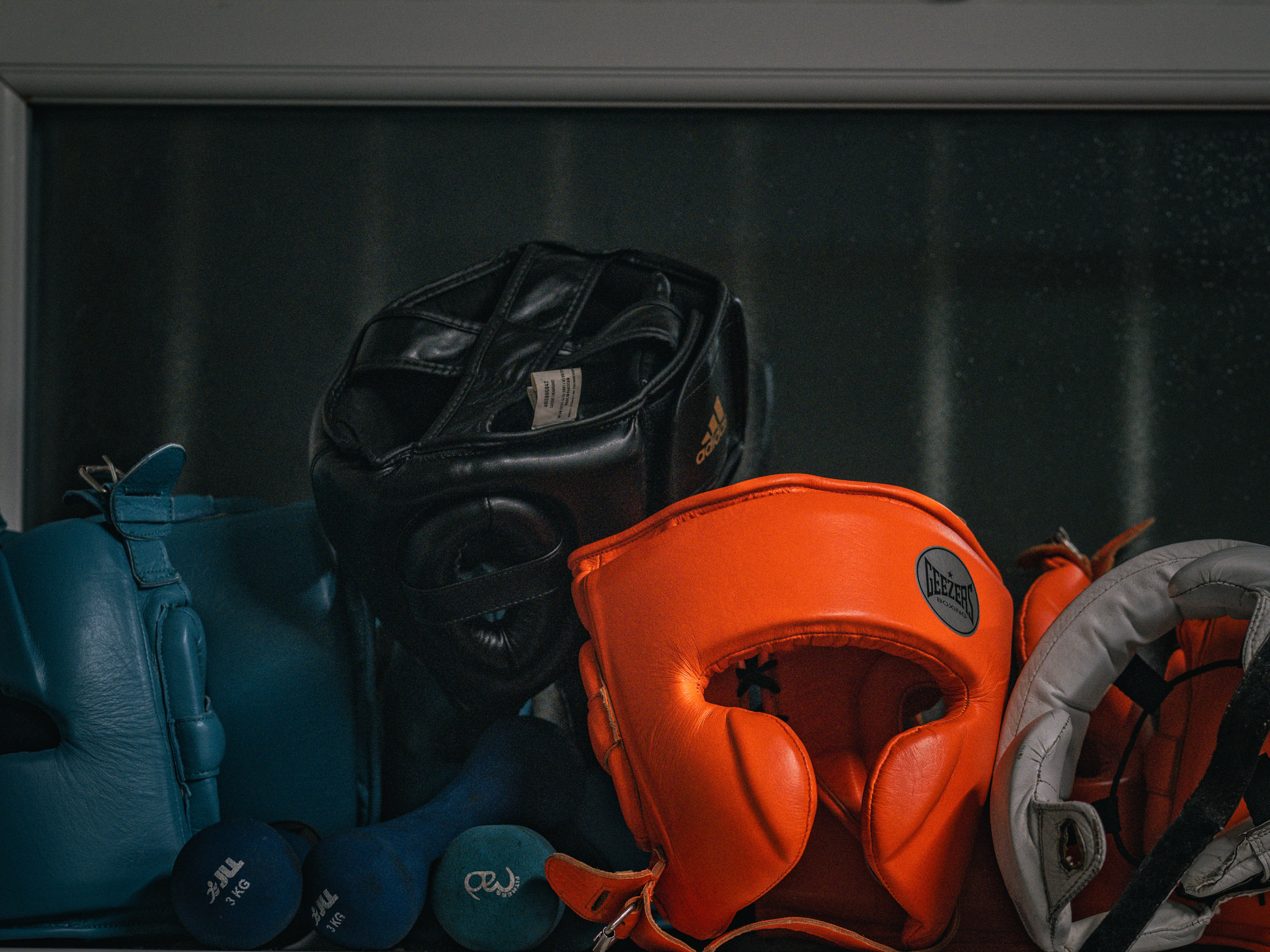
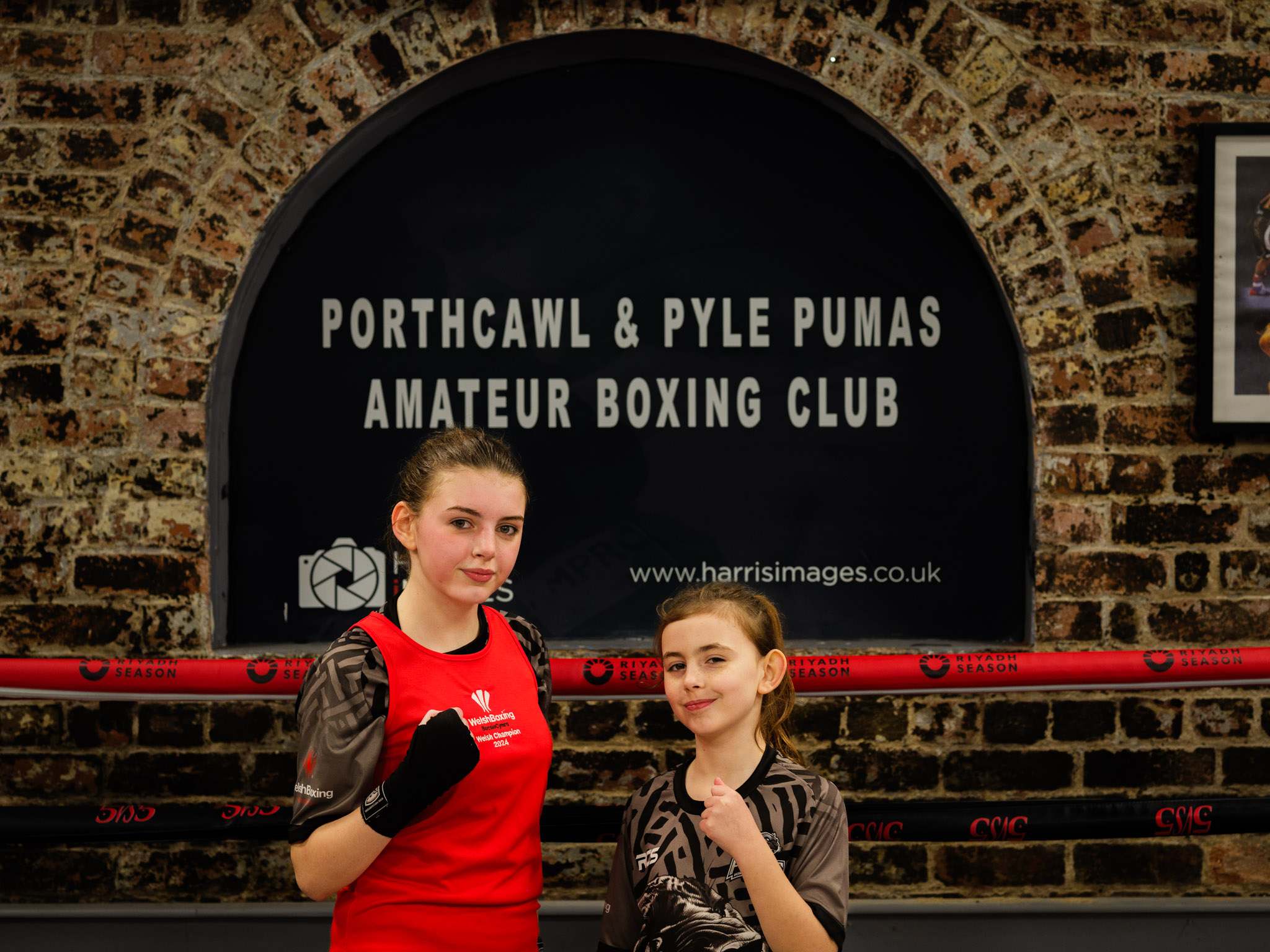
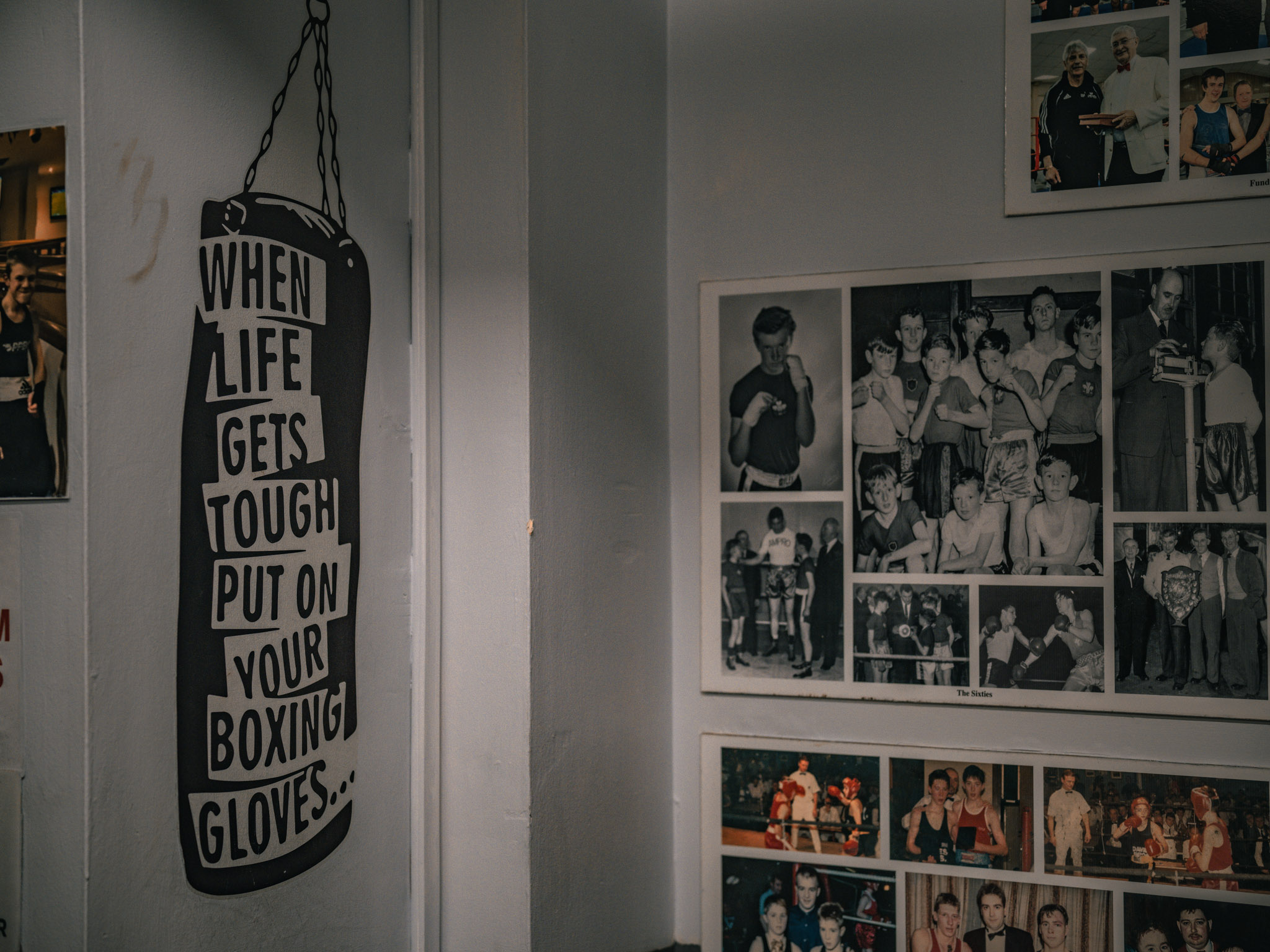
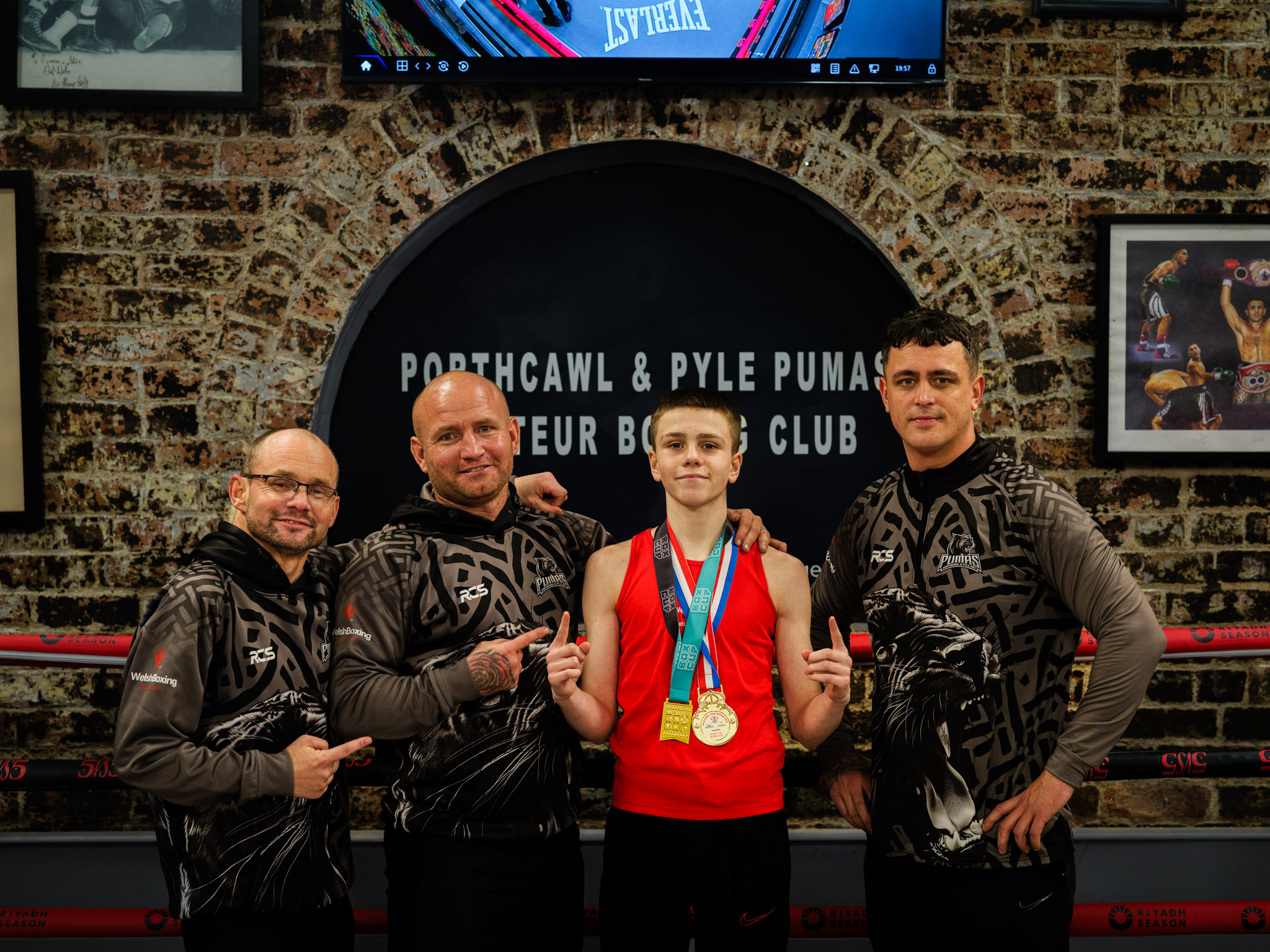
It’s been a while since I’ve posted here, but recently I was walking past the old pump house near Newton Primary School and decided to drop the gang at the Porthcawl & Pyle Pumas Boxing Club a message and they were nice enough to allow me to come along and take some snaps. In true TARDIS style the place is much bigger than it looks on the outside, and it was impressive to see how many local children and young adults train there – a bit of background on the club, provided by one of the coaches can be seen here:
Porthcawl & Pyle ABC have a long standing history within the community with a main aim of supporting children and adults lives whether that be to keep out of trouble, keep fit or to Box, obviously the ultimate goal is Boxing which we have a very rich and successful history of success. Each year the club produces many Welsh Champions and currently boasts 5 from the 2024 season along with x2 British Champions also which is a huge feat in boxing for any club to do, not least for a small club by the seaside……currently the club is preparing for the upcoming 2025 welsh Championships. The club is steeped in history from Colin Humphreys wining a senior Welsh Titles before turning professional to Jonny Clatworthy success winning x4 British titles along with multiple welsh titles at all levels up to youth. Then Tia Lynch and Cole Rees winning multiple Welsh titles in recent years. The club is based in “The old pump house” where it moved to when Porthcawl ABC merged with Pyle ABC. In 2012 after the passing of Colin Humphreys the club was in major need of renovation and repair to save the gym from closure. In recent times following a total revamp and fresh guidance the club has now reached and surpassed the historical achievement with x3 senior welsh champions in as many years, Dafydd Jones 63.kg, Carmen Lynch 57kg (First ever female), Cole Harris 80kg . Following Jonny Clatworthy achievement the club currently have Carter Ronan with x2 welsh and x2 British champion. And making history last year was Carmen Lynch the clubs first ever female senior champion and also first ever senior British champion!, Carmen is now also on path to try and secure herself a place at the upcoming commonwealth games which which would be a huge achievement not just for the club but for Porthcawl and Wales.
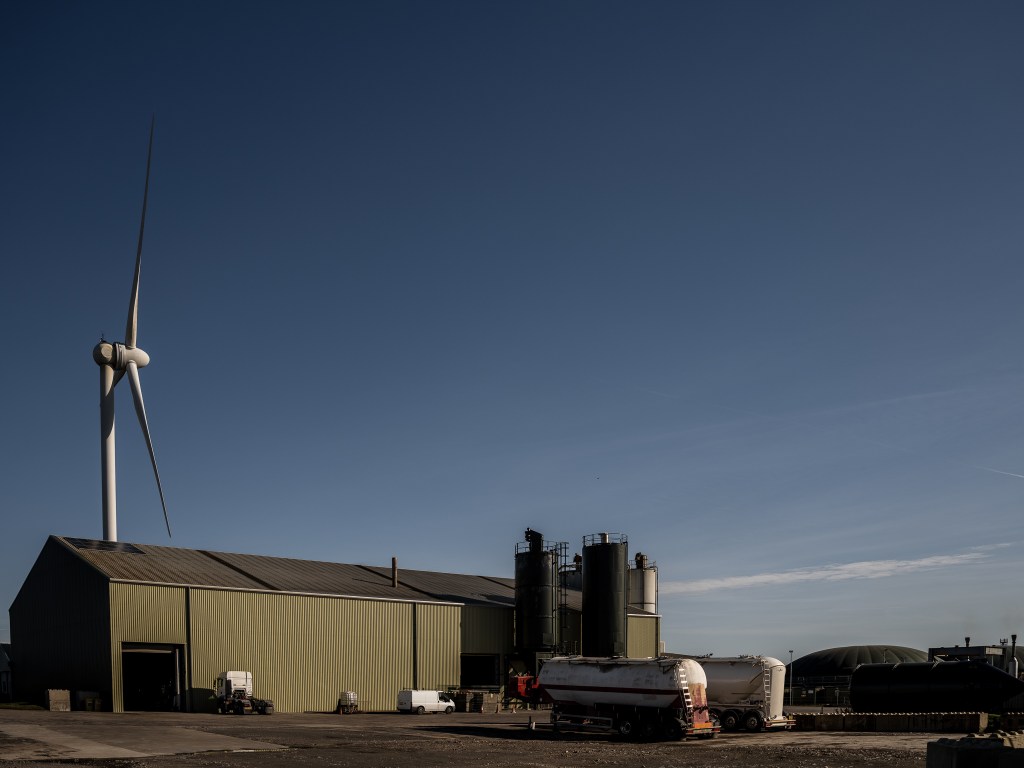
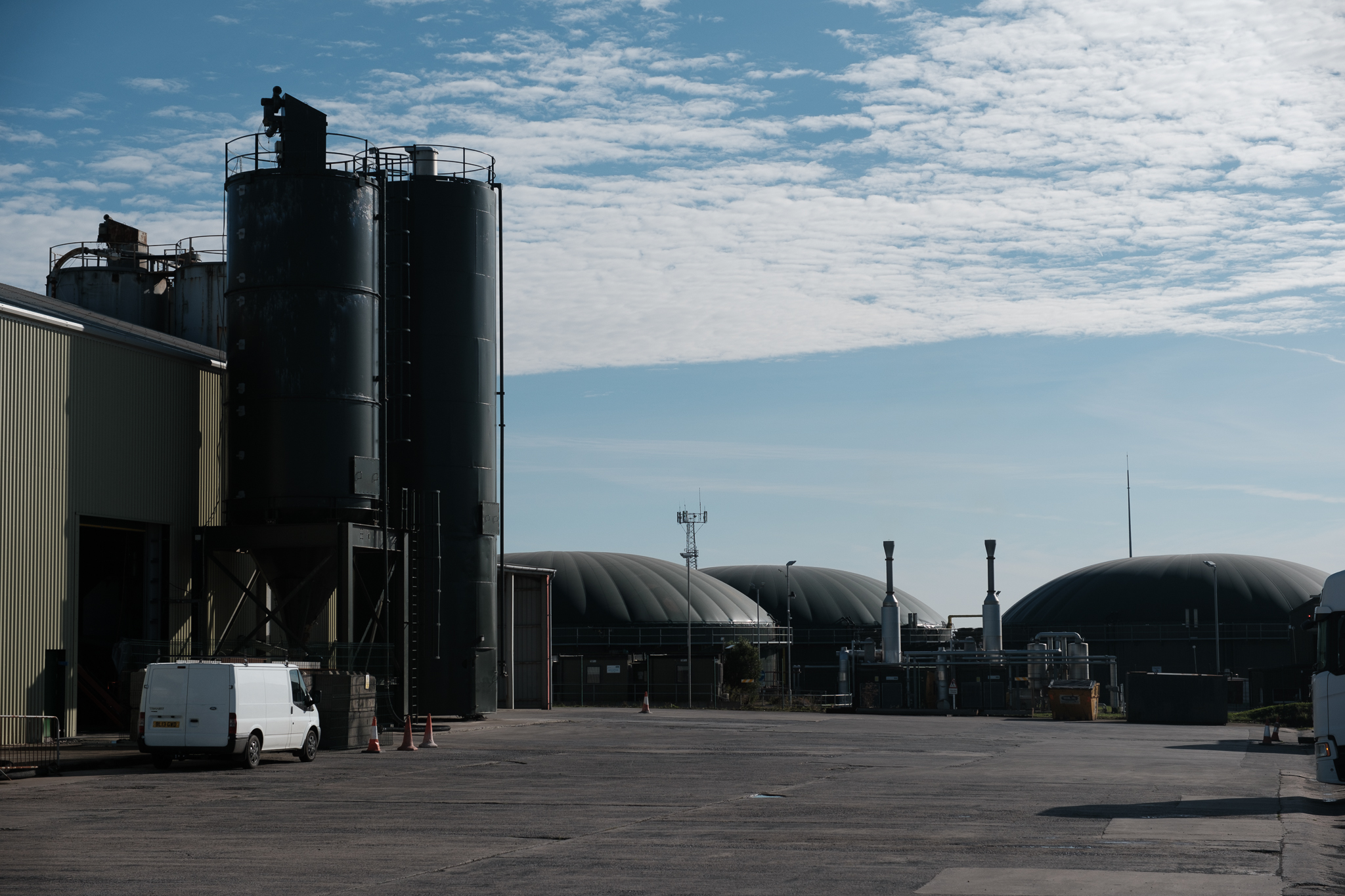
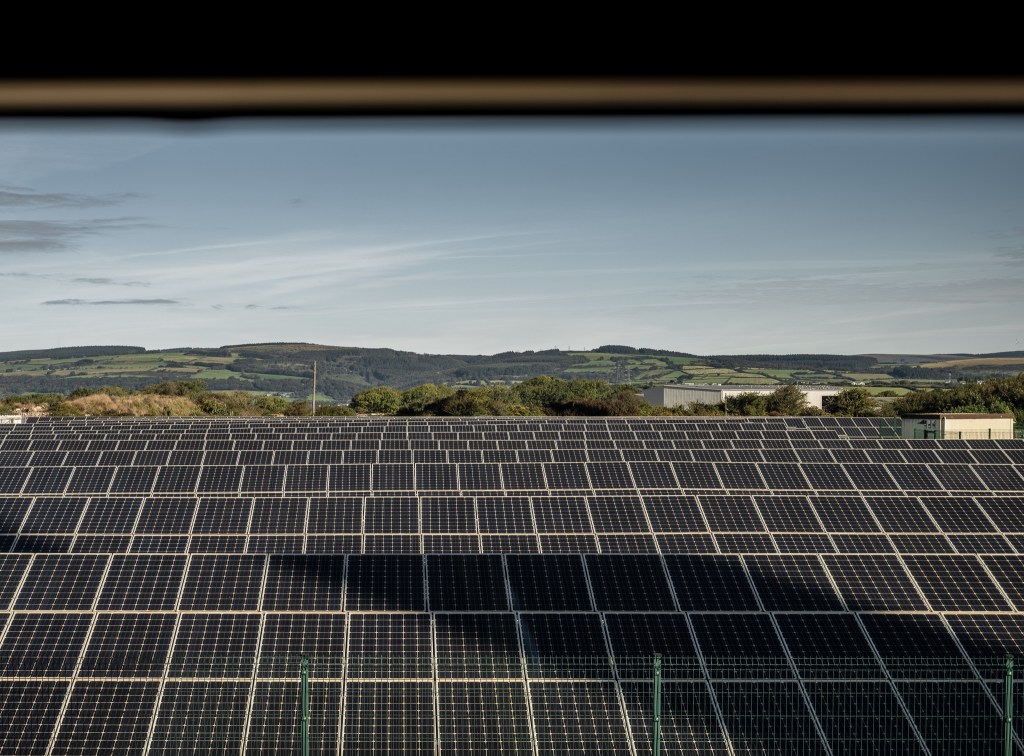
While not strictly in Porthcawl, I wanted to have a nose around the renewable energy site just on the outskirts. The most interesting thing I learned there was that 90% of the energy used in Porthcawl comes directly from here! Very cool
The site, uses solar, wind, and the burning of methane from organic waste to create energy, the result of the latter being then used as compost for local farms. Also very cool!
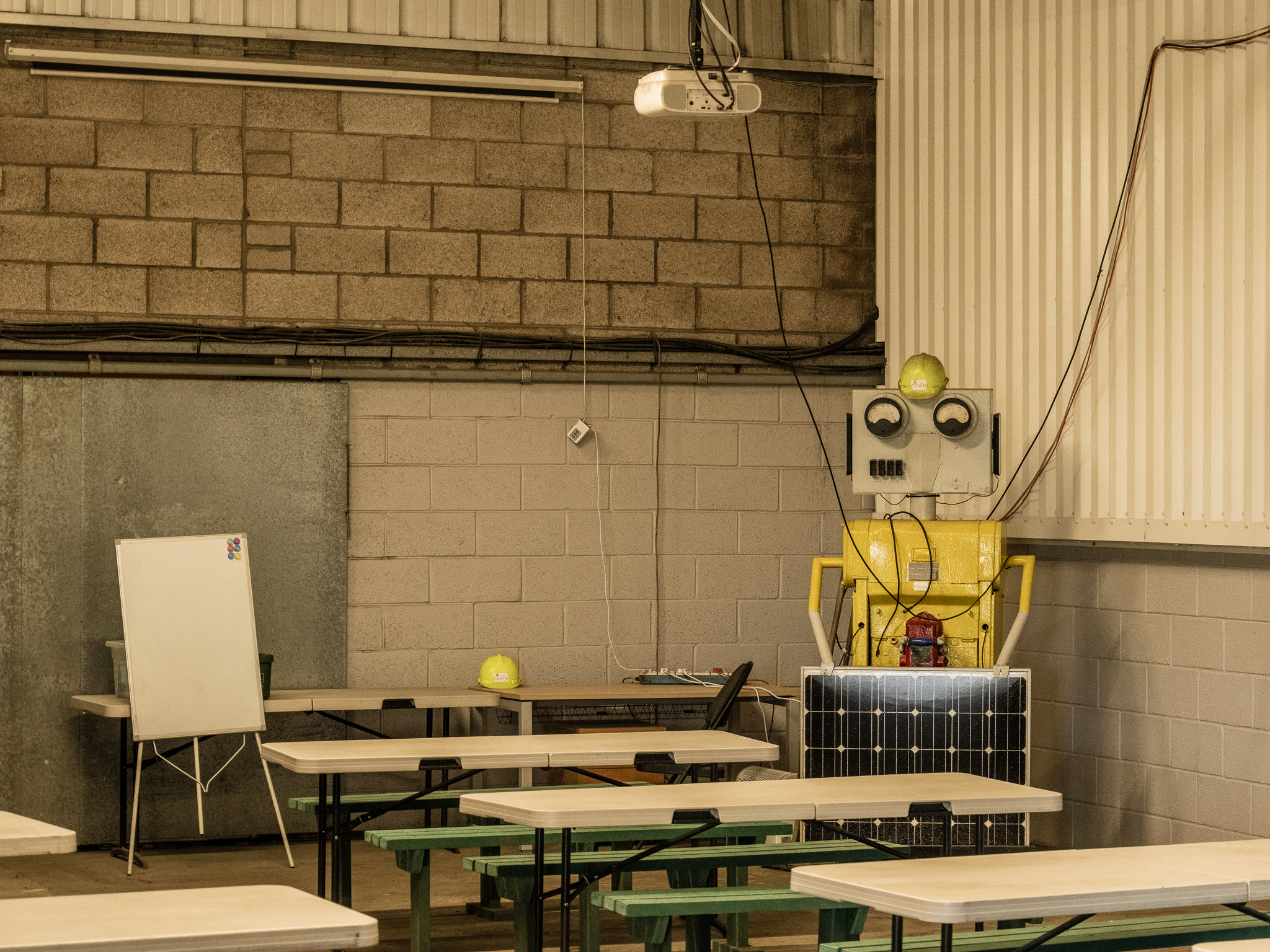
When I was there Clare Brown, the Agriculture and Learning Coordinator also showed me around a very cool Cardiff University where they have a self sustaining 3 bedroom house on site – again, cool! The site also hosts educational sessions for local schools in the area 🙂
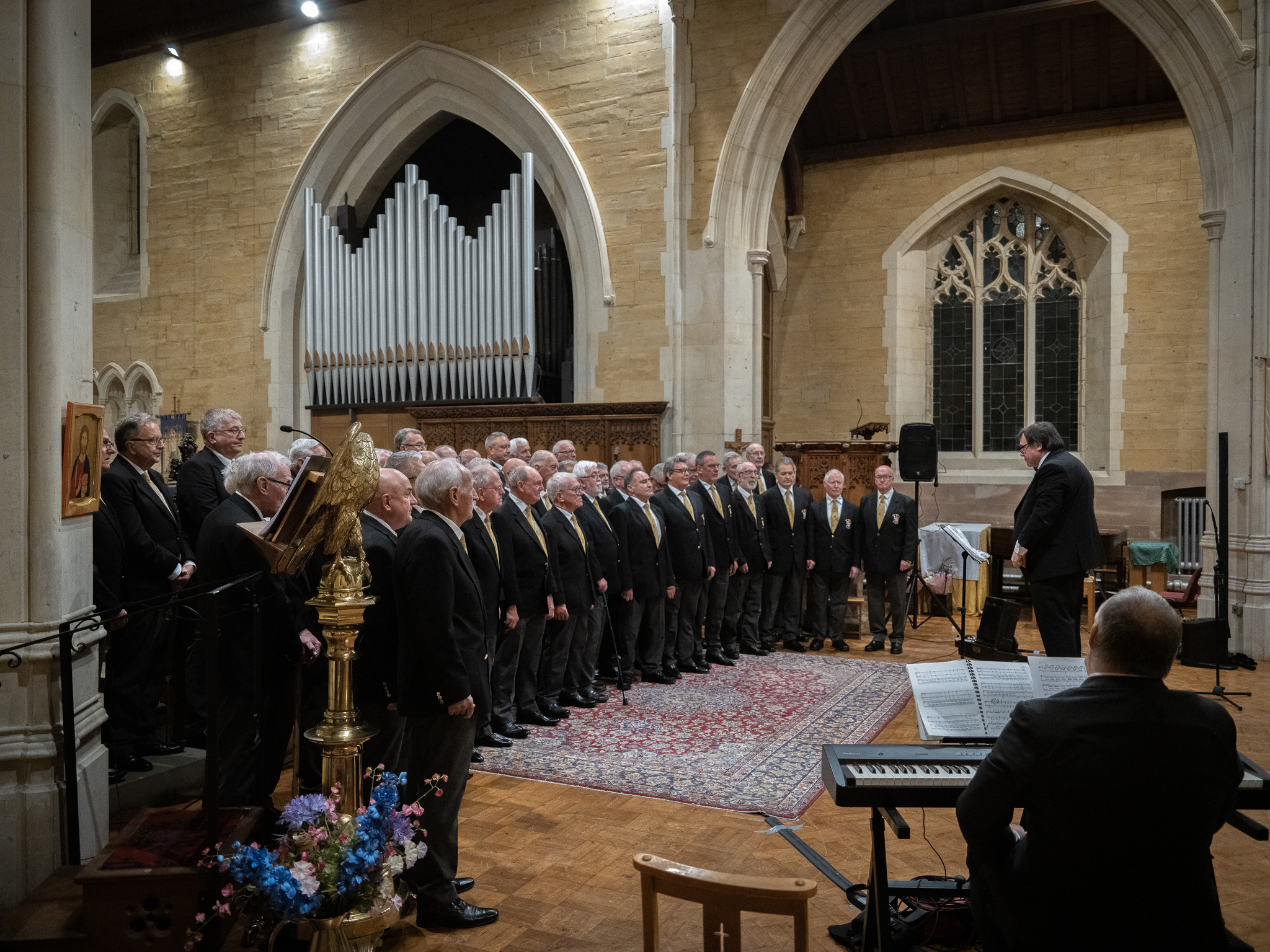
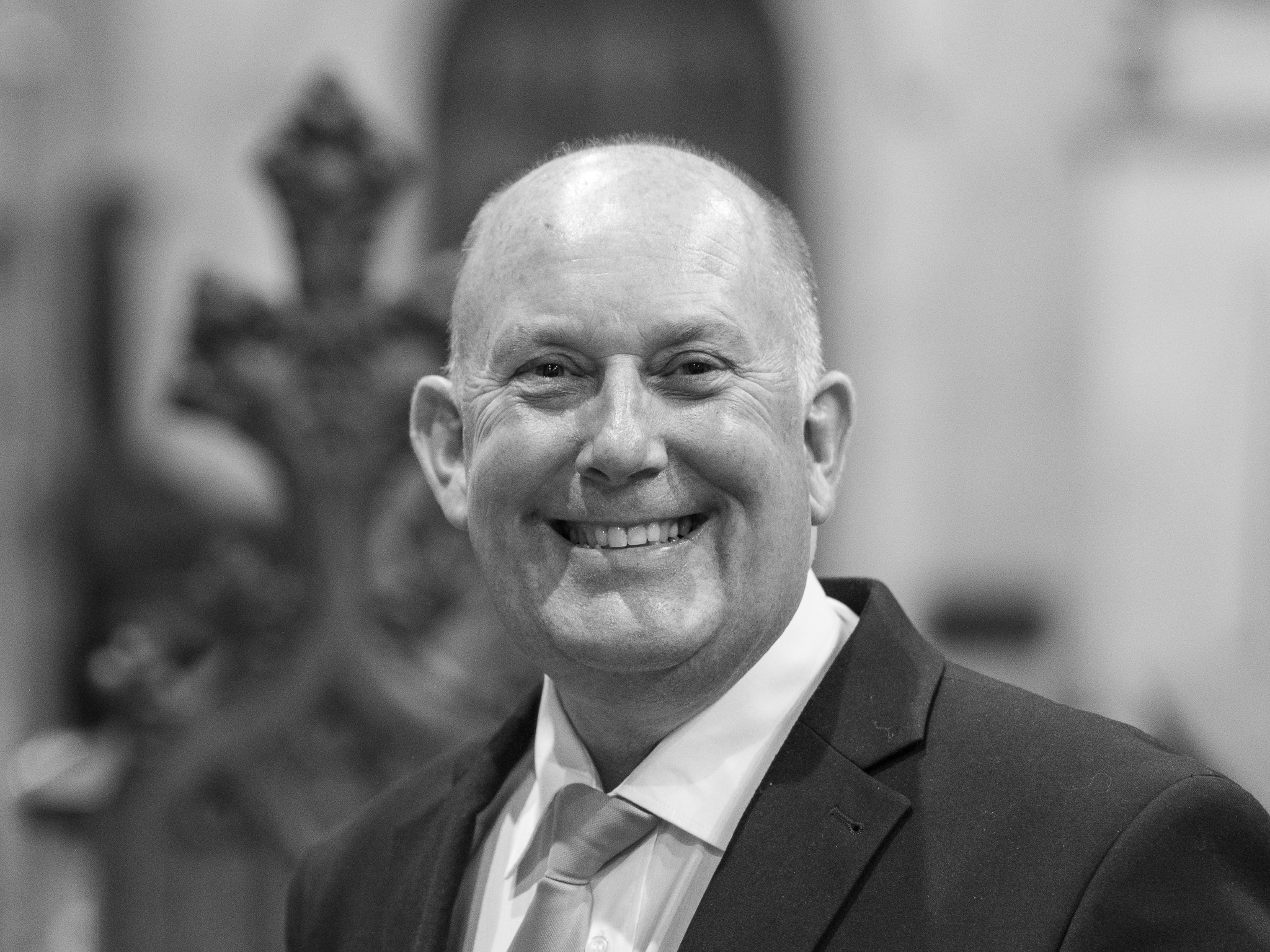
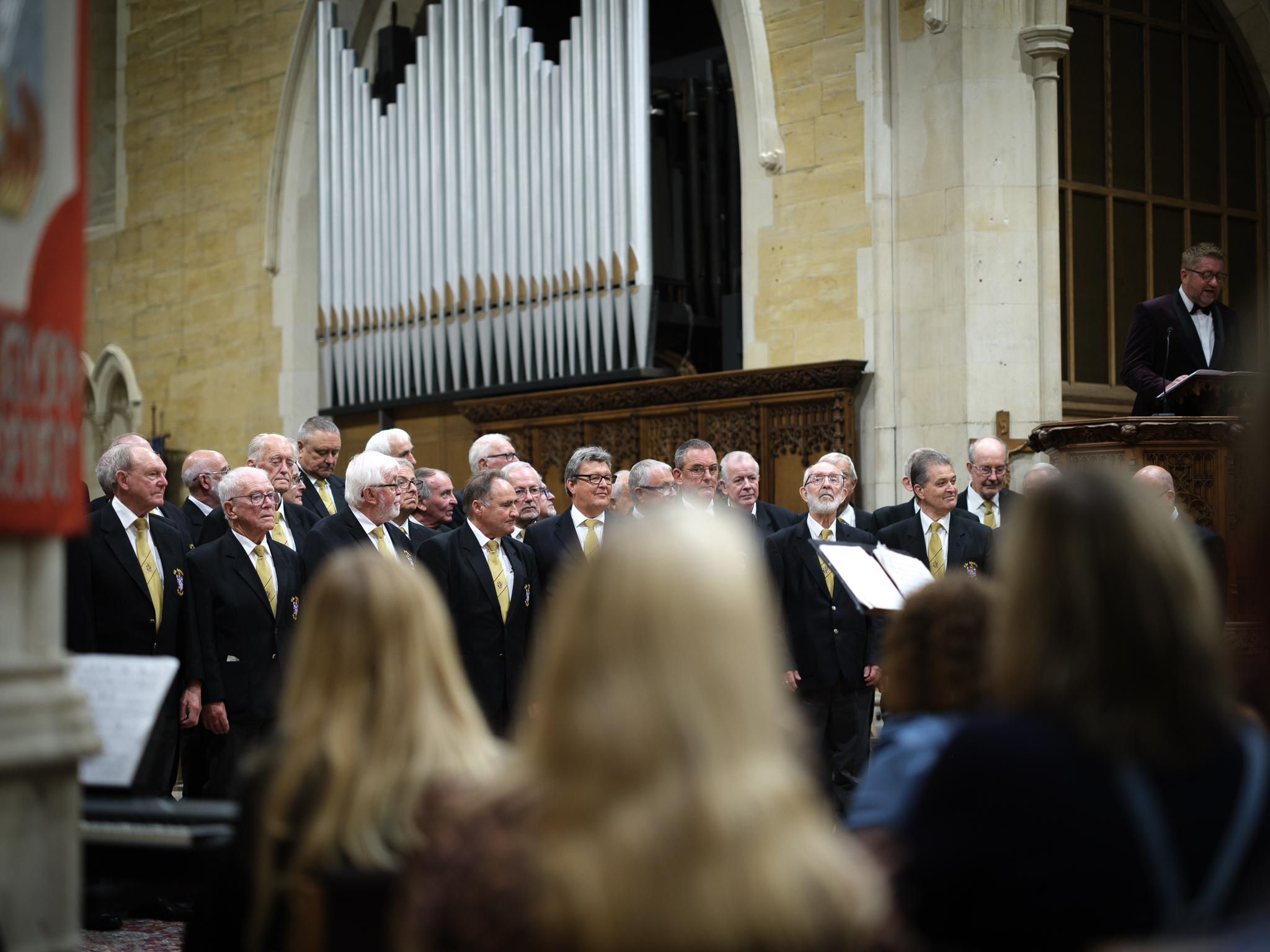
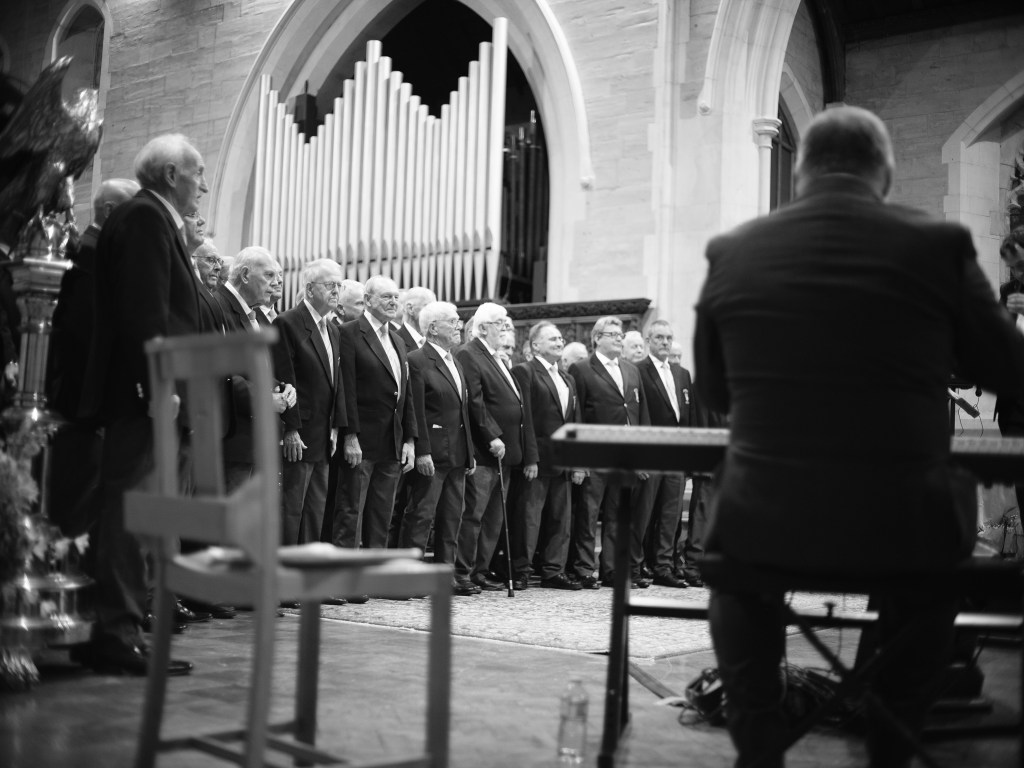
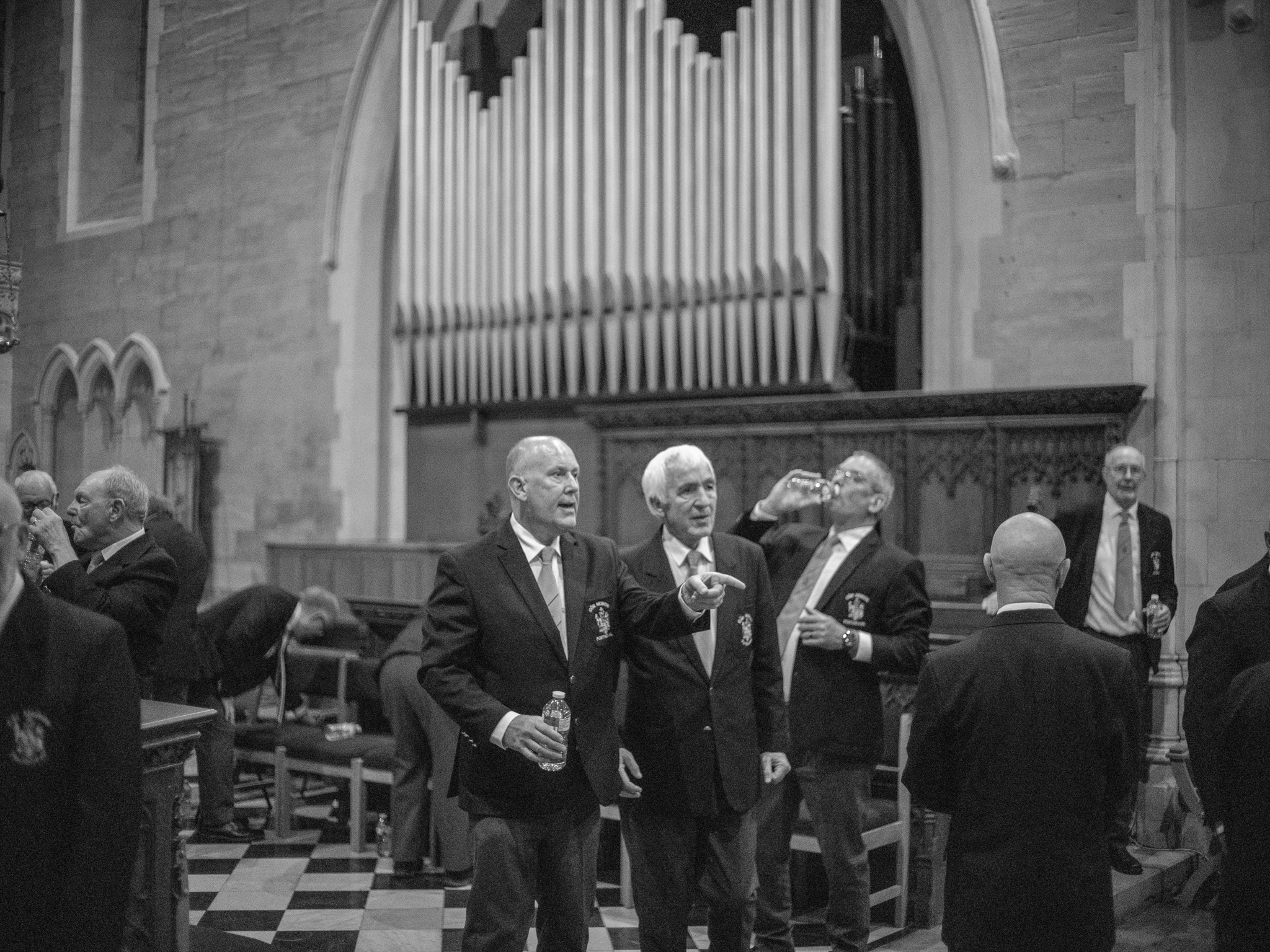
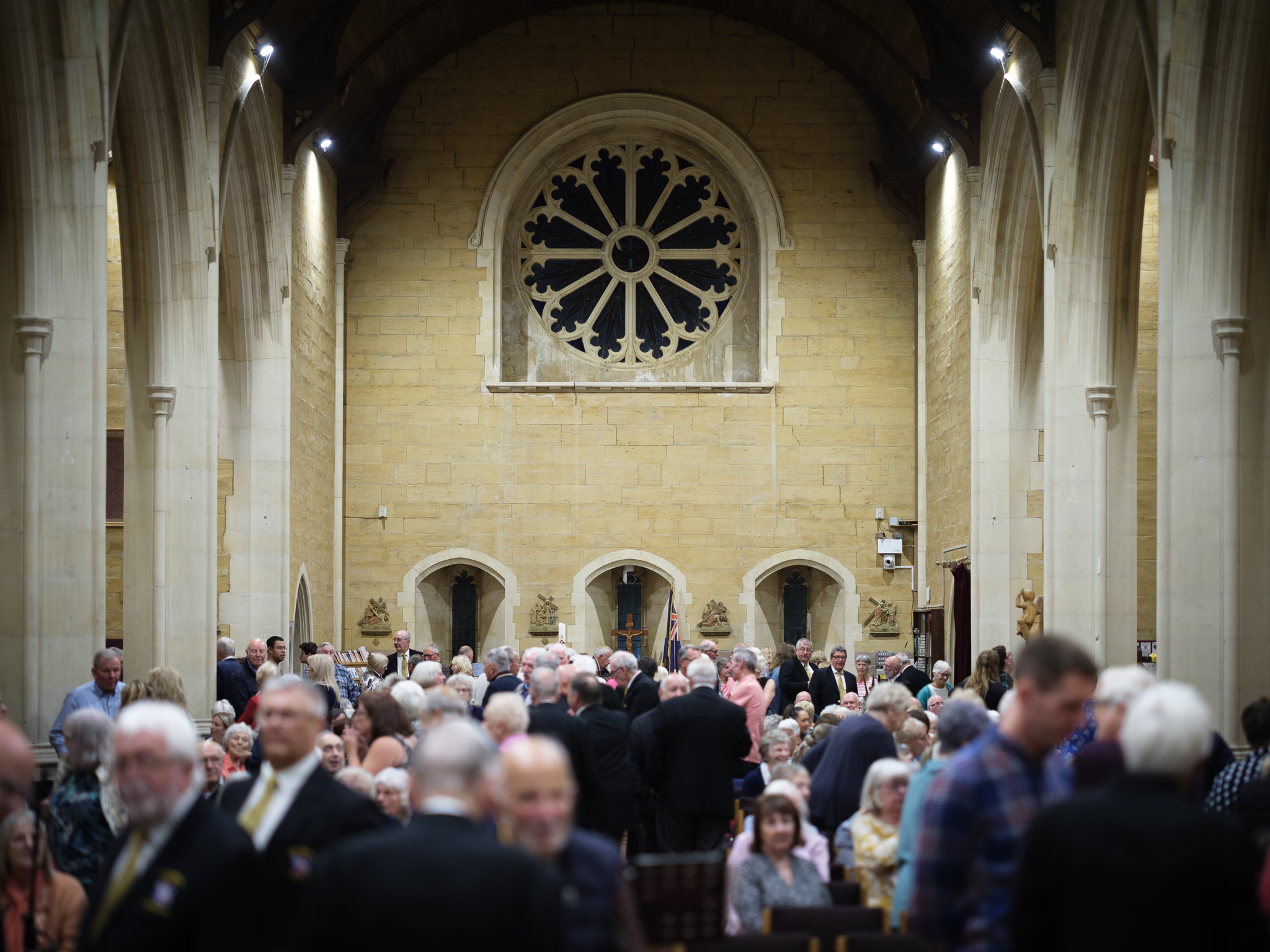
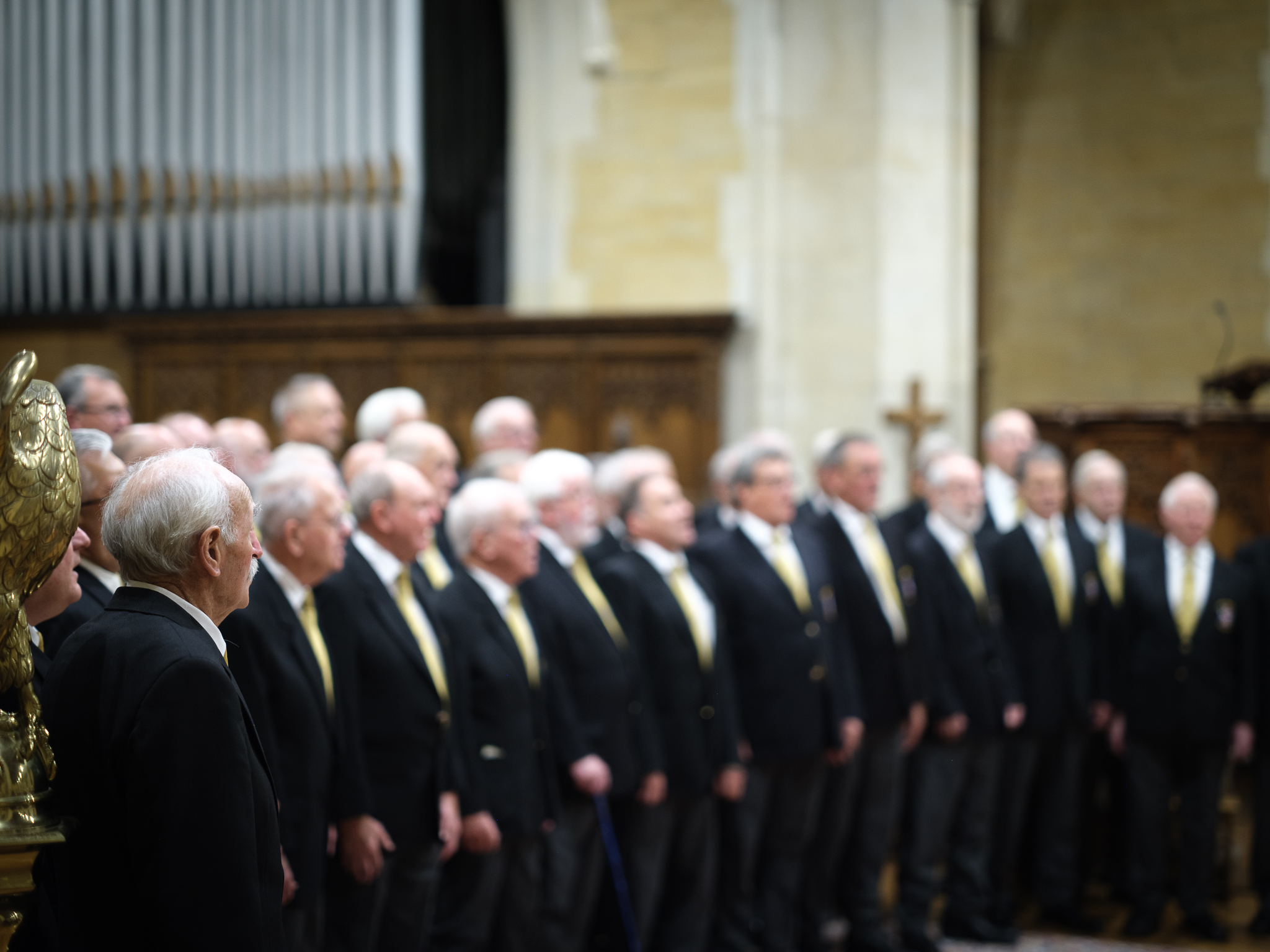
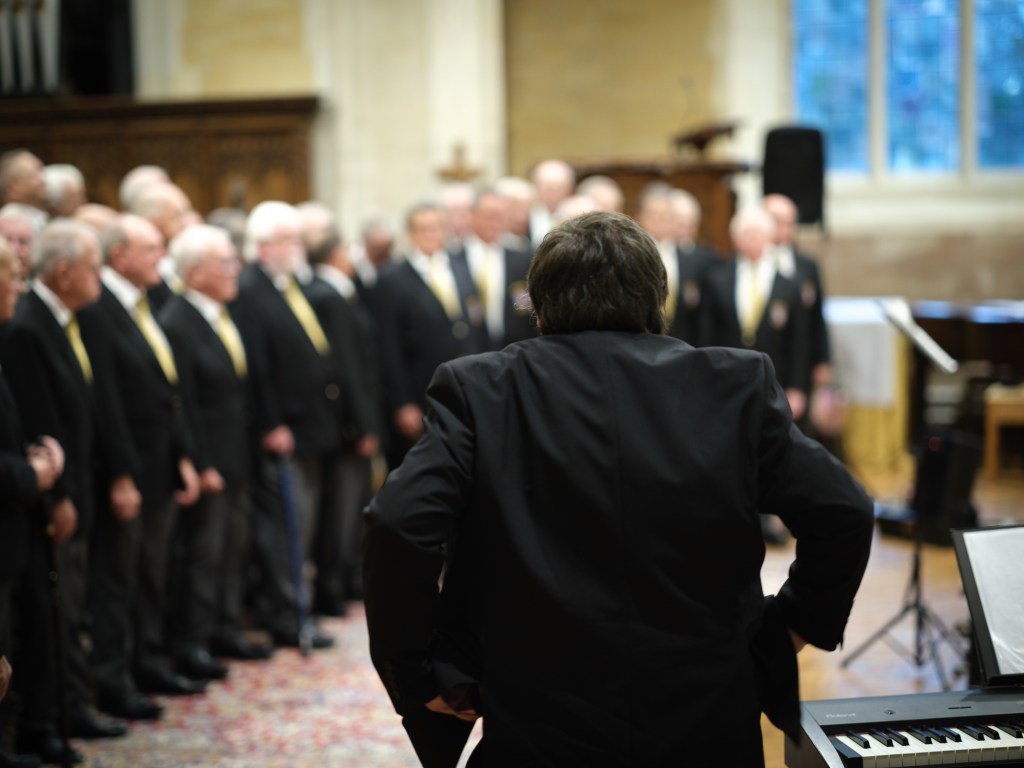
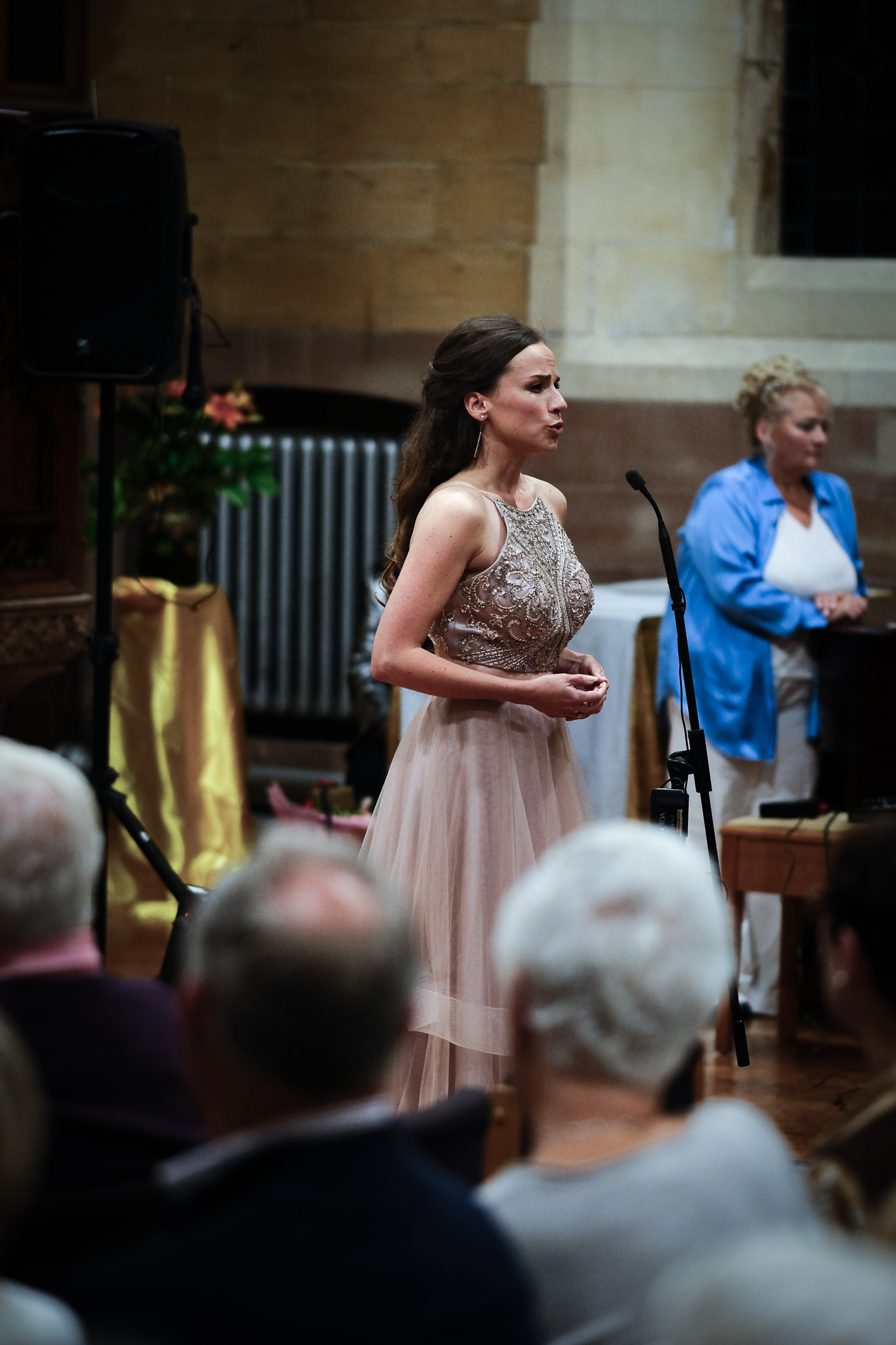
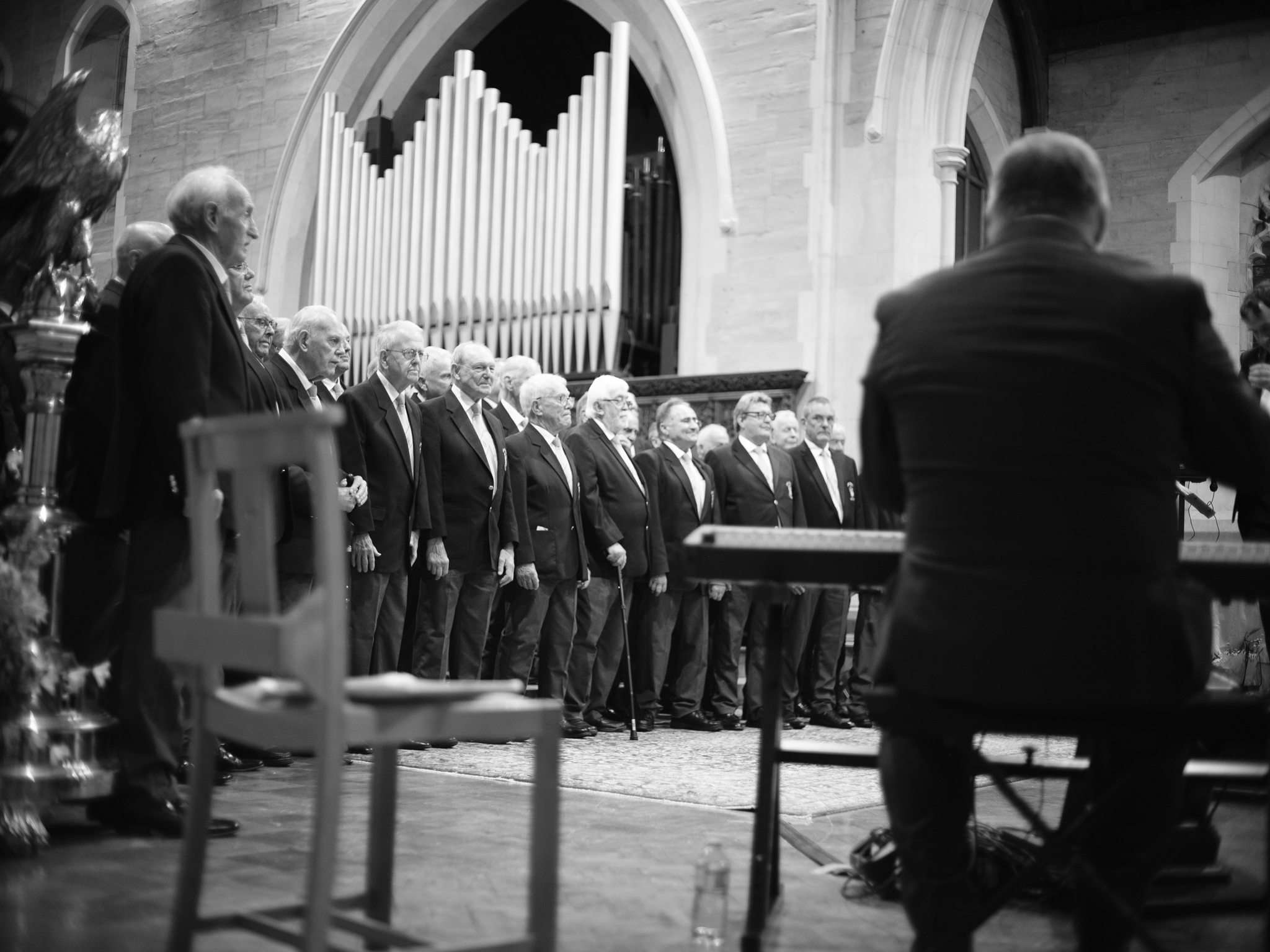
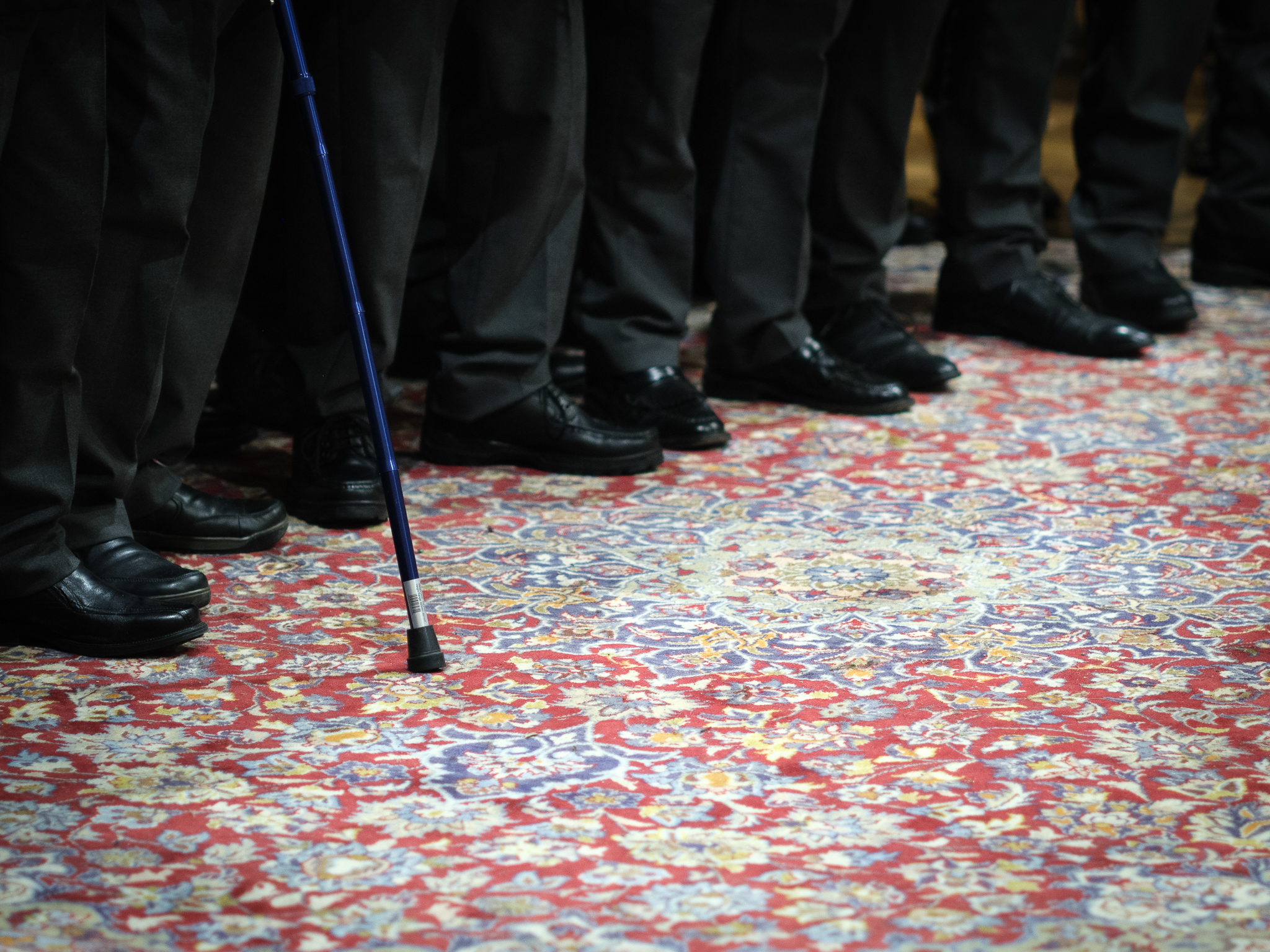
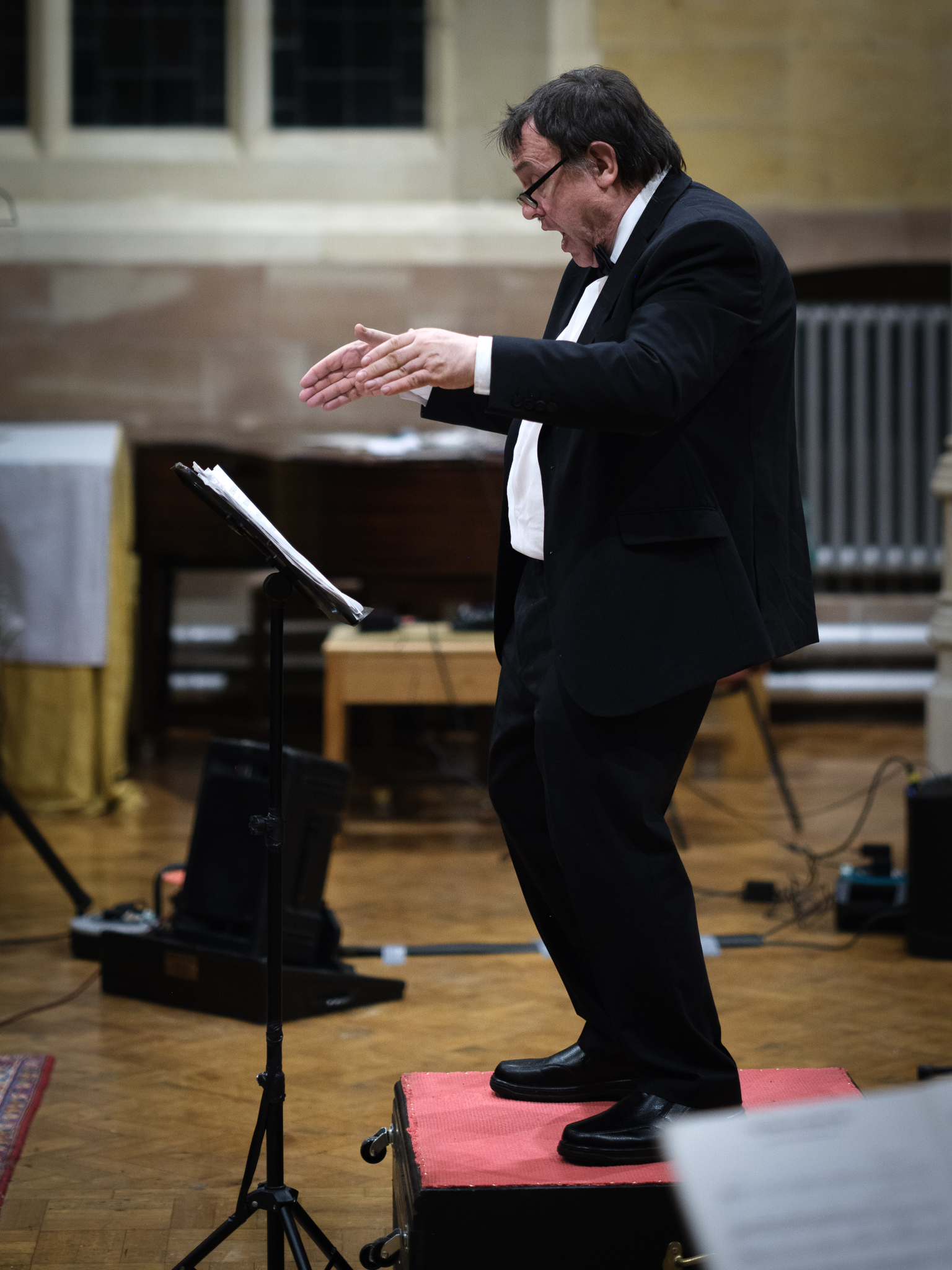
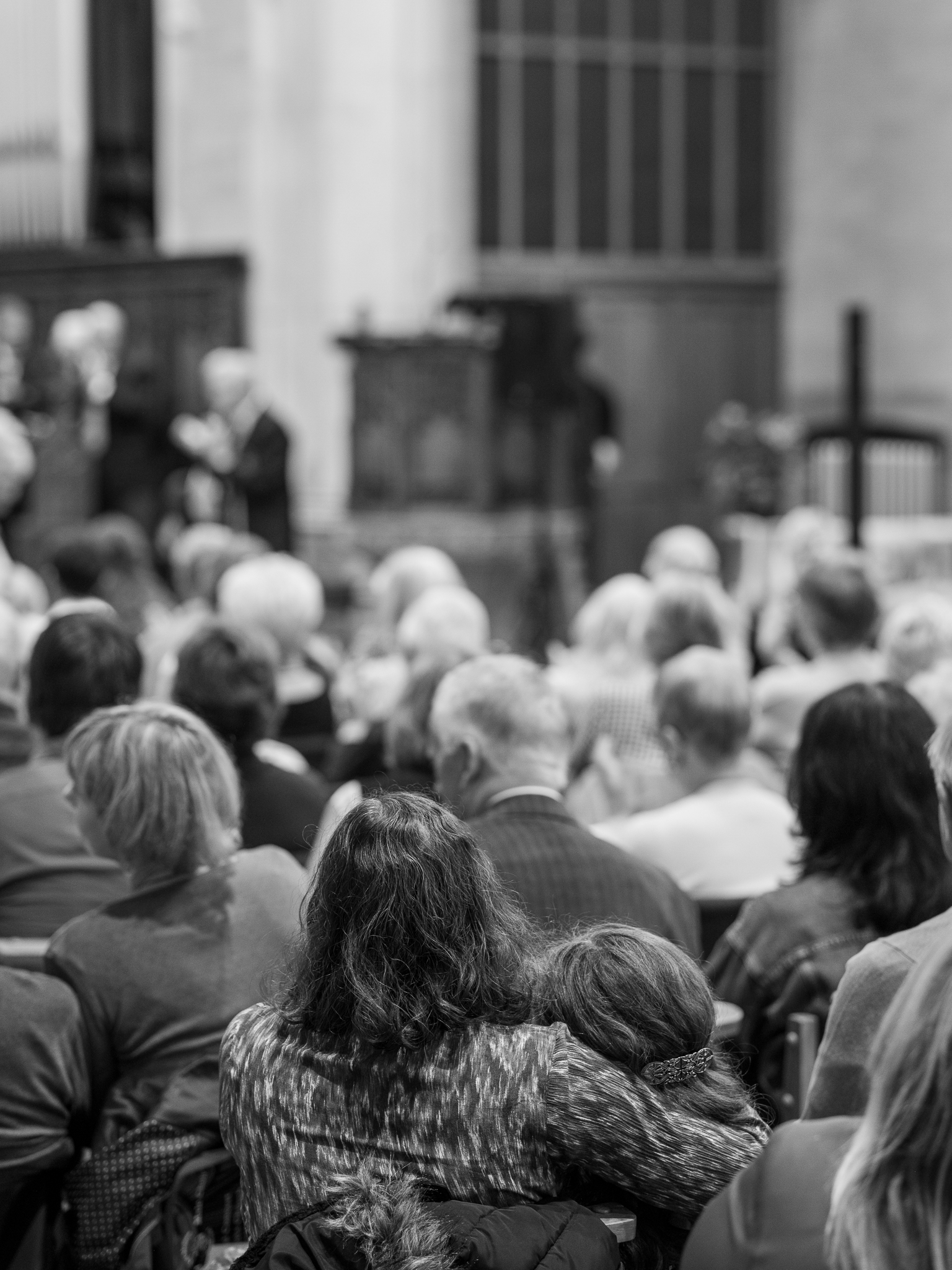
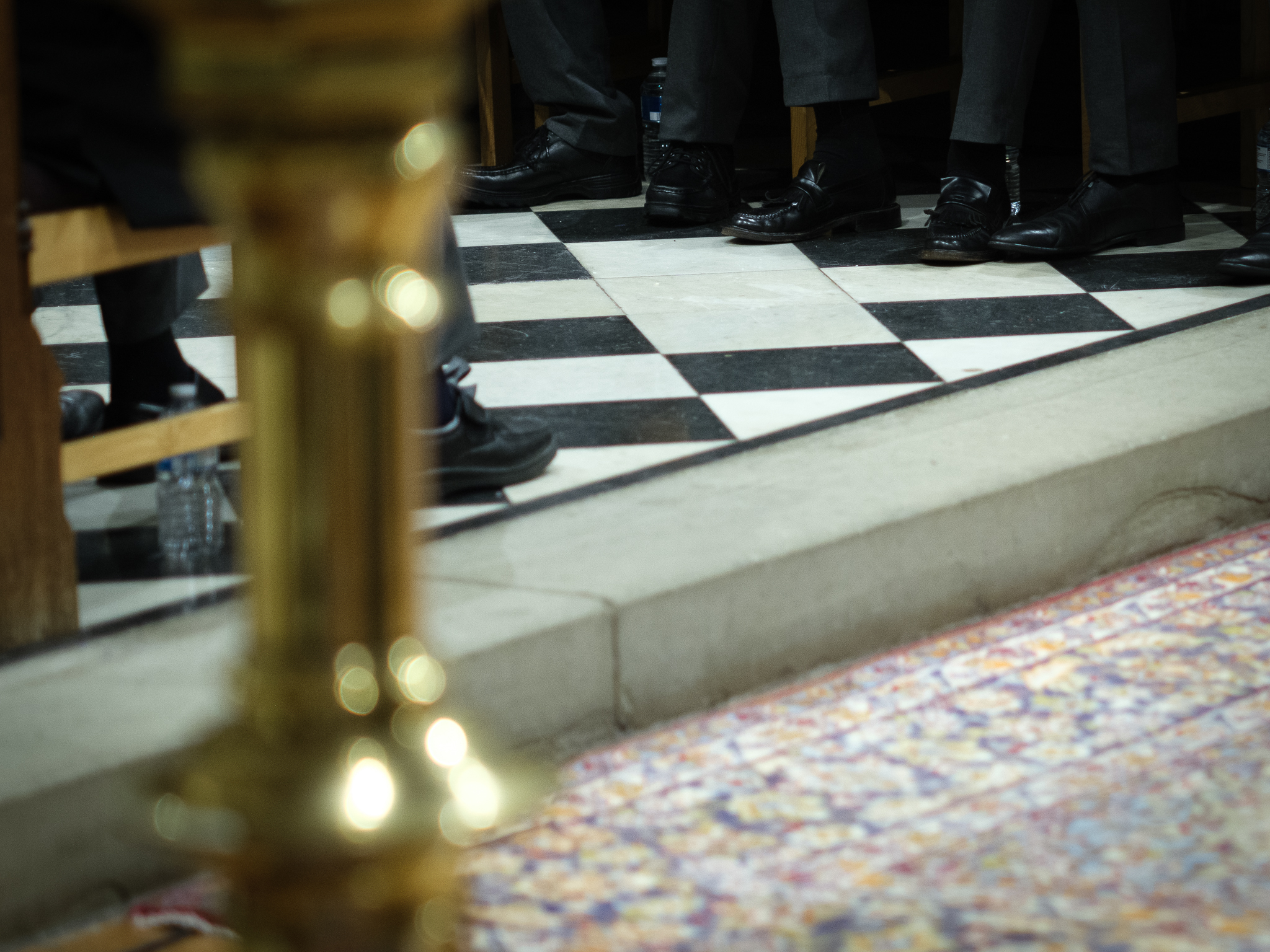
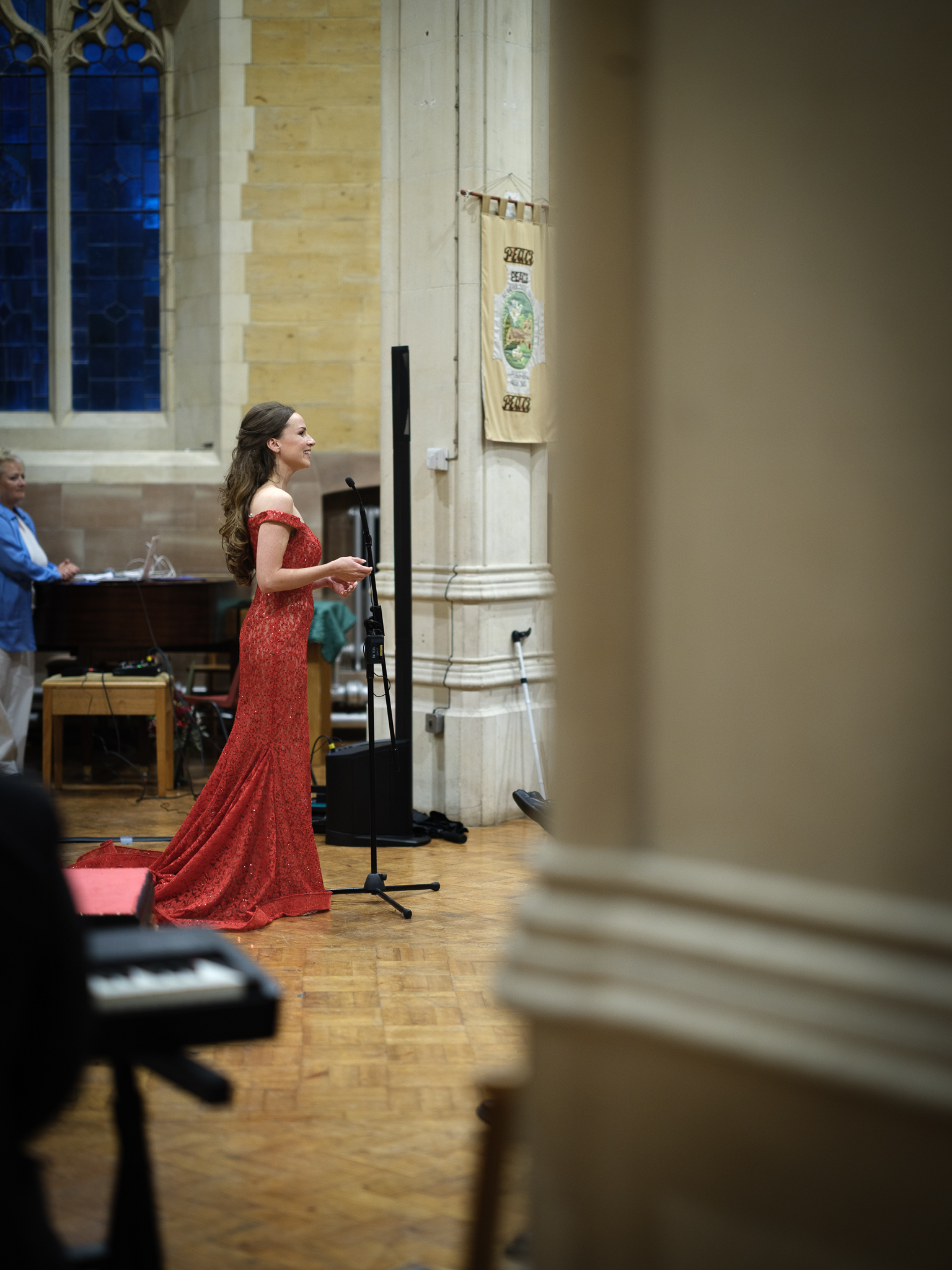
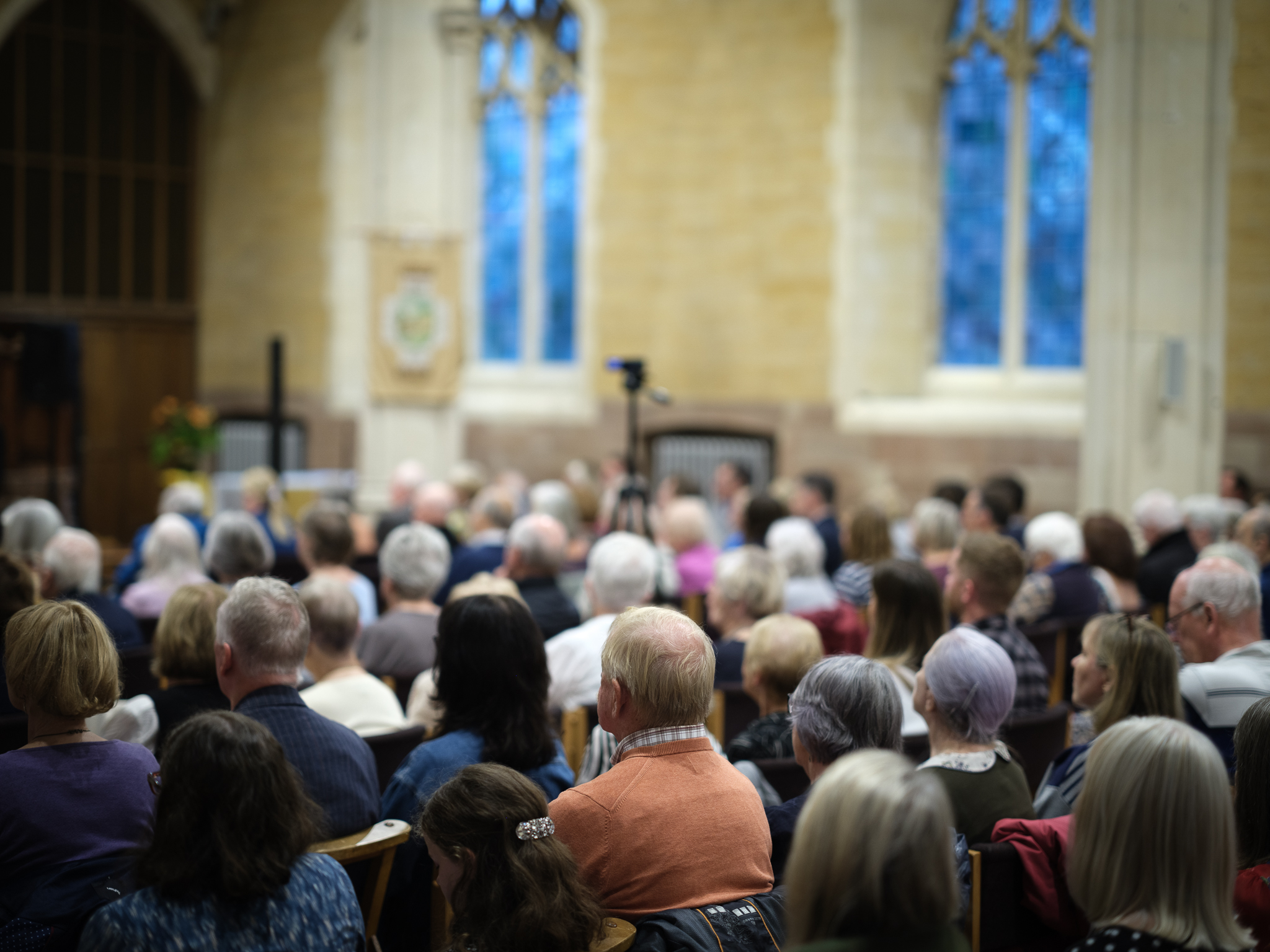
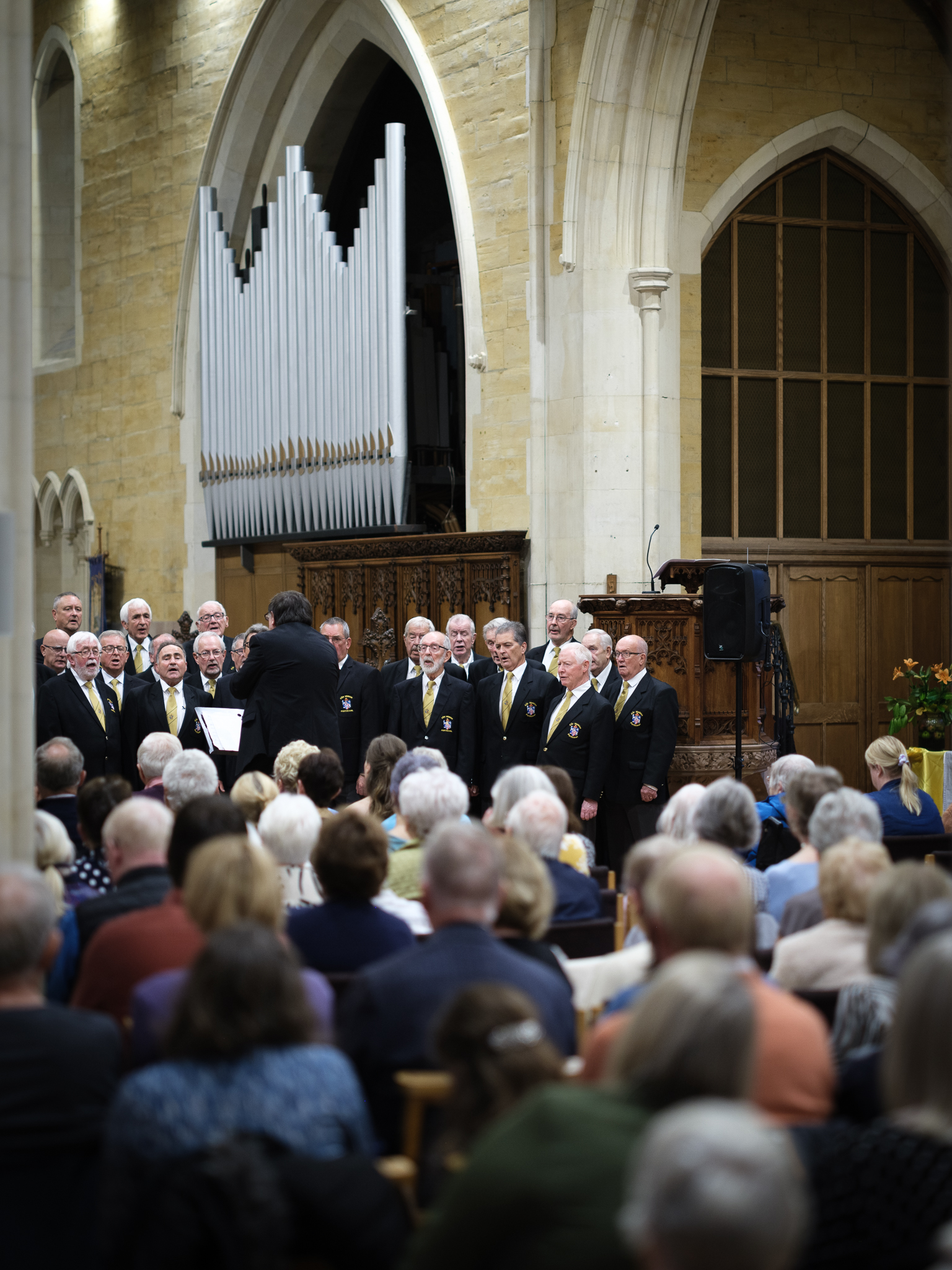
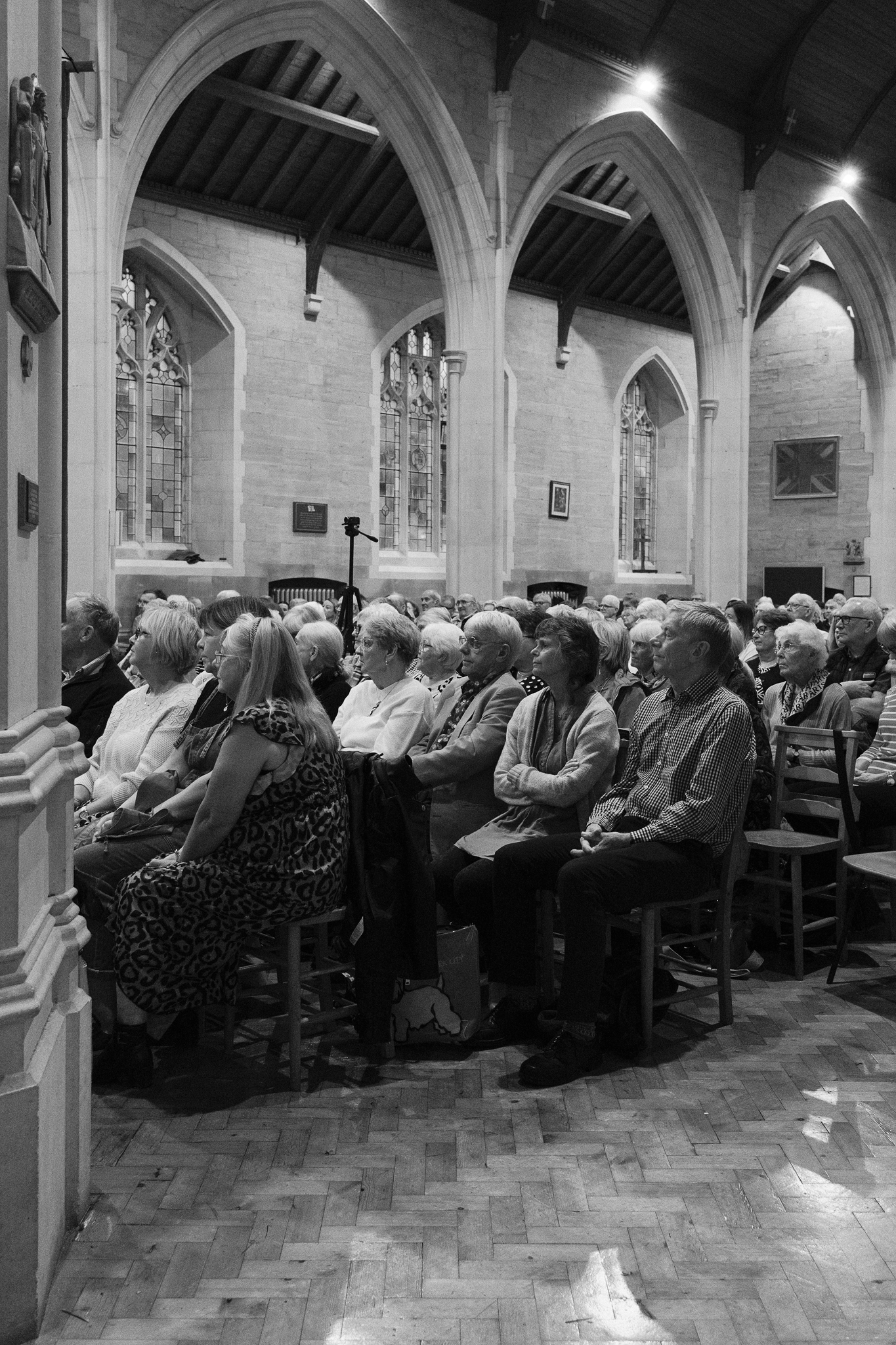
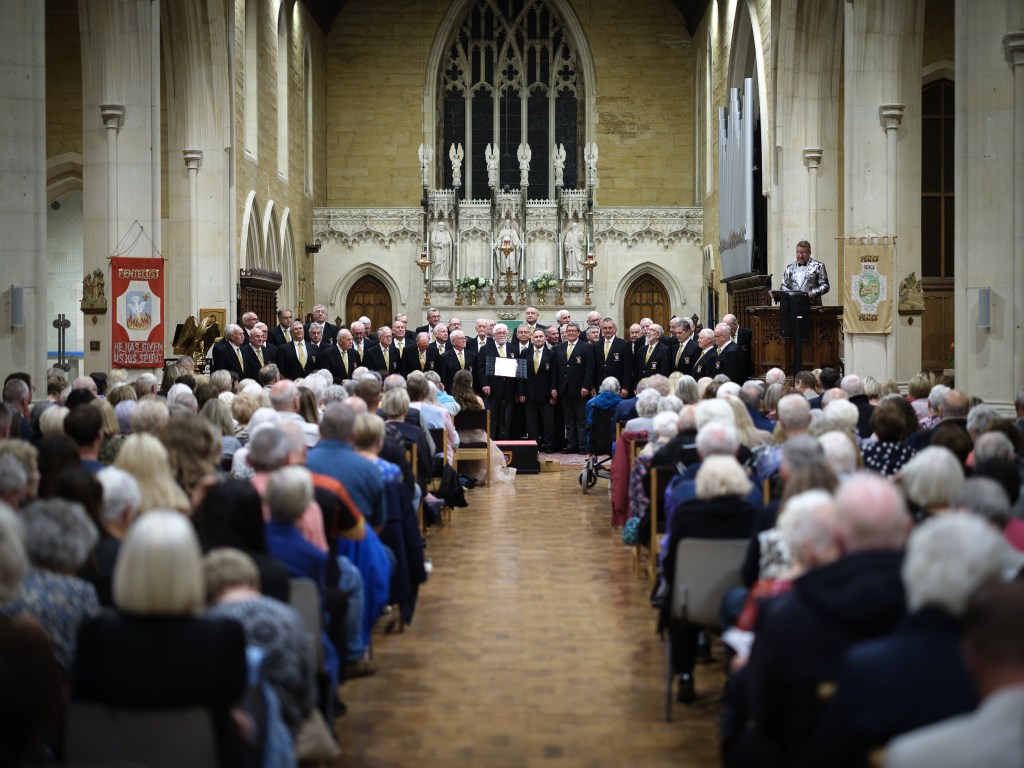
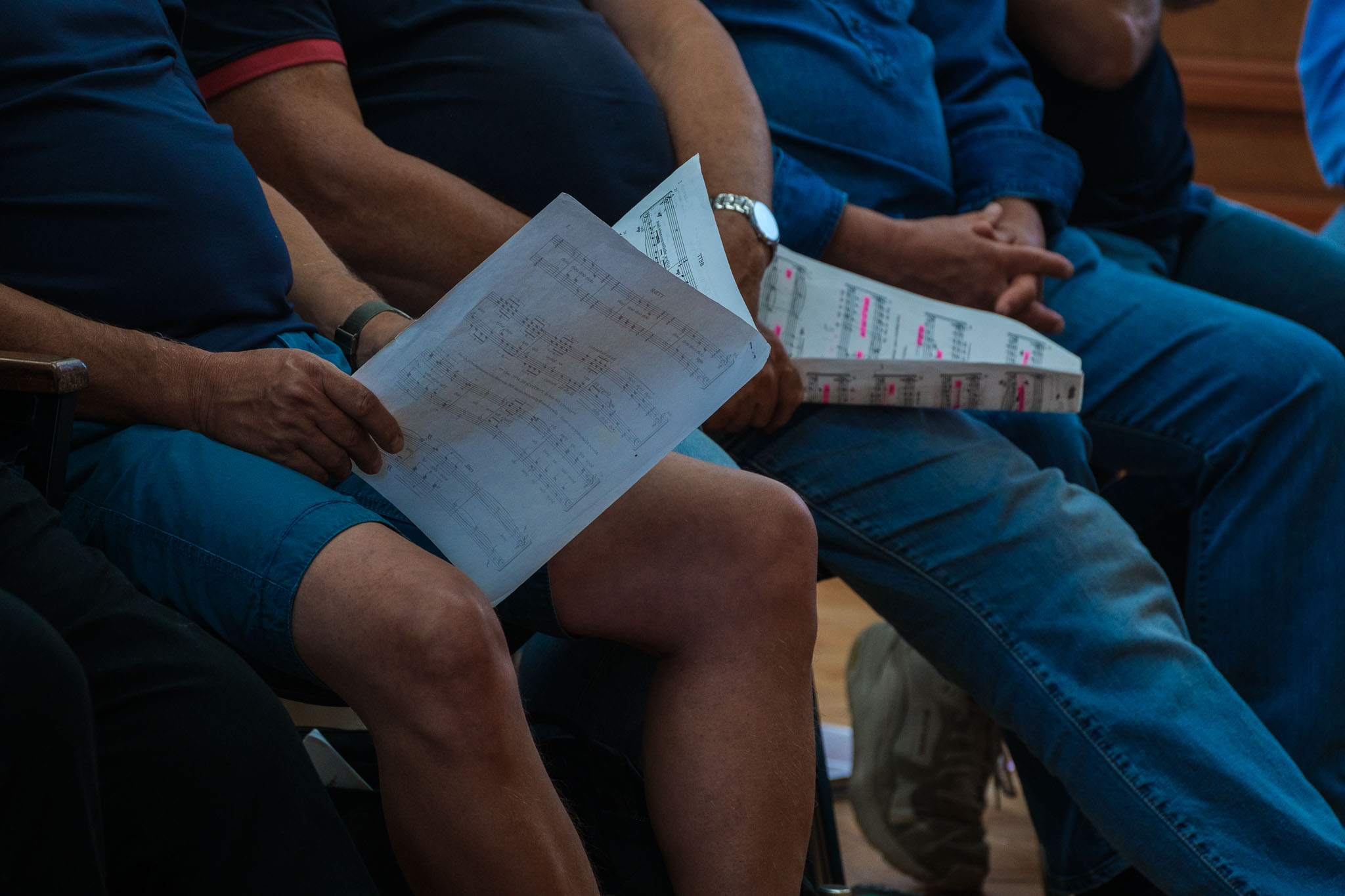
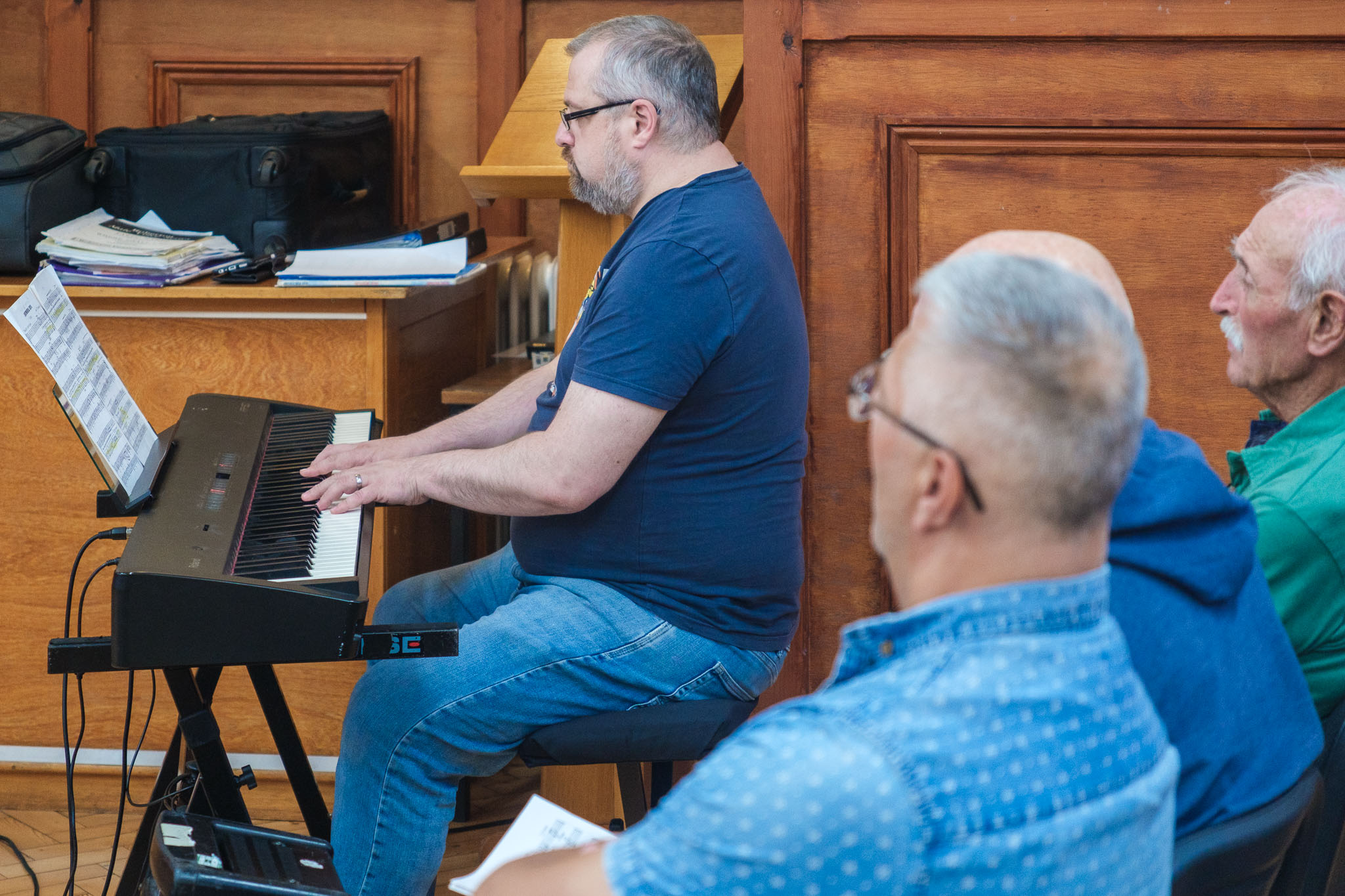
Part 2? Already! Following up from my initial visit to their practice session, I had the pleasure of attending the Porthcawl Male Voice Choir’s annual concert at the stunning All Saints Church.
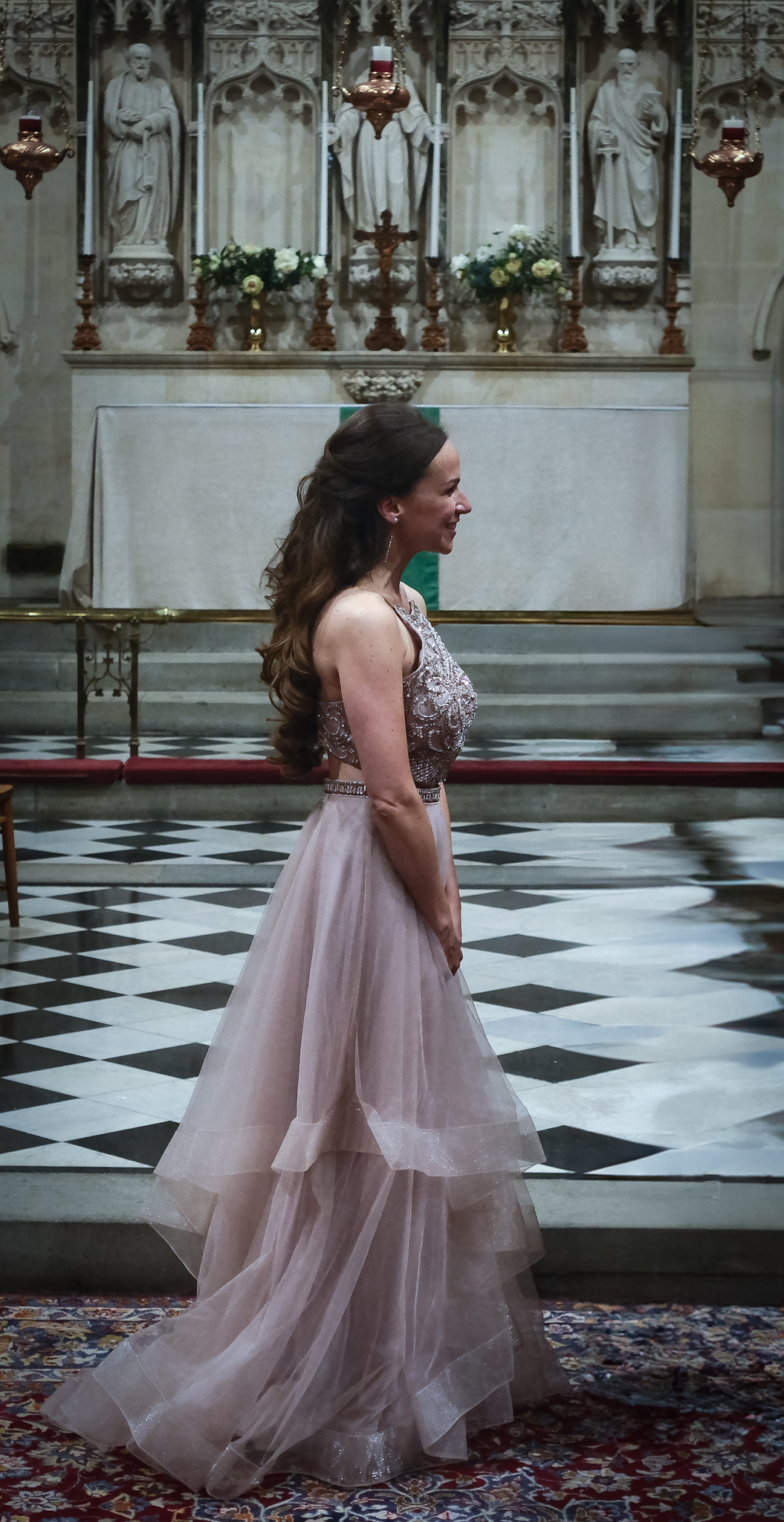
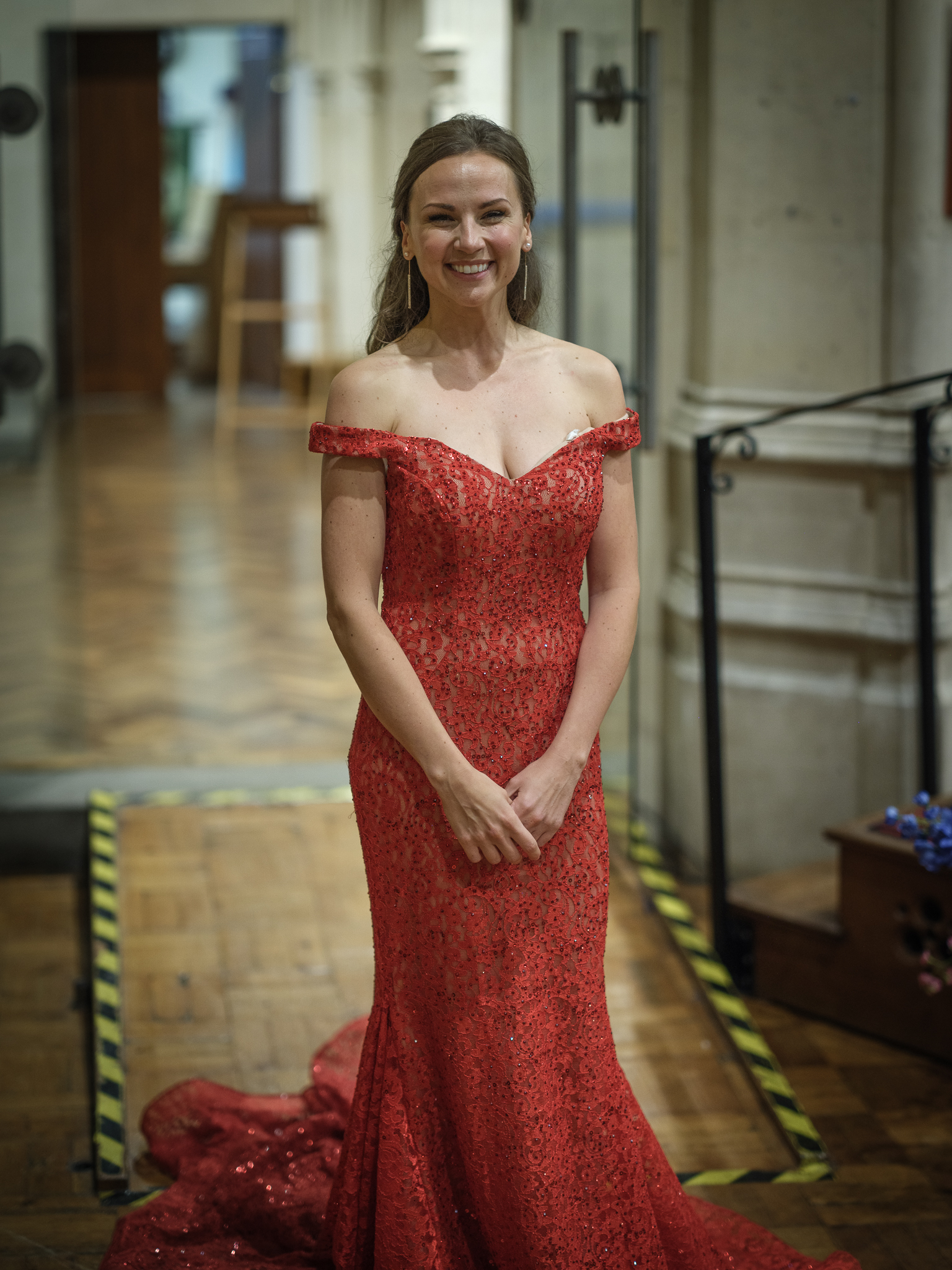
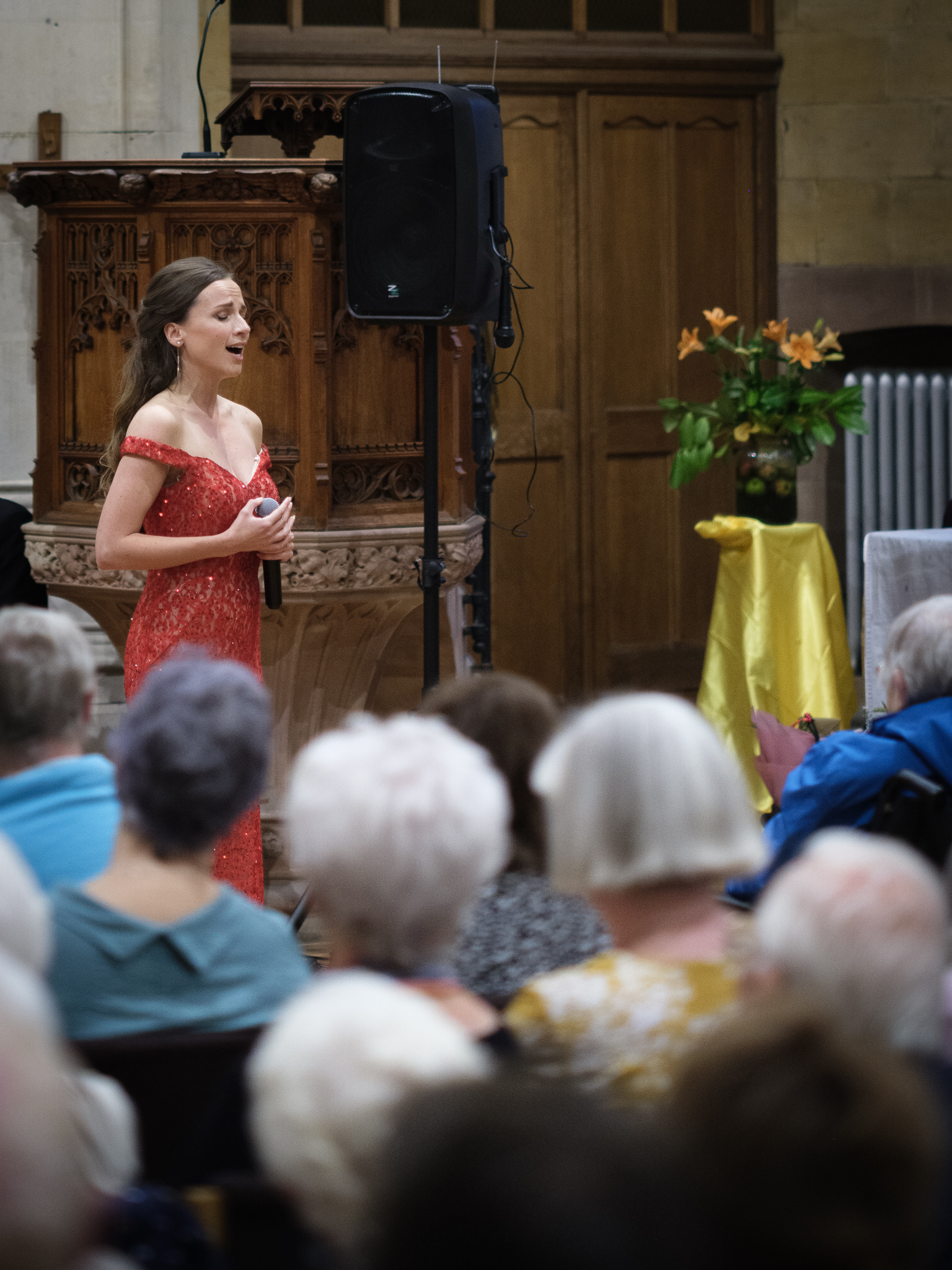
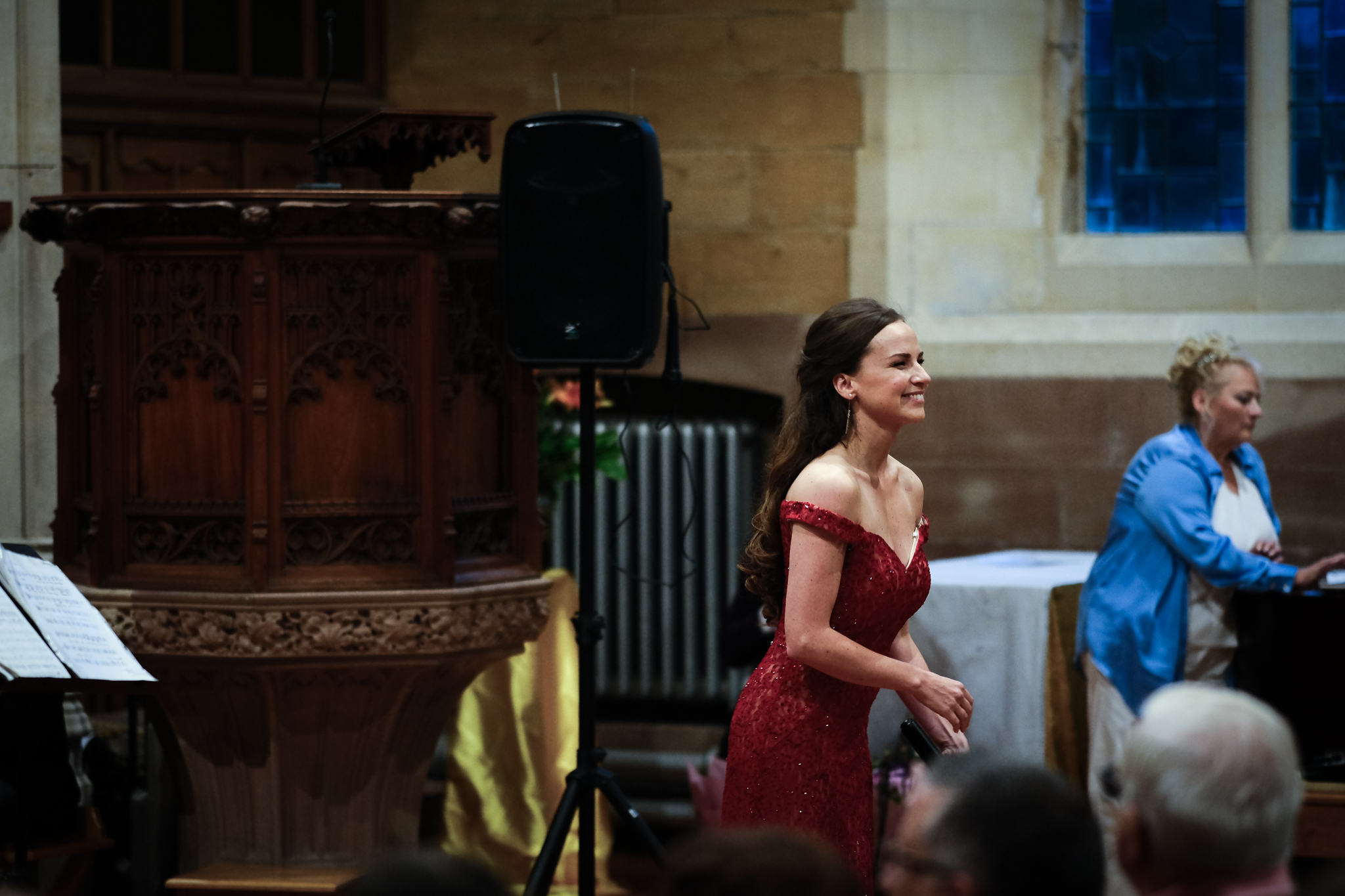
The choir, as always, were amazing, but they were joined this time by the wonderful guest artist Rhiannon Herridge, whose performance was amazing. There’s a video below! Excuse the camera work (again), though—I promise, I have a tripod now!
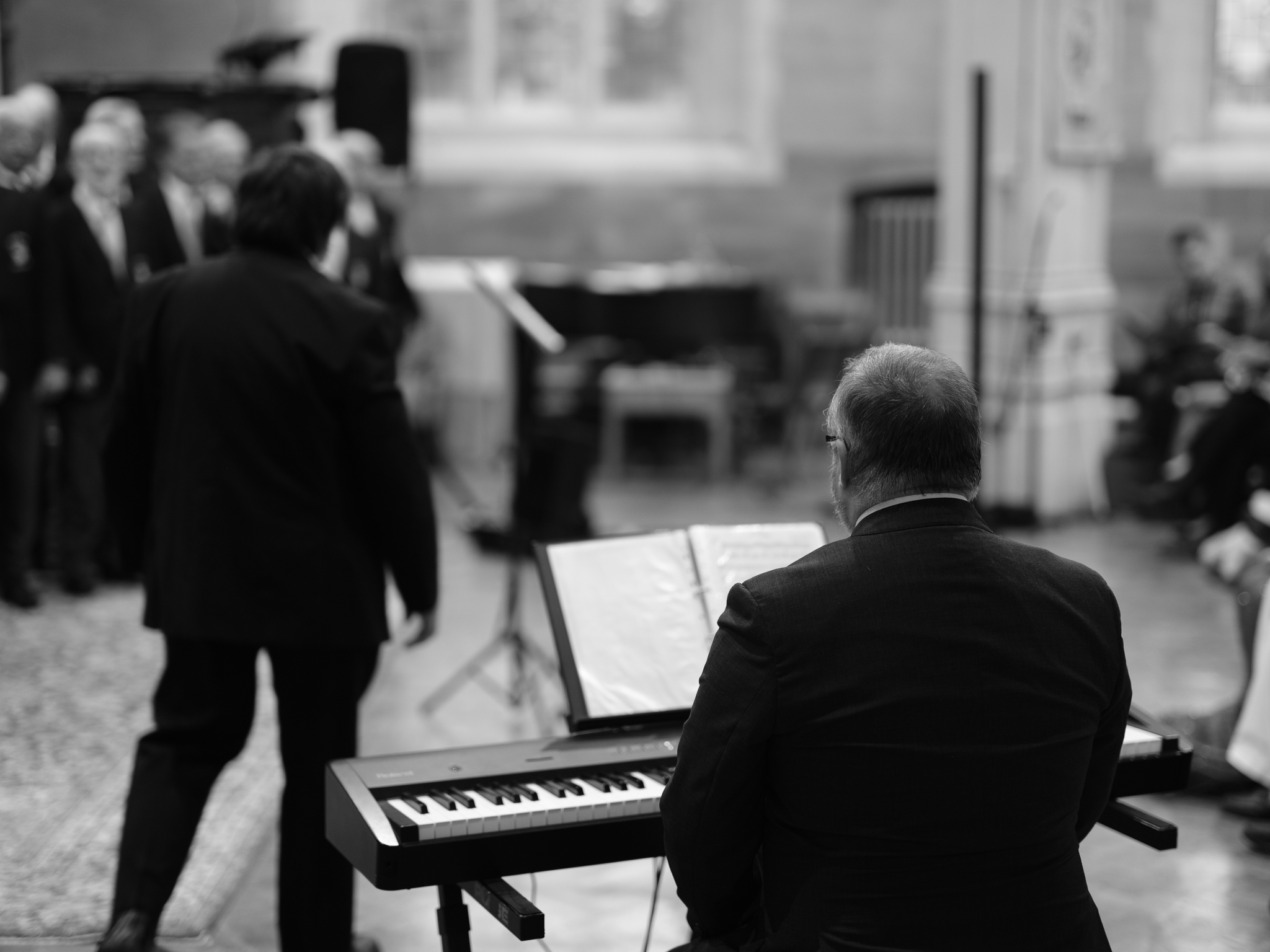
We were also treated to a beautiful piano performance by this year’s Dilwyn Evans award winner, Poppy Shingler.
It was a fantastic evening, filled with music and a real sense of community. It was a real privilege to attend and I can’t wait to share more from future events with the choir!
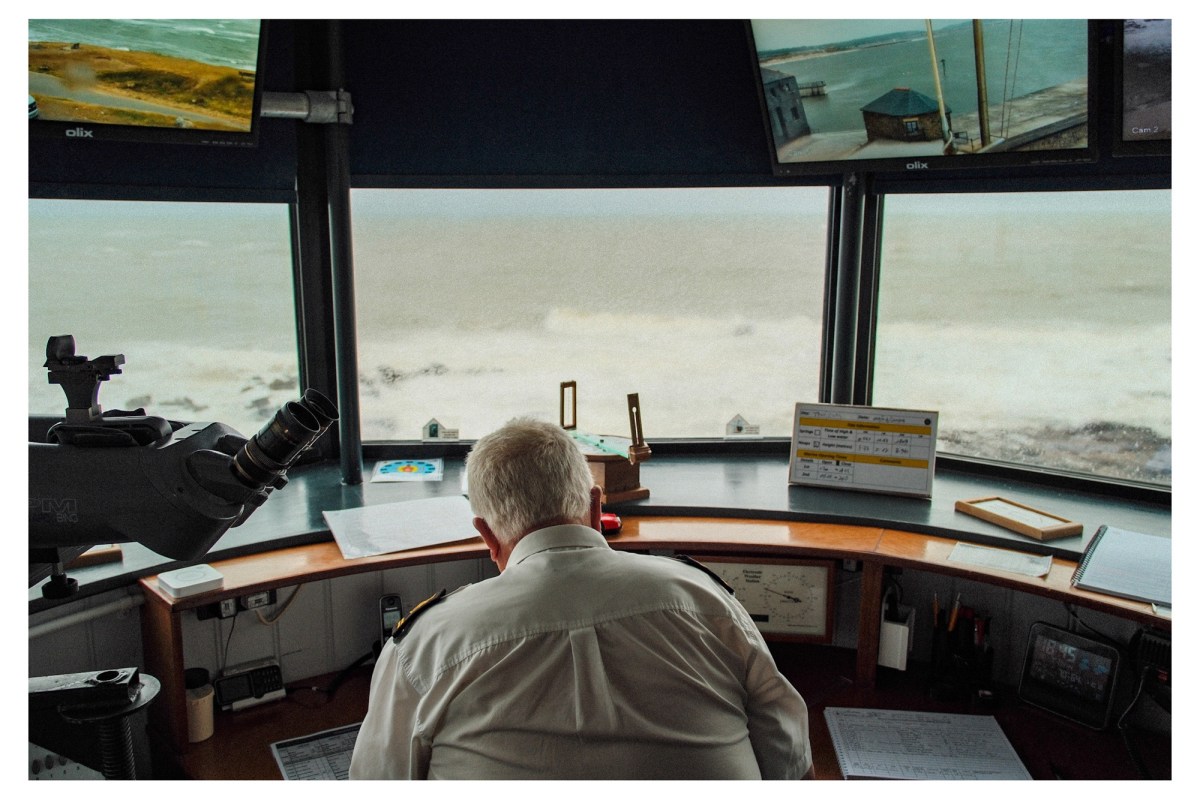
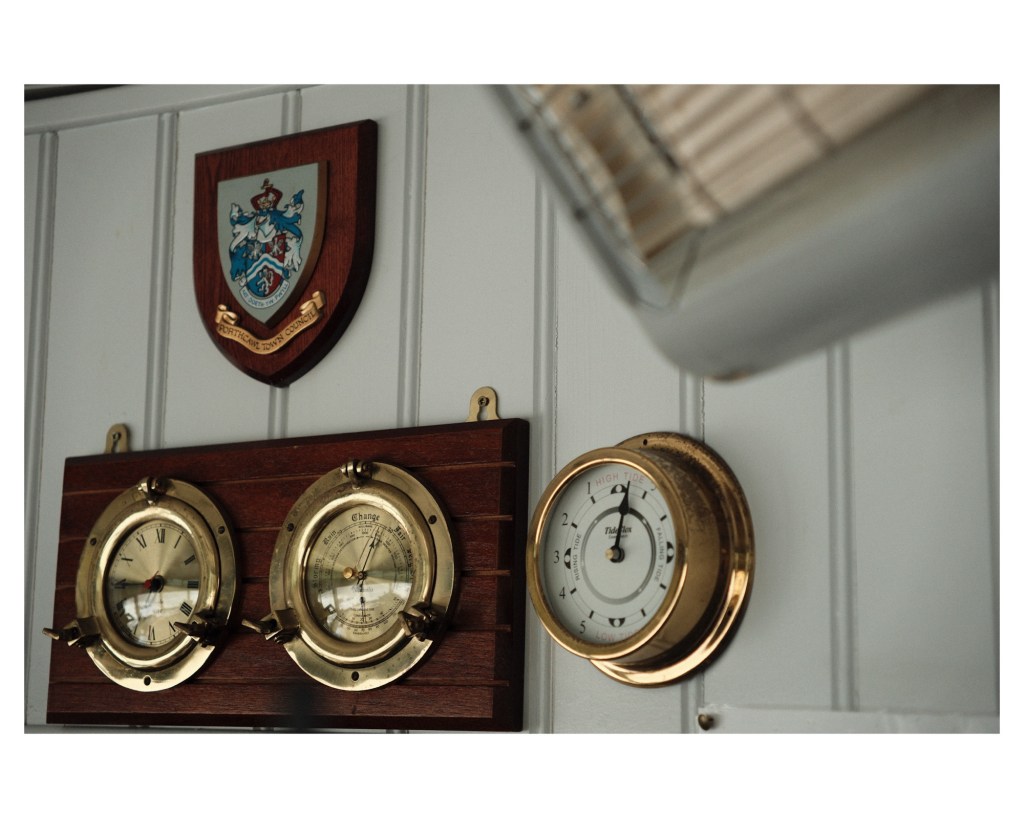
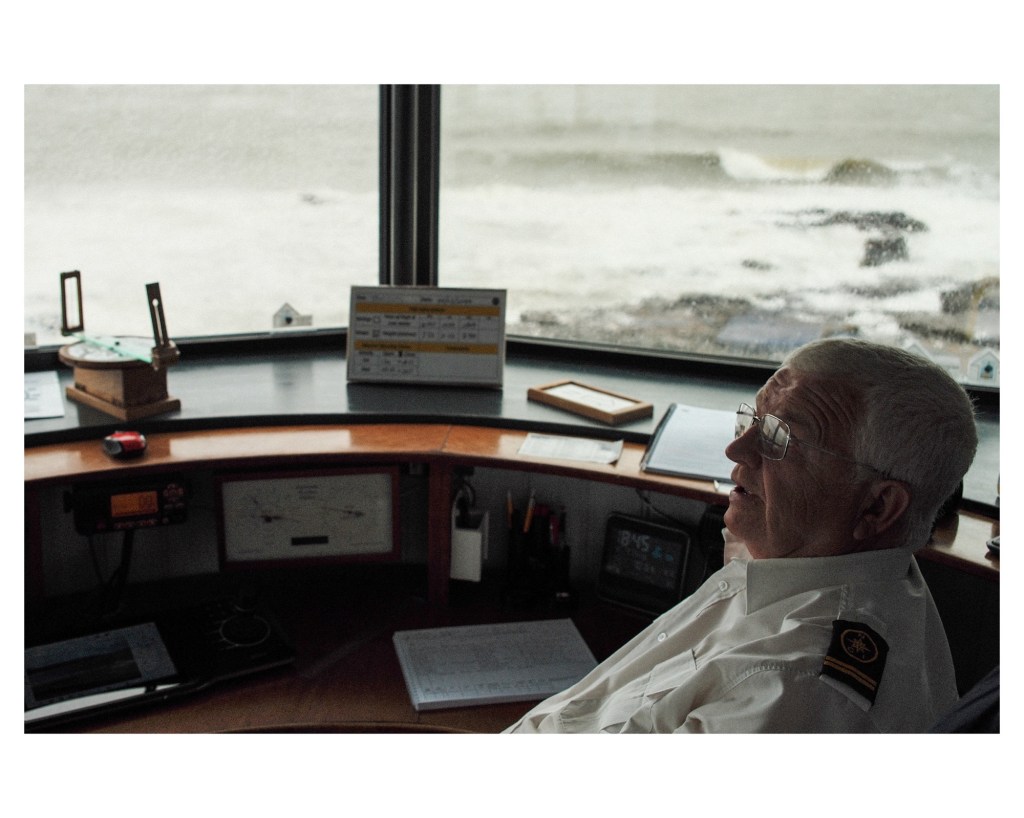
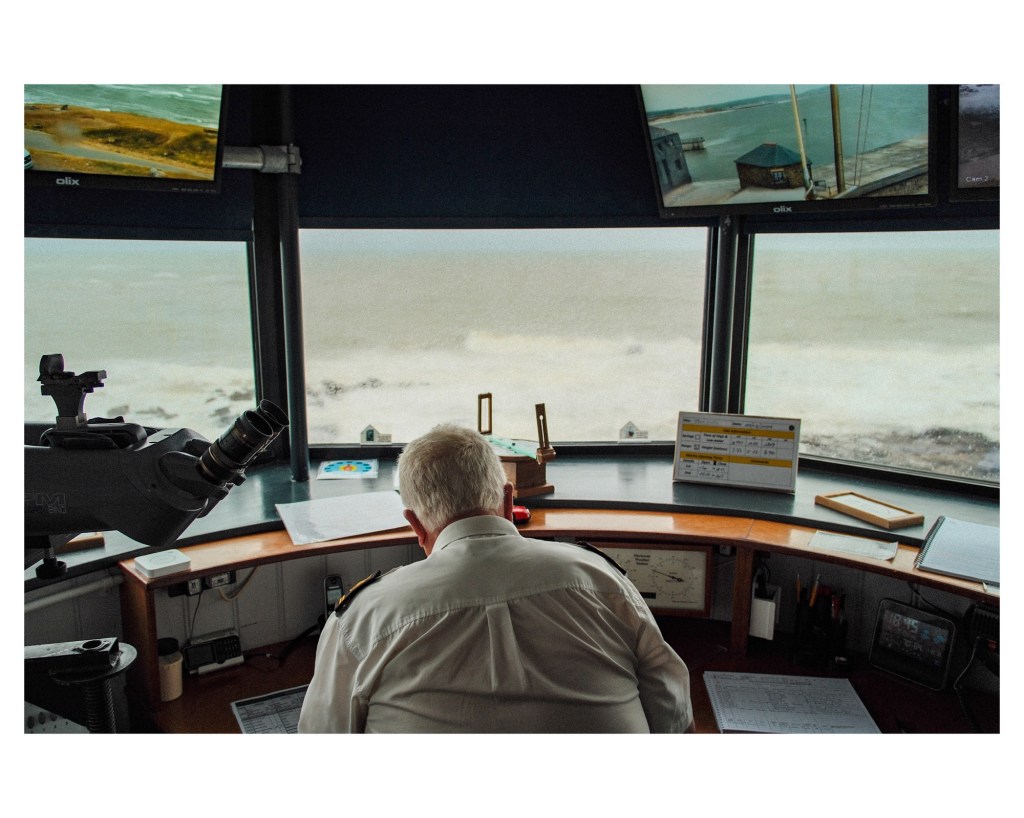
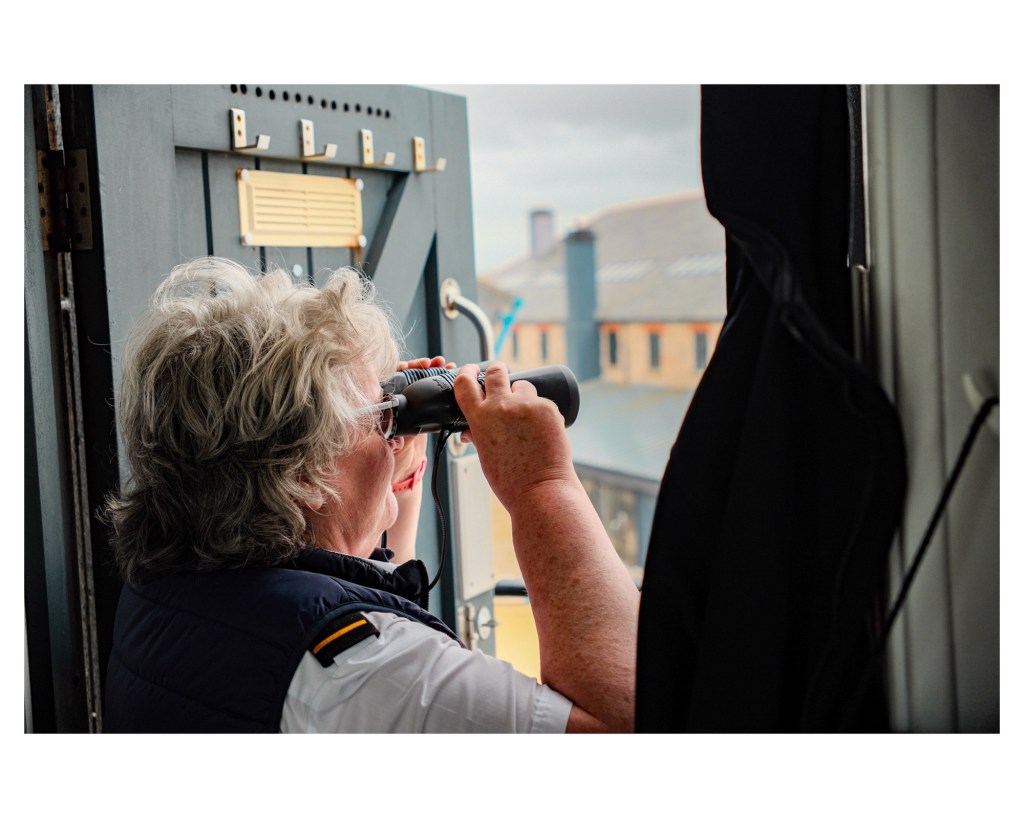
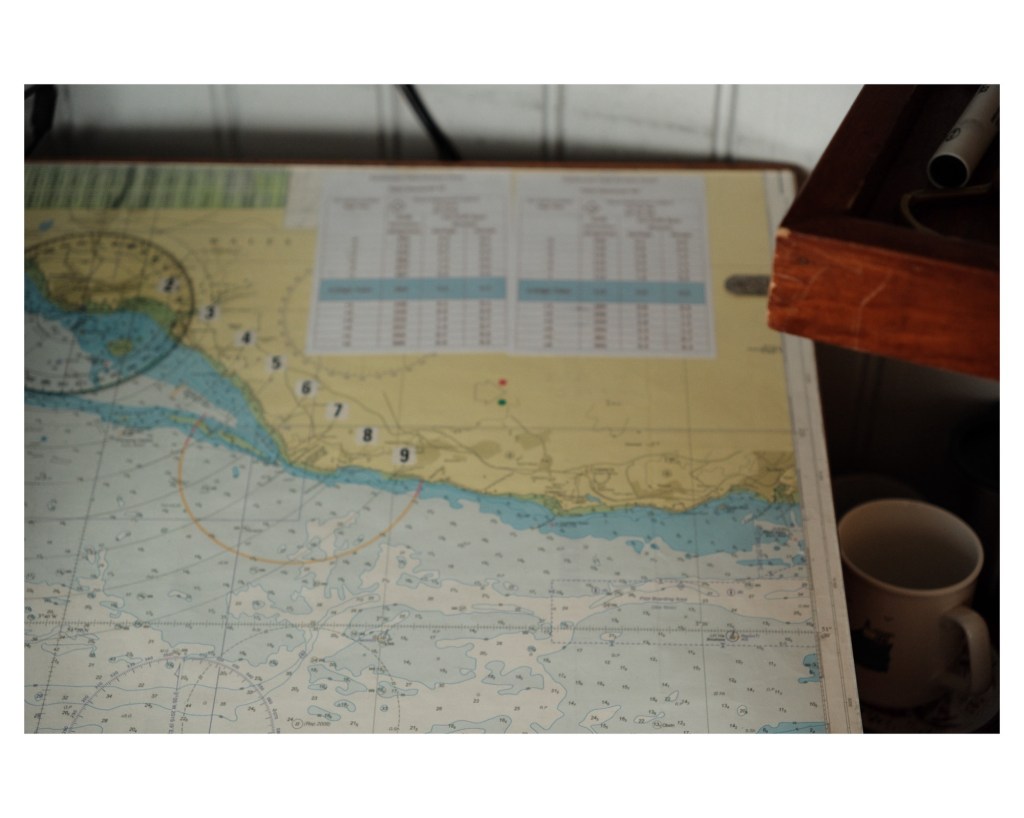
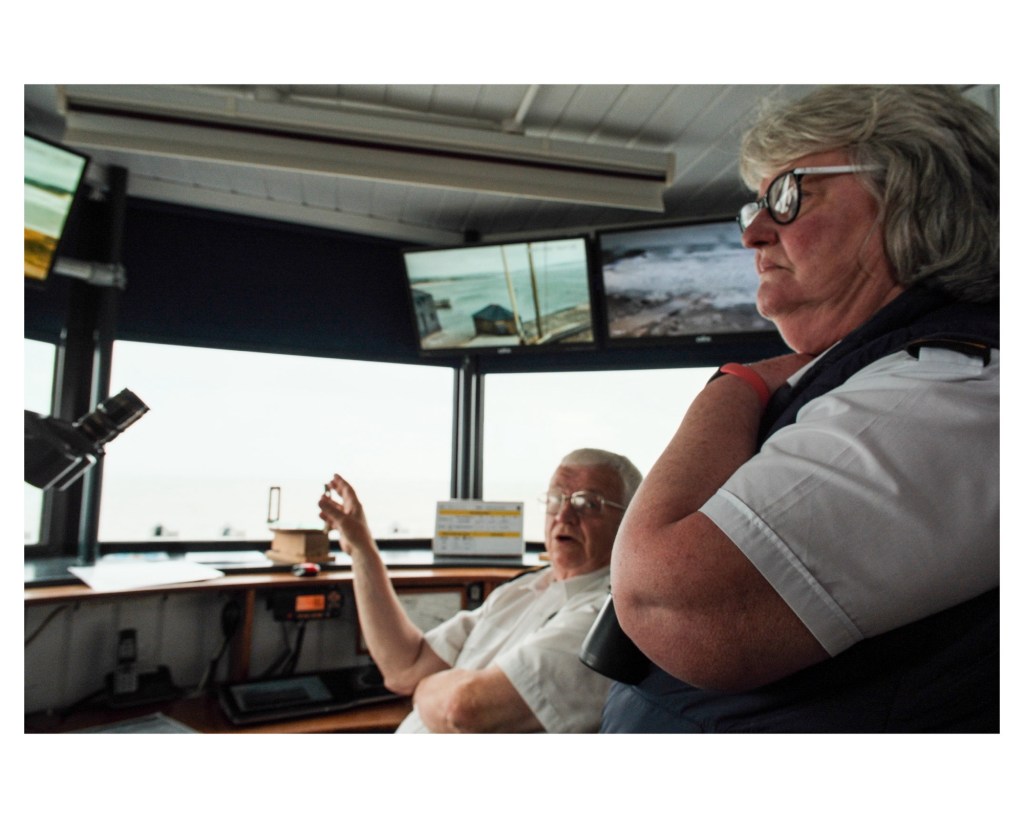
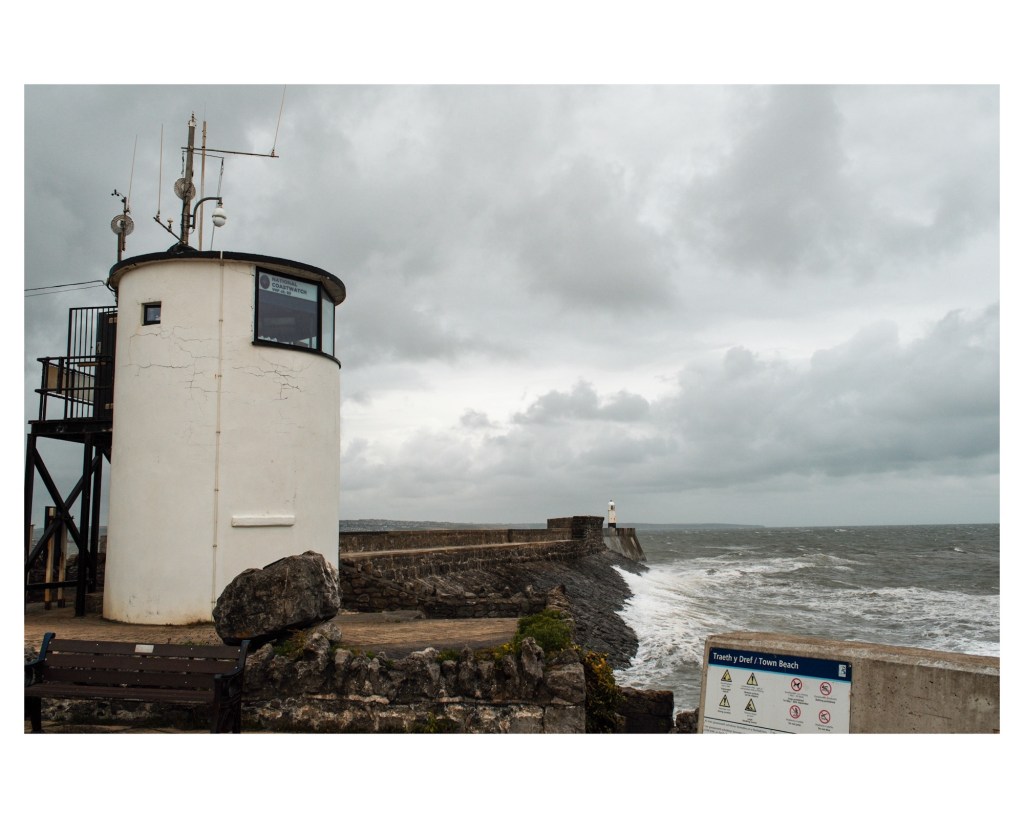
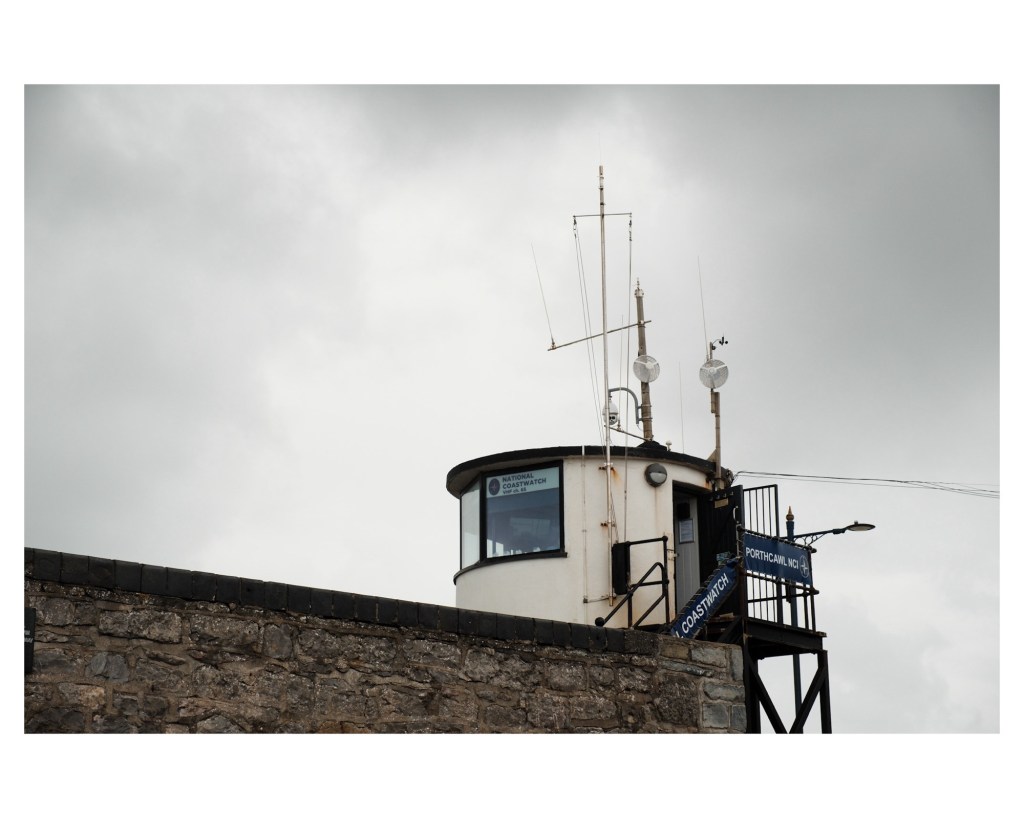
I recently visited the Porthcawl Coast Watch and was surprised to learn that the dedicated volunteers who work there aren’t part of the RNLI, as I had assumed. Instead, they’re part of the National Coastwatch Institution (NCI), keeping a vigilant eye on the waters to keep us all safe! The photos I took capture both the iconic watchtower and some of the incredible people who dedicate their time to this essential service. It’s amazing to see their commitment firsthand and learn about the crucial role they play in coastal safety.
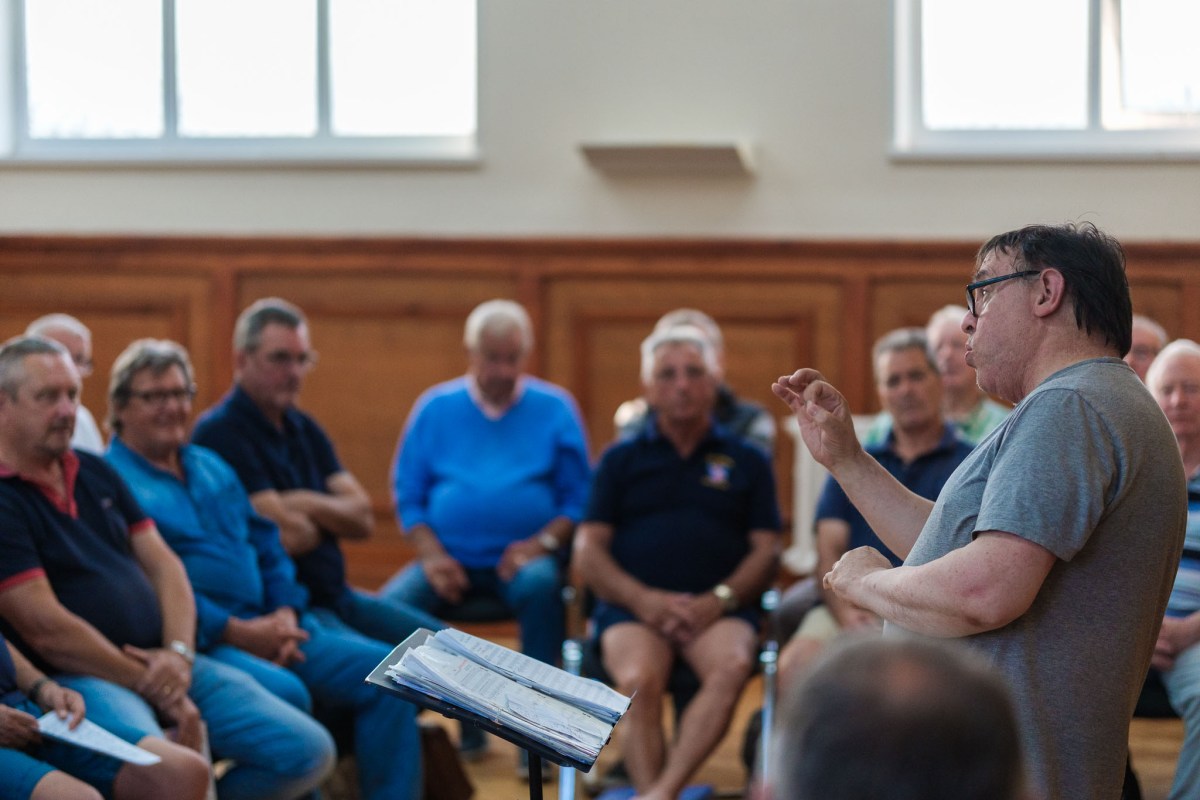
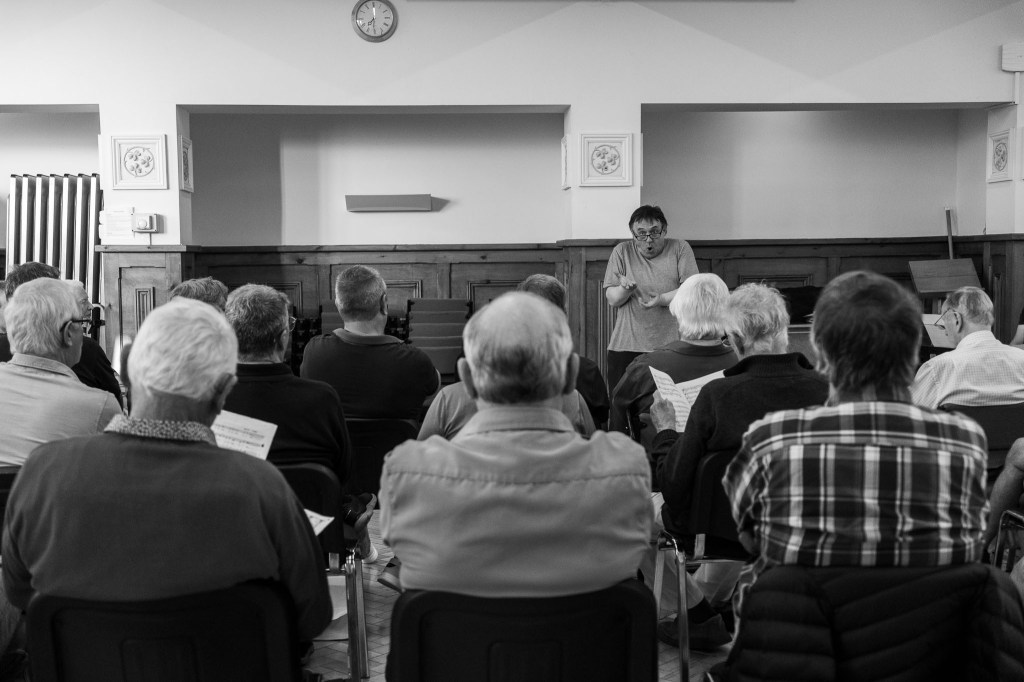
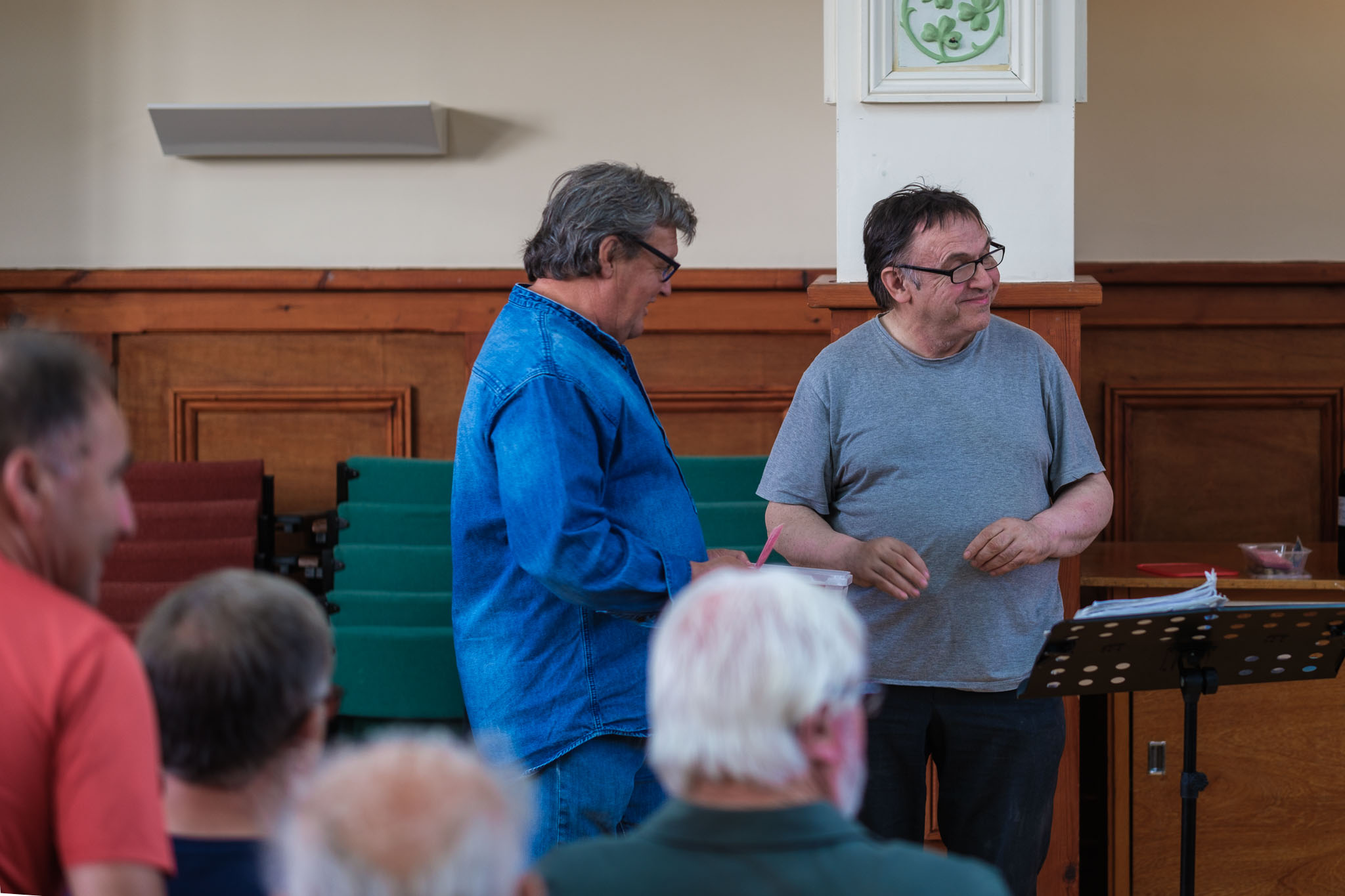
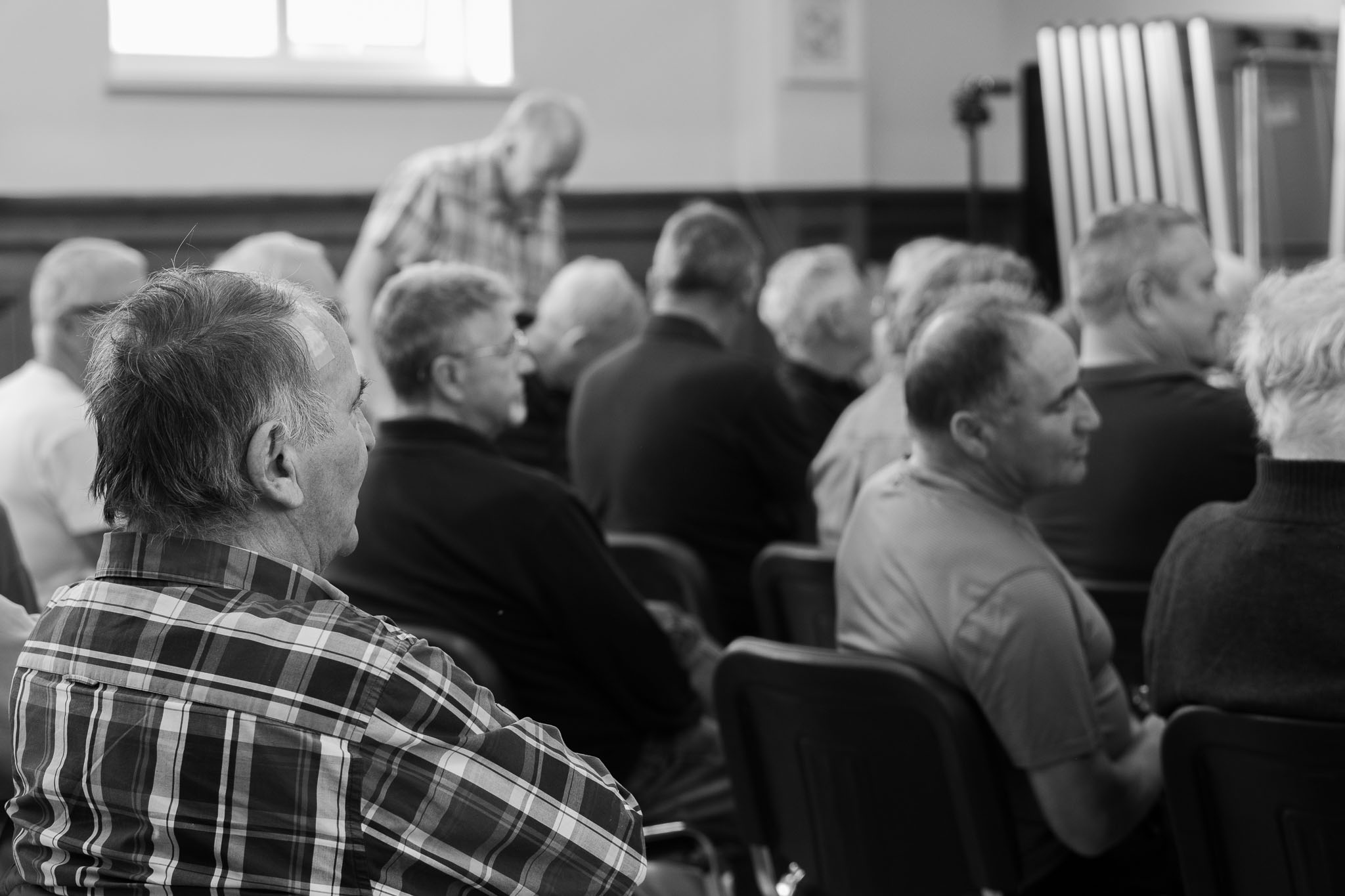
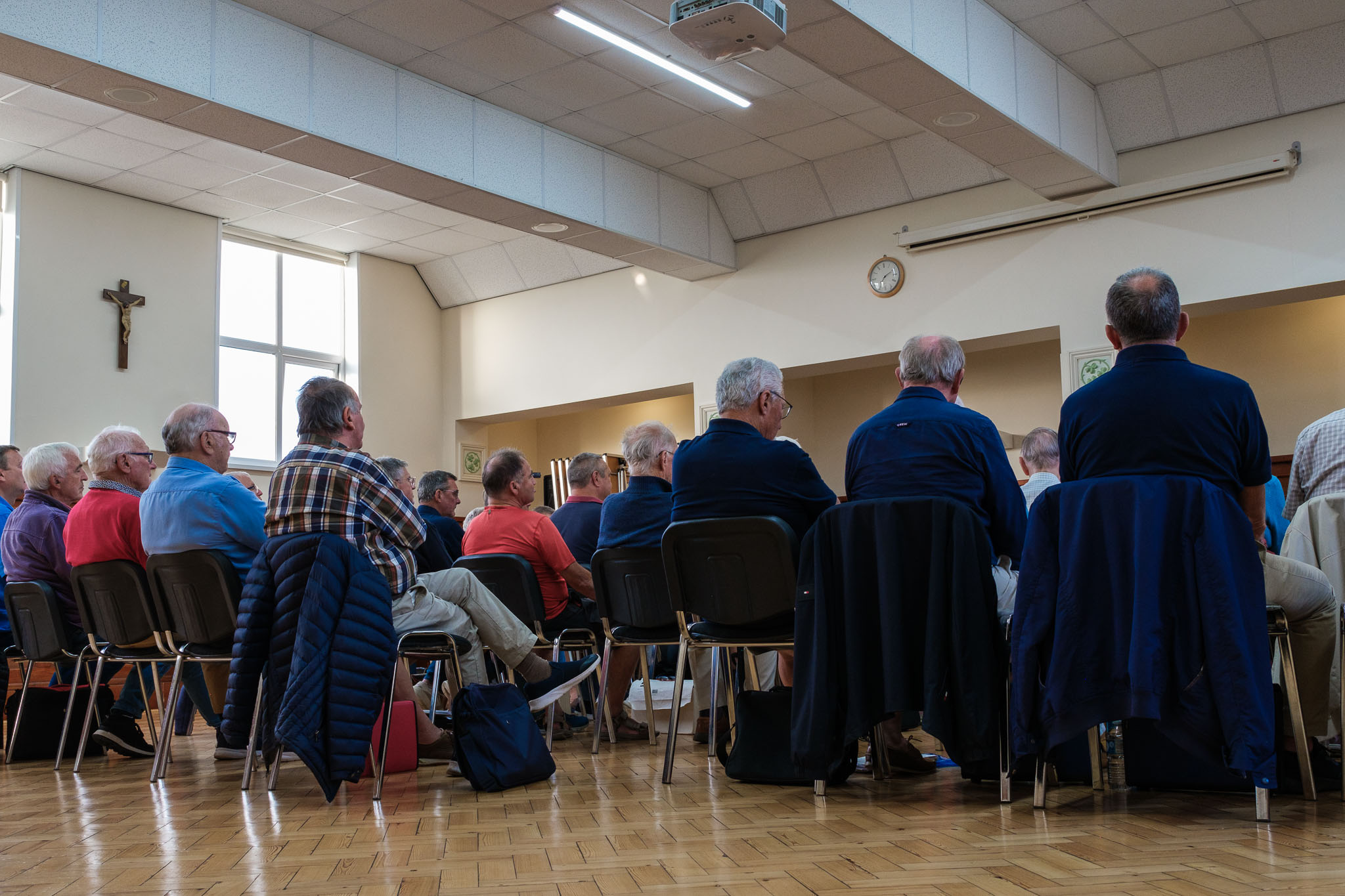
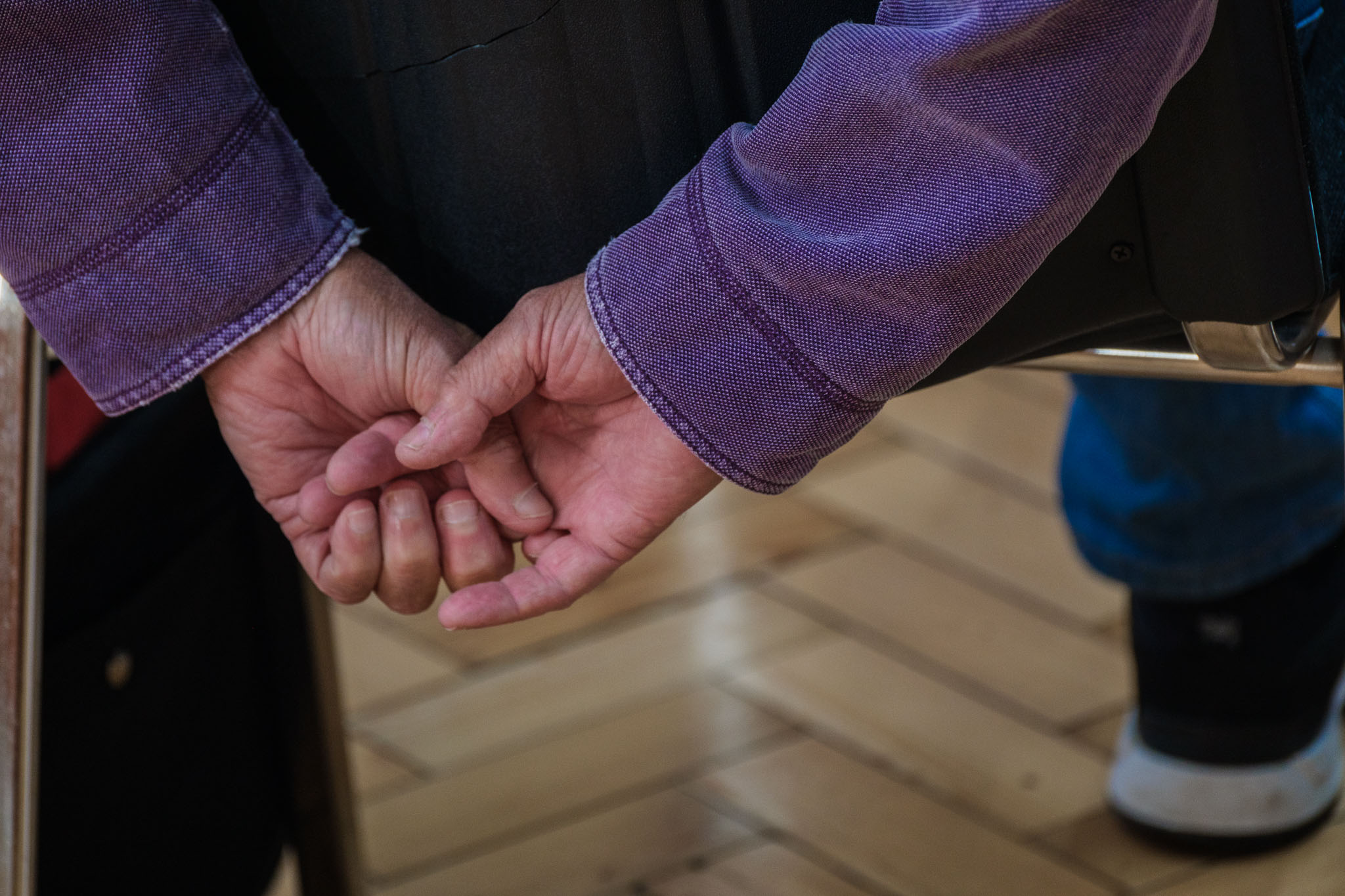
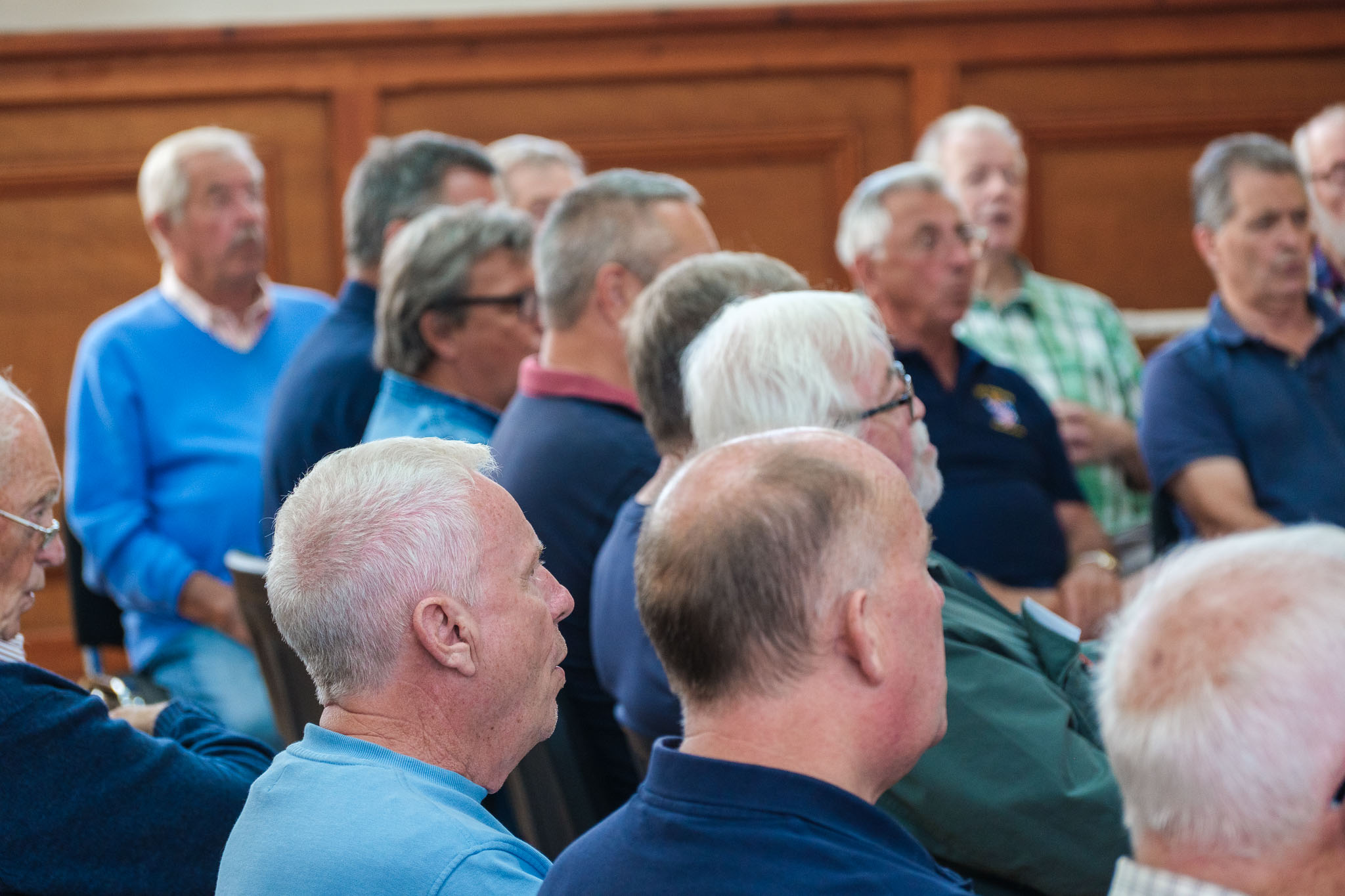
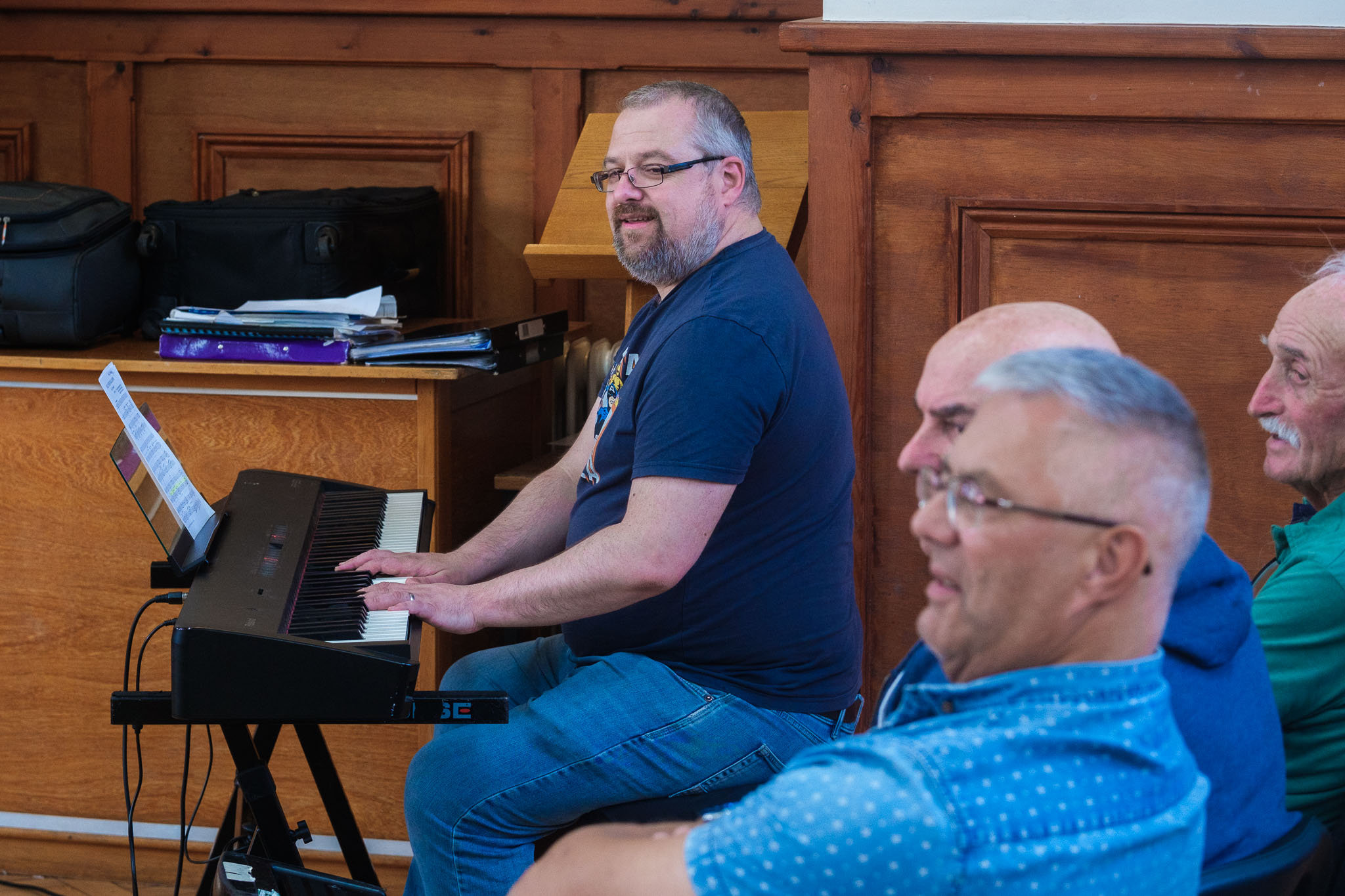
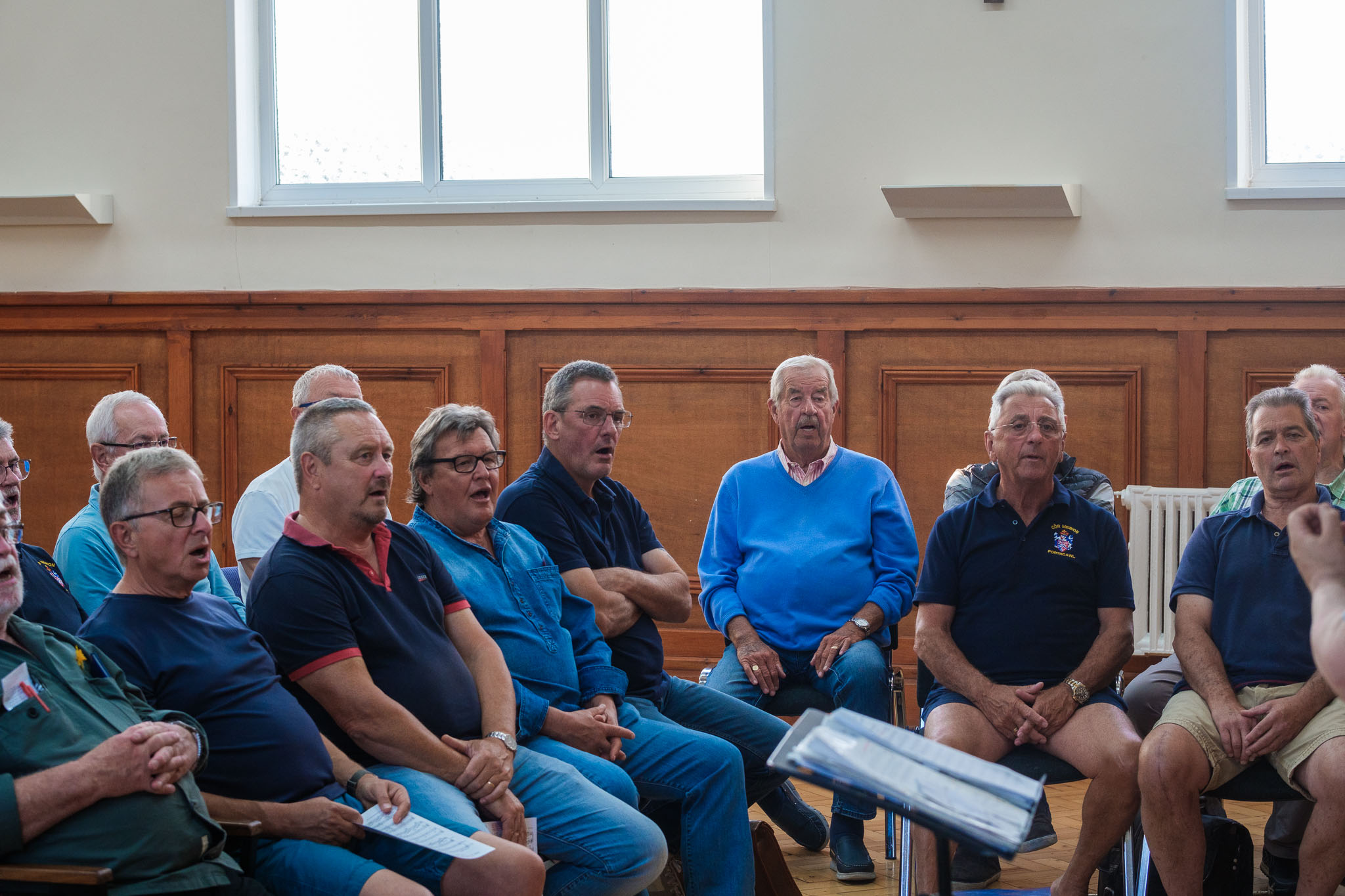
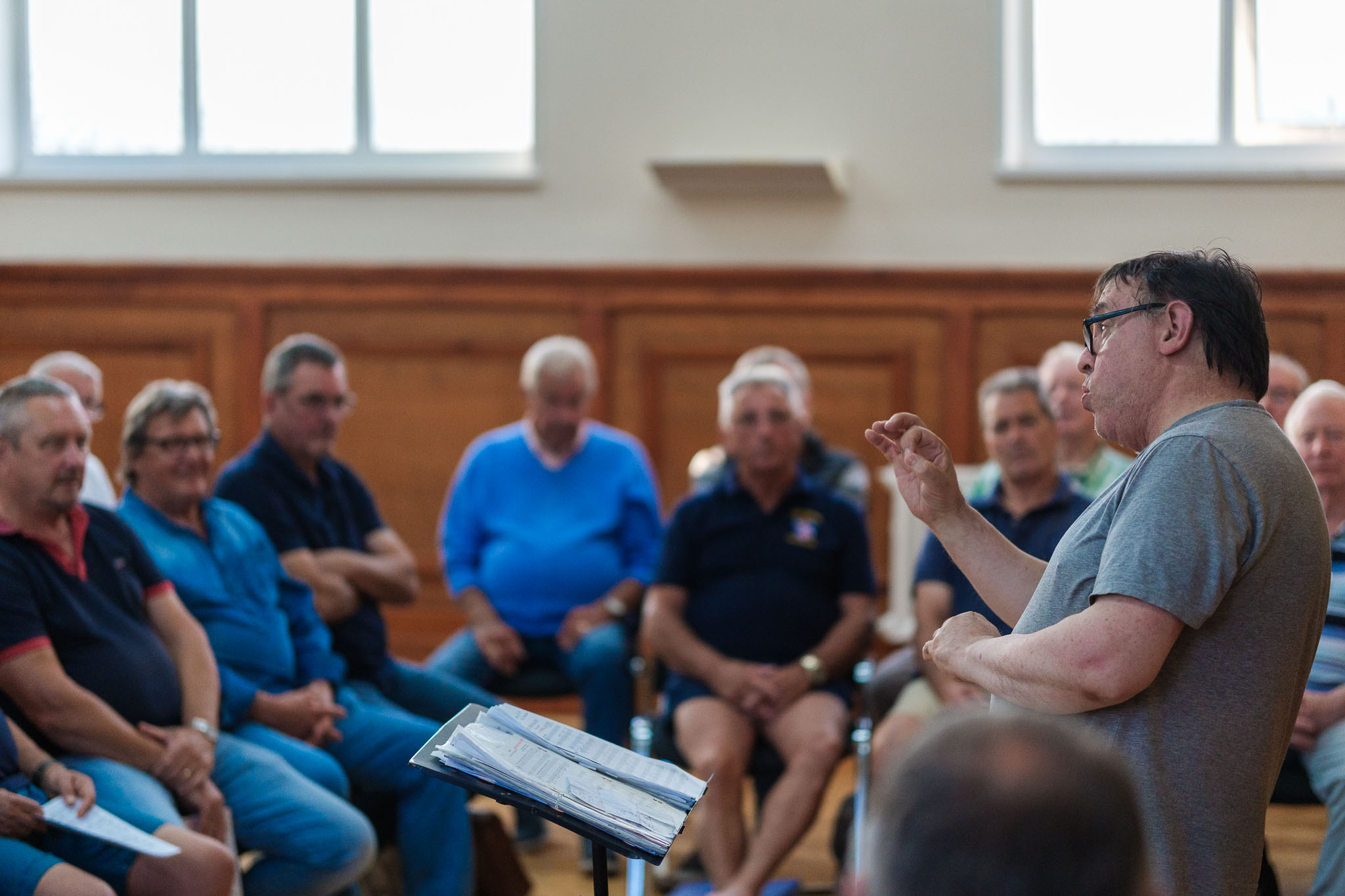
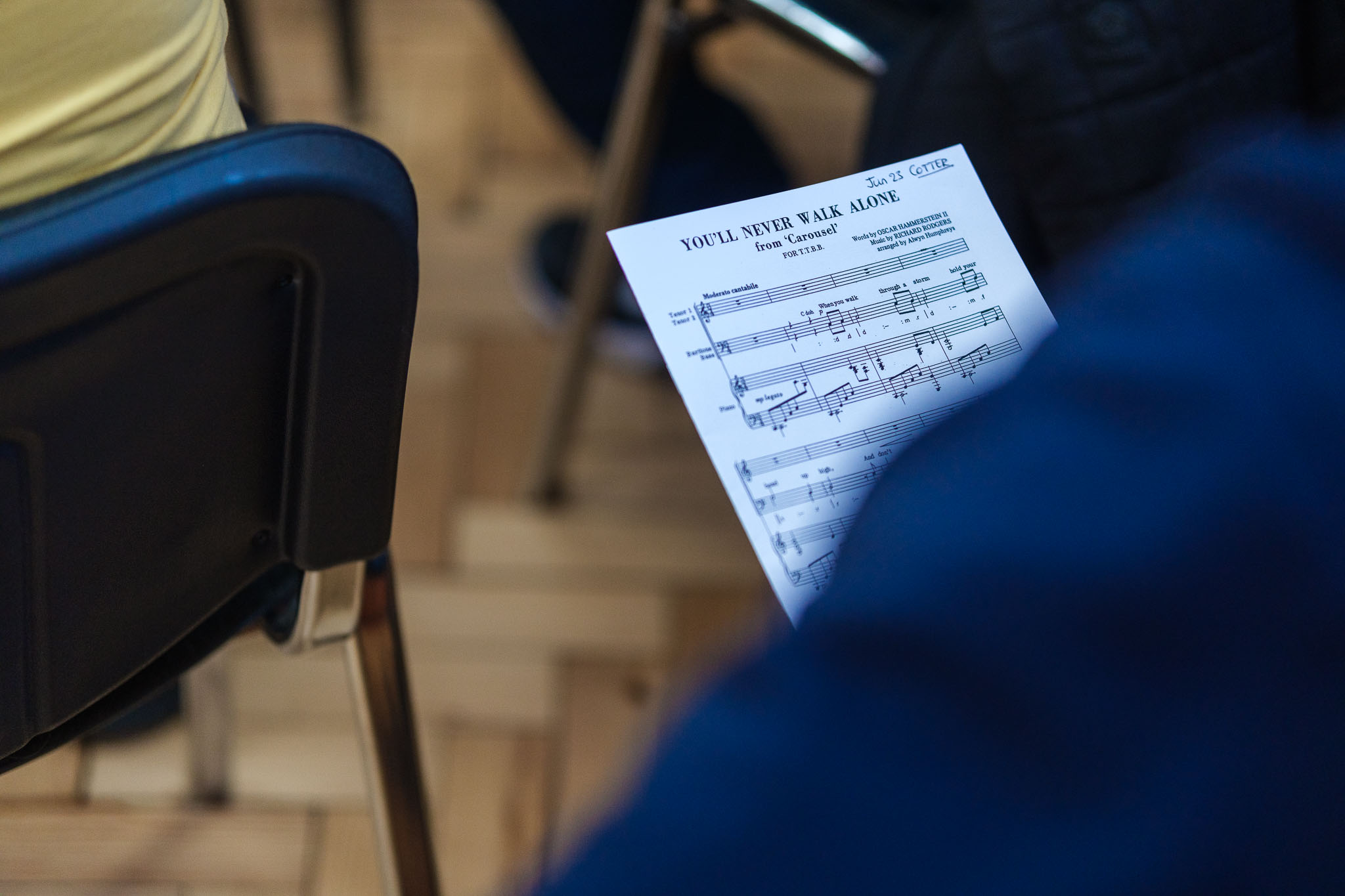
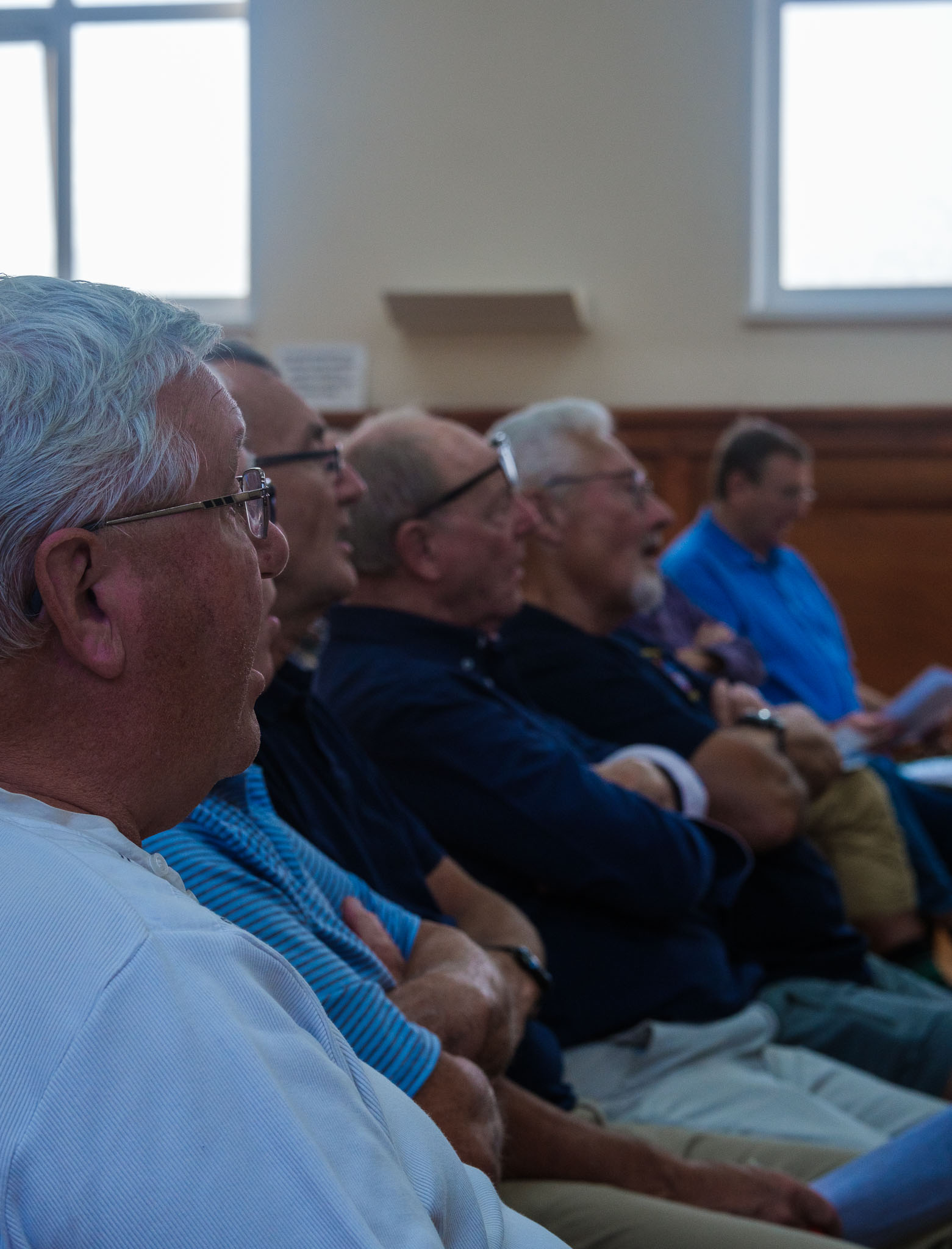
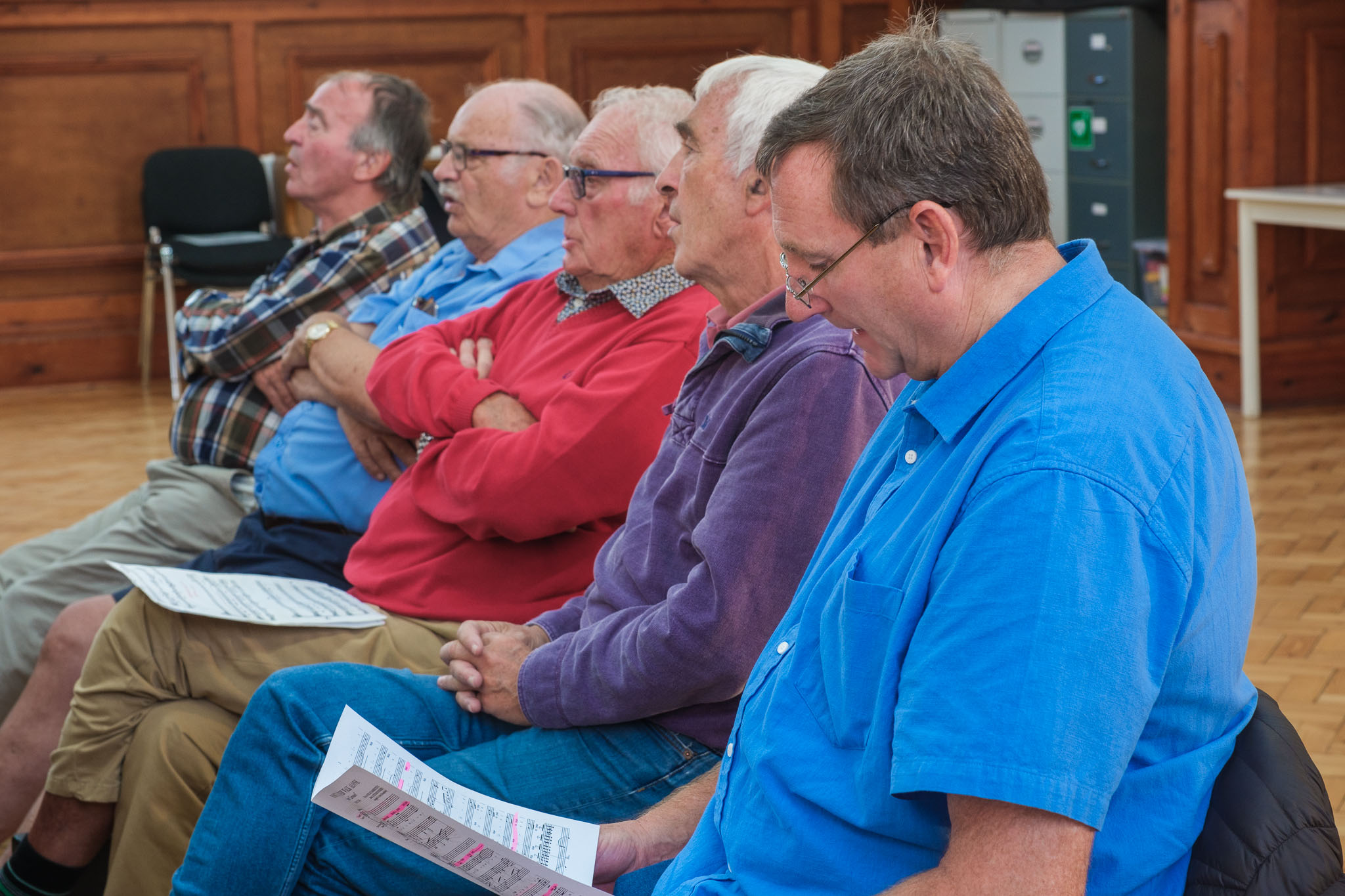
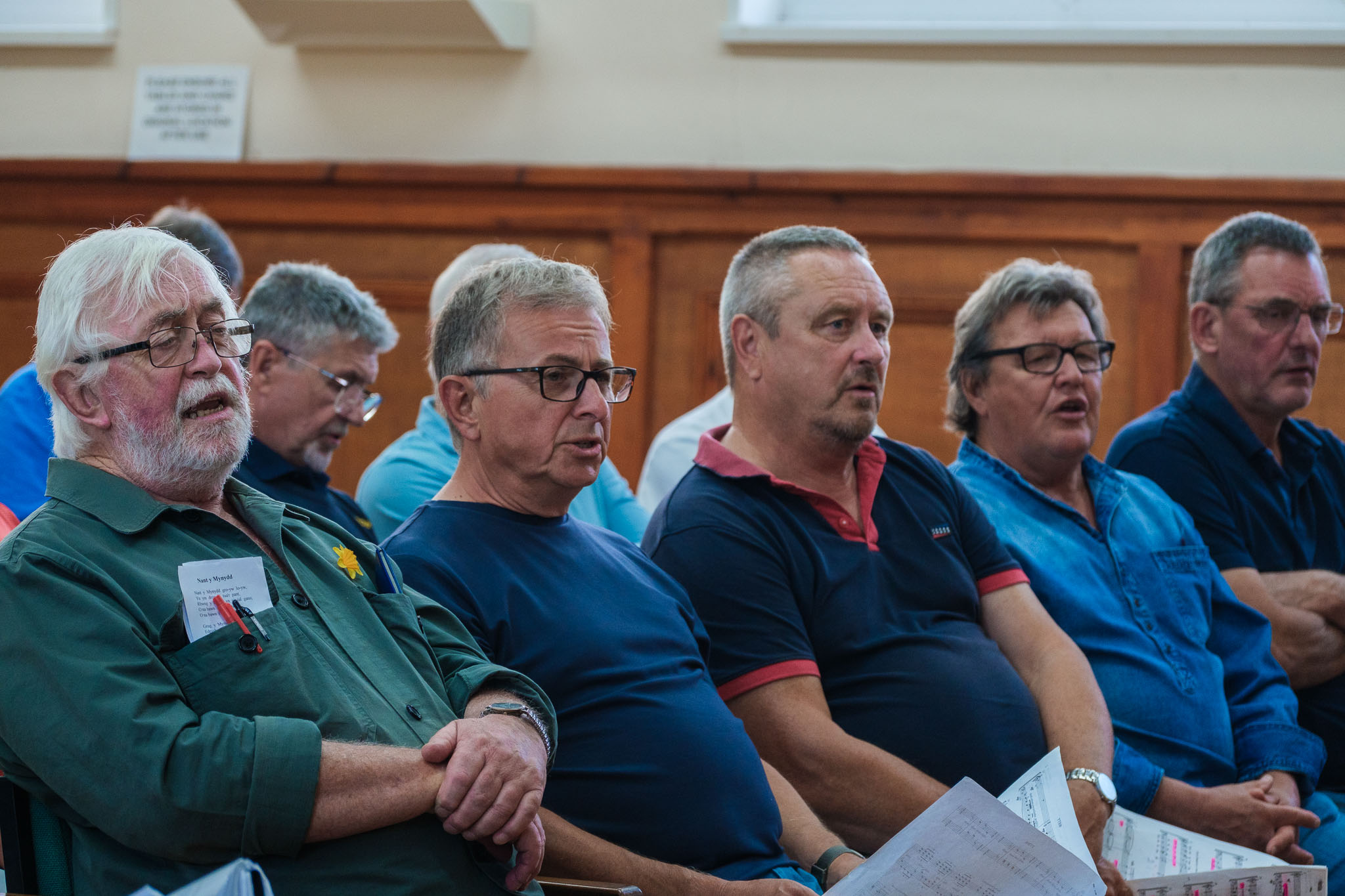
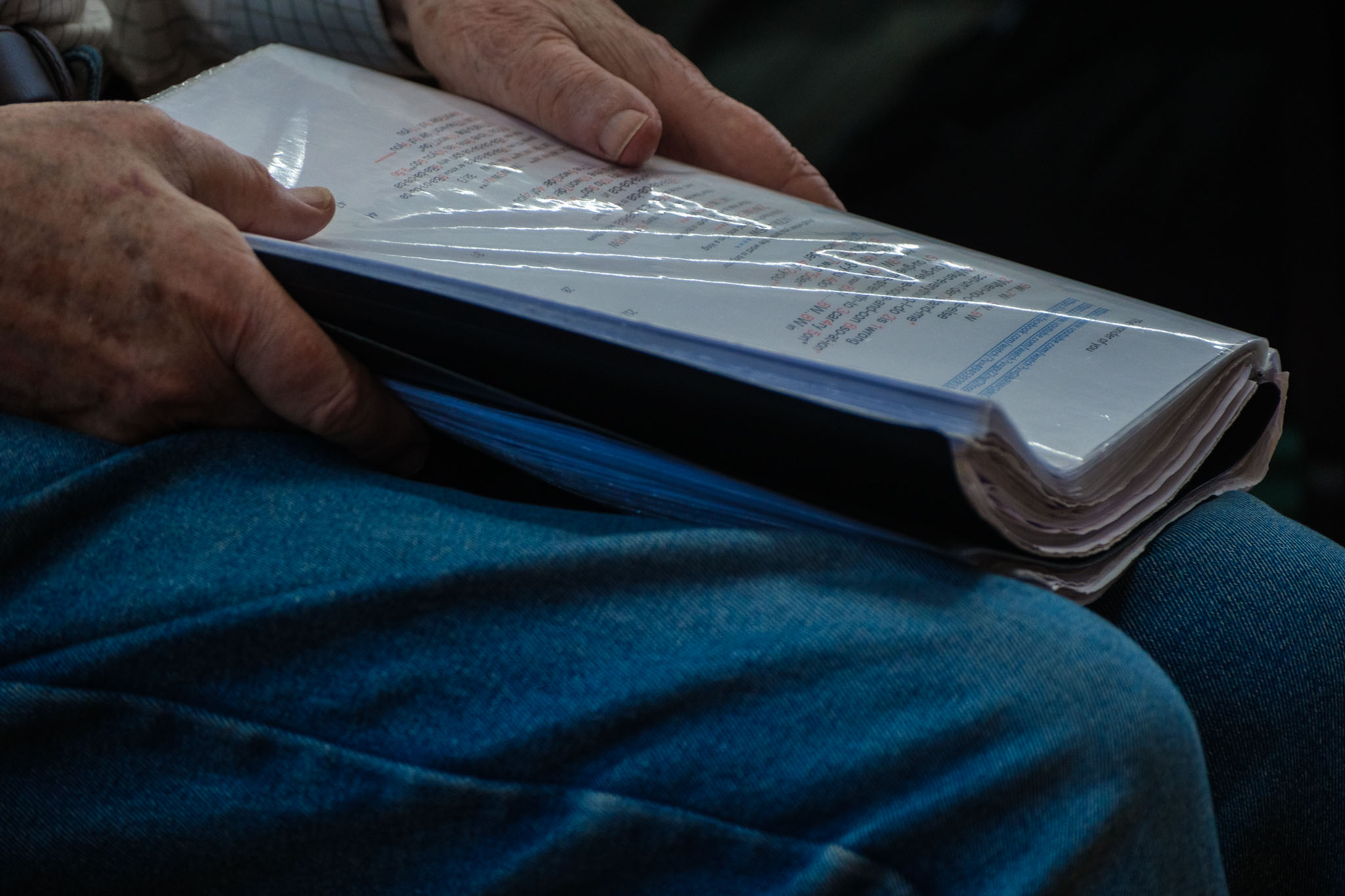
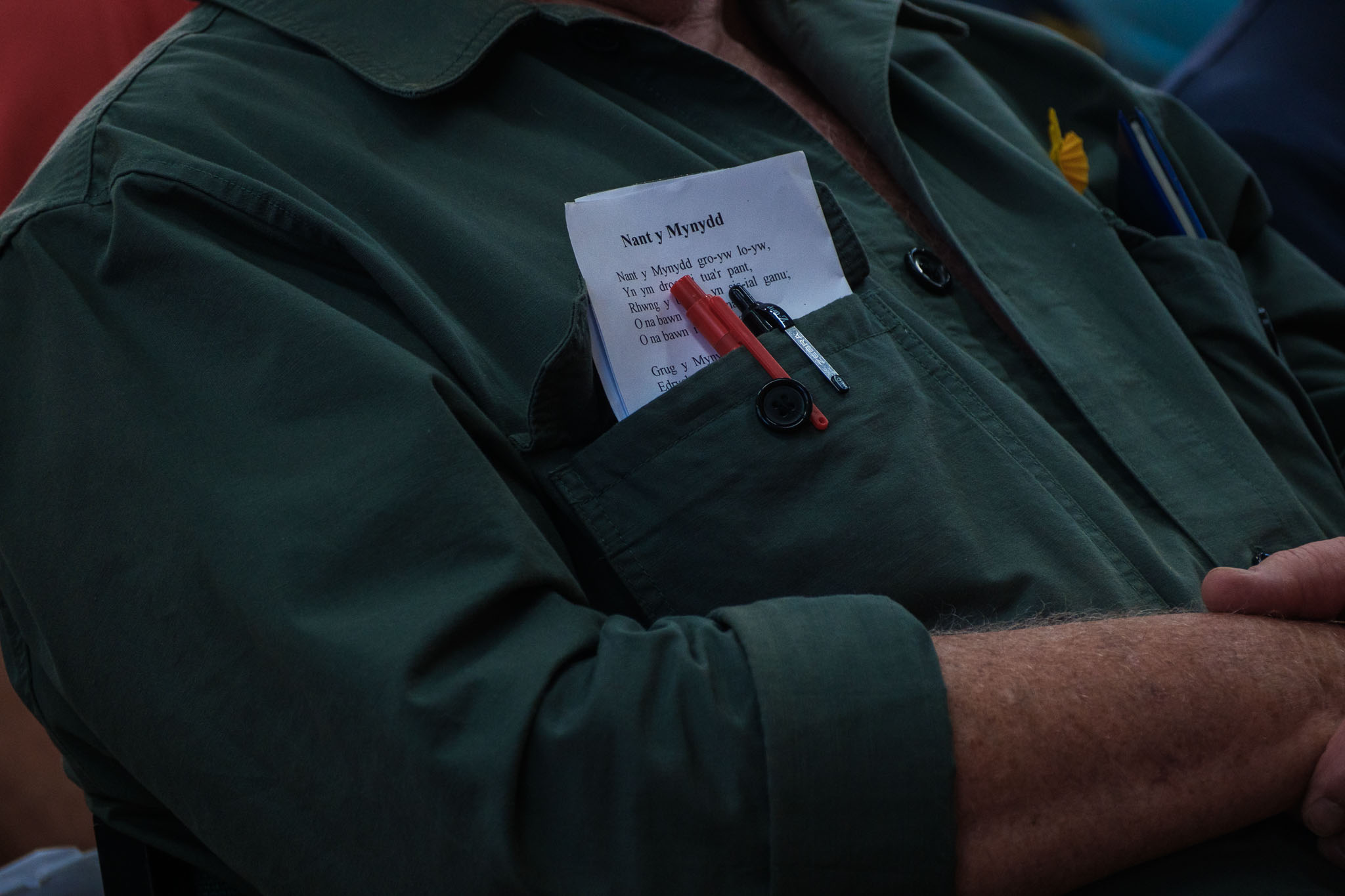
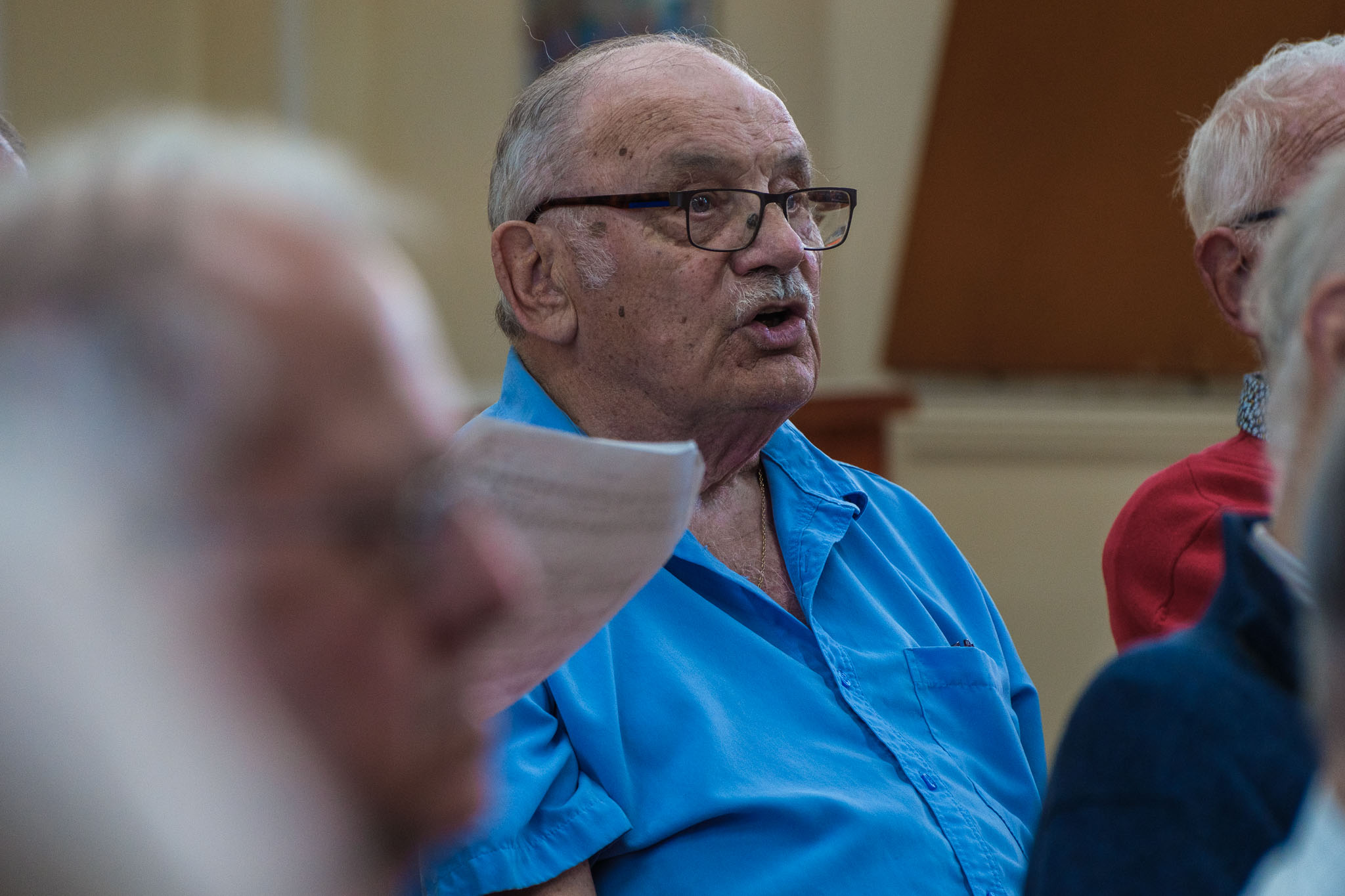
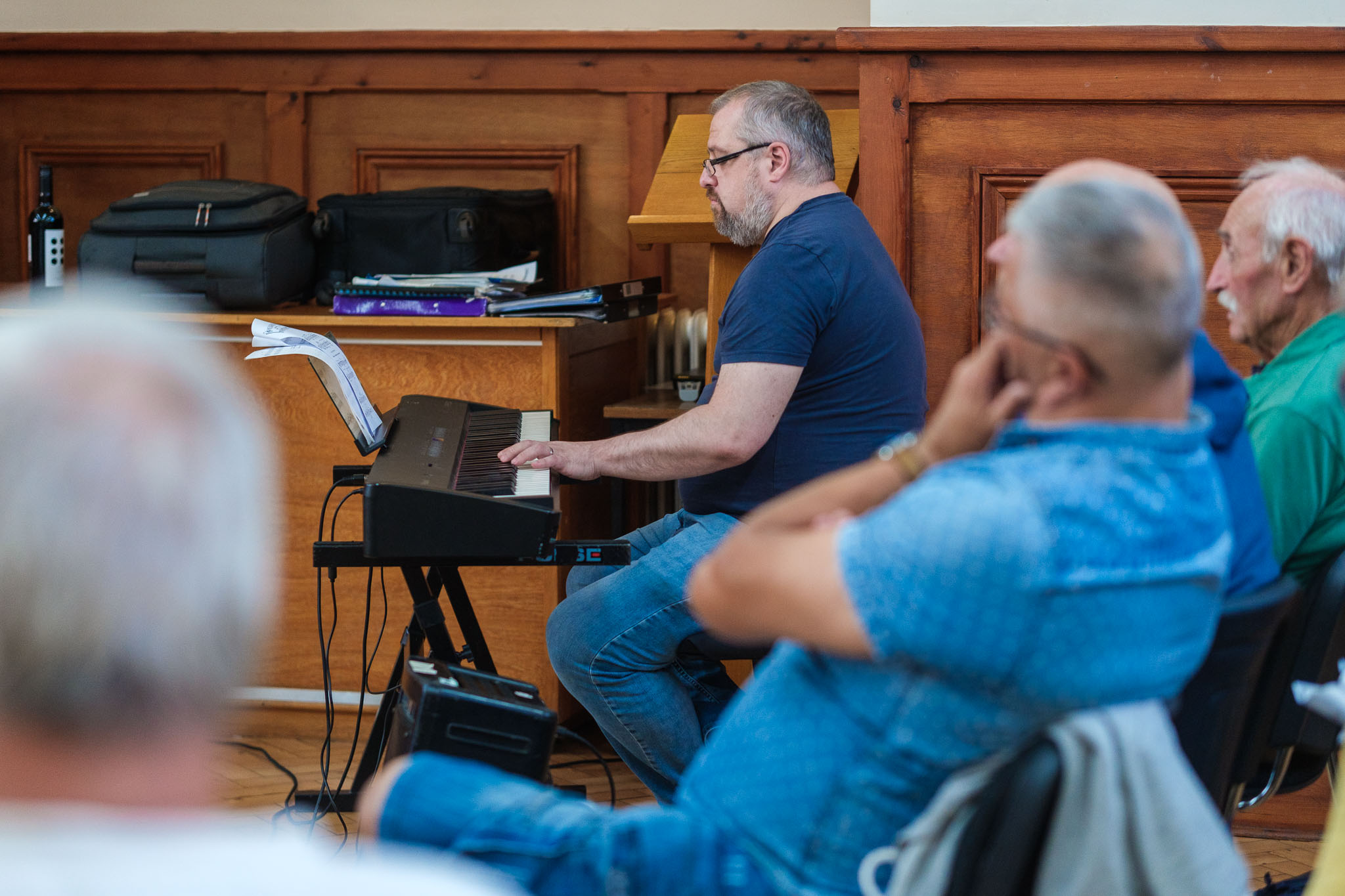
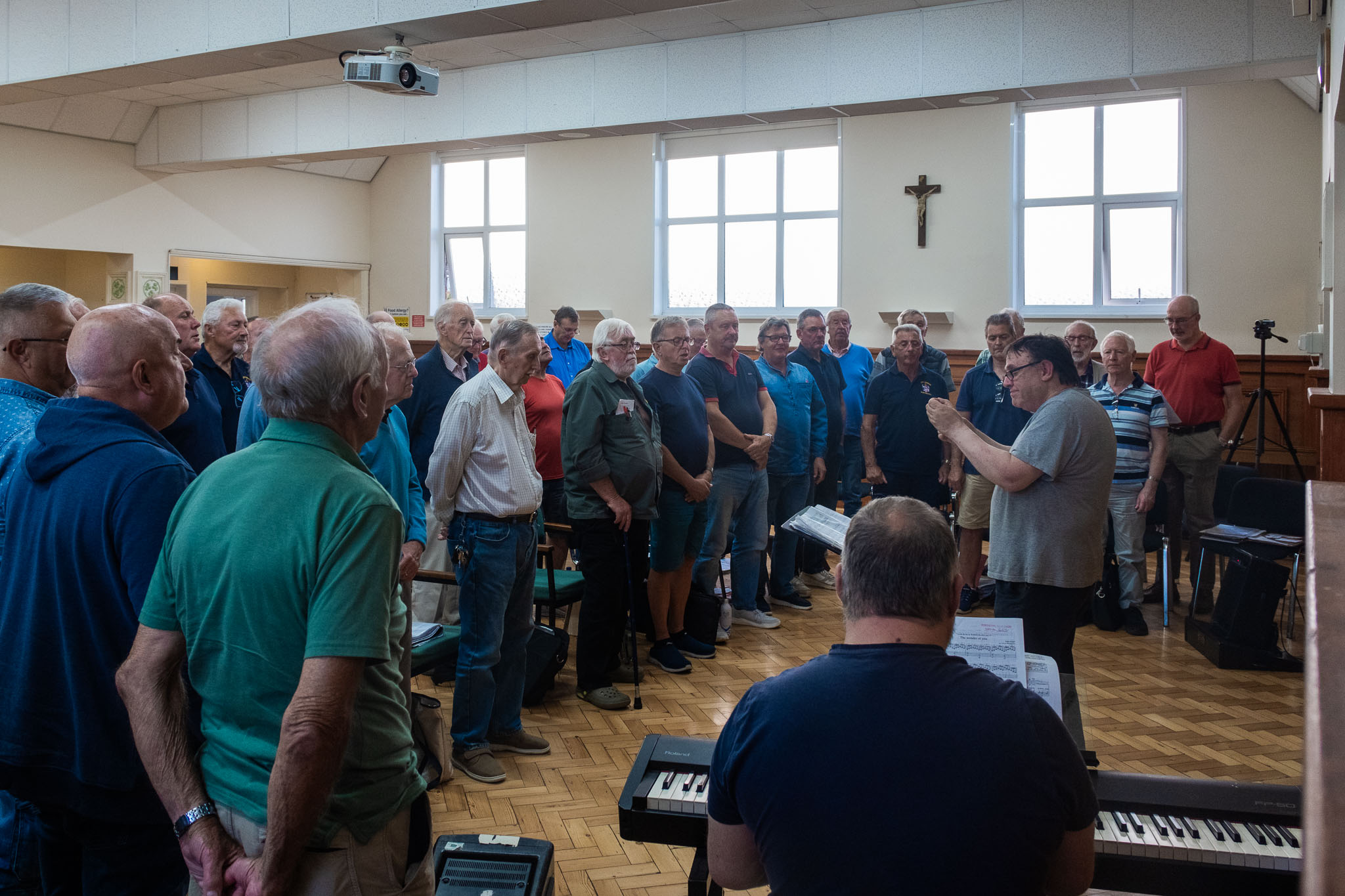
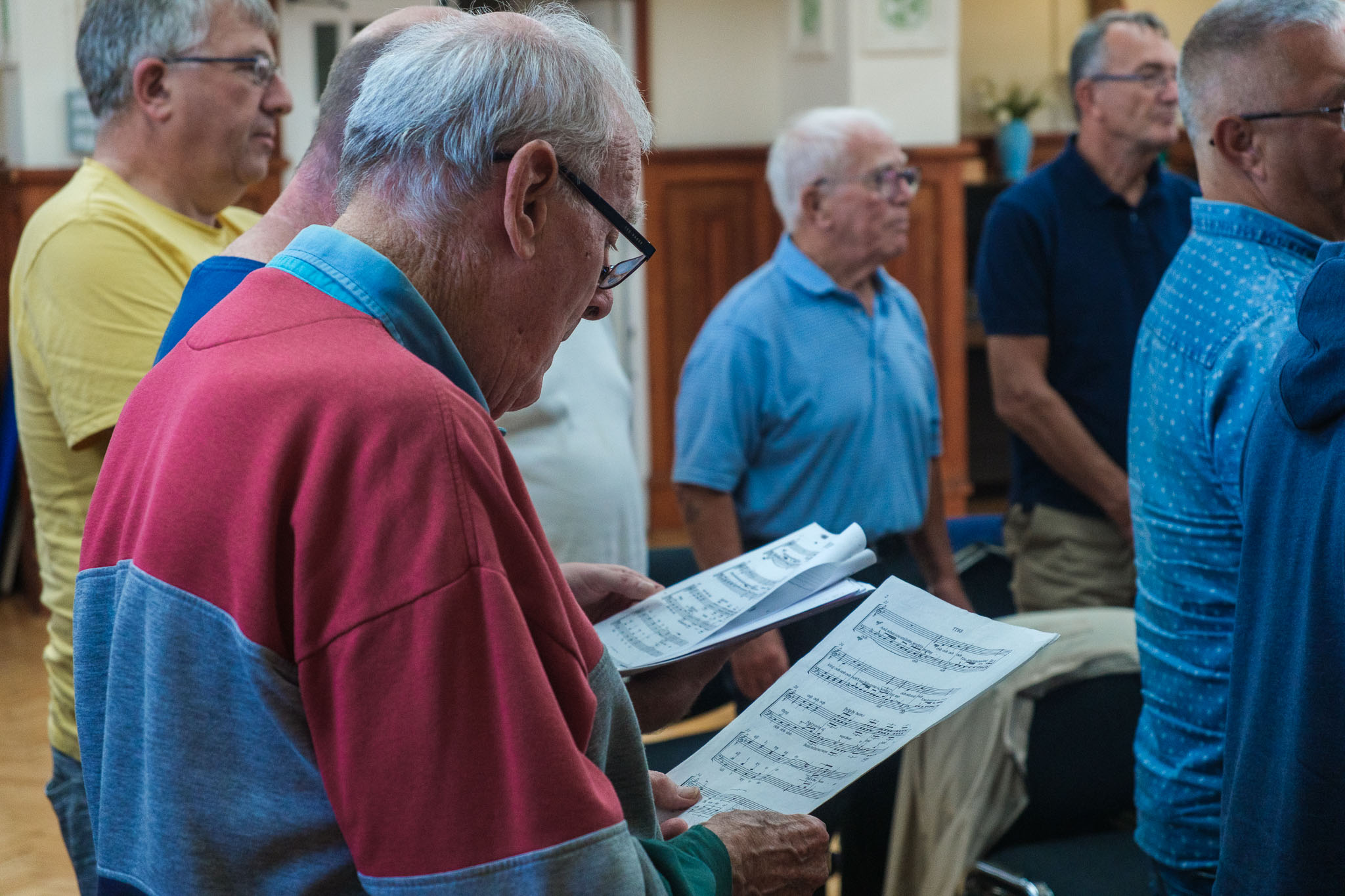
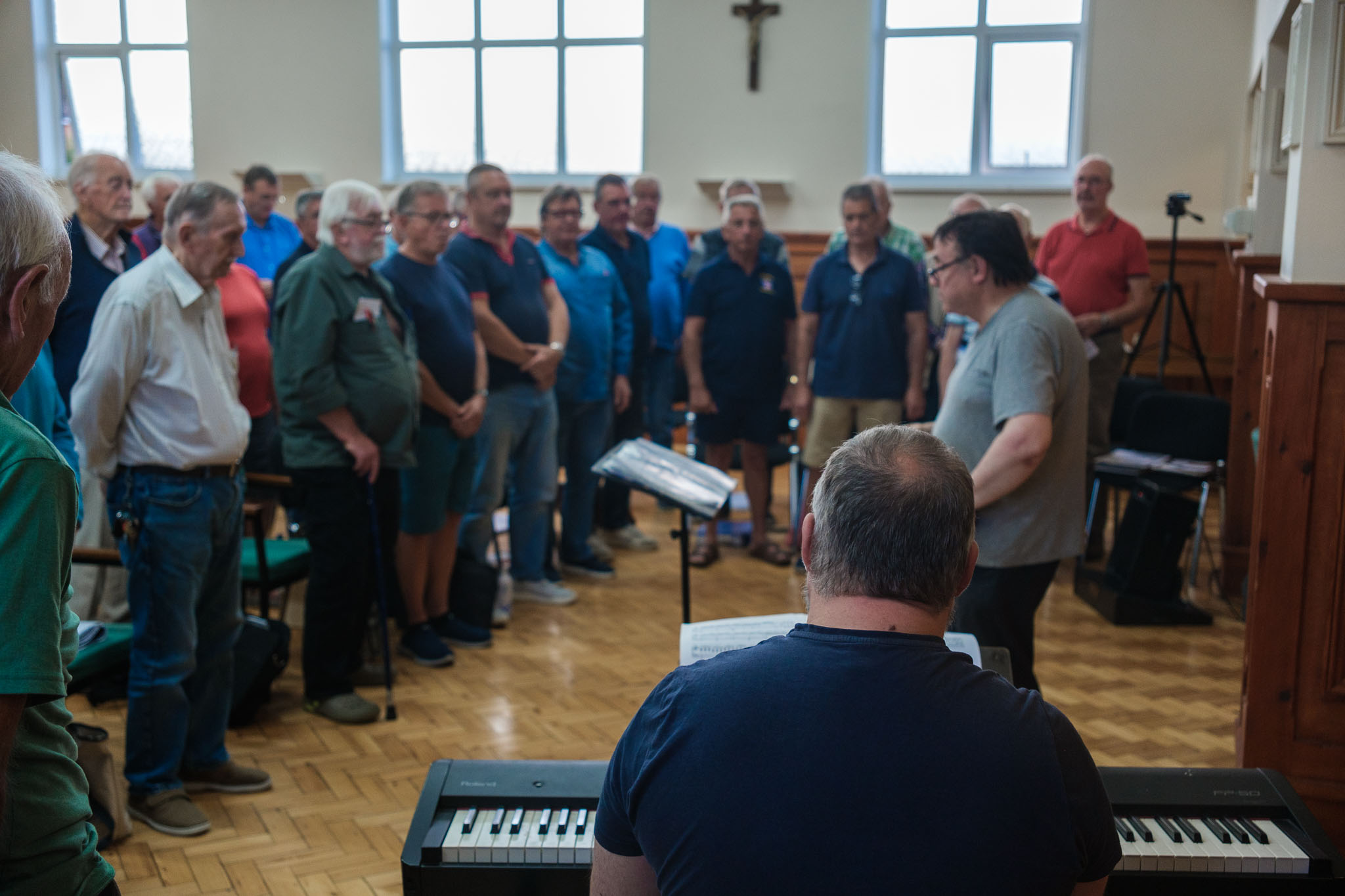
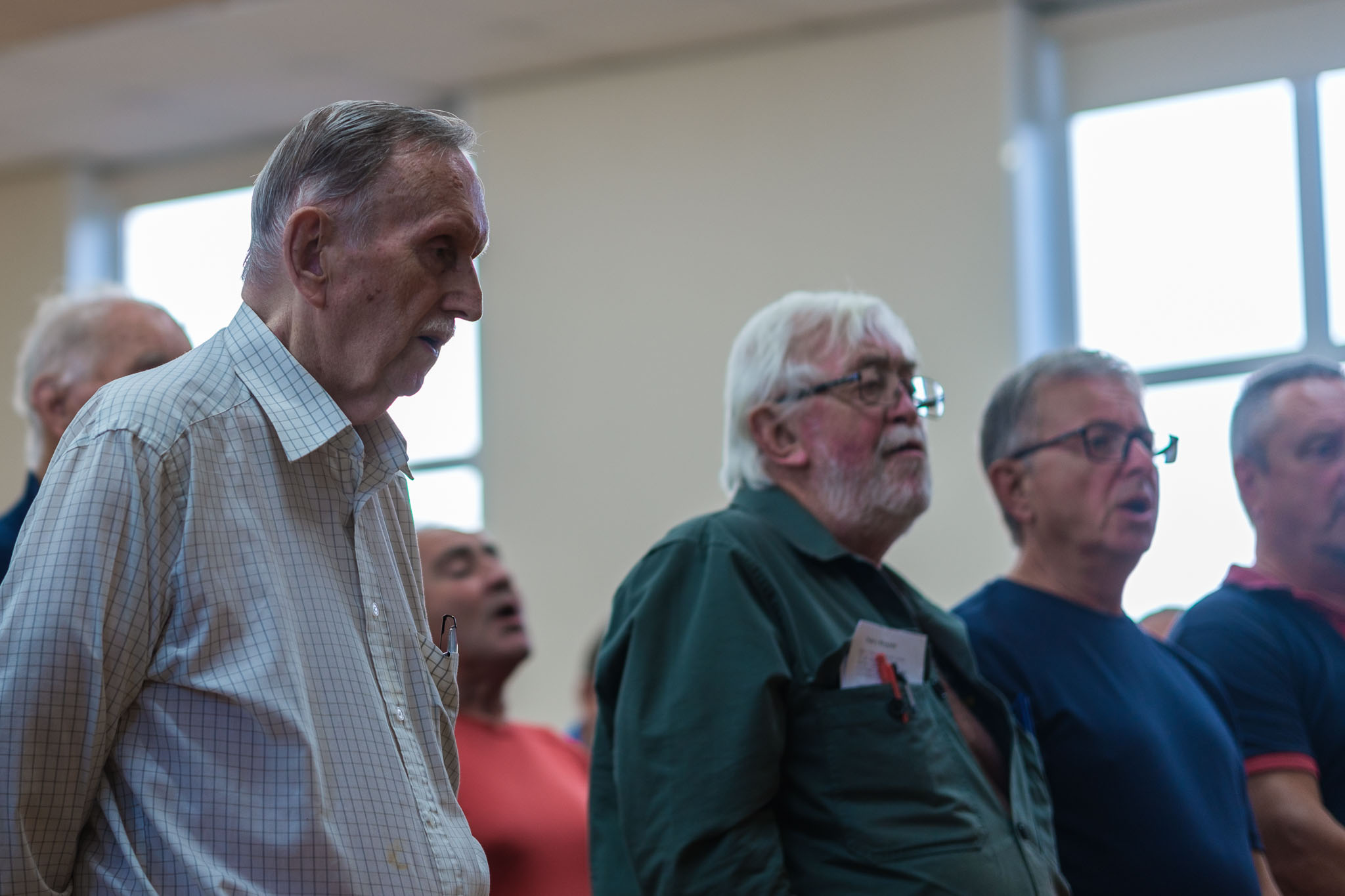
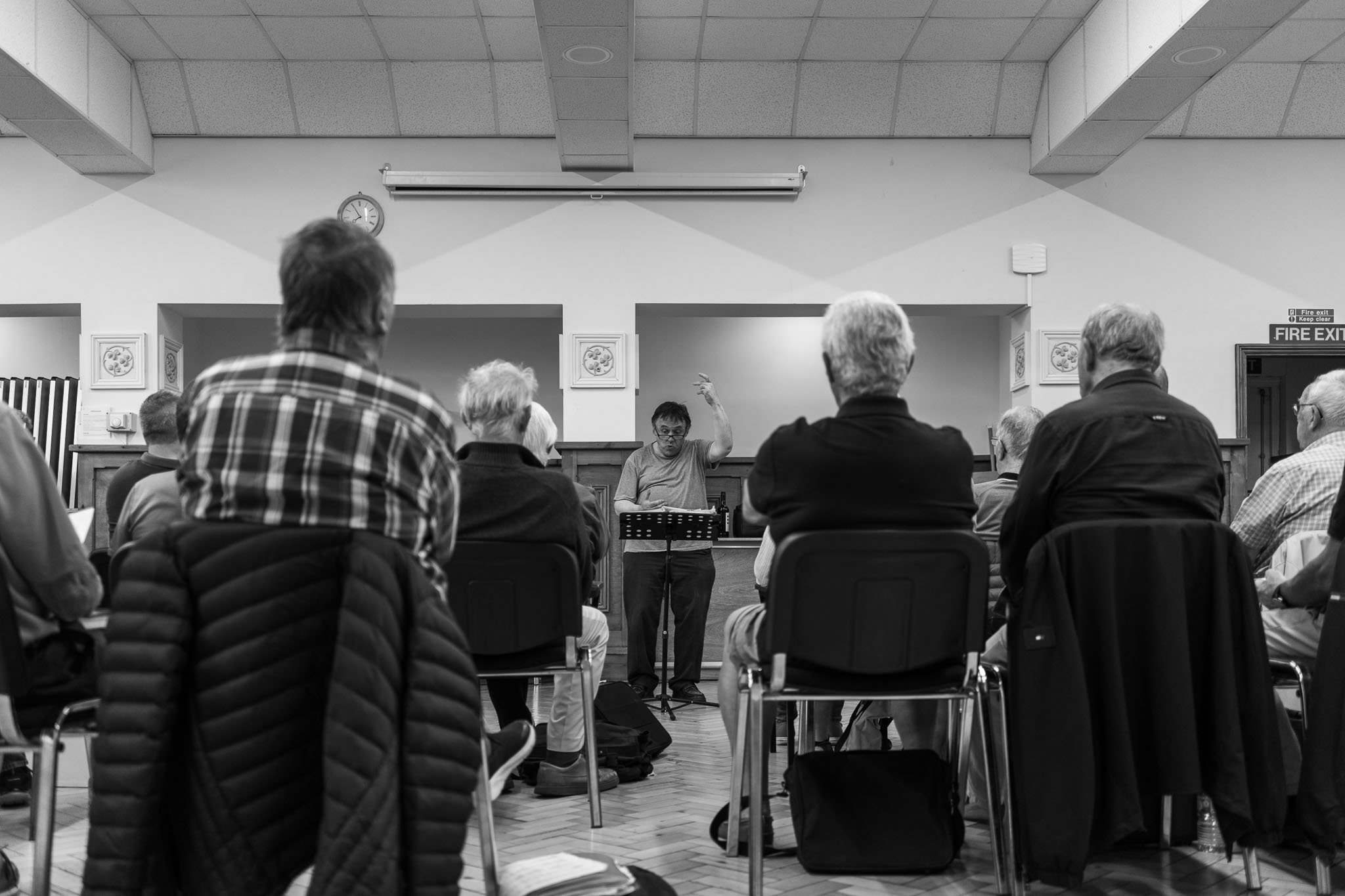
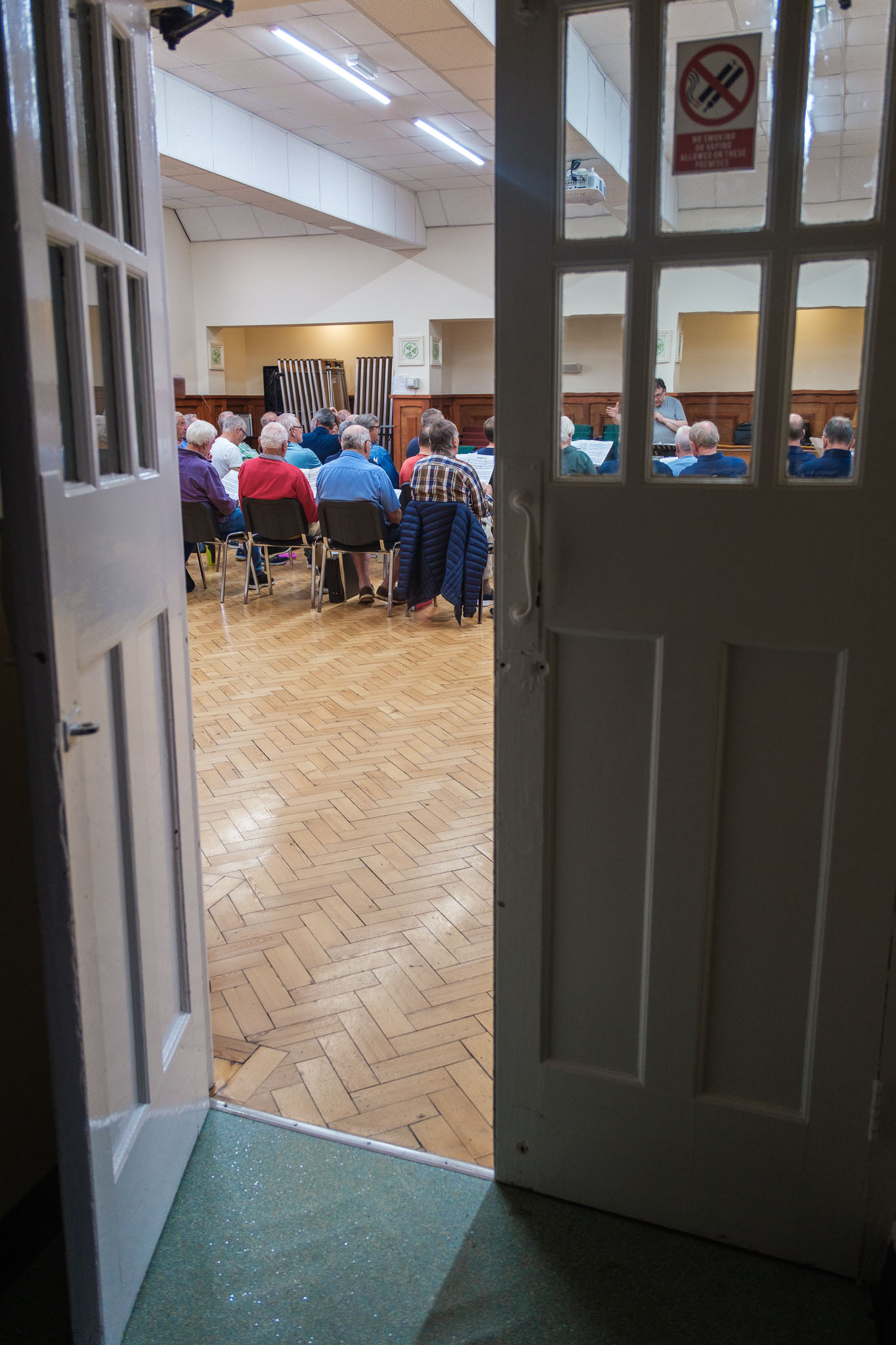
Part 1? I know! My original plan was to go along to meet the Porthcawl Male Voice Choir at a practice session to meet the members and get some pictures. After making initial contact, Ian Williams (PR for the choir) gave me a list of opportunities I could use to take some photos. Initially tempted to roll a few events into one post, I felt it would better do the group justice to post different events as separate posts – so expect to see parts 2 on after I attend their annual concert and catch them at other events too 🙂
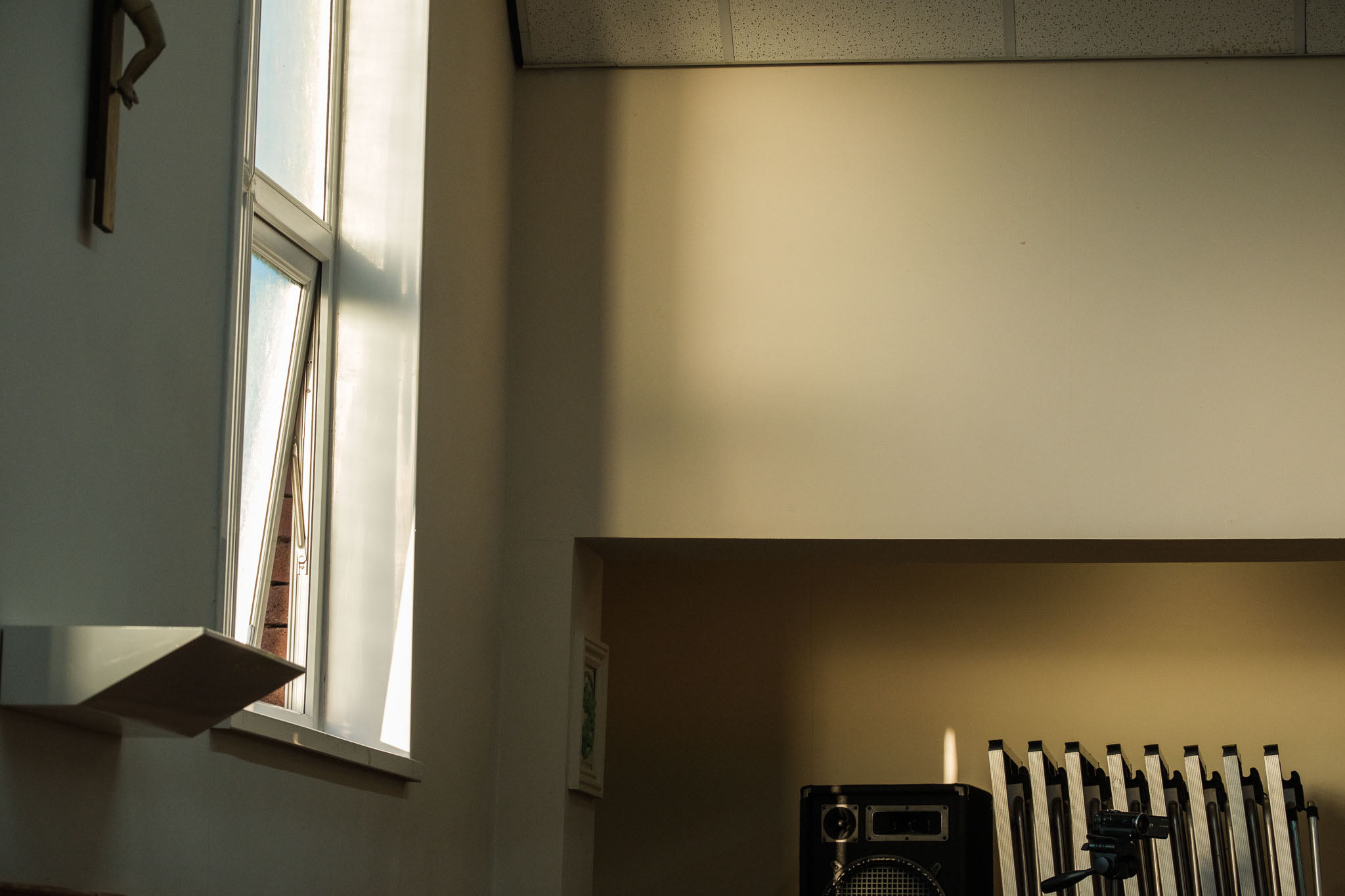
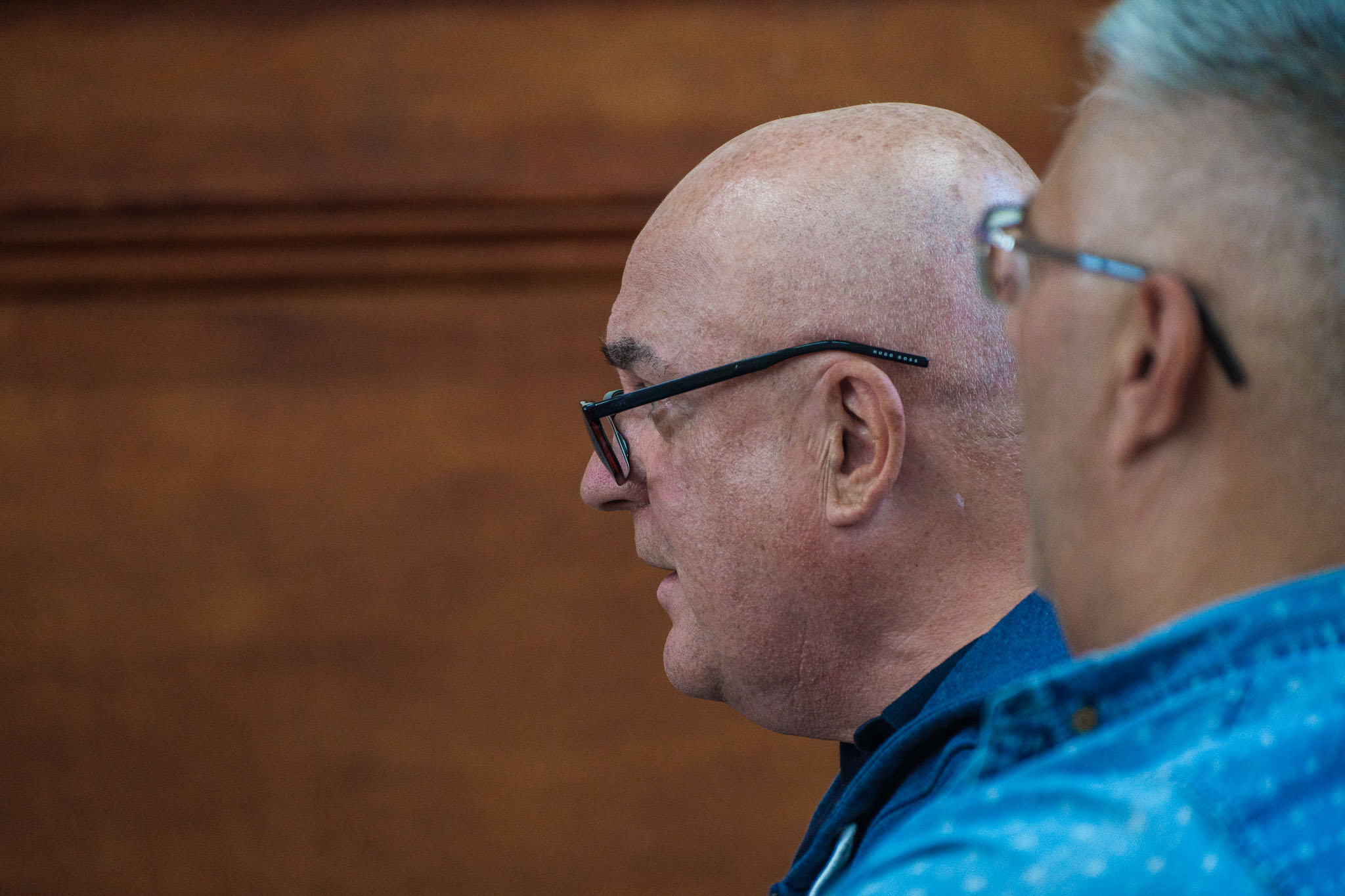
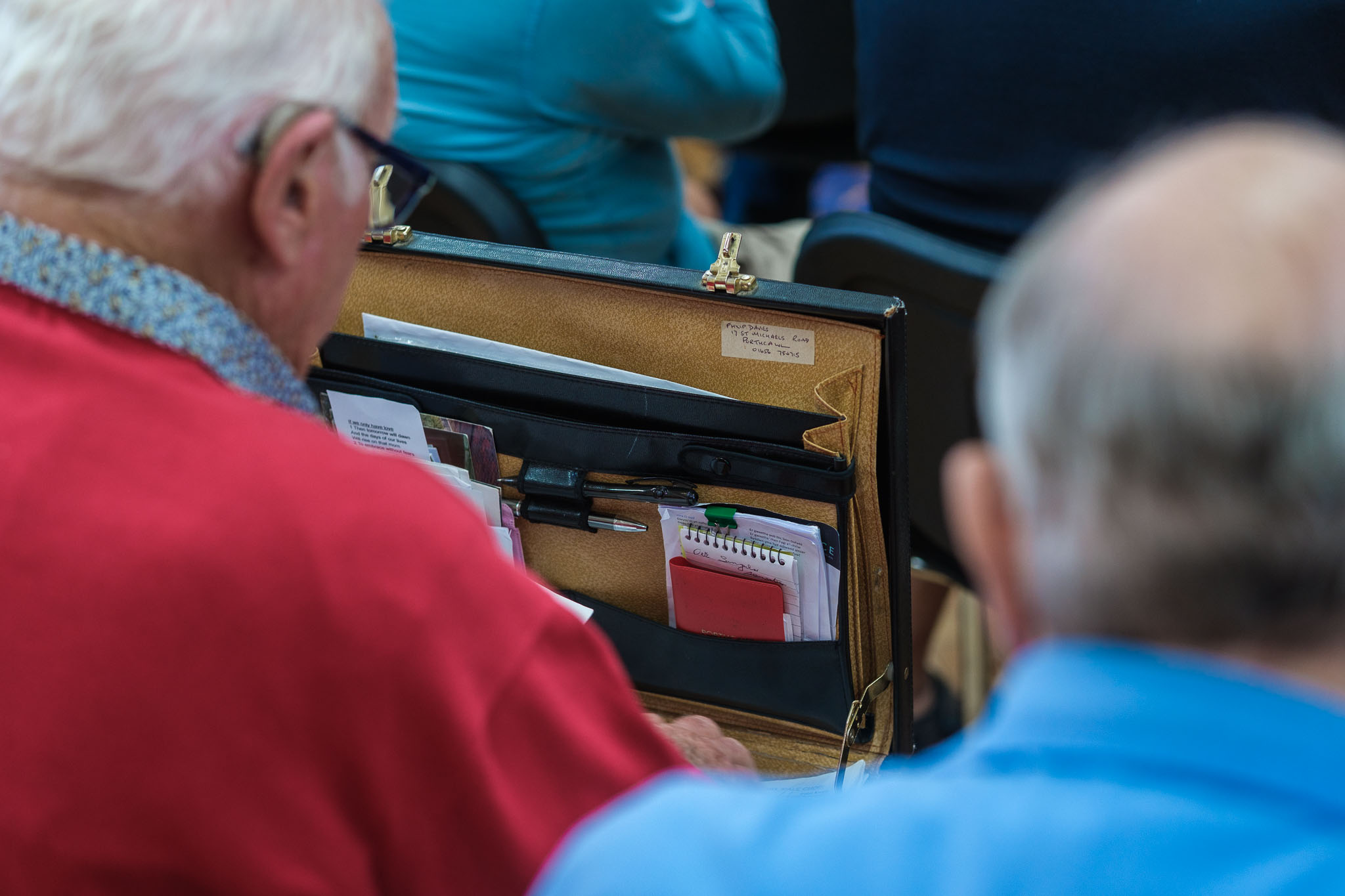
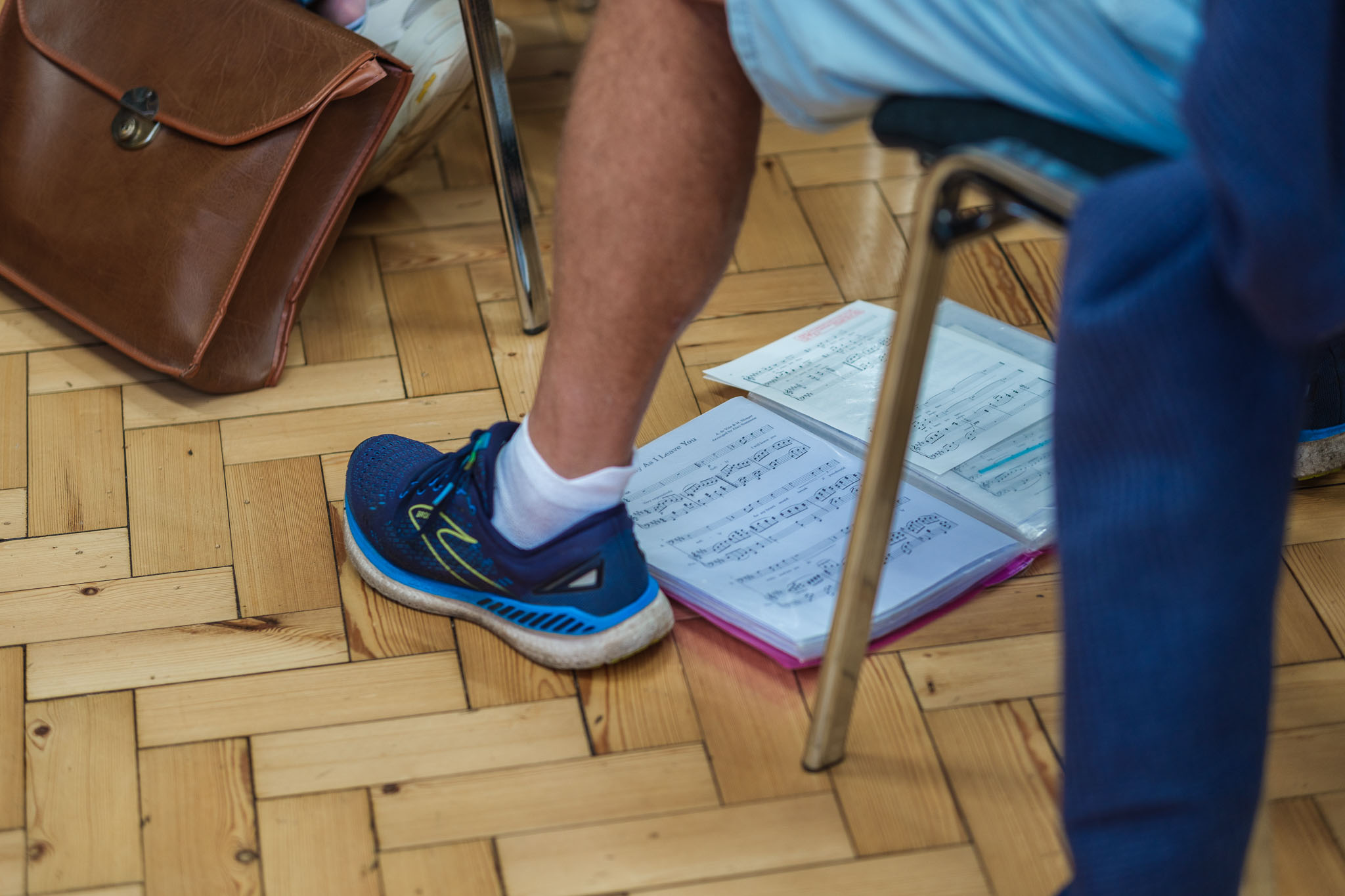
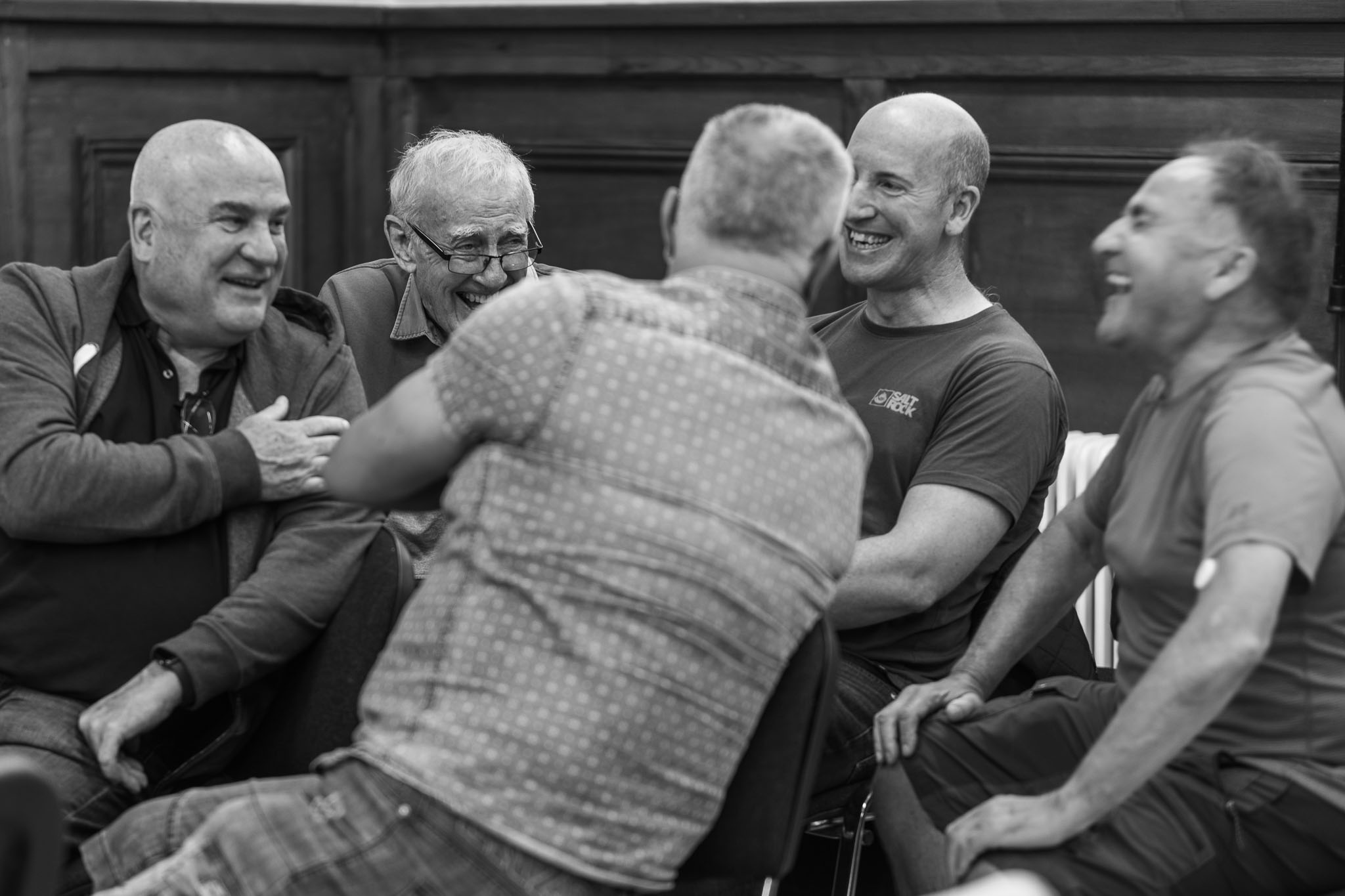
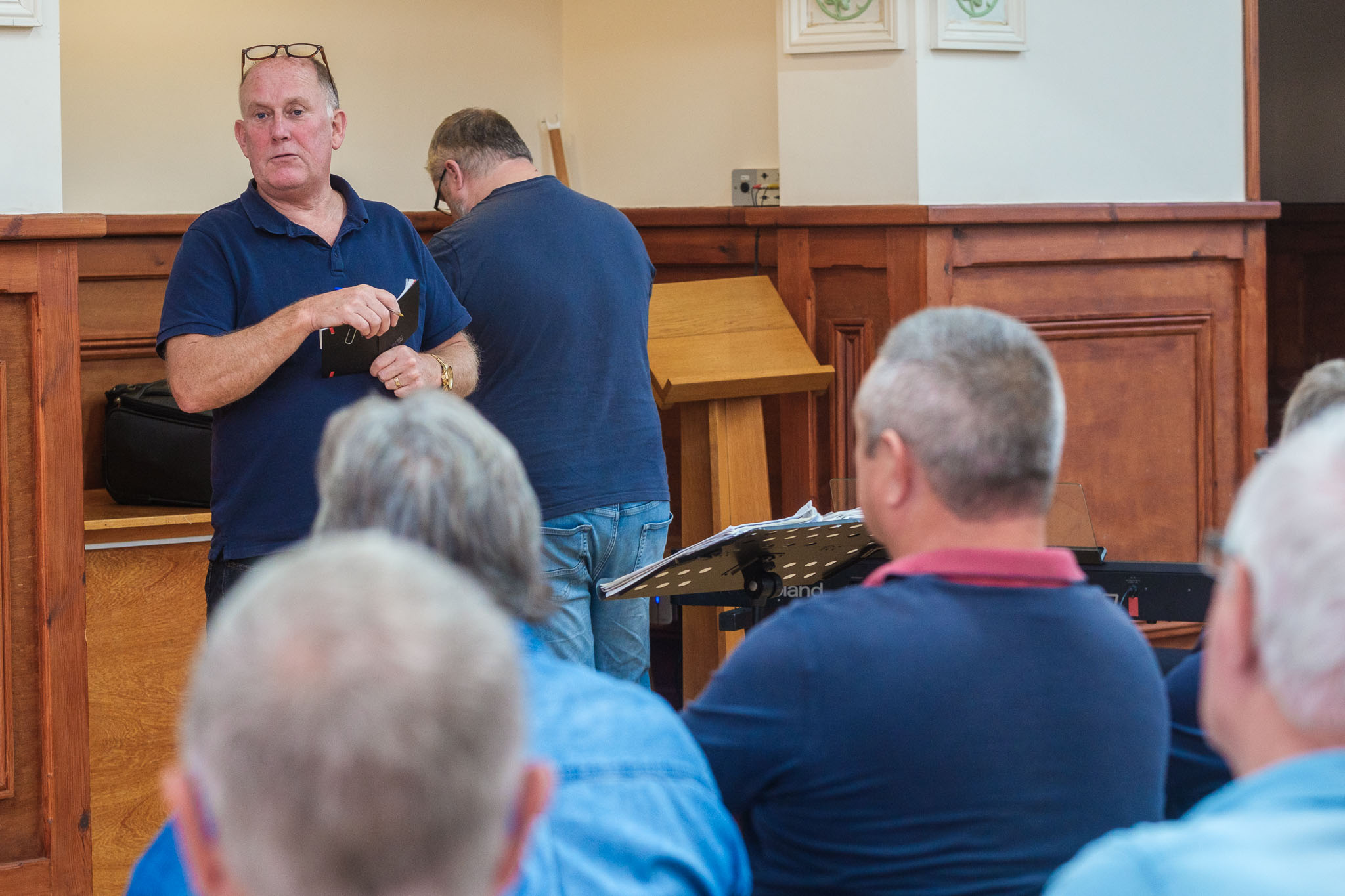
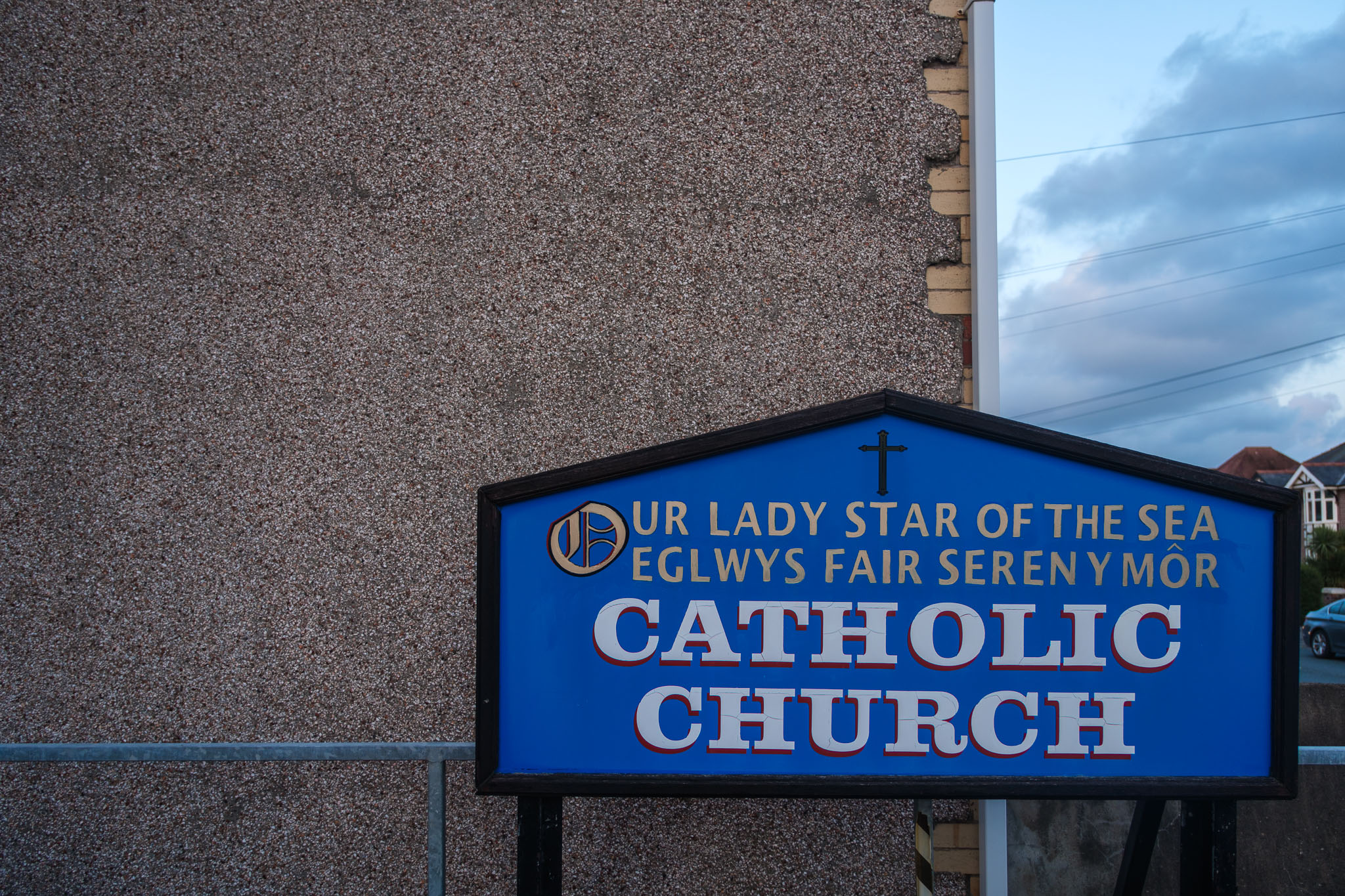
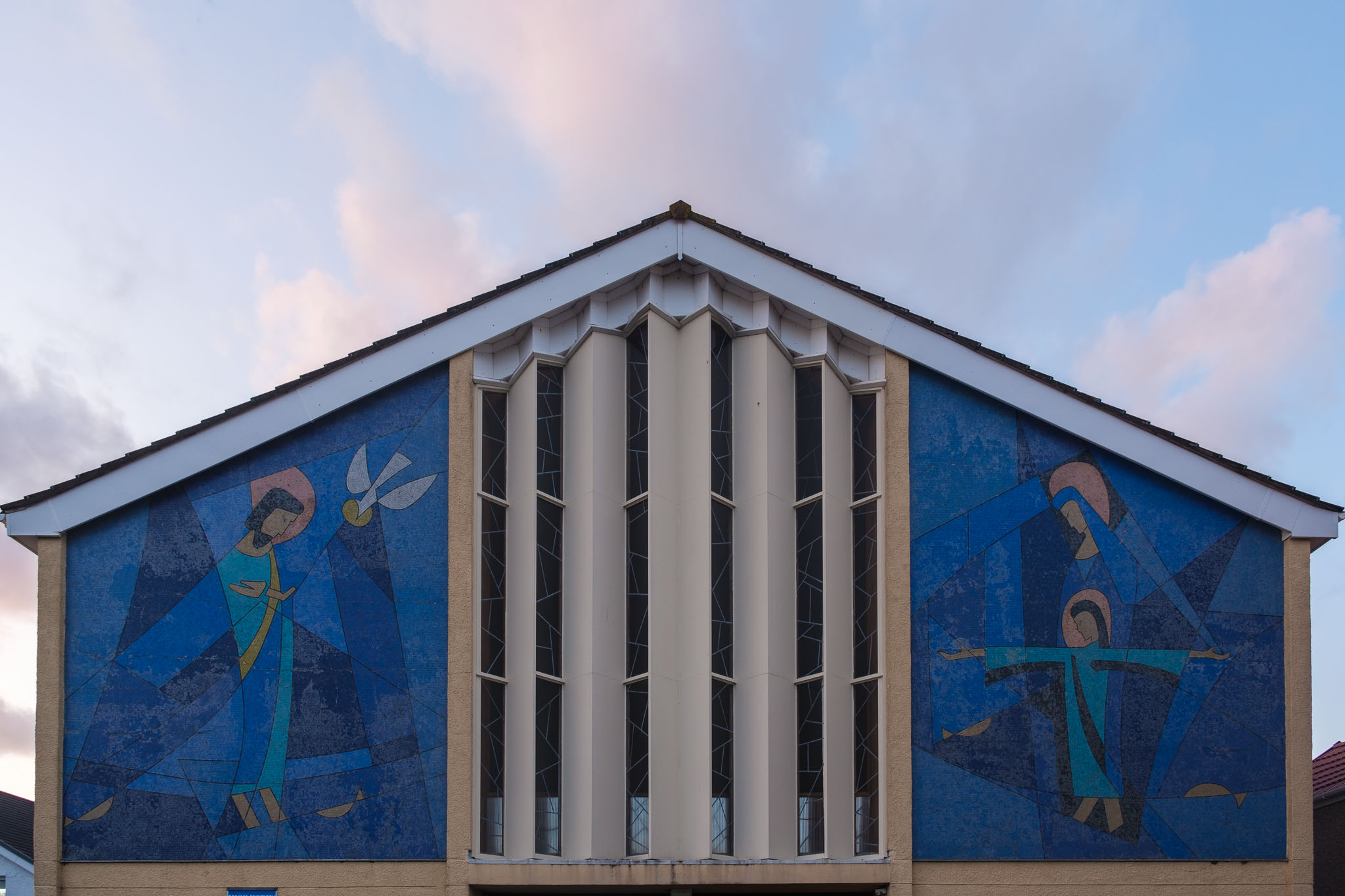
A bit of background on the group – they currently practice in the “Our Lady Star of The Sea Catholic Church” on New Road, Porthcawl, but were established in January of 1980 when they (then 14 members) started to practice at St. John’s Church Hall in Newton. The group expanded quickly, so quickly that after 6 months St. John’s booted them out! Their history and successes since then are numerous, both of which are detailed on their website. The group were incredibly welcoming and I encourage anyone who has even a slight interest in joining to make contact. As well as the social aspect, many of the group advocated for how having to learn lyrics and songs kept them mentally active.
Though the plan for these posts was to document and move on, I thoroughly enjoyed attending their practice session at the church, and am looking forward to posting more from them over the next few months.
This is the first post where I have included videos – if the camera work is too bad just close your eyes and listen!
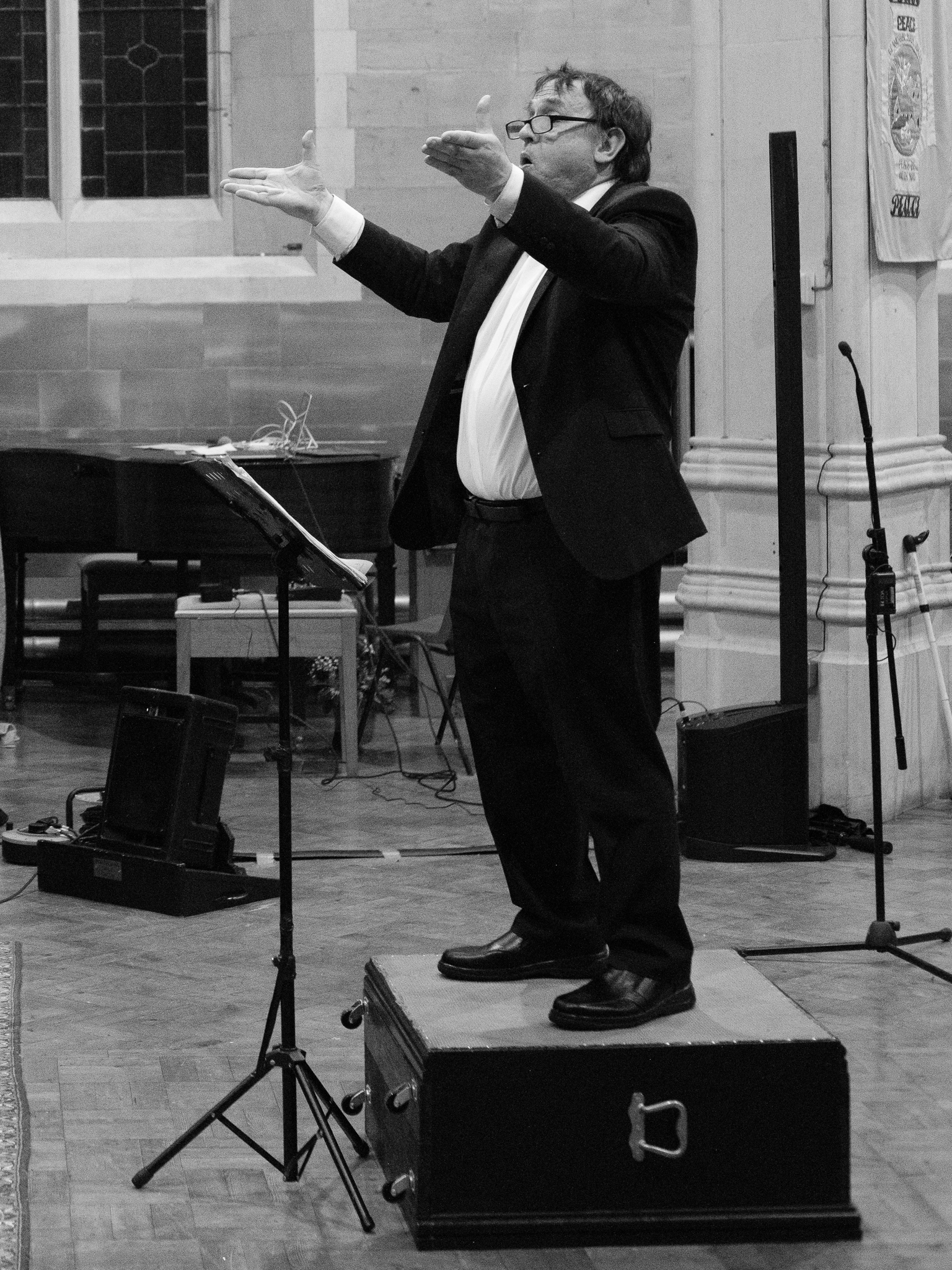
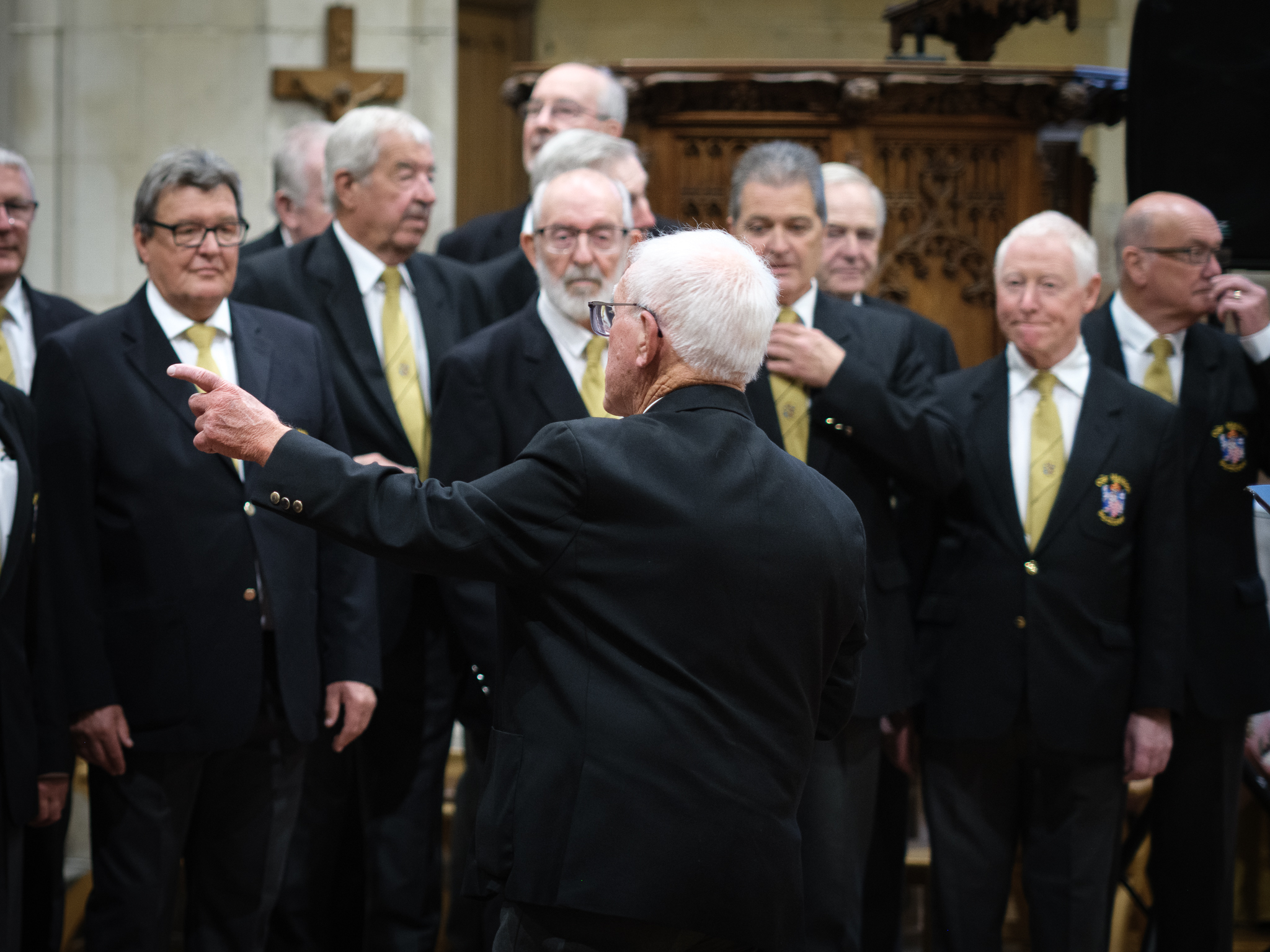
Musical Director Alec Brooks takes no prisoners if you miss your mark
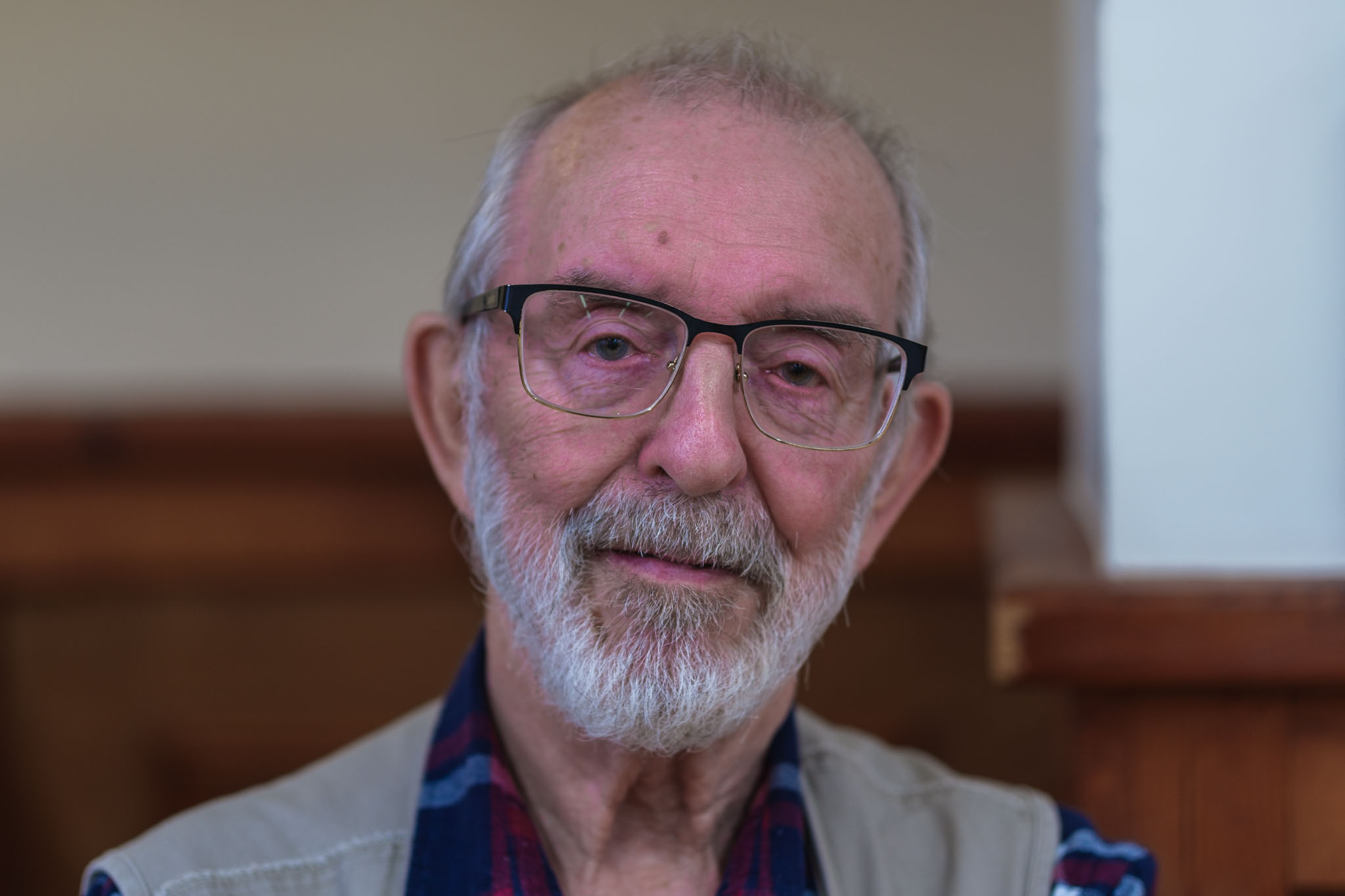
Two of the original founding members of the choir – Stuart Phillips and Roy Bowen.
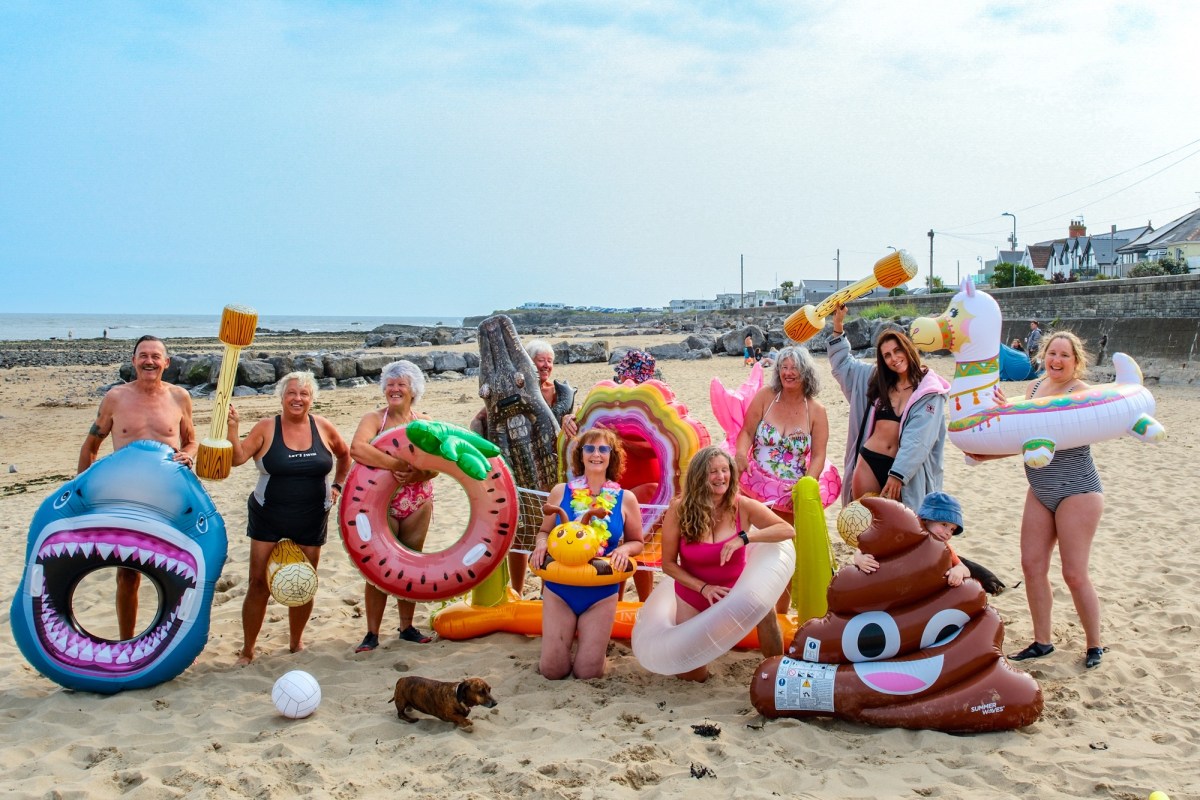
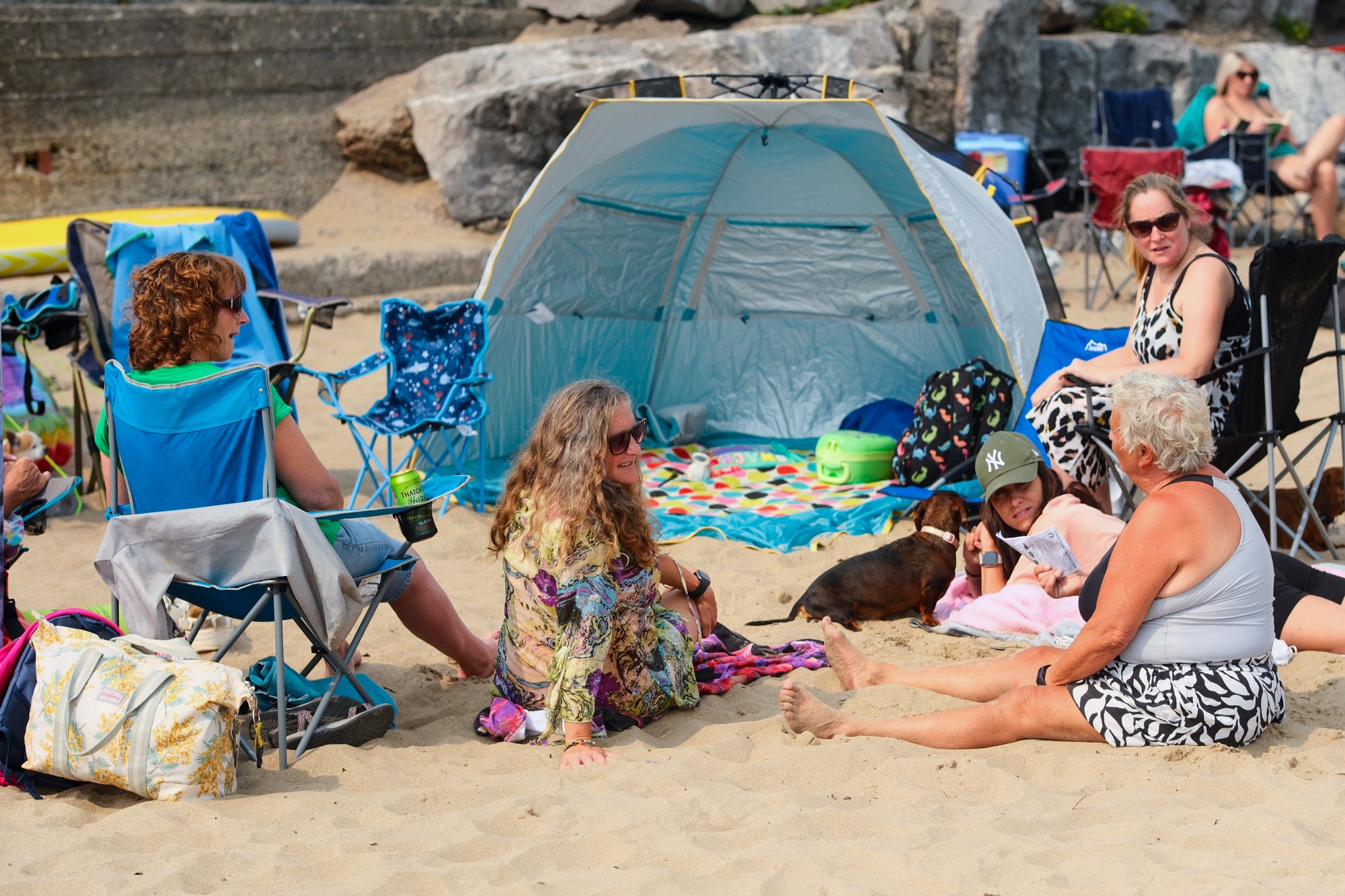
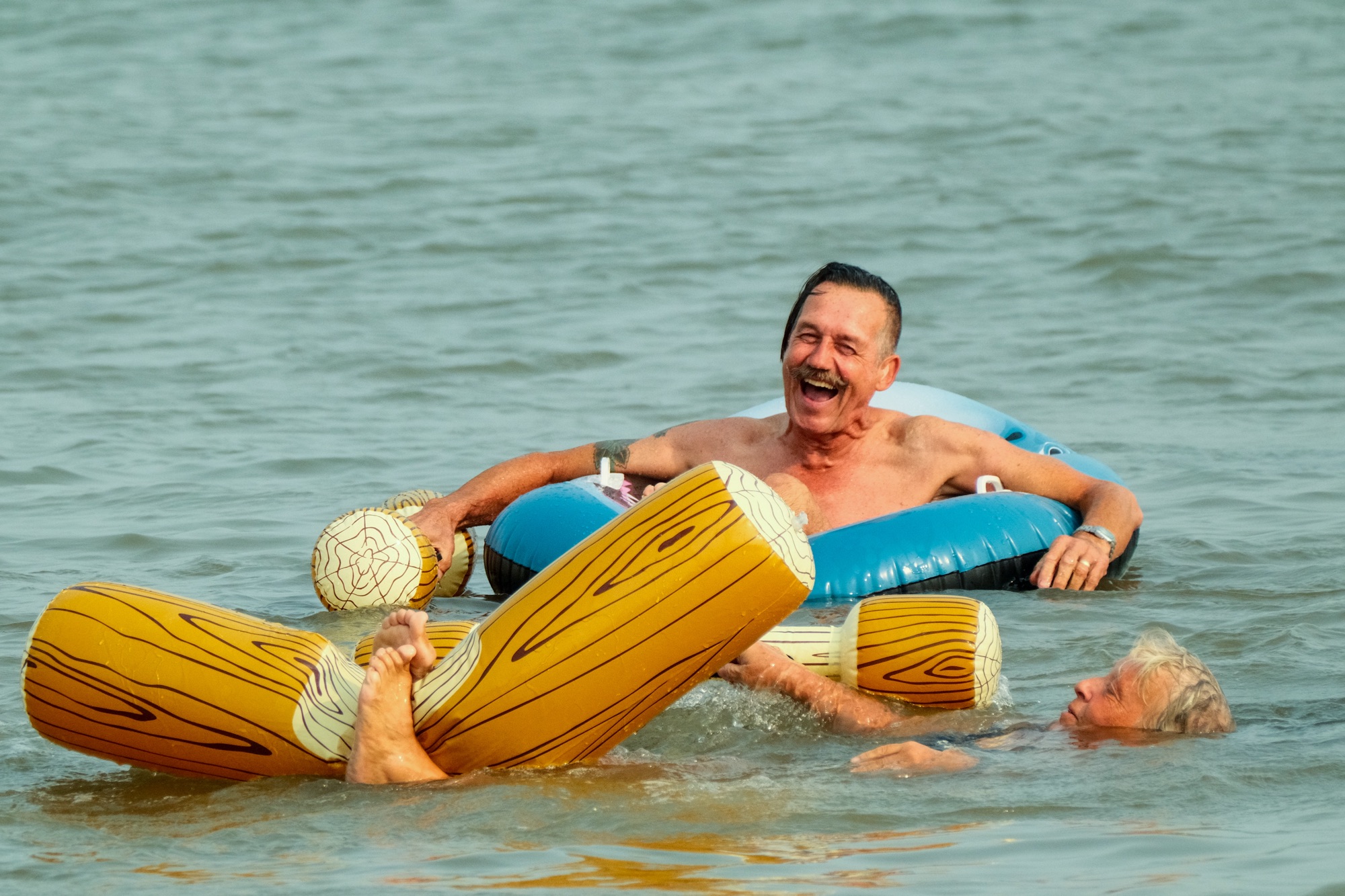
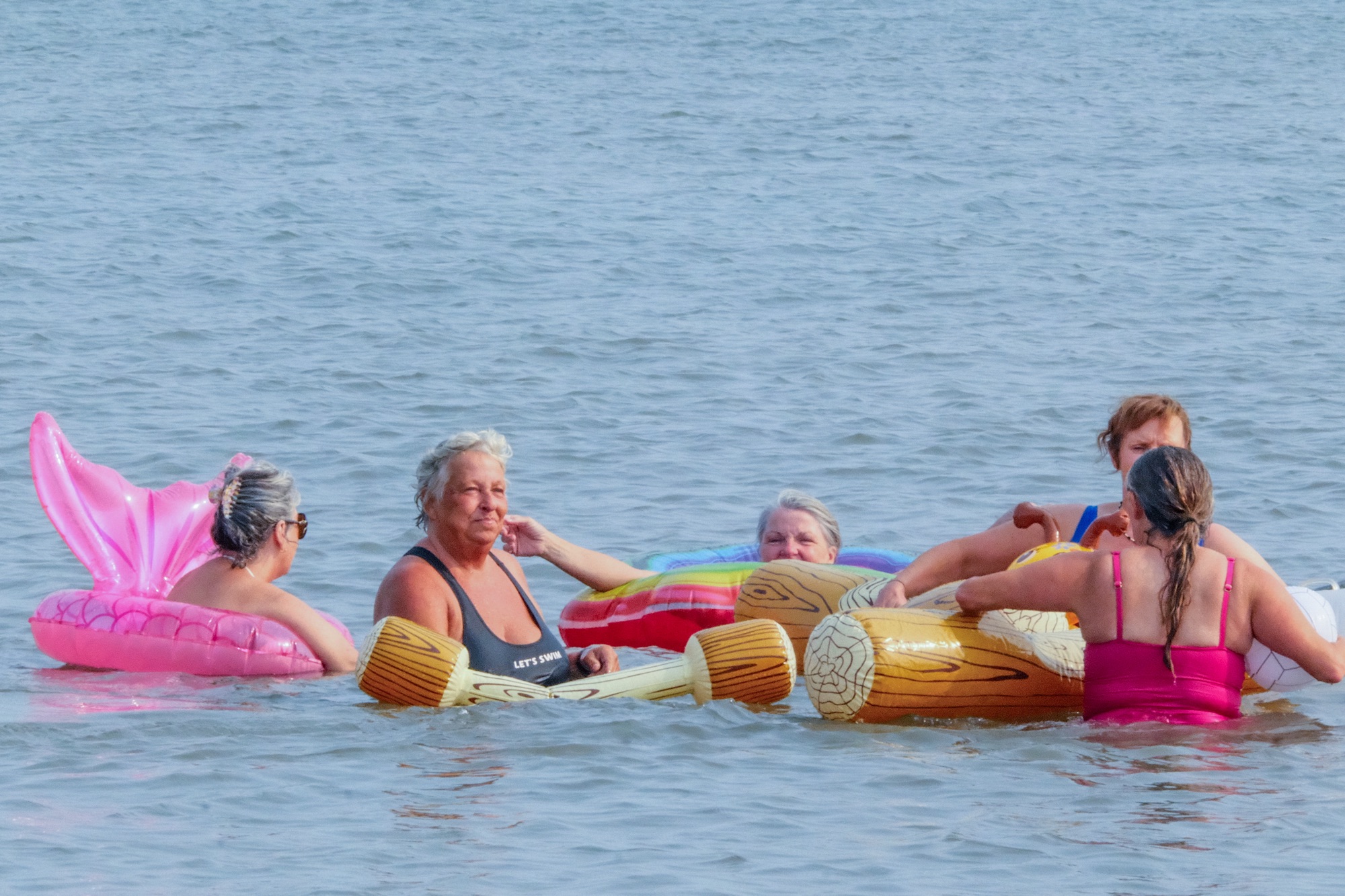
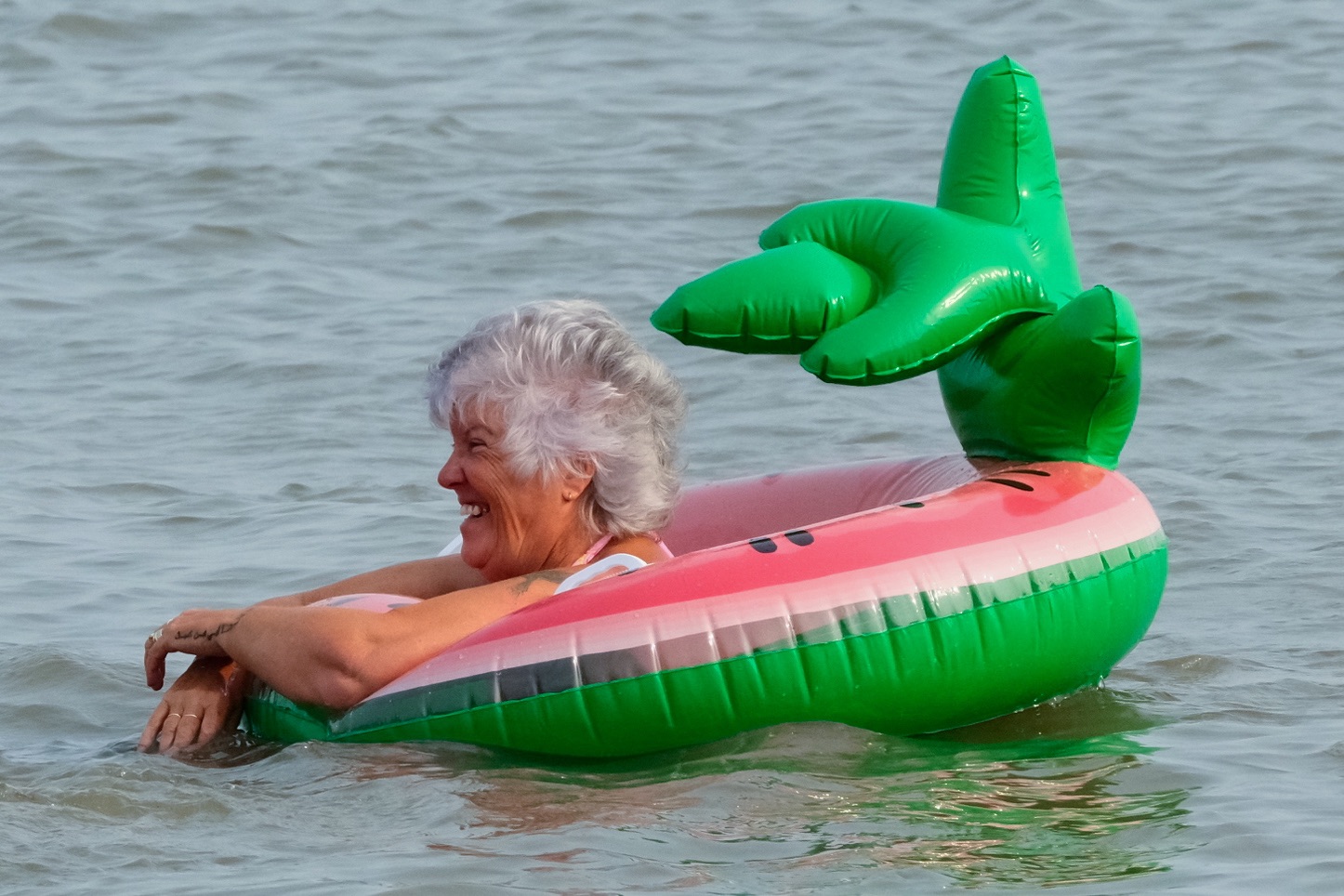
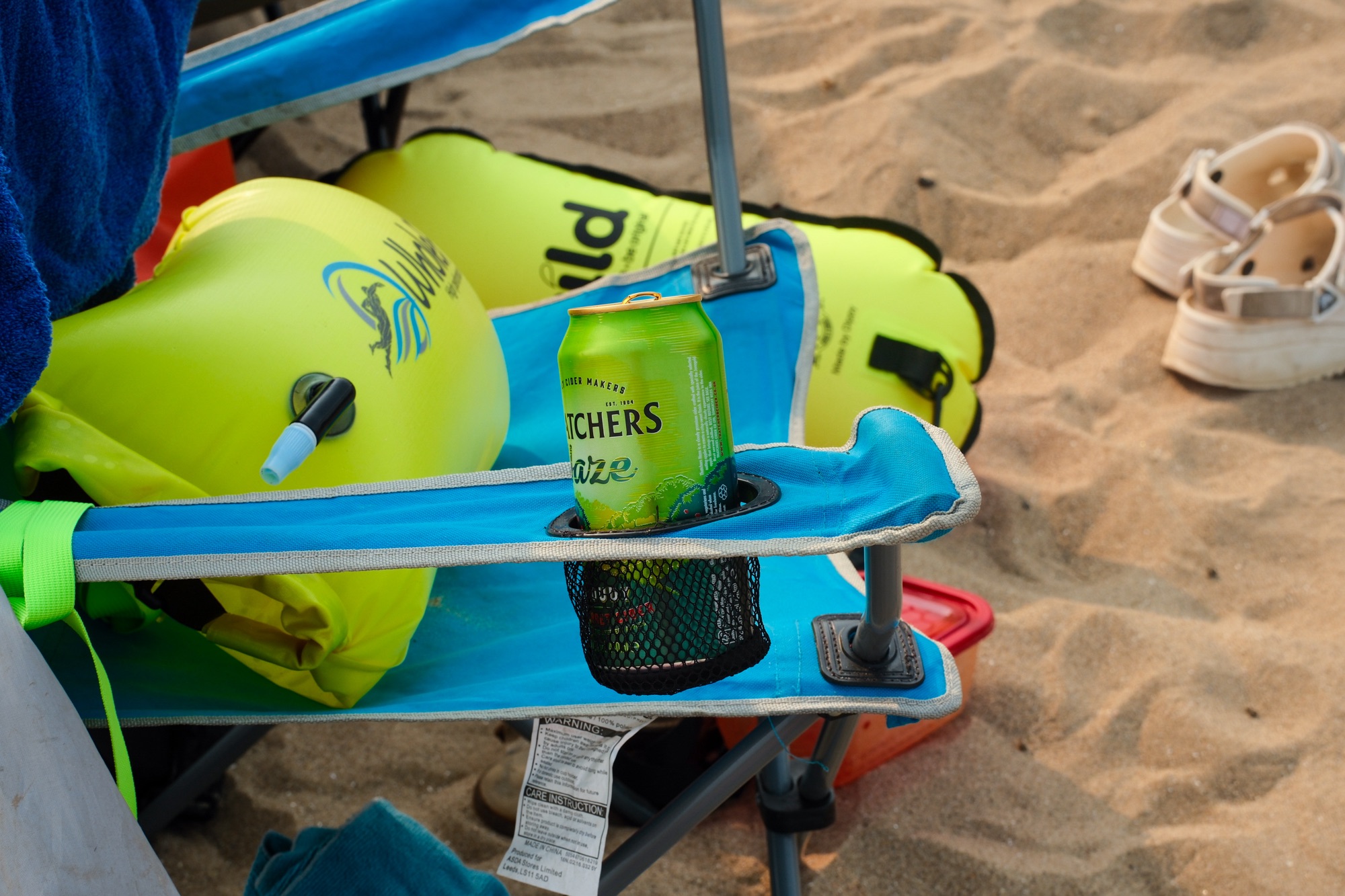
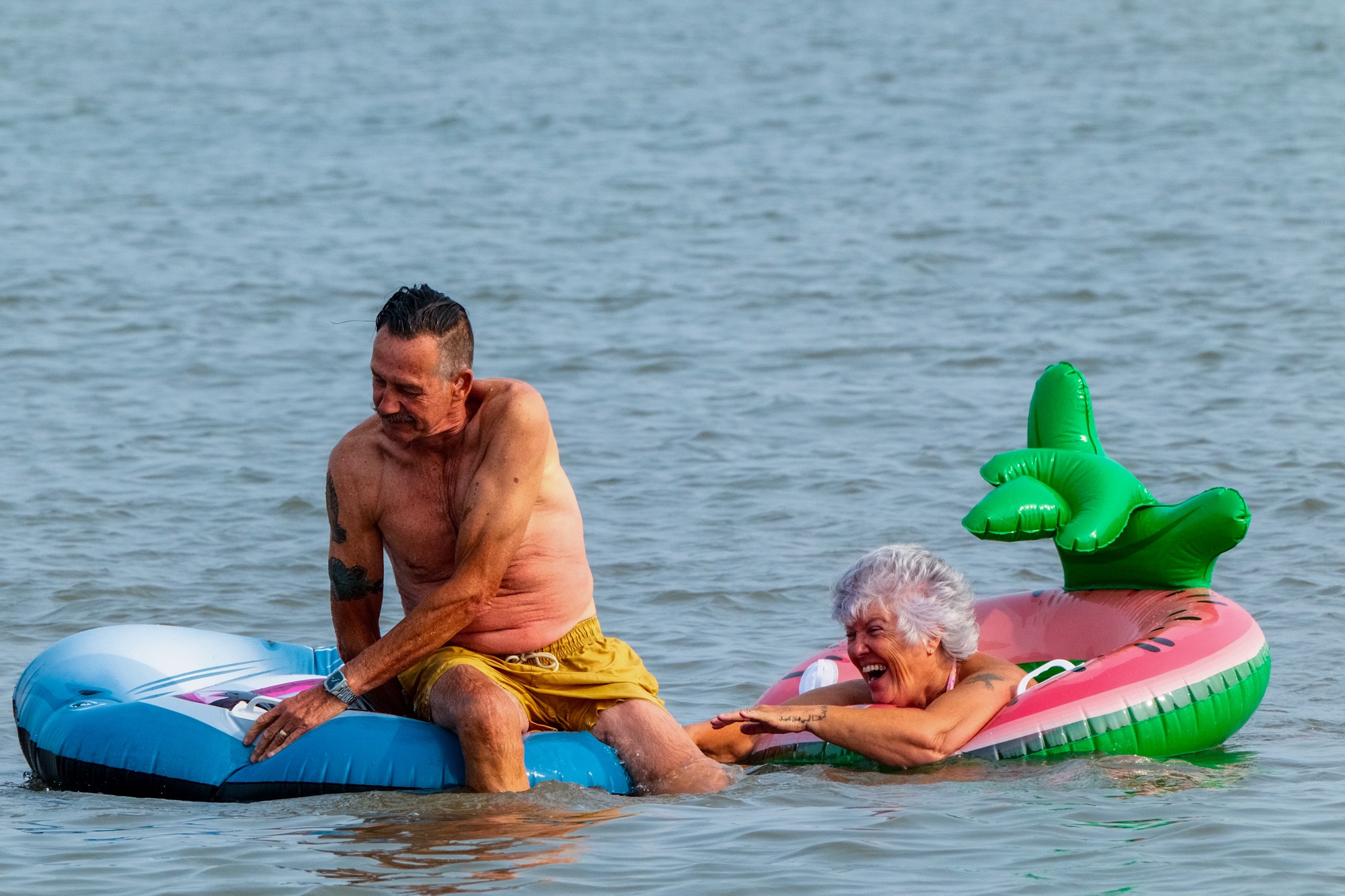
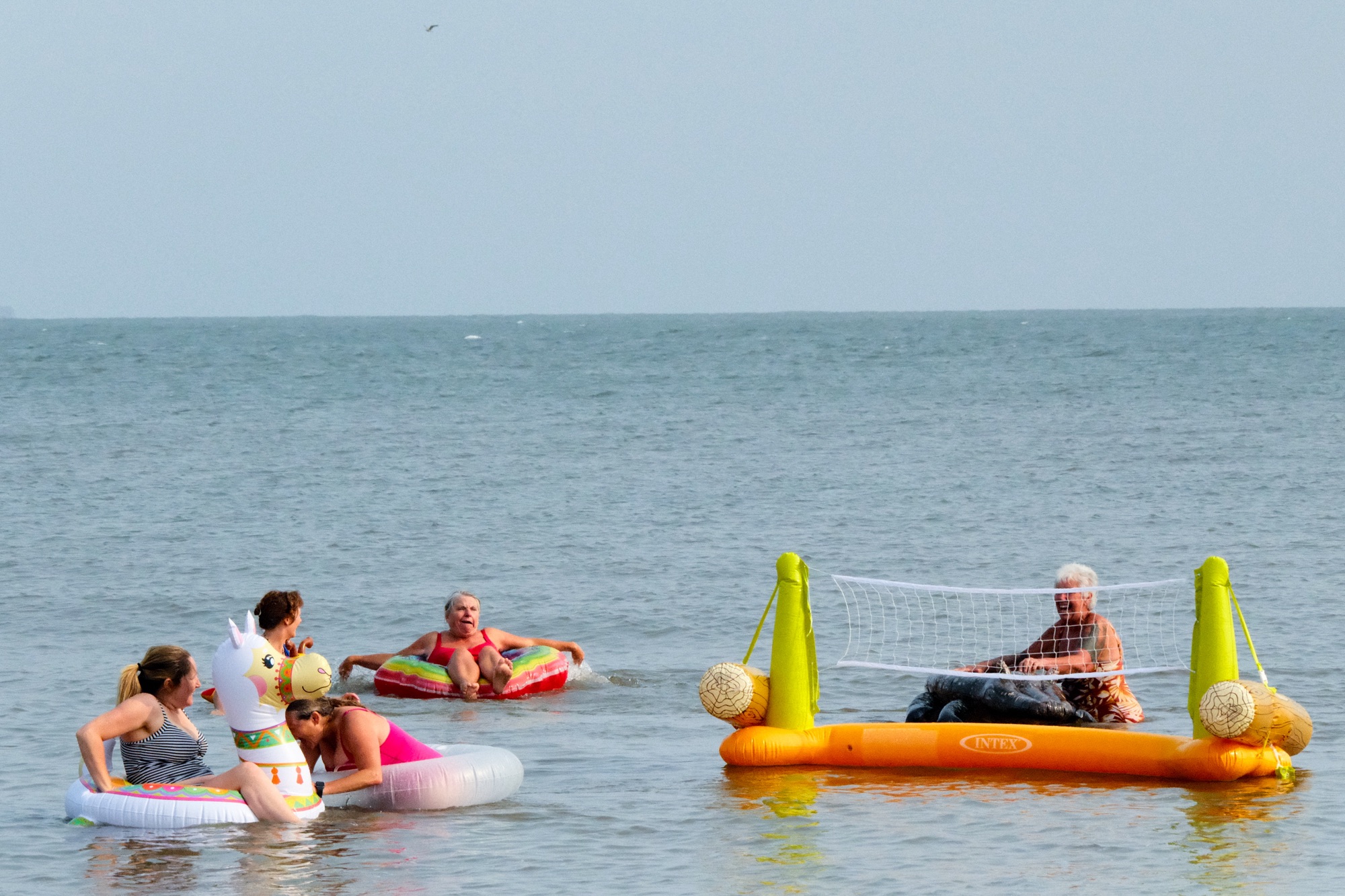
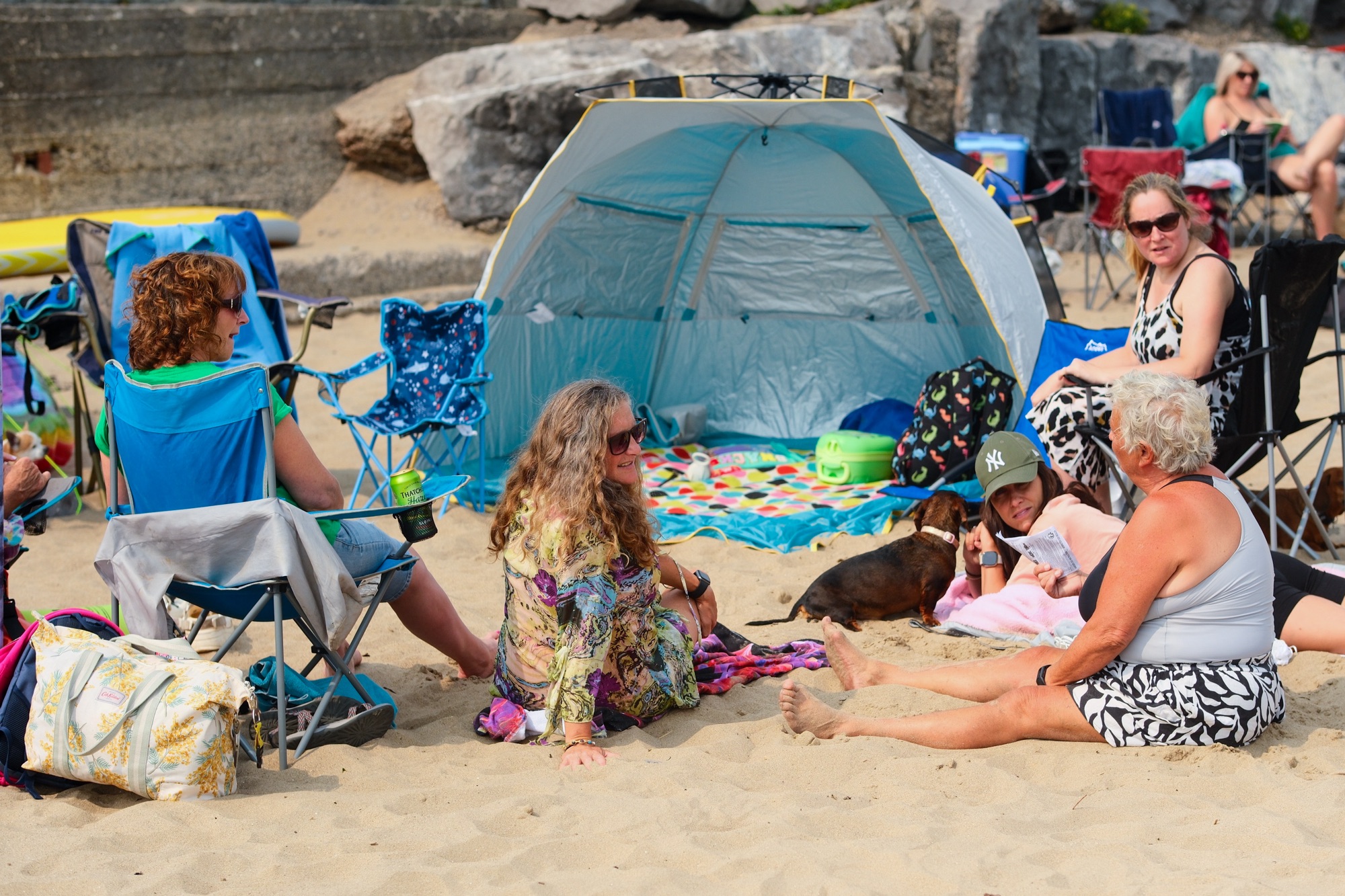
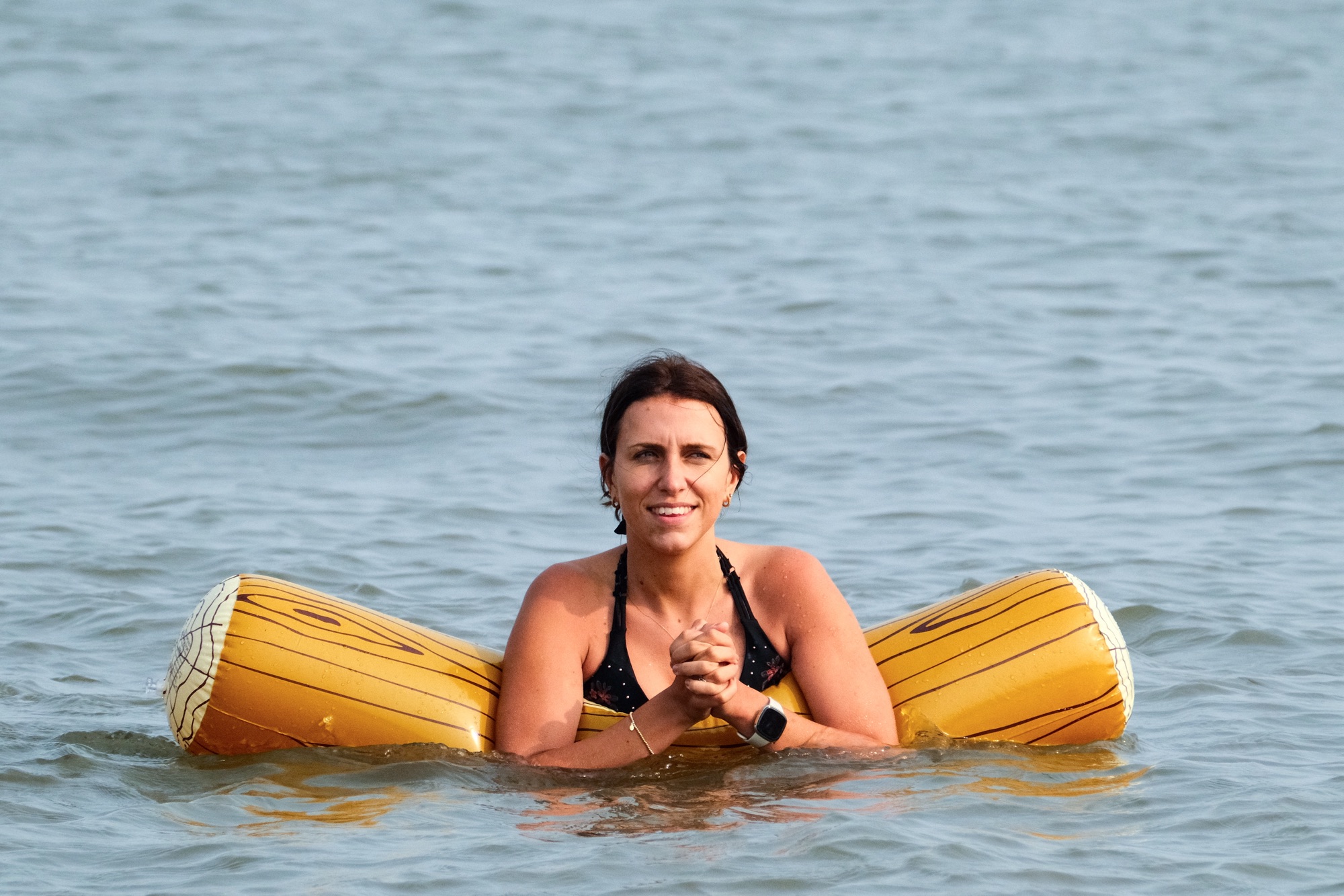
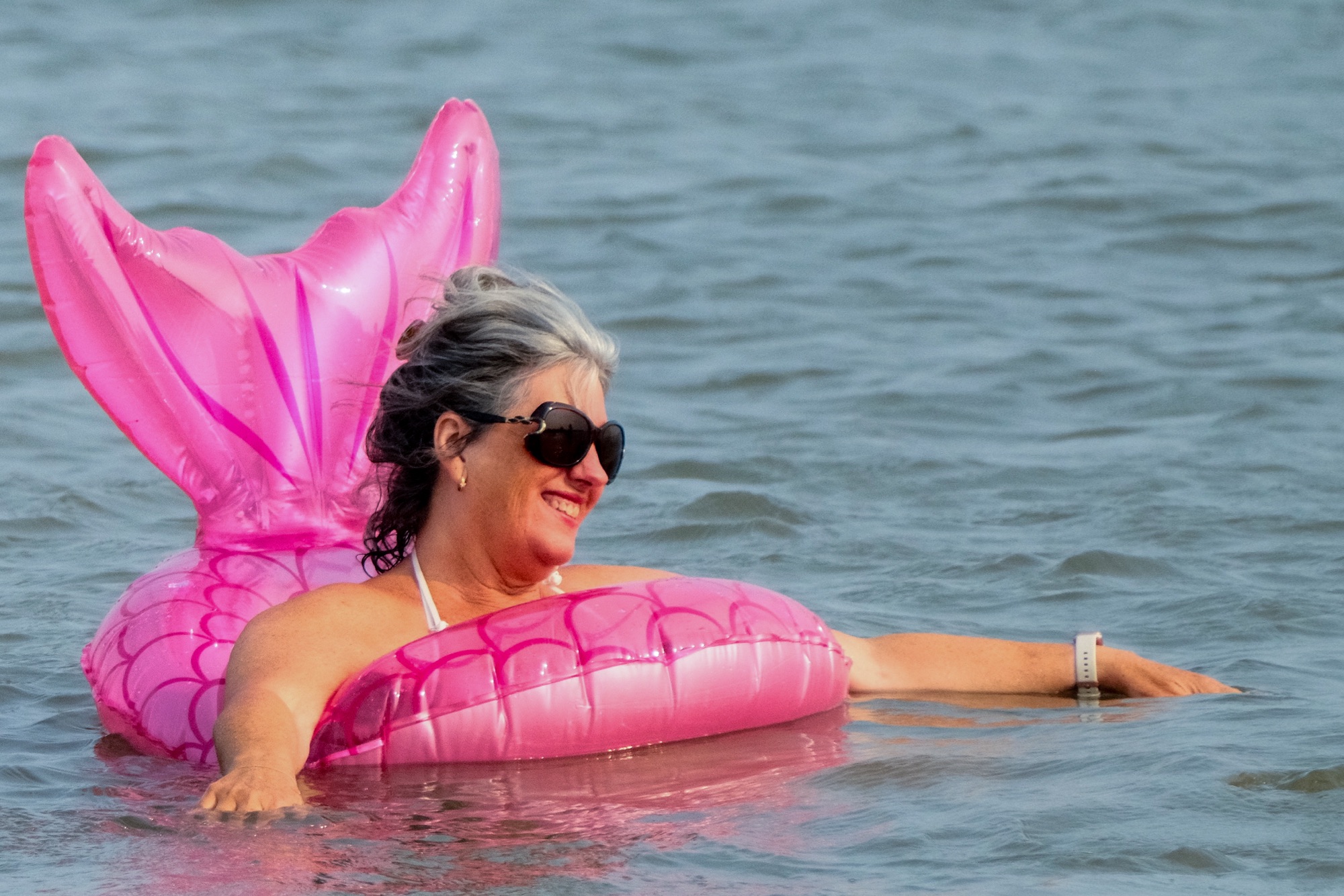
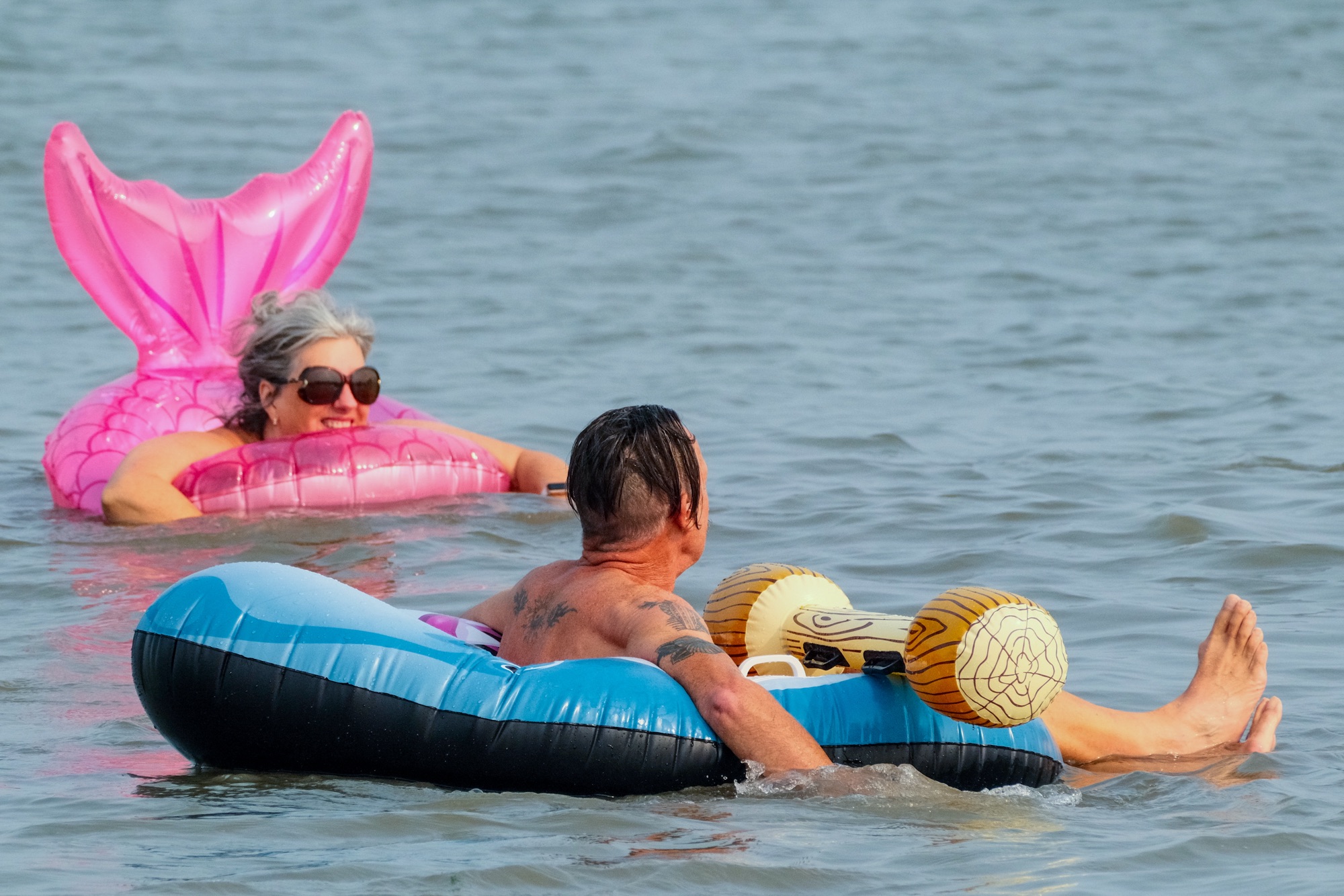
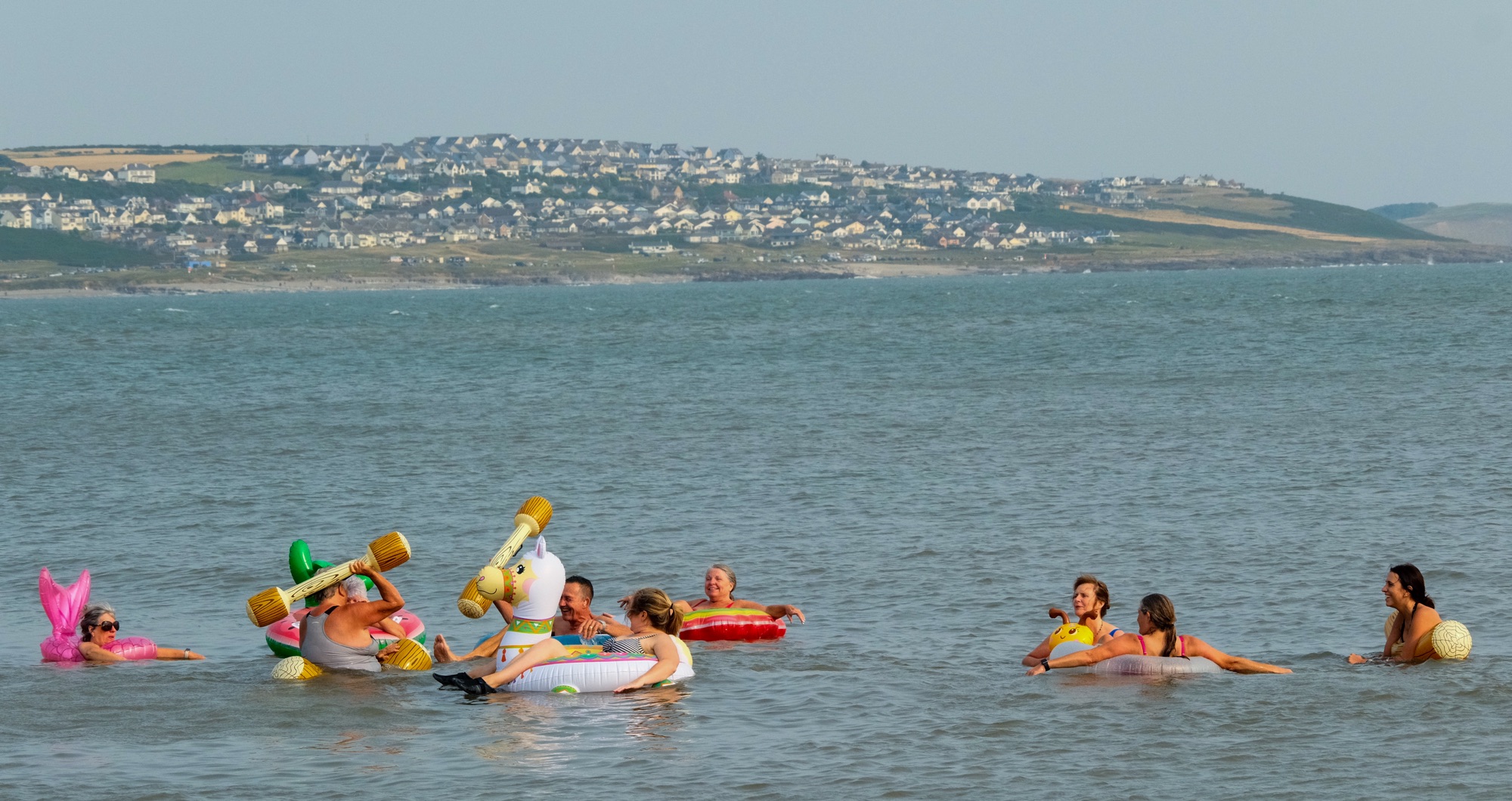
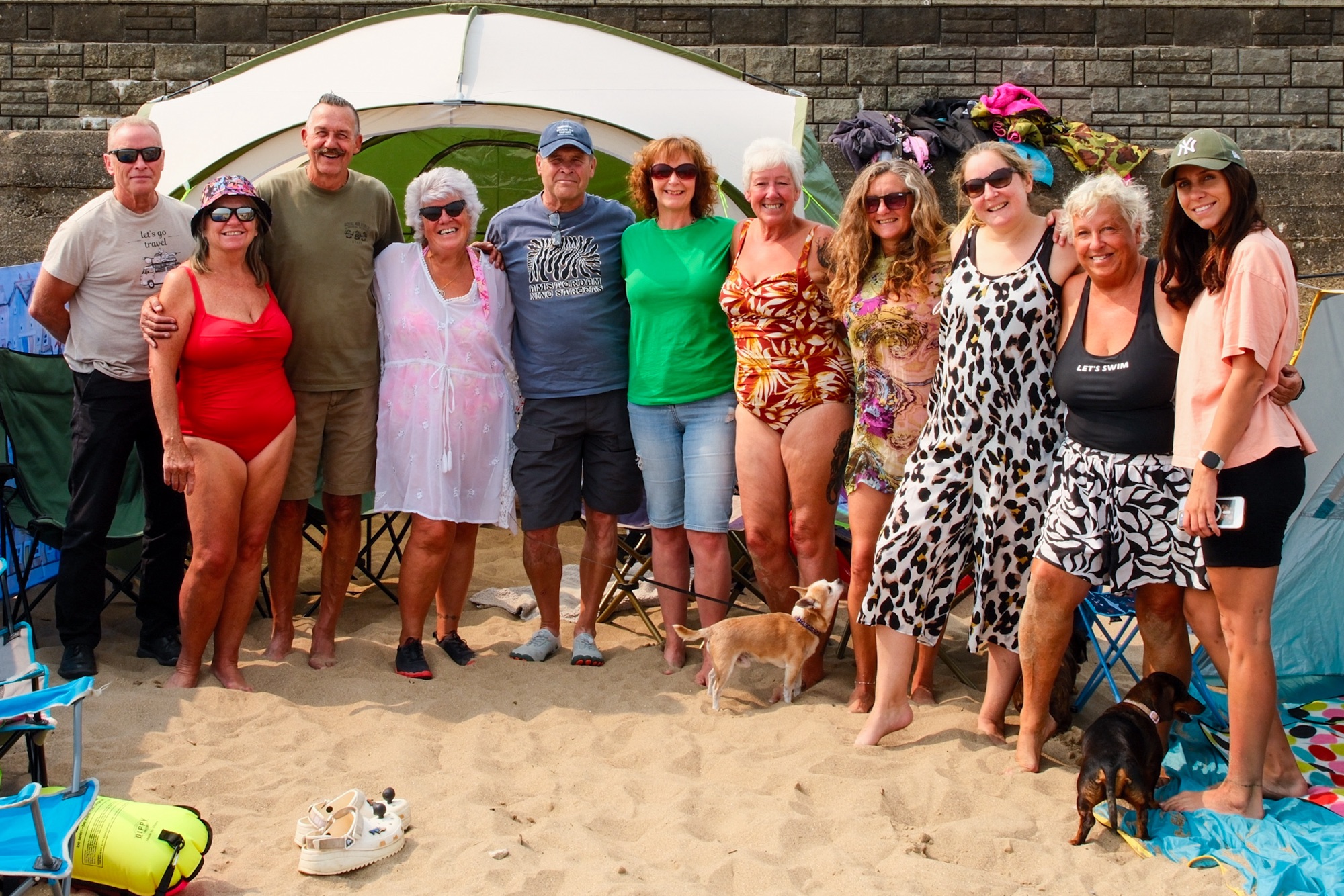
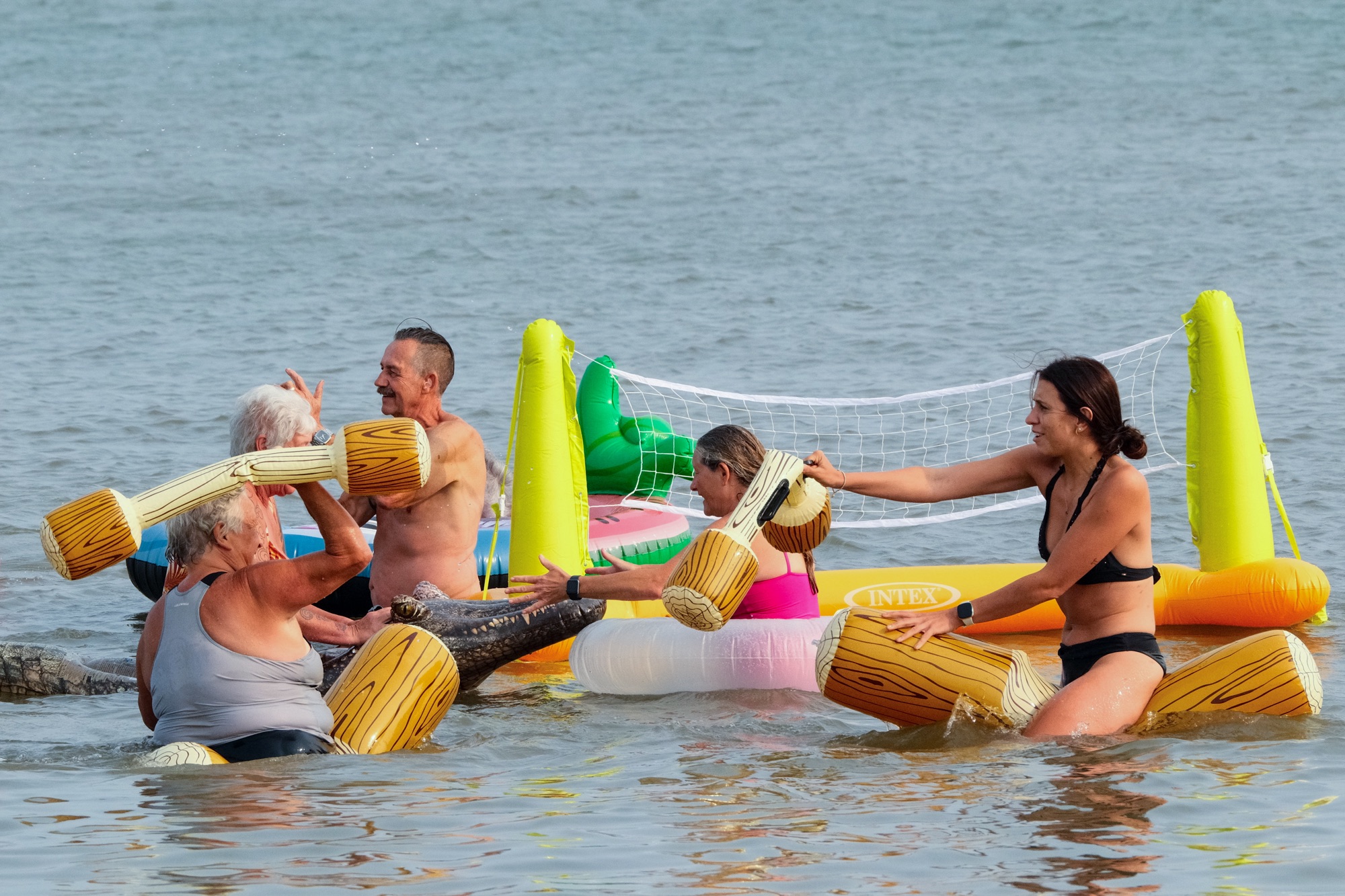
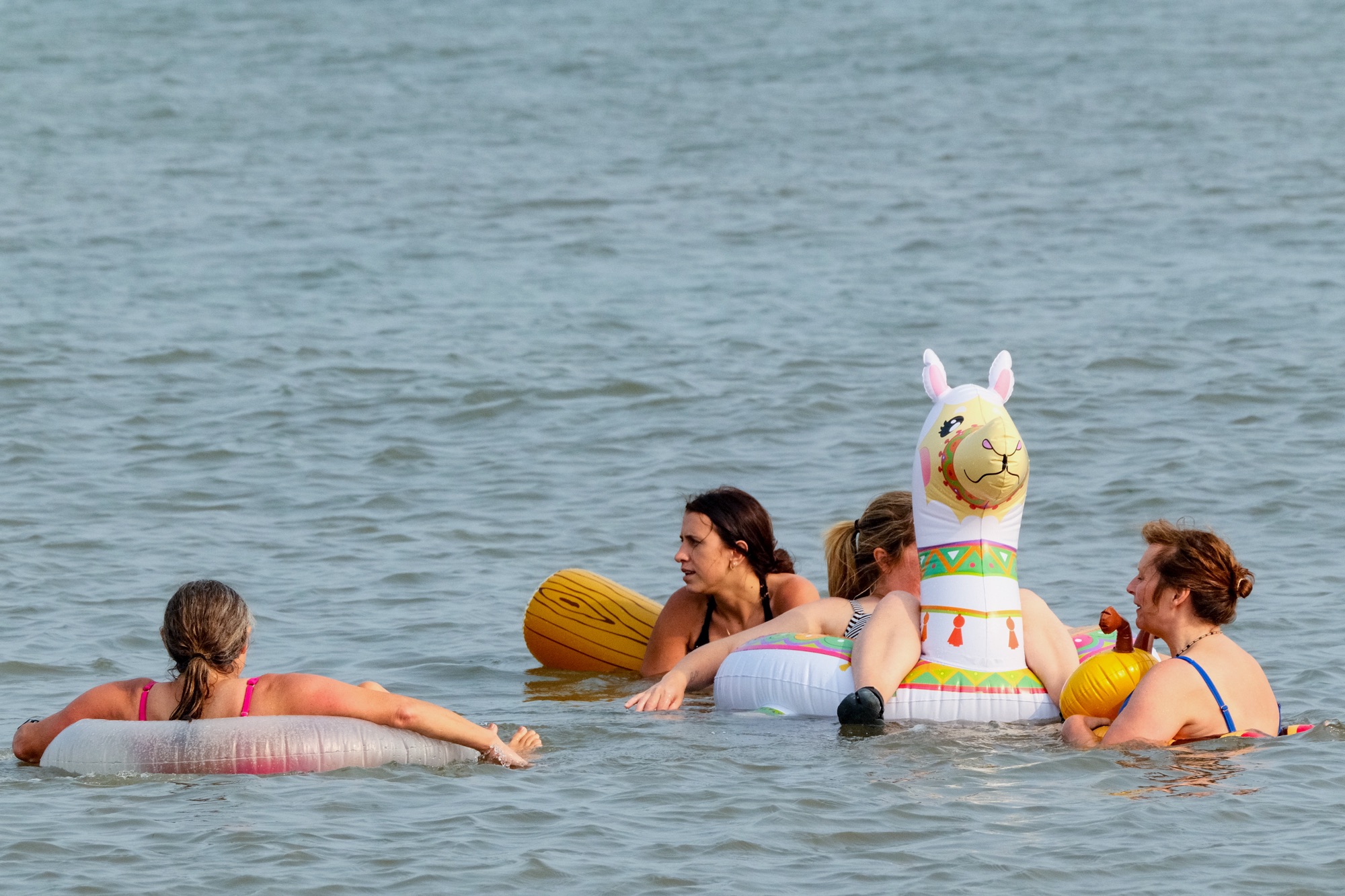
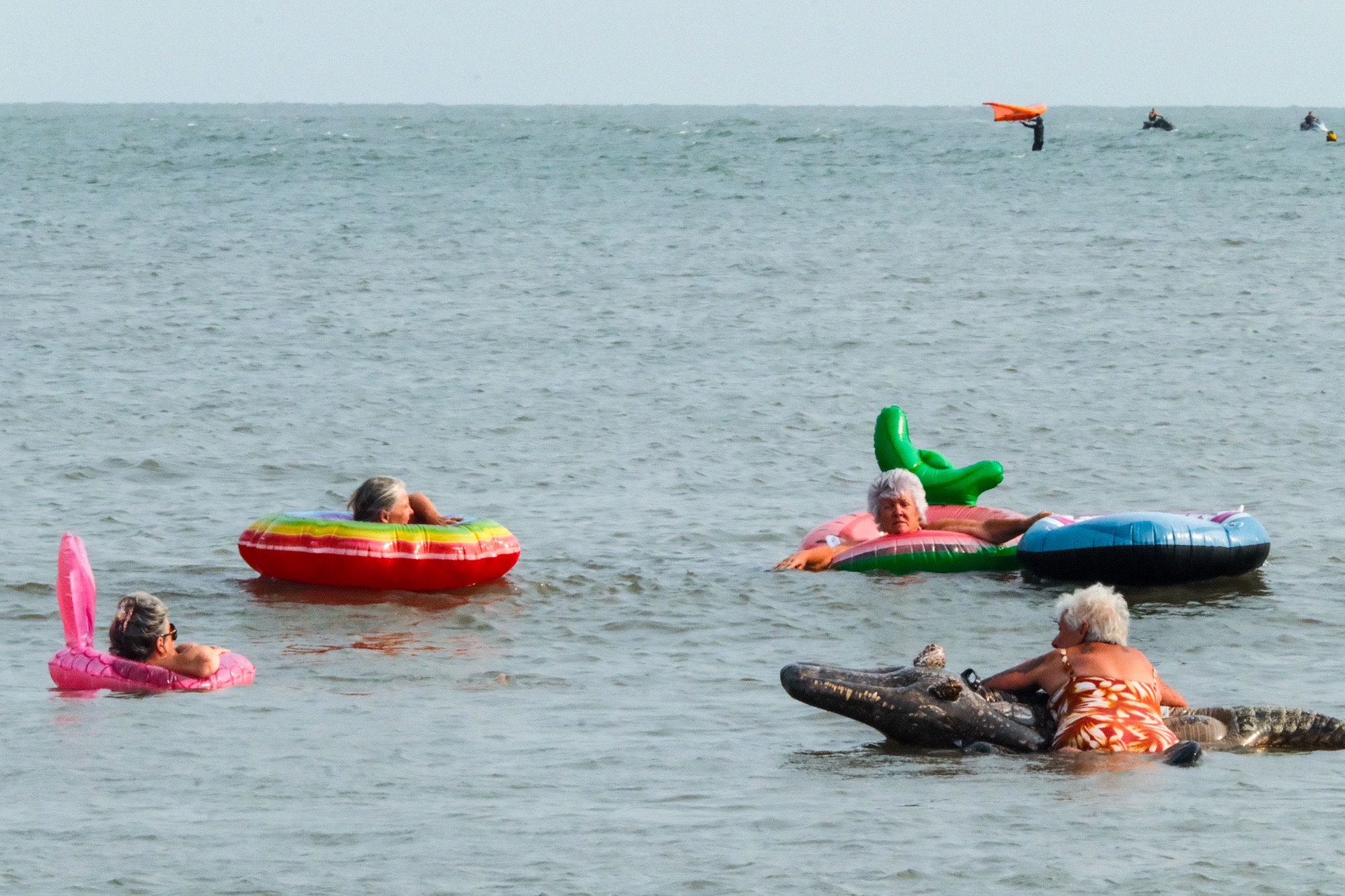
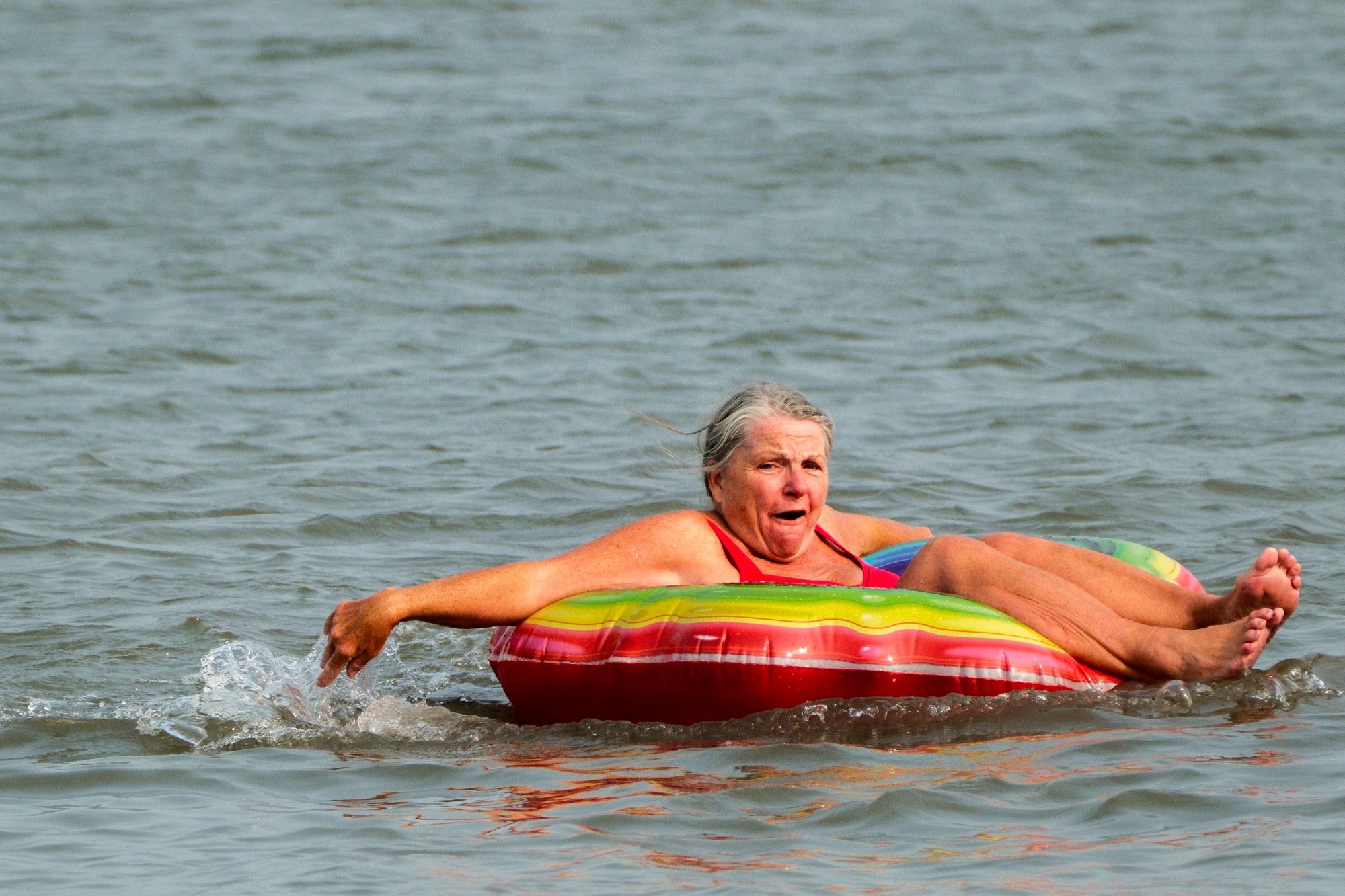
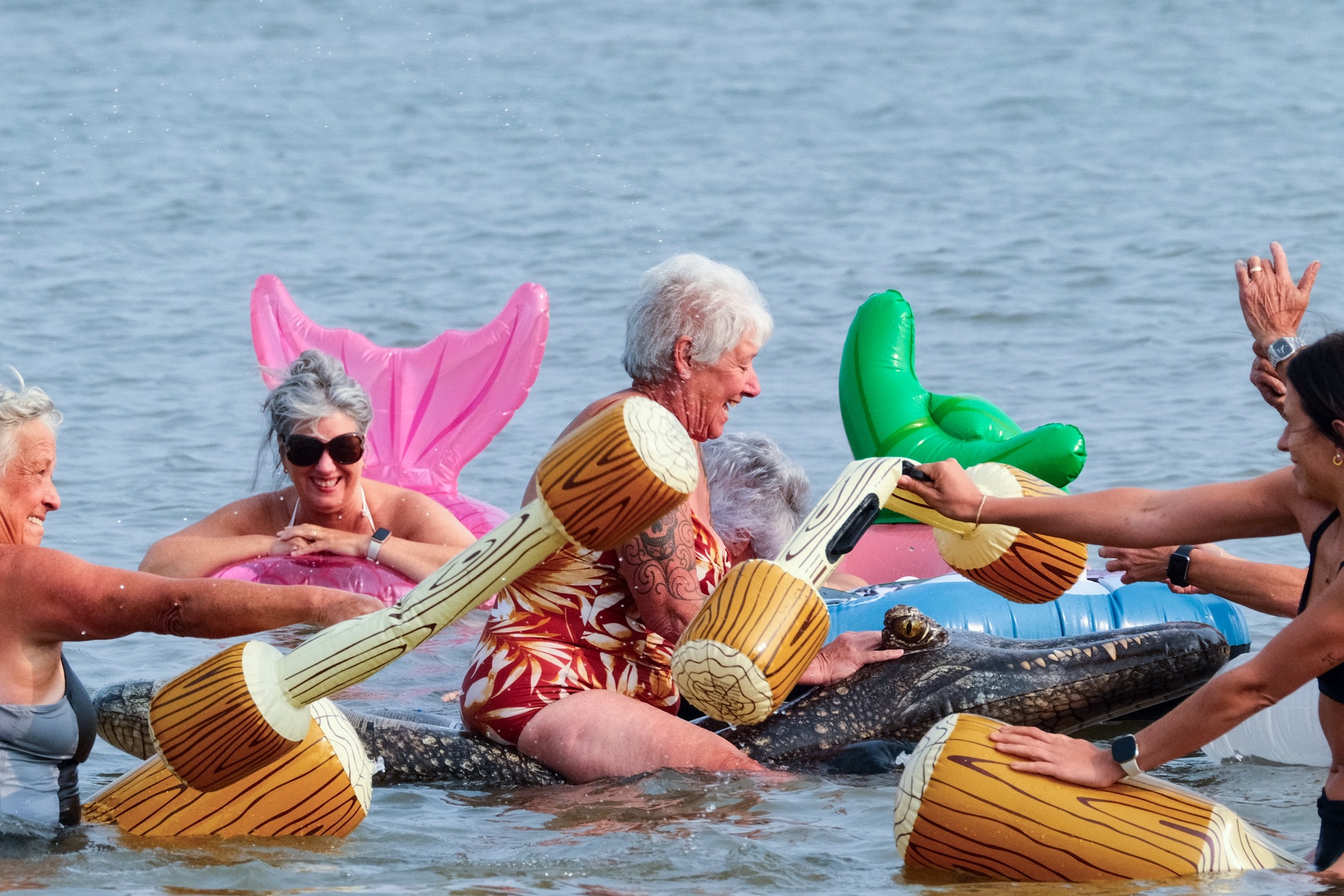
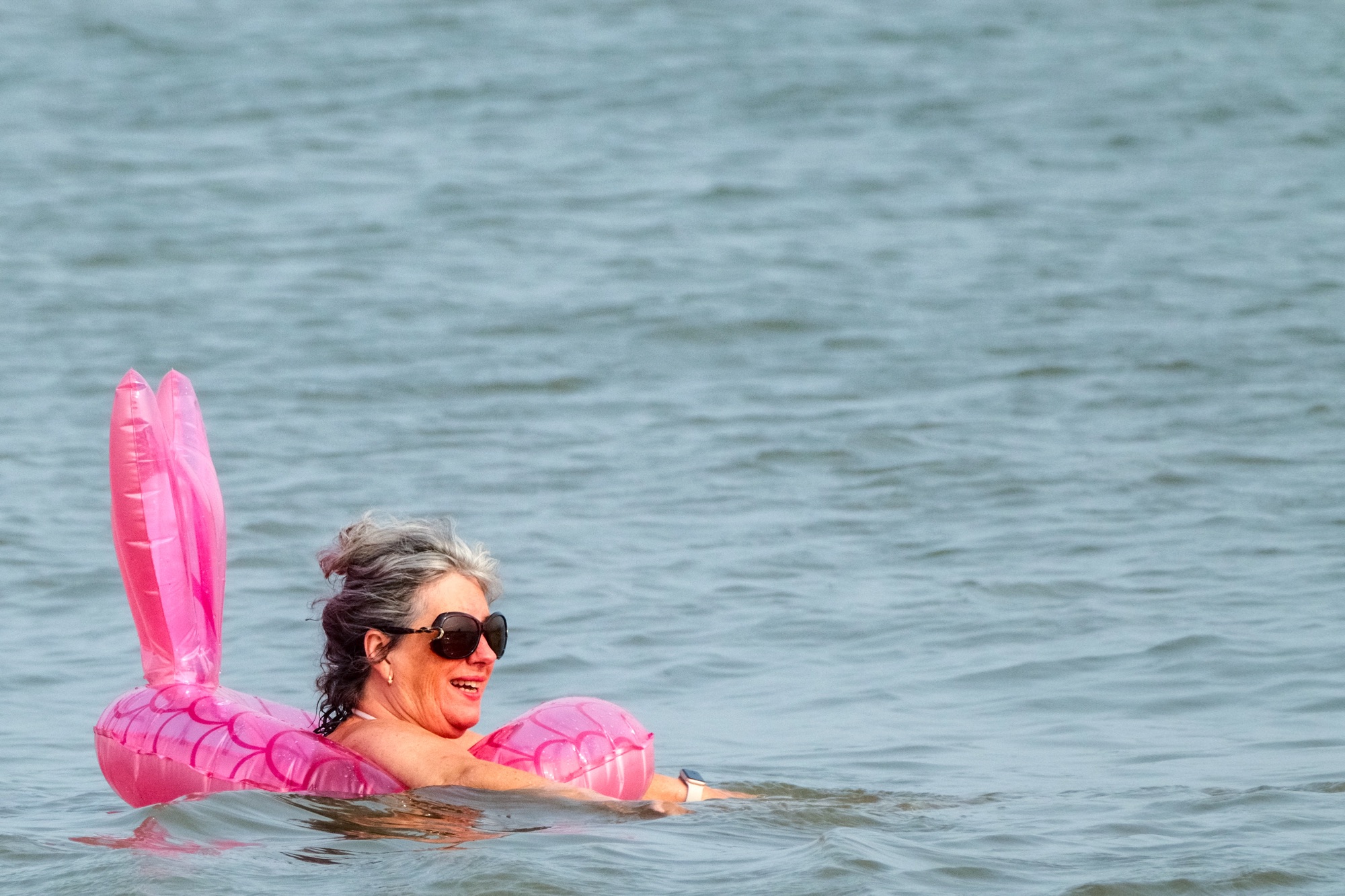
One of the great things about living in Porthcawl is that there is always someone in the sea! I wanted to get some snaps of these groups and the first group of local dippers that I was able to infiltrate with a camera was the ‘Porthcawl Hightiders Swimming Club’
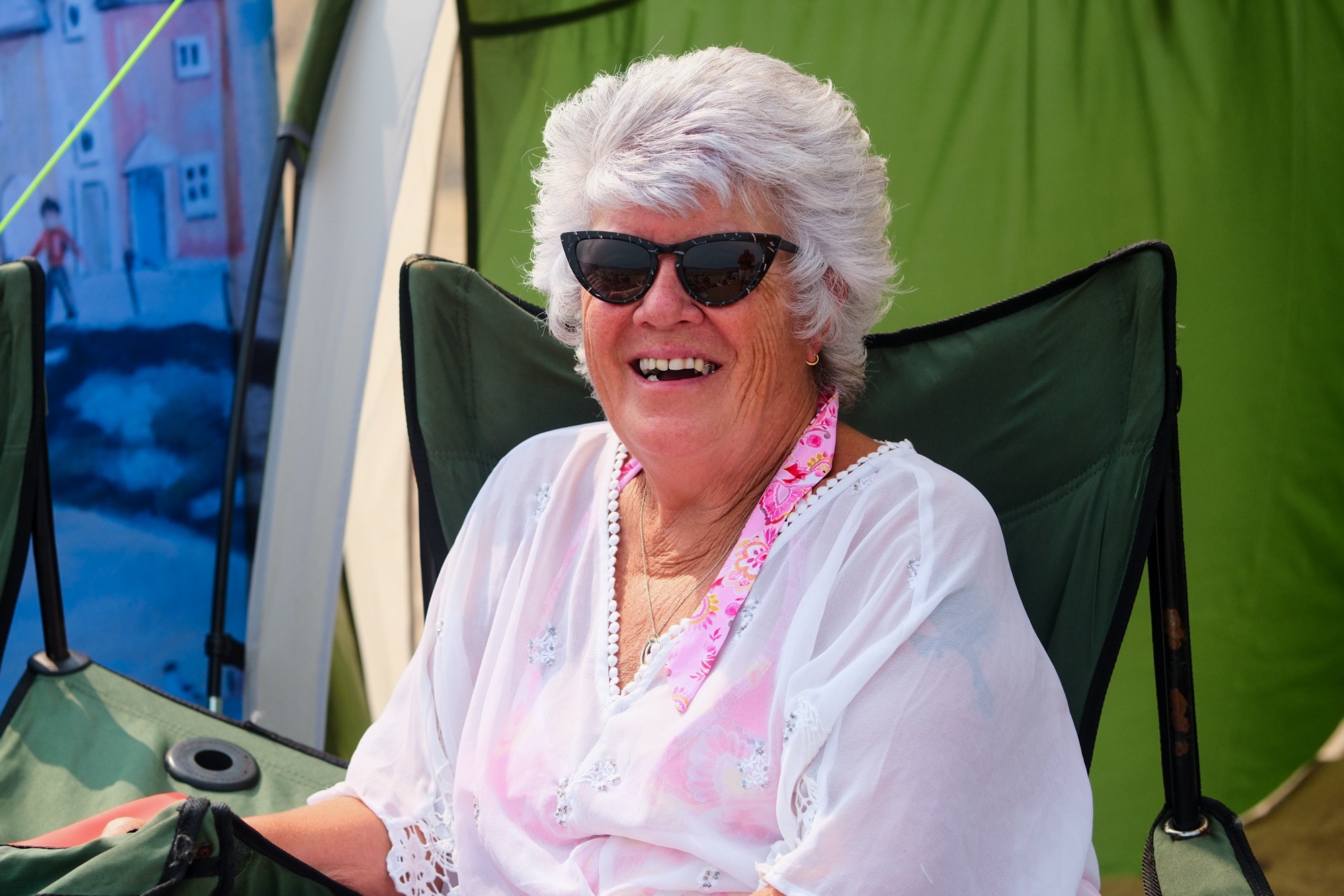
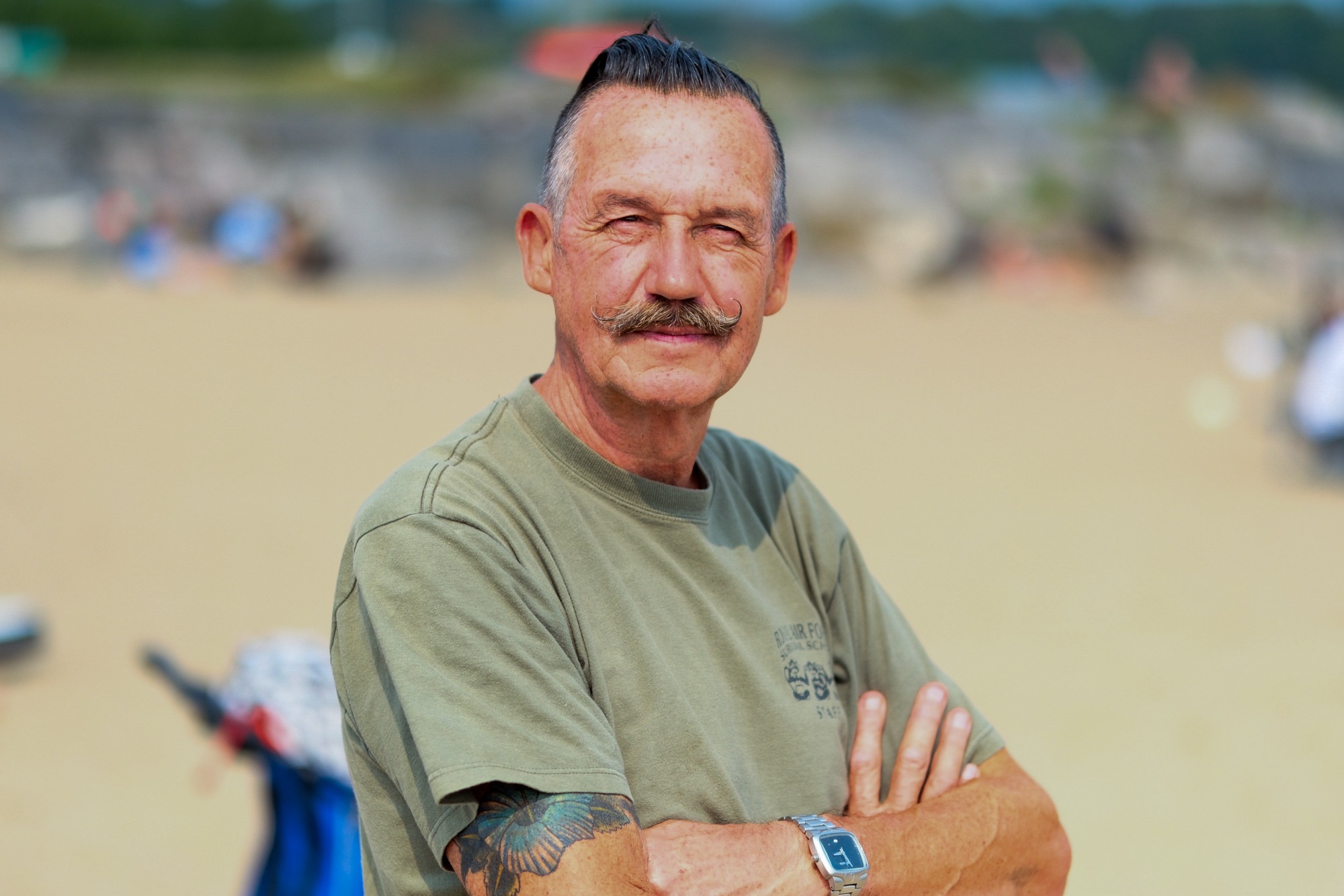
Almost exclusively made up of female dippers (though not by design, Phil, the only male dipper assures me), the group have been together for around 18 months. They were incredibly welcoming and I encourage anyone local considering joining a dipping group to visit their Facebook page.
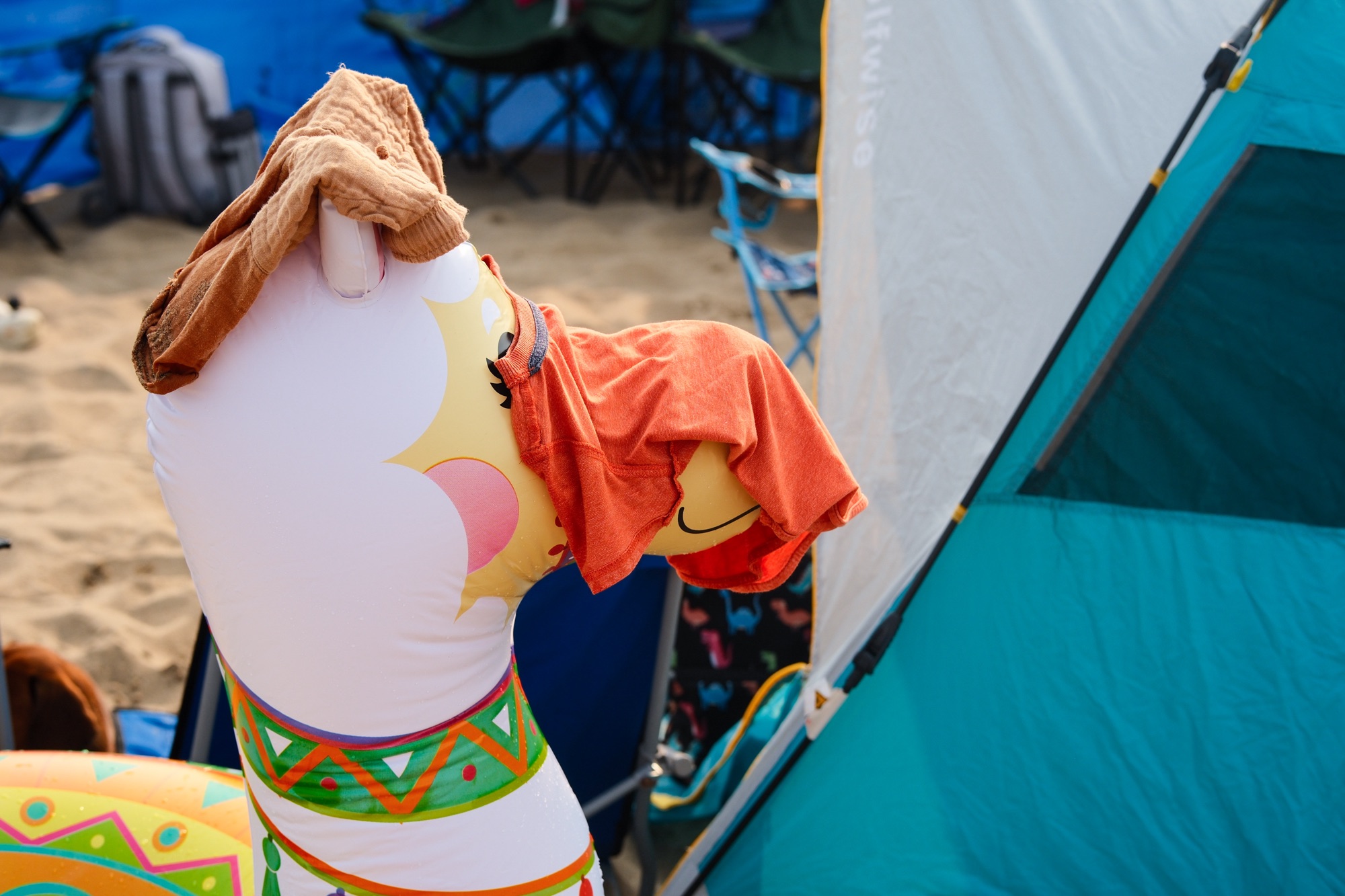
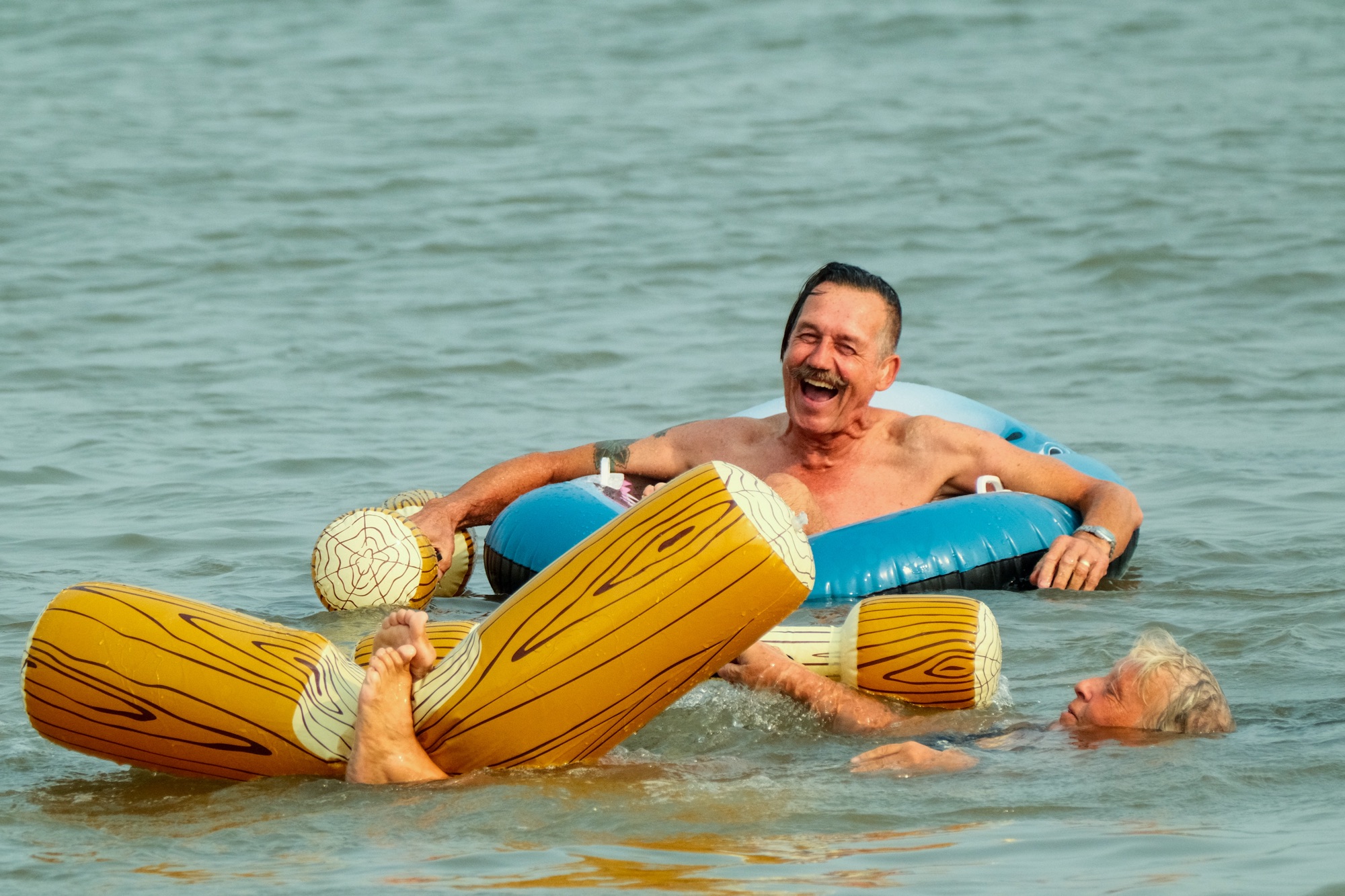
I was able to catch them today on one of their monthly themed days (no prizes for guessing the theme!) for their upcoming calendar 🙂
I found taking the pictures of them in the water particularly difficult as they kept making me laugh. Clearly a group brought together by their love of the sea but held together as a great group of friends.
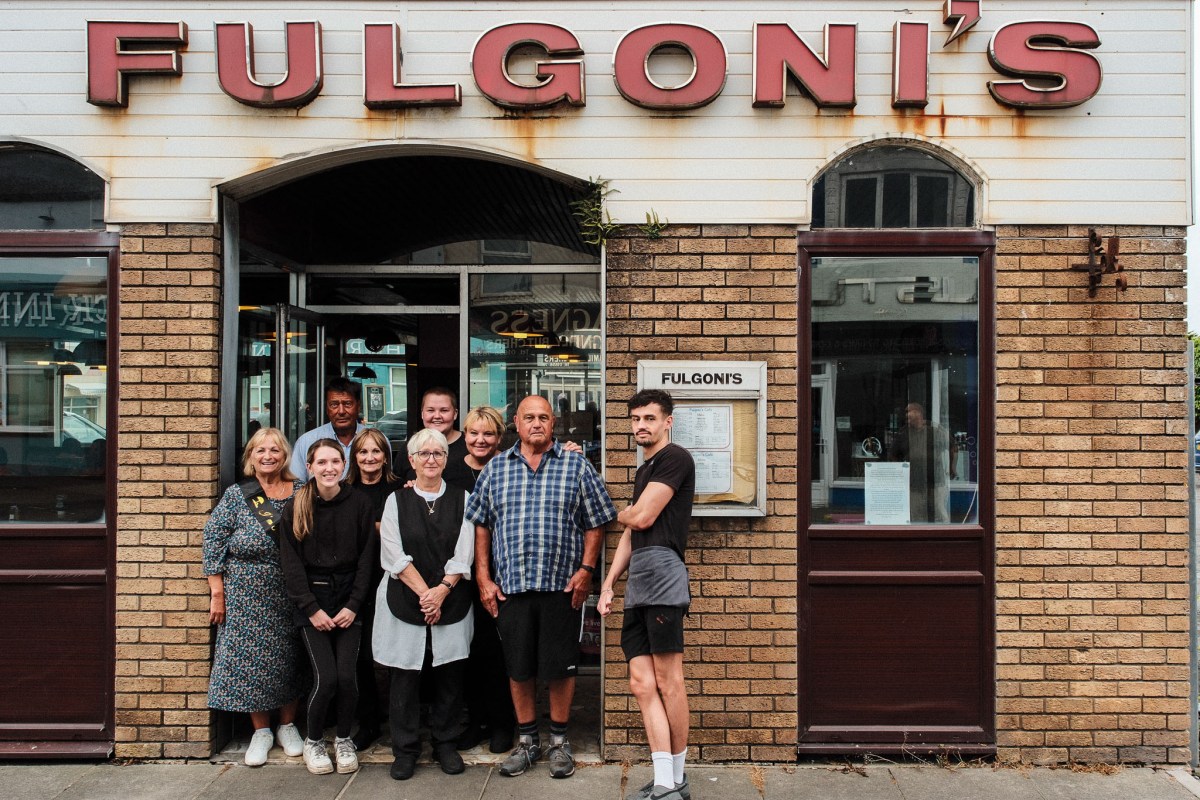
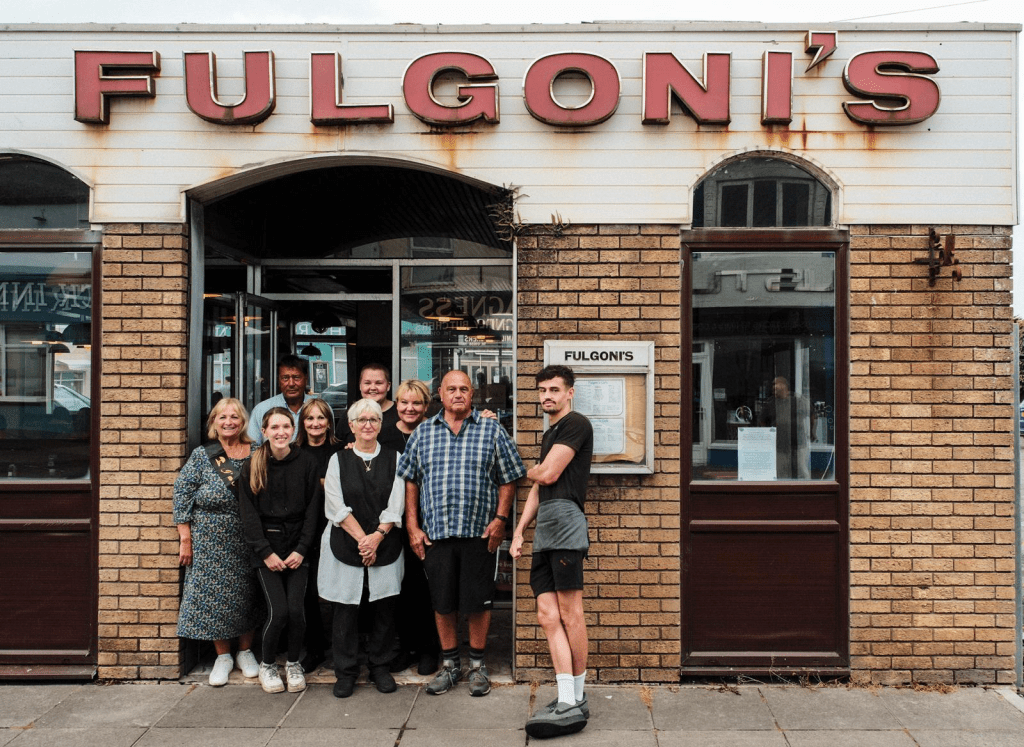
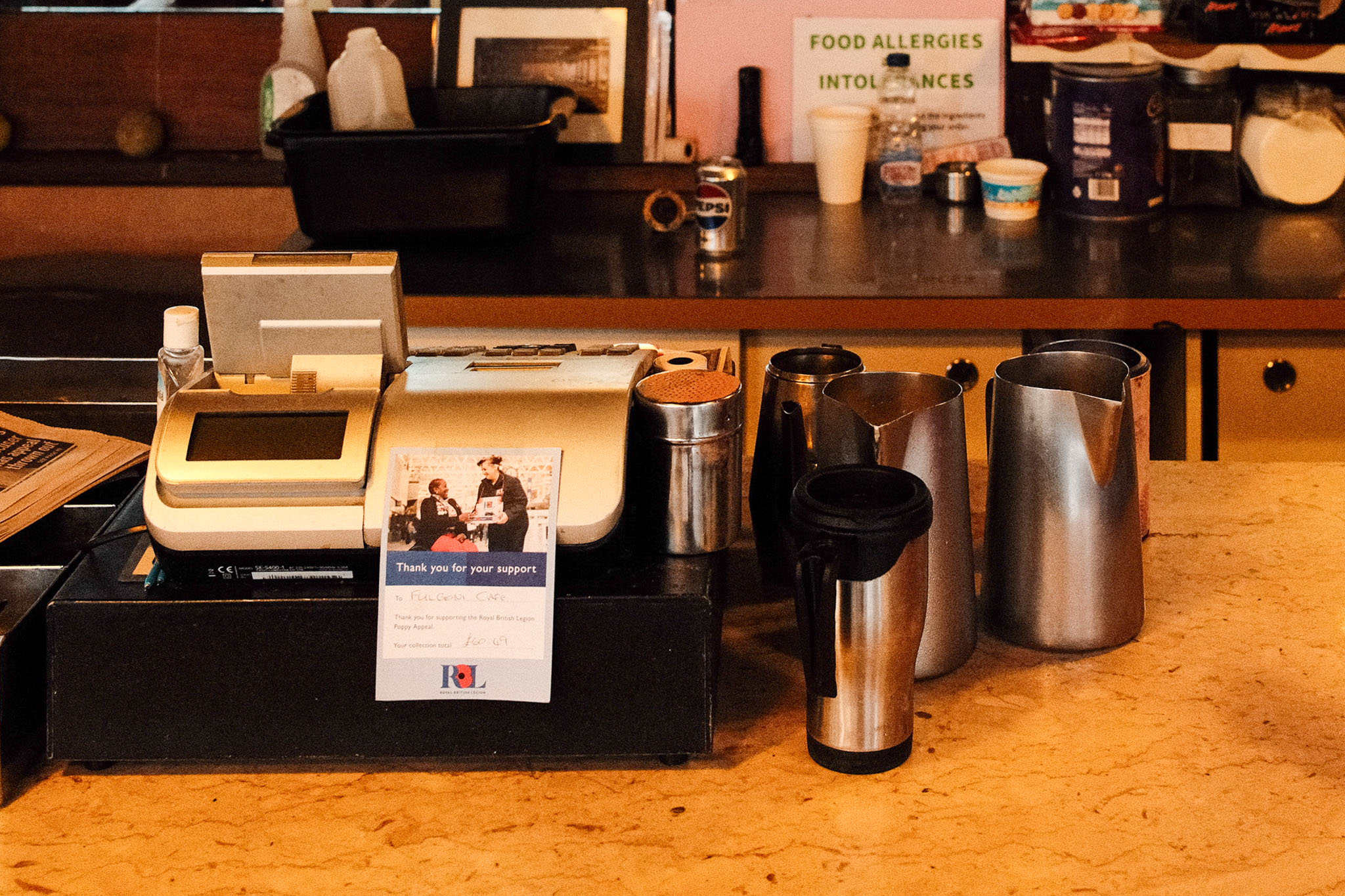
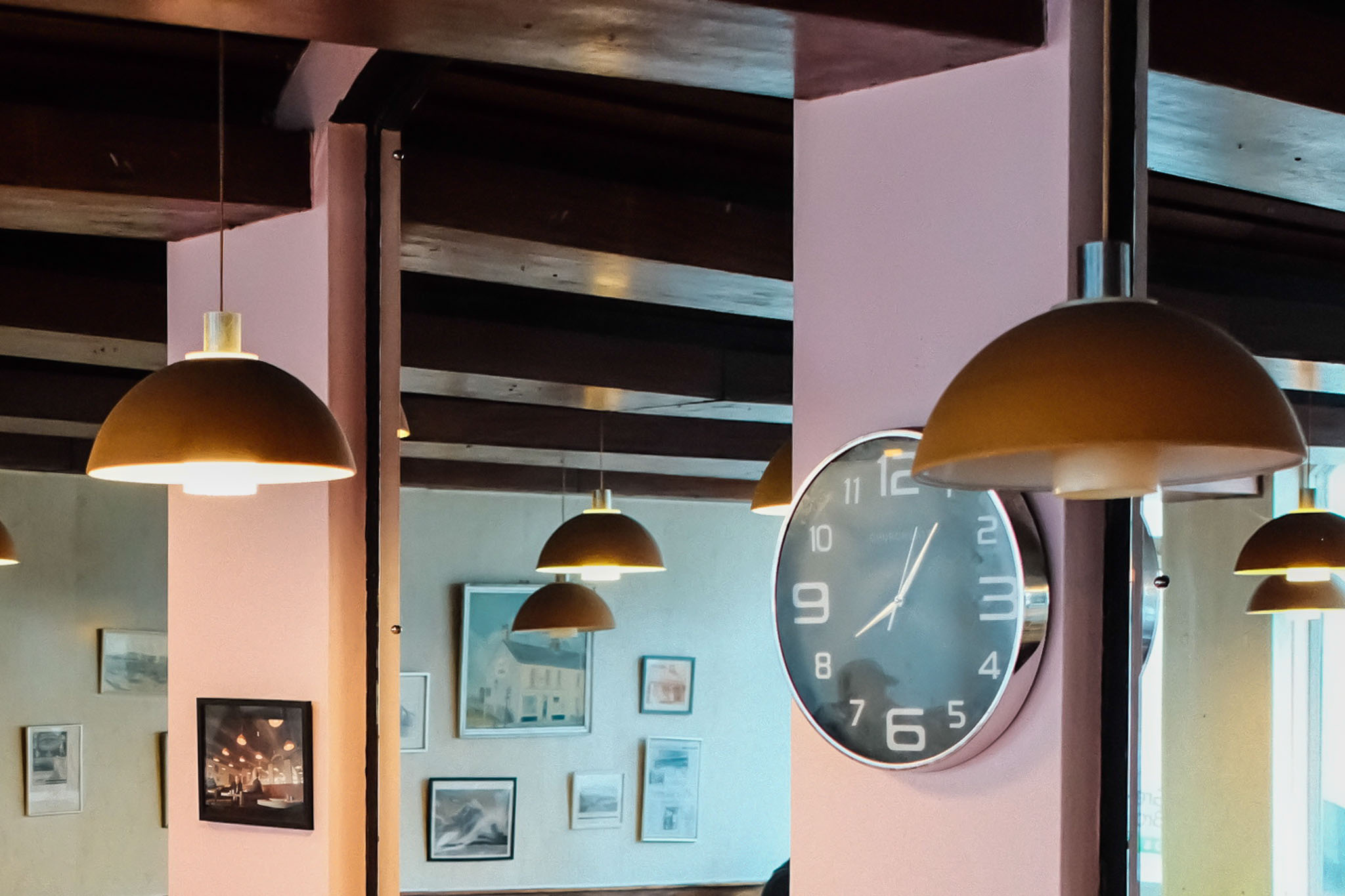
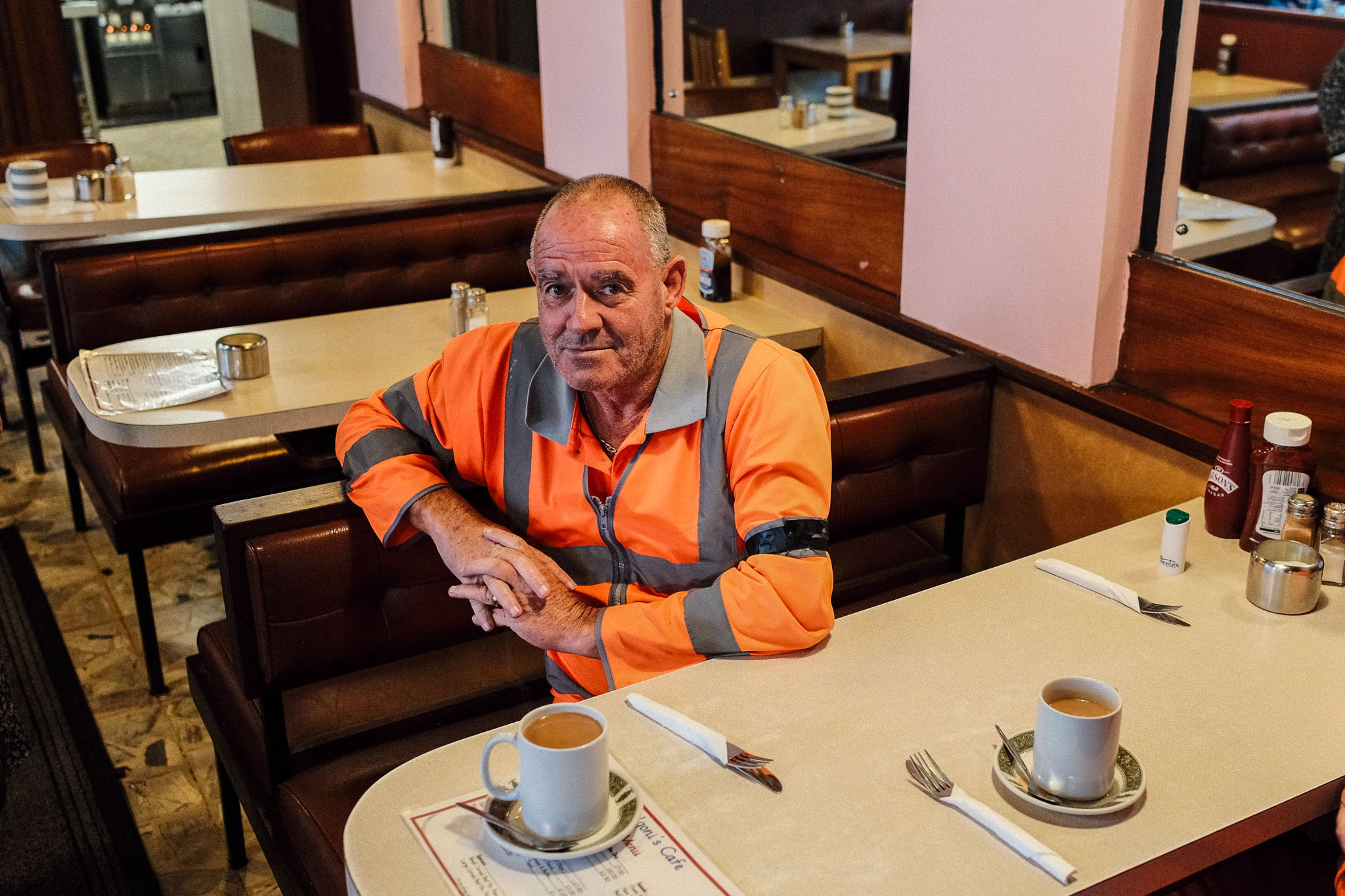
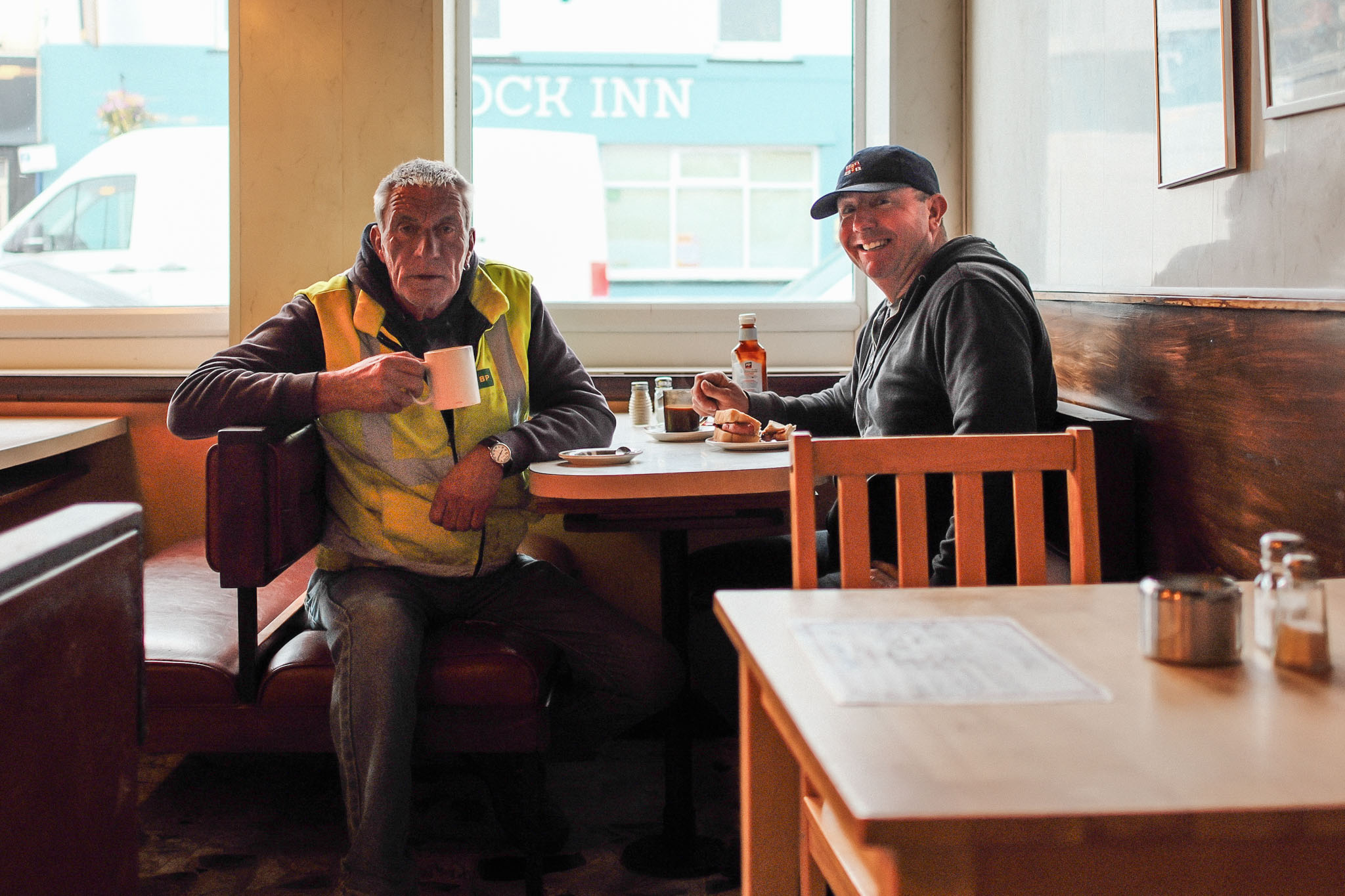
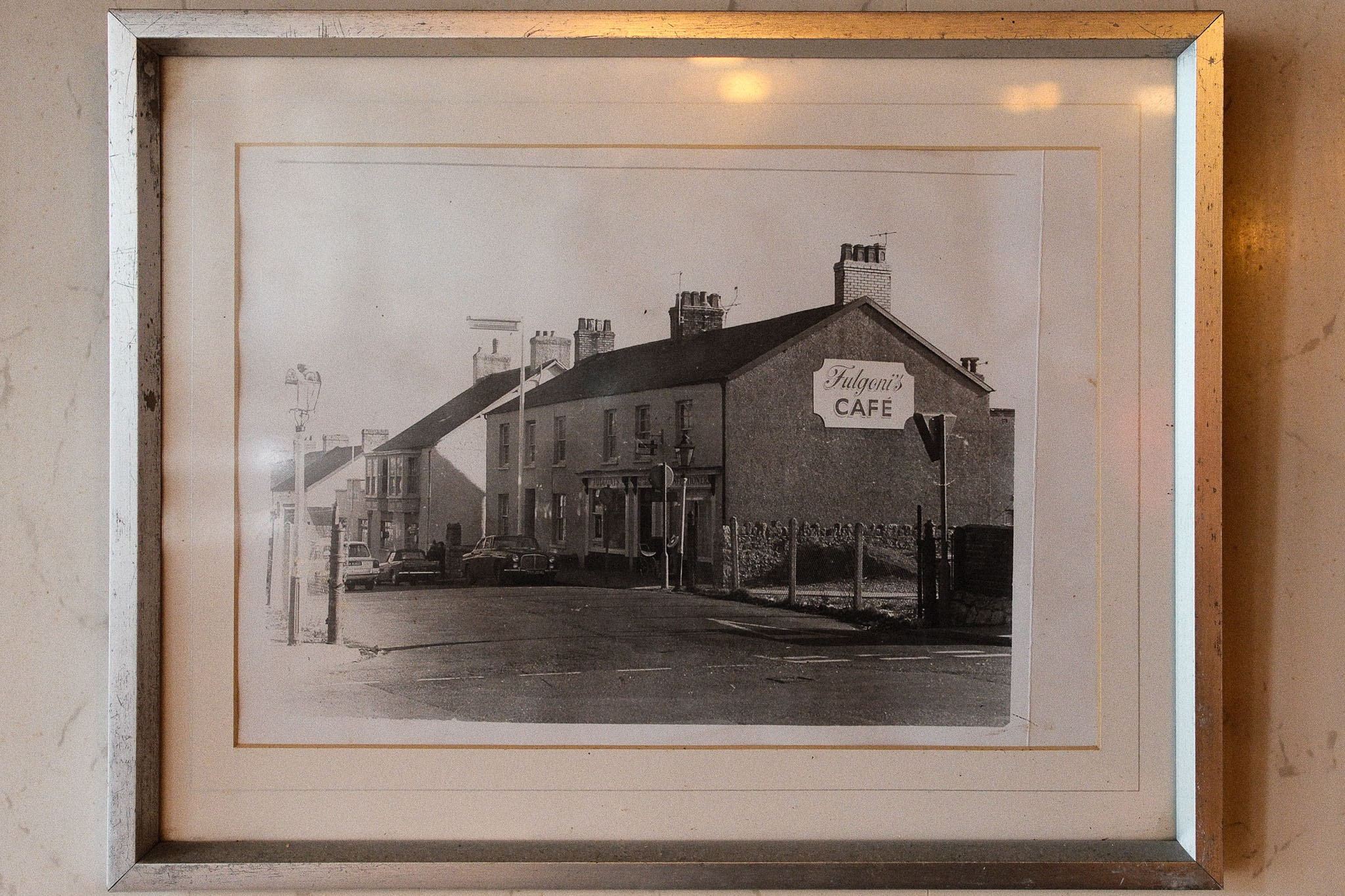
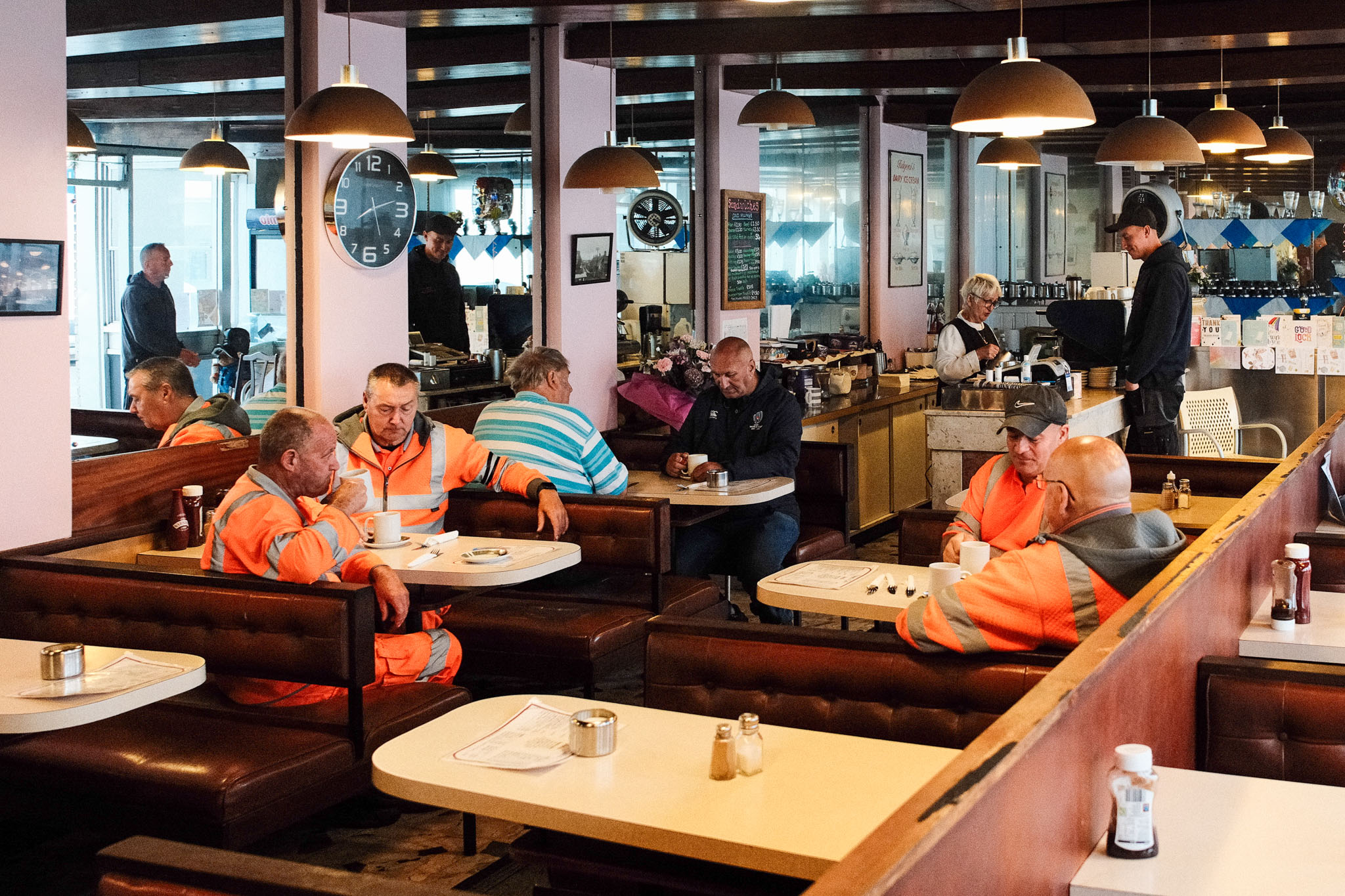
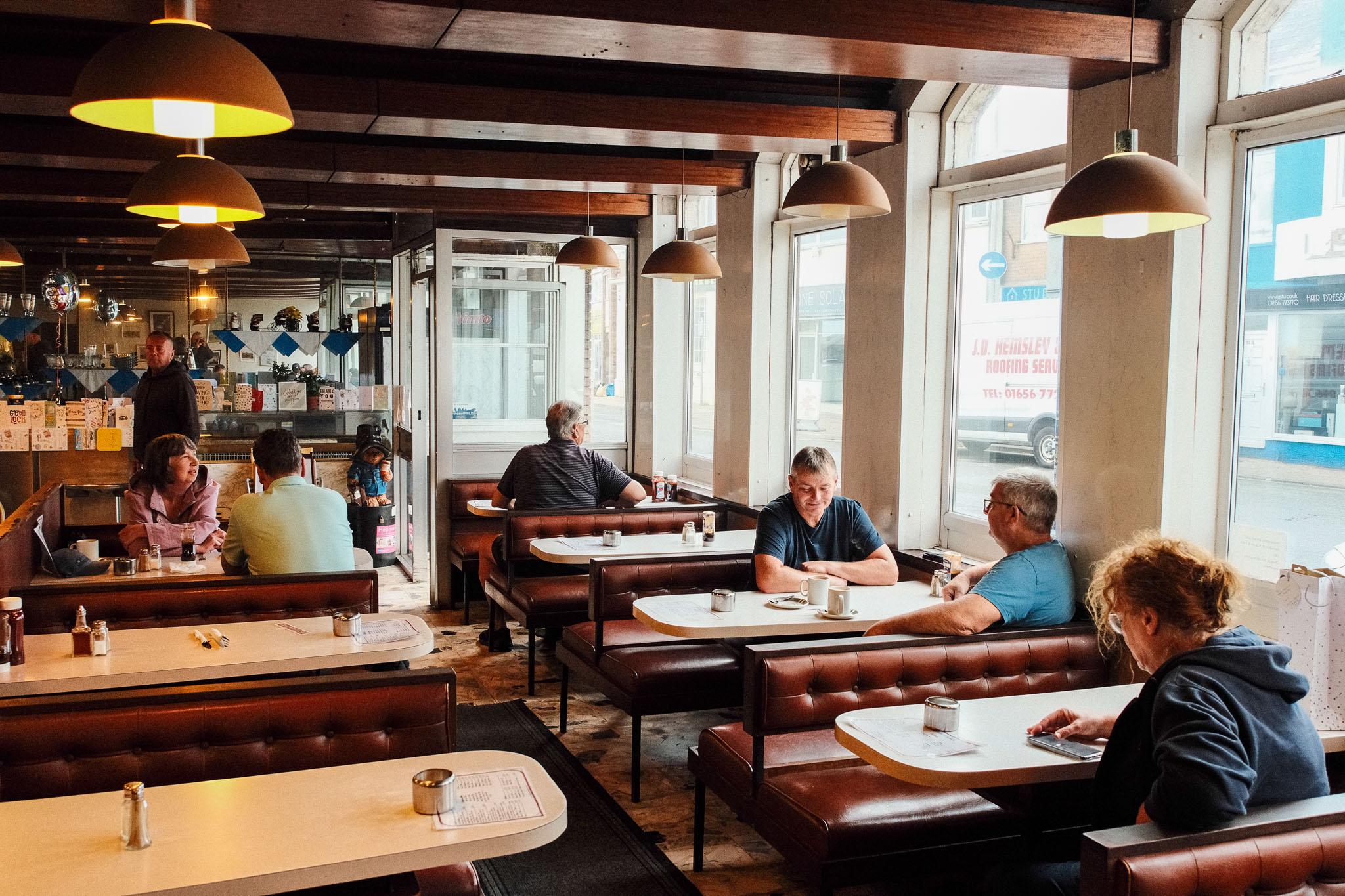
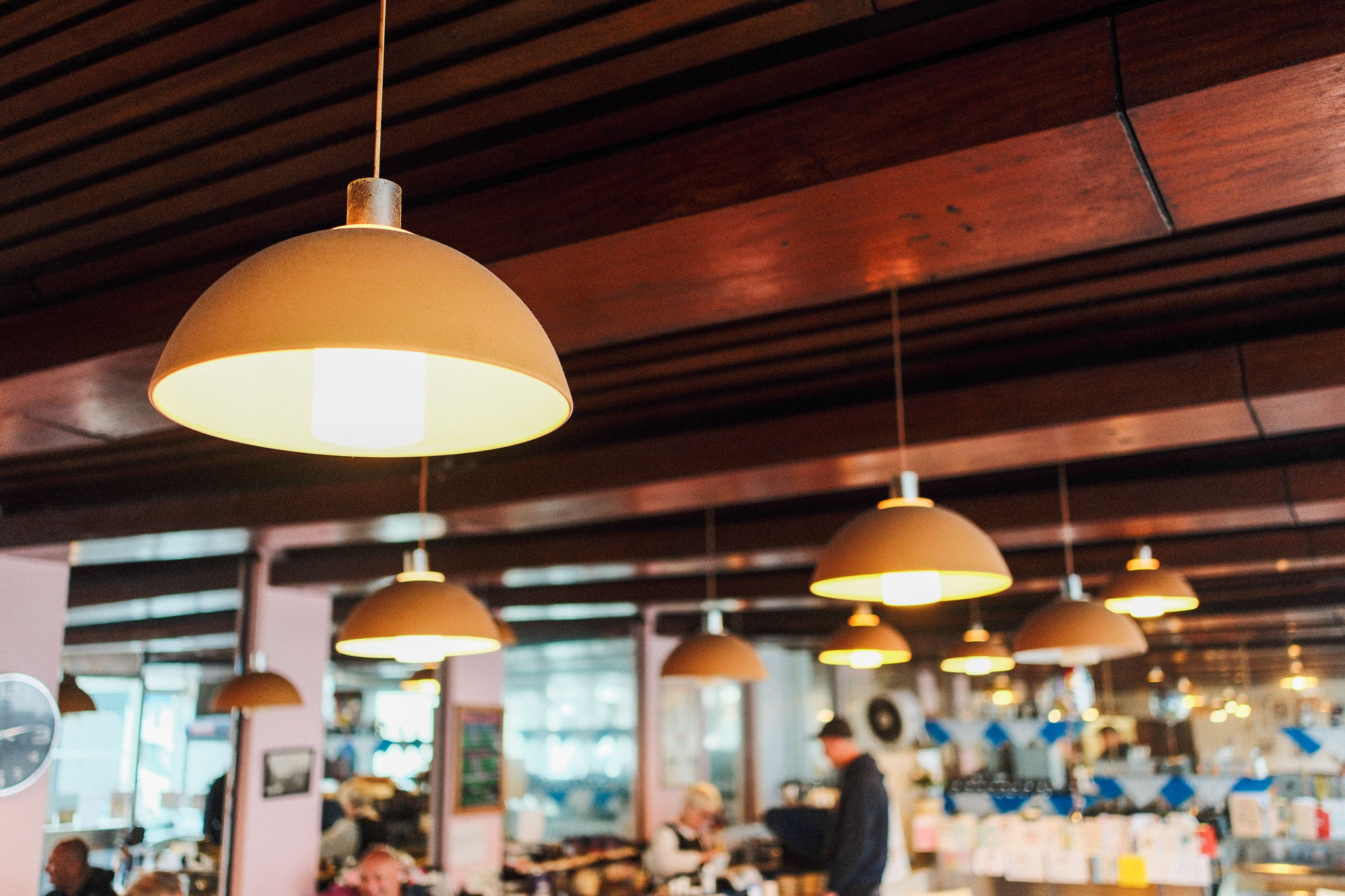
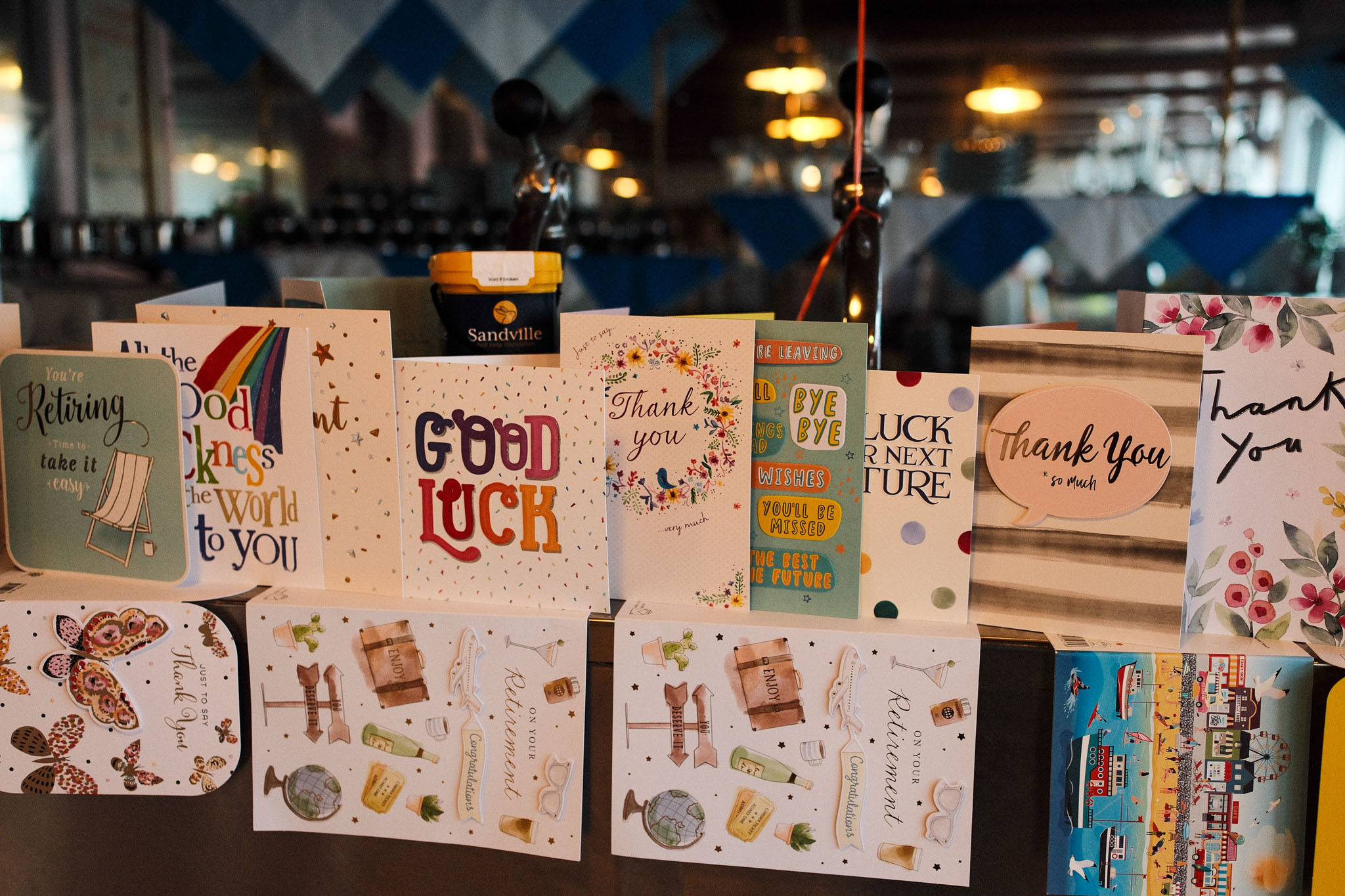
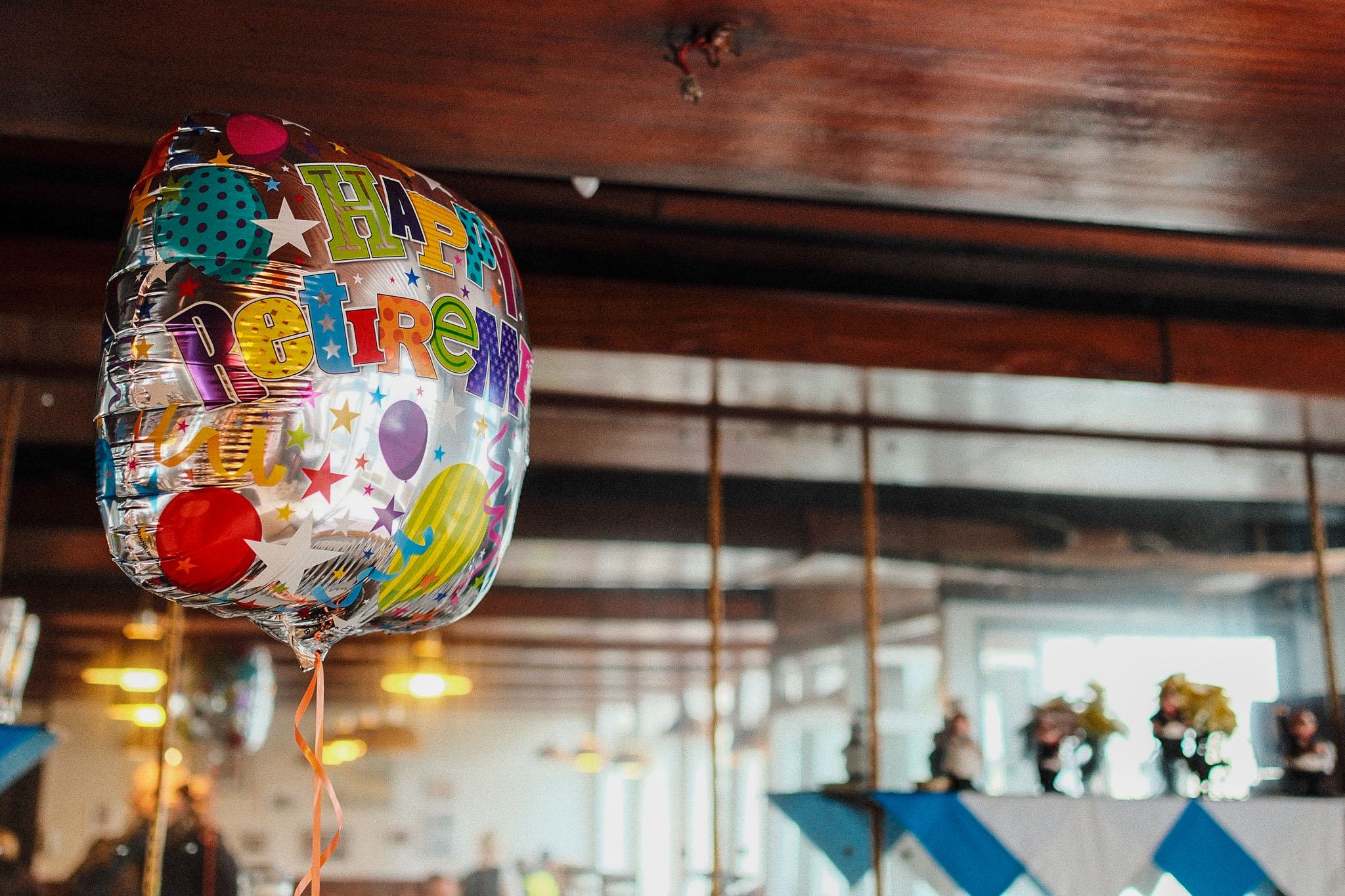
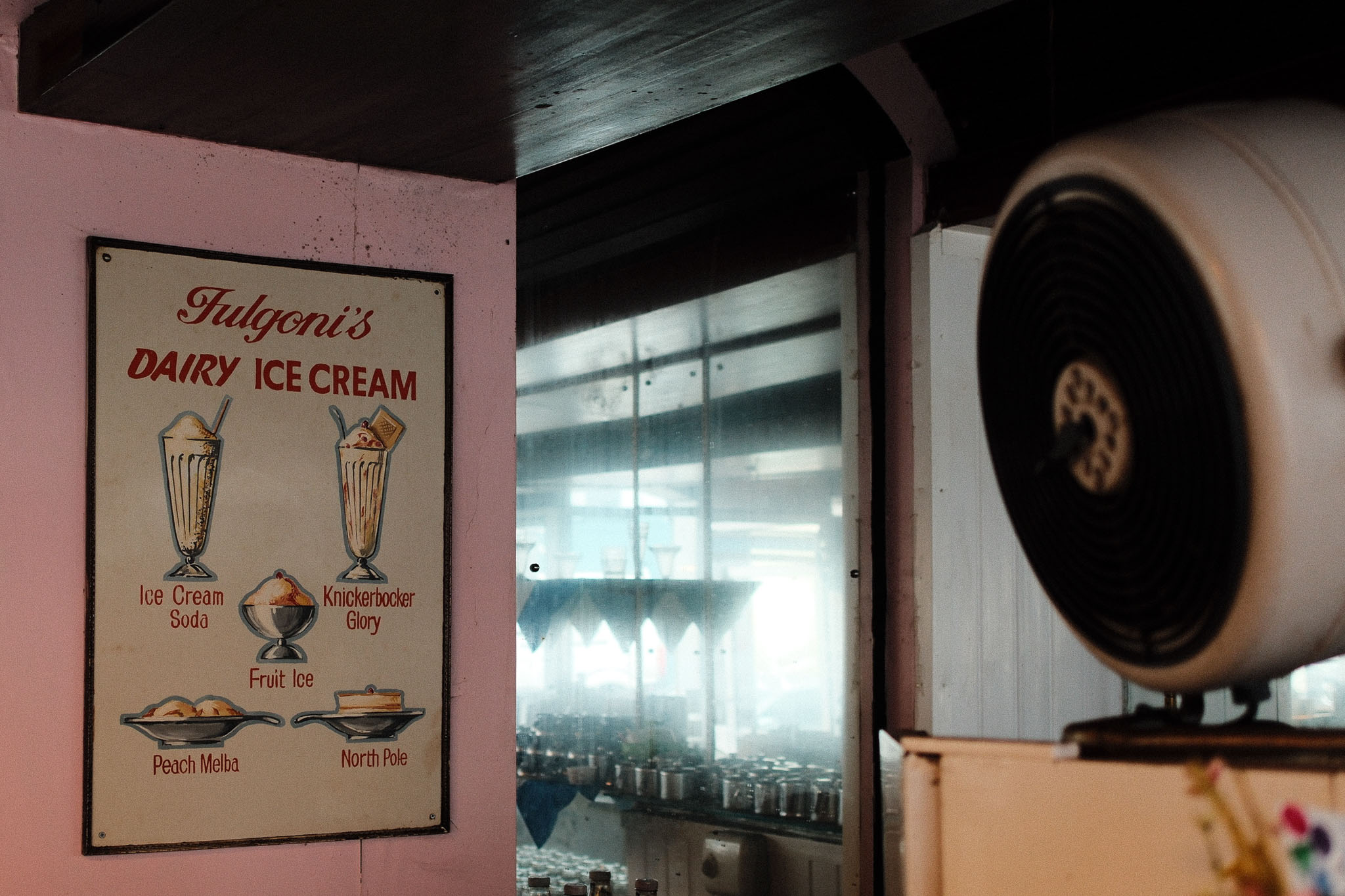
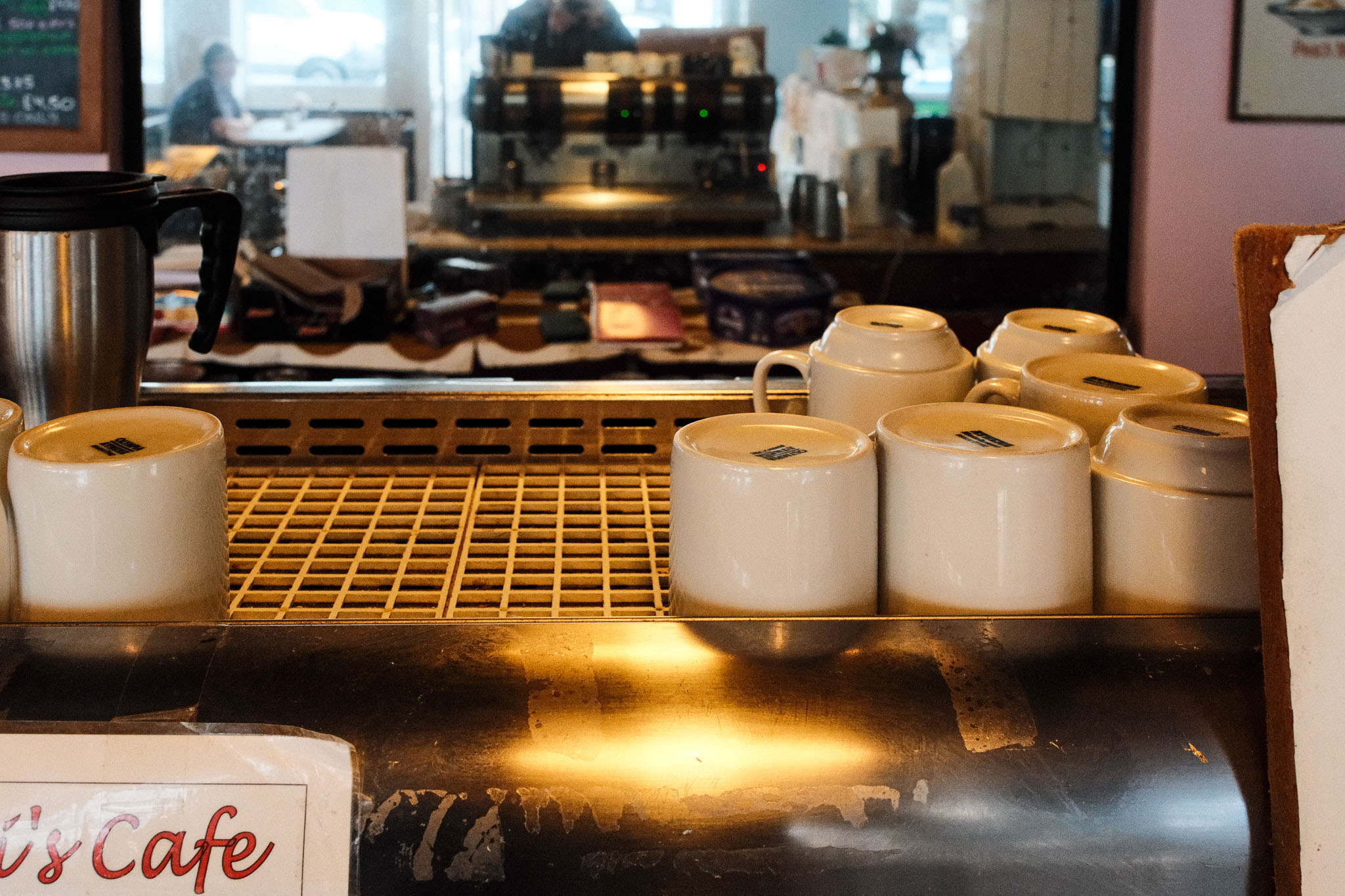
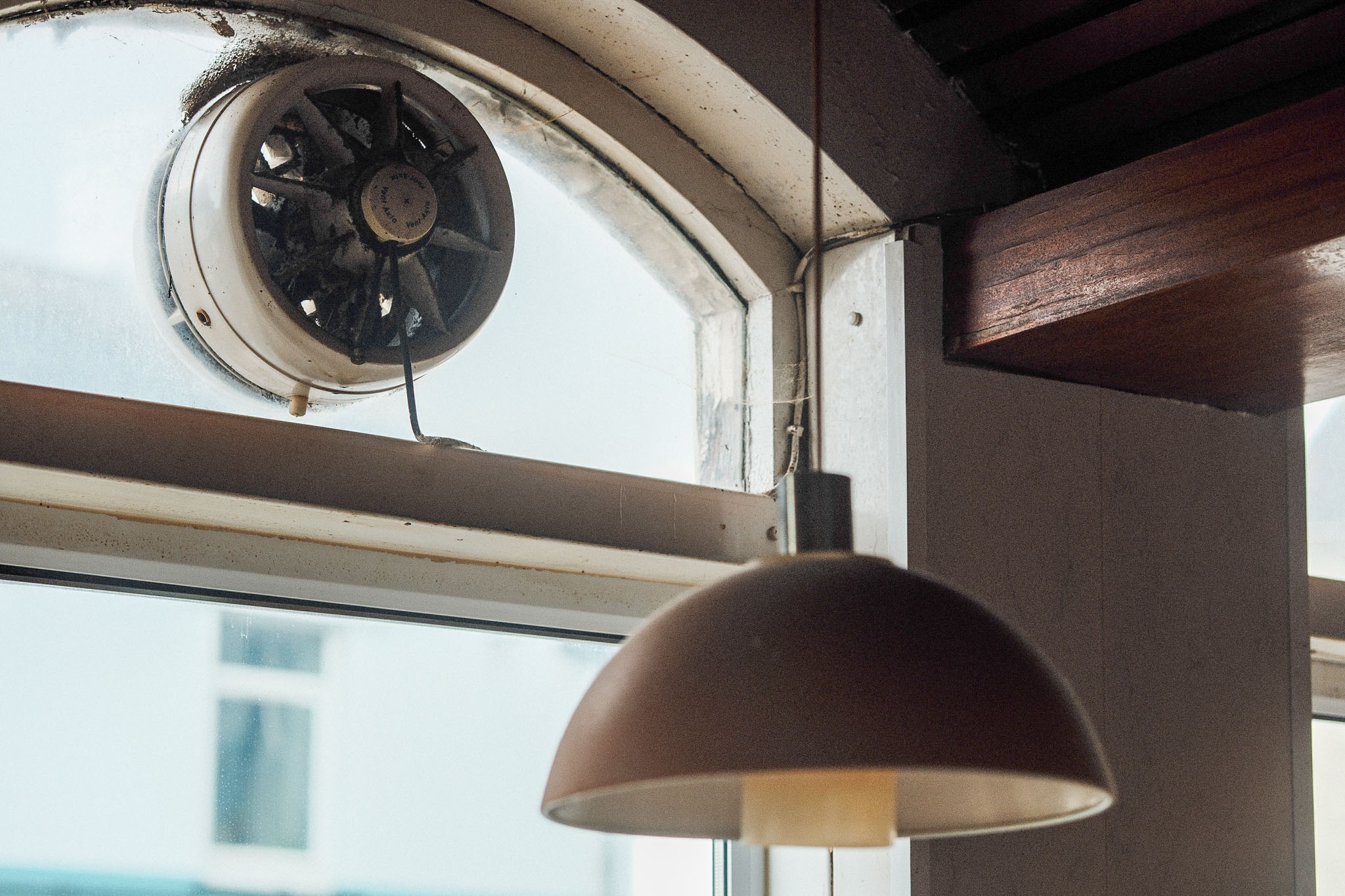
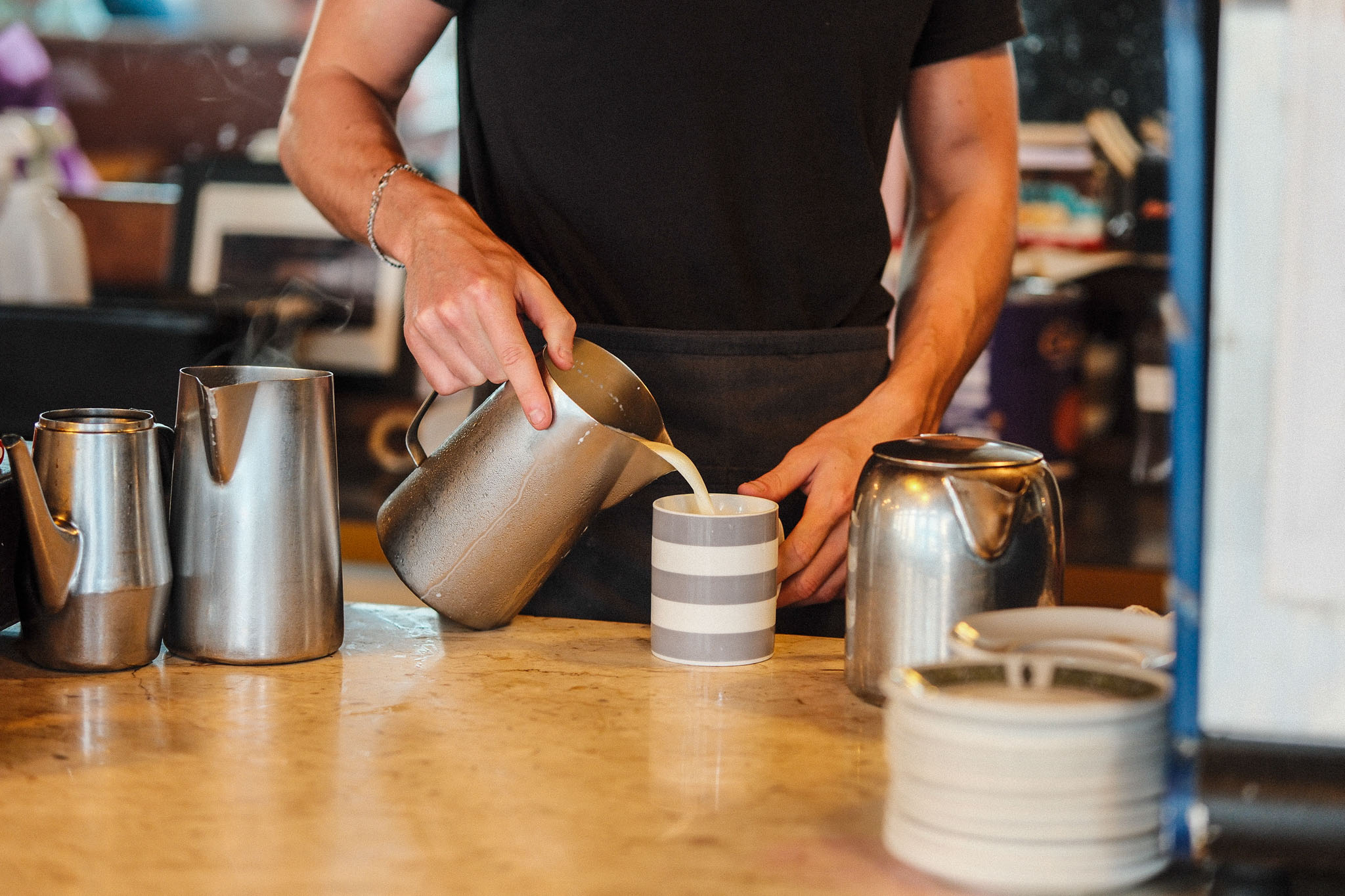
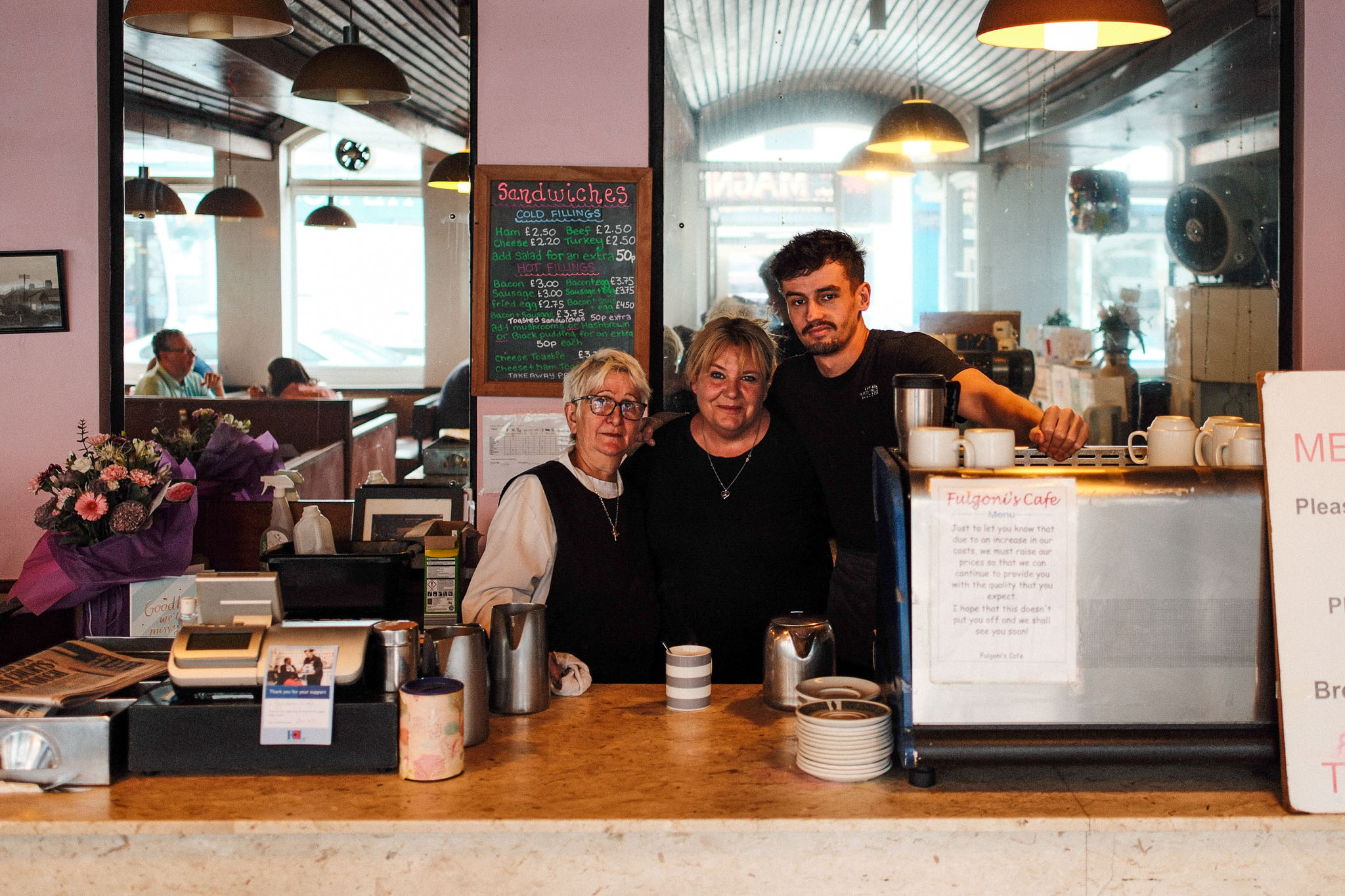
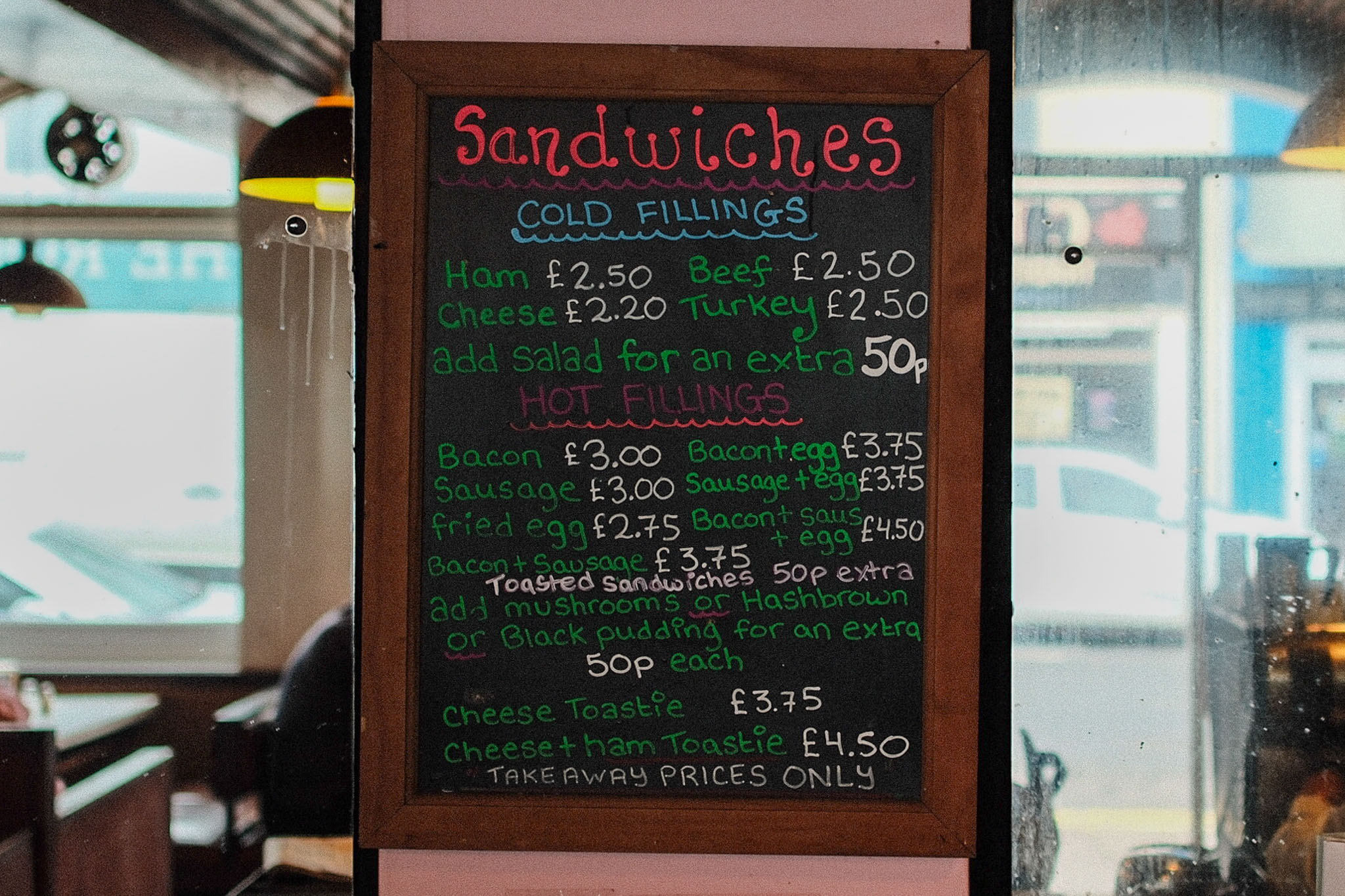
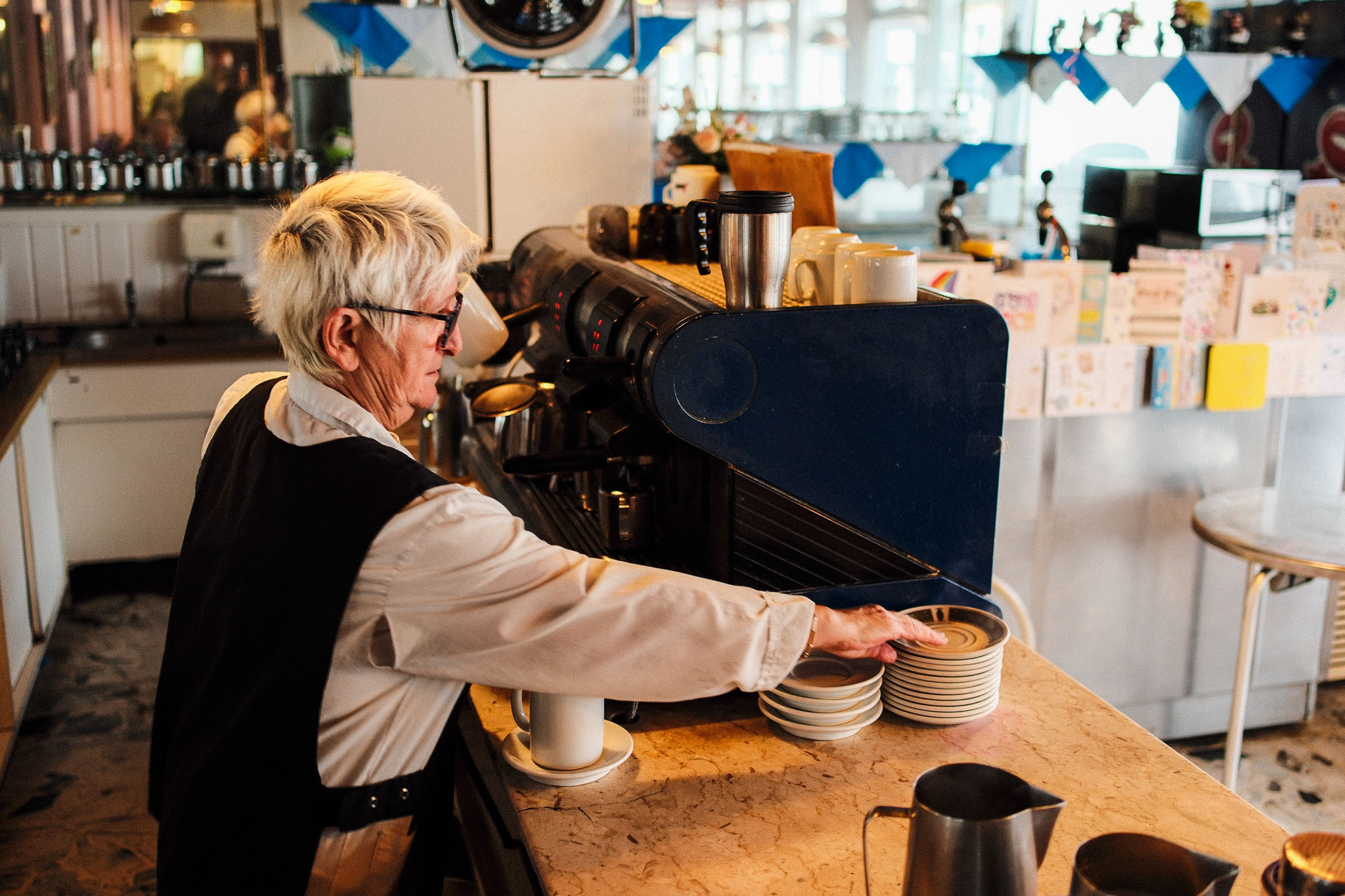
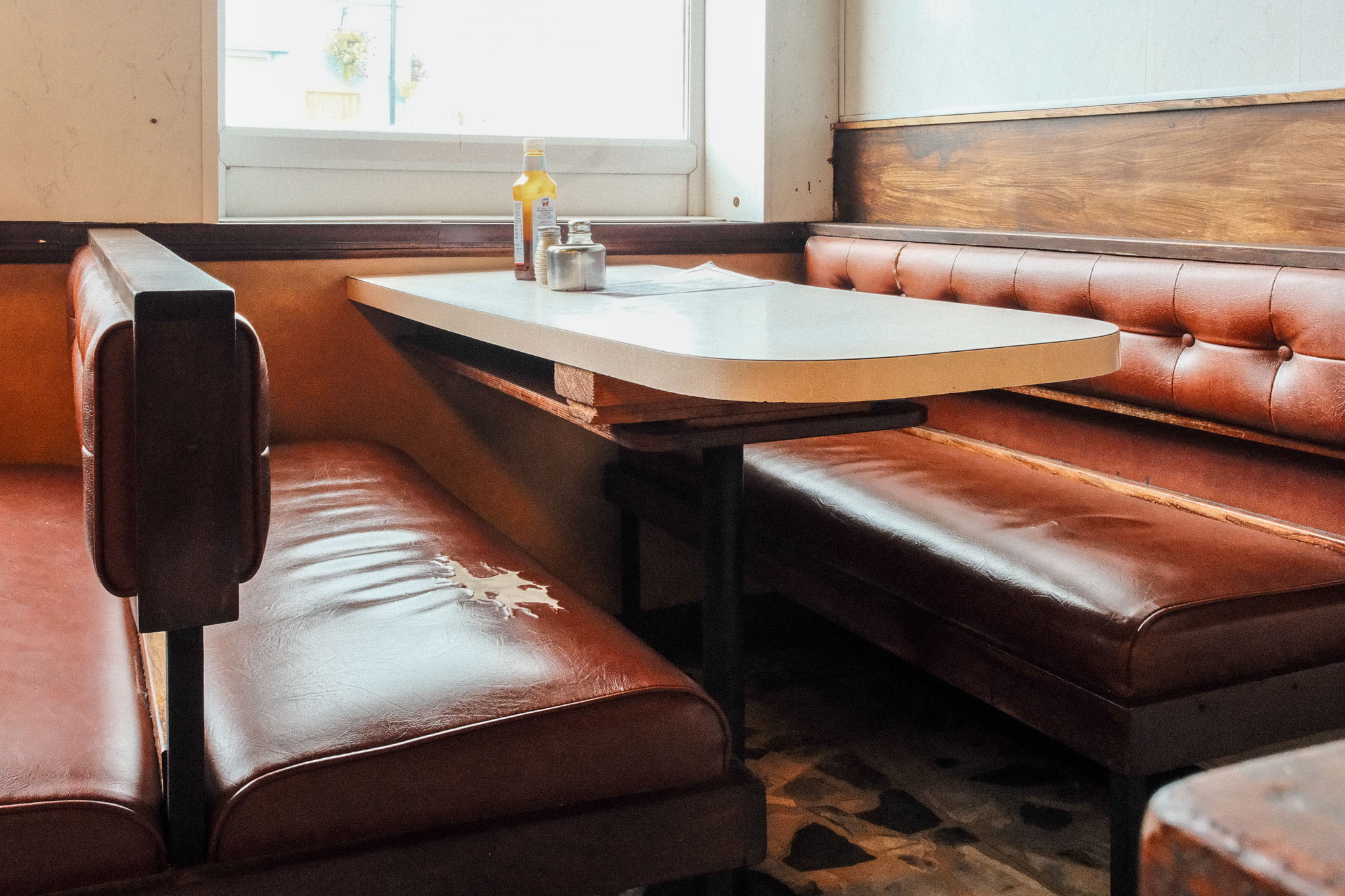
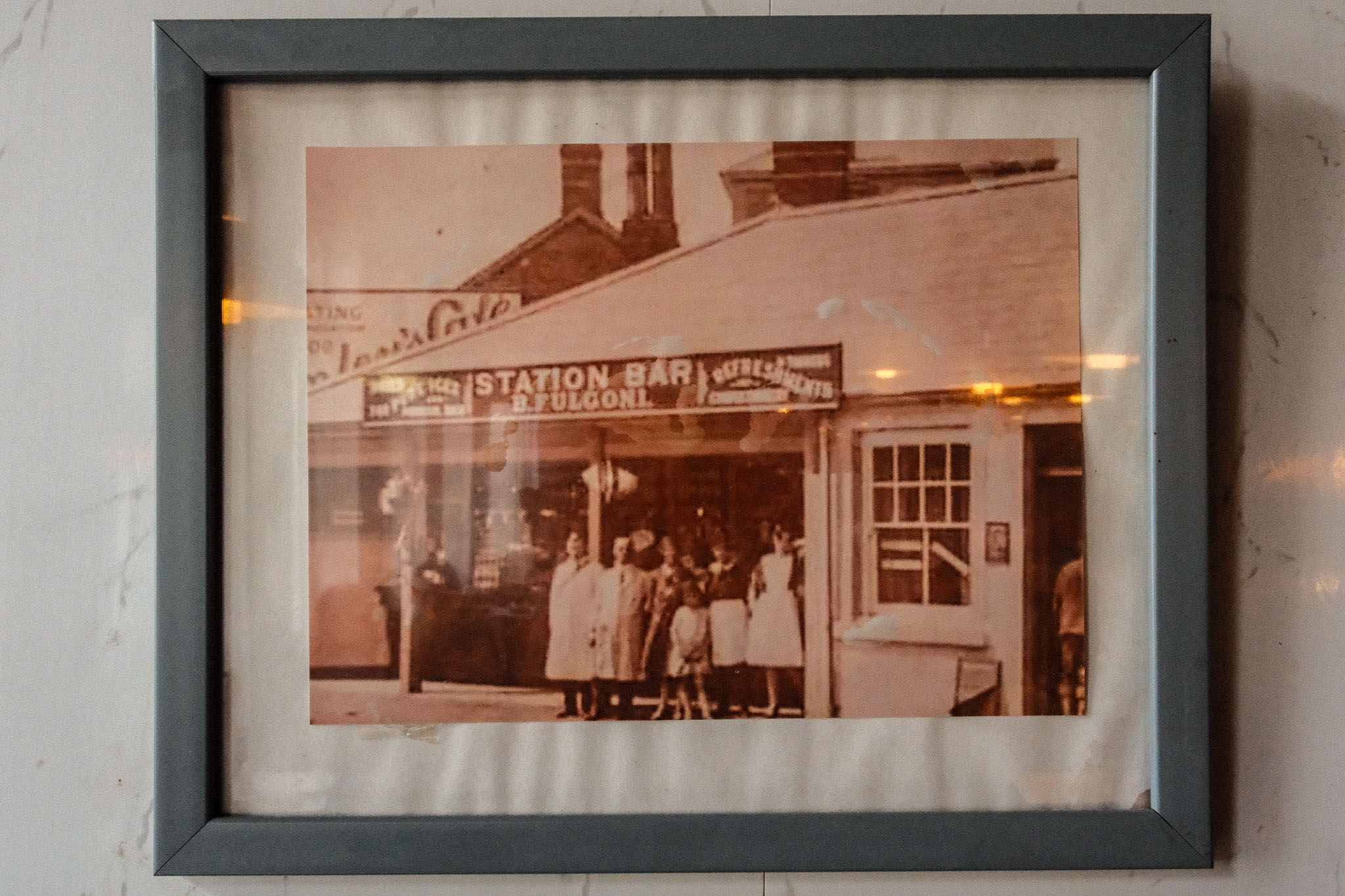
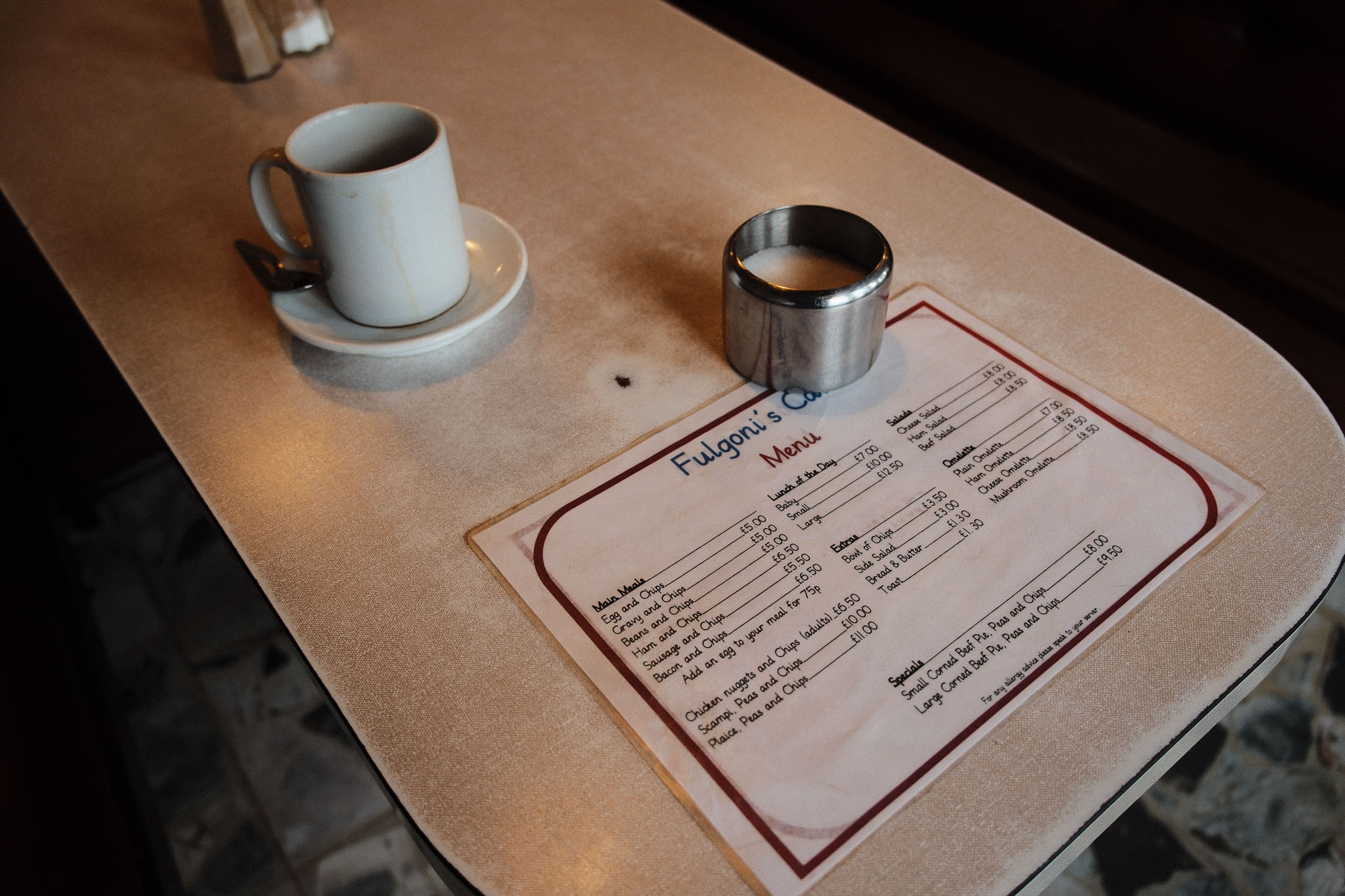
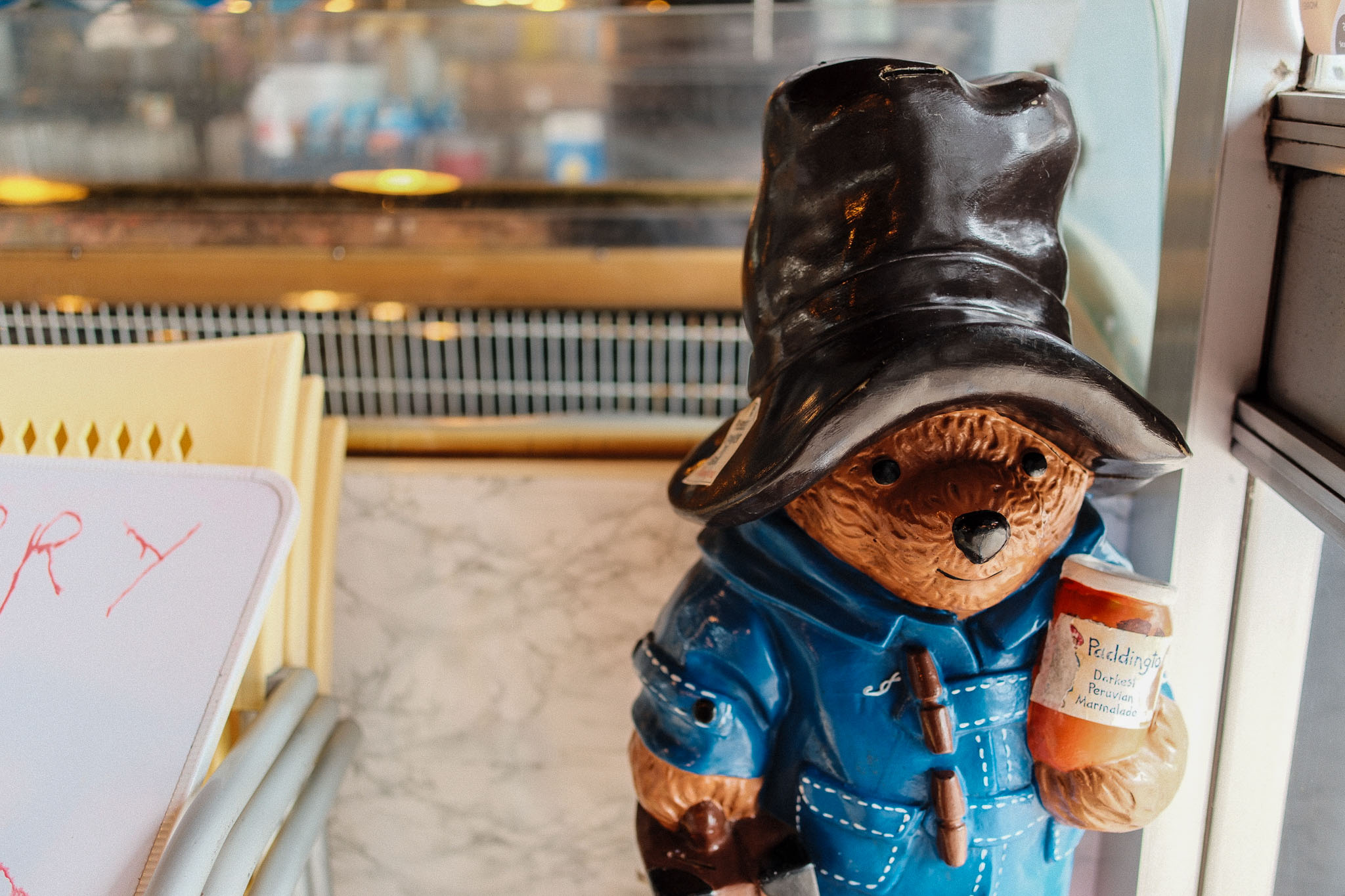
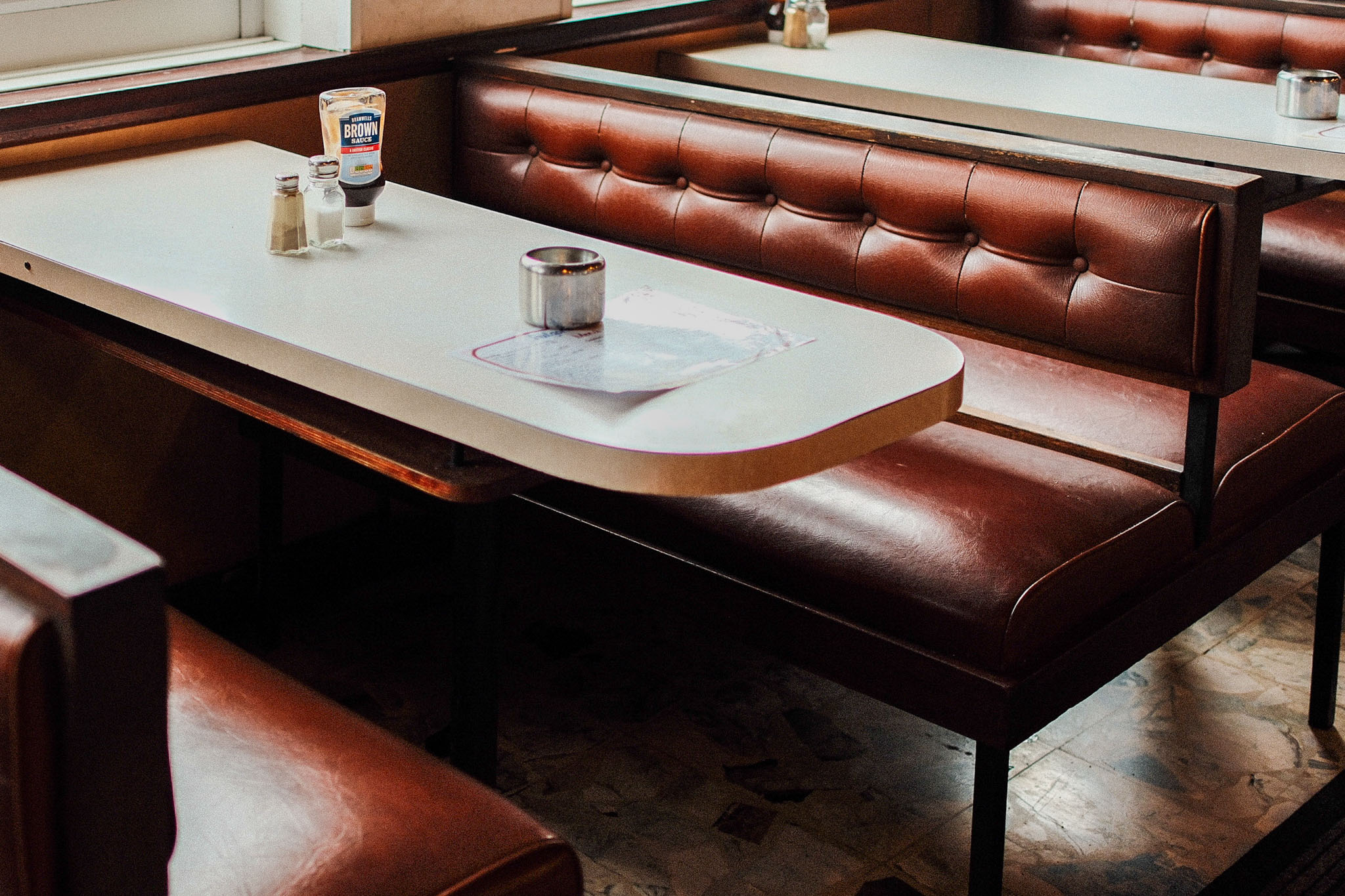
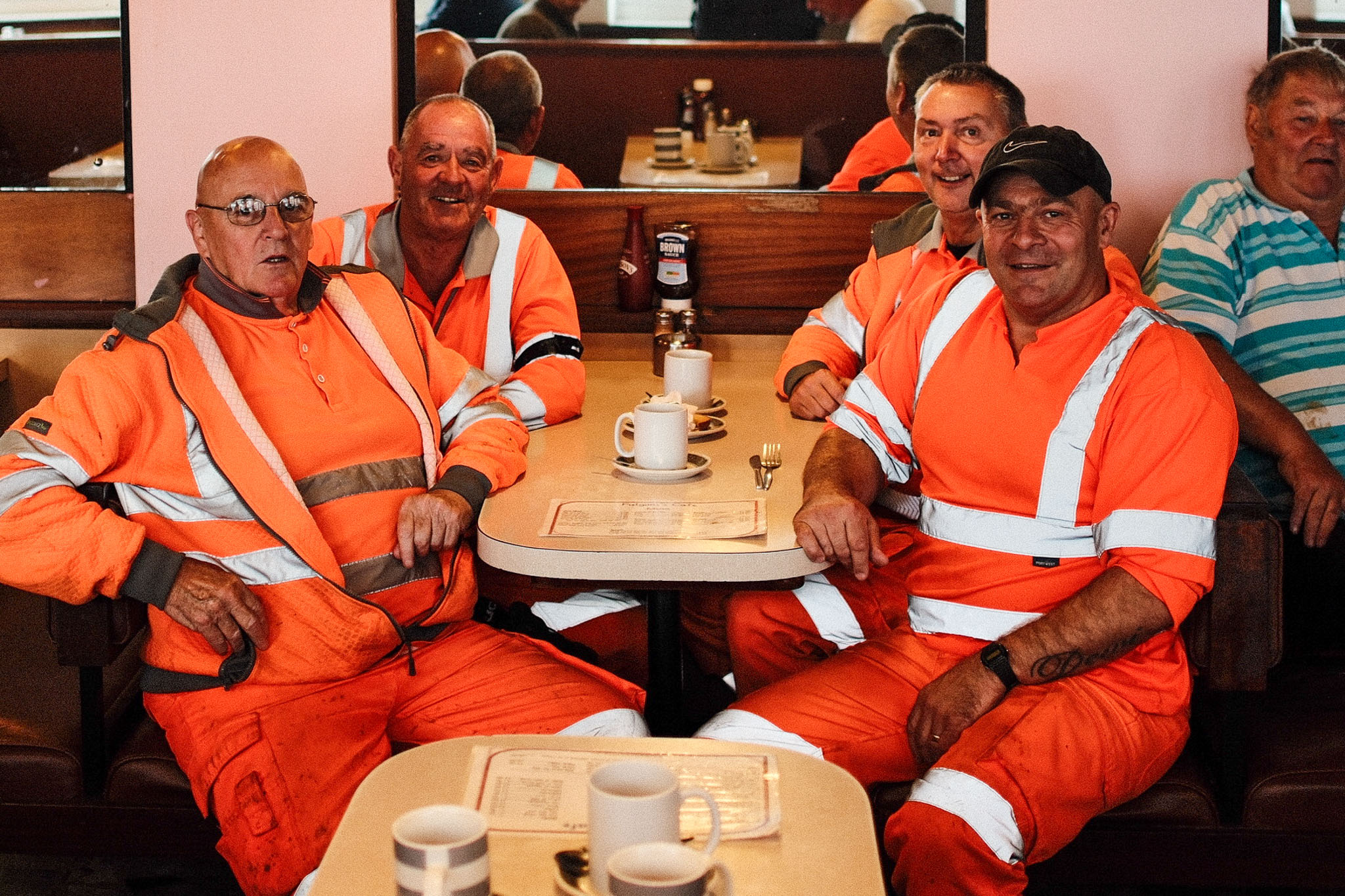
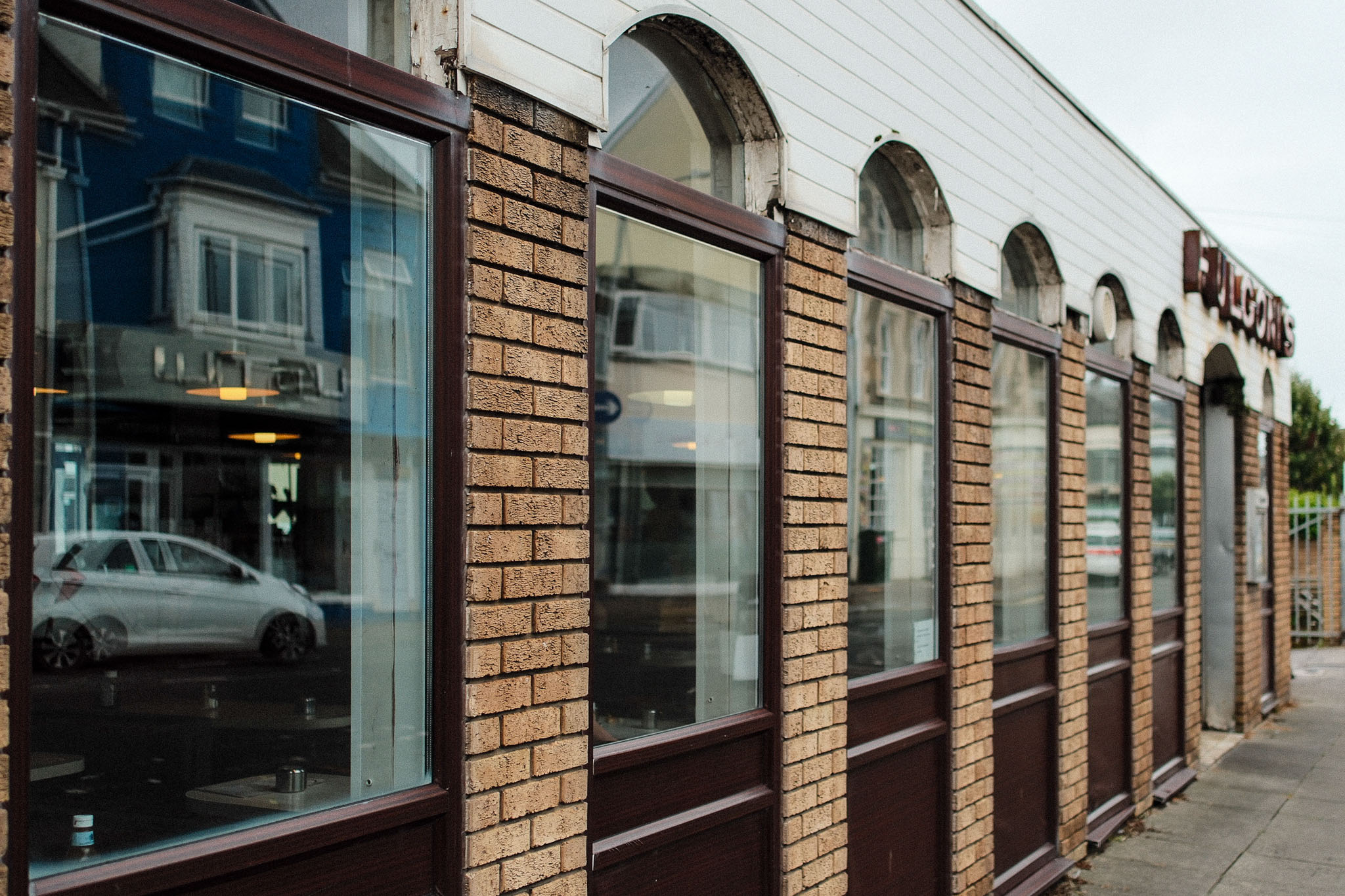
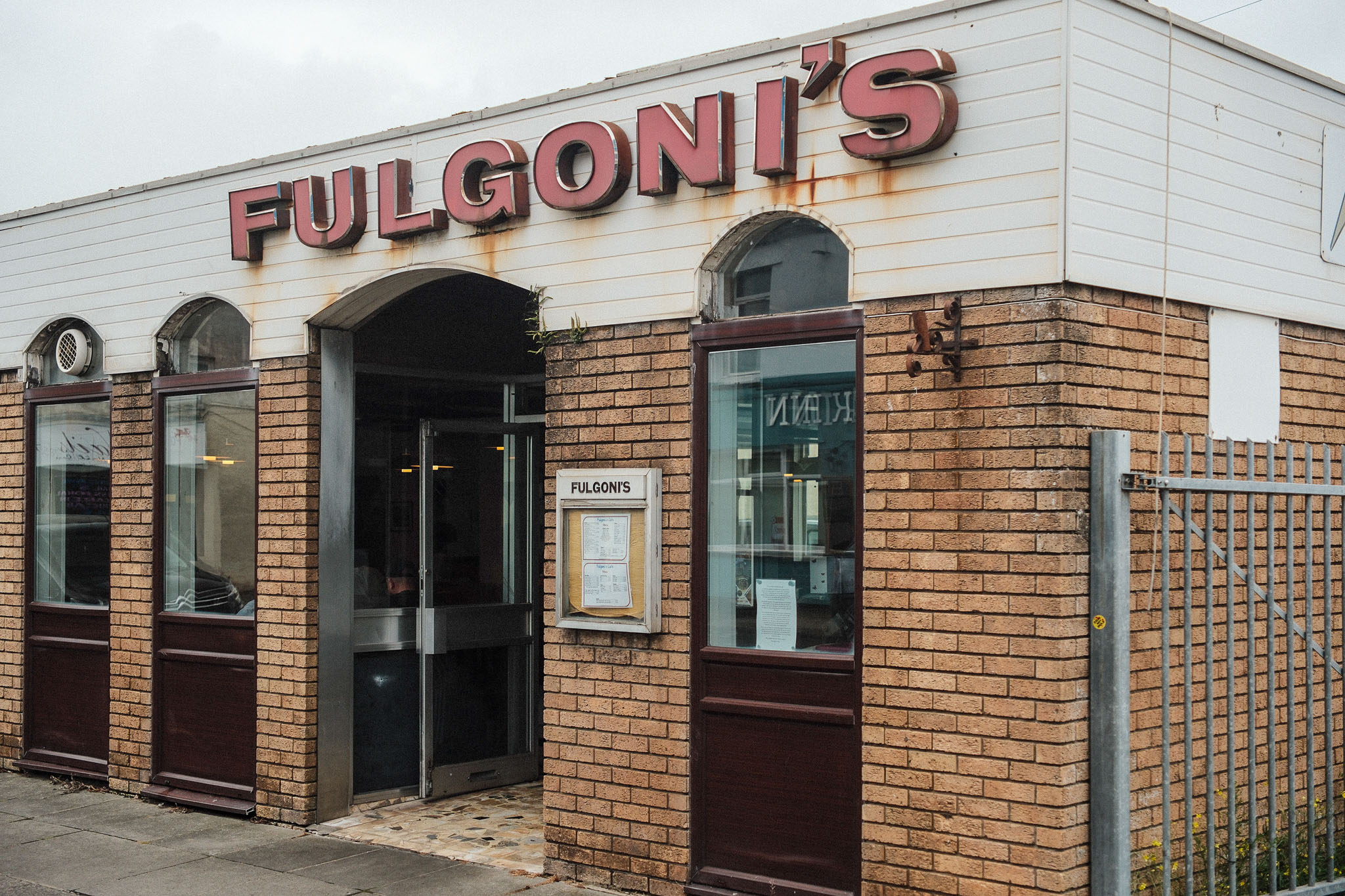
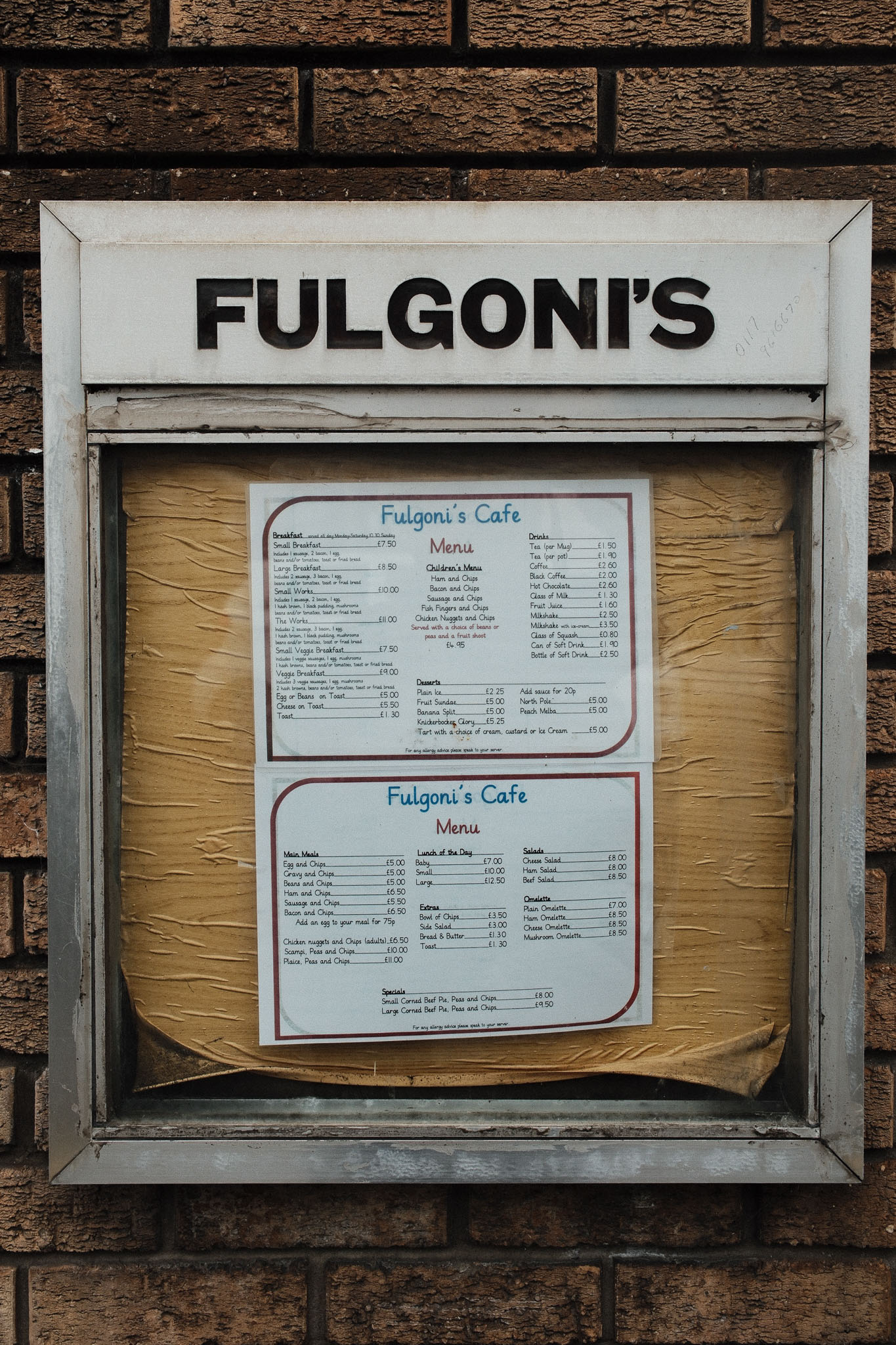
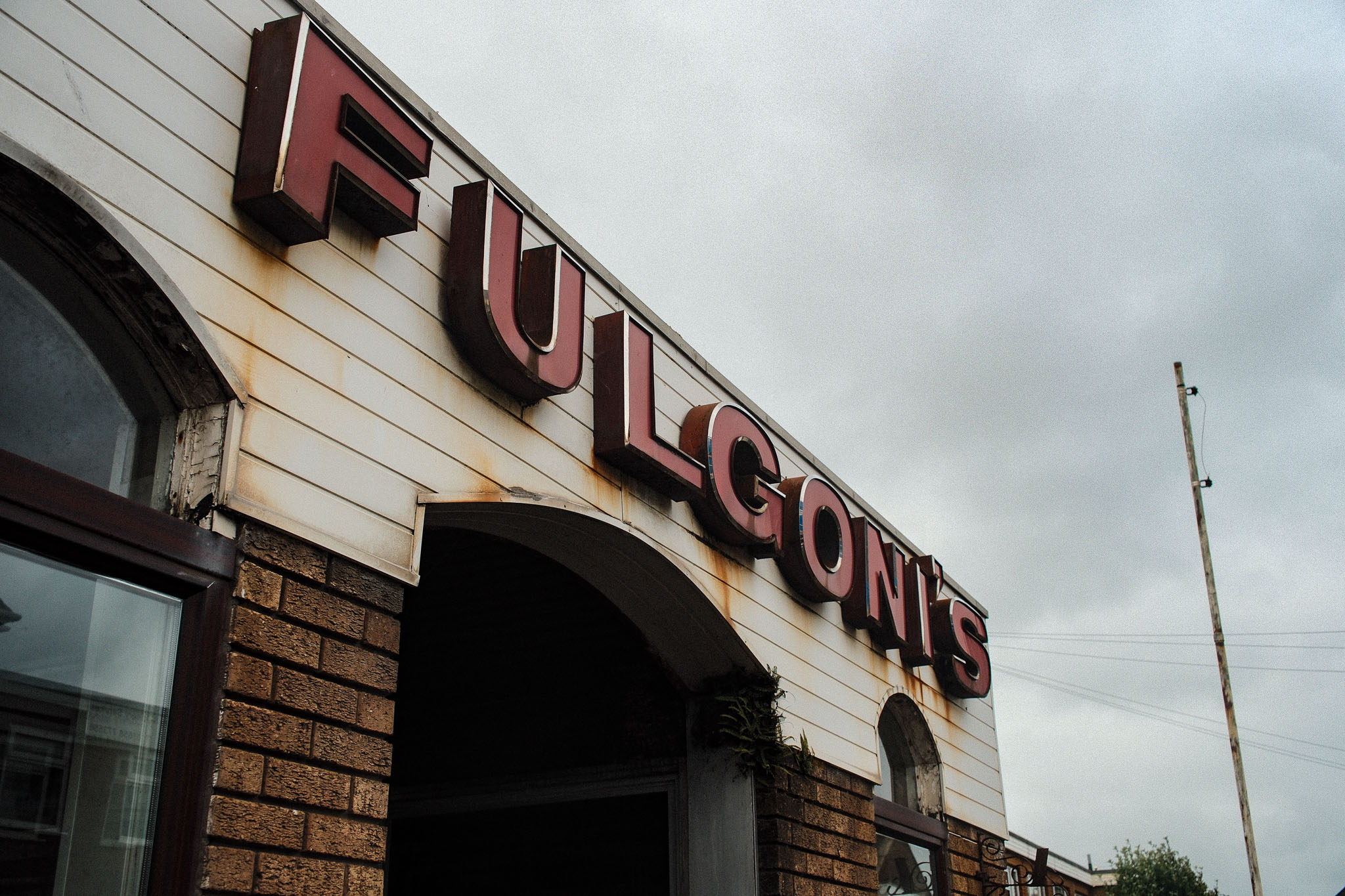
The Fulgoni family have been a deep-rooted part of the fabric of Porthcawl for generations. After moving to the area in 1926, they initially sold ice cream from a horse-drawn cart on Coney Beach, and then after several shops and kiosks settled into their cafe premises FULGONI’S. After almost a century, the family made the decision to close their doors for the last time on 09/08/2024. They were kind enough to allow me to come in and capture a part of this (emotional) final morning for both the family and their customers.
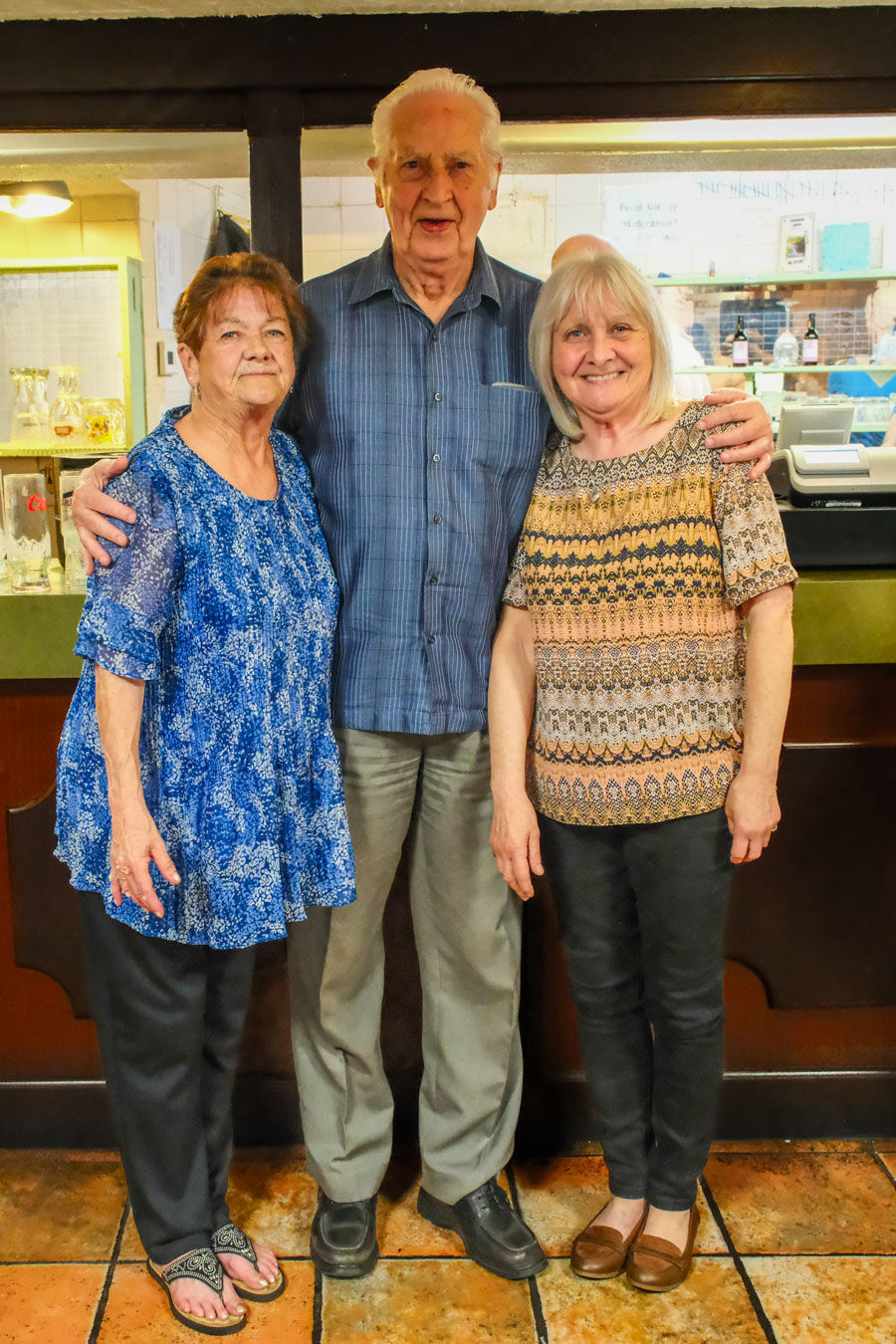
The owners and staff of Fuglionis. Names- front, Pauline, Lauren, Catherine, Pat, Joanne, Basil, Jamie Back- Mark, Lexi







































































































































































































 KarlJones.Photography