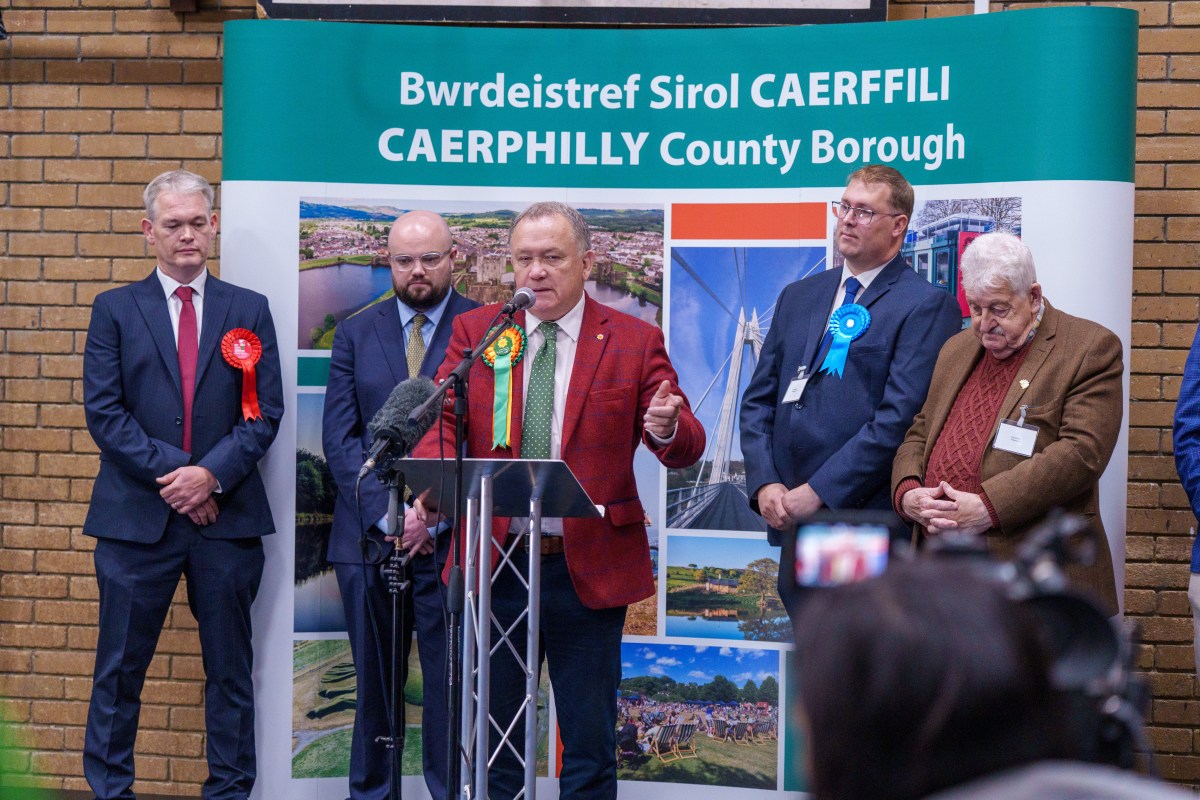
On Thursday I posted a blog about being in Caerphilly for the by-election. This is the second of those posts. When I mentioned going, someone said that the place I really wanted to be was at the count at the end of the night. I sent off a request for access and, for some unknown reason, managed to get in. I always knew that by the time I posted the images from the ballot count, it would be old news so, as with a lot of my photography, rather than just capturing the outcome, I tried to show what it actually felt like to be there.
The first part of the evening was actually getting in. Since I don’t live too far away, I had time to nip home, have dinner, watch an episode of House, and get comfortable enough that I didn’t really want to leave again. On the drive back down the M4, I became convinced that some mistake had been made and that I’d arrive only to be turned away.
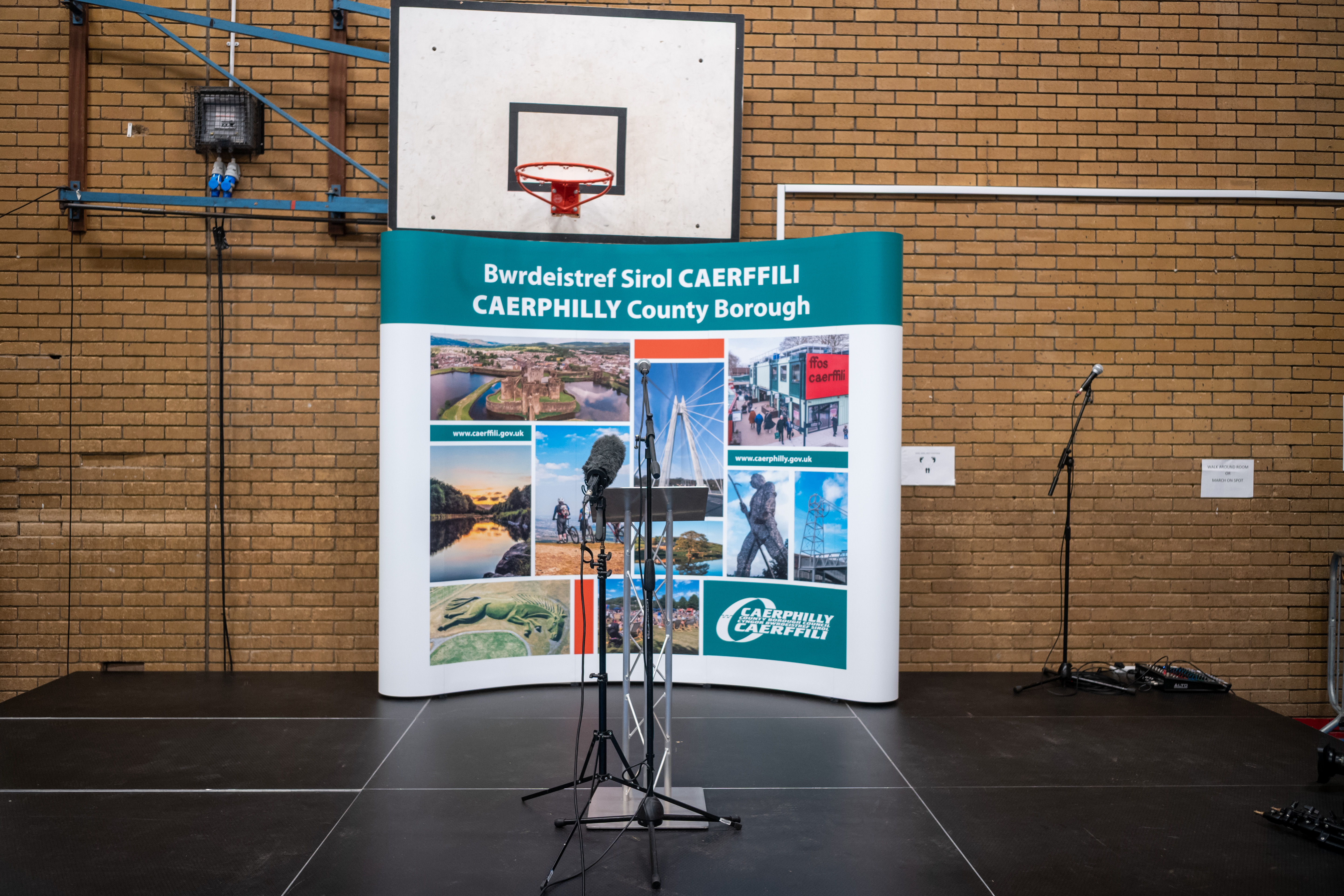
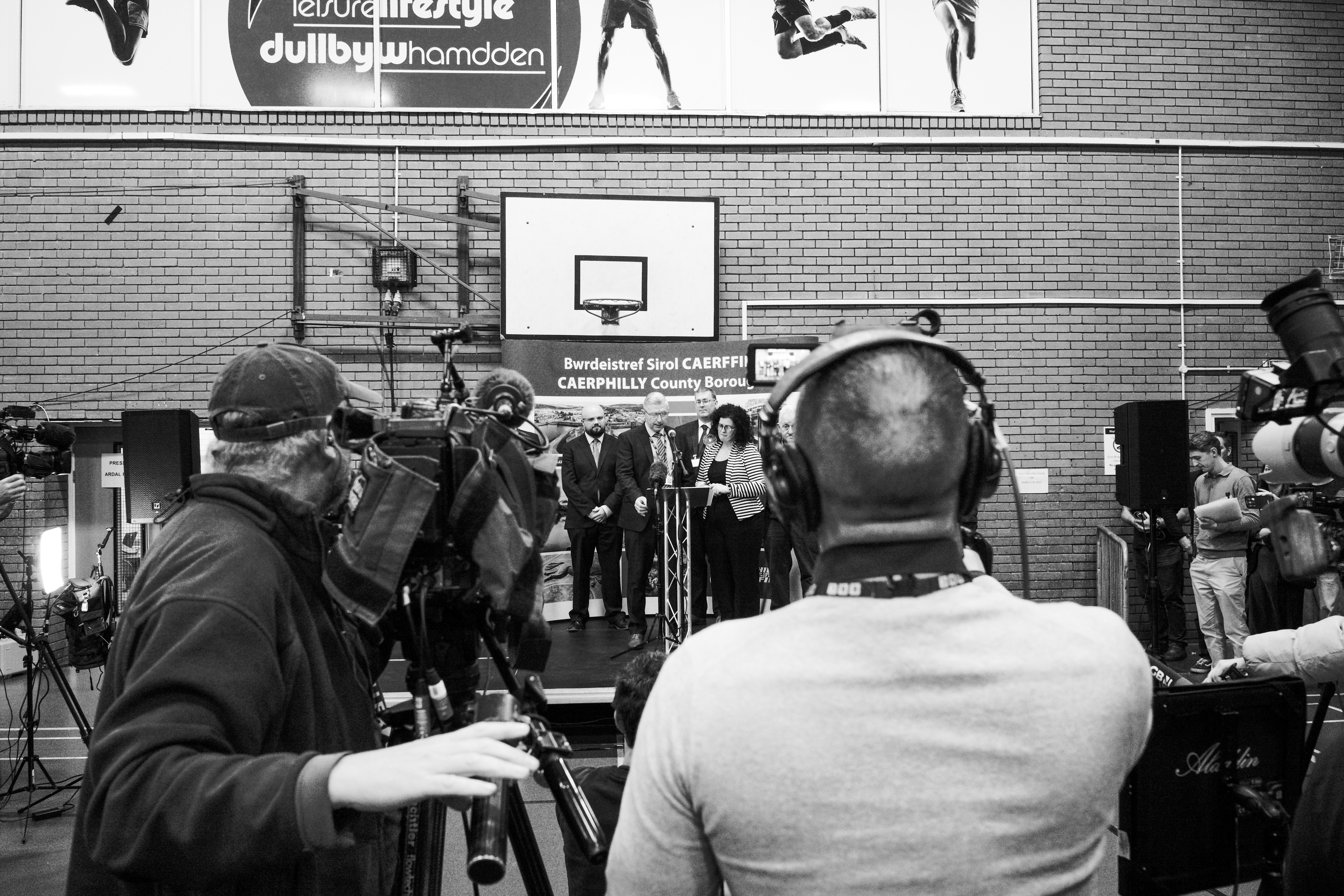
I reached Caerphilly Leisure Centre and was handed my media pass before being pointed towards the hall. The moment I stepped inside, I had my first realisation that maybe I wasn’t supposed to be there. The hall was split into three sections: the largest for the ballot counters; about two-thirds of the remaining space taken up by news cameras and a stage; and the rest, including a small back room, reserved for media. I was definitely overwhelmed by how much press was there. Throughout the night, I even had a few messages from friends saying they’d spotted me lurking in the background on TV. Once I found myself a spot, I pulled out my camera and got to work.
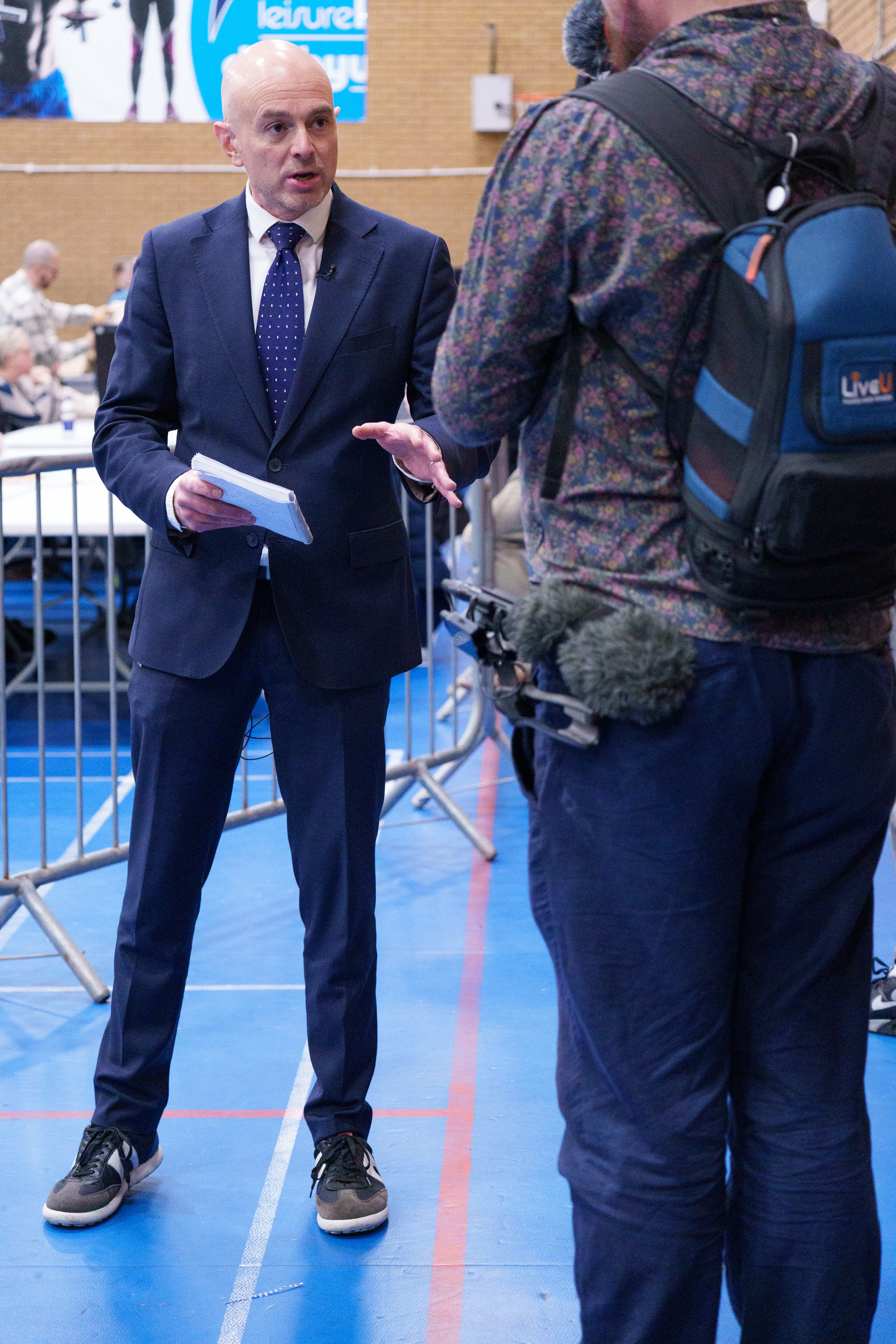
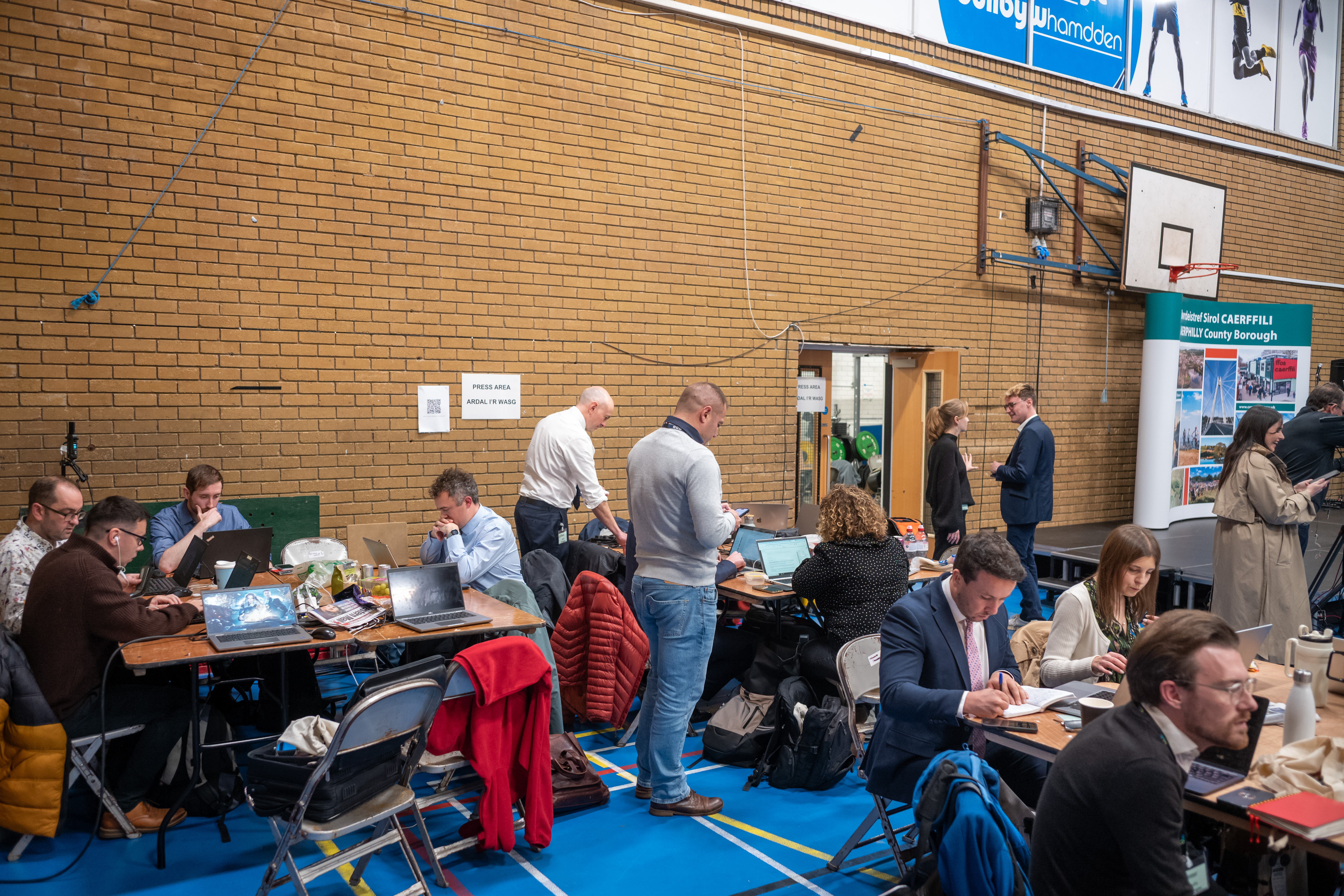
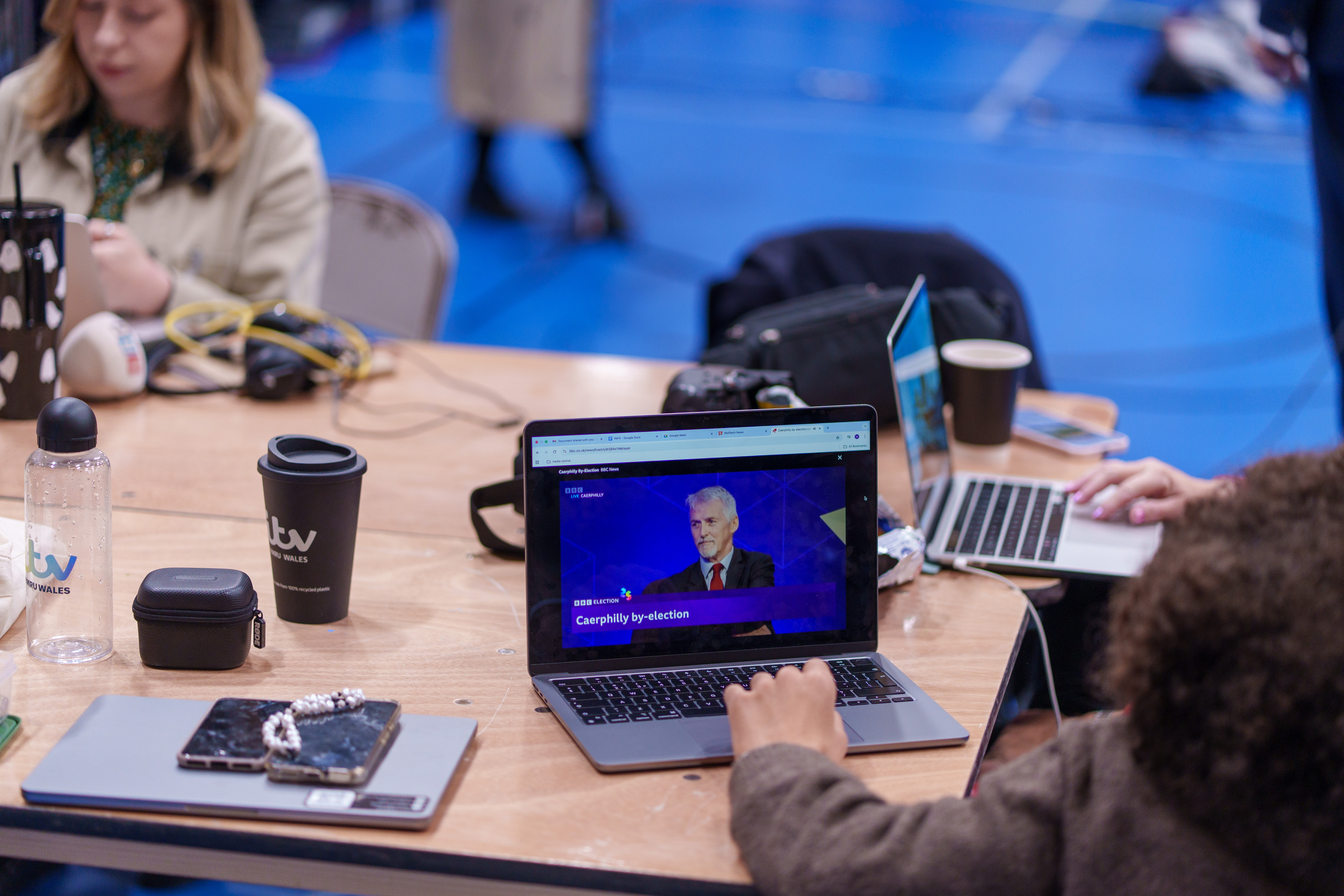
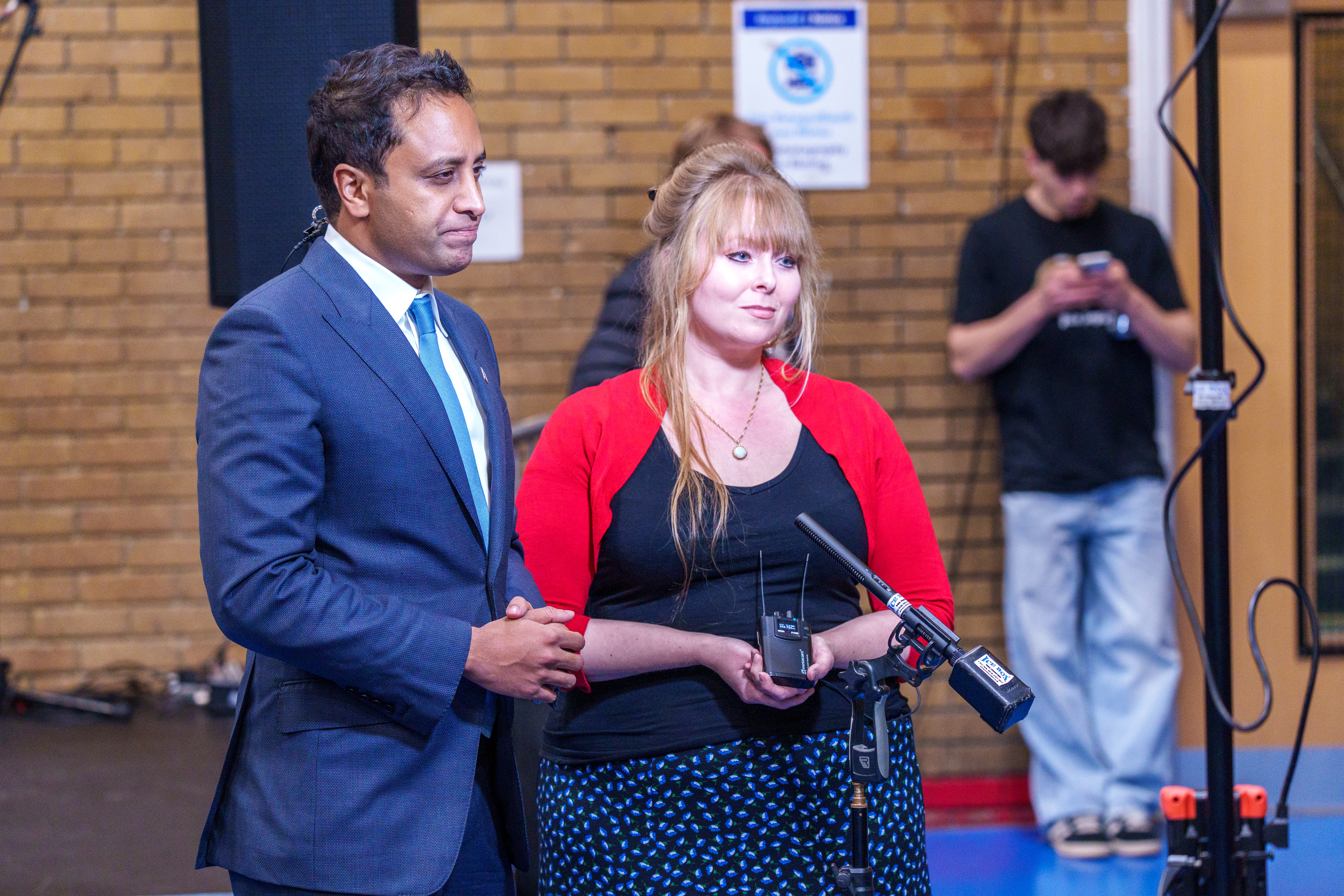
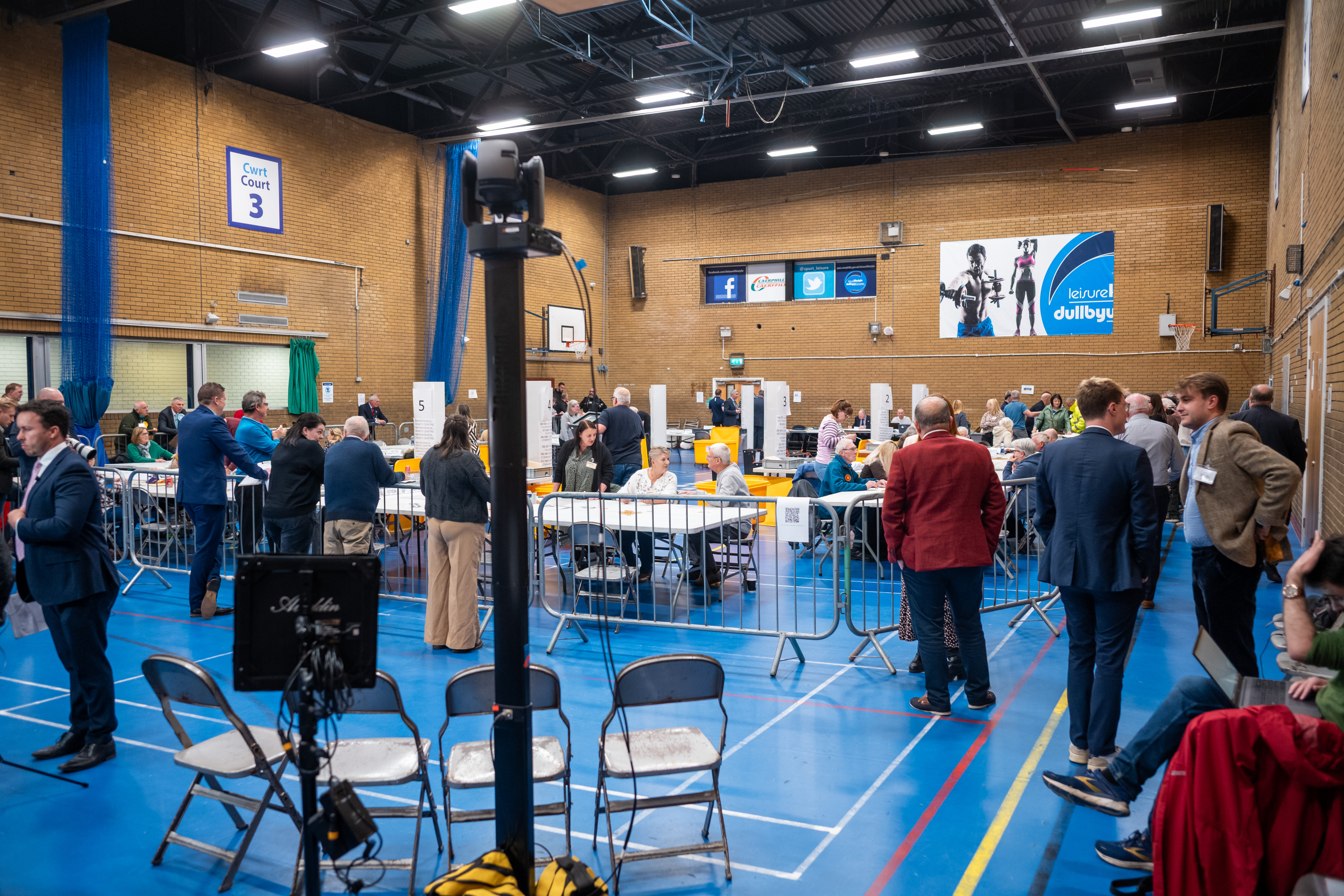
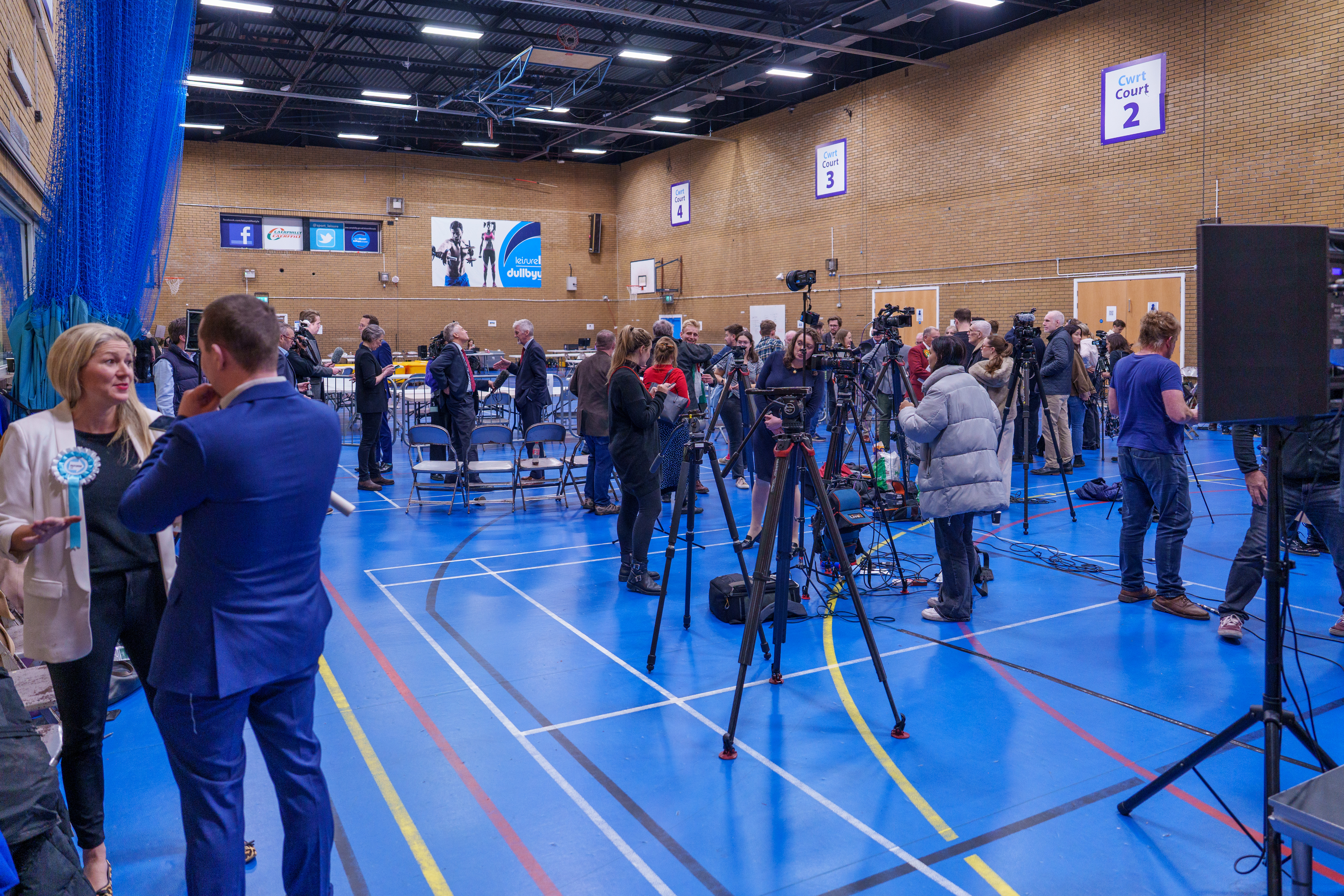
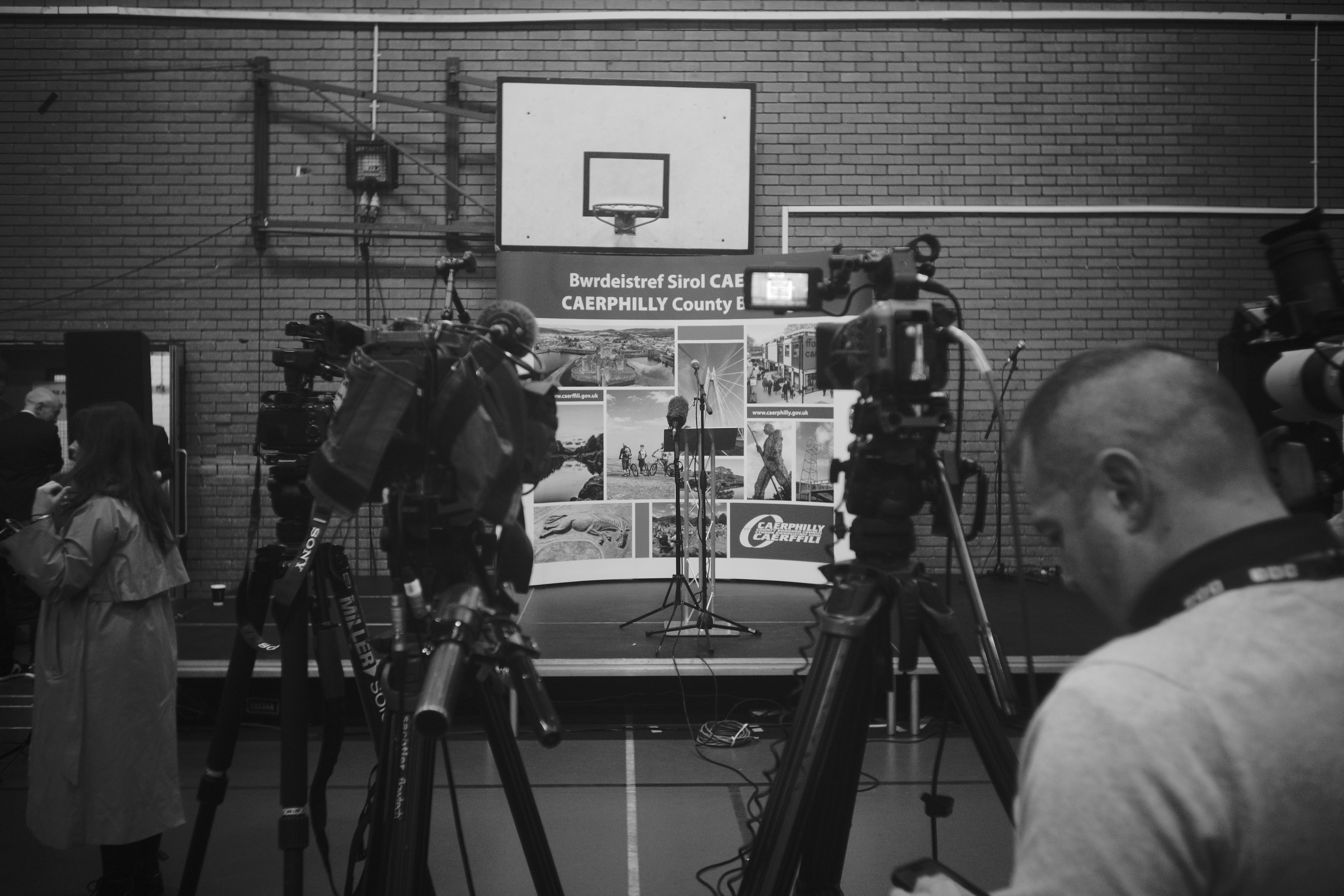
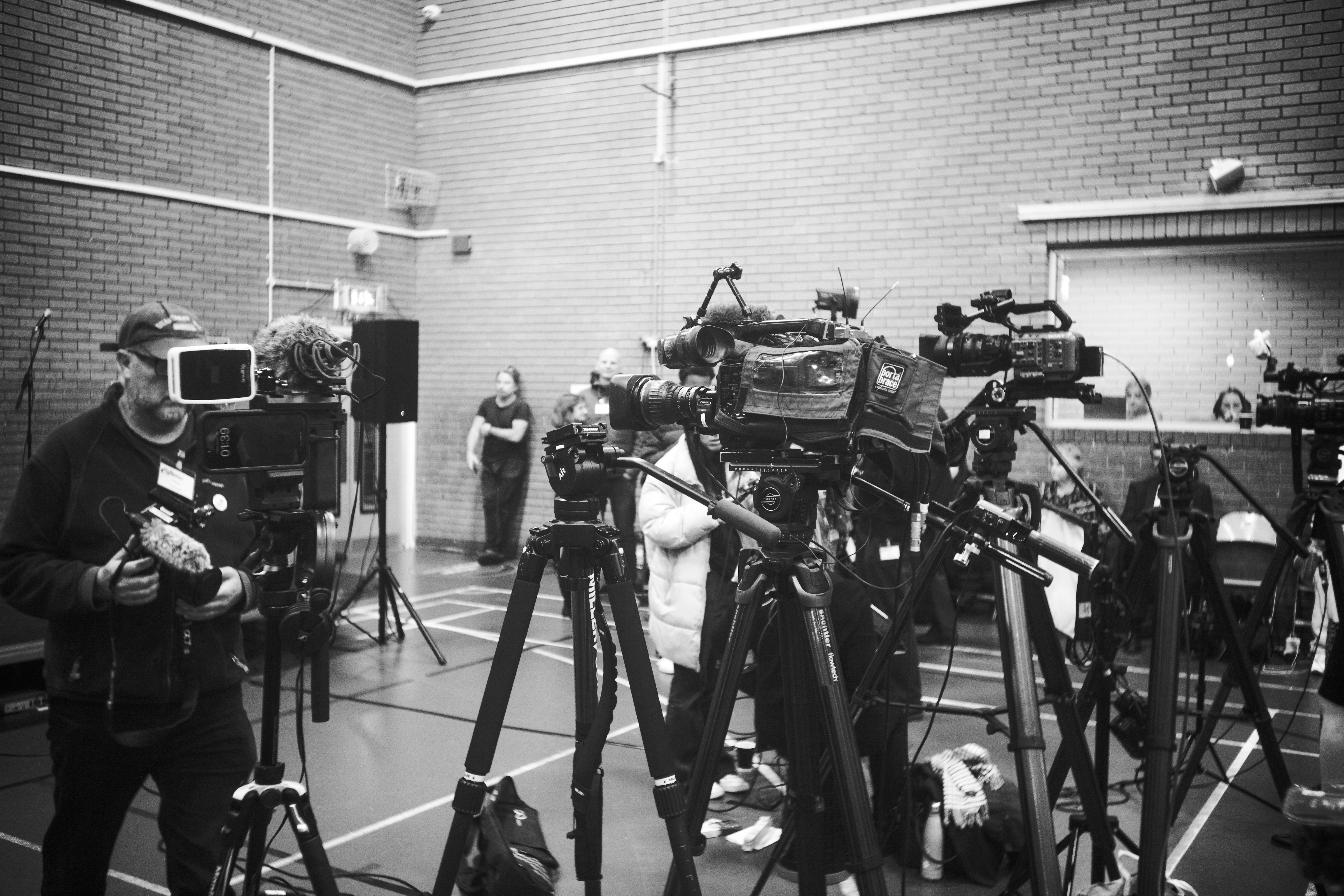
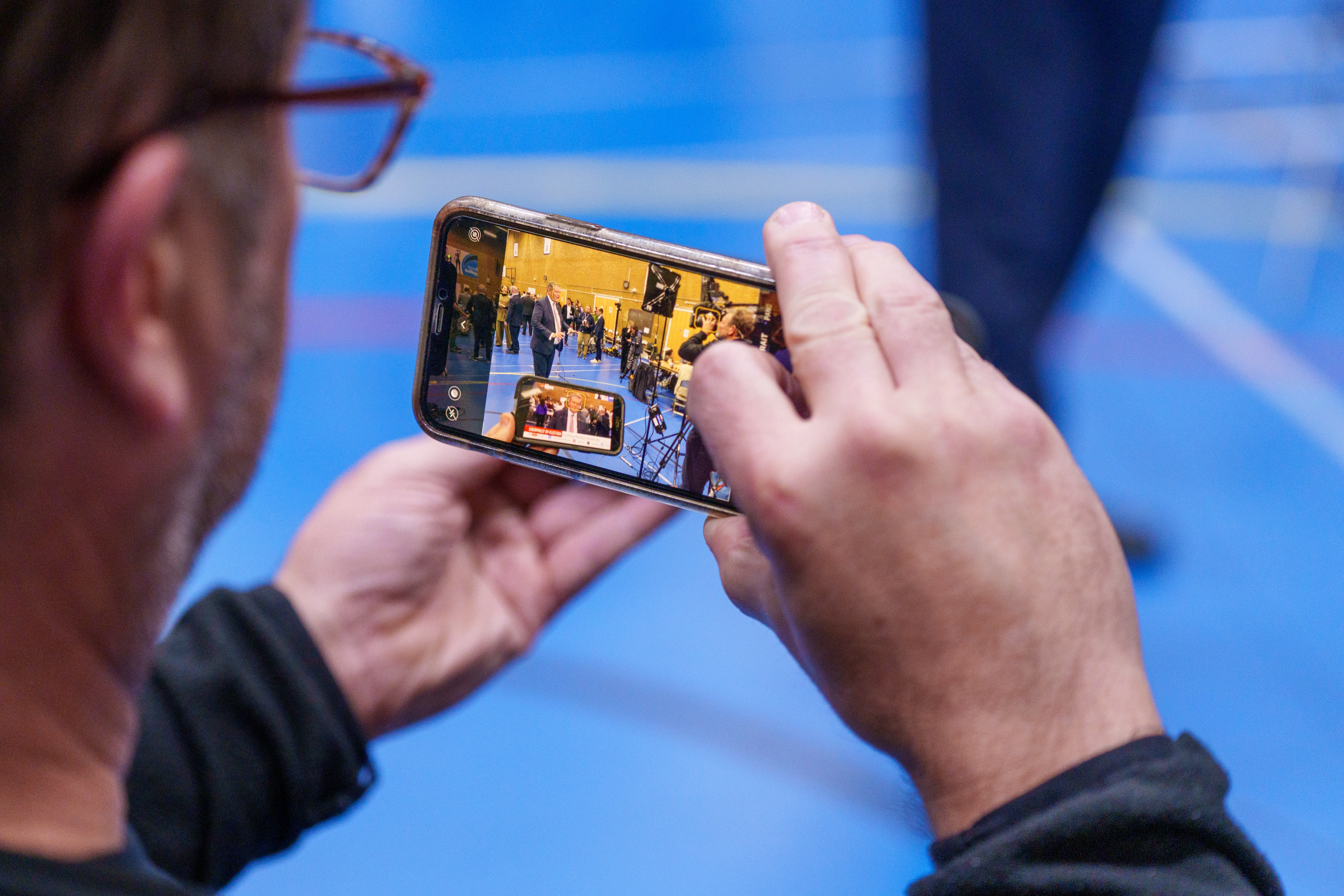
even when not shooting, the media were always rehearsing
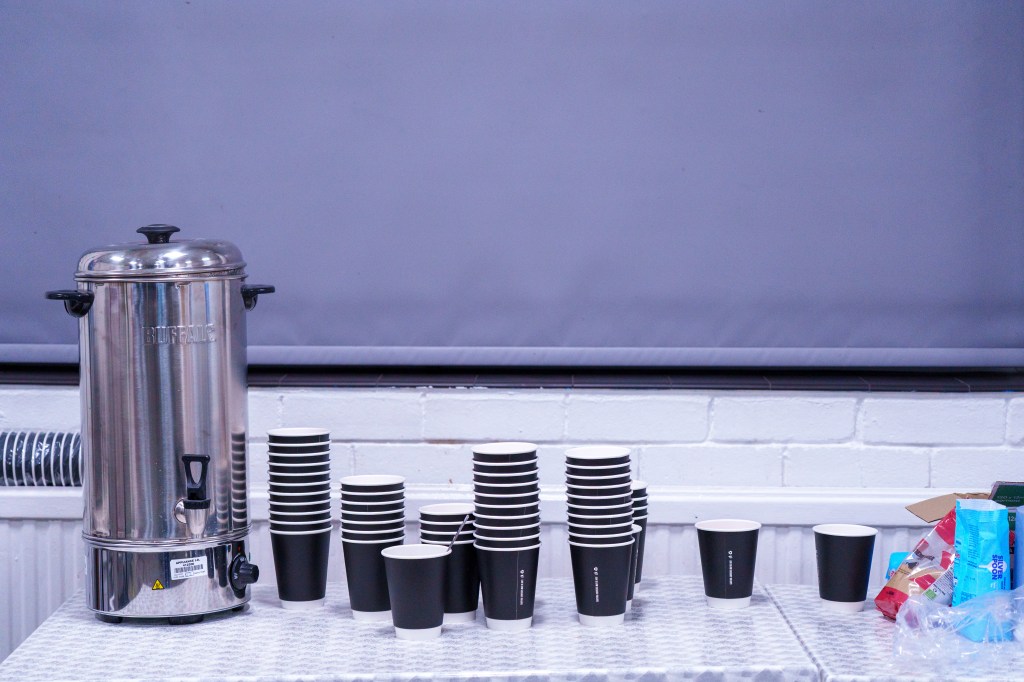
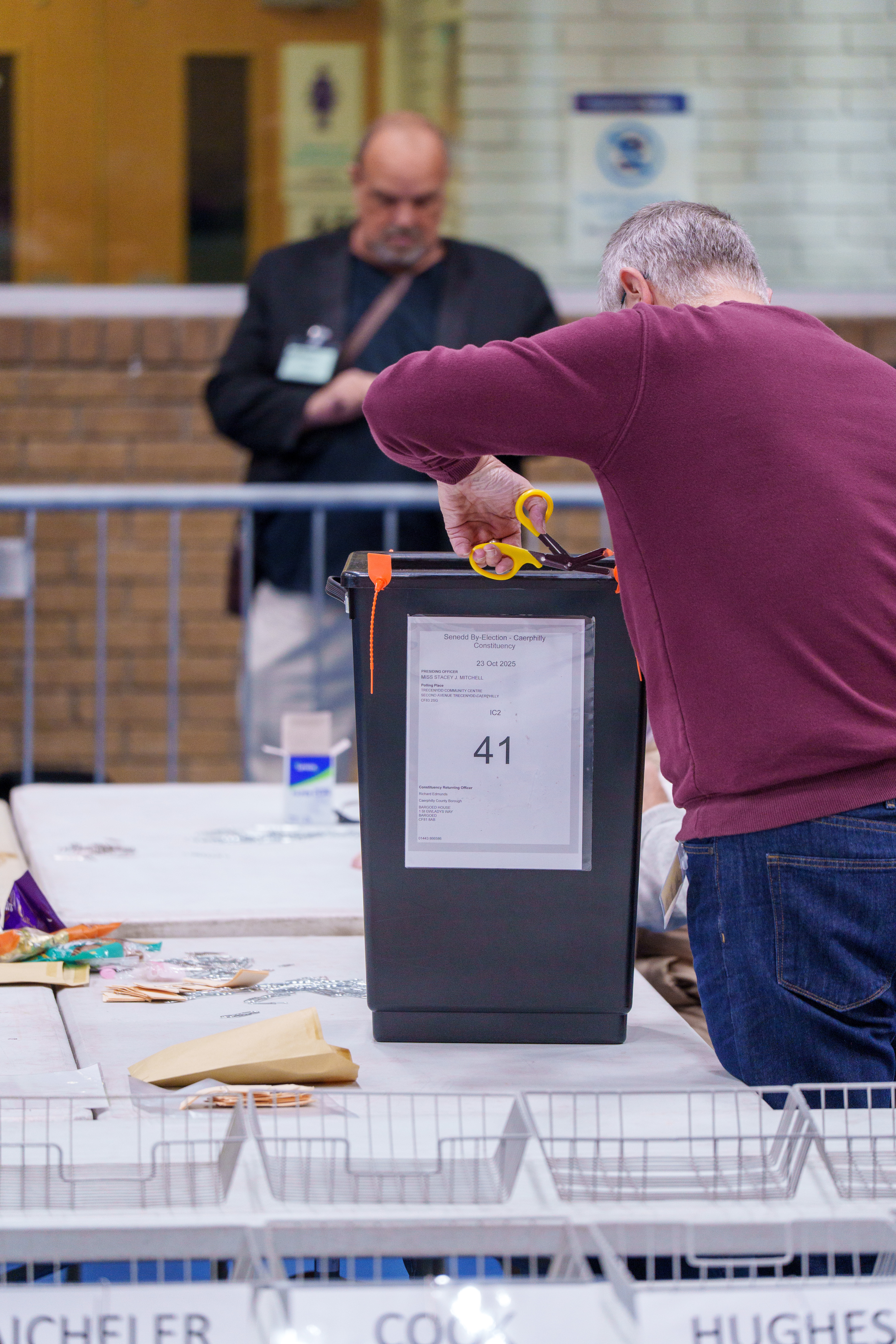
Within minutes of arriving, the first ballot boxes began to appear. This was the start of verification which, as someone from Channel 5 kindly explained, is often the longest part of the process, as votes are checked to make sure they’ve been filled in correctly.
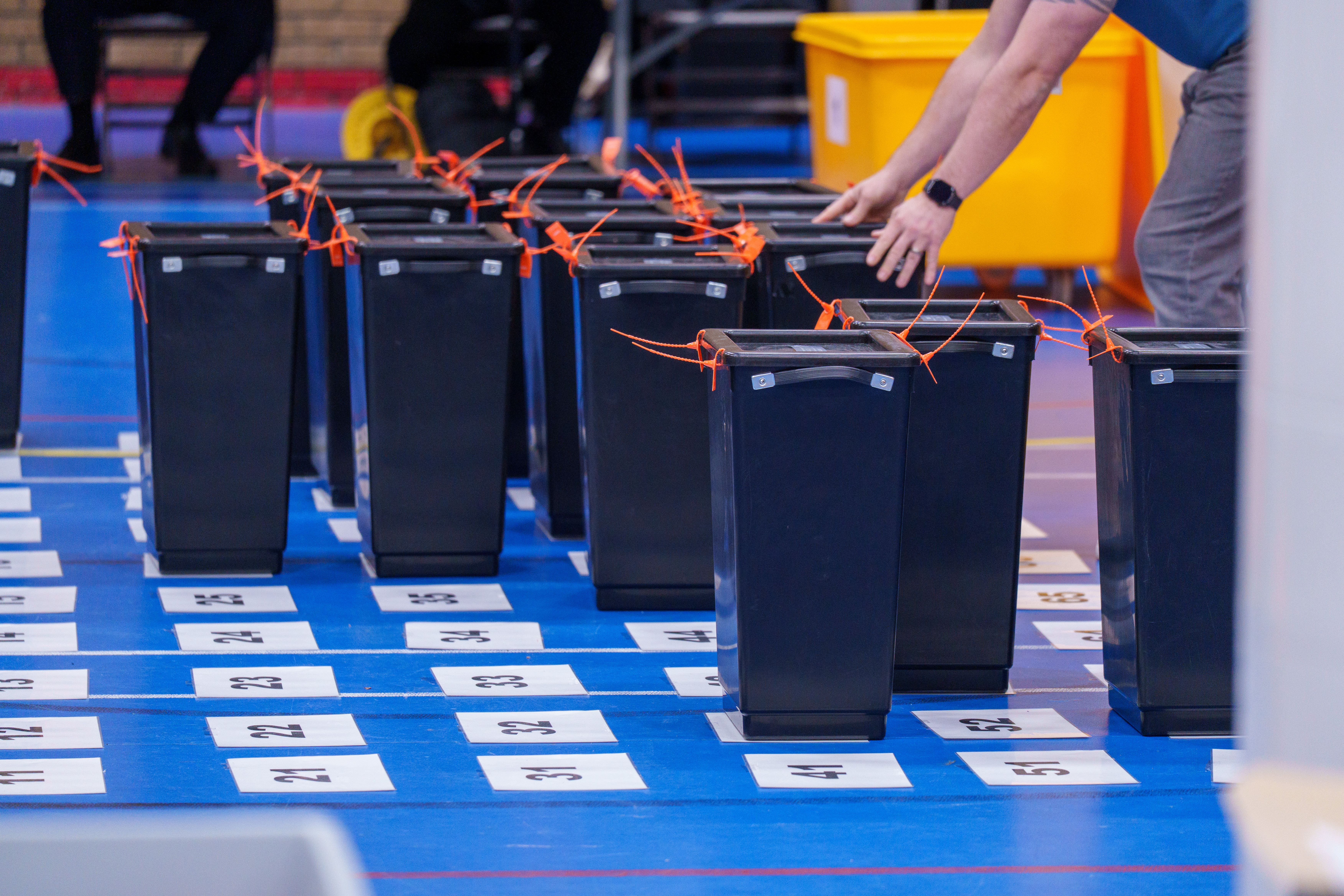
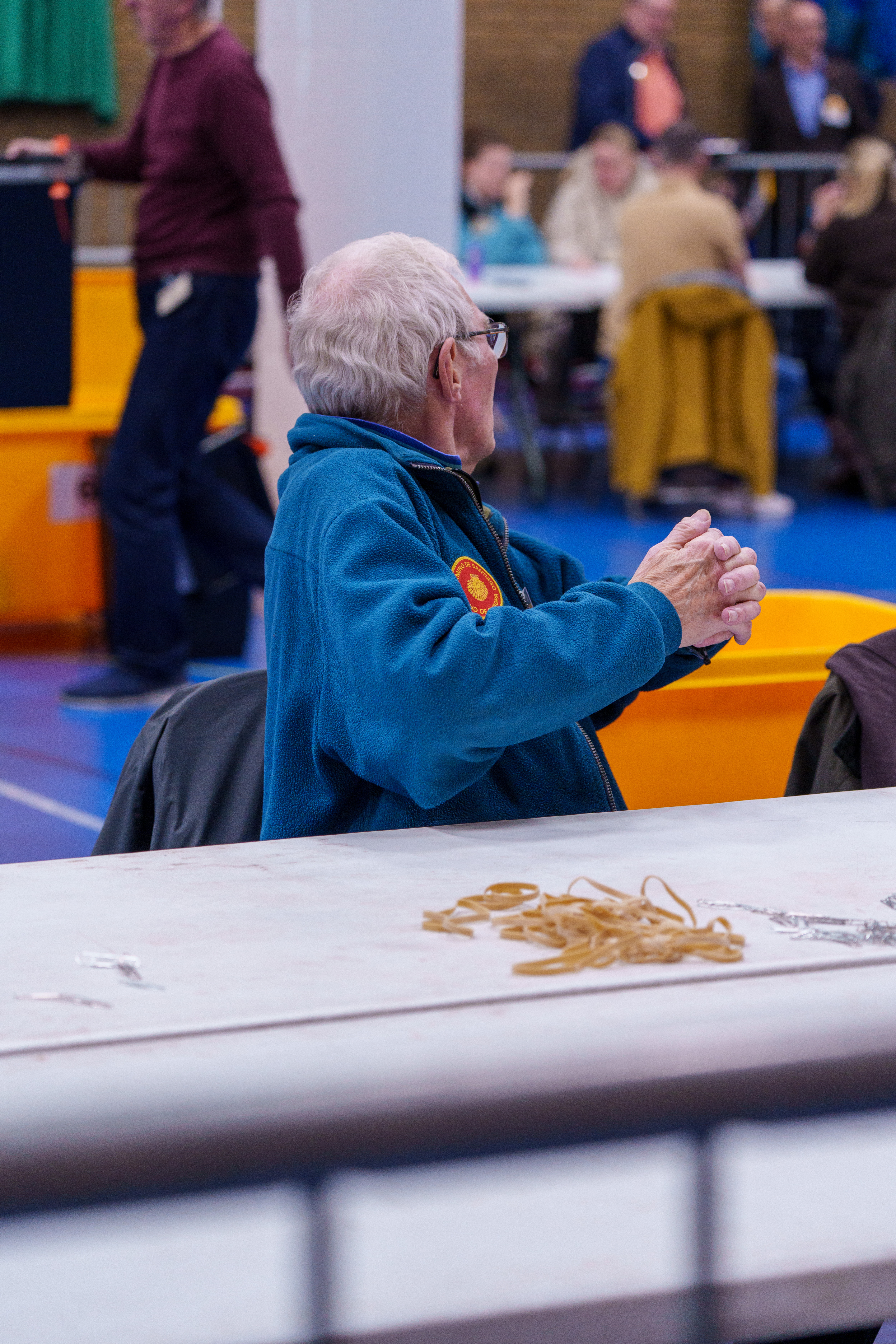
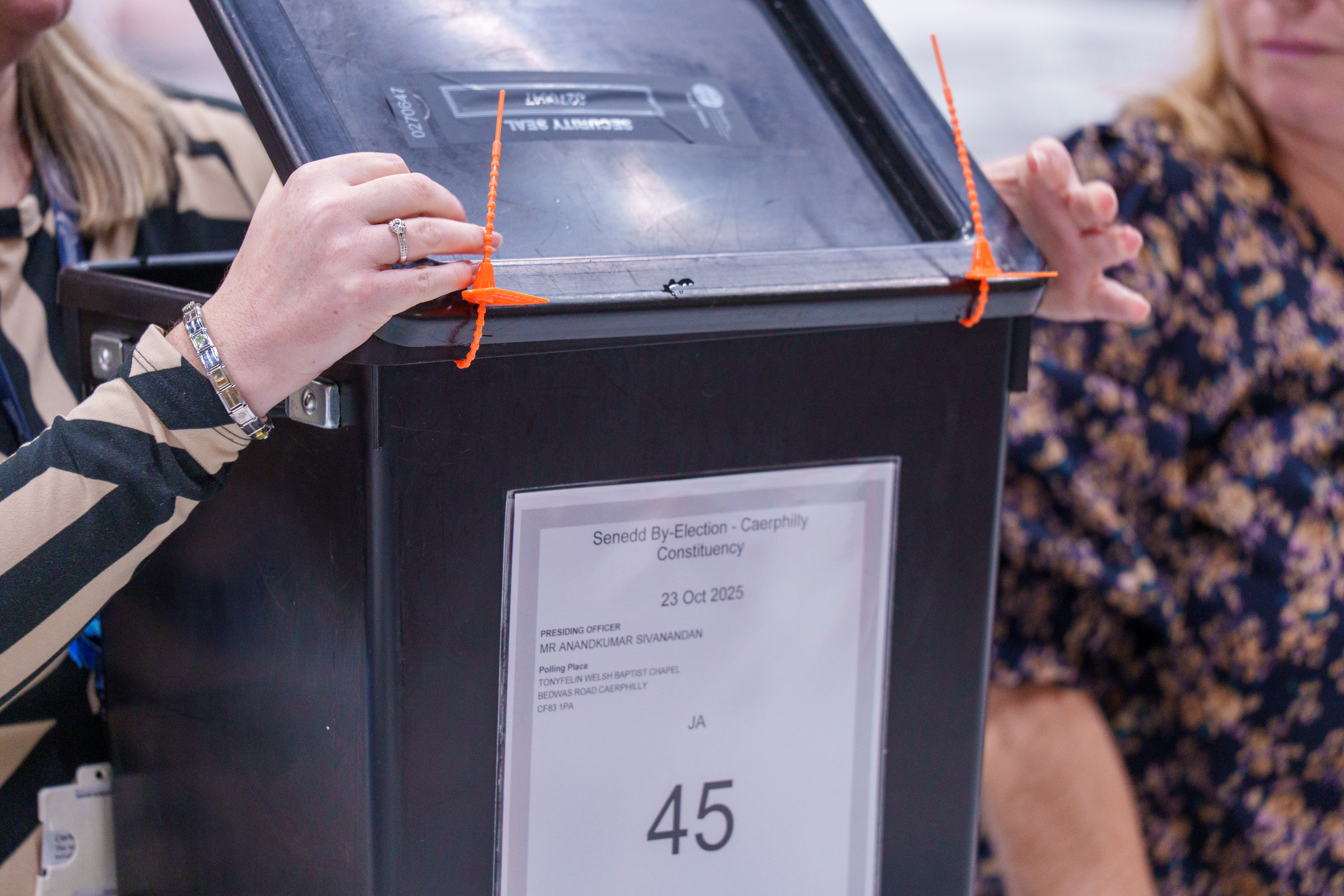
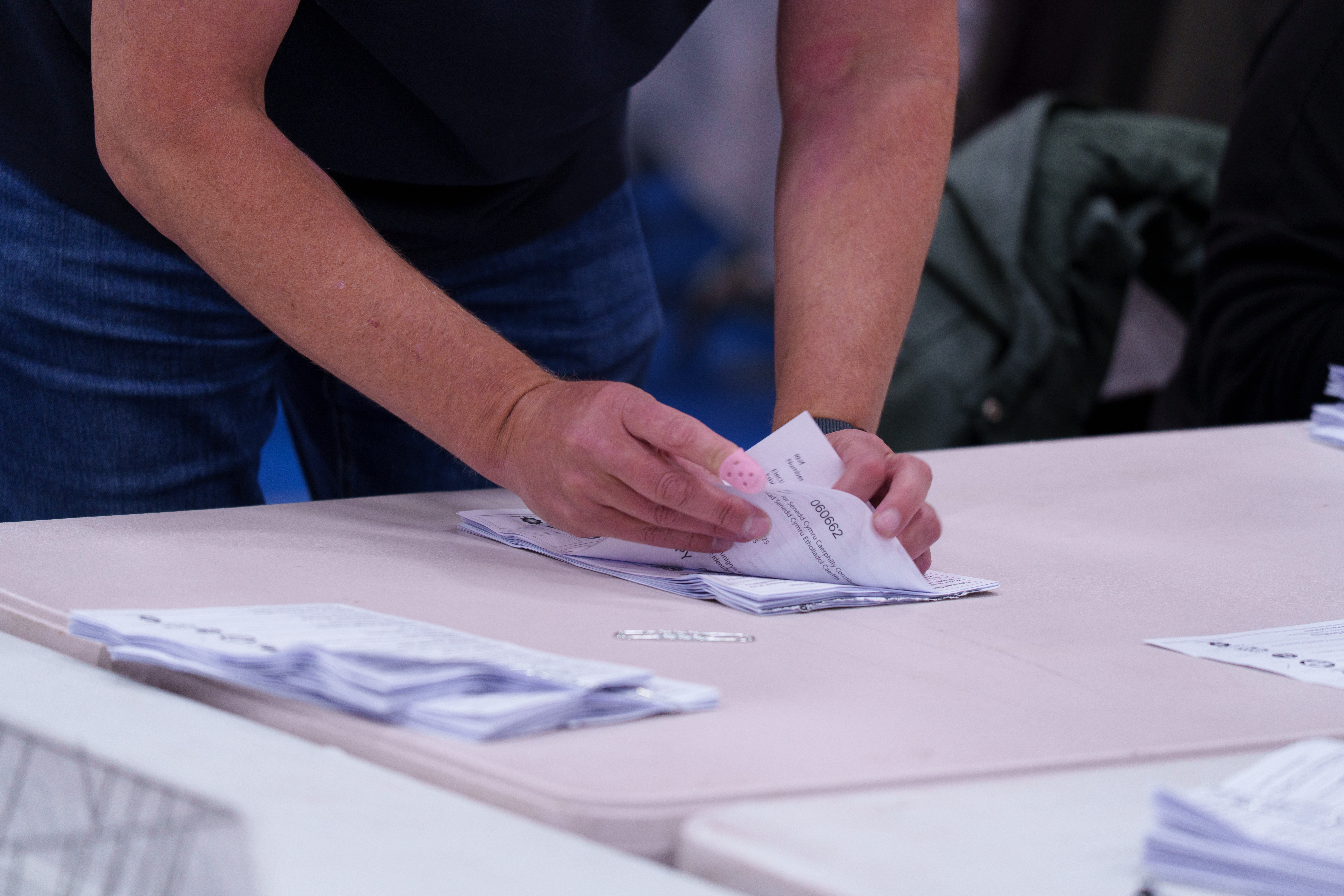
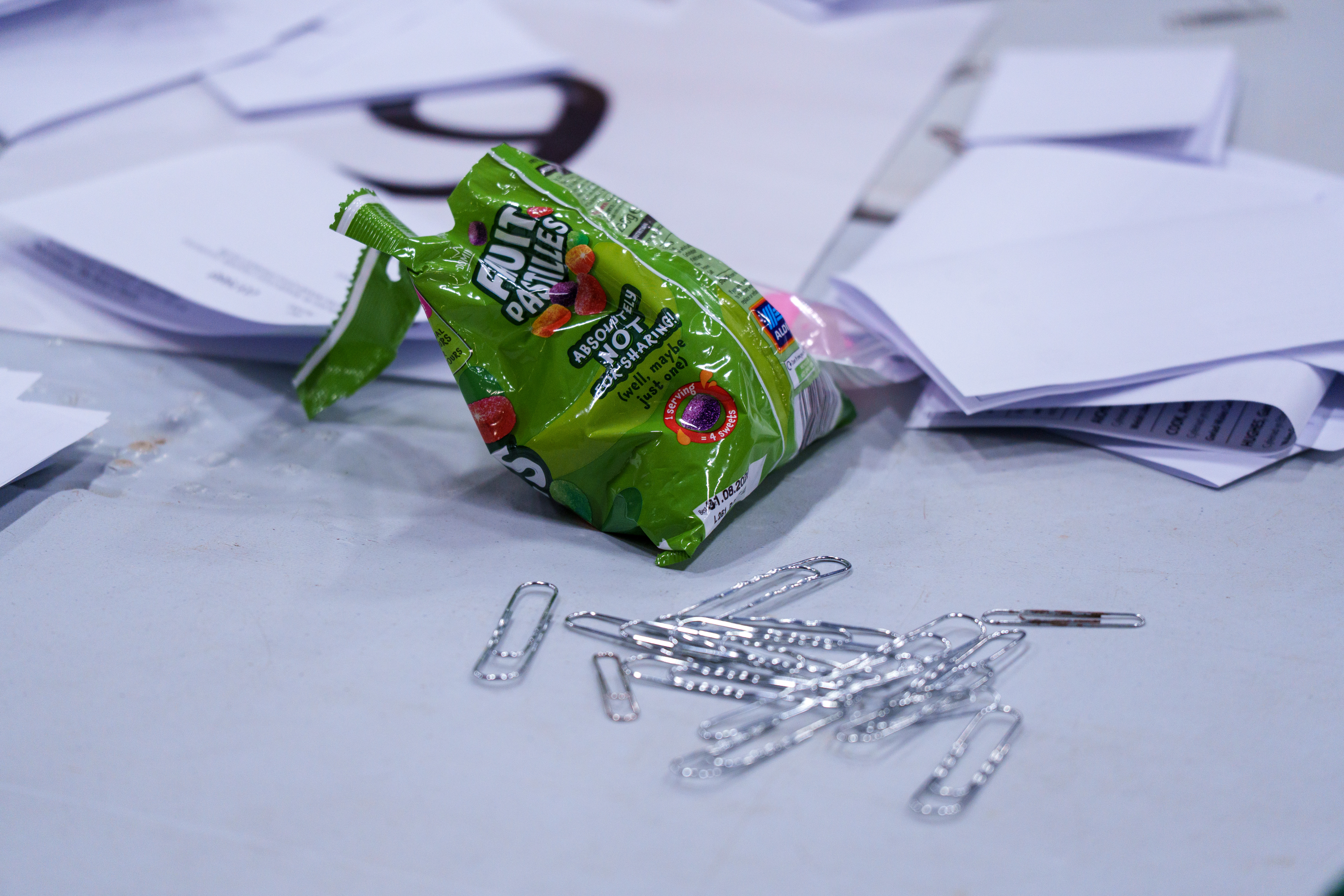
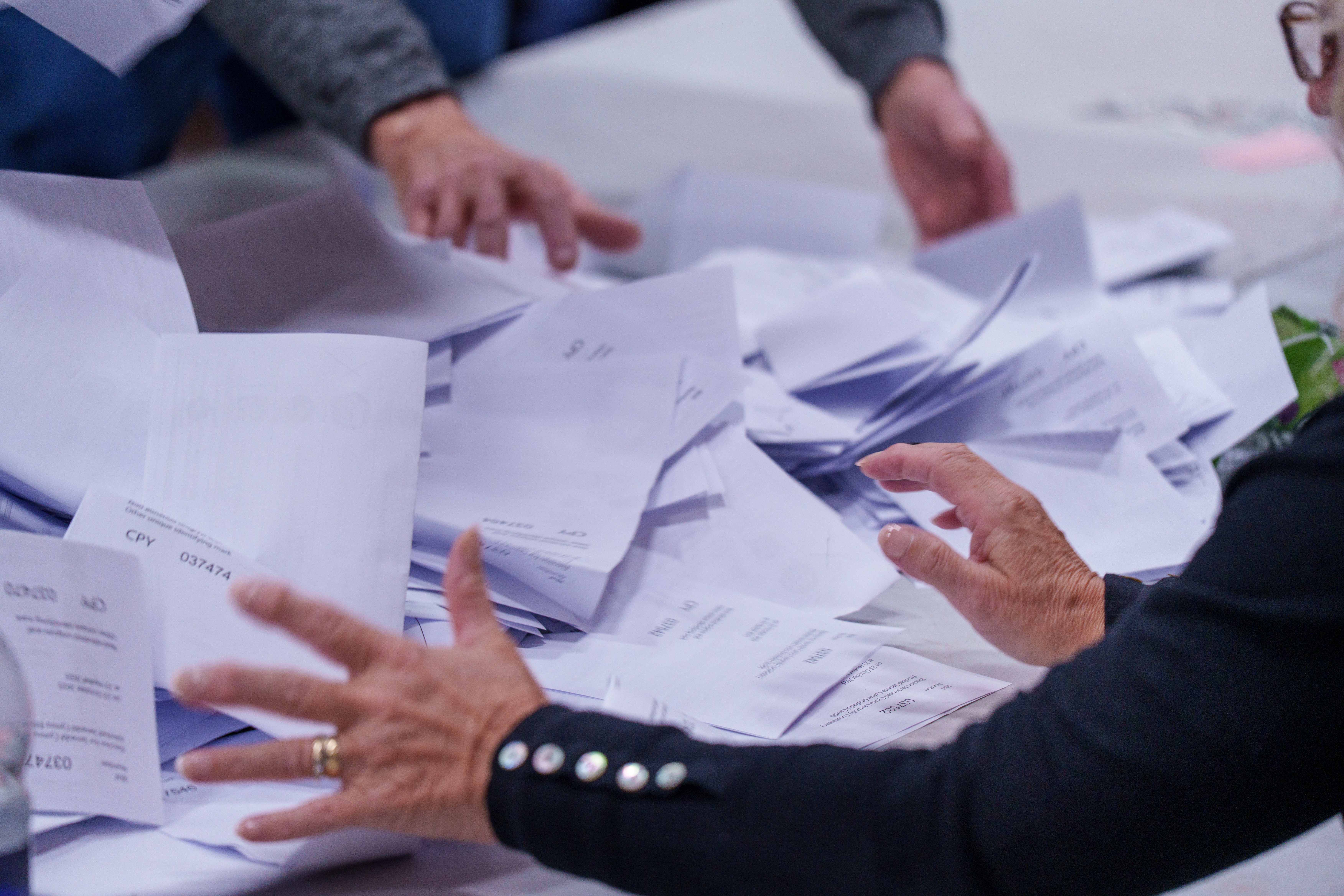
Most of the candidates, apart from Labour and Reform, were present for this stage. Labour and Reform arrived later. The Reform candidate had an unmistakable air of confidence at this point, while there was a hint of apprehension within the Plaid camp. It felt like they knew they hadn’t done badly, but weren’t expecting overwhelming success either. It was widely expected that the first result would come between 2 and 3 a.m. and might be close enough to trigger a recount, a disappointing prospect for someone who’s very fond of pyjamas by 7 p.m.
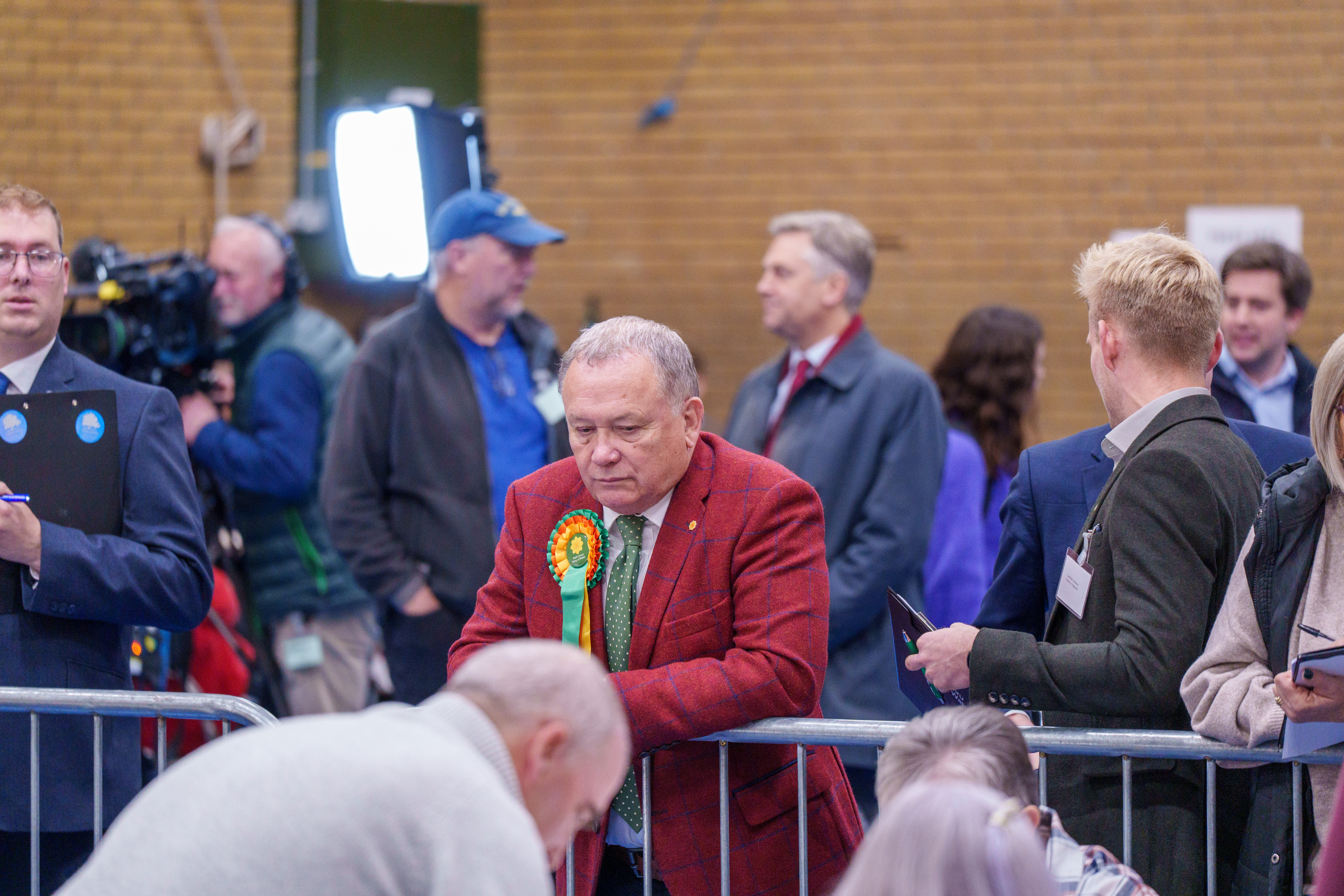
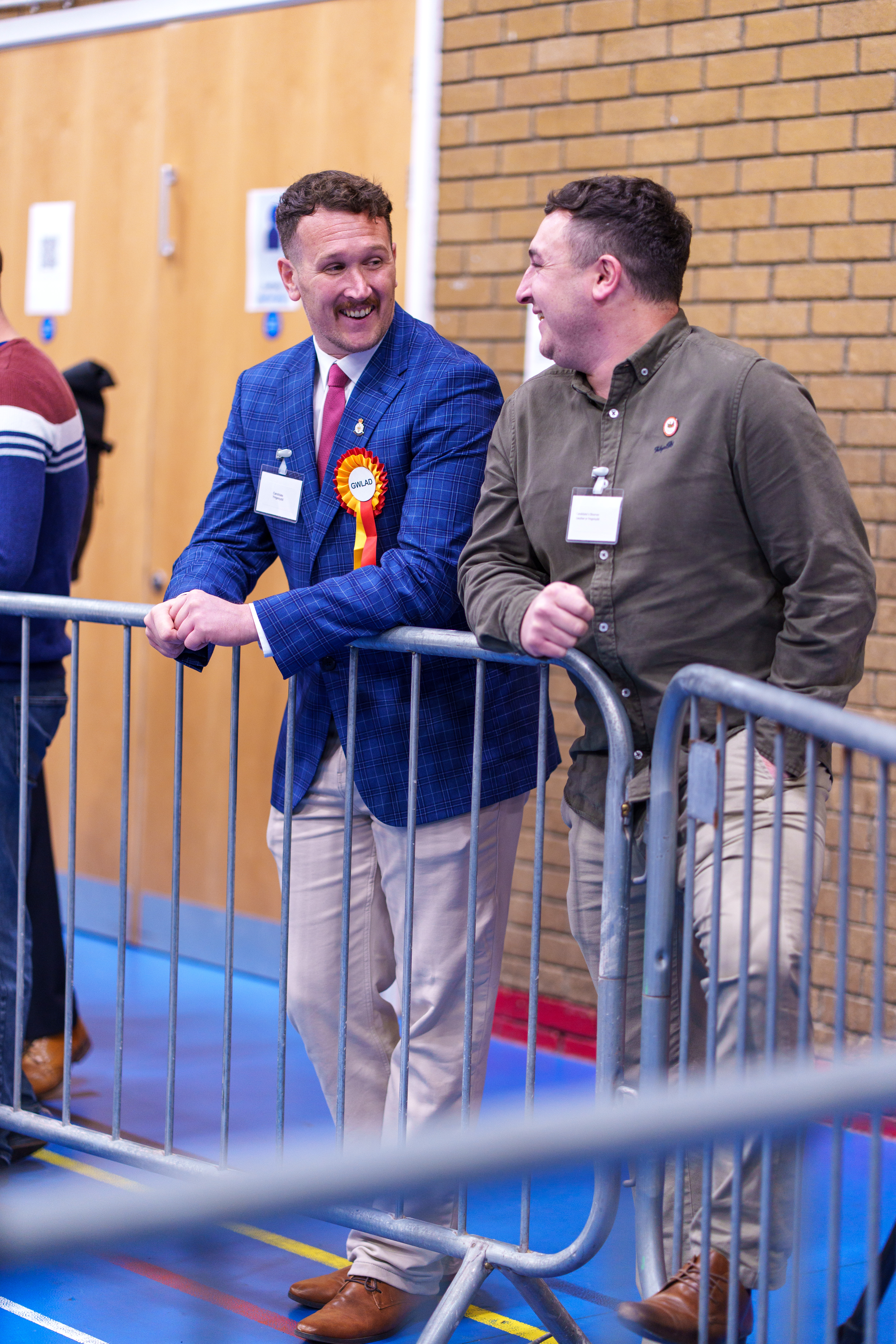
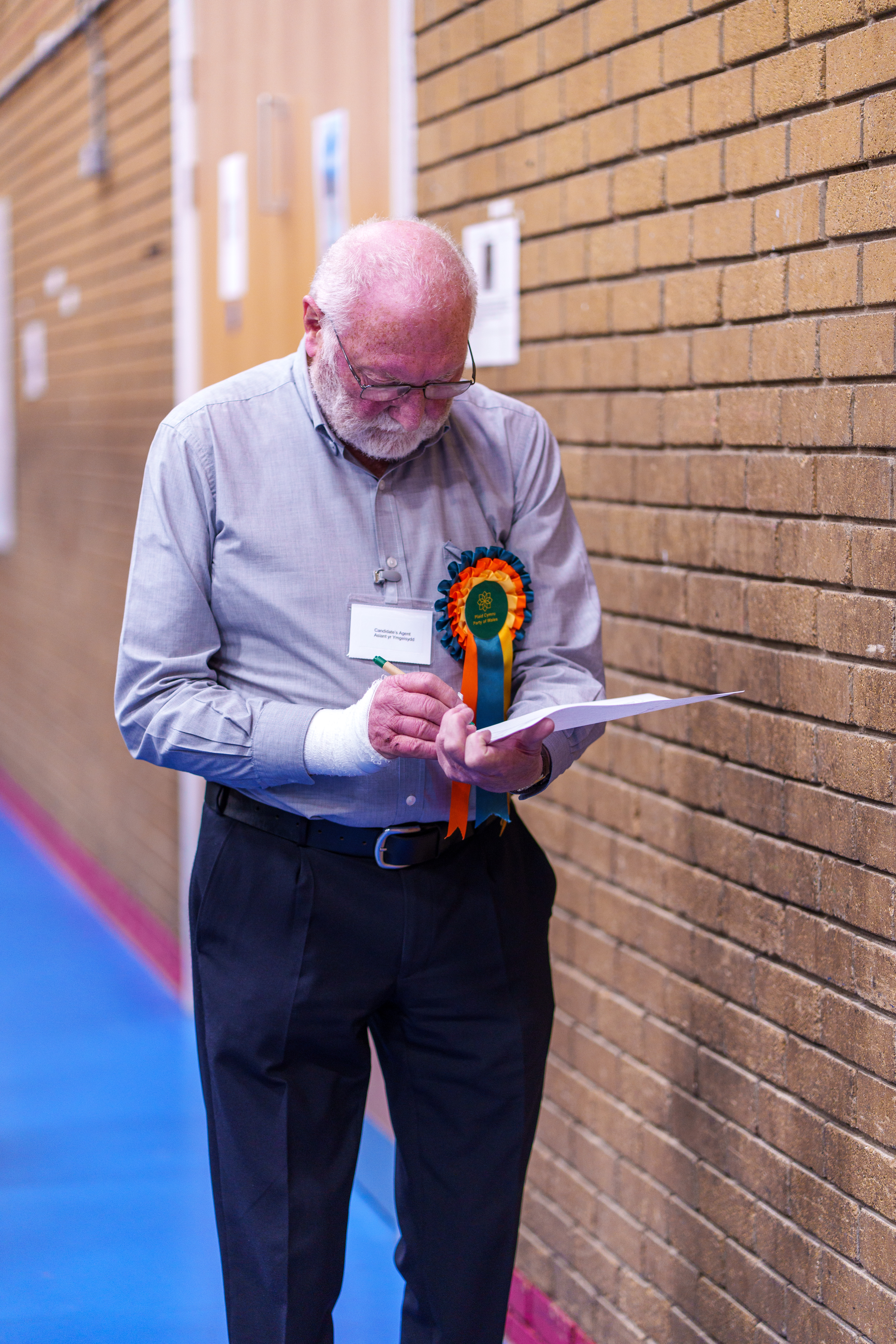
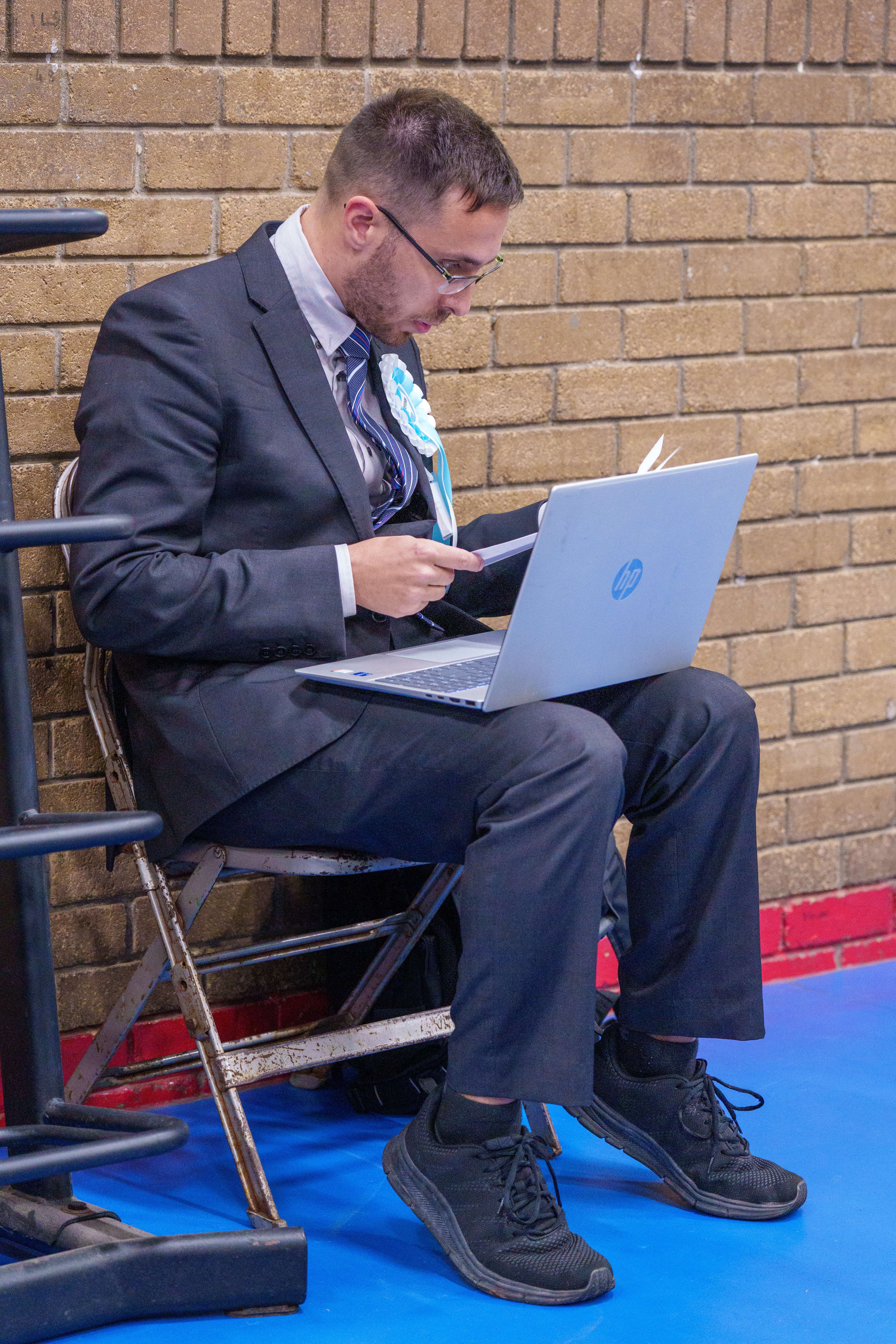
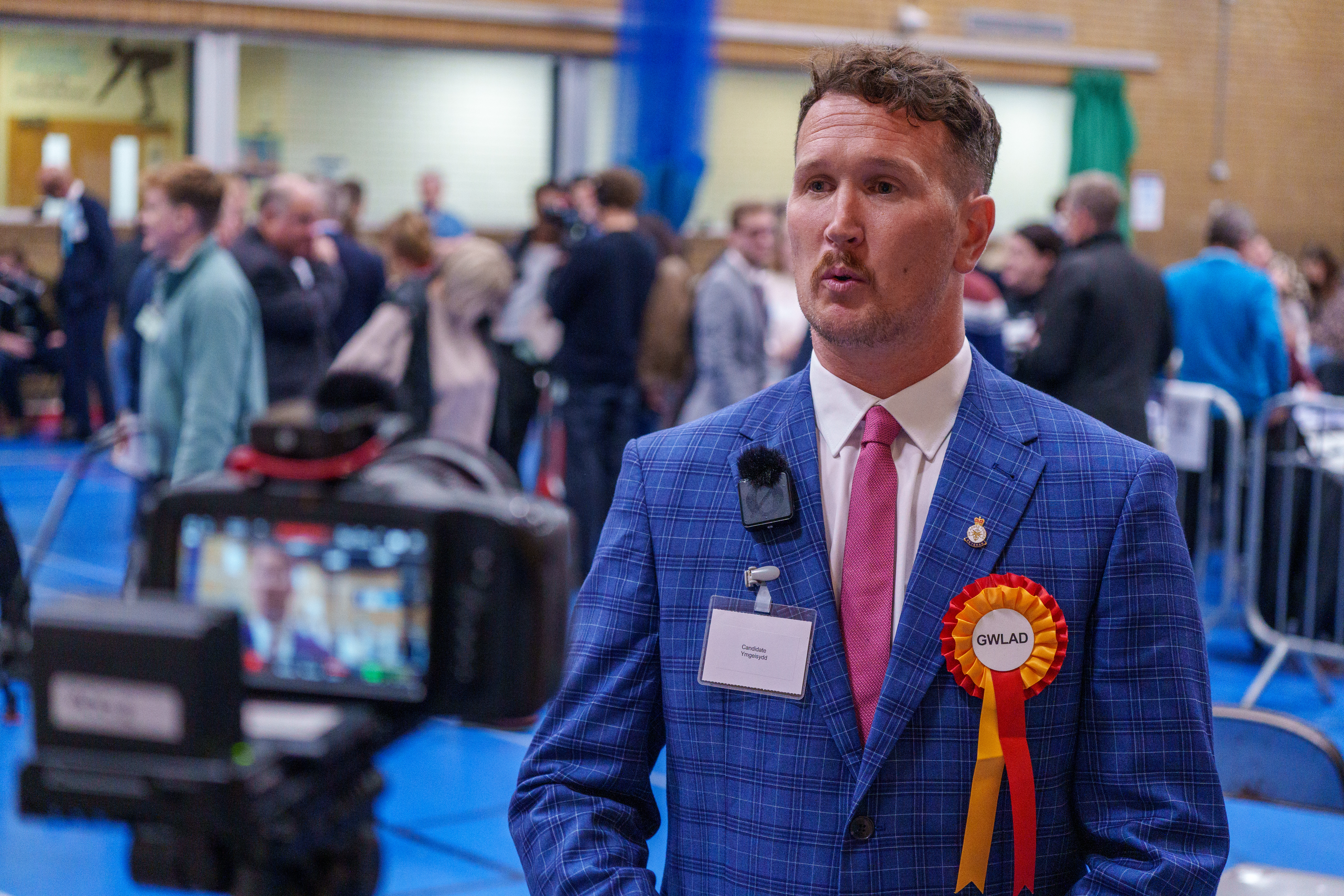
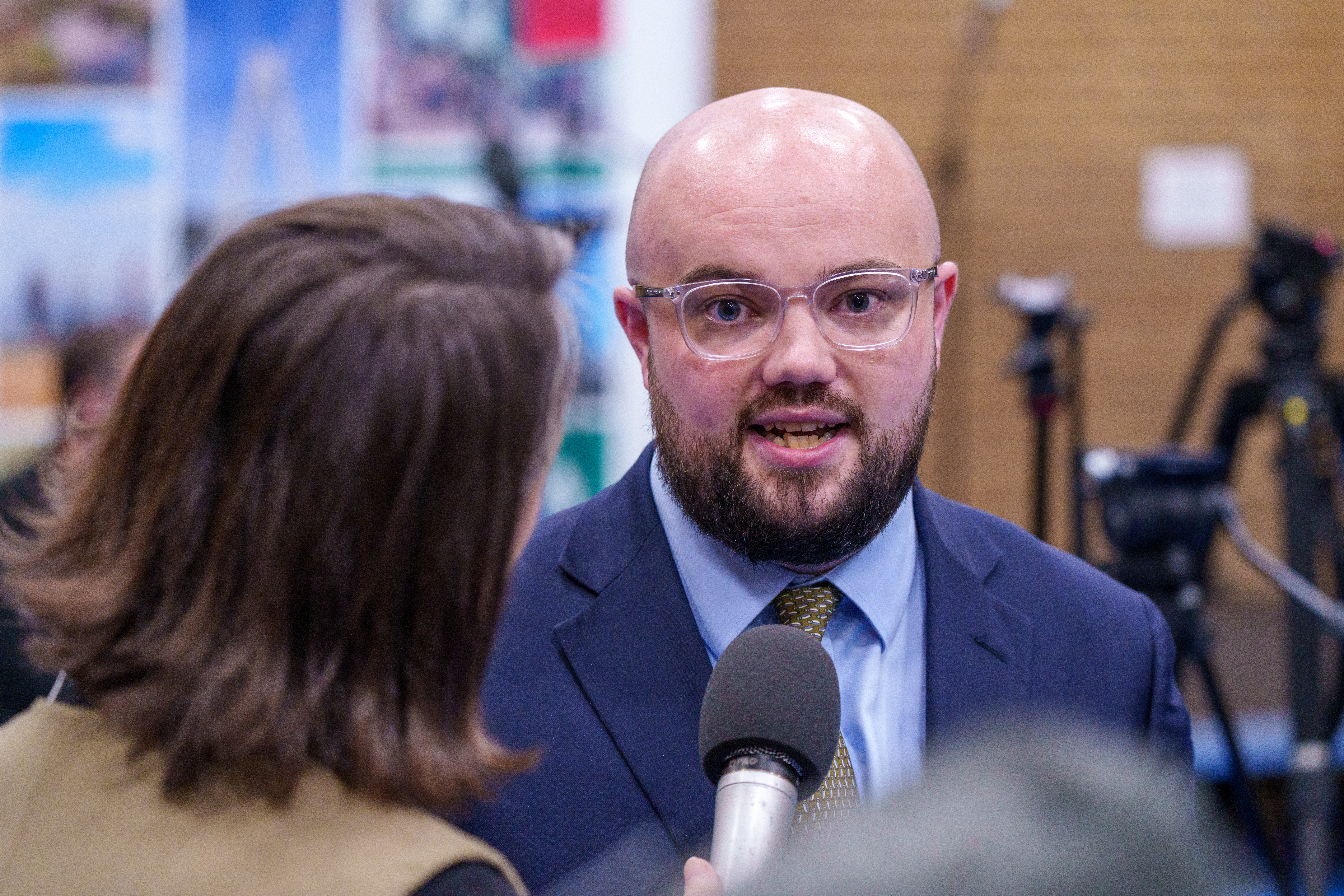
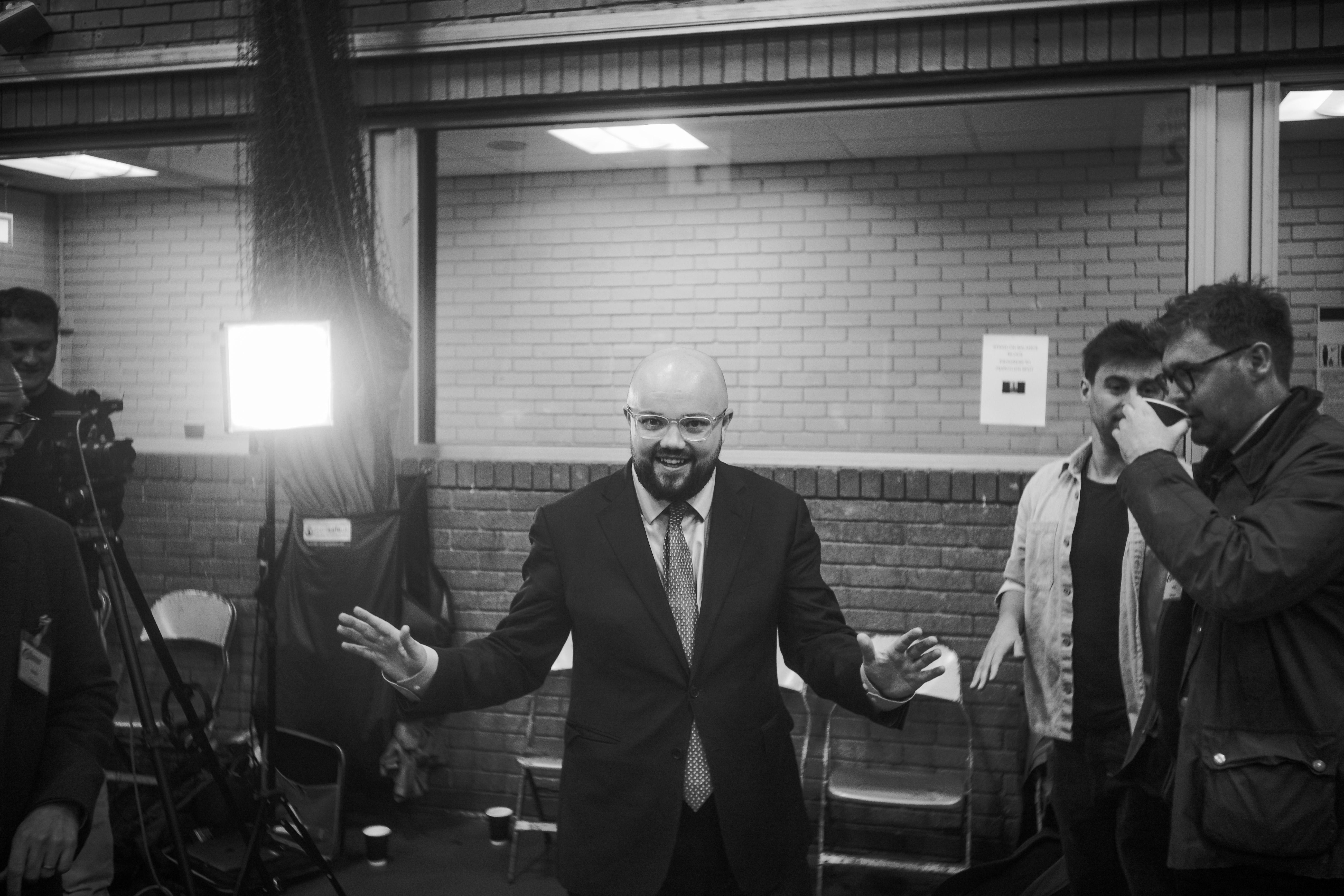
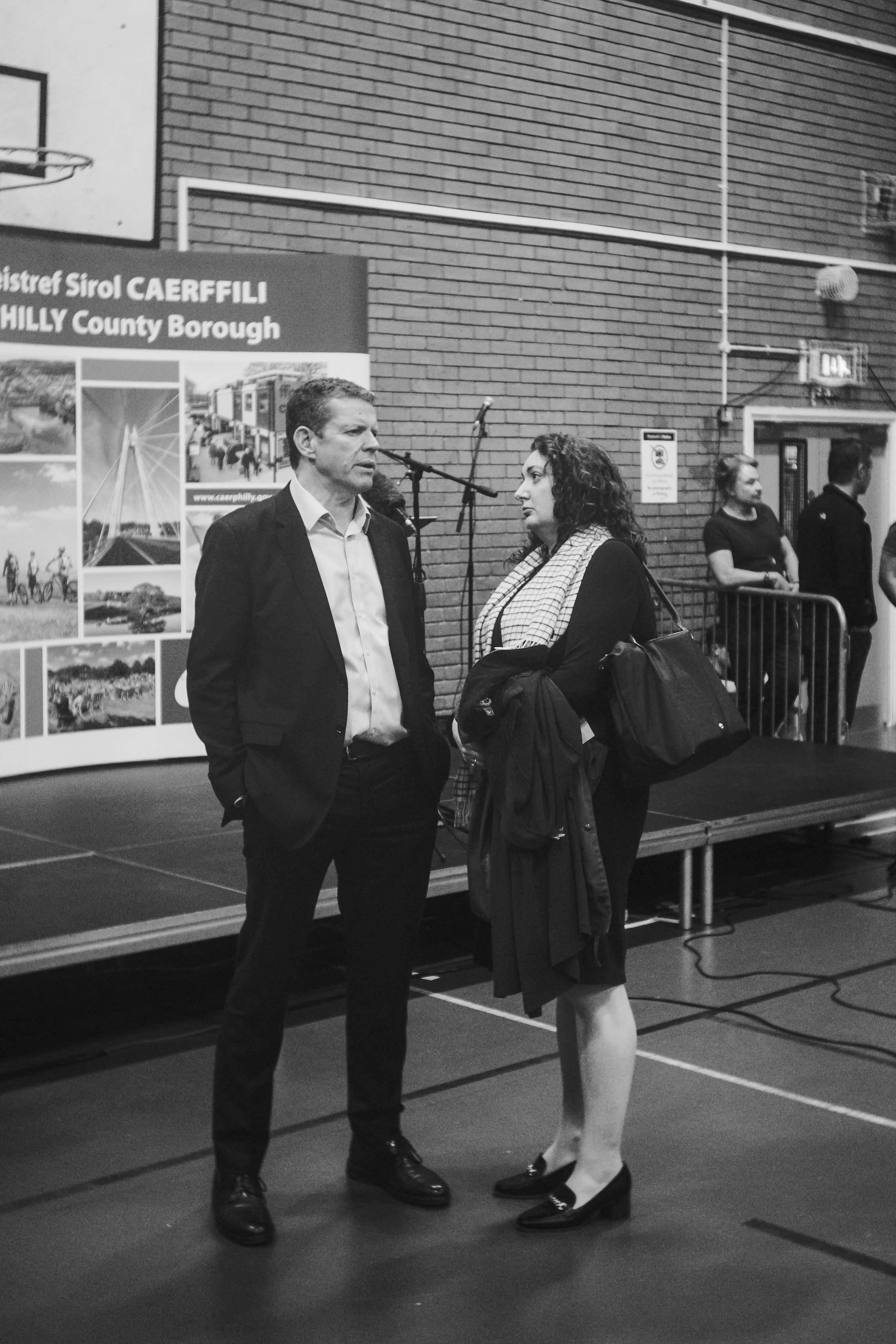
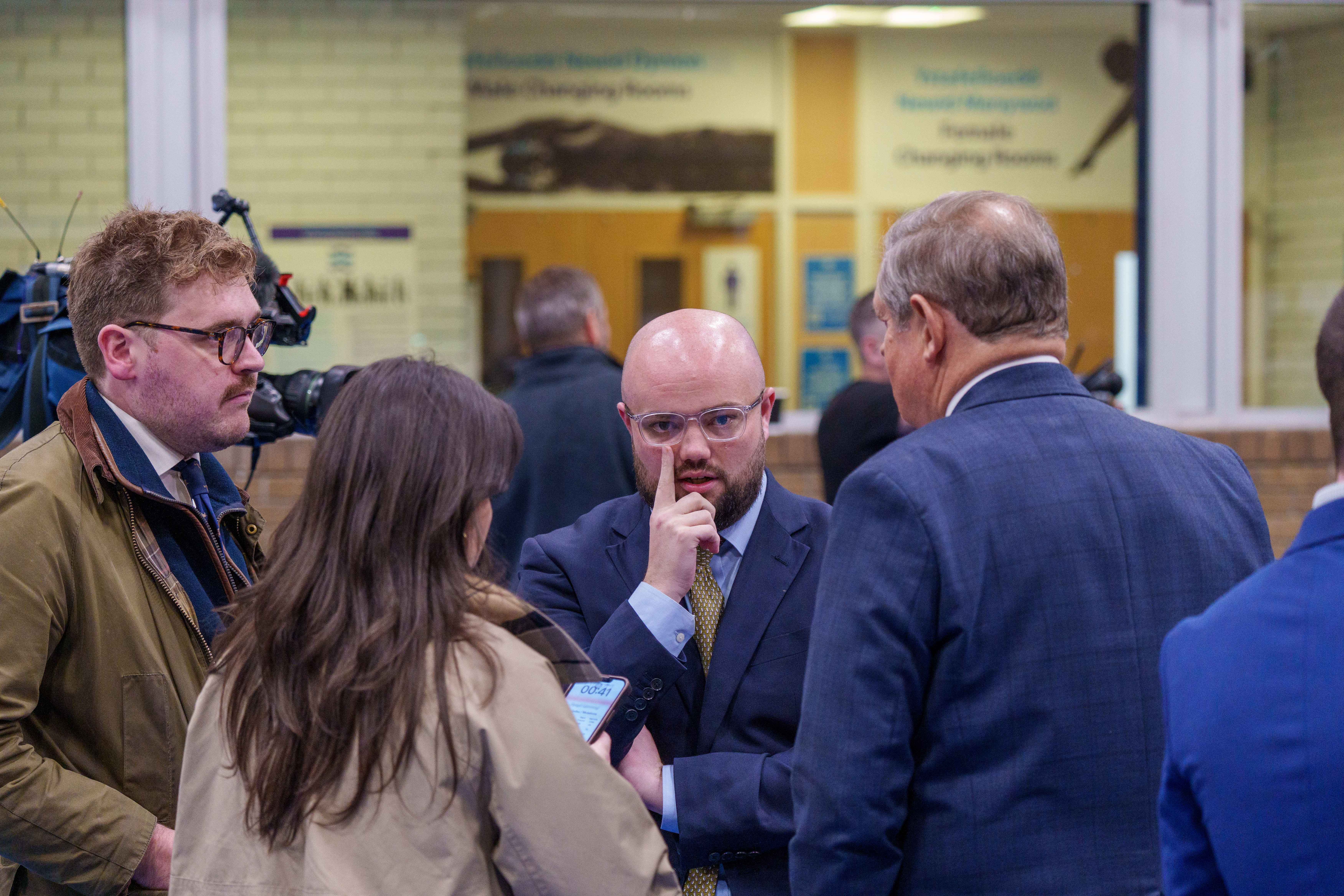
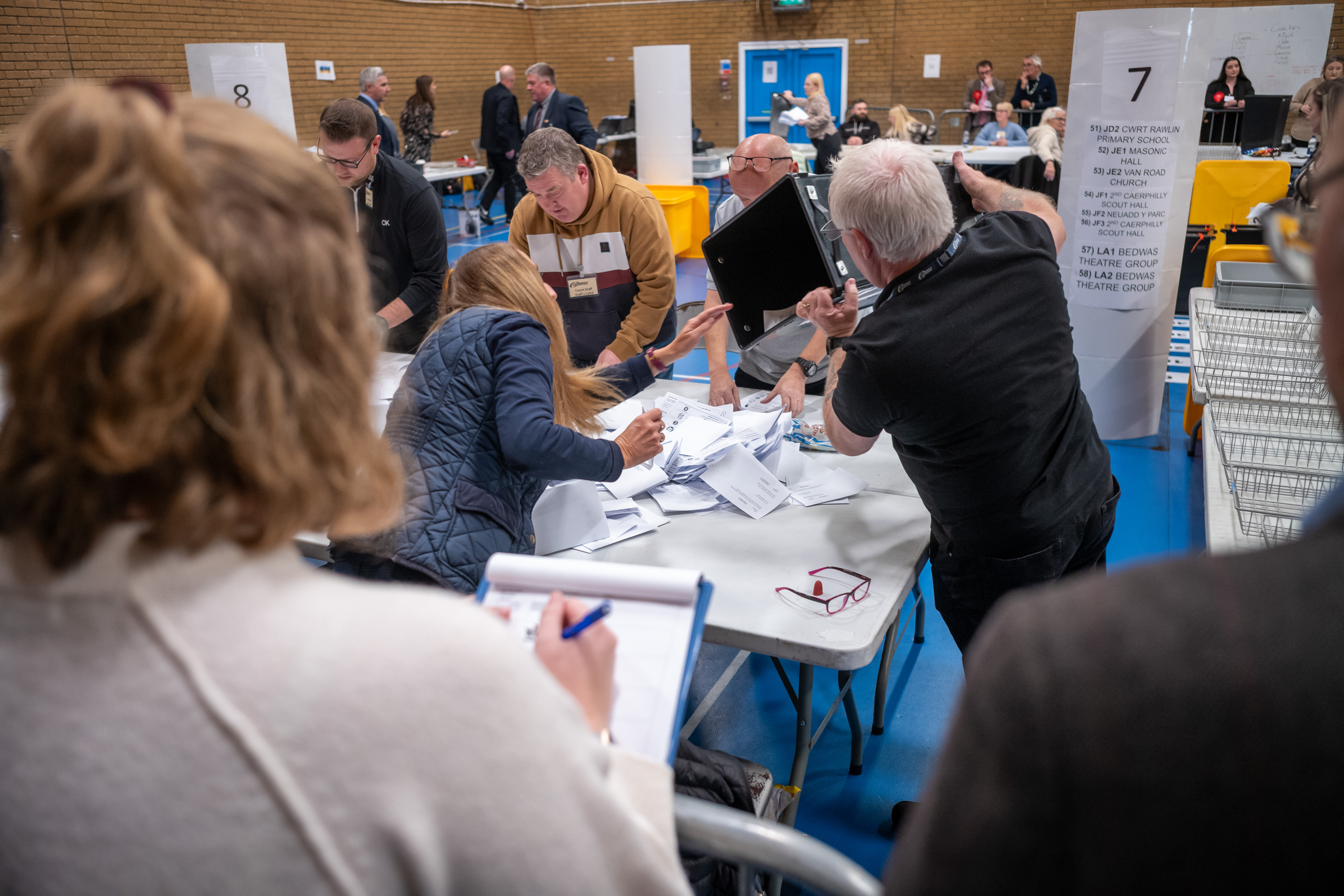
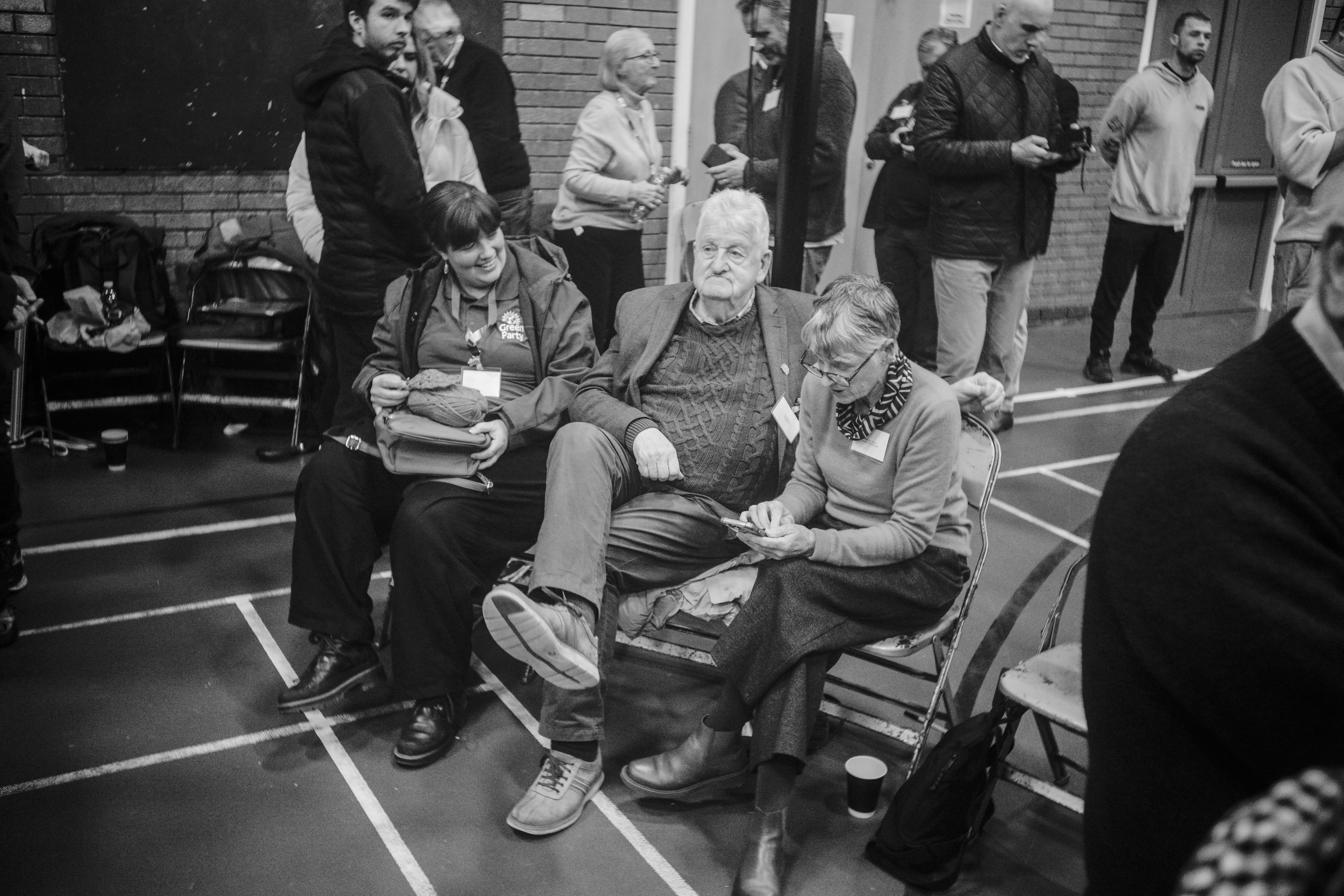
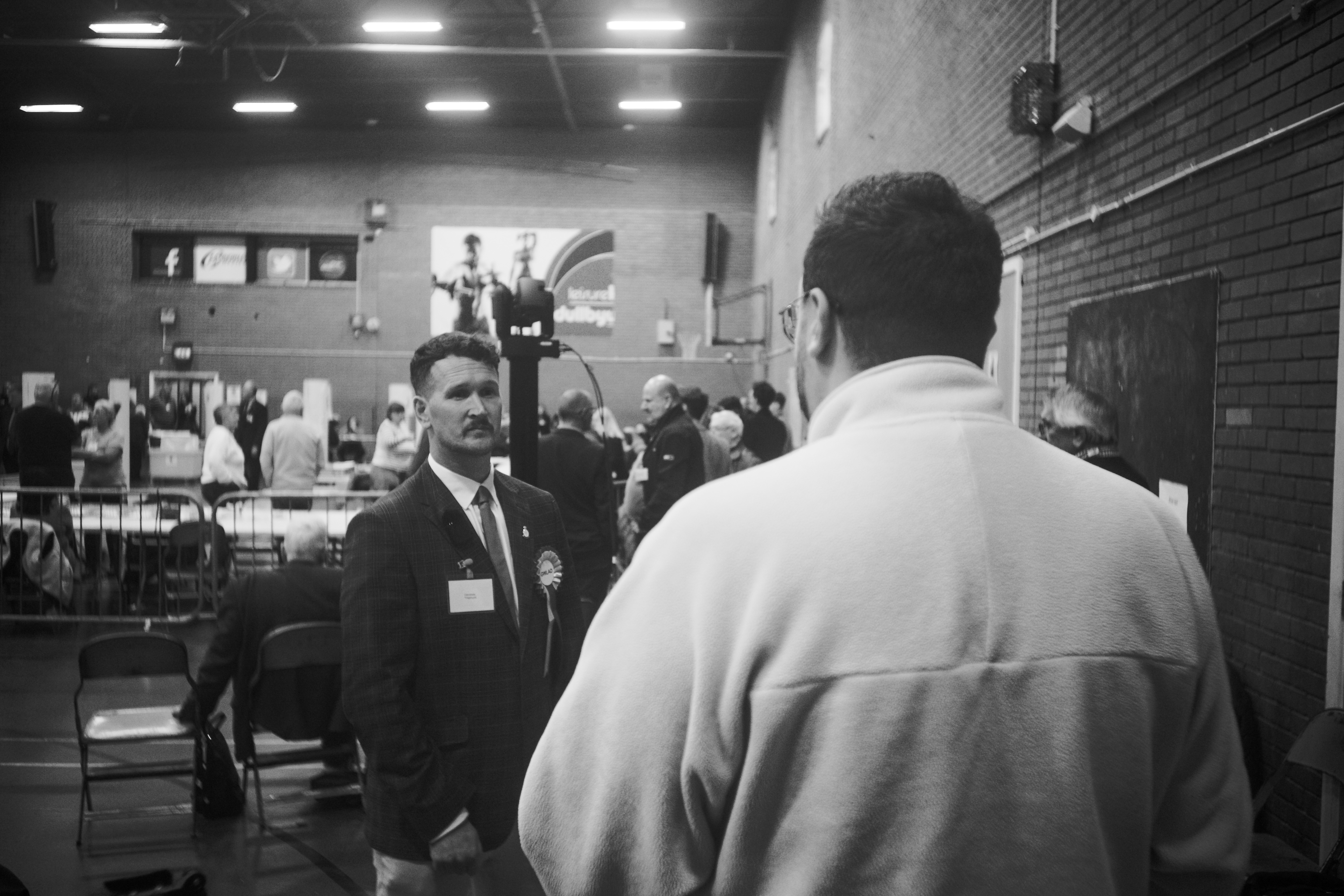
Verification was completed by midnight. Though I was ready for bed, once the official counting began there was a real sense of nervous energy in the room. Each party had observers at every counting desk, ensuring that ballots weren’t accidentally placed on the wrong pile. Early on, the feeling in the room suggested Reform might take the election. Where votes were taken out, representatives from different parties were asked to verify these.
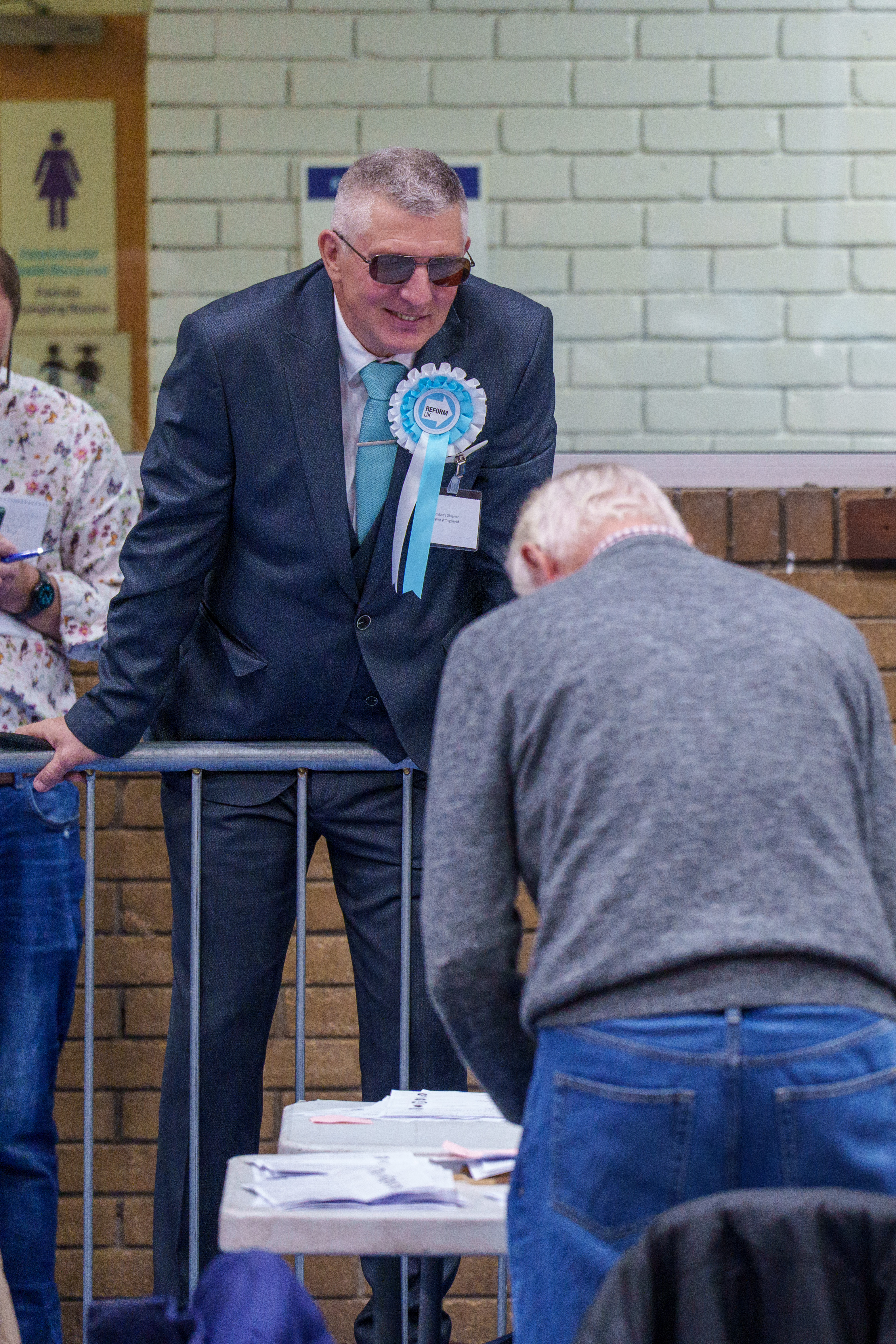
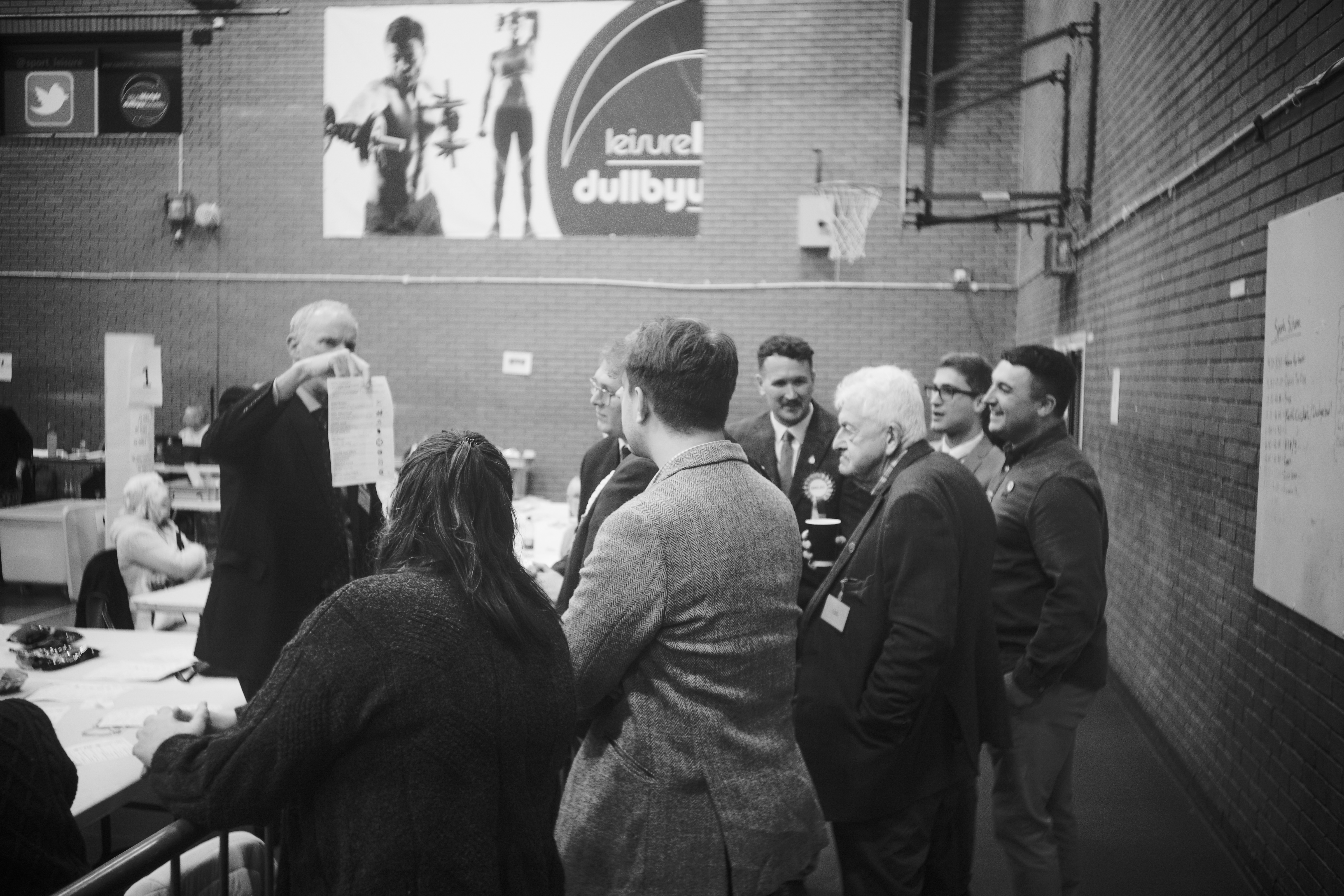
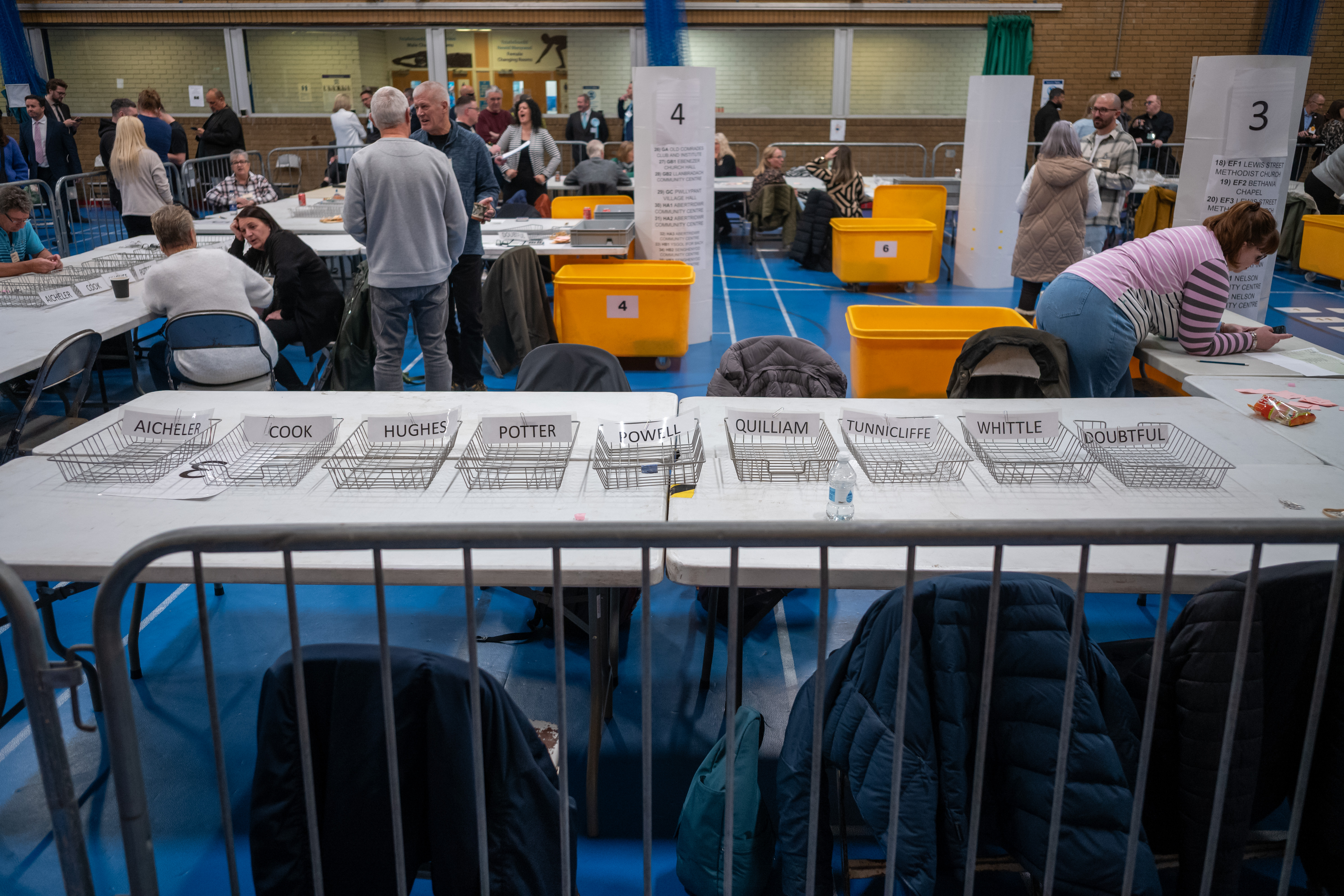
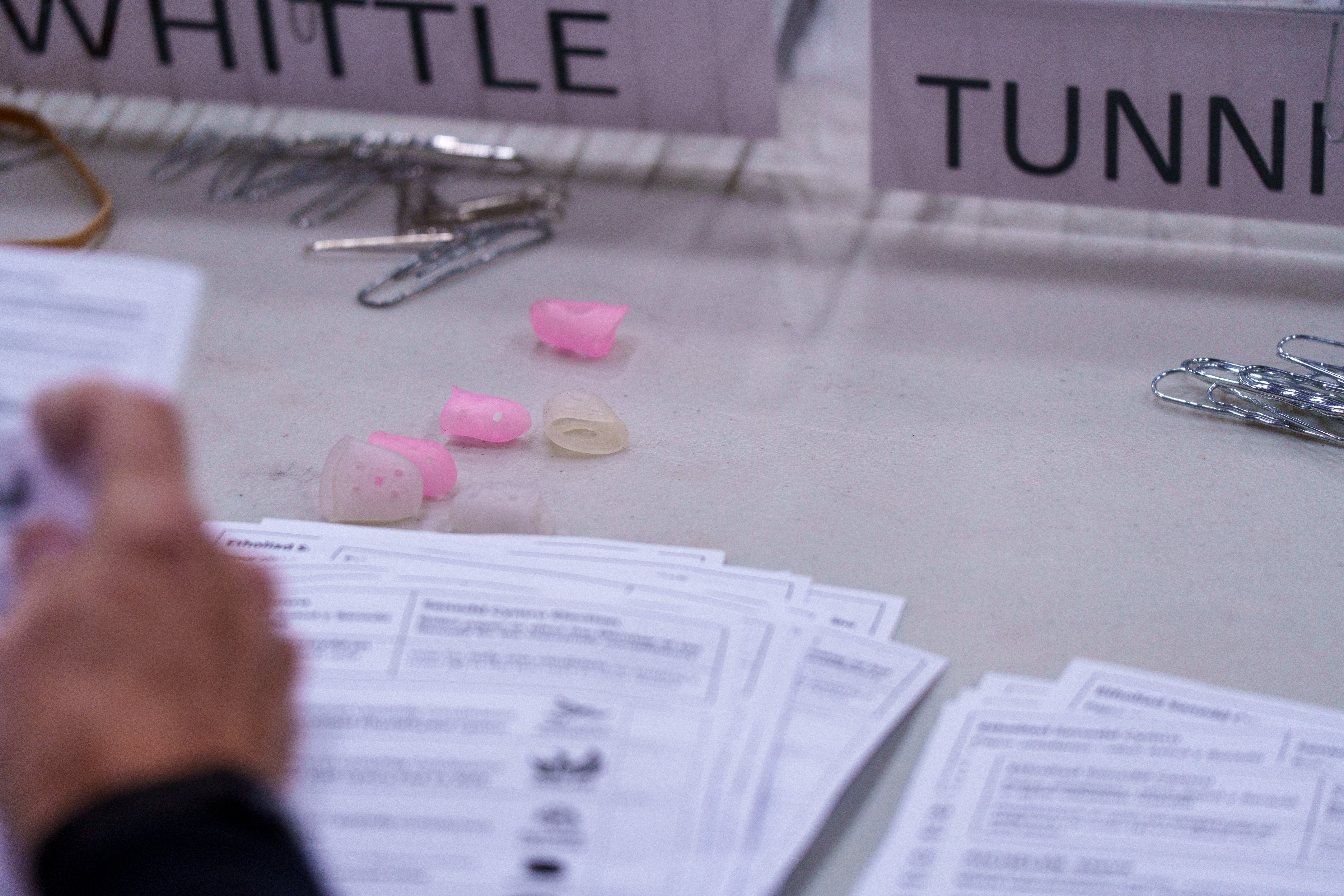
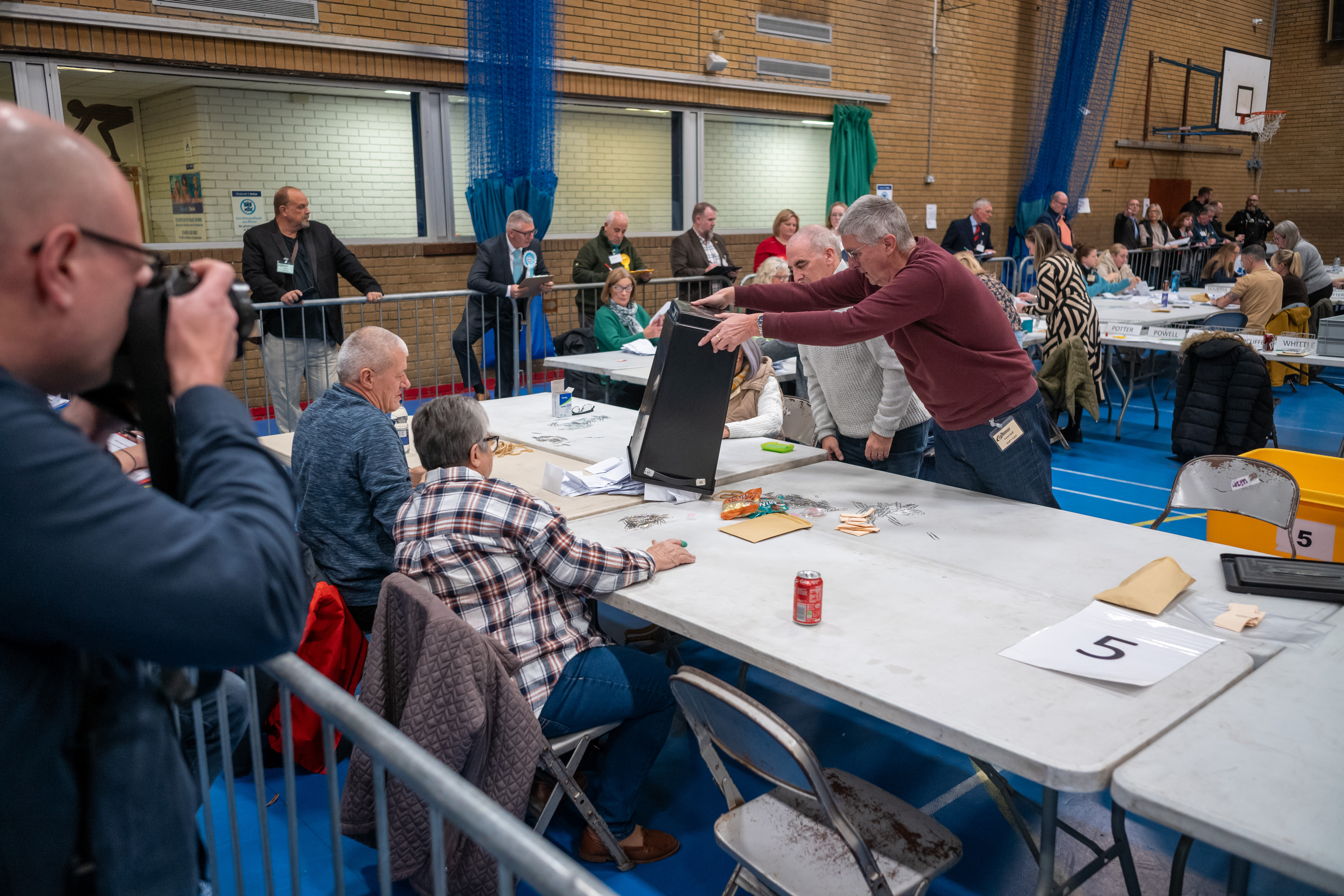
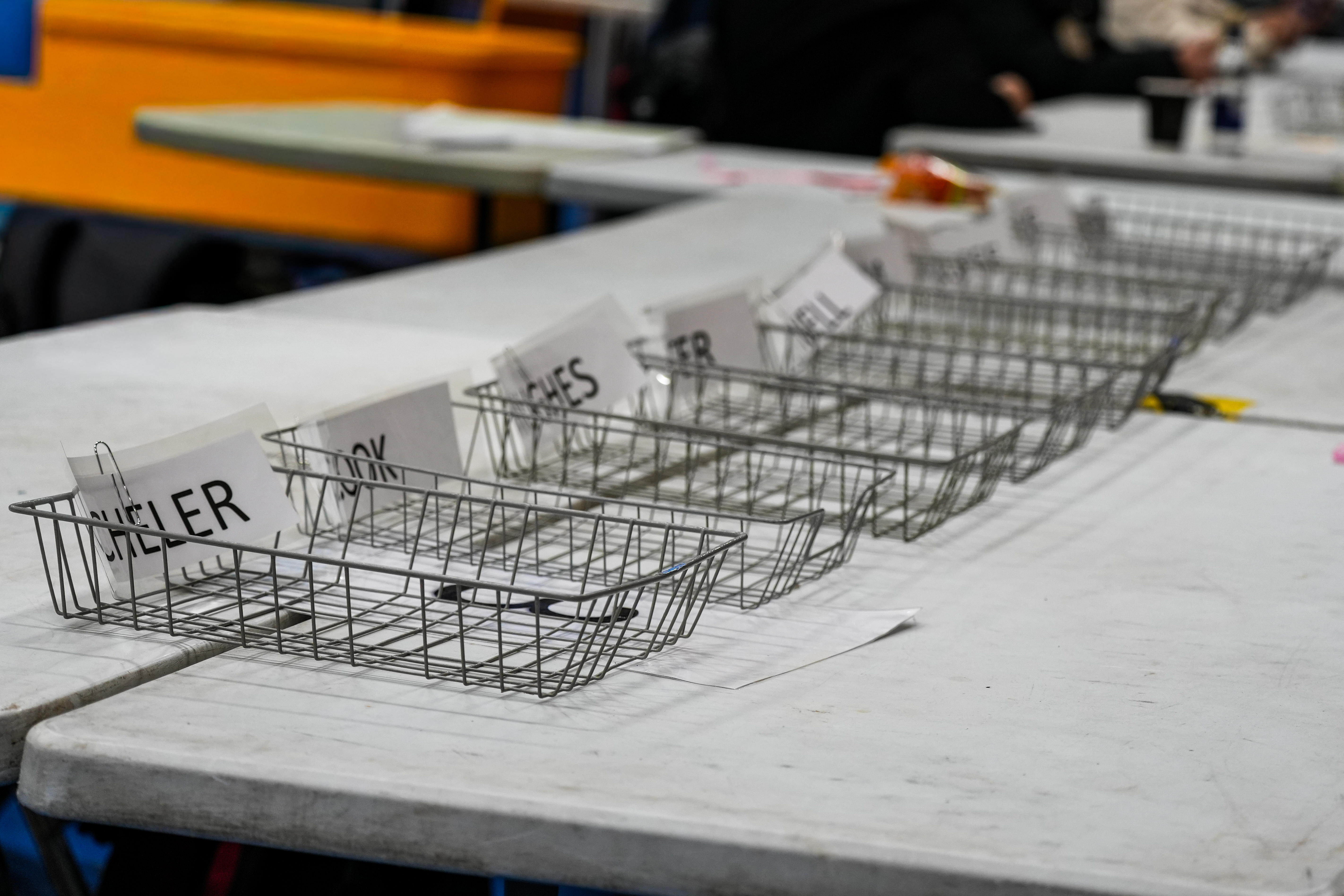
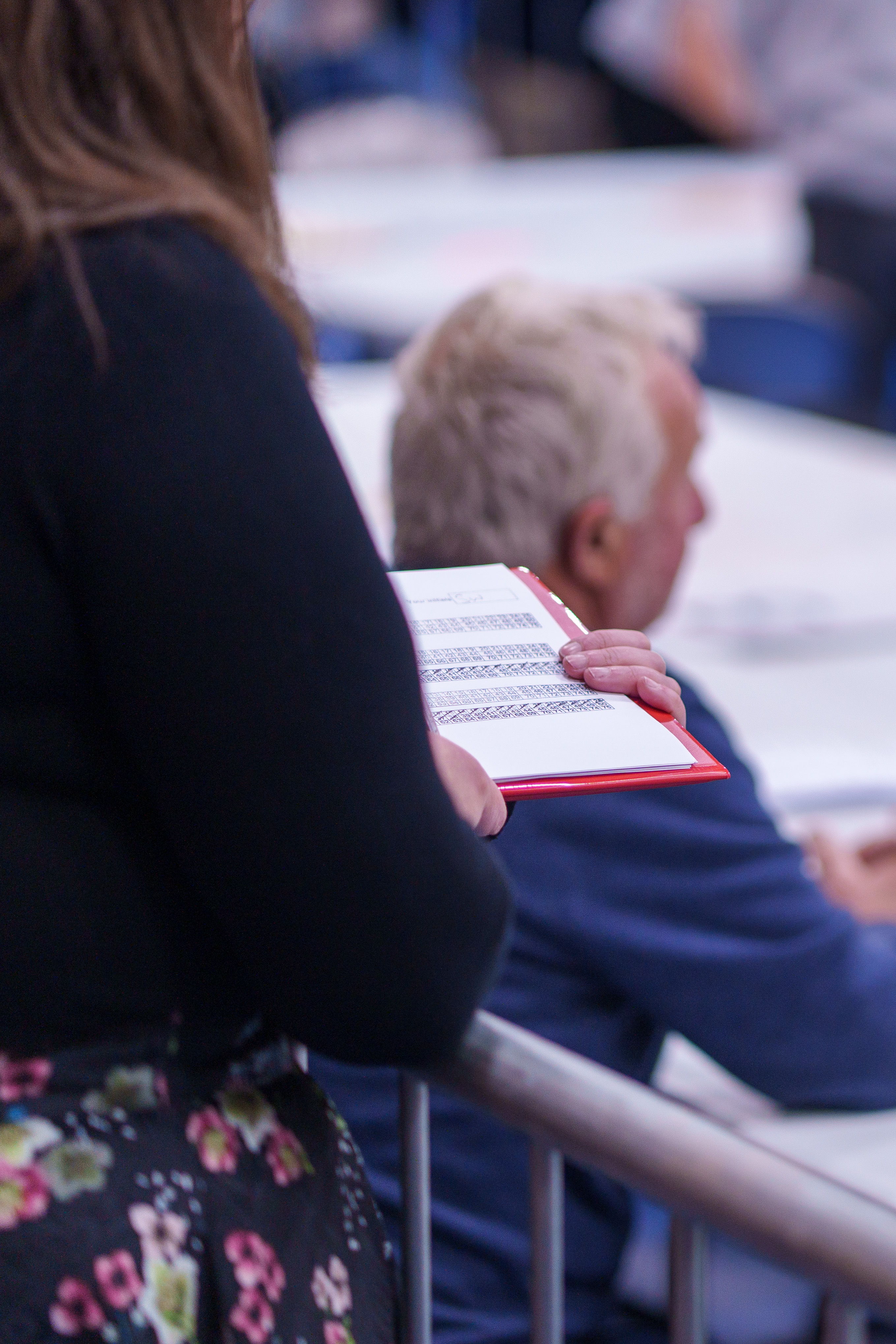
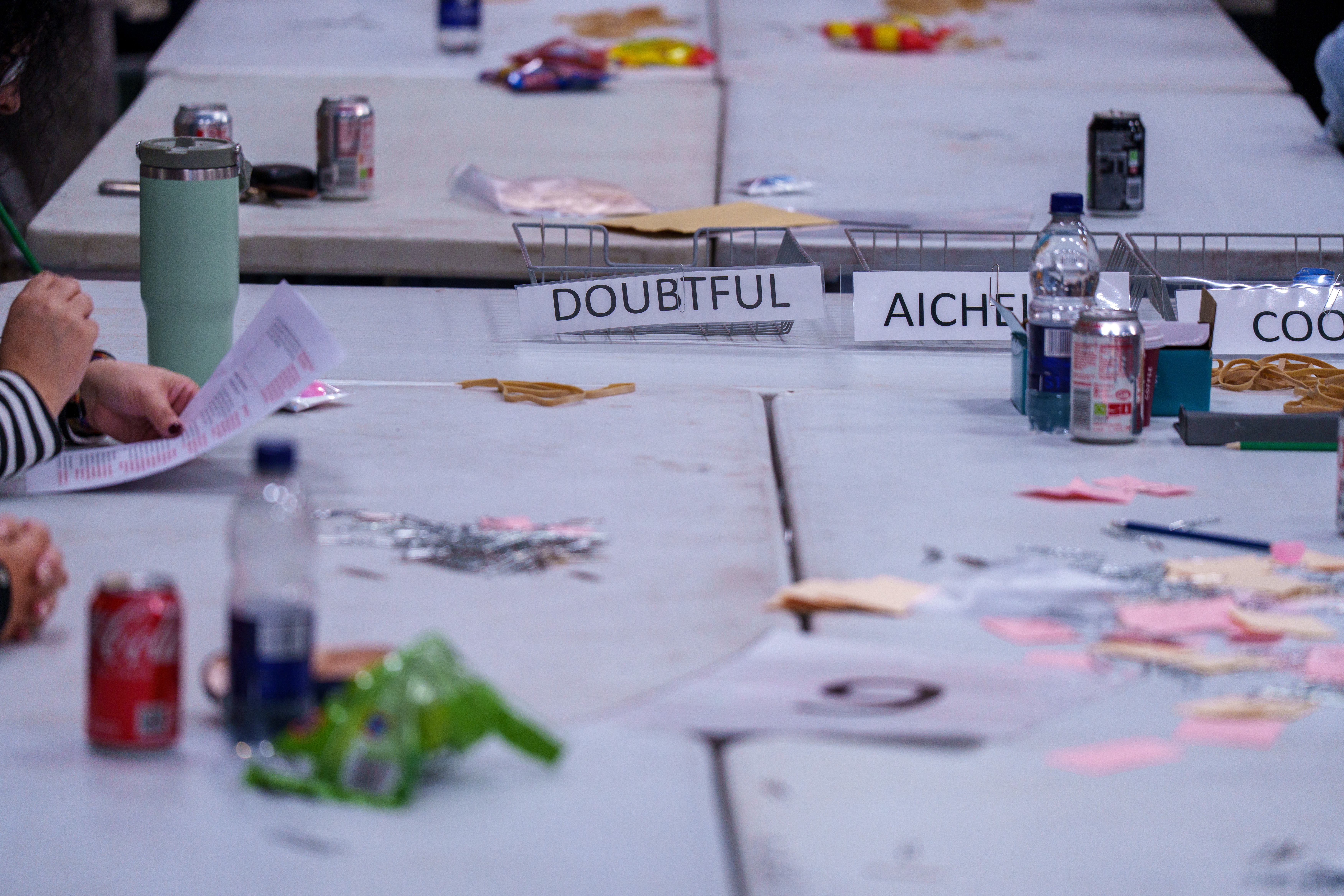
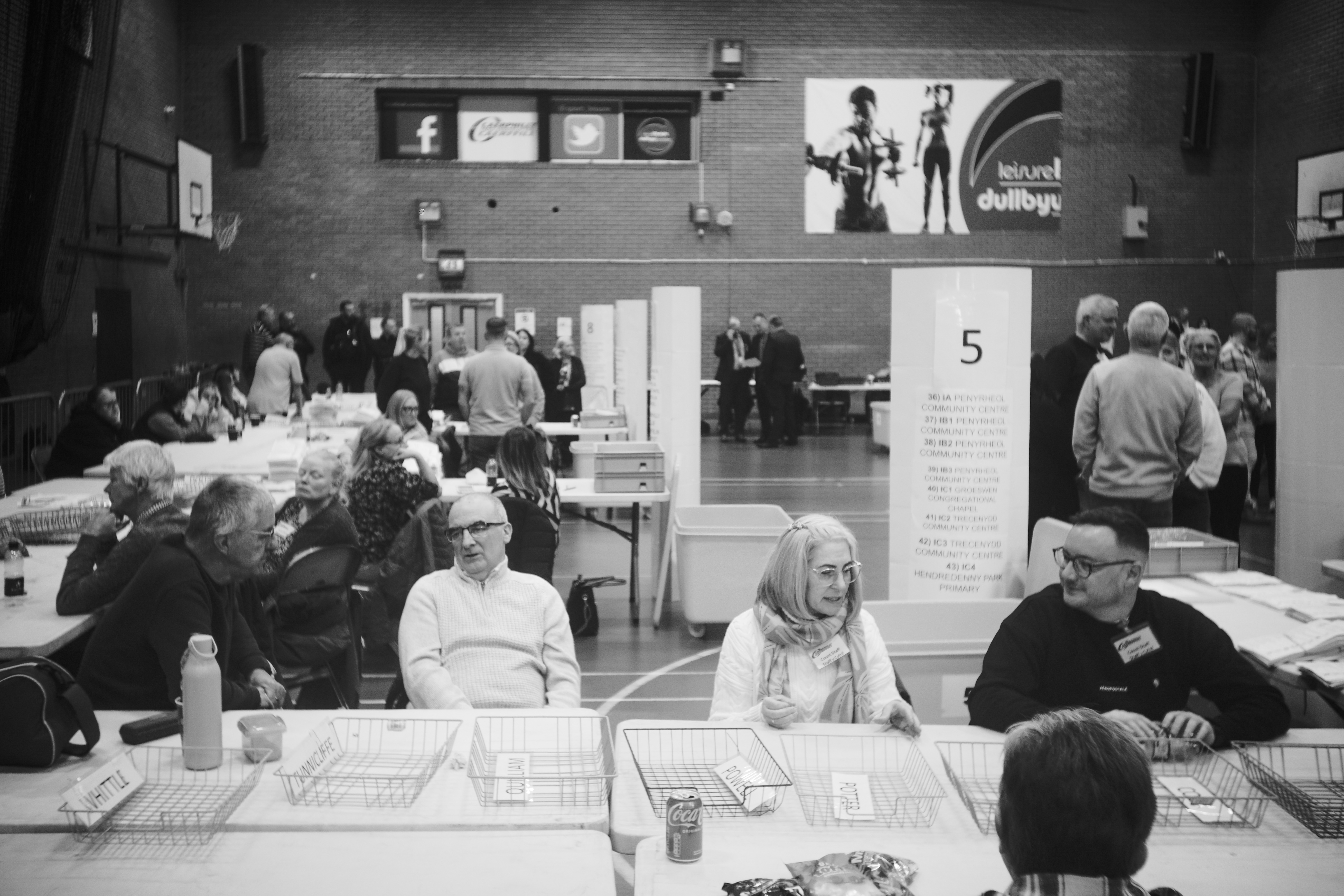
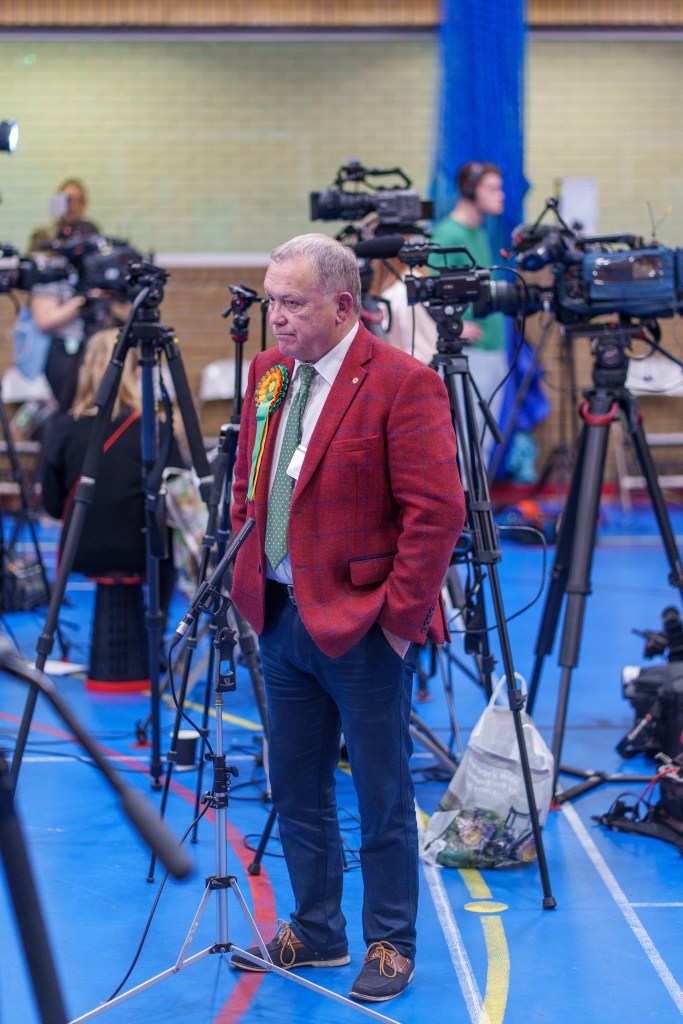
What fascinated me was how you could start to see the result forming with the piles of ballots growing differently at each table. For the first hour or so, as I wandered back and forth between the tables, Reform and Plaid seemed fairly neck and neck, with the odd Reform pile taking the lead. But as the next hour went on, that began to shift, but where some tables were still close, others were showing Plaid starting to pull ahead. There was starting to feel like there was a chance, based on the running figures, they could have it.
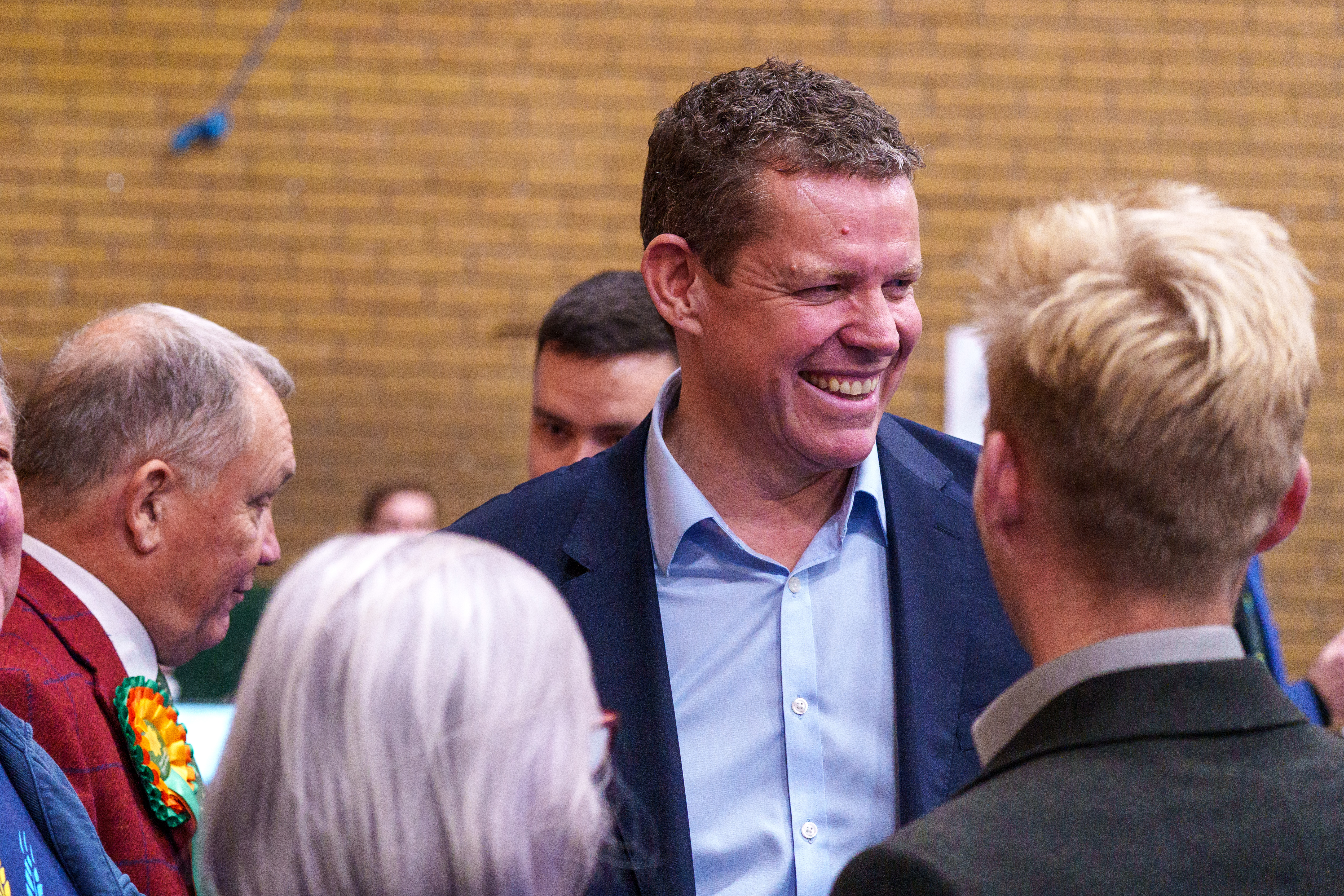
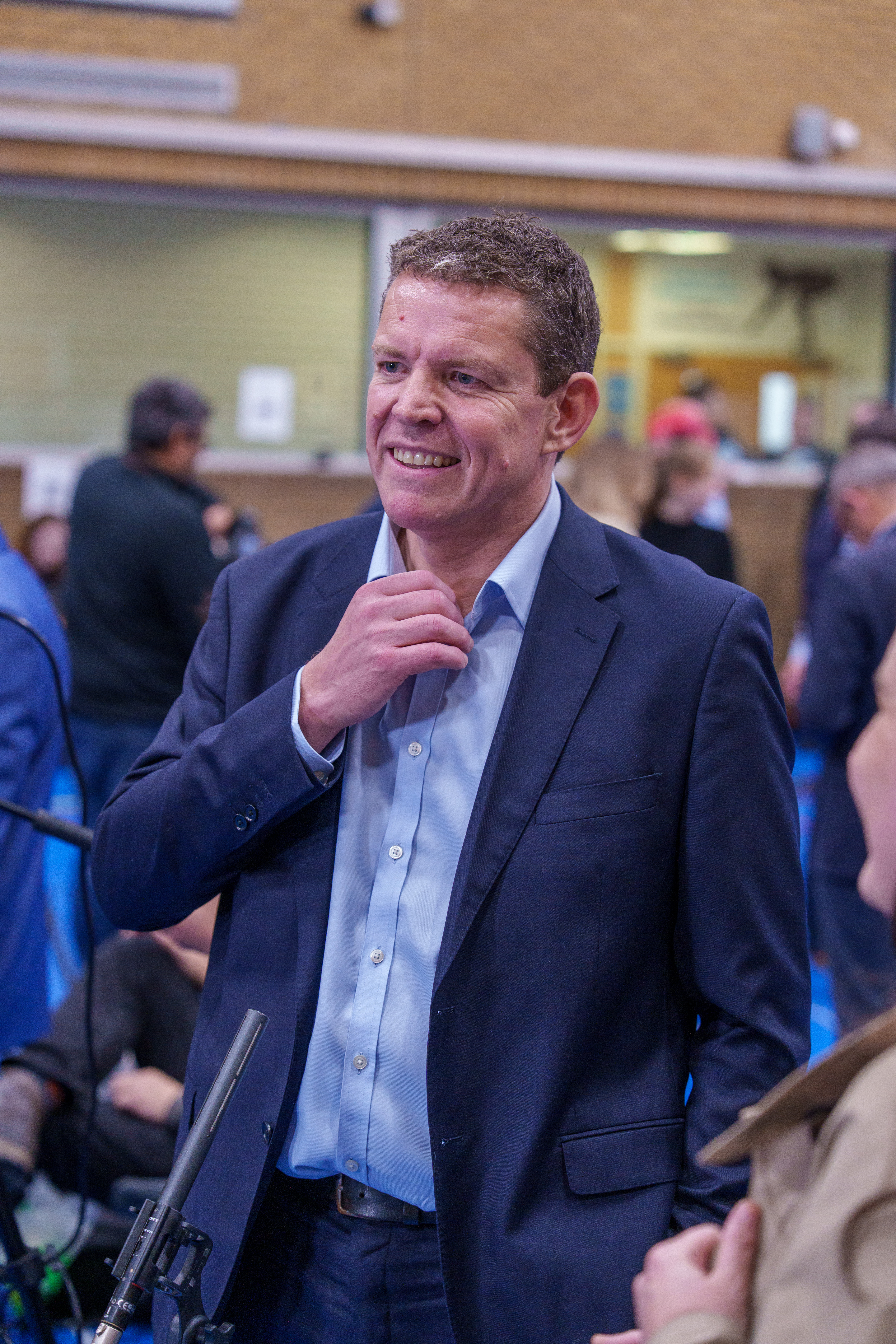
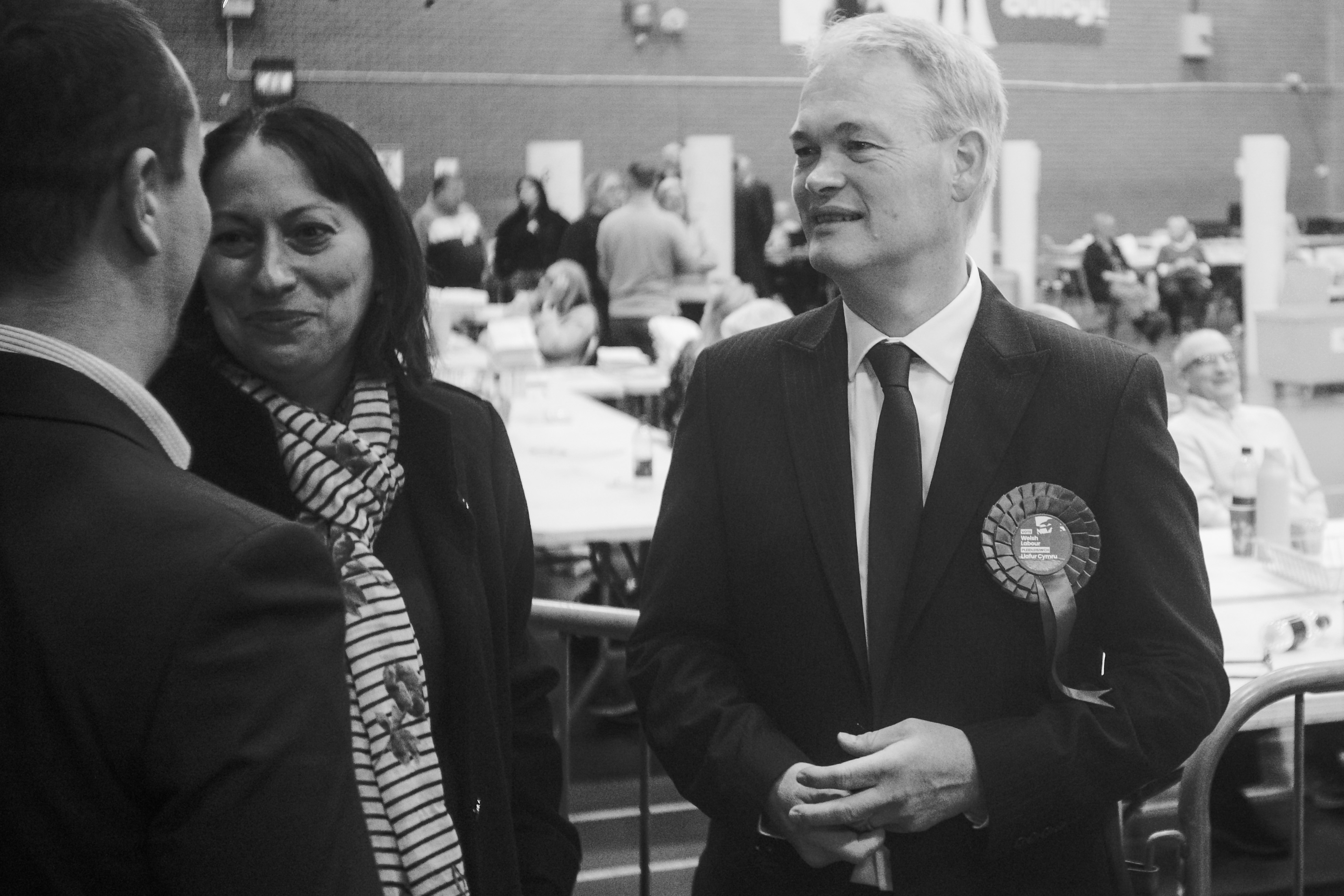
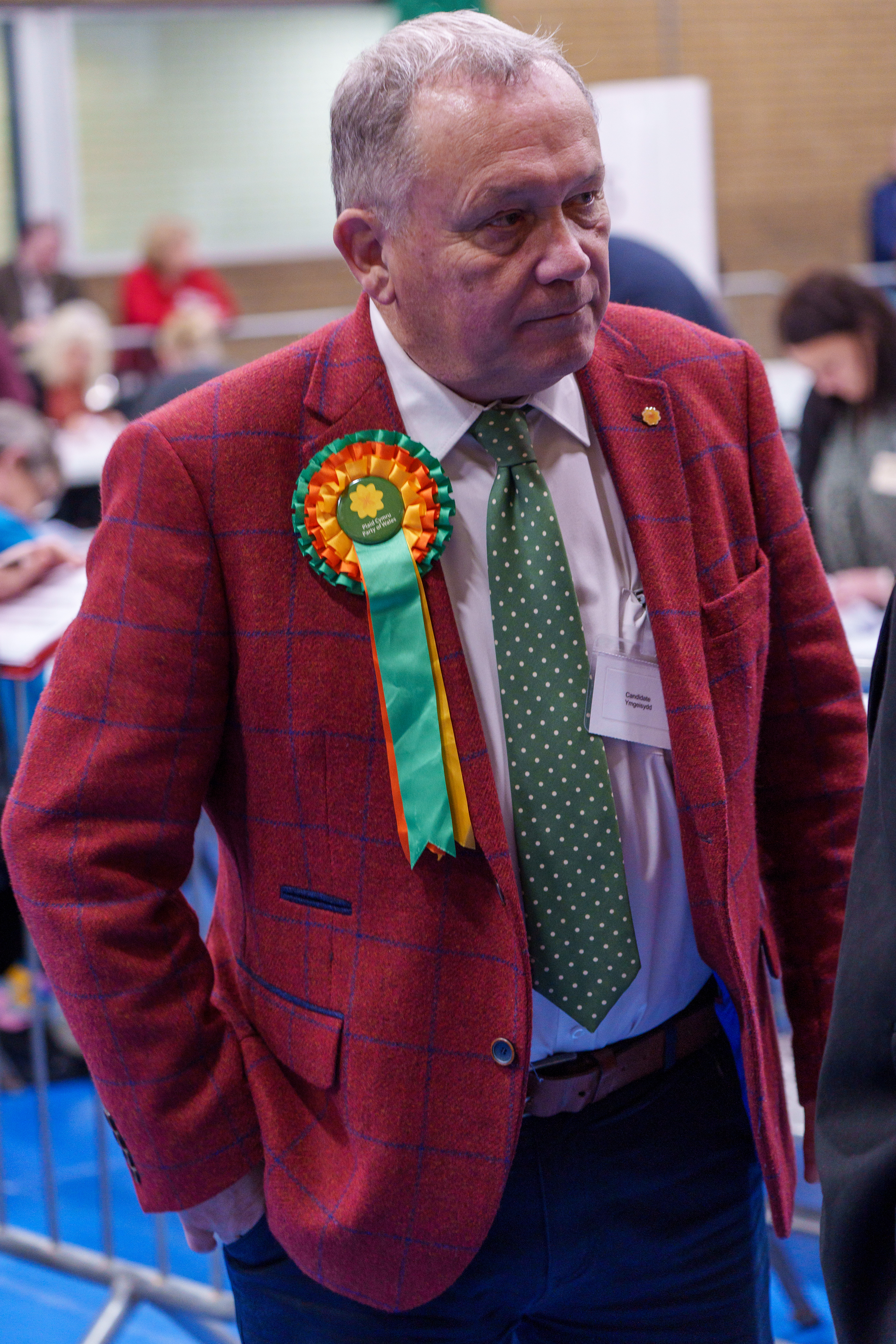
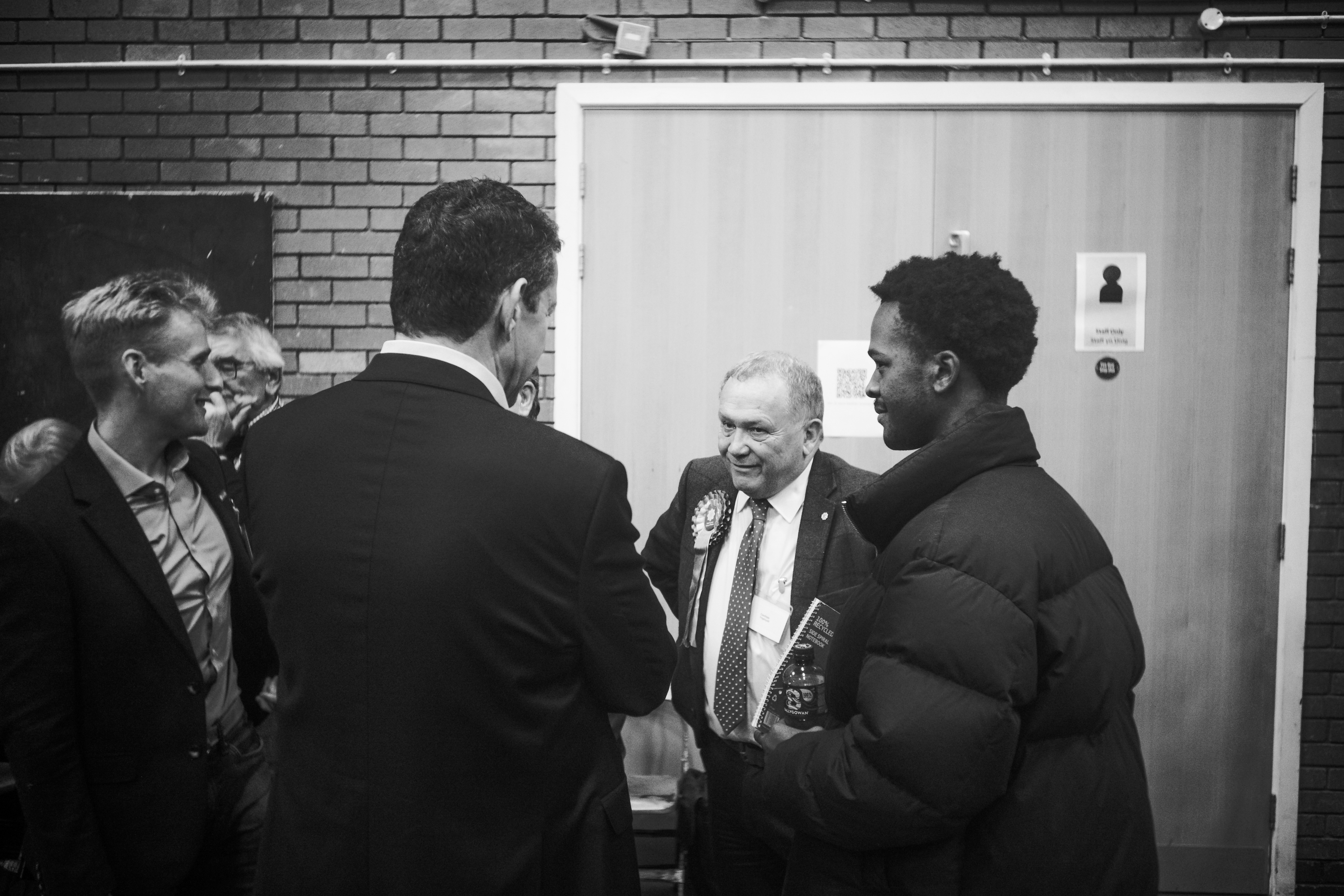
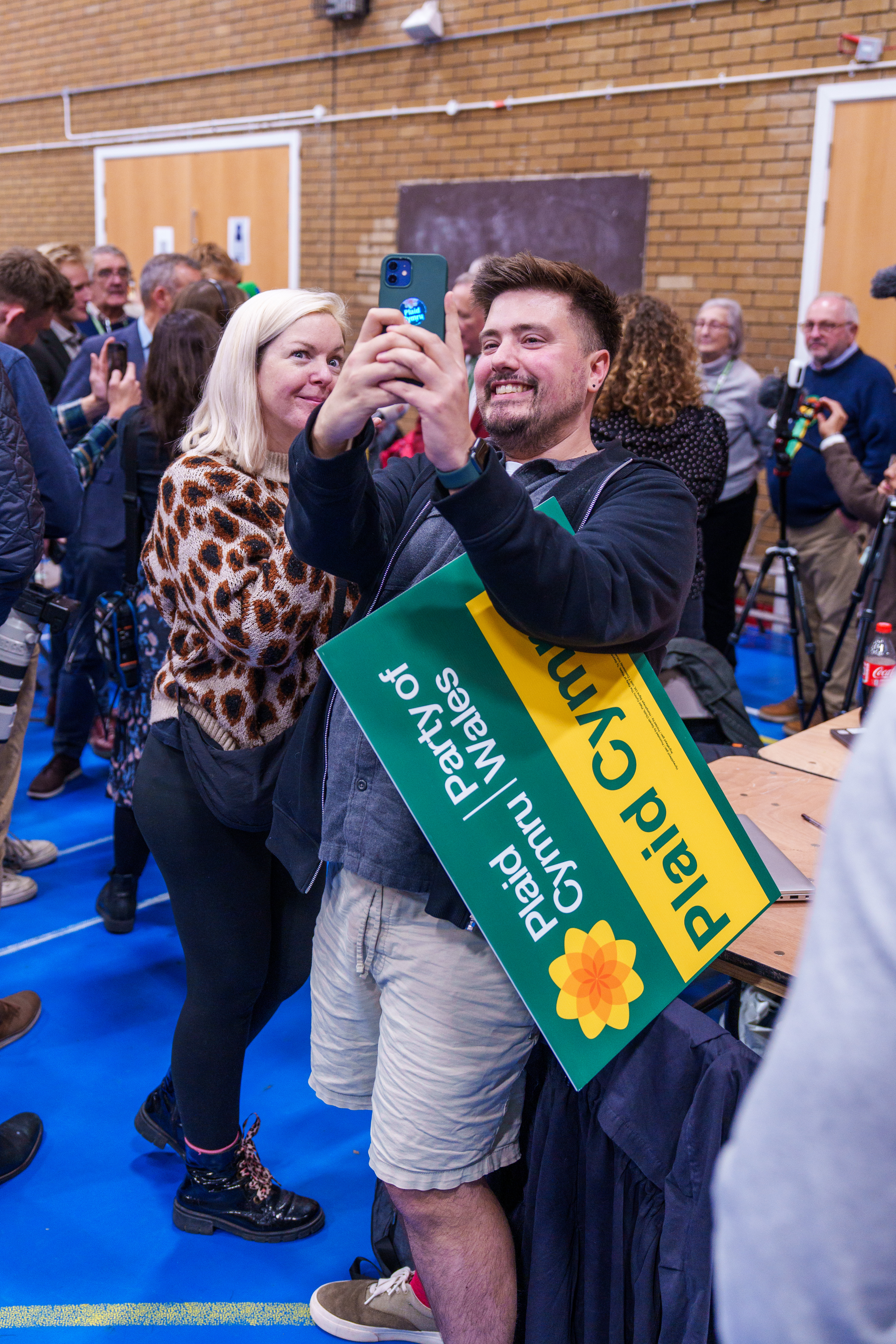
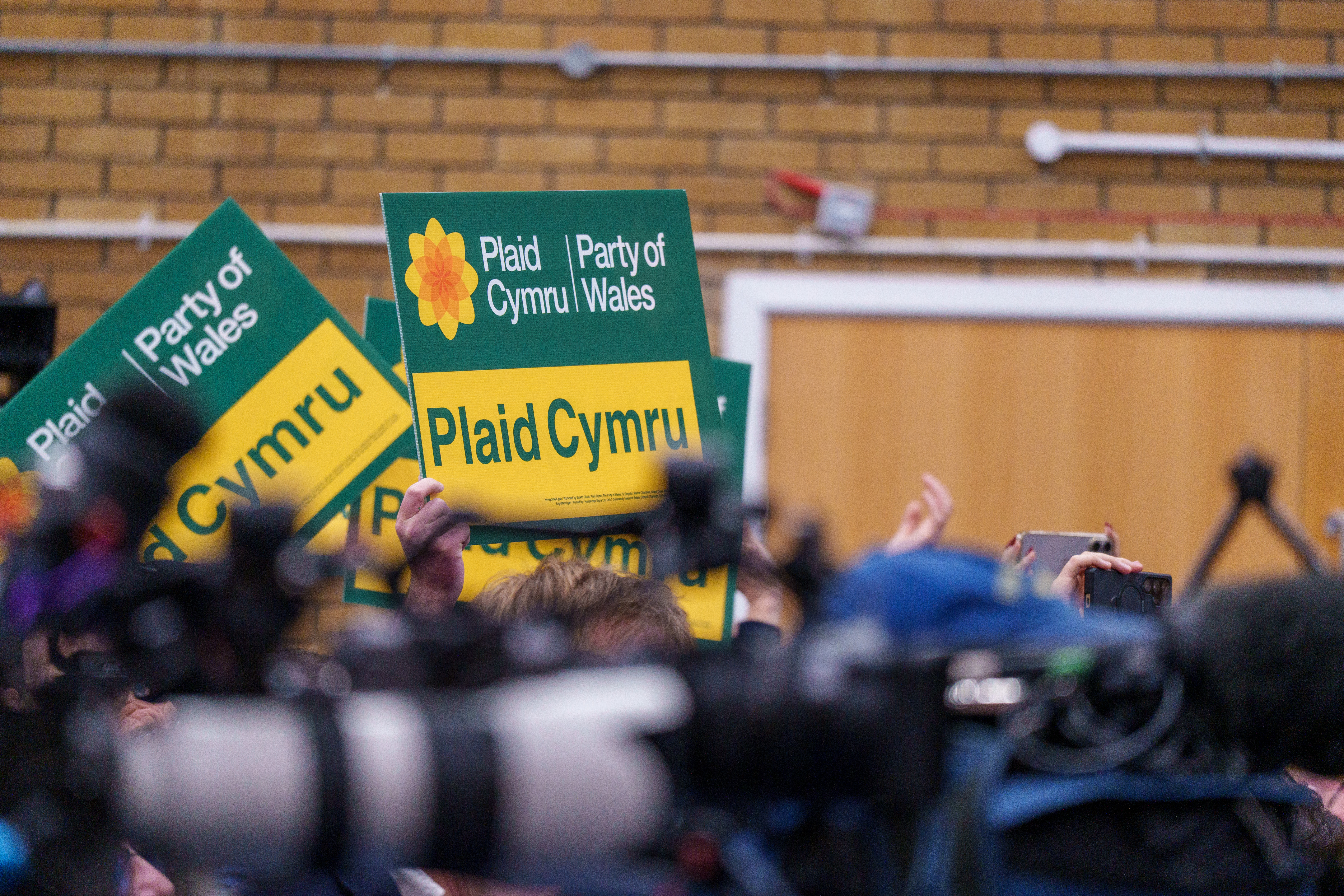
I was told that once counting finishes, all the candidates are brought together and shown the final figures before they’re announced giving them one last chance to request a recount. Around 2 a.m., there was a noticeable change in the atmosphere. The Reform team seemed to lose some of their swagger, while Plaid started to bubble with quiet excitement. New faces appeared (most likely family and friends arriving) as the result drew near.
I expected a recount to be called, but none came. The candidates were called to the stage and the result was announced. Lindsay Whittle gave a great speech, not just about what this means for the future of Wales, but also reflecting on the sad circumstances that led to the by-election. Many of the other concession speeches echoed that sentiment.
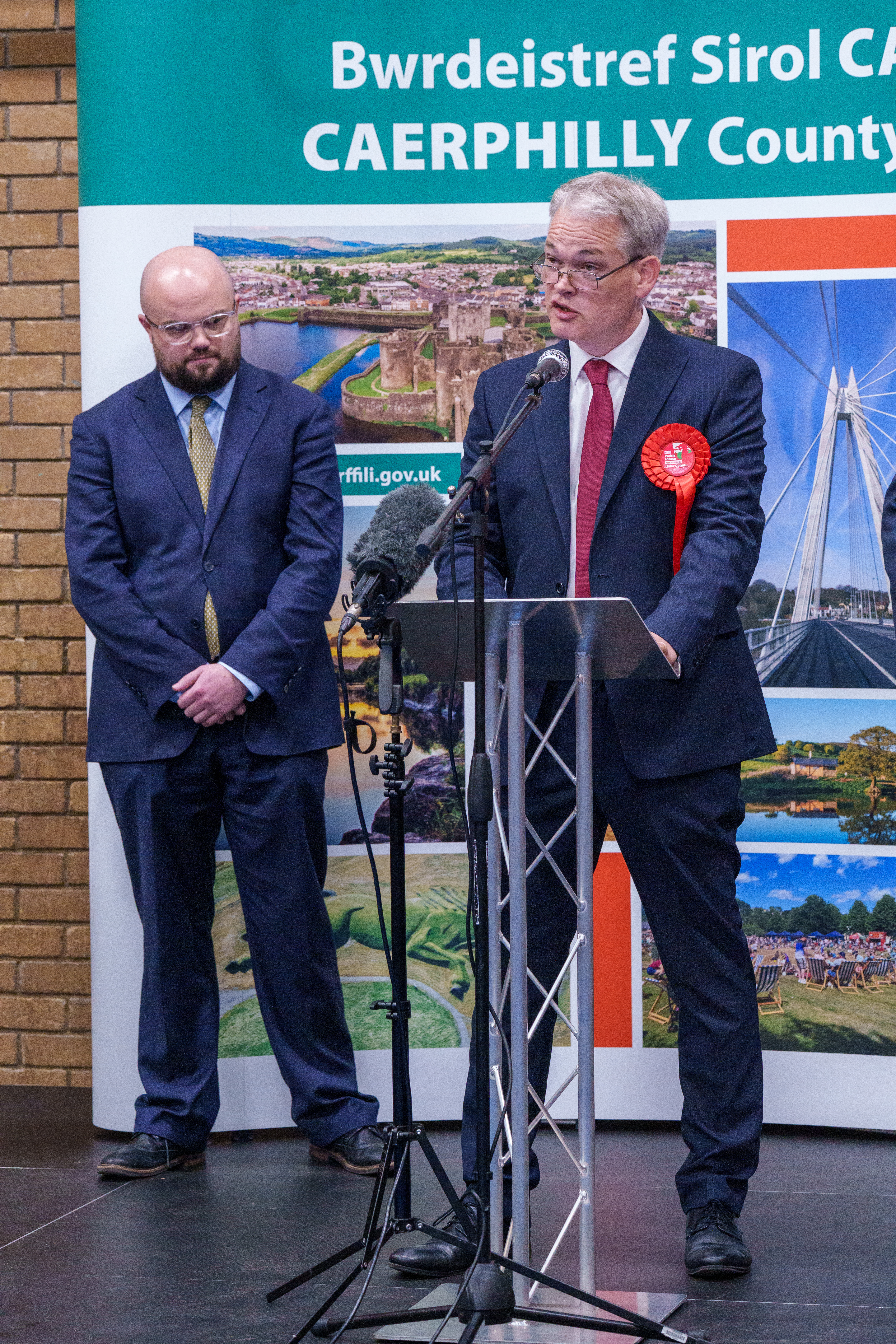
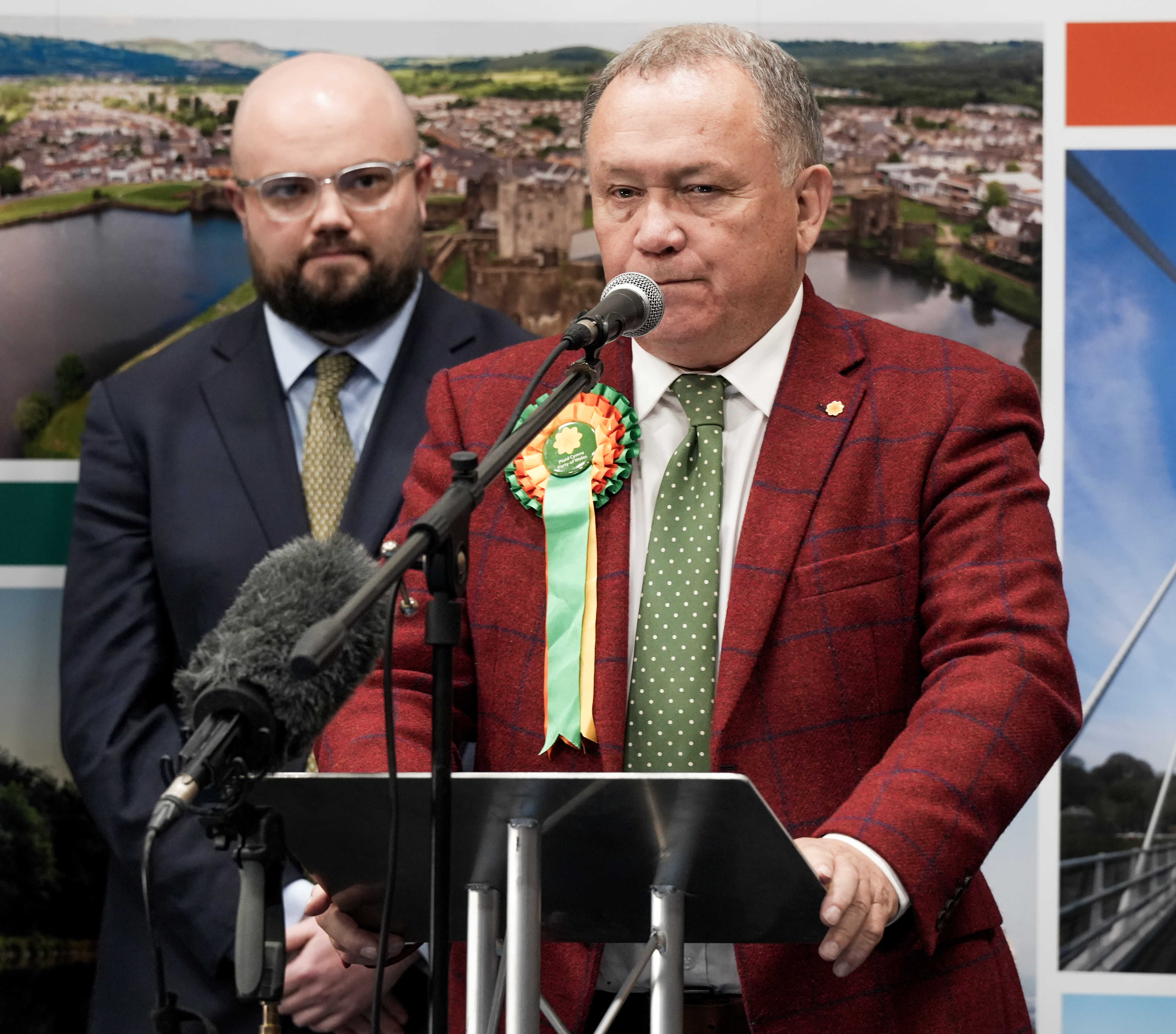
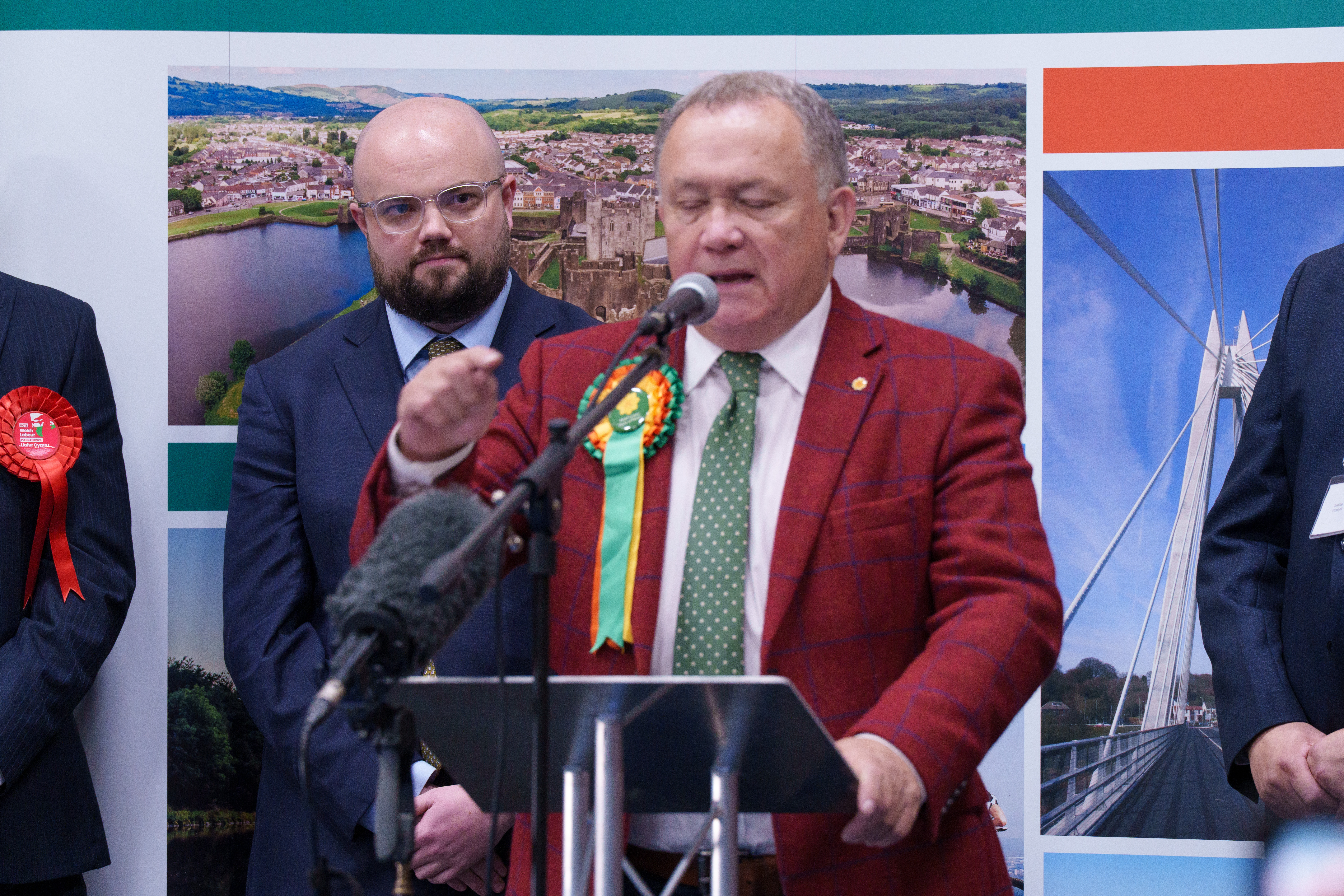
What surprised me most was that the Reform candidate appeared to decline the opportunity to give a concession speech, instead leaving the stage quickly to engage with the media and begin discussing what the result means for next May’s general election. I’d only seen him a few times throughout the day, sometimes with Nigel Farage and his campaign staff, but there was definitely a sense of something more than disappointment in his response to the result.
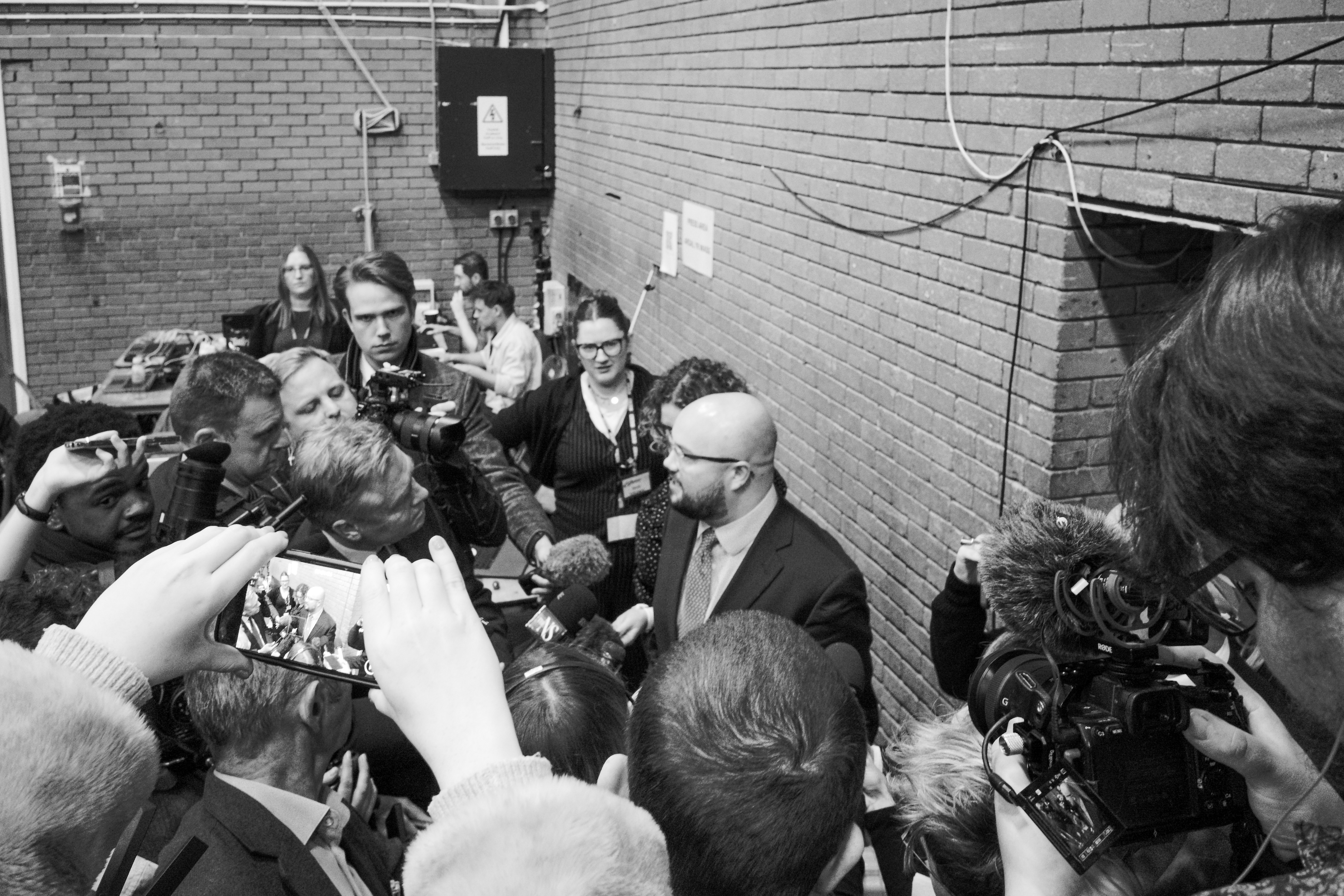
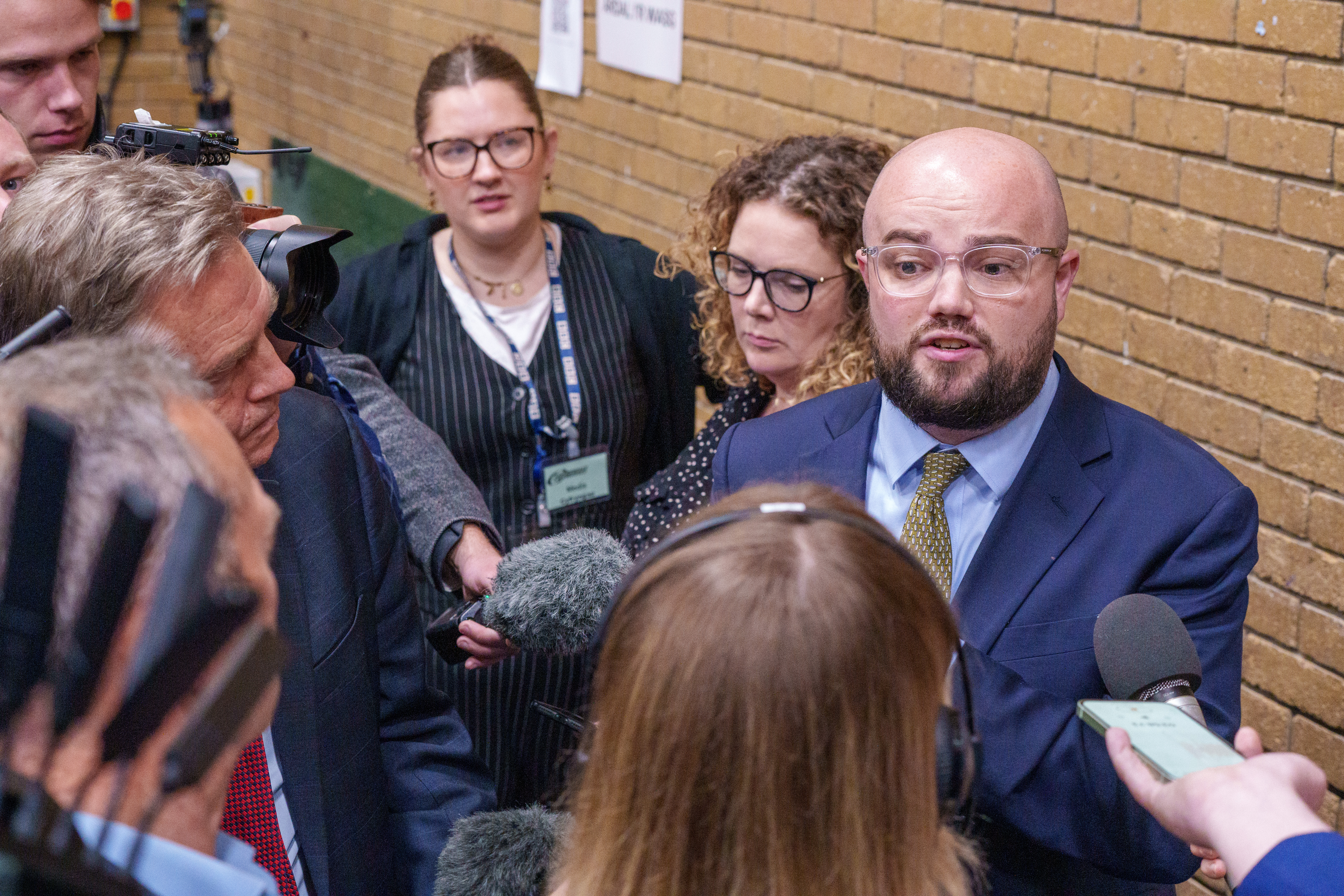
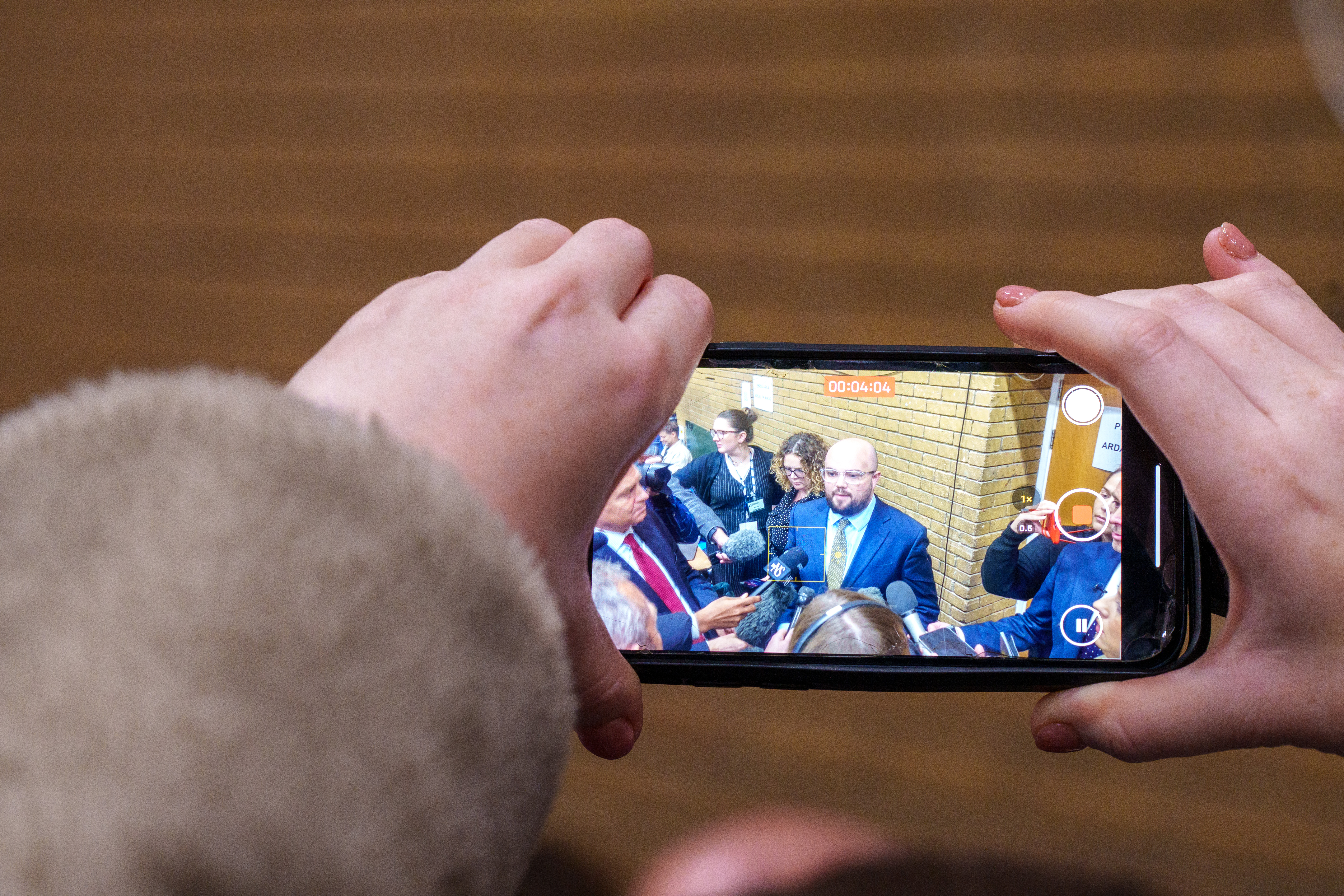
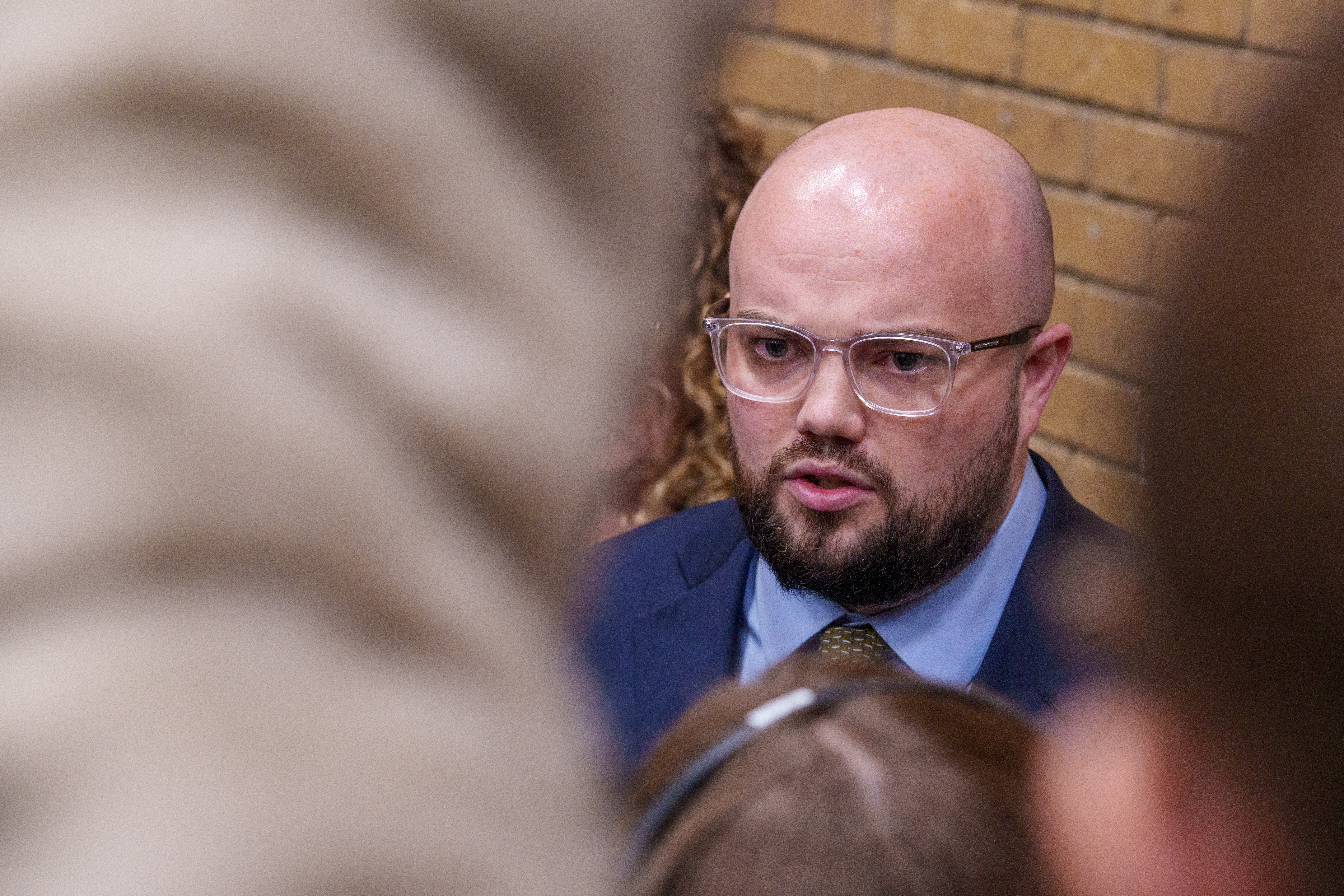
As an amateur documentary photographer, it was a great experience all round and I had the chance to meet some fab people from media and different parties while there and for a long time I really thought the end was already written. For me, it was also a good test of staying objective, trying to see past the noise and catch what was really unfolding. What this result means for Caerphilly is still being written, and there’s definitely a feeling that this was just one chapter in a longer story for Wales. Though quiet for a while, the fight is far from over, a real sense that there is no time for Plaid to rest, and no certainty yet about where the next turn in the valleys will lead.
 KarlJones.Photography